CULT CLASIC: JOHNNY LYTLE-THE LOOP.
Cult Classic: Johnny Lytle-The Loop.
Johnny Dillard Lytle was born into a family of musicians on December October ’13th’, 1932 in Springfield, Ohio. His father was a drummer and his mother an organist. Influenced by both, the future vibes virtuoso grew up playing drums and piano. However, before studying music he was a successful boxer.
The man who later became known as Fast Hands was a Golden Gloves champion. Lytle continued to box into the fifties while working as a drummer. He accompanied musical luminaries like Ray Charles, Gene Ammons and Jimmy Witherspoon. However, despite enjoying success as a drummer he switched to vibes.
This was the instrument that Lytle made his name playing. However, between 1955 and 1957 he toured with organist Hiram “Boots” Johnson. Having served his musical apprenticeship, he formed his own group later in 1957.
Joining his group was saxophonist Boots Johnson, organist Milton Harris and drummer William “Peppy” Hinnant. The quartet spent the next few years honing and refining their sound. This paid off, and in 1960 jazz writer and producer Orrin Keepnews signed the group to his Jazzland label.
By then, Lytle had established himself as a showman. He was known for his hand speed and flamboyance. Later, Lionel Hampton called him: “the greatest vibes player in the world.” However, before that, he released his debut for Jazzland.
Blue Vibes.
This was Blue Vibes by the Johnny Lytle Trio. The vibes virtuoso wrote the title-track and Mister Trundel. A total of seven tracks were recorded in New York on June ’16’, 1960. The lineup featured drummer Albert Heath and organist Milton Harris.
When Blue Vibes was released later in 1960, critics were won over by an album that was a mixture of soul-jazz that also showcased Lytle’s unique and inimitable brand of bluesy funk. He was regarded as one of jazz’s rising stars.

Happy Ground.
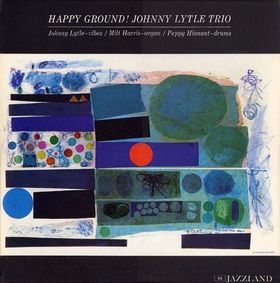
For the followup to Blue Vibes, bandleader Lytle penned Lela and Happy Ground. A total of nine tracks were recorded in New York on March ’23rd’, 1961. This time, the Trio’s line up featured drummer William “Peppy” Hinnant and organist Milton Harris. The album was recorded in one day and released later in 1961.
Just like their debut album, the Trio’s sophomore album was well received. On the album they flitted between cool jazz, easy listening as well as soul-jazz and bluesy funk. Sadly, the album wasn’t particularly successful, but is a hidden gem in Lytle’s back-catalogue.
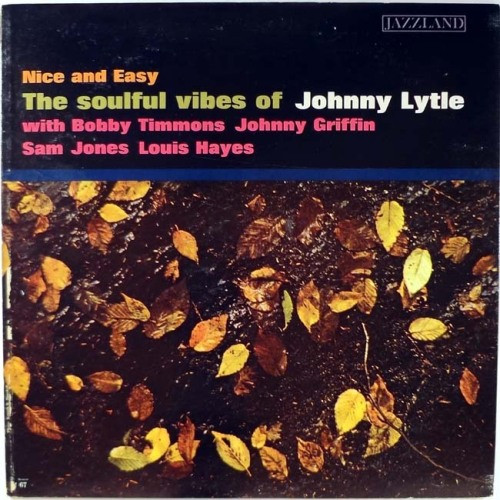
 Nice and Easy (The Soulful Vibes of Johnny Lytle).
During 1962, Lytle recorded two albums. This included Nice and Easy (The Soulful Vibes of Johnny Lytle). The bandleader wrote contributed two of the seven tracks, Coroner’s Blues and 322-Wow! These tracks were recorded in New York on January ’29th’, 1962. The lineup featured drummer Louis Hayes, bassist Sam Jones, pianist Bobby Timmons and tenor saxophonist Johnny Griffin. They played their part in an album that was very different to Blue Vibes and Happy Group.
Nice and Easy (The Soulful Vibes of Johnny Lytle) was move away from the usual mix of blues-tinged funk and soul-jazz. In its place, was a much more laid-back album that had been heavily influenced by hard bop. Ballads were to the fore and rubbed shoulders with standards and the two new tracks on this critically acclaimed album. It later was recognised as one of the Fast Hands’ finest hours.
Moon Child.
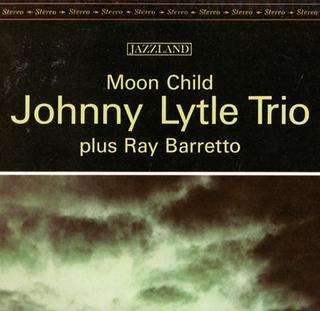
On July ‘5th’, 1962, the Trio returned to the studio to record their third album, Moon Child. The bandleader penned the title-track, The Moor Man and The House Of Winchester. They were joined by five cover versions.
This time, the Trio featured drummer William “Peppy” Hinnan and organist Milton Harris. They were joined by bassist Steve Cooper and Ray Barretto on congas. As usual, the album was produced by Orrin Keepnews and released later in 1962.
When Moon Child was released, it was credited to the Johnny Lytle Trio plus Ray Barretto. The result was another mixture of soul-jazz and bluesy funk. This was becoming the group’s trademark sound. The album was well received by critics and enjoyed a degree of commercial successful. This proved that their was a market for instrumental jazz in 1962.
After releasing five albums on Jazzland, the bandleader moved to the Riverside label and the Trio released their fourth album, Got That Feeling!
Got That Feeling!
The album was recorded at Plaza Sound Studios, in New York, on April ‘3rd’, 1963. Bandleader Lytle contributed five of the nine tracks, Pow-Wow, Big John Grady, Lela, The Soulful One and Got That Feeling! As usual, Orrin Keepnews was in charge of production.
Again, the Trio featured drummer William “Peppy” Hinnan and organist Milton Harris. They were augmented by bassist Steve Cooper on what was a truly ambitious album.
The Trio improvised and the truly infectious music swung as they focused on the groove. It was an album of innovative and imaginative music which Lytle hoped would have broader appeal than his previous albums. That should’ve been the case. The album was much more accessible and should’ve appealed to people who weren’t fans of jazz music. It was an album that found favour with critics and enjoyed a degree of success. However, this wasn’t the only album Fast Hands would record and release during 1962.

The Village Caller!
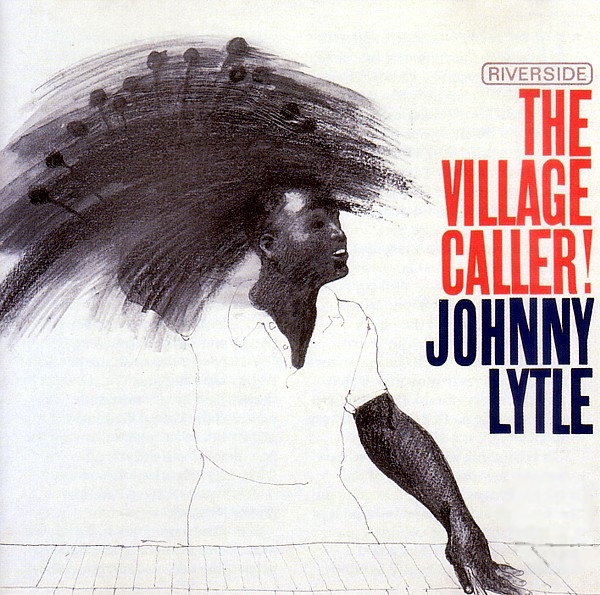
On September ’18th’, 1963 the Johnny Lytle Quintet recorded their debut album, The Village Caller! The bandleader wrote half of the eight tracks. This included the title-track, Pedro Strodder, Kevin Devin and Unhappy, Happy Soul. When the album was recorded it featured some familiar faces.
This included drummer William “Peppy” Hinnan and organist Milton Harris who had played their part in the success of the Trio. They were joined by bassist Bob Cranshaw and percussionist Willie Rodriguez. The album was produced by Orrin Keepnews and released later in 1963.
The result was an album that was a mixture of cool jazz, Latin and R&B. Some of the familiar tracks headed in a new direction and were given a rhythmical makeover. Critics were won over by the album which was released to plaudits and praise. It was the album that transformed Lytle’s career. Suddenly, he was one of jazz’s rising stars. However, meanwhile, there were problems at the Riverside label.
Co-founder Bill Grauer, Jr had passed away suddenly after suffering heart attack, in December 1963. He and Orrin Keepnews had founded the company a decade earlier in 1953. However, by July 1964 the company filed for voluntary bankruptcy. After eleven years, Riverside Records was no more.
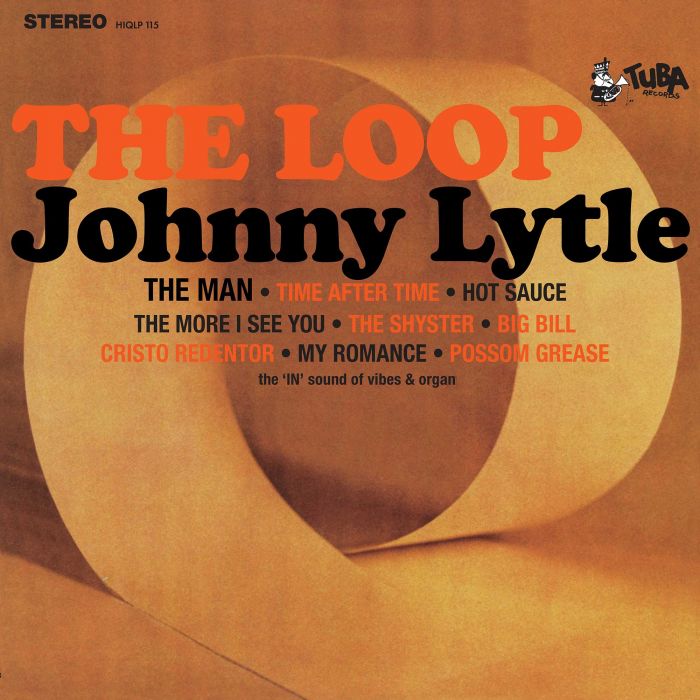
This meant that Lytle was left without a label. However, he contented to work with producer Orrin Keepnews, and as 1964 drew to a close, he began work on a new album The Loop, which was the first of two he released on the Detroit-based label Tuba Records.
The Loop.
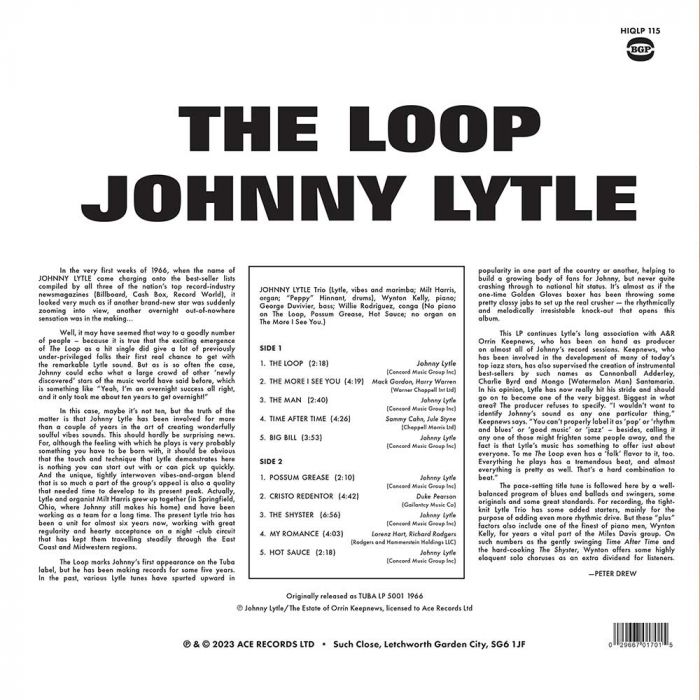
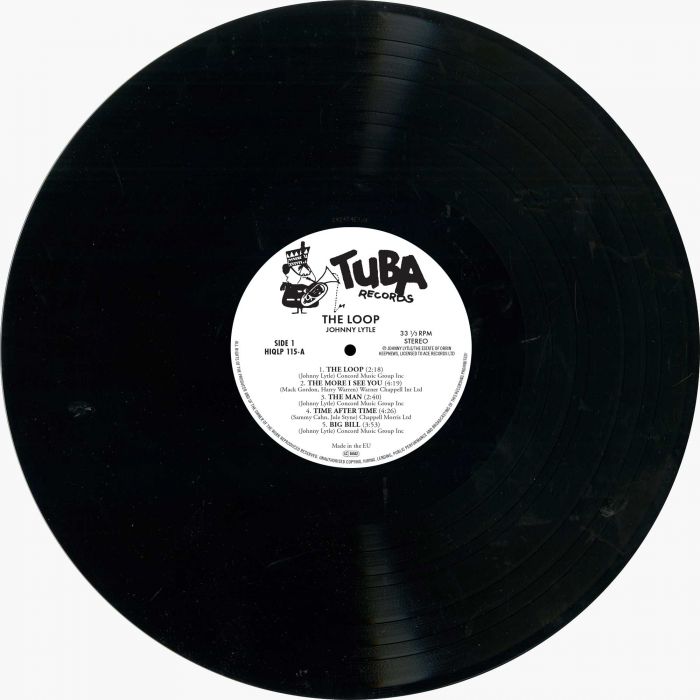
For The Loop, Lytle had written six of the ten tracks. They were The Loop, The Man, Big Bill, Possum Greaser, The Shyster and Hot Sauce. They were joined by covers of Duke Pearson’s Cristo Redento, Mack Gordon and Harry Warren’s The More I See You, Sammy Cahn and Jule Styne’s Time After Time plus Rogers and Hart’s My Romance. These tracks were recorded during two sessions by an all-star band.
The first session for The Loop took place in New York on December ‘30th’, 1964. The second took place in mid-1965.
As usual, Lytle who played vibes and marimba, and was joined by drummer William “Peppy” Hinnan and organist Milton Harris. They were augmented by bassists Bob Cranshaw and George Duvivier, conga player Willie Rodriguez and pianist Wynton Kelly who previously, had accompanied everyone from Dinah Washington and Dizzy Gillespie to Miles Davis. Producing The Loop was Orrin Keepnews. The album was completed in mid-1965 and scheduled for release later in 1965.
The Loop was released on Tuba Records to widespread critical acclaim, and built on the critical and commercial success of The Village Caller! Johnny Lytle’s seventh album was hailed as ambitious and innovative. It saw the vibes and marimba maestro continued to push musical boundaries on a genre-sprawling album. Elements of hard bop and soul-jazz were augmented by Latin and pop influences, Cuban rhythms and street funk. Tracks veered between aggressive to cinematic and groovy while others showcased a beauty, tenderness and sometimes, a sense of melancholy. There was something for everything on The Loop.
The Loop was Lytle’s seventh album, and debut for Tuba Records. It’s now regarded as a classic and one of his finest albums. It was also one of his most successful and featured a hit single. This was the title-track which spent five weeks in the US Billboard 100 in January 1966, raising Fast Hands profile no end.
Later, Lionel Hampton called Lytle: ”the greatest vibes player in the world.” He played with speed and was a versatile musician who enjoyed a recording career that lasted just over thirty years and saw him release albums right up until the early nineties.
Sadly, vibes virtuoso Johnny Lytle passed away on December ’15th’, 1995 in Springfield, Ohio, the city where he was born and called home. That day, jazz lost a flamboyant showman, a gregarious musician who was respected by the musicians who played alongside and who he accompanied. This included everyone from Louis Armstrong and Lionel Hampton to Miles Davis, Nancy Wilson, Bobby Timmons as well as fellow vibraphonist Roy Ayers. Fast Hands played alongside the great and good of jazz, and never looked out of place.
On the jazz circuit, Lytle was always a popular draw. He was a versatile musician and bandleader who could seamlessly switch between genres and styles. In an instant, he could go from cool jazz or easy listening to swinging, uptempo tracks or soulful ballads. Then there was his unique brand of soul-jazz and bluesy funk. Fast Hands was Mr Versatile and played was flair and was a flamboyant showman when he played live.
He also left behind a magnificent musical legacy. This includes his classic album The Loop. It features Johnny Lytle at the peak of his powers, and is without doubt, the perfect introduction to the man they called Fast Hands, the flamboyant vibes virtuoso from Springfield, Ohio.
Cult Classic: Johnny Lytle-The Loop.

- Posted in: Acid Jazz ♦ Bebop ♦ Cool Jazz ♦ Funk ♦ Hard Bop ♦ Jazz ♦ Latin ♦ Soul Jazz
- Tagged: Ace Records, BGP, Blue Vibes, Got That Feeling!, Happy Ground, Johnny Lytle, Milton Harris, Moon Child, Nice and Easy (The Soulful Vibes of Johnny Lytle), The Loop, The Village Caller!, William "Peppy" Hinnant
 dereksmusicblog
 dereksmusicblog