BLACK AMERICA SINGS STEVIE WONDER.
Black America Sings Stevie Wonder.
Label: Ace.
Format: CD.
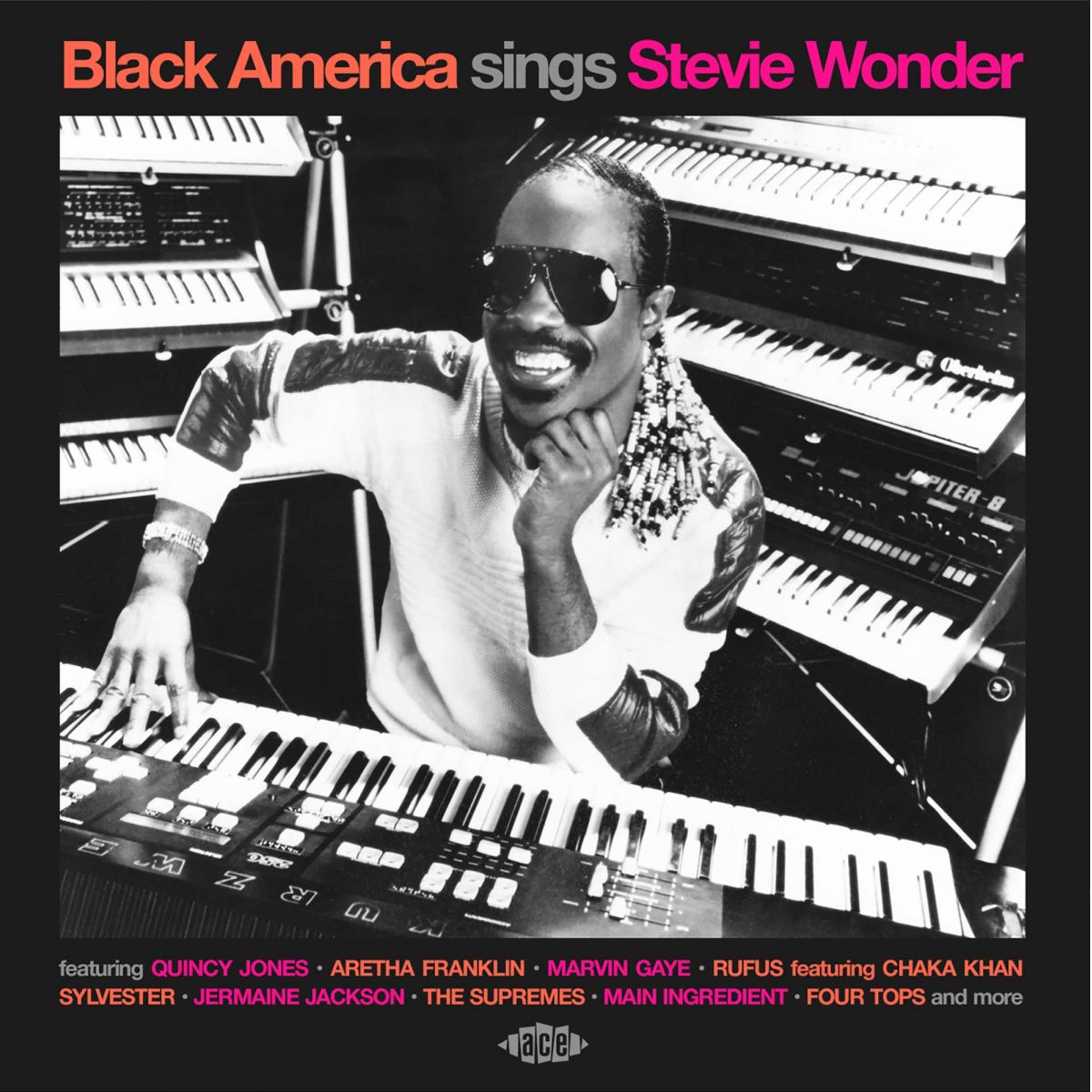
‘Black America Sings Stevie Wonder’ was released on 27th March 2026, and is the eighth instalment in a compilation series that was launched back in 2010. However, the previous volume ‘Highway Of Diamonds – Black America Sings Bob Dylan’ was only released by Ace on 30th January 2026.
Usually, record labels don’t release volumes of the same compilation series so soon. This is unusual. Especially in a highly competitive compilation market.
Given the current economic climate, most people have less disposable income. Vinyl and CDs are now a luxury for even the most dedicated music fan. As a result, they’re much more discerning when buying new albums, reissues and especially compilations.
The compilation market is fiercely competitive, and nowadays, it’s possible to buy compilations of eclectic, esoteric, groundbreaking and innovative music released by record labels worldwide.
No longer do record shops and online retailers just stock releases by UK and American labels. That used to be the case. Thankfully, that’s no longer the case. There’s much more choice available. Nowadays, it’s possible to find compilations from labels in Australia, France, Germany, Japan, Norway, Peru, Spain and everywhere in-between in your local record shop and online. This is very different to record shopping in the seventies and eighties.
Nowadays, there’s compilations of every genre of music available. It’s no exaggeration to say that all musical tastes are catered for. Maybe younger music buyers will take this for granted. This wasn’t the case during the seventies.
Things were very different back then, and there weren’t as many compilations released. Far from it. Many of these compilations were cash grabs, with as many tracks crammed onto lightweight vinyl. They were a recipe for inner groove distortion, sounded awful and often would skip badly. Nowadays, these records lie unloved in charity shops, and are a far cry from the 180 grams coloured vinyl that many compilations are pressed on.
However, it’s not quality all the way in the ultra competitive compilation market. There’s still plenty of third-rate compilations that are just cash grabs by record labels. Coming to a record shop near you soon could be Best Summer Driving Anthems, The Ultimate Album For Lovers, Best Breakup Songs and Songs To Makeup To.
Then there’s the plethora of barrel-scraping cash-ins. Look out for Definitive 80s One Hit Wonders Vol. 16, Disco Floorfillers Volume 39 and Northern Soul Stompers Vol. 72. The latter will be only available from selected supermarkets, and will be bought by aging soul fans along with their Polos, Prosecco, readymade meals and raspberry vapes. For Generation Z, that’s what you’ve got look forward to. There’s serval reasons to enjoy yourself while you can, and be discerning about the music you buy and listen to.
Back to the compilation in question, ‘Black America Sings Stevie Wonder.’ This brings us to the big question, is it a quality compilation and worthy addition to this long-running series or merely a cash-in? Let’s look at the evidence. Sounds like one for Columbo. Alas, he’s hung up his raincoat, so this is a case for your cynical scribe.
There’s twenty tracks on ‘Black America Sings Stevie Wonder.’ There’s contributions by some big names on the compilation. This includes Rufus featuring Chaka Khan, Quincy Jones, The Supremes, Nancy Wilson, Four Tops, Marvin Gaye, Sister Sledge, Aretha Franklin, Randy Crawford and Lou Rawls. Then there’s tracks by The Bar-Kays, Margie Joseph and Betty Wright. They all cover and in some cases breathe new life into tracks by Stevie Wonder.
Opening the compilation is ‘Let’s Get Serious,’ the title track from Jermaine Jackson’s sixth album. Wonder and Jackson co-produced the album. It was released on Motown in 1980, and the title track was number one in the US R&B charts for six weeks. Wonder’s influence shine through on this funky and soulful dancefloor filler. He plays drums, guitar, piano, synths and adds backing vocals. Then there’s the lush dancing strings that sweep in and out as Jackson delivers a heartfelt and hopeful vocal on what was one of the highlights of the album.
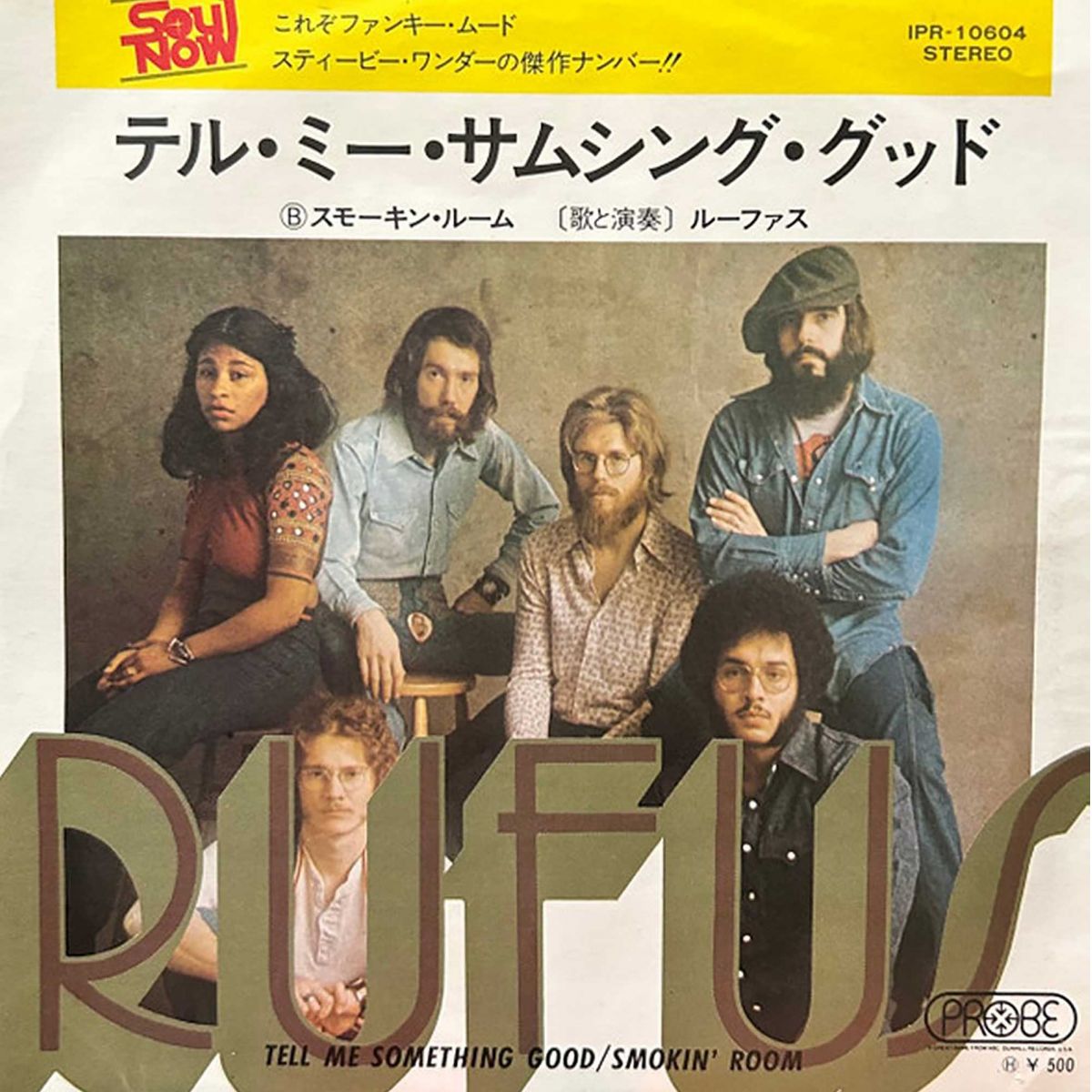
‘Tell Me Something Good’ was covered by Rufus featuring Chaka Khan and featured on their album ‘Rags To Rufus.’ It was produced by Bob Monaco and Rufus and was release by ABC in 1974. The arrangement is tough and funky and is the perfect backdrop for Khan’s deliberate and energetic vocal powerhouse which often, veers towards sensuous. It’s no surprise that when it was released as a single it reached number three on the US R&B charts.
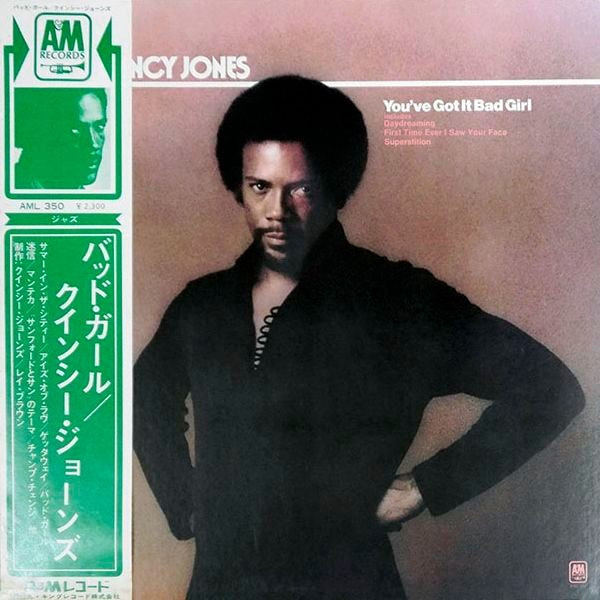
One of Quincy Jones best albums was ‘You’ve Got It Bad Girl.” It was released by A&M in 1973, and featured a cover of ‘Superstition.’ Jones arranged the track and co-produced it with Ray Brown. They reinvent and transform this classic into a laid back track. Having said that, there’s a pulsating heartbeat throughout this slice of cinematic soul with a social conscience. It features Billy Preston, Bill Withers and Wonder on backing vocals. They play their part in the sound and success of what’s one of the highlights of the album.
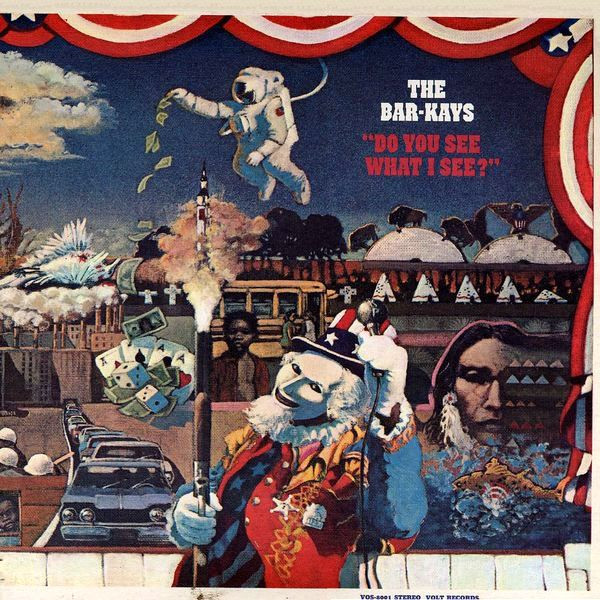
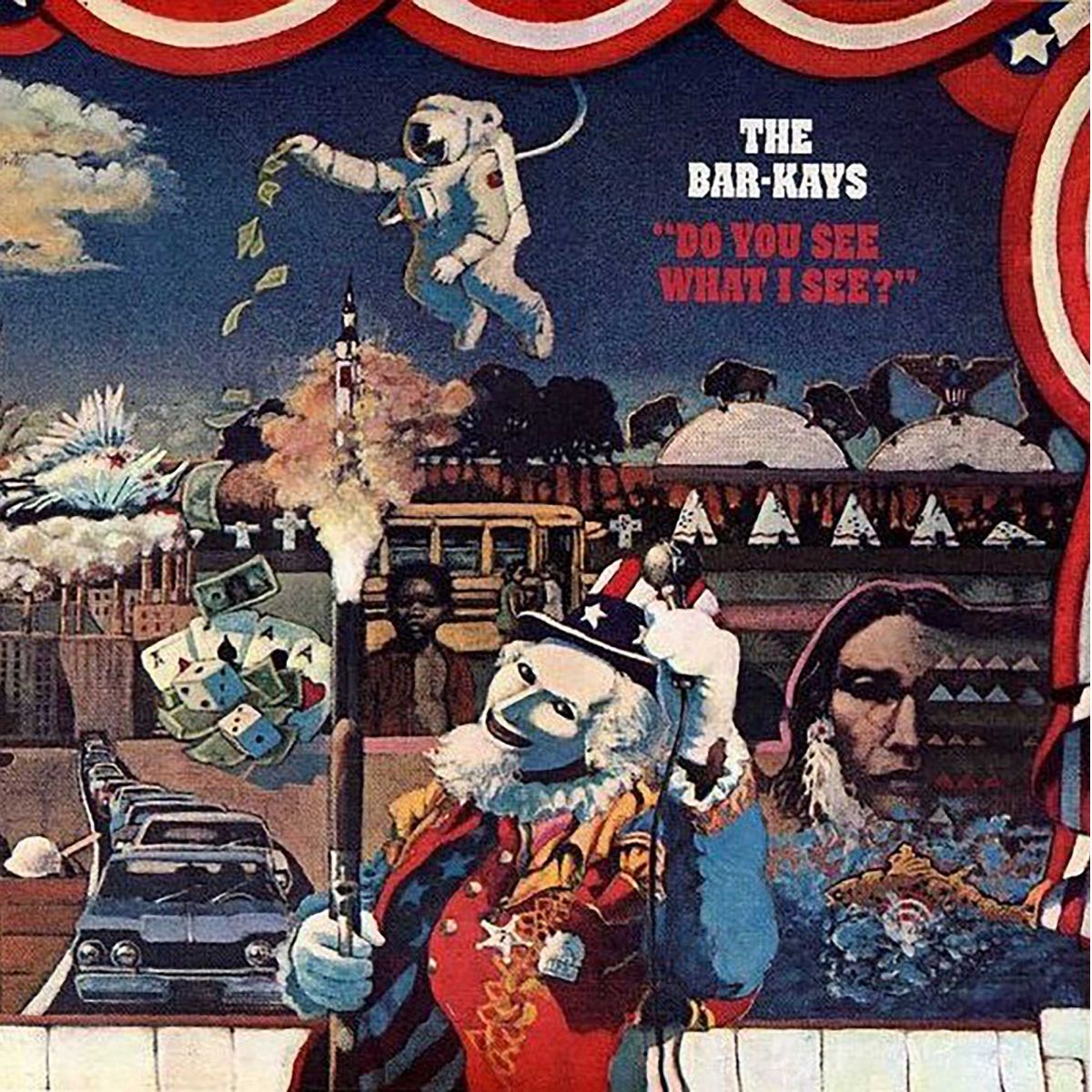
Allen Jones produced The Bar Kays cover of ‘I Was Made To Love Her.’ It featured on their 1972 album ‘Do You See What I See?.’ The album was released on the Stax imprint, Volt. It’s a scorching reinvention of the track the band that was by then led by James Alexander.
Margie Joseph’s cover of ‘To Know You Is To Love You’ is sultry, sensual, soulful and features a vocal that’s heartfelt and emotive. She and her band seamlessly fuse soul and symphonic funk on this track from her 1974 album ‘Sweet Surender’ which was released on Atlantic. It’s a hidden gem and a reminder of a truly talented singer whose music deserves to be heard by a much wider audience.
‘What Are You Going To Do With It is a track from Betty Wright’s 1981 eponymous album. It was released on Epic, and was produced by Wonder, who also played keyboards. Again, Wonder’s influence and sound is apparent as Wright delivers an accusatory vocal against an arrangement that’s a mixture of soul and funk.
In 1971, Philly girl group changed their name to LaBelle. That year, they released their eponymous debut album, and provided backing vocals on Laura Nyro’s fifth album ‘Gonna Take A Miracle. When Labelle returned with their sophomore album ‘Moon Shadow’ in 1972, it reached 42 in the US R&B charts.
Vicki Wickham and Wonder coproduced LaBelle third album ‘Pressure Cookin.’’ It released by RCA in 1973 but failed ton chart. Nowadays, the album is regarded as a cult classic. It featured a cover of Wonder’s ‘Open Up Your Heart.’ When it was released as a single this soulful plea for understanding failed to trouble the charts. However, the album showed what the group were capable of, and in 1974 they released their classic single ‘Lady Marmalade.’
The best track on the compilation is ‘Until You Come Back To Me (That’s What I’m Gonna Do)’ by Aretha Franklin. This truly timeless slice of soul was released by the Queen of Soul in 1973. It sold over a million copies and reached number three on the US Billboard 100. Thirty-three years later it’s still a favourite of radio DJs.
‘We Had A Love So Strong featured on Randy Crawford’s 1982 album ‘Windsong.’ It reached number seven in the UK and was certified silver. The track features Crawford’s trademark silky smooth and soulful vocal which is full of emotion as she breathes new life and meaning into the song.
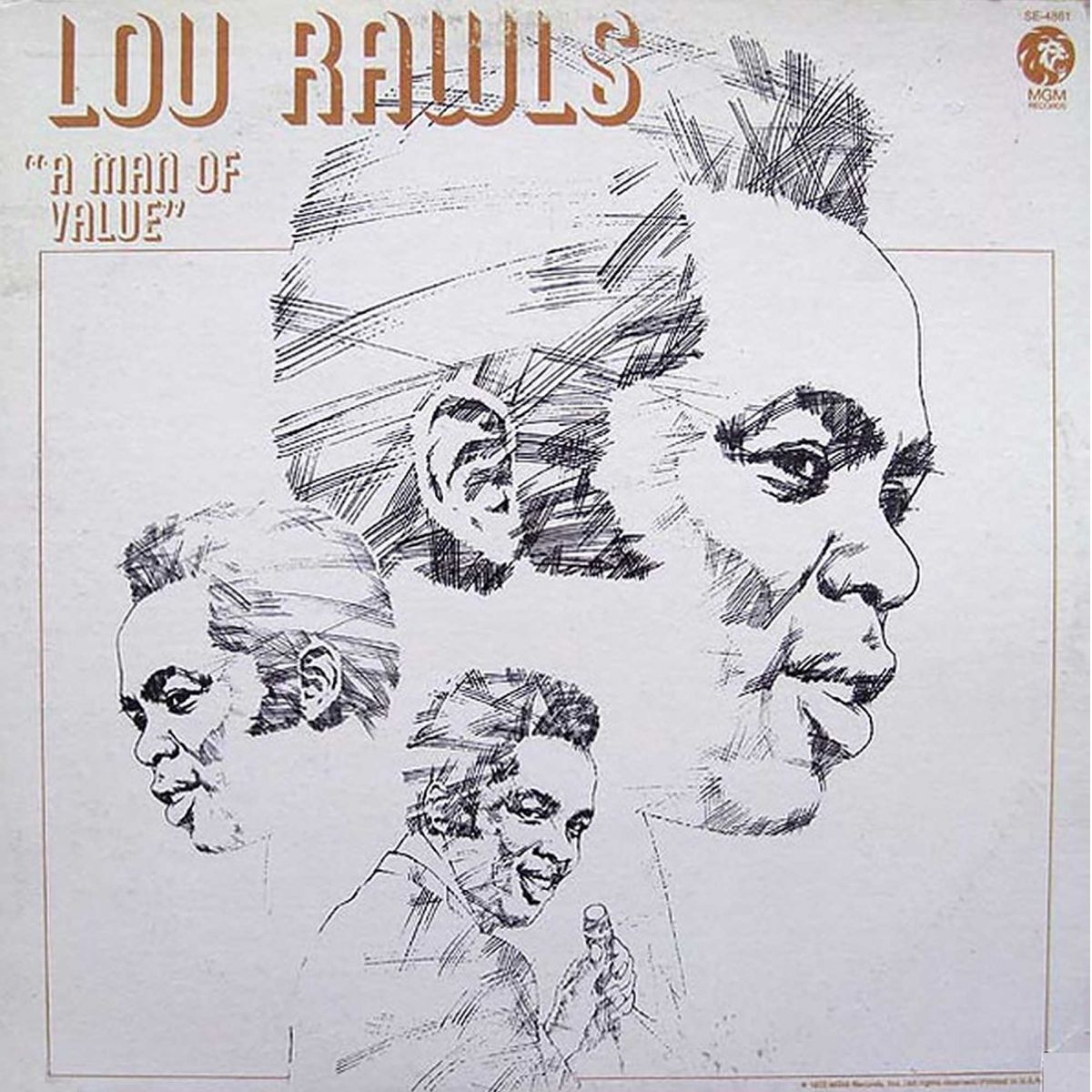
Closing ‘Black America Sings Stevie Wonder’ is the ballad ‘Evil’ by Lou Rawls. Reg Powell is responsible for an understated gospel-tinged arrangement. Rawls delivers lyrics that are as just as relevant today as they were in 1972, when the track featured on his album ‘A Man Of Value.’
Choosing just twenty tracks for ‘Black America Sings Stevie Wonder’ can’t have been easy. It’s estimated that Wonder’s songs have been covered at least 7,500 times. There’s been covers by soul, funk, gospel, jazz, pop, rock and country artists and bands. Many have stayed true to the original, while others have reinvented familiar and much-loved tracks.
‘Black America Sings Stevie Wonder’ features many familiar faces. This includes a number of artists who were also signed to Motown or Tamla. There’s also what will be new names to many music fans on the eighth instalment in this long-running series. This includes O.C. Smith and The Persuasions. They play their part in what’s an eclectic compilation. There’s everything from soul and funk to cinematic soul and symphonic funk along with elements of gospel, jazz, blues and rock.
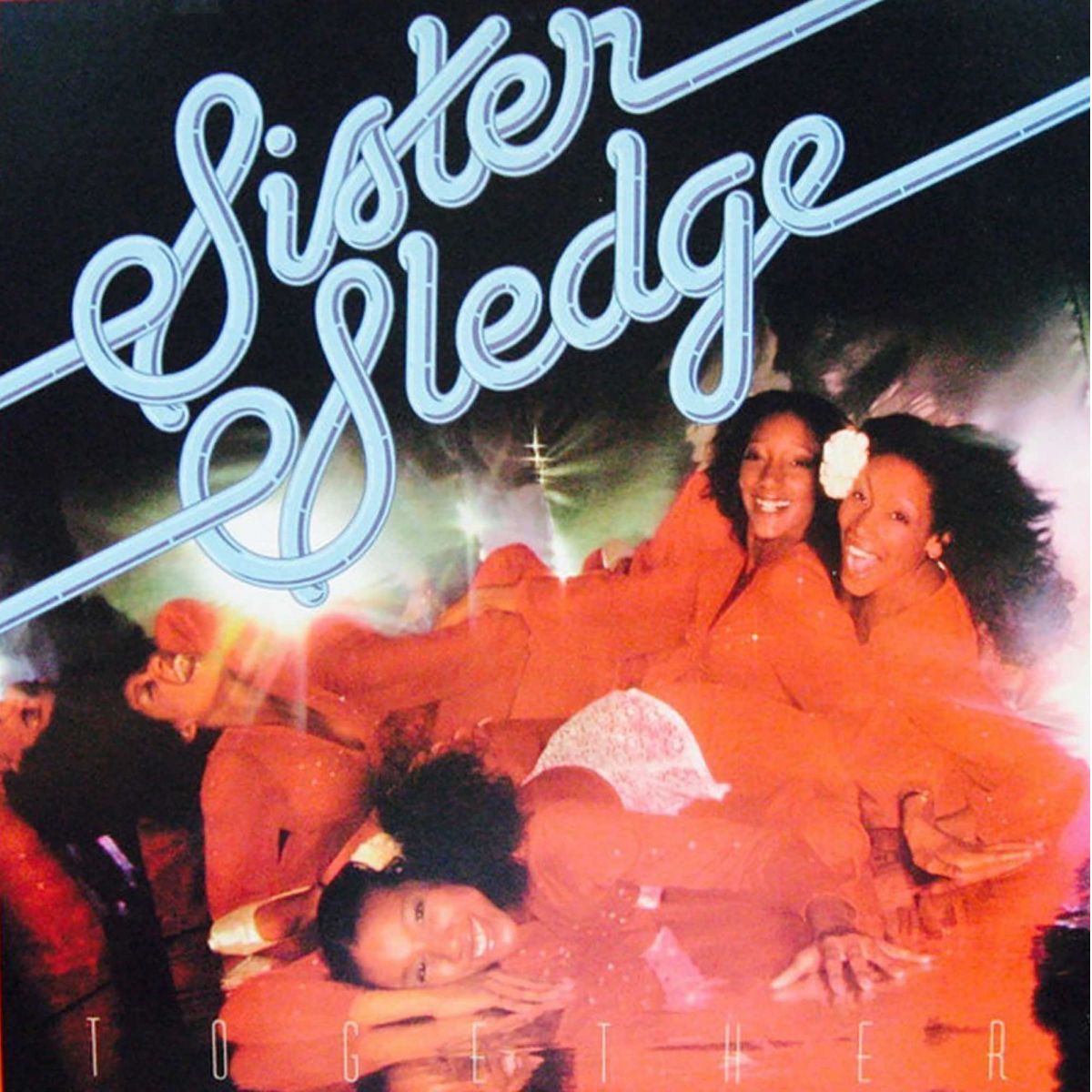
The tracks that I’ve mentioned are among the best on the compilation. Honourable mentions must also go to The Supremes’ cover of ‘Bad Weather;’ Nancy Wilson’s irresistible take on ‘Uptight (Everything’s Alright);’ Marvin Gaye’s heart-wrenching reading of ‘You’re The One For Me;’ Sister Sledge’s dancefloor filler ‘As’ and The Main Ingredient’s sultry, soulful and cinematic hidden gem ‘Superwoman.’ There’s much to like on ‘Black America Sings Stevie Wonder,’
However, there are a couple of tracks that disappoint. This includes gospel group The Dixie Hummingbirds’ cover of ‘Jesus Children Of America.’ It sounds out of place on the compilation. That’s despite the group seamlessly fusing elements of gospel, funk and rock. The other is O.C. Smith’s reinvention of ‘My Cherie Amour’ as a ballad in 1968. Although he’s a truly talented vocalist, the track doesn’t quite work as ballad.
Having said all that, anyone who is a fan of Stevie Wonder, soul, funk or R&B music and of course, the Black America Sings compilation series may be interested in the latest instalment in this long-running series. ‘Black America Sings Stevie Wonder’ is another lovingly curated compilation and a welcome addition to the series. One wonders when the ninth instalment will drop and who will Black America be singing?
Black America Sings Stevie Wonder.
- Posted in: Funk ♦ Gospel ♦ Jazz ♦ R&B ♦ Rock ♦ Soul
- Tagged: Ace, Aretha Franklin, Betty Wright, Black America Sings Stevie Wonder, Labelle, Lou Rawls, Margie Joseph, Marvin Gaye, Nancy Wilson, Quincy Jones, Randy Crawford, Rufus featuring Chaka Khan, Sister Sledge, The Bar-Kays, The Supremes
 dereksmusicblog
 dereksmusicblog