LIGHT OF THE WORLD-LIGHT OF THE WORLD.
LIGHT OF THE WORLD-LIGHT OF THE WORLD.
One of the bands who were at the forefront of the UK’s jazz funk movement during the late-seventies were Light of The World, whose name pays homage to Kool and The Gang’s 1974 album Light of the Worlds. They went on to release five albums between 1979 and 1999. Their debut album was Light of The World, released in 1979. A year later in 1980, and after the tragic death of percussion player Chris Etienne two new members joined Light of the World and Round Trip was released. In 1981, Light of the World split up for the first time. This would result in two new bands being formed. Kenny Wellington, David Baptiste and Breeze McKreith went on to form Beggar and Co., while Jean Paul Maunick, Peter Hinds and Paul Williams went on to found Incognito. With Light of the World having spilt-up, Light of the World Remixed was released in 1981. Then with a new lineup, Light of the World released Check It Out in 1982. After this, Light of the World wouldn’t release another album until 1999, when Kenny Wellington got most of the original band together. Inner Voices was the result of this reunion. Since then Light of the World haven’t released any more albums. Now thirty-three years after Light of the World released Light of the World, the album will be rereleased by BBR Records on 27th August 2012. After, I’ve told you about the background to the album, I’ll tell you about the music on Light of the World.
Light of the World had been signed to Ensign Records by Nigel Grainge. He had a track record for signing successful bands at Phonograph Records. Two of his most successful signings were 10cc and Thin Lizzy. After seven years working at Phonograph Records, Nigel decided to start his own label, Ensign.
Having founded Ensign, one of Nigel’s first signings were wannabe punks The Boomtown Rats. Nigel had been alerted to the popularity of what was called Brit Funk by Chris Hill. The term Brit Funk came about when Hi Tension, one of the first wave of Brit Funk groups signed to Island Records. Soon, Ensign would have their own Brit Funk outfit, Light of the World.
Joe Williams, who owned a record shop North London selling funk and soul, heard Light of The World and thought the group had potential. He let the group rehearse above his shop. Then one day, hearing an argument in the rehearsal space, one of his employees in the shop Jean Paul Maunick, went up to investigate. He started trying to convince the group to let him join. He joined, as did a new drummer. Soon, the group were honing their sound in North London clubs. Next step was for Joe Williams to arrange a recording of an acetate of a track Light of The World had been honing. It was passed to the so-called “Funk Mafia,” a collective of London DJs. Soon the word spread about Light of The World, with word reaching Ensign Records’ Nigel Grainge.
When Nigel Grainge at Ensign Records heard Light of The World, his original idea was to record and release a single, with the possibility of an album following. However, he decided to send the group into the studio to record an album. Light of The World would head into the studio with American producer Vinnie Castellano, who’d later work with Grandmaster Flash. The resulting album Light of The World was recorded at London’s Chappells Studios. Nine tracks were recorded during the fall of 1978, with the album Light of The World set for release in 1979,
Swingin’ was chosen as the lead single and released in April 1979. It reached number forty-five in the UK. The second single released was Midnight Groovin’ in June 1979, which reached number seventy-five in the UK. When Light of The World was released in 1979, it failed to chart in the UK album charts. For a new band, having their first two singles chart was a reasonable start to Light of The World’s career. However, what does the music on Light of The World sound like?
When Light of The World opens with the lead single Swingin’ the sound is funk from the get-go. Chiming guitars and a driving rhythm section combine with blazing horns before Neville McKreith’s punchy, joyous vocal enters. Key to the sound is the pounding, funky rhythm section, with Paul Williams’ bass at the heart of the arrangement. His slap bass is augmented by sizzling guitars, bursts of blazing horns and percussion. Backing vocalists accompany Neville’s punchy, deliberate vocal, while Light of The World give a Brit Funk masterclass. They take you on an irresistible, seven minute funk-laden musical journey and by the end of the journey, you wonder why the single wasn’t a bigger success.
Dreams has a slightly dramatic sound, with the guitar opening the track, as the sound pans from right to left. The tempo is dropped, the sound distant and the vocal pensive. Neville’s vocal is accompanied by the rhythm section, keyboards, guitars and keyboards. It’s a very different sounding track, with a slightly spacey, experimental sound. There’s a real seventies American influence, especially in the interplay between the lead and whispery backing vocals. As the track progresses, the tempo builds, and Light of The World inject their funky sound. A bass bubbles, sitting at the forefront of the arrangement, while the sound pans and the vocals take on a dreamy, wistful sound. Although very different from the opening track, I like the almost experimental nature of the track, especially the use of effects and that bubbling bass line.
Pounding drums, handclaps and a slap bass open Who Are You (Who Do You Think You Are?) almost explodes into being. Soon, the horn section and bursts of probing backing vocals join the fray. Neville’s vocal is impassioned, emotive and sometimes, even angry. He’s accompanied by backing vocals and an arrangement that’s fast, furious and gloriously funky. Again, Paul Williams slap bass is key to the sound, with bursts of rasping horns and percussion helping drive the track along to its emotive ending.
Midnight Groovin’ was the second single released from Light of The World, reaching a disappointing seventy-five in the UK. Here, percussion and a clavinet, which was a favourite of Stevie Wonder’s in the early seventies feature heavily during the track. Percussion is central to the sound, along with the rhythm section, punchy, blazing horns and clavinet. As Light of The World head on a Magnus Opus of a funky jam, Neville’s vocal are joyful, sensual whoops. The vocal is almost incidental, as the focus of your attention is the band’s performance. They unleash one of their most polished, accomplished and funky performance, as they head on their way to becoming leaders of the Brit Funk pack.
Aspects opens with an acoustic guitar and pounding drums combining, and providing contrasting sounds. You wonder where the track is heading, and settle back to enjoy the journey. It’s a more mellow sound, with guitars, percussion and the rhythm section combining, creating a much more soulful, less heavy funky sound. Although the track’s still funky, the tempo is slightly slower and the cascading tender vocals encourage you to lose yourself in the track. This you do, enjoying hearing another side to Light of The World’s music, one that’s quite enchanting and beautiful.
Mirror of My Soul is a mid-tempo track, where Light of The World toy with you, before the track begins to unfold. Percussion, guitars and a pounding bass are joined by emotive, bursts of growling horns. Neville’s vocal is tender, tinged with heartache and despair. Backing vocals accompany him, as searing horns reflect his hurt and heartache. The use of the horns by producer Vinnie Castellano is something of a masterstroke and along with Neville’s vocal, what makes this such a an emotive, beautiful and soulful song.
Closing Light of The World is Liv Together (The Greater London Funkathon), where Light of The World spread their message of unity to fellow Londoners. Banks of synths and keyboards open the track, before sizzling horns, guitars and a funky, driving rhythm section combine. The vocal is plea for unity and togetherness, which in 1979, when the album was released something that was sadly lacking in the UK. As the track progresses, they fuse punchy horns, the funkiest of rhythm section, handclaps and joyous, uplifting vocals, before keyboards fill out the sound further. By the end of the track, Light of The World provide a joyous jazz-funk soundtrack for London, one that thirty-three years later is uplifting, inspiration and hugely catchy.
Light of The World’s debut album Light of The World put them at the forefront of the Brit Funk movement. It’s an accomplished album that’s aged well in the intervening thirty-three years. Sadly, over the next few years tragedy and changes in the band’s personnel meant that the band never quite fulfilled their early potential. Members left the band, forming new bands, with new members joining when the band reformed. This meant there was never a consistent lineup. Maybe if tragedy and personnel changes hadn’t affected the band, they would’ve gone on to become a much more successful band. Everything was in place on Light of The World, with Light of The World becoming one of the best of the first wave of Brit Funk pioneers. On Light of The World, the seven tracks feature a fusion of some of the funky and soulful music. Of the seven tracks on the album, four tracks stand out. These are the irresistible lead single Swingin’ and Dreams, and two of the more soulful songs Aspects and Mirror of My Soul. For anyone who wants to rediscover the music of one of the pioneers of the Brit Funk, then Light of The World which will be rereleased by BBR Records on 27th August 2012 is a good starting point. Light of The World will also bring back memories of the British nascent funk scene, when a few British musicians showed that it wasn’t just American musicians who could play funky music. Standout Tracks: Swingin,’ Dreams, Aspects and Mirror of My Soul.
LIGHT OF THE WORLD-LIGHT OF THE WORLD.

GINA CAREY LIVE, LOVE AND LAUGH VOLUME 1 (LIVE).
GINA CAREY LIVE, LOVE AND LAUGH VOLUME 1 (LIVE).
For any independent artist, trying to think of innovative ways of releasing music, isn’t easy. After all, major record companies have whole departments of strategists, whose job is to do just that. So, releasing music on a limited budget must be much harder. However, one artist whose pioneering a new way of releasing an album is Gina Carey. For here eighth album, Live, Love and Laugh, Gina’s decided to release the album in three volumes. This is perfectly suited to the three suites or themes of music that run through the twelve songs on Live, Love and Laugh . With these three very different themes running through the album, Gina decided that an innovative and imaginative way of releasing her new album was in three volumes. On September 4th, Gina will release Volume 1, entitled Live will be released on 4th September, with Volume 2 Love released on January 1st 2012 and Volume 3 Laugh being released on 1st May 2013.
Live, Love and Laugh Volume 1 (Live) is Gina’s third album of 2012 and fifth soul album. Gina Carey’s soulful journey started with My Journey, before releasing was Melodic 2011. Before, becoming a soul singer, Gina had released three gospel albums, In His Time, Changes and Tell Um. Then on St. Valentines’ Day 2012, Gina released the first of three albums she’d release in 2012. Love Letters, was Gina’s fusion of Nu-Soul, smooth soul, R&B and jazz. It was released on the same day as husband John’s Smooth, Soulful and Funky. Then just three months later, released her second album of 2012 Love Letters 2. Again, Gina was innovative, with Love Letters 2 featuring four tracks from Melodic and Love Letters, plus three tracks from Live, Love and Laugh. Now just three months later, I’ve been given a preview of Live, Love and Laugh Volume 1 (Live), which I’ll now tell you about.
The title-track Live, Love and Laugh opens Live, Love and Laugh Volume One. Straight away, swathes of grand strings build the drama up before Live, Love and Laugh reveals its soulful delights. A flourish of strings signal the arrival of Gina’s cascading vocal. Gina’s vocal is heartfelt, full of passion and positivity, while she adds multi-tracked backing vocals. Melodic keyboards, crispy drums, guitar and percussion combine, as this paean to positivity unfolds. With a mixture of emotion, and sincerity, Gina delivers her vocal. She does so as if she means every word, as the arrangement unfolds in waves, with keyboards and guitars key to the single’s sound. When combined with an uptempo, catchy arrangement, the result is an irresistible and hook-laden single,
My All opens with gentle, melodic keyboards, a hint of a shaker and a flourish of harp. They give no clue to where the track’s heading. Then an uptempo track unfolds. Gina’s impassioned vocal soars, while multi-tracked backing vocalists accompany her. Crispy drums provide the track’s heartbeat, while dramatic keyboards and rumbling bass punctuate the arrangement. As Gina’s voice almost trembles with emotion and pride, sweet backing vocals accompany her. Midway through the track, blazing horns add to the drama and emotion of the track. The longer the track progresses, the better Gina’s vocal gets. She mixes power, passion and pride, a formidable combination in life.
Gina drops the tempo on Angel, delivering a beautiful and heartfelt vocal. To me this is the best track on the album. It’s a gorgeous, slow, love song, one that’s perfectly suited to Gina’s voice and which she brings to life. Her delivery is stunning, with her phrasing getting across the beautiful lyrics. Like the two previous tracks, there’s a real Nu-Soul sound, bur Gina’s voice perfect for this style of music. As Gina delivers a heartfelt, emotional vocal, drums and bass provide the song’s slow, sensuous heartbeat. Keyboards, acoustic guitar and backing vocals accompany Gina, before the lushest of strings provide the track’s coupe de grace. Of the four tracks on Live, Love and Laugh Volume 1, this is the best, and very definitely the most beautiful.
Closing Live, Love and Laugh Volume 1 is Jam Session. A pounding bass, keyboards, drums and wah-wah guitar combine with Gina’s vocal. Her vocal is delivered in a dramatic, sassy style, with backing vocals accompanying here. Here, Gina and husband John, decide to unleash a tougher, funkier sound. Similarly, Gina’s vocal has a tougher, sassier sound. Having said that, the track is still soulful. Later, John unleashes a series of sizzling guitar solos, wah-wah-ing his way across the arrangement, almost making his guitar talk. Meanwhile Gina and backing vocalists soulfully soar above the arrangement, as Gina Carey reveals another side to her music, one that I can’t wait to hear more of.
Having constantly played the four tracks on Gina Carey’s forthcoming album Live, Love and Laugh Volume 1 (Live), I can honestly say that Gina’s sounding better than ever. Her vocals are variously a mixture of power, passion, positivity and emotion. The four songs are infectiously catchy and deeply soulful. While Live, Love and Laugh is the lead single, and a hook-laden single at that, Angel a gorgeous, heartfelt love song is the real standout track. Surely, that’ll be released as a single. I know if I was choosing the next single, that’s the one I’d choose. Truly, each of the songs on Live, Love and Laugh Volume 1 (Live) show Gina Carey to be a multi-talented lady, who wrote, arranged and produced the album. She has dedicated Live, Love and Laugh Volume 1 (Live) to her father Eugene Harrison, who sadly died earlier this year. I’m sure that Mr. Harrison would be truly proud of his hugely talented daughter Gina Carey, as she continues to Live, Love and Laugh and make so many happy with her beautiful voice.
GINA CAREY LIVE, LOVE AND LAUGH VOLUME 1 (LIVE).

FOUNTAIN MUSIC AND PLAZA IN CROWD.
FOUNTAIN MUSIC AND PLAZA IN CROWD.
With the recent resurgence in interest in dance music, or as it’s now referred to in the US Electronic Dance Music, you’d think that record companies worldwide would be releasing innovative music to quench what seems like America’s relentless thirst for dance music. Sadly, with a few exceptions, this isn’t the case. Instead, much of the dance music being released is mainstream, bland and derivative. Artists and producer’s move towards the mainstream is with one eye on the dollar, pound or Euro. Not all fans of dance music seem happy with the shift towards commerciality. Neither will some of the pioneers of early electronic music. However, there are still some innovative, pioneering labels left. Two of these labels are from Japan, Fountain Music and Plaza In Crowd. Recently, I’ve reviewed three of their latest releases, Shin Nishimura’s Mash, TEMMA-Teje’s Midget Lamps In the Dark and Satoshi Fumi’s Colours. These albums restored my faith in dance music, showed that their were labels looking for genuinely talented artists and releasing their music. After writing these reviews, I was inundated with people of the same opinion, who were pleased to hear some imaginative, inventive and innovative music. Since then, I’ve set out to finding more about Fountain Music and Plaza In Crowd, from their President Shinji Tokida. He told me about their music, vision and their hopes for the future.
Although it’s been just four years since Shinji Tokida founded Fountain Music and Plaza In Crowd in June 2008, both labels have come a long way. This wasn’t Shinji’s first foray into music, having founded his first label Water Cable when he was still a teenager. He’d been inspired to launch Water Cable after becoming a fan of the music released by Kompact and Mule Musiq. When Water Cable wasn’t the success Shiji hoped for, he was crestfallen. It had been his dream and his life. Then when Shinji was twenty-four he dusted himself down, started saving towards launching a new label. Three years later, he’d saved the money to launch Fountain Music and Plaza In Crowd.
Having founded Fountain Music and Plaza In Crowd in June 2008, Shinji hasn’t looked back. Fountain Music’s first year in business proved a busy and productive one. This included a variety of singles and E.P.s plus the release of Fountain Music’s first CD album Synethesys’ From A Distance. Digital albums that included Yousaka Kaga’s Alive and Shinji Tokida’s A Man Will Transform Himself Into A Heaven. For a new record company, Fountain Music had established themselves in just the final six months of 2008.
2009 would prove even busier for Fountain Music, with Plaza In Crowd now releasing a number of E.P.s, including Dave Angel’s Ghost Train and DJ Yellows’ Alienation 11 and 12. Fountain Music released singles from Popnoname and French DJ and producer Life Recorder. Now Shinji Tokida had established two record companies, he wasn’t content to stand still. He admits to being “ambitious and driven.” Each year, he wants to release more music. However, this must be intelligent music, music he “believes in, music for the heart, soul and mind.” More of this music would follow in 2010.
A new year would see both Fountain Music and Plaza In Crowd releasing much more new, innovate music. In 2010, TEMMA-Teje released his groundbreaking E.P. Run on Fountain Music. Among the albums Fountain Music released were Sans Soleil and Genevieve’s Simple Machine and the Beautia compilation. At Plaza In Crowd they were busy releasing albums. Dublee released Monologue and Popnoname released Surrounded By Mars.
By 2011, both Fountain Music and Plaza In Crowd had established them as successful labels, their music crossing continents. Although Shinji Tokida says: “electronic music isn’t a major musical genre, in Japan both labels are attracting an ever-growing following of fans at home and abroad”. A number of singles, E.P.s and albums released by both labels during 2011. One of the albums Plaza In Crowd released was Dave Angel and Ken Ishii’s album Frame To Frame Remixes. Over at Fountain Music, they marked 2011 by releasing E.P.s from Ney Faustini, Martin Schulte, Rob Belleville, Low Orbit Satellite and Hiroshi Watanabe and Popnoname. It had been a hectic few years for Shinji Tokida but both Fountain Music and Plaza In Crowd were growing in size and stature.
This year has been just as busy for Shinji. Among Fountain Music’s releases are Shin Nishimura’s Mash, TEMMA-Teje’s Midget Lamps In the Dark and Satoshi Fumi’s Colours. Earlier this year, Plaza In Crowd released Dave Angel’s Frame By Frame. In total Fountain Music and Plaza In Crowd have released over twenty CD albums and over one-hundred digital releases. That’s not enough for Shinji Tokida. Further albums will be released later this year, with Synethesys’ Nostalgies Fountain Music’s release. However, what are Shinji Tokida’s plans for Fountain Music and Plaza In Crowd in 2013?
When I asked Shinji Tokida about future releases for 2013 from Fountain Music and Plaza In Crowd, he was excited about three artists. One of these is “French hip hop DJ and producer DJ Cam, who’ll be releasing an album next year.” “Claude Young, is a Detroit producer who is in Japan producing music for his new album for Fountain Music. He’s another artist who Shinji has high hopes for. “Mijk Van Dijk is recording an album for release in 2013.” This is something of a coup, as Mijk is experienced German producer, having spent thirty years in the music business. These are just three albums which will be released in 2013, but I was interested to hear how many albums both labels would release? Shinji said: “we are planning to release between thirty and fifty albums next year.” This is an ambitious undertaking, given how fraught with difficulties even releasing just one album is. However, Shinji Tojida is a determined and driven to do so, taking inspiration from the growth of Apple, especially Eddie Cue, who was responsible for building the iTunes store.
Long term, Shinji Tokida says he’s “constantly looking for new music and new artists.” He’s “constantly striving to discover and release music he believes in, music for the heart, soul and mind.” Shinji, has to feel: “connected with the music.” He wants people to remember “music is art, something beautiful and sacred.” Music he believes: “should help unite people.” Fountain Music’s philosophy is: “everyone is the most beautiful in the world,” an admirable perspective. Plaza In Crowd’s philosophy is : “all mankind is one party.” Through this philosophy of inclusiveness and togetherness, both Fountain Music and Plaza In Crowd “want music to transcend continents, barriers and cultures.”
Helping Fountain Music and Plaza In Crowd to spread their philosophy will be the use of new media and technology. With the arrival of the digital age and Soundcloud, Mix Cloud and Band Camp a much wider audience can hear the music Fountain Music and Plaza In Crowd are releasing. Through Facebook and Twitter people worldwide are able to stay up-to-date with their new releases. Similarly, the advent of the download, means Fountain Music and Plaza In Crowd in Japan can release their music digitally and instantly, listeners worldwide can hear this music. Developments like this means being based in Japan shouldn’t hamper the rise of Fountain Music and Plaza In Crowd. This new and exciting digital age should play a big part in the development of all record companies, and Shinji Tokida is determined to use this to his advantage. Eventually, Shinji Tokida hopes that Fountain Music and Plaza In Crowd “will be able to release one-hundred albums annually, with one of these albums “selling one million copies, turning his records labels into major players in the Japanese music industry.” If he succeeds in doing so, then Shinji Tokida will have fulfilled his dream, the dream he nearly gave up, but thankfully never did.
FOUNTAIN MUSIC AND PLAZA IN CROWD.
htp://soundcloud.com/shinnishimura/shin-nishimura-joonil-bae-haus
http://soundcloud.com/shinnishimura/sun-dance-on-4th-album-mash
http://soundcloud.com/satoshi-fumi/dave-angel-zulu-satoshi-fumi
http://soundcloud.com/info-448-1/fountain-music-plaza-in-crowd
http://soundcloud.com/kino-internacional/sun-is-sunning-on-plaza-in
CAROL WILLIAMS-‘LECTRIC LADY.
CAROL WILLIAMS-‘LECTRIC LADY.
Ask me what my favorite album on Salsoul Records is, and I’m spoiled for choice. Instead of just one album, I’d probably give you a shortlist of albums. Obviously there would be something by The Salsoul Orchestra, Loleatta Holloway, First Choice, Inner Life and Double Exposure. Another album that would be right up there with my favorites, would by Carol Williams’ ‘Lectric Lady. Best known for Love Is You and More, which both feature on ‘Lectric Lady, Carol Williams was one of the original disco divas, and was was the first female artist to sign for Salsoul. So although Carol was the First Lady of Salsoul, her career as a disco diva started towards the end of 1975 with the infectiously catchy Rattlesnake. It was at Salsoul where Carol worked with Vince Montana Jr. and The Salsoul Orchestra that Carol Williams disco diva would release two disco classics Love Is You and More. More became the first twelve inch single commercially available worldwide, reaching number four in the Hot Club Play Charts in 1976. The following year, Carol released ‘Lectric Lady, her only album for Salsoul. Mind you, if you’re only going to release one album for the greatest disco label Salsoul, make it one as good as ‘Lectric Lady. On ‘Lectric Lady, Carol Williams with The Salsoul Orchestra created a true Salsoul classic.
New Jersey born Carol Williams, transformation to becoming the First Lady of Salsoul was almost accidental. Her career started back in the sixties, when she was a member of the female soul trio The Geminis. They released a string of singles on RCA Victor, with 1966s Get It On Home, giving The Geminis their biggest hit. Further singles, including I Hired A Girl and You Put A Hurting On followed, before The Geminis signed to Brunswick. During her time with The Geminis, Carol established herself as a singer and songwriter.
It was during a stint performing on the New Jersey hotel circuit that Carol Williams got the opportunity to become a solo artist. She was performing six nights a week, further honing her skills as a singer, when the opportunity to sign for Salsoul arose. Daverne, Carol’s husband was Wilson Pickett’s bandleader, and his assistant got a call from Salsoul looking for a female vocalist who was similar to Gloria Gaynor. Carol went to the audition and was chosen. When Salsoul heard of Carol’s background in the music industry that was the clincher. Salsoul’s search was over. Carol signed a contract with Salsoul for one album, and soon, a true disco diva would be born.
Now signed to Salsoul, Carol got the opportunity to work with some of the most talented arrangers, producers and musicians. This included producer Vince Montana Jr. and The Salsoul Orchestra. Vince Montana Jr. would play a big part in the success of ‘Lectric Lady. Not only did he produce the album, but played vibes on it and cowrote four tracks. One of these tracks Love Is You which he cowrote with Ron Walker would give Carol one of her biggest hits and best loved tracks. Vince would also go onto become one of Carol’s songwriting partners.
For her Salsoul debut, Carol had the artistic freedom to choose many of the tracks on ‘Lectric Lady. She also cowrote three of the tracks on ‘Lectric Lady and acted as co-publisher of these three tracks. This was an innovative idea, allowing Carol control of the music she cowrote. Of the three tracks she cowrote, two were with Vince Montana Jr, My Time of Need and Come Back, The other track she cowrote wasYou’re So Much A Part of Me, with Jack Perricone, who also cowrote This May Be the Last Time with Paul Vance. With
A total of nine tracks were chosen for ‘Lectric Lady, including a cover version of a track from 1963, More. Originally, the track had been recorded by Kai Winding and featured in the movie Monde Cane. Little did anyone at Salsoul realize that this would become one of Carol’s best known tracks. It was transformed into a stonewall disco classic, at the legendary Sigma Sound Studios.
Accompanying Carol Williams were The Salsoul Orchestra, featuring some of the greatest musicians of the seventies. All the greats played on the album. The Baker, Harris, Young rhythm section and guitarists Bobby Eli, T.J. Tindall and Roland Chambers. Ron “Have Mercy” Kersey and Bunny Sigler played keyboards, Vince Montana Jr, vibes, Larry Washington congas and percussion, flautist Jack Faith plus Don Renaldo’s strings and horns. Adding backing vocals were the legendary Sweethearts of Sigma, Carla Benson, Barbara Ingram and Evette Benton, along with Deborah McKnight, Ronnie Walker and Carl Helms. With such talented personnel accompanying Carol Williams and Vince Montan Jr. producing ‘Lectric Lady, it should come as no surprise that the album would become a Salsoul classic, and featured two successful singles.
Although ‘Lectric Lady didn’t chart on it release in 1976, the two singles released from the album would not just prove successful. They became Salsoul and disco classics. More reached number ninety-eight in the US R&B Charts, number eight in the Dance Music-Club Play Charts and number four in the Hot Club Play Charts. Love Is You then reached number twenty-nine in the Dance Music-Club Play Charts.
From their release Carol Williams two singles More and Love Is You were favorites of disco lovers worldwide. However, there’s much more to Carol Williams Salsoul debut ‘Lectric Lady than just two tracks, as you’ll realize when I tell you about the music on ‘Lectric Lady.
Opening ‘Lectric Lady is Love Is You, the second single released from the album. Earl Young’s pounding drums and Larry Washington’s congas combine before the lushest of strings sweep in accompanied by bursts of rasping horns. They usher in Carol’s tender, heartfelt and beautiful vocal enters. Instantly, you realize an anthemic Salsoul classic is unfolding. With the Baker, Harris, Young rhythm section providing the track’s heartbeat, Bobby Eli’s guitar punctuates the arrangement, while the mass of lush strings and rasping horns carry Carol’s vocal along. The Sweethearts of Sigma provide subtle, tender backing vocals, while flourishes of harp and solos from vibes supremo Vince Montana Jr. and a blistering horn solo play their part in the track’s hook-laden sound. However, it’s Carol’s vocal that makes the track. Her vocal is perfect for the track, delivering the lyrics with equal amounts emotion, energy and passion.
Having started ‘Lectric Lady with a classic track, you’d think that following up such a track wouldn’t be easy. Not here. This was Salsoul at the height of their creative powers. Paul Vance and Jack Perricone cowrote This Time May Be The Last Time, an emotive ballad that tugs at the heartstrings. Carol sings the song from the point of the “other woman,” with gentle, cooing backing vocals accompanying her. Slow, sad sounding strings are at the heart of the arrangement, with the Baker, Harris, Young rhythm section playing subtly, before dramatically reflecting the passion and pain in Carol’s voice. Bursts of rasping horns and keyboards punctuate the arrangement, as Carol’s voice soars, full of heartache and hurt, with strings ever-present reflecting the emotion in the love she might of lost. During this track, Carol shows that there was much more to her music than disco, proving she was equally at home delivering a heartfelt, emotive soulful ballad.
As More begins, the track literally explodes. A pounding rhythm section, with drummer Earl Young at its helm, combines with blazing horns and cascading strings. Carol’s vocal is a mixture of power and joy, as she struts her way through the track. The Sweethearts of Sigma deliver punchy backing vocals, while swathes of strings dance with delight and horns bray. Ron Baker’s bass helps anchor the track, matching Earl beat for beat as he almost makes his drums speak, while percussion, congas and Vince Montana Jr.’s vibes feature. Key to the track are the strings, backing vocalists and horns. One of the best saxophone solos you’ll hear on a Salsoul album can be heard here. Truly, Carol Williams and The Salsoul Orchestra transform this track, turning it into an anthemic disco track thirty-six years later, is best described as a timeless. It’s joyous, uplifting classic, featuring one of Carol’s best vocals.
The tempo drops on Just Feel, which gives Carol another opportunity to reveal her soulful side. The rhythm section, rasping horns, swathes of lush strings, guitar and vibes combine, creating a dramatic, punchy and beautiful backdrop for Carol’s vocal. Her vocal is tender, impassioned and full of hope, with the Sweethearts of Sigma adding equally, tender and soulful backing vocals. Layers of strings, growling horns and pounding drums set the scene for Carol, as she steps up to deliver a stunning vocal. It’s as if she’s been waiting the moment, anticipating delivering Vince Montana Jr. and Ron Walker’s lyrics. She mixes power and passion with emotion, against a backdrop of cooing backing vocalists, the lushest of strings, growling horns and a punchy rhythm section. It’s a mesmerising performance, filed hope and happiness from a hugely talented and versatile vocalist.
My Time Of Need is the first of three songs Carol cowrote, with this one of two she cowrote with Vince Montana Jr. This song is like a four minute soap-opera, filled with drama and emotion. Carol singing the song from the perspective of a young woman, pregnant, desperate and on her own. Strings cascade, while horns rasp, as percussion and vibes accompany the Baker, Harris, Young rhythm section. Together they provide track’s dramatic and moody heartbeat. Carol’s voice is tinged with sadness and hurt, while the Sweethearts of Sigma add judgmental backing vocalists, their vocals are full of shock and surprise. Their back vocals are the finishing touch, contrasting Carol’s desperation, sadness and loneliness. Here, also Carol shows how a talented songwriter and storyteller she, painting vivid pictures in just four minutes.
Come Back is the second track Carol and Vince Montana Jr. cowrote. This is a much quicker, dance-floor friendly track. Pounding drums, breathy backing vocals and flourishes of strings signal the arrival of Carol’s vocal. It’s a mixture of power, passion and hurt, with the Sweethearts of Sigma adding sweeping backing vocals. Meanwhile, horns growl as string dance, as if marching to the rhythm section’s pounding beat. It’s a glorious combination, with Carol’s impassioned, pleading vocal, the finishing touch, swept along above Vince Montana Jr.’s arrangement.
Flourishes of percussion and harp, are augmented by Jack Faith’s flute and Bobby Eli’s guitar, before Danger Sign reveals its secrets. Carol’s vocal is tinged with regret as the rhythm section, sizzling guitars and swathes of strings accompany her. Her heartbroken vocal is a mixture of despair, drama and regret, matched by Vince Montana Jr.’s arrangement. Ron Baker’s pounding bass, bursts of harp and flute plus moody horns play their part in an arrangement that reflects that sadness and regret in Carol’s vocal, as do Don Renaldo’s strings.
Rattlesnake is something of a hidden gem from Carol Williams. It features a sassy, strutting, power vocal from Carol. The Salsoul Orchestra certainly don’t let the side down. A pounding rhythm section, percussion, cascading strings and blazing horns accompany jazz-tinged guitar as Carol Williams disco diva takes centre-stage. Punchy, soaring backing vocals from the Sweethearts of Sigma accompany Carol, as The Salsoul Orchestra kick loose. Here, the mix of a mesmerizing mixture of growling horns, dancing strings and a pounding rhythm section shows them at their very best. It’s a peerless performance from The Salsoul Orchestra, the Sweethearts of Sigma and Carol Williams. She struts her way through the track delivering an impassioned, powerful and sassy vocal.
Closing ‘Lectric Lady is You’re So Much A Part Of Me, which Carol and Jack Perricone cowrote. There’s an almost wistful sound to the track, as horns rasp while strings sweep and swirl. A dramatic burst of Earl Young’s drums signals the arrival of Carol’s beautiful, heartfelt vocal. It floats along amidst the lushest of strings, while horns growl as percussion, vibes and the rhythm section accompany Carol. Soulful backing vocals from the Sweethearts of Sigma augment Carol’s vocal. Sadly, too soon, one of the most beautiful tracks on ‘Lectric Lady close and so does Carol Williams’ career at Salsoul.
Truly, Carol Williams debut album for Salsoul, ‘Lectric Lady is a true gem. It’s been a pleasure reviewing ‘Lectric Lady. To me it represents everything that’s good about music in the seventies. Here was a hugely talented vocalist, equally comfortable in her role as disco diva or singing soulful ballads. Carol was also a talented songwriter, who cowrote a trio of tracks My Time of Need, Come Back and You’re So Much A Part of Me. She also proved a shrewd and innovative businesswoman, deciding to co-publish the three tracks she cowrote, allowing her control of her music. On the nine tracks that comprise ‘Lectric Lady, Carol breathes life and meaning into each of the tracks, transforming herself from disco diva and soul singer seamlessly. Although ‘Lectric Lady wasn’t a commercial success, two of the tracks would become stonewall disco classics, More and Love Is You. These tracks gave Carol the two biggest hits of her career. Since then, they’ve become disco classics, with Love Is You being sampled by Spiller on If This Ain’t Love. Although Carol’s voice played a huge part in the sound and success of ‘Lectric Lady, so did The Salsoul Orchestra and The Sweethearts of Sigma.
The Salsoul Orchestra featured some of the most talented musicians not just of the seventies, but in the history of music. However, The Salsoul Orchestra were much more than musicians, but arrangers, producers and songwriters. On ‘Lectric Lady their combined talents were put to good use. They played real instruments, without a sampler, sequencer or drum machine in sight. Similarly, on ‘Lectric Lady musicians like Vince Montana Jr. proved he was a talented songwriter. He wrote three songs, two with Carol and Love Is You which with Ron Walker. This was way before artists “borrowed” samples from other tracks. Instead they wrote their own material. Vince Montana Jr. and Baker, Harris, Young proved to be talented songwriters, arrangers and producers. With such a coming together of musical talents, it’s no wonder that ‘Lectric Lady is such a stunning album. Really, there’s not a bad track on ‘Lectric Lady. Sadly, ‘Lectric Lady would be Caroi Williams’ only album for Salsoul Records.
Not long after ‘Lectric Lady was released, Carol Williams and Salsoul parted company. Carol didn’t want to become known as just a disco diva. She felt she’d much more to offer. ‘Lectric Lady shows that Carol is just as comfortable singing soulful ballads. However, if you’re only going to release one album for Salsoul, make it as good as ‘Lectric Lady. Truly, ‘Lectric Lady is a Salsoul classic, as are its two singles More and Love Is You. ‘Lectric Lady belongs in the collection of anyone who loves disco, soul or Salsoul. Once you’ve heard Carol Williams’ ‘Lectric Lady, you’ll Come Back for More. Standout Tracks: Love Is You, More, Come Back and You’re So Much A Part Of Me.
CAROL WILLIAMS-‘LECTRIC LADY.


GINA CAREY-LIVE, LOVE AND LAUGH
GINA CAREY-LIVE, LOVE AND LAUGH
Over the last two years, Gina Carey has been one of the busiest singers in music. What’s been a hectic couple of years, started with the release of Melodic in August 2011, which Gina wrote, arranged and produced. Melodic went on to reach number one in the UK Soul Charts and was her fifth solo album. Then on St. Valentines’ Day this year, Gina released the first of three albums she’d release in 2012. Love Letters, was a fusion of Nu-Soul, smooth soul, R&B and jazz and was released on the same day as husband John’s Smooth, Soulful and Funky. Then just three months later. Gina would release her second album of 2012.
Gina’ second album of 2012, Love Letters 2 was an innovative idea, which I’m sure other artists will use. Love Letters 2 featured four tracks from Melodic and Love Letters, plus a trio of tracks from Gina’s forthcoming album Live, Love and Laugh. As well as featuring some much-loved favorites, Live, Love and Laugh gave listeners to hear a sneak-preview of what her new album would sound like. However, fans of Gina Carey’s music are is for a feast of music over the next few weeks.
The first course in the musical feast that Gina Carey is about serve up, is the release of her new single Live, Love and Laugh, which I’ve been given a sneak-preview of. Then on September 4th, Gina will be releasing the first installment of her new album Live, Love and Laugh. Unlike previous albums, Gina’s tempting listeners with three volumes of Live, Love and Laugh. Volume 1, entitled Live will be released on 4th September, with Volume 2 Love released on January 1st 2012 and Volume 3 Laugh being released on 1st May 2013. Later this week, I’ll be reviewing Live, Love and Laugh, but before that, I’ll tell you about Gina’s new single Live, Love and Laugh.
Swathes of grand strings build the drama up before Live, Love and Laugh reveals its soulful delights. A flourish of strings signal the arrival of Gina’s cascading vocal. Gina’s vocal is heartfelt, full of passion and positivity, while she adds multi-tracked backing vocals. Melodic keyboards, crispy drums, guitar and percussion combine, as this paean to positivity unfolds. With a mixture of emotion, and sincerity, Gina delivers her vocal. She does so as if she means every word. Meanwhile, the arrangement unfolds in waves, with keyboards, drums and guitars key to the single’s sound. When combined with an uptempo, catchy arrangement, the result is an irresistible and hook-laden single, that will have you wanting to hear much, much more of Gina Carey’s music. Luckily for you, I’ll be reviewing the first volume of Live, Love and Laugh later this week, which I’m sure you’ll love.
GINA CAREY-LIVE, LOVE AND LAUGH
JOHNICK-YOU KNOW HOW WE DEW.
JOHNICK-YOU KNOW HOW WE DEW.
Earlier this year, BBE Music released Johnny D Presents Disco Jamms Volume 1, compiled by legendary ‘Brooklyn’ DJ Johnny De Mairo. Johnny D Presents Disco Jamms Volume 1 featured some of the best edits I’ve heard this year. Along with Al Kent’s edits on The Best of Disco Demands, nothing else has come close. Believe me, I’ve heard many, many edits. Now Johnny D is back with a new compilation of deep house classic, You Know How We Dew featuring twenty-two tracks from JohNick, Johnny’s collaboration with Nicky P. These tracks were released during the nineties, with many of them released on Johhny D’s Henry Street Records’ label. However, Johnny D and Nicky P’s were much more than musical collaborators, but lifelong friends who embarked upon their musical adventure back in Brooklyn. Their friendship would result in Johnny D and Nicky P releasing some of the most innovative and successful house music of the nineties. This they did as JohNick, with You Know How We Dew, which will be released by BBE Music on 27th August 2012, featuring some of the many highlights of JohNick’s career.
Johnny De Mairo and Nicky Palermo Jr. first met in Brooklyn, through their love of music. Both Johnny D and Nicky P lived in the same neighborhood, and both were aspiring mobile DJs in the early teens. They DJ-ed at parties throughout the borough of Brooklyn. By then, Johnny D was something of a veteran DJ, having started his career aged just twelve. Since then, music came naturally, with Johnny D just knowing which records worked well together. The pair met at block parties, started talking and quickly, became friends. Living just two blocks apart, they spent time at each others houses, listening to and talking about music. Another of their favorite haunts was Phil’s Country Store, where they hung out together. By 1982, Johnny D and Nicky P decided to start DJ-ing together.
Having nearly ten years DJ-ing throughout Brooklyn and further afield, the next step for Johnny D and Nicky P was production. Luckily, a fellow DJ and friend would give them their first break. This was Kenny “Dope” Gonzales, one half of Masters At Work. Johnny had been spending time with Kenny, watching him produce music at home. Johnny liked the rawness and energy of the music Kenny was producing. Soon, Kenny was encouraging Johnny to buy a drum machine and sampler. Kenny showed Johnny the basics of how the drum machine and sampler worked. Having learnt how to use his new equipment, Johnny taught Nicky. It was then that the pair’s contrasting personalities proved an asset
In some ways, Johnny D and Nicky P seemed opposites. Nicky is quieter and studious, while Johnny is bubbly and enthusiastic. This would work well when they started producing music. Nicky had made copious notes about how the drum machine and sampler worked. Soon, he could program the drums from scratch. Johnny admits he wasn’t as patient, so would seek out a loop to speed things up. Johnny worked quickly, faster than many of the engineers he met. Mind you, given Johnny was working for Atlantic Records during the day, time was precious. So, what Nicky had programmed during the day, Johnny added his parts to in the evening. Now that Johnny and Nicky were producing music, they needed a label. Luckily, Johnny and Kenny “Dope” Gonzales had founded their own label, Henry Street Records.
Although most of Johnny and Nicky’s tracks were released on Henry Street, one of their early releases Everything I Got was released in Vibe Music as The Faces. Everything I Got was an example of what JohNick would go on to release. It was a fusion of disco samples, SP-1200 synths sounds and the rawness of Chicago house. Soon, disco become the inspiration for their music. Rather than program their tracks like other producers, tracks were recorded live, with live mutes used. This was akin to the analogue days of disco. If a mistake occurred, then it meant starting from scratch. Either that, or just leave it in, adding to the rawness of the music.
Soon JohNick’s music was seen as some of the most innovative and influential house music. Throughout the nineties, JohNick were releasing tracks on Henry Street Music. By 1995, JohNick released their biggest single, Play the World, based on First Choice’s Salsoul classic The Player. From there on, JohNick continued to release innovative and influential music, using disco as part of their inspiration.
JohNick’s music would ensure that disco was at the heart of house music’s history. Their music inspired a new genre, French Touch. French Touch is sometimes referred to as New Disco or Disco House, would go on to be popularized by artists like Daft Punk, Dimitri From Paris, Stardust, AIR and St. Germain. WIth its use of disco samples, heavy, funky bass lines, filters and soulful vocals, often with a vocoder added, this new genre was inspired by Johnick. They’d secured their place in the history of house music. Since then, the music of Henry Street and JohNick is seen as some of the best house music of the nineties Twenty-two tracks from JohNick feature on You Know How We Dew and I’ll now pick some of highlights from You Know How We Dew.
DISC ONE.
Disc One of You Know How We Dew features eleven tracks from Johnick. Most of the tracks were released on Henry Street, the label that Johnny D and Kenny “Dope” Gonzales own. They were released from the early nineties onwards and many of the tracks pay homage to JohNick’s love of disco. Not only does disco influence the sound of the music, but feature many samples from old disco tracks. As you listen to Disc One of You Know How We Dew, you’ll be able to play that old game, “spot the sample.” There’s quite a few on Disc One of You Know How We Dew, some are obvious, some not, with some have been sampled several times since JohNick sampled them back in the nineties. However, there’s much more to JohNick’s music than a few samples, as you’ll realize when I tell you about the highlights of Disc One of You Know How We Dew.
The track that opens Disc One City Rhythm shows how disco has inspired Johnny and Nicky. This is one of their tracks that gave birth to French Touche. It’s best described as the best elements of disco and house fused seamlessly. The track literally bursts into life, with the soaring vocal, pounding drums, percussion and synths combining. Filters are used really effectively throughout the track. Low pass, phaser and cutoff add to the track’s drama, while delay is added to the vocal. Then it explodes back into life. Johnick then build the drama back up. They use filters to tease and tantalize the listeners. From the opening bars to the closing beats, there’s no let up. Disco and house unite, creating a classic French Touch track, that although recorded in the nineties, has a timeless sound.
As someone who loves First Choice’s music, I just had to mention the Play The World. Here, JohNick sample First Choice’s The Player, released on Philly Groove Records. Thundering drums and hissing hi-hats open the track, before percussion and synths enter. Then JohNick take the samples from The Player. They add subtle filters then unleashes swathes of lush, swirling sweeping strings. By now, JohNick have your attention. You’re spellbound, wondering where the track is heading? The vocal soars above the arrangement, before the strings are unleashed again, Dancin’ and Prancin’ their way across the arrangement, with pounding drums and percussion for company. For eight minutes, JohNick’s biggest single unfolds, but it only takes one listen to realize why this was such a successful track. It’s shows how innovative and inventive JohNick were, and why they’d play such an important part in the history of house music.
As you listen isten to You Know How We Dew, you can play spot the sample. Throughout the two discs, you hear snippets of disco tracks and The Captain, a track from their 1997 album Non Stop is no different. Here, JohNick sample Carrie Lucas’ Dance With Me. You’ll know the track when you hear it. That sample opens the track, before thundering drums are unleashed. Then comes the punchy vocal, with the sample drifting in and out as the drums pound. It’s a glorious combination. Maybe that’s why this is such a popular sample. Although Armand Van Helden, A Small Phat One and Bob Sinclair among others, used this sample, listen to each track and you’ll realize that JohNick’s use of Dance With Me on The Captain is by far, the best.
Major Sea is a track from JohNick’s The Bay Ridge EP 2, released in 1992. When I started listening to the track, I recognized the sample JohNick used straight away. It’s from Cerrone Love In C Minor. Finding the right sample and using properly are two very different things, and JohNick put the sample to good use. Only fifteen-seconds of reverberating drums have elapsed before the sensuous sample is introduced. Cerrone’s growling horns, cascading strings, layers of keyboards and percussion are added to the drums that dramatically drive the track along. Having found the perfect sample, JohNick use it brilliantly. It’s at the heart of the track, as they unleash wave upon wave of dramatic, hypnotic pounding music, music that’s guaranteed to liven up any dance-floor.
The track that closes Disc One of You Know How We Dew is Johnick Planet, released in 1998. A sample of Dexter Wansel’s Life On Mars is used throughout the track. It first appears after fifty-five seconds, but before that, crunchy drums, crashing hi-hats and percussion combine. JohNick throw a series of curveballs, seemingly pausing the track, only to start it all over. Then the sample of Dexter’s Life On Mars meanders in, providing a contrast, with its space-age sound. Swathes of synths and keyboards courtesy of Dexter accompany pounding drums. Just as you’re enjoying the sample, it drifts out, while JohNick tease you with just drums. You anticipate and welcome the reintroduction of sample, as it floats beautifully above the drums, playing its part in JohNick’s homage to a musical pioneer, Dexter Wansel.
Although I’ve only mentioned five of the eleven tracks on Disc One of You Know How We Dew, there’s nothing whatsoever wrong with the other tracks. So good is the music on Disc One, that I could’ve picked any of the eleven tracks. That shows how consistent the quality of music is. Anyone who enjoys either disco, French Touch or house music, will enjoy these tracks. These tracks demonstrate just how inventive and innovative JohNick were. Not only were they inventive and innovative, but their music would prove influential. Indeed so influential was JohNick’s music, that it gave birth to a new genre of music French Touch. Several of the tracks on Disc One feature this French Touch sound, where disco and house unite. Although some these tracks are nearly twenty years old, they’re blessed with a timeless sound. So, the music on Disc One of You Know How We Dew is imaginative, inventive and innovative, and has a timeless sound, will that be the case on Disc One of You Know How We Dew?
DISC TWO
Like Disc One of You Know How We Dew, Disc Two features another eleven tracks. These eleven tracks were released on Henry Street during the nineties, with several featuring on JohNick’s only album, 1997s Non Stop. Will Disc Two of You Know How We Dew prove to be a Non Stop journey of quality music, just like Disc One?
Opening Disc Two of JohNick’s You Know How We Do, is The Blow. Not only is this the perfect track to open Disc Two, but it’s one of the highlights of the compilation. Pounding beats and percussion drive the track along, while bursts of synths and effects are added. Subtle filters are used, playing their part in building up the drama. A pounding bass line adding to the bold, dramatic sound, while short bursts of rasping horns punctuate the arrangement. Truly, it’s like a musical roller coaster ride, albeit one with French Touch as your glorious soundtrack.
Open Your Eyes, another track from JohNick’s 1997 album Non Stop, doesn’t just feature one sample, but listen carefully and you’ll hear two. Unless I’m mistaken, a short burst of the Rolling Stones’ Start Me Up, gives way to drums and percussion. Before you know it, another sample arrives. This time it’s Saint Tropez’s One More Minute, from their album Belle De Jour. Filters are added to the sample, increasing the warmth of its sound. Key to the sample is the vocal, with lush, cascading strings, growling horns and keyboards sitting in the background. When the sample drops out, it’s just the percussion and drums left and you find yourself missing the sample. Before too long, the sample is reintroduced, and all is well with the world. JohNick’s use of the sample is key to the track’s sound and success. Finding the right sample isn’t ever easy, but having the imagination and inventiveness to using it like this, sets JohNick apart from other producers.
There’s a dark, foreboding sound to Heat as the track opens. Drums have filter added, before synths and percussion add to the track. Then JohNick reveal the track’s secrets and subtleties. They unleash wave upon wave of French Touch, using filters effectively. Drums pound, as flourishes of keyboards drift in, before suddenly, filters are dropped in, teasing and tantalizing you. Synths reverberate above the arrangement as JohNick build and build the drama for six magical minutes.
Light is one of the most uplifting and joyous tracks on You Know How We Dew. After the opening bars when the synths sweep in, creating a moody sound, out of nowhere you hear this sweet vocal. The same phrase is constantly repeated, accompanied by drums, synths and percussion. Then JohNick unleash their filters, dropping the vocal out, before rebuilding the track and the drama. This continues throughout the rest of the track. This is an effective way of building up drama and heightening tension and anticipation, in a similar way as DJs uses a mixer’s EQ in a club. Talking of clubs, Light is one of these joyous, uplifting French Touch tracks that will sound great in any club.
My final choice from You Know How We Dew is Don’t Stop, another track with one of these false starts that Johnick seem fond of. It gives way to a combination of thunderous drums, percussion and synths. It seems as if JohNick are determined to end the compilation on a high. Again, filters are used, but sparingly and subtly. Keyboards and brief snippets of a sampled vocal play their part in the track, before bursts of a vocal are unleashed. It sounds as if the vocal’a had an effect added. As the drums that drive the track along, the vocal makes another brief appearance. Then after six minutes, all that’s left is the drums, before percussion and keyboards rejoin the track as JohNick close the album on a dramatically and memorably high.
Disc Two of JohNick’s You Know How We Dew picks up where Disc One left of, with eleven slices of quality house music unfolding. During these eleven tracks, JohNick’s love and knowledge of disco shines through. After all, how many other producers would know Saint Tropez’s One More Minute, a track from their album Belle De Jour, which features on Open Your Eyes? This is just the latest sample that JohNick put to good use on You Know How We Dew. Dance With Me joins First Choice’s The Player, Carrie Lucas’ Dance With Me, Cerrone’s Love In C Minor and Dexter Wansel’s Life On Mars in the samples that can be heard during You Know How We Dew. Other samples feature during the twenty-two tracks, but I won’t spoil your fun by naming them. Sourcing a sample is one thing, but using it successfully is a different matter. Knowing where to place it in a track and what to add to the track is another thing. You only need to listen to tracks like The Captain, Major Sea and Johnick Planet demonstrate that it more than the perfect sample to create a successful track. Listen to the way the track’s built up, the way instruments are added and filters used. That’s what sets successful producers like JohNick apart from the also rans. JohNick’s music wasn’t just inventive and innovative, but would prove influential. Indeed so influential was JohNick’s music, that it gave birth to a new genre of music French Touch. It was fusion of disco samples, heavy, funky bass lines, filters and soulful vocals, often with a vocoder added. This new musical genre put disco at the heart of house music’s history. Now just as people have been rediscovering disco, people are rediscovering house music and discovering the important role JohNick played in the development of house music. Twenty-two of JohNick’s inventive, innovative and influential tracks feature on the two discs of You Know How We Dew, which will be released on 27th August 2012 by BBE Music. For anyone who loves disco, house music or French Touch, then JohNick’s forthcoming album will be a welcome treasure trove of timeless classics, bringing back memories of the nineties, when house music was King. Standout Tracks: The Captain, Major Sea, The Blow and Open Your Eyes.
JOHNICK-YOU KNOW HOW WE DEW.

PRIVATE WAX.
PRIVATE WAX.
When the Disco Sucks movement tried to kill disco back on 12th July 1979 at Comiskey Park, Chicago, disco never died, and take it from me, never, ever will die. Instead, disco went underground. Out of disco came boogie, before disco went on to play a huge part in the development of house music. Since then, there’s been several resurgences in disco’s popularity, including during the past few years. Recently, there’s been a resurgence in interest not just in disco, but boogie too. With disco and boogie’s popularity on the rise, many UK labels have released compilations of disco and boogie. This has been to the delight of disco lovers everywhere. Literally, dozens of disco compilations have been released. Each celebrate the music that made disco great. One label in particular, BBE Music, has released several peerless disco compilations over the past couple of years. During that time, BBE Music have released two volumes of Al Kent’s Disco Love series and Al’s five disc Magnus Opus The Best of Disco Demands. Then there’s Dimitri From Paris’ Get Down With the Philly Sound, John Morales The M&M Mixes Volumes 1 and 2 and Johnny D Presents Disco Jamms Volume 1. These releases have sated and satisfied disco lover’s hunger for more of the music that filled dance-floors during disco’s glory days. Now, BBE Music have a new addition to their canon of disco compilations, Private Wax. Private Wax is a sixteen track compilation of deep disco and boogie, compiled by crate-digger and record collector extraordinaire, Zaf. Before I tell you about some of the music on Private Wax, which will be released by BBE Music on 27th August 2012, I’ll tell you more about the compilation and the compiler, Zaf.
Private Wax is a sixteen track compilation of extremely rare and collectable deep disco and boogie. These sixteen tracks have been privately pressed and produced. The sixteen tracks were either privately pressed by the artists involved, or by small, unknown record companies. These tracks weren’t hits. Instead, they disappeared without trace. After that, these tracks languished unloved, lying in dusty basements awaiting discovery. That’s where Zaf, of Zaf Music, the compiler of Private Wax comes in.
Zaf who compiled Private Wax, has been collecting records since the mid-seventies and dealing in rare records since 1998. Up until 2007. Zaf worked at Reckless Records in London. At Reckless Records, Zaf must have been in element, working with lots and lots of lovely vinyl day in, day out. The reason for this is that Zaf is a crate digger and record collector extraordinaire. His mission in life is to seek out rarities and hidden gems aplenty. He journeys into dusty basements, scouring piles of long-forgotten and unloved music, seeking, and often securing, hidden gems. Often, these hidden gems have escaped other crate-diggers’ attention. This appears to be Zaf’s mission in life. Among record collectors, Zaf’s a bit like a secret agent among crate-diggers, a 007 among collectors of old 45s. Collecting and dealing in rare records are just two strings to Zaf’s bow. Another is compiling compilations, including Deep Disco Culture Volume Two back in 2007. So, Zaf makes a living out of collecting, selling and compiling compilations. For anyone who loves music, this is musical nirvana. Does life get any better than this? Well, it does. Much, much better. When you put that gleaming silver disc marked Private Wax into your CD player, life gets so much better, as you’ll realize when I pick my highlights from Private Wax.
My first choice from Private Eye is the track that opens the compilation, Ashanti’s Dance. Ashanti’s only single Dance was recorded in Michigan and released on the Jabner label. The track was written, arranged and produced by Johnny Jordan, who plays alto saxophone and electric guitar. A dramatic driving rhythm section, keyboards, piano and guitar get the track underway. Lush strings cascade, dance above the arrangement, while handclaps and bursts of synths compete for your attention. Then comes Roland Hamilton’s powerful, emotive vocal enters. Later, Johnny Jordan steps forward, unleashing a blazing alto saxophone solo, then jazz-tinged guitar solo. His contributions and Roland’s vocal play vital parts in this real gem that Zaf’s chosen to open Private Wax.
Christian Gaubert was a French bandleader who released four albums between 1969 and 1979. The last of these was 1979s Last Exit released on RCA Polydor. Last Exit contained Sweet Maryline, which features on Private Wax. Blazing horns, a funky rhythm section, guitars and lush, sweeping, swirling strings give way to an impassioned female vocal. Punchy, growling horns, percussion and the rhythm section create a funky backdrop for the dramatic, soaring diva-esque vocal. By now, a gloriously funky slice of boogie has unfolded, and you’re wondering where this track has been all your life. You’re tempted not just press play, but replay and revel in this sumptuous song all over again,
Mr. Fox’s Party Track is one of the rarest tracks on Private Wax. If you’re fortunate to own a copy, you could be sitting on a goldmine. Not always does scarcity translate to quality music, but this is the case here. Released in 1980 on Golden Flamingo Records, Party Track was the B-side of Smooth Talk. Produced by Peter Brown, this is joyous, good-time music, that just happens to funky with a capital F. It’s a like a party in studio with a funk band playing. That funky sound is present from the get-go. It’s just the rhythm section, guitars, percussion and keyboards that combine. While the rhythm section create the track’s pounding, funky heartbeat, bursts of confident, synths, sassy hollers and whoops punctuate the arrangement. After you’ve heard the track, you’ll want Mr. Fox’s Party Track to be the soundtrack to your next party. Of the sixteen tracks on Private Wax, this is one of the funkiest, without doubt.
Since I first heard Private Wax, one of my favorites has been Pure Love’s D.I.S.C.O. Spells Love. Truly, this is just like an injection of happiness and sunshine. Released on Mississippi’s Sun Belt Records, this was just the B-Side to I Knew Our Love Would Last. Given how good a track D.I.S.C.O. Spells Love is, I Knew Our Love Would Last must have been some track? From the opening bars, you’re smitten. Rhythm section, keyboards, guitars and a soaring vocal combine. When the lead vocal struts centre-stage, It’s a mixture of sass, power and drama, with sensual, whispering backing vocalists accompany it. Bursts of blazing horns, a pounding, funky rhythm section, percussion and keyboards fuse funk, soul and disco, as an irresistible, hook-laden, joyous track unfolds. Resistance is futile and impossible, just remember D.I.S.C.O. Spells Love.
Gregory Jolly’s What ‘Em Doing Is My Business is another track that shows that it’s always worth listening to the B-side of a single. This track was the B-side to his 1979 single I Want To Clap My Hands For Power, released on G-K Production. Again, Zaf has dug really deep to unearth this three minute funky treasure. A pulsating, funky beat is combined with guitars, percussion and keyboards before Gregory’s powerful, confident and sassy vocal enters. As Gregory struts his way through the track, bursts of Hammond organ and wah wah guitars drift in and out. By now the track sounds not unlike something from a seventies Blaxploitation movie, albeit one with the funkiest of soundtracks.
Back in 1977, Philadelphia was producing some of the best music of the seventies. This included Philadelphia International Records and of course, Salsoul, with many of Salsoul’s albums being recorded at Sigma Sound Studios in Philly. A label seemingly inspired by Philadelphia International was Spector Records International. They released Philadelphia Brite’s Never Leave Me and I’ll Never Leave Me. Given that this is a track inspired by the Philly Sound, it’s no surprise that it’s the best track on Private Wax. It’s a glorious slice of disco, with lush strings, growling horns, percussion and a rhythm section creating a track that’s obviously inspired by Gamble and Huff. Sweet sounding female backing vocalists float in atop the swathes of strings, while rasping horns, keyboards and percussion punctuate the arrangement. Meanwhile, the rhythm section create the track’s beautiful heartbeat. For six enchanting, bewitching minutes, a gloriously, beautiful homage to the Philly Sound unfolds.
For anyone just glancing at the sleeve and seeing the name Aura, they’d immediately think that this was a track from Salsoul Records. They’d be wrong. That was Aurra, whereas Aura released Freex in 1978, on the Canadian label Starbase Sounds. The track literally explodes into life, frenzied vocals, driving rhythm section, organ, handclaps and percussion. Now Aura have your attention, they don’t let go. Backing vocalists encourage you to “dance, dance, dance,” as the track reaches 135 beats per minutes. Soul and funk combine, with the rhythm section, guitars, keyboards and percussion at the heart of the action. They create a blistering backdrop, while the half-spoken vocal drifts in and out. five frantic, funky minutes later, Aura leave you mesmerized and spellbound. You’re on your feet and to quote Candido are a dancin‘ and prancin’.”
The last of the sixteen tracks on Private Wax I’ve chosen to tell you about is Chuck Strong’s Doin’ It Cause It Feels Good. Released in 1983 on Invasion Records, Chuck went on to release three albums between 1986 and 1991. Written by Willie Hutch, this boogie track became famous when Gwen McCrae covered it. Growling horns, a driving, funky rhythm section, guitars and keyboards combine with Chuck’s vocal lilting vocal. Percussion and blasts of whistles join the rhythm section, guitars and horns, combine elements of funk and Latin music, as Chuck creates a memorable slice of boogie, that would later be made famous by Gwen McCrae.
Listening to, and reviewing Private Wax has been a real pleasure. It’s another peerless compilation of boogie and disco from BBE Music, compiled by Zaf. He’s dug deep, seeking out some of the rarest hidden gems in boogie and disco’s history. This includes discovering some real golden nuggets tucked on the B-side of singles. Among them are Mr. Fox’s Party Track, Pure Love’s D.I.S.C.O. Spells Love and Gregory Jolly’s What ‘Em Doing Is My Business. So good are this trio of tracks, that you wonder why they were only released as B-sides? After all, the A-side of these singles were hardly roaring successes? Not only has is his new compilation in Private Wax one of the best compilations this summer, but buying it saves you a small fortune. Buying each of the sixteen tracks individually would not only be prohibitively expensive, but would probably prove impossible, given how rare many of these tracks are. Private Wax isn’t just a compilation that anyone who loves either boogie or disco will adore, but so will anyone who likes their music funky or soulful. From the opening bars of Ashanti’s only single Dance right until the closing beats of Soseme Makonde’s fusion of funk, soul and Afrobeat you never once lose interest, never once reach for the remote control and skip a track. Instead, you’re spellbound, swept away by sixteen slices of boogie and disco. For a compilation as good as Private Wax, the compiler deserves our thanks. Zaf is a man with not just with impeccable taste, and a determination to find the best in boogie and disco. Hopefully, after Private Wax is released by BBE Music on 27th August 2012, Zaf will embark on many more crate-digging expeditions, discovering many more hidden gems for further volumes of Private Wax. Standout Tracks: Christian Gaubert Sweet Maryline, Pure Love D.I.S.C.O. Spells Love, Philadelphia Brite Never Leave Me and I’ll Never Leave Me and Aura Freex.
PRIVATE WAX.

BODDHI SATVA-INVOCATION INSTRUMENTALS.
BODDHI SATVA-INVOCATION INSTRUMENTALS.
Earlier this year, I came across one of the most beautiful tracks that I’d heard in a long time. This was Boddhi Satva’s From Another World, featuring a haunting, heartfelt and spiritual vocal from Vikter Duplaix. From Another World is one of these compelling tracks not only instantly grabs your attention, but is uplifting and inspirational. It seems as if it’s designed to sooth your soul and make you feel at one with the world. Little did I know when I heard this track, that this was just one fourteen powerful, emotive and equally beautiful tracks that would feature on Boddhi Satva’s debut album Invocation. Soon, Invocation, which was released on BBE Music, became one of my favorite albums of 2012. Since then, hardly a day has passed without me playing Invocation. Truly, I never tire of hearing Boddhi Satva’s fusion of musical genres and influences on Invocation. During the fourteen tracks on Invocation, Boddhi fuses everything from authentic African Roots, Ragga and hip hop to Nu Soul, jazz and house music. However, what helped make Invocation such an emotive, powerful musical journey were the guest vocalists who feature on Invocation. This includes C. Robert Walker, Freddy Masamba, Leah Beabout, Leslie Kisumuna, Pegguy Tabu, Rohan Xilent and Vikter Duplaix. They brought life and meaning, as well as emotion and passion, to the songs on Invocation. Given how important a part these vocalists played in Invocations sound and success, I wondered how Boddhi Satva’s new album on BBE Music Invocation Instrumentals would work? That’s what I’ll tell you, once I’ve given you a recap on Boddhi Satva’s own musical journey from his early years in the Central African Republic, to the release of his two albums for BBE Music, Invocation and Invocation Instrumentals.
Boddhi Satva was born and spent much of the the early part of his life in the Central African Republic. Soon, Boddhi was immersed in music, writing, producing and rapping with the hip hop crew the Gbekpa Crew, which he founded with his friends. Although enjoying being immersed in the local music scene, Boddhi wanted his music to be heard much further afield. So when Boddhi headed to Belgium to continue his studies, his dream of his music reaching a wider audience came true.
Boddhi moved to Belgium in 2000, to continue his studies. It was in Belgium, that Boddhi discovered something that he’d quickly became passionate about, Deep House music. Having discovered a musical genre he loved, he started immersing himself into the genre’s music. Quickly, he discovered the giants of the Deep House scene. Kevin Yost, Alton Miller, Osunlade and Masters At Work became some of his favorites. Now that Boddhi had discovered Deep House, music he loved, and was passionate about, Boddhi decided that he’d make a career out of it. DJ-ing and producing deep house music was now going to be his career.
Five years later, Boddhi met and collaborated with one of the artists who inspired him to make a career out of the music he loved. Alton Miller and Boddhi met in 2005 and produced two EPs Prelude To A Motion and See the Day. Both were released on Paris based label ATAL Music. These EPs were well received, and quickly, Boddhi was receiving recognition from both fans and his peers in the music industry. Quickly, he established a reputation as a talented producer, one capable of producing stunning music, music that had an uplifting quality, By 2006, Boddhi produced Ancestral Soul, released on Yoruba Records. After this, he became in demand for both remixes and new tracks. The next step would be for Boddhi to start his own label, Offering Recordings.
Having established Offering Recordings, Boddhi set about releasing quality music, music that was uplifting, had a spiritual quality and carried a message. In a way, it’s music for the soul, music that helps people forget their worries, fears and pain. Although Boddhi has an almost unique take on music, he doesn’t forget that the music he’s producing is for people to dance to. His music sees drums and traditional sounds and instruments and is a compelling and glorious combination. Having established his own label, another label owner would sign Boddhi to his label in 2010. This was one of the people who inspired Boddhi, fueling and inspiring his love of house music, Louie Vega, from Masters At Work.
Louie Vega was by now a Grammy Award winning producer and owner of Vega Records. Boddhi signed for Vega Records in 2010 and Louie started introducing everyone to Boddhi’s music. From Miami’s World Music Conference, to London’s Ministry of Sound and everywhere from Amsterdam to Ibiza, music lovers and music industry insiders were introduced to Boddhi and his music. Not long after this, Boddhi started recording Invocation, his debut album.
Invocation was released by BBE Music in March 2012, to critical acclaim. Invocation is a truly eclectic collection of music, spanning Nu Soul, African Roots and Ragga, all with Boddhi Satva’s own unique sound. Boddhi says Invocation was recorded during visits to Africa, in his home studio, with a quite basic and modest setup. To record the album, he used just a PC, ordinary sound card, one microphone, plus drums, Koras and a variety of other instruments. On Invocation, Boddhi collaborates with a variety of artists including Oumou Sangare, Vikter Duplaix, C. Robert Walker, Freddy Masamba Leslie Kisumuna and Pegguy Tabu. These collaborations on Invocation resulted in some uplifting, inspirational and beautiful music, music that crosses and fuses the musical genres. Having released Invocation in March 2012, the next few months would prove busy for Boddhi.
The next project Boddhi was involved with was producing Sage Monk’s album Heartache Allegory released on Offering Recordings. Heartache Allegory is a heartfelt, impassioned and beautiful album, with many similarities to Invocation. Then came Invocation Instrumentals, released by BBE Music, where Boddhi revisits the fourteen tracks on Invocation, transforming them into instrumental tracks. However, given how important part the vocals played on Invocation, how will Invocation Instrumentals work? Will it still have the same power and emotion, and be able to uplift and inspire? That’s what I’ll tell you, after I’ve told you about some of the highlights of Invocation Instrumentals.
Opening Invocation Instrumentals is the title-track Invocation, which has a real African roots sound, quick tempo and spiritual sound. As the track opens there’s a slightly foreboding sound as pounding drums, darks synths and percussion combine. They quickly gives way to a joyful and uplifting sound, thanks to the frenzied drums and percussion that provide the track’s heartbeat. Quickly, the pounding drums, percussion and Koras drive this almost hypnotic sounding track along. Although Freddie Masamba’s vocal is absent, the track still has a compelling, hypnotic sound, one that’s also joyful and spiritual sounding.
You’re My Woman is very different to the previous track, with its fusion of jazz and African Roots. It’ll be interesting to hear how the absence of C. Robert Walker’s heartfelt vocal affects the track. Punchy, rasping horns punctuate the track, while stabs of keyboards, drums, percussion and handclaps are combined. Horns, drums and percussion are at the heart of the track’s success, as Boddhi fuses elements of two cultures. While there’s a jazz and Nu Soul sound and feel, Boddhi’s combines this with elements of African music. During the track, traditional African instruments sit comfortably with keyboards and horns, which play a huge part in the track’s arrangement. Without C. Robert Walker’s vocal, you’re struck by how the fusion of styles still compliment each other perfectly. As the horns growl adding bursts of dramatic jazz, percussion and drums provide the track’s African heartbeat. Here, two cultures unite seamless and peerlessly, creating a heartfelt, impassioned track.
From Another World was the track that introduced me to Boddhi Satva, and featured a quite beautiful, almost haunting, spiritual vocal from Vikter Duplaix. Without Vikter’s vocal, how would the track sound? Would it still move, inspire and uplift me? Keyboards open the track, before handclaps, pounding drums and percussion combine. There’s a contrast in sounds, with traditional African instruments joined by synths and keyboards. Now you focus on the drums, percussion and Koras and warm, melodic synth sounds, whereas previously, you couldn’t help but be drawn to Vikter’s vocal and the message he delivered. Even without Vikter delivering the song’s message, the track still works. Now the percussion, drums and melodic keyboards are at the heart of a dance track. This isn’t just any dance track. Instead, it’s one you can lose yourself in, one that’s beautiful, with a warm and pounding, percussive and irresistibly catchy heartbeat.
Life Is A Lesson is a another of the dance-floor friendly tracks from Invocation Instrumentals. It’s almost tailor-made for the dance-floor, with its tempo of 120 beats per minute. There’s a real contemporary sound to the track, with squelchy synths, pounding drumbeats, acoustic guitar, Koras and percussion combining. Bursts of effects punctuate the track, while a series of musical contrasts reveal themselves. The crystalline, elegant guitar contrasts with the crunchy drumbeats, percussion and squelchy synths. So much is going on, so many contrasts unfolding, with Boddhi fusing musical genres and elements aplenty. Here, Boddhi Satva fuses elements of Deep House, broken beat, Acid House and African Roots, resulting in a classy dance-track, full of surprises and subtleties.
Nankoumandjan is a totally irresistible track, that from it’s opening bars, has you totally spellbound. There’s a joyous, uplifting sound to the track, with African and Western instruments combining. Guitars open the track, before percussion and crispy drums play their part in some glorious rhythms that soon reveal themselves. Powerful drumming, percussion and stringed instruments provide an African Roots sound, while bursts of squelchy synths and keyboards provide a contrast. Together, they create a hypnotic, joyous and uplifting Magnus Opus lasting seven sensational minutes. So good is the track, that you want to become part of the music, submit to it and revel in its glories and beauty.
On Invocation, there was a real change of sound and style on Because I Know. It had a contemporary sound, where house and Nu Soul were combined. Much of that was down to Leah Beabout’s vocal. Now the track’s an instrumental, how will that affect the track? Straight away, you realize this is a quite different track. Swathes of echoey synths reverberate, before crunchy drumbeats, keyboards, bass and percussion combine. Flourishes of buzzing synths, keyboards, crunchy drumbeats and bursts of percussion are at the heart of the track. They take you on a captivating and bewitching musical adventure, as the drama builds and builds. Even though there’s no vocal, the mixture of rhythms and melodies have you captivated. You’re locked into the groove, mesmerized by a track that was inspired by, and pays homage to Boddhi Satva’s love of house music.
How Sex Changes was another track that signaled the change in sound and style of Invocation. It featured a beautiful vocal from Leslie Kisumuna, which was key to the track’s sound and success. However, even without the vocal, the track still works. Crunchy beats, shakers, stabs of warm, melodic keyboards and percussion combine, as another glorious slice of house music unfolds. The irresistible combination of keyboards, drums and percussion grab your attention. The track is blessed with a gorgeous, melodic and irresistibly catchy sound. Not only is this sound joyous and uplifting, but soothes your soul. It sends signals to your brain that all’s well in the world. Although there’s vocal, and no Nu Soul sound, the track has a really joyful, catchy and uplifting sound that is absolutely irresistible.
My final choice from Invocation Instrumentals in Stop Crying. Originally, it featured a heartfelt, impassioned vocal from Sage Monk, whose album Heartache Allegory Boddhi produced. As the track reveals its secrets and subtleties, Boddhi throws a curveball. The tempo is slow, with a combination of handclaps, percussion and moody synths combining. Waves crash against a deserted beach, as the tempo increases. Stabs of dark synths, drumbeats and percussion are combined. Waves cascade against the beach, as Boddhi drops the tempo and heightens the tension and drama. Dark synths, drumbeats, percussion and urgent bursts of whistles drive the track, and indeed Invocation-Instrumentals to it’s dramatic, yet beautiful conclusion. It’s the perfect track to close Invocation, one that sums up what Boddhi Satva’s music is about. It has a dramatic and emotive sound, but is still joyous, uplifting and spiritual.
Listening to Invocation Instrumentals is like discovering a totally new album. The fourteen tracks on Invocation-Instrumentals are very different from those on Invocation. Even though the vocals played such a crucial part in the success and sound of Invocation are missing, you discover a whole new side to Boddhi Satva’s music. You hear some glorious rhythms and melodies unfolding, as Boddhi fuses a variety of musical genres and influences. During the fourteen tracks musical journey Boddhi Satva takes you on on Invocation Instrumentals, you hear everything from authentic African Roots, Ragga and hip hop to Nu Soul, jazz and house music. It’s a glorious melting pot where two continents music are fused seamlessly and peerlessly. Pounding beats, percussion and Koras allow you to experience some authentic African Roots’ music, while the synths, keyboards, guitars and bass provide musical contrasts. Each of these instruments play their part in Invocation-Instrumentals’ powerful, emotive and beautiful sound. This music is variously uplifting, inspirational, joyous and thoughtful. It’s music for the heart and soul, music that makes you think, music that makes you laugh and music that makes you want to dance to Invocation-Instrumentals’ gloriously irresistible sound. Invocation-Instrumentals demonstrates just how talented a songwriter, musician and producer Boddhi Satva is. Given how important a part the vocals played on Invocation, many producers couldn’t have transformed the fourteen tracks to something new and innovative as the tracks on Invocation Instrumentals. For anyone yet to discover Boddhi Satva’s music, then I can’t recommend Invocation Instrumentals highly enough. It’s available from BBE Music as a digital download, and along with Invocation, his debut album, is the perfect starting point to the music of Boddhi Satva. What you’ll discover on the fourteen tracks of Invocation Instrumentals and Invocation is some beautiful, emotive, inspirational and uplifting music, Tmusic that’s lso joyous, powerful and deeply spiritual, music that once you’ve discovered, will become a constant and beautiful companion. Standout Tracks: You’re My Woman, From Another World, Because I Know and How Sex Changes Everything.
BODDHI SATVA-INVOCATION INSTRUMENTALS.
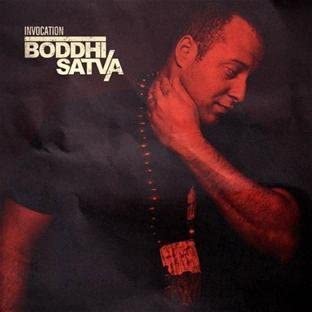
http://soundcloud.com/flyingpearl/boddhi-satva-ngnari-konon-feat
http://soundcloud.com/dillmatic/boddhi-satva-nankoumandjan
TAVARES-MADAM BUTTERFLY.
TAVARES-MADAM BUTTERFLY.
Between 1974 and 1977, Tavares enjoyed a trio of million selling US R&B number one singles with She’s Gone, It Only Takes A Minute and Whodunnit. These were just three of ten of Tavares’ ten singles that have Tavares a top ten US R&B single. That’s not forgetting the Grammy winning More Than A Woman, which featured on the Saturday Night Fever soundtrack. It seemed that Tavares could do no wrong. Scratch below the surface and this wasn’t the case. Tavares’ third and fourth albums 1975s In the City and 1976s Sky High, were their two most commercially successful albums. After that, Tavares next two albums weren’t as successful. From 1977s Love Storm sales decreased. Future Bound released in 1978, reaching just number 155 in the US Billboard 200 and number fifty-five in the US R&B Charts. This was their least successful album since their 1974 debut album Check It Out. Something had to change, and this would be their sound. Tavares decided to head back to their soul and R&B roots. The man who would reshape Tavares’ sound was Bobby Martin, one of Philadelphia International Records’ best arrangers and now a successful and sought after producer. Tasked with reshaping Tavares’ sound, and taking them back to their soul and R&B roots, could Bobby Martin help rejuvenate Tavares’ career on Madam Butterfly which will be rereleased on 20th August 2012 by SoulMusic Records.
With Tavares seeking a return to their R&B and soul roots on Madam Butterfly. Bobby Martin put together a team of talented songwriters. Bobby Martin brought in Sam Dees and the songwriting team of Len Ron Hanks and Zane Grey. Sam Dees wrote three tracks, while Hanks and Grey contributed what would the two singles, Straight From the Heart and Never Had A Love Like This Before. Kenneth Stover wrote I’m Back For More and cowrote the title-track Madame Butterfly with Johnny Simon. Benorce Blackmon wrote One Telephone Call Away, while Joe D. Reaves and Lonnie E. Reaves cowrote Positive Forces. With nine tracks that took Tavares back to their soul and R&B roots, Bobby Martin put together a band to record what would become Madam Butterfly.
One of the first musicians Bobby called upon was Ron “Have Mercy” Kersey, a former member of M.F.S.B. from Bobby’s Philadelphia International Records days. He’d play piano, electric piano, clavinet, Wurlitzer and Melodica. Joining Ron was a rhythm section of drummer Gaylord Birch, bassist David Shields and guitarist Benorce Blackmon. They were joined by vibes player Don Moore, Melvin D. Webb on congas, bongos, percussion and drums and a full string and horn section. Bobby Martin and Ron “Have Mercy” Kersey would arrange the nine tracks on Madam Butterfly, while the Tavares’ brothers would share the vocal duties. With Tavares being given a Philly Sound makeover on Madam Butterfly by Bobby Martin, would this reshaping of their sound rejuvenate their career?
Never Had A Love Like This Before was chosen as the lead single from Madam Butterfly, reaching number five in the US R&B Charts. This gave Tavares their first US R&B top ten single since Whodunnit in 1977. When Madame Butterfly was released, it reached number ninety-two in the US Billboard 200 and number thirteen in the US R&B Charts. Madame Butterfly was Tavares’ most successful album in the US R&B Charts since 1975s In the City. Straight From the Heart was then released as a single, reaching number seventy-seven in the US R&B Charts. The only disappointment was when Let Me Heal the Bruises failed to chart. Overall, Bobby Martin had achieved what he’d set out to do with Tavares on Madam Butterfly. He’d taken them back to the R&B and soul routes, resulting in two hit singles and a top twenty album in the US R&B Charts. With this return to Tavares’ roots, what does the music on n Madam Butterfly sound like? That’s what I’ll now tell you.
Opening Madam Butterfly is the second single released from the Straight From the Heart. This is one of two tracks written by the Hanks and Grey songwriting team. It’s an uptempo, funky dance track. Cascading, dancing strings, punchy, blazing horns and the rhythm section combine with Ron “Have Mercy” Kersey’s keyboards. They provide a powerful, dramatic backdrop for Pooch Tavares lead vocal. His brothers add punchy, soaring harmonies, against the backdrop of ever-present dancing strings, punchy horns and driving, funky rhythm section. Later, Pooch vamps his way through a prolonged, percussive breakdown, against a joyous, riotous backdrop. The result is the perfect start to Madam Butterfly. Producer Bobby Martin’s makes his mark straight away, with a dramatic, uplifting and funky dance-track that grabs your attention and won’t let go.
Games, Games is one of three tracks from one of the most underrated singer and songwriters Sam Dees. This is ballad, tinged in sadness and emotion, something Sam Dees does so well. Chubby and Butch share the lead vocal, getting across the sadness and heartache of the games people play in relationships. As the rest of Tavares add tight harmonies, the rhythm section, guitars and keyboards combine. Benorce Blackmon almost weeps sympathetically, producing a heartachingly beautiful sound. Not quite as beautiful as the vocals and harmonies, that get across the Sam Dees emotive and quite beautiful lyrics.
Kenneth Stover and Johnny Simon cowrote the title-track Madam Butterfly. Bobby Martin’s arrangement draws upon his Philly roots, combining lush strings and piano with the rhythm section and guitars. They create a dramatic, punchy arrangement that’s perfect for Chubby and Butch’s heartfelt and impassioned vocals. Their vocals soar powerfully, matching the drama of the arrangement. Tight, soulful harmonies sweep in, joining the lushest of strings and rhythm section that punctuate the arrangement dramatically. Here, Tavares make a return to their soulful roots, mixing emotion power and passion, with the help of Bobby Martin. Not only does he demonstrate just how talented a producer he was, but how he was the right man to help Tavares return to their roots.
Let Me Heal the Bruises written by Sam Dees was the third single released from Madam Butterfly, but the only single not to chart. The track has a real Sam Dees sound. Tiny’s pleading, heartfelt vocal is delivered against swathes of emotive strings, keyboards and a slow, thoughtful rhythm section. Harmonies sweep in, soulful and heartfelt in equal measures, while Tiny’s vocal is sincere and impassioned. Towards the end of the track, Bobby Martin builds the arrangement using the strings. This is hugely effective and proves to be a real masterstroke. Of all the ballads on the album, this is the best.
Never Had A Love Like This Before was the single that gave Tavares a number five single in the US R&B Charts. From the track’s opening bars, you realize something special is about to unfold. Again Bobby Martin uses strings effectively, placing them at the heart of the arrangement. He adds to the strings, percussion, congas, keyboards and guitars. They give the track a real Philly Sound. Punchy harmonies augment the lead vocal, which is shared by Butch, Tiny and Pooch. Each of them deliver the vocal with joy and emotion, accompanied by some of the best harmonies on Madam Butterfly. Later, bursts of rasping horns punctuate what is one of Bobby Martin’s best arrangements on Madam Butterfly. Here, everything falls perfectly into place. Tavares’s vocal, the band’s performance and the production are flawless. It’s no wonder this proved so successful as a single.
Benorce Blackmon wrote One Telephone Call Away, a track that’s quite unlike the previous tracks. For a band going back to their R&B and soul roots, it works well. A harmonica, pounding rhythm section and keyboards accompany rousing vocal that opens the track. Chubby and Pooch share the lead vocal, while strings dance and cascade, as the rhythm section create the track’s powerful, pounding and dramatic heartbeat. The vocals are a mixture of power, passion and drama, sometimes sounding needy and insecure. This allows Tavares to showcase their considerable vocal versatility and talents, as they shake off their disco past.
My Love Calls is the last of the trio of Sam Dees penned tracks. This is the perfect track for Tavares’ return to their roots, a slow, emotive ballad. Just the rhythm section, guitars, percussion, keyboards and lush strings combine, before Pooch’s heartfelt vocal enters. Equally heartfelt, soulful harmonies sweep in, while Benorce Blackmon’s guiar chimes. Bobby Martin’s slow, beautiful arrangement, with its use of strings, guitars and harmonies is perfect for Sam Dees lyrics. The harmonies just cascade above the arrangement, augmenting Pooch’s fervent, impassioned delivery. His delivery even reminds me of Sam Dees. Like Let Me Heal the Bruises, My Love Calls is a gorgeous ballad, which brings out the best in Tavares, as they return to their soulful past.
While the previous track was an impassioned ballad, Positive Forces demonstrates another side of Tavares. It’s an uptempo track, with Tiny taking charge of the lead vocal. The track bursts into life, with Tavares’ harmonies accompanied by the rhythm section, sweeping swirling strings and growling horns. Bobby Martin throws a curveball, with the arrangement almost pausing. He’s only teasing though, with the arrangement continuing in a similar vein. Rasping horns, dancing strings, keyboards and pounding rhythm section accompany Tiny as he struts his way through the track. His vocal is a mixture of sass and confidence, while punchy harmonies accompany him. Although very different from the previous track, it shows how versatile a group Tavares were.
Closing Madam Butterfly is I’m Back For More, a track where Tavares fuse funk and soul. The funky influence is apparent when the track opens with growling horns, swirling strings, keyboards and a funky rhythm section combining. Things change when Tiny and Butch share the vocal. Out goes the funk, replaced by a more soulful sound. The lush strings are key to the sound, along with sweeping, soaring harmonies and Ron “Have Mercy” Kersey’s keyboards. Throughout the track funk and soul are combined, with blazing horns added towards the end, as Tavares end Madam Butterfly on a high.
Tavares’ decision to go back to their soul and R&B roots on Madam Butterfly, and their decision to bring in Bobby Martin to produce the album was something of a masterstroke. He transformed Tavares’ sound, taking them back to the sound of their early albums. This resulted in Madam Butterfly becoming Tavares’ most successful album since 1975s In the City. Similarly, Never Had A Love Like This gave Tavares their first US R&B top ten single since Whodunnit in 1977. Later in 1979, Tavares’ decision to move away from the disco sound of the previous albums, looked like a masterstroke. After the Disco Sucks movement attempted to destroy disco on Disco Demolition Night at Comiskey Park, Chicago, in July 1979, disco became something of a hot potato. Neither record companies, nor record buyers were interested in disco albums. So, Tavares’ decision to return to their roots meant they were one step ahead of their contemporaries. Suddenly, disco was deeply unpopular and unfashionable. Luckily Tavares were no longer a disco group. Instead, they were a soul and R&B group, starting with Madam Butterfly. Of their last three albums, Madam Butterfly surpassed both Love Storm and Future Bound. However, much of the credit for the success of Madam Butterfly must go to producer Bobby Martin. He brought in the right songwriters in Sam Dees and songwriting team of Len Ron Hanks and Zane Grey. The he put together a band that were capable of helping him give Tavares a Philly Sound makeover. With Ron “Have Mercy” Kersey at his side, Madam Butterfly which will be rereleased on 20th August 2012 by SoulMusic Records, saw Bobby Martin transform Tavares from disco group back to their soulful, R&B roots. Madam Butterfly, the result of Bobby Martin and Tavares’ collaboration resulted in one of the best and most successful albums of Tavares career. Standout Tracks: Games, Games, Let Me Heal the Bruises, Never Had A Love Like This Before and My Love Calls.
TAVARES-MADAM BUTTERFLY.
|

BIG BOY BLOATER AND THE LIMITS-THE WORLD EXPLAINED.
BIG BOY BLOATER AND THE LIMITS-THE WORLD EXPLAINED.
Some people are just born to sing the blues. It’s almost as they’re predestined to follow in the well trodden path of bluesmen like Muddy Waters, Jimmy Reed, Floyd Dixon and Jimmy Rogers. There’s something about their world weary voices, the experiences they share, and their storytelling skills. Mostly, it’s about their voices, tinged with sadness and regret in equal measures with hurt and pain. One modern bluesman who has all that and much more is Big Boy Bloater. His voice has a world weary, whiskey and cigarettes soaked, lived in sound. Too many late nights and disappointments have colored this veteran of modern blues scene voice, given it the sound that people have flocked to see for over twenty years. Soon, Big Boy Bloater and The Limits will be releasing their second album The World Explained on 1st October 2012. This is the followup to 2011s Big Boy Bloater and The Limits. Now Big Boy Bloater and The Limits are back. The ten new tracks that comprise The World Explained see Big Boy Bloaters explore subjects like “life, love and loss.” These ten song are a very personal exploration of relationships and ambition along with hopes and dreams. Before I tell you about the music on Big Boy Bloater and The Limits forthcoming album The World Explained, I’ll tell you about Big Boy Bloater’s musical journey to becoming the UK’s best bluesman.
When Big Boy Bloater first picked up a guitar aged eleven, he never realized that this decision would shape his future. His destiny had been decided, only he never knew it. Spurred on by his father’s love of music, it didn’t take long for Big Boy Bloater’s career to get underway. Aged just thirteen, he was soon playing in local pubs and clubs to earn pocket money. Soon, he went from sideman to band leader, fronting his own bands. Quickly, Big Boy Bloater and his band became a favorite among the vintage R&B and blues crowds. One of these bands were Big Boy Bloater and His Southside Stompers.
Big Boy Bloater and His Southside Stompers would go on to release four albums between 1998 and 2006. This started with Jumpin’ Rhythm and Blues in 1999, with You Better Believe It following in 2001 and Great Hunk of A Man in 2003. The last album Big Boy Bloater and His Southside Stompers released was 2006s What You Been Praying For? After this, Big Boy Bloater would become a solo artist.
With Big Boy Bloater now a solo artist, he released That Ain’t My Name in 2008. By then, Big Boy Bloater was constantly touring, wooing crowds worldwide. His fan-base was rapidly growing, with DJ Mark Lamarr a huge fan of Big Boy Bloater’s music. He was so impressed with Big Boy Bloater’s music, that Mark even used his own money behind a limited edition of release of one of Big Boy Bloater’s tracks. With his fan-base now including numerous musicians, Big Boy Bloater was establishing a reputation as one of the hottest session players.
Throughout his career, Big Boy Bloater’s virtuoso guitar playing skills were in demand for recording sessions and for R&B, blues and rock and roll musicians visiting the UK. This has lead to Big Boy Bloater playing sessions and touring with Harvey Faqua, Imelda May, Wanda Jackson, Roddy Jackson, Chuck Rio, Paloma Faith, Frankie Miller, The Five Keys and Eddy Clearwater. Then out of the blue, Paul McCartney invited Big Boy Bloater to the Abbey Road Studios to play on a session. Now that Big Boy Bloater had established himself as a bandleader, recording artist, session musician and friend to the stars, you’d have thought Big Boy Bloater was happy. After all, his career was on an ever-upward curve and his reputation higher than ever. Not so. Then in 2009, Big Boy Bloater realized his career needed a change of direction.
The problem was Big Boy Bloater felt restless and trapped. He needed a change of direction, needed something new, something different and something that would challenge him, something that would push him to his limits. So after finishing his band, he decided to take a step back. This might seem strange. After all, Big Boy Bloater’s band were a hugely successful, constantly in-demand band, touring far and wide. However, this gamble paid off. Big Boy Bloater spent much of 2010 writing new material, honoring existing commitments and enjoyed being a musician again. During this period, Big Boy Bloater recorded sessions for Mark Lamarr, Jo Wiley Paul Jones and Jools Holland. Now refreshed and ready, Big Boy Bloater would launch his solo career in 2011.
At the beginning of 2011, Big Boy Bloater launched his solo career. He had a new sound, a new band and a new album. His new band were Big Boy Bloater and The Limits, who released their debut album Big Boy Bloater and The Limits in March 2011. Big Boy Bloater and The Limits was released to critical acclaim, with critics praising Big Boy Bloater and The Limits’ new, mature, musical style. After this, Big Boy Bloater and The Limits spent time supporting Imelda May during November 2011. Then in February 2012, Big Boy Bloater and The Limits embarked upon a headline tour of the UK. Having wooed audiences throughout the UK, Big Boy Bloater and The Limits then set about recording their second album The World Expanded.
For Big Boy Bloater and The Limits’ second album The World Explained, Big Boy Bloater wrote ten new tracks where he explore subjects like “life, love and loss.” These ten song are a very personal exploration of relationships and ambition along with hopes and dreams. The World Explained will be released on 1st October 2012. However, on 3oth July 2012 Big Boy Bloater and The Limits released the lead single from The World Explained Leonard Cohen. That should whet Big Boy Bloater and The Limits’ fans until the release of The World Explained. What will also whet your appetite is my review of the ten tracks on The World Explained and the story behind them.
Opening Big Boy Bloater & The Limits’ second album The World Explained is Leonard Cohen. Like the other songs on the album, there’s a story behind the song. It’s about life on the road with band. The track is based upon a true story, when the band caught food poisoning. When traveling home exhausted, all Big Boy Bloater can remember is seeing a magazine with Leonard Cohen’s face on the cover, lying on the dashboard of the van. Bursting into life with the rhythm section, guitars and keyboards accompanies Big Boy Bloater’s gnarled, emotive vocal. His band add handclaps and tight soaring harmonies, while pounding drums, and sizzling, searing guitars dance across the arrangement. By the end of the track, you realize just why it was chosen as a single. It provides a storming start to the album, painting a picture about the pitfalls and experiences that bind a band together.
Lifetime Money Back Guarantee is about a friend of Big Boy Bloater’s whose cautious in life, including relationships. Here, Big Boy Bloater sings that with relationships, there certainly isn’t a Lifetime Money Back Guarantee. There’s a different sound to the track, with the tempo slower, but with the track blessed with a meandering bluesy and sometimes dramatic sounding arrangement. Just the guitar opens the track, before the rhythm section and then keyboards join in. Big Boy Bloater’s vocal is heartfelt and world weary, tinged with experience and hurt, as The Limits build up the drama. Later, he steps forward laying down one of his trademark guitar solos, demonstrating why he’s so in-demand as a session player. Although Big Boy Bloater’s vocal and guitar playing are key to the track’s sound and success, the other four members play important roles. However, it’s only Big Boy Bloater that offers wise words of advice on relationships. Maybe he’s the one qualified to do so.
On I Can’t Forget About You, you can hear how Big Boy Bloater has matured as a songwriter and storyteller. The song is about a celebrity stalker who try as he may, keeps seeing the person everywhere they look. So strong are the lyrics and the delivery, you can picture the scenes unfolding before your eyes. This track has more in common with Leonard Cohen, and is a rocking, catchy blues. Here, Big Boy Bloater plays keyboards and guitars, while The Limits drive the track along and add sweeping harmonies. His vocal is full of torment, paranoia and pain, with his guitar playing peerless. He plays quickly and accurately, his guitar chiming and a perfect replacement for his vocal. While so many of the tracks on The World Explained are catchy, this for me, is most hook-laden of the ten. It worms its way into your subconscious and you find yourself constantly singing it.
She Gets Naked For A Living is a track about an inept burlesque dancer who once played on the same bill as Big Boy Bloater. She was clumsy, with her ambition not matched by her talent and the track examines her feelings towards her more talented contemporaries. As the track opens, it has a deliberately clumsy sound, similar to the dancer’s talent. Big Boy Bloater’s vocal is a mixture of power, sass and sadness at her ineptness. Meanwhile, The Limits add a broody, moody backdrop, contrasted by tight harmonies. Later, Big Boy Bloater uses his surf-tinged guitar and string to build up waves of drama. This is a masterstroke and really effective, adding to what’s already a powerful, thoughtful track, tinged with pathos and humour in equal measures.
Double Whammy is the only song on The World Explained that isn’t a new song. It was previously the B-side of the limited edition of the single Mark Lamarr financed. Mind you, given how good it is, it’s deserving of its place on the album. It’s a bit like the tracks that used to be released in the sixties to create a new dance craze. Maybe after The World Explained is released people will be doing the Double Whammy. The best way to describe the track is a good time, really catchy rocking track where waves of music are unleashed. Key to the track are Big Boy Bloater’s guitar playing, while The Limits rhythm section help drive the track along. With its gloriously vintage sound, you’re swept away atop waves of good-time music, as you try to work out the moves to The Double Whammy.
Stop Dragging Me Back is a song many people, myself included will be able to relate to. Anyone whose a positive and forward thinking person will know a really negative person that keeps bursting your bubble. They try to stop you innovating, drag you down. This is a song to play to these people. Chiming, searing guitars and pounding drums are joined by driving guitars as if Big Boy Bloater’s frustration at these people has spilled over. His voice is full of frustration and anger, with the arrangement reflecting this. Later, flourishes of keyboards drift in and out, but it’s the driving guitars and vocal that are key to the track’s energetic, anthemic sound. Next time someone bursts your bubble, sing just four words to them… Stop Dragging Me Back.
Evil Twist was a phrase that Big Boy Bloater thought of, and decided to write a song around it. It’s a dramatic, emotive relationship song, about a relationship gone very wrong. Here, the whole band get the chance to showcase their considerable talents. The rhythm section add a choppy backdrop, while swathes of keyboards and guitars accompany the vocal. Big Boy Bloater’s vocal is tined with bravado, while pain and hurt simmer below the surface. You can hear it in his voice, it’s almost tangible. Both his guitar playing and keyboards is tinged with emotion, reflecting and amplifying the heartache and hurt in his vocal.
Everyone who enjoys a good night out, has a Black Sambuca song. Big Boy Bloater describes this track as the soundtrack to the nights he’s spent in pubs and clubs of Soho. It’s an instrumental track, with a real vintage sound, not unlike what you’d expect to hear in a late sixties or seventies film soundtrack. Here, Big Boy Bloater unleashes some peerless guitar playing, while layer upon layer of keyboards add to the track’s vintage sound. Meanwhile, the rhythm section anchor the track, providing the track’s pounding heartbeat. Although the whole band play their part in what is a blistering, vintage sounding instrumental, it’s Big Boy Bloater’s guitar playing that steals the show.
Having written so many dark songs, Big Boy Bloater decided to write a happy song. The result was Insanely Happy, about a man that’s happy for the first time in years, because his relationship has ended. From the opening bars, you’re smitten by the track. Again, you find yourself singing along with the lyrics, a smile on your face. Big Boy Bloater’s powerful vocal is full of joy, with the rhythm section, guitar and keyboards accompanying. Harmonies accompany him, while the backdrop reflects the joy in the vocal. Things get even better when Big Boy Bloater adds a sizzling guitar solo. That’s the cherry on Mr. Kipling’s cake. Although Mrs. Bloater wan’t too happy when she heard the track, I’m sure she’ll appreciate this a hook-laden, sing-a-long track, that’s not in the least autobiographical.
Closing The World Explained is Hey-Funky, a paean to good times. Big Boy Bloater sings “you’ve only got one life, so enjoy it,” a sentiment I can only second. Pounding drums, surf tinged, driving guitars, stabs of keyboard and Big Boy Bloater’s throaty vocal combine as this hard rocking, driving track unfolds. You’re swept along by Big Boy Bloater and The Limits’ energy, enthusiasm and sheer talent. One last time, Big Boy Bloater lays down a stunning guitar solo, as if determined to end Closing The World on a high. This he does and then some more.
Having constantly played Big Boy Bloater and The Limits’ The World Explained since the moment I received the album, I can truly say that I thoroughly enjoyed the album. It’s one of the best albums I’ve heard for ages. No wonder Big Boy Bloater is referred to as the elder statesman of the British blues scene. On The World Explained, one great track follows hard on the heels of the previous one. Each track have two things in common, a great story behind the song and the quality of each song. Big Boy Bloater is like a painter on The World Explained. He draws upon a wide and varied palette of musical colors. Using his memories and experiences, Big Boy Bloater has written ten songs with equally strong musical narratives. So vivid are the pictures Big Boy Bloater paints, that you can imagine the pictures unfolding before your eyes. From the cautious character on Money Back Guarantee, the paranoia of On I Can’t Forget About You to the tragi-comedy and pathos of She Gets Naked For A Living you’re introduced to a cast of colorful characters. Then there’s the anger and frustration of Stop Dragging Me Back, the pain and hurt of Evil Twist and the sheer joy of Black Sambuca, Insanely Happy and Hey-Funky. These songs show Big Bloater maturing as a singer, songwriter and storyteller, while his guitar playing is breathtaking and peerless. You’ll go a long way before you hear a better guitar player than Big Boy Bloater. That’s why he’s so in-demand as a session musician. Hopefully, after the release of Big Boy Bloater and The Limits’ second album on The World Explained on 1st October 2012, Big Boy Bloater won’t be playing as many sessions. Instead, the music on The World Explained should see Big Boy Bloater and The Limits make their commercial breakthrough and be touring the world, wooing audiences with his unique combination of blues and soul. Given how good the music on Big Boy Bloater and The Limits’ second album The World Explained is, that seems like a given. Standout Tracks: Leonard Cohen, On I Can’t Forget About You, She Gets Naked For A Living and Evil Twist.
BIG BOY BLOATER AND THE LIMITS-THE WORLD EXPLAINED.

THE SALSOUL ORCHESTRA-HOW HIGH.
THE SALSOUL ORCHESTRA-HOW HIGH.
With BBR Records comprehensive rerelease of the Salsoul back-catalogue due to begin later in August 2012, I thought that this was the perfect opportunity to give everyone a taster of what’s in-store. What better way to do this than with one of The Salsoul Orchestra’s albums How High. How High was released in 1978, on Salsoul and was The Salsoul Orchestra’s sixth studio album. The Salsoul Orchestra were formed in 1974 by members of Philadelphia International Records’ legendary studio band M.F.S.B. They left Philadelphia International Records after a dispute with Gamble and Huff over finances. Gamble and Huff’s loss would prove to be Salsoul’s gain. It’s fair to say that between their formation in 1974 and when band was disbanded in 1982, The Salsoul Orchestra were at the heart of everything Salsoul released. Musicians that included the Baker, Harris, Young rhythm section, guitarist Bobby Eli, percussionist Larry Washington, vibes virtuoso Vince Montana and Don Renaldo’s strings and horns played on most of Salsoul’s releases. However, The Salsoul Orchestra were much more than a studio band, and were a hugely successful group in their own right. Before I tell you about the music on How High, I’ll tell you about The Salsoul Orchestra’s recording career up until the release of How High.
Having formed in 1974, The Salsoul Orchestra released their self titled debut album The Salsoul Orchestra in 1975. It reached number fourteen in the US Billboard 200 and number twenty in the US R&B Charts. Key to the album’s sound and success were the personnel, especially the former members of M.F.S.B. They were transformed, with Vince Montana Jr. and Ron Baker now writing and arranging tracks, whereas at Philadelphia International Records, they were seen as just part of M.F.S.B. Their talents flourished at Salsoul. Little did they realise that this was just the first step on a remarkable seven year journey.
1976 proved to be a busy year for The Salsoul Orchestra. Not only did they release the followup to The Salsoul Orchestra, Nice ‘N’ Nasty, but released their own Christmas album Christmas Jollies. Nice ‘N’ Nasty was released in October 1976, reaching number sixty-one in the US Billboard 200 and number twenty-three in the US R&B Charts. A month later, Christmas Jollies was released in November 1976. It proved to be a bigger success, reaching number forty-eight in the US Billboard 200 and number thirty-eight in the US R&B Charts. Never before or after, will have Santa enjoyed a Sleigh Ride like the one on Christmas Jollies.
After releasing two albums in 1976, The Salsoul Orchestra would release a further two albums in 1977. Magic Journey was released in June 1977, featuring classics like Runaway and Magic Bird of Fire. It reached number sixty-one in the US Billboard 200 and number fifty-one in the US R&B Charts. Magic Bird of Fire gave The Salsoul Orchestra a number three hit single in the US Dance Charts. The other album The Salsoul Orchestra were involved were by Charo and The Salsoul Orchestra. Although Cuchi-Cuchi wasn’t strictly an album by The Saloul Orchestra, Cuchi-Cuchi reached number 100 in the US Billboard 200 and featured the sultry single Dance A Little Bit Closer.
By 1978, The Salsoul Orchestra had settled into the routine of releasing two albums a year. Their first release of 1978 was Up The Yellow Brick Road, which saw The Salsoul Orchestra reinvent Ease On Down the Road, Sgt. Pepper’s Lonely Hearts Club Band, Fiddler On the Roof and a medley of tracks from West Side Story. These tracks were given a disco makeover on Up The Yellow Brick Road, reaching number 117 in the US Billboard 200 and number fifty-two in the US R&B Charts. The next album from The Salsoul Orchestra would be How High, their sixth studio album.
For their sixth studio album How High, there was one major change in The Salsoul Orchestra’s lineup. Vince Montana Jr. had left The Salsoul Orchestra, so the band were without its former leader. Six tracks had been written for How High. Bunny Sigler wrote one track and cowrote two other tracks, one with his brother James. Ron Baker wrote Have A Good Time, while Edward Moore and Ron Tyson cowrote Stop and Think. Along with the title-track How High, written by Colin Horton Jennings and Steve O’Donnell, The Salsoul Orchestra headed to the familiar territory of Philadelphia’s Sigma Sound Studios for recording of How High.
At Sigma Sound Studios, over twenty musicians and backing vocalists would appear on How High. This included the Baker, Harris. Young rhythm section, guitarist Bobby Eli, percussionist Larry Washington, keyboard player Dennis Richardson and Don Renaldo’s strings and horns. Adding backing vocals were Philly’s legendary backing vocalists The Sweethearts of Sigma, plus Ron Tyson and Bunny Sigler. Ron Baker, Bunny Sigler and Ron Tyson would all produce tracks on How High, with Lenny Pakula, Tee Scott and Larry Davis arranging these tracks. With How High recorded, the album would be released later in 1978.
When How High was released in 1978, the album didn’t prove as successful as previous Salsoul Orchestra albums. Why that proved to be the case is something of a mystery. There certainly wasn’t anything wrong with the music. The only difference was that Vince Montana Jr. was no longer at the helm of The Salsoul Orchestra. Given the multi-talented personnel that appear of How High, and were involved with the project, surely one man’s loss couldn’t make such a difference? Maybe, How High is one of these hidden gems of an album that somehow, aren’t the success their music deserves. Was that the case with How High? That’s what I’ll tell you, after I’ve told you about the music on How High?
How High opens with the title-track How High, written and produced by Colin Horton Jennings and Steve O’Donnell. Cognac were drafted in to add vocals to a track that literally bursts into life. The Baker, Harris, Young rhythm section provide the track’s heartbeat, while keyboards, percussion and Don Renaldo’s lush strings and growling horns signal the arrival of the vocal. Her vocal is a mixture of power and passion, with tight, soaring, soulful harmonies accompanying it. Vibes, Bobby Eli’s guitar, the pounding, funky rhythm section and percussion combine, while the horns blaze, growling and rasping, almost ever-present and crucial to the track’s sound and success. Together, with The Salsoul Orchestra and Cognac, How High gets the album of to a brilliant start, one that’s soulful and funky.
Have A Good Time written and produced by Ron Baker, takes over where How High left off. It’s another uptempo, uplifting and joyous track. Keyboards, the Baker, Harris, rhythm section, cascading strings and percussion combine before the sassy, strutting vocal enters. Strings cascade, horns rasp and handclaps punctate the arrangement, as the rhythm section drive the track along. Flourishes of keyboards drift in and out of the track, before rocky guitars and Don Renaldo’s swinging, sweeping horns join in. By now, the track resembles a riotous party in a studio, with shrieks of joy and happiness accompanying the vocal. It’s impossible to resist this good time music. Not only is it uplifting and joyous, but it’s guaranteed to put a smile on your face.
Pounding drums, a funky bass and percussion combine as My Number’s Up begins to reveal its secrets, subtleties and surprises. Sizzling guitars are joined by the Sweethearts of Sigma, who take charge of the vocal. It’s delivered in sharp, urgent bursts, against a backdrop of lush strings, braying horns, pounding drums and percussion. Here, The Salsoul Orchestra seamless fuse funk, disco, soul and Latin music. This Latin influence is most noticeable in the arrangement’s percussive sound, especially during the lengthy breakdowns. Even the vocal is tinged with a Latin influence. Later, the band improvise and explore the nuances and subtleties of the track demonstrating just how versatile and talented the members of The Salsoul Orchestra truly were.
Straight away, when I’ll Keep You Warm begins, it’s apparent the influence the Salsoul sound had on house music. With the percussion, sound effects and pounding rhythm section, it’s a sound that was “borrowed” by several generation of house producers. Growling horns and lush cascading strings signal the arrival of The Sweethearts of Sigma and Bunny Sigler’s vocal. As the sweet, soulful vocals sweep in, disco strings, blazing horns, Latin percussion and Disco greatest rhythm section provide a powerful, dramatic and pulsating heartbeat. For nearly eight minutes, The Salsoul Orchestra and Sweethearts of Sigma take you on compelling, captivating and pulsating, Latin tinged musical journey, that demonstrates why no other label or house band came close to Salsoul and The Salsoul Orchestra. Not only were they peerless, but influenced several generations of producers.
Punchy, blazing horns and a pounding rhythm section open Resorts International, before the Sweethearts of Sigma’s beckoning vocals enter. Don Renaldo’s dancing strings and growling horns, plus the Baker, Harris, Young rhythm section play important roles in the arrangement. Along with guitars, percussion, keyboards and harmonies, a track that fuses a variety of influences reveals its beauty and glories. Funk, soul and disco are combined with elements of big band music and even doo wop vocals. They unite as one, creating a dramatic, floaty and hook-laden, dance-floor friendly track.
Closing How High is Stop and Think, which is very different to the previous tracks. It has a much more understated sound. Percussion, lush strings, guitars, keyboards and rasping strings combine, while the rhythm section create the track’s slow, subtle heartbeat. Impassioned, tender harmonies, emotive strings, growling horns and chiming guitars all play their part in what is a quite beautiful arrangement. Eventually and gradually, the arrangement grows in power and drama. Once the track reaches its dramatic peak, things calm down, before rebuilding and unleashing another wave of powerful, dramatic music. This continues throughout the rest of the track, with The Salsoul Orchestra teasing and tantalizing you, springing surprises and subtleties, along with drama and beauty.
Although How High wasn’t as commercially successful as previous albums, there’s nothing whatsoever wrong with the music on the album. During the six tracks on How High, The Salsoul Orchestra fuse soul, funk, jazz, Latin music and disco seamlessly and peerlessly. The Salsoul Orchestra were peerless, and truly. had no equal. I’ve always wondered whether Gamble and Huff ever regretted allowing so many members of M.F.S.B. leave Philadelphia International Records. Surely the must have regretted losing such talented musicians as the Baker, Harris, Young rhythm section, guitarist Bobby Eli, percussionist Larry Washington, vibes virtuoso Vince Montana and Don Renaldo’s strings and horns. Proof of just how multitalented a group of musicians The Salsoul Orchestra were can be found on How High. Some members of The Salsoul Orchestra went from strength to strength at Saloul, becoming songwriters, arrangers and producers. It was as if all this talent was suddenly unleashed, with Salsoul providing an outlet for their talents. How High is proof of this. It was the first album since Vince Montana Jr., The Salsoul Orchestra’s leader had left the band. However, Ron Baker, Ron Kersey and Bunny Sigler stepped up to the mark, filling the void by either writing, arranging and producing tracks, This had been the case since The Salsoul Orchestra’s released their debut album in 1975. Since then, the members of The Salsoul Orchestra unleashed their creativity. All this potential just poured out, with many of Salsoul’s artists the fortunate beneficiaries of this talent. Not only that, but How High was The Salsoul Orchestra’s sixth album. They became one of Salsoul’s most successful artists, replacing a series of outstanding, classic albums. One of these is their sixth album, How High, which to me, is one of The Salsoul Orchestra’s best ever albums. Standout Tracks: How High, Have A Good Time, I’ll Keep You Warm and Resorts International.
THE SALSOUL ORCHESTRA-HOW HIGH.

MIXOLOGY-SAM RECORDS EXTENDED PLAY.
MIXOLOGY-SAM RECORDS EXTENDED PLAY.
Just over a year ago, in July 2011, Harmless Records released their first installment in their new Mixology series, releasing Mixology-The Definitive Salsoul Mixes. This triple album featured thirty-one tracks from disco’s premier label, Salsoul. Now the Mixology series will return on 20th August 2012, with Harmless Records turning their attention to another of disco’s most important labels SAM Records. Mixology-Sam Records Extended Play is a double album, with Disc One featuring eleven tracks, which are a combination of remixes and reedits. Disc Two of Mixology-SAM Records Extended Play features a further edit and remix, before the rest of the disc is given over to seamless mix from Jacques Renault. On the two discs some of SAM Records’ biggest acts can be heard. Vicki D, John Davis and The Monster Orchestra, Gary’s Gang, Rhyze and Mike and Brenda Sutton. Before I tell you about the highlights of Mixology-SAM Records Extended Play, I’ll tell you about the history of Sam Records.
When Sam Weiss founded SAM Records in Long Island City, New York in 1976, he was something of a veteran of the music industry. He’d been involved in the music industry since the late forties, when he and his brother Hy founded Parody Records. Although the company wasn’t a commercial success, and soon folded, the Weiss brothers persevered. Eight years later, in 1954, they founded Madison Records, which was primarily a vehicle for releasing R&B records. Soon, Madison was releasing soul, doo wop, pop, rock, soul and gospel. Madison continued right through until the late seventies. By then, Sam Weiss had founded another record label, Sam Records, which he specifically setup to cash in on disco’s popularity.
Having founded SAM Records in 1976, the nascent label released it’s first release the same year. Doris Troy’s Woman and The Ghetto was SAM Records’ first release, although John Davis and The Monster Orchestra’s Night and Day gave the label its first hit single, reaching the top five in the US. The following year, SAM Records would release their first twelve inch single, after Tom Moulton had inadvertently invented it.
John Davis and The Monster Orchestra’s I Can’t Stop had the honor of being SAM Records’ first twelve inch single. The next couple of years saw SAM Records release some of their most memorable and successful singles. This included releasing Lucy Hawkins’ Gotta Get Out Of Her and John Davis and The Monster Orchestra’s disco version of the Kojak Theme in 1978. Then came one of Sam Records’ best known tracks in 1979, Gary’s Gangs Keep On Dancing. However, the twelve-inch versions of these singles weren’t released on SAM. Instead, between 1978-1980 Sam Weiss decided to license the tracks to Columbia. For one of SAM’s artists, the Columbia deal was perfect. John Davis and The Monster Orchestra enjoyed commercial successes with Love Magic, a cover of Ashford and Simpson’s Bourgie Bourgie and Baby I’ve Got It. Similarly, Gary’s Gang found commercial success with Let’s Lovedance Tonight and Do Ya Wanna Go Dancin’? Once the deal with Columbia ended, twelve-inch singles were released on SAM Records again.
By the time the Columbia deal had expired in 1980, the disco boom was over. The Disco Sucks had caused disco’s demise. Neither record labels, nor record buyers were interested in buying music by disco artists. So with dance music evolving, so did the music SAM Records released. Among the groups that joined SAM Records and helped establish the label’s new sound were Rhyze and Convertion.
Covertion were produced by Greg Carmichael, with Leroy Burgess lead vocalist and keyboard player. He was joined by various members of his family, including his sister Rennee and adopted brother James Calloway. Convertion’s big hit was Let’s Do It. Sadly, after that, the relationship between Covertion and Sam Weiss broke down. When Convertion left SAM Records, Sam kept the name Covertion, which he owned the copyright to. Having said that, Convertion released one more track, the boogie classic Sweet Thing in 1983. By then, SAM Records had folded. After leaving SAM Records, Convertion became Logg and the Universal Robot Band.
The next two years, 1981 and 1982, proved to be busy and successful years for SAM Records. Among the artists that released tracks were K.I.D’s Don’t Stop and Vicki D’s This Beat Is Mine in 1981. Vicki D’s This Beat Is Mine, which was a worldwide hit. Sadly, her followup Mystery Lover, released in 1982 wasn’t as successful. Former Motown duo Mike and Brenda Sutton would release a trio of tracks for SAM Records. This started with 1981s We’ll Make It. Their other two releases were 1982s Don’t Hold Back and Don’t Let Go of Me, which gave them their biggest hit. It reached number thirty-seven in the US Disco Charts. Along with tracks from Komiko, Monica Neal, Soundtroupe, Kreamcircle and Greg Henderson, the rest of 1982 was just as busy as 1981 had been. Ironically, after two busy years, 1983 would prove to be the year SAM Records closed its doors.
During 1983, SAM Records’ final year in business, the label didn’t release as many releases as previous years. There were releases from Wardell Piper, who was something of a disco veteran, plus releases from Steve Shelto and Tony McKenzie. Klassique’s Somebody’s Loving You proved to be SAM Records’ final release. This was a quality slice of dance music, from a label who’d prided itself on releasing some classic music. After five years, SAM Records closed its doors, bringing to an end Sam Weiss’ career in the music industry…for now.
Six years later, the SAM Records name was revived in 1989, with new music and old favorites released. Two years later, Sam’s son Michael Weiss founded Nervous Records, with SAM Records being incorporated into Nervous Records. Sam came out of retirement, becoming Vice President. They released SAM Extended Play, a double album of some of SAM’s best music. Only a few new tracks were released, with Richard Rogers’ All I Want the label’s final release. This time, Sam Weiss had finally retired, after over forty years in the music industry. However, Sam Weiss’ left his mark on music, with Sam Records one of disco’s most important labels. Thirteen tracks from the SAM Records’ back-catalogue feature on Mixology-SAM Records Extended Play, which I’ll pick the highlights of.
The track that opens Disc One of Mixology-SAM Records Extended Play, is one of SAM Records’ biggest hits, Vicki D’s This Beat Is Mine. Released in 1981, this gave Vicki D a worldwide hit. Pounding drums, percussion and whispered vocals combine as the track starts to reveal its secrets and surprises. A mixture of yelps, handclaps, rhythm section and keyboards combine before Vicki unleashes a sassy, vampish vocal. Sometimes, her vocal is swathed in echo, while the rhythm section add funk and keyboards give the track its boogie sound. For nearly eight minutes, Vicki D’s vocal is at the heart of the track’s success, as producers Gary R. Turnier and Andre Booth fuse funk, disco and boogie. In doing so, they create a track that’s dramatic and catchy, classic dance track.
One of SAM Records’ biggest acts in the label’s early days were John Davis and The Monster Orchestra. They released Up Jumped the Devil in 1977. The version chosen is the 6th Borough Project’s Jumped Up Jam, where the track’s extended to nearly nine minutes. The Monster Orchestra featured M.F.S.B.’s Bobby Eli, percussionist Larry Washington and Don Renaldo’s Strings and Horns, plus the Sweethearts of Sigma backing vocalists. Percussion, rhythm section and guitars combine, before John’s dramatic vocal enters. Not only do the Sweethearts of Sigma add punchy, soulful backing vocals, but share the lead vocal. Later, Don Renaldo’s Strings and Horns play an important part in the track’s bold, dramatic sound. Strings sweep and swirl, while horns rasp and growl. With percussion, pounding rhythm section and a proliferation of percussion combining, one of the highlights of Disc One reveals its drama and majestic sound.
Gary’s Gang released their most successful single Keep On Dancing in 1979. The version chosen is Todd Terje’s Remix. Pounding drums, percussion and swathes of keyboards are combined as the introduction is extended. Todd Terje teases and tantalizes, unleashing a seemingly never ending groove that has you spellbound. You’re swept along atop layer upon layer of keyboards and synths, while a pulsating, punchy beat ushers in the vocal. Even the vocal is used to tease the listener. The same line is repeated, becoming part of the track’s hypnotic and timeless sound, which now includes bursts of whistles, synths and a myriad of percussion. Here, Todd Terje gives the track a complete makeover. However, he had a good starting point with the original track. The result of his remix is a track that has an uplifting, joyous and contemporary sound. It’s hard to believe it’s over thirty years old.
Convertion’s only release for SAM Records was Let’s Do It, released in 1980. From Convertion, the Universal Robot Band and Logg were born. Produced by Greg Carmichael, the track features Leroy Burgess’ lead vocal and virtuoso keyboard skills. His vocal is almost rapped, while his keyboards are central the track’s sound and success. Percussion, rhythm section and then backing vocalists sweep in. They add tight, soulful harmonies, before the keyboards, percussion and rhythm section head for a prolonged breakdown, where delay adds to the drama of the track. During this innovative, percussive heavy track, the keyboards have an Italian Piano House sound. Sam Weiss’ failure to agree a longer deal for Convertion would prove costly. They signed to Salsoul, becoming Logg, who’d enjoy much more commercial success on disco’s premier label…Salsoul.
K.I.D. released Don’t Stop in 1981. The version chosen is the Runaway Remix. From the opening bars, you can hear how dance music had changed since 1979, and the Disco Suck’s backlash. Gone are the lush strings of disco, with a much more electronic sound replacing it. Keyboards, synths and crunchy beats combine, while punchy backing vocals and an almost haunting, sinister vocal soars above the arrangement. Marauding drums and stabs of synths replace the vocal, before it reenters, displaying a different type of soulfulness. Although many people would criticize tracks like this as soulless, to me that isn’t case. Instead the track has a compelling, hypnotic and electronic soulfulness, which thirty-one years later, has aged well.
Mike and Brenda Sutton were originally signed to Motown, but would release three singles for SAM Records. Don’t Let Go of Me (Grip My Hips and Move Me) was their biggest single. Clinton Houlker’s edit of the track features here, and transforms the track with a 21st Century edit. Although I’m far from a fan of edits, I like this one. Pounding drums, squelchy synths and crashing, flying cymbals are combined before the vocal is unleashed. Bursts of the punchy, dramatic vocal are added, as the drama builds. Swathes of synths cascade, as drums crack and pound, testing the tolerance of your speakers. The vocal is a mixture of sass, drama and power. Clinton repeats parts of the vocal, using it to tease the listener mercilessly. He then deploys filters to add to the drama. Having locked into a groove, Clinton exploits it fully and quite masterfully, resulting in new life and meaning being brought into an old track.
It’s as if the best track on Mixology-SAM Records Extended Play has been kept until last. John Davis and The Monster Orchestra’s version of the Ashford and Simpson classic Bourgie, Bourgie. This one of the real classics from the SAM Records’ back-catalogue and is one of three tracks from John Davis and The Monster Orchestra. The Catz and Dogz Remix is very different from the original. It’s as if the remixers throw a series of never-ending series of curveballs. They’ve deconstructed, then reconstructed the original, resulting in a spacious, dramatic track, where snippets of the track are unleashed. Bursts of the rhythm section, vocals, percussion and keyboards escape from the arrangement, allowing you to hear snapshots of the original. Then crunchy drums, echoey keyboards and bewitching vocals join the mix. They play their part in what’s best described as an atmospheric, alluring ambient exploration of the original, with elements of broken beat added for good measure. Although described as a remix, so different from the original, it’s more like a reproduction, and something new and quite leftfield.
Although I’ve only mentioned seven of the thirteen tracks compiler Jacques Renault has chosen for the second instalment in Harmless Records Mixology series Mixology-SAM Records Extended Play, there’s nothing wrong with the other six tracks. These are what I consider to be the highlights of Mixology-SAM Records Extended Play. The thirteen tracks are a mixture of reedits and remixes, which bring a new twist and new life to familiar and classic tracks. Edits can be very much a hit and miss affair. Nowadays, it seems everyone wants to reedit tracks, believing it to be a shortcut to fame and fortune. Usually, these edits are just cut and paste jobs, with effects and filters added. Even supposedly experienced DJs who think edits are a shortcut to doing remixes, lack the required creativity and talent. So, as someone whose heard way too many third rate reedits, and often thinks of reedits as a poor man’s remix, I can honestly say I thoroughly enjoyed the reedits on Mixology-SAM Records Extended Play. They were innovative, creative and inventive, breathing new life and meaning to much loved tracks. Similarly, the remixes are just as innovative, creative and inventive, none more so than Todd Terje’s remix of Gary’s Gang Keep On Dancing and the Runaway Remix of K.I.D’s Don’t Stop. One of the most compelling and imaginative remixes is The Catz and Dogz Remix of John Davis and The Monster Orchestra’s Bourgie, Bourgie. During the track, it’s impossible to second-guess where the remixers are taking the track. You certainly weren’t expecting what Catz and Dogz come up with. You’re taken an a fascinating journey, where surprises aplenty are in-store. After the thirteen reedits and remixes of SAM Records’ classics, compiler Jacques Renault then lays down a seamless, peerless mix of the thirteen tracks. His mixing is smooth, he never misses a beat and seamlessly weaves the thirteen tracks into a majestic musical tapestry. So, just over a year after the release of Mixology-The Definitive Salsoul Mixes, comes Mixology-SAM Records Extended Play, the second volume of Harmless Records’ Mixology series, which will be released on 20th August 2012. Like Mixology-The Definitive Salsoul Mixes, Mixology-SAM Records Extended Play is an opportunity to revisit and rediscover one of the most important, influential and innovative labels in the long and illustrious history of dance music. Standout Tracks: John Davis and The Monster Orchestra Jumped the Devil, Gary’s Gang Keep On Dancing, Convertion Let’s Do It and K.I.D Don’t Stop.
MIXOLOGY-SAM RECORDS EXTENDED PLAY.

THE O’JAYS-WHEN WILL I SEE YOU AGAIN.
THE O’JAYS-WHEN WILL I SEE YOU AGAIN.
Any group that celebrate twenty-five years in the music business must be doing something right. For The O’Jays, they’d been formed in 1958 and released their debut album Comin’ Through in 1965. It was when The O’Jays signed to Philadelphia International Records and released their first album for their new label Backstabbers, that their career took off. Backstabbers was certified gold in 1972, as were 1975s Survival, 1976s Message In the Music and Travelin’ At the Speed of Thought. As is this wasn’t impressive enough,1973s Ship Ahoy, 1975s Family Reunion, 1978s So Full of Love and 1979s Identify Yourself were all certified platinum. The O’Jays even managed to survive the loss of William Powell, who died of cancer in May 1977. Even the tragic loss of William didn’t affect the success of The O’Jays. Sammy Strain replaced William, making his O’Jays debut on Travelin’ At the Speed of Thought and the success continued. Much of this success can be credited to the Gamble and Huff’s songwriting and production skills. However, this success wouldn’t have been possible without the arrangers, producers, musicians and backing vocalists that worked at Philadelphia International Records. Sadly, when the eighties dawned and music changed, The O’Jays weren’t as successful. 1980s The Year 2000 only reached number thirty-six in the US Billboard 200 and number six in the US R&B Charts, while 1982s My Favorite Person only reached number forty-nine in the US Billboard 200 and number seven in the US R&B Charts. Would When Will I See You Again, released in 1983, and the album that celebrated The O’Jays’ twenty-fifth anniversary see a return to the success they enjoyed during the seventies?
After the disappointing sales of their two previous albums, The Year 2000 and My Favorite Person, The O’Jays were looking for a return to the commercial success of the seventies. Each of the eight albums The O’Jays released between 1972 and 1979 for Philadelphia International Records, had either been certified gold or platinum. So, with The O’Jays celebrating their twenty-fifth anniversary, there was even more reason for a return to the commercial success of the seventies. What would become When Will I See You Again was their sixteenth album, their eleventh album for Philadelphia International Records. Gamble and Huff cowrote three of the album’s eight tracks and produced four tracks. Kenneth Gamble cowrote Put Our Heads Together with Keni Burke, while Leon Huff cowrote House of Fire with Stephanie Huff. Leon Huff would arrange a total of four tracks, one on his own, one with Jack Faith and two with Jiggs Faith. Recording took place at Philadelphia’s Sigma Sound Studios, along with M.F.S.B. Mk. 2.
Joining The O’Jays at Sigma Sound Studios were M.F.S.B. Mk. 2. This included drummers Quinton Joseph and Wendell Wayne Steward, bassists James Williams and Anthony G. Brown plus guitarists Dennis Harris and Willie Lee Ross. Lenny Pakula played organ, Leon Huff keyboards, Larry Washington and Leonard W. Gibbs percussion and Don Renaldo added strings. These are just a few of the musicians that played on When Will I See You Again. This shows just how many musicians were part of M.F.S.B’s constantly evolving lineup. During the seventies and eighties, around fifty musicians were part of M.F.S.B’s lineup. Considering M.F.S.B. lost many of its original members in 1976, when they went on to form The Salsoul Orchestra in 1976, this shows how many talented musicians were based in Philly during this time. Many of these musicians played on the eight tracks that comprise When Will I See You Again. Would When Will I See You Again see a return to the commercial success The O’Jays enjoyed during the seventies?
Before the release of When Will I See You Again, I Can’t Stand the Pain was released as a single, reaching number thirty-five in the US R&B Charts. On the release of When Will I See You Again in 1983, the album reached number 142 in the US Billboard 200 and number nineteen in the US R&B Charts. Rather than a return to the commercial success of the seventies, When Will I See You Again became The O’Jays least successful Philadelphia International Records’ album. Put Our Hands Together was the second single released from When Will I See You Again, reaching thirty-five in the US R&B Charts and number eleven in the US Dance Charts. Sadly, When Will I See You Again was an inaspicious way for The O’Jays to celebrate their twenty-fifth anniversary. However, was When Will I See You Again a case of the wrong type of album being released at the wrong time. After all, music was changing in the early eighties and changing fast. So is When Will I See You Again an album that deserved to have been a bigger commercial success? That’s what I’ll tell you, once I’ve told you about the music on When Will I See You Again.
Opening When Will I See You Again was the lead single I Can’t Stand the Pain. Written and produced by Gamble and Huff, with Leon Huff arranging the track, is a track that shows Philadelphia International’s influence on house and garage music. Pounding beats, percussion and keyboards combine creating a dramatic backdrop for The O’Jays urgent harmonies. Then comes Eddie’s lead vocal. It has a similar urgency, full of heartache and hurt. Meanwhile, the rhythm section, guitars, keyboards and percussion create a bold and pulsating backdrop for Eddie’s pained vocal. His hurt is reflected by the tight, soaring and dramatic harmonies. The longer the track progresses, the more the drama, urgency and hurt grows. So much so, that when track ends, you’re left wondering why a track with such a contemporary, innovative sounding track wasn’t a bigger success?
You don’t even need to check the sleeve-notes to realize that Betcha Don’t Know (What Comes After That) was written and produced by Gamble and Huff. It’s got their name written all over it. Growling horns, a funky, pounding rhythm section and percussion give way to Eddie’s vocal. It’s powerful and passionate, accompanied by punchy, soaring harmonies. The growling horns, keyboards, slap bass and guitars create an uplifting, joyous backdrop for The O’Jays. Spurred on by one of the best arrangements on the album, Eddie’s vocal and the harmonies are peerless during this heartfelt, punchy paean to love courtesy of Gamble and Huff.
Covering such a familiar track as When Will I See You Again isn’t an easy task, given The Three Degrees had already recorded the definitive version. The only way to do so, is to transform the track. Stabs of Lenny Pakula’s Hammond organ, swathes of Don Renaldo’s strings and the rhythm section create an arrangement that’s much more understated, The O’Jays add tender harmonies. By now the arrangement in gradually revealing its subtleties and secrets. Eventually, Eddie’s heartfelt vocal enters, with the lushest of strings for company. Like the arrangement, Eddie’s vocal grows in power and fervor. Horns enter, drums pound and strings sweep and swirl, while The O’Jays add a new twist to a familiar track. However, good as their version is, it comes up short of The Three Degrees’ definitive version.
House of Fire was written by Leon and Stephanie Huff, and makes a dramatic impact from the opening bars. Vibes and percussion give the track a floaty sound, before it’s all change. A pounding rhythm section drive the track along, The O’Jays matching M.F.S.B. Mk. 2 every step of the way. Eddie’s vocal is powerful, sassy and full of fire and fervor. The object of his desire is a devilish temptress who teases and tantalizes. Sweeping, punchy and dramatic harmonies augment Eddie’s vocal, while drummer Quinton Joseph and bassist James Williams provides the arrangement’s pulsating heartbeat.
Percussion, piano and rhythm section provide a dramatic introduction to A Letter To My Friends. The arrangement is slightly stop, start, and you’re constantly wondering the direction the track is heading. A searing, sizzling guitar solo gives way to tight harmonies from The O’Jays. These are just curveballs. When Eddie’s impassioned vocal enters, it’s accompanied by lush strings and a dramatic rhythm section. From there, the arrangement meanders along, mixing drama, jaunty rhythms and Eddie’s impassioned vocal. However, the song doesn’t quite grab you like other tracks on the album. It’s a good track, but a long way from a great one.
The unmistakable sound of an early eighties synth opens Put Our Heads Together. It combines with drums, guitar and Moog bass creating a catchy, funky backdrop for The O’Jays’ uplifting, joyous vocals. Soon, you’re hooked. Eddie becomes like a cheerleader, encouraging people to “organize…put our heads together…let’s get on the move.” His vocal is inspirational, a call for action and change. Sammy and Walter do their part, adding encouragement and seconding Eddie’s call for action and change. So powerful is Eddie’s vocal and catchy is this hook-laden track, that resistance is impossible, better just organize…put our heads together…let’s get on the move.”
Ain’t Nothin’ Wrong With Good Lovin’ is a track with a real Philly Sound to it. Having said that, There’s a vintage jazz sound to parts of the arrangement. From Bunny Sigler’s keyboards that open the track, to tight harmonies, lush strings, rasping horns and a dramatic rhythm section, the track has made in Philly written all over it. Eddie delivers a heartfelt, fervent vocal, accompanied by punchy harmonies, strings, horns and keyboards are key to an arrangement’s elegant, dramatic and beautiful sound. Of all the songs on When Will I See You Again, this has to be one of the best.
Closing When Will I See You Again is Nice And Easy, a track written by Brenda Mitchell and Morris “Butch” Stewart. Like A Letter To My Friends, it’s a track where you’ve no idea where it’s heading. Bursts of blazing horns give way to doo wop style vocals, before Eddie delivers a sassy half-spoken vocal. After that, things get back on track. Eddie’s vocal is powerful and sassy, accompanied by dramatic drums, blazing horns and cascading strings. The rest of The O’Jays adds sweeping, soulful and sometimes, punchy harmonies, as Eddie vamps his way through the track, against a backdrop that sounds ironically, not unlike The Salsoul Orchestra. This is a quite different way to close When Will I See You Again. It doesn’t quite match the quality of other tracks, but having said, is full of sass, humor and not a little passion.
When Will I See You Again didn’t provide The O’Jays with the commercial success that they’d hoped for to mark their twenty-fifth anniversary. Although When Will I See You Again deserved to fare better than number 142 in the US Billboard 200 and number nineteen in the US R&B Charts, it didn’t quite match the quality of their seventies albums. Of the eight tracks, six of them worked. Only Like A Letter To My Friends and Nice and Easy didn’t quite work. Neither track is a bad track, just not the standard you’ve come to expect from The O’Jays. Of these two tracks, Like A Letter To My Friends is a bit too stop, start and doesn’t quite hold your attention, grabbing your attention like I Can’t Stand the Pain and Betcha Don’t Know (What Comes After That) which are two of the highlights of When Will I See You Again. Mind you, they were penned and produced by Gamble and Huff, so enough said. Nice and Easy which closes the album is slightly contrived. It tries to hard to be clever and humorous, like a boy on first date. There are similarities with The Salsoul Orchestra, but this doesn’t quite work. Apart from these two tracks, the rest of When Will I See You Again sees The O’Jays delivering some peerless vocals and harmonies. Their take on The Three Degrees’ When Will I See You Again, works well, but they had a hard act to follow, with The Three Degrees version the definitive version. House of Fire written by Leon and Stephanie Huff was a fervent, fiery track, with Eddie proving why he was one of the best soul singers of his time. Put Our Heads Together is an inspirational track, one that’s a call for action, with Eddie transformed into a fervent cheerleader. The best track on Side Two was Ain’t Nothin’ Wrong With Good Lovin,’ where the Philly Sound and jazz unite seamlessly. Along with I Can’t Stand the Pain, Betcha Don’t Know (What Comes After That) and Put Our Heads Together, this quartet are the best tracks on When Will I See You Again. They’re followed by the title-track and House of Fire. Overall, When Will I See You Again may have been a commercial failure, but rather than the music, the album was released at at the wrong time. People’s taste in music was changing rapidly, with The O’Jays and their contemporaries seen as yesterday’s men. That meant many people missed out on many great soul albums, including The O’Jays When Will I See You Again. To me, When Will I See You Again is an album that’s stood the test of time, and nearly thirty years later, has much to commend it. Standout Tracks: I Can’t Stand the Pain, Betcha Don’t Know (What Comes After That), Put Our Heads Together and Ain’t Nothin’ Wrong With Good Lovin.’
THE O’JAYS-WHEN WILL I SEE YOU AGAIN.

MARLENA SHAW-WHO IS THIS BITCH ANYWAY?
MARLENA SHAW-WHO IS THIS BITCH ANYWAY?
When Marlena Shaw left Cadet Records after the release of her second album The Spice of Life, she became the first woman to sign to the prestigious Blue Note label. During the four years Marlena was signed to Blue Note, she released some of the best music of her career. Starting with 1972s, Marlena, Marlena Shaw went on to release four studio albums plus one live album. From the Depths of My Soul followed in 1973, the same year as Marlena Shaw Live At Montreux was released. Then came her best Blue Note album, 1975s Who Is This Bitch Anyway?, an innovative fusion of soul and jazz, where Marlena explores feminism, sexual politics and social issues. For many people, myself included, Who Is This Bitch Anyway?, which will be rereleased on SoulMusic Records on 27th August 2012, represents Marlena Shaw at the height of her creative powers. Who Is This Bitch Anyway? surpassed everything she’d previously released, or anything that she’d release after that. Before I tell you about the music on Who Is This Bitch Anyway?, I’ll tell you the background to the album.
1973 had been a big year for Marlena Shaw, releasing From the Depths of My Soul and Marlena Shaw Live At Montreux. Having signed from Cadet, Marlena worked with Dr. George Butler, who produced Marlena’s first two studio albums for Blue Note Marlena and From the Depths of My Soul, plus Marlena Shaw Live At Montreux. For Marlena’s third studio album for Blue Note, a new producer was brought in. Bernard Ighner who wrote the classic track Everything Must Change would also produce Marlena’s third studio album for Blue Note, Who Is This Bitch Anyway? Bernard would also write four of the ten tracks for Who Is This Bitch Anyway? and put together an all-star band containing some of the hottest musicians of the time.
For Who Is This Bitch Anyway? Marlena cowrote the opening track You, Me and Ethel/Street Walking Woman with Loonis McGlohon and Bryan Olson, who also wrote A Prelude For Rose Marie. Marlena only wrote two other tracks, The Lord Giveth and the Lord Taketh Away and Davy. On Who Is This Bitch Anyway?, Marlena decided to revisit a track she’d recorded before, Loving You Was Like A Party, giving the track a makeover for the seventies. With the ten tracks for Who Is This Bitch Anyway? chosen, recording would place in June and December 1974.
Joining Marlena Shaw and producer Bernard Ighner on Who Is This Bitch Anyway? were some of the best session musicians of the time. This included a rhythm section of drummer Harvey Mason, bassist Chuck Rainey and guitarists Larry Carlton and David T. Walker. Producer Bernard Ighner played piano and fluglehorn, while Mike Lang and Larry Nash also played piano. The ten tracks on Who Is This Bitch Anyway! were recorded at the Record Plant in Los Angeles during sessions in June and December 1974. With the ten tracks recorded, Who Is This Bitch Anyway? would be released in 1975.
Although two singles were released from Who Is This Bitch Anyway?, neither You, nor Feel Like Makin’ Love charted. When Who Is This Bitch Anyway! was released, it fared better, reaching number 159 in the US Billboard 200, number forty-seven in the US R&B Charts and number eight in the US Jazz Charts. Who Is This Bitch Anyway? proved to be Marlena Shaw’s most successful album. However, why was this? That’s what I’ll tell you, once I’ve told you about the music on Who Is This Bitch Anyway?
Who Is This Bitch Anyway? is a bit like a soul and jazz opera, opening with a compelling and humorous track, You, Me and Ethel/Street Walking Woman. Here, Bryon Olson, plays the part of an awkward, clumsy married man meeting Marlena, who plays the part of someone working in “social services.” He’s trying to hire Marlena, but only has $25. She gives him short shrift, before launching into a powerful, sassy jazz tinged vamp about life as a “street woman.” The rhythm section drive the track along, while piano, guitar and Fender Rhodes provide a powerful backdrop for Marlena’s vocal. Her band tease and tantalize, dropping the tempo way down, before kicking loose, as Marlena struts her way through the rest of the track. Sassy and sad, compelling and funny, this track is all this and much more.
You Taught Me How To Speak In Love is a much gentler track, where Marlena’s all-star band prove their worth. It’s just the piano, rhythm section, guitar and unmistakable sound of the Fender Rhodes that accompany Marlena. Her vocal is a mixture of emotions. One minute she sounds thankful and happy, the next, her vocal is tinged with sadness and regret. The longer the track progresses, the better the arrangement gets. It grows in power, with searing, chiming guitars accompanying Marlena’s emotive vocal and reflecting the drama in her voice. This results in a track that’s not just full of emotion, but quite beautiful and shows how Marlena could breath life and meaning into a track.
Davy was one of two tracks Marlena wrote. It shows just how a talented songwriter she is. The arrangement features just Marlena accompanied by the piano. Her voice is full of worry and sadness. Later, strings add to the sense of sadness and emotion, before the arrangement reveals its secrets. Celestial backing vocalists, rhythm section, guitars and flugelhorn join the piano, as Marlena voices her fears and concern for Davy. In doing so, her vocal is full of heartache and sadness at what’s happened to Davy, where he is and what he’s become. It’s touching, emotional and heartfelt.
Feel Like Makin’ Love is one of Marlena’s best known and most loved songs. Made famous by Roberta Flack and written by Eugene McDaniels, Marlena’s interpretation is peerless. She brings new meaning to the track, her vocal impassioned, and sassy, and delivered with a jazzy swing. The Marlena here, is a confident, modern woman, not afraid to sexually enlightened. She’s accompanied by the rhythm section, Fender Rhodes and the dual guitars of Larry Carlton and Dennis Budimer. However, it’s a peerless vocal from Marlena, accompanied by subtle, sweeping and soulful backing vocalists that makes this such a great track, one that in my opinion, can’t be bettered.
The Lord Giveth And The Lord Taketh Away sees Marlena deliver a vocal that’s straight out of church. She’s accompanied only by a piano that she plays. Listening to the track, you could imagine Marlena singing gospel, just as easily as soul or jazz. Her vocal is tinged with irony and more than a little sass, as she delivers her vocal in a gospel style. This shows a very different side to the Marlena Shaw, one I’d like to hear much more of.
You Been Away Too Long was the track that opened Side Two of Who Is This Bitch, Anyway! It features a vocal from Marlena that’s full of sadness and longing. Like the arrangement, her vocal grows in power and drama. From the opening bars, her vocal is impassioned and needy. Here, her band prove their worth. They combine percussion, Fender Rhodes, rhythm section and guitars, building the arrangement up gradually. Strings, horns and backing vocalists are added, each at just the right time, ensuring maximum effect. By the time the track’s at its midpoint, Marlena has you spellbound by her passion, power and emotion. So good is this track, it’s one of the highlights of the album.
You was the second track Marlena wrote, and features one of the most understated arrangements on the album. Marlena’s vocal takes centre-stage, with just while lush strings, rhythm section, jazzy guitars and Fender Rhodes combining. The band play round Marlena’s heartfelt, thankful vocal. It’s that vocal that’s key to the track’s sound and success. Not only is it heartfelt and impassioned, but very beautiful and laden with emotion.
Loving You Was Like A Party is another of Marlena’s best know tracks. Her vocal starts off tender and sassy, but full of sadness and regret. Soon, it grows in power, as she sings about her relationship having ended. As this happens, Marlena lets go, releasing the hurt, frustration and anger. As this happens, the band let Marlena’s vocal take centre-stage. They’re content to play a supporting role, with the rhythm section, guitars, Fender Rhodes and percussion combining. In doing so kick loose and create one of the best arrangements on the album and provide the perfect backdrop for Marlena’s best vocal on Who Is This Bitch Anyway? This track also shows that using top class musicians pays of.
A Prelude For Rose Marie is a short instrumental track, just two-minutes in length. Waves break on a deserted beach, while seagulls fly overhead. Then flourishes of harp, sad sounding strings and emotive horns combine. They create an arrangement full of sadness, one that’s pensive, thoughtful and melancholy. This is the perfect Amuse Bouche for the track that closes the album.
Closing Who Is This Bitch Anyway? is Rose Marie (Mon Cherie). Straight away, the track has a lovely vintage jazz sound. Marlena’s vocal is perfect for the track, joyous, impassioned and full of hope. Lush strings, rhythm section, piano and bursts of rasping horns accompany Marlena. Jim Gordon’s drumming and Dennis Budimer guitar solo are at the heart of the track’s vintage sound. Marlena’s vocal has a similar sound and style. It’s like a trip back in time and demonstrates just how versatile a singer Marlena Shaw is. Whether vintage jazz, soul, funk or jazz, Marlena and her band, were just as comfortable and proficient.
Who Is This Bitch Anyway? represents Marlena Shaw at her creative peak. This wasn’t just her best album for Blue Note, but her best album ever. Nothing else came close. Earlier, I said Who Is This Bitch Anyway? is a bit like an opera. This is the case, one where the issues addressed are feminism, sexual politics plus social and political issues. On Who Is This Bitch Anyway? Marlena was at her very best, fusing jazz, soul, gospel and a real vintage jazz sound. Her voice goes from sassy and confident, to emotive, impassioned and tinged with sadness, hurt and regret. It’s no coincidence that a change of producer to Bernard Ighner, lead to the best album of Marlena’s career. Their symbiotic relationship were a perfect musical fit, like a musical ying and yang. Bernard brought out the best in Marlena Shaw, along with some of the best session musicians of the time. Harvey Mason, Larry Carlton, David T. Walker and Larry Nash all played their part in the success of Who Is This Bitch Anyway? Unlike most albums, there isn’t a bad track on Who Is This Bitch Anyway? However, it’s two of Marlena’s best known tracks that are among the highlights of the album. Feel Like Makin’ Love and Loving You Was Like A Party are two classic tracks from Marlena, while You Taught Me How To Speak In Love, Davy and You are beautiful, heartfelt tracks. Thankfully, after far too long unavailable, Who Is This Bitch Anyway? will be rereleased by SoulMusic Records on 27th August 2012. Who Is This Bitch Anyway? is a very welcome reissue of the best album of Marlena Shaw, the First Lady of Blue Note’s career. Standout Tracks: You Taught Me How To Speak In Love, Davy, Feel Like Makin’ Love and Loving You Was Like A Party.
MARLENA SHAW-WHO IS THIS BITCH ANYWAY?

TEDDY PENDERGRASS-T.P.
TEDDY PENDERGRASS-T.P.
By 1980, Teddy Pendergrass was at the height of his commercial success. Teddy has released three studio albums since leaving Harold Melvin and The Blue Notes. This trio of albums, 1977s Teddy Pendergrass, 1978s Life Is A Song Worth Singing and 1979s Teddy had all been certified platinum. Such was Teddy’s popularity, that even his 1979 live album Live! Coast To Coast was certified gold. When Teddy Pendergrass headed to Sigma Sound Studios in Philadelphia, it would be a very different album he’d record. The big difference was that on T.P., Gamble and Huff neither nor produced any of the tracks on T.P. Previously, Gamble and Huff had played a huge part in Teddy’s career, way back to his days with Harold Melvin and The Blue Notes. Indeed, Philadelphia International Records’ staffers didn’t play as important a role in T.P. For many of the tracks, outside songwriting and production teams were used. This included Ashford and Simpson and Cecil Womack. How would this affect the success of T.P. when it was released?
With Gamble and Huff not contributing any tracks for T.P., only the songwriting and production teams of Cynthia Biggs and Dexter Wansel and Jerry Cohen, Gene McFadden and John Whitehead cowrote tracks for T.P. They contributed Take Me In Your Arms Tonight and Let Me Love You. Ashford and Simpson cowrote and produced Is It Good To Ya? and Girl You Know. Cecil Womack wrote I Just Called To Say, plus cowrote Love TKO with Linda Womack and Gip Noble. Feel the Fire saw Teddy cover a Peabo Bryson penned track. Teddy co-produced the track with Dexter Wansel. The other tracks on T.P. Can’t We Try?, which Ken Hirsch and Ron Miller cowrote. With the material chosen for Teddy’s fourth studio album, the album would be recorded at Sigma Sound Studios in Philadelphia.
Joining Teddy at Sigma Sound Studios were M.F.S.B. Mk 2, including bassist James Williams, Quinton Joseph and guitarists Dennis Harris and Roland Chambers. Cynthia Biggs played keyboards, while Don Ronaldo’s String and Horns feature on several tracks. Among the backing vocalists were the legendary backing vocalists the Sweethearts of Sigma and The Jones Girls. These were some of the familiar Philly faces who played on T.P. Some unfamiliar faces can be hear on T.P., including guitarist Cecil Womack, percussionist Valerie Simpson and Nicholas Ashford adding backing vocals. Once the eight tracks on T.P. were recorded, the album was released in July 1980.
Can’t We Try was the first of two singles released from T.P. reaching number fifty-two in the US Billboard 100 and number three in the US R&B Charts. When T.P. was released in July 1980, it reached number fourteen in the US Billboard 200 and number three in the US R&B Charts. T.P. gave Teddy his fourth platinum album. Then in 1981, Love T.K.O. was released as a single, reaching number forty-four in the US Billboard 100 and number two in the US R&B Charts. It seems that although different songwriting and production teams worked on T.P., that Teddy Pendergrass’ career was going from strength to strength. However, does the music on T.P. sound different from previous Teddy Pendergrass’ albums?
Is It Still Good To Ya? is the first of two Ashford and Simpson penned tracks. It’s a bedroom ballad, something Teddy was the best at. He had no equal, no ifs no buts. No-one came close. This proves this. A blazing horns, lush strings and rhythm section give way to Teddy’s heartfelt, sensuous vocal accompanied by a piano. His delivery is slow and full of emotion. Soulful backing vocalists, including the Sweethearts of Sigma accompany him, as the arrangement grows in power and drama. Lush strings cascade, while bursts of horns, percussion and drums combine to create a dramatic and beautiful backdrop for Teddy’s impassioned pleas. Truly his vocal is irresistible, totally heartfelt, as he mixes passion and power, against Ashford and Simpson’s arrangement.
Take Me In Your Arms Tonight sees Teddy joined by Stephanie Mills, who he duets with. It’s a very different track, produced by Dexter Wansel. He deploys keyboards, percussion and a funky rhythm section before Stephanie’s strutting vocal enters. Strings sweep and swirl, accompanying Stephanie, before Teddy takes charge of the vocal. His vocal is strong and sassy, matching Stephanie stride for stride. Percussion is a constant companion, while a pounding bass makes its presence felt. It plays a part in the track’s dance-floor friendly sound, as do the cascading strings and percussion, while Stephanie Mills proves to be a perfect foil for Teddy Pendergrass.
I Just Called To Say was written and produced by Cecil Womack. This was a new idea, bringing outside personnel in to write and produce tracks. Having said that, Cecil’s songwriting, production and guitar playing are key to the track’s success. Strings dance, while horns rasp and the rhythm section provide the track’s pounding heartbeat. With a flourish of a piano, Teddy’s emotive vocal enters. It’s full of sadness and regret, while Cecil’s guitar chimes in the background. Don Renaldo’s Strings and Horns add to, and reflect the emotion and heartache in Teddy’s vocal. The strings and horns are really effective and play a vital part in the track’s sound and success. However, the most important part is played by Teddy Pendergrass, delivering an emotion full of heartache, emotion and regret.
Can’t We Try? was chosen as the lead single from T.P. Written by Ken Hirsch and Ron Miller it’s a quite beautiful ballad, with an understated arrangement. Lush strings, keyboards, percussion and a rhythm section that’s plays subtly provide the backdrop for Teddy’s heartfelt, impassioned vocal. Later, the arrangement grows. What seems like a choir of backing vocalists accompany Teddy. This includes The Jones Girls and the Sweethearts of Sigma. With swathes of strings, bursts of horns and dramatic flourishes of piano, Teddy unleashes a pleading vocal, laden with feeling and hope, while this celestial, ethereal choir accompany him. The result is an emotional and beautiful musical journey, where either heartbreak and despair, or joy and happiness are only one word away.
Melodic keyboards, strings and guitars combine as Feel The Fire, written by Peabo Bryson opens. Again, Stephanie Mills duets with Teddy. Their vocals are softer and subtler than on Take Me In Your Arms Tonight. Neither the vocal nor arrangement certainly lack drama. Producers Dexter Wansel and Teddy Pendergrass ensure that. Punchy, dramatic drums, percussion and chiming guitars accompany Teddy’s vocal, before a sensual, soaring saxophone solo enters. It gives way to backing vocalists that sweep in soulfully and elegantly. The backing vocalists and saxophone provide the finishing touches, before Teddy vamps his way through the rest of the track, with Stephanie left to play a supporting role. What makes this such a dramatic, beautiful and emotive track are the arrangement and vocals.
Girl You Know is the second Ashford and Simpson penned tracks. It has a quite different sound to their previous track. Drama is built up straight from the get go. Growling horns, a driving rhythm section and cascading strings combine, before Teddy’s confident, powerful vocal enters. He’s accompanied by soaring, dramatic backing vocalists, bursts of horns and a pounding rhythm section. They all play an important part in the success and sound of the track.
Probably the best known track from T.P. is Love T.K.O., one of Teddy’s best known tracks. Written by Cecil and Linda Womack with Gip Noble, while Cecil co-produced the track with Dexter Wansel, Philadelphia International’s own Party Time Men, The Futures add backing vocals. The track meanders into being Cecil’s guitar, keyboards and the lushest of strings combining with rasping horns and the rhythm section. Then comes a pensive, reflective Teddy, is voice veering between tenderness and power. With lush strings, subtle, soulful backing vocalists, keyboards and James Williams’ pounding bass accompanying Teddy, the track reveals its enchanting secrets and beauty, becoming one of his most successful and memorable songs.
Closing T.P. is Let Me Love You penned and produced by Jerry Cohen, Gene McFadden and John Whitehead. Keyboards, sizzling guitars and rhythm section combine, creating a bold dramatic sound. Teddy’s vocal is laden with drama and emotion, while the Sweethearts of Sigma add their inimitable backing vocalists. They add to the drama and emotion of the track, as Teddy struts his way through the track. His vocal is heartfelt, sincere and dramatic, sometimes, becoming an emotive vamp. With only keyboards and guitars for company, Teddy goes into overdrive, determined to close T.P. with a hugely memorable track. This he does, with aplomb and the help of three of Philly’s finest sons Jerry Cohen, Gene McFadden and John Whitehead.
Although T.P. saw various outside songwriting and production teams joining Dexter Wansel and Cynthia Biggs and Jerry Cohen, Gene McFadden and John Whitehead, the album works. Whereas it could’ve sounded like a disparate collection of tracks, this wasn’t the case. The only thing is, some tracks don’t have the Philly Sound you’d expect. Producers like Ashford and Simpson have their own style, and aren’t going to copy someone else’s sound and style. Cecil Womack as you can hear on T.P., has his own style, right down to the way the guitar sounds. This style works on I Just Called To Say, while on Love T.K.O. Dexter Wansel and Cynthia Biggs stamp their sound over the track. Having mentioned the guest producers, Stephanie Mills is a guest artist on T.P. She joins Teddy on two tracks, and was the perfect foil for him on Take Me In Your Arms. On Feel The Fire, Stephanie is left playing a supporting role to Teddy, as he takes charge of the vocal, strutting his way through the track. While songwriters and producers changed, one things stayed the same, Teddy’s vocal. He was at his best on the bedroom ballads, delivering them with emotion, passion and power. One thing that was different on T.P. was the lack of Gamble and Huff.
Although Gamble and Huff were executive producers on T.P., their talent and influence is missed. Back in 1980, Gamble and Huff were among the best songwriters and producers worldwide. So their influence would be missed. To me, T.P. was a great album, but not quite as good as Teddy’s previous three albums Teddy Pendergrass, Life Is A Song Worth Singing and Teddy. Some of the tracks don’t quite grab you like tracks on Teddy’s three previous albums do. Instead, T.P. is an album you grow into. The more you listen to T.P. the more you come to enjoy it. To me, the best tracks on T.P. are the beautiful, bedroom ballads, where Teddy Pendergrass was at his very best. Standout Tracks: Is It Still Good To Ya?, I Just Called To Say, Love T.K.O. and Let Me Love You.

SAGE MONK-HEARTACHE ALLEGORY.
SAGE MONK-HEARTACHE ALLEGORY.
Over the past twenty years, the way people discover, buy and consume music has evolved beyond recognition. Maybe rather than evolution, the best word to describe these changes are revolution. No longer is a record shop people’s first place to look for new music. Instead, it’s the internet. Now downloading is perceived as the future of music. Then there’s mediums like Soundcloud, Mix Cloud and Bandcamp, where you can discover new music and share it with friends. These are like the music shops for the new millennia. Soon, a whole generation of music lovers will have grown up buying and sourcing music online. They’ll never have set foot on a record shop. This is a shame, as music has never been so inexpensive. Of course this problem is made so much worse by file-sharing and illegal downloads. Since the introduction of computers, which could copy CDs record companies have been fighting a losing battle against illegal downloads. Worse was to come, with universal access to the internet and the introduction of broadband. Suddenly things got a whole lot worse. As a result, record companies are less profitable, able to sign fewer new artists and constantly seeking new ways to release music. During the last few years, various ideas have been tried. Radiohead asked fans to pay what they thought an album was worth, albums were given away with newspapers. Record companies have tried innovative ideas to deliver music to consumers. Offering Recordings have come up with their own idea for Sage Monk’s album Heartache Allegory, giving the album away free. However, does giving music away free cheapen the music? That’s what I’ll tell you after I’ve told you about Sage Monk’s debut album Heartache Allegory.
Recently, Sage Monk was a guest artist on one of my favorite albums of 2012 so far, Boddhi Satva’s brilliant Invocation. He featured on the beautiful and heartfelt Stop Crying, which closed Invocation. Having been so impressed by his vocal on Stop Crying, I looked into Sage Monk’s career so far. All he’d released was an E.P. Baram Bakie in 2009, plus two singles in March 2012, Lambs of Summerian Shepherds and Mbesto Ti Abuntu. These three tracks were released on Offering Recordings, who would have a pleasant and welcome surprise in store for me this week.
This pleasant and welcome surprise was that Sage Monk had released his debut album on Offering Recordings, Heartache Allegory and it was produced by Boddhi Satva. Even better, Heartache Allegory was free. Having downloaded the Heartache Allegory, I discovered it featured a whole host of guest artists, including two artists who featured on Boddhi Satva’s Invocation. These are C.Robert Walker who features on Never, while Leslie Kisumuna features on Lost Without A Sound. They’re joined on Heartache Allegory, by Quetzal Guerrero, Mizzy, Ade Alafia and Amalia. With some of the same personnel featuring on Heartache Allegory that featured on Invocation, will Heartache Allegory match the quality of Invocation? That’s what I’ll tell you, after I’ve told you about the music on Heartache Allegory.
Mon Amour ”Eternal Love” is just a tantalizing taster of what’s to come on Heartache Allegory. It’s a thirty-second snippet of melodic and bold keyboards that whets the appetite nicely.
Ain’t Easy sees the introduction of the first guest artist on Heartache Allegory. Quetzal Guerrero join Sage Monk, as a similar melodic keyboard sound to the opening track is introduced. They’re joined by percussion and crispy drums in providing the backdrop for the vocal. The vocal is heartfelt and impassioned, delivered with a tenderness. Handclaps, crashing cymbals and melodic keyboards drift in and out of the arrangement, as the vocal, like the arrangement, grows in power, passion and drama. Later, a rapped vocal added, adding a hip hop sound to the mostly Nu Soul sound. This works well, adding to the drama, passion and beauty of the track.
Hatred Temple is another short interlude. Unlike the previous one, there’s a busier, bolder sounds. It piques your attention, makes you think, especially given the title. This means this interlude has worked. It’s designed to ask questions and make you think.
Truth Hurts is a very different sounding track, one that’s very beautiful. It features Mizzy, another of the guest artists. Here, elements of African Roots, hip hop and Nu Soul are fused, while the track reveals a vocal that’s impassioned, full of emotion and feeling. Keyboards, percussion, bells, pounding drums and backing vocalists combine, creating a backdrop that’s full of subtle sounds and nuances. The more you hear the track, the more you hear different sounds, subtleties and surprises. Similarly, the more you hear the track, the more you grow to love it and the more you feel and share the hurt, anguish and pain in the vocal. After all, as Sage Monk says Truth Hurts.
C.Robert Walker played an important part in the success of Boddhi Satva’s Invocation, both as a guest artist and songwriter. He plays an equally important role on Never, a track that’s dramatic and one that teases and tantalises you with its hidden secrets. Slowly, very slowly the track unfolds. Keyboards, percussion and samples are added, while the vocal is sincere, fervent and totally heartfelt. As Sage and C.Robert Walker’s vocals intertwine, each adding to the emotion, passion and beauty of the track. It’s impossible not to be touched and moved by their vocals, and it’s impossible to resist a track as beautiful, heartfelt and spiritual as this. This is music for the soul and for the heart.
Pounding drums reverberate dramatically Would You Walk Away begins. Keyboards and percussion are added, providing a contrast. Then comes the moody, broody vocal. It’s full of anguish and hurt, as it asks “Would You Walk Away?” When the vocal drops out, the keyboards take over, but you await the anguished, probing vocal. You feel and share the pain, you worry about the answer and the effects of that answer. You’re caught up in the drama, anguish and hurt. That’s how powerful the music is, that it can move and change your emotions.
Seven Degrees Of Perfection sees marauding beats and squelchy synths combine and collide. There’s a boldness and drama to the this twenty-second snapshot of music. Elements of drum and bass and Acid House can be heard as Sage Monk leaves you hanging. You long for the track to last longer
Aching Heart is an eight-minute epic that features Ade Alafia. There’s a real African Roots sound to the track when it opens. Percussion, drums and shakers combine, before stabs of keyboards enter. You can hear water cascading before the vocal enters. It’s delivered with feeling, with sincerity and emotion. You’re drawn in, spellbound. When the arrangement grows, the tempo quickens. By now a myriad of percussion, drums and subtle, but dramatic layers of keyboards combine. Two things makes this such a great track, the African Roots influenced arrangement and an impassioned, powerful and absolutely heartfelt vocal.
The Thief Interlude is thirty-seconds of contrasts. The tempo is slow, with keyboards gentle and melodic. They’re the thief creeping along, while drums pound like the thief’s heartbeatm as he tries to escape or evade capture. Understated and dramatic, the track is about contrasts, but paints a picture in thirty-seconds.
Lost Without A Sound features Leslie Kisumuna, who also featured on Boddhi Satva’s Invocation. Her vocal is uplifting and joyous sound, while Sage’s vocal is the polar opposite. His vocal is dark and moody. Meanwhile, the arrangement has a contemporary house music sound, with keyboards, drums and percussion combining. With a tempo of 122 beats per minute, this is a real dance-floor friendly track. Later, a piano enters, joining keyboards, synths and percussion. Although they’re key to the track’s sound and success, it’s the vocal and their contrasting sounds and styles that are most important. While Leslie’s vocal is uplifting and joyful, Sage’s is dark and dramatic. As they unite, they both play vital role’s in the track’s sound and success.
Still In Love With You closes Heartache Allegory. It features a sassy, seductive vocal from Amalia. Her vocal is soulful and impassioned, one of the best on Heartache Allegory. She’s accompanied by crunchy drums, swathes and stabs of keyboards and percussion. The addition of a rasping, jazzy saxophone as a finishing touch is a masterstroke. It drifts above the arrangement, adding to the contemporary, emotive sound as Amalia fuses emotion and passion. Again, it’s a guest artist who plays a leading role in a track’s success, with Amalia delivering a seductive, sassy vocal.
Sage Monk’s debut album Heartache Allegory is a compelling musical journey. On this musical journey, Sage is joined by hugely talented artists of the stature of C.Robert Walker, Leslie Kisumuna, Quetzal Guerrero, Mizzy, Ade Alafia and Amalia. Together, they create eleven innovative tracks, tracks that straddle musical genres and influences. There’s everything from African Roots, house music, Nu Soul, jazz and hip hop. Four of the tracks are just short snapshots of music, posing questions. Sometimes, Sage Monk doesn’t provide answers, leaving you hanging, wondering and thinking. These tracks provoke thought, with Hatred Temple and The Thief Interlude two good examples of this. The other seven tracks vary from heartfelt, impassioned and beautiful tracks like Truth Hurts, Never and Aching Heart through to tracks with a real contemporary sound. Two examples of this are Lost Without A Sound and Still In Love, the two tracks that close Heartache Allegory have a more contemporary sound. There’s a real house music influence and sound to Lost Without A Sound. Still In Love With You which closes Heartache Allegory features a sassy, seductive vocal from Amalia along with an equally seductive, jazzy saxophone solo. Her vocal is just one of several quality vocals on Heartache Allegory. They’re key to the success and sound of the album. Boddhi Satva’s production was also key to Heartache Allegory’s sound and success. He brought his experience and talent, creating an album that’s a fusion of styles and sounds. This means there are parallels with Boddhi’s debut album Invocation.
Earlier, I wondered whether giving music away free cheapens music? I can say the answer to that is a resounding no. Instead, it helps a new artist build a large, loyal fan-base, who will buy their future albums. Giving music away free is an innovative marketing tool, but one that works and will life an artist’s profile. I also wondered whether Heartache Allegory, which features some of the artists that appeared on Boddhi Satva’s Invocation, would match Invocation for quality? That was a big ask for any album, given that Invocation is one of the best albums of 2012. However, Heartache Allegory comes close. The eleven tracks on Heartache Allegory, like Invocation, are a similar fusion of musical genres and influences. Like Invocation, Heartache Allegory features some heartfelt, impassioned and beautiful music. Heartache Allegory is music that’s from Sage Monk’s heart, music that’s for the heart and soul and music that’s not only uplifting and inspirational, but extremely emotive and beautiful. Standout Tracks: Truth Hurts, Never, Lost Without A Sound and Still In Love With You.
SAGE MONK-HEARTACHE ALLEGORY.

http://soundcloud.com/offeringrecordings/sage-monk-lambs-of-the
http://soundcloud.com/offeringrecordings/sage-monk-truth-hurts-ft-mizzy
http://soundcloud.com/afro-dj-pupo/sage-monk-mbeso-ti-abantu-afro
http://official.fm/playlists/cv02?artwork=1&width=194&height=194&skin_bg=000000&skin_fg=FFFFFF
DAVID GRANT-DAVID GRANT.
DAVID GRANT-DAVID GRANT.
For any artist, leaving a successful group can be something of a gamble. Regardless of how successful the group has been, there’s no guarantee that a successful solo career will follow. Obviously, there are exceptions to this, with Teddy Pendergrass one that springs to mind. After he left Harold Melvin and The Blue Notes, his career headed for the stratosphere, while Harold Melvin and The Blue Notes never found the same success. Sometimes though, a group is stronger as a whole, than the sum of its parts. However, for David Grant this didn’t apply. He left Linx after two successful albums during 1981. Intuition reached number eight in March 1981 and Go Ahead reached number thirty-five in the UK in October. While Linx had six hit singles, only Intuition and So This Is Romance reached the top twenty in the UK. Linx had been part of a new wave of UK dance-floor friendly R&B groups, along with contemporaries Beggar and Co., Light of the World and Central Line. These groups had been influence by the new generation of American producers, including Niles Rodgers, Narada, Kashif, Luther Vandross and Michael Walder. By 1983 however, Linx were no more. David Grant now a solo artist, a solo artist looking to record his debut solo album. For this he needed a producer. Then during a meeting at Red Bus Recording Studios, David Grant met Steve Levine, who’d produce his debut album David Grant, which will be rereleased on 30th July 2012 by BBR Records. Steve was one of the hottest producers of the early eighties, working with some of the most successful UK bands. Would his collaboration with David Grant on David Grant prove to be as successful?
Now that David Grant was ready to record his debut solo album, he needed material for the album. David wrote two tracks for his debut solo album, cowrote one with producer Steve Levine and cowrote three with Derek Bramble of Heatwave. Derek Bramble write the other three tracks, including Watching You, Watching Me. These nine tracks were recorded at the Red Bus Recording Studios in London. Key to the sound on David Grant was the technology that Steve Levine was using. This included a Roland 808 drum machine, CSQ600 Sequencer and Linn LM1 with a trigger interface. All this was new to David. In Linx, they used real drums. However, if this new, electronic sound would give David a hit album, he wasn’t complaining. Would this be the case when David Grant’s debut album David Grant was released?
Before David Grant was released, three singles were released. The first was Stop and Go, released in April 1983. It reached number nineteen in the UK, but more importantly, gave David a breakthrough in the US. Although it only reached number seventy-five in the US R&B Charts and number forty in the US Dance Charts, it raised his profile stateside. Watching You, Watching Me became the most successful single in July 1983, reaching number ten in the UK. The third single was Love Will Find A Way, released in September 1983 and reaching number twenty-four. Then when David Grant was released in November 1983, it reached number thirty-two in the UK album charts. Released to coincide with the album’s release was Rock the Midnight, which stalled at number forty-six. Organize was the fifth single released from David Grant, reaching just number ninety in February 1984. Overall, David Grant’s solo career had started off where Linx finished. While it hadn’t matched the success of Linx’s debut album Intuition, it was a solid starting point for his solo career. However, what does the music on David Grant sound like, and with its reliance on electronic instruments has it aged well?
When Rock the Midnight opens David Grant, you’re immediately struck by the electronic dominated sound of the arrangement. It has a real eighties sound, but has aged well. Synths and drum machines combine, providing a contrast to David’s tender vocal. He’s accompanied by punchy backing vocalists and melodic keyboards, while the drums crack. Later, squelchy synths are added, as David’s vocal grows in power and emotion. The result is a catchy, hooky track full of drama and emotion.
Love Will Find A Way was one of five singles released from David Grant, and was written by David and Derek Bramble. It’s a slice of dance-floor friendly R&B. Key to Steve Levine’s arrangement the Linn LM1 and Roland 808 drum machine. To that he adds percussion and keyboards. David adds an impassioned vocal, which is one of his best on the album. Swathes of soulful, backing vocalists added by Derek Bramble accompany David, as he delivers a heartfelt vocal against a dance-floor friendly arrangement from Steve Levine.
Wrap Yourself Around Me sees the tempo drop way down, to about eighty-four beats per minute. This allows us to hear a different side of David Grant. His vocal is delivered with feeling and tenderness. He delivers his vocal against an understated arrangement, where keyboards, drum machine and equally impassioned backing vocals. Later, a soprano saxophone solo from Ian Ritchie adds the finishing touch to the track. It adds to the emotion and beauty of the track, on a track where a very different and quite beautiful side of David Grant is revealed.
After the beautiful slow track that was Wrap Yourself Around Me, the tempo increases on Stop and Go. It’s a much more dance-floor oriented track. The arrangement is busier, with synths, keyboards and crisp drums cracking. Above the arrangement sits David’s vocal, delivered in sharp bursts, with punchy backing vocalists accompanying him. They add to the energy and drama of the track.
Organize sees another change in style. There’s a moody, dramatic sound, with the lyrics delivered with urgency and anger by David. He’s urging people to make a stand, organize themselves and stand firm against those that divide and discriminate. David adds backing vocalists that reflect his anger and frustration. Waves of synths and marauding beats provide the perfect backdrop, accompanied by swathes of dramatic harmonies. This results in an impassioned, fervent protest sound, albeit one with a dance-floor friendly sound.
In The Flow Of Love is another chance to hear the tender side of David we heard in Wrap Yourself Around Me. Again, there’s a tenderness and sincerity in David’s vocal, while percussion, soprano saxophone and keyboards accompany him. With the slower tempo, and a much more subtle delivery, David displays a maturity beyond his years. He seems much more at home on tracks like this, bringing out the best in his vocal. Sometimes, when his voice grows in power and passion, there’s a similarity with Prince. Although this similarity is brief, both men share one thing, their ability to deliver a ballad with feeling, fervor and passion.
Holding On was written by Derek Bramble of Heatwave. David’s vocal is stronger and louder, but always in control. He’s accompanied by crunchy beats, jagged synths and backing vocalists, before a guitar drifts in and out. It leaves the synths, keyboards and drum machine to produce a mid-tempo, sometimes edgy, dance-floor centric arrangement, that’s certainly not short of hooks.
Watching You, Watching Me was the most successful single released from David Grant, reaching number ten in the UK. David seems to have reserved one of his best vocals for this track. His vocal combines emotion and passion, sometimes almost becoming a plea. Swathes of backing vocalists accompanying him. Key to Steve Levine’s arrangement was the use of the Roland 808 drum machine, augmented by stabs of synths. The synths added to the drama of the track, while the Roland 808 drum machine provided the memorable beat and hook-laden arrangement. Two things made this such a memorable and successful track, Steve Levine’s arrangement and David’s vocal. One couldn’t exist without the other,
Closing David Grant is You Are All another slow ballad. This is the slowest track on the album and gives David another chance to demonstrate how good he is at delivering a ballad. His tender vocal is accompanied by multi-tracked vocals, keyboards and percussion. They provide an understated arrangement, allowing David’s gorgeous vocal to take centre-stage, where it rightly belongs.
David Grant was the first of four solo albums David released between 1983 and 1990. Two years later in 1985 came Hopes and Dreams, with Change following in 1987. His solo career ended with The Anxious Edge, before he launched a successful career as a vocal coach. However, of his solo albums David Grant, which launched his nascent solo career contained a song that will forever be synonymous with him, Watching You, Watching Me. Back in 1983, David was at the forefront of a new generation of UK R&B singers whose music was dance-floor friendly. Interestingly, on David Grant, three of the best tracks are slower tracks. Wrap Yourself Around Me, In the Flow of Love and You Are All are a trio of heartfelt, beautiful ballads that show a very different, tender side to David Grant. Maybe if this was a road he’d pursued, his career would’ve enjoyed much more longevity and success. These songs show a maturity beyond his years, and are the polar opposite to the more uptempo, dance-floor oriented tracks. Having said that, David Grant which will be rereleased on 30th July 2012 by BBR Records, is a mixture of uptempo tracks and beautiful ballads and will appeal to people who were fans of the new wave of early eighties UK R&B pioneers, with their dance-floor friendly music. The music on David Grant has aged well, and is a welcome reminder of the times when UK R&B was producing a new generation of artists. Standout Tracks: Wrap Yourself Around Me, In the Flow of Love, Watching You, Watching Me and You Are All.
DAVID GRANT-DAVID GRANT.

CHARLES BRADLEY-NO TIME FOR DREAMING.
CHARLES BRADLEY-NO TIME FOR DREAMING.
Although it was a long time coming, Charles Bradley released his debut album No Time For Dreaming in 2011 on Dunham Records. By 2011, Charles was fifty-three, and during his life, he’d travelled more than a few roads, most of them twisty. His love of music started when his sister took him to see James Brown in New York in 1962. This lead to Charles copying James Brown’s every move and mannerism, and lead to a lifelong love of music, with music the one constant in his life. Charles Bradley was born in Gainesville, Florida, and brought up in Brooklyn, New York. Having spent much of his childhood on the streets, the Job Corps offered Charles an alternative. He headed to Maine, where he worked as a chef. After someone remarked upon how Charles looked like James Brown, he formed a band. Unfortunately, the band had to be put on hold, when Charles’ band were drafted during the Vietnam war. With no band, Charles found work in New York, working as a chef for mentally ill people. During this time, Charles saved enough for a deposit for a car, but couldn’t keep up the repayments. Handing the car back to the dealer, Charles Bradley, with no band and no car, started hitchhiking his way through America. Eventually, at the end of the road he was about to travel, came savior in the form a recording contract with Dunham Records, who released No Time For Dreaming. Before that, much would happen to Charles.
During Charles time hitchhiking, he caught rides throughout America and Canada, persevering with the dangers a life on the road through at him. Having settled upon California as a home, Charles spent twenty years living there. He worked as a chef, playing concerts on an ad-hoc basis. With no regular band, he picked up gigs when he could and sat in on recording sessions. After seventeen years working the same job, Charles was about to buy his first home. Then out of nowhere, he lost his job. This lead to him heading home to Brooklyn, New York. Loading his family, musical equipment and every possession he owned into a truck, Charles headed home. It was In Brooklyn that his musical career would at last take-of.
Working as a handyman and performing in local clubs as a James Brown impersonator, Charles honed his Black Velvet routine. At long last, things were improving for Charles. He was making a living and name for himself doing what he loved and was good at..music. His career was on the up, but then his life was forever changed.
This life-changing event was the news that his brother had been shot and killed. Suddenly, nothing matter, neither music, nor life itself. Then Gabriel Roth of Daptone Records entered Charles Bradley’s life. He’d heard Charles sing at the Tarheel Lounge and recognized Charles’ raw talent and hunger. Gabriel took Charles to Daptone’s House of Soul Studios, where he sang on a Sugarman 3 session. Soon Charles’ debut single Take It As It Comes was released. Then the final piece of the jigsaw fell into place one night in Staten Island.
Gabriel Roth took Charles to Staten Island to hear a young funk band playing cover versions of James Brown and Meters tracks. They were Dirt Rifle and The Bullets. Soon, Thomas Brenneck the songwriter and guitarist for the band formed close friendship. Two singles were released under the name Charles Bradley and The Bullets. When The Bullets decided to become an Afrobeat band, this presented a problem. However, Charles Bradley had the man who’d cowrite and produce his debut album No Time For Dreaming, Thomas Brenneck.
Charles and Thomas had become close friends, with Charles confiding in Thomas the tragedy of his brother’s death. Out of this tragedy came lyrics for a new set of of songs. Then Thomas Brenneck told Charles about a new set of instrumental songs he was working on with a group called The Menahan Street Band. He felt that their sound was perfect for Charles’ lyrics. All they needed was a record company to record and release their music. Even that fell into place. Thomas Brenneck had just launched Dunham Records, a subsidiary of Daptone. It seemed that everything was falling into place not just for Charles Bradley, but the aspiring producer Thomas Brenneck.
Soon, two singles were released The Whole World Is Going Up In Flames in 2007 and in 2008 The Telephone Song. Then after many a long recording session and late night, Charles Bradley’s debut album No Time For Dreaming was completed. Its release was preceded by the release of the title-track No Time For Dreaming. During this period, Charles had little time for anything, never mind dreaming. He’d been touring with The Menahan Street Band while recording his debut album. Time spent on the road saw Charles further honing his skills as a charismatic performer and entertainer. Then at last, 2011 saw Charles Bradley release his debut album No Time For Dreaming.
Although Charles Bradley was fifty-three in 2011, No Time For Dreaming, saw a new star born. No Time For Dreaming reached number fifty in the US Top Heatseakers Chart in 2011. Soon, people all over the world were talking about this new singer Charles Bradley and his music. Little did they know the road he’d travelled before releasing No Time For Dreaming. The road had been long and hard, with tragedy and triumphs along the way. At the end of that road was No Time For Dreaming, which I’ll tell you about, by picking some of the highlights of the album.
Opening No Time For Dreaming is the 2006 single The World (Is Going Up In Flames). Straight away, you hear a real vintage soul sound from the track’s opening bars. Just guitars, rhythm section and piano combine, before dramatic, soulful backing vocalists give way to that voice. Think Al Green, shades of O.V. Wright, Otis Clay and even Marvin Gaye. Charles delivers the lyrics with passion, pain and power. This is real soul music, music from the heart. Bursts of rasping horns and backing vocalists accompany his heartfelt delivery. You’re spellbound, by how impassioned and soulful his voice is. It seems everything that’s happened to Charles Bradley, both the tragedy and triumph finds an outlet during the song.
During The Telephone Song which was released as a single back in 2008, you can hear similarities with Marvin Gaye. After Charles’ telephone conversation to his lover, Charles vocal is full of hurt and pain. He’s trying to make up for the heartbreak he’s caused. Blazing horns reflect the pain and hurt in his vocal, while the rhythm section and percussion combine to create a backdrop for his brokenhearted vocal. Key to the track’s sound and success are Charles’ vocal and the horns, who reflect the hurt and heartache in Charles’ desperate vocal.
Lovin’ You, Baby is another track where there’s a vintage soul sound. This is thanks to the Hammond organ that opens the track. With its unmistakable, unique sound, it’s the perfect backdrop for Charles’ fervent, impassioned pleas. Here, you can hear similarities with James Brown in Charles’ voice. This similarity is noticeable with the horns and their growling, pained sound. It’s just the a slow, loose rhythm section, Hammond organ and horn section that accompany Charles. He builds the drama, mixing heartache, passion and sincerity, delivering an irresistible heartfelt vocal.
No Time For Dreaming sees Charles, his band and backing vocalists pay homage to James Brown. There are similarities to James Browns, The JBs and The Famous Flames. This similarity is noticeable from the opening bars. Charles and his backing vocalists feed off each other. One drives the other to greater heights of drama and soulfulness. Meanwhile, The Menahan Street Band provide a backdrop that’s funk personified. The rhythm section and rasping horns and backing vocalists are a perfect foil to Charles’ growling vocal. He really unleashes a voice that’s fiery, funky and full of feeling and is a perfect homage to the Godfather of Funk James Brown.
A roll of drums, Hammond organ and punchy, rasping horns open Why Is It So Hard. They build up the drama, setting the scene for Charles’ vocal. He asks “why is it so hard to make it in America?” This sounds personal. Soon you realize it is. What you hear is the story of Charles Bradley and his struggle for recognition. With just the Hammond organ, rhythm section and bursts of angry horns accompanying him, Charles lays bare his soul. His voice is full of sadness and frustration, combined with anger and hurt. When the backing vocalists sweep in, they add the finishing touch to the track. It’s as if they sympathize with Charles, sharing his anguish and hurt, during a thirty year struggle for musical recognition.
My final choice from No Time For Dreaming is the track that closes the album, Heartaches and Pain. When you hear the track, it’s hard to believe this is a new track. It could’ve been recorded thirty or forty years ago. The best way to describe it is vintage in sound. The tempo is slow, with just the rhythm section, guitars and braying horns accompanying Charles. His voice is full of sadness and regret, as he sings about the death of his brother, painting a picture before you’re eyes. You can sense the emotions, sadness and anger are flooding out. It can’t be easy delivering lyrics that are so personal. So, emotive and impassioned is Charles’ delivery that it’s impossible not to be moved by these lyrics, which are some of the best on the album. I just hope that singing this track proved cathartic for Charles Bradley, as he lays bare his soul for all the world to hear and share his pain and hurt.
Although I’ve only mentioned half of the twelve tracks on No Time For Dreaming, these are just a taster of the delights on the album. I’ve just chosen what I believe to be highlights of No Time For Dreaming, but it’s an album with much more than six tracks. No Time For Dreaming is a quite amazing album, one that’s autobiographical, telling the story of the lives and times of Charles Bradley. This is a story full of hurt, heartbreak and a hidden talent, that deserved to be heard much earlier. That’s what makes the sound of No Time For Dreaming so apt. It’s a bit like a trip back to the sixties and seventies, albeit one released in 2011. There’s a real vintage soul sound on the twelve tracks. It’s a bit like discovering a hidden album on Hi Records, one where Al Green, O.V. Wright and Otis Clay with a bit of Marvin Gaye plus heaps of James Brown thrown in for good measure. During the twelve tracks on No Time For Dreaming, Charles Bradley pays homage to each of these giants of soul and funk, fusing soul and funk seamlessly and peerlessly. However, whereas these men are soul past, Charles Bradley is the future of soul. He may be fifty-four this year, but I’m sure Charles Bradley has many more tales to tell and stories to share, just like he did on No Time For Dreaming. Let’s just hope his second album takes less time to record and release than his debut album. After all, with talent like Charles Bradley has, the whole world needs to hear his voice and share his soulful secrets, like he did on No Time For Dreaming. Standout Tracks: The World (Is Going Up In Flames), Lovin’ You, Baby, Why Is It So Hard and Heartaches and Pain.
CHARLES BRADLEY-NO TIME FOR DREAMING.
http://soundcloud.com/unknown-19/charles-bradley-heart-of-gold
http://soundcloud.com/scionav/sets/scion-av-cd-sampler-v-19-daptone-records-remixed
|

THE CRUSADERS-STREET LIFE.
THE CRUSADERS-STREET LIFE.
Having started their career as The Jazz Crusaders and releasing their debut album Freedom Sound in 1961, it took a change in name and sound before their music became commercially popular. This transformation occurred in 1971, with The Jazz Crusaders becoming The Crusaders. They released their “debut” album as The Crusaders in 1971 with Pass the Plate. After this, The Crusaders would release eleven more albums during the seventies, and in the process, becoming one of the biggest jazz fusion groups of the seventies. By 1979, The Crusaders were at the height of commercial popularity, with their music becoming more jazz funk in style. Then in 1979, The Crusaders would release their most successful album Street Life. It featured their most successful single, the title-track Street Life, which features Randy Crawford on lead vocal. Street Life reached number thirty-six in the US Billboard 100 and number seventeen in the US R&B Charts. They’d come a long way from their early days as The Jazz Crusaders, but the success of Street Life was helped no end by the success of the single Street Life, which since then, has become a classic track. However, apart from Street Life which everyone knows, what do the other tracks on Street Life Sound like? Before I tell you about the music on Street Life, I’ll tell you about the background to the album.
The Crusaders had been one of the most prolific artists of the seventies when they set about recording their twelfth and final album of the seventies. Bassist Wilton Felder, drummer and percussionist Stix Hooper and keyboard player Joe Sample had six tracks to record. Wilton and Joe had written two tracks apiece while Stix had written just one track. The other track Street Life was a collaboration between Joe Sample and Will Jennings. For that track, a female vocalist was required, so Randy Crawford was brought in to add her vocal prowess. Little did they know the effect Street Life would have on their career. Randy Crawford wasn’t the only guest artist on what become Street Life. A number of high-profile musicians would play on the album.
Among the guest artists were percussionist Paulinho Da Costa, guitarist Paul Jackson, bassist Alphonso Johnson and William Green. They joined The Crusaders and guest vocalist Randy Crawford at Hollywood Sound Recorders in Los Angeles. Producing Street Life were Wilton Felder, Stix Hooper and Joe Sample. With the six tracks that became Street Life recorded, The Crusaders’ twelfth album was set for release. Little did they know that Street Life and one track in particular, Street Life would surpass the success they’d previously enjoyed.
Before the release of Street Life in 1979, the title-track Street Life featuring Randy Crawford was released as a single. It reached number thirty-six in the US Billboard 100 and number seventeen in the US R&B Charts. Then when Street Life was released, it became their most successful album reaching number eighteen in the US Billboard 200 and number three in the US R&B Charts. Although sales of Street Life were helped no end by the success of the single Street Life, there was more to the album than one track, as you’ll realize when I tell you about the music on Street Life.
Keyboards and that slow, sultry saxophone solo open Street Life, as an eleven minute epic unfolds. This version is very different from the single version. Here, you hear the track in all its glory. Randy Crawford’s vocal is full of emotion and passion, growing in power before the track reveals its secrets and charms. The rhythm section, guitars, keyboards and Randy’s vocal combine as a sumptuous slice of jazz funk unfolds. Lush strings, percussion and punchy blazing horns are added, as The Crusaders tease and tantalize. One minute the arrangement is wistful and melancholy, then exploding into an uplifting, melodic and infectiously catchy jazz funk sound. With keyboards, rhythm section, sweeping strings, percussion and growling horns providing a backdrop, Randy Crawford delivers a career defining vocal, stealing the show. If another vocalist had been chosen, they wouldn’t have been able to bring out the subtleties and nuances in the lyrics. Not only that, but maybe Randy’s career would’ve been very different. Of all the songs she’d record, Street Life is without doubt one of the best and one that’s become synonymous with her.
For anyone expecting the rest of Street Life to be similar to the opening track, then they’re in for a surprise. There’s no more Randy Crawford, with The Crusaders delivering their own brand of jazz funk on My Lady. It’s a mid-tempo track, where the rhythm section, guitars and percussion combine, before a rasping tenor saxophone played by Wilton Felder enters. Paulinho Da Costa adds percussion, while Stix Hooper provides the track’s thoughtful heartbeat. Key to the track’s sound is Joe Sample’s keyboards. They’ve a similar pleasing, melodic sound to those on Street Life. Once the saxophone drops out, they take centre-stage, providing a contrast to the rasping tenor saxophone. However, both the saxophone and keyboards play important role in what’s a quite beautiful, uplifting track, that shows there’s more to Street Life than just one track.
Rodeo Drive (High Steppin’) sees the tempo quicken, with the rhythm section and horns driving the track along. Soon, gentle strings are added, before Barry Finnerty unleashes a peerless jazzy guitar solo. You’re spellbound by his virtuoso skills. This is the best guitar playing on Street Life. The rest of the band are reduced to playing supporting roles. Later, it’s the horns turn to take centre-stage, with sizzling, blazing horn solos drifting across the arrangement. Again, The Crusaders are content to allow their guest musicians to share and sometimes, steal the limelight. Mind you, given the guitar and horn solos are key to the sound and success of the track, maybe that’s why.
There’s a Latin sound and influence apparent when Carnival of the Night begins. This is thanks to Paulinho Da Costa adding percussion. He combines with keyboards, a funky rhythm section, chiming guitars and Wilton Felder’s tenor saxophone. Later, Barry Finnerty is called upon to lay down another guitar solo. He’s one of four guitar players on the track, but contributes the most. His fingers race up and down the fretboard, mixing elements of jazz, funk and rock. When his solo is over, Joe Sample steps up, adding an equally impressive keyboard solo, fusing jazz and funk. This is just the finishing touch to a track where The Crusaders fuse jazz funk, Latin and even elements of rock music.
There’s a dramatic sound to The Hustler, with drummer Stix Hooper, Joe Sample’s keyboards and the rest of the rhythm section combining. You thing that The Crusaders are about to kick loose, with the track more funk than jazz. That’s not the case. When Wilton Felder switches to alto sax, the sense of drama is lost. It’s only when Stix Hooper returns that the drama is built back up. Later, the momentum builds, with Wilton delivering an impassioned, growling alto saxophone solo. However, neither that, nor Stix’s interventions on drums help the track live up to its early promise. Instead, The Crusaders head for safe territory, resisting the temptation to unleash their combined talents and create something dramatic and dynamic. This is disappointing, as the track neither lives up to its early promise, nor offers anything new.
Closing Street Life is Night Faces, another mid-tempo track. It’s just the rhythm section that accompanies Wilton Felder on alto sax. His playing is slow, heartfelt and quite beautiful. Later, Joe Sample takes charge, laying down one of his trademark keyboard solos. He improvises, exploring the subtleties and nuances of the track, with just the rhythm section for company. After that, Wilton Felder on alto sax returns taking his turn to improvise, never overplaying, instead playing his part in what’s a beautiful track to close Street Life.
Not only was Street Life the twelfth album of The Crusaders’ career, but marked the commercial peak of The Crusaders’ career. It also helped launch Randy Crawford’s career solo career. Street Life is also an album of two differing styles. The title-track and most successful single of The Crusaders’ career, saw them fuse the soul supplied by Randy Crawford with their own unique brand of jazz funk. After that, the other five tracks are very different. They’re much more jazz funk in sound and style. Most of these tracks feature some quality jazz funk, although one track disappoints. The Hustler promises drama and energy but ultimately fails to deliver. You think that at last, The Crusaders are about to kick loose. Sadly, that’s the case. Instead. The Crusaders stick with the jazz funk of the three previous tracks, and after a while, this becomes slightly repetitive. This is the case with The Hustler. Night Faces which closes the album, bookmarks the album nicely. It’s a quite beautiful track, with Wilton Felder on alto sax and Joe Sample on keyboards key to the track’s sound and success. For anyone yet to discover the music of The Crusaders, then this is a good starting point. Their earlier albums were much more jazz fusion in style, whereas this Street Life is much more laid back jazz funk sound. This isn’t the heavy jazz funk of other jazz funk group. Instead, it’s a much more laid-back sounding album. If anyone buying Street Life thinking that it’s an album full of tracks like Street Life, then this isn’t the case. What they’ll find on Street Life is an album full of some quality jazz funk, from the triumvirate of jazz giants Wilton Felder, Joe Sample and Stix Hooper. Standout Tracks: Street Life, My Lady, Carnival of the Night and Night Faces.
THE CRUSADERS-STREET LIFE.
|

 dereksmusicblog
 dereksmusicblog