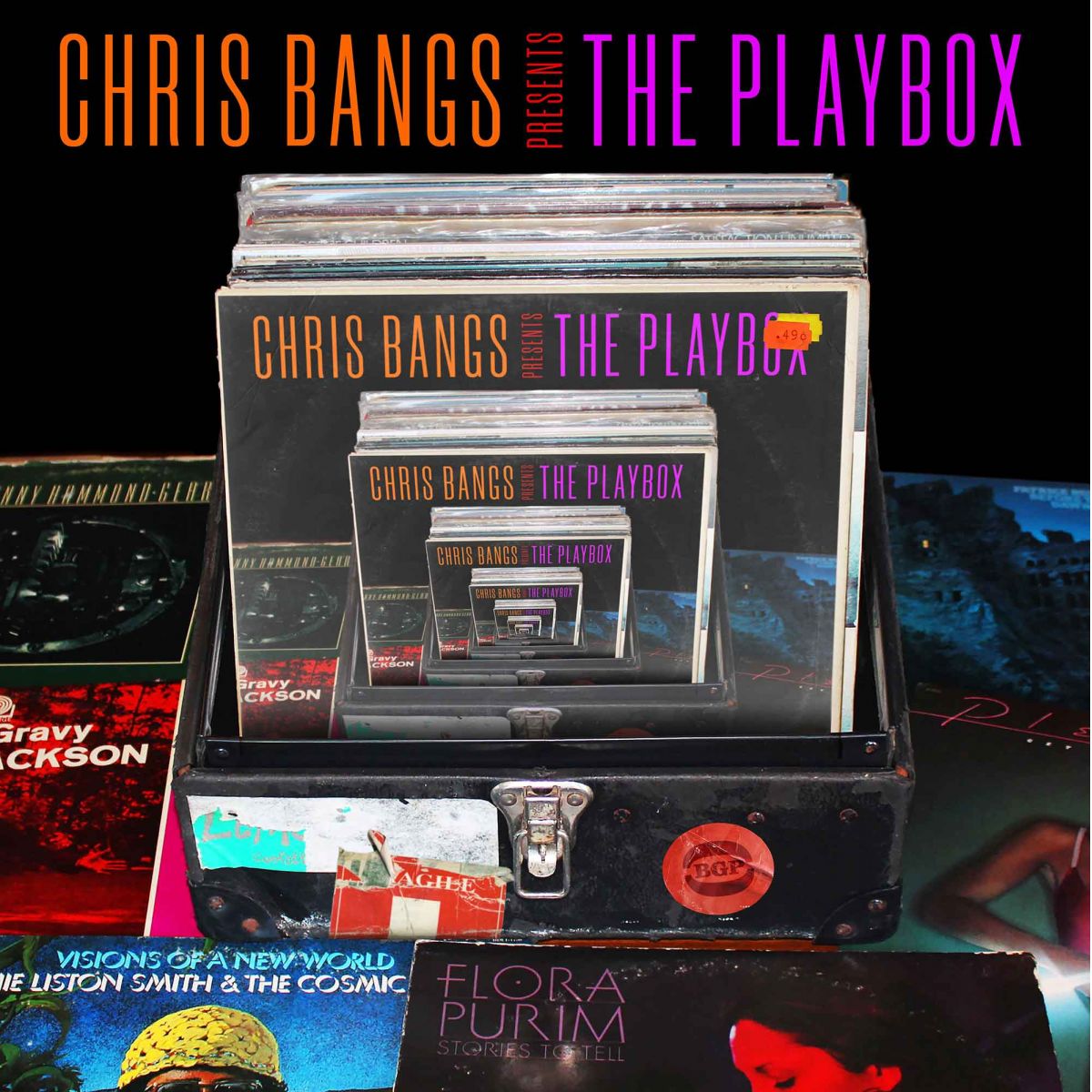
CHRIS BANGS PRESENTS THE PLAYBOX.
CHRIS BANGS PRESENTS THE PLAYBOX.
Chris Bangs Presents The Playbox.
Label: BGP.
Format: CD.
Release Date: 30th May 2025.
Initially, DJ Chris Bangs started off as a guitarist with space rockers the Mighty Om. However, he soon realised that his talents lay elsewhere.
That came in 1982, after meeting Gilles Peterson, who was playing his first DJ gigs in a wine bar near where Bangs lived. This led to the pair forming a partnership and DJ-ing together for the best part of a decade.
Their first DJ sets took place in a small function room above the Derby Arms, near the Belvedere Arms in Sheen, West London. This was also where, in the late-eighties, Peterson played some of his legendary DJ sets. That was in the future.
Bangs and Peterson’s original one-off nights culminated with their Mambo Madness parties and the Original Jazz Bops. They were promote alongside Peterson’s Mad On Jazz show on Radio London. At these parties, 1,600 clubbers took to the dancefloor as the pair spun an eclectic selection of tracks. They were joined by various bands and artists at the famous Town and Country Club in Kentish Town. These were nights to remember.
Meanwhile, Bangs’ DJ career was progressing as he was offered various residences. His first was playing five nights a week at Bogarts in West London. Then each Saturday he played at the Exeter Bowl, Bournemouth. This led to Bang joining forces with DJ and promoter Bob Masters to run the Bournemouth soul weekenders through most of the 80s.
During the mid to late eighties Bangs DJ-ed at the Cock Happy, Special Branch and Doos At The Zoo club nights.
Every second Monday night Bangs was the guest DJ at Peterson’s Monday jazz night at the Wag Club.
Bangs was also a regular at Rockley Sands, Prestatyn and Caister weekenders, spinning everything from jazz dance and funk to rare groove. By then, Bangs was travelling further afield.
He also DJ-ed at Special Branch holidays in Ibiza and Corfu. Bangs also played at the legendary Cafe Del Mar. However, one of the things Bangs will always be remembered for happened accidentally in 1988.
In early 1988, Bangs and Peterson were DJ-ing at Nicky Holloway Special Branch Doo in Brentford, London. The pair were spinning hard Latin tunes, and behind them, the words Acid, Acid, Acid, were being projected onto the screen behind them. They stopped the music, and Bangs said “acid jazz” on the microphone. Both found this hilarious. It was meant to be throwaway comment, a reaction to the nascent acid house movement. However, acid jazz became the name for a musical movement that was popular worldwide.
When Bangs played an acid jazz set he spun everything from hard bop, early hip hop, Jimi Hendrix, psychedelic poetry and tough Latin tunes. These were eclectic sets that gave Bangs the freedom to play a wide range of tracks that he couldn’t and wouldn’t play elsewhere. However, Bangs wasn’t content to DJ.
He wanted to make music, and joined forces with Peterson to record the proto acid 12″ ‘Psychedelic Jack (That’s Where It’s At).’ They were signed to Acid Jazz Records, and in 1988, released the single as Extasis. This was just the start for Bangs.
Since then, he has released music under various names, and for various labels. This includes his solo albums ‘Firebird’ in 2023, and ‘Dream World’ in 2024. Both were released on Acid Jazz Records. Bangs has also worked with many other artists.
This includes producing Galliano and Paul Weller. Bangs has also worked with Mick Talbot, the legendary Roy Ayers, Linda Clifford and Sharon Redd. He’s also remixed Will Downing, Ce Ce Rogers and Blaze, as well as making house tracks with Faith’s Terry Farley.
However, it’s been seventeen years since Bangs last compiled a compilation. That was ‘Fuck Acid House This Is Acid Jazz’ in 2008. He’s compiled ‘Chris Bangs Presents The Playbox,’ which will be released by BGP, on Friday 30th, May 2025.
‘Chris Bangs Presents The Playbox’ features fourteen tracks from Johnny Hammond, Roy Haynes, Lonnie Liston Smith and The Cosmic Echoes, Pleasure, Johnny Lytle, Patrice Rushen and Cal Tjader.
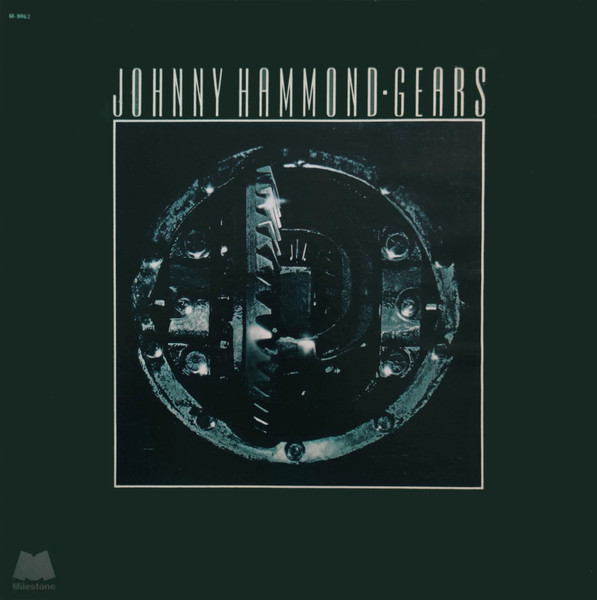
Opening the compilation is ‘Los Conquistadores Chocolatés’ from Johnny Hammond’s classic jazz-funk album ‘Gears.’ It was released on the Milestone label in 1975, and was produced by Larry and Fonce Mizell. It’s a joyous and timeless track that fifty years later, will still fill any dancefloor.
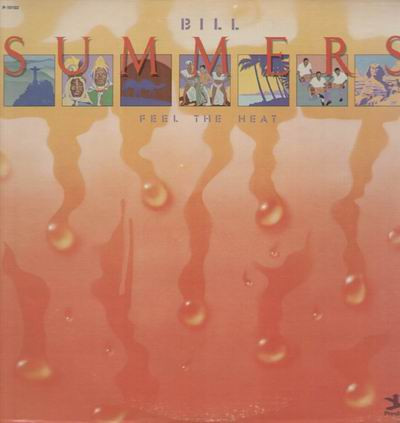
In 1977, Bill Summers released his debut album ‘Feel The Heat’ on the Prestige label. By then, he was regarded as one of the top session percussionists. He had worked with everyone from George Benson, Eddie Henderson, Norman Connors and The Pointer Sisters. One of the highlights from his debut album was ‘Brazilian Skies.’ It’s an infectiously catchy and breezy fusion of soul, samba, jazz-funk and Latin jazz. The highlights of the track are the scatted vocals and the batucada percussion breakdown. It’s no wonder the track became a firm favourite of DJs and jazz dancers.
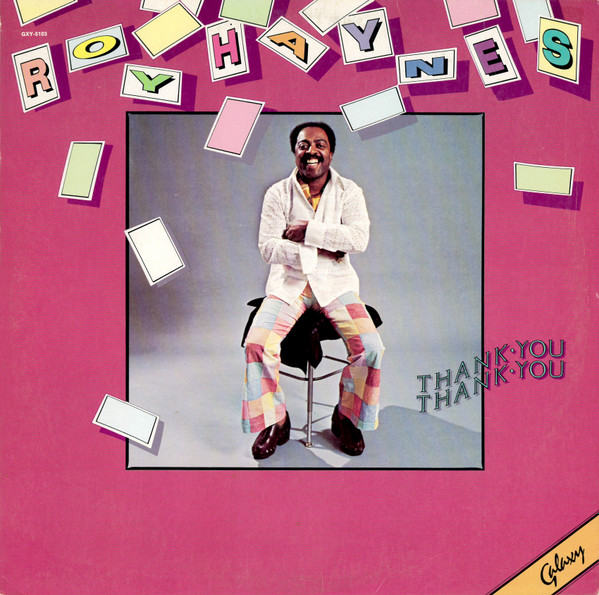
By the time that Roy Haynes released his album ‘Thank You Thank You’ in on Prestige, in 1977, he had been a professional drummer for thirty-five years. He was a top session player, who worked with the great and good of jazz. One of the highlights of the album was ‘Quiet Fire.’ From the opening bars, percussion joins with Hayes thunderous drums, congas, piano and a standup bass. Soon, a heavy and infectiously catchy groove is unfolding and this dancefloor filler heads in the direction of fusion and is akin to a joyous call to dance.
‘Visions Of A New World (Phase II)’ by Lonnie Liston Smith and The Cosmic Echoes is one of the highlights of the compilation. This a track from Smith’s fourth album ‘Visions Of A New World,’ which was released on Flying Dutchman, in 1975. Jazz-funk meets disco on a truly timeless track that was produced by Bob Thiele and Smith features and features an all-star band.
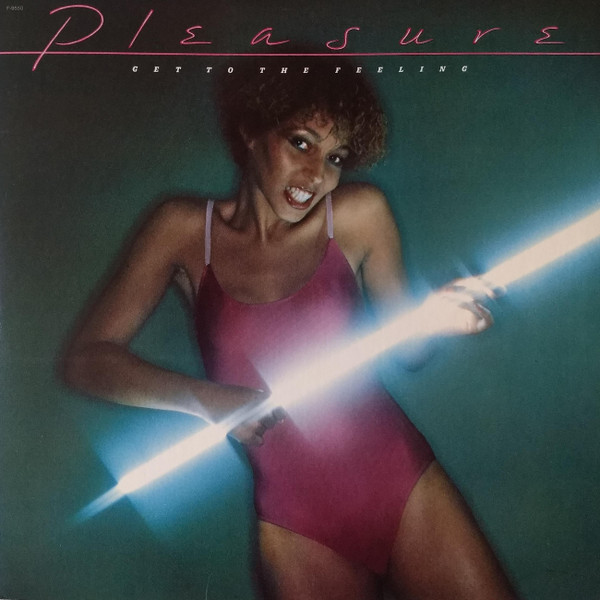
‘No Matter What’ is a track from Pleasure’s album ‘Get To The Feeling.’ It was released on Fantasy in 1978. This track is a delicious fusion of funk, jazz, disco and jazz-funk, and was one of the highlights of Pleasure’s fourth album.
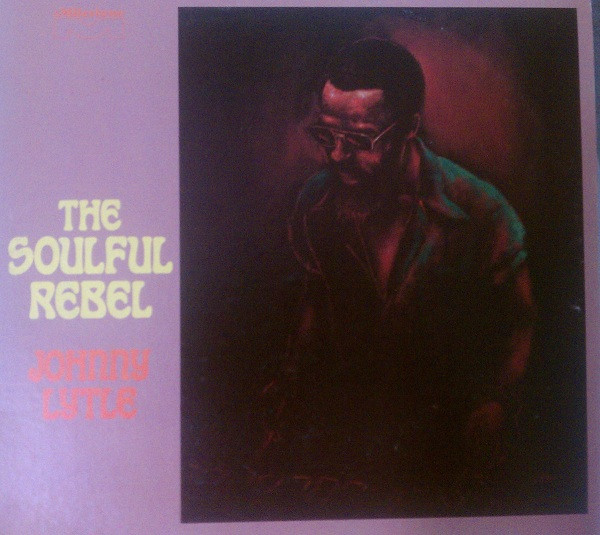
In 1972, Johnny Lytle released ‘The Soulful Rebel’ on the Milestone label. This vastly underrated and oft-overlooked album where an all-star band combined jazz-funk and soul-jazz. On ‘Gunky,’ rocky guitar licks are unleashed, and join a mesmeric bass, swirling Hammond organ and vibes to create an acid jazz classic.
‘Braun-Blek-Blu’ is track from Dom Um Romao’s 1974 self-titled sophomore album on Muse Records. It’s a mixture of bossa nova, jazz-funk and samba, and became a jazz dance favourite.
‘Chris Bangs Presents The Playbox’ is a carefully curated compilation where the emphasis is on quality. There’s a mixture of familiar faces and what will be new names to many music fans. They’ll enjoy everything from bossa nova, jazz-funk, samba and soul-jazz to disco jazz. funk, fusion and soul. The result is ‘Chris Bangs Presents The Playbox,’ which will appeal to veterans of the acid jazz and jazz dance scene, as well as anyone loves good music.
Chris Bangs Presents The Playbox.
THIS IS FUNKY JAZZ.
This Is Funky Jazz.
Label: BGP.
Format: LP.
Nowadays, Charlie Parker, Thelonious Monk, Miles Davis, Dexter Gordon, Sonny Rollins, Art Blakey and Bud Powell are regarded as pioneers, and among the finest and most influential bebop artists. They were innovators, and played their part in this new musical movement that required instrumental virtuosity. Bebop was very different from what had gone before.
The tempo was fast, blisteringly quick, generally in excess of 200 bpm. Then there was complicated chord progressions and countless changes in key. That’s not forgetting improvisation which was based on a combination of harmonic structure, the use of scale and sometimes, a return to the melody. This was very different from swing music, which preceded it.
It was music for the head, not the feet. Its critics called it “intellectual music.” They didn’t understand this new. innovative and modern music would revolutionise jazz.
Fast forward to London in the eighties, where the acid jazz movement was born. DJs looked to past for inspiration, playing everything from soul jazz, fusion to jazz funk, R&B and even the music that played in small clubs and lounge bars in the sixties and early seventies. This was the soundtrack to life for black Americans. It was music to dance to.
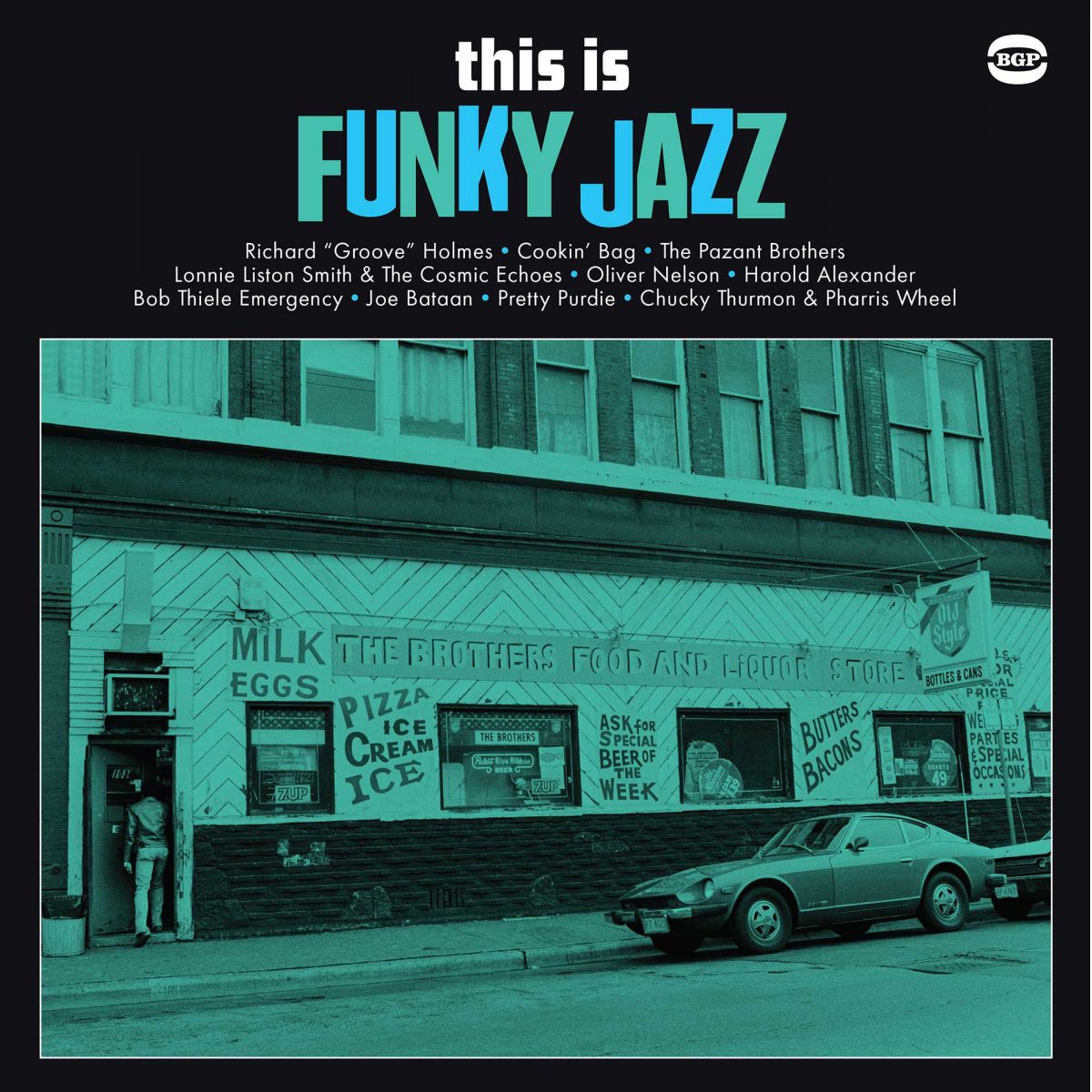
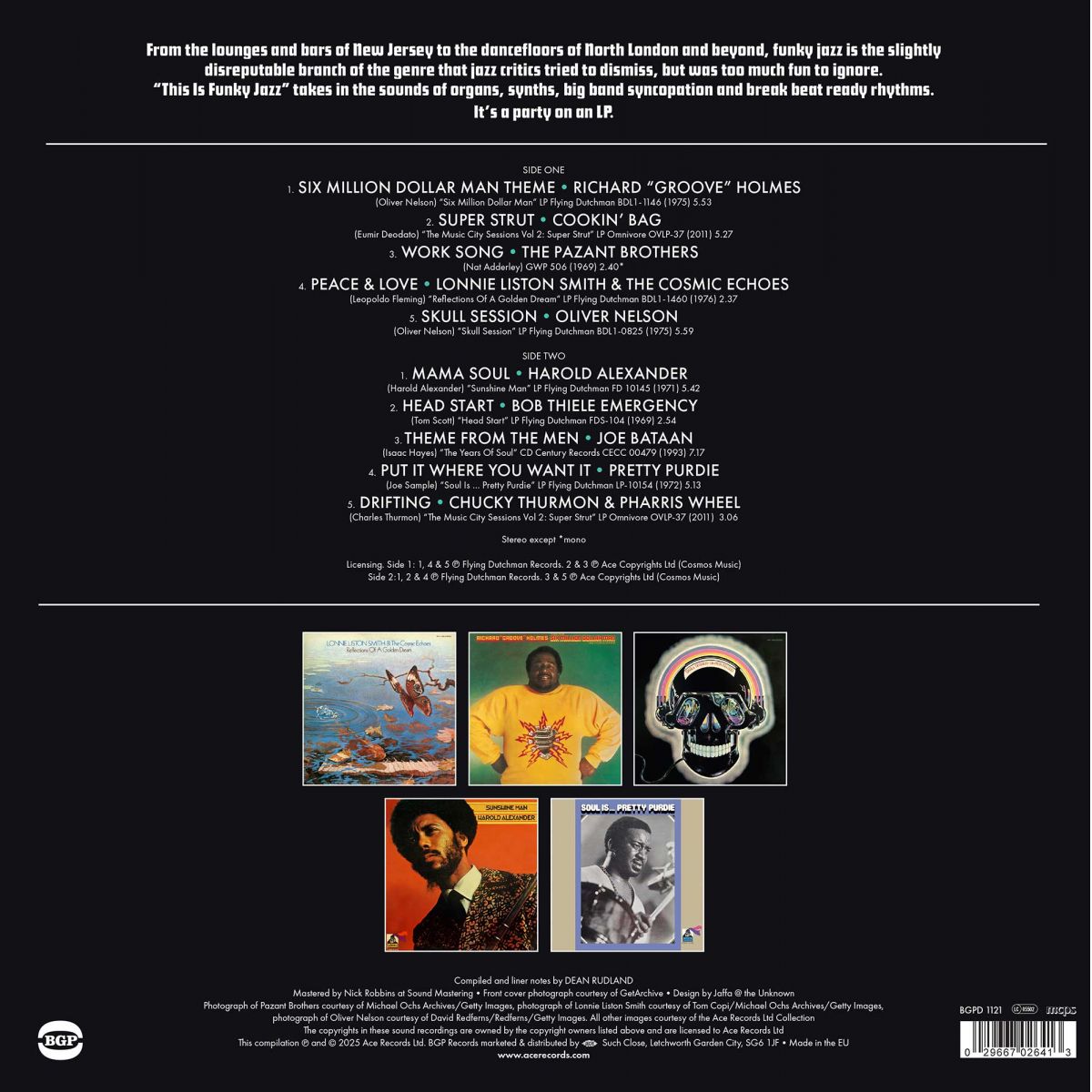
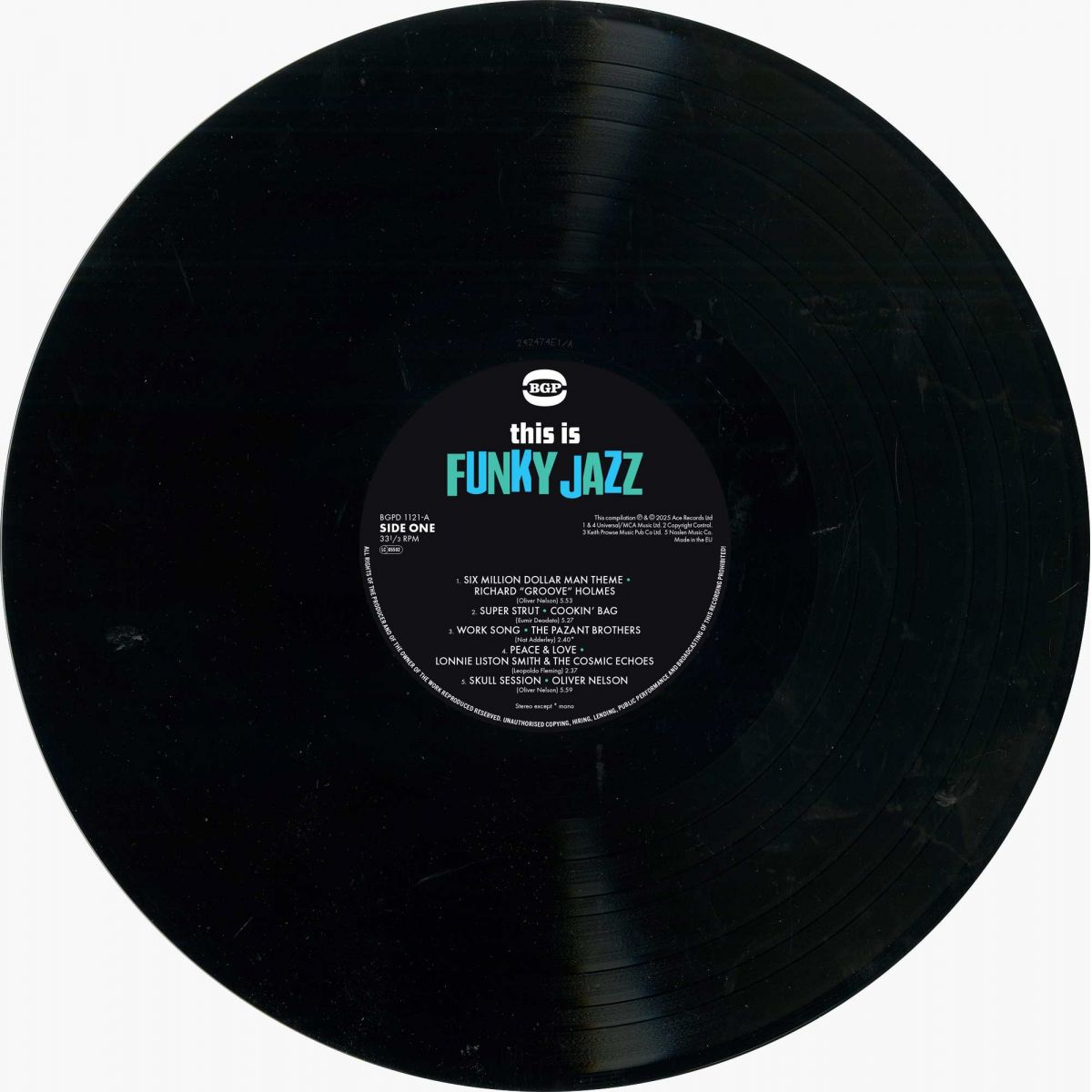
So are the ten tracks on ‘This Is Funky Jazz,’ which was recently released on BGP. There’s tracks from Richard “Groove” Holmes, Lonnie Liston Smith and The Cosmic Echoes, Oliver Nelson, Bob Thiele Emergency and legendary drummer Pretty Purdie.
Side One.
Opening ‘This Is Funky Jazz’ is Richard “Groove” Holmes’ cover of the ‘Six Million Dollar Man Theme.’ It’s the title-track to his 1975 album, which was released on the Flying Dutchman label. This is a stunning slice of cinematic soul jazz and jazz-funk.
Dramatic, funky and soulful describes ‘Super Strut’ by Cookin’ Bag. This oft-overlooked single with socially conscious lyrics, was released on the Solid Gold label in 1972. Fifty-three years later and it’s stood the test of time.
‘Work Song’ was released as a single by The Pazant Brothers on GWP Records, in 1969. It’s a brassy slice of joyous, summery funk.
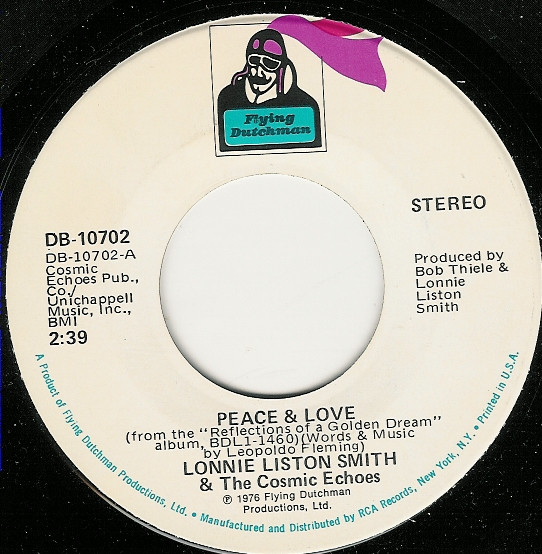
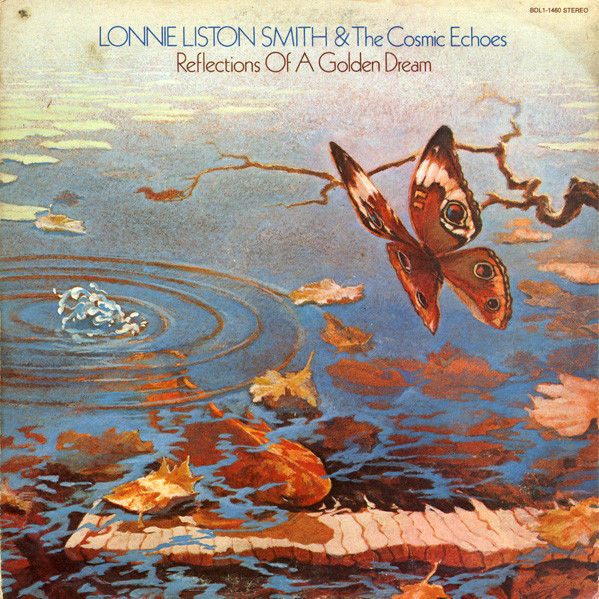
When Lonnie Liston Smith and The Cosmic Echoes released ‘Reflections Of A Golden Dream’ in 1976, it was their final album for Bob Thiele’s Flying Dutchman label. He produced an album that veered between fusion to jazz-funk and the meditative and dreamy ‘Quiet Dawn.’ It’s one of the album’s highlights. So is the anthemic plea for ‘Peace and Love.’ It was released as a single in 1976, and is a truly timeless track that’s even more relevant today.
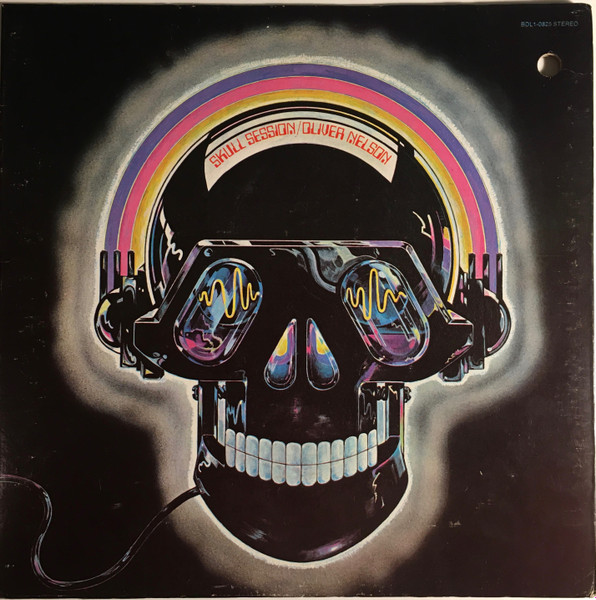
The synth-driven ‘Skull Session’ is the title-track to Oliver Nelson’s 1975 album. It’s a dramatic and cinematic, with stabs of horns punctuating the arrangement. Some of the finest jazz musicians of the sixties and seventies played on the album. It’s like a who’s who of jazz. The album was produced by Bob Thiele and released on the Flying Dutchman label. This track is a tantalising taste of a vastly underrated album.
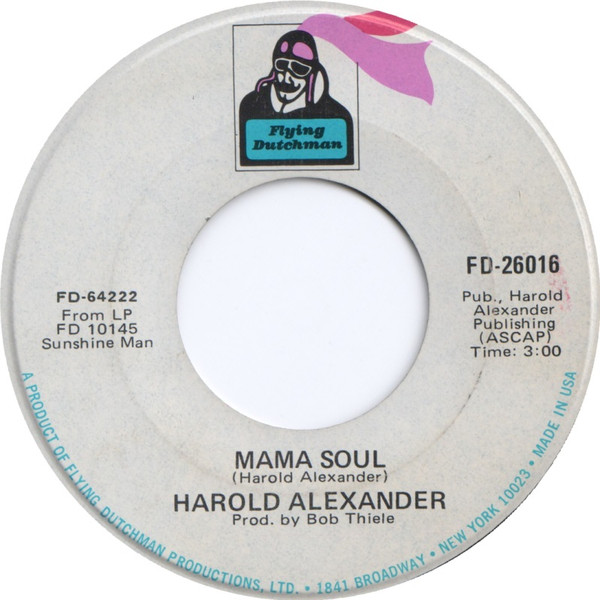
Side Two.
Harold Alexander’s album ‘Sunshine Man.’ It was recored on the 26th and 27th, May 1971, and the released later that year on Flying Dutchman. ‘Mama Soul’ was released as a single, the all-star band combine, jazz-funk, fusion and soul jazz seamlessly to create a groundbreaking track.
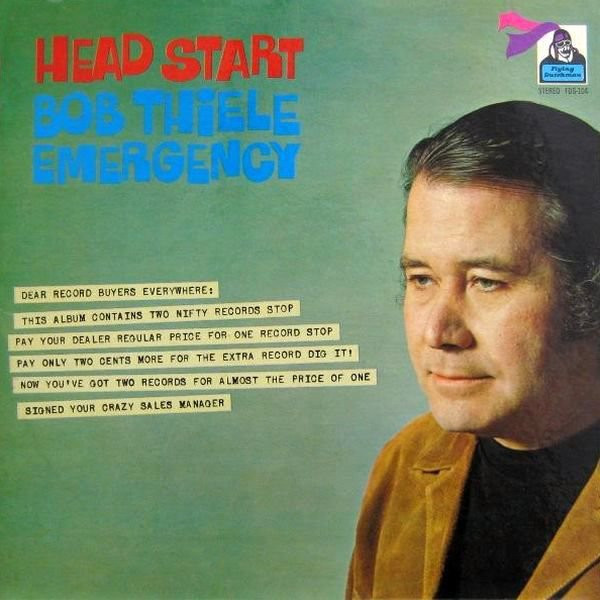
‘Head Start’ is the title-track to Bob Thiele Emergency’s 1969 album. It was released on his Flying Dutchman label, and was akin to a history of jazz, combined with electronic experimentation, free jazz, a tribute to John Coltrane and some infectiously catchy soul-jazz. This Thiele managed to do on one innovative double album, where he pushed musical boundaries to their limits, and sometimes, beyond.
Joe Bataan’s ‘Theme From The Men’ is a joyous and uplifting fusion of Latin, funk and soul. It was originally released in 2010, on the BGP Records’ compilation The Lost Sessions (New York, 1976). It returns for a well-deserved encore and will still fill a dancefloor.
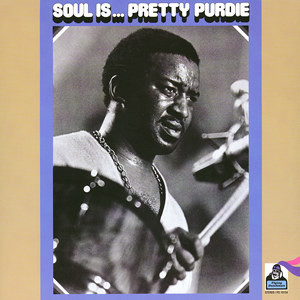
‘Put It Where You Want It’ is a track from ‘Soul Is… Pretty Purdie.’ This uber funky album was released on Flying Dutchman in 1972, and features a truly-talented band. The result is one of the finest albums of the legendary drummer’s long and illustrious career. Sadly, it wasn’t a commercial success, but later, during the acid jazz era, the album was rediscovered by DJs, dancers and record collectors.
Closing ‘This Is Funky Jazz’ is Drifting by Chucky Thurmon and Pharris Wheel. This track was taken from ‘The Music City Sessions Volume 2: Super Strut,’ which was released in 2011. It’s a flute-led funky hidden gem that’s driven along by the rhythm section. This is the perfect way to close the compilation.
‘This Is Funky Jazz’ which was recently released on BGP, is, without doubt, one of the finest compilations of recent months. It features familiar faces and what will be new names to many music fans. The result is a carefully curated compilation that’s a mixture of funk, fusion, jazz-funk and soul-jazz.
The music is groundbreaking and innovative, especially that tracks that were released on the Flying Dutchman label. These tracks are a tantalising taste of the music Bob Thiele’s label released.
He released that musical maverick didn’t thrive within such an orthodox environment. Their creativity was restricted and they were unable to experiment and innovate. Thiele allowed them to do this at Flying Dutchman, and many groundbreaking albums were released between 1969 and 1976, when the label was taken over by RCA Victor. Many of the albums released during this period have been reissued by Ace Records. The six tracks from the Flying Dutchman label on ‘This Is Funky Jazz’ are, sure to be the start of a long and enjoyable musical journey.
However, there’s much more to ’This Is Funky Jazz.’ It’s a reminder of the music that was the soundtrack to black America between 1969 and 1976. Nearly fifty years later, and the music on ‘This Is Funky Jazz’ is truly timeless, and is the perfect soundtrack to the summer, and is guaranteed to get any party started.
This Is Funky Jazz.
SOUL HARMONY – SWEET SOUL VOCALS 1961-1984.
Soul Harmony-Sweet Soul Vocals 1961-1984.
Label: Kent Soul.
Format: CD.
Between 1962 and the early seventies there was an increase in the popularity of soulful ballads in Southern California. These slow jams were played in the clubs and could be heard in the cars that cruised the streets of towns and cities throughout Southern California.
Initially, it was the Mexican, Central and South American immigrants who had settled around East Los Angeles that embraced these soulful ballads. However, their popularity has grown since then.
Over the years, the popularity of soulful ballads has grown, and nowadays, are favourites of DJs, soul fans and record collectors around the world. Some record buyers were drawn to the music after being fascinated by the titles of the songs that were finding favour amongst the lowrider soul scene.
The lowrider scene was named after its members, who had a love of classic American automobiles, which they customised and used to cruise the streets of LA. This became really popular from the early sixties until the dawn of the seventies. However, that wasn’t the end of the lowrider scene.
Although it wasn’t as popular from the early seventies onwards, there was still a lowrider scene. This continued into the mid-eighties, which is the period that Kent Soul’s new compilation ‘Soul Harmony-Sweet Soul Vocals 1961-1984’ covers.
There’s twenty-four slow, sweet, soul harmony ballads on the compilation. Over the last decade there’s been a resurgence of interest in Soul Harmony. So much so, that Ace have formed a new label, Soul Harmony. which is issuing tracks on vinyl for the first time.
However, ‘Soul Harmony-Sweet Soul Vocals 1961-1984′ offers a tantalising taste of these slow, sweet soul harmony ballads. This includes contributions from The Question Marks, The Puffs, John Wesley and The 4 Tees’ plus The Mad Lads, Moments, Diplomats and Lee Williams and The Cymbals. Then there’s The Imperialites, Question Marks, Music City Soul Brothers and Ray and Bob on a compilation that transports the listener back to another musical era.
It’s always important to start a compilation with a strong track. That’s the case here. I’ve Never Found A Girl by The Mad Lads is a cover of the song that gave Eddie Floyd a hit in 1968. A year later, in 1969, it appeared on the group’s 1969 LP ‘The Mad, Mad, Mad, Mad Lads.’ It was released on Volt, and is, without doubt, one of the highlights of the album. It features at their soulful best, on a track that sets the bar high for the rest of the compilation.
Instant Replay recorded four tracks at Leo Kulka’s Golden State Recorders in April 1972. However, the two parties were unable to agree a deal, and the tapes lay in the vaults for over fifty years. Then Alec Paloa copied the tape, and made his own mix of ‘87th Off Broadway.’ It then became the first single released on Ace’s nascent Soul Harmony label in October 2024. That’s fitting as it’s a gorgeous soul ballad that deserves to be heard by a much wider audience.
‘Just Because He Wants To Make Love (Doesn’t Mean He Loves You)’ by The Moments was released on the Slang label in 1972. It was produced by George Kerr and Sylvia Robinson. That’s no surprise, as it’s a heartachingly beautiful ballad, that features a vocal soul-baring vocal that’s akin to a confessional.
‘Mr Lover Supreme’ was one of three songs that Ramona King recorded for Leo Kulka at his Golden State Recorders in March 1970. The tracks were never released. However, the four tracks by Instant Replay were rediscovered by Alec Paloa. It’s his mix that features on the compilation. The best way to describe this romantic soulful ballad is a hidden gem, that’s a worthy and welcome addition to the compilation.
‘For The Love Of You’ by Natural Resources just floats along with lush strings accompanying the heartfelt, emotive and sometimes wistful vocal. It’s accompanied by tender harmonies and strings that slowly sweep. Sadly, this track which the group recorded for Dore was never released, and belatedly makes its debut on the compilation. It’s a great find, and is easily one of the compilation’s highlights.
The Soul Interiors reading of ‘My Friend Heartaches’ bristles with hurt, heartache and sadness. It’s an outpouring of emotion that sounds as if it should be cathartic. Just like other tracks on the compilation it lay unreleased, and made its debut as a single on Ace’s City label in 2024. It returns for encore on Soul Harmony- Sweet Soul Vocals 1961-1984. Take a bow The Soul Interiors.
‘Ain’t That Kinda Sad’ by The Question Marks was released on Money in 1964. This tale of love lost is a reminder of an earlier musical era, one where vocal groups ruled the roost and topped the charts in America.
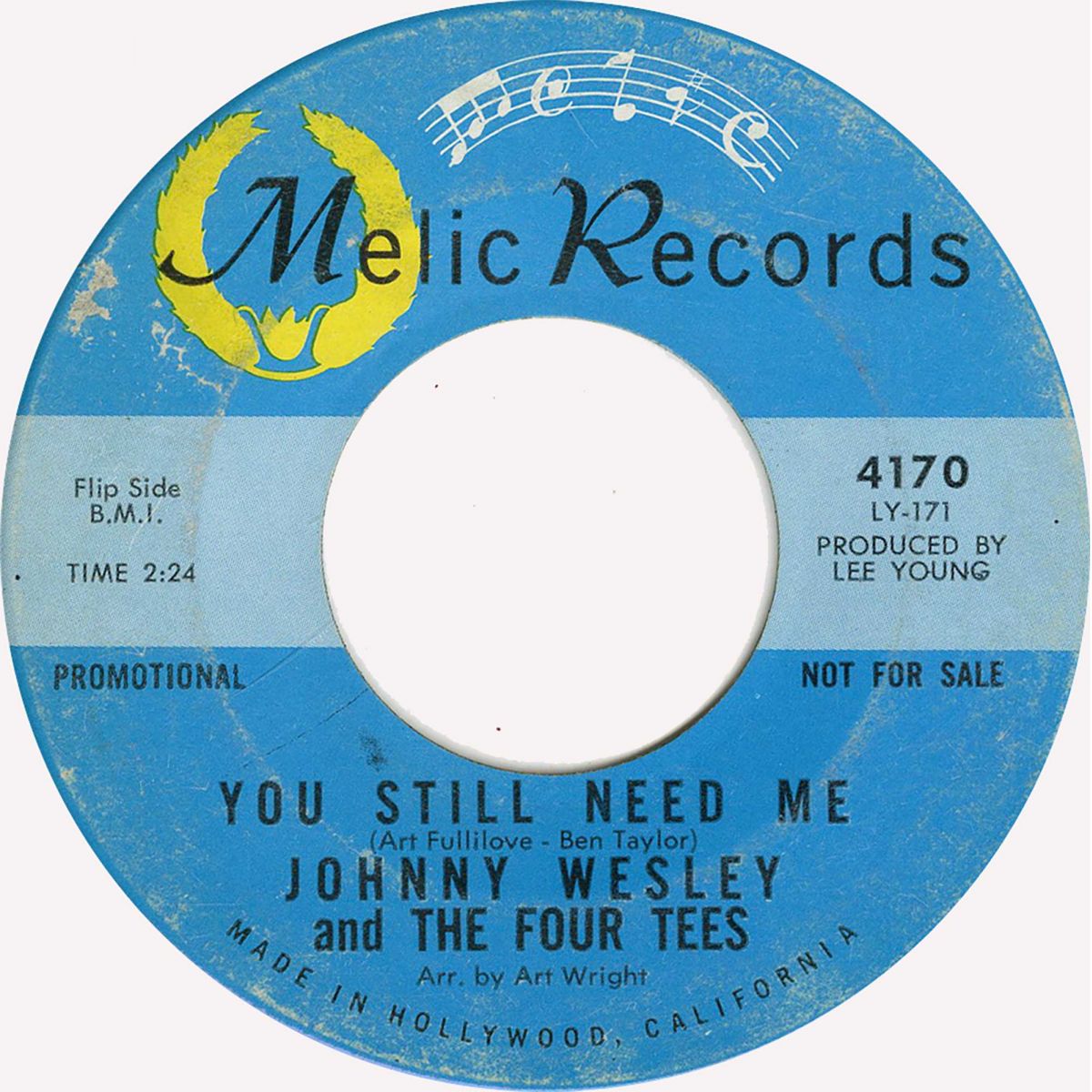
‘You Still Need Me’ was the first of two singles Johnny Wesley and The Four Tees released on the Melic label. It was arranged by Arthur Wright and released in 1966. The vocal is needy, almost pleading, hoping that his partner still needs and wants him.
‘Take Me Back’ is another heart-wrenching soulful ballad about love lost, and a relationship that’s gone south. This is Joe Evans production that was released by The Three Reasons in 1971. It’s a beautiful and truly memorable ballad that many people will be able to relate to.
‘Girl I Tried’ is a beautiful, sweet and soulful ballad by The Performers. There’s an air of resignation in the vocal, knowing that despite trying hard to make it work, it’s the of the relationship. Despite never having been released on CD before, this song is another of the compilation’s highlights.
‘Love Don’t Let Me Down’ by Nightchill was written by Dexter Dixon and Dave Hamilton, who also produced the track. It was recorded in 1980, but this carefully-crafted and beautiful soulful ballad makes its debut on the compilation. This version is Nick Robbins’ mix of a track which has stood the test of time.
Closing Soul Harmony-Sweet Soul Vocals 1961-1984 is ‘The Story Says’ by The Tokays. This poignant ballad is another unreleased Dave Hamilton production. It’s essentially a demo and has an understated, spartan arrangement. One wonders what it would’ve sounded like with a bigger, fuller production?
Soul Harmony – Sweet Soul Vocals 1961-1984 is a welcome reminder not just of the lowrider scene, but the increasing popularity of soulful ballads. Nowadays, they’re favourites of DJs, soul fans and record collectors worldwide.
A tantalising taste of these soulful ballads can be found on Soul Harmony – Sweet Soul Vocals 1961-1984. It’s a lovingly-compiled compilation that features twenty-four tracks that ooze quality. There’s a mixture of lesser known and unreleased tracks, slow jams, singles and classy cuts aplenty. This makes Soul Harmony – Sweet Soul Vocals 1961-1984 a must-have for anyone who likes soulful ballads, slow jams and smoochy music.
Soul Harmony-Sweet Soul Vocals 1961-1984.

HIT AND RUN! MORE MOTOWN GUYS.
Hit and Run! More Motown Guys.
Label: Kent Soul.
Format: CD.
Just like many other record labels, the vaults at Motown contain hundreds of unreleased tracks. These tracks are part of the label’s rich and illustrious history.
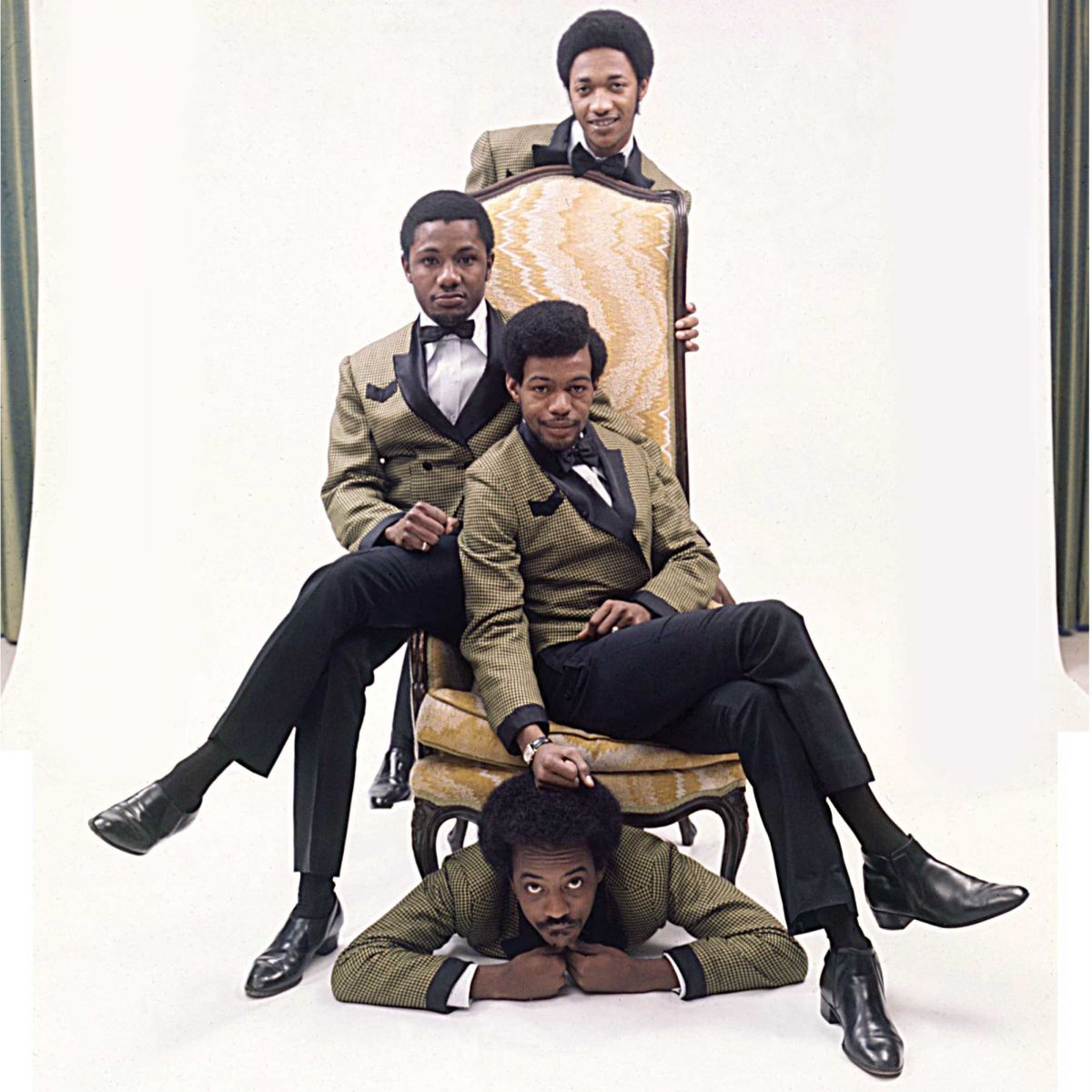
Many were recorded at the company’s headquarters at 2648 West Grand Boulevard, Detroit between 1961 and 1968. This is regarded by connoisseurs of soul as the label’s golden era. During this period, Marvin Gaye, Smokey Robinson and The Miracles, Marv Johnson, The Temptations and the Four Tops were all signed to Motown, and made it arguably the most successful soul labels of the sixties.
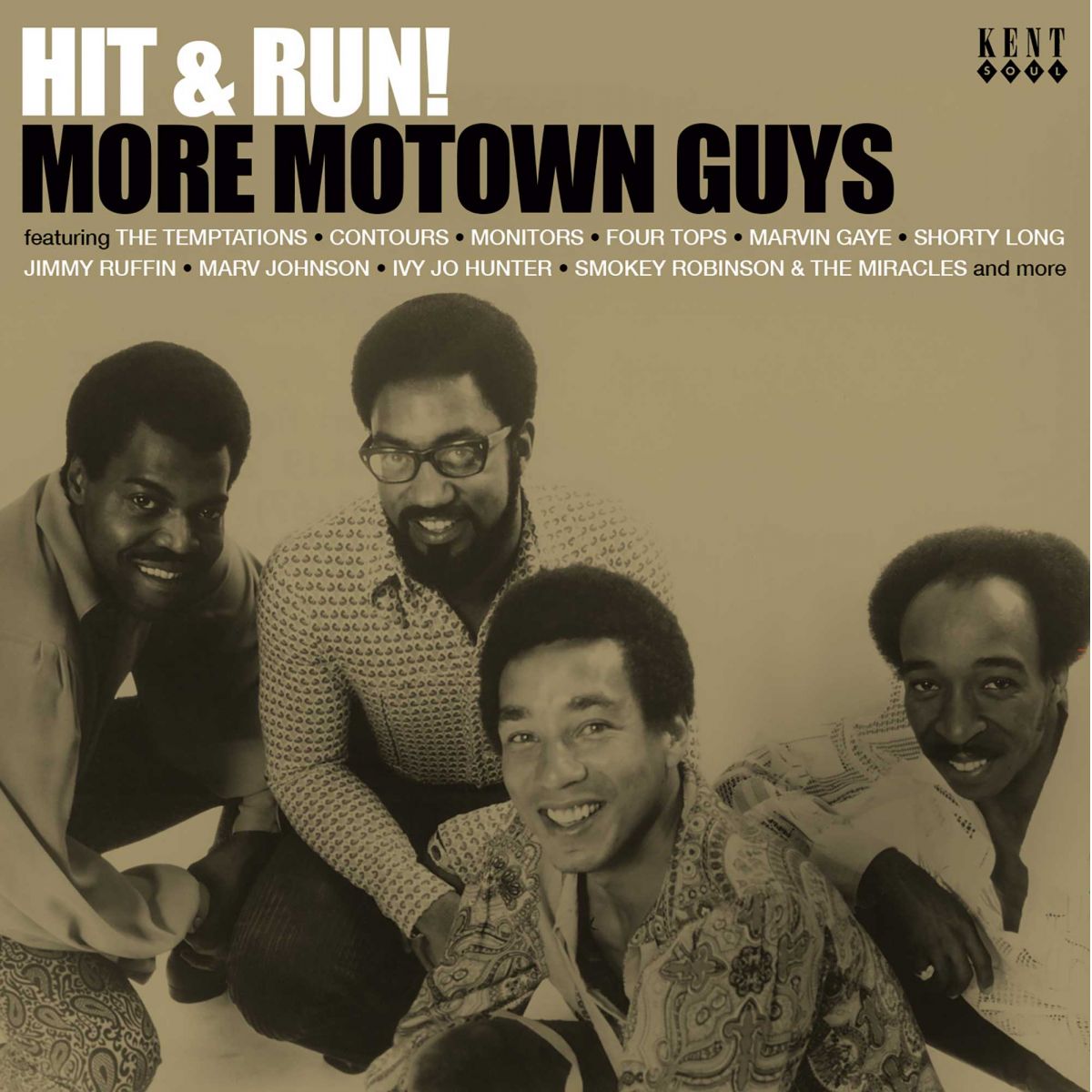
That’s still the case over fifty years later. Albums released on Motown are regularly released, as are careful curated compilations. The latest is ‘Hit and Run! More Motown Guys,’ which was recently released by Kent Soul. It features twenty-five rare and previously unissued recordings.
These recordings would’ve been released by many soul labels between 1961 and 1968. However, not Motown. The tracks failed to capture enough votes during the company’s Quality Control meetings each and every Friday. Some of the tracks failed to get pre-meeting approval of the Quality Control queen, Billie Jean Brown. As a result, some have lay unreleased for over sixty years. That’s until now, and the recent release of ‘Hit and Run! More Motown Guys.’
‘Without You Babe’ was Skip Cunningham’s first recording for Motown. He added his vocal to this crossover style track on the 19th May 1966. However, this Ivy Jo Hunter production failed to garner enough support in the Quality Control meeting, and has lain unrelated for fifty-nine years. It makes it debut on Hit and Run! More Motown Guys.
Ivy Jo Hunter features twice on the compilation. His first contribution is ‘Lucky Lucky Me,’ a track which he cowrote with Hank Cosby, Sylvia May and William Stevenston. He delivers a heartfelt vocal full of vocal where he gives thanks for the love he’s found. Then on ‘To See The Sun Again’ which he cowrote with Jack Goga, Hunter delivers an impassioned and powerful vocal that’s a mixture of hurt, sadness and regret. It’s one of the hidden gems on the compilation.
‘Show Me The Way’ by J.J. Barnes was recorded in 1967, and made its debut on ‘Rare and Unreleased Vinyl, Volume 3’ in 2016. However, this is the first time this stomper has featured on CD. In 2016, it quickly became a favourite of UK soul fans, and has stood the test of time.
’Since I Don’t Have You’ by The Temptations was recorded in 1967, and features David Ruffin on lead vocal. He was a member of the group during their Classic Five period and sang lead on ‘My Girl’ and ‘Ain’t Too Proud To Beg.’ Despite this, he was replaced by Dennis Edwards later in 1968. Ruffin unleashes an emotive and soul-baring vocal on this previously unreleased track which is, without doubt, one of the highlights of the compilation.
Marv Johnson’s ‘Come To Me’ was the first single released on Tamla in 1959. It reached number thirty on the US Billboard 100. Three years later, in 1962, he recorded the poppy and soulful ‘Sing A Little Song About You.’ Then in 1964 he recorded ’Sad Souvenirs’ a dramatic, intense and emotional ballad. Both of these tracks are among the fifteen previously unreleased tracks.
‘I Feel Like I’m Falling In Love Again was recorded by Jimmy Ruffin in 1967. It’s a joyous and uplifting paean, where strings and harmonies providing the perfect accompaniment to a soulful, sincere and passionate vocal.
In 1965, the Four Tops recorded the ballad ‘Just Your Love.’ It was penned and produced by Ivy Jo Hunter and William Stevenston. However, the song failed to make the cut at the Friday Quality Control meeting. As a result, it’s lain unreleased for sixty years. For Four Tops’ fan and Motown completists its inclusion on the compilation will be a welcome one.
‘Goodbye Eilene’ is a beautiful hurt-filled ballad by Shorty Long that’s bristling with emotion and full of regret at the love he’s lost. The track was recorded in 1965, but has never been released on CD until now. It’s one of the standout tracks on ‘Hit and Run! More Motown Guys.’
‘It’s Love Baby (24 Hours Of The Day)’ was recorded by Joe Stubbs in 1967, and is another track that has never been released on CD. The former lead singer with The Contours unleashes a stomping take on the track that gave Ruth Brown a hit in 1965.
Closing ‘Hit and Run! More Motown Guys’ is ‘We Call It Fun’ by The Hit Pack. Their version of this poppy track was recorded in 1965, but was never released. Instead, The Headliners’ version was released as a single. However, it failed to trouble the charts. The “other” version makes its debut and closes this compilation of rarities and unreleased tracks.
Compilers Keith Hughes and Mick Patrick have dug deep to into the Motown vaults to unearth the twenty-five tracks on ‘Hit and Run! More Motown Guys.’ Fifteen have never been released before, while some have only been released digitally. They’re joined by a number of rarities that will be of interest to fans of Motown.
Throughout the compilation there’s contributions from familiar faces. However, there’s what will be new names to all but the most devoted Motown aficionados. They’re responsible for hidden gems aplenty on a compilation that’s long on quality, and will be of interest to fans of Motown, or anyone with an interest in soul music.
Hit and Run! More Motown Guys.
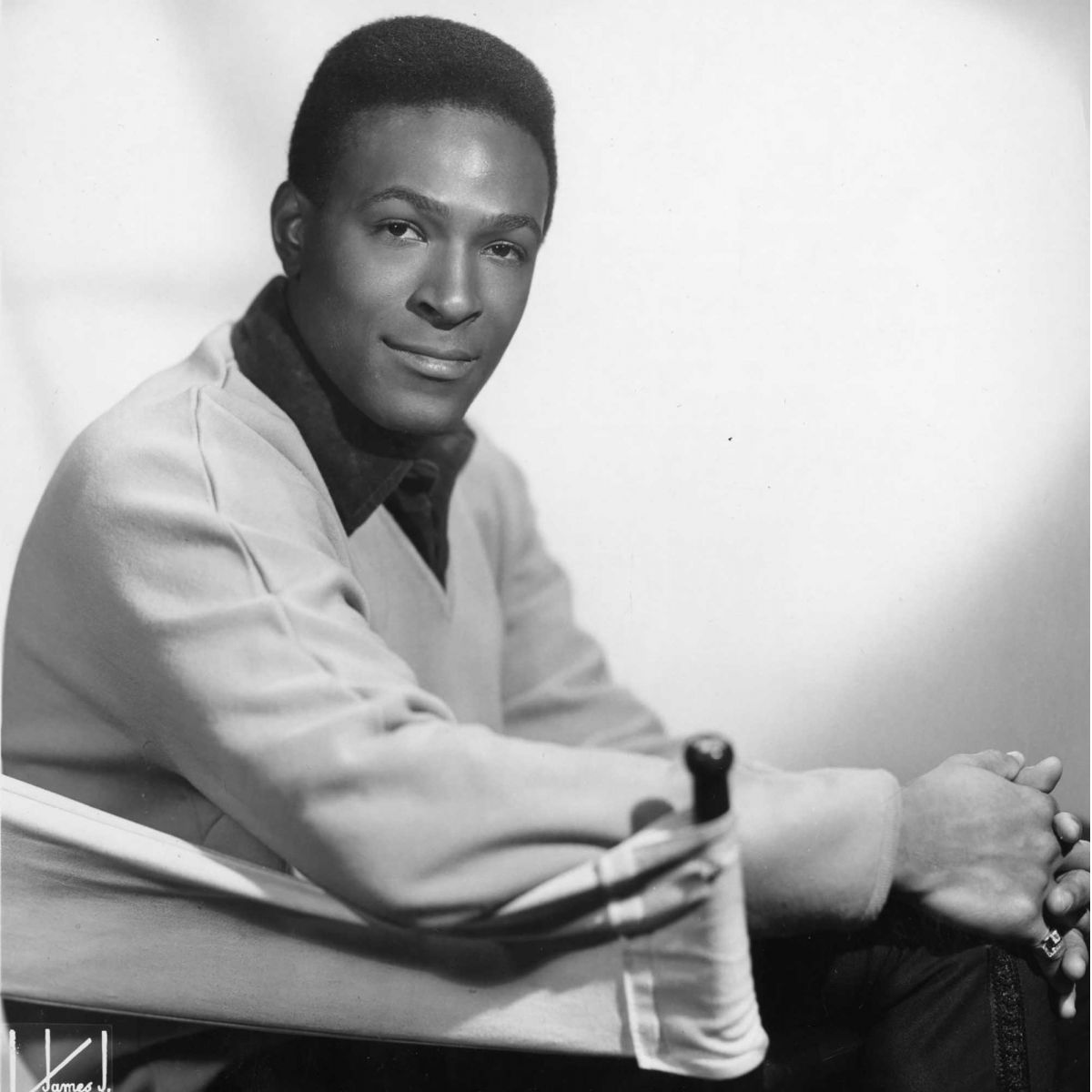
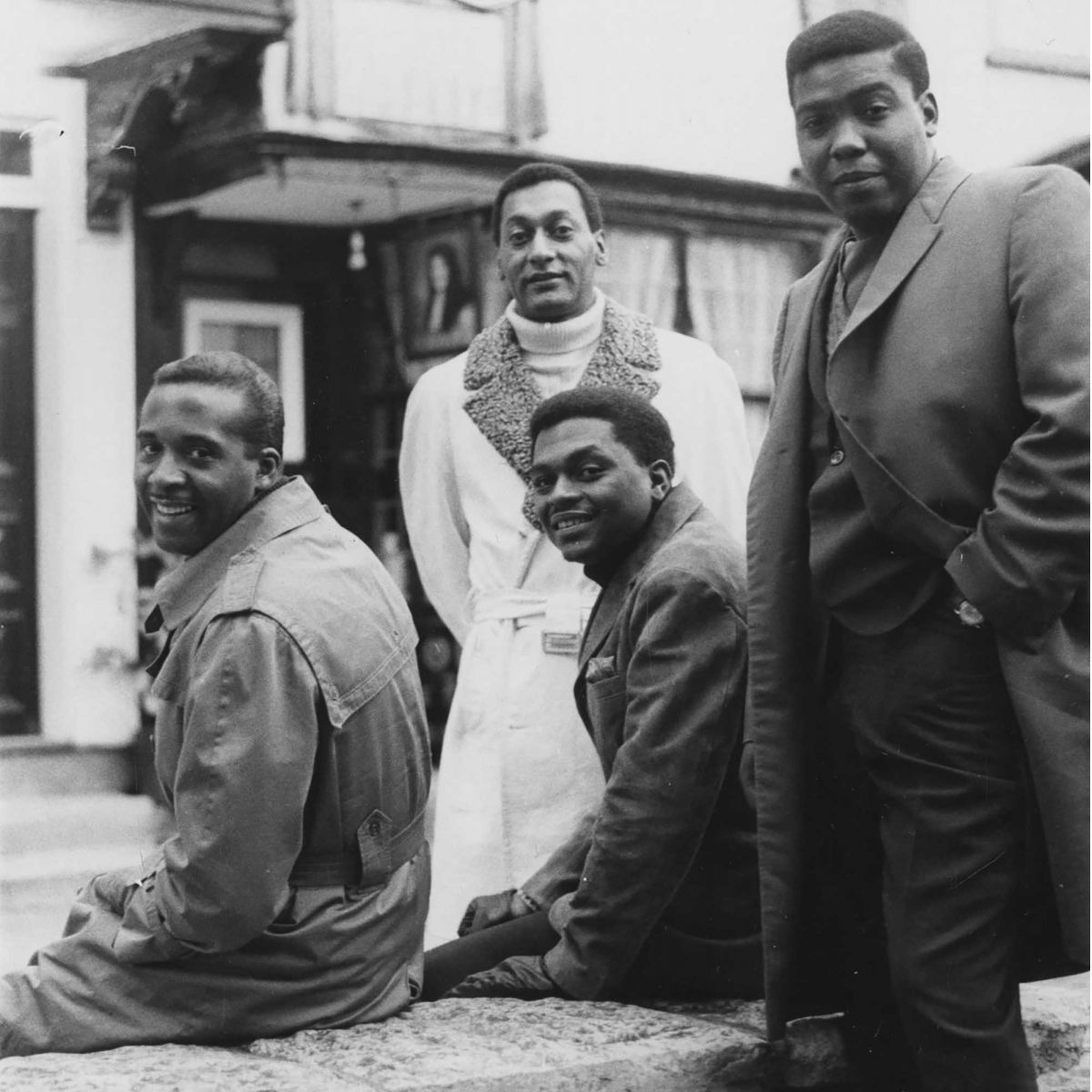
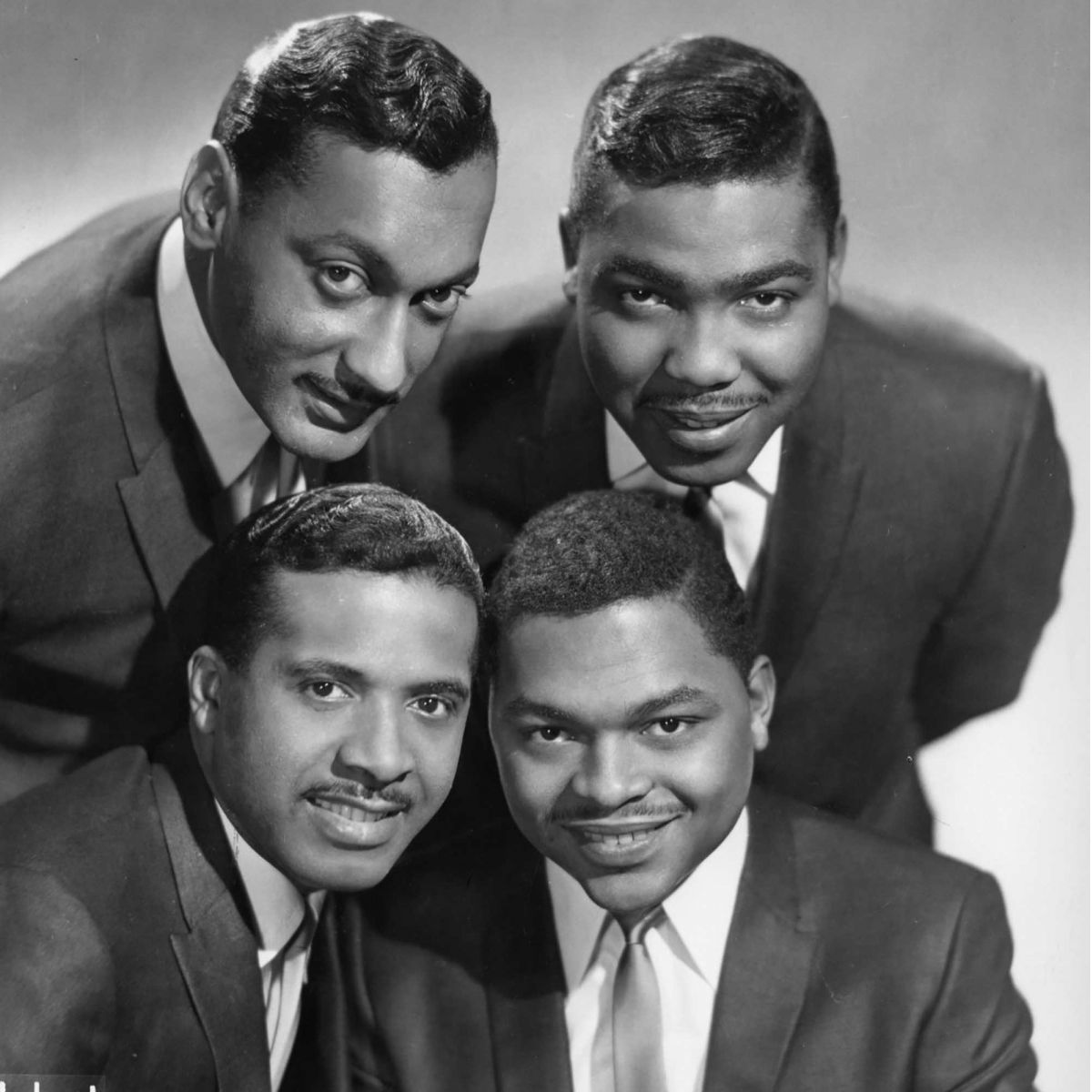
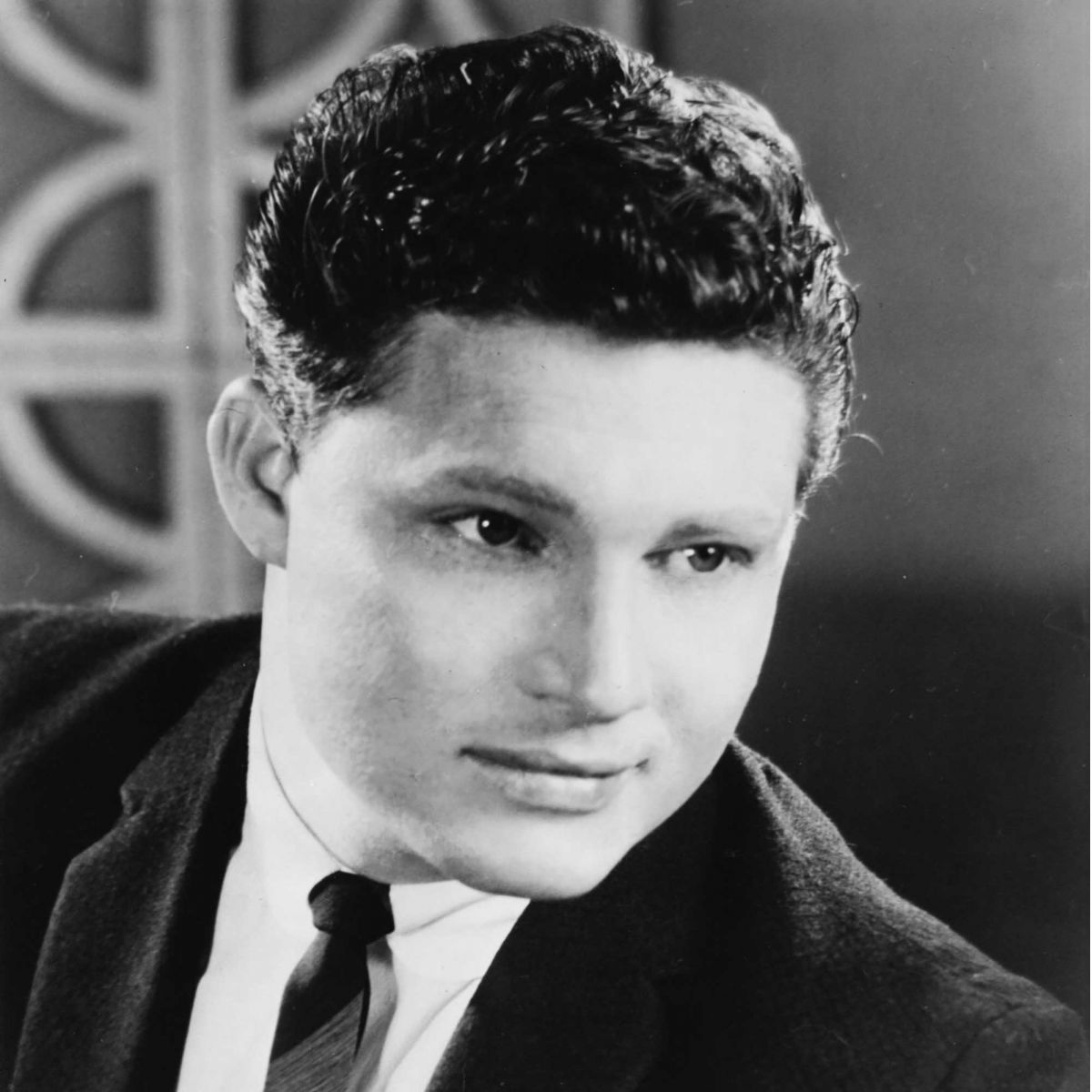
PAUL WELLER PRESENTS THAT SWEET SWEET MUSIC.
Paul Weller Presents That Sweet Sweet Music.
Label: Ace
Format: CD.
Release Date: 28th March 2025.
From an early age, soul music has played an important part in Paul Weller’s life. He grew up listening to, and buying soul singles. This was just the start.
Then during his ten years with The Jam, the group covered two soul classics on their six albums. The first was Wilson Pickett’s ‘In the Midnight Hour which featured on their 1977 sophomore album, ‘This Is the Modern World.’ Two year later in 1979, the group covered Martha and the Vandellas’’ ‘Heat Wave’ on their fourth album ‘Setting Sons.’ Soul music would continue to influence Weller’s music.
Weller formed The Style Council with Mick Talbot in 1983. The group combined blue-eyed soul with jazz, funk, pop and house on the five albums they released between 1984 and 1998. By then, Weller had embarked upon a solo career.
His solo career began with his eponymous debut album in 1992. Weller followed this up with three of his finest solo studio albums. The first was ‘Wild Wood’ in 1993. Next came ‘Stanley Road’ in 1995, with ‘Heavy Soul’ following in 1997. Soul was continuing to influence Weller’s music.
That would be the case right through to his most recent album, ’66.’ It was released on May 24th, 2024 and was Weller’s seventeen solo studio album in a career that had already spanned fifty-two years.
A day after the release of ’66,’ Weller celebrated his 66th birthday. Still his love of soul music remained, and he continued to collect and buy soul singles and albums.
Twenty-six of Weller’s favourite soul tracks feature on a new compilation that he’s compiled for Ace. This is ‘Paul Weller Presents That Sweet Sweet Music,’ which will be released on ‘28th,’ March 2025.
Opening the compilation is ‘God Made Me Funky’ by The Headhunters. The group was formed by Herbie Hancock in 1973, and became his backing group. Then in 1975, The Headhunters released their debut album ‘Survival Of The Fittest.’ The jazz-funk group were joined by The Pointer Sisters on the much-sampled album opener ‘God Make Me Funky.’ It’s a delicious mixture of jazz, funk, fusion, P-funk and soul. This is the version that was released as a single. The album cut a nine minute epic that showcases Hancock et al at the peak of their powers.
‘Breakaway’ by The Valentines was released on Sound Stage 7 in 1970. The lyrics are powerful, and full of social comment on a track that found favour on the UK’s Northern Soul scene.
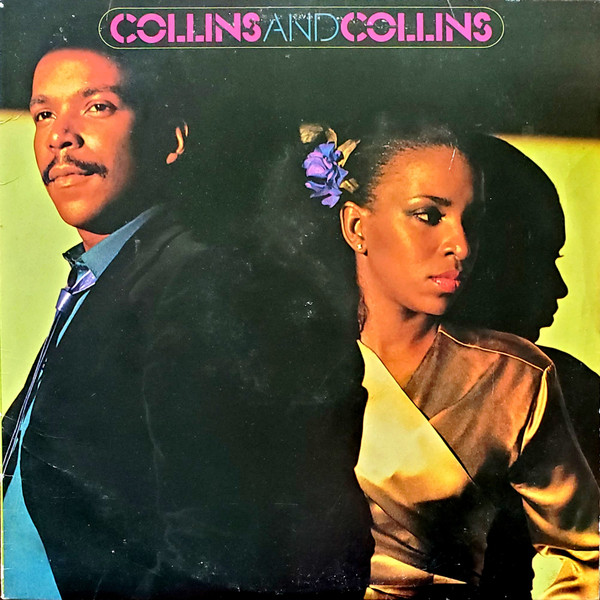
John Davis produced ‘Top Of The Stairs’ for Collins and Collins. It was recorded at the legendary Sigma Sound Studios, and released as a single on A&M in 1980. The was a cover of an Ashford and Simpson composition that featured on their 1977 album ‘Send It.’ This irresistible funky, soulful and joyous cover is truly timeless and one of the highlights of the album Collins and Collins. It’s also one of the highlights of the compilation, and is sure to brighten up even the dullest day.
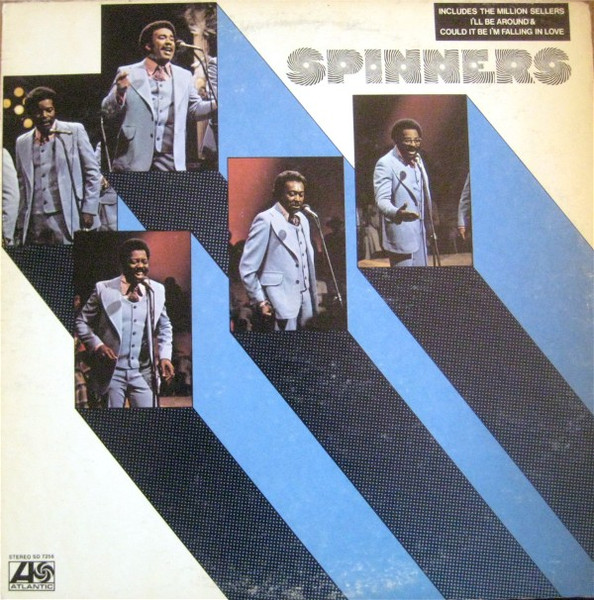
‘Don’t Let The Green Grass Fool You’ by The Spinners was arranged, conducted and produced by one of the architects of Philly Soul, Thom Bell. He reinvents a track that was originally recorded by Wilson Pickett in 1970. It’s very different, and so much better. No wonder. The classic lineup of MFSB feature and are complimented by a string arrangement by Don Renaldo. Bell, forever the innovator, seamlessly transforms them into a big band. Phillip Wynne is at his soulful best with what was one of his best vocals on the group’s 1973 album Spinners. It one of the finest albums they released, and the first of five consecutive albums that were certified gold in the US.
‘Black Balloons’ opened Syl Johnson finest album ‘Is It Because I’m Black.’ It was release on Twinight in 1970, and nowadays, is regarded as a soul classic. The song features an emotive, heartfelt and tender reading of Oscar Brown Jr’s rhapsodic song which deals with the subject of black pride.
‘Run For Cover’ featured on The Dells 1966 US album ‘There Is A Few.’ It was also released on Chess as a single in the US. Despite its quality, the single failed to make an impression on the charts. By the early seventies, this anthemic dancer was a favourite of Northern Soul DJs and dancers.
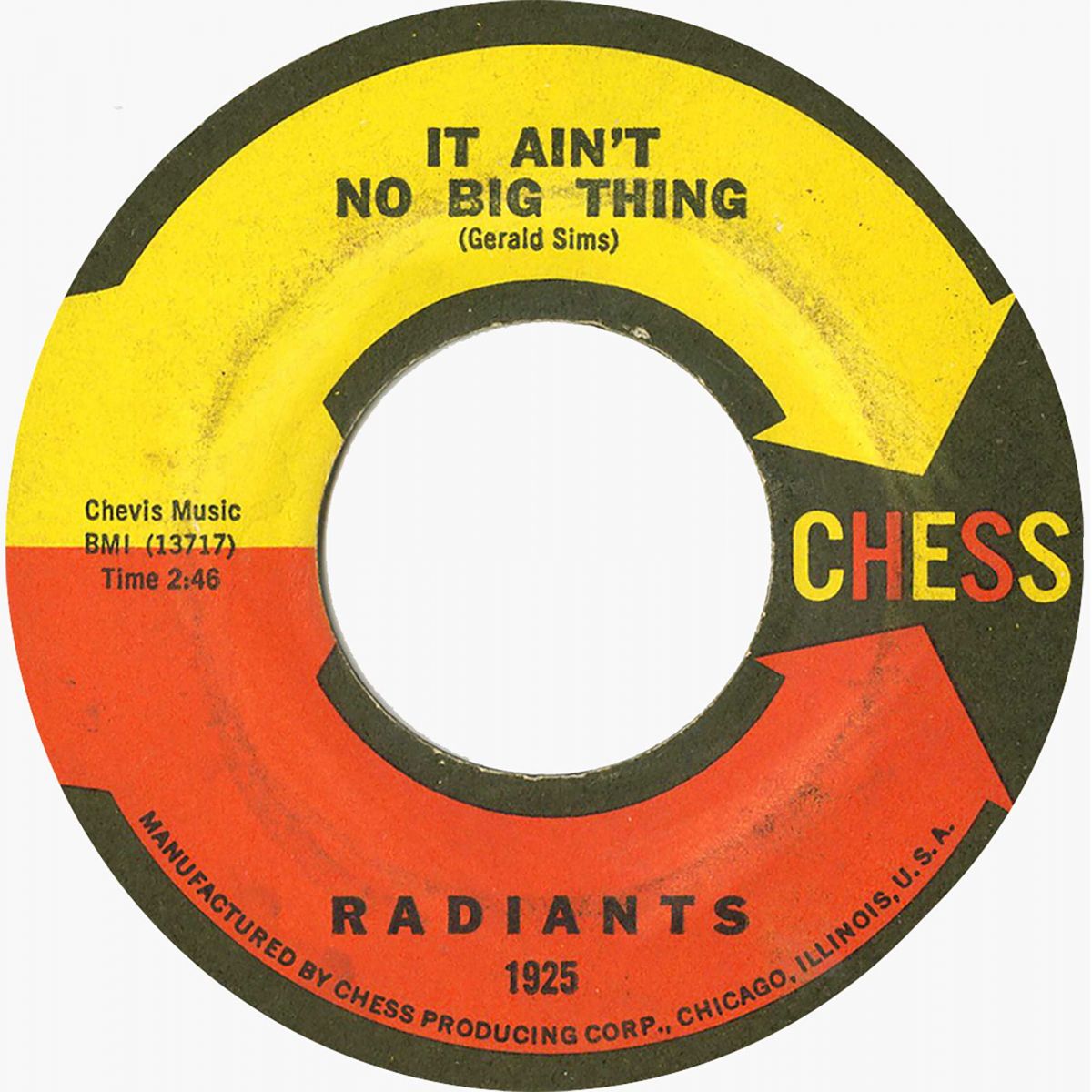
Another track released on Chess was ‘It Ain’t No Big Thing’ by The Radiants. It was released in 1965, and saw original members of the group Maurice McAlister and Wallace Sampson joined by Leonard Caston Jr. This new lineup breathed life and meaning into this song about the end of a relationship. It’s as if there’s an inevitability about it, and they’ve accepted that they’re about to go their separate ways. The single reached ninety-one in the US Billboard 100 and fourteen in the US R&B charts, and was The Radiants’ biggest hit.
Brother To Brother covered Gil Scott Heron’s ‘The Bottle’ in 1970. The song was released as a single on the Turbo label. Producer Michael Burton stays true to the original but adds piano and bass to the arrangement. This results in a track that’s a glorious fusion of soul, funk and jazz.
One of the hidden gems on the compilation is Joe Simon’s rendition of Mac Gayden and Bob Wilson’s ‘When.’ It was released on Sound Stage 7 in 1970. The versatile soulman delivers an impassioned and hopeful vocal as he sings of the love that many people believe exists within everyone.
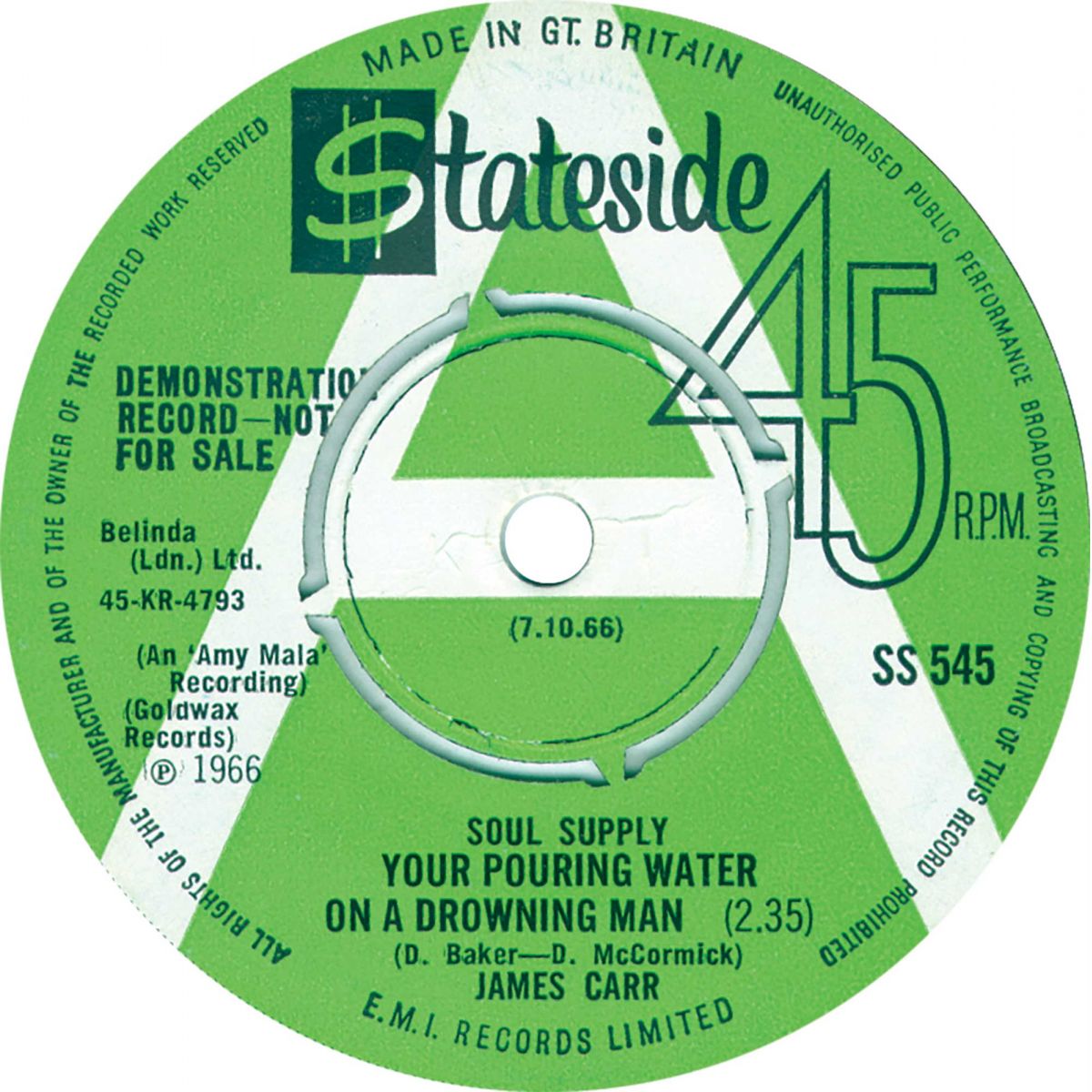
James Carr delivers a soul-baring vocal on ‘Pouring Water On A Drowning Man.’ It was released on Goldwax and features a vocal bristling with emotion. It’s as if Carr’s lived the lyrics. His delivery is powerful and deeply moving, and twenty-four years after his death on January 7th, 2001, he’s quite rightly recognised as one of the greatest soul singers ever.
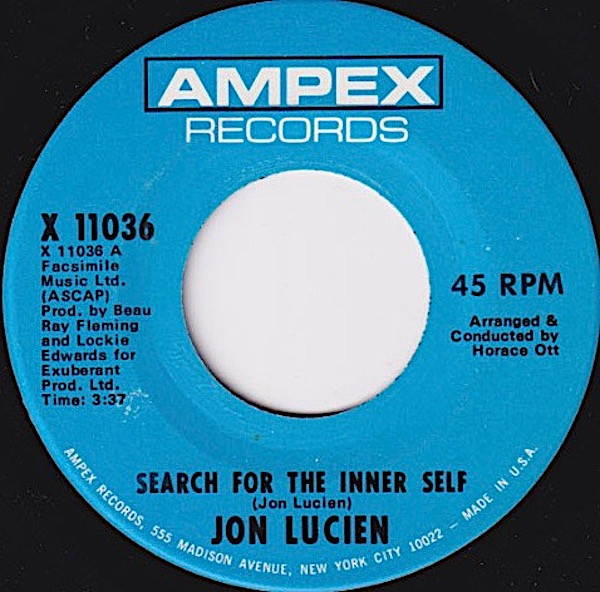
In 1971, Jon Lucien released ’Search For The Inner Self’ as a single on the Ampex label. Horace Ott’s arrangement provides the perfect backdrop for Lucien as he tenderly bestows wisdom to the song’s innocent protagonist on this beautiful song. It’s one of his finest songs. Lucien’s recording career spanned forty years. However, the first five albums he released are, without doubt, his finest.
Closing the compilation is Beautiful Feeling by Darrell Banks. It was released on Volt in 1969, and features a vocal that’s full of longing and tinged with regret. It’s a beautiful way to close Paul Weller Presents That Sweet Sweet Music.
It’s the first compilation that Paul Weller has compiled, and hopefully it won’t be the last. Familiar faces rub shoulders with what will be new names on this carefully and lovingly curated compilation. It’s like a modern-day mix tape, featuring well known tracks, hidden gems, album tracks and ones that got away. The result is Paul Weller Presents That Sweet Sweet Music, which is one of the finest compilation that will be released this month.
Paul Weller Presents That Sweet Sweet Music.


BOB STANLEY PRESENTS LIVERPOOL SUNSET: THE CITY AFTER MERSEYBEAT 1964-1969.
Bob Stanley Presents Liverpool Sunset: The City After Merseybeat 1964-69.
Label: Ace.
Format: CD.
By 1969, many of the artists and groups from the Merseybeat era were no longer enjoying the same commercial success. When they released new singles they failed to trouble the charts. It was changed days for The Searchers, Billy J Kramer and Gerry and The Pacemakers. Just three years earlier they were huge stars.
The musical landscape had changed in Liverpool. Back in 1965, Iron Door club, which was where The Searchers once called home, decided to host soul all-nighters. These were popular, and often, local groups like The Chants featured.
Meanwhile, it was all change what was once Liverpool’s most famous club, The Cavern. The club where The Beatles and many of Liverpool’s top bands took to the stage was now hosting Ben E King, Solomon Burke and Stevie Wonder. It was changed days.
Still new artists and groups were emerging and releasing singles. They released everything from beat and pop to freakbeat, R&B, soul and psych. However, many of these singles didn’t come close to troubling the charts and for some formerly successful artists and bands their search for a hit continued.
For others, the dream was over. They were dropped by their record labels, and returned to the mundane grind of 9 to 5 life. In years to come, they could be found sitting in their local pub telling anyone who would listen how close they came to finding fame and fortune.
Over the years, there’s been countless compilations of tracks from artists and bands from Liverpool that weren’t hits. They’re usually billed as hidden gems, lost classics and the ones that got away. In reality that’s often stretching the truth. Sometimes it’s a case of the barrel being badly scraped.
Not every Liverpudlian artist or band who released a single in the sixties was blessed with talent. Often record labels took chances hoping to find the next big artist or band. A year later they were back working in a bank, Boots or on a building site. Their one and only single had bombed, and it looked like it had been consigned to the dustbin of history. It was back to the real world for them.
However, over the next six decades countless compilations of music from the Merseybeat and post-Merseybeat era have been released. The latest is ‘Bob Stanley Presents Liverpool Sunset: The City After Merseybeat 1964-69.’ It claims to contain “two dozen lost gems; 60s Liverpool classics once hidden now uncovered.” Is that the case?
Opening the compilation is The Kirkbys’ single ‘It’s A Crime.’ It was released on RCA Victor in September 1966, and was the only single they released in the UK. It’s a single that looks to the past combining elements of the Merseybeat sound. Especially the harmonies. They’re combined with a tough and edgy mod production as the group reference, and pay homage to both The Who and The Pretty Things. However, the big criticism is the lack of originality. It was a fusion of two existing and established genres. There’s nothing new or innovative about the single.
In 1963, The Dennisons were regulars at the Cavern Club, and had just signed to Decca. They enjoyed a minor hit with ‘Be My Girl’ in later that years. That was as good as it got for the group. When they release ‘Nobody Like My Babe’ it failed to trouble the charts. That’s not surprising as it’s a mediocre example of Merseybeat.
Johnny Gustafson had originally been a member of The Big Three. However, when they split-up he joined The Merseybeats. A year later, he signed to Polydor and embarked upon a solo career. He released an impassioned reading ‘Just To Be With You’ in 1965. Sadly, Gustafson’s time at Decca wasn’t particularly successful. Success came is way when he spent three years as Roxy Music’s bassist, playing on their albums ‘Stranded,’ ‘Country Life,’ ‘Siren’ and ‘Viva!’
Originally, ‘You Don’t Have To Whisper’ was meant to be The Dimensions’ debut single. However, it was wrongly relegated to the B-side, to with ‘Tears On My Pillow’ being chosen as the single. When it was released on Parlophone in 1965 the single flopped. It turned out to be the group’s one only single, and is a case of what might have been.
Don’t Let A Little Pride (Stand In Your Way) by Billy Fury was released on Decca in 1966. By then, he had been a familiar face on the British music scene since the late-fifties. However, he was no longer enjoying the same commercial success as he once had, and the single failed to trouble the top fifty. If it had been released a few years earlier things would’v been different for Fury. Instead, the single is regarded by some as one that got away.
‘Imagination’ was the B-Side to The Clayton Squares’ sophomore single ‘There She Is.’ This cover of The Lovin’ Spoonful’s song was released on Decca in 1966. Those that flipped over to the B-Side found a stomper that combined rock, soul and brassy horns with a powerhouse of a vocal from Denny Alexander.
Tony Jackson released ‘Never Leave Your Baby’s Side’ on CBS in 1966. It was the second of three singles he released for the label. It’s got a tough and sometimes trippy sound, with sweeping harmonies and punchy horns accompanying the vocal. Sadly, the single wasn’t a commercial success, and it’s a welcome addition to the compilation.
‘So Much To Love’ is a track from McGough and McGear’s eponymous Parlophone album released in 1968. It’s a decidedly average example of British psychedelic pop, even despite Jimi Hendrix’s contribution.
By the late-sixties, The Swinging Blue Jeans were yesterday’s men. Music had passed them by. They had committed the cardinal sin of failing to stay relevant. However, they were still recording new music. This included laidback and wistful sounding ‘Summer Comes Sunday.’ It made its debut on ‘The Best Of The EMI Years’ in 1992. Thirty-three years later it returns for a well-deserved encore.
After listening ‘Abyssinian Secret’ by the late Liverpudlian warbler and former Cavern Club cloakroom attendant, Cilla Black. I’m tempted to reach for a bottle of absinthe to erase the memory of what’s a truly dreadful track. It’s 2.13 of my life I’ll never get back. The track was featured on her ‘Time For Cilla’ EP which was released by Parlophone in 1968. It’s no surprise that the EP wasn’t a commercial success.
Hooks haven’t been spared on ‘Come On,’ a delicious dancer by The Carrolls. It was the B-Side to their single ‘Ever Since,’ which was released on CBS in 1968. It’s an oft-overlooked hidden gem that’s stood the test of time.
Closing the compilation is ‘Into My Life She Came’ by The Penny Peeps. This example of the British baroque sound was written by lead single Denny Alexander, and the group recorded this demo version in the late-sixties. It first featured on Psychedelic Jumble Volume One: What’s The Rush, Time Machine Man? The compilation was released in 2007, and eighteen years later it closes Bob Stanley Presents Liverpool Sunset: The City After Merseybeat 1964-69.
This recently-released compilation features twenty-four tracks from the post-Merseybeat era. They’re a mixture of singles that failed to trouble the charts, B-Sides plus tracks from EPs and albums. There’s even a track from a best off and another from a compilation.
Over the years, there’s been many compilations that focused on music released by artists and bands from Liverpool. It’s a well trodden path. The result is a compilation with some tracks that disappoint. This includes the contributions from The Kirkbys, The Dennisons, McGough and McGear and Cilla Black to name but four.
Some of the tracks would’ve sounded dated when they were released. They were looking back, not forward, and the music wasn’t new and innovative. Even some of the those who tried to innovate, the music they released was a pale imitation of the music being release across the Atlantic.
A case in point was McGough and McGear. Like footballers released by Liverpool and Everton and going down the leagues to join Tranmere Rovers, the pair later found their level releasing novelty records. Their number one novelty single ‘Lilly The Pink’ was akin to Tranmere Rovers winning the Football League Trophy, and was never to be repeated. I
Having said all that, for anyone interested in the post-Merseybeat era Bob Stanley Presents Liverpool Sunset: The City After Merseybeat 1964-69 may be of interest to them. There are some “lost gems” and oft-overlooked rarities from the post-Merseybeat era. However, “lost 60s Liverpool classics” may be pushing it though. There will be many music fans who remember the Merseybeat and post-Merseybeat sound fondly. This compilation may be of interest to them, and bring back memories of their younger days and the music to their youth. For other music fans, it’s a case of caveat emptor.
Bob Stanley Presents Liverpool Sunset: The City After Merseybeat 1964-69.


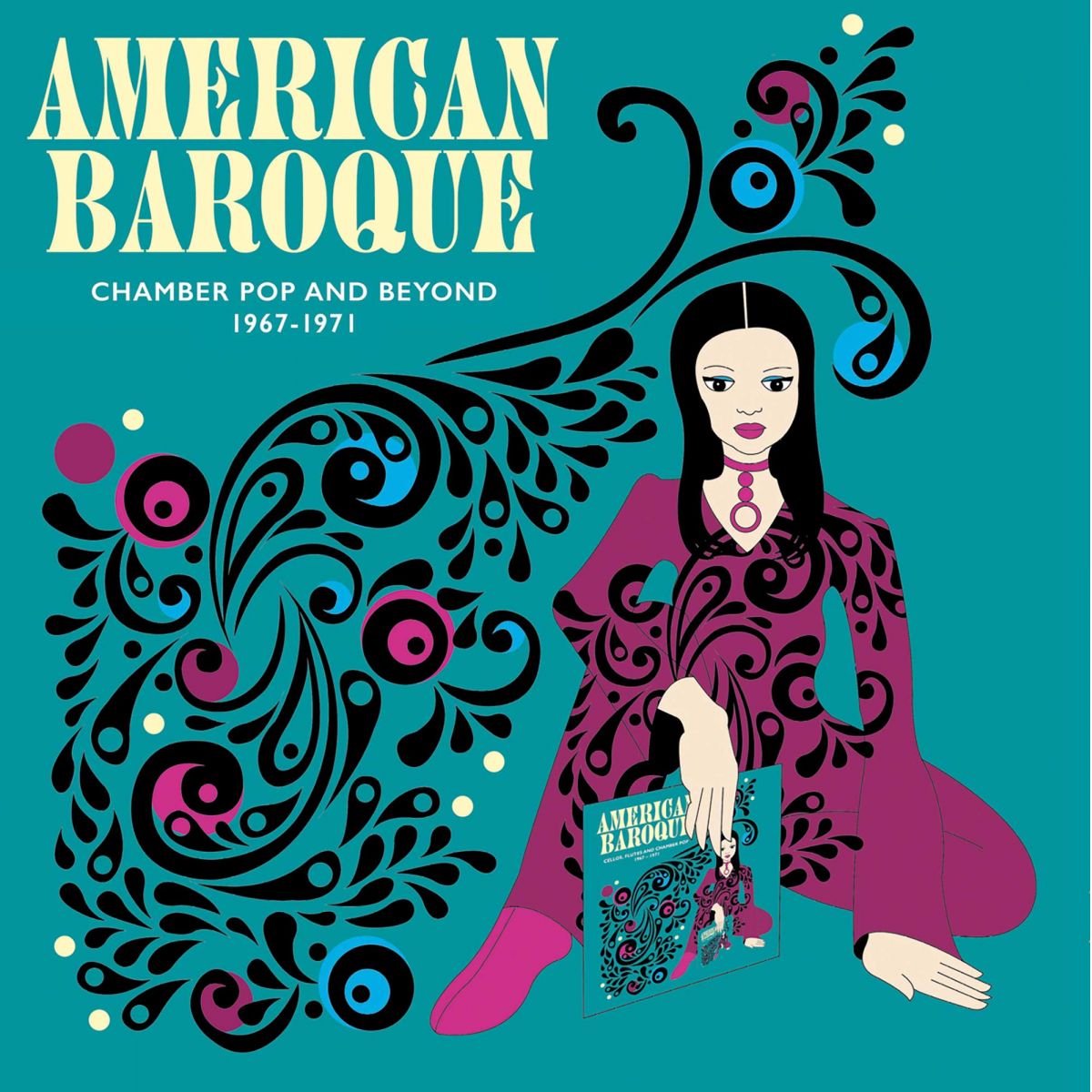
AMERICAN BAROQUE – CHAMBER POP AND BEYOND 1967-1971.
American Baroque – Chamber Pop And Beyond 1967-1971.
Label: Ace Records.
Format: CD.
Release Date: 28th February 2025.
As the sixties gave way to the seventies, music in Britain and America was changing, with rock becoming and harder and heavier as groups like Led Zeppelin, Deep Purple and Black Sabbath emerged and went on to become three of the most successful bands of the seventies.
Meanwhile, some British psychedelic groups turned their back on the genre and returning to their bluesy roots, while others became pioneers of progressive rock. However, not everyone was willing to turn their back on psychedelia.
There were still many British musicians and groups who were influenced by psychedelia, especially the homegrown variety of the genre. Its melancholy sound conjured up visions of Victoriana, and the pastoral sound of genteel village life in rural England as well as the simple pleasures of suburban living. Essentially British and specifically English psychedelia harked back to Britain’s past, which was romanticised and perceived as idyllic. It was a much more innocent and simpler time, and very different to Britain during the psychedelic era.
A number of factors influenced the inimitable British psychedelic sound. Just like their American counterparts, British musicians questioned the establishment. This led to some musicians retreating to the countryside and their new rural idylls influenced the pastoral sound of their music.
Others remained in the city, but tried to imagine the countryside in their music which often, became part of an Arcadian fantasy world. However, the countryside was just one of factors that influenced the British psychedelic sound.
This included travel. By then, a number of musicians had travelled to countries like India, Morocco and traversed Europe. The music they heard often influenced the music they went on to make. So did classical and jazz music.
Some musicians embraced and dabbled with LSD which also influenced the music they made. These factors influenced the British psychedelic sound while others didn’t.
Many British musicians distrusted the nascent technology that emerged during the psychedelic era, and also rejected much of American culture. Instead, British musicians looked to their own culture for inspiration.
Meanwhile, musicians deployed an eclectic selection of instruments to create the British psychedelic sound. This included everything from the cello, woodwind and harpsichord to a variety of African instruments and the Mellotron. These instruments provided the backdrop the wistful melodies that were part of the British psychedelic sound. However, by the late-sixties psychedelia was no longer as popular as it had been. Many critics thought it was the end of an era.
That wasn’t the case, and like so many other genres of music, including blues and jazz, British psychedelia had to evolve to stay relevant. There were still many musicians who wanted to continue to create music using the same instruments and wistful melodies and they became pioneers of a new sub-genre of pop, the English Baroque sound.
At the forefront of this new musical movement were some of the psychedelic groups who were joined by the new breed of singer-songwriter.
Across the Atlantic, a similar musical movement was emerging. This was American baroque pop, which is sometimes referred to as chamber pop or orchestral pop. Its origins can be traced to 1966, and this nascent musical movement lasted until the early seventies. There were some similarities with the English baroque sound.
This includes the use of string quartets, harpsichords and woodwind on American baroque pop recordings. The result was a wistful, melancholy sound. It was reminiscent of the feeling one gets as autumn arrives and there’s the realisation that winter isn’t far away.
Many of the pioneers of American baroque pop had been folk musicians, while some had been part of the nascent psychedelic movement. They looked to the past for inspiration.
They unplugged and eschewed electric guitars, replacing them with a mixture of acoustic and traditional instruments. This included string quartets, harpsichords and woodwinds. The result was music that was wistful, whimsical and sometimes, referenced, and harked back to, 18th-century Romantic music. Proof of this was one of the American baroque pop The Left Banke.
Their music was soft, sad, tender, introspective and melancholy. Guitarist Rick Brand later said that their lyrics: “were written as rather self-consciously beautiful musical whimsy, as you find in the latter 18th-century Romantic music, pre-Beethoven.”
A year after the group was formed in 1965, The Left Banke had a massive hit with their 1966 single ‘Walk Away Renee.’ It reached number five in the US Billboard 100, and epitomises everything that’s good about baroque pop. Some critics would go as far as to say it provided the blueprint for the nascent genre.
Sadly, by the time of ‘Walk Away Renee’ became a hit the original group was inactive. Harry Lookofsky put together a new lineup of the band to tour, and they recorded their second hit single ‘Pretty Ballerina.’ It was released in December 1966 and reached number fifteen in the US Billboard 100. The single was another example of the nascent baroque pop sound. However, some critics referred the group’s music as baroque rock or Bach-rock. Nowadays, The Left Banke are regarded as pioneers of baroque pop.
Despite how important a group they were in the development of American baroque pop, The Left Banke only released a two albums between 1965 and 1969. Their finest hour was their debut album ‘Walk Away Renée/Pretty Ballerina.’ It was released in January 1967, and although it stalled at sixty-seven in the US Billboard 200, nowadays, is regarded as a baroque pop classic.
After the demise of The Left Banke, singer Steve Martin Caro formed the group Montage, and in 1968, released their debut single ‘I Shall Call Her Mary’ on the Laurie label. It’s an oft-overlooked American baroque pop hidden gem, that features on their 1969 eponymous album. The track also features on ‘American Baroque – Chamber Pop And Beyond 1967-1971.’ It was compiled by writer and Saint Etienne member Bob Stanley.
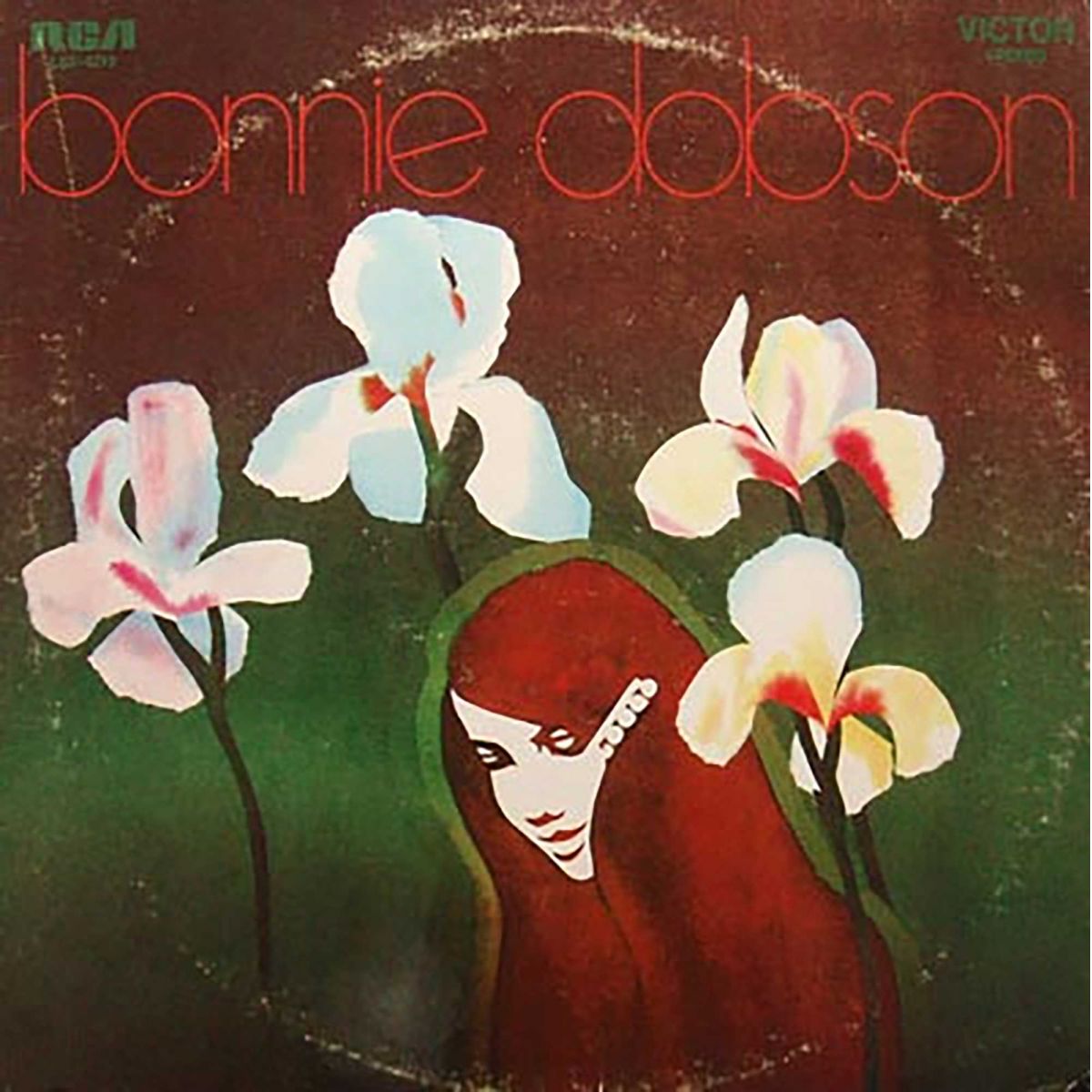
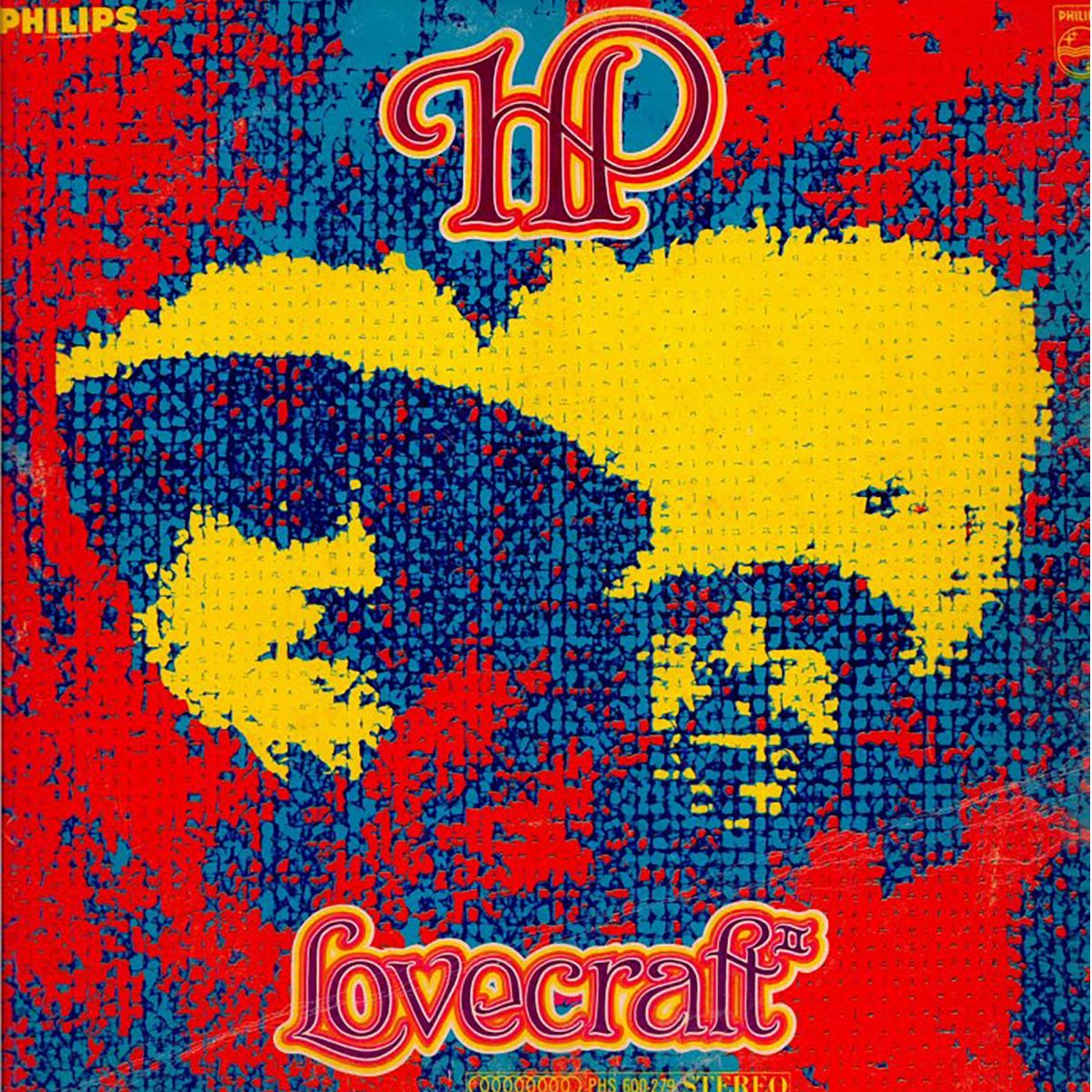
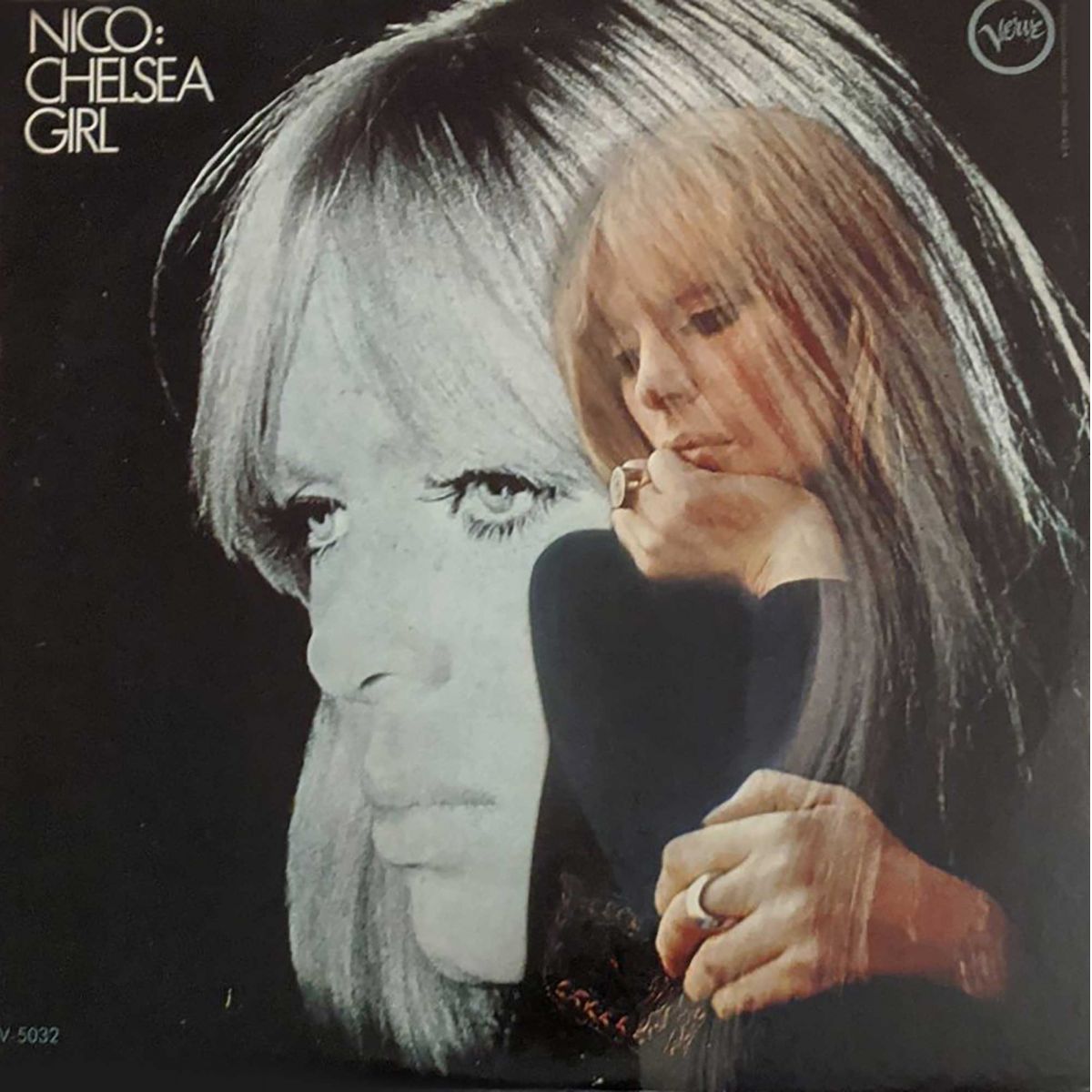
There’s a total of twenty-four tracks on the compilation. This includes The Stone Poneys, Bonnie Dobson, Nico, Emmit Rhodes’ Merry Go Round, The Association, The Monkees, H.P. Lovecraft and Appaloosa. These are just a few of the artists on ‘American Baroque – Chamber Pop And Beyond 1967-1971.’
Opening the compilation is ‘You’re A Very Lovely Woman’ by The Merry-Go-Round. It was released as a single on A&M in 1967, but stalled at ninety-four on the US Billboard 100. That year, the track featured on the group’s eponymous album. It’s a powerful track, with a big, bold widescreen sound that’s been influenced by folk and psychedelia, and is typical of early American baroque pop.
‘Turnaway’ by The Pleasure Fair is a track from the group’s 1967 eponymous album. It was arranged, conducted and produced by David Gates, later of Bread. It’s a bewitching mixture of sunshine pop and American baroque pop.
‘Different Drum’ by The Stone Poneys featuring Linda Ronstadt was taken from the group’s 1967 sophomore album ‘Evergreen Vol. 2.’ The song was written by Mike Nesmith and produced by Nick Venet, and is one of the highlights of the album. The album reached 100 in the US Billboard 200, and the single reached thirteen in the US Billboard 100. It was the group’s biggest single, and nowadays, is regarded as an American baroque pop classic.
Another of the best know groups on the compilation is The Association. In 1968, they released their fourth album, Birthday on Warner Bros-Seven Arts. ‘Barefoot Gentleman,’ which is one of the album’s highlights is a sweeping, joyous and uplifting track and a reminder of The Association at the peak of their powers.
‘Land Of Sensations And Delights’ is a track from by J.K. and Co’s concept album ‘Suddenly One Summer.’ It was released on the White Whale label in 1968 and is best described as folk-tinged slice of pastoral psychedelia. It’s a stunning track that deserves to be a heard by a much wider audience.
The melancholy-sounding ‘Blue Jack Of Diamonds’ is taken from H.P. Lovecraft’s sophomore album, ‘H.P. Lovecraft II.’ It was released on Phillips in 1968. Elements of folk, baroque and classical music were combined on this underrated and sadly, oft-overlooked album.
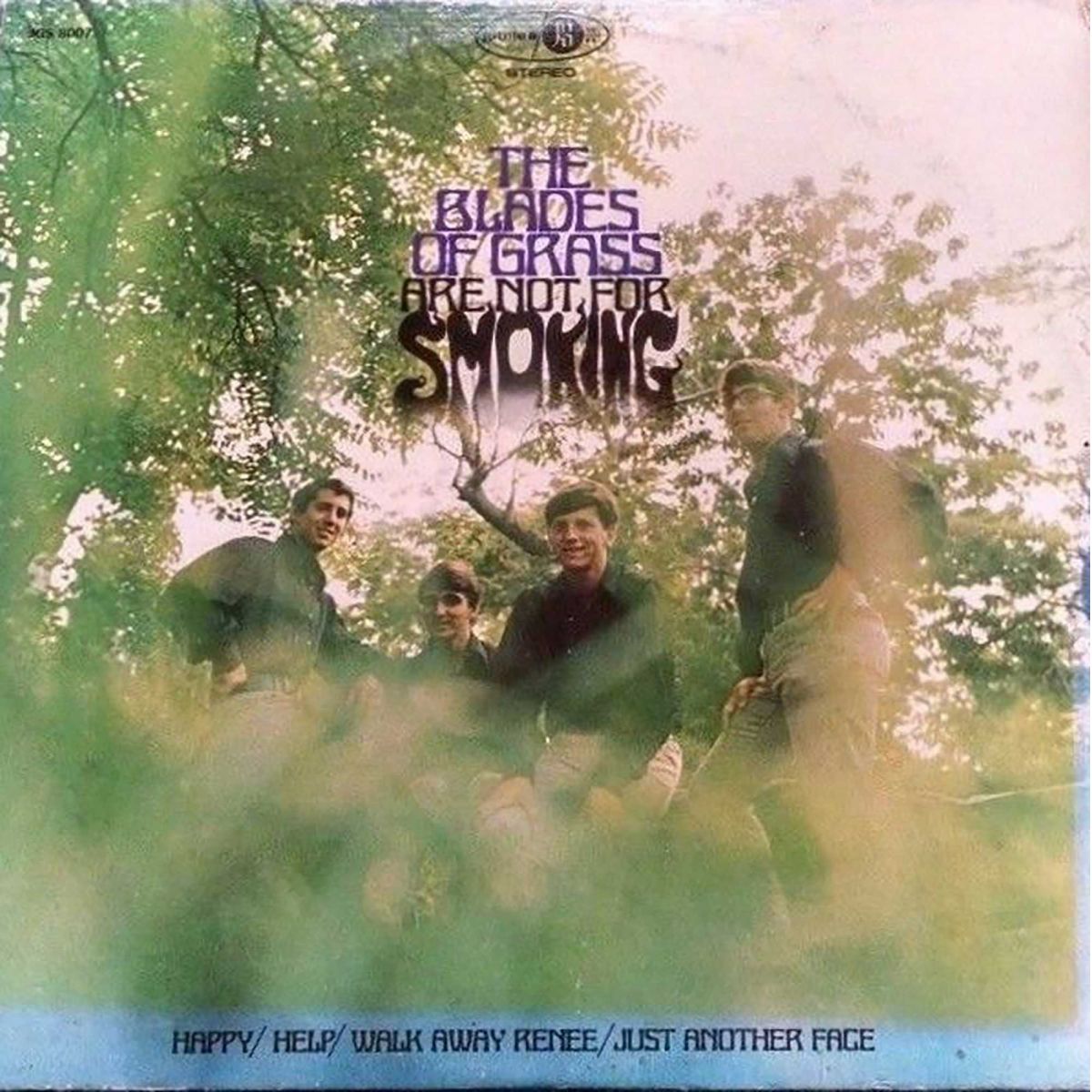
Pastoral, cinematic and trippy describes ‘Satin Slipper by The Blades Of Grass. It’s taken from their one and only album, ‘The Blades Of Grass Are Not For Smoking.’ It was released in 1967, on the Jubilee label.
In 1968, Eternity’s Children released their eponymous debut album. It was released on Tower, and featured ‘Again Again.’ It’s a fusion of psychedelia and sunshine pop that meanders along wistfully and hopefully.
The heartachingly beautiful ‘You Lied’ by The Neon Philharmonic is, without doubt, one of the highlights of American Baroque – Chamber Pop And Beyond 1967-1971. It’s a track from the group’s 1969 eponymous sophomore album which was released on Warner-Bros-Seven Arts.
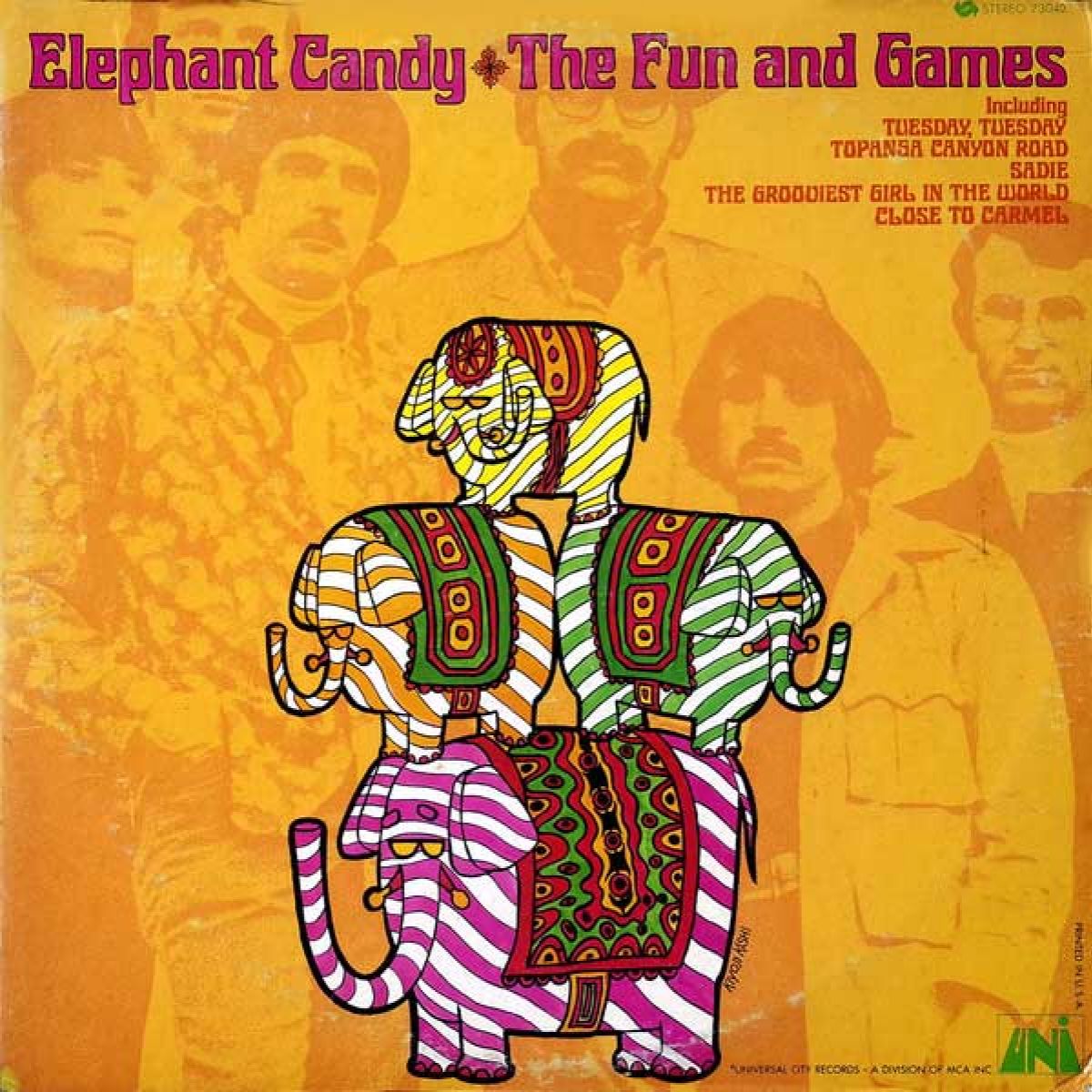
From then opening bars of ‘Close To Carmel’ by The Fun and Games the track epitomises everything that’s good about American baroque pop. Harpsichord and harmonies play a leading role in the sound and success. It’s taken from their vastly underrated genre-melting 1969 album ‘Elephant Candy.’
Closing the compilation is ‘Lorelei’ by Rosebud. It’s taken from their eponymous sophomore album, which was released by Reprise in 1971. This beautiful and mesmeric track is the perfect way to close American Baroque – Chamber Pop And Beyond 1967-1971.
For newcomers to American baroque pop, this compilation is a perfect place to start. It features everything from American baroque pop classics to contributions from familiar faces, hidden gem, hit singles, oft-overlooked songs and little known album tracks. They’re part of American Baroque – Chamber Pop And Beyond 1967-1971, a lovingly curated compilation, which for newcomers to the genre, is the perfect primer and will be the start of a musical voyage of discovery.
American Baroque – Chamber Pop And Beyond 1967-1971.

YOU GOT ME HOOKED! MORE MARYLEBONE BEAT GIRLS.
You Got Me Hooked! More Marylebone Beat Girls.
Label: Ace.
Format: CD.
During the sixties, many singers and groups made the journey to EMI House, in Marylebone, in the heart of London’s West End. The meeting that they were about to have, they knew, had the potential to transform their lives. At stake, was that all-important recording contract.
While it was tantalisingly close for some, securing a recording contract was as likely as finding gold at the end of the rainbow. Others didn’t have the necessary star quality. As a result, the dream was over. All their hard work had been vain. The weeks, months and years they had spent travelling the country, and singing and in pubs and clubs had been for nothing. With their dream in tatters, reality was about to hit home, and they were faced with finding a job outside of music. The tedium of the 9 to 5 grind beckoned. They were the unlucky ones.
The lucky ones travelled in hope to EMI House, and carried themselves with an air of expectancy. They realised that this was their time, and that they knew were going to leave EMI House having secured that all-important recording contract. These singers and groups were the lucky ones. This includes those that feature on ‘You Got Me Hooked! More Marylebone Beat Girls,’ which was recently released by Ace.
‘You Got Me Hooked! More Marylebone Beat Girls’ is the latest instalment in the series. It features twenty-six tracks were released on the Parlophone, Columbia and HMV labels, whose headquarters were in Marylebone, in London’s West End. Each of the artists that feature on the compilation made the journey to EMI House.
Many of the artists and groups that journeyed to EMI House were young, and just embarking upon a musical career. Most of them, were just teenagers, and had never been near a recording studio. Some of them, had never been to London, which between 1964 and 1969 was very different to the provincial towns many of the artists came from. This must have been a shock to their system.
Other artists on ‘You Got Me Hooked! Marylebone Beat Girls,’ took everything in their stride. This included watching as the British Invasion bands arrived in America, and transformed music stateside.
They also watched as flower power and the psychedelic revolution arrived in London. Suddenly, happenings were the order of the day, where groups like Pink Floyd provided the psychedelic soundtrack.
By then, some of the artists on ‘You Got Me Hooked! Marylebone Beat Girls’ including Alma Coogan and Barbara Ruskin’s careers were well underway. They had already released a couple singles, and enjoyed a degree of success. Some of these artists, would go on to enjoy long and successful careers. However, others weren’t so successful, and there was no gold at the end of the musical rainbow.
For the artists and groups that provide the twenty-six songs on ‘You Got Me Hooked! Marylebone Beat Girls’ their fortunes varied. Some became familiar faces, and even became household names. Others didn’t enjoy the same success, and only recorded a couple of singles. These will be new names to many people.
However, they join some familiar faces on ‘Marylebone Beat Girls 1964-1967.’ This includes Alma Coogan, Helen Shapiro, Julie Driscoll, Barbara Ruskin, Millicent Martin and Elkie Brooks. They’re joined by Friday Browne, Emma Rede and Jane Hillery, plus groups like The Soulmates, Liza and The Jet Set and The Three Bells. These are just a few of the artists on ‘You Got Me Hooked! Marylebone Beat Girls, which transports the listener back to the sixties.
Opening the compilation is Alma Cogan’s single, ‘Shakes and Sails.’ It was released on Columbia, in 1965, and was written by Chris Curtis of The Searchers. Cogan delivers a powerful vocal against a hard-rocking backing track.
During the early sixties, Helen Shapiro was one of Britain’s most successful female vocalists. However, by the end of the decade, she wasn’t enjoying the same success. She had recorded ‘I’m Going Out (The Same Way I Came In)’ in 1967. It wasn’t released until 1998, when it featured on her album ‘Helen Shapiro At Abbey Road. This heartachingly beautiful song with a vocal full of emotion returns for an encore on the compilation.
In the sixties, Liza Strike was a member of two girl groups. The London-based singer made her recording debut with The Jet Set in 1965. They released ‘You Got Me Hooked’ on Parlophone. A year later, Liza and The Jet Set, as they were now billed, released ‘How Can I Know.’ Later in 1965, the group evolved, and with new members, became The Soulmates. They released four singles including ‘Too Late To Say You’re Sorry,’ on Parlophone in 1965. Later, the song was covered by Darlene Love. While The Soulmates singles weren’t sucessful, the group were popular on the live circuit. However, Liza Strike later found success when she was one of the backing vocalists on ‘Dark Side Of The Moon,’ which became one of the biggest selling albums of all time.
A disappointing inclusion on the compilation is ‘From Now On’ by Liverpudlian warbler Cilla Black. It was the B-Side her 1967 single ‘I Only Live To Love You’ on Parlophone. One listen and you’ll realise why it was consigned to the B-Side. It’s 1 minute 49 seconds of your life you’ll never get back.
The Liverpool-based trio The Three Bells’ recording career began in 1960 at Pye, where they released two singles. By 1964, The Three Bells had signed to Columbia, and in 1964, and they set about promoting the trio. They made appearances on various British television shows, promoting the two singles they released. Their debut was a cover of Goffin and King’s ‘Softly Is The Night,’ which was released in 1964. On the B-Side was ‘He Doesn’t Love You,’ where the group kick loose. Then in 1965, the group released ‘Someone To Love’ as a single. On the flip side was an impassioned cover of Ben E King’s ‘Cry No More.’
Elkie Brooks is, without doubt, one of the biggest names on the compilation, and features twice. She released ‘He’s Got To Love Me’ on HMV in 1965. It’s a slick and soulful hidden gem. Then in 1966, Brooks covered Lesley Gore’s ‘All Of My Life’ for her third single. Tucked away on the B-Side as ‘Stop The Music.’ It features a hurt-filled, soul-baring, powerhouse of a vocal that’s delivered against a pounding arrangement.
In 1967, Barbara Ruskin released ‘Come In To My Arms Again’ as a single. She had written the song and it was released on Parlophone. It features sultry and heartfelt vocal delivered against a string-drenched arrangement.
Back in 1966, Vashti Bunyan embarked upon a solo career. She was billed as Vashti, when she released her debut single ‘Train Song.’ It features an understated arrangement that features just cello, acoustic guitar and double bass. This is the perfect accompaniment to a beautiful, ethereal vocal. Closing the compilation is the B-Side, ‘Love Song’ which has a pastoral arrangement and a vocal that’s tender as Vashti lays bare her soul on this confessional. It’s a hidden gem, and like ‘Train Song’ is one of the highlights of You Got Me Hooked! More Marylebone Beat Girls.
While a lucky few artists enjoyed a successful career, commercial success was fleeting for other singers and groups. Often, commercial success eluded artists. This led to many a career that was all too brief, and promise that went unfulfilled. It was a case of what might have been.
Some artists and groups only released one or two singles, before calling time on a career that promised much. It was a case of what might have been. A reminder of this is You Got Me Hooked! More Marylebone Beat Girls which is the latest instalment in Ace’s Beat Girls’ series.
Just like previous instalments in the series, it’s a mixture of hits, hidden gems, near misses, B-Sides and album tracks. The result is a compilation that may be of interest to music lovers interested in the music of the sixties Beat Girls.
You Got Me Hooked! More Marylebone Beat Girls features a mixture of familiar faces and new names. Some of the artists and groups have featured on previous instalments in this series. Others make their debut. The result is a musical voyage of discovery, which features twenty-six tracks recorded during what was a golden era for British pop.
You Got Me Hooked! More Marylebone Beat Girls.


THE LIFE AND CAREER OF GREGORY CARROLL.
The Life and Career Of Gregory Carroll.
John Wayne Carroll a.k.a. Gregory Carroll was born in Baltimore, Maryland, on 19th December 1929. He was one of six children born to Upsher and Sally Carroll. By the time he was a teenager at Frederick Douglass High School, he formed the vocal group, The Metronomes. They would eventually enjoy a hit single.
Before that, the group changed their name to The Four Buds, and then The Four Buddies. By then, they were signed to Savoy Records. Success came quickly for the newly-named group and in 1951, they enjoyed a hit with the heartfelt doo wop ballad ‘I Will Wait.’ It reached number two in the US R&B chart in the US R&B charts. This was their biggest hit, but not Carroll’s biggest hit.
After leaving The Four Buddies in 1953, he joined The Orioles as second tenor. Not long after this, they recorded the Artie Glenn composition ‘Crying In the Chapel.’ The single topped the US R&B chart and reached number eleven in the US Billboard 100. Carroll had joined the group at the perfect time. However, in 1955 The Orioles split-up.
After that, Carroll started working as a backing singer and began his career as a producer. He also formed the vocal harmony group The Dappers with Larry Harrison. However, the group split-up not long after releasing their first recording. Carroll recruited a new group to tour but the project was short-lived.
Carroll then formed the duo Greg and Peg, with singer and guitarist. He then produced a session for former Orioles lead vocalist, Sonny Til. Then in 1960, Carroll recorded a single for Epic, ‘Wa Ding Dung Doo’ which failed to chart. This was a disappointment for him.
He formed a quartet The Halos in the early sixties with Al Showell, Doc Wheeler, and Doris Troy. While the new group wasn’t a commercial success, Carroll and Troy forged a successful songwriting partnership.
Troy had started writing songs in 1960 as Doris Payne. The first song she wrote with Carroll was ‘Just One Look.’ Troy recorded a demo of the song in October 1962 with producer Buddy Lucas. The recording took just ten minutes. When executives at Atlantic Records heard the demo, they decided not to rerecord the song and release it as a single.
It was released in 1963, with ‘Bossa Nova Blues’ on the B-side. Carroll and Payne cowrote the track with Rex Garvin. The single reached number three the US R&B chart and reached number ten in the US Billboard 100. Troy’s career was underway with a soul classic that featured an impassioned and needy vocal on what’s regarded as the definitive version of the song. It gave The Hollies a number two UK hit in 1964, and was also recorded by Linda Ronstadt, Anne Murray, Iain Mathews and Michelle Phillips.
Carroll, Payne and Garvin also penned ‘What’cha Gonna Do About It’ as the followup to ‘Just One Look.’ Troy’s voice is full of frustration and sadness on this relationship song. It was released later in 1963, and reached twenty-one in the US R&B chart. Sadly, it was Troy’s last hit single.
The Carroll and Payne continued to write songs, including ‘One More Chance’ with Eric Gale. Soon, though, Carroll would form another songwriting partnership.
He joined forces with Nicholas Ashford and Valerie Simpson and penned ‘Please Little Angel.’ However, by 1970 Carroll rejoined one of his former groups.
The Orioles, featuring Sonny Til, had reformed and Carroll was a member of the group until 1987. He then joined a new incarnation of The Ink Spots which was led by Jim Nabbie. However, in 1994 Carroll called time on his musical career and retired to Ashe County, North Carolina.
Despite having retired, he occasionally performed at concerts. Music was in his blood, and was what he loved doing.
Sadly, Gregory Carroll passed away aged eighty-three, on 25th, January 2013, in Creston, North Carolina. He had enjoyed a long and successful career as an arranger, producer, singer and songwriter. Carroll wrote over 300 songs during his career including Doris Troy’s soul classic, ‘Just One Look.’
The Life and Career Of Gregory Carroll.


THE LIFE AND CAREER OF GRAHAM NASH.
The Life and Career Of Graham Nash.
Singer, songwriter and musician Graham William Nash, was born in Blackpool, Lancashire, England. His mother was evacuated from her hometown of Salford, at the outbreak of World War II. Later, though, the Nash family returned to Salford. That was where Nash met Allan Clarke. They started singing together, and later, formed a group.
This was The Hollies. They were joined in the group by bassist Eric Haydock and lead guitarist Vic Steele. Clark played guitar, harmonica and was the original vocalist.
The Hollies were booked to play a gig at Liverpool’s Cavern Club in January 1963. That night, they were spotted by Ron Richards, an assistant producer at Parlophone. He had worked on the first Beatles’ session. Richards was so impressed by The Hollies that he offered them an audition with Parlophone. However, guitarist Vic Steele didn’t want to become a professional musician and left the group.
Straight away, Tony Hicks was approached by Allan Clarke and Graham Nash to become Steele’s replacement.
Later in April 1963, The Hollies travelled to London for a test recording session with Parlophone staff producer Ron Richards. The group impressed Richards and they signed a contract with Parlophone. Richards would become their producer, and played an important part in the group’s success.
Unlike many groups, success came quickly for The Hollies. ‘(Ain’t That) Just Like Me’ was The Hollies’ debut single, and reached twenty-five in the UK in 1963. Their next two singles were covers. Leiber and Stoller’s ‘Searchin’’ reached number twelve in the UK, then Maurice Williams’ ‘Stay’ reached number eight giving The Hollies’ their biggest hit. Things would get better in 1964.
Their debut album ‘Stay With The Hollies’ reached number two in the UK. Little did the group realise that it would be the most successful of their twenty-one studio albums.
Later in 1964, The Hollies released their cover of ‘Just One Look’ which was released as a single by Doris Troy in 1963. She cowrote the song using her pen name Doris Payne with Gregory Carroll. The Hollies cover reached number two in the UK, ninety-eight in the US Billboard 100 and gave the group a hit in Australia, New Zealand, Ireland and Sweden. This was a taste of what was to come for the group.
‘Here I Go Again’ was released in May 1964, reaching number four in the UK and again, giving the group a hit in Australia, New Zealand and Sweden. Just a year after their test recording session for Parlophone, they had already enjoyed five hits in the UK including ‘Just One Look.’
By then, Clarke, Hicks and Nash were regularly writing songs together. This included ‘What Kind Of Love’ and ‘When I’m Not There’ with Clarke and Hicks. The trio also wrote songs using the nom de plum Lee Ransford. Ransford was the name of one of Nash’s grandparents. The songs they cowrote were ‘You’ll Be Mine,’ ‘Time For Love,’ ‘To You My Love,’ ‘We’re Through,’ ‘Set Me Free’ and ‘Please Don’t Feel Too Bad.’ None of these songs have ever been released.
The Hollies’ sophomore album ‘In The Hollies Style’ was released in 1964, but failed to chart. Six of the tracks were written by the group.
1965 was a big year for The Hollies. ‘I’m Alive’ gave their first and only number one single. It was a hit across the world. They also enjoyed top ten singles in the UK with ‘Yes I Will” and ‘Look Through Any Window.’ This success continued when their album ‘Would You Believe?’ reached number eight in the UK and 145 in the US Billboard 200. The Hollies were one of the British Invasion bands whose popularity was growing in the US.
By the mid-sixties, Clarke, Hicks and Nash were writing many of The Hollies’ songs. This included some of the biggest singles they released in the UK between 1965 and 1967. ‘Stop! Stop! Stop!’ reached number two; ‘On A Carousel’ number four, ‘Carrie Anne’ number three and ‘King Midas In Reverse’ number eighteen. The trio had the Midas touch when it came to songwriting, and The Hollies were one of Britain’s most successful musical exports.
Ironically, they didn’t write one of their biggest hits, ‘Bus Stop.’ It was penned by Graham Gouldman, who later, would find fame with 10CC. The single was a hit worldwide, and reached number five in the UK and US Billboard 100 in 1965. It was the group’s biggest hit in the US.
When The Everly Brothers recorded their ‘Two Yanks In England’ album in 1966, the album featured eight songs written by Clarke, Hicks and Nash. The trio had forged a successful songwriting partnership. However, the songwriting partnership would soon come to an end.
In 1968, Nash left the group. Hicks had suggested the group record a tribute album to Bob Dylan. Nash wasn’t in favour of recording what became ‘Hollies Sing Dylan,’ which was released in 1969. This was just one of a number of reasons why Nash left The Hollies and joined forces David Crosby and Stephen Stills.
Nash had first met Crosby and Stills when The Hollies toured the US during 1966. Then in 1968, Cass Elliot, a friend of Nash and Crosby, formally introduced the pair in Laurel Canyon, Los Angeles. Upon leaving The Hollies, Crosby, Still and Nash (CSN) formed a trio.
In 1969, CSN released their eponymous debut album. Nash contributed three songs including the hit single ‘Marrakesh Express.’ The album was certified four times platinum, sold 6,500,000 copies worldwide and won a Grammy Award in 1970 for Best New Artist. Nash’s decision to leave The Hollies was vindicated. However, soon, three became four.
Neil Young joined the folk rock group before they recorded their sophomore album Déjà Vu in 1970. Crosby, Stills, Nash and Young’s (CSNY) first album took 800 hours to record. However, the effort was worthwhile. The album featured two hit singles, including ‘Teach Your Children,’ penned by Nash, topped the US Billboard 200 chart and was certified platinum seven times over. It looked the group was going to be one of the biggest of the seventies.
Especially when CSN’s live album, ‘4 Way Street’ was released in April 1971 and topped the US Billboard 200 chart. It was certified four times platinum four times over. However, the group split-up in 1974.
Meanwhile, had Nash embarked upon a solo career. His debut album, ‘Songs For Beginners,’ was released in 1971 and featured an all-star cast. The album was well received and was certified gold. That was as good as it got for Nash as a solo artist.
Then in 1972, Nash and Stills released the first of four studio albums. Their debut was ‘Graham Nash David Crosby.’ Nash wrote six of the eleven songs on the album. It was released to critical acclaim and was certified gold. So was 1975s ‘Wind On the Water’ and 1976s ‘Whistling Down the Wire.’ The only disappointment was when ‘Crosby-Nash’ stalled at fifty-two on the US Billboard 200.
Meanwhile, Nash’s sophomore solo album ‘Wild Tales,’ released in 1974, had failed to replicate the success of his debut. This would be a familiar story. However, a number of Nash’s solo albums are oft-overlooked hidden gems.
1977 saw the release of ‘CSN. It reached number two in the US Billboard 200, and was certified four times platinum in the US. Nash penned what is the group’s biggest hit single, ‘Just A Song Before I Go.’ Despite all this success, it was five years before the group returned with another album.
Nash released two albums during the eighties, 1980s ‘Earth and Fire’ and 1986s ‘Innocent Eyes.’ This was his last album for sixteen years.
During that period, CSN released ‘Daylight Again’ in 1982. It was certified platinum. The 1983 live album ‘Allies’ sold a million worldwide. Then CSNY’s 1988 album ‘American Dream’ was certified gold. Never again would another of their albums be as successful. This included the three other studio albums the group released, 1990s ‘Live It Up,’ 1994s ‘After The Storm’ and 1999s Looking Forward.’
In April 2002, Nash released his first studio album in sixteen years, ‘Songs For Survivors.’ It was a welcome return, but still commercial success eluded him.
Two years later, in 2004, Crosby and Nash their eponymous double album. Sadly, it was the final studio album they, or CSNY released.
Nash released his sixth solo album, ‘This Path Tonight’ in 2016. It was one of the most powerful and emotional albums he had released. Six years later, he released Live: Songs For Beginners/Wild Tales in 2022. The following year, 2023, Nash released ‘Now.’ Some songs were full of social and political comments, while others were love songs about his wife. Sixty years after The Hollies had enjoyed their first hit, Nash was still making music that was beautiful, powerful and relevant.
By then, Nash was aged eighty-one, and had come a long way since he formed The Hollies with his friend Allan Clarke. For five years, he had enjoyed success with The Hollies, and cowrote some of their biggest hits.
Then when he left the group and joined CSN, who then became CSNY, Nash enjoyed huge success. The group sold over seventy million albums. Nash played an important part in the group’s success, writing some of their best known songs. This included ‘Marrakesh Express,’ ‘Teach Your Children,’ ‘Our House’ and ‘Just a Song Before I Go.’
When the group was on hiatus, Crosby and Nash released a trio of albums that were released to plaudits and praise and certified gold between 1971 and 1976. They feature the duo at their best.
Nash has also released seven solo album. His debut ‘Songs For Beginners’ was certified gold and is regarded as his finest album. However, some of Nash’s other albums are hidden gems.
He’s a truly talented singer, songwriter and musician. A reminder of this is the music Nash made with The Hollies, CSN, CSNY and Stephen Stills over a sixty year period. Nash, who won a Grammy Award with CSN, and is also one of the few musicians to be inducted into the Rock and Roll Hall of Fame twice, first as a member of CSN, and then in 2010 as a member of The Hollies. It’s almost an understatement to say that Nash has enjoyed a long and illustrious career. However, that’s the case. Graham Nash was one of Britain’s music successful musical exports, and his songs are powerful, sometimes full of political and social comment, and other times, beautiful love songs that are truly timeless.
The Life and Career Of Graham Nash.


THE LIFE AND CAREER OF LANGSTON HUGHES.
The Life and Career Of Langston Hughes.
Multitalented is the word that describes James Mercer Langston Hughes. He was a novelist, newspaper columnist, poet, playwright, social activist and songwriter. Hughes is also credited as being one of the founding fathers of jazz poetry. It’s almost an understatement to say he was a remarkable man.
Hughes was born on February 1st, 1901, in Joplin, Missouri, but grew up in various Midwestern towns. However, when Hughes moved to New York as a young man, his career flourished.
Having graduated from high school in Cleveland, Ohio, Hughes enrolled at Columbia University, in New York City. However, he dropped out. By then, publishers were taking notice of his work.
From an early age, Hughes was already a prolific writer. After dropping out of Columbia University, Hughes’ was published in The Crisis magazine. Then in 1926, his first collection of poetry, ‘The Weary Blues,’ was published. He was only twenty-five. This was a huge achievement.
However, dropping out of his course at Columbia University must have been a disappointment for Hughes. So he enrolled at Lincoln University, in Pennsylvania, and eventually graduated.
As his career progressed, Hughes wrote further collections of poetry. He published ‘The Negro Mother and Other Dramatic Recitations’ and ‘Dear Lovely Death’ in 1931; ‘The Dream Keeper and Other Poems’ in 1932; ‘A New Song’ in 1937 and ‘Madrid 1937’ in 1938. It was about black Americans volunteering in the Spanish Civil War. Much of Hughes poetry, and many of his novels were portrayals of the lives of working class black people in America.
During the early part of his career, Hughes’ debut novel ‘Not Without Laughter’ was published in 1930. He also wrote collections of short stories. This included ‘The Ways Of White Folks,’ a collection of short stories published in 1934.
Hughes wrote some of his most important plays during the thirties, including ‘Mule Bone’ in 1931 and ‘Mulatto’ in 1935. Then in 1936, ‘Troubled Island,’ the opera he cowrote with William Grant Still made its debut.
Meanwhile, Hughes had cowritten his first children’s book ‘Popo and Fifina,’ with Arna Bontemps. Just like poetry, short stories, novels, plays and later, non-fiction, he would become a prolific writer of children’s books.
By the end of the thirties, Hughes had achieved a lot in a relatively short period of time. As well as his writing, he had cofounded the New York Suitcase Theater in 1931, and the same year, he and Prentiss Taylor had setup the Golden Stair Press. The thirties were one of the most productive of Hughes’ career.
In Chicago, in 1941, Hughes founded The Skyloft Players. He wanted to encourage and promote black playwrights and put on plays “from the black perspective.” Not long after founding the Players, Hughes was commissioned to write a column for the Chicago Defender. His new column featured some of his most important, influential and pertinent work. Especially between 1942 and 1962, when the civil rights movement gained traction and became a potent force in the search for equality. Hughes wasn’t just a writer he was a social activist.
He had also been one of the founding fathers of jazz poetry in the twenties. It was perceived as an outsider art form, which existed outside of the mainstream. Thirty years after its conception, the counterculture poets of the fifties, who were part of the Beat generation, turned their attention to jazz poetry. It was back in vogue, and later, would influence hip hop, especially poetry slams. Hughes continued to influence music even after his death.
However, in 1951, Hughes published ‘Montage of a Dream Deferred,’ a book-length poem suite, in the jazz poetry style. It portrays the lives of African-Americans living in Harlem during a twenty-four hour period. Nowadays, the book is regarded as one of the most important of Hughes’ career.
Two years later, Hughes was called to appear in front of the Senate Permanent Subcommittee on Investigations, which was led by Senator Joseph McCarthy. Hughes was one of many actors, writers and poets who had to appear before the Subcommittee. He had previously been accused by many right wing politicians of being a Communist, but explained that he had never joined the Communist Party as: “It was based on strict discipline and the acceptance of directives that I, as a writer, did not wish to accept.” Following his appearance in front of the Subcommittee, Hughes decoded to distance himself from Communism and focused more on lyrical subjects.
Throughout the remainder of the fifties, Hughes continued to write collections of poetry and short stories as well as novels, non-fiction, children’s books and plays. He was a a prolific writer who was also a songwriter.
During the fifties, Hughes released five albums. They were ‘The Story Of Jazz – The First Album Of Jazz,’ The Dream Keeper and Other Poems Of Langston Hughes,’ ‘The Glory Of Negro History,’ ‘Rhythms Of The World’ and ‘The Weary Blues With Langston Hughes.’ These albums introduced Hughes, his poetry and music to a wider audience.
Hughes was also a songwriter, and with Samuel Heyward cowrote a number of songs. This included ‘Yesterday And Today,’ ‘Tired As I Can Be (So Tired Blues),’ Lament,’ ‘Mojo Blues,’ ‘Got To Live Blues’ and ‘Heartache Blues.’ It seemed that Hughes had been using his own experiences and what he had observed over the years to write these songs. He also cowrote ‘Made To Order Gal’ with Juanita R. Smith. Just like everything he did, Hughes turned out to be a talented songwriter.
Between 1950 and 1965 Hughes published his Simples’ series of books. The final book in the series turned out to be ‘Simple’s Uncle Sam,’ which was published in 1965. Sadly, two years later, Hughes passed away on May 22nd, 1967, in the Stuyvesant Polyclinic, in New York City, aged just sixty-six.
Langston Hughes was a prolific and award winning novelist, poet and playwright. He also founded a theatre company and a publishing company. Hughes was a social activist, and for twenty years, used his newspaper columns to champion and further the civil rights movement. He had a burning desire to rid America of the injustice and inequality, and played his part in bringing about change.
Throughout his life, Hughes was also an innovator. He was one of the pioneers of the jazz poetry movement. Music was part of his life, and for a one of the greatest wordsmiths of his generation, it’s no surprise that Hughes was also a songwriter. These songs, like his poetry, plays, novels and short stories are part of the legacy Langston Hughes’ left behind, and is still relevant today.
The Life and Career Of Langston Hughes.

THE LIFE AND CAREER OF ERIC GALE .
The Life and Career Of Eric Gale.
Jazz guitarist, sideman, songwriter and producer Eric Gale was born in Bedford–Stuyvesant, Brooklyn, New York, on September 20th, 1938. His grandfather was English and he also had relatives in Venezuela and Barbados. During the holidays, Gale spent time in Britain visiting family. This gave him a different worldview.
Aged twelve, Gale started playing guitar. By then, he was a pupil at various private, single-sex Catholic schools. He excelled at math and was a talented linguist who was fluent in French, German and Spanish. However, whilst at junior high school the budding guitarist spent time with a legend of jazz, saxophonist John Coltrane.
Gale used to skip school to visit Coltrane at his home, and sometimes, took part in jam sessions. These sessions inspired Gale’s inimitable style, and were part of his musical education.
After graduating high school, Gale enrolled at Niagara University, in New York. He graduated with a Masters degree in chemistry. However, much to his mother’s disappointment, he pursued a musical career than study for a PhD in chemistry.
In 1961, twenty-three year old Gale made his debut as a session musician, playing on Bobby Lewis’ ‘Tossin’ And Turnin.’ This was the first of over 600 singles and albums that Gale played on.
Over the next few year, Gale continued to work as a session musicians, working with King Curtis and Red Holloway. However, by then his career as a songwriter was also underway.
When Noble Watts released his single ‘Florida Shake’ in 1962, the B-side ‘Limbo Authentique,’ was written by Gale. This was the start of his songwriting career.
By 1965, Doris Troy was looking to replicate the success of ‘Just One Look’ and ‘What’cha Gonna Do About It.’ Troy using her pen name Doris Payne, joined forces with Gregory Carroll and Gale to write ‘One More Chance.’ The single was released in the UK and US March 1965 and features a needy, emotive and hurt-filled vocal as she vows to give her partner ‘One More Chance.’ However, the single wasn’t a commercial success in the US.
Payne and Gale wrote another song together, ’Think I’m Gonna Cry.’ Sadly, the song was never recorded by Troy.
Despite trying to forge a career as a songwriter, Gale was always in demand as a session musician. Between 1965 and 1969 he played on albums by everyone from Esther Phillips and Van Morrison to Jimmy McGriff, Nina Simone, Herbie Mann, Jimmy Smith, Pretty Purdie, George Benson, Herbie Hancock, Freddie Hubbard, Chico Hamilton and Quincy Jones. Gale was already the go-to-guitarist for many artists.
In 1970, Gale played on Roberta Flack’s classic sophomore album Chapter Two. He would play on other recordings by Flack.
Before that, Gale played on Aretha Franklin’s album Young, Gifted and Black, which was released in 1972 and certified gold. Nowadays, it’s regarded as one of her finest albums.
The same year, 1972, Gale played on Flack and Donny Hathaway’s hit single ‘Where Is the Love.’ It reached number five on the US Billboard 100, and won a Grammy Award for Best Pop Performance by a Duo or Group with Vocals. Gale was, by then, hugely in-demand as a sideman.
By then, Gale was the session guitarist for CTI Records and its Kudu imprint. During the seventies, he was sideman on albums by Grover Washington Jr, Stanley Turrentine, Phillips, Benson, Bob James, Johnny “Hammond” Smith and Hubert Laws. Still Gale found time to embark on a solo career.
Gale signed to Kudu, and released his debut album ‘Forecast,’ in 1973. It was well received by critics. He was still contracted to CTi Records by the time he released the followup.
‘Negril’ was Gale’s sophomore album, and was released in 1975. It reflects his love of the beach and Negril, a beautiful Jamaican village. Gale wrote seven of the eight tracks. They were recorded in the Harry J Studio, in Kingston, Jamaica, and featured some of the country’s best known musicians, including members of The Wailers. The result was one of Gale’s finest albums.
Whilst working on the ‘Negril’ sessions, Flack phoned Gale to ask him to return to New York to play on her 1973 album ‘Killing Me Softly.’ Gale was reluctant to leave Jamaican and return to New York, so Flack flew members of her band to him. Eventually, Gale was persuaded to return to New York and played on what’s now regarded as a classic album. It reached number two on the US Billboard 200, and the title-track topped the US Billboard 100. It also won a Grammy Award for the Best Female Pop Vocal Performance. Gale’s guitar playing played its part in the success of Flack’s fourth solo album.
Gale continued to combine his work as session guitarist at CTi with his solo career, and played on albums by some by Ashford and Simpson, Randy Crawford, Joe Cocker, Richard Holmes and on Van McCoy’s 1975 hit ‘The Hustle’. Still, Gale found time to cofound a new group, Stuff.
The newly-founded all-star jazz-fusion band released their debut album ‘Stuff’ in 1976. It was released to critical acclaim and certified gold. So was the followup ‘More Stuff,’ when it was released in 1977. The group then released ‘Live Stuff’ in 1978, and then ‘Stuff It’ in 1979 which became their third album to be certified gold. ‘Live in New York,’ which was released in 1980, was the group’s last album for fourteen years.
Meanwhile, Gale continued to combine session work with his solo career. He had signed to Columbia, and between 1977 and 1980 released four albums for the label. The first was ‘Ginseng Woman,’ an album of smooth jazz released in 1977. This was followed by ‘Multiplication’ later that year and ‘Part Of You’ in 1979. Stylistically it was similar to ‘Ginseng Woman.’ However, Gale changed direction on 1980s ‘Touch Of Silk,’ which veered between funky to dark and bluesy. Although the album was well received by critics, it wasn’t a commercial success. It marked the end of Gale’s Columbia years.
During that three year period, he had played on albums by Ashford and Simpson, Gladys Knight and the Pips, Charles Earland, Kenny Loggins, Carly Simon, Melba Moore, Teddy Pendergrass and disco diva Loleatta Holloway. Gale also played on two hugely successful albums during the late-seventies.
The first was Billy Joel’s sixth studio album ‘52nd Street,’ released in 1978. It topped the US Billboard 200, and won two Grammy Awards.
Then in 1979, Gale played on Diana Ross’ album ‘The Boss.’ It was a mixture of disco, R&B and soul. The album reached number fourteen on the Billboard 200, and was certified gold. Gale would be reunited with both Joel and Ross in the future.
Gale worked with Ross on her 1981 album ‘Why Do Fools Fall in Love.’ it marked her production debut, and became Ross’ second album to be certified platinum. The success continued with Ross’ 1982 album ‘Silk Electric,’ which was certified gold. Gale returned to play on her 1983 album ‘Ross.’ By then, Gale had played on one of the biggest albums of the early eighties.
That year, 1983, Billy Joel released ‘An Innocent Man.’ It was a captivating combination of doo wop, soul, pop and rock ’n’ roll that caught the imagination of the record buying public worldwide. It was certified gold in Australia and Hong Kong; platinum in New Zealand; triple platinum in the UK and was certified seven times platinum in the US after selling seven million copies. It was the most successful album Gale had played on.
Meanwhile, Gale had released a further three solo albums. He had signed to Elektra, and released ‘Blue Horizon’ in 1982. It found Gale exploring various genres, and was one of the most eclectic albums of his career. Despite being well received by critics it wasn’t a commercial success.
Gale then released ’In The Shade Of A Tree’ for the Japanese label JVC later in 1982. The album was released to critical acclaim and was a commercial success. It was ironic that Gale was more popular in Japan than in the US.
Then in 1983, Gale returned with ‘Island Breeze’ his second album for Elektra. It featured a new band who flitted between beautiful ballads to funk, jazz, smooth fusion and soul. This was another eclectic album. Sadly, despite its quality and positive reviews the album wasn’t a commercial success and Gale left Elektra after two albums.
He didn’t release another album for four years, and during that period, he continued to work as a session musician. He played guitar on ‘The Way You Make Me Feel,’ which featured on Michael Jackson’s 1987 album ‘Bad.’ When the song was released as a single it topped the US Billboard 100 chart, while the album sold forty-five million copies worldwide.
A year later, in 1988, Gale released two albums, ‘In a Jazz Tradition’ and ‘Let’s Stay Together.’ Sadly, they were the last solo albums released during his lifetime.
In November 1993, Stuff reformed and recorded ‘Made In America (A Remembrance Of Richard Tee). The album was released in 1994, the same year that Eric Gale passed away.
Gale was just fifty-five when he died of lung cancer on May 25th, 1994, in Baja, California. He had enjoyed a career that spanned four decades. During his carer, Gale released eleven solo albums and played on over 600 singles and albums. Eric Gale was a musician’s musician who played alongside the great and good of music. His versatility was one of the reasons Gale was constantly in demand as a session musician. Seamlessly he could switch between musical genres. This he often did on the eleven albums he released during his career.
Although Gale is best remembered as a solo artist and sideman, he was also a producer and talented songwriter. The songs he wrote over four decades a reminder of that, while his eleven solo albums feature one of the most talented jazz guitarists of his generation.
The Life and Career Of Eric Gale.


THE LIFE AND CAREER OF SONGWRITER AND PRODUCER RON MILLER.
The Life and Career Of Songwriter and Producer Ron Miller.
Ronald Norman Gould was born in Chicago, Illinois, on October, 5th, 1932, the only son of Sue and Harry. He lived with mother and two sisters. His parents had divorced when he was young, and life was tough for the Goulds who lived in poverty, surviving on relief.
Gould’s father was never around. He rarely visited, but when he did, he would take his son into a bar and played him Al Jolson records. He even told his son that we went to school with Jolson. This impressed his son, and soon, Jolson became the future songwriter’s favourite singer.
After his father’s death, his mother married Joe Miller, and Ron took his stepfather’s surname. Miller was the name he would he would use during a long and illustrious career as a songwriter and producer.
Miller spent much of his free time listening to the radio. When he was nine, World War 2 started, and began writing songs. However, because he couldn’t play piano, or read or write music, the lyrics and melodies remained in his head. That wouldn’t always be the case. Eventually, the world would hear the songs Miller wrote.
Aged eighteen, Miller joined the Marines and spent three years serving his country. Back in civvy street, he drifted from job to job. He sold washing machines and even tried to forge a career as a professional baseball player. That wasn’t to be, and baseball’s loss was music’s gain.
When Miller was twenty-four, he began his musical education. He bought arts magazines and the soundtracks to the shows that he saw. Miller bought other albums and librettos so he could study the compositions. The great American songwriters inspired him, especially Richard Rodgers who influenced him as a songwriter. This was all part of Miller’s musical apprenticeship.
So was teaching himself to play piano. Initially, he only played by ear. This proved problematic. Miller could write a song quickly, but it took several hours before he could play it on the piano. Ironically, it was as a piano player Miller got a break.
After the piano player at the Patio Lounge, in the Maryland Hotel in Chicago finished for the evening, Miller would entertain the patrons by composing humorous songs, and they would buy him a beer or give him money. One night in 1963, there was only one patron in the Lounge, Motown-founder Berry Gordy.
He asked Miller to: “play something pretty.” Miller played a ballad called “Close Your Eyes.” Gordy put five dollars in Miller’s bottle and asked him to play another song. After playing four songs, Gordy asked Miller how many songs like that he had written. Gordy was surprised when Miller said: “about a thousand.” His next question was were they all that good? Miller said “yes,” and when Gordy asked Miller if he had any modesty, he replied: “yeah, but not when it comes to writing songs!”
When Berry asked if he had heard of him, Miller replied “no.” Berry then asked if he had heard of Marvin Gave or Stevie Wonder. Again, he replied no. He soon would.
The next morning, Gordy arrived at the flat above the theatre where Miller was living and asked how much it would take for him to bring his songs to Detroit? Miller said $5,000. The next day, Gordy returned with $1,000 in cash and two $2,000 money orders. Despite being broke and being offered a life-changing sum Miller wasn’t sure what to do. So he phoned his mother, and she told him to grasp the opportunity.
After his arrival in Detroit, Miller and Wonder became friends. Initially, Wonder recorded ballads penned by Miller for his albums. Soon, Miller had written his first hit single. This was “A Place In The Sun” which he cowrote with Bryan Wells. This was the first of several hits the pair wrote for Wonder. They also penned “Someday At Christmas” and the oft-covered “Yester-Me, Yester-You, Yesterday,” which was a top ten single in the UK and US in 1967. By then, Miller had penned a Motown classic for Wonder.
“For Once in My Life” was written by Ron Miller and Orlando Murden, and was first recorded as a slow ballad by Connie Haines. The single failed commercially, and was also covered by a number of artists including Nancy Wilson, The Four Tops, The Temptations and Diana Ross and The Supremes. However, it was transformed by Stevie Wonder into an upbeat, joyous and melodic soul classic that gave him a top five hit in the UK and US in 1968.
Very different was the gospel-tinged “Heaven Help Us All” which Miller wrote for Wonder and gave him a hit in 1970. It was the last hit he penned for Wonder. By then, Miller’s tracks had featured on six of Wonder’s albums which were certified gold in the US. However, other artists had enjoyed success with Miller’s songs.
By 1971, everyone from Frank Sinatra, Tony Bennett and Glen Campbell to Nancy Sinatra and Brenda Lee to Jackie Wilson and Bill Medley had covered “For Once In My Life.” It was Miller’s most-covered composition. Other songs would prove successful and become classics.
In 1973, Miller teamed up with songwriter and producer Michael Masser to write “Touch Me In The Morning” for Diana Ross. It became the title track to her fourth studio album, and gave Ross her second number one in America. The combination of Miller’s lyrics, the arrangement and a vocal from Ross that was a mixture of emotion, sadness, sensuality and regret and resulted in a musical masterpiece. 1973 was a big year for Miller.
1977 should’ve been a big year for Miller. That year, Charlene released “I’ve Never Been to Me,” which Miller cowrote with Ken Hirsch. Randy Crawford had recorded the song the previous year. However, Charlene’s heart-wrenching and soul-baring reading of what’s akin to a musical soap opera is the definitive version of the song. Despite this, the single stalled at ninety-seven in the US Billboard 100. This, however, wasn’t the end of the story.
In 1977, Nancy Wilson covered “I’ve Never Been to Me,” which was the title-track to her album. When she released the song as a single it reached forty-seven in the US R&B charts.
Later that year, Walter Jackson recorded “I Want to Come Back As a Song, ” a the beautiful ballad penned by Miller. It was the title-track to his 1977 album. Jackson also covered “I’ve Never Been to Me” from a male perspective for the album. Still the song remained one of Miller’s hidden gems.
Then in 1978 Mary MacGregor covered “I’ve Never Been to Me” for her “In Your Eyes” album. When it was released as a single it gave her a minor hit in Billboard’s Easy Listening and Canada’s Adult Contemporary charts. However, four years later the single became a huge hit.
In 1982, Scott Shannon a DJ in Tampa, Florida, started playing Charlene’s version of “I’ve Never Been to Me.” So popular was the song that he contacted Motown president Jay Lasker to tell him about the response to song. A decision was made to rerelease the single. However, by then, a disillusioned Charlene had left the music industry, married and moved to England. Motown tracked her down and re-signed her. When the single was released it topped the charts in Australia, Canada, Ireland, the UK and reached number three in the US Billboard 100. The track Miller cowrote and coproduced was one of the most successful of his two decade career.
Still, the songs Miller was writing for other artists were proving successful. He cowrote “Can’t We Try” with Ken Hirsch for Teddy Pendergrass. It featured on his 1978 album “TP,” and features a needy, heartfelt and pleading vocal. This beautiful ballad was one of the highlights of the album, and reached number three in the US R&B charts.
Miller entered his third decade as a songwriter by co-writing “You Moved A Mountain” for Jermaine Jackson. It featured on his 1982 album “Let Me Tickle Your Fancy,” which reached forty-six in the US Billboard 100 and nine in the US R&B touch. Despite the change in musical tastes, Miller still had the Midas touch.
By 1990, Miller and Hirsch premiered their musical “Clothespins and Dreams” at the California Music Theatre in Pasadena. He had written a number of musicals during the seventies including “Cherry” and “Daddy Goodness.” This was fitting given how big an influence musicals had on Miller as a budding songwriter. Two decades later, he was still a successful songwriter combining writing songs for musicals plus songs for a variety of artists.
This included co-writing “Put Me On” for Mario’s 2002 eponymous debut album. It was eventually certified gold and reached number nine in the US Billboard 100. Two years later, thing got even better for Miller.
He and Hirsch cowrote “If I Could” for Celine Dion’s 2004 album “Miracle.” It was certified platinum in the US and gold in Belgium, France Switzerland and the UK, forty-one years after Miller made his songwriting debut. The song was then covered by a number of artists, including Barbra Streisand, Michael Bolton, Nancy Wilson, Ray Charles and Miller’s daughter Lisa Dawn Miller on her album “Fly Away.”
Sadly, three years after writing “If I Could,” which was a tribute to Miller’s children, and the favourite song he had written, he passed away on July 23, 2007, In Los Angeles, aged seventy-four. That day, music lost one of the great songwriters of his generation. Miller had forged a number of successful songwriting partnerships and wrote a number of successful songs himself. Miller was also a truly talented producer who worked with many artists.
Miller enjoyed a long and illustrious career that spanned five decades, and during that time, wrote a string of classics. They’re part of Ron Miller’s rich musical legacy that future generations of music lovers can continue to enjoy.
The Life and Career Of Songwriter and Producer Ron Miller.


MAKE MINE MONDO! 2.
Make Mine Mondo! 2.
Label: Ace.
Release Date: 28th November 2024
Format: CD.
Usually, record labels spend a considerable part of their budget promoting their latest releases. However, that isn’t always the case. Many independent labels, both big and small have a rather chaotic approach to promoting an album.
Some smaller independent labels have no budget for promotion. They’re run by wannabe record moguls, and are essentially vanity projects that lose money year-on-year. Often, the label is subsidised by the owner working for a bigger label, record shop or doing PR. None of their releases are successful because the label has no money for promotion. There’s neither radio play nor reviews in the musical equivalent of a Boulevard Of Broken Dreams. I’ve encountered these labels and artists are wasting their time signing to them.
This is often the case with bigger labels. Often they’re undercapitalised, and run by enthusiastic amateurs with no business background and very little idea of how a record labels should be run. It’s often chaotic at these labels run by the clueless, the hapless, hopeless and useless. Basically, people who in other walks of like who would be unemployable. I recently, came across a label like this and it was like One Flew Over The Cuckoo’s Nest.
To a man and woman they were truly incompetent, and the finished product was third-rate at best. Tracks spelt incorrectly, credits wrong, mastering awful and a gaudy album covers that would win prizes for its sheer awfulness. Sometimes, there’s even mistakes in the titles of this label’s releases. As labels go, this one is on the worst. No wonder, employing the Drowning Man to run the label, and someone like the Queen Of Chaos to promote their releases. Despite her promises, she’s no contacts at radio stations or amongst music journalists. Instead, she gets someone to post out a few promos and gets backs to doing what she’s best at, nothing. That’s what she does most of the time. The rest of the time she bickers and argues, and gets involved in petty office politics with pathetic, petty little people. That’s why this label’s releases sink faster than Sir Sneer and Rachel, The Junior From Accounts’ ratings. These releases are the musical equivalent of the Titanic, and this shambolic, loss-making label continues to release mediocre compilations by has-been pop stars and third-rate writers. Anything that’s new, leftfield, innovative or commercial they’ve no idea how to handle. They certainly wouldn’t know how to promote it.
In the past, some successful owners of labels didn’t believe in spending money on promoting singles or albums but still enjoyed commercial success. This includes Lew Bedell the owner of Doré Records. He was reluctant to spend money promoting a new single.
Bedell only ever commissioned photographs of his artists unless their single had charted, and very rarely advertised in the trade press. By then, Doré Records had already enjoyed a million-selling single with The Teddy Bears’ ‘To Know Him Is To Love Him,’ and Bedell a former standup comedian turned musical impresario was content to do things his way.
So much so, that Bedell was willing to take a chance on all sorts of artists and bands that arrived at Doré wanting to record a single. Those that had potential Bedell took into the studio, and quickly recorded a single. This Bedell knew wouldn’t cost much, and if the single was even a minor success would more than repay his costs. However, not all of these singles were a success, and many were destined for obscurity.
Other times, Bedell put a band together, and they went into the studio and recorded all sorts of tracks. This included fuzzed out garage, instrumentals and rockabilly. The label’s output was eclectic, esoteric and often successful. Bedell was running the label that way he wanted to.
Having graduated from high school, Lew Bedinsky headed to LA College and later, studied at the Santa Barbara State College, which was where he met Doug Mattson. Soon, the pair were performing a comedy show together on shows around the college campus, and it was soon apparent that the pair had the makings of a successful act.
So much so, that they turned professional. Before that, Bedinsky decided to change his name in 1941, and became Lew Bedell. That was the name he used for the next twelve years, when he and Mattson performed their musical comedy act. However, in 1953, the pair spilt-up, and Bedell embarked upon a solo career as a stand-up comedian.
Bedell didn’t enjoy the same success when he worked on the comedy circuit as a solo stand-up comedian. So much so, that after a year, his career was at a crossroads, and he was thinking a career after comedy.
Fortunately, Bedell was approached by his cousin Herb who was a music industry veteran and his father Max Newman with a business proposition. They were offering him the opportunity to invest in a new record company. Bedell realising that his comedy career was at a crossroads decided to invest $7,500 which helped to launch the new Era Records’ label with Herb Bedell and Max Newman.
The nascent Era Records opened its door for business in March 1955, and over the next three years, enjoyed several successful singles. With things looking good for Era Records, a decision was made to expand the business.
In 1958, Doré Records, an imprint of Era Records was founded. The newly founded Doré Records was named after Lew’s first son, who’d been born to Lew and his wife Dolores in 1957. The rationale behind forming a second label was that it would double the chances of having a record played on the radio. Its founders were also determined that Doré Records would release much more groundbreaking records.
This was the case from the day that Doré Records opened its doors. Having released two singles, a young Phil Spector approached the Bedell cousins with a new song by The Teddy Bears’ ‘To Know Him Is To Love Him.’ When Bedell heard the understated arrangement, he thought that if it was to be released on Era the record would be rerecorded. Spector disagreed and so did Lew Bedell. He heard the potential in the ‘To Know Him Is To Love Him,’ and agreed to release the track on Doré Records its original form. The single became a huge worldwide hit, topping the charts in Britain and America.
For the next couple of years, Lew and Herb Bedell’s opinions on music differed, and eventually, in May 1959, they decided to go their own ways. It was an amicable spilt with Herb Newman continuing to run Era Records, which he moved the company to new premises. Lew Bedell retained Doré Records, which stayed at 1481 Vine Street, Hollywood.
Now that Bedell owned Doré Records, he was able to run the record company the way he wanted. His cousin had been known to hire orchestras to record lavish arrangements, while Bedell’s arrangements were very different. They were usually simpler and tended to lack the polish of his cousin’s arrangements. However, they were also cheaper to produce so Bedell wasn’t spending as much producing new singles.
Sometimes, Bedell purchased masters from producers who stopped by Doré Records looking to sell a new recording. They usually didn’t cost Lew Bedell much, and would release the recording on Doré Records.
Other times, artists or bands would arrive at Doré Records looking to cut a record. Bedell would listen to them play, and if they showed any potential, he would signed them to Doré Records. After that, Bedell would take them into the studio to record a single which was released on Doré Records.
It wasn’t unknown for Bedell to put a band together and have them record a single, which would be released on Doré Records using a moniker. This allowed Lew Bedell to follow the latest musical trend, in the hope of enjoying a hit single. That was why Bedell was running a record label.
While some record labels had their own “sound” during the pre-rock era, musical impresario Bedell was willing to release an eclectic selection of music as he went in search of hit singles. That was what mattered to Bedell, and why the singles that Doré Records released during the pre-rock age were often very different. This included the various novelty singles that were released on Doré Records. They were part of the Doré Records’ story, and so are the twenty-eight tracks on ‘Make Mine Mondo! 2.’
Opening the compilation is ‘Clap Your Hands’ by Ambertones. It was released on Doré Records’ imprint Newman in 1965, then reissued on Rayjack in 1966. Garage rock and R&B collide to leave a lasting impression.
‘Slander’ was Ty Wagner’s second and final single. This oft-overlooked slice of psychedelia was released on Era in 1966, and returns for an encore on ‘Make Mine Mondo! 2.’
‘Beaver Patrol’ was originally released by The Blazers on the Acree label 1963. They were an instrumental band from California, and only released two singles. The master to their debut, a timeless surf rock hidden gem and is part of this little-known group’s lasting legacy.
Laidback, bluesy, dreamy and lysergic describes ‘I’m A Blind’ by The Wizard’s. It was released in 1966, and like many of Bedell’s releases was bang on trend and had commercial potential.
Another foot-tapping instrumental is the Shadowesque ‘Hurricane,’ by Conrad and The Hurricane Strings. It was released as a single on Era, and is a reminder of another musical age.
Joyce Harris and The Daylighters covered ‘I Got My Mojo Working.’ However, it lay unreleased until the release of ‘The Domino Records Story,’ by Ace in 1998. This cover of a familiar song features a powerhouse vocal that’s front and centre of the mix.
‘I Ain’t Drunk’ is a slice of good time blues by Memphis-born Lonnie ‘The Cat. It was released by RPM in 1954, and has stood the test of time and changes in musical tastes.
‘The Wild Bird’ by The Jive-A-Tones was released as a single on Fraternity Records in 1958. It’s a memorable high kicking instrumental that fuses elements of rock n roll, rockabilly and surf rock.
‘Hullee Gullee’ was the B-Side of Fred Richards single ‘Barricade.’ It was released on Flip in 1958. Slow and moody with lots of echo added to the quivering, shivering guitars, blues and rock combine on another hidden gem.
‘Talk To Me Baby’ was on the B-Side of Donnie Bowser’s single ‘Tomorrow,’ when it was released on the Domino label, in 1961. It’s an explosive example of early sixties rock n roll.
Soul Serenade by Beau Dollar and The Coins was an instrumental produced by Lonnie Mack, and released on Fraternity, in 1968. It’s soulful, funky and features an emotive, soul-baring vocal.
The Cave (Part 1) by Gary ‘Spider’ Webb closes ‘Make Mine Mondo! 2.’ It’s a novelty track produced by Herb Newman, that was released on Bamboo, in 1961. However, it isn’t up to the standard of the majority of the tracks, and it’s a disappointing way to close the compilation.
Musical impresarios and mavericks like Lew Bedell ran their own record companies, and were constantly looking for new and exciting music to release. That was what Bedell set out to do when he founded Era Records in 1955, and continued to do when he parted company with his cousin Herb in May 1959.
With a steely eyed determination, Bedell set about turning Doré Records into one of the leading independent labels in America. Through hard work and sheer determination succeeded in doing so. Part of his success was realising that music was constantly evolving, and not getting trapped in the past. Bedell constantly reacted to changes in musical fashion and sometimes, and sometimes, was a musical trendsetter.
These changes are documented on the new Ace’s new compilation Make Mine Mondo! 2 which features twenty-eight tracks. This includes rock ’n’ roll, rockabilly, garage rock, psychedelia plus instrumentals and novelty songs. The eclectic selection of singles on Make Mine Mondo! 2 are proof that Bedell was willing to react to the changes in musical tastes. That was the only way a record label could survive and thrive during the late-fifties and sixties.
Just like any label, Doré Records needed singles, and Bedell went in search of new artists and bands. Some of his new signings were up-and-coming bands, others were established artists that joined Doré Records’ roster. Some enjoyed a degree of success, while commercial success eluded some of the artists on Make Mine Mondo!
Some of these artists that feature on Make Mine Mondo! 2 released several singles, while others played a walk-on part on the history of Doré Records. This includes several artists who only released a couple of singles, but often they’re oft-overlooked hidden gems. So too are some of the B-Side and unreleased tracks on Make Mine Mondo! 2 which is yet another reminder of Lew Bedell’s Doré Records, which for twenty-five years, was one the leading American independent record label.
Make Mine Mondo! 2.
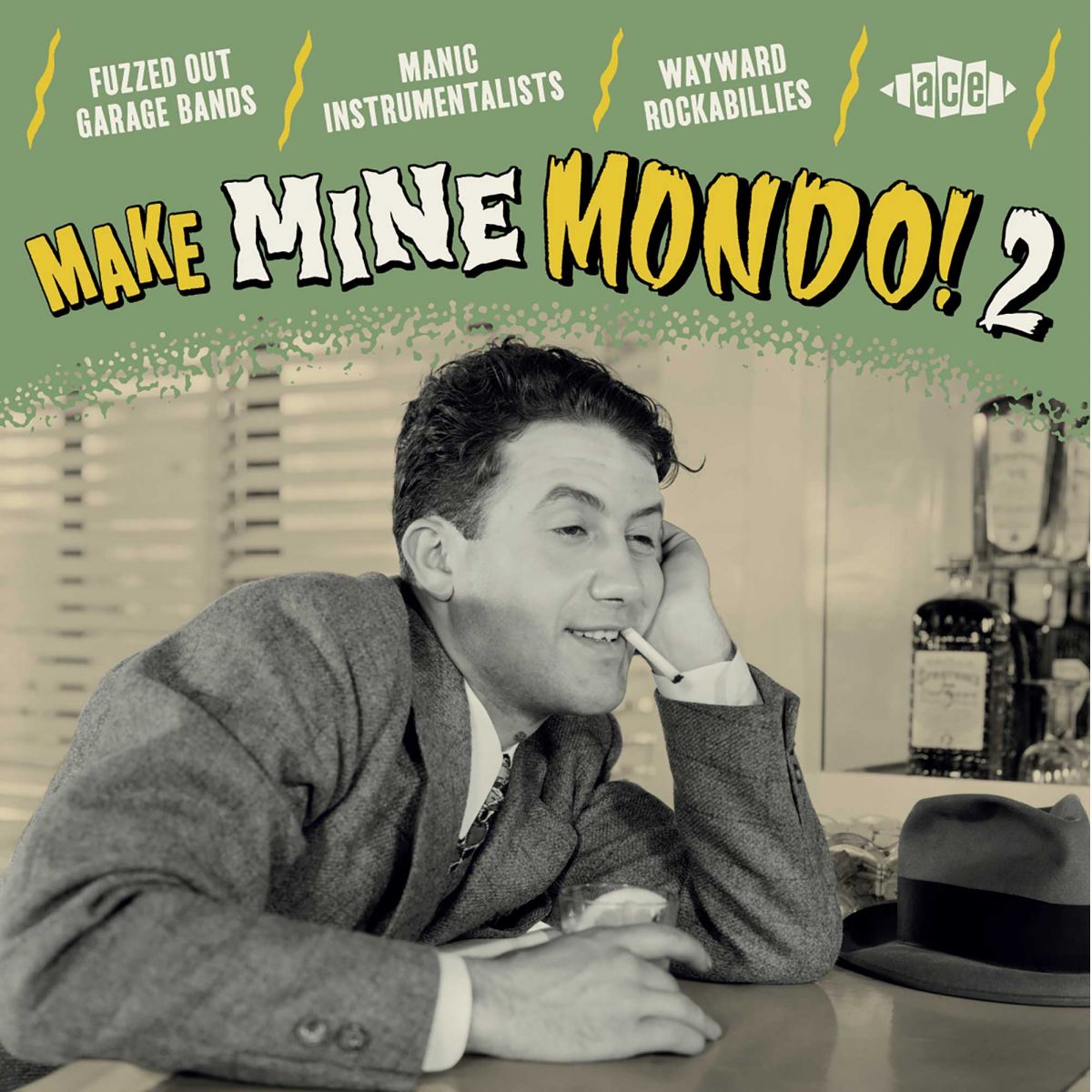

HERE, THERE AND EVERYWHERE.
Here, There and Everywhere.
Label: Ace.
Format: CD.
Released: 29th November 2024.
Over the years, there’s been many compilations of cover versions of songs by The Beatles. They’ve been a mixed bag, with the quality varying. They’re best described as the good, the bad and the downright ugly. Some are nothing more than exploitative cash-ins designed to relieve Beatles’ fans of their hard earned cash. That has always been the case.
Then there’s numerous reissues of the Fab Four’s twelve UK studio albums, remixes of classic albums, fifty-one compilations, five live albums and seventeen box sets. It’s an expensive business being a Beatles fan. There’s always something new to spend their hard earned cash on.
This includes the numerous books that have been written about the band. Some are by people who worked closely with the band. Then there’s the books by those who, if the truth be told, didn’t really know them at all. There’s probably a book by John Lennon’s second cousin’s hairdressers son being released for the forthcoming holiday season. After all, fans of Fab Four’s really need to read more of their hero’s antics from sixty years ago.
However, for those who are willing to eschew hastily written books that are destined for the bargain bins in the New Year there are other alternatives available. This includes ‘Here, There and Everywhere,’ a twenty-two track compilation released by Ace on CD on ‘29th’ November 2024. This is the third compilation of soul and jazz covers of Lennon, McCartney and Harrison compositions.
Opening the compilation is Sam Fletcher’s jazzy cover of ‘Can’t Buy Me Love.’ It featured on his album ‘I Believe In You,’ which was released by Veejay in 1964.
Sarah Vaughan reimagines and reworks ‘You Never Give Me Your Money.’ Backed by a truly talented band that included members of Toto, she combines jazz and pop on one of the highlights of her 1981 album, ‘Songs Of The Beatles.’
In 1970, Junior Parker covered ‘Taxman’ for his album ‘The Outside Man.’ Funk meets soul as arranger and producer Horace Ott takes this familiar track in a new direction. However, what Beatles purists thought of this reinvention is another thing?
Madeline Bell covered ‘Step Inside Love’ for her 1968 US sophomore album ‘Doin’ Things.’ A year later, the album was released in the UK. This is, without doubt, the definite version. It’s far superior to the version by Scouse warbler Cilla Black, which left a generation scarred and their ears aching.
‘Give Peace A Chance’ was John Lennon and Yoko Ono’s ridiculously naive plea recorded during a bed-in in Montreal, in 1968. Previously, the world’s political leaders had tried to bring about “peace in our time” and failed. So, it was unlikely a that a song sung by two loved-up hippies would bring about world peace. Let’s cut to the chase. This is very much a Marmite song, one either loves or loathes it. The original has me reaching for the off switch. However, since then, many artists have covered the song. This includes Randy Crawford in 1972. Her cover was released as a single in 1972, and in 1982, featured on some European versions of her ‘Windsong’ album.
Stevie Wonder produced Syreeta’s 1972 album for Mowest ‘Syreeta.’ It’s an underrated album that features a tender and emotive reading of ‘She’s Leaving Home.’ It’s a reminder of a truly talented singer who could breath life, meaning and emotion into a song.
Without doubt, one of the highlights of the compilation is Billy Paul’s cover of the Paul and Linda McCartney composition ‘Let ‘Em In.’ It was arranged by Jack Faith, who co-produced the song with Kenneth Gamble and was the title-track to Paul’s 1976 album. It was released by Philadelphia International Records, Accompanying Paul at his soulful best as makes the song his own is MFSB Mk. 2. The result was one of the finest singles of the Philly-born soulman’s career.
Nineteen years after The Drifters were founded in New York City, the latest version of the group relocated to the UK. The last three years hadn’t been kind to the group. They hadn’t enjoyed a hit since 1969, and there had been further changes the lineup. By 1972, the lineup featured Johnny Moore, Rick Sheppard and Don Thomas. In the UK, this new lineup joined forces with songwriters and producers Roger Greenaway and Roger Cook. They produced the group’s silky smooth and soulful cover of ‘Being With You.’ It showcases the vocal prowess of the late, great and much-missed singer and showman, Mr. Johnny Moore.
‘Maybe I’m Amazed’ was one of the first paeans written by Paul McCartney to his wife Linda. In 1998, it was covered by Carleen Anderson on her sophomore album ‘Blessed Burden.’ She combines soul, funk and R&B as she takes this familiar and much-loved song in a new direction.
‘My Love’ was released by Margie Joseph as a single on Atlantic in 1974. It’s euphonious and soulful with a spacious with a string drenched arrangement courtesy of Arif Mardin who arranged, conducted and produced this beautiful cover version.
‘Isn’t It A Pity’ was recorded by The Three Degrees’ 1973 Roulette album ‘So Much Love.’ However, this slow and soulful track, which was produced by Richard Barrett, never made it onto the album. It was belatedly released on ‘The Roulette Years’ later in 1973, and offers a taste of what was to come from The Three Degrees.
It’s a case of saving one of the best until last on ‘Here, There and Everywhere.’ ‘And I Love Him’ by Esther Phillips is one of the standout tracks. It was released as a single in 1965 and features Phillips instantly recognisable vocal. It’s often lived-in and worldweary. However, here it’s soul-baring and heartfelt confessional from a versatile vocalist who should’ve enjoyed much more commercial success than she did.
‘Here, There and Everywhere’ is Ace’s third compilation of soul and jazz covers of Lennon, McCartney and Harrison compositions. Most of the originals are familiar and much-loved songs. This will appeal to many fans of the Fab Four and Lennon, McCartney and Harrison’s solo careers.
Many of the covers are by some of the biggest names in jazz and soul. A few artists will be new to some people. They take tracks in new and unexpected directions. However, there’s also hidden gems aplenty on ‘Here, There and Everywhere.’ It’s the perfect holiday gift for fans of the Fab Four, and much better than a book by John Lennon’s second cousin’s hairdresser’s son.
Here, There and Everywhere.
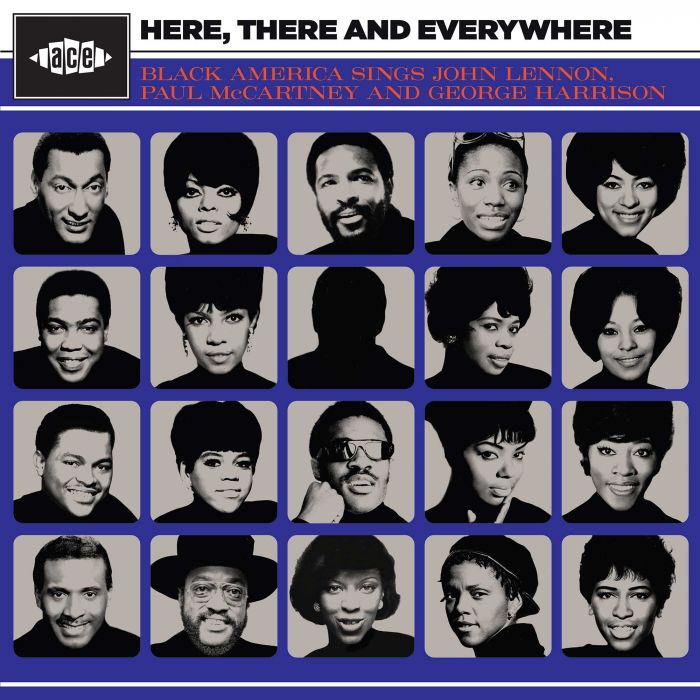
ONE IN A ROW: THE WILLIE NELSON SONGBOOK.
One In A Row: The Willie Nelson Songbook.
Label: Ace.
Format: CD.
Willie Nelson is, without doubt, a giant of country music, and a leading light in the outlaw country subgenre. Nelson is also a prolific songwriter whose songwriting career began in the early fifties. He’s written countless classics, and many of his songs have been covered hundreds of times. This includes ‘Crazy’ and ‘Funny How Time Slips Away.’ Both feature on ‘One In A Row: The Willie Nelson Songbook,’ a new twenty-four track compilation recently released by Ace.
Nelson was born in Abbott, Texas, on April 29th, 1933. He wrote his first song aged seven, and three years later, aged ten, Nelson joined his first band. This was the start of his musical career.
In high school, Nelson was the guitarist and lead singer with The Bohemian Polka. When he graduated from high school in 1950, Nelson joined the US Air Force.
Unfortunately, problems with his back resulted in Nelson being discharged from the US Air Force. On his return home, he enrolled at Baylor University. However, after two years Nelson dropped out as he was already enjoying a successful musical career.
By the late-fifties, he was working as a DJ in various radio stations in his native Texas. He was also working at various radio stations in the Pacific Northwest. That was just part of the story.
Nelson was also working as a singer-songwriter. He struck gold early in his career writing classics like ‘Crazy’ and ‘Funny How Time Slips Away,” plus ‘Hello Walls’ and ‘Pretty Paper.’ This was just the start.
Then in 1960, Nelson moved to Nashville, and later, signed publishing deal with Pamper Music. Then he joined Ray Price’s band as bassist. However, two years later Nelson embarked upon a solo career.
His debut album ‘And Then I Wrote’ was released in 1962. It was so successful that Nelson signed to RCA Victor in 1964. The following year, 1965, he joined the Grand Ole Opry. Nelson’s star was in the ascendancy.
In 1966, his fourth album ‘Country Favorites–Willie Nelson Style,’ reached number nine in the US Country charts. The followup, ‘Make Way for Willie Nelson,’ released in 1967 reached number seven in the US Country charts. Nelson was enjoying the most successful period of his career. This continued with the release of ‘The Party’s Over and Other Great Willie Nelson Songs’ in 1968. It reached number nine in the US Country charts. Little did Nelson realise that the party was over for a while.
Between 1968 and 1972 Nelson released nine album which failed to replicate his earlier success. This resulted in a change of style for Nelson.
‘Shotgun Willie,’ Nelson’s sixteenth album, and was his debut for Atlantic. It was released on June 11th, 1973 to critical acclaim. However, ‘Shotgun Willie’ stalled at forty-three in the US Country charts. Despite this. it was introduced Nelson’s music to a younger audience and nowadays, is regarded as a landmark album. It was one of the first albums of outlaw country. This subgenre of country music was seen as an alternative to the much more conservative Nashville sound. Nelson’s new sound transformed his career.
On February 25, 1974, ‘Phases and Stages’ was released. It fared slightly better than ‘Shotgun Willie’ reaching thirty-four in the US Country charts. However, Nelson’s next album was the start of a remarkable run of commercially successful albums.
‘Red Headed Stranger’ was released to plaudits and praise on May 26th, 1975. It topped the US Country charts, reached twenty-eight in the US Billboard 200 and was certified double platinum. Nelson wasn’t just one of the pioneers of outlaw country he would prove to be one of its finest exponents.
Between the release of ‘Sound In Your Mind’ on May 26th, 1975, and ‘City Of New Orleans’ on July 16, 1984 Nelson released thirteen solo albums and collaborate on eight albums. These albums sold in excess of 20.5 million copies in the US alone, and sixteen were either certified gold, platinum or in some cases double, quadruple or five times platinum. During this period, Nelson was, without doubt, one of the biggest names in country music.
Much of his success was down to his talent as a songwriter. This was something he had been doing for quarter a century, and continued to do throughout his long and illustrious career. Many of his songs were covered by the great and good of music, as well as some lesser known names. However, there’s many familiar faces on ‘One In A Row: The Willie Nelson Songbook.’
The compilation opens with Little Esther’s version of ‘Hello Walls.’ It was released as the B-Side of the single ‘Double Crossing Blues’ on Atlantic, in 1964. Both sides were arranged and conducted by Garry Sherman, with Bert Berns taking charge of production. He gives the track an uptown groove makeover and Little Esther’s reading is heartfelt and emotive. Later, Esther Phillips would release some of her finest albums on Kudu/CTI and Atlantic. The albums she released on Kudu/CTI are the perfect introduction to Phillips’ music
‘Angel Flying To Close To The Ground’ is a track from The Bootleg Series Vol. 16: Springtime in New York 1980–1985 which Bob Dylan released in 2021. This track is one of the hidden gems from the box set and features a soul-baring vocal from Dylan who sounds as if he’s lived the lyrics.
Dionne Warwick released ‘I Didn’t Mean To Love You’ as a single in October 1976 – not 1977 as the liner notes state. The single stalled at ninety-one on the US R&B chart. However, hidden away on the B-side is an impassioned, uber soulful uptempo cover that’s an oft-overlooked track in Warwick’s back-catalogue, and one of the highlights of the compilation.
Vicki Carr covered ‘Healing Hands Of Time’ on her 1971 album ‘The Ways To Love A Man.’ It was the second of two country albums she released for Liberty/United Artists. Her vocal veers between hurt-filled to hopeful on this beautiful cover version.
One of Nelson’s most-covered songs is ‘Crazy.’ Patsy Cline released the song as a single in October 1961, and it reached number nine in the US Billboard 100 and number two in the US Country chart. The song featured on her sophomore album ‘Showcase,’ which was released in November 1961, and reached seventy-three in the US Billboard 200 chart. Cline made the song her own using a mixture of ascending and descending intervals plus broken chords on this heartbreakingly beautiful confessional. It’s the definitive version of the song, and a country music standard.
When Tom Jones released his album ‘Long Lost Suitcase’ in 2015, he included a cover of Nelson’s ‘Opportunity To Cry.’ He lets the song breath on this understated cover that’s bristling with emotion, sadness and hurt.
The Spinners’ related a rueful and deeply soulful cover of the ballad ‘Funny How Time Slips Away’ as a single on Atlantic, in 1982. Lead singer John Edwards’ stays true to Houston-born soul singer Joe Hinton’s 1964 version. This later version was arranged by Gene Page, and features on their 1982 album ‘Grand Slam.’ It reached just 167 in the US Billboard 200 and forty-three in the US R&B charts. This was a far cry from when Thom Bell produced six albums between 1973 and 1976. Four were certified gold and 1974s ‘Mighty Love’ platinum. However, ‘Funny How Time Slips Away’ is a hidden gem in The Spinners’ back-catalogue. It’s also a reminder of one of the greatest and most sucessful soul groups of the seventies.
In 2004, The Beautiful South’s covered ‘Valentine’ on their ninth album Golddiggas, Headodders and Pholk Songs.’ The album was the first to feature vocalist Alison Wheeler. It featured twelve tracks, including eleven cover versions. Paul Heaton delivers a tender, heartfelt vocal on ‘Valentine’ accompanied by strings on an understated arrangement.
When Trisha Yearwood released her album ‘This Song Remembers When’ in 1993, it featured a cover of ‘One In A Row.’ The lyrics sound deeply personal and akin to a confessional. Yearwood breathes life, meaning and emotion into what’s one of the highlights of the compilation.
Sometimes an artist or band try to reinvent a well known song. It’s the musical equivalent of reinventing the wheel. KD Lang and The Reclines don’t do that when they covered ‘These Days’ on their 1989 album ‘Absolute Torch and Twang.’ Lang stays true to Faron Young’s 1962 original. It’s a catchy, country shuffle that’s stood the test of time.
When Ray Price released ‘Danny Boy’ as a single in 1967, it reached number sixty on the US Billboard 100 and number nine in the US Country chart. On the B-Side was ‘I Let My Mind Wander,’ a sagacious and thoughtful song written by Nelson. Sadly, for too long Price’s cover has been an oft-overlooked, and deserves to be heard by a wider audience.
Closing ‘One In A Row: The Willie Nelson Songbook’ is Perry Como’s cover of ‘My Own Peculiar Way.’ It was released on RCA Victor in 1965, and this country-tinged track features a heartfelt vocal that’s full of emotion.
‘One In A Row: The Willie Nelson Songbook’ which was recently released by Ace, is a reminder of one of a truly great songwriter whose career has spanned seven decades. During that period, Nelson has released seventy-five solo albums. He’s also collaborated on a further twenty-six studio albums. Then there’s a small matter of two soundtracks, fourteen live albums and fifty-one compilations. These albums have sold over forty million in the US alone. Nelson wasn’t just a pioneer of outlaw country, this truly talented singer and songwriter became one of its leading lights and finest exponents.
Nelson’s songs are oft-covered and some have become country standards. This includes ‘Crazy’ and ‘Funny How Time Slips Away.” These tracks feature on ‘One In A Row: The Willie Nelson Songbook’ which features twenty-tracks penned by a man who wasn’t just one of country music’s greatest singers, but one of the genre’s greatest songwriters.
One In A Row: The Willie Nelson Songbook.


ISAAC HAYES-HOT BUTTERED SINGLES 1969-1972.
Isaac Hayes-Hot Buttered Singles 1969-1972.
Label: Stax.
Format: CD.
Release Date: 25th October 2024.
Isaac Lee Hayes Jr was born on 20th, August 1942 in Covington, Tennessee. He was the second child of Eula and Isaac Lee Hayes Sr. However, tragedy struck when Hayes’ mother died when he was young. The situation got even worse when his father abandoned his young family.
Fortunately, Hayes’ maternal grandparents Mr. and Mrs. Willie Wade Sr. brought their grandchildren family up. Hayes grew in the Tennessee counties of Shelby and Tipton and worked on local farms. This was also where his musical career began.
Aged just five, Hayes started singing in the local church choir. Growing up, he taught himself to play piano, Hammond organ, flute and saxophone. Little did Hayes realise that he would eventually make a career out of music.
Hayes dropped out of Manassas High School, in Memphis, and got a job in a meat-packing plant. It was a case of needs must, as he had to support his closest family. At night, Hayes played in juke joints and nightclubs in northern Mississippi.
In the late fifties, Hayes made his debut as a singer at Curry’s Club, in North Memphis. That night, he was backed by Ben Branch’s houseband. Another alumni of Branch’s band was Donald “Duck” Dunn, who joined the band in 1961. Later, he found fame with Booker T and The MGs at Stax, where he would work with Hayes. That was all in the future.
Before that, Hayes’ former teachers at Manassas High School encouraged him to complete his high school. Belatedly, he graduated aged twenty-one. By then, he had already released his debut single.
This was “Laura (We’re On Our Last Go Ro-Round),” which was released in 1962, on Chips Moman and Sy Rosenberg’s Youngstown label. Although the single received some radio play and was popular in Tennessee, it failed to make an impression nationally. That would come later for Hayes.
By 1963, he was working as a session musician at Stax in Memphis. In January 1964, Hayes added the vocal to “Yank Me Doodle” by The Baracudas. However, most of his time was spent working as a session musician and as a songwriter.
However, in January 1964 “Sweet Temptation” was released as a single on Brunswick. On the B-side was Hayes’ debut single “Laura (We’re On Our Last Go Ro-Round).” The single failed commercially. Hayes continued to work at Stax.
Hayes worked with various songwriting partners, and also wrote many songs. Then between 1964 and 1969, Hayes forged a successful songwriting and production partnership with David Porter. The pair penned songs for Carla Thomas, Johnnie Taylor, The Soul Children, William Bell, The Emotions and Mable John. One of their most successful and iconic songs during Stax’s blue label years was “Soul Man” which gave Sam and Dave a huge hit. This was one of the most successful of over fifty songs Hayes and Porter wrote. By the time their partnership came to an end, Hayes’ had already embarked upon a solo career.
In 1965, Sir Isaac and The Do Dads released “Blue Groove” as a single on Volt. However, this mediocre bluesy instrumental failed to trouble the charts, and it was another three years before Hayes released another single.
This was “Precious Precious,” a track from Hayes’ debut album “Presenting Isaac Hayes.” It was released in March 1968 and again, failed to trouble the charts. However, Hayes’ debut album faired better, reaching 102 in the US Billboard 200 and twenty-five in the US R&B chart. His next album was the start of the most successful period of Hayes career at Stax.
The nine singles Hayes released during this period feature on “Hot Buttered Singles 1969-1972,” which will be released by Stax on 25th October 2024. These nine singles were released on the Stax imprint, Enterprise.
Following the release of his debut album, Hayes demanded full that A&R executive granted him full creative control if he was going to record a followup. Bell agreed and this paid off.
Hayes released his sophomore album “Hot Buttered Soul” in June 1969. It was a landmark album that veered between symphonic soul to funk. Accompanied by The Bar Kays, Hayes recorded just four tracks that lasted over forty-five minutes. This seminal album was a future classic. It reached number eight in the US Billboard 200, topped the US R&B chart and was certified gold. There was also the small matter of two hit singles.
“Walk On By” and the Jimmy Webb composition “By The Time I Get To Phoenix” were released as a double-A side in July 1969. Both tracks had to be edited. The version of “Walk On By” on the album was edited from just over twelve minutes and three seconds to four minutes and twenty seconds. “By The Time I Get To Phoenix” which was 18.42 was edited to six minutes forty-five seconds. Both showcased Hayes new symphonic soul sound and were hit singles. “Walk On By” reached thirty in the US Billboard 100 and thirteen in the US R&B chart. “By The Time I Get To Phoenix” reached thirty-seven in the US Billboard 100 and US R&B charts. Hayes new sound was successful and Bell’s decision to grant him full creative control paid off.
In November 1969, Hayes released “The Mistletoe And Me” as a single. It’s a slice of festive symphonic soul, but is the weakest track on the compilation. Slightly better is the ballad on the B-Side, “Winter Snow.” This festive single failed to chart, which must have been a disappointment to Hayes.
“The Isaac Hayes Movement” was the name given to Hayes’ band by Marvell Thomas, and was also the title of his third album. It featured four cover versions, and was released to plaudits and praise in April 1970. Just like “Hot Buttered Soul,” it was a polished album of complex symphonic soul. It also reached number eight in the US Billboard 200, topped the US R&B chart for seven weeks and was certified gold. This was Hayes’ second gold album.
An edited version of “I Stand Accused” was released as a single in August 1970. The version on the album was eleven minutes and thirty-nine seconds, with a five minute spoken word intro. It was edited to six minutes and fifty seconds and features an impassioned and hurt-filled vocal by Hayes. On the B-Side is a beautiful seven minute symphonic soul cover of Bacharach and David’s “I Just Don’t Know What To Do With Myself.” However, the single stalled at forty-two in the US Billboard 100 and twenty-three in the US R&B charts. Hayes’ albums were more successful than his single.
That was the case with his fourth album “…To Be Continued.” It was released to critical acclaim on November 28, 1970. The album which combined symphonic soul with jazz and funk reached number eleven in the US Billboard 200 and was his third consecutive album to top the US R&B. However, the singles didn’t replicate this success.
The dramatic and sensual symphonic soul of “Ike’s Mood Pt 1” was chosen as the single, but failed to trouble the charts. On the B-Side was a cover of Bacharach and David’s classic “The Look Of Love.” It was transformed into a heartfelt symphonic soul ballad, but stalled at seventy-nine in the US Billboard 100.
Hayes next single “Never Can Say Goodbye,” was originally released as a standalone single in April 1971. By then, Hayes wife had filed for divorce and he delivers a soul-baring, needy vocal. On the B-Side was a cover of Hank Williams’ “I Can’t Help It (If I’m Still In Love With You” which was Hayes message to his estranged wife. The single reached twenty-two in the US Billboard 100 and five in the US R&B charts. It was Hayes most successful single. Not for long.
In July 1971, Hayes released “Shaft,” the soundtrack to the blaxploitation movie being released Metro-Goldwyn-Mayer. Hayes had written and produced the fifteen tracks on the double album. It was a mixture of symphonic soul, funk and soul. The album was groundbreaking, a gamechanger that changed the way soul and funk albums were made. When “Shaft” was released it topped the US Billboard 100 and US R&B charts, and was certified gold. Across the Atlantic, the album reached seventeen in the UK. The album also featured Hayes’ most successful single, “Shaft.”
The uber funky and iconic title-track was released in September 1971. It reached number one on the US Billboard 100, two on the US R&B charts and was certified gold. “Shaft” was a hit in Belgium, Netherlands and reached number four in the UK. On the B-Side was the beautiful, meandering and melodic “Cafe Regio’s” where symphonic soul meets jazz. It was the polar opposite of the high octane single.
For the followup, “Do Your Thing” was released as a single in February 1972. It’s soulful, sensuous and funky. On the B-Side was “Ellie’s Love Theme” a beautiful, pensive slice of symphonic soul where the vibes play a leading roll. Despite the quality of both sides, the single only reached thirty in the US Billboard 100, but reached three in the US R&B chart. However, “Shaft” had been Hayes most successful album, and introduced his music to a wider audience.
At the 1972, Grammy Awards, Hayes triumphed twice. He won a Grammys for the Best Instrumental Arrangement for “Theme from Shaft” and one for Best Original Score Written for a Motion Picture or a Television Special.
When Hayes released his fifth studio album, “Black Moses” on November 1, 1971, this album of cover versions reached number ten in the US Billboard 200. It was his fourth consecutive album to top the US R&B. Meanwhile in the UK, the album reached number thirty-eight. “Black Moses” failed to replicate the success of “Shaft” which nowadays, is regarded as a classic soundtrack.
After “Shaft,” Hayes released two non-album singles. The first was a cover of “Let’s Stay Together” which gave Al Green a number one single in 1972. His version is the definitive version. Hayes’ cover is a smooth slice of symphonic soul. On the B-Side was the smooth, slinky soul of “Soulsville” from the “Shaft” soundtrack. The single was released in February 1972 and reached forty-eight on the US Billboard 100 and twenty-five on the US R&B charts. This was another disappointment for Hayes.
The second non-album single was the funky and soulful “Ain’t That Loving You (For More Reasons Than One)” penned by Hayes and Porter. They duetted on the track and a disappointing cover of David Gates’ “Baby I’m-A Want You.” Bread’s original is the definitive version of the track. When the single was released in April 1972, it stalled at eight-six on the US Billboard 100 and thirty-seven on the US R&B charts. It was another disappointment for Hayes.
Closing “Hot Buttered Singles 1969-1972,” is the instrumental Soul-A-Lujah which was released in June 1969. It features Hayes, Johnnie Taylor, Eddie Floyd, William Bell, Carla Thomas plus Mavis, Cleotha and Pervis Staples. It’s a driving track which is a fusion of Southern Soul and funk. This oft-overlooked track has a late-sixties sound, and is a reminder of the music Stax was releasing during this period.
The nine singles that feature on Hot Buttered Singles 1969-1972 feature some of the best singles Hayes released when signed to Stax. He was at the peak of his powers, releasing four studio albums and the “Shaft” soundtrack. Each of these albums topped the US R&B charts, and three were certified gold. Hayes was one of the most successful artists signed to Stax.
Some of the tracks on the compilation are edited version of Hayes’ new symphonic soul sound. These edited versions were released as singles or B-Sides. For many music fans they were an introduction to Hayes’ music. When they bought the album the tracks were from, they were able to hear the tracks in all their glory. However, some music fans may prefer the edited version of the tracks. Many purists will prefer the full length tracks. It’s down to personal preference.
Having said that, there are a couple of disappointing tracks including “The Mistletoe And Me” and “Baby I’m-A Want You, where Hayes and Porter duet. The ballad “Winter Snow” is slightly better, but still doesn’t reach the heights as other tracks on the compilation. These tracks feature Hayes at the peak of his powers. That’s why for anyone who has yet to discover the singles Hayes released between 1969 and 1972, this compilation is the place to start.
Isaac Hayes-Hot Buttered Singles 1969-1972.


NEW JILL SWING 1988-94.
New Jill Swing 1988-94.
Ace.
Release Date: 27th, September 2024.
Format: CD.
In the mid-eighties, a new genre of music was born, new jack swing or swingbeat. It was a fusion of jazz, funk, rap and R&B and incorporated the production techniques of hip hop and dance-pop. Producers who pioneered this new musical movement included Bernard Belle, Terry Riley as well as Jimmy Jam and Terry Lewis.
Key to this new genre were samples. This included sampled beats and samples of existing tracks. Producers used the new E-mu SP-1200, a sampling drum machine and the Roland TR-808 Rhythm Composer when creating new tracks.
However, it wasn’t until October 18th, 1987, when Barry Michael Cooper coined the term new jack swing in his profile on Teddy Riley.
Essentially, the term new jack swing described the sound that was produced and engineered by Teddy Riley. He was also an R&B and hip hop artist and singer and songwriter. Riley was one of the leading lights of the new jack swing scene.
Nowadays, the late eighties and early nineties are regarded as the golden age of new jack swing. Singles were regularly on the US Billboard 100 and US R&B charts. In 1987, this included Keith Sweat’s first ever new jack swing single “I Want Her.” Just a few months later, Bobby Brown’s single “My Prerogative” popularised the genre even more. This he continued to do.
In 1989, the film Ghostbusters II was released. Brown sung the theme tune, “On Our Own.” When this new jack swing track was released as a single it reached number three in the US Billboard 100 and topped the US R&B charts. The single was a hit worldwide. However, like so many thing there was a but.
New Jack swing was perceived by many as a very male orientated genre. It was like a musical men’s club. In the early nineties, female R&B singers came up with their cheeky response to new jack swing, new jill swing.
The first female swingbeat group made a broke through in the late nineties. This was just the start of another new musical movement.
Unlike new jack swing, new jill swing’s sound borrowed from hip hop. The new genre was a fusion of R&B, soul, jazz, funk, hip hop and pop with a look that was carefully stylised and described as retro-modern. It reference Hollywood glamour and with some artists and groups sporting plaid skirts, baseball caps and braids. It was a sound and look that would provide popular and influence groups like Destiny’s Child. That was all in the future
“New Jill Swing 1988-94,” is a new compilation which will be released by Ace on 27th, September 2024. It features eighteen example of the new genre that was the response to new jack swing.
Opening the compilation is Allstar and Teddy Riley’s Radio Remix of I’m So Into You by SWV. It was released in 1993, and is a melodic, memorable and dancefloor friendly track that’s stood the test of time.
In 1988, Karyn White enjoyed a triumvirate of number ones in the US R&B charts. The first was “The Way You Love Me” which combines her soulful vocal with tough beats and eighties’ synths. It’s an example of late-eighties swingbeat by one of its female pioneers.
Pebbles signed as a solo artist to MCA in 1987, and three years later, in 1990, she released “Giving You The Benefit” as a single. It reached number four in the US Billboard 100 and topped the US R&B charts, and is regarded as one of her finest singles.
“Your Sweetness” is a track from the Good Girls’ “All Your Love” album. It was released on Motown in 1990. This album track combines their sweet, soulful vocals a tough, shuffling new jill swing arrangement.
R&B singer Tara Kemp was originally from Livermore, California. However, by 1991, she was part of the new jill swing scene. She signed to Irving Azoff’s nascent Giant Records in 1990. However, soon she realised that she was in the wrong movie. The label didn’t know how to market her, and when she released “Piece Of My Heart” in 1991, it wasn’t a commercial success. That’s despite her sweet, soulful vocal and carefully crafted dancefloor friendly arrangement. For Kemp, it was the one that got away.
En Vogue were a quartet of funky divas from Oakland, California, who were born to sing. They’re without doubt,the best known groups on the compilation. Their contribution is the New Jack Remix of released “Lies” that was released in 1991. It’s uber soulful, funky and combines R&B with an instantly recognisable early-nineties dancefloor friendly sound. The result is one of the highlights of the compilation.
Nuttin’ Nyce were a quartet from Sacramento, who by 1990, were signed to the Jive label. Their debut single was “In My Nature,” which reached eighty-three in the US Billboard 100 and fifty-two in the US R&B charts. It was a case of what might have been, as this earworm features their sweet but sassy and soulful vocals and a new jill swing arrangement that thirty-four years later, doesn’t sound dated.
In the summer of 1991, Shanice released her single “I Love Your Smile.” It reached number two in the US Billboard 100. Three years later, in 1994, she was signed to Motown and released the album “21…Ways To Grow. It features hook-laden dancer “I Wanna Give It To You,” which is one of the album’s highlights.
Closing New Jill Swing 1988-94 is “My Happiness” by Keisha Jackson, the daughter of Millie Jackson. This joyous and uplifting track was the highlight of her eponymous debut album, which was released on Epic in 1989.
For anyone interested in either new jack swing or new jill swing, this new eighteen track compilation may be of interest to them. New Jill Swing 1988-94 features some familiar faces and what will be some new names.
The artists and groups combine various genres and the latest technology to create music that was a mixture of the old and the new. Mostly, the music was soulful, sometimes funk and dancefloor friendly. The tracks on New Jill Swing 1988-94 are between thirty and thirty-six years old, but many of them have stood the test of time, and even today, would still fill a dancefloor.
However, the music on New Jill Swing 1988-94 is a reminder of what was an important and influential musical genre. It was a genre that inspired future generations of R&B groups and singers. Over thirty years later, the new jill swing sound can still be heard in their music.
New Jill Swing 1988-94.

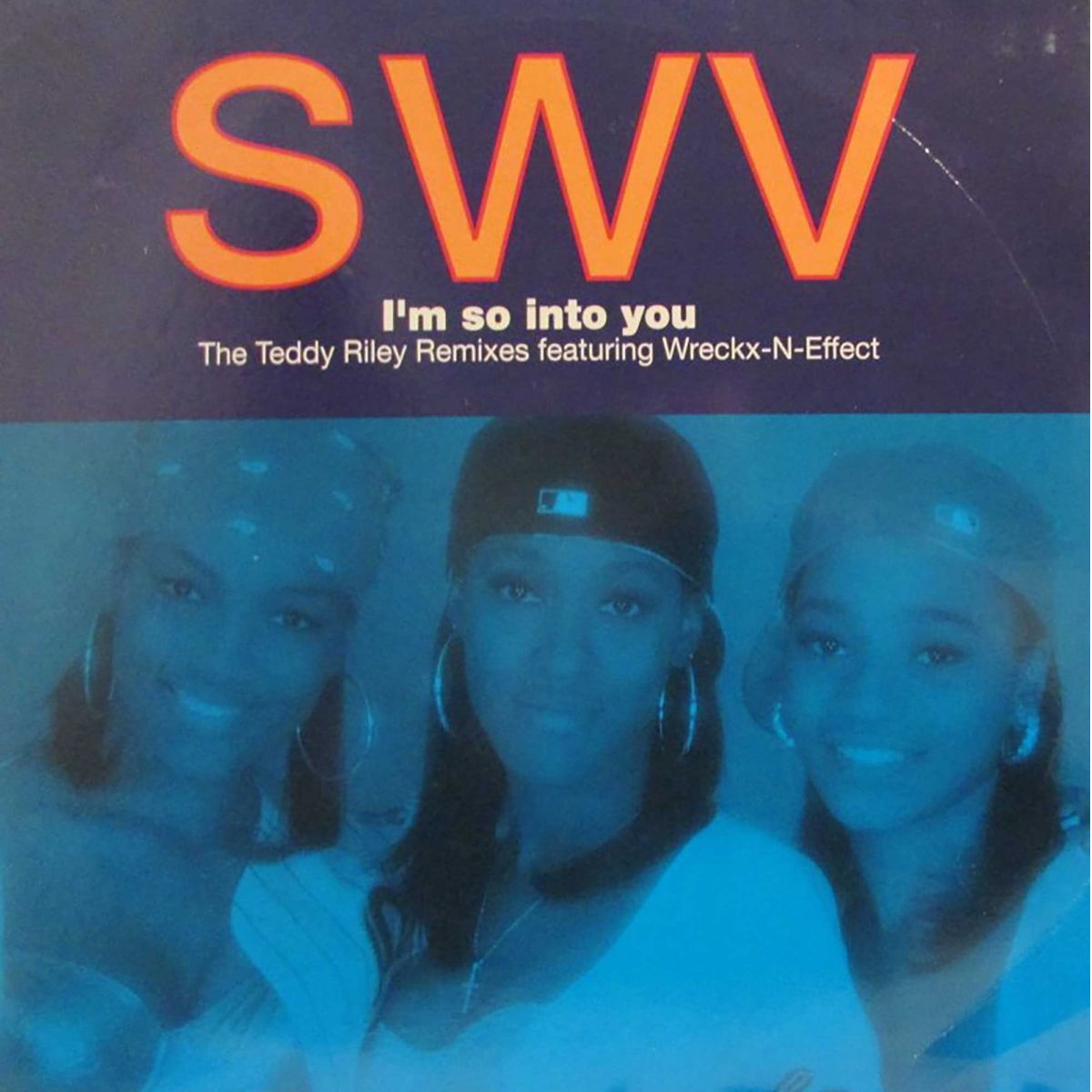
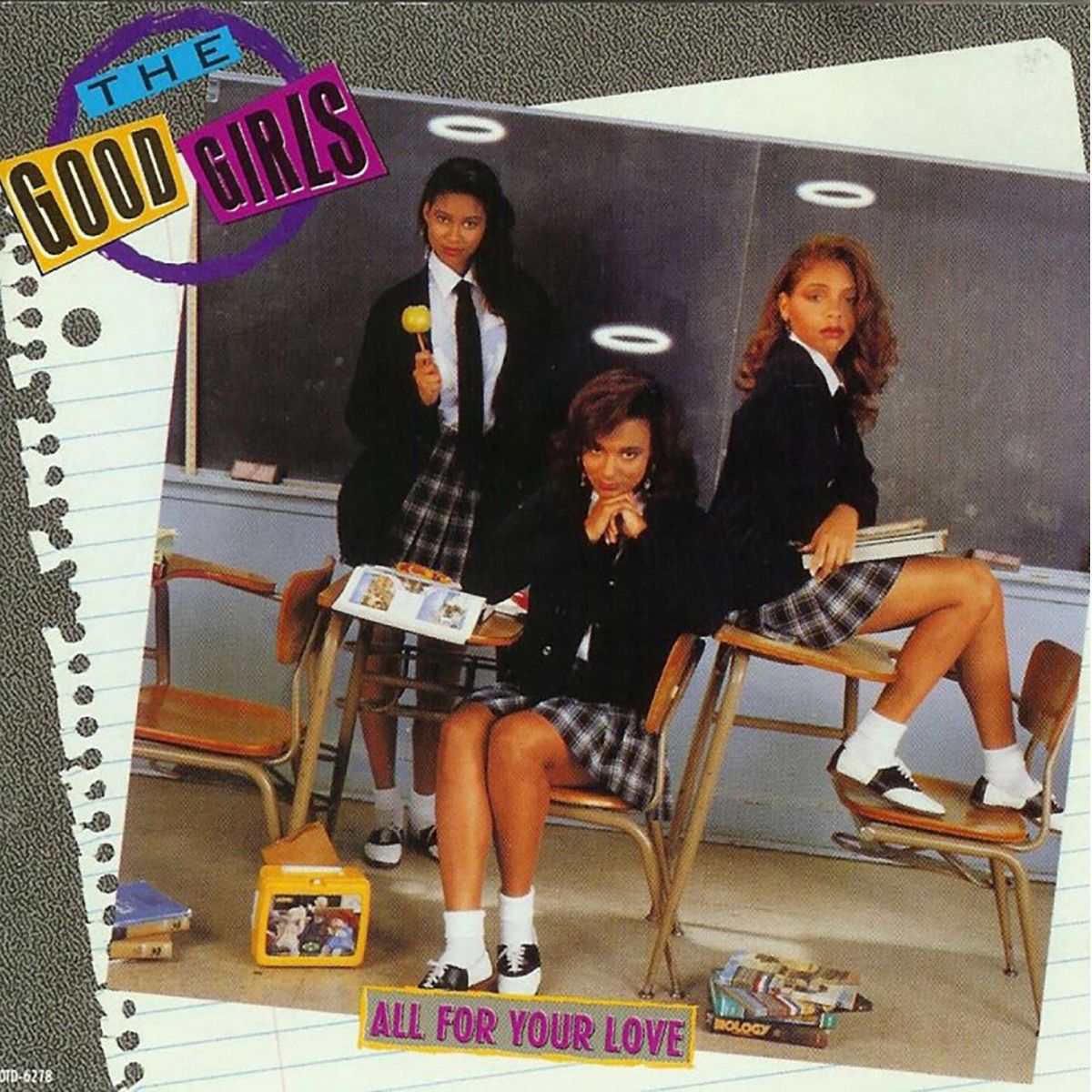
THIS IS GOLDWAX 1964-1968.
This Is Goldwax 1964-1968.
Label: Kent Soul.
Format: CD.
Quinton Claunch was born on December 3rd, 1921, in Tishomingo, Mississippi. However, in the early forties he moved to Muscle Shoals, Alabama, where his music career began.
Initially, Claunch was the guitarist in various country music groups. Then in 1943, he formed The Blue Seal Pals with Edgar Clayton. Another member of the band was Bill Cantrell, who later, would cowrite a number of hit singles with Claunch.
Soon, The Blue Seal Pals were regulars on WLAY, an AM station in Muscle Shoals. This was just the start. They then moved to a rival station, WJOI, in Florence. The group were on the move once again, and became regulars on Nashville station WSM. This resulted in them becoming regulars and favourites at the Grand Ole Opry. However, in 1948 Claunch was on the move.
Following his marriage in 1948, Claunch moved to Memphis, Tennessee. That was where he met an old friend, and former WLAY disc jockey Sam Phillips, who had founded Sun Records. Claunch played on guitar on recordings by Carl Perkins, Charlie Feathers and Wanda Jackson. However, music wasn’t his only source of income. During this period, Claunch opened a hardware store. He didn’t turn his back on music though.
In 1954, Claunch and Cantrell cowrote “Daydreamin'” for Bud Deckelman. However, it was Jimmy C. Newman who had a hit with the song. “Daydreamin'” wasn’t the only hit single Claunch would write.
Three years later, in 1957, Claunch and Cantrell cofounded Hi Records with Ray Harris and Joe Cuoghi. The label went on to become one of Memphis’ best known Southern Soul labels. However, in the early days, Claunch wrote over 200 songs and was also the in-house producer. Two years after cofounding Hi Records, it was a relatively successful local label. Claunch sold his share of the label in 1959, to grow his hardware business. Four years later, he returned to the music industry.
It was in 1963 that Claunch met pharmacist Rudolph V. “Doc” Russell and attorney Robert Dobbs. The three men founded a new label, Goldwax Records, which specialised in releasing gospel and Southern Soul. Later that year, the nascent label released its first single, “Darling” by The Lyrics. This was the start of the Goldwax Records story.
Recently, Kent Soul, an imprint of Ace Records, released “This Is Goldwax 1964-1968.” It features twenty-eight tracks, including contributions from James Carr, Spencer Wiggins, George and Greer, The Ovations, O.V. Wright, Timmy Thomas, Barbara Perry and Jeanne Newman.
Fittingly, it’s James Carr’s seminal Southern Soul ballad “The Dark End Of The Street” that opens the compilation. It’s a soul-baring performance bristling with emotion as if Carr has lived the lyrics. Despite the quality of the single, it only reached seventy-seven on the US Billboard 100 and ten on the US R&B charts in 1967. There’s two other contributions from Carr. This includes the uptempo stomping single “Freedom Train,” which was released in 1968, and features lyrics full of social comment. Then there’s Carr’s impassioned and needy reading of “A Man Needs A Woman,” which was released in 1967. It’s another of his finest singles.
Spencer Wiggins was another of Goldwax Records’ biggest artists. The heartachingly beautiful ballad “Uptight Good Woman,” released as a single in 1967, epitomises everything that’s good about Southern Soul. Quite different is the catchy Memphis dancer “I’m A Poor Man’s Son.” It was the B-side of “That’s How Much I Love You” which was released in 1968. “Once In A While (Is Better Than Never At All)” was released in November 1968, and was Carr’s penultimate single on Goldwax Records. It’s a beautiful soul-baring Southern Soul ballad.
Two unreleased tracks feature on Kent’s 2009 compilation “Goldwax Northern Soul.” The first is “To Me It’s Storming” by “George and Greer.” The duo was George Jackson and Spencer Wiggins. They only released one singe, but this was one of many demos the pair recorded. The other unreleased track on “Goldwax Northern Soul” was “What’cha Gonna Do” an urgent tale of hurt and heartache by Phillip and The Faithfuls.
“I Don’t Want To Take A Chance” by ‘Wee’ Willie Walker lay unreleased until 2004, when it featured on “The Goldwax Story Volume 2.” It features an emotion bristling with emotion and sadness. He scare to “take his baby back” in case she brings him “misery” and he’s “hurt again.” It’s a powerful and moving song that. There’s also a cover The Beatles’ “Ticket To Ride” that was released as a single in 1967. “In 1968, the single “A Lucky Loser” was leased to the Checker label. However, this soulful dancer with stabs of horns accompanying Walker’s powerhouse of a vocal. It’s a mixture of emotion, happiness and joy.
Barbara Perry features twice on “This Is Goldwax 1964-1968.” The first is “Say You Need It,” which was recorded at the Fame Studios in Muscle Shoals. This soulful earworm was released as a single in 1967, but failed to chart. Perry’s other contribution is the uptempo hidden gem “A Man Is A Mean Thing.” It wasn’t released until it featured on Kent’s “New Breed R& with Popcorn.”
One of the most beautiful, moving and powerful songs on the compilation is “That’s How Strong My Love Is” by O.V. Wright with The Keys. It was released as a single in 1964 and is one of the highlights of “This Is Goldwax 1964-1968.”
Closing “This Is Goldwax 1964-1968” is a tender, heartfelt and emotive rendition of “He Called Me Baby” by country singer Jeanne Newman. It was released a single in 1967 but wasn’t a commercial success. This was her one and only single on Goldwax Records.
Sadly, Goldwax Records folded in 1969, because of differences between Claunch and Russell. The other reason was Carr’s erratic behaviour. However, by then, Carr was already unwell and can’t be blamed for demise of the label. It was primarily the differences between Claunch and Russell that were to blame for demise of Goldwax Records.
The label was relaunched in the mid-eighties by Memphis businessman Elliott Clark. Claunch returned and became its president until the nineties. However, Goldwax Records was never the label it was between 1963 and 1969. That was the label’s heyday.
A reminder of one of Memphis’ most important soul labels is This Is Goldwax 1964-1968. It’ll be of interest to all soul fans, and especially lovers of Southern Soul.
This Is Goldwax 1964-1968.
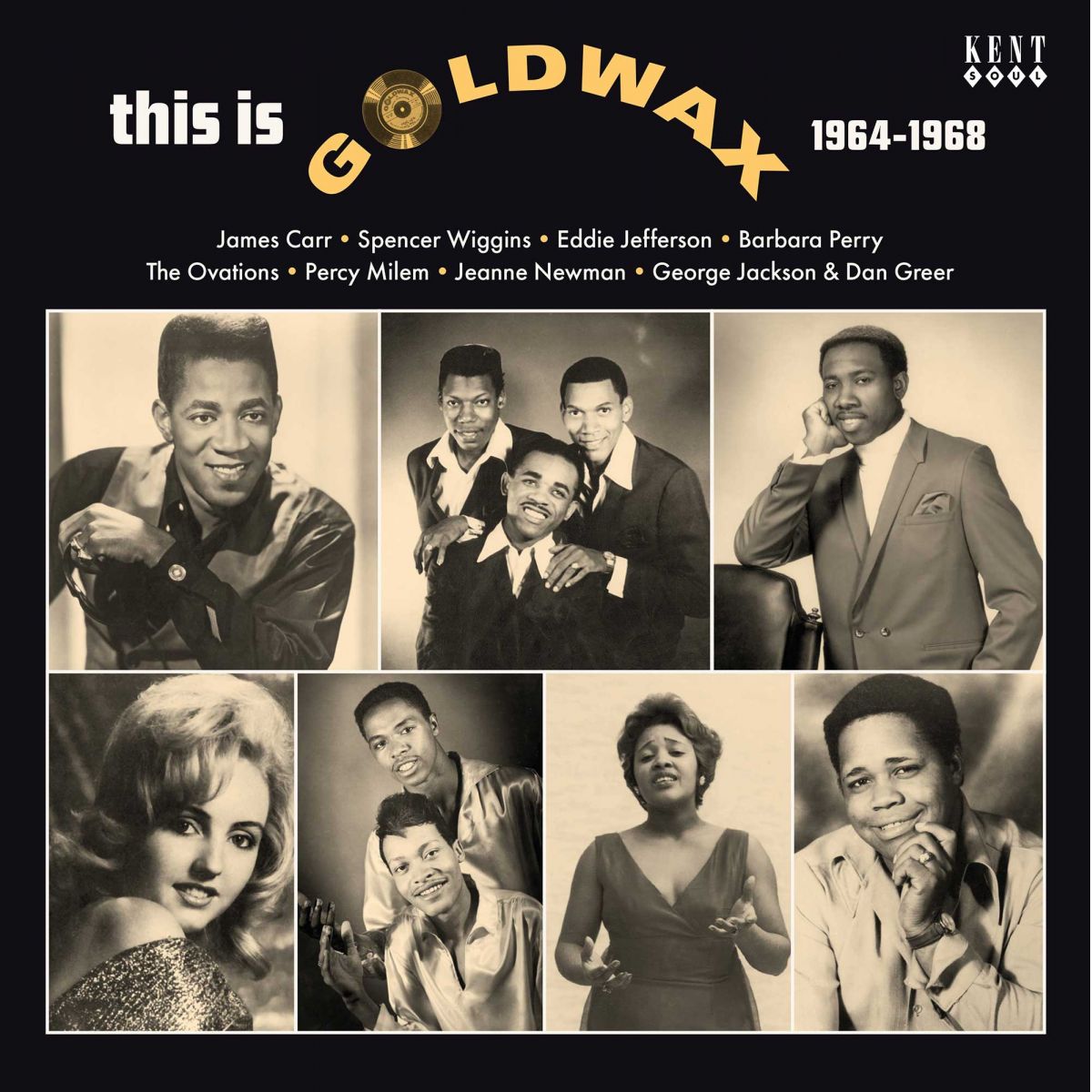


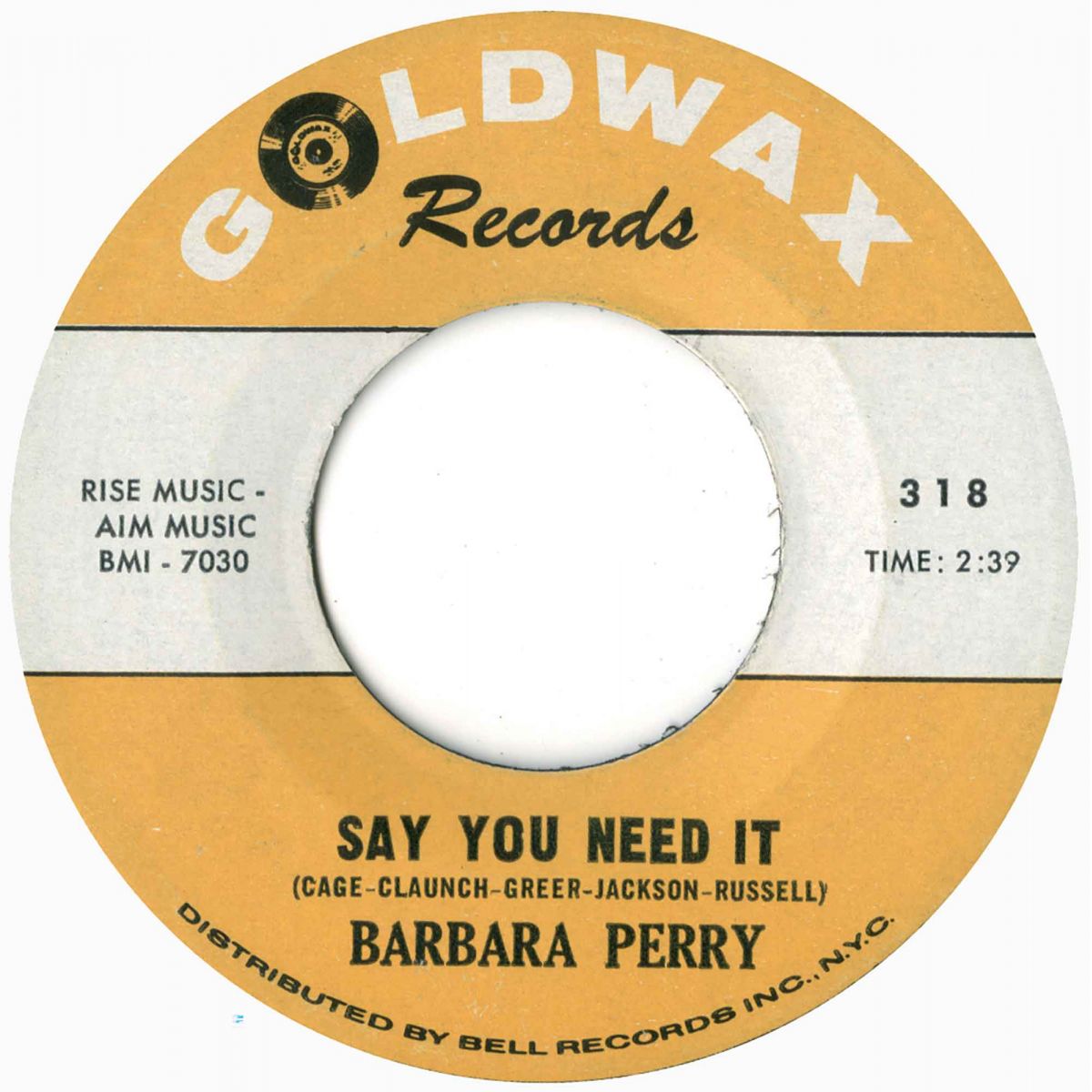

JOHN BARRY-SOMETHING’S UP! FILM, TV AND STUDIO WORK 1964-1967.
John Barry-Something’s Up! Film, TV and Studio Work 1964-1967.
Label: Ace.
Format: CD.
Release Date: 27th September 2024.
By 1967, composer and conductor John Barry was enjoying a golden era in a career that began in 1957. He had come a long way in a short space of time and already written the soundtrack to four James Bond films and won two Academy Awards for Born Free in 1966. For the thirty-four year old it was just the start.
During a long and illustrious career, Barry won six Academy Awards, a Granny, a BAFTA and a Golden Globe Award. He had come a long way from the early part of his life spent working in the cinemas his father owned in the North of England. However, both of Barry’s parents would influence him in later life.
John Barry Prendergast was born on the ‘3rd’ of November 1933, in York, Yorkshire, in England. He was the youngest of four children and came from a musical family. His mother was a classical pianist, and while he was educated at St Peter’s School, York, he received composition lessons from composer Francis Jackson who was the director music at York Minster. This stood him in good stead during a career spent composing for television and film.
This love of film began when Barry worked in the cinemas his father owned. He had started life as a projectionist during cinema’s silent era. Little did his father realise when his son started working for him that one day, his son would be composing for some of the biggest films on the silver screen.
Later, Barry would say that his childhood interests influenced not just his tastes, but his interests. This included a lifelong love affair with cinema.
Before embarking upon a musical career, Barry was called up for his national service. The two years he spent in the British Army were spent playing the trumpet. He also took a correspondence course with American jazz composer William Russo. Already Barry was thinking how he was going to spend his life?
After completing his national service, he worked as an arranger for Jack Parnell and Ted Heath’s orchestras. However, in 1957 The John Barry Seven was formed and they went on to enjoy seven hit singles on EMI’s Columbia label. The hit singles included Hit and Miss which became the theme tune to the BBC TV series Juke Box Jury.
By 1959, Barry was working as an arranger for a number of artists signed to EMI. This included the Three Barry Sisters and Adam Faith. However, later that year Barry’s breakthrough came.
He had been asked to compose the theme to Drumbeat, a BBC TV program that the corporation hoped would be a rival and compete with ITV’s Oh Boy. Although only twenty-two episodes were aired, the program launched the career of Faith and Barry.
In 1960, Barry composed the score for Beat Girl, which was Faith’s first film. When the music was later released it became the first ever British soundtrack album.
Later in 1960, Barry composed the score to another Faith film, Never Let Go. The two men were reunited two years later.
1962 was a busy year for Barry. The twenty-nine year old composer wrote the score for Never Let Go, which featured Faith. Then Barry orchestrated the score for Mix Me a Person and composed, arranged and conducted the score for The Amorous Prawn. By then, he his star was already in the ascendancy.
That was why when producers of Dr. No, the first James Bond film, were unhappy with Monty Norman’s theme and Noel Rogers, the head of music at United Artists contacted Barry. He came up with a new version of The James Bond Theme, which was still credited to Monty Norman. However, he wasn’t asked to work on From Russia With Love. That honour fell to Barry.
He composed the score for eleven of the next fourteen James Bond films, during a relationship that lasted twenty-five years. This also included 1964s Goldfinger, 1965s Thunderball and You Only Live Twice which was released in 1967. By then, Barry’s career as television and film composer was burgeoning.
Three years earlier, in 1964, Barry had written the score to Zulu which was directed by Cy Endfield.
The following years, 1965 the thirty-two year old composer wrote the soundtrack to the espionage film, The Ipcress File, which starred Michael Caine. It won a BAFTA Award for the Best British film released in 1965. However, the following year was a game-changer for John Barry.
In 1966, Born Free, the British drama produced by Sam Jaffe and Paul Radin was released. The score was written by Barry, who was nominated for two Academy Awards. This included Best Original Score and Best Original Song. For thirty-three year old Barry this was the biggest achievement of his career.
For many critics and cultural commentators, he was at the peak of his powers. A reminder of his early work features on ‘John Barry-Something’s Up! Film, TV and Studio Work 1964-1967,’ which will be released by Ace on ‘27th’ September 2024. It features twenty-five tracks by John Barry.
Opening the compilation is ‘The Syndicate’ by John Barry and His Orchestra. He produced the track and cowrote it with Trevor Peacock. The track originally featured on the cast album of ‘Passion Flower Hotel’ in 1965. Then it was released as a single in 1966. It has a big, bold, brassy and dynamic sound that typifies mid-sixties British soundtrack albums.
‘Troubadour’ was recorded by Barry in 1964 and released on United Artists as the B-Side of ‘Goldfinger’ single. The track finds Barry moving from the production side to bandleader, on this atmospheric track that’s a hidden gem from his back-catalogue.
‘A Man Alone’ featured on the soundtrack to the film adaptation of Len Deighton’s The Ipcress File. It’s one of the highlights of the soundtrack and was released as a single in 1965. Atmospheric and cinematic, it brings to life the characters in what was without doubt one of Deighton’s finest spy thrillers. On the B-Side was the cinematic sounding ‘Barbara’s Theme.’ Barry’s arrangement with vibes and strings has a wistful sound and was too good a track to be relegated to the B-Side.
Three of the best known tracks on the compilation are Barry’s themes from the James Bond franchise. This includes ‘Goldfinger’ from his 1966 album ‘The Sounds Of John Barry.’ It’s without doubt, one of the best know of Barry’s Bond themes. The second Bond theme is ‘Thunderball,’ which was the fourth Bond film. It also featured on ‘John Barry Conducts His Great Movie Hits,’ which was released in 1967. ‘You Only Live Twice’ featured former Edinburgh milkman turned secret agent, Sean Connery. Again, Barry composed the soundtrack, and the unmistakable title-track was released as a single.
Barry composed the soundtrack to two comedies set in swinging London that were directed by Richard Lester. The first was The Knack …and How to Get It which was released in 1965. Barry’s string-drenched arrangement on ‘The Knack’ featured harmonies and Hammond organ, and was one of the highlights of the soundtrack. Two years later, in 1967, he composed the soundtrack to Something’s Up! Initially, the title-track is understated but becomes dramatic and later, almost menacing showcases Barry’s considerable talents as a composer of soundtracks.
In 1966, the BBC launched a new crime drama, Vendetta. Barry composed the music. The title-track is dramatic, moody and atmospheric. CBS released the ‘Danny Scipio Theme’ as a single in 1966, but it wasn’t a commercial success. It has an equally dramatic sound but the arrangement is slower and spacious.
Closing the compilation is the iconic ‘Theme from Born Free.’ The film was released in 1966 and Barry won two Academy Awards. This included the Academy Award for Best Original Score and the Best Song. Barry was about to enjoy one of the most successful periods of his long career.
For anyone yet to discover the delights of Barry’s music then this new compilation is a good place to start. ‘John Barry-Something’s Up! Film, TV and Studio Work 1964-1967’ and a previous compilation released by Ace, ‘The More Things Change-Film, TV and Studio Work 1968-1973 By John Barry. These tow compilations will be the start of a voyage of discovery through the work of one of the greatest composers of his generation.
Sadly, John Barry died on the ’30th’ January 2011, aged just seventy-two, in Oyster Bay, New York. However, the award-winning York born composer left behind a rich and eclectic musical legacy that includes the tracks on ‘John Barry-Something’s Up! Film, TV and Studio Work 1964-1967’ which are a reminder of a musical master craftsman at the peak of powers.
John Barry-Something’s Up! Film, TV and Studio Work 1964-1967.


 dereksmusicblog
 dereksmusicblog