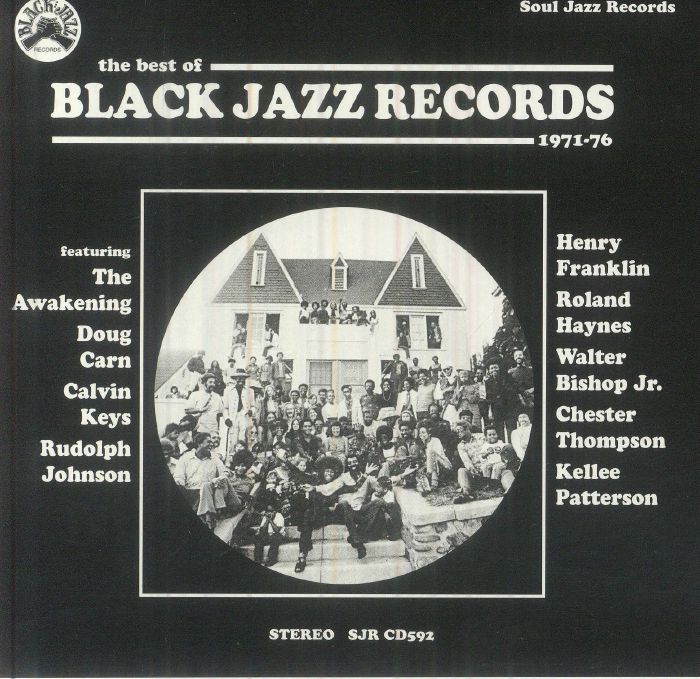
THE BEST OF BLACK JAZZ RECORDS: 1971-76.
The Best Of Soul Jazz Records: 1971-76.
Label: Soul Jazz Records.
Format CD.
During the late-sixties and early seventies, many small independent jazz labels were founded in towns and cities across America. Sadly, many were short-lived affairs with some releasing just one album and others closing their doors having released just a couple of albums. However, Black Jazz Records released twenty albums between 1971 and 1975.
The story began in Oakland, California, in 1969, when pianist Gene Russell and percussionist Dick Schory founded Black Jazz Records. Its raison d’être was “to promote the talents of young African American jazz musicians and singers.” This was only part of the cofounders vision for their new label.
They were determined that Black Jazz Records would released an alternative to what they saw as the old school and traditional jazz that was popular at the time. Their new label would release albums that featured music that was influenced by politics and was also spiritual. However, spiritual jazz was just part of the Black Jazz Records’ story.
The nascent label would release everything from free jazz and funk to soul-jazz over the next four years. Black Jazz Records released six albums during 1971 and plans were in place that jazz fans across America could buy the albums.
Cofounder Schory had founded Chicago-based Ovation Records, which was a successful country and western label which was providing funding for Black Jazz Records and was distributing its releases. This gave the label a helping hand and meant it had an edge on its competitors.
Record shops across America could stock Black Jazz Records’ releases. This included its first release which was Russell’s sophomore album ‘New Direction.’ This was the first of two albums he released on the label he cofounded.
Russell also ran the label, produced and engineered the label’s releases, was in charge of A&R. He was regarded by many as the Black Jazz Records’ creative force, as the label released twenty albums over a four year period. The music was innovative, groundbreaking and pushed musical boundaries to their limits and sometimes, beyond. It was very different to what many other jazz labels were releasing. That’s why fifty-one years after Black Jazz Records closed its doors there’s still a lot of interest the in labels the label released between 1971 and 1975.
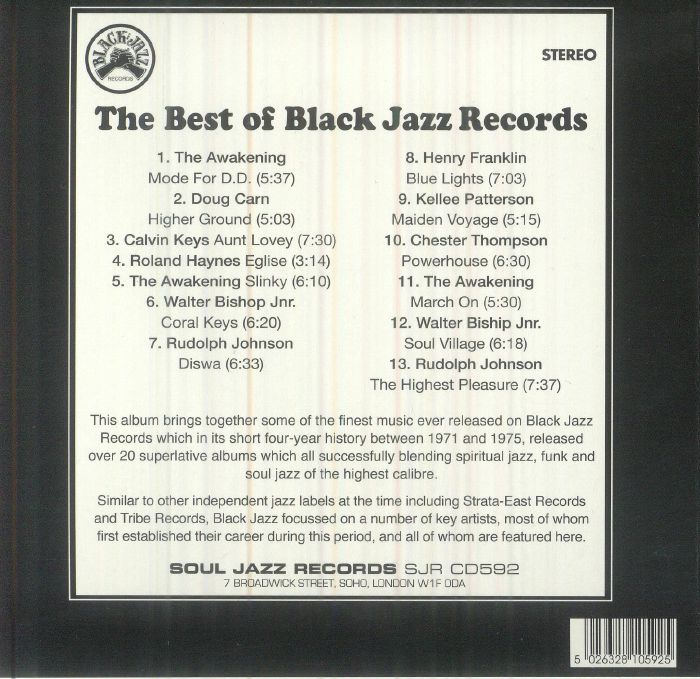
Over the years, a number of labels have released compilations or reissued the albums Black Jazz Records released. The latest to do so is Soul Jazz Records who recently released the unimaginatively titled ‘The Best Of Soul Jazz Records: 1971-76.’ It features thirteen tracks from The Awakening, Doug Carn, Calvin Keys, Roland Haynes, Walter Bishop Jnr, Henry Franklin, Kellee Patterson, Chester Thompson and Rudolph Johnston. One glaring omission is cofounder Russell. How can a Black Jazz Records compilation not include one of his tracks? This seems strange and is extremely disappointing. However, what of the rest of the compilation?
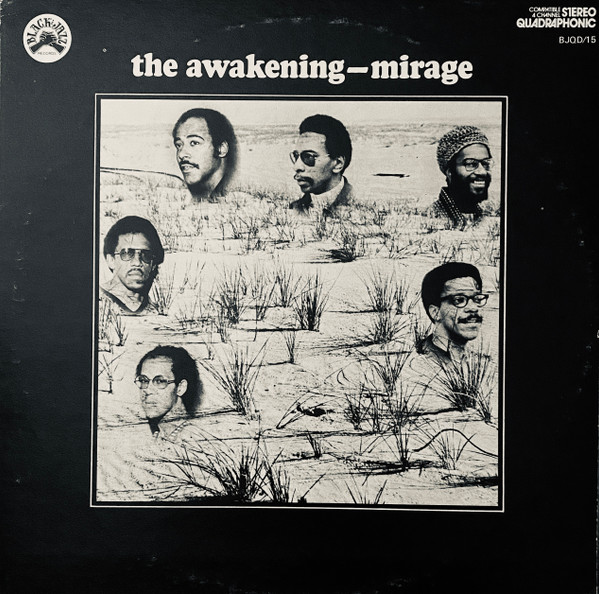
It opens with The Awakening’s ‘Mode For D.D.,’ one of three tracks from their 1973 sophomore album ‘Mirage.’ Here, the group combine jazz-funk and fusion with spiritual jazz. ‘Slinky’ finds this tight, talented Chicago-based band fuse jazz-funk, funk and fusion to create one of the highlights of ‘Mirage.’ The other track from the album included is ‘March On.’ Funk, fusion and spiritual jazz are combined on a track that veers between cinematic and dramatic. The Awakening stretch their legs unleashing blistering, scorching horns and jam showcasing their considerable talents and later, increase the funk factor. Sadly, ‘Mirage’ was the group’s swan-song. Anyone with even a passing interest in seventies jazz needs one of The Awakening’s albums in their collection. I would recommend Real Gone Music’s reissue of their debut album ‘Hear, Sense and Feel.’
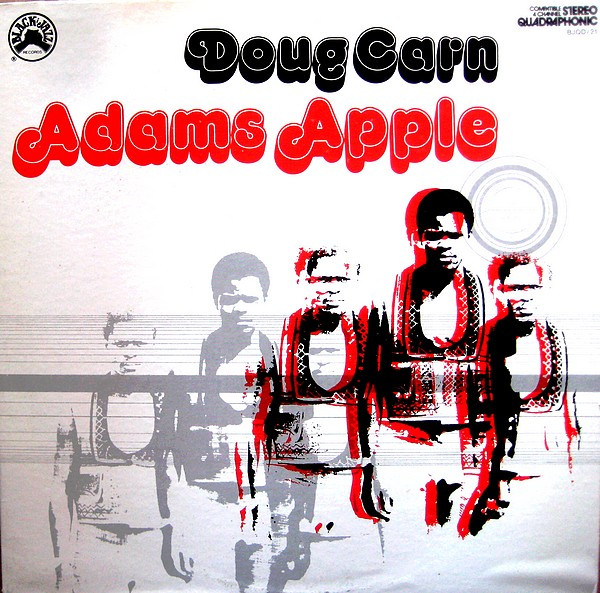
The only track from Doug Carn, who was Black Jazz Records’ most successful artist is ‘Higher Ground.’ It’s taken from his 1975 album ‘Adam’s Apple.’ This was the first album not to feature his wife and vocalist Jean. However, he was backed by a crack band of session musicians who helped Carn create innovative and futuristic album full of energy. It also has a freer sound as the band fuse disparate genres to create something new – a truly groundbreaking and genre-melting track. For anyone wanting an introduction to Carn’s music, ‘Spirit Of The New Land.’ which features Jean Carn, is a good place to start. It was also reissued by Real Gone Music.
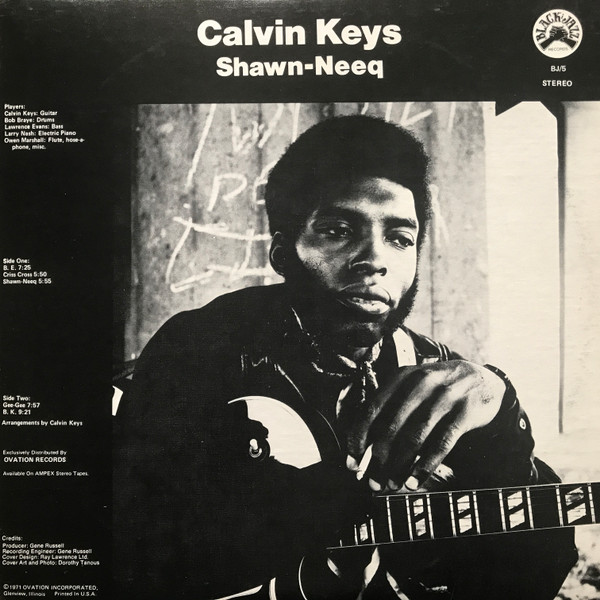
Jazz guitarist Calvin Keys released two albums on Black Jazz Records. The second was 1974s ‘Proceed With Caution!’ It featured ‘Aunt Lovey.’ It’s a mixture of jazz-funk, fusion and soul-jazz. It features a masterclass from Keys on guitar. He plays with speed, precision, fluidity and an inventiveness. In doing so, he drives his band to greater heights on what’s one of the highlights of ‘Proceed With Caution!’ However, to hear Keys at his best, his 1971 debut album ‘Shawn-Neeq’ is the one to buy. It was reissued by Real Gone Music in 2021.
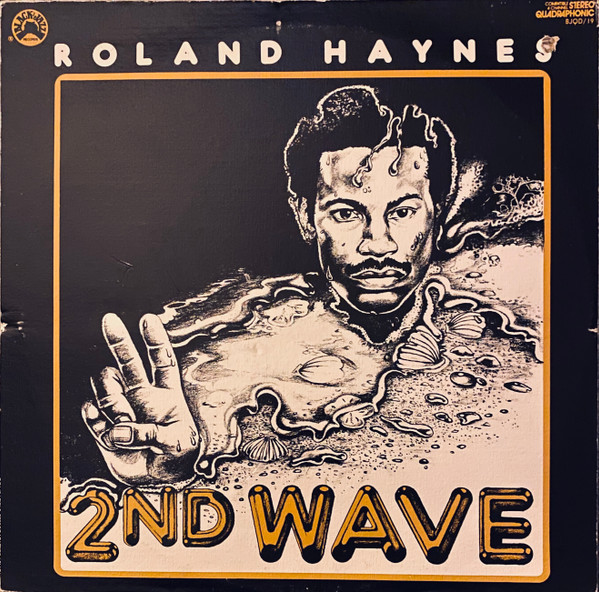
Roland Haynes only released one album on Black Jazz Records, ‘2nd Wave.’ It was released in 1975 the year the label closed its doors. The album opened with ‘Eglise.’ Haynes and his band play with urgency combining jazz-funk and fusion. They also seem to have drawn inspiration from Blaxploitation soundtracks and Herbie Hancock’s ‘Head Hunters’ during this spellbinding jam. This is another album that’s worth seeking out. Again, it was reissued by Real Gone Music.
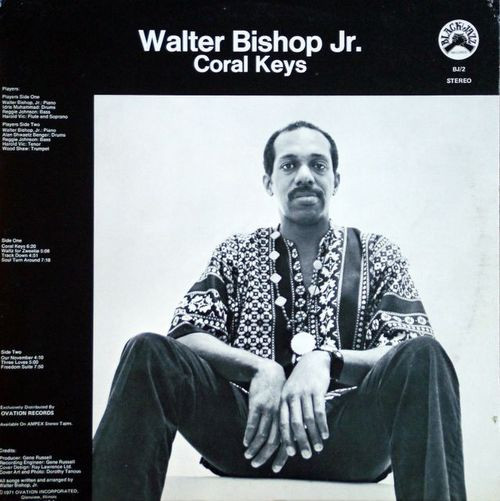
Walter Bishop Jr’s only release on Black Jazz Records was the cult classic ‘Coral Keys.’ The album featured seven of Bishop’s compositions. Some he recorded with a quartet, others with a quintet who flit between modal jazz, hard bop and post bop. Two tracks from the album feature on the compilation. They’re ‘Coral Keys’ and ‘Soul Village.’ These tracks feature on what’s arguably Bishop’s finest album. It was reissued in 2020 by Real Gone Music and is a reminder of the truly talented New York-born pianist.
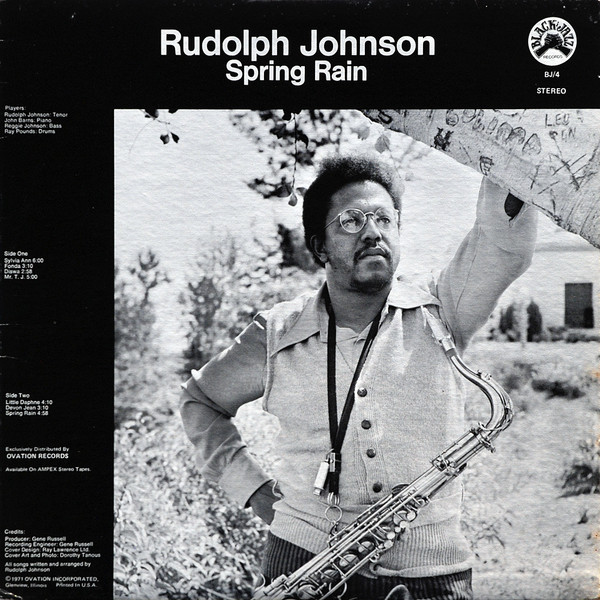
There’s two tracks from Rudolph Johnson on the compilation. ‘Dishwa’ featured on his 1971 debut album ‘Spring Rain.’ It’s different from other tracks on the album. It’s funky but has been influenced by sixties soul-jazz. Drummer Ray Pounds steals the show pounding his drums during what’s a musical masterclass. The other track from Johnson is ‘The Highest Pleasure’ from his 1973 album ‘The Second Coming.’ Johnson’s tenor saxophone is front and centre as he moves through the gears showcasing his talent and backed by a crack band of session players. This included pianist John Barnes who also plays a starring role on the track. Alas, ‘The Second Coming’ was Johnson’s swan-song for Black Jazz Records. Of the two album he released I much prefer ‘Spring Rain.’ It’s now regarded as a cult classic and was released by Real Gone Music in 2021. It’s an album that’s well worth discovering.
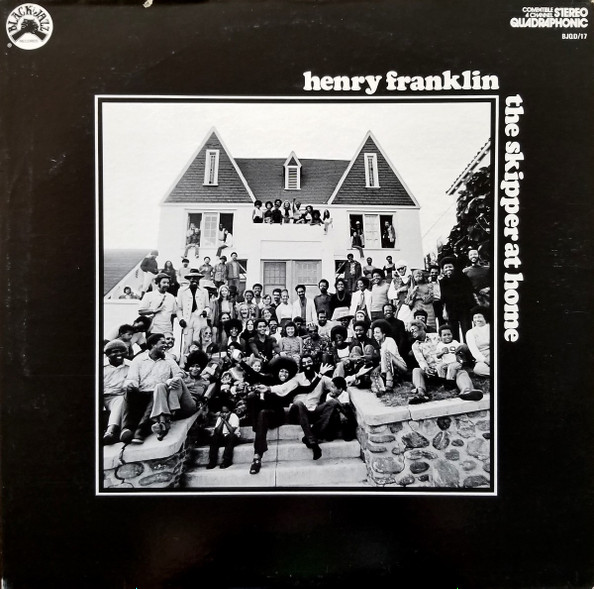
Double bassist Henry Franklin released two critically acclaimed albums on Black Jazz Records. This includes his 1972 debut ‘The Skipper.’ However, it’s ‘Blue Lights’ from his 1974 sophomore album, ‘The Skipper At Home’ that’s included. Franklin and his band combine jazz-funk, fusion and funk. Add to the mix Kemang Sunduz’s scorching, blazing and soaring saxophone and this was one the best tracks on the album. Having said that, of the two albums, ‘The Skipper’ is the best and is a worthy addition to any collection. And guess what? It was also reissued by Real Gone Music in 2021.
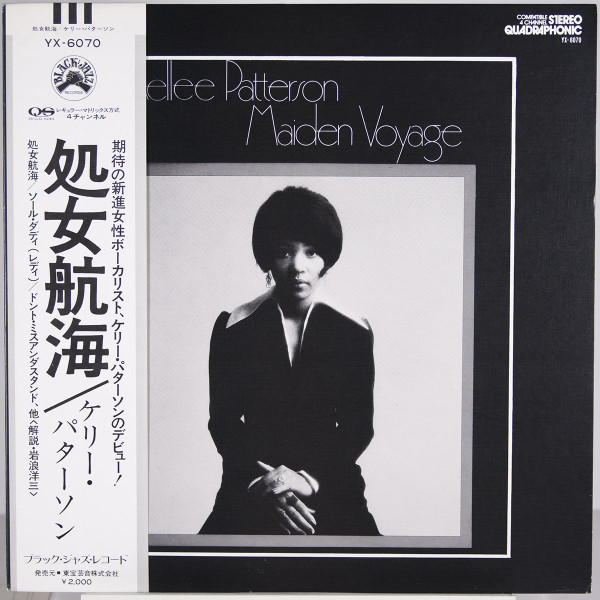
Kellee Patterson released her debut album ‘Maiden Voyage’ in 1973. It was produced by Gene Russell and featured eight cover versions. These were songs full social of comment, beautiful ballads and mid-tempo tracks on what was a carefully crafted album that veers between jazz, soul and soul-jazz. It’s an album with no weak tracks and where Kellee Patterson showcases her vocal versatility. She breathes life, meaning and emotion into the eight tracks including ‘Maiden Voyage’ which was the only album she released on Black Jazz Records. It’s the most commercial album the label released and must have for anyone with even a passing interest in Black Jazz Records. This album was reissued by Real Gone Music in 2020. It’s the version to buy.
The other track on the compilation is ‘Powerhouse’ the title-track from Chester Thompson’s 1971 album. Although the album was well received, it wasn’t a commercial success. However, later, it was discovered by a new generation of jazz fans. One of the highlights of the album is the title-track, a mid-tempo track with the sultriest of grooves. The best way to discover this hidden gem of an album is via Real Gone Music’s 2021 reissue.
If you’ve never heard of Black Jazz Records, then ‘The Best Of Soul Jazz Records: 1971-76’ of is a good place to start. It’s what I would describe as an entry level compilation. Don’t expect a lengthy essay on the history of Black Jazz Records and its artists. Instead, there’s only a few hundred words about what was one of jazz’s pioneering labels. The lack of liner notes is unsatisfactory. So is the track listing which doesn’t even detail what album each track is taken from.
This is all rather disappointing and might sound pedantic. However, in the increasingly crowded compilation market there’s lots of independent labels, and their releases are streets ahead of ‘The Best Of Soul Jazz Records: 1971-76’.’ To me, it’s a no frills entry level compilation. The lack of extensive liner notes and accurate track listings are two reasons. Neither the year of release, nor the album the track is taken from are included. Having said that, the music is of the highest quality.
However, if anyone wants to discover more about the music Black Jazz Records between 1971 and 1975, then seek out Real Gone Music’s reissues. They’re of the highest quality, and feature and showcase the cutting-edge and innovative music the label released.
Black Jazz Records only released twenty albums during a four year period. While the music may not have been hugely commercial, it was brave, bold and ahead of its time. Like many small labels, Black Jazz Records was ahead of musical trends and tastes. It would only be later that people would realise the importance of Black Jazz Records.
Indeed, since Black Jazz Records closed its doors, several generations of music lovers have delved into the label’s back-catalogue. While Black Jazz Records wasn’t a prolific label they were more concerned with quality. Proof of that are the thirteen tracks on ‘The Best Of Soul Jazz Records: 1971-76.’ They’re groundbreaking, timeless and ooze quality.
The Best Of Soul Jazz Records: 1971-76.
- Posted in: Free Jazz ♦ Funk ♦ Hard Bop ♦ Jazz ♦ Jazz Funk ♦ Jazz Fusion ♦ Post Bop ♦ Soul Jazz ♦ Spiritual Jazz
- Tagged: Calvin Keys, Chester Thompson, Dick Schory, Doug Carn, Gene Russell, Henry Franklin, Kellee Patterson, Maiden Voyage, Real Gone Music, Roland Haynes, Rudolph Johnson, Soul Jazz Records, The Awakening, The Best Of Black Jazz Records, The Skipper, Walter Bishop Jr
 dereksmusicblog
