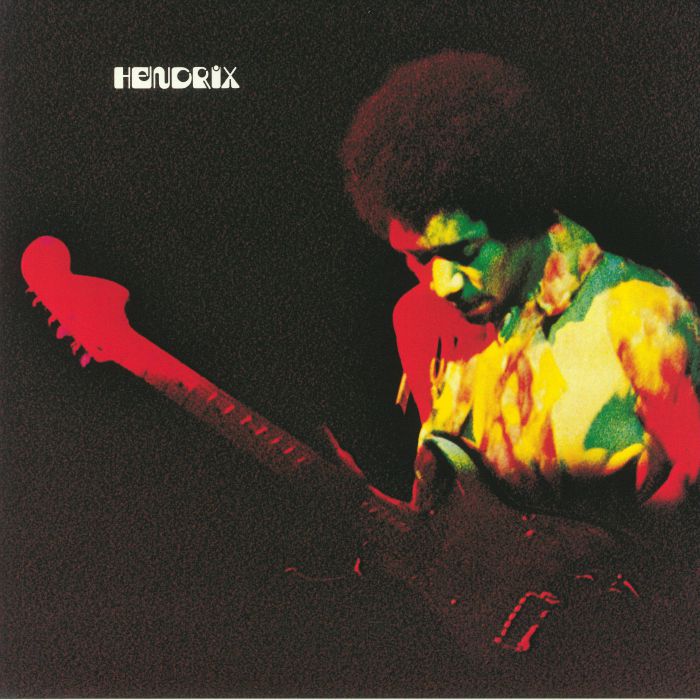
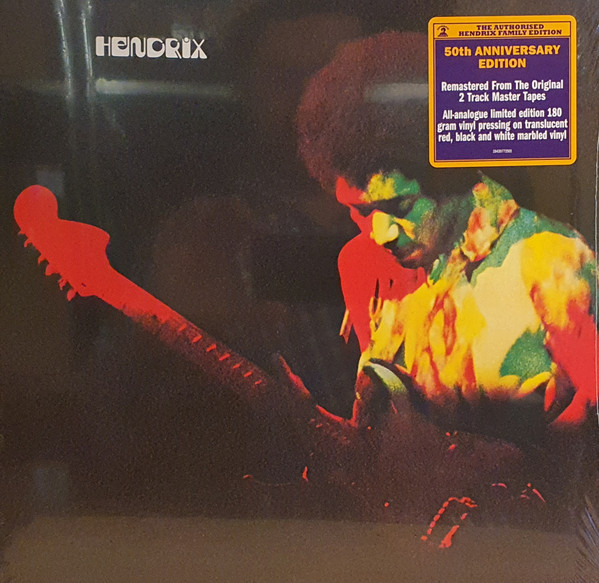
CLASSIC ALBUM: JIMI HENDRIX-BAND OF GYPSYS.
Classic Album: Jimi Hendrix-Band Of Gypsys.
When the Jimi Hendrix Experience took to the stage at the Denver Pop Festival in June 1969, bassist Noel Redding knew it was his swansong with the group. He had been told by a journalist before the show that he was going to be replaced by Billy Cox. It was the end of an era for the bassist.
Ironically, the Jimi Hendrix Experience gave a majestic performance during what was an eventful farewell for Noel Redding. Events turned ugly offstage and the free concert descended into a near riot. This marred what had been one of The Jimi Hendrix Experience’s finest performances of 1969. Amidst chaotic scenes the band were spirited from Denver Pop Festival in the back of a van and it was an ignominious end to The Jimi Hendrix Experience’s career.
The next day, Noel Redding headed home to London, and that was when he announced that he had left The Jimi Hendrix Experience. Noel Redding said he wanted to pursues a solo career, but blamed Jimi Hendrix’s plans to expand the Experience without consulting him.
Meanwhile, Jimi Hendrix had moved into the eight-bedroom Ashokan House, in Boiceville near Woodstock. The times they were a changing.
That was where Jimi Hendrix spent much of mid-1969. He had downed tools, much to the chagrin of his manager Michael Jeffery. He tried to convince his client to begin work on a new album, but it was to no avail. However, he agreed to appear on two talk shows.
The first was The Dick Cavett Show, where Jimi Hendrix was backed by the studio orchestra. When it came for him to appear on The Tonight Show, he was accompanied by bassist Billy Cox and session drummer Ed Shaughnessy. However, by August 1969, Jim Hendrix’s new band had been born.
When The Jimi Hendrix Experience split-up, its leader was the highest paid musician in the world. Promoters were desperate to add Jimi Hendrix to festival bills and the promoter of The Woodstock Music and Art Fair was no different.
The Woodstock Music and Art Fair
It was another three-day festival that was scheduled for took place between the ’15th’ and ‘17th’ of August 1969 on a dairy farm in the Catskill Mountains of southern New York State. Jimi Hendrix accepted the invitation and would close the Woodstock Music and Art Fair.
By the time Jimi Hendrix arrived at the three-day Woodstock Music and Art Fair, which had been eventful and sometimes chaotic, he was keen to showcase the new lineup of his band. It featured drummer Mitch Mitchell, replacement bassist Billy Cox and recent additions rhythm guitarist Larry Lee and conga players Juma Sultan and Jerry Velez. As the band took the stage it was 9am on the ‘17th’ of August 1969 ‘only’ 200,000 people watched on as MC Chip Monk introduced the group as the Jimi Hendrix Experience, but the bandleader was quick to clarify: “we decided to change the whole thing around and call it Gypsy Sun and Rainbows. For short, it’s nothin’ but a Band Of Gypsys.”
That night, Jimi Hendrix unleashed what was a spellbinding performance that made musical history. After the Introduction, he led his band through a set that included Message To Love, Izabella, Fire, Voodoo Child (Slight Return). Then the former paratrooper unleashed a breathtaking performance of The Star-Spangled Banner, and incorporated a myriad of feedback, distortion, and sustain to replicate the sounds made by rockets and bombs exploding during this incredible and spellbinding rendition of the American national anthem. Having set the bar high, Jimi Hendrix launched into the Purple Haze which gave way to Woodstock Improvisation, Villanova Junction and closed a blistering and breathtaking set with Hey Joe. Once again, Jimi Hendrix was able to make his guitar do things other guitarists could only dream about as he closed his set at 11:10 am having made musical history. The big question was, when would the Band Of Gypsys record an album?
Soon, there were plans in place to record a new Band Of Gypsys album. It would feature entirely new material from Jimi Hendrix. The distribution rights to this new album would be granted to producer Ed Chalpin, who spent two years locked in litigation with Jimi Hendrix.
This stemmed from a record contract Jimi Hendrix had signed in 1965. A year later, a legal dispute began into the record contract. Little did he realise he would spend two years trying to resolve this situation.
Eventually, and after two years, the two parties arrived at a resolution. The agreement was that Jimi Hendrix should release an album of entirely new material, which Ed Chalpin would be granted the distribution rights to. That album would become Band Of Gypsys.
Jimi Hendrix and the rest of Band Of Gypsys planned to record four concerts at the Fillmore East. The first two took place on the ‘31st’ December 1969 and the other two on the ‘1st’ January 1970. Eight tracks from these concerts would eventually make their way onto the classic album Band Of Gypsys.
After the Band Of Gypsys barnstorming performance at Woodstock, they experimented with the expanded lineup. Larry Lee was second guitarist, while Juma Sultan and Gerardo “Jerry” Velez added percussion. This expanded lineup lasted only until September the ‘8th’ 1969, when the Band Of Gypsys played on The Dick Cavett Show. That night, the Band Of Gypsys was reduced to its core trio. The expanded lineup was no more.
Now that the Band Of Gypsys was reduced to a trio, it began to hone new songs, and record some demos. By then, the Band Of Gypsys booked to record four shows at the Fillmore East. Jimi Hendrix’s manager Michael Jeffery saw the potential to record a live album and approached Jimi Hendrix with the idea. He then began discussing recording a new live album with Buddy Miles and Billy Cox.
They agreed to do the idea, and straight away, the Band Of Gypsys began three months of rehearsals. Suddenly, the old Jimi Hendrix was back. He was more disciplined and had discovered his famed work ethic. Day after day, he drilled the Band Of Gypsys, who weren’t just preparing for the Fillmore East concerts, but a new album. This meant familiarising themselves with not just new songs.
Already Jimi Hendrix had penned Power Of Soul and Message To Love, which had started life as Power To Love. Jimi had also been stockpiling songs from his days with The Jimi Hendrix Experience. Like a magician pulling a rabbit from his hat, he produced songs like Lover Man, Here My Train A Comin’, Izabella, Machine Gun, Bleeding Heart and Stepping Stone. Meanwhile, Buddy Miles had written Changes and We Gotta Live. These songs the Band Of Gypsys would spend hour after hour playing and honing. They even added the Jerry Ragovoy and Mort Shuman penned R&B song Stop, to their repertoire. It had given Howard Tate a hit in 1968, and was transformed by the Band Of Gypsys. They combined disparate musical genres during their rehearsals.
Initially, the rehearsals took place at Juggy Sound Studios in New York. Jimi Hendrix, Buddy Miles and Billy Cox launched into lengthy, genre-melting jams. During these jams, the Band Of Gypsys fused elements of blues, funk, jazz, R&B and rock. There were even diversions via fusion, psychedelia and soul. No musical genre was off limits, as they switched between and combined a myriad of genres and influences. Gradually, new songs took shape, and old ones were reinvented. Onlookers felt that new rhythm section had the ability and discipline to anchor the arrangements, allowing Jimi free rein to experiment. The Band Of Gypsys rhythm section had a tightness that was lacking in The Jimi Hendrix Experience. With the start of this new chapter in Jimi Hendrix’s career, the Band Of Gypsys moved to the Record Plant recording studios in New York.
At the Record Plant, demos recorded by the Band Of Gypsys. The days, weeks and months of rehearsals had paid off. They were a tight and talented band, who had a great future in front of them. However, a shadow hung over the Band Of Gypsys.
Earlier that year, on the ‘3rd’ of May 1969, Jimi Hendrix was travelling to Toronto, Canada, to play a concert. As he passed through customs at Toronto International Airport, a decision was made to search him and customs officials found what they believed to be small amounts of hashish and heroin in his luggage. The drugs were sent to be analysed, and after a four hour wait, the results came back positive. Jimi Hendrix was charged with drug possession, and released on $10,000 bail until the ‘5th’ of May 1969.
Just over a month later, Jimi Hendrix returned to Toronto for a preliminary hearing on ‘8th’ of June 1969. That day, a trial date was set for December ‘8th’ of 1969, when he would be tried on two charges of illegal possession of narcotics. If found guilty, the maximum penalty was twenty years imprisonment. It was no wonder there was a shadow hanging over Jimi Hendrix.
To prove Jimi Hendrix guilty of illegal possession of narcotics, the crown had to prove that he knew the drugs were in his possession. This the crown were unable to do, and this resulted in a not guilty verdict being reached on the ‘10th’ of December 1969. Jimi Hendrix left Toronto a free man. He flew to New York, and continued preparing with the rest of the Band Of Gypsys at the Record Plant.
For the next three weeks, the Band Of Gypsys concentrated on honing their sound. They were already an exciting, inventive and innovative trio, who onlookers felt were about to take the rock world by storm. What better place to start than Bill Graham’s Fillmore East as the sixties gave way to the seventies.
Meanwhile, promoter Bill Graham was promoting the four concerts as Jimi Hendrix: A Band Of Gypsys. Concert goers who were fortunate to get a ticket, wondered what direction Jimi’s new band would head in? Many thought that Jimi would pickup where he left off with The Jimi Hendrix Experience. All would become clear.
Eventually, after three months of rehearsals, the Band Of Gypsys found themselves at the Fillmore East on 31st of December 1969. That night they were due to play two shows, then two shows the next night. Over the four shows, the Band Of Gypsys would play forty-seven songs which were recorded by Wally Helder who owned a recording studio and was an experienced and talented recordist.
That night, Jimi’s new band, the Band Of Gypsys took his music in a totally new direction. For the Band Of Gypsys this must have been a nerves racking experience, as they had no idea how the audience would react. What if they didn’t like this new genre-melting style, where experimentation and improvisation were key?
31st Decemember 1969.
As the Band Of Gypsys took to the stage, they hadn’t prepared a setlist. It was a journey into the unknown, with Jimi Hendrix calling out the songs. That night, neither Buddy Miles nor Billy Cox knew what songs Jimi Hendrix would call out. Over the course of the set, he chose eleven new songs. The original version was only a starting point, as the Band Of Gypsys improvised and toyed with a song. Even a familiar song like Stop, would be taken in new and unexpected directions. That was still to come.
The first song Jimi Hendrix called out was Power Of Soul. As the Band Of Gypsys began playing, there were some problems with the microphones. They recurred during Lover Man. To add to the problems, Jimi Hendrix was experiencing some problems with his guitar, which kept going out of tune. This was caused by his heavy use of his Stratocaster’s vibrato arm. Despite this, the Band Of Gypsys continued determinedly. Sometimes, he nodded to signal a change in tempo and time and seamlessly, the music would slow down or speed up, or the Band Of Gypsys would switch from 4/4. All the time, the Band Of Gypsys switched between and combined disparate musical genres.
Everything from blues, funk, jazz, psychedelia, R&B, rock and soul were combined by the Band Of Gypsys. They even pioneered funk rock, and took diversions into fusion, as the Band Of Gypsys showcased their versatility and talent. Especially, now the microphone problems were solved. The Band Of Gypsys worked their way through Hear My Train A Comin’, before the Buddy Miles penned Changes and Izabella. With the rhythm section providing a tight backdrop for Jimi, he unleashing a virtuoso performance and during the show.
His finest moment came mid-set, on Machine Gun. The crowd watched spellbound as Jimi’s guitar unleashed a myriad of sounds. It was akin to being caught in a battlefield, as bullets flew overhead and bombs exploded. From there, the Band Of Gypsys returned to Stop, with Buddy Miles on lead vocal. This familiar song was reinvented and gave way to Ezy Ryder and a cover of Elmore James Bleeding Heart. By now the audience awaited and revelled in each twist and turn in this masterful performance.
After nine songs, the audience had been won over by the Band Of Gypsys. There was no room for complacency as a six minute version of Earth Blues, gave way to a near ten minute epic version of Burning Desire. That closed what was the first in four shows at the Fillmore East, where the Band Of Gypsys showcased their new sound.
What was the first in the four shows at the Fillmore East, is now regarded by some as a warmup show. That was despite the Band Of Gypsys played as if their very lives depended upon it and overcoming adversity and technical problems to deliver a breathtaking performance. It was discarded in favour of the third and fourth show.
‘1st’ of January 1979-Band Of Gypsys.
On the second night, the Band Of Gypsys once again performed a mixture of new and old songs. During the first set, they open with a near ten minute version of Who Knows which later opened Band Of Gypsys. This was followed my a blistering and breathtaking version of Machine Guns where the song is transformed into a thirteen minute epic. The other seven songs recorded during the first set on New Year’s Day 1970 didn’t make the cut.
During the second show that night, the Band Of Gypsys work their way through thirteen songs and four made it onto the album. This included the third song they played that night Changes, which opened the second side. Just like the rest of the second side, including Power To Love and Message To Love it was a song with a message. Especially We Gotta Live Together which saw the Band Of Gypsys bid farewell to the audience. Many in the audience wondered when they would return?
Just eleven days later, on January the ’12th’ 1970, just Jimi Hendrix and recording engineer Eddie Kramer met at Juggy Sound Studios in New York and began choosing which songs would feature on the album. Any song with that had problems with the recording and any Jimi Hendrix wished to complete as studio recordings weren’t added to the list. Eventually by the ‘21st’ of January 1970 they had a longlist and began preparing the mixes of the multitrack recordings.
Although Jimi Hendrix had agreed to mix the album, it was as if he felt under pressure to do so. As he listened to the recordings he asked Eddie Kramer if Buddy Miles’ jamming and vamping could be edited. Eventually, songs like Changes and We Gotta Live Together, which was edited from fifteen to just over five minutes long were completed. Only then was Bob Ludwig brought in to master the album which was completed on February the ’19th’ 1970.
By the time Band Of Gypsys was released, Jimi Hendrix’s new group was no more. They had already split-up and would never take to the stage again. This was a disaster for a group with a new album coming out.
When critics heard Band Of Gypsys, most were won over by the genre melting album. Some felt the that the album wasn’t up to the standard of the three albums The Jimi Hendrix Experience had released. However, most critics realised that Band Of Gypsys was another important, ambitious and innovative album. Machine Gun, they felt, was the best track on Band Of Gypsys. It was the album’s centrepiece, and showed what Jimi Hendrix, musical maverick was capable of, even without the Experience. That was the past, and Band Of Gypsys was the next chapter in the Jimi Hendrix story and should’ve been the perfect vehicle for him.
Band Of Gypsys was released in Britain on the ‘25th’ March 1970, it reached number six. Nearly three months later, on June 12th 1970, Band Of Gypsys was released in America, reaching number five in the US Billboard 200. This resulted in Band Of Gypsys being certified double platinum. Jimi Hendrix it seemed could do no wrong. Everyone waited with bated breath to see what direction his career headed.
Six months after the release of Band Of Gypsys, music was in mourning. On the ‘18th’ of September 1970, it was announced that Jimi Hendrix was dead. He had been found around 11a.m. on the ‘18th’ September 1970, unresponsive at an apartment in the Samarkand Hotel, in Notting Hill, London and was rushed to the St. Mary’s Abbot’s Hospital, but pronounced dead at 12.45p.m. Jimi Hendrix was just twenty-seven. However, music had lost one of the most influential and innovative guitarists of his generation.
Band Of Gypsys was Jimi Hendrix’s swansong and is a reminder of one of the giants of music at the peak of his powers. With the rest of the Band Of Gypsys, Jimi Hendrix combines flair and flamboyance, with urgency, invention and imagination throughout, as he delivers a virtuoso performance that is breathtaking in its brilliance and makes this classic album an essential part of any record collection.
Classic Album: Jimi Hendrix-Band Of Gypsys.
LOST INNOCENCE-GARPAX 1960S PUNK AND PSYCH.
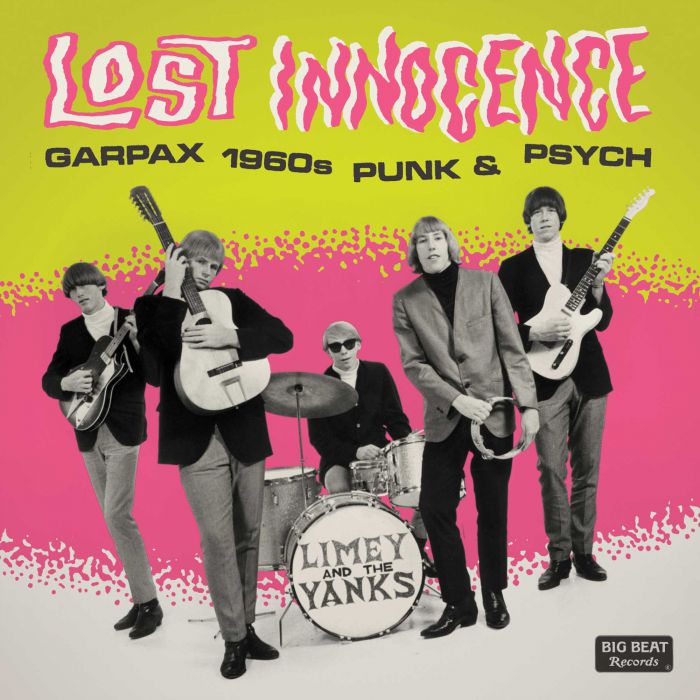
Lost Innocence-Garpax 1960s Punk and Psych.
Label: Ace Records.
Gary Sanford Paxton was born on the ‘18th’ of May 1939, in Coffeyville, Kansas and was adopted when he just three, and brought up in abject poverty. Life was tough growing up, and when he was eleven he contracted spinal meningitis. A year later, the Paxton family moved to Arizona where Gary S. Paxton discovered rock ’n’ roll. This changed his life.
Aged fourteen he was playing in his first band. They played both country and rock ’n’ roll. A few years later, and Gary S. Paxton embarked upon what was akin to his musical apprenticeship. He toured the Midwest playing with various bands. This stood him in good stead.
In 1959, Gary S. Paxton was already a member of various groups but none of them had enjoyed much in the way of success. He was a member of The Rockabillies. They morphed into The Pledges, who recorded on Rev Record. The Pledges then became Gary and Clyde, who single Why Not Confess was released on Time Records. However, it was only when Gary and Clyde became Skip and Flip, that success came their way.
Gary S. Paxton became Flip, of the pop duo Skip and Flip. They enjoyed a million selling single with It Was I, which he wrote. The pair recorded the song, put together a group, and then began shopping the demo to a label. This would become the way he worked when he became a producer. Having shopped the single to various labels, Brent Records wanted to release It Was I.
When It Was I was released on Brent records, the single reached number eleven on the US Billboard 100. The followup Fancy Nancy, stalled at number seventy-one in the US Billboard 100. Gary and Skip’s swan-song was Cherry Pie, which reached number eleven on the US Billboard 100. Their short-lived partnership had proved successful and he decided to embark upon a career as a producer.
Having started his production career in 1959, it took Gary S. Paxton until the mid-sixties before he became one of top producers in Los Angeles. During that period, his entrepreneurial skills were shining through. He had cofounded several record labels, including Garllo and Star-Burst with Lloyd Johnson, whose son Kenny was a talented songwriter. These labels meant that he could write, arrange, record, produce and release a single. This was perfect for Gary S. Paxton whose star was already in the ascendancy.
By 1967, Gary S. Paxton was one of the top producers in L.A. Gary’s production skills had the uncanny ability to transform an artist’s reputation and fortunes. However, he wasn’t just a producer.
Instead, he was also an A&R man, arranger, engineer, musician and songwriter. Versatile described Gary S. Paxton in more ways than one.
He didn’t just specialise in one type of music and from the early days worked with an eclectic selection of artists. He was just as happy working with The Association as he was The Four Freshman. There was no way Gary S. Paxton was ever going to be accused of being an auteur producer.
He was a versatile producer who was just as comfortable producing country, garage rock, R&B and sunshine pop. Seamlessly, he could change direction and record new and different musical genres. This includes the twenty-four tracks on Lost Innocence-Garpax 1960s Punk and Psych
which was recently released by Big Beat Records, an imprint of Ace Records. It features classics, unreleased tracks and hidden gems aplenty from the man behind Alley Oop and Monster Mash. That’s just part of the Gary S. Paxton story.
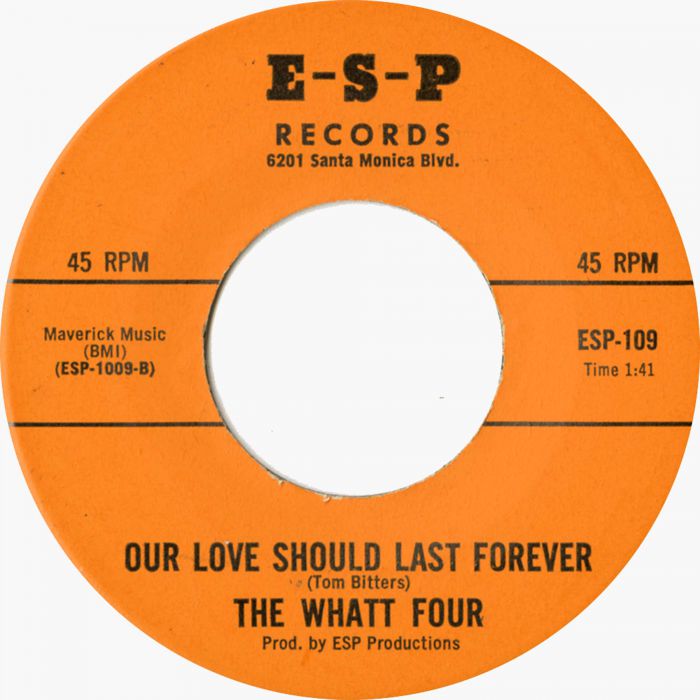
Garage-punk group The What Four open Lost Innocence-Garpax 1960s Punk and Psych with their debut single Our Love Should Last Forever which was released on E-S-P in 1966 with You Better Stop Your Messin’ Around. Their other contribution to the compilation is You’re Wishin’ I Was Someone Else which was the B-Side to their sophomore single when it was released on E-S-P in 1967. Nowadays, these tracks by The Whatt Four are regarded as amongst Gary S. Paxton’s finest productions.
Limey and The Yanks from Buena Park in Orange County feature twice on the compilation. Tomorrow Never Knows was recorded in September 1965 and released on Star-Burst in 1966 and is a timeless and radio friendly example of psych pop. The same can be said of Guaranteed Love which was the B-Side of Love Can’t Be A One Way De which was also released in 1966. Their other contribution is the previous unreleased ballad Flight Of The Dead Bird. It features an impassioned vocal from lead singer Steve Cook which is delivered against an understated but dramatic arrangement. This is a real find and falls into the category of hidden gem.
The Buddhas were a group from Bakersfield who recorded two punk-psych sides in 1967. Lost Innocence was released as a single in September 1967 with My Dream on the B-Sides. Both sides are regarded as among the finest of their type produced by Gary S. Paxton.
Little did Edmonton-based group Sons Of Adam realise that when they agreed to add vocals on a session produced by Gary S. Paxton that they would be renamed New Wing and sign a recording contract. The reason for the change of name was there was group in Hollywood called Sons Of Adam. However, the change of name resulted in a change in fortune when the newly named group released their debut single The Thinking Animal which reached number thirteen in LA. However, it doesn’t feature on the compilation. The followup was the psych-soul of Brown Eyed Woman which features I Need Love on the B-Side was released on Pentacle in 1968. New Wing’s other contribution is the previously unreleased track Melodyland Loser. These three sides are a tantalising taste of a talented group who should’ve reached greater heights.
Very few people had heard of Ken and The Fort Dimension who featured on the B-Side of a Star-Bust single in 1966. The group were hastily put together by Gary S. Paxton to record See If I Care which was meant to be released as a single. An error at the pressing plant meant it was destined for the B-Side and all dreams and commercial success came to nothing.
Closing Lost Innocence-Garpax 1960s Punk and Psych is I’ll Never Let You Go by Carl Walden and The Humans. It was released on Almo in 1965 and is regarded as one of the finest punk singles Gary S. Paxton produced. This makes this a fitting way to close the latest visit to Garpax vaults.
Just like previous Garpax compilations released by Big Beat Records Lost Innocence-Garpax 1960s Punk and Psych features a mixture of classics, unreleased cuts and hidden gems which were produced by the maverick producer during the second half of the sixties. Many of these tracks are innovative and went on to influence future generations of musicians and producers who were inspired by Gary S. Paxton.
That is still the case over fifty years later. Gary S. Paxton’s music is still relevant and has stood the test of time. That’s the case with the twenty-four tracks on Lost Innocence-Garpax 1960s Punk and Psych which is a compilation that oozes quality and is a reminder of the maverick producer at the peak of his powers.
Lost Innocence-Garpax 1960s Punk and Psych.
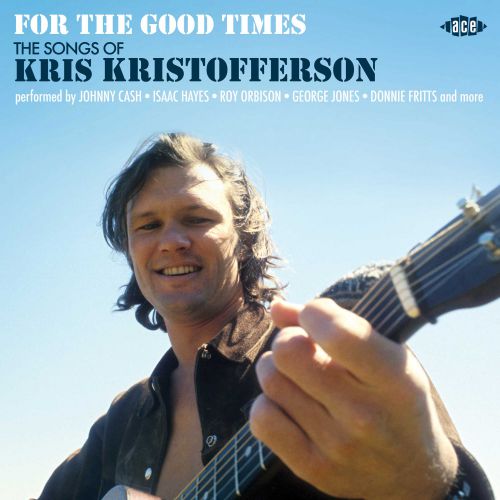
FOR THE GOOD TIMES-THE SONGS OF KRIS KRISTOFFERSON.
For The Good Times-The Songs Of Kris Kristofferson.
Label: Ace Records.
Nowadays, the name Kris Kristofferson means different things to different people. For film fans he’s the star of eighty-five films, while record buyers remember the singer-songwriter who has released eighteen studio albums and three live albums between 1970 and 2014. He’s also collaborated on six albums with some of the biggest names in country music. Then there’s the small matter of two gold discs, a number one single and four Grammy Awards during a career that has spanned six decades. However, that is just part of the story.
Away from his career as a recording artist, Kris Kristofferson has enjoyed a successful career as a songwriter and his songs have been covered by the great and good of music. That was still to come.
By September 1958, Kris Kristofferson was twenty-two and had just graduated from Pomona College with a degree in literature when he made his recording debut. He was one half of the duo Tony and Kris released Ramblin’ Man on Manor Records. It was a Kris Kristofferson and the first of many that were recorded over the next six decades.
By the late-sixties Kris Kristofferson had already established himself as a songwriter and had written several timeless classics. This continued over the next decade which was one of the most successful periods of Kris Kristofferson’s career. Especially as a songwriter as the great and good of music covered his songs.
The late-sixties and seventies is now regarded as a golden period for Kris Kristofferson as a singer and songwriter. Twenty-three of his songs from that period feature on For The Good Times-The Songs Of Kris Kristofferson which is the latest instalment in Ace Records’ long-running and critically acclaimed Songwriter Series.
Opening For The Good Times-The Songs Of Kris Kristofferson is Sammi Smith’s beautiful, heartfelt cover of Help Me Make It Through The Night. This beautiful countrypolitan ballad is taken from her debut album He’s Everywhere. It was one of the highlights of the album and sets the bar high for the rest of the compilation.
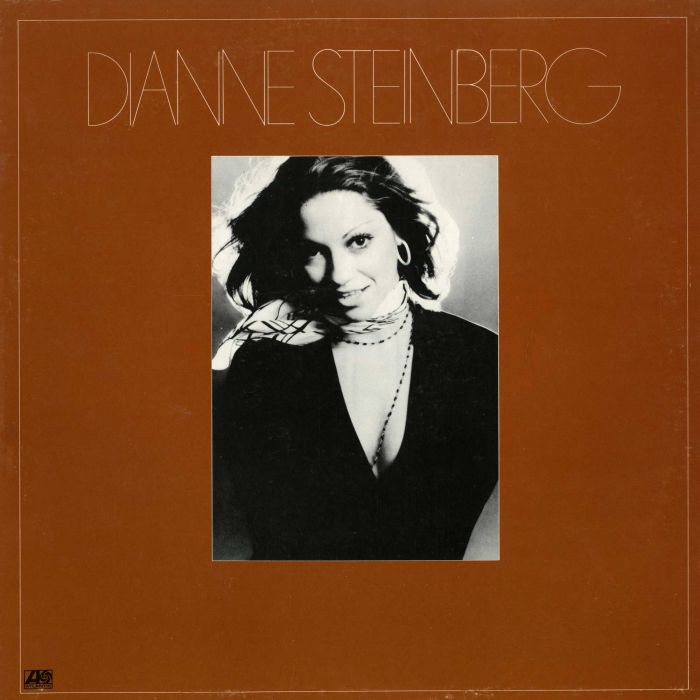
In 1974, Dianne Steinberg released her eponymous debut album on Atlantic Records. It features the ballad Enough For You which features a vocal that’s a mixture of empathy and emotion as she brings the lyrics to life and makes the song her own.
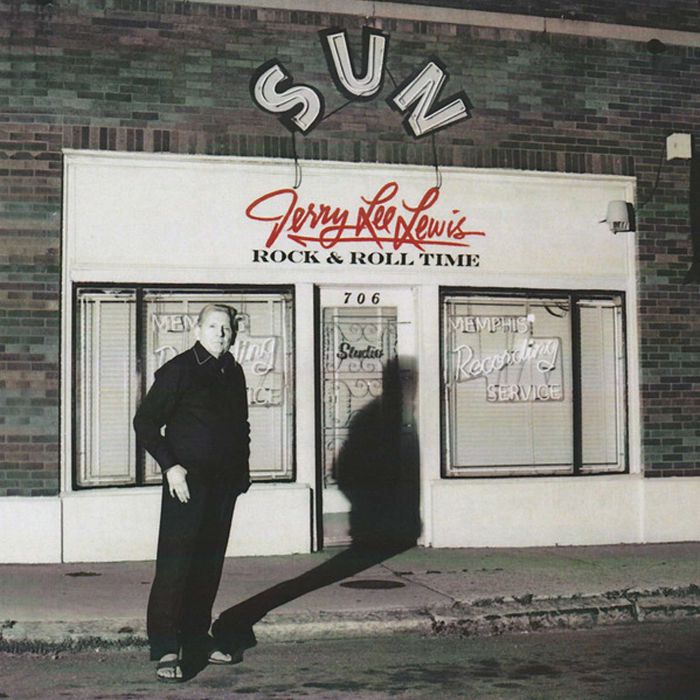
In 2014 Jerry Lee Lewis andShelby Lynne joined forces to cover Here Comes That Rainbow Again. It featured on The Killer’s album Rock and Roll Time which was released by Vanguard Records. Despite the album’s title Here Comes That Rainbow Again has a sound that’s made in Nashville.
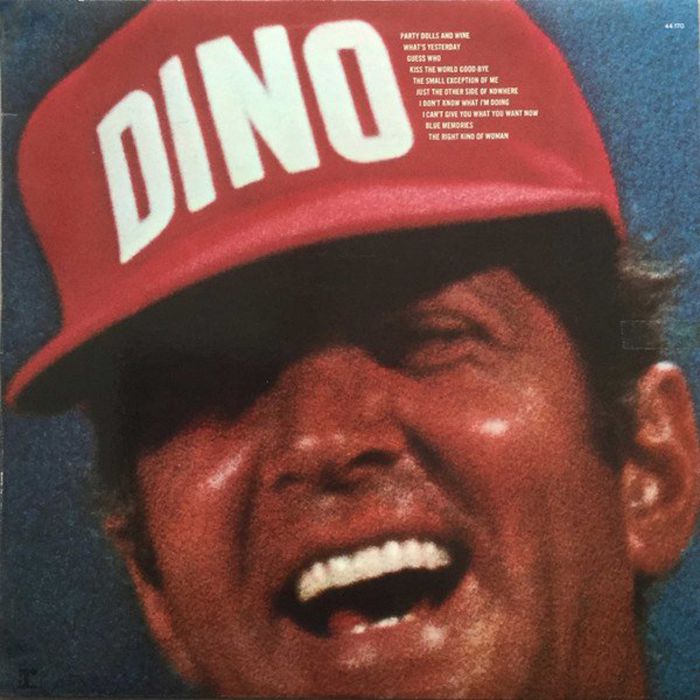
Dean Martin was an actor, comedian, singer and member of the Rat Pack. He croons his way through Just The Other Side Of Nowhere. It’sone of the highlights of his 1972 album Dino, which was released on Reprise Records and is a reminder of another musical era.
Having signed to the Monument in 1976, Roy Orbison released his one and only album for the label, Regeneration. He delivers an almost defiant and impassioned vocal on his cover of Something of They Can’t Take Away.
In 1974, Cynthia Sheeler released a cover of Nobody Wins on the Phil L.A. Of Soul label. Sadly, the single failed to trouble the charts and this soulful hidden gem has been overlooked since then. It’s a welcome addition and is quite different to Cynthia Sheeler’s 1975 dancefloor favourite I’ll Cry Over You.
Roger McGuinn almost struts his way through an uber rocky cover Rock And Roll Time. It’s taken from the former Byrds’ frontman’s 1976 Columbia album Cardiff Rose.
Kris Kristofferson wrote The Taker which featured on his sophomore album The Silver Tongued Devil and I which was released on the Monument label in 1971. He delivers a lived-in, worldweary and disapproving vocal as he brings the lyrics to life.
Donnie Fritts released his debut album Prone To Lean on Atlantic Records in 1974. It was recorded at Muscle Shoals Sound and produced by Jerry Wexler and Kris Kristofferson who penned the title-track. It’s an irresistible sounding track that’s a mixture of blues, funk, blues, gospel and soul.
Nowadays, Me and Bobby McGee is an oft-covered song. However, in 1968 Roger Miller was the first person to record the song on his eponymous album which was released on the Smash label. When the song was released as a single it reached the top twenty in the US Country charts. Later that year, Gordon Lightfoot enjoyed a hit with Me And Bobby McGee . However, for many fans of country music their favourite versions is Roger Miller’s original recording.
Isaac Hayes reinvented For The Good Times on his 1971 album for Stax, Black Moses. It’s Isaac Hayes at his innovative best on a classic album.
In 1975, The Walker Brothers signed for the GTO label and released their what was their penultimate album No Regrets. One of the highlights of the album was their needy and lovelorn cover Got To Have You.
Closing For The Good Times-The Songs Of Kris Kristofferson is To Beat The Devil which was covered by Waylon Jennings on his 1972 album for Columbia Good Hearted Woman. It’s a reminder of one of the giants of country music at the peak of his powers.
These tracks are just a few of the many highlights of For The Good Times-The Songs Of Kris Kristofferson which is the latest instalment in Ace Records’ long-running Songwriter Series. However, the twenty-three tracks on the compilation only cover the first two decades of Kris Kristofferson’s songwriting career. To do it justice would require further volumes.
That’s the case with so many of the songwriters that have featured in the Songwriter Series. They were prolific and enjoyed a longevity that many other songwriters didn’t enjoy. Some enjoyed relatively short and successful careers while Kris Kristofferson’s career as a singer and songwriter spanned six decades. His songs were covered by the great and good of music and even today his songs are heard on radio every day. This includes the twenty-three songs on For The Good Times-The Songs Of Kris Kristofferson which are a reminder of one of the great and most successful songwriters of his generation.
For The Good Times-The Songs Of Kris Kristofferson.
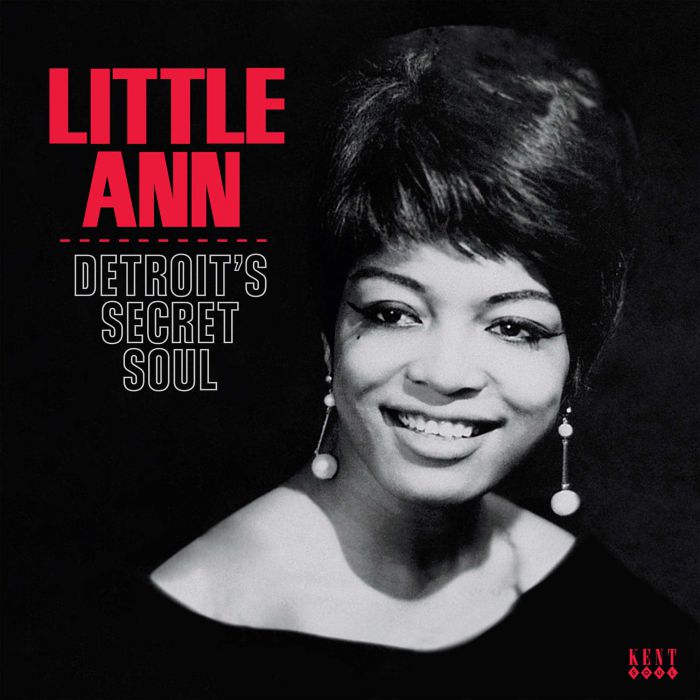
LITTLE ANN-DETROIT’S SECRET SOUL.
Little Ann-Detroit’s Secret Soul.
Label: Kent Soul.
Up until the dawn of the new millennia, only a few discerning soul fans had heard of Detroit-born singer and songwriter Little Ann. They remembered One Way Street which featured on one side of a single released on the Ric-Tic label in 1968. That seemed to her only single.
Then in the late-seventies an acetate of Little Ann’s What Should I Do was discovered at Wigan Casino and brought her to the attention of rare soul fans. However, it seemed that this was a one-off and Little Ann hadn’t recorded any more music.
That was until the late-nineties when Ace Records purchased Dave Hamilton’s Detroit studio tapes and publishing company. Back in London, staff at Ace Records began to sort through the recordings and that was when they unearthed a number of hidden gems. Among them, were nine unreleased tracks that Little Ann had recorded in 1967 and 1968 with Dave Hamilton and his partner Darrell Goolsby.
This included Who Are You Trying To Fool, Sweep It Out In The Shed and Lean Lanky Daddy which became favourites of DJs and dancers on the UK’s Northern Soul scene. These tracks also feature on a new Little Ann compilation Detroit’s Secret Soul which was recently released by Kent Soul which is an imprint of Ace Records.
Then there’s Deep Shadows which makes its debut on Detroit’s Secret Soul. This version is a multi mix and will appeal to anyone who likes their music soulful.
As well as soulful songs and a triumvirate of dancefloor fillers there’s two funky that show another side of Little Ann. This includes an edit of Possession and a version of I Got To Have You which was discovered on a master tape. Both tracks are guaranteed to find favour with fans of funk,
It’s not just the original versions of the nine tracks that feature on Detroit’s Secret Soul. There’s also the instrumental of the nine tracks that were recorded by The Dave Hamilton Band. Just like the original versions they lay unreleased and the majority make their debut on Detroit’s Secret Soul. The highlights of these tracks are What Should I Do, Sweep It Out In The Shed, the driving dancer Sweep It Out In The Shed, I Got To Have You and One Way Street which are both funky cuts and among the best of the instrumentals.
Among the other tracks Little Ann recorded with Dave Hamilton and Darrell Goolsby was an alternate vocal take of What Should I Do. There’s also an alternate vocal and guitar version of Who Are You Trying To Fool plus an a cappella of Deep Shadows. They’re welcome additions to the compilation.
By 1972, Little Ann had signed to the Quality Records imprint Celebration. She released two singles which she wrote using her own name Ann Bridgeforth. The first was the beautiful balled That’s All I Want From You which was released in 1973. Hidden away on the B-Side was the country-tinged pop I’m Doin’ All Right. It’s a hidden gem that shows another side to Little Ann.
In 1973, Little Ann returned with her second single for Celebration. This was the soul-baring ballad Lost A Lover (Need A Friend) which failed to trouble the charts. On the B-Side was another Ann Bridgeforth composition, Stand Together. It’s a funky and soulful sounding track with gospel-tinged backing vocals amd is too good to be hidden away on a B-Side. This is another of the hidden gems on Detroit’s Secret Soul.
For many years, Detroit-born singer-songwriter Ann Bridgeforth a.k.a Little Ann was known for just the one song One Way Street. Then What Should I Do was discovered and became a favourite of DJs and dancers on the UK Northern Soul scene.
So have a number of other tracks that Little Ann recorded with Dave Hamilton and his partner Darrell Goolsby. They feature on the new Kent Soul compilation Detroit’s Secret Soul and are joined by instrumental versions and alternate takes. They feature on Detroit’s Secret Soul which is the most comprehensive Little Ann compilation that’s ever been released. It’s a reminder of a truly talented singer-songwriter whose music belatedly found the wider audience it deserved.
Little Ann-Detroit’s Secret Soul.
THE OHIO PLAYERS-ECSTASY.
The Ohio Players-Ecstasy.
Label: Westbound.
Format LP.
It wasn’t until The Ohio Players signed with Westbound, and released their sophomore album Pain in 1972, that commercial success their way. The group was founded in 1959 and originally was known as The Ohio Untouchables and had a chequered history.
Initially, The Ohio Untouchables lineup featured drummer Cornelius Johnson, bassist Marshall “Rock” Jones, guitarist and vocalist Robert Ward, guitarist and saxophonist Clarence “Satch” Satchel plus trombonist and trumpeter Ralph “Pee Wee” Middlebrooks. In the early days, the Dayton-based quintet was best known as The Falcons’ backing band. This allowed the group to hone their sound before heading out on their own.
When The Ohio Untouchables started playing live, it soon became apparent that Robert Ward was an unreliable bandleader. He would suddenly walk off the stage during concerts forcing the band to stop playing. Eventually, the band decided to keep playing when their leader left the stage. However, things came to a head in 1964 when Robert Ward and bassist Marshall “Rock” Jones got into fight onstage. This resulted in the group splitting up for the first time.
Robert Ward decoded to draft in new musicians, while the rest of The Ohio Untouchables headed home to Drayton. That was where they discovered guitarist Leroy “Sugarfoot” Bonner who became the band’s lead singer. The other new recruit was drummer Gregory Webster. This wasn’t the end of the changes.
The group decided to change direction musically and starting playing R&B. This allowed them to play to new Leroy “Sugarfoot” Bonner’s strengths, and meant they weren’t competing with Robert Ward’s group. With that, the new group began playing live.
In 1965, the group decided changed its name to The Ohio Players. The reason for this was because of how the group perceived themselves as musicians and “ladies men.”
The newly named group added two more singers to its lineup. Bobby Lee Fears and Dutch Robinson joined The Ohio Players who were ready to record their debut single.
By then, they were managed by Johnny Brantley a manager and producer. He recorded The Ohio Players’ debut single This Thing Called Love which was released on Ray Charles’ Tangerine Records in 1967. However, the single failed to find an audience and The Ohio Players moved on.
Johnny Brantley arranged for the group to become the house band at New York-based Compass Records. They played on various recordings and backed Helena Ferguson on her top thirty single Where Is The Party?
The Ohio Players also released two singles on Compass Records during 1967. This included Trespassin’ and It’s A Crying Shame. Despite neither single making any impression on the charts, an expanded lineup began recording the group’s debut album.
By then, vocalist Helena Ferguson Kilpatrick had joined the group. She was part of the expanded lineup who began recording what later became Observations In Time. It was nearly completed when their manager decided to license the album to Capitol Records. This seemed a strange decision.
It turned out that Compass Records wasn’t in the best financial health. That was why the incomplete version of Observations In Time was licensed to Capitol Records. However, the decision backfired when Observations In Time was released in 1968 and although it was a hit in Ohio, it failed to make any impression on the national charts. This was a huge disappointment for The Ohio Players.
So was the commercial failure of the single Here Today and Gone Tomorrow in the UK in 1970. Executives at Capitol Records thought that the single would sell well in the UK. However, this wasn’t the case and was another disappointment for the band.
Just two years after the release of their debut album The Ohio Players split-up in 1970. It looked like the end of the road for the band.
It wasn’t, and the group reformed with a new lineup. This included drummer Gregory Webster, bassist Marshall “Rock” Jones, guitarist and guitarist and saxophonist Clarence “Satch” Satchel. They were joined by trombonist and trumpeter Ralph “Pee Wee” Middlebrooks, trumpeter Bruce Napier, trombonist Marvin Pierce, keyboardist Walter “Junie” Morrison plus vocalists Leroy “Sugarfoot” Bonner and Charles Dale Allen. The new line-up was the start of a new and exciting chapter for The Ohio Players.
Especially when a local label Top Hit sent the group to Sound Recorders in Nashville, to record a new eight-track album. By then, The Ohio Players had discovered that Walter “Junie” Morrison was the group’s secret weapon. Not only was he a talented, inventive and progressive keyboardist who also played guitar and drums. He was part of the group that recorded an album’s worth of funky and sometimes jazz-tinged cover versions. However, when the label listened to the tracks the highlight of the session was Pain, a funky instrumental.
By then, The Ohio Players had come to the attention of Armen Boladian who had founded Westbound Records in 1968. He had signed Funkadelic who were well on their way to becoming one of the most innovative and successful funk bands of the seventies. They were joined in 1971 by The Ohio Players.
Having signed to Westbound Records, Pain (Part 1) was rerecorded and released in 1971, and reached sixty-four in the US Billboard 100 and thirty-five in the US R&B charts. Across the border in Canada, the single reached ninety-one giving The Ohio Players a minor hit single. This was just a start for Armen Boladian’s latest signing.
Buoyed by the success of Pain, Armen Boladian was keen that The Ohio Players release an album soon. They could’ve released the material recorded in Nashville as their sophomore album, but Armen Boladian decided to send the group into the studio to record a new album.
When they entered the studio The Ohio Players were joined by two new recruits. This included vocalist and saxophonist James Johnson and Dale Allen who was going to share the lead vocal. However, his time with the group was cut short after he had a heated argument with Clarence Satchell in the studio during the third day of the recording session. That was the end of his time with The Ohio Players.
They had written the six tracks that became Pain and coproduced the album with Herb James and Billy Pittman. Once the album was completed, it was scheduled for release in early 1972.
When Pain was released in February 1972, it still featured some of sound that appeared on their debut album Observations in Time. However, the album was funky and had a tough, slick, polished sound that was soulful and sometimes, jazz-tinged and even psychedelic. Walter “Junie” Morrison’s keyboards played an important part in the album
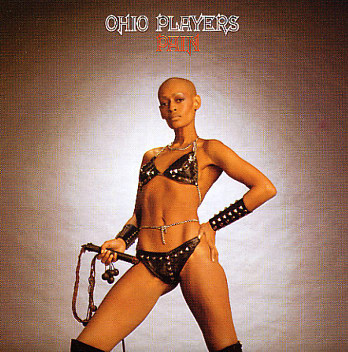
It was also an album of firsts. Pain was the first Ohio Players’ album to feature the group’s romantic, sensual sound and featured songs that were devoted to their love of women. It was also the first album to feature what many regarded as a suggestive photo on the album cover. The Ohio Players knowing that: “sex sells” used a Joel Brodsky photo of a woman in leather underwear dominating a prostrate man. This was a controversial photo and similar to the one on the cover of Funkadelic’s album Free Your Mind.
The other first was the inclusion of Walter “Junie” Morrison’s character Granny on Pain. She featured on all their Westbound Records’ albums and he revisited the character on his solo albums. That was in the future.
Before that, The Ohio Players released Pain in February 1972, and it reached 177 in the US Billboard 200 and twenty-one in the US R&B charts. This was enough for Pain to be certified gold and was the start of the most successful period of the band’s career.

Pleasure.
Ten months later, The Ohio Players released Pleasure in December 1972. The album was still soulful and funky, and sometimes moved in the direction of jazz. However, The Ohio Players revived the vocal harmonies that had been part of their original sound. They added to the radio friendly sound of some of the songs on Pleasure. Other songs were the result of late-night jam sessions. These would play their part in the sound and success of Pleasure.
Just like Pain, critics were won over by Pleasure, and the album received plaudits and praise. It reached sixty-three on the US Billboard 200 and four on the US R&B charts. When Funky Worm was released as a single, it reached number fifteen on the US Billboard 100 and topped the US R&B charts. This gave The Ohio Players biggest hit single of their career and they would become one of the most successful funk groups of the early seventies.
Ecstasy.
Buoyed by the success of Pleasure, The Ohio Players began work on their much-anticipated fourth album Ecstasy in early 1973. The group wrote eight new tracks and covered Louis Crane and Belda Baine’s Not So Sad and Lonely and Food Stamps Y’all. These ten tracks became Ecstasy which was arranged by Walter “Junie” Morrison’ and co-produced by The Ohio Players..
When Ecstasy was released in September 1973 their fourth album was well received by critics, who poured praise on what was another carefully crafted album of tough, sweaty funk and sweet soul. Sometimes, though the album headed in the direction of jazz as The Ohio Players showcase their versatility and ability to switch between and fuse disparate musical genres. That was apparent throughout the album.
Side One.
Ecstasy opens with the title-track which is soulful and sensual slice of funk. The Ohio Players then head in the direction of sweet soul on You and Me. Not So Sad and Lonely sounds as if its roots were in a jam session as the group combine jazz and funk and add another soulful vocal to create one of the highlights of Ecstasy. Slow, sultry, funky, jazz-tinged and soulful describes (I Wanna Know) Do You Feel It? The tempo is still slow on Black Cat which closes side one and finds The Ohio Players at their funkiest and features a sassy, sensuous vocal.
Side Two.
Food Stamps Y’all which opens side one finds The Ohio Players combining funk, fusion and jazz-funk on a track that was released as the second single from Ecstasy. Another highlight of the album is Spinning which is another funky cut with a heartfelt, soulful vocal. Sleep Talk features another soulful vocal which is combined with a funky arrangement that packs a punch. The tempo is dropped on Silly Billy which features a tender and almost wistful vocal. Closing Ecstasy is Short Change which has a tougher, funkier sound than many of the tracks on the album. It shows another side to The Ohio Players
When Ecstasy was released in September 1973 it reached seventy on the US Billboard 200 and nineteen on the US R&B charts. The lead single Ecstasy reached thirty on the US Billboard 100 and twelve in the US R&B charts. Then wen Food Stamps Y’All was released as a single it failed to trouble the carts. Although Ecstasy didn’t quite match the success of Pleasure, the rise and rise of The Ohio Players continued.
Their next four albums they released on Mercury went on to sell over 3.5 millions copies, with three being certified platinum and one gold. The Ohio Players released eight albums between 1972 and 1976 that sold in excess of six million copies and were one of the most successful funk band in the world.
This began with Pain which was released in February 1972 and was The Ohio Players’ first album for Westbound. It was also the album that launched and transformed their career. After thirteen years of struggling to make a breakthrough they were enjoying commercial success and critical acclaim.
The commercial success continued when Pleasure was released in December 1972. Just like Pain, it was released to plaudits and praise and The Ohio Players were well on their way to becoming one of the most successful funk bands of the seventies.
This continued when they returned in September 1973 with Pleasure. While it wasn’t as successful as Pain and Pleasure the music was was ambitious, innovative and progressive. Seamlessly, The Ohio Players switched between and fused funk, fusion, jazz, jazz-funk and soul to create a truly timeless and heady musical brew on Ecstasy which was the group’s swansong for Westbound.
The Ohio Players-Ecstasy.

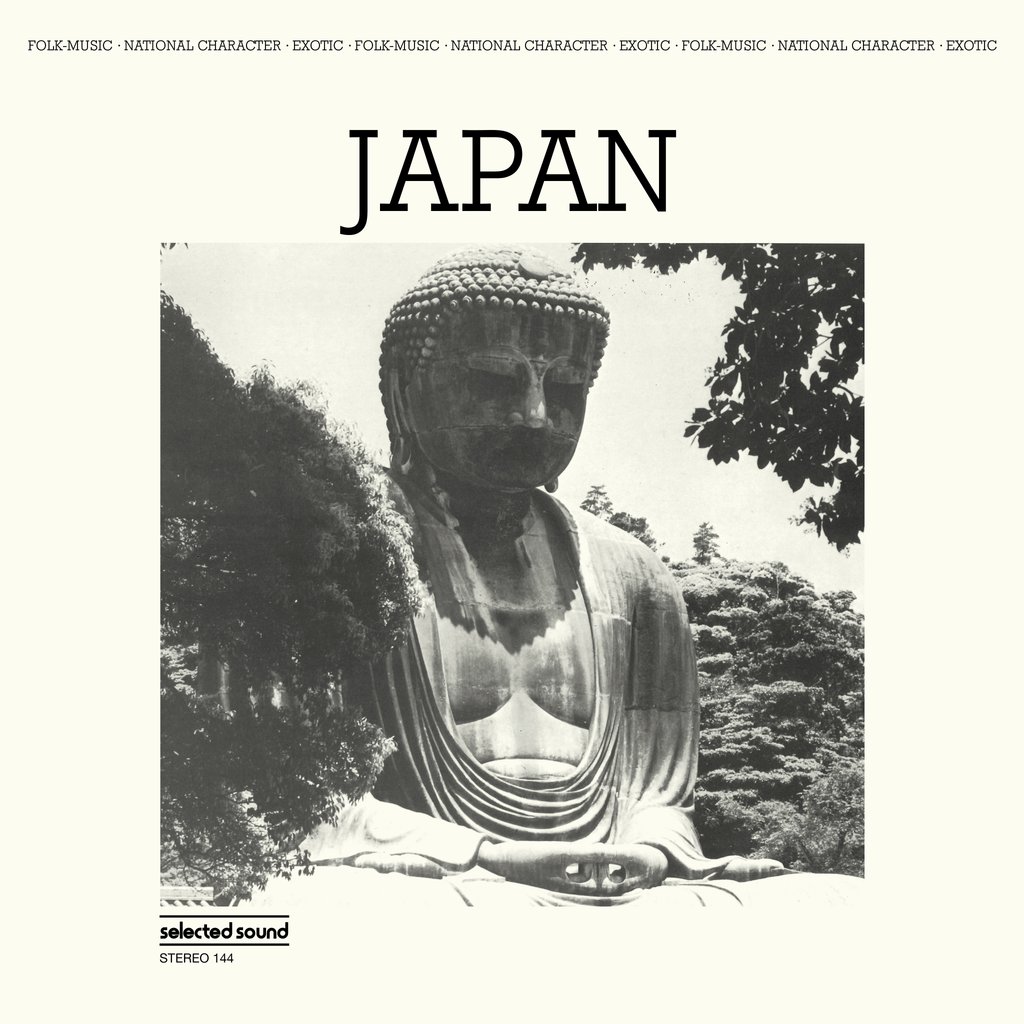
CULT CLASSIC: MIKE TINGLEY-THE ABSTRACT PRINCE.
Cult Classic: Mike Tingley-The Abstract Prince.
Mike Tingley was born and brought up in Southern California, and in the early sixties started playing the guitar and like a lot of aspiring musicians was influenced by The Beatles, the Beach Boys and folk music. However, it was only when the twenty year old singer, songwriter and guiatrist headed to Sweden in search of love that he started playing live.
Mike Tingley had met a Swedish exchange student who had spent a year in America, and was just about to return home and head to university. He thought he was in love with her, so packed his duffle bag and twelve-string guitar, and hitchhiked along Route 66 to Oklahoma City. From there, he took a Greyhound Bus to New York, and because didn’t have a enough money, bought a oneway ticket to Gothenburg.
Soon, Mike Tingley was boarding the Icelandic Airlines’ flight and bound for the Swedish capital. Like many a young man in love, he was expecting a warm welcome when he arrived in Gothenburg, in October 1967. While, the object of his affection was shocked, and a little surprised to see him she took him home to meet her family. Things seemed to be going well for Mike Tingley.
He started playing in bars and coffee shops in the city. Mostly, he played covers of his favourite Beatles along with some folk and country as well some of his own songs. This allowed Mike Tingley to get used to playing in front of audience which once scared him. Not any more, and life was good in Sweden with the girl he had travelled halfway around the world to be with.
Then she told him she wanted him to move on. This was a bolt out of the blue and left him reeling. Mike Tingley was devastated and to make matters worse, he had had only bought a oneway ticket and didn’t have enough money to get home.
Mike Tingley had enough money to head to another part of Europe, and decided to tale head to the Danish capital, Denmark. Once he was there, he took stock of the situation, and then decided to head to Amsterdam.
In the Dutch capital, he found himself living in a hostel, in the Hague, which was subsidised by a church. At night, he was playing in bars and coffee houses for tips. He was now doing requests, and often he asked to play his own songs. By then, Mike Tingley was maturing as a singer, songwriter and musician. It wasn’t an easy way to make a living, and was akin to a musical apprenticeship.
One night, Mike Tingley had finished playing when he was approached by Cees de Best, the guitarist in the Dutch rock group Blues Dimension. He asked if he had a demo tape of his songs? Fortunately, he had recorded one at home a few months before leaving for Sweden. When Mike handed over the demo, Cees de Best told him he wanted to play it to producer Tony Vos.
When Tony Vos heard the demo, he realised that Mike Tingley was a talented singer, songwriter and musician and offered him a recording contract. Mike Tingley signed to Decca, and entered the Phonogram Studios in Hilversum, Holland in February 1968. That was where he recorded the twelve tracks that became his debut album The Abstract Prince.
Joining Mike Tingley in the Phonogram Studios were a group talented Dutch musicians. This included drummer Cees Kranenburg and bassist Jan Hollesteller who were veterans of many a session. Bert Paige was onboard to take charge of the orchestrations on the album. Even producer Tony Vos played on the album.
While many people knew Tony Vos for his production work in 1968, he was also a talented jazz saxophonist and played on The Abstract Prince. The sessions lasted a couple of weeks and producer Tony Vos and engineer Gerard Beckers then spent four or five days mixing creatively to get the sound he envisaged. Having succeeded in doing so, Mike Tingley’s debut album The Abstract Prince was scheduled for release later in 1968.
There was a problem though. Decca decided to only please The Abstract Prince in Holland. This meant that record buyers in other parts of Europe as well as Britain and America were unable to buy The Abstract Prince. It was a beautiful and cerebral album of orchestral baroque pop that’s tinged with psychedelic sounds. Mike Tingley songs broached subjects like loneliness and love, an individual’s search for truth and Vietnam War. Each song told a story.
The album opener A Real Fine Time which was living in a city for the first time. Mike Tingley wrote Begin The Sun before leaving South California to head to Sweden, and is about how much he was in love with the girl he was traveling to see. Connected To Nothing was written by Mike Tingley when he was an idealistic nineteen year old, who thought that the older generation weren’t doing nothing to improve the world, and how his generation were going to do better. Monotony Message is about meditation and revelation, and the individual finding their own truth. See The People closes side is about being alone in a big city, and wanting it to have a big band sound.
Opening the second side was The Abstract Prince an anti war song inspired by Buffy Sainte-Marie’s Universal Soldier. Of Sand is about being lonely and trying to forge relationships with people only to realize that they don’t care about you. It’s Time to Leave Her documents the breakup of one of Mike’s friend’s relationship with his wife. Album closer Crossroads is an uptempo, orchestrated song that was written mostly by Mike’s brother Jim. It finds a thoughtful Mike Tingley questioning and wondering on this melodic and memorable track. It closes The Abstract Prince on a high.
When The Abstract Prince was released in Holland 1968, the album wasn’t a commercial success. Neither was the single A Real Fine Time. That was despite performing on a Dutch television on one of the music programs and being interviewed on Radio Veronica. Sadly, The Abstract Prince wasn’t the commercial success it deserved to be.
When Mike Tingley returned home to California in the early seventies, in his luggage was a master tape of The Abstract Prince. At the time, Decca seemed keen on releasing the album in America. He wanted to rerecord the vocals and use have his brother Jim add harmonies. However, after a few meetings with record company executives in Hollywood, there was bad news.
Mike was told that because The Abstract Prince sessions were recorded in Europe, the EQ and bias curves were recorded to a different standard than what American studios were using. This meant that they couldn’t use the master tape. For Mike Tingley this was another blow.
It may have been that he was being spun a line by the record company executives who incredibly didn’t realise how good an album The Abstract Prince was. To make matters worse the album failed to find the audience it deserved upon its release in 1968, but has been rediscovered and nowadays is regarded as a cult classic. That is is no surprise as Mike Tingley’s debut The Abstract Prince is beautiful, carefully crafted and cerebral album of orchestral baroque pop and psychedelic sounds that once heard, will soon become a firm favourite of discerning record buyers.
Cult Classic: Mike Tingley-The Abstract Prince.
CULT CLASSIC: VICTOR CAVINI-JAPAN.
Cult Classic: Victor Cavini-Japan.
In the the history of German library music, Selected Sound is regarded as an institution by collectors and connoisseurs and one of its finest releases was Japan, which was released by Victor Cavini in 1983.
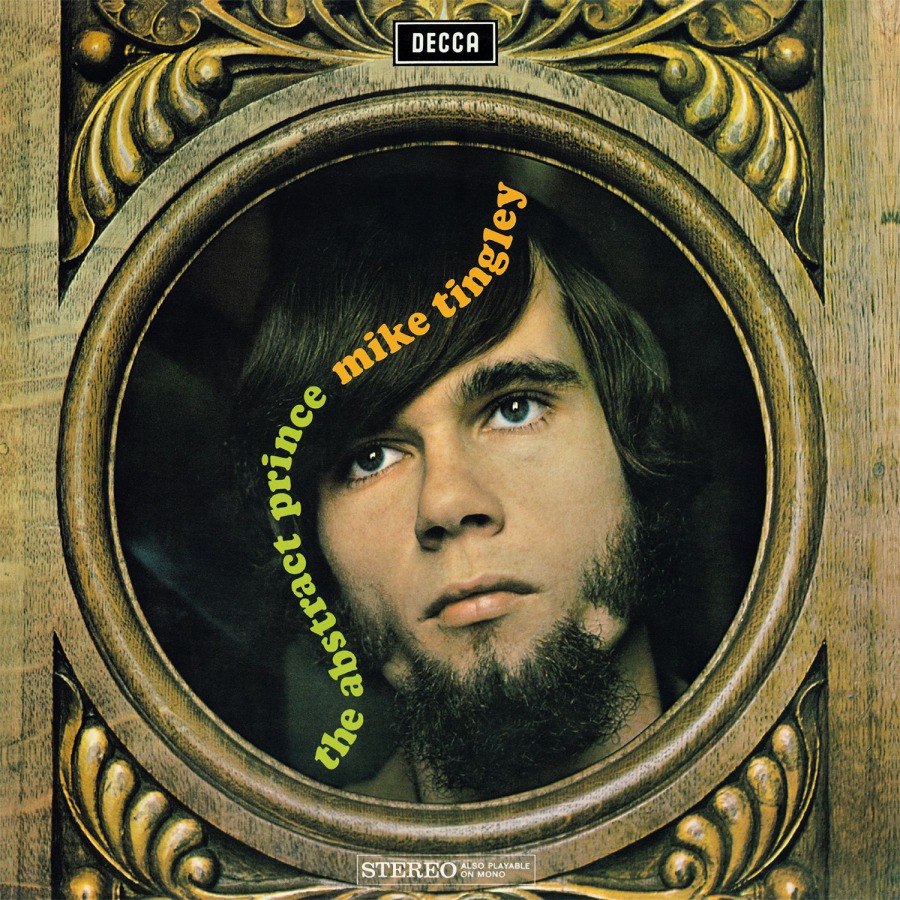
Thirty-seven years, this rarity is a cult classic that’s on the wants list of many collectors. Sadly, this instantly recognisable album of koto funk, which features the giant Buddha of Kamakura on the front cover, never turns up. Crate diggers and collectors continue their search their usual haunts, but there’s no sign of copies of Japan in backstreet record shops, thrift stores and online auctions. It’s an elusive album.
Victor Cavini’s cult classic is album that record collectors, connoisseurs of library music and sample hungry producer have all dreamt of owning. Sadly, the majority of them have never heard the album, and only know it by reputation.
Anyone who is interested in German library music will know that Victor Cavini was the pseudonym composer and musician Gerhard Trede used when he recorded albums of library music. He was prolific composer and multi-instrumentalist who could play over fifty instruments, and showcases his versatility by playing a variety of traditional Japanese wind and string instruments on the fourteen tracks on Japan. Gerhard Trede didn’t restrict himself to just one genre of music, and was a versatile musician who had the talent to seamlessly switch between different types of music. This included music from all around the world, including Japan.
When he recorded Japan, Gerhard Trede donned his Victor Cavini alias and set about recording an album of traditional Japanese folk music, which he reinterpreted and sometimes gave a twist. Japan was essentially how Victor Cavini, a Western musician interpreted and reinvented Japanese folk music, occasionally taking in a new and unexpected direction.
When Japan was released in 1983, the fourteen Pictures of Japan are variously airy and spacious, bewitching and mesmeric and sometimes, intense, urgent and unrelenting. However, always, the music on Japan captivates and is breathtakingly beautiful. Especially during the first twelve Pictures Of Japan, where mostly, the koto and flute play leading roles and combine with a myriad of percussion and strings. Together, they create airy and uncluttered arrangements where space is left for the track to breathe. Quite different is Pictures of Japan XII which only features drums.
Having thrown his first curveball Victor Cavini, nothing prepares the listener for the understated insalubrious sleazy sounding Pictures of Japan XIII. In some ways, this is just a musical aperitif as the entire band join forces and kick loose on the genre-melting Pictures of Japan XIV where traditional Japanese instruments are combined with elements of funk and psychedelia as Victor Cavini brings the album to an impressive close. Its a case of saving the best until last on Japan.
Japan was released in 1983, which was during a golden era for library music. It began in the late-sixties and continued right into the eighties. During this period, a number of classic library records were released, including two in 1973. They were Rino de Filippi’s Oriente Oggi and Giancarlo Barigozzi’s Oriente in 1973. Both albums have influenced Victor Cavini when he made his genre classic Japan. These three albums are highly prized amongst collectors and connoisseurs of library music.
That’s no surprise as Japan is a captivating and enchanting album that’s truly timeless, and showcases the considerable talents of composer and multi-instrumentalist Victor Cavini at peak of his creative powers.
Cult Classic: Victor Cavini-Japan.
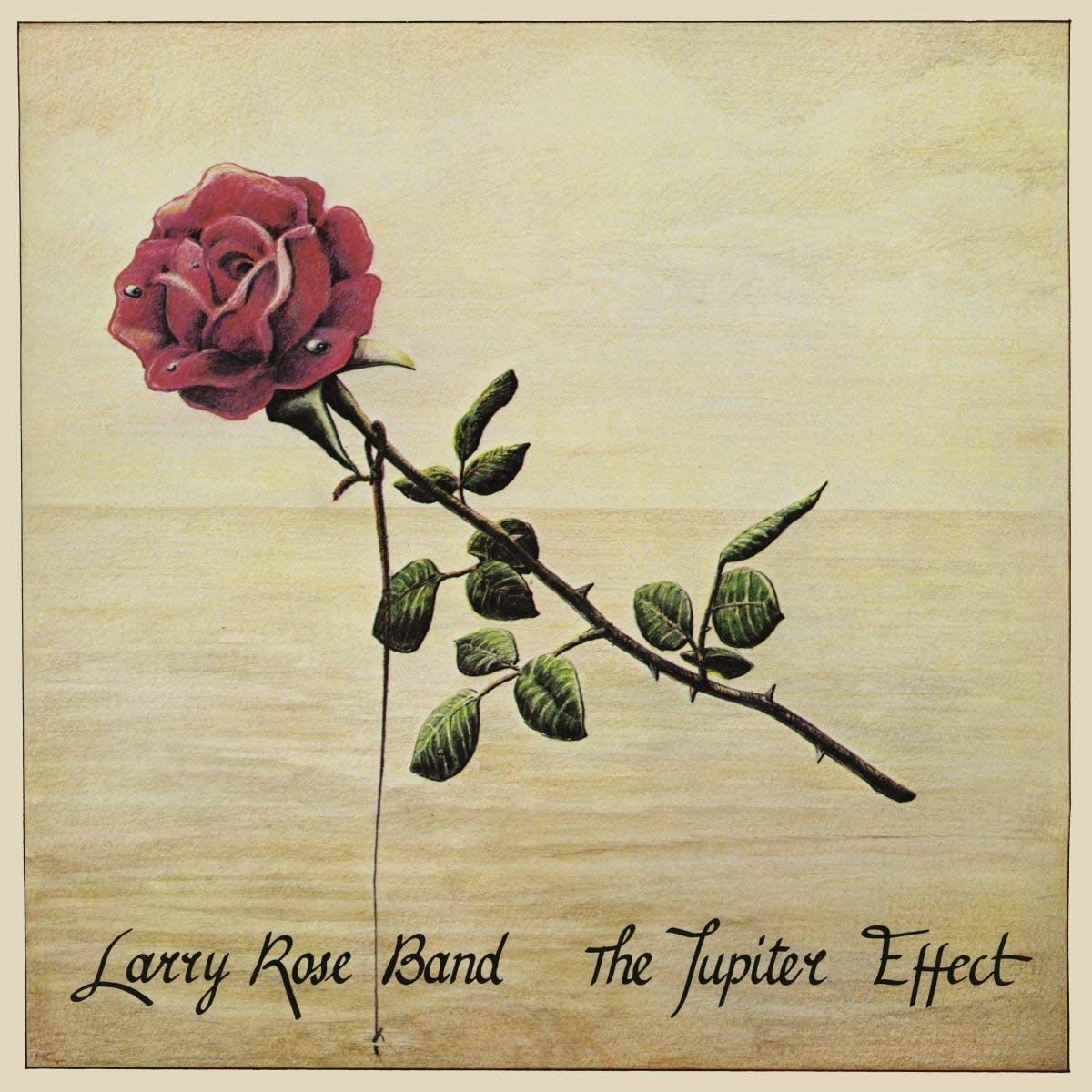
CULT CLASSIC: LARRY ROSE BAND-THE JUPITER EFFECT.
Cult Classic: Larry Rose Band–The Jupiter Effect.
Usually, at this time of the year, dedicated crate-digging DJs and discerning record collectors spend much of their spare time searching for oft-overlooked albums and long lost hidden gems in back-street record shops, thrift stores and dusty warehouses. This is the natural habitat of the real life vinyl detective. It’s where what’s akin to a treasure hunt takes place as they scour the bargain bins for rarities hoping to strike vinyl gold. Sadly, with so many other vinyl detectives pounding the same beat, striking gold gets more difficult with each passing week.
As the vinyl detective returns home, they log onto to their computers and spend evenings continuing their search for vinyl gold. Some are specialists who spent their time searching for free jazz, psychedelia or seventies progressive rock. However, others are just looking for anything that looks unusual, esoteric or interesting, and will even take a chance on an album cover. Each vinyl detective has their own approach to online crate-digging. Sometimes this pays off and they strike vinyl gold and discover a hidden gem that failed to find an audience when it was first released.
During the last few years a few crate-digging record collectors and DJs unearthed copies of The Larry Rose Band’s 1978 rare jazz fusion album The Jupiter Effect. It was recorded in Amsterdam by American multi-instrumentalist Larry Rose.
He was born in Indiana, but his parents moved to the Windy City of Chicago, and he was brought up in Waukegan. However, when the Rose family moved to Oakland, in California Larry discovered and embraced music.
Soon, Larry Rose was listening to an eclectic selection of music which included everything from The Beach Boys to John Coltrane. However, when he heard Mose Allison’s piano playing that was a game-changer. Suddenly, Larry Rose wasn’t content to listen to music and wanted to be able to play the piano.
By the time Larry Rose began taking music lessons he was in his early teens. He started off learning to play the piano but when he was in junior high school, like many teenagers, he decided to switch to guitar. Not longer after this, he had joined his first band, The Cheques.
While the nascent band played mostly cover versions of songs from the late-sixties, already the members of The Cheques were already writing their own songs. These they played during their sets. However, for Larry Rose being a member of The Cheques was a only a stepping stone.
When he left the Cheques he joined The Liquid Blues Band, which featured two up-and-coming musicians, bassist Lex Silva who would later join John Lee Hooker’s band, while Hammond organist Clay Cotton would play in Charlie Musslewhite’s group. That was all in the future.
With such a talented lineup, it was no surprise that The Liquid Blues Band were soon regarded as rising stars locally. They were soon familiar faces on the local live scene, and after serving their musical apprenticeship, played at The Fillmore West, in San Francisco. Alas, this was as good as it got for the band who never released an album. However, Larry Rose’s next band would.
Music was now the most important thing in Larry Rose’s life. More so than his college course. After graduating high school, Larry Rose had enrolled at UC Berkeley, and was studying psychology. He was in his senior year when he decided to drop out, and go travelling.
When his parents heard Larry Rose’s plans they were hugely disappointed, as their son was so close to graduating from one of America’s most prestigious universities. Instead, he had bought a oneway ticket to Europe, and was planning to travel and explore the continent and maybe even, play some music along the way.
With his oneway ticket Larry Rose left America and travelled to Europe, where his money and luck ran out in the Dutch capital, Amsterdam.
He wasn’t the first American musician this happened to. The same thing happened to singer-songwriter Mike Tingley in 1968, and he had recorded and released his cult classic in Amsterdam. Maybe history would repeat itself a decade later?
Down on his luck, Larry Rose moved into one of the many condemned houses in Amsterdam. They were known as cracked houses, and in the mid-seventies, if a Dutch citizen was living in one, they were obliged to provide electricity and water. This became home for Larry Rose who studied the Dutch language and gave guitar lessons to pay the rent. It must have seemed like a long way from UC Berkeley.
Not long after arriving in Amsterdam, Larry Rose was in a club in Zaandam where he met fellow countryman Chuck Pyle. He soon became friends with the singer-songwriter and Zen Cowboy. Soon, Larry Rose had convinced his friend to let him join him when he played live, and he played the piano and sang backing vocals.
This was the start of an adventure for the pair who toured Holland. Larry Rose also played keyboards, organ and piano on Chuck Pyle’s eponymous debut album. It was released later in 1976on Bubble a Dutch record label, but unfortunately the track listing was wrong. Despite that, it was the start of a long and successful career for Chuck Pyle, and marked the recording debut of Larry Rose.
By then, a new chapter had begun for Larry Rose. In late 1975, he met American songwriter and bassist Stanley Davis and the pair decided to form a band together. It became The Larry Rose Band, and the earliest lineup featured drummer Theo Wanders and guitarist and vocalist Look Schrivers. The new band initially toured Holland and Germany playing rock ’n’ roll covers. However, this was just another stepping stone for Larry Rose.
In 1977, Larry Rose and Stanley Davis decided to create a breakaway group, and they were joined by drummer and percussionist Toon Janssen and saxophonist Theo van Halen. This was the new lineup of The Larry Rose Band who wanted to make a very different type of music.
Larry Rose said: “We wanted to go in a much more jazz, funk and world-beat direction.” This was a far cry from playing covers of old rock ’n’ roll songs with the first lineup of The Larry Rose Band. It was the start of a new chapter.
So was the arrival of vocalist Paul Pinto, a friend of Larry Rose’s from Oakland. He had originally traveled to Amsterdam to visit his friend, but was then invited to join The Larry Rose Band in the studio when they recorded their debut album, The Jupiter Effect.
It featured eight tracks, including the Larry Rose composition Lucina, and Who Conned The Lady which he wrote with Stanley Davis. He also contributed Papa, Blues Are Dyin’, Looking, Oregon and The Sand. New vocalist Paul Pinto penned Nana, and these tracks were recorded in March 1978.
Joining The Larry Rose Band who had decided to produce their debut album at at Crossroads Studios was engineer Wim Pulles, and were four of their musical friends. This included trombonist Rinie Plant, trumpeter Victor Bonkent, tenor saxophonist Guus Tongelder and accordionist Ellen Boeren who augmented the band on The Jupiter Effect. This they hoped would help them achieve sound they envisaged and wanted on The Jupiter Effect. Sadly, this wasn’t the case.
Larry Rose wasn’t happy with the album and phoned British producer Robin Freeman who was a friend. They decide to book studio time at Relight Studios and rerecorded some of the vocal tracks and remixed the album. This time, Larry Rose was happy with The Jupiter Effect which was released later in 1978.
Opening The Jupiter Effect is Papa, which starts off as a soulful slice of jazz before heading in the direction of fusion as the tempo rises and The Larry Rose Band showcase their versatility and skill. It’s all change on The Blues Are Dyin’, which is a wistful bluesy ballad that features a soul-baring vocal from Paul Pinto. Then Nana features a heartachingly beautiful saxophone solo that’s sure to tug at the heartstrings. Looking is closes side one and like Papa, the lyrics tell a story. A bluesy guitar and percussion combine on this folk-tinged song where Paul Pinto delivers an emotive vocal and sounds as if he’s been inspired by James Taylor.
Who Conned The Lady opened side two and is an uptempo track. Paul Pinto’s vocal plays an important role before the rest of The Larry Rose Band enjoy the opportunity to stretch their legs and combine jazz-funk, fusion and Latin. Playing a starring role is Paul Pinto’s guitar before the horns before drummer and percussionist Toon Janssen unleashes a stunning solo as The Larry Rose Band showcases their considerable talents. A chiming guitar and jangling piano usher in an impassioned vocal, which is accompanied by soaring harmonies another beautiful ballad. A lone jazzy piano plays and pounds before being joined by cymbals as Lucina unfolds and melancholy horns are added. Sadly, all too soon this memorable instrumental is over leaving just a memory of two ruminative minutes. The Larry Rose Band save one of the best until last on The Jupiter Effect. Sand is a beautiful sultry sounding song that meanders melodically along and leaving the listener wanting to hear more from The Larry Rose Band.
The Jupiter Effect was the only album that The Larry Rose Band released during the four years that they were together. The band spilt-up in 1979 after four years together, and by then, they had played in venues all over Holland. There was no acrimony, it was a case of needs must.
Larry Rose’s parents were getting older and he was an only child, and headed home to be nearer them. He had enjoyed his European adventure and made music along the way and led The Larry Rose Band when they recorded The Jupiter Effect which showcases a talented, versatile and youthful group as they switch between and fuse disparate musical genres on this long-lost hidden gem of an album that is a prized possession amongst discerning record collectors and DJs.
Nowadays, original copies of The Jupiter Effect are almost impossible to find. It’s an album that that’s on many a crate digger’s wants list and is likely to remain there unless they’re incredibly lucky and find a copy in the bargain bin of a second hand record shop or in a box of old vinyl in the corner of thrift store. That would be like striking vinyl gold, and is every crate-digger’s dream.
Sadly, that is unlikely nowadays as record shops and thrift stores check the prices of albums before putting them out on the racks. If they see a rarity they tend to price accordingly. A copy of The Jupiter Effect would likely to be priced between £120 to £175 and will be beyond the budget of all but a few record collectors.
If you’re lucky enough to find an original copy of the album in a bargain bin this will be an opportunity to discover the delights of The Larry Rose Band’s debut album The Jupiter Effect, which features a group at the peak of their powers as they seamlessly switch between uptempo tracks and beautiful ballads.
Cult Classic: Larry Rose Band–The Jupiter Effect.
CULT CLASSIC: PETE LA ROCA-BASRA.
Cult Classic: Pete La Roca-Basra.
Sadly, Pete La Roca’s career is another case of what might have been. The New York born jazz drummer only released a triumvirate of solo albums during an eventful career that promised much.
During the early years of his career he worked with Jackie McLean, John Coltrane, Tony Scott, Bill Evans, Joe Henderson, Freddie Hubbard and Sonny Rollins. By 1965, Pete La Roca had signed to Blue Note Records and released his debut album Basra. Critics called the album a classic and forecast a bright future for the twenty-seven year old.
Three years later, Pete La Roca stopped working as a sideman and at one time, ended up driving a cab in the Big Apple. Later, he attended law school at New York University and it wasn’t until 1979 that Pete La Roca returned to jazz. It was the latest chapter in the story of Pete La Roca which began in 1938.
The future Pete La Roca was born Peter Sims, on the ‘7th’ of April 1938, in Harlem, New York. That was where he was brought up by his mother who was a pianist and his stepfather who played trumpet. However, it was Peter Sims’ uncle Kenneth Bright, a major shareholder in Circle Records and the manager of the rehearsal spaces above the Lafayette Theatre, in Harlem, who introduced him to music.
Peter Sims started to play percussion in public school, and then at the High School of Music and Art and later at the City College of New York. By then, he was playing timpani in the CCNY Orchestra. However, soon Peter Sims became Pete La Roca.
By then, he was still in the early stages of his career and he was playing timbales for various Latin bands. This he continued to do for six years. Then he was spotted by one of the giants of jazz, Max Roach.
In 1957, Max Roach happened to be in Birdland and saw Pete La Roca jamming. He watched the nineteen year old for a while and that was when he remembered that his friend Sonny Rollins was looking for a drummer. Max Roach recommended Pete La Roca to Sonny Rollins who his Trio.
Pete La Roca joined the Sonny Rollins Trio for the afternoon set at the Village Vanguard in 1957. However, only A Night In Tunisia found its way onto A Night At The Village Vanguard when it was released by Blue Note Records in 1958. This was the start of Pete La Roca’s career as a sideman.
He also recorded with Sonny Clark in 1957, and in 1958 which was a busy one for Pete La Roca. The twenty year old drummer recorded with Tony Scott, Sonny Rollins, Slide Hampton and Jackie McLean on his New Soil album. It was released to critical acclaim by Blue Note Records in August 1959.
As the sixties dawned, Pete La Roca was in demand as a sideman. His big break came early in 1960 when John Coltrane was forming his first quartet after leaving Miles Davis’ band but couldn’t get the musicians he wanted. Miles Davis recommended Pete La Roca who spent ten weeks playing at the Jazz Gallery in New York. This was good experience for Pete La Roca.
During the rest of 1960 he played on albums by Slide Hampton, JR Monterose and the Steve Kuhn Trio. Reliable, talented and versatile Pete La Roca was regarded as one of jazz’s rising stars.
Still only twenty-three in 1961, Pete La Roca played alongside Bill Barron, Rocky Boyd, Ted Curson, Scott LaFaro, Slide Hampton, Booker Little and the Paul Serrano Quintet. Still Pete La Roca found time to play on Jackie McLean’s Bluesnik album which was released to critical acclaim in February 1962.
During 1962 Pete La Roca worked with George Russell, Jaki Byard and the Don Friedman Trio. All the time, his reputation was growing as he divided his time between playing live and working in the studio.
He continued to do this in 1963, working with the Steve Kuhn Trio, Paul Bley and three albums released on Blue Note Records. This includes the first two albums by Joe Henderson. Page One was his debut and was released in October 1963 and nowadays, is regarded as a hard bop classic. It was followed by Our Thing in May 1964 which was proof that Joe Henderson had the potential to become one of the great tenor saxophonists of his generation. Two months later and Johnny Coles’ Little Johnny C was released in July 1964 and finds Pete La Roca playing on the second side of this ambitious album. This was the latest Blue Note Records release to feature Pete La Roca who had also formed his own band.
The twenty-six year old drummer was now dividing his time between his own band and session work. During 1964 Pete La Roca played on albums by Anamari and Art Farmer. In 1965, Pete La Roca would record his debut album. However, before that, he worked on three other albums as sideman.
This included the first two sessions for Freddie Hubbard’s Blue Note Records’ swansong Blue Spirits during February 1965. The album was eventually released in 1967. Pete La Roca then spent March the 8th on a session recording tracks for Charles Lloyd’s album Of Course, Of Course which was released in November 1965. Then on the ‘9th’ and ‘10th’ of April 1965 Pete La Roca recorded another Freddie Hubbard album The Night Of The Cookers which was released later that year. So was his debut album Basra
Pete La Roca had been signed by Blue Note Records and on May the ‘19th’ 1965 he journeyed to the Van Gelder Studio, at at 445 Sylvan Avenue, Englewood Cliffs, New Jersey. He was about to lead the quartet who would record Basra which was produced by Alfred Lion.
Joining drummer Pete La Roca were bassist Steve Swallow, pianist Steve Kuhn and tenor saxophonist Joe Henderson. They recorded six compositions that day.
This included the Pete La Roca compositions Candu, Tears Come From Heaven and Basra, while Steve Swallow wrote Eiderdown. The other tracks were Ernesto Lecuona’s Malagueña and John La Touche and Jerome Moross’ Lazy Afternoon. These six tracks would become Basra, which was released in October 1965.
When Pete La Roca’s debut album Basra was released it was to widespread critical acclaim. The album is now regarded as a classic and is a reminder of a truly talented bandleader, composer and drummer.
Side A.
Basra was the first of three Pete La Roca solo album. It opens with Malagueña which was written by Cuban composer Ernesto Lecuona who escaped from Fidel Castro’s clutches in 1960 and settled in Florida. The quartet vamp their way through the track Pete La Roca’s cymbals powering and propelling this impassioned and inspirational cover of a Latin classic.
It gives way to the bluesy and ruminative sounding Candu, and then what’s without doubt the most complicated track on the album Tears Come From Heaven. When the solos come round tenor saxophonist Joe Henderson sets the bar high. Next up is pianist Steve Kuhn who gives a peerless performance that not even Pete La Roca at the peak of his power can quite match. It’s a close run thing.
Side B.
The third of the three consecutive Pete La Roca compositions is the ten minute title-track Basra. It’s a captivating composition despite never deviating from the same chord. Very different is Lazy Afternoon a beautiful, haunting and heart wrenching ballad that is the highlight of Basra.
Closing the album is Eiderdown where Joe Henderson’s tenor saxophone takes the lead and is matched every step of the way pianist Steve Kuhn as the tempo rises. Meanwhile the saxophone soars above the arrangement before Steve Kuhn takes centrestage and his fingers fly across the keyboard before bassist Steve Swallow enjoys his moment in the sun. Then Joe Henderson returns and plays with control and subtlety his saxophone quivering as he takes lead and the arrangement swings. Sadly, all too soon the track and Basra is over but the memory remains of this magical album.
There aren’t many jazz musicians who release their debut album and it’s regarded as a classic. That was the case with Pete La Roca’s Basra which was recently reissued by Blue Note Records to celebrate the label’s eightieth anniversary.
Basra features Pete La Roca at the peak of his powers. He was joined by Steve Kuhn, Steve Swallow and Joe Henderson who all play their part in the sound and success of this classic album. It Pete La Roca’s finest hour and he only released two further solo albums.
Neither 1967s Turkish Women At The Bath nor 1997s Swingtime came close to matching Pete La Roca’s classic album Basra. He had set the bar high with his debut album. This maybe frustrated Pete La Roca who knew he could never reach these heights again? That might explain why he turned his back on jazz, and ended up driving a cab in New York.
Although he made a comeback in 1979, Pete La Roca’s career is a case of what might have been, and Basra is a tantalising taste of what he was capable of at the peak of his powers, during a career that promised so much.
Cult Classic: Pete La Roca-Basra.
CULT CLASSIC: DUKE ELLINGTON, CHARLIE MINGUS, MAX ROACH-MONEY JUNGLE.
Cult Classic: Duke Ellington, Charlie Mingus, Max Roach-Money Jungle.
On Monday, September the ‘17th’ 1962, bassist Charles Mingus and drummer Max Roach made their way to Sound Makers Studio, in New York. The two friends were en route to a session where they would record an album with one of the giants of jazz, Duke Ellington and producer Alan Douglas. This album would become Money Jungle, which was recently reissued by Blue Note Records as part of their Tone Poet series. It’s an album whose roots can be traced to Paris, as the sixties dawned.
In the early sixties, producer Alan Douglas and Duke Ellington were both working in Paris, France. One day, the producer was helping the big band leader and pianist. It was the way Alan Douglas was, and he was only too pleased to help Duke Ellington. Little did he realise their paths would cross again in the not too distant future.
In 1962, Alan Douglas took charge of United Artists’ jazz division and moved to New York. One of the first albums he recorded was Art Blakey and The Jazz Messengers’ Three Blind Mice. This was followed by trumpeter Kenny Dorham’s a quintet recording Matador, which also featured Jackie McLean and Bobby Timmons. Already, Alan Douglas had recorded two classic albums. Soon, two would become three. However, there’s two versions of how that third classic album came about.
According to Duke Ellington, as soon as Alan Douglas began his new role at United Artists’ jazz division he called the veteran pianist. During the call, Duke Ellington came up with the idea that he record an album with Charles Mingus and Max Roach. However, that is slightly different to Alan Douglas’ recollection of what happened in 1962, when he had an unexpected visit from a giant of jazz.
Alan Douglas’ visitor that day in 1962 was Duke Ellington, who by then, was sixty-three, and without a recording contract. The head of United Artists Jazz remembers it was Duke Ellington who suggested recording a piano-based album. As the two men spoke, Alan Douglas thought about a possible lineup. He suggested forty year old bassist Charles Mingus who was signed to United Artists, and had very briefly been part of Duke Ellington’s band.
That was in 1953, when Charles Mingus deputised for Duke Ellington’s double bassist. He had only been a member of the band for four days when he got into a fight with trombonist and composer Juan Tizol, who cowrote the jazz standards jazz standards Caravan. Charles Mingus was fired by Duke Ellington but they would be reunited nine years later. There was a but though.
Charles Mingus said he would play on the recording, but insisted that he was joined by thirty-eight year old drummer Max Roach. This was not up for negotiation. If Duke Ellington wasn’t willing to accept Max Roach as drummer the session wouldn’t happen. The veteran bandleader agreed. Without a recording contract he knew that Charles Mingus who was signed to United Artists Jazz was holding all the aces.
Duke Ellington knew Max Roach who had briefly been a member of his band in 1950, and a decade later played on his Paris Blues soundtrack. However, by the time of the Money Jungle sessions, Max Roach like Charles Mingus had stepped out of Duke Ellington’s shadow as they both forged successful careers.
The day before the recording, on Sunday, September the ‘16th’ 1962 the three men met and Duke Ellington who told them to: “Think of me as the poor man’s Bud Powell.” He also told Charles Mingus and Max Roach that he didn’t just want to play only his own compositions. This wasn’t true though.
The session at Sound Makers Studios, in New York, was due to begin at 1pm on Monday, September the ‘17th’ 1962. Max Roach arrived at the studio at midday to set his drums up and Duke Ellington was already there and writing out some material. That was when it became clear that despite what he had said the previous day, all the compositions that Duke Ellington wanted to use were his own.
Of the seven compositions that made it onto the album, Duke Ellington wrote Money Jungle, Fleurette Africaine (African Flower), Very Special, Warm Valley and Wig Wise. They were joined by Solitude which Duke Ellington wrote with Eddie DeLange and Irving Mills. Ironically the other track was Caravan, which Charles Mingus’ nemesis Juan Tizol cowrote with Duke Ellington and Irving Mills. When it came to recording the tracks Duke Ellington took an unusual approach.
When Max Roach was asked about the sessions in 1968 he remembered how Duke Ellington passed out: “a lead sheet that just gave the basic melody and harmony.” He also gave them a sheet of paper with a visual image. One said: “crawling around on the streets are serpents who have their heads up; these are agents and people who have exploited artists. Play that along with the music.”
Having looked at the lead sheet and read the visual images Charles Mingus and Max Roach declined the opportunity to rehearse. Instead, they decided to record straight to tape. This would be the first time that they had played the material together. It’s thought it wasn’t the easiest session.
There’s various versions of the clashes that allegedly took place during the session. According to Alan Douglas, Charles Mingus complained about Max Roach’s playing, and then picked up his bass and left the studio mid-session. Duke Ellington managed to catch up with him and after talking on the street outside, managed to persuade Charles Mingus to return. However, Duke Ellington’s version has one slight difference in that he persuaded him to return as they stood at the elevator. With at least four people in the room there’s other versions of what happened.
Another version was that Charles Mingus was unhappy that none of his compositions were used during the Money Jungle sessions. There was certainly tension in the air during the recording session and that can be heard from the opening track.
The tracks were recorded in the same order as they appeared on the album, and the tension builds during the uptempo tracks. It’s thought that Charles Mingus left after they recorded the album opener Money Jungle. By then the tension is palpable and is apparent the way he plucks the strings with his fingernails. It’s a mixture of power and frustration as they seesaw and he ensures the track swings. Meanwhile, Max Roach plays pounding polyrhythms as Duke Ellington pounds, stabs and jabs the piano and as he improvises playing dissonant chords. It was after that it’s thought Charles Mingus picked up his bass and left the studio.
After Charles Mingus returns, they record the ballad Fleurette Africaine (African Flower) which unfolds and emerge from what’s essentially a simple melody. It’s followed by Very Special, another twelve-bar blues, and then Warm Valley which veers between melancholy to dramatic as Duke Ellington’s piano takes centre-stage.
The tempo rises on Wig Wise, a jaunty, uptempo track where the piano and then bass take the lead. When Charles Mingus’ bass takes the lead this seems to spur Duke Ellington on to greater heights. He has the same effect on Charles Mingus Throughout the rest of the track they drive each other to even greater heights. There’s no stopping the trio and the tempo continues to rise on Caravan where Duke Ellington’s fingers dance across the keyboard as the rhythm section propel the arrangement along and play with a freedom and invention. Again, Duke Ellington jabs and stabs the keyboard which then twinkles and sparkles before becoming dark and dramatic as the track closes and the tension seems to build. Closing Money Jungle is Solitude, a beautiful standard which offers the chance to reflect and ruminate. Sadly, by then the relationship between the three giants of jazz was fractured despite having recorded what would later be regarded as a classic album of post bop.
After the session, the trio who had a two album deal with United Artists Jazz couldn’t be persuaded to play together. It was the end of the line for this short-lived collaboration. At the time, Duke Ellington was the biggest loser, as he didn’t have a recording deal. Meanwhile, Charles Mingus and Max Roach stars were in the ascendancy, and were both regarded as pioneering jazz musicians. When Money Jungle was released by United Artists Jazz it was further proof of this.
Money Jungle was released in mono and stereo in February 1963 and the reviews were mostly favourable. Much of the plaudits were reserved for Charles Mingus and Max Roach. Down Beat magazine’s Don DeMicheal called them: “some of the fastest company around.” They were also praised for taking Duke Ellington out of comfort zone and taking him in a new direction musically and he needs to improvise like he’s never done before. He rises to challenge and thrives on an album that has been called everything from “memorable” to a “masterpiece.” Despite that, many critics felt that Charles Mingus stole the show during Money Jungle which was the only album featuring three members of jazz royalty.
This meant that Money Jungle was a historical recording. However, there was a problem with the standard of the original stereo recording of Money Jungle. When the instruments were setup, the piano was at the front and in centre with the double bass panned right and the drums in the left channel behind the piano. Some critics described the recording as sounding “wooly” with instances of distortion emanating from the piano microphone. This was disappointing given the importance of the album.
Critics realised when they heard Money Jungle that despite their different backgrounds and what had happened during the session that the three giants of jazz had recorded what was a classic album. The critics knew that Charles Mingus and Max Roach were capable of this, as they regularly recorded albums of groundbreaking music. The same critics doubted that Duke Ellington would ever record another classic album.
By 1963, when Money Jungle was released the veteran bandleader and pianist was sixty-four. Duke Ellington was born in 1899, and was regarded by some critics as yesterday’s man and part of jazz’s establishment. He was very different to his collaborators on Money Jungle.
Charles Mingus and Max Roach were both modernest musicians and were regarded by critics as musical revolutionaries. Critics hailed their modernist sound as the future of jazz. Despite that, they respected Duke Ellington and his music had influenced both men. However, when they joined forces in 1962 they seemed unlikely collaborators.
Despite what happened during the session Duke Ellington was spurred on by the two younger men. They brought out the best in the legendary bandleader and encouraged him to improvise like he had never improvised before. There was a chemistry between the three men who poured a roller coaster of emotions into the music. Sometimes, frustration and anger can be heard, other happiness and joy, and at other times a sense sadness and melancholy. For much of Money Jungle there’s a sense of tension and that’s apparent as the tempo rises, until the closing track Solitude, where the trio seem to reflect on what’s gone before. It was the perfect way to close the Money Jungle.
It’s a landmark album where sparks fly and Duke Ellington, Charlie Mingus, Max Roach, who were three giants of jazz, and make musical history on Money Jungle, a post bop classic that is a must have album for anyone who loves and is passionate about jazz.
Duke Ellington, Charlie Mingus, Max Roach-Money Jungle.
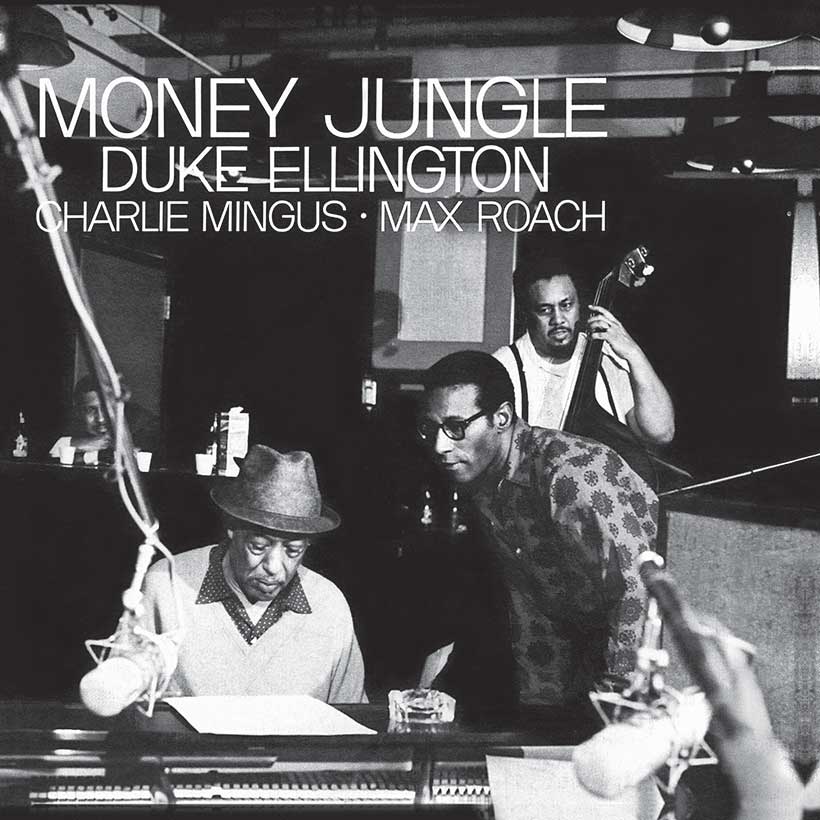
CULT CLASSIC: ROY BUDD-THE INTERNECINE PROJECT.
Cult Classic: Roy Budd-The Internecine Project.
By 1974, London born jazz pianist, arranger, bandleader and composer Roy Budd was twenty-seven, and had been performing professionally since the age of fifteen. A year later, he formed his own quartet, and in 1967, released his debut album Roy Budd At Newport. The young pianist was a prodigious talent, who by 1970 had turned his attention to the world of film scores.
Roy Budd’s first film score was for Soldier Blue which was directed by Ralph Nelson and released in August 1970. Just a year later he was commissioned to write the score to the gangster film Get Carter which was released in 1971, and starred Michael Caine and Britt Ekland. Over the next three years Roy Budd continued to combine his work as a bandleader and musician with writing film scores.
He was commissioned to write the score for The Internecine Project, a British thriller which was directed by Ken Hughes and starring James Coburn and Lee Grant. Joining Roy Budd when the soundtrack was recorded were his usual rhythm section of drummer Chris Karan and bassist Pete Morgan. They were joined by legendary tenor saxophonist Tubby Hayes and the National Philharmonic Orchestra when the soundtrack to The Internecine Project was recorded. Sadly, when the film was released no soundtrack album was available. It was belatedly released in 2020 and is a reminder of the multitalented Roy Budd at the peak of his powers.
Roy Budd was born on the ‘14th’ of March, 1947, and by the age of three music was already part of his life. He used to listen to jazz playing on the radio. Just a year later, when he was four, Roy Budd started to play piano by ear. Then he started to copy the melodies he heard on the radio. This included Knees Up Mother Brown which he used to tap out with just one finger. Those who watched Roy Budd play said music came effortlessly to him, and he was regarded as a child prodigy.
The following year, 1952, Roy Budd met Winifred Atwell, who was one of his favourite pianists. When she heard the five year old copy the way she played she was stunned and said: “I’ve never seen anything like it, his sense of rhythm is superb. There’s a real genius here all right.”
Just a year later, in 1953, Roy Budd made his official debut at the London Coliseum. Although the six year old had only recently made his live debut American pianist Liberace had already heard about Roy Budd. He wanted to meet the young pianist, so sent Roy Budd and his parents tickets to one of his shows. Unfortunately, Liberace’s bodyguard didn’t believe the Budd’s had an appointment and they never got to meet him. To ensure this didn’t happen the next time, Roy Budd was sent a photo that included a personal note. This allowed him to prove he had an appointment with Liberace the next time he was in London.
By the time Roy Budd was eight, he could also play the Wurlitzer organ. This was another example of his prodigious talent.
Two years later, in 1957, ten year old Roy Budd was already a familiar face on British television, and had played before the royal family at The London Palladium. He had achieved so much since he made his debut just four years earlier. He was a special talent who said in an interview: “I have no idea of how the music comes. When I hear the a tune I just sit down at the piano and the music flows from my fingers.” That would be the case throughout his career.
During his early teens, Roy Budd discovered jazz. This inspired him to form the Roy Budd Trio.
By the time he was fifteen, Roy Budd had already started playing professionally. Soon, he was being nominated and winning awards for the best jazz pianist. This included winning the UK jazz poll in the category of best pianist for five years running. Roy Budd’s life was transformed as he played at some of the most prestigious venues across the globe.
He was by then regularly appearing on radio and television. Roy Budd had also started to write his own jazz compositions. This was a natural progression for the young musician.
So was forming his own band. When he turned sixteen, he formed the Roy Budd Quartet which featured drummer David May, Graham Jones or Steve Clark on bass with guitarist Pete Smith completing the lineup. They played at various venues in London, and regularly played at the Green Man and at the Lillipop Hall at Tower Bridge where they were a popular draw. Jazz fans from all over London travelled to see the young pianist and his new band.
Despite forming the Quartet when he was sixteen, the Roy Budd Trio was still going strong. The same year, Roy Budd brought drummer Chris Karan and bassist Pete Morgan onboard and they became what’s regarded as the classic lineup of the Trio. This new lineup of the Roy Budd Trio was influenced by its leader’s love of Brazilian music and would play together for over forty years.
At the time he turned professional, Roy Budd also decided to hire agent Doug Stanley. He would help the young musician for the next three years before emigrating to Australia. By then the two men had become friends and Doug Stanley had guided Roy Budd’s career.
Later, Roy Budd became the resident pianist at the Bull’s Head, Barnes. That was where he met songwriter Jack Fishman. He was so impressed with Roy Budd’s musical ability that he used his contacts at MCA to secure him a three-year recording contract.
This must have looked like the start of another successful chapter in Roy Budd’s career. However, after year, MCA used a clause in the contract that allowed the company to drop Roy Budd after the release of his 1965 debut single Birth Of The Budd. For a young musician who was only used to success, this must have been a huge blow to Roy Budd.
Despite this, Roy Budd bounced back and signed to Pye, and in 1967 released three albums. This included his debut solo album Pick Yourself Up!!! This Is Roy Budd. Later that year, he retained with his sophomore album Roy Budd Is The Sound Of Music. The Roy Budd Trio also released their debut album Roy Budd At Newport during 1967. It had been a big year for the twenty year old pianist, bandleader and composer.
Roy Budd also wrote the theme for the Granada TV police drama Mr Rose. Little did he realise that he would soon be better known for his film scores. That was all in the future.
In 1969, Lead On Roy Budd was released, with Budd ‘N’ Bossa following in 1970. By then, Roy Budd was about to change direction and write his first film score.
The opportunity arose when he heard that director Ralph Nelson was looking for an English composer to write the score to his controversial revisionist western, Soldier Blue. Roy Budd was so keen to write the score that he sent Ralph Nelson a tape featuring music written by Dimitri Tiomkin, Jerry Goldsmith, John Williams, Lalo Schifrin and Max Steiner’s lesser known works claiming that it was own. Unsurprisingly, when Ralph Nelson heard the quality of music on the tape, he commissioned Roy Budd to write the score to Soldier Blue. There was a problem though.
Although Roy Budd could write music he couldn’t conduct an orchestra, which he was expected to do when the soundtrack was being recorded. Fortunately, he remembered Jack Fishman’s advice to never look at the control room. Heeding his friend’s he put his head down and conducted the Royal Philharmonic Orchestra during the recording of the Soldier Blue soundtrack.
When the controversial and bloody film was released in 1970, the soundtrack to Soldier Blue played its part in the success of the western. Other filmmakers hearing Roy Budd’s soundtrack commissioned him to write the score to their films.
This included Mike Hodges who was the director of the gangster film Get Carter which starred starred Michael Caine and Britt Ekland. There was a catch though, the budget for the soundtrack was only £450. To save money, Roy Budd only used three musicians, and he played Fender Rhodes and harpsichord on what’s one of his finest soundtracks.
Sadly, when the film Get Carter was released in 1971, it wasn’t a commercial success. Despite that, Roy Budd was commissioned to write more soundtracks.
Later in 1971, Roy Budd wrote the soundtrack to Flight Of The Doves, then Fear Is The Key which was released in 1972 and The Stone Kill in 1973. Between 1970 and 1974 Roy Budd was prolific and wrote the score to sixteen films. This included The Internecine Project which was released in 1974.
The Internecine Project.
The Internecine Project was a British thriller that was written by Mort W. Elkind, Barry Levinson and Jonathan Lynn. It was directed by Ken Hughes and starred James Coburn and Lee Grant, and was released in 1974, by United Artists.
The film was set in London in the early seventies, and tells the story of a former secret agent Robert Elliot, who is about to be promoted and become a government advisor. He decides that he wants to get rid of anything and that relates to his past. To do this, he comes up with a plan where his four former associates will unknowingly kill each other on the same night.
This they do against a soundtrack featuring sixteen of Roy Budd’s compositions which were arranged by Frank Barber. They were recorded at CTS Wembley in 1974, and featured some familiar faces from Roy Budd’s past. This included drummer Chris Karan and bassist Jeff Clyne while the National Philharmonic Orchestra who he had conducted on Soldier Blue provided the strings.
They were joined by guitarist Judd Proctor, violinist Sidney Sax, percussionists Frank Barber and Tristan Fry, while Paul Fishman played synths. Horns came courtesy of tenor saxophonist Tubby Hayes and trumpeter and flugelhorn player Kenny Baker. Roy Budd played piano, harpsichord, clavinet, Fender Rhodes and synths. Together with this multitalented group of musicians he recorded one of his finest soundtracks The Internecine Project. It has Roy Budd’s name written all over it.
Side One.
Anyone who has listened to and studied the key ingredients of a Roy Budd theme will spot what can only be described as a big theme that is memorable, melodic and tuneful. That is the case from the ruminative sounding Main Theme, with its haunting strings which in an instant transports the listener back to the early seventies when The Internecine Project was set. Somebody’s Going To Have To Kill Him features dramatic, heavy orchestral riffs and as tablas play and strings sweep. It’s a gripping and full of tension. So is Never Think Twice where Roy Budd takes a less is more approach before the strings sweep and a pulsating bass and pounding piano adds to the drama as it builds. There’s tension and drama throughout The Deal, as if hinting that something could go horribly wrong at any time. It’s one of Roy Budd’s finest moments on The Internecine Project and one where he plays a starring role. Cinematic, chilling, eerie and haunting describes Find A Solution where the tension continues to build. That’s the case on Alright Alex where Roy Budd combines a harpsichord, chilling strings and timpani to accentuate the sense of drama and danger. The tension continues in Room 716 where bursts of drama can be heard before the chilling and menacing sounding Waiting For Murder unfolds.
Side Two.
The arranged to Mr Easy quivers and shivers, as it becomes funky, mesmeric, melodic and filmic. Roy Budd again uses the strings to add darkness and drama to Death In The Shower as percussion, piano harpsichord and horns are deployed and add the finishing touches to another of the soundtrack’s highlights. During Witness the darkness and drama of the previous track returns and strings add a chilling backdrop, timpani adds drama and the harpsichord adds that early seventies sound. Cinematic strings sweep in as You Or Him unfolds as percussion, a pulsating bass and otherworldly sounds combine as a dramatic, menacing sounding track reveals its secrets. Chilling, haunting, dramatic with a hint of desperation describes Finish The Job. Borrowed Time is a filmic track that is full of drama and paints pictures, while End Theme manages to be both melancholy and beautiful. Then on 5 Minutes Left To Live. funk, fusion and Latin rhythm combine to create a dramatic ending before Roy Budd drops in his trademark harpsichord leaving the listener wondering what happened, who lived, who died and was there a twist in the tail?
Although The Internecine Project wasn’t a high profile film with big budget, Roy Budd wrote and recorded what was a stunning soundtrack. It’s better than the film itself which wasn’t particularly successful. Very few people saw The Internecine Project when it was released in 1974, and it was about decade later when it started to appear late at night on commercial television in Britain.
After writing the score to The Big Bang, which was released in 1987, Roy Budd turned his back on the world of soundtracks and returned to his first love jazz. That was the case until his sudden and tragic death after suffering a brain haemorrhage on the ‘7th’ of August 1993 aged just forty-six. British music had lost a prodigious talent.
Now twenty-seven years after Roy Budd’s death, critics, film fans and record buyers are looking beyond his best known soundtracks to Soldier Blue, Get Carter, Flight Of The Doves and Fear Is The Key. Roy Budd wrote the soundtrack to thirty films, and sadly, many of these films weren’t a commercial success.
That was the case with The Internecine Project, which is an oft-overlooked hidden gem that is worth watching the next time it’s on television. However, the best thing about The Internecine Project is Roy Budd’s soundtrack which transports the listener back to the early seventies and is chilling, haunting, full of drama and tension, but is also funky, mesmeric, melodic and truly memorable and a reminder of a prodigiously talented composer, bandleader and musician at the peak of his considerable powers.
Cult Classic: Roy Budd-The Internecine Project.
CULT CLASSIC: JACKIE MCLEAN-A FICKLE SONANCE.
Cult Classic: Jackie McLean-A Fickle Sonance.
On October the ’26th’ 1961, thirty year old alto-saxophonist Jackie McLean made the now familiar journey to the Van Gelder Studio, at 445 Sylvan Avenue, Englewood Cliffs, New Jersey, to record a new album with his quintet. The album became A Fickle Sonance, which was released in late 1962 and is regarded as a landmark album where Jackie McLean’s music starts to evolve as he begins to move from hard bop to free jazz. This was the latest instalment in the Jackie Mclean story.
Alto saxophonist, bandleader and composer Jackie McLean was born into a musical family in New York, on May ‘17th’ 1931. His father was a guitarist in Tiny Bradshaw’s successful swing orchestra, and he taught his young son about music. Tragedy struck in 1939, when Jackie McLean’s father passed away when he was just eight. However, his musical education continued.
Jackie McLean was fortunate to be surrounded by people who were immersed in music. This included his godfather and then his stepfather who owned a record shop. However, by the time he was a teenager, Jackie McLean wanted to learn an instrument and decided to learn the saxophone.
He started out playing the soprano saxophone, but after a while, switched to the alto sax. He was fortunate to receive music lessons from some respected teachers and some of his neighbours. This included Bud Powell, Thelonious Monk and Charlie Parker who were happy to give Jackie McLean informal lessons.
Charlie Parker proved to be a huge influence on Jackie McLean. Later in his career, Jackie McLean was described as one of Charlie Parker’s disciples. The two men also shared much in common apart from music. That was in the future.
Before that, the informal lessons paid off, and by the time he was in high school Jackie McLean was in a band that featured Kenny Drew, Sonny Rollins and Captain Kirk, the son of Andy Kirk. Three members of the band would go on to record for Blue Note Records, and in 1951 played alongside Miles Davis.
In 1951, Jackie McLean became a professional musician. By then, the twenty year old was prodigiously talented alto saxophonist who was already writing his own compositions. The young saxophonist and composer came to the attention of Miles Davis later in 1951.
Jackie McLean and his high school friend Sonny Rollins were invited to join Miles Davis’ band for the recording of Dig. It was one of Sonny Rollins earliest recordings, while Dig was Jackie McLean’s first recording session. He had written the title track, and played on four of the five tracks. While playing on Dig helped launch Jackie McLean’s career, there was a negative side to the experience.
Miles Davis and many of his friends were heroin addicts. This wasn’t uncommon in jazz, and it was seen by some as an occupational hazard. Sadly, Jackie McLean would become addicted to heroin.
In 1955, he recorded his debut album Presenting… Jackie McLean which was released by Ab Lib in 1956. This was the only album Jackie McLean released for Ad Lib.
By 1956, Jackie McLean like so many other jazz musicians was battling heroin addiction. This included his mentor and idol Charlie Parker. He had died in 1955 aged just thirty-four. Just two years earlier the pair had been walking through Greenwich Village looking for a club where they could play. That was when a frustrated Bird stopped and turned to twenty-two year old Jackie McLean and asked him to give him a public kicking. Bird was frustrated, annoyed and angry that he had squandered his prodigious talent and neglected himself. Now it was happening all over again to Jackie Mc:ean who risked losing everything.
After leaving Ad Lib, Jackie McLean signed to Prestige Records, and in January 1956, recorded Lights Out! It was released June 1956 and showcased Jackie McLean trademark hard bop sound. Right through to August 1957 he continued to record for Prestige, and by the time he left the label had recorded nine albums.
Jackie McLean also spent much of his time working as a sideman and accompanied some of the biggest names in jazz. He had joined Gene Ammons band and played on four albums he released between 1956 and 1957. This including two of his finest albums, Funky and Jammin’ in Hi Fi with Gene Ammons which were both released in 1957.
In 1956, Jackie McLean was also a member of Charles Mingus’ band when he recorded his Pithecanthropus Erectus album. However, Jackie McLean left after the album was completed. The bandleader had a reputation as being volatile and difficult to deal with this. That was the case during the session when, he alleged that Charles Mingus had punched him. Jackie McLean fearing for his life pulled out a knife and for a split second thought about using it in self defence. He didn’t and instead, left Charles Mingus’ employ.
Jackie McLean was hired by drummer Art Blakey and became a member of the Jazz Messengers. He played on seven albums between 1956 and 1957 before he decided to leave the Jazz Messengers.
During 1957, Jackie McLean found time to record two solo albums for the Jubilee label, and played on albums by Kenny Burrell, Art Farmer, Max Wadron and Ray Draper. However, later in 1957, disaster struck for Jackie McLean when he was arrested on drugs charges.
While he was awaiting trial Jackie McLean played Sonny Clark’s Cool Struttin’ album which was recorded in early 1958. The next eleven months were spent imprisoned on Rikers Island. Jackie McLean had hit rockbottom.
When he was released from prison, Jackie McLean discovered that like his mentor Charlie Parker and Thelonious Monk he had lost his New York cabaret card, and for over seven years couldn’t play live in the Big Apple. He knew that he was going to have to rely heavily on session work for the next few years.
On the ‘21st’ of December 1958, Jackie McLean made his return to the recording studio when he played on Donald Byrd’s Off To The Races. It was his first session in eleven months, but over the next few years, the studio would be like a second home for Jackie McLean.
He signed to Blue Note Records in 1959, which was his musical home until 1967. Blue Note Records paid better than other labels and offered a greater degree of artistic control. This was important to Jackie McLean who was about to begin the most productive and prolific period of his career.
Having lost his New York cabaret card, session work became even more important to Jackie McLean. Over the next eight years he played on albums by Bobby Hutcherson, Dexter Gordon, Donald Byrd, Freddie Hubbard, Freddie Redd, Lee Morgan, Sonny Clark and Tina Brooks at Blue Note Records. Jackie McLean also played alongside one of the pioneers of free jazz Ornette Coleman who would influence his music. That was later in the Blue Note Records’ years.
New Soil.
This new era began on May the ‘2nd’ 1959 at Van Gelder Studio when Jackie McLean led a quintet that included drummer Pete La Roca, bassist Paul Chambers, pianist Walter Davis Jr and trumpeter Donald Byrd. They recorded two compositions by Jackie McLean and three by Walter Davis Jr which became New Soil.
When New Soil was released in August 1959, it was to critical acclaim. The album found Jackie McLean trying to move beyond the boundaries of hard bop. He had been playing hard bop since he released his debut album in 1956 and was already looking to the future, and eventually free jazz.
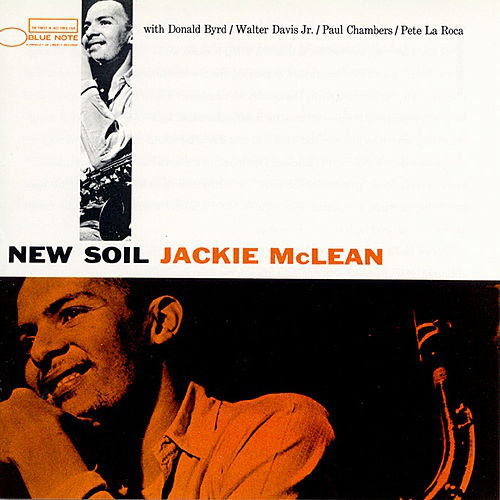
Swing, Swang, Swingin’.
Two months after the release of New Soil, Jackie McLean returned to Van Gelder Studio on October the ‘20th’ 1959 to lead a quartet that included drummer Art Taylor, bassist Jimmy Garrison and pianist Walter Davis Jr. They recorded seven compositions during the session. The majority were standards, apart from the Jackie McLean’s composition 116th and Lenox. These tracks became Swing, Swang, Swingin’.
When Swing, Swang, Swingin’ was released in March 1960 it featured a newly invigorated Jackie McLean. He plays a starring role in each and every track. Having unleashed the melody, Jackie McLean improvises as if his very life depends on it. He plays with freedom and an inventiveness as he leads a tight and talented quartet. They were the perfect foil for Jackie McLean who for the next few years could do no wrong.
Capuchin Swing.
Just a month after the release of his second album for Blue Note Records, Jackie McLean was back in the now familiar surrounding of the Van Gelder Studio. On the ‘17th’ of April 1960, he was leading a quintet that featured drummer Art Taylor, bassist Paul Chambers, pianist Walter Davis Jr and trumpeter Blue Mitchell. They recorded six compositions, including three by Jackie McLean and they became Capuchin Swing.
When Capuchin Swing was released in early December 1960, the album was well received. It was mostly an album of hard bop, albeit with a hint of the freer sound Jackie McLean would later embrace. The tracks were a mixture of blues and mid to fast tempo tracks that swung. They were the perfect showcase for some of the finest purveyors of hard bop. Jackie McLean’s playing was progressive, inventive and sometimes inspirational on an album that is often underrated and overlooked. That wasn’t the case with the followup Jackie’s Bag.
Jackie’s Bag.
By the time Jackie McLean began work on his fourth album for Blue Note Records, a number of tracks he had previously recorded had yet to be recorded. This included three Jackie McLean compositions recorded at the original Van Gelder Studio on January the ’18th’ 1959. They were recorded by a quintet that included drummer Philly Joe Jones, bassist Paul Chambers, pianist Sonny Clark and trumpeter Donald Byrd. However, the three tracks weren’t enough for an album so Jackie McLean returned to the studio.
On the ‘1st’ of September 1960, led a sextet that included drummer Art Taylor, bassist Paul Chambers, pianist Kenny Drew, trumpeter Blue Mitchell and tenor saxophonist Tina Brooks. They recorded two Jackie McLean compositions and Tina Brooks’ Isle Of Java. As usual, Alfred Lion took charge of production of the tracks that completed Jackie’s Bag.
Blue Note Records scheduled the release of Jackie’s Bag in June 1961. When critics heard the album they didn’t think it was Jackie McLean’s most innovative album. It was an album of two sides.
The strongest material came from the second session, and the addition of Tina Brooks was a masterstroke. He proved to be the perfect foil for Jackie McLean, and the interplay between the pair is among the highlights of the album. It was mostly an album of hard bop but sometimes, Jackie McLean showed his more adventurous side. It was as if he was yearning to break free and try something new.

Bluesnik.
Just seven months after the release of Jackie’s Bag, Jackie McLean returned with his next album Bluesnik in February 1962. It had been recorded on the ‘6th’ of January 1961.
Jackie McLean headed to the Van Gelder Studio to record with his quintet. It featured drummer Pete La Roca, bassist Doug Watkins, pianist Kenny Drew and trumpeter Freddie Hubbard. They recorded six compositions that became Bluesnik, including three by Jackie McLean.
Bluesnik was released in February 1962 and was hailed not just as Jackie McLean’s most accessible album for Blue Note Records but his strongest. He blew hard on Bluesnik which was an album that swings thanks to the all-star rhythm section. The band blazes their way through Bluesnik which is mostly an album of hard bop and blues. Sometimes becomes more adventurous as Jackie McLean experiments on Bluesnik. This he continued to do on his next album A Fickle Sonance.
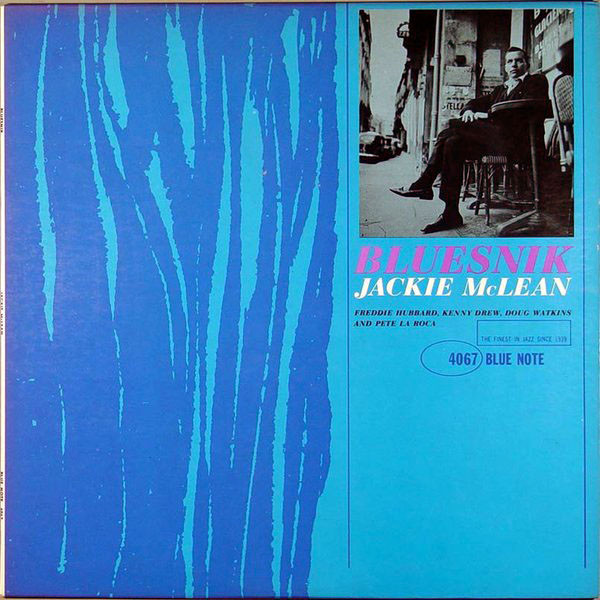
A Fickle Sonance.
Nine months after he recorded Bluesnik, Jackie McLean returned to the Van Gelder Studio on October the ‘26th’ 1961 to record what became a A Fickle Sonance. That day he led a talented and versatile quintet which featured some familiar faces as well as a newcomer.
Joining Jackie McLean was a new rhythm section of drummer Billy Higgins and bassist Butch Warren. They were joined by pianist Sonny Clark. Another newcomer was trumpeter Tommy Turrentine. The band wrote or cowrote four of the six compositions on A Fickle Sonance.
Jackie McLean had written two new compositions, Subdued and A Fickle Sonance. Sonny Clark penned Sundu, Tommy Turrentine contributed Enitnerrut and Butch Warren wrote Lost which closed the album. However, Sonny Clark arrived at the sessions with an exciting find.
He had been at Thelonious Monk’s house when it’s claimed he discovered the lead sheet to Two Timer. Sonny Clark finished the composition which he renamed Five Will Get You Ten. It was credited to Thelonious Monk and Sonny Clark and would open the album.
Just like his previous albums, Rudy Van Gelder was the engineer and Alfred Lion produced A Fickle Sonance. The session lasted just the one day, and thirteen months later A Fickle Sonance was released by Blue Note Records.
On its release in November 1962, most critics welcomed and were won over by A Fickle Sonance. It was Jackie McLean doing what he did best, playing hard bop. This was something he had been doing since he released his debut album. However, Jackie McLean was determined to take hard bop in a new direction on A Fickle Sonance.
Just like on Bluesnik, Jackie McLean’s playing had a swinging, bluesy style and he played with speed, and power. However, this time around, Jackie McLean was accompanied by what was essentially a new band.
They were the perfect foil for him and he seemed to be reinvigorated. His playing was imaginative and inventive as he showcased his unique sound. It was raw, emotive and piercing almost shrill. Although he had honed a bluesy style, sometimes gospel-tinged was the best way to describe Jackie McLean’s style on A Fickle Sonance. However, the best way to describe him is versatile.
Five Will Get You Ten opens A Fickle Sonance. Straight away Jackie McLean’s alto saxophone has that shrill sound as it swings and quivers. He plays with speed and power and the band match him every step of the way. When the solos come around his playing is aggressive and edgy, while Tommy Turrentine and Sonny Clark’s are much more laid back. Meanwhile, Billy Higgins’ drums add energy and are like a musical spark plug that propels the arrangement along. Although everyone plays their part in the sound and success of the track, it’s bandleader Jackie McLean who steals the show.
The tempo drops on the ballad Subdued, where Jackie McLean’s alto saxophone takes centrestage. He plays within himself and shows restraint. His playing is expressive, emotive and takes on a ruminative sound. It allows the listener to reflect and during this beautiful Subdued composition that shows another side to Jackie McLean.
As Sundu unfolds, the piano answers the horns’ call. Then when it’s time for Jackie McLean’s solo its simple, unfussy and in a bluesy. Sonny Clark’s piano solo is also bluesy and his finger fly across the keyboard as he plays one of his best solos on this memorable blues.
Dissonant describes the introduction to A Fickle Sonance. This is akin to a curveball because soon, it’s all change as the band moves through the gears into a quick swing. They keep things tight, especially during the main melodic statement. Later, the modal changes result in some of the finest solos on the album. Sonny Clark once again plays a starring role and latterly plays with an inventiveness and power that inspires the rest of quintet to greater heights.
Tommy Turrentine wrote the funky, minor themed Enitnerrut. It features some of the best soloing on A Fickle Sonance from every member of the band. The rest of this truly talented quintet enjoy the opportunity to shine and their fifteen minutes of fame.
Butch Warren’s Lost closes A Fickle Sonance and is similar to Enitnerrut. It veers between a Latin feel to a swaggering swing. At one point, Butch Warren unleashes a solo and showcases his considerable skills on what’s the perfect way to close the album.
By the time Jackie McLean rebased A Fickle Sonance he had spent a decade forging his own unique sound. Critics and jazz fans recognised Jackie McLean’s alto saxophone whether he was bandleader or sideman. He was by 1962, one of the hardest working musicians signed to Blue Note Records.
He became a professional musician eleven years earlier, and was enjoying the most successful period of his career. He had signed to Blue Note Records in 1959, and three years later, A Fickle Sonance was the sixth album that Jackie McLean had released. It was also one of the best and just like his previous album Bluesnik it was one of his most accessible.
By 1962, Jackie McLean was trying to rebuild his life after a number of years when he was addicted to heroin. It looked as if he was about to follow in the footsteps of his mentor Charlie Parker and waste his talent. However, three years after the death of Bird, Jackie McLean received a wake up call.
He was found guilty of narcotics charges and sentenced to an eleven month jail sentence on the infamous Rikers Island. He spent most of 1958 in prison and only played on two albums that year.
Four years later, he was still making up for lost time and rebuilding a career that promised so much. He was a prolific musician who spent much of his time in the studio working as a sideman and recording six solo albums. This includes A Fickle Sonance it marked the end of a chapter in his career. He was about to embrace avant-garde and free jazz from his next album. This move would divide the opinion of critics who either preferred his old sound, or his modernist music.
Of the first six albums that Jackie McLean recorded for Blue Note Records, Capuchin Swing, Bluesnik and A Fickle Sonance feature the maverick alto saxophonist at his very best as he rebuilt his career. Recently, A Fickle Sonance was reissued by Blue Note Records on vinyl and this is an opportunity to discover or rediscover the delights of the album that marked the end of an era for Jackie McLean.
Cult Classic: Jackie McLean-A Fickle Sonance.
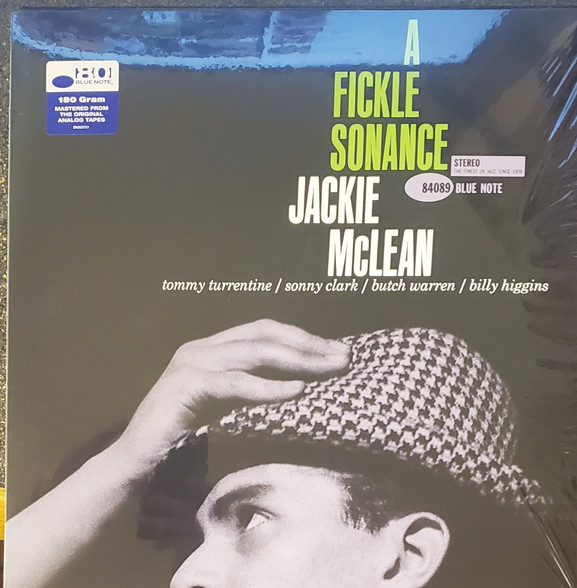
CULT CLASSIC: LEE MORGAN-THE COOKER.
Cult Classic: Lee Morgan-The Cooker.
When eighteen year old trumpeter Lee Morgan signed to Blue Note Records as a solo artist in 1956, he was already a prodigious talent and had the potential to become one of the greatest trumpeters of his generation. That talent was soon apparent.
Introducing Lee Morgan.
On November the ‘4th’ 1956, Lee Morgan made his way to the Van Gelder Studio, in Hackensack, New Jersey, to record his debut album. This became Introducing Lee Morgan, which was released in early 1957, and hinted at what was to come from the prodigiously talented Philly born hard bop trumpeter.
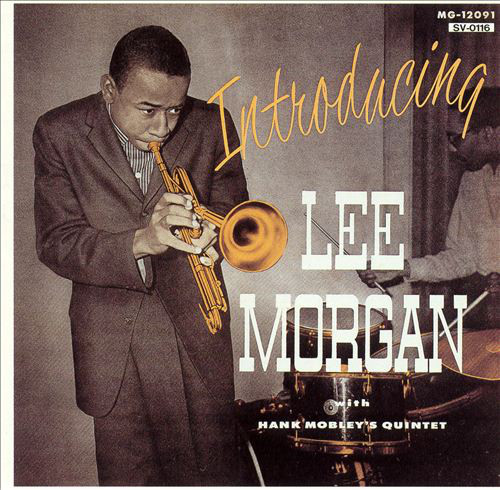
Lee Morgan Sextet.
Just under month after recording his debut album, Lee Morgan returned to the Van Gelder Studio on the ‘2nd’ of December 1956 to record another album. The album became Lee Morgan Sextet, which included pianist Horace Silver and tenor saxophonist Hank Mobley. Both were vastly experienced and hugely talented musicians but recognised that there was something special about the young bandleader and trumpeter. When Lee Morgan Sextet was released in May 1957, this latest album of hard bop was well received by critics. They realised that Lee Morgan was a special talent with a bright future ahead of him.

Lee Morgan Volume 3.
By the time Lee Morgan returned to Van Gelder Studio to record what became Lee Morgan Volume 3 on March ’24th’ 1957 his debut album just been released. Just like his sophomore album, Lee Morgan Volume 3 was another sextet recording that featured tenor saxophonist Benny Golson and pianist Wynton Kelly. Just like so many Blue Note Records’ albums, it only took the one session to record Lee Morgan Volume 3.
When Lee Morgan Volume 3 was released later in 1957, the album was hailed as the finest of the nineteen year old trumpeter’s career. He was one of rising stars of the jazz, and critics forecast that here was a young man whose star would shine brightly for a long time.
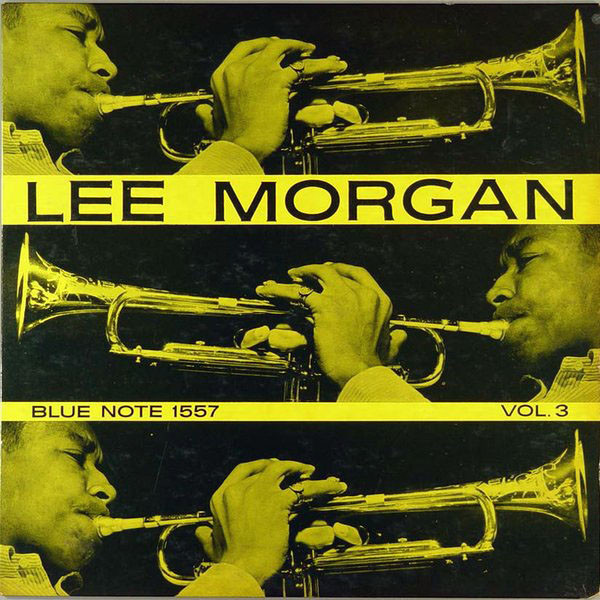
City Lights.
Just over five months later, Lee Morgan returned to Gelder Studio on August the ‘25th’ 1957 to record his fourth album, City Lights. For the session, drummer Art Taylor was recruited and joined what was a talented and experienced sextet.
Playing alongside such experienced musicians didn’t phase Lee Morgan who had no problem holding his own. He seemed to thrive in their company and City Lights was called his finest album when it was released later in 1957. It seemed that Lee Morgan was improving with every album.

The Cooker.
That was definitely the case, and his fifth album The Cooker, was Lee Morgan’s first classic album. It’s a reminder of the prodigiously talented Lee Morgan when was just nineteen.
Lee Morgan had turned nineteen on July the ‘10th’ 1957, and just over two months later, he was making the now familiar journey to New Jersey and the familiar environs of the Van Gelder Studio. He planned to record two of his own compositions Heavy Dipper and New-Ma, and augment them with three standards. This included Dizzy Gillespie’s A Night In Tunisia, Cole Porter’s Just One Of Those Things and Jimmy Davis, Roger Ramirez and James Sherman’s Lover Man (Oh, Where Can You Be)? These five tracks Lee Morgan would record with his quintet.
For the recording of The Cooker, trumpeter Lee Morgan was joined by drummer Philly Joe Jones, bassist Paul Chambers, pianist Bobby Timmons and baritone saxophonist Art Pepper. Rudy Van Gelder was the recordist and engineer while Alfred Lion took charge of production on The Cooker. Once the album was recorded, the release was scheduled for March 1958.
By the time The Cooker was released, Lee Morgan was still nineteen and was maturing with every album. He had already played in Dizzy Gillespie’s band and had just played on John Coltrane’s first great album Blue Train. More recently, Hank Mobley and Lee Morgan had collaborated on the album Peckin’ Time which they had recorded on February the ‘9th’ 1958. However, just like his friend John Coltrane, Lee Morgan was about to release his first classic album, The Cooker.
When Lee Morgan recorded with Blue Train with John Coltrane, he had to produce a series of disciplined performances as he read the carefully drafted arrangements on what wasn’t just an album, it was an artistic concept. The Cooker sessions were very different and much more relaxed as the young bandleader decided to let his quintet off the leash. He decided that they were going to have a blowout, and play hard and fast and with flair, freedom and spontaneity. Lee Morgan wanted things to be informal which he hoped would bring out the best in the multitalented band.
In the engine room were drummer Philly Joe Jone and bassist Paul Chambers were part of Miles Davis quintet, Lee Morgan had recruited Philly born pianist Bobby Timmons. However, Art Pepper’s baritone saxophone added a different sound, which was much darker, especially when it combined with Lee Morgan’s trumpets.
The Cooker opened with a reworking of the classic A Night In Tunisia. Philly Joe Jones thunderous toms open the mid tempo track before the rhythm section and create an understated percussive groove. Pepper Adams blows his baritone sax and meandering solo before Lee Morgan plays the instantly recognisable Eastern-tinged melody. After that, it’s time for the solos and despite being in the company of much more experienced musicians, it’s Lee Morgan’s star that shines the brightest as he fuses scampering chromatic runs with palpitating tremolos. Not to be outdone, Art Pepper unleashes a flowing, explosive solo and his playing is innovative and melodic. Meanwhile Bobby Timmons showcases his considerable skills but it is Lee Morgan who plays a starring role on this nine minute epic rework of a standard.
Heavy Dipper is the first of two Lee Morgan compositions. It finds the quintet swinging as they play with power and intensity. Then when the solos come round, it’s not just Lee Morgan that shines, it’s other band members, including briefly drummer Philly Joe Jones. However, when the quintet play together they deliver tight and cohesive performances. Despite his relative youth, Lee Morgan proves to be a talented composer, bandleader and as a musician was maturing with every performance.
The cover of Just One Of Those Things can only be described as a turbocharged performance. That is the case from the moment Art Pepper unleashes a baritone saxophone solo. Meanwhile, it’s more like a yomping bass line that Paul Chambers plays. Lee Morgan is content to let others shine for the first three minutes and then steps forward and plays his solo. Within just a few bars it’s apparent that the nineteen year old is a special talent who was destined for greatness.
Lee Morgan and his quintet decide to drop the tempo on Lover Man (Oh, Where Can You Be)? This romantic ballad that was written for Billie Holliday, and initially it’s just Lee Morgan’s trumpet and Paul Chambers’ bass that combine before the rest of band enter. When the solos arrive it is Art Pepper’s rasping, croaky baritone saxophone is played with a fluidity and expressiveness that breathes new life into this much-loved standard.
Closing The Cooker is New-Ma, the second Lee Morgan composition on the album. The quintet relaxes into a mid tempo groove with drummer Philly Joe Joes and combining with Paul Chambers’ walking bass. His playing is almost laid back as he feeds off Bobby Timmons’ piano playing. He enjoys the chance to shine, and just like Lee Morgan this is a hint of what’s to come from him.
After releasing five albums for Blue Note Records, Lee Morgan had released his first classic album The Cooker. The four albums he had released had been leading up to this moment, for the prodigiously talented and gifted trumpeter, composer and bandleader.
Lee Morgan would go on to release other classic albums like The Sidewinder and Cornbread. However, his first classic was The Cooker, a breathtaking and spellbinding album that showcases a prodigiously talented musician. His star shines bright throughout The Cooker which was his first classic album, and a reminder of one the greatest trumpeters of his generation Lee Morgan.
Cult Classic: Lee Morgan-The Cooker.

CULT CLASSIC: PIRANA-PIRANA.
Cult Classic: Pirana-Pirana.
Although Australian progressive rockers Pirana were together for just over three years, they played live over 600 times and released two albums on Harvest Records. This included their 1972 debut album Pirana. It’s a cult classic and a reminder of a group that should’ve reached greater heights. Sadly, commercial success eluded Pirana, and theirs is another case of what might have been?
The Pirana story begins in Sydney, fifty years ago in mid-1970, when former members of Gus and The Nomads’ rhythm section decided to head form a new band. By then, the group had been together since the mid-sixties and released several singles as Gus and The Nomads and also as The Nomads. Despite that, drummer Jim Yonge, bassist Graeme Thomson and guitarist Tony Hamilton plus keyboardist, guitarist and vocalist John Millyard decided to start afresh with a new group and make a different type of music…progressive rock.
Before long, Pirana were playing live and had a nightly residency in Sydney, at the Hawaiian Eye, a club run by promoter and manger John Harrigan. Things were looking good for Pirana. That was until keyboardist, guitarist and vocalist John Millyard announced that he was leaving the band.
This was a huge disappointment for Pirana who had lost their lead vocalist and keyboardist. Fortunately, they were told about a tattered keyboard from New Zealand Stan White, who was worth checking out. Maybe he could fill the gap left by John Millyard?
Stan White was originally from Lake Tekapo, in the South Island, and later, moved to Christchurch, where he became a members of The Chapta. They became a successful group and during the early seventies, were signed to Festival Records and HMV. However, by then, Stan White had moved on.
He left Christchurch and moved to Sydney where he joined the group Multiple Balloon. They were often to be found playing in a cellar bar at the bottom of William Street, Sydney. This was where other members of Pirana saw Stan White play and quickly realised he was the perfect replacement for John Millyard.
After speaking with the members of Pirana, Stan White agreed to join group. The second lineup of the group was born, and when Pirana’s powerhouse of a rhythm section combined with Stan White’s dazzling, mesmeric keyboard skills the newcomer played an important part in its sound and success.
So would his flare and ability to write and arrange songs. Stan White would prove to be the perfect foil and compliment Pirana’s other songwriter, Tony Hamilton. He had a thirst and passion for songwriting and Stan White helped bring out the best in him. The group’s new keyboardist was soon proving his worth.
Each night, Pirana made their way to the Hawaiian Eye, in Castlereagh Street, and when they took to the stage used each set to plan for their future. They road tested new songs and honed their sound, which was a fusion of progressive rock and Latin percussion.
By then, Jim Duke Yonge had already established a reputation as progressive and innovative drummer who played with power and rhythmic invention, with bassist Graeme Thomson was steady and played with feel as he provided the musical pulse. Playing an important part in the group’s sound was Stan White’s coursing, swirling Hammond organ and his high vocal. Meanwhile Tony Hamilton’s blistering, searing, soaring guitar answered its call and when needed, he was capable of adding a vocal powerhouse. Pirana in full flow was an impressive sound, and it wasn’t going to be long before Pirana they came to the attention of one of the A&R scouts that were regulars in the Hawaiian Eye.
It was Michael Barclay, who had just taken over as A & R Manager for EMI who spotted Pirana playing one night in the Hawaiian Eye. The former manager of Decca Records UK realising that Pirana were a cut above the competition signed the band to a longterm contract to the nascent Harvest label. Pirana were in good company as Michael Barclay had previously signed The Moody Blues to their new label. For Pirana, these were exciting times.
They started to work on their debut album and paid more attention to the set lists for their concerts. This in included an appearance at Wallacia, which was a one day festival to the west of Sydney.
Pirana weren’t the only new signing to Harvest records on the bill at the Wallacia Festival. They were joined by Greg Quill and Country Radio. This would be Pirana’s last major concert before recording their debut album.
The members of Pirana thought that their appearance at Wallacia was the perfect place to road test some new songs they had written. However, this was risky, a newly signed band playing new songs in front of a large crowd. If the material wasn’t well received they would fall flat on their face. Fortunately, Pirana and their new material went down well receiving rapturous applause. This augured well for the recording of their eponymous debut album.
By the time Pirana entered the studio, the rock magazine Go Set wrote an article praising their barnstorming performance at the Wallacia Festival. This was the perfect boost to their confidence as they started recording Pirana.
Joining Pirana at EMI’s 301 studio in Sydney was producer Gus McNeil and engineer John Taylor. The rhythm section of drummer Jim Yonge, bassist Graeme Thomson and Tony Hamilton who played rhythm guitar, lead guitar, timbales and added vocals. Stan White played Hammond organ, piano and contributed vocals during what was a relatively quick session. The band were devoted to what they were doing and innovative, like so many progressive rock band. Their eponymous debut album featured their trademark sound. This was traditional progressive rock sound combinedLatin rhythms, which critics compared to a Santana influence. This Pirana hoped would prove popular when their album was released later in 1971.
This was the sound that Pirana had been playing and had proven popular when they played live. By then, Pirana were no strangers to Sydney’s live scene, having started out at the Hawaiian Eye before spreading their wings and unleashing a barnstorming performance at the Wallacia Festival just before recording Pirana. They hoped that the album would find an audience across Australia where progressive rock was popular.
By then, many other groups had turned their back on the traditional pop sound, and embracing progressive rock. This included Company Cain, Greg Quill and Country Radio, Spectrum, Mackenzie Theory, Taman Shud, The Aztecs and The La De Da’s. Just like Pirana, these groups featured talented, inventive and versatile musicians brought a new level of creativity to the studio was they showcased a new sound with the music they made. It was ambitious, innovative and progressive and would stand the test of time. Sadly, not all of the albums released by these groups found the audience they deserved.
That includes Pirana’s eponymous debut album which was released in 1971. Sadly, although the album was well received by critics who were won over by Pirana’s ambitious and innovative fusion of progressive rock, Latin percussion with a hint of pop, psych and country rock. From the opening bars Pirana was a compelling and captivating album.
Elation opens the album and is designed to grab the listener’s attention. It doesn’t disappoint and and connoisseurs of progressive rock the lengthy drum and percussion solo will prove a veritable musical feast. One of the highlights of the album Sermonette which features some stunning interplay between Tony Hamilton’s guitar and Stan White’s Hammond organ. The Time Is Now breezes gently along before becoming rocky and anthemic. It’s a song with a message that is still relevant today as Pirana seamlessly combine pop, blistering guitars, Latin percussion, a swirling Hammond organ with hints of psych and their trademark progressive rock to create another of the album’s highlights.
Straight away, there’s a wistful sound to Find Yourself A New Girl and nod to The Beatles and even The Move. A flute plays a leading role in this melodic and memorable song that is without doubt the most commercial on the album. Quite different is The River where Pirana drop the tempo on what’s a country rocker. It features a looser sound that may not be as polished as other tracks. The vocal is impassioned and emotive while the rest of the band showcase their versatility. Both Easy Ride and then Stand Back have much in common with Sermonette as they feature a much heavier sound with the Hammond organ and guitar playing starring roles. On Stand Back, which is a ten minute epic there’s lengths solos as this talented and versatile band close their debut album on an uber rocky high and considerable talents.
Following the release of Pirana, the band left Sydney in late 1971 and headed to Melbourne where they hoped to introduce their music to a new and wider audience. That made sense as the city had a bigger live scene and their were more venues for Pirana to play at.
This included Berties, Sebastians, Thumping Tum and countless other suburban pubs as well as the universities and RMIT, which was a fantastic venue for live bands at lunchtime. Pirana played all these venues and more in the hope that their eponymous debut album would start to find the audience it deserved. It was a gruelling schedule.
The members of Pirana found themselves playing three times on a Saturday, and by the end of the week had always played seven or eight gigs. They were lucky that Michael Chugg’s Sunrise agency were always able to find work for the band in Melbourne.
The band were part of a bill that featured Deep Purple, Free and Manfred Mann and toured Australia. For Pirana that was one of the highlights of the year. Another was being on the bill at the Pink Floyd concert at Randwick Racecourse as 50,000 watched on. Despite rubbing shoulders with the great and good of rock, Pirana still wasn’t selling as 1972 dawned.
At the start of 1972 Pirana played their first Sunbury, and executes at EMI decided to record the set. They played another breathtaking set bit only their encore of Santana’s Soul Sacrifice made it onto a compilation album. That however, was the least of the group’s worries.
In February 1972, Stan White left Pirana after just under two years. He left behind two songs, I Hope You don’t Mind and Funny Games which featured on Pirana II. They were part of his legacy.
The rest was his contribution to Pirana, which was overlooked and underrated upon its release in 1971. Maybe part of the problem was it was only released in Australia, and fans of progressive rock in Britain and America never got the chance to discover Pirana’s trademark sound?
They took as a starting point progressive rock and Latin percussion and added elements of pop, hard rock, psychedelia and even a detour via country rock. Add to the mix a sweeping, swirling Hammond organ and blistering, scorching guitar licks and the result was an ambitious, inventive and innovative album of genre-melting music from four talented and versatile and musicians.
Sadly, theirs is a case of what might have been. In 1971, they released their eponymous debut album, Pirana, which should’ve found a much wider audience, but remained one of music’s best kept secrets for far too long and is only new receiving the critical acclaim it so richly deserves.
Cult Classic: Pirana-Pirana.
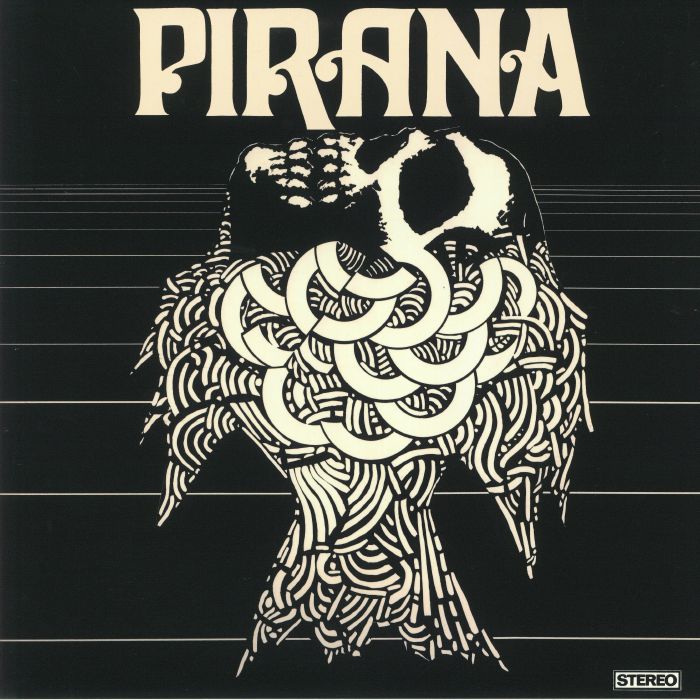
CULT CLASSIC: SUN RA-CELESTIAL LOVE.
Cult Classic: Sun Ra-Celestial Love.
Nowadays, maybe music journalists are guilty of using the words innovator and musical pioneer all too freely, but that is the perfect description of the inimitable Sun Ra. He’s quite rightly regarded as one of the true pioneers of free jazz and a truly innovative and influential musician who pushed musical boundaries to their limit, and sometimes, way beyond.
Sun Ra was also a prolific artists who released around 125 albums during a career that spanned six decades. This includes Celestial Love which was the final studio album to be released by El Saturn Records. These albums are all part of Sun Ra’s fascinating life story.
Before dawning the moniker Sun Ra, Herman Poole Blount was born on the ‘22nd’ of May 1914, in Birmingham, Alabama, but very little is known about his early life. So much so, that for many years, nobody knew what age he was. However, at an early age Herman immersed himself in music.
He learnt to play the piano at an early age and soon, was a talented pianist. By the age of eleven, Herman was to able read and write music. However, it wasn’t just playing music that Herman enjoyed. When the leading musicians of the day swung through Birmingham, Herman want to see them play and saw everyone from Duke Ellington to Fats Waller live. Seeing the great and good of music play live only made Herman all the more determined to one day become a professional musician.
By his mid teens, Herman was a high school student, but even by then, music was his first love. His music teacher John T. “Fess” Whatley realised this, and helped Herman Poole Blount’s nascent musical career.
John T. “Fess” Whatley was a strict disciplinarian, and this rubbed off on Herman who would layer acquire a reputation as a relentless taskmaster when he formed his Arkestra. The future Sun Ra was determined that the musicians in his Arkestra to reach his high and exacting standards and fulfil the potential that he saw in them. At rehearsals, musicians were pushed to their limits, but this paid off when they took to the stage. Led by Sun Ra, the Arkestra in full flow were peerless. However, that was way in the future. Before that, Herman’s career began to take shape.
In his spare time, Herman was playing semi-professionally in various jazz and R&B groups, and other times, he worked as a solo artist. Before long, Herman was a popular draw. This was helped by his ability to memorise popular songs and play them on demand. Strangely, away from music, the young Herman was very different.
He’s remembered as studious, kindly and something of a loner and a deeply religious young man despite not being a member of a particular church. One organisation that Herman joined was the Black Masonic Lodge which allowed him access to one of the largest collection of books in Birmingham. For a studious young man like Herman this allowed him to broaden his knowledge of various subjects. However, still music was Herman Poole Blount,’s first love.
In 1934, twenty-year-old Herman was asked to join a band that was led by Ethel Harper. She was no stranger to Herman Poole Blount, and just a few years earlier, had been his high school biology teacher. Just a few years later, and he was accepting Ethel Harper’s invitation to join her band.
Before he could head out on tour with Ethel Harper’s band, Herman joined the local Musicians’s Union. After that, he embarked on a tour of the Southeast and Mid-West and this was the start of Herman’s life as a professional musician. However, when Ethel Harper left her band to join The Ginger Snaps, Herman took over the band.
With Ethel Harper gone, the band was renamed The Sonny Blount Orchestra, and it headed out on the road and toured for several months. Sadly, The Sonny Blount Orchestra wasn’t making money, and eventually, the band split up. However, other musicians and music lovers were impressed by The Sonny Blount Orchestra.
This resulted in Herman always being in demand as a session musician. He was highly regarded within the Birmingham musical community, so much so, that he was awarded a music scholarship to Alabama Agricultural and Mechanical University in 1937. Sadly, he dropped out after a year when his life changed forever.
In 1937, Herman experienced what was a life-changing experience, and it was a story that he told many times throughout his life. He describes a bright light appearing around him and his body changing. “I could see through myself. And I went up … I wasn’t in human form … I landed on a planet that I identified as Saturn. They teleported me. I was down on a stage with them. They wanted to talk with me. They had one little antenna on each ear. A little antenna over each eye. They talked to me. They told me to stop attending college because there was going to be great trouble in schools … the world was going into complete chaos … I would speak through music, and the world would listen. That’s what they told me.” For a deeply religious young man, this was disturbing and exciting. It certainly inspired the young Herman Poole Blount.
After his: “trip to Saturn,” Herman Poole Blount decided to devote all his time and energy to music. So much so, that he hardly found time to sleep. Day in, day out, Herman spent his time practising and composing new songs in his first floor home which he had transformed into a musical workshop. That was where also where he rehearsed with the musicians in his band. Away from music, Herman took to discussing religious matters. However, mostly, though, music dominated his life.
It was no surprise to when Herman announced that he had decided to form a new band. However, his new band was essentially a new lineup of The Sonny Blount Orchestra. It showcased the new Herman Poole Blount, who was a dedicated bandleader, and like his mentor John T. “Fess” Whatley, a strict disciplinarian. Herman was determined his band would be the best in Birmingham. This proved to be the case as seamlessly, The Sonny Blount Orchestra were able to change direction, as they played an eclectic selection of music. Before long, The Sonny Blount Orchestra were one of most in-demand bands in Birmingham, and things were looking good for Herman. Then in 1942, The Sonny Blount Orchestra were no more when Herman was drafted.
On receiving his draft papers, Herman declared himself a conscientious objector. He cited not just religious objections to war and killing, but that he had to financially support his great-aunt Ida. Herman even cited the chronic hernia that had blighted his life as a reason he shouldn’t be drafted. Despite his objections the draft board rejected his appeal, and things got worse for Herman.
His family was embarrassed by his refusal to fight and some turned their back on him. Eventually, Herman was offered the opportunity to do Civilian Public Service but failed to appear at the camp in Pennsylvania on the December ‘8th’ 1942.
This resulted in Herman being arrested, and when he was brought before the court, Herman Poole Blount debated points of law and the meaning of excerpts from the Bible. When this didn’t convince the judge Herman Poole Blount said he would use a military weapon to kill the first high-ranking military officer possible. This resulted in Herman being jailed and led to one of the most disturbing periods in his life.
Herman’s experience in military prison were so terrifying and disturbing that he felt he no option but to write to the US Marshals Service in January 1943. By then, Herman felt he was on the verge of a nervous breakdown. He was suffering from stress and feeling suicidal. There was also the constant fear that he would be attacked by others within the military prison. Fortunately, the US Marshals Service looked favourably on his letter.
By February 1943, Herman was allowed out during the day to work in the forests around Pennsylvania, and at nights, he was able to play the piano. A month later, Herman was reclassified and released from military prison which brought to an end what had been a harrowing period of his life.
Having left prison, Herman formed a new band that played around the Birmingham area for the next two years. Then in 1945, when his Aunt Ida died, Herman left Birmingham, and headed to the Windy City of Chicago.
Phase One-Chicago.
Now based in Chicago, Herman quickly found work within the city’s vibrant music scene. This included working with Wynonie Harris and playing on his two 1946 singles, Dig This Boogie and My Baby’s Barrelhouse. After that, Herman Poole Blount worked with Lil Green in some of Chicago’s strip clubs. Then in August 1946, Herman Poole Blount started working with Fletcher Henderson but by then, the bandleader’s fortunes were fading.
By then, Fletcher Henderson’s band was full of mediocre musicians, and to make matters worse, the bandleader was often missed gigs. This couldn’t be helped as Fletcher Henderson, was still recovering after a car accident. What Fletcher Henderson needed was someone to transform his band’s failing fortunes and this was where Herman came in. His role was arranger and pianist, but realising the band needed to change direction, he decided to infuse Fletcher Henderson’s trademark sound with bebop. However, the band were resistant to change and in 1948, Herman left Fletcher Henderson’s employ.
Following his departure from Fletcher Henderson’s band, Herman formed a trio with saxophonist Coleman Hawkins and violinist Stuff Smith. Alas, the trio was somewhat short-lived and didn’t release any recordings.
Not long after this, Herman made his final appearance as a sideman on violinist’s Billy Bang’s Tribute to Stuff Smith. After this, Herman Poole Blount became Sun Ra.
By then, Chicago was changing, and was home to a number of African-American political activists. Soon, a number of fringe movements sprung up who were seeking political and religious change. When Herman became involved he was already immersing himself in history, especially, Egyptology. He was also fascinated with Chicago’s many ancient Egyptian-styled buildings and monuments. This resulted in Herman Poole Blount discovering George GM James’ book The Stolen Legacy which turned out to be a life-changing experience.
In The Stolen Legacy, George GM James argues that classical Greek philosophy actually has its roots in Ancient Egypt. This resulted in Herman concluding that the history and accomplishments of Africans had been deliberately denied and suppressed by various European cultures. It was as if Herman’s eyes had been opened and was just the start of a number of changes in his life.
As 1952 dawned, Herman had formed a new band, The Space Trio. It featured saxophonist Pat Patrick and Tommy Hunter. At the time, they were two of the most talented musicians Herman knew. This allowed him to write even more complicated and complex compositions. However, in October 1952 the author of these tracks was no longer Herman Poole Blount was Sun Ra had just been born.
Just like Malcolm X and Muhammad Ali, adopting the name Sun Ra was perceived by some as Herman choosing to dispense with his slave name. This was a kind of spiritual rebirth for Sun Ra, and was certainly was a musical rebirth.
After Pat Patrick got married, and moved to Florida, this left The Space Trio with a vacancy for a saxophonist. Tenor saxophonist, John Gilmore was hired and filled the void. He would become an important part of Sun Ra’s band in the future.
So would the next new recruit alto saxophonist Marshall Allen. They were then joined by saxophonist James Spaulding, trombonist Julian Priester and briefly, tenor saxophonist Von Freeman. Another newcomer was Alton Abraham, who would become Sun Ra’s manager. He made up for Sun Ra’s shortcomings when it came to business matters.
While he was a hugely talented bandleader, who demanded the highest standards, Sun Ra, like many other musicians, was no businessman. With Alton Abraham onboard, Sun Ra could concentrate on music while his new manager took care of business. This included setting up El Saturn Records, an independent record label, which would release many of Sun Ra’s records. However, El Saturn Records didn’t released Sun Ra and His Arkestra’s debut album, Jazz By Sun Ra.
Instead, Jazz By Sun Ra was released in 1956, on the short-lived Transition Records. However, Sun Ra and His Arkestra’s sophomore album Super Sonic Jazz was released in March 1956, on El Saturn Records. Sound Of Joy was released on Delmark in November 1956. However, it was El Saturn Records that would release the majority of Sun Ra and His Arkestra’s albums.
In 1961, Sun Ra deeded to leave Chicago and move to New York where he would begin a new chapter in his career. Much had happened to Sun Ra since he first arrived in Chicago 1945 as the World War II drew to a close. Back then, he was still called Herman Poole Blount and was trying to forge a career as a musician. By the time he left Chicago he was a pioneer of free jazz
Phase Two-New York.
Sun Ra and His Arkestra journeyed to New York in the autumn of 1961, where they lived communally. This allowed Sun Ra to call rehearsals at short notice, and during the rehearsals, he was a relentless taskmaster who was seeking perfection. However, this paid off and Sun Ra and His Arkestra recorded a string of groundbreaking albums. This included Secrets of the Sun in 1962 which was the most accessible recording from their solar period. However, Sun Ra and his music continued to evolve in the Big Apple
The Heliocentric Worlds of Sun Ra Volume 1 was released by Sun Ra and his Solar Arkestra in 1965. Sun Ra had dispensed was the idea of harmony and melody, and also decided there should be no continuous beat. Instead, the music revolved around improvisation and incorporated programmatic effects. This was the case The Heliocentric Worlds of Sun Ra Volume 2 which was released later in 1965.
As Sun Ra and His Arkestra came to the end of their time in New York, their music was often described as “avant-garde jazz” or “free jazz.” However, Sun Ra started to reject the free jazz label that was attached to his music. He pointed out that his music had been influenced by different types of ethnic music and he often used percussion, synths and in one case strings.
A case in point was Strange Strings which was released in 1967 and found Sun Ra and His Arkestra playing an array of stringed instruments while he adds vast quantities of reverb. Strange Strings was just the latest innovative album Sun Ra released during his New York period, which came to an end in 1968. By then, the cost of living was proving prohibitive and Sun Ra decided to move his band again.
Phase Three-Philadelphia.
Sun Ra wasn’t moving his Arkestra far, just to Philadelphia where it was much cheaper to live. Again, Sun Ra and His Arkestra lived communally in Philadelphia which was their “third period.”
During this period, Sun Ra’s music became much more conventional and often incorporated swing standards when they played live. However, still Sun Ra’s concerts featured performances where his sets were eclectic and the music full of energy as they veered between standards and always at least, one lengthy, semi-improvised percussive jam.
In the studio, Sun Ra and His Arkestra continued to innovate, releasing albums of the quality of 1970s My Brother The Wind Volume 1, The Night Of The Purple Moon and 1972s Astro Place. However, Sun Ra in 1973 released two classic albums like Space Is The Place and Discipline 27-II. Sun Ra was at the peak of his powers and seemed to have been reinvigorated creatively after moving to Philly.
The Next Phase.
Buoyed by the critical acclaim and commercial success of Space Is The Place and Discipline 27-II had enjoyed during 1973, Sun Ra knew that 1974 was going to be yet another busy year. He was used to this, as Sun Ra and His Arkestra had been working non stop since 1972. They embarked upon lengthy tours and recorded several albums in Chicago, California and Philly. It was more of the same in 1974, with Sun Ra and His Arkestra embarking upon yet another lengthy and gruelling tour of America. Still, Sun Ra found time to prepare a couple of live albums for his label El Saturn Records including 1975s Pathways To Unknown Worlds; 1976s What’s New and Live At Montreux, and 1977s Somewhere Over The Rainbow and Taking A Chance On Chances and Some Blues But Not The Kind That’s Blue. However, in 1978 Sun Ra and His Arkestra began work on another new album, The Other Side Of The Sun which was released in 1979 but was an oft-overlooked and vastly underrated album.
As the seventies gave way to the eighties, Sun Ra continued to record new albums including Celestial Love in 1982.
Celestial Love.
When Sun Ra began work on Celestial Love he was sixty-eight and had been a professional musician since he was twenty. With forty-eight years of experience behind him he was a vastly experienced and highly respected bandleader, composer and musician who in 1957, had cofounded his own label El Saturn Records.
For the previous twenty-five years the label had released many albums by Sun Ra and the Arkestra. Sun Ra planned to release Celestial Love on El Saturn Records. That was all in the future as the album still had to be recorded.
For Celestial Love, Sun Ra decided to record a total of nine tracks. This included five of his own compositions: Celestial Love, Interstellarism, Blue Intensity, Nameless One No. 2 and Nameless One No. 3. They were joined by four cover version of familiar songs including Sometimes I’m Happy and Smile. The other two tracks were cowritten by Duke Ellington. During his long and illustrious career he had penned Sophisticated Lady with Irving Mills and Mitchell Parish, and Drop Me Off In Harlem with Nick Kenny. The inclusion of these tracks should’ve hinted to onlookers that the Celestial Love sessions had the potential to produce one of Sun Ra’s most.
Recording of Celestial Love took place in the familiar surroundings of Variety Recording Studio which had been owned and run by Warren Allen Smith and Fred Vargas since 1961. It had been Sun Ra’s studio of choice in New York since the sixties and he had recorded some of his best and most innovative albums in Variety Recording Studio. He liked the familiar surroundings and was joined by many familiar faces.
Joining Sun Ra who played piano, organ and synths and produced the Celestial Love sessions was his Arkestra. It included a rhythm section of drummer Samarai Celestial aka Eric Walker and bassists Hayes Burnett and John Ore. They were augmented by percussionist Atakatune aka Stanley Morgan and James Jacson who played infinity drum and bassoon. The horn section included alto saxophonist and flautist Marshall Allen; baritone saxophonists and flautist Danny Ray Thompson; tenor saxophonist John Gilmore; trombonist Tyrone Hill; trumpeter Walter Miller and Vincent Chancey on French horn. June Tyson the Queen of Afrofuturism added vocals on Sometimes I’m Happy and Smile during the sessions in 1982.
After the Celestial Love sessions, only eight of the nine tracks recorded made their way onto the album. The cover of Drop Me Off In Harlem was omitted from the original album.
It wasn’t until 1984 that Celestial Love was released on vinyl by El Saturn Records and was the last Sun Ra studio album to be released by the label. Although the label continued to release live albums by Sun Ra, Celestial Love marked the end of an era for El Saturn Records.
Meanwhile, in Europe much of Celestial Love featured on the full-length Nuclear War record which was issued in by the post punk label Y Records. That was ironic given how different the apocalyptic sounding Nuclear War single was to the music on Celestial Love.
When Celestial Love was released in 1984 it was one of Sun Ra’s most accessible albums, and whether by design or accident, was the perfect introduction to his music. For newcomers to Sun Ra, and those who struggled with his music, Celestial Love was the perfect primer to one of the pioneers of jazz.
On Celestial Love, Sun Ra and his Arkestra combines jazz and swing standards with his own compositions. This includes the album opener Celestial Love, where Sun Ra plays an organ which sounds as if it belongs in a church and is at the heart of the arrangement. It combines with drums and wistful, braying horns as Sun Ra and the Arkestra fuse elements of blues, gospel, jazz, soul-jazz and swing during a quite beautiful track that’s a roller coaster of emotions. June Tyson’s croons her way through Sometimes I’m Happy and plays a starring role in this joyous, swinging track.
When Sun Ra recorded Interstellarism in 1959, John Gilmore and Marshall Allen played on the recording. Twenty-five years later when Celestial Love was released they feature on this slow, swaying and sometimes spacious remake. The tempo increases on Blue Intensitywhere Sun Ra’s organ and saxophone play leading role as the track swings and then some. Then as Sophisticated Lady unfolds its slow and bluesy before the tempo gradually increases and Sun Ra and the Arkestra unleash the first of his homages to one of his heroes.
There’s two version of Nameless One on Celestial Love. The first is Nameless One No Two which starts off briskly, with the blazing horns playing a leading role as a walking bass propels the arrangement along as Sun Ra plays keyboards. They’re part of another swinging arrangement. It’s a similar case on Nameless One No Three where rasping, braying and sultry horns play a leading role and Sun Ra plays synths. Together, they play their part in a truly memorable and swinging track.
Very different is the cover of Smile, which sounds as if it were recorded during a different era. Sun Ra and the Arkestra show their versatility while June Tyson’s vocal is tender and hopeful. Closing the reissue of Celestial Love is a joyous, upbeat cover of Duke Ellington’s Drop Me Off In Harlem.
Celestial Love is one of Sun Ra’s most accessible of the 125 albums the great bandleader, composer and musician released during what was a long and illustrious career. It finds Sun Ea combining jazz’s past and present with sometimes the music of the future as he and the Arkestra innovate and combine free jazz, avant-garde, blues, soul-jazz and swing. In doing so, Sun Ra creates Celestial Joy, which is an uplifting and joyous genre-melting album bristling with optimism and positivity.
Cult Classic: Sun Ra-Celestial Love..
CULT CLASSIC: JETHRO TULL- STORM WATCH.
Cult Classic: Jethro Tull-Storm Watch.
By September 1979, Jethro Tull was still one of the most successful British bands of their generation, and were about to release the twelfth album of their career, Stormwatch, It was the final album in a trilogy of folk rock albums and Jethro Tull hoped that Stormwatch would build on the success of which had been released in April 1978 and was certified old in America and Canada as well as silver in Britain. Storm Watch which was the final instalment in Jethro Tull’s folk rock trilogy, which was a new chapter in their career which began seventeen years earlier.
The origins of Jethro Tull can be traced to Blackpool, Lancashire, in 1962, where Ian Anderson formed his first group Blades, which was originally a four piece, featuring Ian Anderson on vocals and harmonica. A year later in 1963, Blades was a quintet and in 1964 the group was a sextet who played blue-eyed soul. However, by 1967 blades decided to spread their wings and head to London.
Having moved to London, the band split-up within a short time, and only Ian Anderson and bassist Glen McCornick were left. This proved a blessing in disguise as they were soon joined by blues guitarist Mick Abrahams and drummer Clive Bunker. This was the lineup that featured of Jethro Tull that featured on their debut album This Was. That was still to come.
Before that, the nascent band had to settle on a name, and various names were tried, only to be rejected. Then someone at a booking agent christened the band Jethro Tull, after the eighteenth century agriculturist. Little did anyone realise that the newly named Jethro Tull would become one of the biggest bands in the world over the next decade.
Not long after becoming Jethro Tull, Ian Anderson acquired his first flute. Up until then, he had played harmonica and was trying to learn to play the guitar. Soon, , Ian Anderson realised that wasn’t a great guitarist, and having realised that the world had enough mediocre guitarists, decided to expand his musical horizons and bought a flute. Little did he realise this would be one of Jethro Tull’s trademarks.
After a couple of weeks, Ian Anderson had already picked up the basics of the flute. He was learning as he played. While this wasn’t ideal, it was the only way that possible. Especially with things happening so quickly for Jethro Tull who would soon release their debut single.
Sunshine Day was penned by Mick Abrahams, with Derek Lawrence taking charge of production. However, when their debut single was pressed, Jethro Tull realised that an error meant the single was credited to Jethro Toe. To make matters worse, Sunshine Day wasn’t a commercial success and failed to trouble the charts. Despite this disappointment, thing got better when Jethro Tull released their debut album This Was.
This Was.
Recording of This Was took place at Sound Techniques in London, with the sessions beginning on the ‘13th’ of June 1968, and finishing on the ‘23rd’ of August 1968. By then, Jethro Tull had only £1,200 was spent recording their debut album This Was. This money would soon be recouped when This Was released.
Prior to the release of Jethro Tull’s debut album This Was critics had their say on the album. The majority of the critics were impressed by This Was which was a fusion of blues rock, R&B and jazz. This pleased Jethro Tull and their management, who decided to launch This Was at the Marquee Club, in London.
Jethro Tull was only the third band to launch their debut album at the Marquee Club, and would follow in the footsteps of the Rolling Stones and The Who. Both bands were amongst the biggest bands in the world by 1968, and so would Jethro Tull.
On the ‘25th’ October 1968 Jethro Tull released This Was, which reached number ten in the UK. Three months later, Jethro Tull released This Was in America on the ‘3rd’ of February 1969 and it reached sixty-two in the US Billboard 200. This was seen as a success by Island Records in Britain and Reprise in America. Jethro Tull had made inroads into the most lucrative music market in the world. It was a successful start to Jethro Tull’s career, which was about to enter a period where critical acclaim and commercial success were almost ever-present. However, there was a twist in the tale.
By then, Mick Abrahams left the band after he and Ian Anderson disagreed over the future direction of Jethro Tull. The sticking point was that Mick Abraham wanted Jethro Tull to stick with blues rock, while Ian Anderson realised there was no real future in blues rock. He wanted to take Jethro Tull to explore a variety of musical genres. As a result, Mick Abrahams left Jethro Tull and was replaced by Michael Barre. Little did either Mick Abraham nor Michael Barre realize that Stand Up marked the start of a period where Jethro Tull would sell over sixty-million albums.
Stand Up.
With new guitarist Michael Barre onboard, work began on Jethro Tull’s sophomore album Stand Up, which was a much more eclectic album to This Was. Ian Anderson who was now Jethro Tull’s primary songwriter, penned nine of the ten tracks and drew inspiration from everything from blues rock, Celtic, classical, folk and rock. These ten tracks became Stand Up, which was recorded over three months in 1969.
Recording of Stand Up took place at Morgan Studios and Olympic Studios. The sessions began on the ‘17th’ of April 1969, and continued through to the ‘21st’ of May 1969. Three months later, and Stand Up was released.
Before the release of Stand Up in September 1969, the reviews of Jethro Tull’s sophomore album were positive, with the musicianship and production receiving praise from critics. They also noted that the Jethro Tull’s music was starting to evolve, although Stand Up still featured blues rock sound. Elsewhere on Stand Up, Jethro Tull had started to expand their musical palette and this struck a nerve with critics and record buyers.
On Stand Up’s release in the UK on the ‘1st’ of August 1969 Jethro Tull’s sophomore album. topped the charts. When Stand Up was released on the ‘29th’ of September 1969 it reached number twenty in the US Billboard 200 Charts and was certified gold. This was the start of a golden period in Jethro Tull’s career.
Benefit.
Following the commercial success of Stand Up, Jethro Tull returned to Morgan Studios, in London, on the ‘3rd’ of September 1969 and spent the next five months recording ten new tracks which were penned and produced by Ian Anderson. By the ‘25th’ of February 1970 Jethro Tull had completed Benefit, which was much more experimental and darker album and the first album of the progressive rock years.
Before the release of Benefit, the critics had their say on Jethro Tull’s third album, which they noted had a much more experimental sound as the band flitted between progressive rock and folk rock. Ian Anderson had allowed Jethro Tull more freedom to express themselves as he also wanted Benefit to have a live sound. This shawn through, as does Benefit’s darker sound which Ian Anderson claimed was because of the pressure of a forthcoming American tour, and his disillusionment with the business side of the music industry. However, the new sound didn’t affect sales.
Jethro Tull released Benefit on the ‘20th’ of April 1970, and it reached number three in the UK, and eleven in the US Billboard 200 Charts. Just like Stand Up, Benefit was much more popular stateside than in the UK. It seemed American record buyers “got” Jethro Tull more than their British counterparts. This would the case when Jethro Tull released their first classic album, Aqualung.
Aqualung.
By December 1970, Jethro Tull had just returned from a gruelling American tour, and were about to head into the studio to record their fourth album Aqualung. This wasn’t ideal, and already, Ian Anderson wasn’t enjoying the months away from home. He missed his friends and family which was one of the downsides of being a member of one of the most successful rock bands in the world. To make matters worse, while his friends and family were readying themselves for the forthcoming festive season, Ian Anderson and the rest of Jethro Tull were about to begin recording their fourth album, and their second progressive rock album, Aqualung.
Despite Jethro Tull’s gruelling touring schedule, Ian Anderson’s creativity hadn’t been stifled, and he returned with the lyrics to the band’s most ambitious and cerebral album, Aqualung. It was a concept album that examined ”the distinction between religion and God.” This seemed an unlikely subject for an album, even a seventies concept album. However, Aqualung, which feature two new band members was a game-changer of an album.
Joining Jethro Tull arrived at Island Studios in December 1970, where Ian Anderson and Terry Ellis took charge of production were new recruits, keyboardist John Evans and bassist Jeffrey Hammond. Both were looking forward to recording their first album with their new band, which was another album of progressive rock that featured elements of folk rock. Aqualung took until February 1970 to complete, but was worth the wait as it was Jethro Tull’s most cerebral and philosophical album and also their most successful album.
Once Aqualung was completed, neither Chrysalis in Britain, nor Reprise in America wasted time in releasing Jethro Tull’s fourth album. Given the subject matter, there must have been a degree of trepidation amongst the executives at both record companies as concept albums were controversial. However, a concept album that examined ”the distinction between religion and God” could prove hugely controversial and there could be a huge backlash against the album given its subject matter.
As copies of Aqualung were sent out to critics, executives at Chrysalis and Reprise awaited their reviews with bated breath. They need not have worried as most of the reviews were positive, with critics remarking upon the quality of the music, the standard of the musicianship and Ian Anderson’s thought-provoking and cerebral lyrics. Many critics hailed Aqualung as Jethro Tull’s finest album and a progressive rock classic. Record buyers agreed.
On the release of Aqualung on the ‘19th’ of March 1971, it reached number four in the UK. Meanwhile, Aqualung reached seven in the US Billboard 20 and was certified triple platinum in America. Elsewhere, Aqualung reached number five in Germany, and was certified gold and Jethro Tull’s fourth album sold seven million copies worldwide. This transformed Jethro Tull’s fortunes, who now one of the biggest rock bands in the world.
For the two new members of Jethro Tull, this must have been hard to take in. Suddenly, they were part of a band who had just sold over seven million albums which must have seemed surreal for the newcomers. Meanwhile, another member of Jethro Tull decided to call it a day after the success of Aqualung.
Drummer Clive Bunker had been a member of Jethro Tull since the early days and it wasn’t going to be easy to replace him. He had decided to bow out after Jethro Tull’s most successful album, and must have known that following up Aqualung wasn’t going to be easy.
Thick As A Brick.
After the commercial success and critical acclaim of Aqualung, critics, record company executives and the record buying public wondered what Ian Anderson had in-store for the fifth Jethro Tull album?As always, it was a case of expect the unexpected.
What nobody expected, was that Ian Anderson would pen one lengthy track that took up both sides of Thick Of A Brick. Side one of the original album featured Thick as a Brick Part I, while side two featured Thick as a Brick Part II. This song of two parts comprised Jethro Tull’s latest concept album which was recorded at Morgan Studios, in London during December 1971 and was the first to feature new drummer, Barriemore Barlow.
Following critics conclusion that Aqualung was a “concept album,” Ian Anderson decided to have some fun at the critic’s expense. He decided to “come up with something that really is the mother of all concept albums.” Among his influences were Monty Python and the movie Airplane. Just like Airplane poked fun at the cinema goers, filmmakers and critics, Thick Of A Brick saw Jethro Tull poke fun at their audience and music critics. However, Jethro Tull weren’t laughing at their audience, they were laughing with them and maybe, were laughing at other groups.
Later, Ian Anderson would say Thick As A Brick was a reaction against the concept albums being released by groups like Yes and Emerson, Lake and Palmer. That would explain why Ian Anderson produced an album that he later described as “bombastic” and “over the top.”
Thick As A Brick was recorded in a day. It was meant to be an adaptation of an epic poem written by a fictional eight year old prodigy, Gerald Bostock. Ian Anderson even went as far as giving the fictional Gerald Bostock a co-credit. The poem was meant to be pseudo Homeric, but with a bombastic, humorous style. The album came wrapped in a cover that replicates a comedic newspaper and features the poem penned by the child prodigy. Although Thick As A Brick’s album cover and the album had spoof written all over it, many people didn’t get Jethro Tull, or more specifically, Ian Anderson’s unique style of humour. It was way too subtle.
With Thick As A Brick complete, and the fictional Gerald Bostock’s epic poem brought to life, copies of the album were sent out to critics. They hailed the album one of Jethro Tull’s finest. The music on Thick As A Brick was groundbreaking, innovative, slick and sophisticated. Most critics were won over by music that was complicated, but tinged with subtle humour. Incredibly, some critics failed to find the funny side of Thick As A Brick, and bought it hook, line and sinker. They failed to see that Jethro Tull were poking fun at the concept album, and laughing along with their audience at what Ian Anderson perceived as its pomposity. However, what very few critics overlooked was Jethro Tull’s first true progressive rock offering.
Thick As A Brick marked the completion of Jethro Tull’s move towards progressive rock which they had toyed with on their two previous albums. On Thick As A Brick they embraced progressive rock fully, on album which featured numerous musical themes, changes in time signature and tempo shifts. This proved popular with their legion of fans.
When Thick As A Brick was released on the ‘10th’ of March 1972 it reached number one in Australia, Canada and the US Billboard 200 charts. Back home in Britain, Thick As A Brick reached number thirteen which wasn’t unlucky for Jethro Tull. Thick As A Brick proved to be Jethro Tull’s most popular album in Britain and was certified silver. Meanwhile Thick As A Brick was certified gold in America and Ian Anderson’s parodic concept album saw Jethro Tull triumph again, as they became progressive rock pioneers.
A Passion Play.
In March 1973, Jethro Tull returned to Morgan Studios, where they began work on their sixth album A Passion Play. It was another concept album where individual songs were arranged into a single continuous piece of music that followed the progress of the spiritual journey of Ronnie Pilgrim in the afterlife. Just like Aqualung, it was an ambitious and innovative album that was cerebral and through-provoking.
By the time work began on A Passion Play, the members of Jethro Tull were contemplating moving to France to escape the punitive tax rates that were imposed on high earners like rock stars. Jethro Tull had even identified the Château d’Hérouville as a potential venue to record A Passion Play which was meant to be a double album.
Eventually, Jethro Tull had only enough material for three sides of the double album, and they decided that A Passion Play should be a single album. One of the tracks, The Story of the Hare Who Lost His Spectacles seems to have been inspired by Prokofiev’s Peter and The Wolf, while other parts of A Passion Play are reminiscent of to T.S. Eliot’s The Waste Land and John Milton’s A Passion Play, as Jethro Tull decided to head further down the road marked progressive rock. However, they also incorporated elements of traditional English folk music and played an array of disparate instruments on A Passion Play which was scheduled for release in July 1973.
Prior to the release of A Passion Play, critics had their say on Jethro Tull’s sixth album, but the majority of reviews were highly critical of the album. Although none of the critics were won over by A Passion Play, but record buyers were.
Despite the poor reviews, A Passion Play still reached thirteen in the UK on its release on the ‘13th’ of July 1973 and was certified silver. Ten days later, A Passion Play was released in North America on the ‘23rd’ of July 1973 and reached number one in Canada and the US Billboard 200 and was certified gold. Jethro Tull had triumphed over adversity for Jethro Tull, and had now old in excess of five million albums in America alone.
War Child.
Following the criticism of A Passion Play, it looked as like the end of the road for Jethro Tull, and it was rumoured that Ian Anderson was going to disband the group. However, eventually, Jethro Tull returned in October 1974 with a new album War Child.
Some of the tracks that hadn’t been used on Aqualung and A Passion Play resurfaced on War Child, which had been recorded in Morgan Studios, London, and in the Château d’Hérouville. Despite the poor reviews of A Passion Play, it was a much more relaxed Jethro Tull that recorded the new tracks at Château d’Hérouville that would feature on War Child.
It was meant to be a double album that accompanied a film project The War Child, which was described as a metaphysical black comedy based on a teenage girl in the afterlife, who meeting characters based on God, St. Peter and Lucifer who were portrayed as shrewd businessmen. However, the film was abandoned after failing to find a major movie studio willing to finance it. This left just War Child.
When War Child was finished, it followed in the footsteps of A Passion Play, and was another album of orchestrated album of progressive rock that sometimes, headed in the direction of a more traditional rock sound. However, just like A Passion Play, critics disliked War Child, and wrote scathing reviews of the album. No longer were Jethro Tull the darlings of the critics.
Despite that, War Child was released on the ’14th’ of October 1974, and reached fourteen in the UK and two on the US Billboard 200. This was enough for another gold disc for Jethro Tull, who knew that they needed to change tack for their next album.

Minstrel In The Gallery.
By the time Jethro Tull began work on their eighth album Minstrel In The Gallery, they were one of the biggest selling groups of the seventies. However, this came at a cost to songwriter-in-chief and lead vocalist, and the constant cycle recording an album and then touring it, had cost him his marriage. Commercial success and critical acclaim had come at cost, by April 1975, Ian Anderson’s marriage to Jennie Franks had ended in divorce. It wasn’t a good time for the Jethro Tull frontman.
When Ian Anderson began work on what became Minstrel In The Gallery, it proved a cathartic experience, he wrote about his divorce, and the pressures of having to constantly, write, record and tour. These songs were recorded between the ‘5th’ of May 1975 and the ‘7th’ of June 1975 at Maison Rouge Mobile Studio, in Monaco. Ian Anderson had brought onboard a string quartet, to replace the orchestra that featured on the two previous albums. This he hoped would help transform Jethro Tull’s fortunes. Once Minstrel In The Gallery was completed, it was scheduled for release in September 1975. Before that, the critics had their say.
The reviews of Minstrel In The Gallery were hardly glowing and some critics slated the album. Rolling Stone’s unnamed critic didn’t hold back. Their review called Minstrel In The Gallery “instantly forgettable.” However, Rolling Stone weren’t alone, and only a few reviews were favourable and the majority of the reviews were mixed. No longer was Jethro Tull’s fusion of progressive rock, folk rock and hard rock as popular amongst the critics. It was a different case with the record buying public, who had the final say.
On its release in Britain on the ‘5th’ of September 1975, Minstrel In The Gallery reached number twenty and was certified sliver. Three days later, Minstrel In The Gallery was released on the ‘8th’ of September 1975 and reached number two in the US Billboard 200, and was certified gold. Meanwhile, in Austria, Germany, Norway and Sweden, Minstrel In The Gallery sold well and Jethro Tull were still one of the biggest bands of the seventies, thanks to Minstrel In The Gallery.

Too Old To Rock ‘n’ Roll: Too Young To Die!
After the gruelling Minstrels In The Gallery tour, bassist Jeffrey Hammond was exhausted. Life with Jethro Tull seemed to be a schedule of record an album, then tour the album. It was non-stop and Jeffrey Hammond wanted to slow down, so, after the Minstrels In The Gallery tour, he announced he was leaving to become an artist. For Jethro Tull, this presented a problem, as they were about to record their ninth album Too Old to Rock ‘n’ Roll: Too Young to Die!
Fortunately, John Glascock was recruited and joined Jethro Tull just in time to record their latest concept album Too Old To Rock ‘n’ Roll: Too Young To Die! at Radio Monte Carlo, using the Maison Rouge Mobile Studio. This wasn’t the same studio that Jethro Tull had used to record Minstrels In The Gallery. However, Too Old to Rock ‘n’ Roll: Too Young to Die! which was recorded between the ’19th’ of November 1975 and the ’27th’ of January 1976 was a very different album to its predecessor.
Too Old To Rock ‘n’ Roll: Too Young To Die! told the story of Ray Lomas, an ageing rock star, who had retired from music, when the music he played fell out of fashion. Still, Ray Lomas was a greaser who wasn’t going to have a makeover. Not even when he went onto the “Quizz” show and won the jackpot. Even money however, didn’t bring Ray Lomas happiness.
After winning the money, Ray Lomas tries to commit suicide, and like the Sleeping Beauty, he falls into a deep sleep. When Ray Lomas wakes up, the greaser fashion is back in style, and he makes a comeback. Never did he lose faith that his style would come back into fashion. This was the story that Too Old To Rock ’N’ Roll: To Young To Die was attempting to tell and which featured on cartoon printed on the album cover. However, not everyone was impressed by Jethro Tull’s latest concept album.
Critics on hearing Too Old To Rock ’N’ Roll: To Young To Die weren’t impressed with the album, and felt that the plot lacked clarity and Ian Anderson may have been a gifted lyricist, but wasn’t a storyteller. The reviews of Too Old To Rock ’N’ Roll: To Young To Die ranged from poor to mixed, but not all of these reviews were an honest reflection on the music on the album.
The rise of punk, which was the antithesis to progressive rock, resulted in groups like Jethro Tull being labelled musical dinosaurs by a new breed of gunslinger critics. They perceived Jethro Tull as remnants of the music’s past and slated their albums. This affected sales of Too Old To Rock ’N’ Roll: To Young To Die.
When Too Old To Rock ’N’ Roll: To Young To Die was released on the ’23rd’ of April 1976, it stalled at fifteen in the UK. Three weeks later, on the ’17th’ of May 1976 Too Old To Rock ’N’ Roll: To Young To Die reached number fourteen in the US Billboard 200, and this time there was no gold disc for Jethro Tull. By then, Jethro Tull realised that they had to change direction and soon, the folk rock years would begin.
Songs From The Wood.
Following the disappointment of Too Old To Rock N’ Roll: Too Young To Die, Jethro Tull decided to reinvent their music and move in the direction of folk rock. This new era began at Morgan Studios, in London where between September and November 1976 Jethro Tull recorded the nine songs that became Songs From The Wood.
It’s an album that is rich in imagery from medieval Britain, while Folklore, Myths and Legends of Britain seems to have inspired Ian Anderson as he wrote Songs From The Wood. Songs Jack-In-The Green, Cup Of Wonder and Ring Out Solstice Bells are full of medieval imagery and transport the listener back in time to another time and another place. Meanwhile, Velvet Green and Fire At Midnight showcase what’s best described as an ornamental folk arrangements while Pibroch (Cap in Hand) has a much more experimental sound. However, despite the strong folk influence on Songs From The Wood, Ian Anderson was quick to dismiss this description as irrelevant, and instead saw the album as Jethro Tull reaffirming their British identity.
With Songs From The Wood complete, critics had their say on Jethro Tull’s first folk rock album. The majority of the albums were positive, and this made a change from recent Jethro Tull albums which had been slated by critics. It looked as if their luck was changing.
When Songs From The Wood was released on ’4th’ of February 1977, it reached number twenty in the UK and eight in the US Billboard 200. This was enough for gold discs on both sides of the Atlantic, as Jethro Tull announced their return with Songs From The Wood which marked the start of the folk rock years.
Heavy Horses.
Buoyed by the success of Songs From The Wood, Jethro Tull began work on their second folk rock album, Heavy Horses. Although Ian Anderson was still Jethro Tull’s songwriter-in-chief Martin Barre and David Palmer who both contributed to Heavy Horses. Mostly, though, Heavy Horses was an album written by Ian Anderson and which featured telluric, imaginative and esoteric themes than those that feature on Songs From The Wood.
Journey Man saw Ian Anderson writing about how humans have to conform each and every day of their life. On a lighter note, Rover was dedicated to Ian Anderson’s dog and …And the Mouse Police Never Sleeps for his cat and No Lullaby was written for his young son, James. However, other songs found Ian Anderson contemplating the ever-changing and disappearing world which prove poignant and powerful. Meanwhile, Acres Wild and Weathercock find Ian Anderson hoping and pleading that better days are ahead for planet earth. Then there’s Heavy Horse, which is the second of two complicated suites that is comparable to the music on Aqualung, as it progresses from a piano led ballad to the galloping arrangement which Ian Anderson knew that the older and more experienced lineup of Jethro Tull would cope with admirably as they began recording their eleventh album in May 1977.
This time, Maison Rouge Studio, in Fulham, London, was where Jethro Tull recorded their much-anticipated eleventh album Heavy Horses between May 1977 and January 1978. By then, Jethro Tull’s rhythm section featured drummer and percussionist Barriemore Barlow, bassist John Glascock and guitarist Martin Barre. John Evan played piano and organ while David Palmer played pipe organ, keyboards and took charge of the orchestral arrangements. Ian Anderson played flute, mandolin, acoustic and occasionally electric guitar. Augmenting Jethro Tull was Curved Air violinist Darryl Way who featured on Acres Wild and Heavy Horses. He played his part on what was another carefully crafted, cerebral and thought-provoking album.
On Songs From The Wood, Jethro Tull decided to reinvent their music again, by eschewing the folk lyrical content that featured on their previous album, Songs From The Wood. It was replaced by a much more realistic outlook at a wold that was changing, and changing fast. Despite that, Heavy Horses was dedicated by Ian Anderson and Jethro Tull to the: “indigenous working ponies and horses of Great Britain.”
With Heavy Horses completed, critics were keen to hear the followup to Songs From The Wood, and were pleasantly surprised to hear Jethro Tull at their tightest for many years rocking hard on an album of folk rock that sometimes headed in the direction of progressive rock. It seemed that progressive rock wasn’t in Jethro Tull’s past despite their recent reinvention as a folk rock band. However, Jethro Tull unlike many of their contemporaries weren’t willing to embrace punk and post punk in an attempt to win back listeners.
Instead, Jethro Tull stuck to their guns, and recorded Heavy Horses which was the folk rock album they had always intended to record. Granted, it was a harder rocking album and much more progressive album than Songs From The Wood, and won that found favour with critics.
Just like Songs From The Wood, critics lavished praise and critical acclaim on Heavy Horses and especially the instrumental arrangements, esoteric, cerebral and thought-provoking lyrics and when Jethro Tull decided to kick loose and rock hard. However, winning over critics was only half the battle, and Jethro Tull had still to win over record buyers with Heavy Horses.
They need not have worried, because when Heavy Horses was released on the ’10th’ of April 1978, it reached twenty in the and nineteen in the US Billboard 200. This was enough for a silver disc in the UK and a gold disc in America. However, that wasn’t the end of the story of Heavy Horses which was also certified gold in Canada. Record buyers just like critics in Britain and North America had been won over by Jethro Tull’s latest folk rock album.
Heavy Horses which was the second of Jethro Tull’s folk rock trilogy, continues where Songs From The Wood left off, and finds Ian Anderson continuing their return to form. They were once again enjoying commercial success and critical success and had now sold in excess of seven million albums in America alone. Jethro Tull had come a long way since their early days as a blues rock band, and were still one of the most successful British bands of the seventies.
Ironically, Jethro Tull was still more popular in America than in Britain, where record buyers never seemed to ‘get’ their music. That was the case during their progressive rock years, and also when they reinvented themselves as a folk rock group. This began with Songs From The Wood and continued on on their eleventh album Heavy Horses. The chameleon like Jethro Tull had returned with another carefully crafted, cerebral, progressive and thought-provoking folk rock album which features them at their hard rocking best on Heavy Horses.
It continues where Songs From The Wood left off, and finds Ian Anderson and Co. continuing their return to form. They were once again enjoying commercial success and critical acclaim and had now sold in excess of seven million albums in America alone. Jethro Tull had come a long way since their early days as a blues rock band, and were still one of the most successful British bands of the seventies. They hoped that the success would continue on the last of their folk rock trilogy Storm Watch.

Storm Watch.
Just four months after Jethro Tull had released their critically acclaimed and commercially successful eleventh album Heavy Horses in April 1978, Ian Anderson and the rest of the band were already preparing to record the followup Storm Watch.
Storm Watch was the third instalment in Jethro Tull’s folk rock trilogy.. By the time they began work on Storm Watch they were already one of the most successful British bands of their generation.
For Storm Watch, Jethro Tull’s songwriter-in-chief Ian Anderson penned nine out of the ten songs on the album. David Palmer contributed the instrumental Elegy which closed Storm Watch, which was recorded in two studios.
Recording took place in Maison Rouge Studios and Townhouse Studios, in London. By the time recording began, tragedy had struck for Jethro Tull. Their bassist John Glascock was suffering from a congenital heart valve defect and was only able to play on three tracks Onion, Flying Dutchman and Elegy. This was a huge loss as John Glascock was one of the finest bassists of the seventies.
Replacing John Glascock during the rest of the Storm Watch sessions was Ian Anderson who played bass, acoustic guitar, flute and added vocals. He was joined in the rhythm section by drummer and percussionist Barriemore Barlow. Martin Barre switched between electric and classical guitar as well as mandolin; John Evan played piano and organ and Dee Palmer played synths, portable organ and took charge of the orchestral arrangements. However, Storm Watch which was produced by Ian Anderson and Robin Black took a while to record.
Although the first session took place during August 1978, after that there was a break until February 1979. Then Jethro Tull recorded right through until July 1979. After seven months Storm Watch was completed and was released later in 1979.
Before that, critics had their say on Storm Watch which was the final album in Jethro Tull’s folk rock trilogy. However, while the album was well received by some critics who were won over by Storm Watch, while other reviews were mixed. Some critics felt it wasn’t as strong as Jethro Tull’s previous albums and the band was starting to run out of ideas. There was no consensus amongst critics. However, some of the critics had an agenda.
Many of the younger critics weren’t fans of progressive rock and saw bands like Jethro Tull as the musical establishment. They were nothing more than cheerleaders for their punk and post punk heroes, and there was no way Storm Watch was going to get a fair hearing from them.
Despite that, Storm Watch reached twenty-two in the US Billboard 200 and was certified gold. Across the border in Canada, Storm Watch was certified gold and in Britain the album reached twenty-seven. Just like previous albums, Storm Watch was more popular in America than their native Britain.
Storm Watch was much more than an album of folk rock, and features elements of progressive rock and hard rock on Storm Watch. The album opener North Sea Oil shows that Ian Anderson was still capable of writing cerebral, thought-provoking songs full of social comment as he sings of environmental problems. It gives way to another of the trio of high profile tracks Orion which refers to the constellation located on the celestial equator. The third is the rocking epic Dark Ages where Ian Anderson draws inspiration from history. Another hard rocking track is Something’s On The Move.
Quite different is the ballad Home with its classical influence and the folk-tinged instrumental Warm Sporran. Dun Ringill is regarded as one of Jethro Tull’s most memorable acoustic tracks, while Old Ghosts one of their most underrated. After this hidden gem, Jethro Tull paint pictures as they tell the story of the mythical and elusive ship the Flying Dutchman. Closing the album is the soothing and ruminative instrumental Elegy. It’s one of the album’s highlights of Storm Watch which was the end of on era for more than one reason.
Storm Watch was the final album in Jethro Tull’s folk rock trilogy. It was also the last album to feature what’s regarded as the classic lineup of Jethro Tull.
After the release of Storm Watch, Jethro Tull embarked upon a tour to promote the album. During the tour John Glascock passed away on the ‘17th’ November 1979, aged just twenty-eight. He had been suffering from a congenital heart valve defect, and it was exacerbated by an abscessed tooth. Jethro Tull and music were in mourning after John Glascock’s death.
When Jethro Tull returned from the Storm Watch tour resulting in Barriemore Barlow, David Palmer and John Evan all left the band. Since then, different reasons have been given for the departures of three members of what was one of the most successful rock bands of their generation.
Storm Watch marked the end of an era for Jethro Tull. It was the final album in their progressive folk trilogy and the swansong from the classic lineup of the band. By then, Storm Watch had been certified gold in America and Canada and their success continued.
The departing members of the classic lineup of Jethro Tull were able to leave with their heads held high. They had released several classic albums including Aqualung, Benefit and Minstrel In The Gallery and consistently released ambitious and innovative music. Sadly, it was only later that some of the more ambitious and innovative albums received the recognition and critical acclaim that they deserved.
That was the case with albums like Thick As A Brick and Too Old To Rock ’N’ Roll…Too Young To Die and to some extent, their twelfth album Storm Watch
Some critics weren’t sure about Storm Watch when it was released in 1979, and felt that it wasn’t Jethro Tull’s most cohesive album. Maybe, Jethro Tull in their current form were running out of things to say? Maybe after reading the criticism that was why Ian Anderson decided to press the reset button and start all over again with a new lineup of Jethro Tull?
Storm Watch which was the final instalment in Jethro Tull’s folk rock trilogy, was also the last album to feature the classic lineup of one the greatest British rock bands of their generation. It’s one of the most underrated albums Jethro Tull released during the seventies heyday and features a talented and versatile band who were capable of rocking hard as they switched between folk rock and progressive rock during Storm Watch which marked the end of era when they consistently released ambitious, groundbreaking and timeless music.
Cult Classic: Jethro Tull-Storm Watch.
CULT CLASSIC:NIGHTMARES ON WAX-SMOKER’S DELIGHT.
Cult Classic: Nightmares On Wax-Smoker’s Delight.
Four years after releasing their debut album A Word Of Science: The First and Final Chapter in 1991, Nightmares On Wax returned with their much-anticipated and critically acclaimed sophomore album Smoker’s Delight. It was released on the ‘24th’ of October 1995 by Warp and awas part of the soundtrack to many people’s lives in the mid-nineties. However, the Nightmares On Wax story began in Leeds, in the late-eighties.
DJ and producer George Evelyn, was born in Leeds, in Yorkshire, and growing up, his father and sister introduced him to the soul music of Curtis Mayfield and Quincy Jones. This love of soul music would become apparent in his DJ sets and his work as a producer.
So would his love of hip hop, which he later discovered. Tracks like The Sugarhill Gang’s Rappers delight and Malcolm McLaren and The World’s Famous Supreme Team’s Buffalo Gals became favourites and would influenced George Evelyn when he embarked upon his production career.
In 1988, in Leeds, he founded Nightmares On Wax with John Halnon. Later, the pair were joined by Kevin Harper. They released their debut single a year later.
By then, Nightmares On Wax had signed to the Warp label, and late in 1989, released their debut single Dextrous. Little did George Evelyn realise that he would still be signed to Warp in 2020.
Nightmares On Wax returned with their sophomore single Aftermath #1 in 1990. It found George Evelyn and Co. digging deep into their record collections and sampling Cuba Gooding’s Happiness Is Just Around The Bend and Newcleus’ Jam On It. Sampling would play an important part in the group’s sound over the next few years.
1991 was a year of firsts for Nightmares On Wax as they released their debut EP A Case of Funk.They also released their debut album A Word Of Science: The First and Final Chapter.
A Word Of Science: The First and Final Chapter.
Despite Nightmares On Wax being a trio, A Word Of Science: The First and Final Chapter was the work of George Evelyn. However, the other members of the group promoted and toured the album.
It was released on September 1991 and featured Nightmares On Wax’s mellow, laidback and smokey fusion of funk, hip hop and soul as well as elements of house and techno. The result was very different from previous releases from the group, and some critics didn’t know what to make of the album? Reviews were mixed and the album failed commercially. Since then, A Word Of Science: The First and Final Chapter is regarded as an underrated album in Nightmares On Wax’s back-catalogue.
A Word Of Science: The First and Final Chapter, especially the track Night’s Interlude also laid the foundations for the group’s next two albums Smoker’s Delight and Carboot Soul.
Following the release of A Word Of Science: The First and Final Chapter Kevin Harper left Nightmares On Wax to concentrate on his DJ-ing.
In 1992, Nightmares On Wax returned with two singles. Neither Set Me Free nor Happiness were taken from their debut album. It looked as if the release of this new material was the start of a new chapter for the group. Sadly, that wasn’t the csae.
Not long after this, Nightmares On Wax disbanded, and George Evelyn started making house music for Warp imprint Nucleus. He then joined forces with Robin Taylor-Firth who had worked with Nightmares On Wax. However, eventually, George Evelyn decided to revive Nightmares On Wax as a solo project.
Alive was released in 1994 and marked the return of Nightmares On Wax. They were back to stay and would released their debut album Smoker’s Delight the following year 1995.
Smoker’s Delight.
George Evelyn spent much of 1995 recording Smoker’s Delight at Don Studios, Sheffield, TTB Studios, Wakefield and at Touchwood Studios, in Leeds. Eventually, he had recorded the sixteen tracks that became Nightmares On Wax’s sophomore album Smoker’s Delight.
Smoker’s Delight was much-anticipated and released to widespread critical acclaim on the ‘24th’ of October 1995 and reached eighty-four in the UK. It was the album that featured Nightmares On Wax’s trademark trip hop sound that was much-admired and copied by many.
To create Nightmares On Wax’s trip hop sound on Smoker’s Delight, George Evelyn wove what can best be described as a musical tapestry. He combined elements of funk, soul, jazz and hip hop with dub, electro, easy listening and cinematic sounds. There’s even detours via electronic, jazz funk and Latin music as well as the unmistakable sound of warn vinyl and a number of samples.
This includes Quincy Jones’ Summer In The City on the album opener Nights Introlude. The Dells were sampled on Love Is Missing From Our Lives on Me and You, and Smokey Robinson’s Just My Soul Responding on (Man) Tha Journey. Sample spotters will have heard Positive Force’s We Got The Funk on Bless My Soul and finally, a sample of Bob James’ Fireball on Mission Venice. These samples played their part in what was hailed as a trip hop classic upon its release.
That was apparent from the opening bars of Night’s Introlude, four glorious minutes of symphonic and cinematic chill out. Dreddoverboard starts off laidback before revealing its secrets and becomes soulful, funky sometimes hypnotic. It gives way to the mellow and mesmeric Pipes Honour as it meanders memorably along soothing even the weariest of souls. Me and You is a slice of smith and slinky downtempo music that is over all too quickly.
Very different is Stars which is another track that gradually unfolds. Soon, pounding drums, a probing bass and percussion combine as this captivating and carefully crafted genre-melting track unfolds as hip hop, electronica, funk, jazz and soul melt into one. Wait A Minute finds George Evelyn combining snippet of dialogue with elements of funk, acid house, gospel and soul. The result is a track that sounds as if it’s a missing track from Primal Scream’s Screamadelica.
It’s all change on Groove Street which is dark, hypnotic and cinematic with surprises aplenty during this multilayered track. It gives way to Time (To Listen) a short dramatic cinematic snippet. Then (Man) Tha Journey veers between funky, joyous and uplifting as Nightmares On Wax fuse elements of soul, funk, easy listening, dub and hip hop to create a dancefloor friendly track for B-boys and girls.
Bless My Soul features a sample of Smokey Robinson’s Just My Soul, and is another carefully crafted track. George Evelyn combines hip hop, soul, dub and the sample with a whispery vocal to create a truly memorable track. As it fades away Cruise (Don’t Stop) unfolds, and is full of twists and turns and seamlessly disparate genres melt into one during this seven minute epic.
The cinematic sounding Mission Venice sounds as it should be part of the soundtrack to a French film from the late-sixties or seventies. What I’m Feelin (Good) is a joyous sounding track that is the perfect soundtrack to lazy days lying on a beach watching the world pass by. Rise is a beautiful meandering track that epitomises everything that is good about Nightmares On Wax’s mellow downtempo sound. It’s so good it’s followed by Rise (Reprise). Then the spacious sounding Gambia Via Vagatorbeach ambles along and closes Smoker’s Delight.
While Smoker’s Delight received critical acclaim upon its release, Nightmares On Wax’s sophomore album is now regarded as a trip hop classic. It’s one of the most important albums in the genre’s history, and so was the followup Carboot Soul. These two albums were Nightmares On Wax’s finest albums, and were career defining for George Evelyn. He never bettered these albums despite releasing five further albums.
For record buyers in 1995, Smoker’s Delight was a gamechanger of an album and became part of the soundtrack to their lives. It was an album that people could listen to all day, and with each listen they would hear some subtlety or nuance. Disparate genres and musical influences were part of Nightmares On Wax’s musical tapestry on Smoker’s Delight. Sonically this genre-melting album of music was vibrant and a mini masterpiece that was almost flawless. The music on Smoker’s Delight is captivating, sometimes cinematic or sun kissed and always enchanting as it weaves its spell and bring back memories for seventy-four magical minutes.
Cult Classic: Nightmares On Wax-Smoker’s Delight.
CULT CLASSIC: ART BLAKEY AND THE JAZZ MESSENGERS-BUHAINA’S DELIGHT.
Cult Classic: Art Blakey and The Jazz Messengers-Buhaina’s Delight.
By the time Art Blakey arrived at Van Gelder Studio, in Englewood Cliffs, New Jersey, on the ‘28th’ of November 1961, he had just turned forty-two a month earlier, and had already established a reputation as one of the greatest jazz drummers of his generation. He had started out in the forties in playing in Fletcher Henderson and Billy Eckstine’s big bands before turning his attention to bebop and playing alongside Thelonious Monk, Charlie Parker and Dizzy Gillespie. However, Art Blakey didn’t want to spend all his career working as a sideman, and deep down he knew he wanted to lead his own band.
This he would do with great success leading Art Blakey and The Jazz Messengers for thirty-five years. During that time, they released several classic albums including Buhaina’s Delight which has just been reissued by Blue Note Records. It was recorded in late 1961, and was the final album to feature the classic lineup of drummer Art Blakey, bassist Jymie Merritt and pianist Cedar Walton with a front line of trumpeter Freddie Hubbard, trombonist Curtis Fuller and tenor saxophonist Wayne Shorter who left the group after the recording of Buhaina’s Delight. It was the end of an era for the Jazz Messengers whose roots can be traced to 1947.
Fourteen years earlier, on the ‘17th’ of December 1947, twenty-eight year old Art Blakey made his way to WOR Studios, in New York for what was a day of firsts. He was about to lead a group called Art Blakey’s Messengers in what was his first recording session as a bandleader for Blue Note Records. The new group recorded four tracks, which were later released on two 78s. This was the start of Art Blakey’s recording career with Blue Note Records and was the genesis of the Jazz Messengers.
Art Blakey then led a big band called Seventeen Messengers briefly for a while in late-forties, but the group split-up. This wasn’t the last time the Messengers name was used.
When Art Blakey and Horace Silver co-led a new band, they called it the Messengers. However, the name wasn’t used on the band’s earliest recordings. Things changed in 1954.
That was when Horace Silver and Art Blakey used the Jazz Messengers name for the first time. They were billed as Horace Silver and The Jazz Messengers on the recording that took place at Van Gelder Studio, Hackensack, New Jersey, on November the ’13th’ 1954. That was the name the group adopted for the next year.
By the time the band played at Cafe Bohemia, in New York, on November the ’23rd’ 1955, the band had shortened their name to The Jazz Messengers. However, this would change the following year.
Another change was the departure of trumpeter Kenny Dorham, who was replaced by Donald Byrd in Art Blakey and The Jazz Messengers. The newly named band made their recording debut on the ‘5th’ of April 1956, and a new chapter began in the career of Art Blakey.
By 1958, nineteen year old trumpeter Lee Morgan joined The Jazz Messengers. He was a prodigiously talented musician who had signed to Blue Note Records as a solo artist in 1956 when he was just seventeen. Two years later Lee Morgan made his Jazz Messengers’ debut on the classic album Moanin’. Over the next few years some of the biggest names in jazz joined the band.
In 1959, Art Blakey and The Jazz Messengers’ lineup included bassist Jymie Merritt, pianist Bobby Timmons, trumpeter Lee Morgan and tenor saxophonist Wayne Shorter. This lineup was together until 1961 and recorded several albums together including The Big Beat and in 1960 A Night In Tunisia. However, Art Blakey!!!!! Jazz Messengers!!!!! released on September the ‘1st’ 1961 was Lee Morgan’s swansong for the Jazz Messengers.
Talking his place was twenty-three year old Freddie Hubbard who had played bebop and embraced hard bop and later post bop. He had honed a a distinctive tone which would go on to influence other musicians. However, in 1961 Art Blakey realised that Freddie Hubbard would be the perfect replacement for Lee Morgan.
Another new addition was pianist Cedar Walton who replaced the departing Bobby Timmons. They would make their debut on Mosaic which was recorded on the ‘2nd’ of October 1961, at Van Gelder Studio, in Englewood Cliffs, New Jersey. The new lineup of Art Blakey and His Jazz Messengers would return in a month for the first of the Buhaina’s Delight sessions.
For Buhaina’s Delight, Art Blakey and The Jazz Messenger chose six tracks that they were going to record. This included five tracks written by members of the Jazz Messengers. They were Cedar Walton’s Cedar Walton, Curtis Fuller’s Bu’s Delight and Wayne Shorter’s Backstage Sally, Contemplation and Reincarnation Blues. The only cover was Henry Mancini and Johnny Mercer’s Moon River. These tracks became Buhaina’s Delight.
On the ‘28th’ of November 1961 Art Blakey and The Jazz Messengers recorded the first Buhaina’s Delight session. Joining drummer Art Blakey was bassist Jymie Merritt and pianist Cedar Walton with a front line of trumpeter Freddie Hubbard, trombonist Curtis Fuller and tenor saxophonist Wayne Shorter. They returned just under a month later on the ‘18th’ of December 1961 to complete the album. However, it wasn’t released until July 1963.
By then, Art Blakey and The Jazz Messengers had left Blue Note Records and signed to Riverside Records in late 1962. However, one of the last albums he recorded for Blue Note Records, Buhaina’s Delight, was a hard bop classic.
Opening Buhaina’s Delight is Backstage Sally, which made its debut on the 1960 album Big Beat. Straight away, the horns take centrestage as the arrangement becomes upbeat and joyful while the rhythm section lock into a groove and play a shuffle on what’s nowadays regarded as one of Art Blakey and The Jazz Messengers’ classic tracks. Contemplation is a ruminative sounding track where Wayne Shorter takes the lead. He delivers a stunning tenor saxophone solo on this heartachingly beautiful track. Bu’s Delight bursts into life and is a nine minutes high octane hard bop featuring breathtaking solos from pianist Cedar Walton and bandleader Art Blakey who powers his way round his kit and in doing so, drives his band to greater heights as the track reaches a dramatic ending.
There’s no stopping Art Blakey and The Jazz Messengers now, and from the get-go as the sprightly soundingReincarnation Blues swings. Playing an important role is Jymie Merritt’s walking bass. Then when it’s time for the solos, it’s one of the newcomers trumpeter Freddie Hubbard who steals the show playing with speed, agility and fluidity. However, it’s a close call as pianist Cedar Walton more than plays his part in what’s one of the album’s highlights. From there, there’s a detour via soul-jazz on Shaky Jake is a truly memorable track. Closing the album is Moon River, which is given a makeover and becomes a breathtaking and pulsating slice of hard bop that makes the listener sit up and take notice. Especially when the solos come round and this talented and youthful line of the Jazz Messengers get the chance to shine. And shine they do stretching and other times staggering phrases as drums interject. One of the finest solos comes from from Wayne Shorter. He sets the bar high and newcomers Freddie Hubbard and Cedar Walton as they play their part in the reinvention of this familiar song. It’s the perfect way to close Buhaina’s Delight.
As was often the case with albums recorded for Blue Note Records, Buhaina’s Delight wasn’t released for nearly two years. By then, Art Blakey and The Jazz Messengers had left the label and signed with Riverside Records. This seems a strange move as Blue Note Records was one of the premier jazz labels, and by comparison, Riverside Records was a relative newcomer.It had only been founded by Orrin Keepnews and Bill Grauer in 1953, and turned out to be a relatively short-lived venture.
Tragedy struck in December 1963 when Bill Grauer died after suffering, and seven months later in July 1964 Riverside Records filed for voluntary bankruptcy.
By then, Blue Note Records had released Buhaina’s Delight in early July 1963, to widespread critical acclaim. It would later be regarded as a classic, and nowadays, is regarded as one of the finest albums by Art Blakey and The Jazz Messengers released during the sixties. That is no surprise given the line of the Jazz Messengers.
Ever since he formed the Jazz Messengers, Art Blakey had an uncanny ability to spot the best young up-and-coming jazz musicians and regardless of their youthfulness or relative inexperience brought them onboard. He recruited Lee Morgan when he was nineteen and when he left many thought that it would be impossible to replace him.
Art Blakey replaced him with twenty-three year old Freddie Hubbard, which proved to be a masterstroke. And so was recruiting Cedar Walton to replace pianist Bobby Timmons. They had made their Jazz Messengers’ debut on Mosaic, and then came of age on Buhaina’s Delight playing starring roles.
Nowadays, the lineup of the Jazz Messengers that features on Buhaina’s Delight is regarded as one of its finest lineups of this ever evolving band, which during its thirty-five year history, featured the great and good of jazz. Art Blakey and The Jazz Messenger’s were prolific and recorded forty-seven studio albums, twenty-one live albums and two soundtracks. However, the time Art Blakey and The Jazz Messengers were signed to Blue Note Records resulted in several classic albums including 1959s Moanin’, 1960s A Night In Tunisia and 1963s Buhaina’s Delight which is truly timeless, and showcases one of the greatest and most influential jazz drummers and his all-star band on what’s undoubtably one of their finest recordings.
Cult Classic: Art Blakey and The Jazz Messengers-Buhaina’s Delight.
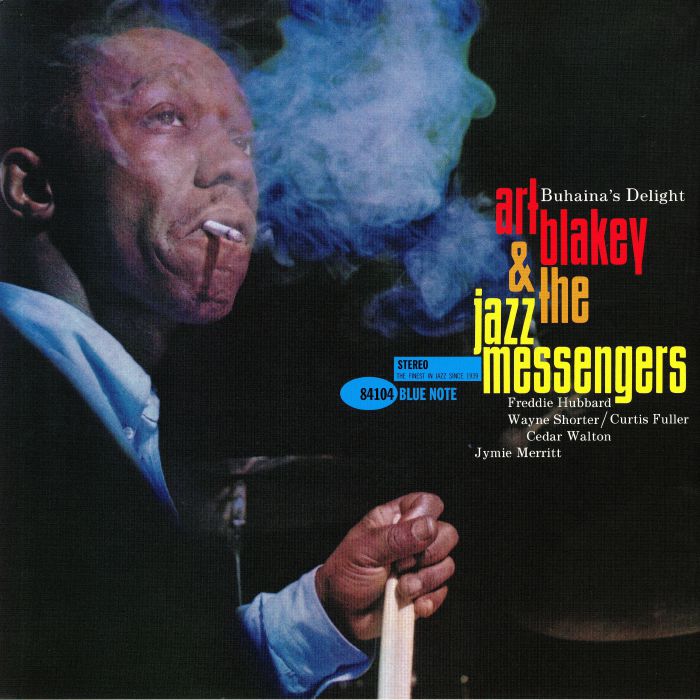
CULT CLASSIC: TEA AND SYMPHONY-AN ASYLUM FOR THE MUSICALLY INSANE.
Cult Classic: Tea and Symphony-An Asylum For The Musically Insane.
When the original lineup of Tea and Symphony was founded in Birmingham, England, in the late-sixties, they were an acoustic group who have since been compared to Marc Bolan’s Tyrannosaurus Rex. The group was founded by Jeff Daw, James Langston and Nigel Phillips, but when they played live they were sometimes augmented by guest musicians.
That was also the case when they recorded their debut album An Asylum For The Musically Insane in 1969. It’s an ambitious, oft-overlooked and underrated album that sadly, never found the audience it deserved. However, looking back, commercial consideration was never Tea and Symphony’s raison d’être.
After the group was formed in the late-sixties, Tea and Symphony soon became familiar faces on Birmingham’s vibrant music scene which was thriving. However, Tea and Symphony were unlike most of the groups playing locally. Their stage shows which were regarded as “strange” and gig goers weren’t used to a band who combined music and theatrical content in their sets. This was something that they would add to over the next year or so.
Before that, Tea and Symphony became the first local band to appear at the now famous Mothers’ club, in the Birmingham district of Erdington. It was previously the Carlton Ballroom, and was run by John ‘Spud’ Taylor and promoter Phil Myatt, until it closed its doors on the ‘3rd’ of January 1971. By then, over 400 artists and bands had played their ranging from the great and good of rock right through to aspiring and up-and-coming bands like Tea and Symphony.
They were following in the footsteps of groups like Pink Floyd by using light shows and projecting films onto the stage. However, they went further when they added a mime artist to their act.
This was Jonathan Benyon who at the time was also known as Cockroach, and roadied for Tea and Symphony as well as Locomotive. However, he was also the mime artist Dr Smock, who wore a surgeons gown and danced under a strobe light.
Mime wasn’t just a gimmick and according to James Langston was an important part of their music: “The mime is very much related to what is going on musically. Our music has a lot of mood changes and we improvise to a certain extent…I think audiences who haven’t heard us before sometimes find our music very strange because of its originality. I see Tea and Symphony developing as a mini travelling theatre.” Alas, that didn’t happen.
In 1969, Tea and Symphony headed out on tour with Tamworth-based progressive blues group Bakerloo. The tour transformed both their careers when they were signed by Harvest, the new EMI imprint.
Later in 1969, Tea and Symphony began working with producer Gus Dudgeon, who previously, had been working Ten Years After. By then, their sophomore album Stonedhenge had enjoyed success on both sides of the Atlantic, and so would Ssssh when it was released in August 1969.
When Tea and Symphony headed to Trident Studios, in London, for their first session with Gus Dudgeon they recorded a cover of Procol Harum’s Boredom which became their debut single. It was an accessible and radio friendly song that had commercial appeal. On the B-Side was the Jeff Daw composition Armchair Theatre which was more like Tea and Symphony’s true sound and featured on their debut album An Asylum For The Musically Insane.
Despite Tea and Symphony’s debut single Boredom having commercial potential, it failed commercially upon its release in 1969. This was disappointing for the group who hoped that their debut album would fare better.
For An Asylum For The Musically Insane, Tea and Symphony’s songwriter-in-chief Jeff Daw penned Armchair Theatre, Feel How So Cool The Wind, Sometime and The Come On. He also cowrote Maybe My Mind (With Egg) and Terror In My Soul with Nigel Phillips who contributed Nothing Will Come Of Nothing. James Langston the other member of the group wrote Winter and the one cover versions was Fred Neil’s Travellin’ Shoes. These tracks became An Asylum For The Musically Insane.
Recording took place at Trident Studios, with producer Gus Dudgeon and engineer Barry Sheffield. Jeff Daw, James Langston and Nigel Phillips played an interesting and eclectic collection of acoustic and electric instruments and were joined by several guest artists. This included bassists Ron Chesterman and Mick Hincks, drummer Bob Lamb and Gus Dudgeon who added percussion on album that was very different to the majority of the albums being released in 1969.
Most groups were releasing albums that had commercial potential. This sometimes meant compromising and got in the way of artistic integrity. However, Tea and Symphony wanted to make an artistic statement and weren’t it seems, willing to compromise. Their debut album An Asylum For The Musically Insane was totally different from anything that was released at that time.
Critics on hearing the album couldn’t make up their mind about Tea and Symphony’s debut. Some called the album “brilliant,” others “bizarre” and others regarded the music as “self-indulgent.” That was a word that was often used to describe albums of progressive rock. Usually when the critic didn’t understand, or take the time to understand what a group were trying to achieve. That may have been the case with Tea and Symphony’s musical statement An Asylum For The Musically Insane. It was way an album that was way ahead of its time.
When An Asylum For The Musically Insane was released by Harvest later in 1969, the album failed commercially. For the group this was disappointing, but they wanted to be successful on their terms and weren’t willing to compromise.
That was the case on Armchair Theatre which opens An Asylum For The Musically Insane finds Tea and Symphony doing things their way. They flit between genres including folk and incorporate elements of vaudeville as they combine their vocals with an eclectic selection of instruments on this wonderfully eccentric track. It’s just a musical amuse bouche though.
Initially, Feel How So Cool The Wind is eerie and atmospheric, and as soon as the vocal enters there’s an element of drama as the wind blows. What follows is a story of demon worlds where it looks like someone is about to freeze to death. However, there’s a twist in the tale with a barroom singalong. Sometime is another adventure in acid folk, and features just a hand drum, guitars and bass. Jeff Daw and James Langston share the lead vocal and are accompanied by backing vocals which have been treated with echo. This is effective and plays a part in the song’s sound and success. It gives way to the lysergic and Eastern sounding Maybe My Mind (With Egg) before the bluesy sounding The Come On closes side one.
Terror In My Soul opens side two and as it unfolds, Tea and Symphony’s love of theatre is apparent. There’s an element of drama as the tension builds as a guitar is strummed briskly and a flute adds to this sinister sounding song that is one of the album’s highlights. A bluesy harmonica sets the scene on a captivating cover of Fred Neil’s Travellin’ Shoes which is rich in imagery. So is Winter which veers between haunting, atmospheric and cinematic. Providing a backdrop for the vocal are a carefully chosen selection of instruments, a myriad of sounds and even birdsong. They play their part in what’s an outstanding track. Closing side two is Nothing Will Come Of Nothing, and as a harpsichord plays, there’s no hint of what’s to come. Soon, a piano accompanies a dramatic, powerful vocal before surprises aplenty are sprung. Meanwhile, every instrument seems to have been perfectly chosen as the arrangement waltzes and swings and seems to head in the direction of free jazz before preferring an apology. It’s not needed and instead, Tea and Symphony should take a bow as one of the great lost albums of the late-sixties comes to a close.
An Asylum For The Musically Insane was an ambitious and unconventional album where Tea and Symphony flit between and fuse disparate musical genres. This includes everything from avant-garde, blues and classical to folk rock, progressive folk, psychedelic rock and progressive rock. As they do, they use acoustic instruments as the basis for many arrangements and the vocal arrangements were very different to the majority of albums. They’re sometimes theatrical and dramatic as if Tea and Symphony are playing parts in a play. That is no surprise as the group loved theatre and it was always part of their sets. They decided to incorporate an element of theatre and drama into their music. Alas, this was something that some critics and record buyers neither understood nor were willing to embrace.
Maybe a wonderfully eccentric album like An Asylum For The Musically Insane was the type of album a more established group could’ve risked releasing? It was maybe too soon for Tea and Symphony who were just beginning their recording career. However, they were musical mavericks and were determined to do things their way.
Most groups who were signed to by a label of the stature of Harvest would’ve “played the game” and recorded an album that had much more commercial potential. Even if deep down, they may have wanted to make a musical statement with an ambitious album that was very different to everything else on the shelves of record shops. That was the case right down to the distinctive album cover.
Tea and Symphony succeeded in making a musical statement with An Asylum For The Musically Insane which is akin to a musical roller coaster with twists and turns aplenty during the nine tracks. It was an unconventional album where the music that is well worth discovering and persevering with. Not everyone will “get” the album when they first listen to it. However, after several listens they’ll have discovered the delights of Tea and Symphony’s oft-overlooked debut album An Asylum For The Musically Insane, which is a hidden gem full of subtleties and nuances where the imaginative and multi-talented Birmingham-based trio dared to be so different, and thanks goodness they did.
Cult Classic: Tea and Symphony-An Asylum For The Musically Insane.

CULT CLASSIC: HERBIE HANCOCK-THE PRISONER.
Cult Classic: Herbie Hancock-The Prisoner.
In the summer of 1968 Herbie Hancock left Miles Davis Quintet to form his own group. This was a risky move, but one he felt he had to make to develop as a composer, bandleader and pianist.
During the summer of 1968 Herbie Hancock also released his sixth album for Blue Note Records, Speak Like A Child. It was one of the most ambitious albums of his career,
Speak Like A Child was an album that featured Herbie Hancock’s own philosophy which had been inspired by his childhood. The only problem was he knew his music didn’t reflect what was going on in modern day America. When he turned on his television there were reports about the economy which had taken a downturn, the riots in cities across America which was still blighted by racism.
Instead, Herbie Hancock wanted to offer “a forward look into what could be a bright future “ on Speak Like A Child. He wanted to rediscover some of the qualities of childhood: “we lose and wish we could have back — purity, spontaneity. When they do return to us, we’re at our best.” With all this in mind, Speak Like a Child where the listener can: “think and feel in terms of hope, and the possibilities of making our future less impure.”
Speak Like A Child featured Herbie Hancock’s sextet, and was recorded at Van Gelder Studio, Englewood Cliffs, on the ‘6th’ and ‘9th’ of March 1968. Joining pianist Herbie Hancock was drummer Mickey Roker, bassist Ron Carter and an unusual horn section that featured alto flautist Jerry Dodgion, bass trombonist Peter Phillip and Thad Jones on flugelhorn. Taking charge of production was Duke Pearson on a swinging album of hard bop that to some extent, was an extension of Maiden Voyage.
When Speak Like A Child was released it was well received by critics. However, just like so many ambitious and innovative albums critics and record buyers didn’t quite “get” Speak Like A Child. Despite that, Herbie Hancock was determined to continue to create music that pushed musical boundaries and took jazz in a new direction for his next album The Prisoner.

The Prisoner.
By the time Herbie Hancock was ready to begin work on The Prisoner, executives at Blue Note Records knew it was his swansong for the label that had been his home since he released his debut Takin’ Off in 1962. Seven years had passed and now he was preparing to record his seventh album before signing a lucrative contract with Warner Bros. Records. However, Herbie Hancock was determined to go out on a high with the most ambitious album of his career The Prisoner.
Herbie Hancock said that The Prisoner was dedicated to the memory of Dr Martin Luther King, and was a “social statement written in music.” The Prisoner is now regarded as one of Herbie Hancock’s most ambitious albums and his greatest and grandest album since My Point of View. It finds Herbie Hancock who had just turned twenty-nine, leading an eleven piece band that featured some of the best and most inventive and imaginative jazz musicians.
Just like Speak Like A Child, Duke Pearson produced The Prisoner which was recorded at Van Gelder Studio,Englewood Cliffs, New Jersey. Joining Herbie Hancock who switches between acoustic and electric piano are drummer Tootie Heath, bassist Buster Williams. They were joined by flautist Herbert Laws, trombonist Garnett Brown, bass trombonists Tony Studd and Jack Jeffers, Johnny Coles on flugelhorn,bass clarinetist Romeo Penque and Jerome Richardson who also played flute. Joe Henderson switched between tenor saxophone and alto flute on the five tracks that became The Prisoner.
Herbie Hancock wrote I Have a Dream, The Prisoner, He Who Lives in Fear and Promise of the Sun. The other track was Firewater a Buster Williams composition. These tracks were recorded on the ‘18th,’ ‘21st’ and ’23rd’ of April 1969 with Duke Pearson, and once the album was completed it was scheduled for release later that year.
Not only was The Prisoner Herbie Hancock’s swansong for Blue Note Records, it was also his most ambitious album. The concept behind The Prisoner was a tribute to Dr. Martin Luther King who had been assassinated on April the ‘4th’ 1968 aged just thirty-nine. Herbie Hancock wants the music to evoke his spirit and dreams through what spacious, experimental post bop. For much of the album, the music doesn’t follow conventional patterns, and at times can be challenging. However, the music is still melodic and Herbie Hancock remembered to leave space in his compositions and arrangements during what’s still an accessible album with a story behind each composition.
Dr. Martin Luther King’s famous phrase I Have a Dream, lent its name to the album opener. It’s an ambitious eleven minute epic, and was followed by the title-track. Its composer, Herbie Hancock, explained that The Prisoner is about: “how black people have been imprisoned for a long time.” Firewater was meant to sympbolise the duality of the oppressor and the oppressed. Fire was meant to symbolise the heat in violence as well as the abuse of power, while the feeling of water recalls Dr. Martin Luther King. He Who Lives In Fear refers to Dr King as he “had to live in an atmosphere charged with intimidation.” Herbie Hancock explained how Promise Of The Sun which closes the album symbolises: “how the sun promises life and freedom to all living things, and yet blacks are not yet free.”
During The Prisoner, Herbie Hancock, Johnny Coles on flugelhorn and Joe Henderson on tenor saxophone and alto flute exchange a series of breathtaking solos and drive each other to greater heights. Joe Henderson plays a starring role and was picked out for praise by calling him one of the finest flautists classical or jazz music. That was high praise but it’s soon apparent why.
It’s a case of expect the unexpected during the solos which take twists and turns veering between alluring and provocative, to emotive, haunting, and soul-baring. There’s a starkness to the melodies which became sombre, and ruminative and invites reflection. No longer is there anything to celebrate and the joyous is gone after Dr. Martin Luther King was ruthlessly and heartlessly gunned down. As a result, the music makes the listener contemplate and wonder what might have been? It’s a powerful and poignant album from Herbie Hancock who was leaving Blue Note Records on a high.
When critics heard The Prisoner, the majority wrote positive reviews praising an ambitious, innovative and cerebral concept album. However, just like Speak Like A Child some critics didn’t seem to understand the album or the concept behind it. Ironically both Speak Like A Child and The Prisoner are regarded as classics.
When The Prisoner was released later in 1969, Herbie Hancock was a happy man and said: “Generally speaking, I’ve been able to get closer to the real me with this album than on any other previous one.”
Just like Speak Like A Child, he had also succeed in making an album that was accessible. “I want my music to evolve toward a point where it can contain that part of me that is relatively most musical to people–but in a jazz climate that can communicate to the general public. I am trying to write hummable tunes with a kind of rhythmic element people can be infected with, and one key to the rhythmic thing is the duple meter. People can identify more with duple meter, so the drummer does play a meter but does not, however, play rock per se, so you hear the drummer playing jazz.”
He went on to say: “Harmony is the element that offers even more flexibility. The differentiated positioning of chords in my Maiden Voyage is an example, and Speak like A Child is somewhat like a pop ballad. It’s an extension of the concept of simple melody and rhythm related to a more advanced harmony. It’s like a huge door with a lot of little doors to the outside public and I’m trying different doors.”
Herbie Hancock’s decision to try “different doors” meant he was able to compose and record music that was modern, exciting, experimental, innovative and different to everything that had gone before. He was ensuring jazz evolved and to do this, he expanded his band and added different instruments including the bass trombone and bass clarinet which other bands didn’t use.
What also helped he explained was that: “All my soloists, play a different style, but some part of each is related to each other, and I do some of all of their thing.” This he does throughout The Prisoner.
Different accents, clusters, splashes and sounds are used throughout The Prisoner by Herbie Hancock’s and his band combine musical genres to paint pictures and create music that is melodic, rich in imagery and full of emotion on what’s a powerful and poignant concept album that remembered Dr. Martin Luther King on what’s a now considered a jazz classic.
Cult Classic: Herbie Hancock-The Prisoner.
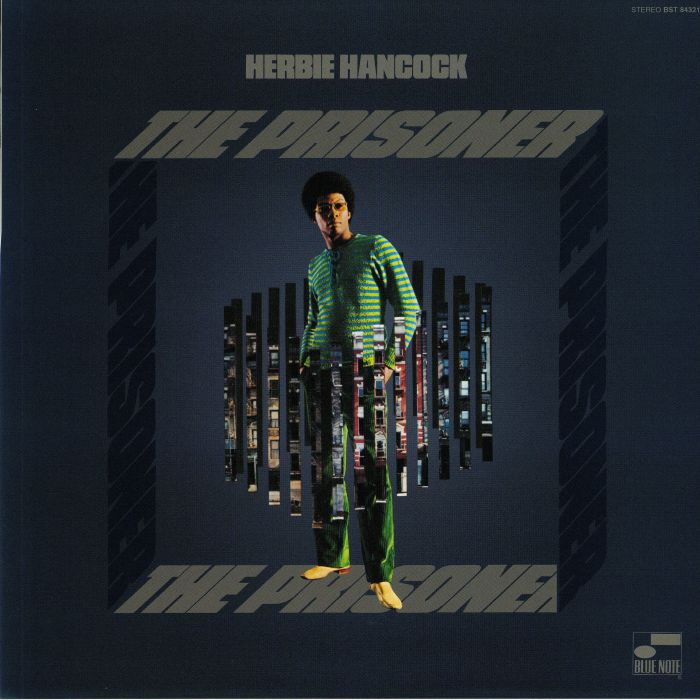
 dereksmusicblog
 dereksmusicblog