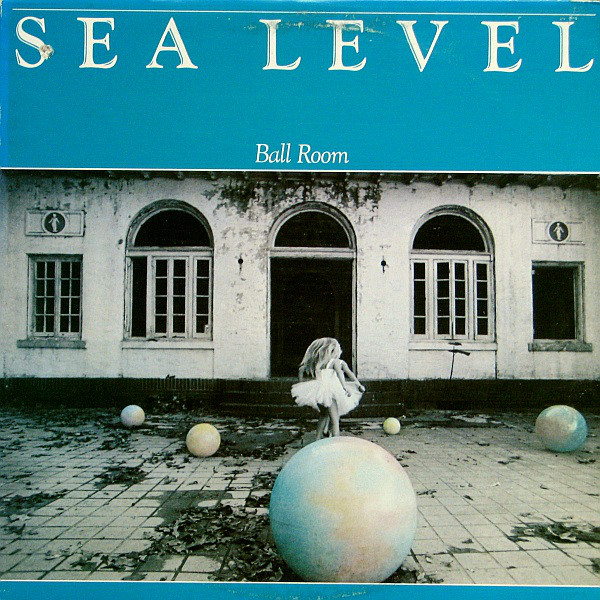
SEA LEVEL-BALL ROOM.
Sea Level-Ball Room.
In 1980, Southern rockers Sea Level released their fifth album Ball Room, which was recently reissued by BGO Records. The release of Ball Room was a new start for Sea Level. They had been signed to Capricorn Records since the release of their eponymous debut album in 1976. After recording four albums for Capricorn Records, Sea Level signed to Clive Davis’ Arista label. This band leader Chuck Leavell hoped was the start of a new and exciting chapter in Sea Level’s career. Much had happened since the band was founded in 1975.
By August 1975, all wasn’t well within The Allman Brothers. It hadn’t been for the last couple of years. That was despite The Allman Brothers being at the peak of their popularity. Their last three albums had sold over a million copies and were certified platinum. Meanwhile, The Allman Brothers were one of the most successful live band. They regularly earned over $100,000 a show during their 1974 tour. This allowed The Allman Brothers to hire Led Zeppelin’s private jet Starship, and fly coast to coast in style. However, the constant touring was part of the problem,
Several of The Allman Brothers’ had developed serious drug problems. Now that the band had more money than ever, their drug problems began to spiral out of control. This wasn’t the only problem though.
Some members of The Allman Brothers were no longer as close as they once had been. It seemed the friendship had gone from the band. Gregg Allman and Dickie Betts had both released successful solo albums during 1974. The following year, three other members of The Allman Brothers decided to form a new band as a side project.
The the band was named We Three by its founding members. They were Jai Johanny Johanson a.k.a. Jaimoe, bassist Lamar Williams and keyboardist, pianist and vocalist Chuck Leavell. When the new band was formed they were keen to stress that We Three would work round The Allman Brothers’ schedule. They were going to be busy between August 1975 and May 1976.
In August 1975, The Allman Brothers release their sixth album Win, Lose Or Draw in August 1975. When it was released, it didn’t receive the same critical acclaim as previous albums. Still, though, Win, Lose Or Draw reached number five in the US Billboard 200 and was certified gold. By then, the Allman Brothers had headed out on the road and were playing forty-one arena shows. Some nights, the shows were disjointed and lacklustre. It was as if the Allman Brothers were merely going through the motions. This was very different to the band that some nights opened for The Allman Brothers, We Three.
Occasionally, the nascent We Three took to the stage. Those that saw the band play, were impressed by We Three. They were the complete opposite of the Allman Brothers, who some nights, looked as if they were on their last legs.That proved to be the case.
For the Allman Brother, their 1975-1976 tour wasn’t their finest hour. Some nights, they didn’t even bother with a soundcheck. They just headed out on stage and seemed to be going through the motions. The band didn’t play well, and were a shadow of their former selves. What didn’t help was the excessive drug use, bad feeling between the band and death threats.
The bad feeling and death threats stemmed from Gregg Allman’s decision to testify in the trial of security man Scooter Herring. This didn’t go down well with the rest of The Allman Brothers. They saw Gregg Allman as a snitch. Following the trial, the rest of the band stopped communicating with Gregg Allman. Meanwhile, he started to receive death threats. For Gregg Allman and the rest of the band, this only made a bad situation worse.
In May 1976, the Allman Brothers returned from their forty-one date tour. By then, the writing was already on the wall. The Allman Brothers split-up. Gregg Allman formed the Gregg Allman Band; Dickie Betts formed Great Southern while Jaimoe, Lamar Williams and Chuck Leavell decided to continue as Sea Level.
No longer were the three friends playing together as We Three. They had decided to changed the band’s name to Sea Level. This was a result of some wordplay surrounding Chuck Leavell’s name. His family always pronounced their surname as level. Chuck took the first initial from his christian name, and Sea Level were born. The newly named band began honing their sound.
By then, three had become four. Guitarist Jimmy Nail joined Sea Level as the band headed out on tour. Over the next few weeks and months, dedicated themselves to honing and tightening their sound. Some nights, Sea Level experimented, by heading in different directions musicians. Mostly, though, they concentrated on refining, tightening and honing their sound. This paid off, and eventually, Sea Level were ready to record an album.
By then, several record companies were chasing Sea Level’s signature. Eventually, the band settled on Capricorn Records, which had been home to the Allman Brothers. Once the contacts were signed, Sea Level began work on their eponymous debut album.
Sea Level.
For Sea Level’s debut album, Chuck Leavell became the band’s songwriter-in-chief. He wrote five of the eight songs. The other three tracks were covers of Edward Hoerner’s Shake A Leg, Neil Larsen’s Grand Larceny and the traditional song Scarborough Fair. These songs were recorded with one of the most successful producers of the seventies, Stewart Levine.
Recording took place at Capricorn Sound Studios, in Macon, Georgia. This was familiar territory for the three members of Sea Level, as the Allman Brothers had recorded at Capricorn Sound Studios. To augment Sea Level, guitarist Jimmy Nails and a horn section were brought onboard. Meanwhile, Sam Whiteside engineered the sessions. They progressed smoothy, with Sea Level combining Southern Rock and jazz funk. Once Sea Level was complete, it was ready for release on Capricorn Records later in 1976.
Before that, critics had their say on Sea Level’s eponymous debut album. Sea Level was well received by critics, who complimented the nascent band on their debut album. Despite the reviews, Sea Level failed to make an impression on the charts. Despite this, Sea Level decided to expand for their sophomore album, Cats On The Coast.
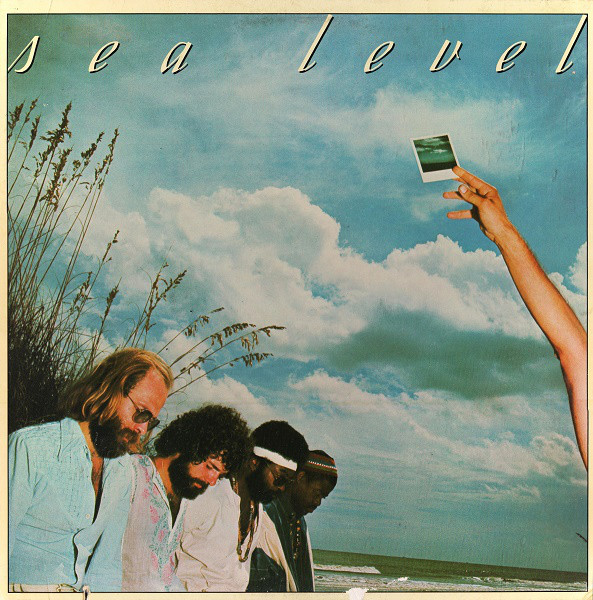
Cats On The Coast.
Shortly after the release of Sea Level became a sextet. Drummer and percussionist George Weaver joined, which allowed Jaimoe to switch to congas. The other two newcomers were guitarist Davis Causey and keyboardist, saxophonist and vocalist Randall Bramblett joined Sea Level. The newly expanded band began working on their sophomore album, Cats On The Coast.
This time round, Chuck Leavell wrote just two of eights songs, Storm Warning and Song For Amy. Davis Causey wrote Cats On The Coast and cowrote That’s Your Secret with Randall Bramblett. He penned Every Little Thing and also cowrote Had To Fall with Jimmy Nalls and Lamar Williams. The other two songs were cover versions, including Neil Larson’s Midnight Pass and Hurts to Want It So Bad which Charles Feldman, Tim Smith and Steve Smith penned. Just like their debut album, Sea Level returned to Capricorn Sound Studios.
At Capricorn Sound Studios, producer Stewart Levine and engineer Sam Whiteside began work with the newly expanded Sea Level. Other sessions took place in Los Angeles, at Hollywood Sound Recorders. Gradually, Cats On The Coast began to take shape and eventually was completed.
Cats On The Coast was scheduled for released later in 1977. Before that, critics had their say on Sea Level’s sophomore album. It found Sea Level switching between Southern Rock and fusion. While the album found favour with critics, Cats On The Coast passed record buyers by.While the album failed to chart, the lead single That’s Your Secret reached fifty in the US Billboard 100. It was a small crumb of comfort for Sea Level.
They had released two albums, but neither had come close to troubling the charts. It was frustrating for Sea Level. They knew that there was nothing wrong with the music. Instead, it was a case of the wrong albums at the wrong time. Southern Rock was no longer as popular as it had once been. Many Southern Rock bands weren’t enjoy the success they once had. For a new band like Sea Level, trying to make a breakthrough was doubly difficult. So much so, that two members of Sea Level decided to leave the band just before work began on their third album, On The Edge.
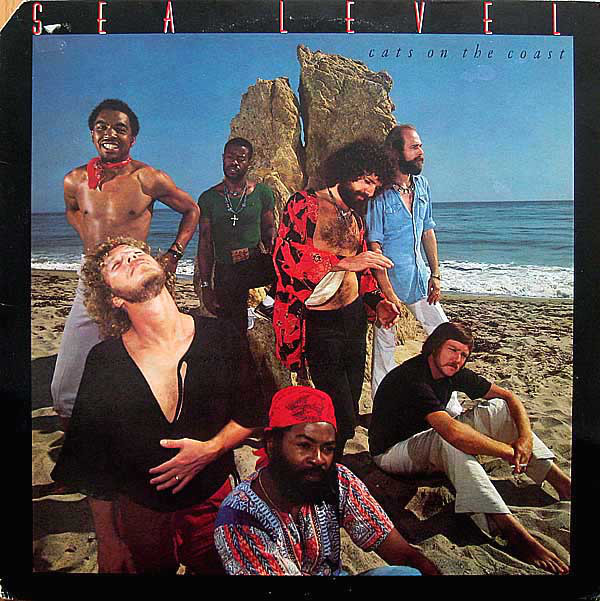
On The Edge.
Exiting stage left were Jaimoe and George Weaver. This left Sea Level without a drummer. However, George Weaver was recruited and Sea Level continued as a sextet.
Just like Cats On The Coast, several members of Sea Level contributed songs to On The Edge. Chuck Leavell wrote A Lotta Colada and Uptown Downtown, and penned On The Wing with Lamar Williams. Jimmy Nails wrote Fifty-Four while Randall Bramblett contributed This Could Be The Worst and Electron Cold. He wrote King Grand with Davis Causey. The two men also wrote Living In A Dream with Arch Pearson. These eights songs would become On The Edge.
Just like their two previous albums, On The Edge was recorded at Capricorn Sound Studios, with producer Stewart Levine and engineer Sam Whiteside. This was the third lineup of Sea Level they had worked with. However, they were all experienced musicians, and the recording sessions went to plan. Some additional sessions took place at The Hit Factory, in New York. After that, On The Edge was ready for release later in 1978.
Prior to the release, critics received their advance copies of On The Edge. They discovered an album where Sea Level switched between and combined elements of Southern Rock, fusion and jazz-funk. It was a slick, accomplished and well produced band that featured a tight and talented band. Praise and plaudits preceded the release of On The Edge. Despite this, the album failed commercially and didn’t come close to troubling the charts. For Sea Level, it was yet another disappointment.
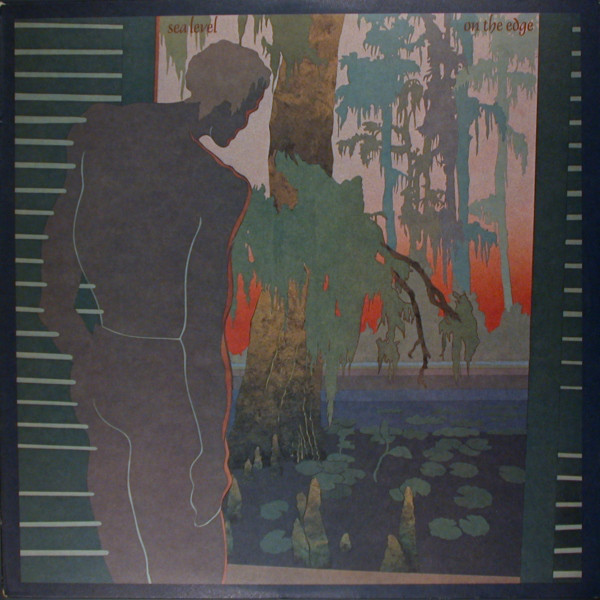
Long Walk On A Short Pier.
Despite the commercial failure of On The Edge, Sea Level weren’t about to give up. They began work on their fourth album Long Walk On A Short Pier.
Chuck Leavell wrote two new songs for Long Walk On A Short Pier, Tear Down This Wall and Just A Touch. Lamar Williams penned Just A Touch, while Jimmy Nails wrote Twenty Miles From Nowhere and penned A Two ’n’ Two with Davis Causey. He contributed Canine Man and Thirsty, and then wrote Morning Light with Randall Bramblett. The other song was a cover of the Weaver-Walker composition Too Many Broken Hearts. With the material for Long Walk On A Short Pier complete, Sea Level made the journey to Macon, Georgia. They were joined by a new band member percussionist and conga player David Earle Johnson.
When Sea Level arrived at Capricorn Sound Studios, nothing seemed to have changed. The studio looked the same as ever. However, this time, Sea Level were going to co-produce Long Walk On A Short Pier with engineer turned producer Sam Whiteside. He had engineered Sea Level’s three previous albums, so knew how the band worked. Sam Whiteside had served his apprenticeship and was ready to step out of Stewart Levine’s shadow.
Despite his promotion to co-producer, Sam Whiteside still engineered Long Walk On A Short Pier. He brought David Pinkston onboard, to assist him with his engineering duties. They watched on as Sea Level switched between Southern Rock and fusion on Long Walk On A Short Pier. The music seemed to flow through Sea Level. Gradually, Long Walk On A Short Pier began to take shape and the album almost complete.
All that recorded was for a horn section to be overdubbed at Sea Saint Studio, in New Orleans. Then Long Walk On A Short Pier would be ready for release by Capricorn Records.
Little did Sea Level know that all wasn’t well at Capricorn Records. The label was teetering on the verge of insolvency as promotional copies of Long Walk On A Short Pier were sent out. Sea Level were totally unaware of this.
When reviews of Long Walk On A Short Pier were published, critics were impressed by Sea Level’s fourth album. Just like their previous album, Sea Level flitted between Southern Rock and fusion on Long Walk On A Short Pier. It was another accomplished album from Sea Level. Maybe it would’ve been the album that transformed their fortunes?
It wasn’t to be. Just as Long Walk On A Short Pier was released, Capricorn Records went out of business. They were insolvent and had no option but to file for bankruptcy. For Sea Level, this was a disaster. Their fourth album was dead in the water.
Copies of Long Walk On A Short Pier made it as far as distributors. That was as far as they got. Later, it became apparent that a few copies of Long Walk On A Short Pier made it into circulation. However, it wasn’t until 1998 that Long Walk On A Short Pier was heard by the wider record buying public.
After Capricorn Records filed for bankruptcy, the future looked bleak for Sea Level. They had recorded an album that was never released properly. That cost the band time and money. They could’ve been touring, as Sea Level were still a popular draw on the live circuit. All the time, expense and effort that went into recording Long Walk On A Short Pier had been for nothing. Now they were left with no recording contract. Despite this, Sea Level decided to record a new album with producer Sam Whiteside, Ball Room.
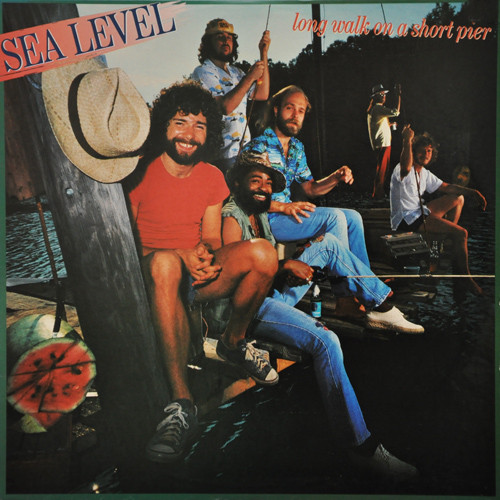
Ball Room.
Having made the decision to continue, there was a change in Sea Level’s lineup. Percussionist and conga player David Earle Johnson left the band. He was replaced by percussionist Matt Greeley, who was about to make his recording debut.
Before that, the members of Sea Level began work on writing their fifth album. Chuck Leavell wrote Anxiously Awaiting and Don’t Want To Be Wrong, while Lamar Williams contributed Struttin’. Randall Bramblett penned Wild Side, School Teacher, Comfort Range and Brandstand. He also wrote We Will Wait and You Mean So Much To Me with Davis Causey. These nine songs would become Ball Room, which was recorded at two studios.
For the first time since Sea Level were founded, they weren’t heading to Capricorn Recording Studios to record an album. Instead, Ball Room was recorded at Axis Sound Studio and Web IV Studios. Engineer Sam Whiteside co-produced Ball Room with Sea Level. They put their considerable talents were put to good use on Ball Room. Onlookers witnessed Sea Level in full flight, with Chuck Leavell and Randall Bramblett sharing lead vocals. Once Ball Room was complete, Sea Level started shopping the album to record labels.
Eventually, it was Clive Davis’ Arista Recorsd that expressed an interest in signing Sea Level. Clive Davis was the man with the Midas touch. He had transformed the career of countless artists and groups. Sea Level were hoping he could do the same for them. So they signed on the dotted line, and hoped that Clive Davis would work his magic.
Later in 1980, Ball Room was scheduled for release by Arista. After five albums, they were at last, signed to a label with the financial muscle and expertise to get behind Sea Level’s fifth album Ball Room. Arista Records go to work on promoting Ball Room.
Critics who were sent copies of Ball Room found Sea Level at the top of their game. The Southern Rock of Wild Side opened Ball Room, and set the bar high. Sea Level then kick loose on the anthemic bar room rock of School Teacher. Then there’s a drop in tempo on Comfort Range. It’s a mid-tempo, cinematic rocker that features one of Randall Bramblett’s best vocals. He brings the lyrics to life, and it’s possible to imagine the song’s protagonist as they live life on the edge. Anxiously Awaiting shows another side of Sea Level, as they drop the tempo on this rocky, ruminative and timeless ballad. After that, it’s all change.
Struttin’ is an instrumental, where Sea Level enjoy the opportunity to stretch their legs and showcase their considerable talents as they fuse rock, jazz and funk. The tempo drops on We Will Wait, a quite beautiful, dreamy and atmospheric song. It features Sea Level at their best and most inventive, as they combine elements of rock and jazz. You Mean So Much To Me is a heartfelt pean, with a languid groove. There’s a nod to Hall and Oates, as pop, rock and jazz combine seamlessly. Don’t Want To Be Wrong is an uptempo and rocky love song where Chuck Leavell takes charge of the lead vocal, while Randall Bramblett adds alto saxophone. This proves a potent partnership. Then one of Sea Level’s finest ballads Bandstand, closes Ball Room. It was, without, doubt, one of the best albums of Sea Level’s five album career.
When Ball Room was released, it followed in the footsteps of their previous albums, and failed to chart. For Sea Level this was a disaster. Things got worse when the lead single School Teacher never came close to troubling the charts. Sea Level were at a crossroads.
As 1981 dawned, Sea Level realised that after five years and five albums, they were no further on. Sea Level had nothing to show for fives years of recording and touring. All that hard work had been for nothing. Part of the problem was Sea Level released their albums at the wrong time.
If Sea Level’s five albums had been released earlier in the seventies, when Southern Rock was at the peak of its popularity then things would’ve been very different. Realising that music was changing, Sea Level tried to move away from their Southern Rock roots.
While Southern Rock featured on each of their albums, Sea Level’s first four albums headed in the direction of fusion, jazz-funk and even blues and rock. Then on Ball Room, Sea Level flit between Southern Rock to jazz, funk, pop and rock. They’re even transformed into a bar room band on School Teacher. It’s part of what was one of Sea Level’s most eclectic and best albums. Sadly, commercial success eluded Ball Room, which nowadays is an oft-overlooked hidden gem. Ball Room was Sea Level’s swan-song. They decided to call time on the band. There was only one problem.
Over the last five years, Sea Level had run up some debts. They were in the red and the time came to settle their debuts. Sea Level had to embark on one more tour. When the venues were finalised, it was apparent that Sea Level were going to be playing mostly dive bars. Many of them were situated in low rent shopping centres. Realising this, Sea Level decided to call the tour the Shopping Centre Tour. That was the last laugh Sea Level enjoyed.
The Shopping Centre Tour was a soul-destroying experience for Sea Level. They played dive bars and slept in the cheapest motels they could find. It was a miserable experience. Especially as Sea Level were only receiving expenses. Eventually, the tour was over and the band were free of their debts. That was the last time Sea Level played together as a band.
They had been together seven eventful years, and released five albums that showcase a truly talented band. Sadly, the five albums Sea Level released failed to find an audience. It’s only now that Sea Level’s albums are starting to find a wider audience. One of their finest albums was Ball Room, which is an oft-overlooked hidden gem that features Sea Level in full flight and their inventive best.
Sea Level-Ball Room.
BUDGIE-WHAT MIGHT HAVE BEEN.
Budgie-What Might Have Been.
The roots of hard rocking Welsh trio Budgie, can be traced to Cardiff, in 1967. That was where the band were formed. Originally, Budgie were known as Hills Contemporary Grass. However, after playing several gigs in 1968, Burke Shelley, Tony Bourge and Ray Phillips decided to changed the band’s name to Six Ton Budgie. Before long, this was shortened to Budgie. Little did anyone know that one of the most influential British heavy rock bands had just been christened.
The newly christened Budgie would go on to influence a new generation rock bands. They became known as the New Wave of British Heavy Metal. Bands like Judas Priest, Saxon, Iron Maiden, Raven and Def Leppard were among the bands that were inspired by Budgie’s music. This includes the five albums Budgie recorded between 1970 and 1975. These albums had the potential to turn Budgie into one of the biggest British rock bands of the early seventies. They should’ve launched band’s career as the capture Budgie at their hard rocking best. Budgie wouldn’t have looked out of place alongside Led Zeppelin, Black Sabbath and Deep Purple. Their story began in 1968.
Having changed their name to Budgie in 1968, the band began honing their sound by playing live. This was the tried and tested way that bands had honed their sound. There were no short cuts. Instead, it was just hard work and persistence.
Night after night, Budgie like many bands before them, pubs and clubs. Early on, Budgie played locally. Before long, Budgie began to play further afield. Gradually, Budgie began to attract a following. Their hard work and persistence was beginning to pay off. After nearly two years of playing live, decided to Budgie record their first demo.
Bassist and vocalist Burke Shelley, guitarist Tony Bourge and drummer Ray Phillips entered the studio and recorded what became their first demo in 1971. It was used to try and attract interest from record companies.
The first demo didn’t result in record companies rushing to Cardiff to sign Budgie. They were prepared to be patient, and play the long game. Eventually, Budgie’s patience paid off, and they were signed by MCA.
Budgie.
Once they had signed to MCA, the label began looking for the right producer for Budgie. Meanwhile, they were putting the finishing touches to the album they were writing. Eventually, Budgie were paired with Black Sabbath’s producer Roger Bain.
He had an enviable track record. Roger Bain had produced Black Sabbath’s first two albums. When Black Sabbath was released in February 1970, it was certified gold in the UK and platinum in America. Seven months later, Black Sabbath released Paranoid in September 1970. It was certified gold in the UK and four times platinum in America. Black Sabbath’s first two albums had sold five million copies in America along, and the man that produced the albums was about to work with Budgie.
For a band about to record their debut album, this was beyond their wildest dreams. Secretly, the three members of Budgie must have been dreaming that Roger Bain could do the same for Budgie.
They had finished writing the eight tracks that became debut album. Each of the tracks were credited to Burke Shelley, Tony Bourge and Ray Phillips. To record their debut album, Budgie were about to head to one of the prestigious studios, Rockfield Studios, in Monmouth, in Wales.
At Rockfield Studios, Budgie began recording the eight tracks with Roger Bain. Budgie decided to augment their core sound. Most things stayed the same though. Ray Phillips played drums and percussion and Tony Bourge guitar. Bassist and vocalist Burke Shelley played a mellotron on what became Budgie. It was completed during the first half of 1971.
The release of Budgie was scheduled for June 1971. Before that, the critics had their say. Mostly, the reviews of Budgie were positive. Alas, some critics weren’t convinced by Budgie. They were in a minority. Most were won over by heavy, hard rocking, blues rock sound and lightning fast, blistering guitar solos. Especially on Homicidal Suicidal and Nude Disintegrating Parachutist Woman, which were two of the highlights of Budgie, and why most of the reviews forecast that Budgie would be a success.
Upon the release of Budgie in 1971, the album failed to chart in the UK. Neither did the non-album single Crash Course In Brain Surgery. This was a huge disappointment for Budgie, Roger Bain and MCA. Later, like Metallica covered Crash Course In Brain Surgery. Thrush Hermit and Soundgarden would all cover songs from Budgie. However, back in 1971, it was back to the drawing board for Budgie.

Squawk.
After the commercial failure of their eponymous debut album, Budgie returned to the live circuit. They were starting to build a following. Eventually, though, Budgie began work on their sophomore album.
Just like their debut album, the three members of Budgie wrote a total of nine tracks. They would later become Squawk. Just like Budgie, recording took place at Rockfield Studios with producer Roger Bain.
Work began at Rockfield Studios, Budgie during the first half of 1972. Drummer and percussionist Ray Phillips was joined in the rhythm section by bassist and vocalist Burke Shelley. He also played mellotron piano. Completing Budgie’s lineup, was guitarist Tony Bourge guitar. The album was recorded live. Budgie it seemed, were trying to capture the essence of one of their live performances. When the album was completed it became Squawk.
For Squawk’s album cover, MCA commissioned Roger Dean. By 1972, he was already regarded as one of the top album designers. He produced a truly memorable and thought provoking album cover. The first people to see it were the critics.
Just like Budgie, the majority of the reviews of Squawk were positive. There were still a few critics who were yet to be convinced. Mostly, Budgie’s hard rocking sound found favour with critics. Tracks like Rocking Man, The Beatles’ inspired Rolling Home Again, folk-tinged Make Me Happy and anthemic Drugstore Woman were among the highlights of Squawk. It was released in September 1972.
When Squawk was released, the album failed to much of an impression on the charts. This was another disappointment for Budgie. They returned to the live circuit and considered their options.

Never Turn Your Back On A Friend.
By the time Budgie thoughts turned to their third album, they had decided to make some changes. They quickly became apparent as work began on what would become Never Turn Your Back On A Friend.
For Never Turn Your Back On A Friend, Budgie penned six tracks. The other track was a cover version. This was a first. Usually, Budgie wrote their own material. However, Big Joe Williams’ Baby, Please Don’t Go was a blues classic. This was fitting for a group who had started life as a blues rock band.
Although Budgie were originally a blues rock band, their music was beginning to change on Never Turn Your Back On A Friend. Progressive rock was King in 1973, and Budgie moved towards progressive rock on Never Turn Your Back On A Friend. Still, though, Budgie were primarily a hard rocking band. They combined the hard rock and progressive rock on Never Turn Your Back On A Friend.
When recording begn at Rockfield Studios, there was no sign of Roger Bain. Budgie had decided to produce Never Turn Your Back On A Friend themselves. They had learnt from Roger Bain, and were ready to make their production debut on Never Turn Your Back On A Friend. It had a much leaner sound.
There was neither a piano nor mellotron on . Instead, it was just drummer Ray Phillips, bassist and vocalist Burke Shelley and guitarist Tony Bourge. They worked their way through seven tracks. where Budgie switched between blues rock, hard rock, progressive rock and proto-speed metal. These tracks eventually became Never Turn Your Back On A Friend.
Once Never Turn Your Back On A Friend was complete, MCA sent copies of the album to critics. They hailed the album Budgie’s finest yet. One of the highlights was Breadfan, which Metallica later covered. Parents a ten minute epic, is regarded as one the track that launched the speed metal genre. However, Never Turn Your Back On A Friend was the album that had most influence on the new wave of British heavy metal. It would inspire a new generation of bands. Despite doing so, Never Turn Your Back On A Friend wasn’t a huge commercial success.
Far from it. When Never Turn Your Back On A Friend was released in June 1973, the album failed to chart. That was Budgie’s third album that had failed to trouble the charts. For one member of Budgie, that was enough for him to call time on career with the band.
In late 1973, Ray Phillips left Budgie. He was replaced by Pete Boot. His timing was impeccable. Budgie’s fortunes were about to improve.

In For The Kill.
After the departure of Ray Phillips, a new chapter began in Budgie’s career. For the first few weeks, Burke Shelley and Tony Bourge gave the new recruit a crash course in Budgie’s back-catalogue. The new drummer, Pete Boot, had three albums to learn. Budgie were also in the process of working on their fourth album, In For The Kill.
Unlike Ray Phillips, Pete Boot took no part in writing In For The Kill. Instead, Burke Shelley and Tony Bourge wrote six of the seven songs on In For The Kill. The other track was Crash Course In Brain Surgery, which had been released as a single in 1971. It had been penned by the original lineup of Budgie, Ray Phillips, Burke Shelley and Tony Bourge. However, rather than use the original track, Budgie decided to remix the track.
There was a reason for this. This would allow the guitars to play a more prominent role in the track. It was a track used effectively and successfully by Black Sabbath’s Tony Iommi. If had been good enough for Black Sabbath, then it was good enough for Budgie. They began work on remixing Crash Course In Brain Surgery, and recording In For The Kill.
This took place at the familiar surroundings of Rockfield Studios in Monmouth. It was where Budgie’s three previous albums had been recorded. Three was about to become four, when the new lineup pressed play. The new lineup of drummer Pete Book, bassist and vocalist Burke Shelley and guitarist Tony Bourge worked their way though the seven songs. Just like Never Turn Your Back On A Friend, In For The Kill was produced by Budgie. Once the sessions at Rockfield Studios were complete, some further recording took place at Lee Sound, in Birmingham. Only then, was In For The Kill complete.
With In For The Kill complete, MCA scheduled the release of the album for May 1974. They wanted to build in the increasing popularity of Budgie. Their star was in the ascendancy. They had continued to increase their fan-base over the last few years. It had taken time, patience and persistence. Maybe In For The Kill would be a game-changer? That would depend on what the critics said.
Critics on hearing In For The Kill, hailed the album Budgie’s finest hour. However, they had said the same thing about Never Turn Your Back On A Friend. There were plenty of reasons to justify the critics conclusions.
This included In For The Kill, which featured a blistering guitar solo from Tony Bourge. Hot on its heels came the remixed version of Crash Course In Brain Surgery. With the power chords playing a prominent role in the track, it was regarded as one of the album’s highlights. So was the thoughtful Wondering What Everyone Knows, which seemed to have been inspired by The Beatles. Hammer and Tongs found Budgie at their hard rocking best, while Burke Shelley’s vocal adding an element of drama. Closing In For The Kill was the nine minute epic Living On Your Own. In For The Kill was indeed Budgie’s finest hour.
When it was released in May 1974, record buyers agreed. In For The Kill reached twenty-nine in the UK charts. After four albums, and seven years hard work and persistence, Budgie had made a breakthrough.
The sad thing was that the original drummer had Ray Phillips left Budgie just before the band made their breakthrough. His replacement Pete Boot was enjoying the fruits of his labours. He hadn’t spent six years crisscrossing Britain playing in pubs in clubs. However, Ray Phillips would later form his own band Ray Phillips Woman in the mid-seventies. By then, Budgie had lost their second drummer.
In late 1974, Budgie’s ‘new’ drummer Pete Boot left the band. This left Budgie in the lurch. Luckily, Steve Williams filled the void when Budge toured In For The Kill. Steve Williams later became a permanent member, and played on Budgie’s fifth album, Bandolier.

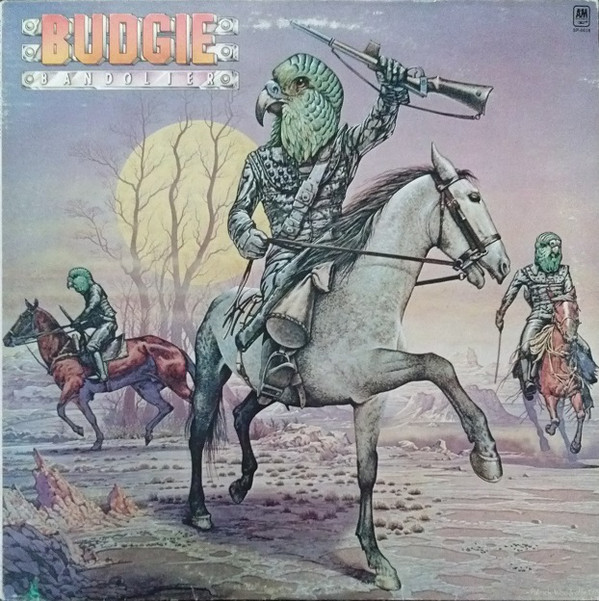
Bandolier.
Despite the success of In For The Kill, it was over a year before Budgie returned with the followup album, Bandolier. They had spent much of 1974 and part of 1975 touring. Budgie’s popularity was continuing to grow and this meant spending more time on the road. However, the time came to return to the recording studio.
By then, Burke Shelley and Tony Bourge had written five of the six songs on Bandolier. They were joined by a cover of Andy Fairweather Low’s Ain’t No Mountain. These six tracks were recorded at what had become Budgie’s studio of choice, Rockfield Studios.
Drummer Steve Williams, bassist and vocalist Burke Shelley and guitarist Tony Bourge began work on Bandolier at Rockfield Studios. Much of the album was recorded there. However, some recording took place at Mayfair Sound, in London. Eventually, Budgie had recorded six songs. They would become their fifth album, Bandolier.
With Bandolier completed, it was delivered to MCA. They scheduled the release of Bandolier for September 1975. This left plenty of time to promote Bandolier. Meanwhile, the critics had their say on the album.
They were won over by Bandolier, which found Budgie at their hard rocking best. Critics pointed out that Budgie were maturing and improving with each album. After five albums, Budgie had the potential to become one of the biggest British rock bands.
This was helped by Budgie’s new drummer Steve Williams quickly settling into his new role. He playing was powerful and punchy as he played with a newfound freedom. His drums helped propelled the arrangements along. Meanwhile, some critics were comparing Burke Shelley to Led Zeppelin frontman Robert Man. The similarity is noticeable on Who Do You Want For Your Love ?/Never Turn Your Back On A Friend and See My Feelings/Rock Climbing. As usual, Tony Bourge’s scorching, blistering, soaring guitar solos were playing a leading role in the sound and success of Bandolier. Especially on tracks like Breaking All The House Rules and I Can’t See My Feelings/Rock Climbing and I Ain’t No Mountain. Everything was coming together for Budgie on Bandolier.
They were still working hard and continued to reassess and reinvent their music. Constantly, they tweaked their sound adding or changing it. Over the past five albums, Budgie had moved from their early blues rock towards hard rock. Later, they incorporated folk, drew inspiration from The Beatles and moved in the direction of progressive rock. However, for much of the time, Budgie were an inventive, hard rocking band that always featured talented musicians. Proof of this was their four previous albums, and their fifth album Bandolier.
When Bandolier was released in September 1975, the album reached thirty-six in the UK. Alas, Bandolier hadn’t quite matched the success of In For The Kill. It had reached twenty-nine in 1974. However, Bandolier was certified gold. This was a first for Budgie.
A gold disc was the perfect way for Budgie to end their time at MCA. After five albums, where Budgie’s sound continued to evolve, the inventive Welsh trio’s popularity blossomed. By the time Bandolier was released in 1975, they had reached new levels of popularity. It was ironic that Budgie were about to leave MCA and sign for A&M Records.
The A&M Years.
Budgie’s hard work and persistence seemed to be beginning to pay off. They were signed by A&M Records, who Budgie hoped would be album to take them them to the next level. Critics agreed. Many critics thought that within a year or two, Budgie would be rubbing shoulders with Black Sabbath and Led Zeppelin.
Having signed to A&M Records, Budgie returned with If I Were Brittania I’d Waive The Rules in April 1976. Reviews of the album were mixed. This didn’t auger well for the release of If I Were Britannia I’d Waive The Rules. It failed to chart. For Budgie, this wasn’t the best way to begin the A&M years.
It was nearly two years before Budgie returned in February 1978, with the band’s seventh album Impeckable. Just like If I Were Britannia I’d Waive The Rules, reviews of the album were mixed. When the album was released, it failed to chart. For Budgie, this was a disaster for more reason than one.
In late 1979, Budgie were dropped by A&M Records. For the first time since 1970, Budgie had no recording contract. Surely, things couldn’t get any worse?
It did. Founder member and guitarist Tony Bourge left Budgie in 1980. He was replaced by John Thomas, who would make his recording debut with Budgie
weren’t ‘t For The Kill reached twenty-nine in the UK and Bandolier thirty-six. That looked like it was the start of the rise and rise of Budgie. Many critics thought that within a year or two, Budgie would be rubbing shoulders with Black Sabbath and Led Zeppelin. Sadly, Budgie never built on the success in 1980.
The Active Records Years.
Kingsley Wards’ Active Records was a relatively new record company. It had only been founded in 1980, but already the label had signed a distribution deal with RCA. Even with this distribution deal in place, it was still something of a coup for Active Records to sign Budgie.
They released their eighth studio album Power Supply in October 1980. This was the first new album from the new lineup of the band. One thing didn’t change, was that the reviews were mixed. Budgie’s last three albums seemed to polarise the opinion of critics and fans. Power Supply became Budgie’s third consecutive album that had failed to chart. It was another disappointment for the hard rocking trio.
Despite the disappointing sales of Power Supply, Budgie returned to the studio and a year later, returned with their ninth album Nightflight. While there were still some dissenting voices amongst critics, mostly the album was well received. Things were looking up for Budgie. Especially when Nightflight charted and reached sixty-eight in the UK. Nightflight was Budgie first album to chart since Bandolier in 1975. Then when Keeping a Rendezvous was released as a single, it reached number seventy-one in the UK. It looked as if Budgie’s fortunes were improving.
The RCA Years.
RCA who distributed Active Records’ releases signed Budgie after Nightflight. This looked like perfect timing as Budgie were still a popular live draw. They had supported Ozzy Osbourne during his Blizzard of Ozz Tour in 1980 and 1981. Budgie a had a huge following in Poland, where they became the first band play behind the Iron Curtain. However, in Britain, Budgie popularity had been on the rise since the New Wave of British Heavy Metal began. This cumulated with Budgie headlining the Reading Festival in the summer 1982. It looked their star was once again in the ascendancy, For a band who were about to release a new album, it was perfect timing.
Budgie released their tenth album Deliver Us From Evil in October 1982. Deliver Us From marked the debut of keyboardist Duncan MacKay as a full member of Budgie. He was an experienced musician who previously, had been a member Steve Harley and Cockney Rebel and 10CC. However, Duncan MacKay didn’t play a part in the writing of Deliver Us From Evil.
It was written by the other three members of Budgie and was their first concept album. Given the political climate, Deliver Us From Evil was particularly relevant. Burke Shelley described the album as one that “attacks the power structures of East and West and the balance of terror…and…refers to all kinds of evil, not just The Bomb and war, but the main theme calls for world peace.” When Deliver Us From Evil was released in October 1982, critics heard a much more commercial sounding album. However, the reviews of Deliver Us From Evil were mixed. It reached sixty-two in the UK and became Budgie’s most successful album since Bandolier in 1976.
Despite the relative success of Deliver Us From Evil, Budgie never released another album for RCA. Their time at RCA was brief, and it would be twenty-four years before Budgie released another album.
Budgie continued to play live until 1988. However, Budgie stopped playing live in 1988 and the members of the band embarked on careers in production. After twenty-years, it looked as if the Budgie story was over.
Twenty-four years later, and Budgie were back. They were about to embark upon a thirty-five date tour of Poland. To coincide with the tour, Budgie released their eleventh album You’re All Living In Cuckooland. Only Burke Shelley and Steve Williams remained from the previous incarnation of Budgie. Despite touring You’re All Living In Cuckooland., it failed to chart. Budgie’s eleventh album was their swan-song.
For Budgie, it was a case of what might have been. Budgie were one of the hardest rocking bands of the early seventies. They had the potential to become one of the biggest names in British rock, and could’ve and should’ve gone on to become one of biggest names in British rock. Sadly, Budgie never reached the heights that their music deserved. It was a case of what might have been?
Maybe things would’ve been different if Budgie had stayed at MCA? That was where Budgie released the best music of their career. Their move to A&M Records coincided with the decline in Budgie’s fortunes. Never again did the band enjoy the same commercial success and critical acclaim. That was despite signing to A&M Records and RCA. However, the spells with both labels proved brief and unsuccessful. As a result, Budgie never built on the success In For The Kill and Bandolier. These two albums were the most successful of Budgie’s eleven album career.
When Budgie released In For The Kill and Bandolier, it looked as if they were destined for greatness, and soon, would be rubbing shoulders with Led Zeppelin, Black Sabbath and Deep Purple. However, while the unholy trinity released million selling albums and toured the world, commercial success started to elude Budgie.
What didn’t help was that Budgie’s lineup changed several times. Ray Phillips was the first to leave. He left after the release of Never Turn Your Back On A Friend and missed out on the success of In For The Kill and Bandolier. However, this was just the first of several changes in Budgie’s lineup. By1980, Burke Shelley was the last man standing. The other two original members of Budgie had left the band. Despite recruiting talented musicians, Budgie and releasing six further studio albums, they never came close to reaching the heights of In For The Kill and Bandolier.
Eleven years after Budgie released their swan-song You’re All Living In Cuckooland in 2006, the hard rocking trio are now regarded as one of the greatest hard rock groups of the early seventies. The music Budgie released on MCA is regarded as the best music of their long career. Especially, the trio released between 1973 and 1975. This began with Never Turn Your Back On A Friend, then In For The Kill and Bandolier. These three albums feature Budgie at their hard rocking best. Just like the other two albums Budgie released for MCA, they’re a reminder of an oft-overlooked and underrated band. However, Budgie had the talent to become one of the most successful, hard rocking bands of the seventies. Sadly, Lady Luck didn’t smile on Budgie. Instead, it’s a case of what might have been for Budgie.
Budgie-What Might Have Been.


CREAM-BRITAIN’S FIRST SUPERGROUP.
Cream-Britain’s First Supergroup.
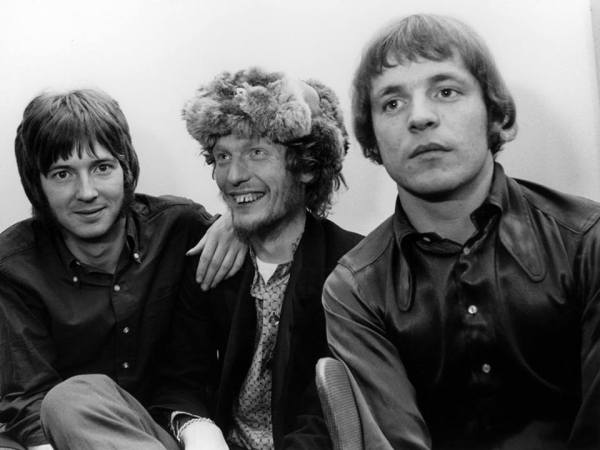
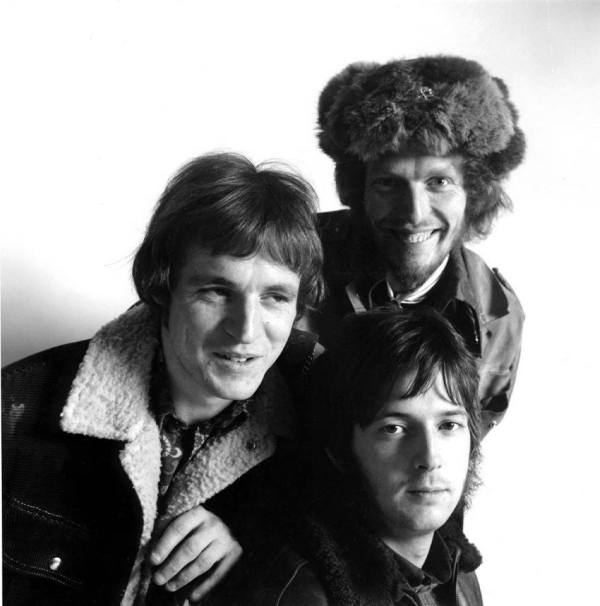
It was in July 1966, when Britain’s first supergroup, Cream was born. Eric Clapton who was regarded as the greatest British blues guitarist of his generation, was looking beyond life with John Mayall and The Bluesbreakers. That was the group Eric Clapton had joined after his departure from The Yarbirds.
By July 1966, Eric Clapton was in his second spell with John Mayall and The Bluesbreakers. He originally joined in April 1965 and was a Bluesbreaker until August 1965. Three months later, Eric Clapton returned to the fold in November 1965. For the next eight months, Eric Clapton was a Bluesbreaker. During this period, John Mayall and The Bluesbreakers recorded their classic album Blues Breakers With Eric Clapton in April 1966.
Three months later, and Blues Breakers With Eric Clapton was released by Decca on the 22nd July 1966. Critical acclaim accompanied what’s regarded as a British blues classic. It reached number six in the UK charts. This should’ve been a reason to celebrate. However, Eric Clapton was neither happy nor feeling fulfilled musically.
Instead, he felt constrained musically. Eric Clapton was unable to stretch his legs within John Mayall and The Bluesbreakers. There was certainly no room for invention. This was frustrating for Eric Clapton. So much so, that he was even considering forming his own band. However, Blues Breakers With Eric Clapton had just been released and looked like being the band’s most successful album. For Eric Clapton, his nascent career was at a crossroads.
To take his mind off his problems, Eric Clapton decided to go and see blues guitarist Buddy Guy in concert. That night, Buddy Guy took to the stage with a trio. When Eric Clapton saw the trio live, he was so impressed that he decided to form a new band. They would also be a trio, Cream.
Having made the decision to leave John Mayall and The Bluesbreakers, Eric Clapton began looking for musicians to join his band. He knew drummer Ginger Baker, who was a member The Graham Bond Organisation. Ginger Baker was tiring of Graham Bond’s drug addiction and bouts of instability. So much so, that he was considering his future.
When Eric Clapton approached Ginger Baker about joining his trio, the answer was yes. However, there was a catch. Eric Clapton had to agree to hire The Graham Bond Organisation’s bassist Jack Bruce.
Eric Clapton already knew Jack Bruce and played alongside him on two occasions. The first came in November 1965 when Jack Bruce sat in with John Mayall and The Bluesbreakers during November 1965. More recently, Eric Clapton and Jack Bruce were part of Steve Winwood’s band Powerhouse, which also featured Paul Jones. During the two sessions, Eric Clapton had been impressed by Jack Bruce proficiency and prowess as a bassist. Jack Bruce who had previously enjoyed working with Eric Clapton, agreed to join the band. However, he was surprised that Ginger Baker had recommended him to Eric Clapton.
During their time with The Graham Bond Organisation, Ginger Baker and Jack Bruce had a volatile relationship. The two members of the rhythm section were known to argue onstage. Sometimes, things got so bad that they traded blows. However, that was the past. Ginger Baker and Jack Bruce agreed to put their differences aside. A musical truce was declared. Suddenly, there was peace in our time. All for the good of the new group.
With the lineup complete, the nascent band set about establishing the ground rules. They envisaged that songs would be collaborations, with each member playing a part in writing the lyrics and music. Next on the agenda was a name for the group. It didn’t take long for them to come up with the name Cream. The music press had been describing the new band as the: “cream of the crop” of British musicians. Cream was essentially the first British supergroup. They were about to make what was their unofficial debut.
This took place on the 29th of July 1966, at the Twisted Wheel nightclub in Manchester. That night, it was hosting the Sixth Annual Windsor Jazz & Blues Festival. Cream were special guests, and in absence of new material, ran through a set of blues covers. Little did those in the audience realise that they had just witnessed history being made.
Just three months later, in October 1966, Cream took to the stage with another legend of sixties music, Jimi Hendrix. He was a fan of Eric Clapton’s was keen to jam with his new band on his arrival of London. Little did anyone realise that by the end of the sixties, both Cream and Jimi Hendrix would’ve become two of the biggest names of the late-sixties music scene.
Later in 1966, Cream were still experimenting musically. They had yet to decide who would be the group’s lead vocalist. Eric Clapton’s shyness meant he was reluctant to take charge of the lead vocals. Instead, Jack Bruce became Cream’s lead vocalist. However, during Cream’s lifetime, Eric Clapton would add harmonies and the lead vocal on a number of tracks.This included a track on Cream’s debut album Fresh Cream.
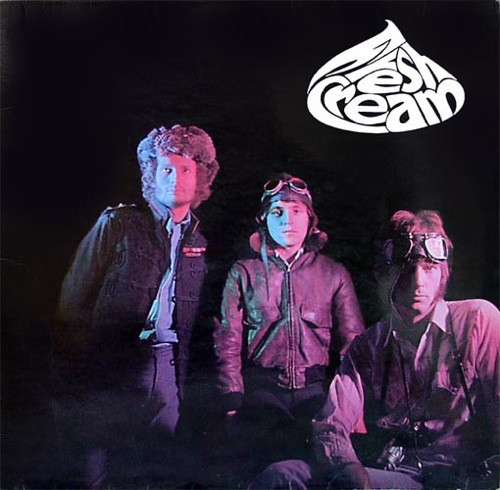
Fresh Cream.
Almost straight away, work began on Cream’s debut album, which later became Fresh Cream. It featured ten songs. They were a mixture of new songs and cover versions.
The new songs included Jack Bruce’s N.S.U. and Dreaming. He cowrote Sleepy Time Time with his first wife and songwriting partner Janet Godfrey. She cowrote Sweet Wine with Ginger Baker, who wrote the instrumental Toad. Other songs included a cover of song Cat’s Squirrel, which was arranged by Cream and a quartet of blues classics.
This included Willie Dixon’s Spoonful. Cream decided to cover Robert Johnson’s From Four Until Late which Eric Clapton arranged. It was joined by Rollin’ and Tumblin’ which Muddy Waters penned using his real name, McKinley Morganfield. The final blues classic was Skip James’ I’m So Glad. These songs were recorded over a three month period.
Recording of Fresh Cream took place between July and October 1966 at two separate studios in London. Some sessions took at Rayrik Studios, while others took place at Ryemuse Studios. Drummer Ginger Baker joined bassist Jack Bruce in the rhythm section. He also played harmonica, piano and took charge of seven of the eight lead vocals. Guitarist Eric Clapton added the lead vocal on Four Until Late. Meanwhile, Robert Stigwood produced what would later became Fresh Cream. It was completed by October 1966.
The release of Fresh Cream was scheduled for the 9th of December 1966. Before that, Cream released their debut single Wrapping Paper in October 1966 . It was penned by Jack Bruce and Pete Brown, but didn’t feature on Fresh Cream. Wrapping Paper showcased a psychedelic pop sound that Cream returned to. This proved popular and reached thirty-four in the UK charts. Things were looking good for Cream.
Nearer the release of Fresh Cream, critics had their say on the nascent supergroup’s debut album. Nearly every critic lavished praise and plaudits on Fresh Cream. They were won over by an album that ranged from blues rock to psychedelia and a much more hard rocking sound. Cream’s debut was an eclectic and accomplished album. Especially the psychedelic sound of N.S.U, the bluesy Sleepy Time and the Jack Bruce penned ballad Dreaming. Four Until Late shakes off his shyness and makes his debut on lead vocal on the cover Robert Johnson’s Four Till Late. However, one of Cream’s finest moments on Fresh Cream was their reinvention of I’m So Glad. It’s transformed into something that Skip James could never have envisaged. Given the critical reaction to Fresh Cream, it seemed that the future looked bright for Cream.
They prepared to release Fresh Cream on the 9th of December 1966 on Robert Stigwood’s new independent record label, Reaction Records. The same day, Cream released their sophomore single, I Feel Free. Just like their debut single, it didn’t feature on Fresh Cream. Despite that, I Feel Free reached number eleven in the UK and fifty-three in Australia. Meanwhile, Fresh Cream reached number six in the UK, ten in Australia and twenty in France. This resulted in Fresh Cream being certified gold in Britain and France. The success continued when Fresh Cream was released in America.
The American version of Fresh Cream was released by Atco. It featured a slightly different track listing. I Feel Free opened the album, with the British version of Fresh Cream following. This proved popular among American record buyers. Fresh Cream eventually reached thirty-nine in the US Billboard 200 and was certified gold. For Cream, this meant that their debut album Fresh Cream had been certified gold in three different continents. Critics wondered how they could they followup such a successful album? Cream returned with a classic album, Disraeli Gears.
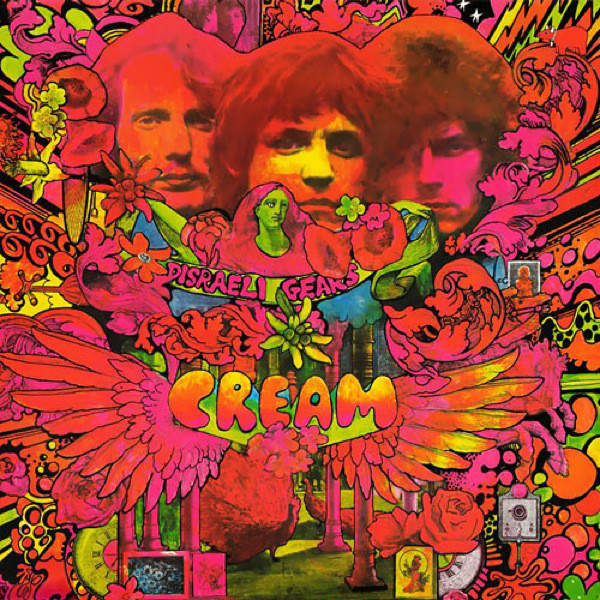
Disraeli Gears.
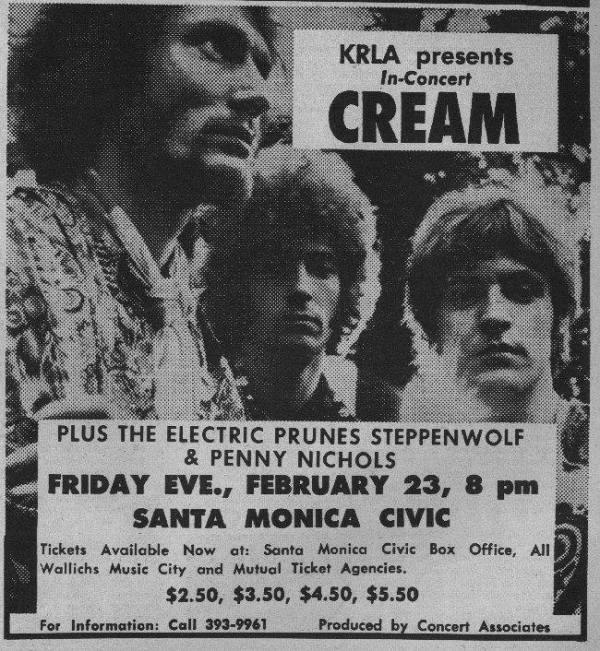
Following the success of Fresh Cream, Cream headed out on tour. In March they landed in America, to play their first American tour. They were part of a package tour, and were booked to play nine dates at the Brooklyn Fox Theater in New York.
Each day, Cream played three times. However, the early concerts weren’t well received. DJ turned promoter Murray the K wasn’t impressed. He placed Cream at the bottom of the bill. Towards the end of the run, they were reduced to playing just one song during each set. The New York part of their American tour had been a disaster. They wouldn’t forget Murray the K in a hurry.
Having returned home from their American tour, Cream’s thoughts turned to their sophomore album. They had been writing what later became Disraeli Gears for some time.
When Cream was formed, the plan had been for the band to collaborate on songs. Alas, none of the eleven tracks on Disraeli Gears were written by the three members of Cream. They arranged the traditional song, Mother’s Lament. Sometimes, the members of Cream wrote alone. Jack Bruce wrote We’re Going Wrong and Ginger Baker penned We’re Going Wrong. Mostly, the members of Cream wrote alone or formed songwriting partnerships with other musicians and songwriters.
Jack Bruce and Eric Clapton cowrote Sunshine Of Your Love with Pete Brown. It would become one of their known songs. So would Strange Brew, which Eric Clapton wrote with Felix Pappalardi Gail Collins penned. Meanwhile,Jack Bruce wrote Dance the Night Away, SWLABR and Take It Back with Pete Brown. Eric Clapton wrote just the one song. This was Tales of Brave Ulysses with Martin Sharp. However, Eric Clapton arranged Arthur Reynolds’ Outside Woman Blues. It was one of just three covers on Disraeli Gears. Another was World Of Pain, which the Felix Pappalardi and Gail Collins songwriting partnership wrote. Just like the rest of Disraeli Gears, it was recorded in New York, during May 1967.
The prestigious surroundings of Atlantic Studios, New York were where Cream began work on Disraeli Gears. This time around, Felix Pappalardi had replaced ‘musical impresario’ Robert Stigwood. Twenty-seven year old was a classically trained musician who having turned his back on classical music, became a successful singer, songwriter, bassist and producer. One of his biggest projects was producing Disraeli Gears. It was a much more complex album than Fresh Cream.
Ginger Baker played drums and percussionist and joined his cohort, bassist Jack Bruce in the rhythm section. Jack Bruce also played harmonica, piano and took charge of seven of the eight lead vocals. Eric Clapton switched between lead guitar, rhythm guitar and twelve-string guitar. He also added the lead vocal on Strange Brew, World of Pain and Outside Woman Blues. It seemed that Eric Clapton was well on his way to overcoming his shyness, as Cream changed direction musically.
Critics realised this when they received their promotional copies of Disraeli Gears. It took its name from a malapropism which alluded to the former British Prime Minister Benjamin Disraeli. Eric Clapton had been taking about buying a racing bike during a car journey. Mick Turner who was driving the car responded that it should have: “Disraeli Gears” when he meant derailleur gears. That malapropism gave birth to tittle of the album critics were holding. When they listened to Disraeli Gears, they soon realised that Cream were moving away from the blues’ roots.
That was apart from on the cover of Blind Boy Reynolds’ Outside Woman Blues and Take it Back. It had been inspired by American students burning their draft cards. These were the only bluesy tracks on Disraeli Gears. Mostly, Cream moved towards psychedelia on Disraeli Gears. Tracks like Strange Brew, Sunshine Of Your Love, Dance The Night Away, Tales Of Brave Ulysses and We’re Going Wrong found Cream embracing psychedelia on an album that stood head and shoulders above the competition. Critic acclaim accompanied the release of Disraeli Gears.
On 2nd November 1967, Cream released their sophomore album Disraeli Gears. In Britain, Disraeli Gears reached number six and was certified platinum. Meanwhile, Disraeli Gears reached number two in France and twenty in Norway. Halfway round the world, Disraeli Gears reached number one in Australia and was certified platinum. However, Disraeli Gears was a huge success across North America. It reached number ten in Canada and number four in America. By then, Disraeli Gears had sold over a million copies. This resulted in Cream receiving their first platinum disc in America. However, that wasn’t the end of the success for Cream.
They released Sunshine Of Your Love as a single in January 1968. It reached seventeen in the UK, eighteen in Australia, three in Canada and five in the US Billboard 100. This resulted in Sunshine Of Your Love being certified gold in Britain, Australia and America. After just two albums, Cream were one of the biggest bands in the world. They were keen to build on this success, and began work on their third album, Wheels Of Fire.
Wheels Of Fire.
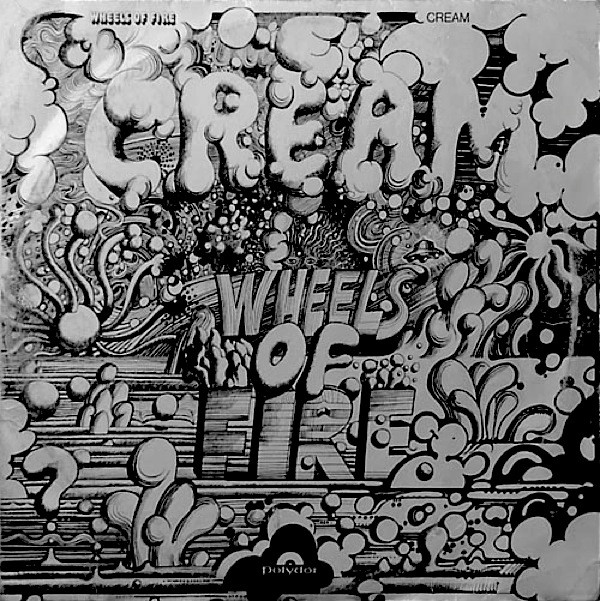
For their third album Wheels Of Fire, Cream decided to release a double album. This was no ordinary album. The first album was recorded in the studio, while the second disc was entitled Live At The Fillmore. Wheels Of Fire was an ambitious project for one of the most successful bands in the world.
Some of the tracks that became part of disc one of Wheels Of Fire had already been recorded. Others were still to be recorded. A total of nine tracks were chosen.
This included White Room, As You Said, Politician and Deserted Cities of the Heart which were penned by the Jack Bruce and Pete Brown songwriting partnership. Ginger Baker formed a songwriting partnership with Mike Taylor, and cowrote Passing The Time, Pressed Rat and Warthog and Those Were The Days. They were joined by two cover versions, Walter Vinson and Lonnie Chatmon’s Sitting on Top of the World and Booker T. Jones and William Bell’s Born Under A Bad Sign. These nine songs were recorded between July 1967 and June 1968.
The Wheels Of Fire sessions took place at a variety of studios. This included the IBC Studios during July and August 1967. From there, Cream headed Atlantic Studios, New York. They spent January and February of 1968 recording at the famous studios. Later in 1968, Cream returned to Atlantic Studios, New York during June 1968. During the various sessions, Cream used a myriad of instruments.
Each member of Cream had expanded their musical arsenal. Ginger Baker played drums and percussionist. He also added bells, glockenspiel, timpani and add the spoken word part on Pressed Rat and Warthog. Bassist Jack Bruce played acoustic guitar, calliope, cello, harmonic and recorder. Jack Bruce took charge of the lead vocals. Meanwhile, Eric Clapton laid down the guitar parts. Augmenting Cream, was Felix Pappalard, who played organ pedals, Swiss hand bells, tonette, trumpet and the viola. This left just Live At The Fillmore to be recorded.
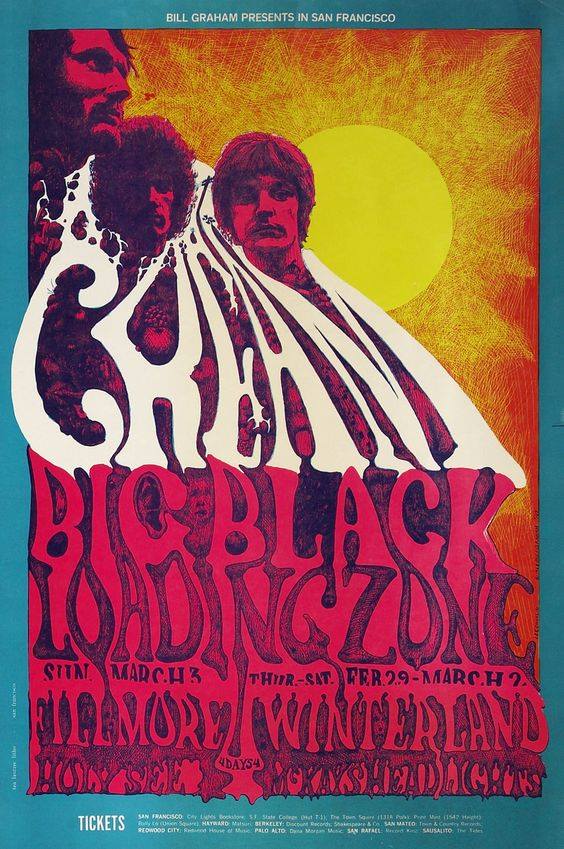
Despite being entitled Live At The Fillmore, only Toad was recorded at the Filmore in San Francisco on 7th March 1968. However, Toad is transformed and becomes a sixteen minute epic where Cream stretch their legs and improvise. At last, Eric Clapton had the freedom he missed so much during his last spell with John Mayall and The Bluesbreakers. After the show at the Filmore, Cream headed to another venue in San Francisco, Winterland.
Just like at the Filmore, Cream were due to play two shows each night. On first show of 8th of March 1968, Cream’s set included Traintime a Jack Bruce composition. It made it onto Live At The Fillmore. Two nights later, Cream played two more shows at Winterland. During the first show, Cream covered Robert Johnson’s Crossroad and Willie Dixon’s Spoonful. Eric Clapton’s takes charge of the vocal on Crossroads. Later in the set, Cream cover and transform Willie Dixon’s Spoonful. Cream enjoy the opportunity to improvise and take the song in new directions over a sixteen minute period. This was a tantalising taste of Cream live.
Critics agreed when they received their copies of Wheels Of Fire. They were won over by what was an ambitious double album of studio and live recordings. Cream seemed to be maturing as a band. Especially live, where they enjoyed deconstructing and reconstructing songs. That was the case with Spoonful and Toad, which featured Cream at their best live. Critical acclaim preceded the release of Wheels Of Fire
Wheels Of Fire was released during July 1968, and quickly became Cream’s most successful album. It reached number three in the UK, two in France, fifteen in Germany and sixteen in Norway. In Australia, Canada and America, Wheels Of Fire reached number one. This resulted in Wheels Of Fire being certified platinum in Australia, America and British. For Cream this should’ve been a reason to celebrate.
Sadly, all wasn’t well within Cream. It hadn’t been for some time. Musically, the three members of Cream were no longer on the same page. Eric Clapton was now interested in the music that Bob Dylan was producing. He also cast envious glances at Bob Dylan’s former backing band, The Band. He was interested in their music, and the way that it was heading. Meanwhile, the truce Eric Clapton had been brokered between Jack Bruce and Ginger Baker was over. Their arguing was putting pressure on the very future of Cream. It was almost inevitable that the three members of Cream would decide to call it a day.
What had hastened the demise of Cream was when Eric Clapton read a review of Cream in the contrarian publication, Rolling Stone. The reviewer in what was nothing more than a hatchet job of review, resorted to name calling. Cream the reviewer said were a: “master of the blues cliché.” When Eric Clapton read the review, he decided that it was the end of road for Cream.
They embarked upon a Farewell Tour that began in Oakland on 4th October 1968. The tour ended fifteen days later at the Forum, Los Angeles, on the 19th of October 1969. That show was recorded, and became part of of Cream’s final album, Goodbye Cream.
Goodbye.
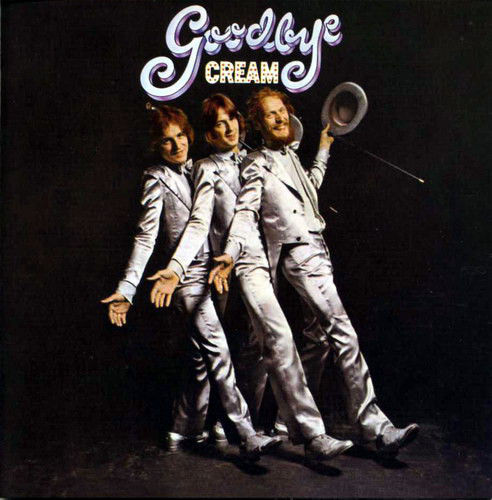
For their fourth and final album, the three members of Cream returned to London to record three tracks at IBC Studios in London. This included Badge, which Eric Clapton wrote with Beatle George Harrison. Doing That Scrapyard Thing was penned by the Jack Bruce and Pete Brown songwriting partnership. It had been a source of successful song’s during Cream’s lifetime. Ginger Baker contributed What a Bringdown. This meant that each of the members of of Cream wrote new song on their swan-song.
Joining Cream at IBC Studios, was producer Felix Pappalardi. When recording Badge, Doing That Scrapyard Thing and What a Bringdown at IBC Studios, keyboards were used extensively. This was a first. Cream were innovating to the end. Cream also used a Leslie speaker on Badge and Doing That Scrapyard Thing. This added to the psychedelic sound of both tracks. The three tracks that were recorded at IBC Studios became half of Goodbye.
The rest of Cream consisted of a trio of live tracks. They had been recorded at the Forum, in Los Angeles, on the 19th of October 1969. Skip James’ I’m So Glad, Jack Bruce and Pete Brown’s Politician and Walter Vinson and and Lonnie Chatmon’s Sitting on Top of the World featured Cream at their very best.
So much so, that when critics heard Goodbye, they hailed the live tracks as better as those on Wheels Of Fire. This was a glimpse of what Cream were capable of producing live. Similarly, the three songs recorded at IBC Studios were regarded as groundbreaking, and saw Cream reinventing their music. Badge critics said, was the standout track, and without doubt one Cream’s finest hours. It looked as if Cream were about to bow out at the top.
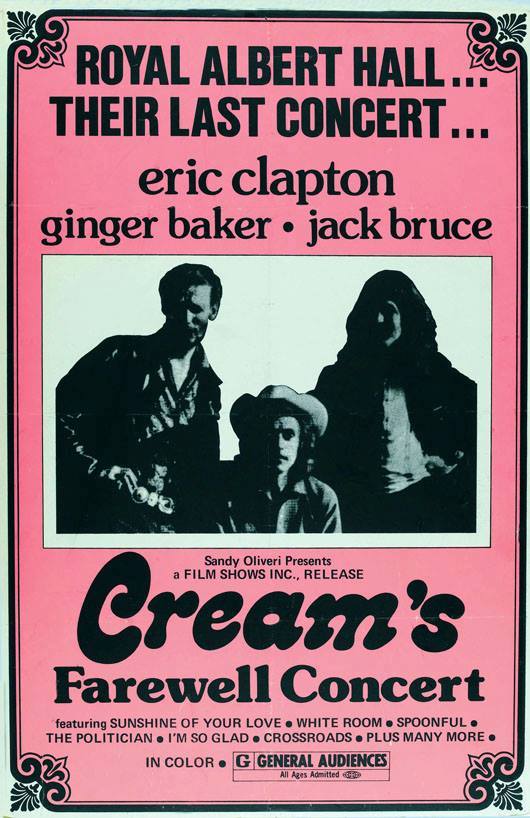
By the time Goodbye was released in March 1969, Cream had been dissolved. They played a farewell concert at the Royal Albert Hall, in London. Despite this, Goodbye reached number one in the UK, three in France, nine in Germany and seven in Norway. In Australia, Goodbye reached number six. Meanwhile, Goodbye reached number five in Canada and number two in America. This resulted in Goodbye being certified platinum in the UK and gold in America and Australia. Cream bowed out at the top, with their fourth albums in just under three years.
Each of these albums were released to critical acclaim and went on to sell in vast quantities. Cream’s four albums were certified gold and platinum on three continents. Britain’s first supergroup became one of the country’s most successful bands. Cream sold over fifteen million copies of Fresh Cream, Disraeli Gears and Wheels Of Fire and Goodbye. That’s why, nowadays, Cream are regarded as rock royalty.
They were also the first British supergroup. Other followed in Cream’s wake. However, Cream achieved more than most in just under three years. Each of their albums found Cream’s music evolving as they continued to create groundbreaking music. This ranged from blues rock to hard rock and psychedelia. The quartet of albums Cream’s released between December 1966 and March 1969 are a reminder of the first, and many say best British supergroup, Cream.
Cream-Britain’s First Supergroup.
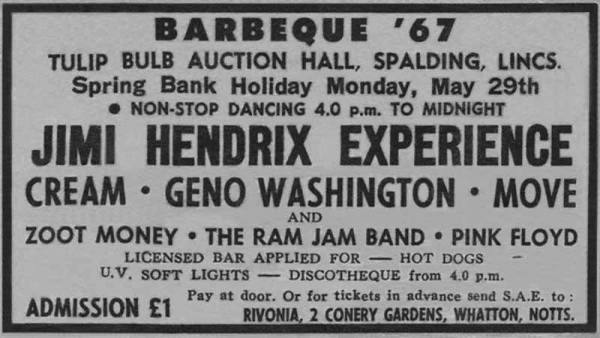
LOVE’S BEEN GOOD TO ME-THE SONGS OF ROD McKUEN.
Love’s Been Good To Me-The Songs Of Rod McKuen.
The latest instalment in Ace Records’ long running and successful Songwriters’ series focuses on American singer, songwriter and poet Rod McKuen. His career spanned four decades and is celebrated on Love’s Been Good To Me-The Songs Of Rod McKuen. It was released by Ace Records and features twenty-five songs from the most successful period of Rod McKuen’s career, the sixties and seventies.
During that period, Rod McKuen wrote everything from folk anthems and movie soundtracks to country, jazz, pop and even French chanson ballads. These songs were recorded by the great and good music. This includes Waylon Jennings, Glen Campbell, Frank Sinatra, Nina Simone, Jacques Brel, Petula Clark, Dusty Springfield and Perry Como. Then there’s Barbara Kay, Shelby Flint, Glenn Yarbrough, Jimmie Rodgers and Terry Jacks. They all feature on Love’s Been Good To Me-The Songs Of Rod McKuen. So does a trio of songs from Rod McKuen. His musical career began in the late fifties as a singer-songwriter. By then, Rod McKuen had had an eventful and sometimes traumatic life.
Rod McKuen was born on April 29th 1933, in a Salvation Army hostel. He never knew his biological father, and instead, was raised by his mother and step-father who was a violent alcoholic. Growing up, Rod McKuen was sexually and physically abused by various relatives. By the time he was eleven, Rod McKuen had had enough and ran away from home.
Over the next few years, Rod McKuen spent time in reform school and worked a variety of jobs. He spent time as a ranch hand, rode cowboy, lumberjack, stuntman sold shoes, worked in a cookie factory. Whatever he worked as, Rod McKuen sent some money home to his mother, who he would later be reunited with in Oakland.
After several years where the wanderlust got the better of Rod McKuen, he eventually reentered his mother’s life. By then, had had discovered poetry, movies and music. However, it soon became apparent that music was Rod’s first love. Especially the great American songwriters like Johnny Mercer Cole Porter and Jerome Kern. Rod had become interested in folk music, and the music of Pete Seeger and The Weavers. The great American songwriters and folk music would later influence Rod as a poet and songwriter.
Despite his burgeoning interest in music and poetry, Rod McKuen’s education had suffered. In 1951, eighteen year old Rod McKuen dropped out of Oakland Technical High School just before he should’ve graduated. By then, Rod had started keeping a journal and writing poetry and songs.
Now living in Oakland, Rod McKuen began working at a local radio station. Rod hosted the Rhonda With You Rod on KROW. He played records and then read romantic poetry that he had written. This was Rod’s entrance into the world of the world of show-business.
Rod McKuen’s poetry became so popular that a local newspaper gave him a column. Things were looking good for Rod, he with his radio show and newspaper column. However, Uncle Sam came calling in 1953.
Just like many teenagers, Rod McKuen had to spend two years serving in the US Army. This was at the height of the Korean War. Rod was put to work writing psychological warfare scripts which were broadcast to the Korean troops. One of Rod’s most memorable phrases was said to be “make love, not war.” However, during the time he spent serving his country, Rod still found time further his musical career.
During his free time, Rod McKuen singing in rock ’n’ roll club in the Ginza Strip, in Tokyo. This was good practise and preparation, as Rod’s time in the US Army would come to an end in 1955. He planned to make a career out of music.
Fortunately, on his discharge from the US Army, Rod McKuen was reacquainted with Phyllis Diller, an old friend from KROW. They gave Rod a heaping hand, as he embarked upon a career as a singer and performance poet. One of places he performed was the Purple Onion, where Rod shared the stage with beat poet Jack Kerouac. However, before long, Rod’s career took an unexpected twist.
He decided to head to Hollywood, where he hoped to embark upon an acting career. He was signed by Universal Pictures, and featured in B Movies like Rock, Pretty Baby and Summer Love. Around this time, Rod’s musical career began.
In 1958, Rod McKuen released his debut album Songs For A Lazy Afternoon on Liberty. It featured mostly songs penned by Rod. Alas. the album failed to find an audience. Despite that, the following year, Rod released two quite different albums.
Beatsville which was released in 1959, was a spoken word album It featured Rod McKuen’s poetry and was released by Hi-Fi Records. The other album Rod released during 1959, was Anywhere I Wander, which was released by Decca. Rod wrote Jump Up (In A Field Of Clover). Just like Songs For A Lazy Afternoon, Anywhere I Wander was overlooked by record buyers. This was disappointing for Rod, who continued to juggle several careers.
Rod McKuen was working as a songwriter and could turn his hand to everything from folk and pop. Later, he would even write classical music. Soon, though he would get the opportunity to write television themes.
This opportunity arose in 1959, when Rod McKuen was approached by CBS TV. They wanted him to write the theme to television shows and quiz programmes. This came at a cost though. Rod would need to move from Los Angeles to New York. He decided to do so, and turn his back on Hollywood.
As the fifties gave way to the sixties, Rod was about to begin what was the most important two decades of his career. The sixties began with Rod McKuen releasing Alone After Dark in February 1960, which was released on Decca. Just like previous albums, commercial success eluded the album. Later in 1960, Dick Jacobs and Rod McKuen released Written In The Stars, an album the pair had collaborated on. However, it failed to find an audience.
By 1961, Rod McMcKuen had left Decca and signed to Kapp Records. He released just the one album on Dave Kapp’s label. This was Stranger In Town in 1961. After the album failed to find an audience, Rod began to concentrate his efforts on songwriting.
He didn’t return until 1963, when he released New Sound In Folk Music on Horizon Records. By then, some of the biggest names in music had started covering Rod McKuen’s songs. His solo career continued, but it was as a songwriter that Rod McMcKuen enjoyed most success. Twenty-five of his songs feature on Love’s Been Good To Me-The Songs Of Rod McKuen.
Opening Love’s Been Good To Me-The Songs Of Rod McKuen is Waylon Jennings and the hurt-filled country ballad Doesn’t Anybody Know. My Name. It featured on Waylon Jennings’ 1966 album for RCA Victor Leavin’ Town. This was just the third album from Waylon Jennings, who would go on to become one of the legends of country music.
So would Glen Campbell, who in 1967 released the album Gentle On My Mind on Capitol Records. It featured The World I Used To Know, which like many of the songs penned by Rod McKuen has a nostalgic quality. Glen Campbell breathes meaning and emotion into this cinematic and wistful song.
Without doubt, the Chairman of The Board, Frank Sinatra is the biggest name on Love’s Been Good To Me-The Songs Of Rod McKuen.Lonesome Cities featured on his 1969 album A Man Alone and Other Songs Of Rod McKuen. Frank Sinatra rolls back the years, and sounds as if he’s living the lyrics as he delivers a melancholy cover of Lonesome Cities.
From the early sixties, Rod McKuen wrote songs with some of the top chansonniers. This included Jacques Brel. They cowrote Les Amants De Cœur which was recorded in 1964. However, it wasn’t released until 1982. That was when it featured on the L’Œuvre Intégrale box which was released by Barclay. Somewhat belatedly, this hidden gem from Jacques Brel was released. Thirty-five years later, it makes a welcome appearance on Love’s Been Good To Me-The Songs Of Rod McKuen.
So does Petula Clark’s cover of The Wind Of Change. It featured on her album Petula 1971, which was released by Pye in 1971. Four years later, and Pye released this beautiful, ballad as a single in 1975. It features a heartfelt, emotive vocal from one of the best and most successful British female vocalists of her generation.
Rod McKuen features three times on Love’s Been Good To Me-The Songs Of Rod McKuen. His first contribution is the ballad A Boy Named Charlie Brown, which lents its name to his 1969 album for Stanyon. The other two Rod McKuen songs have never been released before. This includes Nancy Sinatra and Rod McKuen’s duet Kaleidoscope, which was recorded in 1969 for The Kraft Music Hall TV Show. Three years later, and Rod McKuen recorded the ballad Because We Love in 1972. It was never released and and just like Kaleidoscope, makes its debut on Love’s Been Good To Me-The Songs Of Rod McKuen
By 1967, Dusty Springfield wasn’t enjoying the success she had over the last few two years. Top ten hits were eluding her, and she only enjoyed two top thirty hits during 1967. In October, Dusty Springfield released a new album on Phillips, Where Am I Going? It stalled at forty in the UK charts. One of the highlights was a cover of Rod McKuen and Jacques Brel’s If You Go Away (Ne Me Quitte Pas). Dusty Springfield delivered an emotive rendition of a song originally recorded by Jacques Brel.
In 1968, Rod McKuen was commissioned by 20th Century Fox to write and record the soundtrack to Joanna. When it came to record the vocals, Barbara Kay was drafted in to record Hello Heartaches. She delivers a breathy, impassioned vocal and is accompanied by an orchestra. Gradually, the arrangement unfolds and builds until it reaches a crescendo. Later in 1968, the soundtrack to Joanna was released by 20th Century Fox in 1968. One of its highlight is Barbara Kay’s vocal on Hello Heartaches.
Five years the release of Joanna, Rod McKuen was commissioned to write and record the soundtrack to The Borrowers. He brought Shelby Flint onboard to record the vocals to the opening and closing songs. Shelby Flint delivers a tender vocal on the ballad This Is Our House, which will bring back memories for anyone who remembers film or soundtrack to The Borrowers. Both were released in 1973, with Stanyan Records releasing the soundtrack.
When Glenn Yarbrough released Baby The Rain Must Fall as a single in 1965, on RCA Victor, record buyer who turned over to the B-Side were in for a pleasant surprise. Tucked away, on the B-Side was a I’ve Been To Town a beautiful, heart-wrenching ballad that’s a welcome addition to Love’s Been Good To Me-The Songs Of Rod McKuen. So much so, that it’s one of the highlights of the compilation.
Ten years after his recording career began in 1957, Jimmie Rodgers recorded I’ll Say Goodbye. This was a song that Rod McKuen cowrote with Gilbert Bécaud. I’ll Say Goodbye was released by Jimmie Rodgers on A&M Records 1967. It’s a string drenched ballad where Jimmie Rodgers’ delivers a vocal that’s a mixture of sadness, and regret. Fifty years later, and the song has stood the test of time is still poignant and moving.
Closing Love’s Been Good To Me-The Songs Of Rod McKuen is Terry Jacks’ cover of Seasons In The Sun. The song was based on Le Moribond (The Dying Person), which was penned by Jacques Brel. Originally, it was a sardonic ballad. When Rod McKuen rewrote the song, it was transformed and became Seasons In The Sun.
It became the title-track to Canadian singer-songwriter Terry Jacks’ 1973 debut solo album. He released the album on his own label, Goldfish Records. When Seasons In The Sun was released as a single in 1974, it reached number one in fifteen countries and sold over fourteen million copies. It’s a timeless song and the perfect way to close Love’s Been Good To Me-The Songs Of Rod McKuen.
The twenty-five songs on Love’s Been Good To Me-The Songs Of Rod McKuen were recorded during what was the most successful period of Rod McKuen’s career, the sixties and seventies. It was also the most prolific period of Rod McKuen’s career. He would eventually write around 1,500 songs that sold over 100 million copies. This included everything from folk anthems to film soundtracks to country, jazz, pop and even French chanson ballads. They all feature on Love’s Been Good To Me-The Songs Of Rod McKuen, which was recently released by Ace Records. It’s a reminder of the most successful period of Rod McKuen’s career, the sixties and early seventies.
Rod McKuen began to change direction musically later in the seventies. He started to focus more on writing and recording film scores. By 1981, Rod McKuen retired from live performances. A year later in 1982, he was diagnosed with clinical depression. This was the beginning a ten year battle with depression. During this period, Rod wrote another four books of poetry. They would become hugely successful.
By the time of Rod McKuen’s death on January 29th 2015, he had sold over sixty million books of poetry. Rod McKuen had come a long way after a difficult start in life. He had enjoyed a successful career as a poet and songwriter. One of the few disappointments that Rod McKuen had, was that he never enjoyed more success as a singer. That had how Rod McKuen had hoped to make a living. Sadly, that wasn’t to be, and nowadays, Rod McKuen is better known as a songwriter. However, two years after his death aged seventy-eight, Ace Records released Love’s Been Good To Me-The Songs Of Rod McKuen which celebrates the career of one of the most successful and prolific songwriters of the sixties and seventies, Rod McKuen.
Love’s Been Good To Me-The Songs Of Rod McKuen.
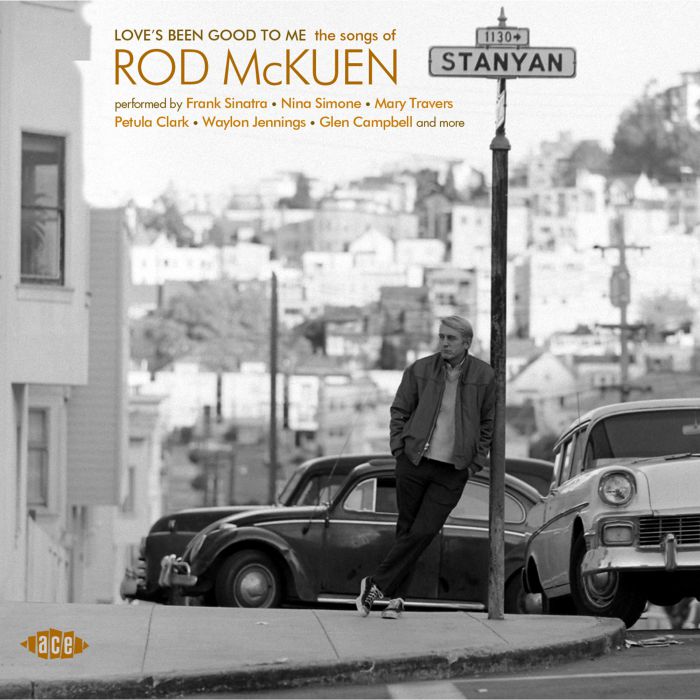



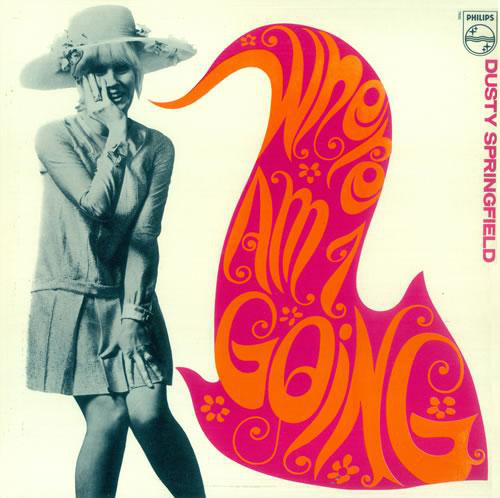
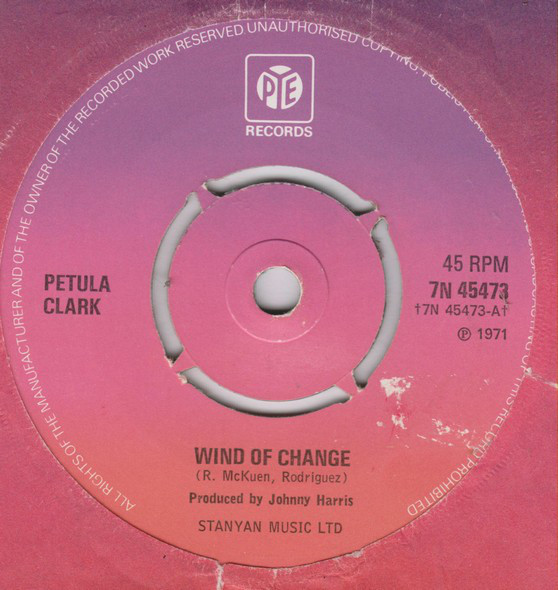
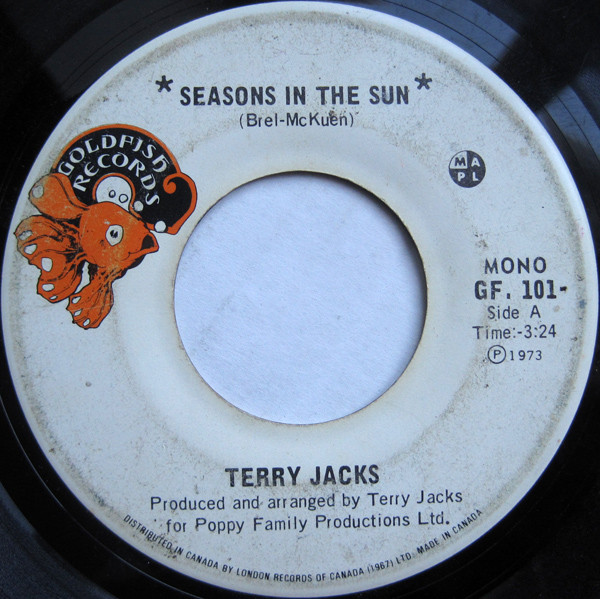

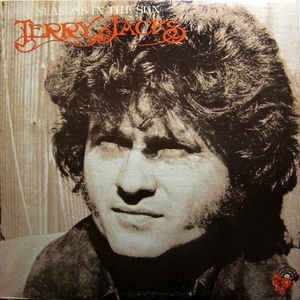
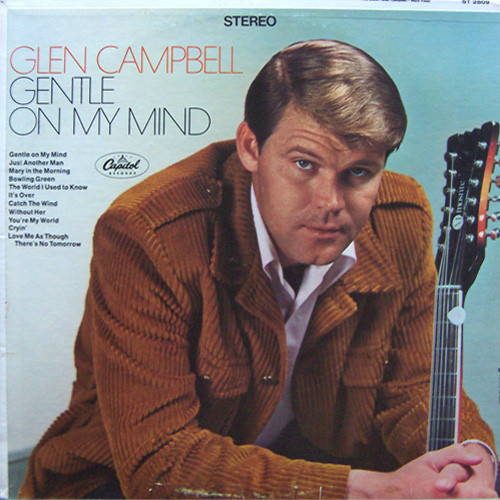


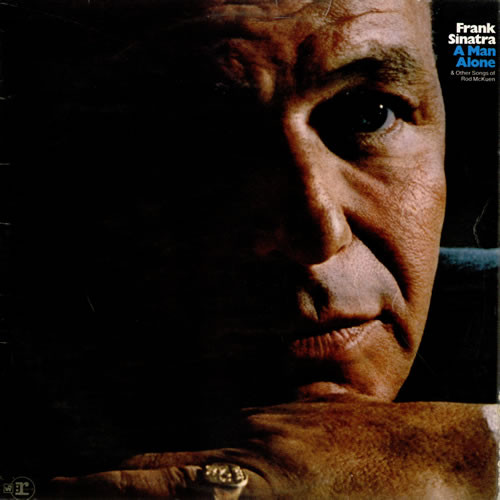

MICK CLARKE-RAMDANGO, CRAZY BLUES AND SHAKE IT UP!
Mick Clarke Ramdango, Crazy Blues and Shake It Up!
Mick Clarke can remember the day that his life was changed was forevermore. He was fifteen years old, and living in London, England. That was when he heard Eric Clapton for the first time. It was a life changing experience for Mick Clarke. Since that day, he has dedicated himself to the blues, and nowadays, Mick Clarke is, without doubt, one of Britain’s top blues guitarists. His career began back in the late sixties.
A reminder of that, is BGO Records’ recent remastered reissue of a trilogy of Mick Clarke’s recent self-produced solo albums on a two CD set. The first of these albums is Ramdango, which was released in 2013. It’s followed by 2014s Crazy Blues, with 2015s Shake It Up! completing this two CD set. It documents the recent recording career of one of the veterans of British blues, Mick Clarke. His career began back in the late sixties.
Killing Floor.
That was when Mick Clarke first came to prominence as part of the British blues explosion. Mick Clarke was a member of the blues rock band, Killing Floor, who were formed in 1968. Before long, the band were a familiar face on the London music scene.
So much so, that by 1969, Killing Floor had released their eponymous debut album. It was well received by the music press. By then, Killing Floor were rubbing shoulders with some of the great and good of the blues.
This included blues guitarists Freddie King, Howlin’ Wolf and piano player Otis Spann. Although they were no longer as popular as they had once been in their home country, they were still popular draws in Britain. So opening for these artists was a prized booking. Killing Floor were chosen to open for Freddie King, Howlin’ Wolf and Otis Spann when they toured Britain. This boosted their profile as the British blues explosion continued.
In 1970, Killing Floor returned with their sophomore album Out Of Uranus. It proved to the last album Killing Floor released for thirty-four years. The band split-up in the early seventies.
2004 marked the return of Killing Floor with a new album Zero Tolerance. Then in 2012, the four original members of the band gelt back together and released a new album Rock’n’Roll Gone Mad. Killing Floor returned to playing live when they played at the Sweden Rock Festival 2012. However, much had happened to Mick Clarke in the intervening years.
Salt.
By the mid-seventies, Mick Clarke had cofounded a new band, Salt. Just like Killing Floor, Salt was an impressive and powerful blues rock band. They quickly became popular on the London music scene. Soon, Salt were familiar faces at some of the city’s top venues. This included the Marquee, where some of the biggest bands of seventies took to stage. Salt looked like they were one of the rising stars of the London music scene.
Especially when Salt played at the Reading Festival. They also opened for Muddy Waters when the veteran bluesman played at two major London concerts. Sadly, Salt never got round to recording an album, and by the late-seventies went their separate ways.
Since then, Salt there’s been several reunions, with the band heading out on tour. To celebrate their reunion in 2011, Salt released The Cobra’s Melody And Other Refrains as a limited edition CD. Sadly, that was the only album Salt released. However, it wasn’t long until the Mick Clark Band was born.
Mick Clarke Band.
His career continued apace in the early eighties, when Mick Clark decided to form a new band. This time, he was would lend his name to the band that he would lead, the Mick Clarke Band. It featured Mick Clarke, Ian Ellis and Ron Berg. Soon, the blues rockers were ready to release their debut album.
This was Looking For Trouble, which was released in 1984. It was well received by critics and marked the start of a new chapter in Mick Clarke’s career.
A year later, the Mick Clarke Band returned with their sophomore album Rock Me in 1985. Mick Clarke seemed to be enjoying the new trio. They were a popular live draw and transferred their live sound onto their first two albums. This continued with All These Blues in 1987, a blistering album of electric blues that received praise and plaudits. It seemed that the Mick Clarke Band could do no wrong. They were on a roll.
This continued with the release of Steel And Fire in 1989. Twenty years after Mick Clarke made recording debut on Killing Floor’s eponymous debut album, he was one of the elder statesman of the British blues. He was still playing the music that changed his life as a nine year old. That would never change. It was Mick Clarke’s raison d’être.
Two years later, the Mick Clarke Band returned with their fifth album Tell The Truth in 1991. Connoisseurs of British blues considered Tell The Truth one of the Mick Clarke Band’s finest hours. They were maturing like a fine wine.
Another two years passed and the Mick Clarke Band returned with No Compromise in 1993. By now, the Mick Clarke Band were regarded as one of the finest purveyors of blues rock. They were still popular on the live scene and their albums sold well.
In 1997, the Mick Clarke Band returned with their seventh album Roll Again. Despite winning over critics and music fans, the Mick Clarke Band didn’t Roll Again. The album proved to be their swan-song.
Mick Clarke and Lou Martin.
Later in 1997, Mick Clarke and Lou Martin released an album they had been collaborating on, Happy Home. The two musicians were lifelong friends, and first played together in Killing Floor. After the demise of Killing Floor, Lou Martin hooked up with legendary Irish guitarist Rory Gallagher.
Through the seventies, eighties and into the early nineties, Lou Martin was part of Rory Gallagher’s band. He played on some of Rory Gallagher’s greatest album including Tattoo, Blue Print and Calling Card. However, when the Mick Clarke Band were looking for a pianist, Lou Martin was the go-to-guy. If his schedule permitted, he joined his old friend in the studio. Lou Martin played on Looking For Trouble, Rock Me, Tell The Truth and Roll Again. However, the two friends had never recorded an album as a duo.
That was until Mick Clarke and Lou Martin recorded Happy Hours. It was released in 1997 and saw the two friends showcase their considerable skills on twelve tracks. Alas, it was a one-off collaboration. However, the two men would later be reunited when Killing Floor returned to the studio in 2004.
Killing Floor released a new album Zero Tolerance in 2004. Then in 2012, the four original members of the band gelt back together and released a new album Rock’n’Roll Gone Mad. Sadly, Lou Martin passed away on 17th of August 2012 in Bournemouth, England. Mick Clarke had known Lou Martin over forty years. He lost an old and dear friend, while music lost a truly talented musician.
Mick Clarke-The Solo Years.
By the time of Lou Martin’s death in 2012, Mick Clarke was also enjoying a solo career. He had recorded Solid Ground at The Moat, in London during 2007. During the sessions, Mick Clarke lead a tight, talented quartet as they recorded an album of blistering blues rock. It was released later in 2007 as Solid Ground. Six years later, Mick Clarke returned with Ramdango.
Ramdango.
Unlike Solid Ground, Mick Clarke wasn’t accompanied by a band on Ramdango. Having written the thirteen songs on Ramdango, Mick Clarke headed into his Fabulous Rockford Studio, deep in the leafy Surrey countryside.
As he walked through the door to the Fabulous Rockford Studio, Mick Clarke was transformed. It was akin to Clark Kent becoming Superman. In the studio, Mick Clarke revealed his hidden talents. He wasn’t just one of Britain’s top blues’ guitarists. Instead, Mick Clarke was a talented multi-instrumentalist, who was about to engineer and produce Ramdango.
Mick Clark was determined to use real instruments. He wasn’t going to resort to programming drum parts. Nor was he willing to use pre-recorded sounds. Instead, Mick Clarke became a one man rhythm section, playing bass and drums, plus guitars, keyboards and percussion. Gradually, the album began to take shape. Eventually, had succeeded in his mission to record Ramdango using real instruments. Only very occasionally did Mick Clarke have to trigger a snare drum or cymbal crash. It was a remarkable achievement.
Mind you, Micke Clarke was a vastly experienced musician. He made his recording debut in 1969, so had forty-four years experience behind him. This critics said he had put to good use on Ramdango, which is a Scottish word for a party. Mick Clarke’s soundtrack to Ramdango was released to critical acclaim.
Mick Clarke set the bar high on Ramdango with the hard rocking instrumental Baked Potatoes. What followed was an album where blues rock, boogie and rock rubbed shoulders. There were highlights aplenty on the album. This included Who’s Educating Who, which was a favourite of XM Satellite Radio. However, there’s much more on Ramdango. Especially, the bluesy sounding Helping Hand, Curry Night, Behave Christine Behave, False Information, The Snarl, Talk and the wistful What I, which closes Ramdango. It found Mick Clarke rolling back the years on an album one critics called: “the album of the year.”
Crazy Blues.
A year later, and Mick Clarke was back with the followup to Ramdango, Crazy Blues. Just like his previous album, it was all his own work. Mick Clarke had written ten of the twelve tracks, and recorded Crazy Blues at his Fabulous Rockfold Studio, in Surrey, England.
Carrying his newly purchased Epiphone 335 guitar, Mick Clarke returned to his Fabulous Rockfold Studio. That was where the twelve tracks that became Crazy Blues were recorded. Despite the credits showing the album as being recorded by Mick Clarke and the Rockfold Rhythm Section, that isn’t the case. Again, Mick Clarke plays all the instruments on the album. The only other musician who played on Crazy Blues was Linda Cooper, who played maracas. Apart from that, Crazy Blues was the work of just Mick Clarke.
Again, critical acclaim accompanied the release of Crazy Blues. It was another album of blues rock where Mick Clarke makes presence felt from the get-go. That’s No Way To Get Along a blistering slice of blues rock. Then blues shuffle Complicated Woman is one of Crazy Blues’ highlights. The quality continues on The Thing, the instrumental Lovin’ Heart, Ruin and See You Later Alligator where veteran bluesman Mick Clarke puts a lifetime of experience to good use. He seems to draw inspiration from Lowell George on Smoked Ham Blues, which features a guitar masterclass from Mick. He’s not done yet, and locks into a groove on Steady Road, before unleashing a blistering solo on Fuzz. There’s no let up on the album closer Crazy Blues, which is one Mick Clarke’s finest moments as he continues to roll back the years.
Crazy Blues was the second critically acclaimed album Mick Clarke had released in two years. Both won over critics and blues aficionados. However, for the third album in this trilogy of Mick Clarke’s recent self-produced solo albums, he decides to stray from the road marked blues rock.
Shake It Up!
Just like his two previous albums, Mick Clarke wrote the thirteen songs on Shake It Up! He would take charge of engineering and production when he returned to his Fabulous Rockfold Studio.
Multi-instrumentalist Mick Clarke played all the instruments on Shake It Up! Essentially, the album picked up where left off on Crazy Blues. However, Mick Clarke decided to change direction on a couple of tracks, and evan paid homage to two veteran American bluesmen. Shake It Up! was Mick Clarke’s most eclectic album.
When the slow blues of Some Days opened Shake It Up!, it sounded as if Mick Clarke was drawing inspiration from Albert King during his days at Stax. It’s all change on Eat Yo Words, as Mick Clarke heads in the direction of funk rock. Then on Begging Bowl, there’s similarities to another famous bluesman, Robert Cray. This was very different from his usual sound.
On Blues Start Walkin’, No Good, Shake It Up, Begging Bowl and Cymbaline find Mick at his best as he returns to his trademark blues rock sound. It is akin to listening to a musical master craftsman at work. Hymn To The Water Of Life has a much more understated, bluesy sound. Then Mick unleashes a slice of blistering blues rock on Every Confidence. Easy Blues is a case of keeping the best until last. It’s a seven minute slow blues which Mick recorded in one take. Not many guitarists are capable of that. However, Mick Clarke isn’t any guitarist. He’s one of the best British blues guitarist of his generation.
That was apparent throughout Shake It Up! When it was released in 2015, critics hailed the album as one of the best albums Mick Clarke had recorded in recent years. It was also critics agreed, Mick’s most eclectic album. He heads in the direction of funk rock and draws inspiration from Robert Cray and Albert King as he seeks to reinvent his music. However, for much of Shake It Up! it’s Mick and his own unique brand of blues rock. It’s what Mick Clarke has spent a lifetime perfecting.

After six decades, Mick Clarke was the musical equivalent of a master craftsman. He had dedicated himself to the blues. This had paid off, and by the time Shake It Up! was released in 2015, Mick Clarke was without doubt, one of the greatest blues guitarists of his generation. He’s also a talented multi-instrumentalist, who engineered and produced Ramdango, Crazy Blues and Shake It Up!
These three albums were recently remastered and reissued by BGO Records as a two CD set. The trilogy of Mick Clarke’s recent self-produced solo albums begins with Ramdango in 2013, and is followed by 2014s Crazy Blues and 2015s Shake It Up! This trilogy is the perfect introduction to one of the most underrated British bluesmen, Mick Clarke.
Sadly, Mick Clarke has never enjoyed the high profile that many of his contemporaries. He and his music have gone under the radar of many music fans. Just like JJ Cale was, Mick Clarke is a musician’s musician. That’s why may high profile artists, including Doris Troy, Jeff Beck, Deep Purple’s Jon Lord and Jon Entwistle have brought Mick Clarke onboard to work on projects. However, it’s not just musicians who appreciate Mick Clarke’s music.
Mick Clarke has also a loyal fan-base in Britain, Europe and America. His albums sell well and he’s a popular live draw wherever he’s played. Recently, Mick Clarke had played live in India and Bosnia where a new audience discovered the British bluesman’s music. Maybe BGO Records’ two CD set, which features the trilogy of Ramdango, Crazy Blues and Shake It Up! will introduce Mick Clarke’s music to a much wider audience?
Mick Clarke Ramdango, Crazy Blues and Shake It Up!
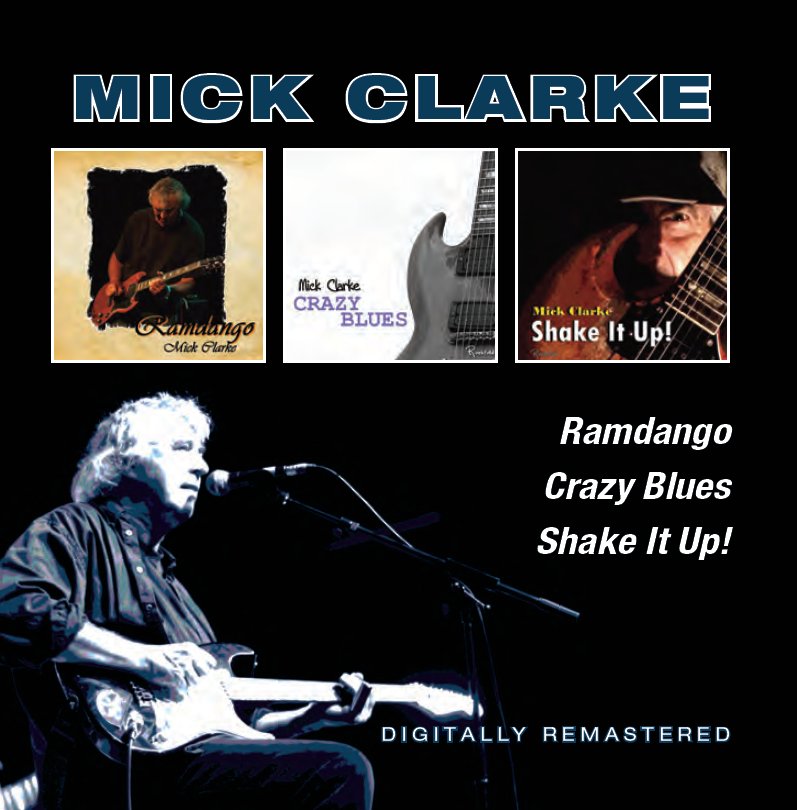
IRABAGON,HEGRE AND DRONEN-AXIS.
Irabagon, Hegre and Drønen-Axis.
Nearly four years ago, a trio of top jazz musicians headed to Berlin about to collaborate. This was no ordinary collaboration though. It was a collaboration between The Norwegian-American trio of Jon Irabagon, John Hegre and Nils Are Drønen arrived at N.K, in Berlin on the 11th of June 2013. That night, the trio of Irabagon, Hegre and Drønen took to the stage and flitted between lyricism and expressionism on an eighteen epic they called Berlin. Eighteen months later, and the trio repeated the process again.
This time, Jon Irabagon, John Hegre and Nils Are Drønen had travelled to Fukuoka in Japan, to play at the New Combo on the 14th of January 2015. That nigh, Irabagon, Hegre and Drønen took to the stage and showcased a new piece Fukuoka. Just like Berlin, Fukuoka was ambitious nineteen minute epic where the trio switched seamlessly between lyricism and expressionism during what was powerful and moving performance.
Now two years after Irabagon, Hegre and Drønen recorded Fukuoka, it features on Norwegian-American trio’s recent album Axis, which was released by Rune Grammofon. It features Berlin and Fukuoka, which features three top jazz musicians at the peak of their powers. That is no surprise, as Irabagon, Hegre and Drønen are highly respected and experienced musicians.
Jon Irabagon.
American saxophonist Jon Irabagon has enjoyed a long and varied career. His recording career began in the late nineties, and since then, Jon Irabagon enjoyed a successful solo career, lead his own band Jon Irabagon’s Outright! and collaborated with a wide range of artists. This includes Joe Hertenstein, Barry Altschul, Jay Rosen, Dominic Duval and Tom Harrell. Just like his solo albums, these albums have been released to critical acclaim. However, that’s just one part of the Jon Irabagon story.
Over the past three decades, Jon Irabagon has been a member of numerous bands. This includes Barry Altschul’s 3Dom Factor, Bill O’Connell’s Chicago Skyliners Big Band, the John Yao Quintet, the Dave Douglas Quintet and the experimental jazz quartet Mostly Other People Do The Killing. Jon Irabagon has worked closely with Mary Halvorson and is a member of her various combos. In total, Jon Irabagon has played on over sixty releases. However, John Hegre is equally prolific.
John Hegre.
Forty-year old John Hegre is based in Bergen, in Norway and has always played an important part in the vibrant music scene. This lead to a successful musical career. His recording career began in the late nineties, and since then, he’s enjoyed a solo career, been a members of numerous groups and collaborated with the great and good of Norwegian music. However, John Hegre first came to prominence with Der Brief.
They released their debut album Volum in 1998. For John Hegre, this was the start of a prolific recording career. He’s been a member of numerous groups, and recorded albums with Jazkamer, Kaptein Kaliber, Noxagt, Public Enema, Rehab, The Golden Serenades and Tree People. Later, John Hegre has also released two solo albums, Snow King in 2005 and Colors Don’t Clash in 2006. Somehow he found time to collaborated with some of the biggest names in Norwegian music.
This includes Helge Sten, Lasse Marhaug, Maja S. K. Ratkje and Howard Stelzer. Away from his solo career and collaborations, John Hegre has worked as composer, sideman and producer and is a familiar face in the Norwegian music scene. So is the third member of the trio, Nils Are Drønen.
Nils Are Drønen,
While drummer Nils Are Drønen may not be as prolific as the other two members of the trio, he’s an experienced, versatile and talented musician. Just like John Hegre, Nils Are Drønen has played an important part in the Bergen music scene. That is where the two musicians met.
Since then, they’ve formed what has proven to be a successful musical partnership. The pair recorded albums as Der Brief and Jazkamer. Away from his partnership with John Hegre, Nils Are Drønen has been involved in a variety of other projects.
This includes recording as Waver, which for a while, was Nils Are Drønen’s musical vehicle. Waver contributed tracks to various compilations in the early part the new millennia. Since then, has occasionally worked as a sideman, and in 2012, played on Stein Urheim’s sophomore album Kosmolodi. Nils Are Drønen has been a member of a number of groups, including The Last Hurrah! He played on their critically acclaimed sophomore album The Beauty Of Fake which was released in 2013. It received praise and plaudits upon its release. So has Irabagon, Hegre and Drønen’s new album Axis, which was recorded in Berlin and Fukuoka.
Axis.
As Berlin opens Axis, the arrangement is understated and spacious. One note is played on a guitar before cymbals are caressed and a braying horn enters. Gradually, the arrangement unfolds with the wistful saxophone climbing above the arrangement. Still, cymbals are caressed as occasional bursts of guitar interject. Mostly, the saxophone takes centre-stage, before the drums decide to power the arrangement along. Meanwhile, John’s guitar playing is inventive as he provides a counterpoint to the saxophone on this improvised jam. The trio play with urgency, invention and power. Especially the scorching, braying saxophone which is akin to an outpouring of emotion. Later, the arrangement dissipates.
Soon though it explodes as the trio play with renewed vigour. Nils’ powers his way around the drum kit, while John’s fingers flit up and down the fretboard of the guitar and stabs of grizzled, blazing horns punctuate the arrangement. It finds the trio reach new heights as they combine power, urgency and drama. By then, John scratches and scrabbles the fretboard adding a new layer of sound. Still, Nils continues to power his way around the drum kit, thunderous drums and crashing cymbals combine with the fleet fingered guitar and a howling, scorching free jazz saxophone that soars and scrams above the arrangement. It’s akin to a musical equivalent of Primal Scream Therapy. However, after nearly eighteen minutes of inventive genre-melting music the trio are spent, having fused avant-garde, improv and noise to create an inventive epic.
Fukuoka closes Axis. Again, the arrangement is understated, as brief bursts of saxophone, chirping guitar join hissing hi-hats. Less is more for the first two minutes. Then the saxophone takes the leads. Jon holds back, subtle runs of saxophone are joined my muted, plucked guitar and rolls of drums. Gradually, Jon begins to stretch his legs, unleashing a rasping, braying saxophone solo. The guitar is plucked, reverberates and drones while the saxophone wails, howls, rasps and guiders. Soon, it’s joined by the guitar which increases in power, regenerates and threatens to feedback as it adds a post rock hue. By then, the saxophone is being played with power and an inventiveness. Even when the arrangement becomes understated. Things are about to change.
Just like in Berlin, this is the signal for the trio to make their presence felt. A scrabbled, mesmeric guitar joins rolls of urgent drums and a blazing, scorching saxophone. The trio take the opportunity to kick loose and take the track in new and unexpected directions. John’s fleet-fingered, scrabbled, chirping guitar sits atop the machine gun drums. Meanwhile, the saxophone is being played with urgency and invention as it howls, blazes and brays. Not to be outdone, John delivers a virtuoso performance on guitar. He’s accompanied every step of the way by Nils’ drums as the track reaches a crescendo. By then, the trio have been transformed into a 21st Century free jazz version of the Jimi Hendrix Experience as they take their leave.
After two epic tracks, Irabagon, Hegre and Drønen’s debut album Axis is over. It may have only lasted thirty-six minutes, but features Irabagon, Hegre and Drønen combing musical genres and pushing musical boundaries to their limits, and sometimes, way beyond on Axis.
Irabagon, Hegre and Drønen combine elements of avant-garde, experimental, free jazz, fusion, improv, noise and post rock on what’s an ambitious, challenging and innovative album. It finds the Norwegian-American trio play with freedom and an inventiveness as the two lengthy tracks take countless twists and turns. Never try and second guess Irabagon, Hegre and Drønen.
Usually, the music on Axis starts off understated and spacious as it meanders and begins to unfold. It can also be wistful and melodic. Then the music becomes variously challenging, mesmeric, urgent, dramatic and always is compelling and is full of nuances, sublets and surprises. For much of the time, the Jon Irabagon’s saxophone is at the forefront, and plays a leading role. However, this is no one man band. Instead, every member of the trio play an equal role in the sound and success of Axis. It’s an ambitious and inventive trans-Atlantic free jazz collaboration, that features musical pioneers Irabagon, Hegre and Drønen at their creative zenith on Axis, which was recently released by Rune Grammfon.
Irabagon, Hegre and Drønen-Axis.

FIIUM SHAARRK-WE ARE ASTONISHINGLY LIFELIKE.
Fiium Shaarrk-We Are Astonishingly Lifelike.
Five years after releasing their critically acclaimed debut album No Fiction Now!, Fiium Shaarrk are about to return with their long awaited and much anticipated sophomore album We Are Astonishingly Lifelike. It’ll be released by the Not Applicable label on the 3rd of March 2017, and marks the return of the pioneering trio Fiium Shaarrk.
Anyone whose heard Fiium Shaarrk debut album No Fiction Now! realises that they’re no ordinary group. Far from it; Fiium Shaarrk are a group who do things their way. They make music that’s variously ambitious, cerebral, challenging innovative and visceral. That is no surprise given the different backgrounds of the three members of Fiium Shaarrk.
Drummer Rudi Fischerlehner was born in Austria in 1977, and is a vastly experienced musician. He’s worked with a variety of artists, and has been a member of various different bands over the past three decades. This includes Blendwerk, Pinx, Grid Mesh, Shoot The Moon, Erste Stufe Haifisch, Sound 8 Orchestra and Peter Van Huffel’s Gorilla Mask. Rudi Fischerlehner has also collaborated on several successful albums. Two of these albums, Rupp, Müller, Fischerlehner’s 2013 album Tam and Frank Paul Schubert and Rudi Fischerlehne’s 2015 album Willing Suspension Of Disbelief were released on the Not Applicable label. It’s co-owned by another member of Fiium Shaarrk.
That’s electronic musician Sam Britton, whose better known as Isambard Khroustaliov. He’s a member of Icarus who own the Not Applicable label. That’s only part of the story of Isambard Khroustaliov’s career.
He released his debut solo album Ohka in October 2009, and is also a member of Leverton Fox. Just like Rudi Fischerlehn, Isambard Khroustaliov has collaborated with a variety of artists. His first collaboration was with Maurizio Ravalico. After that, Isambard Khroustaliov collaborated with Lothar Ohlmeier, Philippe Pannier and Alex Bonney. However, Isambard Khroustaliov finest collaboration came on 2015 when he collaborated with Tom Arthurs on the critically acclaimed Vaucanson’s Muse. Isambard Khroustaliov was reunited with one of his musical collaborators in Fiium Shaarrk, Maurizio Ravalico.
He’s the oldest member of Fiium Shaarrk. Maurizio Ravalico was born in Trieste, Italy in 1963 and moved to London in 1991. Just like the other members of Fiium Shaarrk, Maurizio Ravalico is an experienced musician. Apart from his two collaborations with Isambard Khroustaliov, he’s been a member of Afroshock, Collocutor, Dele Sosimi, Jamiroquai, The James Taylor Quartet and Time Zone. This was a quite a different musical background to the other members of Fiium Shaarrk.
Each member of Fiium Shaarrk was brought their own previous musical experience onboard when they recorded We Are Astonishingly Lifelike. Fiium Shaarrk are musical pioneers, who are determined to record music that’s ambitious, challenging and innovative. They see themselves as following in the footsteps of Karlheinz Stockhausen, Edgard Varèse and Luciano Berio as they draw inspiration from a myriad of disparate musical genres. This includes batucada, dub, drum ’n’ bass and post rock. These various influences were combined over a two year period.
Recording took place between 2013 and 2015 as Fiium Shaarrk toured Europe playing at festivals and concerts. When Fiium Shaarrk had some downtime, they headed into a local studio and recorded a series of seven soundscapes the band had composed. They were recorded in studios Aarhus, Berlin and London.
In each studio, Fiium Shaarrk dug deep into their sonic palette and began sculpting a series of carefully crafted soundscapes. Each of these soundscapes documents this pan-European band’s life as they spend two years touring. At that time, Fiium Shaarrk were still basking in glow of their critically acclaimed debut album No Fiction Now! It had received praise and plaudits, which encouraged Fiium Shaarrk to raise their game as they began recording We Are Astonishingly Lifelike. Over the next two years, Fiium Shaarrk pushed musical boundaries to their limit, and sometimes beyond. Eventually after two years work, We Are Astonishingly Lifelike was completed in 2015. Just under two years later, Fiium Shaarrk’s truly ambitious album sophomore album We Are Astonishingly Lifelike is about to be released. It’s been worth the five year wait.
The cinematic sounding Conundrums opens We Are Astonishingly Lifelike. Straight away, a myriad of electronic sounds propel the soundscape along. It’s like being onboard a boat. Especially as machinery whirrs before chimes are joined by ominous sounding drums. By now, it’s as if the boat is trying to escape. Worryingly, a military beat plays before beeps and squeak escape from the arrangement. It’s as if they’re sending out an SOS. Still the military beat plays, adding a dramatic, cinematic sound. Later, there’s a another attempt to send out the SOS. However, the military beat is omnipresent and takes centre-stage. Despite this, beats, beeps, buzzes and percussion escape from the arrangement as the boat bids to make its escape. There’s now a sense of urgency as the tempo rises and the soundscape replicates the sound of man and machine in perfect harmony as they take flight during this captivating cinematic soundscape.
Gustav (The Stuffed Red Panda) is an ambitious, genre-melting soundscape. It’s understated as it unfolds. Drumbeats crack and are joined by rim shots, hissing hi hats and percussion. They flit in and out. So do jarring strings and a series of found and manipulated sounds. Some are instantly recognisable, while others seem to have been transformed by effects. Later, a myriad of beeps, squeaks, buzzes and bubbling sound are added to the musical melting pot. So are electronic drum beats, bursts of feedback, clicking, cracking percussion and drones. The drones join drums, percussion and an array of electronics as Fiium Shaarr improvise and sculpting this genre-melting soundscape. It’s grown in power and the understated sound has disappeared. It’s now a challenging mass of musical influences and genres. Elements of avant-garde, electronica, experimental, improv, industrial and post rock are combine by Fiium Shaarrk as they push musical boundaries to their limits and beyond.
There’s an industrial sound as buzzes, beeps and crackles accompany Fiium Shaarr in full flight on The Last Common Sense. Drums pound and power the soundscape along. When they drop out while percussion and electronics take centre-stage adding cinematic, futuristic and an ethereal vocal. Thunderous drums, synths strings and washes of synths join with chiming, chirping sounds. All these sounds assail the listener, before they disappear and sometimes reappear. By then, synths and drums are to the fore, and play a starring role. Laterally, Fiium Shaarr throw a curveball and march to the beat of a military drumbeat, before the music becomes understated and futuristic. It’s been a magical musical mystery tour, that features music that’s variously beautiful, dramatic, melodic, mesmeric and always, captivating.
Beeps and squeaks tap out a code as drums and then electronics feature on All The Awe Leans. Soon, a stab of piano and synth are added as like snarling and gnawing sounds join beeps, squeaks and drums. At one point, all that remains are the snarling and gnawing sounds. Then the drums, electronic, percussion return. Only very briefly though: they drop out, and all that remains is an understated soundscape. All that can be heard are gnawing, cheeping, beeping sounds. Before long, Fiium Shaarr return and fuse avant-garde, experimental and free jazz on this chilling, dramatic and cinematic soundscape.
There’s a ruminative and eerie sound to Krypton Tunning. Synths, drones and electronics combine with drums and percussion. Gradually, the arrangement meanders along, before stabs of bass synth interject. This proves to be a regular visitor, as the arrangement veers between understated to a much more uptempo, urgent sound. Sometimes, there’s a Latin influence to the percussion, while synths strings prove add uneasy sound to this captivating and melodic fusion of avant-garde, electronica and industrial music.
Straight away, there’s a dub influence to Bogan Sunrise. Drums crack as a myriad of sounds and electronics are added to the arrangement. It’s slow, dark and deliberate as grating, scraping and moody sounds emerge from the soundscape. So do a variety of found sounds and samples. Soon, percussion and sci-fi sounds are added. Meanwhile, jarring, whirring sounds emerge, and are joined by thunderous drums, a bass synth and industrial sounds. Later, the tempo briefly changes, before the inverted sounds and percussion are added and assail the listener. It seems that Fiium Shaarr are letting their imagination run riot, and create an inventive and dramatic soundscape which features surprises aplenty.
The Great Swimming Pool Of Liberation closes We Are Astonishingly Lifelike. A myriad of beeps, squeaks, buzzes and percussion scampers across the arrangement. They’re soon joined by rim shots, metallic percussion and stabs of synths. Together, they become part of an alternative, 21st Century symphony. So does the dark, moody sound of the bass synth which emerges from deep within the soundscape. By now, there’s an urgency as the instruments race across the arrangement. Having said that, it’s a compelling, dramatic and melodic soundscape. Otherworldly sounds, beeps and squeaks join futuristic and industrial sounds as this musical merry-go-round reaches a captivating and crescendo. As it does, it’s hard to believe ten magic minutes have passed. Fiium Shaarr close We Are Astonishingly Lifelike on a high.
Five years after praise and plaudits greeted Fiium Shaarr’s debut album No Fiction Now!, the pan-European musical pioneers return with their long awaited and much anticipated sophomore album We Are Astonishingly Lifelike. Its about be released by the Not Applicable label on the 3rd of March 2017. Fiium Shaarr reach new and previously unreached musical heights on their genre-melting career defining sophomore album We Are Astonishingly Lifelike.
We Are Astonishingly Lifelike finds Fiium Shaarr fusing avant-garde with electronica, experimental, industrial and post rock. There’s also elements of free jazz, improv and Latin music on We Are Astonishingly Lifelike. It features music that’s variously ambitious, beautiful, cerebral, challenging, chilling, dark, dramatic, futuristic and visceral. Always, though, Fiium Shaarr captivate and compel with their unique brand of innovative and cinematic music on We Are Astonishingly Lifelike.
Fiium Shaarrk-We Are Astonishingly Lifelike.

OZARK MOUNTAIN DAREDEVILS-OZARK MOUNTAIN DAREDEVILS.
Ozark Mountain Daredevils-Ozark Mountain Daredevils.
When Ozark Mountain Daredevils signed to Columbia Records in 1979, it was a new start for one of the finest purveyors of Southern fried country rock. They were keen to enter the studio and begin work on their seventh studio album Ozark Mountain Daredevils, which was recently reissued by BGO Records. The last year had been a tough for Ozark Mountain Daredevils.
After releasing six albums of Southern fried country rock for A&M, Ozark Mountain Daredevils were dropped by the label they had spent their entire career. Considering Ozark Mountain Daredevils had been one of the most successful Southern rock bands of the seventies, this came as a surprise to many. Especially those who had followed the band’s career.
Ozark Mountain Daredevils roots can be traced back to 1971, when a group of friends in Springfield, Missouri began playing as Family Tree. By 1972, the band had changed its name to Ozark Mountain Daredevils and were being managed by folk rock duo Brewer and Shipley.
This came about after Ozark Mountain Daredevils sent Brewer and Shipley a copy of their second demo tape. They listened to the tape, and liked it so much they agreed to manage the band. Brewer and Shipley began formulating a plan for Ozark Mountain Daredevils’ future.
Part of this plan involved Ozark Mountain Daredevils heading out to play on the live circuit. One of Ozark Mountain Daredevils earliest concerts was at the Cowtown Ballroom in Kansas City on February 8th 1973. Over the few months, Ozark Mountain Daredevils became familiar faces on the live circuit. Soon, Ozark Mountain Daredevils were a popular draw on the local live circuit. Throughout the rest of 1972 and into 1973, Ozark Mountain Daredevils’ popularity grew. Then fate intervened.
A copt of Ozark Mountain Daredevils demo found its way to A&M Records staff producer David Anderle. He liked what he heard, and was in the market for a country rock band similar to The Eagles. So David Anderle and Glyn Johns flew to Missouri to see the Ozark Mountain Daredevils play at the at Cowtown Ballroom on March 10th 1973. However, when Ozark Mountain Daredevils heard that the two men from A&M would be in audience, they became nervous and didn’t give their best performance. Fortunately, Paul Peterson rescued the situation.
He invited David Anderle and Glyn Johns to his house, where Ozark Mountain Daredevils gave unplugged performance by candlelight. It may have been an unorthodox audition but it worked, and Ozark Mountain Daredevils signed A&M Records on May 1st 1973.
Ozark Mountain Daredevils.
Straight away, A&M Records sent Ozark Mountain Daredevils to England, where they recorded their eponymous debut album with David Anderle and Glyn Johns. During June and July 1973, Ozark Mountain Daredevils recorded ten tracks where they fused country rock and Southern rock. Ozark Mountain Daredevils’ unique brand of Southern fried country rock proved popular.
When Ozark Mountain Daredevils was released in December 1973, it was well received by critics and reached twenty-six in the US Billboard 200. The lead single If You Wanna Get To Heaven the reached twenty-five in the US Billboard 100, and twenty-three in Canada. Ozark Mountain Daredevils were on their way.
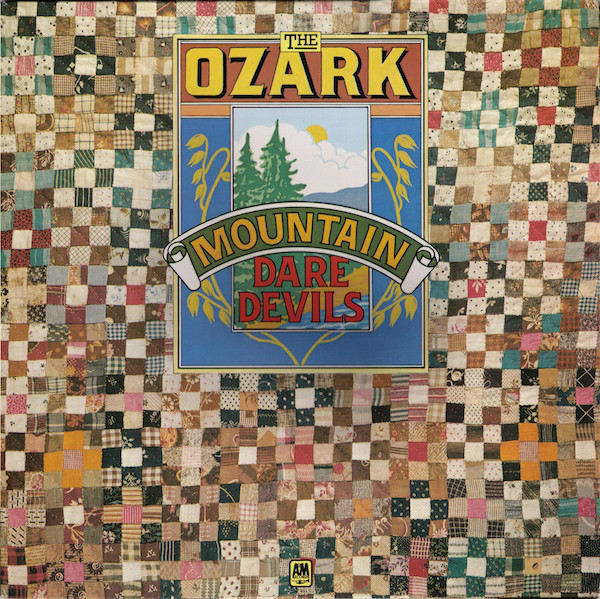
It’ll Shine When It Shines.
Buoyed by the success of their debut album, Ozark Mountain Daredevils began work on their sophomore album It’ll Shine When It Shines in early 1974. This time, Ozark Mountain Daredevils had managed to convince A&M Records to record the album locally.
So David Anderle and Glyn Johns made the journey to Missouri where Ozark Mountain Daredevils were rehearsing in a pre-American Civil War farmhouse. That was where the album would be recorded by a mobile recording studio. Ozark Mountain Daredevils seemed to relax in their home environment, and the two producers managed to capture some of the best songs of their band’s career. This would include the swamp rocker E.E. Lawson and Jackie Blue, which was released as a single later in 1974.
It’ll Shine When It Shines was released to widespread critical acclaim in October 1974. When the album was released, it reached number nineteen in the US Billboard 200. Jackie Blue which was sung by drummer Larry Lee, was chosen as the lead single. On its release, it reached number three in the US Billboard 200 and number two in Canada. Elsewhere, Jackie Blue was a hit in Australia, New Zealand and South Africa. The success of Jackie Blue had transformed the fortunes of Ozark Mountain Daredevils. Now they had to build on this success.
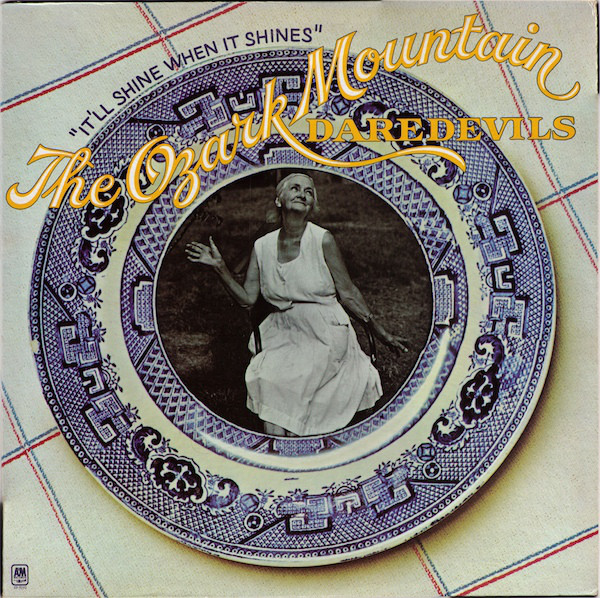
The Car Over The Lake Album.
Having just enjoyed the most successful album of their career, A&M Records were keen that Ozark Mountain Daredevils should enter the studio as soon as possible. This time though, there were several changes.
The first was that David Anderle took charge of production. Glyn Johns who had co-produced Ozark Mountain Daredevils’ first two albums, was nowhere to be seen. Another change was that Bill Jones who rejoined Ozark Mountain Daredevils. He would also arranged the songs on The Car Over The Lake Album. It was recorded in the country music capital Nashville. This was a bone of contention,
A&M Records’ executive wanted Ozark Mountain Daredevils to move to Southern California, where much of then music industry was based. However, Ozark Mountain Daredevils weren’t willing to move. This was just one sticking point. A&M Records wanted Ozark Mountain Daredevils to tour more. The band weren’t willing to embark on the lengthy tours like other bands. Nor were Ozark Mountain Daredevils willing to try and replicate Jackie Blue on The Car Over The Lake Album. All this didn’t please executives at A&M Records. Ozark Mountain Daredevils weren’t exactly winning friends and influencing people.
When The Car Over The Lake Album was completed, the album was released in September 1975 to praise and plaudits. However, the album stalled at fifty-seven in the US Billboard 200. This was disappointing after the success of It’ll Shine When It Shines. Then when If I Only Knew was released as a single, it reached just seventy-four in the US Billboard 100 and sixty-five in Canada. Already, executives at A&M were beginning to lose interest in Ozark Mountain Daredevils.
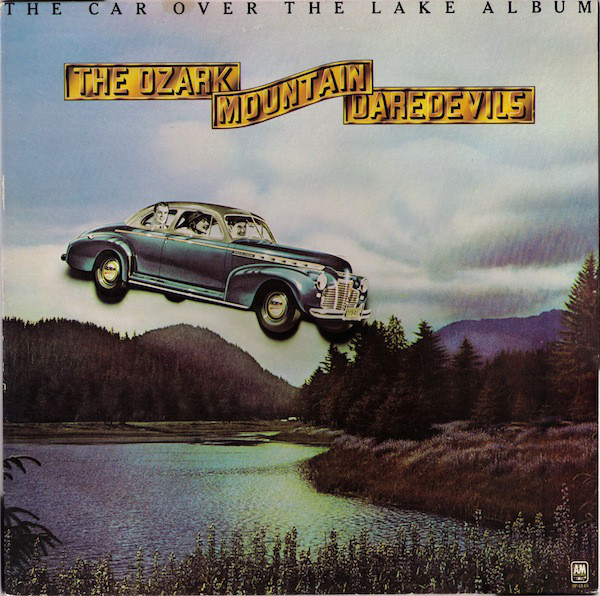
Men From Earth.
Following the release of The Car Over The Lake Album, Ozark Mountain Daredevils headed out on a European tour during April and May 1976. By then, the band was exhausted with the schedule of recording and touring.
Tension was high during a concert in Copenhagen. The engineer was struggling with the mix, and a frustrated Randle Chowning decided to turn his amplifier up to eleven. This resulted in him getting involved in a slanging match with other band members. When Ozark Mountain Daredevils returned home, Randle Chowning decided to embark upon a solo career. This was the start of personnel changes within Ozark Mountain Daredevils.
Replacing Randle Chowning in Ozark Mountain Daredevils was Rune Walle, who the band met on tour. He lead his own band, The Flying Norwegians. Now he was about to become a member of Ozark Mountain Daredevils and would make his debut on Men From Earth
Recording of Men From Earth began before the European tour. Now it was a matter of completing the album. Just like The Car Over The Lake Album, it was produced by David Anderle. Men Form Earth was recorded in Quadrofonic Sound Studios, in Nashville, American Artist Studio, in Springfield, Missouri and at Caribou Ranch, in Colorado. Once Men From Earth was complete, it was released in autumn of 1976.
Men From Earth marked the end of an era. It was founder member Randle Chowning’s swan-song. However, when the album was released in September 1976, he was no longer listed as a member of the band. Instead, he was named as one of the “Sidemen From Earth.” They played their part in an album that won over critics. Especially two of the songs penned by Larry Lee, You Know Like I Know and the Homemade Wine. Given the critics response to Men From Earth, maybe Ozark Mountain Daredevils’ luck was changing?
Despite winning favour with critics, Men From Earth reached just seventy-four in the US Billboard 200. Then when You Know Like I Know was released, it reached seventy-four in the US Billboard 100 and sixty-two in Canada. For Ozark Mountain Daredevils, Men From Earth was the least successful album of their career. It was a worrying time for the band.
Don’t Look Down.
For their fifth album Don’t Look Down, it was all change for Ozark Mountain Daredevils. There had been another departure from the band. Buddy Brayfield was next to leave. He had decided to head to medical school. This was a big loss.
Ozark Mountain Daredevils decided to add three new musicians. This included their longtime friend, singer and guitarist Steve Canaday. He was joined by mandolin player Jerry Mills, and keyboardist and vocalist Ruell Chappell. The new additions made their debut on Don’t Look Down, where Ozark Mountain Daredevils were joined by a new producer.
David Kershenbaum was chosen to produce Ozark Mountain Daredevils’ fifth album Don’t Look Down. Part of his remit was to transform Ozark Mountain Daredevils’ along fortunes. Ever since the release of It’ll Shine When It Shines in 1974, Ozark Mountain Daredevils’ albums had failed to sell in the same quantities. When Men From Earth reached seventy-four in the US Billboard 200, this was the lowest chart placing of any Ozark Mountain Daredevils’ album. Surely, the only way was up?
Recording of Don’t Look Down took place at Caribou Ranch, Colorado. A mobile studio was brought in to record the album. Still it seemed that Ozark Mountain Daredevils were determined to do things their way. They recorded eleven new songs which they hoped would transform the fortunes of Ozark Mountain Daredevils.
Once Don’t Look Down was completed, the album was scheduled for release in October 1977. Don’t Look Down which featured the latest lineup of Ozark Mountain Daredevils was well received by critics. However, when Don’t Look Down was released, it stalled at a lowly 130 in the US Billboard 200. This was the lowest chart placing of any of the Ozark Mountain Daredevils’ albums.
There were several explanations for this. Country rock and Southern rock had been hugely popular when Ozark Mountain Daredevils released their first two albums. Alas, that was no longer the case. Now there was a disco boom, which was affecting all types of musicians. From soul to country rock and Southern rock, the disco boom was impacting on record sales. The slick, formulaic sound of disco seemed to filled the American charts. That was what American record buyers wanted to hear. So many artists from other genres sold their soul to the disco devil, and did what many thought was unthinkable, and released a disco record. Not Ozark Mountain Daredevils though; they had other plans.
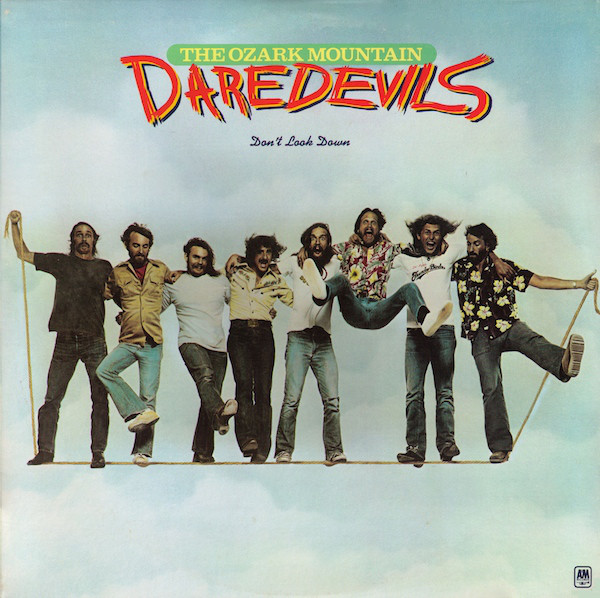
I’m Alive.
Back in the seventies, most rock bands released a live album. That was something Ozark Mountain Daredevils had still to do. So they decided to record a live album in April 1978.
To record I’m Alive, Ozark Mountain Daredevils decided to tape concerts that they were due to play in Missouri and Kansas during April 1978. This would allow Ozark Mountain Daredevils to cherry pick the best recordings for their forthcoming double live album.
So Ozark Mountain Daredevils hired a mobile recording studio for the live dates in April 1978. Ozark Mountain Daredevils had picked the perfect concerts to record. They were playing in front of their hometown crowd. Joining them each night Buddy Brayfield who made a guest appearance. Each night, Ozark Mountain Daredevils seemed to lift their game each night. There was plenty of material to choose for the forthcoming live album.
Eventually, Ozark Mountain Daredevils who produced I’m Alive, chose sixteen tracks. This included singles and some of their most popular album tracks. They featured on the double live album I’m Alive, which was due to be released in the autumn of 1978. It was a hugely important album for Ozark Mountain Daredevils.
So much so, that I’m Alive was the most important album Ozark Mountain Daredevils had released in many a year. Ozark Mountain Daredevils only owed A&M Records one more album. After I’m Alive, Ozark Mountain Daredevils’ contract was up. However, A&M Records held an option to give Ozark Mountain Daredevils a new contract. They seemed to be undecided about Ozark Mountain Daredevils’ future. If I’m Alive sold well, then this might result in A&M Records taking up the option.
I’m Alive was well received by critics. It found Ozark Mountain Daredevils rolling back the years. The critical response to the album bode well for the release of I’m Alive in September 1978. However, when I’m Alive was released, it reached a lowly 178 in the US Billboard 200. Suddenly, Ozark Mountain Daredevils’ future at A&M Records’ looked in doubt.
That was apart from those who had witnessed Ozark Mountain Daredevils’ performance on The Midnight Special. They had been booked as the special guest, and were to play a set. This was the perfect showcase for Ozark Mountain Daredevils, and could help rejuvenate their career.
The disco years hadn’t been kind to country rock bands like the Ozark Mountain Daredevils. Their record sales had fallen between 1976 and 1978. The last album Ozark Mountain Daredevils released was It’s Alive in 1978, which stalled at 176 in the US Billboard 200.
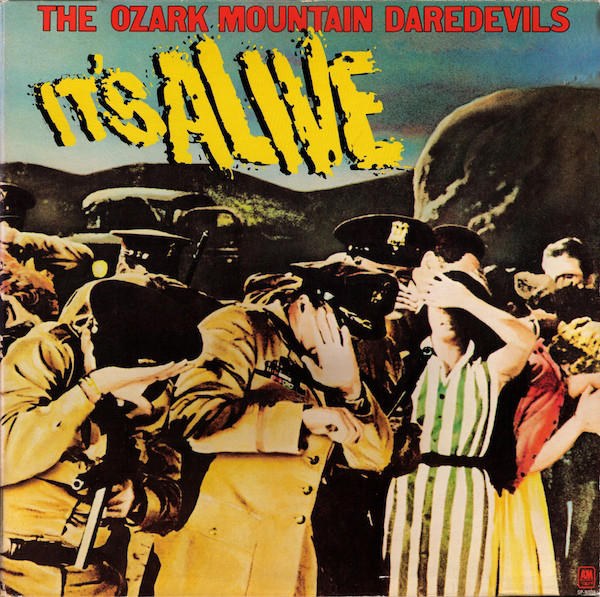
This couldn’t have come at worse time, as the band’s contract with A&M was coming to an end. At least A&M still held an option to give Ozark Mountain Daredevils a new contract. A good performance on The Midnight Show would maybe convince A&M to renew Ozark Mountain Daredevils’ contract?
Fortunately, Ozark Mountain Daredevils caught a break. The band were invited to appear on a forthcoming appearance on The Midnight Show later in September 1978.
Ozark Mountain Daredevils’ managers contacted executives at A&M know about the band’s forthcoming appearance on The Midnight Show. A&M were still undecided about picking up the option on Ozark Mountain Daredevils’ contract. So it was decided that Jerry Moss would head to Los Angeles to see Ozark Mountain Daredevils play live on The Midnight Show.
The Ozark Mountain Daredevils had flown to Los Angeles to play on The Midnight Show. This was a prestigious television show, and had the potential to introduce Ozark Mountain Daredevils’ music to a new and much wider audience. All Ozark Mountain Daredevils had to do was play a short set. There was a problem though.
Before going onstage, some members of Ozark Mountain Daredevils had been alleged that the band had been some enjoying backstage hospitality. As they took to the stage, it was obvious that some of the band were under the inebriated. They flew through their set and then took their leave. A&M Records’ Jerry Moss who was watching on, wasn’t amused.
Jerry Moss had the final say on Ozark Mountain Daredevils’ future. He decided not to pickup the option on their contract. Ozark Mountain Daredevils were dropped by A&M Records in 1979.
After six years at A&M Records, Ozark Mountain Daredevils were without a recording contract. The band faced an uncertain future. Things had changed quickly for the band. Less than a year earlier, they were opening for Fleetwood Mac. Now they were without a recording contract. That was until Columbia Records approached Ozark Mountain Daredevils.
Ozark Mountain Daredevils.
They signed to Columbia Records in 1979. For Ozark Mountain Daredevils, it was a new start for one of the finest purveyors of Southern fried country rock. Being dropped by A&M Records had been a wakeup call. Now Ozark Mountain Daredevils were ready to begin work on their seventh studio album, which became Ozark Mountain Daredevils.
It was a very different lineup of the Ozark Mountain Daredevils that began work on what was their second eponymous album. Only four members of the band remained. Steve Cash, John Dillon, Michael Granda and Larry Lee had been with Ozark Mountain Daredevils since the group was formed. They were the last men standing in Ozark Mountain Daredevils. The rest of the band had left to pursue other projects.
The four members of Ozark Mountain Daredevils that remained, went away and began writing their next album. John Dillon, Larry Lee and Steve Cash penned Take You Tonight, Jump At The Chance, Empty Cup, Rosalie, Runnin’ Out and Fool’s Gold. John Dillon and Steve Cash wrote Tuff Luck and cowrote two other songs. He cowrote Sailin’ Around The World with Steve Cash, and then penned Lovin’ You with former Flying Norwegian frontman Rune Walle. Larry Lee contributed Oh, Darlin’ to Ozark Mountain Daredevils. It was recorded in Los Angeles.
Given Ozark Mountain Daredevils had newly signed to Columbia Records, them weren’t really in a position to call the shots about where the album was recorded. So Ozark Mountain Daredevils made the journey to Los Angeles, where two of the city’s top studios were used. Recording sessions took place at Westlake Studios and The Record Plant with producer John Boylan. Harmonica player and vocalist Steve Cash joined guitarist and vocalist John Dillon; bassist Michael Granda and Larry Lee Michael who played keyboards, guitar, percussion and added vocals. Augmenting Ozark Mountain Daredevils were backing vocalists and some top session players.
Over the next weeks and months, Ozark Mountain Daredevils’ seventh studio album began to take shape. Eventually, the four members of the band Ozark Mountain Daredevils guided by producer John Boylan completed what was a very different album from their last couple of albums.
After Ozark Mountain Daredevils’ last two studio album failed commercially, the band decided to change tack. This was a big decision, and one they didn’t take lightly. The last thing they wanted to do was alienate their existing fans. However, if Ozark Mountain Daredevils didn’t reinvent their music, the future looked bleak. They couldn’t continue to release albums that reached the lower reaches of the US Billboard 200. So Ozark Mountain Daredevils marked the start of a brave new world.
Ozark Mountain Daredevils had recorded an album which featured everything from AOR, country rock, FM rock, pop, rock, Southern rock and the West Coast sound. Stylistically, it sounded as if Ozark Mountain Daredevils were following in the footsteps of The Eagles and the Little River Band by recording an album of carefully crafted, melodic and radio friendly songs. They were bang on trend, and should attract the attention of radio programers. If that was the case, then Ozark Mountain Daredevils would be the comeback Kings.
All Ozark Mountain Daredevils had to do was convince critics and record buyers. Ozark Mountain Daredevils were halfway their when critics hailed their eponymous album their finest album of recent years. That was no surprise, given the quality of songs on Ozark Mountain Daredevils.
Opening the album was Take You Tonight, a hard rocking slice of country rock that’s reminiscent of The Eagles. Ozark Mountain Daredevils don’t spare the hooks on Jump At The Chance and Lovin’ You, which are melodic and radio friendly songs. Sailin’ Around The World and Tuff Luck were sure to appeal to Ozark Mountain Daredevils’ loyal fans. Both songs feature the band’s trademark humour, as play with freedom and a degree of spontaneity. After this it’s all change.
Very different is the paean Oh Darlin’, which is a beautiful ballad. This shows a very different side to the band. So does the mid-tempo Empty Cup, which showcases a slick AOR sound. Rosalie is a carefully crafted, radio friendly fusion of country rock, pop, rock. Then on Runnin’ Out, Ozark Mountain Daredevils combine blues and country rock. As is often the case, the best has been saved until last. Fools Gold gradually unfolds revealing drama and beauty before heading in the direction of progressive rock. Eventually, the track becomes a rocky anthem that should’ve found favour with FM rock programers.
Sadly, it wasn’t to be. When Ozark Mountain Daredevils was released, the album reached just 170 in the US Billboard 200. This was slightly better than I’m Alive. However, it wasn’t good enough for Columbia Records, and for the second time in two years they were dropped by a record label. For Ozark Mountain Daredevils it was the last album they released on a major label.
Thirty-seven years after the release of Ozark Mountain Daredevils, it remains one of the hidden gems in the band’s back-catalogue. Ozark Mountain Daredevils had reinvented their music in an attempt to remain relevant. To do that, Ozark Mountain Daredevils combined elements of AOR, blues, country rock, FM rock, pop, rock, Southern rock and the West Coast sound. The result was an album of carefully crafted, melodic and radio friendly songs. It sounded as if Ozark Mountain Daredevils were following in the footsteps of The Eagles and the Little River Band. Sadly, commercial success eluded Ozark Mountain Daredevils.
Since then, Ozark Mountain Daredevils has been an oft-overlooked album. Not any more though, as BGO Records recently remastered and reissued Ozark Mountain Daredevils. This oft-overlooked and underrated album features Ozark Mountain Daredevils at their most melodic and accessible on their 1980 major label swan-song album Ozark Mountain Daredevils.
Ozark Mountain Daredevils-Ozark Mountain Daredevils.

HEAT EXCHANGE-REMINISCENCE.
Heat Exchange-Reminiscence.
Heat Exchange’s root’s can be traced to a Toronto high school, in the late-sixties. That was when four school friends decided to form a blues band, which they named Cloud. Just a couple of years later, and Cloud were one of the top bands in Toronto.
Several record labels were chasing Cloud’s signature. Major and independent labels vied for Heat Exchange’s signature. At one point, RCA looked like securing the signature of Cloud. Then at the last minute, Yorkville Records trumped RCA’s offer with what saxophonist Craig Carmody called: “a phenomenal offer.” It was too good to turn down, so Cloud signed on the dotted line. That was when Yorkville Records discovered another band called The Clouds. So to avoid any confusion, the record company suggested that Cloud should change their name.
After drawing up a shortlist, Yorkville Records’ favoured the name Heat Exchange. This they felt was the perfect name for the label’s newest latest signing. However, as recording began, the band hadn’t settled on a new name. Eventually, the band adopted the name Heat Exchange. It was meant to feature on their debut album Reminiscence which was recently released by Out-Sider Music, an imprint of Guerssen Records. This should’ve been the start of the rise and rise of Heat Exchange. However, Reminiscence was never released and was just another chapter in the story of Heat Exchange, which began in the late sixtes.
Cloud were formed in a Toronto high school in the late sixties, when four school decided to form a blues band, Cloud. Its initial lineup featured a rhythm section of drummer and vocalist Marty Morin, bassist Ralph Smith and guitarist Neil Chapman. They were joined by keyboardist and harmonica player Gord McKinnon. The nascent band made one of its first performances in the high school cafeteria. Watching Cloud play was a future member of the band.
The new addition was saxophonist and flutist Craig Carmody. He was invited to join Cloud, and although he was a couple of year older than the rest of the band accepted the invitation. Now Cloud began working out how to incorporate the saxophone to their existing song. Soon, Cloud had successfully incorporated the saxophone into their sound. Soon, though, five became six as Cloud expanded their lineup again.
This time, Cloud decided to add a new lead vocalist to the band. Up until then, drummer Marty Morin had been the lead vocalist. It wasn’t easy for him combining the two roles. Eventually, the members of Cloud decided that it would be best if the added a lead vocalist and allowed Marty Morin to concentrate on his duties as drummer. So Cloud began the search for a new vocalist.
Eventually, they had settled on a shortlist of potential vocalists. The next step was auditioning them. However, when Mike Langford began to sing, the rest of Cloud new they had their new vocalist. Cloud were now a sextet.
With Mike Langford now Cloud’s new vocalist, the new lineup of the band began looking for somewhere to rehearse. Finding a rehearsal space wasn’t going to be easy. Fortunately, Cloud met Blaine Pritchett, a familiar face in the Toronto music scene. He owned a local music shop, and allowed Cloud to rehearse in the basement.
In the music shop’s basement, Cloud began to hone their sound and write their own songs. This took time, practice and dedication. Gradually, though, Cloud became a tight band and new sound began to take shape. Now Cloud were ready to make tentative steps onto the Toronto’s live scene.
Cloud were determined to things properly. They wanted to be taken seriously, so registered with the local branch of the Musician’s Union. Next stop, was a booking agency, who Cloud hoped would get them some bookings.
The booking agent came up trumps, and soon, Cloud had several bookings. This included a booking at the three day Rock Hill music festival.
Despite being relatively new on the live scene, Cloud lucked out and found themselves playing on the main stage at the Rock Hill music festival. That day Cloud gave what was a career defining performance.
A couple of days after Cloud returned home from the Rock Hill music festival, Craig Carmody received a phone call from Blaine Pritchett. He had taken on the roll of Cloud’s road manager and sound man since the band made their live debut. Blaine Pritchett explained that he had received a phone call from Roland Paquin, who managed many of the Toronto’s top bands. Roland Paquin had heard Cloud at the Rock Hill music festival and like what he heard. So much so, that he wanted to become Cloud’s manager. Things were looking up for Cloud.
A couple of days later and a meeting was scheduled between Cloud Roland Paquin. After listening to what Roland Paquin had to say, Cloud agreed that he would become their new manager. With an agreement in place Roland Paquin went in search for a record company to sign Cloud.
Over the next weeks and months, Roland Paquin brought record companies to hear Cloud. They would play a selection of songs that Cloud and Roland Paquin had picked earlier. These songs showcased then band’s considerable talents. One of the labels that came to hear Cloud were RCA. Having heard Cloud, were keen to sign the band.
Despite this, Roland Paquin the Canadian label Arc Sound to hear Cloud play. By then, Cloud were leaning towards signing to RCA. Still Cloud agreed to play for Bill Gilliland and Richard Gael and from Arc Sound. After Cloud band had finished playing, Roland Paquin headed out to wine and dine the record company executives. Later that night, Roland Paquin came baring news Craig Carmody.
Roland Paquin told Craig Carmody that Arc Sound’s record company Yorkville Records were interested in signing Cloud. They had spotted Cloud’s potential and really wanted to sign the band. Yorkville Records’ offer was an indication of how keen they were to sign the band. However, the offer came with conditions.
Yorkville Records wanted the band to concentrate all their efforts of recording album. This meant stopping playing live until the album was recorded. In return, the members of Cloud would receive a salary that would allow them to live while they practised and then recorded the album. Then once the album was released. If Cloud agreed, they could use the label’s recording studios and would be assigned a full-time producer. It was an incredible offer and was thought to be the biggest recording contract offered to any Canadian band up until then. So it was no surprise that Cloud were keen to sign. So Cloud put pen to paper, and signed on the rotten line. However, it soon became apparent there was a problem with the band’s name.
It turned out that another band had released an album as The Clouds. This could lead to record buyers confusing the two bands. So a decision was made to rename the band. The members of Cloud drew up a list of names, but when it came to choosing the name, it was Yorkville Records that was calling the shots. They eventually settled on the name Heat Exchange.
By then, Heat Exchange began work on their debut album Reminiscence. Bill Gilliland was named the executive producer while Richard Gael took charge of production. The two executives played a hands on roll, helping choose the material for the album. Eventually, ten tracks for the album were chosen and Heat Exchange were ready to begin work on what became Reminiscence.
Each day, Heat Exchange arrived at the studio, at 10am and rehearsed until 6pm. Some nights, the band used their key to let themselves into the studio, where they continued to work late into the night. Then at the end of the week, Heat Exchange received their salary which didn’t amount to much. However, for six young men still living at home, they were living the dream.
Especially as Heat Exchange moved to Manta Sound, which was then Toronto’s top recording studio. That was where the band met David Green who owned Manta Sound. He was also the in-house engineer David Green, and would by Heat Exchange’s side as began recording ten tracks written by the band. This was just as well, as Heat Exchange were working without a producer. Despite this, the band recorded a rough mix of Reminiscence.
This rough mix of Reminiscence David Green told Heat Exchange had been played to executives at major labels in America. They liked the album, but wanted to know more about the band. Two questions that kept coming up were had Heat Exchange had a hit single and what were they like live? By then, Heat Exchange hadn’t played live for over a year, and hadn’t released a single. So Heat Exchange decided to release a single. This should generate interest in the album when it was released.
Heat Exchange decided to choose the most commercial song on the album in the hope of it beaming a FM hit. Can You Tell Me fitted the bill, and was released with Inferno on the B-Side. It proved popular in some Canadian cities, and is thought to have reached the top ten in at least one city. However, it failed to reach the Canadian charts. The problem was that Yorkville Records didn’t seem willing to promote the single properly. That was worrying.
Having failed to write a FM hit, Heat Exchange were encouraged to write an AM hit. The song they came up was Scorpio Lady, which showcased a more poppy sound. On the B-Side Heat Exchange added Reminiscence. This Heat Exchange hoped would provide them with that elusive single. Especially since Yorkville Records seemed to be reigning in their expenditure.
Originally, the label had been so keen to sign Heat Exchange that they outbid RCA. Now though, everything had changed for Heat Exchange. They were no longer receiving their salary from Yorkville Records and had to return to playing live to make ends meet. Heat Exchange travelled far and wide playing live. Meanwhile, the label wanted the band to come up with a hit single. That was despite commercial success eluding their two previous singles. Despite this, Heat Exchange decided to write and record one more single.
They were hoping it would be third time lucky when She Made Me All Alone was released as a single. On the flip-side was Philosophy. When the single was released, it failed to make any impression on the Canadian charts. For two members of Heat Exchange that was the final straw.
For two members of the band, Heat Exchange’s dream of becoming a successful band was almost over. Saxophonist and flautist Craig Carmody decided to leave Heat Exchange. So did bassist Ralph Smith. This proved to be the beginning of the end for Heat Exchange.
The other four members of Heat Exchange started to get involved with another group Truck. They began to tour with Truck. For Heat Exchange, the dream was over. Their debut album Reminiscence was never released by Yorkville Records. Record buyers never got the opportunity to hear Heat Exchange at their creative zenith on Reminiscence.
For Those Who Listen opens Reminiscence. Machine gun riffs are unleashed as the rhythm section and keyboards drive the arrangement along. Straight away, Heat Exchange are rocking hard, and it’s apparent that something special is about to unfold. Heat Exchange don’t disappoint, After Mike Langford’s vocal enters, Heat Exchange soon sound like Jethro Tull in their progressive rock pomp. Meanwhile, Craig Carmody drizzles his braying saxophone above the arrangement where which combines elements of folk rock and psychedelia. Later during the breakdown, a harpsichord, flute and walking bass combine. They’re soon joined by pounding drums, Neil Chapman’s searing guitar and the braying saxophone as hard rocking Heat Exchange set the bar high on this fusion of progressive rock, folk rock and psychedelia.
From the opening bars of Inferno, guitarist Neil Chapman’s fingers fly up and down the fretboard as he unleashes a myriad of effects. Meanwhile, Heat Exchange rhythm section have locked into a groove. Seamlessly they switching between tempo and time signature and between progressive and hard rock. Mike’s vocal soars above the arrangement, as Heat Exchange sound like Cream. Later, Craig adds rasping saxophone, and during the lengthy breakdown delivers a blistering solo. Not to be outdone, Neil’s steps up, and unleashes a blistering, scorching, rocky solo that wah-wahs. Drummer Marty Morin gets in on the act, adding a mesmeric solo. Once the solos are complete, Heat Exchange play as one and continue to combine hard rock and progressive rock. However, Neil Chapman’s blistering guitar solo steals the show, as Inferno reaches a hard rocking crescendo.
It’s Neil Chapman’s blazing guitar that’s at the heart of the action on Reminiscence. It sits above the arrangement, before chugging along and becoming funky as Mike’s vocal enters. His vocal is heartfelt, as Craig plays the flute. Meanwhile, hard rock meets progressive rock. This changes when the vocal drops out. Heat Exchange stretch their legs, and seamlessly switch between progressive rock, fusion and funk. When Mike’s vocal returns, the arrangement meanders melodically along. Briefly Heat Exchange eschew their hard rocking sound for a much mellow, laid back sound that shows another side to a truly talented band.
Can You Tell Me was one of the three singles that Heat Exchange released. It sounds as if it’s been written with radio in mind. The introduction is understated, which would be perfect for radio DJs to introduce the song. After that, Heat Exchange’s rhythm section kick loose and Mike delivers a hurt-filled vocal . As the rhythm section lock down the groove as stabs of piano and a searing guitar solo are added. Later, progressive rock keyboards and a blazing saxophone accompany Mike, as everything falls into place. Heat Exchange showcase a freewheeling, radio friendly and melodic slice of rock that could’ve transformed their career.
Just a piano plays on Stopwatch as a cymbal rinses. Eventually, Mike’s emotive vocal enters as the arrangement begins to unfold. The rhythm section make their presence felt, playing with power, while flourishes of piano are added. Soon, a dreamy jazz tinged saxophone solo is added as the arrangement becomes understated. The saxophone gives way to harmonies. Suddenly, Heat Exchange are marching to the beat of a drum. Just the drum and stabs of piano combine as the drama builds. Then all of a sudden, Heat Exchange throw a curveball, and the arrangement becomes understated, as drama gives way to beauty. However, Heat Exchange have one more track up their sleeve, before the track reaches a rocky and dramatic crescendo.
Straight away, Heat Exchange are playing as one on She Made Me All Alone. It’s a fusion of blues, funk, jazz and rock. The rhythm section underpin the arrangement with the bass playing a leading role. Meanwhile, a scorching saxophone joins with a guitar that’s veers between bluesy to rocky and funky. Mike unleashes a vocal powerhouse, as Heat Exchange unleash a genre-melting jam. Horns and a blistering, searching guitar play leading roles as Mike struts his way though the lyrics to one of the highlights of Reminiscence.
Philosophy literally explodes into life as a hard rocking Heat Exchange kick loose. The rhythm section, organ and searing guitar provide a backdrop for Mike as he unleashes another vampish, vocal powerhouse. Then when his vocal drops out, the rest of the band enjoy their moment in the sun. A braying saxophone, chugging rhythm section and scorching guitar combine, and rock hard. This continues even when Mike’s vocal returns. Heat Exchange enjoy the opportunity to cut loose on this hard rocking anthem-in-waiting.
Scorpio Lady was another of the three singles Heat Exchange released. They had hoped it would give them an AM. Sadly, through no fault of their own, it wasn’t to be. It was a good attempt though. As the song unfolds, the rhythm section lay down a hypnotic beat and Craig’s braying saxophone. They provide a backdrop for Mike’s vocal, as the rocky arrangement unfolds. Heat Exchange add tight harmonies, a jangling piano, searing guitar and a scorching saxophone. Everything fall into place as Heat Exchange don’t spare the hooks on this this catchy, memorable, and melodic radio single.
A fleet fingered bass and hissing hi-hats accompany Mike’s vocal on the jazzy Scat. Soon, Heat Exchange have kicked loose and are combining musical genres. The rhythm section power the arrangement along, as a braying saxophone is joined by a scorching guitar. Then after fifty-four seconds guitarist Neil Chapman unleashes a thirty second guitar solo. It’s a virtuoso performance. He then passes the baton to Craig’s saxophone and then Gord McKinnon on keyboards. By then, Heat Exchange have combined elements of fusion, hard rock, jazz and progressive rock. However, when Mike returns, it’s jazz all the way as he scats. Bassist Ralph Smith gets in on the act as Heat Exchange showcase their versatility.
Closing Reminiscence is Four To Open The Door, a near ten minute epic. It bursts into life, with the rhythm section driving the arrangement along. A braying saxophone and washes of Hammond organ join with a blistering guitar as Heat Exchange kick loose. The music is rocky and dramatic before it’s all change. Suddenly, the tempo drops as the Hammond organ and flute create a sinister, cinematic backdrop. Adding to the eerie backdrop is Mike’s dark vocal, pounding driving drums and searing guitars. Eventually, the Hammond organ signals all change and a freewheeling Heat Exchange combine folk rock, fusion and progressive rock. That’s until it’s time for the solos. Drummer Marty Morin unleashes lengthy solo and never misses a beat. After that, the band play together before the rest of the band enjoy their moment in the sun. The Hammond organ, bass and piano all get the opportunity to shine. Especially pianist Gord McKinnon, who has the last word on this Magnus Opus.
It’s almost fitting that Reminiscence closed with such an epic track as Four To Open The Door. Heat Exchange never returned to the recording studio together, and Reminiscence was the only album the band recorded. That was a great shame, as Heat Exchange were a hugely talented band who had the potential to go on to become one of the most successful Canadian bands of the early seventies. They might have fulfilled their potential if they had signed to RCA.
Instead, Heat Exchange signed to Yorkville Records and spent the best part of a year recording album. During that period, the band weren’t playing live, and instead, were receiving a salary from Yorkville Records. However, after Heat Exchange failed to delver a hit single, Yorkville Records began to lose interest in the band. Their singles weren’t prompted properly, and eventually, they stopped receiving their weekly salary. This resulted in Heat Exchange heading back out on the road.
As Heat Exchange toured the length and breadth Canada trying to eke out a living, Yorkville Records were still wanting the band to deliver a hit single. By then, Craig Carmody the elder statesmen of the band was looking to future. He was about to get married, and needed a steady income. Craig decided to leave Heat Exchange. So did Ralph Smith. Suddenly, six became four and the writing was on the wall for Heat Exchange.
Meanwhile, the other four members of Heat Exchange started to get involved with another group Truck. They began to tour with Truck. For Heat Exchange, it was the end of the line. Heat Exchange’s debut album Reminiscence was never released by Yorkville Records.
Sadly, Reminiscence lay unreleased for forty-five years. Nobody got to hear Heat Exchange’s genre-melting album. Heat Exchange took as their starting point hard rock, and added to the musical melting pot folk rock, funk, fusion, jazz and progressive rock. Heat Exchange switched between and fused these disparate genres over the tracks on Reminiscence. It showcases truly talented band who were who had recorded an almost flawless album of hard rocking, catchy, complex, melodic and memorable music. That album was Reminiscence, which was only released recently.
Forty-five years after Heat Exchange completed Reminiscence, it was recently released by Out-Sider, an imprint of Guerssen Records. At last, Heat Exchange’s long lost classic album Reminiscence eventually saw the light of day, and is a reminder of one of Canada’s great lost groups in the early seventies, looked destined for greatness.
Heat Exchange-Reminiscence.
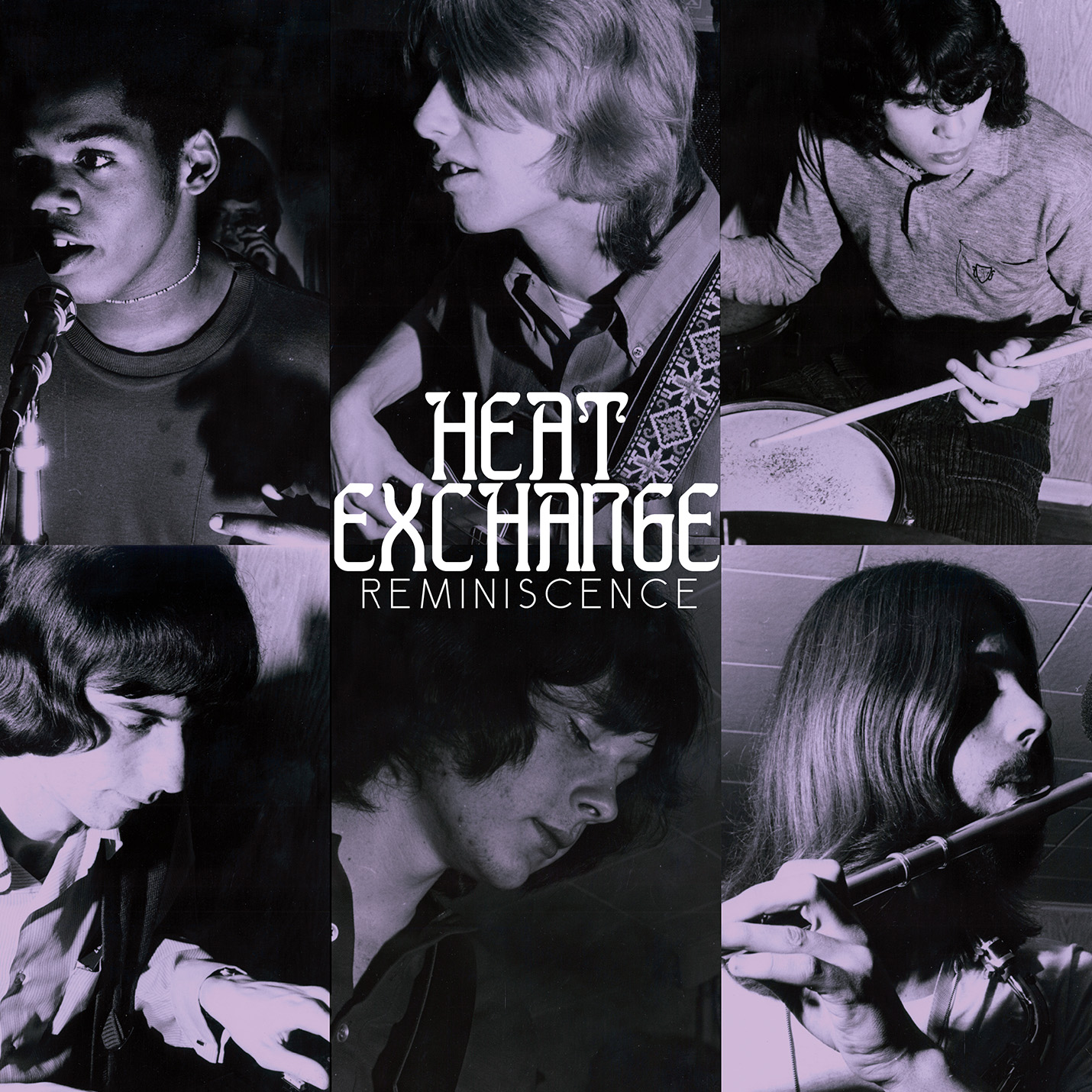
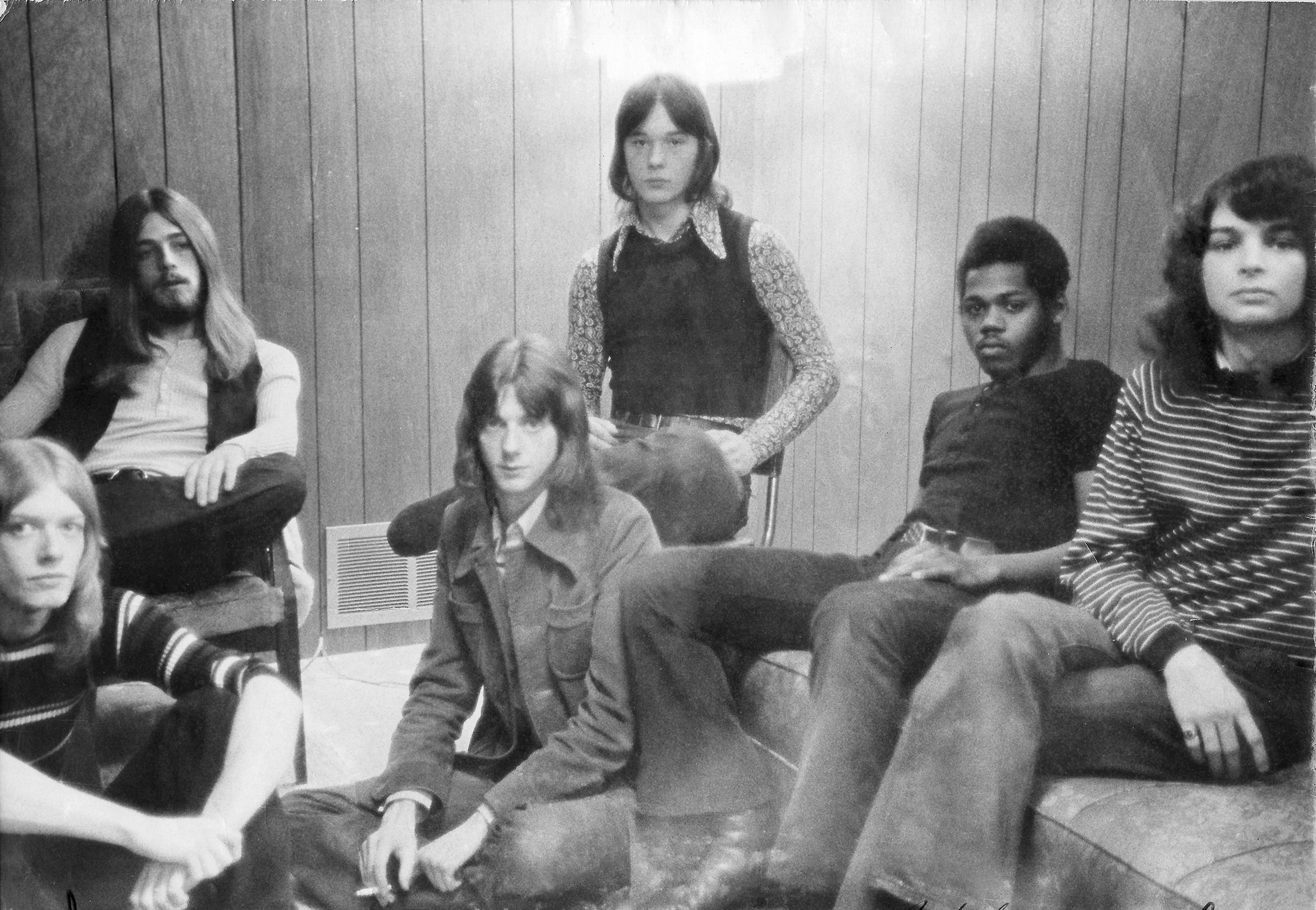
THE RISE AND DEMISE OF FREE.
The Rise and Demise Of Free.
For most of the regulars in Nag’s Head pub, in Battersea, London on the 19th of April 1968, it was just another night. Most of the regulars arrived for a few drinks after work. Others had arrived to see the latest band that were due to play at the Nags Head. They watched as the equipment was setup on the small stage, and wondered what tonight’s band would be like? Eventually, the equipment was setup and soon, the band would take to the stage. There was a sense of anticipation, as the audience wondered if this would be one of the better bands that played at the Nag’s Head?
Before long, the band were introduced, and the audience watched s four young men took to the stage for the first time. Some members of the audience remarked on how young the band looked.
Two of the band didn’t look old enough to buy a round in the Nag’s Head. Especially the bassist. Andy Fraser was just fifteen. His partner in the rhythm section, drummer Simon Kirke, was eighteen. Lead guitarist Paul Kossoff was just seventeen, while the vocalist Paul Rodgers eighteen. Many of the regulars were veterans gig goers, and weren’t expecting much of the young band. They were in for a pleasant surprise as the young blues rock made their debut. Little did audience know that they were watching history being made. Nobody who was present that night, had an inkling of what would happen over the next five years.
By November 1968, Alexis Korner had christened the nascent band Free. They would sign to Chris Blackwell’s Island Records in 1969 and later that year, Free entered the studio for the first time.
Tons Of Sobs.
Having recently signed to Chris Blackwell’s Island Records, London based blues rockers Free entered the Morgan Studios, in London with producer Guy Stevens. He had been allocated a budget of just £800 to produce what became Tons Of Sobs. This was going to be a challenge.
Free were one of the youngest bands Guy Stevens had worked with. Despite their youth, Free had spent the last few months playing live. This allowed them to hone their sound and set. That set Free would replicate at Morgan Studio.
Free’s set included a number of tracks by lead vocalist Paul Rodgers. He wrote Over the Green Hills (Pt. 1), Worry, Walk in My Shadow, Sweet Toot and Over The Green Hills. Paul Rodgers also cowrote three other tracks. This included Wild Indian Woman and I’m A Mover with Andy Fraser plus Moonshine with Paul Kossoff. The other two tracks were cover versions. They were St. Louis Jimmy Oden’s Goin’ Down Slow and The Hunter which was penned by the Stax Records’ house band by Booker T. and The MGs. This combination of cover versions and new songs would become Free’s debut album Tons Of Sobs.
With such a limited budget, Guy Stevens decided to take a minimalist approach to recording Tons Of Sobs. This he hoped, would allow him to replicate how Free sounded live. Their sets showcased the blues rock sound that was then popular in late-1968.
When Free arrived in the studio, drummer and percussionist Simon Kirke joined bassist and pianist in the rhythm section. Meanwhile, Paul Kossoff switched between lead and rhythm guitar. Paul Rodgers took charge of the lead vocals. As Free played, they were loud, raw and far from polished. That was no surprise given Free’s youthfulness and inexperience. Given time and a bigger budget, Guy Stevens could’ve overcome this.There was a problem though.
Island Records expected all producers to complete an album on time and within budget. It didn’t matter who the artists was, whether they were making their debut or were veterans. Guy Stevens succeeded, and Tons Of Sobs was completed in December 1968. However, given more time and money, Guy Stevens could’ve produced a much slicker, polished album. In a way, this was just as well, as Tons Of Sobs was representative of Free in the early part of their career.
Just three months after the completion of Tons Of Sobs, Island Records were preparing for the release of Free’s debut album. It was scheduled for release on 14th March 1969. The reviews had been mixed.
In Britain, Tons Of Sobs had been well received by critics. They were won over by Free’s raw and raucous blues rock sound. However, across the Atlantic, Rolling Stone magazine weren’t impressed by Tons Of Sobs. This was no surprise. The magazine seemed to dislike any British blues rock band. Free were just the latest to incur the wrath of Rolling Stone. This was disappointing, as it was an influential publication in America, and could affect sales of Tons Of Sobs.
Ironically, when Tons Of Sobs was released on 14th March 1969, the album fared better in America than Britain. Tons Of Sobs failed to chart in Britain, but crept into the US Billboard 200 at a lowly 197. For Free and Island Records, the commercial failure of Tons Of Sobs must have been a huge disappointment. Despite this, Free continued to record their eponymous sophomore album.
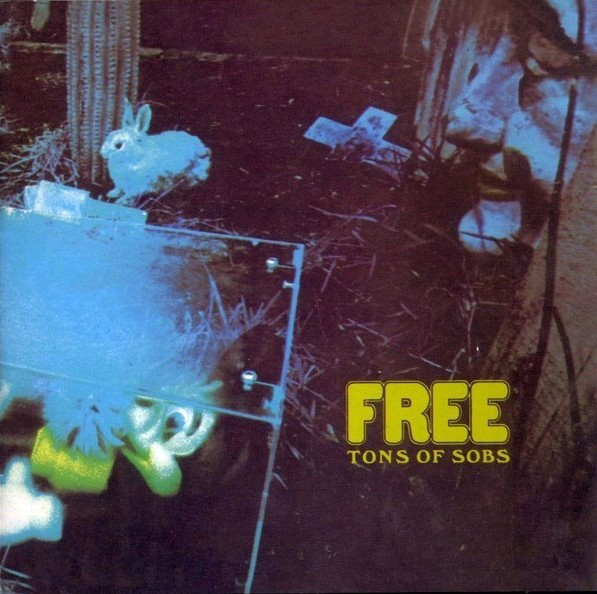
Free.
Work began on Fee in January 1969, and the band spent the next six months recording their eponymous sophomore album. This time, Paul Rodgers cowrote most of Free with Andy Fraser.
Their songwriting partnership began on Tons Of Sobs and began to blossom on Free. They penned eight tracks and cowrote Trouble on Double Time with drummer Simon Kirke. These songs were recorded with a new producer.
This time around, Island Records’ owner Chris Blackwell decided to produce Free. He joined Free at Morgan Studio and Trident Studio, London. Drummer and percussionist Simon Kirke was joined in the rhythm section by bassist Andy Fraser who also played piano and rhythm guitar. Paul Kossoff playedlead and rhythm guitar, and Paul Rodgers added the lead vocals. When it came to recording Mourning, Sad Mourning, flautist Chris Wood was drafted in. Gradually, the album began to take shape. Eventually, after six months of recording in two studios, Free was complete.
Four months after the completion of Free, the album was released in October 1969. By then, the album had been well received by most critics. They noticed the Free’s music was evolving from their blues rock roots. There’s a move towards classic rock and hard rock. However, on Lying In The Sunshine and Mourning Sad Morning there’s a folk rock influence. Free’s music was changing, and changing fast. Their sophomore album was a much more polished and mature album.
Partly, this was because of the new role that Andy Fraser’s bass played on Free. It was fulfilling the role of a rhythm guitar, helping to drive the arrangements along, before the lead guitar takes over. However, another of Andy Fraser’s actions didn’t go down well with Paul Kossoff.
He had played all the guitar parts on Tons Of Sobs. On Free, Andy Fraser played some of the rhythm guitar parts. He cowrote each of the nine songs on Free, and decided to teach Paul Kossoff the rhythm guitar parts that he had written for him. This didn’t go down well, and the relationship between the two men. Before they released their sophomore album, all wasn’t well within Free.
When Free was released in October 1969, the album reached twenty-two in the UK. Across the Atlantic, Free failed to trouble the charts. While this was a disappointment, at least Free had made inroads into the British charts. Maybe things would improve when they released their third album Fire and Water?

Fire and Water.
Having released Free in October 1969, Free spent much of the remainder of the year touring. They were spending more and more of their time on the road. Indeed, when Free weren’t in the studio, they were on the road. However, by January 1970 the time came for Free to record their third album Fire and Water.
Just like on Free, the Paul Rodgers and Andy Fraser songwriting partnership cowrote the majority of the album. They five of the seven tracks, including Fire and Water, Remember, Heavy Load, Don’t Say You Love Me and All Right Now. Mr. Big became the first Free song to be written by the four band members. Oh How I Wept was penned by Paul Rodgers and Pau Kossoff. It became part of Free’s third album, Fire and Water.
For Fire and Water, the changes had been rung. There was no sign of producer Chris Blackwell. Instead, Free co-produced Fire and Water with John Kelly and Roy Thomas Baker. This time around, Free went back to basics. Andy Fraser let Paul Kossoff lay down the rhythm guitar parts. It was back to how it had been on Tons Of Sobs.
Recording took place at Trident Studios and Island Studios. Drummer and percussionist Simon Kirke joined bassist and pianist Andy Fraser in the rhythm section. Meanwhile, Paul Kossoff switched between lead and rhythm guitar. Paul Rodgers took charge of the lead vocals on Fire and Water. Recording of the album took six months, and Fire and Water was completed in June 1970.
Fire and Water was released on 26th June 1970. Critical acclaim accompanied an album that was a mixture of blues rock, classic rock and hard rock. This was Free’s most cohesive album. That was the case from the opening bars of Fire and Water to the closing notes of All Right Now. A number of tracks on Fire and Water stood out. This included the rocky album opener Fire And Water and the ballads Oh I Wept, Heavy Load and Don’t Say You Love Me. However, the song that had hit written large all over it, was the album closer All Right Now. That proved to be the case.
When Fire and Water was released on 26th June 1970, the album reached number two in the UK and seventeen on the US Billboard 200. When All Right Now was released as a single, it reached number two in the UK and four on the US Billboard 100. The promoters of one of the major British music festivals were taking note.
After the success of All Right Now, Free were asked to appear at five day Isle of Wight Festival between Wednesday the 26th of August to Sunday the 30th of August 1970. Given their recent success, Free played on the Sunday.
Free opened their set with Ride On A Pony. It gave way to Mr. Big, Woman, The Stealer and Be My Friend. As 600,000 people watched on expectantly, Free played Fire and Water and then I’m A Mover, a cover of The Hunter and their recent hit single All Right Now. However, closing their set at the 1970 Isle of Wight Festival was a cover of Robert Johnson’s Crossroads. It allowed Free to pay tribute to one of the artists who had inspired them to form a band. This band Free, was on its way to becoming one of the biggest in the world.
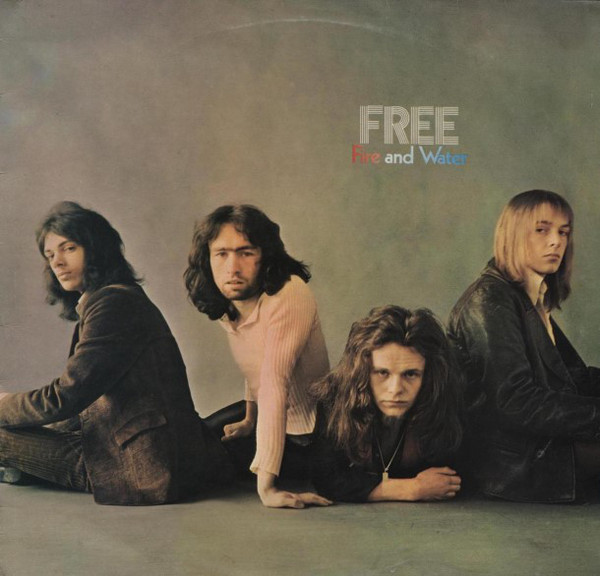
Highway.
After the Isle of Wight Festival, Free began work on their fourth album Highway. Again, Paul Rodgers and Andy Fraser wrote seven of the nine songs on Highway. They penned The Highway Song, On My Way, Be My Friend, Sunny Day, Ride On A Pony, Brodie and Soon I Will Be Gone. Paul Rodgers and Andy Fraser also cowrote The Stealer with Paul Kossoff, while Paul Rodgers and Simon Kirke wrote Love You So. These songs were recorded at Island Studios, in London.
When work began on Highway, there someone missing, a producer. For the first time, Free were producing an album. They had co-produced Fire and Water. This was the next natural step. However, there was a problem.
All of sudden the spotlight was shawn on Free. They were finding it hard to cope with the newfound success. Especially guitarist Paul Kossoff, whose drug addiction was worsening. He had taken the death of Jimi Hendrix badly. Paul Kossoff idolised Jimi Hendrix, and his death just added to the pressure he was feeling. He wasn’t alone.
Although they were financially secure, the members of Free felt under pressure to produce another hit single that followed in the footsteps of All Right Now. Similarly, it wasn’t going to be easy to replicate the success of Fire and Water. However, Free were determined to try and do so.
Free stuck to the same formula as on Fire and Water. Highway was a mixture of blues rock, classic rock and the hard rock style that Free had been pioneering. To do this, drummer and percussionist Simon Kirke joined bassist and pianist Andy Fraser in the rhythm section. Paul Kossoff played lead and rhythm guitar, while Paul Rodgers took charge of the lead vocals on Highway. The album was recorded during September 1970 at Island Studios.
Three months later, later and Highway released by December 1970. The reviews of the album had been disappointing. To make matter worse, Island Records’ owner Chris Blackwell wasn’t convinced by Free’s choice for the lead single, The Stealer. He preferred Ride On A Pony and felt it had more chance of giving Free another hit single. However, Chris Blackwell allowed Free to have the last word, and The Stealer would be released as a single.
When The Stealer was released as a single, it failed to chart in the UK, but reached number forty-nine in the UK. For the followup, Ride A Pony was chosen. However, it failed to chart on both sides of the Atlantic. This was a huge disappointment.
So was the performance of Highway, when it was released in December 1970. It stalled at forty-one in the UK and 190 in the US Billboard 200. Free weren’t so much disappointed, as shocked at how badly Highway had been received by critics and record buyers. Everyone had a theory on the failure of Highway.
Engineer Andy Johns placed the blame on Highway’s album cover. It didn’t display Free’s name prominently enough he believed. That’s not so far fetched. Nowhere on Highway’s album cover is the word Free. This may have cost Free dearly.
Soon, the post mortem into the failure of Highway began. By then, the relationship between Paul Rodgers and Andy Fraser reached an all-time low. Paul Kossoff’s drug addiction continued to spiral out of control. It was alleged that he had become addicted to Mandrax. Meanwhile, drummer Simon Kirke tried to keep Free from tearing itself apart. This wasn’t easy.
In early 1971, Free returned to the studio, and recorded four more songs. This included My Brother Jake. However, the relationships and problems within the band had worsened. After recording four songs, Free decided to split-up.
Before that, Free had to fulfil the live dates that had been booked. If they hadn’t, the various promoters would’ve sued Free. So they decided to play the remaining live dates, before calling time on Free in April 1971.
Free Live!
By the time Free split-up, My Brother Jake had reached number four in the UK. Record buyers it seemed, hadn’t lost interest in Free. Far from it. Instead, there was a resurgence in interest in Free. Partly, this was because of the success of My Brother Jake and the publicity caused by Free splitting-up. Island Records decided to rush release a live album, Free Live!
Island Records had obviously been planning on releasing a live album. They had sent a mobile recording studio and engineer Andy Johns to two of the towns where Free were especially popular, Sunderland and Croydon. The recordings took place in Sunderland in January 1970 and in Croydon in September 1970.
Eventually, only two tracks from the concert in Sunderland were used, All Right Now and The Hunter. The other four songs, I’m A Mover, Be My Friend, Fire and Water, Ride On Pony and Mr. Big were recorded in Croydon. Tagged on at the end of Free Live! was an acoustic rendition of Get Where I Belong. This was a Paul Rodgers and Andy Fraser song that had been recorded during the recording sessions before Free split-up. It was added as a bonus track to Free Live!, on its release.
Five months after Free had split-up, Free Live! was scheduled to be released in September 1971. Before that, critics had their say on the album. It was well received by critics, who were won over by what was an unusual setlist.Apart from All Right Now, the rest of the songs were album tracks. Free had eschewed the familiar, and dug deeper into their back-catalogue. Free Live! featured spirited performances by a tight, talented and versatile band. They seemed to put their problems aside when they stepped onto the stage. That had been, and would be the case throughout Free’s career. Free seemed happiest as they constantly toured and played live in front of huge, adoring audiences.
When Free Live! wash released in September 1971, it reached number four in the UK. Despite splitting up five months earlier, Free were still a hugely popular band. Across the Atlantic, Free Live! reached just eighty-nine in the US Billboard 200. That seemed like a disappointing way for Free to end their career.
Free At Last.
Although Free had split-up in April 1971, the band decided to reform in early 1972. Unlike many bands, monetary gain wasn’t the reason behind the reunion.
Instead, Andy Fraser, Paul Rodgers and Simon Kirke were determined to save their comrade in arms Paul Kossoff from himself. His drug usage was worsening, and spiralling out of control. Mandrax was Paul Kossoff’s drug of choice, and his addiction had worsened since the demise of Free. When the other three members of Free realised that, they decided to reunite in a last gasp attempt to save Paul Kossoff from himself.
Before work began on Free At Last, the members of Free decided that when it came to songwriting credits, every member of the band would be credited. For Paul Rodgers and Andy Fraser, Free’s principal songwriters, this was a generous and potentially, costly gesture. This however, was part of their attempt to help Paul Kossoff turn his life around.
His drug addiction was proving costly, and he was burning through the money he had made. Paul Kossoff didn’t write many songs, so didn’t have the same income from royalties as Paul Rodgers and Andy Fraser. If the album they were about to record proved successful, this could be lucrative for Paul Kossoff and afford him some financial security.
Recording of Free At Last took place at Island Studios, in London in February 1972. Again, Free decided to produce Free At Last. This was a big risk, as the first album Free produced had been their least successful. However, they were older and more experienced. They had learned from their mistakes as they began work on the nine songs Free had penned.
At Island Studios, drummer and percussionist Simon Kirke joined bassist and pianist in the rhythm section. Meanwhile, Paul Kossoff switched between lead and rhythm guitar. Paul Rodgers took charge of the lead vocals and played piano. The recording sessions went well. Paul Rodgers, Andy Fraser and Simon Kirke were determined that the sessions would run smoothly for the sake of their friend, Paul Kossoff. That proved to be the case, and Free At Last was completed by March 1972.
Once Free At Last was completed, the album was delivered to Chris Blackwell at Island Records. He scheduled the release of Free At Last for June 1972. Before that, critics were sent a copy of Free’s comeback album, Free At Last.
The critics discovered a very different album to Free’s previous albums. The songs were slower, but gradually quickly. Mostly, the songs had a wistful quality. They also had an introspective quality that invited reflection. Given the wistful sound and the lyrics, many critics immediately concluded that that they were about troubled Free guitarist Paul Kossoff? His problems were worsening as the release date approached.
Island Records wanted Free to tour Free At Last. However, Paul Kossoff’s drug addiction continued to worsen. He was struggling to cope and function as a musician. This didn’t auger well for Free At Last tour.
Before that, Free At Last was released in June 1972, and reached number nine in the UK. In America, Free At Last reached sixty-nine. This was Free’s most successful album since Fire and Water. The success continued when Little Bit Of Love was released as a single, and reached number thirteen in the UK. However, the success of Free At Last was overshadowed by the Free At Last tour.
During the Free At Last tour, Paul Kossoff started to miss concerts. Other times, he turned up and was unable to play his guitar. He was struggling to function as a person, never mind a musician. Members of the audience were distraught at the sight of Paul Kossoff. Some openly wept, distressed at what they saw unfolding in front of their eyes. The person who was affected most was Andy Fraser.
He couldn’t bear to watch the events continue to unfold before his eyes. His friend was slowly destroying himself. Andy Fraser decided to leave Free permanently. He was only twenty.
Following in the footsteps of Andy Fraser was Paul Kossiff. The press and public were told he was seeking treatment for his drug addition, and would return to the Free fold.
Meanwhile, the departure of Andy Fraser left a huge void within Free. The search began for a replacement. This was found in the band that Paul Kissoff and Simon Kirke had cofounded after Free split-up in April 1971, Kossoff, Kirke, Tetsu and Rabbit.
Bassist Tetsu Yamauchi joined Free. So did keyboardist John “Rabbit” Bundrick. They made their Free debut during the Free At Last tour. After the tour, the pair would join an extended lineup of Free.
Heartbreaker.
Following the Free At Last tour, the newly expanded lineup of Free began work on their sixth studio album. It was a very different band that headed to Island Studios, in London.
Free had brought bassist Tetsu Yamauchi in to replace Andy Fraser. He was now a full-time member of Free. So was keyboardist John “Rabbit” Burdock. Many fans were puzzled by the decision to bring him onboard.
John “Rabbit” Burdock had been brought to compensate for, and augment Paul Rodgers. He had played keyboards on Free At Last. Since then, he was becoming unreliable. Fearing a repeat of the situation with Paul Kossoff, a replacement was brought onboard for the recording of Heartbreaker. This wasn’t the only change.
Although it was alleged that Paul Rodgers was becoming unreliable, he still played a huge part in the writing of Heartbreaker. In total, Paul Rodgers wrote four of the eight tracks and cowrote two more songs. It seemed that Paul Rodgers was Free’s songwriter-in-chief. Come Together In The Morning, Heartbreaker, Easy On My Soul and Seven Angels were all penned by Paul Rodgers. He wrote Wishing Well and Travellin’ in Style with Paul Kossoff, Simon Kirke, Tetsu Yamauchi and John “Rabbit” Burdock. The new keyboardist contributed Muddy Waters and Common Mortal Man. These two songs, like the rest of Heartbreaker were recorded in the familiar surroundings of Island Studios.
The sessions for Heartbreaker began in October 1972. Just like their two previous albums, Free produced Heartbreaker with Andy Johns. Free whose lineup now numbered five, were joined by a few friends.
As the session began, drummer and percussionist Simon Kirke played rhythm guitar on Muddy Water. He was joined in the rhythm section by bassist Tetsu Yamauchi and Snuffy Walden, who made a guest appearance on three tracks. Meanwhile, vocalist Paul Rodgers played rhythm guitar on four tracks, played lead guitar on two tracks and played piano on Easy On My Soul. Paul Kossoff played lead guitar on just four tracks. The other guest artist was percussionist Rebop Kwaku Baah. He made a brief appearance on Wishing Well. That was his only contribution to Heartbreaker, which took two months to record. By November 1972, Heartbreaker was complete.
There was a problem though. Chris Blackwell didn’t like Free’s mix of Heartbreaker. So much so, that he drafted in Andy Johns to remix Heartbreaker. This resulted in him receiving a credit as co-producer. Now somewhat belatedly, Heartbreaker was ready for release.
With Heartbreaker complete, Island Records scheduled the release for January 1972. This left little time to promote Heartbreaker. Copies were sent out to critics, who hailed Free’s sixth studio album, Heartbreaker as one of their finest. The newly expanded lineup was responsible for what was Free’s finest album since Fire and Water. One track stood out, Wishing Well and was released as a single.
Wishing Well was released as the lead single from Heartbreaker, and reached number seven in the UK. Then in January 1973, Heartbreaker was released to widespread critical acclaim. It reached number nine in the UK, and became Free’s third top ten album in their home country. Across the Atlantic, in the lucrative American market, Heartbreaker reached forty-seven in the US Billboard 200. This was an improvement on Free At Last, and became Free’s most successful album since Fire and Water. However, all this meant nothing to one member of Free.
Two words on the album cover of Heartbreaker resulted in Paul Kossoff reaching his lowest ebb. He was listed as an additional musician. After six studio albums and one live albums, one of the founding members of Free was reduced to the status of sideman. Paul Kossoff was distraught. This was the ultimate betrayal. The question that has to be asked, is who was responsible for this betrayal?
Someone within Free’s camp must have known that Paul Kossoff was going to be listed as an additional musician. The band’s management would’ve been aware of who was being credited for what on Heartbreaker? Indeed, bands are usually asked about credits. Whoever was responsible for this ultimate betrayal sent Paul Kossoff’s life on a downward spiral.
Paul Kossoff was so badly affected that he was unable to travel to America for the forthcoming tour. Free found a replacement in Wendell Richardson from Osibisa. He was nowhere as good a guitarist as Paul Kossoff. Paul Rodgers wasn’t sure Free had recruited the right guitarist.
They hadn’t. Wendell Richardson was the wrong choice. He wasn’t suited to the role. Osibisa were an Afro-pop band. Free were a rock band, whose music ranged from blues rock, to classic rock and heavy rock. Free’s newest recruit was in the wrong movie. Once the American tour was over, Free called time on their career.
This time, it was for good. They had released six studios albums and one live album during the five years they were together. During that period, there had been highs and lows. There had also been bust ups and betrayals, and triumph and tragedy. Free had split-up once before, and the lineup had changed. However, the one constant had been the music.
Free’s music evolved throughout the five years they were together. They began as a blues rock band, before the music began to evolve. Briefly, Free’s music moved towards folk rock. Mostly, though, their albums showcased classic rock, folk rock or hard rock. However, Free never quite turned their back on their early blues rock sound. Sometimes, Free eschewed their hard rocking sound for heartfelt balladry. This showed another side to one of the pioneers of hard rock, Free. Their music found a wide and appreciative audience.
Over the five years Free were together, they hardly stopped touring. That was apart to record six studio albums. Free seemed happiest as they toured the world, playing live. They played 700 arena concerts and festivals. The classic lineup of Free, drummer Simon Kirkem bassist, guitarist Paul Kossoff and vocalist Paul Rodgers were one of the hardest working bands. They’re also one of the most successful.
By the time Free called time on their career, they sold twenty million copes of Tons Of Sobs, Free, Fire and Water, Highway, Free Live!, Free At Last and Heartbreaker. These albums are a reminder of one of the greatest British rock groups of the late-sixties and early seventies.
Sadly, though, sometimes, Free are overlooked in favour of Led Zeppelin, Black Sabbath or Deep Purple. However, they enjoyed much longer careers than Free. They seem to have slipped under the radar, and nowadays, most people remember only two of their biggest hits, All Right Now and Wishing Well. That however, is just a tantalising taste of the music Free released between 1969 and 1973.
During that four year period, Free achieved more than most. After all, how many bands sell twenty-million albums during a four year period? Free managed to do so during a period where the competition was fierce. They were up against some of the biggest names in rock. Despite this, Free become one of the biggest and most successful British rock bands, and left behind a rich musical legacy that has stood the test of time.
The Rise and Demise Of Free.
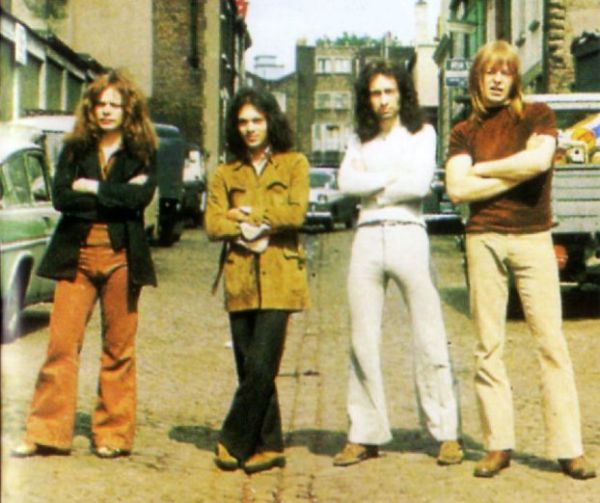
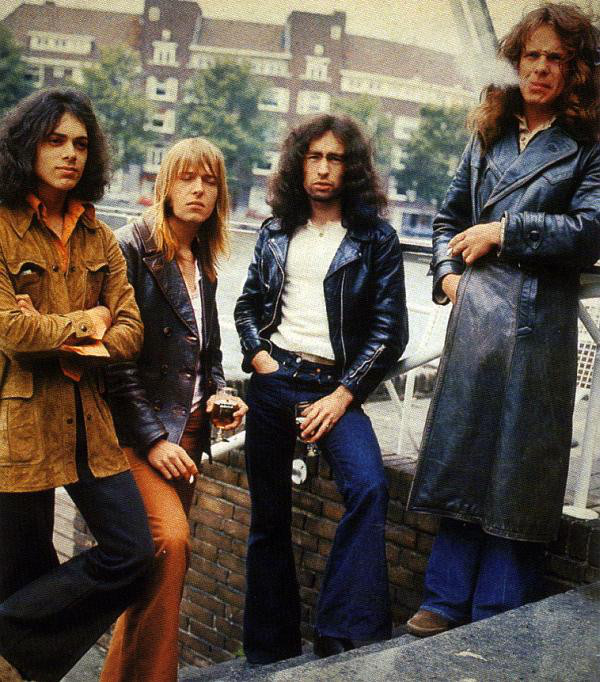
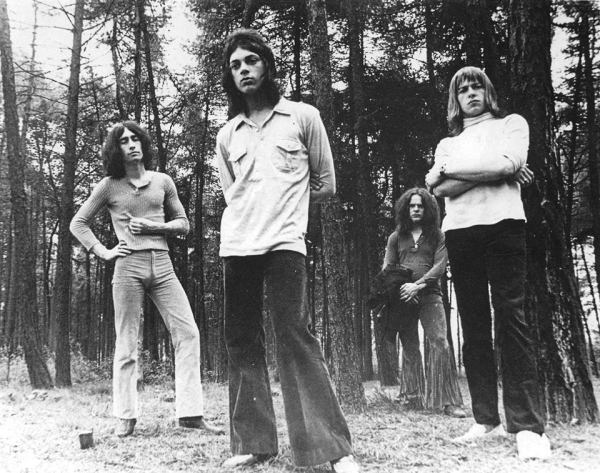
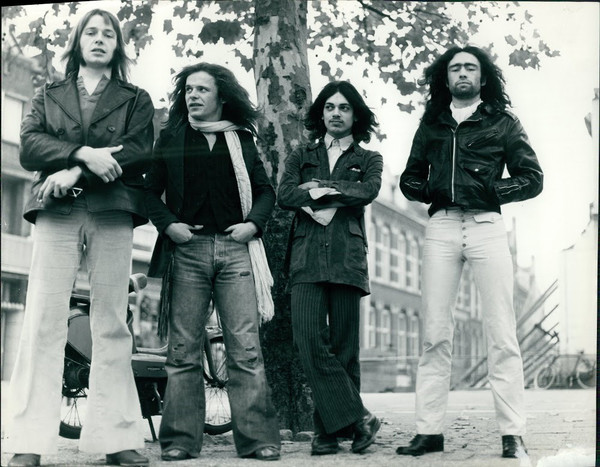
MANHATTAN SOUL VOLUME 3.
Manhattan Soul Volume 3.
Another of Kent Soul’s occasional series made a welcome return recently, when Manhattan Soul Volume 3 was released. This was the latest instalment in a successful series that began back in February 2011.
That when the first instalment in the Manhattan Soul series was released to praise and plaudits. No wonder. It featured an eclectic selection of classic songs, hidden gems and B-Sides from familiar faces, old friends and new names. Ballads and dancers rubbed shoulders on Manhattan Soul, which featured tracks from the vaults of some of the Big Apple’s great labels. This included Scepter, Wand and Musicor. Soul fans were won over by what was a quality compilation. Surely, there would be a followup to Manhattan Soul?
In late July 2012, Kent Soul, an imprint of Ace Records returned with Manhattan Soul Volume 2. It featured another twenty-four eclectic soul sides from the vaults of Scepter, Wand and Musicor. There was blue-eyed soul, crossover soul, deep soul and Northern Soul on Manhattan Soul Volume 2. Similarly, ballads and dancers could be found on a compilation that comprised singles, B-Sides, unreleased tracks, rarities and a handful of hidden gems. They all had one thing in common…quality. Critics were won over by this lovingly curated compilation. So were soul fans. Manhattan Soul Volume 2 proved a popular compilation.
Many who discovered the delights of Manhattan Soul Volume 2 thought it was only a matter of time before Manhattan Soul Volume 3 was released. They were in for a surprise.
Over three years passed before Manhattan Soul Volume 3 was recently released by Kent Soul. Just like the previous volumes in the series, it features twenty-four tracks. They’re taken from the vaults of Scepter, Wand and Musicor. Compiler Ady Croasdell has even dipped into the vaults of Bunky and Dynamo for Manhattan Soul Volume 3. It features some a mixture of familiar faces and new names.
Among the artists on Manhattan Soul Volume 3 are Johnny Moore, The Shirelles, Tommy Hunt, The Platters, Van McCoy, Melba Moore and Big Maybelle. There’s also contributions from Ann Bailey, Earl King, Brenton Wood and Billy Byers. Most of the tracks were released between 1962 and 1973. Others weren’t released until much later. Three unreleased songs make their debut on Manhattan Soul Volume 3. It’s a soulful treasure trove.
Opening Manhattan Soul Volume 3 is Dan and The Cleancuts’ Open Up Your Heart (And Let Me In). This is a real rarity that was penned by Raul Abeyta and Graeme Kronsber. It was arranged by Don Ralke and was a Malkin-Hoffman production. This beautiful soulful ballad was released on Scepter in 1966, and whets the listener’s appetite for what’s to come on Manhattan Soul Volume 3.
This includes Now That You’re Gone, which was the B-Side Sonny Turner and Sound Limited’s 1972 single Chicago Woman. It marked the solo debut of former Platters’ frontman Sonny Turner. He had lead The Platters since 1961. By 1972 Sonny Turner decided to embark upon and a solo career, and signed to Musicor Records. His debut single was Chicago Woman. However, tucked away on the B-Side was Now That You’re Gone which Sonny Turner cowrote and produced. It’s a heart-wrenching ballad that showcases a much more contemporary seventies soul sound from the former Platter frontman.
In November 1973, Ann Bailey released Sweeping Your Dirt Under My Rug on Wand. Hidden away on the flip-side was Fun City Woman. It was penned by Fran Robbins and Elliot Glen, while Tash Howard took charge of production. There’s a Southern Soul influence as Ann Bailey unleashes an uber soulful vocal powerhouse on what was sadly, her one and only single.
The Charts released Nobody Made Me Love You as a single on Wand in 1966. It was written by Scott N. Douglas and Fred C. Dobbs. Robert DeCoteaux who later enjoyed a successful career as a producer arranged the single. It was produced by Bob Schwaid who by 1966, was an experienced producer. He put all his experience to good use on what’s a memorable and catchy song. Alas, it failed to find an audience and Nobody Made Me Love You proved to be The Charts’ final single.
There’s three unreleased tracks on Manhattan Soul Volume 3. The first is The Shirelles’ Two Stupid Feet. It’s a beautiful tender ballad that was produced by Luther Dixon. Sadly, the song wasn’t mixed in preparation for release. As a result, this hidden gem has lain in the Scepter vaults since then. It makes a welcome debut on Manhattan Soul Volume 3.
Burt Bacharach and Bob Hillard wrote Lover, which was recorded by Tommy Hunt. Rather than go to the expense of recording a backing track from scratch, a decision was made to recycle an existing one. The one they chose was the backing track to Chuck Jackson’s Any Day Now. It worked well and proved the perfect accompaniment to Chuck Jackson’s soul-baring vocal. Sadly, the song was never released until 1986, when it featured on the Kent Records compilation of Tommy Hunt’s songs Your Man. Twenty-one years later, and Tommy Hunt’s Lover makes a welcome return on Manhattan Soul Volume 3.
Nowadays, Allen Toussaint and Marshall E. Sehorn are regarded as legends of the New Orleans’ music scene. In the late sixties, they worked recorded an album with veteran singer-songwriter Earl King. He wrote much of the material on the album. This includes both sides of the single the he released for Wand in 1970. Tic Tac Toe was released as a single with A Part Of Me relegated to the flip-side. That was a great shame, as A Part Of Me is a beautiful, heart-wrenching Southern Soul ballad.
Many people will know Maurice Williams for the songs that he’s written. Among his best known songs are Little Darlin’, Stay and May I. Maurice Williams also enjoyed a successful career as a singer. He began as a solo artist before becoming The Zodiacs frontman. However, in September 1965, Maurice Williams released Nobody Knows as a single on Scepter. He’s accompanied by his former group The Zodiac on what’s a memorable and melodic uptempo song.
There’s only one track from the Bunky back-catalogue on Manhattan Soul Volume 3. That is How Could It Be which was the B-Side to The Esquires’ single I Know I Can. It was released in July 1968 but failed commercially. Who knows what might have happened if DJs had flipped over to How Could It Be. It’s a truly irresistible uptempo track that’s one that was penned by Gilbert Moore and produced by Bill Shepherd.
Harold Hopkins released Ooh Baby as a single on Wand in 1965. By then, Harold Hopkins was an experienced singer. He had been a member of the Royal Masters, and appeared on several singles. Indeed, it’s thought that it’s he Royal Masters that accompany Harold Hopkins on the sultry sounding Ooh Baby.
Another of the unreleased tracks on Manhattan Soul Volume 3 is The Tabs’ The Landlord. It’s one of four songs that The Tabs recorded for Wand around mid 1963. Since then, it’s lain in the Wand vaults. That’s until Ady Croasdell rescued My Landlord, which is a reminder of early sixties New York soul.
Sadly, Billy Byers’ recording career amounts to just two singles. This includes Remind My Baby Of Me, which was released on Scepter Records in October 1964. It was penned by Gary Geld, Andrew Scott and Peter Udel who had formed a successful songwriting partnership and They had written a string of hit singles. Remind My Baby Of Me was arranged by Ed Martin and produced by Stan Green had the potential to add to their tally of hits. Billy Byers delivers a hurt filled vocal where he lives the lyrics. Alas, when the single failed to make an impression on the charts, Billy Byers called time on his musical career.
It’s always interesting to hear a single recorded by an artist early in their career. In September 1966, twenty-one year old Melba Moore was about to release her debut single Does Love Believe In Me on Musicor Records. She’s accompanied by a carefully crafted and poignant arrangement where a Hammond organ, harmonies, piano and guitar play their part in the success of this dreamy ballad. It’s without doubt, one of the highlights of Manhattan Soul Volume 3.
Closing Manhattan Soul Volume 3 is Big Maybelle’s cover of If I Had You. It may have been recorded for Scepter Records in 1964, when Big Maybelle was signed to the label. However, it wasn’t released until October 1986 when the song made its debut on the Kent Records LP Big City Soul Sounds-NYC Soul Of The 60s. Twenty-one years later, and this impassioned cover of If I Had You closes Manhattan Soul Volume 3.
For soul fans that have waited patiently for the release of Manhattan Soul Volume 3, then it’s been worth the near four year wait. Manhattan Soul Volume 3 is without doubt, the finest instalment in the series. Compiler Ady Croasdell has dug deep into the vaults of Scepter, Wand and Musicor. He’s even dipped into the vaults of Bunky and Dynamo for Manhattan Soul Volume 3. It features some a mixture of familiar faces and new names.
Manhattan Soul Volume 3 features an eclectic selection of classic songs, hidden gems, unreleased tracks, rarities and B-Sides from familiar faces, old friends and new names. There’s several beautiful, hopeful and heart-wrenching ballads on Manhattan Soul Volume 3. They rub shoulders with uptempo tracks and dancers. These tracks are taken from the vaults of some of the Big Apple’s great soul labels, and are and are a reminder of what was the golden age of soul. It’s remembered on Manhattan Soul Volume 3, which is another of Kent Soul’s occasional series that recently, made a welcome return.
Manhattan Soul Volume 3.
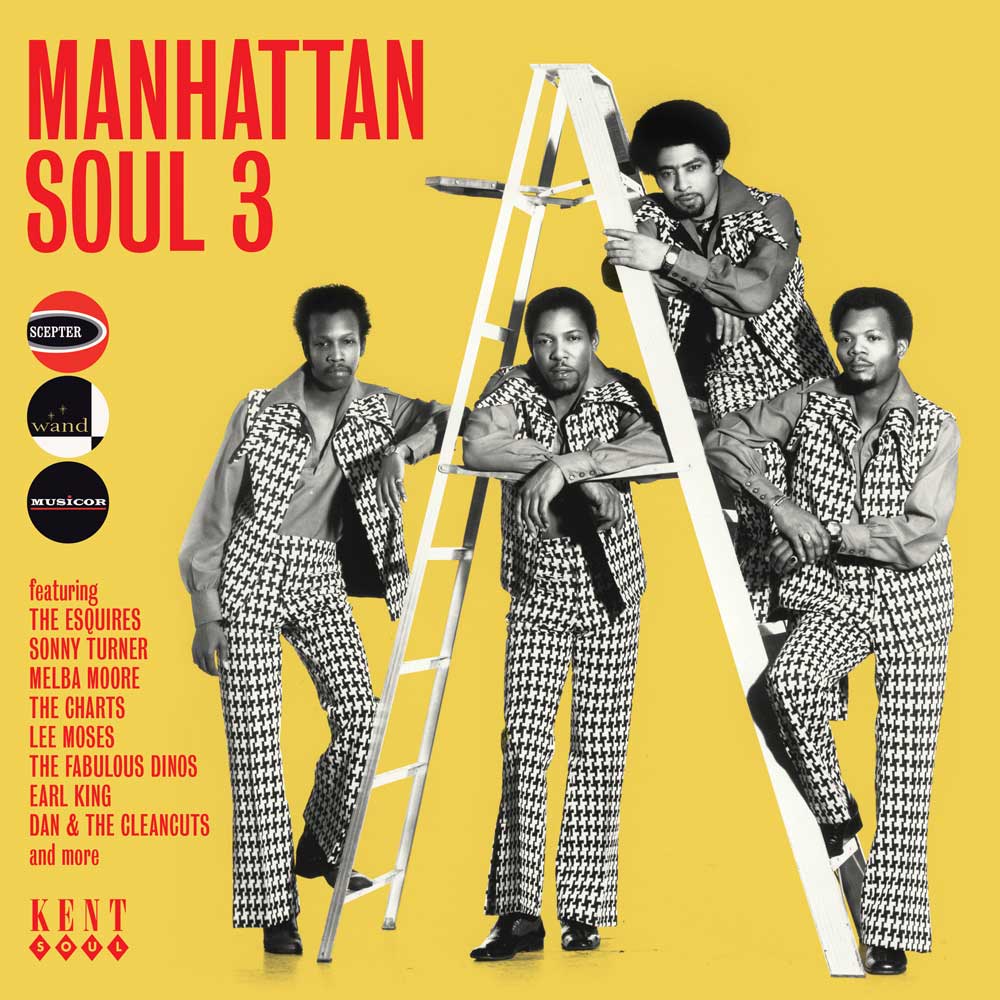
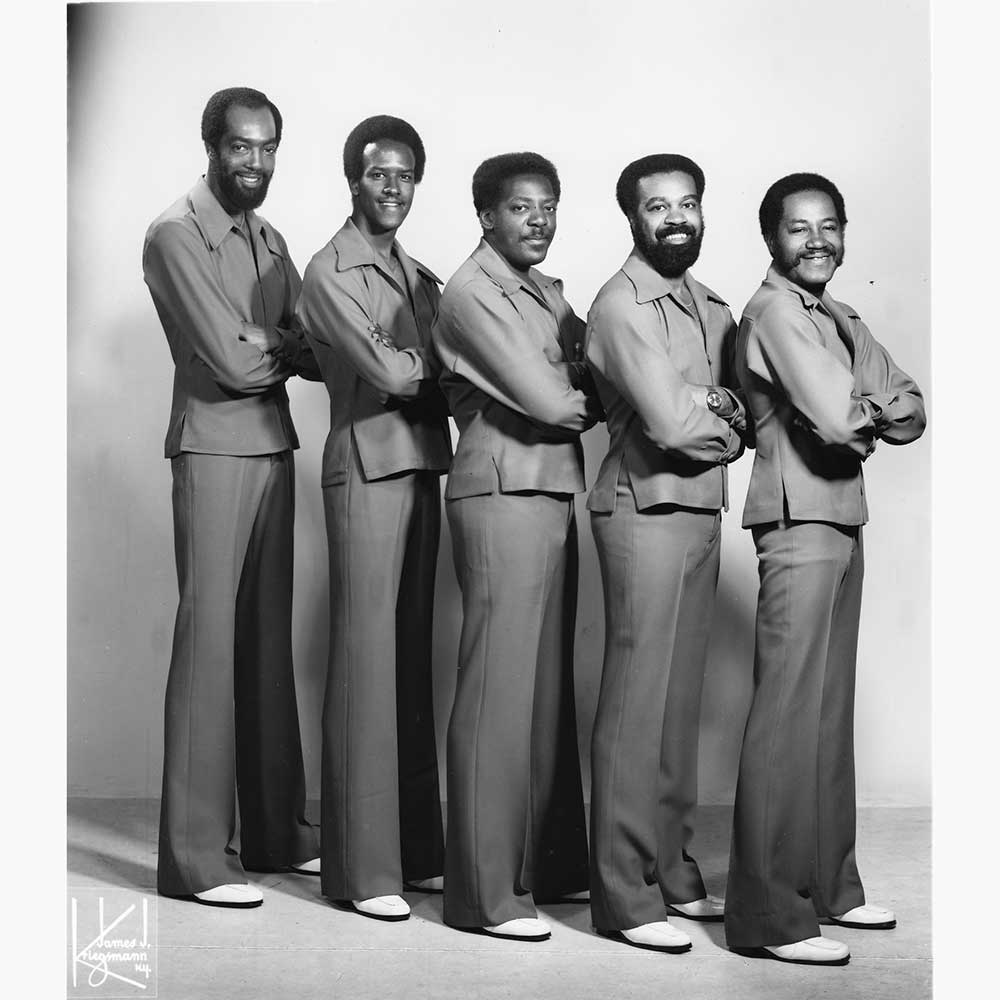
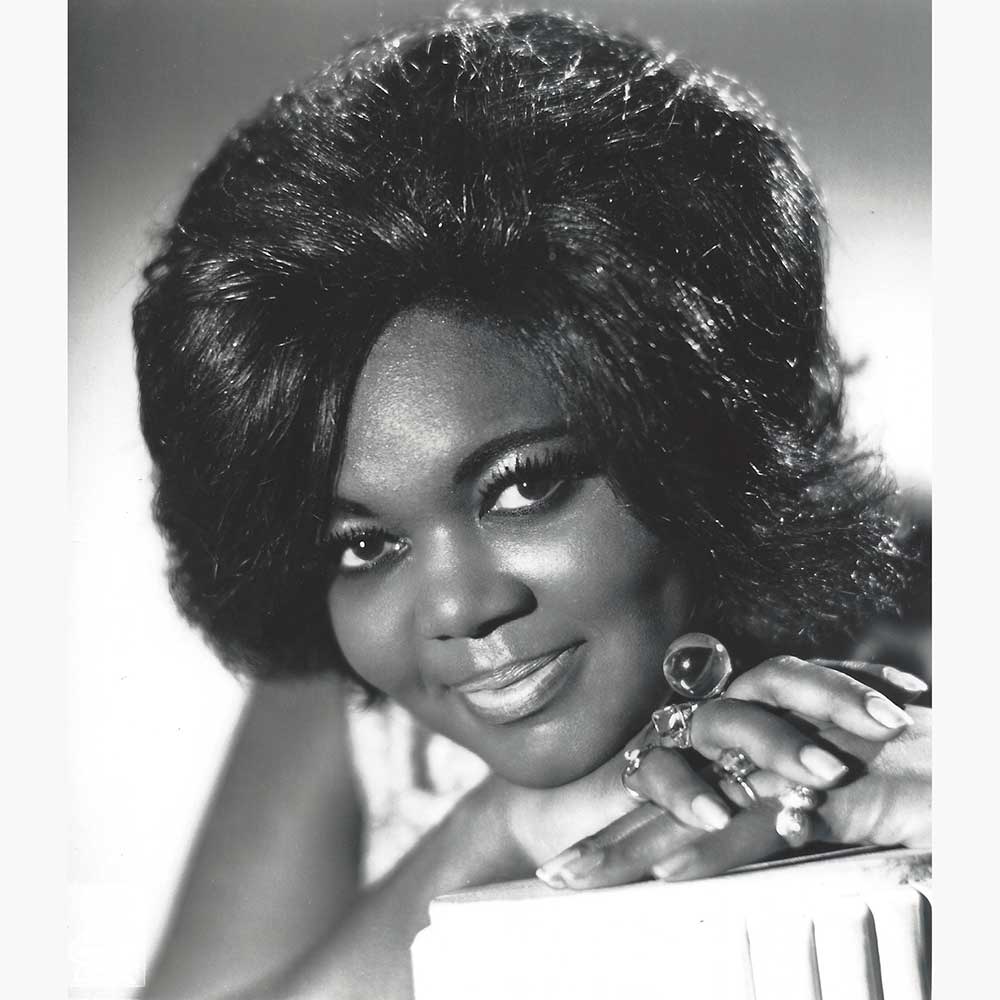
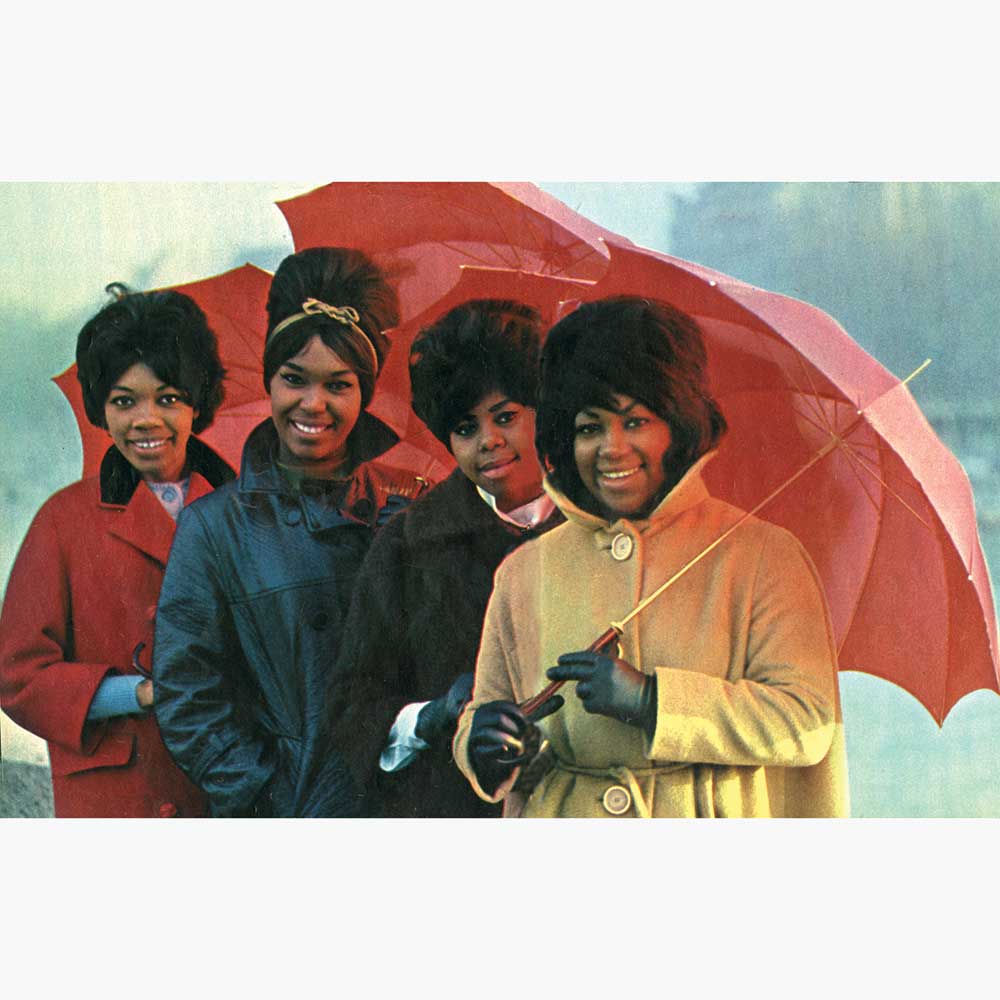
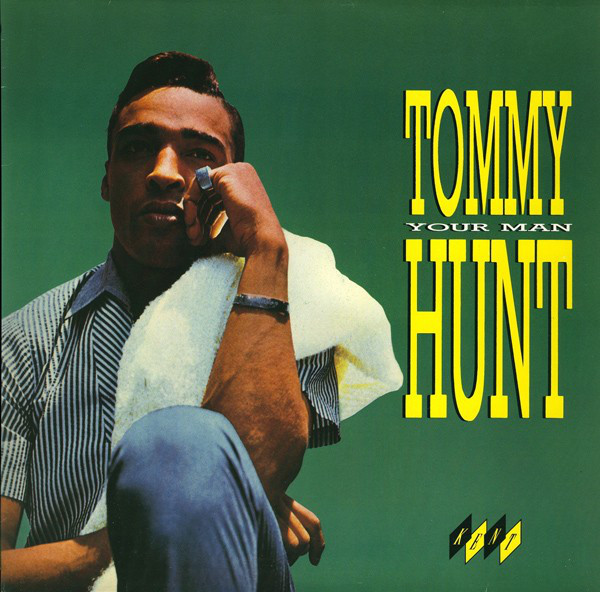
COZMIC CORRIDORS-COZMIC CORRIDORS.
Cozmic Corridors-Cozmic Corridors.
On 14th of October 2016, the Mental Experience label released Cologne Curiosities-The Unknown Krautrock Underground 1972-1976 compilation. It featured seven tracks from the Pyramid Records vaults. For anyone with a passing interest in Krautrock, this was a welcome release.
Pyramid Records was founded by Canadian artist Robin Page in Cologne. His nascent label released its first album in 1972. Over the next four years, Pyramid Records established a reputation for releasing ambitious and innovative albums. However, only 50-100 copies of these albums were pressed. They were either given away to Robin Page’s friends or sold in some of Cologne’s art galleries. Little did those that were given, or bought these albums realise that one day, they would be extremely valuable.
Nowadays, very few copies of these albums are still existence. On they rare occasion that copies of Pyramid Records’ releases are sold, it’s quietly and for large sums of money. This makes original copies of the Pyramid Records beyond the budget of most Krautrock connoisseurs. They welcomed the release of Cologne Curiosities-The Unknown Krautrock Underground 1972-1976 last year. It however, was the musical equivalent of a amuse-gueule.
When Cologne Curiosities-The Unknown Krautrock Underground 1972-1976 was released by Mental Experience, an imprint of Guerssen Records they announced that they intended to release further albums recorded or released by Pyramid Records. That was a tantalising prospect. Especially when the first in this series of releases was a reissue of Cozmic Corridors’ eponymous debut album. It’s the perfect way to start this series.
The Cozmic Corridors story began in 1972. That was when work began on the Cozmic Corridors album. Early recording sessions took place at Robin Page’s art studio in Cologne.
Robin Page was a forty year old artist in 1972, and leading light in the Fluxus movement. He had moved from from England to Cologne, in Germany in 1969. It turned out that Robin Page wasn’t the only expat in the city.
Tony Robinson was a South African, who had travelled from Cape Town, to Germany where he would first work with Karlheinz Stockhausen, the Godfather of modern German electronic music at WDR Studio. This was akin to serving an engineering apprenticeship, and would serve Tony Robinson well. When he left Karlheinz Stockhausen’s employ, Tony Robinson went to work at Dierks Studio in Cologne. That was where the future Genius P. Orridge would meet Robin Page.
By then, Robin Page was a successful and established artist. He was a leading light of the Fluxus movement, and was regarded as a groundbreaking artist. Robin Page used humour within his work, which sought to challenge what was regarded as good taste within the art establishment. Before long, Robin Page’s painting found an audience, and became sought after. This had been what Robin Page had dreamt and worked towards since ‘leaving’ art college in Vancouver. His new found success and financial security allowed Robin Page to work towards fulfilling another of his dreams, making music.
Robin Page was serious about making music, and had a studio in the basement to what looked like to anyone passing by, a derelict building. Deep within its bowels, was Robin Page’s studio, and where Pyramid Records first album was recorded. It was then pressed by a Turkish entrepreneur, who just happened to keep his cutting lathe within the same building. Although was more used to producing bootlegs, but was able to cut what became PYR 001, Pyramid Records’ first release. It came wrapped in a cover designed by a local student. History had just been made.
One person presented with a copy of PYR 001, was Toby Robinson who by 1972, had become friends with Robin Page. He was persuaded to provide the material for PYR 002. Essentially, this comprised a recording of sounds bounced from one tape recorder to another. Again, a master was cut, between 50-100 copies were either given away to Robin Page’s friends, or sold in Cologne’s art galleries and clubs. No copies of PYR 001 nor PYR 002 seem to have survived. It’s a similar story with the label’s next two releases.
Neither the master tapes nor copies of PYR 003 and PYR 004 seem to have survived the passage of time. Instead, the first Pyramid Records release to survive is believed to be PYR 005. It’s one of just eleven Pyramid Records’ recordings that remain. These recordings were made between 1974 and 1976. That was all in the future.
In 1972, the group that would later become known as the Cozmic Corridors were in the early stages of recording an album for Robin Page’s Pyramid Records. Rather than head into a recording studio, the early sessions took place in Robin Page’s art studio. It could easily be transformed into a makeshift recording studio. Robin Page would then watch the band jam.
The members of the Cozmic Corridors were unlikely bedfellows. Especially Alex Meyer, who until joining the Cozmic Corridors had watched on with interest as sessions took place in Robin Page’s art studio. Alex Mayer wanted to participate in the sessions. However, he was out of luck. Nobody was in need of a keyboardist.
Despite this, Alex Meyer took to parking his van outside Robin Page’s flat. This was no ordinary van though. It was also where Alex Meyer slept and stored his trusty keyboards. Eventually, Alex Meyer’s persistence paid off and he was invited to become a member of the Cozmic Corridors.
Joining Alex Mayer in the Cozmic Corridors was drummer and percussionist Hans-Jürgen Pütz who also added a myriad of effects on the album. For Hans-Jürgen Pütz the Cozmic Corridors proved a stepping stone musically.
He replaced Thomas Hildebrand as Mythos’ drummer and made his debut on their 1975 sophomore album Dreamlab. Alas, this was the only album Hans-Jürgen Pütz recorded with Mythos. Six years later, Touch’s 1981 eponymous debut album was released. It had been recorded in the early seventies, and featured Hans-Jürgen Pütz’s debut as lead vocalist and producer. In the post-Cozmic Corridors’ years, Hans-Jürgen Pütz had a higher profile than the rest of the band.
Especially mystery man Peter Forster, who played electric guitar, twelve-string guitar and violin. Nothing is known about his identity. He’s remained something of a mystery man. However, he certainly was a talented guitarist. This had lead to speculation that Peter Forster is a nom de plume of a member of a high profile Krautrock band. That makes sense.
Often, the great and good of Krautrock headed to Dierks Studio, where Cozmic Corridors was completed. Many a night, members of the top Krautrock bands formed all-star bands. So it could well be that Peter Foster is the alias of a high profile Krautrock guitarist. There is another school of thought. This is that Peter Foster is yet another alias of Tony Robinson, who produced Cozmic Corridors. Alas. it seems the mystery surrounding Peter Foster will never be solved.
The final member of Cozmic Corridors was Pauline Lund. She was poet from Metz, in France. She was also a percussionist and vocalist, who added lyrics to the songs on Cozmic Corridors. Pauline Lund also featured on Temple’s eponymous debut album which was released in 1997. This was a year after Cozmic Corridors was belatedly released. However, back in 1972 the album was starting to take shape.
In Robin Page’s art studio, Alex Meyer wrote the music while Pauline Lund added lyrics. Gradually, the tracks began to take shape during 1972. It soon became apparent that each member of the band had hidden talents.
Drummer and percussionist Hans-Jürgen Pütz also played cello and added a myriad of effects on the album. Meanwhile, Peter Foster played electric guitar, twelve-string guitar and violin. Keyboardist Alex Meyer switched seamlessly Hammond organ, Fender Rhodes, Minimoog and even added some chants. Pauline Lund added percussion parts and added the vocals. The recording took place in three locations with Tony Robinson a.k.a. The Mad Twiddler took charge of production.
Much of the recording of Cozmic Corridors took place at Robin Page’s art studio during 1972. It was transformed into a makeshift studio. For Robin Page’s small record label, this saved running up large studio bills. Sometimes, though, Robin Page’s art studio wasn’t the right place to capture the sound the band envisaged.
Tony Robinson had to think laterally to capture the correct sound. On one occasion, Tony Robinson borrowed a portable Nagra tape recorder from WDR. He and Alex Meyer headed to a derelict building in Cologne. It had the perfect acoustics to record some organ parts. After that, the rest of the recording sessions took place at Dierks Studo
Eventually though, the time came for the recording sessions to move to Dierks Studio. By then, it was 1973. All that remained was for some parts to be overdubbed. This included Peter Foster’s guitars, some of Pauline Lund’s vocals, Alex Meyer’s chants and a myriad of noises. Once the overdubbing was complete, the album was ready for release.
Sadly, Cozmic Corridors wasn’t released during the lifetime of Roin Page’s Pyramid Records. It closed its doors for the final time in 1976.
Later, Robin Page decided to emigrate to Canada. With him, he took Pyramid Records’ master tapes and the remaining albums. Almost nothing was left of Pyramid Records. It was as if they had never existed.
That was until nearly twenty years later, when Tony Robinson approached Virgin Records with some of Pyramid Records’ master tapes. This resulted in the release of Unknown Deutschland-The Krautrock Archive Volume 1 in 1996. Later that year, two further volumes followed. This further fuelled the mythology and speculation that built up around Pyramid Records.
Since then, the Pyramid Records’ story has been debated ad infinitum. Alas, far too many people have become bogged down by the controversy and speculation that surrounds the Pyramid Records’ story. It’s as if they’re determined to disprove that the music was recorded between 1972 and 1976. In doing so, all they’re doing is adding fuel to the fire, and fuelled debate and speculation. That’s a great shame, because for too long, people have become caught up in the Pyramid Records’ mythology. In doing so, they loose sight of the important thing, the music, including the Cozmic Corridors’ eponymous debut album.
Twenty years after Pyramid Records closed its doors, the German label Psi-Fi released Cozmic Corridors. Before long, it was impossible to find a copy of Cozmic Corridors. That has been the case since then. That was until Mental Experience decided to reissue Cozmic Corridors recently. It’s another welcome reissue from the Pyramid Records’ vaults.
Opening Cozmic Corridors is Dark Path. Straight away, the darkness descends as the Cozmic Corridors lead the listener down a Dark Path, destination unknown. The music is moody, dramatic, eerie and otherworldly. Swirling ghostly synths encircle a keyboard as a drum sounds ominously. Later, screeching, jarring sounds add to the cinematic sound. Despite this, the music is mesmeric, melodic and is always cinematic. It’s as if Cozmic Corridors have been asked to produced a spine-tingling soundtrack to a gothic horror film. This they succeed in doing, and then some.
As a hypnotic organ plays, it replicates the Cozmic Corridors’ slow climb To The Summit. Meanwhile, a synth beeps and squeaks as it skips quickly across the arrangement. Soon, the tempo rises, as sci-fi synth are added. At one point, the organ sounds as if it belongs in a cathedral. It’s accompanied by a buzzing synth. Before long, the organ takes centre-stage. The music conjures up pictures of climbers slowly, carefully and deliberately criss-crossing the Mountainside breathing in the cold, crisp air en-route to The Summit. Later, the synth takes charge, and replicates their triumphant arrival at The Summit as the organ seems to replicate the sound of breathing. At last, the Cozmic Corridors’ journey is at end. They’re responsible for an atmospheric and cinematic track that features the Cozmic Corridors at their most inventive.
After reaching The Summit, the Cozmic Corridors head down the Mountainside. A distant drone sounds, before drawing nearer. It grows in volume as if sending out a warning. Soon, sci-fi synths are added and the soundscape takes on an experimental and futuristic sound. When the bubbling synths disappear, they’re replaced by a drone which gives way to ruminative, moody strings. They’re joined by an ethereal vocal as a cymbal rinses. Sounds flit in and out, adding to the dramatic, cinematic backdrop. As the descent continues see-saw strings join effects, the elegiac vocal and shimmering cymbal. Suddenly, otherworldly and rumbling sounds can be heard. Danger seems imminent as growling, grinding, droning and futuristic sounds combine with the ethereal vocal. Eventually, the Cozmic Corridors make their way down the Mountainside. It’s been a captivating and perilous journey where elements of avant-garde, Berlin School, experimental and modern classical are combined by the Cozmic Corridors.
Straight away, contrasts abound on Niemand Versteht. A Fender Rhodes briefly plays before a mesmeric organ dominates the arrangement. It’s punctuated by effects that add a contrast. So does the addition of a searing electric guitar and Pauline Lund’s soliloquy, which is delivered in German. When it drops out, urgent, jangling guitars join with a myriad of effects and the mesmeric seesaw organ. It leads a genre-melting jam, before the vocal returns. By then, the organ veers between dark and gothic to discordant as the track takes on an experimental sound. Cozmic Corridors are pushing musical boundaries to their limits and sometimes, way beyond. In doing so, they create an ambitious, dark, and otherworldly genre-melting soundscape.
Closing Cozmic Corridors is Daruber. A drone ushers in an organ that adds a dramatic backdrop. Meanwhile, a glistening guitar combines with sounds that veer between shrill and serene. The multilayered arrangement is slow, lysergic and dreamy. That’s until Cozmic Corridors spring a surprise. Soon, the organ dominates the soundscape and is joined by dramatic harmonies. They that ebb and flow before briefly disappearing to reappear. There’s a darkness to the music. Especially as the organ prowls and dominates the arrangement. Later, though, it seems change is on the horizon during. Alas, it’s a false dawn during what’s a dark and eerie eleven minute Magnus Opus.
Cozmic Corridors saved the best two last on their long lost cult classic. It’s been out of print for twenty-one years. Since then, copies of Cozmic Corridors have been almost impossible to find. It was only released on CD in 1996. Nowadays, copies of Cozmic Corridors are extremely hard to find. If a copy comes up for sale, it can easily change hands for well over $100. That is beyond the budget of most Krautrock connoisseurs. Fortunately, Mental Experience, an imprint of Guerssen Records have reissued Cozmic Corridors. It’s available on CD and LP. This is the perfect opportunity to discover an ambitious album of innovative and genre-melting music.
Back in 1972 and 1973, Cozmic Corridors combined elements of avant-garde, Berlin School, electronica, experimental, Krautrock, modern classical and rock. They also seem to have drawn inspiration from a number of artists, including Terry Riley, Kluster and the early albums of Peter Michael Hamel and Klaus Schulze. Mostly, though, the Cozmic Corridors plough their own furrow and sculpt five captivating and cinematic soundscapes that were way ahead of the musical curve. If they had been released in 1975, a few lucky record buyers or recipients of Robin Page’s generosity would’ve heard an album of groundbreaking and innovative music. Who knows, it may have been picked up by one of the major German labels. Alas, Cozmic Corridors wasn’t released by Pyramid Records.
Twenty-three years after Cozmic Corridors was completed, the album was belatedly released in 1996. By then, many people have become bogged down by the controversy and speculation that surrounds the Pyramid Records’ story. The controversy continued, as did the debate and speculation. Many seemed determined to disprove that the music was recorded between 1972 and 1976. It was as if they were determined to be proved right. Similarly, so were those who believed in the Pyramid Records’ story. Both sides had lost sight of the important thing,..the music.
People have become caught up in the Pyramid Records’ mythology that they were concerned with what happened quartet a century ago. Hopefully, the same people won’t make the same mistake again, and instead, will they all focus on the groundbreaking music that Mental Experience are about to release. This includes their recent reissue of Cozmic Corridors’ eponymous debut album, which is a long-lost Krautrock cult classic that features five truly trippy ambient soundscapes.
Cozmic Corridors-Cozmic Corridors.
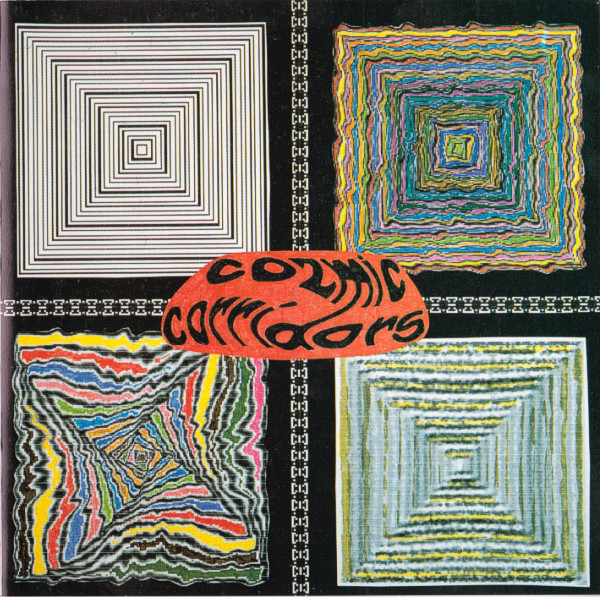
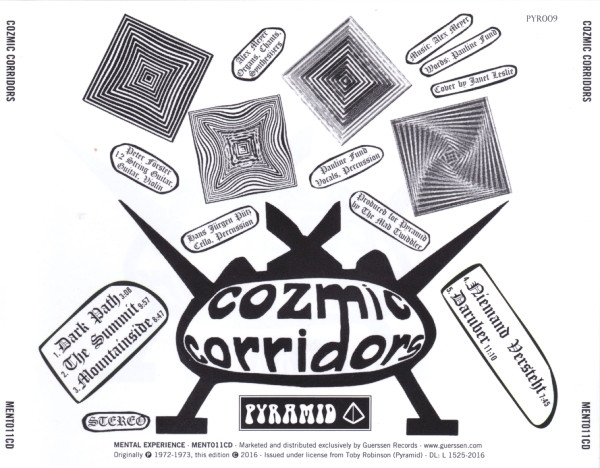
ULAN BATOR-STEREOLITH.
Ulan Bator-Stereolith.
Nowadays, not many bands stay together twenty-four years. Those that do, must be doing something right. That’s certainly the case with avant rock band Ulan Bator. They’re avant rock survivors, who have continually reinvented themselves over the last three decades. This has ensured that Ulan Bator’s music has remained relevant. Ulan Bator’s music has often been described as ambitious and groundbreaking. That could well describe Ulan Bator’s forthcoming new album Stereolith, which will be released by Bureau B on 24th February 2017. It marks a welcome return of avant rock pioneers Ulan Bator.
Their story began in Paris, France in 1993. That was where guitarist, keyboardist and vocalist Amaury Cambuzat and bassist Olivier Manchion formed Ulan Bator. Little did they realise that this was the start of a twenty-four year musical adventure for Ulan Bator.
The adventure began when Ulan Bator were looking for somewhere to rehearse. They heard of an unused chalk mine on the outskirts of Paris. Most bands wouldn’t have considered rehearsing in a chalk mine. However, it was quickly becoming apparent that Ulan Bator were no ordinary band.
Not only were Ulan Bator happy to rehearse in the chalk mine, but eventually, began to transform it into their own bespoke recording studio. This took time, but paid off. Ulan Bator had their very own recording studio, where they would record their first three albums.
By the time Ulan Bator came to record their debut album, two had become three. Drummer Franck Lantignac had joined Ulan Bator and became the third permanent member of the band.
Franck Lantignac joined just in time to play on Ulan Bator’s eponymous debut album. It was released on Disques du Soleil in March 1995, and was well received by critics. Before long, Ulan Bator returned to the studio.
Later in 1995, Ulan Bator returned with their much anticipated sophomore album 2. It was released to critical acclaim at home and abroad. Critics in France were won over by 2. So too were critics in other parts of Europe and as far afield as America. Ulan Bator were being hailed as rising stars of French music.
Over the next two years, Ulan Bator’s star was in the ascendancy. So in July 1997, Ulan Bator headed into the studio and recorded their third album Végétale. Once the album was mixed in October 1997, Végétale was released in late 1997.
Unlike Ulan Bator’s two previous albums, Végétale was sung entirely in French. This went down well with critics. Végétale was released to widespread critical acclaim. Critics spoke as one, calling Végétale Ulan Bator’s finest hour. However, one publication was particularly impressed by Végétale. This was the leading French music magazine Inrockuptibles. They were quickly becoming one of Ulan Bator’s biggest fans.
As 1997 drew to a close, Ulan Bator were able to look back with satisfaction on what had been the most important year of their career. Not only had Ulan Bator released Végétale, they had played a series of memorable sold out concerts with Faust. For the members of Ulan Bator, this was a dream come true. Just like Neu! and Can, Faust were one of the Krautrock groups that influenced Ulan Bator musically. Getting the opportunity to play alongside them, was a dream come true for Ulan Bator. This proved to be the start of long running friendship between Ulan Bator and Faust. Amaury Cambuzat would collaborate with Faust on their 2009 album C’est Compliqué. A lot would happen before that collaboration took place.
After the success of Végétale, Ulan Bator released the D-Construction EP in 1999. It found some of the leading lights of the electronic music scene remixing some of Ulan Bator’s music. This included Carl Stone, Erik M, Otomo Yoshihide and Scanner. The D-Construction EP introduced Ulan Bator’s music to a new audience.
This was perfect timing, as Ulan Bator were about to release their fourth album in 2000. This was Ego Echo, which was produced by Michael Gira, whose previous credits included Swans and Angels Off Lights. It was the first Ulan Bator album not to be recorded in France. Instead, the band decided to move to Italy to record Ego Echo. Since then, Ulan Bator have based themselves in Italy. Ego Echo proved to be the start of a new chapter for Ego Echo.
With the new album complete, Michael Gira’s Young God Records released Ego Echo in America. Just like their previous albums, Ego Echo won the approval of critics. Ulan Bator’s determination to reinvent their music ensured that their music continued to be relevant. Their music also continued to find a wider audience. That was no surprise.
Ulan Bator were constantly touring, and introducing their music to a much wider audience. The constant touring was taking its toll on one member of Ulan Bator. Olivier Manchion decided to leave Ulan Bator. It had been one tour too many for Ulan Bator’s bassist.
This didn’t spell the end of Ulan Bator though. Instead, Amaury Cambuzat continued to front Ulan Bator. Two years later, in 2002, Ulan Bator now reduced to a duo of Olivier Manchion and Matteo Dainese returned with Ok: Ko.
Despite the change in Ulan Bator’s lineup, Ok: Ko won over the critics. It was a new chapter in the band’s career. Again, Ulan Bator continuing their mission to constantly reinvent their music. The result was another ambitious album from avant rock survivors Ulan Bator.
They returned on 2003 with another new album Nouvel Air. It had been mixed by former Cocteau Twin Robin Guthrie. The music on Nouvel Air managed to be both complex and accessible as Ulan Bator added a myriad of new instruments. This included a violin, slide guitar and saxophone. The result was a very different album, but one that proved popular among critics and music fans.
Two year later, and Ulan Bator returned with a new album Rodeo Massacre in 2005. It showcased what Ulan Bator described as a much more “direct” sound. This caught the attention of critics and music fans. Especially after two of the videos received heavy airplay on European MTV. Ulan Bator’s music continued to reach a new and wider audience. Despite this, Ulan Bator didn’t release a new album until 2010.
Three years later, and Ulan Bator released a compilation of music by the original lineup of the group. Ulaan Baatar featured music that Ulan Bator released between 1993 and 1998. This kept Ulan Bator’s fan-base happy until they returned with a new album. However, that wouldn’t be until 2010.
Meanwhile, change was afoot within the world of Ulan Bator. Founder member Amaury Cambuzat was preparing to launch his own record label, Acid Cobra Records. When it was launched in 2009, one of the first releases was a new Ulan Bator EP, Soleils which showcased the latest new lineup of Ulan Bator. Its lineup would continue to change over the next few years.
For Ulan Bator’s seventh album Tohu-Bohu, the group were reduced to quartet. Amaury Cambuzat was joined by three of the musicians who had played on the Soleils EP. This included former Dilatazione drummer Alessio Gioffredi, who had been collaborating with Ulan Bator for some time. Tohu-Bohu was Alessio Gioffredi’s first album as a full-time member of the band. Joining him in Ulan Bator’s rhythm section was bassist Stéphane Pigneul, who had been a member of Object and Heligoland. The final piece in the musical jigsaw was guitarist and organist James Johnston, who previously, had been a member of Gallon Drunk, Lydia Lunch and Bad Seeds. Ulan Bator’s latest lineup made their much-anticipated debut on Tohu-Bohu.
After a five year absence, Ulan Bator returned with Tohu-Bohu in October 2010. Before the albums was released, Ulan Baton headed out on tour. They wanted to reconnect with their fans, having not released an album since 2005. Tohu-Bohu has been described by Ulan Bator: “as the perfect link between Serge Gainsbourg and contemporary avant-rock.” This added to the sense of anticipation, as the release of loomed large.
When Tohu-Bohu was released on Amaury Cambuzat’s Acid Cobra Records, it was to critical acclaim. Critics hailed Ulan Bator’s genre-melting album Ulan Bator as one of their finest albums. It found Ulan Bator fusing of avant rock with elements of alt-rock with Krautrock, noise and post rock. It proved a popular fusion among critics and record buyers. Ulan Bator were back, and it seemed back to stay.
In late 2012, there was another change in Ulan Bator’s lineup. This time, Amaury Cambuzat was joined by drummer Nathalie Forget and bassist Diego Vinciarelli. The new lineup soon embarked upon a tour and then began work on a new album, En France/En Transe.
Three years after the release of Tohu-Bohu, the new lineup of Ulan Bator returned with En France/En Trance. It was another genre-melting album that found favour with critics and music fans. Ulan Bator were still one step ahead of the competition, as they celebrated their twentieth anniversary.
Another three years passed before Ulan Bator released what was their eleventh album, Abracadabra in 2016. By then, Ulan Bator’s lineup had continued to evolve. Amaury Cambuzat was joined by James Johnstone, Giordano Ceccotti and Raffaella Matrisciano. Despite the lineup continuing to evolve, the music on Abracadabra ambitious and continued to push musical boundaries. That had been the case since Ulan Bator first stepped into a recording studio.
This continued when work began on Ulan Bator’s third album. By then, the lineup had changed again. Ulan Bator was now a trio featuring Amaury Cambuzat, Mario Di Battista and Sergio Pomante. They were about to begin work on what was become Ulan Bator’s twelfth album Stereolith.
It had been written by Amaury Cambuzat whilst Ulan Bator toured their previous album Abracadabra. He also recorded drum, bass and guitar parts for Stereolith in hotel rooms, before and after shows. After the tour was over, the latest lineup of Ulan Bator entered the studio in March 2016.
This would be Ulan Bator’s home from home for the next seven months. Amaury Cambuzat took charge of production, played guitars, keyboards, synths and added vocals. Drummer Mario Di Battista also added tenor and electric saxophones. He was joined in the rhythm section by bassist Sergio Pomante. By October 2010, Stereolith was completed. All that remained was for Sergio Pomante to master the album.
Four months later, and Stereolith will be released by Ulan Bator on the Hamburg based Bureau B label. This is a much anticipated release, and marks the welcome return of veteran French avant rockers, Ulan Bator.
On Fire opens Stereolith and straight away, Ulan Bator make an impression. Banks of dark charring keyboards and a buzzing bass synth are to the fore in this multi-layered arrangement. They provide the backdrop for Amaury Cambuzat’s whispery, dramatic vocal. Soon, bells ring as drums pound and add to the dramatic backdrop, as the arrangement slowly unfolds. It dissipates and rebuilds, with a myriad of electronics joining with a shimmering guitar and sound effects. Later, the genre-melting arrangement is stripped bare, and all that remains is an accompanied vocal. This proves effective and adds to the drama what’s a captivating track, where avant-rock is fused with elements of the Berlin School, experimental music and post rock.
The drama continues on Stereolith, which showcases a moody, cinematic sound. It’s as if Ulan Bator have been asked to provide the soundtrack to a sci-fi film. Thunderous drums provide an ominous beat, while bursts of searing, scorching and chiming guitars join with washes of synths. Meanwhile, Amaury Cambuzat’s vocal adds to the drama and cinematic sound. Behind him, a funky, chiming guitar provides a contrast to the dark, ominous widescreen arrangement. Later, bursts of free jazz saxophone are drizzled above this dramatic, thought-provoking cinematic soundscape.
Straight away, Amaury Cambuzat’s love of Krautrock shines through on Blue Girl. It sounds as if it’s been inspired by Faust as gongs ring out. They’re joined by dark industrials sounds, a myriad of beeps and squeaks and a dark, broody piano. Meanwhile, Amaury’s vocal is like a stream of consciousness, that seems to have been inspired by Can’s Damo Suzuki. By then, Ulan Bator have locked into a tight groove. Midway through the track its all change, and it’s as if the sun has come out. A vampish piano riff joins shimmering post rock guitars and synths that synths that sound as if they belong on a classic Popol Vuh album. It’s a potent and heady brew where Ulan Bator seamlessly combine avant-rock with Krautrock, the Berlin School and post rock.
An urgent buzzing bass synth joins with chiming, shimmering guitars on Ego Trip. They’re joined by maury Cambuza’s who switches between French and English during this heartfelt confessional. He remembers the words that hurt so much: “she said you’re not a star.” Meanwhile, the arrangement is changing. This begins when a piano plays. Soon, a synth taps out a code before a drums and bursts of distant harmonies are joined by bass, guitar and a variety of electronics. Later, a harpsichord is added to mix and this proves a masterstroke as the track heads into anthem territory.
NeuNeu is akin to a paean to Krautrock. Especially, early Kraftwerk and Neu! Pounding drums combine with banks of synths. Meanwhile, Amaury’s distant vocal is laden in effects. Playing a starring role are the Michael Rother inspired guitars. They sit left and right of the mix, as it’s powered urgently along. Later, a braying free jazz saxophone is added, and they plays its part in this genre-melting jam. It’s a a five minute fusion of Krautrock, avant-garde, psychedelia and free jazz that’s one of the highlights of Stereolith.
An dusty Hammond organ plays as No Book begins to unfold. Soon, drums are played slowly and ominously, while a piano adds a contrast. Meanwhile, Amaury adds a ruminative, hurt filled vocal. Still, washes of swirling Hammond organ combine with drums that crack and the crystalline sound of the piano. Contrasts abound in this dramatic and poignant multilayered song.
In the distance a guitar plays while a cymbal shimmers on Icarus. This adds to what’s another atmospheric sounding song. Soon, searing guitars cut through the arrangement and march at the beat of the drums. Amaury adds a whispered vocal that sits amidst the layers of drums, shimmering guitars and washes of synths. Already avant-rock is combining with post rock. Later, there’s even a hint of alt-rock as the guitars threaten to cut loose. They’re briefly joined by a rumbling bass before all that remains is the guitars. Then all too soon the track is over, and all that remains is the memory of one Ulan Bator’s most atmospheric tracks.
A lone piano plays as Lost unfolds. It’s soon apparent that this is a very different song from the other on Stereolith. Soon, the piano is joined by wistful strings. When they briefly drop out, Amaury’s vocal enter and he sings: “it’s good to be loved.” Meanwhille the arrangement gradually takes shape. The strings return and accompany him. They rise and fall and accompanying Amaury’s rueful vocal. He remembers: “it’s good to be loved,” on what’s a quite beautiful song that shows another side to Ulan Bator.
Closing Stereolith is Dust where Ulan Bator ring the changes again. Churning, grinding, buzzing, beeping, squeaking synths are part of what’s akin to a musical merry-go-round. They provide the backdrop to slow, deliberate Amaury’s vocal. It’s enveloped by the rest of the arrangement.Later, it explodes into life and darkness and light rub shoulders with one another. Searing, scorching guitars join with the rhythm section and vocal. It seems that Ulan Bator are determined to close the album on a memorable high. This they certainly do.
Twenty-four years after Ulan Bator were formed in Paris, France in 1993, the band is still going strong. Ulan Bator have survived countless changes in lineup and are just about to release their twelfth album Stereolith on Bureau B on 24th February 2017. It’s one of the finest albums that Ulan Bator have released in recent years.
Ulan Bator are still lead by Amaury Cambuzat. He’s wrote, produced and played many of the instruments on Stereolith. He’s joined by two talented musicians who augment Amaury Cambuzat on Stereolith. The result is another album of ambitious, inventive and genre-melting music from Ulan Bator.
Just like on previous albums, Ulan Bator continue to pioneer their unique brand of experimental rock and roll. It’s a fusion of avant-rock, Krautrock, post rock and psychedelia. To this, Ulan Bator draw inspiration from avant-garde, the Berlin School, electronica, experimental and industrial music. There’s even brief excursions into alt-rock, balladry and free jazz on Stereolith, which has been inspired by a variety of artists.
This includes Kroutrock pioneers Can, Faust, Harmonia, Neu!, Krautrock and Popol Vuh. Often, the guitars on Stereolith seem to have been influenced by Michael Rother of Kraftwerk Neu! and Harmonia. Similarly, sometimes, Amaury Cambuzat’s songwriting and singing style seems to have been influenced by former Can lead vocalist Damo Suzuki. All these influences, are combined with Ulan Bator’s twenty-four years of experience to create music that’s variously cinematic, broody, dark, hopeful, hypnotic and mesmeric . Other times, there music is dramatic, joyous, lysergic and poignant, Always, though, the music on Stereolith is atmospheric.
That is the case throughout Stereolith. It finds the veteran musical shape shifters Ulan Bator seamlessly switching between genres as they continue to captivate and create music that’s way ahead of the curve. Sometimes, Ulan Baton improvise and throw a series of curveballs. They take the listener on the equivalent of a magical mystery tour. It’s a case of expect the unexpected from Ulan Bator on Stereolith which is without doubt, one the best albums of their career. It finds Ulan Bator continuing to reinvent their music to ensure that it remains relevant. Music chameleons Ulan Bator succeed in doing so, on their much anticipated twelfth album, Stereolith.
Ulan Bator-Stereolith.


BOB STANLEY AND PETE WIGGS PRESENT ENGLISH WEATHER.
Bob Stanley and Pete Wiggs Present English Weather.
Last year, Bob Stanley and Pete Wiggs were responsible for one of the best compilations of 2016, Saint Etienne Presents Songs For The Carnegie Deli. It featured twenty-four songs that Bob Stanley thought might, at one time, have provided a backdrop to life in a New York diner. This eclectic compilation was released to critical acclaim and found its way onto the lists of best compilations of 2016. With the ink hardly dry on these lists, it was announced that Bob Stanley and Pete Wiggs were about to return with a new compilation.
The compilation in question was Bob Stanley and Pete Wiggs Present English Weather. It was released by Ace Records and features eighteen tracks that were released between 1969 and 1976. These tracks bring back memories for Bob Stanley.
Especially of the weather, as he grew up in Newcastle. Bob Stanley remembers damp, dank, grey and overcast days. It was always cold and wet. However, these days were perfect for spending time in record shops, discovering the music that was being released during what was a golden age musically. Some of that music features on Bob Stanley and Pete Wiggs Present English Weather.
Just like Saint Etienne Presents Songs For The Carnegie Deli, Bob Stanley and Pete Wiggs Present English Weather is another eclectic compilation. There’s music from the Canterbury Scene, folk, library music, pop, progressive rock and rock. This comes courtesy of Caravan, The Roger Webb Sound, Orange Bicycle, T2, Van Der Graaf Generator, John Cale, Camel, Daevid Allen, Matching Mole and Prelude. These are just some of the tracks on another captivating compilation from Bob Stanley and Pete Wiggs.
Opening Bob Stanley and Pete Wiggs Present English Weather is Caravan’s Love Song With A Flute. It’s a track from Caravan’s 1969 eponymous debut album. It was released by Verve Forecast, but failed to find an audience. That is despite songs of the quality of Love Song With A Flute. It’s a beautiful folk-tinged ballad from progressive rockers Caravan. They would eventually go on to become one of the leading lights of the Canterbury Scene.
The sixties and seventies proved to be the golden age of library music. It was usually recorded by groups of anonymous musicians. Some of these musicians went on to bigger and better things. They saw recording albums of library music as part of their musical apprenticeship. The music they recorded often became the theme tune to television programs or part of the soundtrack to films. That was the case with The Roger Webb Sound, who released two albums of library music on the De Wolfe label. during 1971. This included Vocal Patterns, which features Moon Bird. Its atmospheric and cinematic sound transports the listener back to the seventies, when library music provided the soundtrack to many famous television programs.
In December 1971, The Parlour Band made the journey from Jersey to the mainland to record their debut album Is A Friend? This genre-melting album was released in 1972, but wasn’t a commercial success. Sadly, this was the only album The Parlour Band released. Is A Friend? is now real rarity, that’s much in demand among record collectors. One of the album’s highlights was Early Morning Eyes. It’s a melodic fusion of the West Coast sound and progressive rock. This is a reminder of a band who should’ve reached greater heights, The Parlour Band.
Nowadays, T2 are remembered as a talented and hard rocking trio. They only completed the one album, It’ll All Work Out In Boomland. It was released by Decca in 1970, but failed to make an impression. One of the album’s highlights was J.L.T, which shows another side to T2. It’s propelled along by Peter Dunton’s drums, while strings and horns play leading roles. Together, they play their port in a truly timeless track that features T2 at their innovative best. Sadly, T2 split-up while recording their sophomore album, which was later released as T2.
Bill Fey released his eponymous debut album in 1970. A year later, he returned with sophomore album Time Of The Last Persecution. This should’ve been the start of a long and successful career. Sadly, it wasn’t to be and after Time Of The Last Persecution turned his back on music. Music was the loser. A reminder of what music lost that day, was ‘Til The Christ Come Back a track from Time Of The Last Persecution. It’s a beautiful, emotive song that showcases a cerebral singer-songwriter. He wrote insightful, thought-provoking, spiritual and sometimes surreal lyrics that featured on his first two albums. Nowadays, they’re cult classics and a reminder of one of British music’s best kept secrets.
The inimitable Peter Hammill wrote Refugees, which featured on Van Der Graaf Generator’s 1970 album The Least We Can Do Is Wave To Each. It’s a quintessentially English fusion of art rock, folk rock and progressive rock from the classic lineup of Van Der Graaf Generator. They deploy strings, woodwind and harmonies to create a poignant, pastoral and cinematic song with lyrics that are still relevant today.
John Cale left The Velvet Underground after the release of their sophomore album White Light/White Heat in 1968. Two years later, in 1970, John Cale was about to release his debut solo album Vintage Violence on Columbia. The album had cost just $15,000 to record. When the album was released, the reviews were mostly positive. One of the highlights of Vintage Violence was the beautiful, string-drenched ballad, Big White Cloud. Just like the rest of Vintage Violence, it showed that for John Cale there was life after The Velvet Underground.
Belle Gonzalez recorded Bottles for her 1972 debut album Belle. It was released on Columbia, and sadly, was the only album Belle Gonzalez released. That was a great shame, as she was a talented singer who could bring songs to life. Proof of that is Bottles, which is a folk song set against an orchestral arrangement. This proves hugely effective, and is the perfect accompaniment to Belle Gonzalez’s impassioned vocal.
In 1973, progressive rockers Camel released their eponymous debut album. It was produced by Dave Williams, and was released on MCA Records. When Camel failed commercially, MCA Records didn’t take up the option to release Camel’s sophomore album. That day, one of the most successful British progressive bands slipped through MCA Records’ fingers. Never Let Go was the highlight of Camel, and a reminder of the heady days when progressive rock was King.
Although Daevid Allen was born in Australia, he’s synonymous with the Canterbury Scene. He was a member of Soft Machine, before forming Gong in 1968. During his time with Gong, Daevid Allen also juggled a successful solo career. In 1976, Daevid Allen collaborated on an album withSpanish folk-progressive rockers Euterpe. The resultant album, Good Morning was released on Virgin in 1976. It featured the dreamy, lysergic sounding Wise Man In Your Heart, which is the highlight of Good Morning.
Closing Bob Stanley and Pete Wiggs Present English Weather is the cinematic sounding Evening Shade. It was composed by Alan Parker and Alan Hawshaw and appeared on their 1971 album Alternatives. This was one of two albums of library music they released on the Music De Wolfe label during 1971. Evening Shade with its ruminative, wistful and cinematic sound is a reminder of the musical delights to be found within albums of library music.
Just like Saint Etienne Presents Songs For The Carnegie Deli, Bob Stanley and Pete Wiggs Present English Weather is another captivating collection of eclectic music. From the moment the listener presses play, they’re transported back in time. Suddenly it’s the early seventies all over again. Suddenly, memories come flooding as music from the Canterbury Scene is followed by folk rock, library music, progressive rock, psychedelia and rock. Familiar faces and old friends are joined by new names and hidden gems. Always the emphasis is on quality on Bob Stanley and Pete Wiggs Present English Weather.
The time that Bob Stanley spent in Newcastle’s record shops was time well spent. That was all part of his musical education. Forty years later, Bob Stanley and Pete Wiggs are happy to share some of the music they discovered back then on Bob Stanley and Pete Wiggs Present English Weather. It was released by Ace Records, and is Bob Stanley and Pete Wiggs’ finest hour.
While Saint Etienne Presents Songs For The Carnegie Deli was one of the best compilations of 2016, it’s surpassed byBob Stanley and Pete Wiggs Present English Weather. It’s guaranteed to bring back memories for anyone who grew up in the early seventies. They will remember much of the music on Bob Stanley and Pete Wiggs Present English Weather, which documents what was a golden age for music.
Bob Stanley and Pete Wiggs Present English Weather.
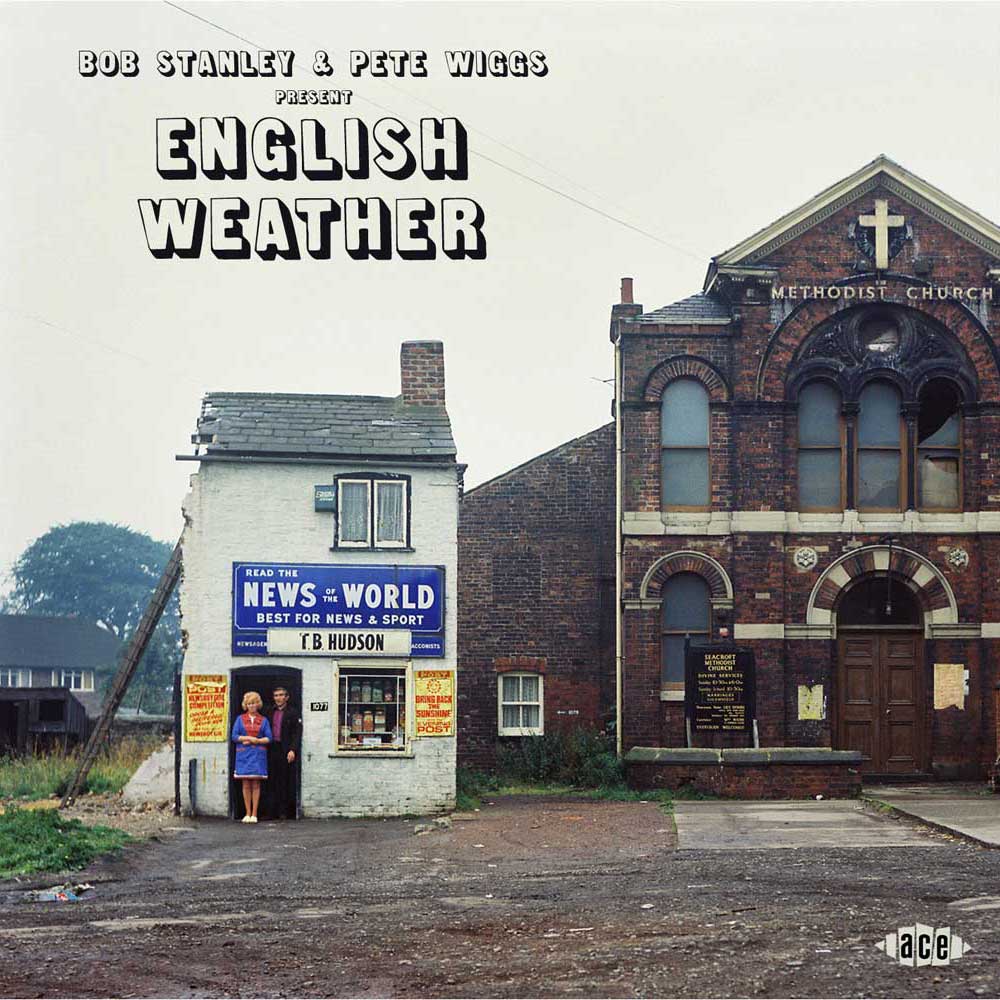


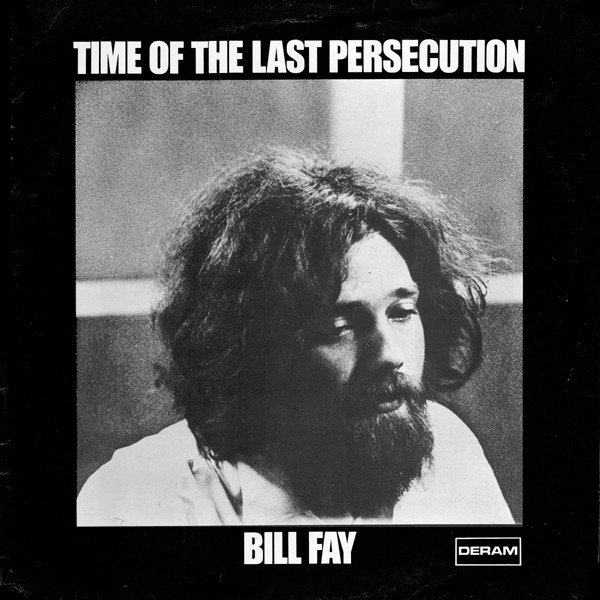
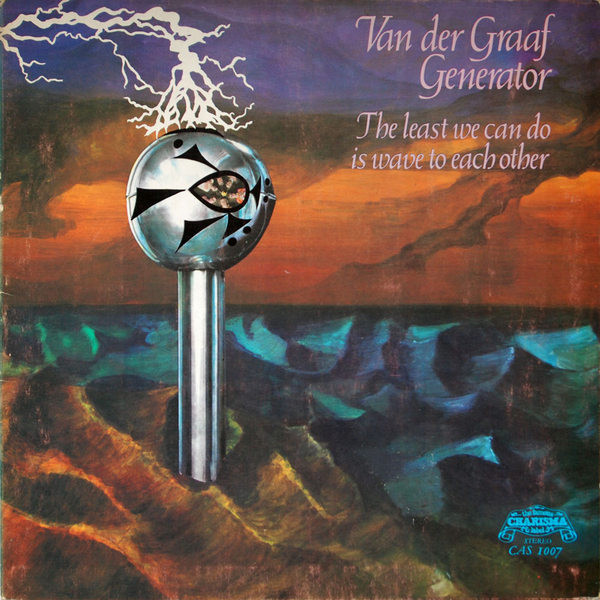
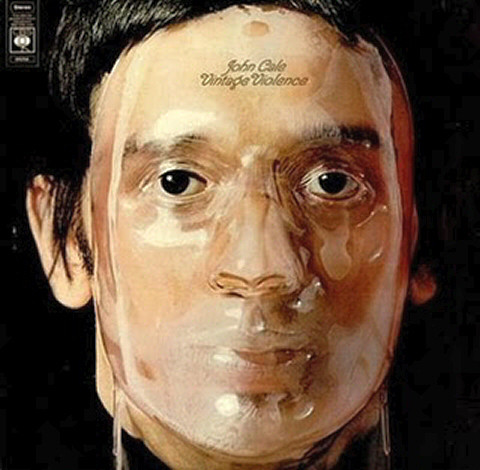

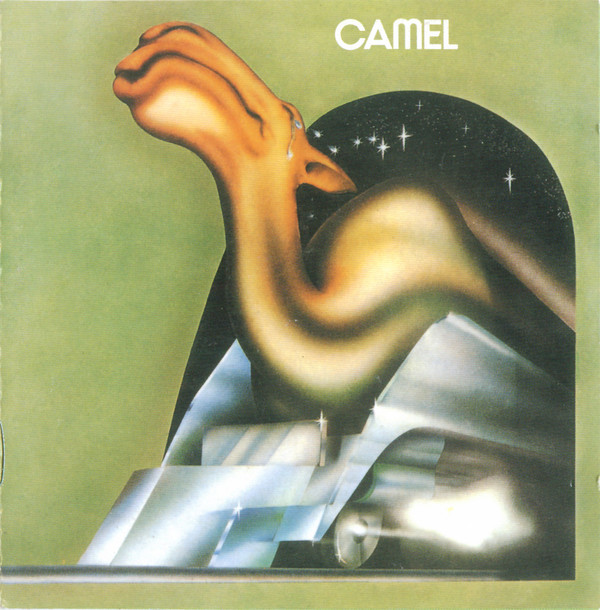
STONEGROUND-STONEGROUND AND STONEGROUND 3.
Stoneground-Stoneground and Stoneground 3.
The Stoneground story began in San Francisco in 1968. That was when Tim Barnes and Luther Billed and Mike Mau founded Stoneground. By late 1970, they had released their eponymous debut album, Stoneground. It’s joined by Stoneground 3 on BGO Records’ recently reissued two CD set. These two albums document the early years of the Stoneground story.
When Stoneground were formed in 1968, the band was originally a trio. Its lineup featured guitarists Tim Barnes and Luther Billed and drummer Mike Mau. At first, Stoneground were happy playing as a trio. However, before long, Stoneground’s lineup began to expand.
This came about when Tom Donahue, a DJ and promoter who Stoneground’s manger, introduced the band to the two remaining members of The Beau Brummels. They had been one of the pioneers the country rock sound. However, in 1968, The Beau Brummels, who had once been signed to Tom Donahue’s Autumn Records, were reduced to a duo. Since then, the band failed to reach the same heady heights they once had. Maybe it was time for a new challenge?
So when Tom Donahue introduced Stoneground to The Beau Brummels’ vocalist Sal Valentino and guitarist and bassist John Blakely, the five musicians hit it off. They agreed to join forces as an expanded lineup of Stoneground. Soon though, five became nine.
Despite now being a five piece, Stoneground’s lineup was still not complete. Stoneground decided to add four female vocalists to the lineup. Annie Sampson, Lynne Hughes, Lydia Phillips, and Deirdre LaPorte were added to the lineup of Stoneground.
This newly expanded lineup of Stoneground began to hone their sound. At first, they played in San Francisco and in the Bay Area. Their popularity grew, and soon, Stoneground being booked to play further afield.
This resulted in Stoneground being booked to tour America and Europe. It was during that tour that Stoneground found the final piece of the musical jigsaw. This was keyboardist and bassist Pete Sears, who later, would join Jefferson Starship and Hot Tuna. He became the tenth and final member of Stoneground.
Having returned home from what had been the longest tour of their career, Stoneground returned to playing in San Francisco. That was where they were spotted by an A&R executive from Warner Bros. They signed Stoneground, and early in 1970, entered the studio to record what became their eponymous debut album.
Stoneground.
Now signed to Warner Bros, Stoneground began work on their eponymous debut album in London, at Trident Studios during a UK tour. However, when Warner Bros heard the tracks they weren’t happy with them. This resulted in Stoneground having to rerecord their debut album.
This time, Sal Valentino assumed the role of songwriter-in -chief. The former Bueau Brummel penned Looking for You, Added Attraction (Come and See Me), Dreaming Man, Stroke Stand and Colonel Chicken Fry. John Blakely and Tom Donauhue wrote Brand New Start. The rest of Stoneground was made up of cover versions.
One of them was Reverend Gary Davis’ Great Change Since I’ve Been Born. It was joined by Ray Davies’ Rainy Day in June and John D. Loudermilk’s Bad News. The other cover version was John Mayall and Sonny Thompson’s Don’t Waste My Time. These tracks would become Stoneground.
Recording of Stoneground took place at Sunwest Studios, Los Angeles during early 1971. By then, Stoneground were an eleven piece band. Keyboardist and percussionist Ron Nagle had been added to Stoneground. This expanded lineup began work on Stoneground.
The rhythm section included drummer Mike Mau, bassist and rhythm guitarist John Blakeley and bassist and keyboardist Pete Sears. Sal Valentino played electric and acoustic guitar while Luther Bildt played guitar and Tim Barnes added lead and bottleneck guitar. Keyboardist and percussionist Ron Nagle was joined by vocalists Annie Sampson, Lynne Hughes, Lydia Phillips, and Deirdre LaPorte. Taking charge of some of the lead vocals were Luther Bildt, Tim Barnes and Sal Valentino. He also co-produced Stoneground with the band’s manager Tom Donahue. Eventually, the album was complete and delivered to Warner Bros.
They had great hopes for Stoneground, and embarked upon an extensive promotional campaign. This made sense. By then, Stoneground were already a popular band with a loyal following. That is despite not releasing an album. However, Stoneground had spent much of their time playing live, and their lives shows were extremely popular. No wonder. Stoneground were a talented and versatile band who seamlessly switched between and combined genres. They continued to do this on their eponymous debut album.
When of Stoneground were sent out to critics by Warner Bros, the band had become the travelling house band for the Medicine Ball Caravan. This was seen by some as Warner Bros trying to jump on the success of the concert film genre. However, Stoneground could walk the walk. Their eponymous debut album was proof of that.
As critics played Stoneground, they heard a captivating fusion of blues, folk, pop, psychedelia, rock and soul. Seamlessly, Stoneground switch between and fuse musical genres and influences. To do this they deploy seven separate vocalists on what’s a genre-melting album where Stoneground showcase their considerable skills.
That is apparent from the album opener Looking For You. It’s a thoughtful blues rock song penned by Sal Valentino. It sets the bar high, and whets the listener’s appetite for the rest of Stoneground. Lynn Hughes delivers an impassioned vocal on Great Changes Since I’ve Been Born with gospel-tinged harmonies for company. Sal Valentino delivers a worldweary vocal on Ray Davies’ Rainy Day In June, as Stoneground reinvent a song that first featured on The Kinks’ 1966 album Face To Face. Stoneground’s version shows a very different side to the song, and is one of the best covers on the album.
Apart from covers, there’s five songs penned by Sal Valentino on Stoneground. Three are back-to-back smack bang in the middle of Stoneground. This includes the mid-tempo paean Added Attraction (Come and See Me). It gives way to the beautiful, soul-baring ballad Dreaming Man. It’s one of the album’s highlights. There’s a stylistic change on Stroke Stand. It’s a jaunty fusion of blues-rock, country and gospel-tinged harmonies. They’re fused to create another memorable track that showcases Stoneground’s versatility
Lydia Phillips takes charge of the vocal on Bad News. She sounds as if she’s lived the lyrics as she combines emotion, power and passion. In doing so, she breathes life and meaning into the lyrics. Soon, though, it’s all change. Stoneground fuse blues rock and gospel-tinged on Don’t Waste My Time and Colonel Chicken Fry. Both tracks are truly irresistible and feature Stoneground at their best. Closing Stoneground, is Brand New Start, an emotive, hopeful ballad where Annie Sampson wears her heart on her sleeve. It’s a beautiful song, and another reminder of a truly talented band who looked as if they were on the verge of making a commercial breakthrough.
After all, Stoneground was a tight, talented band who played with a fluidity that would be the envy of many bands. Stoneground’s potential shawn though on what was an accomplished and eclectic album. It was living up to Warner Bros heavy marketing campaign.
Despite the time and money spent on Stoneground, the album failed commercially. Although Stoneground were a popular live band, the album failed to trouble the US Billboard 200. For Stoneground and Warner Bros this was a huge disappointment. Soon, everyone’s thoughts turned to Stoneground’s sophomore album.
Family Album.
After the release of Stoneground, the band continued in their role as the travelling house band for the Medicine Ball Caravan. They would feature in the the Medicine Ball Caravan film. It documents a hippie caravan on an 8,000 mile road trip. A total of 154 buses, truck and groups like Stoneground made the journey. When the soundtrack was released that accompanied the film, it featured three songs by Stoneground. This introduced their music to a wider audience.
So they hoped would their sophomore album. However, by the time work began on what became Family Album, there had been several changes in Stoneground’s lineup.
Keyboardist and basset Pete Sears left to play on Rod Stewart’s album Every Picture Tells A Story. His replacement was keyboardist Cory Lerios. Two other departure were guitarist Luther Bildt and drummer Mike Mau. He was replaced by Stephen Price. This meant that Stoneground had been reduced to a ten piece band. The new lineup would make their recording debut with Stoneground on the 8th of August 1971.
This recording session wouldn’t take place in the one of San Francisco’s recording studios. Instead, it would take place in KSAN, a radio station in San Francisco, had booked Stoneground to play in what was a series of live broadcasts. Stoneground would take to the air on KSAN in San Francisco on Sunday the 8th of August 1971.
For Stoneground, this was a huge booking. Potentially, they were about to be heard by their largest audience. So before they took to the air, Stoneground began to hone a potential setlist.
When Stoneground arrived at KSAN in San Francisco on Sunday the 8th of August 1971, this was the first time the band had recorded as a ten piece. The rhythm section included drummer Stephen Price, bassist Brian Godual and John Blakeley on bass and rhythm guitarist Sal Valentino played electric guitar, acoustic guitar and percussion. Meanwhile Tim Barnes added lead guitar and Cory Lerios keyboards. This left just the vocalists. Annie Sampson, Lynne Hughes, Lydia Phillips, and Deirdre LaPorte were joined by vocalists Tim Barnes and Sal Valentino. Once the band was setup, they began to work their way through what was a truly eclectic set in front of a specially invited audience of 200 people.
Stoneground opened their set with Get Rhythm which gave to Passion Flower. It was followed by a reworking of the traditional song Corrina and Johnny Cash’s Big River. They would later find their way onto side one of Family Album.
Side two would later feature Won’t Be Long before Super Clown, was followed by Mississippi John Hurt’s Richland Woman, Queen Sweet Dreams and the spiritual sounding Precious Lord. Nine tracks into a set that combined elements of from Americana to blues rock, country, folk, gospel rock and rock ’n’ roll Stoneground had the audience captivated. The audience watched on as Stoneground showcased their versatility and fluidity.
They opened what became the third slide of Family Album with a cover of Bob Dylan’s It Takes A Lot To Laugh (It Takes A Train To Cry). It gave way to Hank Williams I Can’t Help It, and then No Doreen. However, with just three songs to go, Stoneground up the ante on It’s Not Easy and If You Got To Go. Stoneground unleash a riotous reworking of Jerry Williams’ Total Destruction To Your Mind. After what was a truly eclectic, fifteen song set, Stoneground take their leave.
Later a decision was made to release the set that Stoneground had recorded at KSAN as part of a double album. It would take up the first three sides. The fourth side featured five tracks Stoneground recorded at the Record Plant in Los Angeles.
This included Ron Nagle’s You Must Be One Of Us; Cory Lerios’ All My Life and Lynne Hughes’ Where Will I Find Love. It was followed by a cover of the joyous sounding Gonna Have A Good Time. Closing side four and Family Album was Jam It. It’s a near six minute jam penned by Stoneground where the ten piece band to showcase their considerable skills.
With Family Album completed, Warner Bros began promoting Stoneground’s sophomore album. Copies of Family Album were sent out to critics. They hailed what was a truly eclectic album as a captivating album. It found Stoneground switching between genres and playing with freedom, fluidity and spontaneity. Some critics called the album Stoneground’s finest hour. Later, Family Album was regarded by some critics as the band’s best recording. It showed very different sides to truly talented band.
On Family Album, Stoneground worked their way through a mixture of original songs and cover versions on an album that featured live tracks and songs recorded at the Record Plant. Family Album showed the two sides of Stoneground. They were a talented band who many felt came into their own in the live setting. However, in the studio, Stoneground were capable of crafting memorable music like All My Life, Where Will I Find Love, Gonna Have A Good Time and Jam It. Given Family Album showed the two different sides to Stoneground, Warner Bros had high hopes for the album.
Alas, it wasn’t to be. When Family Album was released late in 1971, the album followed in the footsteps of Stoneground and failed to chart. It was another disappointment for Stoneground. However, their career continued at Warner Bros.
Stoneground 3.
The commercial failure of Stoneground’s sophomore album Family Album meant they were under pressure to come up with a successful third album. Stoneground had signed a three album deal with Warner Bros. This meant that they only ‘owed’ Warner Bros one more album. Should Stoneground’s third album fail commercially, then Warner Bros might take the opportunity to part company with the band. Stoneground were aware of this as they began writing their third album, which later, became Stoneground 3.
For Stoneground 3, Stoneground’s songwriter-in-chief, Sal Valentino contributed six carefully crafted songs. This included Dancin’, Down To The Bottom, From A Sad Man Into A Deep Blue Sea, From Me, Lovin’ Fallin’and Heads Up. Other members of Stoneground contributed songs to Stoneground 3. Lynn Hughes wrote On My Own; Tim Barnes penned You Better Come Through; Deirdre La Porte’ contributed Ajax and Annie Sampson Gettin’ Over You. Cory Lerios wrote Butterfly and cowrote Everybody’s Happy with David Jenkins. These twelve tracks became Stoneground 3.
Recording of Stoneground 3 took place at Wally Helder’s in San Francisco. It was one of the city’s top studios, and was perfectly equipped to record the most important album of Stoneground’s career. Just like previous albums, Sal Valentino took charge of production. By then, Stoneground’s ‘sound’ had changed. Gone was the eclecticism of their two previous albums. This was replaced by a much more radio friendly, pop rock sound. The result was a much more focused album, Stoneground 3.
This Stoneground hoped would find favour with music critics and record buyers. Executives at Warner Bros must have been hopeful when they heard Stoneground 3. Here was an album that they could pitch to radio programmers. The only problem was that maybe the change of sound would alienate Stoneground’s existing fan-base? It was a risk that Stoneground and Warner Bros decided to take.
It looked as if it had paid off. Critics hailed Stoneground 3 the band’s most focussed album. Gone was the free wheeling eclecticism of their two previous albums. In its place were shorter, much more radio friendly songs. This ranged from pop-rock to blues rock and country. Ten of the twelve tracks on Stoneground 3 were less than four minutes. This Stoneground thought would be perfect for radio playlists. Especially as many of the songs were melodic and memorable. Hooks hadn’t been spared on an album where ballads and uptempo tracks rubbed shoulders. This critics forecast was a potent and heady brew, that could transform Stoneground’s fortunes.
Dancin’ set the bar hight on Stoneground 3, and showcases a melodic and memorable pop-rock sound. There’s even a hint of country, while soaring harmonies augment the vocal. They return On My Own, and play a crucial role in this country-tinged confessional. Stoneground kick loose, unleashing horns, searing guitar and stabs of piano, which is a reminder of their free wheeling eclecticism. Very different is Ajax, a beautiful ballad where Deirdre La Porte is accompanied by soulful harmonies, horns and piano. They’re joined by a searing guitar on the bluesy soul-baring confessional Down To The Bottom. Closing side one is From A Sad Man Into A Deep Blue Sea, which was written by Sal Valentino. Again, there’s a confessional quality to the understated blues, which nowadays, is regarded as the highlight of his songwriting career. So it’s no surprise, it’s the highlight of Stoneground 3.
From Me opens side two and showcases a blues rock sound. Lovin’ Fallin’ is a beautiful, understated, soul-baring ballad. It gives way to Butterfly, which marks another stylistic change. Stonehouse seamlessly and successfully fuse blues and country. Then Annie Sampson delivers a defiant, feisty vocal on Gettin’ Over You. She’s accompanied by soulful harmonies and rocky guitars on a song where hooks haven’t been spared. Heads Up marks a return to blues rock. Augmenting the slide guitar and lead vocal are soulful, soaring harmonies. It’s another heady musical brew from Stoneground. They close side two with Everybody’s Happy, which is melodic, memorable and has a radio friendly pop-rock sound. This should’ve played a port in the success of Stoneground 3.
Sadly, when Stoneground 3 was released in late 1972, the album wasn’t a commercial success. That was despite Stoneground changing direction musically. This musical sacrifice had all been for nothing. Still, Stoneground 3 had sold poorly. Things weren’t looking good for Stoneground.
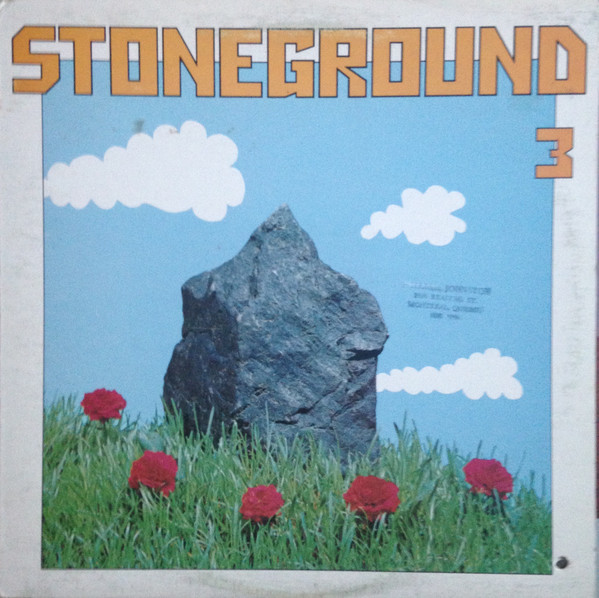
Not long after the release of Stoneground 3, Warner Bros decided to drop Stoneground. By then, the tension was high within Stoneground. Outsiders thought that Stoneground weren’t long for the world.
And so it proved to be. Stoneground announced that they would play one final concert on January 6th 1973 at the Sacramento Memorial Auditorium. That proved to be the final time that the ten members of Stoneground took to the stage together.
Just a couple of weeks after Stoneground’s swan-song, Sal Valentino left the band. Stoneground had lost their songwriter-in-chief and producer. Surely things couldn’t get any worse?
They did. Cory Lerios and Steven Price left Stoneground, and founded Pablo Cruise. Not long after this, four more members of Stoneground left. The only members of the band that reminded were Tim Barnes and Annie Sampson, who later in 1973, put together a new lineup of Stoneground. However, Stoneground’s best days were behind them.
Stoneground’s first three albums were the highlight of their career. This began with Stoneground in 1970. It was followed up by Family Album in 1971 and Stoneground 3 in 1972. These three albums feature Stoneground at the peak of their creative and musical powers. Stoneground and Family Album features Stoneground’s free wheeling, genre-melting sound. The quality continues on Stoneground 3, which is a much more focused album. It mixes pop-rock with blues rock and country. Just like the free wheeling eclecticism of their first two albums, this proves a heady brew. Sadly, it find the audience it deserved.
It would be much later when Stoneground’s music began to find a wider audience. A new generation of record buyers began to discover the delights of Stoneground’s first three albums. Nowadays, these three albums are regarded are the highlights of Stoneground’s back-catalogue. These albums have been recently reissued. The first reissue was Family Album, which was released as a two CD set by BGO Records released in late 2016. BGO Records recently Stoneground and Stoneground 3 as a two CD set. This is the perfect opportunity to discover or rediscover the two sides of Stoneground. Both the free wheeling eclecticism of Stoneground and the much more focused sound of Stoneground 3 feature on BGO Records’ digitally remastered two CD set.
Stoneground-Stoneground and Stoneground 3.

THE BEST COMPILATIONS OF 2016-PART 1.
The Best Compilations Of 2016-Part 1.
Over the last few weeks, I’ve been looking back at the music released during 2016. The final part of this annual series looks at the compilations released during 2016. Just like previous years, thousands of compilations were released during 2016. They cover literally every musical genre. Quite simply, there was something for everyone.
It’s a similar case on the list of The Best Compilations Of 2016. It features fifty compilations that cover countless genres. Literally, everything from avant-garde to zydeco features on The Best Compilations Of 2016. These compilations were released by record companies in Britain, America and Europe. They’re also what I regard as The Best Compilations Of 2016.
A Woman’s Way: The Complete Rozetta Johnson 1963-1975.
Between 1963 and 1975 Southern Soul singer Rozetta Johnson struggled to make a breakthrough. By 1975, she had enjoyed just two minor hit singles. So with a heavy heart, Rozetta Johnson decided to turn her back on music. She returned to college and eventually, graduated with a BA in sociology. After graduating, Rozetta Johnston began work as a teacher at Ramsay High School. Little did the pupils know that their teacher had once been one of the best up-and-coming Southern Soul singers. Proof of this is Kent Soul’s A Woman’s Way: The Complete Rozetta Johnson 1963-1975.
It’s a comprehensive overview of Rozetta Johnson’s career. It features Rozetta Johnston at her very best as she breathes life, meaning and emotion into the songs. However, when they were released as singles, they failed to find an audience. Maybe it would’ve been different if they had been released on a major label? Then Rozetta Johnston’s music might have found the audience it deserved. Sadly, that wasn’t the case and Rozetta Johnson was lost to music.
Later, she reinvented herself as a jazz singer, before returning to her first musical love, gospel. Sadly, three years after releasing a gospel album in 2008, Rozetta Johnson passed away on the 24th March 2011. Her music is remembered on A Woman’s Way: The Complete Rozetta Johnson 1963-1975, which is a celebration of one of the finest Southern Soul singers of her generation,..Rozetta Johnson.

Alice Clark-The Complete Studio Recordings 1968-1972.
Alice Clark’s career began in 1968, and was over by 1972. During that four year period, Alice Clark recorded just sixteen songs during three recording session. This includes two singles and her 1972 album Alice Clark. These songs feature on BGP’s The Complete Studio Recordings 1968-1972. It’s a mixture of beautiful ballads and uptempo songs.
On each and every song, Alice breathes life and meaning into the lyrics. Her delivers veers between heartfelt, impassioned and soul-baring, to assured, hopeful and joyous. When Alice Clark stepped into a recording studio, she was transformed. No longer was Alice Clark the quietly spoken young mother that Billy Vera remembers. Suddenly, the God-fearing Alice Clark disappeared, and was replaced by one that wore her heart on her sleeve. She was comfortable sings songs about love and love lost, and could breath life and meaning into songs about hope, hurt, heartbreak and betrayal. Despite her ability and versatility, Alice Clark commercial success and critical acclaim eluded Alice Clark.
Chastened by the experience, Alice Clark turned her back on the music industry. Nobody seems to know what happened to her? Mystery surrounds what happened to this hugely talented singer, who should’ve gone on to enjoy a long and successful career. Proof of this is The Complete Studio Recordings 1968-1972. It features one of soul music’s best kept secrets, and a singer who should’ve enjoyed commercial success and critical acclaim,..Alice Clark.
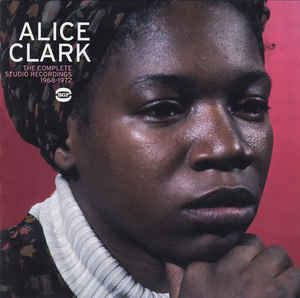
Aloha Got Soul.
For nearly two decades, the Hawaiian music industry was thriving. This period was documented on Strut Records’ compilation, Aloha Got Soul. It documents the period between 1979 and 1985. During that period, Tender Leaf. Aura, Aina, Hal Bradbury, Mike Lundy, Nova, Brother Noland and Rockwell Fukino were all stalwarts of the Hawaiian music industry. They were part of the Hawaii’s thriving music scene.
Sadly, by the mid-eighties, DJ culture was born. Suddenly, DJs replaced live music. Incredibly, ‘music lovers’ preferred what was essentially a human jukebox to live music played by real musicians. Given there was no longer the same appetite for live music, many clubs closed their doors for the last time. No longer had up-and-coming artists a place to showcase their talents. It was the same for the bigger names in Hawaiian music as venues closed their doors. Everyone with Hawaiian music was affected. Record labels, recording studios, pressing plants suffered. So did arrangers, producers and songwriters. The Hawaiian music boom was over.
Thirty years after the boom in the Hawaiian music industry ended, interest in Hawaiian music continues to grow. For newcomers to Hawaiian of the seventies and eighties, Aloha Got Soul is the perfect primer. It’s a truly eclectic and lovingly compiled compilation, from Aloha Got Soul’s Roger Bong. He picked sixteen tracks that feature everything from disco, funk, rock, soul and traditional Hawaiian music. Aloha Got Soul is a tantalising taste of Hawaiian during its golden era.
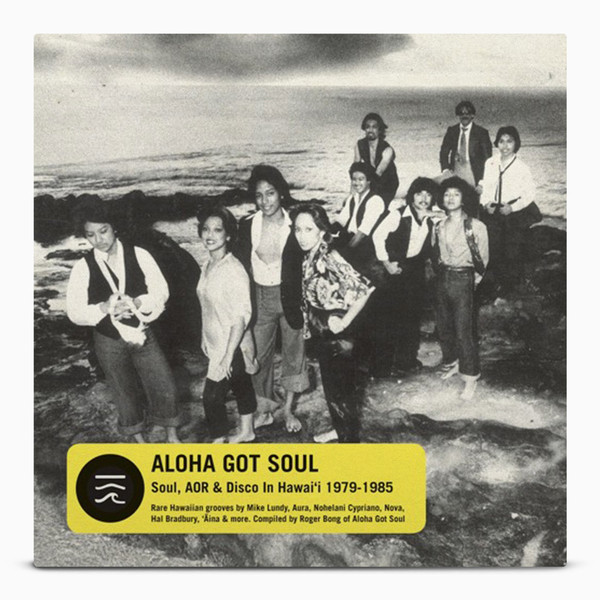
Betty Harris-The Lost Queen Of New Orleans Soul.
Betty Harris’ recording career lasted just eight years. It began in 1962 with the release of Taking Care of Business, and was over by 1970. After just three minor hit singles, Betty Harris called time on her career. The Florida-born singer decided to retire from music, to raise a family. That was the last that was heard from Betty Harris until 2005, when she hit the comeback trail.
By then, several of Betty Harris’ singles had found a new audience. I Don’t Want to Hear It and I’m Evil Tonight were favourites within Northern Soul circles. Meanwhile, ballads like What’d I Do Wrong and Can’t Last Much Longer were favourites within the deep soul community. Belatedly, Betty Harris’ music was finding a wider audience. However, there’s more to Betty Harris than four songs.
That is apparent on the Soul Jazz Records compilation The Lost Queen Of New Orleans Soul. It shows the two sides to Betty Harris’ Sansu Records’ years. Ballads and uptempo tracks rub shoulders. This includes a couple of ballads that would later become deep soul classics, and several uptempo tracks that would find favour on the UK’s Northern Soul scene. These tracks are a reminder of the what proved to be the most productive years of Betty Harris’ career. It’s documented on The Lost Queen Of New Orleans Soul is the perfect primer to Betty Harris, who is one of New Orleans’ soul music’s best kept secrets.
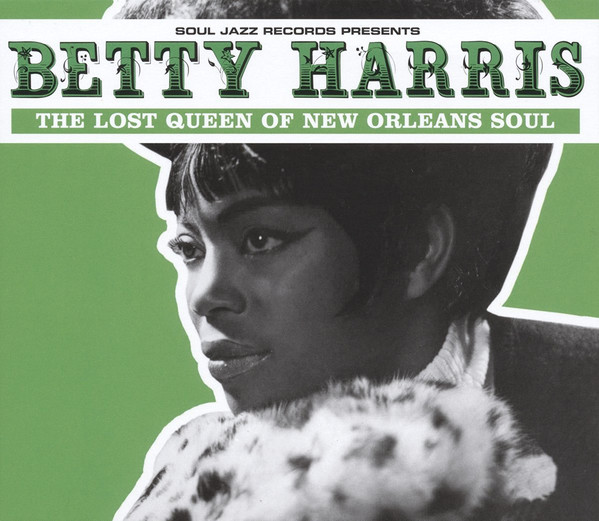
Bluesin’ By The Bayou-I’m Not Jivin’.
Over the last few years, Ian Saddler has compiled the By The Bayou series. This included Bluesin’ By The Bayou-I’m Not Jivin’, the third compilation of Louisiana blues. It comes complete with side serving of zydeco. There’s contributions from Henry Gray, Lightnin’ Slim, Slim Harpo, Lazy Lester, Lonesome Sundown, Boozoo Chavis, Blue Charlie Morris, Jimmy Anderson, Chris Kenner and Johnny Sonnier. Many of these artists will be familiar to veterans of the By The Bayou series. There were a few surprises in store on Bluesin’ By The Bayou-I’m Not Jivin’.
Bluesin’ By The Bayou-I’m Not Jivin’ was another tantalising taste of Louisiana’s rich musical heritage. Familiar faces from previous volumes of the By The Bayou series sit next to newcomers. Similarly, singles, album tracks, unreleased tracks and hidden gems rub shoulders on Bluesin’ By The Bayou-I’m Not Jivin’. They’ve all one thing in common, their quality.
That has been the case throughout the By The Bayou series. Ian Saddler has dug deeper than previous compilers. This has paid off. Now the By The Bayou series is one of Ace Records’ longest running and most successful series. Bluesin’ By The Bayou-I’m Not Jivin’ was the thirteenth instalment in the series. It’s one of the best in series. If Ian Saddler continues to find music of the quality of that on Bluesin’ By The Bayou-I’m Not Jivin’, then the By The Bayou series looks like it’ll run and run.
Boppin’ By The Bayou-Drive-Ins and Baby Dolls.
Boppin’ By The Bayou-Drive-Ins and Baby Dolls was the sixteenth volume in the By The Bayou series. Ian Saddler dug deep for the twenty-eight tracks. They’re taken from the vaults of some of Louisiana and South-East Texas’ best known producers. This includes some familiar faces, including J.D. Miller, Eddie Shuler, Sam Montel, Huey Meaux, and Joe Ruffino. Then there’s Pappy Daily, George Khoury, Diamond Jim Wheeler and Melvin Dodge. In their vaults, Ian Saddler’s discovered what’s been described as: “hot rockers, cool boppers and Cajun thumpers.“ They come courtesy of a mixture of old friends, familiar faces and new names.
Among them, are Cookie Roberts, Fred Carter, Joe Jackson, Burl Boykin, Frankie Lowery, Zoro and The Zips, Doug Stanford, Terry Clement and Johnny Bass. They’re joined by Arnold Broussard, Tommy Todd, Rod Bernard and Jay Chevalier on what’s the sixteen instalment of the By The Bayou series, Boppin’ By The Bayou-Drive-Ins and Baby Dolls.
As usual, the emphasis was on quality on this welcome addition to By The Bayou series. Ian Saddler dug deep in Louisiana and South-East Texas. He found hidden gems, which sit side-by-side with songs from familiar faces and new names. This includes singles, B-Sides and unreleased tracks. That’s not forgetting “hot rockers, cool boppers and Cajun thumpers.” They’re part of compilation that’s all killer and no filler, Boppin’ By The Bayou-Drive-Ins and Baby Dolls.
California Soul-Funk and Soul From The Golden State 1967-1976.
The period between 1967 and 1976 was a golden age for soul and funk. Across America smaller labels were releasing singles that slipped under the musical radar. In California, Ace, Dore, Hill, Kent, Mesa, Money, Music City, Omnivore and Watts Way were just a few of the West Coast labels that were releasing soul and funk between 1967 and 1976. Songs from each of these labels featured on BGP’s twenty-two track compilation, California Soul-Funk and Soul From The Golden State 1967-1976.
Among the artists on California Soul-Funk and Soul From The Golden State 1967-1976, are Choice Of Colours, Brenda George, Z.Z. Hill, Little Johnny Hamilton and The Soul Pack, Chucky Thurmon,The Soul Sensations, Eddie Horan, Alvin Robinson and Rulie Garcia. They’re a reminder of the soul and funk being released on West Coast between 1967 and 1976.
California Soul-Funk and Soul From The Golden State 1967-1976 is a compilation that oozes quality where the music is soulful and funky and sometimes, bluesy. It’ll appeal to anyone with an interest in soul or funk. They’ll find a compilation where familiar faces sit side-by-side with new names. Similarly, a trio of unreleased tracks rub shoulders with hidden gems on California Soul-Funk and Soul From The Golden State 1967-1976. It’s a tantalising reminder of what was a golden age for soul and funk in California.
Celestial Blues-Cosmic, Political and Spiritual Jazz 1970 To 1974.
Although the word innovator is often overused, it’s the perfect description of Gary Bartz NTU Troop, Azar Lawrence, Charles Earland, Roy Brooks, Joe Chambers, Carlos Garnett, Hampton Hawes and Oliver Nelson. They’re pioneers who pushed musical boundaries to their limits. That is apparent throughout Celestial Blues-Cosmic, Political and Spiritual Jazz 1970 To 1974 which was released by BGP.
Each track on Celestial Blues-Cosmic, Political and Spiritual Jazz 1970 To 1974 is an examples of groundbreaking spiritual jazz. Its building blocks were the music of the post bop era, and the free jazz of John Coltrane. To that, boogaloo beats were combined with elements of funk, rock and soul and even African and Middle Eastern influences. When this was combined, it was potent and heady brew, that became known as spiritual jazz. This new music was inventive and innovative. It was also way ahead of its time; and far removed from the music that other jazz musicians were making. It was also very different to the music most record buyers were used to, and it passed them by.
Most record buyers didn’t understand this cerebral, groundbreaking music. It went over their head. Only a small, discerning group of record buyers “got” spiritual jazz. Nowadays, a new generation of record buyers have discovered the delights of spiritual jazz. For newcomers to the genre, Celestial Blues-Cosmic, Political and Spiritual Jazz 1970 To 1974 is the perfect starting place.
Chartbusters USA-Special Country Edition.
After a seven year absence, Ace Records released the latest instalment in their Chartbusters USA series. This was Chartbusters USA-Special Country Edition. It features twenty-four tracks released between 1963 and 1969. This includes songs from country music royalty. There’s no bigger names than George Jones, Hank Williams Jr, Johnny Cash and Glen Campbell. That is not forgetting Marty Robbins, Tammy Wynette, Eddy Arnold, Chet Atkins, Jeannie C. Riley and Buck Owens. These songs are just a few of the artists on a compilation that contains hits aplenty.
Chartbusters USA-Special Country Edition is a snapshot of country music between 1963 and 1969. During this period, the Nashville Sound peaked in popularity and countrypolitan sound began to take centre-stage. Country music also began to crossover and reach a new audience. Each of the songs that feature on Chartbusters USA-Special Country Edition crossover to some extent. Most were just minor crossover hits. A few became huge crossover hits. However, as the sixties gave way to the seventies, country music’s crossover appeal grew.
Many of the artists on Chartbusters USA-Special Country Edition would go on to enjoy commercial success throughout the seventies. Country music’s crossover appeal grew, with more and more country singers reaching the upper reaches of the US Billboard 100. Belatedly, country music was reaching a wider audience. A reminder of this period can be found on Chartbusters USA-Special Country Edition, who features a who’s who of country music.
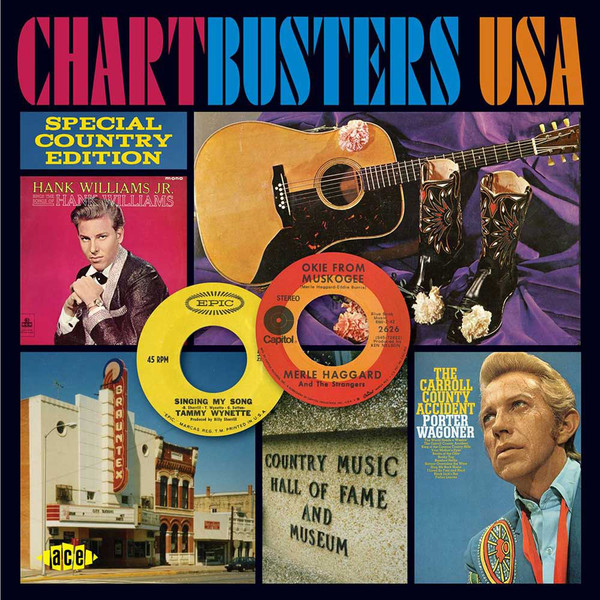
Cologne Curiosities-The Unknown Krautrock Underground 1972-1976.
Pyramid Records was founded by Robin Page, around 1972 and was in existence until just 1976. During that period, Pyramid Records only ever released fifteen albums. No more than 50-100 copies of each album was released. These releases were either given away to friends, with the remainder sold in clubs or art galleries.
Pyramid Records was never going to rivalled Brain Records nor Ohr. Nor was never meant to. Instead, Pyramid Records was a small, private label that released music its founder Robin Page believed. A reminder of the music Pyramid Records released can be found on Cologne Curiosities-The Unknown Krautrock Underground 1972-1976m which was released by Mental Experience, an imprint of Guerssen Records. It features seven tracks from the Pyramid Records’ vaults. They’ll whet the listener’s appetite for future reissues of albums released by Pyramid Records.
No wonder. Pyramid Record released groundbreaking music. Sadly, Pyramid Records doesn’t receive the credit it deserves. That’s because of mythology that surrounds the label. Maybe the music would receive the credit it deserved if the real identity of some of the musicians involved was known? There’s every chance that some well known musicians played on Pyramid Records’ releases, including those on Cologne Curiosities-The Unknown Krautrock Underground 1972-1976. Regardless of whether that’s the case or not, the music on Cologne Curiosities-The Unknown Krautrock Underground 1972-1976 is still innovative, inventive, timeless and will influence another generation of musicians.
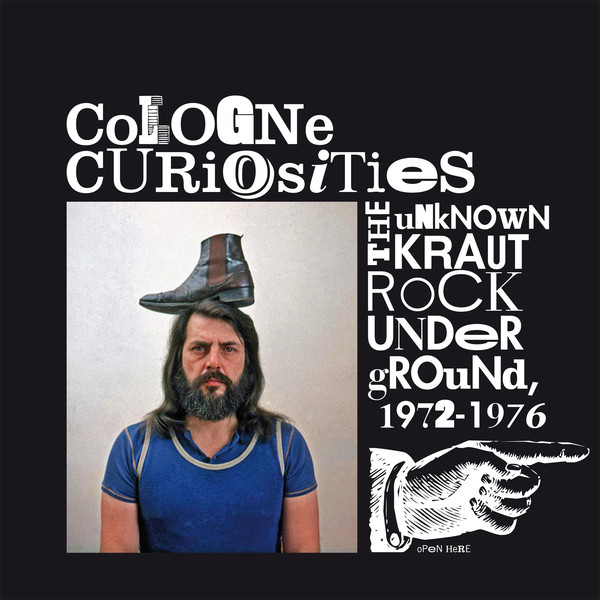
THE BEST COMPILATIONS OF 2016-PART 2.
The Best Compilations Of 2016-Part 2.
Come Back Strong-Hot Atlanta 4.
For anyone interested in Southern Soul, Come Back Strong-Hot Atlanta 4 was a must-have. It featured contributions from Sam Dees, John Edwards, Dee Irwin, Joe Hinton, Loleatta Holloway, Danny Johnson, Jimmy Lewis and Dorothy Norwood. That was just part of the story. There’s much more music to discover on Come Back Strong-Hot Atlanta 4. It features familiar faces, old friends and new names, plus singles, B-Sides and unreleased tracks. They all have one thing in common, their indisputable quality.
That’s no surprise. Some of the best songwriters, musicians and producers were employed to write and produce the music on Come Back Strong-Hot Atlanta 4. Many of the artists on Come Back Strong-Hot Atlanta 4 went on to enjoy long and successful careers. Sadly, others never quite enjoyed the commercial success and critical acclaim they deserved. It was a case of what might have been.
Come Back Strong-Hot Atlanta 4 is a reminder of the music that Michael Thevis’ burgeoning musical empire left behind, after its sudden demise in late 1975. This was the end of what was a remarkable escape in Atlanta’s musical history. Part of the story is documented on Come Back Strong-Hot Atlanta 4, which is a tantalising reminder of Atlanta’s rich and vibrant musical scene during the early seventies.
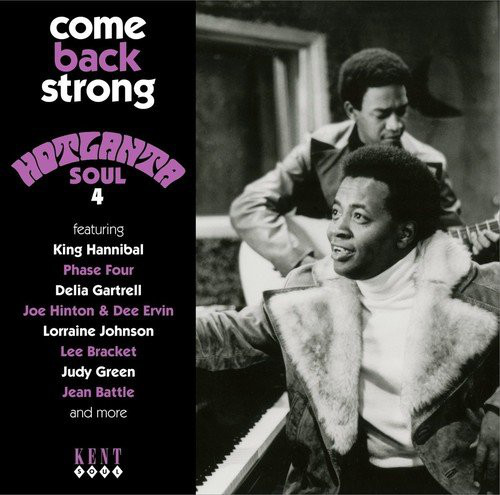
Conrad Schnitzle-Filmmusik 1.
After Conrad Schnitzler’s death in 2011, the job of organising his musical archive fell to Conrad Schnitzler’s former musical partner Wolfgang Seidel. He was appointed guardian of Conrad Schnitzler’s archive. This included everything from the master tapes to albums, to recordings of concerts that were committed to cassette. The archive was proving to be a treasure trove. Especially when Wolfgang Seidel discovered long-lost, hidden treasure.
Tucked away in Conrad Schnitzler’s archive were two tapes which were mysteriously marked Filmmusik 1975 and Filmmusik 1980. Wolfgang Seidel dusted these down, and looked at them. However, there was no other information with the tapes. They were a mystery. When Wolfgang Seidel listened to the tapes was transported back to 1975 and 1980. Here was his old friend Conrad Schnitzler at his most accessible.
Some of that music featured on Bureau B’s compilation Filmmusik 1. It’s the perfect starting place for newcomers to Conrad Schnitzler’s music, and is a gateway album to the rest of his back-catalogue. This is sure to be the first step in a voyage of discovery through the delights of Conrad Schnitzler’s back-catalogue. However, this is no ordinary back-catalogue. Conrad Schnitzler’s back-catalogue is vast. He was a prolific solo artist and collaborator. The journey through Conrad Schnitzler’s back-catalogue brings to mind Loa’s quote that: “a journey of a thousand miles begins with a single step.” The first step in the journey through Conrad Schnitzler’s back-catalogue is Filmmusuk 1.
Dan Penn-Close To Me-More Fame Recordings.
2016 saw Ace Records release Dan Penn-Close To Me-More Fame Recordings. It was the sequel to 2014s The Fame Recordings. Just like The Fame Recordings, Close To-More Fame Recordings features twenty-four demos recorded by Dan Penn at Rick Hall’s Fame Studios. These are unlike most demos recorded during the sixties
For the twenty-four songs on Close To Me-More Fame Recordings, Dan Penn was accompanied by the legendary Memphis Shoals Rhythm Section. This included David Briggs, Junior Lowe, Roger Hawkins and Jimmy Johnson, to name but a few. They accompanied Dan Penn on songs he had written with Rick Hall, Donnie Fritts, Quin Ivy, Marlin Greene, David Briggs and Spooner Oldham. These songs were recorded between 1963 and 1966, and most have never been released before.
Although they’re ostensibly demos, they’re a cut above the usual demos. Close To Me-More Fame Recordings features the Muscle Shoals Rhythm Section in full flight between 1963 and 1966. They accompanied a talented and singer and songwriter, Dan Penn. He could seamlessly switch between heart-wrenching ballads and more uptempo tracks. Despite his talent, commercial success eluded Dan Penn, and he enjoyed more success as a songwriter. Dan Penn decided to concentrate his efforts on songwriting. However, still, Dan Penn released the occasional album and played live. Just like Sam Dees, Dan Penn is: “a prolific songwriter and occasional performer.”
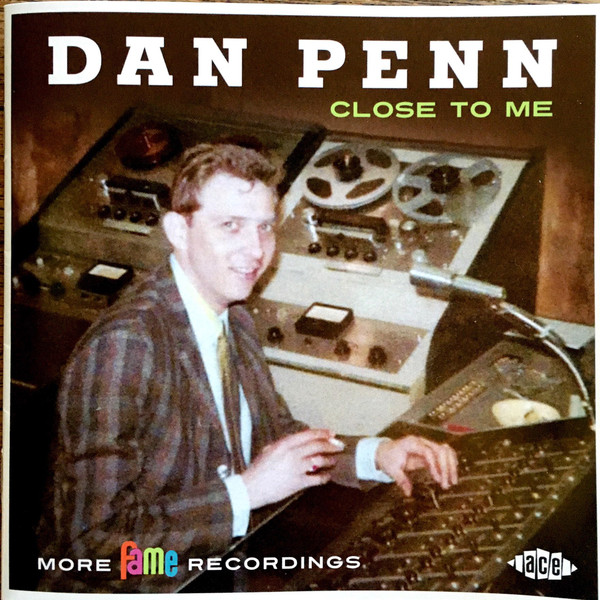
DJ Format’s Psych Out.
DJ Format’s Psych Out is unlike most psychedelia compilations. Rather than focus on just American or British psychedelia, DJ Format picks fourteen tracks from the four corners of the globe. So tracks that were originally released in America, Britain, Czechoslovakia, France, Germany, Hungary, Peru, Poland, Singapore, U.S.S.R. and Yugoslavia can be found on DJ Format’s Psych Out.
These tracks come courtesy of The Quests, The Tijuana Brats, The CT Four Plus, 49th Blue Streak, Bana Pop Band, Friar Tuck and His Psychedelic Guitar, Sergio Ferraresi and Pro Arte. This is the type of music that DJ Format wishes he could spin at clubs each weekend. Essentially, DJ Format’s Psych Out features tracks that would be part of his dream set.
And what a set DJ Format’s Psych Out was. It was released by BBE Records and featured fourteen lysergic tracks from eleven counties. This globe-trotting musical journey begins in Singapore, and ends up behind the Iron Curtain in Yugoslavia. In between, DJ Format takes the listener on globe-trotting trip. Each of these countries contribute at least one memorable slice of heavy, fuzzed-out psychedelia. They feature on DJ Format’s Psych Out, which is a lovingly curated compilation that was, without doubt one of the best psychedelic compilations of 2016.
Electri_City 2.
Ever since the late sixies, Dusseldorf has had a rich and vibrant music scene. It has been home to Michael Rother, Neu!, Wolfgang Reichmann, La Dusseldorf, Der Plan, Daf, Teja Scmitz, Die Krups, Rheingold and Pyrolator. They’re just some of the artists that featured on Gronland Recordscompilation Electri_City 2. It’s a further reminder of the city’s rich musical history.
Electri_City 2 is lovingly compiled and eclectic compilation of music from one of Germany’s musical cities, Dusseldorf. Everything from avant-garde, Berlin School, electronica, experimental and industrial music sit side-by-side with Krautrock, new wave, post punk and synth pop. Often, several musical genres melt into one on the one track. The result is often a groundbreaking, genre-melting track. Some of these tracks were way ahead of their time. Indeed, it’s only now that the importance of this music is being recognised. Other tracks were truly innovative and went onto influence several generations of musicians.
Especially groups like Neu!, La Dusseldorf and guitar virtuoso Michael Rother. They’re true musical pioneers, who were leaders not followers. Nearly forty years later, and their music continues to influence yet another generation of musicians. That is the case with many other artists on Electri_City 2. They all have one thing in common. That’s that their career began in one of Germany’s musical cities, Dusseldorf. Electri_City 2 is a lovingly compiled reminder of Dusseldorf’s illustrious musical past.

Feeling Good-Funk Soul and Deep Jazz Gems: The Supreme Sound Of Producer Bob Shad.
After relaunching Mainstream Records in 1970 as a jazz label, the lines between what was soul and jazz were blurring. Bob Shad decided that Mainstream Records should released a more eclectic selection of music, including soul, funk and jazz. A reminder of this period in Mainstream Records’ history was celebrated on a Feeling Good-Funk Soul and Deep Jazz Gems: The Supreme Sound Of Producer Bob Shad. It was released by Wewantsound. Feeling Good-Funk Soul and Deep Jazz Gems: The Supreme Sound Of Producer Bob Shad and is a fitting tribute to one of the great music men.
Having realised that music was changing, Bob Shad signed and released singles and albums by Alice Clark, Afrique, Art Farmer, Barry Miles, Blue Mitchell, Carmen McRae, Clark Terry, Ellerine Harding, Hadley Caliman and Shelly Manne. They’re among the fifteen tracks on Feeling Good-Funk Soul and Deep Jazz Gems: The Supreme Sound Of Producer Bob Shad. It’s a reminder of Mainstream Records’ illustrious back-catalogue.
There’s soul, funk and jazz, plus hidden gems, familiar faces and old fiends on Feeling Good-Funk Soul and Deep Jazz Gems: The Supreme Sound Of Producer Bob Shad. It’s a celebration of the life of a music man, Bob Shad, who for over forty years, and five decades, always saw the bigger picture musically, and was one step ahead of the competition, in an ever-changing music industry.
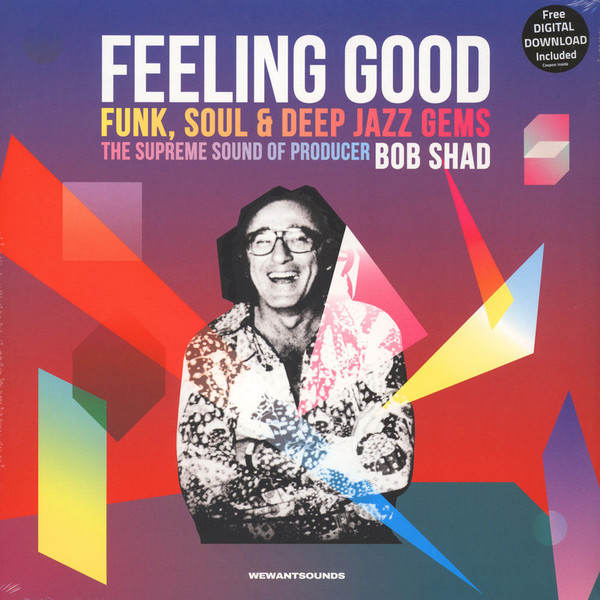
Get Me Home For Tea-Rare Psychedelic Rock From The UK.
Although a record amount of albums were released for Record Store Day 2016, there were some albums that eluded many record collectors. This included Get Me Home For Tea-Rare Psychedelic Rock From The UK, which was released as a limited edition of 2,000 by ORG Music.
Get Me Home For Tea: Rare Psychedelic Rock From The U.K. features twelve psychedelic and freakbeat tracks from the vaults of Parlophone. This includes Tomorrow, The Moles, The Idle Race, The Artwoods, The Brain, The Penny Peeps and The Game. These artists are just some of the artists that feature on Get Me Home For Tea-Rare Psychedelic Rock From The UK. It was a reminder of Britain’s psychedelic past.
For fans of psychedelia and freakbeat, Get Me Home For Tea: Rare Psychedelic Rock From The U.K. was a must have release. Sadly, copies were and still are, like hen’s teeth. That was no surprise. Get Me Home For Tea: Rare Psychedelic Rock From The UK was a carefully curated, quality compilation that features twelve hidden gems from the vaults of Parlophone.

Here Today!-The Songs Of Brian Wilson.
In 2015, Ace Records Here Today!-The Songs Of Brian Wilson as part of their Songwriters’ series. By the end of the year, it was their biggest selling release of 2015. This was something to celebrate. This was something to celebrate.
So to celebrate the success of Here Today!-The Songs Of Brian Wilson, Ace Records decided to release a vinyl edition of the compilation. This however, was no ordinary vinyl edition. Instead, the vinyl edition of Here Today!-The Songs Of Brian Wilson was pressed on 180 gram snowy white vinyl, and features a dozen of the compilation’s highlights. This includes Darian Sahanaja, Bobby Vee, Betty Everett, Carmen Mcrae, Nick Decaro and Kirsty MacColl. They all pay homage to Brian Wilson, one of music’s greats.
That visionary is Brian Wilson, who has influenced two generations of musicians, including the artists who pay tribute to him on Here Today!-The Songs Of Brian Wilson. Here Today!-The Songs Of Brian Wilson was a fitting addition to Ace Recods’ Songwriters’ series, and is a fitting and poignant reminder of Brian Wilson at the peak of his powers.
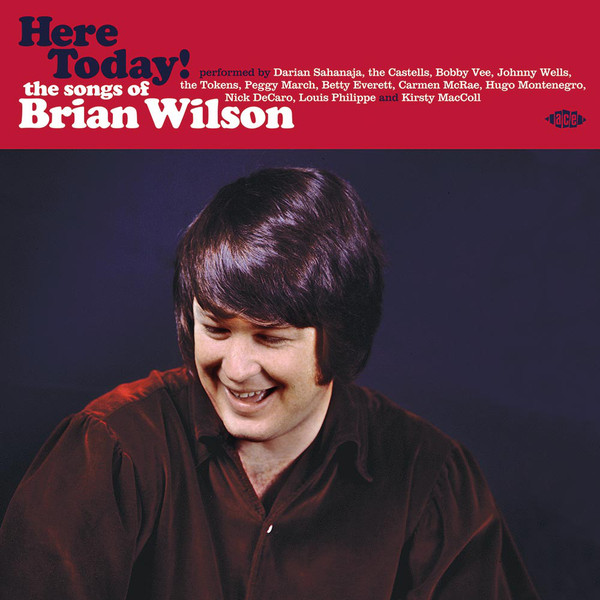
Jay Strongman Presents Popcorn Heartbreak 1958-1964.
Throughout musical history, songwriters always revisit certain subjects. Especially, angst, betrayal, heartbreak and love lost. Countless songs have been written about these subjects. That has been the case since the birth of popular music. However, for many music lovers, the late fifties and early sixties was a golden age for songs about heartbreak. Twenty tracks from that period featured on Jay Strongman Presents Popcorn Heartbreak 1958-1964 which was released by BBE Records.
Among the twenty artists who feature on Jay Strongman Presents Popcorn Heartbreak 1958-1964 are Hillard Street, Varetta Dillard, Jesse James, The Gainors, Dolly Lyon, Brook Benton and Cindy Devereaux. That’s not forgetting contributions from Anna King, Johnny Wells. Timi Yuro and Lew Conetta. Each of these artists have their own tale of heartbreak to share on Jay Strongman Presents Popcorn Heartbreak 1958-1964.
The soulful sounding music on Jay Strongman Presents Popcorn Heartbreak 1958-1964 fell out fashion until the seventies. It was only when Belgian Popcorn DJs are looking for an alternative to disco that they discovered that these mid-tempo, soulful sounds from a decade earlier fitted the bill the perfectly. They became the soundtrack to slow dancing, late at night at Popcorn nights across Belgium; and soon further afield. Nearly forty years later, and Popcorn nights are still being organised in clubs. This is testament to this timeless music, which can be found on Jay Strongman Presents Popcorn Heartbreak 1958-1964.
Keb Darge’s Presents The Best Of Legendary Deep Funk.
When Keb Darge’s Legendary Deep Funk Volume 3 was released to critical acclaim in 1999, many thought this was going to be a long running compilation series. Sadly, it wasn’t to be. There were no further instalments in the series. Fast forward to 2016, when BBE Records were celebrating twentieth anniversary during 2016. One of the most anticipated releases was Keb Darge Presents The Best Of Legendary Deep Funk, Keb Darge .
He had chosen twenty-one tracks from King Tutt, Harris and Orr, Soul Drifter, Record Player, Dee Edwards, Leon Gardner, Family Of Eve, Joe Washington, Sons Of The Kingdom, Golden Toadstools and Carleen and The Groovers. They feature on disc two, while Disc one wa a seventeen mix from another BBE stalwart, Mr. Thing. The DJ and record collector showcased his considerable skills on the wheels of steel. These two discs marked the welcome return of Keb Darge’s much loved Legendary Deep Funk series.
Seventeen long years after releasing this last in his trio of compilations of deep funk, Keb Darge Presents The Best Of Legendary Deep Funk returned like a conquering hero. Keb Darge Presents The Best Of Legendary Deep Funk featured the creme de la creme of deep funk, from the genre’s founding father, Keb Darge.
THE BEST COMPILATIONS OF 2016-PART 3.
The Best Compilations Of 2016-Part 3.
Kev Beadle Presents The Best Of Inner City Records.
In 1976, music industry veterans Irv Kratka and Eric Kriss founded Inner City Records. What they didn’t know about the music industry, wasn’t worth knowing. This looked like a musical marriage made in heaven. By 1979, Inner City Records was voted Record Label Of The Year. Inner City Records’ star was in the ascendancy. However, by 1981, Inner City Records shut its door for the last time. Nowadays, the albums Inner City Records released are prized possessions among DJs and record collections.
Especially in London, which is home to DJ Kev Beadle. Last year, he compiled Kev Beadle Presents The Best Of Inner City Records. It was released by BBE and features Judy Roberts, Janet Lawson Quintet, Tom Lellis, The Jeff Lorber Fusion, Eddie Jefferson, Kellis Ethridge and Charlie Mariano. Kev Beadle Presents The Best Of Inner City Records is an eclectic compilation that’s a tantalising taste of Inner City Records’ back-catalogue.
Hopefully, there will be further compilations from Inner City Records’ back-catalogue. During its lifetime, Inner City Records released many groundbreaking albums. Especially among the avant-garde releases. Sadly, they’re prized items among collectors, so the nearest most people will come to these rarities is on Kev Beadle Presents The Best Of Inner City Records. That’s until another label decides to release some of those groundbreaking releases. Until then, Kev Beadle Presents The Best Of Inner City Records is the perfect introduction into Inner City Records
Kinked! Kinks Songs and Sessions 1964-1971.
Ever since the earliest days of The Kinks’ career, Ray and Dave Davies had written songs for other artists. When The Kinks signed to RCA Records in 1971, Ray and Dave Davies were successful songwriters. They had written for artists on both sides of the Atlantic. Everyone from Dave Berry, Peggy Lee, Petula Clark, The Pretty Things, Bobby Rydell, Duster Bennett, Marianne Faithfull, The Knack to Herman’s Hermits had recorded songs penned by one or other of the Davies’ brothers. Twenty-six featured on Ace Records’ compilation Kinked! Kinks Songs and Sessions 1964-1971.
It shows how the Davies’ brothers songwriting skills evolved. Many of the songs on Kinked! Kinks Songs and Sessions 1964-1971 were never recorded by The Kinks. Others songs were recorded by other artists before The Kinks decided to record them. Some songs are very different to what The Kinks were releasing during that period. They’re the polar apposite to the raw power of early Kinks songs. Instead, the songs have a much more traditional song structure, and range from melodic pop to much more sophisticated songs. This makes sense.
Ray and Dave Davies’ were maturing and evolving as songwriters. Their songs veer between cerebral and cinematic to satirical, thoughtful and thought-provoking. Sometimes, there was a degree of cynicism or melancholia in The Kinks’ carefully crafted songs, including those on inked! Kinks Songs and Sessions 1964-1971, which celebrate the songwriting careers of Ray and Dave Davies.
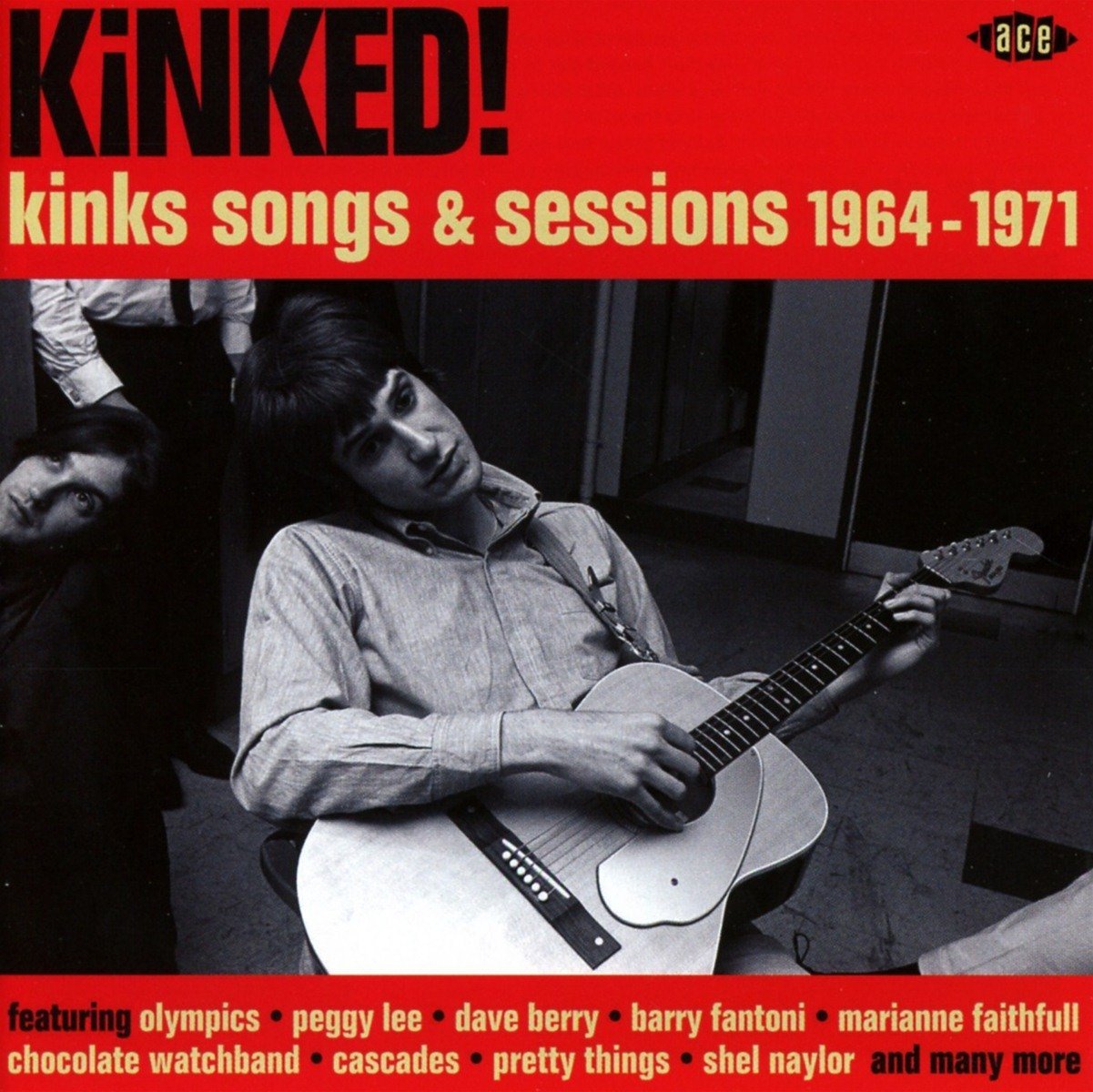
Kollection 06: Cluster 1971-1981 Compiled By John McEntire.
One of the most important, influential and innovative bands in German music were Cluster. Last year, Bureau B released a compilation of Cluster’s music, Kollection 06: Cluster 1971-1981 Compiled By John McEntire. It documents Cluster’s career between Cluster in 1971 right through to 1981s Curiosum. To do this, John McEntire chose eleven of the finest moments from the first ten years of Cluster’s career. Three of these tracks have been edited so that the eleven tracks can fit on one CD. The result is the perfect introduction to Cluster.
Especially for newcomers to Cluster. They might be unsure where to start in Cluster’s impressive back-catalogue. Kollection 06: Cluster 1971-1981 Compiled By John McEntire is an overview of their first eight studio albums. It’s a reminder of a pioneering group who have influence several generation of musicians.
There’s a reason for this. Cluster weren’t afraid to push musical boundaries to their limits, and sometimes, way beyond. Musically, Cluster were willing to go, where others musicians feared to tread. That’s apparent on Kollection 06: Cluster 1971-1981 Compiled By John McEntire covers. During that period, Cluster released eight studio albums, including several Krautrock classics. Each of these albums featured ambitious, groundbreaking and genre-melting music that even four decades later, is truly timeless. One listen to Kollection 06: Cluster 1971-1981 Compiled By John McEntire and that will become apparent.
Linda Jones-Precious: The Anthology 1963-1976.
The story of Linda Jones is one of triumph and tragedy. Growing up, Linda Jones was diagnosed with diabetes. Despite this, Linda Jones went on to forge a successful career as a soul singer. Her breakthrough single, was Hypnotised, which reached twenty-one in the US Billboard 100 and number four in the US Billboard R&B charts in 1967. Suddenly, great things were being forecast for Linda Jones. These forecasts proved prescient.
As 1972 dawned, Linda Jones was a successful soul singer. Sadly, she slipped into a diabetic coma on the 14th February 1972. Later that day, she was pronounced dead aged just twenty-seven. Tragedy had robbed soul music of his its talented and promising singers, Linda Jones. Her career is documented on a new compilation, Precious: The Anthology 1963-1976, which was released by Kent Soul. It celebrates the life and music of Linda Jones.
She’s now remembered for possessing one of the finest and most versatile voices in soul music. If she had lived, Linda Jones had the potential to rival Aretha Franklin, Gladys Knight and Irma Thomas for the title Queen of Soul. Sadly, that wasn’t to be, and Linda Jones died far too young. However, she left behind a rich musical legacy. This includes the music that features on Precious: The Anthology 1963-1976. It’s the perfect introduction to another of soul music’s best kept secrets, Linda Jones.
New Breed Workin’-Blues With A Rhythm.
2016 saw the release of the sixth instalment in the New Breed series. New Breed Workin’-Blues With A Rhythm was released on Kent Dance and was compiled by the hardest working man in music, Ady Croasdell. He has dug deep into the vaults of labels like Frisco, Cleveland, Dore, Brent, Kent, Krafton, RPM, Music City and Cator to find the twenty-four tracks that feature on New Breed Workin’-Blues With A Rhythm.
After much contemplation, Ady Croasdell settled on a mixture of familiar faces, new names, hidden gems and rarities. There;s contributions from from Danny White, Pee Wee Foster, B.B. King, Bertha Tillman, Nookie Boy, Mary Johnson, Cool Papa Jarvis, Billy Ray, Richard Berry and Chet “Poison” Ivey. There were also eight tracks that have never featured on CD before. They’re a welcome addition to New Breed Workin’-Blues With A Rhythm. Especially, with veterans collectors of R&B.
They’re always looking for something new to add to their burgeoning collection. So New Breed Workin’-Blues With A Rhythm will be a welcome addition to their collection. No wonder. Just like previous volumes, New Breed Workin’-Blues With A Rhythm oozes quality. That’s down to Ady Croasdell’s crate-digging skills. He combines old friends, familiar faces, new names, hidden gems, rarities and unreleased tracks on New Breed Workin’-Blues With A Rhythm, which is a welcome addition to the New Breed series.
New Orleans Funk Volume 4-Voodoo Fire In New Orleans 1951-77.
Bourbon Street, one if the Big Easy’s best known streets is full of tourists enjoying a taste of Mardi Gras. They enjoy the local delicacies of beignets, gumbo and jambalaya. Meanwhile, music fills the air of one of America’s musical capitals. They’re all part and parcel of New Orleans’ rich musical heritage. Tourists are seduced by this heady brew of musical genres. This is the real sound of New Orleans. It features on New Orleans Funk Volume 4-Voodoo Fire In New Orleans 1951-77, which was released by Soul Jazz Records.
New Orleans Funk Volume 4-Voodoo Fire In New Orleans 1951-77 features familiar faces, old friends and new names. This includes Eldridge Holmes, Gus ‘The Groove’ Lewis, Chocolate Milk, Lou Johnson, Norma Jean, Johnny Adams, Clifton Chenier and His Red Hot Louisiana Band, Eddie Bo, Betty Harris and Zilla Mayes. While ostensibly a funk compilation, New Orleans Funk Volume 4-Voodoo Fire In New Orleans 1951-77 features some soulful sides recorded in the Big Easy.
That’s why funky and soulful describes the music that can be found on New Orleans Funk Volume 4-Voodoo Fire In New Orleans 1951-77. It’s the perfect introduction to this sub-genre this series of lovingly curated compilations. They feature familiar funky and sometimes soulful songs. They’re augmented by a few hidden gems, that are part of New Orleans’ rich musical heritage.
Nuggets Hallucinations: Psychedelic Pop Nuggets From The WEA Vaults.
The release of Nuggets Hallucinations: Psychedelic Pop Nuggets From The WEA Vaults was a welcome reminder of Rhino’s much loved Nuggets compilation series. This series began in 1984 when Nuggets, Volume 1: The Hits was released. Little did anyone know that the Nuggets series would last twenty-five years, and include fifteen LP, five box sets and two CD compilations. Like all good things, the Nuggets series had to come to an end. The final chapter in the story was Where the Action Is! Los Angeles Nuggets: 1965–1968, which was released in 2009. Since then, it’s been all quiet on the Nuggets’ front.
With seven years passing since the release of Where the Action Is! Los Angeles Nuggets: 1965–1968, it seemed unlikely that there would another instalment in the series. That was until the list of Record Store Day 2016 releases was announced. That’s when eagle-eyed spotted the release of Nuggets Hallucinations: Psychedelic Pop Nuggets From The WEA Vaults, a double album featuring twenty-four tracks from familiar faces and new names alike.
There’s contributions from The Misty Wizards, The Last Exit, Adrian Pride, The Association, The Salt, Kim Fowley, The Tokens and Lee Mallory. That’s not forgetting The Glass Family, The Holy Mackerel and The West Coast Pop Art Experimental Band. Quite simply, Nuggets Hallucinations: Psychedelic Pop Nuggets From The WEA Vaults is a veritable psychedelic feast and a trip down memory lane.
Out Of Left Field-Where Soul Meets Country.
Country music has always been inextricably linked with soul music. In some cases, the two go hand-in-hand. This has been documented by Ace Records on their Where Country Meets Soul series. The most recent instalment was Out Of Left Field-Where Soul Meets Country. It finds country artists covering soul and R&B songs. There’s even a few classics thrown in for good measure, as the great and good of country music reinvent some familiar songs.
Playing a starring role on Out Of Left Field-Where Soul Meets Country, are Hank Williams Jr., Waylon Jennings And Willie Nelson, Anita Carter, Skeeter Davis, Don Gibson, Ronnie Milsap, Tanya Tucker, Conway Twitty and Loretta Lynn and the one and only Man In Black, Johnny Cash. These are just a few members of the great and good of country music who feature on On Out Of Left Field-Where Soul Meets Country. With a compilation that oozes quality.
With its star-studded lineup, Out Of Left Field-Where Soul Meets Country is the perfect addendum to Ace Records’ Where Soul Meets Country series. Out Of Left Field-Where Soul Meets Country also “complements” the three previous volumes of Where Soul Meets Country series. Just like Out Of Left Field-Where Soul Meets Country, they belong in the collection of anyone interested in soul or country music.
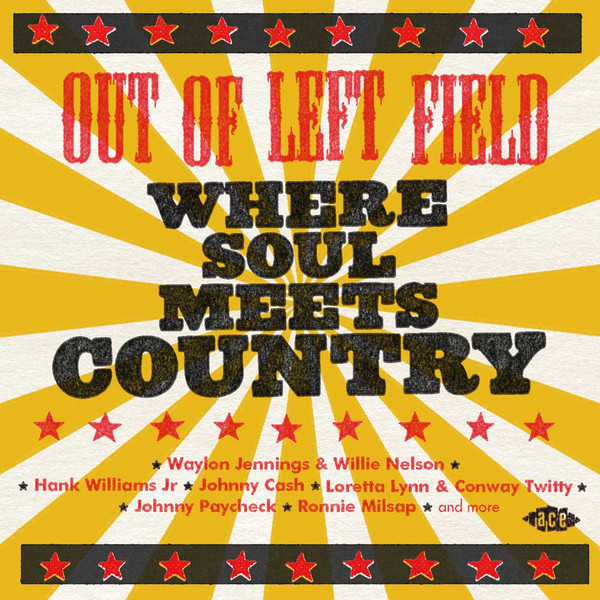
Pat Thomas-Coming Home-Original Ghanian Highlife and Afrobeat Classics.
During a long and illustrious career that has spanned six decades, Ghanaian highlife master Pat Thomas, became known as the “the golden voice of Africa.” Now aged sixty-five, and one of the veterans of African music, Pat Thomas continues to make music. That’s no surprise.
All Pat Thomas ever wanted to do was sing highlife. He’s been doing since his career began in 1966. Since then, Pat Thomas has reinvented himself musically several times. He’s recorded everything from big band highlife in the late sixties, right through to the burger highlife of the early eighties. After this, the reinvention of Pat Thomas continued. It’s documented on Strut Records Pat Thomas retrospective, Coming Home-Original Ghanian Highlife and Afrobeat Classics-Original Ghanian Highlife and Afrobeat Classics. It features twenty-three tracks, including two previously unreleased tracks from “the golden voice of Africa.”
This includes previously unreleased tracks from Ebo Taylor featuring Pat Thomas. There’s also songs from Pat Thomas’ time with the Broadway Dance Band, and collaborations with The Ogyatanaa Show Band, The Black Berets, The Big 7,” The Sweet Beans and Marijata. Then on disc two, there’s further collaborations with Ebo Taylor, Marijata and a track from Super Sounds Namba’s album Super Sounds. This must make Coming Home-Original Ghanian Highlife and Afrobeat Classics the definitive overview of Pat Thomas’ career. Especially for newcomers to Ghanaian highlife master Pat Thomas, “the golden voice of Africa,” in his musical prime
Pied Piper-The Pinnacle Of Northern Soul.
Having founded Pied Piper Productions, Sheldon “Shelley” Haines brought onboard to former Funk Brothers Jack Ashford and Mike Terry. They had both been important members of Motown’s house band and had played on countless hit singles. Despite this, they felt they weren’t receiving the renumeration they deserved. When the pay dispute couldn’t be resolved to their satisfaction Jack Ashford and Mike Terry, left Motown and joined Sheldon “Shelley” Haines Pied Piper Productions.
At Pied Piper Productions, Jack Ashford and Mike Terry worked with Nancy Wilcox, The Cavaliers, The Hesitations, Lorraine Chandler, Freddy Butler, September Jones, Mikki Farrow and Tony Hester, who all feature on Ace Records’ Pied Piper-The Pinnacle Of Northern Soul. They were among the artists that were discovered, careers that were rejuvenated and stars were born.
Sheldon “Shelley” Haines’ decision to bring Jack Ashford and Mike Terry to Pied Piper Productions was vindicated. For a few short years, they were a potent and successful partnership. Proof of this is the music on Pied Piper-The Pinnacle Of Northern Soul. It’s a compilation that will appeal to anyone who likes their music soulful.
THE BEST COMPILATIONS OF 2016-PART 4.
The Best Compilations Of 2016-Part 4.
Pink Floyd-Cre/ation: The Early Years 1967–1972.
One box set that divided opinion during 2016, was Pink Floyd’s The Early Years 1965–1972. It featured eleven CDs, DVDs, blu-ray discs, vinyl, and memorabilia. There was everything from unreleased material to live recordings and non-album singles. The Early Years 1965–1972 was marketed as the most comprehensive overview of the first five years of Pink Floyd’s recording career. However, it came at a price, £375. The Early Years 1965–1972 was the most expensive box set of recent years. Many people decided to buy instead Pink Floyd-Cre/ation: The Early Years 1967–1972.
This double album was essentially a sampler of the box set. There was a single, B-Side, unreleased tracks, remixes, radio sessions, jams and songs that were work in progress. However, during the five years the compilation covers, Pink Floyd evolve and mature into a much tighter band. That’s apparent thought Pink Floyd-Cre/ation: The Early Years 1967–1972, which is the perfect introduction to Pink Floyd’s long and illustrious career.
For many people, The Early Years 1965–1972 would be overkill. Some people may only want some of the material. That will soon be possible when six forthcoming volumes from the box set will be released. Meanwhile, Pink Floyd-Cre/ation: The Early Years 1967–1972 is a tantalising taste of what’s in store on these six volumes from The Early Years 1965–1972 box set.
Red Square-Rare and Lost 70s Recordings.
Red Square were formed in 1974, and imploded in 1978. By then, Red Square hadn’t even released an album. Their modest discography consisted of just two self-released cassettes. However, Red Square reformed in 2008, and are making up for lost time. Rare and Lost 70s Recordings which was released by Mental Experience, an imprint of Guerssen Records is just the latest release from the avant-rock pioneers, who have influenced several generation of musicians.
Even today, bands cite Red Square as one of the bands who influenced them. Rare and Lost 70s Recordings features Red Square at the peak of their powers between 1976 and 1978. During that period, Red Square were one of leading lights of the avant-rock and free-improv scenes. Red Square created groundbreaking music that should’ve reached a much wider audience. Alas, record companies were reluctant to sign Red Square. They were perceived as having an “attitude,” and their music was deemed to extreme to be commercial. None of the British record companies were willing to take a chance on Red Square.
As a result, Red Square’s music failed to find the audience it deserved. Instead, it was enjoyed by a small, discerning and appreciative audience. These musical connoisseurs recognised the importance of Red Square’s music. Nowadays, Red Square is belatedly receiving the recognition, plaudits and critical acclaim their music deserves. However, for newcomers to Red Square, Rare and Lost 70s Recordings is the perfect starting place.
Rhythm ’N’ Bluesin’ By The Bayou-Nights Of Sin, Dirty Deals and Love Sick Souls.
Last year, Ace Records released Rhythm ’N’ Bluesin’ By The Bayou-Nights Of Sin, Dirty Deals and Love Sick Souls. This was the fifth volume of Louisiana R&B. It features twenty-eight tracks, that included familiar faces, rarities, alternate takes and unreleased tracks.
This includes contributions from Chris Kenner, Lester Robertson, Barbara Lynn, Jay Nelson, Leroy Washington, Little Victor, Big Walter Price and Classie Ballou. Some of the artists on Rhythm ’N’ Bluesin’ By The Bayou-Nights Of Sin, Dirty Deals and Love Sick Souls feature more than once. Often, their first contribution is so good, that they return for an encore on Rhythm ’N’ Bluesin’ By The Bayou-Nights Of Sin, Dirty Deals and Love Sick Souls. It’s a welcome addition to what’s now one of the most successful and longest running compilation series, By The Bayou.
Rhythm ’N’ Bluesin’ By The Bayou-Nights Of Sin, Dirty Deals and Love Sick Souls is the fourteenth instalment in the By The Bayou series. Still, there’s no let up in quality. Ian Saddler knows where to find rarities, hidden gems and unreleased tracks that ooze quality. They’re his secret weapons for the By The Bayou series. It’s the compilation series that looks as if it will run and run. Especially if Ian Saddler continues to compile compilations as good as Rhythm ’N’ Bluesin’ By The Bayou-Nights Of Sin, Dirty Deals and Love Sick Souls.
Saint Etienne Presents Songs For The Carnegie Deli.
Nowadays, The Carnegie Deli is a culinary institution. That’s why many visitors to the Big Apple beat a path to its door. This included Bob Stanley of Saint Etienne in 1991. He had heard of the legendary deli, and promised himself that on his next visit to New York, he was going to eat at The Carnegie Deli. Bob wasn’t disappointed. It was everything he expected, and much more. This set Bob Stanley thinking, what kind of music was played in The Carnegie Deli, and similar diners over the years?
Soon, Bob Stanley was thinking of songs that might, at one time, have provided a backdrop to life in a New York diner. Before long, Bob Stanley had a list of possible songs that might have provided the soundtrack to life in The Carnegie Deli. This was a purely academic exercise. Nothing he thought, would come of it. That was until Ace Records asked Bob Stanley and Pete Wiggs to compile Saint Etienne Presents Songs For The Carnegie Deli.
So Bob Stanley and Pete Wiggs delved into the vaults of Smash, United Artists, Wand, Sue, Barry, Cameo, GWO and Arock and picked twenty-four tracks. Among them, were contributions from Irma Thomas, Chuck Jackson, Lou Johnson, The Chiffons, Baby Washington, Junior Lewis, David Coleman, Lesley Gore, The Shirelles and The Hesitations. They’re just a taste of the musical delights in store for listeners on Saint Etienne Presents Songs For The Carnegie Deli.
Son-Of-A-Gun and More From The Lee Hazlewood Songbook.
Lee Hazlewood dreamt of being a songwriter. Even when he was working as a DJ. Many thought that this was a pipe dream. However, Lee Hazlewood had the last laugh. His songs were recorded by artists over a fifty a year period. This includes several generations of musicians that featured on Ace Records’ Son-Of-A-Gun and More From The Lee Hazlewood Songbook.
Everyone from country and folk singers to crooner and indie rockers went on to cover Lee Hazelwood’s songs. Proof of this is Son-Of-A-Gun and More From The Lee Hazlewood Songbook. It features an eclectic selection of artists, including Waylon Jennings, Billie Dearborn, Sanford Clark, The Jesus and Mary Chain, Sanford Clark, Mark Morriss, Gold Leaves and Primal Scream. They covered these between 1959 and 2012. Sadly, on August the 4th 2007, Lee Hazlewood passed away aged seventy-eight. Even after his death, artists continue to inspired and influenced by Lee Hazlewood.
Many of the artists that have been influenced and inspired by Lee Hazlewood weren’t even born when he first wrote and recorded some of the songs on Son-Of-A-Gun and More From The Lee Hazlewood Songbook. However, many of his songs have a timeless quality, and fifty years after they were first released, artists are covering them. Sometimes, they stay true to the original, other times, they reinvent the song. Lee Hazlewood, a musical pioneer would’ve approved of that.
Space Echo-The Mystery Behind The Cosmic Sound Of Cabo Verde Finally Revealed!
The ‘story’ behind the equipment that made the music on Space Echo-The Mystery Behind The Cosmic Sound Of Cabo Verde is one that has been exaggerated and grown legs over the years. In some ways, this tall tale gets in the way of the music on Space Echo-The Mystery Behind The Cosmic Sound Of Cabo Verde Finally Revealed!
It was released by Analog Africa and is the perfect introduction to the Cabo Verdean music scene after it gained its independence from Portugal in 1975. After that, the Cabo Verdean music scene flourished, with artists and bands combining musical genres and influences to create new and exciting music. Often, the basis for this music is the of Cabo Verde’s past. Other times, the music is made by the latest technology, which locals will claim are similar to those that were supposedly found on that mysterious boat in a field in mid 1968. However, this new music resulted in Cabo Verdean music scene flourishing.
Cabo Verde enjoyed an eclectic and vibrant music scene after independence in 1975. During that period, Cabo Verde cultural capital blossomed as a new generation of musicians got the opportunity to showcase their considerable talents. A reminder of their music can be found on Space Echo-The Mystery Behind The Cosmic Sound Of Cabo Verde, which hopefully, is the first in a series compilations documenting Cabo Verde’s rich musical past.

Sun Ra-Singles The Definitive 45s Collection.
One of the most-anticipated compilations of 2016 was Strut Records’ Singles The Definitive 45s Collection. It documents the music of a true visionary. He had spent the last six decades releasing groundbreaking music. This includes on 125 albums and the countless singles that Sun Ra released. A tantalising taste of these singles feature on the Singles The Definitive 45s Collection box set. It’s a lovingly curated compilation that will appeal to veterans of and newcomers to Sun Ra’s music.
Sun Ra was one of most enigmatic and innovative musicians of the 20th Century. For nearly forty years, Sun Ra and His Arkestra pushed musical boundaries. Sun Ra was a perfectionist and relentless taskmaster. With some of most talented, inventive and adventurous musicians of their generation, Sun Ra set about honing the Arkestra’s sound. He was demanding and set exacting standards. Second best was no use to Sun Ra, who was a musical pioneer.
His music is celebrated on Singles The Definitive 45s Collection box set, where Sun Ra combines Egyptian history with space-age cosmic philosophy and freeform jazz. Sun Ra was more than a musician, bandleader, composer. He was also a cosmic philosopher, writer and poet. Despite his many talents, Sun Ra is best remembered for a musical career that spanned six decades. The music Sun Ra wrote and recorded was innovative, inventive and influential, and is why nowadays, he’s regarded as one of the most important figures in jazz.
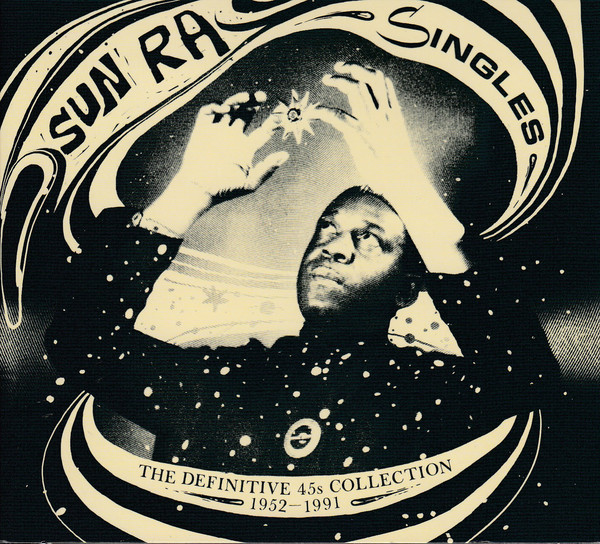
Super Duper Love-Mainstream Hits and Rarities 1973-76.
In 1970, Bob Shad decided to relaunch Mainstream Records. For the next three years Bob Shad concentrated on releasing traditional jazz. By 1973, there had been a blurring of the lines between what was soul and jazz. This resulted in Mainstream Records’ musical policy changing, and the label releasing a much wider selection of music. This included the music on Super Duper Love-Mainstream Hits and Rarities 1973-76, which was released by Kent Soul
Super Duper Love-Mainstream Hits and Rarities 1973-76 features twenty-four tracks from Mainstream Records and its various subsidiaries. Familiar faces and new names sit side-by-side, including Afrique, Linda Perry and Soul Express, Lenny Welch, Sandra Phillips, Calvin Arnold, J.G. Lewis, Doris Duke, The Eleventh Commandment, Darlene Jackson, The Dramatics and Ellerine Harding. These are just a few of the artists on Super Duper Love-Mainstream Hits and Rarities 1973-76.
It features deeply soulful songs, including ballads and uptempo love songs. There’s everything from songs about betrayal and love lost, to songs about hope, hurt and heartache. Many of these songs will tug at the heartstrings. Some will make the listener cry while others will make them laugh. However, even song on Super Duper Love-Mainstream Hits and Rarities 1973-76 is of the highest quality. It’s also the perfect companion to Mainstream Modern Soul 1969-1976. Both compilations show the soulful side Bob Shad’s Mainstream Records.
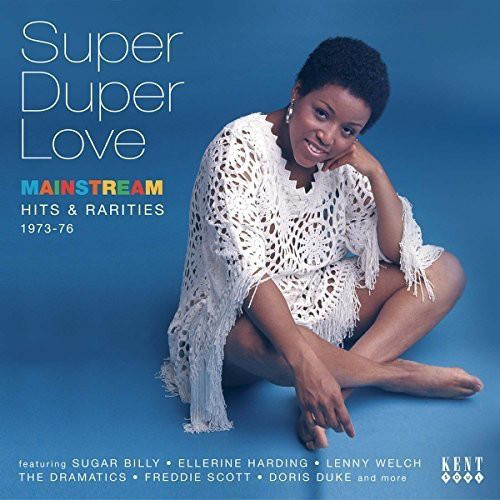
Swamp Pop By The Bayou-Troubles, Tears and Trains.
While Swamp Pop By The Bayou-Troubles, Tears and Trains was the thirteenth instalment in Ace Records’ By The Bayou series, it was only the second compilation of swamp pop. It finds compiler Ian Saddler returning to the vaults of J.D. Miller, Eddie Shuler, Floyd Soileau, Sam Montel, Huey Meaux and Joe Ruffino, Pappy Daily, Murray Nash and Jim Rentz. Ian Saddler even looked for hidden gems with the Hitt and Mercury labels. He struck gold.
Among the treasure unearthed by Ian Sadlder are: six unreleased songs from swamp pop royalty Warren Storm plus Frankie Lowery, The Boogie Kings, Larry Hart, Frankie Lowery and Buck Rodgers. There’s also a trio of alternate tracks. The other nineteen tracks are real rarities. They’re a mixture of skirt swirlers and buckle polishers. For those unfamiliar with the parlance of swamp pop, skirt swirlers are the uptempo dance tracks; while buckle polishers are the slow songs. Providing the skirt swirlers and buckle polishers are Roy Perkins With Jerry Starr and The Clippers, Dale Houston, Phil Clay, John Fred, Gene Dunlap and The Jokers,Warren Storm, Dale Houston, Johnny Preston and Jay Richards.
Just like previous volumes in the By The Bayou series, familiar faces and new names rub shoulders on Swamp Pop By The Bayou-Troubles, Tears and Trains. This captivating compilation of skirt swirlers and buckle polishers from the land of “gaters and gumbo” is guaranteed to get any party started.
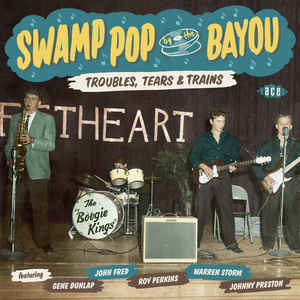
The Girls Want The Boys! Swedish Beat Girls 1964-1970.
Sweden has always had a rich musical heritage. That was the case between 1964 and 1970. That was the era of the beat girls. This period was documented on The Girls Want The Boys! Swedish Beat Girls 1964-1970, which was released by Ace International. It features twenty-four tracks from eighteen artists.
They’re a mixture of familiar faces and new names. Two of the biggest names were Agnetha Fältskog and Anni-Frid Lyngstad in their pre-Abba days. Other include Eleanor Bodel, Lena Junoff, Doris, Mona Wessman, Britt Bergstrom, Sunnygirls, MAK Les Soeurs, Suzie and Susanne Wigforss. They were some of the most successful Swedish Beat Girls between 1964 and 1970.
As the seventies dawned, some artists went on to greater things. Other artists, including Eleanor Bodel, turned their back on music. She had enjoyed her short, but successful musical career, but decided to return to her studies. Some artists had no option, as their career stalled or ground to a halt. For some artists, including Bella and Me, recording a single hadn’t been something they planned to do. A chance meeting resulted in them recording their one and only single Whatever Happened To The 7-Day Week. They never recorded another single. Britta Bergström and Suzie were truly prolific artists. Both feature on The Girls Want The Boys! Swedish Beat Girls 1964-1970, which is the first retrospective of the Swedish Beat. Let’s hope it’s not the last.
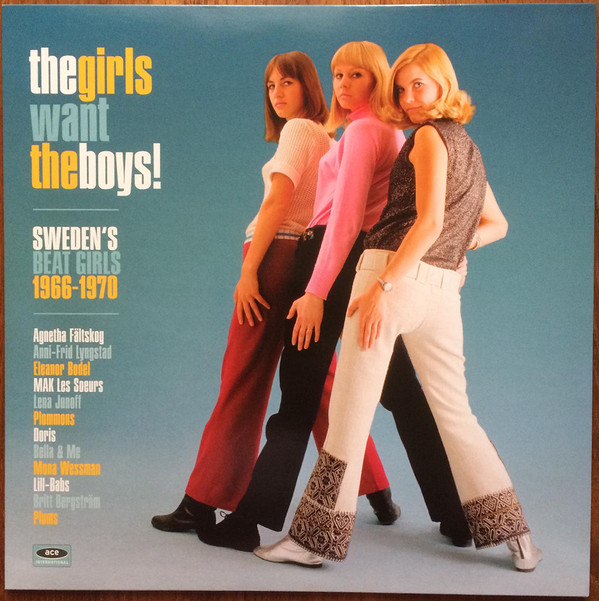
THE BEST COMPILATIONS OF 2016-PART 5.
The Best Compilations Of 2016-Part 5.
The Golden Age Of American Country Music: More Country Hits.
For many people, the golden age of country music was the late fifties and early sixties. During that period, country music provided the soundtrack to much of American life. Providing the soundtrack were giants of country music like Johnny Cash, Don Gibson, Carl Perkins, George Jones, Jerry Lee Lewis and Marty Robbins. Their singles regularly topped the country charts and crossed over into the US Billboard 100. Songs from each of these artists feature on a recently released compilation by Ace Records, The Golden Age Of American Country Music: More Country Hits.
This is the long-awaited followup to The Golden Age Of American Country Music: The Country Hits, which was released back in 2008. Fast forward eight years, and The Golden Age Of American Country Music: More Country Hits features another twenty-eight hits from some of the giants of country music. Essentially, The Golden Age Of American Country Music: More Country Hits features a who’s who of country music. There’s also contributions from Jim Reeves, Patti Page, Stonewall Jackson, Ray Price, Bill Anderson and Carl Smith on The Golden Age Of American Country Music: More Country Hits.
It’s a compilation that epitomises everything that’s good about country music. That comes as not surprise. The Golden Age Of American Country Music: More Country Hits features many of the giants of country music, who were responsive for the rise and rise of country music.
The Independents.-Just As Long-The Complete Wand Recordings 1972-74.
Charles Jackson and Marvin Yancy first met at the Chicago’s Black Writer’s Workshop. When they got talking, they discovered they had much in common. They began to write together, they proved a potent partnership. Two heads were definitely better than one. Having penned some songs, Charles hit on the idea of forming a group. Secretly, he had dreamed of becoming a singer. So Charles approached Marvin about forming a group. He agreed, they began the search for the rest of the nascent group. Before long, two stalwarts of Chicago soul scene, Helen Curry and Maurice Jackson had agreed to join the nascent group that became The Independents.
Over the next two years, The Independents enjoyed eight hit singles in the US R&B charts, and five in the US R&B charts. This included four top ten singles, including the number one single Leaving Me. It was one of The Independents’ trademark ballads, which was certified gold after selling over 500,000 copies. However, Leaving Me is just one of twenty-two tracks that feature on Just As Long-The Complete Wand Recordings 1972-74.
It was recently released by Kent Soul, an imprint of Ace Records and includes singles, B-Sides, album tracks and a remix. The twenty-two tracks on Just As Long-The Complete Wand Recordings 1972-74 include the best and most beautiful music in the three year career of Chicago’s very own The Independents.
The Ladies Of Too Slow To Disco.
Since 2014, DJ Supermarkt has been curating the Too Slow To Disco series. Last year, rather that release Too Slow To Disco Volume 3, to focus on The Ladies Of Too Slow To Disco. It’s a nineteen track compilation released by the How Do You Are label. The Ladies Of Too Slow To Disco features Evie Sands, Rickie Lee Jones, Melissa Manchester, Valerie Carter, Carole Bayer Sager, Carly Simon, Lauren Wood, Carole King and Lynn Christopher. This was a tantalising taste of the music awaiting the listener on The Ladies Of Too Slow To Disco.
Classics, hidden gems and rarities sit side-by-side on The Ladies Of Too Slow To Disco. Many of the tracks aren’t the artists biggest hits. Instead, many are album tracks. This makes a pleasant change. Usually, compilers look no further than singles. However, that’s not DJ Supermarkt’s style. He eschews the obvious for long forgotten album tracks. Many people won’t remember these tracks. They’ll only be remembered by diehard fans. Not any more. Now a new generation of music lovers will get the chance to hear these hidden gems. They’re part of a voyage of discovery, where newcomers will discover the delights of the West Coast sound, including The Ladies Of Too Slow To Disco.

The Microcosm): The Visionary Music Of Continental Europe, 1970-1986.
As the seventies dawned, a new musical movement started to take shape across Europe. This new musical movement continued right through to the mid-eighties. By then, it was a pan European musical movement. The tentacles of this new musical movement had spread far and wide, and showcased the combined and considerable talents of artists who created ambitious and innovative music. This music is documented on (The Microcosm): The Visionary Music Of Continental Europe, 1970-1986, which was released by Light In The Attic Records.
It’s the perfect introduction to the pioneers of this new, pan European musical movement. It showcases the music Hans-Joachim Roedelius, Ralph Lundsten, Ash Ra, Tempel, Ariel Kalma, Bernard Xolotl, Enno Velthuys, Peter Michael Hamel and Deuter. They’re among the fourteen artists that feature on (The Microcosm): The Visionary Music Of Continental Europe, 1970-1986. Each produced ambitious and innovative music, and can be described as a visionary.
Despite this, the music failed to find an audience. It was only many years later, that the music on (The Microcosm): The Visionary Music Of Continental Europe, 1970-1986 somewhat belatedly, began to find the audience it deserves. Still though, there are many record buyers still to discover the delights of this pan European musical movement. Maybe (The Microcosm): The Visionary Music Of Continental Europe, 1970-1986 will introduce them to this body of groundbreaking music, and they’ll embark upon a musical voyage of discovery?
The Other Side Of The Trax-Stax-Volt 45rpm Rarities 1964-1968
Between 1964 and 1968, countless hidden gems found their way on to B-Sides of Stax and Volt singles. Since then, none of these B-Sides have been released on CD before. That’s until now. Twenty-four B-Sides from Stax and Volt’s blue period are celebrate on The Other Side Of The Trax-Stax-Volt 45rpm Rarities 1964-1968, which was released by Kent Soul, an imprint of Ace Records.
The Other Side Of The Trax-Stax-Volt 45rpm Rarities 1964-1968 features tracks from some of the biggest names on Stax and Volt’s roster during the blue period. This includes Johnnie Taylor, Carla Thomas, William Bell, The Mar-Keys, Eddie Jefferson, Dorothy Williams, Oscar Mack, Eddie Floyd and Lynda Lyndell. They’re just a few of the artists that feature on The Other Side Of The Trax-Stax-Volt 45rpm Rarities 1964-1968, which is a reminder of the delights tucked away on B-Sides during Stax and Volt’s blue period.
Often, the B-Side to a Stax or Volt single surpassed the quality of the single. Those that flipped over were richly rewarded, and heard joyous, uptempo, dance tracks or heartbreaking ballads. Twenty-four of Stax and Volt’s finest B-Sides feature on The Other Side Of The Trax-Stax-Volt 45rpm Rarities 1964-1968. These songs are a reminder to always flip over to the B-Side, as musical gold may be awaiting discovery.
The Sun Records Rock ’N’ Collection-40 Rockin’ Greats From The Sun Vaults.
Last year, Sainsbury’s jumped on the burgeoning vinyl bandwagon, and have released a series of limited editions. This includes The Sun Records Rock ’N’ Collection-40 Rockin’ Greats From The Sun Vaults, which was released as a double album by Charly, and retailed exclusively through Sainsbury’s. Only 1,000 copies were pressed on 180 gram orange heavyweight vinyl. It’s a quality release and a reminder of one of the most important record labels in musical history.
It’s the label where rock ’n’ roll was born, and that was home to everyone from Elvis Presley, Carl Perkins and Jerry Lee Lewis to Johnny Cash, Roy Orbison and the Silver Fox Charlie Rich. That’s not forgetting Warren Smith, The Miller Sisters, Billy Lee Riley and Earl Hooker. They all feature on The Sun Records Rock ’N’ Collection-40 Rockin’ Greats From The Sun Vaults. Some of their best known tracks feature on this double album, and will be instantly recognisable to music lovers of all ages. They’re joined by some hidden gems from the Sun Records’ back-catalogue. It’s a captivating compilation.
For newcomers to Sun Records, The Sun Records Rock ’N’ Collection-40 Rockin’ Greats From The Sun Vaults, it’s the perfect starting place for anyone whose yet to discover the delights of Sun Records. This should be part of their musical education. After all, Sun Records was one of the most important labels in the history of music.
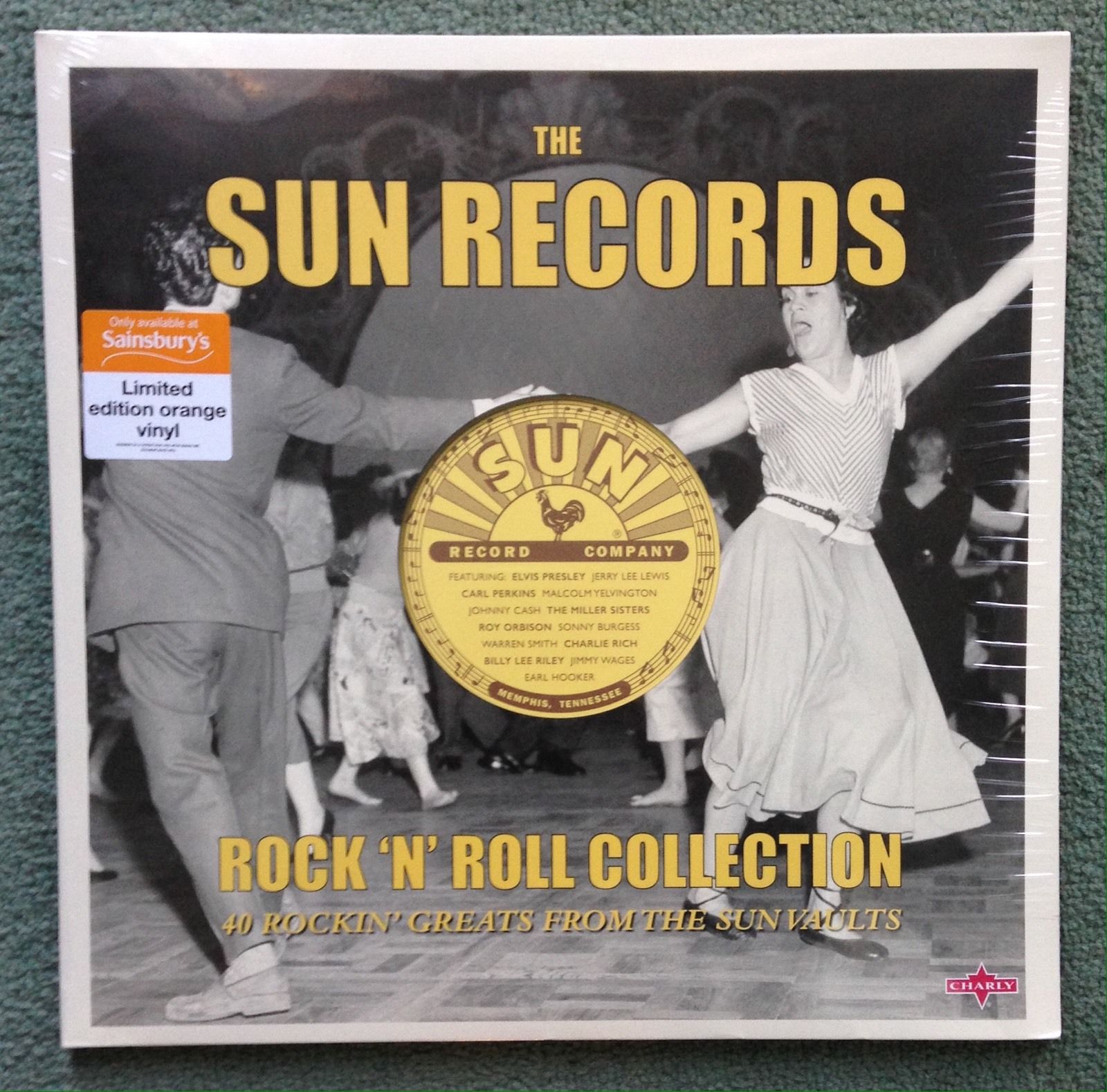
Things Gonna Get Better: Street Funk and Jazz Grooves 1970-1977 .
Although funk and jazz compilations are plentiful, Things Gonna Get Better: Street Funk and Jazz Grooves 1970-1977 stood head and shoulders above the competition. They were mere also-rans compared to Things Gonna Get Better: Street Funk and Jazz Grooves 1970-1977. It’s the second, and best instalment in BGP Records’ Things Gonna Get Better series.
Dean Rudland a veteran of countless critically acclaimed compilations compiled Gonna Get Better: Street Funk and Jazz Grooves 1970-1977. It was the latest in a long line of quality compilations to bear Dean Rudland’s name. Not for the first time, Dean Rudland has compiled what can only be described as a must have compilation for fans of jazz and funk. That’s no surprise.
Gonna Get Better: Street Funk and Jazz Grooves 1970-1977 featured everyone from Funkadelic, Vernon Garrett, Richard “Groove” Holmes and Idris Muhammad to Lonnie Liston Smith, Don Julian and The Larks, Harold Alexander and Pretty Purdie and The Playboys. The twenty tracks are a mixture of singles, B-Sides, album tracks and Dave Hamilton’s unreleased track What’s The Matter With The World. This results in a compilation that oozes quality, and will be a welcome addition to any record collection, Gonna Get Better: Street Funk and Jazz Grooves 1970-1977.
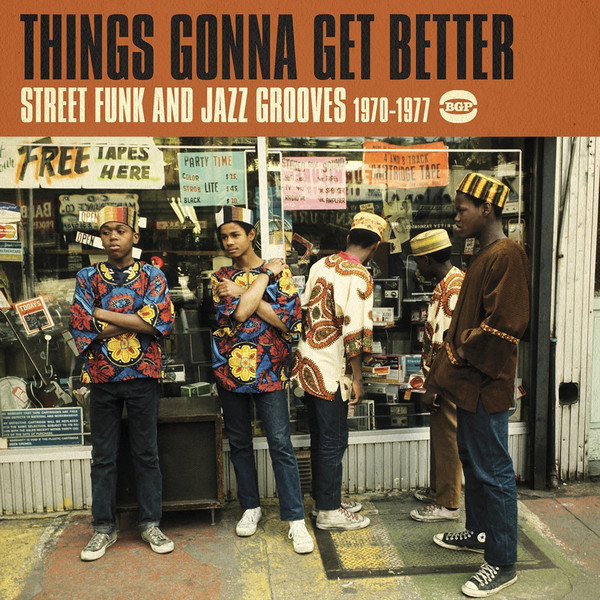
Tim Buckley-Lady, Give Me Your Key-The Unissued 1967 Sessions.
For anyone with even a passing interest in Tim Buckley’s music, then Light In The Attic’s Lady, Give Me Your Key-The Unissued 1967 Sessions was the equivalent of the Holy Grail. It featured thirteen previously unreleased tracks. This included six songs from a long-lost acetate and seven songs the Oak Court Demo Tape. Listening to Lady, Give Me Your Key-The Unissued 1967 Sessions is the equivalent of time travel.
Suddenly, it’s late 1966, early 1967 and the listener is transported to Larry Beckett’s LA apartment. Larry sets up his reel-to-reel tape recorder. This he does during several sessions. The songs he records Tim Buckley singing became the Oak Court Demo. These songs are work in progress. Having said that, they’re of historical importance. Especially to anyone interested in Tim Buckley’s music. Two of the songs on the Oak Court Demo, Once I Was and I Never Asked to Be Your Mountain would later be transformed, into Tim Buckley classics. These versions on Lady, Give Me Your Key-The Unissued 1967 Sessions show these songs evolving. It’s a similar case with the songs on The Acetate recorded at Madison Studios. They’re a fascinating insight into Tim Buckley’s nascent recording career.
Somewhat belatedly, these thirteen songs are available for all to hear on Lady, Give Me Your Key-The Unissued 1967 Sessions. For Tim Buckley fans they’re regarded as a musical Holy Grail.
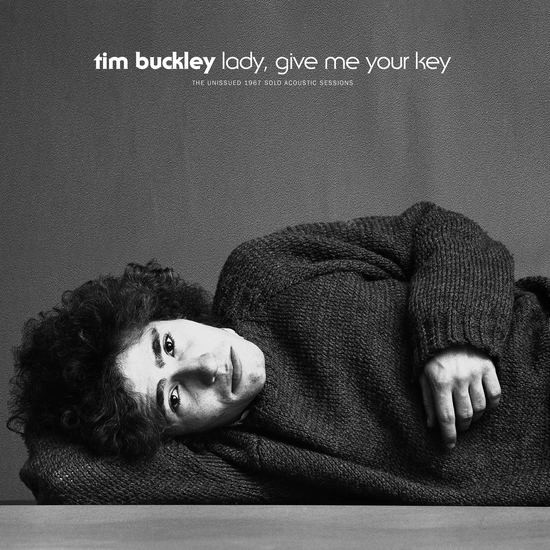
Venezuela 70-Cosmic Visions Of A Latin American Earth-Venezuelan Experimental Rock In The 1970s.
Last year, Soul Jazz Records released Venezuela 70-Cosmic Visions Of A Latin American Earth-Venezuelan Experimental Rock In The 1970s. It was compiled by Toni Arrelano and featured music from Pablo Schneider, Fernando Yvosky, Vytas Brenner, Angel Rada, Miguel Angel Fuster and Apocalipsis. These artists are largely unknown outside of their home country, but were part of what was a golden age in Venezuelan music.
During the seventies, Venezuelan artists released groundbreaking and genre-melting music. To do that, they drew inspiration from, and combined disparate musical genres, influences and instruments. Everything from avant-garde to Berlin School, electronica and experimental has been combined with funk and fusion plus Krautrock, Latin, progressive rock, psychedelia, rock and space rock. All these genres can be heard throughout Venezuela 70-Cosmic Visions Of A Latin American Earth-Venezuelan Experimental Rock In The 1970s. They’re combined by artists and groups who pushed musical boundaries and created ambitious and exciting music. Sadly,this music is largely unknown outside of their home country. That’s a great shame.
Especially considering the quality of music that is on Venezuela 70-Cosmic Visions Of A Latin American Earth-Venezuelan Experimental Rock In The 1970s. It’s the perfect introduction to Venezuelan music of the seven tie and features some of the most talented musicians in Venezuela’s thriving music scene during what was a golden age.

Where The Girls Are Volume 9.
There aren’t many compilations that are still going strong after nine volumes and nineteen years. That is apart from the Where The Girls Are series. Last year, Where The Girls Are Volume 9 was released by Ace Records. It’s another captivating compilation that features The Rag Dolls, Diane Christian, Popsicles, Evie Sands, Lovelites, The Francettes, The Penny Sisters and The Blossoms With Billy Strange. This is just a tantalising taste of the delights in store on for listeners on Where The Girls Are Volume 9.
Just like the previous volumes in the Where The Girls Are series, the emphasis was on quality music. It’s guaranteed to bring memories flooding back. The listener never knows what compiler Mick Patrick has in-store. He’s dug deep into the vaults of numerous labels, including Ballyhoo, Bandera, Bell Records, Cameo, Decca, Flip, Mint, Parkway and Vault and unearthed hidden gems and old favourites.
There everything from pop to soul and the classic sixties girl group sound. There’s even a couple of would-be dance crazes on Where The Girls Are Volume 9. It’s a welcome addition to one Ace Records’ longest running and critically acclaimed series, Where The Girls Are.
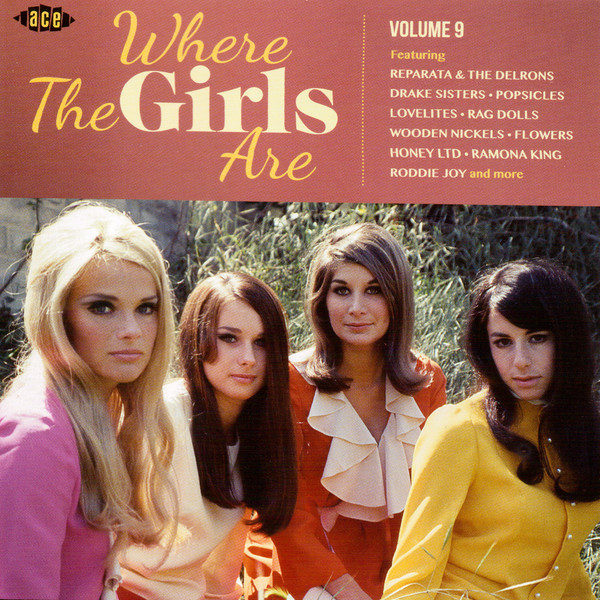
 dereksmusicblog
 dereksmusicblog