MAMY WATA-PROMESSE.
MAMY WATA-PROMESSE.
Recently, when I was compiling my list of the twenty best new albums of 2012, Offering Recordings were one of the labels that came out on top. Sage Monk’s Heartache Allegory and Idrissa Sissoko’s Lopilopolo, both released by Offering Recordings, featured in my twenty best albums of 2012. Offering Recordings were founded by Boddhi Satva, whose debut album Invocation also featured in my list of best new albums of 2012. Ever since Boddhi Satva founded Offering Recordings, the label has established a reputation as one of the most innovative independent labels. It appears Offering Recordings look harder, and further afield than other labels. Just one listen to their sampler, Offering Recordings Ade 2012 demonstrates this. Ade Alafia Adio, Idrissa Sissoko, Sons of Arhat, Delany Duval and Paul Randolph all featured on Offering Recordings Ade 2012. So did Mamy Wata, whose debut album Promesse will soon be released. Before I tell you about Mamy Wata, whose debut album Promesse, I’ll tell you about his career so far.
Born in the Central African Republic as Dea Nam Gann, Mamy Wata as she’s now known, has been compared to the legendary jazz singer Nina Simone. Now comparisons are often drawn with new artists, but in Mama Wata’s case, this is no exaggeration. Here is an artist who has gradually built up a reputation as one of the most charismatic and talented singers of her generation. While many people might not have heard of Mamy Wata, that will soon change.
Mamy Wata has established a reputation as one of the most charismatic singers you’ll have the fortune to hear. Fusing soul, jazz and blues, Mamy Wata’s voice spans several octaves. From the moment she walks onto a stage, Mamy Wata has you spellbound. What follows is an enchanting evening’s entertainment. With just guitar and percussion accompanying her, Mamy’s performance captivates and enchants. Described as “singing with her body and dancing with her voice,” Mamy Wata is no ordinary singer.
Indeed, Mamy Wata has attained legendary status. All this without the backing of a major record label. Forsaking the hype, bluster and hustle that comes with a major record label behind you, Mamy has done things differently. Instead, Mamy Wata has become something of a mystical figure. Her reputation has spread by word of mouth. This comes through playing festival after festival, winning audiences far and wide over with her compelling fusion of musical genres. Signing a recording contract was only a case of when, rather than if. This is where Boddhi Satva’s Offering Recordings came in.
The first many people heard of Mamy Wata was when they heard Offering Recordings Ade 2012. This was a sampler of the artists on Offering Recordings’ rapidly expanding roster. During 2012, Offering Recordings established a reputation as one of the most innovative labels. They’re at the forefront of what’s referred to as either Nu-Soul, Future Soul or what’s become known as Ancestral Soul. Their latest release is Mamy Wata debut album Promesse.
For Mamy Wata’s debut album Promesse, Mamy wrote and performed each of the nine songs. Accompanying Mamy are David Clavel on guitar, n’goni and backing vocals, bassist Elvin Bironien, violist Sabrina Mauchet and Phillippe Cordelier on djembe, percussion and backing vocals. Offering Recordings founder Boddhi Satva, was the executive producer of Mamy Wata’s debut album Promesse, which I’ll now tell you about.
Opening Mamy Wata’s debut album Promesse, is Miroir. From the opening bars, when just a guitar, percussion and bass combine, you’re spellbound, mesmerised. Then when Mamy’s vocal enters, things move up a gear. She deliver her vocal with real emotion. It’s deeply moving, with a real spiritual quality. The moody, almost haunting understated arrangement suits the song. Her vocal is a combination of passion, power and emotion, especially when she scats jazz style. Sometimes, Mamy’s vocal takes on an ethereal, crystalline sound. Later, Mamy unleashes a vocal that’s not unlike an outpouring of sheer emotion. After this, it’s as if Mamy is spent, exhausted, having given so much of herself during this seven-minute epic.
Papa is very different from the opening track. Just an acoustic guitar accompanies Mamy’s tender, hurt-filled vocal. She tackles the problem of abuse. Her vocal is breathy, sometimes a whisper. It’s as if she’s been worn down by the anguish, suffering and hurt, a mere shadow of her former self. Always, her vocal is filled with sadness and distrust. This is reflected by the melancholy violins. They reflect the hurt and heartache in her voice, as empathy and sympathy are ever-present.
Cesse de Pleurer has a dramatic opening. Mamy’s deliberate vocal is accompanied by equally deliberate bursts of pensive guitar. Space is left in the arrangement, before it’s all change. With guitar and bass accompanying her, the arrangement becomes choppy and almost dramatic. Harmonies accompany her, their tender reply a contrast to Mamy’s confident vocal. By now, it has grown in power. Later, the arrangement becomes much more subtle, before growing in power, drama and emotion. Spurred on, Mamy delivers one of her most fervent, heartfelt vocals on Promesse.
Adoption has a wistful, jazz-tinged sound. Just acoustic guitar and percussion accompany Mamy’s vocal. She delivers an impassioned vocal, her delivery a mixture of jazz and soul in styling. Throughout the song, there’s a warmth and fervor to her vocal. Sometimes, her vocal sounds wistful and melancholy. Despite this, you realize each word is delivered with feeling, sincerity and emotion. The subtle backdrop is perfect for the song. It allows Mamy’s vocal to take centre-stage, which is quite fitting. Quite simply, that’s where it belongs.
Straight away, you realize something special is unfolding as La Peine reveals its beauty and secrets. Mamy’s vocal is a mixture of power and confidence, but also frustration and anger. The song is about the abolition of the death penalty. With just percussion and guitar accompanying her, the arrangement grows in power, becoming frenzied as the frustration and anger in Mamy’s voice grows.
When Regardez Moi opens, Mamy’s vocal is pensive and thoughtful. Soon, it grows in power and passion. It’s as if this song is deeply personal. Just an acoustic guitar and percussion accompany her as she deals with the subject of mental illness. Her vocal is filled with emotion, as she sings of the anguish, confusion and pain sufferers experience. She uses her voice like an instrument. It soars filled with anxiety, pain and confusion. It’s powerful, potent and moving, sounding like a cathartic outpouring of anxiety, emotion and confusion.
Like other songs on Promesse, Mamy tackles another social issue during Dans La Rue, poverty. Just like other tracks, this prompts another powerful, moving outpouring of frustration, anger and emotion. This is Mamy at her very best. Quite simply, it’s impossible not to be moved by her vocal. It grows in power, her voice filled with emotion and pain. It’s as if she shares what people are experiencing. Other times, her vocal wells up, angered, frustrated and disapproval at the injustice and inequality that she’s seen and experienced. Of all the songs on Promesse, this is the most powerful and moving.
The tempo slows, space is left in the arrangement as J’ai Peur unfolds. Mamy’s vocal is deep, powerful and heartfelt. Filled with emotion and with guitars, percussion and backing vocalists accompanying her, you’re spellbound. You can’t help but be won over by Mamy’s impassioned delivery,What follows is a mesmerizing four minute song. Mamy seems to have dug deep, surpassing everything that’s come before, delivering quite simply, her best vocal on Promesse.
Closing Mamy Wata’s debut album Promesse is Dis Moi. Just chiming, crystalline guitars and percussion accompany the tenderest of harmonies. Then confidently and powerfully Mamy’s vocal enters. Like Mamy’s vocal, the guitar is played more stridently. A contrast are the harmonies, which are tender, ethereal and beautiful. It’s as if Mamy and her band are determined to raise their game one more time. This they do, closing Promesse on a deeply moving, emotive high.
Having heard Mamy Wata’s Regardez Moi on Offering Recordings Ade 2012, the release of Mamy’s debut album couldn’t come quick enough. I certainly wasn’t disappointed with Promesse. From the opening bars of Miroir, right through to the closing notes of Dis Moi Promesse it’s a deeply moving, emotive and powerful musical journey. A wide range of social issues are explored, from poverty, the death penalty, mental illness, identity and abuse. This is a brave exploration of some complex social issues. Many artists wouldn’t be brave enough to do so. Instead, they’d play safe and stick with much more familiar themes. So, it’s to Mamy Waty’s credit that she’s explored each of these issues. Mamy Waty tackles each issue head-on, her voice breathing life, meaning and emotion into the nine tracks on Promesse. The result is one of the best albums Offering Recordings have released.
Indeed, Mamy Wata’s debut album Promesse which will be soon be released on Offering Recordings, is one of the finest Ancestral Soul albums that’s been released. I’m sure Mamy Wata has a great future ahead of her, and that we’ll be hearing much more from you, that I can Promesse. Standout Tracks: Miroir, Adoption, Regardez Moi and Dans La Rue.
MAMY WATA-PROMESSE.

NORMAN HARRIS-THE HARRIS MACHINE.
NORMAN HARRIS-THE HARRIS MACHINE.
For Norman Harris, all his hard work building Gold Mind Records had been in vain. Gold Mind Records had been experiencing financial problems and eventually became part of Salsoul Records. Latterly, Gold Mind Records didn’t even have a distributor. Eventually the Cayre brothers decided that the only solution was that Gold Mind became part of Salsoul. Previously, Gold Mind had been an independent company, which the Cayres had formed and Norman Harris had ran. Among the artists Norman Harris signed to Gold Mind were the first Lady of Disco Loleatta Holloway, Philly’s finest vocal trio First Choice and Double Exposure. With Gold Mind now no longer Norman’s label, he decided that now was the time to do something he’d never previously done…release a solo album. So, he signed to the label he’d left in 1975, Philadelphia International Records and would release The Harris Machine, his debut solo album.
Despite his career starting in the early sixties, Norman Harris had never released a solo album. The Harris Machine would be his debut solo album. He’d either been a member of a group, including The Fabulous Playboys, M.F.S.B. or The Salsoul Orchestra. Two years earlier, in 1978, Norman, with his partners in the Baker, Harris, Young rhythm section, had released Baker, Harris, Young’s only album B-H-Y on Salsoul Records. Apart from that, Norman’s career had seen him work as a musician, songwriter, arranger and producer for numerous artists.
During his career, Norman hd been a member of Philadelphia International Records’ legendary house-band M.F.S.B. accompanying artists like The O’Jays, Billy Paul, Harold Melvin and The Blue Notes, The Three Degrees and Joe Simon. Then when many of the original members ofM.F.S.B. left Philadelphia International Records in 1975, after a dispute with Gamble and Huff over money, Norman became a member of The Salsoul Orchestra. At Salsoul Records, Norman accompanied everyone from Loleatta Holloway, First Choice, Carol Williams, Charo, Eddie Kendricks and Double Exposure. Then there was Norman’s work away from Philadelphia International Records and Salsoul Records, as The Harris Machine.
By the early seventies, Norman had built a career as a successful producer. The Harris Machine was a collection of musicians, songwriters, arrangers and producers and that he’d put together. Soon, artists like Blue Magic, Major Harris, The Dells, First Choice, Loleatta Holloway, The Trammps, The Whispers, and Eddie Kendricks were benefiting from Norman’s skills as a musician, songwriter, arranger and producer. However, by then, Norman Harris was an experienced producer, having learnt from producers like Thom Bell and Gamble and Huff. As the seventies came to a close, Norman wasn’t yet forty, but was almost a veteran musically. So, he was ready to release his debut solo album.
Now back at Philadelphia International Records, work began on Norman’s debut album The Harris Machine. Only three songs written by Norman appeared on The Harris Machine. He cowrote Dodge City, Hit City and In Search of Peace of Mind with his regular songwriting partners Alan Felder and ex-Temptation Ron Tyson. The other Norman Harris composition was Bright Eyes, which he cowrote with Kenny Gamble. Other songs were cover versions. There were covers of Major Harris’ I Just Don’t Want To Be Lonely written by Bobby “Electronic” Eli, Vinnie Barrett and John Freeman. Linda Creed and Thom Bell’s You Make Me Feel Brand New and a cover of Harold Melvin and The Blue Notes’ Don’t Leave Me This Way, penned by Gamble and Huff with Cary Gilbert. Among the other tracks were Jack Faith and T.J. Tindall’s In Good Faith and two tracks penned by alto-saxophonist Zach Zachary. These were Skoo-Be-Dooby and Zach’s Fanfare ’80. Recording of The Harris Machine took place at Philly’s Sigma Sound Studios.
Joining Norman Harris for the recording of The Harris Machine, were M.F.S.B. and The Sweethearts of Sigma, Barbara Ingram, Evette Benton and Carla Benson. Various arrangers and producers worked on The Harris Machine. Arrangers included Norman, Bruce Hawkes, Jack Faith, Ron “Have Mercy” Kersey and Zach Zachary. Producers included Jack Faith, Zach Zachary, Norman and Gamble and Huff. Once The Harris Machine was recorded at Philly’s Sigma Sound Studios, the album was released in 1980.
On the release of The Harris Machine in 1980, it failed to chart. This was disappointing for Norman’s debut album. It seemed Norman Harris was out of luck. He’d lost Gold Mind Records and now his debut album The Harris Machine, had been a commercial failure. However, is The Harris Machine one of the hidden gems of Philadelphia International Records’ back-catalogue? That’s what I’ll now tell you, when I tell you about the music on The Harris Machine.
Opening The Harris Machine is I Just Don’t Want To Be Lonely, arranged and produced by Norman Harris. Rasping horns, dancing strings and cooing harmonies from The Sweethearts of Sigma join the rhythm section creating a jazz-tinged, joyful and dramatic arrangement. Lead by a standup bass, the unmistakable sound of The Sweethearts of Sigma’s tight, tender harmonies take charge of the vocals. Norman’s guitar is fluid, crystalline and chiming, never once missing a beat. Meanwhile, thunderous drums, growling horns and flamboyant, flourishes of strings dance above the arrangement, while The Sweethearts of Sigma’s delicious harmonies are key to this jazz-tinged makeover of a true Philly Soul classic. With their help and M.F.S.B. providing the musical backdrop, Norman Harris rolls back the years.
Dodge City, Hit City was one of two tracks Norman penned with Alan Felder and Ron Tyson that feature on The Harris Machine. Pounding drums and hissing hi-hats open the track before blazing horns and swirling strings combine. Soon, keyboards, percussion and then The Sweethearts of Sigma add punchy harmonies. Their harmonies are like a sassy, proto rap with a mass of strings, grizzled horns and the rhythm section helping drive this musical juggernaut along. Philly Soul, funk and jazz combine. Bursts of horns and searing, sizzling guitars from Norman combine. Zach Zachary’s saxophone and Norman’s guitar become like two gunfighters. They walk ten paces, turn and shoot. It’s a close call, but Norman comes out the winner, in this shoot-out of virtuoso musicians.
You Make Me Feel Brand New was written by Linda Creed and Thom Bell. Sweeping, heartfelt, harmonies from The Sweethearts of Sigma join punchy horns and swathes of sweeping strings. Add to that, congas, keyboards and percussion. Soon, a familiar song is given a makeover. Drama comes courtesy of the drums and growling horns, while The Sweethearts of Sigma add beauty and emotion. Later, Norman lays down a peerless solo, while thunderous dramatic drums dramatically reflect the beauty and emotion of the song. Cascading harmonies are then added, taking the song to a new level of drama, beauty and emotion.
Zach’s Fanfare ’80 is captivating taste of what might have been. It’s updating an earlier track for a new decade. Grizzled horns, stabs of Hammond organ and the rhythm section combine to build and build the drama. Then just as you’re reveling in M.F.S.B. at their very best, it’s all over. However, it was delicious while it lasted.
Bright Eyes was written by Norman and Kenny Gamble. From the get-go, the arrangement bursts into life. Flourishes of strings, bursts of braying horns and the rhythm section combine. They combine jazz, funk and Philly Soul. Having set the scene, The Sweethearts of Sigma add sassy, sensuous vocals. Swathes of dancing strings, a funky rhythm section and muted horns then take charge, as the arrangement veers between a jazzy to a tough funky sound, as Norman and M.F.S.B. dramatically demonstrate their versatility and combined talents.
In Search of Peace of Mind with written by Norman with his regular songwriting partners Alan Felder and ex-Temptation Ron Tyson. Bursts of thunderous drums, sultry horns and flourishes of strings combine, creating an arrangement that’s reminiscent of something Salsoul would release. The arrangement is dance-floor friendly, floating along combining disco, funk, jazz and Philly Soul. Tender, floaty harmonies from The Sweethearts of Sigma join wistful, rasping horns, Norman’s chiming guitar and fluttering strings. This just goes to show, albeit somewhat belatedly, that Philadelphia International Records could make disco. It’s just a pity that Gamble and Huff let Norman Harris and the rest of M.F.S.B. become The Salsoul Orchestra. If they hadn’t then maybe Philadelphia International Records may have become disco’s premier label.
Don’t Leave Me This Way has become synonymous with Harold Melvin and The Blue Notes. Here, Norman Harris, with M.F.S.B. and The Sweethearts of Sigma reinvent a Philly Soul classic. This isn’t easy. Just a wistful combination of lush strings, percussion, rhythm section and Norman’s fluid, jazzy guitar combines. Adding cooing harmonies are The Sweethearts of Sigma, while Norman lays down one of his best solos. Then M.F.S.B. kick loose. The Sweethearts of Sigma add powerful, soaring harmonies accompanied by blazing horns, swathes of strings and powerhouse of a rhythm section. Then having kicked loose, the arrangement slows back down, allowing Norman’s guitar to take centre-stage. From there, the arrangement veers between the two, bringing new life and meaning to a Philly Soul classic.
In Good Faith sees just percussion, grizzled horns and moody, cinematic strings combine. They produce a broody, haunting backdrop, thanks to pizzicato strings. Then the arrangement grows, filling out. Horns and the rhythm section add drama, before as the song veers between moody, broody to haunting and dramatic. The Sweethearts of Sigma then add elegant, cooing harmonies that provide a contrast. When both sides of the song unite, the result is one that’s moody and cinematic, but also elegant and beautiful.
Skoo-Be-Dooby is another short song written by Zach Zachary. Here, M.F.S.B. become a big band. This gives M.F.S.B. the chance to kick loose, and showcase their versatility. Blazing horns and the rhythm section lead by a standup bass drive the arrangement along. For just one minute, you’re transported back to another age and given another tantalizing glimpse of just what Norman and M.F.S.B. were capable of.
Closing The Harris Machine is I Wish, written by Stevie Wonder. Dramatic bursts of blazing horns, keyboards, rhythm section and whooping, cooing harmonies from The Sweethearts of Sigma combine. Then M.F.S.B. dramatically drive the arrangement along. At breakneck speed, the arrangement unfolds. Just keyboards, the rhythm section and bursts of braying horns combine. Punchy harmonies and dancing strings are added as one last time, M.F.S.B. kick loose. Spurred on, The Sweethearts of Sigma surpass themselves, their harmonies sweeter, sassier and even more soulful. This proves the perfect way to close The Harris Machine.
Nearly twenty years after the start of Norman Harris’ career, Norman released his debut album The Harris Machine in 1980. Sadly, The Harris Machine wasn’t a commercial success and it proved to be Norman’s only solo album. There was nothing whatsoever wrong with the music on The Harris Machine. Rather, it was a case of changes in musical fashions. Disco had died in 1979, and now, as a new decade dawned, the post-disco age dawned. Gone were the days of when fusions of Philly Soul, funk, disco and jazz sold in huge amounts. Neither Philadelphia International Records, nor Salsoul Records were the same forces in music. So, The Harris Machine was a victim of changing musical fashions. After The Harris Machine, Norman Harris never released another solo album.
Indeed, seven years after Norman Harris released The Harris Machine in 1980, Norman Harris died, just aged just thirty-nine. Ten years later, Ron Baker of Baker, Harris, Young rhythm section and production team died in 1990 aged forty-three. Two members of the the legendary Baker, Harris, Young rhythm section had passed away.
Norman Harris was one of Philly Soul’s founding fathers and architects. Music had lost one of its great innovators and pioneers. Norman Harris was much more than a musician, but a songwriter, arranger and producer. In many ways, Norman Harris was a true musical genius. The Harris Machine, Norman Harris’ 1980 debut album was his belated debut solo album and demonstrates just how talented, versatile and innovative a musician, songwriter, arranger and producer Norman Harris was. Standout Tracks: I Just Don’t Want To Be Lonely, Dodge City, Hit City, You Make Me Feel Brand New and Don’t Leave Me This Way.
NORMAN HARRIS-THE HARRIS MACHINE.

BLUE MAGIC-THIRTEEN BLUE MAGIC LANE.
BLUE MAGIC-THIRTEEN BLUE MAGIC LANE.
Blue Magic’s first two album had seen their fortunes vary. Their 1973 eponymous debut album Blue Magic, had been certified gold, and featured the million-selling, Philly Soul classic, Sideshow. Written by Bobby “Electronic” Eli and Vinnie Barrett, Sideshow was also certified gold, after selling over one-million copies. It seemed that Blue Magic were about to rival The O’Jays, Harold Melvin and The Blue Notes and The Stylistics as Philly Soul’s leading vocal group. Sadly, this wasn’t to be the case.
When Blue Magic released their sophomore album Magic of The Blue in 1974, it stalled at number seventy-one in the US Billboard 200 and number fourteen in the US R&B Charts. For Blue Magic, their third album, 1975s Thirteen Blue Magic Lane was crucial. Would Blue Magic’s third album Thirteen Blue Magic Lane revive their career and see them rival The O’Jays, The Stylistics and The Detroit Spinners as Philly Soul’s leading vocal group.
In many ways, Blue Magic were at a crossroads in their career. Taking a wrong turn could be fatal for their career. Thirteen Blue Magic Lane had to improve on the success of Magic of The Blue. Ideally, Blue Magic wanted to replicate the success of their eponymous debut album. Granted Blue Magic was helped no end by the success of Sideshow. Songs like Sideshow are timeless, classics, can make or rescue a career. Three Ring Circus, written by Bobby “Electronic” Eli and Vinnie Barrett tried to replicate Sideshow on Magic of The Blue. Lightning didn’t strike twice for Blue Magic. So, Thirteen Blue Magic Lane was crucial for Blue Magic. To help revive Blue Magic’s career, some of Philly’s finest songwriters got to work.
For Thirteen Blue Magic Lane, many of the same songwriters got to work. They came up with nine tracks. Norman Harris and Alan Felder contributed four tracks. They cowrote The Loneliest House In The Block and We’re On The Right Track. Alan and Norman penned Born On Halloween with Tanya Jones, while Alan, Norman and Ron “Have Mercy” Kersey cowrote the Magic of The Blue. The other track Alan Felder cowrote was Haunted (By Your Love) by Bruce Hawkes and Ron Tyson. Pat Cooper and Ron “Have Mercy” Kersey contributed Stop and Get Hold of Me. Blue Magic lead singer Ted Mills wrote three tracks, Chasing Rainbows, I Like You and What’s Come Over Me. These nine tracks became Thirteen Blue Magic Lane. Recording took place at the same place as Blue Magic’s first two albums, Sigma Sound Studios in Philadelphia.
Accompanying Blue Magic were the original lineup of M.F.S.B, Philadelphia International Records’ house bamd. Baker, Harris, Young provided the rhythm section, guitarists included Bobby “Electronic” Eli and Roland Chambers They were joined by bassists Michael “Sugarbear” Forman and Larry LaBes and drummers Charles Collins. Vince Montana Jr, played vibes Larry Washington, Bunny Harris and Robert Cupit percussion. Carlton Kent, Ron “Have Mercy” Kersey, Dexter Wansell and Ted Mills played keyboards. Just like Blue Magic, Don Renaldo and His Horns and Strings and the Sweethearts of Sigma, Carla Benson, Evette Benton and Barbara Ingram provided a trademark Philly Sound backdrop. Arrangers included Richard Rome, plus Norman Harris and Ron “Have Mercy” Kersey who produced Thirteen Blue Magic Lane.
On the release of Thirteen Blue Magic Lane in 1975, Blue Magic’s Fortunes improved. Thirteen Blue Magic Lane reached number fifty in the US Billboard 200 and number nine in the US R&B Charts. Three singles were released from Thirteen Blue Magic Lane during 1975. Chasing Rainbows reached number seventeen in the US R&B Charts, then What’s Come Over Me reached number eleven in the US R&B Charts. Only Magic of The Blue failed to chart. Two top twenty US R&B singles and a top ten US R&B album meant Blue Magic, having been at a crossroads in their career, had taken the right turn. You’ll realize this when I tell you about the music on Thirteen Blue Magic Lane.
Opening Thirteen Blue Magic Lane, is The Loneliest House On The Block, arranged and produced by Norman Harris. Just braying horns, quivering strings, stabs of keyboards and deliberate, sometimes dramatic Baker, Harris, Young rhythm section combine. With piano and Vince Montana Jr’s vibes providing an understated backdrop, a wistful vocal enters. Soon, the baton passes to Ted Mills’ falsetto. His vocal is melancholy, filled with sadness and regret. Wendell Sawyer and Ted feed off each other. They bringing to life and meaning to some heartbreaking lyrics. Heartfelt harmonies, growling horns, thunderous drums and guitars all accompany Ted. The finishing touch are pizzicato string, that tug at your heartstrings. As if spurred on, he unleashes a soaring, soul-baring and wrenching vocal.
Chasing Rainbows was the first of a trio of tracks written by Ted Mills. The tempo drops, with Vince Montana Jr’s vibes, keyboards, sound-effects and the rhythm section combining. Lush strings shiver and horns rasp as Ted’s tender, heartbroken vocal enters. Quickly, his vocal grows in power and emotion. Harmonies and strings reflect the heartache in his vocal. Later, as Ted vocal soars, high and powerfully above the arrangement, it’s as if the hurt and pain is being released. Grizzled horns and the rhythm section reflect this. What Chasing Rainbows demonstrates not just how talented Ted Mills was a singer, but how talented a lyricist he was. He becomes a storyteller, powerfully, emotively and realistically narrating this heartbreaking song about love and loss.
Born On Halloween is a very different track to anything else on Thirteen Blue Magic Lane. It was a spooky, haunting introduction, then gives way to an understated arrangement. Baker, Harris, Young provide the heartbeat, Vince Montana Jr’s sprinkles vibes and searing guitars combine. Then when Ted’s impassioned vocal enters, it’s tenderness personified. Subtle harmonies from the rest of Blue Magic and The Sweethearts of Sigma answer Ted. Meanwhile the arrangement flows along. Bursts of dramatic drums, searing guitars and quivering string reflect the sheer emotion in Ted’s vocal, allowing him to showcase his considerable vocal prowess.
Just a subtle sprinkling of Vince Montana Jr’s vibes opens Haunted (By Your Love). They’re joined by rasping horns, Bobby “Electronic” Eli’s guitar and sweeping strings. Then the tenderest of harmonies from Blue Magic and The Sweetheart of Sigma join. Having set the scene, Wendell’s emotive, needy vocal enters. While Baker, Harris, Young provide the arrangement’s heartbeat, the harmonies and Wendell drive each other to greater heights. Emotion, fervor and sincerity combine with power and pain, against a slow, moody and dramatic backdrop.
I Like You closes Side One of Thirteen Blue Magic Lane. This is the second Ted Mills’ composition. After a burst of a brief breathy vocal, keyboards, rhythm section and harmonies combine with Vince Montana Jr’s vibes. Together, they produce an understated backdrop that sweeps along. Here, Blue Magic take turns delivering the vocal, showing there was more to Blue Magic than Ted Mills. Keyboards give the arrangement an electronic sound. That doesn’t overshadow Blue Magic’s tender, heartfelt and sometimes sensual harmonies.
Side Two of Thirteen Blue Magic Lane opens with Magic of The Blue. Straight away, the tempo rises, with a track that has Philly Sound written all over it. M.F.S.B. kick loose, showcasing their considerable skills. Driven along by the Baker, Harris, Young rhythm section and the unmistakable sound of Bobby “Electronic” Eli’s funky wah-wah guitar, horns blaze and bray and strings dance. Brief bursts of tight, soaring harmonies sweep in and out. By then, M.F.S.B. have become an unstoppable musical juggernaut, fusing funk, Philly Soul and jazz. In many ways, this is more what you’d expect on an album by M.F.S.B. Here, Blue Magic almost play a supporting role, while M.F.S.B. show just why they were the hottest house-band of the seventies.
Having compared M.F.S.B. to a musical juggernaut on the previous track, Blue Magic return to their usual Philly Soul on We’re On The Right Track. The sound of a train whistle sees Baker, Harris, Young drive the arrangement along. Blue Magic climb aboard, adding tight, soulful and sweeping harmonies. Ted’s lead vocal is heartfelt, powerful and filled with emotion. Strings dance, horns rasp and kick and drums inject bursts of drama. Harmonies add to the drama and emotion, sweeping in joyously as Ted unleashes a powerful, impassioned vocal. Together, Blue Magic play their past in one of the most hook-laden, joyous tracks on Thirteen Blue Magic Lane.
When Stop and Get A Hold of Me begins, you’re lulled into a false sense of security. You think this is one of those dream ballads Blue Magic excelled at. Vince Montana Jr’s vibes and ethereal harmonies from The Sweethearts of Sigma combine, before the arrangement almost pauses. This has your attention. The vocal is tender, thoughtful and dreamy. Just the rhythm section, guitars and keyboards provide the backdrop for the vocal. Then, another pause, and Blue Magic throw a curveball. Now the vocal becomes a grizzled, funky vamp. Just as quickly, things return to normal. You’d never have foreseen. After that, you’re expecting the unexpected. What follows is a dreamy slice of Philly Soul, with bursts of dramatic funky vamps. This results in a captivating combination, courtesy of producer Norman Harris.
Closing Thirteen Blue Magic Lane is What’s Come Over Me, written by Ted Mills and featuring Margie Joseph, who shares the lead vocal. When the arrangement opens, it brings to mind tracks from Blue Magic’s two previous albums. Baker, Harris, Young provide the slow, broody heartbeat and Vince Montana Jr’s vibes add a subtle contrast. Lush strings sweep, horns rasp and pizzicato strings accompany Margie’s heartbroken vocal. Her vocal is filled with sadness, emotion and confusion. When Ted takes charge over the lead vocal, he matches the sadness and emotion in Margie’s vocal Harmonies tenderly reply to Ted. Wistful horns, dramatic drums and melancholy strings provide the backdrop for Ted and Margie’s vocal, as they close Thirteen Blue Magic Lane with what’s quite simply, one of the best tracks on the album. Not only that, but it has Blue Magic’s name written all over it.
With Blue Magic’s career at something of a crossroads, they knew that Thirteen Blue Magic Lane could prove crucial to their future career. It really was stick or twist. If Thirteen Blue Magic Lane hadn’t been a commercial success, their hopes of becoming one of Philly’s leading vocal groups could’ve been over. Thankfully, Thirteen Blue Magic Lane saw a change in Blue Magic’s fortunes. Two top twenty US R&B singles and a top ten US R&B album meant Blue Magic, having been at a crossroads in their career, had taken the right turn. There was life after their debut album Blue Magic and Sideshow. That album had set the bar high. Maybe that was the problem. Spurred on by the Philly Soul classic Sideshow, Blue Magic was a lot to live up to. Magic of The Blue hadn’t managed to even come close. Thankfully, Thirteen Blue Magic Lane saw Blue Magic’s fortunes improve.
During the nine tracks on Blue Magic, dreamy ballads and uptempo songs sat comfortably side by side. Each member of Blue Magic played their part in success of Thirteen Blue Magic Lane. This showed that Blue Magic was much more than Ted Mills. While Ted Mills was the lead singer, other members of Blue Magic got the chance to shine during Thirteen Blue Magic Lane. Then on What’s Come Over Me, Margie Joseph joined Blue Magic, resulting in a track that was vintage Blue Magic. It had their name written all over it. Having said that, there was much more to Thirteen Blue Magic Lane than one track.
The Loneliest House On The Block features one of Ted Mills’ best vocals, while Chasing Rainbows demonstrates his talent as a singer and songwriter. Haunted (By Your Love) is one of the most emotive, heartfelt songs on Thirteen Blue Magic Lane, featuring some deliciously soulful harmonies. Magic of The Blue sees Blue Magic and M.F.S.B. become a musical juggernaut. This results in a track that showcases the multitalented M.F.S.B. at the peak of their power. Stop and Get A Hold of Me sees Blue Magic throw a series of curveballs. One minute a dreamy ballad flows along, then the next, the vocal becomes a funky vamp. Like other tracks on Thirteen Blue Magic Lane, Blue Magic show very different sides to their music. Eclectic describes Thirteen Blue Magic Lane. Maybe that’s what made Thirteen Blue Magic Lane such a commercial success.
After the disappointment of Magic of The Blue, Blue Magic were back, nearly reaching the heights of their debut album Blue Magic. Sadly, that was as good as things got for Blue Magic. Following Thirteen Blue Magic Lane, Blue Magic never reached the same commercial heights. Their fourth album, 1976s Mystic Dragons only reached number 170 in the US Billboard 200 and number forty-four in the US R&B Charts. When 1977s Message From the Magic failed to chart, Blue Magic left Atco Records. They only released four more albums between 1981 and 1995, with a different lineup. So, for new comers to Blue Magic’s music, their first three albums, Blue Magic, Magic of The Blue and Thirteen Blue Magic Lane feature Blue Magic at their very best. Indeed, on Thirteen Blue Magic Lane, sees Blue Magic return to the heights of their debut album, fusing Philly Soul, funk and hooks aplenty. Standout Tracks: The Loneliest House On The Block, Chasing Rainbows, Magic of The Blue and What’s Come Over Me.
BLUE MAGIC-THIRTEEN BLUE MAGIC LANE.

AZTECA-PYRAMID OF THE MOON.
AZTECA-PYRAMID OF THE MOON.
During the ten months between the release of Azteca’s debut album Azteca, and the release of their sophomore album, Pyramid of The Moon, the future looked bright for Coke and Pete Escovedo’s genre defying band. Released in December 1972, Azteca had reached number 151 in the US Billboard 200 and number thirty-eight in the US R&B Charts. Then Azteca found themselves opening for Stevie Wonder. For the Escovedo brothers, their decision to leave Santana, look like being vindicated. After all, comparisons were drawn with Santana, 5th Dimension, Funkadelic and Sly and The Family Stone. People forecast that Azteca were on their way to replicating the success these groups were enjoying. Certainly, Azteca didn’t lack talented personnel. Their lineup included bassist Paul Clark and drummer Lenny White, who were already seasoned musicians. Add to that Wendy Haas’ vocals and here was a group who people were forecasted would help shape the music of the new decade. Sadly, that wasn’t to be the case. Azteca’s star shawn brightly, but not for long. Pyramid of The Moon which will be rereleased by BBR Records on 28th January 2013, proved to their final album. Before I tell you what happened to Azteca, I’ll tell you the background to Pyramid of The Moon.
Azteca were keen to build on the momentum generated by their debut album. So, quickly, work began on their sophomore album Pyramid of The Moon. Just like their debut album Azteca, the members of Azteca wrote the majority of the nine tracks. The Escovedo brothers cowrote three tracks. Coke, trumpeter Tom Harrell and vocalist Eric Knowles penned Someday We’ll Get By. Bassist Paul Jackson, Coke and Errol Knowles cowrote Mazatlan. Errol Knowles cowrote two other tracks. He penned Find Love Today with Bill Courtial and cowrote Love Is A Stranger. Saxophonist Mel Martin wrote A Night In Nazca and Whatcha Gonna Do with Pete Escovedo and Paul Jackson. Tom Harrell and Bob Ferreira contributed New Day On the Rise. Together with covers of Mexicana, Mexicana and Red Onions, these nine tracks became Pyramid of The Moon.
Like their debut album Azteca, recording of Pyramid of The Moon took place at Columbia Studios in San Francisco. About eighteen musicians played on Pyramid of The Moon. Key to Azteca’s sound were the rhythm section, horns and a myriad of percussive delights. Joining Coke and Pete Escovedo, were some of the most talented jazz and Latin musicians of the time. This included a rhythm section of bassist Paul Jackson, drummer John Drinck and guitarist Bill Courtial. Bob Ferreira played tenor saxophone, flute and piccolo, trombonist Pat O’Hara, saxophonist Mel Martin and congas came courtesy of Victor Pantoja. Coke played percussion and timbales, while Pete added percussion and was one of the vocalists. Other vocalists included Wendy Hass, Errol Knowles. Producing Pyramid of The Moon were Coke Escovedo and Azteca. Once Pyramid of The Moon was recorded, it was released in October 1973.
On the release of Pyramid of The Moon in October 1973, the album didn’t chart. It stalled at 209 in the US Billboard 200. Even though Azteca were seen as one the hottest new groups, Pyramid of The Moon wasn’t a commercial success. Neither was the only single released from Pyramid of The Moon. Whatcha Gonna Do also failed to chart. After the success of Azteca’s debut album Azteca, Pyramid of The Moon’s commercial failure must have come as a body blow. It also presented a problem. Funding such a large group as Azteca was expensive. After all, there were between fifteen and twenty members of Azteca. Sadly, there wasn’t to be a happy ending for Azteca. I’ll tell you what happened, after I’ve told you about the music on Pyramid of The Moon.
Pyramid of The Moon opens with Someday We’ll Get By, a slice of hope filled, musical sunshine. Here, Latin and pop combine. Straight away, the rhythm section, percussion, Hammond organ and blazing horns unite. They create an uplifting groove that sashays along. Errol Knowles’ vocal is equal parts heartfelt, hopeful and joyous. Wendy Haas tender harmonies prove the perfect foil. Meanwhile, Santana-style guitars, growling horns and a myriad of percussive delights provide the perfect backdrop. The lyrics reflects the hope in Errol’s vocal. He sings: “everyone thinks about the good times, ain’t nobody thinking about the bad.” They’re uplifting, hopeful and have a feel-good sound. Quite simply, it’s four minutes of musical sunshine.
As Mazlatan begins to reveal its subtleties and surprises, as Azteca fuse musical genres. Latin, jazz, funk and even rock combine. There’s a Latin influence as the track opens. Percussion and congas joining an almost chanted vocal. Guitars chime, as the Latin groove builds. Then a roll of drums signals growling horns, that reference funk and Afro-beat. The vocal then is a powerful, rock-tinged explosion of emotion. Then as if spent, the arrangement meanders along. Chanted vocals and then jazzy guitars taking charge. Then Azteca become a musical juggernaut, fusing funk and jazz. Braying horns, percussion and the rhythm section driving the arrangement along. This complex, genre sprawling track, sees Azteca spring surprises aplenty, as they reveal their versatility and musical influences.
Find Love Today the Latin theme, but has a much more complicated musical structure. From the opening note, the arrangement unfolds at breakneck speed, before Azteca through a beautiful curveball. Percussion, a cascading flute, keyboards and the rhythm section join a scatted vocal as the arrangement gallops along. Then it’s all change. Wendy Haas’ ethereal, impassioned vocal enters. She’s accompanied by subtle keyboards and a floaty flute. Soon the arrangement builds, the tempo increases and Errol takes over the lead vocal. When Errol and Wendy combine, their vocals grow in power, with growling horns for company. After that, the arrangement gallops along, before slowing down as Wendy’s vocal returns. Her vocal is truly heartfelt as she sings: “why can’t we find love today?” Hope fills her voice as she breaths life and meaning to the lyrics to this complex, captivating and quite enchanting song.
Pete Escovedo takes charge of the vocal on Whatcha Gonna Do. A lone piano is responsible for the salsa sound, before drums, percussion and Hammond organ enter. Punchy blazing horns give way to Pete’s vocal. The horns and dramatic bursts of thunderous drums reflect Pete’s pain and hurt. He sings in Spanish and English, both call and response. Then, when Azteca kick loose, they’re at their very best. Comparisons with Santana are inevitable, especially after Neil Schon’s searing guitar. It’s the clincher, making this one of the highlights of Pyramid of The Moon.
New Day On the Rise sees the tempo fall and a spacious introduction unfold. Guitars reverberate into the distance and subtle sprinklings of piano combine. Then Azteca throw another curveball. A guitar sears, screams and then soars. Once it dissipates, Azteca deliver another curveball. Rasping horns, the rhythm section and a mass of percussion drive the arrangement along. Having set the scene, Wendy and Pete take charge of the vocal. Wendy’s vocal soars, as if she’s awoken from her dreams. It really is like a New Day On the Rise and she’s ready to tackle it head on. Meanwhile, the arrangement fuses jazz, funk and Latin music. Seamlessly, musical genres melt into one. This is Azteca at their best, fusing musical genres, delivering curveballs and springing musical surprises.
Mexicana, Mexicana is just a two minute track. On Azteca’s debut album Azteca, there were two short tracks. It’s very different from the other tracks. Percussion and drums accompany Pete and Coke’s vocal, which is delivered is Spanish. The understated arrangement just meandering along. Their joyous vocal drift above the arrangement to this intriguing two minute track, that’s shows a very different side to Azteca and their music.
Red Onions is an infectiously catchy track, with a Latin heartbeat. It’s driven along by a guitar, before percussion and rasping horns join the chanted vocals. Soon, you’ll be thinking that the track is familiar? Well, here Azteca draw inspiration from La Bamba. This is La Bamba given a delicious makeover by Azteca. To do this, they deploy growling horns, congas and percussion. Add to that the chanted vocals. Credit must go to trumpeter Tom Harrell and trombonist Pat O’Hara. When they trade licks, things move up a gear. A searing guitar solo, well it’s just the finishing touch, to this infectiously catchy, joyous track.
Love Is A Stranger sees Azteca fuse Latin with soul, funk and gospel. It’s a delicious combination. Blazing horns, a funky rhythm section, percussion and Hammond organ combine, while Errol’s vocal is soulfulness personified. He testifies, while gospel tinged harmonies answer his call. When the vocal drops out, Azteca decide to kick loose. They seem to be spurred on to even greater heights, combining funk, Latin and searing, rocky guitar licks. Good as this is, Errol and the gospel infused harmonies steal the show, on what is the best track on Pyramid of The Moon.
Closing Pyramid of The Moon is A Night In Nazca, a mostly instrumental track. Azteca’s rhythm section combine with percussion, blazing horns and Hammond organ. Guitars have a fuzzy, psychedelic sound, scatted vocals and an electric trumpet combine. By then, jazz, funk, Latin and trippy psychedelia unite. Sweeping and swooping, rising like a phoenix from before, falling as if spent, the arrangement springs surprises and subtleties in equal measures. Then, after less the five minutes, A Night In Nazca is over. Not only does sun set over the Pyramid of The Moon, but time is called on Azteca’s recording career.
Just forty-minutes long, Pyramid of The Moon brought to a close Azteca’s brief recording career. It had lasted only two albums, Azteca and Pyramid of The Moon. They were released just ten months apart. Sadly, Pyramid of The Moon failed to replicate the success of Azteca. Coke Escovedo was first to leave. Then Columbia cancelled Azteca’s recording contract. For the next three years, Azteca continued. Personnel came and went. The lineup seemed to be permanently evolving. Pete Escovedo’s daughter Sheila joined Azteca. Later, she’d be known Sheila E and work with another musical innovator…Prince. By then, Azteca were just a distant memory. So was their second album Pyramid of The Moon.
In many ways, Pyramid of The Moon built on Azteca. Like Azteca, the music was compelling, captivating and enthralling musical melting pot. Musical genres and influences melt into one. compelling, captivating and enthralling musical melting pot. During the nine tracks on Pyramid of The Moon, musical genres and influences melt into one. Latin, jazz, funk, Salsa, Mambo, rock, psychedelia, soul and gospel-tinged harmonies come together as one. They unite under Azteca’s Pyramid of The Moon, which will be rereleased on 28th January 2013, by BBR Records. Just like Azteca, Pyramid of The Moon was a tantalizing taste of one of music’s innovative, pioneering groups…Azteca. Standout Tracks: Someday We’ll Get By, Find Love Today, Red Onions and Love Is A Stranger.
AZTECA-PYRAMID OF THE MOON.

BILLY PAUL-GOING EAST.
BILLY PAUL-GOING EAST.
After releasing Feelin’ Good At the Cadillac Club on Gamble Records in 1968 and Ebony Woman on Neptune in 1970, Billy Paul signed to a newly formed label in Philadelphia. It had been founded by two songwriters, musicians and producers. The label was Philadelphia International Records. Its two founders were Kenneth Gamble and Leon Huff. Neither Billy Paul, nor Gamble and Huff, had any idea of what would follow, nor the effect both would have on soul music. Billy Paul released Philadelphia International Records’ first album in 1971, This was Going East, which will be rereleased by BBR Records on 31st January 2013.
Just a year later, Billy Paul would become Philadelphia International Records’ first male superstar, when he released his most successful album 360 Degrees of Billy Paul. It contains a song that has become synonymous with Billy Paul Me and Mrs Jones. By then, Philadelphia International Records were releaing some of the most influential, innovative and commercially successful albums of the seventies. Before that, was the album that launched Philadelphia International Records, Going East. However, Billy Paul’s recording career started three years earlier.
Before Billy Paul signed to the newly formed Philadelphia International Records, he released two previous albums. His debut album was 1968s Feelin’ Good At The Cadillac Club, released on Kenny Gamble’s Gamble Records. Two years later, as a new decade dawned, Billy released his sophomore album Ebony Woman. Produced by Gamble and Huff, Ebony Woman reached number 183 in the US Billboard 200 and number twelve in the US R&B Charts. Now that Gamble and Huff had formed a new label, Billy Paul had joined up with Gamble and Huff again. Indeed, Billy Paul would released Philadelphia International Records’ first album Going East.
For Billy Paul’s third album Going East, Gamble and Huff only cowrote one track on Going East, Love Buddies. Bobby Martin, one of Philadelphia International Records’ best arrangers penned I Wish It Were Yesterday and cowrote This Is Your Life with Jimmy Webb. Tyrone Brown, who played bass on Going East, wrote East. The other tracks were cover versions. This included covers of Moh Jakke’s Jesus Boy (You Only Look Like A Man) and Gene McDaniels’ Compared To What. C.C. Courtney and Peter Link penned (If You Let Me Make Love To You Then) Why Can’t I Touch You? Closing Going East was There’s A Small Hotel, penned by another legendary songwriting teamRogers and Hart. The nine tracks that became Going East would be recorded at at Sigma Sound Studios, where all the future Philadelphia International Records’ recordings would take place.
Recording of Going East would take place at Sigma Sound Studios. This would become the venue for all the future Philadelphia International Records’ recordings. Accompanying Billy Paul on Going East were an early lineup of M.F.S.B, Philadelphia International Records’ legendary house-band. M.F.S.B’s lineup included the bassist Tyrone Brown, drummer Norman Harrington and guitarists Norman Harris and Roland Chambers. They were joined by pianist Eddie Green, flautist and saxophonist Tony Williams, Vince Montana on vibes and Robert Cripper on congas. Don Renaldo’s string section and Sam Reed’s horn sections completed the lineup. Producing Going East, were Gamble and Huff. Bobby Martin, Lenny Pakula and Thom Bell arranged the nine tracks on Going East. Once Going East was recorded, Philadelphia International Records were ready to release their very first album.
On the release of Going East in 1971, it entered the US Billboard 200 at 197 and number forty-two in the US R&B Charts. Going East hadn’t proved as successful as his previous album Ebony Woman. However, you have to remember it had been released on a newly founded label. Although three singles were released from Going East, none of them charted. Jesus Boy (You Only Look Like A Man) and Magic Carpet Ride were released in 1971, and This Is Your Life in 1972. 1972 would be the year that Billy Paul’s career took-off, with the critically acclaimed and commercially successful. 360 Degrees of Billy Paul. That was still to come. Before that came Going East, an ambitious, genre defying album,spaning jazz, funk and Philly soul, that I’ll now tell you about.
Opening Going East, is East, written by Philly bassist and baritone Tyrone-William Brown. Arranging the track was Lenny Pakula. Straight away, East demonstrates Gamble and Huff’s determination to innovate and push musical boundaries. This is shown with their use of the sound of an airplane taking-off. You’re then taken on a spiritual musical journey. It gives way to Billy’s thoughtful, moving spoken word introduction. As the track begins to reveal its secrets, Billy’s vocal is heartfelt, welling up with emotion. Percussion, keyboards and the rhythm section combine to create a jazzy backdrop. Strings cascade, winds howl and gust while the bass prowls along the arrangement. They join Billy’s fervent vocal, which is key to the track’s success, along with the spiritual lyrics and Lenny Pakula’s atmospheric and dramatic arrangement.
(If You Let Me Make Love To You Then) Why Can’t I Touch You? is a very different track. It’s much quicker, with a jaunty arrangement, where punchy, rasping horns and sweeping, swirling strings accompanying Billy’s impassioned vocal. Thom Bell’s arrangement is jazz-tinged, but still soulful. Strings dance above his emotive, needy vocal, while the rhythm section provide the track’s heartbeat. Although quite different from the opening track, Billy and M.F.S.B. combine to create a jazz-tinged song that’s still soulful and emotive.
This Is Your Life has a lovely understated arrangement. Just the piano and lush strings accompany Billy. His vocal is thoughtful, augmented by The Sweethearts of Sigma. The entrance of the rhythm section signals the arrangement’s unfolding. Bursts of rasping horns punctuate the arrangement, while the strings sweep slowly. Billy goes on to deliver one of his most impassioned, emotive and beautiful vocals on Going East. This he does against an arrangement that’s understated and beautiful, perfect for Billy’s vocal.
Moh Jakke wrote Jesus Boy (You Only Look Like A Man). Bobby Martin’s arrangement is bathed in drama from the opening bars. Drums and short, sharp bursts of rasping horns combine. Then Lenny Pakula’s Hammond organ and grand strings enters. Billy’s vocal is thoughtful, considered and understated. Ethereal harmonies from The Sweethearts of Sigma accompany him. They soar elegantly and powerfully above the arrangement, with flourishes of quivering strings for company. The arrangement grows in drama and emotion. So too does Billy’s vocal. It takes on a spiritual quality, set against a dramatic, theatrical, Magnus Opus of an arrangement.
Demonstrating the variety of music on Going East is Magic Carpet Ride. This track gave Steppenwolf a number three US single in in 1969. It marks another change in direction. Seamlessly, musical genres melt into one. Eddie Green’s piano gives the arrangement a jazzy sound, before Billy’s vocal is delivered at breakneck speed, mixing soul and jazz. Percussion is at the heart of the arrangement, especially West African shekeres. They join waves of Hammond organ and a cascading flute, as the rhythm section drive the arrangement along. Later, Billy’s vocal becomes a scat. By then he and M.F.S.B. have embarked on a tour of musical genres. Their journey takes in elements of jazz, funk, Philly Soul and African music. It truly is a Magic Carpet Ride, with Billy and M.F.S.B. taking you on a memorable musical adventure.
Bobby Martin, who wrote I Wish It Were Yesterday became one of Philadelphia International Records’ best arrangers. He’d later enjoy a successful career as a producer. His arrangement is stunning. Just flourishes of slow, flamboyant piano join Billy’s deliberate, pensive and heartfelt vocal. The lushest of strings sweep in, tugging at your heartstrings. They also reflecting the sheer emotion in Billy’s deliberate, spacious and impassioned vocal. Norman Harris adds his sparse, jazzy guitar, while an upright bass joins the piano and lush strings. Together, they provide the perfect jazz-drenched backdrop for Billy. This allows him to deliver a truly impassioned, heartfelt and quite beautiful vocal.
Compared To What continues the jazzy theme to much of Going East. Just the rhythm section and stabs of Hammond organ combine with Eddie Green’s piano. Billy’s vocal has a similar jazzy style. Bursts of punchy, blazing horns and cascading flute accompany him. Then, this early lineup of M.F.S.B. get a chance to kick loose. They relish this opportunity, doing so with aplomb. Not only does this all them showcase their talent, but their versatility. This would be put to good use over the next decade or so. Billy matches M.F.S.B. every step of the way. He mixes power and passion, just as seamlessly as he fuses soul and jazz, demonstrating his versatility, talent and his ability to bring lyrics to life.
Love Buddies was the only Gamble and Huff penned track on Going East. However, quality as anyone knows, is more important than quantity. With the sultriest of saxophone and Vince Montana’s vibes combining with the piano, Billy’s vocal is full of emotion. Heartfelt and impassioned is a fitting description. There’s a jazzy sound to Bobby Martin’s arrangement. Slow, lush strings add to, and reflect the emotion in Billy’s vocal. Not only does Billy deliver one of his best vocals on Going East, but Love Buddies is one of the highlights of the album. This would become the first of many Gamble and Huff compositions Billy Paul, breathed life and meaning, plus emotion and passion into.
Closing Going East is There’s A Small Hotel, written by Rogers and Hart. It’s the perfect track to close Going East. Billy’s deliver combines elements of soul and jazz. The understated arrangement allows Billy’s vocal to take centre-stage. His vocal is a combination of subtlety, emotion, passion and controlled power. Just an understated combination of slow, lush strings, Norman Harris pensive guitar and Eddie Green’s piano combine. They provides the perfect accompaniment for Billy’s tender, grateful vocal. Together, Billy and M.F.S.B. reinvent a classic track, bringing new meaning and beauty to Rogers and Hart’s song.
Although Going East was Billy Paul’s first album for Philadelphia International Records, he’d previously released two other albums and worked with Kenneth Gamble before. So Billy Paul was an experienced artist. This is reflected in the nine tracks that make up Going East. It’s a mature, highly accomplished and polished album. This polished sound became associated with Gamble and Huff and the Philly Sound. Similarly, Billy Paul and Gamble and Huff would continue to fuse musical genres.
The music on Going East is a fusion of jazz and soul. Having said that, there’s more jazz than soul of Going East. Despite that, there’s no shortage of soul on Going East. Even when Billy’s delivery is jazz-tinged, there’s still a soulfulness to his delivery. During the nine tracks on Going East, Billy’s vocal is ranges from laden with emotion, through heartfelt, impassioned, fervent, inspired and fiery. Very few vocalists could breath life and meaning into a track like Billy Paul. Regardless of whether it was jazz or soul, Billy Paul always brought life and meaning to the lyrics.
Of the nine tracks on Going East, Gamble and Huff only wrote Love Buddies. It was one of the highlights of Going East, bettered only by I Wish It Were Yesterday, which Bobby Martin wrote. This shows that Bobby Martin wasn’t just a hugely talented arranger and producer, but songwriter too. The track that opens Going East, East was also written by another Philadelphia musician, Tyrone-William Brown and is one of the most moving and powerful tracks on the album, with a similar power as The O’Jays Ship Ahoy. Overall, the music on Going East points towards the future sound of Billy Paul, Gamble and Huff and the Philly Sound. Similarly, the musicians that played on the album demonstrate the talent, versatility and sound that M.F.S.B. would become famous for. All this makes Billy Billy’s third album Going East, such an important album in the history of Philadelphia International Records.
A year after Going East, which will be rereleased by BBR Records on 31st January 2013, was released, Billy Paul would go on to release his most successful album. This was 360 Degrees of Billy Paul. It included Me and Mrs Jones, the song that would become synonymous with Billy Paul. However, the album that preceded 360 Degrees of Billy Paul, Going East, is an equally important album. After all, Billy Paul’s third album Going East, launched a legendary label Philadelphia International Records and its first male superstar..Billy Paul. Standout Tracks: East, I Wish It Were Yesterday, Compared To What and Love Buddies.
BILLY PAUL-GOING EAST.

TYRONE DAVIS-IN THE MOOD.
TYRONE DAVIS-IN THE MOOD.
After Carl Davis signed Tyrone Davis to Dakar Records in 1968, success came quickly for Tyrone. His debut single Can I Change My Mind gave Tyrone the first of three US R&B number one singles. A year later, Tyrone released his debut album Can I Change My Mind in 1969. This was the first of seven albums and twenty-five singles Tyrone released for Dakar Records. Then in 1970, Turn Back the Hands of Time, the title-track from his sophomore album, became the most successful single of his career. This resulted in Tyrone’s second US R&B number one single. Tyrone went on to release five further albums on Dakar. The final album was 1975s Turning Point. Its title-track gave Tyrone his third US R&B number one single. By now, major labels were taking an interest in Tyrone Davis, including Columbia Records.
Following the release Turning Point, produced by Leo Graham, Tyrone left Dakar Records, he signed to Columbia Records. His eighth album, and Columbia debut, was 1976s Love and Touch featured the number two US R&B hit single Give It Up (Turn It Loose). Let’s Be Closer Together followed in 1977 and I Can’t Go On This Way in 1978. By 1978, although Tyrone’s albums were selling in larger quantities than his Dakar albums, sales were dropping. Each album was selling less the previous album. Something had to be done to stop Tyrone Davis’ career from stalling. Tyrone’s fourth album For Columbia, In The Mood, which will be rereleased by BBR Records on 28th January 2013, marked a change in Tyrone Davis’ fortunes. Not only would In The Mood prove to be one of his most successful albums, but featuring another top ten US R&B single.
Just eleven years after Tyrone Davis had made his commercial breakthrough, the former chauffeur and valet for blues singer Freddie King had come a long way. He was signed to one of the biggest and most prestigious record labels in the world, about to release his eleventh album in ten years. Tyrone was then forty-one, so was making up for lost time.
For Tyrone’s eleventh album, In The Mood, his producer Leo Graham and some of his band worked on eight songs. This included bassist Paul Richmond, who until 1978, had worked with The Impressions. When work dried up for The Impressions, Paul joined Tyrone’s band. He had plenty work. Guitarist Darryl Ellis was another top musician. Producer Leo Graham wrote You Know What To Do and I Can’t Wait, and cowrote four other tracks. With Paul Richmond, Leo cowrote Keep On Dancin,’ Ain’t Nothing I Can Do and All the Love I Need. Leo also cowrote I Don’t Think You Heard Me with Eddie Fisher. Darryl Ellis, Paul Richmond and Ruben Locke penned the title-track In The Mood and William Hatchet wrote We Were In Love Then. These eight tracks became In The Mood, which was recorded at Universal Studios.
Joining Tyrone Davis and his producer Leo Graham for the recording of In The Mood, were a rhythm section that included bassists Ron Harris, and Bernard Reed Paul Richmond, drummers Steven Cobb and Eddie Fisher and guitarist Darryl Ellis. Percussionists Thomas Radtke and Derf Lecklaw and Terry Fryer on synths were joined James Mack on alto flute, backing vocalists, plus a horn and string section, courtesy of the Bauer Strings. Once In The Mood was recorded, it was released in March 1979.
Before the release of In The Mood, the title-track In The Mood was released as the lead single, reaching number six in the US R&B Charts, Tyrone’s biggest hit since 1977s This I Swear. When In The Mood was released in March 1979, it reached number 115 in the US Billboard 200 and number nine in the US R&B Charts. Then Ain’t Nothing I Can Do reached number seventy-two in the US R&B Charts in June 1972. In The Mood was a return to form for Tyrone Davis, as you’ll realize when I tell you about the album.
Opening In The Mood is the title-track In The Mood. Stabs of blazing horns give way to a meandering, bass-lead rhythm section. It tiptoes along with bursts of soaring harmonies and flute giving way to Tyrone’s smooth, sultry pleading vocal. Horns blaze, harmonies soar and the bass provides a pulsating heartbeat. Tyrone’s needy vocal is filled with emotion and drama, reflected by the horns, pleading harmonies and lush strings. Chiming guitars and melodic keyboards provide the perfect backdrop for Tyrone’s vocal, as sets the scene and gets in the Mood.
You Know What To Do is a very different track, opening with the space-age sound of a vocoder. Soon, a driving funky track unfolds. An uber funky bass, chiming guitar, stabs of braying horns and flamboyant flourishes of strings accompany Tyrone’s raspy, powerful vocal. He gives thanks, with bursts of soaring harmonies for company. They cascade, before it’s all change. The vocoder reenters and things get funkier. Thankfully, it’s used sparingly, as Tyrone mixes funk, soul and space-age sounds, as he vamps his way through the track.
I Can’t Wait sees the tempo drop, on the second consecutive Leo Graham penned track. This is a slow, romantic song, where Tyrone lays bare his soul. Hurt and regret fill his vocal, while lush strings slowly sweep. Joining them a wistful piano and bursts of growling horns. They reflect his pain and hurt. Adding to the drama and emotion are sweeping, punchy harmonies. Together, they each play their part in making this one of the most heartfelt, emotive and beautiful songs on In The Mood. The clincher though, is Tyrone’s inspired vocal that’s makes this one of the highlights of In The Mood.
Keep On Dancin’ was penned by producer Leo Graham and bassist Paul Richmond. Chiming guitars join the rhythm section and horns that remind me of David Bowie’s Fame. Together, they up the tempo on a track that’s dance-floor friendly. Soon, the band kick loose. Taking his lead from them, Tyrone unleashes a vamp, that’s sassy and sensual. Horns and harmonies accompany him. The band give one of their best and funkiest performances, while Tyrone testifies, spreading joy, sass and hooks in equal measures.
I Don’t Think I Heard You has a slight hustle sound when it begins. Again, it’s a track designed for the dance-floor. Swathes of lush strings float along. They’re joined by cooing, sensuous backing vocals. Meanwhile, the rhythm section add a pulsating beat. Stabs of grizzled horns punctuate the arrangement, while the arrangement slows down, taking on a tough, funky sound, with gnarled backing vocals. It’s a song with two sides, floaty and sweeping and tough and funky. This shows two very different sides to Tyrone and his band, resulting is a captivating song.
Ain’t Nothing I Can Do sees the tempo drop and Tyrone become a bedroom balladeer. Instantly, you realize something special is unfolding. The rhythm section create a slow, sultry heartbeat, as meandering keyboards and lush strings set the scene for Tyrone. He doesn’t disappoint. Tyrone delivers an impassioned, sensual vocal. Harmonies sweep in, while bursts of funky bass and blazing horns reflect the drama in his vocal. Producer Leo Graham drops everything into place at the right time, resulting five minutes of sheer sensuousness, that should come with a government health warning. Absolutely stunning. That’s the only way to describe this track.
All The Love I Need sees blazing horns and the rhythm section drive the arrangement along. Tyrone’s joyous vocal, is fervent, heartfelt and filled with hope. He ensures the song is delivered with a swing. Strings dance, horns growl and kick, drums pound and the guitars and bass trade funky licks. The band seem to be spurred on by Tyrone. They up their game, as if realizing this is one of Tyrone’s best vocals. For his part, Tyrone gives thanks, his joyous vocal become an irresistible, swinging vamp.
Closing In The Mood is We Were In Love Then. This is another of the slow, sad ballads, that Tyrone breathes life and meaning into. There’s a nod to James Carr in his impassioned, emotive vocal. Horns rasping, strings sweep and tender harmonies reflect the hurt and heartache in Tyrone’s throaty vocal. It’s almost as if he’s become overcome by emotion. Cooing harmonies try to sooth his broken heart, as memories come flooding back, bringing back the hurt and heartache. Tyrone’s reading of the lyrics brings them to life, and results in a deeply moving, beautiful and soulful way to close In The Mood.
During the eight tracks on In The Mood, you hear different sides to Tyrone Davis. There’s the deeply soulful side of Tyrone, where his heartfelt, heartbroken and impassioned pleas breath life and meaning into the lyrics. For me, that’s Tyrone Davis at his very best. Having said that, when the music gets funkier and tougher, Tyrone rises to the challenge, vamping his way emotively and sometimes, sensually through the songs. Then when the tempo rises and the music becomes dance-floor friendly, Tyrone Davis kicks loose, showing yet another side to his music. With a tight, talented band and some soulful backing vocals accompanying Tyrone Davis, the eight songs fly past. There’s neither filler, nor flops, just an eclectic selection of music. Of the four albums Tyrone Davis had released on Columbia, In The Mood which will be rereleased by BBR Records on 28th January 2013, sees Tyrone back to his very best. While Tyrone Davis’ career started late, then by 1979, when he released In The Mood, Freddie King’s former chauffeur had come a long way. Indeed, In The Mood finds Tyrone Davis back, to his soulful best. Just one listen to In The Mood demonstrates why. Standout Tracks: In The Mood, I Can’t Wait, Ain’t Nothing I Can Do and We Were In Love Then.
TYRONE DAVIS-IN THE MOOD.

DICK JENSEN-DICK JENSEN.
DICK JENSEN-DICK JENSEN.
When most people think of Philadelphia International Records, they think of The O’Jays, Harold Melvin and The Blue Notes, Billy Paul, The Three Degrees and Teddy Pendergrass. However, there’s much, much more to Philadelphia International Records than just these artists. Granted they were among Philadelphia International Records’ most successful artists, but they tell only part of the story. These are just a few of the chapters in the long and illustrious history of Philadelphia International Records and the history of Philly Soul. Dig deeper, and the journey through Philadelphia International Records’ back catalogue becomes a voyage of discovery. For every Billy Paul, Teddy Pendergrass and Harold Melvin and The Blue Notes, there are artists whose music wasn’t as commercially successful. Examples include the Intruders, Spiritual Connection, Bunny Sigler, Monk Montgomery and Anthony White. To that list you could add Dick Jensen, who released just three singles and his one album on Philadelphia International Records. That album was 1973s Dick Jensen, which will be rereleased by BBR Records on 31st January 2013, forty years after its release. Dick Jensen was quite unlike anything Philadelphia International Records had released since its inception in 1971. Mind you, Dick Jensen was no ordinary singer.
Dick Jensen was born in 1942, in Kalihi, on the island of Oahu, the third largest of the Hawaiian Islands. Fittingly, he island of Oahu is known as the gathering place. Its capital is Honolulu, where during the sixties and seventies, people would gather to hear Dick Jensen sing. After graduating from the Farrington High School, Dick Jensen embarked upon a career in music. Using the stage name Lance Curtis, Dick became one of the biggest acts in Hawaii. Then in 1966, Dick went from being a star in Hawaii, to becoming an international star.
The Rollings Stones were looking for someone to open for them during their 1966 American tour. This was where Dick Jensen came in. With Dick opening for The Rollings Stones, his music was heard by a much wider, audience. The man known as “The Giant” mesmerized audiences, singing and dancing. Now Dick was on his way to international fame. He signed to with Don Costa Productions and soon, was dividing his time between Hawaii and Las Vegas. Then in 1969, Dick released his debut album.
White Hot Soul was Dick Jensen’s debut album, released in 1969 on Probe, a subsidiary of ABC Records. Probe seemed a strange choice of label for Dick. Most of their roster were either psychedelic or Prog Rock bands. Still, it was an opportunity for Dick’s music to reach a much wider audience. On the release of White Hot Soul, the album wasn’t a commercial success. Despite this, Dick’s career was progressing. He appeared on the Ed Sullivan show, and was quickly garnering a reputation as one of the most charismatic performers live. As a new decade dawned, Dick’s fortunes changed.
In 1970, Dick made his New York debut. at the Century Plaza. He was now spending time in New York, Las Vegas, Hawaii, Hollywood and Puerto Rico. Then in 1971, two men who’d just founded their own record label decided ti sign Dick Jensen.
Gamble and Huff had founded their own label, Philadelphia International Records, IN 1971. By the time Dick released his first single for Philadelphia International Records, they’d only released three previous singles. Going Up the Mountain, released in May 1971 as ZS7-3504 was the nascent label’s fourth release. On the flip side was Cheers To Love. Like Going Up the Mountain, Cheers To Love was penned by Gamble and Huff. Although Going Up the Mountain failed to chart, by the time Dick released his sophomore album Dick Jensen in 1973, Philadelphia International Records was one of the most successful record companies in America. Between 1971, when Dick released his Going Up the Mountain and 1973, when Dick Jensen was released, Philadelphia International Records had released many critically acclaimed and commercially successful albums. So for an artist looking to make a commercial breakthrough, this was the perfect label.
For Dick’s sophomore album Dick Jensen, Gamble and Huff cowrote seven of the songs. Thom Bell and Linda Creed penned 32nd Street and Bunny Sigler and Phil Hurtt cowrote Shall We Gather By the Water. The other track was a cover of Chuck Jackson and Luther Dixon’s I Don’t Want To Cry. Recording of Dick Jensen took place at Philly’s Sigma Sound Studios, where the Philly Sound was born in the late sixties.
Accompanying Dick Jensen were Philadelphia International Records’ legendary house-band M.F.S.B. This included This included a rhythm section of Baker, Harris, Young and guitarist Bobby “Electronic” Eli, T.J. Tindall and Roland Chambers. They were joined by vibes virtuoso, Vince Montana Jr, Larry Washington on congas and bongos, organist Lenny Pakula and pianist Leon Huff. Add to that Don Renaldo’s Swinging Strings and Horns and The Sweethearts of Sigma, Carla Benson, Evette Benton and Barbara Ingram. Arrangers included Vince Montana Jr, Norman Harris and Bobby Martin, while Bunny Sigler, Thom Bell and Gamble and Huff produced the ten tracks that became Dick Jensen, which was released in 1973.
On the release of Dick Jensen in February 1972, the album failed to chart. Neither of the singles charted. Penny For Your Thoughts was released in March 1973 and Peace of Mind in March 1974. Only I Don’t Want To Cry was released in the UK, but failed to chart. This must have been bitterly disappointing for Dick, and everyone at Philadelphia International Records. Gamble and Huff were used to success. They’d become the hottest songwriting and production team of the seventies and weren’t use to failure. So why wasn’t Dick Jensen a commercial success? That’s what I’ll tell you after I’ve told you about the music on Dick Jensen.
Opening Dick Jensen is A Penny For Your Thoughts, one of seven Gamble and Huff penned and produced tracks and arranged by Vince Montana Jr. Straight away, you realise that this isn’t what you’d expect from an album baring the Philadelphia International Records’ logo. Instead, there’s a much more MOR sound, but with a delicious Philly Sound makeover. The arrangement has an understated, jazzy sound. Just rasping horns, the Baker, Harris, Young rhythm section and Lenny Pakula’s Hammond organ combine, before Dick’s heartfelt vocal enters. The Sweethearts of Sigma harmonies are the perfect foil for Dick. With flourishes of strings for company, they tenderly and sweetly answer his call. Norman Harris adds some crystalline jazz-tinged guitar, while horns growl and strings sweep as the arrangement swings along, with Philly Soul, MOR and jazz seamlessly and quite beautifully.
I Don’t Want To Cry sees the tempo increase, allowing Dick and M.F.S.B. to showcase their versatility. With strings swirling frantically and Baker, Harris, Young driving the arrangement along the song explodes into life. Dick’s vocal is much more soulful, delivered with power, passion and emotion. Swathes of strings dance, horns growl and bursts of Earl Young’s thunderous drums add drama. Leon Huff adds boogie woogie piano, while Larry Washington’s bongos and congos adds to the drama. Gospel infused soaring harmonies from The Sweethearts of Sigma, are the finishing touch to this stomping slice of soul.
Three Cheers To Love was written and produced by Gamble and Huff and arranged by one of Philadelphia International Records’ best arrangers, Bobby Martin. It’s a slow, emotive ballad. This is perfect for Dick’s style of delivery. Swathes of the lushest strings and tender, impassioned harmonies from The Sweethearts of Sigma, accompany Dick’s fervent, inspired vocal. He lays bare his soul, delivering the vocal with equal parts of power, emotion and drama. Then there’s Norman Harris’ pensive guitar, bursts of grizzled horns and the strings. They tug at your heartstrings, reflecting the emotion and sincerity in Dick’s vocal and The Sweethearts of Sigma’s harmonies.
Fat Mama is a slice of driving music where jazz, funk and R&B are fused. From the get-go, Dick embarks on a vamp. This he does against a backdrop of Larry Washington’s bongos and congas, piano and Ron Baker’s bass which drives the arrangement along. Blazing horns, stabs of Lenny Pakula’s Hammond organ and flamboyant flourishes of piano combine with searing guitars, as Dick’s vocal becomes a frenzied, vamp. He seems to be taking inspiration from Little Richard, Jackie Wilson and James Brown. It shows a very different side to Dick’s music, and is a tantalizing glimpse of what Dick Jensen live must have sounded like.
Norman Harris arranged New York City’s A Lonely Town. Vince Montana Jr’s vibes, quivering strings and a slow, pensive Baker, Harris, Young rhythm section combine with Dick’s heartbroken vocal. His voice is tender, but filed with sadness. Baker, Harris, Young add a burst of drama, and taking his lead from them Dick’s vocal grows in power and emotion. His vocal is filled hurt, as he tells the story of a musician leaving behind the woman he loves, to head to New York to make a breakthrough in the music industry. Dick brings meaning to the lyrics, his despairing vocal begging, pleading “please let me in.” When his vocal grows in power, you can sense his hurt and heartache. He’s nearly giving up hope. Then at just the right time, harmonies sweep in, while drums add drama, reflecting his pain and hurt. Not only is this the best ballad on Dick Jensen, but the best track, and one of the most moving, powerful songs you’ll hear in a long time.
32nd Street was penned by Linda Creed and Thom Bell, who produced the track. Dramatic. That’s the only way to describe the introduction. Strings quiver and cascade, horns bray and growl, joining ethereal harmonies from The Sweethearts of Sigma and Baker, Harris, Young. Once they reach a dramatic crescendo, Dick’s vocal takes charge. His reading is every bit as dramatic, powerful and emotive. With rasping horns, sweeping harmonies and flourishes of strings Dick delivers a vocal which is enthralling and captivating, guaranteed to have you spellbound and mesmerized.
Going Up On The Mountain is quite different from other tracks. Released in 1971 as a single, it has a late sixties sound. The choppy arrangement unfolds at breakneck speed, driven along by Baker, Harris, Young and searing guitars. Dick’s vocal is gospel-tinged, just like The Sweethearts of Sigma’s harmonies. They provide the perfect accompaniment, as Dick and The Sweethearts of Sigma testify their way through this track fusing Philly Soul, gospel, country, R&B and rocky guitars.
There’s no drop in tempo on Peace Of Mind. It joyously bursts into life. Don Renaldo’s Swinging Strings and Horns join Baker, Harris, Young in setting the scene for Dick’s vocal. A flourish of piano signals Dick to deliver a quick, joyous and swinging vocal. The Sweethearts of Sigma add cooing, sweeping harmonies as Dick becomes a crooner, delivering one of his best vocals. Similarly, M.F.S.B. and The Sweethearts of Sigma produce peerless performances during this joyous, hook laden track, that just swings.
Shall We Gather By The Water sees Earl Young’s drums and waves of Lenny Pakula’s Hammond organ combine. Dick becomes a preacher, weaving his spell over you. Then, Dick and M.F.S.B. kick loose and the arrangement reveals its secrets. Horns growl, strings sweep and swirl as Dick powerfully and passionately vamps, with The Sweethearts of Sigma for company. Their tight, tender and deeply soulful harmonies and M.F.S.B. in full flight are an impressive sound, as Dick Jensen preaches his way through the track, making believers out of everyone who hears the song.
Closing Dick Jensen is Tamika (Come Back Later), the last of the seven tracks Gamble and Huff wrote and produced. Strings cascade urgently, while Baker, Harris, Young add drama and horns bray. They produce an urgent, uptempo arrangement. Dick’s vocal is quick, emotive and powerful. It’s also filled with drama, just like the arrangement. Bursts of thunderous drums, flourishes of piano, percussion and searing guitar match Dick every step of the way, ending Dick Jensen on a dramatic, emotive high.
It’s nearly forty years since Philadelphia International Records released Dick Jensen. Sadly, Dick Jensen wasn’t the most successful album Philadelphia International Records released. Maybe the problem was that Dick wasn’t the usual type of artist Philadelphia International Records. Rather than a soul singer like Billy Paul, Dick Jensen’s music was very different. It ranges from pop and easy listening right through to jazz, pop, gospel and soul. This makes Dick Jensen one of the most captivating and enthralling albums Philadelphia International Records released. You never know what direction the album is heading. That’s what makes Dick Jensen such a compelling album.
While Dick Jensen wasn’t the typical Philadelphia International Records’ signing, his music was given a Philly Sound makeover. With M.F.S.B. and The Sweethearts of Sigma accompanying Dick, there’s a real Philly Sound to the album. That’s the thread that runs through Dick Jensen. Although Dick Jensen wasn’t the type of album you’d expect Philadelphia International Records to release, just like any other album with that famous Philadelphia International Records logo on it, it has one thing in common…quality. From the opening bars of A Penny For Your Thoughts, right through to Tamika (Come Back Later), there’s no drop in quality. Neither Dick Jensen, nor M.F.S.B. miss a beat. Since its release, Dick Jensen which will be rereleased by BBR Records on 31st January 2013, has been an overlooked, hidden gem in Philadelphia International Records. Hopefully, forty years after its release, Dick Jensen will find a much wider, more appreciative audience and introduce the music of “The Giant” to a new generation of listeners. Standout Tracks: A Penny For Your Thoughts, New York City’s A Lonely Town, Peace Of Mind and Shall We Gather By The Water.
DICK JENSEN-DICK JENSEN.

AZTECA-AZTECA.
AZTECA-AZTECA.
With brothers Coke and Pete Escovedo growing up Oakland in the sixties, surrounded by Latin music, it’s no surprise that they decided to form their own group, Azteca. Like Santana, Azteca were a pioneering and innovative group. Their music was a fusion of a multiplicity of musical genres and influences, including Latin and funk. Best known for their vocal and percussive talents, Azteca blazed a trail for Latin music, bringing the delights of Salsa and Mamba to a much wider, appreciative audience. In many ways, Azteca were more than a band, they were musical pioneers and innovators.
So Azteca were much more than a band. Indeed, referring to Azteca as a band in an understatement. A much more fitting description is that Azteca were a pioneering Latin orchestra, featuring up to twenty-five musicians. These weren’t just any musicians. Not at all. Azteca were an all-star band. Among their number were bassist Paul Clark who played on several Herbie Hancock albums, while drummer Lenny White worked with everyone from Miles Davis through to Stanley Clarke and Freddie Hubbard. With such a multitalented lineup, and having honed their skills over several years, Azteca were signed to Columbia Records. In 1972, Azteca released their debut album Azteca, which will be rereleased by BBR Records on 28th January 2013. Before I tell you about the music on Azteca, I’ll you about Azteca and their trali-blazing musical journey.
During the last few years of the sixties, music was evolving quickly. Quickly, musical fashions were changing and melting into one. Musical genres and influences collided, merging and melting into one. Often, artists fused a variety of genres and influences to create their own signature sound. Jimi Hendrix merged blues, rock, jazz, psychedelia, funk and Latin music. Santana did something similar. Their music is a melting pot of rock, blues, psychedelia, jazz, funk, Salsa, Mambo and Latin music. Seamlessly, it melts into something new and innovative. Two musicians that played their part in Santana’s unique and pioneering sound were brothers Coke and Pete Escovedo. Having been part of Santana’s rise to success, Coke and Pete decided to form their own band, Azteca.
For Coke and Pete forming Azteca made perfect sense. They’d grown up in Portland not just surrounded by Latin music, but totally immersed in the music. It was something they loved, lived and breathed. So keen to perfect their percussive skills, Coke and Pete decided to organize Mambo lessons. During these lessons, they were able to benefit from the experience of other musicians’ experience. The effect this had was to hone and perfect Coke and Pete’s percussive skills. However, it wasn’t just Latin music that influenced Azteca’s music. Just like Santana, their music is a melting pot of rock, blues, psychedelia, jazz, funk, Salsa, Mambo and Latin music. This melting of music brought Azteca to the attention of Columbia Records.
Columbia Records signed Azteca and in September 1972, work began on recording their eponymous album Azteca. Recording took place at Columbia Studios in San Francisco. Joining Coke and Pete Escovedo were some of the most talented jazz and Latin musicians of the time. Over a dozen musicians played on the eleven tracks on Azteca. This included a horn section and a myriad of percussive delights. Many of the tracks on Azteca were penned by members of Azteca. Of the eleven tracks, Pete cowrote Peace Everybody and Ah! Ah! Once Azteca was recorded, it was released in December 1972.
On the release of Azteca in December 1972, it reached number 151 in the US Billboard 200 and number thirty-eight in the US R&B Charts. Neither of the singles fared as well. Mamita Linda was released in 1972 and Ain’t Got No Special Woman in 1973, but neither charted. However, Azteca had proved a commercial success, introducing a wider audience to the unique and innovative sound of Azteca, which I’ll tell you about.
Although La Piedra Del Sol which opens Azteca is just seventy-three seconds long, it’s a tantalising taste of what’s in store. Urgent, growling horns, meandering, noodling keyboards and dramatic, question strings merge with a myriad of percussion. A glimpse of crystalline guitars whets your appetite as jazz, Latin, classical and rock unite dramatically. Now Azteca have your attention, they won’t let go.
Mamita Linda picks up where the opening track left off. Thunderous drums, stabs of braying horns, percussion and cascading flute combine as the track explodes into life. The lyrics are delivered in Spanish and English, and delivered with a fervor that matches the arrangement. Accompanying the vocal is a truly infectious arrangement, that gallops and thunders along, mixing Latin, jazz and Salsa. It’s a mass of percussion, drums and piano. Stabs of flute urgently answer the vocal. By the end of the track, you’re spent and exhausted, at the energy and enthusiasm Azteca have expended.
Ain’t No Special Woman sees Azteca seek inspiration from Santana. It’s probably the poppiest track on Azteca. There’s more than a nod to Santana’s Black Magic Woman. Azteca have their tongue placed firmly in their cheek here. It’s as if they’re saying anything Santana can do, so can we. From the opening bars you’re hooked, as Latin, rock, jazz, psychedelia and funk are thrown into Azteca’s musical melting pot and stirred for six minutes. With punchy horns, Hammond organ, rhythm section and percussion the arrangement sashays along. Rico Reyes’ vocal is heartfelt, accompanied by soulful harmonies and later, delivered in a call and response style. Later, when Azteca kick loose, they flourish, showcasing their mesmerizing skills. Frantic percussion, searing, screaming rocky guitars, bursts of growling horns unite to fuse musical genres and influences aplenty. This results in the highlight of Azteca. Here, you can’t help compare Azteca to Santana, albeit with more than a hint of Jimi Hendrix thrown in for good measure.
Empty Prophet sees the tempo drop, with a really moody, bluesy backdrop accompanying Errol Knowles’ despairing vocal. Space is left in the arrangement, proving effective, allowing the vocal to take centre-stage. A wandering bass, rasping horns and thoughtful rhythm section combining with chiming guitars and Hammond organ. Gradually, the arrangement grows in power and drama. So too does the vocal. It grows in emotion, power and doubt, questioning and probing, while breathing life and meaning into some of the best lyrics on Azteca.
Can’t Take the Funk Out of Me sees Azteca combine good-time funk with elements of rock, jazz and Latin music. Add to that gospel tinged harmonies. It’s a delicious fusion. A tough, uber funky bass-line, stabs of blazing horns and sizzling, searing rocky guitar at the heart of the arrangement, while Paul Jackson’s grizzled, sassy vocal briefly reminds me of B.B. King. Gospel infused harmonies accompany Paul, as they drive each other to greater heights. Meanwhile, the band showboat. Their grandstanding is mesmerizing. The rhythm section and horns join keyboards and percussion to create what’s quite simply delicious slice of good time funky music.
When Peace Everybody begins, you’re reminded of the unmistakable opening to Isaac Hayes’ Shaft. It’s the rhythm section complete with hissing hi-hats that lead to this comparison. Bursts of growling horns transform Azteca into a funk-laden musical juggernaut. Driving the arrangement along are the funkiest bass and searing guitar licks. They’re helped by the impassioned vocal, who are joined by joyous, pleading harmonies. Peace Everybody is their plea. Then later, Bob Ferreria jumps into the driver’s seat, his tenor saxophone growling and moaning, injecting jazz into this musical stew. Bob’s healthy sprinkling of jazz is added to the a plentiful supply of funk, augmented by the addition of Latin, rock and psychedelia. The result is a musical feast, which you’ll want several servings of.
Non Pacem meanders into being, Moody, spacey and pensive soon changes into a driving groove, where funk, jazz and Latin music combine. Grizzled horns, sweet, but spacey vocals and a funky backdrop. Then Tom Harrell takes charge, laying down a trumpet solo that’s peerless. It blazes, growls and rasps, while stabs of Hammond organ fill in the spaces. The rhythm section and mass of percussion join the sixties-tinged vocal. Later, the arrangement takes on an Afro-Cuba sound, while jazzy horns dance dramatically above the arrangement. You never know what’s about to happen. Curve balls are thrown by Azteca, teasing and toying with you, but always tantalizing and surprising. Expect the unexpected.
Ah! Ah! sees a change in style, with the track’s Latin influence shining through. Percussion, flamboyant flourishes of cascading flute and the vocal combine, as the arrangement sashays along. Joining the fun are rasping horns, bursts of pizzicato strings and a pounding bass-line. One minute the arrangement sashays along, the next it’s stop start. One thing remains the same, keeping still is impossible. It’s like a call to dance.
Love Not Then sees another change in direction. Like Ain’t No Special Woman, there’s a poppy sound to the track. It flows beautifully along, gradually revealing its laid-back, melodic secrets. Just a chiming guitar, piano and percussion accompany the understated rhythm section. Then tender harmonies float in, giving way to the sweetest and tenderest of vocals from Wendy Haas. The interplay between the harmonies and Wendy’s vocal is exquisite, with lush strings adding to the beauty. Warm, subtle keyboards and rasping horns provide musical contrasts as the arrangement flows beautifully along. Wendy’s vocal and the harmonies are the finishing touch to a track where beauty, emotion, drama and poppy hooks sit comfortably side by side.
It’s almost fitting that track called Azteca typifies what Azteca’s music was about. This is a fusion of musical genres and influences. During four minutes of music, Azteca manage to incorporate jazz, Latin, Afro-Cuban and elements of rock and funk. Drama, power and surprises aplenty are in-store. Horns inject a jazzy sound, helping drive the arrangement along. Percussion is ever-present, adding Afro-Cuban and Latin flavors. For their part, the rhythm section add a touch of funk, while a guitar briefly references rock music. All these references rolled into one are a musical description of the music of Azteca.
Bookending Azteca is Theme: La Piedra Del Sol, which like the opening track, lasts less than two minutes. The arrangement meanders into being, pensive and spacious. A sprinkling of percussion is joined by a broody bass and braying horns. They’re joined by chiming guitar, timbales and percussion. Repetitive, hypnotic and pensive. Azteca probe, questions and quiz, asking a series of musical questions. Towards the end of the track horns provide an answer to the questions, booking Azteca, Azteca-style.
Azteca’s eponymous 1972 debut album Azteca, is a compelling, captivating and enthralling musical melting pot. During the eleven tracks on Azteca, musical genres and influences melt into one. There’s everything from rock, blues, psychedelia, jazz, funk, Salsa, Mambo and Latin, Afro-Cuban music on Azteca. Add to that soulful vocals and gospel-tinged harmonies. When all this is put into Azteca’s musical melting pot and given a good stir, then the result is a delicious musical feast. Curveballs are thrown on regular basis. You learn to expect the unexpected. It’s a musical journey with twists and turns aplenty. Each track is very different from the preceding one. That’s what makes Azteca, such an enthralling and fascinating album.
While the words pioneers and innovators are often used to freely, Azteca this is a fitting description of Azteca. Rather than play things safe, Azteca push musical boundaries, producing cutting-edge music. Although Santana produced similar music before Azteca, Azteca took this further. The music on Azteca fuses even more musical genres and influences than Santana did. It’s even more complex and multilayered. Gradually, and with each listen, further subtleties are revealed. Despite being released in 1972, Azteca which will be rereleased by BBR Records on 28th January 2013, has aged well, just like a fine wine. Still, Azteca is a captivating and enthralling musical melting pot, where Azteca fuse musical genres and influences aplenty, seamlessly, and with flair and panache. Standout Tracks: Mamita Linda, Ain’t No Special Woman, Empty Prophet and Love Not Then.
AZTECA-AZTECA.
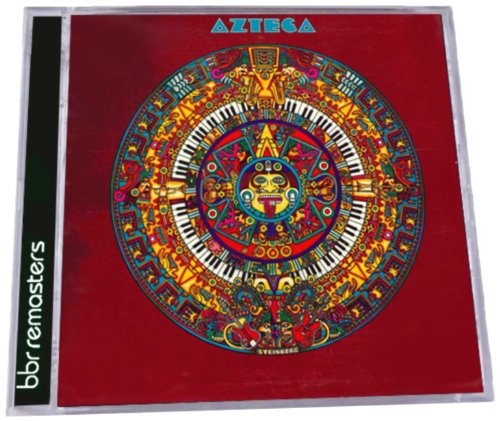
MONTANA-I LOVE MUSIC.
MONTANA-I LOVE MUSIC.
1978 marked the start of the next chapter in the long and successful career of Vince Montana Jr. Just a few months earlier, one chapter closed and the next began. The chapter that had just finished lasted three years. It began in 1975, when Vince Montana Jr. founded The Salsoul Orchestra. Vince conducted, arranged, produced and wrote much of The Salsoul Orchestra’s music. For three years, The Salsoul Orchestra was disco’s premier orchestra, while Salsoul Records was disco’s greatest label. Then a dispute between Vince and the Cayre brothers who owned Salsoul would forever change Salsoul and The Salsoul Orchestra. This dispute was over royalties and when it couldn’t be resolved, Vince Montana Jr, decided to quit Salsoul. After this, The Salsoul Orchestra were never the same. While they were still the best disco orchestra, the music was never quite as innovative, flamboyant and complex. Things was starting to change at Salsoul, and this was just the start. Given Vince Montana Jr’s reputation, he wasn’t short of offers. Eventually, he settled on a major label, Atlantic Records, who would release I Love Music, his debut solo album which he released in 1979 as Montana. Would I Love Music replicate the success Vince had enjoyed at Philadelphia International Records and Salsoul?
By the time Vince Montana Jr, signed to Atlantic Records, his career was into its third decade. Vince had been born on 12th February 1928. He grew up in South Philadelphia and by the time he was sixteen, in 1944, Vince was playing in local clubs. Then by early fifties, Vince was working in jazz clubs, where he backed legends like Charlie Parker, Sarah Vaughan, Red Garland and Clifford Brown. Next stop for Vince was Las Vegas, where he played in places like the Golden Nugget and the Freemont Hotel. All the time, Vince was learning his craft and honing his skills. So, when he moved back to his hometown of Philly, he was an experienced, talented and versatile musician.
Back in Philly, Vince played on sessions for local labels, including Cameo Parkway and Chancellor Records. He played on numerous sessions, including recordings by Frankie Avalon, Chubby Checker and Bobby Rydell. Then Vince became a member of the orchestra for the Mike Douglas television show. After that, Vince Montana Jr, returned to Philly, just as the Philly Sound was emerging.
Vince had picked the perfect time to return to Philly, with the nascent Philly Sound developing. Soon, he was working with producers like Thom Bell and then Gamble and Huff. He was not just a musician, but an arranger, producer and songwriter. Look at the sleeve-notes to any Philly Soul classic, and Vince Montana Jr, worked on the album. The Stylistics, The O’Jays, Harold Melvin and The Blue Notes, Blue Magic, Billy Paul, Barbara Mason, The Delfonics, Major Harris and The Trammps all feature the multitalented Vince Montana Jr. Then in 1975, Vince Montana Jr, formed The Salsoul Orchestra.
The Salsoul Orchestra came about almost by accident. Many of the original lineup of M.F.S.B. were locked in a dispute with Gamble and Huff over money. During that time, Vince was discussing a Latin group he’d discovered with the Ken Cayre. Ken wasn’t interested. However, Joe Bataan who was in the next office, overheard them and the idea of a disco orchestra was born. Out of the meeting came the idea of a disco orchestra fused with Latin, salsa, rock, soul, and the big band sound. Add to that the Salsoul logo, which signified a fusion of musical genres and cultures. From that meeting, The Salsoul Orchestra was born. When the original lineup of M.F.S.B.left Philadelphia International Records, they became The Salsoul Orchestra.
With Vince arranging, producing, conducting and writing much of The Salsoul Orchestra’s songs, success came quickly for The Salsoul Orchestra and Salsoul Records Their self-titled debut album The Salsoul Orchestra sold a million copies. From there, a series of innovative albums were released. Vince worked with other artists on Salsoul, including Charo and Loleatta Holloway. Then in 1977, Vince and the Cayre brother were locked in a dispute over royalties. When this couldn’t be resolved, Vince left Salsoul. Straight away, numerous record labels wanted to sign a true musical innovator. Here was a man that was a musical genius. Vince’s eventual destination would be Atlantic Records.
Now signed to Atlantic Records, Vince began work on his debut album I Love Music. Like the music Vince had created at Salsoul, I Love Music would an innovative, fusion of musical genres and influences. Six tracks featured on I Love Music. The title-track was a cover of The O’Jays classic, penned by Gamble and Huff. Another cover version was Aaron Copland’s Fanfare For the Common Man. Vince wrote You Know How Good It Is and Samba De Montana, and cowrote two other tracks. Bobby “Electronic” Eli cowrote Montana and Friends with Vince, while Ronnie Walker and Vince penned Maybe It’s In My Mind. To record Montana’s debut album I Love Music, Vince and some of Philly’s best musicians headed to the familiar surroundings of Sigma Sound Studios.
At Sigma Sound Studios, Vince was joined by an all-star line up. The rhythm section comprised bassist Vince Fay Jr, drummer Grant MacAVoy and guitarists Bobby “Electronic” Eli, T.J. Tindall and Ronnie Walker. Vince played vibes, bells, percussion, piano and electric piano, while Lenny Pakula played organ, Larry Washington played congas and James Walker bongos and timpani. Add to that a full string, woodwind and horn section, including violinist Don Renaldo and flautist Jack Faith. Goody Montana, Vince’s daughter sang the lead vocal on the title-track I Love Music and The Sweethearts of Sigma, Carla Benson, Evette Benton and Barbara Ingram sang backing vocals. Arranging, conducting and producing the album was Vince Montana Jr.
On the release of Montana’s debut album I Love Music in 1979, it proved to be one of the most innovative albums Vince Montana Jr, had worked on. Sadly, it didn’t prove a commercial success, failing to chart. Since then, I Love Music has become recognized as one of the most far-sighted, cutting-edge and ambitious albums. You’ll realize that when I tell you about Montana’s 1979 debut album I Love Music.
I Love Music opens with the title-track, I Love Music, featuring Goody Montana singing the lead vocal. This is an ambitious way to open a debut album. After all, The O’Jays version is a stonewall Philly Soul classic. Straight away, congas, bongos and pounding drums combine before that familiar bass line, stabs of piano and lush, dancing strings enter. Then comes Goody’s joyous, powerful vocal. She mixes power, sass, energy and sheer joy. The Sweethearts of Sigma add urgent harmonies. Meanwhile, a mass of percussive delights, swirling strings, growling horns and a pulsating disco beat combine. A piano helps drive the arrangement along, adding to the sheer drama and energy of this joyous arrangement. Add to that, a searing guitar solo from Bobby “Electronic” Eli and later, one of Vince’s signature vibes solos. Hooks aplenty are unleashed, as this infectiously catchy, innovative, reinvention of this Philly Soul classic proves to be a Montana family affair, thanks to the twin talents of Goody and Vince Montana Jr.
You Know How Good It Is was one two tracks Vince wrote. It has his trademark sound as it marches into life. From just pounding drums and bongos combining Vince’s band kick loose. Marching along to the rhythm section’s beat, horns bray and rasp, lush strings sweep and swirl while percussion is sprinkled throughout the arrangement. Vince adds vibes while the arrangement combines elements of jazz, funk, Latin, salsa and disco. After two minutes, Vince strips the arrangement bare. He takes centre-stage before introducing a funk-laden rhythm section, then the grizzled with just a hypnotic beat for company. Gradually, the arrangement rebuilds, marching along to Vince’s beat. Horns blaze, strings dance and Vince’s vibes combine as this innovative, genre-sprawling fusion of musical styles and influences takes shapes. There’s everything from funk, slinky jazz, big band music right through to Latin and Salsa. It’s a truly delicious, serving of cutting-edge music from one of music’s true innovators.
Put It In Love sees Vince introduce The Sweethearts of Sigma, who add harmonies. Here, Vince rolls back the years, returning to big band era for inspiration. Horns growl and kick, Lenny Pakula adds Hammond organ and the bass drives the arrangement along. Vince delivers the lyrics, his lived in voice perfect for the track. The Sweethearts of Sigma prove the perfect foil. Their tight, jazzy harmonies range from heartfelt, sassy sensual and breathy. They soar above the arrangement, witt handclaps for company. With woodwind, sultry horns and Lenny Pakula’s Hammond organ combining, and the bass driving the arrangement along, the result is a vintage slice of big band music that swings along beautifully and brilliantly. What a way to close Side One of I Love Music.
Side Two of I Love Music opens with Fanfare For the Common Man. This is a track that Vince has visited once before, on The Salsoul Orchestra’s Nice ‘N’ Nasty album. Here, he reinterprets it by adding a dramatic, space-age twist. There’s blazing horns aplenty, booming dramatic drums, a myriad of frenzied percussive delights. They add a Latin twist as the rhythm section the provide the track’s pulsating heartbeat. Urgent strings, keyboards, punchy, grizzled horns create a multilayered, complex combination of musical genres and influences. They intertwine seamlessly, making sense, taking you on an enthralling, dramatic journey.
Bobby “Electronic” Eli and Vince cowrote Montana and Friends. Growling horns, a tough, uber funky rhythm section and the lushest of strings provide a series of musical contrasts. To that add Vince’s vibes as the arrangement variously flows, sweeps and bounces along. Orchestral strings float above the bass driven arrangement. Vince lays down peerless and thoughtful vibes solo, before the swathes of strings take charge. Next its the turn of the sultriest of horns, which tugs at your heart strings. Its jazzy sound means you can add jazz, to funk, disco, classical and Latin music. Seamlessly, Vince brings all this together. Not only does he ensure it all makes sense, but flows beautifully, emotively and powerfully along.
Closing I Love Music is Maybe It’s All In My Mind, which was written by Vince and Ronnie Walker. It features Vince on lead vocal and The Sweethearts of Sigma’s harmonies. Just keyboards, emotive strings and percussion join the rhythm section, who inject power and drama into the arrangement. They also set the scene for Vince’s tender, wistful vocal. It’s accompanied by Lenny Pakula’s Hammond organ and The Sweethearts of Sigma’s tender, heartfelt and truly beautiful harmonies. The backdrop for this is a jazz-tinged guitar, layers of lush strings, Vince’s vibes and a meandering bass. Drums add drama, reinforcing the melancholy sound of the arrangement. This is the perfect backdrop for Vince’s vocal and the harmonies, bringing I Love Music to a wistful, melancholy and beautiful end.
Like the albums Vince Montana Jr, worked on at Salsoul Records, his debut solo album Montana was a truly groundbreaking, innovative, fusion of musical genres and influences. Over the six tracks on I Love Music, Vince fused the sound of the disco orchestra with Latin, salsa, rock, soul, and the big band sound. The result is a glorious melting pot of music. From the opening bars of I Love Music, Vince is mixes musical influences aplenty. Hooks are certainly not rationed. His daughter Goody’s vocal is perfect for I Love Music. After that, there’s no let up in the quality of music. Quite simply, Vince doesn’t miss a beat. Three other vocalists play an important part in the sound and success of I Love Music…The Sweethearts of Sigma. Their harmonies on Put It In Love and Maybe It’s All In My Mind, prove the perfect foil for Vince’s lead vocal. They seem to spur Vince on to greater heights. WIth his all-star band providing the backdrop for the six tracks on I Love Music, Vince had picked up where he left off at Salsoul. Sadly, the only difference was that I Love Music wasn’t a commercial success.
As I Love Music was released in 1979, musical fashions were changing. The anti-disco bandwagon was rolling. Suddenly, people said disco sucked. So for a man synonymous with the disco orchestra, the release of Montana’s debut album couldn’t have come at a worst time. While I Music may not have been a commercial success, it’s certainly one of the most ambitious, innovative and cutting-edge albums of the disco era. Since 1979, I Love Music was been reappraised, and now seen as something a minor classic. Indeed, Montana’s debut album I Love Music showcases the talent, creativity and genius of one of the architects of the Philly Sound, Vince Montana Jr. Standout Tracks: I Love Music, You Know How Good, Put It In Love and Maybe It’s All In My Mind.
MONTANA-I LOVE MUSIC.

MAJOR HARRIS-JEALOUSY.
MAJOR HARRIS-JEALOUSY.
During 2012, music lost many great names. One of them was Major Harris, who died on 9th November 2012. Major Harris was just sixty-five and one of legends of Philly Soul. He’d enjoyed a long and successful career, one that spanned over five decades. This success came as part of groups like The Delfonics and as a solo artist. After being a member of The Delfonics between 1971 and 1975, during which time they recorded two albums. Then as The Delfonics career seemed to stall, Major Harris embarked upon his solo career. Between 1975 and 1984, Major Harris released four solo albums. His solo career started with 1975s million-selling My Way. It featured the number one US R&B single. A year later, in 1976, Major Harris released his sophomore album Jealousy. Would Jealousy match the success of My Way? Before I tell that, I’ll tell you about Major Harris’ career.
Major Harris was born on February 9th 1947, in Richmond, Virginia. During his nascent career, Major Harris was a member of The Charmers, The Teenagers, The Jarmels and Nat Turner’s Rebellion. Later, Major Harris released singles a few singles on the Okeh and Laurie labels. Then in 1971, Major Harris caught a break. He replaced Randy Cain in The Delfonics. It seemed Major Harris’ luck was changing.
Unfortunately, Major Harris joined The Delfonics as their fortunes changed. Thom Bell, who had produced their first three albums, and cowrote many of their songs with Linda Creed. However, no longer would Thom Bell be The Delfonics’ producer. For Major Harris’ Delfonics debut, 1972s Tell Me This Is A Dream, Stan Watson, owner of Philly Groove Records, The Delfonics’ label, would coproduce the album with Thom Bell. On its release it reached just number 123 in the US Billboard 200 and number fifteen in the US R&B Charts. If that was disappointing, worse was to come.
Alive and Kicking was released in 1974. Not only would it prove to be The Delfonics’ least successful album, but was their final album. It reached number 205 in the US Billboard 200 and number thirty-four in the US R&B Charts. So with The Delfonics’ career on the slide, Major Harris decided that the time was right to launch his solo career.
With Major Harris embarking on his solo career, his debut album My Way was released in 1975. My Was was released to critical acclaim and huge commercial success. My Way reached number twenty-eight in the US Billboard 200 and number twelve in the US R&B Charts. If that was good, then things would get even better. After years of trying, Major Harris enjoyed a number one single. Each Morning I Wake Up reached number five in the US Billboard 100 and number one in the US R&B Charts. Not only did this vindicate his decision to leave The Delfonics, but surpassed the success of any of their singles. Having released his debut album in 1975, his sophomore album Jealousy was released in 1976.
For Jealousy, the same personnel that worked on My Way reconvened. This included many members of The Salsoul Orchestra, who previously, had been members of Philadelphia International Records’ legendary house-band M.F.S.B. Norman Harris, Major Harris’ cousin cowrote Ruby Lee with Ron Baker. Bobby “Electronic” Eli and Vinnie Barrett penned Walkin’ In the Footsteps and Talking To Myself, while Bobby cowrote It’s Got To Be Magic with Terry Collins. The other four tracks, Jealousy, I Got Over Love, Tynisa (Goddess of Love) and What’s the Use In the Truth were written by Joseph B. Jefferson and Charles B. Collins. These eight tracks became Jealousy, which was recorded at Philly’s Sigma Sound Studios.
Many of the musicians who played of My Way would also play on Jealousy. Baker, Harris, Young provided the rhythm section and Bobby “Electronic” Eli played guitar. Joining them were Vince Montana Jr, on vibes, Larry Washington played congas and keyboardist Carlton “Cotton” Kent. Ron “Have Mercy” Kersey also played keyboards and synths. Adding backing vocals were the legendary Sweethearts of Sigma, Carla Benson, Barbara Ingram and Evette Benton. Various arrangers and producers worked on Jealousy, including Major Harris, Norman Harris, Bobby “Electronic” Eli and Ron “Have Mercy” Kersey. Once Jealousy was recorded, it was released in 1976.
On the release of Jealousy in 1976, it reached number 153 in the US Billboard 200 and number thirty-three in the US R&B Charts. Jealousy had failed to match the success of My Way. I Got Over Love was released as the lead single, reaching number twenty-four in the US R&B Charts. It’s Got To Be Magic then reached number ninety-one in the US R&B Charts. The last single was the title-track Jealousy, which reached number seventy-three in the US Billboard 100 and number forty-six in the US R&B Charts. Sadly, none of the three singles replicated the success of Love Won’t Let Me Wait, the number one US R&B single from My Way. However, how does the music on Jealousy compare with My Way?
Jealousy opens with the title-track Jealousy, arranged by Norman Harris, who produced the track with Ron “Have Mercy” Kersey. Just melodic keyboards and swathes of strings combine, before Norman Harris adds his subtle, jazzy guitar. They set the scene for Major Harris. His vocal is strong, deliberate and heartfelt. The Sweethearts of Sigma match his emotion and fervor. Their vocals sweep in, soaring above the arrangement. Meanwhile Larry Washington’s congas, Vince Montana Jr’s vibes, lush strings combine, as Baker, Harris Young provide a pounding heartbeat. Like the harmonies, the arrangement matches the sheer emotion, power and fervor in Major Harris’ voice. This ensures Jealousy gets off to a memorable start.
The tempo drops on I Got Over Love, with a heartbroken female vocalists pleading with Major not to go. Wistful, melancholy horns and emotive strings join Norman Harris’ chiming guitar and Vince Montana Jr’s pensive vibes. When Major Harris’ vocal enters, it’s filled with sadness, regret and even hope, hope for the future. He delivers the lyrics tenderly and thoughtfully. Equally ender, subtle and soulful harmonies from The Sweethearts of Sigma accompany him. They playing a leading role, in the track’s sound and success. Although tinged with sadness and regret, it’s also a very beautiful, melancholy song.
Bobby “Electronic” Eli and Vinnie Barrett cowrote Walkin’ In the Footsteps, which Bobby arranged and produced. This is one of the uptempo songs, allowing Major Harris and his band to kick loose. Stabs and flourishes of piano are joined by sweeping, swirling strings, rasping horns and Baker, Harris, Young. They inject power and drama into the arrangement. By then, Major Harris delivers one of his best vocals on Jealousy, It’s powerful, passionate and filled with emotion. He’s joined by The Sweethearts of Sigma, who add tender, beautiful and soulful harmonies. Soon the band hit their stride. Now the arrangement is a mass of dancing strings, growling horns and bursts of drama from the rhythm section. Add to that the unmistakable sound of Bobby “Electronic” Eli’s guitar and Vince Montana Jr’s vibes and the result is a truly delicious uptempo slice of Philly Soul.
Tynisa (Goddess of Love) closed Side One of Jealousy. It was arranged by Ron “Have Mercy” Kersey who produced the song with Norman Harris. An urgent combination of the Baker, Harris, Young rhythm section, braying horns and cascading strings grab your attention. Then when Major Harris vocal enters, the arrangement takes on a more understated sound. Major’s vocal is pensive and wistful, accompanied by The Sweethearts of Sigma’s heartfelt harmonies. When Major’s vocal grows in power, so does the arrangement. Horns, strings and the rhythm section reinforce and reflect the drama in the vocal. For his part, Major Harris’ delivers a vocal that’s a mixture of melancholia, emotion, power and sadness.
It’s Got To Be Magic opens Side Two of Jealousy and Bobby “Electronic” Eli arranges and produces the track. The tempo drops, swathes of strings sweep slowly above the arrangement, setting the scene for this sensual bedroom ballad. Major Harris’ vocal is sensual, joyful and thankful. Subtle, sensuous harmonies from The Sweethearts of Sigma prove the perfect foil for Major’s vocal. Vince Montana Jr’s vibes, Norman Harris’ jazzy guitar and keyboards provide the perfect backdrop. Later, the rhythm section reflects the playful, sassy and vampish nature of Major’s vocal during this bedroom ballad par excellence.
Ruby Lee was written by Ron Baker and Norman Harris who arranged and produced the song. It’s a song with a strong narrative, filled with social comment and almost ironically, marches along. Growling horns, swirling strings and a pulsating heartbeat from Baker, Harris, Young are joined be Major Harris. His vocal is quick, filled with joy and hope. The Sweethearts of Sigma add cooing, soaring harmonies as the arrangement takes on a hustle sound. By now the band have kicked loose. It’s an impressive sound. A myriad of dancing strings, bursts of blazing horns and a punchy rhythm section march along. Later, there’s a twist. Major’s vocal grows in power, becoming a hurt-filled vamp, as he lays bare his soul. Two years he’s been away, fighting for his country. Now he’s back, Ruby Lee’s gone and his house is up for sale. He’s heartbroken, desperate and has lost hope. Of all the songs on Jealousy, this must be the most moving, powerful and potent. One listen and you’ll understand why.
Talking To Myself was the second Bobby “Electronic” Eli and Vinnie Barrett composition on Jealousy. Just Vince Montana Jr’s, braying horns and Baker, Harris, Young combine to create a slow, understated backdrop for Major’s vocal. Quivering strings signal the arrival of his heartbroken vocal. The Sweethearts of Sigma add harmonies, while shimmering strings, rasping horns and Norman Harris’ sparse, jazzy guitar combine. With Norman’s guitar playing, it’s sometimes what he doesn’t play that makes his playing so effective. Earl Young’s drums reflect the drama and hurt in Major Harris’ vocal as he unleashes one of his most heartfelt vocals, where hope and happiness seem a long way away.
Closing Jealousy is What’s the Use In the Truth. The tempo drops, but the drama and emotion doesn’t. Growling horns, percussion and Vince Montana Jr’s vibes combine with Baker, Harris, Young. They provide an understated backdrop for Major Harris’ wistful, melancholy and dramatic vocal. Soon, The Sweethearts of Sigma add punchy, dramatic and impassioned harmonies. They seem to drive Major Harris to greater heights. His vocal is deliberate, questioning and probing. “What’s the Use In the Truth if you can’t tell a lie sometime” ponders Major Harris, as he delivers one of his most poignant, pensive and impassioned vocals. This seems a fitting way to close Jealousy.
So, that’s the story of Major Harris’ 1976 sophomore album Jealousy. Sadly, neither Jealousy, nor any of the singles released from Jealousy, matched the success of My Way. Part of the problem was that musical fashions were changing quickly. Disco had became the most popular musical genre. For soul singers like Major Harris, this presented a problem. Granted some of the songs on Jealousy are dance-floor friendly, but that didn’t help make Jealousy the commercial success it deserved to be. With an all-star cast of Philly songwriters, arrangers, producers and musicians working on Jealousy, there was nothing whatsoever wrong with the eight tracks on Jealousy. Norman Harris, Major Harris’ cousin, played an important part in the making Jealousy. He cowrote Ruby Lee with Ron Baker, and arranged and produced three tracks on Jealousy. Bobby “Electronic” Eli who cowrote three tracks on Jealousy played an equally important part. This included Walkin’ In the Footsteps and Talking To Myself with Bobby “Electronic” Eli and Vinnie Barrett. Unfortunately, neither of these tracks could replicate the success of Love Won’t Let Me Wait. Following Jealousy, Major Harris wouldn’t release another album on Atlantic Records.
Two years after the release of Jealousy, Major Harris released How Do You Take Your Love in 1978, on RCA Victor. This would be Major Harris penultimate album.1984s I Believe In Love was Major Harris’ final solo album. After that, Major Harris’ musical career continued. Tragically, Major Harris passed away on 9th November 2012, aged just sixty-five. Philly Soul had lost another of its legends. Major Harris left behind a rich musical legacy, including two albums he recorded with The Delfonics and four solo albums. Of these four solo albums, Major Harris‘ best two albums were 1975s My Way and 1976s Jealousy, which include some sumptuous, smooth Philly Soul. Standout Tracks: Jealousy, Walkin’ In the Footsteps, Ruby Lee and Talking To Myself.
MAJOR HARRIS-JEALOUSY.

EDDIE HOLMAN-A NIGHT TO REMEMBER.
EDDIE HOLMAN-A NIGHT TO REMEMBER.
Eddie Holman’s career began when in 1956, he was just ten years old, when he auditioned for the Amateur night at Harlem’s legendary Apollo Theatre. Soon, Eddie was hooked. Music came easy to him, he’d been playing piano and guitar from his early years. Following that night at the Apollo, Eddie was soon singing on Broadway, and even at the Carnegie Hall. His mother realizing Eddie was an extremely talented and gifted singer and musician, enrolled Eddie in Harlem’s Victoria School of Music. Little did she realize, that by the time Eddie was sixteen in 1962, he’d have released his debut single. Fifteen years later, much had happened to Eddie Holman. He’d just singed to Salsoul Records, and would release his second album, A Night To Remember, seven years after his 1970 debut album I Love You. Before I tell you about A Night To Remember, I’ll tell you about Eddie’s career up until then.
When Eddie was a teenager, the Holman family moved to Philadelphia. This was their second move. Eddie had been born in Norfolk, Virginia, in 1946, but the Holman family had moved to New York when Eddie was young. The move to Philly was where Eddie career took off.
By the time Eddie Holman’s career was fifteen, his career began, 1961 saw Eddie recorded his debut single Baby Don’t You Stop for Leopard Records. Then when Eddie signed to Cameo Parkway, he released Somewhere Waits A Lonely Girl in 1962. Between 1962 and 1966, Eddie released a series of singles on the Cameo Parkway label. Return To Me and Don’t Sop Now followed in 1962. This Can’t Be True released in 1965, gave Eddie his first hit single. He was just nineteen, and still at college studying for a degree in music. A year later, Am I A Loser (From the Start) in 1966 was released. From his earliest singles, Eddie was writing songs, often penning the B-sides to his singles. Soon, Eddie become a fixture of Philly’s quickly burgeoning musical scene.
Later in sixties, Eddie was working with The Delfonics and The Stylistics. By 1969, Eddie was signed to ABC Records. He was enjoying further hit singles, with 1969s I Love You, then Cathy Called and Since I Don’t Have You in 1970. Then Eddie Holman hit the musical jackpot with a song that became synonymous with him, Hey There Lonely Girl. It reached number four in the US Billboard 100 and number two in the US R&B Charts in 1970, resulting in the single being certified gold. This was a track from Eddie’s 1970 debut album I Love You, which reached number seventy-five in the US and number ten in the US R&B Charts. Following the success of Hey There Lonely Girl, great things were forecast for Eddie Holman. Sadly that wasn’t to the case.
Following Eddie’s departure from ABC Records, he released singles on a variety of labels. MCA Records, Silver Blue Records, Polydor and ABC Records all released singles by Eddie. No further Eddie Holman albums were released. Then in 1977, just as Eddie’s career seemed to be stalling, he signed for a label whose reputation was soaring, Salsoul Records.
Now signed to Salsoul Records, Baker, Harris, Young Productions would produce Eddie’s long awaited sophomore album A Night To Remember. Salsoul was filled with Philadelphia songwriters, arrangers, producers and musicians. Eddie was among friends, Philly friends who’d not just work on A Night To Remember, but rejuvenating Eddie’s career.
For Eddie Holman’s sophomore album A Night To Remember, Baker, Harris, Young got to work. Ron Baker wrote I’ve Been Singing Love Songs and All My Life. He also cowrote You Make My Life Complete, Time Will Tell and This Will Be A Night To Remember with ex-Temptation Ron Tyson. Norman Harris cowrote Immune To Love with Allan Felder and Ron Tyson. Bruce Gray and T.G. Conway cowrote Somehow You Make Me Feel, while Ron “Have Mercy” Kersey and Stephanie Andrews cowrote It’s Over. These eight tracks became A Night To Remember and were recorded at Philly’s SIgma Sound Studios.
Joining Eddie Holman for the recording of A Night To Remember were The Salsoul Orchestra. This was the classic lineup of The Salsoul Orchestra, featuring undeniably some of the greatest musicians of the seventies. All the Philly greats played on the album. The Baker, Harris, Young rhythm section were joined by guitarists Bobby “Electronic” Eli and T.J. Tindall. Larry Washington added congas, Vince Montana Jr, played bells and vibes and Ron “Have Mercy” Kersey, Bruce Gray and Carlton “Cotton” Kent played keyboards. Jack Faith played flute and violinist Don Renaldo was part of the full string section and horn section that was key to the Salsoul sound. Adding backing vocals were the legendary Sweethearts of Sigma, Carla Benson, Barbara Ingram and Evette Benton, along with Ron Baker, Ron Tyson, Bruce Gray, Phil Hurtt and Carl Helms. Various arrangers and producers, including Ron Baker, Norman Harris, Bruce Gray, T.G. Conway and Ron “Have Mercy” Kersey all worked on A Night To Remember.
On the release of Eddie Holman’s sophomore album A Night To Remember in 1977, it failed to chart. Two singles were released during 1977. You Make My Life Complete reached just ninety-six in the US R&B Charts. Then This Will Be A Night To Remember fared better. It reached number ninety in the US Billboard 100, number twenty-five in the US R&B Charts and number twenty in the US Dance Music/Club Play Charts. This must have been a huge blow not just for Eddie Holman, but everyone involved in A Night To Remember. However, is A Night To Remember something of a hidden gem in Salsoul Records’ back-catalogue?
A Night To Remember opens with You Make My Life Complete which is arranged and produced by Ron Baker. The arrangement has an understated Philly Soul sound. It meanders into being. Just keyboards, percussion, the lushest of strings and Vince Montana Jr’s vibes combine to create an emotive backdrop for Eddie’s tender vocal. His vocal is heartfelt, fervent and inspired. Equally tender harmonies, match Eddie for emotion and beauty. Key to this are the Sweethearts of Sigma. Strings quiver and shimmer, horns subtly rasp. Along with keyboards, they all play crucial roles, setting the backdrop for Eddie’s vocal tour de force. After seven years, Eddie’s back and better than ever.
Time Will Tell was the second Ron Tyson and Ron Baker penned song, Again, Ron Baker arranges and produces the track. Here the tempo increases. Baker, Harris, Young provide the arrangement’s pulsating heartbeat. Horns growl, strings dance and punchy harmonies lead by the Sweethearts of Sigma join Eddie. Soon, a stomping, dance-floor friendly track unfolds. Eddie throws himself into song, his vocal a mixture of power, hope and raw emotion. Sometimes, there’s a slight sixties sound and feel to the song. It some ways, it’s hard to believe this was released on Salsoul in 1977. Having said that, it’s infectiously catchy, anthemic and filled with hope.
Punchy, cascading harmonies join Eddie as Immune To Love unfolds. Norman Harris arranged and produced this slow, deliberate ballad. It’s a perfect showcase for Eddie’s vocal. WIth a roll of Earl Young’s drums, Vince Montana Jr’s vibes and strings combine to create an arrangement that tugs at your heartstrings. Eddie’s vocal is slow and deliberate, filled with hurt, heartache and sadness. Soon, Eddie lays bare his soul, while Earl’s drums reflect Eddie’s hurt. Strings reflect the emotion, while heartfelt harmonies are almost sympathizing with Eddie’s plight. During the song, Eddie breathes life, meaning and raw emotion into Allan Felder, Ron Tyson and Norman Harris’ wistful, melancholy lyrics.
This Will Be A Night To Remember closes Side One of A Night To Remember. Baker, Harris, Young drive the arrangement along, creating a pulsating beat. Keyboards add flamboyance, strings dance appreciatively and joyously and horns growl, The arrangement builds and builds. It’sa truly delicious, vintage slice of Salsoul. One part of you wants this to last forever, the other wants to hear what happens next. What happens is Eddie’s sassy, teasing vocal enters. Eddie becomes Dr. Love. Punchy harmonies accompany him, each forcing the other to greater heights. Meanwhile, The Salsoul Orchestra have kicked loose. They’re at their very best. Flourishes of piano, frantic strings and Baker, Harris, Young drive this musical juggernaut backdrop along. It’s life in the fast lane. This peerless fusion of Philly Soul, disco, funk and jazz brings Side One of A Night To Remember to a memorable, magical high.
I’ve Been Singing Love Songs opens Side Two of A Night To Remember was written, arranged and produced by bassist Ron Baker. The tempo slow, grizzled horns, a deliberate, Baker, Harris, Young rhythm section and swathes of lush sweeping strings set the scene for Eddie’s vocal. Ron Baker’s bass provides the heartbeat, while Eddie’s vocal is tender, emotive and pensive. Harmonies sweep in, with the Sweethearts of Sigma playing a leading role. They reflect Eddie’s melancholy vocal. Then later, Bobby “Electronic” Eli lays down a searing guitar solo, before bursts of Earl Young’s drums signals Eddie and the harmonies to take charge. When they do, they prove to be the perfect combination, pensive, reflective and laden with sadness and regret.
All My Life is the second track Ron Baker wrote, arranged and produced. It’s a much more uptempo track. Rasping horns, cascading strings and the Baker, Harris, Young rhythm section combine to create an uptempo, joyful backdrop for Eddie. He goes on to give thanks, his voice filled with happiness and joy, having met the woman he loves. Harmonies sweep in then cascade. Their soulfulness and emotion drive Eddie to greater heights. His vocal is swept along above the arrangement, as he spreads joy and hooks in equal measures.
Somehow You Make Me Feel was written by Bruce Gray and T.G. Conway. T.G. arranged the track and Bruce Gray produced it. This an uptempo dancer, with The Salsoul Orchestra pulling out the all the stops. Dancing strings, stabs of keyboards and a pounding rhythm section accompany Eddie. He’s spurred on by The Salsoul Orchestra in full flight, grabbing the song and injecting power and passion. Bursts of blazing horns punctuate the arrangement, while strings dance, keyboards add drama and the rhythm section provide the arrangement’s pulsating heartbeat.
Closing A Night To Remember It’s Over, arranged and produced by Ron “Have Mercy” Kersey. Sizzling, rock-tinged guitars, keyboards and the rhythm section combine to create a slow, emotive backdrop. Ron Baker’s bass deliberately drives the arrangement along, before Eddie’s vocal enters. Having set the scene, Eddie’s vocal is slow, heartfelt and filled with hurt. Tight, harmonies soar sympathetically above the arrangement, while strings add to the sadness, emotion and heartache. Although heartbreakingly sad, it’s a very beautiful song, allowing Eddie to showcase his vocal prowess. This seems a fitting way to close A Night To Remember.
Seven years after the release of Eddie Holman’s debut album I Love You, on ABC Records, came his sophomore album A Night To Remember. While Eddie’s fans had had a long wait for the followup to I Love You, Eddie was in good voice on A Night To Remember. Ballads and uptempo tracks sat comfortably side by side. Baker, Harris, Young Productions worked hard Eddie’s sophomore album. Along with the Philly friends, A Night To Remember had “Made In Philadelphia” written all over it. Each of the eight tracks were written, arranged and produced by Philly musicians. Similarly, most of The Salsoul Orchestra who accompanied Eddie Holman on A Night To Remember were from Philly. On the release of A Night To Remember, it wasn’t a commercial success. Looking back with benefit of hindsight, that seems strange. Maybe, musical fashions had changed and Eddie Holman’s music was no longer fashionable.
Given the music on A Night To Remember, it deserved to be a bigger commercial success. There was nothing wrong with the music on A Night To Remember. This meant that there was no followup to A Night To Remember. Sadly, not only was A Night To Remember, Eddie Holman’s the only album he released on Salsoul Records, but his final secular album. So A Night To Remember is a tantalizing taste of one of the most talented and underrated soul singers. A Night To Remember remains not just a hidden gem in Eddie Holman’s back-catalogue, but Salsoul Records back-catalogue. Standout Tracks: You Make My Life Complete, Immune To Love, This Will Be A Night To Remember and I’ve Been Singing Love Songs.
EDDIE HOLMAN-A NIGHT TO REMEMBER.

EDDIE KENDRICKS-HE’S A FRIEND.
EDDIE KENDRICKS-HE’S A FRIEND.
Eddie Kendricks was one of the founding members of The Temptations back in 1960. He then spent the next eleven years as one of The Temptations’ lead singers. Then in 1971, Eddie Kendricks decided to leave The Temptations and embark on a solo career. By 1976, Eddie had released six solo albums. It hadn’t all been plain sailing for Eddie Kendricks. Mixed fortunes best describe Eddie first six albums. Granted Eddie enjoyed commercial success, but there had been some disappointments along the way. So for Eddie’s seventh album, He’s A Friend, it was decided that a new producer be brought in. The very man was Norman Harris, who had gained a reputation as one of the hottest producers of the seventies. Norman “The Machine” Harris wasn’t just a producer, he was one of the founder members of M.F.S.B. and then The Salsoul Orchestra. He was also a songwriter and arranger, who with some of his Philly friends, would write, arrange, produce and play on He’s A Friend. This seemed the perfect partnership, Eddie Kendricks plus Norman Harris and a cast of some of Philly’s best songwriters, arrangers and musicians. However, did this partnership prove to be a dream team? That’s what I’ll tell you, after I’ve told you about Eddie Kendricks’ career up until He’s A Friend and the music on the album.
Following Eddie Kendricks’ decision to leave The Temptations, he released his debut solo album All By Myself in April 1971. It reached number eighty in the US Billboard 200 and number six in the US R&B Charts. This was a promising start to Eddie’s solo career. However, his sophomore solo album wouldn’t prove as successful.
May 1972 saw the release of Eddie’s sophomore album People…Hold On. It reached just number 131 in the US Billboard 200 and number thirteen in the US R&B Charts. This was a disappointment for Eddie. Things would improved for Eddie when he released his third album.
When Eddie released this third album in May 1973, the self-titled debut album Eddie Kendricks, Eddie’s fortunes changed. The album reached number eighteen in the US Billboard 200 and number five in the US R&B Charts. Keep On Truckin’ gave Eddie a dual number one, reaching number one in the US Billboard 100 and US R&B Charts. This was Eddie’s most successful album. Things would improve with his next album.
Boogie Down was released in February 1974, and proved to be Eddie’s most successful solo album. It reached number thirty in the US Billboard 200 and number one in the US R&B Charts. The title-track Boogie Down gave Eddie his most successful single, reaching number three in the US Billboard 100 and number one in the US R&B Charts. Critics hailed Boogie Down Eddie Kendricks’ best album so far.
Just ten months after Boogie Down, Eddie released For You in December 1974. While For You stalled at number 108 in the US Billboard 200, it reached number eight in the US R&B Charts. The only crumb of comfort for Eddie was the single Shoeshine Boy. It reached number eighteen in the US Billboard 100 and number one in the US R&B Charts. This was Eddie’s third number one US R&B single. Sadly, Eddie couldn’t repeat this feat with his next album.
July 1975 saw the release of Eddie Kendricks’ sixth solo album The Hit Man. It reached just number sixty-three in the US Billboard 200 and number eight in the US R&B Charts. The two singles Happy and Get the Cream Off the Top reached the top ten in the US R&B Charts. Happy would also reach number one in the US Dance Charts. However, Eddie’s last two albums had failed to match the commercial success of albums like Boogie Down. So Norman Harris was called upon to rejuvenate Eddie Kendricks’ career.
For Eddie’s seventh solo album, Norman Harris and a cast of some of Philly’s best songwriters, arrangers and musicians got to work. Norman cowrote three tracks. He penned Part of Me and I Won’t Take No with Allan Felder and Ron Tyson, who used the nom de plume Tyron Presson. They also cowrote Chains with Walter Tyson. These weren’t the only songs Allan Felder cowrote. With Bruce Gray and T.G. Conway he cowrote He’s A Friend and Never Gonna Leave You. Allan and T.G. also cowrote It’s Not What You Got and with Bruce Gray, Allan cowrote All of My Love. Theodore Life and Molden cowrote Get It While It’s Hot. The other two tracks, The Sweeter You Treat Her and On My Way Home, were written by the songwriting team of Buddy Turner, Jerry Akines, Johnny Belmon and Victor Drayton. These ten tracks became He’s A Friend.
Recording of He’s A Friend took place at Philly’s Sigma Sound Studios.Providing the album’s heartbeat were the Baker, Harris, Young rhythm section, along with bassist Michael “Sugar Bear” Foreman and drummer Charles Collins played supporting roles. Guitarists included Bobby “Electronic” Eli and T.J. Tindall, while Larry Washington played congas and Vince Montana Jr. vibes. Ron “Have Mercy” Kersey, Carlton Ken, T.G. Conway and Bruce Hawkes played keyboards. Strings and horns came courtesy of Don Renaldo and A Fantastic Group. Adding backing vocals along with the Sweethearts of Sigma, Barbara Ingram, Evette Benton and Carla Benson, assisted by Bruce Gray, Bruce Hawkes, Carl Helm and Darryl Grant. Arrangers included Vince Montana Jr, Ron “Have Mercy” Kersey, T.G. Conway and Norman Harris who produced He’s A Friend.
On the release of He’s A Friend in February 1976, it reached number thirty-eight in the US Billboard 200 and number three in the US R&B Charts. Four singles were released from He’s A Friend. Chains reached number two in the US Dance Charts. Then Get It While It’s Hot reached number twenty-four in the US R&B Charts and number three in the US R&B Charts. He’s A Friend was the most successful single, reaching number thirty-six in the US Billboard 100, number two in the US R&B Charts and number fifteen in the US Dance Charts. It’s Not What You Got then reached number two in the US Dance Charts. It seemed Norman Harris and his Philly friends had rejuvenated Eddie Kendricks’ career on He’s A Friend. You’ll realize that when I tell you about the music on He’s A Friend.
Opening He’s A Friend is the title-track He’s A Friend, arranged by Norman Harris. The track bursts into life, a thunderous Baker, Harris, Young rhythm section, cascading growling horns and dancing strings. Then the arrangement takes on a hustle sound, thanks to Bobby “Electronic” Eli’s wah-wah guitar. Eddie’s thankful, joyous falsetto enters. It soars above the pulsating arrangement, while lush strings sweep and swirl and horns rasp. Meanwhile, the rhythm section provide the song’s heartbeat. Tender harmonies play an important role, accompany Eddie. Soon, he’s rolling back the years, producing a vintage slice of soul music, with a sumptuous Philly Sound arrangement for company.
APart of Me sees the tempo drop, as Vince Montana Jr. takes over arranging duties. Strings and vibes gently cascade, before broody, pensive strings, keyboards and the Baker, Harris, Young rhythm section combine. Horns rasp, while the arrangement matches Eddie’s heartfelt, fervent delivery. Vince Montana Jr, adds vibes, while flourishes of keyboards, swathes of strings and bursts of powerful drums reflect the emotion and drama in Eddie’s vocal. Gentle harmonies prove a perfect foil for Eddie’s vocal. They match him for emotion, drama, intensity and sheer sincerity on one of the most beautiful tracks on He’s A Friend.
Norman Harris arranged and produced I Won’t Take No, which sees the tempo and emotion increase. Horns blaze and bray, strings cascade and Baker, Harris, Young provide a driving, sometimes dramatic arrangement. Taking his lead from the all-star band, Eddie unleashes a vocal that’s a mixture of pleas, power and passion. Bobby “Electronic” Eli’s wah-wah guitar adds to the arrangement’s sometimes hustle sound. Playing their part are the Sweethearts of Sigma, whose tight, heartfelt harmonies provide a contrast to the the power and drama of Norman Harris’ arrangement. Mostly, the arrangement becomes an unstoppable juggernaut, which is soulful, funky and dance-floor friendly.
Never Gonna Leave You gives Eddie to chance to show another, very beautiful side to his music. The tempo drops for this gorgeous ballad. Eddie delivers one of his most tender, impassioned vocals. With an understated string-laden backdrop, punctuated by rasping horns, subtle harmonies and percussion. The rhythm section provide the track’s understated heartbeat, allowing Eddie the opportunity to showcase his vocal prowess, winning you over with his fervor and sincerity.
Horns rasp, strings swirl and drums add to the drama as Get It While It’s Hot unfolds. The Sweethearts of Sigma add cooing, sassy harmonies before Eddie’s vocal beckons and begs. His vocal is tender, needy and sensual. Behind him, Vince Montana Jr, adds vibes, which are augmented by percussion. Meanwhile, the mainstay of the arrangement is powered along by the rhythm section, helped along by a myriad of strings and horns. However, it’s Vince’s vibes and the Sweethearts of Sigma who play the starring roles, ensuring this sensual, sultry track is truly memorable way to close Side One of He’s A Friend.
Like the previous track, Chains was arranged by T.G. Coway. Thunderous drums, rousing horns, urgent strings and the Sweethearts of Sigma combine, creating an uptempo backdrop for Eddie’s vocal. When the baton passes to Eddie, he plays his part. His vocal is filled with emotion and joy. He helps make this an irresistible track. You’re swept along with lush, dancing strings, braying horn and Baker, Harris, Young, who ensure the arrangement dances and skips along. Bobby “Electronic” Eli’s wah-wah guitar adds a hustle sound, while the Sweethearts of Sigma’s delicious harmonies. The result is a hook-laden track, that’s an irresistible way to open Side Two of He’s A Friend.
The Sweeter You Treat Her is the third and final song Norman Harris arranged on He’s A Friend. The tempo slows, with wistful horns, pensive strings and the rhythm section adding bursts of drama. They set the scene for Eddie’s fervent, impassioned vocal. Strings sweep, horns growl and drums add drama, while tight, heartfelt harmonies accompany Eddie, as he lays bare his soul. Soon, heartache and hurt are revealed, as Eddie wishes “we could start over again.” Wistful, melancholy, dramatic and beautiful. This track is all this and much more.
Searing, sizzling guitars, bursts of braying horns and a pounding Baker, Harris, Young rhythm section open It’s Not What You Got. Strings slowly sweep, while the arrangement unfolds. Powerful, dramatic and dance-floor friendly it is. This seems to spur Eddie into action. His vocal is confident and sassy, with punchy harmonies keeping him company. While the arrangement become a funk-laden juggernaut, Norman Harris lays down one of the best jazz-tinged guitar solos on He’s A Friend. As he does this, the rhythm section, strings and horns that accompany Eddie’s breathy, sensual vocal provide a dramatic, uber funky backdrop, infused with Philly Soul. It’s a tantaliSing fusion of musical genres and influences, with Philly’s finest musicians providing a backdrop for Eddie’s vocal preening and prowess.
On My Way Home has a real Philly Sound from the opening bars, thanks to Don Renaldo’s strings and horns and of course, the Baker, Harris, Young rhythm section. It’s another uptempo track, with Eddie’s vocal floating above the cascading strings and bursts of growling horns. Harmonies accompany Eddie, completing the Philly Sound. They spur Eddie to greater heights of soulfulness, Philly style. Then Vince Montana Jr’s vibe provide a curveball. A brief vibes solo slows things down, teasing the listener. Then the track bursts back into life, heading home to Philly where the track was born.
Closing He’s A Friend is All of My Love. It’s the perfect track to close any album, closing He’s A Friend on a high. Baker, Harris, Young provide the track’s stomping backdrop, while horns bray and strings dance. Eddie scats against a backdrop of warm melodic keyboards. Soon, Eddie unleashes one of his most fervent vocals. As Eddie sings “all of my love, that’s all I have to give,” you believe him. It’s as if he’s given so much during He’s A Friend. The band match Eddie, providing the perfect backdrop for his vocal. A mass of dancing strings, braying horns and Baker, Harris, Young at their very best provide an arrangement that marches along, sweetly and soulfully, bringing He’s A Friend to a deliciously, soulful high.
After two albums where Eddie Kendricks’ career seemed to stall, He’s A Friend saw his career back on track, with the help of Norman Harris and some of his Philly friends. Norman Harris produced He’s A Friend, while his Philly friends wrote, arranged and played on the album’s ten tracks. They never missed a beat, fusing musical genres and influences seamlessly and peerlessly. Accompanied by some of the greatest musicians of the seventies, there was neither a poor track nor filler on He’s A Friend. What there was, on He’s A Friend was vintage Eddie Kendricks. The partnership between Eddie Kendricks and Norman Harris, plus his Philly friends, was sadly a short one.
He’s A Friend would be the first of two albums Norman produced. Goin’ Up In Smoke was released in September 1976. It stalled at number 114 in the US Billboard 200 and number twenty-two in the US R&B Charts. By then, music was changing, with disco now flavor of the month. Leonard Caston produced Slick, released in August 1977. Eddie’s fortunes failed to improve, when Slick reached just number forty-seven in the US R&B Charts. Slick became Eddie’s first album not to enter the US R&B Charts. For many people, Eddie Kendricks two Norman Harris produced albums He’s A Friend and Goin’ Up In Smoke were the last of Eddie’s great albums of the seventies, thanks to Norman Harris and his Philly friends. Standout Tracks: He’s A Friend, A Part of Me, Chains and All of My Love.
EDDIE KENDRICKS-HE’S A FRIEND.

IT’S A NEW BEGINNING FOR GINA CAREY…THE SONGBIRD.
IT’S A NEW BEGINNING FOR GINA CAREY…THE SONGBIRD.
31st January 2013 marks the next chapter in Gina Carey’s seventeen year career, when Gina Carey…The Songbird is released. Gina Carey…The Songbird is the ninth album of Gina’s career, and her sixth soul album. This is the start of a new chapter in the career of Gina Carey…The Songbird. She’s back, stronger, wiser and even more soulful than ever. Indeed, Gina Carey…The Songbird is the best album of Gina’s career. Earlier this week, I spoke to Gina and she told me about Gina Carey…The Songbird and her plans for 2013.
Last year, 2012, was the busiest year of Gina Carey’s career. While most albums struggle to release even one album each year, Gina was the hardest working women in soul music. She released a trio of albums between February and September 2012.
2012 started for Gina with the release of her sixth album Love Letters, which was released on Valentine’s Day 2012. This found Gina fusing her own unique mix of soul, jazz, Nu-Soul, gospel and funk. Love Letters was the followup to Gina’s 2011 album Melodic. Not only was Melodic critically acclaimed, but became Gina’s most successful album, reaching number one album in the UK in August 2011. Then just three months after the release of Love Letters, came the sequel, Love Letters 2.
Love Letters 2 was the perfect starting point for anyone new to Gina Carey’s music. It was a combination of old and new songs. There were four songs from Gina’s two previous albums, Melodic and Love Letters. Add to these eight tracks, three new songs. You, Being In Love and You Are Right were from Gina’s next album Live, Love and Laugh Volume 1.
Live, Love and Laugh Volume 1 was released in September 2012. This was a really difficult period for Gina. Her father Eugene Harrison had died earlier in 2012. For Gina, Live, Love and Laugh Volume 1 was Gina’s way of coping with the loss of her father. In many ways, Live, Love and Laugh Volume 1 became Gina’s way of paying tribute to a man who’d inspired, encouraged and believed in Gina. Following the loss of Gina’s father, she decided to take stock of her career so far.
Having taken stock of her sixteen year career, Gina decided that 2013 was a new beginning for her. With that in mind, Gina decided that for the next step in her career, she decided for the first time in her career, to enlist the help of a manager. So, a new manager was brought in to help guide Gina’s new beginning, including her new album Gina Carey…The Songbird.
With thirteen new songs written, Gina and her management team started working on an album title. Various titles were considered, then her manager came up with Gina Carey…The Songbird. Gina decided this was perfect. With an album title, next came the album cover. For that, Gina enlisted the help of her sister, Melanie Harrison, photographer and New York model. It’s Melanie’s photographs that feature on in the publicity shots and album cover. It seems the Carey sisters are a multitalented family. Together, they’re a potent partnership, who’ll play an important part in this new beginning for Gina Carey’s career. This starts with Gina Carey…The Songbird. However, I was interested to hear about Gina’s life and career so far. So, I asked her about her past and musical inspirations.
Gina first became interested in music when she was just aged eight. Inspired by the music of singers like Deneice Williams, Billie Holliday. Gladys Knight and Jackie Wilson. This was the music she heard at home. It inspired her to start singing. Soon, she took a few lessons and started playing piano. Little did she realize that this would be how she’d earn a living.
By 1996, Gina got her professional breakthrough. She was asked to sing backing vocals for God’s Original Gangsters. This lead to Gina signing to Grapetree Records, who would release Gina’s debut album In His Time, the first of three gospel albums Gina released. In His Time sold over ten thousand copies throughout the United States. This lead to Gina being nominated for two awards by the Black Music Academy Association of America. These two categories were the Best Female Gospel Performer and Gospel’s Rising Star. However, then after the success of In His Time, Gina came crashing back to earth. Grapetree Records folded, leaving Gina without a label.
Seven years after the release of In His Time, Gina released her sophomore album Changes. This was released on her own independent label Gico Music, which would release all her future albums. Then in 2006, Gina released her third gospel album, Tell Um. That year, Gina received a prestigious award for her music. This was the Las Vegas Black Music Awards’ for Best Gospel Performer, which she received at the Cashman Theater. Given this would be Gina’s final gospel album, this was the perfect way to close the first chapter in Gina’s career. Her next album would be quite different, but extremely soulful.
Two years after the release of Gina’s final gospel album Tell Um, she released her fourth album and first soul album My Journey. Much had happened to Gina between the release of Tell Um in 2006 and My Journey in 2008. In 2007, Gina auditioned for America’s Got Talent on NBC TV and had performed with Lee Bailey at the inaugural EURWEB Awards. Gina also auditioned for another television show “Showtime At The Apollo.” It was filmed at the legendary Harlem theatre, where so many great singers had appeared. This seemed to inspire Gina. The judges were so impressed with Gina’s performance, that she was twice asked to be a guest the show. It definitely seemed that Gina Carey’s star was rising during 2007. This continued into 2008 when BET J played the video for her True Love single on their Cup show. When Gina would release her next album it would demonstrate her talent as a singer, songwriter and arranger.
Melodic was Gina’s second soul album and fifth album overall. On Melodic, Gina wrote and arranged the songs, while her husband John, played on, and produced Melodic. This was Gina’s most successful album, reaching number one in the UK Soul Charts in August 2011. Then, in December 2011, Gina received a huge accolade, when Melodic was named one of the best soul albums of 2011. Gina was in illustrious company, joining names like Jill Scott, Maysa Leak and Eric Benet. Then in 2012, would see Gina crowned the hardest working artist in soul music.
During 2012 released her trio of albums, Love Letters, Love Letters 2 and Live, Love and Laugh Volume 1. This she managed to do between February and September 2012. Having released three albums during 2012, Gina decided to start work on her ninth album. So, Gina returned to the studio. She started work on what would become he ninth album Gina Carey…The Songbird.
When I asked Gina to tell me about Gina Carey…The Songbird, she said partly, the music has been influenced by the music she heard growing up. It’s also slight more experimental. Still, Gina Carey…The Songbird sees Gina fusing her usual unique mix of soul, jazz, Nu-Soul and funk. There’s also a hint of folk, country, blues, Latin and African music. Gina describes the music as “super smooth, soulful and funky” but also “inspirational, playful, sassy, sultry, mystical and mysterious.” To that, I’d add hook-laden. Ballads and dance-floor floor friendly songs sit comfortably side by side on Gina Carey…The Songbird, which will be released on 31st December 2013.
To coincide with the release of Gina Carey…The Songbird on 31st January 2013, is Hey Mr, a hook-laden fusion of musical genres and influences. After that, the soulful, jazzy, dance track My Sunshine will be released as the sophomore single. Then the sumptuously sultry and sensuous Step Into My Love will become the third single. For the fourth and final single, is another uptempo, funky, dance track My Hero. The four singles are just a tantalizing taste of the thirteen tracks on Gina Carey…The Songbird. These thirteen tracks mark a new chapter in the career of Gina Carey…The Songbird.
Gina has dedicated Gina Carey…The Songbird to her late father, Mr. Eugene Harrison, the man who inspired, encouraged and always believed in Gina. Having heard Gina Carey…The Songbird, I can honestly say that this is a very fitting tribute to Gina’s father. I’m sure Mr. Harrison would be proud of the music on Gina Carey…The Songbird. This is just the first step in a new beginning for Gina Carey…The Songbird. During 2013, Gina hopes to tour the UK and in the future, hopes to collaborates with other songwriters and producer. So, Gina Carey…The Songbird is just the first step in the next chapter in her career. With new management helping guide her career, then Gina Carey…The Songbird marks what will be the start of a new, exciting and successful chapter in the career of Gina Carey…The Songbird.
IT’S A NEW BEGINNING FOR GINA CAREY…THE SONGBIRD.

M.F.S.B.-UNIVERSAL LOVE.
M.F.S.B.-UNIVERSAL LOVE.
When eventually, someone decided to write a proper, comprehensive history of Philadelphia International Records, I hope that they separate the music into two parts. The first part was what I’d call Philadelphia International Records’ golden period, between 1972 and 1975 and then the second part, from 1976 onwards. There’s a good reason for doing this. Between 1972 and 1975, music released by Philadelphia International Records featured the classic lineup of M.F.S.B. They’re often referred to as Philadelphia International Records’ house-band. That however, is doing them a huge disservice.
M.F.S.B. were much more than a house-band. These musicians were also songwriters, arrangers and producers. Look at the sleeve-notes to any album released on Philadelphia International Records between 1972 and 1975, and you’ll see that among the arrangers, producers and songwriters were Vince Montana Jr, Norman Harris and Ron Baker. This dispels the myth, sometimes perpetuated by people who should know better, that M.F.S.B. were “just” Philadelphia International Records’ house band. Indeed, M.F.S.B. provided the heartbeat to the music of Billy Paul, The O’Jays, Harold Melvin and The Blue Notes, The Three Degrees and countless others. M.F.S.B. were also one of Philadelphia International Records’ most successful acts.
Love Is The Message was M.F.S.B’s debut album, released in 1973, with M.F.S.B. following later that year. During 1975, a pivotal year for both Philadelphia International Records and M.F.S.B, M.F.S.B. released two more albums. The first of these, Universal Love would prove to M.F.S.B’s penultimate album for Philadelphia International Records. Philadelphia Freedom was released later in 1975. However, when Universal Love was released, M.F.S.B. and musical auteurs Gamble and Huff were locked in a dispute.
At the heart of M.F.S.B’s dispute with Gamble and Huff was money. Although people involved aren’t keen to divulge exact details, it has been alleged that musicians were only offered a pay increase of $5, from $25 to $30 a session. Arrangers and producers were only offered an increase of $10, from $50 to $60 a session. Now this was a risky situation. After all, M.F.S.B. were Philadelphia International Records’ crown jewels. Replacing the original lineup wouldn’t be possible. Where would you find another Baker, Harris, Young rhythm section, Vince Montana Jr, Bobby “Electronic” Eli or Larry Washington? It’s not as if Gamble and Huff would be able to wander down to Manpower and hire an all-star band. Granted Philly had many talented musicians, but not as good as the original lineup of M.F.S.B. This was a high stakes poker game. Who was bluffing?
Dring 1975, while the negotiations continued, there was still music to be made, including albums by M.F.S.B. They would release two albums during 1975. The first was Universal Love.
Universal Love featured eight tracks. Gamble and Huff cowrote just three tracks, Sexy, M.F.S.B and My Mood. Three tracks prove my point about how M.F.S.B. were much more than musicians. Ron Baker cowrote Human Machine with Leon Huff, while Norman Harris and Bobby Martin cowrote T.L.C. (Tender, Lovin’ Care) and Bruce Hawkes and Cynthia Biggs cowrote Love Has No Time Or Place. Norman Harris, Ron Baker and Bruce Hawkes were all locked in the dispute with Gamble and Huff. Of the other two tracks, McFadden and Whitehead plus Victor Castarphen cowrote Let’s Go Disco with Leon Huff. Charles Heardon wrote K-Jee and would later, hit the jackpot, when the track was included on the fifteen-million selling Saturday Night Fever soundtrack. These eight tracks became Universal Love. Like previous M.F.S.B. albums, recording of Universal Love took place at Sigma Sound Studios in Philly, owned by Joe Tarsia.
The recording sessions for Universal Love proved to be the penultimate appearance of the original and best lineup of M.F.S.B. Playing on Universal Love were all the M.F.S.B. greats. Providing the album’s heartbeat were the Baker, Harris, Young rhythm section, along with guitarists Bobby “Electronic” Eli and Roland Chambers. Ron “Have Mercy” Kersey and Leon Huff played keyboards, Larry Washington percussion and Vince Montana Jr. vibes. Violinist Don Renaldo was part of the string section and alto saxophonist Zach Zachery plays an important part in Universal Love’s sound. Norman Harris, Bobby Harris and Bruce Hawkes all arranged or produced tracks, while Gamble and Huff produced five tracks. Once Universal Love was completed, it was released in 1975.
On the release of Universal Love in 1975, it reached number forty-four in the US Billboard 200 and number two in the US R&B Charts. T.L.C. (Tender, Lovin’ Care) was released as a single, reaching number fifty-four in the US R&B Charts and number four in the US Disco Singles Charts. Sexy then reached number forty-two in the US Billboard 200, number two in the US R&B Charts and number one in the US Disco Singles Charts. Given how successful Universal Love had been, surely Gamble and Huff would realize just how important M.F.S.B. were to Philadelphia International Records? Was that the case? I’ll tell you that, once I’ve told you about the music on Universal Love.
Opening Universal Love is the Gamble and Huff penned and produced Sexy, arranged by Bobby Martin. Just Norman Harris’ chiming guitar opens the track, before M.F.S.B. kick loose. Vince Montana Jr’s vibes, Bobby “Electronic” Eli’s wah-wah guitar and an uber funky Baker, Harris, Young join growling horns and lush, dancing strings. Soon, the music veers between funk, disco and jazz. One minute it’s choppy and funky, the next strings ensure it flows smoothly along. Horns blaze, strings swirl and the rhythm section provide a pulsating heartbeat. They’re augmented by vibes, percussion and wah-wah guitars as M.F.S.B. lay down a marker, showing just what they can do. In doing so, the irresistibly fuse funk, jazz and disco seamlessly and peerlessly.
Not many bands have a track named after them. M.F.S.B. did. Written by Gamble and Huff and arranged by Bobby Martin, it’s a fitting tribute to M.F.S.B’s combined talents. Stabs of keyboards, a pounding Baker, Harris, Young rhythm section and waves of Hammond organ combine, before the horns and strings get to work. Horns growl, strings dance with joy while, Vince Montana Jr, subtly sprinkles vibes. Soon, M.F.S.B. have hit their stride. The arrangement is a mass of braying horns, cascading string, while the thunderous rhythm section drive the arrangement along. While every member of M.F.S.B. play their part, it’s the horns that tug at your heartstrings. They’re crucial to the sheer beauty, emotion and drama of the arrangement, making this such a potent, powerful and moving track.
Human Machine was penned by Ron Baker with Leon Huff. It has a much more experimental sound. Given the title, this isn’t unexpected. There’s a spacious, choppy and thoughtful sound to the arrangement as it unfolds. The unmistakable sound of Bobby “Electronic” Eli’s wah-wah guitar is at heart of the arrangement. Keyboards, the Baker, Harris, Young rhythm section and grizzled horns provide the mainstay of the arrangement. When strings sweep in, they smoothen out the arrangement, which still, has a jumpy, edgy sound and feel. Although this track is quite different to the two previous tracks, it’s an innovative track, something which Philadelphia International Records were famous for.
Love Has No Time Or Place closes Side One of Universal Love. Here, backing vocalists join M.F.S.B. Strangely, it isn’t the Sweethearts of Sigma. They play their part in this grand and lush, dance-floor friendly track. Blazing horns, lush, wistful strings and elegant, crystalline harmonies sweep in while Baker, Harris, Young provide a funk, hustle style backdrop. They’re joined by vibes courtesy of Vince Montana Jr, percussion, keyboards and even synths. While this wasn’t the first time synths appeared on a Philadelphia International Records’ album, they seem out of place in the arrangement. Here’s this grand disco orchestra with all these traditional instruments. Then this slightly space-age sounding synth is added. Thankfully this doesn’t spoil the track, as it floats along, with harmonies, strings and horns key to the track’s sound and success.
T.L.C. (Tender, Lovin’ Care) opens Side Two of Universal Love. Written by Norman Harris and Bobby Martin, a curveball is thrown when a jazzy introduction unfolds. Sultry horns take you back to another era. Then it’s all change. Baker, Harris, Young take charge, combining with a Hammond organ and Bobby “Electronic” Eli’s wah-wah guitar. Next comes rasping horns and swirling strings. Norman Harris lays down some of his unique jazz-tinged guitar lines, while pensive horns, dancing strings and bursts of Earl Young’s thunderous drums play crucial roles. There’s a real hustle sound to this joyful, uplifting fusion of Philly soul, jazz, funk and disco, which quite simply, is one of the best tracks on Universal Love.
Let’s Go Disco is driven along by the Baker, Harris, Young rhythm section, piano and percussion. Chanted vocals are added before blazing horns and sweeping strings enter. With the vocals and rhythm section combining, this gives the arrangement a real hypnotic, driving sound. It’s catchy, memorable and sheer simplicity. It’s like a mantra, a call to dance, to a soundtrack provided by M.F.S.B.
K-Jee proved to be the most successful track on Universal Love. Charles Heardon who wrote K-Jee, would later, hit the musical equivalent of fifteen consecutive home runs, when the track was included on the fifteen-million selling Saturday Night Fever soundtrack. From the stabs of keyboards, percussion, urgent flourishes of strings and grizzled horns you’re transported back to disco’s heyday. M.F.S.B. seem to raise their game even higher. A myriad of percussion join Baker, Harris, Young, searing guitars and rasping horns. Strings dance, swirl and sweep and Bobby “Electronic” Eli adds wah-wah guitar. Zach Zachary’s growling alto-saxophone and a wash of wailing Hammond organ provide the icing and cherry for this delicious, cake. So good and tasty was the cake, that it sold fifteen-million slices.
Closing Universal Love is My Mood a much more mellow track. Just a subtle sprinkling of Vince Montana Jr’s vibes, percussion and Norman Harris’ sparse jazzy guitar combine before the arrangement grows. Baker, Harris, Young provide the understated heartbeat. Melancholy strings sweep and swirl, horns rasp and growl while keyboards add a warm melodic sound. M.F.S.B. resist the urge to kick loose one more time. Only the horns, drums and strings are given leeway, but don’t overdo things, bringing Universal Love to a mellow, pensive and quite beautiful close.
The standoff between M.F.S.B. and Gamble and Huff certainly never affected the quality of music on Universal Love. Quite the opposite. It’s almost as if M.F.S.B. were determined to show Gamble and Huff what they were risking losing. This was a high stakes poker game. Universal Love saw the stakes rising. M.F.S.B. upped the ante. Baker, Harris, Young, Bobby “Electronic” Eli, Larry Washington and Vince Montana raised their game, fusing Philly Soul, funk, disco and jazz. This was another impressive addition to M.F.S.B’s discography. After Universal Love, the original lineup of M.F.S.B. recorded one more album for Philadelphia International Records, Philadelphia Freedom. That proved to be a prophetic title. By the time Philadelphia Freedom was released, the original lineup of M.F.S.B. had achieved their own version of Philadelphia Freedom.
Realizing their demands weren’t going to met, they called Gamble and Huff’s bluff. When no agreement could be reached M.F.S.B. headed to New York, taking their considerable talents to Salsoul Records, where they became The Salsoul Orchestra. As a result, Gamble and Huff lost some of the most talented musicians of the seventies. This included the Baker, Harris, Young rhythm section, who provided M.F.S.B.’s heartbeat, guitarist Bobby “Electronic” Eli, vibes virtuoso Vince Montana Jr, violinist Don Renaldo, percussionist Larry Washington and keyboard player Ron “Have Mercy” Kersey. By the time 1975 was over, The Salsoul Orchestra’s debut album had sold over one-million copies. The original members of M.F.S.B. had played and won what was a high stakes poker game. Following the departure of many of the original lineup of M.F.S.B. the music on Philadelphia International Records was still among the best in seventies soul, but lacked something.
That something, was the combined talents of the original members of M.F.S.B. There’s no doubt that Philadelphia International Records were affected by the loss of such hugely talented musicians. M.F.S.B. Mk II couldn’t fill the shoes of their predecessors. Not only was that a big ask, but almost impossible. Granted, their replacements were talented musicians, and Philadelphia International Records continued to release critically acclaimed and commercially successful music. However, M.F.S.B. were never the same. After all, how do you replace the irreplaceable?
Ironically, many of the musicians that became The Salsoul Orchestra flourished. It was as if their talents were unleashed. Baker, Harris, Young, Bobby “Electronic” Eli, Ron “Have Mercy” Kersey and Vince Montana Jr. all flourished as songwriters, arrangers and producers at Salsoul. Gamble and Huff’s loss was very much Salsoul’s gain. Anyone who listens to Universal Love will realize that. Not only does Universal Love features M.F.S.B. at the peak of their powers, but whilst playing one of highest stakes poker games in musical history. The lesson to be learnt from this saga, is that “the workman is worthy of his hire.” Standout Tracks: Sexy, M.F.S.B, T.L.C. (Tender, Lovin’ Care) and Love is My Mood.
M.F.S.B.-UNIVERSAL LOVE.
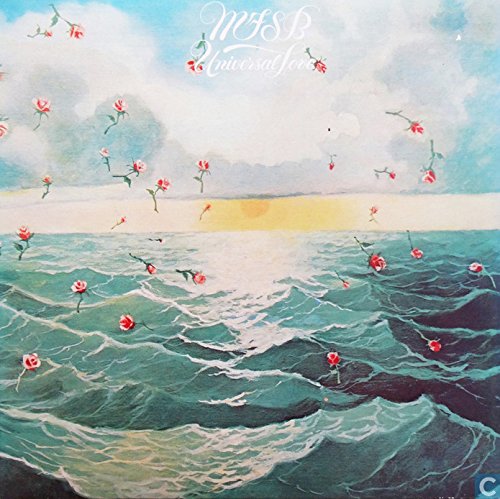
JOE SIMON-DROWNING IN THE SEA OF LOVE.
JOE SIMON-DROWNING IN THE SEA OF LOVE.
Although Joe Simon had been around since the 1959, releasing his debut album Joe Simon in 1963, for the next ten years, he struggled to make a commercial breakthrough. Granted Joe enjoyed a string on minor hit singles on Vee Jay Records and the Sound Stage label. Unfortunately, he wasn’t making the breakthrough people expected. Then in 1969, Joe’s lucked started to change.
The Chokin’ Kind, released in 1969 on Sound Stage, climbed all the way to number one in the US R&B Charts. Ten years after his career had started, he’d at last made a commercial breakthrough. Then things got better. As a new decade dawned, Joe Simon signed to Spring Records, a subsidiary of Polydor. He was encouraged to sign to Spring, by Paul Richbourg, the Tennessee DJ who’d managed and produced Joe. It was Paul who produced Joe’s seventh album and Spring debut The Sounds of Simon. For the followup to The Sounds of Simon, Spring decided a new producer was needed. Enter Gamble and Huff. They’d produce Joe’s eighth album, Drowning In the Sea of Love, which was a game-changer for Joe Simon’s career.
During the past few years, Gamble and Huff had been establishing a reputation as one of the hottest songwriting and production teams. They’d met at Cameo Parkway and eventually formed their own label Gamble Records. That would provide the basis for a new label they’d formed in 1972, Philadelphia International Records. This was still to come. Little did they realize in 1971, when they started working with Joe Simon what was about to come their way. Helped no end by some of the most talented songwriters, arrangers, producers and musicians, Philadelphia International Records became one of the biggest and most important labels of not just the seventies, but in musical history. For the recording of what became Joe Simon’s Drowning In the Sea of Love, these songwriters, arrangers, producers and musicians would play a crucial part in the album’s sound and success.
For Joe Simon’s eighth album, Drowning In the Sea of Love, Gamble and Huff cowrote five tracks, the title-track Drowning In the Sea of Love, Something You Can Do Today, The Mirror Don’t Lie, Ole Night Owl and Let Me Be the One Who Loves You. Bunny Sigler and Phil Hurtt also cowrote four tracks, Glad To Be Your Lover, I Found My Dad, The Mirror Don’t Lie and If. The other track on Drowning In the Sea of Love was the Thom Bell and Linda Creed penned You Are Everything. These ten tracks were recorded at what would be come a familiar place for Gamble and Huff, Joe Tarsia’s Sigma Sound Studios.
Joining Joe Simon at Sigma Sound Studios for the Drowning In the Sea of Love session, were some of the most important musicians in what became the legendary Philadelphia International Records’ house-band M.F.S.B. This included the Baker, Harris, Young rhythm section and guitarists T.J. Tindall and Roland Chambers. Larry Washington played congas and bongos, Vince Montana Jr vibes, Lenny Pakula organ and Leon Huff piano and electric piano. Adding backing vocals and harmonies, were the Sweethearts of Sigma, Carla Benson, Evette Benton and Barbara Ingram. Arranging the ten tracks were Bobby Martin, Norman Harris, Ron Baker, Thom Bell and Lenny Pakula. Gamble and Huff produced Drowning In the Sea of Love, which was released in 1972. Drowning In the Sea of Love would prove a game-changer for Joe Simon’s career.
Drowning In the Sea of Love was chosen as the lead single in 1971. It reached number eleven in the US Billboard 100 and number three in the US R&B Charts, selling over one-million copies. This gave Joe Simon a gold disc. It wouldn’t be the last gold disc of 1972 coming Joe’s way. On the release of Drowning In the Sea of Love reached number seventy-one in the US Billboard 200 and number eleven in the US R&B Charts. Then, Pool of Bad Luck reached number forty-two in the US Billboard 100 and number thirteen in the US R&B Charts. When Power of Love was released as a single, it gave Joe his most successful single, reaching number eleven in the US Billboard 100 and number one in the US R&B Charts. Strike two. Here was gold disc number two for Joe Simon. I Found My Dad the reached number seventy-eight in the US Billboard 100 and number fifteen in the US R&B Charts. With Gamble and Huff and Philly’s finest arrangers, producers, songwriters and musicians’ help, Drowning In A Sea of Love had transformed Joe Simon’s career. You’ll realize that when I tell you about Drowning In A Sea of Love.
Opening Drowning In A Sea of Love, is the Gamble and Huff penned title-track Drowning In A Sea of Love, arranged by Thom Bell. Just plucked strings, quivering, quizzical strings, grizzled horns and wah-wah guitars combine, before a dramatic burst of Earl Young’s drums, signals the arrival of Joe’s pleading, questioning vocal. Washes of Lenny Pakula’s Hammond organ, combine with Baker, Harris, Young to drive the arrangement along. Thunderous bursts of Earl’s drums, growling horns and lush strings accompany Joe. Cooing, probing harmonies from the Sweethearts of Sigma are the perfect foil for Joe’s soul-baring, hurt filled vocal. He unleashes a vocal Magnus Opus, as if he’s lived, breathed and survived the pain and heartache he’s singing about. With Gamble and Huff’s production skills and M.F.S.B’s musical backdrop, you realize this album is a game-changer, and hungrily await the rest of the songs.
In some ways, Glad To Be Your Lover is quite different from what Gamble and Huff produced at Philadelphia International Records. That’s no surprise, given Joe’s country background. Granted, the same instruments are used, with braying horns, guitars reverberating and Larry Washington adding congas. When Joe’s thankful vocal enters, Baker, Harris, Young, blazing horns and Lenny Pakula’s Hammond organ provide a sultry backdrop. Harmonies and horns respond to the power and joy in Joe’s vocal, as he gives thanks, Glad To Be Your Lover.
Something You Can Do Today is the first of the tracks Bobby Martin arranged on Drowning In A Sea of Love. Again, Joe’s vocal breathes life, meaning and emotion to the lyrics. This he does against an urgent, dramatic backdrop. Horns rasp and blaze, strings sweep and swirl with purpose and Baker, Harris, Young provide a sense of urgency. Providing a contrast are Norman Harris’ sparse, jazzy guitar, a myriad of percussion and backing vocals. Each play their part in providing a dramatic, powerful and emotive backdrop for Joe’s heartfelt and emotive reading of Gamble and Huff’s lyrics.
As I Found My Dad begins to reveal its secrets, it’s just a pensive, chiming guitar, cascading strings and growling horns. They provide a wistful, questioning backdrop for Joe’s vocal. It’s filled with heartache, before Joe finds hope and happiness. The Baker, Harris, Young rhythm section play a starring role. Ron Baker’s bass drives along, Norman Harris’ guitar is subtle and melancholy while Earl Young’s drums inject bursts of drama. There’s a Spanish influence to the horns, while parts of the arrangement take on a Latin sound. Sometimes, Joe’s vocal is reminiscent of James Carr. With bursts of horns, percussion, swirling strings and harmonies accompanying Joe, heartache and hurt becomes hope and joy as Joe emOtively sings “I Found My Dad.”
Side One of Drowning In A Sea of Love closes with The Mirror Don’t Lie. Although the tempo drops, there’s not let up in the drama and emotion. Here, Joe’s country background shines through, allowing him to deliver one of his most powerful, potent vocals. Norman Harris takes charge of arranging the track. Wah-wah guitars and Ron Baker’s moody bass combine with swathes of strings, as Joe scats. A burst of Earl Young drums reflects the emotion in Joe’s vocal. He digs deep, resulting in one of his most fervent, inspired vocals. You feel he’s lived the lyrics. His delivery is from his heart. Searing guitar licks, bursts of thunderous drums and strings that match Joe’s vocal for sheer emotion all play their part in making this one of the most moving and deeply soulful tracks on Drowning In A Sea of Love.
Earl Young’s pounding drums and Ron Baker’s bass provide the heartbeat for Ole Night Owl. Not to be outdone, Norman Harris adds some beautiful, melancholy guitar licks while Vince Montana Jr sprinkles his inimitable vibes across the arrangement. As if taking his lead from Baker, Harris, Young Joe delivers a wistful, tender and beautiful vocal. Add cooing, punchy harmonies from the Sweethearts of Sigma and the lushest of strings and the result is a quite beautiful tracks that’ll strike a chord with Ole Night Owl’s everywhere.
Linda Creed and Thom Bell, another of the great songwriting partnerships of the Philly Sound penned You Are Everything. Here, a familiar song is slowed down, but bathed in strings and drama. Swathes of the lushest strings join sultry horns and stabs of keyboards. With Ron Baker’s broody bass accompanying Joe, he goes on to deliver a truly stunning vocal. His vocal is raw emotion, Memories come flooding back, with Joe almost filling up, with emotion. The Sweethearts of Sigma add harmonies and with the lushest strings for company prove a potent combination. They reinforce and reflect the emotion in Joe’s vocal as he totally reinvents a classic track.
Joe’s voice is filled with pain and hurt from the opening bars of If, the biggest word in the dictionary. Searing guitars, grizzled horns and a dramatic backdrop for Joe’s vocal. He seems troubled, worried and filled with despair as he sings of the the worlds ills and problems. WIth the Sweethearts of Sigma add impassioned harmonies, Joe sings what If, there’d be no war, poverty or social problems. “If we learn to love one another..the world would be a better place.” M.F.S.B, and the Sweethearts of Sigma play their part in making this Bunny Sigler and Phil Hurtt penned track one of the most moving, powerful and socially relevant songs on Drowning In The Sea of Love.
Let Me Be the One Who Loves You sees the tempo drop again, briefly. Just Larry Washington’s congas, stabs of Lenny Pakula’s Hammond organ and searing guitars combine. When Baker, Harris, Young and Joe take charge, they soon kick loose. Baker, Harris, Young and a piano drive the arrangement along, with Ron Baker’s bass providing the heartbeat. Strings dance, while Joe’s hopeful, joyous vocal is accompanied by the Sweethearts of Sigma. They ensure the song swings along, playing their part in this memorable slice of uptempo, poppy soul.
Not many albums are bookended by million selling singles. Drowning In The Sea of Love is. Pool of Bad Luck closes the album. It has a moody, atmospheric opening. Guitars reverberate, strings swirl urgently and horns growl. Baker, Harris, Young provide a dramatic heartbeat, while Joe delivers one of his impassioned vocals. Urgent, punchy harmonies answer his call, while flourishes of strings and bursts of blazing horns and drums provide a dramatic, urgent backdrop for Joe’s heartbroken vocal. This bookends Drowning In The Sea of Love nicely, an it heads to an emotive, dramatic and soulful close.
After thirteen years in the music industry, most of which had been spent trying to make a commercial breakthrough, critical acclaim and commercial success came Joe Simon’s way. This was down to his decision to hookup with Gamble and Huff and their multitalented team of Philly-based songwriter, arrangers, producers and musicians. The result was Drowning In The Sea of Love, with Joe Simon breathing life, meaning, emotion and drama into the ten tracks fusing soul and country. Providing the musical backdrop was an early lineup of what became Philadelphia International Records’ legendary house-band M.F.S.B. and the Sweethearts of Sigma. Given how many talented people were involved in the making of Drowning In The Sea of Love, it’s no wonder the album proved so successful. Not only was Drowning In The Sea of Love, Joe Simon’s most successful album, but contained two million selling singles. Having rejuvenated Joe Simon’s career, Gamble and Huff never recorded another full album with Joe Simon. They did produce two tracks on his 1973s The Power of Joe Simon.
After working with Gamble and Huff, Joe’s career continued. His fortunes were mixed. He enjoyed five top ten US R&B top ten hits, with his 1975 single Get Down, Get Down (Get On the Floor) giving him the fourth US R&B number one. By the end of the seventies Joe Simon was changing. He’d become a Christian and by the early eighties, decided to record gospel music. That saw the end of a chapter in Joe Simon’s life story. That chapter spanned four decades and over twenty years. During that time, Joe Simon released many albums, but Drowning In The Sea of Love, a deliciously soulful album with a country twist is the best of his career. Two million-selling singles are just one of ten reasons why. Standout Tracks: Drowning In The Sea of Love, The Mirror Don’t Lie, Ole Night Owl and Pool of Bad Luck.
JOE SIMON-DROWNING IN THE SEA OF LOVE.

THE WHISPERS-BINGO.
THE WHISPERS-BINGO.
It’s almost ironic that when The Whispers released Bingo in 1974, which was arguably the best album of their career so far, its success was derailed by a lack of promotion. Bingo was The Whispers’ fourth album, and their first foray outside of their native California. It also saw a change of producer. Their three previous albums had been produced by Ron Carson. For Bingo, The Whispers headed to Philly, where they were given a Philly Sound makeover. Producing Bingo were Baker, Harris, Young, the legendary rhythm section, who had moved into production. They produced ten of the tracks on Bingo, an album which was Philly made. Each of the eleven tracks were written, arranged and produced by Philly’s finest and featured the classic lineup of M.F.S.B, Philadelphia International Records’ legendary house band. Before I tell you about Bingo, I’ll tell you about The Whispers career up till then.
The Whispers had formed in Watts, Los Angeles in 1964, when twin brothers Walter and Wallace “Scotty” Scott joined forces with Nicholas Caldwell, Marcus Hutson and Gordy Harmon .In 1973, there was a change to The Whispers’ lineup. Gordy Harmon left The Whispers. He was replaced by New Orleans born Leavill Degree, who previously, had been a member of The Friends of Distinction. This was the lineup that featured on 1974s Bingo. That would be nine years after The Whispers released their debut single.
A year after The Whispers were formed, they released their debut single The Dip. I Was Born When You Kissed Me was then released in 1966 and Needle In A Haystack in 1967. These three singles were released on the Dore label. After leaving Dore, The Whispers released a series of singles on Soul Clock.
Between 1969 and 1970 The Whispers were signed to the Soul Clock label. The released a series of singles, including This Time Will Come and Remember in 1969, with Planets of Life, I’m the One and Seems Like I Gotta Do Wrong released in 1970. After releasing these singles on Soul Clock, Where Have You Been was released on Roker Records. The next step for The Whispers was signing to Janus, where they’d release four albums between 1972 and 1974.
Now signed to Janus, The Whispers released their debut album in 1972. The Whispers Love Story was released in 1972, reaching number 186 in the US Billboard 200 and number thirty-four in the US R&B Charts. Life and Breath was The Whispers’ sophomore album, released in 1972. It reached number forty-four in the US R&B Charts. 1973s Planets of Life then reached number forty-eight in the US R&B Charts. Although these three albums had charted, the commercial success The Whispers enjoyed, didn’t match their talent. For The Whispers fourth album, which became Bingo, it was decided a new producer was needed. Maybe this would see a change in fortune for The Whispers.
With The Whispers having travelled from Los Angeles to Philly, work began on their fourth album Bingo. Bingo was an album written and recorded in Philly. Of the eleven tracks on Bingo, Norman Harris cowrote seven tracks on Bingo, four with Allan Felder and Bunny Sigler. These were A Mother For My Children, Someone’s Waiting, the title-track Bingo and God Gave Me Everything. Norman also cowrote What More Can A Girl Ask For and Broken Home with Allan Felder and cowrote Will You Be Mine with Ron Baker, who wrote Once More With Feeling. The Sigler Brothers Bunny and Jimmy cowrote Little Red Riding Hood with Allan Felder, while Allan and Bunny cowrote Don’t Take Your Love with Ron “Have Mercy” Kersey. Where There Is Love which was penned by the songwriting team of Bruce Hawkes, Charles Simmons and Joseph B. Jefferson, was the other track on Bingo. Recording of Bingo would take place at Joe Tarsia’s Sigma Sound Studios in Philly.
Joining the five members of The Whispers were the classic lineup of M.F.S.B, Philadelphia International Records’ legendary house band. This included This included a rhythm section of Baker, Harris, Young and guitarist Bobby “Electronic” Eli. They were joined by vibes virtuoso, Vince Montana Jr, Larry Washington on congas and pianist Bunny Sigler. Add to that Don Renaldo’s Swinging Strings and Horns. This all-star lineup of musicians provided the backdrop for the twin lead vocals of Walter and Wallace “Scotty” Scott. Once Bingo was recorded, it was released in 1974.
On the release of Bingo, the album suffered from a lack of promotion. The Whispers’ record label, Janus, failed to promote the album properly. This meant what was meant as a new start for The Whispers, saw Bingo stall at number forty in the US R&B Charts. Four singles were released from Bingo during 1974. A Mother For My Children reached number ninety-two in the US Billboard 100 and thirty-two in the US R&B Charts. The title-track Bingo then reached number forty in the US R&B Charts. What More Can A Girl Ask For then reached number sixty in the US R&B Charts. Where There Is Love then reached number fifteen in the US Dance Charts. Although Bingo featured three minor hit singles and proved to be The Whispers most successful album since their 1972 debut album The Whispers Love Story, this wasn’t enough for Janus. Following Bingo, The Whispers left Janus. This seems ironic. After all, it wasn’t The Whispers fault Bingo had been badly promoted. However, at least Bingo saw The Whispers leave Janus on a high, as you’ll realize, when I tell you about Bingo.
Opening Bingo is A Mother For My Children, produced by Baker, Harris, Young and Bunny Sigler. It’s an uptempo start to Bingo, with keyboards, swirling strings, growling horns and the Baker, Harris, Young rhythm creating a pulsating heartbeat. When the vocal enters, it’s quick, emotive and filled with hurt and despair. Punchy harmonies sweep in, as if sympathising with the plight of two motherless children. The interplay between The Whispers is peerless, driving each other to greater heights of emotion and soulfulness. Meanwhile, horns rasp, strings dance and the rhythm section create an uptempo, sometimes dramatic backdrop. Drama comes courtesy of Earl Young’s drums, while Vince Montana Jr’s vibes and keyboards provide a subtle contrast. Together, M.F.S.B. and The Whispers prove a potent musical partnership. It’s no surprise that this was the most successful single released from Bingo. What is a surprise, is a track so emotive, hook-laden and soulful wasn’t a much bigger commercial success.
Plucked strings and a subtle sprinkling or percussion open Someone’s Waiting. The tempo is much slower and Baker, Harris, Young’s arrangement much more understated. As the heartfelt vocal enters, just a subtle rhythm section, driven along by Ron Baker’s bass, joins Vince Montana Jr’s vibes, lush strings and gently, rasping strings. Soon the drama in Walter’s vocal grows, matched by the Baker, Harris, Young rhythm section, grizzled horns and stabs of piano. Harmonies match the vocal for hope and emotion. They’re tender, beautiful and heartfelt, cascading, a perfect match for the drama and beauty created by M.F.S.B and the vocal. This results on one of the most moving, heartfelt and dramatic songs on Bingo.
Will You Be Mine was written by Ron Baker and Norman Harris, with Baker, Harris, Young producing the track. Layers of Don Renaldo’s strings and sultry horns combine with the rhythm section. They set the scene for Walter’s vocal, which in tender, growing in power and sincerity. Harmonies answer his call. They’re tenderness personified. While M.F.S.B. provide a lush, string drenched, Philly backdrop, Earl Young’s drums inject occasional bursts of power and drama. They signal the arrangement and vocal to grow in power, passion and sincerity. This string laden Philly makeover really suits The Whispers. Not only does it bring out the best in the song, but The Whispers’ vocal prowess.
Just a chiming guitar and percussion combine subtly as Little Red Riding Hood gets underway. There’s a really understated, sultry sound to the arrangement, which allows The Whispers to showcase their harmonies. A lone sultry horns drifts above the arrangement, as the vocal interplay between The Whispers is seamless and peerless. They feed-off each other, driving each other to greater heights. Strings tug at your heartstrings, as the arrangement meanders beautifully along. The tightest, tenderest harmonies and a sultry horn matching the vocal a truly impassioned and deeply moving vocal.
The title-track Bingo closes Side One of Bingo. You realize straight away, something special is unfolding. Blazing horns, swirling strings and a thunderous Baker, Harris, Young rhythm section combine with cascading harmonies. Then the vocal soars dramatically above arrangement, delivered with power, feeling and raw emotion. This seems very real. Meanwhile, a myriad of grizzled horns, dancing string, percussion and driving rhythm section provide a backdrop that reflects the turmoil, heartache and hope in the vocal.
Bassist Ron Baker wrote Once More With Feeling and produced it with Norman Harris and Earl Young. Not only does this track give Ron Baker the chance to showcase his songwriting skills, but lay down a booty-shaking bass line. Earl Young matches him every step of the way. They’re joined by lush strings and Thom Bell influenced horns. The Whispers deliver tender, understated harmonies, which compliment the heartfelt, impassioned vocal. While their tenderness and subtlety are very different to the arrangement’s thunderous, booty-shaking heartbeat, together they prove a perfect foil.
God Gave Me Everything sees The Whispers give thanks for the one they love. Strings are plucked, before horns bray, strings shiver and a burst of the Baker, Harris, Young rhythm signal the arrival of The Whispers’ harmonies. As one, they deliver tight, tender and thankful harmonies, before Walter’s lead vocal enters. With Vince Montana Jr, subtly sprinkling vibes, horns rasp and melodic keyboards wander in. Then a burst of drums signals M.F.S.B. and The Whispers to become one. Strings sweep, horns growl and The Whispers go on to give a vocal masterclass. The harmonies become tighter, more heartfelt and soulful, while the lead vocal grows in intensity and fervor. Soulful and jazzy describes the music, but inspired best describes the performances of The Whispers and M.F.S.B. Of all the songs on Bingo, this Baker, Harris, Young production is the best.
Where There Is Love was produced by Bruce Hawkes and Charles Simmons. This is one of the uptempo tracks on Bingo. Growling horns and dancing strings join Baker, Harris, Young in providing an uptempo, joyful backdrop for The Whispers. What follows is some peerless interplay between the five Whispers. The lead vocal combines power, passion and joy, while tight, sweeping, cooing harmonies prove a perfect foil. Norman Harris adds his chiming, jazzy guitar as The Whispers are swept along by cascading strings punctuated by sultry horns. The result is a joyful, infectiously catchy slice of Philly Soul.
What More Can A Girl Ask For has a jaunty, almost melodramatic backdrop. A harpsichord, shimmering strings, percussion and Vince Montana Jr’s vibes provide this. Baker, Harris, Young provide the emotive, sometimes dramatic heartbeat for a fervent, impassioned and questioning vocal. Harmonies float in, joining the lushest of strings, harpsichord and vibes, creating a wistful, melancholy backdrop for The Whispers vocal tour de force.
Allan Felder. Norman Harris and Ron “Have Mercy” Kersey cowrote Don’t Take Your Love. Instantly, a pulsating arrangement unfolds. Key to this are Baker, Harris, Young who provide the heartbeat. Add to this swirling strings, braying horns and flourishes of piano. Then there’s Vince Montana Jr’s vibes and Norman Harris’ jazz-tinged guitar, playing subtle, but roles. It’s as if The Whispers are spurred into action. Their harmonies are tighter, punchier and more soulful, while Walter’s lead vocal is more commanding and assured. They feed off each offer, driving and encouraging the other to greater heights. Their contributions are questioning, pleading and begging, Don’t Take Your Love. Given the sincerity in their vocals, this must prove irresistible.
Closing Bingo is Broken Home, written by Allan Felder and Norman Harris. Baker, Harris, Young provide a shuffling arrangement, which is influenced by Latin and lounge music. Vince Montana Jr’s vibes, quivering strings and percussion combine giving the arrangement its Latin and lounge influence. When wistful horns and the rhythm section join the now lush strings, a pensive, thoughtful vocal enters. Harmonies subtly sweep in, while bursts of Earl Young’s drums and flourishes of strings reinforce the hurt and heartbreak in the lyrics. Not once does the arrangement overpower the vocal or harmonies. This allows you to focus on the lyrics. They’re delivered pensively and gently. This breathes meaning and life into the hurt, confusion and sadness in the lyrics. Who am I they ask and where am I from? Although this is a thoughtful, melancholy track to close Bingo, it demonstrates the quality of songwriting Bingo.
Ironic and frustrating must have been what The Whispers thought when Bingo wasn’t promoted sufficiently well. Here was their best album to date, with some of the hottest, most creative and talented songwriters, arrangers and producers all collaborating on Bingo. Then there was M.F.S.B. providing a musical backdrop. Anger must have been nearer to the emotions The Whispers were experiencing. After all, Baker, Harris, Young and their musical colleagues provided some of the best songs The Whispers had set eyes on. This spurred them to greater heights of soulfulness, surpassing and then some, their previous albums. Before Bingo was released, The Whispers must have thought they could replicate the success of other groups that had been given a Philly Sound makeover. So when their record company failed to promote Bingo properly, the album may have spawned three minor hit singles in the US R&B Charts and proved their most successful album since their debut, but that was a small crumb of comfort. Worse was to come for The Whispers.
Following Bingo, The Whispers left Janus Records. It would be two long years before The Whispers released another album. They must have rued Bingo’s lack of promotion. After all, groups like Blue Magic and artists like Major Harris had enjoyed huge commercial success with Norman Harris and his Philly friends. Bingo proved to be an opportunity lost for The Whispers. Although The Whispers would enjoy three gold and two platinum certified albums between 1979 and 1990, maybe if Bingo had been better promoted, success might have come The Whispers way earlier. Instead of The Whispers hitting the jackpot with Bingo, it’s remained a hidden gem in their back-catalogue, for nearly forty years. Standout Tracks: A Mother For My Children, Will You Be Mine, God Gave Me Everything and Broken Home.
THE WHISPERS-BINGO.

THE STYLISTICS-ROUND 2.
THE STYLISTICS-ROUND 2.
Just under year since The Stylistics released their debut album The Stylistics in November 1972, which was certified gold, and featured five top ten US R&B singles, The Stylistics released their sophomore album Round 2 in October 1973 on Avco Records. Like The Stylistics, it was produced by Thom Bell, who cowrote seven tracks, six of them with his songwriting partner Linda Creed. For The Stylistics, meeting Thom Bell would transform their career. With Thom Bell producing their albums, critical acclaim and commercial success would come The Stylistics’ way. Indeed Round 2 resulted in three gold discs for The Stylistics. It seemed The Stylistics could do no wrong as they entered Round 2 of their career.
For Round 2, ten tracks were chosen. They were a mixture of three cover versions and seven new songs. This included covers of It’s Too Late, made famous by Carole King, who cowrote the song with Toni Stern. There were covers of Gregory Guess’ Peek-A-Boo and Bacharach and David’s You’ll Never Get To Heaven (If You Break My Heart). Five of the new songs were penned by the successful songwriting team of Thom Bell and Linda Creed, who cowrote the other track Break Up To Make Up With Kenneth Gamble. Linda Creed and Thom Bell also cowrote I’m Stone In Love WIth You with Tony Bell. Just like The Stylistics’ debut album, recording took place at Philly’s Sigma Sound Studios. Accompanying The Stylistics, were many of Philadelphia International Records’ now legendary house-band M.F.S.B. who provided the backdrop for The Stylistics’ vocals.
The five Stylistics lead singer Russell Tompkins Jr, James Dunn, Herb Murrell, James Smith, James Smith and Airrion Love were joined by some of M.F.S.B, who which included some of Philadelphia’s best musicians. This included a rhythm section of Baker, Harris, Young. Guitarists included Bobby “Electronic” Eli, Tony Bell Roland Chambers.They were joined by Thom Bell on piano and harpsichord, percussionist Vince Montana Jr, Larry Washington on congas, plus a full horn, woodwind and string section which included violinist Don Renaldo. Adding backing vocals were legendary backing vocalists the Sweethearts of Sigma, Carla Benson, Evette Benton and Barbara Ingram. Thom Bell arranged and produced Round 2, and once the album was finished, it which was released in October 1972.
On the release of Round 2 in October 1972, it reached number thirty-three and number three in the US R&B Charts. History had repeated itself, with Round 2 being certified gold in the US. Chosen as the lead single was I’m Stone In Love WIth You, which became a Stylistics classic. Not only did it reach number ten in the US Billboard 100, number four in the US R&B Charts and number nine in the UK, but sold over a million copies worldwide. This meant gold disc number three for The Stylistics. Break Up To Make Up was the second single, reaching number five in the US Billboard 100 and US R&B Charts, but number thirty-four in the UK. Having sold over a million copies worldwide, The Stylistics received their fourth gold disco. You’ll Never Get To Heaven (If You Break My Heart) was released as a single in 1973, reaching number twenty-three in the US Billboard 100 and number eight in the US R&B Charts. Peek-A-Boo was the final single released in 1973, reaching just number thirty-five in the UK. Round 2 was The Stylistics’ most successful album so far, and proved to be their most successful album ever. You’ll realize why, when I tell you about the music on Round 2.
Opening Round 2 is the million-selling I’m Stone In Love WIth You, penned by Thom and Anthony Bell with Linda Creed. Just a subtle sprinkling of Vince Montana Jr’s vibes joins, a piano, Larry Washington’s congas and an understated, thoughtful Baker, Harris Young rhythm section and gently rasping horns. They provide the perfect backdrop for Russell’s tender, heartfelt and beautiful falsetto. It’s inspired, encouraging the other Stylistics to greater heights of soulfulness and beauty.Taking their lead from Russell, they add gentle, soaring harmonies. Then the lushest of strings, Norman Harris’ sparse, jazzy guitar, bursts of rasping horns and percussion join the arrangement. Thom Bell ensures everything falls perfectly and seamlessly into place, playing its part in not just a Stylistics classic, but a Philly Soul classic.
If You Don’t Watch Out was the first Thom Bell and Linda Creed composition on Round 2. Just the Baker, Harris, Young rhythm section with hi-hats a hissing join percussion, Vince Montana Jr’s vibes and guitars. Having set the scene for Russell’s vocal, his vocal is impassioned, delivered with emotion. Swirling, punchy harmonies are joined by dancing strings, braying horns and Baker, Harris, Young, who provide the track’s heartbeat. Together, The Stylistics and M.F.S.B. ensure the song swings along to a soulful high.
You and Me sees stabs of piano, a powerful Baker, Harris, Young rhythm section and frenzied, swirling strings accompany Russell’s powerful, punchy. His vocal is filled with sincerity, while punchy harmonies, searing guitar licks courtesy of Bobby “Electronic” Eli join Ron Baker’s moody bass. Add to that choppy, stabs of piano and urgent, swirling strings. They provide the perfect backdrop for The Stylistics, one that allows them to showcase their vocal prowess. The interplay between Russell’s lead and the harmonies drives to each to greater heights of emotion and urgency. This results in a track bristling with raw emotion and energy.
By the time The Stylistics covered Carole King’s It’s Too Late, it was becoming a popular song to cover. Billy Paul had covered the sing on his 1972 classic album 360 Degrees of Billy Paul. A moody backdrop of growling horns, Vince Montana Jr’s vibes and percussion combine with a searing guitar and broody bass. The Stylistic reading of the lyrics in pensive, filled with heartache, hurt and regret. Russell’s vocal brings meaning and emotion to the lyrics, while Ron Baker’s broody bass and grizzled horns reflects his pain. Vibes and percussion are ever-present, joining swirling cinematic string and rueful harmonies, as a familiar song is reinvented, with new meaning and extra emotion added.
Children of the Night was another Thom Bell and Linda Creed cowrote and closed Side One of Round 2. Against a backdrop of children playing, keyboards, wah-wah guitars and Larry Washington’s congas combine with the Baker, Harris, Young rhythm section. Russell’s vocal is pensive, thoughtful and tinged with sadness. As strings cascade and an atmospheric backdrop unfolds. Guitars reverberate while percussion and strings add to the emotion in Russell’s vocal. A combination of a masterful, emotive backdrop complete with cinematic strings and Russell’s thoughtful, impassioned reading of the lyrics make this one of the most moving songs on Round 2. In many ways, it’s the perfect way to close Side One.
Side Two of Round 2 opens with a cover of Bacharach and David’s You’ll Never Get To Heaven (If You Break My Heart). Like It’s Too Late, this is another oft-covered track. Just bursts of melancholy horns, percussion, Vince Montana Jr’s vibes and the Baker, Harris, Young rhythm section combine. They signal the arrival of Russell’s vocal Magnus Opus. It’s filled with insecurity, hurt and disbelief. As it floats above the arrangement, horns bray, strings sweep and swirl and harmonies soar. Norman Harris adds his chiming guitar, while percussion is ever-present. The longer the song progresses, the disbelief and hurt in Russell’s voice grows. It becomes a mini-soap opera, with Russell the central character, laying bare his soul for all to hear.
Break Up To Make Up was the second million-selling single on Round 2, written by Thom Bell and Linda Creed with Kenneth Gamble. The tempo slows, with just braying horns, a slow, thoughtful Baker, Harris, Young rhythm section and Vince Montana Jr’s vibes combining. Then comes Russell’s vocal, filled with emotion, confusion and sadness. Subtle harmonies accompany his vocal, while Ron Baker’s helps bass provides the track’s pensive heartbeat. Strings add to the emotion and sadness, while percussion, vibes and rasping horns provide a heartbreakingly sad backdrop for Russell’s heartbroken vocal. Given how emotive, yet beautiful a song this is, it’s no wonder it sold a million copies.
A roll of Earl Young’s drums joins quivering strings, percussion and guitars as Peek-A-Boo unfolds. Russell’s tender, heartfelt vocal is filled with hope and happiness. Harmonies sweep in, while Baker, Harris, Young provide the heartbeat. Horns with Thom Bell’s signature punctuate the arrangement, as strings cascade, reflecting the hope in Russell’s joyous voice.
Just Thom Bell’s piano opens the arrangement, before strings quiver and You’re As Right As Rain reveals its secrets. When Russell’s heartfelt, tender vocal enters, VInce Montana Jr sprinkles vibes, while the Sweethearts of Sigma join the other Stylistics in adding cooing harmonies. Swathes of the lushest strings, percussion and vibes complete the understated, subtle and beautiful backdrop for one of Russell’s inspired and impassioned vocals on Round 2.
Closing Round 2 is Pieces, the fifth Thom Bell and Linda Creed composition. Just Earl Young’s hissing hi-hats and Bobby “Electronic” Eli’s searing guitar combine before horns growl, strings urgently swirl and Baker, Harris, Young powerfully drive the arrangement along. Russell’s vocal is a mixture of power and passion, with the Sweethearts of Sigma joining The Stylistics to add cooing, punchy harmonies. A choppy, driving arrangement takes shape, with urgent strings reflecting the energy and emotion to in Russell’s vocal. This allows Round 2 of The Stylistics’ career to end on an urgent, emotive and dramatic high.
By the time most groups release their sophomore album, they’re happy just to be making a commercial breakthrough. Not The Stylistics. They’d started their career with The Stylistics, which was sold one-million and was certified gold. When Round 2 was released, The Stylistics received their second gold disc. Then things got even better. Much better. Stone In Love WIth You sold over a million copies worldwide, resulting in gold disc number three for The Stylistics. Break Up To Make Up then made it four gold discs in two years. Thom Bell and The Stylistics proved to be a dream team. Here were ten songs, where heartache and hurt and deception sat along happiness, hope and joy. Love songs and songs filled with social comment filled the two sides of Round 2. This meant The Stylistics had released two classic albums in just under a year.
The partnership of Thom Bell and The Stylistics, resulted in The Stylistics becoming one of the most successful purveyors of what became known as the Philly Sound. Sadly, this successful partnership lasted just three albums. Following their third album, Rockin’ and Roll Baby, Thom Bell was replaced as producer by Hugo and Luigi, two former Brill Building veterans. After that, only 1974s Let’s Put It All Together matched the success of The Stylistics’ Thom Bell produced albums. However, The Stylistics’ remained popular in the UK right through to 1975s You Are Beautiful. For many people though, The Stylistics’ Thom Bell produced albums are their three best albums, including 1972s Round 2.
Indeed, Round 2 is The Stylistics at their very best. The combination of Russell Tompkins Jr’s lead singer and harmonies from James Dunn, Herb Murrell, James Smith, James Smith and Airrion Love and you’d have thought things couldn’t get any better. It could and did. M.F.S.B. provided the musical backdrop for The Stylistics, while the Sweethearts of Sigma adding harmonies. The result was a musical dream team, Philly made, that saw The Stylistics become one of the giants of the Philly Sound. They joined Thom Bell’s other protegies The Delfonics and The The Detroit Spinners, plus Gamble and Huff’s trio of The O’Jays, Harold Melvin and The Blue Notes and Billy Paul. What makes this even more remarkable is that The Stylistics were had only entered Round 2 of their career. Their third album, Rockin’ and Roll Baby, would be the last with Thom Bell. However, the partnership between Thom Bell and The Stylistics resulted in the best albums of The Stylistics long and illustrious career, including their sophomore album Round 2. Standout Tracks: Stone In Love WIth You, Break Up To Make Up, You’ll Never Get To Heaven (If You Break My Heart) and Break Up To Make Up.
THE STYLISTICS-ROUND 2.

THE SALSOUL ORCHESTRA-MAGIC JOURNEY.
THE SALSOUL ORCHESTRA-MAGIC JOURNEY.
By 1977, The Salsoul Orchestra had established their reputation as disco’s premier orchestra. They’d been formed in 1975, and had already released a trio of albums, where disco, Philly Soul, funk, jazz, Latin and classical music were seamlessly fused. Much of the emphasis was on individual members stepping into spotlight and showcasing their considerable skills. With so many talented musicians in The Salsoul Orchestra’s lineup, their was abundance of talent. Baker, Harris, Young provided the rhythm section, Bobby “Electronic” Eli played guitar, Larry Washington congas and percussion while Vince Montana Jr played vibes. Add to that a full horn, string and woodwind section. The finishing touch were the legendary Philadelphia trio of backing vocalists, the Sweethearts of Sigma, who took charge of vocal duties. That’s why The Salsoul Orchestra was so successful.
Founded and lead by vibes virtuoso Vince Montana Jr, who wrote, arranged, conducted and produced much of The Salsoul Orchestra’s music, it seemed they could do wrong when they released their fourth album Magic Journey in 1977. After all, their three previous albums had proved commercially successful, innovative and provided the soundtrack to many dance-floors. Would The Salsoul Orchestra’s fourth album Magic Journey continue this run of commercial success and critical acclaim?
Two years before the released Magic Journey in 1977, The Salsoul Orchestra released thir 1975 eponymous debut album The Salsoul Orchestra. It had reached number twenty in the US Billboard 200 and number fourteen in the US R&B Charts, selling a million copies in the process. In 1976, The Salsoul Orchestra released two albums. Nice ‘N’ Nasty reached number sixty-one in the US Billboard 200 and number twenty-three in the US R&B Charts. Then following in the tradition of artists like Phil Spector, The Salsoul Orchestra released their classic Christmas album Salsoul Jollies, which reached number forty-eight in the US Billboard 200 and number thirty-eight in the US R&B Charts. The Salsoul Orchestra it seemed, could do wrong. When The Salsoul Orchestra released their fourth album, Magic Journey, they were hoping to continue this run of successful albums.
For The Salsoul Orchestra’s fourth album Magic Journey, nine tracks were chosen. This included cover versions and new material. Of the Salsoul personnel, Vince Montana Jr, contributed three tracks. He wrote Magic Bird of Fire and cowrote Runaway and It’s A New Day With Janice Gugliuzza and Ronnie James. Vince also arranged covers of the folk song Guantanamera and Andre Mathieu and Victor Vogel’s Theme From Montreal Olympics, 1976: Farewell Song and Ballet of the Closing Ceremony. This would prove a controversial choice of song to cover. Other tracks included a cover of the Short Shorts, given a seventies makeover, plus Pasquale Spino’s Journey To Phoebus and Alpha Centuri, written and arranged by Peter De Angelis. So Magic Journey included an intriguing and eclectic collection of tracks that The Salsoul Orchestra recorded at Philly’s Sigma Sound Studios.
When The Salsoul Orchestra arrived at Sigma Sound Studios, a few familiar faces were missing. Usually, Baker, Harris, Young provided the rhythm section. This time, only drummer Earl Young was present. Earl was joined bassists Michael “Sugarbear” Foreman, Gordon Edwards and Jimmy Dejulio, while Charles Collins also played drums. Guitarists included Bobby “Electronic” Eli, T.J. Tindall and Ronnie “The Hawk” James. Giving Magic Journey its percussive sound were Larry Washington, Crusher Bennet and Peter “Choki” Quintero who added congas, bongos and timbales, while Vince Montana Jr played vibes, timpani, wind chimes, bells and marimba. Ron “Have Mercy” Kersey and Cotton Kent played keyboards. Violinist Don Renaldo and flautist Jack Faith were part of a fill string, woodwind and horn section. Adding backing vocals and harmonies were Barbara Ingram, Carla Benson and Evette Benton, the Sweethearts of Sigma. Arranging, conducting and producing Magic Journey was Vince Montana Jr, which was released in 1977.
On the release of Magic Journey in 1977, it reached number sixty-one the US Billboard 200 and number fifty-one in the US R&B Charts. The title-track, Magic Journey was released as a single, reaching number three in the US Dance Music/Club Play Charts. Then Getaway was released as a single, reaching number thirty-three in the US R&B Charts. Incredibly, Runaway featuring Loleatta Holloway’s classic vampish vocal, wasn’t released as a single. So, Magic Journey wasn’t as commercially successful as previous albums by The Salsoul Orchestra, but was the music as good as on previous albums?
Opening Magic Journey is It’s A New Day, written by Vince Montana Jr, with Janice Gugliuzza and Ronnie James. The arrangement bursts into life with the familiar sound of The Salsoul Orchestra. This means a pulsating disco beat courtesy of the rhythm section, dancing strings, flourishes of keyboards, a myriad of percussive delights and rasping horns. They drive the joyous arrangement along, providing a dance-floor friendly, infectiously catchy, joyful sound. What really makes the track are the harmonies. They’re punchy, urgent and soulful. Especially thanks to the Sweethearts of Sigma’s contributions. Like previous albums, they’re at the heart of the song’s joyful, hopeful and hook-laden sound, as disco, Philly Soul, Latin music and jazz unite.
Short Shorts was a track that puzzled critics. It’s a three-minute cover of song released in 1960, albeit with the lyrics changed to include band members. It’s like a trip back in time, to the late-fifties, early-sixties. There’s everything from R&B, surf music and jazz included. Think the hot rod and surf sound and you’re getting there. WIth the sound of an engine gunned, sassy harmonies from the Sweethearts of Sigma join a driving rhythm section, piano and bursts of blazing saxophone. Not only do they help drive the track along, but they help conjur up the sound of California from over fifty years ago. Surfing, hot roads, sandy beaches and drives-ins all come to mind during this three minutes trip back in time. Although sniffy seventies music critics fixated on west coast rock music didn’t like the track means nothing. Instead, it’s a vintage sounding slice of musical sunshine, guaranteed to put a smile on your face.
Runaway saw The Salsoul Orchestra joined by the legendary diva Loleatta Holloway. Although it wasn’t released as a single, it’s since become a stonewall classic. Opening with Earl Young’s thunderous drums at the heart of the rhythm section, quickly, the introduction grows. Rasping horns, swirling strings and percussion accompany Loleatta. Her vocal is confident, defiant and powerful, while powerful drums punctate the arrangement and lush strings cascade. Vince lays down one of his best vibes solos, and with the chiming guitar sound, you’re in disco heaven. The arrangement sweeps along, with its potent combination of dramatic horns and drums, while percussion, vibes and strings provide a contrast. What makes the track is Loleatta’s vocal, as she confidently and defiantly vamps her way through a genuine and timeless disco classic.
A cover of the folk song Guantanamera might seem a strange choice for The Salsoul Orchestra. However, their talents could transform a track totally. Congas, bongos and a plucked harp combine, before the rhythm section, swathes of lush strings and Vince Montana Jr’s vibes take charge. Horns growl, then tender harmonies sweep in. Soon, a delicious fusion of musical styles unfolds. There’s everything from disco, Latin, lounge, jazz and even Caribbean music. Later, Jack Faith adds a flute solo, before layers of strings, growling horns and a myriad of percussion bring new life and meaning to an old song.
Probably the most controversial inclusion on Magic Journey was Andre Mathieu and Victor Vogel’s Theme From Montreal Olympics, 1976: Farewell Song and Ballet of the Closing Ceremony. Critics argued that The Salsoul Orchestra’s traditional soulful sound was sacrificed at the altar of classical music. The counter argument is that with its classical influence, especially the layers of sad, emotive strings at the heart of the arrangement was innovating and challenging and educating listeners. Along with flourishes of harpsichord, healthy sprinklings of percussion, a slow melancholy heartbeat from the rhythm section and the haunting addition of woodwind instruments it was an innovative, challenging track. It took some listener’s in a new direction. Maybe Vince Montana Jr, wanted to educate, as well as innovate. In the process, he allowed the musicians to demonstrate their versatility and considerable talents. That’s no bad thing.
Side One of Magic Journey opens with Getaway. Just subtle bongos and congas open the track. Then The Salsoul Orchestra get down to creating an uber funky track. This means the rhythm section, blazing, braying horns and layers of sweeping swirling strings. They join percussion, wah-wah guitars and keyboards. Horns growl, soaring above the arrangement as searing guitars and cascading strings demonstrate just why The Salsoul Orchestra were by 1977,disco’s premier orchestra. They’re at their best when they kick loose. Here, they fuse funk, jazz, disco and even rocky guitar licks, creating a peerless, funky Magnus Opus.
Magic Bird of Fire was the only track on Magic Bird written by Vince Montana Jr. There’s a real sinister, moody sound, thanks to the strings and grizzled horns. The rhythm section and percussion provide a pulsating, dramatic heartbeat as quivering, shivering strings provide a haunting contrast. A jangly boogie woogie piano adds another contrast and layer as the drama builds and builds. Eventually, it reaches a dramatic climax, then rebuilds, allowing you to enjoy this musical journey again. Again, it’s like the soundtrack to a film. Vince Montana Jr and the rest of The Salsoul Orchestra paint pictures, reminiscent of something Alfred Hitchcock in his prime would’ve produced.
As Journey To Phoebus begins you realize something special is unfolding. Gradually, the drama builds. Cinematic strings, growling horns, wah-wah guitars and a rhythm section that injects a dramatic, pulsating heartbeat. A myriad of percussion, melancholy, wistful woodwind and grizzled horns join bursts of thunderous drums. It’s not unlike the soundtrack to a seventies Blaxploitation movie, albeit one that’s yet unmade. A haunting, sinister vocal is added, before The Salsoul Orchestra continue painting pictures, pictures that are dramatic, moody and funky with a capital F. The result is one of the highlights of Magic Journey.
Closing Magic Journey, The Salsoul Orchestra’s fourth album is Alpha Centuri. The tempo drops, floaty strings, flourishes of harp and a sprinkling of percussion combine with lush strings. The Earl Young’s drums add pounding disco beat, while Bobby “Electronic” Eli adds his trademark guitar sound. What really makes the track is the strings, sweeping and swirling, providing a beautiful, elegant backdrop. Ethereal vocals are added as the drama builds, and the the rhythm section, braying horns and percussion join the lush strings in ensuring this Magic Journey ends in a hauntingly beautiful, ethereal but dramatic high.
While Magic Journey, The Salsoul Orchestra’s fourth album divided opinion among critics at the time, that has to be taken in context. Many critics weren’t fans of disco. Instead, they still were fixated on washed out sixties stars, West Coast rock and the first wave of punk music. To them, disco was the antithesis of their idea of what was fashionable and what people should be listening. They’d set themselves up as arbiters of taste and musical fashion. Given the power they had, they should’ve realized responsibility comes with it. What these reviewers missed, was a genre-sprawling album.
Over nine tracks, The Salsoul Orchestra fused disco, Philly Soul, funk, jazz, Latin and classical music. Like previous albums, The Salsoul Orchestra, lead by Vince Montana Jr, lead the way for disco orchestras. Others may have tried to replicate the sound of The Salsoul Orchestra, but they were fearless trailblazers and innovators. Although they strayed from their previous sound on a couple of tracks, this was quite brave. It took real courage, risking incurring the wrath of acerbic, Cyclopean critics. Although Magic Journey wasn’t The Salsoul Orchestra’s most successful album, it saw The Salsoul Orchestra lay down a gauntlet and challenge their listeners. The challenge was accepting and understanding a complex fusion of music. Despite the critics saying Magic Journey lacked the Philly Soul sound of previous albums, if they’d released similar albums to The Salsoul Orchestra and Nice ‘N’ Nasty they’d have been criticised as releasing formulaic music. Like musicians and especially innovative musicians, The Salsoul Orchestra were dammed if the do, dammed if they don’t. Instead, The Salsoul Orchestra, lead by its brave and innovative took their listeners on a Magic Journey that crossed musical genres, as they started the next chapter in the Salsoul Records’ story. Standout Tracks: It’s A New Day, Runaway, Getaway and Magic Bird of Fire.
THE SALSOUL ORCHESTRA-MAGIC JOURNEY.

THE BEST NEW ALBUMS OF 2012-PART 1.
THE BEST NEW ALBUMS OF 2012-PART 1.
It’s always at this time of year, that lists of what have been the best albums of the year are released. Not to be outdone, I’ve been compiling my lists too. So far, I’ve compiled lists of the best box sets, compilations and reissues. The one I’ve been saving for last is my list of the best new albums of 2012.
Now during the last twelve months I’ve been lucky to review many new albums, from new artists and some familiar faces. However, the only albums that feature on this list are albums that are truly groundbreaking and innovative. Each album has that wow factor. From the opening bars of the album, you’re forced to take notice, immediately realizing that this is a very special album. There’s neither any albums from tired, washed-up sixties and seventies singers, nor the sympathy vote for has-been singers whose last decent album was a generation ago. What you’ll find, is a list of truly innovative albums. These are artists at either the height of their creative powers or about to begin what will be a long and successful career. In total, there are twenty albums on my list of The Best New Albums Of 2012, which I bring to you in four parts.
BODDHI SATVA-INVOCATION.
Back in February, I reviewed Boddhi Satva’s Invocation, which was released by BBE Music in March 2012. From the first time I heard Boddhi Satva’s Invocation I was captivated. I realized straight away, that this was a very special album. It’s beautiful, spiritual, soulful, emotional and deeply moving. Since then, I haven’t changed my mind and have become spellbound, enthralled and enchanted. Invocation is the result of two years work, started by Boddhi in 2010.
The fourteen tracks on Invocation are an eclectic collection of songs spanning Nu Soul, African Roots and Ragga, all with Boddhi Satva’s own unique sound. Boddhi recorded Invocation during visits to Africa, in his home studio, with a basic, modest setup. To record the album, he used just a PC, ordinary sound card, one microphone, plus drums, koras and a variety of other instruments. On Invocation, Boddhi collaborates with a variety of artists including Oumou Sangare, Vikter Duplaix and Vivian K. On Invocations are fourteen tracks, where Boddhi Satva collaborates with a variety of artists, producing some uplifting, inspirational and beautiful music, music that crosses the musical genres.
Invocation is one of the most beautiful, brilliant and compelling albums I heard during 2012. Boddhi Satva fuses musical genres and influences seamlessly. There’s everything from authentic African music, Ragga and hip hop to Nu Soul, jazz and house music. Each track is unique, given its own twist by Boddhi. The quality of music is peerless, with each track leaving you spellbound. It’s also a deeply emotional musical journey.
For Boddhi, he hoped recording Invocation would help heal the inner pain he talks about in the album’s sleeve-notes. I sincerely hope that recording Invocation proved to be a cathartic experience, because it’s a cathartic experience for listeners. Like all good music, the music on Invocation has the power to provoke a variety of emotions. Happiness, joy, sadness, and frustration are just a few of the variety of emotions the music on Invocation provoked. Mostly I found Boddhi Satva’s music uplifting, which is what he always seeks to do when he records music. So, if you want to experience some of the most beautiful and emotive music you’ll have the pleasure of hearing this year, then you should seek out Boddhi Satva’s brilliant album Invocation.
BODDHI SATVA-INVOCATION.

NIGHT OF TREASON-GENTLEMEN AND HOOLIGANS.
Although I don’t usually review new wave or punk rock albums, I had to make an exception when Night of Treason’s album Gentlemen and Hooligans, which was referred to as “the best English punk record from the 70s.” Now, you’ve got to either admire their confidence or think that this album is just a bit special. This isn’t youthful exuberance from a young, inexperienced group of musicians, clutching their first record contract. Instead, Night of Treason are veteran punk rockers, with over 250 concerts under their belt and twenty years experience. So did Gentlemen and Hooligans live up to its hypes the “the best English punk record from the 70s?”
Gentlemen and Hooligans started life as a concept album, with the central character returning to their hometown, wondering what became of his idealistic friends, who he shared his adolescent years with. These years were spent with football, war comics and solvents, before working at the local social security office. However, from a concept album, Gentlemen and Hooligans grew legs, with Night of Treason spawning a number of other tracks. These were so good, that it was almost impossible to leave them off Gentlemen and Hooligans. So, from the original concept album, came thirteen songs from lead singer Pinky and the rest of Night of Treason.
Night Of Treason’s debut album Gentlemen and Hooligans was more than a punk rock or new wave album. There’s more to their music than that. On some of the tracks, they demonstrate a similar rocky style to The Clash. Granted on many tracks, the music is punk of new wave music through and through. During the album, Night Of Treason’s influences range from The Alarm, The Clash, The Jam, Elvis Costello, Billy Bragg, Sham 69 and XTC. Unlike many other punk bands, Night Of Treason are much more accomplished musicians and lyricists. Many of their lyrics are intelligent, blessed with a strong narrative, and are clever, poignant and melancholy. Given that Night Of Treason are such an experienced band, this shouldn’t come as a surprise. For anyone who longs for the heady days of ’76, and is an aging punk or new waver, waiting for the next great punk album to arrive, then your wait is nearly over. Gentlemen and Hooligans lived up to the hype as “the best English punk record from the 70s, bringing to mind the spirit of ’76.
NIGHT OF TREASON-GENTLEMEN AND HOOLIGANS.

DARK ROOM NOTES-DARK ROOM NOTES.
In April 2012 Galway band Dark Room Notes released their sophomore album, Dark Room Notes on BBE Music. This was the followup to their 2009 debut album We Love You Dark Matter, which contained their highly acclaimed single Love Like Nicotine. Since then, much has happened to Dark Room Notes. They’re now a three-piece band, with drummer Darragh Shanahan leaving in 2010. Apart from that, they’ve toured extensively throughout the US, UK and Europe, including supporting Kraftwerk and had their music feature in movie Kiss For Jed Wood. Listening to Dark Room Notes they’ve come a long way in the three years since they released their debut album We Love Dark Matter. Their sophomore album Dark Room Notes demonstrates this.
Dark Room Notes is crammed full of quality music, with the group fusing electro and synth pop, with even some indie rock thrown into the mix. On several tracks on Dark Room Notes, you can hear a real New Order sound shining through. Sometimes this is so strong that you think somehow, you’ve put on a previously unheard New Order album. That’s testament to the quality of the music on Dark Room Notes. Dark Room Notes’ decision not to replace their drummer was a brave one, but the album doesn’t suffer for the absence of a drummer. In the right hands, which is the case here, a drum machine works well. The same can be said of the synths. Far too often, in the past thirty odd years I’ve heard synths used badly, but not here. Instead, it’s quite the opposite, with the synths key to the success of the album. Used correctly, like it is here, the results can be stunning. Another thing that I liked about the album, were the vocals, which bring the lyrics to life, combining emotion, joy, passion and thoughtfulness during the eight tracks. Truly, there isn’t a poor track on Dark Room Notes, with the group looking like having a bright and successful future ahead.
DARK ROOM NOTES-DARK ROOM NOTES.

CEU-CARAVANA SEREIA BLOOM.
Ever since Céu released her eponymous titled debut album Céu in 2005 on Opius Music I’ve been following her career with interest. Since then, she’s released two further albums, 2009s Vagarosa and 2012s Caravana Sereia Bloom. Given just how talented a singer, songwriter and musician Céu is, I’ve always felt that she would eventually make a breakthrough into the mainstream music. It seems I was right. Gradually, Céu’s music is reaching a much wider audience. Her third album Caravana Sereia Bloom, released in April 2012, is her finest album yet and demonstrates that Céu’s talent is deserving of a much wider audience.
Caravana Sereia Bloom Céu’s third album is a compelling album which fuses a variety of styles of music. There’s everything from Latin, soul, funk, hip-hop, bossa-nova, rock and electronic within the thirteen tracks. Each of these tracks are variously impassioned, emotive, joyous, melancholy and beautiful thanks to Céu and her band. Céu is blessed with a beautiful voice, which is capable of exploring a variety of emotions, each with aplomb. However, she’s not just a singer, but a talented songwriter and musician, who co-produced Caravana Sereia Bloom. On Caravana Sereia Bloom, Céu is accompanied by a multitalented band, who produce the perfect musical backdrop for Céu’s beautiful vocal. Although Caravana Sereia Bloom is just her third album, it’s a highly mature, accomplished and polished album. It’ll appeal to anyone who loves Latin music, soul, funk or just good music. Indeed, Caravana Sereia Bloom is the perfect starting point for anyone wanting to discover the beautiful and stunning music of Céu.
CEU-CARAVANA SEREIA BLOOM.

LOS TRANSATLANTICOS-FIRST TRIP.
Los Transtlanticos debut album First Trip was released in May 2012 on BBE Music. The story that leads up to the release of Los Transtlanticos is an intriguing and fascinating one. At its heart, is a friendship between two men who shared a common bond. This common bond was a love of Caribbean music. Six years later, this friendship and love of music would lead to the release of Los Transtlanticos’ debut album First Trip.
The Los Transtlanticos story starts back in 2006, when Dean Bagar, a Croatian born, but Berlin based DJ, producer, record shop and record label owner visited Bogota. There he met Pablo Gaviria, a music producer. Quickly, theyr formed a friendship, with their common bond a love of Caribbean music. After this, Dean started making regular visits to Bogota, where he and Pablo started recording in a local studio. Soon, Pablo’s brother Alvaro Gaviria, an instrumentalist, would then join them. Eventually, the next step for the trio was the formation of a band.
Their new band became Los Transtlanticos. The reason for the name, was not just the distance between the musicians, but their musical approach. Together with a number of Columbian musicians and singers, their new band Los Transtlanticos was born.They made their debut in Berlin, at the Worldtronic Festival in December 2011, where they received an enthusiastic and enraptured response from an enthralled audience. From there, Los Transtlanticos would record their debut album.
From the first to final track, First Trip is a seamless journey where you experience eclectic procession of enchanting music. During that time, the music is variously emotive, impassioned and enthralling. Often the music is compelling, other times it’s bewitching and very often, it’s beautiful. It’s music that’s for the heart and soul. On First Trip, Los Transtlanticos take you on a journey through traditional Caribbean while incorporating reggae, dub and Jamaican DJ toasting. It’s not only Caribbean music that features on First Trip, with soul, Latin and hip-hop all making welcome appearances. There’s even old school Acid House synths which feature on several tracks. Los Transtlanticos’ forthcoming debut album First Trip is a truly compelling fusion of musical styles that once you’ve heard it, you’ll forever be enthralled by its subtleties, charms and beauty. It has an irresistible charm and a sound that’s joyous and is full of the most glorious rhythms.
LOS TRANSATLANTICOS-FIRST TRIP.

THE BEST NEW ALBUMS OF 2012-PART 2.
THE BEST NEW ALBUMS OF 2012-PART 2.
The Best New Albums of 2012-Part 2, covers the period between May and June 2012. These two months proved to be good months for new music. Two veterans of music, Paul Buchanan and Eddie Levert somewhat belatedly, released debut solo albums. Then there were three truly innovative albums, including one of the best hip hop albums of 2012. Read on, and you’ll find out more.
PAUL BUCHANAN-MID AIR.
2012 has been a great year for anyone who loves the music of the Blue Nile. Not only have we enjoyed deluxe reissues of the Blue Nile’s first two albums, 1984s A Walk Across the Rooftops and 1989s Hats, but Paul Buchanan released his long awaited debut album Mid Air in May 2012. Then five months later, in October 2012 a deluxe edition Mid Air was released. This deluxe edition of Mid Air is a double-album, with Disc One featuring Mid Air and Disc Two featuring bonus tracks. This includes instrumentals, remixes and live tracks.
Between 1984 and 2004, the Blue Nile only ever released four albums. Their debut album was 1984s A Walk Across the Rooftops, with Hats following five years later in 1989. Forever the perfectionists, the Blue Nile worked at their own pace. Peace At Last followed seven years later in 1996, with High their final album in 2004. Throughout that twenty year period, the Blue Nile were reluctant stars, who shied away from interviews and publicity. Enigmatic doesn’t even come close to describing them. Even live appearances were something of a rarity. After 2004s High, nothing was heard of the Blue Nile. They’d split up, and no more new music would be released. Even their thirtieth anniversary passed without any celebration. Then in May 2012, Paul Buchanan released his debut album Mid Air. Would it live up to the Blue Nile’s four critically acclaimed albums?
Mid Air is album full of subtleties, nuances and charm. I can’t recommend this album highly enough. It’s a really mature, grown-up album from Paul Buchanan. He’s now fifty-six and his world-weary voice has matured with age, have his talents as a songwriter. Not only has age resulted wisdom, but has resulted in fourteen tales of life, love and loss. To put this into perspective, it took The Blue Nile eight years and two albums to produce fourteen tracks, whereas Mid Air took but two years to complete.
I just hope Paul releases further albums like Mid Air. The music on Mid Air is compelling and emotive. Paul explores a variety of subjects, including life, love and loss, with hurt, regret and sadness constant companions to hope and love. The music is moody, broody and sometimes hopeful, perfect for The Blue Nile’s now grownup audience, who like Paul are eight years older than they were when The Blue Nile released High in 2004. For many of The Blue Nile’s loyal fans, then Mid Air will strike a chord. They too will have experienced, travelled and witnessed the same roads as Paul Buchanan has. Not only that, but they too will concur with his outlook on love, life and loss and will enjoy the fourteen tracks on Mid Air knowing he’s travelled the same roads that they have.
The music on Mid Air, including the bonus ttracks offers further insight into Paul Buchanan. While there have been similarly reluctant stars like Paul Buchanan, there’s rarely been one so complex, articulate and intelligent. Paul Buchanan is able to give voice to the feelings and lives of many people. He provides the voice to his legion of fans, who hope that there’s much more music like Mid Air still to come for Paul Buchanan. Now that The Blue Nile are sadly, no more, then Paul Buchanan carries the mantle they’ve left behind. Thankfully, Paul produced a similar style of music on Mid Air, introspective, poignant and wistful music that’s best enjoyed late at night, After Dark, When Half the World Is Asleep.
PAUL BUCHANAN-MID AIR.

SHIN NISHIMURA-MASH.
Since his 2005 debut album Star Light, Japanese Techno producer Shin Nishimura has released four albums plus two albums of remixes. His fifth studio album Mash, was released in May on the Plaza In Crowd label. This is the follow-up to his previous studio album Q’hey and Shin’s 2007 album Planetary Alliance. However, between 2007 and 2012, Shin has been busy, releasing two remix albums Identity Politics and Identity Politics Part 2, while releasing a series of EP’s for the Plus label. Mash was described by Shin as as containing “UK beats,” and is like a music journey marauding along London’s Tube, which is one of the tracks. Indeed the London influence runs through Mash. Earl’s Court, Neals Yard and Knightsbridge are just three tracks on Mash referencing London. So, Mash was Japanese techno with “UK beats.” Sounds intriguing? Well, Mash was also one of the best techno albums of 2012.
Mash, which is Shin Nishimura’s fourth album is an ambitious, innovative and highly accomplished album of techno. His claim that Shin is an innovative album, with “UK beats” pointing towards the future direction techno is heading, was indeed a bold statement. However, Mash is an innovative album of techno music from a hugely experienced techno producer. In total, there are twelve tracks on Mash, the eleven that make up the album, plus a bonus track Frustration-No Nukes. Using a variety of influences, Shin came up with an album that’s compelling, intriguing and contains an eclectic and consistently high quality of techno. From the opening bars of Unity, until the closing notes of Acid Eye Shin never strays from his mission statement to create, innovate and demonstrate the direction he thinks techno is heading in the future. He’s had plenty of time to think about this, given it’s five years since his last album, Planetary Alliance was released. Given the quality of music on Mash, let’s hope that it’s not another five years until Shin Nishimura’s next album. For anyone who loves techno music, then Mash is an album to look out for. Mash allowed everyone to hear Shin Nishimura’s manifesto for the future direction of techno.
SHIN NISHIMURA-MASH.

EDDIE LEVERT-I STILL HAVE IT.
Never before has an album title been more apt than Eddie Levert’s debut solo album I Still Have It. What Eddie Levert still has, is one of the best voices in R&B music. Eddie proves the maxim that form is temporary, but class is permanent. After joining The O’Jays in 1958, Eddie’s spent over fifty years as lead singer of Canton, Ohio’s favorite sons. Since then, The O’Jays have released album after album of classy, polished soul. During their time on Philadelphia International Records, not only did The O’Jays become one of the label’s biggest acts and success stories, but released a string of classic album. This included Back Stabbers, Ship Ahoy, Survival, Family Reunion, Message In the Music and Full of Love. That’s not forgetting numerous classic singles, including the joyous Love Train, I Love Music, Livin’ For the Weekend, Darlin’ Darlin’ Baby (Sweet, Tender, Love) and Use Ta Be My Girl. One thing Eddie hadn’t done was released a solo album…until May 2012. As if having Eddie Levert’s debut solo album released isn’t something to shout about from the rooftops, there’s an added bonus. Tom Moulton, the godfather of the remix and inventor of the twelve inch single mixes the album.
For years, there have been rumors that Eddie Levert was releasing his debut solo album. At last, I Still Have It was here. Eddie didn’t disappoint. On ballads like Blown Away, What If and All About Me And You, Eddie rolls back the years. The result is vintage Eddie Levert. His voice is peerless, variously full of hurt and heartbreak, plus love and longing. Then on the uptempo tracks like Last Man Standing, Lonely, Don’t Get Much Better, Don’t Lie To Me and Hate’n, Eddie kicks loose, bringing back his glory days with The O’Jays. In many ways, the album’s title is perfect. Indeed, It’s a statement of fact, I Still Have It Eddie Levert is saying. I can’t and won’t argue with that. Class is permanent, form is temporary. I Still Have It is well worth the wait and found Eddie Levert rolling back the years.
EDDIE LEVERT-I STILL HAVE IT.

MATHIAS STUBO-MATHIAS STUBO.
Back in June 2012, Mathias Stubo, one of the rising stars of the Norwegian music scene released his sophomore album Mathias Stubo. Like his critically acclaimed debut album 1979, Mathias Stubo, was no ordinary album. Instead, it’s an ambitious and innovative twenty track genre-sprawling, fusion of musical styles and influences. There’s everything from funk, soul, hip hop, post-disco and Afro-funk on Mathias Stubo’s twenty-tracks. Having set the bar so high with his debut 1979, was Mathias Stubo just as ambitious and innovative?
While second albums can be notoriously hard for any artist, this wasn’t the case for the twenty year old Mathias Stubo. His sophomore album Mathias Stubo saw him pick up where he left off on 1979. The music has the same quality and consistency, with one compelling and intriguing quality slice of music following on the heels of the previous one. It’s like Mathias Stubo has taken all the genres of music that has influenced and moved him during his life, using them to create an eclectic palette of music. From broken beat, jazz, soul and funk, to Nu-Jazz, dub, house and post-disco, it’s all here, mixed up and used by Mathias to create the twenty tracks on Mathias Stubo. Truly, it’s a melting pot of musical genres, sounds and textures. Although only twenty years old, Mathias Stubo has created a mature, ambitious and innovative album, one that contains some wonderful music, music that’s both compelling and intriguing. From ambient, atmospheric soundscapes, to frantic, frenzied, dramatic tracks with secrets and subtleties awaiting discovery, while dance tracks fusing post-disco and house are tinged with jazzy horns and floaty synths. All this, and much, much more is awaiting discovery on Mathias Stubo. It’s an album, where the more you listen to it, the more its subtleties and secrets reveal itself. That’s what makes Mathias Stubo such an ambitious, compelling and intriguing album, and is a worthy successor to Mathias’ debut album, 1979.
MATHIAS STUBO-MATHIAS STUBO.

VISIONEERS-HIPOLOGY.
After a long wait of six year since the release of Dirty Old Hip Hop, Marc Mac under the guise of Visioneers, released the follow-up Hipology, a double-album due in June 2012 on BBE Music. During the intervening six years, Marc hdsn’t been resting on his laurels. Far from it. Indeed, Marc has been one of the hardest working men in music, working under a variety of aliases and guises. This has seen him working as one half of 4Hero, Nu Era and Natures Plan. Then there’s Marc’s work as a producer. He’s previously producing Terry Callier, Jill Scott, Roy Ayers and Phonte. Although his career started back in the late eighties, the project that’s kept Marc busy recently, is the much anticipated Hipology. On Hipology, Marc brings in a number of guests and featured musicians. They’ve collaborated with him in making the album’s fourteen tracks. Each of them helped Marc make Disc one of Hipology an album that’s not just funky and soulful, but chock full of breaks, beats and samples a plenty.
Hipology is just one of these albums that once you’ve heard it once, you constantly play and play. Quickly, its subtleties and charms get under your skin, weaving their way into your soul. It reminds you just why you love music, especially music as good as this. From the opening bars of Dial In (Intro), until the closing notes of Whatever Happened To Peace, Hipology is a musical adventure through a fusion of genres. This ranges from hip-hop, through funk, soul and R&B, taking in breakbeats, Blaxploitation and jazz. So good is this musical adventure, that once it’s over, you want to relive it and all its glories. With each listen, more of Hipology’s subtleties, charms and secrets reveal itself. This complex multilayered symphony has many subtleties, charms and secrets awaiting discovery. This glorious fusion of musical genres comes courtesy of Marc Mac. Then after you’ve discovered the delights of Hipology, you’ve got the mix-tape to enjoy. You sit down, settle back and enjoy losing yourself in the delights of the mix-top Visioneers’ style. So, given the quality of music on Hipology, I’d say it’s been well worth waiting six years for,
VISIONEERS-HIPOLOGY.

 dereksmusicblog
 dereksmusicblog