LITTLE FEAT-THE LOWELL GEORGE YEARS.
LITTLE FEAT-THE LOWELL GEORGE YEARS.
Before founding Little Feat in 1969, Lowell George was a member of Frank Zappa’s Mothers Of Invention. Then in 1969, Lowell met Bill Payne who previously, had auditioned for The Mothers Of Invention. Bill however, never joined The Mothers Of Invention. No. In 1969 pianist Bill Payne and guitarist Lowell George formed Little Feat. They were joined by former Mothers Of Invention bassist Roy Estrada, and drummer Richie Hayward. Previously, Richie had been a member of The Factory, Lowell’s previous band, and later, The Fraternity of Man, who found fame with Don’t Bogart Me, a track from the Easy Rider Soundtrack. With Little Feat’s lineup complete, they would become one of the most influential and successful bands of the seventies.
Having formed Little Feat in 1969, they signed to Warner Bros. in 1970. It was Frank Zappa that recommended Warner Bros. sign Little Feat. That was somewhat ironic. One rumour had it, that Frank Zappa had fired Lowell George from The Mothers Of Invention. Another rumour was that Lowell had written a song about drugs, Willin.’ A more plausible rumour is that Frank Zappa, realising just how talented Lowell George was, advised him to form his own band. He then recommended Little Feat to Warner Bros.
It was at Warner Bros. that Little Feat released the best music of their career. They released a total of eleven albums between 1970s Little Feat, and 1990s Representing The Gumbo. However, Little Feat’s story begins in 1970, when they released their eponymous debut album.
Little Feat.
Recording of Little Feat took place during August and September 1970. During that period, Little Feat recorded eleven tracks. Ten of these songs were written by members of Little Feat. Lowell George cowrote four with Bill Payne, one with Roy Estrada and wrote three more. This included Willin’ the song that supposedly, resulted in Lowell leaving The Mothers Of Invention. Willin’ features a slide guitar part. Usually, Lowell would play this. However, there was a problem. Lowell had hurt his hand in an accident.
Ry Cooder, who back in 1970, was a session guitarist, was drafted in to play on Little Feat. He laid down the slide guitar part on Willin,’ and Sneaky Pete Kleinow played pedal steel. Producer Russ Titelman added percussion and piano on I’ve Been the One. Once Little Feat was completed, it was released in January 1971.
On its release, Little Feat, which can be described as a fusion of blues, garage rock, roadhouse blues, Southern Rock and swamp rock was released to overwhelming critical acclaim. Little Feat looked like they were music’s next big thing. However, record buyers didn’t agree and Little Feat failed to chart. For Little Feat, it was a case of back to the drawing board.

Sailin’ Shoes.
For Sailin’ Shoes, Little Feat’s sophomore album, Lowell George had written seven of the ten tracks. He also cowrote Easy to Slip with guitarist Martin Kibbe, who was making his Little Feat debut on Sailin’ Shoes. Previously, Martin was a member of The Factory, Lowell’s previous band. However, on Sailin’ Shoes Martin was billed as Fred Martin. Just like on Little Feat, Bill Payne contributed two tracks which were recorded in Los Angeles.
A new producer, Ted Templeman, was brought onboard for Sailin’ Shoes. Previously, he had worked with The Doobie Brothers on their first two albums. They had been a huge commercial success. Obviously, Warner Bros. were hoping Ted’s Midas touch would work with Little Feat.
When Sailin’ Shoes was completed, Little Feat’s sophomore album, marked a change in style for the group. They had refined their raw style on Sailin’ Shoes. This was a step towards the sound on their classic album Dixie Feat.
Just like their eponymous debut album, 1972s Sailin’ Shoes was released to widespread critical acclaim. It was Little Feat’s first album to feature Neon Park’s striking artwork. This would become a feature of their albums. However, what won critics over were songs like Easy to Slip, A Apolitical Blues and Sailin’ Shoes. They were among Sailin’ Shoes’ highlights and would become Little Feat favourites. Despite the rave reviews, still commercial success eluded Little Feat. After Sailin’ Shoes, bassist Roy Estrada quit Little Feat. That wasn’t his best decision.

Dixie Chicken.
Roy Estrada had jumped ship too early. Little Feat’s third album, 1973s Dixie Chicken, saw the band make their commercial breakthrough. Ironically, it was with a new lineup that this commercial breakthrough came.
With Roy Estrada gone, bassist Kenny Gradney replaced him. Other new members were guitarist Paul Barrere and conga player Sam Clayton. They would play their part in what is Little Feat’s finest hour.
For Dixie Chicken, Lowell penned five tracks and cowrote Dixie Chicken with Fred Martin. His other contribution was Lafayette Railroad, which he cowrote with Bill Payne. Bill also cowrote Walkin’ All Night with new recruit Paul Barrere. These tracks became part of Little Feat’s classic album, which was produced by Lowell George.
Dixie Chicken was the album the defined Little Feat’s sound. Until then, their sound was difficult to describe. However, Dixie Chicken, with its laid-back, funky, quirky, seductive New Orleans’ influenced sound, was a classic. There was no doubt about it, Little Feat had landed, and Dixie Chicken was a coming of age for Lowell George and his band. What’s more, Dixie Chicken saw Little Feat make their commercial breakthrough. Little Feat Mk.II were on their way.

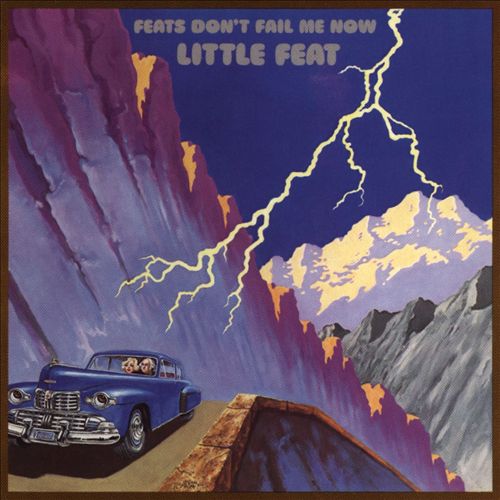
Feats Don’t Fail Me Now.
Having made their commercial breakthrough with Dixie Chicken in 1973, Little Feat returned with Feats Don’t Fail Me Now in 1974. It was recorded during early 1974 at Blue Seas Recording Studio in Hunt Valley, Maryland. Just like Dixie Chicken, Lowell George’s name was written large all over the album. He wrote Down the Road and Spanish Moon and cowrote four other tracks. He also cowrote seven of the eight tracks at Blue Seas Recording Studio.
For the recording of Feats Don’t Fail Me Now, Bonnie Riatt returned to adding backing vocals. So did Emmylou Harris. Tower Of Power were drafted in to add horns. Van Dyke Parks was brought in to produce Spanish Moon. Once Feats Don’t Fail Me Now was completed, it was released in August 1974.
While Dixie Chicken is perceived as Little Feat’s finest hour, Feats Don’t Fail Me Now comes a close second. On Dixie Chicken, Lowell George played a huge part in the album’s success. However, on Feats Don’t Fail Me Now it’s much more of a band effort. It won over critics and music lovers. Critical acclaim and commercial success accompanied Feats Don’t Fail Me Now. Little Feat, it seemed could do no wrong.
The Last Record Album.
1975 saw Little Feat release their fifth album, The Last Record Album. It was another landmark album for Little Feat. Having climbed the mountain and discovered fame and critical acclaim, Little Feat were at a crossroads.
On The Last Record Album, Lowell only wrote Long Distance Love and Down Below The Borderline. He however, cowrote the classic Mercenary Territory, one of The Last Record Album’s highlights. By then, Bill Payne was playing a bigger part in the songwriting process. Bill wrote Somebody’s Leavin’ and cowrote four other tracks. Among the highlights were All That You Dream, one of Bill’s best compositions. These tracks became The Last Record Album, which was released in November 1975.
This wasn’t a good time for Little Feat. Bill Hayward had been involved in a serious motorcycle accident. Bill wasn’t insured and the medical bills were ruinous. So much so, that Bill moved back to Canada. By then, the cracks were beginning to show in Little Feat.
When The Last Record Album was released, critics wondered if Little Feat had hit the wall. They had released five albums in five years. This could be beginning to take its toll, they wondered. After all, The Last Record Album wasn’t as consistent an album. Neither was it as cohesive an album. There were however, a number of highlight. among them, were All That You Dream, Mercenary Territory and Long Distance Love. The problem was, there weren’t enough highlights. Little Feat realised that. When the lyrics featured on the back of the album cover, the words “maybe next time” from Hi Roller were highlighted.

Time Loves A Hero.
For Time Loves A Hero, Lowell George didn’t contribute any songs. He left the rest of Little Feat to write Time Loves a Hero. There was a reason for this. Lowell didn’t approve of the direction Little Feat’s music was heading. Little Feat was his baby, and they weren’t a fusion band. That however, was the direction Little Feat were heading. As a result, Lowell became disillusioned.
Recording of Time Loves a Hero took place at four recording studios in Los Angeles. The lengthy sessions took place during 1976 and 1977. Eventually, Time Loves a Hero was completed, and the album was released in May 1977.
On its release, critics remarked that Time Loves a Hero was a departure in sound from Little Feat. It’s a genre-melting album. Elements of jazz, fusion, Latin, psychedelia and Southern Rock melt into one. Little Feat’s past and present make their presence felt on the Ted Templeman produced Time Loves a Hero. It divided the opinion of critics. Some welcomed the new sound, others mourned for the Little Feat of Dixie Chicken and Feats Don’t Fail Me Now. Mostly, critics wondered what the future held for Little Feat?

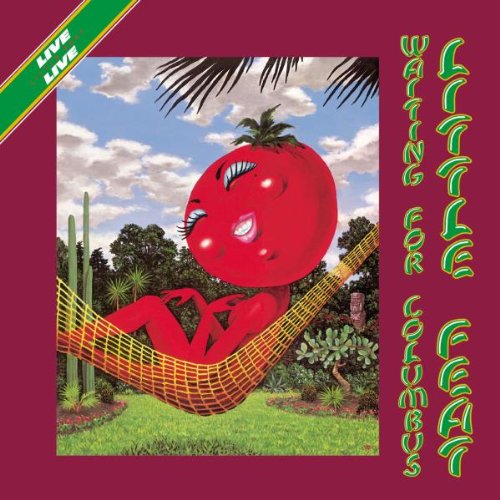
Waiting for Columbus.
During 1978, Little Feat didn’t release a studio album. Instead, they released a live album, Waiting for Columbus. It had been recorded during seven concerts in 1977. Four were recorded in London and three in Washington. From the tapes, seventeen songs were chosen.
The seventeen songs on Waiting for Columbus, showcased just how good a live band Little Feat were. They reinvented familiar tracks, while other songs became lengthy jams. On others, a horn section augmented Little Feat’s lineup. These songs showed another side to Little Feat. For anyone who had just heard Little Feat’s studio albums, this was an eyeopener.
On its release February 10th 1978, Waiting for Columbus was well received by critics. Many of the critics were familiar with Little Feat live’s sound, and welcomed the release of Waiting for Columbus. After all, it was much more representative of Little Feat. They seemed to enjoy the opportunity to stretch their legs, jamming and improvising. Sadly, this was a false dawn.
Down On The Farm.
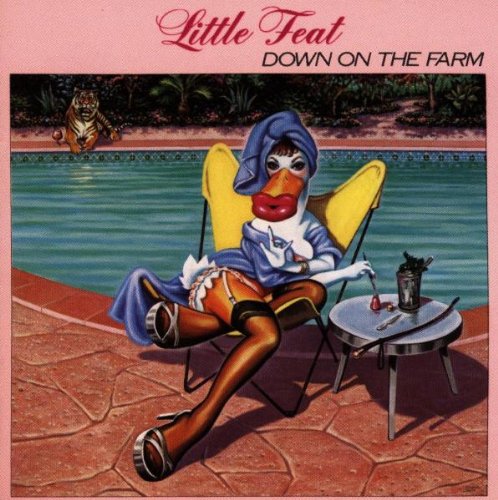
Ever since Time Loves a Hero, it had been apparent that Lowell George’s interest in Little Feat was waning. What many people didn’t realise was that Lowell’s health was failing. This soon became apparent.
Lowell began work on what would eventually become Down On The Farm. Before long, Lowell called time on Down On The Farm and Little Feat. He wasn’t a well man and died on 29th June 1979, aged just thirty-four.
Two weeks after Lowell’s death, Little Feat announced they had split-up. Down On The Farm, which was released in November 1979, would be the last Little Feat album for nine years. Ironically, Lowell George would play a big part in Down On The Farm.
Ironically, Down On The Farm featured many of Lowell’s songs. He contributed Kokomo and cowrote five of the other eight tracks. Lowell’s vocals also featured on Down On The Farm, his Little Feat swan-song.
As swan-songs go, Down On The Farm isn’t the finest. Critics called Down On The Farm, a mixed bag of songs. While there’s a hint of Little Feat’s earlier greatness, some of the songs don’t match the quality of their first four albums. It seemed Little Feat’s farewell was something of a damp squib. Down On The Farm was a rather disappointing end for Little Feat.
Hoy-Hoy!
Two years after the death of of Lowell George, and the announcement that Little Feat had split up, Warner Bros. released the compilation Hoy-Hoy! in 1981. It was a double album of rarities, demos, alternate tracks and live tracks. Hoy Hoy was the first album bearing Little Feat’s name since Down On The Farm.
For Little Feat completists, Hoy-Hoy! had plenty to offer. There were demos of Teenage Nervous Breakdown and an acoustic demo of Rocket in My Pocket. Live tracks include Skin It Back, Red Streamliner, The Fan, Teenage Nervous Breakdown, Two Train and Feats Don’t Fail Me Now. There’s a version of All That You Dream, from the Lowell George tribute concert, which features Linda Ronstadt. Fittingly, a version of Feats Don’t Fail Me Now closes Hoy-Hoy!
Hoy-Hoy! was essential listening for Little Feat fans. It featured previously unheard and unreleased tracks. However, for newcomers to Little Feat, this wasn’t the case. Dixie Chicken and Feats Don’t Fail Me Now were the place to start. Both albums features Little Feat and their charismatic frontman at their very best, on albums that are Southern Rock classics. Despite this, it wasn’t Little Feat’s biggest selling album.

That came in 1988. Although Lowell George had died on 29h June 1979, and Little Feat had announced that they had split-up many two weeks later, 1988 saw the band reform. While many of the original members remained, Little Feat without Lowell George weren’t the same band.
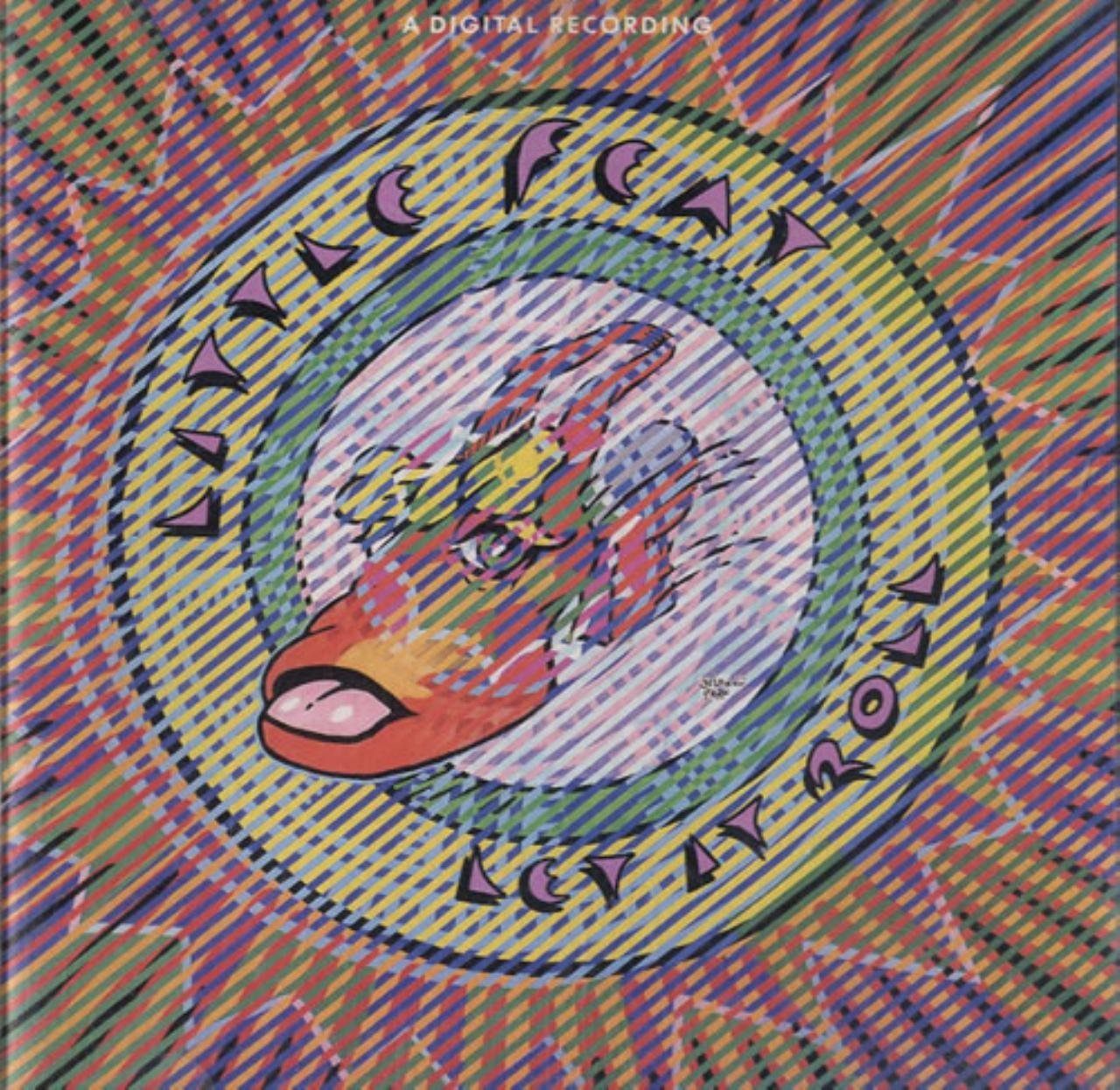
Let It Roll.
Nine years after Little Feat had split-up, they reformed. Craig Fuller, the founder member of Pure Prairie League, joined Little Feat. He would take charge of many of the lead vocals and cowrote nine of the ten tracks. For Little Feat, their eighth album Let It Roll, was the start of a new era.
Producing Let It Roll were Bill Payne and George Massenburg. Craig Fuller had big shoes to fill. After all, Lowell George was Little Feat’s founder and driving force. It was natural that comparisons would be made between the pair. The new look Little Feat answered their critics with a gold disc.
Let It Roll was released in July 1988. Mostly, the reviews of Let It Roll were positive. Some critics, weren’t won over by the new look Little Feat. Despite this, Let It Roll was certified gold on St. Valentine’s Day 1989. Ironically, Let It Roll was Little Feat’s biggest selling album. Their ninth album, Representing the Mambo was their Warner Bros. farewell.
Representing The Mambo.
March 29th 1990, was the date that Little Feat entered the MTV age. That day, Little Feat released Representing The Mambo. Lowell George must have been spinning in his grave. Little Feat, it seemed, had sold their soul. The lead single, Texas Twister, aided and abetted by a populist video, was a staple of MTV. This wasn’t the only change.
Although Let It Roll saw Little Feat stay true to their past. Representing The Mambo saw Little Feat’s sound change. It was given a glossy makeover, with the dreaded sound of synths playing an important part of the tacky Texas Twister and other tracks. For many critics and fans, this was the end of an era.
Some critics were scathing of Representing The Mambo, while some loyal fans turned their back on Little Feat. It was the end of an era. So was the fact that Representing The Mambo was Little Feat’s final album for Warner Bros. They had had the best of Little Feat.
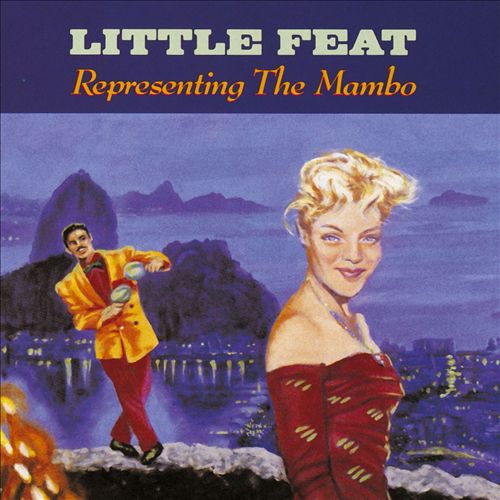
Representing The Mambo, marked the end of the Warner Bros. Years years. During that period, Little Feat recorded nine studio albums. However, not all Little Feats were created equal.
Especially Little Feat’s first four albums. From Little Feat, through Sailin’ Shoes, Dixie Chicken and Feats Don’t Fail Me Now, Little Feat, with Lowell George at the helm, could do no wrong. Only when Little Feat released The Last Record Album did the cracks start to show.
The Last Record Album was halfway to being a Little Feat classic. However, after The Last Record Album, Little Feat decided to change direction. Time Loves A Hero saw Little Feat in the direction of fusion. Despite that, Time Loves A Hero isn’t a bad album. It has its moments. Sadly, Down On The Farm, released five months after Lowell George’s death, was a mixed bag of songs. It wasn’t exactly a fitting farewell to Little Feat. That was the last that was heard of Little Feat until 1979.
As is often the case, replacing a legend isn’t easy. Lowell George was Little Feat’s founder, vocalist, guitarist, driving force and shining light. Nine months after Little Feat split-up after Lowell George’s death they returned with a new lineup. Craig Fuller was supposedly Lowell’s replacement. However, he was neither in Lowell George’s league as a frontman nor a songwriter. Despite that, success came Little Feat Mk. II’s way.
When Let It Roll was released in 1988, mostly, Little Feat Mk. II had stayed true to their past. Ironically, this resulted in a gold disc and was Little Feat’s most successful album. The irony was that none of of Little Feat’s first four albums had been certified gold. That’s despite Little Feat, Sailin’ Shoes, Dixie Chicken and Feats Don’t Fail Me Now being the best albums of Little Feat’s career. They were also far superior albums to Let It Roll. However, having released the most successful album of their career, Little Feat followed this up with the worst record of their career, Representing The Mambo.
On Representing The Mambo, Little Feat’s music takes on a polished sheen and enters the MTV age. For many loyal fans, that was a step too far. The new lineup of Little Feat had tarnished the Little Feat name. They turned their back on a once great group, after what was their Warner Bros. swan-song.
Representing The Mambo was a sad way to end Little Feat’s Warner Bros. Years. Despite a disappointing end to the Warner Bros. Years, Little Feat are still remembered as the most influential and greatest bands of the seventies. That was Little Feat’s decade.
The seventies were also the Lowell George years. This was the greatest period of Little Feat’s career. Thet were a pale shadow of their former self during the Craig Fuller year, When Lowell died on June 29th 1979. Little Feat died too. The two post Lowell George albums may be Little Feat in name, but not in spirit.
Little Feat are synonymous with Lowell George, one of music’s mavericks and legendary figures. Lowell George was Little Feat’s founder and driving force. He was also a musical pioneer, and one of the founding father’s of Southern Rock. Sadly, Lowell George died thirty-seven years ago, on 29th June 1979, aged just thirty-four. Although his life was cut tragically short, Lowell George packed a lot of living into thirty-four years. This included recording a quartet of classic albums with Little Feat. Little Feat, Sailin’ Shoes, Dixie Chicken and Feats Don’t Fail Me Now are a reminder of the Lowell George years, which were by far, the greatest period of Little Feat’s career.
LITTLE FEAT-THE LOWELL GEORGE YEARS.
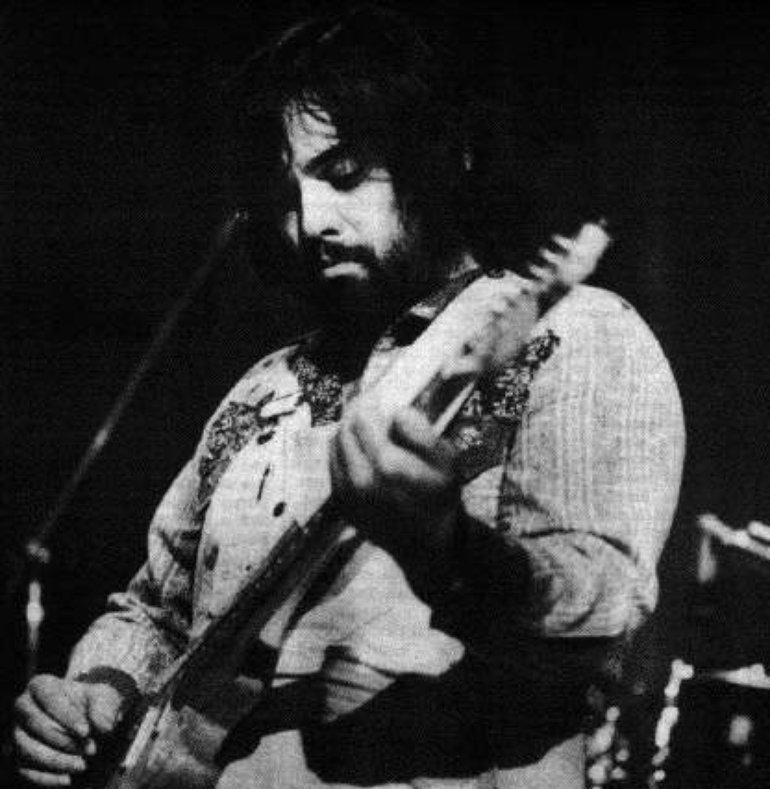
THE WILD OATS-THE WILD OATS.
THE WILD OATS-THE WILD OATS.
Way before The Beatles burst onto the scene with Love Me Do in 1962, bands were being formed up and down Britain. Bands literally sprung up from John O’ Groats to Land’s End. This included in Leiston, a small, rural town in sleepy Suffolk. It was an unlikely place for a new band to be formed. Things changed in 1961, when The Rebels were formed. Suddenly, Leiston was about to awake from its slumbers.
That wouldn’t please everyone. Many locals viewed Leiston as their own rural idyll. It was a a Paradise Lost in post War England that now seemed to be in a constant state of flux. So when word spread through the town that a new ‘musical combo’ had been formed locally, this proved disconcerting. Especially when the new band turned out to be called The Rebels. This was sure to set tongues wagging, curtains twitching and most likely, would end up with letters being written to the parish council. For locals it was a worrying time. Who knows what the held for the denizens of Leiston?
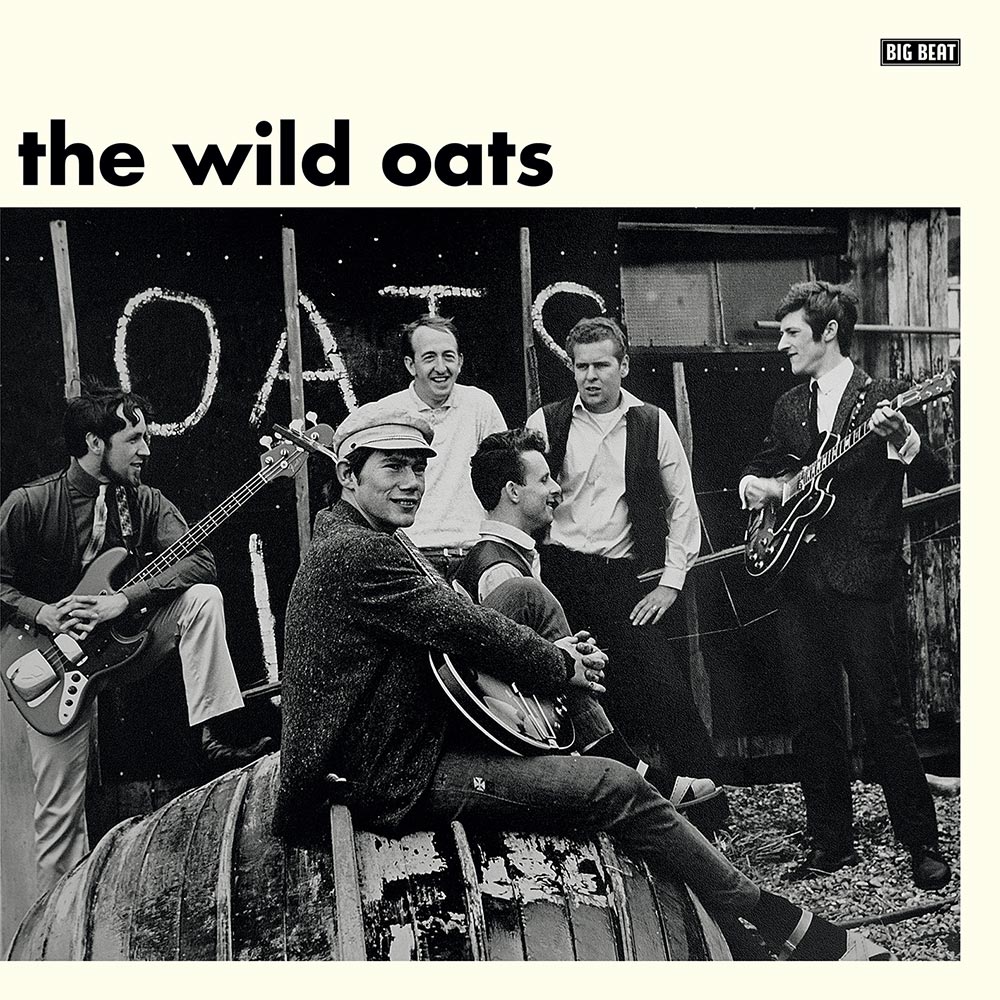
Just over two years later, and The Rebels had changed their name to The Wild Oats. They were about to go onstage at Leiston village hall. This was their hometown show, and The Wild Oats were about to hold court. By then, they were a popular band in the local area. However, tonight, there was a special guest in the audience… David Nicolson.
By day, David Nicolson was a publicist at EMI’s press office in London. David Nicolson was also an aspiring producer. He was keen to cut his teeth as a producer, so placed adverts in the NME, which was then one of the three main music papers. The first group who replied to David Nicolson’s advert were The Wild Oats. Hence, David Nicolson’s racing to catch a train to sleepy Suffolk.
Having caught the train Leiston, David Nicolson made his way to the village hall. When he opened the doors, the village hall was packed. It was also a dark, hot and smoky. A cloud of cigarette smoke seemed to sit above the enthusiastic crowd. However, as The Wild Oats took to the stage, this no longer mattered. All that mattered was the music.
David Nicolson watched as The Wild Oats worked their way through a set where blues and rock ’n’ roll numbers rubbed shoulders. They weren’t alone. Many of the new bands that were determined to follow in the footsteps of The Beatles, Rolling Stones and The Who were playing similar songs. However, The Wild Oats did it their way.
Unlike many of these aspiring bands, The Wild Oats didn’t ape the choreographed moves of The Shadows and The Beatles. That wouldn’t go down well in Leiston village hall. Nor would the mid-Atlantic accent that had been adopted by many vocalists in the latest wave of new bands. The Wild Oats left that to their competitors. They were a British band, who played Lowestoft and Leiston, not L.A. Meanwhile, aspiring teenage producer David Nicolson had seen enough.
After the show at Leiston village hall, he went in search of The Wild Oats. When they began to talk, he realised that they had much in common. Not only were they a similar age to him, but shared a love of music. The Wild Oats were also a talented band with potential. So David Nicolson offered The Wild Oats a recording contract.
From then on, The Wild Oats were excited about making their recording debut. As far as the members of The Wild Oats were concerned, the recording session couldn’t come soon enough. They were already a popular live band, and had come on leaps and bounds recently. Those that saw The Wild Oats live, remembered “that they were a band that gave everything that had. That was the case every night they took to the stage.” Buoyed by their success as a live band, The Wild Oats were desperate to enter the studio. So The Wild Oats were told to choose five songs to record, and practise them.
The five songs that The Wild Oats chose, were ones that they had previously played live. This included You Can’t Judge A Book By Its Cover, Walking The Dog, Will You Love Me Tomorrow, Put The Blame On Me and Whole Lotta Woman. After this, it was a case of practise makes perfect. Meanwhile, The Wild Oats were waiting for the first available slot at the recording studio David Nicolson had chosen.
That’s how, at 7.30am on 12th April 1964, The Wild Oats found themselves setting up their equipment in R.G. Jones’ studios in Morden, Surrey. It featured state of the art recording equipment. However, given its suburban location, it was a far cry from EMI’s Abbey Road studios, which was home to producer George Martin, and where he recorded The Beatles’ albums. However, for The Wild Oats all that mattered was that they were about to make their recording debut.
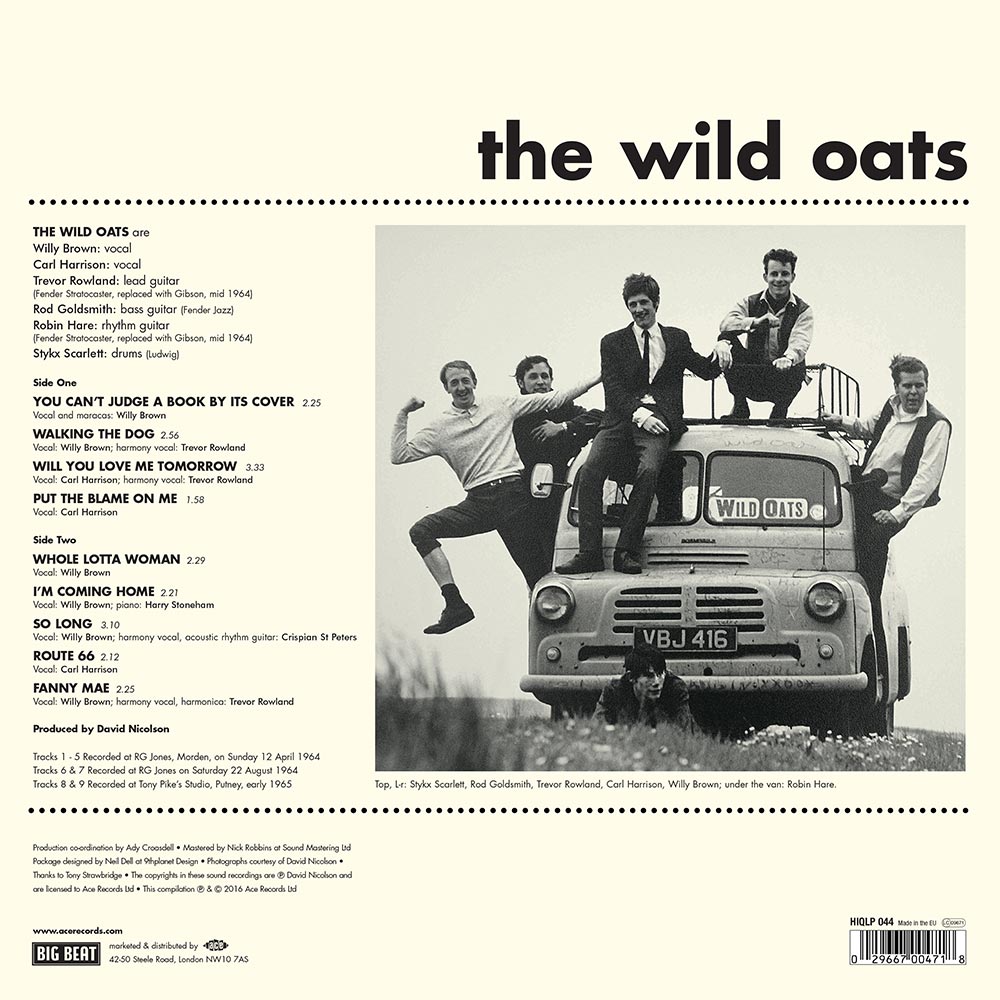
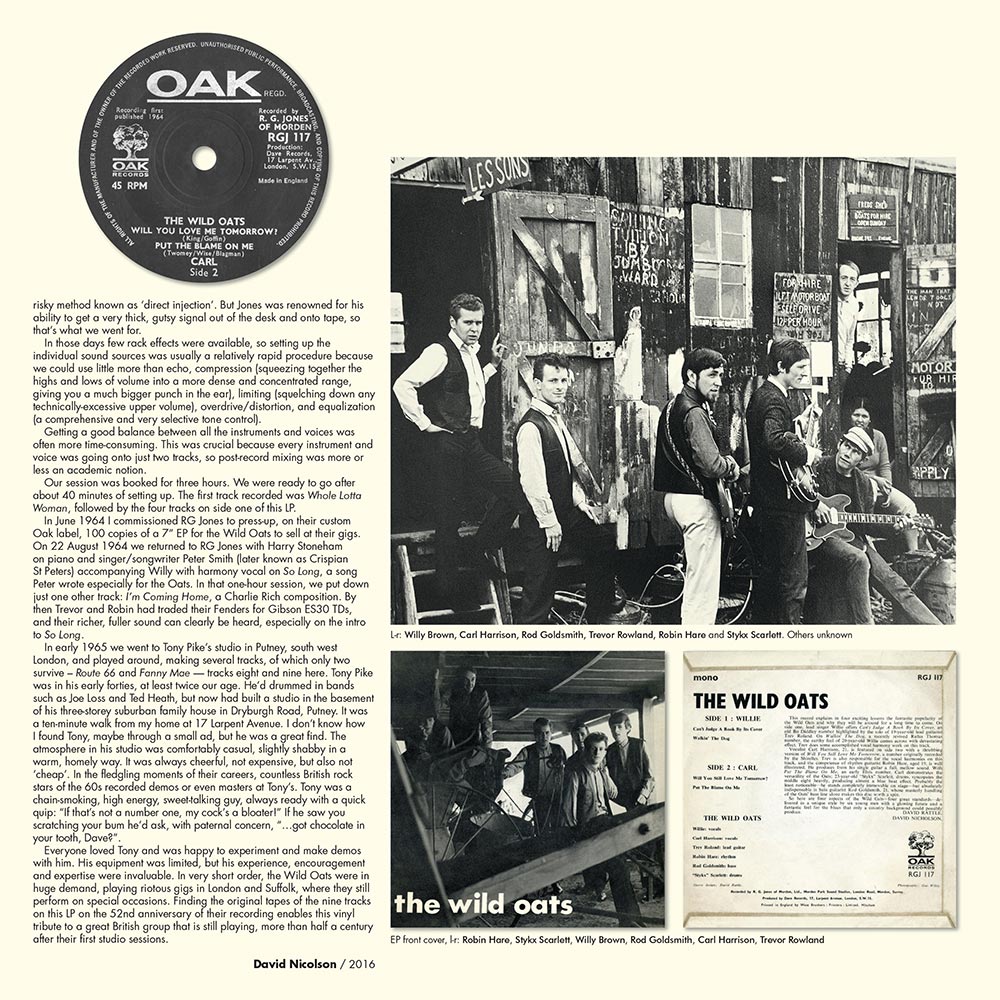
After forty minutes setting their equipment up, the six members of The Wild Oats were ready to make their recording debut. The Wild Oats’ rhythm section featured drummer Stykx Scarlett, bassist Ron Goldsmith and rhythm guitarist Robin HareRon Goldsmith. They were joined by lead guitarist Trevor Rowland and vocalists Willy Brown and Carl Harrison. Overseeing the recording session was engineer R.G. Jones and debutante producer David Nicolson. The pair would ensure that the session ran smoothly. However, there was just two hours and twenty minutes of the session left to record the five songs. Despite almost being behind the black ball, The Wild Oats managed to record four blistering slices of R&B. They also recorded a hopeful and almost wistful cover of Will You Love Me Tomorrow? These tracks were recorded within the allotted time, and would The Wild Oats’ debut recording session was hailed a success.
So much so, that in June 1964 David Nicolson returned to R.G. Jones’ studio with a request. He was looking to have an E.P. pressed to sell at The Wild Oaks concerts. David Nicolson knew that R.G. Jones’ studio had its own in-house label, Oak. A total of 100 copies of The Wild Oats’ E.P. were pressed that day.
With The Wild Oats’ E.P pressed, they were sold after concerts, giving concert-goers a souvenir of their evening. Little did they realise that they had made a shrewd investment. That would only become apparent later.
Before that, The Wild Oats made another journey to R.G. Jones’ studio. This time, they were going to record two new songs. To help record these new songs, The Wild Oats had brought along two friends.
Harry Stoneham played piano on the Charlie Rich composition I’m Coming Home. It’s a driving slice of rock ’n’ roll, that sounds as if it was recorded in Memphis, rather than Surrey. The other song was So Long, which vocalist Willy Brown had penned. It featured singer-songwriter Peter Smith, who would go on to reinvent himself as Crispin St. Peters. He added harmonies on So Long, which is dreamy, melancholy and melodic. There’s with an almost proto psychedelic sound to So Long, which showed another side to The Wild Oats. Sadly, this was the last time that The Wild Oats recorded at R.G. Jones’ studio.
The Wild Oats recording career was far from over. Their final recording session took place in Putney, South West London. That was where Tony Pike lived. He was a drummer who previously, had played in Joe Loss and Ted Heath’s bands. Since then, Tony Pike had also built his own studio in the basement of his Putney home. Tony Pike had placed an advert advertising his home studio. That was how The Wild Oats met Tony Pike.
When they met Tony Pike, the six members of The Wild Oats struck it off with the older, more experienced musician. Soon, The Wild Oats were rehearsing and experimenting in Tony Pike’s basement studio. It was much cheaper than other studios. This made it the perfect place for The Wild Oats to record five tracks in 1965.
Among the five tracks recorded were Route 66 and Fanny Mae. Having rocked their way through Route 66, The Wild Oats deliver a blues tinged version of Fanny Mae. Alas, the other three tracks recorded during the 1965 Tony Pike session have been lost. Only the versions of Route 66 and Fanny Mae remain, and close The Wild Oats. It’s a welcome addition to The Wild Oats LP, which celebrates the long career of The Wild Oats. It was recently released by Big Beat, an imprint of Ace Records.
Five decades later, and The Wild Oats are still playing live. The Wild Oats show no signs of calling it a day. That’s despite being in their early seventies. Still though, The Wild Oats can rock out with the best of them. They’re a tight and talented band who have been together for fifty-five years, when The Wild Oats were known as The Rebels. That was enough to strike fear into the hearts of denizens of sleepy Leiston.
After all, rock ’n’ roll was in its infancy, and was something of an unknown quantity. That would soon change. By the time, that The Wild Oats entered the recording studio for the first time in 1964, the British Invasion groups had arrived on American shores; and Beatlemania had sweeping the world. The four cheeky mop topped Liverpudlian rapscallions had given music an air of respectability. No longer were bands regarded as a group of outlaws living on the edges of society. That certainly doesn’t describe The Wild Oats.
They comprised six young men who loved, and still love music. Being in The Wild Oats allowed them to embark upon an adventure where anything was possible. The lucky groups, like The Wild Oats signed recording contracts and released an E.P. on the Oak label. That E.P. is now a collector’s item, worth between £500 and £1,000. It’s a prized item in collector’s circles. So anyone who bought a copy when they saw The Wild Oats in 1964 or 1965, will be in for a surprise. Those that don’t have a copy of The Wild Oats E.P. now have the opportunity to rectify this.
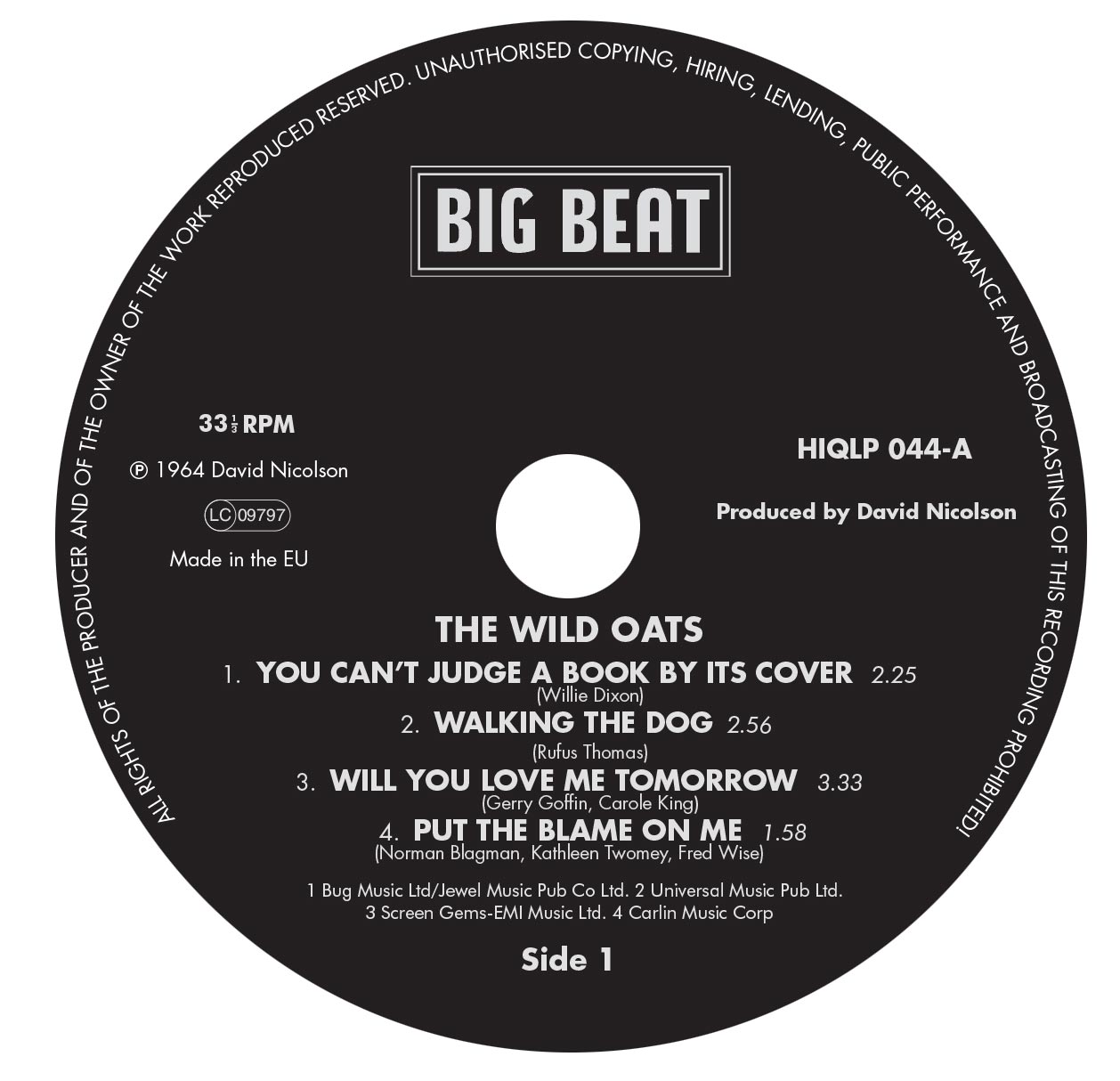
Recently, the Big Beat label, an imprint of Ace Records recently, released The Wild Oats, a nine track, deluxe 10” LP. It features the five tracks on the original E.P., plus another four tracks recorded between 1964 and 1965. These tracks are a reminder of The Rebels who became The Wild Oats, and awoke sleepy Leiston from its slumbers.
THE WILD OATS-THE WILD OATS
 .
.
THE AROCK, SEROCK, SYLVIA SOUL STORY CONTINUED.
THE AROCK, SEROCK, SYLVIA SOUL STORY CONTINUED.
Al Sears’ career began in the 1928, when he replaced Johnny Hodges in Chic Webbs’ band. This was the start of a long and successful career.
In 1931, Al Sears joined Elmer Snowden’s band. He was the tenor saxophonist right through until 1932. Then in 1933, Al Sears decided the time was right to move from sideman to bandleader.
For the next eight years, Al Sears forged a career as a bandleader. He lead several successful groups. However, in 1941, Al Sears got the opportunity to join Andy Kirk’s band.
By then, Al Sears was one of the top tenor saxophonists. This became apparent each night Al Sears took to the stage with Andy Kirk’s band. So it was no surprise that in late 1942, that when Al Sears left Andy Kirk’s employ in 1942, that he was destined for great things.
That proved to be the case. Al Sears joined Lionel Hampton’s band in 1943. Al Sears was now a member of one of the top jazz bands. However, in 1944 he was asked to join Duke Elington’s band. Al Sears had arrived.
Over the next five years, Al Sears became one of stars of the Duke’s band. In what was a multi-talented band, Al Sears was one of the top soloists. That was until Al Sears left Duke Elington’s band in 1949.
Two years later, Al Sears joined Johnny Hodges band in 1951. He was with Johnny Hodges until 1952. During that period, Johnny Hodges recorded the album Castle Rock. It features a trio of Al Sears’ compositions. The most famous was Castle Rock. It lent its name to one of Johnny Hodges’ most successful albums. However, the Castle Rock album wasn’t released until 1955. By then, Al Sears had had turned his attention to publishing.
Al Sears was an astute businessman, and in the mid-fifties, founded his own publishing company. In the early days, the Rual publishing company death with Al Sears’ own compositions. Soon, many New York based artists were using Rual. As the years went by, Al Sears decided to add to his nascent musical empire.
He founded his first record labels in 1960. Gator only released a quartet of singles, and Triess released just a trio of singles. Things weren’t going to plan.
That wasn’t until Al Sears founded Serock in 1962. It became involved with Scepter Records, which was next door to Serock. Right through to until Serock closed its doors in mid-1963, it enjoyed a degree of success.
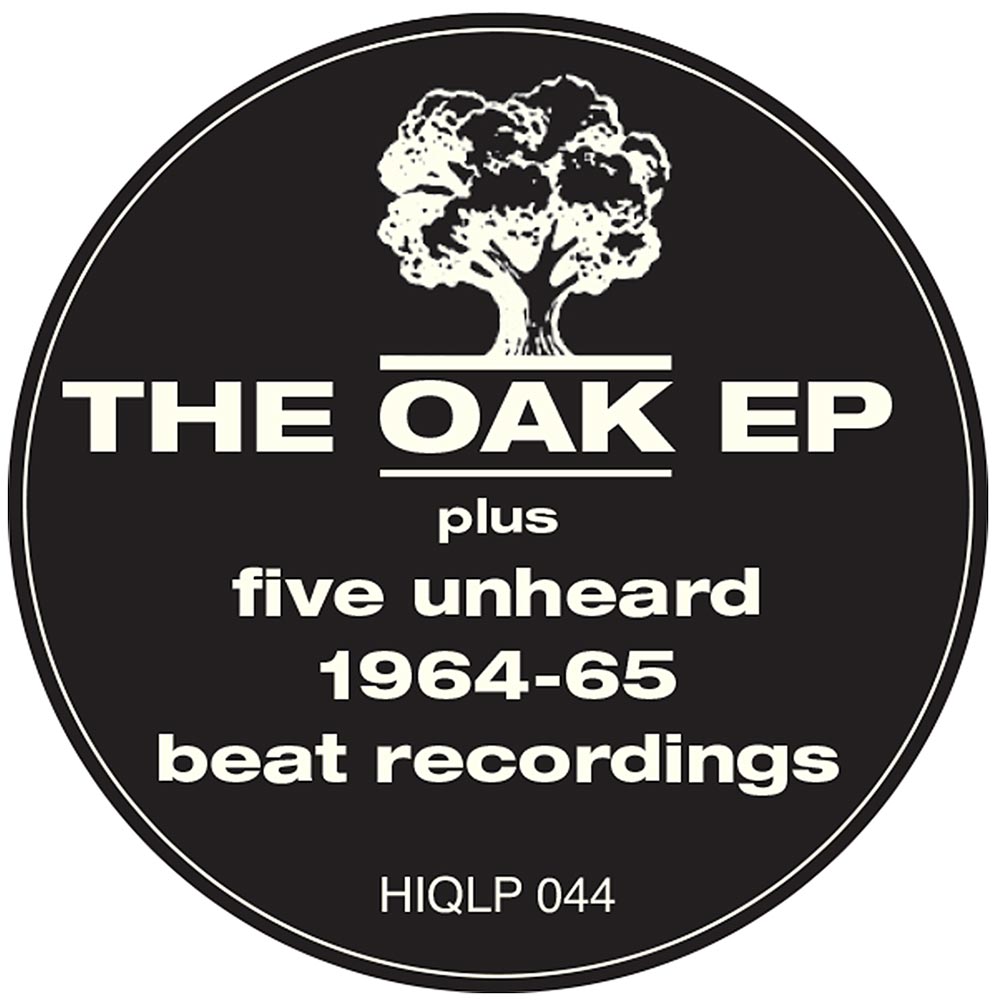
With Serock consigned to musical history, Al Sears decided to launch a new label In September 1963, Arock. It lasted until the end of 1964, when Al Sears replaced Arock with his latest label, Sylvia. This proved to be the label that lasted longest, and was around until mid-1966. By then, Al Sears had spent over six years running his own record labels. Part of this period is celebrated on The Arock, Serock, Sylvia Soul Story Continued, which was recently released by Kent Soul, an imprint of Ace Records.
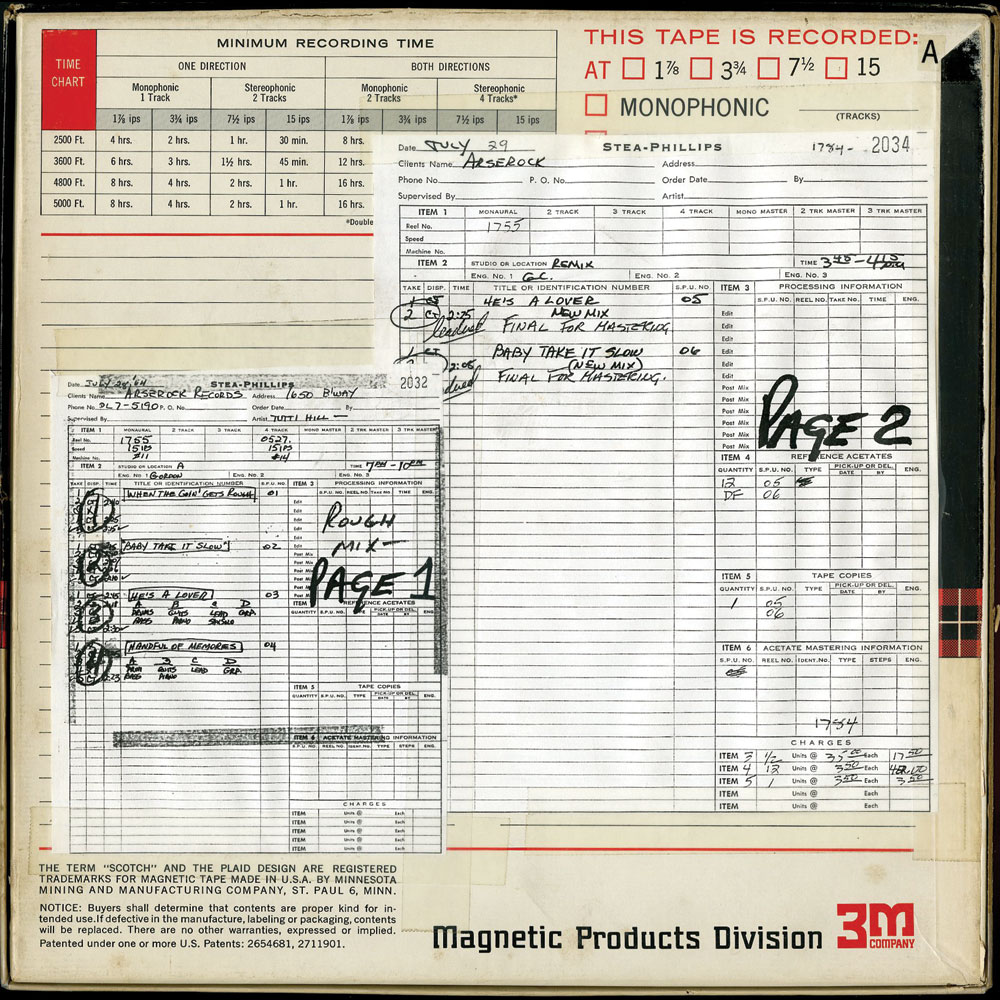
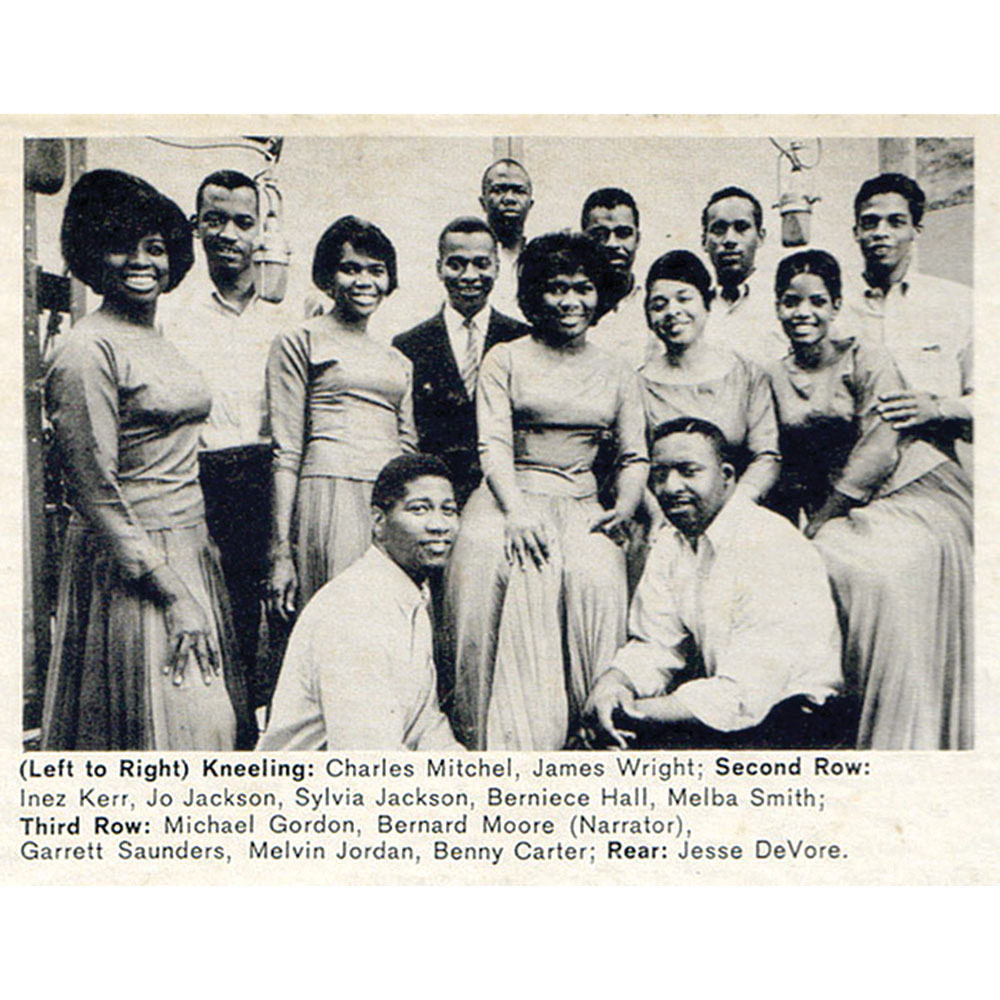
The Arock, Serock, Sylvia Soul Story Continued features twenty-five tracks. This includes twenty-three tracks that have never found their way onto CD before. Among these tracks are seven previously unreleased tracks, including an extended version of Sterling Magee’s Get In My Arms Little Girlie; Tutti Hill’s When The Goin’ Gets Rough; Garrett Saunders’ disbelieving take of I Keep Coming Back For More and Marie Knight and Junior Lewis’ Nothing In This World. These hidden gems are examples of New York soul from the sixties. So are two unreleased demo tracks from Junior Lewis.
Despite being demos, Junior Lewis breathes meaning and emotion into the lyrics to It Won’t Work Out and Where You Are. However, one of the best of the unreleased tracks comes courtesy of Don Covay. It’s another demo, but features the South Carolina born soul man deliver an impassioned version of Did You Hear? It makes a welcome appearance on The Arock, Serock, Sylvia Soul Story Continued. So do many other tracks.
This includes, The Corvairs’ Love Is Such A Good Thing, which opens The Arock, Serock, Sylvia Soul Story Continued. It’s a Fred Dobbs and Scot Douglas composition, which was produced by Miller and Porter. Once it was completed, it became the B-Side to The Corvairs’ single A Victim Of Her Charms. It was released on Sylvia in 1964. Those that flipped over, and gave Love Is Such A Good Thing a spin were rewarded with a joyous sounding song.
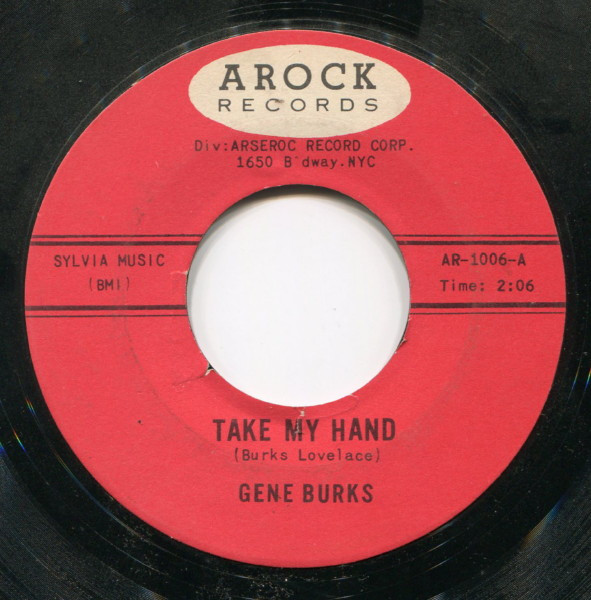
New York soul man Gene Burks, had signed to Al Sears’ Arock label in 1963. A year later in 1964, he was preparing to release his sophomore single Take My Hand. This was one of Gene Burks’ own compositions, which featured a needy, hopeful vocal. Sadly, despite the quality of the lyrics and delivery, Take My Hand failed commercially. For Gene Burks this marked the end of his time at Arock.
When Joan Moody Music To My Ears released in June 1966, sharp eyed record buyers spotted something was amiss. The label was different to previous releases. Rather than bearing the TCF label, Music To My Ears was released by TCF Fox Family Sylvia. This was because Al Sears had signed a distribution deal with 20th Century Fox. They went on to release Joan Moody fourth and final single on 20th Century Fox. It had been penned and produced by Ron Miller and Lee Porter, and showcased the talents of Joan Moody.
Detroit based producer Mike Hanks produced Vivian Collins’ Hey Officer. This Clara Bell, William Garrett and Mike Hanks song became the B-Side to Answer Me. It was released on Serock in November 1962, and was Vivian Collins’ only single. Hey Officer something of a hidden soulful gem from Vivian Collins.
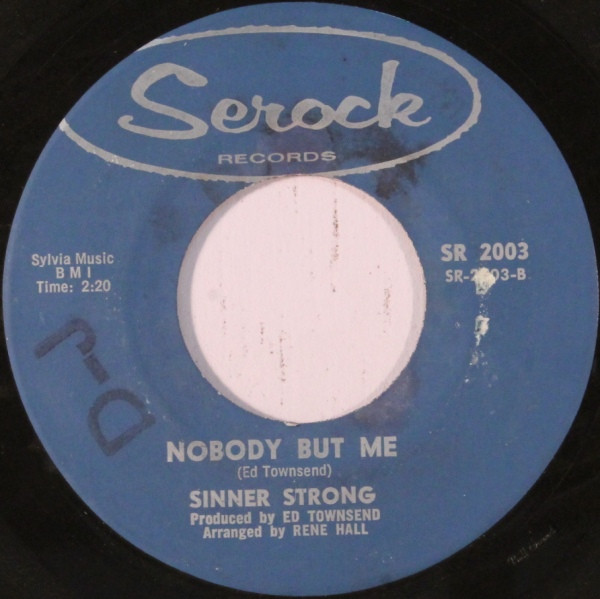
In 1963, Sinner Strong released cover of Ed Townsend’s Don’t Knock It as a single on Serock. The single was produced by Ed Townsend. Tucked away on the B-Side was another Ed Townsend song Nobody But Me. It finds Sinner Strong being accompanied by a gospel choir. They adding rousing harmonies, while Sinner Strong delivers a soulful vocal powerhouse. This results in one of the highlights of The Arock, Serock, Sylvia Soul Story Continued.
Way before he released and produced singles like The Hustle, Van McCoy was signed Rockaway in 1964. The only single he released for Rockaway was It Ain’t No Big Thing. It was written by Van McCoy, and he produced It Ain’t No Big Thing with Buddy Smith. While the single wasn’t a commercial success, it was catchy and well produced.
By 1966, Billy Washington was signed to TCF Sylvia. He released Later For Romance as a single. It was written by Billy with La Charles Harper and Larry Lucie. They penned the flip side I Wanna Come In. Its a dance-floor friendly slice of hook-laden soulful music.
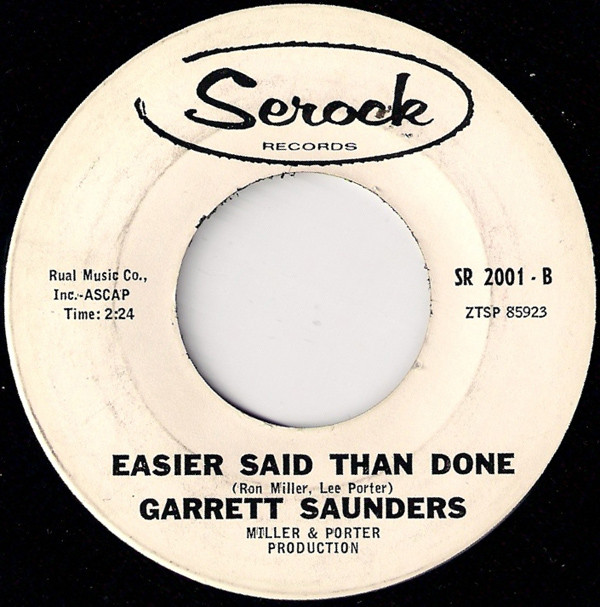
Having formed his Serock label in 1962, Al Sears began signing artists. This included Garnett Saunders, who released A Day Or Two in 1962. On the B-Side was Easier Said Than Done. It was penned and produced by Lee Porter and Ronald Miller. Accompanied by harmonies, Garnett Saunders delivers the lyrics to Easier Said Than Done as if he’s lived and experienced the hurt and heartbreak.
The Larks’ Another Sleepless Night closes The Arock, Serock, Sylvia Soul Story Continued. Another Sleepless Night was the B-Side to The Larks’ 1964 single For The Love Of Money. Both sides were penned by Jackie Marshall and produced by Dynamic Productions. With a vocal that’s rueful and full of sadness and regret, it’s a moving and quite beautiful way to close The Arock, Serock, Sylvia Soul Story Continued.
Fourteen years after the previous instalment in this occasional series, Kent Soul, an imprint of Ace Records return with The Arock, Serock, Sylvia Soul Story Continued. This twenty-five track compilation is another tantalising taste of the music recorded for, and released on Arock, Serock and Sylvia. Al Sears had moved from musician to businessman.
The veteran saxophonist had seamlessly made the switch from bandleader and sideman, to publisher and record company owner. He had the uncanny knack for finding talented singers and pairing them with the songwriters and producers that would bring out the best in them. There are countless examples of this throughout The Arock, Serock, Sylvia Soul Story Continued.
Some of these artists are familiar faces, while others will be new names. It’s the same with the songs on The Arock, Serock, Sylvia Soul Story Continued.
There’ singles, B-Sides, unreleased tracks and even demos on The Arock, Serock, Sylvia Soul Story Continued. Often, a hidden gem is tucked away on a B-Side. This leaves one wondering why the song was relegated to the B-Side. Especially having compared and contrasted with the single. Belatedly, these hidden gems will be heard by a much wider audience, who will appreciate, embrace and enjoy them. That is the case with the rest of the tracks on The Arock, Serock, Sylvia Soul Story Continued. They document and celebrate the career of Al Sears, the onetime tenor saxophonist who founded a string of record companies. The next part in his story is documented on The Arock, Serock, Sylvia Soul Story Continued.
THE AROCK, SEROCK, SYLVIA SOUL STORY CONTINUED.



SOME KINDA MAGIC-THE SONGS OF JERRY ROSS.
SOME KINDA MAGIC-THE SONGS OF JERRY ROSS.
Growing up in Philadelphia, Jerry Ross dreamt of becoming a trumpeter and singer. While this dreams never came quite true, Jerry went on to live the dream musically. Jerry Ross became a hugely successful songwriter and producer. He also worked in A&R and owned his own record companies. Jerry Ross had managed to achieve all this between 1962 and 1971. This is the period that the Ace Records’ compilation Some Kinda Magic-The Songs Of Jerry Ross covers. It tells the story of the early years of Jerry Ross’ seven decade music career. However, the Jerry Ross story began in Philly 1933
That was where Jerry was born and grew up. He initially dreamt of making a career as a trumpeter and singer. However, any dreams Jerry had were interrupted by two years in the US Air Force.
Once he had left the US Army, Jerry Ross enrolled at Temple Bar University. After graduating, Jerry began work at Philly based WPVI-TV. Soon, Jerry caught a break when Dick Clark began hosting American Bandstand.
Jerry Ross became the booth announcer on American Bandstand. This lead to Jerry hosting Dick Clark’s WFIL radio show, Caravan Of Music. Still, though, Jerry had dreams to make records not play them.
So Jerry Ross decided to follow his dreams. He founded his own company Ross Associates in the early sixties. Ross Associates was a one-stop shop, producing and promoting. For Jerry this was a crash course in the music business. He wrote and produced songs, hired musicians and took charge of sessions. However, Jerry’s most important job, was finding the right artist. He often struck gold.
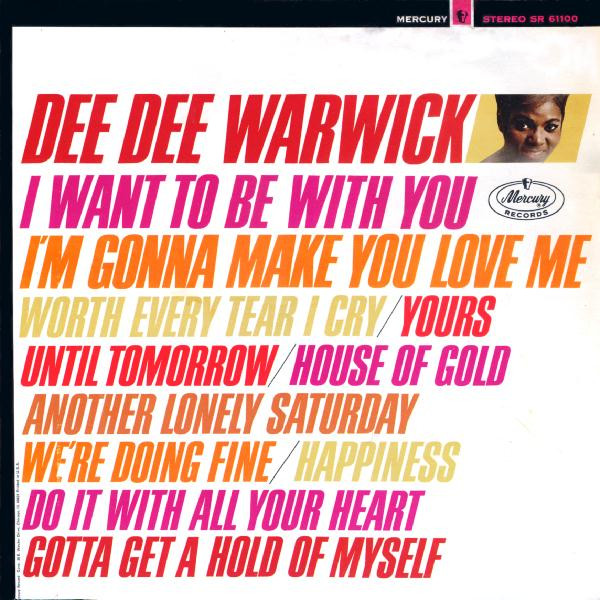
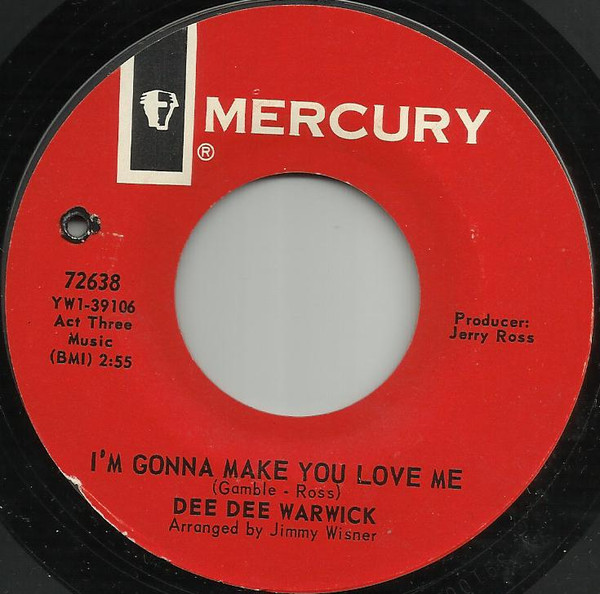
One of Jerry Ross’ earliest signings was seventeen year old Kenny Gamble. He soon became Jerry’s protege, and he showed the future founder of Philadelphia International Records the musical ropes. They also established a successful songwriting partnership. One of their most successful compositions was I’m Gonna Make You Love Me, which Dee Dee Warwick recorded in 1966. By then, Jerry had moved from Philly to New York a year earlier.
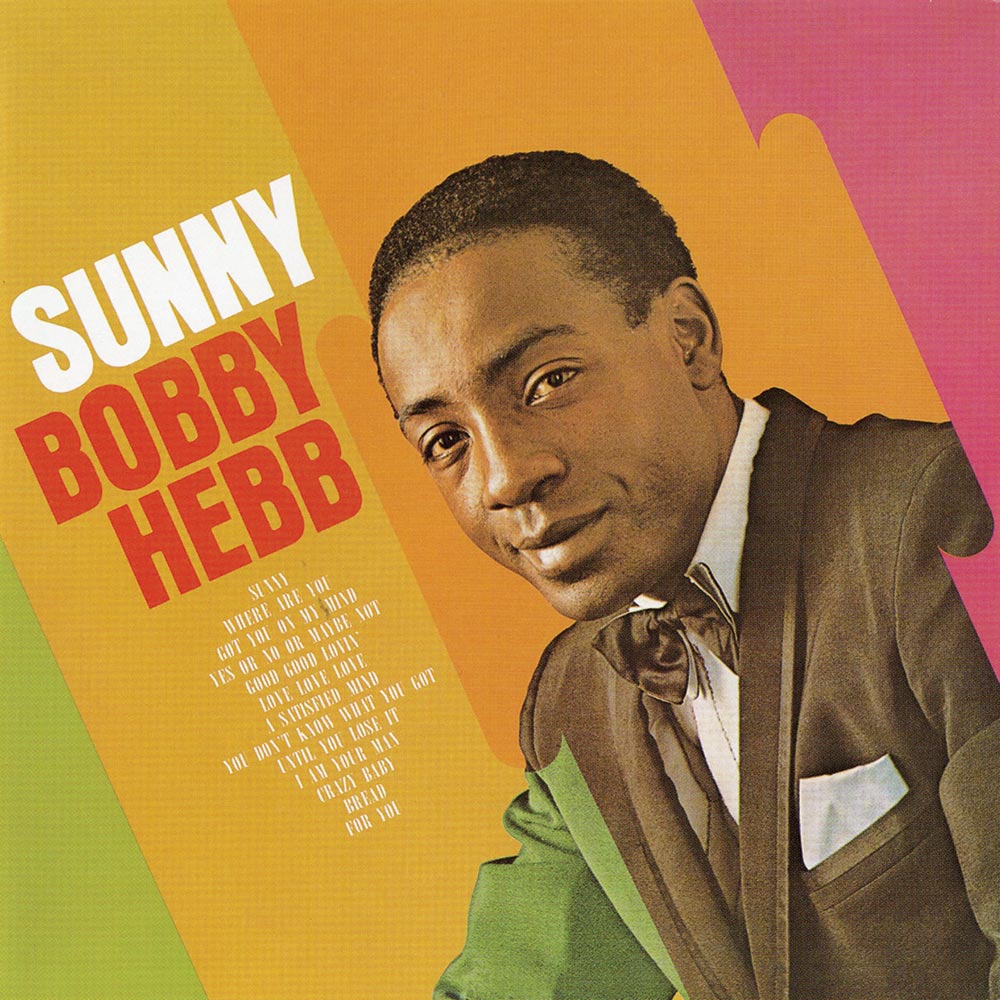
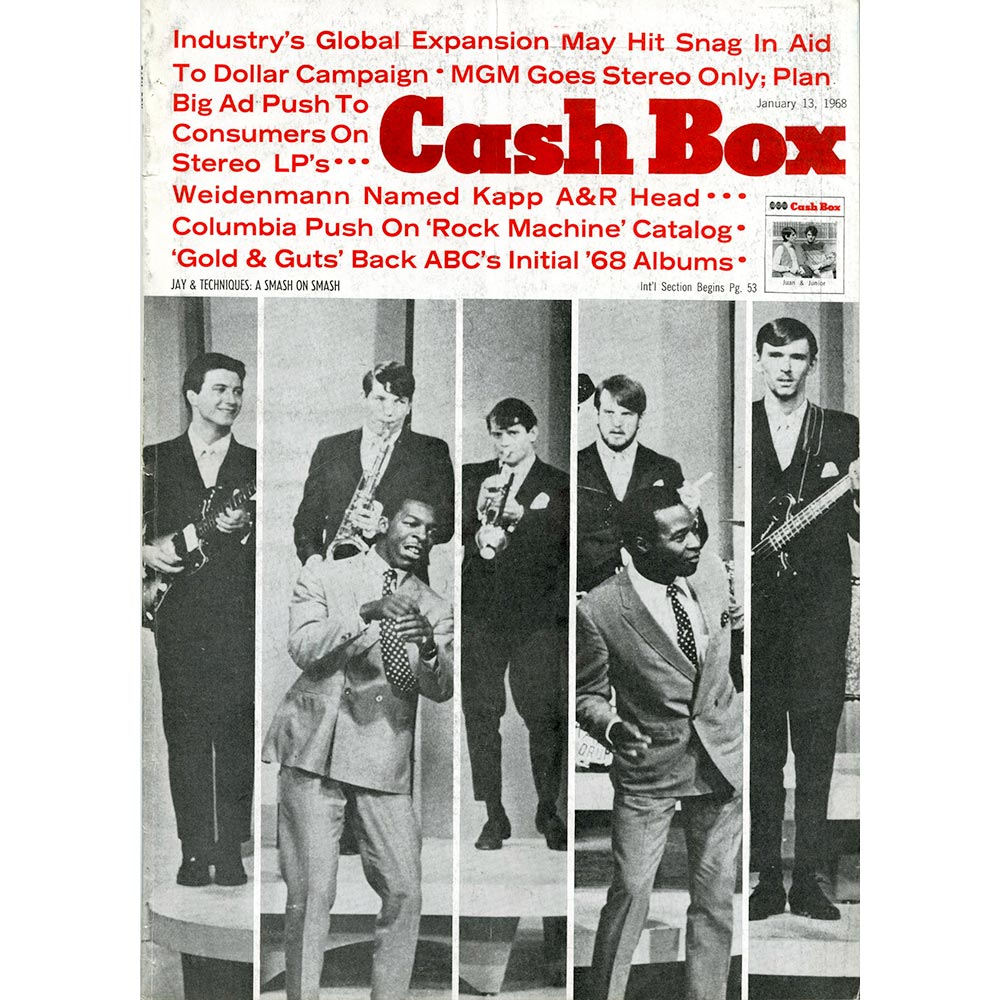
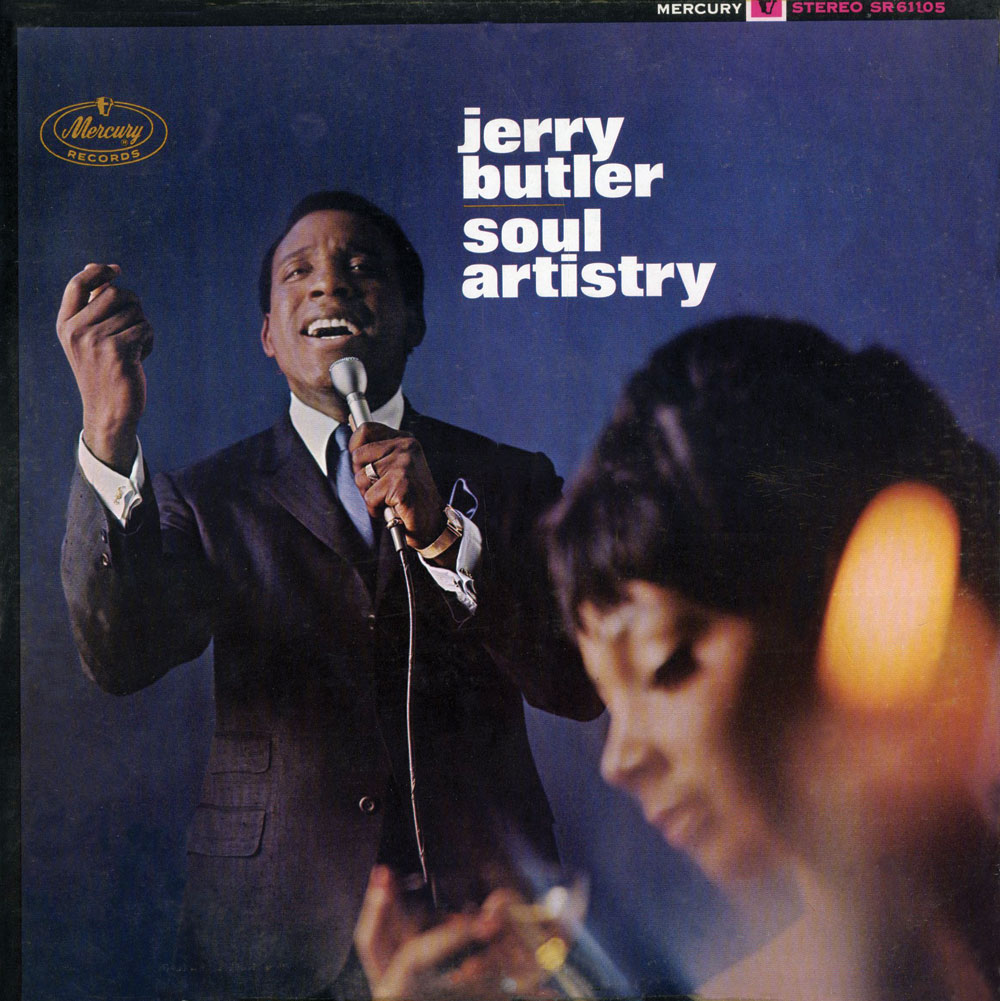
The move to New York in 1965, came about when Jerry Ross was offered and accepted, a role in Mercury Records’ A&R department. Soon, Jerry was working with Bobby Hebb, Jay and The Techniques, Jerry Butler and Spanky and Our Gang. Jerry’s biggest success at Mercury Records came when he produced Bobby Hebb’s number two single Sunny. However, after four years with Mercury Records he decided to head out on his own again.
Jerry Ross decided to form not one, but two labels, Heritage Records and Colossus Records in 1969. Straight away, Jerry went looking for new artists. This would see him strike gold.
This happened during a trip to Europe. In the Netherlands Jerry Ross discovered several bands, including the Tee Set, the George Baker Selection and Shocking Blue. Having heard their music, Jerry secured the rights to these bands. The band that Jerry had high hopes for his latest signings. So when Jerry returned home, Jerry began woking on the release of singles from his latest signing.
The first of Jerry Ross’ Dutch groups to release a single were the George Baker Selection. Their debut single Little Green Bag was released in 1969 on Colossus Records,. Not only did it reach twenty-one on the US Billboard 100, but sixteen in Canada. This was just the start.
In early 1970, Shocking Blue released their first American single, Venus. When Venus was released in early 1970 on Colossus Records, it reached number one on the US Billboard 100 and sold over a million copies. Worldwide, Venus sold over 7.5 million copies. Jerry Ross had the Midas touch.
This was certainly the case. The third band signed during Jerry Ross’ European trip also enjoyed commercial success and critical acclaim. The Tee Set released Ma Belle Amie in 1970 on Colossus Records, and it reached number five in the US Billboard 100. For Jerry Ross this was the icing on the cake.
After three huge hit singles from Jerry Ross’ trio of Dutch bands, he decided that this was the perfect time to sell Colossus Records. This would also mark the end of the first chapter in Jerry’s long and illustrious career. This period is documented on Some Kinda Magic-The Songs Of Jerry Ross.
This is a twenty-four track compilation, that covers the period between 1962 and 1971. Featuring on Some Kinda Magic-The Songs Of Jerry Ross are Dee Dee Warwick, Bobby Hebb, Willie Hobbs, Jerry Butler, The Sidekicks, April Young, Dusty Springfield, The Yum Yums, Keith, Jimmy James and The Vagabonds and Les McCann. They’re just a few of the artists that worked with Jerry Ross between 1962 and 1971, and feature on Some Kinda Magic-The Songs Of Jerry Ross.
It seems fitting that Some Kinda Magic-The Songs Of Jerry Ross opens with Dee Dee Warwick I’m Gonna Make You Love Me. It’s one of Jerry Ross’ best known, and most successful songs. He wrote I’m Gonna Make You Love Me with Gamble and Huff. but produced it himself. Jerry’s production sounds as if it would later inspire Gamble and Huff at Philadelphia International Records. That was in the future.
In 1966, I’m Gonna Make You Love Me was released on Mercury Records. It reached number eighty-nine on the US Billboard 100 and number thirteen in the US R&B charts. This was one Dee Dee Warwick’s biggest hits, and features an impassioned, heartfelt vocal from one of Philly’s finest female vocalist. Sadly, she never enjoyed the commercial success her talent deserved, and battled narcotic addiction until her death in 2008.
When Jerry Ross began work at Mercury Records in 1965, the first artist he produced was Bobby Hebb. Jerry produced Bobby Hebb’s biggest hit, Sunny. Following up Sunny wasn’t going too be easy. However, Some Kind Of Magic was chosen. On the flip side was Love Love Love, a Jerry Ross and Joe Renzetti composition. It was produced by Jerry and became a favourite on the UK Northern Soul scene. So much so, that this joyous stomper was released as a single in the UK, and reached number thirty-two.
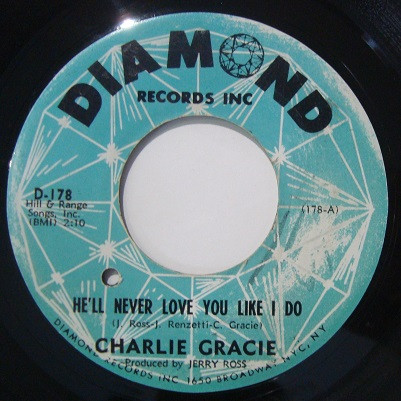
Charlie Gracie had already enjoyed the heady and intoxicating taste of fame when he released He’ll Never Love You Like I Do. It was written by Charlie Gracie, Jerry Ross and Joe Renzetti, and released as a single in 1965. Sadly, when this stomping fusion of garage and R&B was released on Diamond Records Inc it failed commercially. By then, the British Invasion had arrived on American shores, and singles like He’ll Never Love You Like I Do were failing to find an audience.
In 1971, Willie Hobbs covered Kenny Gamble and Jerry Ross’ You Don’t Know What You Got (Until You Lose It). It was produced by John Richbourg and Jackey Beavers, who added swathes of strings and grizzled horns. Willie Hobbs’ introspective, hurt-filled vocal added the finishing touch. This transformed the song, into a blues-tinged slice of Southern Soul. Sadly, when You Don’t Know What You Got (Until You Lose It) was released on Seventy Seven Records, commercial success eluded the single. Since then it’s been one of the hidden gems of the Jerry Ross songbook.
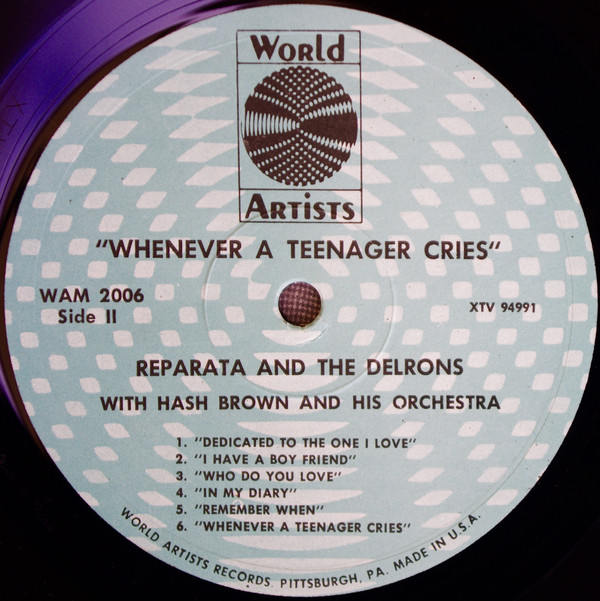
During the sixties, most record labels hd their own girl group. World Artist Records had Reparata and The Delrons. They were a New York based girl group, who released their debut single in 1964. A year later, they were preparing to release their debut album Whenever A Teenager Cries. When it was released later in 1965, it featured Jerry Ross and Kenny Gamble’s Who Do You Love? In Reparata and The Delrons’ hands, the song takes on a wistful and angst filled sound.
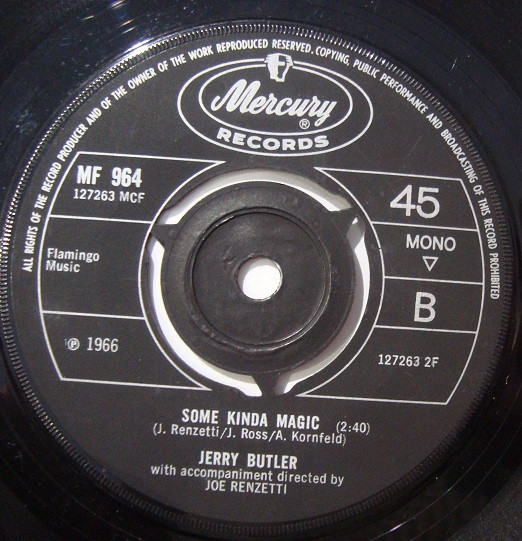
Some Kinda Magic is the song that lent its name to the Ace Records’ compilation Some Kinda Magic-The Songs Of Jerry Ross. It was penned by Jerry with Artie Kornfield and Joe Renzetti. Jerry Ross produced Some Kinda Magic, which became the B-Side of I Dig You Baby. When it was released by Mercury Records in December 1966, it failed to chart. How different things might have been if Some Kinda Magic had been chosen released as a single? Jerry’s vocal was needy, heartfelt and soulful, and was tantalising taste of what was to come from the Iceman.
When Dee Dee Sharp recorded He’s No Ordinary Guy, her time at Cameo was almost at an end. She was also in the process of moving from pop to soul singer. This was apparent on He’s No Ordinary Guy, the flip side to her 1964 single Never Pick A Pretty Boy. It had been penned by Jerry Ross, Kenny Gamble and Dave Appell. Dee Dee Sharp combines power, emotion and soulfulness on He’s No Ordinary Guy. This was a foretaste of what was to come from Dee Dee Sharp at Philadelphia International Records.
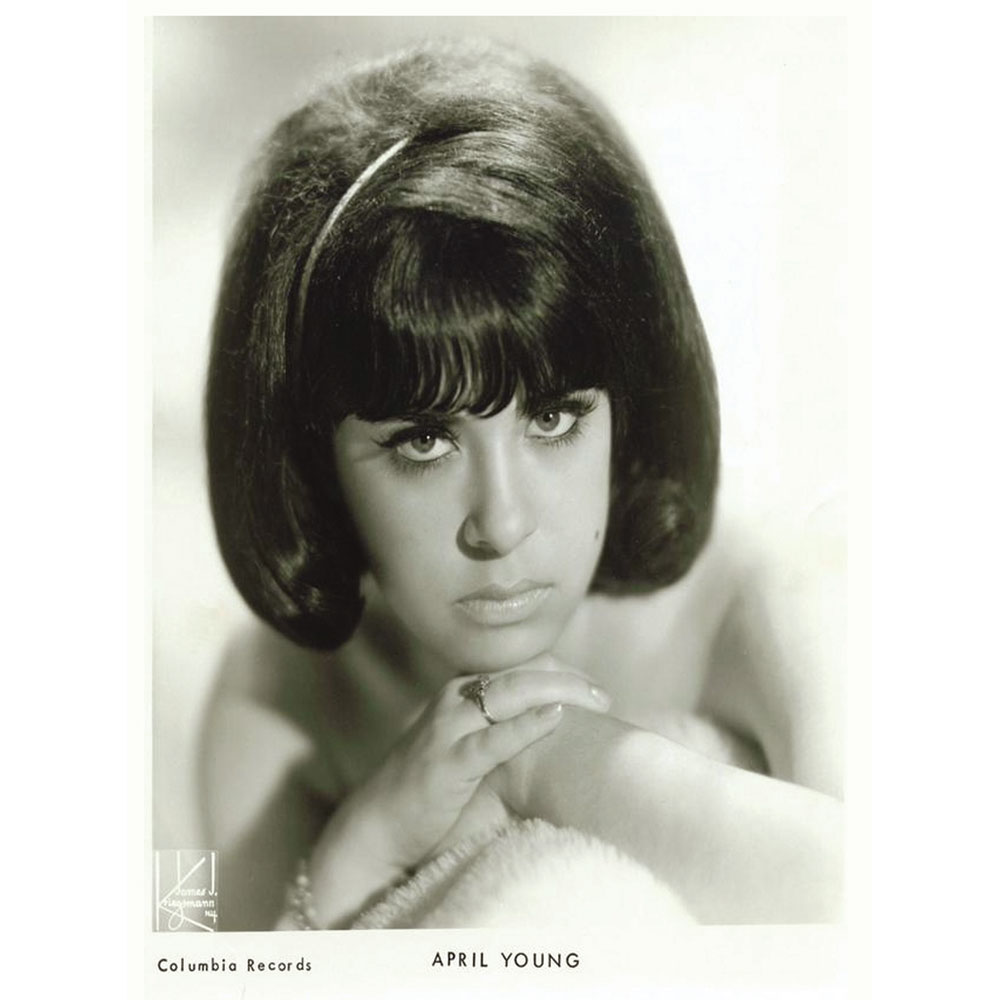
While Kenny Gamble went on to marry Dee Dee Sharp, Jerry Ross married April Young. She released four singles on Columbia. Sadly, success eluded April Young. Her debut single This Time Tomorrow was released in May 1964. On the B-Side was (Will You Ever Be My) Steady Boyfriend. This was a Jerry Ross, Kenny Gamble and Joe Renzetti composition. It’s a slick slice of uptempo pop with hooks aplenty, that showcases the talented April Young.
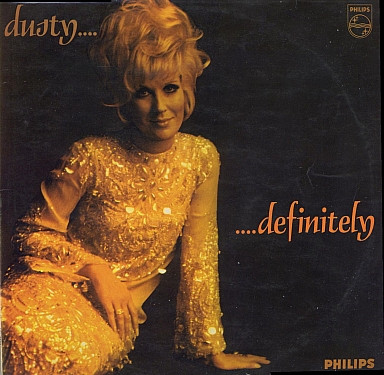
Larry Weiss and Jerry Ross wrote Mr. Dream Merchant, which was originally recorded by Jerry Butler in 1967. A year later, and got the chance to cover Dusty Springfield Mr. Dream Merchant. However, Dusty passed up the chance, and gave the song to her friend Madeline Bell. She enjoyed her first American hit with Mr. Dream Merchant in 1968. When Dusty saw who popular Madeline Bell’s version was, she had a change of heart.
Dusty was about to record a new album with producer Keith Manz. Mr. Dream Merchant become one of the tracks that featured on Dusty … Definitely. It was released in 1968, but stalled at number thirty in the UK, and failed to chart in America. One of the highlights of what was an eclectic album was Mr. Dream Merchant.
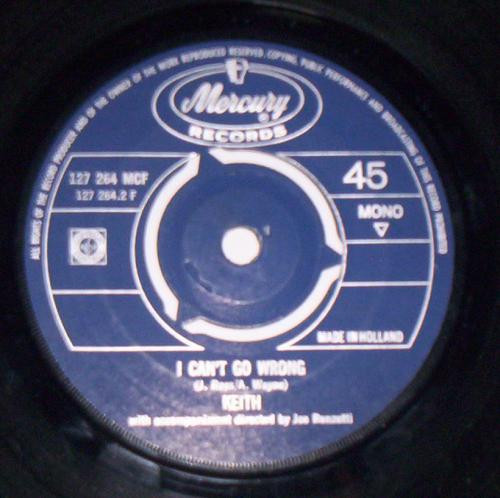
It was during Jerry Ross’ time at Mercury Records, that he discovered Philly born Keith. Jerry produced Keith’s 1967 single Tell Me To My Face. Tucked away on the flip side was Jerry and Artie Wayne’s compposition I Can’t Go Wrong. Here was a song that was too good to be a B-Side. There’s a mixture melancholia and hope on this soul-baring song. It’s a welcome addition to Some Kinda Magic-The Songs Of Jerry Ross.
My final choice from Some Kinda Magic-The Songs Of Jerry Ross is Les McCann Ltd’s Bucket O’ Grease. Les and Jerry wrote this song for the album Bucket O’ Grease which Jerry was producing. It was released on the Limelight label in 1967. Bucket O’ Grease is a driving slice of down home boogaloo soul. With its irresistible, good time sound this is the perfect way to close Some Kinda Magic-The Songs Of Jerry Ross.
Although I’ve only mentioned half the song on the Ace Records’ compilation Some Kinda Magic-The Songs Of Jerry Ross, I could’ve chosen any of the tracks. There’s a reason for this. Compiler Tony Rounce has dug deep, and mixed singles with B-Sides and album tracks. Similarly, familiar faces and new names rub shoulders with hidden gems. These tracks are a reminder of songwriting and production talents of Jerry Ross, during the early years of his career.
Some Kinda Magic-The Songs Of Jerry Ross only covers the period between 1962 and 1971. However, Jerry Ross’ career has lasted seven decades. Since 1971, Jerry Ross had owned and run his own record, publishing and promotion companies in his home town of Philly. So it’s fitting that in 2013, when Jerry Ross eighty, he was inducted into the Philadelphia Music Alliance’s Walk of Fame. Now aged eighty-three, Jerry Ross is regarded as one of the most talented songwriter and producers to hail from the City Of Brotherly Love. A reminder of this is Some Kinda Magic-The Songs Of Jerry Ross. He was the boy who dared to dream, and went on to live the dream.
SOME KINDA MAGIC-THE SONGS OF JERRY ROSS.




GORDON LIGHTFOOT-DREAM SWEET ROSE, SHADOWS AND SALUTE.
GORDON LIGHTFOOT-DREAM SWEET ROSE, SHADOWS AND SALUTE.
By 1980, the man dubbed “Canada’s greatest songwriter” was about to release the fourteenth album of his career, Dream Sweet Rose. It was the first album Gordon Lightfoot had released since Endless Wire in January 1978.
Endless Wire had reached number two in Canada, and number twenty-two in the US Billboard 200. This resulted in the second gold disc of Gordon Lightfoot’s fourteen year recording career. By then, Gordon Lightfoot was no stranger to commercial success and critical acclaim. It first came Gordon Lightfoot’s way when he signed to Reprise Records in 1970. Before that Gordon was signed to United Artists.
The United Artists Years.
Gordon Lightfoot’s solo career began when he signed to United Artists, where he released five albums. However, it took three albums before commercial success came Gordon’s way. Neither Gordon Lightfoot’s 1966 debut Lightfoot!, nor his 1967 sophomore album The Way I Feel charted. Gordon’s third album was a game changer.
When Gordon Lightfoot released Did She Mention My Name? in 1968, it reached number twenty-one in the Canadian charts. So did the followup Back Here On Earth when it was released in 1969. Later in 1969, Gordon released his live album Sunday Concert. Not only did it reach number twenty-one in Canada, but 143 in the US Billboard 200 charts. Not long after this, Gordon left United Artists and signed to Reprise Records. This was the start of the most successful period of his career.
The Reprise Years.
The Reprise Years began in 1970, and was the start of a period when commercial success and critical acclaim were familiar friends for Gordon Lightfoot. He released seven albums between 1970 and 1976. The first of these was Sit Down Young Stranger.
Gordon Lightfoot’s Reprise Records debut album Sit Down Young Stranger, was released in April 1970. It reached number twelve in Canada and the US Billboard 200 charts. Soon, Sit Down Young Stranger was certified gold in America. That wasn’t surprising, as Sit Down Young Stranger featured two hit singles.
The lead single was Me and Bobby McGhee which reached number thirteen in Canada in 1970. Approaching Lavender then failed to chart. Then If You Could Read My Mind reached number one in Canada, and number five in the US Billboard 100. Having just released his first album for Reprise Records, Gordon had already enjoyed a number one single It wouldn’t be the last.
Just over a year later, Gordon Lightfoot returned with Summer Side Of Life in May 1970. It reached number three in Canada and thirty-eight in the US Billboard 200 charts. Summer Side Of Life was Gordon’s most successful album in Canada. That was until he released Don Quixote.
It was the first of two albums Gordon Lightfoot released during 1972. The first was Don Quixote. On its release in February 1972, it reached number one in Canada; number forty-two in the US Billboard 200 charts and forty-four in the UK charts. Nine months later, Gordon returned with Old Dan’s Records in November 1972. Although it reached a disappointing ninety-five in the US Billboard 200 charts, Old Dan’s Records reached number one in Canada. This gave Gordon his second consecutive number one album. Soon, two would become three.
In January 1974, Gordon Lightfoot returned with Sundown. It reached number one Canada and in the US Billboard 200 charts. Across the Atlantic, Sundown reached forty-five in the UK. Meanwhile, in America Sundown had sold over a million copies, and Gordon received his first platinum disc. This wasn’t the end of the commercial success.
When Sundown was released as a single in 1974, it reached number one in Canada and the US Billboard 100. This resulted in a gold disc for Gordon Lightfoot as he celebrated his second number one in Canada. Gordon’s fusion of folk, country and rock had turned him into one of the most successful Canadian artists of the seventies.
This run of commercial success and critical acclaim continued when Gordon Lightfoot released his eleventh album, Cold on the Shoulder in February 1975. On its release, Cold on the Shoulder reached number three in Canada, and number twelve in the US Billboard 200. The Reprise years were proving the most successful period of Gordon’s career. They were about to come to an end.
In June 1976, Gordon Lightfoot returned with Summertime Dream. It was not only the best album Gordon released on Reprise Records, but the most successful. Summertime Dream reached number one in Canada and number twelve in the US Billboard 200. This resulted in platinum discs in Canada and America. Then in November 1976, The Wreck of the Edmund Fitzgerald reached number one in Canada and number two in the US Billboard 100. Gordon had enjoyed his third Canadian number one, and the most successful album of his career. This was a fitting way to close the Reprise years.
The Warner Bros. Years.
Now signed to Warner Bros, Gordon Lightfood was keen to get his career at the his new label off to a good start. Things couldn’t have gone better. When Endless Wire was released in January 1978, it reached number two in Canada, and number twenty-two in the US Billboard 200. This resulted in Endless Wire being certified gold in America. Gordon had bookended the seventies with gold discs in America. Along with two platinum discs in America, and one in Canada, the seventies had been the most successful period of Gordon Lightfoot’s career so far. He must have wondered what the eighties held for him?
Gordon Lightfoot’s first album of the eighties was Dream Sweet Rose which was released in 1980. It’s part of a recent reissue. Recently, BGP Records have remastered and reissued Dream Sweet Rose, Shadows and Salute as a two CD set. They find Gordon Lightfoot as he’s about to embark upon a new period of his career.
Dream Sweet Rose.
Having watched as his Warner Bros’ debut Endless Wire sold over 500,000 copies in 1978, Gordon Lightfoot must have felt confident about the future. He was now one of the most successful Canadian artists. So far, Gordon had won sixteen Juno Awards in Canada; That’s not forgetting three gold, three platinum discs, plus number one singles and albums. The future looked bright for Gordon, as he began work on his first album of the eighties, Dream Sweet Rose.
Just like previous albums, Gordon Lightfoot wrote most of the songs himself. He penned nine of the ten songs. The exception was The Auctioneer, which had been written by Leroy Van Dyke and Buddy Black. It was the only cover on Dream Sweet Rose, which was recorded in L.A.
Recording of Dream Sweet Rose took place at November 1979 at WB Recording in Los Angeles. The studio was one of the first to pioneer digital recording, and Dream Sweet Rose was recorded digitally. For many members of Gordon Lightfoot’s band this was a new development.
Gordon Lightfoot’s band featured a rhythm section of drummer and percussionist Barry Keane and bassist Rick Haynes. They were joined by lead guitarist Terry Clements; Pee Wee Charles on pedal steel guitar and pianist and keyboardist Michael Omartian. This newly expanded band comprised some top musicians, and put all their experience to good use. So did Lenny Waronker and Russ Titelmab who co-produced Dream Sweet Rose with Gordon Lightfoot. They spent much of November 1979 recording what would be Gordon’s fourteenth album, Dream Street Rose.
Before the release of Dream Street Rose, critics had their say on the album. Most of the reviews were positive, with critics noting that Dream Street Rose followed in the footsteps of 1976s Summertime Dream and 1978s Endless Wire. Again, there were a few seafaring songs, including Sea Of Tranquility, Ghosts Of Cape Horn and On The High Seas. However, this time around, Gordon Lightfoot and his band weren’t rocking as hard as they had on Summertime Dream and Endless Wire.
Although there were still some uptempo country songs, they rubbed shoulders with thoughtful acoustic folk ballads and AOR. A welcome addition to Dream Sweet Rose was a song that had been a staple of Gordon’s live shows for many years, The Auctioneer. However, Gordon hadn’t got round to covering The Auctioneer until Dream Street Rose. It wasn’t an easy song to cover, but Gordon’s versatility allowed him to deliver a moving interpretation. Despite this moving cover, some critics felt The Auctioneer seemed out of place on Dream Street Rose. On other songs, Gordon wears his heart on his sleeve as he dawns the role of troubled and heartbroken troubadour on If You Need Me. It’s a role that suited him well, and showcased his versatility. Gordon it seemed was hoping that Dream Sweet Rose would reach a much wider audience.
On its release in 1980, Dream Sweet Rose reached number nine in Canada, and number sixty in the US Billboard. Compared to Endless Wire this was disappointing. However, Dream Sweet Rose proved popular in country music circles. It reached number nine in the Canadian RPM Top Albums charts; and number fifty-eight in the US Billboard Top Country Album charts. When Dream Street Rose was released as a single, it reached number eight on the Canadian Country charts, before If You Need Me reached number twenty-one. This was a small crumb of comfort for Gordon.
It must have been a frustrating and disappointing, when Dream Street Rose didn’t match the success of his previous albums. Indeed, Dream Street Rose is a truly underrated album, and one of the hidden gems in Gordon Lightfoot’s back-catalogue. He must have been hoping that history didn’t repeat itself.

Shadows.
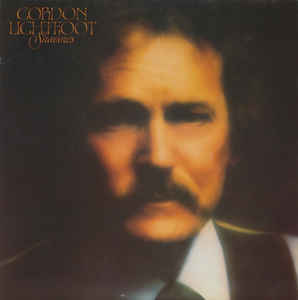
When recording of the followup to Dream Street Rose began, a familiar face was absent, Lenny Waronker. He had produced or co-produced every Gordon Lightfoot album since Sit Down Young Stranger in 1970. These nine albums were the most successful period of Gordon’s career. Replacing Lenny Waronker wasn’t going to be easy.
Having writing eleven new songs, a new chapter in Gordon Lightfoot’s career began at Eastern Sound, in Toronto. Gordon was joined by Ken Friesen, who would co-produce his fifteenth album Shadows. It was recorded during March, April and June of 1981. Joining Gordon was a band that featured familiar faces and new names.
This time around, the rhythm section drummer Barry Keane; bassists Rick Haynes and Dennis Pendrith and guitarist Dean Parks and Patrick Miles. Lead guitarist Terry Clements were percussionist Victor Feldman; Robbie Buchanan on synths; keyboardist Michael Heffernan who also added synth and Pee Wee Charles on steel guitar and dobro. Herb Pedersen added harmonies. Meanwhile, Gordon Lightfoot played guitar and added vocals. After three months of recording Shadows, Gordon’s new album was complete. Critics were in for a surprise.
When critics received their copies of Shadows, they realised that Gordon Lightfoot had decided to change direction. While his previous albums often featured acoustic songs, Gordon decided to move away from this on Shadows. To do this, Gordon brought onboard various synths, keyboards and an electric organ. Another change was that Gordon moved away from the uptempo country songs that had featured on his last three albums. They were replaced by slower songs. Some of them showcased a softer, AOR sound. Others featured Gordon’s trademark country sound. It was a potent and heady brew.
Wistful and thoughtful ballads like 14 Karat Gold, Shadows and All I’m After showcased Gordon Lightfoot’s new AOR sound. Then on Heaven Help The Devil, elements of country and AOR unite. One of Gordon’s best ballads is the soul baring Thank You For The Promises, where Gordon’s country roots shine through. That’s the case on the ballads Triangle and I’ll Do Anything. However, Gordon’s kept one of his best songs until last. She’s Not The Same is a beautiful, melancholy song where AOR and country combine. It’s the perfect way to close Shadows, as it leaves the listener wanting more.
Despite the positive reviews from critics, when Shadows was released in January 1982, it reached just number sixteen in the Canadian charts. This was Gordon Lightfoot’s least successful album since Sunday Concert in 1969. Meanwhile, Shadows stalled at eighty-seven in the US Billboard 200. It wasn’t since the release of Old Dan’s Records in November 1972, that a Gordon Lightfoot album found itself in the lower reaches of the charts. To make matters worse, the singles all failed to chart.
The lead single was Baby Step Back. Despite its quality, commercial success eluded the single in 1981. It was a similar case with Blackberry Wine and In My Fashion in 1982. This only added to what was already a worrying situation for Gordon Lightfoot. His career was at a crossroads. His next album was one of the most important of Gordon Lightfoot’s career.
Salute.
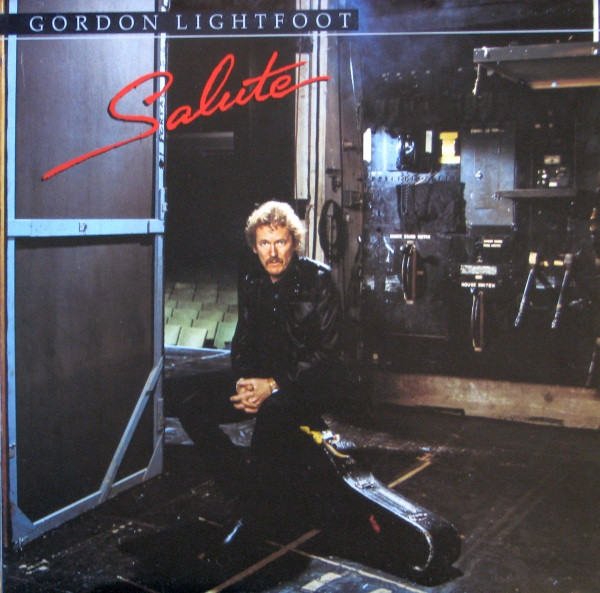
Eleven months after the release of Shadows, Gordon Lightfoot began recording his sixteenth album, Salute. By then, he had written ten new songs. They would become Salute, which saw Gordon continue further down the road marked AOR.
Recording of Salute began in December 1982 at Eastern Sound, in Toronto. By then, Gordon Lightfoot was in the throes of alcohol addiction, and had recently split from a partner. This made recording a new album difficult. Especially since Gordon had decided to bring onboard a new co-producer. This time, it was a familiar face, guitarist and synth player Dean Parks. He would co-produce Salute with Gordon Lightfoot, and was joined by smaller band.
While the band was slightly reduced in numbers, it was just as tight and versatile. There were many familiar faces, including the rhythm section. It featured drummer and percussionist Barry Keane and bassist Rick Haynes and Gordon who played rhythm guitar and added vocals. Lead guitarist Terry Clements ; pianist Michael Heffernan and Pee Wee Charles on steel guitar were all veterans of Gordon’s band. Newcomers included pianist Harlan Rodgers; Hadley Hockensmith who switched between bass and hi-string bass and .
Carol Parks who added harmonies. For three months, Gordon and his recorded laid down ten tracks. However, after three months of recording, Salute was completed in February 1983. Five months later, and Salute would be released.
Before critics had their say on Salute. It found Gordon Lightfoot continuing down the road marked AOR. This included the album opener Salute (A Lot More LIvin’ To Do). It’s a rocky track with a slick, polished, eighties production. So is Someone to Believe In and the mid-tempo Without You. Gotta Get Away and the ballad Biscuit City mark a return to Gordon’s country roots. However, that’s only part of the story
Some of the best tracks on Salute are the ballads. Especially the folk-tonged Whispers Of The North, Knotty Pine and Tattoo. One of the best ballads is Romance which features lush strings. These ballads are tailor made for Gordon Lightfoot, and allow his vocal to take centre-stage. They’re among the highlights of what’s an eclectic sounding album, Salute. It closes with Broken Dreams, where elements of AOR, country and rock combine to create another slick, polished track. However, would Salute find favour with critics and record buyers.
Mostly, Salute received positive reviews. Alas, when the album was released in July 1983 it stalled at fifty-nine in Canada and 175 in the US Billboard 200. Salute became Gordon Lightfoot’s least successful album in Canada and America. Things didn’t get any better when the singles were released. Neither Salute (A Lot More Livin’ To Do) nor Without You troubled the charts. It was official, Gordon’s career was at a crossroads.
While Gordon Lightfoot never again enjoyed the commercial success he enjoyed during the seventies, he continued to release albums. Indeed, when Gordon released East Of Midnight in July 1986, it reached 166 in the US Billboard 200 and thirty-seven in Canada. This was enough for a gold disc in Canada. It looked as if things were improving for Gordon. However, he only ever released three more studio albums.
This included Waiting For You, which was released in April 1993. It reached twenty-four in Canada, and it looked as if Gordon Lightfoot was on his way back. Sadly, this was a false dawn.
When A Painter Passing Through was released in 1998, it stalled at ninety-two in the Canadian charts. Six years later, Gordon Lightfoot returned with Harmony in May 2004. It reached number thirteen in the Canadian charts, and thirty-five in the US Indie charts. Although this was a far cry from the days Gordon’s albums sold over a million copies, it was Gordon’s most successful album in Canada since Dream Street Rose in 1980. However, Gordon didn’t rush to release another album.
His only new album has been All Live in April 2012. It reached number sixteen in the Canadian charts, and meant that Gordon Lightfoot had enjoyed hit albums in six different decades. That was fitting for the man whose regarded as “Canada’s greatest songwriter” and a “folk-rock legend.” He gained this reputation during the most successful period of his career, the seventies.
While Gordon Lightfoot didn’t enjoy the same commercial success after the seventies were over, he continued to write and record some wonderful music. This includes on Gordon Lightfoot’s first album of the eighties Dream Sweet Rose. It brought to a close a ten year period when Gordon Lightfoot could do no wrong. Sadly, this run of commercial success came to an end with Shadows.
This just happened to be the album that saw Gordon Lightfoot change direction musically, and embark upon a new chapter in his career. Shadows found Gordon Lightfoot heading in the direction of AOR. He continues further down this on Salute. However, he doesn’t turn his back on country and folk. As a result, Shadows and Salute are both eclectic albums, which show the different sides to Gordon Lightfoot. Sadly, neither Shadows nor Salute were particularly successful, and are two of the hidden gems in Gordon Lightfoot’s extensive back-catalogue.
Recently, BGP Records’ reissued Dream Sweet Rose, Shadows and Salute as a two CD set. This is the perfect opportunity to discover a trio of albums that find Gordon Lightfoot as he changes direction and reinvents himself musically. These three albums show the different sides to “folk-rock legend “ and “Canada’s greatest songwriter” Gordon Lightfoot.
GORDON LIGHTFOOT-DREAM SWEET ROSE, SHADOWS AND SALUTE

HEDVIG MOLLESTAD TRIO-EVIL IN OSLO.
HEDVIG MOLLESTAD TRIO-EVIL IN OSLO.
Most groups choose to release just one new album at a time. That’s most groups. However, the Hedvig Mollestad Trio aren’t most groups. Instead, they’re musical trailblazers, who push musical boundaries, and in the process, create inventive and innovative genre-melting music. That’s been the case since the Hedvig Mollestad Trio were founded in 2009 by guitarist Hedvig Mollestad Thomassen.
The Hedvig Mollestad Trio hit the headlines when they played at the prestigious Molde International Jazz Festival in 2009. The newly formed band won the award for the best “young jazz talent.” This was the start of the rise and rise of the Hedvig Mollestad Trio.
Two years later, in 2011, the Hedvig Mollestad Trio released their critically acclaimed debut album Shoot on Rune Grammofon. Another two years passed before the Hedvig Mollestad Trio returned with All Of Them Witches in 2013. Not only did it received the same critical acclaim as Shoot, but won a Norwegian Grammy in the rock category. This set the bar high for the Hedvig Mollestad Trio’s next album.
When they returned in May 2014 with Enfant Terrible it was hailed as a career defining album. Enfant Terrible was the finest album of the Hedvig Mollestad Trio’s career. However, since then, they’ve been concentrating on playing live. That was until recently.
After a two year absence, the Hedvig Mollestad Trio return with not one, but two albums. They’ll be released by Rune Grammofin on the 1st of July 2016. This includes their fourth studio album Black Stabat Mater, which is: “a genre-melting opus, that brings back memories of the golden age of rock.” The other album is Evil In Oslo, which is the Hedvig Mollestad Trio’s first ever live album. It’s a double album which will be released on heavyweight vinyl. Evil In Oslo is a tantalising taste of the Hedvig Mollestad Trio live.
On Evil In Oslo, the Hedvig Mollestad Trio work their way through nine tracks from their first three albums. These tracks were recorded when the Hedvig Mollestad Trio played in two of Oslo clubs, John Dee and Buckley’s. Playing in front of a hometown audience seemed to bring out the best in the Hedvig Mollestad Trio, They prove to be confident and assured performers on Evil In Oslo.
That’s not surprising. The Hedvig Mollestad Trio have spent much of the last six years playing live. They’ve played across Europe, North America and have headed as far afield as Australia. This constant touring has allowed the Hedvig Mollestad Trio to hone their genre-melting sound. This has paid off, and is showcased on Evil In Oslo.
When the Hedvig Mollestad Trio took to the stage at Buckley’s on 15th August 2015 and John Dee on 25th November 2015, the band was lead by founder and guitar virtuoso Hedvig Mollestad Thomassen. She’s not just one of Norway’s top guitarists, but one of the best in Europe. Hedvig was ready to unleash a series of breathtaking and blistering solos. Drummer Ivar Loe Bjørnstad and bassist Ellen Brekken weren’t just making up the numbers. Far from it. They’re both talented and versatile musicians. who unleashed a series of spellbinding performances on Evil In Oslo.
For The Air opens Evil In Oslo. Straight away, the Hedvig Mollestad Trio make their presence felt as a wash of quivering, crystalline sound is unleashed. It shrieks, wails and rumbles. Occasionally, it threatens to feedback, but somehow, this powerful wall of sound is sculpted into something that’s sonically pleasing and inventive. Then at 1.37 it’s all change.
The drums usher in Ellen’s dark moody bass, and they locks into a groove. Meanwhile, Hedvig’s searing, scorching guitar cuts through the arrangement. Soon, the crystalline guitar quivers and climbs above the arrangement. That’s until darkness descends, and a dark, dramatic classic rock sound unfolds. Then a brief burst of blues rock signals the tempo is rising. Quickly, the Trio are in full flight. Hedvig’s fingers flies up and down the fretboard. When the baton passes to the rhythm section, they showcase their considerable skills, before a lysergic liquid guitar shimmers. Later, as the tempo drops, the Trio are still rocking hard. That’s the case as the tempo begins to build. As the thunderous rhythm section propel the arrangement along, Hedvig delivers a blistering solo before For The Air reaches a breathtaking crescendo.
Drums power Ashes along, before a scorching guitar solo is unleashed. It’s played with fluidity, speed and precision. The bass sits low in the mix, playing a supporting role. It’s the drums and guitar that play starring roles. Ivar pounds his drums, throwing in occasional folks and fills. Soon, bassist Ellen step out of the shadows. She plays a jazz-tinged solo, while the drums and washes of avant-garde guitar. Together they create a genre-melting track that showcases the combined talents of the Hedvig Mollestad Trio.
Code Of Hammurabi which opens Side B, bursts into life. As the rhythm section drive the arrangement along, a bristling, crystalline guitar shivers. Then it’s all change, as elements of classic rock and heavy metal combine. This is the music that Hedvig grew up listening to. She unleashes dark, satanic riffs during a lengthy solo. It’s a mixture of speed and precision, as Hedvig’s fingers dance up and down the fretboard. Sometimes, she deploys effects, but does so sparingly. After the solo, Ellen’s bass takes centre-stage. Then the guitar rings out, before shimmering as it’s played with speed and power. It wah-wahs as it soars high above the arrangement. When Hedvig joins the rest of the Trio, they briefly kick loose, before the shimmering arrangement dissipates into the distance.
The Valley is a slow, understated track. Elements of blues and jazz combine, and show another side to the Hedvig Mollestad Trio. Sometimes, it’s reminiscent of early Fleetwood Mac. Especially as the rhythm section play slowly, taking care not to overpower the crystalline, chiming guitar. It’s similar to Peter Green. Other times, as the guitar weeps, this brings back memories of John Martyn’s Solid Air. Later, the track takes on a melancholy, late night sound as the Hedvig Mollestad Trio showcase their versatility.
Side C is an eighteen minute musical adventure that features Lake Acid, Rastapopoulos and Arigato, Bitch. A jaunty rhythm section drive the arrangement along. Ellen’s bass is almost funky, as the drums crack. Soon, Hedvig’s guitar rings out, shivering and quivering. Effects have been used subtly, and the guitar glides across the arrangement. Still the bass adds an element of funk, as Hedvig unleashes another fleet fingered When it drops out, the bass takes over, until the crystalline guitar returns, and another blistering solo unfolds. Speed and precision are the order of the day as the rhythm section power the arrangement along. By then, Hedvig’s searing, blistering guitar solo is one of her finest on Evil In Oslo. Her playing is fluid, as she combines power, precision and speed. That’s until the tempo drops and the arrangement becomes spacious and lysergic. The arrangement quivers as washes of guitar disappear into the distance, while the Trio toy with the listener. That’s until they kick loose.
Soon, the rhythm section propel the arrangement along. They’re joined by a dark, satanic guitar solo. It sounds as if belongs on a Led Zeppelin album. Hedvig continues to play fluidly, as she combines speed and precision. Behind her, a walking bass and drums take centre-stage. Rather than play it straight, drum fills and rolls are added, as the bass walks then scampers along. Then when Hedvig’s guitar returns, it beeps and speaks before producing a lysergic and crystalline sound. By then, the trio are playing as one and fusing power and speed. The rhythm section match the blistering guitar every step of the way, during what’s a captivating and breathtaking eighteen minute musical adventure.
Laughing John and La Boule Noire feature on Side D of Evil In Oslo. Machine gun licks are unleashed, while the rhythm section power the arrangement along. Hedvig’s fingers fly up and down the freeboard. She uses her effects sparingly to sculpt her trademark sound. Meanwhile, the rumbling bass cuts through the arrangement as drums crack. However, it’s the freewheeling guitar solo that steals the show. Especially as Hedvig moves through the gears, and unleashes a peerless, blistering solo. She adds flamboyant flourishes, before this musical masterclass reaches a crescendo.
La Boule Noire closes Evil In Oslo. The Trio play slowly and deliberately, drawing inspiration from classic rock. Especially the unholy trinity of rock, Led Zeppelin, Deep Purple and Black Sabbath. Hedvig’s guitar and the rhythm section produce a dark, moody and dramatic sound. The arrangement meanders along, with the Trio playing as one. That’s until the dark, moody sound becomes understated. Just a scampering bass and weeping guitar combine, before the tempo begins to rise. A scorning guitar solo joins the rhythm section. Soon, the Trio are in full flight, as a blistering guitar solo is unleashed. It’s played at breakneck speed, as one last time, Hedvig combines speed and precision. Not to be outdone, the rhythm section play with a similar flair and panache. Then when the tempo drops, this rocky jam become dramatic and deliberate. This signals that the Hedvig Mollestad Trio are about to take their leave. They kept one of their best performances until last, and leave on a high. This is a fitting way to close the Hedvig Mollestad Trio’s first live album.
For anyone whose yet to see the Hedvig Mollestad Trio live, then Evil In Oslo is a tantalising taste of one of Norway’s top bands. They were formed in 2009, and since then, have released a trio albums and have toured Europe, North America and Australia. Now after a two year absence, the Hedvig Mollestad Trio return with not one, but two albums.
These two albums will be released on Rune Grammofon on the 1st of July 2016. This includes the Hedvig Mollestad Trio’s fourth studio album Black Stabat Mater, and their first live album Evil In Oslo. It features nine tracks from the Hedvig Mollestad Trio’s first three albums. These tracks were recorded over two nights in Oslo, and will be spread across four sides of heavyweight vinyl. This seems fitting.
Guitar virtuoso Hedvig Mollestad Thomassen who founded the Hedvig Mollestad Trio in 2009, grew up listening to Led Zeppelin, Black Sabbath and Jimi Hendrix. Their influence can be heard throughout Black Stabat Mater. So can the influence of early Hawkwind, Cream, Deep Purple, Santana and West, Bruce and Laing. Closer to home, one can’t help but wonder whether other Norwegian bands, including Moster! and Motorpsycho have influenced the Hedvig Mollestad Trio? These bands have a similar genre-melting sound to the Hedvig Mollestad Trio.
To create this genre-melting sound, the Hedvig Mollestad Trio fuse elements of classic rock, psychedelia, progressive rock and space rock with avant-garde, blues, funk, improv and jazz. Sometimes, the Hedvig Mollestad Trio seamlessly switch between musical genres mid track. Other times, these disparate genres melt into one on the same track. However, for much of the time, the Hedvig Mollestad Trio showcase their hard rocking sound. Over the last seven years it has won friends and influenced people on three continents.
Hopefully, Evil In Oslo will introduce the hard rocking Hedvig Mollestad Trio’s music to a new and much wider audience. Evil In Oslo, the Hedvig Mollestad Trio’s first live album and their fourth studio album Black Stabat Mater are the perfect introduction to one of the most innovative and inventive of the current crop of Norwegian groups. Lead by virtuoso guitarist Hedvig Mollestad Thomassen, the Hedvig Mollestad Trio bring back memories of the golden age of music. Back then, groups like Led Zeppelin, Deep Purple and Black Sabbath were musical colossi who bestrode continents with their hard rocking music. That was the past.
Since for far too long, there’s been a real dearth of hard rocking groups. So much so, that many critics had already penned rock music’s obituary. However, recently, rock music has awoken from its slumbers. Now a new breed of hard rocking groups have sprung up across Europe. This includes Norwegian trailblazers the Hedvig Mollestad Trio, who showcase their live sound on Evil On Oslo, which is a tantalising taste of a hard rocking at their vainglorious best.
HEDVIG MOLLESTAD TRIO-EVIL IN OSLO.
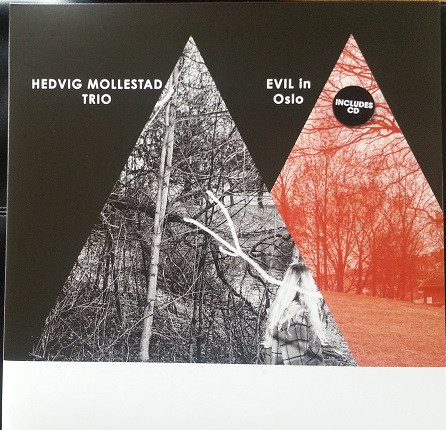
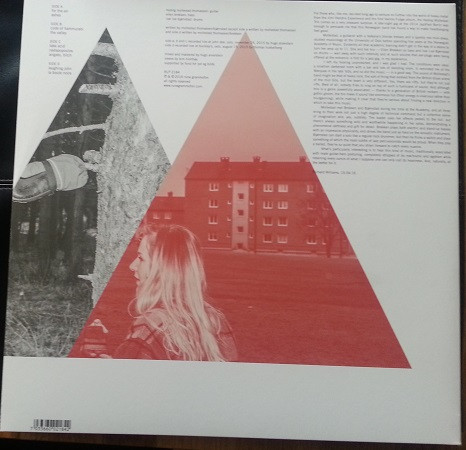
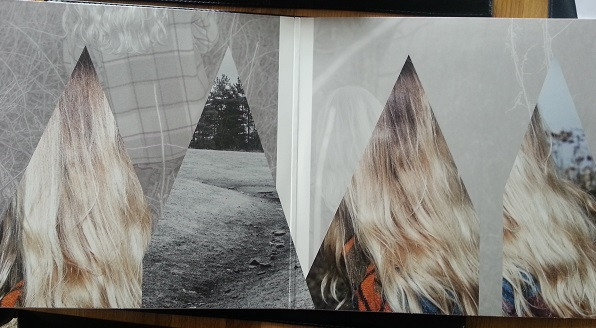
LINDA PERHACS-A TALE OF TWO ALBUMS.
LINDA PERHACS-A TALE OF TWO ALBUMS.
It was in 1970, that twenty-seven year old dental hygienist Linda Perhacs released Parallelograms, her debut album. Some people wondered why it had taken Linda so long? After all, she was a musical prodigy.
Linda Long was born in Mill Valley, which lies just north of San Francisco’s Golden Gate Bridge in 1943. By the time she was six or seven, Linda was able to write write quite complicated compositions. She was a gifted and prodigious child. However, as is often the case with gifted children, her teachers didn’t maybe realise this. This didn’t stop Linda enrolling in the University of Southern California.
At University of Southern California, Linda majored in dental hygiene. This allowed her to work and study. Her course also allowed Linda to explore what was unfolding around her. Remember, this was the start of the counterculture explosion. San Francisco was central to this. Being around this meant Linda was exposed to a many different cultures. It was the same with art and music. For Linda, this was creatively stimulating and would change the course of her life.
Having graduated from University of Southern California, Linda began working with periodontist. During this period, Linda immersed herself in the various philosophies that were popular. Essentially, she taught her to mediate and rid herself of negative energy. This helped her and her patients. It may also have helped Linda develop as songwriter.
Away from work, Linda and her sculptor husband used to enjoy walking in the city’s public parks. It was during these walks that Linda was first inspired to write songs. This was something Linda hadn’t done since she and her husband moved to Topanga Canyon.
Indeed, Linda hadn’t written songs for a while. Throughout her University days, Linda hadn’t been involved in making music. However, she loved music. Topanga Canyon was full of artists and musicians. So, it was the perfect place for an aspiring singer-songwriter. With an environment that inspired her, and the sense of hope that was prevalent during the second half of the sixties, this marked the cultural blossoming of Linda Perhacs.
What also inspired Linda was her travels. She spent time travelling up the Big Sur coastline, right through Mendocino, the Pacific Northwest and to Alaska. This was her road rip. So was a trip to Chimacum, on the Olympic Peninsula. These journeys were what inspired Linda to write songs. Linda stresses her journeys inspired her. Drugs played no part in stimulating her creativity. Her songs come from her experiences in life.
This includes the colours, patterns and shapes that she’s seen since she was a child. Again, they’re not the result of recreational drugs. No. They’re a phenomenon that many people experience. These colours, patters and shapes inspired Linda, who soon, would be one step nearer releasing her first album.
Linda was, by now, working in the office of Beverley Hills’ periodontist. That’s where Linda met film soundtrack composer Leonard Rosenman and his wife Kay. Linda would ask them about their forthcoming projects. Then one day Leonard said to Linda “I can’t believe that clinical work is all you do?” So, Linda told them about her music and played a tape of one of her songs. These were songs she’d recorded during her travels. Leonard took the songs home to listen to them. The next day, Linda was offered a record contract.
When Linda handed Leonard the tape, she thought that Leonard was wanting to hear a glimpse of the type of music younger people were making. After all, Leonard had a lot of projects on the go. However, that didn’t stop him offering to produce Linda’s debut album. The song that made him make that offer was the Parallelograms, which would be the title-track of Linda’s debut album. Leonard referred to this track as “visual music composition.”
Leonard who’d been a composer all his life, had never been able to achieve this. Linda had. He explained that Parallelograms was different from the other tracks. Each of the component parts were interactive to the composer as three-dimensional sound. It’s akin to sculpting with ice, where the result is essentially a type of light and dance. For Linda, this was the way she’d always written. However, now Linda was going to take this one step further and record what became Parallelograms.
Parallelograms.
Parallelograms featured eleven tracks. Linda wrote ten of them. The exception was Hey, Who Really Cares? which Linda cowrote with Oliver Nelson wrote. For the recording of Parallelograms producer Leonard Rosenman brought in an all-star cast of musicians.
When recording of Parallelograms began, Leonard Rosenman and Linda were aiming to sculpt a series of soundscapes full of textures, colours and shapes. The music Linda hoped, would be “softer and ethereal.” Accompanying her were some legendary musicians. This included Shelley Mann and Milt Jackson on percussion. The rhythm section included Reinie Press on electric bass and Fender guitar and Steve Cohn on lead and 12-string guitar. John Neufield played flute and saxophone, Leonard Rosenman electronic effects and Tommy harmonica. Brian Ingoldsby was tasked with using an electrified shower hose for horn effects. Parallelograms was no ordinary album. Instead, it proved to be a truly groundbreaking album.
Before its release in 1970, critics received an advance copy of Parallelograms. The resultant reviews realised the importance of Linda Perhacs’ debut. Here was a truly talented singer, songwriter and musician. She had discovered her musical soul-mate in producer Leonard Rosenman. He was an ambitious, innovator who wanted to push musical boundaries to their limits on album that Leonard Rosenman described as “visual music composition.” Intrigued, critics investigated Parallelograms.
They discovered a beautiful, understated and enchanting album. From the opening bars of Chimacum Rain, right through to the closing notes of Delicious, Linda Perhacs breathed life, meaning, beauty and emotion into Parallelograms. It was an absolutely captivating listen; and an album where the listener was spellbound. That’s not surprising, as Parallelograms featured hopeful, captivating, ethereal and dreamy music. Parallelograms was also an ambitious and innovative album of genre-melting music.
Parallelograms was a flawless fusion of Americana, country, folk, pop, psychedelia and rock. There’s even a twist of ambient, drone pop, experimental and jazz. It was potent and heady brew; and one that should’ve launched Linda Perhacs’ career.
Sadly, when Parallelograms was released, Linda Perhacs’ psychedelic folk classic wasn’t the huge commercial success it should’ve been. This wasn’t helped by the record company’s failure to promote Parallelograms. As a result, Linda, like so many other hugely talented artists, failed to enjoy the commercial success and critical acclaim her undoubted talent deserved. So Linda returned to her job as a periodontist.
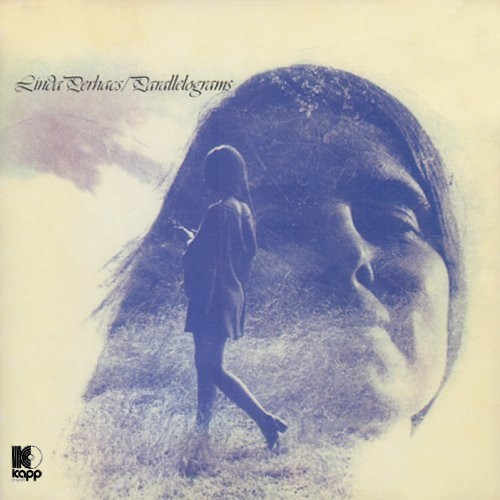
Meanwhile, music industry insiders and the those that had bought Parallelograms awaited Linda Perhacs’ sophomore album. A year passed, and there was no sign of the followup to Parallelograms. Linda was still working as a dental nurse, and had settled back into her life pre-Parallelograms. Two and three years passed, and still, there was no sign of another album from Linda. Three years became five, and five became ten. Linda had settled back into her life pre-Parallelograms. By then, fans of Linda Perhacs had all but given up hope that she would release another album.
Nothing was heard of Parallelograms until the nineties. By then, Parallelograms had become a cult classic which a new generation of record buyers had discovered. Interest in Parallelograms grew with each year. Somewhat belatedly, did people realise that Parallelograms was a seminal, lost classic and Linda Perhacs should’ve enjoyed a long and successful career. It was only later that Linda Perhacs realised what might have been.
It was only later in life that Linda Perhacs admitted that much as she loved music, she didn’t seem to have the drive required to make a career as a musician. She did, however, have the talent. Linda was blessed with an abundance of talent. That had been apparent on Parallelograms, and Linda’s long-awaited comeback album.
Having spent her career working as a dental hygienist, Linda decided to make her musical comeback. She’d spent a lifetime observing people and the world. This meant she’d a wealth of material for her not just her sophomore album, but a series of albums. However, first things first, Linda had to get round to releasing the follow to Parallelograms. This would become The Soul Of All Natural Things.
The Soul Of All Natural Things.
For The Soul Of All Natural Things, Linda wrote four tracks and cowrote the other six tracks. She penned The Soul Of All Natural Things, Intensity, Prisms of Glass and Song of the Planets. Linda and Chris Price wrote Children. They also cowrote River of God, Freely, Immunity and Song of the Planets with Fernando Perdomo. Fernando and Linda collaborated on Daybreak. These ten tracks became The Soul Of All Natural Things, which was recorded between September 2012 and April 2013.
Recording of The Soul Of All Natural Things took place at Reseda Ranch Studios, Reseda in California. The sessions took place between September 2012 and April 2013. Linda core band included Chris Price on backing vocals, guitars, bass, keyboards, percussion, programming and effects. Fernando Perdomo contributed bass, guitars, keyboards and percussion. Julia Holter and Ramona Gonzales added vocals and keyboards. Other artists featured on one or some of the tracks on The Soul Of All Natural Things. It was produced byChris Price, Fernando Perdomo and Linda. Once The Soul Of All Natural Things was completed, Linda’s long-awaited sophomore album was released in March 2014. After a forty-four year absence, Linda Perhacs was back.
By then, a new generation of critics were already familiar with the story of Linda Perhacs ‘ debut album Parallelograms. These critics penned critically acclaimed reviews, and hailed Linda Perhacs the comeback Queen.
Although forty-four years have passed since Linda Perhacs released her debut album Parallelograms, she’s picked up where she left off on The Soul of All Natural Things. Accompanied by some of the best young musicians Los Angeles has to offer, they’ve played their part in a flawless fusion of classic rock, folk, pop and psychedelia. There’s even diversions via ambient, experimental, jazz and drone pop during what’s another captivating and innovative album.
Just like on Parallelograms, Linda Perhacs proves to be a versatile vocalist. Her vocal veers between tender and breathy to elegiac, ethereal and emotive. Sometimes, there’s a fragility and sense of confusion, frustration and melancholia in Linda’s voice. Other times, her vocal becomes impassioned, hopeful and hurt-filled. The on Immunity, Linda’s vocal is louder, stronger and full of sincerity. Just like on other tracks this allows her to breath meaning into the lyrics. Meanwhile, Linda’s accompanied by a choir of lysergic angels who add cascading harmonies, while crystalline guitars and lush strings join with the rest of Linda’s band. They play their part in the sound and success of The Soul Of All Natural Things.
The music on The Soul Of All Natural Things veers from bewitching to beautiful, to cinematic and cerebral. Other times, the music is powerful and spacious, but has an intensity. However, for much of The Soul Of All Natural Things the music is dreamy, ethereal and lysergic. That’s not unlike the album that started this tale of two albums, Parallelograms.
Both albums albums feature a truly prodigious singer, songwriter and musician, Linda Perhacs. She could and should’ve enjoyed a long and successful career. Alas, fate conspired against Linda Perhacs, when her debut album Parallelograms wasn’t promoted didn’t received sufficient promotion. As a result, Parallelograms failed commercially and Linda returned to her work as a dental nurse. The dream it seemed was over.
It was later in her career that Linda Perhacs reflected that maybe, she hadn’t been the most driven musician. That was a great shame, as Linda Perhacs was a hugely talented singer-songwriter. That’s apparent on Parallelograms and the long-awaited and much-anticipated followup The Soul Of All Natural Things. It was released forty-four years after Parallelograms, in 2014.
By then, a lot of water had passed under the bridge since 1970 and the release of Parallelograms, but Linda hadn’t lost her mojo. Far from it. Just like Parallelograms, The Soul of All Natural Things was an album of flawless, timeless music. The Soul Of All Natural Things was a reminder, if any was needed that Linda Perhacs had the talent to become one of the leading lights of the Laurel Canyon scene. Especially if Parallelograms had been released on a major label. Thing Linda Perhacs’ career might have been very different. However, Linda Perhacs seems to be content with her life. It’s a case of no regrets.
Linda Perhacs may only have released two albums, but Parallelograms and The Soul Of All Natural Things are both flawless, cult classics. They showcase one of music’s best kept musical secrets, Linda Perhacs. She could’ve, and should’ve, enjoyed a long and successful career. Instead, Linda Perhacs’ career is a tale of two albums, Parallelograms and The Soul Of All Natural Thing. They’re both flawless cult classics, and are a reminder that in Linda Perhacs’ tale of two albums, class is permanent.
LINDA PERHACS-A TALE OF TWO ALBUMS.

JIMI HENDRIX THE MAN WHO CHANGED MUSIC.
JIMI HENDRIX THE MAN WHO CHANGED MUSIC.
On the 4th of July 1970, Jimi Hendrix journeyed 100 miles south of Atlanta. His destination was the second Atlanta International Pop Festival, which was being billed as the second Woodstock. That was where The Jimi Hendrix Experience were about play a starring role.
When The Jimi Hendrix Experience arrived at the Atlanta International Pop Festival, they were greeted by a crowd estimated to be between 300,000-400,000. What is now remembered as the “last great rock festival” was an unlikely event for Jimi Hendrix to appear at.
Byron, in Atlanta was in the heart of old the Deep South. This was Klan country. Racial tensions were always threatening to bubble over. The organisers of the 1970 Atlanta Pop Festival were well aware of this. So they made the conscious decision that the star of the show should be someone who appealed to everyone. This wasn’t going to be easy.
So the organisers set about thinking of an artist or band who would appeal to both sides of the racial, cultural and socio political divide. This wasn’t going be easy.
The organisers had to think how the audience would respond to certain artists, bands or situations. How would a rural audience in the Deep South feel about the so called long haired, hippie bands? Or how would they respond to black and white artists on the same bill? That could inflame an already volatile situation. While some promoters would’ve avoided this situation, the organisers of the Atlanta Pop Festival wanted to challenge the beliefs held by many of their potential audience. So, they booked a man who would unite the audience with the his music and his message of universal love, Jimi Hendrix.
It wasn’t just Jimi Hendrix that would star at the second Atlanta Pop Festival. No. On 4th of July 1970, the Jimi Hendrix Experience had reformed, and would playing a supporting role as Jimi Hendrix delivered a musical masterclass.
Accompanied by bassist Billy Cox and drummer Mitch Mitchell, Jimi Hendrix showman extraordinaire and guitar virtuoso had the huge audience spellbound as he worked his way through classics like Foxy Lady, Hey Joe and Purple Haze, plus a cover version of Bob Dylan’s All Along The Watchtower. Jimi even showcased songs from his next album, which was going to feature Room Full Of Mirrors, Freedom, Hear My Train A-Comin’ and Hey Baby (New Rising Sun) were heard by many for the first time. Then as fireworks exploded, Jimi launched into a rendition of The Star Spangled Banner. He wasn’t finished yet, and returned for an encore of Straight Ahead. When he left the stage that night, nobody realised that the second Atlanta Pop Festival would be the last major American concert Jimi Hendrix would play at. Ten weeks later on 18th September 1970, Jimi Hendrix was pronounced dead. He was just twenty-seven.
For Jimi Hendrix the last three years had been a whirlwind. He took music by storm when The Jimi Hendrix released their debut album Are You Experienced? in 1967. Music was never the same after the release of Are You Experienced?
Are You Experienced?
That was apparent from The Jimi Hendrix’s 1967 explosive debut album Are You Experienced. It featured the debut of the legendary power trio of drummer Mitch Mitchell, bassist Noel Redding and guitarist Jimi Hendrix. They fused rock and psychedelia on eleven tracks penned by Jimi Hendrix.
The eleven tracks that became Are You Experienced, were recorded between October and April 1966. Three London studios were used, De Lane Lea Studios, CBS, and Olympic Studios. That’s where The Jimi Hendrix Experience recorded their debut album Are You Experienced, which was produced by Chas Chandler. Once it was completed, it was released in Britain in May 1967.
When Are You Experienced was released, it was hailed as one of the greatest debut rock albums. It showcased an innovative fusion of rock and psychedelia. At the heart of the Are You Experienced’s sound was the freewheeling sound of Jimi Hendrix’s guitar. He could do things other guitarists could only dream of. Add to the equation Jimi’s languid, charismatic vocal and it’s no surprise that Are You Experienced was such a huge commercial success.
When Are You Experienced was released in Britain, in May 1967, it reached number two. This resulted in a gold disc for the Jimi Hendrix Experience. No wonder. Are You Experienced featured future Jimi Hendrix classics like Foxy Lady, Third Stone from the Sun and Are You Experienced? Three months later, in August 1967, Are You Experienced was released in the US. It reached number five, and was certified platinum five times over. For Jimi, this was the start of a three year period where he could do no wrong.

Axis: Bold As Love.
Seven months later, on 1st December 1967, the Jimi Hendrix Experience returned with their sophomore album Axis: Bold As Love in the UK. It featured thirteen tracks. Twelve were penned by Jimi. These tracks showed Jimi evolving as a songwriter. He may have just been twenty-five, but he was a talented songwriter. Proof of this were tracks like Spanish Castle Magic, Wait Until Tomorrow, Castles Made of Sand and Bold As Love. They featured Jimi coming of age as a songwriter. These songs were recorded at Olympic Studios, London.
Recording of Axis: Bold As Love took place at Olympic Studios, London. The sessions took place during May, June and October 1967. Axis: Bold As Love had to be released during 1967. The contract that the Jimi Hendrix Experience had signed stipulated this. Ironically, the album was nearly lost. However, Axis: Bold As Love was only released in Britain in December 1967.
One night, Jimi Hendrix took the master tapes to side one home. Unfortunately, Jimi left them in a taxi. The master tapes were never found. This resulted in side one being mixed again. This didn’t delay the release of Axis: Bold As Love.
Axis: Bold As Love, was released in Britain, on 1st December 1967. It was released to the same critical acclaim as Are You Experienced. Critics ran out of superlatives in an attempt to describe Axis: Bold As Love. Jimi was described as some sort of musical messiah, who had music’s future in his hands. Record buyers agreed with the critics description of Axis: Bold As Love.
When Axis: Bold As Love was released in Britain, it reached number five and was certified silver. Then on January 15th 1968, Axis: Bold As Love was released in America. However, Axis: Bold As Love hadn’t been released in America during 1967.
There was a reason for this. The Jimi Hendrix Experience’s record company were scared this would affect sales of Are You Experienced. So Axis: Bold As Love wasn’t released in America until January 1968. When it was released, it reached number three in the US Billboard 200 and was certified platinum. Although not as successful as Are You Experienced, Jimi Hendrix was riding the crest of a musical wave.
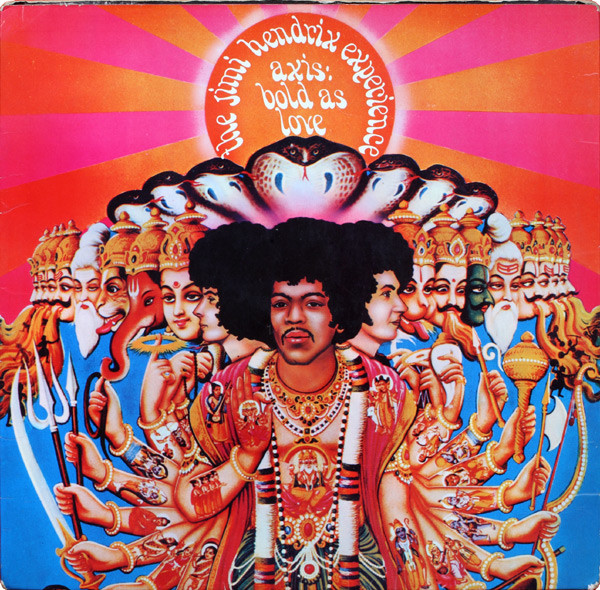
Electric Ladyland.
By October 1968, when The Jimi Hendrix Experience released Electric Ladyland, Jimi Hendrix was one of the most successful musicians in the world. His albums sold by the million, and when The Jimi Hendrix Experience played live, they were one of the hottest live acts. This showed when Electric Ladyland was released.
Unlike The Jimi Hendrix Experience’s two previous albums, Electric Ladyland was an ambitious double album. It featured sixteen songs. Thirteen songs were penned by Jimi. Two of the covers were Bob Dylan’s All Around The Watchtower and Earl King’s Come On (Let the Good Times Roll. These tracks, and the rest of Electric Ladyland were recorded at three recording studios.
Recording sessions took place between July and December 1967, then between January and April 1968. Three different studios in London and New York were used. This included Olympic Studios in London and Record Plant Studios and Mayfair Studios, New York. Once the sixteen tracks were recorded, Electric Ladyland was released in October 1968.
As soon as critics heard Electric Ladyland, they realised that this was The Jimi Hendrix Experience’s. It oozed quality. Tracks like Crosstown Traffic, Voodoo Chile, Voodoo Child (Slight Return), All Along the Watchtower and Gypsy resulted in what was the greatest album of The Jimi Hendrix Experience’s career. Critics hailed Electric Ladyland a career high for The Jimi Hendrix Experience. Record buyers agreed.
When Electric Ladyland was released in Britain, on 16th October 1968, it reached number six and was certified gold. Nine days, later, on 25th October 1968 Electric Ladyland was released in America. It reached number one on the US Billboard 200 and was certified double platinum. The rise and rise of The Jimi Hendrix Experience continued.
Just like their previous two albums, their third album Electric Ladyland became a classic. Electric Ladyland was the album that The Jimi Hendrix Experience were always capable of making. It was a coming of age for The Jimi Hendrix Experience. They’d released the finest album of their three album career. Sadly, there was a twist in the tale. Electric Ladyland would be The Jimi Hendrix Experience’s final album. However, it was a fitting swan-song from a legendary power trio.
Eight months after the release of Electric Ladyland, The Jimi Hendrix Experience played their last concert on June 29th 1969. This took place at Barry Fey’s Denver Pop Festival. This was a three day event. Little did anyone know The Jimi Hendrix Experience would only play one further concert. They reunited in 1970, to allow Jimi to spread his message of universal love. However, before that, Jimi’s new trio, Band Of Gypsys, recorded their only album.
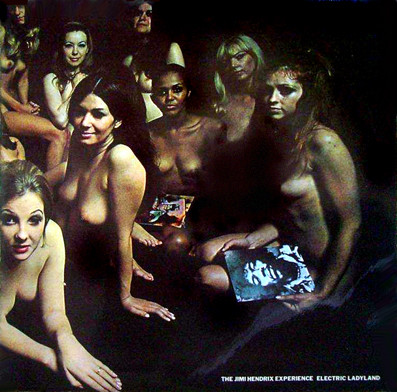
Band of Gypsys.
After The Jimi Hendrix Experience split-up, Jimi formed another trio, The Band Of Gypsys. The lineup featured drummer Buddy Miles, bassist Billy Cox and Jimi on guitar. The Band of Gypsys recorded their only live album on 1st January 1970.
When the Band Of Gypsys took to the stage at Filmore East, in New York, on 1st January 1970, they had been busy. They’d written six new songs. Jimi penned four tracks, including Who Knows and the funky, anti Vietnam War song Machine Gun. These two tracks comprise side one of Band Of Gypsys, He also wrote Power To Love and Message Of Love. Jazz drummer Buddy Miles, wrote Changes and We Gotta Live Together. These six tracks found the Band Of Gypsys moving in a different direction from The Jimi Hendrix Experience.
Elements of funk, R&B and soul shine through on Band Of Gypsys. This isn’t surprising, given Jimi’s bandmates’ past. However, Jimi’s trademark fusion rock and psychedelia is still present. What’s obvious, is that Jimi was keen to explore different musical directions. He wasn’t going to be tied to the one musical genre. Instead, he was willing to experiment musically. Band Of Gypsys was just the start.
When critics heard Band Of Gypsys, they were won over by the genre melting album. They realised that Band Of Gypsys was an ambitious album. Machine Gun, they felt, was the best track on Band Of Gypsys. It was the album’s centrepiece, and showed what Jimi Hendrix, musical maverick was capable of, even without The Jimi Hendrix Experience. Just like The Jimi Hendrix Experience, the Band Of Gypsys was the perfect vehicle for Jimi.
Band Of Gypsys was released in Britain on 25th March 1970. It reached number six. Nearly three months later, on June 12th 1970, Band Of Gypsys was released in America, reaching number five in the US Billboard 200. This resulted in Band Of Gypsys being certified double platinum. Jimi Hendrix it seemed could do no wrong. Everyone waited with baited breath to see what direction his career headed.

After the release of Band Of Gypsys, Jimi returned the studio, where he began work on his next album. Jimi was a prolific artist, and recorded many tracks over a relatively short space of time. So much so, that by the time he headed to the second Atlanta Pop Festival, which was held on the 4th of July 1970, there were many tracks in various states of completion. This was more than enough for several album’s worth of material. Some of the new songs newly reformed lineup of The Jimi Hendrix Experience planned to showcase at the Atlanta Pop Festival, which sadly would prove to be Jimi Hendrix’s swan-song.
Lesser musicians than Jimi Hendrix would’ve been nervous about playing at the heart of the Deep South. Not Jimi Hendrix. He relished the challenge of uniting a region divided. He planned to do so with the newly reformed lineup of The Jimi Hendrix Experience.
Sadly, bassist Noel Redding wasn’t going to take to the stage. Taking his place would be Band Of Gypsys bassist Billy Cox. At least Noel Redding The Jimi Hendrix Experience’s original drummer was by Jimi’s side as they took to the stage. What had been a legendary power trio were about to try to unite a region divided.
That’s what The Jimi Hendrix Experience went on to do. In the process, they wrote their place into music history by playing a starring role in what’s now remembered as the “last great rock festival.” Jimi Hendrix had united a region that had been divided. His message of unity, universal love and Freedom had him friends on both sides of the racial divide. Now Jimi Hendrix could concentrate on completing his next album. However, that never happened
On 18th September 1970, music was in mourning. Jimi Hendrix, it was announced, was dead.
Jimi Hendrix had been found around 11a.m. on the 18th September 1970, that Jimi Hendrix was found unresponsive at an apartment in the Samarkand Hotel, in Notting Hill, London. He was rushed to the St. Mary’s Abbot’s Hospital, but pronounced dead at 12.45p.m. Jimi Hendrix was just twenty-seven. However, music had lost one of the most influential and innovative guitarists of his generation.
That’s despite Jimi’s solo career beginning just four years earlier. Since then, Jimi had released a trio of studio album and one live album. During that period, Jimi Hendrix took music by storm, and vied for the title of rock’s greatest guitarist. Throughout his solo career, Jimi was a flamboyant showman, who growing up, modelled himself on T-Bone Walker.
It was T-Bone who Jimi saw playing his guitar with his teeth. When Jimi saw this, he took it as a challenge. This became part of Jimi’s routine. In years to come, Jimi played his guitar as if his life depended upon it. Jimi, on form, was like a man possessed. Some nights, Jimi played his guitar behind his back, played it with his teeth and as if trying to exercise some inner demons, set his guitar on fire. All this made Jimi one of the most exiting guitarists ever. However, Jimi was also a technically brilliant guitarists of his generation. That’s apparent on the trio of studio albums and live album that The Jimi Hendrix Experience released between 1967-1970. These albums feature musical maverick Jimi Hendrix at the peak of his powers, as he pushes musical boundaries to their limits, and sometimes, way beyond; and in the process, produces groundbreaking and timeless music that changed music forevermore.
JIMI HENDRIX THE MAN WHO CHANGED MUSIC.


TEENAGE FANCLUB-BANDWAGONESQUE-VINYL LIMITED EDITION.
TEENAGE FANCLUB-BANDWAGONESQUE-VINYL LIMITED EDITION.
Hardly ever does commercial success and critical acclaim come overnight for a band. Instead, it often takes a couple of albums before a band hits their stride. That was the case with the Teenage Fanclub.
It wasn’t until the Teenage Fanclub released their third album Bandwagonesque in November 1991 that commercial success and critical acclaim came their way. Soon, comparisons were being drawn with the legendary Big Star, and a great future was forecast for the Teenage Fanclub.
Twenty-five years and six albums later, a lot of water has flown under the bridge for Teenage Fanclub. Sadly, Teenage Fanclub never quite recached the heights the critics forecast. The most successful period of their career was between Thirteen in 1993 through 1995s Grand Prix to Songs From Northern Britain in 1995. The Teenage Fanclub’s melodic, hook-laden brand of power pop proved popular in America, Europe and Australia. However, that was until the new millennia dawned.
When Teenage Fanclub released their seventh album Howdy in 2000, it stalled at thirty-three in the UK. Little did anyone realise that was as good as it got for Teenage Fanclub. Commercial success eluded their 2002 collaboration with Jad Fair, Words of Wisdom and Hope. After this it was another three years before Teenage Fanclub returned.
2005 saw the Teenage Fanclub return with their first album in five years, Man-Made. However, it reached just thirty-four in the UK. Following Man-Made, another five years passed before Teenage Fanclub returned with Shadows. While the album received mostly favourable reviews, it reached just number thirty in the UK. It was a long way from the period between 1991 and 1997, when Teenage Fanclub were one of the most successful indie bands.
The album that began the most successful period of Teenage Fanclub’s twenty-seven year career, was Bandwagonesque which is now regarded as a genre classic. It was recently remastered and rereleased by HMV on pink vinyl as part of their new initiative Vinyl Week. This reissue of Bandwagonesque is a welcome reminder of Teenage Fanclub, as they began what was the most successful period of their career.
That period began in 1991. However, Teenage Fanclub had been formed just two years earlier in Bellshill, Lanarkshire in 1989. Teenage Fanclub had emerged out of Glasgow’s C86. They had been inspired by bands like The Beach Boys, The Byrds and Big Star, who Teenage Fanclub would be later be compared to.
Unlike Big Star, Teenage Fanclub were a five piece band. The original lineup featured guitarist Norman Blake, lead guitarist Raymond McGinley, bassist Gerard Love, drummer and Francis MacDonald. Teenage Fanclub’s three principal songwriters shared lead vocal duties. That was the case on their debut album.
A Catholic Education,
Just a year after the band was founded, Teenage Fanclub released their debut album in 1990. A Catholic Education would later be described as a quite un-Teenage Fanclub album. The music was dark, harsh and peppered with cynicism and controversy.
Most of the controversy stemmed from Teenage Fanclub’s decision to turn their sights on Catholic church. For a band from a city divided by religion, that was a controversial move, and one that could alienate people. What made the decision to “attack” the Catholic church, was that Teenage Fanclub prided themselves on being apolitical band. The other surprise for a band who admired The Byrds, The Beach Boys and Big Star was the sound of A Catholic Education.
For much of A Catholic Education, Teenage Fanclub unleashed a mixture of grunge and heavy metal. The only hint of what was to come from Teenage Fanclub was the Norman Blake penned Everything Flows. It was a glorious slice of power pop. This was something that Teenage Fanclub would return to later. Before that, A Catholic Education was released on June 11th 1991.
Before that, critics reviewed A Catholic Education. Reviews of the album were mixed, and very few critics forecast the critical acclaim and commercial success that came Teenage Fanclub’s way. When A Catholic Education was released by Matador, the album failed to even trouble the British or American charts. It was an inauspicious debut from Teenage Fanclub.
The King.
Just two months later, and Teenage Fanclub released their sophomore album, The King. However, in reality, The King was a quickly assembled collection of tracks.
The tracks that became The King had been recorded once Teenage Fanclub had completed what would be their third album, Bandwagonesque. Quickly, Teenage Fanclub recorded nine tracks, including covers of Madonna’s Like A Virgin and Pink Floyd’s Interstellar Overdrive. Once The King was recorded, Teenage Fanclub were hoping this would allow them to escape their contractual liability to Matador. This could have backfired.
Teenage Fanclub owed Matador an album. If they accepted The King, then they had fulfilled their contractual obligations. There was the possibility that the album could be rejected, if Matador didn’t believe the album was of a certain commercial standard,
Fortunately, they didn’t. That’s despite covers of Madonna’s Like A Virgin and Pink Floyd’s Interstellar Overdrive. The King wasn’t exactly Teenage Fanclub’s finest hour. Despite this, Matador released in August 1991.
Reviews of The King hadn’t been favourable. Despite this, The King reached fifty-three in the UK charts. It was almost ironic. Very few critics thought that The King would even trouble the charts. Teenage Fanclub had the last laugh. Free from all encumbrances, the Teenage Fanclub signed to Creation Records.
Bandwagonesque.
Now signed to Alan McGhee’s Creation Records, Teenage Fanclub like a magician pulling a rabbit from a hat, delivered the completed version of Bandwagonesque.
It featured twelve new songs from Teenage Fanclub. Norman Blake had contributed The Concept, What You Do To Me, Metal Baby and Alcoholiday. Raymond McGinley’s wrote I Don’t Know.
Gerard Love had written December, Star Sign, Pet Rock, Guiding Star and Is This Music? He also cowrote Sidewinder with Brendan O’Hare; while Satan was credited to the four members of Teenage Fanclub. They would record Bandwagonesque in Amazon Studio, in Liverpool.
The Bandwagonesque session began on 9th April 1991. Teenage Fanclub’s rhythm section featured drummer Brendan O’Hare, bassist Norman Blake and guitarist Norman Blake. Raymond McGinley played lead guitar; while the vocal duties were shared between the three songwriters. Augmenting the four members of Teenage Fanclub were Don Fleming on occasional guitar and handclaps while Dave Buchanan also added handclaps. Joseph McAlinden took charge of brass and strings. Producing Bandwagonesque, were Don Fleming, Paul Chisholm and Teenage Fanclub. By 12th May 1991, was recorded and mixed. Six months later, Bandwagonesque became Teenage Fanclub’s Creation Records’ debut.
Before that, critics had their say on Bandwagonesque. Critical acclaim had accompanied Bandwagonesque’s released. It was the first album to feature Teenage Fanclub’s melodic, hook-laden brand of power pop. With their Byrdsian jangling guitars and tight harmonies, Bandwagonesque stood head shoulders above A Catholic Education and The King. Granted, Teenage Fanclub could still rock out, and enjoyed the odd excursion into grunge, however, Bandwagonesque was Teenage Fanclub’s finest moment…by far. Record sales backed this up.
In August 1991, Star Sign was released as a single. Although reached just forty-four in the UK charts, it reached number four in the US Modern Rock charts. When the hard rocking single The Concept was released in October 1991, it reached fifty-one in the UK, and number twelve in US Modern Rock charts. Then came the main course.
On 19th November 1991 Bandwagonesque was released by Alan McGhee’s Creation Records. In Britain, Bandwagonesque reached twenty-two and in America the album reached 137 in the US Billboard 200. Bandwagonesque had introduced Teenage Fanclub to British and American record buyers. It was also the start of a six year period, when Teenage Fanclub released four albums that featured the best music of their career. This started with Bandwagonesque in 1991.
A wail of feedback opens Bandwagonesque, before Teenage Fanclub tame the tiger, and lock into a steady, rocky groove. As rhythm section create the heartbeat, choppy, seeing guitars drive the arrangement along. Atop the arrangement sits the vocal, that delivers those familiar lyrics: “I didn’t want to hurt you.” Then at 3.13 Brian Wilson meets The Byrds as swooning, heartfelt harmonies as jangling and searing guitars combine, and create a symphonic sound that’ll mend any broken heart.
Satan brings back memories of A Catholic Education, as elements of grunge and heavy metal gallop along. They buzz, beep and squeak before Teenage Fanclub unite for just over twenty seconds of hard rocking music that would make Lemmy proud.
December finds Teenage Fanclub changing direction, as they combine indie rock and pop. The tempo drops on what’s a much more mellow sounding song. Chiming, chirping and bristling guitars sit above the rhythm section as Gerard take’s charge of the vocal. It’s full of emotion and hurt. Later, tight harmonies accompany the vocal, before a false ending introduces strings. They sweep and weep, as guitars buzz and bring this song to a wistful conclusion.
As What You Do To Me unfolds, one can’t help but wonder whether one of the Teenage Fanclub’s guilty pleasures was Status Quo. They dawn their old denims, and with a nod to The Byrds, rock their way through what’s a two minute anthem. Accompanied by sweet Byrdsian harmonies, they don’t spare the hooks during this irresistible anthemic track.
A vortex of distant guitars are joined by the rhythm section on I Don’t Know. Suddenly, it’s all systems go, as the tight rhythm section and choppy, chirping licks and riffs drive the arrangement along. The vocals are unsure as they sing: “I Don’t Know.“ When the vocals drop out, their replaced by bursts of blistering, scorching guitars. At 3.25. Teenage Fanclub kick loose, searing guitars cut through the arrangement. As if realising that something special is unfolding, rolls of drums are added as indie rock and power pop combine to create another memorable and melodic moment from Bellshill’s finest, Teenage Fanclub.
Guitars swirl in the distance, effects transforming their sound. Echo and reverb are the weapons of choice on Star Sign as it begins to take shape. It’s as if Teenage Fanclub are teasing the listener, and it’s not until 1.15 when the song unfolds. Drum pounds and with the bass, underpin the arrangement. It features jangling driving, and scorching guitars. Meanwhile, the vocal is mixed back in the arrangement. This works, and allows a tight and talented band shine, as they literally come of age musically. Twenty-five years later, and this rousing fusion of indie rock and power pop is timeless, and one of the reasons why Bandwagonesque is regarded as a genre classic.
The hooks keep on coming on Metal Baby. Drums pound furiously, before relentlessly driving the hard rocking arrangement along. Meanwhile, jangling, searing and scorching guitars accompany Gerard Love’s vocal. He’s augmented by harmonies and guitar licks. By then, Teenage Fanclub seem to be relishing the opportunity to kick loose, and rock their way through another song rich in poppy hooks.
Just guitars ring out as Pet Rock unfolds. Soon, the rhythm section join the fray and Teenage Fanclub become one. They’re a tight unit, who when they recorded Bandwagonesque, had only been together since 1991. It’s hard to believe. When the vocal enters, it’s accompanied by harmonies. When they drop out, they’re replaced by bristling, scorching guitars. Meanwhile, horns blaze as the hard rocking rhythm section. Aleready Teenage Fanclub sound like hard rocking musical veterans on this melodic rocker.
Melodic rocker also describes Sidewinder. It’s one of the slower songs, where the vocals intertwine with the West Coast harmonies. Meanwhile, the rhythm section and bristling, chiming guitars create a rocky backdrop. Later, when the vocal drops out, lead guitarist Raymond McGinley dawns the role of guitar hero, and unleashes a scorching solo. As the reaches its crescendo, the guitars have become crunchy as a little bit of the West Coast of America comes to Glasgow.
Shimmering. liquid guitars open Alchoholiday, before the rhythm section lay down the tightest of grooves. The bass bounds as drums pound. Meanwhile, the vocal is heartfelt, needy and emotive. It’s also tinged with confusion as Norman sings: “there are things I want to say, but if they will be to you.” Cooing, soothing harmonies accompany the vocal as the Teenage Fanclub never miss a beat. Guitars chime and chirp, before a blistering solo cuts through the arrangement. By then, Teenage Fanclub are at their tightest, combining elements of Big Star, The Byrds and The Beach Boys, on what’s a classic track.
Stylistically, Guiding Star is quite different from previous tracks. Strings and a guitar accompany the vocal, before the bass picks its way through the arrangement. Harmonies augment the arrangement, as it threatens to kick loose. It never does, and retains what’s by Teenage Fanclub’s standard is an almost a restrained sound.
Bandwagonesque closes with Is This Music? A pulsating bass is joined by chiming, bristling guitars and drums. There’s no vocal, just Teenage Fanclub playing with freedom. The music flows through them, with the searing, scorching guitar and pulsating bass leading the way. Already one knows the question posed by Teenage Fanclub, Is This Music? Definitely, and some of the best released in 1991.
Twenty-five years have passed since I first heard Bandwagonesque for the first time. From the first time I heard Teenage Fanclub’s third album Bandwagonesque, I realised this was defining moment for Bellshill’s finest. Bandwagonesque stood head and shoulders above A Catholic Education and The King. Teenage Fanclub had released what was without doubt, the best album of their nascent career. Soon, Bandwagonesque was being hailed as a genre classic. That’s still the case quarter a century later,
That’s why Bandwagonesque was recently remastered and rereleased by HMV on pink vinyl as part of their new initiative Vinyl Week. This reissue of Bandwagonesque is a welcome reminder of Teenage Fanclub, as they began what was the most successful period of their career. After Bandwagoneque introduced record buyers on both sides of the Atlantic to Teenage Fanclub, their star was in the ascendancy.
From the release of their fourth album Thirteen in 1993, through to Grand Prix in 1995 to Songs From Northern Britain in 1997, Teenage Fanclub enjoyed the most successful period of their twenty-seven year career. Their unique fusion of indie rock and melodic, hook-laden power pop proved popular in in America, Europe and Australia. Teenage Fanclub were one of the most popular British indie bands of that era, and their music influence a generation of new bands. It looked like Teenage Fanclub’s golden period would last forever. Sadly, it wasn’t to be.
After the release of Songs From Northern Britain in 1997, Teenage Fanclub’s albums never sold in the same quantities and stalled around thirty in the UK album charts. Teenage Fanclub’s golden period was over. Despite this, Teenage Fanclub continue to provide the soundtrack to the lives of a generation of record buyers.
Many people’s introduction to Teenage Fanclub was their third album Bandwagonesque, a timeless genre classic. It’s an album that belongs in every record collection. Bandwagonesque is also a record that’s guaranteed to bring back memories, of November 1991, when Teenage Fanclub released their breakthrough album. For many people, this was the start of a lifelong love affair with Teenage Fanclub, who are back on the comeback trail.
Later in 2016, Teenage Fanclub will return with their first album for six years. It’s their much anticipated tenth album Here. By the time Here is released, many of the people who discovered Teenage Fanclub through Bandwagonesque, will be well into middle age. They’ll still enjoy Here, and Teenage Fanclub’s genre classic, where perfect power pop and indie rock combine a hint of grunge to create Bandwagonesque.
TEENAGE FANCLUB-BANDWAGONESQUE-VINYL LIMITED EDITION.
THE VELVET UNDERGROUND-LOADED-LIMITED VINYL EDITION.
THE VELVET UNDERGROUND-LOADED-LIMITED VINYL EDITION.
With the continued resurgence in interest of all things vinyl, many retailers and record companies are joining forces to release limited edition of what they refer to as classic albums. That description is stretching things for some of the albums that have been conferred classic status. Indeed, sometimes, the word classic is something more than a marketing term. Not in the case of The Velvet Underground’s fourth album Loaded. It’s been remastered and reissued on heavyweight white vinyl, and retailed via HMV as part of their Vinyl Week. Only 1,000 copies of Loaded were pressed, and quickly, this pressing is becoming a collectable. So if you see a copy, don’t hesitate, and add it to your collection. After all, Loaded was an important album for The Velvet Underground.
For The Velvet Underground, 1969 had been a turbulent year. They had released their third album The Velvet Underground in March 1969. It featured the debut of Doug Yule, who was brought in to replace John Cale. This was meant to the start of a bright new future for The Velvet Underground.
After two albums which had failed commercially, Lou Reed decided that The Velvet Underground had to change tack. They had to release music that was much more pop oriented and therefore, commercial. John Cale however, didn’t agree with how Lou Reed’s master-plan.
This had been a bone of contention between the pair for some time. John Cale wanted The Velvet Underground to continue to innovate, and create experimental music like White Light/White Heat, The Velvet Underground’s sophomore album. Lou Reed didn’t agree.
Lou Reed believed that The Velvet Underground’s music should become more pop oriented. This he felt, would broaden their appeal. No longer would they be an art rock group whose music appealed to discerning music lovers. Eventually, Lou Reed won over the rest of The Velvet Underground. For John Cale this was hugely disappointing. So, he decided the only option was to leave The Velvet Underground.
The Velvet Underground.
Following the departure of John Cale, The Velvet Underground began looking for a replacement. Eventually, Doug Yule was chosen as John Cale’s replacement. He made his Velvet Underground eponymous third album in November 1968, at TTG Studios, Hollywood. The Velvet Underground recorded ten songs penned by Lou Reed. By December 1968, The Velvet Underground was completed it was released in March 1969.
Before that, critics had their say on The Velvet Underground. The majority of the critics were won over by The Velvet Underground’s new sound. Some critics went as far as to say that the album was The Velvet Underground’s finest hour. They were impressed The Velvet Underground’s much more accessible sound. The Velvet Underground were congratulated on the quality of songwriting, and the delivery of the lyrics. However, there was a but.
Some critics felt that The Murder Mystery was an experiment that hadn’t worked. Others ant further, lamenting that The Murder Mystery fell short of the quality of White Light/White Heat. Other critics remarked that The Velvet Underground lacked the eclectic sound of its predecessors. Even the quality of recording was criticised. Mostly though, critics thought that The Velvet Underground were on the right road. However, as usual, record buyers had the casting vote.
When The Velvet Underground was released in March 1969, the album crept into the US Billboard 200, reaching just 197. This was a disaster for The Velvet Underground. Lou Reed’s decision to embrace a more commercial sound had backfired.
Following the release of The Velvet Underground, the band headed out on tour. They spent much of 1969 touring America and Canada. Night after night, they reworked tracks from their first three albums. The audience watched as a tight band fought for their very future. Some nights, The Velvet Underground debuted new songs.
New Age, Rock and Roll and Sweet Jane found their way onto the set list. This trio of songs found their way onto Loaded, which was released in 1970. Loaded has been reissued by Rhino, to mark the forty-fifth anniversary of Loaded’s release. It proved a landmark album in The Velvet Underground’s career.
As The Velvet Underground’s seemingly never ending tour continued, they continued to hone their sound. They were a very different band to just a few years previously when they were Warholian disciples. That was the past. Now The Velvet Underground were willing to forsake what many thought was their true sound, for commercial success. That proved ironic.
After three albums that had failed commercially, MGM were starting to loose patience with The Velvet Underground. It didn’t help that MGM had been haemorrhaging money for a couple of years. They had too many loss making acts on their roster. Something had to give.
During the night of the long knives, executives at MGM decided to cancel the contracts of eighteen loss making acts. This included The Velvet Underground. They were invited to the headquarters of MGM, and told that their contract had been cancelled. However, was the decision to cut The Velvet Underground loose purely a business decision?
Since then, there has been speculation that The Velvet Underground were dropped just because they were losing MGM money. Maybe, it was more to do with The Velvet Underground’s image being at odds with MGM’s corporate image? That proved to be the case. In 1970, an executive of MGM said: “it wasn’t eighteen groups, Mike Curb was misquoted. The cuts were made partly to do with the drug scene—like maybe a third of them had to do with drug reasons. The others were dropped because they weren’t selling.” It seemed that MGM’s mattered more than selling records. MGM it seemed, only wanted artists whose lifestyle they approved of.
Many thought that being dropped by MGM must have been devastating for The Velvet Underground. It seems it was, and it wasn’t. When Lou Reed was interviewed in 1987, he admitted: “we wanted to get out of there.” That may just be bravado. After all, the music industry is a small village, and word would’ve spread like wildfire why The Velvet Underground had been dropped. Some critics however, thought the situation was ironic.
Back in 1968, The Velvet Underground had made what many regarded as the ultimate musical sacrifice. They had changed direction musically on their eponymous third album. No longer were they seen as an art rock band by championed by many critics and cultural commentators. Instead, the move towards a more populist sound was seen as the ultimate betrayal from The Velvet Underground. This resulted in John Cale’s departure from the band. Now that The Velvet Underground had been dropped by MGM, the loss of one of their main creative forces, had been for nothing. Given what had happened, it was the ultimate irony.
Now without a record contract, The Velvet Underground headed back out on tour. Touring was now their main source of income. So they spent much of 1969 on the road. Mostly, it was the tight version of The Velvet Underground that took to the stage. Other times, they revisited their past.
The Velvet Underground decided to reinvent songs, during lengthy improvisations. This mixture of art rock, avant garde and free jazz showed that the old Velvet Underground weren’t dead. Some critics believed it was merely being suppressed in the search for commercial success.
During their gruelling touring schedule, The Velvet Underground made occasional forays into the recording studio. Some of the songs The Velvet Underground recorded, were seen as having potential. However, they couldn’t be released, as The Velvet Underground were in dispute with MGM. With no recording contract, and locked in what could prove a biter, lengthy and expensive dispute with MGM, things looked bleak for The Velvet Underground.
By November 1969, The Velvet Underground arrived in San Francisco, and were due to play at The Matrix and The Family Dog. These shows were recorded, and were meant to be released as live albums. However, that didn’t happen until the next millennia, when Bootleg Series Volume 1: The Quine Tapes was released in 2001. 1969 was fast proving to by The Velvet Underground’s Annus horriblis. Surely, things would improve as when the new decade dawned.
That proved to be the case. 1970 saw The Velvet Underground’s luck improve. They were signed by Atlantic Records, and told to record an album: “loaded with hits.” This would be a first.
Commercial success had eluded The Velvet Underground. Three albums into their career, and they hadn’t enjoyed a hit single. The nearest they came to commercial success was when their 1967 debut album, The Velvet Underground and Nico reached 129 in the US Billboard 200. It was all downhill from there. In 1968, White Light/White Heat struggled into the US Billboard 200 at 199. Then when The Velvet Underground was released in 1969, it stalled at 197 in the US Billboard 200. The Velvet Underground were faced with a mammoth task to produce an album: “loaded with hits.”
Loaded.
With these words ringing in his ears, Lou Reed went away and wrote the ten tracks that became Loaded. Then recording began at Atlantic Recording Studios, New York with Geoff Haslam, Shel Kagan and The Velvet Underground producing Loaded. However, one member of The Velvet Underground was missing.
Maureen Tucker missed the Loaded recording sessions. They took place between April and August 1970. Her only contribution was singing on the outtake I’m Sticking With You, and adding drums on a demo of I Found a Reason. Loaded was the first Velvet Underground album Maureen Tucker.was missing from.
Various musicians replaced Maureen Tucker on Loaded. Engineer Adrian Barber, who played on Who Loves the Sun and Sweet Jane. Tommy Castagnaro then played drums on Cool It Down” and Head Held High. Billy Yule, Doug Yule’s brother deputised on drums on Lonesome Cowboy Bill and Oh! Sweet Nuthin.’ Even bassist Doug Yule played drums.
Although hired as a bassist, Doug Yule played fuzz bass, piano, keyboards, lead guitar, percussion and added backing vocals. He added the lead vocals on Who Loves the Sun, New Age, Lonesome Cowboy Bill and Oh! Sweet Nuthin’. Sterling Morrison played lead and rhythm guitar. Lou Reed, who was now The Velvet Underground’s main creative and driving force, played lead and rhythm guitar, plus the piano. This depleted version of The Velvet Underground, plus a few friends eventually, finished recording of Loaded in August 1968. The release was scheduled for 15th November 1970. A lot would happen before then.
With Loaded completed, usually, The Velvet Underground would’ve been readying themselves for the usual round of promotion that takes place before an album is released. Not this time.
Lou Reed called time on his career with The Velvet Underground on 23rd August 1970. This left The Velvet Underground like a rudderless ship.
With The Velvet Underground having lost their leader and creative force, others took charge of final mix of the album. That was fatal. Lou Reed should’ve handed Atlantic Records the final mix, and then left.
When Lou Reed saw and heard a copy of Loaded, he was in for a shock. The claimed that Loaded had been re-sequenced. This hadn’t been authorised. That was bad enough. No longer would Loaded flow as it was meant to. Much worse, was that some of Lou Reed alleged that some of the songs on Loaded had been edited.
Lou Reed railed against the edited version of Mary Jane. So badly edited was the song, that it was bereft of its very melody. A heartbroken Lou Reed described the melody as: “heavenly wine and roses.” Sadly, it was gone. New Age was another song that had fallen victim to the razor blade in the editing suite. However, one of the remaining members of The Velvet Underground disputed Lou Reed’s claims.
It was newcomer Doug Yule who spoke out. Despite being a relative newcomer to the band, he disputed what Lou Reed said. Doug Yule claimed that it was Lou Reed who edited Mary Jane, before he left The Velvet Underground. This essence of his explanation was that Lou Reed edited the song so that it would be a hit. However, it was claim and counter-claim. If Lou Reed edited the song, why did he edit the “heavenly wine and roses” of the melody from the song? The editing was just one of several grievances Lou Reed had.
The ten songs on Loaded came from the pen of Lou Reed. However, when Lou Reed received his copy of Loaded, he discovered that the songs were credited to The Velvet Underground. What made this worse, was that Lou Reed was third in the credits. He felt he wasn’t receiving the credit he deserved. Rubbing salt into the wound was a large photograph of Doug Yule playing the piano. The Velvet Underground’s creative force was overshadowed by the newcomer. Was this a deliberate slight seen Lou Reed had left The Velvet Underground?
As Lou Reed studied Loaded album’s cover, he discovered that Maureen Tucker was credited as the drummer. She hadn’t played on Loaded, as she was pregnant. It was the only Velvet Underground she didn’t play on. Ironically, many critics felt Loaded was one The Velvet Underground’s finest albums. However, even another member of the band didn’t agree with this.
Sterling Morrison had been ever-present on the four albums The Velvet Underground had released. This made him well qualified to critique the album. He had mixed feelings on the absence of Maureen Tucker and Doug Yule’s increased influence on Loaded. Without Maureen Tucker: “it’s still called a Velvet Underground record. But what it really is is something else.” Then when asked about Doug Yule playing a bigger part on Loaded he said: ”the album came out okay, as far as production it’s the best, but it would have been better if it had real good Lou vocals on all the tracks.” It seems the newcomer hadn’t convinced The Velvet Underground guitarist. What did the critics think?
Most critics were won over by Loaded. It followed in the footsteps of The Velvet Underground, which showcased a much more populist, commercial sound. Among Loaded’s highlights were the hook-laden, Sweet Jane and Rock and Roll. Even without the “heavenly wine and roses” of the melody, Sweet Jane was a timeless classic. Along with Rock and Roll, they became favourites on American FM radio stations. Other tracks that were mentioned in dispatches by critics were the soulful infused I Found a Reason and New Age. However, not everyone was convinced by Loaded.
Rolling Stone magazine wasn’t impressed by Loaded. They were the highest profile critic of Loaded. Ironically, they’ve performed a volte face, and nowadays, Loaded is one Rolling Stone magazine’s 500 best albums of all time. However, Rolling Stone weren’t being contrarian, like some critics.
While Loaded is indeed, a minor classic, it could’ve and would’ve been a better album. Especially, if Lou Reed took charge of all the lead vocals. Sterling Morrison had a point. Lou Reed was The Velvet Underground’s best vocalist. Having written the lyrics, he was able to bring them to life. From Sweet Jane and Rock and Roll, to Cool It Down, Head Held High, I Found A Reason and Train Round The Bend, Lou Reed unleashes a series of vocal masterclasses. Sadly, he only sung six of the ten vocals. That proved to be a a mistake.
In another group, Doug Yule would’ve been a more than adequate replacement. However, he couldn’t quite live the lyrics like Lou Reed. That’s not to say his performance is disappointing on on Who Loves the Sun, New Age, Lonesome Cowboy Bill and “Oh! Sweet Nuthin’. Far from it. Instead, they’re just not as good as The Velvet Underground’s worldweary leader, Lou Reed. Those were big shoes to fill. Even Sterling Morrison agreed.
Similarly, Maureen Turner was missed. While her replacements are more than adequate, it could be argued that there’s no continuity. Each drummer has their own sound and style. Despite that, Loaded came to be regarded as a minor classic. Very few people thought that would be the case in 1970.
When Loaded was released on 15th November 1970, the album failed to chart. It stopped just short, reaching 202 in the US Billboard 200. So near, but yet so far. This was a familiar story for The Velvet Underground.
Their fourth album Loaded deserved to fare better. They had sacrificed and suppressed their true sound to deliver an “album loaded with hits.” Loaded had everything going for it. It benefited from a much more commercial sound, and plethora of hooks. This meant that Loaded was The Velvet Underground’s most accessible album. Surely this was what record buyers wanted The Velvet Underground reasoned?
Record buyers had shied away from The Velvet Underground and Nico and White Light/White Heat. Then on The Velvet Underground, which was released in 1969, Lou Reed and Co. moved towards a more populist, accessible sound. This came at the cost of John Cale. Still The Velvet Underground failed commercially, and MGM dropped the Velvets. This proved the ultimate irony.
Just under a year later, and Lou Reed was gone too. This left just Sterling Morrison and the returning Maureen Tucker. Sadly, The Velvet Underground were a shadow of the band they once were. Loaded proved to be what many regard as their swan-song.
Despite its flaws, Loaded is a minor classic from The Velvet Underground. Nowadays, it’s regarded as one of the best 500 albums by Rolling Stone magazine. Loaded also belongs in every self-respected record collection. For those who have yet to discover Loaded, now is the time to do so.
Loaded was recent remastered and reissued on 180 gram white vinyl, and has been retailed via HMV as part of their Vinyl Week. This new version of Loaded has been beautifully mastered and the sound quality is pretty near flawless. That’s fitting for this classic album. Sadly, all too often, the sound quality of vinyl reissues can be disappointing, for a myriad of reasons. Not this time. For anyone new to vinyl and The Velvet Underground, then this version of Loaded is the one to buy. It even comes complete with a download code. Alas, that’s something many record companies overlook. Not this time. The reissue of Loaded is a reminder that this was the end of an era for one of rock’s most innovative bands, The Velvet Underground.
Never again would Lou Reed join with Maureen Tucker, Sterling Morrison and Doug Yale again as The Velvet Underground. Squeeze which was released in 1972, was a Velvet Underground in name only. Only Doug Yule, who was using The Velvet Underground name featured on Squeeze. It’s not worthy of bearing The Velvet Underground name. That why for many, Loaded marked the end of The Velvet Underground story.
Their recording career had started in 1967 with The Velvet Underground and Nico, 1968s White Light/White Heat, 1969s The Velvet Underground and Loaded in 1970. Nowadays, each and every one of these albums are regarded as a classic; and The Velvet Underground are remembered as one of the most important, influential and innovative bands in the history of music. However, one can’t help wonder what direction The Velvet Underground would’ve headed if they hadn’t changed direction musically?
The Velvet Underground and Loaded would be very different albums. However, maybe, The Velvet Underground had no option. MGM were losing money hand over fist. They needed bands to sell vast quantities of albums, not release albums that would find favour with discerning music lovers. Maybe, if The Velvet Underground had known they were going to be dropped, they would’ve stuck to their musical principles? That wasn’t to be.
Instead, The Velvet Underground sacrificed their musical soul at the altar of populist music. John Cale couldn’t bear to watch this sacrifice, and walked away with his principles intact. Lou Reed desperate for the band he formed find commercial success as well as critical acclaim, played the game. After two albums of The Velvet Underground suppressing what they stood for musically, Lou Reed walked away.
He left behind one of the richest legacies for any group who only recorded four studio albums. Each is a classic. From The Velvet Underground and Nico to Loaded, each album features shamanistic performances from those musical shape shifters and high priests of music, The Velvet Underground.
THE VELVET UNDERGROUND-LOADED-LIMITED VINYL EDITION.
HEDVIG MOLLESTAD TRIO-BLACK STABAT MATER.
HEDVIG MOLLESTAD TRIO-BLACK STABAT MATER.
Just over two years ago, the Hedvig Mollestad Trio released their critically acclaimed and career defining third album Enfant Terrible. It was hailed as the finest album of the band’s five year career. That however, is until now.
Currently, the Hedvig Mollestad Trio are currently preparing to release their much anticipated fourth album Black Stabat Mater. It will be released by Rune Grammofon on the 1st of July 2016. This much anticipated album also marks the welcome return of Norwegian guitar virtuoso Hedvig Mollestad Thomassen. She founded the Hedvig Mollestad Trio back in 2009. However. story began in 1982.
That was when Hedvig Mollestad Thomassen was born in Ålesund, in Norway. Hedvig first picked up her mother’s much loved nylon strung acoustic guitar when she was just ten. This was the start of a lifelong love affair with the guitar.
Now just over twenty years later, and Hedvig is now one of Europe’s finest guitarists. Her style is best described as a fusion of rock and jazz. That was the music Hedvig discovered in her father’s record collection.
This music would go in to inspire Hedvig musically. Especially, a trio of guitarists from the golden age of rock. Jimi Hendrix, Jimmy Page of Led Zeppelin and Tony Iommi of Black Sabbath would all inspire the blistering, scorching licks Hedvig would go on to unleash. However, there’s more to Hedvig than.
Other times, Hedvig’s playing can be restrained, cerebral, disciplined and innovative. This has also lead to comparisons with the Mahavishnu Orchestra’s John McLaughlin, Carlos Santana and Pete Cosey, whose Hendrix-esque guitar playing graced Miles Davis’ band between 1973 and 1975. Hedvig Mollestad you’ll realise is no ordinary guitarist.
Far from it. Hedvig was already a talented, versatile and inventive guitarist when she enrolled at the Norwegian Academy of Music, in Oslo. By the time, Hedvig graduated from the Norwegian Academy of Music, another part of her musical education was complete.
By then, Hedvig was already playing in various bands, including Bronco Busters, Songs and Sweet Potatoes. However, in 2009, Hedvig decided to form her own band. Soon, the Hedvig Mollestad Trio bean to take shape later in 2009. Joining Hedvig, were bassist Ellen Brekken and drummer Ivar Loe Bjørnstad onboard. Before long, critical acclaim came the Hedvig Mollestad Trio’s way.
This came after the Hedvig Mollestad Trio played at the prestigious Molde International Jazz Festival. They won the award for the best “young jazz talent” of 2009. This lead to a tour of Norway in 2010. After this, the Hedvig Mollestad Trio recorded what became their debut album Shoot.
Shoot.
With their debut album complete, the Hedvig Mollestad Trio went looking for a record company willing to release Shoot. Their search was soon over when executives at Rune Grammofon heard Shoot. They signed the Hedvig Mollestad Trio. Since then, Rune Grammofon has been a musical home from home for the Hedvig Mollestad.
The Hedvig Mollestad Trio’s debut album Shoot as released on Rune Grammofon in 2011. Critical acclaim accompanied the release of Shoot. Critics were won over by the Hedvig Mollestad Trio’s unique fusion of rock and jazz. This was the start of the rise and rise of he Hedvig Mollestad Trio.
Following the release of Shoot, the Hedvig Mollestad Trio continued to tour extensively. They honed their sound by playing literally hundreds of concerts. Whether it was small jazz clubs or huge festivals including Øyafestival, Utkantfestival and Pstereo Festival they were familiar faces. Their sound was soon winning friends and influencing people.This was all good preparation for the recording of the Hedvig Mollestad Trio’s sophomore album, All Of Them Witches.
All Of Them Witches.
It wasn’t until 2013 when the Hedvig Mollestad Trio relaxed their sophomore album All Of Them Witches. Just like Shoot, widespread critical acclaim accompanied the release of All Of Them Witches. However, this time around, the Hedvig Mollestad Trio were nominated for, and won the Norwegian equivalent of a Grammy Award, in the rock category. The Hedvig Mollestad Trio were on their way.
Having won one of the most prestigious awards in their homeland, word was spreading about the Hedvig Mollestad Trio. This resulted in a second tour of Europe. Sweden, Denmark, Germany, Poland, Switzerland, France and Italy were introduced to the Hedvig Mollestad Trio. Then there were trips to Japan and Malaysia. During this period, critical acclaim was a constant companion for the Hedvig Mollestad Trio, who’d come a long way since they’d formed in 2009.
So had Hedvig. She’d come a long way since she received her first electric guitar as a confirmation present. Now she’s one of Europe’s top guitarists. In Decmeber 2013, she and the other two members of the Hedvig Mollestad Trio headed into the studio record their third album Enfant Terrible.
Enfant Terrible.
Recording of Enfant Terrible took place at Ocean Sound Recording. Enfant Terrible was recorded onto an eight track tape-machine. This was the old school way. It was also how the artists who influenced Hedvig had recorded their classic albums. Hedvig must have thought, if it was good enough for Black Sabbath, Led Zeppelin, Santana and Jimi Hendrix, it was good enough for the Hedvig Mollestad Trio.
This proved to be the case. When Enfant Terrible was released in May 2014, it was hailed as a career defining album from the Hedvig Mollestad Trio. They seamlessly shift between musical genres. Blues, jazz, psychedelia and rock were thrown into the mix by the Hedvig Mollestad Trio. The result was a critically acclaimed album of genre-melting music from the hard rocking Hedvig Mollestad Trio. Surpassing Enfant Terrible wasn’t going to be easy.
Since then, the Hedvig Mollestad Trio have continued to tour the world. The Hedvig Mollestad Trio’s have also written and recorded their fourth album Black Stabat Mater.
Black Stabat Mater.
For what eventually became Black Stabat Mater, the three members of the Hedvig Mollestad Trio penned five tracks. Two of these tracks,Approaching and In The Court Of The Trolls were written by the Hedvig Mollestad Trio. Hedvig wrote -40 and cowrote On Arrival with drummer Ivar Loe Bjørnstad. Bassist Ellen Brekken contributed Somebody Else Should Be On That Bus. These tracks were recorded in what were familiar surroundings.
Just like Enfant Terrible, recording of Black Stabat Mater was recorded live at Ocean Sound Recording. That was where guitarist Hedvig was joined by the rhythm section of drummer Ivar Loe Bjørnstad and bassist Ellen Brekken. Recording Black Stabat Mater was Henning Sworen. Then once the album was recorded, it was mixed by Johnny Skalleberg at Amper Tone Oslo, and mastered by Nick Terry. Only then, was Black Stabat Mater ready to release.
Opening Black Stabat Mater is Approaching, which literally bursts into life. Deliberate bursts of guitar reverberate, while rolls of drums and a bounding bass combine. As they drive the arrangement along, washes of Hedvig’s lysergic guitar shimmers across the arrangement. Already, Hedvig is deploying her effects. However, she uses them sparingly to create what’s an
impressive sound. So is the sound of Ivar Loe Bjørnstad’s thunderous drums. He combines raw power, speed and accuracy.
Not to be outdone, bassist Ellen Brekken matches Ivar every step of the way. By then, Hedvig is unleashes a series of searing, bristling and scorching licks, riffs and solos. They play their part in a hard rocking opus where the Hedvig Mollestad Trio fuse rock with elements of psychedelia and space rock.
Dramatic: describes the bursts of thunderous music that open On Arrival. As they dissipate, the arrangement buzzes, crackles and threatens to feedback. This adds to the moody, dark and dramatic backdrop. Surely it’s only a matter of time before the Hedvig Mollestad Trio kick loose? Still, though, buzzes and crackles are joined by the occasional howl of feedback. Drums pound and reverberate, before they eventually begin to power the arrangement along. Meanwhile, Hedvig adds effects to her guitar. Suddenly, the blistering, crystalline sound is transformed. It joins a bubbling bass and the relentless, driving drums. At last, The Hedvig Mollestad Trio are in full flight. Soon, they’re at their most inventive and innovative, fusing elements of avant-garde, improv and psychedelia with rock. The result is captivating and genre-melting soundscape that’s akin to a magical musical mystery tour.
From the opening bars of the über hard rocking In The Court Of The Trolls, the Hedvig Mollestad Trio are showcasing their considerable talents. Straight away, the rhythm section lock into a tight groove, as the scorching guitar cuts through the arrangement like a musical flamethrower. Soon, its crystalline sound, reverberates, rings and shimmers, as Hedvig deploys her effects. Again, it’s a case of less is more. Meanwhile drums pound and the bass buzzes. Later, Hedvig’s guitar continues to plays a starring role, as she unleashes a peerless performance. It’s her finest so far. This inspires the rhythm section who play with power and panache, before this eight minute epic reaches a glorious crescendo.
There’s a crackly sound to the introduction to -40. It disappears when Hedvig gently plays her guitar. It chimes and chirps, as the bass is played thoughtfully. This shows another side of the Hedvig Mollestad Trio. Despite this, there’s always the possibility that they’ll kick loose. Especially as a vortex of feedback makes its presence felt. Meanwhile, a cymbal rises, as the Hedvig Mollestad Trio replicate the sound of -40, and do so successfully. Suddenly, it’s as if the temperature has dropped on this captivating Nordic soundscape.
Somebody Else Should Be On That Bus closes Black Stabat Mater. This time around, bassist Ellen Brekken gets the chance to shine. For nearly a minute, it’s just the bass that plays. Then the drums are joined by a burst of feedback, before Hedvig unleashes another explosive, scorching riff. It cuts through the arrangement, while the bubbling bass keeps it company. As Hedvig wields her guitar, she combines raw power, speed and accuracy and occasionally, adds the occasional effect. Behind her, drums power and propel the hard rocking arrangement along. By then, the Hedvig Mollestad Trio are in full flight and are determined to close Black Stabat Mater on a high. This they do, on a track that brings back memories of the golden age of rock.
That is no surprise. Sometimes, the Hedvig Mollestad Trio sound as if they should’ve been around at the same time as Led Zeppelin, Black Sabbath and Jimi Hendrix. Sonically and stylistically, the Hedvig Mollestad Trio’s music is a reminder of the golden age of rock. Indeed, it is possible to imagine the Hedvig Mollestad Trio playing at the Whiskey A-Go-Go in Los Angeles or Fillmore East in New York. However, the similarities between some of the legends of music and the Hedvig Mollestad Trio is no coincidence.
Hedvig Mollestad Thomassen who founded the Hedvig Mollestad Trio in 2009, grew up listening to Led Zeppelin, Black Sabbath and Jimi Hendrix. Their influence can be heard throughout Black Stabat Mater. So can the influence of early Hawkwind, Cream, Santana and West, Bruce and Laing. Closer to home, one can’t help but wonder whether Moster! and Motorpsycho have influenced the Hedvig Mollestad Trio? These bands have a similar genre-melting sound to the Hedvig Mollestad Trio.
To create this genre-melting sound, the Hedvig Mollestad Trio fuse elements of rock, psychedelia and space rock with avant-garde, improv and jazz. Sometimes, the Hedvig Mollestad Trio seamlessly switch between musical genres mid track. Other times, these disparate genres melt into one on Black Stabat Mater. Occasionally, the Hedvig Mollestad Trio spring a series of surprises, and take the listener on a magical mystery tour. Mostly, though, Black Stabat Mater is an album of über hard rocking music. Don’t get this critic wrong. Black Stabat Mater isn’t just any album of hard rocking music.
No way. Instead, Black Stabat Mater is an album that surpasses each of the Hedvig Mollestad Trio three previous albums. This includes Enfant Terrible, which was heralded as the finest album of the Hedvig Mollestad Trio’s career. That was until now, and the release of Black Stabat Mater by Rune Grammofon on the 1st of July 2016. Black Stabat Mater features the hard rocking Hedvig Mollestad Trio return with a genre-melting opus, that brings back memories of the golden age of rock.
HEDVIG MOLLESTAD TRIO-BLACK STABAT MATER.
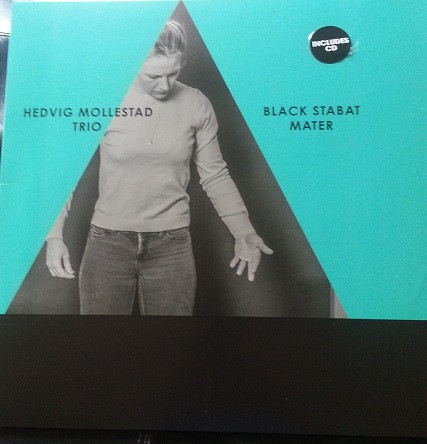
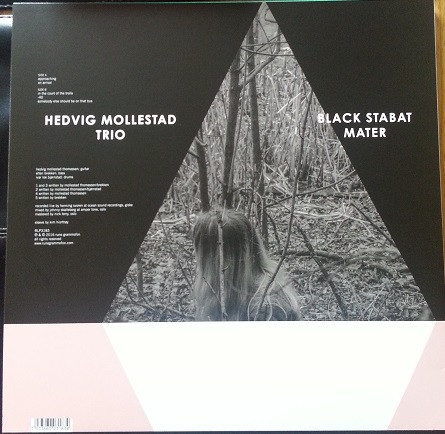
GARY BURTON-SOMETHING’S COMING!, THE GROOVY SOUND OF MUSIC AND THE TIME MACHINE.
GARY BURTON-SOMETHING’S COMING!, THE GROOVY SOUND OF MUSIC AND THE TIME MACHINE.
Growing up in Anderson, Indiana, Gary Burton was regarded as a child prodigy. He became interested in music when he was just six. That was when Gary Burton first began to play the vibraphone and marimba. Mostly, Gary was self taught, and eventually pioneered the four-mallet technique.
This was very different to the technique and sound produced by other vibes’ players. Gary’s put his four-mallet technique to good use when he discovered jazz in his early teens. This was the start of a lifelong love affair.
By the time he was sixteen, Gary began to play the piano. This would eventually lead to him choosing between vibes and piano. That was in the future. Before that, seventeen year old Gary left high school in Princeton, Indiana. Next stop for Gary was Berklee College of Music.
Between 1960 and 1961, Gary Burton attended this prestigious institution. When Gary left Berklee College of Music in 1961, his recording career was about to begin.
New Vibe Man in Town.
Having signed to RCA, New Vibe Man in Town was released to critical acclaim in 1961. Critics heralded the arrival of this prodigious talent. He had settled into the role of bandleader, and wasn’t overawed by the more experienced members of his trio. A great future was forecast for Gary Burton.
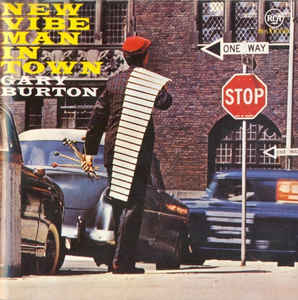
Who Is Gary Burton?
A year later, and Gary Burton returned with his sophomore album Who Is Gary Burton? This time, the young bandleader was leading septet of experienced musicians. Only drummer Joe Morello returned from Gary’s debut album. The seven tracks had been recorded on September 14th and 15th 1962. Who Is Gary Burton? was released later in 1962.
With Gary at the helm, his septet produced an effortless set. Critics remarked upon the standard and quality of his playing. Gary was akin to a master craftsman as he pioneered the four-mallet technique on a set that eschewed the predictable. Gary, critics remarked, was a rising star of the jazz scene. So it was no surprise when he began to catch the attention of some of the biggest names in jazz.
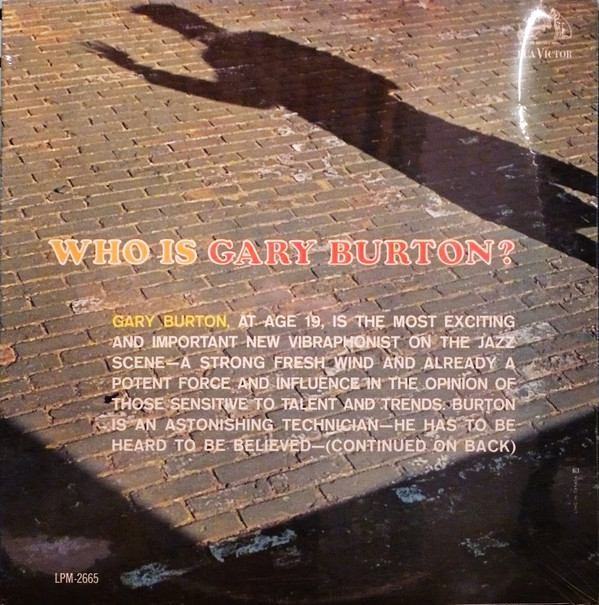
This included George Shearing, who Gary was invited to tour with during 1963. Gary played on George Shearing’s American and Japanese tours. However, still, Gary found time to release his third album, Something’s Coming. It’s recently been released alongside The Groovy Sound Of Music and The Time Machine as a remastered two CD set by BGO Records. These three albums are the perfect introduction to Gary Burton as his sound evolves.
Something’s Coming!
Touring America and Japan with George Shearing had proved a valuable musical lesson. Working with such experienced musicians night after night allowed Gary to gain vital experience. Gary watched how George Shearing lead a top class band. Although Gary was the youngest member of George Shearing’s band he was there on merit. While he was only twenty, he had already, had released two albums. Soon, two became three when George began work on Something’s Coming!
For Something’s Coming!, Gary chose seven tracks. This included some familiar standards, including Rogers and Hart’s Little Blue Girl; Leonard Bernstein and Stephen Sondheim’s Something’s Coming; George Gershwin and DuBose Heyward’s Summertime and Bronisłau Kaper and Ned Washington’s On Green Dolphin Street. Gary also covered Michael Gibbs’ Melanie and Six Improvisational Sketches. The other track that was chosen was Careful, a song penned by Gary’s guitarist Jim Hall. These seven tracks were recorded by a quartet.
Recording of Something’s Coming! took place at RCA Victor’s Studio B in New York City on August 14th-16th 1963. Producing Something’s Coming was George Avakian. Gary played vibes, while the rhythm section featured drummer Larry Bunker, bassist Chuck Israels and guitarist Jim Hall. After recording of Something’s Coming was complete, Jim Hall would play an important part in Gary’s future career.
Sometimes, though, Gary was wracked with self doubt. During these periods, Gary wondered whether the vibes was the right instrument for him? He wondered: was it too obscure an instrument? Maybe people wouldn’t like the sound of the vibes? What if it wasn’t popular, and there was no call for a vibes player? All these thoughts crossed Gary’s mind. So much so, that he began to consider switching instrument.
Gary wondered should he switch to the marimba, or even the piano? Although he had only been playing the piano since he was sixteen, he was already a talented player. The marimba he had playing since he was six. Seamlessly, Gary could believed he was good enough to switch from vibes to marimba or piano. With Gary wracked with self doubt,it was guitarist Jim Hall who put his mind at ease.
Jim Hall who had befriended Gary upon his arrival in New York. He realised that his friend was having a crisis of confidence. His advice was to stop fretting about the instrument and focus on the music. That was what was important. With that in mind, Gary was able to concentrate on the release of Something’s Coming.
The release of Something’s Coming was scheduled for 1963. Before that, critics had their say on the album. Critics were impressed by how Gary Burton had developed. It seemed that with each album, he grew into the role of bandleader. So it was no surprise when critical acclaim accompanied the release of Something’s Coming. It would showcase Gary’s new band. This time around, his band had been scaled back to a quartet. They would prove the perfect foil to Gary.
Having decided to record the album as a quartet, it was just the rhythm section and guitarist Jim Hall that accompanied Gary. They earn their corn from the opening track, On Green Dolphin Street. Here, Gary’s twinkling, glistening vibes dance above the driving, swinging arrangement. This gives way to the beautiful understated balladry of Melanie. Then the Jim Hall penned Careful allows Gary’s vibes and Jim’s guitar to unite and play as one. As they play leading roles, the rhythm section add a slow, swinging and spacious backdrop. It combines elements of the cool school and cocktail jazz. However, it’s Jim’s guitar that steals the show. From there, Six Improvisatory Sketches showcases a much more abstract sound, before it’s all change.
Gradually, Something’s Coming! from West Side Story begins to reveal its secrets. Soon, the quartet kick loose, as Jim Hall and Gary play starring roles, as the arrangement swings. After this, the quartet play with a fluidity and inventiveness as they cover of Little Girl Blue. It features some of the finest solos on the album. Summertime which closes Something’s Coming is reinvented as a mid-tempo track, where the quartet breeze through this oft-covered track, and in the process, breath new life to a classic.
After the success of his third album Something’s Coming, and with his self doubt banished, a new chapter was about to unfold in the Gary Burton story. He was asked to join Stan Getz’s band, and between 1964 and 1966, toured with his band. However, Gary didn’t sacrifice his solo career, and released his fourth solo album The Groovy Sound Of Music in 1965.
The Groovy Sound Of Music.
Having spent much of 1964 touring with Stan Getz, Gary Burton returned to the studio in December 21st and 22nd 1964. Over two days, Gary and his band recorded eight songs from the Broadway play The Sound Of Music. They were given a moderne makeover by Gary’s septet.
For the recording of The Groovy Sound Of Music RCA Victor’s Studio A in New York was booked for December 21st and 22nd 1964. Gary’s band featured a rhythm section of drummers Joe Hunt and Ed Shaughnessy; bassist Steve Swallow and guitarist Joe Puma. They were joined by Bob Brookmeyer on valve trombone and Phil Woods on alto saxophone and clarinet. As usual, Gary played vibes and arranged three of the eight tracks. With the studio only booked for two days, and Christmas fast approaching, The Groovy Sound Of Music was recorded quickly. The release was scheduled for 1965.
Onlookers thought that The Groovy Sound Of Music was Gary’s homage to Rogers and Hammerstein. He had covered their songs before. However, Gary had never released an album of Rogers and Hammerstein’s music. That was until 1965. However, there was another reason for the release of The Groovy Sound Of Music.
In March 1965, the film version of The Sound Of Music was due to be released. RCA had been entrusted to record and release the soundtrack to The Sound Of Music. As part of the agreement struck with Richard Rogers, RCA would encourage other artists to record other versions of The Sound Of Music. This would make the venture even more profitable for Rogers and Hammerstein. One of the artists approached to record a version of The Sound Of Music was Gary Burton. He knew that other jazz musicians had enjoyed commercial success by covering Broadway musicals, so decided to record what became The Groovy Sound Of Music.
Prior to the release of The Groovy Sound Of Music, critics received an advance copy of the album. They were impressed as the tight, talented septet reinterpreted the eight songs from The Sound Of Music. Never had they sounded like this. Suddenly, Rogers and Hammerstein’s The Sound Of Music was hip among the jazz fraternity.
From the jazzy, gently swinging reinvention of Climb Every Mountain, The Groovy Sound Of Music reinvents eight familiar songs from the Rogers and Hammerstein songbook. They take on new meaning. Especially the mid-tempo version of Maria, where Gary’s glistening vibes combine with the horns. Then An Ordinary Couple is reinvented, when a bossa nova beat underpins an arrangement that where flutes and cellos play starring roles. After this, there’s two excursions into modal jazz.
After this, Gary decided to include a version My Favourite Things. That’s despite John Coltrane recording the definitive version. However, while the tempo is similar, Gary doesn’t try and compete. Instead, he takes the track in a different direction. His modal version veers between thoughtful to joyous, as it later breezes along showing a new side to this oft-covered track. Sixteen Going On Seventeen is also given a modal makeover. It oscillates and breezes along, and is a truly irresistible reinvention that takes the track in a new direction. The same can be said of Do-Re-Mi scampers along playfully. Then it is time for a masterclass from Gary.
This takes place on Edelweiss, which is the perfect showcase for Gary’s four-mallet technique. Closing The Groovy Sound Of Music is The Sound Of Music. Here a bossa nova beat underpins the lush strings and woodwind that accompany Gary’s twinkling vibes. It’s a case of saving one of the best until last.
When The Sound Of Music was released in March 1965, it became one of the most popular films of the sixties. The soundtrack reached number one in America and Britain. In Britain The Sound Of Music was the second biggest-selling of the sixties. Alas, Gary Burton’s The Groovy Sound Sound Of Music never came close to replicating the success of the soundtrack. However, The Groovy Sound Sound Of Music introduced Gary’s music to a wider audience. This bode well for the future.
The Time Machine.
After releasing The Groovy Sound Sound Of Music in 1965, Gary spent much of 1965 touring with Stan Getz. It wasn’t until April the 5th and 6th that Gary found time to return to RCA Victor’s Studio B in New York. That was where ten tracks that became The Time Machine were recorded.
For The Time Machine, Gary Burton had written four tracks; The Sunset Bell, Six-Nix, Quix, Flix, Interim I and Interim II. There were also two tracks penned by Michael Gibbs, Childhood and Deluge; while bassist Gary Swallow contributed Falling Grace. Other tracks included Lennon and McCartney’s Norwegian Wood; Antonio Carlos Jobim and Vinicius De Moraes’s Chega De Suadade (No More Blues) and Rogers and Hart’s My Funny Valentine. These tracks were recorded by Gary’s slimmed down band.
Just a rhythm section of drummer Larry Bunker and bassist Gary Swallow accompanied Gary during the recording of The Time Machine. These sessions were produced by Brad McCuen. Once the rhythm tracks and Gary’s vibes were laid down, Gary overdubbed piano and marimbas. Only then was The Time Machine complete.
Before The Time Machine was released in 1966, critics had their say on Gary Burton’s sixth album. They noted the addition of the marimba and piano, which added a new dimension. Still there was considerable interplay between Gary and his rhythm section. However, it was as if Gary was keen to move his music in a new direction, and The Time Machine was the start of this.
The four new tracks penned by Gary hinted at this. Six-Nix, Quix, Flix, Interim I and Interim II were just short tracks, but gave a tantalising taste of what was to come from Gary Burton. Especially Interim parts I and II. The Sunset Bell however, was one of the highlights of The Time Machine. It’s not alone.
So is the cover of Chega De Suadade (No More Blues). The meandering, wistful take of breathes new life into Norwegian Wood. Meanwhile Michael Gibbs’ Childhood and Deluge are the perfect platform for Gary Burton. Both tracks allow Gary to express himself.The same can be said of Falling Grace which Gary’s bassist Gary Swallow contributed. It allows Gary and the his band to stretch their legs. My Funny Valentine which closes The Time Machine, takes on an almost ruminative sound. Again, it’s a case of a familiar song taking on new meaning.
Already, Gary Burton had plenty of experience reinventing familiar tracks. The Time Machine was his sixth album, and Gary was still only twenty-three. He had released six albums since his eighteenth birthday. Each of these albums saw Gary’s sound evolving and changing. By the time Gary released The Time Machine, he was experimenting with overdubbing. This allowed him to layer instruments, and resulted in a much more dense sound. Still, though, his vibes glistened and sparkled. Sometimes, though they had company, with the marimba and piano being overdubbed. This added a new dimension to Gary’s music.
Throughout his career, Gary Burton’s music would continue to evolve. He would later pioneer fusion, and would help popularise the duet in jazz. Gary Burton it seemed, was not willing to accept the status quo. He was a realist, and knew that unless jazz evolved, it risked becoming irrelevant. Especially since pop and rock were overtaking jazz in the popularity stakes. If jazz musicians weren’t careful, then jazz risked following in the footsteps of the blues. By 1966, it was fast becoming irrelevant, despite the best efforts of the British Invasion groups to give the blues a boost. There was no way Gary wasn’t going to stand back and watch the same thing happen to jazz.
That didn’t happened, and Gary Burton went on enjoy a long and successful career. His recording career continued until recently. This means that Gary’s career has spanned five decades and over fifty years. That’s pretty good for a musician who was full of self doubt after recording Something’s Coming! It’s recently been released alongside The Groovy Sound Of Music and The Time Machine as a remastered two CD set by BGO Records. The sound quality is stunning on this three album set. They’re the perfect introduction to jazz prodigy and pioneer Gary Burton as his sound evolves during the early years of his long and illustrious career.
GARY BURTON-SOMETHING’S COMING!, THE GROOVY SOUND OF MUSIC AND THE TIME MACHINE.
KLAUS SCHULZE-CYBORG.
KLAUS SCHULZE-CYBORG.
By the time Klaus Schulze released his debut solo album Irrlicht in 1972, he had already been in what would prove to be two of the most important, innovative and influential Krautrock bands, Tangerine Dream and Ash Ra Tempel. Both groups would write their names into the history books. However, being in a band didn’t seem suit Klaus Schulze. He found that the endless discussions got in the way of the important thing, making music. He wanted to make music, not talk about it.
Klaus’ approach was to let the music flow through him. Other musicians seemed to want to discuss every aspect of the music. Meanwhile, Klaus wanted to improvise. It was frustrating, and stifling Klaus’ creativity. As a solo artist, he wouldn’t have to put up with the endless pointless discussions. So Klaus left Ash Ra Tempel, and decided to pursue a solo career.
When Klaus embarked upon his solo career, he was something of a free spirit. He was determined to make music that was unique. Klaus couldn’t point at an artist, and say: “that’s the type of music I want to make.” While Klaus was aware of minimalist composers Terry Riley and Steve Reich, this wasn’t the type of music he was considering making. They did share some things in common, the concepts of repetition, phrasing and sequencing. Apart from that, Klaus was heading in a different direction.
This meant Klaus was never going to be accused of following in someone’s footsteps. Musically, he had a blank canvas to work with. His palette of sounds were unlike other musicians. When he began recording Irrlicht in April 1972, Klaus musical owned an amplifier that wasn’t working; a guitar; percussion; zither; an organ; a cheap microphone and a cassette recorder. The cassette recorder and microphone he used to tape the famous Freie Universitat Berlin orchestra.
Irrlich.
Before the recording of Irrlicht, Klaus had gone along to watch the Colloquium Musica Orchestra rehearse. As he stood and watched, he told the conductor “I like what you are doing, but could you do something different for me for half an hour?” With that, the bemused conductor asked “what would you like to have?” Klaus responded, with: “I don’t care, just play anything. I just want the sound. I’m going to play the tape backwards.” When Klaus returned half an hour later, his tape was ready and an integral part of Irrlicht was complete. This recording Klaus would alter with filters. Now, it was a case of bringing everything together. However, before Klaus did this, he would modify some of his equipment.
Klaus set about modifying the broken amplifier. He modified it, so that when he turned the volume up it caused feedback, tremolo and chirping sounds. The organ was modified by Klaus so that it no longer sounded like an organ. Along with his microphone and cassette recorder, Klaus set about recording his debut album, Irrlicht.
Recording of Irelicht took place in Berlin, during April 1972.With his bruised, battered and modified equipment, Klaus got to work, and the recording studio became a place where he could experiment. Using his modified organ and amplifier, plus percussion, zither and guitar, Klaus got to work. The backdrop for what was one of the most ambitious and experimental albums of 1972, was the tape played backwards. One thing was missing..synths
Incredibly, Klaus didn’t even a synth. While other artists owned banks of expensive synths, Klaus created an album that sounds as if it’s made entirely by an array of synths. Instead, Irrlicht, with its cosmic sound and ambient drones was a synth free zone. Instead, Irrlicht was more like an album of Musique Concrète. Klaus manipulated tapes, adding filters, delay, echo and an array of effects. The result was a trio of cinematic tracks that sounded like the soundtrack to an early seventies sci-fi film. It was released in August 1973 as Irrlicht.
While Irrlicht was well received by some critics, many critics failed to realise how important an influence Klaus Schulze have on music. He was a musical pioneer who would become a leading light of the Krautrock and Berlin School movements. However, very few German record buyers were aware of either movement. That was the case throughout Europe. Apart from a few discerning critics and record buyers, neither albums of Krautrock nor Berlin School found an audience. That would come much later. By then, Klaus Schulze would’ve released several albums, including his sophomore album Cyborg, which was recently remastered and reissued by MIG as a double album.
Cyborg.
When Klaus began work on Cyborg, he was still hampered by the equipment he owned. While other musicians owned banks of expensive synths, Klaus’ only synth was a twitter synth, the VCS 3. This was progress, as Klaus didn’t use synths on Irrlicht. To the VCS 3, Klaus added the organ that featured on Irrlicht, percussion and his Revox tape machine. Again, this played an important part in Cyborg’s sound.
Just like Irrlicht. Klaus would use tapes of an orchestra. Klaus had befriended music students at Colluquim Musica Orchestra. They had recorded some rehearsals at the recording studio in Berlin University. These tapes were important for several reasons.
The first was that Klaus wasn’t making much money out of music. That’s despite recording albums with Tangerine Dream, Ash Ra Tempel and releasing his debut album Irrlicht. These albums hadn’t been particularly successful. So the only time Klaus made money through music, was when he played live. Other times, Klaus had to resort to odd jobs to make ends meet. He delivered telegrams to augment his income. Given his financial situation, Klaus like many Krautrock and Berlin School bands and musicians, couldn’t afford expensive equipment. With the cupboard bare, Klaus again used the tapes to augment his array of instruments.
The tapes Klaus had been given by the music students at Colluquim Musica Orchestra, he decided to splice with a razor blade, and add to the four lengthy tracks that became Cyborg. This wasn’t easy and took time, patience and practice. However, by the time he came to record Cybord, Klaus was skilled at cutting up the tapes and rejoining them. Later, Klaus described this as “adding spice.” However, adding spice took time.
Recording of Cyborg began in February 1973, and the sessions continued until July 1973. During that five month period, Klaus played organ, the VCS 3 synth, percussion and added vocals. He also took charge of editing the tapes provided by the Colluquim Musica Orchestra. They’re billed as the Cosmic Orchestra on Cyborg, which by what became Cyborg was completed.
During the recording sessions, Klaus had recorded four lengthy tracks. They ranged from twenty-three to twenty-six minutes. Given the limitations of vinyl, there was no way that the music would fit onto one album. So a decision was made that Cyborg would be a double album. This would prove expensive for everyone involved.
It wasn’t just that a double album was more expensive to manufacture. Artists receive a reduced royalty rate for a double album. So often, artists avoided releasing a double album. Not Klaus Schulze. He must have realised that he had recorded a truly ambitious and groundbreaking, Cyborg. It found Klaus experimenting, pushing musical boundaries and fusing disparate musical genres. This time Klaus, was taking further what he began on Irrlicht. However, how would critics react?
When critics heard Cyborg, many critics realised the importance of the album. They heaped praise and critical acclaim on Cyborg. One critic from the music magazine Flash, enthusiastically described Cyborg as “cosmic music.” This didn’t please Klaus.
This he felt cheapened and debased the music on Cyborg. Cosmic music sounded as if it was the soundtrack to the cheap sci-fi novels of Klaus’ youth. One man who liked the term cosmic music, was Rolf-Ulrich Kaiser, the founder and in house producer of the Ohr label. It was the label that was about to release Cyborg. Soon, Rolf-Ulrich Kaiser had coined the phrase Cosmic Couriers. This was partly a nod to Klaus’ job delivering telegrams. The term Cosmic Couriers didn’t please Klaus, but was used to market this groundbreaking album, Cyborg. It was scheduled for release in autumn 1973.
When Cyborg was released in October 1973, the album wasn’t a commercial success. Instead, the album sold in relatively small quantities. It would be much later before Cyborg found a wider audience. That was a great shame, as Cyborg was a genre classic.
Synphära opens Cyborg. The arrangement drones almost dramatically. That’s until a melancholy synth plays. Still, the drone pulsates, sending out washes of dark, gothic and ruminative music. Meanwhile the synth adds a contrast, while the gothic sound of an organ plays. It sounds as if belongs in one of Berlin’s churches. Later, there’s a maudlin sound to the organ, as what sounds like a lament. Still the sound of the church remains. Even as sci-fi sounds fights for the listener’s attention. They disappear, only to return as traditional and futuristic sounds combine. By then, the organ drones, as space invader synth are fired across the bows of the arrangement. These sounds assail the listener, as they encircle the arrangement. It’s dominated by the dark, gothic organ and futuristic synths . Later, the dark, gothic sound lessens, the arrangement veers between futuristic, wistful, cinematic and dramatic. By then, it’s as if Klaus is providing the soundtrack to sci-fi film. This captivating, complex and cinematic conjures up a journey to distant galaxies. Quite simply, Synphära is a timeless epic
The sound of traffic opens Conphära, before a drone makes its presence felt. One wonders if this maybe inspired Kraftwerk to make Autobahn? Meanwhile sounds flit in and of the arrangement. It has a mesmeric, motorik sound as it pulsates. Just like on the previous track Klaus has layered instruments and sounds. Klaus uses them like an artist uses a palette, and creates this ambient soundscape. To do this, Klaus combines elements of ambient, avant-garde, Berlin School, experimental and musique concrète are combined with Krautrock. The result is a soundscape that replicates the sound of a city. What sounds like traffic and sirens can be heard . Later, as the drone dominates the arrangement, it sounds as if Klaus is taking the listener on a journey. That’s until the Cosmic Orchestra add a melancholy hue. They play an important role in what’s a pulsating, cinematic epic. Strings are to the fore, while synths and the organ combine. Slowly and gradually, the arrangement begins to reveal its deepest secrets. By then, ambient and cinematic become melodic, futuristic and otherworldly. Much later, the ghostly arrangement pulsates and drones, as motorik and elegiac sounds unite. Together they play their part in what becomes an ethereal, beautiful, dramatic and futuristic. This multi-layered epic invites the listener to let their imagination run riot. If they do, they’ll be richly rewarded, as they wallow in Klaus pioneering the Krautrock and Berlin School sounds.
Again, Klaus uses the sound of traffic to open Chromengel. That’s because the listener is about to embark upon a journey, a musical one. There’s a mournful sound as the journey begins. A cello plays, it’s dark, ruminative sound dominating the arrangement. Soon, strings and sci-fi synths are added. The result is captivating and beautiful. Before long, sounds assail the listener. This includes the sound of a helicopter. Mostly, the strings and sci-fi synths take centre-stage, creating a beautiful, but mournful sound. Sometimes, it’s futuristic and otherworldly, while other times it’s elegiac and ethereal. Resistance is impossible as this sci-fi symphony unfolds. Later, the strings disappear, and the arrangement features just the sci-fi sounds. Klais unleashes washes of eerie, otherworldly sounds that encircle and assaie the listener. This is Klaus Schulze at his most innovative, as this sci-fi symphony takes an unexpected twist, before it reaches a crescendo.
Neuronengesang closes Cyborg. There’s an element of darkness and drama as the arrangement decides to share its secrets. A drone dominates the arrangement, while sci-fi, space invader synths beep and squeak. Meanwhile, distant strings add a wistful hue. By then, the dark drone sounds like a ship sending out a warning in a storm. Already sounds assail the listener, and the cinematic sound taunts the listener, daring them to let their imagination run riot. As they conjure up scenarios, drones dominate the arrangement. They’re joined by futuristic, Star Wars synths. Later, it’s all change as the arrangement takes on an ethereal sound. Still, the synths beep and squeak. They’re then joined by the melancholy sound of the organ and elegiac sounds. Just like previous tracks, instruments and sounds flit in and out, adding to a track that’s variously symphonic, experimental and futuristic. There’s also darkness and drama. Beauty, melancholy and otherworldly sounds also visit, as the arrangement meanders, drones and pulsates. Always though, continues to captivate and compel as one would expect of an innovator like Klaus Schulze. He had just released a genre classic. Cyborg which was recently remastered and reissued by MIG.
Sadly, although many critics recognised that Cyborg was an important, innovative and influential album, it passed most record buyers by. Especially in Klaus’ native Germany, where he was one of a new wave of musicians who were writing a new chapter in the country’s musical history. It was only later that most German’s discovered the music of the Berlin School and Krautrock.
Cyborg, 1973 Klaus Schulze’s sophomore album was later regarded as a Berlin School classic. However, Cyborg also references Krautrock, plus ambient, avant-garde, drone, experimental and musique concrète. This genre-melting album features Klaus Schulze at his innovative best. He pushes musical boundaries to their limits, and sometimes way beyond. To do this, Klaus used his various modified musical instruments and his excerpts from his tapes from Colluquim Musica Orchestra. These tapes added “spice” to this captivating genre classic.
Cyborg featured four cinematic epics. They variously understated, broody, moody, dark, dramatic and gothic. Other times, the music is futuristic and full of otherworldly and sci-fi sounds. Sometimes, though, the music is beautiful, elegiac and ethereal. Occasionally, the music is eerie, mesmeric and ruminative. Always, Cyborg has a cinematic sound. The same could be said of Klaus Schulze’s debut solo album Irrlicht. Both features cinematic, multilayered soundscapes. They are full of nuances, subtleties and surprises aplenty. The result is Cyborg, an epic cinematic space symphony, which features musical maverick Klaus Schulze at his innovative best on a timeless genre classic.
KLAUS SCHULZE-CYBORG.

THE BLUE NILE-THEY COULD AND SHOULD’VE BEEN GIANTS.
THE BLUE NILE-THEY COULD AND SHOULD’VE BEEN GIANTS.
Enigmatic, reluctant and contrarian are words that best of describe The Blue Nile. They’re the complete opposite of most bands. The Blue Nile have been described as publicity shy. That’ is an understatement. Ever since Paul Buchanan, Robert Bell and Paul Joseph Moore formed the Blue Nile, they’ve been one of the most low-profile bands in musical history. It seems that when they were formed thirty-five years ago, The Blue Nile ticked the “no publicity” box. This has proved a double-edged sword, and resulted in The Blue Nile becoming one of the most enigmatic groups ever. Their story began thirty-five years ago.
The Blue Nile were formed in 1981, when two friends Paul Buchanan and Robert Bell, met Paul Joseph Moore, all of whom met at Glasgow University. Before forming the Blue Nile, Buchanan and Bell were previously members of a band called Night By Night. Try as they may, a recording contract eluded them. Night By Night’s music wasn’t deemed commercial enough. So Paul, Robert and P.J. decided to form a new band, The Blue Nile.
Once The Blue Nile were formed, they set up their own record label Peppermint Records. It was on Peppermint Records that The Blue Nile released their debut single, I Love This Life. This single was then picked up and rereleased on the RSO label. Unfortunately for the Blue Nile, RSO became part of the Polygram label and I Love This Life disappeared without trace. Despite this setback, Blue Nile persisted.
Still, The Blue Nile kept writing and recording material after the merger of RSO with Polygram. Some of that material would later be found on A Walk Across the Rooftops. That was in the future.
Recording of The Blue Nile’s demos took place at Castlesound studio near Edinburgh. That’s home to the man whose often referred to as the fourth member of The Blue Nile, recording engineer Calum Malcolm. He was listening to recently recorded demos through the studio’s Linn Electronics system. It had recently had a new set of speakers fitted. So the company founder, Ivor Tiefenbrun, decided to visit Calum Malcolm to hear his thoughts on the speakers. That’s when Ivor Tiefenbrun first heard The Blue Nile.
Calum Malcolm played Ivor Tiefenbrun a demo of Tinseltown In The Rain. Straight away, the founder of Linn was hooked. He decided to offer The Blue Nile a record contract to the label he was in the process of founding. Most bands would’ve jumped at the opportunity. Not The Blue Nile.
It took The Blue Nile nine months before they replied to Ivor Tiefenbrun’s offer. When they did, the answer was yes. The Blue Nile’s debut album A Walk Across The Rooftops would be released on Ivor Tiefenbrun’s new label Linn Reords.
A Walk Across the Rooftops.
Linn Records and The Blue Nile seemed a marriage made in musical heaven. Linn Records weren’t like a major label, pressurising The Blue Nile into making a decision and delivering an album within a certain timeframe. Instead, Linn Records allowed The Blue Nile to do what they did best, make music. From the outside, this looked as if it was working, and working well.
Years later, Paul Buchanan commented that during Linn Records didn’t operate like a record label. Mind you, he conceded that, during this period, The Blue Nile didn’t operate as a band. However, eventually, in May 1984 The Blue Nile’s debut album was released on Linn Records.
On the release of A Walk Across the Rooftops, it was released to critical acclaim. Critics described the album as a minor classic. A Walk Across the Rooftops was described as atmospheric, ethereal, evocative, soulful and soul-baring. It also featured the vocals of troubled troubadour Paul Buchanan. Despite the critical acclaim A Walk Across the Rooftops enjoyed, it wasn’t a huge commercial success, reaching just number eighty in the UK. However, since the A Walk Across the Rooftops has been recognised as a classic album. So has the followup Hats.

Hats.
Unlike most bands, The Blue Nile weren’t in any rush to release their sophomore album Hats. There was a five year gap between A Walk Across the Rooftops and Hats. It was worth the wait. The Blue Nile had done it again. Hats was a classic.
Featuring seven tracks, written by Paul Buchanan, Glasgow’s answer to Frank Sinatra He’s a tortured troubadour, whose voice sounds as if he’s lived a thousand lives. Producing Hats was a group effort, with Paul, Robert and P.J. taking charge of production duties. Guiding them, was Callum Malcolm. On the release of Hats, British and American audiences proved more discerning and appreciative of the Blue Nile’s sophomore album Hats.
On the release of Hats in the UK in 1989, it was critically acclaimed and commercial success, reaching number twelve in the UK. Then when it was released in America in 1990, audiences seemed to “get” Hats. Not only did it reach number 108 in the US Billboard 200 Charts, but The Downtown Lights reached number ten in the US Modern Rock Tracks charts. It seemed that The Blue Nile were more popular in America, than in Britain. Gradually, The Blue Nile’s music was beginning to find a wider and more appreciative album. Especially when The Blue Nile decided to embark upon their debut tour later in 1989.

Although The Blue Nile were formed in 1981, and Hats was The Blue Nile’s sophomore album, the band had never toured. Partly, The Blue Nile seemed worried about replicating the sound of their first two albums. They needn’t have worried, with The Blue Nile seamlessly replicating the sonic perfection of A Walk Across The Rooftops and Hats on the sold out tour. The Blue Nile’s star was in the ascendancy.
Their first ever tour had been a huge success. The Blue Nile had conquered Britain. However, The Blue Nile had also made a breakthrough in America. Hats had sold well, and their American tour had been successful. Most bands would’ve been keen to build on this and released another album before long. Not The Blue Nile.
Seven long years passed, where Blue Nile fans wondered what had become of Glasgow’s most enigmatic trio. However, they’d been busy. After Hats found its way onto American radio stations, The Blue Nile, who previously, had been one of music’s best kept secrets, were heard by a number of prestigious musicians. Among them were Robbie Robertson and Annie Lennox, Michael McDonald. After a decade struggling to get their music heard, The Blue Nile were big news. During this period, America would become like a second home to The Blue Nile, especially Paul.
Paul took to life in America, and in 1991, decided to make it his home. This just so happened to coincide with Paul’s relationship with actress Rosanna Arquette between 1991 and 1993. Hollywood starlets and Sunset Boulevard was a long way from Glasgow’s West End. In the midst of Paul’s relationship, disaster struck for The Blue Nile, they were dropped by their label.
Linn Records and Virgin decided to drop The Blue Nile. For some groups this would’ve been a disaster. Not for The Blue Nile.
They signed a million Dollar deal with Warner Bros. While this sounded like the ideal solution for The Blue Nile, Paul made the deal without telling P.J and Robert. He later explained that “none of the others were in town at the time.” With a new contract signed, The Blue Nile began thinking about their third album, Peace At Last.
Peace At Last.
So the band started looking for the perfect location to record their third album. They travelled across Europe looking for the right location. This location had to be private and suit their portable recording studio. Cities were suggested, considered and rejected. Among them, were Amsterdam, Copenhagen and Venice. Being The Blue Nile, things were never simple. Eventually, after much contemplation The Blue Nile ended up recording what became Peace At Last in three locations, Paris, Dublin and Los Angeles. For the first time, The Blue Nile recorded an album outside of their native Scotland.
For their first album for a major label, things began to change for The Blue Nile. They brought onboard drummer Nigel Thomas, a string section and a gospel choir. Peace At Last was going to be a quite different album to A Walk Across The Rooftops and Hats. However, one things stayed the same, The Blue Nile continued to work with Calum Malcolm. With his help, Peace At Last was ready for release in June 1996. Before that, critics had their say.
Critics remarked upon the change of sound on Peace At Last. It had a much more understated, restrained sound. Acoustic guitars and piano play important parts. Still, The Blue Nile’s beloved synths remain. Occasionally, The Blue Nile add strings. There’s even a gospel choir on Happiness. Gone was the sound of A Walk Across the Rooftops and Hats. Peace At Last showed a different side to The Blue Nile and their music, one that divided the opinion of critics and fans. Paul, Robert and P.J. were back, but it was a different sound. One constant was Paul’s worldweary vocal. Glasgow’s very own Frank Sinatra, Paul Buchanan plays the role of the troubled troubadour, to a tee on songs about love, love lost, betrayal, heartbreak, growing up and growling old. Paul was still the tortured soul, who wore his heart on his sleeve on Peace At Last.
On the release of Peace At Last, in June 1996, it reached just number thirteen and sold poorly. For The Blue Nile this was disappointing, given it was their major label debut. Worse was to come when the lead single Happiness failed to chart. The Blue Nile’s major label debut hadn’t gone to plan. Alas, Peace At Last was the only album The Blue Nile released on a major label.

High.
Following Peace At Last, it was eight years before The Blue Nile released another album. High was released in 2004. During the last eight years, the three members of The Blue Nile had been leading separate lives. While P.J. and Robert were content with their lives in the West End of Glasgow, while Paul had been spending his time between Glasgow and Hollywood. Now they were back and ready to record their fourth album, High.
Once High was recorded, all that was left was for The Blue Nile to find a label to release the album. The Blue Nile had been dropped by Warner Bros. So with the completed album, The Blue Nile shopped High to various labels. Eventually, they settled on Sanctuary, which would release High in August 2004. However, before that, critics welcomed back The Blue Nille.
Eight years after the release of Peace At Last, critics remarked that High was a much more grownup album. Songs of family life and heartbreak sat side-by-side. Paul who had been suffering with illness and fatigue, seemed to have found a new lease of life. His lyrics are emotional, observational, cinematic and rich in imagery. They’re also poignant, and full hope, hurt and anguish. Meanwhile, Paul’s vocals were worldweary and knowing, while the music is emotive, ethereal and evocative. Critics love High. So did music lovers.
When High in August 2004, the album reached number ten in the UK. High proved to be The Blue Nile most successful album. This proved to be fitting.
High was The Blue Nile’s swan-song. Nobody realised this when the album was released. It was only as years passed without a followup to High, that the reality sunk. There would be no more music from The Blue Nile. One of the greatest bands of their generation were now part of musical history.
Following High, critics thought that The Blue Nile would return, possibly after another lengthy break. Sadly, that wasn’t to be. The Blue Nile were no more. At least they did things their way. Right up until the release of High, The Blue Nile were enigmatic, almost reclusive and publicity shy. Mind you, The Blue Nile weren’t exactly your normal band.
The rock ’n’ roll lifestyle favoured by other bands wasn’t for The Blue Nile. Their music was much more cerebral, and had a substance that much of the music recorded between 1984 and 2004 lacked. During that twenty year period, The Blue Nile only recorded four albums. These albums are unique. Musical fashions and fads didn’t affect The Blue Nile. Their attitude was almost contrarian. Albums were recorded slowly and methodically as the Blue Nile strived for musical perfection.
Many have tried to achieve perfection. However, very few have come as close as The Blue Nile. Their debut album A Walk Across The Rooftops and the followup Hats, are nowadays both regarded as classic albums. Peace At Last and High show another side to The Blue Nile. There’s a much more grownup sound, to the albums. However, just like A Walk Across The Rooftops and Hats, both albums showcase one of the most talented bands in Scottish musical history, The Blue Nile.
While The Blue Nile never enjoyed the commercial success their music deserved, they stayed true to themselves. They never jumped onto a musical bandwagon in pursuit of fame, fortune or starlets. Quite the opposite. For The Blue Nile it was their way or no way. If an album took years to record, so be it. It was always worth the wait. After all, not many bands pursue perfection, and achieve that perfection four times. The Blue Nile did, and ended their career on a High.
THE BLUE NILE-THEY COULD AND SHOULD’VE BEEN GIANTS.
DAMON- SONG OF A GYPSY.
DAMON- SONG OF A GYPSY.
For any collector of psychedelia whose fortunate enough to find a copy of Damon’s Song Of A Gypsy, it quickly becomes one of their most prized possessions. Sadly, finding an original copy of Song Of A Gypsy is another thing. It’s one of the rarest psychedelic albums, and copies have changed hands for thousands of dollars. That’s no surprise. Song Of A Gypsy is no ordinary album.
Far from it. Privately pressed in 1969, Song Of A Gypsy was released on Ankh Records. It’s an album that pushed musical boundaries to their breaking point. A lysergic, genre-melting album, Song Of A Gypsy wasn’t a commercial success on its release. As a result, Damon didn’t release another album. Over the next twenty-five years, Song Of A Gypsy became a hugely influential album. It enjoyed a cult following. Meanwhile, the man behind Song Of A Gypsy was blissfully unaware of what was going on.
By the late-nineties, David Del Conte was a middle-aged former musician, who’d settled into a routine of running his family business. That was a bowling alley he’d inherited from his father. He’d been sober for twenty years, when he’d found God. Since then, he’d began rebuilding his relationship with his daughters, who he’d previously been estranged from. David had turned his life around. When he wasn’t working, he lived in a house that near Capistrano Beach. With its view of the Pacific Ocean, life was good for David. It wasn’t until he received an anonymous caller that his previous life as a musician became public knowledge.
David had become used to people asking if he was the Damon, who’d recorded Song Of A Gypsy. His reply was that he used to be. He’d gradually sold most of the copies of Song Of A Gypsy he’d left. Then one day, curiosity got the better of David, and he asked a caller how much a copy of Song Of A Gypsy was worth. When he was told a copy of Song Of A Gypsy was worth $3,000 dollars he was shocked. He agreed to sell the last copy for the $500 they’d agreed on, as long as the buyer didn’t resell the album for more that $500. It was only after David asked how much the record he recorded in 1969 was worth, that he realized he’d a cult following he knew nothing about. So what was the story behind Damon and Song Of A Gypsy?
David Del Conte was born in Rochester, New York in 1941. His parents owned a beauty parlor and over the years, saved enough to buy a bowling alley in California. Packing their belongings into their car, they followed the sun to California. In Los Angeles, the moved throughout the city limits. This is when David believed his: “predestined life as a gypsy began.” Eventually, they settled in Inglewood, where his parent’s business blossomed. Then when David was nineteen, his life changed forever.
His girlfriend told David she was pregnant. This was a very different era. So the pair married and went on to have three daughters. By the time David was married, he’d immersed himself in music. He was a natural musician, who’d learnt to play in high school. His first instrument was clarinet, so it’s no surprise that Benny Goodman was his hero. Soon, he was experimenting musically.
A keen surfer, it was only natural that David recorded a couple of surf rock tracks. This included Lonely Surfer, which was released on Merri Records, as David Del Conte and The Castaways. Then David released his first version of Don’t Cry. After that David moved to Harmony Records, where he released Bowling Alley Jane and Don’t Cry Davy. Next stop for David was United Artists, where It Don’t Mean A Thing was released under his name. That’s despite David only supplying backing vocals. Having become a musical nomad, wandering between labels, it was only natural that David founded his own label, Del Con.
Having formed Del Con, David released two singles, A Face In The Crowd and I Lie. Both are best described as garage rock soul. Then Merri Records asked David to record another single Cry, which was credited to Damon Lane. After that, David disappeared for a while,
It was the mid-sixties when David returned. He released singles on his Del Con label. This includes Lovin’ Man, whose B-Side is an impassioned ballad They Call Me A Fool. David’s final single for Def Con was I Wonder Why, was also released on the Ankh Records in 1968. Ankh Records was another label David founded. Tucked away on the B-Side of Ankh Records’ version of I Wonder Why was Song To A Gypsy. It was a tantalising taste of the direction David’s music was heading.
Although the original version of Song To A Gypsy, which was released as a B-Side wasn’t psychedelic, David must have been considering a change of direction. After all, why did he found two separate record labels and release two different versions of the same single? David admired two very different singers, Jim Morrison of The Doors and the purveyor of faux psychedelia, Donavon. It seemed David was caught between two styles of music? One man who’d help David find his musical direction was guitarist Charlie Carey.
Charlie and David met in 1967, when Charlie stood in for David’s guitarist. Soon, the pair formed a firm friendship. David’s life had been turned upside down. He was divorced from his wife, and almost estranged from his three daughters. Music was all David had now. So when Charlie met David, it was an opportune meeting. From the first chords Charlie played, David knew this was the man he’d been looking for. Here was someone with a unique style, who could almost make the guitar sing. This was a result. Despite this meeting with Charlie, David was overcome with the breakup of his marriage and not seeing his children.
So, David turned to drugs. He tried what were the drugs of choice, L.S.D. and dexies. Soon, David was trying heroin. That was the last straw. Things got so bad, that David was unable to standup, never mind make it concerts he was booked to play. Quickly, David got a reputation as unreliable. That resulted in David becoming determined to get straight.
Borrowing his grandmother’s cabin in Portland, Oregon, David went cold turkey. Now clean and free of heroin, David started making journey’s between his hometown and San Francisco. One day, when traveling to San Francisco, David entered the Esalen Institute in Big Sur.
Having dropped two tabs of acid, David walked twenty miles to the Esalen Institute, which was managed by his school friend Charlie Farrington. Best described as a retreat or residential community, it was like nirvana for David. He wandered around playing his guitar and reveling in the atmosphere. The only thing that bothered David, was when a guitar strong broke. Later, Ravi Shankar and George Harrison visited. Tuning his guitar to the same tuning they used, David played alongside them. That tuning would prove inspiration for Song Of A Gypsy.
Having left the Esalen Institute, David walked back to San Francisco, where his car was. He drove back to Los Angeles, where he and Charlie Carey began work on a two singles, Song Of A Gypsy and Poor Poor Genie. Various versions were recorded, with the final version recorded at Western Recorders, in Los Angeles. Song Of A Gypsy and Poor Poor Genie were released simultaneously in 1968. Ankh Records hired a promotion company to plug it. They worked the singles well. There was a problem though. When Poor Poor Genie was well received on American Bandstand, there was a problem, the B-Side Don’t You Feel Me was reviewed. Sadly, despite the marketing campaign, neither single sold well. Maybe the album Song Of A Gypsy would fare better?
Accompanying Damon for what became for Song Of A Gypsy, were a tight, talented band. They recorded ten songs Damon wrote. The band included a rhythm section of drummer Carl Zarcone, bassist Atley Yeager and Charlie Carey’s “singing” guitar. Lee and Mike Pastora added percussion, Helena Vlahos finger cymbals and Richard Barham goblet drum. Damon sang lead vocal and played guitar on Song Of A Gypsy, which was released in 1969.
Just like the two singles, success eluded Song Of A Gypsy. Released on Damon’s Ankh Records, the label didn’t have the budget to promote the album. Instead, Damon tried promoting Song Of A Gypsy by performing live. That didn’t work. He wasn’t well received. Worse was to come. The original master tapes of Song Of A Gypsy disappeared. Things couldn’t get much worse. Could they? That’s what I’ll tell you. once I’ve told you about Song Of A Gypsy.
Opening Song Of A Gypsy is the title-track. Guitars scream and soar above the arrangement. They answer Damon’s browbeaten vocal. His vocal is almost bereft of emotion, as if life has ground him down. Behind him, a meandering arrangement features a myriad of percussion and rhythm section. As psychedelia and rock melt into one, Damon’s vocal is a soul-baring cry for attention.
Poor Poor Genie sounds as if it was recorded around 1968. It’s very much of its time. That’s no bad thing. It’s something of a hidden psychedelic gem. As the rhythm section and percussion provide a pulsating heartbeat, fuzzy, muted guitars match them every step of the way. Damon’s wistful vocal is punchy and urgent, sadness and regret in his voice as he sings: “ Poor Poor Genie why don’t they leave her alone.” Then almost enviously, he adds” “at least she’s got some soul.
As Don’t You Feel Me unfolds, crystalline guitars are panned left, while percussion and the rhythm section join forces. Damon seems to draw inspiration from the Lizard King, Jim Morrison. His vocal is best described as haunted and melancholy. Like a Byronic figure, he delivers the lyrics dramatically. He brings meaning and emotion to the lyrics, with what’s his best vocal so far.
There’s an element of mystery in Did You Ever, where rock, folk and psychedelia melt into one. Like a lysergic sage, Damon delivers the lyrics to this surreal, love song. Charlie Carey’s guitar answers Damon’s vocal. When the vocal briefly drops out, Charlie showcases his virtuoso skills, against the shuffling arrangement. Filters are added to Damon’s vocal, adding a further sheen of mystery in this lysergic, surreal paean.
Funky Funky Blues is very different from the previous tracks. Damon jives while his band fuse musical genre. Everything from funk, blues, rock and psychedelia are fused by the band. Vamping and jiving his way through the track, Damon again looks to Jim Morrison for inspiration. There’s also a nod to the vocal talents of B.B. King, Donovan and Rufus Thomas, during three genre-melting minutes of sassy, funky, blues music.
Do You has a real Eastern influence. It’s apparent from the opening bars. Damon’s vocal has a dreamy, lysergic sound. With its laid-back sound, harmonies accompany him while Charlie Carey’s guitar is ever-present. It plays a huge part in the track, add layers of sound and adding a contrast to Damon’s dreamy, faraway vocal. Sunshine pop, psychedelia and rock. It’s all gone into the making of this dreamy slice of wistful psychedelia.
During The Night, Damon paints pictures evocative pictures with his vocal. His delivery is deliberate and dramatic, while a myriad of percussion and the rhythm section provide a backdrop. Playing a starring role is Charlie Carey. His guitar playing is a perfect foil for Damon’s vocal. It sings, answering Damon’s call. While melodramatic describes Damon’s vocal, Charlie’s playing is no frills. They both play their part in what sounds like a musical period drama, with Damon and Charlie playing starring roles.
Feel Your Love has a much more thoughtful, understated sound. This is perfect for Damon’s slow, seductive vocal. Needy and sensual, his vocal is full of longing. Guitars chime, while the rhythm section and percussion meander along. Adding the finishing touches are the harmonies. It’s as if they’re giving thanks for Damon’s heartfelt and beautiful vocal.
Guitars reverberate into the distance on Birds Fly So High, as the shuffling arrangement introduces Damon’s dreamy vocal. Like a slice of aural sunshine, his vocal paints pictures. Harmonies accompany him while guitars chime and the rhythm section and percussion provide the melancholy heartbeat.
Closing Song Of A Gypsy is Road Of Life. A hesitant guitar reverberates, before Charlie plays his way into the track. Way deep down, the bass booms and drums mark the beat. Damon’s vocal is half-spoken. He sounds like a psychedelic seer, as he delivers the lyrics. They’re a reminder of the idealism of the sixties. As he scats, psychedelia, rock, jazz and folk unite, bringing back memories of another era, when life was very different and Damon looked like having a successful career in front of him.
Sadly, that wasn’t to be. After Song Of A Gypsy’s commercial failure, Damon decided to try other career paths. An agent tried to get Damon a job in the film industry. That wasn’t for him. Then his life spiralled out of control. By the mid-seventies, Damon was reduced to robbing drug dealers at gun point. Then when someone pulled a gun on Damon, he realised it was time to change his ways. He couldn’t go on hustling.
So in 1979, Damon found himself in a drug program. His real reason was, he was hiding out from a couple of drug dealers he’d robbed. Then there was this woman who Damon had taken a shine to. Whether it was fate, Damon decided to mend his ways. He found religion and gave up drugs. Turning his back on his wild ways, he somehow, managed to turn his life around. Twenty years later, and Damon was back living in Capistrano Beach, running his family business. That’s when he discovered that his debut album Son Of A Gypsy, had acquired a cult following. More than that.
Son Of A Gypsy was a lost psychedelic classic. It’s is an innovative and influential genre-melting album. Damon pushed boundaries to their limits on Son Of A Gypsy, and sometimes, way beyond . That’s why for anyone whose interested in psychedelia, then Son Of A Gypsy is a must-have album. Everything from blues, folk, funk, psychedelia, rock and soul can be heard on Song Of A Gypsy. With its lysergic, ethereal and dreamy sound Song Of A Gypsy showcased a truly talented musician, Damon. Belatedly, his one and only album Song Of A Gypsy found the audience it deserved when it was reissued by Now Again Records in 2013. By the time Son Of A Gypsy was reissued Damon was part of David Del Conte’s past.
He was now reconciled with his family, and for the last twenty-five years, had been a respectable businessman. Very few people were aware of the seventy-two year old’s musical past. It was only the release of Song Of A Gypsy that David Del Conte’s musical past became public knowledge. Suddenly, the man behind Song Of A Gypsy’s past became public knowledge. The man who had run the family business was being hailed as an innovative and innovative musician. Somewhat belatedly, David Del Conte was receiving recognition for his psychedelic classic Song Of A Gypsy. That wasn’t the end of the story.
Since 2013, a new generation of music lovers have been introduced to Damon’s Song Of A Gypsy. What was once an underground cult classic had now found the wider audience it so richly deserved. Meanwhile, a new generation of critics recognised that Song Of A Gypsy was a psychedelic classic, that had slipped through the net first time round. Not any more. They heaped praise and critical acclaim on Song Of A Gypsy. The album that David Del Conte recorded half a lifetime ago was now receiving the critical acclaim it deserved. It was a case of better late than never.
Sadly, three years after the reissue of Song Of A Gypsy, and it’s just been announced that man behind Damon’s Song Of A Gypsy passed away recently. David Del Conte died peacefully at his home in an Juan Capistrano, California. He was 75 years old. However, David Del Conte will never be forgotten, and will always be remembered for the psychedelic classic he recorded as Damon, Song Of A Gypsy.
DAMON- SONG OF A GYPSY.

DAN FOGELBERG-HIGH COUNTRY SNOW AND EXILES.
DAN FOGELBERG-HIGH COUNTRY SNOW AND EXILES.
Music was in Dan Fogelberg’s blood. His mother was a classically trained pianist, while his father was a high school band director. So it was no surprise that after Dan Fogelberg graduated from University of Illinois at Urbana–Champaign that he embarked upon a career as a musician.
Initially, Dan Fogelberg was a member of the folk-rock band The Ship. Soon, though, Dan began playing solo acoustic sets in local cafes. This included the Red Herring, which was one of the venues for a local folk festival in 1971. Dan was invited to play at the folk festival, and his set was recorded. Twenty year old Dan Fogelberg had just made his recording debut, and wasn’t even signed to a record label. That would come soon enough.
Not long after the folk festival, twenty year old Dan Fogelberg met Irving Azoff. He was a music manager, who was promoting REO Speedwagon, another alumni of University of Illinois at Urbana–Champaign. Straight away, Irving Azoff spotted the potential in Dan Fogelberg, and signed him as a client.
The first thing Irving Azoff did, was send Dan Fogelberg to Nashville. This was to smooth away the rough edges. Playing live in the country capital of America allowed Dan to hone his sound. So did working as a session musician. It was part of Irving Azoff’s master-plan to prepare Dan for life as a recording artist.
It would prove successful, and by 1985 Dan Fogelberg was one of the most successful America solo artists. He was also about to release his ninth album, High Country Snows. Two years later, in 1987, and Dan released his tenth album Exiles. These two albums were recently released by BGO Records as as a two CD set. High Country Snow and Exiles was the next chapter in the Dan Fogelberg story.
Home Free.
Dan Fogelberg’s recording career began in 1972, when he released his debut album Home Free. It had been produced by Nashville based producer Norbert Putnam. The album received a mixed reception from critics. This didn’t bode well for the release Home Free.
When Home Free was released, the album reached 210 in the US Billboard 200. This was an inauspicious start to Dan Fogelberg’s recording career.Few critics would forecast what happened next.
Souvenirs.
Two years later, and Dan Fogelberg returned with his sophomore album Souvenirs. It was a quite different album. Partly that was because Norbert Putnam had been replaced as producer by Joe Walsh. He steered Dan away from the country folk sound, adding a poppy sound to the album. This worked
On the release if Souvenirs in October 1974, it reached number seventeen in the US Billboard 200. This resulted in Souvenirs being certified double platinum. After a shakey start to his career, Dan Fogelberg’s star was in the ascendancy.
Captured Angel.
For his third album Captured Angel, Dan Fogelberg not only wrote the eight tracks on the album, but produced them too. This was a risky move, as Joe Walsh had played an important part in the success of Souvenirs. However, Dan was confident that he could replicate the success if his sophomore album.
When critics heard Captured Angel, most of them were won over by the confessional style of the album. Captured Angel seemed to have been influenced by Joni Mitchell, C.S.N.Y, America and The Eagles. The only criticism that came Dan’s way were that some of the lyrics were cliched, and that sometimes, the production style was bland and predictable. It was a case of famous last words.
Captured Angel was released in September 1975, and reached number twenty-three in the US Billboard 200. This resulted in a platinum disc for Dan. While this was a cause for celebration, Captured Angel hadn’t been anywhere as successful as Souvenirs. For Dan, this must have been a worrying time.
Nether Lands.
Having produced Captured Angel himself, Dan decided to bring in a co-producer for Nether Lands. The man he turned to was none other than Nashville based producer Norbert Putnam. They recorded the eleven tracks that became Nether Lands at four studios. When Nether Lands was complete, the album was released in May 1977.
Just like Captured Angel, the majority of reviews of Nether Lands were positive. Nether Lands was a lushly orchestrated concept album. Critics heralded the album as emotive, poignant, powerful. Elements of country, folk pop and rock were combined with a hint of classical music. Dan’s fourth album Nether Lands was a much more eclectic album. How would record buyers react?
When Nether Lands was released, the album reached number thirteen in the US Billboard 200. This resulted in Nether Lands being certified double platinum. Dan had just released the most successful album of his career. Now it was a case of doing it all again.
Phoenix.
Given the success that Dan was enjoying, he was having to divide his time between touring and recording. So having released Nether Lands, he toured the album. Then once the tour was over, work began on his fifth album, Phoenix.
Having written the ten tracks that would become Phoenix, it wasn’t until November 1978 that the recording sessions began. The sessions contented until October 1979. A month later, and Phoenix was released. Before that, critics would have their say on Dan’s new album.
Mostly, Phoenix was well received by critics. They heaped praise on Phoenix. However, a few dissenting voices said that Phoenix didn’t offer anything new to listeners. The dissenters felt that Phoenix didn’t match the quality of Dan’s previous albums. Again, it was a case of famous last words from the critics.
On the release of Phoenix, it climbed the charts all the way to number three, and in the process, sold over two million albums. This resulted in Phoenix being certified double platinum, and Dan’s most successful album. By then, Dan’s debut album Home Free had been certified platinum. This meant that Dan Fogelberg had sold over eight million albums in seven years. It was an incredible run of commercial success and critical acclaim. However, it wasn’t over yet.
The Innocent Age.
Nearly another two years passed before Dan returned his seventh album The Innocent Age. During the last twenty-two months, he had continued to the relentless schedule of touring and recording. This time, Dan had recorded a double album, The Innocent Age,
It featured seventeen tracks, which were co-produced by Dan and Dan Lewis. Accompanying Dan, was an all-star band. Don Henley, Glenn Frey, Emmylou Harris, Joni Mitchell and Chris Hillman added backing vocalists, and were joined by saxophonists Michael Brecker and Tom Scott. The extended line up of Dan’s band recorded what would be the most ambitious album of his career.
While The Innocent Age was the most ambitious album of Dan’s career, it also managed to be both one of the most successful and underrated albums of his career. Although The Innocent Age was released to critical acclaim, it didn’t receive the same praise as previous album. It’s only recently that The Innocent Age has been recognised as one of the finest albums of Dan’s career. The Innocent Age was also an album that appealed to a wide range of record buyers.
That was reflected in record sales, when The Innocent Age was released in August 1981. It reached number six on the US Billboard 200 charts, and was certified double-platinum. That wasn’t the end of the commercial success.
Four singles were released from The Innocent Age. Three reached the top ten in the US Billboard 100. Hard To Say reached number seven; before Same Old Lang Syne reached number nine. Leader Of The Band, a song about Dan’s father, also reached number nine. The final single taken from The Innocent Age was Run for the Roses, which reached number eighteen. This was an added bonus, in what had been the most successful album of Dan’s career. Following The Innocent Age wasn’t going to be easy.
Windows and Walls.
And so it proved to be. Three years passed before Dan returned with what the eighth album of his career, Windows and Walls. That wasn’t surprising. The Innocent Age had been the most ambitious and successful album of Dan’s career. He must have wondered how could he followup what was his commercial Magnus Opus. However, the longer Dan waited to release a followup to The Innocent Age, the more the musical landscape changed. Eventually, Dan returned in 1984.
The long-awaited, and much-anticipated followup to The Innocent Age was Windows and Walls. It wasn’t a double album like The Innocent Age. That had been a one-off. This time around, Windows and Walls featured just eight songs. They were penned by Dan and co-produced with Marty Lewis. Once Windows and Walls was recorded, the album was released in 1984.
Prior to the release of Windows and Walls was released in 1984, critics had their say on the album. Some of the critics remarked that while music had changed, Dan Fogelberg’s music hadn’t evolved. It was still rooted in seventies rock. Dan Fogelberg had eschewed punk, post punk, new wave and synth pop. That wasn’t what Dan thought his fans wanted to hear. His fans were older, and preferred AOR, soft rock and sometimes, country and folk. That was all very well. However, some critics felt Windows and Walls didn’t have the same quality as previous albums. However, as usual, record buyers had the final say.
When Windows and Walls was released, it reached number fifteen, and was certified gold. Most artists would’ve regarded this as a success. However, Dan’s previous album The Innocent Age had sold over two million copies, and been certified double platinum. There was however, a small crumb of comfort.
The Language of Love, the lead single from Windows and Walls, reached thirteen on the US Billboard 100. However, Believe in Me then stalled at forty-eight in the US Billboard 100, but gave Dan his fourth number one single in the Adult Contemporary charts. Sweet Magnolia and the Travelling Salesman was the third and final single from Windows and Walls, but failed to chart. This brought to an end a disappointing chapter in Dan’s career. His next album would be one of the most important of his career.
High Country Snows.
After the disappointment of Windows and Walls, Dan didn’t waste time recording his ninth album High Country Snows. This time, Dan decided to reinvent himself. For a musician who had sold 10.5 million albums since 1972, that was a huge risk. What if High Country Snows wasn’t a commercial success? Dan’s career was at stake.
For High Country Snows, Dan decided combine cover versions with his own song. He chose four cover versions, including Jay Bolotin The Outlaw and Go Down Easy, plus Carter Stanley’s Think of What You’ve Done. Opening High Country Snows was a twenty-seven snippet of Lester Flatt and Ear Scruggs’ Down The Road. These four cover versions were augmented by seven songs penned by Dan.
This included songs that Dan had written when he was working as a session player in Nashville. That seemed like a lifetime ago. Irving Azoff had sent to Nashville in 1971. Right up until Dan released his debut Home Free in 1972, he combined working as a session player with his career as a solo artist. This had worked, and thirteen years later, Dan was one of the biggest selling solo artists. He wanted this success to continue. So when he entered the studio, Dan was joined by some top country musicians.
When the recording sessions for High Country Snows began, Dan was joined by different musicians on just about every track. Around eighteen musicians featured on High Country Snows. However, some musicians formed the core of Dan’s band. This included the rhythm section of drummer Russ Kunkel, bassist Emory Gordy Jr. They were joined by violinist Jim Buchanan was joined by Jerry Douglas on dobro and David Grisman on mandolin. Other musicians included Chris Hillman on mandolin and backing vocals; guitarist Doc Watson; Charlie McCoy on harmonica and vocalist Ricky Skaggs. Dan who was a talented multi-instrumentalist, played guitars, synths, piano, keyboards and added vocals and handclaps. With the extended lineup of his band, he co-produced High Country Snows with Marty Lewis. It was released in 1985.
Before High Country Snows was released, critics received a copy of the album. Most were expecting another album similar to Windows and Walls. Some critics thought that Dan’s music might change. None of them foresaw the direction Dan’s music headed on High Country Snows. Dan had turned his back on rock and had drawn inspiration from his Nashville days. The result was an album progressive bluegrass. This was a relatively new genre, which some writers about country music called newgrass. Aiding and abetting Dan in his newgrass debut were some of the finest bluegrass musicians. So it was no surprise that Dan’s newgrass debut proved popular, and introduced him to a new audience.
When High Country Snows was released in 1995, it reached number thirty in the US Billboard 200, and number twenty-three in the US Country charts. This was enough for High Country Snows to be certified gold. Despite this, High Country Snows was Dan’s least successful album since his 1972 debut album Hone Free. However, given Dan was in the process of reinventing himself, High Country Snows can be seen as a success story. It sold over 500,000 copies, and nowadays is regarded as a seminal album of newgrass. This presented Dan with a dilemma, what direction should his next album take?
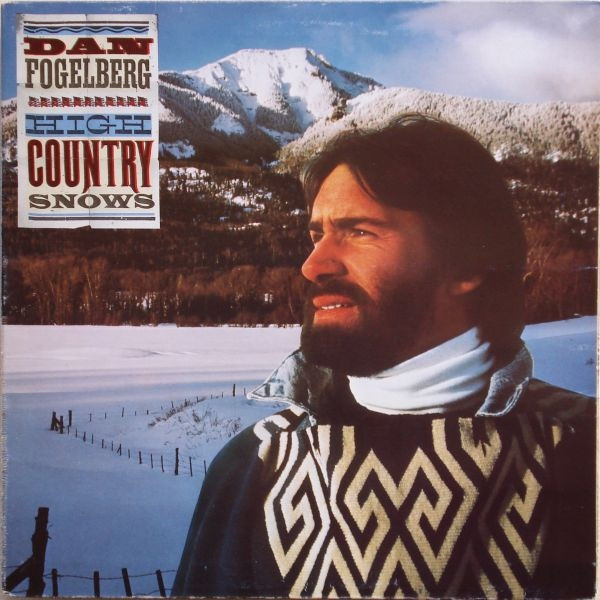
Exiles.
Despite High Country Snows being certified gold, Dan decided not to continue his dalliance with newgrass. If he did, Dan risked further alienating his fans. High Country Snows had been his lowest chart placing for thirteen years. Some of his loyal fans had been dismayed at Dan’s dalliance with newgrass. They preferred Dan’s normal AOR or soft rock sound. One man who enjoyed the experience was Dan.
He found the experienced liberating, and was newly reinvigorated after recording High Country Snows. Equally liberating, was heading out on tour with a group of musical friends and playing small venues in late 1985. Night after night, Dan played covers of blues classics and tracks by Cream. After that, Dan’s thoughts turned to his tenth album.
Unbeknown to his fans, Dan had decided to return to his old sound. If he continued further down the newgrass road, Dan risked further alienating his fans. Dan was a realist, and knew that could be seen as committing career suicide. So Dan got to work on what became Exiles.
For Exiles, which featured nine tracks, Dan penned eight of them. The exception was It Doesn’t Matter, which Chris Hillman and Stephen Stills wrote. These songs were recorded with a tight and talented band.
Recording of Exiles took place at various studios in L.A. Lahaina Sound Recording, Sunset Sound, One On One Studios and Record One. Once again, different musicians were drafted in to augment Dan’s band. So much so, that some musicians only feature on one or two tracks. The rhythm section featured drummers Russ Kunkel Andy Newmark and Rick Marotta; bassists Bob Glaub, Larry Klein and Mike Porcaro and guitarist Michael Landau. Percussionist Joe Lala was joined by Michael Brecker, who played tenor saxophone and an Akai Electronic Wind Instrument. Backing vocalists included Timothy B. Schmit and the Waters Sisters. Dan played bass, guitars, synths, keyboards, vibes, drum machines and added vocals. Later, strings and horns were overdubbed. Co-producing Exiles with Dan was Russ Kunkel. Once the album was complete, it was released later in 1987.
Before Exiles was released, critics had their say on Dan’s tenth album. Many critics welcomed a return to Dan’s “old” sound. Although High Country Snows was hailed a newgrass classic, many critics preferred the AOR and soft rock sound of Dan’s previous album. Those that did, were won over by Exiles.
Opening Exiles was the title-track, a mid-eighties slice of synth soft rock. What You’re Doing was the a rocky ballads. It features a vocal powerhouse from Dan, and cooing harmonies from the Waters Sisters. The balladry continued on Lonely In Love, which features a soul-baring vocal. So does the beautiful and poignant piano lead ballad Seeing You Again. Then it’s all change.
She Don’t Look Back, with its hurt filled vocal follows in a similar vein to What You’re Doing. Again, it has a real mid to late eighties sound. However, unlike many tracks from that period, She Don’t Look Back has stood the test of time. From there, we return to balladry on The Way It Must Be. It’s one of the standout tracks, and sometimes, is reminiscent to Don Henley’s End Of The Innocence. It too is a beautiful wistful ballad. So is Hearts In Decline, a melancholy piano lead ballad. Dan seems to be at his best on the ballads. However, he’s no one track pony.
Dan ups the tempo on It Doesn’t Matter, which has an late eighties rocky sound. It’s catchy, anthemic and has aged well. Closing Exiles was Our Last Farewell, another piano lead ballad. Lush strings accompany Dan’s heartbroken vocal on this beautiful, moving ballad. It ensures that Exiles closes on a high.
Given the quality of Exiles, it was an album that should’ve followed in the footsteps of Dan’s previous albums. Alas, upon its release in 1987, Exiles stalled at forty-eight in the US Billboard 200. Neither Lonely In Love nor Seeing You Again made it into the US Billboard 100. Only She Don’t Look Back charted, reached eighty-four in the US Billboard 100. Exiles was the one that got away.
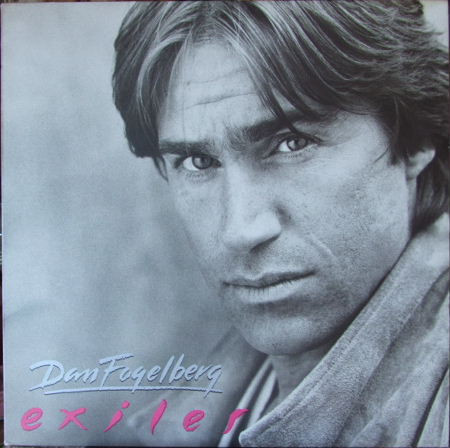
Twenty-nine years later, and BGO Records have recently reissued High Country Snows and Exiles as a newly remastered double album. As usual, the sound quality is stunning, and it’s a pleasure to become reacquainted with both albums.
High Country Snows is remembered as a progressive bluegrass classic. It was an album that pioneered the newgrass sound, and showcased Dan Fogelberg’s versatility. He seamlessly moved from AOR and soft rock to newgrass. Despite the change in direction, High Country Snows was certified gold. Sadly, it was the final gold disc of Dan Fogelberg’s career. Never again, did he receive another gold or platinum disc. By then, he had sold eleven million albums, and was one of the most successful solo artists. Dan returned to his usual sound on Exiles.
It’s a mixture of eighties soft rockers, that come complete with synths. Unlike many similar tracks, these tracks have stood the test of time. However, Dan Fogelberg is at his best on the ballads on Exiles. His delivery is heartfelt, hurt-filled and full melancholy. The songs are poignant, powerful and emotive. It’s as if Dan has experienced and survived the hurt he’s singing about. This mixture of ballads and soft rockers on Exiles results in what’s a true hidden gem from Dan Fogelberg’s extensive back-catalogue. BGO Records’ decision to pair High Country Snows with Exiles allows both newcomers and veterans of Dan Fogelberg’s music, to discover two very different sides to this talented and much missed singer-songwriter.
DAN FOGELBERG-HIGH COUNTRY SNOW AND EXILES.
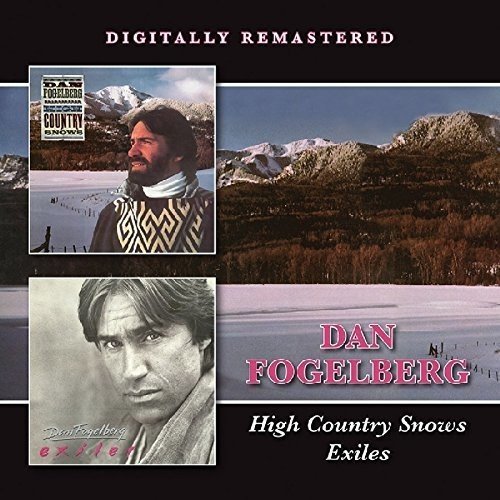
LESLEY GORE-BOYS, BOYS, BOYS.
LESLEY GORE-BOYS, BOYS, BOYS.
In 1963, Lesley Gore was the all-American girl, who was being heralded as the future of music. That wasn’t surprising. When Lesley Gore released her debut single It’s My Party in 1963, it reached number one in the US Billboard 100 and US R&B charts. This resulted in It’s My Party being certified gold, and being nominated for a Grammy Award. Further afield, It’s My Party reached number one in Australia and number nine in the UK. Suddenly, critics and cultural commentators were forecasting a great future for the seventeen year old singer.
For a while, this looked a prescient forecast. Lesley Gore released her debut album I’ll Cry If I Want To in June 1963. It reached number twenty-four in the US Billboard 200 charts. Then when Lesley released Judy’s Turn To Cry as her sophomore single, it reached number five in the US Billboard 100 and number ten in the US R&B Charts. This resulted in a second gold disc for Lesley Gore. Critics smiled knowingly. It looked like they were right. Already, Lesley Gore had released two hit singles, two gold discs and a top thirty album. Lesley Gore it seemed could do no wrong.
Ahead of her sophomore album, Lesley Gore released her third single She’s A Fool. It reached number five in the US Billboard 100, but just number twenty-six in the US R&B Charts. However, She’s A Fool made it three consecutive top five singles for Lesley Gore. This augured well for the release of her sophomore album.
Five months after the release of her debut album, Lesley Gore returned with her sophomore album in November 1963. Just like her debut album I’ll Cry If I Want To, Lesley Gore Sings Of Mixed-Up Hearts was produced by Quincy Jones. Despite this, the album stalled at a lowly 125 in the US Billboard 200. Suddenly, Lesley Gore no longer seemed as invincible.
Normal service was resumed when Lesley Gore released You Don’t Own Me as her fourth single. It reached number two in the US Billboard 100, and became her second most successful single. This resulted in Lesley’s third gold disc. Maybe, Lesley Gore Sings Of Mixed-Up Hearts had just been a blip?
For the followup up to You Don’t Own Me, Sunshine, Lollipops and Rainbows was chosen. It was released as Lesley Gore’s fifth single in early 1964. However, Sunshine, Lollipops and Rainbows reached number thirteen in the US Billboard 100. While this would usually have been regarded as cause for celebration, Sunshine, Lollipops and Rainbows was Lesley’s first single not to reach the top ten. This time, the jury was out.
Lesley Gore’s career was less than a year old. As she began work on her third album Boys, Boys, Boys, which was recently released by Ace Records it was time to take stock.
Mostly, executives at Mercury Records were mostly happy with Lesley Gore’s progress. She had enjoyed five hit singles, including four consecutive top ten singles. One of these, It’s My Party, had reached number one and was certified gold. On the album front, I’ll Cry If I Want To had sold well. Only the followup album Lesley Gore Sings Of Mixed-Up Hearts had failed commercially. This made Lesley Gore doubly determined that her third album Boys, Boys, Boys would be a commercial success. It was this determination that got Lesley Gore to where she was.
This determination resulted in Lesley Gore meeting Quincy Jones when she was just seventeen. That day, Lesley embarked upon upon a career as a singer. This was no surprise. Lesley Gore had discovered music at an early age, and seemed destined to forge a career as a singer.
Lesley Gore was born in May 1946, into an affluent family who lived in Tenafly, New Jersey. She attended the nearby Dwight School For Girls. By then, Lesley had been introduced to music by her parents. Frank Sinatra, Ella Fitzgerald and Tito Puente was the soundtrack to Lesley’s childhood. Then when Lesley’s mother was advised to buy a piano by her interior designer, Lesley was hooked.
So the piano was moved to the den. Lesley and her brother spent much of their time playing the piano. Then, by the time Lesley was in Junior High School, she’d written her first song, Going Steady. Soon, Lesley was spending much of her free time writing and arranging songs. The next step for Lesley was joining her first group.
With one of her school friends, Lesley formed a band. They sang covers of The Shirelles’ singles. By then, Lesley had her own vocal coach. Not long after this, Lesley cut some demos. They were sent to members of Lesley’s family and some family friends. One of the demos found its way Irving Green, who just happened to be the President of Mercury Records.
Irving Green like what he heard. So he gave Quincy Jones a call. Quincy had just been appointed head of A&R at Mercury Records. Quincy, gathered up 350 demos and took them to the home of Lesley Gore. They headed into the den and worked their way through them. The demos were separated into three piles, yes, no and maybe. One of the maybes, was It’s My Party. By the end of their listening session, It’s My Party became their first choice. It became Lesley’s debut single which was released later in 1963. Less than a year later, and Lesley was about to begin work on her third album.
By then, Lesley Gore was a familiar face on American television; while her singles were on heavy rotation on radio playlists. Lesley had also been chosen to tour with The Beatles when they first toured of America. All this was beyond her wildest dreams. So when Lesley began to work on her third album, she had achieved much more than she had ever imagined.
For Lesley Gore’s third album Boys, Boys, Boys a total of twelve songs had been chosen. This included five songs that had been recorded at previous sessions. These songs just happened to fit with Lesley’s boy-themed album. It was meant to endear her to American teenagers. They were meant to be able to relate to the singer that was marketed as the “Pop Princess.” However, America’s “Pop Princess” had been writing her own songs for a several years.
For Boys, Boys, Boys Lesley Gore wrote Leave Me Alone. She also cowrote I’m Coolin’, No Foolin’ with Sid Shaw. However, the majority of the songs came from established songwriters or songwriting teams.
This included Rogers and Hammerstein’s Something Wonderful. Another cover was Marvin Hamlisch and Howard Leibling’s That’s The Way The Ball Bounces. Two of Paul Anka’s songs, Boys and Danny were chosen for Boys, Boys, Boys. However, other songs were written by songwriting teams who had written hits for Lesley Gore.
Previously, Mark Barkan and Ben Raleigh had written Lesley’s third hit single See’s A Fool. They penned That’s The Way Boys Are and I Don’t Wanna Be A Lose for For Boys, Boys, Boys they contributed. Mark also wrote It’s Gotta Be You which he penned with Claus Ogerman. John Madara and David White previously penned Lesley’s most recent hit You Don’t Own Me for Lesley. This time around, they wrote Don’t Call Me. Edna Lewis cowrote Lesley’s third single Judy’s Turn to Cry. She cowrote You Name It with Norman Blagman and I’ll Make It Up To You with Gloria Shayne. Seven of these songs were recorded at Bell Studio with producer Quincy Jones.
Recording the other seven songs for Boys, Boys, Boys didn’t take long. Lesley was used to working quickly, and for her debut album, had recorded four songs in just three hours. Once the vocals were laid down, and the overdubbing complete, Mercury Records announced that Boys, Boys, Boys would be released in the spring of 1964.
In the spring of 1964, the release of Boys, Boys, Boys was fast approaching. After the commercial failure of Lesley Gore Sings Of Mixed-Up Hearts, Mercury Records were pinning their hopes on Boys, Boys, Boys. Going by the reviews of the album, Lesley Gore’s third album should see her return to the upper reaches of the album charts. Boys, Boys, Boys was essentially an album of teen friendly pop. Lesley had attempted to endear herself to American teenagers. Had she limited her audience?
When Lesley released her third album, Boys, Boys, Boys in April 1964, things didn’t improve. They actually got worse. Boys, Boys, Boys only reached number 127 in the US Billboard 200. The only saving grace was the success of the lead single from Boys, Boys, Boys.
That’s The Way Boys Are was chose as the lead single from Boys, Boys, Boys. This proved to be an inspired choice. It reached just number twelve in the US Billboard 100. The next single didn’t fare well. I Don’t Wanna Be a Loser reached just number thirty-seven in the US Billboard 100. Lesley’s career seemed to have stalled.
There was a reason for this, music was changing. This had been the case since the British Invasion groups arrived on American shores. Groups like The Beatles, Rolling Stones, The Kinks, The Small Faces and The Who would take America by storm. This was a game changer, and transformed American music. No longer would Lesley Gore enjoy the same commercial success. She wasn’t alone. Other high profile singers, including Bobby Vee and Neil Sedaka were struggling. They were no longer enjoying the same commercial success and critical acclaim. However, the British Invasion was only part of a wider problem in America.
By 1964, America was still reeling from the assassination of President Kennedy in November 22nd 1963. No longer did the same hope permeate American society. Especially since America were still fighting the to war in Vietnam. Two years had gone by, and still there was neither a sign of a victory nor even a solution. With the casualties and death toll mounting, Americans were beginning to have their doubts about the continued involvement in the Vietnam War. Closer to home, the civil rights movement were waging their own war, one that would ultimately prove more successful. Then on December 26th 1963, The Beatles released I Want to Hold Your Hand and I Saw Her Standing There. This was the start of Beatleman in America. Little did Lesley Gore realise the effect The Beatles and the rest of the British Invasion groups would have. It would impact upon her career.
On Boys, Boys, Boys, America’s “Pop Princess” set about endearing herself to nation’s teenagers. Normally this would’ve worked. That’s if the British Invasion hadn’t arrived on American shore. As a result, Boys, Boys, Boys failed to make the impression that Lesley Gore’s debut did. That’s a great shame, given the quality of music. It just goes to show what a difference a year makes in music.
Even the album opener That’s The Way Boys Are only reached number twelve in the US Billboard 100. It’s a slick slice of pop, with a blasé vocal from Lesley. Her cover of Paul Anka’s Boys features hand claps, harmonies and hooks. It takes on an almost girl group sound. It’s Gotta Be You features a vocal that veers between wistful and needy. Lesley transforms Rogers and Hammerstein’s Something Wonderful, breathing emotion and meaning into the ballad’s lyrics. You Name It might sound like a distant relation of It’s My party, but in Lesley’s hands takes an upbeat and joyous sound. Danny was another cover of a Paul Anka song. It’s a ballad with a heartfelt vocal from Lesley. That closed side one of Boys, Boys, Boys.
I Don’t Wanna Be A Loser was one of the highlights of Boys, Boys, Boys. It’s a ballad full of teenage angst. The quality and angst continued on Lesley’s composition Leave Me Alone and Don’t Call Me. Leave Me Alone mixed pop with the merest hint of jazz. Don’t Call Me came from the pen of John Madara and David White. It continued the teenage angst. The string drenched I’ll Make It Up To You was another ballad. Despite its undoubted quality, it must have suddenly sounded outdated when compared to the music being released by the British Invasion groups. Closing Boys, Boys, Boys was I’m Coolin’, No Foolin’ which Lesley cowrote with Sid Shaw. Hooks haven’t been rationed as Lesley showcases a more contemporary sound on a track that features a much more understated arrangement. This is the polar opposite to I’ll Make It Up To You. Both tracks show different sides to Lesley Gore, as she tried to endear herself to American teenagers.
On Ace Records reissue of Boys, Boys, Boys, there’s thirteen bonus tracks. Among them, are Lesley’s first four singles. This includes It’s My Party, Judy’s Turn To Cry, She’s A Fool and You Don’t Own Me. There’s also B-Sides like Just Let Me Cry, The Old Crowd and Run, Bobby, Run. The other six tracks are from Lesley’s first two albums.
No More Tears featured on Lesley Gore’s 1963 debut album I’ll Cry If I Want To. Hello Young Lover, Sunshine, Lollipops and Rainbows, I Struck a Match, If That’s the Way You Want It and Time to Go all were taken from Lesley’s 1963 sophomore album Lesley Gore Sings Of Mixed-Up Hearts. Just like the singles and B-Sides, they showcase a talented and versatile singer, in the early years of her career. The period between 1963 and 1964 was also the most successful part Lesley Gore’s career.
By the time Lesley Gore released Boys, Boys, Boys, American teenagers had moved on, and discovered a very different type of music. They had been won over by the British Invasion groups, and Lesley Gore’s third album Boys, Boys, Boys passed most teenagers by. As a result the album reached just 127 in the US Billboard 127. Sadly, things didn’t get any better for Lesley Gore.
Six months after the release of Boys, Boys, Boys, Lesley Gore released her fourth album Girl Talk in October 1964. Girl Talk became Lesley’s least successful album when it stalled at number 146 in the US Billboard 200. Things improved with the lead single Maybe I Know. It reached number fourteen in the US Billboard 100. Hey Now then reached just number seventy-six in the US Billboard 100. The final single was a cover of The Look Of Love, which reached number twenty-seven in the US Billboard 100. For Lesley Gore, Quincy Jones and Mercury Records, the commercial failure of Girl Talk was a huge disappointment. It seemed the British Invasion had derailed Lesley’s career. However, Lesley was still under contract to Mercury Records. So in 1965, she entered the studio again.
When Lesley entered the studio to record My Town, My Guy and Me, little did she know that it would be her final album with producer Quincy Jones. He was the man who “discovered” Lesley in 1963, when he heard her demo. Since then, he had produced each of her albums.
My Town, My Guy and Me was the fifth album Quincy Jones had produced for Lesley Gore. He had guided her career through good times and bad. Sadly, there had been more of the latter, than the former. Things improved slightly with My Town, My Guy and Me.
Lesley’s fifth album My Town, My Guy and Me was released in September 1965. It reached just number 120 in the US Billboard 200. Despite its lowly chart number, My Town, My Guy and Me was a Lesley’s second most successful album. It was also as good as it got.
As a new year dawned, so did a new era. Quincy Jones was replaced as producer by Shelby S. Singleton Jr. This coincided with one of the worst years of Lesley Gore’s career.
1966 was Lesley’s annus horiblis. She was due to release two albums during 1966. The first was Lesley Gore Sings All About Love. When it was released, it failed to chart. For Lesley Gore, this was a first. She was shocked. Mercury her record company were equally concerned.
Despite the failure of Lesley Gore Sings All About Love, Lesley and Shelby S. Singleton Jr. returned to the studio. They began work on Off and Running. Eventually, what should’ve been Lesley’s seventh album was completed. It was scheduled for release in November 1966. However, Mercury had other ideas.
With Off and Running recorded, Lesley was working towards the November 1966 release date. Mercury however, were having cold feet. With every release, Lesley Gore’s sales were shrinking. It was a long time since Lesley was one of the company’s rising stars. Many felt her time was past, and that she was a relic of Mercury’s past. They thought the company should cut their losses on Lesley Gore, and concentrate on rock and psychedelia. That was where the money was to be made. There was a problem though. Lesley Gore was under contract.
Mercury had a get out. Just because Lesley had recorded Off and Running, didn’t mean they had to release the album. So, Off and Running’ release was cancelled. This wasn’t be the first time an album had been shelved; and it wouldn’t be the last. Certainly not for Lesley. However, for Lesley her pride was at stake. She took the cancellation of Off and Running badly.
By 1967, it looked increasingly likely that Lesley’s hit-making days were behind her. Lesley began to consider the future. She still wanted to be a singer, and had recently recorded a new single, California Nights with producer Bob Crewe. However, given her recent track record, it didn’t look like California Nights was going to pay the bills. So, Lesley decided to try acting.
Lesley was offered a guest appearance on Batman on an episode shown on January 19th 1967. In the episode That Darn Catwoman, Lesley was cast as Pussycat, Catwoman’s partner. This was a huge break, as Batman was one of the most popular shows on American television. Even better, Lesley would mime her latest single California Nights which was produced by Shelby S Singleton Jr.
This was a masterstroke, one that would transform Lesley Gore’s career. Within a few weeks, California Nights was climbing the charts. Eventually, it reached number sixteen in the US Billboard 100. Lesley Gore was the comeback Queen. Batman and California Nights had rescued Lesley’s career.
For Lesley Gore, this couldn’t have come at a better time. Her career was at a crossroads. She realised that many at Mercury perceived her music as yesterday’s sound. However, Mercury weren’t ready to call time on her career. Instead,
following the success of California Nights, Mercury began compiling Lesley’s seventh album California Nights.
When California Nights was released in February 1967, and reached number 169 in the US Billboard 200. Normally, this wouldn’t be anything to celebrate. However, after Lesley Gore Sings All About Love failed to chart, and the cancellation of Off and Running, Lesley felt positive about the future.
While California Nights briefly rejuvenated Lesley Gore’s career, that was the end of her career at Mercury. Lesley recorded another album, Magic Colours. It was scheduled for release in November 1969. Then lighting struck twice for Lesley Gore.
Very few artists see one of their albums cancelled. It’s almost unheard of for an artist to have two albums cancelled. Lesley Gore suffered that fate. What was due to be her eighth studio album, Magic Colours, was cancelled. Mercury then cancelled her contract. For Lesley Gore, her career at Mercury came to an inauspicious end.
A mere six year had passed between the release of Lesley Gore’s debut single It’s My Party in 1963. Back then, Lesley Gore was just seventeen. By the time Boys, Boys, Boys was released in April 1964, Lesley Gore was just one month short of her eighteenth birthday. Incredibly, the most successful years of her career were behind. For the rest of the Mercury years, Lesley Gore never reached the same heights. It certainly wasn’t through lack of talent. Far from it. Instead, Lesley Gore had the misfortune to be enjoying the most successful part of her career as the musical landscape changed.
No longer, was Lesley Gore’s brand of pop as popular. Instead, rock and psychedelia dominated the musical landscape. Those that were guiding Lesley’s career didn’t seem to realise that something had to change. It seemed neither the executives at Mercury Records, Lesley’s manager nor producer Quincy Jones realised this. If they had, they would have tried to reinvent Lesley Gore.
After her fifth album My Town, My Guy and Me, Quincy Jones exited stage left. Even his replacement Shelby S. Singleton Jr. couldn’t bring success Lesley Gore’s way. By the time she left Mercury Records in 1967, Lesley Gore commercial success must have seemed a distant memory for the twenty-one year old.
In the post Mercury years, Lesley Gore released just four more albums. Her comeback album Someplace Else Now was released in 1972, on Motown imprint Mowest. By then, Lesley was concentrating on acting, and her musical career had taken a back seat. So when Someplace Else Now failed to chart, Lesley returned to her day job.
Four years later, in 1976, Lesley Gore returned with Love Me By Name. Just like Someplace Else Now, when Love Me By Name was released by A&M, the album failed to chart. It was a similar story with Lesley’s tenth album The Canvas Can Do Miracles. Lesley didn’t return until the new millennia had dawned.
Ever Since was released to critical acclaim in 2005. Sadly, commercial success eluded what proved to be Lesley Gore’s final album.
Ten years later on February 16th 2015, Lesley Gore passed away. The singer, songwriter, actress and activist was just sixty-eight. Right up until a year before her death, Lesley Gore continued to work as a singer, songwriter, actress and activist. Lesley Gore was a regular in films, television and in documentaries. However, it was as a singer and songwriter that Lesley Gore found fame. She enjoyed a career that lasted fifty-one years. During that period, Lesley Gore enjoyed a number one single; had three singles certified gold; was nominated for two Grammy Awards and released eleven albums. This included her third album Boys, Boys, Boys which was recently rereleased by Ace Records with thirteen bonus tracks. The newly reissued of Boys, Boys, Boys is the perfect introduction to the most successful period of Lesley Gore’s musical career.
LESLEY GORE-BOYS, BOYS, BOYS.
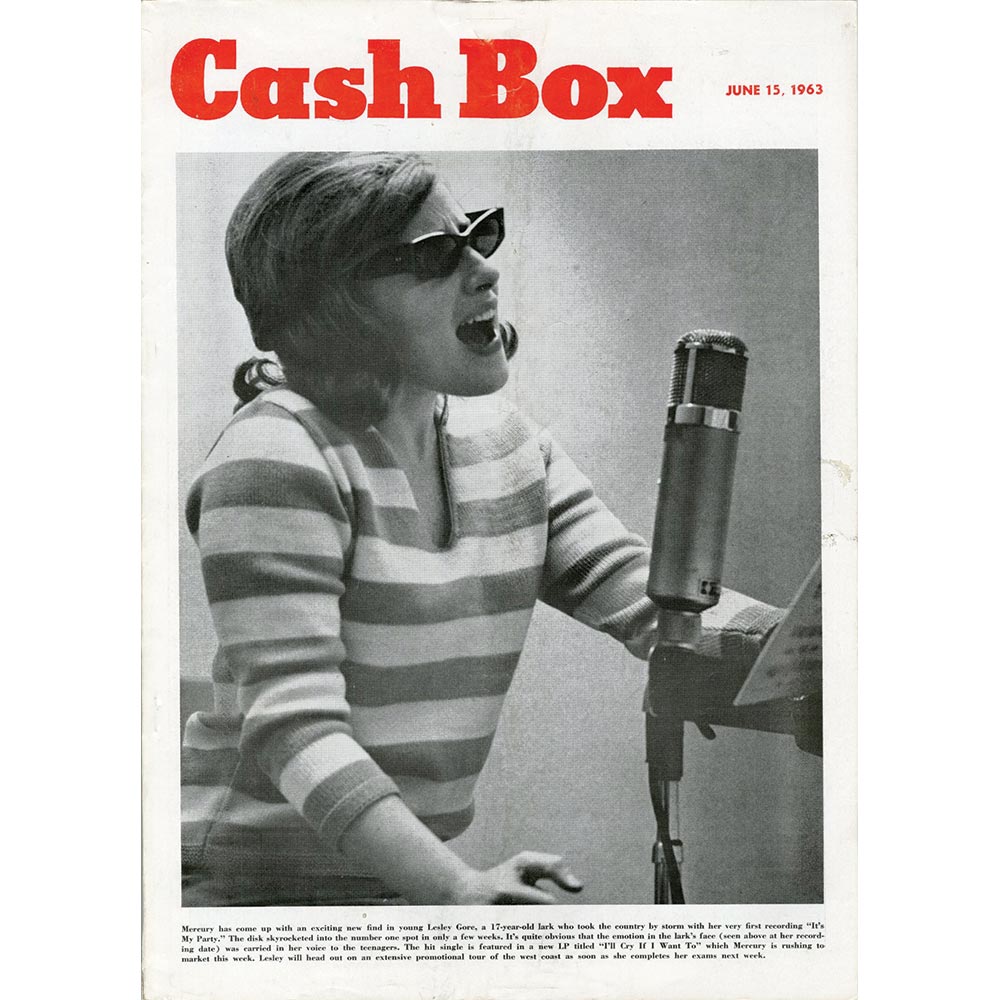
BLACK MOON CIRCLE-SEA OF CLOUDS.
BLACK MOON CIRCLE-SEA OF CLOUDS.
Last year, I described Norwegian space rock pioneers, Black Moon Circle as one of the rising stars of the Norwegian music scene. Since then, Black Moon Circle’s star has been in the ascendancy. Their third album, The Studio Jams Volume I: Yellow Nebula In The Sky was released to widespread critical. Soon, Black Moon Circle were being invited to play at major festivals across Europe. This included the prestigious Roadburn Festival, in the Netherlands.
The Roadburn Festival took place in Tilburg, between the 14th-17th April 2016. Black Moon Circle made their festival debut on the 15th of April. This was perfect timing. That day, Black Moon Circle released their much anticipated fourth album Sea Of Clouds on heavyweight vinyl, via Crispin Glover Records. Sea Of Clouds finds Black Moon Circle continuing to reinvent themselves musically. They’ve been doing this since their career began in 2012.
That was when brothers Øyvin Engan and Vemund Engan formed Norwegian psychedelic space rock band, Black Moon Circle. This wasn’t the Engan brothers first band. No. They were previously, members of Trondheim-based punk rock band The Reilly Express. That was the past.
By 2012, the Engan brothers were ready to form their own band. However, it wasn’t another punk rock band. Instead, Black Moon Circle would become a psychedelic space rock band. Øyvin, played bass, guitar and takes charge of vocals. His brother Vemund was also a guitarist. Now all that Black Moon Circel needed was a drummer.
Completing Black Moon Circle’s lineup was drummer, Per Andreas Gulbrandsen on drums. He was the final piece of the jigsaw. Now Black Moon Circle could set about honing their sound.
Gradually, Black Moon Circle’s sound began to evolve. It’s essentially a combination of lengthy jams, searing guitar riffs and a myriad of effects added to the bass and guitar. This Black Moon Circle describe as psychedelic space rock. They’re not alone.
Black Moon Circle are just one of many Norwegian space rock bands. Earthless and Colour Haze are two other bands, who are flying the flag for space rock. In Black Moon Circle’s case, they’ve been doing this since 2013.
That’s when Black Moon Circle recorded their eponymous, debut, mini-album at Nautilus studios in 2013. Black Moon Circle was then released in February 2014 by Space Rock Productions, the label run by the Øresund Space Collective from Copenhagen, Denmark. However, Black Moon Circle aren’t the type of band to let the grass grow under their feet.
Andromeda.
Instead, Black Moon Circle returned to the studio in April 2014. That’s when Black Moon Circle recorded Andromeda. They worked quickly and efficiently. As a result, the five songs on Andromeda were recorded in one day. Six months later, and Andromeda was ready to be released.
Black Moon Circle’s sophomore album, Andromeda, was released by Crispin Clover Records, to critical acclaim in October 2014. A great future was forecast for the Trondheim based trio. They were already hatching a plan that sounded like something from the seventies, the golden age of rock.
The Studio Jams Volume I: Yellow Nebula in the Sky.
What Black Moon Circle had in mind was a trilogy of studio jams. The first of this trilogy of albums is The Studio Jams Volume I: Yellow Nebula in the Sky. Fittingly, it features a trio tracks. One of the tracks was recorded during the first jam session in April 2013, while the other two tracks were recorded in 2014. These three tracks became The Studio Jams Volume I: Yellow Nebula in the Sky, which showcases the hugely talented Trondheim trio, Black Moon Circle.
The Studio Jams Volume I: Yellow Nebula in the Sky was the finest album of Black Moon Circle’s career. It features their unique brand of psychedelic space rock with elements of electronica, experimental music and free jazz added for good measure. Seamlessly, these disparate musical genres and influences merge into something new and innovative. It’s cinematic, dramatic, futuristic, moody, rocky and as Øyvin Engan says, “intense.
This intensity is deliberate. It comes courtesy of the three members of Black Moon Circle. They deployed layers of fuzzy guitars, spacey, lysergic synths and a mesmeric rhythm section on The Studio Jams Volume I: Yellow Nebula In The Sky. However, for their fourth album, Sea Of Clouds Black Moon Circle add two new ingredients to their successful musical formula.
Sea Of Clouds.
With The Studio Jams Volume I: Yellow Nebula In The Sky recorded, but not yet released, Black Moon Circle’s thoughts turned to their fourth album. This wasn’t another instalment in the Studio Jams’ series. Instead, what became Sea Of Clouds found Black Moon Circle changing direction slightly.
Having written four new tracks, the Trondheim based trio returned to the studio in June 2015. Øyvin Engan played guitar and bass, while his brother Vemund Engan added another layer of fuzzy guitars. Providing the heartbeat was drummer Per Andreas Gulbrandsen. Together they recorded flour lengthy jams in just one day, However, that wasn’t the end of the story.
A month later, during July 2015, Black Moon Circle returned to the studio. This time, vocals and keyboards were added. Only then, was Sea Of Clouds complete. Before that, The Studio Jams Volume I: Yellow Nebula in the Sky was still to be released.
Nearly nine months later, and buoyed by the critical acclaim thatThe Studio Jams Volume I: Yellow Nebula In The Sky received, Black Moon Circle are preparing to release ASea Of Clouds. Øyvin Engan describes the new album as: “prolonged jams with heavy riffage, the extensive use of effects on bass and guitar and analogue synths oscillating with echoes and delays.” This is sure to win over Black Moon Circle’s over growing fan-base, when Sea Of Clouds is released. You’ll realise why, when I tell you about Sea Of Clouds, the much anticipated album from space rock pioneer Black Moon Circle.
Lunar Rocket opens Sea Of Clouds. That’s a fitting title as the track will eventually, explode into life. Before that, just moody, spacious, bluesy and rocky guitar riffs are played. Sometimes, they tremble and shimmer. Then after a minute, it’s all change.
The arrangement literally explodes. Pounding, thunderous and relentless drums join the bass in powering the arrangement along. Buzzing, searing, rocky guitars accompany Øyvin’s powerhouse of a vocal. Soon, an array of effects are unleashed. They’ve always been Black Moon Circle’s secret weapons, and play an important part in their space rock sound. By then, Black Moon Circle are at their heaviest and most melodic. They seem to have drawn inspiration from April Wine, Black Sabbath, Deep Purple, Led Zeppelin, Hawkwind, Moster and Motorpsycho. Elements of space rock, psychedelia and heavy metal combine seamlessly. Guitars bristle, drums pound and a buzzing bass joins whirling, space-age, haunting synths. In the midst of this musical vortex is Øyvin’s vocal. He seems to embrace the roll of frontman, on this hard rocking, slice of melodic space rock, that shows a new side to Black Moon Circle.
A droning wash of feedback is joined by bass and guitars on The Magnificent Dude. As a crystalline guitar plays, the rhythm section provide a slow, moody, hypnotic backdrop. When Øyvin’s vocal enters, he combines emotion and drama. All the time, the arrangement builds. Soon, a scorching, blistering guitar solo plays; while a vortex of synths blow across the arrangement. Effects are deployed, as everything from post rock, psychedelia and space rock are combined with Krautrock. When the vocal returns, Øyvin and the rest of Black Moon Circle the track heads into anthem territory. Still, though, Black Moon Circle aren’t afraid the kick loose. When the vocal drops out again, a guitar masterclass unfolds. Literally, the blistering, trembling guitar cut through the arrangement as the rhythm section create a mesmeric backdrop. Later, the track veers between moody, rocky and futuristic, thanks to the sci-fi sounds and myriad of effects. Combined, they play their part in an alternative space rock anthem.
Moondog picks up where The Magnificent Dude left off. Just lone guitar is panned left. It’s soon joined by another guitar, bass and bubbling synths. Soon, sci-fi synths and keyboards are added; before Øyvin’s vocal enters. By then, a myriad of instruments and effects assail the listener. Still, though, the lone guitar is panned left. Meanwhile, the rest of Black Moon Circle are responsible for a futuristic, rocky soundscape. Playing leading roles are a blistering guitar, a vortex of whirling, ghostly synths and an array of sci-fi effects. They’re responsible for a myriad of beeps and squeaks. However, the vocal proves to be a game-changer. It adds the finishing touch to a track whose roots are in the seventies. There’s more than a nod to progressive rock, while elements of classic rock, psychedelia and space rock shine through. Later, memories of Yes and Emerson, Lake and Palmer come flooding back, before Øyvin’s vocal becomes briefly lysergic and the track become rocky, futuristic and again, anthemic.
Warp Speed closes Sea Of Clouds. Bursts of bass accompany a dubby, shimmering guitar. Meanwhile, cymbals are caressed before sci-fi synths and a machine gun guitar are unleashed. This is the signal for Øyvin to deliver a lived-in vocal. Accompanying him, are blasts of bass, scorching, searing guitars and relentless drums. By then, a vortex of synths, crunch guitar, bounding bass and driving drums. They provide a backdrop for Øyvin’s strutting vocal as Black Moon Circle become a rocking machine on this thirteen minute, genre-melting epic. It features Black Moon Circle at their hard rocking best as they set sail on the Sea Of Clouds at Warp Speed.
Just six months after the release of The Studio Jams Volume I: Yellow Nebula In The Sky, Black Moon Circle return with their fourth album Sea Of Clouds. It features the Trondheim-based space rockers at their groundbreaking best, as they continue to reinvent themselves.
To do this, Øyvin Engan’s added vocals to the four lengthy tracks on Sea Of Clouds. This results in a very different album to The Studio Jams Volume I: Yellow Nebula In The Sky. The music on Sea Of Clouds is melodic and anthemic. It’s also hard rocking.
This is what we’ve come to expect from Black Moon Circle. Their three previous albums have featured Black Moon Circle showcasing their hard rocking brand of psychedelic, space rock. On Sea Of Clouds, Black Moon Circle revisit this sound, but combine elements of heavy metal, Krautrock, avant-garde, free jazz and post rock. Black Moon Circle have also drawn inspiration from Black Sabbath, Can, Deep Purple, Emerson, Lake and Palmer, Hawkwind, Iron Maiden, Led Zeppelin, Hawkwind, Moster, Motorpsycho, Radiohead and Yes. These disparate musical genres and influences merge into something new and innovative on Sea Of Clouds.
This is best described as dramatic, futuristic, moody, otherworldly and gloriously rocky. Sometimes, Sea Of Clouds features Black Moon Circle at their hard rocking best. However, Sea Of Clouds is also “intense.” There’s always been an intensity to Black Moon Circle’s music. It’s as much a part of Black Moon Circle’s music as the layers of fuzzy guitars, spacey, lysergic synths and futuristic sci-fi sounds. That’s the case throughout Sea Of Clouds, which shows another side to space rock pioneers Black Moon Circle, as they prepare to releae the most accessible album of their career.
Sea Of Clouds which was released on heavyweight vinyl by Crispin Glover Records, features a truly distinctive album cover. The artwork for Sea Of Clouds was designed by Marius Martinussen. He assembled 100 12” canvasses into a larger unit. After that, he painted the main cover motif. The first 100 hundred copies of the album will each include one original piece from the painting. So not only does Sea Of Clouds feature some of the best music of Black Moon Circle’s career, but could include a piece of original artwork. That’s if you order your copy of Sea Of Clouds early. If you do. it will be well worthwhile.
Sea Of Clouds features Trondheim groove-meisters Black Moon Circle at their hard rocking best. They kick loose from the opening bars of Lunar Rock, and never let go until the closing notes of Warp Rock. In between you’re treated a glorious assault on the sensory system. This comes courtesy of those genre-melting innovators Black Moon Cirle, and their critically acclaimed, fourth album Sea Of Clouds.
BLACK MOON CIRCLE-SEA OF CLOUDS.
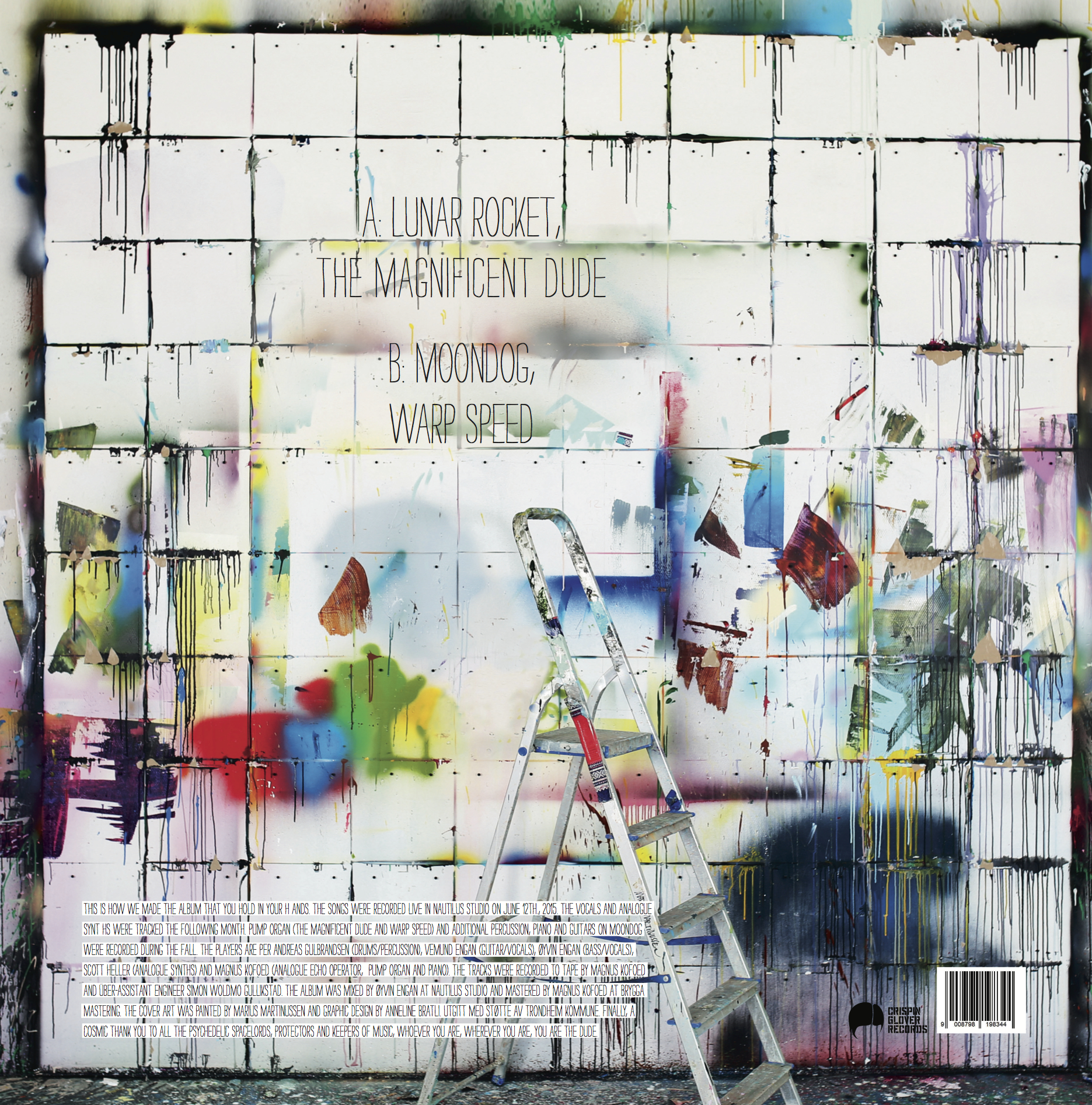
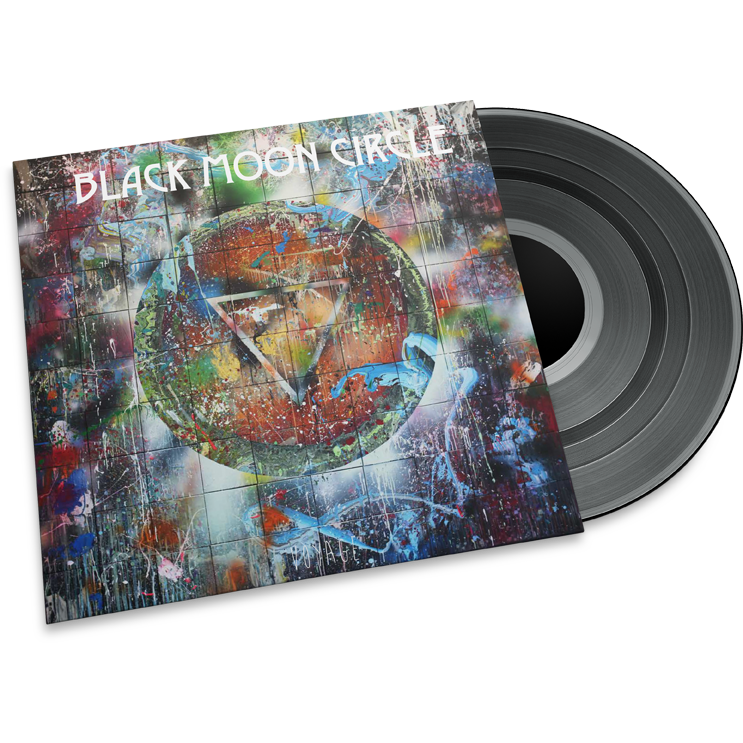
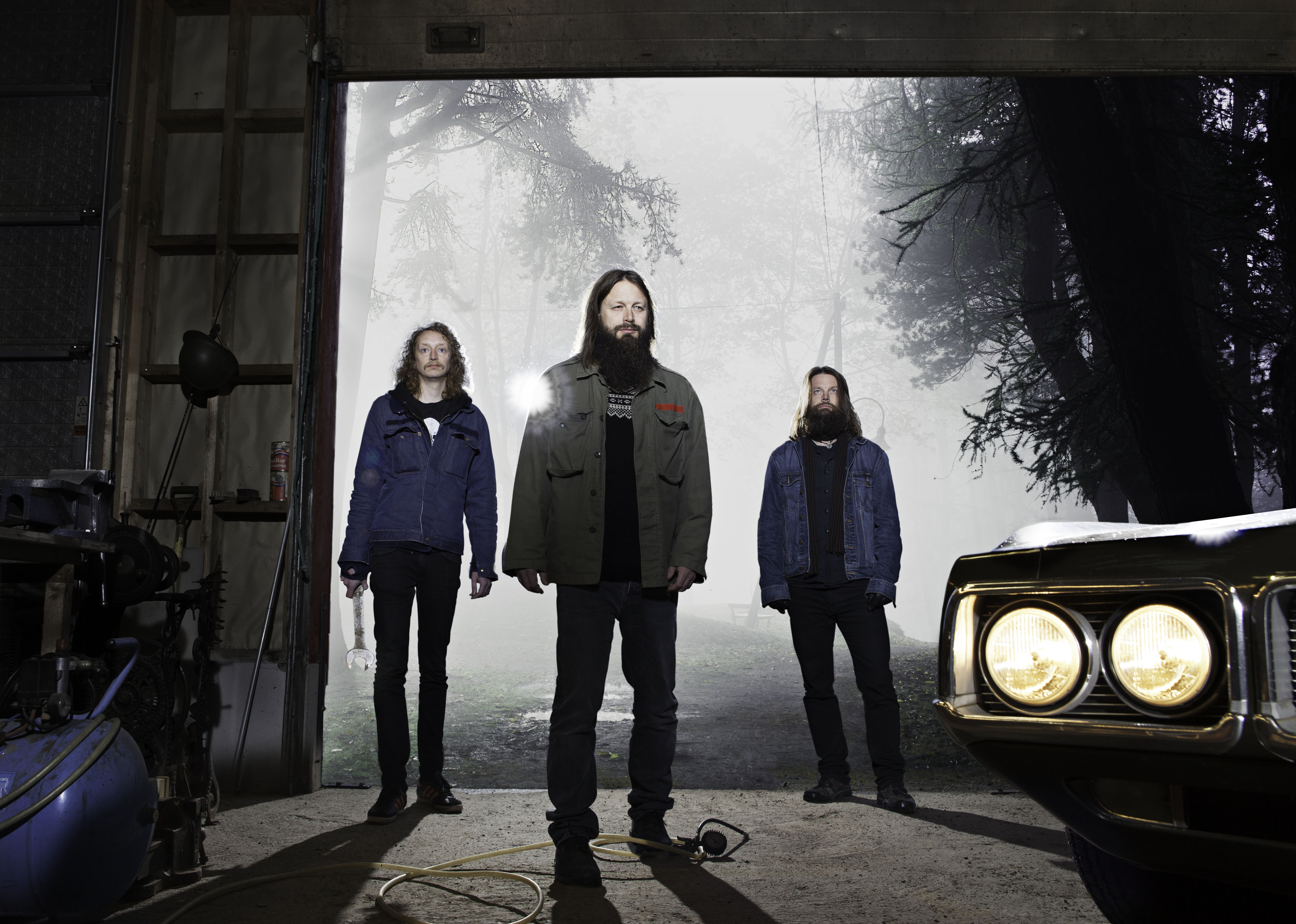
MULL HISTORICAL SOCIETY-SATELLITE.
MULL HISTORICAL SOCIETY-SATELLITE.
You shouldn’t judge a book by its covers. These are wise words. Especially when it comes to Mull Historical Society. The name doesn’t sound particularly rock ’n’ roll. Far from it. Instead, it conjures up dusty relics in a far flung museum on the remote, but beautiful Isle Of Mull. However, that’s not the case.
Instead, Mull Historical Society is the musical vehicle of Scottish singer, song-writer, multi-instrumentalist and producer Colin MacIntyre. He’s been making music as Mull Historical Society since 2000, who recently, released their sixth album Satellite on Xtramile Recordings. Satellite is the first album Mull Historical Society have released since City Awakenings in 2012. Four years later, and Satellite is the latest chapter in the story of Mull Historical Society.
The Mull Historical Society story began on 8th April 1971. That’s when Colin MacIntyre was born in Oban. However, soon, the Macintyre family moved to Tobermory, on the Isle of Mull, in the Scottish Hebrides. It’s a beautiful and spartan landscape; and was where Colin’s love of music was born.
This came when Colin started to go along to watch his uncle’s cover band play. It was a eureka moment. Suddenly, Colin realised that he wanted to make a living as a musician. Determined to make this dream a reality, Colin formed his first covers band Trax, whilst still at Tobermory Primary School. Later, Trax became Love Sick Zombies. By then, Colin was determined to follow his dream.
The dream continued when Colin moved to the mainland, to attend Oban High School. It was there that Colin considered going to art school. However, ultimately, Colin chose music over art school, and in the late eighties, he and his brother headed to Glasgow.
It was while living in Glasgow, that Colin attended a trial with Queens Park. Although he never played for the first team, Colin continued to train while working in a stockbroker and then for BT. Still, though, Colin’s dream was to make a living as a musician.
Over the next ten years, Colin continued to write and play live. He was a familiar face in Glasgow’s live scene. However, Colin was still no nearer fulfilling his dream of making a living out of music. Then came the call ever son or daughter dreads.
In 1999, Colin’s life changed forevermore. His father Kenny MacIntyre, a well respected political journalist died suddenly. By then, Colin was twenty-eight, and was still no nearer making a breakthrough as a musician. The death of his father seemed to act as a wakeup call to Colin.
The next year, 2000, Colin founded Mull Historical Society, after seeing an advert bearing the name. This Colin decided was the perfect name for his new musical vehicle. Mull Historical Society would soon make its presence felt.
Loss.
Just over a year after forming Mull Historical Society had signed to Blanco Y Negro label. Mull Historical Society were preparing to record their debut album Loss. Its title was inspired by the sudden death of Colin’s father in 1999. Recording of Loss took place in Colin’s adopted home, Glasgow.,
The recording of Mull Historical Society’s debut album took place between February and April 2001, at Gravity Studios, in Glasgow. Colin produced Loss, which was released later in 2001.
When Loss was released in October 2001 it was to critical acclaim. The album became a favourite amongst discerning music lovers and critics alike. This resulted in Loss reaching number forty-three in the UK Charts. Mull Historical Society’s star was in the ascendancy.
Following the commercial success and critical acclaim of Loss, Mull Historical Society established a reputation as one of Britain’s up and coming artists. Indeed, Loss was hailed as one of the greatest British albums of 2001. In many ways, it was a sign of what was to come from Mull Historical Society. Two years later, things got even better for Mull Historical Society.
Us.
After the success of Loss, Mull Historical Society wasted no time in beginning work on their sophomore album, Us. Mull Historical Society returned to the familiar surroundings of Glasgow’s Gravity Studios. That’s where they recorded and fourteen new tracks between January and October 2002. These tracks became Us.
When critics heard Us, most of the reviews were positive, and the same critical acclaim preceded the release of Mull Historical Society’s sophomore album. Colin received praise for his songwriting and production skills. His songs were variously described cerebral, eloquent and filled with social comment. Other critics remarked upon the “joyous orchestral” sound of Us’ production. Us was an album that would build on the success of Loss.
When Mull Historical Society released Us in March 2003, it would surpass the critical acclaim and commercial success of Loss. Us reached number nineteen in the UK, which most people would’ve thought was progress.
That’s except for the executives at Warner Bros. Colin was already being hailed one of the great up-and-coming Scottish songwriters of his generation. This didn’t matter to Warner Bros. With the music industry in a state of constant flux, and profits shrinking, Warner Bros. had to cut their budgets. There was no thought to the longterm, and artists were being dropped left, right and centre. One of the casualties was Mull Historical Society, who Warner Bros. dropper from their roster. This seemed ironic, given the success of Mull Historical Society’s first two albums. However, Mull Historical Society returned a year later with a new album.
This Is Hope.
After being dropped from Warner Bros, Colin spent two months in America. His road trip endued in New Orleans. Now suitably refreshed, Colin flew home, and began work on his third album, This Is Hope.
Unlike his two previous albums, This Is Hope was recorded in London. A total of twelve tracks were recorded That was where the twelve new tracks were recorded. This included a hit single.
Before the release of This Is Hope, How ‘Bout I Love You More was released as a single in 2004. It reached number thirty-seven in the UK chart. This was the fourth single of Mull Historical Society’s career. For Mull Historical Society, this augured well for the release of their third album This Is Hope.
Prior to the release of This Is Hope, the majority of the reviews were positive. Colin’s songwriting skills were praised, as he combines hope, humour and social comment. Especially on Death of a Scientist (A Vision of Man Over Machine 2004), which dealt with the mysterious death of government scientist David Kelly. With mostly positive reviews, it looked like This Is Hope would continue the Mull Historical Society success story.
This Is Hope was released in July 2004, on B-Unique Records. It was a small, independent label which had been founded in 2001 by Mark Lewis and Martin Toher. Mull Historical Society was their latest signing. Alas, This Is Hope stalled at just fifty-eight in the UK charts. However, whether it made his mind up to retire the Mull Historical Society moniker is unknown. For his next album, Colin dispensed with his musical mask that was Mull Historical Society.
The Water.
Following the release of This Is Hope, Colin began to rethink things. He had lost faith in both his management, and B-Unique Records. So he set about extricating himself from these two business relationships. For Colin, it wasn’t an easy time, and he even had to cancel some concerts. However, despite not being signed to a record label, Colin began work on a new album.
For what became his fourth album The Water, Colin had written eleven new songs. Rather than produce The Water himself, Colin decided to bring onboard a producer. His choice was an unusual one, Lemon Jelly’s Nick Frangle. The electronic music producer was drafted in to produce The Water.
The two men began work on the eleven new songs. Once they had recorded these songs, they were joined by a familiar face. This was none other than veteran Labour politician Tony Benn. He wrote and performed the poem Pay Attention To The Human. It’s a poignant way to close The Water.
With The Water recorded, all Colin needed was a record company willing to release the album. It would be released on Colin’s label Future Gods Recordings. Before that, critics had their chance to hear what was the first album bearing Colin MacIntyre’s name.
Critics were impressed, with The Water. It was described as “pop perfection.” Most of the reviews praised Colin’s first albums since dropping the Mull Historical Society moniker. It had been a gamble, but one that paid off. Especially when The Water was released in February 2008, and soared into the top twenty in the UK. Following the critical acclaimed and commercially success of The Water, Colin decided to change things again for 2009s The Island.
The Island.
Fittingly, when Colin began work on his fifth album The Island. he headed home to the Isle Of Mull. The familiar surroundings of Mull was the perfect place to record an album. Especially one entitled The Island.
Recording of eleven new songs took place in the classroom of the school where Colin was a former pupil. Now his old school was an arts centre. It was where Colin recorded his most stripped down album to date. This was a far cry from the orchestral sound of parts of Us. However, it was album that introduced Colin’s music to a new audience.
Just like previous albums, The Island was well received by most critics. They welcomed Colin’s new stripped down sound. Sadly, when The Island was released in 2009, it didn’t match the commercial success of The Water. However, the critically acclaimed album The Island attracted the attention of some of music’s biggest names. Indeed, for Colin, the greatest compliment he received, was hearing that Brian Wilson played The Water in his tour bus. The Island also lead to Colin touring with The Strokes, Elbow and REM. Now Colin’s was reaching a much wider audience. It was what he had always dreamt of. Now the dream was coming true, Colin decided to revive his Mull Historical Society moniker for his sixth album City Awakenings.
City Awakenings.
Four years passed between the release of The Island in 2009, and the release of City Awakenings in January 2013. However, Colin had been busy. He had toured with The Strokes, Elbow and REM. He was rubbing shoulders with the great and good of music. At last, Colin was living the dream. The wee boy from Mull had come a long way.
Now it was time for Mull Historical Society to record a new album. Colin had written ten new songs which became City Awakenings. The ten songs find Colin paying homage to Glasgow, London and New York. These three cities have influenced Colin MacIntyre, Scotland’s latest troubadour
To produce City Awakenings, Colin brought onboard Grammy Award-winning producer Dom Morley. Recording took place at Glasgow’s Cava Studios, London’s The Shed and the legendary Metropolis Studios. Accompanying Coin, a true multi-instrumentalist are a multitalented band. They provided the backdrop for Colin’s three city musical journey from Glasgow, to London and onto New York. Once City Awakenings was recorded, the album was mixed at where Colin’s musical journey began, Gravity Studios, Glasgow. This seemed fitting, as City Awakenings was a game-changer of an album.
While City Awakenings may not have been Mull Historical Society’s most successful album, it was critically acclaimed and reinforced Colin MacIntyre’s reputation as one of the most talented and gifted songwriters and troubadours of his generation. He’s capable of writing and delivering incisive, eloquent songs, crammed with social comment, emotion and heartbreak. That was the case on City Awakenings, and is the case on the long-awaited followup Satellite.
Satellite.
Just over three years passed before Mull Historical Society returned with what was the seventh album of Colin’s fifteen year career. For Satellite, Colin had written ten new songs. These ten songs were recorded at two studios with Grammy Award-winning producer Dom Morley.
Recording of Satellite took place at Sugar Cane Studios and Flint Barn Studio. Joining Colin and producer Dom Morley were drummer Andy Samson. Colin played the majority of the instruments. That’s apart from synth parts, which Dom Morley played. He recorded and mixed Satellite, while Colin took charge of the arrangements. Once the album was recorded, Satellite was mastered at Abbey Road Studios by Miles Showell. Finally, Satellite was ready for release.
When Satellite was released recently, it welcomed the return of Mull Historical Society. They had been away for over three years. It was a welcome return from the boy from Mull who dared to dream. The result is the latest chapter in Mull Historical Society’s career, Satellite.
Harmonies accompany the rhythm section and guitar on Sleepy Hollow. They play with confidence on what’s an anthem-in-waiting. Hooks haven’t been rationed, as memories come flooding back to Colin. Soon he’s singing and pleading: ”take my hand, feel the sorrow…but I remember you, in your Sleepy Hollow, I was on the rebound, you were playing love songs.” That was the past. Now he’s moved on, and he’s lost and lonely. “But I’m only me when you’re around.” By then, a carefully crafted slice of anthemic power pop has unfolded. It’s truly irresistible and is sure to be a festival favourite this summer.
As a crystalline guitar chimes, the rhythm section usher in Colin’s vocal on This Little Sister. As it’s delivered with emotion, the bubbling bass cuts through the arrangement. Reverb is added to the vocal, while the guitar plays a leading role. Later, Colin is accompanied by backing vocals, and pounding, thunderous drums. They signal it’s all change, as the arrangement is stripped bare, before building. By then, the arrangement is slick and full of hooks. He sings: “she’s so cool, she’s nobody’s fool, she sparks up a revolution,” as Colin pays homage to This Little Sister.
Why Do They Go So Soon sees the tempo drop, as backing vocals combine with drums. They set the scene for Colin’s thoughtful and almost melancholy vocal. Soon, a deliberate bass adds an element of drama, before a wistful piano makes a brief appearance. Later, Colin asks: “Why Do They Go So Soon, why do we not care the way we used to, why do we not love the way we used to?” As he delivers these lyrics, his vocal is a mixture of power, emotion and frustration. Harmonies combine with a firmly strummed guitar and add an element of drama. They’re joined by synths and piano. Everything is added at just the right time, resulted in a carefully crafted, and heartfelt, poignant song.
Stylistically and sonically Bones is quite different to previous tracks. That’s the case from the opening bars, when Colin’s vocal combines with the rhythm section and synths. Soon, he adds a guitar as his vocal grows in power. By then, there’s an almost mesmeric sound to the arrangement. Later backing vocals and a buzzing synth accompany Colin as his ad-libbed vocal soars high above the arrangement. That’s the signal to strip the arrangement, and just the guitar remains, before quickly rebuilding. Harmonies accompany Colin, as the song heads towards its crescendo. That’s when Colin asks: “any other day, I’d be ruled by fate, do you love or hate, any other day.” Although quite different from previous tracks, it has three things in common; a slick arrangement; hooks and quality.
The Ballad Of Ivor Punch finds Colin changing style. It’s another anthem that’s cinematic and rich in imagery. Thunderous drums and searing guitars join the a piano in driving the arrangement along. Colin delivers the lyrics quickly and with passion. They’re about his people, island people. He sings: “there’s a peat-stained hand, showing on her clothes, but did she jump or fall,’cause nobody knows.” What follows is a rousing rocky anthem that owes a debt of grated to Runrig. Later, the lyrics are full of social comment. By then, Colin has set the scene and it’s possible to imagine the island dweller opening their paper and seeing tragedy and atrocities. They may be far from where it took place, but they’re angry at what has happened. Still, this rousing anthem sweeps all in its wake. While it’s a song with message, and a story to tell, and does so with a swagger and style.
All The Love Remains is a cinematic tale of heartbreak and love lost. Sadness fills Colin’s vocal as he plays the piano. Meanwhile, a piano flits in and out. It adds to the melancholy sounding track. That’s still the case when rhythm section enter, and the guitar jangles. Meanwhile, Colin’s vocal is akin to a confessional as she admits: “it gets me every way, she gets me every day”.…and later: in the most of life, we are in death.” Later, a melancholy piano plays, as cascading harmonies accompany Colin’s soul-baring vocal. There’s a twist in the tale, as the arrangement becomes understated and Colin sings: “the outside lights the page, but there she stands, as if to say how much today?” Just like previous tracks, All The Love Remains showcases Colin’s talents as a singer, songwriter and musician.
A firmly strummed guitar opens Each Other, and is joined by Colin’s guitar, which briefly feedbacks. Meanwhile the rhythm section and piano join with Colin as he sings of someone who died too young. “At least we had each other babe, at least we had another day, at least we had a chance of love, at least we had another day.” The lyrics seem to pour out of Colin as he gives thanks for the love he had, and the time they spent together. It’s a moving, poignant, beautiful and uplifting song.
Try To Be You is another guitar lead song. As Colin strums his guitar, the rhythm section and synths accompany him. Colin delivers a heartfelt and hopeful vocal. “I’m reaching out, reaching out for love.” It’s not to be though. Still he sings: “I cannot be loved, any other way, it has to be you.” By then, his hopeful vocal has become needy, as another hook-laden anthem unfolds. Colin’s lyrics are cinematic as this emotional roller coaster reaches its crescendo. Sadly, there’s no happy ending. A hopeful Colin sings: “you try to be free, so I Try To Be You, I’m reaching out.”
Farewell To Finisterre closes Satellite. The sound of an old crackling vinyl record is joined by a piano. It’s played slowly, before Colin delivers a powerful and emotive vocal. Again, there’s a cinematic quality to a song that’s rich in imagery. So much so, that it’s passible to imagine the scenes unfolding before your eyes. Meanwhile, the rhythm section, piano and guitar combine with harmonies. They provide the perfect backdrop for Colin’s vocal as the arrangement builds and builds. It’s a truly irresistible track, and one that bookends Satellite perfectly.
Satellite is without doubt, the best album of Mull Historical Society’s career. It’s an almost flawless album that shows just how talented a singer, songwriter, arranger and musician Colin MacIntyre is. His partnership with Grammy Award-winning producer Dom Morley has proved to be a successful one. Their first album was City Awakenings back in 2013. However, three years later, and Satellite is a career defining album from Mull Historical Society. It’s the album many commentators knew Mull Historical Society were capable of making.
By that, I mean an album of slick, polished perfect pop, with diversions into folk and rock. Hooks certainly haven’t been rationed on Satellite. It’s an album long on clever poppy hooks and anthems. Many of these songs are sure to become festival favourites in the summer months. However, other songs are cinematic, and rich in imagery. So much so, that’s it’s possible to imagine the scenes unfolding before your eyes. Other songs on Satellite are variously moving, poignant, beautiful and uplifting; while others are irresistible and joyous. Quite simply, Satellite is a musical roller coaster from Mull Historical Society.
It’s been the musical vehicle of Colin MacIntyre since 2001. Since then, his star has been in the ascendancy. However, Satellite has cemented his reputation as one of the most talented singers and songwriters of his generation. He’s capable of writing incisive, eloquent songs, crammed with social comment, emotion and heartbreak. That’s what we’ve come to expect from Colin MacIntyre. He’s established a reputation as erudite, intelligent songwriter. Satellite is further proof of this.
Indeed, Satellite is a career-defining album from Mull Historical Society. It’s an album full clever poppy hooks and anthems. They sit side-by-side with paeans and tales of love lost.That’s why Satellite is without doubt the best album of Mull Historical Society’s career. It seems Mull Historical Society went in search of perfection on Satellite, and very nearly discovered it.
MULL HISTORICAL SOCIETY-SATELLITE.
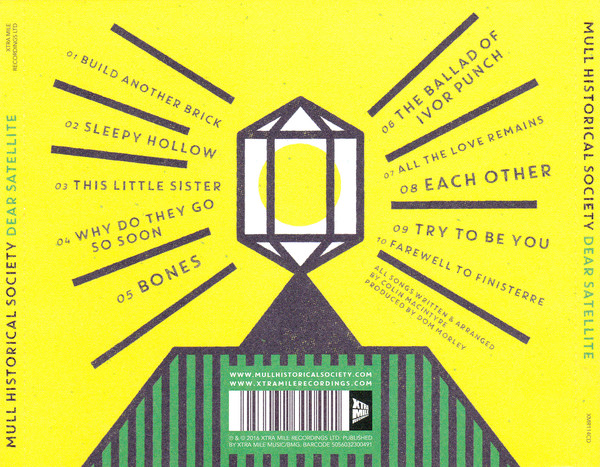

JIGMASTAS-RESURGENCE.
JIGMASTAS-RESURGENCE.
When DJ Spinna and Kriminul met, and founded Jigmastas in Brooklyn in 1991, little did they realise that their musical partnership would last twenty-five years. To celebrate this anniversary, Jigmastas have released an album of previously unreleased material Resurgence. It’s just been released by BBE Records, which has been home to Jigmastas for several years. During that period, Jigmastas have written their place into hip hop history. It began in the late sixties.
Hip hop’s birthplace was the Bronx, one of the five boroughs of New York. That was where hip hop was born in the late sixties. Its founding fathers were groups of African American and Latin American youths. This includes the Ghetto Brothers. They plugged the amplifiers for their instruments into the lampposts on 163rd Street and Prospect Avenue. Soon, music was being cranked out of their speakers. However, this was no ordinary music.
The music the Ghetto Brothers played was credited with breaking down racial barriers. It also had a social conscience, The Ghetto Brothers were involved with Puerto Rican independence, and the nascent Puerto Rican Socialist Party. Like future hip hoppers, they were determined to make a difference, and used their music to do so. Despite the importance of the music the Ghetto Brothers played, they only released one album Ghetto Brothers-Power-Fuerza in 1971. It’s become part of musical history. So have DJ Kool Herc’s block parties.
They took place at 1520 Sedgwick Avenue. At these parties, DJ Kool Herc sampled parts of records, looped breaks and added his imitable “shouts.” This was the equivalent to Jamaican DJs toasting. Nobody had ever done this before. It was a musical first.
That day, modern hip hop was born, and DJ Kool Herc was its founding father. However, it was Afrika Bambaataa, who was of the Zulu Nation collective that identified the four key elements of hip hop.
Afrika Bambaataa believed DJing, MCing, B-boying and graffiti art were the four key elements of hip hop. It was only then, that many onlookers realised that there was more to hip hop that spinning records.
That was the DJs role. MC-ing or rapping saw the MC rap or chant rhyming lyrics. B-boying was the breakdancing that accompanied the music. Graffiti art was either writing or drawing that were illegally painted on a public place. This was the ‘art’ of hip hop. Having identified the key components of hip hop and gone onto become one of the progenitors of breakbeat DJing, Afrika Bambaataa was about to join hip hop’s nascent hall of fame.
During the eighties, Afrika Bambaataa took to spreading the hip hop message worldwide. By then, a new generation of hip hop artists were making a breakthrough. Fab Five Freddy starting hosting parties in New York in 1981. The same year, RUN D.M.C. were founded. The released their eponymous debut album in 1984. Run–D.M.C. was released to critical acclaim and commercial success. Then in 1985, his LL Cool J his Radio album, Just like Run–D.M.C., it’s considered one of the most influential hip hop albums of the eighties. That’s the case with Run–D.M.C’s Raising Hell and the Beastie Boys Licensed to Ill, which sold over ten million copies. Hip hop was no longer the music of the streets. It was big business.
Rick Rubin realised this early on, and founded the Def Jam label in 1983. That was a shrewd piece of business. His label would release some of the biggest and most influential hip hop albums of the eighties.
While Eric B. and Rakim’s Paid in Full was released in 1987, on one of Def Jam’s competitors, 1988 proved to be a good year for Rick Rubin’s label. Def Jam released Slick Rick’s The Great Adventures of Slick Rick and Public Enemy’s seminal album It Takes A Nation Of Millions To Hold Us Back. Full of social comment, It Takes a Nation of Millions to Hold Us Back sold a million copies in America alone. The album is now considered a hip hop classic. So would an album released by in another of Def Jam’s competitors.
Tommy Boy were another of hip hop’s biggest labels. It had been founded by Tom Silverman in 1981. In 1989, Tommy Boy released De La Soul’s 3 Feet High and Rising. Not only did it reach number one on the US R&B charts, but was hailed a classic. Another of Tommy Boy’s releases was Queen Latifah’s All Hail the Queen. This landmark released was certified gold in 1990.
That year, Public Enemy returned with another album bristing with outrage and social comment, Fear Of A Black Planet. Again, this Def Jam release was certified platinum. Another groundbreaking albums was A Tribe Called Quest’s People’s Instinctive Travels and the Paths of Rhythm. Given the success of hip hop during the eighties, hip hop was suddenly seen as a career choice.
As a new decade continued, 1991 proved a vintage year for hip hop. Albums like A Tribe Called Quest’s The Low End Theory, Cypress Hill’s double platinum eponymous debut album and De La Soul’s De La Soul Is Dead were among the highlights of the hip hop released 1991. They were also among the biggest selling hip hop albums of 1991. However, 1991, was also the year a new production duo was founded. Jigmastas.
DJ Spinna and Kriminul met, and founded Jigmastas in Brooklyn, This was the beginning of a long partnership for the DJ, producer-emcee combo. Their recording career began in 1995, when Jigmastas featured on Rude Rydims’ single Everybody Bounce, However, it wasn’t until 1996 that Jigmastas career began in earnest.
Back in 1995, Jigmastas were making waves. A&R executives were constantly searching for hip hop’s next big thing. Some A&R executives thought Jigmastas were the future of hip hop. Especially, after they featured on Rude Rydims’ single underground hit Everybody Bounce. This brought Jigmastas to the attention of major labels. They knew hip hop was big money. That’s despite the change in hip hop. By 1995, the music had a much tougher edge,
That had been the case since the mid-eighties, when gangsta rap came to prominence. Many thought this glorification of the “thug” lifestyle would be a passing fad. It wasn’t. In 1992, Ice-T released one of the most controversial rap songs, Cop Killer. This caused outrage amongst the moral majority. The same year, 1992, Ice Cube released The Chronic.
It proved an equally controversial album. Described as G-Funk, it glorified the use of guns, alcohol, and marijuana. According to purveyors of G-Funk, this solved any problem. While three million people bought The Chronic, politicians and the album’s critics weren’t impressed by what was among the most explicit gangsta rap ever released. However, this was just the start. The Chronic proved that what was explicit gangsta rap could prove commercially successful. After the success of The Chronic, West Coast gangsta rap came to dominate rap, and Death Row Records which released The Chronic, would become one of the most successful hip hop labels.
Still hip hop was in a constant state of flux. There was a resurgence in interest of Mafioso rap, after the release of Raekwon’s debut album Only Built 4 Cuban Linx…in August 1995. Then in October 1995, Nas released Doe or Die. This pseudo Mafioso rap continued the glorification of the criminal lifestyle. To some extent, it was playing out before hip hoppers eyes.
The East Coast-West Coast feud began in 1994. Suddenly, two of hip hop’s biggest names fell victim to the feud. Tupac Shakur was murdered in a drive-by shooting on September 13th 1996. The was just twenty-five. Less than a year later, twenty-four year old The Notorious B.I.G.died on March 9th 1997. Just like Tupac Shakur, he was the victim of a drive-by shooting. In the space of a year, two of the biggest names in New York hip hop were dead. By then, there was a new name in the New York hip hop block.
That was Jigmastas. Although they had interested major labels, DJ Spinna and Kriminul decided to found their own label, They called this new label Beyond Real Recordings. It had been inspired by a track Jigmastas had just recorded.
This was Beyond Real, the track that would introduce Jigmastas unique brand of boom rap to dancers and record buyers. Beyond Real was released later in 1996 with Dead Man’s Walk on the B-Side. It was an important single. Not only was Beyond Real Jigmastas’ debut single, but the first single released on their nascent label Beyond Real Recordings. There was a lot riding on the release of Beyond Real. Fortunately, when Beyond Real was released, it gave Jigmastas a minor underground hit. Surely a followup single would be released quite quickly to build on the success of Beyond Real? However, Jigmastas didn’t release another single until 1998.
After two long years, Jigmastas returned with their new single Hip Hop. It was produced by DJ Spinna, and released on Jigmastas’ own label Beyond Real Recordings. However, after the release of Hip Hop, Jigmastas released a single on one of hip hop’s biggest labels.
Last Will & Testimony was the second single Jigmastas released during 1998. It was released on the Tommy Boy’s Black Label imprint. Jigmastas it seemed, were going up in the world.
Later in 1998, Soul Scream joined with Jigmastas to release an EP in Japan. Soul Scream’s contribution was Vibe; Jigmastas contributed the original and instrumental versions of All Day. For Jigmastas, that was the story of 1998. 1999 would prove just productive.
During 1999, Jigmastas released another three singles. This included an EP with Defari. They both contributed three tracks. Jigmastas’ contribution was three versions of Let Me Hear It. Along with three version of Defari’s Blast, they were released on Tommy Boy’s Black Label imprint. After that, Jigmastas returned home to Beyond Real Recordings.
To celebrate their homecoming to Beyond Real Recordings, Chandon was released as a single. On the B-Side was Iz You Dee. Chandon became Jigmastas’ first release on their Beyond Real Recordings since 1998. Later that year, Jigmastas hooked up with the then unsigned I.G. Off And Hazadous, to release an EP. Jigmastas contributed If, which featured Jigmastas’ new sound. Their music had taken on much more laid-back, mellow vibe. However, that would change with their next release.
As the new millennia dawned, what would be one of the busiest and most productive years of Jigmastas’ career began. They were planning on releasing an all-star collaboration. This was their Lyrical Fluctuation E.P. Mos Def, Mr Complex, Pharoahe Monch, Shabaam Sahdeeq and Talib Kweli all featured on the Lyrical Fluctuation E.P. However, what commentators and critics noticed, was that the two tracks Jigmastas contributed, featured a much tougher sound.It seemed Jigmastas’ sound was constantly evolving.
That became apparent when Jigmastas released a compilation album Grass Roots “Lyrical Fluctuation” in 2000. It traced how Jigmastas music had evolved over the last four years, and showcased Jigmastas’ versatility and musical prowess. This was the perfect primer to Jigmastas’ music, as their continued apace.
2001 proved just as busy for Jigmastas. They released two singles and album. Their Infectious album was their debut album. It was released to critical acclaim and spawned two singles, Till The Day and Don’t Get Twisted. Both the Infectious album and the two singles were released on Jigmastas label Beyond Real Recordings, Just like Jigmastas, Beyond Real Recordings it seemed, was going from strength to strength.
After releasing their debut album in 2001, Jigmastas released So What as a single in 2002. This was the only single they released. 2001 had proved to be an unusually quiet year for Jigmastas. Maybe 2003 should be different?
2003 saw things slow down for Jigmastas. They released On The Strength on the Las Vegas label HipHopSite.com Recordings. That was the last we heard of Jigmastas until 2015.
On 14th August 2015, Jigmastas dropped a new single Magnetize. It was released on Beyond Real Recordings, This was just in time for the release of Grassroots-The Prologue-Deluxe Edition, which was released in September 2015.
Grassroots-The Prologue-Deluxe Edition featured the music Jigmastas released between 1995 and 2003. During this period, Jigmastas were at their most productive. They combined Moog synth riffs, sliced and diced samples and Krim’s gravelly vocals. The result was some of the most important underground hip hop to come out New York during the nineties and noughties. However, this begs a question, what have Jigmastas been doing since 2003?
The answer to that, can be found on Resurgence, a new album of previously unreleased material from Jigmastas. It features fifteen tracks which were recorded between 2003 and 2015. These tracks were recorded during a period when most critics thought that either the Jigmastas’ story was over, or the project was on hold. That is far from the case.
Resurgence is regarded as a companion to Following closely behind last year’s expanded reissue of Grassroots-The Prologue-Deluxe Edition is the first of two albums Jigmastas plan to release during 2016. The other is a new studio album from Jigmastas. Resurgence is essentially a musical amuse bouche, and brings the story up to date.
It ended somewhat suddenly in 2003. At first critics thought that the Jigmastas project was on hold. As time passed, it began to look as if the Jigmastas story was over. A few optimists thought that was still the chance of a new album from Jigamastas. However, they also think that Glen Miller is just running late. This time, though, the optimists have been proven right, and just like. They like many within the hip hop community, will welcome the return of Jigmastas’ new album Resurgence.
Following the release of On The Strength in 2003, production duo Jigmastas continued to collaborate. However, none of these collaborations have been released until BBE Records released Resurgence. It features tracks that were recorded between 2003 and the present. They were produced and mixed by DJ Spinna, in Brooklyn, and became Resurgence, one of the most important albums of Jigmastas’ twenty-five year career.
It had been thirteen years since Jigmastas had released any new music. Since then, the musical landscape had changed, and hip hop was a very different genre. So the album that announced Jigmastas’ comeback was without doubt, one of the most important of their career. Essentially Jigmastas’ career, reputation and very future was at stake from the moment they announced the release of Resurgence.
Many musicians and groups had been in the same situation as Jigmastas. The major worry for any musician who had been away so long, was the worry that their music sounded hopelessly outdated. What if their music was no longer relevant? This could end up tainting their musical legacy. It could even affect their future, or even spell the end of their career. Jigmastas must have realised that all this was possible. Still, Jigmastas were determined to press ahead with release of Resurgence, their comeback album.
Jigmastas were aware of the risks as they signed the contract to release their comeback album, Resurgence. However, Jigmastas were confident that even after thirteen years away, their music was still relevant and retained a contemporary sound. There was no way that Jigmastas believed the music on Resurgence was outdated. Instead, Resurgence was the next chapter in Jigmastas’ twenty-five year career.
As the opening bars of Resurgence Intro opens Resurgence, one wonders what lies ahead? Have Jigmastas been away too long, or do they still have something to contribute? There’s also the worry that Resurgence sounds like a collection of tracks, rather than a cohesive albums. However, as the crunchy, mesmeric beats provide the heartbeat to this musical amuse bouche things are looking good.
Quickly, the music becomes soulful, melodic, witty and sometimes, cerebral as Jigmastas showcase their usual brand of boom rap. DJ Spinna adds what are mostly laid-back and mellow backdrops; while Kryminul adds a series of raps. He dawns the role of storyteller, as he delivers lyrics that tell of life on the streets of Brooklyn. They’re akin to short stories that last between three to five minutes. Kryminul delivers his raps with emotion, passion, frustration and humour, as ducks and dives between subject matters. Meanwhile, DJ Spinna adds his trademark arrangements.
Three of his finest laid back, languid arrangements can be found on Breather, Penthouse and The Resurgence. Especially, Penthouse’s arrangement with its jazz-tinged horns and ethereal harmonies. Resurgence Intro and Resurgence Outro which are both instrumentals which allow DJ Spinna to take centre-stage. He even adds an experimental sound to Resurgence Outro. This most likely comes courtesy of a tape being played backwards. It seems DJ Spinna has lost none of desire for invention on Resurgence. It’s an album which features a few of Jigmastas’ friends.
This includes guest appearances come from Shabaam Saadique on Too Ill, which is one of the highlights of Resurgence. Then SKAM2 and Shadow Man Boogie Of Old World Disorder collaborate on God and the Heathen. Later, SKAM2 reappears on Raise Up, and swaggers his way through the track. The addition of Jigmastas’ friends adds a new dimension to Resurgence, the long awaited comeback album from Jigmastas.
After thirteen years away, Jigmastas announce their comeback with Resurgence, which was released by BBE Records. Unlike most comeback albums, Resurgence is a collection of tracks that were recorded between 2003 and 2016. This could’ve gone badly wrong.
It didn’t though. Resurgence shows that Jigmastas rate still relevant and still have something to offer music. There’s a soulfulness to much of Resurgence, with tracks that are melodic and lyrics that are thought provoking, witty, controversial and sometimes, cerebral. As usual, DJ Spinna adds what are mostly laid-back and mellow backdrops and Kryminul adds a series of raps. It’s a successful and long lasting partnership.
The partnership began in 1991, and still going strong twenty-five years later. That’s a long time in hip hop years. Anyone who knows their hip hop history is sure to agree. Usually, hip hoppers have burnt-out; or are bankrupt or are in jail. Some have had to resort to third rate reality shows. Others are dead having died a brutal and bloody death. Still, though, Jigmastas are making music.
Jigmastas are hip hop’s survivors, who after twenty-five years, continue to create their trademark brand of boom rap. It features on their new album Resurgence and their forthcoming album Stellar. However, Jimastas comeback album Resurgence, shows that they’re still relevant as they create music that’s laid-back, mellow, melodic and soulful.
JIGMASTAS-RESURGENCE.

 dereksmusicblog
 dereksmusicblog