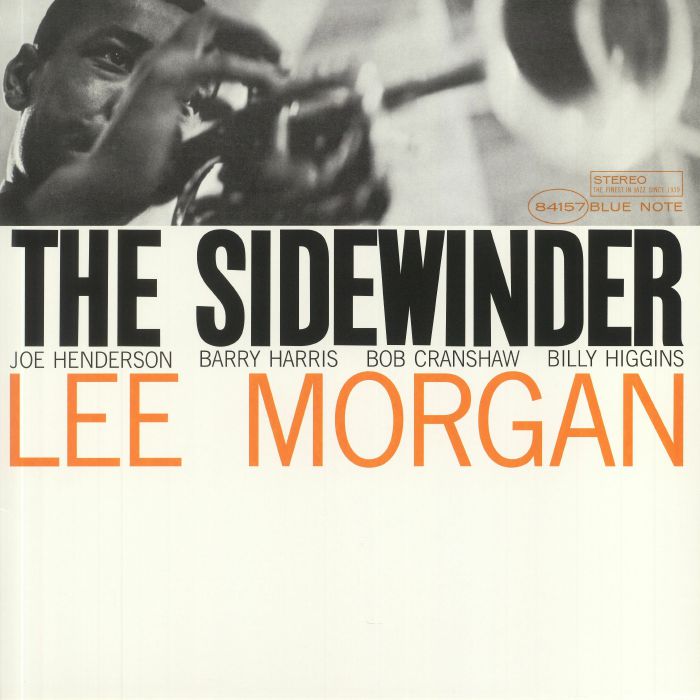
JAZZ CLASSIC: LEE MORGAN-THE SIDEWINDER.
Jazz Classic: Lee Morgan-The Sidewinder.
On the 21st’ December 1963, Lee Morgan and his quintet travelled to the Van Gelder Studio in Englewood Cliffs, New Jersey, to record what was the fourteenth album of his career. He had signed to Blue Note Records in 1956 and in the Spring of 1957 had released his debut album Lee Morgan Indeed!
Since then, he had released albums on Savoy, Speciality, Vee-Jay and Jazzland. However, he had released seven albums on Blue Note Records and the album he was about to record would take the total to eight. That album was The Sidewinder, which became a jazz classic and at the time was the most important album that Blue Note Records released.
Very few artists signed to Blue Note Records were aware of the label’s perilous financial situation. Things were so bad that the label was almost insolvent and teetering on the brink of bankruptcy. What it needed was a successful album, and even better one that featured a successful single that would be used in adverts and as the theme for television shows. This was a long shot, and even Alfred Lion who co-owned Blue Note Records and was about to produce The Sidewinder knew that. It was beyond his wildest dreams.
When Lee Morgan and his quintet arrived at the studio, he had written five new compositions. This included The Sidewinder, Totem Pole, Gary’s Notebook, Boy, What A Night and Hocus Pocus. They would be recorded by a talented and versatile quintet.
This included drummer Billy Higgins, double bassist Bob Cranshaw and pianist Barry Harris. Tenor saxophonist Joe Henderson joined bandleader and trumpeter Lee Morgan in the quintet’s front line. Taking charge of engineering duties was Rudy Van Gelder while Alfred Lion produced The Sidewinder. Just like so many Blue Note Records’ sessions, the album was recorded in a day which saved the label money. And given the label’s perilous financial state, it needed to save money.
With The Sidewinder recorded, Lee Morgan and his band could enjoy the festive season and then concentrate on playing live. That was where jazz musicians made most of their income. For some, including Lee Morgan, session work was lucrative. Especially when they weren’t selling huge amounts of albums.
When staff at Blue Note Records were preparing for the release of The Sidewinder they only ordered 4,000 LPs. Going by previous releases, this they thought would be plenty.
Blue Note Records scheduled the release of The Sidewinder for July 1964. Just a few days earlier, on the ‘10th’ of July, Lee Morgan turned twenty-six. When The Sidewinder was released he would be celebrating again.
When The Sidewinder was released to widespread critical acclaim it was hailed as the finest of Lee Morgan’s career. The album opened with the unmistakable title-track and future classic, The Sidewinder. Lee Morgan had written a soul-jazz boogaloo inspired track which also tried to capture a hard bop style which was an instant classic. This was quite different from Lee Morgan’s previous work and the rest of the album. The rest of The Sidewinder was heavily blues-based but revealed what was Lee Morgan’s more traditional hard bop sound.
Playing a leading role in the sound and success of The Sidewinder was tenor saxophonist Joe Henderson who Lee Morgan was mentoring. He unleashes a series of stunning solos throughout the album. However, each and every member of the band plays their part in tis future classic album that is alive and bristling with energy. It’s a snapshot in time that showcases as this talented and versatile quintet on an almost flawless album that transformed Lee Morgan’s career.
Having shipped the 4,000 copies of The Sidewinder the album sold out within three or four days. More copies were ordered and pressed and shipped out to shops by the label’s distributor. By January 1965, the album reached number twenty-five in the US Billboard 200 and became Blue Note Records biggest selling album. The label hadn’t expected this and The Sidewinder was an unexpected success.
This wasn’t the end of the success for Lee Morgan and Blue Note Records. They decided to release The Sidewinder as a single and it gave the twenty-six year old trumpeter a hit single when it entered the upper reaches of the US Billboard 100. It was an instantly recognisable track and one that the caught the imagination of the public.
During the 1965 World Series, which took place between the ‘6th’ and ‘14th’ of October, Chrysler were running a new advert and decided to use The Sidewinder. However, there was a problem, they hadn’t asked Lee Morgan.
The first he knew was when he was sitting at home watching the World Series and he saw the advert and heard his now famous composition. Lee Morgan wasn’t happy with the unauthorised use of The Sidewinder and threatened to sue Chrysler. They agreed not to show the advert again and settled the case.
For Lee Morgan, The Sidewinder was the most successful and lucrative album of his career. It was also the most successful album that Blue Note Records had released and saved the company. The Sidewinder would play an important part in the company’s history.
Having saved Blue Note Records from near bankruptcy, label executives wanted Lee Morgan to record Sidewinder II. Jazz’s premier label was now taking the Motown approach. This wasn’t the way that Lee Morgan worked. However, to focus his mind label executives postponed some of his future releases. Others were shelved entirely. All they wanted was Sidewinder II.
Lee Morgan recorded three albums where he tried to replicate The Sidewinder sound. This included The Rumproller which was released in January 1966. Sadly, the album failed to build upon the success of The Sidewinder. For Lee Morgan and executives at Blue Note Records this was a disappointment.
Things improved when Lee Morgan released his Cornbread album in January 1967. The title-track was released as a single and brought further commercial success his way.
More success followed in June 1968 when The Gigolo album was released by Blue Note Records. They decided to release Yes I Can, No You Can’t as a single and it gave Lee Morgan another hit single. However, it must have been frustrating trying to replicate the success of The Sidewinder rather than trying to move forward musically and ensure that his music evolved.
After the release of The Sidewinder, every album that Lee Morgan released was compared to his career-defining classic. It was the proudest moment of his musical career but in a way, was also one of the worst things that happened to him. He spent the rest of his career trying to scale the same heights but sadly, always came up short.
That might not have been the case if Lee Morgan’s carer hadn’t been cut tragically short. On February the ‘19th’ 1972 he was booked to play two sets at a jazz club in New York’s East Village. There was an altercation between the sets at Slug’s Saloon and Lee Morgan’s common law wife Helen Moore him. Initially, Lady Luck was smiling on him as it wasn’t a fatal shot. However, that night, it was snowing heavily and the driving conditions were treacherous and the ambulance took so long to arrive that one of jazz’s great trumpeters bled to death. Lee Morgan was just thirty-eight.
Lee Morgan was a prodigiously talented trumpeter whose star shines the brightest on his career-defining album and hard bop classic The Sidewinder, which is a reminder of one the greatest trumpeters in the history of jazz.
Jazz Classic: Lee Morgan-The Sidewinder.
MICHAEL ROTHER-FROM SPIRIT OF SOUNDS TO THE SOLO YEARS
Michael Rother-From The Sprit Of Sounds To The Solo Years.
By the early seventies, the German music scene was thriving, and was one of the most vibrant in Europe. Some of the most influential and innovative music was being recorded and released by German bands who were part of a new musical movement and were making Kosmische musik.
Its roots can be traced to the late-sixties, and in a way, were a reaction against the rigidity and rules of traditional music. No longer were musicians willing to be constrained by the rules of modern music. They wanted to free themselves from the shackles of rules and rigidity, and in the process, create new and groundbreaking music.
To do this, musicians fused a disparate and eclectic selection of musical genres, including everything from avant-garde, electronica, experimental rock, free jazz and progressive rock. All this influenced and inspired the Kosmische bands.
They went on to create music that was ambitious, groundbreaking and innovative. Musical boundaries were pushed to their limits and musical norms were challenge. The members of the early Kosmische bands were fearless visionaries whose groundbreaking music would influence several generations of musicians.
This includes Michael Rother, who was a member of three of the biggest bands in German musical history Kraftwerk, Neu! and Harmonia and in 1977 released his debut solo album Flammende Herzen. Forty-three years later and earlier this year the seventy year old guitarist released his Solo II box set which includes his tenth solo album Dreaming. It has just been released by Gronland Records and is the latest chapter in the Michael Rother story.
Michael Rother was born on 2nd September 1950 in Hamburg which was home for the early years of his life. Then the Rother family moved from Hamburg to Wilmslow in Cheshire “because my father was a pilot. This was just the first in a series of moves.”
“Next we moved to Karachi, in Pakistan, where I was: captivated by the street musicians. The sounds, scales, rhythm and constant repetition mesmerised me. They would later influence as a musician.” That wasn’t Michael Rother’s first musical influence.
“Originally, my earliest musical influence, was classical music. I remember my mother, who was a pianist, playing Chopin’s concertos. Then it was rock ’n’ roll. My brother who was ten years older than me, had rock ’n’ parties. Little Richard was my favourite, I loved the energy. Later, after the British explosion, The Beatles, Rolling Stones and The Kinks were the groups I listened to. Much later, the guitarists Eric Clapton, Jeff Beck and Jimi Hendrix when he descended down, were my influences.” However, the mention of Jimi Hendrix’s name and almost in an instant, Michael Rother is a teenager again.
“I was lucky, I once saw Jimi Hendrix live, it was an incredible experience.” As Michael Rother speaks, he’s almost awe-struck. Then he reflects on the subject of influences: “later, when I became a musician, I came to regard those that I worked with, and collaborated with, as my influences and inspirations.” It’s then that he turns to the clock back to 1965, when his career began.
Spirits Of Sounds.
“My career began in 1965, when I joined a covers band at school. I had watched them play, so went away and spent the next year practising my guitar. Once I was ready, I asked if I could join and I became a member of Spirits Of Sounds. They said yes and this was the start” This cover’s band featured two other musicians who would enjoy successful processional careers.
Wolfgang Flür went on to form Kraftwerk and Wolfgang Riechman formed Wunderbar. Spirit Of Sounds must have been the only cover’s band to feature three musicians who would later transform German music. That was still to come.
“Spirits Of Sound played just covers, including songs by The Beatles, Rolling Stones and The Who.” For Michael Rother, this was his akin to a musical apprenticeship. Playing with Spirits Of Sound allowed him to learn his trade and hone his sound. All the time, he was listening to music which changed throughout the sixties.
“Later guitarists like Eric Clapton, Jeff Beck and Jimi Hendrix that were influencing me.” By then, Michael Rother was happy being part of a band, and seeing what life in a group was like. He was also well on his way to refining his guitar playing. However, then in 1969, Michael Rother got the call all young people must have dreaded.
Back in 1969, every German citizen had to spend six months in the army. Those who refused, or suffered from ill-health, could spend six months as a civilian volunteer. That’s how in 1969, Michael Rother found himself working at St. Alexius hospital, Neuss. He had no option.
By the time his six month as a civilian volunteer was over, Michael Rother “was beginning to become frustrated with playing in a cover’s band. It had its limitations, and wanted to move away from traditional music.” Fortunately, Michael Rother got the opportunity to jam with a new band in late 1969…Kraftwerk .
Kraftwerk.
At first, Michael Rother was just jamming with Kraftwerk. He enjoyed the freedom that their approach to music had. “When I began playing with Kraftwerk, they improvised, playing melodies without the blue notes.” This opened his eyes to the possibilities that were in the process of unfolding. Kosmische musik had just been born, and Kraftwerk were one of its pioneers. “After I had jammed with Kraftwerk, Florian Schneider and I exchanged phone numbers.”
After his session with Kraftwerk, Michael Rother returned to Spirits Of Sound. Musically, his eyes had been opened. A new musical movement had been born in West Germany. However, for the time being, he was back in his covers band.
Then in 1971, Michael Rother received a call from Florian Schneider. “Ralf Hütter had quit Kraftwerk unexpectedly, and returned to university to complete a course.” Meanwhile “the first Kraftwerk album had been a hit, and they wanted to build on the momentum.” Florian wanted him to join Kraftwerk on a permanent basis.
It didn’t take Michael Rother long to agree. After six years with Spirits Of Sound, a new chapter in his career was about to begin. He was going to be part of Kraftwerk, who were now a trio.
When joined Kraftwerk, the group’s lineup was very different to the one that had recorded their 1970 eponymous debut album. Just Florian Schneider and Klaus Dinger remained. The edition of Michael Rother on guitar filled out the sound. However, very quickly he discovered that all wasn’t well within Kraftwerk.
His role in Kraftwerk was twofold. “I would play live and play on what was to be their second album.” Straight away, Michael Rother discovered that life with Kraftwerk was eventful. “It was exciting, never boring. When we played live, it could become chaotic, fights broke out between Klaus and Florian. They were both spiky characters.” That was only half the story.
“Sometimes, the audience didn’t understand what they heard. They came to hear what they heard on Kraftwerk. That was just a starting point. We took things from there. For members of an audience who expected to hear Kraftwerk replicated live, this what frustrating. Other members of the audience were excited by the possibilities. It was an exciting time for everyone” However, it was also a frustrating one.
After the success of Kraftwerk, Florian and Klaus were keen to record their sophomore album with producer Conny Plank. Tension was in the air. The recording sessions were fraught with difficulties. Although songs were recorded, the album was never completed. “Eventually, we hit a dead-end and the recordings have never been released. It was then that Klaus and I decided to form a new band, Neu!”
The Birth Of Neu!
By then, Michael Rother and Klaus Dinger realised that: “we had a similar musical vision.”The nascent band were formed later in 1971, and was based in Düsseldorf. After the disagreements and frustration of Kraftwerk towards the end, the new band was a breath of fresh air. It was sure to revitalise the two musicians. The only thing they couldn’t agree on, was the band’s name
Michael though the band should have an organic name. Klaus however, had hit on the name Neu! This made sense, as they were a new band, who were part of the new musical Kosmische musik movement.
So, the new band became Neu! To go with the new name, a pop art logo was designed and copyrighted. This new logo was seen as a comment and protest against the modern consumer society. Just like contemporaries Can, Neu weren’t afraid to combine social comment and art. Having settled on a name, Neu!’s thoughts turned to recording their debut album. There was a problem though.
Neu!
Michael Rother explains “we were poor musicians,’ All we could afford were four nights at Windrose-Dumont-Time Studios in December 1971. The reason we chose to record at nights, is it was cheaper. However; “it was a close shave, I get the shivers thinking about it. However, with the help of the genius Conny Plank, we got our message across.”
Over the four days, Neu! recorded a total of six tracks. They were written by Michael and Klaus. The two members of Neu! laid down all the parts onto an eight-track recorder. Michael Rother played guitars and bass, while Klaus Dinger played drums and a Koto. “At first the recording was slow, then we found the positive energy to move forward. The songs were stripped down to the bare essentials, they had to be we only had eight tracks to record onto.” Five of the six songs Neu! recorded were lengthy tracks. This included Hallogallo and Negativland.
Both feature Klaus Dinger’s innovative and mesmeric Motorik beat. He played a 4/4 constantly, with only an occasional interruptions. Its hypnotic sound would soon become famous.
As the two members of Neu! listened to the playback of Hallogallo and Negativland, they had no idea that this drumbeat would become synonymous with Kosmische musik. Even once Conny Plank had mixed Neu! at Star Musik Studio, in Hamburg, the two members of Neu! had no idea how influential the album would become.
“Once the album was mixed, Conny Plank gave me a copy of the cassette to listen to. I was proud, and played it to my girlfriend, family and friends. I’d no idea the effect the album would have. I was just pleased to have recorded my album. It had been a close shave.” Michael Rother had no inclination that he had recorded a classic album.
Neu! was scheduled for release in early 1972. At the time, critic’s opinions were divided. Some critics realised Neu! was a truly groundbreaking album, and appreciated what was a genre-melting album. Elements of ambient, electronica, experimental, free jazz, industrial, music concrete and rock can be heard. These critics identified the album as a Kosmische classic. Other critics didn’t seem to understated Neu!, or Kosmische musik, which by then, had been renamed.
In London, a critic at Melody Maker had coined the term Krautrock. This came after Amon Düül released their 1969 album Psychedelic Underground. It featured a track titled Mama Düül und Ihre Sauerkrautband Spielt Auf, which in English, translates as Mama Düül and her Sauerkrautband Strike Up. At first, many people were reticent about using the name of this new genre.
By the time Neu! was released in 1972, that was no longer the case. Other critics and record buyers were using Krautrock rather than Kosmische musik. This was how they described the music of Can and Kraftwerk, and then Neu!, who had just released their eponymous debut album.
When Neu! was released on Brain in 1972, the album sold 30,000 copies in Germany. For an underground album, that was seen as a success. However, outside of Germany, Neu! didn’t sell in vast quantities. Despite only selling well in Germany, Neu! began work on their sophomore album, Neu! 2.

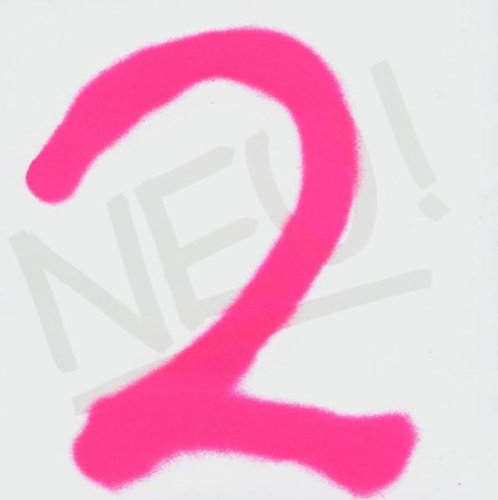
Neu! 2.
In January 1973, Neu! found themselves back in the studio with producer Conny Plank. “We weren’t signed to a record label, so Klaus, Conny and I had saved our money, and when we went to the studio, handed over enough to record for ten days.”
With Conny Plank producing what became Neu! 2, Michael Rother and Klaus Dinger began work. “This time, we had sixteen tracks to work with, so could layer instruments. I played my guitar, it was played backwards, the tempo was sped up and effects were added.” Neu! it seemed, had taken experimenting to a new level, and were pushing musical boundaries to their limits, and sometimes way beyond. Everything seemed to be going so well. Then a problem arose.
“By then we had spent a week exploring, adding layers. I stacked five six guitars, added effects like distortion. This had taken a week, and we only had half an album recorded. We panicked. Then we thought of a solution. We had released recently Neuschnee and Super as a single. For some reason, the record company hadn’t promoted it. They seemed not to value singles. So we began to experiment.”
This was: “a result of desperation. Side two of Neu! 2 is made different versions of Neuschnee and Super. We did all sorts of things. I played the single on a turntable, and Klaus kicked it as it played. We than played the songs in a cassette player, slowing and speeding up the sound, and mangling the sound in the process.” Just like their debut album, Neu! 2 was completed just in time. It was another: “close shave.”
With Neu! 2 complete, it was scheduled for release later in 1973. When the album was released, critics heard than Neu! had refined their trademark sound, and taken it even further. “Für immer an eleven minute epic was the best example.” It features the two members of Neu! becoming one. As the drums propel the arrangement along, Michael Rother delivers a virtuoso performance. Critics were won over by “Für immer, which was regarded as the highlight of Neu! 2. However, side two proved controversial.
Many critics weren’t impressed by side two of Neu! 2. They saw the music as gimmicky, and accused Neu! trying to fool and rip off record buyers. As indignant critics took the moral high-ground, again, it was a case that they didn’t understated music.
“What we had done, was take ready-made music and deconstruct it. Then we could either reconstruct or manipulate the deconstructed music.” Critics either couldn’t or didn’t want to understand this. Neither did record buyers.
Just like critics, those who bought Neu! 2 were won over by side one. Für immer was Neu! 2 masterpiece, and most people realised this. However, when record buyers turned over to side two, they quickly became alienated. “They felt that we were trying to rip them off. That was not the case. Side two was Neu! at their most experimental, deconstructing only to reconstruct or manipulate. People didn’t understand this. It’s only recently that the music on side two has began to find favour with people. That wasn’t the case in 1973.”
On its release, Neu! 2 didn’t sell well. Even in Germany, Neu! 2 failed commercially. Brian who released Neu! 2, had expected the band to tour the album. However, there was very little interest in Neu!
Klaus Dinger and his brother Thomas even headed to London, to see if he could organise a Neu! tour of Britain. There, he met DJ John Peel, and Karen Townsend, the wife of The Who’s guitarist Pete. Although John Peel played tracks from Neu! 2 on his radio show, and tried to champion the band, there was no appetite for a Neu! tour of Britain. When Klaus returned home, he and Michael Rother put Neu! on hold.
Both Klaus and Michael were keen to make it clear that this wasn’t the end of Neu! They merely, wanted to take some time out, to pursue other interests and projects. Klaus Dinger’s new project was La Düsseldorf. Meanwhile, Michael Rother decided to embark on a journey to the Forst Commune.
The Birth Of Harmonia.
That was where he would meet Dieter Moebius and Hans-Joachim Roedelius of Cluster. Michael Rother had heard Im Süden, a track from Cluster’s sophomore album Cluster II. The track struck a nerve with him and he who wondered if Dieter Moebius and Hans-Joachim Roedelius would be interested in joining an extended lineup of Neu!? Then he began to consider a German supergroup consisting of Neu! and Cluster.
That proved to be the case. At the Forst Commune, he jammed with Dieter Moebius and Hans-Joachim Roedelius. That initial jam later became Ohrwurm, a track from Harmonia’s 1974 debut album Musik von Harmonia. Following their initial jam session, Michael Rother stayed at the Forst Commune to prepare for the recording of Harmonia’s debut album.
Meanwhile, Klaus and Thomas Dinger had returned from London. They came, they thought, baring gifts. One of the gifts was studio engineer Hans Lampe, who for much of 1972, had been Conny Plank’s engineer. The other was Klaus’ brother Thomas. They Klaus proposed, would join an extended lineup of Neu! In preparation, they played a series of concerts as La Düsseldorf. However, by then, Michael Rother was busy with Harmonia and they were planning to record their debut album, and build a recording studio.
Building a recording can be fraught with difficulties. However, for the three members of Harmonia the building of their studio in Forst went smoothly. This new studio would play a hugely important part in Michael Rother’s future career. Not only would it be where Harmonia recorded their debut album, but where Michael Rother worked on future projects with Neu! and later, recorded his solo albums. That was still to come. Before that, Harmonia began to record their debut album Musik von Harmonia.
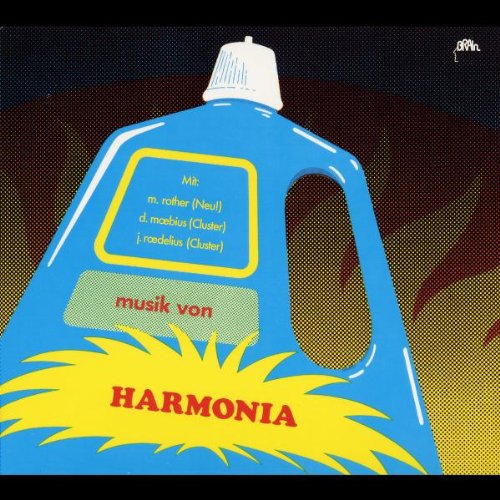
Musik Von Harmonia.
Having built their new studio, Michael Rother, Dieter Moebius and Hans-Joachim Roedelius started recording what became Musik von Harmonia in June 1973. Over the next five months, Harmonia recorded eight songs. The two members of Cluster were receptive to Michael Rother’s way of working. Hans-Joachim Roedelius explained: “there were no problems, we wanted to learn. Previously, we improvised, which made playing live problematic. A song was merely the starting point, it could go anywhere. Michael however, taught us about structure. We influenced him. It was a two-way thing.”
That’s definitely the case. Michael Rother believes: “that working with Dieter Moebius and Hans-Joachim Roedelius made him a more complete musician.” Over his time working with the two members of Cluster; “I learnt so much.”
This became apparent when Musik von Harmonia was completed in November 1973. Harmonia’s 1974 debut album, Musik von Harmonia, was a move towards ambient rock. Both Michael Rother and the two members of Cluster’s influences can be heard on the nascent supergroup’s debut album. It was released in January 1974.
When Musik Von Harmonia was released, many critics realised the importance of what’s a groundbreaking classic. It saw this nascent supergroup seamlessly embrace and incorporate disparate musical genres. In the process, Harmonia set the bar high for future ambient rock albums. Despite the critical acclaim that accompanied Musik von Harmonia, the album wasn’t a commercial success.
Michael Rother remember ruefully: “the seventies weren’t a good time for Harmonia. Our music was ignored, it was tough to survive during this period. So towards the end of 1974, Michael and Klaus reunited for Neu!’s third album.
The Return Of Neu!-Neu! ’75.
For Neu!! ’75, Michael Rother and Klaus Dinger reunited in December 1974 at Conny Plank’s studio. By then, Conny’s Studio was the go-to recording studio for German groups. They wanted: “the genius” to sprinkle his magic on their albums. This would be the case for Neu! ’75.
The two members of Neu! had changed. Klaus Dinger was heavily into rock music, while Michael Rother’s interest in ambient music was growing. He explains: “After two years apart, we were different people. To complicate matters, Klaus wanted to move from behind the drum kit. He felt he was hidden away. I can understand this. But it was what Klaus did so well. However, he wanted to become an entertainer, playing the guitar and singing. He wanted to bring in two new musicians to replace him.” This included Klaus’ brother Thomas and Conny Plank’s former engineer Hans Lampe. These new musicians would allow Neu! to make a very different album.
Michael Rother realised this was problematic. “By then Klaus could be difficult to work with. I realised we had to compromise, so ended making an album with two very different sides. Side one was old Neu! and side two was new Neu!” On side two Klaus come out from behind his drum kit and played guitar and sang. He became the entertainer on what proved to be an album of two sides. It was completed in January 1975, and released later that year.
When critics were sent copies of Neu! ’75, they were struck by side one’s subtle, ambient, melodic sound. Michael remembers: “we used keyboards and phasing a lot on both sides. While Michael Rother’s name was written large all over side one; side two was very different, and quite unconventional. Reviews were mixed, partly because of side two. Some critics felt that if Neu! ’75 had the same sound throughout, it would’ve been hailed a classic. However, later Neu! ’75 and Neu!’s earlier albums would be reevaluated. Before that Neu! ’75 was released.
Just like Neu! 2, Neu! ’75 didn’t sell well. The problem was, many people didn’t understand what was essentially parts of two disparate albums joined together. The proto-punk of side two was so different from the ambient sound of side one. Record buyers were confused, and didn’t understand what Neu! stood for? It seemed that Neu! were just the latest groundbreaking group whose music was misunderstood and overlooked.
Michael Rother looking back at Neu! ’75 reflects: “It was a time. Klaus wasn’t the easiest person to work with. He was involved with different people, and being pulled in different ways. We were also very different musically. Then there were the new drummers on side two. They weren’t particularly good. Certainly neither were as good as Klaus,” a rueful Michael Rother remembers. “It was a difficult project. By then Klaus was different to the man I’d met a few years earlier.” He wouldn’t work with Klaus for another decade. By then, Neu!’s music had inspired a new musical movement, punk.
Things started to change in 1976. Michael explains: “many punks claim that Neu! ’75 inspired them. Especially, side two.” That wasn’t the only Neu! album that inspired the punk ideal. Side two of Neu! 2 was a favourite of punks. It was: “a result of desperation,” which struck a nerve with the nascent punk movement, and its D.I.Y. approach. That’s when the revaluation of Neu! began. However, “it was a long time before our music was accepted and recognised, and began to sell in the quantities it does now”. That is also the case with Harmonia, who began recording their sophomore album in June 1975.

The Return Of Harmonia-Deluxe.
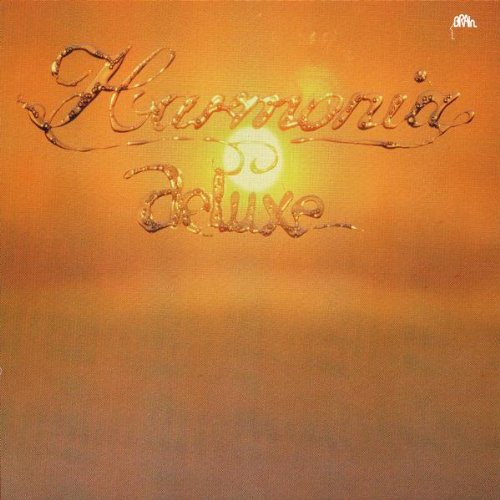
In June 1975, the three members of Harmonia returned to their studio in Forst for the recording of their sophomore album, Deluxe. Joining them, was a new face, Conny Plank, who was co-producing Deluxe. Conny Plank and Michael Rother were good friends, and had worked together on four projects. This included Kraftwerk’s aborted album and Neu!’s two albums. The addition of the man who Michael Rother calls: “the genius,” just happened to coincide with Harmonia changing direction musically.
Deluxe saw a move towards Kominische musik. Partly, this was down to the addition of Guru-Guru drummer Mani Neumeier. He played on some tracks, and added a Kominische influence. Another change was that Michael Rother’s guitar played a more prominent role. That wasn’t Michael’s only influence.
The music on Deluxe was more song oriented. This was Michael Rother’s influence. He had taught the two members of Cluster the importance of structure. However, still Harmonia were experimenting, pushing musical boundaries. This was Cluster’s influence. Other parts of Deluxe had been influenced by Michael Rother. Hans-Joachim Roedelius agrees. “Michael Rother’s influence can be heard on Deluxe, more so than on Musik Von Harmonia.” What was also noticeable, was that Deluxe had a more commercial sound.
“This wasn’t a conscious decision. The music morphed and evolved, and the result was Deluxe,” Hans-Joachim Roedelius reflects.
Michael Rother agrees. “Every album I’ve made I set out for it to be commercial. Sometimes, though, it doesn’t work out that way.” Sadly, that proved to be the case.
When Deluxe was released in 1975, to the same critical acclaim as Musik von Harmonia. The noticeable shift to what was a more commercial sound, surely would lead to a change in Harmonia’s fortunes?
That wasn’t to be. Deluxe was released on 20th August 1975, and sales of the album were slow. They never picked up, and history it seemed, was repeating itself. Michael reflects: “Still our music was being ignored. It was a difficult time for us. So much so, that Michael decided to record his debut solo album.
Michael Rother-The Solo Years-Part One.
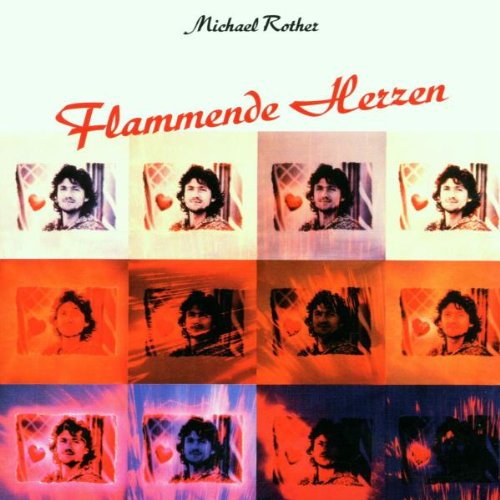
With Harmonia having just about run its course, Michael Rother embarked upon his solo career. That would take up the majority of his time. His first solo album was “Flammende Herzen which I recorded at Conny’s Studio.” Michael Rother had entrusted his solo career to the man he refers to as “the genius.”
Flammende Herzen.
Recording of Flammende Herzen began at Conny’s Studio in June 1976. Michael had penned five tracks, and planned to play most of the instruments himself. The only instrument he couldn’t play were the drums, so Jaki Liebezeit of Can came onboard, and this was the start of a long-lasting collaboration. That was the case with Conny Plank, who co-produced Michael Rother’s debut solo album.
At Conny’s Studio, five instrumentals which were based around Michael Rother’s guitar were recorded. These tracks became Flammende Herzen, which was completed in September 1976 and was scheduled for release in March 1977.
Before the release of Flammende Herzen, critics had their say on Michael Rother’s solo album. Most of the reviews were positive, and it seemed that Michael’s fortunes were about to change.
When Flammende Herzen was released in March 1977, the album wasn’t a commercial success. Despite releasing album after album of innovative and influential music, they failed to sell. It seemed that the music Michael Rother was too innovative and record buyers didn’t understand the music. The only small crumb of comfort for Michael, was that: “Flammende Herzen, which, was released as a single, was later used in the soundtrack to Flaming Hearts.”
Nowadays, Flammende Herzen is regarded as one of Michael Rother’s finest solo albums. It’s as if this was the album he had been longing to make. Sadly, in 1977, as punk was making its presence felt, Flammende Herzen passed record buyers by. By then, he had been back in the studio with Harmonia, and a special guest, Brian Eno.
The Return Of Harmonia With Brian Eno-Tracks and Traces.
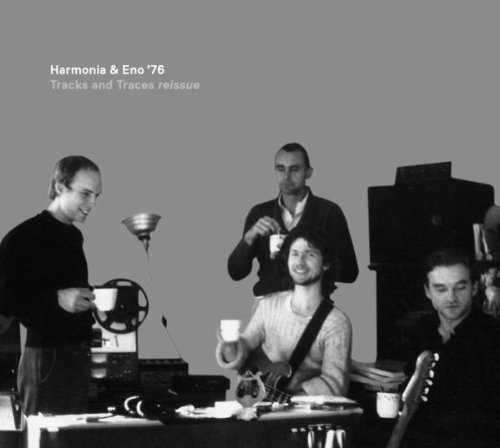
After the release of Musik von Harmonia, Brian Eno had called Harmonia was: “the world’s most important rock band” at the time. It was no surprise that when Harmonia reunited to record their third album, it was a collaboration with Brian Eno. However, it was also the end of an era.
Little did the three members of Harmonia realise, that Deluxe was the last album they would release for thirty-two years. For what was their swan-song, Harmonia were joined by another legend, Brian Eno.
Michael Rother remembers the sessions well. “Brian Eno was a very intelligent man. He seemed to know what music was on the way up. By then, he was making ambient music and was working as a producer. He was about to produce David Bowie’s Heroes’ album.” However, for the next eleven days, Brian Eno joined the band he had been championing since their debut album.
At the studio in Forst, Hans-Joachim Roedelius, Dieter Moebius, Michael Rother and Brian Eno spent eleven summer days recording what was meant to be their third album. The working title was Harmonia ’76. However, by then, Hans-Joachim Roedelius remembers “Michael Rother was wanting to concentrate on his solo career. Once the album was completed, it became apparent Harmonia had run its course. It was evolution.”
This wasn’t surprising. Harmonia weren’t selling many records. Michael Rother remembers: “it was a tough time for us. Our music seemed to be ignored.” Neu! also seemed to have run its course. “Neu ‘75 hadn’t sold well. Klaus wasn’t an easy person to work with. So, I decided to return to my solo career after the release of Harmonia ’76.” That never happened.
Incredibly, the master-tapes for Harmonia ’76 went missing. “We feared they were lost forever. Then twenty years later, they were found.” What was meant to be Harmonia ’76 was released Tracks and Traces in 1997.” That wasn’t the end of the Harmonia story. However, before the next chapter in the Harmonia story unfolded, Michael Rother’s solo career continued apace.
Michael Rother’s Solo Career-Part Two-Sterntaler.
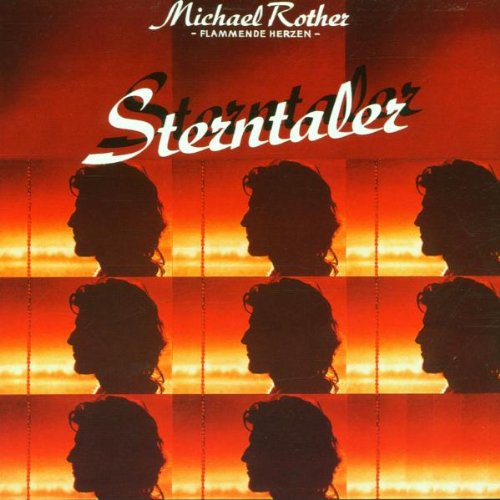
After the drama and disappointment of the loss of the master tapes for Harmonia ’76, the three members of Harmonia went their separate ways. By September 1977, Michael was ready to record his sophomore album Sterntaler.
It was recorded between September and November 1977 at two studios. This included Conny’s Studio, and Michael Rother’s studio in Forst. By then, Michael Rother was a true multi-instrumentalist, and was playing guitar, bass guitar, piano, synths, electronic percussion Hawaiian slide guitar and synth strings. Augmented by Jaki Liebezeit’s drums, Sterntaler took shape.
Unlike his debut album, the synths were playing an important part in Sterntaler’s sound, and were responsible for the melody. Then on the ambient sounding Blauer Regen, Jaki Liebezeit’s weren’t needed. This was another signal that Michael Rother’s music was changing. He and co-producer Conny Plank finished work on Sterntaler in November 1977. Maybe the stylistic shift would result in a change in his fortune?
Sadly, it was a familiar story. The reviews of Sterntaler were generally positive, and Michael Rother was regarded as one of the most innovative musicians of his generation. However, when Sterntaler was released, the album didn’t sell well. He remembers; “my music seemed to be out of fashion.” However, he continued to make music, music that continued to evolve.
Katzenmusik.
Recording of Michael Rother’s third album Katzenmusik took place between March and July 1979. Just like his previous album, the album was recorded in Forst and Conny’s Studio. This time, he used mainly electronic instruments which were augmented by guitars and Jaki Liebezeit’s drums.
It seemed that if Michael Rother was a painter,he was reducing his pallet. That would be the case for most musicians. However, Michael Rother wasn’t most musicians and along with his co-producer Conny Plank, they recorded two suite of songs which featured twelve tracks. Essentially, they were variations layered around four different five-note melodies. They then recur in a variety of ways. Although stylistically, the music was similar to his two previous albums, the instruments used had changed. However, this didn’t stop Michael Rother recording another album of groundbreaking music. It was released later in 1979.
On Katzenmusik’s release, some critics hailed the album Michael Rother’s finest hour. He had come of age as a solo artist. This should’ve been a cause for celebration. However, it was, and it wasn’t.
Katzenmusik was the last album he recorded with Conny Plank. “It was no reflection on Conny. The man was a genius. However, I wanted to go my own way, and explore other options.” Sadly, Michael Rother and Conny Plank’s swan-song wasn’t a commercial success. It would be another three years before Michael Rother released a new album.
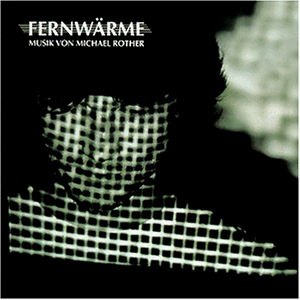
Fernwärme.
It was 1981 when Michael Rother began work on his fourth album. The recording took place at his own Flammende Herzen Studio in Forst. It was just Michael Rother and drummer Jaki Liebezeit. Unlike his first three albums, Conny Plank was absent. “We remained friends, and I owe Conny a lot, but it was the time to move on.”
This couldn’t have been easy as he had worked on nearly every project Michael Rother had been involved with. Fernwärme was a first. It was just the two musicians and the latest electronic instruments which were used extensively. This included drum machines. For Jaki Liebezeit the writing was on wall and Fernwärme was thd last album that he recorded with Michael Rother.
He explains: “Fernwärme was the last project Jaki worked on. Again, it was nothing personal. It was similar to the situation with Conny Plank. I wanted to move in a different direction, and already had began to use drum machines. Jaki was a fantastic drummer. The man is a machine, and will be drumming the rest of his life. However, Fernwärme was the last time we worked together.”
As Michael Rother prepared for the release of Fernwärme in 1982, it must have been with a degree of trepidation. It was the first album he had produced himself. However, he needn’t have worried, as Fernwärme was well received upon its release. Critically his first album in three years was regarded as a success. Sadly, the wider record buying public still hadn’t discovered Michael Rother’s music. “It was a really frustrating time for me.”
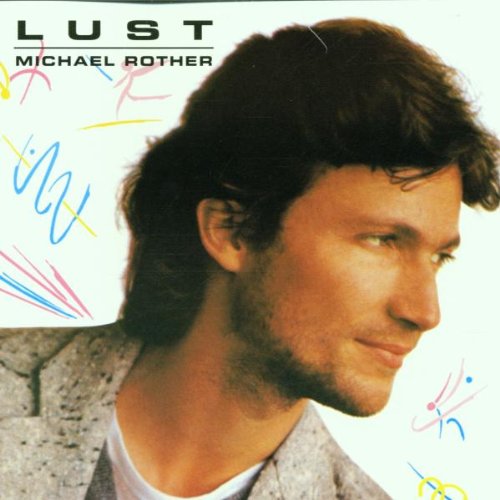
Lust.
After the release of Fernwärme in 1982, Michael Rother didn’t return to his Sterntaler Studio, Forst until 1983. When he did, he was on his own. “Lust was the first album I wrote, recorded and produced on my own. Because I had my own studio, I found myself spending more time thinking things over. Sometimes, when I went to bed, all I could think of was what I had been working on. That is the downside of having a home studio. However, the advantages outweigh disadvantages. I had also bought a Fairlight, and was just getting use to it. Its sounds divides people. Some people like it, others love it. Lust was the first album where I used the Fairlight.” That was another reason he spent as long as he wanted perfecting Lust. Only then, was he ready to release the album.
Lust was released in 1983, and was Michael Rother’s fifth album. It was all his own work. No other musician had played a part in recording the album, which showcased a new sound. At the heart of the sound was the Fairlight. Although the Fairlight divided people’s opinion, the majority of critics gave Lust positive reviews. The latest reinvention of Michael Rother had been a critical success. However, when Lust wasn’t the commercial success many critics forecast, it was another two years before he returned with his sixth solo album.
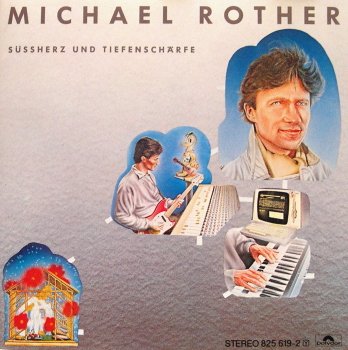
Süßherz und Tiefenschärfe.
November 1984 saw Michael Rother return to his Katzenmusik Studio, in Forst to record what would become Süßherz und Tiefenschärfe. Just like his previous album Lust, he wrote, recorded and produced Süßherz und Tiefenschärfe. It was just Michael Rother his trusty guitar and the electronic instruments that he now favoured. For three months he honed what became his sixth solo album. It was completed in February 1985, and became Süßherz und Tiefenschärfe.
Later in 1985, Polydor released Süßherz und Tiefenschärfe. Before that, critics had their say on Michael Rother’s sixth solo album. Again the reviews were positive. Some critics went as far as to say that üßherz und Tiefenschärfe was one of the best albums he had recorded. It was released later in 1985. By then, Michael Rother and Klaus Dinger had been reunited.
Neu! Reunite Again.
Little did Michael Rother realise what he was letting himself in for. When he met Klaus Dinger: “I realised that Klaus wasn’t in a good place. He had surrounded himself with people who were pulling him in all directions. Klaus was also needing money, and recording a new Neu! album offered him the opportunity to make some money. So we entered a small studio in Düsseldorf. It wasn’t like the professional studio we had worked in before. Instead, it was more like a semi-professional studio.” That was where recording of Neu!’s most controversial album began.
Recording began in October 1985. The members of Neu! then moved between Grundfunk Studio and Dinerland-Lilienthal Studio. The sessions were problematic. A decade had passed since the pair had worked together. Michael Rother remembers: “Klaus seemed different. He was argumentative, and there was no longer the same chemistry between us. It wasn’t an easy time. Despite that, we managed to record tracks which I took to my own studio in Forst.”
The group’s sound was very different. Synths were added to Neu!’s old sound. It was Neu! with a new wave twist. However, this didn’t work. By then, Klaus Dinger and Michael Rother were very different as musicians. Michael Rother had moved towards the electronics and technology and Klaus Dinger it seemed, hadn’t moved at the same pace.
By April 1986, work on the album stopped, and the project was cancelled. “Klaus and I met in Düsseldorf and agreed to abandon the project. We even went as far as sealing the tapes. This seal wasn’t to be broken without the other’s permission. The album was certainly not going to be released. That was why we sealed the master tapes. I never thought the would be released. Certainly not in the way that was released in late 1995.” By then, Michael Rother was concentrating on his solo career.
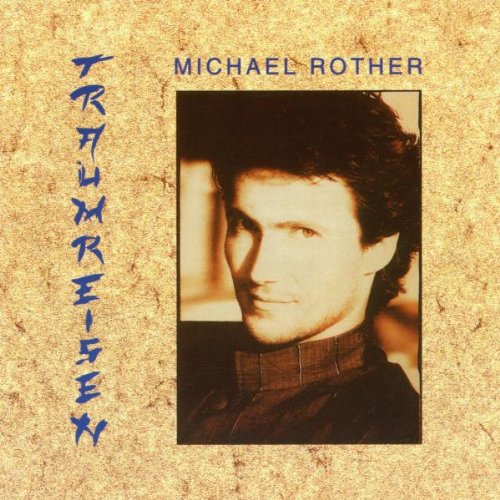
Michael Rother The Solo Years Part 3-Traumreisen.
After the abandoned Neu! project, Michael Rother didn’t return to the studio until January 1987. He spent the next six months in his home studio. “That was the benefit of having your own studio. I could record when I wanted. Sometimes, it a lonely life, and I felt as if I was going slightly mad.” Eventually, though, Traumreisen was completed in July 1987.
Just like his previous album, Traumreisen featured just guitars and Michael Rother’s various electronic instruments. Critics were won over by Traumreisen, which was released later in 1987. It was a case of deja vu, when Traumreisen failed to reach the wider audience it deserved. After seven solo albums, he was still to make a commercial breakthrough. Michael Rother’s music it seemed, was only appreciated by connoisseurs of Kosmische musik. This lack of commercial success resulted in Michael: “beginning to lose interest in recording albums.” It would be another nine years before he released another album. By then, he had founded his own record company.
Random Records was founded in 1993. This coincided with Michael managing to secure the rights to his back catalogue. However, the new label’s first release was a compilation, Radio-Musik Von Michael Rother-Singles 1977-93. It was released in 1993, with reissues of Michael’s solo albums being released over the next few years. Each album was remastered and released with bonus tracks on Michael’s Random Records. Michael was in control of his musical destiny. At least for his solo career. Neu! was a completely different matter.
Neu! 4.
By the time Michael founded Random Records, Neu!’s first three albums had been released on CD by Germanofon Records, a Luxembourg based label. However, there was a problem.
Michael Rother explains: “the deal to release Neu!’s first three albums was entered into, without his permission. These bootlegs were available in every record shop I entered into.” There’s frustration and anger in his voice. It’s not about money though. Instead; “I was frustrated that people were buying an inferior product. It wasn’t of the quality I expected.” If he was frustrated about the release of Neu!’s first three albums, he was in for a shock on the morning of 17th October 1995.
“That day, I was sitting at home, when I received a fax from Klaus congratulating on the release of Neu! 4. I was shocked, as I hadn’t given my permission or consent to release the album. Soon, the picture became clear.
“By then, Klaus was really frustrated and angry about the bootleg releases of our first three albums. They were selling well, and neither of us were making anything from them. To make matters worse, Klaus was short of money, and desperate, so entered into a deal with the Japanese label Captain Trip Records. The owner was a huge fan of Neu! and was impressed by Klaus. He gave Klaus cash which he was meant to share with me. In the sleeve-notes to what was billed as Neu! 4, Klaus railed against the bootleggers.” Ironically, this was something that both Michael Rother and Klaus agreed about. However, the release of Neu! 4 drove a wedge between the two old friends.
With the benefit of hindsight, Michael Rother reflects: “looking back, I wish I’d jumped on the train to Düsseldorf and punched Klaus on the nose. I’m not that kind of person though. But I might have felt better. Then we could’ve moved on. However, we never did.”
After the release of Neu! 4, Klaus and Michael were continually at loggerheads. This was ironic. “By then, Neu! were at last, a popular band. People wanted to buy our albums. All that was available were the bootlegs, and Neu! 4 which to me, wasn’t a legally released or genuine album.”
Eventually, though, Michael Rother and Klaus Dinger reached an agreement in 2000, and Astralwerks in America and Grönland Records in Europe released Neu!’s first three albums. They also recalled copies of Neu! 4, which has been out of print ever since. However, Michael Rother stresses: “I’ve no problem people buying a second-hand copy of Neu! 4, I just don’t want the album rereleased. After the problems with Neu! 4, he released his eighth solo album in 1996.

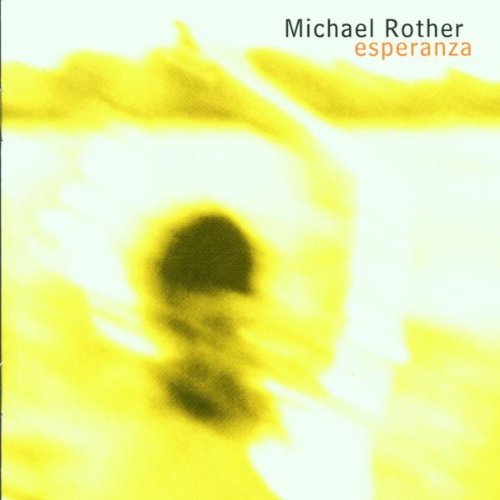
Esperanza.
Unlike his last couple of albums, Michael Rother didn’t work alone on Esperanza. This time, he was joined by Jens Harke, who wrote the lyrics and added vocals to Weil Schnee und Eis. This was a first. Apart from the occasional vocal sample, Michael Rother’s album had been vocal free zones. That wasn’t the only change.
The other contributor to Esperanza was Joachim Rudolph who took charge of Pro Tools programming. Things had changed since Michael Rother’s last album. It was the digital age and now, DAWs had found their way into recording studios. As befitting the digital age; “I used only electronic instruments on Esperanza. There were no guitars on the album. This wasn’t a first. I’d already gone on a tour of America without a guitar. I was tired of the guitar and wanted to experiment.” That is what Michael Rother did between January 1995 and January 1996 at three studios. Once the album was completed, it was released two months later.
Esperanza was released on the 11th March 1996, on Michael Rother’s Random Records. Most of the reviews of Esperanza were positive. Michael Rother, was continuing to innovate and push musical boundaries. However, when Esperanza wasn’t a commercial success, “I began to lose interest in recording, and decided to concentrate on playing live.” As a result, it was a new millennia when Michael released his next album.
Remember (The Great Adventure).
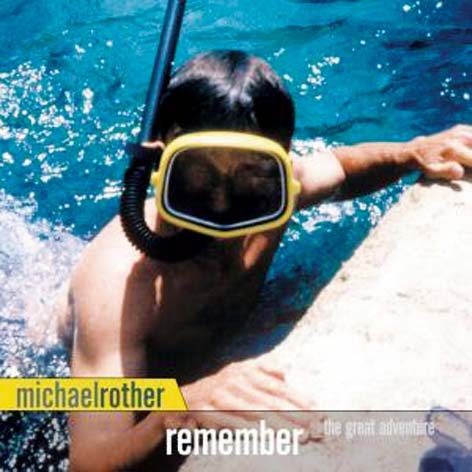
On April the 25th 2004 Michael Rother released his ninth solo album, Remember (The Great Adventure). It had been recorded over a period of seven years and was a collaboration with various electronic musicians. This includes Thomas Beckmann, Andi Toma and Jake Mandell, who all programmed beats for the rhythm tracks. Sophie Williams and Herbert Grönemeyer added vocals on Remember (The Great Adventure). This was only his second album to feature vocalists.
Michael Rother’s collaboration with a new generation of musicians was well received by critics. Just like his previous albums, he didn’t shy away from innovating and embraced new ideas. Always he was determined to look forwards rather than backwards. That had been the case throughout his solo career.
Following Remember (The Great Adventure), Michael Rother “decided to concentrate on playing live. It’s allowed me to travel the world and play all over Europe, America and in 2014, in China. My albums were not selling well, and after a while, I lost interest in recording music.” However, it wasn’t just Michael that was playing live. One of his old groups reunited and took to the stage one more time, Harmonia.
Harmonia Reunited and Live.
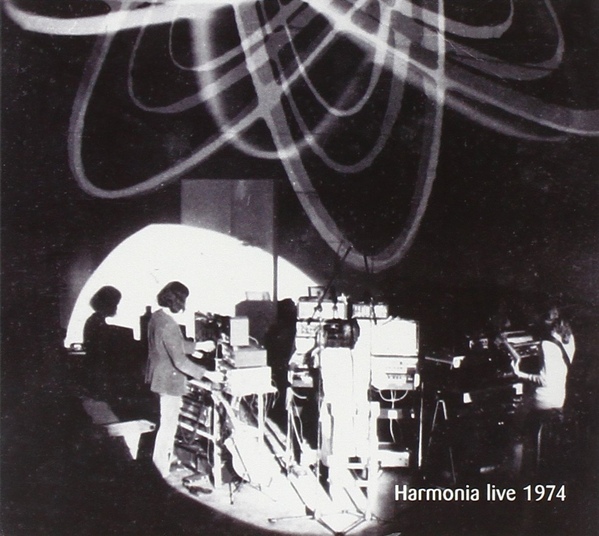
The reunion was for the release of Harmonia’s Live 1974 album. It featured a recording of Harmonia’s concert on the 23rd March 1974, at Penny Station Club in Griessem, Germany. To celebrate the release of Live 1974, Harmonia played live for the first time since 1976. This landmark concert took place at the Haus der Kulturen der Welt in Berlin, on November 27th 2007. Sadly, it would be the last time the three members of Harmonia played live. Belatedly, they had found the critical acclaim and commercial success they so richly deserved. It had taken thirty years, but Harmonia were regarded as one of the most innovative and influential groups in Kosmische musik. So were Neu!
Neu! The Comeback-Neu! ’86.
As the years passed by, Neu! 4 was still a sore point for Michael Rother. It had driven a wedge between the two friends. “Sadly, Klaus died in 2008. I was deeply saddened. We had been great friends once.” Kosmische musik had lost one of its pioneers.
Two years later, Michael Rother got the opportunity to right a wrong. He explains: “in early 2010, I came to an agreement with Klaus’ widow. It allowed me work on what had been Neu! 4. Using the master tapes, I remixed the whole album.” That wasn’t the only change.
The running order changed. Some of the tracks were given new names. Only twelve of the fourteen tracks on Neu! 86 found their way onto Neu! 86. A new song, “Drive (Grundfunken) was added to what became Neu! 86 which was released as part of the Neu! box set on May 10th 2010. Then on August 16th 2010, a CD version of Neu! 86 was released.
Mostly, reviews of Neu! 86 were positive. The only criticism was that the album was overproduced. Michael Rother disagrees but agree: “it’s all matter of taste and opinion. I feel I did the best I could with what I had. Now Neu! 86 is much nearer to the album we had tried to make in 1985.” A quarter of a century later, and Michael Rother was happy at with release of Neu! 86 in 2010. That wouldn’t be the last project from the past that he would undertake.
 Harmonia-Complete Works,
In October 2105, a project that Michael Rother has been working on for some time came to fruition, the Harmonia-Complete Works box set. Michael Rother had overseen the remastering of Harmonia-Complete Works which included Musik Von Harmonia, Deluxe, Tracks and Traces, Live ’74 and an album of unreleased material. One of the unreleased tracks was nearly lost forevermore.
Michael Rother explains what happened. “Harmonia recorded all our shows and rehearsals. However, we were a poor band, and had to reuse each tape. Luckily, one night, a friend asked if we could record a rehearsal? Hans-Joachim Rodelius recorded the show, and at the end of the night, handed him the tape. That tape features what I consider to be the ultimate version of Tiki. Having given the tape away, I feared we would never see it again. Fortunately, our friend has kept that tape and the version of Tiki features on the fifth album of Complete Works.” However, for Michael Rother the release of Complete Works is tinged with sadness.
After a brave and lengthy battle against cancer, Dieter Moebius died on 20th July 2015. Michael Rother was saddened by the passing of his old friend. Along with Hans-Joachim Roedelius and Michael Rother, Dieter Moebius was part of one of the most innovative groups in the history of Kosmische musik. They’re now regarded as one of the finest purveyors of Kosmische musik. Harmonia deserve to sit alongside the holy trinity at Kosmische musik’s top table. At the head of the table is Michael Rother.

There’s a reason for this. Michael Rother has been part of three of the biggest bands in the history of Kosmische musik; Kraftwerk, Neu! and Harmonia. He then released nine solo albums and more recently, two soundtrack albums. “That was a new experience. However, now I concentrate my time on performing live” he explains.
“I’ve been fortunate it’s taken me all over the work. One of the highlights was playing in China in 2014.” This is just one of the many countries that Michael Rother has played over the last few years. He’s now sixty-seven and busier than ever. Michael Rother and his band have even been playing at some of the biggest festivals on the circuit. Just like Neu! and Harmonia, Michael Rother’s popularity has never been higher.
What does the future hold for Michael Rother? He’s unsure what it holds. “Maybe, I’ll go back into the studio? I don’t know. That’s the future.”
Dreaming.
As the years passed by, many critics wondered if Michael Rother would ever return with his tenth solo album? His last album was Remember (The Great Adventure) which was released in May 2004. Since then, he had recorded two soundtracks and spent much of his time touring the world and playing live. However, while Michael Rother had never real a new studio album between he had never stopped recording.
By 2020, he had spent forty-five years living in Forst. In his home, was the studio that he built with the other two members of Harmonia. It may have changed over the years, especially since the birth of the digital age, but it was still the place Michael Rother went to make music. Some of the recordings weren’t fully formed songs, just sketches that would inspire his tenth solo album Dreaming, which earlier this year featured on his Solo II box set.
When Germany entered lockdown, the concerts Michael Rother was due to play were cancelled. That was when he decided to record his long-awaited tenth solo album and decided to look at the songs and musical sketches he had recorded since 1995. He discovered seventy-five musical sketches that he had recorded between 1995 and 2020. As he listened to the harmonies, rhythms, and sounds he realised that there were some hidden gems that he could develop for his new album.
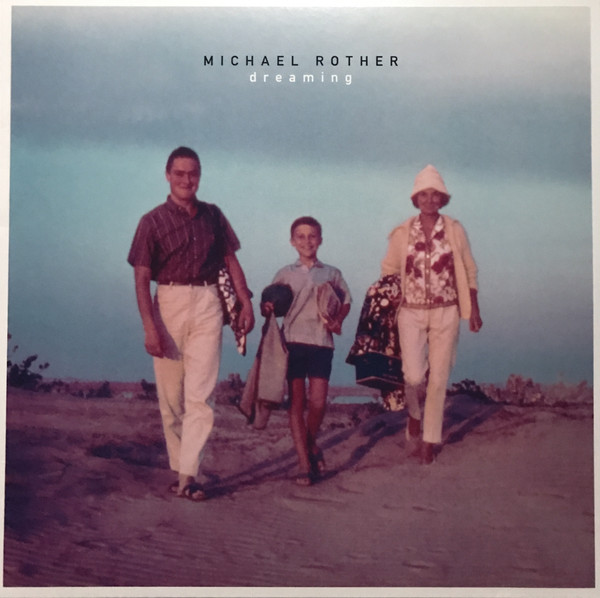
Having struck musical gold, Michael Rother began developing these musical sketches. Over the weeks and months, he was able to devote all his energy and time into writing and recording the nine tracks on Dreaming. Seven of these tracks feature vocals by British musician Sophie Joiner who Michael Rother met in 1997.
He had been out for a Turkish meal with his friend Thomas Beckmann who has collaborated with on projects. Michael Rother told him how he was looking for a vocalist for the album that became Remember (The Great Adventure).
Later that night, the pair decided to head to a bar for a drink where they heard a young woman singing and playing the cello. This was Sophie Joiner. Straight away, Michael Rother realised he had found the vocalist he was looking for.
He introduced himself and this led to a recording session. Michael Rother took along the seventy-five sketches and would ask Sophie Joiner to call out a number. He would then play a snippet of the sketch and then she would sing. Six or seven of these ideas were used on Remember (The Great Adventure) and the rest lay unused. That was until the recording of Dreaming.
Sophie Joiner’s vocal features on seven of the nine tracks on Dreaming. She’s absent only on Wopp-Wopp and Gravitas and plays an important part in the sound and success of the album.
Dreaming finds Michael Rother reflecting on the global pandemic and how life has changed beyond recognition. He was separated from his partner during the lockdown and missed spending time with his friends. Gone were the time they spent together and the things they did together. Then there was the fear as he watched the death toll rise in Germany and other parts of the world. Lockdown was a scary time for Michael Rother. However, he used the time to create his first album in sixteen years, Dreaming.
Dreaming marks the welcome return of Michael Rother after a fourteen year absence. It finds him combining ambient music and Kosmische musik with elements of avant-garde, Berlin School, electronic, industrial, synth pop and trip hop. He deploys synths, drum machines and his trusty guitar and is joined Sophie Joiner whose ethereal vocal adds the finishing touch to Dreaming which is best described as a modern ambient album. It was originally released in early 2020 as part of the Solo II box set. However, Dreaming also marks the return of Michael Rother who is one of the founding fathers and giants of Kosmische musik.
Fifty-six years after his career began, Michael Rother’s music continues to find a new audience. This includes the albums he recorded with Kraftwerk, Neu! and Harmonia and his ten solo albums. Nowadays, his music is more popular than it’s ever been and is starting to find the wider audience it deserves. That includes within the wider musical community.
Even today, a new generation of musicians say that Michael Rother has influenced and inspired them. He’s been the inspiring and influencing musicians since the eighties and will continue to do so. That’s no surprise as Michael Rother has consistently recorded and released albums of ambitious, innovative and is timeless music as is befitting one of the founding fathers of Kosmische music.
Michael Rother-From The Sprit Of Sounds To The Solo Years.

CLASSIC ALBUM: THE KINKS-LOLA VERSUS POWERMAN AND THE MONEYGOROUND AND PERCY.
Classic Album: The Kinks-Lola Versus The Powerman and The Moneygoround.
By 1970, The Kinks had been through the ringer and everything that could’ve gone wrong had gone wrong. They had lost of bassist Pete Quaife in 1969 after they released their sixth album The Kinks Are the Village Green Preservation Society. It was released in November 1968 and failed to chart in Britain and American. For The Kinks this was a disaster as this was the first time one of their albums failed to chart. This was a first. Surely this was a mere blip as they were one Britain’s most popular musical exports?
Arthur (Or the Decline and Fall of the British Empire).
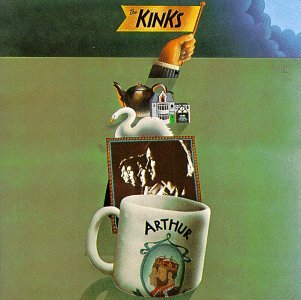
Down but not out, Ray Davies returned with Arthur (Or the Decline and Fall of the British Empire). This was a concept album which was meant to be the soundtrack to a television play based around a story written by novelist Julian Mitchell.
The album was recorded between May and July 1969 with new bassist John Alton making his Kinks debut. It was a lavish album and horns and strings adorned Arthur (Or the Decline and Fall of the British Empire). It was as if The Kinks were determined to get their career back on track and what better way than providing the soundtrack to television play? After all, The Kinks’ music would be heard by a large part of the British population.
Sadly, that wasn’t to be as the television play was cancelled. This presented The Kinks with a problem as they has just written the soundtrack to a play that would never be made, never mind seen. Despite this, they released Arthur (Or the Decline and Fall of the British Empire) in October 1969.
On its release, the album failed to chart in the UK and stalled at number 105 in the US Billboard 200 charts. For The Kinks, this was an improvement in their previous album. The two singles also gave the group minor hits.
Plastic Man was the lead single and reached number twenty-eight in Britain. Then neither Drivin’ nor Shangri-La failed to chart. The final single Victoria then reached number thirty in Britain and number sixty-two in the US Billboard 100. Maybe The Kinks luck was changing?
It wasn’t and 1970 proved to be one of the most turbulent years in The Kinks’ career. Drummer Mick Avoy’s illness meant The Kinks had to cancel all booking for ten weeks. This resulted in The Kinks American tour being cancelled. Sadly, that wasn’t the end of their problems.
In the background, The Kinks were experiencing problems with their manager and bureaucrats. It would take time to free themselves of the contractual problems and the problems with bureaucrats really hampered the groups’s career.
The Kinks had been banned from entering and touring America and were unable to build on the early success they enjoyed. That had been the case since 1965. and for four years they hadn’t played live in America. Longterm, this cost The Kinks dearly and they never quite reached the heights they should’ve.
Belatedly, the ban on The Kinks from playing in America had been lifted in 1969. For the first time in four years, The Kinks were able play live in America. Sadly, the concerts weren’t as successful as The Kinks and promoters had hoped. To make matters worse, illness meant the remaining concerts were cancelled and The Kinks lost the chance to make up for lost time.
As a new decade dawned, The Kinks hoped that their luck would change. Sadly, it proved to be one of the most turbulent years of their career
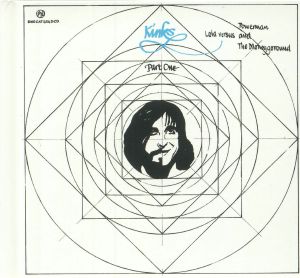
Lola Versus The Powerman and The Moneygoround.
After the disappointment of 1968s The Kinks Are the Village Green Preservation Society and 1969s Arthur (Or the Decline and Fall of the British Empire), The Kinks hoped that a new decade would bring about a change in fortune. For their eight album, Lola Versus The Powerman and The Moneygoround, Ray Davies decided to write another concept album. This was a concept album with a difference though, it was about the music industry.
For Lola Versus The Powerman and The Moneygoround, Ray Davies wrote eleven of the thirteen tracks. Dave Davies penned Strangers and Rats. The Kinks concept album is best described as a satirical, tongue-in-cheek concept examination of the various aspects of the music industry.
During the thirteen tracks, The Kinks look at the various facets of the music industry. Everyone, from music publishers, the music press, accountants, managers and The Kinks’ bette noire, music unions. The American musician’s union had stopped The Kinks playing in America for five long years and now was The Kinks opportunity for payback.
Recording of Lola Versus The Powerman and The Moneygoround, took place took place between at Morgan Studios, Willesden, London. The sessions began in April and lasted until May 1970. The Kinks Mk.II then took a break until August 1970. They then worked through to September 1970.
The latest lineup of The Kinks featured drummer and percussionist Mike Avory, bassist and guitarist John Dalton, Dave Davies on lead guitar, slide guitar and banjo. He also took charge of lead vocal on the two tracks he wrote, Rats and Strangers. John Gosling played piano and organ, while Ray Davies sang lead vocals, played guitar, harmonica, keyboards and resonator guitar. After four months in the studio Lola Versus The Powerman and The Moneygoround was complete.
Before the release of Lola Versus The Powerman and The Moneygoround, two singles were released. The lead single was Lola, which was released in Britain on the ’12th’ of June 197 and it reached number two in Britain, Germany and Canada, four in Australia and topped the charts in Holland and New Zealand. In America, Lola reached number nine in the US Billboard 100 and gave The Kinks one of their biggest hit singles.
Then Apeman was released as a single and just like Lola, gave the group another hit single. It reached number five in Britain, Germany, Australia and New Zealand, nine in Holland and nineteen in Canada. In America, the single stalled at forty-five in the US Billboard 100. However, with two hit singles worldwide it looked as if Lola Versus The Powerman and The Moneygoround, would revive The Kinks’ fortunes.
When Lola Versus The Powerman and The Moneygoround was released in November 1970 it was well received by the British music press. The majority of other reviews were positive and Rolling Stone called it: “the best Kinks album yet.” This includes contrarian critic Robert Christgau. He was one of few dissenting voices. That isn’t the case now.
Since 1970, some critics have changed their opinion of Lola Versus The Powerman and The Moneygoround. Mostly, the album has been well received by critics. However, some recent reviews have been mixed. In the main, Lola Versus The Powerman and The Moneygoround is perceived as one of The Kinks’ finest album and it certainly revived their fortunes.
Just like their previous album Arthur (Or the Decline and Fall of the British Empire), Lola Versus The Powerman and The Moneygoround fared better in American than Britain. It reached number thirty-five in the US Billboard 200 charts and failed to chart in Britain. It seemed that The Kinks were more popular in America than their home country. Maybe, America got better understood the group’s latest concept album which also reached twenty-four in Australia?
Just like so many of their previous albums, Lola Versus The Powerman and The Moneygoround was eclectic off. It veered between pop, power pop, hard rock and folk. There was even a homage to the British music hall which Ray Davies was a devotee of. The Kinks combined acerbic comment, wit, nostalgia, frustration and anger. After all, The Kinks hadn’t had an easy ride at the hand of the music industry. This was apparent when Lola Versus The Powerman and The Moneygoround.
Opening Lola Versus The Powerman and The Moneygoround, is Contenders, a song about bands who dream about making it big. That’s until they have to negotiate with the music publishers in Denmark Street or the unions that feature in the ballad Get Back In Line. Then there’s Lola, the best known song on the album.
Whilst not directly about the music industry, Lola is a song about the type of people who populate the fringes of the music industry. The song is about brief romantic encounter between a young man and a transvestite. Ray Davis’ voice gets across the confusion, panic and bewilderment the narrator encounters when he sings the lyric: “walked like a woman and talked like a man.” Although Lola is the best known track on Lola Versus The Powerman and The Underground, there’s much to the album than one track.
Ray Davis then directs his ire to the television show Top Of The Pops. It was merely an arbiter of popularity, not quality. This must have frustrated him as the music he wrote was much more cerebral and incisive than most of the music that appeared on Top Of The Pops. After Top Of The Pops, business managers and accountants incur the wrath of Ray on The Moneygoround. It’s as if he’s been waiting a while to unleash his ire.
Business managers and accountants incur the wrath of Ray Davis on The Moneygoround which is a homage to the English music hall. It’s as if he’s been waiting a while to unleash the anger and frustration that has been building up.
This Time Tomorrow and the ballad A Long Way Home finds Ray Davis reflecting on the life on the road. Gruelling, tiring and boring, he admits that he misses his family and home.
Dave Davis then tajes charge the lead vocal on the hard rocking song Rats. It features some of the best guitar playing on the album. It’s also reminder of his talent as a singer and songwriter. The hard rocking sound continues on Powerman where The Kinks cut loose on this impressive sounding song.
Closing Lola Versus The Powerman and The Moneygoround, is the poignant, wistful Got to Be Free. It’s a mixture of country and bluegrass and the way Ray Davis delivers the lyrics, it’s as if Ray feels enslaved by the contract he’s tied to. It’s as if all he longs for is to be free of the recording contract.
Never before had anyone written a concept album about the music industry until The Kinks released their eighth album Lola Versus The Powerman and The Moneygoround in 1970. It found the Davies brothers unleashing their acerbic comment, wit, nostalgia, frustration and anger. They turn their guns on the music industry which they felt had treated them badly.
The only way they had of telling people about this was through their music. It proved an eye opener for music fans. Many of them had no idea how the music industry worked. Ironically, having exposed the inner workings of the music industry this proved profitable for The Kinks.
After the commercial success of Lola, The Kinks were offered a new contract by RCA Records. The Kinks negotiated hard. As a result, they were able to build their own recording studio. This made life much easier and cheaper for The Kinks. Now whenever they wanted to record new music, they could head to their own studio. All this was the result of The Kinks best known singles, Lola.
The last few years had been tough for The Kinks in Britain as neither Arthur (Or The Decline and Fall of The British Empire) nor Lola Versus The Powerman and The Underground had charted in Britain. At least the single Lola had given The Kinks a top ten hit single. However, mostly, times had been tough for The Kinks.
There had been illness, managerial problems and tours cancelled. They’ had lost their original bassist Pete Quaife and been banned from playing in America for four years. Despite that, The Kinks returned with one of their biggest hit singles and Lola, and their most successful American album since The Kinks in 1969. Maybe the Davis’ brothers’ luck was changing.
Sadly, that wasn’t the case and their next seven albums failed to match the success of Lola Versus The Powerman and Moneygoround. Then their sixteenth album Sleepwalker became their most successful American album when it reached twenty-one in the US Billboard 100. It surpassed the success of their Lola Versus The Powerman and Moneygoround and became their most successful album.
Fifty years ago in 1970, The Kinks released Lola Versus The Powerman and Moneygoround, which was a concept album about the music industry that explored and exposed its practices and allowed the Davis brothers to vent their frustration and tell the record buying public how badly they had been treated and how difficult it was for them to make a living. Nowadays, Lola Versus The Powerman and Moneygoround is regarded as a minor classic and was one of the finest The Kinks released during the late-sixties and early seventies.
Classic Album: The Kinks-Lola Versus The Powerman and The Moneygoround.
LONNIE MACK-SA-BA HOOLA! TWO SIDES OF LONNIE MACK.
Lonnie Mack-Sa-Ba Hola! Two Sides Of Lonnie Mack.
Label: Ace Records.
Format: LP.
On the ‘8th’ of June 1963 Lonnie Mack’s instrumental version of Chuck Berry’s Memphis entered the US Billboard 100 and eventually reached number five and four on the US R&B chart during the thirteen weeks it spent on the charts. This was the twenty-two year old guitarist’s first hit single.
By then, he was already an experienced musician and had been making a living as a musician since he was thirteen. That was when Lonnie Macintosh quit school after getting involved in an argument with a teacher. However, this allowed him to follow his dream and make a career out of music.
That’s what Lonnie Macintosh went on to do. He recorded thirteen albums during a career a career that spanned six decades. By then, Lonnie Mack was being hailed a musical pioneer who had changed music. However, when he embarked upon a musical career aged thirteen this must have seemed a pipe dream to his parents, Robert and Sarah Sizemore McIntosh.
They were living in West Harrison, Indiana when the future Lonnie Mack was born on July ‘18th’ 1941. He grew up in a series of farms along the Ohio River. However, by the time he was seven, he had already developed an interest in music. The young Lonnie Macintosh swapped his bicycle for an acoustic guitar. It would soon prove to a wise move.
It was Lonnie Macintosh’s mother that showed him a few rudimentary chords on his new guitar. After this he practised long and hard, in an attempt to master the guitar. Then when his finders were sore with practising he would listen to The Grand Ole Opry on a battered old radio. It was powered by a truck battery as there was no electricity in the McIntosh house. Listening to the stars of The Grand Ole Opry made him all the more determined to master his guitar.
Before long, Lonnie Macintosh had mastered the acoustic guitar, and would sit outside the family home and playing country music. Passers-by would throw him spare change. Soon, he was braving the nearby hobo jungle where he would play for spare change. Little did he know, that he was serving what was akin to the first part of his musical apprenticeship.
Lonnie Macintosh’s musical apprenticeship ended somewhat suddenly, when he was thirteen. He got involved in an argument with one of his teachers. When he came off second best he vowed never to return. He was as good as his word, and that proved to be the end of his formal education. The next chapter in his life began when he decided to embark upon a career as a musician.
There was a problem though. Lonnie Macintosh was only thirteen, and too young to play in Cincinnati’s bars and roadhouses. Luckily, he looked older, and with the help of a fake ID, he was able to play in Cincinnati’s bars and roadhouses. They were a tough and uncompromising audience, but this never phased him. Nothing seemed to.
Not even the thought of forming his own band or making an appearance on television. This came after he heard Elvis Presley and Carl Perkins. This inspired him to form his own rockabilly trio. They were invited to appear on a local television show, and covered Blue Suede Shoes. For fifteen year old, Lonnie Macintosh this was his first, but wouldn’t be his last television appearance. Not long after this, he played on his first recording session.
This came when Lonnie Macintosh played on a session by Al Dexter. He was recording Pistol Packin’ Mama. Later, he played on two single by his cousins Aubrey Holt and Harley Gabbard. Already, it seemed, he was comfortable within the environs of a recording studio. However, before long, he would make a change to his sound.
Up until then, Lonnie Macintosh’s musical weapon of choice had been a Gibson Kalamazoo. However, in 1958 he decided to buy a Gibson Flying V. This was an expensive and desirable guitar. He knew this and was willing to pay $300 to order the new guitar. Maybe he secretly knew it would be a musical investment? Especially when he a few years later he added what would be the final piece of the musical jigsaw. Then his trademark sound would be complete.
In 1960, Lonnie Macintosh heard Robert Ward play and realised what was missing from his sound..,a tube driven amplifier. This was what gave Robert Ward’s guitar the rich vibrato sound.
When he asked about the amplifier, Robert Ward explained it was a tube driven Magnatone 460 amplifier. However, it had been modified, and included an inbuilt electronic vibrato. Instantly, Lonnie Macintosh knew that this amplifier could transform his guitar sound. He went out and bought one of the amplifiers, and his trademark sound was complete.
With the new amplifier Lonnie Macintosh showcased his new sound. This involved fitting the thickest strings available to his guitar. However, the Magnatone 460 amplifier was crucial to what he called a “watery” sound. Later, he added a Magnatone 440 amplifier, and ran it through a Fender Twin guitar amplifier. Gradually, he began to experiment and changed amplifiers to suit venues. At one point, he used an organ amplifier which resulted in what he described as a “rotating, fluttery sound.” That was still to come.
Having spent several years playing in clubs and roadhouses all over Ohio, one night in the early sixties the band were booked to play at the Twilight Inn. As they took to the stage, the owner Frog Childs christened the band. After that, they became known as Lonnie Mack and The Twiliters.
All the years touring was part of Lonnie Mack’s musical apprenticeship. This stood him in good stead when he bang working as a session musician at Fraternity Records, based in Cincinnati, Ohio
After working at Fraternity Records for a few years, Lonnie Mack’s solo career began on the ‘12th’ March 1963. The sessions took place at King Records’ studio, where he and his band were backing The Charmaines who were also signed to Fraternity Records.
At the end of the sessions, there was just enough time for Lonnie Mack and his band to lay down an instrumental version of Chuck Berry’s Memphis.The with literally minutes to spare. They also recorded one of the guitarist’s own composition Down, In The Dumps. When producer Carl Edmondson heard the recordings he thought they had potential.
Carl Edmondson went to see Harry Carlson, who owned Fraternity Records. Harry Carlson agreed, and decided to release Memphis as a single with Dow In The Dumps on the B-Side.
By the time Memphis was released, Lonnie Mack was out on tour working with the Troy Seals Band. The two men had met in the late-fifties and since then, Troy Seals had been a member of Lonnie Mack’s band. However, this time the roles were reversed.
When news came through that Memphis reached number five in the US Billboard 100 and four on the US R&B chart it was a cause for celebration.
The release of instrumental version of Memphis saw Lonnie Mack hailed a musical pioneer by critics. The electric guitar took centre-stage on his cover of Memphis. Breathtaking and blistering solos were played with speed, accuracy and aggression. Other guitarists could only look on enviously. It was obvious to them that Memphis was a gamechanger.
Meanwhile, Lonnie Mack’s thoughts had turned to the followup to Memphis. He decided to record one of his own compositions, Wham. On the B-Side, he added a cover of Dale Hawkins, Stanley Lewis and Eleanor Broadwater’s Suzy-Q. Everyone thought that Wham would repeat the success of Memphis.
However, when Wham was released single stalled at twenty-four on the US R&B charts. That was despite featuring another series of breathtaking performances and scorching solos from Lonnie Mack who must have felt like he had been short-changed as the single ran out of steam.
Meanwhile, his rivals were awestruck as he drew inspiration from the blues and R&B to create his own unique blues-rock sound. It influenced everyone from Eric Clapton and Jeff Beck to Duane Allman and Stevie Ray Vaughan and even Ted Nugent and Bootsy Collins. However, in 1963, Lonnie Mack was thinking no further than his next single.
The song chosen, was Jimmy Reed’s Baby, What’s Wrong. On the flip-side, was Lou William’s Where There’s A Will (There’s A Way). On its release later in 1963, the single entered the US Billboard 100 and usually, this would’ve been a cause for celebration. However, not this time as the single stalled at a lowly ninety-three on the US Billboard 100.
For Lonnie Mack, this was a bitter blow. It had been downhill since the release of his debut single. Despite this, Fraternity Records’ owner Harry Carlson agreed to release Lonnie’s debut album The Wham Of That Memphis Man! in October 1963.
In many ways, Harry Carlson had little to lose. The Wham Of That Memphis Man! featured Lonnie Mack’s first three singles and their B-Sides. These six songs were joined by a mixture of new songs and cover versions.
Lonnie Mack wrote two new songs, the ironically titled Down and Out and Why. They were joined by covers versions of Hank Ballard’s I’ll Keep You Happy, Martha Carson’s Satisfied and Charlie Fizer, Eddie Lewis and Walter Ward’s The Bounce.
These songs were recorded at King Records’ studio and produced by Carl Edmondson. The band featured a rhythm section of drummer Ron Grayson and bassist Wayne Bullock. Pianist Fred Stemmerding was joined by a horn section of Irv Russotto, Marv Lieberman and tenor saxophonist Donald Henry, who also added maracas. He and the rest of the band provide the backdrop for Lonnie Mack who unleashed a series of breathtaking, virtuoso performances.
Once the tracks were recorded, Fraternity Records began work on promoting Lonnie Mack’s debut album. His career had stalled and badly needed a boost.
When The Wham Of That Memphis Man! was released in October 1963, and was hailed a groundbreaking album. Critics admitted that they had never heard an album like this. Lonnie Mack and his band had reached new heights and it looked like the album would kickstart his career.
Despite the undeniable quality of The Wham Of That Memphis Man!, the album reached just 103 in the US Billboard 200 when it was released in October 1963. Those that bought a copy of The Wham Of That Memphis Man! heard a musical pioneer who changed the future direction of music.
Five of the tracks from that groundbreaking album feature on a new Lonnie Mack compilation that was recently released by Ace Records, Sa-Ba Hola! Two Sides Of Lonnie Mack. The first side features seven instrumentals, while the second side features seven slices of blue eyed soul.
The five tracks from The Wham Of That Memphis Man! include Memphis; Wham and its B-Side Suzie Q; the blue-eyed soul tracks Baby, What’s Wrong and Where There’s A Will (There’s A Way) which was on the flip side. These are just five of the fourteen tracks on Sa-Ba Hola! Two Sides Of Lonnie Mack.
In February 1964, Lonnie On The Move was released as a single. Several takes of this instrumental track were recorded including Take 2, which originally made its debut on the Ace Records compilation Still On The Move-The Fraternity Years 1963-68 when it was released in 1999. However, when the single was released it failed to trouble the charts and the search for a hit single continued.
Just two months later, I’ve Had It was released as a single in April 1964. This was one of Lonnie Mack’s blue eyed soul singles and it was hoped that this change of style would result in a change of fortune. Sadly the single failed commercially.
Lonnie Mack released two more singles during 1964. The first was the instrumental Sa-Ba-Hoola which was released in July 1964 and is regarded as one of the finest tracks that he recorded for Fraternity during his early years with the label. It’s so good that it’s lent its name to the new Ace Records’ compilation
When Don’t Make My Baby Blue was released in October 1964 Lonnie Mack’s latest single failed to trouble the charts. This brought to an end a disappointing year for the twenty-three year old guitarist who was still trying to replicate the success of his debut single Memphis.
Having released Crying Over You in March 1965, another six months passed before Lonnie Mack returned with Honky Tonk ’65 in September. It’s another instrumental that showcased the virtuoso guitarist’s breathtaking skills and is a welcome addition to the new compilation. Despite the quality of the track the single wasn’t a commercial success. Staff at Fraternity Records wondered why?
The problem was music that music had changed since the release of Memphis in 1963. In America, the British Invasion had arrived in 1964 and the psychedelic revolution was about to begin. Music had changed a lot since Lonnie Mack enjoyed a hit with Memphis in June 1963.
The search for a hit continued into 1966 and Tension (Part 1) was one of the singles that Lonnie Mack released. It was another instrumental which showcased the spellbinding skills of a musician who would go on to inspire several generations of musicians.
During 1967, Lonnie Mack released two singles. The first was a cover of I Left My Heart In San Francisco which featured the instrumental Omaha on the B-Side. Despite releasing a cover of a familiar song, it failed commercially and so did the followup
Save Your Money which was a slice of blue eyed soul released in May 1967. For Lonnie Mack, his time at Fraternity Records was almost over.
He left the label in 1968 having never replicated the success of his 1963 debut single Memphis. By then, he had recorded more music than the label would ever release.
This includes two more examples of blue eyed soul. The first is Oh, I Apologize which originally featured on the Lonnie Mack compilation Memphis Wham! which was released by Ace in 1999. Then there’s No More Pain that featured on From Nashville To Memphis which was a Lonnie Mack compilation released by Ace in 2001. Both return for an encore on Sa-Ba Hola! Two Sides Of Lonnie Mack and are welcome additions to this lovingly curated compilation that pay homage to a musical pioneer.
When Lonnie Mack released Memphis in 1963 suddenly, the electric guitar was playing a starring role in a track. It was no longer just playing a supporting role. Nobody had tried this before he released Memphis and Wham as singles. They were gamechangers which would influence several generations of musicians.
Everyone from Eric Clapton and Jeff Beck to Duane Allman, Stevie Ray Vaughan and Ted Nugent were inspired by Lonnie Mack and owe him a debt of gratitude.
Without Lonnie Mack, the musical landscape would be very different. Many musical historian credit him for laying the foundations for Southern Rock. Lonnie Mack was also a pioneer of blues rock, but was equally comfortable playing rock ’n’ roll, rockabilly and singing soul. Indeed, Lonnie Mack is regarded as one of the greatest blue eyed soul singers in musical history. He shows his considerable skills as a vocalist and guitarist on the Sa-Ba Hola! Two Sides Of Lonnie Mack.
It’s a reminder of a multitalented and versatile musician whose recording career began in 1963 and continued until 1990. During that period, Lonnie Mack released thirteen solo albums. Sadly, in 1990, he called time on his recording career.
That wasn’t the end of Lonnie Mack’s career. He continued to play live up until the early years of the new millennia.
Sadly, on April the ‘21st’ 2016, Lonnie Mack passed away in Smithville, Tennessee. Lonnie Mack was only seventy-five. That day, music lost a true pioneer, whose had a huge influence in modern music. Even today, he continues to influence a new generation of guitarists and the fourteen tracks on Sa-Ba Hola! Two Sides Of Lonnie Mack is a fitting reminder of a truly versatile and talented musician who is sadly missed but will always be remembered as a musical pioneer who changed music forevermore.
Lonnie Mack-Sa-Ba Hola! Two Sides Of Lonnie Mack.


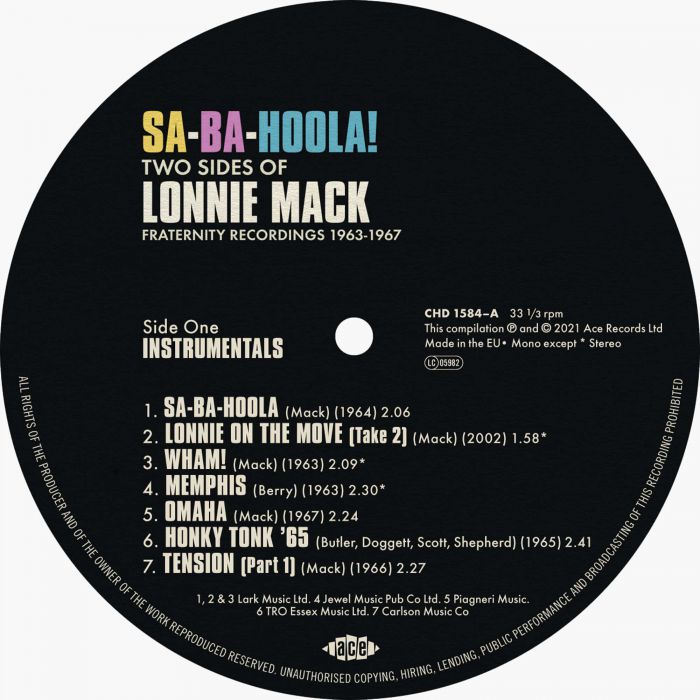

CULT CLASSIC: FUNKADELIC-FREE YOUR MIND…AND YOUR ASS WILL FOLLOW.
Cult Classic: Funkadelic-Free Your Mind…and Your Ass Will Follow.
Although George Clinton was born in Kannapolis, North Carolina, in 1941, he grew up in New Jersey, where he formed the doo wop group The Parliaments in the late fifties. At the time he co-owned a barber salon in Plainfield and spent much of his day straightening hair. That was about to change.
The group feathered Ray Davis, Fuzzy Haskins, Calvin Simon, Grady Thomas and George Clinton who became the leader and manager of The Parliaments who entertained customers in the barber shop. This was good practice as it allowed the group to hone their sound.
In June 1959, The Parliaments released their debut single Poor Willie. Although it failed to trouble the charts this was the start of career that that spanned twenty-one years.
As the fifties gave way to the sixties the group had honed a sound that fused elements of soul and funk with increasingly bizarre and surreal lyrics. Initially, this didn’t find favour with record buyers. To complicate matters, The Parliaments were constantly switching between record labels. Still, though, a hit single continued to elude The Parliaments.
In 1964, George Clinton hired Frankie Boyce, Richard Boyce and Langston Booth to back The Parliaments. They were now a quintet which he hoped would result in a change in fortune for the group.
Sadly, it wasn’t to be and two years later, in 1966, Frankie Boyce, Richard Boyce and Langston decided to join the US Army. This left George Clinton looking for three new musicians.
George recruited bassist Billy Bass Nelson and guitarist Eddie Hazel in 1967. Later, he added guitarist Tawl Ross and drummer Tiki Fulwood. This was the lineup of The Parliaments that headed to Detroit.
By 1967, George Clinton was working as a staff songwriter at Motown. He had also arranged and produced numerous singles for other independent labels in Detroit. However, his own group The Parliaments had still to make a breakthrough.
This was about to change when The Parliaments released I Wanna Testify in May 1967, on the Detroit-based label Revilot Records. It reached number twenty on the US Billboard 100 and three on the US R&B charts. At last, The Parliaments had enjoyed a hit single, and it looked as if this was the breakthrough that they had been working towards.
It may well have been if Revilot Records weren’t forced to file for bankruptcy. This resulted in The Parliaments becoming embroiled in a contractual dispute which led to the band losing the rights to the name “The Parliaments.” For a band that had just enjoyed the biggest hit of their career, this was a disaster.
What The Parliaments needed a new name. That was when Billy Bass Nelson came up with the name Funkadelic. It stuck and the group adopted the new name.
This allowed the newly named Funkadelic to continue to record for other labels, and in 1968 they signed to Westbound Records.
Having signed to Westbound Records, Funkadelic’s music began to evolve. Doo-wop was yesterday’s sound. The newly named Funkadelic needed a new, and much more contemporary sound. Psychedelia, rock, soul and funk were the musical flavours of the month. So were Jimi Hendrix and Sly Stone. So, it made sense for Funkadelic to fuse these musical genres and influences.
This is what Funkadelic did. However, Funkadelic were no ordinary band. This was, after all, the era of the civil rights movement. Just like many other bands, the civil rights movement inspired Funkadelic. Their lyrics were full of social and political comment. Funkadelic’s music would prove to be a heady brew.
By then, George Clinton had decided that Funkadelic would be a funk-rock band which featured five backing musicians and The Parliaments as uncredited guest artists. This would be the lineup of Funkadelic that featured on their debut album which was released on Westbound Records.
Funkadelic.
Before Funkadelic entered the recording studio for the first time, they’d spent two years honing their sound. The newly named Funkadelic were a much more tighter band and ready to record their debut album.
During 1968 and 1969 they recorded seven tracks at Tera Shirma Sound Studios, Detroit. George Clinton penned Mommy, What’s a Funkadelic, Good Old Music and What Is Soul and cowrote three other tracks on the album. This included I’ll Bet You With Sidney Barnes and Theresa Lindsey plus Qualify and Satisfy with Eddie Hazel. The pair then joined forces with William Nelson to write Music For My Mother. Fuzzy Haskins a prodigiously talented young musician and songwriter wrote I Got A Thing, You Got A Thing, Everybody’s Got A Thing. These tracks became Funkadelic which was produced by George Clinton.
When Funkadelic released their eponymous debut album, on ‘11th’ May 1970, it was well received by critics. Rolling Stone magazine gave the album a positive review. Other critics followed suit. Some critics remarked upon Funkadelic’s rhythm section and said they were at the heart of everything that was good about the band. This included the lengthy jams where Funkadelic took the opportunity to stretch their legs. George Clinton’s new band had already made a strong impression.
Funkadelic’s genre-melting eponymous debut album was truly ambitious and found them fusing blues-tinged acid rock, lysergic space funk and conventional soul songs whose sound hinted at Stax and even Motown influences. It was an innovative and imaginative debut album that showcased what George Clinton and the rest of Funkadelic were capable of.
Funkadelic reached 126 in the US Billboard 200 and eight in the US R&B Charts. The future looked bright for the psychedelic, funkateers, Funkadelic.
That was despite Music Is My Mother stalling at fifty in the US R&B charts. Then I’ll Bet You reached sixty-three in the US Billboard 100 and twenty-two in the US R&B charts. The third and final single was I Got A Thing, You Got A Thing, Everybody’s Got A Thing which reached eighty n the US Billboard 100 and thirty in the US R&B charts. This was the start of the Funkadelic success story.
Free Your Mind… and Your Ass Will Follow.
Just two months after the release of Funkadelic, George Clinton and Co. returned in July 1970 with Free Your Mind… and Your Ass Will Follow. It was unlike any album ever released.
After all, no band had tried to record an album while tripping on acid. That’s until Funkadelic tried. George Clinton had a brainwave and wondered if Funkadelic could record an album whilst tripping on acid. The result was Free Your Mind… and Your Ass Will Follow, Funkadelic’s sophomore album.
When Free Your Mind… and Your Ass Will Follow was released the album was mired in controversy. This was down to the title-track. It was a ten minute epic where amidst a feedback drenched backdrop, Funkadelic managed to offend Christians everywhere. Their subversive attitude towards the sacred and specifically, The Lord’s Prayer and the 23rd Psalm meant Funkadelic were unlikely to sell many albums in America’s bible belt. They would make up for this elsewhere.
Following the positive reception of Funkadelic’s eponymous debut album, Free Your Mind… and Your Ass Will Follow received mixed reviews. It seemed Funkadelic couldn’t please all the critics, all the time. Record buyers however, were won over by Free Your Mind… and Your Ass Will Follow. It reached number ninety-two in the US Billboard 200 and number eleven in the US R&B charts. This made Free Your Mind… and Your Ass Will Follow the most successful album of Funkadelic’s career.
Only one single was released from the album, I Wanna Know If It’s Good To You. It reached eighty-one in the US Billboard 100 and twenty-seven in the US R&B charts. This was the fourth hit of Funkadelic’s career.
By July 1970, the group had only existed for two years and already they had established a reputation for creating ambitious and innovative music as they pushed musical boundaries to their limit and sometimes beyond. However, sometimes their music was controversial and subversive which alienated some record buyers.
Despite that, Funkadelic’s genre-melting music was already growing in popularity and record buyers were won over by the combination of blues-tinged acid rock, lysergic space funk, jazz, psychedelia, P-funk, rock, soul and social comment. It was heady and tantalising musical brew.
Funkadelic’s ambitious and groundbreaking eponymous debut album launched the group’s career, and they followed this up two months later with their acid fuelled epic Free Your Mind… and Your Ass Will Follow which although it was seen as subversive and controversial is nowadays regarded as a cult classic and one of the finest moment’s of the group’s three decade career.
Cult Classic: Funkadelic- Free Your Mind…and Your Ass Will Follow.
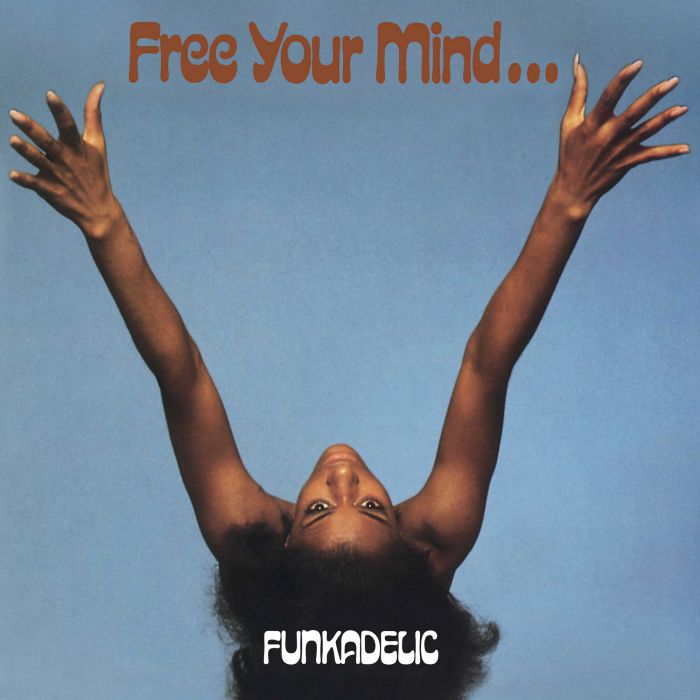
CLASSIC ALBUM: NEIL YOUNG AFTER THE GOLD RUSH.
Classic Album: Neil Young-After The Gold Rush.
During the winter of 1970, Neil Young and his backing band Crazy Horse embarked upon a short winter tour that included a concert at Filmore East, New York, where the twenty-four year old Canadian folk rocker shared a bill with Steve Miller and Miles Davis. At the end of what was a successful tour Neil Young and Crazy Horse headed to LA and Sunset Sound Studios to begin work on his third album After The Gold Rush.
By the time the sessions began, the health of rhythm guitarist Danny Whitten was already deteriorating. He had bravely battled rheumatoid arthritis and to dull the pain he started using heroin. Soon, he was addicted and this started to affect his performance. However, he played on the sessions at Sunset Sound Studios which yielded two tracks the Neil Young composition I Believe In You and a cover of Don Gibson’s Oh, Lonesome Me.
Sadly, Danny Whitten didn’t play on all of the sessions for After The Gold Rush. After the LA sessions, Neil Young decided to record the album in a makeshift studio in the basement of his home in Topanga Canyon. This he named Redwood Studios and was where he hoped he would complete his third solo album.
This was no ordinary album. Some of songs that Neil Young had written for the album were inspired by Dean Stockwell-Herb Bermann‘s screenplay for the film After The Gold Rush. When Neil Young read the screenplay he had asked Dean Stockwell if he could produce the soundtrack? This resulted in him writing After the Gold Rush and Cripple Creek Ferry.
In the early stages of the sessions Danny Whitten and the rest of Crazy Horse were sacked partly because of the rhythm guitarist’s heavy drug use. By then, he had he had played guitar and added vocals on I Believe In You, Oh, Lonesome Me and When You Dance I Can Really Love. When Danny Whitten left the sessions it looked like his time as a member of Crazy Horse was at an end.
Having dismissed Crazy Horse, Neil Young needed to put together new backing band. He decided to bring back Crazy Horse drummer Ralph Molina who was joined in the rhythm section by Crosby, Stills, Nash and Young bassist Greg Reeves. A surprise addition was the prodigiously talented eighteen year old Nils Lofgren of Washington DC-based band Grit who played guitar, piano and added vocals. The final member of the new backing band was pianist Jack Nitzsche.
Other musicians were drafted in to augment the new band. This included Bill Peterson who played flugelhorn. Then when Only Love Can Break Your Heart was recorded Steven Stills joined the session and added backing vocals. Later, another familiar face would make a return.
Towards the end of recording of After The Gold Rush Danny Whitten was brought in to provide harmony vocals on Tell Me Why, Only Love Can Break Your Heart, Cripple Creek Ferry, Southern Man and Till The Morning Comes.
By June 1970, the album was complete and Neil Young and has two bands had recorded eleven songs at three studios. The first sessions took place in the winter of 1970 Sunset Sound with further sessions taking place in Sound City Studios in LA and Redwood Studio. The album became After The Gold Rush which was co-produced by Neil Young, David Briggs and Kendall Pacios.
Just three months after completing After The Gold Rush, Reprise released Neil Young’s much-anticipated third album. When It released on the ‘19th’ of September 1970, it wasn’t well received by critics who were far from impressed. This included Langdon Winner who reviewed the album for Rolling Stone. However, Robert Christgau was more enthusiastic in his review in Village Voice. Mostly, though, critics weren’t won over by After The Gold Rush.
Despite this, Neil Young’s third solo album sold well and After The Gold Rush reached number eight on the US Billboard 200. It went on to sell over two million copies in America and was certified double platinum. In Britain, After The Gold Rush sold over 600,000 copies and was also certified double platinum.
When it came to choose a lead single, Only Love Can Break Your Heart was chosen and released on the ’19th’ of October 1970 it reached number thirty-three in the US Billboard 100, and gave Neil Young his first top forty hit.
When You Dance I Can Really Love was released as the followup in March 1971 it stalled at a disappointing ninety-three in the US Billboard 100.
Five years after the release of After The Gold Rush, critics were starting to change their mind about Neil Young’s third album. Some had gone as far as to call the album a masterpiece. It was and still is.
When Neil Young released After The Gold Rush in 1970, it was without doubt the finest album of his solo career. It also set the bar high for the albums that followed during a career that has now spanned six decades. Fifty years later and After The Gold Rush is now regarded as a classic album.
Nowadays, Neil Young is regarded as a musical chameleon who constantly reinvented his music. That’s apparent on After The Gold Rush which was ostensibly an album of country folk music. It opens with the ballad Tell Me Why where he move from the hard rocking sound of Everybody Knows This Is Nowhere towards folk and country sound. His heartfelt pleading vocal is accompanied by two acoustic guitars which is an effective accompaniment on this beautiful ballad.
The title-track After The Gold Rush is best described as a mystical, cinematic ballad. It was written for the end-of-the-world film that never was.
Very different is the heartwrenching ballad Only Love Can Break Your Heart which features backing vocals from Stephen Stills. Graham Nash later claimed that Neil Young wrote the song for him and that it documents the pain and hurt he experienced after splitting up with Joni Mitchell. It’s an oft-covered classic track and one of the highlights of the album.
So is the rocky sounding protest song Southern Man. It features powerful and vivid lyrics where Neil Young sings of the racism towards African-Americans in the Southern states. He tells the story of a white man who mistreated his slaves and poses the questions when will South make amends for the fortunes made through slavery. His lyrics are poignant and powerful as he sings and wonders: I saw cotton and I saw black, tall white mansions and little shacks, Southern Man, when will you pay them back?”
The piano led Till The Morning Comes closed the first side of After The Gold Rush. It’s melancholy and became melodic and rousing as backing vocals enter and transform this short track.
Oh, Lonesome Me is another ballad that epitomises the country folk sound on the album. It features a hurt-filled vocal from Neil Young who sounds as if he’s experienced the heartache and loneliness he’s singing about.
Don’t Let It Bring You Down has a dramatic introduction which is partly down to Neil Young playing his guitar in double drop C tuning. His impassioned vocal then delivers the emotive and filmic lyrics to another oft-covered ballad from After The Gold Rush.
Nils Lofgren’s piano plays an important part in the sound and success of the album and opens Birds. It’s another heartwrenching ballad about a relationship that’s gone wrong. There’s regret in Neil Young’s voice as he sings “when you see me fly away without you.” Then as the song draws to a close his vocal is tinged with emotion and sadness as he sings: “it’s over, it’s over” as if remembering what they once had.
The tempo rises on the country rocker When You Dance I Can Really Love. It shows another side to Neil Young and his band as they plug in during this optimistic sounding and anthemic love song.
I Believe In You is the most personal song on the album and benefits from an understated arrangement. This allows Neil Young’s impassioned vocal to take centrestage as he reflects. He tries to make sense of the women he’s left and even suggests that he’s unsure if he’ll be able to love and there’s even a reluctance that he will be to enter the new relationship during this powerful, confessional ballad.
Cripple Creek Ferry closes After The Gold Rush and is another short song that was written for the film that never was. Just an acoustic guitar and piano are joined by Neil Young and backing vocals on a song that sounded as if was recorded late at night as the session was drawing to a close. It’s not the most polished performance on the album but the band sound as if they’re enjoying themselves.
Fifty-one years have passed since Neil Young released After The Gold Rush which nowadays, is regarded as one of his finest albums and a classic album. It features on all lists of the best albums of all time and belongs in every record collection. That comes as no surprise.
There are no weak tracks on After The Gold Rush which showcases Neil Young’s skills as a songwriter. He wrote ten of the eleven tracks including country folk love songs and his rocky protest song Southern Man. There’s even the two tracks he wrote for the soundtrack to After The Gold Rush. This includes the mystical title track and Cripple Creek Ferry.
However, Neil Young is at his best on the ballads on the album. They’re beautiful sometimes autobiographical or cinematic and are heartwrenching and tug at the heartstrings. One of the finest ballads was I Believe In You which was the nearest that he came to writing an MOR ballad. Just like Only Love Can Break Your Heart it’s a timeless and oft-covered track.
For newcomers to Neil Young, his classic album After The Gold The Rush which was released fifty years ago in 1970 is the perfect place to start. After this, albums like Harvest, Tonight’s The Night, On The Beach, Rust Never Sleeps, Freedom and Harvest Moon are among the finest of the forty albums that Neil Young has released so far, during a career that has already spanned six sparkling decades.
Classic Album: Neil Young-After The Gold Rush.
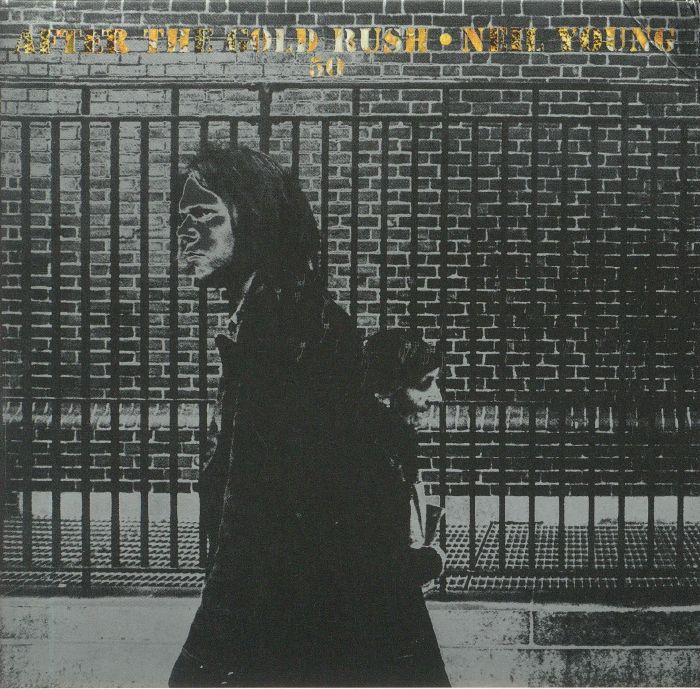
MODERNITY.
Modernity.
Label: Kent Dance.
Format: CD.
Ever since the birth of rock ’n’ roll, youth cults have come and gone. Some have proven to be nothing more than passing fads that nowadays, are mere footnotes in cultural history. Some youth cults have endured, and played an important part in British culture. However, none of the youth cults of the past sixty years have enjoyed the same longevity as the modernists.
The modernists came to prominence in the late fifties, and their name came about because of their love of modern jazz. However, by the early sixties, things were starting to change and the modernists had become the mods.
Musically, mods had eclectic taste in music and embraced American R&B and soul music. Especially singles that were released on Stax, Atlantic Records and Tamla Motown.This led to the mods investigating some of the smaller American labels during their frequent trips to local record shops.That was where the mods ordered imports, and discovered new musical genres.
This soon included ska and reggae, which they discovered whilst looking through the racks of new arrivals and imports. While the mods enjoyed soul, R&B, reggae and ska, they didn’t turn their back on British music. The mods also enjoyed pop and rock music, and especially groups like The Rolling Stones, The Who, Small Faces and The Kinks, who were perceived as “mod” groups. That is still the case even today. However, music was only part of the mod movement.
Image was everything for the mods. They carefully tried to cultivate an air of coolness. The suits they wore were often tailor-made. Sometimes, their suits were made out of cashmere, with narrow lapels. They also sported button-down collar shirts, thin ties and wool or cashmere jumpers. All this was de rigueur for a mod around town. So too, were fishtail parkas, desert boots, Chelsea boots and bowling shoes. A few mods even took to wearing makeup. In sixties Britain, this didn’t go unnoticed. However, the mods were unlike no other youth subculture, and even had their own mode of transport.
The Lambretta or Vespa scooters were the mods’ choice of transport. They drove them around town, where they visited dance-halls, coffee bars, and cinemas. At cinemas, mods took to watching French and Italian films. This was all part of a sense of continental coolness they were attempting to cultivate. After all, image was everything to the mod. So was music and the two go hand-in-hand.
Every time there has been a mod revival in the last fifty years, at the heart of the revival has been the music. Whether it was in the late-seventies or mid-nineties, music and fashion was at the heart of these mod revivals. The music being made during the mod revivals during the late-seventies and mid-nineties, was inspired by the music of the sixties. For mods of all vintage, this was a golden era for music. It still is.
That’s why Kent Dance’s mod compilations have proved so popular. This includes the third instalment the series Modernity, which will be released by Kent Dance on the ‘28th’ of May 2021. It features twenty-four tracks and is sure to prove popular amongst mods young and old.
Opening Modernity is Just Can’t Help Myself by Birdlegs and Pauline. It was first released as a download by Numero in 2018 and is a raw slice of uptempo, gospel-tinged soul that was recorded for the Cuca label which became insolvent. That was why the song lay unreleased for so long and it returns for a well deserved encore on the compilation.
Eddie Bo was a versatile singer who recorded for over forty labels over a career that spanned over fifty years. In 1963, he released I Found A Little Girl as a single on the At Last label. His joyous, sassy and vampish vocal is accompanied by a driving rhythm and horns on what’s one of the hidden soulful gems in his back-catalogue.
Despite enjoying a degree of longevity,The Merced Blue Notes didn’t enjoy a prolific recording career. Their back-catalogue amounts to a handful of singles and one album, Music With A Beat That Won’t Stop. It was released in 1984, and featured fourteen previously unreleased songs recorded between 1960 and 1963. These songs were from the private collection of The Merced Blue Notes’ manager George Coolures. He had the album pressed as a limited edition on blue vinyl. It’s an incredibly rare album that features Sundown, which was written George Coolures and Ken Craig. When Sundown was played by DJs in the early sixties, this hidden R&B gem was guaranteed to fill a dance-floor. Even after one play, you’ll realise why.
There’s five unreleased tracks on Modernity. This includes Sticks Herman’s Is It Because You Love Me which he recorded for Tic Tac in 1961. This R&B stroller features an impassioned vocal that’s full of emotion and is a quite beautiful track.
By 1964, the hits had dried up for Ike and Tina Turner who had signed to the Buck Ram label. They had released A Fool For A Fool as a single and it failed to trouble the charts. Other recordings lay urn unreleased tracks including Walk Home With Me which was recorded in 1964 and sounds as if it’s taken from a Broadway show. This catchy track features a memorable vocal from Tina Turner who plays a starring role.
Earthquake was written by William Powell and recorded by The Fashionettes for the Garpax label in 1963. Sadly, the song lay in their vaults until 2009 when it made its debut on Ace Records’ Where The Girls Are Volume 7. Twelve years later and it returns for an encore. This oft-overlooked earworm is a reminder of another musical era and Gary S. Paxton’s skills as a producer.
Eddie Kirk recorded two singles for the Stax imprint Volt during the sixties. One was The Hawg which was released in May 1963. On the B-Side was The Hawg (Part 2). However, the version on the Modernity is an unedited version which featured on 4000 Volts Of Stax and Satellite. It’s raucous, rousing and has an uber funky groove. Despite that, the single failed to find the audience it deserved and wasn’t even distributed across America.
In 1965, Charles Hodges released My Half A Heart as a single on the Alto label. Those who flipped over to the B-Side were in for a pleasant surprise when they hear his cover George and Ira Gershwin’s (Oh) Lady Be Good. It’s totally transformed and becomes an irresistible slice of uptempo soul that’s guaranteed to fill a dancefloor.
By 1963, Chuck Jackson was signed to Wand and released Tell Him I’m Not Home as a single. On the B-Side was Lonely Am I which is essentially new lyrics added to Cannonball Adderley’s jazz hit This Here. It’s a typical New York production that showcases a talented singer as delivers a needy, pleading and impassioned vocal on this hidden gem.
Willie Tee originally recorded Who Knows for the AFO label in 1963. It lay unreleased until 1994 when it made its belated debut on Still Spicy Gumbo Stew (Original AFO New Orleans R&B). It features a questioning vocal that’s full of emotion and insecurity. This is accompanied by an arrangement that’s got made in New Orleans written all over it.
The name Bernard Jolivette probably won’t mean much to most mods. That’s unless they’re the type to pore over the credits on singles. If they are, they’ll know that he was a successful songwriter who lived in Louisiana and wrote a number of hit singles. He also influenced the chord structure of the swamp pop ballad. Away from writing songs, Bernard Jolivette released a string of singles as King Carl. Unfortunately, commercial success eluded these singles. One track that’s lay unreleased since 1964 it was recorded for La Louisiana label is That’s All I Want. It’s an uptempo dancer where horns play a leading and accompany the vocal on a track form one of Louisiana music’s best secrets.
Looking Through My Spyglass by Rockin’ Sidney closes Modernity. It was written by Sidney Simlen and was recorded for the Goldband label in 1967 and was scheduled to be the B-Side of the Southern Soul ballad Trust. Sadly, this glorious R&B dancer lay unreleased and makes a belated debut on the compilation, closing it in style.
For many an ageing mod, the music on Modernity is sure to bring back many a happy memory. Some of the original mods will be well into their seventies. It’s a long time since they were a mod about town in the sixties. Back then, they would dawn their cashmere suits, complete with narrow lapels. Completing the look were button-down collar shirts, thin ties and a wool or cashmere jumpers and Chelsea boots. This was all part of their carefully cultivated image that they wore about town.
To get into town, the original mods would head out to their Vespa or Lambretta. Many of the most fastidious of mods would even dawn a fishtail park. This wasn’t so much a fashion statement, as a means of protecting their precious tailor-made suit. The mods would head climb abroad their Vespa or Lambretta and head into town. Usually, many mods would travel together, their reasoning being, safety in numbers. Often, there would be clashes with their arch enemies, the rockers. Mostly though, the mod about town would arrive at their local coffee bar, pub and club. That was when the music would start to play and the twenty-four tracks on Modernity will bring back memories of their glory days.
It’s a similar case for those who were part of the mod revival in the seventies. Many of them are over fifty, but remember the days of the mod revival. So do those that were part of the second mod revival in the nineties. What they remember is the fashion and of course, the music.
Much of that music is timeless. Proof of that is the music on Modernity. It’s a tantalising reminder of a time when mohair suits, button down shirts, fishtail parkas and a Vespa was de rigueur for the mod about town.
It’s also a reminder of one of the most important British youth cults, who have enjoyed an unrivalled longevity. Nearly sixty years since the birth of modernism, the music is just as popular as ever. Maybe compilations like Modernity will spark a third mod revival and mohair suits, fishtail parkas Vespa scooters will be de rigueur again?
Modernity.
KJETIL MULELID-PIANO.
Kjetil Mulelid-Piano.
Label: Rune Grammofon.
Format: CD.
Prodigiously talented describes thirty year old Norwegian composer, bandleader and pianist Kjetil Mulelid who recently released his debut album Piano on the Rune Grammofon label. It’s the latest chapter in the story of one of the rising stars of Norwegian jazz.
Kjetil Mulelid was born in Hurdal, a small village in Norway on the ‘4th’ of February 1991 and started to learn to play the piano at an early age and initially he was inspired by the music of Beethoven, Chopin and Debussy. However, by the time he was a teenager Kjetil Mulelid was playing electric guitar having heard some of giants of rock including Led Zeppelin and Queen. However, soon, he would change direction musically.
This came about when a teacher at Jessheim High School introduced him to boogie woogie, gospel and jazz. But the time Kjetil Mulelid graduated in 2010 he had embarked upon a lifelong love affair with jazz.
Next stop was a Høgskolen i Staffeldstgate in Oslo where Kjetil Mulelid spent a year studying. After that, he enrolled in a bachelor’s degree in jazz performance at the Norwegian University of Science and Technology in Trondheim. It was during this period that Kjetil Mulelid made his recording debut.
He was just twenty-two when he played on Lauv’s album De Som Er Eldre Enn Voksne which was released in 2013. This was a significant moment in his career and the first of number of albums he would play on over the next few years.
In 2014, twenty-three year old Kjetil Mulelid was just twenty-three, graduated from the Norwegian University of Science and Technology’s jazz program and embarked upon a career as a full-time musician.
Just two years later, in 2015, Kjetil Mulelid’s band Wako released their debut album The Good Story to plaudits and praise.They would returned in 2017 with Modes For All Eternity and followed this up with Urolige sinn in 2018. Both albums showcased a talented band who were part of Norway’s vibrant musical scene.
So were Kjemilie who released their critically acclaimed debut album Hverdagene in 2016. They followed this up in 2017 with Bakkekontakt which also found favour with critics. By then, the Kjetil Mulelid Trio had been founded.
Not Nearly Enough To Buy A House.
They released their debut album Not Nearly Enough To Buy A House to widespread critical acclaim in 2017. Critics compared Kjetil Mulelid’s playing on Not Nearly Enough To Buy A House to legendary pianists Keith Jarrett and Bill Evans. On what was a captivating and melodic album that combined elements of jazz, folk and even gospel Kjetil Mulelid came of age musically. Critics awaited the followup.

What You Thought Was Home.
Two years later, in 2019 the Kjetil Mulelid Trio returned with What You Thought Was Home. It features eight new compositions that captivate and showcase a truly talented and versatile Trio. Led by pianist Kjetil Mulelid and joined by bassist Bjørn Marius Hegge and drummer Andreas Winther this truly talented Trio play effortlessly on what were rhythmically complex compositions that were also very beautiful and melodic. What You Thought Was Home built on the Trio’s debut and found them reaching new heights. The big question was what next for Kjetil Mulelid?
Piano.
By 2020, Kjetil Mulelid had achieved a lot since graduating in 2014. He had worked as a sideman, was a member of several bands and had founded his own Trio. However, there was still one thing that Kjetil Mulelid had still to do and that was release his debut solo album.
Initially, he wasn’t sure about recording and releasing a solo album. He preferred to work with the various groups he was a member of and the Kjetil Mulelid Trio. However, with the pandemic was a gamechanger and he decided to begin work on his debut solo album.
The twenty-nine year old wrote eleven new compositions for his much-anticipated debut album. This would eventually become Piano. However, it wasn’t going to be easy recording an album during a pandemic
Despite that, on June the ‘19th’ 2020, Kjetil Mulelid entered Athletic Sound, in Halden with recordist Dag Erik Johansen and began work on the album that would eventually become Piano. It was one of the warmest days of the year as he sat down at an antique Bösendorfer grand piano made in 1919. Unlike modern pianos it didn’t sound perfect and had its own unique sound and characteristics. This would flavour the music that was recorded during the first of two sessions that took place with the Kjetil Mulelid Trio taking charge of production.
Recording resumed nearly three months later on the ‘13th’ of September 2020, at Athletic Sound, in Halden, with the same personnel working on the album. When the album finished, Kyrre Laastad mixed it at Ora Studio where and it was then mastered by Karl Klaseie at Ora Mastering.
With Piano completed and sporting an album cover designed by Berlin-based Kim Hiorthøy, Rune Grammofon announced the release of the album in the spring of 2021.
When Piano was released, it was to widespread critical acclaim. The young bandleader, composer and pianist was maturing with every album and his debut solo album Piano, was hailed as a triumphant return.
Piano is a very intimate recording where the music veers between wistful and melancholy to ruminative which encourages the listener to reflect. By contrast, sometimes, the music is joyous, effervescent and blissful while other times it becomes playful and skittish. Meanwhile, the music is always elegant and graceful with beauty everpresent. Throughout Piano some beautiful melodic themes emerge and continually captivate.
Other times, the music becomes tranquil and sense of calm descends as it becomes atmospheric as Kjetil Mulelid changes course. Often the best way to describe the music is cinematic and filmic as if it’s part of the soundtrack to a movie. For much of Piano, Kjetil Mulelid paints pictures with music and takes the listener on a journey. All they need to do is to let loose their imagination as they immerse themselves in the music.
This includes the album opener Beginning which initially is fluid as it flows along revealing its melody before Kjetil Mulelid improvises. Here, he seems to have been influenced by Keith Jarrett. Having set the bar high, the music is continually of the highest quality with Point Of View, Le Petit, Love Story, Sailor’s Song, Blooming and The Sun which closes Piano among the many highlights.
Piano is an enthralling album of contemporary jazz which is instantly accessible. However, the music is sill imaginative, inventive and innovative especially when he decides to improvise. Kjetil Mulelid is a talented composer and his much-anticipated debut album Piano showcases his harmonic and melodic mastery and features a playing style that’s effortless and assured.
Kjetil Mulelid-Piano.
KASAI ALLSTARS-BLACK ANTS ALWAYS FLY TOGETHER, ONE BANGLE MAKES NO SOUND.
Kasai Allstars-Black Ants Always Fly Together, One Bangle Makes No Sound.
Label: Crammed Discs.
Format: CD.
In December 2008, the Kasai Allstars released their critically acclaimed debut album In The 7th Moon, The Chief Turned Into A Swimming Fish and Ate The Head Of His Enemy By Magic. Critics were won over by music which was totally unique. It was also irresistible, joyous, otherworldly, trance-inducing, mythical and mystical. The followup album was eagerly awaited by critics and discerning music lovers.
Nothing was heard of the Kasai Allstars until made an appearance on 2011s Congotronics v Rockers. This was a collaboration between ten Congolese and indie musicians. The result was a glorious cultural collaboration. It was a brief reminder of what the Kasai Allstars were capable of. Surely, their sophomore album wasn’t far away?
Three years later, and the Kasai Allstars released their much-anticipated sophomore album Beware The Fetish in June 2014. It was double album featuring twelve-tracks lasting over 100 minutes and found the Congolese collective showcasing their trademark genre-melting sound. This was a welcome return for the Kasai Allstars.
During June and July of 2015 the Kasai Allstars embarked upon a rare nine date European festival tour. This included appearances at the legendary Glastonbury and Roskilde. Appearing at two of the biggest festivals in Europe allowed the Congolese supergroup’s music to be heard by a wider audience.
It wasn’t until May 2017 that the Kasai Allstars returned with a new album. This time it was a soundtrack album, Around Félicité. They wrote and performed most of the album and even feature in the film. However, on some tracks they’re joined by the Kinshasa Symphonic Orchestra. This powerful soundtrack played its part in the success of the film which later in 2017, won the Silver Bear Grand Jury Prize at the Berlin International Film Festival.
Four years after the release of the Around Félicité soundtrack the Kasai Allstars return with their fourth album Black Ants Always Fly Together, One Bangle Makes No Sound which was recently released on CD by the Belgian label Crammed Discs. They’ve released all of the group’s albums.
Black Ants Always Fly Together, One Bangle Makes No Sound features twelve new tracks from fifteen strong mythical collective which is drawn from five groups based in the Kasai region. Together they’re without doubt the most exciting Congolese group of their generation. Despite that, they’re unwilling to stand still and the Kasai Allstars are determined that their music continues to evolve.
To do that, they’ve incorporated electronic music into the twelve compositions on the album. It was produced by the Kasai Allstars guitarist Mopero Mupemba. The new sound finds the group fusing their trademark mixture of electric guitars, traditional drums and distorted thumb pianos with complex electronic drum patterns. They’ve been adapted to the collective’s inimitable rhythmic patterns whose roots can be traced to traditional trance and ritual music. The final piece of the musical jigsaw are the impassioned and intoxicating vocals. When all this is combined the result is a captivating mixture of textures and breathtaking polyrhythms that’s the latest chapter in the Kasai Allstars’ story.
Making a return on Black Ants Always Fly Together, One Bangle Makes No Sound are a number of familiar faces. This includes vocalist Muambuyi whose voice and personality was the inspiration for the award-winning feature film Around Félicité.
That’s not forgetting powerhouse vocalist Mi Amor; xylophonist Bayila Tshilumba; vocalist and electric thumb piano player Kabongo and vocalist Tandjolo who also plays the lokombe slit drum.They’re joined by a number of membrane-buzz drum players and backing vocalists. However, a new addition to the group is Bijou who is a talented young vocalist Bijou. Playing an important part in the album was guitarist and producer Mopero Mupemba who was responsible for the drum programming. He was helped by sound engineer Papy Atuke when the album was recorded in Kinshasa, in the Congo. The fourth Kasai Allstars album was mixed in Brussels by Greg Bauchau and Vincent Kenis. It’s a welcome addition to their
Some of the lyrics on Black Ants Always Fly Together, One Bangle Makes No Sound were inspired by Congolese myths and proverbs. However, others revolve around the concept that’s metaphorically articulated in the album title that-“unity is strength” which is the motto of a number of countries including Bolivia, Bulgaria, Belgium, Georgia and Haiti. This motto is particularly appropriate given the background of the Kasai Allstars.
The roots of the collective can be traced to the reunion of five bands from the Kasai region. These bands came from five different ethnic groups and had different musical traditions and spoke different languages. This looked like being a stumbling block and would mean that they would be unable to work together. However, it turned out that the bands weren’t incompatible and instead, decided to pool their resources and collaborate on new music. With that, the Kasai Allstars a new Congolese supergroup was born and they embarked upon a musical journey.
During that journey, the genre-melting music they make has transcended ethnic and linguistic barriers. Kasai Allstars are an inspiration not just to the people of Congo but the wider world.
The collective’s music has found a worldwide audience since 2005. This includes many musicians and especially those within the avant-rock, electronic and hip hop community. Everyone from Björk and ?uestlove to Saul Williams and Juana Molina have been won over by the Kasai Allstars’ music. Their albums have been released to critical acclaim and that’s the case with Black Ants Always Fly Together, One Bangle Makes No Sound their first album in four long years.
It finds the group fusing traditional trance, ritual music and avant-garde with rock while electronic beats and synths add a new element to the group’s trademark sound. They work well in the mix and Black Ants Always Fly Together, One Bangle Makes No Sound marks the start of a new chapter in the Kasai Allstars story as their music evolves.
Choosing a few highlights of this genre-melting album isn’t easy. It’s quality all the way from the opening bars of Kusai Munene w which offers a tantalising taste of the collective’s new sound. The vocals are impassioned and heartfelt and are augmented by harmonies during a track that’s joyous, uplifting, soulful and sometimes mesmeric.
There’s a story behind Ooloh, A War Dance For Peace which is another of the album’s highlights. The roots of the song can be traced to a village in the Sankuru province. If there’s a problem amongst the villagers they look for a peaceful solution and perform a war dance holding weapons in their hands. This dance signals the end of hostilities and resolves conflicts. It’s a quite beautiful, laidback song with a consolatory vocals, a guitar that weaves its way across the arrangement and drums that provide the heartbeat.
Then on Musungu Elongo Paints His Face White To Scare Small Children pulsating dance beats open the track before call-and-response vocals and scorching, searing guitars are added as the tempo rises and there’s even more urgency. It becomes almost frenzied as electric and electronic instruments combine on this anthemic floorfiller from the Kasai Allstars.
Another dancefloor filler is Baba Bende which has uplifting festive sound. That is despite featuring some of the most complex rhythms on the album
Joyous describes The Joy Of Singing. It’s a mixture of the group’s old and new sounds. Contrasts abound during the track. It features a vampish vocal that’s full of emotion with soulful harmonies adding the finishing touch.
Betrayal By Gossip is another song with a message. Initially, it sounds as if it was inspired by early house music. This soon passes and the Kasai Allstars are augmenting their traditional sound with the electronic instruments. It’s a captivating fusion, especially as the track features one of the best vocal performances. Although the collective have some talented vocalists they’re at their best singing call-and-response.
From the opening bars of Unity Is Strength it’s apparent that this uptempo track is something special. A chiming guitar, drums percussion and synths provide the accompaniment for the vocal which is which is delivered with power and passion and sometimes becomes a vamp as it’s delivered with urgency. The result is one of the album’s highlights.
The Goat’s Voice closes Black Ants Always Fly Together, One Bangle Makes No Sound and features an emotive and impassioned vocal. It’s delivered against an arrangement where traditional and electronic instruments are combined successfully during a multilayered arrangement. This includes a blistering and chiming guitar and even some Eastern sounds during this captivating and memorable track. It brings to an end this musical feast.
Black Ants Always Fly Together, One Bangle Makes No Sound features the Kasai Allstars’ genre-melting music and finds them mixing their unique sound with electronic music to create a twelve course veritable musical feast.
Kasai Allstars-Black Ants Always Fly Together, One Bangle Makes No Sound.

AMANDA WHITING-AFTER DARK.
Amanda Whiting-After Dark.
Label: Jazzman Records.
Format: CD.
Nowadays, Alice Coltrane and Dorothy Ashby are regarded as two of the greatest jazz harpists. Their music was ambitious and innovative and has influenced and inspired several generations of musicians.
This includes Welsh jazz harpist Amanda Whiting whose music has undoubtably been influenced by the two jazz greats. That’s apparent on her new album After Dark which was recently released by Jazzman Records. It’s the latest chapter in a story that began when she a six year old watching television in the family home in Wales.
That was when Amanda Whiting saw Harpo Marx playing a harp on a film that was being shown on television. She was enthralled and decided that she wanted to learn to play the instrument.
Soon, she was taking lessons and was later accepted into Wells Cathedral Music School where she was the first harpist to obtain a scholarship as a specialist musician. This was just the start of her musical education.
At university Amanda Whiting graduated with a degree in music and LRSM in the harp. This was followed in 2013 with a Masters degree in jazz and was a first in Britain where she’s been a pioneer of jazz harp. By then, she was already a recording artist.
In 2007, Amanda Whiting had self-released her debut album Something Borrowed…Something New. Little did she know it would be fourteen years before she released the followup. Much had happened by then.
After graduating, Amanda Whiting spent much of her time teaching at The Royal Welsh College of Music and Drama, Cardiff, The Royal Birmingham Conservatoire and recently has tutored at RNCM and Junior RNCM. She’s also written a series of books that are part of the syllabus at Trinity College London. Remarkably, this is just part of the Amanda Whiting story.
Still, she’s managed to find time to compose new material and has performed at festivals around the world. This includes touring extensively with Matthew Halsall and The Gondwana Orchestra. She’s also collaborated with DJ Yoda and Chip Wickham on his album Blue To Red which was released in 2020. Later that year, Amanda Whiting signed to Jazzman Records.
By then, she was already a familiar face on the British jazz scene and had worked with some of its leading lights. However, it was now time for Amanda Whiting to take centrestage.
She released the Little Sunflower 10” EP on the ‘16th’ of November 2020. It featured five tracks which were recorded seven years ago. They’re a mixture of modern covers and jazz standards. This included the Duke Ellington composition In A Sentimental Mood and Caravan which he wrote with Juan Tizoli. These tracks were reinvented by the pioneering Welsh jazz harpist who took them in a new direction. The EP was well received by critics who awaited Amanda Whiting’s first album for Jazzman Records.
For her sophomore album, Amanda Whiting wrote ten tracks and cowrote Time Stands Still with Chip Wickham. These eleven tracks became After Dark.
The album was recorded by Andrew Lawson and produced by Paula Gardiner. Joining harpist Amanda Whiting was drummer Jon Reynolds, double bassist Aidan Thorn and guest artist Chip Wickham who plays alto flute on Time Stands Still and flute on Stay For One and Just Blue. However, when the album was ready for release there was a twelfth track.
This was Rebecca Vasmant’s remix of After Dark which features vocals from Nadya Albertsson. It shows a quite different side to the original track thanks to the ethereal vocal which soars high above the arrangement. The result is a welcome addition to After Dark.
Recently, Jazzman Records released After Dark which is the first album that Amanda Whiting has released in fourteen years. It’s marks the welcome return of the Welsh harpist with what’s a cinematic album with a late night sound.
After Dark is about a love affair that’s gone wrong. It’s a relationship that had an inauspicious start and was Messed Up from the beginning. It’s no wonder that tracks like Who Knows, Leave Me Be, Gone and Just Blue are part of the musical script.
However, things were once very different in the early days as Time Stands Still and Stay For One suggest. That was in the past.
With the relationship at an end, there’s a degree of bravado during Strut Your Stuff and Feist which breeze along as if trying to exude confidence and mask the sadness and heartache that’s felt After Dark.
Closing the album is the jaunty sounding Back To It. It’s as if there’s no option but to put a brave face on and get on with life now that the relationship is at an end. There’s a sense of hope for the future as jazz and Latin music combine during this summery sounding track that brings the story to an end.
Amanda Whiting’s sophomore album After Dark is akin to a jazz harp concept album where the music is emotive, tinged with sadness and sometimes has a rueful sound that’s hints at regret at love lost. Other times, the music is atmospheric and sometimes it becomes filmic as if it’s the soundtrack album. The music is also quite beautiful and tugs at the heartstrings. Sometimes, it’s hopeful and other times there’s a sense of bravado and other times this tight and talented band ensure that the music swings. They’re led by Amanda Whiting who is one of the rising starts of British jazz.
Amanda Whiting’s cinematic soul-baring album After Dark is an emotional roller coaster journey with a late night sound that tells the story of a relationship that’s gone wrong and is sure to tug at the heartstrings.
Amanda Whiting-After Dark.

CHESTER THOMPSON-POWERHOUSE.
Chester Thompson-Powerhouse.
Label: Real Gone Music.
Format: CD.
During the late-sixties and early seventies, many small independent jazz labels were founded in towns and cities across America. Sadly, many were short-lived affairs with some releasing just one album and others closing their doors having released just a couple of albums. However, Black Jazz Records released twenty albums 1971 and 1975.
The story began in Oakland, California, in 1969, when pianist Gene Russell and percussionist Dick Schory founded Black Jazz Records. Its raison d’être was “to promote the talents of young African American jazz musicians and singers.” This was only part of the cofounders vision for their new label.
They were determined that Black Jazz Records would released an alternative to what they saw as the old school and traditional jazz that was popular at the time. Their new label would release albums that featured music that was influenced by politics and was also spiritual. However, spiritual jazz was just part of the Black Jazz Records’ story.
The nascent label would release everything from free jazz and funk to soul-jazz over the next five years. Black Jazz Records released six albums during 1971 and plans were in place that jazz fans across America could buy the albums.
Cofounder Dick Schory had founded Chicago-based Ovation Records, which was a successful country and western label which was providing funding for Black Jazz Records and was distributing its releases. This gave the label a helping hand and meant it had an edge on its competitors.
Record shops across America could stock Black Jazz Records’ releases. This included its first release which was Gene Russell’s sophomore album New Direction. Five more albums were released during 1971
This includes Walter Bishop Jr’s Coral Keys, Doug Carn’s Infant Eyes, Rudolph Johnson’s Spring Rain and Powerhouse the debut album from twenty-two year organist Chester Thompson which was recently reissued by Real Gone Music on CD.
Chester Thompson was born in Baltimore, Maryland, on the ‘11th’ of December 1948 and began playing the piano at the age of five. Whilst at elementary school he learned to play the flute and read music. However, aged eleven Chester Thompson decided that he wanted to learn to play the drums.
To learn the basics, Chester Thompson took lessons and his teacher was professional jazz drummer, James Harrison. Having learnt the basics, he practised along with albums by the jazz greats. Initially, this was Miles Davis as well as two drummers Max Roach and Art Blakey. Later, he discovered Elvin Jones who along with Tony Williams were the drummers that would influence him and his playing style.
By the time he was in high school, Chester Thompson was receiving private lessons with Tony Ames of the National Symphony Orchestra. This lasted a semester and during this period, the young drummer was determined to master the rudiments of a book published by the National Association of Rudimental Drummers.
His practise paid off and two years later, Chester Thompson played his first live gigs. However, there was a problem. He was still underage and this worried the club owners. To make himself look older, he took to drawing a moustache on his upper lip with an eyebrow pencil.
Soon, Chester Thompson was playing up to three jam sessions in local clubs. This was good practice for him and was part of his musical apprenticeship. He was putting in the musical equivalent of hard yards.
Having turned professional, one of his first gigs was touring Canada with soul singer Ben E. King. Then in 1970, Chester Thompson toured with Jack McDuff and played in various local groups. He also spent time in Boston where he worked keyboardist Webster Lewis. However, the following year, 1971 was a big year for Chester Thompson as he released
Having signed to Black Jazz Records the twenty-two year organist began work on his debut album Powerhouse. He wrote the four tracks Mr. T, Trip One, Weird Harold and Power House and recorded them with a quartet.
Joining bandleader and organist Chester Thompson were drummer Raymond Pounds, saxophonist Rudolph Johnson and trombonist Al Hall. Producing the album was label cofounder Gene Russell. Just like all of the Black Jazz Records’ sessions the album was recorded quickly and released late in 1971.
By then, the cofounders had already organised a promotional tour to introduce Black Jazz Records’ releases to a wider audience.
In September 1971, Gene Russell and his Ray Lawrence who was his marketing consultant toured America giving interviews to newspaper journalists and featured on radio and newspaper where they showcased Black Jazz Records and its artists. This resulted in valuable publicity for the label.
Despite this, Powerhouse wasn’t a hugely successful album. It was well received by critics upon its release but sadly, Chester Thompson’s debut album wasn’t the most successful album that Black Jazz Records released.
Powerhouse was one of the most underrated albums that Black Jazz Records released during the five years it was in business. It’s a mixture of bebop, funk, hard bop, jazz-funk and soul-jazz.
The album opens with Mr. T which swings from the get-go as the band play as one. Meanwhile, Chester Thompson’s Hammond organ takes the track in the direction of soul-jazz. Playing a starring role is saxophonist Rudolph Johnson. His playing is emotive before he passes the baton to trombonist Al Hall. He also plays his part in the sound and success of the track. As if inspired, the young bandleader who unleashes a breathtaking solo his fingers dancing across the keyboard during this marriage of soul-jazz and what’s best described as Nu Bebop
Classic jazz is reinvented for an early seventies’ audience on The Trip. Again, saxophonist Rudolph Johnson plays a leading role as it bobs and weaves above the arrangement as it’s is played with power, passion and control. Meanwhile, the rest of the band play supporting role. Later, trombonist Al Hall takes centrestage before it’s the turn of Chester Thompson as he plays with speed and confidence. Each member of the band seems to inspire the next who raises their game. However, it’s the saxophone and then the bandleader’s Big Burner that steal the show on this trip as it swings towards a crescendo.
It’s all change on Weird Harold which is much funkier than previous tracks. The band locks into a groove and saxophonist Rudolph Johnson plays with a power and ferocity that’s reminiscent of Eddie Harris. He unleashes blistering bursts before Chester Thompson jabs and stabs at his keyboard as drums pound and drive this fusion of soul-jazz, funk and jazz-funk. It’s the highlight of the album.
Powerhouse closes with the title-track. It’s a mid-tempo track with the sultriest of grooves. Black Jazz Records had high hopes for the track when they released it as a single. Sadly, it was the one that got away for Chester Thompson.
When Chester Thompson released Powerhouse it was the sixth release that Black Jazz Records had released during 1971. Just like the title-track, the album wasn’t a commercial success. Despite having a distribution network and a budget to promote the album it failed to find the audience it deserved.
This left the cofounders of Black Jazz Records and Chester Thompson wondering what went wrong? The young bandleader had led a band that combined bebop, funk, hard bop, jazz-funk and soul-jazz. It was album that combined the music of the past and the present. Chester Thompson was looking to the future. However, the future of jazz was fusion which he would soon embrace.
Maybe Powerhouse had been released on a label like Blue Note Records it might have been more successful and reached a wider audience? It was maybe a case of the wrong label for Chester Thompson’s debut album?
Fifty years year later, and Powerhouse which was once an underrated album is belatedly starting to find the new and wider audience that it deserves.
Chester Thompson-Powerhouse.
CULT CLASSIC: ART BLAKEY AND THE JAZZ MESSENGERS-ROOTS AND HERBS.
Cult Classic: Art Blakey and The Jazz Messengers-Roots and Herbs.
Nowadays, many music historians believe that The Jazz Messengers made their live debut in 1954 and a year later recorded At the Cafe Bohemia, Volumes 1 and 2 on November the ‘23rd’ 1955. It featured the original lineup of drummer Art Blakey, bassist Doug Watkins, pianist Horace Silver and a front line of trumpeter Kenny Dorham and tenor saxophonist Hank Mobley. However, this lineup would evolve over the next six years.
On February the ‘18th’ 1961, Art Blakey and the latest lineup of The Jazz Messengers journeyed to the original Van Gelder Studio, in Hackensack, New Jersey. It featured none of the original lineup. The Jazz Messengers’ lineup had been fluid since then and would continued to be right through until 1990.
One of the new recruits was tenor saxophonist Wayne Shorter who had written six new compositions for the Roots and Herbs’ sessions. This included Ping Pong, Roots and Herbs, The Back Sliders, United, Look At The Birdie and Master Mind. They would be recorded by Art Blakey and the incarnation of The Jazz Messengers.
Joining drummer Art Blakey in the rhythm section was double bassist Jymie Merritt. Two pianists were used Bobby Timmons and Walter Davis Jr and the front line featured trumpeter Lee Morgan and tenor saxophonist Wayne Shorter. They were about to record two albums The Freedom Rider and Roots and Herbs and were joined by engineer Rudy Van Gelder and producer Alfred Lion. Soon, the Roots and Herbs’ sessions were underway.
Five tracks that showcased Art Blakey and The Jazz Messengers’ unique brand of hard bop were recorded that day. Bobby Timmons played piano on two tracks, Ping Pong and Look At The Birdie. Then Walter Davis Jr played on Roots and Herbs, United and Master Mind. By the end of the day Art Blakey and The Jazz Messengers’ had nearly finished the album.
There was just one track to be recorded, so on May the ‘27th’ 1961 so Art Blakey and The Jazz Messengers made the return journey to Van Gelder Studio in Hackensack, New Jersey. That day, they recorded The Back Sliders with Bobby Timmons on piano. Roots and Herbs was completed and bandleader Art Blakey must have been hoping that Blue Note Records would release the album later in 1961.
Sadly, lightning struck twice for Art Blakey and The Jazz Messengers when Blue Note Records decided to shelve the release of The Freedom Rider and Roots and Herbs. This was not uncommon at Blue Note Records where releases were often postponed or shelved. However, it was frustrating for artists. Especially when this happened several times.
It had happened to the same lineup of Art Blakey and the same lineup of The Jazz Messengers the previous year. They had entered Van Gelder Studio on the ‘7th’ of August 1960 to record two albums, The Freedom Rider and Like Someone In Love. They were completed on August the ‘14th’ 1960, and bandleader Art Blakey was looking forward to their release.
The classic album A Night In Tunisia was released in 1961. However, Like Someone In Love was shelved and wasn’t released until 1964. Now it was happening all over again.
When an album was shelved for a number of years artists often worried that the music wouldn’t be relevant. Music was constantly changing and jazz was no different.
By the late-sixties jazz was no longer was popular as it had been a decade earlier. Comparisons were being drawn with the blues which was no longer as popular and was struggling to stay relevant. Many clubs that had once hosted blues musicians now promoted concerts by rock bands. Meanwhile, a number of well known blues musicians were struggling to make a living and some had even gone back to the 9 to 5 grind. Jazz needed a saviour.
It found it in fusion. The genre was developed in the late-sixties when mucicians experimented with jazz harmony and improvisation with rock music, funk, and R&B. Soon, electric guitars, banks of keyboards and later, synths were used by the pioneers of fusion. By 1970, fusion had grown in and transformed jazz and may well have saved the genre from becoming irrelevant.
Despite the transformation of jazz since 1967, and fusion continuing to grow in popularity, Blue Note Records decided to release Roots and Herbs in October 1970. This was an album of hard bop that had been recorded nine years earlier in 1961. It was a snapshot in time and a reminder of how jazz used to sound.
When Roots and Herbs was released in October 1970, the album wasn’t the commercial success that Blue Note Records had hoped. It seemed to slip under the musical radar. However, the critics that reviewed the album realised that Roots and Herbs was one of Art Blakey and The Jazz Messengers’ finest album and a reminder of his inimitable brand of hard bop circa 1961.
That’s no surprise given the quality of the personnel that features on Roots and Herbs. Each member of this all-star band seamlessly unleash stunning solos and deliver a series of energetic performances. Meanwhile, bandleader Art Blakey’s playing was fluid and powerful as his swing beat provides the heartbeat throughout Roots and Herbs.
There’s no ballads on the album which is bristling with energy as Art Blakey and The Jazz Messengers work their way through the six Wayne Shorter compositions. They’re a tantalising taste of what was to come from this talented composer and a reminder of one of the best lineups of The Messengers.
It’s ironic that Roots and Herbs was shelved by Blue Note Records and never surfaced until October 1970 as the album features a series of peerless performances. So much so, that choosing the highlights isn’t easy. However, Ping Pong, Roots and Herbs, Look At Birdie and Master Mind feature Art Blakey and The Jazz Messengers at their very best.
By the time Roots and Herbs was released, the lineup of Art Blakey and The Jazz Messengers had changed a number of times. Bandleader and cofounder Art Blakey wanted to play alongside the best up-and-coming jazz musicians and new names joined the band and others left. This included the five musicians that featured on Roots and Herbs who were hugely talented and all went on to enjoy successful careers.
There’s no doubt that their time as members of The Jazz Messenger was an important part of their career and they improved as musicians. Art Blakey had high standards and wouldn’t settle for second best. That’s apparent through on Roots and Herbs where they constantly reach new heights.
Sadly, though, Blue Note Records waited too long to release Roots and Herbs. If it had been released in 1960 or 1961 when hard bop was much more popular it might have been a bigger success than it was when it was released in October 1970. By then, fusion was King and hard bop was seen by many jazz fans as yesterday’s sound. As a result, Roots and Herbs passed many record buyers by and it never found the wider audience it deserved.
Fifty years later and that’s starting to change. Roots and Herbs was until relatively recently one of Art Blakey and The Jazz Messengers’ least well known albums, but this oft-overlooked and lost hard bop classic is belatedly starting to find a wider a wider and appreciative audience .
Cult Classic: Art Blakey and The Jazz Messengers-Roots and Herbs.

CULT CLASSIC: ROLAND HAYNES-2ND WAVE.
Cult Classic: Roland Haynes-2nd Wave.
Forty-five years ago in 1975, Roland Haynes released his debut album 2nd Wave on the Detroit-based Black Jazz Records. The label was founded by Gene Russell and Dick Schory and released twenty albums between 1971 and 1975. 2nd Wave was the label’s penultimate release and it folded later in 1975. By then, the label had released a number of important, influential and innovative albums including 2nd Wave.
When pianist Gene Russell and percussionist Dick Schory founded Black Jazz Records in Oakland, California, in 1971, the nascent label’s raison d’être was “to promote the talents of young African American jazz musicians and singers.” This was only part of their vision for their new label.
They were determined that Black Jazz Records would released an alternative to what they saw as the old school jazz that was popular at the time. They wanted to release an alternative to traditional jazz, and this included albums that featured political and spiritual influenced music. However, spiritual jazz was just part of the Black Jazz Records’ story and the label between 1971 and 1975 it released twenty albums that included everything from free jazz and funk to soul-jazz.
Fittingly, Black Jazz Records’ first release was Gene Russell’s sophomore album New Direction which was released in 1971. This was just the start of a prolific year for the label.
In their first year, Black Jazz Records also released Walter Bishop Jr’s Coral Keys, Doug Carn’s Infant Eyes, Rudolph Johnson’s Spring Rain, Chester Thompson’s Powerhouse and Calvin Keys’ Shawn-Neeq. By the end of 1971, the new label had released six albums in its first year. Other labels must have looked on enviously.
Cofounder Dick Schory had founded Chicago-based Ovation Records, which was a successful country and western label which was providing funding for Black Jazz Records and distributing its releases. This gave the label a helping hand and meant it had an edge on its competitors.
The cofounders were determined that as wide an audience as possible hear the albums that the label was releasing so Gene Russell organised a promotional tour, In September 1971, Gene Russell and his Ray Lawrence who was his marketing consultant toured America giving interviews to newspaper journalists and featured on radio and newspaper where they showcased Black Jazz Records and its artists. This resulted in valuable publicity for the label.
By 1972, Black Jazz Records was adding new artists to their roster and signed Henry Franklin who released his album The Skipper later that year. So had another new signing The Awakening, who released Hear, Sense and Feel.
In between albums from Henry Franklin and The Awakening Doug Carn released his sophomore album. This was Spirit Of The New Land which featured his wife Jean Carn, and was the label’s most successful release of 1972.
1973 was Black Jazz Records’ busiest year. Familiar faces returned with new albums including Gene Russell’s Talk To My Lady and Rudolph Johnson’s The Second Coming. However, Black Jazz Records were still signing new artists.
Their latest signing was Kellee Patterson who released her debut album Maiden Voyage in 1973. It was the twelfth album that the label had released in two years.
The other three albums released during 1973 were from familiar faces and included Walter Bishop, Jr’s Keeper Of My Soul, Doug Carn’s Revelation and The Awakening’s Mirage. Again, Doug Carn was responsible for Black Jazz Records’ most successful album.
Doug Carn returned in 1974 with Adam’s Apple which was the label’s biggest selling album that year. Black Jazz Records only released two more albums during 1974 Henry Franklin’s The Skipper At Home and Calvin Keys’ Proceed With Caution! 1973 wasn’t a busy year for Gene Russell and Dick Schory’s label which would release just two more albums.
The first album Black Jazz Records released in 1975 was Roland Haynes’ 2nd Wave. It was also the keyboardist’s debut album.
When Roland Haynes signed to Black Jazz Record very little was known about him. He hadn’t played on any other albums as a session musician, but his talent was undeniable and that was why he was about to record his debut album.
Although Roland Haynes was primarily a keyboardist, he could also play the bass. This meant he had a lot in common with Henry Franklin who was booked to play on the sessions for 2nd Wave. He remembers the session and Roland Haynes: “It was a lot of high energy, it was fun cause Roland was a high energy guy.” That was evident in the music he was about to record.
Roland Haynes led a quartet during the 2nd Wave sessions. It featured drummer Carl Burnett, bassist Henry Franklin and Kirk Lightsey whose wah-wah-fuelled Fender Rhodes proved to be the perfect foil to Roland Haynes’ keyboard playing as the band recorded six of his compositions.
When 2nd Wave was finished and ready for release it was an album that was described as “fresh and today” on the cover. It was also an album that musically was ahead of its time. Soul-jazz, fusion and jazz-funk featured on the six tracks on that was later compared to John Patton’s 1969 album Accent, Herbie Hancock’s classic album Head Hunters and Miles Davis’ seventies band that featured Chick Correa, Herbie Hancock, Joe Zawinul and Keith Jarrett. However, when 2nd Wave was released it was a familiar story.
Just like a number of other albums released by Black Jazz Records since 1971, commercial success eluded Roland Haynes’ debut album 2nd Wave. The album sunk without trace and passed critics and record buyers by. They missed out on one of the hidden gems in the Black Jazz Records discography.
Opening 2nd Wave is the ballad Eglise, where the inimitable lush sound of the Fender Rhodes plays a leading role and combines with the rhythm section who underpin the arrangement. Especially Carl Burnett’s drums and his hi-hats which are an important addition. However, it’s the deliciously dreamy floaty keyboards that provide the perfect foil to the Fender Rhodes during this breathtaking ballad.
Carl Burnett’s drumming on Second Wave is uber funky and upbeat and urgent. He’s joined by wah-wah-fuelled keyboards and a fleet-fingered Fender Rhodes solo. The band play with urgency combining jazz-funk and fusion. They also seem to have drawn inspiration from Blaxploitation soundtracks and Herbie Hancock’s Head Hunters during this spellbinding jam.
Straight away, Kirstin’s Play heads in the direction of fusion. Again, the keyboards and shimmering, chiming, chirping Fender Rhodes are to the fore as the drums power the arrangement along. It’s as if they’ve been asked to score a high speed car chase, and in doing so, combine fusion and jazz-funk to create what’s one of the album’s highlights and one of the hidden gems from Black Jazz Records’ back-catalogue.
After taking a back seat on previous tracks bassist Henry Franklin enjoys the opportunity to showcase his considerable talents on Aicelis. His bass accompanies a shimmering Fender Rhodes as drummer Carl Burnett plays slowly taking care to not overpower the rest of Roland Haynes’ beautiful, languid and sometimes slightly dramatic arrangement. It sounds as if it’s been partly inspired by the Mahavishnu Orchestra.
Descent features both the keyboards and Fender Rhodes to the fore as the arrangement races along. It’s driven along by the rhythm section, but the keyboards to take centrestage. The funky Fender Rhodes is played with speed, power and accuracy and is matched every step of the way by the other keyboards. Meanwhile, Carl Burnett pounds on the cymbals which augment the myriad of keyboard on this high speed jam. This eight minute epic sounds as if it’s been influenced by Miles Davis’ seventies band, Herbie Hancock’s Headhunters, Jan Hammer and even Bill Bruford.
Closing 2nd Wave is Funky Mama Moose. It’s another funky track with the quartet getting into the groove as the Fender Rhodes and keyboards combine with the rhythm section. Soon, Roland Haynes chants: “Funky Mama Moose.” Then when it drops out this allows the band to unleash one of their funkiest performances on a track that DJs, dancers and sample hungry producers will love.
After the release of 2nd Wave in 1975, Black Jazz Records released just one more album later that year. This was Cleveland Eaton’s Plenty Good Eaton. Not long after this, the label closed its doors for the last time and Gene Russell started a new label Aquarican Records.
It was the end of an era as Black Jazz Records had set out to release an alternative to traditional jazz, and this included albums that featured political and spiritual influenced music. This was all very admirable, but only the Doug Carn albums enjoyed any degree of success. The sales although relatively small were good for an independent label. However, maybe they would’ve fared better if released on a bigger label?
The same can be said about Roland Haynes’ 1975 debut album 2nd Wave where he combined funk, fusion, jazz-funk and soul-jazz on six tracks. They were inspired by everything from Bill Bruford and Blaxploitation soundtracks to Herbie Hancock’s classic album Head Hunters, Jan Hammer, Mahavishnu Orchestra and Miles Davis’ fusion band. These influences shine through on 2nd Wave which was one of the oft-overlooked albums released by Black Jazz Records and nowadays is regarded as a mini masterpiece.
Cult Classic: Roland Haynes-2nd Wave.
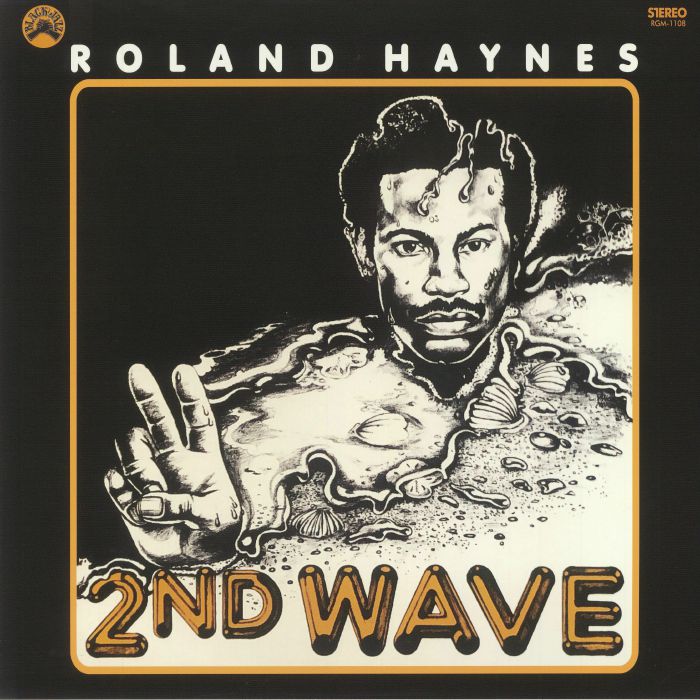
KOHSUKE MINE-FIRST.
Kohsuke Mine-First.
Label: BBE.
Format: CD.
Nowadays, the most important period in the development of J-Jazz is between late-sixties through to the early eighties. That’s regarded as a crucial period in the development of modern jazz in Japan. During that period, many Japanese composers and musicians and bands released ambitious and innovative music that astounded those who heard it.
When critics, cultural commentators and record buyers heard the albums that were being released they were amazed just how far Japanese jazz had come in such a short space of time.
Just over twenty years earlier Japanese music fans were banned from listening to jazz during World War II. However, after Japan’s defeat and unconditional surrender in August 1945 the wartime ban on jazz was lifted.
Jazz fans were now able to hear jazz on the radio and watch the allied forces bands play jazz in concert halls across Japan. Some of the bands featured some of the top American jazz musicians who were serving their country. Sometimes, these musicians spent time collaborating with local jazz musicians who were keen to learn from some of the names they had only heard on the radio.
By the time the allied forces left Japan in 1952 and returned home, musicians like Frank Foster, Harold Lamb and Oliver Nelson had formed firm friendships with local jazzers. They had played an important part in the cultural rebirth of Japan.
Left to their own devices, a new era began for Japanese musicians who were determined to make up for lost time. Musically there had been no winners after six years of war. While jazz had been banned in Japan during the war, many British and American jazz musicians had been called up and were serving their country. Many jazz musicians had spent the war in army bands where they were usually out of harm’s way. Now they had returned home, and like their Japanese counterparts were making up for lost time.
By the mid-fifties, a jazz scene had developed in Japan, during what was later referred to as the “funky period.” However, much of the jazz music being made in Japan had been influenced by American jazz and particularly the West Coast cool jazz and East Coast hard bop. Many Japanese musicians were collecting albums on Blue Note and Prestige which heavily influenced them. It would only be later that some would find their own voice.
Meanwhile, many of the top American jazz musicians no longer serving in the US Army, and had returned home. Some joined new or existing bands while some musicians put together new bands. Initially, they returned to their local circuit where they tried to pickup where they had left off. This changed a few years later.
In the late-fifties and early sixties, many of these musicians who had played in Japan during World War II were keen to return to a country where so many loved and appreciated jazz music. They made the long journey to Japan where they were reunited with some old friends.
During this period, Miles Davis, Art Blakey’s Jazz Messengers and Horace Silver all made the long journey to Japan where they received a warm and enthusiastic welcome. Whether any of these legendary musicians were aware at the time, they were playing a part in the cultural rebirth of Japan. Soon, many Japanese jazz musicians weren’t just content to copy Miles Davis, Art Blakey’s Jazz Messengers and Horace Silver sonically, but were determined copy them stylistically. Before long, Japanese jazz musicians were soon sporting the same preppy Ivy League clothes as their American counterparts.
Despite many people enjoying the visits of American jazz musicians, the Japanese authorities heard that some musicians had been arrested on drugs offences. They tightened the law as they didn’t want musicians with drug convictions visiting the new Japan and corrupting their youth. However, with the laws tightened, much fewer American jazz musicians visited Japan. Those that visited, played in packed concert halls and continue to influence Japanese jazzers.
However, not all Japanese jazz musicians were inspired by their American counterparts by the mid-sixties as homegrown musicians were making their presence felt. This continued as the sixties gave way to the seventies.
In 1970, twenty-six year old saxophonist Kohsuke Mine released his sophomore album Mine on the Three Blind Mice label. By then, he was already an experienced musician.
Kenji Wakabayashi aka Kohsuke Mine was born in Yushimo, Ueno on February the ‘6th’ 1944. With the country at war, he was evacuated to Miyako City, Iwate Prefecture, which was home until his first year of elementary school. During that time, he didn’t hear much music.
This changed when Kohsuke Mine returned to Tokyo. By the time he was seven or eight he was given a radio. He also heard his father sing rokyoku which is a kind of Japanese narrative music. However, it wasn’t until he joined the school choir that the young Kohsuke Mine began to participate in music. This was just the start.
Soon, he decided that he wanted to learn to play an instrument. The chance came when started high school and joined a brass band. Not long after this, he decided to learn the clarinet which he studied during his second year of college. That was still to come.
One day at high school, Kohsuke Mine was playing his clarinet when he one of his friends heard him and invited him to a local jazz cafe. Soon, the two friends were heading to Mama, a jazz kissa in Yarakucho on a regular basis. This was where Kohsuke Mine discovered jazz and this was the start of a lifelong love affair.
By the time he was in the second year of college, Kohsuke Mine was studying clarinet. At the time, there was a big cabaret scene and he joined a dance band. It turned out that the bandleader also loved jazz music and would influence the new recruit who soon had switched to alto saxophone which he preferred the sound of.
The only problem was that Kohsuke Mine couldn’t read music. In a dance band there’s no room for improvisation and everyone has to stick to the “script.” Soon, he was able to read music and could seamlessly switch between different genres of music including Latin and swing which was music people could dance to.
Jazz was still the music that Kohsuke Mine loved and he remembers listening to Tory’s Jazz Game on the radio. The first record he bought was Paul Desmond’s With Strings. However, he also was listing to Art Blakey, Donald Byrd and Horace Silver. This was all part of Kohsuke Mine’s musical education.
Having switched to alto saxophone he decided not to take lessons and had to find a place to practice. He couldn’t practise at home and ended up sitting in the changing rooms of the clubs he was playing in practising. It wasn’t ideal but he soon improved and got his first job playing alto saxophone.
This was in Ashikaga and Gunma and only lasted a month. However, this was how he Kohsuke Minei met Kinoshita Circus and he played with them. After this, he was part of the band backing singer Akira Matsushima. All this was good experience for a young aspiring musician.
By the time Kohsuke Mine was eighteen he had joined Hisashi Kato’s band and played in a Club Milan, in Milanza in Shinjuku. It was around this time he became friendly with the leader Kato-san.
After a gig in a club in the Pony jazz cafe in Shinjuku Mr Kato arrived at the club and explained he was looking for an alto saxophonist. Kohsuke Mine played Charlie Parker’s Donna Lee at the audition and got the job in Kato-san’s band.
This was the start of a six year spell with the band where Kohsuke Mine matured and evolved into a versatile musician. He left the band around 1968.
It was around this time that Kohsuke Mine met Takehiro Honda who had a weekday residence at the Pitt Inn. The two men became friends and played three gigs including at the Pitt Inn, the US Air Base and the Nido nightclub in Niroo. Soon, it was time to move on and join a prestigious band.
After this, there was a spell with Kikuchi’s band. This coincided with a period when Japanese jazz was modernising between 1968 and 1969 with the arrival of fusion.
It was around this time that Kohsuke Mine made the move from sideman to bandleader. He made his debut on Live In Tokyo was recorded on the ‘30th’ of August 1969 and featured a variety of artists. It was released by Nippon Columbia. The following year he released his debut album on Phillips.
This was First which features six tracks. The only Kohsuke Mine composition is Morning Tide. Four tracks were written by band members. Keyboardist Masabumi Kikuchi wrote Love Talking and Little Abbi while drummer Lenny McBrowne contributed Bar’ L’ Len and bassist Larry Ridley penned McPhee. There was also a cover of Thelonious Monk’s Straight No Chaser.
First was recorded at Victor Studio on the ’17th’ and ‘18th’ June 1970. Bandleader and alto saxophonist Kohsuke Mine is joined by the American rhythm section of drummer Lenny McBrowne and bassist Larry Ridley who were joined by virtuoso keyboardist Masabumi Kikuchi on electric piano. Producing twenty-six year old Kohsuke Mine’s debut album was Masaharu Honjo.
When First was released by Phillips later in 1970 only a small amount of albums were pressed. The album was well received but they didn’t realise the importance of this groundbreaking release. It found Kohsuke Mine and his band combining contemporary jazz, fusion and modal over six tracks.
The album opener Morning Tide was written by bandleader Kohsuke Mine. He delivers a breathtaking performance on alto saxophone. His playing is emotive, imaginative and full of enthusiasm. Not to be outdone bassist Larry Ridley and Masabumi Kikuchi on electric piano unleash stunning solos on a track that sets the bar high.
Love Talking is a sprightly sounding track that swings. Masabumi Kikuchi who wrote the piece plays a starring role on electric piano.His playing his rhythmic and he uses pauses to a degree of drama. Stealing the show is Kohsuke Mine whose playing starts off smooth and becomes impassioned as he paints pictures with music on this modernist modal piece.
Straight No Chaser is a jazz classic and the band seem to raise their game as if paying homage to Monk. This time, Kohsuke Mine unleashes a blazing bluesy saxophone burns brightly while Masabumi Kikuchi’s adds some subtle modal movements on electric piano. Later, he gets the chance to stretch his legs and plays with an inventiveness before a bass solo takes centrestage. Then there’s a return to the main theme on this tribute to a jazz legend.
McPhee swings and grooves the rhythm section power the arrangement along. The playing is emotive and expressive and has made in America written all through it. That’s despite Kohsuke Mine and Masabumi Kikuchi both plays leading roles. So does bassist Larry Ridley during what’s a flawless piece from the quintet.
Masabumi Kikuchi wrote and named Little Abbi after his young daughter. His playing is at the heart of everything that’s good about the track. It’s poetic and expressive while beauty is everpresent during Masabumi Kikuchi’s solo during this J-Jazz ballad.
Closing First is one of the highlights of the album, Bar ‘L’ Len. Partly this is because of the interplay between the band. They’re playing is tight but still the arrangement swings and the album closes on a high.
While First wasn’t released to critical acclaim and wasn’t a commercial success it was later recognised as one of the most important albums of regional modern J-Jazz. Nowadays, the album is a cult classic and original copies of the album are much-prized rarities.
First is also the album that launched Kohsuke Mine’s long and illustrious career. He was one of the pioneers of fusion in Japan and released a string of critically acclaimed albums. However, First was the album that saw Kohsuke Mine step out of the shadows and into the spotlight as he made the move from sideman to bandleader a role that he was perfectly suited and handled with aplomb.
Kohsuke Mine-First.
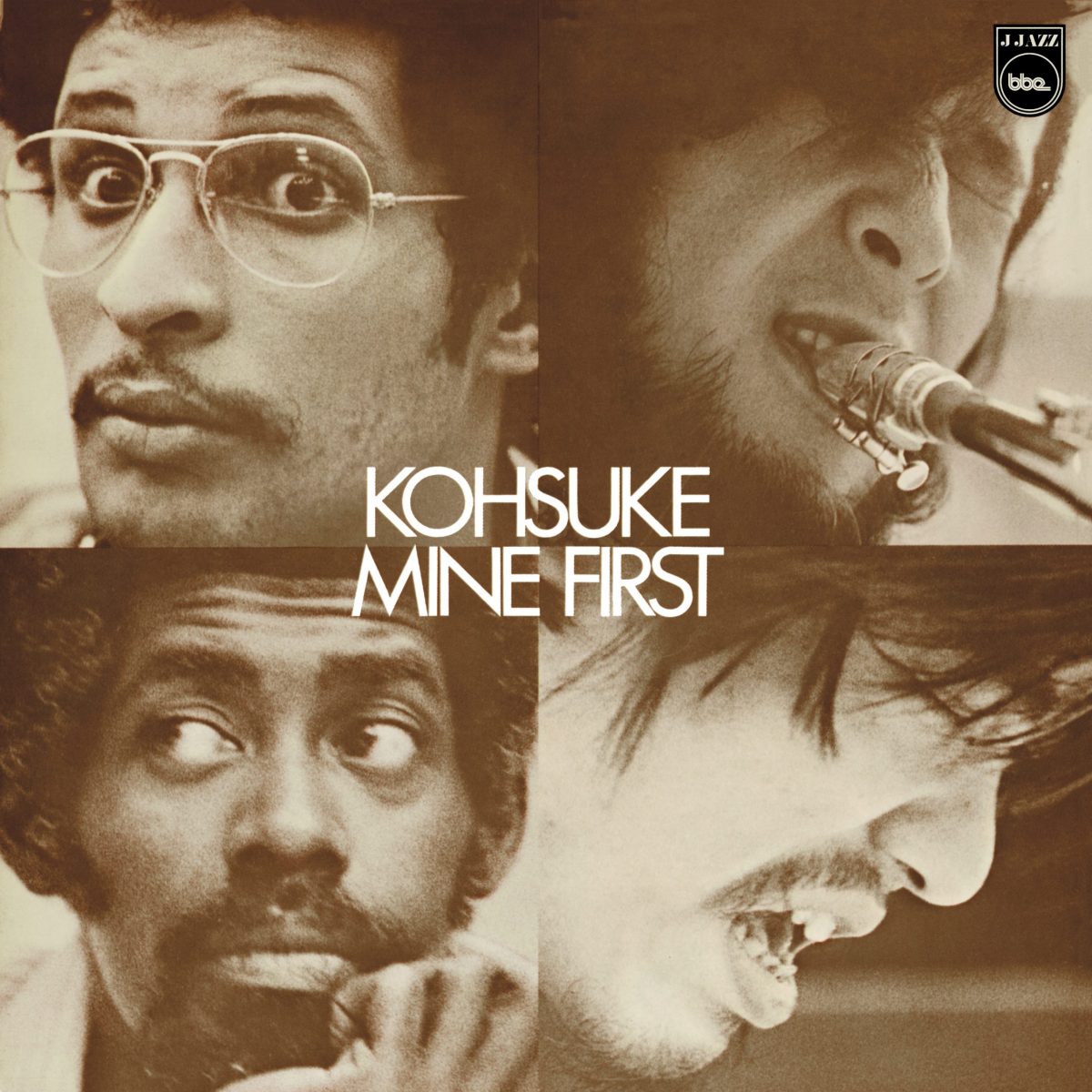
WARREN HAMPSHIRE-LANGUAGE OF THE BIRDS.
Warren Hampshire-Language Of The Birds.
Label: Athens Of The North.
Format: CD.
Many people will remember Warren Hampshire as the guitarist in The Bees, who were formed in Ventnor on the Isle of Wight in 2001 and went on to release four albums between 2002 and 2010. However, he wasn’t an original lineup of the band and joined in time to their sophomore album Free the Bees which was released in 2002.
Just a year after The Bees’ were founded they released their debut album Sunshine Hit Me on the ‘25th’ March 2002. The four piece band had produced an eclectic and summery sounding album which was well received by critics. This resulted in The Bees being signed to Virgin and was nominated for the Mercury Prize.
There was only one problem and that was playing the songs live. That was going to require a larger band.
That was how Warren Hampshire came to join The Bees. He became part of the expanded lineup of the band who embarked on several tours and recording the band’s sophomore album.
This was Free the Bees which was released by Virgin on the ‘17th’ of August 2004. It had been recorded at Abbey Road Studio with Warren Hampshire playing guitar, Hammond organ, piano and percussion. He played his part in what was a much more uptempo album that featured a slicker sound. This appeared to critics and the album was released to plaudits and praise. The single Chicken Payback reached twenty-eight in the UK charts and already The Bees were one of the rising stars of British music.
Nearly three years later on the ’26th’ March 2007 The Bees returned with their third album Octopus. It was their second album for Virgin, and many critics said it was the group’s finest and also their most complex album. The Bees a group of talented multi-instrumentalists were improving with every album.
For their fourth album Every Step’s A Yes, which was released by Fiction Records on the ’11th’ of October 2010. The album found the group maturing and their music evolving. Critics were impressed with the album which received mostly positive reviews. It looked like this was the next chapter in The Bees’ story.
Especially when they supported Fleet Foxes on their 2011 UK tour. After this, many critics thought the group would return to their studio and begin work on their fifth album.
Sadly,The Bees never released another album and in 2018 Aaron Fletcher and Tim Parkin formed a new band 77:78. By then, Warren Hampshire had embarked upon a new chapter in his career.
A year earlier, in 2017, he had released his collaboration with Greg Foat, Galaxies Like Grains Of Sand on the Athens Of The North label. This was the first of a series of critically acclaimed albums by Hampshire and Foat.
The pair released two albums in 2018. The Honey Bear and Nightshade showcased a talented partnership. So did Saint Lawrence which was released in 2019. This was the fourth album the pair had recorded and released which was released to widespread critical acclaim. Despite that, Warren Hampshire’s next album was his solo album Language Of The Birds which was recently released on LP by Athens Of The North.
Language Of The Birds was recorded not long after completing recording the Hampshire and Foat albums Galaxies Like Grains Of Sand and The Honey Bear with Greg Foat. The music on the album is influenced by the Isle Of Wight where Warren Hampshire’s lives and enjoys walking in the beautiful countryside and in the woodlands. These walks were part of the inspiration for the music.
So was his interest in catastrophism and extinction events. Then there’s the use of symbolism that was employed in the art, architecture and writings of previous civilisations. Language Of The Birds is an album of cerebral music and musings from Warren Hampshire.
On Language Of The Birds he combines elements of ambient music. avant-garde, library music, modern classical and sixties psychedelic folk. The music is underrated, spacious, ethereal and cinematic while the album cover seems to have been inspired by vintage children’s books and the fairy tales and folklore that was found within their pages and captivated generations of children.
Warren Hampshire’s music on Language Of The Birds would be the perfect soundtrack to an animated version of an old or modern fairytale.
As a standalone album, Warren Hampshire’s filmic music on Language Of The Birds paints pictures and transports the listener taking them on a journey into the past, stops in the present before heading into the future and visiting places that are real and imaginary that’s akin to a musical odyssey.
Warren Hampshire-Language Of The Birds.
TEENAGE FANCLUB-ENDLESS ARCADE.
Teenage Fanclub-Endless Arcade.
Label: PeMa.
Format: CD.
Much has happened to Teenage Fanclub since they released their tenth album Here on the ‘9th’ of September 2009. It was their first album since the release of Shadows on the ‘21st’ of May 2010, and marked a return to form for the band that was formed in Bellshill in 1989. Since then, much has happened, especially in the last three years.
In 2018, the five albums that Teenage Fanclub had released on Creation Records between 1991 and 1997 were reissued. Fans had long awaited the reissue of 1991s The King and especially Bandwagonesque which was released later that year and was the band’s breakthrough album of jangle pop. It was followed by 1993s Thirteen before the highlights of the highlights of the Creation Records years 1995s Grand Prix and 1997s Tales From Northern Britain. By then, Teenage Fanclub hd come of age as a band.
After the reissue of the Creation Records five, Teenage Fanclub embarked upon a promotional tour in late 2018. During the tour, the group played each of the albums in full. It turned out to be a triumphant tour albeit one tinged with sadness.
After the tour, cofounder Gerald Love announced that he had left Teenage Fanclub after twenty-nine years with the band. This came as a huge blow. It was going to be well neigh impossible to replace one of the band’s creative forces.
Teenage Fanclub decided to shuffle the deck and longtime member Dave McGowan switched from playing keyboards and guitar to bass which Gerald Love had been playing.
There was however, a new addition to the band. Euros Childs of Gorky’s Zygotic Mynci had been collaborating with Norman Blake on his side-project Jonny for two decades. He became Teenage Fanclub’s new keyboardist. This was the end of what was akin to a game of musical chairs that resulted in two musicians replacing Gerald Love.
The new and extended lineup of the band began working on material for the album. Cofounder Norman Blake had already written I’m More Inclined which he played to the band. They liked the song and having given it the green light, Teenage Fanclub would soon begin working on their eleventh album.
In January 2019, the six members of the band flew out to Hamburg, in Germany, a city that Teenage Fanclub had visited often and grown to love. They had even mixed their previous album Here at the city’s Clouds Hill Studio. This was their destination and where they began work on the album that became Endless Arcade.
Twelve songs were recorded by the band during two separate recording sessions. The loss of Gerald Love meant that the group was left with just two principal songwriters. Norman Blake contributed Home, Warm Embrace, The Sun Won’t Shine On Me, I’m More Inclined, Back In The Day and Living with You. The other six tracks were written by Raymond McGinley and included Endless Arcade, Everything Is Falling Apart, Come With Me, In Our Dreams, The Future and Silent Song. They become the first album by the new and extended lineup of Teenage Fanclub.
During January 2019, the group started recording their first album in nearly three years. Norman Blake, Raymond McGinley and drummer Francis MacDonald were joined by David McGowan and new Euros Childs. Teenage Fanclub had
decided to produce the album which they had done before. Work went well on the album but a month later, in February 2019,Teenage Fanclub left Hamburg and embarked upon a tour of Asia, Australia, North America and Europe that lasted until April 2019.
During the tour, Everything Is Falling Apart was released as a single on the ‘20th’ February 2019. It featured a vocal from Raymond McGinley and was Teenage Fanclub’s comeback single and a tantalising taste of Endless Arcade, which at the time, was work in progress.
Seven months later, in November 2019, Teenage Fanclub returned to Clouds Hill Studio to finish recording the album. By then, the band was celebrating its thirtieth anniversary. However, the only remaining original members of the band were Norman Blake and Raymond McGinley. This meant that the tracks that the group were recording for Endless Arcade had a slightly different sound.
At the time, Raymond McGinley said: “With Gerry not being there…it’s different. But then Dave is on bass and Euros is there. It’s an inspiring thing!”
Norman Blake also said: “I think some of the playing is a bit freer and looser than on recent albums. Dave and Euros’ playing is amazing, and Francis (Macdonald) on drums is really swinging.”
The new look Teenage Fanclub completed Endless Arcade as 2019 drew to a close. 2020 was going to be a busy and exciting year for the band.
In March 2020, Teenage Fanclub announced the release of Endless Arcade in October of that year. The group were also going to tour Britain and Europe in support of their eleventh album during November and December 2020. However, it was a case of: “the best laid plans of mice and men oft go astray.”
Later in March 2020, the country went into lockdown after the global pandemic arrived in Britain. For bands and artists about to release albums or head out on tour this was a disaster.
Three months later, with no sign of normality returning Teenage Fanclub cancelled their British and European tour in June 2020. The dates were rescheduled for April and May 2021. It was also decided that the release of Endless Arcade be postposed to coincide with the new tour dates.
While this was a huge blow Norman Blake and Raymond McGinley they decided to put the extra time to good use. They entered the studio in Glasgow and continued to mix the album. Finally, they had Endless Arcade sounding the way they wanted.
On ‘11th’ November 2002, Teenage Fanclub announced that Endless Arcade would be released on the ‘5th’ of March 2020. They also released a single edit and video for Home which was written and sung by Norman Blake. It would eventually open the album.
Just over two months later, the Norman Black composition I’m More Inclined was released as a single on the ‘25th’ of January 2021. That day, Teenage Fanclub announced that they had to push the release of Endless Arcade back until the ‘30th’ of April 2021. To make matters worse, the British and European tour dates were rearranged again and wouldn’t take place until tour dates in support of the album were also postponed to September 2021 and then during April and May 2022. This was disappointing for the band and their fans.
Six weeks before the release of Endless Arcade the fourth single from the album was released. This was the Norman Blake composition The Sun Won’t Shine One Me which was released on the ‘15th’ of March 2021. It was another taste of what was to come on Teenage Fanclub’s long-awaited and much-anticipated eleventh album.
Two years and three months after they started recording Endless Arcade the album was belatedly released on the ‘30th’ of April 2021. This was thirty-two years after Norman Blake and Raymond McGinley cofounded the band with Gerald Love who let the band in 2018. Endless Arcade was the first album without him in the band.
Critics wondered what a Teenage Fanclub album without Gerald Love would sound like? They also wondered about the meaning of the title?
Raymond McGinley’s song lent its name to the album and he explains that he imagined an Endless Arcade as: “a city that you can wander through, with a sense of mystery, an imaginary one that goes on forever. When it came to choosing an album title, it seemed to have something for this collection of songs.”
Critics were won over by Endless Arcade which was released to plaudits and praise. It compared favourably to Here and was a better album than Shadows. Teenage Fanclub’s new and extended lineup showcase their inimitable brand of jangle pop that was originally inspired by Big Star and The Byrds. They also switch between and combine alt rock, indie pop and rock during a twelve track album where the music is melodic and long on hooks which includes several anthems-in-waiting.
Endless Arcade opens with Home a driving track that is unmistakably Teenage Fanclub. They’ve set the bar high with the album opener.
The tempo drops on the Byrds-influenced title-track while there’s a looser sound on Everything Is Falling Apart. It’s a poignant sounding track with a despondent sounding vocal and lyrics that seems to reflect the last year.
The Sun Won’t Shine On Me is a beautiful ballad which features a soul-baring vocal. It’s very different to other tracks and was another side to Teenage Fanclub.Come With Me is a slow song with a spartan arrangement that allows the vocal to take centrestage on this anthem-in-waiting.
In Our Dreams sees the tempo rising on a track where elements of alt-rock, psychedelia and pop are combined during this melodic track. However, I’m More Inclined is much more like Teenage Fanclub of old and is a return to form. It’s melodic and the hooks haven’t been spared.
Then on Back In The Day the group is in a reflective mood on what’s sure to be a favourite when the group eventually play live. This is a reminder of Grand Prix or Tales From Northern Britain which was classic Teenage Fanclub.
The Future is a thoughtful sounding song with a slow, spartan and understated arrangement. It’s shows another side to the group. Living With You is more like their old sound. It’s a melodic and memorable paean where jangle pop and indie rock combine.
Silent Song closes Endless Arcade and is another slow song where the group are in a reflective mood. It’s a lovely way to close Teenage Fanclub’s eleventh album.
Endless Arcade is quite different in parts to previous Teenage Fanclub albums. Partly, that’s down to the departure of Gerald Love who played such a key part in the sound and success of group.
It used to be that Teenage Fanclub had an unmistakable sound that was instantly recognisable. Although their old sound is still present on Endless Arcade their’s new sides to the band’s music. Some of the tracks have much more understated and spartan arrangements where room has been left for the vocal. The lyrics on these songs are much more cerebral and thought-provoking. They often feature vocals that are full of emotion that are part of beautiful songs. During these tracks its Teenage Fanclub but not as we know them. However, Endless Arcade is a good album their fans will enjoy and embrace and many of the songs will become eventually become favourites.
For newcomers to the band, the best place to start is with the triumvirate of Bandwagonesque, Grand Prix and Tales From Northern Britain which is vintage Teenage Fanclub and features the band at their very best. Endless Arcade features a grownup version of jangle pop pioneers Teenage Fanclub. They’ve matured and are older and wiser and so has their music as Endless Arcade proves.
Teenage Fanclub-Endless Arcade.

IAN CARR-BELLADONNA.
Ian Carr-Belladonna.
Label: Mr Bongo.
Format: CD.
In 1969, thirty-six year old Ian Carr who was born Dumfries, in the South West Scotland, formed Nucleus who would become one of the top British fusion groups. By then, the Scottish trumpeter was a familiar face on the London jazz scene.
He had been member of the Emcee Five, co-led the Rendell–Carr Quintet, played with the New Jazz Orchestra and the Joe Harriott and Amancio D’Silva Quartet. However, Nucleus was a new beginning for Ian Carr.
Within a year, Nucleus had signed to the Harvest label and released their groundbreaking debut album Elastic Rock in March 1970. The album sounded as if it had been inspired by Miles Davis 1969 albums Filles de Kilimanjaro and In A Silent Way. However, Ian Carr later admitted that he hadn’t heard In A Silent Way. Elastic Rock was an ambitious and innovative album but sadly wasn’t a commercial success.
It was a similar story when We’ll Talk About It Later was released by Vertigo in 1971. Nucleus’ sophomore album failed to find the audience it deserved. It must have been frustrating for Ian Carr as the group were one of the pioneers of British fusion. Meanwhile, British record buyers had been won over by American fusion and especially Miles Davis’ 1970 classic album Bitches Brew which was was certified silver in Britain.
Later in 1971 when the group returned with a new album Solar Plexus and this time, they were billed as Ian Carr with Nucleus. Despite the new name and another groundbreaking album of ambitious fusion it also failed commercially. For founder Ian Carr this was hugely disappointing and resulted in a rethink for the thirty-eight year trumpeter.
After the commercial failure of Nucleus’ first three albums the group decided to call time on their career. They had been together just two years and released three unsuccessful albums. By then, Nucleus were experiencing financial problems and the group disbanded. It looked like a sad end to the story of one of the groups who pioneered fusion in Britain.
Ian Carr decided to change tack and began work on his debut solo album. It became Belladonna which was released by Vertigo in 1972 and featured some of the top British jazz musicians. This included percussionist Brian Smith who by 1972 was the only remaining original member of Nucleus.
For his much-anticipated debut album Ian Carr wrote four of the six tracks. This included Belladonna, Summer Rain, Mayday and Suspension. Remadione and Hector’s House were written by reeds player Brian Smith. These six tracks were recorded at Phonogram Studios, in London, with engineer Roger Wake.
Ian Carr played trumpet and flugelhorn on Belladonna. He was joined by a rhythm section of drummer and percussionist Clive Thacker, bassist Roy Babbington and guitarist Allan Holdsworth. They were joined by Brian Smith who switched between tenor and soprano saxophones plus alto and bamboo flutes. Augmenting the band on some tracks were percussionist Trevor Tomkins, Dave MacRae on Fender electric piano and Gordon Beck on Hohner electric piano. This all-star band played accompanied Ian Carr as he embarked upon his solo career.
Although Belladonna was well received when it was released in 1972, the album wasn’t a commercial success. This was hugely disappointing for Ian Carr given the quality of music on the album.
The music on Belladonna was atmospheric, ethereal and sometimes headed in the direction of avant-garde and experimental music. Other times the music is broody, moody, dark and dramatic. However, most of the time it’s fusion by one of its pioneers in Britain, Ian Carr. He really understands how to combine jazz and rock and leads a band who do this seamlessly. Sometimes this all-star band combines fusion and funk to good effect.
Opening Belladonna is the title-track which is a slice of funky fusion that’s been heavily influenced by Nucleus. However, at the end it’s all change as Ian Carr’s lone trumpet is accompanied by steel percussion.
Then on Summer Rain the introduction of an electric piano plays an important part in sound and success of the track. It meanders along and a stunning example of fusion unfolds as the band showcase their considerable skills.
Initially, Remadione has a late night smokey jazz sound thanks to Ian Carr’s trumpet. Space has been left in the arrangement allowing it breath as a glistening electric piano drifts in and out before there’s a nod to Dexter Gordon on Round About Midnight. At 1:49 it’s all change as the arrangement takes on a much more traditional fusion sound. Playing a starring role is guitarist Allan Holdsworth who unleashes one of his finest performances on the album. He’s accompanied by the electric piano and the transformation of the track is complete. From there, the band move through the gears heading for home on one of the album’s highlights.
The hissing hi-hats and wah-wah chords during the funky introduction to Mayday are reminiscent of Isaac Hayes’ Shaft. Soon, the horns combine with the rhythm section and shimmering Fender Rhodes and is later replaced by Allan Holdsworth’s rhythm guitar. Along with Brian Smith’s saxophone that play leading roles before Ian Carr’s trumpet rejoins as this example of funky fusion reaches a crescendo.
Very different is Suspension which is atmospheric, moody, haunting and cinematic. It sounds like part of the soundtrack to horror movie. That’s still the case when the horn takes centrestage and is accompanies by a plodding base, chirping guitar and stabs of electric piano. When all this is combined the result is a haunting filmic track that shows another side to Ian Carr and his multitalented and versatile band.
Closing Belladonna is Hector’s House which was also the name of a British children’s television show in the early seventies. Once again, the band enjoys the opportunity to stretch their legs as the tempo rises and showcase their skills during solos. Saxophonist Brian Smith looks like playing the starring role. Then Allan Holdsworth unleashes a spellbinding guitar solo played with speed and accuracy. The rest of the rhythm section and electric drive the arrangement along before it reaches a crescendo. By then it’s obvious that Ian Carr and his band have saved the best until last.
Although Belladonna wasn’t a commercial success the album later started to find an audience and nowadays is regarded as a cult classic. It was Ian Carr’s debut album and sadly he only released one more solo album Old Heartland in 1989. However, Belladonna was his finest solo album and is a reminder of one of the pioneers of British fusion at peak of his powers.
Ian Carr-Belladonna.
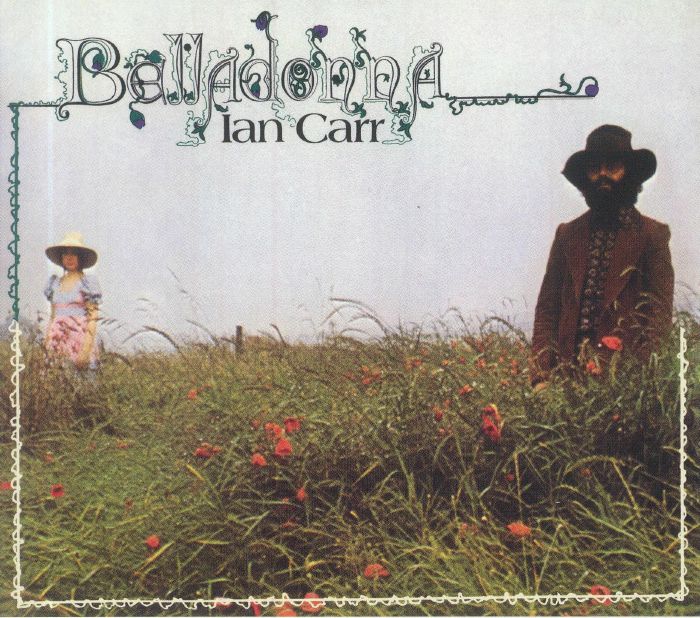
PINK FLOYD-LIVE AT KNEBWORTH 1990.
Pink Floyd-Live At Knebworth 1990.
Label: Pink Floyd Records.
Format: CD.
On June the ‘30th’ 1990, some of the great and good of British rock made their way to the village of Knebworth, in the north of Hertfordshire where they were to be presented with the Silver Clef Award for outstanding contributions to UK music. They would also take to the stage and take part in an all-star concert. It featured Dire Straits, Elton John, Eric Clapton, Genesis, Paul McCartney and Pink Floyd who were the headline act.
That night, Pink Floyd took to the stage in front of 120,000 fans. What they were unaware was that the tapes were rolling and the performance was being recorded for posterity. Sadly, it was twenty-nine years before the concert was eventually released.
Shine On You Crazy Diamond, a truncated version of Comfortably Numb and Wish You Were Here featured on The Later Years: 1987–2019 when it was released on the ‘29th’ of November 2019. It was a highlights disc that was akin to a musical amuse bouche.
Just two weeks later, on the ‘13th’ December 2019 Live At Knebworth 1990 made its debut on the eighteen disc limited box set, The Later Years. Sadly, it was way beyond the budget of many of the group’s loyal fans who hoped that one day, Pink Floyd Records would release Live At Knebworth 1990 as a standalone release.
Just sixteen months later and Live At Knebworth 1990 was released on CD by Pink Floyd Records on the ‘30th’ of April 2021. It’s a reminder of what was historic concert where the giants of UK rock were raising money for the Nordoff Robbins Music Centre and The BRIT School For Performing Arts and Technology. Stealing the show was the headline act Pink Floyd led by Dave Gilmour.
That Saturday night, 120,000 lucky concert goers watched as the great and good of British music took to the stage. This included Cliff Richard and The Shadows, Dire Straits, Elton John, Eric Clapton, Genesis, Jimmy Page, Mark Knopfler, Paul McCartney, Phil Collins, Robert Plant, Status Quo and Tears For Fears who at the time, were one of the most successful British bands. However, late on that Saturday night Pink Floyd took to the stage.
Earlier in the evening, it’s alleged that Paul McCartney had argued with members of Pink Floyd over who should be the headline act. The progressive rockers won the day, and now that darkness had descended took to the stage to play truncated versions of seven of their classic tracks.
With Roger Waters no longer a member of the band the lineup featured drummer and percussionist Nick Mason, bassist Guy Pratt, keyboardist and backing vocalist Rick Wright and guitarist and lead vocalist David Gilmour. They were augmented by saxophonist Candy Dulfer, guitarist Tim Renwick, keyboardists Michael Kamen and Jon Carin plus percussionist Gary Wallis. Adding backing vocals were Clare Torry Durga McBroom, Sam Brown and Vicki Brown.
Opening the seven song set was an eleven minute version of Shine On You Crazy Diamond, Parts 1-5 from Wish You Were Here, one of Pink Floyd’s classic album. They were joined by Dutch saxophonist Candy Dulfer as they unleash a stunning version of a progressive rock classic and set the bar high for the rest of the set.
Joining Pink Floyd is Clare Torry who shares the lead vocal on The Great Gig In The Sky. She’s the perfect foil for lead vocalist David Gilmour her emotive vocals soaring high above the slick arrangement on the first of three tracks from the group’s Magnus Opus Dark Side Of The Moon. It results in a rapturous response from the 120,000 crowd.
The classic tracks kept on coming with a poignant rendition of Wish You Were. It’s a flawless performance with David Gilmour delivering a vocal that’s emotive and full of sadness.
The one surprising inclusion in the Knebworth set was Sorrow, which is from Pink Floyd’s thirteenth studio album A Momentary Lapse Of Reason which was released in the UK on September the ‘7th’ 1987. The song started life as a poem penned by David Gilmour who added the music at a later date. Although the opening lines were borrow from John Steinbeck’s The Grapes Of Wrath the song is still regarded as one of David Gilmour first songs. It became a live favourite and in 1988 featured on The Delicate Sound Of Thunder which was the progressive rockers first live album. Two years later the group vowed the audience at Knebworth with an extended version of the song.
This was followed by the Roger Waters’ composition Money, which was the second track Pink Floyd played from their 1973 classic album Dark Side Of The Moon. Candy Dulfer returns and her saxophone plays an important part in the sound and success of the track. It features the group at their slickest and is one of the highlights of the seven song set.
Joining Pink Floyd for the final two tracks was American keyboardist Michael Kamen. He augments the group on two tracks from The Wall which was released on the ‘30th’ November 1979. The first was Comfortably Numb which by 1990 was already one of the group’s best known songs. Here the extended lineup of the band are at their tightest and the beautiful verse harmonies play an important part in what’s one of the highlights of the set and Live At Knebworth 1990.
Pink Floyd then close the set with Run Like Hell which is also from The Wall. During the track progressive rock and fusion melts into one as David Gilmour barks out the lyrics as the appreciative audience enjoy every minute. Then after seven magical minutes the track reaches a crescendo and the headliners exit stage left.
Pink Floyd stole the show during the legendary all-star concert that took play at Knebworth on Saturday, June the ‘30th’ 1990. The competition was fierce with the great and good of British rock taking to the stage and running through a selection of some of their best known songs. Some of these artists and groups had been around for over twenty years.
This included Pink Floyd who by 1990 had been together for twenty-five years and has released thirteen studio albums and one live album, A Momentary Lapse Of Reason. It’s regarded as Pink Floyd’s finest live album with Pulse which was released in 1995 coming a close second. That was still to come.
By 1990, Pink Floyd were still on of the biggest selling British bands and since forming in 1965 had released a string of classic albums. They revisit some of these classic albums including Dark Side Of The Moon and Wish You Were Here during a triumphant seven track set. It finds Pink Floyd rolling back the years on Live At Knebworth 1990, which is a near flawless where they steal the show in front of an adoring and appreciative audience which.
Pink Floyd-Live At Knebworth 1990.
CULT CLASSIC: DUKE PEARSON FEATURING BOBBY HUTCHERSON-THE PHANTOM.
Cult Classic: Duke Pearson Featuring Bobby Hutcherson-The Phantom.
By June 1968, Atlanta-born pianist Duke Pearson was thirty-five, and was about to begin record the twelfth album of his career, The Phantom. It would be the seventh album he had recorded for Blue Note Records since he first signed for the label in 1959, and later that year, had released his debut Profile.
Duke Pearson’s time at Blue Note Records was the most productive of his recording career. He signed to what was jazz’s premier label in 1959, and later that year, released his debut album Profile. Tender Eyes followed in 1960 and was his second album for Blue Note Records which he called home for most of his career.
In 1961, Duke Pearson signed to Polydor and recorded his third album Angel Eyes. However, it wasn’t released until 1968. By then, much had happened to Duke Pearson.
Next stop was Prestige where later in 1961 he recorded Dedication! Just like Angel Eyes, there was a delay in releasing the album and it wasn’t until 1970 that it was belatedly released.
On January the ‘12th’ 1962, The Duke Pearson Quintet recorded an album for the short-lived Jazztime label. This was Hush! which was released to critical acclaim later in 1961. Two years later Duke Pearson returned home to Blue Note Records.
He made the journey to Van Gelder Studio, in Englewood Cliffs, New Jersey, on the ‘21st’ of November 1964 and recorded what was the most ambitious album of his career. Wahoo featured Duke Pearson at his creative zenith on what was one of best and most sophisticated albums of hard bop released during the mid-sixties. When it was released just before the end of 1964, it was hailed as the finest of Duke Pearson’s career.
After releasing his critically acclaimed album Wahoo, Duke Pearson signed to Atlantic Records and recorded two albums during 1965. This included The Duke Pearson Nonet’s album Honeybuns whig was recorded on May the ‘25th’ and ’26th’ 1965 and was well received when it was released in 1966.
For his second album for Atlantic Records Duke Pearson was joined by an all-star band as he recorded what was an album of blues-tinged soul-jazz that ventures into hard bop. Just like its predecessor, reviews of Prairie Dog were positive. Despite that, Duke Pearson left Atlantic Records and once again returned to Blue Note Records.
Sweet Honey Bee.
This time it was for good, and Duke Pearson would call Blue Note Records home for the remainder of his recording career signed to the label. This began with Sweet Honey Bee which featured six Duke Pearson compositions and Big Bertha which he cowrote with Memphis Slim.
Joining Duke Pearson was all-star band that recorded Sweet Honey Bee at Van Gelder Studio on December the ‘7th’ 1966. They were responsible for a series of musical masterclasses on what was hailed as one of the finest albums of Duke Pearson’s career as he combined hard bop, post bop and soul jazz. It was released in 1967 and marked his return to the Blue Note Records’ fold.
The Right Touch.
Buoyed by the success of Sweet Honey Bee, Duke Pearson and his band recorded the followup The Right Touch on September the ’13th’ 1967. He had written the six tracks that were recorded at Van Gelder Studio by his octet that included Stanley Turrentine, Freddie Hubbard and James Spaulding. They raised their game during a session producer by Francis Wolff.
During The Right Touch, Duke Pearson’s music continued to evolve as he and his band combined Latin jazz, post bop and soul jazz. Critics hailed this as an almost flawless album and one of his finest albums. Duke Pearson was in a rich vein of form and it seemed could do no wrong.
Introducing Duke Pearson’s Big Band.
Having recorded albums with a trio, quintet, sextet, octet and nonet Duke Pearson decided to record an album with a Big Band. The album Introducing Duke Pearson’s Big Band was recorded at Van Gelder Studio on December the ‘15th’ 1967 and this time, was produced by the bandleader himself. He had penned five of the nine track on the album which was a stylistic departure for Duke Pearson.
He was taking a risk by recording an album that was very different to the hard bop albums that had proven popular amongst jazz fans. His compositions on Introducing Duke Pearson’s Big Band were very different but just as memorable. It was a case of expect the unexpected, while his interpretations of covers were captivating and left a lasting impression. Introducing Duke Pearson’s Big Band might have been an experimental album, but it was also an album was the perfect showcase for the multitalented bandleader, composer and pianist when it was released in 1968.
The Phantom.
By the time Duke Pearson began work on his twelfth album The Phantom, he was an important figure at Blue Note Records. He had helped move the label in the direction of hard bop and shape the new sound in his role as producer. Duke Pearson had also worked as arranger and sideman at Blue Note Records. In 1963, he had played on Bobby Hutcherson’s album The Kicker. Now it was time for the vibraphonist to return the favour on The Phantom which was billed as Duke Pearson Featuring Bobby Hutcherson.
For what would be Duke Pearson’s twelfth album featured four new compositions including The Phantom, Bunda Amerela (Little Yellow Streetcar), Los Ojos Alegres (The Happy Eyes) and Say You’re Mine. They were joined by covers of Willie Wilson’s Blues For Alvina and The Moana Surf which was penned by flautist Jerry Dodgion. He was part of the band that recorded The Phantom.
The first session took place at Van Gelder Studio on June the ‘24th’ 1968 when “Bunda Amerela (Little Yellow Streetcar) was recorded by the band. It feathered drummer Mickey Roker, bassist Bob Cranshaw, guitarists Sam Brown and Al Gafa plus pianist Duke Pearson. They were joined by Bobby Hutcherson on vibes and flautist Jerry Dodgion. Adding a Latin flavour was the percussion including congas played by Victor Pantoja and Carlos “Patato” Valdes who also played güiro. The result of this genre-melting album was recorded on September the ‘11th’ 1968 with engineer Rudy Van Gelder and producer Francis Wolff.
When The Phantom was released later in 1968, critics discovered another ambitious album from Duke Pearson whose music continued to evolve. It was an album of post bop where he continues his mission to push musical boundaries. To do this, he add a healthy sprinkling of Latin percussion and complicated harmonies that were inspired by avant-garde music. This lesser musicians might have struggled to cope with, but most of the time this multitalented, experienced and versatile band cope admirably during this innovative and intriguing album.
Side A.
The Phantom opens with the ten minute title-track where the groove simmers and smoulders adding more than a degree of drama and tension on this cinematic opus. It sets the bar high for the rest of the album.
Very different is Blues for Alvina which has a much more understated arrangement and finds the band adopting a less is more approach. Space is left as the flute dances across the arrangement and drums and congas add a subtle accompaniment. Duke Pearson’s piano has a slinky sound as it take centrestage on a track where blues, jazz and Latin music melt into one during three magical minutes.
Joyous and uplifting describes Bunda Amerela (Little Yellow Streetcar), which is largely because of the addition of the Latin percussion as the arrangement sashays along with Jerry Dodgion’s flute and Bobby Hutcherson’s vibes playing leading roles. Later, Duke Pearson’s fingers dance across the keyboard during a spellbinding solo where the bandleader and composer steals the show.
Side B.
Los Ojos Alegres (The Happy Eyes) opens the second side of The Phantom and the Bossa Nova beat transports the listener to the Rio de Janeiro. Duke Pearson’s piano and then the vibes atop the the crisp beat during what’s akin to a slice of musical sunshine that’s sure to brighten up even the dullest day.
It’s all change on Say You’re Mine which first featured on Donald Byrd’s album The Cat Walk. It’s a welcome addition and is a beautiful, tender and dreamy track where Duke Pearson and the band paint pictures with music. It brings to mind walking hand-in-hand with the one you love on a rainy day. Other times, the music is ruminative and invites reflection and contemplation.
The Moana Surf closes The Phantom and has starts of slowly and almost hesitantly as the guitar and flute combine. Soon, a drum roll, stabs of piano and vibes signal that it’s all change as the tempo rises. Latin percussion is added and but it’s the flute that plays a starring role before the baton is passed to the vibes and then the piano. In doing so, this allows some showboating and band members to showcase their considerable skills. Later, drums, hissing hi-hats and percussion combine and take centrestage but maybe for too long? When the arrangement gradually rebuilds it comes as a relief. The band is reunited and soon the track reaches a crescendo bringing the album to a close.
The Phantom was another ambitious album where from Duke Pearson where he combined elements of avant-garde, Bossa Nova, Latin jazz and post bop. It was the next step in his career and saw his music continue to evolve. Sadly, the album wasn’t the commercial success he or Blue Note Records’ new owners Liberty Records had hoped. Despite that, he stayed at the label he called home.
That was the case until 1971, when Duke Pearson retired from his position at Blue Note Records. The label’s new owners had made changes and it was time for the thirty-nine year old to head for pastures new. Initially he taught at Clark College and in 1973 toured with Carmen McRae and Joe Williams. By then, the Duke Pearson Big Band was back in business and touring and things were looking good for its leader. Sadly, that wasn’t the case.
Later in the seventies Duke Pearson received a crushing blow when he was diagnosed with multiple sclerosis, and he died on August the ‘4th’ 1980 at the Atlanta Veterans Hospital aged just forty-two. That day, jazz and the wider musical community was in mourning at the loss of a truly talented pianist, composer, bandleader arranger and producer who left behind a rich musical legacy.
This includes The Phantom, which although it’s one of the lesser known and sometimes overlooked album in Duke Pearson’s impressive back-catalogue. The Phantom, is anther ambitious album from the Atlanta-born pianist whose music was continuing to evolve when it was released in 1968 and is a reminder of the late, great and multitalented Duke Pearson.
Cult Classic: Duke Pearson Featuring Bobby Hutcherson-The Phantom.
CLASSIC ALBUM: BOB MARLEY AND THE WAILERS-CATCH A FIRE.
Classic Album: Bob Marley and The Wailers-Catch A Fire
Having signed to Chris Blackwell’s Island Records, The Wailers released their fifth studio Catch A Fire on April the ‘13th’ 1973. The first 20,000 copies came encased in Rob Dyer and Bob Weiner’s now famous Zippo lighter’ hinged album sleeve. However, Island Records had underestimated demand for what was a landmark album and 14,400 copies sold in the first week. More copies of Catch Of Fire were ordered after a rethink.
When the new copies of Catch A Fire hit the shops, the album had a new cover designed by John Bonis which featured Esther Anderson’s portrait of Bob Marley smoking a spliff. This wasn’t the only change to the album cover. The group was no longer billed as The Wailers. Instead, Catch A Fire was credited to Bob Marley and The Wailers.
Catch A Fire was certified silver and then gold in the UK and transformed Bob Marley and The Wailers’ fortunes. This was the start of a period where critical acclaim and commercial success were constant companions for Bob Marley and The Wailers. However, Catch A Fire was also the album that introduced the world to Bob Marley, a man who was much more than a singer.
Poet, philosopher and political activist are words that describe Bob Marley who was born on the ‘6th’ February 1945, in Nine Mile, Saint Anne Parish, Jamaica. During his life, he was someone who spoke up for the Jamaican people, and sadly this sometimes put his life in danger. Despite this, he was determined to be a force for good and peace. Religion played an important in his daily life and he was a deeply religious and spiritual man. Bob Marley was a devout Rastafarian and his religion influenced the music he made.
Back in the 1970s, Bob Marley was hugely influential and increased the popularity of reggae. Before that, although reggae hadn’t crossed-over and gained mainstream appeal. Bob Marley were instrumental in raising reggae’s profile. Especially his Island Records debut Catch A Fire which was the album that launched and transformed Bob Marley and The Wailers’ career and was their debut album for a major record label.
Catch A Fire was Bob Marley’s first album for his new record label Island Records, which was owned by Chris Blackwell. The pair had first met in London in 1972, when Bob Marley and The Wailers were stranded in London.
They had entered in a deal with CBS Records, and gone on tour with American singer-songwriter Johnny Nash. However, things had gone badly wrong and Bob Marley and The Wailers found themselves stranded in London. That was when they decided to approach Chris Blackwell about recording a new single. Instead, Chris Blackwell said he wanted the group to record a whole album. At the time, this was unheard of, but Chris Blackwell was adamant and he asked Bob Marley how much an album would cost? When he said between £3,000 and £4,000 Chris Blackwell gave him £4,000 and Bob Marley and The Wailers headed back to Kingston, Jamaica, to record Catch A Fire.
Now that Bob Marley and The Wailers had the funds to record a new album they headed for Harry J’s recording studio in Kingston. It had an eight track recording studio which was the type that rock bands were using. Again, this was a first, as previously, no reggae band had used such a facility. However, Chris Blackwell wanted more than a reggae album. He said he wanted: “more of a drifting, hypnotic-type feel than a reggae rhythm.” To achieve this, Bob Bob Marley travelled to London to oversee Chris Blackwell’s overdubbing of the tracks. Chris Blackwell had enlisted the help of two top American musicians, Wayne Perkins and John “Rabbit” Bundrick.
Wayne Perkins was responsible for rerecording some of the lead and rhythm guitar parts while John Bundrick added organ, synths, clavinet and electric piano to the UK mix of the album. Another of Chris Blackwell’s decisions was to lessen the heavy bass sound. Two songs were then left off the album. However, this “new mix” didn’t go down well back in Jamaica. Despite this, music critics loved the album and it released to widespread critical acclaim. However, the big question was how would the record buying public react to Catch A Fire?
On Catch A Fire’s release in April 1973 it initially sold 14,400 copies in the UK. However, Bob Marley and the Wailers’ Island debut was certified silver and then gold. This was just the start of a glittering career.
Catch A Fire was the first of six gold discs and one silver disc Bob Marley and the Wailers were awarded in the UK between the release of Catch A Fire In 1973 and Confrontation in 1983.
When Catch A Fire was released in America the album only reached 171 in the US Billboard 200 and fifty-one on the US R&B charts. After this, Bob Marley and The Wailers were awarded six gold discs in America and sold in excess of three million albums stateside. However, Catch A Fire was the album that launched Bob Marley and The Wailers on both sides of the Atlantic.
After Catch A Fire, the band embarked on a period where they released a string of classic albums and suddenly, after many years of trying, Bob Marley and The Wailers, were household names. One thing that saddens many people, is how the original Wailers weren’t part of this success story. They had split up in 1973, tired of struggling for success. Little did they know in 1973, that success was just a year away.
One of the attractions of Catch A Fire for critics and music fans alike were Bob Marley and Peter Tosh’ lyrics. Peter Tosh penned 400 Years and Stop The Train, while Bob Marley wrote the other seven tracks. Both Peter Tosh and Bob Bob Marley were both socially aware and militant and weren’t afraid of raising subjects and issues that would be deemed confrontational and controversial. Both wished for a future where people in Jamaica, and elsewhere, would be free from oppression. Other times, their view of the world was an optimistic one, and this is apparent in the music on Catch A Fire which would eventually be regarded as a classic album.
Catch A Fire opens with Concrete Jungle. It begins somewhat hesitantly, with a guitar, rhythm section and organ combining. Quickly, the arrangement opens out and it’s tough and edgy as pulsating rhythms emerge and Bob Marley delivers a heartfelt, frustrated vocal. Behind him, the arrangement has an understated quality, with a bass reverberating, an organ gently playing and drums steadily keep the beat. The arrangement gently pulsates as instruments emerge, join and leaves the mix. A guitar soars, but is then played subtly while a constant is the buzzing bass. Meanwhile, Bob Marley sings about the poverty and conditions faced by people in the poorer areas of Jamaica. His vocal is full of emotion, frustration and sadness as he highlights their plight in this poignant, moving and timeless song.
On Slave Driver Bob Marley’s lyrics tackle the subject of slavery head on. Drums and Hammond organ are accompanied by backing vocals as the track unfolds and the vocal enters. The arrangement is understated and meanders along taking care never to overpower the vocal. This allows the listener to focus on Bob Marley’s vocal and his righteous anger on one of the most powerful songs on Catch A Fire.
The militant Bob Marley can be heard on 400 Years which was written by Peter Tosh. The arrangement has a dark, heavy sound and is very different from the previous tracks. Even the vocal sounds different and is deeper has an edge to it. Maybe it’s because Bob Marley is airing his frustration and anger? Meanwhile, the the arrangement is fuller as the buzzing bass returns and is accompanied by drums and guitar. Backing vocals are provided by The Wailers who provide the perfect accompaniment to Bob Marley’s vocal which is impassioned but full of frustration and despair
One of the best known songs on the album is the Peter Tosh composition Stop the Train I’m Leaving. Drums almost crack as they combine with the guitar and melodic sounding Hammond organ which meanders in and out of the track. Bob Marley’s vocal sounds strong, yet relaxed and heartfelt as sits atop the arrangement. Behind him, one of the best arrangements on the album is emerging as a chiming guitar, throbbing bass, subtle drums and a dreamy melodic Hammond organ combine with a powerful and charismatic vocal. It’s a potent combination is one of the highlights of Catch A Fire.
On Baby We’ve Got A Date (Rock It Baby) give a glimpse of Bob Marley’s romantic side on this lighter, brighter track. This is apparent when the organ plays, gently and melodically. Drums play, they’re subtle, similarly, the bass is way back in the mix. They take care not overpower the Hammond organ which is everpresent nor the vocal. It’s tender and heartfelt as is accompanied by one of the finest arrangements on the album. The female backing vocalists provide the perfect accompaniment on a beautiful romantic ballad.
Stir It Up is one of the tracks Chris Blackwell changed by bringing in Wayne Perkins to redo the lead guitar on the track. As the rhythm section opens this track, a bass reverberates and drums play. They’re joined by the guitar while the bass throbs way down in the bottom of the mix. Meanwhile, Bob Marley’s vocal sounds lighter and happier as the music is emerges in waves washing over the listener.
Kinky Reggae has a laidback feel from the opening bars. The rhythm section play accompany Bob Marley who is much more relaxed and happier and is accompanied by backing vocalists as he sings lyrics loaded with not so subtle innuendo.
Very different is No More Trouble where the rhythm section and backing vocalists accompany Bob Marley’s impassioned and emotive vocal. He sings about peace and a cessation to the war which was tearing his country apart. Behind him, the arrangement veers between understated to dramatic as drums and percussion punctuate the arrangement. Meanwhile, soulful backing vocalists accompany Bob Marley as he delivers a soul-baring vocal and tries and succeeds in getting his message across.
Midnight Ravers closes Catch A Fire and is another of Bob Marley’s protest songs. Here, he was ahead of his time, when he wrote about the problem of pollution. A drum roll opens the track, a guitar plays, as the song meanders along. Backing singers join in and accompany a vocal that’s saddened by the destruction he’s singing about and its effect on everyone. It’s a powerful song from Bob Marley who was akin to musical a seer with a social conscience.
On its release, it may not have been their most successful album. Eventually though, it was certified silver and then gold and by then, it had launched the career of Bob Marley and The Wailers. It’s also an album that has stood the test of time and the messages within it are just as relevant today, as they were in 1973.
The lyrics on Catch A Fire were socially aware and militant, and neither Bob Marley, nor Peter Tosh were afraid of raising subjects and issues that could be deemed controversial or confrontational. This included subjects like poverty, slavery and pollution all needed to be tackled in 1973. Bob Marley and The Wailers didn’t shy away from doing so, and tackled these subjects head on Catch A Fire.
Bob Marley like Peter Tosh both wished for a future where people in Jamaica and elsewhere would be free from oppression. Their view of the world was also an optimistic one. This is apparent on Catch A Fire. It was an album that featured music with a social conscience and also gave a glimpse of the romantic side of Bob Marley. Catch A Fire showed the different sides to Bob Marley and The Wailers and was the album that launched their career.
That was despite Catch A Fire only selling only 14,400 albums in the UK. Eventually it was certified silver and then gold. By then, it had launched the career of Bob Marley and The Wailers.
Catch A Fire is a timeless album and one of Bob Marley and The Wailers finest albums. They went on to release a string of classic albums including Natty Dread, Exodus and Kaya. These album may have been more successful, but Bob Marley and The Wailers’ Island debut Catch A Fire is a classic album.
Catch A Fire was the album that announced Bob Marley and The Wailers arrival to the wider world. Before that, The Wailers were a hugely successful group in Jamaica. However, following the release of Catch A Fire and the decision to “rebrand” them as Bob Marley and The Wailers’ their popularity spread far and wide.
Although Catch A Fire didn’t match the success of later albums including Natty Dread, Exodus and Kaya, it’s one of the most important albums in Bob Marley and The Wailers’ back-catalogue. Just like the rest of the albums they released on Island, Catch A Fire has been remastered at Abbey Road Studios and reissued to celebrate the seventy-fifth anniversary of Bob Marley’s birth.
For anyone yet to discover Bob Marley and The Wailers’ music, then Catch A Fire is the perfect place to start. It was their first classic album and one of the greatest albums they released during the decade they spent signed to Island. Along with Natty Dread, Exodus and Kaya, Catch A Fire contains some of the best music that Bob Marley and The Wailers’ released during their Island Records years. Catch A Fire is worthy of being called a timeless classic and is powerful and poignant reminder of a musical seer with a social conscience.
Classic Album: Bob Marley and The Wailers-Catch A Fire


 dereksmusicblog
 dereksmusicblog