THE BEST REISSUES OF 2017-PART 4.
The Best Reissues Of 2017-Part 4.
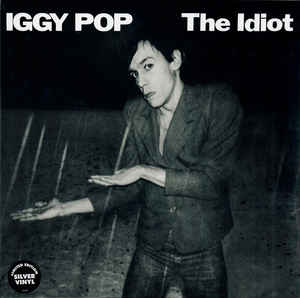
Iggy Pop-The Idiot.
Label: UMC.
When Iggy Pop released his debut solo The Idiot in March 1977, it was a stylistic departure from the former leader of The Stooges. The Idiot seemed to have been influenced by Kraftwerk, James Brown and David Bowie’s Berlin trilogy. As for the title, it had been inspired by Fyodor Dostoyevsky’s novel The Idiot. Critics were impressed by The Idiot, which nowadays is regarded as one of his finest albums. It’s also an album that inspired many post punk, gothic and industrial artists and bands. However, with its fusion of art rock and industrial rock, The Idiot wasn’t representative of Iggy Pop’s music and he never made another album like his critically acclaimed debut.
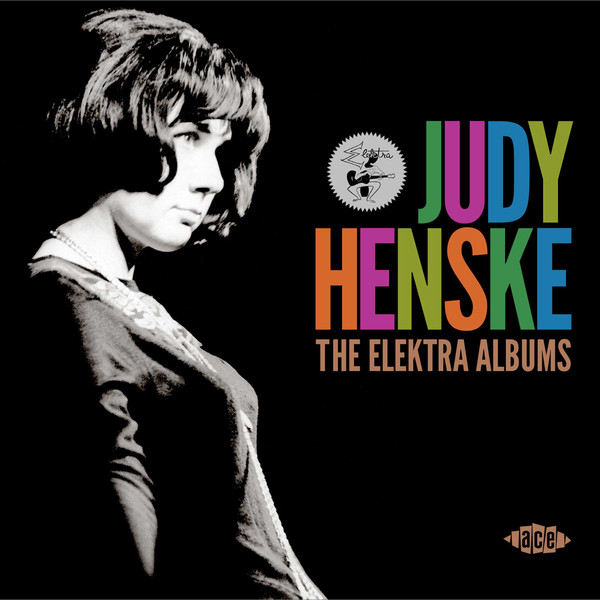
Judy Henske-The Elektra Albums.
Label: Ace Records.
In 1962, Judy Henske the Queen of the Beatniks was living in Los Angeles, when she first came to the attention of Elektra Records’ founder Jac Holzman. He secured the signature of Judy Henske for $2,000, which was double his initial offer. Soon, Judy Henske was recording her eponymous debut album which was released on Elektra Records in 1962. Critics were appreciative of a very special and versatile singer, who could seamlessly switch between folk and blues, and was just as comfortable singing tender, heartfelt ballads as unleashing a vocal powerhouse on her critically acclaimed debut. This was followed by High Flying Bird which was released in 1963 and saw Judy Henske flitting between blues, folk and jazz on an album that received praise and plaudits. Sadly, High Flying Bird like Judy Henske, failed commercially and the Queen of the Beatniks left Elektra Records after two accomplished and memorable albums.
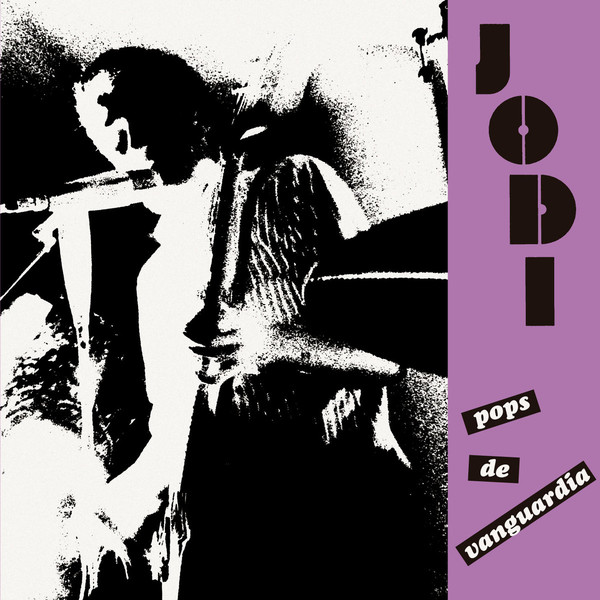
Jodi-Pops De Vanguardia
Label: Out-Sider Music
The story of Jodi’s album Pops De Vanguardia is a familiar one, with this groundbreaking album failing commercially upon its release in 1971. The problem was it was too far ahead of the musical curve. Critics and record buyers failed to understand a groundbreaking album where Jodi fused blues, garage rock, indie rock, proto-punk, psychedelia and rock. There’s even elements of avant-garde and experimental musical on Pops de Vanguardia, which was an ambitious album that deserved to find a much wider audience. Sadly, that wasn’t the case. Since then, Jodi’s opus Pops de Vanguardia is regarded by a coterie of discerning musical connoisseurs as a lost genre classic. Nowadays, Pops de Vanguardia which is a oft-overlooked hidden gem, had been discovered fans who appreciate and understand Jodi’s music.
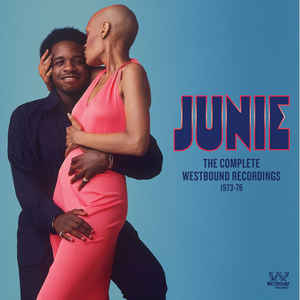
Junie-The Complete Westbound Recordings 1973-1976.
Label: Westbound Records.
In September 1973, nineteen year old Walter “Junie” Morrison Jr parted company with the Ohio Players after playing on their 1972 breakthrough album Pain, and Pleasure which was released in 1973. However, as one door closed, another opened and Junie embarked upon a solo career at Westbound Records. He released his 1975 debut album When We Do in 1975. It was slick, soulful, funky and dancefloor friendly, but unsuccessful. Freeze followed later in 1975 combined elements of his debut album with a tougher, funkier and lysergic sound. Sadly, commercial success eluded Freeze and Suzie Super Groupie was released in 1976. Slick, smooth and soulful, it headed in the direction of boogie, funk and jazz. However, it also failed commercially and Junie’s career at Westbound Records was over after three innovative albums from one of music’s best kept secrets.
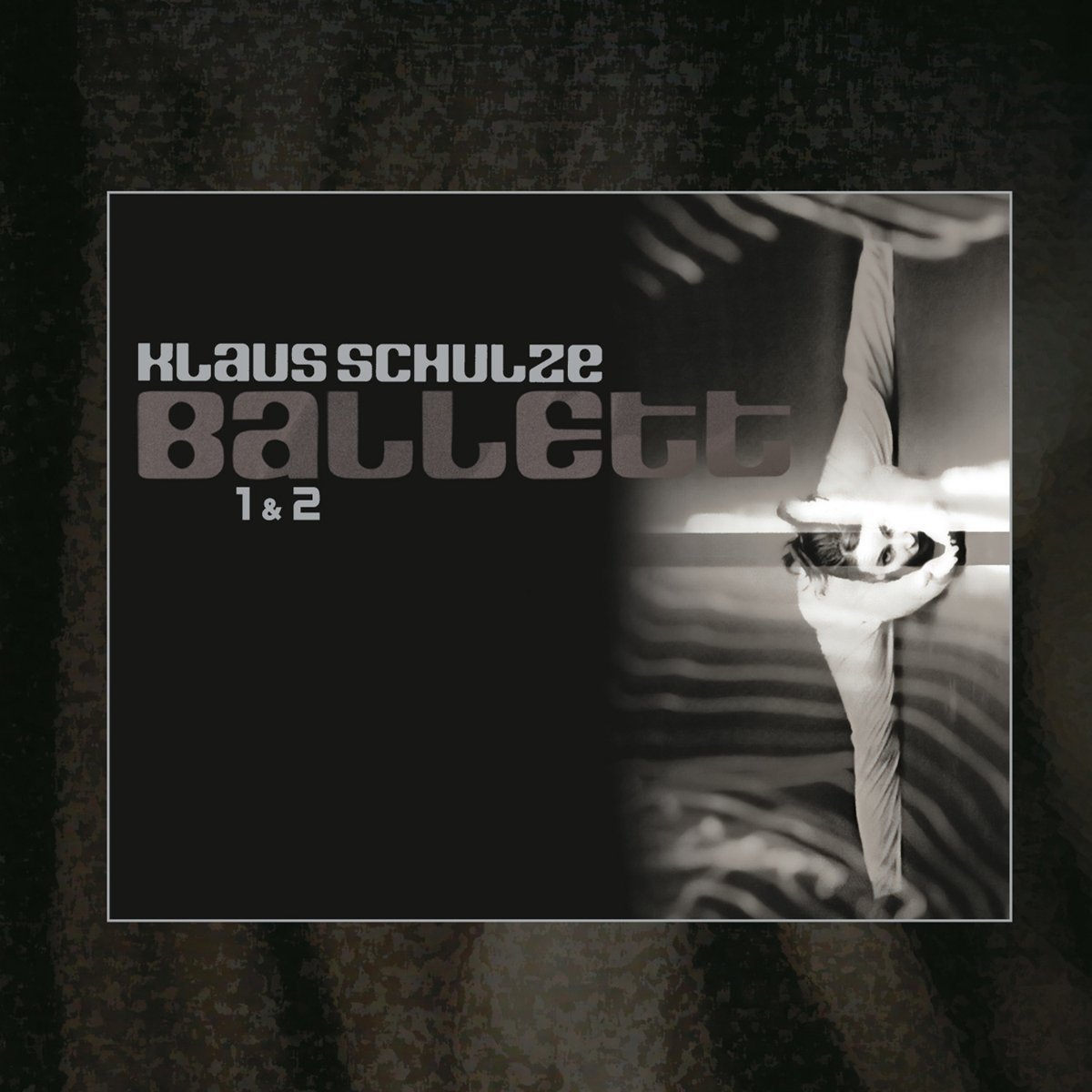
Klaus Schulze-Ballet 1 and 2.
Label: MIG Music.
When Klaus Schulze released his Contemporary Works box set in October 2000, the four volumes of Ballet were regarded as among its highlights. They were recorded after the death of his mother in 1998 who had been a ballet dancer. Using banks of synths, Klaus Schulze sculpted and honed the genre-melting soundscapes that became Ballet 1 and 2. They’re a fusion of ambient, Berlin and classical music on Ballet 1, with elements of avant-garde and Musique concrète emerging on Ballet 2. The result was two albums of beautiful, ethereal, melodic and memorable that is among the best music Klaus Schulze released during the nineties.
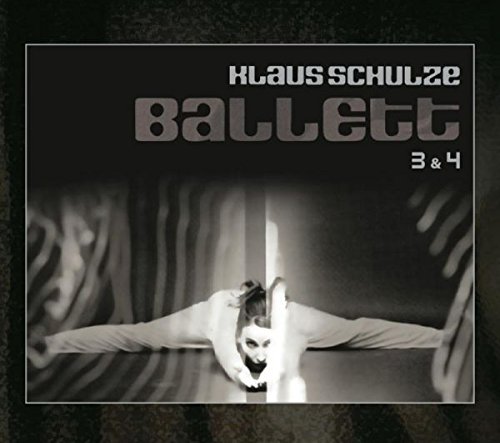
Klaus Schulze-Ballet 3 and 4.
Label: MIG Music.
Unlike the two previous instalments in the Ballet quartet, Ballet 3 featured just one seventy-six minute track, My Ty She. This was one of the most ambitious tracks that Klaus Schulze had created. It’s a beautiful, emotive, haunting and moving opus that was also ethereal, elegiac and sometimes, melancholy and ruminative. Other times, the music is elegant, graceful and fittingly, balletic. By comparison, Ballet 4 veered between wistful and ruminative to urgent to emotive and full of beauty. It was lovingly created album that was a fitting homage to Klaus Schulze’s late mother.
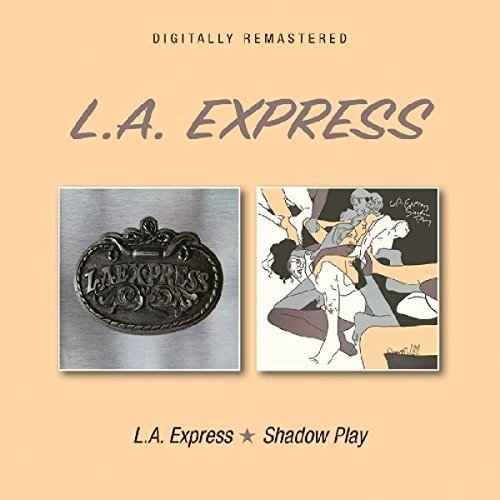
L.A. Express-L.A. Express and Shadow Play
Label: BGO Records.
Once L.A. Express had signed to Caribou Records, they began work on their eponymous debut album, and later, decided to take charge of production. They recorded an album where fusion meets jazz funk. There’s even bluesy licks, rocky and funky elements to L.A. Express which was released to critical acclaim in 1976. Despite that it failed to trouble the charts, and L.A. Express hoped for a change of fortune on Shadow Play. It was well received by critics, who noticed that L.A. Express had moved from fusion towards a rockier sound on Shadow Play. Sadly, despite guest appearances by Joni Mitchell and Victor Feldman the album failed commercially. That was the end of the road for L.A. Express, whose musical legacy was two oft-overlooked hidden gems.
Laraaji-Celestial Vibration.
Label: Soul Jazz Records.
Although the story goes that Brian Eno “discovered” legendary zither player Laraaji busking in Washington Square Park, in New York, Laraaji’s recording career was well underway by then. He had already released two albums by the time Brian Eno entered his life. This included his 1978 debut album Celestial Vibration which features a beautiful, meditative and hypnotic sound. This was the first of many albums that Laraaji who is now seventy-five released during a five decade career.

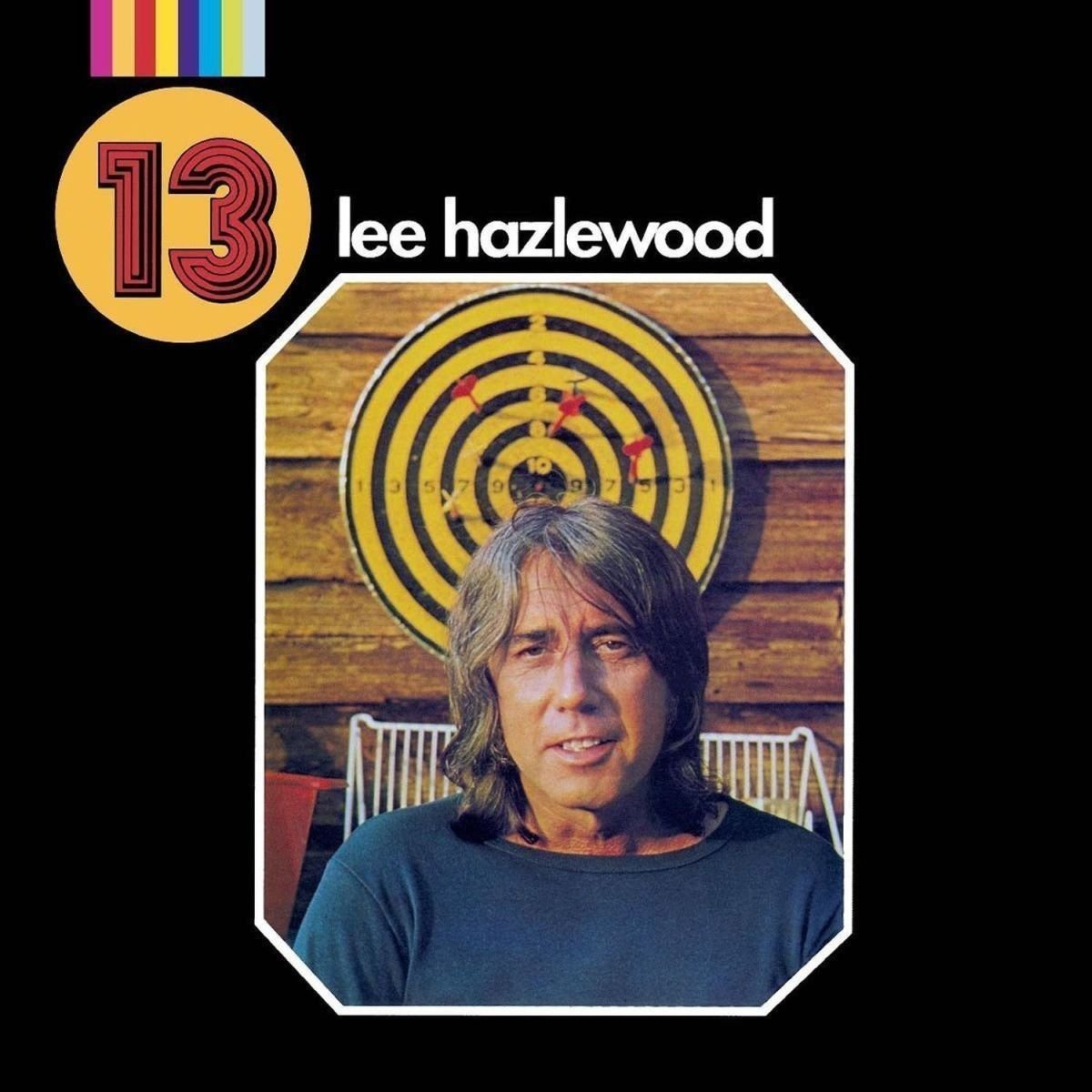
Lee Hazelwood-13.
Label: Light In The Attic.
When 13 was recorded in 1970, it was Larry Marks who added the vocals to nine songs on this alum-in-waiting. However, after Lee Hazelwood’s label LHI suffered financial problems, the project was shelved. By the time Lee Hazelwood was living in Sweden, he decided to revisit the 13 project, and replaced Larry Marks with his own. The result was an album that is very much of its period, but is an enjoyable and rewarding listen with highlights including She Comes Running and Ten Or 11 Towns Again.
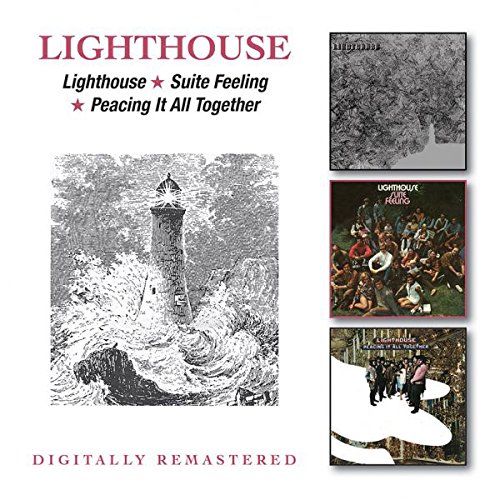
Lighthouse-Lighthouse, Suite Feeling and Peacing It All Together.
Label: BGO Records.
Between 1969 and 1970, Lighthouse recorded a trio of albums which they hoped would build on the success of their eponymous debut album. This began with Lighthouse in 1969, which received plaudits and praise from critics for its Lighthouse’s innovative genre-melting sound. Despite being designed to grab the listener’s attention, Lighthouse failed to find an audience. Neither did Suite Feeling, a carefully crafted and eclectic album which was relaxed in late-1969. When Peacing It All Together was released to critical acclaim in 1970, this latest eclectic album charted and reached 133 in the US Billboard 200. Peacing It All Together was the finest album of Lighthouse’s career, and the one that launched their successful career.
THE BEST REISSUES OF 2017-PART 5.
The Best Reissues Of 2017-Part 5.
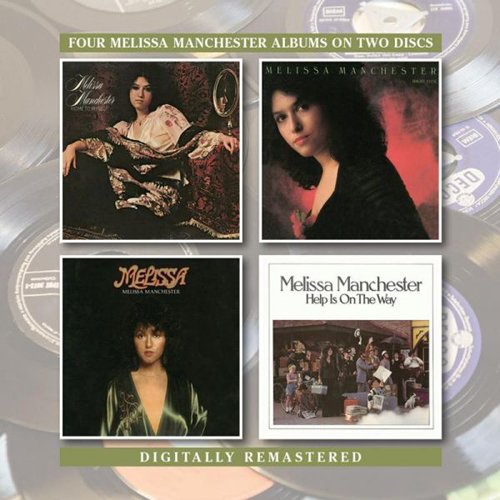
Melissa Manchester-Home To Myself, Bright Eyes, Melissa and Help Is On The Way.
Label: BGO Records.
Success didn’t come overnight for Melissa Manchester. She released her debut album Home To Myself in 1973, which was well received by critics, but reached just 156 in the US Billboard 200. In 1974, Melissa Manchester’s carefully crafted sophomore album Bright Eyes which featured beautiful ballads and uptempo tracks stalled at 159 in the US Billboard 200. However, Melissa Manchester made a breakthrough with Melissa in 1975. It featured slick, polished and lush arrangement and was certified gold, and launched the career of Melissa Manchester. Two years later Melissa Manchester’s fifth album Help Is On The Way which reached just sixty in the US Billboard 200. Despite that, these four albums are the perfect introduction to Melissa Manchester.
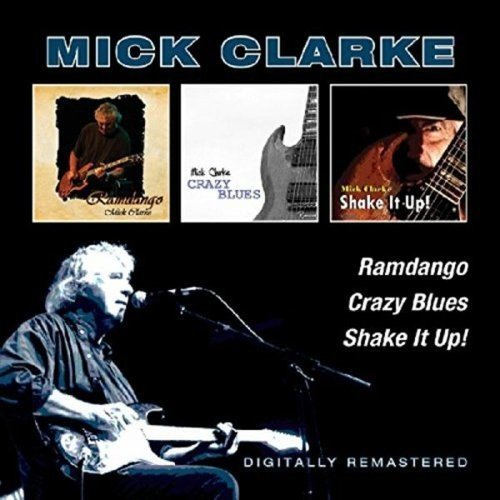
Mick Clarke Ramdango, Crazy Blues and Shake It Up!
Label: BGO Records.
Mick Clarke’s life changed when he was fifteen, heard Eric Clapton for the first time. This was the start of a journey that saw Mick Clarke follow in Slowhand’s footsteps, and become one of the greatest British blues men of his generation. Proof of that, are his first three albums, 2013s Ramdango, 2014s Crazy Blues and 2015s Shake It Up! which are the perfect starting introduction to Mick Clarke.
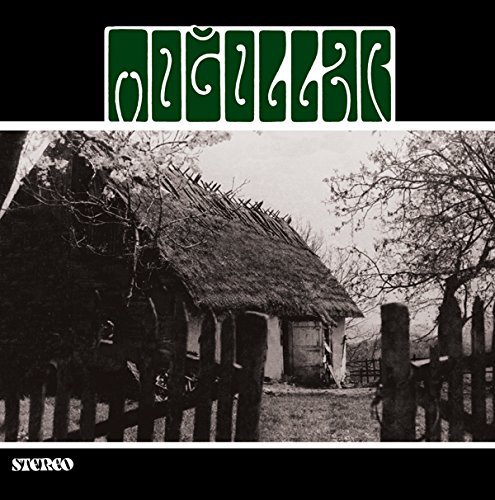
Moğollar-Moğollar.
Label: Pharaway Sounds.
In 1976, Moğollar released their eponymous album which was just the third of their career. It’sa captivating fusion of ancient Anatolian melodies and instruments which is combined with elements of classical music, progressive rock and psychedelia. Add to that, Eastern sounds and bursts of fuzzy guitar. The result is a heady brew that comprises Turkish folk songs; Azerbaijani folk song, classical pieces and B-Sides. Sadly, Moğollar wasn’t a commercial success, and failed to follow in the footsteps of Hittit Sun. That was the last straw for Moğollar, who called time on their career after eight years together.
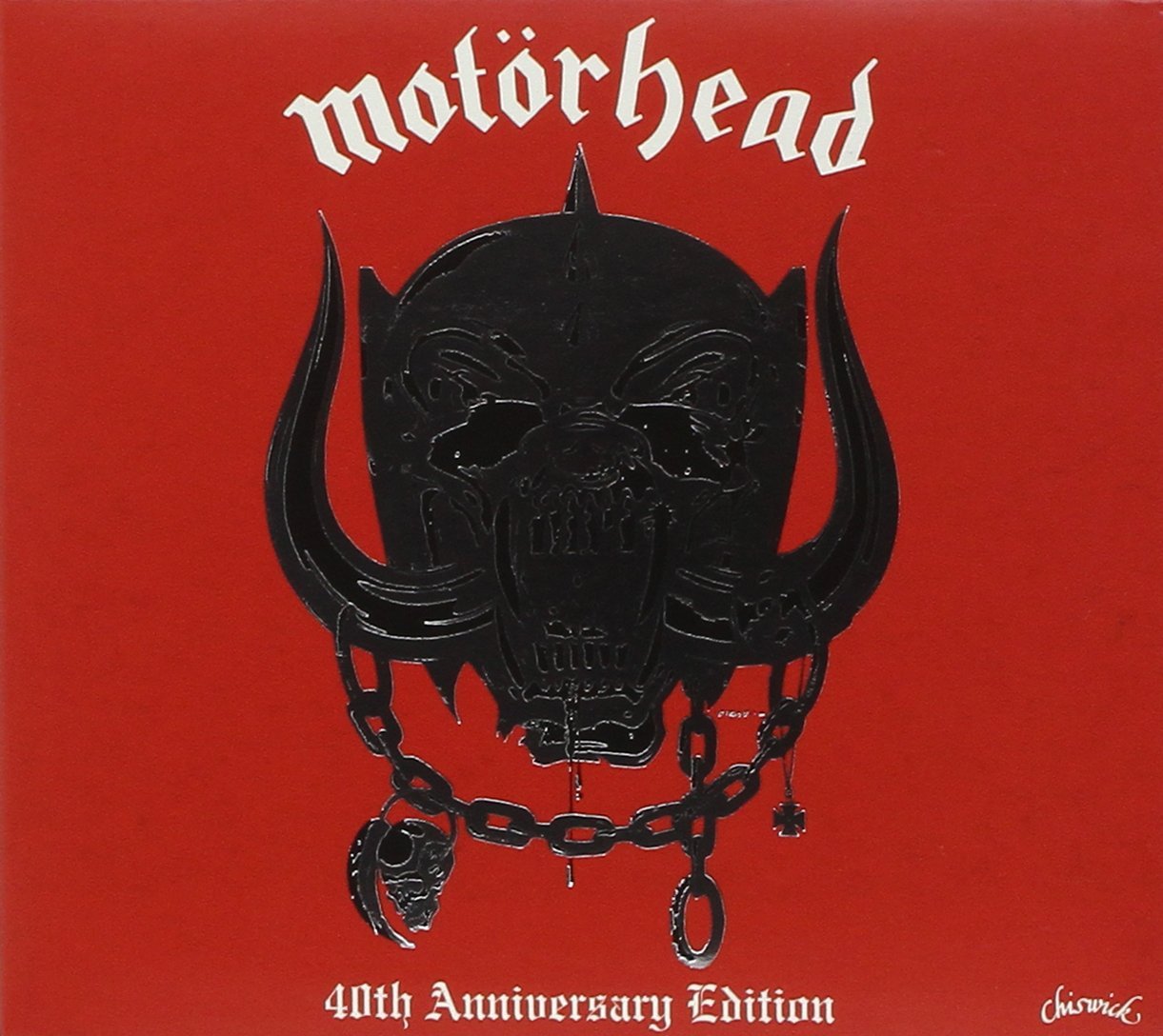
Motörhead-Motörhead.
Label: Chiswick Records.
Two years after Ian “Lemmy” Kilmister founded Motörhead in 1975, the classic lineup of his band entered the studio in April 1977 to record their classic debut album, Motörhead. It was released in August 1977, reached forty-three in the UK charts and was certified silver. Motörhead showcased the band’s unique and inimitable style that had taken shape since they made their debut in 1975. By 1977, Motörhead were fusing hard rock and rock ’n’ roll with a hint of blues rock, which all played a part in their barnstorming, speed-fuelled performance on Motörhead. Forty years later, Motörhead has stood the test of time, and quite rightly is regarded as a classic album.
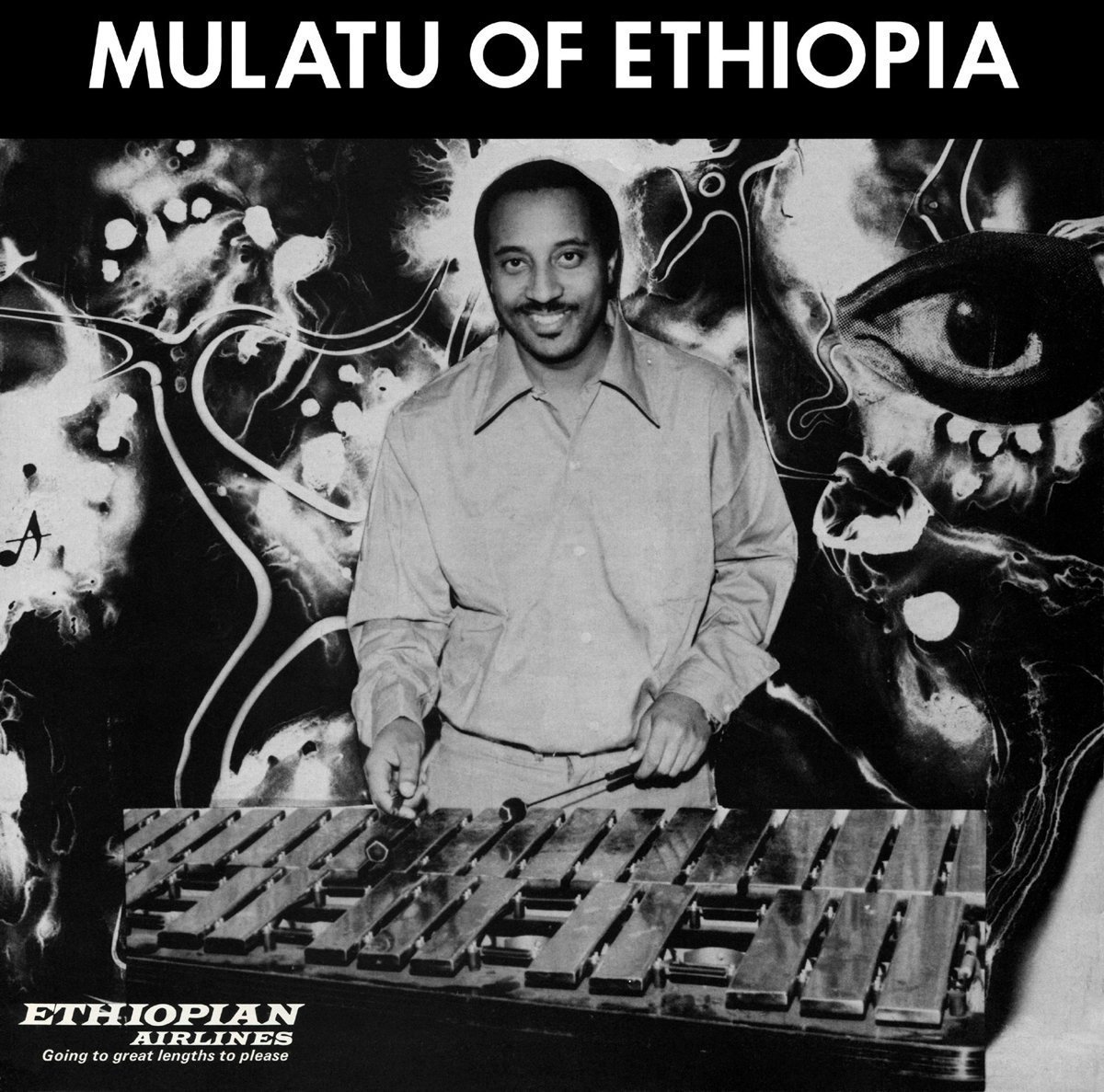
Mulatu Astatke-Mulatu Of Ethiopia.
Label: Strut.
For Mulatu Astatke, Mulatu Of Ethiopia was a game-changer of an album. At last, after years of searching for his own sound, Mulatu Astatke had discovered his own unique sound. This Mulatu Astatke called Ethio-jazz. It was a genre that influenced a generation of Ethiopian musicians when they heard this groundbreaking album.While other artists would release Ethio-jazz classics, Mulatu Astatke had set the bar high for those that followed in his footsteps. Their albums were compared to Mulatu Of Ethiopia, which isn’t just as Ethio-jazz classic, but a jazz classic. Mulatu Of Ethiopia was a career defining album for Mulatu Astatke, the founding father of Ethio-jazz. who influence several generations of musicians.
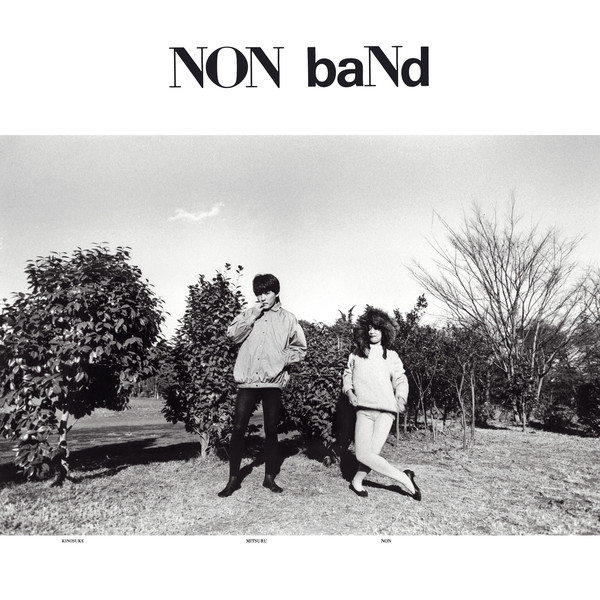
Non Band-Non Band.
Label: TAL.
Although Non Band were primarily a punk group, their eponymous debut album was much more than a punk album. There were elements of the post punk and new wave sounds, and occasional diversions into funk, free jazz, traditional Japanese music and even some poppy hooks. Very occasionally, Non Band took on a jazz and experimental sounds and headed in the direction of avant-garde. Mostly, Non Band evokes the spirit of ’78, when the punk arrived in Japan. However, music had changed by late 1981 when Non Band was recorded, and this explains why it’s such a genre-melting album, that launched the career of punk pioneers Non Group.
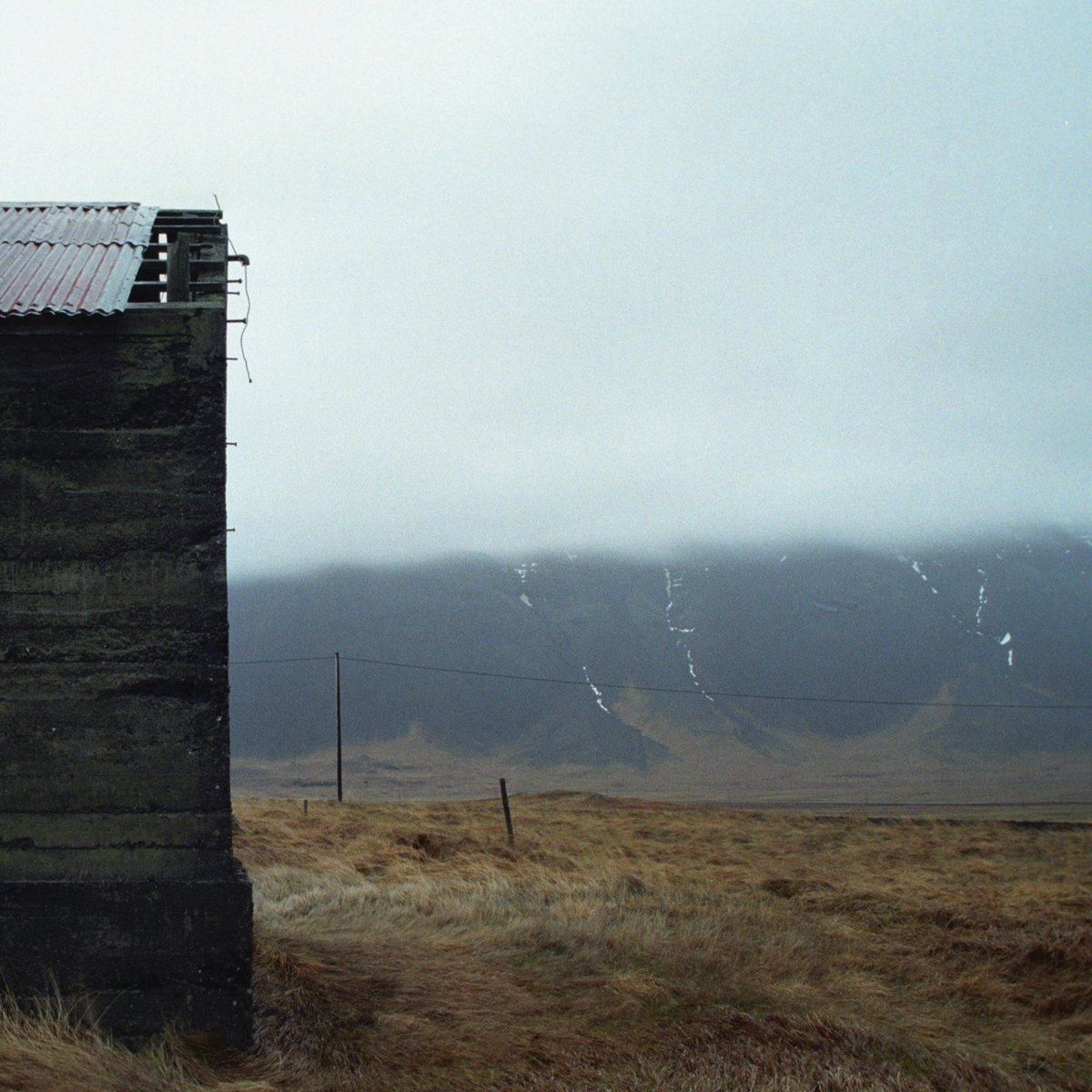
Olafur Arnalds-Eulogy For Evolution.
Label: Erased Tapes Records.
By 2017, composer, multi-instrumentalist and BAFTA award-winning producer Ólafur Arnalds was a successful soundtrack composer, who had already released three critically acclaimed solo albums. This included his ambitious and cerebral debut album Eulogy For Evolution, which documents the journey of life from birth to death. It was written while Ólafur Arnalds was still a teenager, and released to plaudits and praise in 2007 as Ólafur Arnalds approached his twenty-first birthday. Critics were astounded than someone so young could record such a profound album. Ten years later, and that is still the case when Eulogy For Evolution was reissued.
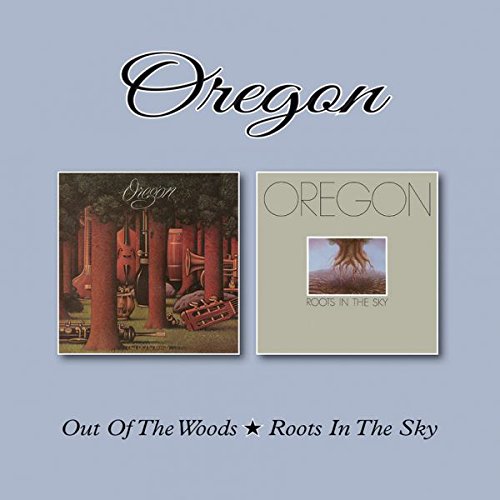
Oregon-Out Of The Woods and Roots In The Sky.
Label: BGO Records.
Having released seven albums for Vanguard between 1972 and 1978, Oregon signed to Elektra Records. For Oregon this was the opportunity of a lifetime as Elektra Records was one of the biggest record labels in the world, and had the marketing expertise and financial muscle to promote and distribute Oregon’s music worldwide. This proved to be the case when Oregon released Out Of The Woods to critical acclaim and commercial success in 1978. With its fusion of jazz, folk melodies and world music, Oregon were on their way. Roots In The Sky was released to plaudits and praise in 1979, and found Oregon fusing jazz, classical and world music. Sadly, Roots In The Sky failed to find an audience and Oregon’s success was short-lived. However, Oregon’s two albums for Elektra Records are among the best and most innovative in their back-catalogue.
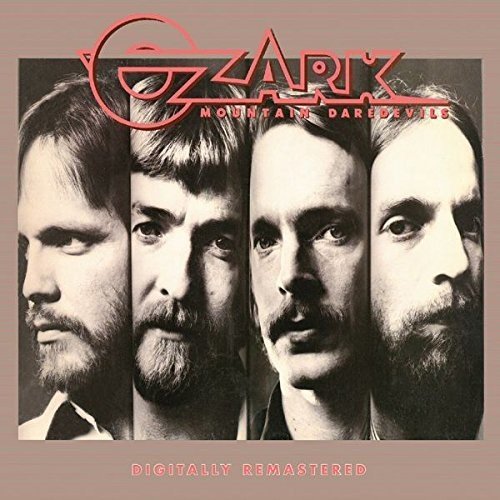
Ozark Mountain Daredevils-Ozark Mountain Daredevils.
Label: BGO Records.
After releasing six albums of Southern fried country rock for A&M, Ozark Mountain Daredevils signed to Columbia Records in 1979, and released their eponymous album in 1980. It showcased the Ozark Mountain Daredevils’ new sound. Stylistically, it sounded as if Ozark Mountain Daredevils were following in the footsteps of The Eagles and the Little River Band by recording an album of carefully crafted, melodic and radio friendly songs. They were bang on trend, and should’ve attract the attention of radio programmers. Critics were in agreement, but when the album stalled at 170 in the US Billboard 200 Ozark Mountain Daredevils were dropped by Columbia Records. However, Ozark Mountain Daredevils is an oft-overlooked hidden gem that shows another side to one of the most successful Southern rock bands of the seventies.
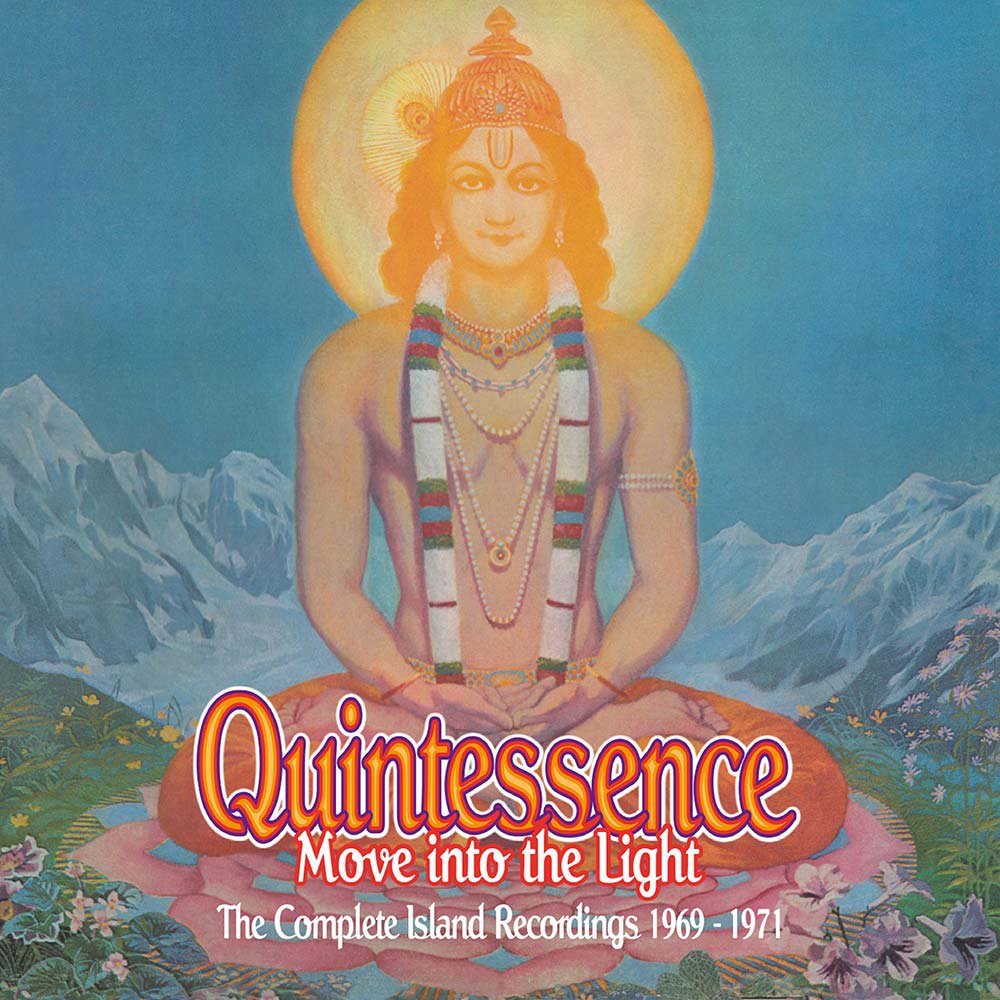
Quintessence-Move Into The Light: The Complete Island Recordings 1969-1971.
Label: Esoteric.
Quintessence was founded in Notting Hill, London in 1969, and over the next three years, forged their own unique sound where jazz, psychedelia and progressive rock was combined with Indian influences. This is apparent on their first three albums 1969s In Blissful Company, Quintessence and Dive Deep which were released by Island Records. These three albums feature on Quintessence-Move Into The Light: The Complete Island Recordings 1969-1971, and are a reminder of a pioneering band at the peak of their powers.
THE BEST REISSUES OF 2017-PART 6.
The Best Reissues Of 2017-Part 6.
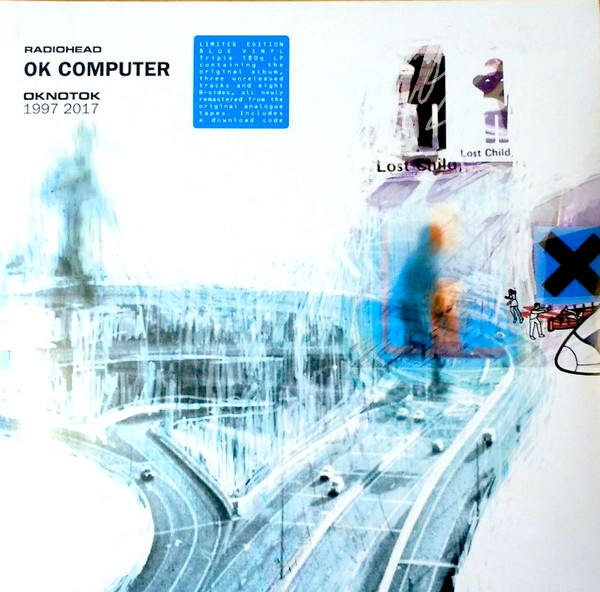
Radiohead-OK Computer OKNOTOK 1997 – 2017.
Label: XL Recordings.
In June 1997, post rock pioneers Radiohead released the album that transformed their career, and catapulted them to music’s premier league. OK Computer with its abstract lyrics, densely layered sound and eclectic range of disparate influences was very different to the bubblegum Britpop sound that was popular at the time. Radiohead had released an ambitious and innovative classic album that would lay the groundwork their later, more experimental albums.
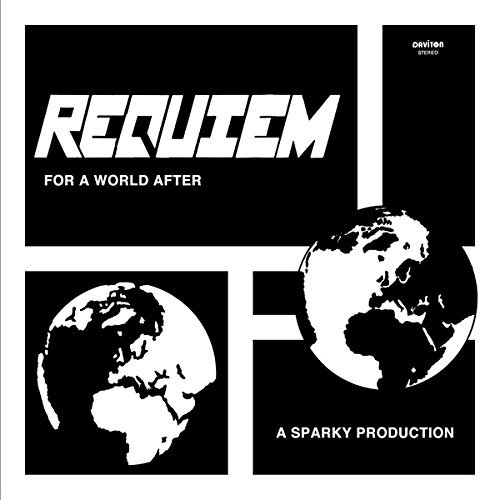
Requiem-For A World After.
Label: Mental Experience.
For six months, George A. Speckert and Massimo Grandi laboured long and hard in Sparky Studios to record Requiem’s debut album For A World After. Eventually, the two men had completed what was an ambitious and innovative concept album, For A World After. It had been written by George A. Speckert and “tells the story of world annihilation through nuclear war.” Requiem had recorded a powerful and poignant musical statement which was released as private press in 1981. Sadly, it failed to find an audience until recently. Now this genre-melting, cult classic which fuses elements of ambient, Berlin School, Krautrock and psychedelia is receiving the recognition it deserves.
Ronnie Milsap-Out Where The Bright Lights Are Glowing, There’s No Gettin’ Over Me, Keyed Up and One More Try For Love.
Label: BGO Records.
Right up until the release of Keyed Up, Ronnie Milsap was one of the biggest names in country music. Proof of this a trio of critically acclaimed albums Out Where The Bright Lights Are Glowing, There’s No Gettin’ Over Me and Keyed Up, which are a reminder of a giant of country music at the peak of his powers. However, in 1984, Ronnie Milsap changed direction on One More Try For Love which featured AOR, country, electronica, pop, and rock. While the music was slick, carefully crafted, melodic and memorable, the album reached a lowly 180 in the US Billboard 200. Ronnie Milsap’s eighties makeover backfired, and brought to an end the most successful period of his career.

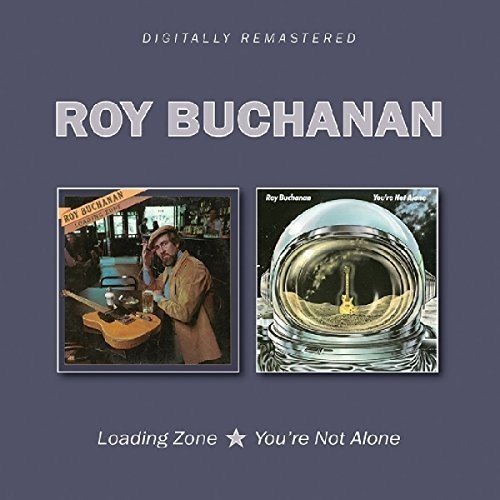
Roy Buchanan-Loading Zone and You’re Not Alone.
Label: BGO Records.
For his second album for Atlantic Records, Loading Zone, Roy Buchanan was paired with producer Stanley Clarke. The pair bonded whilst recording the genre-melting Loading Zone, which featured an all-star cast. When it was released in May 1977 and certified gold, it became Roy Buchanan’s most successful album. Raymond Silva produced the followup You’re Not Alone, which was a much more ambitious, complex and sophisticated album from Roy Buchanan. and received the same critical acclaim as Loading Zone. Sadly, upon its release in late 1977, You’re Not Alone failed to trouble the charts, and was the one that got away for Roy Buchanan. However, Loading Zone and You’re Not Alone are the perfect introduction to the late, great Roy Buchanan.
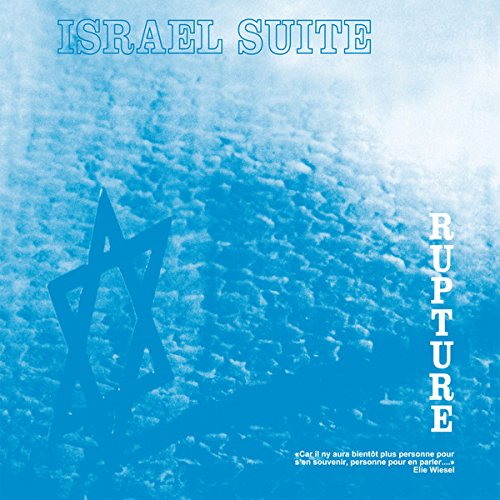
Rupture-Israel Suite/Dominante En Bleu.
Label: Sommor Records.
In 1973, Rupture released an Israel Suite/Dominante En Bleu, which was an ambitious concept album that set out to document the history of the Israel. Very few copies of this private press were released, which nowadays, is a spiritual jazz classic. It’s also one of the rarest European jazz records of the past fifty years. Copies hardly ever come up for sale, and when they do, they’re beyond the budget of most record buyers. However, the reissue of Israel Suite/Dominante En Bleu means that this spiritual jazz classic is within the budget of everyone, and they can enjoy one of the most ambitious concept albums of the seventies.
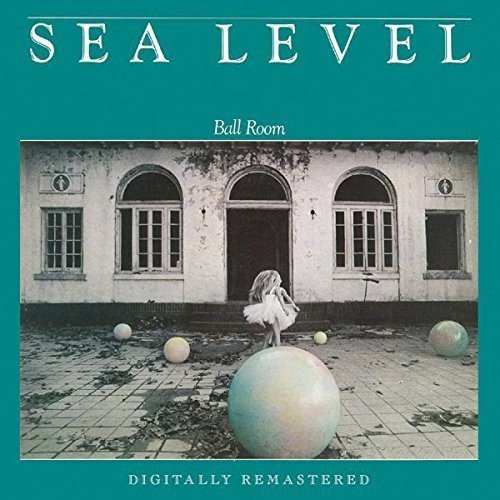
Sea Level-Ball Room.
Label: BGO Records.
After Capricorn Records filed for bankruptcy, a new lineup of Sea Level signed to Arista, and began work on Ball Room. It was one of the most eclectic albums Sea Level’s career and features anthems, rockers and ballads. Critics were won over by Ball Room, which it was thought would transform Sea Level’s career. Sadly, it wasn’t to be and Ball Room failed to chart, resulting in Sea Level calling time on their career. However, their’s swan-song Ball Room is an underrated hidden gem in Sea Level back-catalogue.
Skid Row-Skid and 34 Hours.
Label: BGO Records.
On Skid and 34 Hours, Skid Row, who were lead by guitar virtuoso Gary Moore rewrite the rules for future power trios. They created music that was cerebral, complex, hard rocking, innovative and progressive. Skid Row also fused and flitted between disparate and unlikely musical genres during Skid and 34 Hours, which are a reminder of one Ireland’s greatest musical exports during their sadly short, but memorable musical career.

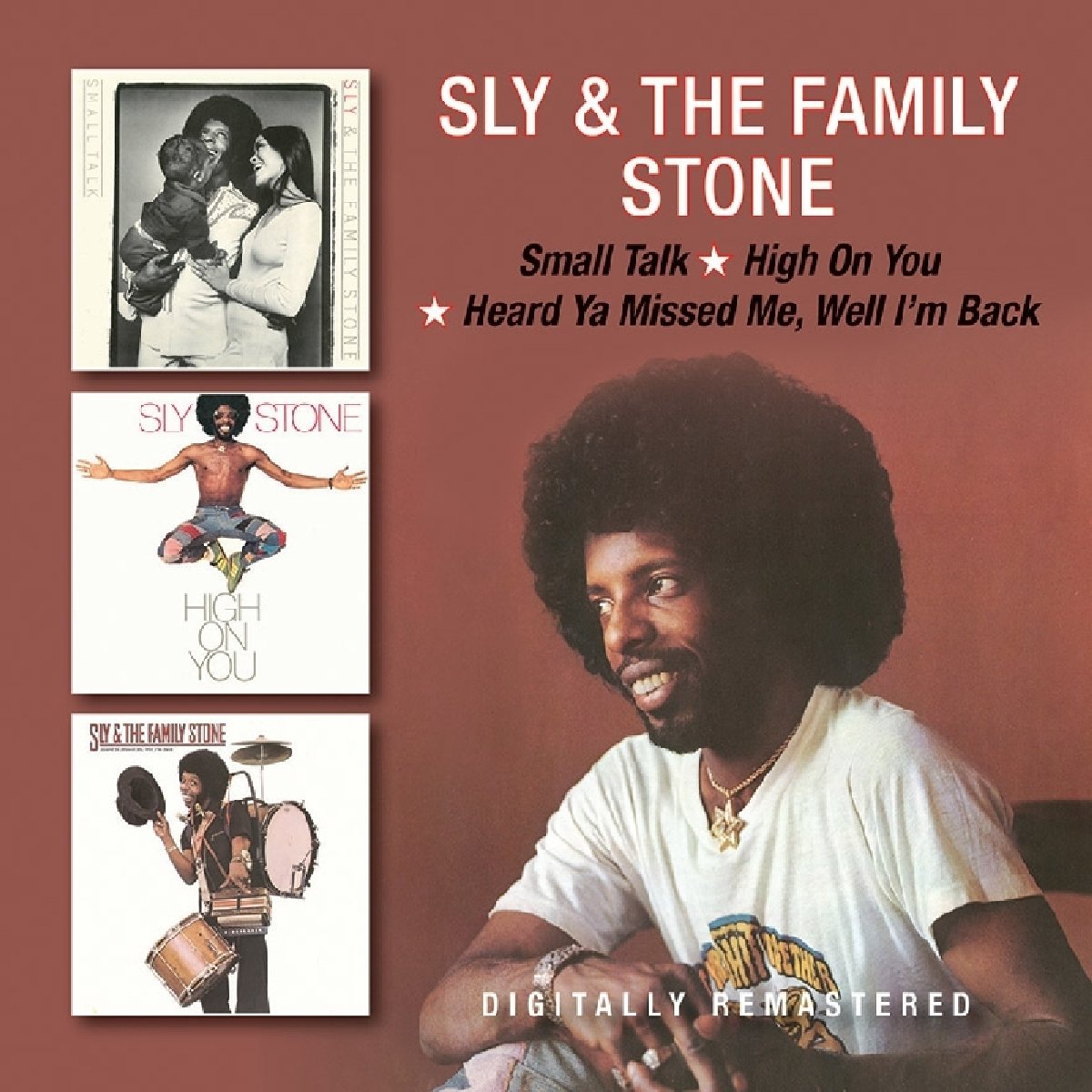
Sly and the Family Stone-Small Talk, High On You and Heard Ya Missed Me, Well I’m Back.
Label: BGO Records.
Between 1969 and 1974, Sly and The Family Stone could do no wrong musically. They released Stand in 1969 with their first Greatest Hits album fowling in 1970. Then came Sly Stone’s Magnus OpusThere’s A Riot Goin’ On in 1971 which ensured the commercial success and critical acclaim continued. That was the case with 1973 Fresh and 1974s Small Talk which brought this golden period to a close. However, 1975s High On You which was Sly Stone’s debut solo album, and 1976s Heard Ya Missed Me, Well I’m Back are oft-overlooked and underrated genre-melting albums from one music’s pioneers and innovators.
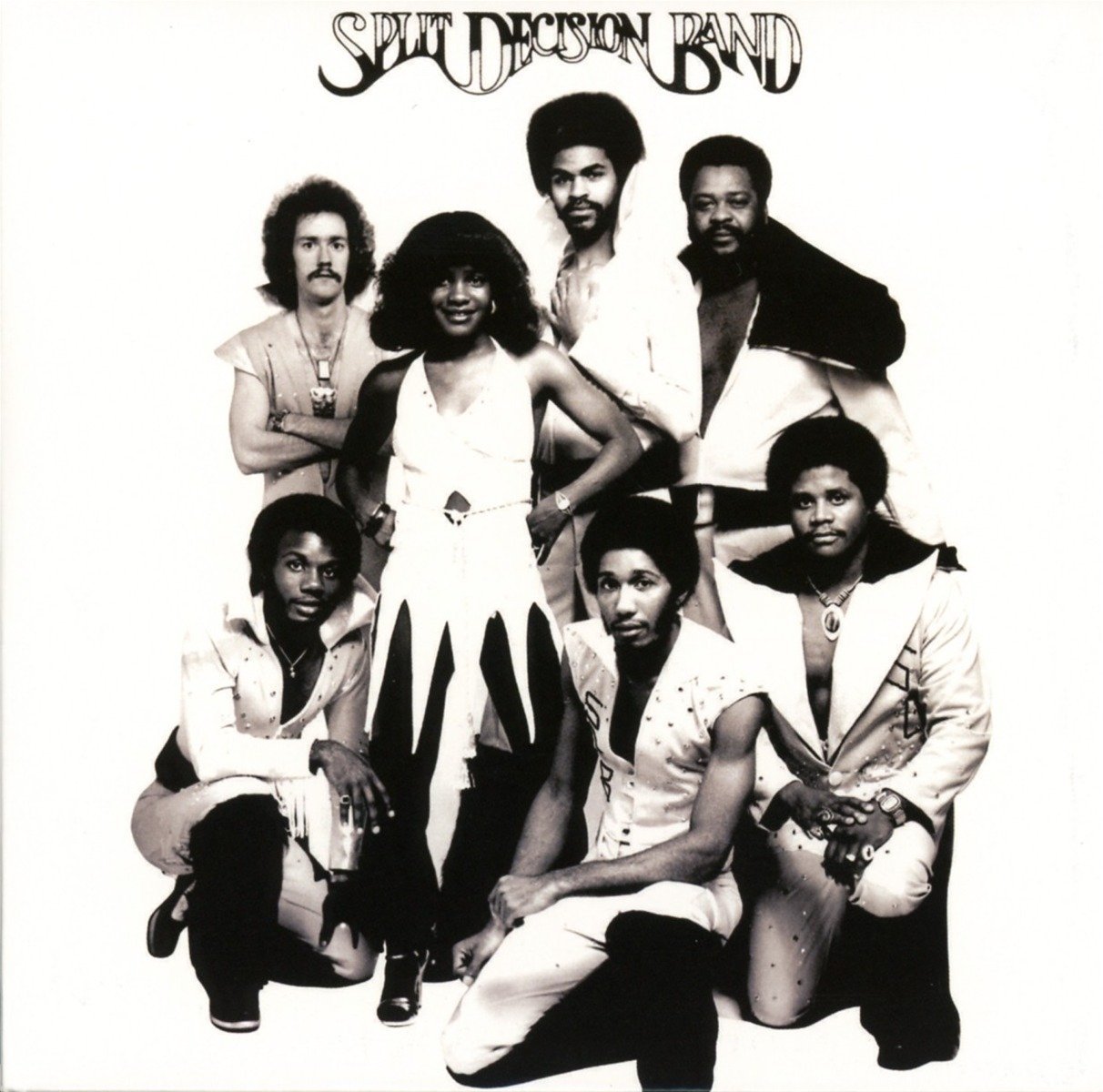
Split Decision Band-Split Decision Band.
Label: Now Again Records.
Ever since its released the Split Decision Band’s eponymous debut album has been much prized amongst record collectors. However, it’s an incredibly rare album and copies change hands for large sums of money. This meant that many people were unable to discover the delights of this mysterious band from Des Moines, Iowa. Sadly, Split Decision Band was their one and only album. It features carefully crafted and polished boogie and disco penned by lead vocalist Gordon Starr Flipping. It’s irresistible funky, soulful and dancefloor friendly and even today, will get a party started.
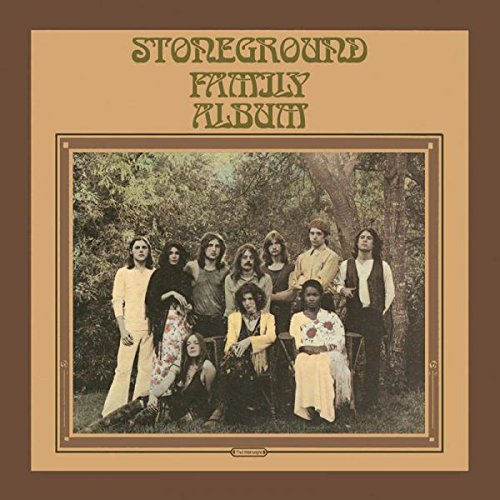
Stoneground-Family Album.
Label: BGO Records.
Prior to the release of Stoneground’s sophomore album Family Album, Warner Bros, began promoting what believed would be their breakthrough album. Family Album featured cover versions and original songs, and was captivating fusion of blues pock, pop, psychedelia, rock and soul. Stoneground was a tight, talented band who played with a fluidity that would be the envy of many bands. Their potential shawn though on what was an accomplished and eclectic album. It lived up to Warner Bros heavy marketing campaign. Sadly, Family Album wasn’t a commercial success and is a hidden gem in Stoneground’s back-catalogue.
THE BEST REISSUES OF 2017-PART 7.
The Best Reissues Of 2017-Part 7.
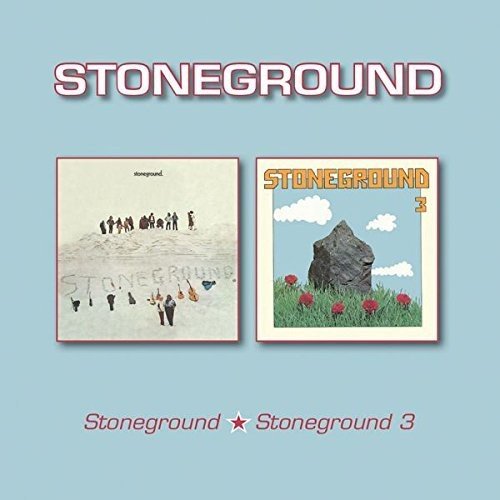
Stoneground-Stoneground and Stoneground 3.
Label: BGO Records.
When Stoneground released their eponymous debut in early 1970, critics were won over by a fusion of blues, folk, pop, psychedelia, rock and soul. Seamlessly, Stoneground switch between and fuse musical genres and influences. To do this they deployed seven separate vocalists on genre-melting album where Stoneground showcase their considerable skills. Despite the quality of music and glowing reviews, Stoneground failed commercially. By late-1972, Stoneground was still trying to make a breakthrough and released Stoneground 3, which featured much more radio friendly songs. Sadly, commercial success eluded the album and Stoneground split-up in 1973 leaving a triumvirate of albums of free wheeling eclectic music.
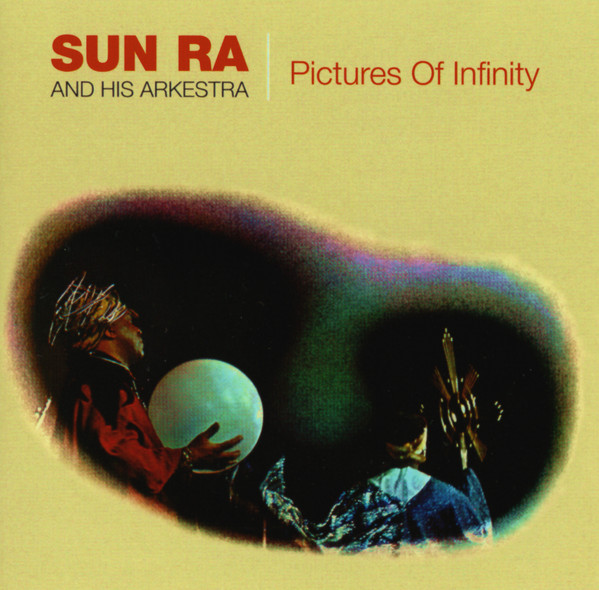
Sun Ra and His Arkestra-Pictures Of Infinity.
Label: Grey Scale.
By 1971, Sun Ra and His Arkestra had signed to Black Lion Records and had just released Pictures Of Infinity. Critics hailed the album another groundbreaking release that featured new compositions and old favourites that are reinvented during a spellbinding performance where Sun Ra and His Arkestra play with speed, power, and fluidity Always though, the Arkestra display their usual inventiveness as they improvise and take tracks in new and unexpected directions. Sometimes, the playing is intricate, before becoming sombre and ruminative on an album which features the Arkestra at the peak of their powers on this innovative and memorable album of space-age free jazz.
Sun Ra And His Astro Intergalactic Infinity Arkestra-Discipline 27-||-Vinyl.
Label: Strut.
On Record Store Day 2017, Sun Ra And His Astro Intergalactic Infinity Arkestra’s 1973 album Discipline 27-II received its first official reissue since its released in 1973. Discipline 27-II was a mixture of music and drama, where Sun Ra And His Astro Intergalactic Infinity Arkestra married elements of avant-garde and free jazz. To do this, Sun Ra’s array of synths and keyboards were augmented by the horns and rhythm sections and a quartet of “space ethnic voices”. They were joined by Sun Ra, who added “vocal dramatising.” All this was part of an album that was variously melodic, ambitious, innovative and which also swung.

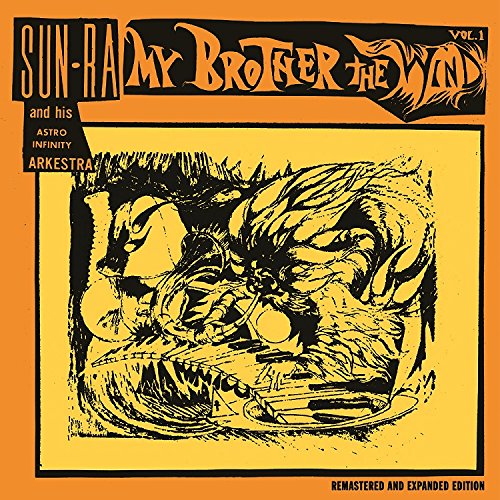
Sun Ra and His Astra Infinity Arkestra-My Brother The Wind Volume 1
Label: Cosmic Myth Records.
When My Brother The Wind Vol. 1 was released in 1970, it was one of most free performances by Sun Ra and His Astro Infinity Arkestra. On the title-track drum accompany Sun Ra’s two Mini Moogs unleash a myriad of otherworldly sounds. Then on Intergalaxtic II it sounds as if Sun Ra and the Arkestra had dropped acid during this lysergic freakout. The album closer The Code Of Interdependence finds Sun Ra showing what’s possible with just two Mini Moogs. This left other musicians shaking their heads, and wondering how they could come close to replicating this synth masterclass, on an album where musical boundaries are pushed to their limits and beyond.
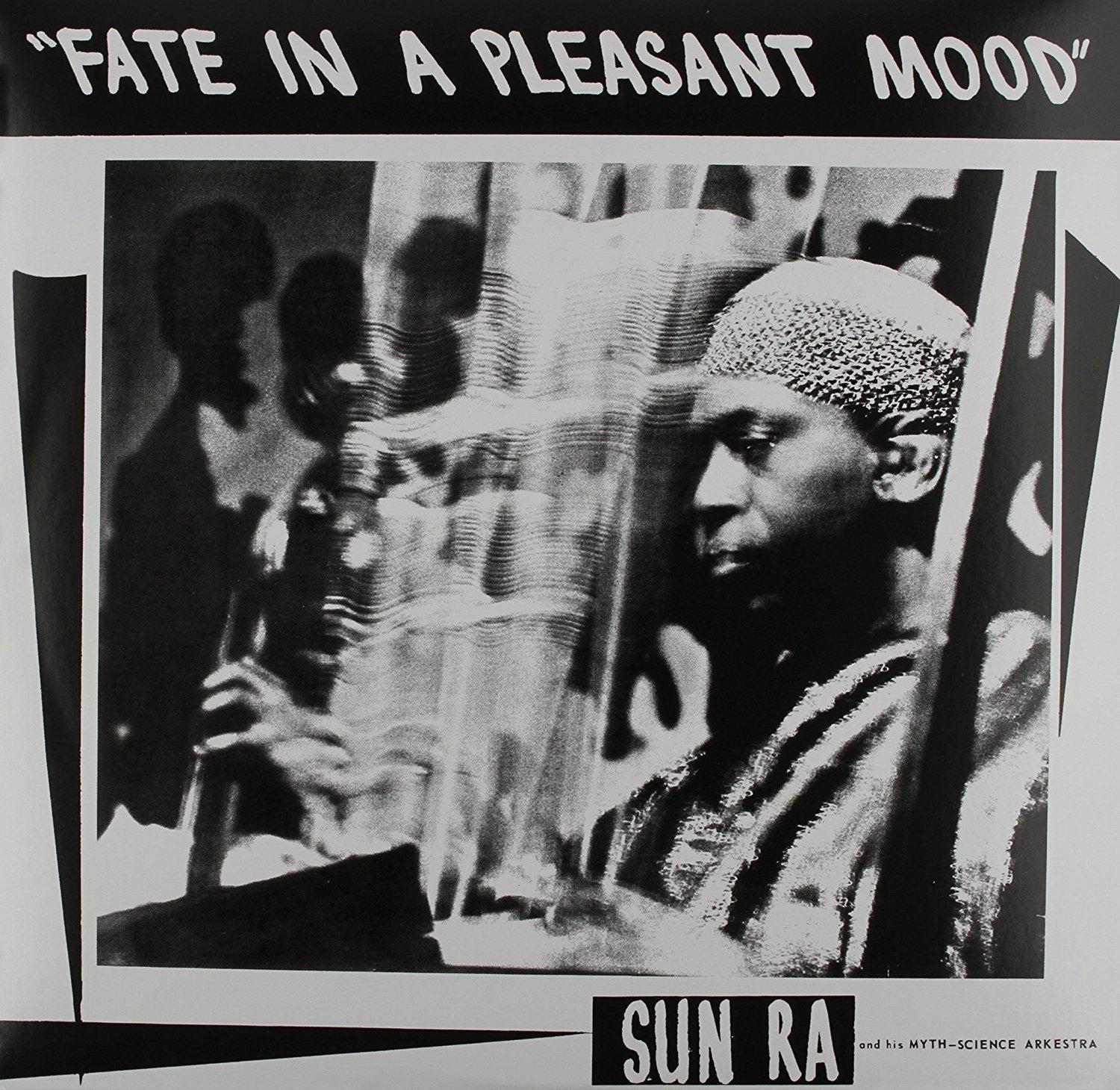
Sun Ra and His Myth Science Arkestra-Fate In A Pleasant Mood.
Label:Grey Scale.
Despite its relative brevity, Fate In A Pleasant Mood which was recorded in 1960 and released in 1965, still sound ahead of its time and innovative. Sun Ra And His Myth Science Arkestra were among the finest purveyors of free jazz, and tracks like The Others In Their World, Space Mates and Lights On A Satellite were proof of this. They’re part of Fate In A Pleasant Mood, which is an album that somehow, not only manages to be accessible and innovative, but has stood the test of time.
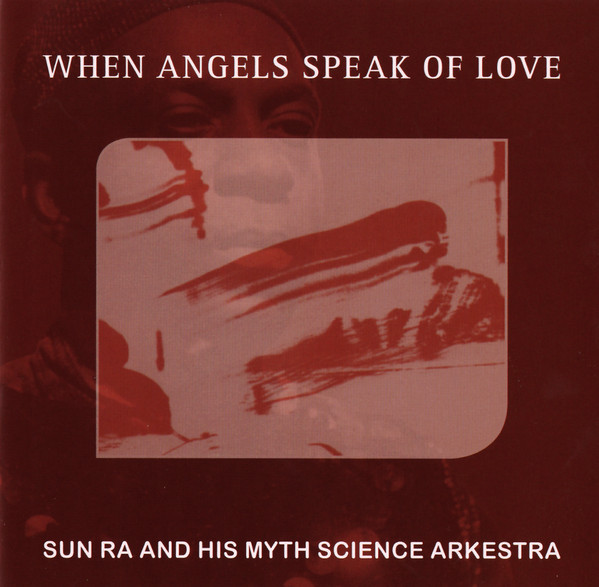
Sun Ra and His Myth Science Orchestra-When Angles Speak Of Love.
Label: Grey Scale.
Some critics upon hearing When Angles Speak Of Love called it: “a bizarre record.” Little did these critics know that they had “dissed” a truly groundbreaking album that moves free jazz in a new direction. To do this, they used increasingly shrill notes, layered rhythms and effects including echo reverb. During Next Stop Mars, which is the centrepiece and highlight of the album, a space chant sets the scene for Marshall Allen and John Gilmore braying, growling and shrill horns as they push them to the limits. Meanwhile, Sun Ra’s keyboards underpin the arrangement, during Next Stop Mars, which was part of genre-melting album of groundbreaking album.
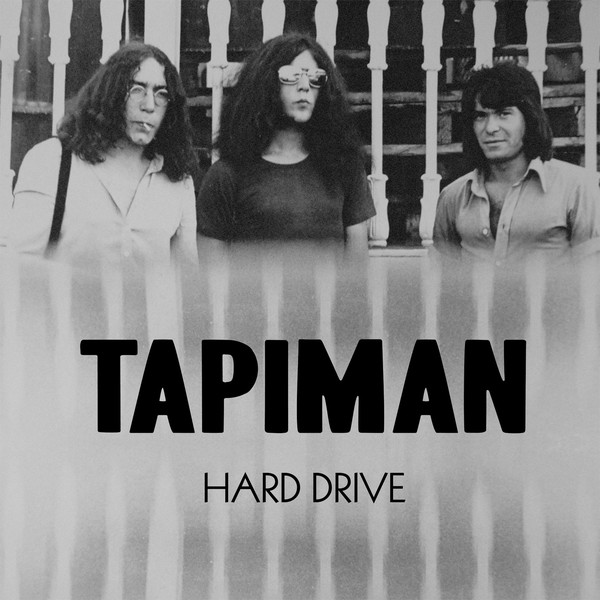
Tapiman-Hard Drive
Label: Mental Experience.
Nowadays, copies of Tapiman’s 1971 debut album Hard Drive change hands for over £800. That is no surprise it was their finest hour. Hard Drive features the original lineup of Tapiman at their hard rocking best. Seamlessly, they switch between, and combine, hard rock, proto-metal and even a hint of psychedelia and the Canterbury sound on Hard Drive. The result is a cult classic that rock fans everywhere will appreciate and enjoy.
The Association-Insight Out-Vinyl.
Label: Rhino.
In June 1967, The Association released their third album Insight Out, which featured the number one hit Windy and Never My Love which reached number two on the US Billboard 100. Buoyed the success of the singles Insight Out with is mixture sunshine pop and psychedelia, reached number eight in the US Billboard 200. Nowadays, Insight Out is regarded as a classic album which was The Association’s finest hour.

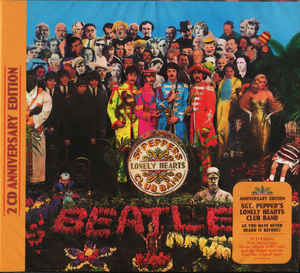
The Beatles-Sgt. Pepper’s Lonely Hearts Club Band.
Label: EMI.
When The Beatles released Sgt. Pepper’s Lonely Hearts Club Band in 1967, critics and cultural commentators immediately realised the importance of this groundbreaking psychedelic concept album. Here was an album that managed to bridge the previous gaping gap between popular music and art. It was also an album that was representative of the underlying counterculture, and immediately became a classic album that won four Grammy Awards. Sgt. Pepper’s Lonely Hearts Club Band is also an album that belongs in every record collection.
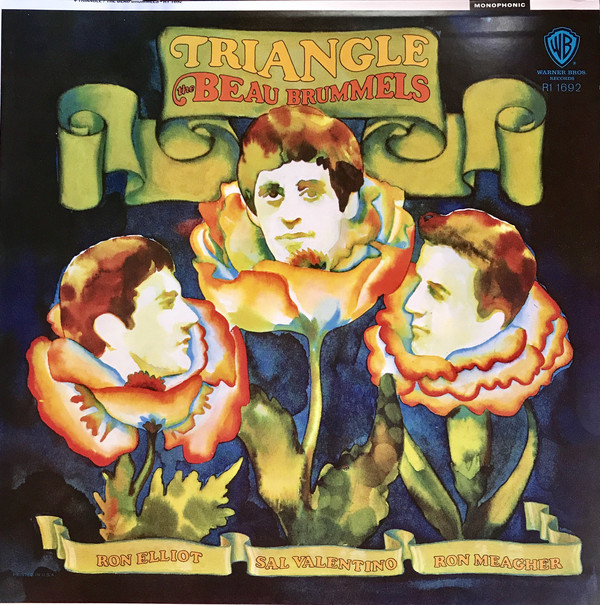
The Beau Brummels-Triangle-Vinyl.
Label: Rhino.
When The Beau Brummels released their fourth album Triangle in July 1967, it marked the debut of vocalist Sal Valentino and guitarist Ron Elliott. Critics were won over by Ron Elliott songs and even went as far as to compare Sal Valentino’s vocals to Bob Dylan’s. Despite these comparisons, Triangle stalled at 167 in the US Billboard 200, but nowadays, is regarded as a psychedelic cult classic thanks to songs like Magic Hollow.
The Orchestra Soledad-Vamonos/Let’s Go!-Vinyl.
Label: BBE.
When The Orchestra Soledad released their debut album Vamonos/Let’s Go! in late-1970, they were a popular band who played to packed houses that featured not just the Latino community in Brooklyn, but the wider community. Despite their popularity locally, The Orchestra Soledad’s album Vamonos/Let’s Go! failed to find an audience. After that, Vamonos/Let’s Go! became just another musical curio that sometimes, crate diggers in New York stumbled across in record shops and local flea markets. Eventually, it became a sought after rarity that changed hands for upwards of $600. No wonder, given the irresistible, joyous, dance-floor friendly, beautiful and soulful of the Brooklyn based salsa band.

The Zodiac-Cosmic Sounds-Vinyl.
Label: Rhino.
When The Zodiac’s Cosmic Sounds was released in January 1967, very few people realised the importance of this groundbreaking concept album which featured twelve tracks that were described as psychedelic mood music. It featured a myriad of exotic and electronic instruments and spoken prose that came courtesy of Cyrus Faryar. Sadly, it failed to find an audience and it was only later that record buyers and critics realised that Cosmic Sounds was a psychedelic cult classic. However, it’s a psychedelic cult classic, that: “must be played in the dark.”

Thos. Rapp and Pearls Before Swine-City Of Gold and…Beautiful Lies That You Could Live In.
Label: BGO Records.
When City Of Gold was released in April 1971, it was the first album to be credited to Tom Rapp and Pearls Before Swine. That was only fair as he was the only original member of Pearls Before Swine left. By then, Tom Rapp had come of age as a singer-songwriter, and blossomed on City Of Gold. Despite delivering series of breathtaking performances on City Of Gold, it failed commercially. Seven months later, Pearls Before Swine released their sixth album Beautiful Lies That You Could Live which was their finest hour. Despite that, the album failed commercially and Tom Rapp embarked upon a solo career, while Pearls Before Swine remained one of music’s best kept secrets.

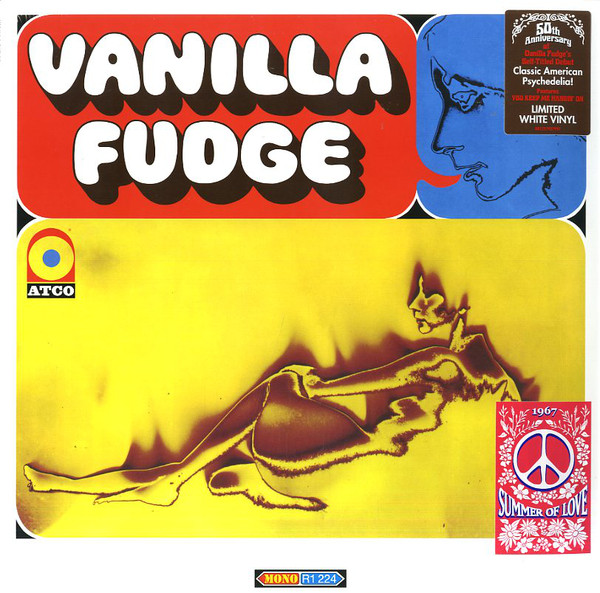
Vanilla Fudge-Vanilla Fudge-Vinyl.
Label: Rhino
When Vanilla Fudge released their eponymous debut album at the height of the Summer Of Love in 1967, it reached number six in the US Billboard 200. This was no surprise as Vanilla Fudge was a groundbreaking album. Vanilla Fudge fused psychedelia, rock and blues rock on an album that features half-speed covers and three short original instrumental compositions. Nowadays, Vanilla Fudge s considered a classic album and one of the most innovative albums released during 1967.
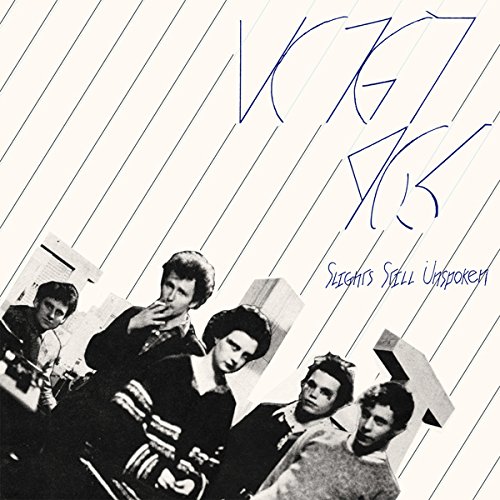
Voigt/465-Slights Still Unspoken.
Label: Mental Experience.
By the time Voigt/465 released their debut album Slights Still Unspoken in September 1979, things hadn’t been easy for the band. Still, they managed to record an album where they drew inspiration from a variety of bands, whilst fusing elements of art rock, avant-rock, electronica, improv, industrial, Krautrock, noise, post-punk, psychedelia and punk. Voigt/465 play with power, intensity and inventiveness, and sometimes with freedom and fluidity. Sometimes, they experiment and improvise as they take the listener on a voyage of discovery. Other times, they play as if their very lives depended upon it, during what was Voigt/465’s only album. However, what an album it was.
THE BEST COMPILATIONS OF 2017 PART 1.
The Best Compilations Of 2017 Part 1.
Every week of the year, dozens of compilations are released by independent and major record labels which makes choosing just a few of the highlights of 2017 no easy task. However, after much consideration I’ve managed to choose The Best Compilations Of 2017.
Acetone-1999-2001
Label: Light In The Attic Records.
Between 1993 and 2001 Acetone released four albums and EP, and were chosen to open for Oasis, Mazy Star, The Verve, and Spiritualized. That was despite Acetone’s music being very different to the post-Nirvana grunge and indie rock that was proving popular. However, Acetone was content to do their own thing, and recorded countless genre-melting song. This includes those on 1993 and 2001 where Acetone fuse psychedelia, surf, and country to create a quintessentially Southern Californian sound. Sadly, many of these songs lay unreleased until 2017 when they were belatedly released. It was a case of better late than never.

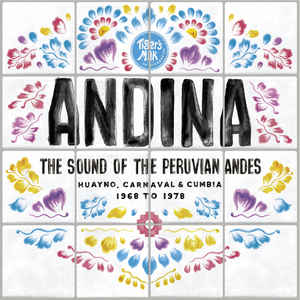
Andina: Huayno, Carnaval and Cumbia-The Sound Of The Peruvian Andes 1968-1978.
Label: Tiger’s Milk
Andina: Huayno, Carnaval and Cumbia-The Sound Of The Peruvian Andes 1968-1978 is a lovingly curated compilation that was compiled by a triumvirate of Peruvian musical aficionados, Martin Morales, Duncan Ballantyne and Peruvian crate digger Andres Tapia del Rio. They carefully selected an eclectic section tracks that were released between 1968 and 1978, when music in Peru was constantly evolving. That was the case in the Andes, where the majority of the tracks are from, while others are from Lima. These tracks became Andina: Huayno, Carnaval and Cumbia-The Sound Of The Peruvian Andes 1968-1978, which features a myriad of musical treasures and hidden gems, that is one of Tiger’s Milk Records’ finest releases.
Avant Garde Is Happening.
Label: Dirter Promotions.
To celebrate the return of the Avant Garde Festival in 2017, which offered “three days of utopia,” a new limited edition CD was released Avant Garde Is Happening. However, only 500 copies of the compilation were available, and it was a case of get them while you can. Those who bought the CD discovered groundbreaking tracks from Qluster, Asmus Tietchens, Nurse With Wound, Octopus Ride, Faust and Friederike Jäger. This impressive array of talent which features on Avant Garde Is Happening, is also the perfect primer to the vibrant avant-garde scene.

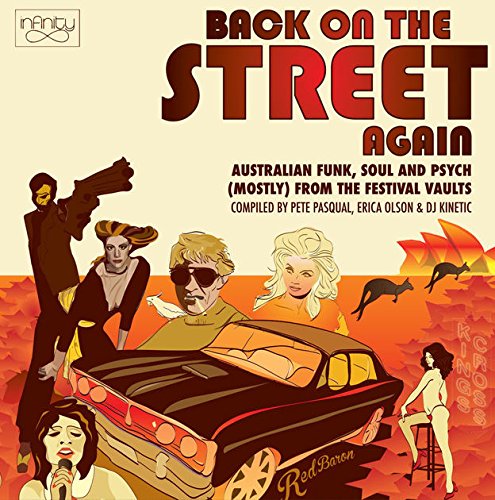
Back On The Street Again (Australian Funk, Soul And Psych (Mostly) From The Festival Vaults).
Label: Festival.
DJ Kinetic dug deep to discover the tracks on Back On The Street Again (Australian Funk, Soul And Psych (Mostly) From The Festival Vaults). They’re not by the biggest names in Australian music, and are artists who were popular locally. This includes Renée Geyer, John Sangster, Ray White Revival, McPhee, Kahvas Jute, Al Styne and Hot Source who never enjoyed commercial success their music deserved nationally. Many of these artists and bands released just the one album or single, before disappearing into obscurity. However, they return for an encore on lovingly curated compilation that is chock full of hidden gems.
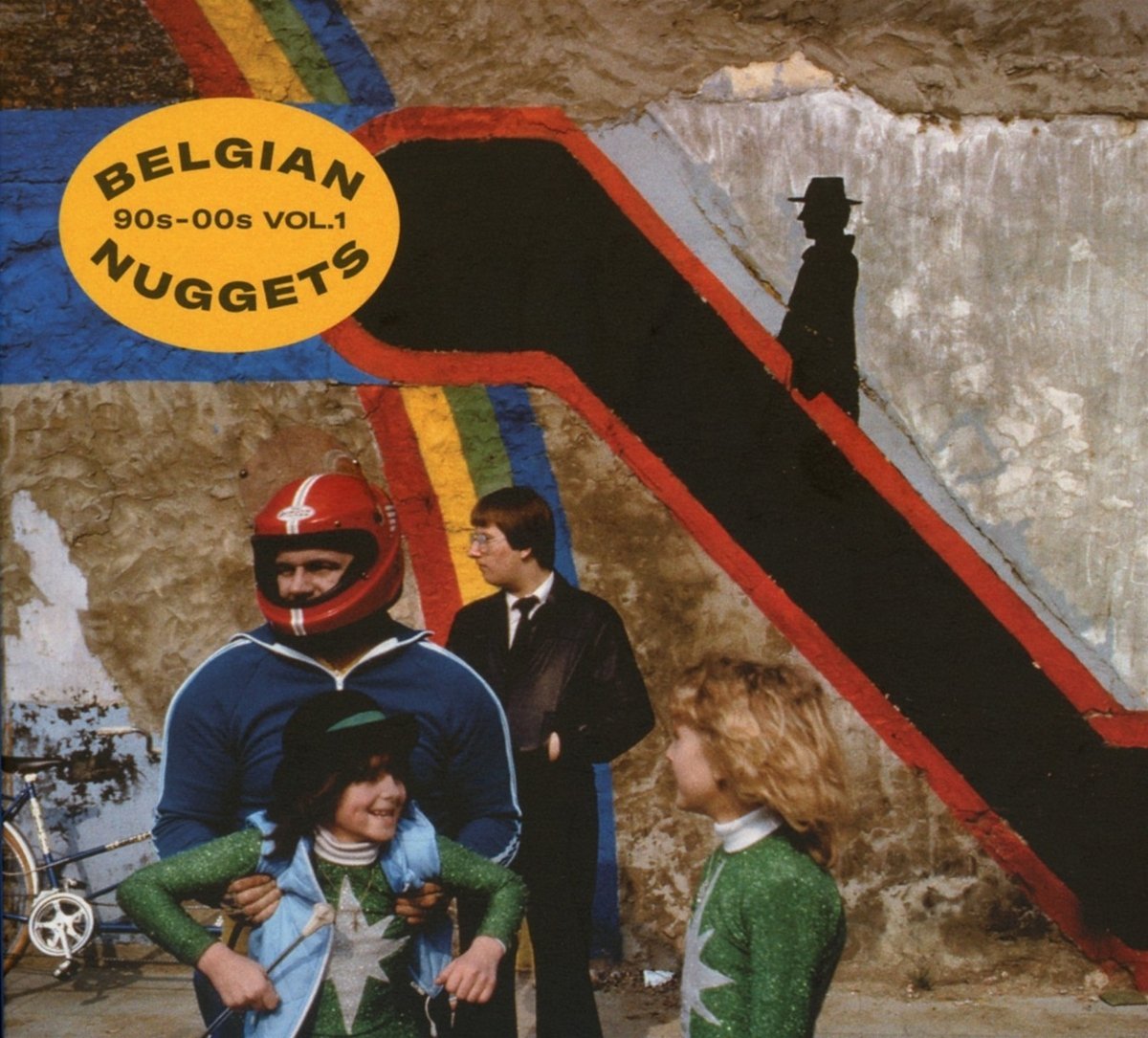
Belgian Nuggets 90s-00s Vol. 1.
Label: Mayway Records.
One of most intriguing compilations of 2017 was Belgian Nuggets 90s-00s, which included long-forgotten singles, B-Sides, album tracks and even the occasional demo. There’s also anthems, hidden gems and hook-laden perfect pop. Sadly, most people, even many Belgian music lovers won’t have heard of the tracks on Belgian Nuggets 90s-00s Vol. 1, as they weren’t played by VRT, the Belgian public service broadcaster during the nineties and noughties. Fortunately, these tracks make a welcome return on Belgian Nuggets 90s-00s, which is the perfect opportunity to discover some musical treasure that slipped under the musical radar first around.
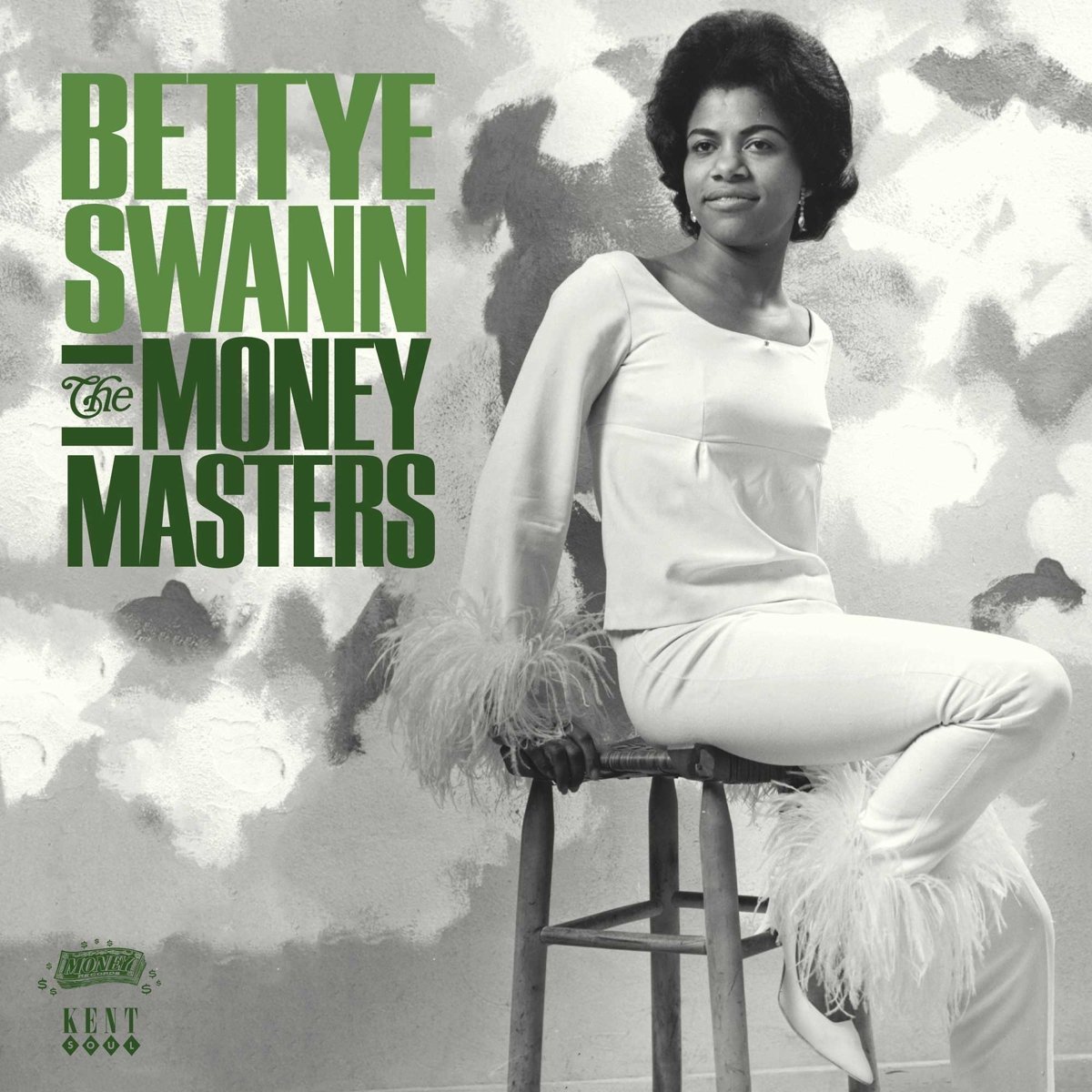
Bettye Swann-The Money Masters.
Label: Kent Soul.
Bettye Swann had the talent and potential to become one of the greatest soul singers of her generation. A remainder why can be found on The Money Masters which covers Bettye Swann’s time at Money Records, and includes singles, B-Sides and alternate tracks. The Dance Is Over a track written when Bettye Swann was still Betty Jean Champion makes a welcome return eleven years after making its debut on The Soul Of Money Records Volume 2. Just like the rest of songs on The Money Masters, they’re a reminder of Bettye Swann at the peak of her musical powers and why she should’ve become a soul great.
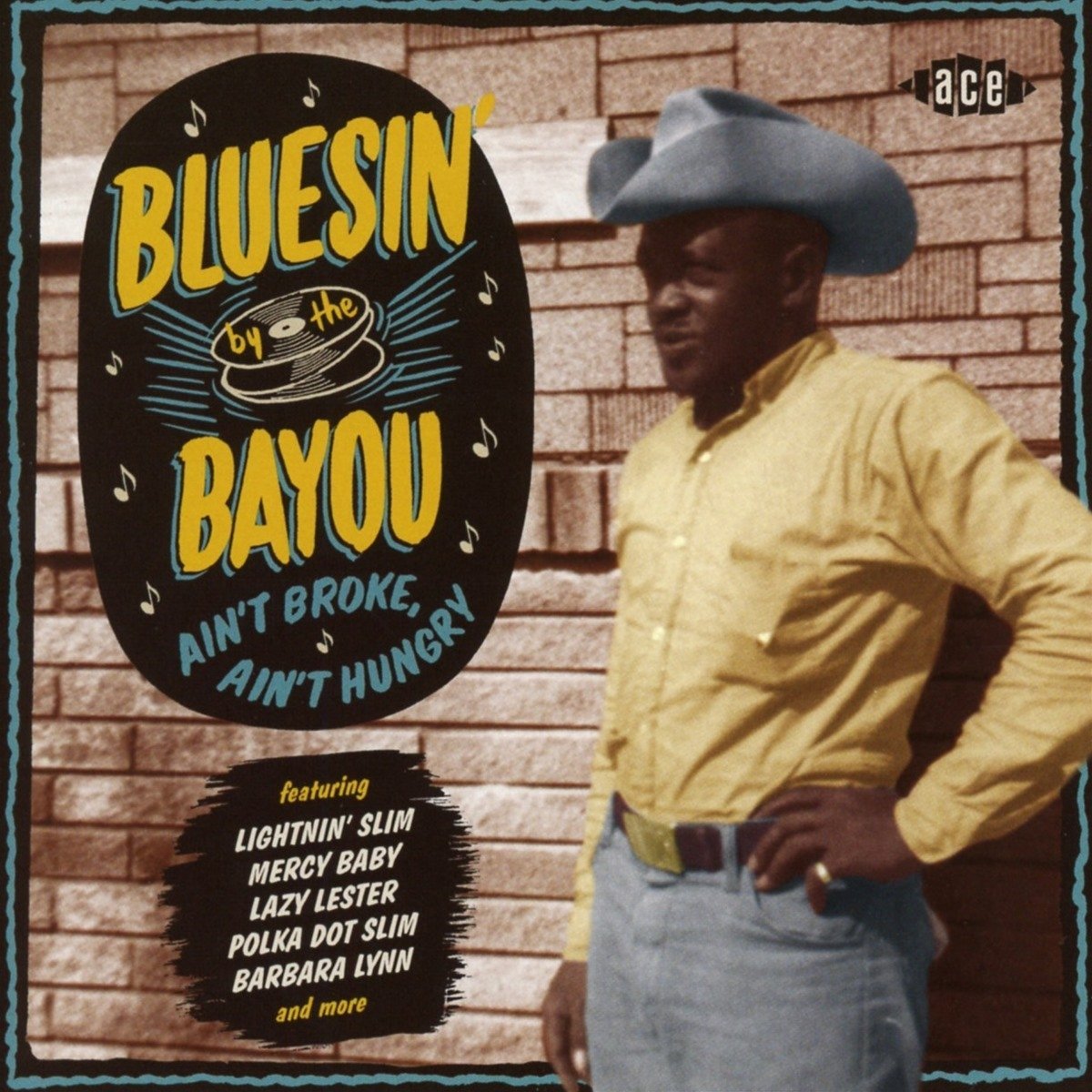
Bluesin’ By The Bayou-Ain’t Broke, Ain’t Hungry.
Label: Ace Records.
When Ian Saddler compiled Bluesin’ By The Bayou-Ain’t Broke, Ain’t Hungry he headed to South Louisiana for another helping of the blues. He’s chose twenty-eight tracks from familiar faces, old friends and a few new names. There also eight previously unreleased tracks on a compilation that features Leroy Washington, Ramblin’ Hi Harris, Slim Harpo, Lightnin’ Slim, Polka Dot Slim, Lazy Lester, Al Smith, Barbara Lynn, Boozoo Chavis, Ramblin Hi Harris, Big Walter and Jake Jackson. They’re just some of the names on Bluesin’ By The Bayou-Ain’t Broke, Ain’t Hungry which was the much-anticipated and critically acclaimed eighteenth volume in the Bayou series.
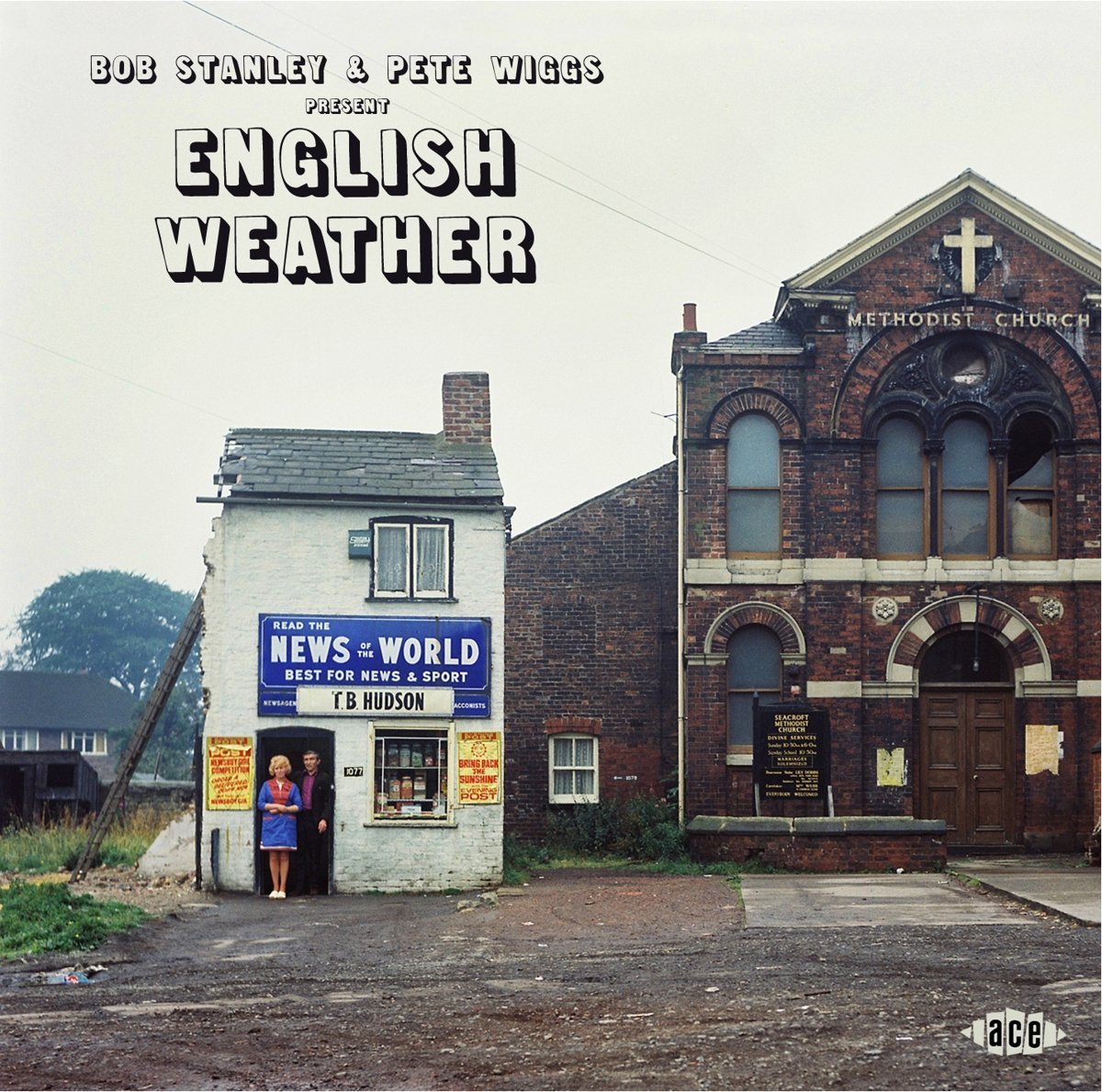
Bob Stanley and Pete Wiggs Present English Weather.
Label: Ace Records.
One of the most eclectic compilations of 2017 was Bob Stanley and Pete Wiggs Present English Weather, which featured music from the Canterbury Scene, folk, library music, pop, progressive rock and rock. This comes courtesy of Caravan, The Roger Webb Sound, Orange Bicycle, T2, Van Der Graaf Generator, John Cale, Camel, Daevid Allen, Matching Mole and Prelude. These tracks are a tantalising taste of what is a captivating compilation that is guaranteed to transport the listener back to the seventies and a golden musical age.
Can-The Singles.
Label: Mute.
After releasing eleven albums in eleven years, Can called time on their career in 1979. By then, Can were rightly regarded by critics as one of the most important, influential and innovative bands of the Krautrock era. However, like many of the Krautrock bands, Can hadn’t enjoyed the commercial success that their music had deserved. Eventually, though, things changed and nowadays, Can are receiving the recognition they deserve. However, for anyone looking for an introduction to this pioneer band, The Singles compilation is the perfect starting place. It features twenty-three tracks from their back-catalogue, is sure to be the start of a voyage of discovery for newcomers to their music.

Can You Feel The Force? The John Luongo Disco Mixes.
Label: Groove Line Records.
One of the greatest remixers of the disco era was John Luongo, whose career was celebrated on Can You Feel The Force? The John Luongo Disco Mixes. It’s a reminder of one of the most innovative remixers of the disco era, and indeed, in the history of modern dance music. The tracks on Can You Feel The Force? The John Luongo Disco Mixes were remixed over a four-year period, and feature a true master at work. These carefully crafted dancefloor fillers became favourites and of dancers and DJs, and that is still the case today. When a DJ drops one of the remixes on Can You Feel The Force? The John Luongo Disco Mixes, suddenly the dancefloor fills.

Come To The Sunshine: Soft Pop Nuggets From The WEA Vaults.
Label: Rhino.
Thirteen years after its initial release, and Come To The Sunshine: Soft Pop Nuggets From The WEA Vaults is still a compilation that oozes quality. It features old friends, familiar faces, new names and hidden gems. Come To The Sunshine: Soft Pop Nuggets From The WEA Vaults was a welcome release for Record Store Day 2017 and is crammed full of quality sunshine pop and psychedelia. It was one of the best reissues released on Record Store Day 2017. However, anyone wanting a copy should get one sooner than later. Come To The Sunshine: Soft Pop Nuggets From The WEA Vaults is a limited edition, with ‘only’ 5.500 copies available. Once they’re gone, they’re gone for good.

THE BEST COMPILATIONS OF 2017 PART 2.
The Best Compilations Of 2017 Part 2.
Conrad Schnitzler-Filmmusik 2.
Label: Bureau B.
Filmmuzik 2, just like Filmmuzik 1, is the perfect starting place for newcomers to the music of Conrad Schnitzler. Both albums are a gateway to the rest of Conrad Schnitzler’s back-catalogue. These compilations will be the first step on a voyage of discovery through the discography of one of the important and influential figures in German music, Conrad Schnitzler. His is no ordinary back-catalogue. Conrad Schnitzler’s back-catalogue is vast as he was a truly prolific solo artist and collaborator whose personal archive contains hundreds of recordings. This was where the tapes that contained the unreleased soundscapes that became Filmmusik 1 and Filmmusik 2 were discovered. Filmmusik 1 and Filmmusik 2 are the newest additions to Conrad Schnitzler’s illustrious discography, and are a reminder of a true musical pioneer at his creative zenith.
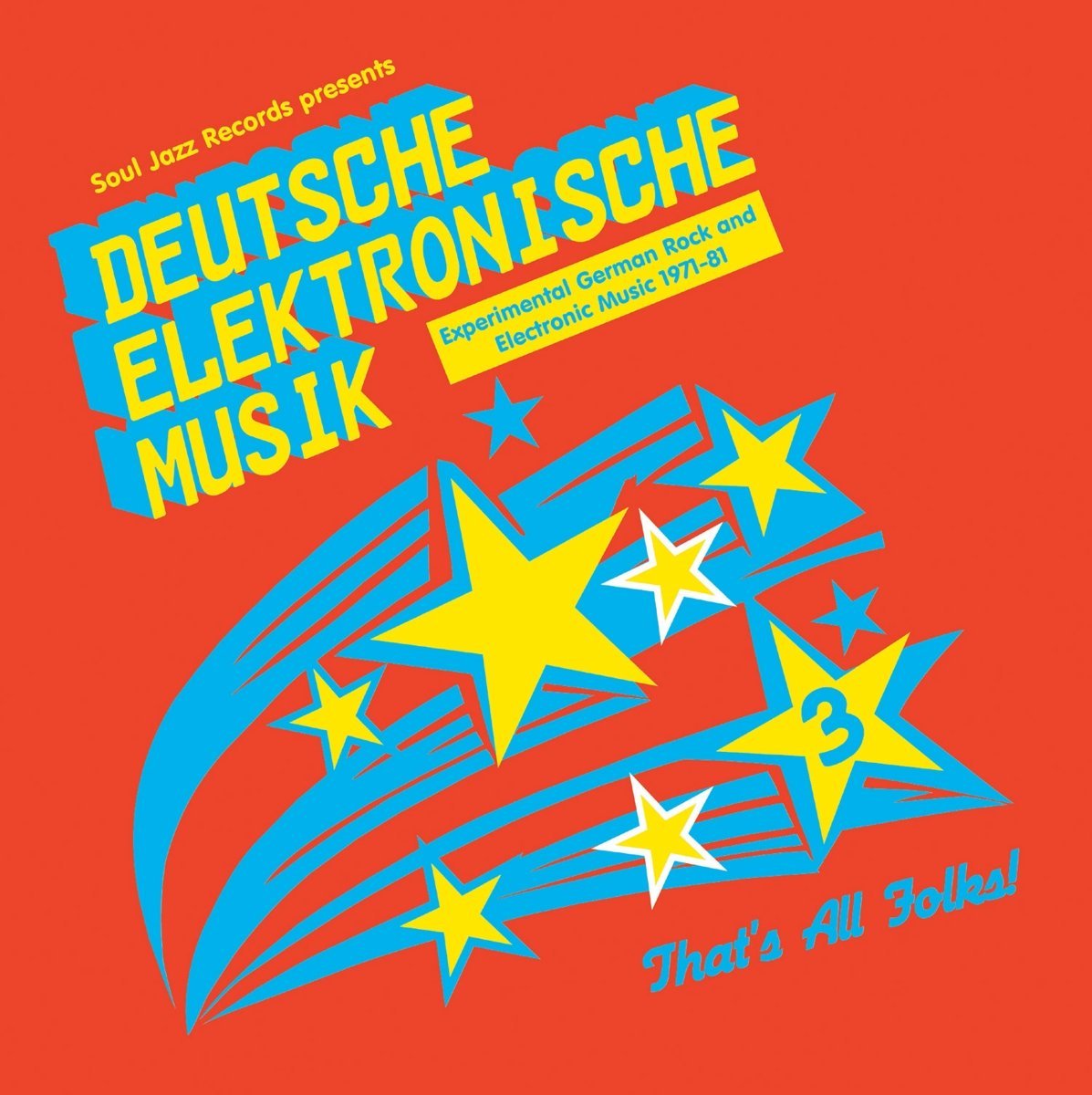
Deutsche Elektronische Musik: Experimental German Rock And Electronic Music 1971-83.
Label: Soul Jazz Records.
In the late-sixties, a group of musicians set out to rewrite musical history in West Germany and create new, exciting and innovative music. These talented, innovative and influential bands and musicians succeeded in doing so, and were part of a musical revolution that resulted in Krautrock and the Berlin and Düsseldorf Schools of Electronic Music. Some of the leading lights of these genres feature on Deutsche Elektronische Musik: Experimental German Rock And Electronic Music 1971-83 which is a reminder of a golden age for German modern music, where some of the most important, innovative and influential German artists and bands rewrote musical history.
DJ Andy Smith Presents Reach Up Disco Wonderland
Label: BBE.
Andy Smith is known for his eclectic DJ sets which can feature disparate genres and tracks from all over the world. His latest compilation DJ Andy Smith Presents Reach Up Disco Wonderland is equally eclectic and features tracks from America, Britain, Italy, South Africa and Trinidad and Tobago.l They were released between 1976 and 1986, and ranged from disco, boogie or a hybrid of the two genres. Other tracks incorporate elements of funk, soul, jazz and R&B, while many of the tracks on are best described as funky, soulful, dancefloor friendly and truly timeless. They’re also guaranteed to get any party started.

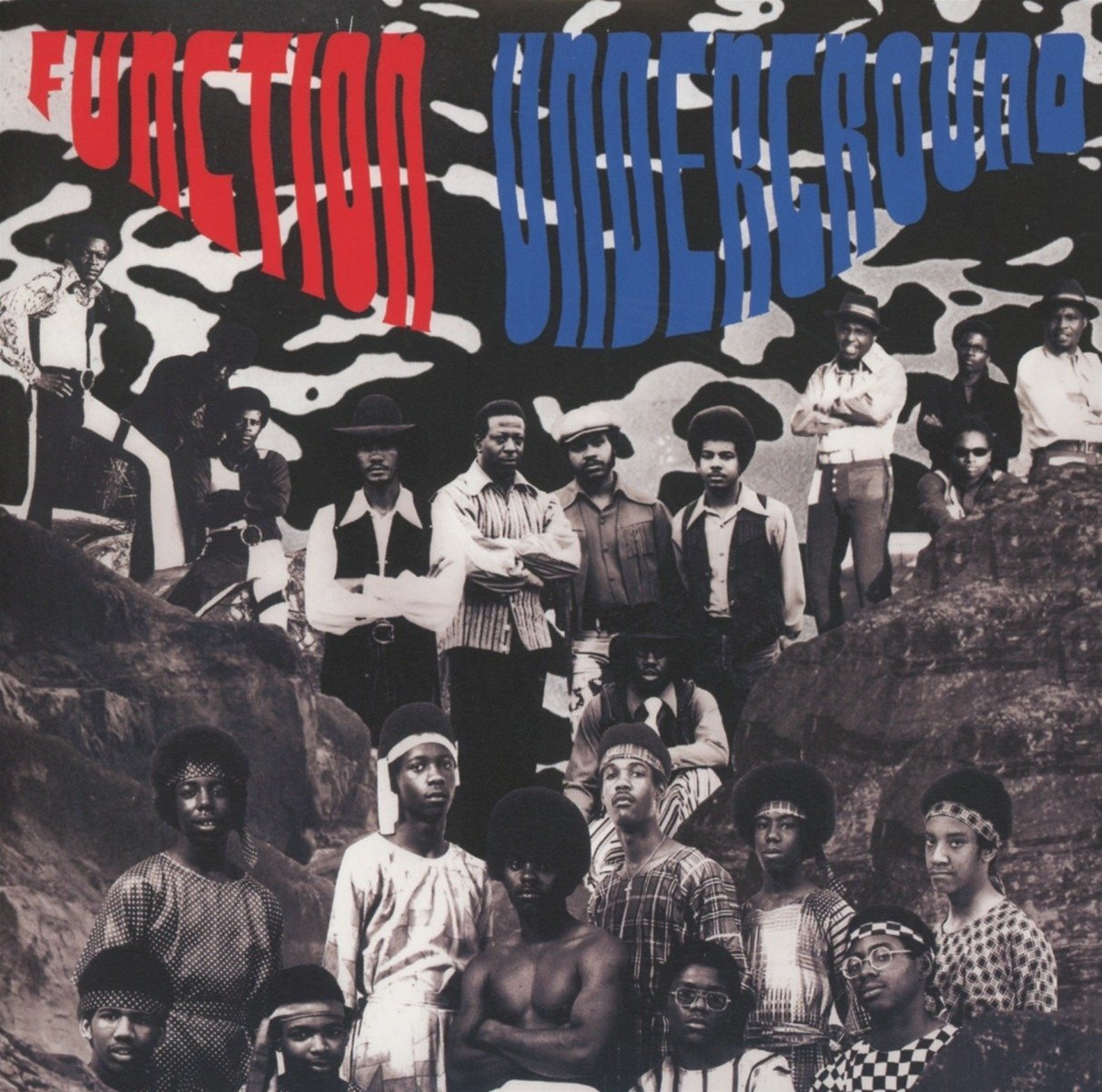
Function Underground: The Black and Brown American Rock Sound 1969-1974.
Label: Now Again Records.
It’s fair to say that Function Underground: The Black and Brown American Rock Sound 1969-1974 isn’t a rock compilation in the traditional sense of the word. It finds fourteen bands combined with funk, jazz and soul compilation on rarities from bands like The Revolution, The Black Conspirators, the Ebony Rhythm Band and LA Carnival. They contribute singles, B-Sides and even an unreleased track to this lovingly curated compilation. Function Underground: The Black and Brown American Rock Sound 1969-1974 also features several hidden gems and tracks that will definitely be of interest to sample hungry hip hop producers.
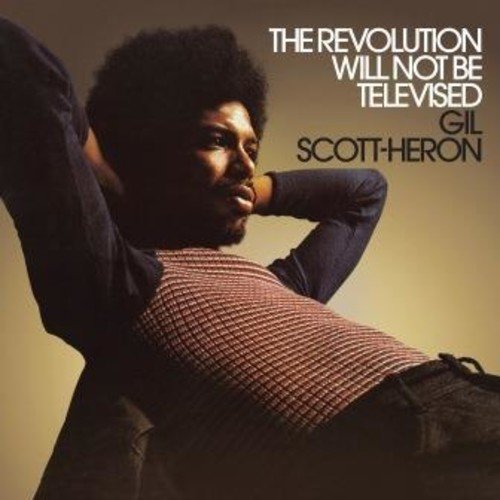
Gil Scott-Heron-The Revolution Will Not Be Televised.
Label: BGP.
In 1974, Flying Dutchman, released a compilation of Gil Scott-Heron’s songs The Revolution Will Not Be Televised. The tracks were from his first three albums 1970s Small Talk At ‘125th’ and Lenox, 1971s Pieces of a Man and 1972s Free Will and become The Revolution Will Not Be Televised. It’s a reminder of Gil Scott-Heron was well on his way to becoming America’s social conscience. His lyrics were cerebral, witty, scathing and most importantly, honest as Gil Scott-Heron spoke up for the poor, downtrodden and disenfranchised. Fearlessly, Gil Scott-Heron highlighted the social and political problems that blighted America in the early seventies using his unique proto-rap style on The Revolution Will Not Be Televised. It features some of the most important, powerful, cerebral music of Gil Scott-Heron’s career, and forty years later, is still relevant today.
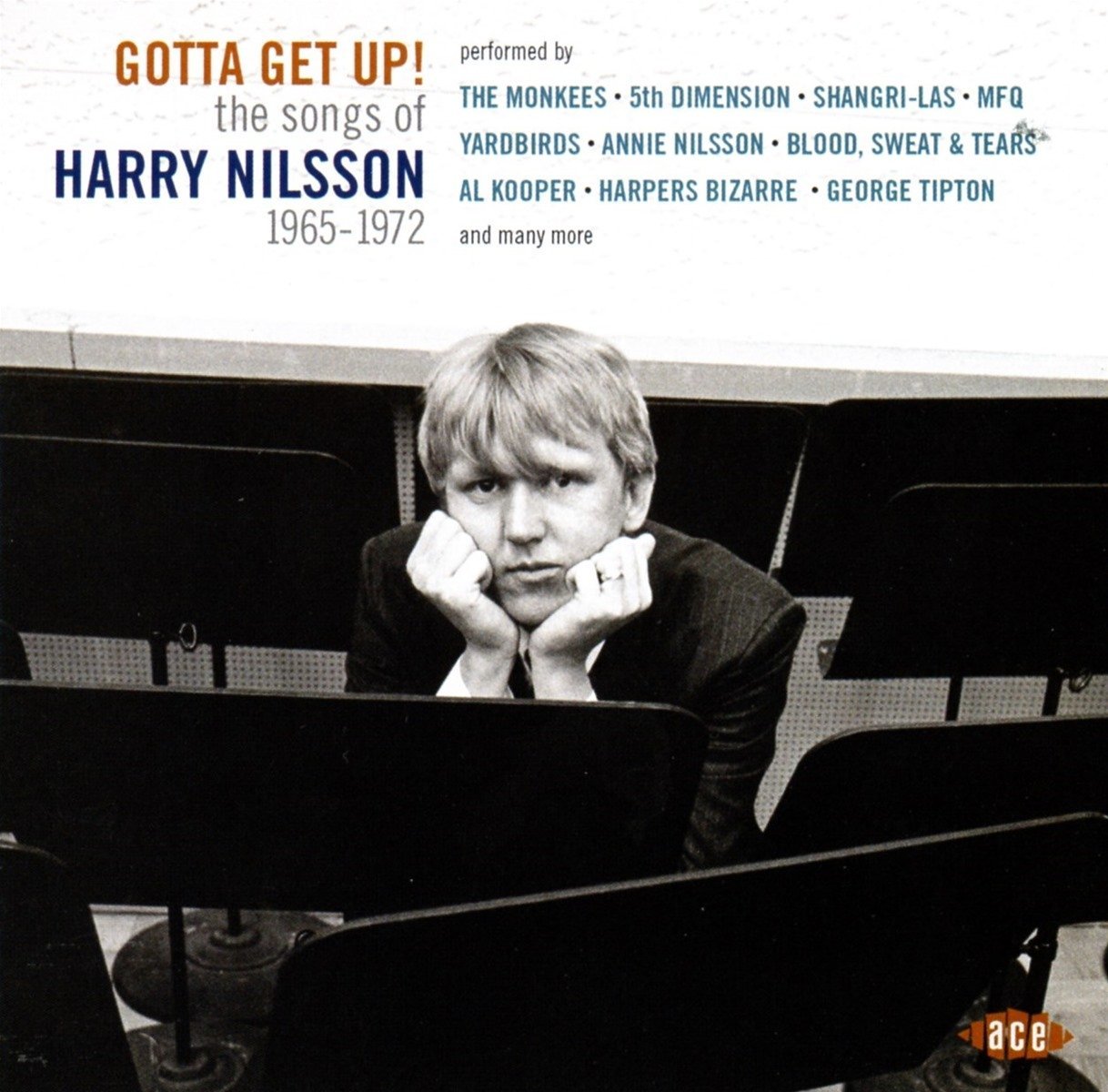
Gotta Get Up: The Songs Of Harry Nilsson 1965-1972.
Label: Ace Records.
Although Harry Nilsson enjoyed a successful recording career, he’s also a talented songwriter, which meant that many artists covered his songs, including those on Gotta Get Up: The Songs Of Harry Nilsson 1965-1972. It showcases this truly talented songwriter during what was the most accessible and successful period of his career. By then, Harry Nilsson had the Midas touch and was already regarded as one of the gifted singer-songwriters of the sixties and seventies. He had Nilsson won the respect of critics, cultural commentators and his contemporaries. Now forty years later, and Harry Nilsson is regarded as one the greatest songwriters Proof of that are the songs on Gotta Get Up: The Songs Of Harry Nilsson 1965-1972, which features a tantalising taste of the songwriting skills of the mercurial and enigmatic Harry Nilsson at the peak of his powers.
Habibi Funk: An Eclectic Selection Of Music From The Arab World.
Label:Habibi Funk Germany.
Although many compilations are released each week, there’s been a dearth of compilations of music from the Arab countries. That changed with the release of Habibi Funk: An Eclectic Selection Of Music From The Arab World. It features sixteen tracks from Algeria, Egypt, Lebanon, Morocco, Sudan and Tunisia. Four of these tracks have never been released before and make their debut on Habibi Funk: An Eclectic Selection Of Music From The Arab World, which offers a fascinating insight into what will be hitherto unknown world for many music fans, that of Habibi Funk.

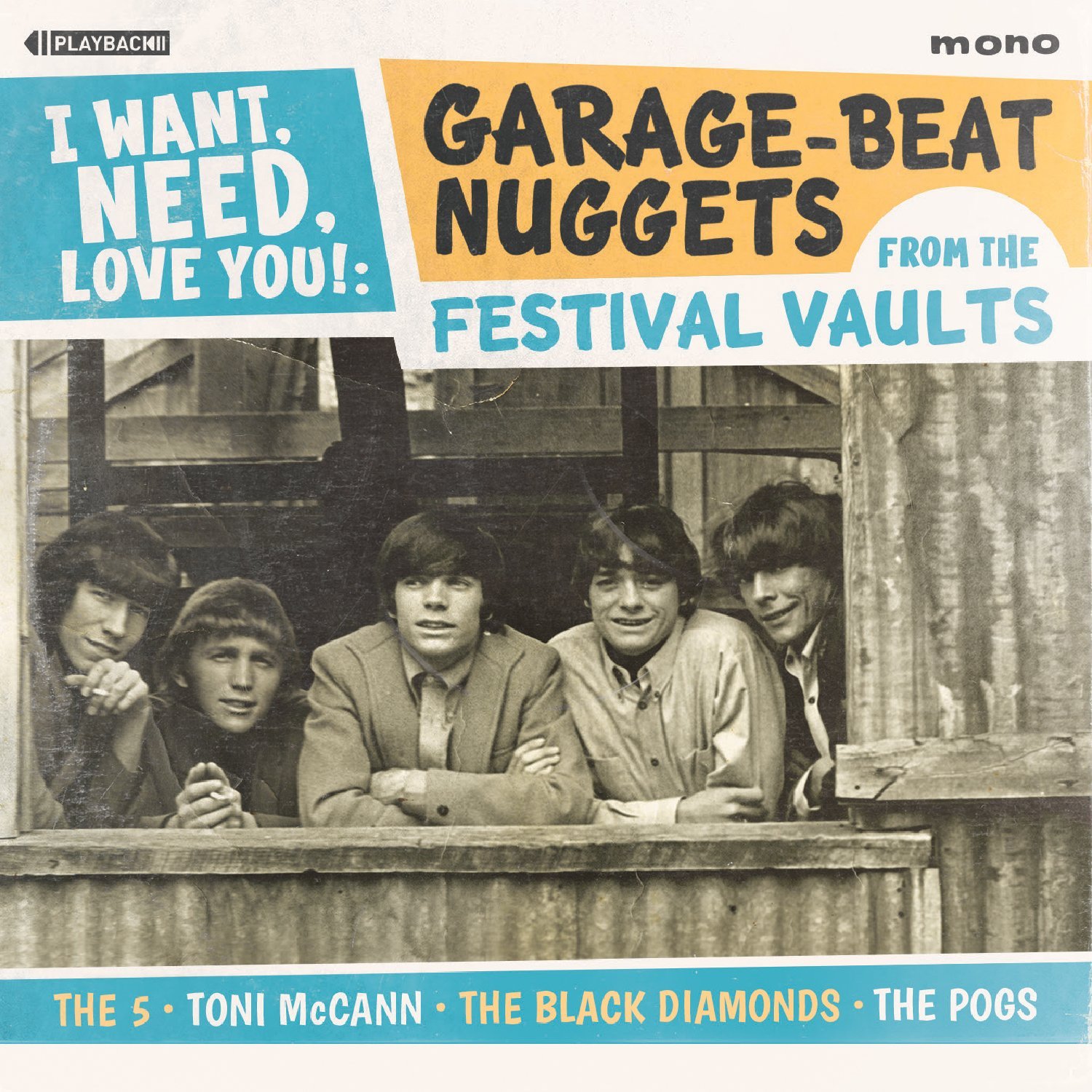
I Want You, I Need You!: Garage-Beat Nuggets From The Festival Vaults.
Label: Playback Records.
Treasure trove. That describes the singles on I Want You, I Need You!: Garage-Beat Nuggets From The Festival Vaults. It features everything from uptempo rocker, to thoughtful ballads. Some are cover versions and other new songs written by talented songwriters that were carefully crafted by some of Festival Records’ top producers, They were recorded by The 5, Toni McCann, The Black Diamonds and The Pogs and range from raw, raucous garage rock to folk rock, power pop and psychedelia. However, they all have the one thing in common…quality. These timeless tracks which were recorded between 1965 and 1967, which was the start of a golden period for music. A reminder of that period is I Want You, I Need You!: Garage-Beat Nuggets From The Festival Vaults, which features long-lost, hidden gems aplenty.
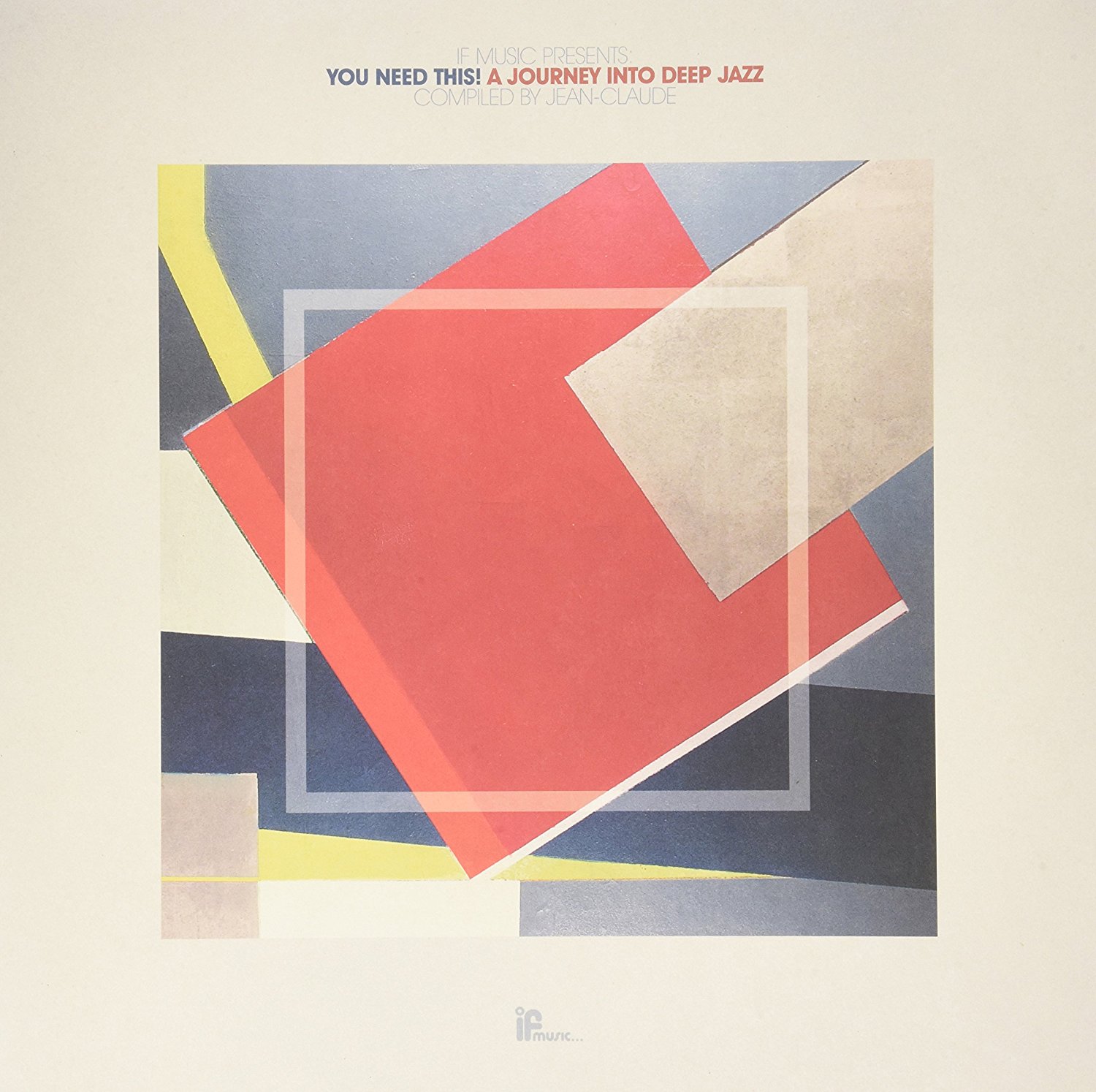
IF Music Presents You Need This–A Journey Into Deep Jazz Vol. 2.
Label: BBE.
For the best part of four decades, Jean-Claude Thompson has been one of the leading lights of London’s vibrant music scene. He also hosts a radio show, runs a record shop and last year, complied IF Music Presents You Need This–A Journey Into Deep Jazz Vol. 2, which features eight tracks that are spread across a triple album. It features a tantalising taste of inventive and innovative deep jazz from yesteryear that will appeal to DJs and dancers, as well as newcomers and veterans of jazz compilations. They’re sure to appreciate what is a lovingly curated compilation.
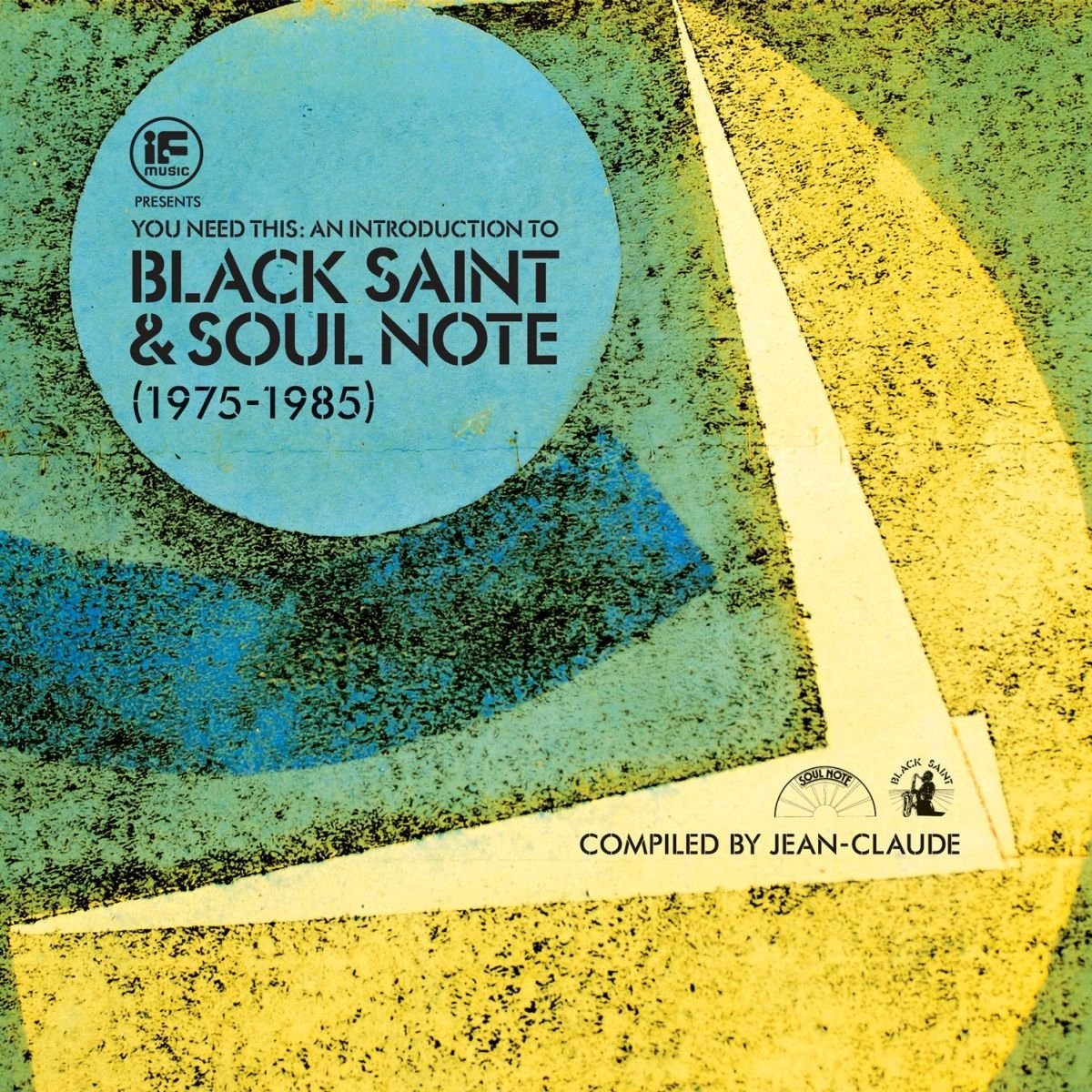
IF Music Presents You Need This! An Introduction To Black Saint and Soul Note (1975 To 1985).
Label: BBE.
Two of the great European jazz labels were Black Saint and Soul Note which were founded by producer turned musical impresario Giacomo Pelliciotti who ran the labels until 1975. Over the next ten years, the labels changed hands several times. Still, both labels continued to release a groundbreaking albums from the great and good of free jazz. Proof of this is IF Music Presents You Need This! An Introduction To Black Saint and Soul Note (1975 To 1985). This 3-LP set features talented, inventive and innovative musician at the peak of their powers, as they push musical boundaries to their limits and beyond, on whats the best free jazz compilation released during 2017.
THE BEST COMPILATIONS OF 2017 PART 3.
The Best Compilations Of 2017 Part 3.
Innerpeace-Rare and Spiritual Funk and Jazz Gems: The Supreme Sound Of Producer Bob Shad.
Label: Wewantsounds.
Nowadays, the music Mainstream Records released between 1964 and 1978 is more popular than ever. It seems that with every passing year more people discover the delights of Mainstream Records’ illustrious back-catalogue. This ranges from DJs and sample-hungry hip hop producers to a new generation of music fans. They all welcomed the release Innerpeace-Rare and Spiritual Funk and Jazz Gems: The Supreme Sound Of Producer Bob Shad. It’s the perfect introduction to the ambitious, innovative and timeless music that Mainstream Records released after its relaunch in 1970. They’re also a reminder and celebration of a legendary music man Bob Shad, and what’s regarded as his greatest and most enduring label,..Mainstream Records.
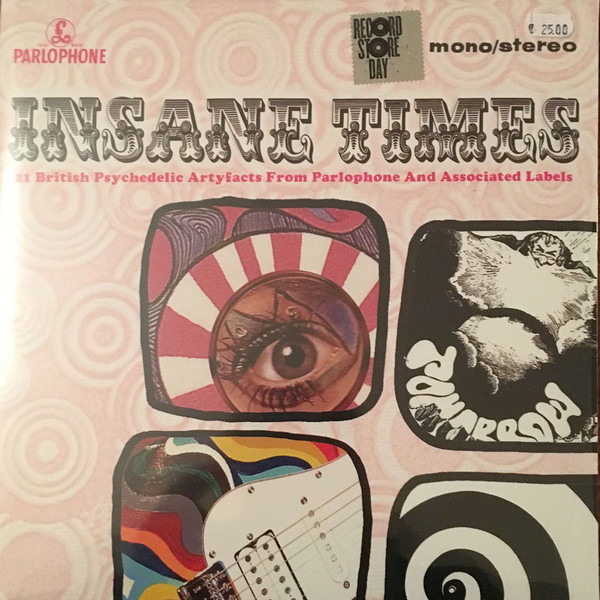
Insane Times-21 British Psychedelic Artyfacts From The EMI Vaults.
Label: Parlophone.
One of the limited edition releases for Record Store Day 2017 was Insane Times-21 British Psychedelic Artyfacts From The EMI Vaults which feature contributions from old friends, familiar faces and new names. This includes Kevin Ayers, July, The Idle Race, Orange Bicycle, Bonzo Dog Doo-Dah Band, The Hollies, The Lemon Tree, The Parking Lot, The Koobas and The Yarbirds. There’s also more than a few hidden gems on 21 British Psychedelic Artyfacts From The EMI Vaults. It’s guaranteed to bring back memories for connoisseurs of psychedelia.
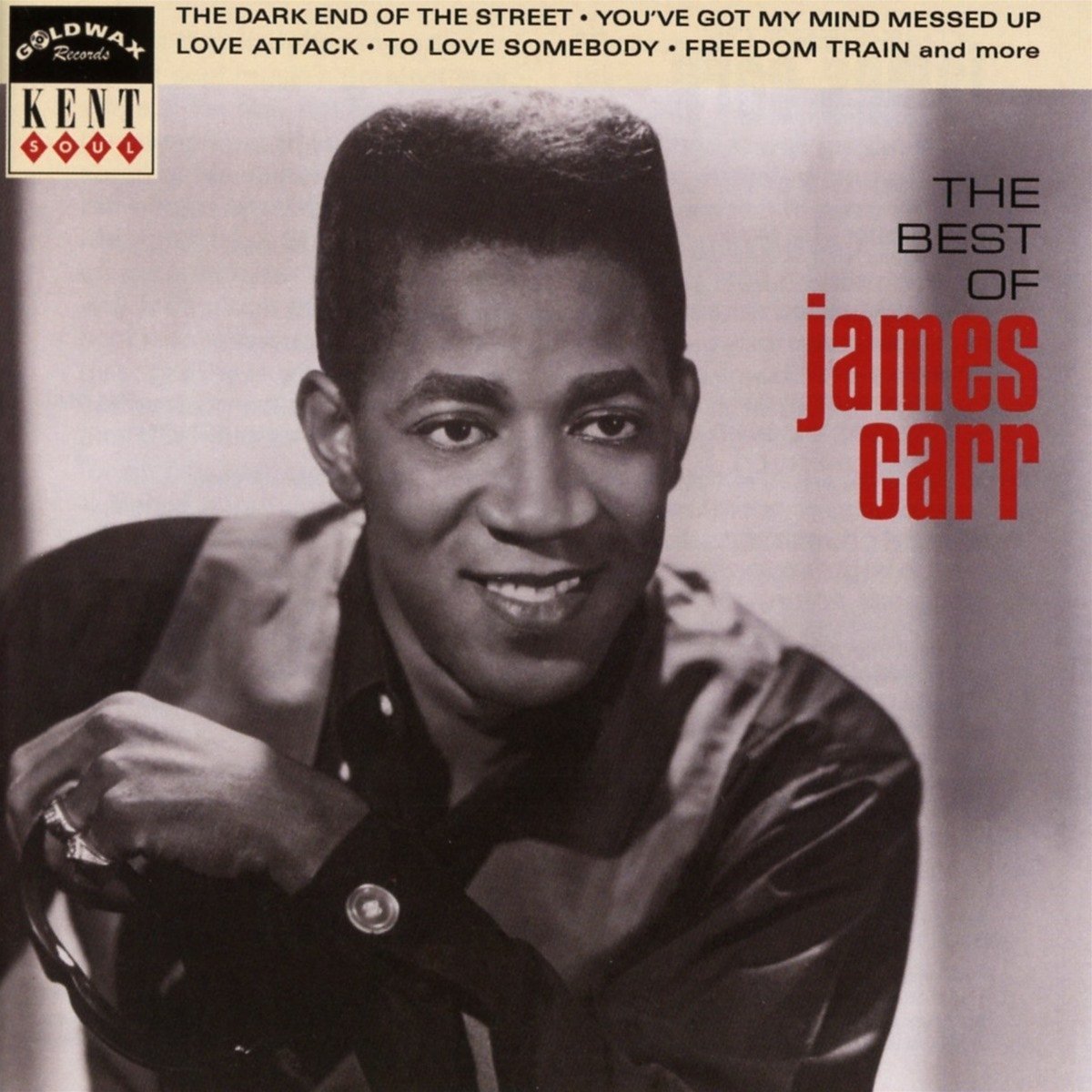
James Carr-The Best Of James Carr.
Label: Kent Soul.
For anyone yet to discover James Carr’s music, The Best Of James Carr is the perfect starting place. It features some of the best music James Carr released for Goldwax Records, plus a few songs from later in his career. However, it was also at Goldwax Records that James Carr enjoyed the most successful period of his career. Sadly, James Carr’s Goldwax Records’ years lasted just five years between 1964 and 1969, and saw him enjoy nine hit singles. His most successful single was the timeless Southern Soul classic Dark Side Of The Street, which redefined Southern Soul and is part of James Carr’s rich musical legacy, which is celebrated and documented on The Best Of James Carr.
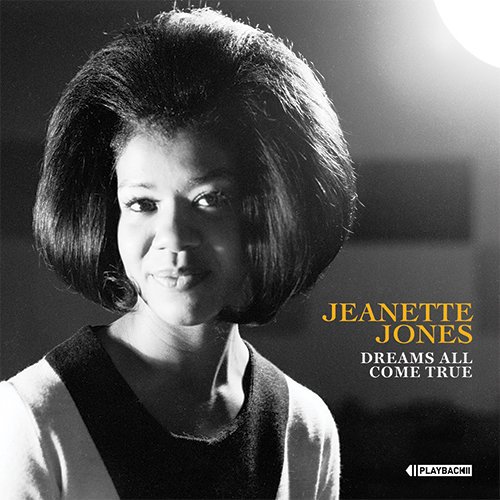
Jeanette Jones-Dreams All Come True.
Label: Playback Records.
The best way to describe Jeanette Jones is the greatest soul singer you’ve never heard. She struggled for four years, but failed to make a breakthrough, and during that period recorded the songs Dreams All Come True. It’s the most comprehensive reissue of Jeanette Jones’ career, even features some songs from her gospel career. They play their in what’s one of the best soul compilations released during 2017, Dreams All Come True. It showcases a singer who was equally comfortable singing gospel and soul, and who could breathe life and meaning into a song, Sadly, commercial success and critical acclaim passed Jeanette Jones by, who is proof that not All Dreams All Come True.
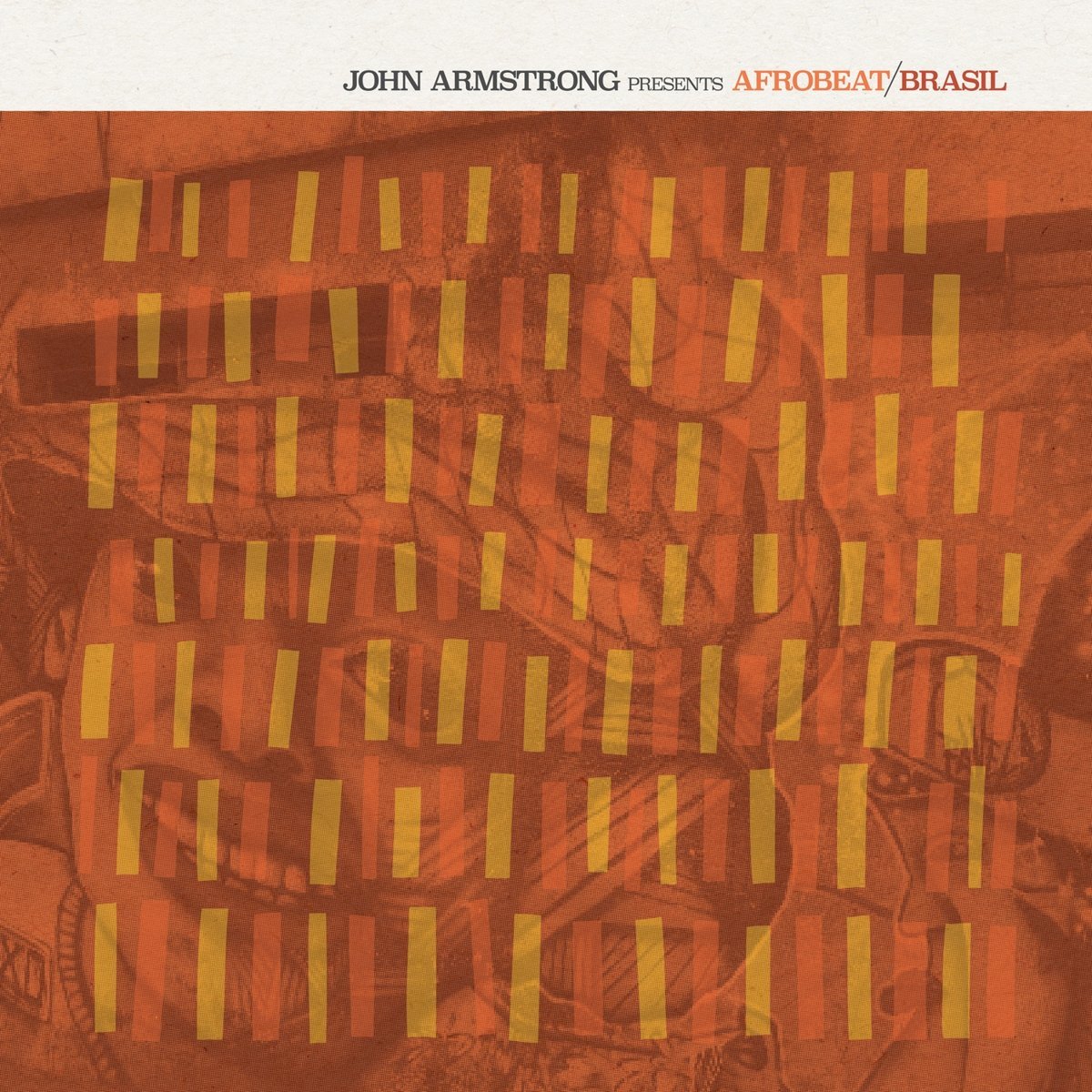
John Armstrong Presents Afrobeat Brasil.
Label: BBE.
Anyone with even a passing interest in Afrobeat or Brazilian music will definitely enjoy John Armstrong Presents Afrobeat Brasil. It’ll also be of interest to anyone who enjoys and appreciates good music, as John Armstrong Presents Afrobeat Brasil is a case of all killer, and no filler. John Armstrong Presents Afrobeat Brasil features music from old friends who rub shoulders with musical veterans, new names and several hidden gens. The result is a tantalising taste of Afrobeat inspired Brazilian music which provided the perfect showcase for a new generation of talented Brazilian musicians, and introduce their music to a much wider audience
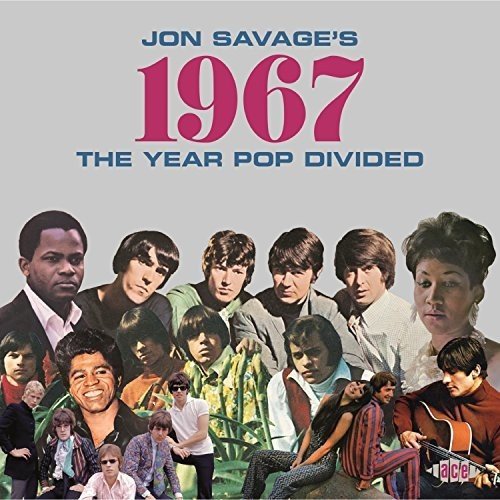
Jon Savage’s 1967-The Year Pop Divided.
Label: Ace Records.
For many who weren’t around to witness Flower Power and the Summer Of Love then Jon Savage’s 1967 The Year Pop Divided is the perfect introduction to what was a landmark year for music. Hardly a week went by without the release of a groundbreaking or classic album from artists and bands old and new. This included many members of musical royalty, who along with many of the artists on Jon Savage’s 1967-The Year Pop Divided, played their part in transforming the musical landscape. Never again would music be the same, after 1967, which marked a changing of the guard musically, as music evolved and pop divided during what will always be remembered as a landmark year for music.
Keb Darge and Cut Chemist Present Darkside: 30 Sixties Garage, Punk and Pysch Monsters.
Label: BBE.
For anyone wanting an introduction to garage, then Keb Darge and Cut Chemist Present Darkside: 30 Sixties Garage, Punk and Pysch Monsters is the perfect starting place. It features a mixture of familiar faces, obscurities, rarities and hidden gems chosen by Keb Darge and Cut Chemist who chose fifteen songs each. They’re the perfect introduction to sixties garage music, and could prove to be the first step on a fascinating voyage of discovery. This is a tantalising taste of what Keb Darge describes as the: “beauty, power, and excitement of the sixties garage sound” that features on Keb Darge and Cut Chemist Present Darkside: 30 Sixties Garage, Punk and Pysch Monsters.

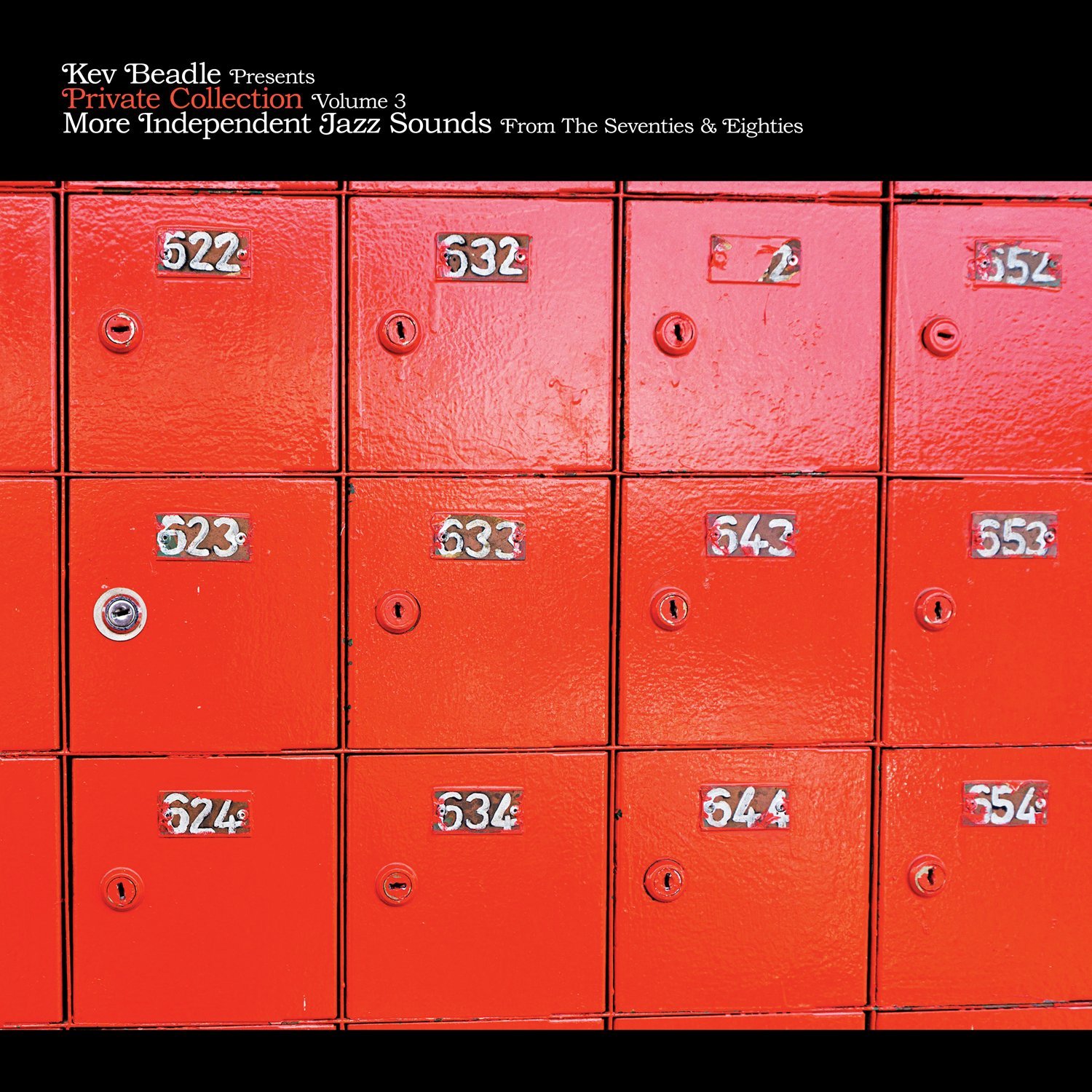
Kev Beadle Presents Private Collection Volume 3.
Label: BBE.
When it came time to compile Kev Beadle Presents Private Collection Volume 3, veteran DJ Kev Beadle began digging through his collection. Eventually, he settled on twelve tracks which are regarded by regulars on London’s jazz dance scene as classics. Despite that, many people won’t be familiar with these tracks. However, after a couple of listens, they’ll sound like old friends. This includes the energetic, syncopated musical workouts that have previously tested the stamina of dancers in clubs the length of breadth of Britain. They’re joined by some of the smoothest Latin grooves. The result is a delicious musical potpourri that is Kev Beadle Presents Private Collection Volume 3 which is the best instalment in the series.
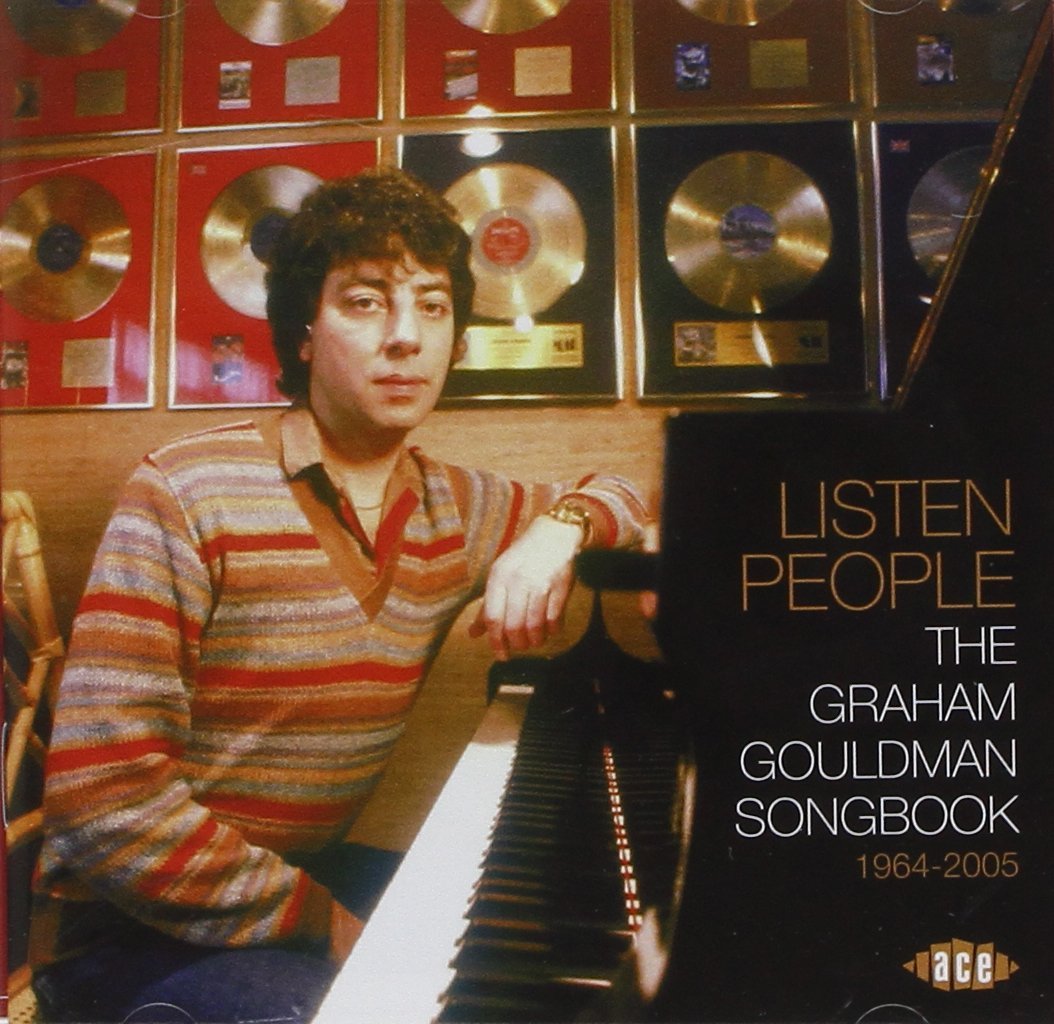
Listen People: The Graham Gouldman Songbook 1964-2005.
Ace Records.
Mention the name Graham Gouldman and most people immediately think of the group 10CC. However, that is only part of the Graham Gouldman story which is now into its sixth decade. Graham Gouldman is also a truly talented songwriter whose songs have been covered by everyone from relatively unknown and up-and-coming artists and bands to the great and good of music. A reminder of this is Listen People: The Graham Gouldman Songbook 1964-2005 which celebrates the career of one of the great British songwriters of his generation.
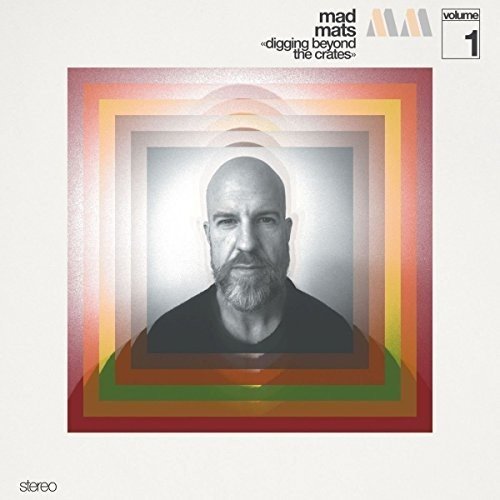
Mad Mats Digging Beyond The Crates Volume 1.
Label: BBE.
It’s fair to say that Digging Beyond The Crates Volume 1 is reminiscent of one of Mad Mats’ DJ sets. It’s equally eclectic and finds Mad Mats switching seamlessly between disparate genres during this musical journey. Seamlessly, Mad Mats switches between boogie, disco, electronica, funk, gospel, house, jazz funk and techno. There’s a diversions via Balearic, experimental, industrial, proto-boogie and tech house as the journey unfolds. Meanwhile, Mad Mats introduces the listener to a variety of artists, bands and producers. Some of these will be familiar faces, while others will be new names to many music fans. They’re in for a pleasant surprise as they discover the delights of Mad Mats’ Digging Beyond The Crates Volume 1.
THE BEST COMPILATIONS OF 2017 PART 4.
The Best Compilations Of 2017 Part 4.
Magnetband-Experimenteller Elektronik-Underground DDR 1984-1989.
Label: Bureau B.
For anyone with even a passing interest in Eastern European music, then Magnetband-Experimenteller Elektronik-Underground DDR 1984-1989 is essential listening. It documents the five-year period before the reunification of Germany. During this period, artists, musicians, performers and poets became part of the burgeoning D. I. Y. scene in East Germany.Using whatever instruments and technology they could lay their hands on, these musical pioneers recorded ambitious, inventive, captivating and genre-melting music on Magnetband-Experimenteller Elektronik-Underground DDR 1984-1989.

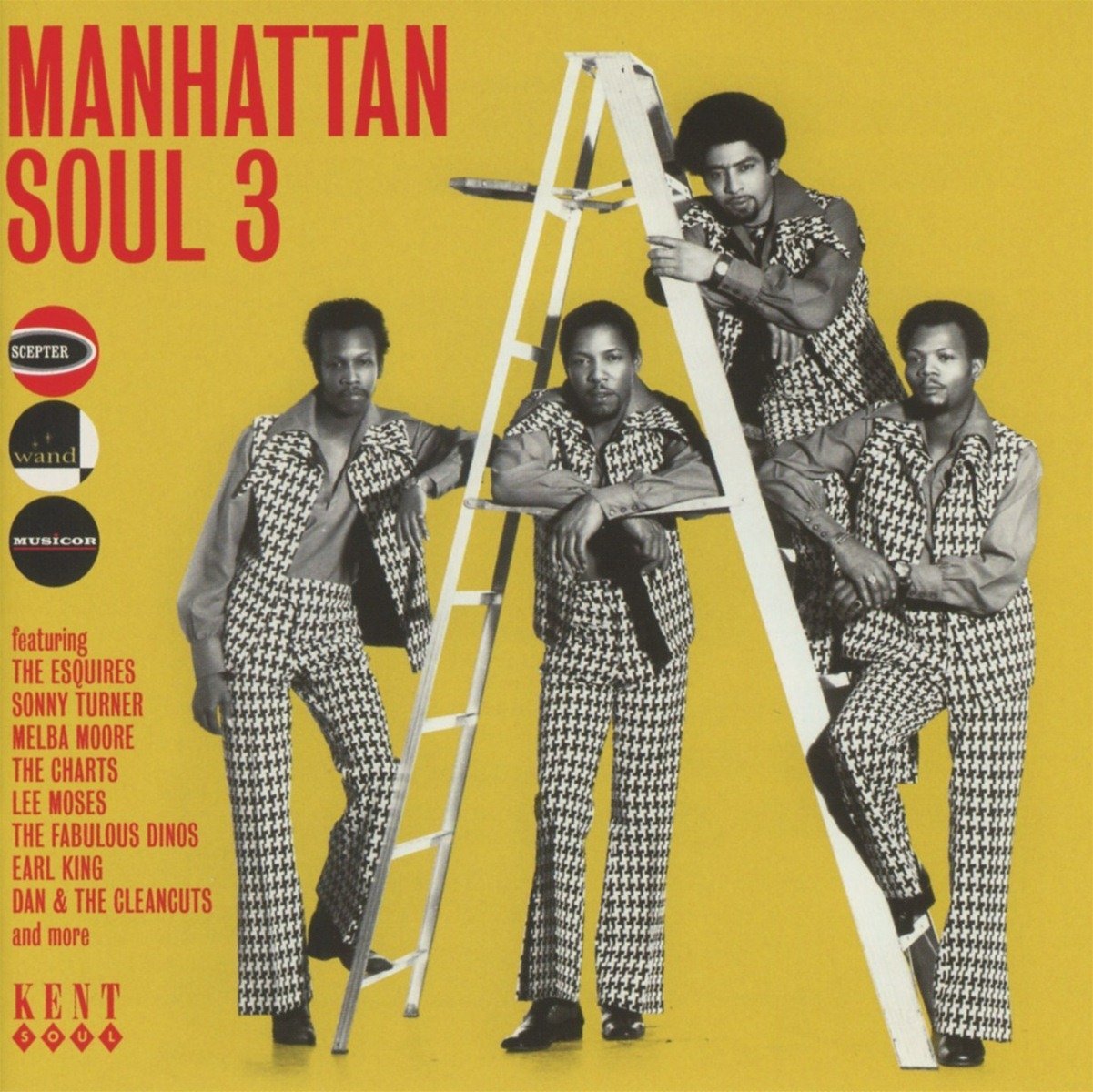
Manhattan Soul Volume 3,
Label: Kent Soul.
Just over three years had passed when Manhattan Soul Volume 3 was released in early 2017 and was compiled by Ady Croasdell. He dug deep into the vaults of Scepter, Wand and Musicor, and even dipped into the vaults of Bunky and Dynamo for Manhattan Soul Volume 3. The result was Manhattan Soul Volume 3, a quality compilation of soulful music where old friends and new name contribute ballads and uptempo dancers from the golden age of soul.
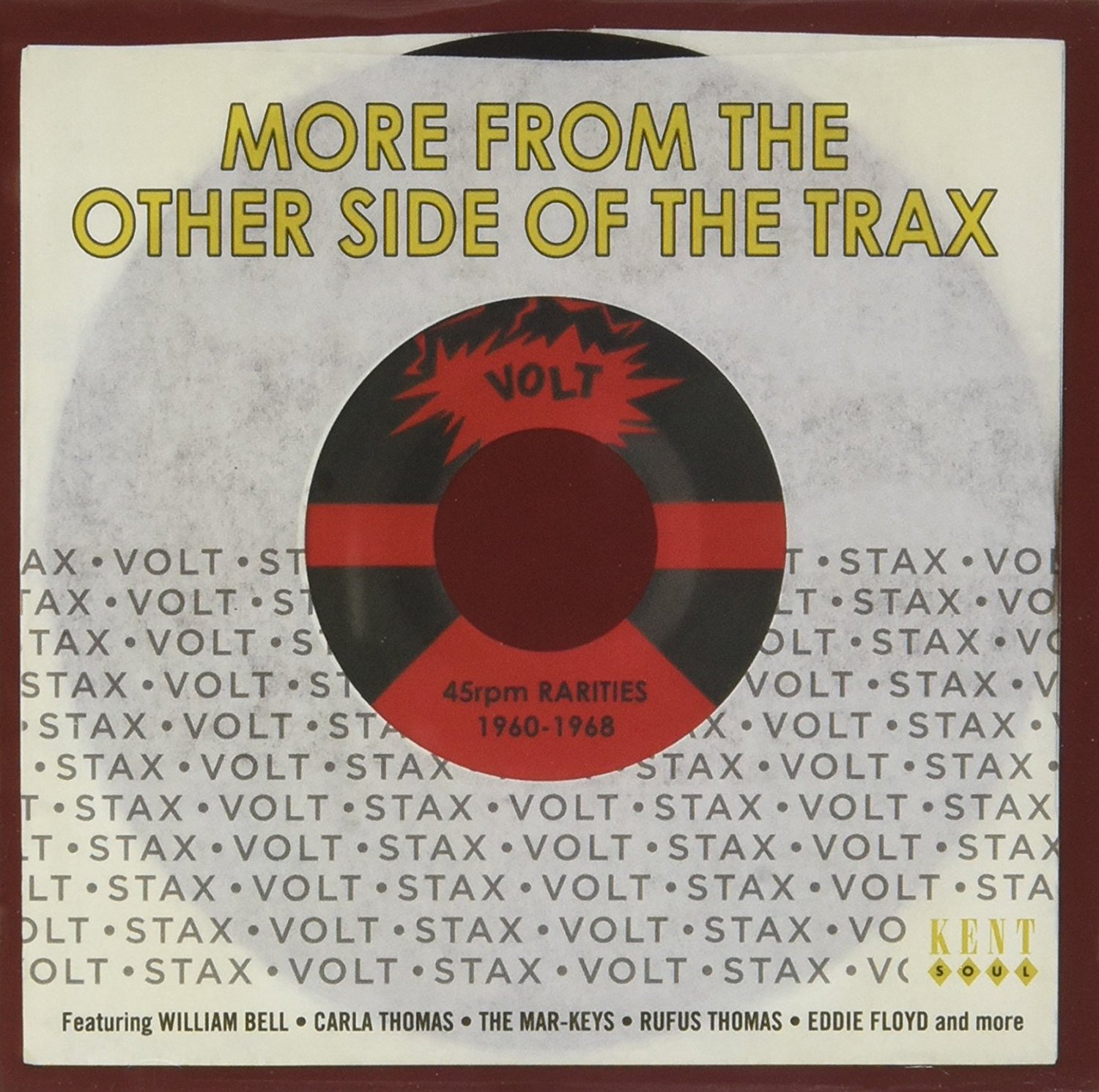
More From The Other Side Of The Trax: Volt 45rpm Rarities 1960-1964.
Label-Kent Soul.
Any self-respecting record collector or DJ knows that there’s always the chance that a killer track could be lurking on the B-Side of a single. That was certainly the case with singles released by Stax and Volt during the sixties. Twenty-four B-Sides feature on More From The Other Side Of The Trax: Volt 45rpm Rarities 1960-1964. This includes Stax royalty William Bell, Carla Thomas, Rufus Thomas, Eddie Floyd and The Mar-Keys, plus contributions from The Premiers and Barbara Stephens. They’re a reminder of what was a golden period for Stax and Volt, which nowadays, are regarded two of soul music’s greatest labels.
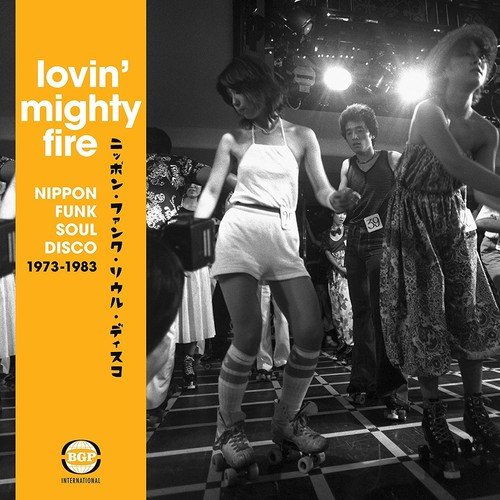
Lovin’ Mighty Fire: Nippon Funk, Soul, Disco 1973-1983.
Label: BGP.
For anyone looking to for an introduction to Japanese soul, funk and disco then Lovin’ Mighty Fire: Nippon Funk, Soul Disco 1973-1983 is the perfect starting place. It features Lily, Rie Nakahara, Yasuko Agawa, Pink Lady, Junko Ohash, Masayoshi Takanaka, Mari Natsuki, Miyako Chaki and Masaaki Hirao who were some of the biggest names in Japanese music between 1973 and 1983. Sadly, some of the other artists didn’t enjoy the commercial success that their music deserved. It’s only relatively recently that compilations like Lovin’ Mighty Fire: Nippon Funk, Soul, Disco 1973-1983 has started to introduce these hidden gems to a new and appreciative audience who will embrace and enjoy their music.
On Broadway: The Songs Of Barry Mann And Cynthia Weil.
Label: Playback Records.
To celebrate a legendary songwriting partnerships, On Broadway: The Songs Of Barry Mann And Cynthia Weil was released during 2017. It features a mixture of classic songs and oft-overlooked hidden gems which were covered by familiar faces, old friends and new names. Sometimes, the most obvious version of the song is eschewed, and a lesser known cover is chosen, and the compiler strikes musical gold. Some artists stay true to the original song, while other times, a familiar song is reinvented and heads in a new and totally unexpected direction. Suddenly, a familiar song takes on new life and meaning. This happens several times during On Broadway: The Songs Of Barry Mann And Cynthia Weil, which is without doubt, the best compilation of Barry Mann And Cynthia Weil’s music released in recent years.

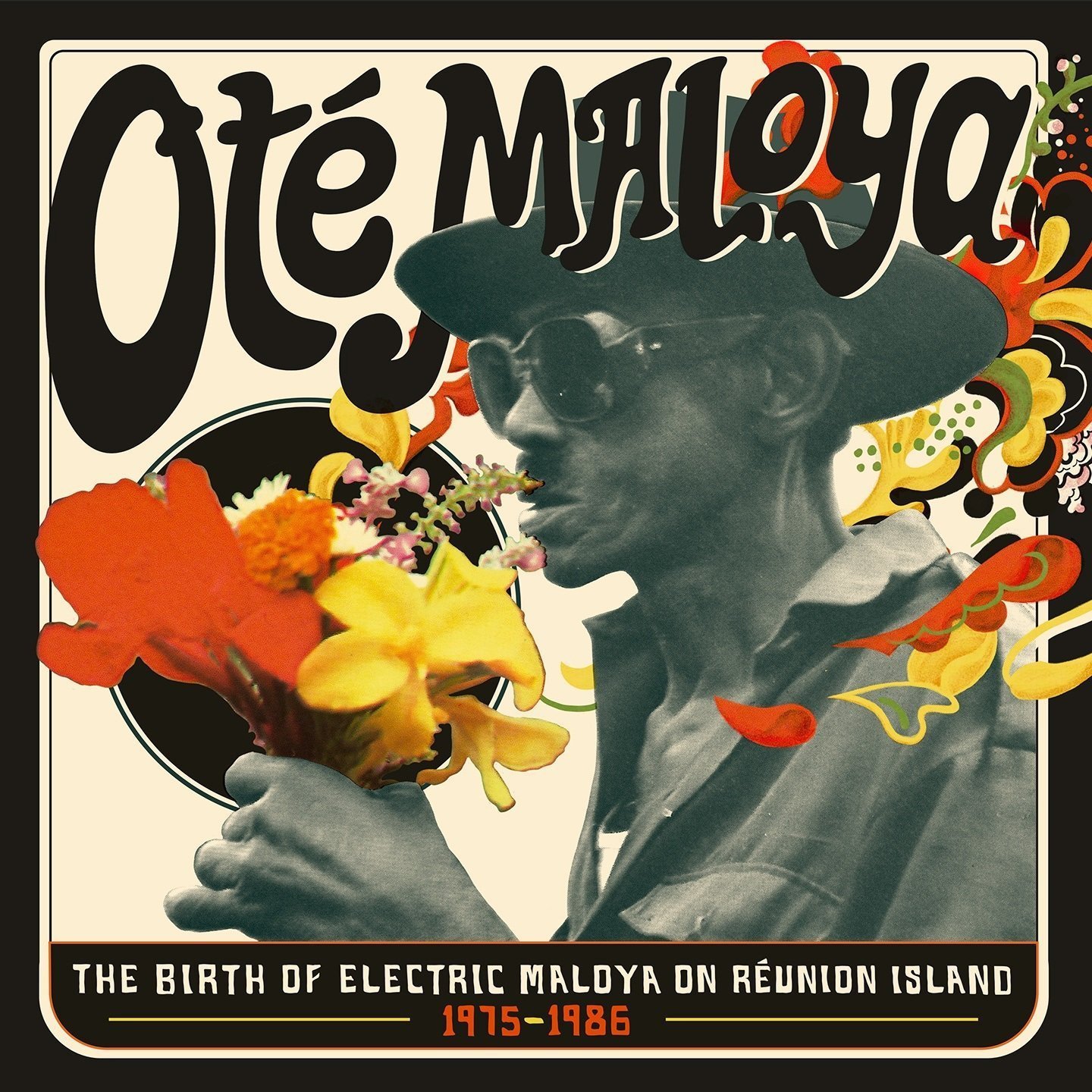
Oté Maloya-The Birth Of Electric Maloya On Reunion Island 1975-1985.
Label: Strut.
Oté Maloya-The Birth Of Electric Malaya On Réunion Island 1975-1985 celebrates the Réunion Island’s maloya-fusion scene between 1975 and 1985. This scene transformed the Réunion Island music scene, and was part of a cultural revolution. Much of the music released during this cultural revolution features lyrics full social comment, and document what life had been like in the Reunion Island, Sometimes, a bleak picture is painted, while other times, the talk of generosity, solidarity and sharing seems idealistic. However, those songs were written during what was a period of change, and people were looking towards the future and a new beginning. Part of this new beginning was electric maloya or maloya-fusion which was a radical departure from the Reunion Island’s musical past, and was the start of a brave new world and this golden period lasted until 1992, when music began to change.
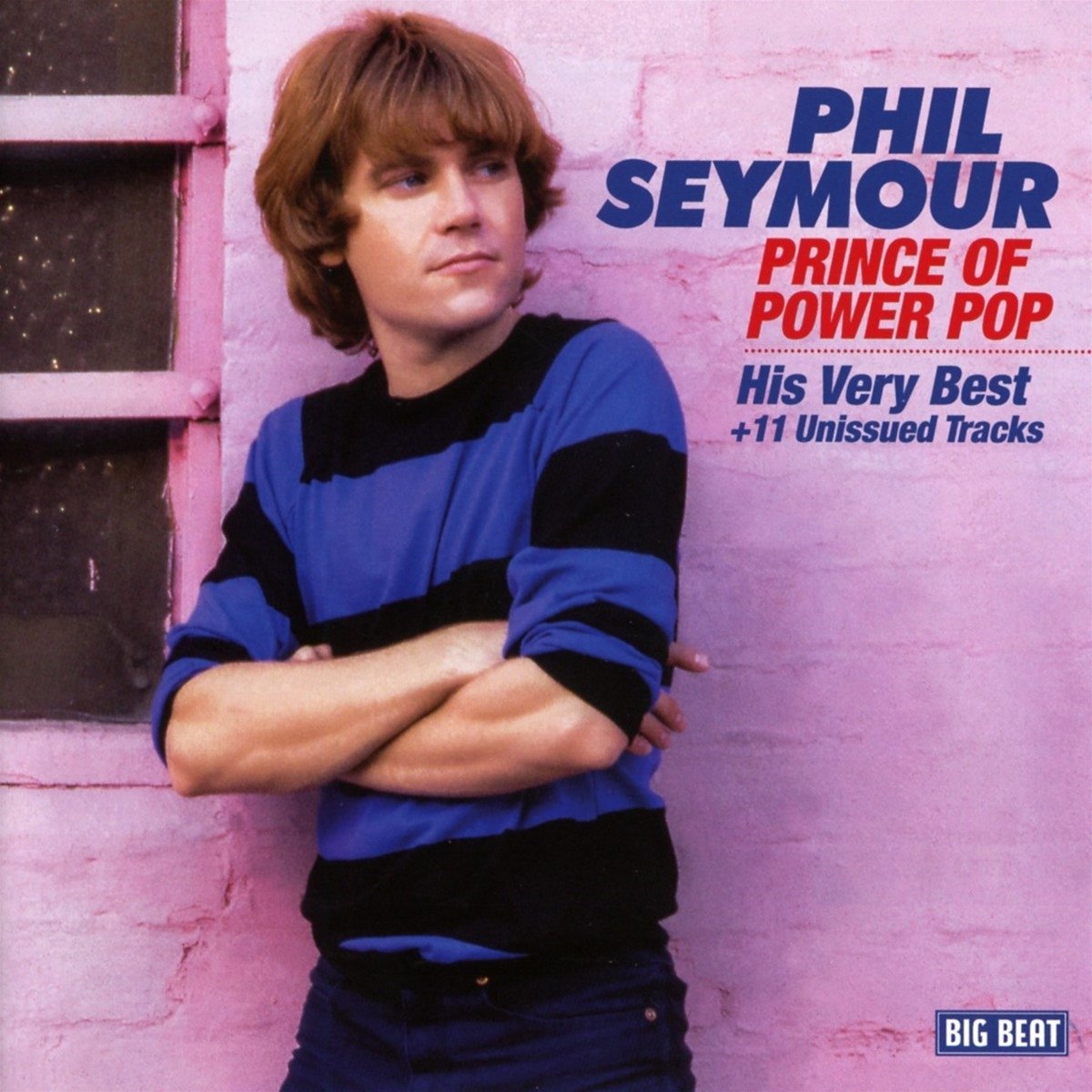
Phil Seymour-Prince Of Power Pop-His Very Best and 11 More.
Label: Big Beat Records.
Phil Seymour had the potential and talent to become one of the biggest artists of the eighties. Sadly, Phil Seymour’s star shawn briefly and this talented singer, songwriter and musician released just two albums and half-a-dozen carefully crafted singles between 1980 and 1982. Eleven years later, on August the ’17th’ 1993, forty-one year old Phil Seymour succumbed to lymphoma, a disease he had bravely battled for eight years. The Prince Of Power Pop’s death left his friends, family and fans distraught at the loss of one so young, and indeed talented. A reminder of that talent can be found on Prince Of Power Pop-His Very Best, a loving curated compilation that includes eleven previously unreleased tracks. They’re a reminder of Prince Of Power Pop in his musical prime
Red Hot Boppers.
Label: Sun.
Anyone whose familiar with the Sun Rockabilly Legends’ Series will want to discover the delights of Red Hot Boppers which was released a limited edition of 1,000, and features ten tracks including contributions from Billy Lee Riley, Carl Perkins, Jerry Lee Lewis, Ray Smith and Sonny Burgess. Red Hot Boppers was pressed on 10” red vinyl, and released by Sun, as part of HMV’s Exclusive Vinyl series, is the perfect rockabilly primer as it features some of the giants of rockabilly, and several stonewall genre classics.

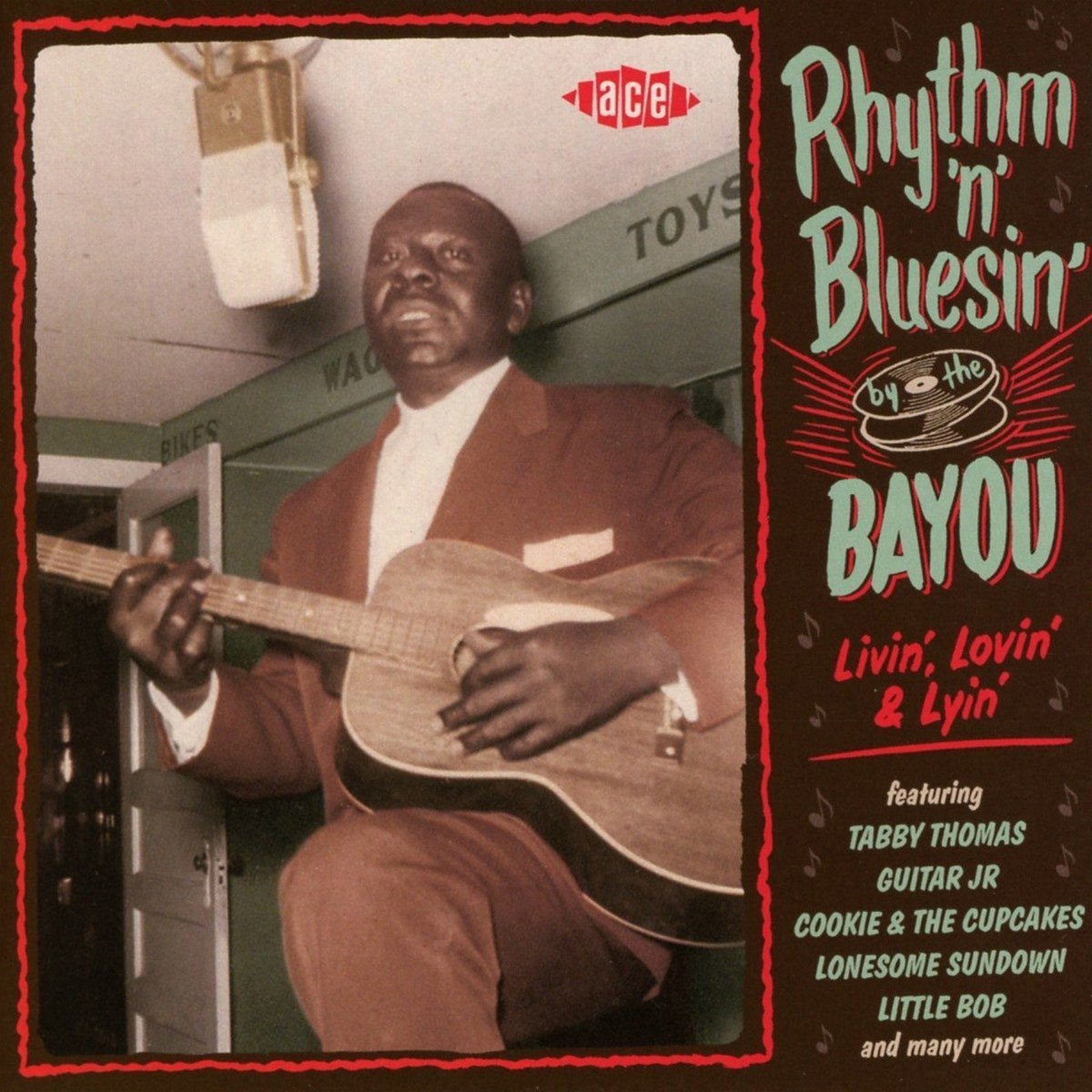
Rhythm ‘N’ Bluesin’ By The Bayou-Livin’, Lovin’ and Lyin’.
Ace Records.
For the latest instalment in the long-running and critically acclaimed By The Bayou compilation series, compiler Ian Saddler returned to South Louisiana and East Texas where he compiled Rhythm ‘N’ Bluesin’ By The Bayou-Livin’, Lovin’ and Lyin’, which is the sixth volume of downhome R&B. It features another twenty-eight tracks from labels like Ron, Feature, Excello, Goldband, Hollywood, Rocko and Flip. These tracks ooze quality and Rhythm ‘N’ Bluesin’ By The Bayou-Livin’, Lovin’ and Lyin’ is, without doubt, the best of the six volumes of blues and R&B from South Louisiana and East Texas.
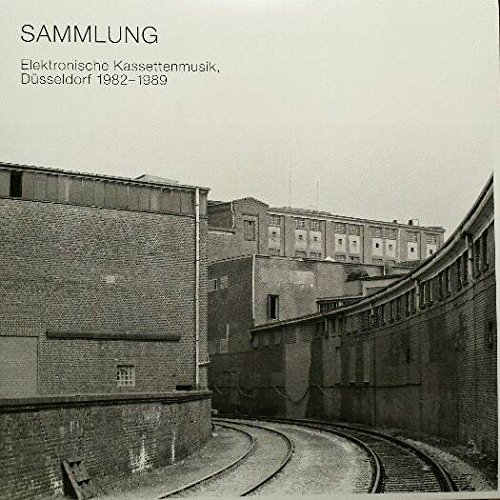
Sammlung-Elektronische Kassettenmusik, Düsseldorf 1982-1989.
Label: Bureau B.
Throughout the eighties, Düsseldorf had a vibrant underground music scene with artists releasing ambitious, innovative and genre-melting music. This includes the artists that feature on Sammlung-Elektronische Kassettenmusik, Düsseldorf 1982-1989. They fused elements of ambient, avant-garde, Berlin School, dub, electronica, experimental, industrial and Krautrock to create a potent musical mixture, that veers between broody and moody, to dark and dramatic to melodic and memorable. Other times, it’s haunting and otherworldly. However, much of the music is cinematic, which perfectly describes these soundscapes that have withstood the ravages of time. This is testament to the artists who recorded them, and who were among the leading lights of Düsseldorf’s electronic underground scene. They made a welcome return on Sammlung-Elektronische Kassettenmusik, Düsseldorf 1982-1989 which looks back to when cassettes were king.
THE BEST COMPILATIONS OF 2017 PART 5.
The Best Compilations Of 2017 Part 5
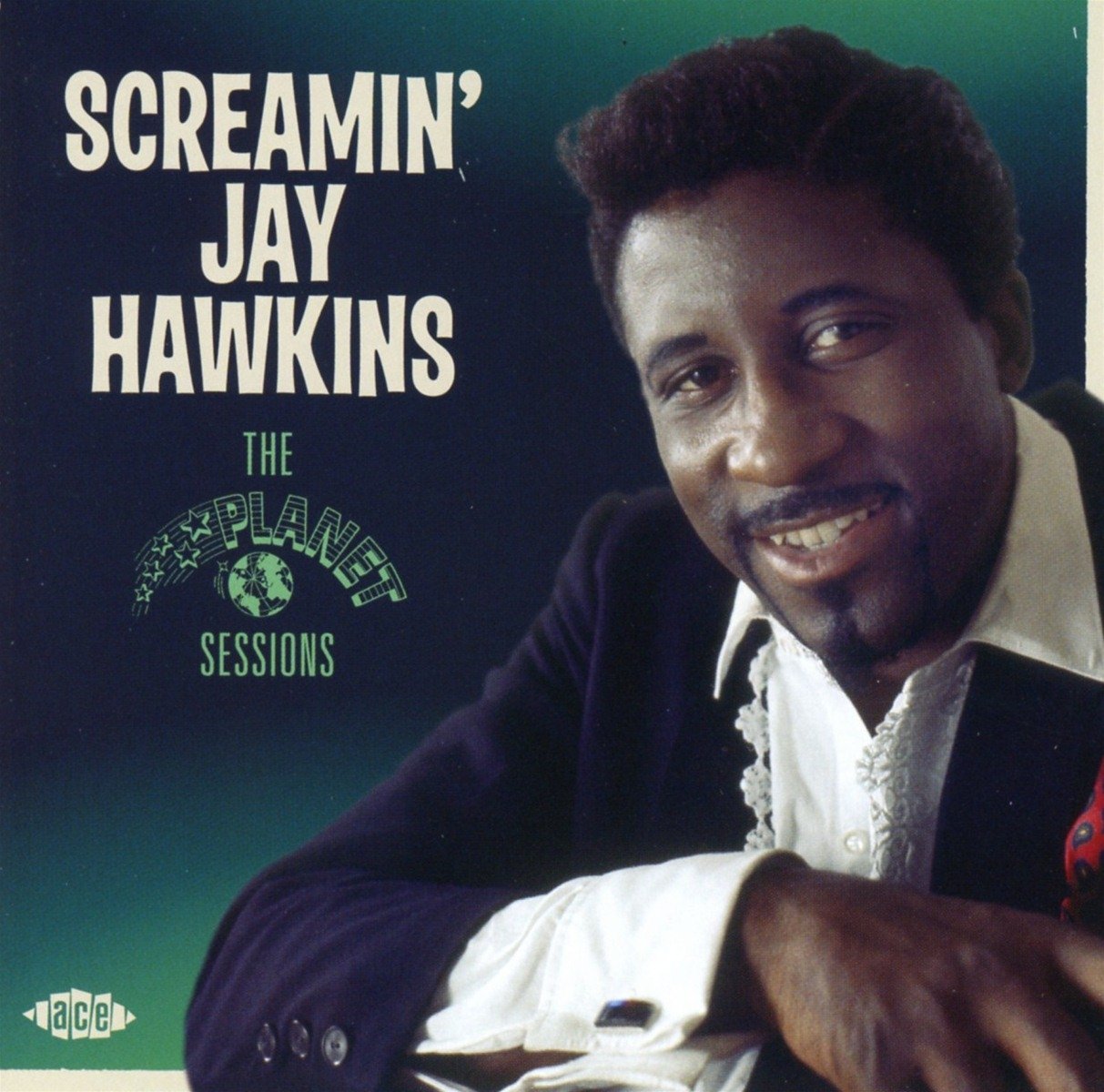
Screamin’ Jay Hawkins-The Planet Sessions.
Label: Ace Records.
Inimitable and unique describe the late Screamin’ Jay Hawkins. He was one of the great musical showmen, whose performances were designed to leaving a lasting impression. They always succeeded in doing so. So did his music including the songs on The Planet Sessions. F or both newcomers to Screamin’ Jay Hawkins, and his long-standing fans, The Planet Sessions will be a welcome addition to their collection. Especially for those who saw Screamin’ Jay Hawkins on his ill-fated 1965 tour. They were the lucky ones, who saw one of music’s flamboyant musical showmen who was still at the peak of his powers in 1965.
Seafaring Strangers: Private Rock.
Label: Numero Group.
During 2017, several compilations of Yacht Rock were released including Seafaring Strangers: Private Rock. It’s a Yacht Rock album with a difference and focuses on private presses. These are albums released by small local labels or by the artist themselves. Sadly, very few of these albums found a wider audience. That was the case with albums released by Jim Spencer, Ned Doheny, Jeff Harrington, Paul Skyland, Calvin Johnson, Salty Miller, Canyon, Gary Marks, Country Comfort, Chuck Senrick and Rudy Norman. Many of these tracks fall into the category of hidden gems, and are why Seafaring Strangers: Private Rock ls one of the best albums of Yacht Rock money can buy.
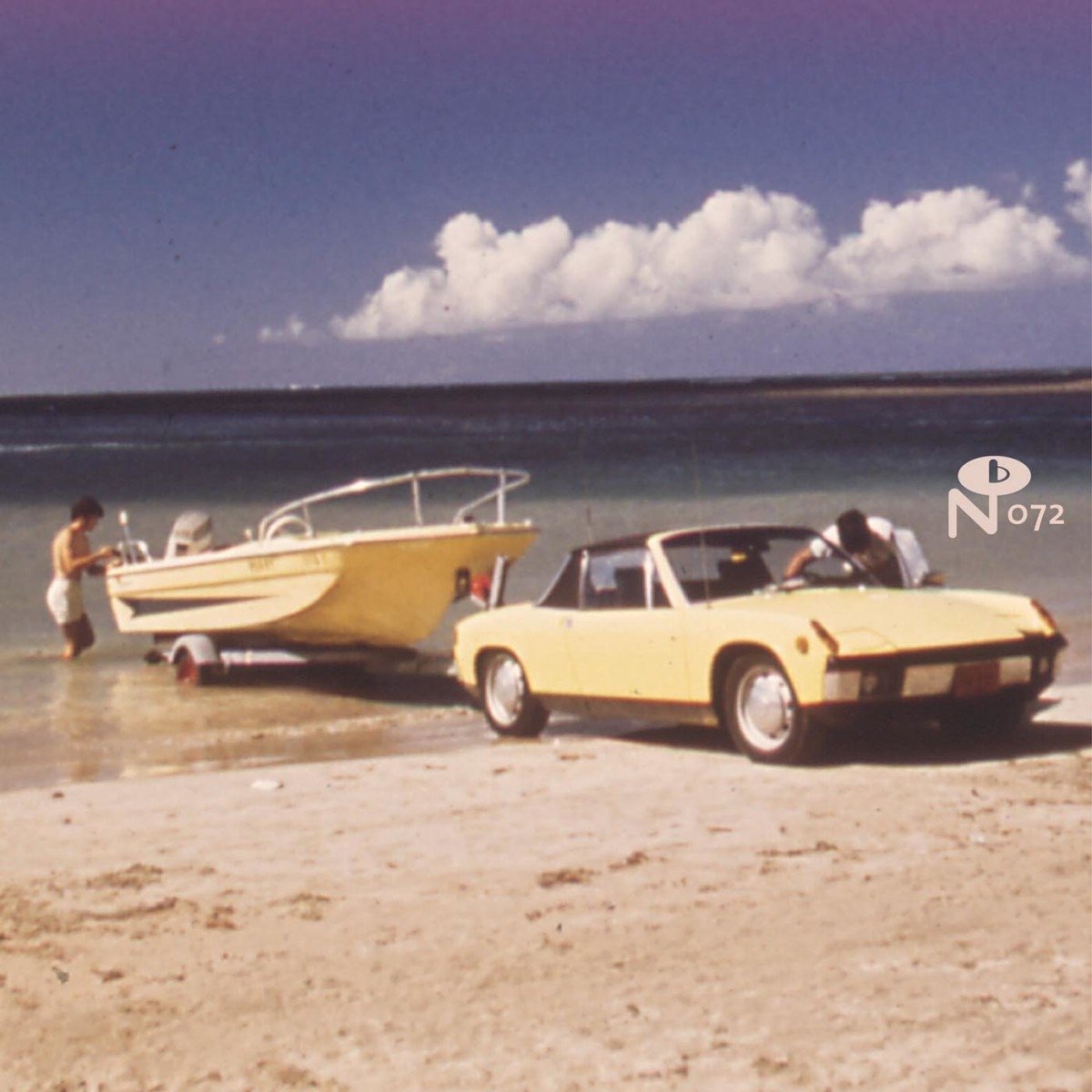
Sing It High, Sing It Low: Tumbleweed Records 1971-1973.
Label: Light In The Attic Records.
Tumbleweed Records was an ambitious label, but one that only lasted two years. During that period, they released nine albums which were beautifully packaged and presented. Larry Ray and Bill Szymczyk both knew the important of packaging, presentation and production values. All of Tumbleweed Records looked and sounded great. They should’ve stood out in record shops across America. Especially given the quality of music that features on most of the albums. This includes the tracks from the talented, up-and-coming musicians that feature on Sing It High, Sing It Low: Tumbleweed Records 1971-1973. It’s a reminder that founding and running a record label has always been a risky business, and certainly isn’t and never has been, a licence to print money.

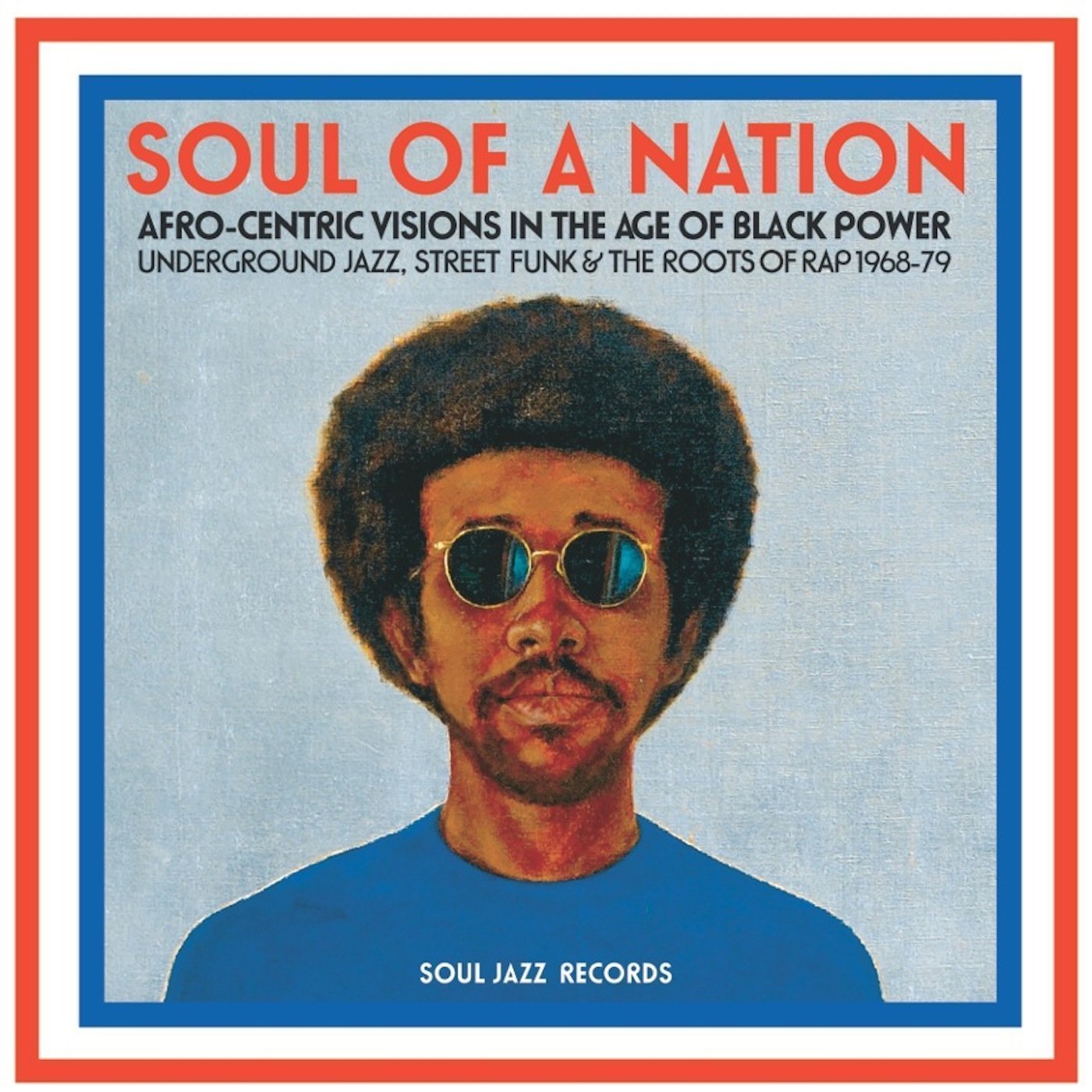
Soul Of A Nation-(Afro-Centric Visions In The Age of Black Power: Underground Jazz, Street Funk and The Roots Of Rap 1968-79).
Label: Soul Jazz Records.
During the period that Soul Of A Nation (Afro-Centric Visions In The Age of Black Power: Underground Jazz, Street Funk and The Roots Of Rap 1968-79) covers, the Civil Rights movement was working towards the day when America would be fully integrated. That was the day that they had long dreamt about. As they worked towards that day, the artists on this lovingly curated compilation of jazz, funk and soul provided the soundtrack. It’s a mixture of familiar tracks, a few leftfield choices and hidden gems. These tracks on Soul Of A Nation (Afro-Centric Visions In The Age of Black Power: Underground Jazz, Street Funk and The Roots Of Rap 1968-79) are a reminder of what was hugely important and in some cases, turbulent, frustrating and eventually fruitful period in African-American history.
Space, Energy and Light-Experimental Electronic and Acoustic Soundscapes 1961-88.
Label: Soul Jazz Records.
One of the best compilations released during 2017 was Space, Energy and Light-Experimental Electronic and Acoustic Soundscapes 1961-88. It features groundbreaking music that was way ahead of its time. Sadly, some of that music was too far ahead of its time, and a record buying public weaned pop music failed to grasp its importance. It’s only much later that this music is being discovered, and is starting to find the audience it deserves. Especially now that compilations like Space, Energy and Light-Experimental Electronic and Acoustic Soundscapes 1961-88 are being released and showcase a tantalising taste of this groundbreaking music from true musical pioneers.

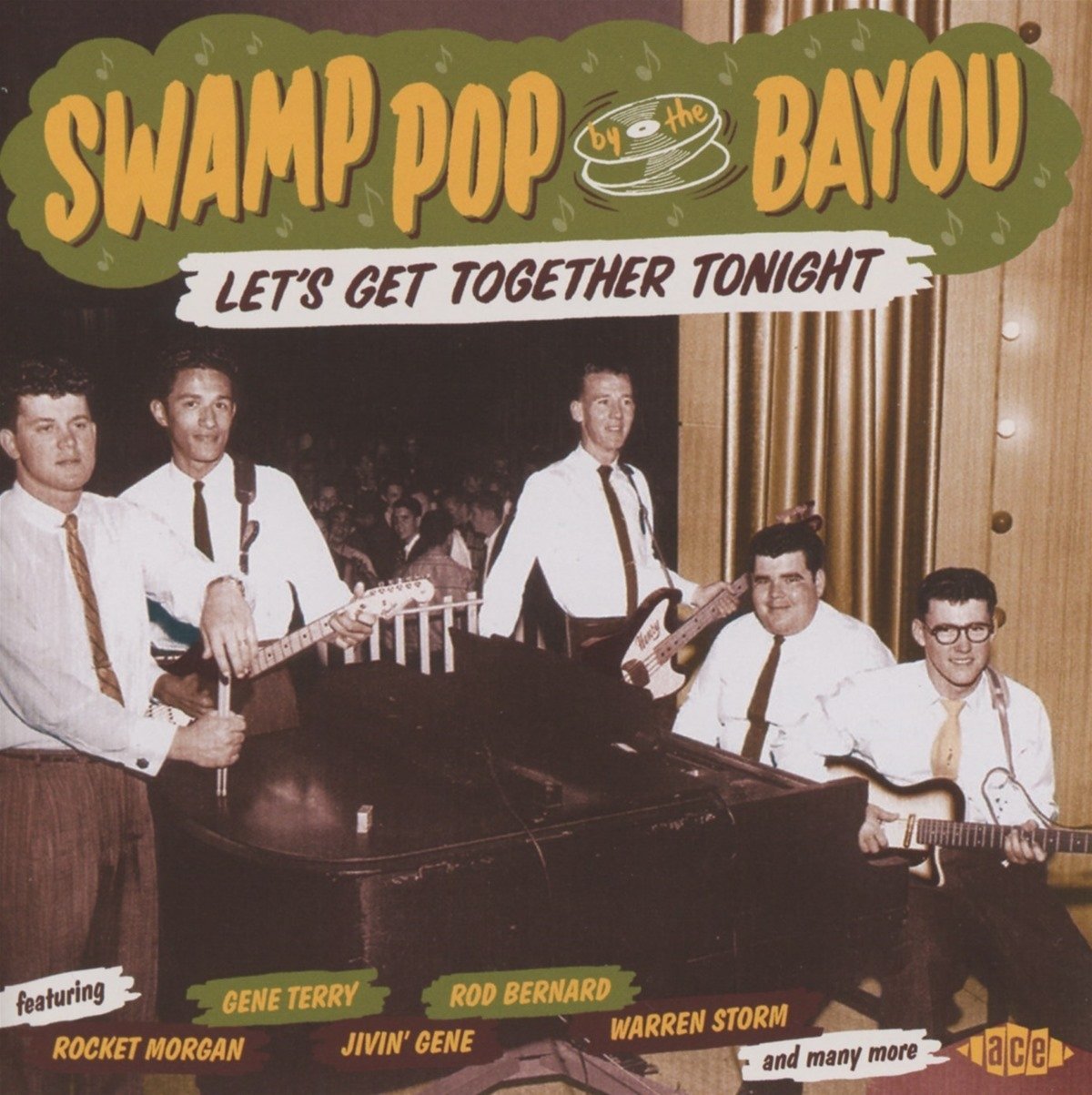
Swamp Pop By The Bayou-Let’s Get Together Tonight.
Label: Ace Records.
When Swamp Pop By The Bayou-Let’s Get Together Tonight’s was released last year, this was third compilation Ian Sadler had compiled for the By The Bayou series. This is without doubt, the finest compilation of swamp pop so far. Hopefully, there will be further instalments of swamp pop released in the long running and successful By The Bayou compilation series. Especially if they match the quality of Swamp Pop By The Bayou-Let’s Get Together Tonight, which is one of the best compilations in the By The Bayou series. It’s the perfect introduction to swamp pop and the music of South West Louisiana and South East Texas.
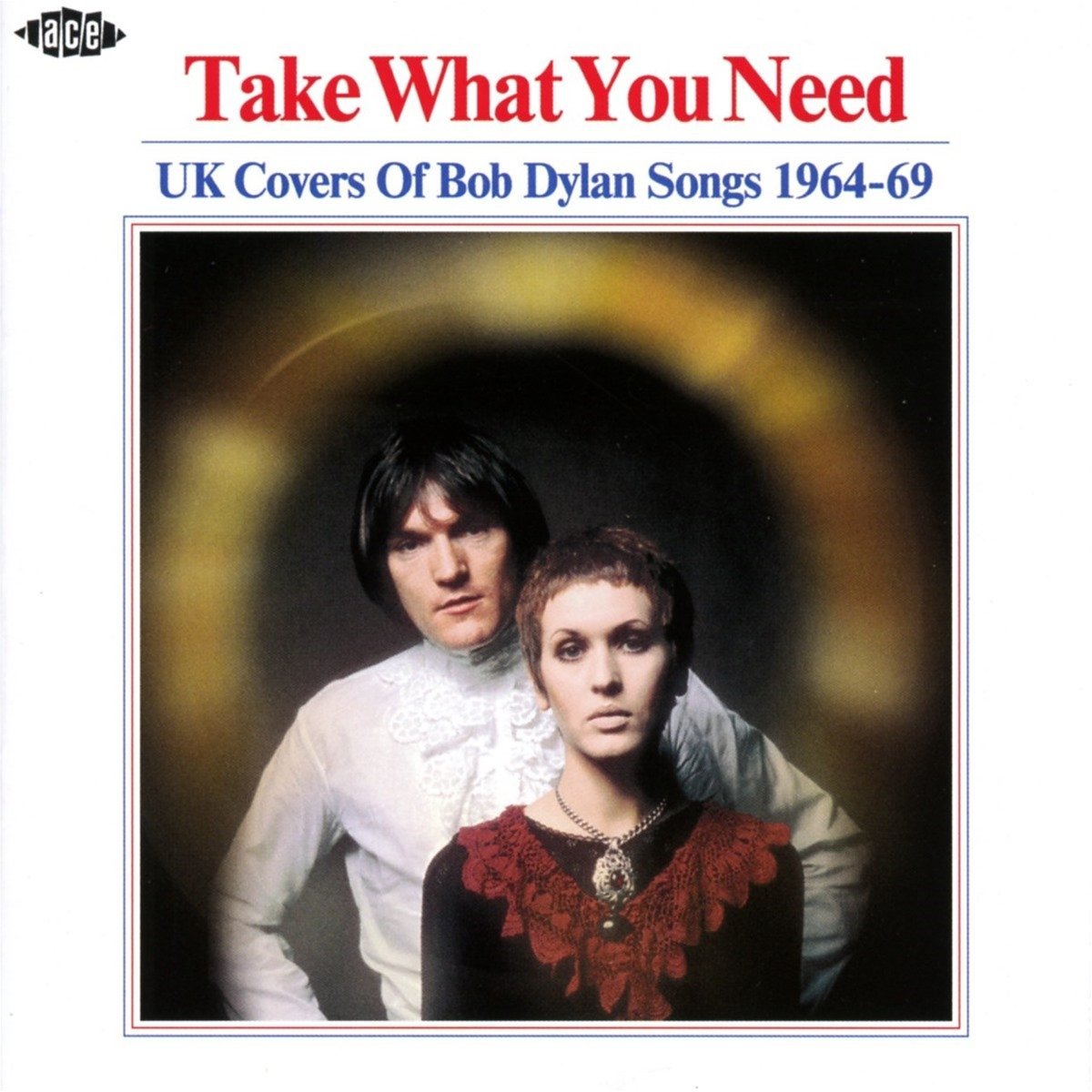
Take What You Need: UK Covers Of Bob Dylan Songs 1964-69.
Label: Ace Records.
One of the most-anticipated compilations of 2017 was Take What You Need: UK Covers Of Bob Dylan Songs 1964-69. It features familiar faces, including some of the biggest names in British music. They’re joined by artists that many people won’t have heard of as they cover songs by Bob Dylan. Some artists stay true to the original, while other reinvent familiar songs and take then in new and unexpected directions. That happens several times on this lovingly curated homage to Bob Dylan which features a mixture of best known songs and some leftfield choices. The majority of these songs were penned by Bob Dylan and are a reminder, if any was needed, of how good a songwriter he was between 1964-69.
The Original Sound Of Burkina Faso.
Label: Mr. Bongo Records.
Nowadays, the seventies are regarded as a golden age for music in Burkina Faso. This period was documented on The Original Sound Of Burkina Faso which was released in 2017. It’s a lovingly curated compilation which feature the great and good of the Burkina Faso music scene including Abdoulaye Cisse, Amadou Balaké, Bozambo, Pierre Sandwidi, Tidiani Coulibaly, Star and Youssouf Diarra. They were part of Burkina Faso’s thriving and vibrant music scene where during the seventies, and recorded an eclectic selection of music including Afrobeat blues, disco, folk, funk, highlife, psychedelia, rock and soul. Sadly, this proved to be a golden age, which is celebrated on The Original Sound Of Burkina Faso.
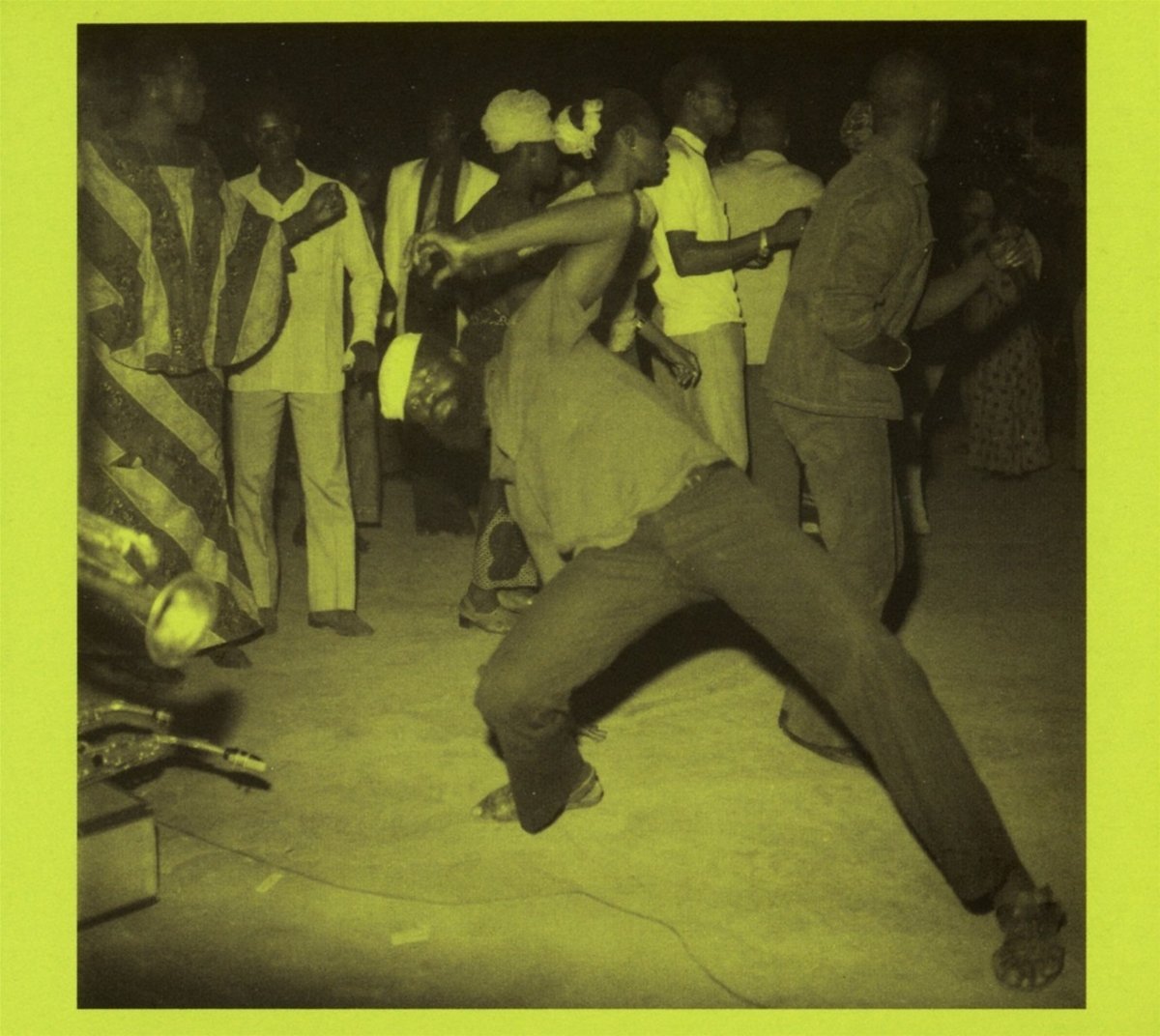
The Original Sound Of Mali.
Label: Mr. Bongo Records.
While record companies have released compilation of music from many African countries, for too long, they’ve overlooked the Malian music scene. That was rectified with the release of The Original Sound Of Mali. There’s contributions from some of the biggest names in Malian music including Les Ambassadeurs, Salif Keita and Super Djata Band De Bamako. They’re joined by some new names and even a couple of hidden gems from the Rail Band and Super Tentemba Jazz. These artists and bands feature on The Original Sounds Of Mali, which is an almost flawless compilation of music from a the golden age of Malian music.
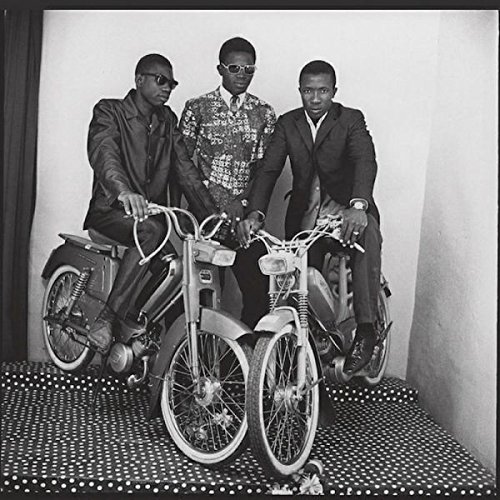
The Library Archive-From The Vaults Of Cavendish Music.
Label: BBE.
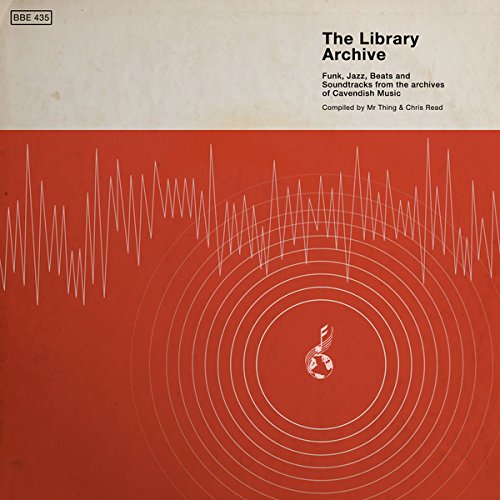
In 2014, compilers and DJs Mr Thing and Chris Read were among the chosen few who have been invited into the inner sanctum that is Cavendish Music’s vast London vaults. That was when they discovered the music that three years later, featured on The Library Archive-From The Vaults Of Cavendish Music. It features a myriad of hidden gems and musical gold that makes The Library Archive-From The Vaults Of Cavendish Music the best album of library music that has been released during the last few years.
THE BEST COMPILATIONS OF 2017 PART 6.
The Best Compilations Of 2017 Part 6.
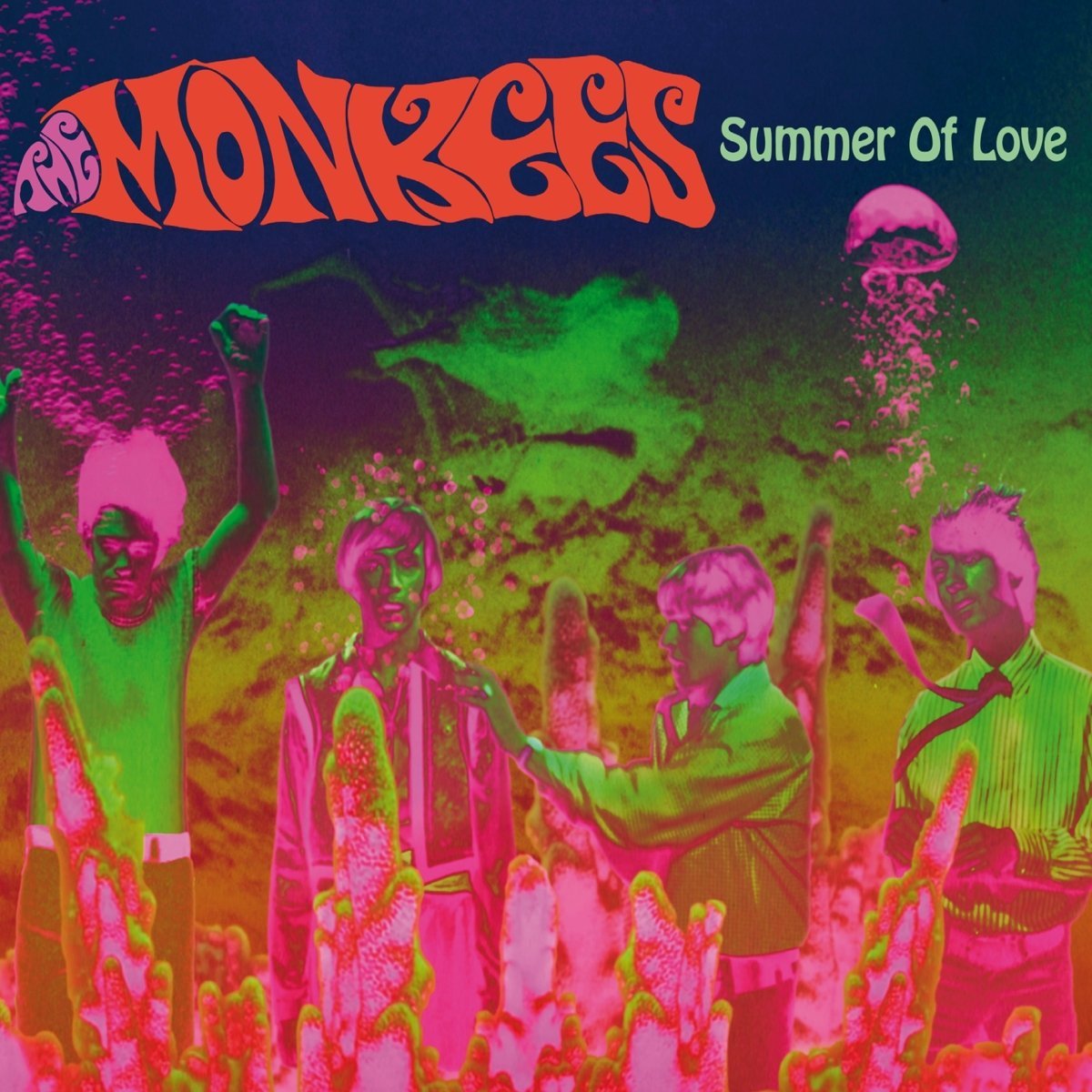
The Monkees-Summer Of Love.
Label: Rhino.
Even today, The Monkees divides the opinion of many critics and record buyers. Partly that is because of the perception that The Monkees were a manufactured band that was the brainchild of television executives. Despite that, The Monkees went on to enjoy a long successful career. They also released a number of psychedelic songs that feature on Summer Of Love. It features some of the finest moments of The Monkees’ dalliance with psychedelia. Sadly, The Monkees’ psychedelic side of The Monkees is oft-overlooked and makes a welcome appearance on Summer Of Love which shows another side of America’s very own fab four.
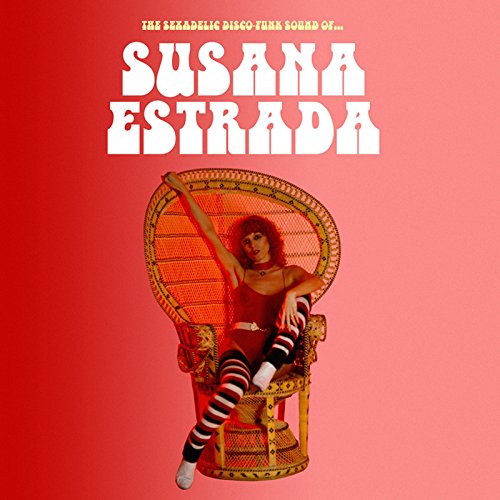
The Sexadelic Disco-Funk Sound of…Susana Estrada.
Label: Espacial Discos
After Franco’s death, Spain began the transition to a liberal democratic state. Meanwhile, a sexual revolution was taking place, and Susana Estrada a singer, model and actress and Susana Estrada represented the new Spain. She was independent and modern women, who lived her life on her terms and wanted to bring about change. She was an advocate for women’s rights, sexual liberation and freedom. One of the ways she sought to bring about change was through the music on The Sexadelic Disco-Funk Sound of…Susana Estrada. It feathers singles, B-Sides and the unreleased track Tócame. Quite simply, The Sexadelic Disco-Funk Sound of…Susana Estrada is a truly comprehensive overview of Susana Estrada’s musical career, and is the perfect introduction to one of Spain’s Euro Disco divas.
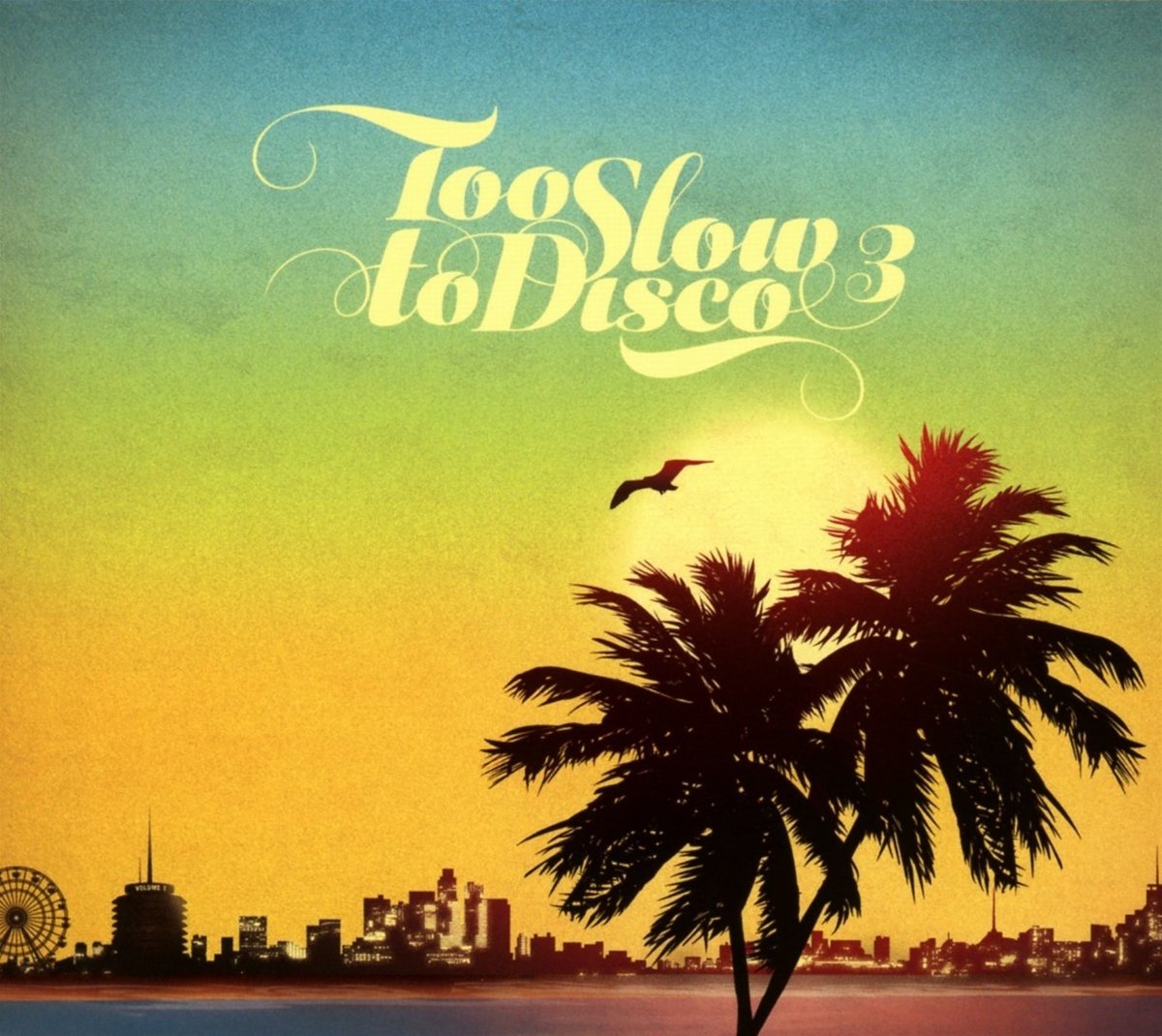
Too Slow To Disco Volume 3.
Label: How Do You Are?
No longer is Yacht Rock a guilty pleasure enjoyed by discerning record buyers. Instead, record buyers everywhere are jumping onboard the yacht and enjoying the party. However, the music on Too Slow To Disco Volume 3 aren’t dance tracks. They’re Too Slow To Disco, and are best described as mood music. It’s what the beautiful people listened to in the seventies. That comes as no surprise, as much of the music oozes quality. It’s mellow and laid back with the lush harmonies, swathes of strings and clever chord progressions part of well written and carefully crafted songs. They play their part in the West Coast sound’s slick, hook-laden and timeless sound. A reminder of this can be found on Too Slow To Disco Volume 3, which like previous instalments in the series, epitomises everything that’s good about the Yacht Rock.
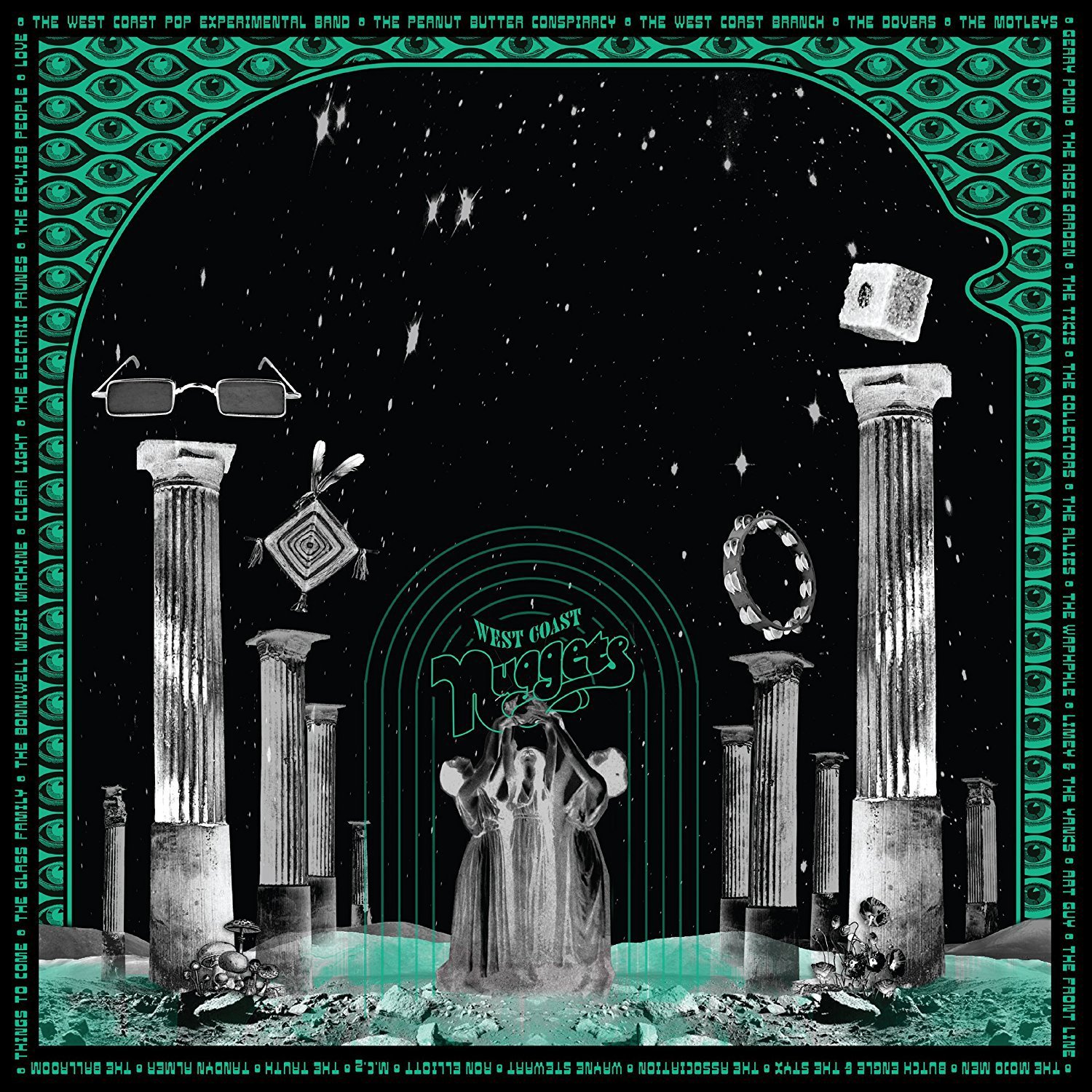
Transparent Days: West Coasts Nuggets.
Rhino.
To celebrate the fiftieth anniversary of the Summer Of Love, a two-LP set Transparent Days: West Coasts Nuggets which was compiled by Alec Palao was released. It features thirty songs, including contributions from The West Coast Pop Art Experimental Band, The West Coast Branch, Gerry Pond, The Tikis, Art Guy, The Mojo Men, The Association, The Truth, The Bonniwell Music Machine, The Electric Prunes and Love. These are just a few of the bands that feature on Transparent Days: West Coasts Nuggets that provided the soundtrack to the Summer Of Love. These songs on Transparent Days: West Coasts Nuggets ooze quality and are sure to bring memories come flooding back for music fans of a certain vintage.
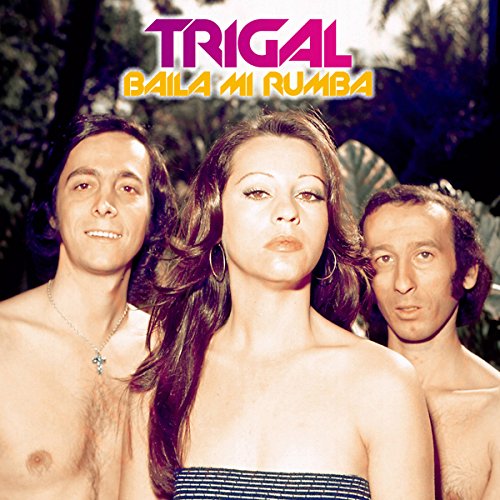
Trigal-Baila Mi Rumba.
Label: Pharaway Sounds.
When Trigal signed to Belter Records in 1975, this was the start of a musical adventure that would last five years and see the band release two albums and four singles. They featured Trigal’s unique and inimitable fusion of gypsy rumba-funk and flamenco pop, which found favour with audiences the length and breadth of Spain. Especially between 1976 and 1977, which was Trigal’s “classic period.” Sadly, though, nothing lasts forever. By 980,Trigal decided to call time on their career, as their popularity was declining. The Trigal story may have been over but the trio had made their mark on Spanish music.
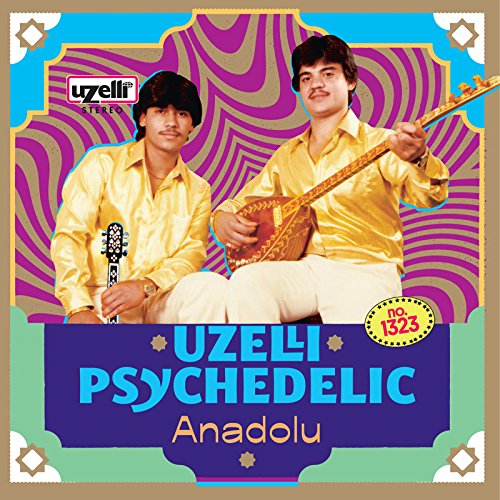
Uzelli Psychedelic Anadolu.
Label: Uzelli.
Although Uzelli Psychedelic Anadolu features music from the seventies, which was a turbulent time in Turkey’s history, this provided inspiration for many of the musicians that feature on this compilation of Turkish psychedelia. This included Zor Beyler, Erkin Koray, Kerem Güney, Aşık Emrah and Elvan Sevi who pioneered Anatolian psychedelia. It was born when Turkish musicians plugged in their traditional instruments. In an instant, a musical revolution began, which is documented on Uzelli Psychedelic Anadolu, which is a perfect introduction to Turkish psychedelia.
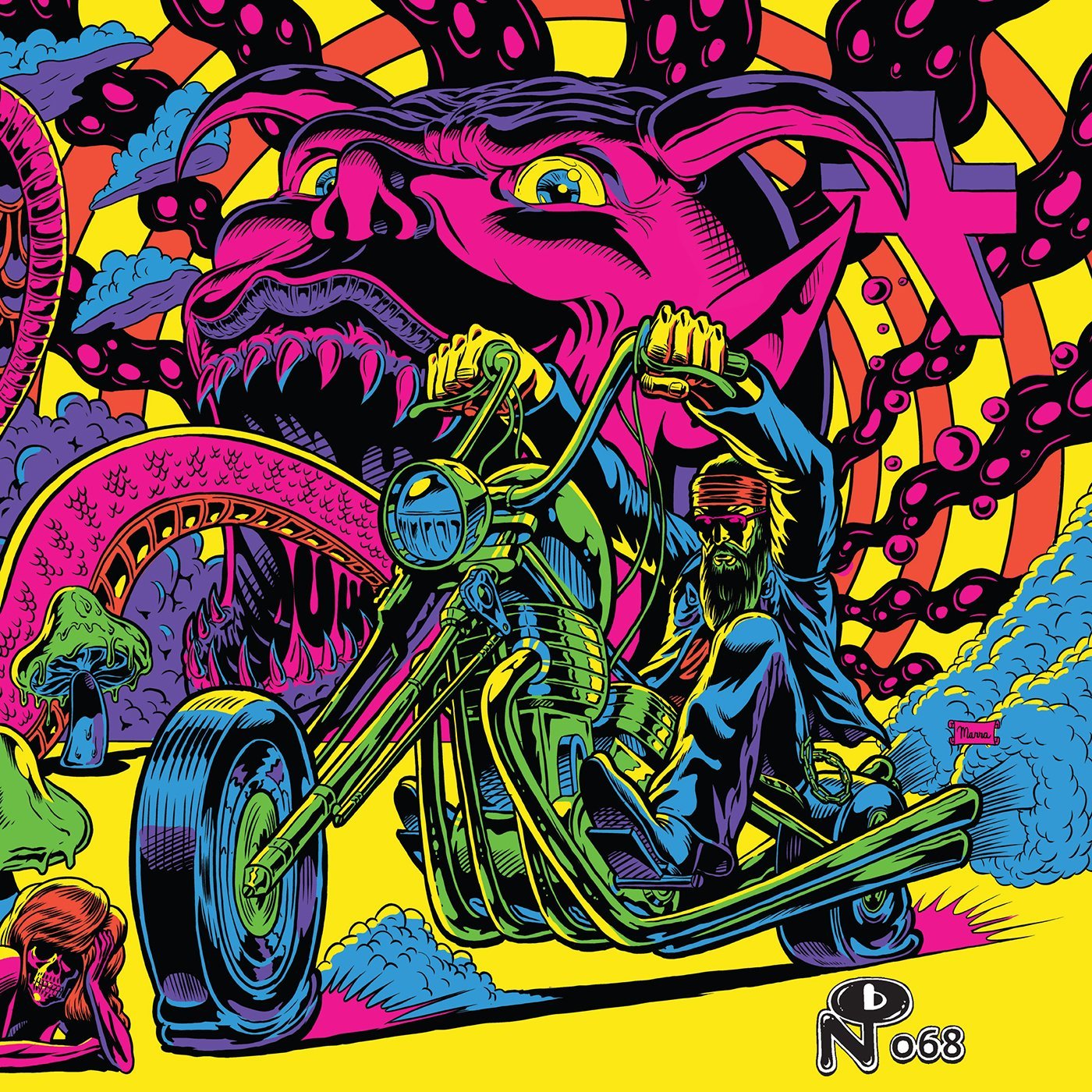
Warfaring Strangers: Acid Nightmares.
Label: Numero Group.
One of the psychedelic compilations of 2017 was Warfaring Strangers: Acid Nightmares, which documents an oft-overlooked and intriguing part of the psychedelic era. This came after the optimism of the hippie movement came to a sudden end. Gone was the hopeful, positive and sunshine psychedelia. In its place, was a darker and much more abrasive and lysergic style of music. Sometimes, there was a paranoia to the music, as if the hippie dream was now a nightmare. That was the case for some musicians who were ill-suited to L.S.D. and other hallucinogenic drugs. Just like Icarus, they had flown to close to the sun, and never recovered from their ill-judged dalliance with hallucinogenic drugs.
Yasuaki Shimizu-Music For Commercials: Made To Measure Volume 12.
Label: Crammed Discs.
In 1987, Crammed Discs released an album that went on become one of their most sought after releases, Yasuaki Shimizu’s Music For Commercials, which featured twenty-four tracks. Twenty-three was short pieces of music which were originally meant to provide the soundtrack to commercials on Japanese television. They showcased Yasuaki Shimizu’s versatility as a composer and saxophonist as he flitted between musical genres on tracks that featured titles like Seiko 1, Boutique Joy, Sharp 1, Honda and Bridgestone 4. These tracks lasted less than two-minutes. The exception was Ka-Cho-Fu-Getsu which was the soundtrack to a computer-animated short film. Just like the rest of Music For Commercials it’s a captivating introduction to Yasuaki Shimizu, whose a truly talented, versatile, and innovative composer and musician.

THE BEST BOX SETS OF 2017.
The Best Box Sets Of 2017.
Each and every year, hundreds, if not thousands of box sets are released by independent and major record companies, and usually there’s something for every budget. That is also the case on list of the Best Box Sets of 2017, which features box sets that cost £10 right up to £100. There’s something for every budget on The Best Box Sets of 2017.
Bob Marley and The Wailers-Exodus 40.
Label: Commercial Marketing.
To celebrate the fortieth anniversary of the release of Bob Marley and The Wailers’ classic album, Exodus, a triple CD box set Exodus 40 was released in the summer of 2017. Disc one featured the original version of Exodus which was released in 1977, while disc two features Exodus 40: The Movement Continues album. The third disc features Bob Marley and The Wailers’ recorded live at London’s Rainbow Theatre in June 1977. This concert has never been released before and features eight previously released tracks. This is an added bonus and one of three reasons to add Exodus 40 to your collection.

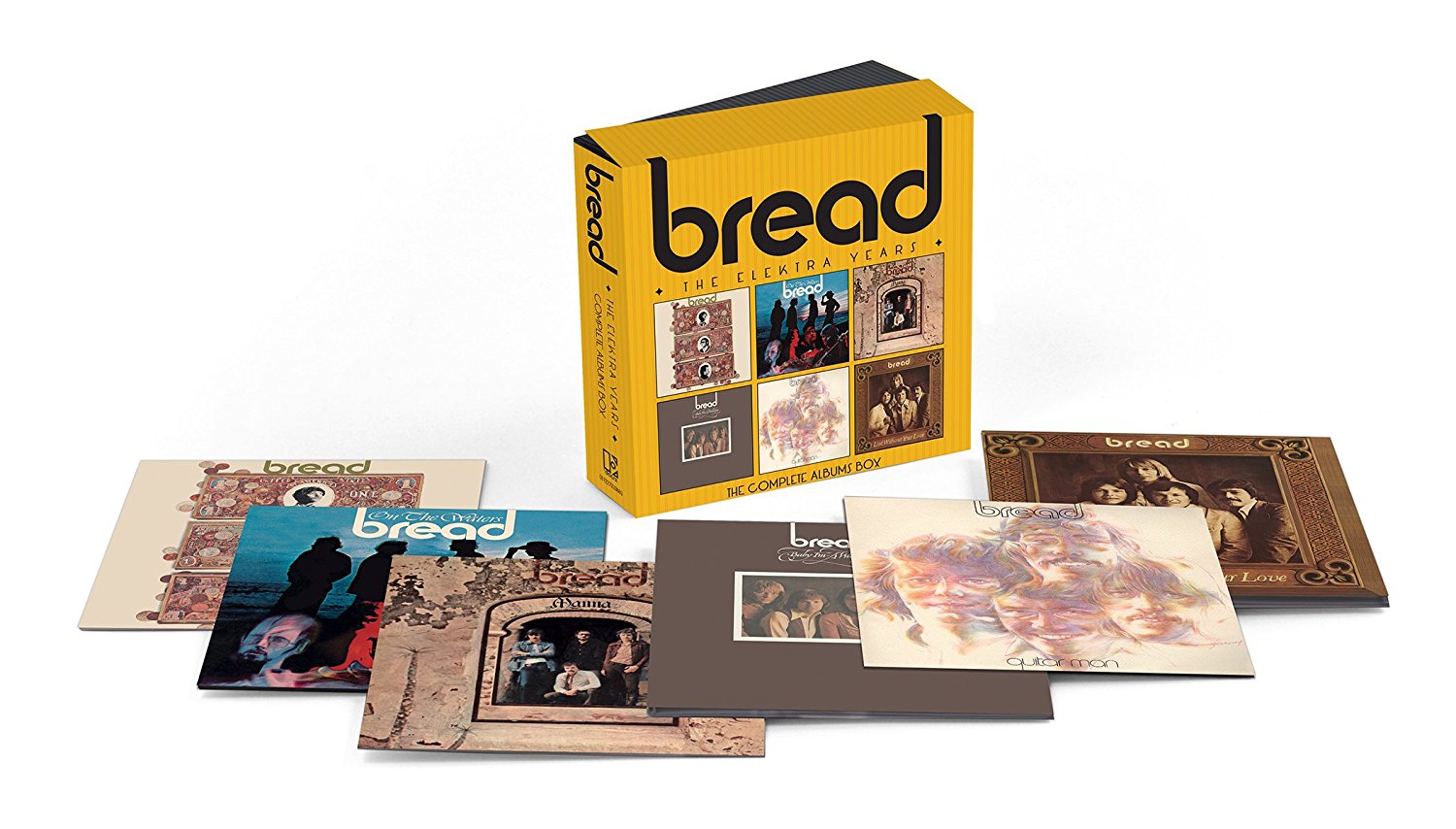
Bread-The Elektra Years: Complete Albums Box.
Label: Elektra Records.
Bread’s entire career was spent at Elektra Records, where they recorded six carefully crafted album of soft rock between 1969 and 1977. This began with the release of their debut album Bread in 1969. After that, Bread could do no wrong. Their 1970 sophomore album On The Water was certified gold, and so was 1971s Manna, 1972s Baby I’m-a Want You and Guitar Man and Bread’s swan-song Lost Without Your Love in 1977. By then, Bread had been crowned Kings of soft rock and The Elektra Years: Complete Albums Box is a reminder why.
The Brain Box – Cerebral Sounds Of Brain Records 1972-1979
Label: Brain.
In late 1971, Bruno Wendel and Günter Körber founded Brian Records, which would become one of the most important record labels in the history of German music. Brain Records would release some of the important, influential and innovative Krautrock, Berlin School and progressive rock albums during the seventies. It was home to everyone from Cluster, Guru Guru, Harmonia, Jane, Novalis and Tangerine Dream, who all featured on The Brain Box-Cerebral Sounds Of Brain Records 1972-1979. It’s a limited edition eight CD box that features eighty-three tracks and is the perfect introduction to a legendary label, Brain Records.
Dr. John-The Atco Albums Collection.
Label: Atco.
The Atco Albums Collection features the seven albums that Dr. John released for Atco between 1968 and 1974. He released his debut album Gris-Gris in 1968, which was followed by 1969s Babylon, 1970s Remedies, The Sun, 1971s Moon and Herbs, 1972s Dr. John’s Gumbo, 1973s In The Right Place and 1974s Desitively Bonnaroo. By then, Dr. John had released some of the best music of long and illustrious career. These albums find Dr. John’s fusing blues, boogie woogie, jazz and rock ’n’ roll to create his unique sound that can be heard on the seven albums within The Atco Albums Collection. It’s the perfect introduction to a musical legend, Dr. John.
Focus-Hocus Pocus Box.
Label: Red Bullet
One of the giants of continental progressive rock was Focus, whose career is celebrated on the Hocus Pocus Box. It features thirteen CDs, including every album the band released between 1967 and 1973. This includes In and Out Of Focus, Focus II-Moving Waves, Focus III, Hamburger Concerto and the live album At The Rainbow. There’s also Jan Akkerman and Thijs van Leer’s 1985 album Focus and albums featuring Focus led by Thijs van Leer. By then, Jan Akkerman was no longer a member of Focus, and the newly reinvigorated band were receiving rave reviews. These albums, plus the albums released between 1967 and 1973, make the Hocus Pocus Box the perfect introduction to Focus.
Jethro Tull-Τhe Country Set: Songs From The Wood 40th Anniversary Edition.
Label: PLG UK Catalog.
By 1977, Jethro Tull’s music began to change direction on Songs From The Wood, which was their first album to celebrate British pagan folklore and life in the countryside. It was released to critical acclaim and was certified gold in America and Canada.
Forty years later in 2017, Jethro Tull released Τhe Country Set: Songs From The Wood 40th Anniversary Edition as a 3CD and 2DVD box set. Disc one features the original album and previously unreleased material, while discs two and three feature Jethro Tull Live In Concert 1977. Then on disc four and five there’s various mixes of Songs From The Wood and Live In Concert 1977. This is an outstanding reissue and is an example of how to reissue an album properly.
John Morales Presents The M&M Mixes Volume IV.
Label: BBE.
John Morales Presents The M&M Mixes Volume IV is the most ambitious album of the veteran DJ and remixer’s career, and finds him remixing twenty-seven tracks across four CDs. This ranges from disco and boogie to soul and funk. The result is one of the best albums of remixes released during 2017, and is another reason why John Morales should be considered as the rightful heir to Tom Moulton, and assume his title as The Master of the remix.
Marillion-Misplaced Childhood.
Label: Rhino.
When there was a resurgence of interest in progressive rock during the eighties, one of the leading lights of the Nu Prog scene was Marillion who released their classic album Misplaced Childhood in 1985. It was reissued during 2017 as a 4CD and DVD set. Disc One features a remastered version of Misplaced Childhood, while discs two and three feature Live At Utrecht 1985. There’s also singles, B-Sides and demos on disc four, while the DVD, disc five features the Steven Wilson Remixes and promo mixes. For anyone yet to discover Marillion’s Nu Prog classic Misplaced Childhood, then this box set offers the perfect opportunity.
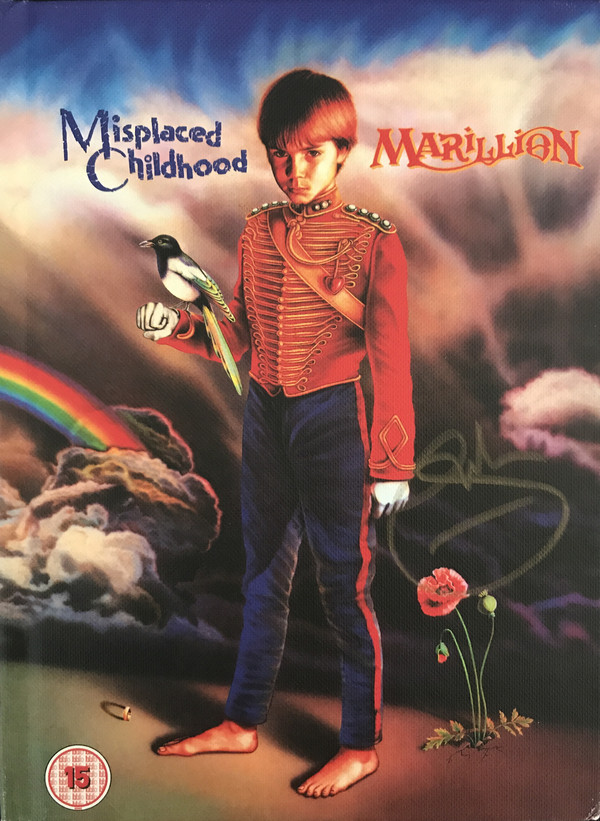
Michael Cosmic-Peace In The World and Phill Musra Group-Creator Spaces.
Label: Now Again Records.
All to often, private presses released during the seventies passed record buyer by. That was the case with Phill Musra Group’s Creator Spaces in 1974 and Michael Cosmic’s Peace In The World in 1975. Both albums had the potential to transform and launch their careers. Sadly, that wasn’t to be and it wasn’t until 2017 that the two albums were released as part of 3CD set. They’re joined by World’s Experience Orchestra’s debut album The Beginning Of A New Birth which was recorded in 1975 and features Phill Musra and Michael Cosmic. These three groundbreaking and genre-melting albums feature ambitious and innovative music that hopefully, will find the audience it so richly deserves.

Suzanne Vega-5 Classic Albums.
Label: Spectrum Audio.
One of the greatest singer-songwriters of the past thirty-five years is Suzanne Vega, whose most successful period was between 1985 and 1996. During this eleven-year period, she enjoyed commercial success and critical acclaim with her unique fusion of pop, rock and folk. This began with her debut Suzanne Vega in 1985, which was followed with 1987s Solitude Standing, 1990s Days Of Open Hand, 1992s 99.9F° and Nine Objects Of Desire in 1996. These albums were released as a box set as part of the 5 Classic Albums’ series during 2017, and is the perfect opportunity to discover or rediscover Suzanne Vega at the peak of her powers.
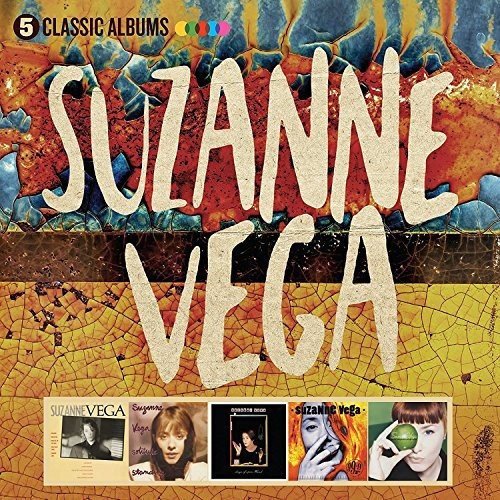
Tim Buckley-The Complete Album Collection.
Label: Rhino.
Although Tim Buckley was just twenty-seven when he passed away in 1975, he had already released nine albums for Elektra Records. These albums feature in The Complete Album Collection, and begin with his 1966 debut album Tim Buckley. This was followed by 1967s Goodbye and Hello, 1969s Happy Sad and Blue Afternoon, 1970s Lorca and Starsailor, 1972s Greetings from L.A, 1973s Sefronia and his 1974 swan-song Look At The Fool. By then, Tim Buckley had reinvented himself several times, moving from folk rock in the early days, to avant-garde rock in his middle period and latterly, his sex-funk period. These different periods of Tim Buckley’s career showcase a hugely talented and chameleonlike singer who should’ve reached greater heights during his lifetime.
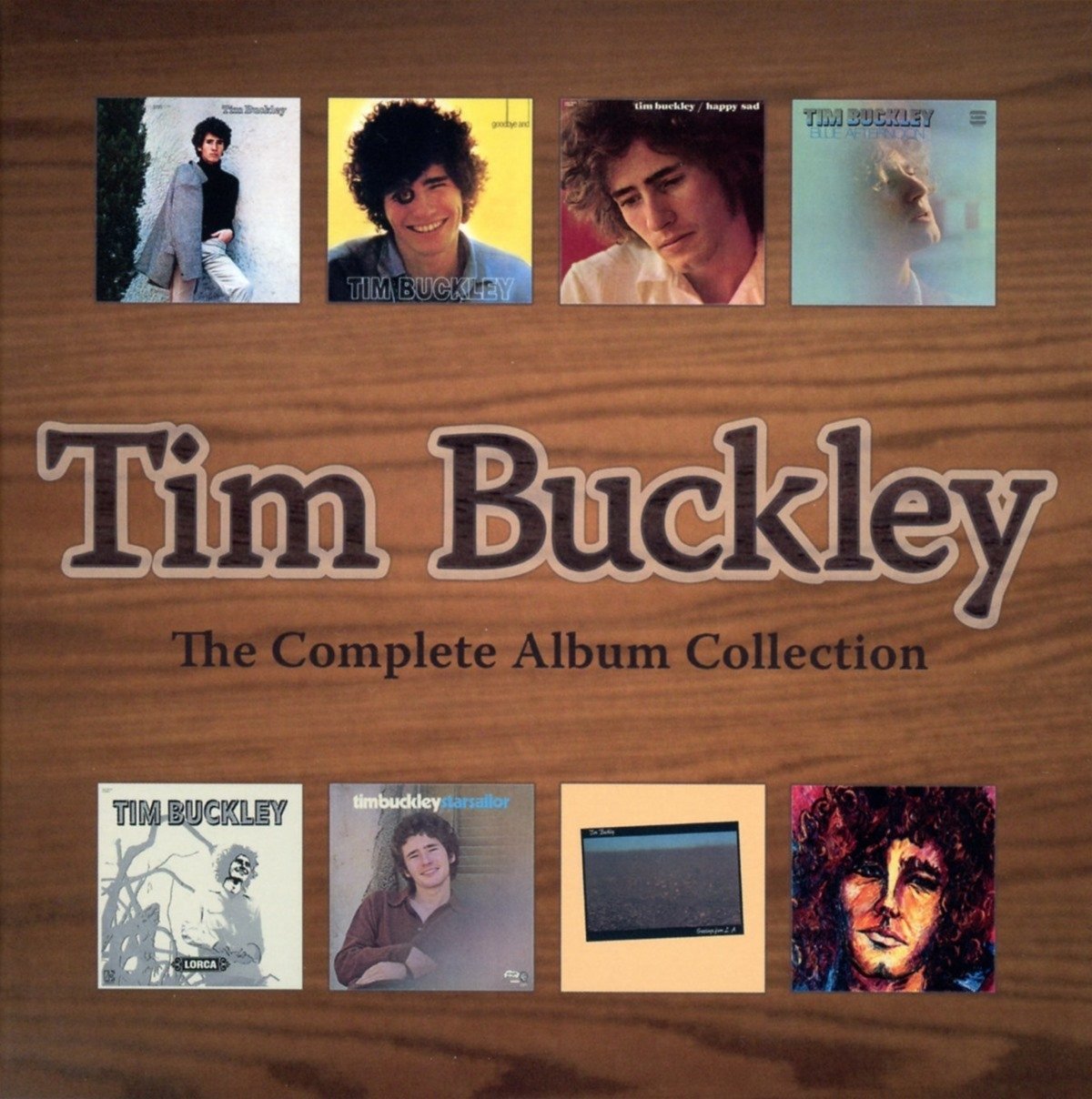
The Stylistics-5 Classic Albums.
Spectrum Audio.
After signing to Avco, producer Thom Bell and his songwriting partner Linda Creed transformed the career of The Stylistics, a Philly based vocal group lead by Russell Thompkins Jr. Their first three albums 1971s The Stylistics, 1972s Round 2 and 1973 Rockin’ Roll Baby sold over a million copies and resulted in eight consecutive ten top US R&B singles. Despite this success the production team Hugo and Luigi took over for 1974s Let’s Put It All Together and Heavy. By then, The Stylistics were no longer as popular and their best days were behind them. However, 5 Classic Albums is worth buying for the trio of albums produced by Thom Bell, which features many a Philly Soul classic.
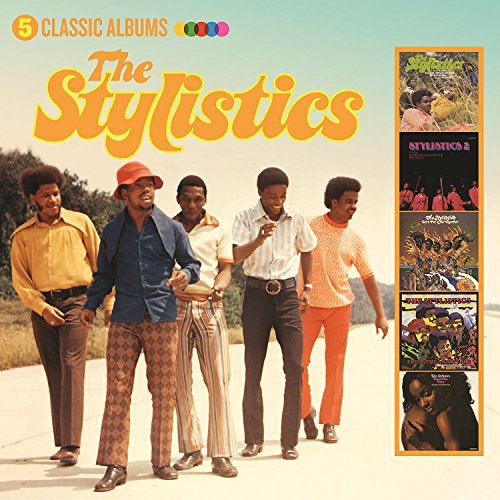
Welcome To Zamrock! Volume 1 (How Zambia’s Liberation Led To A Rock Revolution 1972-1977).
Label: Now Again Records.
When Welcome To Zamrock! Volume 1 was released it came with a 103 page hard cover book that documents life in the Republic of Zambia after the end of colonial rule. Led by its first president Kenneth Kaunda, conflict, poverty and isolation were problems for the newly independent country. However, between 1972 and 1977, a rock revolution was taking place and Zamrock flourished. Fuzz guitars, driving rhythms, James Brown’s funk as Jimi Hendrix’s rock influenced Ngozi Family, Witch, Crossbones and Machine Gunner during this revolution. They all feature on Welcome To Zamrock! Volume 1 which is the perfect introduction to what was golden period for Zambian music.
Welcome To Zamrock! Volume 2 (How Zambia’s Liberation Led To A Rock Revolution 1972-1977).
Label: Now Again Records.
Just like the first volume, in Welcome To Zamrock! Volume 2 is accompanied by a 103 page hardcover book. It documents the history of the Republic Of Zambia leading up to, and during the Zamrock revolution. Groups like Crossbones, Witch, The Five Revolutions, Tinkles, Salty Dog, Peace and Fireballs were among the leading lights of the Zamrock revolution and can be heard on Welcome To Zamrock! Volume 2. It’s another essential buy for anyone with even a passing interest in Zamrock or African music.
Wells Fargo-Watch Out!
Label: Now Again Records.
During the mid-seventies, heavy rock was at the peak of its popularity in Rhodesia, which nowadays, is known as Zimbabwe. One group of the pioneers of Zimbabwean heavy rock was Wells Fargo. They emerged as a rock ’n’ roll counterculture that was based upon hippie ideals and the sounds of Jimi Hendrix and Deep Purple took shape in Zimbabwe. Over the next few years, heavy rock and groups like Wells Fargo united young people from different social and racial backgrounds. In doing so, Wells Fargo defied the laws on segregation and risked arrest by the secret police as they made a stand for democratic change. One of their most popular track Watch Out, which lends its name to the box set, became a counterculture anthem, and is a tantalising taste of Wells Fargo in their prime.
THE BEST NORDIC WAVE RELEASES OF 2017-PART 1.
The Best Nordic Wave Albums Of 2017-Part 1.
At this time of year, the lists of the best albums of the previous year are published. This year, a list of the best new albums, best reissues, best compilations and best box sets will be published. However, the first list covers the Nordic Wave albums released during 2017. It proves that the music scene in Norway and the rest of Scandinavia is just as vibrant as in previous years.
1982-Chromola.
Label: Hubro Music.
Norwegian power trio 1982 celebrated their tenth anniversary with the release of their fifth album Chromola. It’s an almost flawless album that is a genre-melting roller coaster that sometimes, takes on a liturgical sound. That is no surprise as Chromola was recorded in a church. The result was a captivating, ambitious and innovative album of multilayered, cinematic soundscapes that are full of textures, nuances and subtleties whew 1982 they continue to rewrite the musical rulebook in their quest to create groundbreaking music. This succeed in doing do on Chromola, which is a career-defining album from 1982.
A Projection-Framework.
Label: Tapete Records.
Framework was formed in 2013 and in 2015, released their critically acclaimed debut Exit. Two years later and Stockholm based A Projection returned in 2017 with Framework their much-anticipated sophomore album Framework. It’s a fusion of eighties electronica, indie rock and post punk that has been influenced Depeche Mode, New Order, Siouxsie and The Banshees, The Cult and The Cure. These influences play their part in the sound and success of Framework hook-laden where anthems sit side-by-side with beautiful ballads and eighties inspired tracks.
Anneli Drecker-Revelation For Personal Use.
Label: Rune Grammofon.
Thirty-years after coming to prominence as the lead singer of the Norwegian band Bel Canto, Anneli Drecker released her fourth solo album Revelation For Personal Use. It’s a career defining album from Anneli Drecker that surpasses the quality of 2015s Rocks and Straws. That was never going to be easy as Rocks and Straws had set the bar high for future albums. However, the Queen of Arctic Electronica, Anneli Drecker, rose to challenge and returned with her musical Magnus Opus, Revelation For Personal Use, which features music that ranges from memorable and melodic, to anthemic to heartbreakingly beautiful.
Arve Henriksen-Towards Language.
Label: Rune Grammofon.
Pioneering Norwegian jazz trumpeter Arve Henriksen returned in 2017 with his ninth solo album Towards Language, which was described by some critics as a jazz album. However, Towards Language is much more than a jazz album, and is a genre-melting epic. Arve Henriksen and his band combined elements of ambient, avant-garde, with electronic, experimental, improv industrial music and even modern classical and free jazz. The result is a truly groundbreaking and thoroughly modern album where electronics instruments, samples and found sounds accompany Arve Henriksen’s trumpet and allow it to shine as he continues to make tomorrow’s music, today.
Ane Brun-Leave Me Breathless.
Label: Balloon Ranger Recordings.
Ane Brun’s solo career began in 2003, and fifteen years later, she’s one of the most successful Norwegian singer-songwriters. Last year,Ane Brun, released her eighth studio album Leave Me Breathless which was an album of cover versions where she reinvents songs by Bob Dylan, Tom Petty, Nick Cave, Joni Mitchell, Lucinda Williams and songs made famous by Foreigner, The Righteous Brothers and Radiohead. These songs are transformed and take on new life and meaning as Ane Brun redefines these familiar songs Leave Me Breathless which is the best album of cover versions released during 2017.

Bjorn Mayer-Provenance
Label: ECM Records.
Ever since Manfred Eicher founded ECM Records, his label had released many solo bass albums. However, until the release of Bjorn Mayer’s Provenance, ECM Records had never released an album where the electric bass takes centre-stage. The Swedish bassist, whose now based in Switzerland, recorded Provenance at the Auditorio Stello Molo RSI in Lugano. This was the perfect place to record a Provenance, as Bjorn Mayer knew the importance of the “room.” It proved extremely responsive space and helps bring out the subtleties and nuances in Bjorn Mayer’s landmark album Provenance which proves that sometimes, less is more.
Black Moon Circle-Flowing Into The 3rd Dimension
Label: Crispin Glover Records.
In mid-2015 Trondheim-based Black Moon Circle announced their intention to release three albums of Studio Jamms. Just over two years later, they returned with the final instalment in this critically acclaimed series, Flowing Into The 3rd Dimension. It’s another ambitious, genre-melting adventure into sound with Black Moon Circle, and is their hardest rocking and the finest album of their five-year career. Flowing Into The 3rd Dimension is a reminder that the future of rock is in safe hands, thanks to groups like Black Moon Circle, with their pioneering and hard rocking brand of psychedelic space rock.

Brutter-Reveal And Rise.
Label: Hubro Music.
Brothers Christian Wallumrød and Fredrik Wallumrød have both forged successful music careers since graduating from the Jazz Program at Trondheim Musikkonservatorium. Much of their time is spent working with other musicians. However, the brothers reunited to record Brutter’s sophomore album Reveal And Rise. Brutter manipulates an array of sounds whilst using sonic trickery and sleight of hands as they pose a series of questions and challenge musical norms? Brutter also let imagination run riot on Reveal and Rise, an album of anti-techno that is ambitious, cerebral, innovative, playful, witty and engaging.
Cakewalk-Ishihara.
Label: Hubro Music.
Three years after the release of Cakewalk’s critically acclaimed sophomore album Transfixed, the Norwegian supergroup returned in 2017 with their much-anticipated, third album, Ishihara. It finds musical mavericks Cakewalk at their innovative best, on what’s without doubt, their most ambitious album of carefully sculpted soundscapes. To create them, Cakewalk deploy traditional instruments, synths, plus a myriad of special effects and samples. They become part of Cakewalk’s carefully crafted musical tapestry, Ishihara. It’s a genre-sprawling, vibrant, cinematic epic from sonic explorers Cakewalk, who reach new heights on their much-anticipated third album Ishihara.

Carbon Based Lifeforms-Derelicts.
Label: Blood Music.
After a five-year wait, Göteborg-based ambient psychedelia pioneers Carbon Based Lifeforms returned with Derelicts, their carefully crafted comeback album. It featured soundscapes that veer between cerebral and ruminative while others are futuristic and otherworldly and dreamy, elegiac and ethereal. Some are dramatic and urgent, others edgy and trippy, but like the rest of are captivating cinematic. Sometimes, Carbon Based Lifeforms throw a curveball, and soundscapes head in unexpected directions, before normality is restored as they continue to take the listener on a lysergic magical mystery tour which features surprises aplenty for the unsuspecting listener.
THE BEST NORDIC WAVE RELEASES OF 2017-PART 2.
The Best Nordic Wave Releases Of 2017-Part 2.
Danish String Quartet-Last Leaf.
Label: ECM Records.
Nowadays, the Danish String Quartet is regarded by many critics as the most exciting young string quartets in Europe, if not the world. They’ve been breathing new life and meaning into contemporary compositions and the classical repertoire. However, when the Danish String Quartet released their debut album Wood Works in 2014 it was a foray into Nordic folk music. So too, is the Danish String Quartet’s much-anticipated sophomore album Last Leaf. It’s another captivating and near flawless foray into the world of Nordic folk music from the Danish String Quartet who further enhanced their reputation on Last Leaf.
Eivind Opsvik-Overseas V.
Label: Loyal Label.
When Eivind Opsvik returned with Overseas V last year, it was an ambitious, inventive, innovative and genre-melting music. He was accompanied by his band Overseas as they fused disparate musical genres including everything from avant-garde and art rock to free jazz funk and fusion and even, post punk and progressive jazz. The result was a captivating musical journey where the soundscapes are concise and immediate. They’re also atmospheric, edgy, challenging, melodic, hook-laden and rhythmic. While rhythm is more important than melody and atmosphere on Overseas V, the music is still cinematic on what’s Eivind Opsvik’s finest hour.
Erik Honoré-Unrest.
Label: Hubro Music.
Although Erik Honoré’s career has spanned four decades, he only released his debut album Heliographs in 2014. Three-years later, and Erik Honoré returns with his eagerly awaited sophomore album Unrest. It’s another ambitious album of imaginative, innovative and influential music as befits one of the leading lights of the Norwegian music scene. However, Erik Honoré reaches new heights on Unrest, which is a captivating album which feature a mixture of intensity, darkness, drama, emotion and ethereal beauty, that sometimes, features a ruminative sound that invites reflection as one of Norwegian music’s pioneers, paints pictures with his cinematic soundscapes.
Erlend Apneseth-Nattsongar.
Label: Heilo.
Back in 2016, Erlend Apneseth who is one of Norway’s top Hardanger fiddle players, was commissioned to write the music that became Nattsongar, for the Førde Festival. When it came time for Erlend Apneseth to record his sophomore album, he decided to take the music on Nattsongar much further. The result was an ambitious and eclectic album where Erlend Apneseth and a band of top musicians, drew inspiration from folk music from all over the globe. In dong so, Erlend Apneseth concentrates on the commonality, rather than the differences between music on Nattsongar which is enchanting and engaging album.
Erland Dahlen-Clocks.
Label: Hubro Music.
When Erland Dahlen recorded his third solo album Clocks, he followed in the footsteps of American composer, music theorist and creator of bespoke musical instruments Harry Partch. He successfully transformed everyday items into musical instruments and inspired Erland Dahlen when he came to record Clocks. It’s a genre-meting album that veers between dark and dramatic, to elegiac and ethereal, to eerie, futuristic, haunting and otherworldly. Other times, the music is evocative, before becoming emotive and uplifting and sometimes, ruminative and thought-provoking. Quite simply, Clocks is a breathtaking album of atmospheric cinematic soundscapes from sonic pioneer, Erland Dahlen
Erlend Apneseth Trio-Åra.
Label: Hubro Music.
Just a year after the Erlend Apneseth Trio released their critically acclaimed debut album Det Andre Rommet, they returned with their sophomore album Åra. It’s another album of original music that is an almost perfect improvised update of the post modern string trio. This is no surprise, as the Erlend Apneseth Trio feature master musicians who have dedicated their lives to the pursuit of musical perfection. They come tantalizingly close on Åra, which is another groundbreaking album of inventive, and imaginative music from a pioneering group of like-minded musicians that sets the bar high for future albums.
Gonimoblast-Gonimoblast Live.
Label: Stoney Lane Records.
When London and Midlands five-piece electronica band Gonimoblast released their Gonimoblast Live in the summer of 2017, it featured two special guests Norwegian musical pioneers Arve Henriksen and Maja S.K Ratkje. They play their part in the sound and success of Gonimoblast Live, where electronica, jazz and improv are combined by seven multitalented musicians. They create Gonimoblast Live, which is captivating live album where the music is ambitious, adventurous and sometimes, mysterious, as subtleties and surprises are revealed on this truly groundbreaking album.
Gjermund Larsen Trio-Salmeklang.
Label: Heilo.
To mark the tenth anniversary of the Gjermund Larsen Trio, they return with their fourth album Salmeklang. Just like previous albums, bandleader Gjermund Larsen writes most of the music on Salmeklang. The result is an album where the music is atmospheric, melodic album and benefits from an intimacy and sensitivity. It’s as if Gjermund Larsen knows exactly what the listener wants to hear and sets out to deliver it. This he succeeds on doing so on Salmeklang, which is the highpoint of the Gjermund Larsen Trio’s career so far.
Goran Kajfeš Subtropic Arkestra-The Reason Why Volume 3.
Label: Headspin Recordings.
It was back in 2013 when the Goran Kajfeš Subtropic Arkestra released the first instalment in The Reason Why trilogy. Four years later came The Reason Why Volume 3 which was the most ambitious and eclectic volume in the series. It found the Goran Kajfeš Subtropic Arkestra fusing free jazz, fusion, jazz and rock with avant-garde, experimental and African music on this eclectic, genre-melting album of cover versions. Goran Kajfeš Subtropic Arkestra had kept the best until last and reached heights on The Reason Why Volume 3 which is a triumphant ending to this memorable trilogy.
Hanne Hukkelberg-Trust.
Label: Propeller Recordings.
Hanne Hukkelberg’s fifth album Trust is without doubt the most cerebral and thought-provoking album of her career. It’s also an album that is based on the Norwegian singer-songwriter’s own personal experience and observations. They played their part in the reinvention of Hanne Hukkelberg on Trust, which is a cerebral and thought-provoking album that features melodic, memorable, anthemic and hook-laden music. Trust is also a very personal album from Hanne Hukkelberg that features beautiful, poignant music from the one of Norway’s most innovative and influential singer-songwriters who constantly seeks to reinvent her music.

THE BEST NORDIC WAVE RELEASES OF 2017-PART 3.
The Best Nordic Wave Releases Of 2017.
Hakon Stene and Kristine Tjogersen Michael Pisaro-Asleep, Street, Pipes, Tones.
Michael Pisaro’s Asleep, Street, Pipes, Tones’ is a quite beautiful electro-acoustic composition which features seventeen short movements lasting just over an hour. It was reinterpreted and recreated with care and accuracy by Håkon Stene and Kristine Tjøgersen, who create what’s akin to a partially frozen sonic world where even the smallest shifts of emphasis in an otherwise glacial rate of change appear to take on the dramatic status of major events. Meanwhile, the listener reflects on how humans receive and capture sound and music, during this thought-provoking electro-acoustic piece.
Havenaire-Rabot.
Label: Glacial Movements,
When John Roger Olsson a.k.a. Havenaire, released his sophomore album Rabot, the album cover featured two photographs by Swedish geographer Fredrik Enquist from 1910. These images inspired Havenaire to record one of the finest ambient albums of 2017, which features a cinematic sound that is rich in imagery. Suddenly the listener is standing alongside Fredrik Enquist and seeing the terrain as he sees it. This is only possible because of the music on Rabot, which is Havenaire’s stunning sophomore album, and an ambient arctic opus which showcases his cinematic sound that is rich in ethereal beauty and imagery.

Irabagon, Hegre and Drønen-Axis.
Label: Rune Grammofon.
It’s nearly five years since the Norwegian-American trio of Irabagon, Hegre and Drønen first collaborated in Berlin in June 2013. Since then, they’ve released their debut album Axis where they combine elements of avant-garde, experimental, free jazz, fusion, improv, noise and post rock on what’s an ambitious, challenging and innovative album. It finds the Norwegian-American trio play with freedom and inventiveness as the two lengthy tracks take countless twists and turns. However, never try to second guess Irabagon, Hegre and Drønen who are at their creative zenith on Axis.
Irene Tillung-Hildersyn.
Label: Heilo
During her career so far, accordionist Irene Tillung has worked as a musician, composer and arranger. More recently, though, she’s been studying film music scoring. Still, she found time to record a concept album Hildersyn that featured brand new music that was played by top folk, jazz and classical musicians. They combined to create a beautiful, distinctive and enchanting album of playful music.
Jan Erik Mikalsen: Saan.
Label: Aurora.
During 2017, Jan Erik Mikalsen emerged as one of the rising stars of the Norwegian contemporary music scene when he wrote the music on Saan. It features three impressive orchestral works which were interpreted by the Oslo Philharmonic and they Norwegian Radio Orchestra. These pieces are rich in texture and imagery and unmistakably Nordic in sound. Saan is also melodic and full of dramatic crescendos thanks to the combined talents of the Oslo Philharmonic and Norwegian Radio Orchestra.
Jonas Johansen-Charmcatcher.
Label: DME.
Many record buyers know Danish composer and drummer Jonas Johansen from his work with Band Mrazem, Danish Radio Big Band, Emborg Larsen Quintet, Fredrik Lundin Overdrive and Groove Factor. They’re just a few of the bands Jonas Johansen has played with over the years. Despite his busy schedule, Jonas Johansen is a successful solo artist who released his latest album Charmcatcher in 2017. This carefully crafted jazz album, which features The Flyover, Taa-Daa and Portrait, is another reminder of a truly talented and composer and drummer whose music deserves a much wider audience outside of his native Denmark.
Kjetil Mulelid Trio-Not Nearly Enough To Buy A House.
Label: Rune Grammofon.
In his native Norway, Kjetil Mulelid is regarded as one of jazz music’s rising stars. That is no surprise to anyone who has heard the Kjetil Mulelid Trio’s debut album Not Nearly Enough To Buy A House. It’s an album where the music is absorbing, atmospheric, bright, energetic, innovative music and melodic. Sometimes, though, the music becomes challenging as the Kjetil Mulelid Trio showcase their considerable skills. However, Not Nearly Enough To Buy A House is also a tantalising taste of a band with a big future ahead of them, the Kjetil Mulelid Trio.
Krokofant-Krokofant III.
Label: Rune Grammofon.
When Krokofant released their eponymous debut album in 2014, they were regarded as one of the rising stars of the Norwegian music scene. Three years and two albums later, critics are calling Krokofant one of the most exciting and innovative Norwegian groups. Proof of that is Krokofant III where Krokofant push musical boundaries, and constantly seek to reinvent themselves and their music. In doing so, they’ve created Krokofant III, which is a groundbreaking, genre-melting album and magnificent musical Magnus Opus.
Laurence Crane/Asamisimasa-Sound Of Horse.
Label: Hubro Music.
Laurence Crane and Asamisimasa’s partnership began in 2008, when they premiered White In Berlin at the Ultima festival in Oslo. Nine years later, they released Sound Of Horse which is album of Laurence Crane compositions. In Asamisimasa’s hands, these compositions become cinematic, dramatic, inventive, innovative minimalist and urgent. The music on Sound Of Horse is also ambitious and sometimes challenging, but continually captivates and sometimes, surprises the listener. Especially, when Asamisimasa throw a curveball and change direction musically as they continue in their mission to introduce Laurence Crane’s music to a much wider audience.
Marius Neset-Circle Of Chimes.
Label: Act
For many critics, composer and saxophonist Marius Neset has been seen as the natural heir to Jan Garbarek for the last couple of yeas. That is no surprise as Marius Neset is a talent saxophonist and composer. Proof of that is his latest album Circle Of Chime where he leads his usual quartet on an album where he plays with power, intensity and intricacy. Sometimes he showcases a bluesy, romantic sound before switching to a swinging, post bop sound. In doing so, Marius Neset showcases the difference sides of his music on Circle Of Chime. It’s an incredibly personal and cohesive album that captivates from the opening bars to the closing notes.
THE BEST NORDIC WAVE RELEASES OF 2017-PART 4.
The Best Nordic Wave Releases Of 2017-Part 4.
Motorpsycho-The Tower.
Label: Rune Grammofon.
When Motorpsycho released The Tower in 2017, it marked the debut of Tomas Järmyr, who became Motorpsycho’s fourth drummer in the band’s twenty-eight year history. He played his part in the creative birth of creative rebirth of Motorpsycho, and ensured that their vintage period that began in 2008 continued on The Tower. It’s an album that veers between Motorpsycho’s traditional hard rocking sound to a much more mellow, laid-back sound. This is quite different to previous albums, but resulted in The Tower Motorpsycho latest critically album giving the group their sixteenth top ten album in their native Norway.
Nils Økland Band-Lysning.
Label: Hubro Music.
Three years after releasing their debut album debut album Kjølvatn in 2014, the Nils Økland Band returned with their eagerly awaited sophomore album Lysning. It’s a genre-melting opus which veers between a liturgical sound to dark, dramatic and dreamy, to beautiful, and cinematic. Lysning is also enchanting, ethereal, emotive, evocative and full of imagery. Other times, the music on Lysning is rueful, wistful, poignant and guaranteed to tug at the listener’s heartstrings. Lysning is also an album that Nils Økland has spent a lifetime working towards, and is a career-defining innovative Magnus Opus that that showcases the Nils Økland Band’s unique and imitable genre-melting sound.
Nordic Circles-Under The Clouds.
Label: AMP Music and Records.
Over the last few years, the Scandinavian jazz scene has been enjoying another golden period. Proof of that is Nordic Circles which is a relatively new Norwegian jazz project whose raison d’être is to create unique jazz recordings where well-known and young up-and-coming musicians from the Nordic jazz genre collaborate. The first in this series was Winter Rainbow, with Under The Clouds the much-anticipated followup. It features a multitalented band who create music that veers between groove-oriented workouts to, loose, thoughtful and meditative tracks to beautiful, atmospheric ballads that feature Siril Malmedal Hauge’s vocals. She plays an important part in the sound and success of Under The Clouds, which showcases the truly talented Nordic Circles which features stars of today and tomorrow.
Ólafur Arnalds-Eulogy For Evolution.
Label: Erased Tapes Records.
By 2017, composer, multi-instrumentalist and BAFTA award-winning producer Ólafur Arnalds was a successful soundtrack composer, who had already released three critically acclaimed solo albums. This included his ambitious and cerebral debut album Eulogy For Evolution, which documents the journey of life from birth to death. It was written while Ólafur Arnalds was still a teenager, and released to plaudits and praise in 2007 as Ólafur Arnalds approached his twenty-first birthday. Critics were astounded than someone so young could record such a profound album. Ten years later, and that is still the case when Eulogy For Evolution was reissued.
Olli Ahvenlahti-Thinking, Whistling.
Label: We Jazz.
Previously, Olli Ahvenlahti has been a mainstay of the Finnish jazz scene and has also written scores to several comedy films and been the conductor of the Finnish Eurovision orchestra. That would have been more than enough for most musicians. Still though, Olli Ahvenlahti found time to launch a new trio with trumpeter Markku Johansson and bassist Pekka Pohjola. Their debut album is Thinking, Whistling, which flits between musical genres as the music veers between engaging, funky, ruminative and thoughtful. Sometimes, there’s a degree of humour on Thinking, Whistling, which features the welcome debut of Olli Ahvenlahti’s new trio.
Phonophani-Animal Imagination.
Label: Hubro Music.
Animal Imagination is the first solo album from Espen Sommer Eide’s occasional musical moniker since Kreken in 2010, and has been worth the seven-year wait. It’s an album of ambitious, imaginative and innovative music where Phonophani uses sonic trickery and sleight of hand as he deploys a variety of traditional and bespoke instruments. They became part of his musical arsenal on Animal Imagination, which is a truly innovative and ambitious genre-melting album. This what what’s expected from one of the leading lights and pioneers of the Norwegian music scene, Phonophani, on his comeback album Animal Imagination.
Raoul Bjorkenheim-Doors Of Perception.
Label: Cuneiform.
Doors Of Perception was the third album by guitarist and composer Raoul Bjorkenheim and his band Ecstasy, which features some of the talented and innovative Finnish musicians. This all-star band have accompanied Raoul Bjorkenheim for the past seven-years and as a result, are at the peak of their powers on Doors Of Perception. Drawing inspiration from John Coltrane, Jimi Hendrix, Henry Kaiser, John McLaughlin, Hedvig Mollestad Trio and Terje Rypdal they fuse elements of fusion and improv on Doors Of Perception which is a career-defining epic.
Reflections In Cosmo-Reflections In Cosmo.
Label: RareNoise Records.
When the latest Nordic supergroup Reflections In Cosmo released their eponymous debut album in early 2017, there was one thing missing…a bassist. This should’ve left a gaping hole. However, here was an album that featured exciting, ambitious and imaginative genre-defying music.Reflections In Cosmo’s playing was uncompromising and spontaneous, as they flit between and combine fusion, improv and rock on what’s one of the best debut albums of 2017.
Sky Music: A Tribute To Terje Rypdal.
Label: Rune Grammofon.
To celebrate the career of Terje Rypdal and to coincide with his seventieth birthday, lifelong fan and American experimental guitarist Henry Kaiser organised the recording of Sky Music: A Tribute To Terje Rypdal. It features many musicians who have been influenced by Terje Rypdal. This includes some of the great and good of Norwegian music, plus some musicians from much further afield. They reworked and reinvented tracks from Terje Rypdal’s back-catalogue, which became the double LP Sky Music: A Tribute To Terje Rypdal, which is a fitting homage to a legendary musician.
Sky Music: A Tribute To Terje Rypdal Volume 2.
Label: Rune Grammofon.
It turned out that there was more than enough music for the double album Sky Music: A Tribute To Terje Rypdal. There were two tracks that didn’t make it onto the album, Icing and Filmore ’76, which is based on a 1978 live performance at Radiohuset Studios, in Stockholm. As Henry Kaiser and staff from Rune Grammofon listened to Icing and Filmore ’76 they realised that the tracks were too good to not to release. They became Sky Music: A Tribute To Terje Rypdal Volume 2 which is a fitting accompaniment to the Sky Music: A Tribute To Terje Rypdal.
Stein Urheim-Utopian Tales.
Label: Hubro Music.
On Utopian Tales Stein Urheim embraced microtonality, and examined its various social and intellectual connections. With microtonality the gaps between the notes in music are much smaller than the gaps between the notes in Western music. In Western music, they’re seen as a reflection of the hierarchical structures in society at large and reflect the traditional class structure. By comparison, microtonality uses intervals that are much smaller than a semitone, and can be perceived as reflective of a freer and more fluid social order. This will be something that music fans won’t have contemplated until they’ve heard Utopian Tales which is an ambitious, cerebral and thought-provoking album.

Stephan Meidell-Metrics.
Hubro Music.
Three years after the release of his critically acclaimed, groundbreaking debut album Cascades, Stephan Meidell returned with his much-anticipated sophomore album Metrics. With the help of handpicked and multitalented band, Stephan Meidell carefully crafts the soundscapes on Metrics. They’re atmospheric, dramatic, moody, mournful and pensive, and other times, futuristic and otherworldly. Sometimes, the music is catchy, elegiac, ethereal and melodic. Always though the soundscapes on Metrics are captivating and cinematic on this groundbreaking and ambitious album that marks the coming of age of sonic sorcerer and musical pioneer Stephan Meidell.
Susanne Sundfør-Music For People In Trouble.
Label: Bella Union.
Just like Susanne Sundfør’s previous albums, Music For People In Trouble was a carefully crafted album of genre-melting music that featured cerebral and thought-provoking music. It asks a series of questions, and deals with a variety of scenarios and subjects. Some of them will ring true with those that buy the album. They’ll have suffered the same hurt and heartbreak, or feel the same way about love or romance. Elsewhere on Music For People In Trouble, Susanne Sundfør embarks upon musical experiments, as she embraces avant-garde on a very personal, poignant and powerful album which features Susanne Sundfør at the peak of her powers musically.
Sven Nyhus-Kvintett.
Label-Heilo.
In late 2017, Norwegian folk musician, composer and musicologist Sven Nyhus released his latest album Kvintett. It looked like a solo album from Sven Nyhus, but Kvintett was actually the latest album from his quartet that was founded in 1969. This makes the quartet the oldest and most experienced of the “still playing ensembles.” The quartet put all of their experience to good use on Kvintett, which features new compositions by bandleader Sven Nyhus. He ensures that his “still playing ensembles continue to reach the same standards on Kvintett as they have on previous albums.
Trio Mediaeval and Arve Henriksen-Rimur.
Label: ECM Records.
The roots of Trio Mediaeval and Arve Henriksen’s album Rimur can be traced to Dalsfjorden on the Norwegian west coast. Over several summers, the idea for Rimur took shape. Trio Mediaeval and Arve Henriksen were captivated and inspired by Icelandic sagas, beautiful chants, folk songs, religious hymns and fiddle tunes, and decided to record an album together. The quartet recorded an album where improv, mediaeval and traditional music from Iceland, Norway and Sweden combines with the music of the present on Rimur. It’s an enchanting and timeless album whose beauty is breathtaking.
Ulver-Riverhead (Original Motion Picture Soundtrack).
Label: House Of Mythology.
As 2017 dawned, Norwegian experimental collective Ulver released the soundtrack album to Riverhead. It finds Ulver fusing electronica and ambient with elements of Celtic and Nordic folk music to create a series of hushed, airy and atmospheric cinematic soundscapes. Some of these soundscapes are minimalist, but like all the pieces on Riverhead paint pictures in the mind’s eye and take the listener on a musical journey.
CYMBELINE-ONE OF SWEDEN’S LOST GROUPS.
Cymbeline-One Of Sweden’s Lost Groups.
Nowadays, Norway and Sweden both have vibrant and thriving music scenes, where pioneering musicians record and release some of the most ambitious, important and innovative music that is currently being released in Europe. This is nothing new, and both countries have a long and illustrious musical history stretching back to the early sixties.
Back then, Norrköping, an industrial town in Sweden, the town had a thriving music scene, with local bands playing covers of both instrumental and pop music. This ranged from Bobby Darin, Elvis Presley and Neil Sedaka, to The Shadows and The Ventures. Among the most popular local bands in Norrköping, were The Tigers and The Mixers, who initially enjoyed local success before finding success behind the Iron Curtain. By then, music had changed beyond all recognition.
The song that changed Swedish musical history was The Beatles’ I Want To Hold Your Hand which was entered the Swedish charts in late 1963, and reached number one in early 1964. This was The Beatles’ first number one single in Sweden, after Please Please Me spent just two weeks in the charts in March 1963. Just like America, Sweden didn’t ‘get’ The Beatles’ brand of three chord pop until 1964, but now that they had, the effects of Beatlemanina transformed could be felt across the country.
Suddenly, new bands were being formed across Sweden, including in Norrköping. These new groups were keen to copy the Mersey Sound bands musically and stylistically. The new bands wanted to sound and look like the Mersey Sound bands, and even copied the way their hairstyles and dress sense.
Soon, new bands joined existing bands on Norrköping’s vibrant music scene. By then, the Mersey Sound had transformed the local scene, with band vying to become the Swedish Beatles.
By 1965, The Scarlet Ribbons which featured lead guitarist Anders Weyde, was a popular beat group on the Norrköping music scene. So was The Rovers, who featured lead guitarist Michael Journath. Their paths would cross when The Rovers was booked to play a gig in a local venue. That night, Anders Weyde just happened to be the audience, and was invited to join the band on stage. After the concert, the two lead guitarists got talking, and realised that they had much in common. This was the start of a friendship between Michael Journath and Anders Weyde.
Before long, the two musicians were spending time recording music in Anders Weyde’s small home studio, which was where another new band was born, Cymbeline. The new band was together between 1965 and 1971, and featured Anders Weyde and Michael Journath who were augmented by a few of their musical friends. This includes Ulf Ryberg, who features on Cymbeline’s best known song New York, which was released as their debut single in 1971, with Sixth Image on the B-Side. Later in 1971, Cymbeline split-up, and never recorded any more music.
By then, Cymbeline’s music had veered between garage-psych, experimental, progressive, psychedelia and psych-prog. Cymbeline was a cut above the average sixties beat group, created ambitious, exciting and innovative music. Sadly, the majority of that music has never been released, and Cymbeline 1965-1971 is a tantalising taste of what lies within the group’s vaults.
The music within Cymbeline’s vaults was recorded using what was relatively basic equipment, two Tanberg tape reel-to-reel tape recorders and a four channel mixer. However, what Cymbeline lacked in equipment, they made up for in skill and imagination. That became apparent when Anders Weyde and Michael Journath recorded their first two songs together.
At Anders Weyde’s small recording studio, the two musicians planned to record two teen beat songs with a psych influence, Imagination and Look At The Stars. Anders Weyde became a one man rhythm section playing drums and bass. He also played acoustic guitar and shared the lead vocal duties as they laid down the two songs. Sadly, the two songs were never released, and Anders Weyde and Michael Journath’s respective careers continued.
As 1965 gave way to 1966, Anders Weyde and Michael Journath continued to play with the other groups they were involved with. Cymbeline as the nascent band became known during 1966, was a side project that they worked on when they had time. However, like many imaginative and innovative musicians, Anders Weyde and Michael Journath were tiring of playing cover versions of popular songs. They had ambitions beyond being in a covers band, and started to realise their ambitions by unleashing their creativity.
It was around this time, that Cymbeline recorded the triumvirate of Image songs. During the recording of Third Image, Fifth Image and Sixth Image, usually, the session started with a bass line being laid down. To this, guitars were added, with chord progressions being joined by either an electric guitar or piano. Sometimes, drums were added, before Cymbeline embarked upon a science experiment. This would see the two members of Cymbeline adding recordings of everyday items, ranging from the sound of a refuse chute or an electric cocktail mixture. Sometimes, the sounds of birds were recorded, and added to the mix. Other times, pieces of furniture, including an armchair was transformed into a makeshift musical instrument. Usually, everything was improvised with no melody in place. That came later, and was based upon the chord progressions. The result was the triumvirate of Image songs, which are among the most ambitious, innovative tracks Cymbeline ever recorded. They fused elements of avant-garde, experimental, garage rock, pop, psychedelia and rock on the trio of Image tracks that were far removed from the covers they had been playing with their other bands.
Despite enjoying the freedom to experiment with Cymbeline, Anders Weyde hadn’t given up on making a breakthrough and enjoying a successful musical career. He wrote the lyrics to the single he released in 1966, which Anders Weyde sung in Swedish. However, commercial success eluded Anders Weyde, and it was a case of as you were.
By 1967, Anders Weyde had decided the time had come to upgrade his home studio. After the building work was complete, he had a professional recording studio which rivalled anything in the local area. This wasn’t the only change that Anders Weyde had made.
As 1967 downed, Anders Weyde and Michael Journath decided to turn their back on the experimental music that they had been making. This was a great shame, as the Image triumvirate was a tantalising taste of the type of music Cymbeline was capable of making. In its place, the two members of Cymbeline decided to make more traditional music, and music that they could replicate live. This wasn’t possible with their much more experimental sound.
In the upgraded recording studio, the quality of music that Cymbeline started to improve. The music they wrote was full of social and political comment, and showcased a talented, versatile and imaginative band with a social conscience.
This was apparent on the ballads Stolta Vingar which combines elements of folk on this blissful examples of fuzzed out Scandinavian psych-prog. Ur Asfalt Ropar Rösterna incorporates the sound of birds and running water before a much more traditional folk-tinged song unfolds and includes elements of experimental and psychedelia
Another song that took shape during this period was the piano lead Motala Ström, which was also the band’s name for a while. It’s a carefully crafted fusion of garage-psych and rock. Cymbeline showcase their considerable musical skills during Mittuppslag, as a funky wah wah guitar sits above the rhythm section until it’s replaced by the vocal. When it returns it continues to play a starring role on what’s one of Cymbeline’s finest examples of fuzzy Swedish psych-prog. However, Flicka was one of Cymbeline’s finest songs as they combine elements of psychedelia, jazz and progressive rock. This more than hinted at the direction Cymbeline’s music was heading.
Having moved away from experimental music, and embraced a much more commercial sound, Cymbeline would occasionally play live. Augmenting Anders Weyde and Michael Journath were a few of their musical friends, as Cymbeline showcased their latest songs. When they played live, Cymbeline was a popular draw. Despite this, Cymbeline continued to spend the majority of their time in studio.
During this period, Cymbeline proved to a prolific band and continued to write and record new music. This continued as the sixties gave way to the seventies, and two became three, when Ulf Ryberg joined Cymbeline.
The addition of Ulf Ryberg coincided with Cymbeline recording and releasing the Ulf Ryberg composition New York as a single. The addition of Ulf Ryberg’s distinctive vocal played an important part in transformation of Cymbeline, as they combined elements of progressive rock, psychedelia and rock on his this long-lost hidden gem. Tucked away on the B-Side was a rerecorded and rearranged version of Sixth Image with Ulf Ryberg taking charge of the lead vocal. Cymbeline’s long-awaited debut single New York was released on the Greenlight label in 1971. Sadly, the single failed to make any impression on the Swedish charts.
Despite the failure of the single, Cymbeline headed to Europafilm Studios, in Stockholm where they began recording demos for their debut album. During the sessions, they recorded several tracks, including Stolta Vingar II. It finds Cymbeline fusing elements of folk and blistering, rocky guitar licks on this glorious examples of fuzzed out Scandinavian psych-prog. Strax Nedanför Tornen is another song that shows a very different side to Cymbeline’s music as they combine psychedelia, progressive rock and some funky wah wah guitar. It’s another of Cymbeline’s finest hours, and shows that the band was on the right road.
Sadly, Cymbeline never finished recording the demos for their debut album. There was no fall out, and Cymbeline certainly didn’t take a wrong turning. Instead, the three members of Cymbeline decided to turn their back on music, and focus on their education and careers.
Later, Anders Weyde founded his own video production company, while Ulf Ryberg became a writer for Swedish television. Michael Journath turned his attention to science, and became the editor of a Swedish scientific magazine. However, they never forgot about the time they spent writing, recording and performing as Cymbeline. Sadly, Cymbeline’s music never found the audience it deserved, and they’re regarded as one of Sweden’s great lost bands.
Although Cymbeline were only together for the six-year period between 1965-1971, they were a prolific band who recorded an eclectic selection of music. Cymbeline was a talented and versatile group that had the potential to enjoy a long and successful career. Ironically, Cymbeline’s music was tailor-made for the seventies, and they could’ve gone on to enjoy commercial success and critical acclaim. Sadly, that that wasn’t to be and three members of Cymbeline decided to concentrate on their education and careers. As a result, the Cymbeline’s story is a case of what might have been?
Just like Terry Malloy in On The Waterfront, Cymbeline: “could’ve been a contender, could’ve been someone.” However, the three members of Cymbeline all went on to enjoy successful career in other fields, and didn’t seem to miss music. To quote Tom Rush’s song No Regrets it was a case of: “there’s no regrets, no tears goodbye. Don’t want you back.” Cymbeline’s decision to split-up in 1971, and concentrate on their education and careers was music’s loss.
There were no reunions nor comeback from Cymbeline, who had enjoyed the six years they had spent making music. That music veered between garage-psych, progressive, psychedelia and fuzzed out Scandinavian psych-prog. Cymbeline’s music also incorporated elements of avant-garde, experimental, folk and rock during the six years they were together. In doing so, they continually recorded music that was ambitious, exciting and innovative, and as is befitting of one of Sweden’s great lost groups.
Cymbeline-One Of Sweden’s Lost Groups.
LINDA PERHACS-THE QUEEN OF PSYCHEDELIC FOLK.
Linda Perhacs-The Queen Of Psychedelic Folk.
The Linda Perhacs story is a case of what might have been, for the seventy-four year singer who nowadays, is regarded as the true Queen of psychedelic folk. Linda Perhacs career began in 1970, when she released her debut album Parallelograms on Kapp Records. Sadly, Parallelograms which nowadays, is regarded as a psychedelic folk classic, failed to find the audience it deserved and Linda Perhacs turned her back on music. Nothing more was heard of her until 2014.
That was when Linda Perhacs returned with her much-anticipated sophomore album The Soul Of All Natural Things in March 2014. By then, Linda Perhacs music had started to find a wider audience amongst a new generation of musicians and record buyers. This audience grew over the next three years when Linda Perhacs returned with I’m A Harmony in September 2017. Linda Perhacs it seemed, was making up for lost time as her comeback continued.This was the latest chapter to a fascinating story which began in 1943.
Linda Long was born in Mill Valley, which lies just north of San Francisco’s Golden Gate Bridge in 1943. By the time she was six or seven, Linda was able to write quite complicated compositions. She was a gifted and prodigious child. However, as is often the case with gifted children, her teachers didn’t maybe realise this. This didn’t stop Linda enrolling in the University of Southern California.
At University of Southern California, Linda majored in dental hygiene. This allowed her to work and study. Her course also allowed Linda to explore what was unfolding around her. Remember, this was the start of the counterculture explosion. San Francisco was central to this. Being around this meant Linda was exposed to a many different cultures. It was the same with art and music. For Linda, this was creatively stimulating and would change the course of her life.
Having graduated from University of Southern California, Linda began working with periodontist. During this period, Linda immersed herself in the various philosophies that were popular. Essentially, she taught her to mediate and rid herself of negative energy. This helped her and her patients. It may also have helped Linda develop as songwriter.
Away from work, Linda and her sculptor husband used to enjoy walking in the city’s public parks. It was during these walks that Linda was first inspired to write songs. This was something Linda hadn’t done since she and her husband moved to Topanga Canyon.
Indeed, Linda hadn’t written songs for a while. Throughout her University days, Linda hadn’t been involved in making music. However, she loved music. Topanga Canyon was full of artists and musicians. So, it was the perfect place for an aspiring singer-songwriter. With an environment that inspired her, and the sense of hope that was prevalent during the second half of the sixties, this marked the cultural blossoming of Linda Perhacs.
What also inspired Linda was her travels. She spent time travelling up the Big Sur coastline, right through Mendocino, the Pacific Northwest and to Alaska. This was her road rip. So was a trip to Chimacum, on the Olympic Peninsula. These journeys were what inspired Linda to write songs. Linda stresses her journeys inspired her. Drugs played no part in stimulating her creativity. Her songs come from her experiences in life.
This includes the colours, patterns and shapes that she’s seen since she was a child. Again, they’re not the result of recreational drugs. No. They’re a phenomenon that many people experience. These colours, patters and shapes inspired Linda, who soon, would be one step nearer releasing her first album.
Linda was, by now, working in the office of Beverley Hills’ periodontist. That’s where Linda met film soundtrack composer Leonard Rosenman and his wife Kay. Linda would ask them about their forthcoming projects. Then one day Leonard said to Linda “I can’t believe that clinical work is all you do?” So, Linda told them about her music and played a tape of one of her songs. These were songs she’d recorded during her travels. Leonard took the songs home to listen to them. The next day, Linda was offered a record contract.
When Linda handed Leonard the tape, she thought that Leonard was wanting to hear a glimpse of the type of music younger people were making. After all, Leonard had a lot of projects on the go. However, that didn’t stop him offering to produce Linda’s debut album. The song that made him make that offer was the Parallelograms, which would be the title-track of Linda’s debut album. Leonard referred to this track as “visual music composition.”
Leonard who’d been a composer all his life, had never been able to achieve this. Linda had. He explained that Parallelograms was different from the other tracks. Each of the component parts were interactive to the composer as three-dimensional sound. It’s akin to sculpting with ice, where the result is essentially a type of light and dance. For Linda, this was the way she’d always written. However, now Linda was going to take this one step further and record what became Parallelograms.
Parallelograms.
Parallelograms featured eleven tracks. Linda wrote ten of them. The exception was Hey, Who Really Cares? which Linda cowrote with Oliver Nelson wrote. For the recording of Parallelograms producer Leonard Rosenman brought in an all-star cast of musicians.
When recording of Parallelograms began, Leonard Rosenman and Linda were aiming to sculpt a series of soundscapes full of textures, colours and shapes. The music Linda hoped, would be “softer and ethereal.” Accompanying her were some legendary musicians. This included Shelley Mann and Milt Jackson on percussion. The rhythm section included Reinie Press on electric bass and Fender guitar and Steve Cohn on lead and 12-string guitar. John Neufield played flute and saxophone, Leonard Rosenman electronic effects and Tommy harmonica. Brian Ingoldsby was tasked with using an electrified shower hose for horn effects. Parallelograms was no ordinary album. Instead, it proved to be a truly groundbreaking album.
Before its release in 1970, critics received an advance copy of Parallelograms. The resultant reviews realised the importance of Linda Perhacs’ debut. Here was a truly talented singer, songwriter and musician. She had discovered her musical soul-mate in producer Leonard Rosenman. He was an ambitious, innovator who wanted to push musical boundaries to their limits on album that Leonard Rosenman described as “visual music composition.” Intrigued, critics investigated Parallelograms.
They discovered a beautiful, understated and enchanting album. From the opening bars of Chimacum Rain, right through to the closing notes of Delicious, Linda Perhacs breathed life, meaning, beauty and emotion into Parallelograms. It was an absolutely captivating listen; and an album where the listener was spellbound. That’s not surprising, as Parallelograms featured hopeful, captivating, ethereal and dreamy music. Parallelograms was also an ambitious and innovative album of genre-melting music.
Parallelograms was a flawless fusion of Americana, country, folk, pop, psychedelia and rock. There’s even a twist of ambient, drone pop, experimental and jazz. It was potent and heady brew; and one that should’ve launched Linda Perhacs’ career.
Sadly, when Parallelograms was released, Linda Perhacs’ psychedelic folk classic wasn’t the huge commercial success it should’ve been. This wasn’t helped by the record company’s failure to promote Parallelograms. As a result, Linda, like so many other hugely talented artists, failed to enjoy the commercial success and critical acclaim her undoubted talent deserved. So Linda returned to her job as a periodontist.
Meanwhile, music industry insiders and the those that had bought Parallelograms awaited Linda Perhacs’ sophomore album. A year passed, and there was no sign of the followup to Parallelograms. Linda was still working as a dental nurse, and had settled back into her life pre-Parallelograms. Two and three years passed, and still, there was no sign of another album from Linda. Three years became five, and five became ten. Linda had settled back into her life pre-Parallelograms. By then, fans of Linda Perhacs had all but given up hope that she would release another album.
Nothing was heard of Parallelograms until the nineties. By then, Parallelograms had become a cult classic which a new generation of record buyers had discovered. Interest in Parallelograms grew with each year. Somewhat belatedly, did people realise that Parallelograms was a seminal, lost classic and Linda Perhacs should’ve enjoyed a long and successful career. It was only later that Linda Perhacs realised what might have been.
It was only later in life that Linda Perhacs admitted that much as she loved music, she didn’t seem to have the drive required to make a career as a musician. She did, however, have the talent. Linda was blessed with an abundance of talent. That had been apparent on Parallelograms, and Linda’s long-awaited comeback album.
Having spent her career working as a dental hygienist, Linda decided to make her musical comeback. She’d spent a lifetime observing people and the world. This meant she’d a wealth of material for her not just her sophomore album, but a series of albums. However, first things first, Linda had to get round to releasing the follow to Parallelograms. This would become The Soul Of All Natural Things.
The Soul Of All Natural Things.
For The Soul Of All Natural Things, Linda wrote four tracks and cowrote the other six tracks. She penned The Soul Of All Natural Things, Intensity, Prisms of Glass and Song of the Planets. Linda and Chris Price wrote Children. They also cowrote River of God, Freely, Immunity and Song of the Planets with Fernando Perdomo. Fernando and Linda collaborated on Daybreak. These ten tracks became The Soul Of All Natural Things, which was recorded between September 2012 and April 2013.
Recording of The Soul Of All Natural Things took place at Reseda Ranch Studios, Reseda in California. The sessions took place between September 2012 and April 2013. Linda core band included Chris Price on backing vocals, guitars, bass, keyboards, percussion, programming and effects. Fernando Perdomo contributed bass, guitars, keyboards and percussion. Julia Holter and Ramona Gonzales added vocals and keyboards. Other artists featured on one or some of the tracks on The Soul Of All Natural Things. It was produced byChris Price, Fernando Perdomo and Linda. Once The Soul Of All Natural Things was completed, Linda’s long-awaited sophomore album was released in March 2014. After a forty-four year absence, Linda Perhacs was back.
By then, a new generation of critics were already familiar with the story of Linda Perhacs ‘ debut album Parallelograms. These critics penned critically acclaimed reviews, and hailed Linda Perhacs the comeback Queen.
Although forty-four years have passed since Linda Perhacs released her debut album Parallelograms, she’s picked up where she left off on The Soul of All Natural Things. Accompanied by some of the best young musicians Los Angeles has to offer, they’ve played their part in a flawless fusion of classic rock, folk, pop and psychedelia. There’s even diversions via ambient, experimental, jazz and drone pop during what’s another captivating and innovative album.
Just like on Parallelograms, Linda Perhacs proves to be a versatile vocalist. Her vocal veers between tender and breathy to elegiac, ethereal and emotive. Sometimes, there’s a fragility and sense of confusion, frustration and melancholia in Linda’s voice. Other times, her vocal becomes impassioned, hopeful and hurt-filled. The on Immunity, Linda’s vocal is louder, stronger and full of sincerity. Just like on other tracks this allows her to breathe meaning into the lyrics. Meanwhile, Linda’s accompanied by a choir of lysergic angels who add cascading harmonies, while crystalline guitars and lush strings join with the rest of Linda’s band. They play their part in the sound and success of The Soul Of All Natural Things.
The music on The Soul Of All Natural Things veers from bewitching to beautiful, to cinematic and cerebral. Other times, the music is powerful and spacious, but has an intensity. However, for much of The Soul Of All Natural Things the music is dreamy, ethereal and lysergic. That’s not unlike the album that started Linda Perhacs’ career, Parallelograms.
After the release of The Soul Of All Natural Things critics and record buyers wondered what the future held for Linda Perhacs? Would she return with a third album, and if so, when would it be ready for released? All would soon become clear this time, as Linda Perhacs kept her fans informed about the progress of her third album. The album that became I’m A Harmony was eagerly awaited by critics and fans.
I’m A Harmony.
Three-and-half years after the release of long-awaited and comeback album The Soul Of All Natural Things, Linda Perhacs was on the comeback trail again when she released album I’m A Harmony in September 2017. Recording of I’m A Harmony had been slow going, and some of Linda Perhacs’ were wondering when she and even if she was going to return with a new album?
What many of her fans didn’t realise, was that seventy-four year old Linda was still working as a dental hygienist and in her spare time, writing and recording I’m A Harmony. This was the reality of life as a musician in 2017.
When Linda began work on I’m A Harmony, she was joined by some familiar faces and also, a number of new names. Among the familiar faces were a number of well known songwriters, vocalists and producers including Fernando Perdomo, Julia Holter and Chris Price. They were joined by Pat Sansone of Wilco and The Autumn Defense who would co-produce I’m A Harmony with Fernando Perdomo and Linda Perhacs. They were joined by other songwriters, vocalists and producers who were all new names.
Among the new names who joined Linda Perhacs when work began on I’m A Harmony were Pat Sansone and John Stirratt of The Autumn Defense and Wilco; Nels Cline and Glenn Kotche of Wilco and Devendra Banhart who adds a soliloquy on We Will Live. They’re joined by John Pirrucello, James Haggerty, Leddie Garcia, Greg Wiezorek and vocalists Michelle Vidal and Durga McBroom. This all-star band would record the eleven songs that became I’m A Harmony.
Unlike her two previous albums, where Linda Perhacs wrote most or many of the songs on her own, she cowrote the eleven songs with various songwriting partners. This included Crazy Love with Pat Sansone and Wash My Soul In Sound with Mark Pritchard. Linda Perhacs wrote I’m A Harmony, Take Your Love To A Higher Level and One Full Circle Around The Sun with Fernando Perdomo, and the pair cowrote Winds Of The Sky, We Will Live and Eclipse Of All Love with Chris Price. He and Linda penned The Dancer with Julia Holter who cowrote Beautiful Play and Visions with Linda. These eleven songs would form the basis for I’m A Harmony.
Recording took place at Reseda Ranch Studios, Reseda in California and Tiny Door Studios in Nashville, with additional recording taking place at Julia Holter’s studio and The Session Rooms. This was where Linda Perhacs was joined by her band and guest artists as they began recording I’m A Harmony. It was co-produced by Linda Perhacs, Fernando Perdomo and Chris Price. They were augmented by Julia Holter on Beautiful Play, and she was joined on I’m A Harmony by was Chris Price who also does additional production work on Eclipse Of All Love. Mark Pritchard was drafted in and did additional production on You Wash My Soul In Sound. Each of these producers played their part on I’m A Harmony, which was eventually completed and scheduled for release in autumn 2017.
When I’m A Harmony was released, it received the same critical acclaim the greeted the release of The Soul of All Natural Things in March 2014. I’m A Harmony which received plaudits and praise from critics on both sides of the Atlantic saw the comeback Queen of psychedelic folk make a welcome comeback.
Three years after the release of her long-awaited and much-anticipated sophomore album The Soul of All Natural Things in March 2014, Linda Perhacs picked up where she left off on I’m A Harmony. It finds the Queen of psychedelic folk joined by a talented band who play their part in what can only be described as flawless genre-melting album where Linda Perhacs and her band combine elements of folk, pop and psychedelia. There’s also elements of ambient, avant-garde, experimental, free jazz and jazz on I’m A Harmony which Linda Perhacs co-produced with Chris Price and Fernando Perdomo.
They played their part in Linda Perhacs’ latest opus I’m A Harmony veers between ambient and atmospheric to bewitching to beautiful, to cinematic and cerebral, right through to elegiac and ethereal. Other times, the music on I’m A Harmony is melodic and memorable and other times, poignant and powerful. I’m A Harmony marks the return of the Queen of psychedelic folk with a genre classic in-waiting I’m A Harmony, which is a fitting follow to Linda Perhacs’ two previous flawless cult classics, Parallelogram and The Soul Of All Natural Things.
The three albums that Linda Perhacs has released showcase a truly prodigious singer, songwriter and musician, Linda Perhacs. She could and should’ve enjoyed a long and successful career. Alas, fate conspired against Linda Perhacs, when her debut album Parallelograms wasn’t promoted didn’t received sufficient promotion. As a result, Parallelograms failed commercially and Linda returned to her work as a dental nurse. The dream it seemed was over.
It was later in her career that Linda Perhacs reflected that maybe, she hadn’t been the most driven musician. That was a great shame, as Linda Perhacs was a hugely talented singer-songwriter. That was apparent on her debut album Parallelograms and the long-awaited and much-anticipated followup The Soul Of All Natural Things, which was released forty-four years after Parallelograms, in 2014. Three years later, and the Queen of psychedelic folk returned with her third album I’m A Harmony.
By then, a lot of water had passed under the bridge since 1970 and the release of Parallelograms, but Linda hadn’t lost her mojo. That was far from the case. Just like Parallelograms, The Soul of All Natural Things and I’m A Harmony are albums of flawless, timeless music from Linda Perhacs. They’re a reminder, if any was needed that Linda Perhacs had the talent to become one of the leading lights of the Laurel Canyon scene. Especially if Parallelograms had been released on a major label. Maybe then Linda Perhacs’ career might have been very different. However, Linda Perhacs seems to be content with her life, and it’s a case of no regrets for the Queen of psychedelic folk.
Linda Perhacs whose now seventy-four still continues to combine her life as a dental hygienist with her music career. This is very different to the life that many of her contemporaries live. They may have enjoyed long and successful careers, but Linda Perhacs has managed to release a triumvirate flawless, cult classics during what was a truncated career. These albums showcase the talents of Linda Perhacs, who is still one of music’s best kept musical secrets, who could’ve, and should’ve, enjoyed a long and successful career.
Linda Perhacs-The Queen Of Psychedelic Folk
DON ELLIS-TEARS OF JOY AND CONNECTION.
Don Ellis-Tears Of Joy and Connection.
Label: BGO Records.
As 1971 dawned, drummer, trumpeter, composer and bandleader Don Ellis was regarded as an innovative musician within jazz circles due to his use of willingness to experiment, and particularly due to his use of different time signatures. That had been the case as his career took shape during the sixties, which was when he released his first live album Don Ellis Orchestra ‘Live’ at Monterey! in 1967, and two years later dipped his toe into the world of soundtracks.
This came in 1969 when Don Ellis wrote and recorded the soundtrack to Moon Zero Two a sci-fi film that was released by Hammer Films. Now just two years later, and Don Ellis was writing and recording the soundtrack to The French Connection, which was released on October the ‘9th’ 1971, and would win Don Ellis a Grammy Award. Before that, Don Ellis recorded a classic live album, Tears Of Joy.
The recording of Tears Of Joy took place between the ‘20th’ and ’23rd’ of May 1971, at Basin Street West, in San Francisco. Over the four nights, Don Ellis and his ensemble recorded the eleven tracks that became Tears Of Joy, which was recently reissued and remastered by BGO Records as part of a two CD set. Tears Of Joy is joined by Connection which Don Ellis recorded in 1972 and shows another side to this maverick musician. However, in May 1971 Don Ellis made the journey to San Francisco to record his fourth live album Tears Of Joy.
Tears Of Joy.
Don Ellis was no stranger to live albums, and by 1971, had already released three live albums, ‘Live’ at Monterey! in 1967, The New Don Ellis Band Goes Underground in 1969 and Don Ellis At Fillmore in 1970. These three albums showcased different sides of Don Ellis, and so would Tears Of Joy which he planned to record in San Francisco over four nights.
Don Ellis had been booked to play four nights at Basin Street West in San Francisco, between the ‘20th’ and ’23rd’ of May 1971, and Columbia planned to record each show. This would allow them to pick the best performances for Don Ellis’ fourth live album, Tears Of Joy.
When Don Ellis arrived in San Francisco, he brought with a band whose lineup was much changed since the recording of Don Ellis At Fillmore. It was essentially a new and extended band which Don Ellis would lead and play drums, trumpet and flugelhorn. Twenty musicians would join Don Ellis on the stage at Basin Street West.
This included a rhythm section that featured drummers Ralph Humphrey and Ron Dunn, bassist Dennis Parker and pianist Milcho Leviev who also played pianet and clavinet. They were joined by a
horn section that included alto saxophonist and soprano saxophonist and flautist Fred Selden who also played alto flute and piccolo; tenor saxophonist, flautist and clarinettist Sam Falzone; bass trombonist Ken Sawhill; trombonist Jim Sawyers; Doug Bixby on contrabass trombone and tuba; Kenneth Nelson on French horn and trumpeters, Paul Bogosian, Jack Caudill and Bruce Mackay. The string section featured cellist Christine Ermacoff; violist Ellen Smith; violinists Earle Corry and Alfredo Ebat, while Jon Clarke and Lonnie Shetter were part of the woodwind section. Rounding off Don Ellis’ band was conga player Lee Pastora. Taking charge of production was Phil Macy at Basin Street West.
Over the four nights at Basin Street West, Don Ellis and his latest band worked their way through a set list that would feature the eleven songs that would eventually feature on Tears Of Joy. This included eight penned by Don Ellis, including Tears Of Joy, 5/4 Getaway, Bulgarian Bulge, Quiet Longing, Blues In Elf, Loss, How’s This for Openers? and Strawberry Soup. They were by Sam Falzone’s Get It Together, Hank Levy’s Samba Bajada and Fred Seldon’s Euphoric Acid. The set list had picked with the utmost care by Don Ellis to bring out the best not just in him, but the rest of his big band.
When Don Ellis took to the stage, he was backed by what was one of the best bands of his fifteen year career. They were the perfect foil, and accompaniment for him, as he unleashed a series of breathtaking performances. Don Ellis by then, was incorporating disparate time signatures, and continued to do so as he pushed musical boundaries to their limits during Tears Of Joy. With his hand-picked band of musical adventurers they create an album where the music veers between memorable and melodic to joyous and uplifting, especially on Tears Of Joy where jazz meets Samba, and on 5/4 Getaway that hints at the early days of jazz. Always though, the music is inventive and innovative, with Don Ellis continuing to embrace technology and especially electronics which he puts to good use on Tears Of Joy. However, like any good bandleader, Don Ellis doesn’t hog the limelight.
He’s content to let band members take centre-stage when the solos come round. Milcho Leviev steals the show on Bulgarian Bulge, and then returns on Get It Together where tenor saxophonist play leading roles. Don Ellis encourages the soloists to stretch out their solos and reach new heights as complicated rhythms and their counterpoint soar high into the night air. Sometimes, it’s as if the various sections of the band are pushing to reach new heights in this search for sonic perfection and innovation at Basin. This works on Get It Together which sounds as if it belongs on a soundtrack, which gives way to the beautiful, wistful sounding Quiet Longing, before Blues In Elf reveals a late-night, smokey bluesy sound. Loss is a beautiful ballad played in 7/8 time which is full of hurt and sorrow.
How´s This For Openers? showcases the strength in-depth of Don Elli’s band during a track that features three drummers who play their part during this musical game of parcel. Meanwhile Jim Sawyer’s trombone and woodwind player Lonnie Shetter play starring roles when the solos come round. It’s all change on Samba Bajada where Don Ellis delivers a breathtaking trumpet solo, before allowing the rest of the trumpet section enjoy their moment in the sun. Strawberry Soup is a near eighteen-minute epic, where there’s several changes in time signature, during this ambitious and innovative track that pushes Don Ellis and his band to their limit. However, they pass the test with flying colours and close the set with the feel-good sound of Euphoric Acid.
After the four shows at Basin Street West, Don Ellis and executives at Columbia began compiling the double album that would become Tears Of Joy. They were able to choose the best recordings of each track which had been produced by. Eventually, eleven tracks lasting just over eighty-minutes were chosen and were spread across four sides of vinyl that became Tears Of Joy.
When Tears Of Joy was released later in 1971, critics hailed Don Ellis’ fourth live album a classic, that showcased a maverick musician at the peak of his powers. He incorporated disparate time signatures and used an array of effects on Tears Of Joy, where he was backed by one of the best bands of his career. They play their part on what was a groundbreaking album where the music was variously innovative, inventive, melodic, memorable, quirky, complex and beautiful. However, Don Ellis left his mark on each and every one of the eleven tracks on Tears Of Joy which was one of the best albums his career.
Despite having recorded an album that sadly, Don Ellis would never get the opportunity to better, Tears Of Joy wasn’t a hugely successful album. It was popular within the jazz community who appreciated and understood the music on Tears Of Joy. However, it didn’t find favour within the wider record buying public. Maybe that was why Don Ellis changed tack for Connection?
Connection.
By the time Connection was released, Don Ellis had won a Grammy Award for his soundtrack to the French Connection, and maybe, he was hoping that the album would find a much wider audience. If that was going to be the case, Don Ellis realised he had to change his music to make it more accessible.
To do this, Don Ellis decided to record an album that featured mostly cover version. His only composition was Theme from The French Connection. It was joined by Joe Sample’s Put It Where You Want, Gilbert O’Sullivan’s Alone Again (Naturally), Carole King’s I Feel the Earth Move, Hank Levy’s Chain Reaction, Bill Withers’ Lean On Me and Richard Halligan’s Train To Get There. They were joined by Tim Rice and Andrew Lloyd Webber’s Superstar, Gary Brooker and Keith Reid’s Conquistador, Joh Anderson and Steve Howe’s Roundabout and Goodbye To Love which was penned by John Bettis and Richard Carpenter. Don Ellis had chosen an eclectic selection of songs, ranging from psychedelia, soul, progressive rock and AOR, which became Connection, the album he hoped would introduce his music to a new and wider audience.
When recording began in 1972, Teo Macero, who had worked with Miles Davis on his fusion albums was taking charge of production. The band featured many of the same musicians that featured on Tears Of Joy, and they were augmented by some new faces in an ensemble that featured twenty-three top musicians.
This time, the rhythm section that featured drummers Ralph Humphrey and Ron Dunn, bassist Dave McDaniel, guitarist Jay Graydon and pianist Milcho Leviev who also played pianet and clavinet. They were joined by a horn section that included alto saxophonist and soprano saxophonist and flautist Fred Selden who also played alto flute and piccolo; Vince Denham played alto, soprano and tenor saxophone, alto flute and piccolo; while Sam Falzone switched between tenor saxophonist, flute and clarinet. Gary Herbig who played clarinet, flute and oboe and was joined by trombonist Glenn Ferris, bass trombonist Ken Sawhill; tubaist Doug Bixby and Sidney Muldrow on French horn. Just like Don Ellis, Paul Bogosian, Bruce Mackay, Gil Rathel, Glenn Stuart switched between trumpet and flugelhorn. Meanwhile, the string section that featured violinists Earle Corry and Joel Quivey; violist Renita Koven and cellist Pat Kudzia had plugged in. The final member of the band that recorded the eleven tracks that became Connection was conga player Lee Pastora.
When Connection was released later in 1972, it was apparent that Don Ellis was trying to make his music much more accessible and appeal to a wider audience. Still Don Ellis and his all-star band playing was imaginative and inventive, on an album where they had plugged in. The rhythm section featured an electric guitar and bass, which both play a more prominent role. They’re augmented by keyboards and electric strings which add to the sonic scenery on an album where the music was sassy and tinged with humour. Sometimes, it was as if Don Ellis wasn’t taking himself too seriously on Connection, which featured familiar and melodic songs. This was quite different to previous albums. One thing didn’t change was the way that Don Ellis played. One minute he plays his trumpet with power, passion and speed on Superstar before switching to flugelhorn and playing with a thoughtfully and with a tenderness on Alone Again (Naturally. In doing so, this showcased Don Ellis’ versatility.
Equally versatile were the ensemble when the solos came round. Just like on Tears Of Joy, they were encouraged to enjoy their moment in the sun, but this time, to ensure that the music flows. This was very different from Tears Of Joy, and was part of Don Ellis’ plan to attract a wider audience.
If he had released another album like Tears Of Joy, there was little chance that it would find wider audience, as the majority of record buyers didn’t understand the music with its constant time changes. It was to complex and innovative, and went over the head of most record buyers. What Don Ellis had to do was make his music more accessible to hook the wider audience that he felt his music deserved. The only problem was by doing this, some of Don Ellis loyal fans felt he had dumbed down his music. However, that was an exaggeration as still, Don Ellis’ music was inventive and innovative on Connection, the album he hoped would transform his recording career.
While Don Ellis was a popular live draw, and his albums were popular within the jazz community, his music hadn’t been discovered by the wider record buying public. Don Ellis had watched as fusion transformed the fortunes of many of his contemporaries. However, although Don Ellis’ band had plugged in on Connection, it wasn’t a fusion album. Nor was Connection a commercial success when it was released later in 1972. However, that pales into insignificance compared to what happened in 1978.
By 1978, all the years of touring were taking a toll on Don Ellis. After what was his final concert on April the ’21st’ 1978, Don Ellis’ doctor advised him to stop touring and playing the trumpet, as the strain on his heart was proving too great. Sadly, just under eight month later, on December the ’17th’ 1978, Don Ellis returned from a Jon Hendricks concert and suffered what proved to be a fatal heart attack at his North Hollywood home. Don Ellis was just forty-four and that day, jazz lost one of its great trumpeters and an innovator.
A reminder of that is the music on Tears Of Joy which was Don Ellis’ fourth live album, which nowadays, is regarded as a jazz classic. Tears Of Joy is regarded by many as Don Ellis’ finest hour, and an album that he would never surpass. Tears Of Joy was recently reissued and remastered by BGO Records as part of a two CD set, which also features Connection.
It was the first album Don Ellis released after winning a Grammy Award for his soundtrack to The French Connection. Connection which featured covers of familiar songs was a much more accessible album, which Don Ellis hoped would introduce his music to a wider audience. Sadly, that wasn’t to be.
While Don Ellis remained a popular live draw, and his albums were popular within the jazz community, his music never reached the audience it deserved. In many ways, Don Ellis who was a talented, imaginative, inventive and innovative musician never enjoyed the success his talent deserved, and even thought he won a Grammy Award, is still one of music’s best kept secrets. Proof of that is Tears Of Joy, and the followup to Don Ellis’ finest hour Connection.
Don Ellis-Tears Of Joy and Connection.
KIM MYHR-YOU | ME.
Kim Myhr-You | Me.
Label: Hubro Music.
Within Norway’s vibrant and thriving experimental music scene, thirty-six year old guitarist and composer Kim Myhr is one of the leading lights, and has spent much of the past two decades writing, recording and touring the world. The multitalented musician has come a long way since his early days in Trondheim, Norway, where his career began.
Nowadays, the name Kim Myhr means different things to different people. Some people know Kim Myhr as a composer, who has written for chamber ensembles, electroacoustic settings and a variety theatrical projects. Some music lovers know Kim Myhr for the various high-profile projects that he has been involved with over the last thirteen years. However, many record and CD buyers know Kim Myhr for his first two solo albums, 2014s All Your Limbs Singing and 2016s Bloom. Recently, though, two became three when Kim Myhr released his much-anticipated third album You | Me on Hubro Music on January the ’12th’ 2018. It’s another album of ambitious music from a true musical pioneer who pushes boundaries to their limit in search of sonic perfection. That has been the case throughout his recording career.
The first time that many music fans heard of Kim Myhr was when he collaborated with Nils Ostendorf, Philippe Lauzier, Martin Taxt and Toma Gouband on the improv album Spin Ensemble, which was released in 2005. This was the first high-profile collaboration that Kim Myhr had been involved with, but certainly it wouldn’t be his last.
Three years later, on the ‘23rd’ of June 2008, Kim Myhr made his way to the at Hotel2tango, in Montréal, where he was about to record a live album with trio of Canadian musicians. This included saxophonist and clarinettist Philippe Lauzier who was joined by DJ and improviser Martin Tétreault and violist Pierre-Yves Martel. The resulting album Disparation De L’Usine Éphémère, was released later in 2008 and hailed as an ambitious and innovative album that combined avant-garde, experimental and improv. This was another taste of what was to come from Kim Myhr.
Next stop for Kim Myhr was Sydney, Australia, where he was about to record an album with Jim Denley an improv musician who incorporated wind instruments and electronics into his music. This was the case on Systems Realignment, which Jim Denley and Kim Myhr released in 2009. It was an ambitious album of inventive and innovative music from Jim Denley and Kim Myhr who would renew their acquaintance the following year.
For Kim Myhr, 2010 was the busiest year of his career. Mural, the improv group he had formed with bassist Ingar Zach and saxophonist and flautist Jim Denley released their debut album Nectars Of Emergence in February 2010. This was the first of four albums Mural would release over the next five years,
Just two months after Mural released their debut album, the Trondheim Jazz Orchestra and Kim Myhr released their critically acclaimed collaboration Stems and Cages during April 2010. This was the first of two collaborations between the Trondheim Jazz Orchestra and Kim Myhr.
Later in 2010, Jim Denley and Kim Myhr released Live In Munich, which was the followup to Systems Realignment. The pair also featured on their collaboration with Philippe Lauzier, Pierre-Yves Martel and Eric Normand, Transition De Phase. Both albums of improv found favour with critics, and rounded off what had been the busiest year of Kim Myhr’s career.
2011 started off with the released The New Songs’ debut album A Nest At The Junction Of Paths in February. It featured Kim Myhr on guitar and zither on a captivating album that fused avant-garde, jazz and pop. However, just a month later Kim Myhr was recording another album.
On the ‘4th’ of March 2011 Mural headed to the Rothko Chapel, Houston, Texas to record what would become their sophomore album.This was Live At The Rothko Chapel, which featured one epic fifty-two-minute soundscape Doom And Promise. Live At The Rothko Chapel was released later in 2011.
By then, Live At Ringve Museum Trondheim 2011 had been released, which was a collaboration between a quartet that featured four of the top European improv artists. Kim Myhr had led a quartet that featured Burkhard Beins, Kari Rønnekleiv and Nils Ostendor during a concert that had been recorded in his home city on the ‘8th’ of May 2011. This was a proud day for Kim Myhr whose star was in the ascendancy.
As 2012 dawned, Kim Myhr was preparing for the release of The Unknown Knowns, which was the debut album by his latest improv project Muringa. Kim Myhr was joined by drummer and percussionist Tor Haugerud, saxophonist and clarinetist Klaus Ellerhusen Holm and tubaist Martin Taxt. They had recorded Muringa’s debut album during two days in June and November 2010. Fifteen months later, The Unknown Knowns was released in March 2012 was well received by critics. However, there was still one thing Kim Myhr had yet to do, release a solo album.
This changed in March 2014, when somewhat belatedly, Kim Myhr released his critically acclaimed debut album All Your Limbs Singing. It had been recorded over two days in August 2013 in Berlin, Germany and showcased a truly talented, imaginative and innovative musician.
Just a few months later, Mural returned with their third album Tempera in June 2014. This was their first album since 2011, and their first studio album since Nectars Of Emergence in 2010. Fifteen month later, Mural returned with a three CD set Tempo which had been recorded on April the ‘27th’ 2013 at the Rothko Chapel, in Houston, Texas. It was an ambitious, sprawling album that lasted nearly three hours, but sadly, Mural haven’t returned with a followup. Maybe that is because Kim Myhr has been concentrating on other projects?
This included Kim Myhr’s new collaboration with the Trondheim Jazz Orchestra, and one of Norway’s top singer-songwriters Jenny Hval. They collaborated on In The End His Voice Will Be The Sound Of Paper which was credited to Trondheim Jazz Orchestra, Kim Myhr and Jenny Hval and released by Hubro Music in July 2016. Critical acclaim accompanied In The End His Voice Will Be The Sound Of Paper which was hailed as one of the best albums to come out of Norway during 2016. Considering how strong the Norwegian music scene was, this high praise indeed.
Just a couple of weeks after the release of In The End His Voice Will Be The Sound Of Paper, Circadia a new multinational improv band that Kim Myhr was a member of, released their debut album Advances And Delays in late July. Advances And Delays was a live album that had been recorded at Fylkingen, Stockholm, on June the ‘26th’ 2014 and showcased the combined talents of a group that featured some top improv musicians. It was just the latest project that Kim Myhr was involved in during 2016.
In October 2016, Kim Myhr returned with his much-anticipated sophomore album Bloom, which was released by Hubro Music. Bloom certainly didn’t disappoint and surpassed the quality of his debut album All Your Limbs Singing. However, Kim Myhr would release one more album during 2016.
AJMiLIVE #13 was the debut album from The New Songs, an all-star improv band that Kim Myhr was a member of. They had recorded the tracks that became AJMiLIVE #13 in November 2014. Two years later, and The New Songs’ debut album AJMiLIVE #13 was released in November 2016 and found favour with critics. This rounded off the busiest year of Kim Myhr’s career so far.
As 2017 dawned, Ingar Zach and Kim Myhr were the latest artists to feature on the long-running Nonfigurativ Musikk series. Nonfigurativ Musikk #22 was a split album, with each artist showcasing their skills on one side of this limited edition cassette. However, only thirty copies were released and for many fans of Kim Myhr this is the holy grail.
The following month, February 2017, Kim Myhr and Lasse Marhaug released their first collaboration On The Silver Globe. It was released to plaudits and praise and was the latest addition to Kim Myhr’s burgeoning back-catalogue. However, by then Kim Myhr had began recording his third solo album You | Me.
You | Me.
Just three months after Kim Myhr had released Bloom in October 2016, he began recording his third album You | Me at the Sound Office, in Oslo, during January 2017. That would be home for Kim Myhr for the next five months.
At the Sound Office, Kim Myhr took charge of production, and began laying down layers of acoustic and electric guitars, and a myriad of electronics on the two lengthy soundscapes, which became A and B. Joining Kim Myhr was Norwegian drummer Hans Hulbækmo of Atomic, Moskus and Broen, who added hand percussion to the two sprawling soundscapes which eventually lasted eighteen and twenty minutes respectively. These were no ordinary soundscapes, and later, would take on a cinematic, oceanic sound, as a myriad of subtleties, surprises and nuances unfold during these glistening, shimmering and shifting soundscapes. Sometimes, they become hypnotic and ruminative, but for much of the time the music is immersive as washes of music ebb and flow and sometimes, sound like the tide breaking on a deserted beach. However, this was still to come once the album was completed.
Once Kim Myhr and Hans Hulbækmo had laid down their parts for You | Me, it was time for the other two guest musicians to record their parts. There was only one problem, and that was neither musician was going to record their parts at the Sound Office in Oslo.
Instead, Ingar Zach of Huntsville and Dans les Arbres decided to record his percussion parts in Madrid during May 2017. Meanwhile, Tony Buck’s drums and percussion were recorded in Berlin May 2017. Once these parts were completed, Johnny Skalleberg mixed You | Me, before it was mastered by Marcus Schmickler. This left just an album cover for You | Me.
That was all taken care of, as Kim Myhr had imagined the album cover before he had recorded You | Me. In Tebbe Schöningh’s photograph, he found the perfect accompaniment to the cinematic and oceanic soundscapes on You | Me.
A opens You | Me, with chirping and shimmering guitars combining with a bell, electronics, drums and found sounds. Already, the soundscape is rich in detail as an array of sounds flit in and out of the arrangement. They’re variously dreamy, futuristic and lysergic to dark and dramatic as buzzes, bells and crackles join the urgent guitar and drums as the genre-melting arrangement almost gallops along, paining pictures in the mind’s eye. Always though, Kim Myhr’s guitars at the heart of the arrangement, as spluttering, futuristic, otherworldly sounds join with whoops and rumbling drums. By then, the music us mesmeric, blissful and almost spiritual, before becoming urgent and dramatic as the guitar powers the arrangement along. The listener is left to ride this wave of glorious music as a cacophony of disparate sounds are disgorged but make perfect musical sense. Quite simply, it’s impossible to resist the charms of A as it carries the listener along before reaching a crescendo. For the last three-minutes, the arrangement dissipates, ebbing and flowing as the deep oceanic water becomes calm.
Drums signal for a layers of strummed glistening, shimmering acoustic guitars to enter on B. They create a mesmeric backdrop as they dominate the soundscape. Meanwhile, an electric guitar weaves in and out, but never overpowers the acoustic guitars. Soon, a distant drum is joined by fluttering and rasping sounds before the arrangement becomes spartan. All that remains are the acoustic guitars, subtle drums and metallic percussive sounds. Soon, this changes as a much more laid back so blissful sound is revealed. Guitars are strummed and shimmer and glisten adding a dreamy, lysergic and hypnotic ambient sound. This less is more approach works well and results in a quite beautiful and later, experimental soundscape whose meditative and ruminative sound invites reflection. Gradually, the soundscape changes taking on an eerie cinematic sound, as metallic and found sounds combine to create a mechanical sound. It’s as if the man machine has awakened, and Kim Myhr is now providing the score to a short sci-fi film. It certainly sets the imagination racing, during what has been a magical musical mystery tour that closes You | Me.
Just over a year after the release of his sophomore album Bloom, Kim Myhr returns with his much-anticipated third album You | Me, which was released on Hubro Music on January the ’12th’ 2018. You | Me features two carefully crafted and sprawling cinematic soundscapes that are dense, multilayered and rich in detail and imagery. These two soundscapes, A and B, are guaranteed to set the listener’s imagination racing, as scenario’s unfold before their eyes, and they became the director to a movie, which Kim Myhr has supplied the soundtrack to. However, Kim Myhr’s two soundscapes on You | Me aren’t just cinematic.
They also showcase an oceanic sound with the You | Me, and it’s possible to imagine the tide ebbing and flowing, as waves break on a deserted beach. This sound is immersive as it washes over the listener, as they embrace and enjoy music that is also calming, meditative and ruminative, and encourages reflection. Sometimes, the music takes on a spiritual sound and there’s an intensity and joyousness. There’s also hypnotic and mesmeric sound to the music on You | Me because of the constant rhythmic pulse. Other times, the chameleon like soundscapes continue to shift, shimmer and glisten, before taking on a minimalist sound on Kim Myhr’s genre-melting third album You | Me.
On You | Me, Kim Myhr and his tight, talented band combine elements of disparate musical genres, including ambient, avant-garde, electronica, experimental, Hindustani classical music, improv, Musique concrète and psychedelia. They’re combined on You | Me, which sounds as if it had been influenced by a number of musicians including legendary zither player Laraaji, Vinni Reilly’s musical vehicle the Durutti Column and two of Steve Reich’s most important albums, Music For Eighteen Instruments and Music For A Large Ensemble. All of these musical genres and musicians have played their part in influencing Kim Myhr on what’s without the his finest solo album, You | Me, which is a career-defining album from a true musical pioneer whose one of the leading lights of experimental music scene.
Kim Myhr-You | Me.
DAVID JOHANSEN-IN STYLE AND HERE COMES THE NIGHT.
David Johansen-In Style and Here Comes The Night.
Label: BGO Records.
Singer, songwriter and actor David Johansen first came to prominence as the lead singer of the seminal proto punk band the New York Dolls, in the early seventies. This was the start of a long and varied career for David Johansen, who after the demise of the New York Dolls embarked upon a solo career in 1978.
A year later in 1978, he released his sophomore album In Style which is joined by his third album Here Comes The Night on BGO Records recent reissue. These two albums are a reminder of David Johansen’s solo career which began in 1978 and lasted until 1984.
Before that, David Johansen was a member of the New York Dolls, who he joined in October 1971. Just two months later, the New York Dolls made their debut at a homeless shelter, the Endicott Hotel on Christmas Eve 1971. This was the start of the New York Dolls roller coaster career.
Seven month later, on July the ‘27th’ 1973, the New York Dolls released their hard rocking eponymous debut album to widespread critical acclaim. Despite the critical acclaim, New York Dolls stalled at just 116 in the US Billboard 200. This was a disappointment for everyone concerned, especially David Johansen who had assumed the role of the New York Dolls’ songwriter-in-chief.
He had played a part in writing ten of the eleven songs on New York Dolls. David Johansen had written three songs and cowrote another seven on an album that later, would be hailed as a classic. New York Dolls was the first of two classic albums the band would release within a year
For the New York Dolls’ sophomore album Too Much Too Soon, lead singer and songwriter-in-chief David Johansen had written five of the ten songs on the album with various songwriting partners. Too Much Too Soon was produced by veteran producer Shadow Morton, after the New York Dolls had voiced their dissatisfaction with Todd Rundgren’s production on their eponymous debut album. The change of producer, the New York Dolls hoped, would result in a change of fortune for the band.
On May the ’10th’ 1974, the New York Dolls returned with their sophomore album Too Much Too Soon. It was released to the same critical acclaim as New York Dolls, and would also be hailed as a classic album in the future. Despite the critical acclaim Too Much Too Soon reached just a lowly 167 in the US Billboard 200. These were worrying times for the New York Dolls.
After the release of Too Much Too Soon, the New York Dolls embarked upon a national tour, which was fraught with problems. On their return home, the New York Dolls were dropped by their record company Mercury. However, the group continued to play live.
By 1975, the New York Dolls were being “managed” by British “musical impresario” Malcolm McLaren. By then, the New York Dolls found themselves playing much smaller venues as the group began to unravel. Drug and alcohol abuse was a problem within the New York Dolls, with Johnny Thunders, Jerry Nolan and Arthur Kane embracing the rock ’n’ roll lifestyle fully. This would prove costly for Arthur Kane who occasionally, was too drunk to play live. When this happened roadie Peter Jordan took over on bass. That was the case for much of an eventful tour of Florida and Carolina during March and April of 1975.
During the tour, Johnny Thunders and Jerry Nolan argued with David Johansen, and the two men left the band. Blackie Lawless was drafted in to replace Johnny Thunders and the New York Dolls finished their tour in Florida and Carolina in April of 1975. Not long after this, the New York Dolls split-up for the first time.
Just three months later, the New York Dolls reformed in July 1975 and toured Japan with Jeff Beck and Felix Pappala. This time, the lineup of the New York Dolls featured David Johansen, Sylvain Sylvain, Peter Jordan, drummer Tony Machine and former Elephant’s Memory keyboardist Chris Robison. After an uneventful and relatively successful tour of Japan, the New York Dolls returned to New York and began playing in venues in America and Canada.
Everything seemed to be going to plan with the New York Dolls’ performance at the Beacon Theatre, in New York, in New Year’s Eve being hailed as one of their finest performances by critics. However, it wasn’t long before the New York Dolls pressed the self destruct button again.
After a drunken argument with Sylvain Sylvain, keyboardist Chris Robison was sacked, and replaced by Bobbie Blaine. He was a member of the New York Dolls when they played their last show on December the ’30th’ 1976. This was the end of the road for one of the most important and influential bands of the seventies.
Solo Years.
After the demise of the New York Dolls, Malcolm McLaren wanted David Johansen to jump on the punk bandwagon. Fortunately, David Johansen resisted Malcolm McLaren’s overtures, and decided to divide his time between the David Johansen Band and the solo career that embarked upon in 1977.
With his former New York Dolls bandmate Sylvain Sylvain, David Johansen began writing then new songs that would form the basis for his live sets and eventually, his eponymous debut album. Before that, David Johansen had to secure a recording contract, and this wasn’t far away.
By the time Blue Sky Records, an imprint of Columbia Records signed David Johansen, he had already established a reputation as a talented performer, and was regarded as a singer who could have a big future ahead of him. With David Johansen signed to Blue Sky Records, he was paired with Richard Robinson, who would co-produce the former New York Dolls’ frontman’s eponymous debut album.
When recording of David Johansen began, nine tracks had been chosen for the album. This included a trio of David Johansen compositions Pain in My Heart, Donna and Lonely Tenement. They were joined Funky But Chic, Girls, Cool Metro and Frenchette which were penned by Sylvain Sylvain and David Johansen. He wrote Not That Much with Buz Verno and the pair wrote I’m A Lover with Johnny Ráo and Thomas Trask. These songs were recorded at The Record Plant, New York.
Joining David Johansen who took charge of lead vocals and played guitar, castanets and chimes, were drummer Frankie LaRocka, bassist Buz Verno and guitarists Johnny Ráo and Thomas Trask. This core band were joined by Sylvain Sylvain who played guitar on Cool Metro, organist Bobby Blain and percussionist Tony Machine who had all been part of the New York Dolls’ story. Other musicians included rhythm guitarist Joe Perry, saxophonist Stan Bronstein, violinist Scarlet Rivera and organist Felix Cavaliere, rhythm guitarist Joe Perry, saxophonist Stan Bronstein and vocalists Sarah Dash, Nona Hendryx, Gene Leppik and Jimmie Mack. Taking charge of production were Richard Robinson and David Johansen as his eponymous debut album was recorded during February 1978.
Three months later, in May 1978 David Johansen which was a carefully crafted album of tight, focused and hard rocking music. Gone was the sloppiness that had almost been a trademark of the New York Dolls, with David Johansen and his hand-picked band created a sharp and powerful backdrop for his vocals. They were very different and eschewed the camp, theatrical sound that had dismayed their critics. However, there was a nod to the New York Dolls on Funky But Chic while Cool Metro epitomises good time rock ’n’ roll. On Girls and I’m A Lover David Johansen’s vocal is full of machismo, before his vocal on Pain In My Heart is full of hurt and despair. Then on Donna and Frenchette, David Johansen lays bare his soul for all to see on his critically acclaimed eponymous debut album.
Despite the quality of music on David Johansen, when the album was released in May 1978 it failed the chart. Even the single Funky But Chic never troubled the charts, which was another disappointment for David Johansen, who tow months later, recorded an album with The David Johansen Band.

The David Johansen Band.
This was no ordinary album though. Instead, The David Johansen Group Live was originally a promotional only album that was released by David Johansen in an attempt to help promote his solo career. It was recorded at The Bottom Line, in New York on July the ’21st’ 1978.
That night, The David Johansen Band featured David Johansen who took charge of lead vocals and played acoustic guitar on Frenchette. The rhythm section featured drummer Frankie LaRocka, bassist Buz Verno and guitarists Johnny Ráo and Thomas Trask. They were joined by Sylvain Sylvain who played guitar, piano and like the rest of the band added backing vocals. The band worked their way through eighteen tracks including cover versions, songs David Johansen and the New York Dolls two albums. This included Babylon, where Johnny Thunders took to the stage with The David Johansen Band for the final song of what was a truly memorable set. It was no surprise that the recording of that night at The Bottom Line was eventually released commercially.
Initially, the album was meant to promote David Johansen’s career, but by 1983 The David Johansen Band was released on CD and found favour with critics. They were won over by The David Johansen Band’s performance five years earlier, and wondered aloud why it had taken five years to release the album? By then, David Johansen’s solo career was almost at an end.
In Style.
After the disappointing sales of his eponymous debut album, David Johansen was forced to rethink his approach to his sophomore solo album In Style. Being realistic, he knew that there was no point in releasing David Johansen II, as there was every change that the album wouldn’t sell in vast numbers. David Johansen knew that if he wanted to enjoy commercial success, he was going to have to change direction musically. If he didn’t he wasn’t going to be signed to Blue Sky Records for long.
Face with that stark reality David Johansen began work on his sophomore album, which became In Style. David Johansen wrote Big City, Justine and In Style, and with his songwriting partner Sylvain Sylvain wrote She Knew She Was Falling in Love, Swaheto Woman, Wreckless Crazy and Flamingo Road. Just like on his eponymous debut album, David Johansen wrote songs with other songwriting partners. He penned Melody with Ronnie Guy, She with Buz Verno and You Touched Me Too with Johnny Ráo. These ten tracks became In Style, which was recorded at The Schoolhouse, Westpoint, Connecticut during 1979.
At The Schoolhouse producer and guitarist Mick Ronson joined David Johansen who was set to take charge of vocals and play guitar on In Style. His band featured a rhythm section of drummer Frankie LaRocka, bassists Buz Verno and Dan Hartman plus guitarists Johnny Ráo and Thomas Trask. They were joined by organist Tommy Mandel, pianists Ronnie Guy and Ian Hunter, saxophonist Stan Bronstein. Joining the rest of the band in adding backing vocals were Sylvain Sylvain, Gary Green and engineer Dave Still. With a new producer and a few changes to the lineup of his band David Johansen set about recording his sophomore album In Style.
When In Style was completed, Blue Sky Records scheduled the release of the album for later in 1979. In Style would mark the debut of David Johansen’s new more commercial, pop rock sound. Deep down, he knew that his music had to change to attract a wider audience. It was all very well making albums that albums uncommercial albums that found favour with the musical cognoscenti, but they didn’t pay the bills. Nor would their sales please executives at Blue Sky Records. David Johansen hoped his new pop rock sound that debuted on In Style would find favour with executives at Blue Sky Records, music critics and record buyers.
The majority of critics on hearing In Style were impressed by David Johansen’s new sound. Even Robert Christgua the self-styled Dean of American rock critics, grudgingly gave In Style a B+ in one of his usual pompous reviews. At least this was a sign that David Johansen was on the right road with In Style.
In Style was a much more polished and slick album with several radio friendly songs. Gone was the hard rocking, swaggering sound of his eponymous debut album, and in its place was a much more eclectic album.
Melody the album opener saw David Johansen move towards R&B, before She showcased an almost snarling, post punk sound. Big City which features saxophonist Stan Bronstein, stylistically sounds not unlike Bruce Springsteen. So too does Justine, which like Big City, is a memorable, melodic and anthemic track. Very different is You Knew You Were Falling In Love with its reggae beats, before Swaheto Woman heads in the direction of disco. In Style marks a return to the rocky sound of David Johansen, while You Touched Me combines soulful vocal with harmonies that have been influenced by sixties girl groups. Then on Wreckless Crazy David Johansen pays homage to the New York Dolls, before delivering a soul-baring vocal on the Flamingo Road a six-minute epic that closes the album In Style.
Buoyed by the reviews of In Style, the album was released in the autumn of 1979. Sadly, history repeated itself and In Style failed to chart. Neither did Swaheto Woman when it was released as a single. By then, it was too late to jump on the disco bandwagon, which had crashed earlier in 1979. The commercial failure of In Style resulted in David Johansen rethinking his future.
Here Comes The Night.
When David Johansen returned in 1981 with his third album Here Comes The Night, much had changed since the release of In Style. David Johansen had been working with new songwriting partners, producers and even his band had changed. Much of the changes were down to David Johansen’s decision to recruit a former Beach Boy.
This was Blondie Chaplin, who had been drafted in to the Beach Boys when Dennis Wilson injured his hand and was unable to play for the best part of two years. Two new musicians joined the Beach Boys on a temporary basis, drummer Ricky Fataar and guitarist Blondie Chaplin. After a while, Brian Wilson who was impressed by both musicians made them fully fledged Beach Boys. That was the case until Blondie Chaplin left the band in 1973.
Seven years later, in 1980, Blondie Chaplin, who had spent just a couple of years with the Beach Boys, was looking for someone to work with, when he met David Johansen. Blondie Chaplin told David Johansen how he admired him as a performer, and proposed that they work together. Despite having established a songwriting partnership with Sylvain Sylvain, David Johansen agreed, and in an instant, had marginalised his old friend and songwriting partner.
Straight away, Blondie Chaplin joined David Johansen’s band as they headed out on the road. This was so Blondie Chaplin could collaborate on songs with David Johansen. Eventually, the pair had written She Loves Strangers, You Fool You, My Obsession, Here Comes The Night, Suspicion and Rollin’ Job. The pair also wrote Party Tonight with Bobby Blain. David Johansen wrote Heart Of Gold, wrote Bohemian Love Pad with Sylvain Sylvain and Havin’ So Much Fun with Elliot Murphy. These songs were recorded by David Johansen’s new band at Sundragon Studios, New York where The Ramones and Suicide had recorded pioneering albums.
One man who was missing as the recording session began was Sylvain Sylvain, who had received the musical equivalent of a kiss on the left cheek. His replacement was Blondie Chaplin who played guitar and added backing vocals. The man he had replaced, Sylvain Sylvain, was working on his own burgeoning solo career, while David Johansen’s was much changed.
David Johansen’s band featured a rhythm section of drummer Tony Machine, bassists Ernie Brooks plus rhythm guitarist Elliot Murphy who also played harmonica. They were joined by organist and pianist Tommy Mandel, pianist Bobby Blain, percussionist Ulysses Delavega and Othello Molineaux who played steel drums. David Johansen and Barry Mraz took charge of production with Blondie Chaplin credited as giving “production assistance” on Here Comes The Night.
As recording began, Barry Mraz brought the band into the studio and laid down the dominant guitar parts on each song on Here Comes The Night. Straight away, it became apparent that the two co-producers David Johansen and Barry Mraz were determined to record an album that would appeal to rock radio stations.
Mostly, David Johansen and his band unleash a hard rocking music, especially on the album opener She Loves Strangers and My Obsession, which is a mixture of urgency and paranoia. Bohemian Love Pad a carefully crafted, hard rocking song tribute to the beatnik lifestyle, while You Fool You is a catchy song which could only have been recorded in the early eighties. However, It’s not all hard rocking songs, as Marquesa de Sade heads in the direction of nu-samba, and Rollin’ Job incorporates elements of calypso.
After that, there’s no stopping David Johansen as he unleashes vocal powerhouse on the über rocky Here Come The Night, before Party Tonight and Havin’ So Much Fun showcase a good time rock ’n’ roll sound. Closing Here Comes The Night was Heart Of Gold, one of the album’s highlights. The big question was, was Here Comes The Night as the album that would see David Johansen make a commercial breakthrough?
When Here Comes The Night was released later in 1979, the album failed to make any impression on the US Billboard 200. For David Johansen this was just latest disappointment for the former New York Dolls’ frontman.
He had been trying to make a breakthrough since releasing David Johansen in 1978. It had failed to find an audience, and neither did In Style nor Here Comes The Night, which were recently released on one CD by BGO Records. This is the perfect opportunist to discover what happened to David Johansen after the demise of the New York Dolls.
Both albums showcase a talented singer, songwriter and musician who spent the first three albums of his career trying to find his true sound. As befitting a former member of the New York Dolls,
David Johansen’s eponymous debut album featured a hard rocking sound, which he eschewed on In Style, which features a number of songs written with his songwriting partner Sylvain Sylvain. These songs play their part in the sound and success of an album that deserved to find a wider audience.
After the commercial failure of In Style, David Johansen changed his songwriting partner, band and style. One person who was missed was Sylvain Sylvain, who had been David Johansen’s songwriting partner on his first two albums. He was usurped by Blondie Chaplin, on Here Comes The Night which was mostly, a hard rocking album, albeit with David Johansen throwing the occasional curveball. Sadly, Here Comes The Night followed in the footsteps of In Style, and failed to make any impression on the charts. However, both In Style and Here Comes The Night are hidden gems and a reminder of David Johansen’s solo career, as he proved that there was life after the New York Dolls.
David Johansen-In Style and Here Comes The Night.
 dereksmusicblog
 dereksmusicblog