MOGWAI-RAVE TAPES.
MOGWAI-RAVE TAPES.
With the Scottish Album Of The Year Award looming, the big question in Scottish music is, who are the contenders? This year, we’re spoiled for choice. It’s been a vintage year, or to be a accurate, fifteen month period. There’s a reason for this. The three-month extension of the eligibility window for the Scottish Album Of The Year Award 2015 will allow the qualifying period for future awards to run from April to March. This aligns the qualifying period more closely with the prestigious and glittering award ceremony in June. It’ll be attended by the great and good of Scottish music. This should include Mogwai, who released Rave Tapes back on 20th January 2014.
Rave Tapes features ten tracks, which were written by Mogwai. Recording took place at Castle Of Doom Studios, Glasgow. Producing Rave Tapes was ex-Delgado Paul Savage. He’s produced previous Mogwai albums and knew how the band worked. This was important, given Mogwai were at last, enjoying the critical acclaim and commercial success their music deserved. Work began on Rave Tapes back on the 28th August 2013.
This was like the first day back at school. Mogwai were ready to begin recording what was their eighth studio album. The lineup of Mogwai has been settled for a few years. This included a rhythm section of bassist and guitarist Dominic Aitchison, drummer Martin Bulloch and guitarists Stuart Braithwaite and John Cummings who also played piano. Barry Burns plays organ, piano and guitar at Castle Of Doom Studios, Glasgow, Mogwai recorded the ten tracks that became Rave Tapes.
Rave Tapes was one of the most anticipated albums of recent months. The big question was, what direction Mogwai’s music would head? After all, Mogwai’s music never stands still. It’s in a constant state of evolution. That’s no bad thing. Standing still is akin to going backwards in Mogwai’s book. On Rave Tapes, Mogwai’s music continues to evolve. Musical genres and influences melt into one. One of the most prominent influences was Krautrock. Add to this ambient, avant-garde, electronica, experimental, indie rock and rock. We hear different sides to Mogwai on Rave Tapes. Whether it’s fuzzy soundscapes or kicking out the jams, Mogwai don’t disappoint on Rave Tapes, which I’ll tell you about.
Heard About You Last Night opens Rave Tapes. It has an ambient sound, with keyboards and broody bass prowling along. The keyboards remind me of a setting in Ableton 9. Then as the bass and keyboard meander along, sneering guitars take centre-stage. Along with the drums, this transforms the track. Post rock, ambient and indie combine. Guitars reverberate, washes of synths sweep in and the bass pulsates, as the drama grows and builds. After reaching a crescendo, the arrangement takes on an understated sound as Mogwai settle into a groove. They’ve picked up where they left off on Les Revenants, by producing music that’s variously atmospheric, dramatic and ethereal.
Simon Ferocious sees a change in style. It’s best described as a fusion of post rock, electronica and Krautrock. Buzzing synths, pounding rhythm section and chiming, snarling guitars combine. The synths are at the heart of the arrangement, while everything revolves around them. Mogwai dig deep, drawing inspiration from Can, Harmonia, Neu and Kraftwerk. There’s also a nod to classic sixties and seventies rock when Mogwai kick loose on this genre-melting track. Mogwai are inspired by the music of the past, to create the music of the future
Remurdered is a track that gradually reveals its secrets. Mogwai throw a few curveballs in the process. An understated ethereal synth and pulsating bass are joined by keyboards before it’s all change. Having built up the drama, Mogwai take the track in the direction of post rock. There’s still a Krautrock influence in the groove. A combination of blistering post rock guitars and Krautrock drums and synths prove a potent combination. Especially with the electro influence. It gives the track an early eighties New York sound. That’s before Mogwai kick out the jams as they showcase their versatility and ability to constantly innovate and reinvent themselves and their music.
Briefly, Hexon Bogon has a nineties guitar sound. That’s before Mowai join forces and jam. Their rhythm section are at the heart of the track’s success. They’re augmented by keyboards and drive the arrangement along, fusing classic rock and post rock. It’s a glorious combination. Mogwai prove their doubters wrong by proving they were born to rock.
Repelish is one of the most captivating tracks on Rave Tapes. Against a moody, broody and eerie backdrop a speech by the Reverend Lee Cohen is played. This is the perfect foil for the dramatic backdrop of washes of synths, drums and guitars. They play their part in a haunting, menacing and dramatic soundscape which finds Mogwai experimenting and pushing musical boundaries.
Master Card is four minutes of swaggering rock. It’s as if Mogwai are paying their own unique homage to groups like the New York Dolls and Led Zeppelin. However, they’re doing it their way. Blistering, sneering guitar solos, washes of Krautrock synths and pounding drums combine. Later, machine guitars are unleashed. All the time, synths add drama and darkness. Right up until the track reaches its dramatic and rocktastic crescendo.
Deesh sees the tempo drop and Mogwai combine post rock, electronica and Krautrock. Driven along by the hypnotic rhythm section, banks of keyboards add drama and darkness. They’re aided and abetted by blistering guitars. This results in a soundscape that’s variously dark and dramatic, but also hypnotic, mesmeric and sometimes, ethereal.
Blues Hour has a mysterious, understated introduction. You wonder which direction it’s heading? What follows is a beautiful, wistful soundscape. Just a lone piano and acoustic guitar accompany Stuart’s vocal. It’s melancholy and accompanied by harmonies as the arrangement grows. Having reached a crescendo, the understated sound returns. This results in a wistful, melancholy fusion of ambient, electronica and post rock.
No Medicine For Regret has a Neo Gothic introduction. Played on an organ, this not only is dramatic but grabs your attention. Having gotten your attention, Mogwai don’t let go. Guitars, keyboard and rhythm section play their part in this track’s dramatic, cinematic sound.
Closing Rave Tapes is The Lord Is Out Of Control. Keyboards and guitars combine before a vocoder makes its entrance. This is really effective. In the wrong hands, i.e. Daft Punk, a vocoder can be annoying. Used properly and sparingly it can transform a track. Here, it adds drama and body to this soundscape. It’s a vital part of Mogwai’s futuristic orchestral sound. Just like so many tracks on Rave Tapes this reinforces that Mogwai are still one of the most innovative bands in music.
Rave Tapes is best described as a groundbreaking, genre-melting musical journey from Mogwai. They’ve been together for nineteen years and still, are creating music that’s influential, innovative and inventive. This is what they’ve been doing since 1997, when they released their debut album Mogwai Young Team. Sixteen years later, Mowai are still striving to reinvent their music. They’re not content to stand still. After all, what would the fun in that that be? Mogwai leave that to stadium rock groups and has-been remixers. They’re not the future. Mowai are. Why?
Well, Mogwai have just released Rave Tapes, another album of ambitious, bold, challenging, influential and innovative music. This is music full of nuances, subtleties and surprises. During a ten track journey through ambient, avant garde, classic rock, electronica, experimental, indie rock and Krautrock, Mogwai push musical boundaries to their limits and beyond. During these ten tracks, the music constantly changes. You never know what’s about to happen. The only thing you can expect, is the unexpected. That’s no bad thing though. After all, we’d be complaining if Rave Tapes was full of predictable music. It’s not. Far from it.
Throughout Rave Tapes, Mowai’s music constantly changes. Sometimes, it’s hard to believe it’s the same band. The music veers between wistful, melancholy and pensive, to dark, dramatic and disturbing. It’s also eerie and moody. Sometimes, it’s beautiful and melancholy. The music on Rave Tapes is always ambitious, bold, challenging, influential and innovative as Mogwai take you on a genre-hopping musical journey that is Rave Tapes. It was released on Rock Action Records on 20th January 2014 and is a must have album, which is sure to be a contender for 2015s Scottish Album Of The Year Award.
MOGWAI-RAVE TAPES.

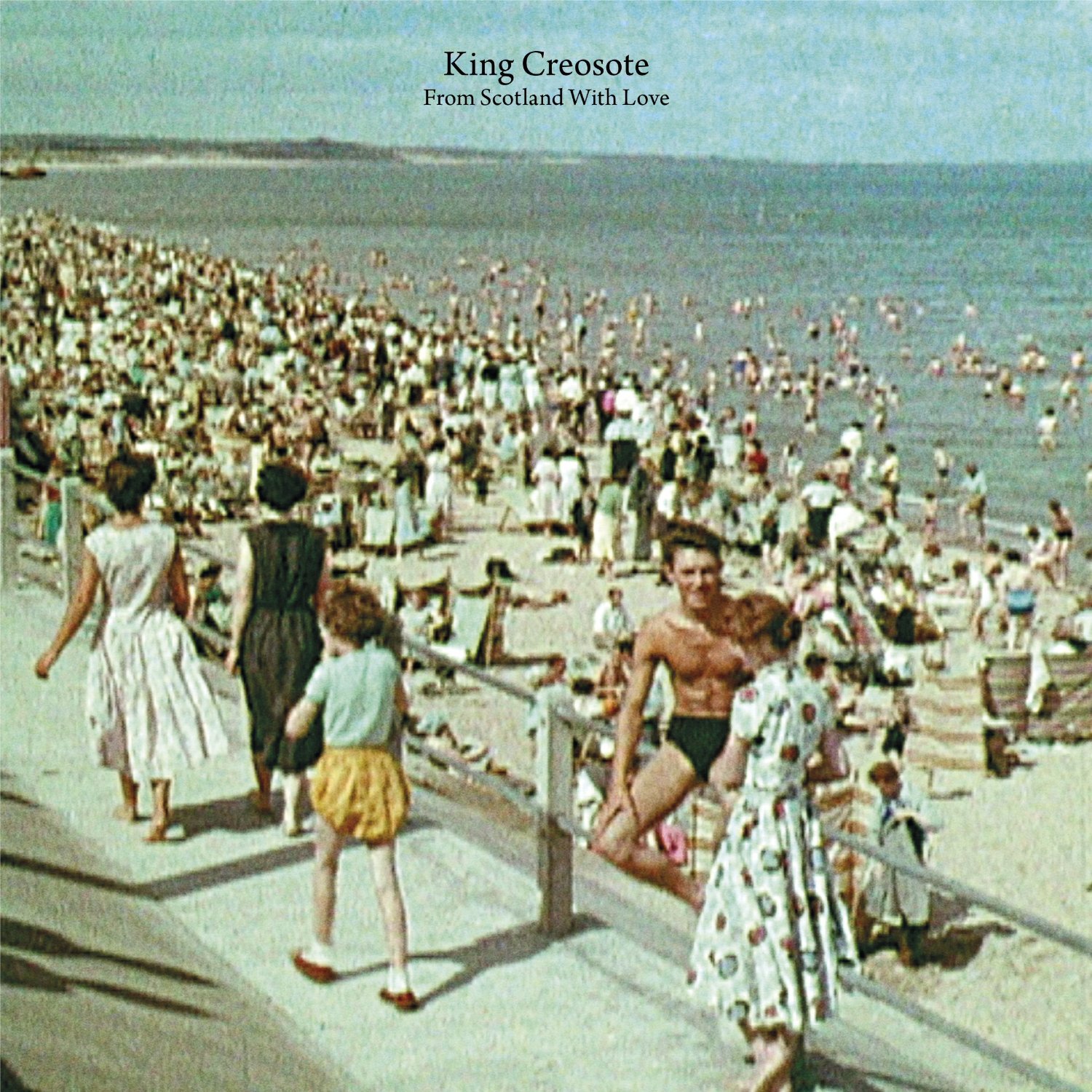
KING CREOSOTE-FROM SCOTLAND FROM LOVE.
KING CREOSOTE-FROM SCOTLAND FROM LOVE.
At this time of the year, Scottish artists start to think of the Scottish Album Of The Year Award. It’s the most prestigious Scottish musical award. So the great and good of Scottish music wait with baited breath the announcement of the long-list of twenty. It’s then narrowed down to just ten albums. A winner is then announced at the Scottish Album Of The Year Award ceremony in June. That’s where artists will be hoping to join R.M. Hubbert, and Bill Wells and Aiden Moffat and Young Fathers, the last three award winners. This year, the award covers the fifteen month period between 1st January 2014 and 31st March 2015, and features one of the strongest field. Scottish music is in rude health. However, some artists are bound to feature on the long-list, including King Creosote.
There aren’t many artists who’ve released over forty albums. Scottish singer-songwriter Kenny Anderson has. However, many people won’t have heard of Kenny Anderson. They will have heard of King Creosote.
King Creosote is just one of a number of aliases Kenny Anderson records records under. He’s been a one man music making machine since 1995. That’s when he formed his own label Fence Records. After that, there was no stopping Kenny.
Kenny went onto record as the Skuobhie Dubh Orchestra, Khartoum Heroes, Kid Canaveral and Jokes. He also collaborates with Jon Hopkins. They record together as The Burns Unit. Another of their other collaborations proved hugely successful. King Creosote and Jon Hopkins released Diamond Mine in 2011. It resulted in them being nominated for the Mercury Prize. Since then, King Creosote’s music has been reaching a much wider audience.
Especially since King Creosote teamed up with Domino Records. They co-release some of King Creosote’s albums. This has helped to spread the word about the delights of King Creosote far and wide. King Creosote’s latest album is From Scotland From Love which was recently released by Domino Records.
From Scotland With Love is a the soundtrack to a documentary feature film directed by Virginia Heath. The film was commissioned as part of the Cultural Festival, which accompanied the 2014 Commonwealth Games in Glasgow.
During the Commonwealth Games, a screening of From Scotland With Love took place on Glasgow Green. It was accompanied by live music. This was fitting. After all, Glasgow Green has been the scene of many memorable musical events. The screening of From Scotland With Love was just the latest.
As films go, From Scotland With Love is quite unusual. The seventy-five minute film features no dialogue. That’s not surprising. The documentary was created entirely from archive film material from the National Library of Scotland and the Scottish Screen Archive. With no voiceover, Virginia Heath decided to add a musical backdrop. That’s where King Creosote came in.
Virginia Heath brought King Creosote onboard. “We came to Kenny because we felt he had a great storytelling ability in his lyrics. We knew that to get across some of the complexity of the sequences we wanted, we needed someone who could translate feelings and stories into song.”
King Creosote does this wonderfully well on From Scotland With Love. He gets to the nub of the themes that run through the film. This includes love, loss, resistance and migration. There’s a reminder of how Scotland has changed when the film touches on urbanisation and emigration. many Scottish people emigrated to Australia, Canada and New Zealand in the fifties and sixties. From Scotland With Love also shows Scotland at work and play. There’s a sense of sadness too. Especially when reminders of Scotland’s past.
Back then, shipbuilding, heavy industry and the fishing industry, were just three of Scotland’s industrial heavyweights. Not any more. Tragically, they’ve been brought to their knees. Another sense of sadness is when From Scotland With Love touches on the war. Far too many Scottish people died in battlefields around the world. From Scotland With Love is a reminder of that.
For From Scotland With Love, King Creosote wrote eleven tracks. This took place during composing session in a studio near Loch Fyne. For King Creosote, the surrounding beauty proved inspirational. Now he was ready to record From Scotland With Love.
Recording of From Scotland With Love took place at Chem 19 Studios, Blantyre. David McAulay produced From Scotland With Love. Ex-Delgado and now seasoned producer Paul Savage, also helped on From Scotland With Love. Paul had worked with King Creosote on his 2009 album Flick the Vs and his 2013 album That Might Well Be It, Darling. The band that accompanied King Creosote were similarly experienced.
At Chem 19 Studios, King Creosote’s band included a rhythm section of drummers Paul Savage and Andy Robinson who also played percussion. Pete Macleod played bass and David McAulay played electric and acoustic guitar, keyboards, synths, banjo, mandolin, percussion and added backing vocals. Derek O’Neil played piano, keyboards and organ. Kevin Brolly of Admiral Fallow played clarinet. Two members of Meursault, violinist Kate Miguda and cellist Pete Harvey made guest appearances. Asher Zaccardelli and Emma Peebles played viola. Backing vocalists included Jenny Reeve, Grant Keir, ex-Delgado Emma Pollock, Jim Sullivan of Sparrow and The Workshop and Louise Abbot of Admiral Fallow and the Beatroute Street Singers. Quite simply, an all-star case of musicians accompanied King Creosote on From Scotland With Love. It was released on 21st July 2014.
On the release of release of From Scotland With Love on 21st July 2014, it was critically acclaimed. So was Virginia Heath’s film. When several generations of Scots saw the film it seemed to strike a chord. People from eight to eighty looked back on Scotland’s past. Poignant, heartbreaking, joyous, uplifting and funny, memories came flooding back. For King Creosote, he was winning friends and influencing people with From Scotland With Love, which I’ll tell you about.
The wistful and beautiful Something To Believe In opens From Scotland With Love. A lone accordion sets the scene for King Creosote’s needy, hopeful vocal as he longingly sings: “you promised me a feeling, Something To Believe In.” As he sings, a piano and slow, steady drums add to the sense of melancholy.
Cargill is a song the refers to the part fishing has played in Scotland’s history. Kenny’s lyrics are truly poignant. Especially the lyric: “the dread of counting home the fleet, the sudden thrill of seeing that you’re back.” Again, there’s a sense of drama and sadness in the song. That comes courtesy of pounding piano, drums and melancholy strings. Along with a female vocal, they provide the backdrop for his vocal. It’s delivered with feeling and sincerity, as he paints pictures with his lyrics.
Largs for those unfamiliar with its delights, is a affluent seaside town just twenty miles from Glasgow. It’s where generations of Glaswegians have headed for a day out, or even holiday. That’s what this song is about. Instantly, King Creosote brings back memories. The song explodes into life. Strings swirl, drums pound and clarinet provide athe galloping arrangement. It provides the backdrop for King Creosote. He sings about ice creams, broken deck chairs, sea, sun and promises of romances for some. Not for others. It’s knock backs all the way. A wistful, wiser King Creosote’s sings against an understated backdrop: “maybe kid on I’m from Largs.”
Just thoughtful keyboards open Miserable Strangers. That’s before an acoustic guitar and sweeping strings enter. It’s a truly beautiful backdrop for King Creosote’s vocal. His vocal is tinged with sadness, as he sings about being one of a generation of Scots who emigrated in the fifties and sixties. He’s standing at the quay, tears in eyes and doubts in his mind. Eventually, he decides it’s for the best. So, he puts on a brave face. Strings sweep and swirl, a choir sings and the rhythm section provide the backdrop for a soul-baring vocal. All this results in a truly beautiful, but heartbreaking songs. Without doubt, it’s a long time since I heard a more powerful song.
Just pensive strings, acoustic guitar and drums accompany King Creosote on a story with a twist in its tale. He sings about a crofter struggling to make a living out the land their father worked. King Creosote’s weary vocal brings home their struggle to make ends meet. However, it’s not all bad. He sings: “that’s when I clap eyes upon my lass, and I find I’m singing like a lark.” Quite simply, poignant and beautiful.
For One Night Only tells the story of a Scot’s couple heading out for a night on the town. They’ve saved all week and now it’s time to celebrate. Firmly strummed guitars build the drama. Then pounding drums and sweeping strings join in. Last but not least is King Creosote’s vocal. His vocal is a mixture of joy and relief. He’s worked all week and wants to celebrate. Shrewdly, his wife is pocketing the change. After all, there’s still the rest of the week to go. Handclaps accompany King Creosote during this joyous, rocky track that paints a picture of a million Friday nights in the West of Scotland.
Bluebell, Cockleshell, 123 begins with children singing and clapping their hands. It sounds like the type of traditional rhyme children used to sing when they played in the streets. It is. They’re singing about becoming a fisherman’s wife. King Creosote sings from the point of view of the view fisherman. He’s accompanied by acoustic guitar and handclaps. His vocal is a mixture bravado, pathos and sadness. It’s as if death is almost inevitable for a fisherman. Especially when he sings about being buried: “beside my only brother, my coffin shall be black.”
Strings and a shuffling beat provide the backdrop for King Creosote’s needy vocal. Later, a Hammond organ and tender harmonies sweep in. His vocal is tinged with equal amounts of sadness and hope. Sometimes King Creosote reminds me of Lloyd Cole. Always though, he’s a troubled troubadour who breaths life and meaning into lyrics. Especially here, were he croons his way through the track.
Crystal 8s is an atmospheric instrumental. The arrangement shimmers and quivers, drawing you in. After that, a wistful acoustic guitar makes its way across the arrangement as it draws to an atmospheric close.
Paupers Dough one of the most poignant songs on From Scotland With Love. It has an understated, piano lead arrangement. The lyrics are tinged with social comment. They’re about a group of brave, determined people who demanded social justice. They wanted a better life for them and their families. That’s apparent from the lyrics: “and I want better for my boy, to bury my father in dry desecrated ground.” A truly poignant song designed to make you think and be thankful, for those brave, determined people.
Closing From Scotland With Love is A Prairie Tale. It’s another instrumental. Wistful, melancholy strings tug at your heartstrings. They’re a reminder of Scotland’s rich musical heritage. The track also has a cinematic quality, which encourages your imagination to run riot.
I can’t rate From Scotland With Love highly enough. It’s easily one of the best albums I’ve heard all year. Without doubt, From Scotland With Love was on the list of best albums of 2014. That’s testament to a hugely talented singer-songwriter, King Creosote.
Since 1995, Kenny Anderson, a.k.a. has been a musical machine. He’s released over forty albums. From Scotland With Love has to be a coming of age musically from King Creosote. Especially given the themes that run through From Scotland With Love. This includes love, loss, resistance and migration. There’s also a reminder of how Scotland has changed because of urbanisation and emigration. From Scotland With Love deals with Scotland and work and play. Scotland has always been a country who work and play hard. This is apparent on From Scotland With Love.
King Creosote sings of holidays in Largs. That was where people from the West of Scotland went on holiday. Some still do. It’s songs like Largs that make From Scotland With Love an album that will appeal to anyone between the age of eight and eighty. Any Scot will be able to relate to From Scotland With Love. Having said that, From Scotland With Love will appeal to much more than Scottish people.
Why? From Scotland With Love is a beautiful, joyous, melancholy, poignant, uplifting and wistful album. The music tugs at your heartstrings. Especially, when King Creosote is delivering vocals that are heartfelt, hopeful, needy, joyous and inspirational. King Creosote is the latest in a long line of Scottish troubadours. His Magnus Opus, From Scotland With Love, marks a coming of age from Scotland’s newly crowned musical King, King Creosote, whose sure to be a contender for 2015s Scottish Album Of The Year Award.
KING CREOSOTE-FROM SCOTLAND FROM LOVE.
SOUL EMISSARIES-SUPERFUNK.
SOUL EMISSARIES-SUPERFUNK.
Over the last ten years, I’ve watched as many record companies, especially small, independent labels, release a compilation that catches the record buying public’s imagination. For these record companies, they’ve hit the jackpot. Sometimes, they even hit the jackpot twice, when another compilation series proves popular. So, every year, as they’re working out their release schedule, you can guarantee that another volume in each of the compilation series is released. While this might seem like good business sense, in the medium to long term, they end up risking alienating their audience.
Previously, I’ve watched as record companies year in, year out, released another volume in what originally was a popular compilation series. Soon, though, record companies see these compilation series as a safe bet. They’re viewed as easy money. So, often these compilation becomes an annual event. That’s often when the quality suffers. The compilation is hurriedly thrown together. No longer is the compilation lovingly compiled. However, sometimes there’s often another reason for the quality beginning to suffer.
Often, the longer a compilation goes on, the amount of hidden gems and rarities reduces. Replacing them, are tracks that are best described as filler. Eventually, this once successful compilation series is a shadow of its former self. Its once loyal audience turns its back on the series, and eventually, this once successful compilation series is no more. The compiler and record company are left regretting making the compilation an annual event.
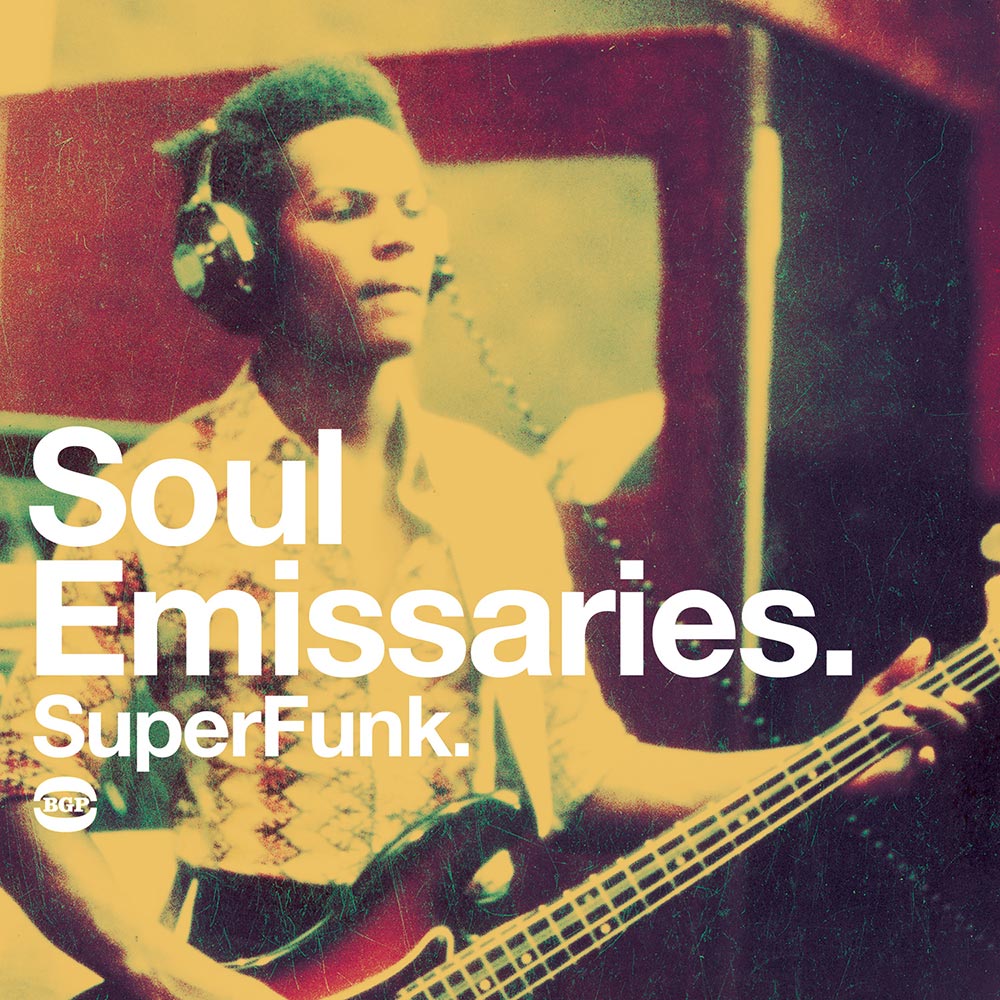
After all, releasing a compilation annually isn’t easy. Ask Dean Rudland. He compiled the latest instalment in the SuperFunk series, Soul Emissaries-SuperFunk. It was recently released by BGP, an imprint of Ace Records. Soul Emissaries-SuperFunk is a lovingly compiled compilation, and is the eighth volume in the SuperFunk series. However, nearly four years have passed since the previous volume, SuperFunk’s Mission Impossible: Hard To Find And Unreleased Funk Masters was released in July 2011. Since then, Dean Rudland will have been looking for potential tracks for Soul Emissaries-SuperFunk. That’s not surprising.
Finding and licensing the tracks takes time. The best compilers, including Dean Rudland, take time looking for the right tracks. They’re unwilling to throw together a selection of random tracks. No. Instead, they often they head off on a crate-digging expedition, searching for elusive, hard to find tracks. This takes time, effort and patience. Warehouses, damp, dusty basements, backstreet record stores, thrift stores and charity shops are the territory of the crate-digger. That’s where often, they find the hidden gems, rarities and killer tracks, including many of the tracks on Soul Emissaries-SuperFunk.
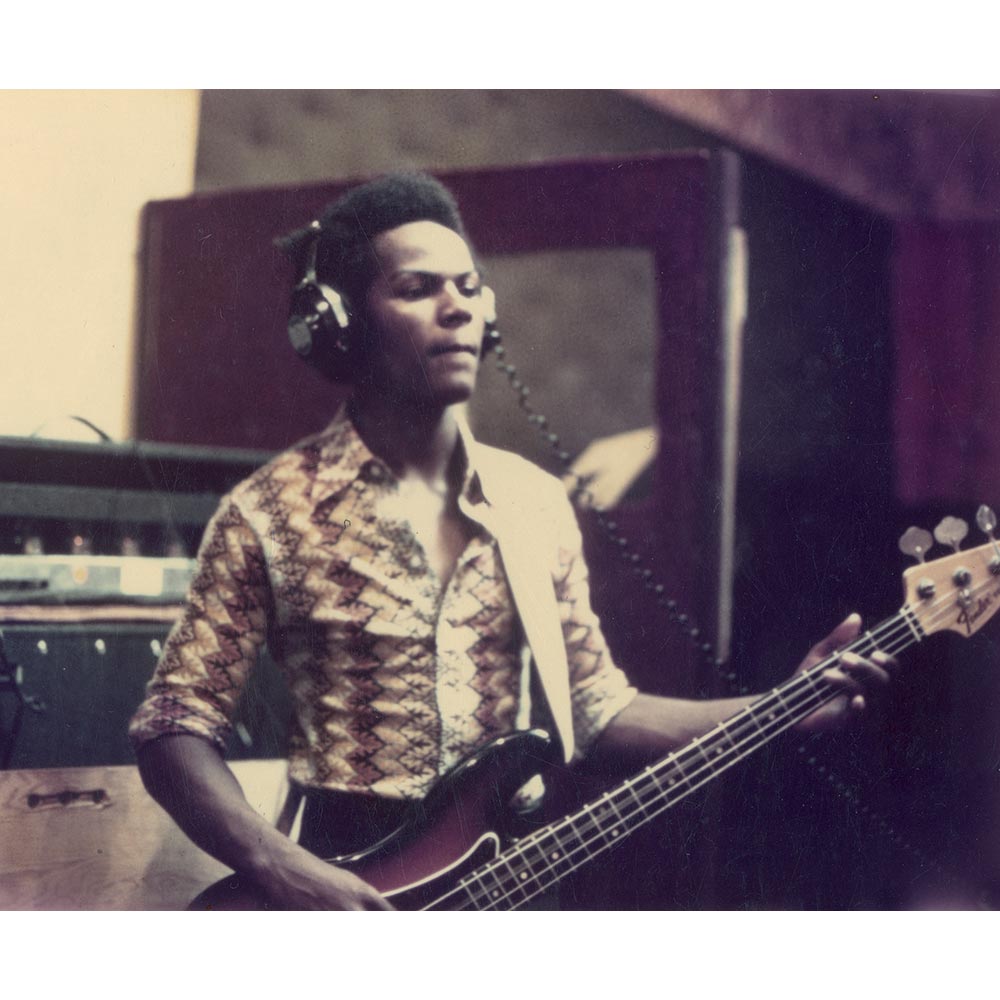
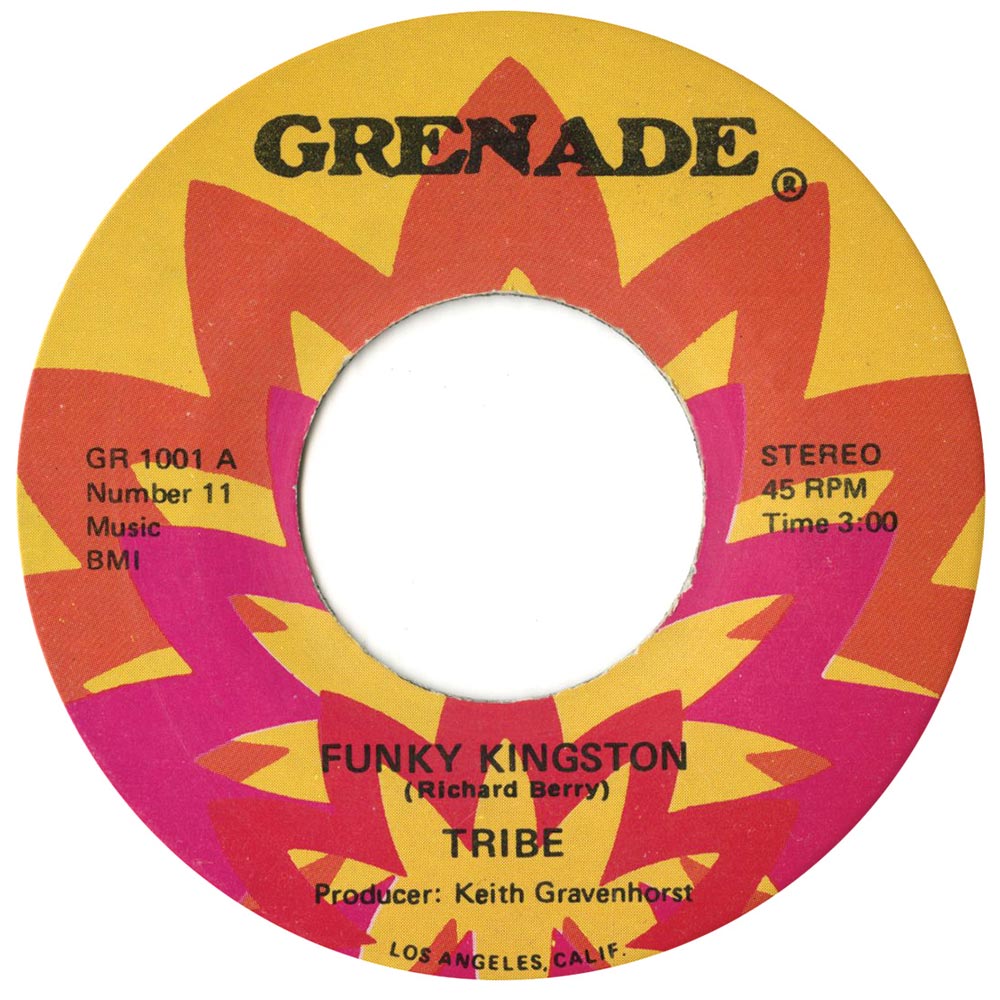
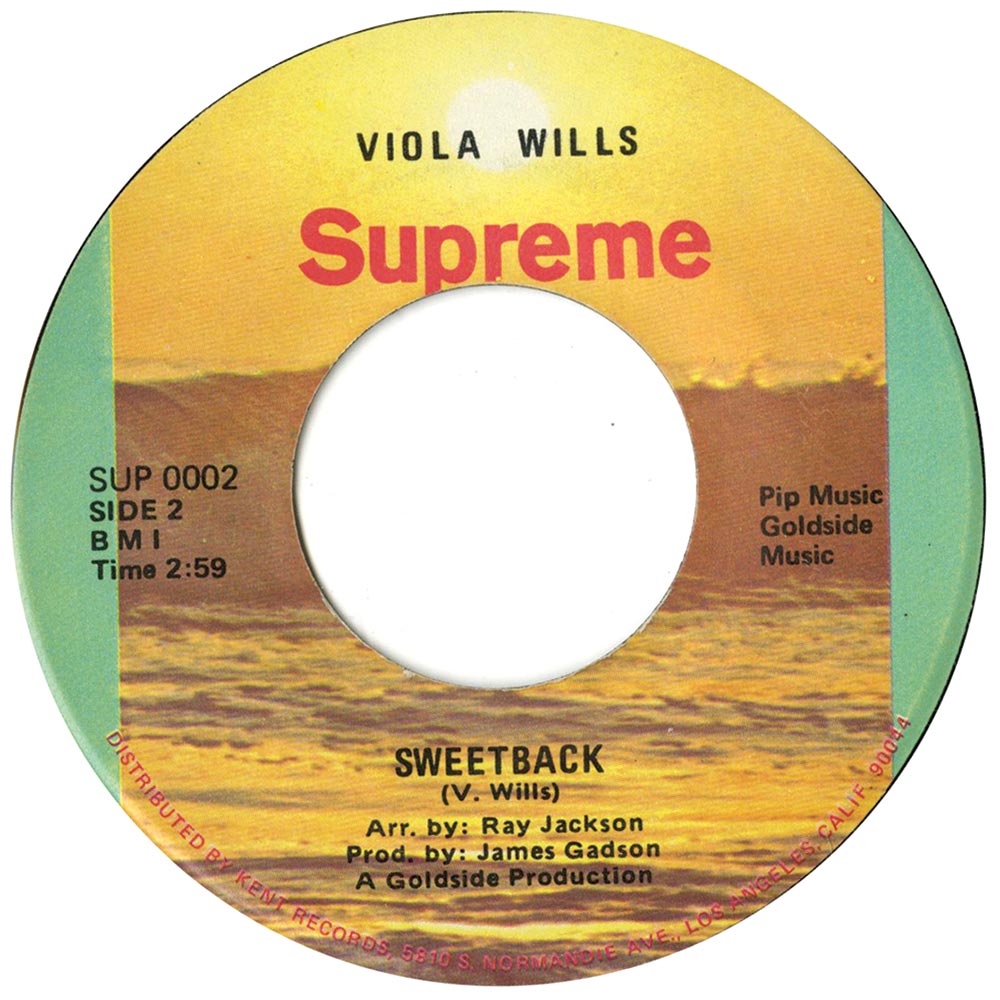
Soul Emissaries-SuperFunk features a total of twenty tracks. There’s forgotten classics, hidden gems, rarities and killer tracks from George Jackson, Billy Cee, William Bostic, Mary Love, Viola Wills, Tribe, McKinley Mitchell and Chuck Brooks. There’s even a quartet of unreleased tracks from Raymond Parker, The Funky Kids, Obrey Wilson and LaMont Johnson. They’re real finds, and are real hidden gems. However, much of the music on Soul Emissaries-SuperFunk is best described as funky soul.
Recently, the funk and soul scenes seem to have been converging. Whereas previously, they were two very different genres, there’s a commonality between the soul and funk scenes. So, Soul Emissaries-SuperFunk, which I’ll pick the highlights of, will appeal to both the soul and funk fraternities.
Samson And Delilah’s You Bring The Tears opens Soul Emissaries-SuperFunk. It’s a real rarity, released on Polydor in 1972. Polydor licensed You Bring The Tear from Malaco Productions. It was written by Anthony Mitchell and produced by Jerry Puckett. This was only Samson And Delilah’s second single. Will You Be Ready? had been released on ABC Records in 1967, but wasn’t a commercial success. That seemed to be the story of Samson And Delilah’s career. While they went on to release singles on various labels, including King James Records, Match Records and Saturn Records, commercial success eluded them. Their finest hour was the funky soulful sound of You Bring The Tears.
George Jackson’s recording career began in the early sixties, when he was signed by Ike Turner. After that, George spent the rest of the sixties touring, writing and recording. One of his most productive periods was spent at Fame Recording Studios. That’s when George wrote one of his best known, and most successfuls songs, One Bad Apple. It gave The Osmonds a million selling single. Later, George penned songs for Candi Staton and Clarence Carter. However, he hadn’t turned his back on his recording career. In 1971, George released Love Highjacker as a single on Verve. This fusion of funk and soul, sounds as if it belongs on an early seventies Blaxploitation soundtrack. It’s also the perfect introduction to one of the biggest names on Soul Emissaries-SuperFunk.
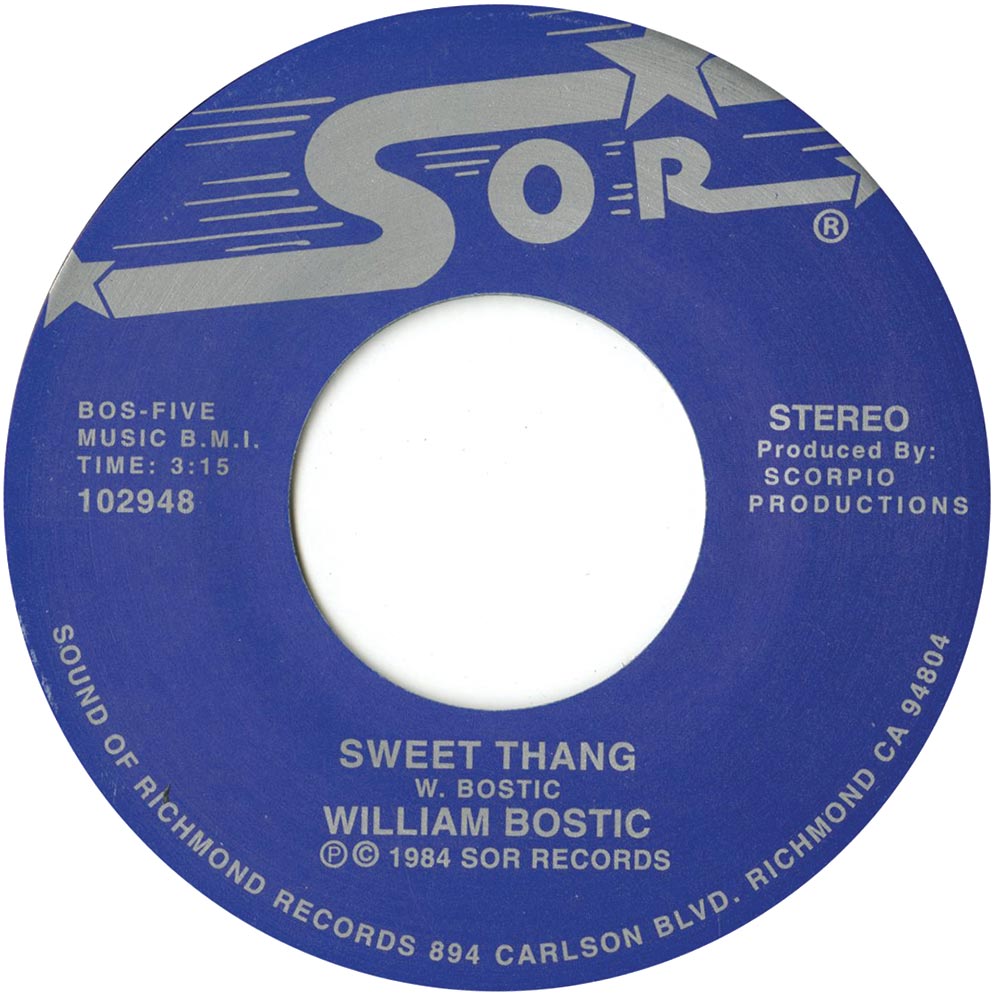
Funky. That describes William Bostic’s Sweet Thang. So, does soulful and irresistible. This little known single, was produced by Scorpio Productions, and released on Sound Of Richmond Records in 1984. It was the followup to William’s 1983 debut single, What You Do To Me which also features on Soul Emissaries-SuperFunk. It’s a funky, soulful and inventive track where William seamlessly combines soul and funk. While What You Do To Me is a good track, the hook laden Sweet Thang is a truly irresistible, funky and soulful dance-floor friendly track.
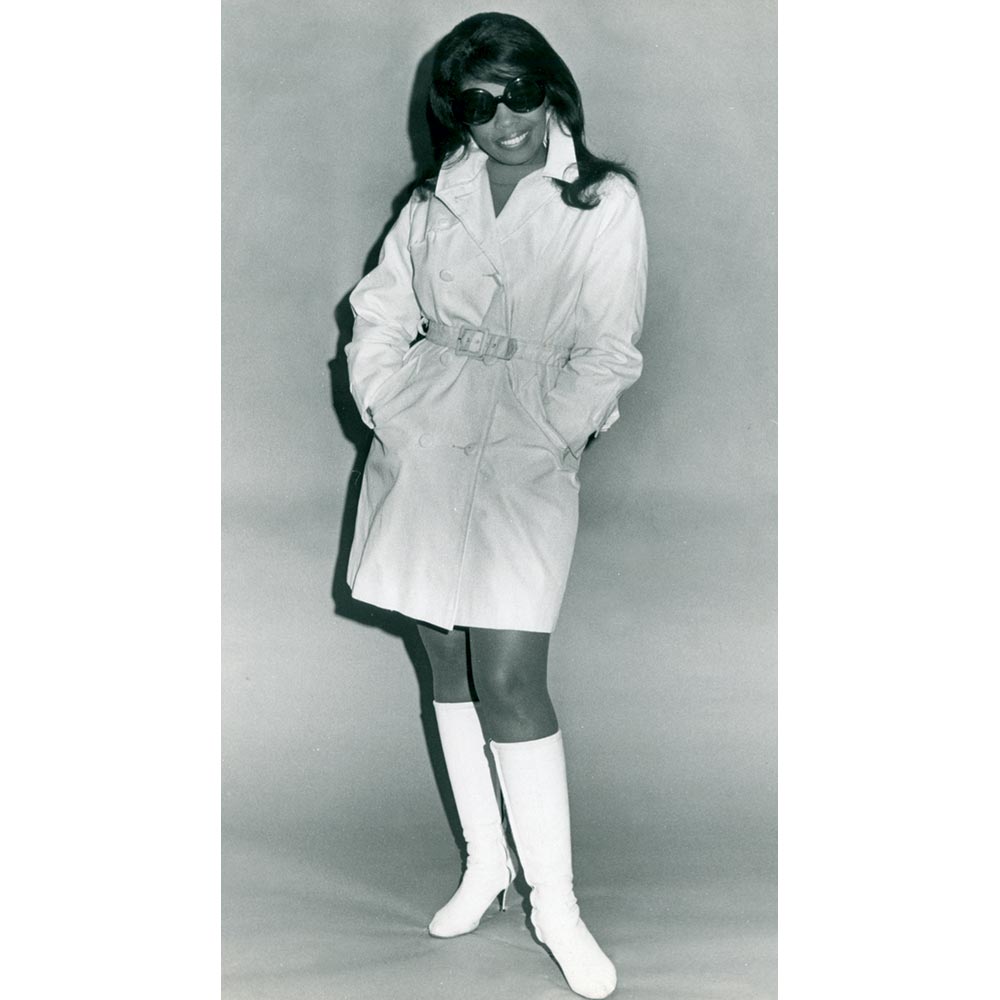
As the seventies dawned, Mary Love signed to a new label, Elco. Her one, and only, release was Born To Live With Heartache, which was released in 1971. It saw Mary given a musical makeover by arranger Roger Hamilton Spotts and producer John W. Cole. Stabs of blazing horns, wah-wah guitars and a funky rhythm section set the scene for Mary. She’s reinvented and delivers a vocal powerhouse. It’s a mixture of power, bravado, emotion and hurt. Especially, with cooing, soaring harmonies accompanying Mary. They play their part in what’s without doubt, one of the highlights of Soul Emissaries-SuperFunk.
In 1973, The Huck Daniels Co. released Foolish Man (Pt1) as a single on Kent. On the flip side was Foolish Man (Pt2). Just like the A-Side, it was a fusion of jazz and funk. Mostly, though, The Huck Daniels Co. kept things funky. However, there’s a noticeable jazz-tinged sound, as The Huck Daniels Co., featuring Johnny Adams enjoy the opportunity to stretch their legs on this long forgotten rarity.
Earl Foster only ever released one single. That was Jodine, which was released on the Earthquake label in 1971, and distributed by Kent. It was penned by Earl and Larry Nettles. It’s a tale of infidelity, caused by Jodine. Against a slow, funky, bluesy backdrop Earl delivers a vocal that can only be described as judgmental and soulful. He turns the track into a modern day morality tale, with Jodine is cast as the “other woman.” Sadly, Earl Foster never released another, single, but continued to write, arrange and produce. However, if you’re only going to release one single, make it one as good as Jodine.
McKinley Mitchell’s career began in 1959, when he released Lazy Dizzy Daisy as a single. This was the start of a career that lasted four decades. By 1976, McKinley Mitchell was signed to Chimneyville Records, a subsidiary of Jackson based Malaco Records. His first single on Chimneyville Records, was Trouble Blues. On the flip side was one of McKinley’s compositions Days Got Brighter. It’s a fusion of funk, soul and blues where McKinley delivers a needy, hopeful vocal. It proves the perfect showcase for a talented, and versatile vocalist, who sadly, died in 1986, aged just fifty-two.
Many artists have covered the Lennon and McCartney classic We Can Work It Out. Mostly, they’ve stayed true to the original. Not Raymond Parker. When he covered We Can Work It Out in 1976, he was determined to reinvent the track. That was a brave move. After all, the definitive version had been released. That didn’t bother Raymond. He and his band combined a wah-wah guitar, an uber funky bass and effects. To that, they added Raymond’s tender, heartfelt vocal. The result was the funkiest version of We Can Work It Out that you’ll ever hear.
Back in 1971, Chet Ivey and His Fabulous Avengers covered Johnny Otis’ So Fine. It was released as a single on the Sylvia label, and finds Chet drawing inspiration from James Brown. He vamps his way through the track, yelping and hollering. Meanwhile His Fabulous Avengers provide a funky backdrop on this funky rarity.
If ever a track was designed to tug at the heartstrings, it’s Obrey Wilson’s Daddy Please Stay Home. It was recorded in 1975, and produced by Phillip Rault. However, it was never released. Since then, this tale impassioned plea to a two-timing father “Daddy Please Stay Home,” has remained in the vaults. Thankfully, not any more. Obrey’s impassioned plea, the funky arrangement and soulful harmonies make a very welcome debut on Soul Emissaries-SuperFunk, where it’s one of the compilation’s highlights.
Closing Soul Emissaries-SuperFunk, is LaMont Johnson’s Forgotten. Just like the other unreleased tracks, Forgotten was produced by Phillip Rault in 1975. By then, disco was more popular than soul. That’s despite Forgotten being full of hooks and dance-floor friend. There’s even a Northern Soul sound, to the version on Soul Emissaries-SuperFunk. It’s mixed by Alec Palao and is the perfect way to close, Soul Emissaries-SuperFunk, as it leaves you wanting more, much more.
That’s the way it should be with any compilation. It should be a musical journey, which when it finishes, leaves you wanting more. That’s the case with Soul Emissaries-SuperFunk, which was recently released by BGP, an imprint of Ace Records. Soul Emissaries-SuperFunk is the eighth volume in the SuperFunk series, but the first in nearly four years. No wonder.
Soul Emissaries-SuperFunk is best described as a lovingly compiled compilation. Compiler Dean Rudland must have searched high and low to find the hidden gems, rarities and killer tracks on Soul Emissaries-SuperFunk. This means spending countless hours on crate-digging expeditions, searching for elusive, hard to find tracks. Often, it’s soul destroying search. Hidden gems and rarities are in short supply. There’s always the temptation to call it a day. Whether it’s record company vaults, warehouses, damp, dusty basements, backstreet record stores, thrift stores or charity shops there’s always the thought that long lost rarity will turn up. The crate digger, it seems, has to be the eternal optimist, always hoping to strike musical gold.
Dean Rudland, who compiled Soul Emissaries-SuperFunk struck gold several times when compiling the latest in the SuperFunk series. There’s a couple of reasons for this. He’s one of the most knowledgeable compilers of soul and funk compilations. His almost encyclopaedic knowledge of soul and funk was put to good use compiling Soul Emissaries-SuperFunk. However, the other reason for the success of Soul Emissaries-SuperFunk, is that volumes of the SuperFunk are churned out annually. They’re an occasional series. Three or four years can pass before another volume in the SuperFunk series is released. That’s no bad thing.
With only the occasional volume in the SuperFunk series being released, the compiler has plenty time to seek out the best music. That’s how it should be, and why after fourteen years, the SuperFunk series is stroll going strong. During that period, other compilation series, and indeed record companies have come and gone. However, the SuperFunk series is still going strong.
No wonder. Quite simply, Soul Emissaries-SuperFunk oozes quality. Forgotten classics, hidden gems, rarities and killer tracks sit side-by-side on Soul Emissaries-SuperFunk, the latest instalment in the SuperFunk series. Soul Emissaries-SuperFunk features twenty slices of funky soul. So, Soul Emissaries-SuperFunk is bound to appeal to both funk and soul fans alike. Soul Emissaries-SuperFunk will make a welcome addition to any music collection, and for newcomers to the SuperFunk series, then Soul Emissaries-SuperFunk is sure to whet their appetite.
SOUL EMISSARIES-SUPERFUNK.
DANIELE CIULINI-DOMESTIC EXILE (COLLECTED WORKS 82-86).
DANIELE CIULINI-DOMESTIC EXILE (COLLECTED WORKS 82-86).
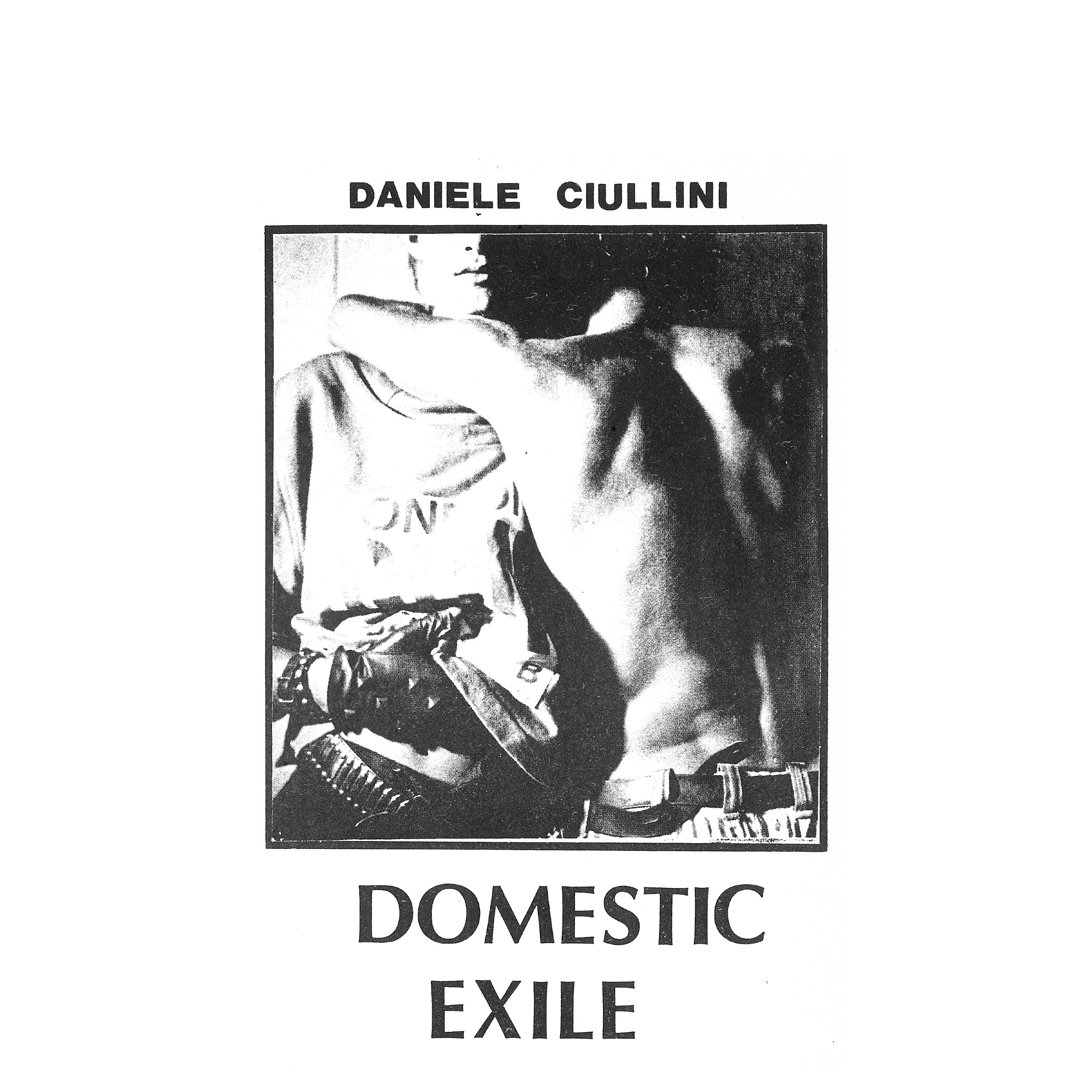
Nowadays, the word innovator is used far too often. However, in Daniele Ciullini’s case, it’s a fitting description of a groundbreaking musician. The music on his forthcoming compilation, Domestic Exile is proof of that. Domestic Exile is the first reissue to be released on the Ecstatic label on sixth April 2015. Domestic Exile (Collected Works 82-86) is the perfect introduction to Daniele Ciullini’s music.
Domestic Exile features a total sixteen innovative tracks. These tracks were released in the eighties. They were way ahead of their time. In fact, it’s hard to believe that Daniele Ciullini released the music on Domestic Exile (Collected Works 82-86), between 1982 and 1986. It’s no exaggeration to say that, Daniele Ciullini’s music was way ahead of the curve. Sadly, it was never heard by a wider audience.
There’s a reason for that. Daniele Ciullini self-released his music. He released his music on cassette, and it sold by way of word of mouth. Mostly, Daniele Ciullini’s music was only heard by a small discerning group of music lovers. However, some journalists familiar with the groundbreaking TRAX collective discovered Daniele Ciullini’s music. Sadly, despite their efforts to promote Daniele Ciullini’s music, it remained one of the best kept secrets of the Italian music scene in the eighties.
Now, nearly thirty years later, recently there’s been a resurgence in interest in Daniele Ciullini’s music. This resurgence in interest began in 2012, when thirty years after he released his debut single, Oxidized Sounds in 1982, Daniele Ciullini returned with his Il Bacio Della Sirena E.P. It was released on the Italian label Quantum Bit. At last, Daniele Ciullini was back what he did best, making music. For the Florence born musician, it was welcome return.
Daniele Ciullini was born and brought up in Florence, Italy. From an early age, Daniele Ciullini was interested in music and art. It soon became his passion. So, it was no surprise when Daniele Ciullini joined the groundbreaking TRAX collective.
The TRAX collective were a pan-European collaboration network. Artists and musicians throughout Europe, were able to exchange ideas, and if they wanted, collaborate on art and musical projects. For a generation of artists and musicians, this increased connectivity across borders.
Suddenly, new opportunities arose for musicians. Now it was possible for an Italian musician like Daniele Ciullini, to collaborate with musicians in other parts of Europe. It was an exciting time in the pre-internet age, and was a godsend for musical innovators, including Daniele Ciullini who played an important part in the TRAX collective. Similarly, the TRAX collective would help him promote his music.
The early eighties was a very different time. This was way before the birth of the internet and social media networks. Computers were in their infancy. So was the new music technology.
As the eighties began to unfold, Daniele Ciullini realised he wanted to experiment musically. He was fortunate, that the new music technology was now within the budget of an aspiring musician. Drum machines, sequencers and synths although still expensive, had recently come down in price. No longer were they just found in recording studios. No. Now an aspiring musician like Daniele Ciullini could use them to record an album. He could do this at home, without the expense of hiring a recording studio. That’s what Daniele Ciullini decided to do in 1982.
Of the sixteen tracks on the Domestic Exile (Collected Works 82-86) compilation, the first eight tracks comprise the original Domestic Exile album. Opening Domestic Exile was Violet, an understated, spacey, minimalist track. There’s a darkness, and even, a sense of hopelessness. This is reflection of the early eighties for many young Europeans.
From there, Marbles In The Garden is a pulsating proto-techno track. It shows another side to Daniele Ciullini. It’s almost a hands in the air, fist pumping dance track. Thirty years later, it’s sure to light up a dance-floor.
Trance is aptly titled. Its lo-fi, hypnotic sound is almost mesmeric. Daniele fuses the nascent musical technology to good effect, creating an innovative industrial sounding track.
If carbon dating was used on Lipstick On The Glasses, it would date the track to circa 1982, 1983. Musically, it’s reminiscent of that era. It takes you back to a time and place. Again, there’s a lo-fi sound, as the bouncy, pulsating and crackling synths join drums that crack. They create a cinematic sounding track.
Decadence has a thoughtful, pensive sound. The arrangement is almost dark and bleak. It’s as if it’s how Daniele Ciullini sees the world, and his future.
Distant drums pound and pulsate, while synth bound and bubble on Naked And White. Others have a moody, sci-fi sound. Together, they create captivating cinematic sounding track. Just like previous tracks, it’s inventive and sees Daniele push musical boundaries.
Flowers In The Water is another track with a sci-fi sounding arrangement. Just synths and drum machines are deployed by Daniele. Just like previous tracks, everything is improvised. This could’ve gone badly wrong. It doesn’t. He creates a bubbling, meandering and sometimes persistent sounding arrangement. Its unapologetically lo-fi in sound. Despite that, it’s melodic and memorable, and has aged remarkably well.
The Shadow Whisper closes the Domestic Exile album. It’s a shock to the system. Straight away, there’s a sharpness to the arrangement. Drums literally crack like whips. They’re joined by sci-fi synths. They fill the gaps, beeping and squeaking, proving yin to the drums yang.
Daniele Ciullini’s 1983 debut album Domestic Exile showcased an innovative musician, as he embarked upon his career. Over eight short tracks, Daniele Ciullini was determined to push musical boundaries to their limits, sometimes, way beyond. That’s what he did. The music on Domestic Exile was variously broody, challenging, dance-floor friendly, ethereal, innovative, lo-fi, melancholy and reflective. The music was also cinematic.
For anyone growing up in Europe in 1983, it paints a picture of what the continent was like. With much of Europe in the throes of a recession, poverty, unemployment and unrest were rife. Daniele Ciullini was a realist. He was determined to paint a picture of Europe circa 1983. That’s why the music veers between bleak, broody and dance-floor friendly, to ethereal and reflective. While many Europeans suffered, others celebrated. It was a time of great inequality and injustice. Many people had nothing to celebrate. That’s apparent on Domestic Exile, Daniele Ciullini’s genre-melting portrayal of early eighties Europe.
Domestic Exile was a fusion of ambient, avant-garde, experimental, electronica and industrial music. These musical genres are combined by Daniele Ciullini over Domestic Exile’s eight tracks. They caught the imagination not just of the TRAX collective, but people who could relate to Domestic Exile. This would be the case with the rest of the music on Domestic Exile (Collected Works 82-86).
The rest of Domestic Exile (Collected Works 82-86) features on various compilations released by various labels. This includes two tracks released on compilations during 1983.
Deep Water featured the Hate’s Our Belief compilation. It was released in 1983 as a double cassette, on the Italian label Aquilifer Sodality. The same year, 1983, Daniele’s dark, dramatic industrial track Bloody Machine featured on the Italiano Industriale compilation. This compilation was released by the Area Condizionata label, and helped spread the word about Daniele’s music.
During 1984, three of Daniele Ciullini’s tracks featured on compilations. Marbles In A Garden featured on The Other Side Of Futurism compilation. Chinese Program featured on Grand Trax, a compilation released by the TRAX collective. The third compilation Daniele Ciullini featured on, was the Nouances compilation. It featured Silence, which features on Domestic Exile (Collected Works 82-86). After a busy 1984, there was not letup during 1985.
The TRAX collective released another compilation in 1985. This was the Neoist Ghosts compilation. It featured Dead Aids, a collaboration with Vivenza. Theme, another of Daniele’s tracks featured on L’Enfer Est Intime-Volume Général, which was released by the French label VP231. For Daniele, this meant his music was finding an audience outside his native Italy. Surely, Daniele Ciullini’s star was in the ascendancy?
A year later, in 1986, French electronic experimental label Actéon were compiling L’Archange Enflammé Vol. B. They decided that Daniele Ciullini’s Silence 3 should feature on the compilation. It’s another track on the forthcoming compilation Domestic Exile (Collected Works 82-86). However, after the release of L’Archange Enflammé Vol. B very little was heard of Daniele Ciullini.
Another twenty-six years passed before Daniele Ciullini released any more music. This coincided with a resurgence in interest in Daniele Ciullini’s music. So in 2012, thirty years after he released his debut single, Oxidized Sounds, Daniele Ciullini returned with his Il Bacio Della Sirena E.P. It was released on the Italian label Quantum Bit. At last, Daniele Ciullini was back what he did best, making music.
Two years later, and Daniele Ciullini returned with his long-awaited sophomore album. This was Resti, which was released by the Portugal based netlabel, founded by Portuguese musician João Ricardo. Resti had been a long time coming, but was worth the while. Daniele Ciullini had matured as a musician since the release of Domestic Exile in 1982. However, one thing remained the same, Daniele Ciullini’s ability to create innovative music.
That had been the story of Daniele Ciullini’s career. The music on his forthcoming compilation, Domestic Exile is proof of that. Domestic Exile (Collected Works 82-86) is the first reissue to be released on the Ecstatic label on sixth April 2015. It’s the perfect introduction to Daniele Ciullini’s music.
The sixteen tracks on Domestic Exile (Collected Works 82-86) show Daniele Ciullini maturing as an artist. Throughout this four year period, Daniele Ciullini’s music continued to evolve. As a result, Daniele Ciullini’s music was way ahead of its time. Back then, Italian “mail-artist” Daniele Ciullini was pushing musical boundaries to their limits.
As a result, Daniele Ciullini’s music was variously broody, challenging, cinematic, dance-floor friendly, ethereal, innovative, lo-fi, melancholy and reflective. It’s a fusion of musical genres. Elements of ambient, avant-garde, experimental, electronica and industrial music can be heard on the forthcoming compilation, Domestic Exile. That’s not all. There’s also a proto-techno sound on Marbles In A Garden. Thirty-two years later, this hands in the air anthem will still fill a dance-floor. It’s also proof that thirty-two years after Daniele Ciullini released his debut album Domestic Exile, the music on the forthcoming Domestic Exile (Collected Works 82-86) compilation is still innovative, influential and relevant.
DANIELE CIULINI-DOMESTIC EXILE (COLLECTED WORKS 82-86).
GONG-CAMEMBERT ELECTRIQUE.
GONG-CAMEMBERT ELECTRIQUE.
There aren’t many bands who have enjoyed the longevity that Gong have enjoyed. The Franco-British band were formed back in Paris, in 1967 by Daevid Allen, an Australian musician and Gilli Smyth a professor of the Sorbonne. They were joined by vocalist Ziska Baum and flautist Loren Standlee. This was the first lineup of Gong. However, it wouldn’t be the last.
Over the next six decades, Gong’s lineup was best described as fluid. Around thirty musicians came and went. Some left of their own accord. Others left in acrimonious circumstances. However, in 1967, when Gong were formed almost accidentally, it looked like a brave new world. Four years later, Gong released their debut album Camembert Electrique, which was recently remastered and released by Charly.
In 1967, Australian musician, Daevid Allen, was a member of Soft Machine. Daevid had been spending time in Paris, France. However, the time came to return to London, where Soft Machine were based. When Daevid arrived in London, there was a problem with his visa. He was denied entry into Britain, and returned to Paris where he met Gilli Smyth a professor of the Sorbonne, one of France’s most prestigious universities.
Daevid Allen and Gilli Smyth decided to form a band, which they named Gong. The pair, who were both vocalists, were joined by another vocalist, Ziska Baum, and flautist Loren Standlee. This was the first of numerous lineups of Gong, a group who six decades and forty-eight years later, are still going strong. That’s quite remarkable, given their turbulent history.
A year after Gong formed, France was in the throes of a student revolution. Police and students clashed on the streets during May 1968. This was a worrying time for the members of Gong. So much so, that Daevid Allen and Gilli Smyth fled from Paris, and eventually, settled in Deià, in Majorca.
This resulted in the first changes in Gong’s lineup. After fleeing Paris, the band’s lineup changed. Rumour has it, that Daevid and Gilli discovered saxophonist Didier Malherbe living in a cave in Deià. He would soon join Gong, when they headed to France to record the soundtrack toJérôme Laperrousaz’s movie Continental Circus.
Continental Circus.
For the recording of Continental Circus, Gong returned to France. Things were much calmer, than when they had been force to flee the country. On their return, Gong were a very different band.
Since they left France for Deià, the first changes in Gong’s lineup took place. Vocalist Ziska Baum and flautist Loren Standlee. However, saxophonist Didier Malherbe had joined Gong, who were now reduced to a trio. This was the lineup that recorded the soundtrack to Continental Circus.
The Continental Circus soundtrack kickstarted Gong’s nascent career. They were signed to Jean Karakos’ newly formed BYG label, on a multi-album deal. Their first album for BYG was Magick Brother.
Magick Brother.
Recording of Magick Brother, which is regarded as Gong’s debut album, took place in Paris. Between September and October 1969, recording of Magick Brother, took place at Studio ETA and Studio Europa Sonor. The same personnel that featured on Continental Circus, featured on Magick Brother, which was produced by Jean Georgakarakos and Jean-Luc Young.
They guided Gong through the recording of their debut album. Just like on Continental Circus, Daevid Allen played guitar and added vocals. Gilli Smyth was credited as adding vocals and a “space whisper.” Didier Malherbe played saxophone and flute. Augmenting Gong, were some top session musicians.
With Gong lacking a rhythm section, drummer Rachid Houari was brought onboard. So were Earl Freeman, Dieter Gewissler and Barre Phillips, who played contrabass on various tracks. Free jazz pianist, Burton Greene, a native of Chicago, was also brought onboard. The final piece of the jigsaw, was Tasmin Smyth. Her vocal features on Mystic Sister/Magick Brother. Tasmin and the rest of the guest artists, played their part in Gong’s debut album Magick Brother, which was released in March 1970.
On the release of Magick Brother in March 1970, Gong’s debut album was well received by critics. Gong were hailed as an innovative group, one who weren’t afraid to push musical boundaries. Their music was a fusion of musical influences and genres. Everything from psychedelia, free jazz, pop, rock and prog rock can be heard on Magick Brother. The future Kings of the potheads had made their presence felt. However, as was their want, Gong’s music wouldn’t stand still. continue to evolve. This would result in the first classic album of their career, and their first PhP album, Camembert Electrique.
Camembert Electrique.
Camembert Electrique is remembered as the first album in Gong’s PhP phase. The pothead pixies made their debut on Gong’s trailblazing sophomore album.
Gong were one of the earliest prog rock bands. Unlike other prog rock bands their music was a fusion of musical genres. Elements of psychedelia, jazz, avant garde, and pop are combined. Other times, the music is ethereal, spacey and atmospheric. Always though, there’s an intensity throughout Camembert Electrique, as Gong take you on a trailblazing journey. The destination is planet Gong. Providing the soundtrack to the journey was the now legendary radio gnome, which dips in and out of Camembert Electrique. Radio gnome plays its part in a truly groundbreaking album which was recorded in 1971.
Gong had some new additions to their lineup when work began in May 1971. The first of the new additions was bassist and guitarist Christian Tritsch. Drummer Pip Pyle slotted into the rhythm section. Eddy Luiss played Hammond organ and piano. They joined guitarist and vocalist Daevid Allen, vocalist and space whisperer Gilli Smyth and Didier Malherbe on saxophone and flute. This was the the lineup of Gong that headed to Michel Magne’s Strawberry Studios, in north west Paris where they recorded Camembert Electrique, which was mostly, written by Daevid Allen.
Eight of the tracks on Camembert Electrique were written by Daevid Allen. He wrote the other two tracks with new additions to Gong’s lineup. Bassist and guitarist Christian Tritsch cowrote And You Tried So Hard. These songs became Camembert Electrique, which Gong began recording in May 1971.
For Gong’s sophomore album Camembert Electrique, Gong headed to Michel Magne’s Strawberry Studios, in north west Paris. Gong couldn’t have picked a better studio. It was stocked with the latest equipment. This was the perfect location for a groundbreaking band. Over ten days in May 1971, Gong recorded what was the basis for the ten tracks that became Camembert Electrique. Two months later, Gong returned to the studio.
In July 1971 returned to Strawberry Studios, to finish recording of Camembert Electrique. Just like the sessions in May, everything was off the cuff. There was an experimental side to Gong. The used tape recorders that played backwards. Tape loops added bursts of laughter. Gong were making music with a smile on their face. To do this, they fused musical genres and influences. Elements of psychedelia, jazz, avant garde, and pop shine through on Camembert Electrique, which was eventually completed in September 1971, when Gong returned to Strawberry Studios. Little did they realise that they had recorded their first classic album, Camembert Electrique.
Camembert Electrique was released in 1971. Critics hailed the album a classic. The album also marked the debut of the pothead pixies (PhP). They made their debut on Gong’s trailblazing, genre-melting sophomore album Camembert Electrique.
Opening Camembert Electrique is Radio Gnome Prediction. Amidst the myriad of sci-fi sounds, sits Radio Gnome. He sounds like a create from another planet. That’s the case, he’s from the planet Gong.
Gong’s new rhythm section get to work on You Can’t Kill Me. They’re joined by searing guitars and Daevid’s vocal. It veers between frustrated, angry and a sneer. Meanwhile, Gilli vamps, and later a scorching saxophone is unleashed. By now, Gong are at their tightest, fusing prog rock, psychedelia and rock. later, the track heads in the direction of free jazz. The saxophone and guitars are unleaded, and go toe-to-toe. They play their part in a track that’s an innovative, lysergic and ambitious fusion of musical genres.
With a church organ for company, Daevid proudly sings I’ve Been Stoned Before. A subtle, sultry saxophone is added. It’s panned left. Later, a scrabbled bass and rolls of urgent drums are combined. By then Daevid’s vocal is a yelping vamp and drops out. When it returns, Daevid delivers an emotive plea. Accompanying him are the saxophone and rhythm section. They drive the arrangement to it’s urgent crescendo.
Straight away, Mr. Long Shanks/O Mother/I Am Your Fantasy has a languid, lysergic sound. The arrangement meanders lazily along, sweeping Gilli’s whispery vocal in its wake. Her vocal is dreamy and ethereal, the perfect accompaniment to the lysergic arrangement.
There’s a sense of urgency from the opening bars of Dynamite/I Am Your Animal. Repeatedly, Daevid sings “Dynamite.” It’s as if he’s delivering a warning shot across the Gong’s bows. The rest of Gong pickup on this sense of urgency, fusing rock, psychedelia and free jazz. Then on I Am Your Animal, Gilli delivers a wailing, teasing vocal. Still, Gong play with an urgency. Their new rhythm section are at the heart of this urgency, aided and abetted by chirping guitars and a wailing saxophone. Together, they play their part in an urgent, mesmeric and innovative track.
Wet Cheese Delirium is another announcement from planet Gong. Radio Gnome makes his pronouncement against a hypnotic backdrop. He returns on Squeezing Sponges Over Policemen’s Heads, a thirteen second track that ushers in one of the spaciest tracks on Camembert Electrique, Fohat Digs Holes In Space.
Straight away, Fohat Digs Holes In Space has a spacey, triply sound. The arrangement is constantly panned. Washes of subtle, but futuristic sounds almost hypnotise. Meanwhile, Gong’s rhythm section provide an equally hypnotic heartbeat. However, things are about to change. A saxophone is added. Daevid then adds his unique brand of lyrics. They’re akin to a proto-rap, where he combines humour, surrealism and social comment. Bursts of soaring harmonies and a scorching guitars and thunderous bass are added, as Daevid hollers in the distance. It’s a very different track. Indeed, Fohat Digs Holes In Space is more like two separate tracks, where we very different sides to Gong.
Chiming guitars open And You Tried So Hard. Soon, the rhythm section are playing softly. Daevid’s vocal, when it enters, is laid-back and dreamy. There’s a West Coast influence to the track. Then it’s all change. Blistering guitars are added, and an edhy rocky track unfolds. From there, they veer between the two different sides, showing Gong’s versatility. Later, Gilli adds a dreamy, lysergic vocal, taking this captivating musical adventure into yet another direction.
Tropical Fish/Selene literally bursts into life. The rhythm section and scorching guitars kick loose, driving the arrangement along. Accompanied by a braying saxophone, David delivers an urgent vocal. It’s not unlike a stream of consciousness. When his vocal drops out, Gong enjoy the opportunity to stretch their legs. They jam, fusing prog rock, jazz, psychedelia and rock. Then when Daevid’s vocal returns, it’s lysergic. Briefly it drifts in and out, as Gong jam. Later, Gilli delivers one of her trademark space whispers. After that, the arrangement and vocals become choppy, as Gong continue their mission to innovate.
Camembert Electrique closes with Gnome The Second. This is the final pronouncement from Radio Gnome. A gong sounds, and Radio Gnome delivers a short, futuristic sounding speech. After twenty-six seconds, he returns to planet Gong.
Camembert Electrique, which was recently reissued by Charly, was the first classic album of Gong’s forty-eight year career. It was a trailblazing and ambitious album. No other prog rock band had released such an ambitious album. That’s not surprising.
Gong were one of the earliest prog rock bands. Unlike other prog rock bands their music was a fusion of musical genres. They fused prog rock with psychedelia, jazz, avant garde, and pop. As a result, the music is atmospheric, challenging, ethereal, languid, lysergic, spacey, surreal and trippy. Other times, it’s jazz-tinged, rocky. It’s a true musical magical mystery tour. However, throughout Camembert Electrique the music has an intensity. That’s the case from the opening bars of Radio Gnome Prediction, right through to the closing notes of Gnome The Second, when legendary radio gnome makes his pronouncements. He’s part of this trailblazing journey to planet Gong. It’s a journey that must be experienced.
No wonder. Camembert Electrique is one of the most innovative, and ambitious albums of the early seventies. Seamlessly, musical genres and influences melt into one on Camembert Electrique. Gong continually push musical boundaries to their limits, and sometimes, way beyond. This was risky. They risked alienating their audience.
Neither Gong, nor their record company BYG Actuel, need have worried. When it was released in France in 1971, it was to widespread critical acclaim. However, in Britain, music lovers didn’t get the chance to hear Camembert Electrique until 1974.
Virgin Records reissued Camembert Electrique in Britain in 1974. To encourage record buyers to purchase Camembert Electrique, Virgin Records sold copies for 59p, which was the price of a single. The theory was, that having discovered the artist, record buyers would continue to buy their back-catalogue and new albums. This marketing strategy had worked well for Virgin Records a year earlier, when they released Faust’s 1973 album The Faust Tapes. It worked well for Faust and a year later, worked for Gong. There was a problem though. Albums sold at a discounted price, didn’t qualify for the British charts. However, at least many record buyers discovered Gong’s music. For many, it would be the start of a lifetime love affair with Gong’s music.
That’s why, when many people are asked what their favourite Gong album is, many will say Camembert Electrique. For them, Camembert Electrique was their introduction to Gong. Camembert Electrique was Gong’s first classic album. However, it wasn’t their last. They were about to release the Gnome Trilogy. It started with Flying Teapot and Angel’s Egg in 1973. The last in the Gnome Trilogy was 1974s You. Just like Camembert Electrique, they’re Gong classics. However, Gong, who will forever will be remembered as a trailblazing group, who released innovative and genre-melting music, including their first classic album, Camembert Electrique in 1971.
GONG-CAMEMBERT ELECTRIQUE.

THE ELECTRIC PEANUT BUTTER CO.-TRANS-ATLANTIC PSYCH CLASSICS VOLUME 1.
THE ELECTRIC PEANUT BUTTER CO.-TRANS-ATLANTIC PSYCH CLASSICS VOLUME 1.
From the mid sixties, right through the early seventies was the golden age of psychedelic music. During that period, psychedelic music was King. Originally, folk rock and blues rock bands were influenced by psychedelia. Soon, psychedelia’s influence could be heard throughout music. Everything from folk, funk, jazz, pop, rock and soul was being influenced by psychedelia’s new and innovative sound.
Psychedelia was a fusion of new recording techniques, effects, with non Western music. This often included the ragas and drones that could be heard in Indian music. Other influences included instruments like the Mellotron, harpsichords, Hammond organs and electric guitars drenched in feedback. To do this, guitarists deployed wah wah and fuzzbox effects pedals. Among the other secret weapons used by a psychedelic bands were effects like panning, phasing, delay, reverb, looping and playing tapes backwards. Anything was possible. All it took was imagination. This resulted in innovative music that sounded as if the doors of perception had been opened fully. However, having become a musical phenomenon, psychedelia’s popularity began to decline.
By the late sixties, psychedelia was no longer as popular. Several factors had contributed in psychedelia’s decline. L.S.D. was now illegal on both sides of the Atlantic. The drug that had fuelled the psychedelic revolution had been outlawed. Then there was the trail of destruction left by The Manson Family.
America was in a state of shock as The Manson Family embarked upon a murderous spree. They were then shocked to discover that songs like Helter Skelter, from The Beatles’ White Album may have influenced The Manson Family. This resulted in a backlash against both psychedelia and the hippie movement. The final nail in psychedelia’s coffin happened at The Altamont Free Concert.
The Rolling Stones decided to put on free concert at Altamont Speedway, in Northern California. What was meant to be a concert featuring the great and good of psychedelia went badly wrong. Santana, Jefferson Airplane, The Flying Burrito Brothers, Crosby, Stills, Nash and Young, The Rolling Stones and Grateful Dead were all booked to play. It was meant to be a major event in psychedelic music’s history. After the carnage in Los Angeles, everyone hoped this would be a good news story. It wasn’t.
As the Rolling Stones took to the stage, the concert descended into chaos. The Hell’s Angels fought with the audience, and Meredith Hunter, a black teenager, was allegedly stabbed by a member of the Hells’s Angels who were meant to be providing security at Altamont. After this, the event was cancelled. The Grateful Dead never even took to the stage. Altamont had been a disaster. There were three accidental deaths, many were injured, property was destroyed and cars stolen. As the sixties drew to a close, the events at Altamont played its part in the decline of psychedelia.
While psychedelia continued into the early seventies, its popularity declined. No longer was psychedelia King. The King it seemed, had lost its crown. However, psychedelia’s influence has never been forgotten.
Far from it. For the next forty-five years, psychedelia’s influence can be heard in modern music. From glam rock, funk, fusion, synth pop, electro, Acid House and trance, psychedelia’s influence shines through. That’s still the case today.
Recently, Ubiquity Records released The Electric Peanut Butter Co.’s new album Trans-Atlantic Psych Classics Volume 1. It’s a collaboration between Shawn Lee and Adrian Quesada.
They wrote and recorded the twelve tracks on Trans-Atlantic Psych Classics Volume 1, which they describe as 35% psychedelia, 25% soul, 20% rock and 20%^ funk. By fusing these four musical genres, The Electric Peanut Butter Co. set out to make a psychedelic album for the 21st Century.
To do this, Shawn Lee and Adrian Quesada got to work. Shawn began work at his London studio, where he laid down the vocals. Meanwhile, Adrian, who lives in Austin, Texas, was on tour. So, he turned his hotel room into a makeshift recording studio. While this wasn’t the ideal way to record an album, it seemed to work.
Gradually, the twelve tracks on Trans-Atlantic Psych Classics Volume 1 began to take shape. Instrumental parts were added, and eventually, the two musicians and producers had completed Trans-Atlantic Psych Classics Volume 1. The only thing left was for Trans-Atlantic Psych Classics Volume 1 to be mixed.
Mixing of Trans-Atlantic Psych Classics Volume 1 took place at Trans Yank Studios. That’s where Pierre Duplan and Shawn Lee mixed Trans-Atlantic Psych Classics Volume 1. It was then ready to be released on Ubiquity Records. At last, this transAtlantic collaboration was ready to hit the shops. What did record buyers find? That’s what I’ll tell you.
Opening Trans-Atlantic Psych Classics Volume 1, is Flexi Funk. From the moment the song is counted in, fuzzy keyboards, scorching guitars and ratty, lo-fi drums combine. Soon, The Electric Peanut Butter Co. are kicking loose. They embark upon a slow, churning jam. Stabs of keyboards, bursts of urgent guitars and the rhythm section unite. There’s also a trippy, crystalline, cinematic sound. It has a real sixties influence. Mostly, though the music is cinematic, moody, dramatic and urgent, as The Electric Peanut Butter Co. combine elements of blues, psychedelia, rock and space rock. In doing so, they turn the clock back nearly fifty years.
Beer Good is a driving jam, where guitars and the rhythm section. Together, they continue to roll back the years. It sounds as if the Jimi Hendrix Experience have influenced The Electric Peanut Butter Co. Later, keyboards are added, and effects used sparingly. They play their part in another track with a late-sixties, early-seventies sound. All too soon, it’s over, leaving a reminder of music’s golden age.
After The Electric Peanut Butter Co. are counted in, drums pound on Spread The Jam, providing the heartbeat. Futuristic sound effects are unleashed, and Shawn delivers the vocal to this slice of lysergic pop. A his guitar rings out, languid harmonies and sound effects combine. Later, subtle keyboards are added. So, is percussion, as the track takes a Latin twist. With blistering guitars and Shawn’s punchy, sometimes dreamy vocal, the track heads to its surreal, lysergic high.
Stealio has a slow, trippy sound. Distant drums and a hypnotic bass, are joined by washes of guitars and a piano. By then, the arrangement almost quivers and shimmers. Later, keyboards add an element of drama. Guitars chime, reverberate and shiver. Still, the arrangement is quivering, and has taken on a cinematic hue. The sixties psychedelic sound is omnipresent. The sci-fi sound effects that close the track see to this.
Drums are at the heart of the arrangement to Mary’s Chair. That’s before washes of guitar, trip across the arrangement. The bass helps anchor the arrangement. Shawn’s vocal is swathed in effects, and takes on a trippy sound. Stabs of keyboards and harmonies are added. Later, the arrangement briefly takes on a cinematic sound. Soon, a sense of urgency is injected, as rock, funk and psychedelia are combined, as this magical musical mystery tour continues. It’s best described as melodic, dramatic, funky, lysergic and cinematic.
There’s a surf influence to the chiming guitar that opens Go Go Go. Drums and a buzzing bass are added. Along with Shawn’s vocal, they add a sense of urgency. He hollers and vamps, as he unleashes guitar licks swathed in effects. Urgent and dramatic, this fusion of rock, surf and psychedelia, sounds like a lost psychedelic track from sixties San Francisco.
As Tennis Elbow unfolds, it sounds like the type of track a power trio would unleash in the late sixties. It’s just the rhythm section, complete with buzzing bass, and blistering, searing guitar licks. They’re joined by a grinding Hammond organ. Later, myriad of effects are deployed, and a guitar masterclass unfolds. It plays its part in one of Trans-Atlantic Psych Classics Volume 1’s highlights.
Drums crack and reverberate on Mister Pink. Soon, a bass, keyboards and woodwind combine. Soon, searing, scorching guitars soar above the arrangement. By now, everything from from rock and reggae, to funk, psychedelia and prog rock can be heard. This jam veers between rocky to laid back, and sometimes, a summery vibe shines through.
Straight away, Damn Skippy takes on a hypnotic, cinematic sound. It sounds like part of the soundtrack to a seventies detective program. The rhythm section, and bristling, chiming guitars combine. They combine drama and urgency, before a lingering drone soars above the cinematic arrangement. As the track ends, I’m reminded me of a track from an old KPM library record.
Drums and keyboards combine on Austin City Limiter, to give the track a late-sixties sound. Drums sit smack bang in the middle of the track. They’re loud, maybe too loud. With the drums taking centre stage, other instruments are spread out. Keyboards are panned right and chirping, chiming, crystalline guitars are panned left. Good as the guitar playing is, it’s somewhat dwarfed by the drums and keyboards. That’s my only criticism of this mesmeric, psychedelic jam.
Just like the previous track, drums set the scene on Jenn Wu. They’re joined by Shawn’s Texan drawl. Meanwhile, guitars chime and a trippy Hammond organ accompanies Shawn’s dramatic vocal. Adding to the drama are bells that chime. Later, blistering guitar licks and effects add yet another layer of drama. They play their part in what could’ve been a the soundtrack to a psychedelic Spaghetti Western.
Fat Budda closes Trans-Atlantic Psych Classics Volume 1. Just the rhythm section, persistent percussion and washes of trembling guitar combine. Together, they create a melodic, trippy track. The only thing that could be accused of spoiling the trip is the percussion. After a while it grates. Everything else sits nicely in the mix, and is responsible for an early seventies fusion of rock and psychedelia.
When Shawn Lee and Adrian Quesada began work on Trans-Atlantic Psych Classics Volume 1, the album could’ve ended up going two ways. They could either have remade a late-sixties or early-seventies psychedelic album, or made a a psychedelic album for the 21st Century. What The Electric Peanut Butter Co. have come up with, is a bit of both.
To record Trans-Atlantic Psych Classics Volume 1, The Electric Peanut Butter Co. combined the same instruments that musicians had in late-sixties or early-seventies. This meant guitars, drums, bass, keyboards and a Hammond organ. To that, they added the new technology that’s available to 21st Century musicians.
A modern musician’s studio is often no more than a laptop, audio interface and Digital Audio Workstation. This means that the modern musician is no longer limited to 8, 16, 24 or 32 tracks. No. Now, in DAWs like Pro Tools, Logic, Reason and Ableton Live, there’s no limit to the tracks. These DAWs come packed full of plug-ins. This allow tracks to be polished to perfection. Even once the tracks have been recorded in the box, they can be transferred back onto tape. For Adrian, who recorded much of Trans-Atlantic Psych Classics Volume 1 in hotel rooms whilst on tour, this meant the album was finished much quicker. Meanwhile, Shawn was busy in his London studio.
Shawn Lee recorded his parts of Trans-Atlantic Psych Classics Volume 1 in his London studio. Helping him, was his engineer and fellow musician Pierre Duplan. Using his analogue equipment and wide array of instruments, Shawn laid down his parts. Then once Adrian had completed his parts, Trans-Atlantic Psych Classics Volume 1 came together.
The result of Shawn and Adrian’s transAtlantic collaboration, is best described as an album that’s been inspired by late-sixties and early seventies psychedelia, but with a much more polished sound. Trans-Atlantic Psych Classics Volume 1 sees The Electric Peanut Butter Co. pay homage to the golden age of psychedelia. To do this, The Electric Peanut Butter Co. combined musical genres.
On Trans-Atlantic Psych Classics Volume 1’s sleeve, The Electric Peanut Butter Co. describe their music as 35% psychedelia, 25% soul, 20% rock and 20% funk. That maybe be slightly tongue-in-cheek. The psychedelic and rocky sides shine through. That’s when The Electric Peanut Butter Co. are at their best. They also make music that’s funky, and sometimes soulful. However, other musical genres make brief appearances on Trans-Atlantic Psych Classics Volume 1. Blues and even prog rock can be heard briefly on Trans-Atlantic Psych Classics Volume 1. There’s even brief Eastern influences. Mostly thought, Trans-Atlantic Psych Classics Volume 1 is a fusion of rock, psychedelic, funk and soul, where The Electric Peanut Butter Co. pay homage to the golden age of psychedelia.
THE ELECTRIC PEANUT BUTTER CO.-TRANS-ATLANTIC PSYCH CLASSICS VOLUME 1.

FAIRPORT CONVENTION-MYTHS AND HEROES.
FAIRPORT CONVENTION-MYTHS AND HEROES.
There aren’t many groups that enjoy the longevity that Fairport Convention have. They were formed in 1967, and are widely recognised as the founding fathers of English folk rock. Since then, Fairport Convention have influenced several generations of folk musicians. However, it’s not all been smooth sailing for Fairport Convention.
The story began in 1966, when bassist Ashley Hutchings met guitarist Simon Nichols were both members of the Ethnic Shuffle Orchestra. The band rehearsed above Simon Nichols’ father’s medical practice, in a house called Fairport, in Fortis, Muswell Hill. This house would lend its name to a future musical institution a year later.
A year later, in 1967, guitarist Richard Thompson and drummer Shaun Frater joined bassist Ashley Hutchings met guitarist Simon Nichols, and became Fairport Convention. However, quickly, Fairport Convention’s lineup changed.
The newly formed Fairport Convention played their first concert at St Michael’s Church Hall, Golder’s Green, North London. That night, a member of the audience Martin Lambie convinced the rest of Fairport Convention that he could play better than their drummer Shaun Frater. This would be the first of many changes in lineup over the next forty-eight years.
Things have never gone smoothly for Fairport Convention. There’s been numerous changes in lineup, fallouts and even the occasional musical sabbatical. Despite this, Fairport Convention have still managed to release twenty-five studio albums between their eponymous debut album in June 1968, and their twenty-fifth album, Myths and Heroes, which was released on Matty Grooves Records.
For any group, releasing their twenty-fifth album is quite an achievement. However, in the case of Fairport Convention, the founding fathers of English folk rock, this was an amazing achievement. Several times, it looked as if Fairport Convention were about to become history. Somehow, they pulled through, though not necessarily without the occasional casualty. Fairport Convention have lived to fight another day, and last year, recorded their twenty-fifth album Myths and Heroes.
Myths and Heroes features thirteen tracks, including the Chris Leslie composition Myths and Heroes, Theodore’s Song, Love At First Sight and Grace and Favour. Chris Leslie cowrote The Fylde Mountain Time/ Roger Bucknall’s Polka with Dave Pegg, and Weightless/The Gravity Reel with James Wood. Ric Sunders penned The Gallivant and Jonah’s Oak. The other five tracks on Myths and Heroes were cover versions. This includes Ralph McTell’s Clear Water, Rob Beattie’s The Man in the Water, Anna Ryder’s Bring Me Back My Feathers and P.J. Wright’s Home. John Condon was written by Richard Laird, Sam Starrett and Tracey McRory. These thirteen tracks became Myths and Heroes, which was recorded at Woodworm Studios, in Barford St. Michael, Oxfordshire.
Recording of Myths and Heroes started at Woodworm Studios, in March 2014, and was completed in November 2014. For seven months, Fairport Convention worked on the twenty-fifth studio album of their career. They brought onboard their favoured producer, John Gale, who co-produced Myths and Heroes with Fairport Convention. Their lineup included founding member and vocalist Simon Nichols, who played guitar and electric guitar. Dave Pegg played bass, double bass, mandolin, bass ukulele, bouzouki, tenor banjo and added vocals. Chris Leslie played violin, mandolin, bouzouki, banjo, Celtic harp, tenor guitar, chromatic harmonica, whistle and added vocals. Ric Saunders played violin, ukulele, bass ukulele and keyboards. Gerry Conway played drums and percussion. However, to complete Myths and Heroes Fairport Conventions brought in some guest artists, and a member of the Fairport Convention family.
This included bassist Matt Pegg, who played on four tracks. However, most of the guest artists were brought in to play on just one track, The Gallivant. The string section included violinists Joe Broughton, Paloma Trigas and Aria Trigas. They were joined by a horn section that featured trumpeter Rob Spalton, tenor saxophonist Emma Jones and alto saxophonists Jake Thornton and Benjamin Hill. These guest artists all played their part in Myths and Heroes, which was released in two stages.
As 2015, dawned, Fairport Convention were on their Winter Tour. During the tour, Fairport Convention played tracks from Myths and Heroes. So, it made sense to sell the album after shows. Fairport Convention fans could also buy copies of Myths and Heroes from their website from the 1st of January 2015. However, everyone else had to wait until March 2015. That’s when Myths and Heroes was eventually released. By then, the critics had had their say.
Mostly, reviews of Myths and Heroes were positive. Yet again, critical acclaim accompanied the release of a Fairport Convention album. This seemed fitting, given Myths and Heroes was Fairport Convention’s twenty-fifth album since they formed in 1967. However, what Fairport Convention’s latest album, Myths and Heroes sound like? That’s what I’ll tell you.
Myths and Heroes opens with the title-track, Myths and Heroes. Straight away, Fairport Convention’s rhythm section, guitars and violins drive the arrangement along. Chris Leslie delivers a questioning, probing vocal. His lyrics draw inspiration from the Romulus and Remus, the main characters in Rome’s foundation myth. As Chris paints pictures with his lyrics, violins urgently sweep and swirl. Meanwhile, the rhythm section, guitars and mandolin match the urgency of the violins. It’s Fairport Convention doing what they do best, playing their award winning brand of folk rock.
Clear Water was penned by Ralph McTell, who in the sleeve-notes writes of his admiration and respect for Fairport Convention. His lyrics are delivered by Simon Nichol, against a much more traditional arrangement. Everything from an acoustic guitar, violins, percussion, drums and ukelele combine with harmonies. Simon’s vocal is full of hope as sings: “I want clear water from here to the horizon.” This is a metaphor for the journey that’s life. He’s a realist though. He knows it won’t always be plain sailing. Despite this, Simon is forever an optimist, with hope filling his voice during this quite beautiful song.
The traditional folk sound continues on The Fylde Mountain Time/Roger Bucknall’s Polka. Fairport Convention deploy a myriad of traditional instruments. At the heart of the song is multi-instrumentalist Dave Pegg. If he can strum or pluck it, he’s guaranteed to get a tune out of it. Bazoukis add to the Greek influence and sound on Roger Bucknall’s Polka which is truly joyous and uplifting.
From the opening bars, it’s obvious that Theodore’s Song is more than a little special. The song tells the story of Theodore, a travelling watch and clock repairer and musician, who travelled across Oxfordshire in the first half of the 20th Century. He had been hurt, and hurt badly. Chris Leslie takes charge of the vocal and tell his story. His worldweary vocal brings the lyrics to life. Meanwhile, drummer Gerry Conway marks time. An acoustic guitar, ukelele and tenor guitar combine, as Chris tells the story of how Theordore was jilted at the altar, and how he never was the same after that. Together, Fairport Convention play their part in a song that manages to be heartbreaking, emotive and also, beautiful.
Violins urgently play, drums pound and Fairport Convention’s rhythm section kick loose on Love at First Sight. Bursts of search guitars are added, as Fairport Convention get into their stride. They’ve been transformed into a hard rocking folk rock band. Chris Leslie tells the story of the lengths a woman goes to join become a Morris dancer. Having done so, she finds love. This hook laden, irresistible rocky track tells her story as only Fairport Convention can do.
John Condon marks a return to a more traditional folk sound. Wistful violins play and a guitar is strummed, before Simon Nichol delivers melancholy vocal. He tells the story of those who fell on the Belgian battlefields during World War 1. In John Condon’s case, he was a “wee lad who’ll not grow old, heroes who won’t come home, here they lie in Belgian fields and Picardy.” It’s a heartbreaking song, that brings home the folly of war, and reminds the listener of all the lives that were lost, including many like John Condon, who were just boys.
For recording of The Gallivant, Fairport Convention brought onboard the Broughton’s Conservatoire Folk Ensemble. They supply the string and horn section. Meanwhile, Fairport Convention drive the arrangement. Again, they deploy an eclectic selection of instruments. Drums and keyboards are joined by an Ibanez bass, a mandolin, and electric violins. They play their part in a stirring, scorching slice of folk that’s guaranteed to get any party started.
Rob Beattie wrote the wistful sounding The Man in the Water. From the opening lines: “there’s a man in the river, policemen standing in a circle, round the man, man in the water, who sees nothing but circles,” you’re captivated. The track has a cinematic sound. Especially with the understated arrangement, and Chris’ wistful, questioning vocal. He’s searching for answers. Who was he, what did he do? Meanwhile, swathes of melancholy strings, a Celtic Harp, drums and a bouzouki join the fretless bass. Fairport Convention play thoughtfully and with subtlety, framing Chris’ vocal, on what’s one of Myths and Heroes’ highlights.
Anna Ryder wrote Bring Me Back My Feathers on what was originally a five-string banjo. However, when she bought it in a charity shop in 1987, it had lost a string. She’s never rectified this, and still managed to write this song. Chris Leslie sings the lead vocal and plays a banjo. Gerry Conway’s drums provide the heartbeat. Soon, the arrangement unfolds. An electric violin, Ibanez bass, percussion and electric guitar enter, and drive the arrangement along. It has a much more traditional folk sound. So has Chris’ vocal. It’s needy and hopeful as he sings: “bring me back me sweetheart, else I cannot live, bring me back me sweetheart, anything I give.” Chris’ vocal plays an important part in the sound and success of Bring Me Back My Feathers.
Grace and Favour was written by Chris Leslie after visiting the Grace Darling Museum in Bamburgh. That’s where he saw the gold medal awarded to Grace Darling from the Humane Society. She rescued nine people from a raging storm. Here, Fairport Convention tell her story, and pay tribute to a incredibly brave woman. From the opening bars, Chris’ lyrics are cinematic. So much so, that if you close your eyes, the scenes unfold before your eyes. Meanwhile, a violin, electric guitar, bouzouki and the rhythm section provide the backdrop, as this breathtaking story of courage and selflessness unfolds.
As Weightless/The Gravity Reel unfolds, Chris delivers a despairing vocal. He brings to life Weightless’ lyrics, which deal with loss. The arrangement floats along slowly. Drums mark time, violins add a melancholy sound and Chris’ vocal is full of despair. Then as a crystalline guitar weaves its way across the arrangement and Celtic violins sweep and swirl, The Gravity Reel begins. It was inspired by the film Gravity, which tells the story of a woman rebuilding her life after losing a child. The deliver of the lyrics: “I am striving, am striving to rebuild,” is heartfelt and full of hope, hope for the future. Just like Weightless, The Gravity Reel is a truly poignant and moving song.
Home was written by P.J. Wright. An acoustic guitar is strummed before Chris vocal enters. He’s in a reflective mood, realising that the years are passing by. That’s why he sings: “this is home and where I’ll stay.” He wants to be with his family and friends. Later, there’s a sense of realisation: “were any of us ever aware, we’re living on borrowed time?” By the, a guitar and violin combine with the rhythm section and percussion play. They provide a backdrop to Chris’ sudden realisation of how “we’re living on borrowed time.” It’s a wakeup call, and makes him realise how precious life is.
Jonah’s Oak closes Myths and Heroes. A melancholy violin plays, a guitar is strummed and they rhythm section play slowly, thoughtfully and with a subtlety. Together, they provide a beautiful, wistful track that’s the perfect way to close Myths and Heroes.
Myths and Heroes is Fairport Convention’s twenty-fifth album since they formed in 1967. Since then, there’s been numerous changes in lineup, fallouts and even the occasional musical sabbatical. Despite this, Fairport Convention have still managed to release twenty-five studio albums between their eponymous debut album in June 1968, and their twenty-fifth album, Myths and Heroes, which was released on Matty Grooves Records. It’s a very welcome addition to Fairport Convention’s discography.
On Myths and Heroes, we hear three different sides to Fairport Convention. There’s the traditional folk sound, balladry and Fairport Convention where they kick loose, and rock out. Much as I like the traditional folk sound, Fairport Convention are at their best delivering beautiful ballads and unleashing their trademark folk rock sound. Both feature the veteran band at the peak of their powers. All their years of experience shines through on Myths and Heroes, Fairport Convention’s twenty-fifth album in forty-eight years. Fairport Convention, the founding fathers of English folk rock, might be reaching veteran status, but as Myths and Heroes shows that they’re still a band with much to offer.
FAIRPORT CONVENTION-MYTHS AND HEROES.

HENRY AND FLEETWOOD-ON THE FOREST FLOOR E.P.
HENRY AND FLEETWOOD-ON THE FOREST FLOOR E.P.
Recently, I’ve noticed that there’s been a shortage of quality new music. At one point, it looked like the well had almost run dry. While the first couple of months of the year are always quiet, this year was worst than most. That’s apart from a few European labels, who continually, manage to release innovative music. Granted the reissue market was still vibrant. Nostalgia it seems, is the future for the music industry. Then over the last couple of weeks, things started to change. Gradually, the music industry was beginning to awake from its slumber. More and more new albums were starting to hit the shelves of record shops. Even better, some of the best music was coming out of Scotland.
This included Bill Wells and Aidan Moffat’s The Most Important Place In The World, Errors Lease Of Life and The Phantom Band’s Fears Trending. They were they of the best albums of 2015, so far. Newcomer David Knowles had just released his debut album Footsteps. It showcased one Scotland’s rising stars. David Knowles however, isn’t Scotland’s only rising star.
Far from it. Two more rising stars of Scotland’s vibrant music scene are Henry and Fleetwood, who will release their On The Forest Floor E.P. on Glasgow’s Olive Grove Records, on 13th April 2015. The One The Forest Floor E.P. is the first collaboration between Martin John Henry of De Rosa and Gillian Fleetwood of the State Broadcasters.
Martin and Gillian first met when Martin was the opening act for Danish songwriter Agnes Obel. Gillian was playing the harp for Agnes Obel. During the tour, they Martin and Gillian bonded over their shared love and appreciation of Hamish Imlach, Michael Marra and The Blue Nile’s music. Soon, the pair were playing live together.
They didn’t waste any time. Realising they shared a lot in common musically, they made their debut at none other than Cirque Royal in Brussels. That’s where they covered Elliott Smith’s Between the Bars. This was just the start of their musical relationship.
Originally, Gillian Fleetwood, who was born and brought up in Inverness, grew up playing traditional Scottish music. This resulted in Gillian pursuing a career in music.
Since then, Gillian has released two albums, including Aventine, which was released on the Play It Again Sam label on 2013. Gillian has also also toured the world, playing in Europe, USA, Mexico and Brazil with the Scottish harp duo The Duplets. That’s not the only band Gillian has been a member of.
Somehow, Gillian has found the time to record two critically acclaimed albums with the Glasgow based folk-pop band, State Broadcasters. Their debut album was The Ship and The Iceberg, which was released in 2009. Three years later, and the State Broadcasters returned with Ghosts We Must Carry in 2012. Since then, Gillian’s been developing her skills as a composer.
Gillian was part of the Distil programme, which helped her to hone her skills as a composer. She proved a natural, and in 2015, was a featured composer by Mr McFall’s chamber at Glasgow’s prestigious Celtic Connections festival. Not long after that, Gillian and Martin John Fleetwood recorded their On The Forest Floor E.P.
For those unfamiliar with Martin John Henry’s work, he’s a songwriter who hails from Bellshill, in Lanarkshire. Bellshill has previously produced many musicians, including members of the Teenage Fanclub, Soup Dragons and BMX Bandits. Martin is just the latest graduate of Bellshill.
Previously, Martin was the lead singer of De Rosa. They released three albums. Their debut was Mend, released on Chemikal Underground in 2006. Two years later, in 2008, De Rosa self released their sophomore album Appendices 2008. However, a years later, and De Rosa were back on Chemikal Underground, where they released what was their swan-song, Prevention. After that, Martin embarked upon a solo career.
Two years after De Rosa released their final album, Martin released his debut The Other Half Of Everything. It had been funded by Creative Scotland, and was released on Gargleblast Records in 2011. Since then, Martin has collaborated with other Scottish musicians, including Malcolm Middleton, King Creosote. Malcolm has also worked with author Michel Faber, and had his music featured in the movie The Great Hip Hop Hoax. His latest coloration is with Gillian Fleetwood.
Following the tour with Danish songwriter Agnes Obel, Gillian and Martin headed into Gargleblast Studios to record their debut E.P. On The Forest Floor. It features four tracks, where Gillian and Martin explore themes like birth, wildness, partnership and solitude. To do this, they combine Gillian’s harp with a guitar and synths. The result was the On The Forest Floor E.P.
Opening the On The Forest Floor E.P. is The Forest Floor. A guitar is strummed insistently, a harp is plucked and Martin delivers a needy, hopeful vocal. Invitingly he sings: “so you found the rest of me at chapel door, come and find the best of me on the Forest Floor.” As Martin lays bare his soul, flourishes of an elegiac harp, keyboards and ethereal harmonies accompany him. Later, a searing electric guitar cuts through the arrangement. Then a droning synths and harmonies close It plays a part in an song that’s beautiful, dramatic, emotive and haunting song.
Forestry has a sparse, understated arrangement. Just a slow, broody bass and crystalline guitar accompany Martin’s tender, emotive vocal. So, do harmonies and crispy drums. Gillian’s harp adds another contrasting and disparate sound. Meanwhile, Martin delivers an impassioned vocal, about living life in the wilderness. By now, elements of folk, pop and rock are combining seamlessly. Together, they create another track where drama, beauty are omnipresent. Its success is down to the genre melting backdrop, and Martin’s ability to bring the lyrics to life.
Urgently synths beep and squeak on Timber. Strings sweep. They’re joined by short, sharp, swathes of ethereal harmonies. Gillian plucks her harp, while drums provide the heartbeat and guitars help drive the arrangement along. Joining them are melancholy strings and those ethereal harmonies. Together, they combine elements of Scottish traditional music, folk, prog rock and rock. It’s a potent and irresistible fusion, where music’s past and present combine.
Closing the On The Forest Floor E.P is A Perfect Mess. It’s quite different from the previous track, but a very beautiful song. Martin’s vocal veers between despairing and hopeful. Accompanying him, are swells of strings, washes of synths and harmonies. Later, drums are added. Slowly, they add a thoughtful backdrop. Then Gillian’s elegiac harp and a searing guitar are added just at the right time. Everything just seems to fall into place, resulting in the perfect way to close the On The Forest Floor E.P.
As P.T. Barnum once said, leave them wanting more. That’s what Henry and Fleetwood do. The four tracks on the On The Forest Floor E.P. whet your appetite. You’re left wanting to hear more of from this unlikely partnership.
Martin John Henry and Gillian Fleetwood might seem like unlikely collaborators. After all, John was part of De Rosa, an indie rock band, while Gillian was a member of Scottish harp duo The Duplets. However, Gillian was also a member of folk-pop band State Broadcasters. However, it was over their mutual love and appreciation of The Blue Nile, Hamish Imlach and Michael Marra they bonded.
These three artists have one thing in common, they’re hugely talented songwriters and storytellers. Almost seamlessly, they bring lyrics to life. So does Martin. His worldweary voice sounds as if he’s lived several lives. He brings life and meaning to the lyrics. Meanwhile, Gillian contributes to the ethereal harmonies and plays harp. Both of Gillian’s contributions are part of innovative, genre-melting soundscapes.
Over the four tracks on the On The Forest Floor E.P., Martin and Gillian combine disparate musical genres. There’s everything from elements of classical, electronica, folk, pop, prog rock, rock, soul and Scottish traditional music on On The Forest Floor E.P. Seamlessly, these musical genres melt into one, and play their part in four flawless and innovative tracks, which will be released on Glasgow’s Olive Grove Records, on 13th April 2015 as Henry and Fleetwood’s debut E.P.On The Forest Floor E.P.
The release of Henry and Fleetwood’s On The Forest Floor E.P. is the first of what’s hopefully, many collaborations between Henry and Fleetwood. It’ll also whet your appetite for, Henry and Fleetwood’s debut album which will be released on Olive Grove Records later in 2015. If Henry and Fleetwood’s debut album is as good as their On The Forest Floor E.P., it’ll find them rubbing shoulders with the great and good of Scottish music when the award are handed out at the end of 2015.
HENRY AND FLEETWOOD-ON THE FOREST FLOOR E.P.
BEATSPOKE-THE JOURNEY IS THE DESTINATION.
BEATSPOKE-THE JOURNEY IS THE DESTINATION.
It’s been eleven years since Josh Fontan and Sarah Gessler formed Beatspoke in 2004. Since then, singer Sarah Gessler and beat maker and producer have released two albums as Beatspoke. Their debut album No Rush was released to critical acclaim in 2009. It caught the imagination of critics, and was hailed as an innovative album. Spinner Magazine Spain went as far as to describe Beatspoke as the “best new act” of 2009. Then as 2009 drew to a close, and the annual awards were handed out, French radio Grenouille called No Rush the “best debut” album of 2009. For Beatspoke, and what they described as their unique brand of future vintage soul, the future looked bright.
Especially considering how No Rush had been received within the the Nu Beats and soul communities. Nu Rush was a fusion of the two genres. So two disparate communities sat in judgement on No Rush, Beatspoke’s manifesto for slow living. They were both impressed by music that wasn’t just moderne and innovative, but paid homage to the classic soul sound of yesteryear. Beatspoke’s contemporaries and peers realised that here No Rush was a groundbreaking album. So did promoters and festival bookers.
Soon, Beatspoke were rubbing shoulders with some of the biggest names in the Nu Beats and soul communities. This included Alice Russell, Bonobo, Dam Funk, Diplo, DJ Vadim, Simbad, Theo Parrish and Wax Tailor. Before long, Beatspoke’s music was being heard by a much wider audience. It seemed that Beatspoke’s star was in the ascendancy. Surely, this was the perfect time for Beatspoke to release their sophomore album?
Beatspoke seemed to be in no rush to release their sophomore album. A year and then two years passed. Soon, three years became four, five and six. However, Beatspoke hadn’t split-up. No. They were still touring their impressive live show. During their downtime, Beatspoke were working on their sophomore album, The Journey Is The Destination, which is out now on BBE Music.
Many people didn’t realise this. Like many artists, Beatspoke had been working on their album in between live dates. To do this, beat maker and producer Josh Fontan and singer Sarah Gessler brought onboard a few of their musical friends. This included Joseph Derteano, Metropolis and Pumpkin, RQM and Sneaky. They feature on five of The Journey Is The Destination’s ten tracks. So do beats, analogue synths, live looping, harmonies, spoken word vocals, video game controllers, tambourines and Sarah Gessler’s soaring soulful vocal. When all this is combined, the result is The Journey Is The Destination, a musical roller coaster from Beatspoke.
Opening The Journey Is The Destination is Seed Of Doubt, which features trumpeter Joseph Derteano. Keyboards are joined by a sultry sounding trumpet and thunderous drums. Then comes Sarah’s soulful, soul-baring vocal. Meanwhile, synths bubble and buzz, fingers click and the trumpet sympathises at Sarah’s plight. Her vocal and Joseph’s trumpet, play crucial roles in bringing the lyrics to Seed Of Doubt to life.
The introduction to Untended sounds like listening to a really old, much loved vinyl album. That’s down to the clicks, crackles and pops. Soon, however, Sarah’s powerhouse of a vocal enters. Her vocal has been multi-tracked, so she sings harmonies. Behind her, synths buzz, bubble and meander, drums crack and percussion is added. Their raison d’être is to frame Sarah’s soulful powerhouse.
Washes of synths and crunchy drums open Beg and Plead. They’re joined by handclaps and Sarah at her most soulful. She combines power and sass, as her vocal soars above the arrangement. Harmonies accompany her. So do old school, Acid House synths. They’re an interesting addition, and prove a contrast as Sarah struts her way through a sassy slice of Nu Soul.
Mellow keyboards open Sink Or Swim, before Sarah delivers a vocal that veers between needy and hopeful. Handclaps, pounding drums and washes of keyboards accompany Sarah, who also adds harmonies. As Sarah delivers her vocal, it’s as if she’s been searching, searching for who she really is. Sometimes, her vocal is full of hope, other times it’s tinged with despair. She experiences a range of emotions, and in doing so, reminds me of Erykah Badu, Ledisi and Angie Stone.
On Solid Intervention Beatspoke are joined by hip hoppers Metropolis and Pumpkin. Washes of synths are panned right to left. Soon, beeps punctuate the arrangement, synths buzz and drums crack. Atop the arrangement sits Sarah’s soulful, emotive vocal. She’s joined by a swaggering rap, handclaps and buzzing synths. Later, a sultry spoken word vocal is added. This is just the latest contrasting layer, in track that’s variously edgy, urban, futuristic, soulful and sultry.
As Joy unfolds, keyboards play, the arrangement reverberates. Soon, drums crack as Joy features Sarah Gessler vocal that’s variously heartfelt, haunting and emotive. It’s without doubt Sarah’s best vocal on The Journey Is The Destination.
Futuristic, sci-fi synths and combine with thunderous drums that crack on Never Enough. This grabs your attention. So does Sarah’s vocal. As usual, it’s soulful, but this time, is subtle and almost understated. Soon, though, it’s growing in power and passion. From there, it veers between understated and powerful, to soulful, sassy and thoughtful, as later, she vamps and struts her way through Never Enough questioning: “where does this chain break?”
Fading Fast sees the return of Pumpkin, who earlier, featured on Solid Intervention. He plays his part in an arrangement that’s starts off, understated. Swathes slow rippling synths provide a backdrop for Sarah’s despairing vocal. It’s captivating. That’s what grabs your attention. Then percussion and drums join slow, deliberate keyboards. Later, buzzing synths are used to add an element of drama. They fill the spaces left by drums and vocal. Later, Sarah adds another of her spoken word vocals. Her vocal is almost a rap, as she adds vampish harmonies, on an innovative fusion of musical genres and influences.
Lately features another of the guest artists, RQM who collaborated with The Tape on Hip Hop Is Dead. Again, there’s an old school analog sound, before swathes of synths add an element of drama. They’re a scene setter for Sarah’s deliberate, dramatic vocal. She’s soon joined by RQM. He’s the perfect foil for Sarah, his vocal adding to the drama. Later, Sarah’s vocal grows in power, before she delivers a soliloquy. It’s full of frustration and anger, as she delivers lyrics full of social comment. Sarah’s impassioned delivery of the lyrics are at heart of track’s success.
Closing The Journey Is The Destination, is Fortress which features another guest artist, Sneaky. A prolonged stab of keyboard, scrabbling bass, a thunderous buzzing synth and crisp drums provide a backdrop for Sarah’s pensive vocal. Instruments flit in and out of the arrangement. It’s full of contrasts. One minute synths beep and buzz, the next wistful strings play. They reflect the sadness and despair in Sarah’s vocal, as one last time, she lays bare her soul for all to hear.
Six years after the release of their debut album No Rush, Beatspoke return with their sophomore album The Journey Is The Destination which is out now on BBE Music. It’s been a long time coming, but features Beatspoke doing what they did on No Rush, fusing disparate musical genres.
Just like they did on No Rush, Beatspoke fuse Nu Beats and Nu Soul with electronica and hip hop. They’re four of the musical mainstays that have influenced Beatspoke on The Journey Is The Destination. So has classic soul. Along with Nu Soul, it’s influenced Sarah Gessler as a vocalist .Listen carefully, however, and other musical genres shine through on The Journey Is The Destination.
Sometimes, Beatspoke’s squelch synths reference late eighties Acid House. Then there’s Beatspoke’s thunderous drums. They’re a feature of many recent Nu Soul albums. Other times, The Journey Is The Destination briefly takes on an experimental sound. That’s not surprising, as Beatspoke were hailed as innovators following the release of No Rush. They’ve decided to continue innovating on The Journey Is The Destination.
Beatspoke it seems, aren’t content to stand still. That’s been the case since they released their debut album No Rush, in 2009. It was released in 2009 to critical acclaim, and Beatspoke were hailed as innovators. Beatspoke’s star was firmly in the ascendancy.
Since then, they’ve worked with some of the biggest names in Nu Beats and Nu Soul, including Alice Russell, Bonobo, Dam Funk, Diplo, DJ Vadim, Simbad, Theo Parrish and Wax Tailor. However, Beatspoke haven’t released an album since 2009. So they had no alternative to innovate, again.
If Beatspoke released No Rush II, it would’ve been the wrong album, at the wrong time. Instead, Beatspoke had to innovate. So, they headed into the studios, where they recorded ten tracks. Joining them were some of Beatspoke’s musical friends. This included Joseph Derteano, Metropolis and Pumpkin, RQM and Sneaky. They played their part in what Beatspoke describe as their pursuit of “soulful high-fidelity.” Eventually, The Journey Is The Destination was complete and Beatspoke were belatedly back.
Nearly six years after the release of their debut album No Rush, Beatspoke were back with their sophomore album The Journey Is The Destination. Six years had passed since Beatspoke released No Rush. That’s not surprising. Josh Fontan and Sarah Gessler, wrote Beatspoke’s manifesto for slow living. They believe in a slower pace of life. This extends to making music. So, who knows when we’ll next hear from Beatspoke again? Until then, Beatspoke’s pursuit of “soulful high-fidelity,” The Journey Is The Destination, can provide the soundtrack to Beatspoke’s manifesto for slow living.
BEATSPOKE-THE JOURNEY IS THE DESTINATION.
DON RAY-GARDEN OF LOVE.
DON RAY-GARDEN OF LOVE.
Although Don Ray played an important role in European disco music, working with Marc Cerrone and Alec Constandinos, Don only ever released one solo album, Garden of Love, released in 1978. Garden of Love was co-produced by Marc Cerrone, who released albums like Love In C Minor, Cerrone’s Paradise and Supernature. Don Ray had collaborated with Marc Cerrone on his 1976 debut album Love In C Minor,1977s Cerrone’s Paradise, and would work with Marc again on Cerrone IV-The Golden Touch, released in 1978. However, even though Don Ray only released one solo album, Garden of Love, it’s an album that features some amazing music, from the disco classics of Got To Have Loving and Midnight Madness, to the jazz funk of Standing In the Rain. This made Garden of Love a Euro Disco classic, which was recently reissued as double vinyl album by Because Music. This is the only way to buy Garden of Love this year. Other inferior reissues won’t come close to the quality of Because Music’s reissue of Garden of Love, which will allow fans of Euro Disco music the opportunity to hear Don Ray’s only solo album again.
Since 1977, Don Ray had been a busy man, collaborating with Marc Cerrone and Alec Constandinos. Don had worked with Marc Cerrone on two albums, Cerrone’s Paradise and Cerrone IV-The Golden Touch. Now, however, was Don Ray’s time to step out of the shadow and record his debut solo album, Garden of Love. Little did Don know, but this would be his only solo album.
Joining Don Ray for the recording of what would become Garden of Love was Marc Cerrone, who cowrote the six tracks on the album with Lene Lovich and Don. Marc and Don co-produced Garden of Love, with Marc also playing synths and drums on the album. Other familiar faces were Madeline Bell and Sue Glover, who’d both sung backing vocals on Cerrone’s Paradise, which Don collaborated on. They were joined by Kay Garner, who like Sue Glover, had contributed backing vocals on Cerrone IV-The Golden Touch. These female vocalists weren’t singing lead vocals, with male vocalists Lee Rich and Rob King chosen for the role. The reason for this was simple, Don wanted to distinguish his album from Cerrone’s. Lee Rich who sung most of the lead vocals, was known to Don, having previously sung on albums by the Kongas and Revalacion. Together with a small, tight band, Don recorded six tracks at London’s Trident Recording Studios, where Cerrone recorded his early albums. With Garden of Love completed during December 1977 and January 1978, the album was scheduled for release in August 1978.
Garden of Love was released in August 1978, where it would join Cerrone’s fourth album Cerrone IV-The Golden Touch. The album reached number 113 in the US Billboard 100, while reaching number four in the Disco Charts. Two singles were released from Garden of Love, with the disco classic Got To Have Loving the first single to be released. It reached number forty-four in the US Billboard 100, while the jazz funk single Standing In the Rain failed to chart. However, although both Garden of Love and the two singles weren’t a huge commercial success, Garden of Love is perceived as a classic album from the Euro Disco era, and I’ll now tell you just why that’s the case.
Opening Garden of Love is the classic disco track Got To Have Loving, which was the first single released from the album. The track gets underway with a combination of pounding drums, synths, keyboards and swirling strings, before blazing horns join the arrangement. Straight away, the track has a really catchy sound, which is added to when the trio of backing vocalists unite. Although there are similarities with Cerrone’s Paradise, which was released at the same time, especially the strings and drum sound. However, the use of male vocalists gives the track a quite different sound. The vocal is delivered with emotion and power, while the backing vocalists respond to his call. Meanwhile, synths, thunderous drums and braying horns all play their part in the dramatic arrangement. When the arrangement is pared down to just the drums, you can feel the drama and tension increase. Then when the arrangement rebuilds, it’s a myriad of drums, synths, keyboards and a loping, funky bass line. As the track heads a close, it somehow just keeps getting better. Backing vocalists, combine with Lee’s lead vocal as this brilliant track powers to its impressive and dramatic ending.
Body and Soul has a a quite different sound, opening with percussion and drums combining, before the track takes on a funky sound. The funkiest of bass lines, combines with synths, joining the drums and percussion. Unlike other tracks on the Garden of Love, this track doesn’t have a male lead vocal. Instead, it sees the joyous combination of Madeline Bell, Kay Garner and Sue Glover unite, while the deliver the lyrics almost like a chant. A flute soars above the busy arrangement, which now, combines elements of funk and even Afro-beat. However, good as the arrangement is, the highlight of the track is the joyful, united vocals of Madeline, Kay and Sue.
When Midnight Madness gets underway, the track combines elements of disco and funk. The song literally bursts into life, with the tempo the quickest on Garden of Love at 128 beats per minute. Not only that, but it’s the best track on the album. Here, Madeline, Kay and Sue’s backing vocalists accompany a powerful, sassy vocal from Lee Knight. Sung against an arrangement that’s a mass of cascading, swirling strings, a relentless drum beats, sweeping synths and blazing horns it’s an irresistible sounding, sizzling slice of the finest disco music. For nearly six minutes, the track is driven along by the pounding beat, while the trio of backing vocalists and Lee Knight deliver their best vocals on the album. This is one of these songs where everything is perfect about it, the arrangement, vocal and production from Don Ray and Marc Cerrone. It really is the highlight of Garden of Love.
How do you follow one great track? Quite simply with another. Standing In the Rain was the second single released from Garden of Love, and amazingly failed to chart. That seems remarkable given the quality of the song. With its driving drumbeats, punchy rasping horns, percussion and synths accompanying Lee’s vocal, the tempo is quick, the arrangement fuses elements of Euro disco, funk and electronic music. Again, Madeline, Kay and Sue contribute some scintillating backing vocals when the lead vocal drops out. For much of the arrangement, there’s no vocal, with synths and drums to the fore driving the track along, while horns and percussion augment Cerrone and Don’s production. What strikes me about the track is its timeless nature. Often albums from the late seventies that feature synths a lot, have aged badly. This isn’t the case here, with the track having a contemporary, almost timeless sound. Not only that, but it’s laden with energy and sounds fantastic.
The title track, Garden of Love sees the tempo drop to 107 beats per minute, which is the slowest track on the album. Again, percussion and crunchy drums open the track, before shimmering guitars enter, giving way to Lee’s raw vocal, full of chagrin. Madeline, Kay and Sue’s backing vocalists offer a contrast, their voices sweet and soulful, while there’s an edge to Lee’s voice. As his vocal drops out, the drums signal a change in tempo and sound. Guitars take the lead, giving the track a very different sound, almost laid back, mellow sound. Quickly, the guitars are replaced by percussion and synths, as the track takes on a different sound. However, this sound is just as compelling and captivating, on a track that although quite different from previous tracks, with its mellow and quite beautiful sound.
Closing Garden of Love is My Desire another track that bursts into life, mixing Latin, disco and jazz funk. Horns blaze as the track opens, joined by percussion, punchy drums and guitars, before a lilting, sad sounding vocal enters. The tempo increases as drums help drive the track along, reaching 128 beats per minute. Lush strings enter, just as percussion and punchy drums decide to drive the track along. When the backing vocalists enter, their voices are subtle, almost overpowered by the rest of the dynamic arrangement, which mixes elements disco and Latin music seamlessly. A combination of rasping horns and swirling string combine with drums and percussion as the song heads to its dramatic ending, after seven and a half magical minutes of the catchiest, finest disco music. It seems Don Ray decided to keep this gem of a track until last, and it’s a fitting way to end this visit to his Garden of Love.
It seems quite fitting that although Don Ray only released one solo album, Garden of Love, it was a classic disco album. On Garden of Love are two stunning slices of disco music Got To Have Loving and Midnight Madness, while Don demonstrates his musical versatility on Love is My Desire, a sizzling jazz funk track. Although there are some similarities with Marc Cerrrone’s Cerrone’s Paradise, Don’s use of male vocalists helps distinguish the two albums’ sound. Like Cerrone’s Paradise, Don Ray’s Garden of Love is a classic Euro Disco album, that demonstrates that American producers didn’t have the monopoly on producing quality disco music.
While the album wasn’t a huge commercial success, Garden of Love should’ve been a bigger success. Even thirty-seven years later, Garden of Love still sounds as good as did in 1978. Especially on Because Music’s recently reissued double vinyl version of Don Ray’s Garden of Love. It’s the only way to listen to Garden Of Love this year. Other versions don’t come close. This gives a new generation of disco lovers the opportunity to rediscover one of the classic albums of the Euro Disco era, Don Ray’s Garden of Love.
DON RAY-GARDEN OF LOVE.
HIGHLIFE ON THE MOVE-SELECTED NIGERIAN AND GHANIAN RECORDINGS FROM LONDON AND LAGOS-1954-1966.
HIGHLIFE ON THE MOVE-SELECTED NIGERIAN AND GHANIAN RECORDINGS FROM LONDON AND LAGOS-1954-1966.
The importance of Highlife in modern Nigerian and Ghanian culture can’t be understated. It was, after all, the first genre of modern popular music in both countries. As such, it’s important to recognise and celebrate, the importance of Highlife in Nigeria and Ghana. After all, without Highlife what would modern music sound like in Nigeria and Ghana. However, Highlife’s influence stretches much further than just two countries.
Highlife’s influence stretches far and wide. Across Africa, Highlife found an audience. Before long, it became a musical phenomenon. Its sound and influence reached Europe, and then Britain. Soon, London began to play an important part in Highlife’s development and history.
Indeed, it was in London, in 1958 that a young music student Fela Ransome-Kuti arrived to study music. Soon, Fela was introduced to London’s vibrant jazz and Caribbean music scenes by his friend and former piano teacher Wole Bucknor. Not long after that Fela Kuti and His High Rakers recorded his first songs, Fela’s Special and Aigana. Both these tracks feature on Highlife On The Move-Selected Nigerian and Ghanian Recordings From London and Lagos-1954-1966, which will be released by Soundway Records as a double CD or triple LP on 30th March 2015.
Highlife On The Move-Selected Nigerian and Ghanian Recordings From London and Lagos-1954-1966 celebrates not just the evolution of Highlife, but how it travelled from West Africa to London. During the period between 1954 and 1966, Highlife evolved, incorporating elements of jazz, mambo and calypso. By the end of this period, 1966, Highlife had changed, and reinvented itself. That ensured that it stayed relevant.
Throughout that period, a new generation of musicians played their part in the development of Highlight. Many of these musicians feature on Highlife On The Move-Selected Nigerian and Ghanian Recordings From London and Lagos-1954-1966. The compilation also features lengthy and detailed sleeve-notes from Highlife historian Dr. Markus Coester. He tells the story of Highlife’s development during this period. Dr. Markus Coester are the perfect accompaniment to the music on Highlife On The Move-Selected Nigerian and Ghanian Recordings From London and Lagos-1954-1966. The story behind the music begins as the twentieth century dawned.
Highlife’s roots can be traced back to Ghana, at the turn of the twentieth century. This new genre, was a fusion of musical influences. Highlife incorporated the traditional harmonic 9th, and married them with the melodic and rhythmic structures of traditional Akan music, whose origins can be traced to the Gulf of Guinea. The other component of Highlife was Western ideas and instruments. Often, this included jazz-tinged horns and several guitars, which would drive the arrangements along. It was an irresistible musical fusion, which appealed to a cross section of society.
In the early days of Highlife, everyone from the local workers, through to the aristocracy and expats were won over by its sound. Regardless of their creed, colour or cultural background, Highlife caught people’s imagination. Even then, it was obvious that Highlife was going to become a musical phenomenon.
By the twenties, Highlife’s popularity begin to spread throughout West Africa. From Sierra Leone, to Gambia, Liberia and Nigeria Highlife’s popularity spread. Local musicians took Highlife and adapted its sound. Right through to the thirties, Highlife was providing the soundtrack to much of West Africa. However, Highlife’s popularity still had to peak. That would take another twenty years.
As the fifties dawned, Highlife was about to enter what was a golden era in Ghana and Nigeria. Highlife was hugely popular. It provided the soundtrack to many a nightclub. Patrons happily danced the night away to a local Highlife band. However, before long, Ghanians and Nigerians could listen to Highlife in the comfort of their home.
Unlike other countries in West Africa, Ghana and Nigerian had a fledgling recording industry. While it may not have been as sophisticated as those in Britain, Europe or America, it allowed local Highlife bands to record their music. This was a game-changer.
Previously, if a Highlife band wanted to have their music heard throughout Ghana or Nigeria, they had embark on an arduous tour. Not any more. Instead, they could enter the recording studio and record some of their music. This was then released on various record labels.
Some budding entrepreneurs setup record labels. This included many owners of recording studios. They quickly realised the benefits of vertical integration, and added a record label to their business portfolio. However, many British, European or American labels setup African subsidiaries. These subsidiaries would release the latest Highlife releases.
This allowed those that attended dances, to listen to the music at home. Even better, it allowed music lovers in far flung parts of Ghana and Nigeria to hear the same music as those who lived in towns and cities. Ghana and Nigeria’s nascent recording industry seemed to make music much more democratic. It also began to transform the lives of musicians.
Suddenly, musicians had another income stream. Previously, touring was the only way to make money. While they made some money out of touring, it was hard work and they were away from home for long periods of time. There were also limits to the amount of people they could play to. Releasing records changed this. Now, anyone who could afford the price of their records, could hear their music. Ghana and Nigeria’s music industry were transformed. However, another turning point came in 1957 and 1960.
1957 was the year that Ghana gained independence. All of a sudden, there was a sense of hope, hope for the future in Ghana. Now that Ghana was an independent country, it was as if the country had been revitalised. Suddenly, Ghana was in the throes of a social and cultural revolution. This newly independent country looked like it had a great future ahead of it. Part of this, was music, and specifically Highlife. Three years later, and Nigeria was also freed from the shackles of colonialism.
Just like Ghana before it, Nigeria became an independent country in 1960. Now free to make its own decisions regarding its future, the same sense of hope for future swept Nigeria. Anything seemed possible in this newly independent country. The Highlife coming out Nigeria was proof of this. However, Highlife’s influence was spreading much further afield.
Across West Africa, Highlife grew in popularity. However, not every every West African country was releasing the same amount of music as Ghana or Nigeria. Especially, some of the war torn countries. That’s partly why Ghana and Nigeria became centres of excellence for Highlife. By the, London had joined the Highlife map.
Ever since the early fifties, a generation of West Africans had arrived in Britain seeking a new, and better life. For many West Africans, they saw Britain as the land of opportunity. The Windrush Generation arrived with hope and optimism, for a brighter future. With them, The Windrush Generation brought with them their music, Highlife. It became an important part of the evolution of British cultural history.
Some of The Windrush Generation included a generation of aspiring musicians. They arrived dreaming of finding fame and fortune through their musical ability. Other Ghanian and Nigerians who arrived in Britain, didn’t intend to stay. Instead, they arrived to study, before returning home, to help revolutionise their newly independent country.
One of the visitors to Britain arrived in 1958. He was a young music student, called Fela Ransome-Kuti, who arrived to study music. Soon, Fela was introduced to London’s vibrant jazz and Caribbean music scenes by his friend and former piano teacher Wole Bucknor. Two years later, in 1960, Fela Kuti and His High Rakers recorded the first songs of a long and illustrious career, Fela’s Special and Aigana. Both of these tracks feature on Highlife On The Move-Selected Nigerian and Ghanian Recordings From London and Lagos-1954-1966, which I’ll tell you about.
Disc One.
There’s a total of twenty tracks on disc one of Highlife On The Move-Selected Nigerian and Ghanian Recordings From London and Lagos-1954-1966. This includes Ginger Folorunso Johnson and His Afro-Cuban Band, Nigerian Union Rhythm Group, Steve Rhodes and His London Hi-lifers, Soundz Africana, The Black Star Band, Buddy Pipps Highlifers and The Quavers. There’s also contributions from Afro Rhythm Kings, Bobby Benson and His Orchestra and Adams’ African Sky Rockets. Some groups feature twice. That’s fitting, given their contribution to the development of Highlife. However, choosing the highlights of disc one isn’t easy. It’s no exaggeration to say that Highlife On The Move-Selected Nigerian and Ghanian Recordings From London and Lagos-1954-1966 is full of quality music. It’s a case of all killer, and no filler. That’s not surprising when you study the track-listing. It essentially features a whose who of Highlife. That’s also the case with disc two.
Disc Two.
Looking at the eighteen tracks on disc two of Highlife On The Move-Selected Nigerian and Ghanian Recordings From London and Lagos-1954-1966, it also oozes quality. No wonder. The great and good of Highlife showcase their considerable skills. This includes some of the artists on disc one. Fela Ransome-Kuti and The Highlife Rakers, Nigerian Union Rhythm Group, Ginger Folorunso Johnson and His Afro-Cuban Band, Buddy Pipp’s Highlifers, Nigerian Union Rhythm Group and The Black Star Band all make a welcome return. New names include Bobby Benson and His Combo, Rans Boi’s African Highlife Band, West African Swing Stars, T. Odueso’s Akesan Highlifers, Willie Payne & The Starlite Tempo and Victor Ola-Iya & His ‘Cool Cats. They’re just some of the names that make disc two of Highlife On The Move-Selected Nigerian and Ghanian Recordings From London and Lagos-1954-1966 such a tantalising prospect. Just like on disc one, choosing a few of the highlights is almost impossible. So, what I’ve decided to do, is tell you about some of the artists on the two discs of Highlife On The Move-Selected Nigerian and Ghanian Recordings From London and Lagos-1954-1966 and their music.
Undoubtably, there’s few bigger names in African music than Fela Ransome-Kuti. Even those with just a passing interest in Highlife know his name and reputation. Fela features three times on Highlife On The Move-Selected Nigerian and Ghanian Recordings From London and Lagos-1954-1966. This includes his two earliest recordings, Fela’s Special and the joyous Aigana (Let Us Go Home). They were recorded in 1960 but have passed many people by since then. They were released on Melodisc in either January or February 1960. Back then, Fela was just an aspiring musician. He had never been in a recording studio before. However, it doesn’t show. It’s an assured and polished performance from Fela Ransome-Kuti and The Highlife Rakers, who had a great future ahead of him. Little did he realise it. Nowadays, he’s one of the giants of West African music. His other contribution is Nigerian Independence, a collaboration between Fela Ransome-Kuti and Koola Lobitos. Nigerian Independence was released as a single on Fela’s RK label in 1960. Its celebratory sound is full of hope for Fela’s newly independent home country.
With Highlife having made the journey from West Africa to London, it’s not surprising that many multicultural bands were formed. This included Kwamalah Quaye Sextetto Africana. Augustus Kwamalah Quaye was a London born singer and musician. His parents were from the Gold Coast. He had been making a living as a musician for some time. Then when Highlife grew in popularity, Augustus rediscovered his African roots and formed a Highlife band. It included Cardiff born guitarist Laurie Denitz. His father was from Cape Verde. Frank Holder, who had arrived in Britain to join the R.A.F., played bongos. Along with Chris Ajilo on claves, they recorded two tracks for London based label Melodic around 1954. This included Sons Of Africa, the first London Highlife track. Its understated, percussive sound was a trendsetting track, that piqued Melodisc’s interest in this new musical genre, Highlife.
The West African Rhythm Brothers were founded in the forties by Brewster Hughes and Ambrose Campbell. Soon, they had established a reputation as the top African band in Britain. Their theme tune was Egbe Mi, which was recorded for Melodisc, but never released. Belatedly, Egbe Mi makes a welcome debut Highlife On The Move-Selected Nigerian and Ghanian Recordings From London and Lagos-1954-1966. Iwa D’Arekere is the other contributions The West African Rhythm Brothers. It was the B-Side of Ero Ya Kewawo, which was written by Ambrose Campbell. Just like Egbe Mi, Iwa D’Arekere shows just why The West African Rhythm Brothers were Britain’s best African band of that time.
Originally, Willie Payne was an actor. That’s how he first found fame. Then Willie became a Highlife bandleader in Lagos. This became Willie’s second career. Then he moved to London. Willie found life in London tough. So, he recorded a song that told the folks back home how tough life was. This was Wa Sise, which Willie Payne and The Starlite Tempo recorded in 1957, for Melodisc. His fiery proto-rap is accompanied by some of London’s top Highlife musicians, including Brewster Hughes. Together, they’re a potent combination, and a reminder of Nigeria’s pre-independence days.
Without doubt, one of the highlights of Highlife On The Move-Selected Nigerian and Ghanian Recordings From London and Lagos-1954-1966 is Oju Rere (Merciful Eye), one of two tracks from Steve Rhodes and His London Hi-lifers. It was written by none other than Chris Ajilo, and recorded by Steve Rhodes and His London Hi-lifers around 1958. They were a band Steve put together in London, during his second spell at Melodisc. Oju Rere is sometimes described as Gospel Highlife. Steve Rhodes and His London Hi-lifers’ other contribution is the jazzy Drink A Tea. It’s a sultry sounding track, that shows another side to Steve Rhodes and His London Hi-lifers, and indeed Highlife.
Apart from penning Oju Rere, Chris Ajilo was also enjoying a successful recording career. Chris Ajilo and His Cubanos recorded Afro Mood in the early sixties. It’s one of the most complex and polished tracks on Highlife On The Move-Selected Nigerian and Ghanian Recordings From London and Lagos-1954-1966.
When John Santos Martins recorded Maggie and Fancy Baby, he was fortunate enough to be accompanied By Zeal Onyia and His Band. It featured much travelled drummer Bobby Martins. He was a vastly experienced drummer, who had played across West Africa, from the Gold Coast to Ghana and Nigeria. Then when Bobby moved to London, he won the BBC taken competition What Makes A Star. That’s not surprising, given Bobby’s vast experience and the fact that he was training at London’s Central School Of Dance music. Here, John Santos Martins Accompanied By Zeal Onyia and His Band, which featured Bobby Martins, are responsible for two highly accomplished West African Highlife calypsos.
The Quavers were a group of musicians from the Gold Coast, whose leader was Joe Meneza. He lead the group as they recorded a track by the little known composer and musician Mathola, Money Money. Mathola plays bongos and piano, and takes charge of the lead vocal, delivering an impassioned, pensive vocal. The result is a powerful track, where Mathola ruminates about “all this money.”
It’s no exaggeration to describe The Ghana Black Star Band, as an all-star band. They featured several talented songwriters ande musicians. Among their number were Oscar More, Eddie Quansah and and Eddie Davis. Often, members came and went. So, their numbers were augmented musicians from Nigeria and Sierra Leone. This resulted in The Ghana Black Star Band becoming one of the top Highlife bands in England between 1962 and 1966. Abrokyri Awo Yi and Ekuona Rhythm feature The Ghana Black Star Band at the peak of their powers. Both tracks are real rarities, and as such, a very welcome addition to Highlife On The Move-Selected Nigerian and Ghanian Recordings From London and Lagos-1954-1966.
The final track I’ve chosen from Highlife On The Move-Selected Nigerian and Ghanian Recordings From London and Lagos-1954-1966 is The African Messenger’ Highlife Piccadilly. It’s a glorious fusion of jazz and Highlife, that shows just what’s possible when talented and innovative musicians, push musical boundaries to their limits.
Highlife On The Move-Selected Nigerian and Ghanian Recordings From London and Lagos-1954-1966, which will be released by Soundway Records, on 30th March 2015, is without doubt, the perfect introduction to Highlife. It’ll be available as double CD or a triple LP, which features thirty-eight tracks. That’s not all. The compilation also features lengthy and detailed sleeve-notes from Highlife historian Dr. Markus Coester. He tells the story of Highlife’s development during this period. Dr. Markus Coester sleeve-notes are the perfect accompaniment to the music on Highlife On The Move-Selected Nigerian and Ghanian Recordings From London and Lagos-1954-1966, which charts the evolution of Highlife.
Between 1954 and 1966, Highlife, like all good music, evolved. Elements of Afro-Cuban, calypso, Caribbean, jazz, mambo and soul found its way into Highlife. Constantly, Highlife was evolving. That was the case in Ghana, Nigeria and London, the three Highlife capitals featured on Highlife On The Move-Selected Nigerian and Ghanian Recordings From London and Lagos-1954-1966,. By 1966, Highlife was a very different musical genre than it was in 1954. This evolution was crucial.
If a musical genre fails to evolve, it risks becoming irrelevant. That never happened to Highlife. It remained relevant between 1954 and 1966, the period that Highlife On The Move-Selected Nigerian and Ghanian Recordings From London and Lagos-1954-1966 covers.
Nearly fifty years later, and Highlife is still relevant and influencing yet another new generation of musicians, like it influenced previous generations of musicians. However, Highlife also documented one of the most important period in Ghanian and Nigerian history.
Highlife documented the pre and post independence period in Ghana and Nigeria. Musicians provided a voice for the people of Ghana and Nigeria, voicing their fears and hopes, hopes for the future of countries newly reborn. This can be heard on Highlife On The Move-Selected Nigerian and Ghanian Recordings From London and Lagos-1954-1966, which covers the pre and post independence periods in Ghana and Nigeria. However, there’s much more to the music on Highlife On The Move-Selected Nigerian and Ghanian Recordings From London and Lagos-1954-1966.
The music on Highlife On The Move-Selected Nigerian and Ghanian Recordings From London and Lagos-1954-1966 is also celebratory joyous, pensive and uplifting. It features songs about hardship, hope, love and religion. There’s songs from the Windrush Generation, telling of their new life. Meanwhile, Steve Rhodes and His London Hi-lifers take Highlife in the direction of gospel, which shows yet another side to Highlife. That’s why Highlife On The Move-Selected Nigerian and Ghanian Recordings From London and Lagos-1954-1966 is best described as a lovingly compiled, and eclectic compilation, that charts the development of Highlife between 1954 and 1966, and is the perfect introduction to Highlife.
HIGHLIFE ON THE MOVE-SELECTED NIGERIAN AND GHANIAN RECORDINGS FROM LONDON AND LAGOS-1954-1966.
ERRORS-LEASE OF LIFE.
ERRORS-LEASE OF LIFE.
Errors have come a long way since they were formed in Glasgow, in 2004, by Simon Ward, Greg Paterson and Stephen Livingstone. Back then, Errors’ makeshift studio was a bedroom. That was the Glasgow based musical alchemists laboratory. Through experimentation and innovation, Errors sound began to evolve. A years later, in 2005, Errors were signed to Mogwai’s Rock Action Records.
That’s been their home for the past ten years. Indeed, it was on Rock Action Records that Errors recently released their fifth album Lease Of Life. It shows a band that have come a long way since their debut single Hans Herman in 2005.
Having signed to Rock Action Records in 2005, Errors released their debut single Hans Herman. It was released as a limited edition single. Soon, the single sold out. Copies are now a prized item among record collectors. The future looked good for Errors.
The following years, Errors returned with their first E.P. How Clean Is Your Acid House? E.P. Released in 2006, How Clean Is Your Acid House? E.P. was well received. It proved the springboard for Errors’ career.
Not long after the release of How Clean Is Your Acid House? three became four, when drummer James Hamilton was recruited. He was part of Errors’ lineup when they headed out on tour with Underworld. For a group formed just three years earlier, Errors had come a long way.
Its Not Something But It Is Like Whatever.
Touring with Errors’ meant their music was heard by a much wider audience. The audiences were receptive to Errors music. So, it made sense for Errors to begin work on their debut album, It’s Not Something But It Is Like Whatever.
Recording of It’s Not Something But It Is Like Whatever took place at Mogwai’s Castle Of Doom studios, in Glasgow. That’s where Errors recorded the ten tracks that became their debut album, It’s Not Something But It Is Like Whatever.
When It’s Not Something But It Is Like Whatever was released in June 2008, it was well received by critics. Great things were forecast for Errors, who some critics compared to American experimental rock group, Battles. Errors knew they were doing something right, so set out on the road with a spring in their step.
Just like any band who had just released their debut album, Errors set off on a gruelling touring schedule. Through the rest of 2008, Errors toured with Mogwai,
Forward Russia and 65daysofstatic. Although it was a gruelling schedule, Errors, mentored by Mogwai, learnt a lot from their 2008 tour. When they returned, they were a stronger and better band. This became apparent when Errors set off on tour again in 2009.
For part of 2009, Errors spent months touring Europe. Again they toured with Mogwai, and Danish electro-rock band Whomadewho. Errors also made an appearance at the Eurosonic Festival. All this constant touring paid off. Errors music was being heard by a much wider audience, and they were maturing as a band. Now was the time to release their sophomore album.
Come Down With Me.
For their sophomore album, Come Down With Me which is a play on the title of a British television program, Errors took control. They wrote, recorded and produced the ten tracks that became Come Down With Me. Errors were even responsible for the artwork. So when Come Down With Me was released, it was very much Errors’ musical baby.
Come Down With Me was released on 29th March 2010. When critics heard Come Down With Me, they were won over by the music on Errors’ sophomore album. Plaudits and praise accompanied the release of Come Down With Me. However, Errors didn’t have time to enjoy the plaudits.
No. Errors had to tour Come Down With Me. Through the spring and summer of 2010, Errors toured Come Down With Me. Just like with It’s Not Something But It Is Like Whatever it was a gruelling schedule. However, it was worth it. Errors’ star was in the ascendancy, as they played bigger venues. Then in October 2010, Errors and Twilight Sad headed out on tour, where they shared top billing. By then, Errors had another album to promote.
Celebrity Come Down With Me’.
To coincide with the tour, Errors released a remix album entitled Celebrity Come Down With Me. It saw everyone from Mogwai, Wax Stag and Gold Panda remix tracks from Come Down With Me. So, as Errors toured, Celebrity Come Down With Me provided an alternative soundtrack to their latest tour which took them through until the end of 2010.
As 2011 dawned, Errors found themselves invited to the prestigious South by Southwest, in Austin, Texas. For Errors, all their hard work was paying off. Then in April and May of 2011, Errors toured North America. Sadly, as 2011 drew to a close, it was the end of era for Errors. Founding member Greg Paterson left Errors. Some critics wondered what the future held for Errors?
Have Some Faith in Magic.
The loss of Greg Paterson could’ve proved fatal to some bands. Not Errors. Now reduced to a trio, they seemed to come back stronger. It was as if they were desperate to prove their doubters wrong.
Errors headed into the studio to record their third studio album, Have Some Faith in Magic. It featured nine tracks penned and produced by Errors. Once Have Some Faith in Magic was completed, it became the first of two albums Errors released during 2012.
Have Some Faith in Magic was the album everyone knew Errors was capable of. It was the highlight of their eight year career. When the critics heard Have Some Faith in Magic, they agreed. Despite the loss of Greg Paterson, Have Some Faith in Magic, they agreed. Despite the loss of Greg Paterson was released to widespread critical acclaim. Errors had just released the album that would transform their career. However, Errors would release another album during 2012.
Relics.
Later in 2012, Errors decided to release a mini-album, Relics. It was an eight-track mini album with a twist. Rather than release Relics on CD or vinyl, Errors released Relics on two Relics’ of music’s past, cassette and VHS cassette. Despite this unusual choice of medium, Relics was well received, and ensured that Errors remained hot property. So, they headed out on tour.
During the remainder of 2012, Errors were on tour. They piled up the Airmiles touring Britain, Europe and America. By the end of this exhaustive tour, Errors were ready for a break.
After releasing two albums and touring three continents, Errors took a sabbatical for much of 2013. Then at Glasgow’s legendary Barrowlands Ballroom, Errors became the comeback kings. The three members of Errors were joined by former bandmate Greg Paterson. At this secret show, Errors rolled back the years during their only concert of 2013. However, they more than made up for it during 2014.
After a year of taking things easy, Errors got back to work. They embarked upon their first tour of Japan. However, Errors weren’t the headliners. No. Chvrches were the headline act. This didn’t matter, as the two Glaswegian bands took Japan by storm. Once the tour was over, Errors returned home to begin work on their fifth album Lease Of Life.
Lease Of Life.
Lease Of Life was written and recorded by Errors after they returned from their Japanese tour. Rather than record Lease Of Life in Glasgow, Errors headed to the beautiful island of Jura. Other parts of Lease Of Life were recorded in Errors’ home studio. Joining them, were a few familiar faces.
Having written the nine tracks that would become Lease Of Life, Errors got to work. Simon Ward and Stephen Livingston played guitars, keys and took care of programming. Drummer James Hamilton provided Lease Of Life’s heartbeat. Joining Errors were a number of guest artist. This included Bek Olivia. She wrote lyrics to Putman Caraibe and added the vocal. Cecila Stamp added vocals on Slow Rotor and Dull Care. The Glad Community Choir added vocals on the thirteen minute epic, Through The Knowledge Of Those Who Observe Us. Hannah Dent played saxophone on Genuflection and Through The Knowledge Of Those Who Observe Us. Once all these parts were completed, Lease Of Life was ready for release.
Nearly three years after the release of Have Some Faith in Magic, Errors released Lease Of Life on 23rd March 2015. Just like their previous album, Lease Of Life was released to critical acclaim. They might have been away from the studio for nearly three years, but Errors were back with another critically acclaimed album, Lease Of Life which I’ll tell you about.
Opening Lease Of Life is Colossal Estates. Washes of ethereal synths cascade. They’re joined by a probing bass synth. It provides the heartbeat to this cinematic soundscape. That’s until thunderous drums take centre-stage. This combination works. Seamlessly, everything falls into place, and an ethereal, cinematic anthem unfolds.
Lease Of Life is an enigmatic track. At the start, it doesn’t sound like a song recorded in 2014. Instead, the synths sound as if they belong on an eighties album. Think Yazoo, and you’re not away. Then a pulsating drumbeat thunders in. They’re accompanied by roller coaster synths. What follows is a track the veers between dance-floor friendly, moody, hypnotic and thanks to the vocal, haunting. Errors, forever the musical chameleons, continue to reinvent themselves, complete with a healthy supply of space-age sounds.
Straight away, Slow Rotor reminds me of Chvrches. Maybe Errors touring with Chvrches has rubbed off. The deliberate synths have a Chvrches influence. Atop the arrangement sits a dreamy vocal from Cecila Stamp. It literally floats lazily away, its lysergic, quixotic sound proving captivating and compelling.
As New Winged Fire unfolds, it’s as if the filters have been deployed. The synth sound is distant. Not for long. It’s as if a new day has dawned. Crispy drums accompany the swirling synths. So does the urgent, panicky vocal, as it sings: “I want out.” Later, synths bubble and there’s a sense of urgency in the keyboards and drums. Again, there’s a cinematic influence to a track full of drama and mystery.
There’s a dark, ominous sound as Early Nights begins. Slowly the broody, moody synths creep across the arrangement. They’re accompanied by cinematic synths. Together, they provide a hair raising backdrop, that would be the perfect soundtrack to a short film.
Dull Care is another track with a Chvrches influence. It’s the chirpy synths and Cecila Stamp’s vocal that lead to this comparison. Filling out the arrangement are dark, moody synths and drums. They’re part of an arrangement that’s slow, moody, dramatic and again, cinematic. So much so, that the music paints pictures in your minds eye. Just like their label mates Mogwai have been doing, Errors have a future providing soundtracks to films and documentaries.
Plink plonk synths open Genuflection. This is very different from previous tracks. Errors seem to be heading for the dance floor. Drums pound, providing the 4/4 beat and a soaring vocal. Add to this banks of synths and the second vocal. It’s very different, but they work well together, and play their place in a joyous hands in the air anthem.
from the opening bars of Putman Caraibe, it’s obvious that something special is unfolding. Synths and drums combine, creating the backdrop for Bek Olivia’s ethereal vocal. It has a dreamy quality. Adding to this are equally ethereal synths. They’re very different to the dark, bassy synths and crispy drums. However, they sit well together and play their part in a dreamy, sometimes dark and dramatic, floaty track.
Through The Knowledge Of Those Who Observe Us closes Lease Of Life, Errors’ long awaited comeback album. Eighties synths are scene setters. They meander along, while hi-hats hiss and effects swell. Soon, a dark synth enters. These layers of instruments are joined by the massed voices of The Glad Community Choir. As the synths bubble, The Glad Community Choir combine soulfulness, emotion and beauty. Later, during a breakdown some of the synths take on an ethereal sound. Then Hannah Dent unleashes the sultriest of saxophones. It’s the perfect addition. This however, is no ordinary saxophone. Hannah Dent delivers a saxophone masterclass. Searing, blistering guitars are unleashed as the saxophone soars, and zips across the arrangement. By then, the saxophone and guitars are like yin and yang, on this thirteen minute epic which features Errors’ at their best.
After three long years away, Errors return like conquering heroes. Lease Of Life picks up where they left off on Have Some Faith In Magic. By that, I mean making innovative, groundbreaking music.
To do this, Errors headed off to the beautiful island of Jura. That must have inspired Errors. Revitalised, they created music that’s variously beautiful, cinematic, dance-floor friendly, dark, dramatic, ethereal, hook laden and tinged with an air of mystery. Lease Of Life is a musical roller coaster journey. It’s a case of sit back, hold on and enjoy the ride.
Over nine songs, lasting fifty-three minutes Errors paint pictures with your music. Sometimes, they toy with your emotions on tracks like New Winged Fire and Early Nights. For much of the time, it’s as if Errors are providing the soundtrack to a series of short films. You can’t help let your imagination run riot. Before your eyes, plots and scenarios unfold. It’s an intriguing and captivating listen. Maybe Errors will follow in Mogwai’s footsteps and start making soundtracks? They certainly have the ability to do so.
Then other times, Errors head for the dance-floor. Errors aren’t afraid to drop in the occasional dance-floor anthem. They don’t make any apologies for doing so. Neither should they. Not when Errors can make joyous, hands in the air anthems like Genuflection. Other tracks including Slow Rotor, have that irresistible summery vibe. It’s the type of track that’ll go down a storm at festivals this summer, when Errors take the stage. When they do, they’ll win friends and influence people.
No wonder. Somehow, Errors have managed to make an album that will appeal to everyone. Whether it’s the slower cinematic tracks, or the hands in the air anthems, there’s something for everyone on Lease Of Life, which was recently released by Mogwai’s Rock Action Records. Lease Of Life, Errors first album since 2012, sees the comeback kings, return to form with what’s undoubtably a career defining album.
ERRORS-LEASE OF LIFE.

SIMPLE MINDS-SPARKLE IN THE RAIN-DELUXE EDITION.
SIMPLE MINDS-SPARKLE IN THE RAIN-DELUXE EDITION.
Success didn’t come easy for Simple Minds. It took five years and five albums before they found commercial success and critical acclaim across Europe with New Gold Dream (81–82–83–84). This was the start of the rise and rise of Simple Minds. It was also the start of Simple Minds stadium rock era. The story began in April 1982.
That’s when Simple Minds released the anthemic Promised You A Miracle as the lead single from New Gold Dream (81–82–83–84). It reached number eleven in the British charts. This was Simple Minds first British hit single. Soon, Promised You A Miracle took Europe by storm. This was the start of Simple Minds transformation from new wave pioneers, to stadium rock superstars.
Four months after the release of Promised You A Miracle, Glittering Prize was released as the followup. It reached number sixteen in Britain, and reached the top twenty in Australia, Ireland, New Zealand and Sweden. Word was spreading about Simple Minds’ new sound. This was just in time for the release of New Gold Dream (81–82–83–84).
Released on 13th September 1982, life was never going to be the same for Simple Minds after the release of New Gold Dream (81–82–83–84). It reached number three in Britain, and was certified platinum. From Australia and New Zealand, to France, Holland and Sweden, right through to America and Canada, New Gold Dream (81–82–83–84) sold well. In Canada, it was certified gold. For Jim Kerr, Charlie Burchill, Michael MacNeil and Derek Forbes, it was a New Gold Dream come true. The only disappointment was when one of Simple Minds’ most anthemic tracks, Someone Somewhere in Summertime, stalled at number thirty-six in Britain. Apart from that, things had never been better for Simple Minds.
Or so it seemed. Simple Minds had been having problems with drummers on New Gold Dream (81–82–83–84). The problem was, they didn’t have one. So, they’d used two drummers for the recording of New Gold Dream (81–82–83–84). Mike Ogletree played on four tracks, while Mel Gaynor played on the other six tracks. However, it was Mike Ogletree that headed out on tour with Simple Minds, to tour New Gold Dream (81–82–83–84). Mike played on the first leg of the tour, and left in November 1982 to form Fiction Factory. That presented a problem for Simple Minds.
The answer to their problem was Mel Gaynor. He’d played on New Gold Dream (81–82–83–84). So, he knew many of the songs. Mel Gaynor was brought onboard, and became Simple Minds’ first non-Scottish member. However, Mel Gaynor’s drumming would prove a crucial part of Simple Minds future sound and success.
During the summer of 1983, Simple Minds played a series of high profile concerts. Many were in large stadiums, in front of fifty thousand people. This was no place for shrinking violets. So, Simple Minds cranked up the volume and went for it. Little did anyone realise, that Simple Minds were now bona fide stadium rockers.
One new song epitomised Simple Minds’ new sound… Waterfront. With its pulsating bass line, thunderous drums, and Jim’s strutting, preening vocal, Simple Minds literally swaggered their way through what was their latest anthem. This raised a few eyebrows. Were Simple Minds in the process of reinventing themselves?
That proved to be the case. The story began in September 1983 at Monnow Valley Studio in Rockfield, and At The Town House in London. That’s where work began on Simple Minds’ sixth album Sparkle In The Rain, which was recently reissued by Universal as a double album.
This Deluxe Edition of Sparkle In The Rain features the original version of the album on disc one. Then disc two is entitled B-Sides and Rarities. There’s edits, live tracks, extended versions and B-Sides. They let you hear a different side to some the songs from Sparkle In The Rain, which was recorded over two months in 1983.
When Simple Minds arrived at Monnow Valley Studio, in Rockfield they had already recorded demos for six tracks at The Chapel studio in Lincolnshire. Other musical ideas had been recorded at Nomis Studios, London. So, when producer Steve Lillywhite arrived at Monnow Valley Studio, some of the hard work had already began. That, however, was only the starting point.
For the next three weeks, Steve Lillywhite and Simple Minds took their original recordings, and reshaped them. The early recordings were the genesis of the finished songs. Some recordings featured just Simple Minds’ new rhythm section. However, quickly, Mel Gaynor was proving to be an invaluable member of Simple Minds. He slotted seamlessly into Simple Minds’ rhythm section alongside bassist Derek Forbes and guitarist Charlie Burchill. Mick MacNeil played keyboards, and Simple Minds’ charismatic frontman, Jim Kerr took charge of lead vocals. This was the lineup of Simple Minds that transformed the demos into songs. Together, Simple Minds’ new lineup began transforming Simple Minds’ demos into fully fledged songs. It took just three weeks. After that, Simple Minds were on the move again.
Their new home was Nomis Studios, London. That’s where producer Steve Lillywhite encouraged Simple Minds to complete the tracks. This meant vocalist Jim Kerr had to write the lyrics to their nine new tracks. To do this, Jim Kerr sought inspiration. Sometimes it came when he heard Charlie Burchill play guitar, other times when Mick MacNeil was playing keyboards. Soon, the lyrics for the nine tracks were completed, and ready to be recorded. The other track Simple Minds recorded, was a cover of Lou Reed’s Street Hassle. After two months, the reinvention of Simple Minds was almost complete. All that was left was for producer Steve Lillywhite to add his Midas touch to a couple of tracks. Only then, would Sparkle In The Rain be ready for release.
Before the release of Sparkle In The Rain, Waterfront was released as the lead single on 4th November 1983. It reached number thirteen in Britain, and was a hit across the world. So was Speed Your Love To Me, which was released on 9th January 1984. Strangely, this stadium rocker only reached number twenty in Britain. However, at least it gave Simple Minds a taste of the direction their music was heading.
Nearly four months after Sparkle In The Rain was completed, it was ready for release on 6th February 1984. However, before the release of Sparkle In The Rain, critics had their say. Collectively, Simple Minds held their breath. How would critics respond to Simple Minds turning their back on the new wave sound of New Gold Dream (81–82–83–84). Mostly, Sparkle In The Rain was well received. The forever contrarian Rolling Stone and N.M.E. weren’t so sure of Sparkle In The Rain. They gave Sparkle In The Rain mixed reviews. This didn’t matter though.
When Sparkle In The Rain was released, on 6th February 1984, it soared up the British charts to number one, resulting in another platinum disc for Simple Minds. Across the Atlantic, Sparkle In The Rain was became Simple Minds most successful album, reaching number sixty-four in the US Billboard 200. That however, wasn’t the end of the commercial success.
Just like New Gold Dream (81–82–83–84), Sparkle In The Rain was a hit across the world. In Australia, Canada, France, Germany, Holland, Ireland, New Zealand, Sweden and Switzerland, Sparkle In The Rain reached the top twenty. Sparkle In The Rain was was certified gold in Canada and Germany. The reinvention of Simple Minds transformed their fortunes. They were now superstar stadium rockers, who were rubbing shoulders with the great and good of music. The album that transformed their career was Sparkle In The Rain, which I’ll tell you about.
Up On The Catwalk opens Sparkle In The Rain. It’s the first of the stadium rock anthems on Sparkle In The Rain. From the moment Mel Gaynor counts the band in, Simple Minds burst into life. Thunderous, jubilant drums and a pounding,sometimes ethereal and elegiac piano are at the heart of the arrangement. Other parts including Charlie’s guitar and Derek’s bass can be heard, but they’re neither as prominent nor important. The track could be stripped down to just the drums, piano and Jim’s swaggering vocal and still work. It would still be an hands in the air eighties anthem, that’s guaranteed to bring memories flooding back.
As soon as Book Of Brilliant Things unfolds, Mick’s keyboards and Mel’s drums go toe-to-toe. They’re joined by Charlie’s machine gun guitar. Jim vamps, clicking his fingers, as if encouraging Simple Minds to greater heights. What follows is the first of the songs with religious references. Jim Kerr is transformed into a street preacher, giving thanks for The Bible, his “Book Of Brilliant.” Joyously, he gives thanks for what it’s given. Despite that, he’s still the gallus, strutting stadium rocker. The rest of Simple Minds are at their tightest, hard rocking best. They never miss a beat, as their leader encourages them to even greater heights.
There’s no end of anthems on Sparkle In The Rain. Speed Your Love To Me is just the latest. It evolved out of hours of jamming, and eventually, fell into place. It’s one of Simple Minds’ finest hours. Again, Simple Minds burst into life, carrying the listener in their wake. Simple Minds’ rhythm section power the arrangement along, while Charlie unleashes blistering, searing guitars. They’ve got the same sound as Big Country. Charlie stabs at his keyboards. Later, his crystalline keyboards help carry Jim’s needy, hopeful vocal along on this irresistible anthem.
The pulsating, hypnotic bass line as Waterfront unfolds is unmistakable. Then Simple Minds literally come crashing in. Their rhythm section, blistering guitars and keyboards unite, providing the backdrop for Jim’s vocal. When it enters, he paints pictures, pictures of Glasgow, late at night, after its heart was ripped out. Soon, memories of the once thriving industrial city come flooding back. Jim sounds angry and frustrated. So he should be. It’s his city, our city. With the rest of Simple Minds he vents his anger and frustration at those who tore the heart and soul out of a great city.
Simple Minds drop the tempo on East At Easter. Jim wrote some of the lyrics as the task force was setting sail for the Falklands. ironically, just Sparkle In The Rain was reissued, the task force sets sail for the Falklands again. Other lyrics Jim wrote after watching a documentary about Lebanon. They inspire Jim to deliver an impassioned vocal. Meanwhile, Mick’s soaring, crystalline synths and Derek’s pulsating bass play an important part in the arrangement. So do Mel’s drums, which help power the arrangement along to its wistful crescendo.
Lou Reed’s Street Hassle was originally, the opening track on side two of the vinyl edition of Sparkle In The Rain. With side one chock full of anthems, many people ignored side two. Those that got that far, often found side two something of comedown. There’s a sense of drama as the arrangement unfolds. It comes courtesy of Mick’s string synths. Soon, Street Hassle skips along to the sound of Mel’s drums. Jim’s vocal is understated, but sometimes dramatic. Washes of guitar and string synths provide a backdrop. Then just after two minutes, Simple Minds kick loose. Feeding off Mick’s synth riff, searing, blistering guitars soar above the arrangement and strings dance, as Lou Reed’s Street Hassle is given a makeover by Simple Minds.
As Simple Mind’s rhythm section and keyboards combine White Hot Day bursts into life. Jim delivers a vocal powerhouse. Not to be undone, Charlie unleashes some of his best guitar riffs. Soon, the glisten and combine perfectly with the melodic nature of Mick’s synths. By then, things look like falling into place. However, before long Steve Lillywhite’s arrangement seems to struggle. As a result, the song fails to flow. It’s a fragmented, stop start performance, where Simple Minds try their best, but can’t quite rescue the situation. Even Jim Kerr agrees that the arrangement wasn’t the best, and that’s why he’s been reluctant to play the song live.
Some of the lyrics to ”C” Moon Cry Like A Baby came to Jim when he was on tour. He was standing on the balcony of a hotel, staring in bewilderment at the beauty in front of him. It was then he wondered how he got from the South Side of Glasgow to where he was?Chiming, chirping guitars, eighties drums and crystalline keyboards are joined by retro synths. It’s a song whose roots sonically, are in the early eighties. As Mel’s mesmeric drums provide the heartbeat, Jim delivers a a punchy, impassioned vocal. He voices his deepest fears. After this cathartic outpouring, Jim still believes that: “love can conquer all,” on this captivating track where we hear two sides to Simple Minds. The hard edgy sound of the arrangement, is very different from Jim’s soul-baring vocal.
After a hesitant start, Simple Minds combine elements of punk, new wave and rock ’n’ roll on The Kick Inside Of Me. The punk influence comes courtesy of Jim’s vocal. It soon, changes and references Lou Reed. Meanwhile, the rest of Simple Minds become an old fashioned rock ’n’ roll band. Strip away the new wave, dancing string synths and Simple Minds are at their hard rocking best. At times, the track has a “live” sound. That comes during Jim’s machismo fuelled vocal, accompanied by a hard rocking Simple Minds.
Shake Off The Ghosts closes Sparkle In The Rain. It’s another track with a hesitant start. Eventually, when it finds it direction, there’s a nod to U2. Glacial synths join the rhythm section as the arrangement glides along. Charlie adds some chiming guitars to this captivating instrumental.
Ever since Simple Minds released Sparkle In The Rain in 1984, for many people, it’s been the ultimate album of two sides. Side one was full of fist pumping anthems. Then side two was something of a slow burner. There weren’t as many hook heavy songs. That however, is somewhat simplistic.
The problem with Sparkle In The Rain, is that all the anthems come early in the album. Nobody thought to breakup the flow of the album. Maybe, if some of the songs from side two had been interspersed with the anthems, then it would’ve been perceived as a more balanced album?
While the five songs on side one surpass the quality of songs on side two, side two wasn’t without its moments. Simple Minds’ reinvented Lou Reed’s Street Hassle. Then on ”C” Moon Cry Like A Baby Jim Kerr delivers a soul-baring vocal. The Kick Inside Of Me is best described as machismo fuelled, and Shake Off The Ghosts is a captivating instrumental. The only letdown is White Hot Day, which promises much, but fails to deliver. Even Jim Kerr will admit that. That’s why Jim has been reluctant to play White Hot Day live. However, it’s the only time Simple Minds go wrong on Sparkle In The Rain.
That’s pretty good going, considering Sparkle In The Rain marked the reinvention of Simple Minds. They left their electronic and new wave roots behind. Now, Simple Minds were well on their way to superstardom. There was no stopping them after Sparkle In The Rain, which was recently reissued by Universal as a double album.
Following Sparkle In The Rain, Simple Minds were bona fide stadium rock royalty. For their next four albums, Simple Minds could do wrong. From 1985s Once Upon A Time, 1989s Street Fighting Years, 1991s Real Life and 1992s Good News From The Next World, commercial success and critical acclaim were omnipresent. With every album, Simple Mind’s popularity grew. Then by 1996s Néapolis, gone were the gold discs and hit singles. The writing had been on the wall since Good News From The Next World, which was only certified gold in Britain and Germany. Simple Minds had been at the top since 1982s New Gold Dream (81–82–83–84). However, that wasn’t the end of story.
In 2015, thirty-eight years after they first formed, Simple Minds are still together. They’ve released seventeen studio albums and are still touring. However, one of the finest albums of Simple Minds’ thirty-eight year and seventeen album career, is Sparkle In The Rain, where Simple Minds reinvented themselves as a strutting, swaggering stadium rock band.
SIMPLE MINDS-SPARKLE IN THE RAIN-DELUXE EDITION.
BILL WELLS AND AIDAN MOFFAT-THE MOST IMPORTANT PLACE IN THE WORLD.
BILL WELLS AND AIDAN MOFFAT-THE MOST IMPORTANT PLACE IN THE WORLD.
Four years after the last musical sojourn, Scotland’s musical odd couple of Bill Wells and Aidan Moffat return with their long awaited sophomore album The Most Important Place In The World. It’s the followup to Bill and Aidan’s 2011 debut album, Everything’s Getting Older. It was received to widespread critical acclaim back in 2011. Since then, music lovers have been awaiting the return of the unlikeliest musical yin and yang, Bill Wells and Aidan Moffat.
The Most Important Place In The World. is an album befitting two of Scotland’s musical mavericks. That’s the perfect way to describe Bill Wells and Aidan Moffat, who between them, have been making music for over fifty years. Musically, that means they’re approaching veteran status. However, Bill and Aidan are also two of Scotland’s national treasures. Especially when they can make an album as unique as The Most Important Place In The World, which was recently released on Glasgow’s premier label, Chemikal Underground.
That’s no exaggeration. After all, only Bill Wells and Aidan Moffat could create an album that features tales of devilment, domestic bliss and femme fatales. Then there’s songs about seduction West of Scotland style. Then on Any Other Mirror they become Scotland’s answer to Bacharach and David. Especially on Any Other Mirror. The pair it seems, have hidden depths. That becomes apparent throughout The Most Important Place In The World.
Throughout The Most Important Place In The World’s twelve tracks, Bill and Aidan flit between musical genres. As Aidan ruminates, and delivers a series of soliloquies, the music veers between Caledonian gospel, to soulful and thanks to Bill’s jazz-tinged piano playing. There’s also the occasional surprise on The Most Important Place In The World when whisper it, Bill and Aidan enjoy an adventure in electro pop on The Eleven Year Glitch. Aidan’s reaction to this adventure in electro pop wasn’t recorded. However, for a couple of minutes you hear the former Arab Strap front man in a new light. That’s the case throughout The Most Important Place In The World, when Bill and Aidan constantly reinvent themselves. To do this, they’re joined by a few musical friends.
As “well kent faces” within Scotland’s vibrant musical scene, Bill and Aidan know everyone that matters. So, they were able to call in a few favours. Joining them on The Most Important Place In The World were string ensemble The Cairn Quartet, saxophonist John Burgess and trumpeter Robert Henderson. Danielle Price played tuba and Aby Vulliamy, a member of Bill’s National Jazz Trio played viola. Adding to the Caledonian soul sound were the Glad Café Community Choir. Producing The Most Important Place was former Delgado Paul Savage, who previously, has produced Aidan’s former band Arab Strab. With Paul producing The Most Important Place In The World, the musical trio headed off an a journey to an exotic part of the world…Blantyre.
Their reason for doing so, is that Blantyre houses one of Scotland’s top recording studios, Chem 19. It’s where some of the best Scottish albums of the last fifteen years have been recorded. Producing many of them, has been Paul Savage. His credits range from Mogwai, Malcolm Middleton and Miaoux Miaoux, right through to Human Don’t Be Angry, King Creosote and Emma Pollock. Unlike many producers, Paul works with a wide range of artists. His ability to work with an eclectic selection of artists, made him perfect to produce The Most Important Place In The World.
At Chem 19, the twelve songs penned by Bill and Aidan were recorded. Most of the parts were laid down at Chem 19. The exception were the piano parts. They were recorded at Mogwai’s Castle Of Doom Studios by Tony Doogan. However, everything else was recorded and mixed by producer Paul Savage at Chem 19. All that was required was an album cover and a title.
That’s where Aidan Moffat’s six year old son Samuel came in. Samuel Moffat drew the album cover for The Most Important Place In The World, and hopefully, he was well rewarded for doing so. With the album cover in place, a title was needed. So, Bill and Aidan decided to borrow the advertising slogan of a Swedish retailer. Now four years after their debut album Everything’s Getting Older, Bill Wells and Aidan Moffat were almost ready to release their sophomore album The Most Important Place In The World.
Before the release of The Most Important Place In The World, critics had their say on the album. Just like Everything’s Getting Older, The Most Important Place In The World was released to critical acclaim. The curmudgeonly sage Aidan Moffat, and jazz pianist Bill Wells may have seemed like an unlikely pairing. However, they’re able to create music that’s truly captivating. You’ll realise that when I tell you about The Most Important Place In The World.
Opening The Most Important Place In The World is On The Motorway. As a journey down the motorway is replicated, Bill adds his wistful jazz flecked piano. Aidan’s soliloquouy is tinged with cynicism, frustration and bitterness. Strings sweep in, and a sultry saxophone sounds. By then Aidan closes his eyes, and lets his mind wander. Thoughts of love and lust come to mind, as “we overtake a truck,” heading home to “The Most Important Place In The World.” The result is a caustic, melodic, tragicomedy from Bill and Aidan.
As Bill plays his piano on VHS-C, memories come flooding back. Aidan remembers the couple he and his partner were, and wistfully wonders, what they might have become?
Lock Up Your Lambs has a dark, ominous cinematic sound. Screechy strings, a dark, dramatic piano and scrabbling, screeching saxophone combine. When Aidan’s vocal enters, it’s a mixture of power and frustration and anger. Aidan sings about the problem of alcohol addiction, and the thirst that can’t be quenched. It’s definitely a case of “the spirits will prevail, throw booze on the fire and raise them up, the spirits will prevail.” For three minutes, Aidan becomes Scotland’s 21st Century bard.
Bill’s piano paints a sense of melancholia on This Dark Desire. Adding to the late night sound is the braying saxophone. They’re the perfect accompaniment for the all-seeing Aidan. He watches the city at night, even when she sleeps. Aidan sees her secrets, sees its citizens “re-zip and re-button.” He’s one of the “night’s thousand eyes,” in the “city has a thousand secrets.” The voyeur like Aidan, has witnessed one of the “thousand secrets,” during this jazz-tinged, cinematic track.
From the opening bars of The Tangle Of Us, Bill’s piano has you captivated. It’s obvious that another tale of the city at night is about to unfold. It comes courtesy of Aidan’s worldweary vocal. He sings of a fleeting relationship under “a Hammer horror moon.” Soon, a tragicomedy unfolds: “they cheered us on and whistled as they fell home.” Later, Aidan riddled with guilt sings: “so walk away and let this die tonight.”
Any Other Mirror has a shuffling, sixties arrangement, as Bill and Aidan become Scotland’s alternative to Bacharach and David. Percussion and Bill’s piano combine to create a cocktail jazz backdrop. In an instant, Bill and Aidan could be transported to L.A. in 1966. Mind you, I don’t know whether the beautiful people who populate Tinseltown’s could relate to lyrics like: “and I might be a useless prick, but I feel ugly, old and thick, in any other mirror but you.” However, doubtless, a generation of less fortunate people will raise a smile and a glass to Bill and Aidan.
Thunderous drums open The Unseen Man. They’re joined by washes of synths and cascading chords from Bill’s piano. Meanwhile, Aidan tells the story of one of the macho hard men who populate the streets of certain parts of Scotland. They live to drink, snort and scuffle. Their habitat aren’t the smart clubs. No. It’s “chip shop scuffles,” where they’ll either live or die. If they return home: “the cupboard is bare.” Never mind, he’ll do it all again next week.
The introduction to Vanilla is reminiscent of a sixties art house film. That’s until Aidan’s vocal enters. That signals that it’s time for him to delivers his soul seduction supreme. Aidan isn’t exactly transformed into Barry White or Bobby Womack.” No. He’s more in touch with reality on this tale of ships that pass in the night, complete with “the usual conclusions.”
Drums pound, a hi-hat hisses and stabs of piano play their part in Street Pastor Colloquy, 3AM’s jaunty arrangement. We hear a quite different side of Aidan. He’s transformed into a Caledonian soul singer. However, his caustic wit is omnipresent. After a night carousing, he meets a street pastor. Accompanied by a sultry saxophone, Aidan’s response is “I don’t need any creed, so keep your Lord, your Bible and your flip flop.” Then when he sings “oh devil, all I need is you,” that’s the signal for the Glad Café Community Choir to enter. They unleash a glorious fusion of gospel and soul, resulting in the best track on The Most Important Place In The World.
The Eleven Year Glitch sees Bill and Paul head off for an adventure in electro pop. Accompanied by retro synths and Bill’s crystalline piano, Aidan tells the story of a couple whose marriage is over after eleven years. He’s been leading a double life, making out he’s fine, but deep down, he wants out. With a mixture of hope, hurt and Calvinist guilt, he sings: “oh just say you’ll never want me back, walk away and don’t dare come back, but be sure before you pull the trigger.”
Slowly, and thoughtfully, Bill plays the piano on Far From You. He provides a wistful backdrop for Aidan’s worldweary vocal. He’s far from the one he loves, and misses her badly. However, this being Aidan Moffat, it’s no ordinary love song. Not with lyrics like: “no snakes or snails or puppy tails, I know what you’re made of, if love’s defiled you’re it’s child, when I’m Far From You.” Having said that, it’s a quite beautiful paean from the former Arab Strab frontman.
Closing The Most Important Place In The World is We’re Still Here. It’s a story about the destruction of town centres across Scotland. As Bill deliberately plays the piano, Aidan sings: “we watched the florist wilt…the street ran out of charity…the letting agent’s lost its lease…the jewellers lost its sparkle.” While Aidan laments of how a town’s lost its heart and soul, his refrain is “We’re Still Here.” It’s as if against all odds, “We’re Still Here.”
The Most Important Place In The World has been worth the four year wait. Bill Wells and Aidan Moffat have returned with a dozen songs about Scotland’s dark underbelly. They’re songs that deserved to be turned into a short film. No wonder. The characters and scenarios are very realistic Macho men, drinkers rub shoulders with dancers, chancers and romancers. They’re responsible for fleeting fumblings, illicit romances and tales of love gone wrong. Even the loves songs have a twist in the tale.
There’s a reason for this. Bill Wells and Aidan Moffat keep it real. They write about what they know, what they’ve seen and experienced. That makes a difference. Far too many songwriters try and write about things they’ve neither experienced nor witnessed. Not Bill Wells and Aidan Moffat. Drawing upon their experiences, they combine caustic wit, cynicism and social comment with tragicomedy. Other times their lyrics are tinged with sadness, hurt and heartbreak as The Most Important Place In The World takes on a late-night sound. Other times, the music is joyous and uplifting, as seamlessly, the flit between musical genres. This they do throughout The Most Important Place In The World, which is without doubt, a fitting followup to Everything’s Getting Older.
I’ll go much further than that. The Most Important Place In The World, which was recently released by Chemikal Underground, surpasses the quality of Bill Wells and Aidan Moffat’s debut album. What’s more, The Most Important Place In The World must be a contender for the Scottish Album Of The Year Award.
The Most Important Place In The World was released just in time to be nominated for the Scottish Album Of The Year Award. Let’s hope, when the winner of the Scottish Album Of The Year Award is announced, Scottish music’s most unlikely yin and yang, Bill Wells and Aidan Moffat will be thanking all and sundry for their help in making The Most Important Place In The World.
BILL WELLS AND AIDAN MOFFAT-THE MOST IMPORTANT PLACE IN THE WORLD.

MICHAEL CHAMPMAN-SAVAGE AMUSEMENT.
MICHAEL CHAMPMAN-SAVAGE AMUSEMENT.
Nowadays, artists can spent years recording an album. They announce that they’re about to start work on their next album. That’s the last anyone hears of the artist for years. They’re locked away in their home studio, with only a DAW and a handful of plug-ins for company. What follows is a never-ending quest for perfection. Songs are recorded and rerecorded. Every minor imperfection is removed. Autotune in used on the vocal, drums are programmed and every minor imperfection is removed. Years later, when the artist has completed their “masterpiece,” they’re in for a shock.
Often, music has moved on since they began recording their album. Their music is no longer is fashionable. If their music is still perceived as fashionable by critics, cultural commentators and tastemakers, then often the album is deemed soulless and over polished. Any soul the music ever had, has long been removed. As a result, the album sinks without trace. Not long after this, the artist is quietly dropped by their record company. When the artist is left to work out what went wrong, the root cause is the way music is recorded.
Forty years ago, the only way to record an album, was in a recording studio. This cost money. So, artists were prepared. Songs were written and arranged. Artists and backing bands had practised the songs. They were organised, so when the tapes started rolling, they were ready to role. Often, classic albums were recorded in a matter of a few weeks, or a couple of months at most. Artists and their managers remembered the maxim “time is money.” That was the case in 1976, when Michael Chapman was about to release the eighth album of his career, Savage Amusement, which was recently reissued by Secret Records.
That was quite a feat. Michael Chapman’s career began in 1969, when he released Rainmaker on the Harvest label. Since then, Michael had averaged an album a year.
In 1970, Michael released the most successful album of his career, Fully Qualified Survivor. It reached number forty-five in Britain. The following year, 1971, Michael Michael released two albums.
After the success of Fully Qualified Survivor, Michael was keen to build on the album’s success. So, he went into the studio, and recorded his third album, Window. It was the most controversial album of Michael’s career. After its release, Michael disowned Window, claiming it was an album of demos. However, the second album Michael released in 1971, Wrecked Again, was one of Michael’s finest albums. This proved to be a fitting way for Michael Chapman to leave Harvest.
Next stop for Michael Chapman was Decca Records. After a gap of two years, Michael returned with the fifth album of his career, Millstone Grit. Released in 1973, this was Michael’s Decca debut. It was a return to form from Michael, who was maturing as a singer and songwriter. Maybe, Michael had found his home at Decca Records?
Despite a busy touring schedule, Michael returned to the studio to record Deal Gone Down. It was released in 1974, and is one of the most underrated albums of Michael Chapman’s back-catalogue. Deal Gone Down is a showcase for Michael Chapman’s talent as a singer-songwriter, and his versatility. The thirty-three year old seemed to be maturing with every album.
That was the case with Pleasures Of The Street. Released in 1975, Pleasures of the Street was Michael’s seventh album since 1969. Sadly, despite the quality of music on Pleasures of the Street, Michael was no nearer making a return to the chart. However, Michael Chapman was still a successful artist.
While Michael was averaging an album a year, it was touring where Michael was making his money. This meant Michael had a tempestuous relationship with the recording studio. He realised the longer he spent recording an album, the more money he lost through not touring. Unlike many artists, Michael realised this early in his career. It was no epiphany. Instead, it was a realisation that “time was money.” So Michael worked quickly in the studio. He was always keen to get back on the road. So were his band. The road was their natural habitat. So, when Michael arrived at the studio he was always ready to role.
This was the case when Michael began recording Savage Amusement. Michael had penned seven songs, Shuffleboat River Farewell, Secret Of The Locks, Crocky Hill Disaster, Lovin’ Dove, Stranger, It Didn’t Work Out and Devastation Hotel, Michael had chosen to cover Jimmie Rodgers’ Hobo’s Lament and Jimmy Reed’s How Can A Poor Man? These nine tracks were recorded at various studios, where Don Nix, formerly a member of the Stax Records’ house band, was tasked with reinventing Michael Chapman.
The sessions didn’t get off to the best start. Don Nix, who was on medication, went to a party. Having enjoyed the party just a bit too much, Don fell of a roof. This didn’t please Michael. While Michael’s manager Max, tried to sort out this little local difficulty, there was already an atmosphere. Then Michael took a dislike to the Dolby noise reduction filters. Eventually, though, Michael and Don Nix, got to work on Savage Amusement.
Recording of Savage Amusement took place at Sawmills Studios, Cornwall, Tapestry Studios, London and Ardent Studios, Memphis. Michael was a accompanied by members of his regular band, and a few guest artists. The rhythm section included drummer Keef Hartley, bassist Rick Kemp and guitarists Andrew Latimer and Tim Renwick. They were joined by keyboardist Peter Wood and Leo LeBlanc on pedal steel. Backing vocals came courtesy of Fuzzy, Mutt and Stevie. Michael Chapman played guitar and added vocals. Once Savage Amusement was completed, Michael and his band returned to the road. His eighth album, Savage Amusement was released in 1976.
When critics heard Savage Amusement, they realised it was very different from Michael’s previous albums There was a reason for this. Many of Michael’s favourite guitarists came from Memphis. So, Michael wanted to make music where he could connect musically with them. This was Savage Amusement. However, that was all very well. What of Michael’s loyal fans? They were expecting something quite different? Maybe they, like the critics, would bewon over by the Michael Chapman heard on Savage Amusement?
Opening Savage Amusement is Shuffleboat At River Farewell. Straight away, it’s obvious that Michael’s music is heading in a different direction. Slowly, the warmth of searing electric guitars and an elegiac piano combine. Then a roll of drums signals Michael and his band to combine blues and rock. Blistering guitars soar above the arrangement as the rhythm section provide the heartbeat, driving the arrangement urgently along. Flourishes and stabs of piano accompany Michael’s worldweary vocal. So, do gospel tinged harmonies. By then, everything is seamlessly falling into place as we hear a new side to Michael Chapman. There’s even a nod to Steve Harley and Cockney Rebel’s 1975 hit Come Up and See Me (Make Me Smile). Sadly, Michael never enjoyed the same success after his reinvention by producer Don Nix. He’s responsible to a new and captivating side of Michael Chapman that means you hungrily await the rest of Savage Amusement.
Urgently, a slide guitar opens Secret of the Locks. Soon, guitars joins a moody bass and Michael’s vocal. It’s a mixture of anger, bitterness, frustration and sadness. Slowly, and deliberately he delivers the lyrics. Later, a blistering guitar and drums enter, helping frame Michael’s vocal. It’s now tinged with anger and cynicism. Especially when he delivers the lyrics: “you’ve made one mistake my love, that could have kept you free, you forgot to take your money, you’ll soon be back with me.” This clearly is one relationship that’s gone badly wrong.
The tempo drops on Crocky Hill Disaster. It has a slow, spacious arrangement. A loping bass, hypnotic drums and chiming guitars set the scene for Michael’s vocal. He sounds not unlike Bob Dylan on Blood On The Tracks. His vocal is tinged with hope as he sings “but only the birds were singing, never heard them sing so sweet, I wanted them to sing for evermore” Then hope becomes joy as Michael sings: “and the sweetest, sweetest sight In ever saw, was my lady standing there.” These lyrics are among the finest on Savage Amusement, and are delivered with hope and joy by Micheal.
Again, there’s a nod to Bob Dylan and Steve Harley and Cockney Rebel on Lovin’ Dove. This is another of the songs Michael penned. The rhythm section urgently drive the arrangement along. A piano adds drama and blistering guitar licks are unleashed. Then when Michael’s vocal enters, he sounds not unlike Bob Dylan. He’s accompanied by soaring gospel harmonies. They’re the perfect addition to this joyous, hook laden fusion of rock, gospel and soul.
Hobo’s Meditation was penned by country legend Jimmie Rodgers. Accompanied by washes of pedal steel, Michael delivers drawling, half-spoken vocal, as he tells of living the life of a hobo. This means riding trains and roaming. After a minute, Michael delivers a thoughtful country-tinged vocal. Accompanied by an understated rhythm section and pedal steel, Michael’s vocal is thoughtful and pensive, as he wonders what the future holds for the hobo?
Crystalline guitars chime as Stranger unfolds. A droning wash adds an element of drama. So do synths. They help build the drama. Before long, the stage is set for Michael. His vocal is equally urgent and emotive as he dawns the role of storyteller. He tells the story of this mysterious “Stranger” they hear “walking round the house and yard.” Hopefully, Michael sings “I thought that he might go…but he never made a move down the road.” Worst of all, he stole Michael’s partner and “sometimes I hear them talking in the yard.”
How Can a Poor Man is another cover version. It was penned by Jimmy Reed. While its still retains its bluesy hue, Michael reworks the track. Searing, blistering licks are unleashes while a hypnotic rhythm accompanies Michael’s lived-in vocal. Subtle, cooing, sweeping harmonies are added. They’re the finishing touch to Michael’s reworking of an old blues.
Ethereal harmonics, chiming guitars and a pounding bass open It Didn’t Work Out. Soon, drums and machine gun guitars are joined by keyboards. They provide the backdrop for Michael’s vocal. Again it’s reminiscent of Bob Dylan. Similarly, the arrangement is similar to those on Blood On The Tracks. Especially the way the soaring, cooing harmonies are deployed. Producer Don Nix seems to have the uncanny ability to drop instruments in where they belong. This result is one of the highlights of Savage Amusement, one where blues, folk, gospel and rock combine seamlessly.
Closing Savage Amusement is Devastation Hotel. A guitar weaves its way across the arrangement, before washes of Hammond organ usher in Michael’s despairing vocal. Meanwhile, the rhythm section concentrate on providing the heartbeat. Gospel tinged harmonies are added. They’re yin to Michael’s yang on this tale of despair that closes Savage Amusement, a true hidden gem in Michael Chapman’s back-catalogue.
Seven years after Michael Chapman released his debut album Rainmaker in 1969, he decided to reinvent himself. So, he enlisted the help of producer Don Nix, who formerly, had been a member of Stax Records’ house band. Don Nix was tasked with giving Michael’s music a Memphis makeover.
So, recording of Savage Amusement took place in Cornwall, London and Memphis. Michael and his band recorded what was one of the best albums of Michael Chapman’s career. Savage Amusement was a fusion of blues, country, folk, folk rock, gospel, rock and soul. Almost seamlessly, musical genres and influences are fused over nine tracks. Among the influences are Bob Dylan’s 1975 classic album Blood On The Tracks and Steve Harley and Cockney Rebel’s 1975 album The Best Years of Our Lives. These two albums appear to have influenced Michael when writing and recording Savage Amusement. Sadly, Savage Amusement never enjoyed the same success as Blood On The Tracks nor The Best Years of Our Lives.
Just like his previous album, Savage Amusement failed to chart on either side of the Atlantic. That was an opportunity lost. Stylistically, Savage Amusement could’ve broken Michael Chapman in the lucrative American market. However, that wasn’t to be.
Maybe if Michael had been signed to another label then they would’ve gotten behind Savage Amusement?However, in 1976 Michael Chapman was signed to Decca. They seemed reluctant to go all out to back Savage Amusement. So, after being well received by critics, Savage Amusement sunk without trace. By then, Michael and his band were back on the road.
For Michael, his fans had been divided by Savage Amusement. Some of his fans welcomed the change of sound, and realised that Savage Amusement was a lost classic. Others were shocked at Savage Amusement’s stylistic departure. They took some appeasing when touring Savage Amusement. Since then, Savage Amusement has continued to divide Michael Chapman’s loyal fans.
For newcomers to Michael Chapman, Savage Amusement is a very accessible album. Although quite different from some of Michael’s previous albums, Savage Amusement oozes quality. From the opening bars of Shuffleboat River Farewell, right through to the closing notes of Devastation Hotel, Savage Amusement is a captivating album from one of British music’s best kept secrets, Michael Chapman. Not any more.
Recently, Michael Chapman’s albums have been reissued by various labels. One album had lain unreleased, Savage Amusement. It was one of Michael Chapman’s finest albums. Sadly, Savage Amusement is also one of Michael Chapman’s hidden gems. Not any more. Secret Records recently reissued Savage Amusement, complete with four bonus tracks. This reissue will allow a new generations of music lovers to discover Michael Chapman’s lost classic Savage Amusement.
MICHAEL CHAMPMAN-SAVAGE AMUSEMENT.
ANNIE PHILIPPE-SENSATIONNEL! YE YE BONBONS 1965-1968.
ANNIE PHILIPPE-SENSATIONNEL! YE YE BONBONS 1965-1968.
Growing up in Brittany, Annie Philippe always loved to sing and dance. Sometimes, she dreamt of making a living as a singer. That looked unlikely to happen. Annie’s parents were what she described as “simple people.” They didn’t have a musical background. Nor did didn’t realise their daughter was talented.
Then one day, one of their neighbours told Annie’s parents that their daughter was talented. So, they sent Annie to the Chatelet dancing school, where she was meant to train as ballerina. Then Annie’s parents had to move to Creteil. This resulted in Annie having to leave the Chatelet dancing school. Her dreams of becoming a ballerina were in tatters. To rub salt into Annie’s wounds, eventually the Philippe’s family returned to Menilmonant.
Now living in Menilmonant, the Philippe family settled in to life in Buttes-Chaumont. Their home was near the Alouettes television studios. Some days, Annie would walk past the studios. Then one Annie was asked if she would like a tour of the studios. This lead to small parts in television programs. It was during this time that Annie met choreographer Nicholas Petrov.
She told Nicholas of her dreams of becoming a singer. Nicholas told Annie that the Twenty-One Club at Champ Des Elysees was looking for a DJ. Annie told Nicholas she was under twenty-one, and would need her parents permission to work at the Twenty-One Club. However, they were unlikely to grant their permission. Somehow, Nicholas Petrov managed to persuade them, and Annie’s career as a DJ began.
Annie’s career as a DJ opened doors for her. Soon, she was auditioning for record companies. Sadly, nothing came of the auditions. Then one day, Annie met Paul Mauriat, who at the time, was Charles Aznavour’s arranger. Annie told Paul of her love of music, and how she longed to be a singer. When Paul heard this, he told Annie to rehearse a few songs.
That’s what Annie did. Knowing this was the opportunity of a lifetime, Annie rehearsed the three songs. Quickly, Annie’s audition arrived. A nervous Annie headed to Paul’s flat. She was greeted by Paul’s wife. She ushered Annie into the flat, and straight away, the audition began. Paul recorded the three songs onto his tape recorder. When Annie heard the recordings, she was embarrassed by what she heard. Annie realised she had a long way to go before she became a singer.
Down, but not out, Annie decided to take singing lessons. She found Tosca Marmor, an elderly Russian woman who coached all the famous French singers. This proved to be an investment. Before long, Annie had improved, and matured as a singer. Now she was ready to return to Paul Mauriat’s flat, where she auditioned again.
Paul took some persisting. However, eventually, he relented. Four tracks were chosen for No. 1, Annie’s debut E.P. This included Vous Pouvez Me Dire and Qu’il Le Dise, which feature on Ace Records recent Annie Philippe’s compilation Sensationnel! Ye-Ye Gems 1965-1968.
Annie Philippe’s compilation Sensationnel! Ye-Ye Gems 1965-1968. It features twenty-four tracks recorded by Annie Philippe between 1965 and 1968. During this period, Annie was one of the most successful Ye Ye singers in France. Annies’ story began in 1965 with her debut E.P. No. 1.
Having chosen the four tracks for No. 1, Annie entered the studio for the first time with producers Paul Mauriat and Yvi Spieghel. They began work on the work tracks. This included Vous Pouvez Me Dire, a cover of Lulu’s He Don’t Want Your Love Any More. The other three tracks included Une Rose, Qu’il Le Dise and Je Chante Je Danse. These four tracks were released on Riviera Records, as Annie’s debut E.P. No. 1. At last, Annie’s dream of becoming a singer was a reality.
Later in 1965, Annie released her next E.P. It included a cover of The Supremes’ Baby Love and J’ai Tant De Peine. These tracks feature on Sensationnel! Ye-Ye Gems 1965-1968. It was Annie’s cover of Baby Love that caught the attention of DJs across Europe. It was played on RMC Europe. Soon, Annie’s cover of Baby Love was being heard across Europe. This really lifted Annie’s profile. She was well on her way to becoming a star.
J’ai Tant De Peine was chosen as the title-track for Annie’s next E.P. Annie had her doubts about the song. She felt it was too old fashioned. However, she was proved wrong when J’ai Tant De Peine gave Annie another hit single. Annie was well on her way to becoming a Ye Ye idol.
1966 saw Annie Philippe’s life transformed. Although she had enjoyed two hits singles, this was nothing compared to what Annie was about to experience. This success however, very nearly never happened.
Andre Pascal was reluctant to allow Annie to cover Ticket De Quai. Eventually, he relented and allow Annie to cover Ticket De Quai. She didn’t let Andre down. Her melancholy reading of the track transforms the song. Riviera Records realising just how good a track it was, made Ticket De Quai the title-track of Annie’s next E.P. The other highlight of the E.P. with On M’A Toujours Dit. Just like Ticket De Quai, which features on Sensationnel! Ye-Ye Gems 1965-1968, it helped transform Annie’s career. Constantly, Annie’s music was played on radio. To a generation of French teenagers, Annie was a Ye Ye idol.
Before long, Annie was mixing with some of the biggest names in French music, films and television. Her music was played in clubs and radio. She was making personal appearances and touring France with Claude Francois. For Annie, her personal and private life had been transformed in less than two years.
Whilst touring with Claude Francois, the pair began a relationship. This complicated matters. Annie was already in a relationship with Yvi Speighel. Right through until Claude met and married Isabelle Foret, the pair had a turbulent, on-off relationship. Despite this, Annie continued to enjoy a successful career.
In 1966, Annie released her next E.P. It featured four tracks. Two tracks from the E.P. showed Annie’s versatility. Whether she was singing uptempo tracks like C’est La Mod, or ballads like Le Temps De Poupées Annie was equally at home. Annie could bring tracks to life. No longer were France’s top composers reluctant to give Annie their songs to sing. Now, they actively sought her out. Having Annie Philippe cover one of their songs could break the song.
Andre Pascal, who had been reluctant to let Annie Philippe cover Ticket De Quai, had cowritten a new track, Pour Qui, Pour Quoi with Tony Cucchiari. It would be the title-track to Annie’s next E.P. Another track chosen was On M’A Toujours Dit. These two tracks were recorded by Annie accompanied by Paul Mauriat and his orchestra. Annie’s at her very best on Pour Qui, Pour Qui. Against a string drenched backdrop for Annie delivers a soul searching vocal. Given its quality, it’s no surprise that Pour Qui, Pour Qui was released as a single later in 1966, the year that transformed Annie Philippe’s career.
If 1966 had been a big year for Annie Philippe, so would 1967. She would release singles, E.P.s and her first album.
Annie’s first E.P. of 1967 was Le Mannequin. It featured Tu Peux Partir Ou Tu Voudras (Go Where You Wanna Go), Pas De Taxi, Le Mannequin and Sensationnel Jeffry. They all feature on Sensationnel! Ye-Ye Gems 1965-1968, showcasing Annie’s talents and versatility. This is the case on Annie’s second E.P of 1967.
Lettre Pour Annie was the second E.P. Annie released during 1967. Three of the tracks feature on Sensationnel! Ye-Ye Gems 1965-1968. This includes the melancholy sounding Lettre Pour. Annie, accompanied by an orchestral arrangement makes the lyrics come to life. De Ce Côté De La Rivière (She’s Coming To Me) is a cover of a song originally cowritten and recorded by Dusty Springfield. However, Annie takes the song in a new, and different direction. Pour La Gloire literally oozes drama and emotion, as Annie Philippe grows and matures as a singer.
Les Enfants De Finlande was the third and best E.P. Annie released during 1967. So it’s that three of the four tracks from Les Enfants De Finlande feature on Sensationnel! Ye-Ye Gems 1965-1968. This includes the tender, beautiful, title-track Les Enfants De Finlande, and Plus Rien with its drama and cinematic strings. The other track is Mon Ange Blond, a wistful sounding track that’s perfect for Annie’s vocal. It’s part melancholia, longing and despair. For Annie, her Les Enfants De Finlande E.P. was a coming of age musically.
For Annie, she hardly seemed to stop working during 1967. She released three E.P.s and two singles. This included Pas De Taxi, which featured Le Mannequin on the flip side. Annie’s other single was Tu Peux Partir Où Tu Voudras (“Go Where You Wanna Go”), with Sensationnel Jeffry on the B-Side. These singles ensured that Annie was heard in juke boxes throughout France. After that, Annie was one of Ye Ye’s superstars. So, it was time for Annie to release her debut album.
C’Est La Mode was released in 1967. It featured twelve of Annie’s best, and best known songs. For anyone who hadn’t heard Annie Philippe, this was the perfect starting point. It was essentially a best of Annie Philippe. This includes Pas De Taxi. The LP version of Pas De Taxi features on Sensationnel! Ye-Ye Gems 1965-1968, allowing listeners to compare it to the E.P. version. However, what the both have in common, is quality. That was the case throughout Annie Philippe’s career.
As 1968 dawned, Annie Philippe’s time at Philips was coming to an end. Her final release for Philips, was an E.P., Une Petite Croix. Mick Patrick who compiled Sensationnel! Ye-Ye Gems 1965-1968, has chosen the title-track, Une Petite Croix and Bonjour, Bonsoir Et Au Revoir. These two tracks represent the end of Annie Philippe’s time at Philips. She had come a long way in just three years.
When Annie Philippe’s arrived at Philips, she was an aspiring, unknown singer. By the time she left, Annie Philippe was one of the most successful French Ye Ye singers. Between 1965 and 1965, Annie had released a string of successful E.P.s, and singles on Philips. Then in 1967, Annie Philippe released her debut album C’Est La Mode. This helped Annie Philippe’s music reach a wider audience. Despite enjoying commercial success Annie could only have dreamt about a few years earlier, still Annie left Philips.
Following her departure from Philips, Annie signed to Claude Francois’ label. This seemed a strange move. The pair hadn’t exactly parted on good terms. Then there was the fact that Philips was a huge label, part of a multinational company. Its marketing power far surpassed Claude Francois’ label. So did its budget. Annie’s decision seemed a strange one.
Annie left Philips while she was at the top. She was enjoying the most successful period of her career. By then, the Brittany born singer was rubbing shoulders with stars of music, cinema and television. What’s more, Annie was a cultural icon. However, it couldn’t and wouldn’t last.
Just like many musical genres, Ye Ye’s popularity lasted only a decade. By the late sixties, Ye Ye’s popularity was falling. Other musical genres took its place. For the Ye Ye boys and girls, they’d been on a musical roller coaster. However, the journey was nearly at its end.
Some of the Ye Ye boys and girls went on to enjoy, and experience further commercial success. This included Annie Philippe, one of Ye Ye music’s biggest stars. For three years, she epitomised the Ye Ye sound. A reminder of this is the music on Ace Records recent Annie Philippe’s compilation Sensationnel! Ye-Ye Gems 1965-1968. This twenty-four track compilation is a reminder of an underrated and important musical genre, Ye Ye.
Ye Ye music is also a reminder of one of the most important, innovative and influential decades in history…the sixties. During this period, although there was a political, social, cultural and musical revolution throughout Europe. Especially in France. Between 1965 and 1968, Annie Philippe was part of the musical backdrop to the major upheaval that was taking place in France. Annie Philippe’s music, which is documented on Sensationnel! Ye-Ye Gems 1965-1968, epitomises the sights and sounds of the musical and cultural revolutions that swept through France in the late-sixties.
ANNIE PHILIPPE-SENSATIONNEL! YE YE BONBONS 1965-1968.


CHOCOLATE MILK-ACTION SPEAKS LOUDER THAN WORDS.
CHOCOLATE MILK-ACTION SPEAKS LOUDER THAN WORDS.
During their career, Chocolate Milk recorded with both Allen Toussaint and Paul McCartney and released eight albums. Of these eight albums, their debut album Action Speaks Louder Than Words is probably the best known. Released in 1975, Action Speaks Louder Than Words is a mixture of funk and soul. Since then, it’s become a favorite of hip hop artists, sampled by Eric B. Rankin, Move the Crowd and Stetsasonic. However, there was much more to Chocolate Milk than just soul and funk.
During their career, Chocolate Milk also recorded a number of disco hits. including their 1981 hit Blue Jeans. Sadly, disco was one of the reasons the group split up in 1983. Along with the decline in popularity of disco, as well as changes in producers and personnel, Chocolate Milk split-up in 1983. Although they’d only been formed in 1974, Chocolate Milk had packed a lot into just nine years.
Formed in 1974 by saxophonist Amadee Castenell Jr. in Memphis, Tennessee, the band headed to New Orleans, where they became the house band for legendary songwriter and producer Allen Toussaint. In doing so, they replaced The Meters, so had a hard act to follow. Signing with RCA Records, the band started recording what would become their debut album Action Speaks Louder Than Words which will be rereleased by Nature Sounds on 13th April 2015 on CD or limited edition LP.
Recording of Action Speaks Louder Than Words took place at the Sea-Saint Recording Studio in New Orleans. With Allen Toussaint and Marshall Sehorn producing the album, a total of ten tracks were written by Chocolate Milk were recorded. To do this, they used a mixture of traditional and the nascent technology that was available, the group recorded a combination of soul and funk tracks.
On Action Speaks Louder Than Words, Chocolate Milk’s tight rhythm section of drummer Dwight Richard, bassist Ernest Dabon and guitarist Mario Tio combined with a brass section of saxophonist Amadee Castenell and Joseph Smith III on trumpet and flugelhorn. The rhythm and brass section were joined by Kenneth Williams on percussion and congas, while Robery Dabon played Fender Rhodes, clarinet, Minimoog and ARP. Chocolate Milk were one of the pioneers of new technology like the Moog Bass and Minimoog. The Moog bass can be best heard on the opening track, Actions Speak Louder Than Words. On that track, Chocolate Milk revealed an important side to their music, politics. Like many groups, some members of Chocolate Milk were schooled in jazz, and with this jazz background went a political angle. Chocolate Milk, like many artists before them, released music with a message. Around this time, Gil Scott Heron, was making music with a political message, and like his music, their debut single seemed to strike a chord with people, and proved to be popular when released as a single.
Released in June 1975, Action Speaks Louder Than Words reached number thirty-eight in US R&B Charts. This was pretty good for a group that had only been formed a year ago. Adding to this success, was their debut single, Action Speaks Louder Than Words. When it was released as a single, it reached number fifteen in the US R&B Charts and number sixty-nine in the US Billboard 100. Sadly, the follow-up single My Mind Is didn’t fare so well, failing to chart. However, overall, Action Speaks Louder Than Words had been a success for the newly formed group, who’d go on to release a further seven albums.
Chocolate Milk’s next album was their eponymous album Chocolate Milk, released in 1976. 1977 was a busy year for Chocolate Milk, releasing two albums We’re All In This Together and Comin.’ On We’re All In This Together, was one of their best known singles Girl Callin’.
After a gap of two years Milky Way was released in 1979. It featured another classic Chocolate milk single, Say Won’t Cha. This was the last Chocolate Milk album to feature Allen Toussaint as producer. He and Chocolate Milk went their separate ways in 1980.
With a new producer George Tobin in tow, Chocolate Milk recorded their sixth album Hipnotism. It was released in 1980 and featured another of the group’s best known singles I’m Your Radio.
Blue Jeans was Chocolate Milk’s penultimate album and was released in 1981. It saw another new producer working with the group, Allen A. Jones. The album saw a change in style from Chocolate Milk, demonstrated in and one the group’s singles, disco. For some time Chocolate Milk had been releasing disco tracks, and Blue Jeans was their biggest disco hit. However, with disco starting to become less popular, changes in the group’s personnel and losing Allen Toussaint as producer, the group would only record one further album.
Friction was released in 1982, and was maybe an apt title, given the band would split up a year later. Again the album was produced by Allen A. Jones, his second album as producer. However, after the release of Friction, the band decided to call it a day in 1983. Like I said earlier, they’d packed a lot into just nine years. After all, how many modern bands record nine albums in seven years, never mind nine albums in their career? Chocolate Milk managed to do so, and of these eight albums, one of the best is Action Speaks Louder Than Words, which I’ll now tell you about.
Action Speaks Louder Than Words opens with the title track, Action Speaks Louder Than Words. It’s funk, but funk with a political message. The track has a slow moody sound, built around a Moog bass line, with percussion, funky rhythm section and searing guitars accompanying the punchy vocal. With Frank Richard’s vocal almost a call for action not dialogue, the track starts to build. While keyboards, Moog bass and the rhythm section envelop his vocal, the rest of the group contribute backing vocals. Both the lead and backing vocals float in and out of the track, a mixture of frustration and anger, while the funkiest of backdrops brilliantly reveals itself. Like the music of Gil Scott Heron this is music with a message, a message that’s still relevant over thirty-six years later.
Time Machine has a very different slightly spacey sound. It’s a much more soulful sounding track, one about escapism, with a haunting, emotive vocal from Frank. The rhythm section combine with horns while percussion and guitars combine. Stabs of keyboard punctuate the track, while the track reminds me slightly of Andy Bey’s Experience and Judgement album. Later, blazing horns combine with the rhythm section, guitars and keyboards, revealing the jazzy side to Chocolate Milk. This demonstrates the versatility of the group, that they can flit from funk to soul and jazz seamlessly. Add Frank Richard’s vocal to the equation, and this spacey sounding track that merges soul, funk and jazz is truly something to behold.
The second single released from Action Speaks Louder Than Words was My Mind Is Hazy, which amazingly failed to chart. This seems strange, given just how great a track it is. It demonstrates the funky side of Chocolate Music, and is some of the best mid-seventies funk you’ll hear. What makes this such a great track, is how tight and talented a group they were. It’s got a real searing funky groove, that brings to mind vintage Sly and The Family Stone. The dirtiest of funky grooves is exploited by the rhythm section, while rasping horns drench the arrangement, and Frank sings about the intoxicating charms of a woman he knows. Augmenting his vocal are breathy backing vocals, while wah-wah guitars, punchy horns and a plentiful supply of percussion combine with a driving Sly Stone influenced rhythm section. As the track progresses, Frank’s vocal is transformed into a howl, so intoxicated is he. It’s a mesmerising and indeed intoxicating track, that’ll have you totally transfixed.
On Confusion the group’s jazz schooling is very noticeable. During this breakneck funk drenched jam, Chocolate Milk use their jazz background to good use. The track has a complicated structure, with the track having more twists and turns than the average maze. Up and down the keyboards and fretboards the band go, funk and jazz combining, in what almost resembles a high speed car chase, with Frank’s vocal sitting atop. Driving the track along are the rhythm section, while keyboards and blazing horns combine with searing guitars. You can’t help but admire Chocolate Milk’s talent and versatility, in being able to cope with such a complicated track, and managing to play it with such ease.
Pretty Pimpin’ Willie sounds like something you’d expect in a vintage Blaxploitation movie when the track opens. With the sound of traffic and horns a hooting, Pretty Pimpin’ Willie makes his strutting appearance, to a funk laden backdrop of braying horns, rhythm section and wah-wah guitars. Frank’s vocal is full of charisma and bravado, all roars, hollers and bluster. While other members of the group contribute backing vocals, a meandering and moody slice of funk reveals gradually itself. It’s a track that’s one part funk track, one part Blaxploitation movie waiting to be made.
Tin Man is a track originally recorded by America. The track’s inclusion was an attempt to give the album crossover appeal. Although the track has a lovely sound, opening with keyboards, percussion and rhythm section, giving way to a flute and then Frank’s emotive vocal, it’s quite different in style from the other tracks. However, the track has a floaty, laid-back sound, with the lyrics having a somewhat quaint folky sound, with its mention of Sir Galahad. Having said all that, Frank’s vocal really suits the track, and with a more understated arrangement, we see a different side of Chocolate Milk.
It’s a case of from the sublime to the ridiculous, with Chocolate Pleasure being as far removed from Tin Man as you could get. From folksy lyrics, to lyrics about a lover’s sexual ability, how different can you get? This track might have sat better next to Pretty Pimpin’ Willie, given the two track’s similarities. Here, a searing bass line, punchy drums, keyboards, flute and guitars combine, to create a repetitive groove that they seek to exploit fully. Having discovered a driving catchy groove, they build upon it, adding Frank’s preening vocal to it, while the group contribute tight harmonies. Above the arrangement floats a flute, which adds another dimension and sound to the track. Although it’s the complete opposite of its predecessor, it’s a catchy, albeit repetitive slice of strutting, preening funk.
People sees Chocolate Milk combine elements of funk and soul with a gospel tinge. Imagine a driving funk track with a New Orleans influence and gospel influenced lyrics that open the track. A chant of “ask God forgiveness,” opens the track. Later Chocolate Milk sing “if you want saved,” demonstrating the track’s gospel influence. Meanwhile, rasping horns, funky wah-wah guitars and rhythm section, combine with squelchy keyboards as the track meanders along. Above the New Orleans influenced arrangement is Frank’s impassioned vocal, as he pleads forgiveness. Together the arrangement and Frank’s vocal combine to make a track that got made in New Orleans written all over it. Not only is it a track that’s made in New Orleans, but it’s one of the album’s highlights.
A really squelchy keyboard opens Ain’t Nothin’ But A Thing, opens another track with a message. It’s about poverty, unemployment and trying to survive in the face of it all. Complete with New Orleans’ Dixieland marching band backdrop, this laid-back, loping slice of funk meanders jauntily along. With the rhythm and brass sections combining with keyboards and guitars, it’s another track with a real New Orleans sound and feel. It demonstrates the funky side of Chocolate Milk, but rather than the breakneck style of Confusion, or the steroid pumped Pretty Pimpin’ Willie or preening Chocolate Pleasure, this is a quite different, laid back and jaunty funk track.
Sometimes, groups keep one of the album’s highlights to the closing track of an album. This is the case with Chocolate Milk and Action Speaks Louder Than Words, with Out Among the Stars. To call this laid-back would be an exaggeration, it’s totally chilled out, with a lovely understated and beautiful arrangement. Add to this, an irresistible, thoughtful vocal from Frank and you realize that this is something pretty special. With cymbals gently hissing, keyboards enter, playing slowly, giving way to a thoughtful rhythm section. Frank’s dreamy, floaty vocal enters, as the track very gradually, reveals its hidden charms and subtleties. From there, a quite stunning ballad unfolds, percussion and Fender Rhodes combining, while a meandering bass line creeps along. Way above, a flute snakes along, making a brief and welcome contribution. For five and a half minutes, you’re held spellbound by Chocolate Milk during this beautiful, totally chilled out and mesmerising track, that’s my favourite track from Action Speaks Louder Than Words. What a fantastic way to end the album.
Although Chocolate Milk had only formed in 1974, releasing Action Speaks Louder Than Words the following year in 1975, this is a really mature album. The reason for this is that Chocolate Milk were made up of a really tight and talented group of musicians. With many members of the band having a jazz background, this contributed towards the group’s versatility. This meant they were able to switch between soul, funk and even jazz during Action Speaks Louder Than Words. Some of the tracks on the album are songs with a message. Nothing demonstrates this better than the title track Action Speaks Louder Than Words, which is like a call for action when dialogue has failed. While this is maybe the best known track on the album, there’s much more to Action Speaks Louder Than Words that this one track.
Tracks like Time Machine, My Mind Is Hazy, Confusion and Out Among the Stars. These are just some of this album’s highlights. That’s not to say there’s anything wrong with any of the other tracks. It’s just the quality of these tracks stand out. My favorite track is the one that closes Action Speaks Louder Than Words Out Among the Stars. Of all the tracks on the album, this lovely, laid-back and chilled out track truly is a hidden gem. It demonstrates Chocolate Milk’s talent and versatility, which saw them produce some memorable and majestic music, which spanned funk, soul, jazz and latterly disco over eight albums. However, the album that started it all off, Action Speaks Louder Than Words which will be rereleased by Nature Sounds on 13th April 2015 on CD or limited edition LP. This allows you to either reacquaint yourself with or rediscover Chocolate Milk’s what I believe was their best album, Action Speaks Louder Than Words.
CHOCOLATE MILK-ACTION SPEAKS LOUDER THAN WORDS.
ROY BROWN-PAY DAY JUMP-THE LATER SESSIONS.
ROY BROWN-PAY DAY JUMP-THE LATER SESSIONS.
Roy Brown is remembered as one of the most influential R&B singers of the post war years. He made a commercial breakthrough in the summer of 1948, with Good Rockin’ Tonight. Released on DeLuxe, Good Rockin’ Tonight it reached number five in the US R&B charts, and was a game-changer for Roy Brown.
From 1948, right through to 1953, Roy Brown was one of the most successful R&B singers. His singles were never far from the top of the US R&B charts. So, it’s no surprise that Roy Brown went on to influence a generation of artists.
Everyone from Clyde McPhatter and Jackie Wilson right through to the King, Elvis Presley were influenced by Roy Brown. During this period, he was, without doubt, one of the most important figures in R&B. So it’s fitting that Ace Records celebrate the most successful period in Roy Brown’s career, which is documented on the recently released Pay Day Jump-The Later Sessions.
Pay Day Jump-The Later Sessions features the music Roy Brown released on DeLuxe between 1949 and 1950. This was the peak of Roy Brown’s career. Incredibly, he was only twenty-four at the start of this period.
Roy Brown had been born in New Orleans, on 10th September 1925. His mother was the director of a local church choir. She helped shape her son’s future career. However, when he left home music was the last thing on Roy’s mind.
Freed from the education system, Roy headed out on his own road trip. This was way before Jack Kerouc penned his classic novel, On The Road. Roy became a hobo, and headed to the West coast. That’s where Roy took up boxing.
That was a something of a volte face from Roy. Previously, he was somewhat queasy at the sight of blood. However, like many aspiring boxers, Roy overcame his phobia. Soon, he was shaping up to become a prizefighter. His win to loss ratio was enviable. It seemed that Roy had a future as a pugilist. Then his friend, and fellow boxer, Rudy Cruz heard Roy sing.
At Rudy’s insistence, Roy entered a talent contest in 1942. Roy won, singing Tex Ritter’s Jingle, Jangle, Jingle. It looked like Roy was going to change career. Then the war intervened.
Although Roy was called up, he was rejected for national service. So, he headed home to the Big Easy.
Back in New Orleans, Roy found work in a dry cleaners. In the evenings, Roy entered talent contests. Before long, he decided to form his own band. By then, Roy was already writing songs. Roy’s career was up-and-running. However, it took off when he moved to Galveston, Texas.
It was 1947, that Roy moved to Galveston. That’s where he recorded his debut single, Deep Sea Diver, with Bye Bye Baby on the flip side. It was released on Gold Star Records. This was the start of Roy’s career.
Around this time, Roy wrote the song he would become synonymous with, Good Rockin’ Tonight. He introduced this into his band’s set. However, Roy felt he couldn’t do the song justice. So, he asked trumpeter Wilbert Brown to sing the vocal. The song proved popular when Roy’s band played live. However, that was as good as it got. Roy decided he needed someone to cover Good Rockin’ Tonight.
When Wynonie Harris arrived in town, Roy went to see him. Roy auditioned the song for Wynonie Harris. This didn’t work. Wynonie Harris was more interested in sweet talking a local woman. So, rather than be humiliated, Roy decided to keep Good Rockin’ Tonight until Cecil Gant passed through Galveston.
The day Cecil Gant arrived in town, Roy went to see him at the Dew Drop Inn. Cecil agreed that the song had potential. However, rather than sing the song himself, Cecil got Roy to sing Good Rockin’ Tonight down the phone to Jules Braun. Little did Roy know he had just been auditioned, and passed with flying colours.
Two days later, Jules Braun arrived in town. Straight away, Jules agreed to sign Roy to DeLuxe Records. However, there was a but. The but was that Roy wrote songs of a similar standard to Good Rockin’ Tonight. This was no problem to Roy, a talented, up-and-coming songwriter.
Very soon, Roy had written Lollypop Mama, Bar Room Blues and Long About Midnight. Roy Brown, R&B star and songwriter, had just been born.
Now signed to DeLuxe, Roy set about recording his debut single. Good Rockin’ Tonight was chosen. It reached number five on the US R&B charts. This took time. Roy was still an unknown singer. So, it took several month for Good Rockin’ Tonight to climb the US R&B charts. However, it was worth the wait. Good Rockin’ Tonight gave Roy the breakthrough he craved. Ironically, his version of Good Rockin’ Tonight wasn’t the only version to chart.
Ironically, the man who refused to even listen to Good Rockin’ Tonight decided to cover it. Belatedly, Wynonie Harris covered Good Rockin’ Tonight. Released at the same time as Roy’s, Wynonie’s cover was a bigger success than Roy’s original. Wynonie Harris’ version went all the way to number one on the US R&B charts in June 1948. Despite the success Roy and Wynonie enjoyed with Good Rockin’ Tonight, the music industry was at a standstill.
The story began six years ago, when many musicians found themselves unemployed. The best they could hope for was occasional session work. Part of the problem was the juke box. They replaced live bands. For musicians this was a disaster. Sadly, it was a taste of the way the entertainment industry was heading. After the juke box, came the DJ. Then it was downhill from there. Luckily, for American musicians in 1942, James Caesar Petrillo saw the what was about to happen and ensured that American musicians received a fair deal.
James Caesar Petrillo was in charge of the American Federation of Musicians. By 1942, he realised that in the past fifteen years, jukeboxes were replacing live music. This meant his members were either unemployed, or earning considerably less than before. He’d watched as jukeboxes replaced some live musicians. This could snowball. He didn’t want that. Nor did he want, the session musicians who played on transcription recording losing what was a regular and reliable source of income. The way to do that, was through a strike. So, James announced that a strike would take place from mid-July 1942.
Under the terms of the strike, no artists or group contracted to a record label, could record whilst the strike was on. Neither could session musicians play on recordings. This brought the music industry to its knees. Very few record companies had the foresight to have a back-catalogue consisting of unreleased music. So no music was released. The exception were crooners who sung unaccompanied. This didn’t prove particularly successful, unlike the strike. It lasted right through until November 1944. James Caesar Petrillo and the American Federation of Musicians were victors. Unfortunately, this victory proved short-lived and lead to another strike.
Under the terms of an agreement, American Federation of Musicians negotiated a fund for musicians whose livelihood had been affected by the arrival of the jukebox. A royalty was paid into the union fund. The more records sold, the more money was paid into the fund, which the union managed. Congress didn’t approve of this. They passed legislation banning unions managing their own funds, citing possible mismanagement of funds. When James Caesar Petrillo heard the news, he was livid and announced another strike, which would start on 1st January 1948.
Nine months later, and the ban was over. Luckily, Roy Brown had recorded enough material to see him through the recording ban. Right through to Christmas 1948, Roy Brown was releasing material he had recorded in 1947, before the strike. This included Long About Midnight, which topped the US R&B charts on Christmas week 1948. For Roy Brown, this was the biggest single of his career. Things were looking good for Roy Brown.
In January 1949, Roy Brown returned to the recording studio. With his regular band in tow, Roy entered the studio. They cut seven of the songs on Pay Day Jump-The Later Sessions. This includes four unreleased tracks, China Blues, Fanny Brown’s Wedding Day, Special Lesson #1 and a remake of Mighty Mighty Man. Judgement Day Blues, Rockin’ At Midnight and a remake of Miss Fanny Brown were all released in 1949. They’re just a few of the tracks on Pay Day Jump-The Later Sessions.
There’s a total of twenty-four tracks on Pay Day Jump-The Later Sessions. These tracks were recorded at sessions between September 1949 and June 1951. Many of the songs have never been released before. They make their debut on Pay Day Jump-The Later Sessions, which features Roy Brown at the peak of his powers,.
The first of Roy Brown’s recording sessions took place on 20th September 1949. That day, Roy and his band recorded four tracks, Boogie At Midnight, The Blues Got Me Again, I Feel That Young Man’s Rhythm and End Of My Journey. They would become Roy’s next two singles.
Boogie At Midnight, The Blues Got Me Again, I Feel That Young Man’s Rhythm and End Of My Journey. Boogie At Midnight was released as single in 1949, with The Blues Got Me Again on the flip side. As 1950 dawned, I Feel That Young Man’s Rhythm was released as a single. End Of My Journey was chosen as the B-Side. However, by then Roy had been back in the studio.
Just like the last time, Roy and his band cut another four tracks. Butcher Pete Part 1, with Butcher Pete Part 2 was released as Roy’s next single. The other two tracks, Special Kind Of Treatment and Pay Day Jump (Take 1) have never been released before. They make their debut on Pay Day Jump-The Later Sessions, and like the two other tracks, feature Roy at the top of his game. This would be the case with Roy’s first recording session of 1950.
On April 19th 1950, Roy and his band cut five new tracks. Roy had written four tracks and cowrote Sweet Peach with Edward and James Griffin. Without doubt, the highlight of the session was a blistering version of Cadillac Baby. It features Roy and his band at their very best. On the flip side was Hard Luck Blues. These two tracks became Roy’s next single. The other three tracks recorded at that session were New Rebecca, Sweet Peach and Take Two of Pay Day Jump. New Rebecca features a vocal powerhouse, while Sweet Peach was a slow, soul-baring track. Listening to Sweet Peach, it’s hard to believe Roy was only twenty-five. His worldweary vocal sounds as if he’s lived several lives. That’s testament to Roy’s ability to make lyrics come to life. He continued to do this, through the rest of 1950.
Two months after his last recording session, Roy returned to the studio to cut another quartet of tracks. This included Love Don’t Love Nobody and Dreaming Blues. Love Don’t Love Nobody was a hook heavy track where elements of R&B rock ’n’ roll combine. On the B-Side of Love Don’t Love Nobody, was Good Man Blues. It was released as a single in 1950. The other tracks recorded at the session were Good Man Blues, where Roy testifies and vamps his way through the track. Too Much Lovin’ Ain’t No Good was never released until 1985. For thirty-five years, it lay in DeLuxe’s vaults. Belatedly, it was heard by a wider audience. That’s the case with other tracks on Pay Day Jump-The Later Sessions.
There’s a total of eight tracks on Pay Day Jump-The Later Sessions that have never been released before. They make a welcome debut on Pay Day Jump-The Later Sessions. Listening to these tracks, it’s hard to believe they weren’t released. They’re certainly not lacking in quality. After all, between 1949 and 1951, which Pay Day Jump-The Later Sessions covers Roy Brown was at the peak of his powers.
Roy had come a long way since signing for DeLuxe. He became one of their prized assets. That’s partly, why King Records were so keen to buy a share of DeLuxe. That happened in 1949. Unbeknown to Roy, the Braun brothers solo a large percentage of DeLuxe to King Records. this just happened to include Roy’s contract. From the session on the 20th September 1949, King Records owned Roy’s contract. The Braun brothers were gambling that they’d enjoyed the most successful period of Roy Brown’s career.
That proved not to be the case. Right through until 1953, Roy Brown was one R&Bs hottest properties. His singles were constantly at the top of the charts. That’s not surprising. Roy Brown could breath meaning and emotion into track. Whether it was hope, hurt or heartbreak, Roy Brown made songs come to life. That’s apparent on Ace Records’ recent compilation Pay Day Jump-The Later Sessions. It features twenty-four tracks the most successful period of Roy Brown’s career. Between 1949 and 1951, the period Pay Day Jump-The Later Sessions covers, Roy Brown was one of the most talented and influential R&B singers of his generation.
ROY BROWN-PAY DAY JUMP-THE LATER SESSIONS.


WILLIE NILE-IF I WAS A RIVER.
WILLIE NILE-IF I WAS A RIVER.
Having graduated from the University of Buffalo with a degree in philosophy in 1971, twenty-three year old Willie Nile dreamt of making a living as a troubadour. He was a classically trained pianist, who had been writing songs throughout his college years. Then during the summer, Willie Nile headed to New York, and spent time in clubs like Folk City and the Gaslight. That gave Willie a taste of life as a singer-songwriter. So, in 1971, Willie Nile headed to New York, where he rented an apartment in Greenwich Village. This was meant to be the start of Willie Nile’s career as a troubadour.
Sadly, during Willie Nile’s first winter in New York, he contracted pneumonia. This resulted in Willie being unable to sing for a year. However, Willie continued to write songs. Before long, Willie Nile was a regular in the Greenwich Village folk and rock scenes. His reputation grew, and some critics forecasted a great future for Willie Nile.
This proved to be the case. A turning point for Willie Nile was when he established a residency at the Greenwich Village club, Kenny’s Castaways on Bleecker Street. For Willie, this was the breakthrough he had been waiting for. Not long after this, Willie, who was regarded as the best singer-songwriter within the New York scene, began to attract the attention of various record companies.
With various record companies interested in signing Willie Nile, he sat down with representatives with each company. Eventually, Willie decided to sign to Arista Records, which had been founded by Clive Davis in 1974. Arista Records sent Willie into the studio with producer Roy Halee.
Willie Nile.
Previously, Roy Halee had produced Simon and Garfunkel and worked with The Byrds, The Lovin’ Spoonful and Laura Nyro. So, Roy had an impeccable musical pedigree. This made him the perfect producer to guide Willie Nile’s nascent career.
For what became Willie Nile, Willie had penned eleven tracks. They were recorded at the Record Plant, New York. Willie’s backing back included Jay Dee Daugherty, the drummer in the Patti Smith Group. Other musicians included bassist Tom Ethridge, guitarists Peter Hoffman and Clay Barnes. Mark Johnson added backing vocals. Once Willie Nile was recorded, it was released in February 1980.
When Willie Nile was released in February 1980, it was to critical acclaim. Critic David Okamoto wrote that Willie Nile is “one of the most thrilling post-Byrds folk-rock albums of all time.” It looked like Willie Nile was destined for greatness.
That looked like being the case when Willie Nile was asked to support The Who on their Summer of 1980 US Tour. This was a huge boost to Willie’s career, and raised his profile no end. Having toured with The Who during the summer, Willie Nile headed back into the studio towards the end of 1980 where he recorded his sophomore album Golden Down.
Golden Down.
For his sophomore album Golden Down, Willie recorded nine new songs. Eight were penned by Willie, while he cowrote Les Champs Élysées with Amanda Owen. These songs were recorded at the Record Plant, New York.
During November and December 1980, Willie and his band returned to the Record Plant, New York. This time, Willie was working with producer Thom Panunzio. He had previously worked with some of the biggest names in music. This included everyone from John Lennon and The Rolling Stones, to Black Sabbath, Bruce Springstein and The Who. With Thom Panunzio producing Golden Down, Willie and an extended band recorded the nine tracks.
Just like Willie’s eponymous debut album, Willie’s backing back included drummer Jay Dee Daugherty, guitarists Peter Hoffman and Clay Barnes. Again, Mark Johnson added backing vocals. Among the other musicians accompanying Willie were augmented bassist Fred Smith, Greg Husted on Hammond organ and saxophonist Arno Hecht. By December 1980, Golden Down was completed. It was released in 1981.
On the release of Golden Down, it was well received by critics. Some critics felt Golden Down wasn’t as good an album as Willie Nile. It was the album that all Willie’s future albums would be compared against. However, it would be another ten years before Willie released another studio album.
Following the release of Golden Down, Willie Nile was involved in a protracted legal dispute. For six long years, Willie neither played live, nor entered a recording studio. Willie continued to write songs. Then in 1987, Willie played alongside Eric Andersen. Somehow, one of Columbia’s A&R department saw a video of Willie’s performance. This lead to Willie signing to Columbia in 1988. It looked as if Willie’s career was getting back on track. Sadly, that wasn’t the case.
Places I Have Never Been.
Despite having signed to Columbia in 1988, there was a delay until Willie entered the studio. Two years passed and still, work didn’t begin on Willie’s third album, the ironically titled Places I Have Never Been.
The one place Willie hadn’t been for a while, was a recording studio. Willie had written seven new songs and cowrote five others. He wanted to get his career back on track. Eventually, Willie and producers Tom “T-Bone” Wolk and Grammy Award winning producer Stewart Lerman, began work on Places I Have Never Been.
At studios in Philly and New York, Willie was accompanied by an all-star band. This included Roger McGuinn, Richard Thompson and Loudon Wainwright III. They recorded twelve new tracks. Eventually, Places I Have Never Been was completed. Ten years after the release of Golden Down, Willie Nile was back with his long awaited third album, Places I Have Never Been.
When Places I Have Never Been was released in 1991, critics hailed the album a return to form from Willie Nile. It was as if Willie had never been away. For Willie, it looked as if this was start of the next chapter in his career. However, fate intervened.
Places I Have Never Been wasn’t a commercial success. So, after the release of Places I Have Never Been in 1991, Willie Nile was dropped by Columbia. A year later, Willie released his E.P. Hard Times In America. That was the last record Willie released for seven years.
Beautiful Wreck of the World.
By 1999, Willie Nile was ready for another comeback. However, Willie wasn’t going to sign to a record company. He had been burnt before. Not again. So, he founded his own record company River House Records. It released Willie’s fourth album Beautiful Wreck of the World in 1999.
River House Records saw Willie collaborate with Frankie Lee. The pair penned seven of the thirteen tracks on Beautiful Wreck of the World. Willie wrote four other tracks, and cowrote the two other tracks. He also co-produced Beautiful Wreck of the World, which introduced Willie’s music to a new generation of music lovers.
Incredibly, nineteen years had passed before Willie released his eponymous debut album in 1980. Music, and the music industry had changed. However, despite all the changes, Willie Nile’s music was still well received by critics. Beautiful Wreck of the World was chosen as one of the Top Ten Albums of 1999 by Billboard Magazine, The Village Voice and Stereo Review. Willie Nile, the comeback King was back. However, was he back to stay?
Streets Of New York.
The answer to that was no. Another seven years passed before Willie Nile released another album. It was well worth the wait though. Streets Of New York, a fourteen track homage to his adopted home, New York.
Streets Of New York saw Wille and Frankie Lee renew their songwriting partnership. They penned six tracks, and Willie wrote seven other tracks. The other track on Streets Of New York was Eddy Grant’s Police On My Back. These songs became Streets Of New York, which was recorded by a tight, talented band. It was released in February 2006.
When Streets Of New York was released, critics agreed that Willie Nile had just released the best album of career. One review called Streets Of New York the “post-9/11 album no-one else dared write – epic and prophetic.” Critics and cultural commentators were won over by Streets Of New York. Released to critical acclaim, surely Willie Nile was back to stay?
House Of A Thousand Guitars.
That proved to be the case. Willie was just about to enter the most productive period of his career. The first album of this period was House Of A Thousand Guitars.
Released in April 2009, House Of A Thousand Guitars was another collaboration between Frankie Lee and Willie Nile. They penned eight of the twelve tracks. Wille contributed the other four tracks. These twelve tracks were recorded in New York.
House Of A Thousand Guitars was an album of piano ballads and classic guitar rock. It was well received by critics upon its release in April 2009. Dedicated to Willie’s brother John, House Of A Thousand Guitars saw Willie Nile’s comeback continue.
The Innocent Ones.
For the first time in nearly thirty years, Willie Nile released two albums in two years. This had happened since 1980s Willie Nile and 1981s Golden Down. It seemed Willie Nile’s appetite for making music was back.
For The Innocent Ones, the Willie Nile and Frankie Lee songwriting partnership wrote ten tracks. Willie wrote the other track Sideways Beautiful. These eleven tracks were recorded in New York, and became Willie’s eighth album The Innocent Ones.
The Innocent Ones was released to critical acclaim in 2010. Released on Willie’s label River House Records, The Innocent Ones was flavour of the month among critics and cultural commentators. That would continue to be the case over the next few years.
Three years later, in 2013, the Willie Nile and Frankie Lee songwriting partnership became an award winning partnership. Their composition, One Guitar, the second song on The Innocent Ones won the 2013 Social Action Song at the Independent Music Awards. By then, Willie had released his ninth album, American Ride.
American Ride.
After a gap of three years, Willie Nile returned with American Ride in 2013. It featured twelve tracks. Only four of these tracks came from the pen of Willie Nile and Frankie Lee. Willie, however, wrote five tracks and cowrote two others. These tracks became one of Willie Nile’s best albums, American Ride.
June 2013 saw the release of American Ride. It was released to widespread critical acclaim. One critic Hal Horowitz was hugely impressed with American Ride. He described American Ride as “one of his finest and most passionate projects.” This was high praise for sixty-five year old Willie Nile. Belatedly, Willie Nile’s music was being heard by a much wider audience.
If I Was a River.
It seemed with every album Willie Nile released, his music was being heard by a much wider audience. If I Was A River, Willie’s tenth album was something of a game-changer. Released in America on November 11th 2014, and in Britain on January 19th 2015, If I Was A River introduced a new generation of music lover’s to Willie Nile’s music. No wonder. If I Was A River, which was released on River House Records, was a very different album from Willie Nile.
If I Was A River was a much more understated album from Willie Nile. The piano was at the centre of If I Was A River’s sound. So were ten captivating songs and a tight, talented band.
For If I Was A River, Willie and Frankie Lee cowrote If I Was A River, Son Of A Soldier, Once In A Lullaby, Gloryland and Let Me Be The River. Willie penned Lost, Lullaby Moon, Goin’ To St. Louis and The One You Used To Love. The other track was I Can’t Do Crazy (Anymore) which Willie and Danny Kortchmar penned. These tracks were recorded by a much smaller band at Hobo Sound, Weehawken, New Jersey.
When recording of If I Was A River began at Hobo Sound, Weehawken, New Jersey, Willie was accompanied by a tight, talented band, Willie played piano and sang vocals. Stuart Smith played acoustic, baritone and electric guitars, bass, pump organ, Hammond organ, Fender Rhodes and backing vocals. David Mansfield played mandolin, acoustic guitar, violin and viola. Frankie Lee added backing vocals. Once If I Was A River was completed, it was released in America on November 11th 2014, and in Britain on January 19th 2015.
Featuring ten tracks, lasting just thirty-three minutes, If I Was A River was released to critical acclaim. Critics in America, Britain and Europe almost ran out of superlatives. Words like spellbinding, beautiful, understated, poetic, mysterious and timeless were used to describe If I Was A River, Willie Nile’s tenth album. Thirty-five years after releasing his eponymous debut album, Willie Nile’s music was being heard by a new generation of music lovers. If I Was A River, which I’ll tell you about, was their introduction to Willie Nile’s music.
Opening If I Was a River is the title-track. Here, Willie is accompanied by an understated, piano lead arrangement. The piano is the perfect foil for Willie’s impassioned vocal. He delivers the lyrics with power and feeling. This describes how he plays this very special piano. It was played by John Lennon on the night he died. Others who played the Steinway grand piano include Elton John and Bruce Springsteen. It’s as if this inspires Willie, as he delivers an impassioned vocal. With feeling he sings: “if I was a river I’d carry you home, I would roll you in my arms so you wouldn’t be alone,” on this beautiful paean.
Lost is the tale of the break up of a relationship. It’s one of the best breakup songs you’ll hear. As a heartbroken Willie plays the piano, his hurt and loneliness shines through. He delivers a despairing vocal. The way he delivers the lyrics it’s as if he’s loved and lived to tell the tale.
Song Of A Soldier is the second song penned by Willie and Frankie Lee. Willie dawns the roll of soldier, as he delivers a hopeful, searching vocal. What he’s hoping and searching for is love. As Willie plays the piano, flourishes of mandolin and violin add a melancholy backdrop. Together, with Willie’s vocal they play their part in a beautiful song tinged with hope and melancholia.
Once In A Lullaby deals with the fleeting nature of love. It comes when you least expect it, and before long is gone.As Willie plays the piano, he delivers a tender, sometimes wistful vocal. This brings meaning to the lyrics, including: “whenever love comes knocking I let her in for the night, she is gone by the morning light as Once In A Lullaby.” Just like Song Of A Soldier, it’s a song where hope and melancholia seem omnipresent. It’s as if Willie’s been hurt before, and can’t quite believe in true love.
Obviously Willie Nile has never heard of the saying don’t bite the hand that’s feeds you. Lullaby Moon are proof of this. Among the lyrics are: “rock ’n’ roll is a crock of shit…cozy ballads make me puke…folk music is a complete bore.” While this is obviously Willie’s attempt at humour, sung in a singalong fashion, it fails miserably. It’s been done before, and by better singers than Willie Nile.
Deliberate, thoughtful stabs of piano open Gloryland. Just the piano, acoustic guitar and washes of guitar accompany Willie’s heartfelt, impassioned vocal. It’s a spellbinding performance, where Willie thankfully, gets If I Was A River back on track.
Just Wille and the his tender, wistful vocal combine on I Can’t Do Crazy (Anymore). Soon, memories come flooding back as he meets his younger self. He’s transported back to another time, and another place, where he allowed himself to fall in love. Not any more. Ruefully, Willie sings: “yeah that was then, this is now, that boat has left the shore.”
Goin to St. Louis is quite different from much of If I Was A River. The tempo rises on this ballad. Its arrangement is driven along by guitars and the piano. Willie’s vocal is heartfelt. There’s a sense of urgency, as Willie become a knight in shining armour. He’s Goin to St. Louis “just to take her from this state of misery.” As Willie delivers the lyrics, there hope and optimism in his voice. Later, his vocal becomes joyous and needy, as he dreams of: “when I get to her place put my fingers on her face, we’ll go walking through the country for a while.”
The One You Used to Love is another piano lead ballad. Straight away, it’s apparent that something special is unfolding. It’s a tale of love lost, but love not forgotten. Still, Willie yearns for the one he loved and lost. So much so, that he delivers lyrics like: “when you’re feeling low and nowhere else to go, give a call to the one you used to love.” For four minutes, Willie sings about the woman who broke his heart, but can’t and won’t ever forget. This results in what’s the best track on If I Was a River.
Closing If I Was a River is Let Me Be the River. It’s another song from the Willie Nile and Frankie Lee songwriting partnership. Accompanied by just the piano, acoustic guitar and violin, Willie delivers a heartfelt, impassioned vocal. He delivers the lyrics with emotion and sincerity, resulting in a beautiful, heart wrenching way to close If I Was a River.
Thirty-five years have passed since Willie Nile realised his eponymous debut album in 1980. Since then, a lot of water has passed under the bridge. Back then, great things were forecasted for Willie Nile. However, twice his career was interrupted by protracted negotiations with record companies. This cost Willie Nile dearly. He lost twelve years of his career. After that, Willie turned his back on record companies.
Since his fourth album Beautiful Wreck Of The World, which was released in 1999, Willie has released his albums through his own label, River House Records. This includes If I Was a River, which was released earlier in 2015. However, by turning his back on the mainstream music industry this has cost Willie Nile.
While it’s allowed him to do things his way, Willie Nile has never reached the heights that many forecast he would. Wille Nile seemed destined to enjoy commercial success and critical acclaim. Although many of Willie Nile’s ten albums, including If I Was a River were released to critical acclaim, mainstream commercial success has eluded him. Outside of his small, coterie of loyal fans, Willie Nile remains almost unknown. He’s another of American music’s best kept secrets. If I Was a River which was released by River House Records, is proof of this.
If I Was a River was something of a game-changer for Willie Nile. Released to critical acclaim, a new generation of music lovers discovered If I Was a River, Willie Nile’s tenth album. It’s one of the best albums of his career. There’s only disappointing songs on If I Was A River is Lullaby Moon. It’s an ill-fated attempt at humour, that frankly, would be better left off If I Was a River. However, that’s If I Was A River’s only low point.
Mostly though, If I Was a River is an album of songs that are variously beautiful, heartfelt, introspective, poetic, soul-baring and soul-searching. They’re also tinged with melancholy, sadness and joy. Tales of love and love lost, sit side-by-side with tales heartbreak and hurt. If I Was A River is a very personal album from Willie Nile, one that’s best described as an emotional roller coaster.
WILLIE NILE-IF I WAS A RIVER.
AXEL KRYGIER-HOMBRE DE PIEDRA.
AXEL KRYGIER-HOMBRE DE PIEDRA.
Axel Krygier’s career began thirty years ago, back in 1985. Since then, the Buenos Aries’ born multi-instrumentalist has established a reputation as a musical maverick, who continually, has pushed musical boundaries to their limits, and sometimes, beyond. That’s apparent on Axel Krygier’s genre-melting fifth album, Hombre De Piedra, (Man Of Stone), which was recently released by Crammed Discs.
Unlike Axel Krygier’s previous albums, Hombre De Piedra is a concept album. This however, is no ordinary concept album. No. Hombre De Piedra is is a musical collage, inspired by the French documentary Lascaux: Le Ciel des Premiers Hommes, which was a study of the the famous paleolithic cave paintings. Lascaux: Le Ciel des Premiers Hommes caught Axel Krygier’s imagination. So, he set out to what many people thought was impossible, and tell the story of mankind on Hombre De Piedra.
Over Hombre De Piedra’s eleven tracks, musical genres and influences are combined by Axel Krygier. He fuses everything from lounge and dubstep to funky disco, Balkan rapture and rockabilly. There’s even a nod to the Ennio Morricone’s Spaghetti Western soundtracks. Helping Axel Krygier do what his doubters thought was impossible, were a few of his musical friends.
When recording of Hombre De Piedra began in Buenos Aires, Axel was joined by a few familiar faces. This includes members of Axel’s band, including drummer Diego Arcaute, basssist Seca Cutaia, guitarist Juan Ravioli and Manuel Schaller on synths and theremin. They’re joined by Axel’s fellow countryman Daniel Malingo, and French artist Judy Warsky. She was a member of Axel’s band a few years ago, and makes a welcome return on Hombre De Piedra. It was written, composed, arranged and produced by Axel, who plays various instruments and sings on Hombre De Piedra. There are, it seems, no end to Axel Krygier’s talents.
That’s why, nowadays, Axel Krygier is one of the most respected artists in Argentina’s thriving musical scene. However, there’s more to Axel Krygier than meets the eye. Apart from his five solo albums, Axel writes film soundtracks and has written music for plays, musical and dance performances. As if that’s not enough, Axel even designs his own record sleeves and directs his own music videos. Axel Krygier you’ll realise, is one of the most talented Argentinian musicians. That’ll become apparent when I tell you about Hombre De Piedra.
Opening Hombre de Piedra is Hombre de Piedra (La Caverna de Lascaux). From the opening bars, it’s a captivating track where influences melt into one. This includes lounge music, hip hop, exotica, Latin and rock. Swathes of dancing synths are joined by pounding drums as the arrangement takes on a cinematic sound. Drums, shimmering guitars and Axel’s vocal combine with backing vocals. Later, Axel’s vocal takes on sci-fi sound. This is just the latest in a series of curveballs. By then, the music is jazz-tinged, cinematic, soulful dramatic and dance-floor friendly.
Lo Tendré Que Adivinar sees another change in style. Elements of disco, funk and Latin combine to create an anthem in-waiting. That’s the case from the funky, chiming guitars and piano that set the scene for Axel’s tender vocal. Harmonies coo, before keyboards, guitars and the rhythm section. Synths and handclaps augment Axel’s vocal and harmonies. Seamlessly, Axel drops instruments in at just the right moment. That’s the case with the blazing horns. They’re the finishing touch to a truly irresistible, hook-laden dance track.
Axel has time to pour himself a drink before Alcohol decides to show its delights. Blazing horns, slow, thunderous drums and flourishes of piano combine to create a slow, sultry backdrop. This is perfect for Axel’s vocal. It’s heartfelt, and impassioned. Sweeping, ethereal harmonies are added. So, are a jazz-tinged guitar and the unmistakable sound of a Hammond organ. Just like previous tracks, Axel, forever the musical alchemist, combines musical genres to create something new and innovative.
From the get-go, the arrangement to Mosquito gallops along. The track sounds as if it belongs on a Spaghetti Western soundtrack. Timpani sound, as surf guitars are added. They play an important part in the track’s sound and success. Meanwhile, the arrangement gallops relentlessly along. Percussion accompanies another heartfelt vocal from Axel. So, do harmonies and shimmering guitars, on what’s another captivating cinematic track from Axel Krygier.
Esa Paz shows yet another side to the musical chameleon that is Axel Krygier. Ethereal, cooing harmonies are panned. Meanwhile, drums crack and a bass bounds. It’s akin to a 21st Century symphony. Then it’s all change. Axel’s wistful vocal enters. He sings a duet with Judy. They’re voices compliment each other on what’s a beautiful ballad.
As the bass drives the arrangement to Tiempo y Tierra along a husky horn plays. They’re briefly responsible for a jazz-tinged arrangement. Soon, the arrangement heads in the direction of rockabilly. However, as we’ve come to expect from Axel, this is rockabilly with a twist. As guitars, a Hammond organ and the rhythm section combine, there’s even a reggae influence that shines through. As for Axel’s vocal, it’s transformed by effects. It’s just the latest curve ball. The next are the ethereal, angelic harmonies. They come right out of left-field. Having stopped you in your tracks, you wonder where the track is heading. From there everything from jazz, funk, rockabilly, reggae and surf guitars combine. It’s a glorious, multilayered musical fusion that’s sure to captivate.
Straight away, Mi Piel Animal (El Último de los Selknam) takes on a cinematic sound. That’s down to the piano, eerie strings, hypnotic drums and washes of quivering guitars. Then there’s the way the tempo varies. This adds to the haunting and dramatic cinematic sound. So does Axel’s vocal and the eerie harmonies. Along with the shimmering guitars, Axel and friends create the soundtrack to a film that must be made.
Horror Vacui is a short track, lasting a minute. It’s a musical dichotomy. It veers between ethereal and understated to eerie and haunting. Flourishes of piano and haunting harmonies create a track that sounds like it belongs on the soundtrack to a long lost horror movie.
Briefly, the introduction to Marinerito sounds not unlike the introduction to Horror Vacui. That’s until washes of slide guitar, Fender Rhodes and pounding drums join a bounding bass. Soon, Axel’s vocal, and soaring, Helter Skelter harmonies enter. Later, the arrangement becomes choppy. So are Axel’s vocal and the harmonies. Sound effects, sci-fi sounds and muted horns are added, as Axel the musical alchemist pushes musical boundaries. There’s even a nod towards The Beatles’ psychedelic masterpiece Sgt. Pepper’s Lonely Hearts Club Band, towards the end of this innovative musical collage.
Changarín sees Axel change direction again. This time, Hombre De Piedra heads in the direction of Balkan rapture. Washes of guitar shimmer, before the Hammond organ, occasional braying horns and rhythm section drive the arrangement along. Bursts of laughter, hollers and sound effects are added. Together, they ensure Changarín gallops along, winning friends and influencing people.
Invitame, a fusion of blues and dubstep closes Hombre De Piedra. Blues and dubstep may seem like strange bedfellows. They’re not. They work well together. A myriad of space age, sci-fi sound effects are unleashed. They’re combine to create another genre-melting track from musical pioneer, Axel Krygier.
For anyone still to discover Axel Krygier’s music, then Hombre De Piedra is the perfect opportunity to do so. It’s a truly ambitious concept album. Hombre De Piedra is is a musical collage, inspired bythe French documentary Lascaux: Le Ciel des Premiers Hommes. This study of the famous paleolithic cave paintings inspired Axel set out to tell the story of mankind over the course of Hombre De Piedra’s eleven tracks. Many people thought that this was impossible. Not Axel. He believed in himself and his music.
With a few of his musical friends, Axel recorded not just an ambitious musical collage, but a groundbreaking one. On Hombre De Piedra Axel pushes musical boundaries to their limits, and sometimes, way beyond. To do this, Axel, a musical alchemist, combines musical genres and influences. This includes Balkan rapture, blues, disco, dubstep, exotica, funk, hip hop, Latin, lounge and rock. There’s even a nod to Ennio Morricone’s Spaghetti Western soundtracks and The Beatles’ Sgt. Pepper’s Lonely Hearts Club Band. Then there’s Dick Dale inspired surf guitars. Soundtracks have also obviously influenced Axel Krygier.
That’s not surprising. As well as enjoying a career as a solo artist, Axel Krygier writes film soundtracks. He’s also written music for plays, musical and dance performances. Axel’s talents even extend to designing his own record sleeves and directing his own music videos. There’s no doubt that Axel Krygier is one of the most talented Argentinian musicians of his generation.
Aged forty-six, Axel Krygier celebrates thirty years in music this year. During that period, Axel has released five albums. His latest album, Hombre De Piedra was recently released by Crammed Discs. Hombre De Piedra is without doubt Axel Krygier’s most ambitious and innovative albums, and is the perfect introduction to a true musical pioneer.
AXEL KRYGIER-HOMBRE DE PIEDRA.
 dereksmusicblog
 dereksmusicblog