KILINDU-O QUE O FUTURO.
KILINDU-O QUE O FUTURO.
Any band that’s working with a two-time Grammy Award winning producer has something going for them. That’s definitely the case with Kilindu. They’re currently working on an album with none other than, Grammy winning producer, Bob Cutarella. He’s previously worked with musical royalty. This includes everyone from Eric Clapton, Jeff Beck, Keith Richards and Allison Krauss. That’s not forgetting John Legend and Joss Stone. So when Robert agreed to work with Kilindu, suddenly, people sat up and took notice. Kilindu must be a band going places. They are. Listen to their forthcoming single O Que O Futuro and you’ll realise that. Kilindu have come a long way since their early days in Lisbon.
Kilindu are a sextet, who were formed in Lisbon, Portugal by guitarist Pedro Duarte and singer João Pedreira. Just like the rest of the band, Pedro and João are experienced musicians who’ve spent a lifetime dedicated to music. Each member brings something new to the band. Their musical tastes, influences and styles vary. That’s no bad thing. It makes for eclectic music.
Genre-melting describes Kilindu’s music. It’s a fusion of music from across the continents. All their musical influences shine through in their music. Kilindu, it seems, have been influenced by the music of Portugal, Cuba, Brazil, Angola, Cape Verde and America. That proves to be the case.
Everything from European, Latin American, Afro Cuban, African and American music melts into one. This includes Portuguese Fado music, Cape Verde’s traditional Morna, Brazilian Samba, Cuban Habanera and Latin jazz plays its part in Kilindu’s music. it’s a delicious musical fusion, that’s becoming increasingly popular.
That’s definitely the case and has resulted in Kilindu being asked to open for some of the biggest names in music. Among them, are Kings Of Leon. This helped spread the word about Kilindu’s eclectic, genre-melting music. It’s been winning friends and influencing people, and will continue to do so.
Especially, with the release of Kilindu’s forthcoming single O Que O Futuro. One listen and they’ll be won over by its breathtaking beauty. Featuring a heartfelt, soul baring vocal from João Pedreira, the rest of Kilindu create a pulsating, joyous and sultry backdrop. The result is a single that’s soulful, jazz-tinged and beautiful. No wonder. It’s apparent from O Que O Futuro that each of Kilindu are hugely talented musicians, musicians who have a big future ahead of them.
The next chapter in the Kilindu story is the release of O Que O Futuro. Then there’s the main event, their forthcoming album, which is being produced by Bob Cutarella. He’s a man whose worked with the great and good of music, and has recognised Kilindu’s potential. Kilindu and their unique brand of genre-melting music have a big future ahead of them. This begins with the release of Kilindu ‘s new single O Que O Futuro.
KILINDU-O QUE O FUTURO.

SIMONE FELICE-STRANGERS.
SIMONE FELICE-STRANGERS.
Although Strangers is only Simone Felice’s sophomore album, his career began back in 2006, when Simone was a member of The Felice Brothers. They began busking in the New York subway. By 2009, The Felice Brothers were signed to a major label. Then tragedy struck for Simone, which resulted in him leaving The Felice Brothers.
Simone’s and his long-time partner were expecting their first child. Late in her pregnancy, she miscarried. The couple were devastated. Their lives were turned upside down. After this, Simone retreated to to a cabin in the Catskill’s with his old friend Bird. Together, they began writing and recording what became The Duke & The King’s debut album. Nothing Gold Can Stay was released to critical acclaim. Its stark honesty was praised by critics. A year later, Long Live The Duke and The King was released to similar critical acclaim. Two years later, Simone embarked upon his solo career.
His solo career began in April 2012, with the release of Simone Felice. Just like the albums he released with The Felice Brothers and The Duke & The King, Simone Felice was well received. Critics hailed the album as one of the finest debuts of 2012. Then in October 2012, Simone returned with the New York E.P. It wasn’t until March 24th 2014, that Simone returned with Strangers, his sophomore album on Dualtone. This was the latest chapter in the Simone Felice story.
The Simone Felice story began on 4 October 1976 in Palenville, New York, a small working-class town in the Catskill Mountains. Growing up, Simone was just an ordinary boy. Then tragedy struck for the first time in his life.
Aged twelve Simone suffered a brain aneurysm. He was pronounced clinically dead for several minutes. Amazingly, he recovered after emergency brain surgery. Simone spent the next two months in intensive care. During that time, he had to relearn basic motor skills. This included reading and writing. Having cheated death, Simone’s childhood could begin again.
Three years later, aged fifteen, Simone formed his first punk band. This was around 1991. They practised in his grandfather’s barn. Little did anyone know back then, that music would become Simone’s career.
People had an inkling this would be the case when Simone quit school aged eighteen. Panhandling and playing in clubs and sometimes, dive bars allowed Simone to make a living. One of his proudest moments was playing CBGB in New York. He must have imagined those who’d played there before him. This included The Ramones, Television and Talking Heads. Now Simone Felice’s career was just beginning. There was more to Simone than a singer and songwriter. Much more
By 2001, Simone and his brother Ian started writing and playing together. To write music they headed into the woods. They were joined by Doc Brown and began work on what became their first two releases, The Big Empty and Mexico. For the next five years, what became The Felice Brothers were honing their sound. During this period, Simone’s career looked like heading in a different direction
Around the time he was making his way in the music world, Simone started writing poetry and vignettes. By the time he was twenty-two, his first collection , The Picture Show, had been published. This resulted in Simone doing readings at the fashionable East Side Nuyorican Poets Café. Soon, Simone was receiving invites to read at everywhere from Harvard and Berlin, to London and San Francisco. Around this time, many people felt a literary career looked likely for Simone.
This looked the case when Simone had his first works of fiction published. Goodbye Amelia was published in 2004. A year later, Hail Mary Full of Holes was published. Despite having three books to his name, Simone turned his back on literature in 2006, and concentrated on The Felice Brothers.
The The Felice Brothers first album was Iantown. Released in 2006, it mostly features Ian, accompanied by his trusty acoustic guitar. That changed later in 2006.
What might be described as the first album from the expanded Felice Brothers was released later in 2006. This was Through These Reins and Gone. Looking back, this marked the rise and rise of The Felice Brothers.
Having started out busking in New York’s subways, The Felice Brothers profile started to rise. They found themselves playing in New York’s trendy Greenwich Village and Union Square. This was handy, given Ian and Simone lived in nearby Brooklyn. During this period, The Felice Brothers were busy, writing, recording and releasing their own albums
2007 saw The Felice Brothers release two albums. This includes the Bob Dylan and Band influenced Tonight At The Arizona was released. The other album was Adventures of The Felice Brothers Vol. 1. It was only sold at live shows and has since, become something of a collectable. Especially, when The Felice Brothers signed to Team Love Records in January 2008.
Having signed to Team Love Records, their new label sent The Felice Brothers out on tour. They played coast to coast. This was all part of the label lifting their latest signing’s profile and promoting their major label debut. The Felice Brothers toured from February right through to April. In the midst of the tour The Felice Brothers released their major label debut, The Felice Brothers in March 2008. Then they hit the summer festival circuit. This included playing at the Newport Folk Festival. For The Felice Brothers life was looking good for them. Sadly, fate intervened
With The Felice Brothers signed to a major label and their reputation growing with every release, they looked like becoming one of the biggest bands of the decade. Especially when their sixth album Yonder Is the Clock peaked at number twenty in the US Billboard 200. All their hard work and sacrifices seemed to have been worthwhile. Then tragedy struck and Simone would’ve swapped everything for things to have turned out differently
Simone and his long-time long-time partner were expecting their first child. Late in her pregnancy, tragedy struck and she miscarried. The couple were devastated. Their lives were turned upside down. For Simone, the success and critical acclaim must have been meaningless. This was more important than music. In the aftermath of this tragedy, Simone sought solace and answers in his music
Having left The Felice Brothers, Simone retreated to to a cabin in the Catskill’s with his old friend Bird. Together, they began writing and recording what became The Duke & The King’s debut album, Nothing Gold Can Stay. It was released to critical acclaim in July 2009. Its stark honesty was praised by critics. A year later, tragedy struck again for Simone
For a while, Simone had been suffering fainting spells. After investigating the cause, Simone underwent emergency open-heart surgery. Doctors discovered that Simone a childhood congenital heart disorder. Somehow, Simone recovered in two weeks and joined his brother onstage at Pete Seeger’s annual Clearwater Festival. After cheating death again, there was some good news for Simone and his partner.
Their daughter Pearl was born a month after Simone’s operation. After this, Simone got his career back on-track. In September 2011, Long Live The Duke and The King was released to similar critical acclaim. Two years later, Simone embarked upon his solo career
His solo career began in April 2012, with the release of Simone Felice. Just like the albums he released with The Felice Brothers and The Duke & The King, Simone Felice was well received. Critics hailed the album as one of the finest debuts of 2012. Then in October 2012, Simone returned with the New York E.P. It wasn’t until March 24th 2014, that Simone returned with Strangers, his sophomore album.
Strangers features ten tracks penned by Simone. These ten tracks were recorded in the Catskills with the help of some guest artists. Among them are The Felice Brothers, Leah Siegel, and Wesley Schultz and Jeremiah Fraites of The Lumineers. Producing Strangers, which I’ll tell you about, were David Barron and Simone.
Molly-O opens Strangers. For anyone yet to discover Simone Felice, the first thing you’ll realise is that he sounds similar to Bob Dylan. That’s the case from the opening bars, when the rhythm section drive the arrangement along. Harmonies sweep in, adding to the this joyous, upbeat and hook-laden love song. Later, a piano and horn are added at just the right time. However, it’s the harmonies that play a huge part in the song’s success. Along with Simone’s vocal, they play a part in this anthemic track.
If You Go To LA is very different from the opening track. It has a much more understated sound. Just like the opening track, the lyrics have a strong narrative and are a relationship song. Simone’s vocal is rueful and full of concern for the lover he lost. He’s accompanied by just acoustic guitars and the rhythm section. Later, strings sweep in and add to the wistful sound as country, folk and pop combine to create a beautiful song where hurt and heartbreak are omnipresent.
Running Through My Head is another slow song. Dramatic and with a country influence, just a piano and drums accompany Simone. His vocal is needy. He sounds like “one of the lost” from Molly O. Almost pleadingly, he sings: “give me something to believe in,” as he delivers this paean to the siren whose captured his heart. By then, the arrangement unfolds and builds. At just the right moment, strings dance, harmonies sweep in and a Hammond organ adds an atmospheric backdrop. The finishing touch is the ethereal beauty of the female vocal that accompanies Simone. It then takes centre-stage as the track reaches an emotive crescendo.
Just like the previous tracks on Strangers, the lyrics to Our Lady of the Gun have a strong narrative. That’s no surprise, given Simone’s literary background. Producers David Barron and Simone build the arrangement from just the lone acoustic guitar that accompanies the vocal. As Simone’s vocal oozes emotion, the drama builds. Handclaps, rhythm section and harmonies provide a hypnotic backdrop while Simone lays bare his soul. Pain, sadness and regret fills his voice. Ethereal harmonies float in, as if trying to sooth his pain.
Without doubt, the piano lead Bye Bye Palenville is one of the most moving songs on Strangers. With just the piano accompanying Simone’s vocal, you concentrate on what are the best lyrics on Strangers. This includes: “I could never understand, how a living breathing man, could run away, and leave his kids in the cold.” The lyrics have a cinematic quality. Dramatic pictures unfold before your eyes. A cast of characters come to life. Absent fathers, jailbirds, lonely children and newly born babies. Later, harmonies and a wistful horn accompany Simone’s scatted vocal as emotion fills his voice as this musical Magnus Opus draws to a close.
Gettysburg sees Simone return to the upbeat fusion of pop, country and folk of Molly-O. The Bob Dylan similarity is apparent again. There’s also a profusion of slick poppy hooks on this tale of newly found love. From the get-go, the track has a singalong, anthemic sound. This will go down a storm at festivals. Just the rhythm section, handclaps, acoustic guitar, banjo and harmonies join Simon on this genre-melting anthem.
The Best Money Can Buy sees a return to the understated, country tinged sound. Just an acoustic guitar accompanies Simone as he serenades the one he loves. Strings quiver and vibes drift in and out. His voice is needy and hopeful on this seductive paean. As he sings: “can we settle down and make a child” promises to “stick around” and give it “The Best Money Can Buy.” Heartfelt and hopeful it’s a beautiful paean from the pen of Simone Felice.
Stabs of keyboards provide the backdrop for Simone’s tender vocal on Heartland. Gradually, the arrangement unfolds and takes on a rocky sound. The rhythm section and weeping guitars enter as a lonely and lovelorn Simone sings: “I want to know what it’s like to be in love.” He wants to see what’s behind the facade of the woman who pretends backing soda is cocaine. He’s intrigued and spellbound, as he sings: “I wanna to know what it means to bleed for love.”
Bastille Day has a wistful sound. That’s down to the subdued, piano lead arrangement. Simone’s vocal is melancholy. Rueful and full of regret at the love he’s lost he pleads “can’t we try again?” Soul-baring describes his vocal. Ethereal harmonies and Hammond organ accompany Simone as his voice grows in power. Emotion and hope fill his needy vocal pleads: “won’t you let me in.”
Angelic harmonies float in as The Gallows, which closes Strangers unfolds. The harmonies set the scene for Simone vocal. Despairing and without hope, he finds himself: “standing on the gallows.” With just acoustic guitar, mournful strings and harmonies they accompany a heartbroken Simone as he sings “I’m on my way.”
Although Strangers, Simone Felice’s sophomore album only features ten songs lasting thirty-eight minutes, it’s musical perfection. It’s a reminder of what an album used to be like. Back in the seventies, before the compact disc, artists were restricted by how much music could fit on an album. Usually, this was about ten songs. This resulted in an element of quality control. Not any more. Now, albums are sprawling affairs with up to twenty tracks. Not Strangers, Simone Felice’s sophomore album.
He’s old school. For Strangers, Simone wrote ten tracks, which he recorded with some of his musical friends in the Catskills. Strangers is a genre-melting album. There’s everything from country, folk, perfect pop and classic rock influences Strangers. The ten tracks are like short stories, where Simone introduces you to a series of characters. He tells you their stories. Sometimes, they’re full of sadness, regret and heartbreak. Other times they’re joyous and hopeful. Often, the songs are beautiful and tug on your heartstrings. Other times, they’re full of slick poppy hooks. This includes Molly-O and Gettysburg, which will be festival favourites this summer. These songs, just like the rest of Strangers, shows how far Simone Felice has come.
Incredibly, Strangers, which was released on Dualtone on 24th March 2014, is only Simone’s sophomore album. Granted he’s released albums as part of The Felice Brothers and as The Duke & The King. A solo career is a totally different. It’s just Simone and his songs. He’s carried it of. Proof of this is Strangers, Simone’s sophomore album. I’d go as far as say that Simone Felice’s latest album Strangers, is The Best That Money Can Buy. Standout Tracks: Molly-O, Bye Bye Palenville, Gettysburg and Heartland.
SIMONE FELICE-STRANGERS.
LINDA PERHACS-THE SOUL OF ALL NATURAL THINGS.
LINDA PERHACS-THE SOUL OF ALL NATURAL THINGS.
Back in 1970, twenty-seven year old dental hygienist Linda Perhacs released her debut album Parallelograms. It was released to critical acclaim, but sadly, this psychedelic folk classic wasn’t the huge commercial success it should’ve been. Despite this, many people within the music industry forecasted a great future for Linda Perhacs. No wonder.
Parallelograms is a beautiful, understated and enchanting album. From the opening bars of Chimacum Rain, right through to the closing notes of Delicious, it’s a captivating listen. Linda’s tender vocal and gently plucked guitar have you spellbound. The result was hopeful music that’s ethereal and dreamy. With baited breath, music industry insiders and music fans awaited the followup to Parallelograms.
A year passed, and there was no sign of the followup to Parallelograms. Linda was still working as a dental nurse. Two and three years passed, still there was no sign of another album from Linda. Three years became five, and five became ten and ten became twenty. Fans of Linda of Perhacs’ had all but given up hope of Linda releasing another album. They cherished their copies of Parallelograms, and watched as twenty, thirty and forty years passed. Then earlier this year, the wait was over. Forty-four years after Linda Perhacs released Parallelograms, she was about to release the followup The Soul Of All Natural Things.
The Soul Of All Natural Things was released on Asthmatic Kitty Records on 24th March 2014. Nervously, music lovers counted down the days. Then after being postponed by a week, The Soul Of All Natural Things was released. Music lovers breathed a sigh of relief, once they had a copy of The Soul Of All Natural Things in their hands. As they settled down to listen to The Soul Of All Natural Things, many wondered where Linda had been?
Following the release of Parallelograms, Linda returned to her job as a dental nurse. Much as she loved music, Linda didn’t seem to have the drive required to make a career as a musician. She did, however, have the talent. Despite that, she continued to work as a dental hygienist. Linda also continued to observe human nature and the world around her. Maybe, in the back of her mind, she was collecting ideas for her sophomore album. However, it’s been as Sam Cooke sung “a long time coming.”
Having spent her career working as a dental hygienist, Linda decided to make her musical comeback. She’d spent a lifetime observing people and the world. This meant she’d a wealth of material for her not just her sophomore album, but a series of albums. However, first things first, Linda had to get round to releasing the follow to Parallelograms. This would become The Soul Of All Natural Things.
For The Soul Of All Natural Things, Linda wrote four tracks and cowrote the other six tracks. She penned The Soul Of All Natural Things, Intensity, Prisms of Glass and Song of the Planets. Linda and Chris Price wrote Children. They also cowrote River of God, Freely, Immunity and Song of the Planets with Fernando Perdomo. Fernando and Linda collaborated on Daybreak. These ten tracks became The Soul Of All Natural Things, which was recorded between September 2012 and April 2013.
Recording of The Soul Of All Natural Things took place at Reseda Ranch Studios, Reseda in California. The sessions took place between September 2012 and April 2013. Accompanying Linda were a band that included Chris Price on backing vocals, guitars, bass, keyboards, percussion, programming and effects. Fernando Perdomo contributed bass, guitars, keyboards and percussion. Julia Holter and Ramona Gonzales added vocals and keyboards. They were joined by artists that only featured on one or some tracks. Among them, were Derek Cintron on cajon, drummer Dave Goodstein and Ryan Holquist on drums and percussion. Adding strings were Eric Summer, Kate Reddish and Kaitlin Wolfberg. Producing The Soul Of All Natural Things were Chris Price, Fernando Perdomo and Linda. Once The Soul Of All Natural Things was completed, Linda’s long-awaited sophomore album was released on 24th March 2014. Was The Soul Of All Natural Things worth the wait?
Opening The Soul of All Natural Things is the title-track. Just a gently plucked acoustic guitar is part of a wash of wistful music. This forms the backdrop for Linda’s tender, breathy vocal as she delivers the pensive lyrics. Gone is the hope of Parallelograms. The world is a very different place. Linda’s voice is full of pain as she realises this. Ethereal harmonies, handclaps and stings sweep in, while the bass provides a contrast to her pained vocal. They play their part in a track that’s emotive, cerebral and soul searching. Forty-four years may have passed since Parallelograms, but Linda proves class is permanent.
Children meanders into being. Just acoustic guitar, subtle keyboards and strings combine with Linda’s gentle vocal. She almost whispers the vocal, while angelic harmonies cascade. The lyrics are much more hopeful. Especially, the lines: it’s the wisdom they have that they’re here to show us the way.”
A crescendo of ethereal music proves a curveball as River of God unfolds. Drums, cascading harmonies and Linda’s delicate vocal combines. Sometimes, the drums threaten to overpower the vocal. Gradually, her vocal grows in power and emotion. Accompanied by harmonies and crystalline guitars a bewitching and beautiful track reveals its secrets.
Daybreak is reminiscent of Linda’s debut album Parallelograms. Accompanied by acoustic guitar and percussion, Linda paints pictures as she sings. So much so, you can picture the dawn breaking and two lovestruck lovers watching the Daybreak. Her vocal breathy vocal breathes life and meaning into the lyrics, which have a cinematic quality. As for the song, it’s jazz-tinged beauty with a timeless quality.
Intensity is very different to everything that’s gone before. You’ve no idea what’s about to unfold. Especially when ethereal, cooing harmonies drift in. Then Linda is accompanied by keyboards. The arrangement floats in, growing in power and Intensity. It draws inspiration from folk, classic rock and psychedelia. Linda’s vocal is dreamy and lysergic. What’s fitting is when Linda sings: “we’re living on the edge, playing on the edge.” That describes how where Linda and her band are playing as they create innovative, genre-melting music with a late-sixties influence.
Freely sees a return to the folk-tinged sound of earlier tracks. Quickly, you realise that this is one of The Soul of All Natural Things highlights. Wistfully, hopefully and with a vocal full longing Linda sings: “I want to be free, with you.” Accompanying Linda’s needy and hopeful vocal is an understated arrangement. It’s ying to Linda’s yang.
Prisms of Glass is another spacious, ethereal sounding track. The arrangement is essentially washes of ambient music. It unfolds in waves. In some ways, it’s akin to waves breaking on a beach. Meanwhile, harmonies cascade and are the perfect accompaniment to Linda’s airy vocal. Occasional drums punctuate the arrangement, but it’s Linda’s vocal and the crystalline harmonies that steal the show.
Immunity allows you to hear a different side to Linda. Here, she sounds not unlike Suzanne Vega. That’s because her vocal is louder and stronger. As drums play, and the bass helps propel the arrangement along. Straight away, there’s an urgency to Linda’s vocal. Especially when she sings. “every day we work a little harder…faster…more.” Then when she sings: “thank you for the love that flows,” you can sense she means it. There’s a sincerity in her vocal, which is softer and full of emotion. Although quite different to other tracks, it has one thing in common, it’s undeniable quality.
There’s an almost space-age introduction to When Things Are True Again. After this angelic harmonies and percussion combine during the spacey arrangement. Linda’s vocal is fragile, but grows in power. Confusion and frustration are combined with emotion by Linda, as keyboards, guitar and strings add to the drama. Harmonies play an important role. They’re the perfect foil for Linda’s vocal wistful vocal as the arrangement becomes understated. This allows you to concentrate on Linda’s vocal and the lyrics which are some of the best on The Soul of All Natural Things.
Song of the Planets closes The Soul of All Natural Things. It’s best described as a cosmic song of praise. Here, Linda’s praying for the future of the world. It’s changed beyond recognition since 1970, when Linda released Parallelograms. A choir of lysergic angels, keyboards and strings which are treated with effects provide the backdrop to Linda’s mysterious, hopeful vocal. Later, an otherworldly spoken-word vocal is added. This works, setting the scene for Linda to bring this lysergic, hymnal to a hopeful high.
Although forty-four years have passed since Linda Perhacs released her debut album Parallelograms, she’s picked up where she left off on The Soul of All Natural Things. Accompanied by some of the best young musicians Los Angeles has to offer, they’ve played their part in a flawless fusion of folk, pop and psychedelia. There’s even diversions via ambient, experimental, jazz and drone pop. That comes courtesy of Chris Price and Fernando Perdomo who co-produced The Soul of All Natural Things with Linda Perhacs, whose now aged seventy.
A lot of water has passed under the bridge since 1970 and the release of Parallelograms, but Linda hasn’t lost her mojo. Far from it. Just like Parallelograms, The Soul of All Natural Things which was released on Asthmatic Kitty Records on 24th March 2014, is an album of flawless, timeless music. That begs the question, why did Linda wait so long?
Maybe, after the commercial failure of Parallelograms, Linda lost her appetite for music? Who knows? She certainly admits to not being the most driven musician. That’s a great pity, as she has so much potential. She could’ve enjoyed a long and successful career. Especially, with the Laurel Canyon scene so popular so popular when Linda released Parallelograms. Sadly, for whatever reason, Linda didn’t enjoy the critical acclaim and commercial success her talent deserved. Maybe, belatedly, Linda Perhacs’ career will enjoy an Indian Summer? Let’s hope that’s the case. Who knows, maybe Linda will record a followup to The Soul of All Natural Things, which has been a long time coming, has been well worth the wait. Standout Tracks: River of God, Daybreak, Freely and Prisms Of Glass.
LINDA PERHACS-THE SOUL OF ALL NATURAL THINGS.
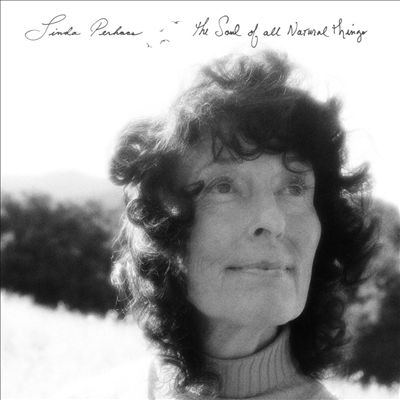
LESLEY GORE-GIRL TALK.
LESLEY GORE-GIRL TALK.
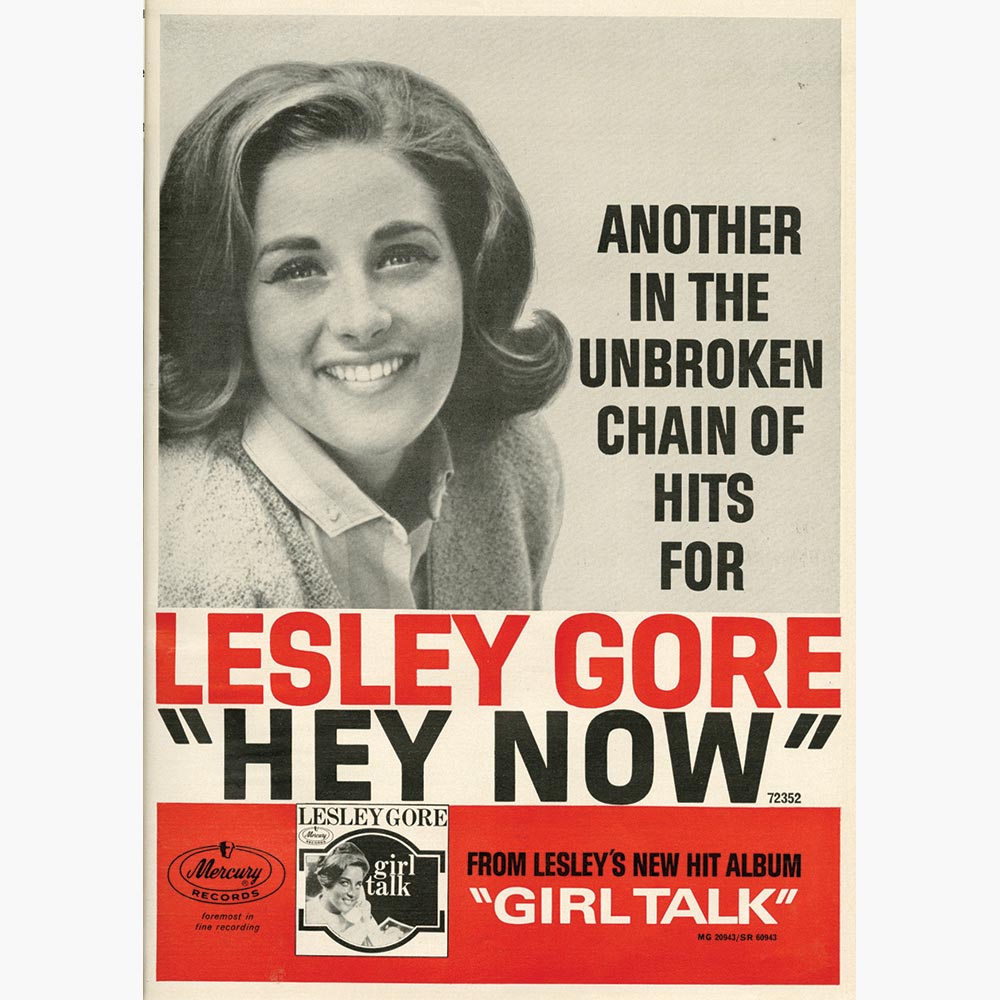
When Lesley Gore released Girl Talk in 1964, her career was at a crossroads. This was despite her being just eighteen. She’d burst onto the scene with It’s My Party in 1963. It reached number one in the US Billboard 100 and US R&B charts. This resulted in It’s My Party certified gold and being nominated for a Grammy Award. A year later, Lesley released Girl Talk, which was recently released by Ace Records. Girl Talk was Lesley’s fourth album. There was a problem though. Music was changing.
The British Invasion was a game-changer for artists like Lesley Gore. The clean-cut sounds of artists like Lesley and groups like the Beach Boys suddenly, seemed a lot less appealing. Groups like the Rolling Stones and to some extent, The Beatles, seemed to have an edge. They were seen as rebels. Especially, with the Rolling Stone. They were the musical equivalent of James Dean. Many people weren’t happy with these changes.
So when they read the sleeve-notes to Girl Talk they must have smiled. The sleeve-notes lamented the “twanging guitars, psychedelic sounds and moaning voices.” At least when Lesley sang, she was “singing in tune” and “pronouncing the lyrics of the song so they were understandable.” Lesley Gore, the all-American girl was some people believed, the future of music.
After all, her debut single sold a million copies. After that, guided by producer Quincy Jones, Lesley Gore released another five hit singles. Four of them reached the top ten in the US Billboard 100. However, with music changing, the commercial success Lesley Gore had enjoyed before Girl Talk could be a thing of the past. Was that the case?
Lesley Gore was just seventeen when Quincy Jones she met producer Quincy Jones. She was born in May 1946, into an affluent family who lived inTenafly, New Jersey. She attended the nearby Dwight School For Girls. By then, Lesley had been introduced to music by her parents. Frank Sinatra, Ella Fitzgerald and Tito Puente was the soundtrack to Lesley’s childhood. Then when Lesley’s mother was advised to buy a piano by her interior designer, Lesley was hooked.
So the piano was moved to the den. Lesley and her brother spent much of their time playing the piano. Then, by the time Lesley was in Junior High School, she’d written her first song, Going Steady. Soon, Lesley was spending much of her free time writing and arranging songs. The next step for Lesley was joining her first group.
With one of her school friends, Lesley formed a band. They sang covers of The Shirelles’ singles. By then, Lesley had her own vocal coach. Not long after this, Lesley cut some demos. They were sent to members of Lesley’s family and some family friends. One of the demos found its way Irving Green, who just happened to be the President of Mercury Records.
Irving Green like what he heard. So he gave Quincy Jones a call. Quincy had just been appointed head of A&R at Mercury Records. Quincy, gathered up 350 demos and took them to the home of Lesley Gore. They headed into the den and worked their way through them. The demos were separated into three piles, yes, no and maybe. One of the maybes, was It’s My Party. By the end of their listening session, It’s My Party became their first choice. It became Lesley’s debut single.
Recorded at Bell Sound Studios, on 30th March 1963, It’s My Party was an instant success. Within a week, it was being played on the radio. Soon, it reached number one in the US Billboard 100 and US R&B charts. This resulted in It’s My Party certified gold and being nominated for a Grammy Award. Following the success of It’s My Party, Lesley released her debut album.
Released in June 1963, It’s My Party reached number twenty-four in the US Billboard 200 charts. Lesley’s second single was Judy’s Turn To Cry, which reached number five in the US Billboard 100 and number ten in the US R&B Charts. After the success of Judy’s Turn To Cry, Lesley Gore looked like being a huge star.
Five months later, in October 1963, Lesley released her sophomore album Lesley Gore Sings of Mixed-Up Hearts. It stalled at number 125 in the US Billboard 200. At least the singles She’s A Fool and You Don’t Own Me reached the top five in the US Billboard 100. Maybe this was just a temporary blip?
It wasn’t I Don’t Know Anymore which was released as a single between Lesley’s second and third album failed to chart. Boys, Boys, Boys’ Lesley’s third album only reached number 127 in the US Billboard 200. Things improved slightly.
The lead single from Boys, Boys, Boys was That’s The Way Boys Are. It reached just number twelve in the US Billboard 100. The next single didn’t fare well. I Don’t Wanna Be a Loser reached just number thirty-seven in the US Billboard 100. Lesley’s career seemed to have stalled.
Taking the blame was the recent British Invasion. Then there was the birth of psychedelia. This derailed the career of many AOR, MOR artists and pop singers. Suddenly, artists who enjoyed successful careers were struggling. Bobby Vee and Neil Sedaka suffered this fate. Would Lesley? That’s what I’ll tell you after I’ve told you about Girl Talk.
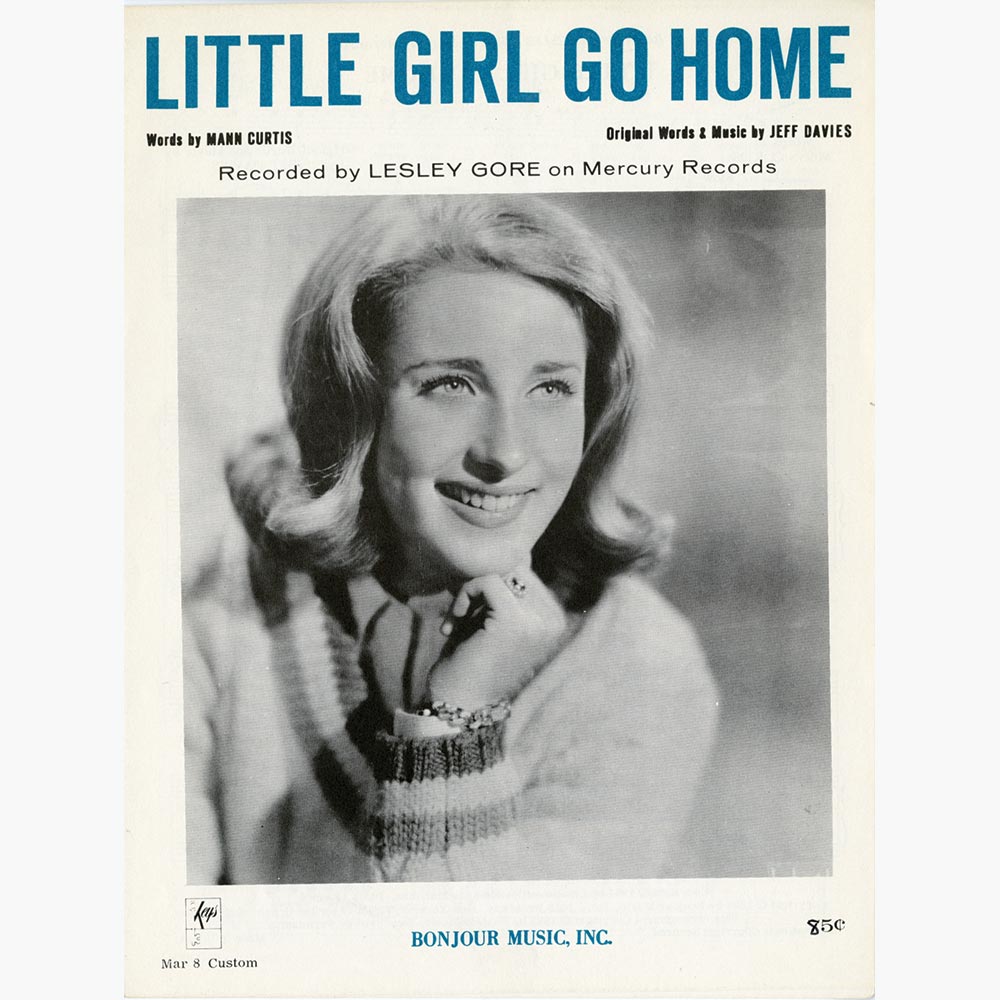
For Girl Talk, twelve tracks were chosen. This included the Lesley Gore penned I Died Inside, Sonny Gordon’s Hey Now, Larry Mark’s Say Goodbye and Len Praverman’s Movin’ Away. Van McCoy contributed You’ve Come Back and It’s Just About That Time, while Jeff Barry and Ellie Greenwich cowrote Look Of Love and Maybe I Know. Billy Carl, John Madara and David White wrote Live and Learn, Steve Donroy and James Glock’s Sometimes I Wish I Was A Boy and Jeffrey Davis and Curtis Mann’s Little Girl Go Home. The other track was James Stweart and Steve Wyche’s Wonder Boy. These twelve tracks became Girl Talk.
Just like Lesley’s three previous albums, Girl Talk was produced by Quincy Jones. By then, Lesley was in her first year at Sarah Lawrence College, in Yonkers. She was having to juggle her career and education. This wasn’t the only change in Lesley’s life. Her music was changing. She wanted to move away from the music she’d made her name with. It was too poppy. Lesley wanted to evolve as a singer. There is a hint of this on Girl Talk, which was released in October 1964.
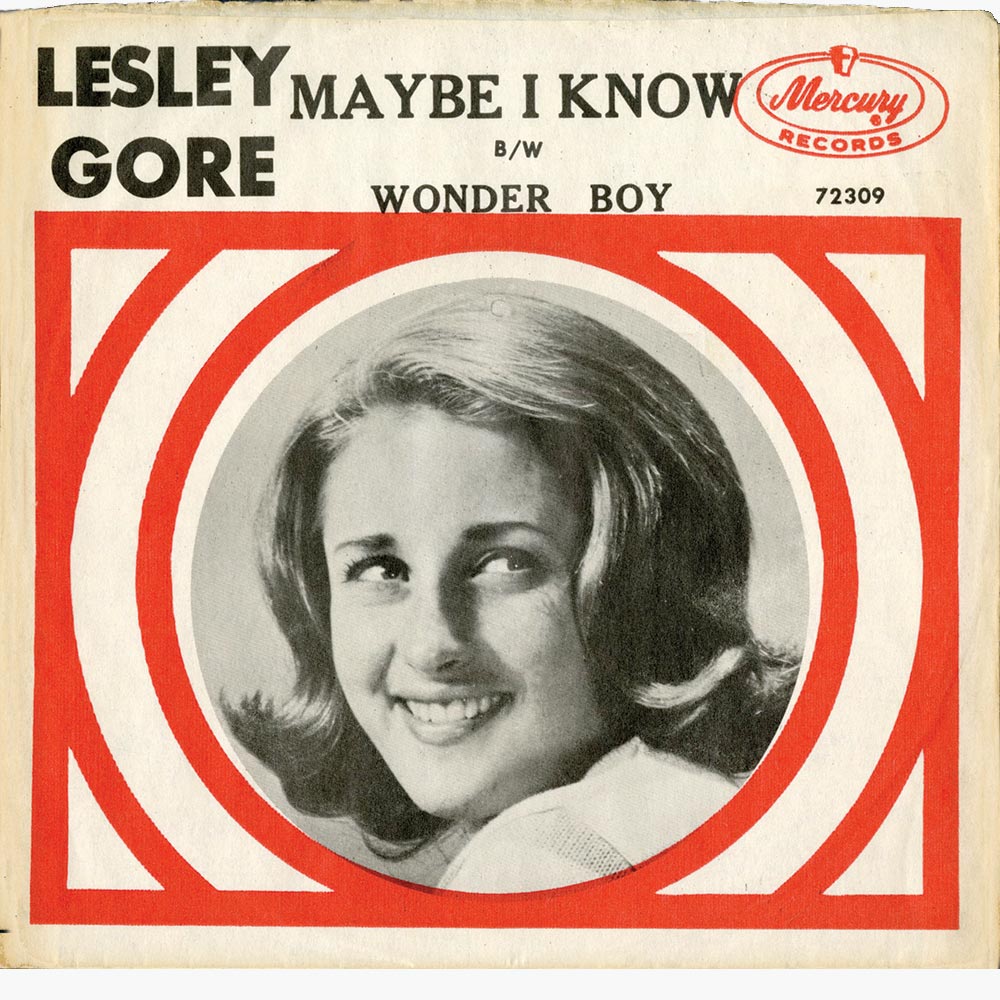
On the release of Girl Talk in October 1964, it became Lesley Gore’s least successful album. Girl Talk stalled at number 146 in the US Billboard 200. Things improved with the lead single Maybe I Know. It reached number fourteen in the US Billboard 100. Hey Now then reached just number seventy-six in the US Billboard 100. The final single was a cover of The Look Of Love, which reached number twenty-seven in the US Billboard 100. For Lesley Gore, Quincy Jones and Mercury Records, the commercial failure of Girl Talk was a huge disappointment. It seemed the changes in music had derailed Lesley’s career. However, is Girl Talk an album that deserved to fare better?
Fifty years have passed since Lesley Gore released Girl Talk. Looking back with the benefit of hindsight, it’s an electric album that showcases Lesley’s versatility. Some of the tracks have been influenced by the girl groups of the early sixties. Other tracks see Lesley bring to life the heartache, heartbreak and angst in the lyrics
Opening Girl Talk is Hey Now, is the bluesy, soulful, Hey Now. Live And Learn features a rueful vocal and sees a heartbroken Lesley accompanied by cooing harmonies. The heartbreak continues on Say Goodbye. It’s a ballad full sadness and emotion. Here, Lesley’s wistful vocal is at the heart of this melodic track’s success.
Look of Love draws inspiration from early sixties girl groups. Indeed, there’s a real Phil Spector influence. Lesley’s dreamy, melancholy vocal is accompanied by sweeping harmonies. They give the track its early sixties girl group sound. The same can be said of Maybe I Know, a hook-laden track that epitomises the girl group sound. Sometimes I Wish I Were A Boy is a tale of teenage angst that, which Lesley brings to life. The same can be said of I Died Inside. It’s another tale of teenage angst, this time penned by Lesley, who for her tender years, is an accomplished songwriter.
It’s the ballads which provide some of the highlights of Girl Talk. Tender and needy describes Lesley’s vocal on You’ve Come Back. It’s another ballad, this time penned by Van McCoy. Her vocal is accompanied by a string drenched arrangement, before the arrangement reaches a dramatic crescendo. The result is one of Girl Talk’s highlights. Then there’s Little Girl Go Home, another ballad. Strings sweep adding a sense of melancholia to the lyrics. They come to life as Lesley delivers them. With the cooing harmonies and strings for company the drama builds and Lesley pleads “Little Girl Go Home.”
Wonder Boy immediately puts you in mind of Martha and The Vandellas. Best described as blue-eyed soul, hooks certainly aren’t in short supply. Soulful pop describes Movin’ Away, a tale of teenage romance. The floaty ballad It’s Just About That Time closes Girl Talk. It has a much more mature sound. It’s as if Lesley is about to shed her reputation as a teenage pop star. With a fusion of pop, jazz and AOR it’s a move towards what singers Dionne Warwick were releasing. It’s Just About That Time proved a fitting way to close Girl Talk, because the next time Lesley entered the studio, Quincy Jones wasn’t there.
No. Quincy was replaced by Shelby Singleton, who produced I just Don’t Know If I Can. This was a track that Lesley and Carole Bayer cowrote. It would’ve moved Lesley in another direction. Mercury Records didn’t think this was right for Lesley, so the track was shelved until 1966. Even then, it only was released as a B-Side. By then, Lesley’s career had stalled.
September 1965 saw Lesley release the followup to Girl Talk, 1965 My Town, My Guy and Me. Produced by Quincy Jones, it reached just number 120 in the US Billboard 200. Lesley Gore Sings All About Love was then released in January 1966, but failed to chart. After that California Nights, released in February 1967 was Lesley’s only album to chart. It reached number 167 in the US Billboard 200 chart. Its followup Magic Colors was cancelled. Following the cancellation of Magic Colors, Lesley Gore only released another four albums between 1972 and 2005. None of them charted. However, who knows whether Lesley Gore’s career would’ve been more successful if she’d changed direction in 1966.
Maybe if Lesley had changed direction in 1966, she’d have enjoyed more commercial success than she did? Sadly, we’ll never know. What we do know is that Lesley was a talented singer and songwriter. Sadly, her career was somewhat derailed by the British Invasion. Having burst onto the scene with It’s My Party in 1963, Lesley Gore released Girl Talk in 1964, which was recently rereleased by Ace Records.
Ace Records newly rereleased version of Lesley Gore’s Girl Talk features thirteen bonus tracks. Some of these tracks haven’t been released on CD before. This includes nine tracks from Lesley’s 1965 album My Town, My Girl and Me. That’s another reason why for fans of Lesley Gore, the newly rereleased version of Girl Talk will be a must have. The nine tracks from My Town, My Girl and Me shows how Lesley’s music had evolved since My Girl. On My Girl, Lesley was just about to shed her teen idol image and mature as a singer and songwriter. That’s apparent from Girl Talk, which marked the closing of one chapter in the Lesley Gore story and the beginning of a new chapter.
LESLEY GORE-GIRL TALK.
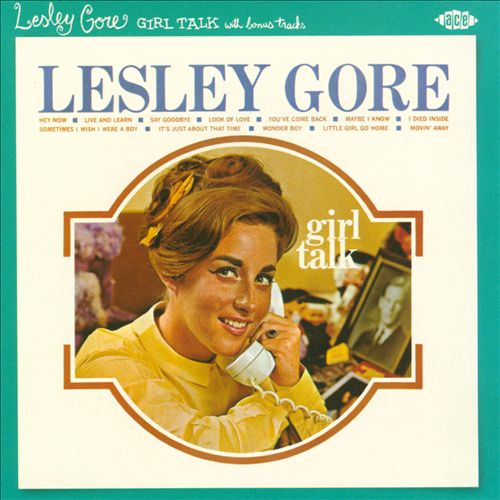
ROCK IT…DON’T STOP IT-COMPILED BY SEAN P
ROCK IT…DON’T STOP IT-COMPILED BY SEAN P.
1979 was year zero for hip hop. It was in 1979, that some of the earliest, and most influential, hip hop singles were released. This includes Paulette and Tanya Winley’s Rhymin’ and Rappin.’ It’s become one of the most influential of the early hip hop singles. The same year, the Fatback Band released one of hip hop’s earliest success stories.
Having heard DJ Hollywood rapping, the Fatback Band decided to have him rap on top of Catch The Beat, a track from their next album Fatback XII. It was DJ Hollywood’s first time in the studio. Unfazed, and believing he was about to become a star, he laid down his rap. Catch The Beat became King Tim III (Personality Jock), and was scheduled to be the Fatback Band’s next single. However, there was a problem.
Spring Records weren’t sure about releasing King Tim III (Personality Jock) as a single. They were somewhat conservative and decided upon You’re My Candy Sweet. King Tim III (Personality Jock) founds itself relegated to the B-Side. Despite this radio DJs discovered King Tim III (Personality Jock). Among them were Frankie Crocker, a friend of Jules Rifkind, who was one of the owners of Spring Records. Soon, King Tim III (Personality Jock) was being played by radio stations. Then, disaster struck for The Fatback Band. Another similar single was released.
This was The Sugar Hill Gang’s Rapper’s Delight. It was “inspired” by Chic’s Good Times, one of the biggest singles of the summer of 1979. Rapper’s Delight became a huge hit and helped launch what became known as hip hop. That was thirty-five years ago. However, many early hip hop singles didn’t prove as successful as Rapper’s Delight. There’s many a hidden hip hop gem awaiting discovery by discerning crate-diggers. That’s if Sean P hasn’t got there before you for his new compilation Rock It…Don’t Stop It.
Sean P has compiled Rock It…Don’t Stop It which will be released by BBE Music on 24th March 2014. Rock It…Don’t Stop It features ten long-lost, forgotten or obscure slices of hip hop. This includes tracks from Hardkore, Jazzy 4 MCs ,Mr. Sweety G, Sinister Two and Jackson II. These tracks were released between 1979 and 1983. Back then, whether it was Boston or Brooklyn, funk and disco was influencing hip hop’s evolution.
That’s been the case from the early days. Hip hoppers dug into their parent’s record collections when they sought inspiration. First up was Chic’s Good Times, which inspired Rapper’s Delight. Soon, hip hoppers discovered tracks that old funk and disco tracks were perfect for sampling purposes.
Favorite sources for samples were Zapp and Roger’s More Bounce To The Ounce, Chuck Brown and The Soul Searchers’ Ashley’s Roach Trip, James Brown’s Funky President and Kool and The Gang’s NT. These tracks are among the most sampled songs. So are The Winstons’ Amen Corner, The Honeydrippers’ Impeach The President and The Incredible Bongo Band’s Bongo Rock. Samples from these tracks feature on some of the most successful hip hop singles and albums. Sample spotting became like a pastime. Some artists dug deeper.
Some artists were determined to dig deeper in their pursuit of musical inspiration. Dusty warehouses, record shops, thrift stores and garage sales became favorite haunts of the sample hungry hip hopper. Obscure funk, soul and disco tracks yielded gold in the form of samples that found their way onto singles and albums. Sometimes, though, this proved controversial.
In the early days of hip hop, it was like a musical wild west. Artists had their work sampled, but never received recompense. The problem was, many samples weren’t cleared. Soon, when artists and record companies realised how big hip hop was becoming, artists and record companies started suing sample hungry hip hoppers.
Still, the myth persisted that if a sample was less than three seconds, it didn’t have to be cleared. Bridgeport Music, Inc. et. al. vs. Dimension Films et. al put paid to this. Despite this judgment, to this day, producers still try to sneak uncleared samples into songs. Having said that, it’s nothing like it was back in the early days of hip hop.
Back in 1979, hip hop had just been born. So many things were yet to be decided. This included the situation with short samples. The problem was, nobody knew if hip hop was going to be anything more than a passing musical fashion? Who knows, hip might have lasted just a couple of years. Instead, thirty-five years after some of the songs on Rock It…Don’t Stop It were released, hip hop is bigger than ever. That’s why compilations of hidden hip hop gems, like those on Rock It…Don’t Stop It which I’ll tell you about, are essential listening for hip hoppers old and new.
Hardkore’s Boom opens Rock It…Don’t Stop It. Released in 1982, on the Swing Back label, Boom was the only release from Hardcore. It’s a fusion of funk and hip hop with an early eighties sound. The arrangement is understated and funky, accompanied by a swaggering rap. The result is a real hidden gem, which is also incredibly rare. Copies when they become available, change hands for ever increasing sums of money.
Cat Claw and The Better Love Crew’s The Golden Rule, reminds me of some of the music being released on Sugar Hill Raps. There’s a real feel-good vibe to this track. It’s funky and full of slick hooks. Released on Belway Records in 1982, it was written by Cat Claw and produced by Charles Matthews. Hook-laden and funky it’s one of the highlights of Rock It…Don’t Stop It.
Jazzy 4 MCs were there when hip hip was born. They released MC Rock in 1979, on Razziberri Rainbow Records. They’ve been inspired by vintage funk. The arrangement is a bit of a slow burner. Gradually it unfolds. When the rap enters, he’s a slick, soulful jive talker. Sometimes, there are similarities with The Sugar Hill Gang. They both have one other thing in common, quality.
Terry Lewis and Wild Flower released The People’s Message, Take Two in 1983 on New York’s White Diamond Records. It’s hip hop with a social message. Jazz-tinged, funky, soulful and full of slick hooks. That’s thanks to Rance Wilson’s arrangement and Terry Lewis’ production. Along with lyrics that are still relevant over thirty years later, this results in what’s a real find and without doubt the highlight of Rock It…Don’t Stop It.
During the early eighties, William Glenn Toby released two singles as Mr. Sweety G. The first was At The Place To Be. It was released on New Star Record Co, in 1981. That was Mr. Sweety G’s finest moment. It’s a slice of good time funky, soulful music. Oozing confidence and bravado, Mr. Sweety G delivers a soulful, sassy rap. Sadly, he only released one more single, We Want To Get Down. Later, Mr. Sweety G reinvented himself as Eviction and Nu Civilization.
In 1980, Rappers Rapp Group recorded their only single Rappers Rapp Theme in KSR Recording Studio, Hollywood, Los Angeles. It was released on the Rappers Rapp Disco Company in 1980. Sadly, it wasn’t a commercial success. However, tucked away on the B-Side was Rappin’ Partee Groove. Straight away, the track samples the bass line to Queen’s Another One Bites The Dust. After that eighties drums crack, a meandering Fender Rhodes joins the bass. Taking centre-stage is a swaggering rap full of bravado and machismo. It plays its part in what’s a hidden hip hop gem.
Just like a number of artists on Rock It…Don’t Stop It. Ricky G and The Everloving Five only released one single. This was To The Max. Released on Capo Records, it was written by Rozell Brown with Cliff Branch and Gregory Carr, who produced To The Max. It’s a fusion of funk, soul and sass that’s melodic and memorable.
Sinister Two released Rock It, Don’t Stop It on the New York label Bee Pee Records. It’s produced by Bernard Thomas and Preston Lassic. Peek Skill Express provide the music, while the vocal is sung in a call and response style. Released in 1981, this proved the Sinister Two’s only single. Mind you, if you’re only going to release one single, make it one this good.
Oh, Yeah was a single from The Jackson Two. Released in 1980, on J.C. Records, it was produced by Bill Moore and Mel Jackson. They’re responsible for a slick, soulful slice of hip hop. Bubbling synths set the scene for the Jackson II’s feisty, soulful rap. The result is a track that’s inspired by The Sugar Hill Gang’s Rapper’s Delight. Having said that, it’s one of the highlights of Rock It…Don’t Stop It.
Closing Rock It…Don’t Stop It is Kevin Fleetwood and The Cadillacs Of Sound’s Sweat. This was the B-Side to Sweat It Off, a single released in 1983, on Solid Platinum Records. For anyone playing sample spotting, this time it’s Yazoo’s Only You that’s sampled and provides the hook. It’s buried amidst a myriad of percussion, whistles, crashing cymbals and chiming guitars. Then there’s vocals full of frustration and anger. They’re deliver the lyrics full of social comment in a call and response style. This results in hip hop with a social conscience.
So that’s the story of Rock It…Don’t Stop It, Sean P’s new compilation, which will be released on BBE Music on 24th March 2014. For anyone whose interested in hip hop, it’s a must have. Rock It…Don’t Stop It is crammed full of hidden hip hop gems. So much so, that by the time you’ve finished listening to Rock It…Don’t Stop It, you’ll wonder where these ten tracks have been all your life? They’re funky, soulful, dance-floor friendly and full of hooks and social comment. Each of the ten tracks oozes quality and are a reminder of hip hop’s early years.
The ten tracks on Rock It…Don’t Stop It will also show that there’s much more to hip hop’s early years than Rapper’s Delight. It’s just the tip of a musical iceberg. Rapper’s Delight may have been hip hop’s first hit single, but there’s so much more to the music. For anyone tipping their toe into the hip hop waters, Dan Charnas’ book The Big Payback is the perfect starting place. Before long, you’ll be able to differentiate between West Coast and East Coast hip hop and won’t mix up Def Jam from Death Row. While reading about all things hip hop, the perfect soundtrack is Sean P’s must have compilation Rock It…Don’t Stop. It’s da dope.
ROCK IT…DON’T STOP IT-COMPILED BY SEAN P

SYL JOHNSON-DIAMOND IN THE ROUGH.
SYL JOHNSON-DIAMOND IN THE ROUGH.
For much of the seventies, Hi Records was one of the most successful Southern Soul labels. This success was only derailed by the increase in disco’s popularity. Before that, Hi Records had gained a reputation as a label who released innovative Southern Soul. The man behind the Hi Records’ success story was producer Willie Mitchell. Originally, he joined the label as a recording artist. However, it was as a producer that Willie Mitchell made his name at Hi Records.
Willie Mitchell’s successful career as a producer began when he first started working with Al Green. He would become Hi Records most successful artist, enjoying six consecutive number one US R&B albums. Four of these albums were certified gold and one platinum. However, there was more to Hi Records than Al Green. Much more.
Among the other names on Hi Records roster during the seventies were O.V. Wright, Otis Clay and Don Bryant. They only enjoyed minor success. Ann Peebles was Hi Records’ First Lady, enjoying hit singles hit singles with I Can’t Stand The Rain and I’m Gonna Tear Your Playhouse Down. Then there’s Syl Johnson, who enjoyed ten hit singles between 1972 and 1976. During this period, Syl released a quartet of albums for Hi Records.
Syl’s time at Hi Records began with what was his third album Back For A Taste Of Your Love. Released in 1973, Back For A Taste Of Your Love was Syl’s Hi Records debut. A year later, Syl returned with Diamond In the Rough. His first album on Hi was Back For A Taste of Your Love released in 1973, which will be rereleased by Fat Possum Records on 24th March 2014. Before I review Diamond In the Rough, I’ll tell you about Syl Johnson’s career.
Syl Johnson was born Sylvester Thompson in July 1936, in Holy Springs, Mississippi. He was the youngest of seven children. The Johnson family moved to Chicago in 1950. By then, Syl was a talented guitarist. Two of his brothers were musicians. One of the first artists Syl worked with was his next-door neighbour, Magic Sam.
Magic Sam was one of the first artists Syl worked with. Soon, he was accompanying Junior Wells, Howlin’ Wolf and Billy Boy Arnold. Syl sang and played guitar. His first recording section was playing guitar for Billy Boy Arnold in 1956. which was released on the famous Vee Jay label. Soon, Syl was working with the great and good of Chicago’s blues players, including Jimmy Reed. Then as the fifties drew to a close, Syl’s solo career began.
His first solo record contract was with King Records. and he recorded six singles on their Federal label between 1959 and 1962. These singles were a mixture of blues, soul and much more pop oriented material. Syl’s debut was Teardrops, which was released in 1959. The followup in 1960, Syl released I’ve Got Love. Then in 1962, as Syl’s time at Federal drew to a close, Syl released Please, Please, Please and Little Sally Walker. Sadly, one of the singles sol particularly well, despite being well promoted by his label. With success eluding Syl, he left Federal.
For the next few years, Syl released a handful of singles. He released Do You Know What Love Is on Special Agent Records. The same year, Syl released Falling In Love Again on TMP-Records. Then in 1966, Syl released Straight Love No Chaser for Zachron label. This was one of two singles Syl produced and released on Zachron. Just like the singles Syl released on Federal, they sold well locally, but didn’t make a commercial breakthrough nationally. Despite this, Syl signed to Twilight Records, where he’d spend the next three years.
It was on Twilight Records that Syl had his first successful single, Come On Sock It To Me. Released in 1967, it reached number ninety-seven in the US Billboard 100 and number twelve in the US R&B Charts. Syl followed this up with Different Strokes, which reached number ninety-five in the US Billboard 100 and number seventeen in the US R&B Charts. His next single was Dresses Too Short, which was released in 1968. This was the title-track to Syl’s debut album. Syl’s third single reached number thirty-six in the US R&B Charts. However, this were about to get even better.
In 1969 Syl’s released his most successful single and album, Is It Because I’m Black? The single reached number sixty-eight in the US Billboard 100 and number eleven in the US R&B Charts. Is It Because I’m Black became a minor classic. Just like so much of the album it was taken from, the lyrics were socially aware. They tapped into the social problems of the era. By writing about the world around him, Syl had just released the most successful single and album of his career. At last, Syl had made a commercial breakthrough. During this period, Syl founded his own record company.
During his time at Twilight, which had now been named Twinight, Syl found himself head of A&R. He also founded his own record label Shama. Often, they signed artists that Twinigight decided not to sign. To record sessions for his new label, Syl enlisted the musicians that played on all the Twinight recordings. There was more to Syl Johnson than just singer, songwriter and musician. Now he owned a record label.
It was in 1969, that Syl decided to head south to Memphis to record sessions for his Shana label. The reason for the trips to Memphis was Syl wanted to change the label’s musical style. He admired the sound coming out of Memphis. Some of the sessions took place in the Hi Records studios. Once there, he realised that Willie Mitchell had put in place one of the best studio bands in music. When Shama and Twinight experienced financial problems, Syl decided it was now time to sign to Hi Records. This was the summer of 1971, and in the next seven years he’d release four albums for his new label.
The first album Syl released for Hi Records was Back For A Taste of Your Love released in 1973. It reached number nineteen in the R&B charts. Back For A Taste of Your Love also spawned three singles. The Love We Left Behind reached number forty-three in the US R&B Charts. We Did It then reached reached number ninety-five in the US Billboard 100 and number twenty-three in the US R&B Charts. The most successful single was the title-track. It reached reached number seventy-two in the US Billboard 100 and number sixteen in the US R&B Charts. For Syl, his decision to leave Twinight had been vindicated. However, would Diamond In the Rough replicate the commercial success of Back For A Taste of Your Love?
For Diamond In The Rough, some of Hi Records top songwriters would contribute tracks. This included Willie Mitchell. He cowrote Could I Be Falling In Love with Earl Randle and Keepin’ Down Confusion with Darryl Carter. Darryl cowrote Let Yourself Go, Don’t Do It, I Want To Take You Home (To See Mama), Diamond In The Rough and Music To My Ears with Charles Hodges. Earl Randle also cowrote Please Don’t Give Up On Me and I Hear The Love Chimes. Along with The Cate Brother’s Stuck In Chicago, these ten tracks became Diamond In The Rough at Royal Recording Studios, Memphis.
Producer Willie Mitchell brought in his A-Team for recording of Let’s Stay Together at Royal Recording Studios, Memphis. The rhythm section included guitarist Teenie Hodge, bassist Leroy Holdge plus drummer Howard Grimes and Al Jackson Jr. Charles Holdges played organ and piano, while The Memphis Horns joined legendary backing vocalists Donna Rhodes, Charles Chalmers and Sandra Rhodes. As Rhodes, Chalmers, Rhodes, their sprinkling of musical magic was the finishing touch to what would become Diamond In The Rough, was released in 1974.
On the release of Diamond In The Rough in 1974, it failed to replicate the success of Back For A Taste Of Your Love. Since then, Back For A Taste Of Your Love has been perceived as one of Syl Johnson’s most underrated albums. At least the singles fared better. Let Yourself Go reached number fifty-four in the US R&B Charts and then I Want To Take You Home (To See Mama) reached number forty in the US R&B Charts. This was a small crumb of comfort for Syl, who’d just released the underrated Diamond In The Rough, which I’ll tell you about.
Diamond In the Rough begins with Let Yourself Go. A piano play slowly and thoughtfully, before the rhythm section and organ enter. They transform the arrangement. It’s brighter and much more melodic. After that, Syl’s charismatic vocal makes an appearance. He’s accompanied by Rhodes, Chalmers and Rhodes and The Memphis Horns, who both occasionally punctuate the track in short, sharp bursts. Syl, meanwhile, is delivering a powerful, passionate and needy vocal. Occasionally, he kicks loose, with Willie Mitchell’s arrangement is perfect foil. The rhythm section and Memphis Horns drive the song along, never once overpowering Syl’s charismatic vocal.
Guitars play at the start of Don’t Do It, before The Memphis Horns interject. They announce Syl’s introduction. When Syl sings, he’s got some explaining to do. He’s having to talk his girlfriend out of leaving him. He breathes life and meaning into the lyrics. Meanwhile harmonies, sweeping strings and rasping horns accompany him. The rhythm section provide the perfect backdrop for Syl’s tale of woe, with horns adding to the songs drama. However, Sly, plays the starring role, his pleading, needy vocal full of hope and guilt.
I Don’t Want To Take You Home (To See Mama) has a very different sound to the two preceding tracks. It bursts into life, horns blazing before Syl sings. His vocal is joyous. Throughout the track he’s accompanied by harmonies. Their voices rejoice sweetly and joyously. They’re the perfect accompaniment to Syl’s vocal. Similarly, horns play an important role. They punctuate the arrangement. Along with the harmonies, the horns play an important part in what’s one of the highlights of Diamond In the Rough.
An organ plays, giving the song a really sad, melancholy sound and is accompanied by drums, guitar and keyboards as Could Be Falling In Love With You unfolds. Sly delivers a heart-achingly beautiful rendition of the slowest song on the album. It’s made all the better with the subtle use of the backing vocalists and bursts of wistful horns. Throughout the song, the band play slowly. They allow Sly to take centre-stage, and do what he does best, deliver songs with emotion and passion. Syl’s vocal and the arrangement which, meanders along beautifully. The only time the horns play, is towards the end, where they make their presence felt and add to an already sad, emotive arrangement.
The tempo increases with Stuck In Chicago. where the guitar, horns and then rhythm section enters. When Syl sings, his voice is much stronger. He’s accompanied by sweeping strings bursts of horns. This results in a much fuller arrangement. It’s rueful, dramatic and atmospheric. Later, an organ adds to the already wistful, dramatic arrangement. No wonder, Syl is down out of money and out of luck, having been stood up by his girlfriend. Just like on other tracks, Syl’s dramatic delivery brings the lyrics to life, and you end up feeling sorry for him.
The title-track is another dramatic sounding track. Drums crash, before keyboards and braying horns combine before Syl sings. His vocal is strong and loud. Behind him, the rhythm section and The Memphis Horns especially, concentrate on producing a dramatic sounding arrangement. Later, strings sweep in, their sound lush, in contrast to the brash sounding horns. Together, the rhythm section, horns and strings succeed in producing one of the most dramatic sounding arrangements on the album. Syl meanwhile, matches their efforts, producing a vocal that’s emotive and dramatic.
Just drums, Hammond organ and sweet sounding harmonies combine as Keepin’ Down Confusion reveals its secrets. Syl’s charismatic vocal brings meaning to the lyrics. While Syl sings, a Hammond organ and The Memphis Horns add to the emotion and drama. So do Rhodes, Chalmers and Rhodes, Hi’s legendary backing singers. The slower arrangement seems to add to the dramatic sound and feel of the track. Here, a combination of a slower arrangement and charismatic vocal from Syl prove a winning combination.
It’s an organ and The Memphis Horns that dramatically, accompany an almost pleading, Syl at the start of Please Don’t Give Up On Me. Harmonies and stabs of growling horns add to the drama when they accompany Syl. So does the rhythm section. They set the scene for Syl’s needy, pleading vocal. He lets loose his emotions, begging his girlfriend not to give up on him. Rhodes, Chalmers and Rhodes backing vocals’ add the finishing touches to the this emotional roller coaster as Syl’s desperate vocal tugs at your heartstrings.
A piano plays at the start of Music To My Ears, but doesn’t give you any indication of what’s to come. What follows is the rhythm section and The Memphis Horns combining before Syl sings joyously. Behind him lush sounding strings sweep in. Horns punctuate the arrangement and backing vocalists compliment Syl’s vocal. The quicker tempo sweeps you along. Soon, you’re captivated by Syl’s joyous vocal. Add to this a melodic, hooks-laden arrangement and it’s another reason why Diamond In the Rough is perceived as an understated album.
Diamond In the Rough closes with I Hear the Love Chimes. It has a subtle introduction with keyboards, drums and guitar playing, before a short burst of braying horns announces Syl’s entrance. Here, his vocal is much more restrained. He relies less on power. Behind him, the rhythm section and Memphis Horns combine to produce a dramatic slice of Southern Soul. It’s punctuated by horns, and a Hammond organ that adds to the slow, atmospheric arrangement. Harmonies interject, singing sweetly in unison. The result is a melodic song full of contrasts that’s a satisfying way to close Diamond In the Rough.
Sadly, Diamond In the Rough didn’t build on Syl Johnson’s debut album Back For A Taste of Your Love. It reached number nineteen in 1973. However, Diamond In the Rough failed to chart. Granted the two singles charted in the US R&B charts. This was just a small crumb of comfort for Syl. Ironically, Diamond In the Rough was one of the best albums Syl recorded for Hi Records. Although Diamond In the Rough oozes quality, it failed to chart. Since then, Diamond In the Rough has been seen as a hugely underrated album.
On Diamond In the Rough Syl demonstrates his versatility as a vocalist. He’s equally comfortable delivering heartbreaking ballads or joyous, uptempo tracks. Throughout Diamond In the Rough, Syl adjusts his voice to suit each song. They come to life. You’re captivated by Syl’s delivery as he and Hi Records’ all-star band fuse Southern Soul, R&B, funk and blues.
Just like his first album for Hi Records, Back For A Taste Of Your Love, Willie Mitchell produced it. Willie brought onboard the Hi Records A-Team. It featured The Memphis Horns, The Memphis Strings, and of course, the legendary Hi rhythm section. Then there’s backing vocalists Rhodes, Chalmers and Rhodes. They all played their part in making Diamond In the Rough’s such a good album. Sadly, despite its quality, Diamond In the Rough failed commercially.
Forty years later, Fat Possum Records will rerelease Diamond In the Rough on 24th March 2014. This will allow a new generation of music loves to discover a musical hidden gem. Hopefully, second time around This Diamond In The Rough will find the audience it deserves. Standout Tracks: I Don’t Want To Take You Home (To See Mama), Could Be Falling In Love With You, Please Don’t Give Up On Me and I Hear the Love Chimes.
SYL JOHNSON-DIAMOND IN THE ROUGH.

O.V. WRIGHT-WE’RE STILL TOGETHER.
O.V. WRIGHT-WE’RE STILL TOGETHER.
I’ve always thought that O.V. Wright was one of the most underrated Southern Soul singers of his generation. That’s why I’ve always championed O.V. Wright’s music. In some ways, O.V. Wright was overshadowed by the commercial success and critical acclaim Al Green was enjoying. They were both n the same label, Hi Records. Whereas, Al Green had numerous critically acclaimed albums, O.V. only released three studio albums for Hi Records, The last of these three albums was We’re Still Together, released in May 1979. Nearly thirty-five years later, We’re Still Together will be rereleased by Fat Possum Records.
We’re Still Together proved to be the final album of O.V. Wright’s career. Tragedy struck just over a year later when O.V. Wright died, aged just forty-one, due to a drugs overdose. This tragedy saw Southern Soul robbed of one of its great talents, and a man with an unmistakable and inimitable voice. O.V. Wright’s time at Hi Records lasted three albums and less than two years.
O.V. Wright’s Hi Records debut was Into Something (Can’t Shake Loose), which was released in June 1977. The followup was The Bottom Line, which released in July 1978. The final album that O.V. Wright released for Hi Records was We’re Still Together. Sadly, that would prove to be the final album of O.V. Wright’s career. Just over a year later, O.V. Wright was dead. His musical legacy is the three albums that he released for Hi Records, which in 1979, was a very different record label.
Just like his two previous albums for Hi Records, We’re Still Together was recorded at Royal Recording Studios and Allied Recording Studios, with Willie Mitchell producing the album. Hi Records was a very different label. Familiar faces had left, with new personnel taking their places. One of the changes was the new Hi Rhythm Section and augmenting The Memphis Horns, were members of The South Memphis Horns. Another change was that backing singers Rhodes, Chalmers, Rhodes only appeared on one track, I’m Gonna Stay. Previously, they’d been a permanent fixture on albums released by Hi Records. Their backing vocals graced just about every album released by Hi Records.This was just the latest change at Hi Records, following the label’s takeover by Al Bennett’s Cream Records. One thing didn’t change though, the music.
What didn’t change was the standard of songs O.V. Wright would record. Earl Randle cowrote six of the tracks with a variety of songwriting partners. He wrote I’m Gonna Stay with Willie Mitchell James Shaw collaborated with Earl on I Found Peace and The Hurt Is One. The nine songs on We’re Still Together were a combination of Southern Soul, with a sprinkling of funk. These songs were recorded by O.V and Hi Records’ new version of the Hi Rhythm Section.
When recording began, The Hi Rhythm Section featured bassist Leroy Hodges, drummer Gene Charisman, former Bar-Kays’ guitarist Leroy Michael Toles and keyboardist Aarion Nesbit. The South Memphis Horns and The Memphis Strings augmented The Hi Rhythm Section. When We’re Still Together was completed, it was released in May 1979.
Sadly, regardless of the quality of music on We’re Still Together, it wasn’t a commercial success. Southern Soul and sou in general were no longer as popular. Disco had been flavour of the month. Ironically, by May 1979, it was on life support and fighting for its very life. During the past few years, soul singers like O.V. Wright, Bobby Womack and even other artists on Hi like Otis Clay, Ann Peebles and even Al Green were no longer as popular. This was unfortunate, as many great soul albums passed almost unnoticed, including We’re Still Together, which I’ll now tell you about.
We’re Still Together opens with the title track, We’re Still Together which by Earl Randle and Richie Key cowrote. Rasping horns, swirling strings, a funky rhythm section and chiming guitars combine to create an uptempo joyous sound. An appreciative O.V. gives thanks that he’s still together with his partner. A funky bass is a permanent fixture. So are the rasping horns, lush, swirling strings and sweet sounding harmonies. They provide a contrast to O.V. raspy voice. Later, a sultry saxophone drenches the arrangement with its beauty. This addition is quite a departure from his two previous albums, with The Memphis Horns never usually playing solos. Having said that, it works well and plays an important part in Willie Mitchell’s arrangement. Add to that, O.V’s emotive and passionate vocal and it’s a perfect way to open the album.
I Found Peace is a mid-tempo track that has a slight funky sound throughout. The arrangement combines elements of the M.F.S.B. rhythm section with the best of Southern Soul. Lush strings, accompany the rhythm section and chiming, shimmering guitars, before O.V.’s vocal enters. It’s a joyful O.V. we hear. He’s at peace, ready to take on the world, because of the love of his partner. With the harmonies for company, and the rhythm section locking into a gentle funk based groove, the track sweeps along. Adding to the Southern Soul sound in a Hammond organ, which atmospherically wails. Keyboards, rasping horns and O.V. combine to produce a track, that sweeps beautifully along.
There’s a noticeable change in style and sound on It’s Cold Without Your Love, written by Jim Dotson and Earl Randle. Here, a heartbroken O.V. is accompanied by a slow, thoughtful arrangement. It has a lovely understated sound. Just the rhythm section, guitars and strings combine with harmonies. They accompany a desperate and lonely O.V. As the arrangement meanders along, with braying horns occasionally bray, while O.V. lays bare his hurt and pain.
Sisters Aretha and Carolyn Franklin co-wrote Baby, Baby, Baby, a track that bursts into life with horns blazing, before giving way to a slow emotive sounding track. Just a piano, slow rhythm section and guitars combine before a despairing and disconsolate O.V. enters. He’s desperate having lost the woman he loves. Punchy sounding harmonies add to the drama of O.V.’s vocal as the arrangement unfolds. The arrangement builds. Sad, dramatic strings combine with rasping horns, a dramatic rhythm section, piano and searing, chiming guitars. Adding the finishing touch is O.V’s desperate, heartbroken vocal. The result is a hidden gem from O.V. Wright, Southern Soul’s best kept secret.
I’m Gonna Stay is only track that Willie Mitchell co-wrote with Earl Randle. When you hear the first few familiar bars, it’s like meeting an old friend. There’s a real Southern Soul sound to the track. The rhythm section, guitars and Hammond organ combine with O.V.’s raspy voice. It’s a belligerent O.V. we hear, whose decided to stay with his partner, just to spite her. Horns blaze in, while harmonies subtly sweep in. The tempo is slow, a wandering bass and slow, pensive drums combine to provide the track’s heartbeat, while the horns and harmonies punctuate the arrangement. By the end of the track, you realise that the Willie Mitchell and Earl Randle songwriting partnership have triumphed again, producing an emotive opus, one that’s all the better for having O.V. singing it.
Funky describes The Hurt Is On. Wah-wah guitars, blazing horns and the funkiest of rhythm section accompanying O.V.’s angry vocal. This is a song with a social conscience, that amazingly, is even more relevant today than in 1979. O.V. sings about the problems of unemployment and poverty, against a backdrop that wouldn’t sound out place in a Blaxploitation movie. With swirling, strings join the wah-wah guitars and growling horns as the arrangement gets even better. Providing a contrast are sweet, soulful harmonies. Although this isn’t a slice of Southern Soul, it’s one of We’re Still Together’s highlights. It’s best described as five magical and majestic minutes of a fusion of angry, funky, soulful music.
A wailing Hammond organ, piano and rhythm section combine to provide a bluesy sounding backdrop for O.V.’s vocal on Today I Sing the Blues. Again, it’s a sad and lonely O.V. we hear, his girlfriend having left him. Chiming, searing guitars, piano and rhythm section slowly combine to produce a sad bluesy sound. Horns rasp and the Hammond atmospherically wails sympathetically. Adding the finishing touch to this bluesy track are the lushest of strings, which accompany the desperate O.V.
Mirror of My Soul sees O.V. return to Southern Soul. A moody Hammond organ, rhythm section and braying horns combine slowly. Then sad, yet lush strings enter. When O.V’s vocal its wistful and rueful. His gravelly vocal gently sings of his love for a woman who has transformed his life, made him happy and “brought meaning to his life.” Meanwhile, a slow, heartbreaking arrangement gradually reveals itself. Harmonies punctuate the arrangement to this beautiful, tender songs which is one of the best songs O.V. recorded for Hi Records.
We’re Still Together closes with Sacrifice. His half-spoken vocal is accompanied by the rhythm section, piano and guitars. Later, horns rasp, while strings sweep slowly and sadly. Together, they provide the perfect backdrop for a heartbroken O.V. He sings about the pain and hurt he’s suffered, his girlfriend having left him. With the strings and piano playing important parts in the arrangement, tender harmonies sweep in. They provide a contrast to the heartache and pain in O.V.’s voice, as the sad and melancholy arrangement flows along. By the end of this tale of heartbreaki you begin to sympathise and empathise with O.V. That’s how real he makes the hurt and pain seem. No many singers could bring lyrics to life like O.V. could.
As I finished listening to We’re Still Together, it struck me that this was the last album of O.V.’s tragically short career. This makes We’re Still Together a poignant album. O.V. breathes life and meaning into the lyrics. It’s as if he’s lived, loved, and just about survived the heartbreak and hurt he’s singing about. That’s why the music is variously full of despair, heartbreak, hurt, joy and sadness. He’s also rueful and thankful. The nine songs on We’re Still Together are like mini soap operas, with O.V. Wright playing a starring role. Sadly, however, We’re Still Together wasn’t a commercial success.
We’re Still Together seemed to pass most people by. Less than a year later, O.V. Wright died, aged just forty-one, due to a drugs overdose. This tragedy saw Southern Soul robbed of one of its great talents. The man with that unmistakable and inimitable voice, O.V. Wright released just three albums during less than two years. Music had lost a truly versatile singer.
One listen to We’re Still Together and you’ll realise just how talented and versatile singer O.V. Wright was. If he’d been released We’re Still Together at the start of the seventies, he could’ve been a huge star. Why? Well, O.V. was able to sing everything from blues, funk and Southern Soul. That’s apparent on On We’re Still Together. How many other artists could change styles with such ease? Not many. Despite his versatility, commercial success and critical acclaim eluded him.
That’s why O.V. Wright is regarded as one of soul music’s best kept secrets. Maybe not any more. Fat Possum Records are in the process of rereleasing much of Hi Records’ back-catalogue. This includes 1978s The Bottom Line and We’re Still Together. These two albums are the perfect introduction into the music of O.V. Wright. These two albums were made during a difficult time for O.V. Wright.
During the recording of We’re Still Together, O.V. Wright was allegedly addicted to heroin. He wasn’t the first musician to find himself in this situation. Remarkably, the music on We’re Still Together wasn’t affected by O.V.’s heroin habit. That’s quite incredible, as a heroin habit can really destroy an artists talent and creativity. Not O.V. Wright. He was in the groove, making some of the best music of his career. Sadly, it was his addiction to drugs that cost O.V. Wright his career, and life. O.V. Wright died in November 1980, aged just forty-one. This was far too young. There was much more music in O.V. Wright. However, tragically, that wasn’t to be, and the legacy O.V. Wright leaves behind is something we can all share and cherish, some soulful music, including his final album We’re Still Together. Standout Tracks: I Found Peace, Baby, Baby, Baby, The Hurt Is On and Mirror of My Soul.Into Something (Can’t Shake Loose),
O.V. WRIGHT-WE”RE STILL TOGETHER.

HAKON STENE-LUSH LAMENTS FOR LAZY MAMMAL.
HAKON STENE-LUSH LAMENTS FOR LAZY MAMMAL.
Ambitious, fearless, groundbreaking and innovative. These are just a few of the words that describe the music of Norwegian improvisational musician Håkon Stene. His long awaited debut album, Lush Laments for Lazy Mammal, will be released on 14th April 2014, on Hubro Music. Lush Laments for Lazy Mammal marks a change in direction from Håkon Stene.
That’s no surprise. Håkon is one of the most innovative Norwegian musicians. For Lush Laments for Lazy Mammal, Håkon has combined music by British composers Laurence Crane and Gavin Bryars with a new piece by the influential Norwegian composer and improvisational musician Christian Wallumrød. The result in music that’s the polar of the music he’s created so far.
Melodic, understated, ethereal, minimalist soundscapes describe the music on Lush Laments for Lazy Mammal. So does subdued, ambient, lush and wistful. This is far removed from the“noise-based” music Håkon Stene has been making. However, this won’t surprise anyone whose familiar with Håkon Stene’s groundbreaking music.
Throughout his career, Håkon Stene’s music has never stood still. That’s why he’s established a reputation as one Norway’s most inventive musicians. Recently, Håkon has focused on “noise-based” music. This is a fusion of musical genres, including avant-garde, drone, experimental and post rock. This is music that’s complex and contemporary. However, there’s more to Håkon than “noise-based” music.
Given his reputation as a groundbreaking musician, Håkon Stene has been in demand as collaborator. He doesn’t restrict himself to one musical genre. No way. Instead he’s collaborated on baroque, electronica, folk and contemporary music projects. Eclectic describes Håkon’s collaborations which see him experiment with new instruments. This has resulted in Håkon becoming a versatile and inventive musician.
Over the last few years, Håkon has collaborated with baroque musician Rolf Lislevand and contemporary musicians Asamisimasa, who won a Spellemannspris, which is the Norwegian equivalent of a Grammy. Håkon collaborated with folk musicians Nils Økland and Benedicte Maurseth. Then in 2013, Hakon’s collaborated with German electronic producer Pantha du Prince and The Bell Laboratory’s 2013 album Elements Of Light. All of these collaborations were good experience for Håkon’s solo career.
When it came to recording his debut solo album Lush Laments for Lazy Mammal, Håkon turned his back on “noise-based” music. Instead, he decided to concentrate on harmony, melody and simplicity. So, Håkon dusted down the guitar he hadn’t played for nearly twenty years. Along with a piano, vibes, bowed marimba and keyboards, Håkon started work on Lush Laments for Lazy Mammal.
When it came to looking for material for what became Lush Laments for Lazy Mammal, Håkon was inspired by the work of two British composers, Gavin Bryars and Laurence Crane. They both belong to the English classical experimental scene. Gavin is the elder statesman. He was born in Yorkshire in 1943. His contribution is the eleven-minute epic Hi Tremolo. Laurence is a sixties child, who was born in Oxford in 1961. Six of the tracks on Lush Laments for Lazy Mammal were penned by Laurence. This includes Prelude for HS, Bobby J, See Our Lake I, Riis, Holt and Blue, Blue, Blue. Their music has been inspired by legends of the New York School like John Cage and Morton Feldman and French composer Eric Satie.
For those unfamiliar with Eric Satie, he was born in 1866. Eric Satie was a musical visionary. He foresaw minimalism and ambient music. This was way back at the start of the twentieth century. So it’s fitting that one of the tracks on Lush Laments for Lazy Mammal were composed by a European composer. This was Christian Wallumrød who penned Low Genths in 2009, after Håkon commissioned him. The other track on Lush Laments for Lazy Mammal was Sit, which Håkon wrote. These nine tracks became Lush Laments for Lazy Mammal.
As recording of Lush Laments for Lazy Mammal began in Oslo, Håkon was joined by Tanja Orning on cello, Hans Kristian Kjos Sorensen on cimbalom and pianists Heloisa Amaral and Christian Wallumrød. As for Håkon, he was like a one man band, playing piano, vibes, quarter tone vibes, bowed marimba and keyboards. That was the band that accompanied Håkon on Lush Laments for Lazy Mammal, which I’ll now tell you about.
Prelude for HS opensLush Laments for Lazy Mammal. Melancholy vibes reverberate into the distance, before a broody cello lingers. This adds to the wistful, subdued sound. The arrangement meanders along. A piano drifts in and out adding to the sense of melancholia.
Flourishes of piano open Hi Tremolo. It’s another pensive soundscape. Understated describes the introduction. The cello trembles and vibes play in the distance. Gradually, the arrangement grows and builds. Waves of dark music threaten to assail you. They never do. Instead, the piano and vibes play in tandem, teasing and toying with you. It adds to the moody, atmospheric sound as this eleven-minute epic reveals its secrets and hidden depths.
Melancholy describes the waves of music that open Bobby J. Having said that, it’s captivating and showcases Håkon’s ability to create innovative music. It’s a fusion of ambient, avant-garde, experimental and post rock. Waves of music wash over you. Their ambient beauty helps soothe your weary soul. The result is a track that epitomises minimalist music.
Just the cello sweeps in as See Our Lake I decides to reveal its ethereal beauty. A marimba drifts in and out. It’s only visiting. Later, it returns. Mostly though, it’s just the cello that plays its part in this track’s ethereal beauty.
Riis sees Håkon look to his past for inspiration. The arrangement drones threateningly. That’s down to an acoustic guitar played with an e-bow. This allows Håkon to innovate and push musical boundaries. Almost menacingly, the arrangement meanders along. His “noise-based” music meets post rock, with a nod to ambient, avant-garde and experimental music. Bold, innovative and straggly melodic describes this futuristic opus.
Melodic and spacious describes Holt. Vibes and the cello combine. It’s a case of opposites attracting. The vibes add a spacey, melodic sound, while the cello is dark and gothic. Somehow, they combine beautifully as the arrangement meanders along dreamily.
Sit has a futuristic, ambient, sci-fi sound. Instruments flit and flutter in and out of the track. Some play starring roles, others play minor roles. You’re aware of their presence. Quivering, shivering sounds flutter below the mainstay of this thoughtful, dark, futuristic soundscape.
The piano led Low Genths sounds not unlike a homage to John Cage. Ambient and veering towards discordant and experimental, it’s a challenging listen. Ambitious and avant-garde, sometimes, it’s the musical equivalent of Primal Scream Therapy. Other times, briefly, calmness descends. This is just a brief interlude before Christian continues pounding his jangling piano. It’s akin to a cathartic outpouring of emotion, where he seeks answers to questions he’s posed.
Closing Lush Laments for Lazy Mammal is Blue, Blue, Blue. Straight away, a sense of melancholy descends. Thoughtfully, Håkon plays his piano. He plays with care and tenderness. This is the case throughout this six minute cinematic track. Wistful and ethereal it’s like a lament for a time or a place.
Lush Laments for Lazy Mammal marks a change in direction for Håkon Stene. His debut album Lush Laments for Lazy Mammal is very different from the “noise-based” music Håkon Stene has been making. Indeed, Lush Laments for Lazy Mammal is a musical volte face from Håkon. That’s no surprise, given Håkon has previously, collaborated on projects that range from baroque, contemporary, electronica and folk. So, Lush Laments for Lazy Mammal is the just the latest change in direction from Håkon Stene.
The music on Lush Laments for Lazy Mammal is best described as melodic, understated, ethereal and minimalist soundscapes. Sparse and subdued the nine soundscapes on Lush Laments for Lazy Mammal are also innovative and inventive. Seven of the tracks link two generations of innovators.
Gavin Bryars and Laurence Crane both belong to the English classical experimental scene. They were two truly innovative composers who contribute seven of the tracks on Lush Laments for Lazy Mammal. Laurence penned six tracks and Gavin one. Fittingly, Håkon reinterprets the seven tracks on debut album Lush Laments for Lazy Mammal. These tracks play an important part in the success of Håkon Stene’s innovative and groundbreaking debut album Lush Laments for Lazy Mammal which will be released on 14th April 2014, on Hubro Music. Lush Laments for Lazy Mammal is one of the finest debut albums I’ve heard in a long time.
Why? Lush Laments for Lazy Mammal is understated, subdued and ethereal music. It’s best described as ambient music. The nine tracks on Lush Laments for Lazy Mammal are guaranteed to change your mood and make you think. Moody, broody and pensive, plus dramatic, melodramatic, melancholy and beautiful are just some of the words that describe Lush Laments for Lazy Mammal. It’s an album that variously, washes over you, embraces you, and forces you to think. It also has a cinematic quality. This results in the nine tracks painting pictures in your mind’s eye. That’s why I’d describe Lush Laments for Lazy Mammal as the soundtrack to a film that’s yet to be made. You supply the pictures, while Håkon Stene’s debut album Lush Laments for Lazy Mammal supplies the music.
HAKON STENE-LUSH LAMENTS FOR LAZY MAMMAL.

SERENA KERN-I LIED E.P.
SERENA KERN-I LIED E.P.
Hardly a day goes past without me receiving press releases about artists who have “a big future ahead of them.” Sadly, that’s often wishful thinking. Either that, or the result of an over exuberant P.R. company. Not in the case of Serena Kern. Serena Kern is the real deal. She has a big future ahead of her. However, London-based lawyer, Serena Kern might seem an unlikely singer. That’s not the case though.
From an early age, music has played an important part in Serena Kern’s life. She grew up in the mountains of Southern India, where Serena listened to Tamil film music and later, Bollywood music. Serena’s father travelled widely, and brought Serena a selection of Western music. This was the music that provided the soundtrack to the early part of Serena’s life.
In 2005, Serena had just finished college, and was awaiting the results of her IGCSE exam. Serena achieved the highest marks in the IGCSE exam in India in 2005. This resulted in Serena heading to one of the most prestigious universities in the world.
Next stop for Serena was the prestigious London School of Economics. Having graduated, Serena secured a position with one of the top global law firms in London. Somehow, she manages to juggle a high pressure position in a firm of international lawyers with her music career.
Over the last few years, Serena Kern has been winning friends with her unique brand of soulful pop. So much so, that Serena has a large fan base worldwide. Many of them will have heard Serena’s 2011 debut album Sui Generis. However, her fan base is sure to increase with the release of Serena’s I Lied E.P. on 7th May 2014.
From the opening bars of I Lied, you’re captivated by a soul-baring, impassioned and emotive vocal from Serena. It’s accompanied by a slick, polished arrangement. This compliments Serena’s vocal perfectly and showcases Serena Kern’s unique brand of soulful pop. There’s more to I Lied than one track. Much more.
Lullaby is quite different from I Lied. It features a tender, ethereal vocal from Serena. Wistful and dreamy describes her vocal. As for the arrangement, it’s understated with just an acoustic guitar and drums played with brushes accompanying Serena.
The rueful Better to Have Loved is another ballad, but has an Indian influence. Serena breathes life and meaning into the lyrics. It’s as if she’s lived, loved and survived the pain and hurt. With a delicious fusion of influences, Better to Have Loved, which is a track from Serena’s 2011 debut album Sui Generis, shows what Serena is capable of.
For those yet to discover Serena Kern, her I Lied E.P. is the perfect introduction to a hugely talented singer-songwriter. I Lied Is the next chapter in the Serena Kern story. The Swiss-Indian singer-songwriter has come a long way since her 2011 debut album Sui Generis.
Serena has won over a whole host of new fans. They’ve been captivated by her autobiographical songs. Serena breathes life, meaning and emotion into each song. She becomes a storyteller. Each of Serena’s songs tell a story. They’re a snapshot into her world. Serena’s songs are also wistful, beautiful, ethereal, pensive and powerful. That’s why Serena Kern has a big future ahead of her.
After the release of I Lied on 7th May 2014 you’ll be hearing a lot more from Serena Kern. Who knows, maybe Serena Kern will be swapping her law books for a full-time musical career? Let’s hope so.
SERENA KERN-I LIED E.P.

BOMBAY DISCO-DISCO HITS FROM HINDI FILMS 1979-1985.
BOMBAY DISCO-DISCO HITS FROM HINDI FILMS 1979-1985.
Disco. Never has a musical genre divided opinion like disco. For some people, disco was the musical equivalent of a four letter word. In their eyes, disco sucked. That was the case back in 1979. Thirty-five years later, disco still divides opinion.
During the thirty-five year period, disco has flitted in and out of popularity. Over the last couple of years, there’s been a resurgence in disco’s popularity. However, record labels have become complacent.
They’ve got to the stage that they think they can put disco in the title and music lovers will blindly buy a copy. Not any more. Over the last year, the standard of so called disco compilations have hit rock bottom. Things have got so bad that in 2014, I’ve not reviewed any disco compilations. There’s a reason for this. The compilations released during 2014 are described as third rate at best. They usually have titles like The Best Disco Album, Top 30 Disco or Disco Funk. They’re like a one-night stand, they’ll leave you feeling guilty and full of regret. If you see these albums, do as Dionne says and “walk on by.”
It’s labels big and small that have been guilty of jumping on the disco bandwagon. Among them, are previously successful reissue labels. That wasn’t their best decision. Barrel scraping describes their output. That’s why I’ve been casting my net wider for music to review. After all, there’s more to third rate disco, including badly remastered rambling remixes from DJs who aren’t even household names in their own houses. There’s more to music than disco, much more. However, I’ve decided to make an exception for a disco compilation the was released on 17th March 204. That’s Bombay Disco-Disco Hits From Hindi Films 1979-1985 by Cultures Of Soul Records.
The title Bombay Disco-Disco Hits From Hindi Films 1979-1985 is slightly misleading. Disco was long dead by then. Its death happened at Comiskey Park, Chicago on 12th July 1979. After disco’s demise, boogie, Italo Disco and Chicago House filled the void left by disco. However, in India, disco was still popular in the late seventies.
Especially in the home of Bappi Lahiri. He’d been caught up in the disco boom. However, it was the disco-lite diet of the Bee Gees, Abba and the dreaded Boney M that Bappi was weaned on. This would go onto influence him as a composer.
Bappi was a musical prodigy, who was born into a musical family. He grew up to become a songwriter, musician and musical director. Indeed, Bappi was the youngest musical director in India. He was a teenager when he started writing scores for Bengali films. His first success came with Chalte Chalte in 1975, when he was only twenty-two. Four years later, Bappi got his big break.
It was 1976, Bappi was twenty-six. He was a prolific composer, with a successful track record. That’s why the producer of Surakksha Gunmaster G9 approached Bappi. He told Bappi: “I want you to give me music like in Saturday Night Fever.” That’s what Bappi delivered. Bombay Disco had just been born.
There’s thirteen examples of Bombay Disco on Bombay Disco-Disco Hits From Hindi Films 1979-1985. Fittingly, five of the thirteen tracks on Bombay Disco-Disco Hits From Hindi Films 1979-1985 feature Bappi Lahiri. Then there’s tracks from Usha Kuthup, Asha Bhosle, Kishore Kumar and Salma Agha. These tracks featured on films released between 1979 and 1985 and are epitomise what Bombay Disco is all about. However, what are the highlights of Bombay Disco-Disco Hits From Hindi Films 1979-1985?
Usha Uthup and Chorus’ Hari Om Hari opens Bombay Disco-Disco Hits From Hindi Films 1979-1985. This is a track from the soundtrack to Pyaar Dushman, which was released in 1980. Dramatic, cinematic and funky describes the track. Bubbling synths join the rhythm section. It sounds as if it belongs on a Blaxploitation soundtrack. They combine with sweeping disco strings. Then comes the vocal. Sassy and sensual, it’s sung in a call and response style. Locking into a groove with the harmonies it’s akin to a sassy mantra. Later, things get uber funky, before briefly, the track pays homage to Eruption’s One Way Ticket. Dance-floor friendly, funky and soul, it’s also a dramatic and cinematic opus.
It’s fitting that the first Bombay Disco track features on Bombay Disco-Disco Hits From Hindi Films 1979-1985. Bappi Lahiri and Chorus’ Mausam Hai Gaane Ka was the song that launched musical a genre. Taken from the 1979 low budget film Surakksha Gunmaster G9, the scene is straight out of Saturday Night Fever. The main difference is that the lead character is a government agent. Gradually, the atmosphere and drama builds. It might seem a slow burner, but remember this is for a film soundtrack. Listening to the track in isolation means you’re only getting half the information. It’s worth the wait when this pulsating slice of strutting music unfolds. Horn blaze, strings dance and hearts melt as Gunmaster proves to be the hero of the day. For five minutes, Bollywood meets Hollywood, as funk, pop, soul and disco play their part in a genre-melting track.
Moody and melodramatic describes the introduction to Udi Baba. It’s a track from Asha Bhosle and Chorus that featured in the 1982 film Vidhaata. From the opening bars you’re hooked. After a understated, broody introduction your speakers are punished to their limits. Then comes the vocal. Sung in a call and response style, it’s sensual and breathy. Harmonies, horns and percussion are added. They add to the sensual, hook-laden sound that once you’ve heard, won’t forget.
Asha Bhosle and Bappi Lahiri join forces for the irresistible Bugi Bugi. It featured in the 1985 movie Kismetwala. The scene it provides the backdrop to is one everyone should see once. Shakti Kapoor is at the bar drinking copious amounts of alcohol, whilst watching an female band sing Bugi Bugi. Having drunk enough to floor a small army, Shakti decides to jump onstage. He proceeds to gyrate whilst singing Bugi Bugi, which is a fusion of Euro Pop, funk, disco and soul. Full of hooks, it’s an irresistible track that’s guaranteed to fill any dance floor.
Bappi Lahiri’s Discotheque Music bursts into life the rhythm section and rocky guitars propelling the arrangement along. There’s references to Donna Summer’s Love To Love You Baby and surf music. Then there’s dancing disco strings. Along with the growling horns, they’re at the heart of what’s two minutes of musical magic, from the 1979 film Shikshaa.
Genre-melting describes Karate, a track from Bappi Lahiri and Amit Kumar. This was the title-track to the 1983 film Karate. No ifs, no buts, it sounds like the soundtrack to a Kung Fu flick. Having said that, it’s more like Kung Fu after a gak binge. Frantic and frenzied describes the music. Screechy strings, the funkiest of bass, handclaps, percussion and piano are combined with harmonies, before horns bray. There’s a brief classical music. Then there’s the vocal. It’s variously joyous and dramatic. At the breakdown, the arrangement’s stripped bare. Having toyed with you, it’s a case of rebuilding. If anything, things get even better. Just like so many tracks on Bombay Disco-Disco Hits From Hindi Films 1979-1985, it’s akin to a call to dance. You can’t help but submit to this track’s joys and dance like you’ve never danced before.
Award winning producer Giorgio Moroder is, he has a lot to answer for. If he’d never produced Love To Love You Baby, he wouldn’t have inspired a thousand impersonators. Thankfully, Usha Uthup’s Main Gul Badan, a track from the soundtrack to 1984s Locket, is one of the better ones. Bubbling synths and a sensual, vampish vocal join forces. This sets the scene. Strings sweep and swirl, while percussion, drums and synths combine. Crucial to the track is the vocal. Sassy and sensual, accompanied by harmonies it’s a successful homage to Donna Summer and of course, Giorgio Moroder.
Closing Bombay Disco-Disco Hits From Hindi Films 1979-1985 is Salma Agha and Bappi Lahiri’s Jeena Bhi Kya Hai Jeena (Part 2). It’s a track from Kasam Paida Karnewala Ki, a film from 1984. It doesn’t take much more than a couple of bars before you realise that this is what is best described as a tribute to Michael Jackson’s Billie Jean. it’s a myriad of bubbling, sci-fi synths, shrill strings, percussion and pulsating bass. Then there’s the vocals. They’re sung in a call and response style and veers between needy, urgent and joyous. The result is Billie Jean like you’ve never heard before.
Earlier, I bemoaned the lack of quality disco compilations. That’s been the case for the second half of 2013 and all of 2014. Then out of nowhere, came Bombay Disco-Disco Hits From Hindi Films 1979-1985. Thirteen tracks of what became known as Bombay Disco. Ironically, by then, disco was long dead in America.
Disco had gone from hero to zero in the space of a year. Suddenly, disco sucked. Disco’s downfall started on Christmas Eve 1978, That’s when Steve Dahl was fired by Chicago radio station WDAI. It had previously been a rock station, but switched to disco. Steve wasn’t out of work long. He was hired by WLUP, a rival station. WLUP played rock, which suited Steve Dahl. He’d an inkling that disco wasn’t long for this world.
Steve wasn’t a fan of disco, and took to mocking disco on-air. Openly, he mocked WDAI’s “disco DAI.” It became “disco die” to to Steve. Soon, Steve had created the Insane Coho Lips, his very own anti-disco army. Along with cohost Gary Meier, they coined the now infamous slogan “Disco Sucks.” The backlash had begun.
From there, the Disco Sucks movement gathered momentum. Events were held all over America. This came to a head at Disco Demolition Derby, which was Steve Dahl’s latest anti-disco event. Each one was becoming bigger, rowdier and attracting even more publicity. Disco Demolition Derby, which was held at Comiskey Park, Chicago on 12th July 1979 surpassed everything that went before.
WFUL were sponsoring a Chicago White Sox game at Comiskey Park. if fans brought with them a disco record, they’d get in for ninety-eight cents. These records would be blown up by Steve Dahl. An estimated crowd between 20-50,000 people attended. Quickly the event descended into chaos. Vinyl was thrown from the stands like frisbees. Then when Steve blew up the vinyl, fans stormed the pitch and rioted. Things got so bad, that the riot police were called. After the Disco Demolition Derby disco died. Comiskey Park was disco’s grassy knoll moment.
While disco died in America, in India, disco’s popularity soared thanks to the film industry. For six years, Bombay Disco was part of the soundtrack to day-to-day life in India. Film fans heard Bombay Disco. Whether it was pastiches of the dreadful Saturday Night Fever or Bruce Lee-esque Kung Fu flicks, Bombay Disco became a favourite of film fans and music lovers. However, Bombay Disco isn’t all it seems.
While much of the music of the music on Bombay Disco-Disco Hits From Hindi Films 1979-1985 is disco inspired, much of it is a melange of musical genres and influences. Funk, jazz, psychedelia, rock and soul are thrown into the mix. The result is music that cinematic, dramatic, evocative, frantic, frenzied, funky, lysergic, sassy and sensual. Truly, Bombay Disco-Disco Hits From Hindi Films 1979-1985 is the perfect introduction to Bombay Disco. The good news is there’s much more where Bombay Disco-Disco Hits From Hindi Films 1979-1985 has come from.
Bombay Disco-Disco Hits From Hindi Films 1979-1985 is just the tip of the iceberg. I realised that, whilst researching this article. There’s much more Bombay Disco hidden away in record company vaults. It’s one of music’s best kept secrets. So are the films the music is taken from. They’re another area worth investigating. That’s why I hope that Cultures Of Soul Records who released Bombay Disco-Disco Hits From Hindi Films 1979-1985 on 17th March 2014 release further volumes in this series. Hopefully, Bombay Disco-Disco Hits From Hindi Films 1979-1985 is the first in a successful compilation series that showcases one of Indian music’s best kept secrets, Bombay Disco.
BOMBAY DISCO-DISCO HITS FROM HINDI FILMS 1979-1985.

MOVEMENTS 6.
MOVEMENTS 6.
One of the longest running compilation series is Movements, compiled by Tobias Kirkmayer. The first instalment in the series, Movements was released back in 2005 on Perfect Toy Records. In an ever crowded compilation market, Movements was well received. A year later, in 2006, came Movements. Then nothing. Four long years passed without another instalment in the Movement series. That’s a long time between Movements.
Then in 2010, Tobias’ Movements’ series found a new home at Tramp Records. Movements was released in May 2013. Nearly two years later, Movements 4 was released in March 2012, with Movements 5 released in May 2013. The Movements’ compilation series was a survivor. It had lasted eight years and five volumes. Now was a case of stick or twist.
The problem with long-running and successful compilation series’ is knowing when to quit. It’s always best to get out while you’re ahead. The last thing a record company or compiler can do, is release too many in a compilation series. This can tarnish the memory of a series. Fond memories are tarnished by one too many compilation. Many compilation series have suffered this fate. There’s several reasons for this.
Probably the most obvious, is with each compilation that’s released, the pool of quality music available shrinks. Then there’s copycat compilations. Usually, when a smaller label hits on a successful formula, someone at a major decides they should jump on the bandwagon. That was the case back when downtempo compilations were the musical flavour of the month. Everyone jumped on the bandwagon and as a result, downtempo compilations became a four letter word. So when a compilation series reaches five or six volumes, the worry for the compiler, record company and especially the record buyer, is that it’s one compilation too many. Will that be the case with Movements 6 was released by Tramp Records on 17th March 2014.
For Movements 6, Tobias Kirkmayer has headed on another crate-digging mission. Whether it’s dusty warehouses, thrift stores, backstreet record shops or junk shops, no pile of vinyl is left undisturbed. Not when Tobias is about. He’s always on the look out for that elusive hidden gem. Will his persistence and determination often pays off. That’s what I’ll tell you, when I tell you about Movements 6.
Movements 6 is a seventeen tracks compilation. Eclectic describes the music on Movements 6. Everything from funk, jazz, R&B and soul sits side-by-side. This includes contributions from Clarence Daniels and Obie Jessie, Rudy Lambert, Ural Thomas, Los Keys, Billy Young, Changes and Professor Lett and Study. These are just a few of the tracks on Movements 6 which I’ll pick the highlights of.
Clarence Daniels and Obie Jessie’s Hard Working Girl opens Movements 6. This single is a real rarity. Recently, a copy changed hands for $1,100. It was penned by Clarence and Obie and released by Affiliated Records. Sadly, it wasn’t a commercial success. That was the story of Clarence’s career. Fame and fortune eluded him. Indeed, between1976 and 1981, he was Esther Phillips’ musical director. Clarence’s solo career was on hold. Working Girl was a distant memory. It’s propelled along by a standup bass and vibes, blues, jazz, R&B and soul is combined by Clarence and Obie. The result is a track that’s jazz-tinged, bluesy and soulful hidden gem that’s the perfect way to open Movements 6.
It was in New Orleans that Luther Kent was born and he’d immerse himself in music. Music was his life. Later, he signed to Lou Adler’s Ode Records and fronted Blood, Sweat and Tears on their 1974-1975 world tour. Before that, Luther dawned the persona of Dynamic Duke Royal. Using that alias, he released a series of singles. One of them was the blistering I Wanna Know. It literally, explodes into life. The Duke fuses blues, R&B and soul, his needy vocal pleading “I Wanna Know.” Blistering, explosive and joyous. The only thing to slightly tarnish the track is the sound quality, which could be better.
The Impacts’ Thunder Chicken is a driving R&B instrumental. Driven along by blazing horns, handclaps and the rhythm section, it was perfect showcase to Philly’s nascent musical scene. Thunder Chicken was written by Calvin Harris and produced by Wally O Productions. Released on Marmaduke Records, this was The Impacts only single. Why? Well, after the release of this single, Gamble and Huff signed most of The Impacts to their new label Philadelphia International Records and they became M.F.S.B.
When Bob French’s Storyville Jazz Band play the introduction to St. James Infirmary, its late night jazzy sound is captivates you. It’s a track from their eponymous album, which was released in the early seventies. Horns rasp and bray, while a piano meanders and a vocal full of pain, hurt and heartbreak adds the finishing touch. Laden in emotion, it’s easily one of the highlights of Movements 6
Singer and songwriter doesn’t do Billy Young justice. There’s more to him than that. During his life he’s been an entrepreneur, running several record labels. He’s also fought for justice and equality. Music is only part of the Billy Young story. He wants to make life better for his fellow Americans. However, one his finest moments was his 1973 single Suffering With A Hangover Part 1. He wrote the single, which was released on the Joyja label. From the opening bars, you can sense Billy suffering and sadness. His voice is needy and full of confusion and longing. However much he drinks, he can’t forget the love he lost.
Sultry and funky describes Changes’ Feel So Bad. Powered along by a Hammond organ and the rhythm section, this sets the scene for a vocal that oozes emotion and loneliness. Grizzled horns enter, adding the finishing touch. Feel So Bad was the B-Side to Changes’ second and final single. Recorded in 1973 and released on Joey Records, it’s a shame Changes didn’t release more music, going by the standard of this track.
Society Inc’s Disco Jockey Jam was released back in 1974, on the Dot label. It’s a fusion of disco, funk, jazz and proto-boogie. Funky, futuristic and dance-floor friendly describes this track. Synths add to the sometimes futuristic, sci-fi sound. The result is a lysergic musical journey where musical genres and influences melt into one resulting in a track you’ll either love or loathe.
It was back in 1957, that The Dell Vikings released their debut album. They’d go onto enjoy commercial success and critical acclaim. Come Go With Me released in 1957, was their biggest selling single. It sold over one-million copies. Twenty years later, The Dell Vikings were signed to Fee Bee Records and released the uber funky Welfare Blue. It starts promisingly, with the rhythm section providing the pulsating, funky heartbeat, while horns blaze and bray. The only problem is the vocal. Here, The Dell Vikings sound like James Brown impersonators, vamping their way through the track. That takes the edge of a slice of prime funk.
Closing Movements 6 is Professor Lett and Study’s We Oughta Get Together. It was the B-Side to The Funky Professor. This is another journey into funk. At the heart of the track are the rhythm section. Chiming guitars and funky guitar lock into the groove. They provide the backdrop for a vocal that’s both heartfelt and sassy. Add to the mix growling horns and you’ve the recipe for some funky music.
For anyone who enjoys there music funky, jazz-tinged, soulful or dance-floor friendly, Movements 6 is a compilation that might appeal to you. It crammed full or rarities and hidden gems. Many of these hidden gems will be new to many people. Even dedicated crate-diggers will find something new on Movements 6.
Indeed, trying to buy copies of each of the tracks, or the albums they’re taken from, would require a second mortgage. However, let’s not confuse rarity with quality. Too often people do that. In the case of some of the tracks on Movements 6, including Clarence Daniels and Obie Jessie’s Hard Working Girl which is a real rarity, oozes quality. Copies of this track change hands for around $1,200. However, it’s not quality all the way.
A couple of the hidden gems would’ve been best left hidden. A prime example is are The Dell Vikings’ Welfare Blues. It starts of uber funky and goes rapidly downhill when the vocal enters. It makes me think of a James Brown impersonator, on a bad day. Without the vocal it would’ve been a slice prime funk, and a sampler’s delight. Then there’s the tracks that you’ll either love or hate.
This includes Marie Adams and The Tommy Dodson’s All Stars’ That’s The Way To Get Along and Society Inc’s Disco Jockey Jam. These two tracks will divide opinion. You could play them to a group of people and everyone will have their opinion. All I’ll say is they’re far from my favourites. However, there’s much to commend Movement 6, albeit with a caveat.
For fans of funk, jazz, R&B and soul, there’s plenty to get your teeth into on Movements 6. The same goes for crate-diggers and sample hungry hip hoppers. I guarantee there’s breaks aplenty on Movements 6. Tobias Kirkmayer has dug deep and come up with some musical gold. However, the only thing is the sound quality.
On some tracks the sound quality isn’t as good as I’d expect. Obviously, sometimes, master tapes aren’t in the best condition. If they’re not available, sometimes, compilers rely on vinyl copies. Either way, that might explain the snap, crackle and pop on some tracks. Of course, many of these singles are forty years old, so we can forgive this. Indeed, some people would say it adds to the rawness and power of the music on Movements 6. In some cases I’d be forced to agree. On others on Movements 6, the latest in the Movements’ compilation series the sound quality jars.
Earlier, I said that by the time a compilations get to the fifth or sixth volume in a compilation series, compilers and record companies should be considering the series’ future. That’s not the case with the Movements series. There’s still life in the series, as Movements 6 shows.
MOVEMENTS 6.

WITHERED HAND-NEW GODS.
WITHERED HAND-NEW GODS.
Five long years have passed since Withered Hand recorded their debut album Good News. It was released to critical acclaim and praised for its stark honesty. There was a reason for this. The man behind Withered Hand, Dan Willson was a latecomer to music. He was already thirty when he wrote his first song. So, Dan had lived a life and had stories to tell. Many of them were based upon his life. This is also the case with Withered Hand’s sophomore album New Gods.
New Gods was released on 17th March 2014. With the help of funding from Creative Scotland, Dan was able to record New Gods, the long awaited followup to Good News. It was released via Fortuna POP! in the UK and Europe and Slumberland in the US and Canada. New Gods features more songs based on Dan’s life. That’s been the case since Dan wrote his first song.
This came during a period when Dan’s life had been turned upside down. A close friend had just died, and he was about to become a father, for the first time. Dan was reflecting on what life was about. He found himself asking the “big questions.” To help him find answers and express how he was feeling, Dan wrote his first song. For Dan, this proved a cathartic experience. It helped Dan to make sense of what had been happening in his life. This is when Dan realised he was a talented songwriter.
Aged thirty, he began writing the songs that became Good News. Rather than release the album as Dan Willson, Dan dawned the persona of Withered Hand. Maybe, it was easier for Dan to write and perform the songs via his alter ego? On Good News’ release, critics on both sides of the Atlantic and musicians like Jarvis Cocker were won over by Good News. Where had Withered Hand all these years?
Previously, Dan had been active in the world of visual art. He was interested in music and “dabbled.” However, it wasn’t until he dawned the persona of Withered Hand, that Dan decided to make a career as a musician.
Following the release of Good News, Withered Hand has established a reputation as a prolific live performer. That’s no bad thing. It allowed Withered Hand to further hone his sound. This has resulted in Withered Hand establishing a reputation as one of Scotland’s best singer-songwriters. During this period, Withered Hand has continued to win friends and influence people. Among them, are fellow musicians.
Many of Withered Hand’s fellow musicians are delighted to share a stage with one of Scotland’s rising musical stars. Recently, this has included Pam Berry, of America noisepop band Black Tambourine. Pam also joins Withered Hand on New Gods, adding backing vocals. Pam isn’t the only guest artist on New Gods. Far from it.
For New Gods, Dan penned eleven tracks. These songs deal with the big issues in life. This includes love, death, friendship and infidelity. There’s also songs about road trips, stargazing and cough mixture abuse. New Gods is a grownup album from a perceptive and talented songwriter. That’s why when Withered Hand recorded New Gods, he was joined by some of the biggest names in Scottish music.
When the recording of New Gods got underway at Mogwai’s Castle Of Doom Studios, Withered Hand’s band was augmented by a who’s why of Scottish music. Withered Hand’s band includes a rhythm section of bassist Fraser Hughes, drummer Alun Thomas and guitarist Malcolm Benzie. Peter Liddle plays accordion and Pam Berry of Black Tambourine, adds backing vocals and plays tambourine. Other guest artist include Pete Harvey on cello, Andy Robinson on djembe and Rob St. John on mellotron. They were joined by King Creosote, who Dan describes as his mentor. There were also guest appearances from some of Scottish music’s biggest names. Among them were Eugene Kelly of The Vaselines, Stevie Jackson and Chris Geddes of Belle and Sebastian and Scott Hutchison of Frightened Rabbit. Producing New Gods was another legend of Scottish music, Tony Doogan who previously, has produced Mogwai, Teenage Fanclub and Belle and Sebastian. It was this all-star lineup that recorded New Gods, which was funded in a different way to most albums.
Making an album is an expensive business, especially without a record company behind you. So, to fund New Gods, Withered Hand turned to Creative Scotland. They’ve previously helped Quickbeam and Blood Relatives to record and release albums. They helped Withered Hand to fund New Gods, which has just been released. Would New Gods be well received?
On its release New Gods critics have heaped praise upon New Gods. Just like Withered Hand’s debut, Good News, New Gods has been critically acclaimed. New Gods has been described as the equivalent of a “confessional” that’s variously wistful, joyous and “life-affirming.” That’s some recommendation. New Gods it seems, is one of the best Scottish albums of 2014 so far. Is that the case? That’s what I’ll tell you.
Opening New Gods is Horseshoe, which demonstrates Dan’s skill as a singer and songwriter. It’s a poignant and powerful song about fear and loss. Just a lone acoustic guitar accompanies Dan’s vocal. Fear and despair fill his vocal as he sings: “Please don’t put a shadow on her lung.” Accompanying him are distant harmonies, a strident rhythm section, searing guitars and keyboards. The arrangement grows, matching the despair in Dan’s vocal. He unburdens himself, revealing his deepest fears. His vocal is a cathartic outpouring of despair, fear and grief and results in a poignant, powerful and beautiful song.
Crystalline and jangling guitars join the rhythm section and harmonies as Black Tambourine unfolds. It’s a slice of perfect pop that’s described as an “anti-hipster anthem.” Think Lloyd Cole and The Commotions circa Rattlesnakes and that’s a fair comparison. Dan even finds his inner rocker, as blistering guitars are unleashed. Mostly, though, it’s the sweetest and purest perfect pop that’s melodic and anthemic.
Love Over Desire is a relationship song, sung from the point of view of a musician on the road. It has a much more understated arrangement. It’s just Dan and his trusty acoustic guitar. Gradually, the arrangement builds, with weeping guitars and the rhythm section combining. Later, an organ, cello and backing vocals enter. However, it’s Dan’s lyrics and vocal that grabs your attention.His lyrics paint pictures. They’ve a cinematic quality, and when Dan delivers them, his worldweary vocal brings them to life.
Joyously, King of Hollywood bursts into life. Folk and rock combine as Dan twists his way through the song. Accompanied by an accordion, rhythm section and guitars Dan tells the story of a night out in Los Angeles with King Creosote. As Dan reminisces, the accordion helps power this hook-laden opus along. Melodic, memorable and truly infectious describes this song.
California is the polar opposite of the previous track. The arrangement is moody and understated. Acoustic guitars accompany Dan’s wistful vocal his time in California, when he experienced its darker side. Dan reminisces, remembering how it all unfolded. It started well, “beer, ice cold, in my hand, I’m on my way” then later; “stopping for a burger in the In-n-Out” and then: “bag of powder,” “heart beating in my chest like a jackhammer.” Meanwhile, the rest of band provide a moody backdrop to Dan vocal, as he remembers what he’d sooner forget.
Chiming guitars and the the rhythm section set the scene for Dan on Fall Apart. His vocal is tender and thoughtful, before growing in power. Stabs of piano and harmonies accompany Dan. Memories come flooding back. Sadly, they mean more to him. Dan remembers: “you and I were dancing, by the light of every dead star” and “put your hand in mine, I remember the first time.” These lyrics are part of another anthem that showcases Dan’s talents as a singer and songwriter. Just like the other tracks, his all star band provide the perfect backdrop for his vocal powerhouse.
Between True Love and Ruin is another relationship song, but one with a twist in the tale. He loves and needs her, while she’s “dreaming of freedom.” That’s because of her insecurity. Dan sings: “you said when people say nice things to you, you found it hard to believe them.” Horns rasp, while the rhythm section provide the arrangement’s heartbeat. Dan’s vocal is melancholy and needy, as he lays bare his soul, constantly reassuring her: ”don’t you know you had a friend?” This results in a quite beautiful and perceptive song about the nature of relationships.
Life Of Doubt is a song about addiction and specifically, being addicted to cough medicine. With a blues harmonica, that’s reminiscent of a Neil Young album setting the scene, one of the most poignant and moving songs unfolds. Just the blues harp and acoustic guitar accompanies Dan’s vocal. His vocal is a mixture of hope, fear and despair. He knows he’s an addict, but doesn’t know if he can or wants to get clean. Bleak, despairing and brutally honest, it’s one of the best songs about addiction I’ve heard in a long time.
New Gods has an understated, folk influence. The song is set in Switzerland. Dan’s vocal is tender and heartfelt. He delivers the song to a woman mourning her youth. Dan describes running across the fields late at night, staring spellbound, at the sky above. With just tambourine, acoustic guitar and harmonies for company, Dan delivers an impassioned plea. Later, he reassures her by singing: “someday, you’ll be beautiful again.”
Heart Heart is a raucous slice of singalong rock-tinged folk. Withered Hand kick loose. It’s as if the spirit of ’76 has inspired them. Rebel rouser in chief is Dan. His vocal is powerful as he helps the rhythm section, guitars and keyboards drive the arrangement along. When the tempo drops, this is a curveball in a track that’s best described as a raucous everyman anthem.
Not Alone close New Gods. It’s a wistful and poignant song. The understated arrangement suits the song. This allows Dans’ delivery of the lyrics to take centre-stage. That’s until the braying horns, mellotron and la-la-la harmonies take charge. Soon, the wistfulness is gone, becoming celebratory as if saying goodbye for the final time.
“It’s been a long time coming”, so sang Sam Cooke. The same thing can be said about New Gods, Withered Hand’s sophomore album. However, it has been worth every minute of that long wait. New Gods features eleven songs dealing with the big issues in life. This includes love, death, friendship and infidelity. There’s also songs about road trips, stargazing and cough mixture abuse. That’s why I’d describe Withered Hand’s sophomore album New Gods is a grownup album from a perceptive and talented songwriter. That was the case with Good News, Withered Hand’s debut album. Released to critical acclaim, Good News followed from Withered Hand. A new album, New Gods, was due out on 17th March 2014 via Fortuna POP! in the UK and Europe and Slumberland in the US and Canada.
Much anticipated, New Gods was released to critical acclaim. No wonder. Cathartic, cerebral, heartbreaking, perceptive and witty describes New Gods, which was the first album Withered Hand recorded in a recording studio. With a the experienced producer Tony Doogan at the helm Withered Hand headed to Mogwai’s Castle Of Doom studios, in Glasgow. Joining Withered Hand were some of the biggest names in Scottish music. So it’s no surprise Withered Hand’s sophomore album New Gods is one of the finest Scottish albums of recent years. There’s a reason for this.
Dan is one of the most talented and perceptive songwriters around. His songs can make you laugh, cry and dance with joy. From the opening bars of Horseshoe, right through to the closing notes of Not Alone, New Gods is a spellbinding album. That’s why I’d describe it as a cathartic confessional. New Gods veers between wistful, joyous and everything in between. That’s why Withered Hand have a big future. With their unique brand of Americana, blues, country, folk and rock Withered Hand are one of Scotland’s most exciting bands, whose sophomore album New Gods, is one of the best albums of 2014 so far. Standout Tracks: Horseshoe, Black Tambourine, Between True Love and Ruin and Love and Doubt.
WITHERED HAND-NEW GODS.
BLOOD RELATIVES-DEERHEART.
BLOOD RELATIVES-DEERHEART.
It’s about this time of year that people start that the movers and shakers in Scottish music start thinking about the nominations for the Scotland’s premier music award, the Scottish Album of The Year Award. Last year, R.M. Hubbert’s sophomore solo album Thirteen Lost and Found won the Scottish Album of The Year Award. For Hubby, an unsung veteran veteran of Scottish music this was well deserved. This year, the competition will prove to be just as fierce.
No wonder. 2013 was a vintage year for Scottish bands. Bands like Camera Obscura, Chvrches, The Holy Ghosts, and Quickbeam released albums. Then there’s albums from Roddy Womble, Edwyn Collins, Rick Redbeard and of course, R.M. Hubbert to be considered. Another contender are the Glaswegian band Blood Relatives.
For those of you still to discover, Blood Relatives they’re a Glaswegian band whose raison d’etre is to make you dance, sing and think. Cerebral, joyous and hook-laden describes Blood Relatives, who eat, live and breath music. That describes Anna, Callum, Alan and Nick, the four members of Blood Relatives.
Blood Relatives have been making music together for a number of years. They’ve spent time on the road, honing their sound. Gradually, the venues got bigger and Blood Relatives found themselves playing at festivals such as T In The Park, The Wickerman Festival, Rockness, and Belladrum. Having established a reputation as one of Scotland’s best up-and-coming bands, the time was right for Blood Relatives to release their debut album Deerheart.
Deerheart, Blood Relatives’ debut album features ten tracks. The album is described as: “sunny pop from a rainy town.” Anna Meldrum is Blood Relatives’ lyricist-in-chief. She wrote all the lyrics to the ten tracks and cowrote the music to The Spit with Sorren McLean. Blood Relative wrote the music to eight tracks and collaborated with Stewart Brock on Deerheart. These ten tracks would become Deerheart.
To fund the recording of what became Deerheart, Blood Relatives had secured funding from Creative Scotland. They followed in the footsteps of another Scottish band Quickbeam, whose eponymous debut album will be another contender for Scottish Album of The Year Award. With the funding in place, the four members of Deerheart headed to Chem 19 Studios.
When recording of Deerheart began at Chem 19 Studios, ex-Delgado Paul Savage was sitting in the producer’s chair. Paul is an experienced producer with a good track record. He was ideal to guide Blood Relatives through the recording of their debut album, Deerheart. Joining Deerheart were a number of guest artists. This included trombonist Craig McMahon, trumpeter Alex Sharples, guitarist Sorren McLean, Elaine Glass on cello and Stewart Brock on piano, Wurlitzer and synth. Once the the ten tracks were recorded, Deerheart was released in October 2013.
On 31st October 2013, Blood Relatives released Deerheart on the Comet and Cartwheels’ label. This was no ordinary release though. Critics welcomed the Blood Relatives cerebral, joyous and hook-laden sound. Sunny and upbeat, it’s interwoven with a uniquely Scottish sense of humour. As debut albums go, the Blood Relatives’ debut Deerheart had been well received. However, could Deerheart be a contender for the Scottish Album of The Year Award?
Opening Deerheart is Fowl Mouth, which has a thoughtful, understated arrangement. It meanders into being, accompanying Anna’s wistful vocal. Gradually, the arrangement builds. The rhythm section provide a pounding backdrop to Anna’s vocal. Her lyrics are cerebral. As she sings being tongue-tied and lonely, sadness and regret fill her voice. By now, an anthemic track has unfolded, one that reminds me of Big Country.
Jangling guitars and pounding drums combine as Deerheart bursts into life. Anna’s vocal is breathy and ethereal. Stabs of piano add to the drama. The lyrics have a strong narrative. So much so, that they’ve a cinematic quality. You can imagine the scenes unfold as Anna delivers them. Cooing, ethereal harmonies provide a contrast to the driving, pounding arrangement. This proves a potent partnership and will be a favourite at festivals this summer.
Melodic, witty and cerebral describes Bone Idol. Anna is determined not to be a “Bone Idol.” She’ll neither eat nor wear it. All the time, people are telling her: “get some protein inside you,” “hang it around your neck” and “adorn your bones.” Frustration and sadness fills Anna’s vocal. Meanwhile crystalline guitars, probing bass and drums provide a backdrop to a song that’s melodic, witty and cerebral.
A Murder Of Crows has a big, bold sound. Anna’s vocal veers between theatrical and dramatic. Behind her, thunderous drums and jangling guitars combine with harmonies. Later, a bluesy harmonica enters. Its addition is a masterstroke. After that, the Blood Relatives continue to fuse folk, indie pop and rock. Despite the somewhat dark lyrics, Blood Relatives haven’t spared the hooks.
Dead Hip is another of Blood Relatives’ anthemic tracks. At the heart of the track’s success are Anna’s lyrics. She delivers them at breakneck speed, combining power and passion. Her feisty vocal is accompanied all the way by sharp bursts of pounding drums. They’re joined by searing guitars and keyboards. They provide this anthemic track’s heartbeat.
Just melancholy keyboards open Cold Fish. This song features some of Anna’s best lyrics. Taking her lead from the keyboards, Anna’s vocal is wistful, as she remembers the “Cold Fish” she met. He was her challenge. Then she met the octopus, “who could cause an awful fuss, he had a temper inky black, so I took shelter in a shell, with a crab who wasn’t well.” As she reminisces, drums pound. They’re joined by a buzzing bass, keyboards and harmonies. Sadness and melancholia are ever-present in Anna’s vocal, as she brings to life lyrics that somehow, manage to be poetic, dark and witty.
Crystalline country-tinged acoustic guitars open Bird Flu. They accompany Anna’s heartfelt, rueful vocal. Using metaphors, Anna apologetically, sings: “I’m sorry I couldn’t cure you, I’m sorry I gave you bird flu.”
Duck explodes into life. Blood Relatives drive the arrangement along. It’s a mass of pounding drums and keyboards. They’re augmented by jangling guitars and Anna’s vocal. It’s a mixture of power, passion, feistiness and sass. She goes on to deliver her vocal with a feisty swagger.
Cheek By Jowl has a much more understated sound. That’s been the case before, but before long, the track is transformed into an everyman anthem. Not here. Just the acoustic guitar and cello accompany Anna’s vocal as she sings about the ageing process. Her lyrics are poignant and tinged with sadness. Although this folk-tinged track is very different from the rest of Deerheart, it’s a direction that suits Blood Relatives.
Ethereal harmonies and keyboards open The Spit, which closes Deerheart. Soon, the rhythm section take charge. They leave space within the arrangement. This is no bad thing, as it allows Anna’s vocal to take centre-stage. It’s tender and heartfelt. She seems to inspire Blood Relatives’ to greater heights in their continued pursuit for pop perfection.
Rather than release a sprawling fifteen track album, Blood Relatives’ debut Deerheart is an old school album. It’s a reminder of the pre-CD days. Back then, the amount of music a vinyl album could hold was limited. So, artists didn’t need to pad their albums out with filler. Nowadays, that’s the norm. Not on Deerheart though. By only including ten tracks, we hear the best music Blood Relatives have to offer. Just like Jerry Lee Lewis said, “it’s all killer, no filler.”
From the opening bars of Fowl Mouth, right through to the closing notes of The Spit, Deerheart is best described as cerebral, cinematic, hook-laden, joyous and witty. Hooks certainly haven’t been rationed. Far from it. Deerheart is full of everyman, anthemic tracks. That’s why Blood Relatives are festival favourites.
Their unique brand of upbeat music is a fusion of musical genres. That’s despite Blood Relatives describing themselves as a pop band. There’s more to Blood Relatives than pop music. Blues, country, folk, indie rock, pop and rock is combined by Blood Relatives over the ten tracks on their debut album Deerheart. It’s an album that could find itself on the long-list to the Scottish Album of The Year Award.
Given 2013 has been such a vintage year for Scottish music, competition is sure to be fierce for the Scottish Album of The Year Award. Familiar faces and newcomers will vie for what’s Scotland’s premier music award. I’m sure that when the nomination for the 2013 Scottish Album of The Year Award are announced, Blood Relatives should find Deerhart on the long-list.
BLOOD RELATIVES-DEERHEART.


ERA RECORDS AND WEST COAST NORTHERN SOUL.
ERA RECORDS AND WEST COAST NORTHERN SOUL.
The Era Records story began back in 1955. That’s when two cousins, Lew Bedell and Herb Newman decided to decided to form a record label in their hometown, Los Angeles. They called their new label Era Records. For Lew and Herb, this was indeed the start of a new era. Especially, in the case of Lew Bedell
Previously, Lew Bedell had been a comedian. However, his career seemed to have stalled. With his career at a crossroads, Lew was on the look out for a new career. Luckily, his cousin Herb Newman a music industry veteran, was looking for a new start.
Herb had started out as a West Coast sales rep for Mercury and later Decca. Having learnt the ropes, he wanted to form his own company. With his cousin looking for a new career, this seemed like the perfect opportunity. After all, Herb and Lew had been brought up together, after Lew’s parents split up and were like brothers. With the financial support of Herb’s father Max Newman, they founded Era Records in 1955. Seven years later, in 1962, Era Records became a soul label.
Having started their own label, Herb and Lew concentrated on releasing music that was popular locally. Los Angeles’ music scene was much more conservative than New York, Washington or Philly. So, originally, they planned to released just pop, country, rockabilly and jazz. With black music not as popular in Los Angeles, they only occasionally released soul or R&B. Their first soul single Era Records released was in 1957. It was as if they were just testing the water. Seven years later, in 1962, Era Records took the plunge and became a soul label.
By then, Era Records had already released over 150 records. Following the decision to change direction musically, Era Records released a whole host of singles that have become popular on the Northern Soul scene. A selection of Era Records’ Northern Soul singles can be found on Era Records and West Coast Northern Soul which was recently released by Outta Sight Records. However, somewhat confusingly, given the title, there’s more this compilation than Northern Soul.
Era Records and West Coast Northern Soul features “Northern Soul dancers, neo-doo-wop rarities and R&B rockers.” Well known faces sit side-by-side with rarities, hidden gems and unreleased tracks. In some ways, the twenty-eight tracks demonstrate just how eclectic the music Era Records released. There’s contributions from some of Era Records’ biggest names, including Jewel Akens, Ketty Lester and Bob and Earl. Then there rarities and hidden gems from Dee Dee Dorety, The Wonders, Tommy Mosely and Albert Stone. Before that, Era Records was about to enjoy its first hit single.
From the get-go, the Lew and Herb had the Midas touch. Era Records’ first hit single was Cogi Grant’s Suddenly There’s A Valley, released in 1955. Cogi proved to be their lucky charm. In 1956, Era Records released Cogi Grant’s classic The Wayward Wind. Written by Herb Newman, it reached number one. For the next couple of years, Era Records continued to enjoy a modicum of commercial success. One of these was Art and Dotty’s Chanson D’Amour, which reached number eight in early 1958. Later that year, Lew and Herb founded another label, Dore.
Dore was founded as an outlet for more adult oriented music. Ironically, what should’ve been Dore’s first released wasn’t exactly adult oriented. What could’ve been their new label’s release resulted in a parting of the ways for the two cousins. A young producer called Phil Spector arrived with a demo of To Know Him Is To Love Him. Herb, musically trained, felt the song lacked something. He suggested adding swathes of lush strings. Phil Spector and Herb had different ideas when it can to production. This disagreement proved costly, when Phil took the song to another label. This resulted in an argument between the cousins. They agreed to part ways in May 1959. Lew took Dore and Herb Era. What could’ve been a successful partnership was no more. Herb Newman had a point to prove.
Now in full control of the label, Herb Newman set about turning Era Records into one of the most successful independent labels in Los Angeles. Herb Newman, now a music industry veteran, lived and breathed music. He was determined Era Records would become a successful label. Sticking to his policy of only releasing music that he thought would prove popular, now that soul music was growing in popularity, Herb embraced it.
Era Records enjoyed success with The Rockets, who also doubled as the label’s backing vocalists. Along with The Castells, Ronnie Height and Ketty Lester soul music proved lucrative for Era Records. So much so, that from 1962 onwards, Era Records became a soul label. This is documented on Era Records and West Coast Northern Soul, which I’ll pick the highlights of.
Jewel Akens’ I’ve Arrived opens Era Records and West Coast Northern Soul. This is one of four tracks he contributes. I’ve Arrived was released as a single in 1965. It was written by Steven Howard and arranged by Don Ralke. The same year, Jewel released A Slice Of The Pie as a single. Written by Barry Stuart, it was arranged by James Carmichael, who would go on to work with Billy Preston and Syreeta and of course, Lionel Ritchie. A year later, in 1966, Jewel released My First Lonely Night, which features a vocal full of heartbreak. Arranged by Miles Grayson, it’s perceived by some as Jewel’s finest moment. Later, this would become a favourite among the Northern Soul scene. These three tracks, plus Love Potion No.9 and Jewel’s million-selling single The Birds And The Bees, which was the title of Jewel’s only album, which was released in 1965.
Tommy Mosley’s Exit Loneliness Enter Love is an example of the Northern Soul tracks that Era Recods became known for. It’s a stomper, where Tommy’s accompanied by The Rockets on backing vocals. Wishing Well is Tommy’s other contribution. It’s an unreleased track. However, it doesn’t come up to the standard of Exit Loneliness Enter Love, which is one of Era Records and West Coast Northern Soul highlights.
Billy Watkins’ The Ice-Man is a sassy, stomper, whch was released in 1967. Penned by Billy and Herb, it was produced by H.B. Barnum. With backing vocals, dancing strings, rasping horns and a showboating vocal from Billy it’s a joyous, hook-laden track.
Othello Robertson’s So In Luv has Northern Soul written all over. If anyone asks you what Northern Soul sounds like, play them this track. Released in 1967, it was written by Dell Randle who produced the track and arranged it with Eddie Foster. As for Othello Robertson’s vocal, it’s an outpouring of power, passion and emotion. She pushes her vocal to its limits, as if determined to breath life and meaning into the lyrics. Accompanied by an arrangement that epitomises Northern Soul, describing this as an impassioned ballad is an understatement.
Jesse Davis released Gonna Hang On In There Girl as a single in 1967. Tucked away on the B-Side, was Albuquerque. It was written by Howard “Chico” Barber and has an air of mystery and drama. Albuquerque has a cinematic sound and is as far removed from Northern Soul as you can get.
Back in 1963, Bruce Cloud released two singles for Era Records. They were Lucky Is My Name and Little Spark Of Fire. Lucky Is My Name was written by Murray Schwimmer and Ray Stanley. Irony oozes out of Bruce as he delivers the lyrics. However, later, there’s a twist in the tale, as Bruce’s luck changes. For Bruce, lucky is his name. Bruce’s other contribution is Little Spark Of Fire was penned by the songwriting team of Lou Duhig and Ruby Berry.
Without doubt, Bob and Earl’s Harlem Shuffle is one of the best known tracks on Era Records and West Coast Northern Soul. Released in 1963, Harlem Shuffle was penned by Bob Relf and Earl Nelson. Not only did they write and perform this minor classic, but the co-produced it. Since 1963, Harlem Shuffle has become a soul standard and a minor classic.
Melvin Boyd’s Things Are Getting Better was released in 1965. Written by Barry Stuart and arranged by Miles Grayson, the only way to describe this track is a joyous slice of Northern Soul. With Melvin delivering a vocal powerhouse, The Rockets add cooing harmonies. The result is one of the the highlights of Era Records and West Coast Northern Soul.
Jimmy Lewis is one of the biggest names on Era Records and West Coast Northern Soul. One Love was released in 1966. It was written by Cliff Chambers and arranged by James Carmichael. One Love showed what James Lewis was capable of. He’d go on to release a single for Volt and release some of the best music of his career on the Hotatlanta label.
Ketty Lester’s River Of Salt closes Era Records and West Coast Northern Soul. River Of Salt was the B-Side to Ketty’s 1962 single You Can’t Lie To A Liar. Written by Bernard and Zackery with Irving Brown, River Of Sale falls into the category of hidden gem, which shows why it’s always worth checking the B-Side of a single. Another person who liked River Of Salt, was Bryan Ferry who covered River Of Salt on his 1973 solo album These Foolish Things.
Nowadays, compilations are two a penny. Especially, Northern Soul compilations. Hardly a week goes by without a new Northern Soul compilations. This presents several problem. Some compilations feature the same predictable tracks. The other problem is quality. Often, the quality varies greatly. I’ve described Northern Soul compilations, as the good, bad and ugly. That, however, is the case with all compilations. However, what category does Era Records and West Coast Northern Soul fall into?
The first thing to say, is that categorising Era Records and West Coast Northern Soul isn’t easy. After all, Era Records and West Coast Northern Soul isn’t just a Northern Soul compilation. Era Records and West Coast Northern Soul is said to feature “Northern Soul dancers, neo-doo-wop rarities and R&B rockers.” Well known faces sit side-by-side with rarities, hidden gems and unreleased tracks. In some ways, the twenty-eight tracks demonstrate just how eclectic the music Era Records released.
Outta Sight Records, who recently released Era Records and West Coast Northern Soul, take the listener on a tour through Era Records’ back-catalogue. We hear some familiar tracks from Jewel Akens, Billy Watkins, Othello Robertson, Jimmy Lewis, Melvin Boyd, Ketty Lester and Bob and Earl, there’s much to commend Era Records and West Coast Northern Soul. That’s not forgetting a whole host of hidden gems, rarities and unreleased tracks. When all this is combined, Era Records and West Coast Northern Soul is an eclectic retrospective of the music released by Lew Bedell and Herb Newman’s Era Records. For the newcomer to Era Records, it’s the perfect introduction the Lew Bedell and Herb Newman’s label. Especially when combined with Kent Soul’s compilation Era Records Northern Soul.
Era Records Northern Soul is the ultimate Era Records’ compilation. The recently released Era Records and West Coast Northern Soul, will compliment Era Records Northern Soul perfectly, and together, they’re the perfect introduction to Era Records. Indeed, I’d go further, and describe Era Records Northern Soul and Era Records and West Coast Northern Soul as everything you wanted to know about Era Records, but were afraid to ask.
ERA RECORDS AND WEST COAST NORTHERN SOUL.

THE BONNIWELL MUSIC MACHINE.
THE BONNIWELL MUSIC MACHINE-THE BONNIWELL MUSIC MACHINE.
In 1955, Sean Bonniwell’s life changed when he heard The Platters’ Only You. That’s when he decided to become a musician. Eventually, his dream became a reality, and he became one of the most influential and innovative musicians of the mid-sixties. With his band The Bonniwell Music Machine, Sean would influence a whole generation of musicians. The Bonniwell Music Machine would influence psychedelia, garage and punk bands. Their most important album was their 1968 eponymous sophomore album, The Bonniwell Music Machine which was recently released by Big Beat Records, a subsidiary of Ace Records, as a double album. This was the result of a nine year musical journey for Sean Bonniwell.
Sean Bonniwell was born in August 1940, in San Jose, California. He was inspired musically, by his father, who played trumpet. However his life changed the day he heard The Platters’ Only You. That’s when Sean, who was still a high school student, decided to make a living as a singer-songwriter. Four years later, aged nineteen, Sean formed his first band The Noblemen.
This was 1959, and Sean was a college student. The Noblemen were a folk group. Sean wanted to be part of the burgeoning folk movement, so founded The Noblemen. They were a short-lived group, lasting until 1960. It would be another three years before Sean joined another group, The Wayfarers
The Wayfarers were an existing band and Sean joined them in 1963. They’re best described as a pop-folk quartet. Sean’s time with The Wayfarers was part of his musical education. It during this period that Sean recognised the importance of a band being prepared. For The Wayfarers, second best wasn’t good enough. They were determined to be the best, so honed their sound. During this period, The Wayfarers released a trio of albums.
Having signed to RCA, The Wayfarers released their debut album The Wayfarers At The Hungry I in 1963. Sean featured on their sophomore album, The Wayfarers At The World’s End. During that period, The Wayfarers shared the stage with some of the biggest names of the sixties. However, in 1964, Sean decided to leave The Wayfarers. He decided to form The Ragamuffins.
Although it might have surprised many people that Sean left The Wayfarers, he had a good reason for doing so. He felt frustrated artistically. He was a member of a clean cut folk pop group. This Sean felt, was too conservative. He needed to push himself and find himself as a singer and songwriter. What better vehicle for this was there than his own band, The Ragamuffins.
Formed in 1965, The Ragamuffins featured Ron Edgar, Keith Olsen and Sean. Straight away, Sean set about reinventing himself and finding his own voice. The shackles were off. No longer was he restricted. He set about finding himself as a songwriter. His timing was perfect. The psychedelic era was just about to dawn. The doors of perception were well and truly opened.
After a year as a trio, The Ragamuffins added guitarist Mark Landon and keyboardist Doug Rhodes in 1966. It was then that The Ragamuffins realised they needed a new name. Sean Bonniwell’s reasoning was “artistic survival.” He was fed up of managers asking him to play cover versions. What he wanted was the band to get up on stage and just play constantly. The band would be like a machine. So, he hit on the name, The Music Machine.
With new members and a new name, The Music Machine’s fortunes changed. They signed a recording contract with Original Sound. They then began work on (Turn On) The Music Machine. It was recorded at Original Sound Studios. A total of twelve songs were recorded, seven of which were written by Sean Bonniwell. They became (Turn On) The Music Machine.
On the release of (Turn On) The Music Machine in 1966, the singles fared better than the album. (Turn On) The Music Machine was a fusion of garage, pop, rock and psychedelia. It was groundbreaking and influential. Sadly, it wasn’t a commercially success. At least the singles were.
Talk Talk, the lead single, became a top twenty single in the US Billboard 100. The follow-up single, The People In Me, stalled at number sixty-six in the US Billboard 100. Sean felt the single should’ve fared better, but alleged problems between the band’s manager and someone at the record company didn’t help matter. Another bone of contention was the four cover version on (Turn On) The Music Machine. This was the record company’s idea. Relationships it seems, were strained. The problem was, nobody knew how badly.
After the release of (Turn On) The Music Machine, The Music Machine headed on a tour to promote their debut album. On their return home, four of the five members of The Music Machine left the band. Then there was one.
Now that The Music Machine was just Sean Bonniwell, he decided to change the group’s name again. He decided upon The Bonniwell Music Machine. This was the band that signed to Warner Bros.
With The Bonniwell Music Machine reduced to just Sean, this could’ve presented a problem for Warner Bros. After all, how was a one man band going to record an album? One solution would’ve been to bring in sidemen. That wasn’t necessary. Luckily, Sean had an album up his sleeve.
During the first six months of 1967, The Music Machine had been on a gruelling touring schedule. They decided to record some music. This includes some of the music on The Bonniwell Music Machine. Originally, these tracks, which were recorded in New Orleans, were going to be demos. The plan was for The Music Machine to rerecord them in Los Angeles. Then when the band listened to them, they realised they were good enough to release. For Sean, this was a result. He at least had an album to present to Warner Bros.
What became The Bonniwell Music Machine, features fourteen tracks. They’re a mixture of the songs recorded in New Orleans, plus some singles. Sean had penned thirteen tracks and cowrote The Day Today with Keith Olsen. Although this was hardly ideal for The Bonniwell Music Machine’s major label debut, there was no alternative. After all, Sean had a band, but no band members. It was a case of making do and mend. So, The Bonniwell Music Machine was released in 1968.
When The Bonniwell Music Machine was released in 1968, it didn’t make any impression on the US charts. Neither did the single Bottom Of My Soul. For The Bonniwell Music Machine their eponymous sophomore album hadn’t proved a commercial success. However, why wasn’t The Bonniwell Music Machine a commercial success? That’s what I’ll tell you, after I’ve told you about Big Beat Records’ recent compilation The Bonniwell Music Machine.
DISC ONE.
THE WARNER BROS. RECORDINGS.
The Bonniwell Music Machine must be the most comprehensive retrospective of the band’s time at Warner Bros. Disc one, which features The Bonniwell Music Machine’s time at Warner Bros features a total of twenty-five tracks. The first fourteen tracks are The Bonniwell Music Machine.
Eclectic. That describes the fourteen tracks that comprise The Bonniwell Music Machine. It’s a truly genre-melting album. Everything from blues, garage, pop, proto-punk, psychedelia, R&B and rock is thrown into mix by The Bonniwell Music Machine. It’s then given a stir by producer Brian Ross and the result is a magical, musical, mystery tour. Having stopped in New Orleans to record what became The Bonniwell Music Machine, they drew inspiration from the city’s musical heritage.
That’s apparent on three of The Bonniwell Music Machine’s highlights. Somethin’ Hutin’ On Me has a bluesy, soulful sound. The same can be said of I’ve Loved You and Affirmative No. Having said that, there’s still a nod towards The Bonniwell Music Machine’s psychedelic sound.
Astrologically Incompatible showcases this psychedelic sound and is the perfect way to open the album. With psychedelic, pop and rock colliding head-on. This continues on Double Yellow Line, where The Bonniwell Music Machine remind me of The Doors. Absolutely Positively is a dramatic, mid-sixties slice of psychedelia. Here, The Bonniwell Music Machine hit their stride and demonstrate what they’re capable of. The same can be said of The Trap, where a harpsichord and harmonies accompany Sean’s vampish, melodramatic vocal.
Soul Love see another change in direction. On Soul Love, musical genres melt into one. Rock, psychedelia, soul and R&B are fused as Sean delivers emotive, dramatic vocal powerhouses. Another follows on The Eagle Never Hunts The Fly. Sean’s accompanied by a blistering guitar solo on The Eagle Never Hunts The Fly. With the guitar for company, Sean steals the show on both tracks, as he vamps bis way through the track.
Talk Me Down is best described as proto-punk. That’s why for many people, The Bonniwell Music Machine were one the founding father’s not just of psychedelia and garage, but punk. That’s apparent here. Eight years later, in 1976, they’d inspire another generation of musicians.
Very different is the understated, mellow and heartfelt The Day Today. Seamlessly, Sean dawns the role of a crooner, delivering a tender, heartfelt vocal. This shows yet another side to The Bonniwell Music Machine.
Closing The Bonniwell Music Machine on a lysergic high is Me, Myself and I. Psychedelia, rock and drama combine/with an experimental, futuristic sound. Again, melodramatic and theatrical describes Sean’s vocal. His vocal becomes a vamp as if he’s determined to leave a lasting impression. This he does.
Innovative and influential describes The Bonniwell Music Machine. It’s a genre-melting album. Everything from blues, garage, pop, proto-punk, psychedelia, R&B and rock was combined by The Bonniwell Music Machine on their eponymous sophomore album. It was produced Brian Ross, who played an important role, in turning what was originally a bunch of demos into an album. This saved Sean Bonniewell from an embarrassing situation.
After all, The Bonniwell Music Machine had just signed to Warner Bros. The only problem was, that the band was no more. Sean was The Bonniwell Music Machine. However, out of a bunch of demos reworded in New Orleans, plus some singles came The Bonniwell Music Machine. This was the band’s Warner Bros. debut.
Sadly, The Bonniwell Music Machine wasn’t a commercial success. Some critics felt that The Bonniwell Music Machine was too eclectic. How wrong they were. The Bonniwell Music Machine went on to influence several generations of musicians. They were the founding fathers of psychedelia and punk. As if that’s not enough, The Bonniwell Music Machine were one of the most important garage bands. So, The Bonniwell Music Machine’s importance can’t be underestimated. That’s why Big Beat Records released a double album celebrating their sophomore album.
Apart from The Bonniwell Music Machine on disc one, there are stereo mixes of five tracks. This includes You’ll Love Me Again, In My Neighbourhood, To The Light, Time Out (For A Daydream) and Tin Can Beach, which was the B-Side to Time Out. Two of these tracks, Time Out (For A Daydream) and Tin Can Beach, are among six previously unreleased tracks. They make their debut on Big Beat Records’ version of The Bonniwell Music Machine. For anyone interested in The Bonniwell Music Machine, these unreleased tracks make this a must have release. However, there’s more to The Bonniwell Music Machine than disc one.
DISC TWO-INSIDE ETERNITY: DEMOS AND RARITIES.
Disc two of The Bonniwell Music Machine features another twenty-four tracks, twenty-one of which have never been released before. They tell the story of Sean Bonniwell’s musical career. The first two tracks are Sean Bonniwell home demos of Gimme Gimme and Stand Aside. Later on disc two, there’s another six of Sean’s demos. Among them are home demos of I’ll Take The Blame, The Life I Live, Would You Believe, Inside Eternity and You’ll Love Me Again. These tracks are a fascinating insight into Sean’s early career. That’s always the case with tracks from early on in artist’s career. As Sean’s career progresses, his music matures. That’s the case on a quartet of tracks from The Ragamuffins.
The four tracks from The Ragamuffins include Too Much, Push Don’t Pull, Chances and Talk Me Down. These tracks allow you to hear how Sean Bonniwell was maturing as a singer and songwriter. By the time he formed The Music Machine, Sean Bonniwell had come of age as a singer and songwriter.
A total of twelve tracks from The Music Machine feature on disc two. The first is Point Of No Return, which featured on a flexi-disc that was a free gift with Splendid Magazine. Other tracks include rehearsals, demos and stereo mixes.
There are demos of She Is, Dark White and King Mixer. It’s interesting to compare the demo versions of Dark White and King Mixer with the stereo mixes that also feature on disc two. It shows how the track evolved.
Two interesting inclusions are stereo mixes of the 1969 single Advise and Consent plus Mother Nature and Father Earth. Rehearsals of Reach Me In Time, Closed and Temporary Knife are like eavesdropping on The Music Machine as they hone a song. However, there’s a poignancy to these tracks, as The Music Machine split-up way before they reached their potential. It’s a case of what might have been.
Fittingly, closing the twenty-four tracks on disc two of The Bonniwell Music Machine is Citizen Fear. This is another of the twenty-one unreleased tracks on disc two. It’s another track which demonstrates what Sean Bonniwell, a truly innovative and influential musician is capable of.
After the release of The Bonniwell Music Machine, Sean went on to release another four albums. Then in 1970, Sean Bonniwell turned his back on music. He was lost to music for eleven years.
Sean decided to become a westernised guru era. This affected every part his life. Sean became interested in transcendental meditation, vegetarianism and a whole host of Eastern religions. That was Sean’s life for eleven years. However, throughout that time, Sean continued to write music. That was a constant in his life. Throughout the rest of his life, Sean Bonniwell continued to make music. That was the case right up until his death on 20th December 2011. The most fruitful part of Sean’s career was as part of The Music Machine and The Bonniwell Music Machine.
Throughout their career, The Bonniwell Music Machine released innovative and influential music. They influenced several generations of musicians. Some people would go as far as to say that Sean Bonniwell was one of then most influential and innovative musicians of the mid-sixties. With his band The Bonniwell Music Machine, Sean would influence a whole generation of musicians. The Bonniwell Music Machine were founding father’s of both psychedelia and punk who would influence psychedelia, garage and punk bands. Their most important album was their 1968 eponymous sophomore album, The Bonniwell Music Machine which was recently rereleased by Big Beat Records.
THE BONNIWELL MUSIC MACHINE-THE BONNIWELL MUSIC MACHINE.


MERRY CLAYTON-GIMME SHELTER.
MERRY CLAYTON-GIMME SHELTER.
When the Rolling Stones released Gimme Shelter in 1969, many people were left wondering who duetted with Mick Jagger on the single? That was Merry Clayton. Her vocal powerhouse helped make the song a classic. However, Merry Clayton wasn’t meant to even sing on Gimme Shelter. No. She replaced Bonnie Bramlett, who was ill and missed the recording of Gimme Shelter. Merry stepped in and her performance on Gimme Shelter transformed her career.
Following the release of Gimme Shelter, Merry Clayton signed to Lou Adler’s Ode Records. This would be the start of her solo career. Fittingly, Merry’s debut album was entitled Gimme Shelter. Produced by Lou Adler, Gimme Shelter featured cover versions of songs written by Paul Simon, James Taylor, Billy Preston, Van Morrison and unsurprisingly, Jagger and Richards. A total of eleven tracks featured on Gimme Shelter, which was released in 1969, when Merry was twenty-two. However, Merry’s career began when she was just fourteen.
Merry Clayton was born in Gert Town, New Orleans in December 1948. By the time she was fourteen, her career began in earnest, when she duetted with Bobby Darin on Who Can I Count On? (When I Can’t Count on You), a track from his You’re The Reason I’m Living album. Released in 1963, it reached number forty-three in the US Billboard 100 charts. This launched Merry’s career. A year later, she’d release her debut single.
La La Jace Song (Spanish Boy) was Merry’s debut single. It was released on Capitol, the same label Bobby Darin was signed to. Sadly, La La Jace Song (Spanish Boy) wasn’t a commercial success, so Merry started singing backing vocals.
For Merry, singing backing vocals was part of her musical education. She sang on Neil Young’s 1968 eponymous debut album. A year later in 1969, Merry sang backing vocals on Feeling Alright, a track from Joe Cocker’s With A Little Help From My Friends album. She also featured on Joe’s 1969 eponymous album. Then there’s “that song”…Gimme Shelter.
When Gimme Shelter was recorded, Bonnie Bramlett had been booked to sing the female part. She wasn’t available that day. It’s thought she was ill. So Merry was asked to step into the breach. She made her way to the New York studios and cut a slice of musical history.
Most people probably think that when Merry arrived in the studio, she duetted with Mick Jagger. She didn’t. He wasn’t even in the same room. Mick had recorded his part months before. What Merry did, was sing her part of the song and it was overdubbed. What was one of the most famous duets wasn’t as it seems. Having said that it works brilliantly.
On Gimme Shelter, Merry injects soul and emotion, as she delivers a show stealing performance. The song became a classic. So did Let It Be, the Rolling Stones’ 1969 album. It reached number one in the UK and number three in the US Billboard 200 charts. Surprisingly, Gimme Shelter wasn’t released as a single. However, when people heard Let It Bleed, Merry’s show-stopping stopping performance meant a number of people took notice of Merry. This includes Lou Adler.
Lou Adler had founded Ode Records in 1967, the same year he sold Dunhill Records for three million Dollars. Ode Records’ reputation and roster were growing. His next signing he decided, would be Merry Clayton. He’d heard what she was capable of and decided to sign her. Merry he believed should release her own version of Gimme Shelter.
Gimme Shelter was one of eleven tracks on Merry’s debut album, Gimme Shelter. Apart from the Jagger and Richards’ penned Gimme Shelter, James Taylor’s Country Road, Robby Krieger’s Tell All The People, James Cleveland’s Here Come The Heartaches Again, Billy Preston’s You’ve Been Acting Strange, Billy Page’s Good Girls and Van Morrison’s Glad Tidings. Merry cowrote I Ain’t Gonna Worry My Life Away with Billy Preston, while Forget It I Got Got was penned by Gary Wright and Johnny Miller. I’ve Got Life was penned by Galt MacDermot, Gerome Ragni and James Redo. These eleven tracks became Gimme Shelter which Lou Adler produced.
For recording of Gimme Shelter, some of the top session players came together. The rhythm section included drummer Paul Humphrey, bassist Bob West and guitarists’ David T. Walker, David Cohen, Lou Morrell and Orville J. Rhodes. Joe Sample and Billy Preston played piano and organs, King Errisson congas and Gary Coleman and Victor Feldman percussion. Once Gimme Shelter was recorded, it was released in 1970.
The lead single from Gimme Shelter was the title-track. Released in 1970, it reached number seventy-three in the US Billboard 100 charts. Country Road was then released as a single, but failed to chart. When Merry’s debut album Gimme Shelter was released, it failed to chart. For Merry and Lou Adler, this was a huge disappointment. Especially given the praise heaped on Merry for her performance on the Rolling Stones’ version of Gimme Shelter. However, did Merry Clayton’s debut album deserve a better fate? That’s what I’ll tell you.
Country Road, a James Taylor song opens Gimme Shelter. Growling horns, gospel tinged harmonies and the rhythm section with the piano as Merry unleashes a vocal powerhouse. It’s a fusion of soul, R&B and gospel. She mixes power, emotion, joy and hope. Washes of atmospheric Hammond organ and a jangling piano play important roles. So do the harmonies and horns. However, it’s Merry that plays the starring role. Her vocal takes centre-stage as this song is given a magical musical makeover.
A roll of drums, stabs of horns and washes of Hammond organ open Tell All The People. Merry’s vocal is loud, confident and assured. Behind her, the rhythm section provides the heartbeat. Drums pound while crystalline guitars join a Hammond organ, piano and percussion. Horns add to the drama as Merry delivers a truly captivating and assured vocal,
Bridge Over Troubled Water has been covered by many artists. So, you’d think it’s impossible to bring something new to the song. Wrong. Merry delivers a gospel-tinged version. Her vocal oozes emotion, breathing life and meaning into the lyrics. The Hammond organ and bass are panned right and the piano left. They envelop Merry’s vocal tour de force while drums add to the drama and emotion. Cooing harmonies, percussion and grizzled horns are added. That’s a masterstroke which results in the finishing touch to what’s one of the best versions of this classic track.
Braying horns play their way into I’ve Got Live. Gradually, the arrangement unfolds. Cooing harmonies accompany Merry’s soul-baring vocal. Joining her are the driving rhythm section, Hammond organ and joyous horns. With the guitars they soar above the arrangement. At the heart of the arrangement is Merry’s vocal. With her backing vocalists she unleashes a joyous, powerful vocal that’s a fusion of soul, R&B and gospel.
The introduction to Gimme Shelter meanders into being. Guitars and the rhythm section combine before horns kick loose and drums pound. That’s the signal for Merry to deliver a vocal masterclass. Accompanied by harmonies, stabs of blazing horns and a driving bass she takes charge of the track. Then when her vocals drops out, it’s replaced by a searing guitar solo. When Merry returns, she picks up where she left off, combining power, sass and emotion. Seamlessly, genres melt into one. Everything from soul, funk, rock and R&B combines, as Merry reinvents another classic track.
It’s a bass, flute, piano and drums that open Here Comes Those Heartaches Again. They’re joined by chiming guitars and Merry’s heartbroken vocal, as she sings: “I’ve got the blues again.” Harmonies sweep in, the soulfulness almost reassuring Merry. Adding to the sense of sadness are the lushest of strings. They sweep and swirl, as harmonies sing: “what can I do,” in response to Merry’s cries of: “I’ve got the blues again.” As Mary lays bare her soul, the result is a heartachingly beautiful track, which shows another side to Merry Clayton.
Vibes and probing bass combine on Forget It. Stabs of Hammond organ accompany Merry’s needy, sassy vocal. Horns growl, the bass prowls and jazz, blues, soul and funk combine. As Merry struts her way through the arrangement this seems to spur the band to greater heights. Stabs of horns and rolls of drums add to the drama. Then briefly, the band drop out. Merry take centre-stage, before Merry and her all-star band head towards the dramatic, vampish crescendo.
You’ve Been Acting Strange sees the tempo drop. Horns blaze, harmonies soar and a bubbling bass prowls across the arrangement. Merry delivers a needy, urgent vocal. Hurt fills her vocal as she accuses “You’ve Been Acting Strange.” She’s not giving her man up easily, as she sings: “there ain’t nothing I won’t do for you.” Gospel-tinged harmonies, rocky guitars and blazing horns accompany Merry. Her vocal veers between sassy, needy, frustrated and confused, as she’s determined to keep her from leaving.
I Ain’t Gonna Worry My Life Away sees another change in direction. Merry combines jazz and blues, as she delivers a despairing vocal. Flourishes of piano, bass and swathes of strings sweep in as Merry mixes despair and disappointment at being betrayal. Despite this, she’s not for leaving. It’s as if she’s in denial and takes this as a challenge. She thinks she knows what he wants and is determined to win her man back. Chiming guitar, piano, strings, piano and a sultry saxophone join ethereal harmonies. They sweep in, and drama and emotion are ever-present as a defiant Merry sings: “you’re gonna be mine, one day.”
Good Girls is a track that’s perfect for Merry. Blazing horns and the rhythm section join cooing harmonies as Merry delivers a feisty, sassy vocal. Again, she literally struts her way through the track. With growling horns, pounding rhythm section and soaring harmonies for company, Merry vamps her way through the arrangement. Sass, sultry and soulful describes her performance.
Glad Tidings which closes Gimme Shelter is track from Van Morrison’s 1970 classic album Moondance. Merry doesn’t stray far from the original. With horns, harmonies, Hammond organ and the rhythm section for company, Merry vamps her way through the track ensuring the song swings. That’s the case and proves the perfect way to close Gimme Shelter.
Gimme Shelter deserved to fare much better than it did. It’s a familiar story. When Gimme Shelter was released, it failed to chart. Since then, Gimme Shelter has been a hidden gem. Apart from a few musical connoisseurs, very few people were aware of Gimme Shelter, which was the first of a quartet of albums Merry released on Ode Records.
Merry’s sophomore album, Celebration, released in 1971, also failed to chart. Merry Clayton released in 1971 reached number 180 and number thirty-six in the US R&B Charts. 1975s Four years later, Keep Your Eye on the Sparrow reached number 146 and number fifty in the US R&B Charts. Sadly, Merry Clayton didn’t enjoy the commercial success nor critical acclaim her music deserved.
That’s a familiar story. All too often, I write about albums that could’ve and should’ve been a commercial success. Sadly, for any number of reasons, these albums aren’t a commercial success. With Gimme Shelter, there’s nothing whatsoever wrong with the music. Far from it.
From the opening bars of Country Road, right through to the closing notes of Glad Tidings, you’re captivated by Merry Clayton. With some of the songs, including Country Road, Bridge Over Troubled Water and Gimme Shelter, the songs take on new meaning. Merry works her magic, breathing life, emotion and sass into the tracks. She delivers a series of vocal powerhouses, strutting her way through songs. As she does this, musical genres melt into one. Blues, funk, jazz, R&B, rock and soul are combined by Merry Clayton and her all-star band. No longer was Merry Clayton a backing singer.
At last, Merry Clayton had stepped out of the shadows. She took centre-stage and delivered eleven genre-melting tracks. They became Gimme Shelter, her debut album. Whilst Gimme Shelter wasn’t a commercial success, it launched Merry Clayton’s career and is a hidden soulful gem that’s truly timeless. Standout Tracks: Country Road, Bridge Over Troubled Water, Gimme Shelter and I Ain’t Gonna Worry My Life Away.
MERRY CLAYTON-GIMME SHELTER.

NUDE-OH MY LADY.
NUDE-OH MY LADY.
For a while, there’s been a real shortage of guitar bands. Not any more. Manchester-based Nude have entered the building. Nude are an old school band who’ve just released their debut E.P. The Rockfield Live Demonstrations, which features one of my favourite tracks of the moment Oh My Lady. Unsurprisingly, given the E.P’s title, it was recorded at the illustrious Rockfield Studios.
The road to Rockfield Studios is a well trodden path for bands who are going places. Everyone from New Order, The Beta Band, The Stone Roses and Teenage Fanclub have recorded at Rockfield Studios. Add to that illustrious list, Nude.
Nude headed to Rockfield Studios, Monmouth to record their debut E.P. They were so pleased with the result that they named their debut E.P. The Rockfield Live Demonstrations. One of the tracks is Oh My Lady, a fusion of indie rock, jangling Byrdsian guitars and some funky licks thrown into the mix. Then there’s Indigo Ford vocal. It’s heartfelt and needy as it delivers this paean. Behind the bluster it seems, Nude have a sensate side. However, who are Nude and where did it all begin?
It was at Manchester’s College of Music that the four members of Nude met. Each of the four members of Nude contribute to the band’s positive upbeat indie sound. They also have lived a life and found themselves in few strange situations. So, let’s meet Nude.
Well let’s start with the rhythm section. Drummer Will Jaquet is a native of Edinburgh, who turned his back on a possibly glittering football career with Celtic. There was a problem though. Will had a penchant for red cards.
Joining him in the rhythm section is bassist Frank Morgan. His claim to fame is falling down a shallow mine on the outskirts of Newport, only for his beloved bass to break his fall. He’s the lucky member of Nude.
Guitarist Jonny Smale the only Mancunian in Nude. His previous band Carpe Diem, which featured drummer “Funky Si” Simon Wolstencroft. They supported Ian Brown of the legendary Stone Roses.
Then there’s vocalist Indigo Ford. His grandmother was none other than Beryl Bainbridge. Now you know who Nude are, you can look out for them. Why?
Well one listen to Nude’s debut E.P. The Rockfield Live Demonstrations, and you’ll realise they’re a hugely talented band. Proof of this is Oh My Lady. It’s a delicious slice of indie rock with a funky side. Indigo Ford, shows Nude’s sensitive side with his heartfelt vocal. This is just a tantalising taste of what Nude are capable of. They look to have a big future ahead of him.
Tight, talented, charismatic and confident describes Nude. They’re currently on a tour of the UK promoting The Rockfield Live Demonstrations. If you get a chance, catch Nude live. They’re going places and it’s only a matter of time before Nude make the next step.
Nude will released their single Oh My Lady on 24th March 2014. It’s from Nude’s E.P. The Rockfield Live Demonstrations. Hopefully, soon, Nude will begin work on their debut album. Maybe by then Nude will have signed to either one of the top independents or a major label. That wouldn’t surprise me. When you hear Oh My Lady it won’t surprise you either.
NUDE-OH MY LADY.


DAVID BOWIE-SCARY MONSTERS (AND SUPER CREEPS).
DAVID BOWIE-SCARY MONSTERS (AND SUPER CREEPS).
Throughout a career that’s lasted over forty years, David Bowie has strived to produce innovative music. He’s constantly sought to reinvent himself, and his music. His music has evolved throughout his career. That’s been the case since he made a commercial breakthrough with Space Oddity in 1969. Eclectic describes the music David Bowie released after that.
In the early days, David Bowie released everything from psychedelia and glam rock. Then in 1972, he dawned the persona of Ziggy Stardust on 1972s The Rise and Fall of Ziggy Stardust and The Spiders From Mars. After that, The Thin White Duke sought to constantly reinvent himself.
Between 1974 and 1976, David’s music moved towards soul and funk on 1974s Diamond Dogs and 1975s Young Americans, which featured David’s first number one single in America, Fame. Then when 1976s Station To Station was released, David became The Thin White Duke. He downed the character of Thomas Jerome Newton, the extraterrestrial being he portrayed in the film The Man Who Fell To Earth. During this period, David became a controversial figure. He later blamed this on his drug addiction. However, not long after this, David’s music changed again when he headed to Berlin.
Inspired by the thriving German music scene, David headed to Berlin. He began to focus on minimalist, ambient music. for the first of three albums, co-produced with Tony Visconti. This began Low in January 1977 and Heroes in October 1977. This trio finished with Lodger in 1979. Critically acclaimed the Berlin trilogy were, they failed to match the commercial success of previous albums. However, David Bowie’s career got back on track with 1980s Scary Monsters (and Super Creeps), which was recently rereleased by WEA Japan. Scary Monsters (and Super Creeps) lead to a change in Bowie’s fortunes.
For Scary Monsters (and Super Creeps) David Bowie wrote nine tracks and cowrote Kingdom Come with Tom Verlaine. Recording of Scary Monsters (and Super Creeps) would take place at The Power Station, New York and Good Earth Studios, London. Accompanying David were an all-star band.
When Bowie set about recording Scary Monsters (and Super Creeps), he made several changes in the way he worked according to coproducer Tony Visconti. On this album, he had spent much more time writing the lyrics and working on melodies before he entered the studio. This was instead of having to improvise, and come up with lyrics quickly. Another change was that Bowie decided that the album wouldn’t be as experimental sounding, and instead, the sound should be much more commercial sounding.
If you’ve heard the Berlin trilogy, you’ll realise that much as they’re innovative albums, they’re not the most commercial sounding albums. When Scary Monsters (and Super Creeps) was released, the change in sound was astounding, it was an album that would appeal to a wider audience. One other change from previous albums, was Bowie’s reliance on help from musicians who were helping record the album.
Unlike previous albums, Brian Eno didn’t work with David Bowie on Scary Monsters (and Super Creeps). Previously, he’d collaborated with Bowie on the Berlin trilogy, playing a big part in the sound and success of these albums. Two familiar faces made a return. Roy Bittan who played piano in Bruce Springsteen’s band, and had played on Station To Station. The other was Robert Fripp, who’d played guitar on Heroes, the second of the Berlin trilogy. Meanwhile, two guest artists helped record the album, Pete Townsend played guitar on Because You’re Young and Chuck Hammer, who previously, had played guitar-synth with Lou Reed, played on two tracks. One of these track was Ashes To Ashes, where his guitar-synth playing was at the heart of the track. They weren’t the only musicians to play on Scary Monsters (and Super Creeps).
Other members of the band included a bassist George Murray, guitarist Carlos Alomar and percussionist Dennis Davis. Tony Visconti played acoustic guitar and Andy Clark synths. Adding backing vocals were Lynn Maitland, Chris Porter and Michi Hirota. Producing Scary Monsters (and Super Creeps) were David and Tony Visconti. Once Scary Monsters (and Super Creeps) was finished, it was released in September 1980.
Released in September 1980, Scary Monsters (and Super Creeps) was critically acclaimed and commercially successful. It reached number one in the UK album charts, and was certified platinum. Over the Atlantic, Scary Monsters (and Super Creeps) reached number twelve in the US Billboard 200 charts. A quartet of singles were released from Scary Monsters (and Super Creeps). Ashes To Ashes reached number one in the UK and was certified silver. Fashion reached number five in the UK, resulting in the single being certified silver. However, Fashion stalled at number seventy in the US Billboard 100. Having said that, it was the only single from Scary Monsters (and Super Creeps) to chart in America. The title-track reached number twenty in the UK. Up The Hull Backwards, Finally, Up The Hill Backwards reached number thirty two in the UK. Scary Monsters (and Super Creeps) had been commercially successful and critically acclaimed, David Bowie was back.
Scary Monsters (and Super Creeps) was critically acclaimed, with critics saying it was his best album in years. When it was released, it gave Bowie his first number one album in the UK since Diamond Dogs in 1974. The album was a big success in the US, and in the process, helped to rebuild his reputation there. Since Scary Monsters (and Super Creeps) release, it’s often cited as one of Bowie most best and most accessible albums. After Scary Monsters (and Super Creeps), every new David Bowie album was compared with it. However, what is it that makes Scary Monsters (and Super Creeps) so special?
Opening Scary Monsters (and Super Creeps) is It’s No Game (No. 1). Various background noises and Michi Hiroto spoken word vocal in Japanese accompanied by loud screeching guitars. David Bowie’s vocal is similarly loud, as he roars at the top of his voice. It’s the mesmeric wall of noise created by the rhythm section that grabs your attention. Guitar solos emerge soaring, screaming and screeching, then disappear, only to reappear later. Meanwhile David sings while a hugely powerful arrangement unfolds. Overall, the sound is slightly harsher than you’d expect from a David Bowie album. Towards the end the track takes a slightly chaotic turn. This doesn’t detract from what is a powerful and impressive track, including a passionate vocal from David Bowie.
Up the Hill Backwards picks up where the opening track left off. An acoustic guitar, guitars and drums combine producing a similarly bold sound. After that, the track changes totally. It’s more understated, with David’s vocal accompanied by the rhythm section. His vocal is much more subdued, almost weaker and thinner. Just as you’re getting used to this quieter part of the track, it’s all change again. Guitars soar high, chiming and screeching, as drums pound powerfully. From there until the track’s end, it’s another demonstration of power from the band, as the rhythm section drive the arrangement along. Impressive as the arrangement may be, Bowie’s vocal is slightly weak, but some intelligent lyrics make up for the vocal’s weakness.
David adopts a mockney accent on Scary Monsters (and Super Creeps) long before anyone had ever invented the term. Robert Fripp’s crystalline, soaring, guitar solo takes centre-stage. It’s outstanding throughout the track. Likewise, David’s vocal is much better. It’s strong and full of character. Behind him, the arrangement is dominated by the guitars and drums, that punctuate the arrangement. Backing vocals fill in when David’s vocal drops out. The tempo is fast, the sound joyous, and the lyrics descriptive. Bowie and Visconti’s arrangement and production is perfect. This is easily one of the album’s highlights.
Ashes To Ashes sees the reincarnation of Major Tom from his earlier hit single Space Oddity. The song was created around the guitar-synth part played by Chuck Hammer, and feature’s one of David’s best vocals on the album. It’s that guitar-synth, bass and drums that plays the familiar opening to the song. Although his voice is quite different to what it sounding like on Space Oddity, Bowie sings the lyrics perfectly. He’s like an actor going into character as he sings, delivering the lyrics with emotion and charisma. Like his vocal, the arrangement is one of the best on the album. Much of that is thanks to Chuck Hammer’s guitar-synth. Then there’s George Murray’s bass. It’s funky and spacious, while Roy Bittan’s piano playing adds to the atmospheric arrangement of this timeless track.
A short sweeping, echoey sound open Fashion, before it bursts proudly into life. The rhythm section and synths combine with David’s deep powerful vocal. By now, the arrangement has fuller, funky sound. Like other tracks, guitars play a huge part in the arrangement. They’re loud, soaring and chiming, screaming, while drums pound with regularity. A synth plays during the track, adding a moderne sound to the arrangement, while a bass sits at the bottom of the mix. It adds a touch of funk to the proceedings. Just like Ashes To Ashes the track has a timeless quality. Much of that is down to David Bowie and Tony Visconti’s arrangement. This results in another of Scary Monsters (and Super Creeps) highlights.
Teenage Wildlife features some of Bowie’s most cutting and personal lyrics as he cocks a snook at certain New Wave artists popular in 1980, but now long forgotten. If you listen to the track closely, you’ll hear similarities with Heroes, his 1977 hit single. Guitars play, as another melodic solo emerges. Straight away, there are similarities with Heroes. When David sings, his voice has a haughty sound, laden with character. It rises and falls, highlighting specific lyrics. Drums sit in the background, as the guitars and David take centre-stage, almost stealing the show. Backing vocal accompany and compliment David’s vocal. As the arrangement has really grown, and is dominated by guitars, with drums increasingly playing a more prominent role. This results in melodic track, which showcases David talents as a singer and songwriter.
Scream Like A Baby is a song about a political prisoner, and being imprisoned for your beliefs. With a song about such an important issue, comes a dramatic, almost overwhelming introduction. Straight away, drums are pounded, guitars almost growl at the start of the track. After that, Bowie gives one of most passionate vocals, as behind him, the arrangement isn’t as melodic, and hooks are scarce. It’s a very different track, that sometimes sounds nearly discordant, as drum crash and Bowie’s vocal gyrates. David’s impassioned vocal is full of emotion, anger and frustration.
Kingdom Come has a much more melodic, pleasing sound. Guitars and drums open the track, with the guitars repetitive, layer upon layer of guitars are unleashed. David’s vocal is strong and passionate. He sings call and response with the backing vocalists. This ensures Tom Verlaine’s lyrics come to life, They’re a fairly bleak portrayal of life, and sound more like a portrayal of the afterlife and hell. One thing that’s apparent is the track doesn’t have as polished a sound as you’d expect. Despite this, it’s a hugely impassioned performance from David Bowie and his band, of a track originally made famous by Television.
Pete Townsend plays guitar on Because You’reYoung and contributes towards one of the best arrangements and tracks on the album. Guitars open the track, the sound quickly growing much fuller, the tempo quickening. Davide delivers a heartfelt, soul-baring performance. Around him, the arrangement unfolds. It’s melodic, with hooks aplenty. Chiming and driving guitars, synths and rhythm section produce a bold, dramatic and melodic sound. Here, the lyrics are wistful, even bleak as David looks back at life, remembering the hurt, dreams and scars while offering advice to another generation. It’s a powerful and moving performance from The Thin White Duke.
Scary Monsters (and Super Creeps) closes with It’s No Game (No. 2). Guitars and rhythm section set the scene for David. His voice is strong and clear, as he takes care with his phrasing. Guitars punctuate the track, as if indulging in call and response. Later, a piano plays, adding to the track’s drama, and adding another dimension to the arrangement. Guitars chime, the bass plods along and drums are to the fore, pounding and reverberating slightly. Here, the lyrics are political, commenting on world events, revolutions and unrest. Just like other lyrics on the album, his worldview isn’t exactly positive. His glass is half empty. There’s a false ending on the track, and for nearly half a minute, you hear various sound effects. These seem to reflect the events portrayed during the song and a clever way to end this thoughtful track.
I find it hard to believe that it’s thirty-four years since the release of Scary Monsters (and Super Creeps), which was recently rereleased by WEA Japan. The reason for this is it’s a timeless album. Not only that, but Scary Monsters (and Super Creeps) marked a change in David Bowies fortunes. Scary Monsters (and Super Creeps) was much more successful than the Berlin trilogy. It contained his first UK number one single and helped rebuild his career in America.
Released in 1980, Scary Monsters (and Super Creeps) was very different to what David Bowie recorded immediately before this. The critically acclaimed, though not as commercially successful, Berlin trilogy preceded Scary Monsters (and Super Creeps). Although the Berlin trilogy contained some of the most innovative music David Bowie ever released, many fans struggled to understand the music on these albums. The problem was they weren’t populist. Low in Heroes and Lodger aren’t exactly hook-laden. Many David Bowie fans they turned their back on his music. Scary Monsters (and Super Creeps) saw them return.
Many longstanding David Bowie fans welcomed the change in sound on Scary Monsters (and Super Creeps). It’s manages to be both innovative and populist. Hooks are certainly not in short supply. Especially on Scary Monsters (and Super Creeps), Fashion and Ashes To Ashes, which marks the return of Major Tom. As always, David Bowie innovates. He fuses new wave, pop, funk, soul and electronica. The result was an album that’s timeless and manages to retain a contemporary sound. That can be said for much of Scary Monsters (and Super Creeps) which thirty-four years later, still sounds fresh and has aged well.
That’s why for many people, Scary Monsters (and Super Creeps) is the last great David Bowie album. After Scary Monsters (and Super Creeps), every David Bowie album was compared to it. For many critics, nothing came close. However, David Bowie was about to enjoy a commercially successful period.
Following Scary Monsters (and Super Creeps), David Bowie was about to enter one of his most successful periods. His next album Let’s Dance saw his popularity soar, and he acquired another generation of fans. Right through to 1989s Tin Machine, David Bowie’s career enjoyed an Indian Summer. Looking back, Scary Monsters (and Super Creeps) was David Bowie’s last great album. Other albums, including 1983s Let’s Dance came close, but no cigar. Scary Monsters (and Super Creeps) is a truly timeless and innovative album from David Bowie, Often Copied, Never Equalled.” Standout Tracks: Scary Monsters (and Super Creeps), Ashes To Ashes, Fashion and Because You’re Young.
DAVID BOWIE-SCARY MONSTERS (AND SUPER CREEPS).

PETER WALKER-“SECOND POEM TO KARMELA” OR GYPSIES ARE IMPORTANT.
PETER WALKER-“SECOND POEM TO KARMELA” OR GYPSIES ARE IMPORTANT.
Back in 1967, Peter Walker released his seminal album Rainy Day Raga, which was released on Vanguard Records. Since then, it’s become a cult classic. Many people though, thought Rainy Day Raga was Peter’s only album. It wasn’t. The following year, 1968, Peter released his sophomore album “Second Poem To Karmela” Or Gypsies Are Important, which was recently released by Light In The Attic Records.
“Second Poem To Karmela” Or Gypsies Are Important picks up where Rainy Day Raga left off, and proceeds to take things further. Much further. So much so, that “Second Poem To Karmela” Or Gypsies Are Important has been described as: “the missing link between Ravi Shankar, Sandy Bull and Timothy Leary, in more ways than one.” This quotation makes “Second Poem To Karmela” Or Gypsies Are Important an album the everyone must hear once in their life. Before I tell you about “Second Poem To Karmela” Or Gypsies Are Important, I’ll tell you about Peter Walker’s life.
Peter Walker was born in 1938 and grew up in Medford, just north of Boston. His father played the guitar, and aged three, Peter first picked up the guitar. He was hooked. Having broken the strings on the guitar, his parents bought him a mandolin. This was an important part of Peter’s musical education.
By the time he was a teenager, his parents had decided that Peter should be a musical all-rounder. So, he Peter played brass, woodwinds, piano and later, harmonica. The guitar came later.
That came after Peter ran away from home. This was the real thing. Peter spent time travelling round America. Incredibly, he was still in the early years of high school. On his return, Peter took up the guitar. Sadly, Peter wasn’t given any encouragement.
Far from it. His stepfather was far from happy about Peter’s decision to take up the guitar. There was no stopping him though. Looking back, Peter thinks it was his way of connecting with his father, who he still missed after his parent’s split-up. While Peter played guitar, he was broadening his musical taste.
Using a radio that he’d hidden under his bed, Peter started listening to the Grand Ole Opry. Soon, his musical tastes broadened. Blues, folk, gospel, R&B and rock ’n’ roll. Peter was hooked.
So much so, that he started learning the songs he heard on his radio. He bought a capo and started learning all the keys. One of the first songs he learnt, was The House Of The Rising Sun. Soon, he realised that playing guitar made him popular.
Out of all of the ten-thousand students at the University of Cincinnati in 1957, only two people played the guitar. So, this more or less guaranteed them invites to any campus parties. After college, Peter became a beatnik.
This was around 1958 or 1959. Back in 1957, Jack Kerouac had released his seminal classic On The Road, a book which inspired dreams and for the lucky ones, road trips and easy living. Peter lived the dream. With his guitar for company, he hung around North Beach, San Francisco. It was during this time, Peter honed his sound. By night, Peter lived above the Bagel Shop in Grant Avenue. During this time, Peter met a cast of colourful characters.
Among them were Jim Gurley, who later, would find fame with Big Brother and The Holding Company. He was taking his first steps musically, as he learnt to play the guitar. Then there Brownie McGhee, Sonny Terry, Josh White, Jose Feliciano, Lightnin’ Hopkins, Joan Baez, The Jim Jweskin Jug Band and Karen Dalton. Indeed, it was Peter who lent Karen Dalton the long-necked banjo that she plays on her classic album In My Own Time. All this was part of Peter’s development as a musician.
So were the early sixties. Peter was combining his time working a regular job and honing his musical style. This included hearing Ravi Shankar live. In 1962, Peter had bought a 100 string sarangi in 1962. He saw it in the window of a shop and was intrigued. Two years later, in 1964, Peter saw Ravi live. His music would go on to influence Peter’s debut. However, by then, Peter had been on a road trip.
The death of President Kennedy had affected Peter. He headed off, after believing his life was destroyed. During Kennedy’s presidency Peter had travelled back and forward between Mexico, buying guitars. After Kennedy’s assassination, Peter headed off on the mother of road trips.
First of all he headed to Spain. With the help of the US Consulate, Peter found a Flamenco teacher. This was Senor Pappas, who Peter addressed as Maestro. Throughout the winter, which he spent in Spain and North Africa, Peter studied Flamenco. Then when he headed back to America, he heard Ravi Shankar and began studying Indian music.
Hearing Ravi Shankar live inspired Peter. He headed down to Mexico and using a stereo he’d borrowed from his friend John Barrymore’s car, set about copying Ravi Shankar’s technique on the guitar. It took seven long months of playing along with a tape played at half-speed before Peter achieved what he set out to do. Being able to play both Flamenco and make his guitar sound like Ravi Shankar would result in a captivating debut album.
That would come later. Before that, John Barrymore Jr. took Peter under his wing. They’d become good friends. So, John showed around Hollywood. John introduced Peter as if he was a guitar maestro. Peter enjoyed his spell in Hollywood, but decided to return to New York.
Back in New York, Peter and Monte Dunn started playing together. Peter also played sessions at Columbia and had a residency at Cafe Au Go Go. It was there that a representative of Vanguard Records heard Peter. They liked what they heard, came backstage and offered Peter a contract on the spot.
Delighted, Peter accepted Vanguard Records offer. He set about recording his debut album Rainy Day Raga. Peter penned nine tracks and covered Lennon and McCartney’s Norwegian Wood. On its release in 1967, Rainy Day Raga seemed to pass most people by. It wasn’t a commercial success. Rainy Day Raga was described as: “the perfect L.S.D. soundtrack.” Since then, Rainy Day Raga has become a cult classic. Most people thought that was the end of the Peter Walker story. It wasn’t.
Following Rainy Day Raga, Peter began work on his sophomore album “Second Poem To Karmela” Or Gypsies Are Important. He wrote nine tracks and cowrote Mixture with Michael Chechik which were recorded and mixed at Vanguard Records’ Vanguard’s 23rd Street Studio.
As recording of “Second Poem To Karmela” Or Gypsies Are Important began at Vanguard Records’ Vanguard’s 23rd Street Studio, Peter would be accompanied by a talented band. This included flautist Jim Pepper, organist Michael Chechik, violinist John Blair and Jim Hotep on tabla. Midnite added tamboura and ondiolines came courtesy of New York Tactical Force. Peter played sarod, guitar and sitar. Producing “Second Poem To Karmela” Or Gypsies Are Important was Michael Chechik. Once “Second Poem To Karmela” Or Gypsies Are Important was completed, it was released in 1968.
When “Second Poem To Karmela” Or Gypsies Are Important was released in 1968, lightning stuck twice. It wasn’t a commercial success. Neither critics nor music lovers picked up on “Second Poem To Karmela” Or Gypsies Are Important. Again, it passed them by. Since then, only a small group of music lovers with eclectic tastes have appreciated “Second Poem To Karmela” Or Gypsies Are Important, which I’ll tell you about.
Opening “Second Poem To Karmela” Or Gypsies Are Important is Second Song. Wistful, eerie and exotic describes the arrangement. That’s before the drums gallop away and a flute cascades. The guitar is transformed in Peter’s hand. It takes on an Indian sound. That’s down to the tuning. As for his playing, his hands flit up and down the fretboard. It’s mesmeric. He joins forces with the drums and flute. There’s an urgency, fluidity and passion in their playing.
From the distance, an Eastern sound emerges. It’s captivating. So is Peter’s playing on I and Thou. Slow, careful and tenderly he plays his guitar. Behind him, subtly, instruments accompany. They weave in and out. Tamboura and tabla combine. However, it’s Peter’s playing that has your attention. His guitar has become an extension of him and his emotions. It’s as if his emotion, fears and frustrations flow through him to his guitar on this Flamenco influenced track.
Just Peter’s lone guitar opens Southwind. He plucks thoughtfully and gently at his guitar. Miles Davis believed space is left within the arrangement. So does Peter. Here, it adds to the drama. As do the tabla and flute. Together, they ask an unanswerable question. Peter and the flute match each other every step of the way for drama. Peter’s playing is exquisite. Jim Pepper’s flute proves a perfect foil for Peter.
Tenderly, but beautifully and soon, urgently Tear unfolds. Peter has your attention. Unaccompanied, he plays a spellbindingly beautiful solo. His playing veers between tender, strident, stark and melancholy. Heartache and hurt are ever-present and you can imagine a Tear falling.
Barefoot features a myriad of influences. Gradually, they all merge into one. Straight away, there’s the influence of Ravi Shankar. It comes courtesy of Peter’s guitar and tabla. Then a flute later joins gypsy violins. They’re played urgently, creating a joyous sounding track which you could dance Barefoot and carefree to.
Subtly and wistfully, Peter strums his guitar Gypsy Song, Tabla tremble and gypsy violins lay bare their soul. They’re played with tenderness and emotion. Meanwhile, the flute flutters above the arrangement. Even when the tempo rises, melancholy and soul-searching describes this track.
Circus Day has a similar wistful sound. Peter plays his thoughtfully and slowly. His playing takes on a sense of urgency. So much so, that it’s as if the flute is trying to reassure him. Try as it might, it can’t. Gradually, the arrangement grows. So does the Indian influence. Tabla and saron accompany the flute as they play with urgency, speed and fluidity. Somehow, they keep this up throughout the day, as of trying to replicate the happiness and joy Circus Day brings.
Blake Street veers between folk and Flamenco. Confidently, Peter plays the guitar. His playing is strident. Then as you think he’s about to change tack and head of in another direction, the song is over. Your left wondering what it might have become?
Tabla set the scene on Socco Chico. They march ominously towards you. When Peter plays the sarod, it’s thoughtfully and tenderly. He then plays his guitar with confidence. Meanwhile, the flute cascades across above the arrangement. It makes you think of an eagle in full flight. Later, Peter’s guitar playing becomes urgent. So do the tabla and flute during this dramatic opus.
Mixture which closes “Second Poem To Karmela” Or Gypsies Are Important, has a different sound. That’s because of new instruments, including an organ, ondiolines and sitar. There’s even tapes playing backwards. Slow, surreal and psychedelic describes this track. To that, I’d add moody and eerie. Meandering along, it proceeds to spring a series of sonic surprises, musical genres melt into one. Gypsy violins and tablas, psychedelia, jazz and rock combine to create a lysergic melange that closes “Second Poem To Karmela” Or Gypsies Are Important on a hypnotic high.
For Peter Walker, the commercial failure of “Second Poem To Karmela” Or Gypsies Are Important must have been ironic. The title “Second Poem To Karmela” is a reference to the book Sibbartha, which is the story of a man seeking enlightenment. Once he’s become enlightened, he decides to his newly enlightened self in the material. It’s during this part of his life, the man meets Karmela, a beautiful woman. Despite this, and his newly enlightened state, he decides to return to his monastic life. For Peter this must have struck a nerve. Having failed to enlighten music lovers, he turned his back on music.
For thirty-eight years, Peter Walker was lost to music. It was in 2006, that Peter made his comeback, when he recorded Second Raga For Peter Walker. After thirty-eight years in self-imposed exile, one of music’s innovators made his return. However, what might have Peter have achieved during this thirty-eight year period? Who knows? He may have become one of the most influential and innovative artists of his generation? We’ll never know. What I do know is that Peter Walker’s self-imposed exile was music’s loss.
It only takes one listen to Second Poem To Karmela” Or Gypsies Are Important, which was recently released by Light In The Attic Records to realise this. It’s a truly innovative and influential genre-melting album. Lysergic, experimental and groundbreaking, Peter Walker was ahead of his time. That’s nothing new.
A whole host of artists have suffered the same fate. However, not all of these artists walk away from music for thirty-eight years. Peter Walker did, leaving behind two minor classics. The first of these is Rainy Day Raga in 1967. A year later, Peter Walker released the cult classic “Second Poem To Karmela” Or Gypsies Are Important which has been overlooked since its release in 1968. Not any more. Peter Walker’s sophomore album “Second Poem To Karmela” Or Gypsies Are Important is an groundbreaking, genre-melting lost classic, one that everyone should hear. Standout Tracks: Second Song, Tear, Barefoot and Mixture.
PETER WALKER-“SECOND POEM TO KARMELA” OR GYPSIES ARE IMPORTANT.

LOU ADLER-A MUSICAL HISTORY.
LOU ADLER-A MUSICAL HISTORY.
Songwriter, producers, manager, director and impresario. That describes Lou Adler. During a long and illustrious career, that started back in 1958, Lou Adler has written over 150 songs and has 300 production credits to his name. Lou Adler has worked with some of the biggest names in music. Among them are Sam Cooke, Carole King, The Everly Brothers, Scott McKenzie, Jan and Dean and The Mamas and The Papas. Tracks from each of these artists feature on Lou Adler-A Musical History which was recently released by Ace Records.
Lou Adler-A Musical History features twenty-five tracks. They were released between 1958 and 1974 on labels like Keen, Capitol, Dore, Madison, Liberty, Warner Bros, plus Ode Records and Dunhill Records, the record companies Lou cofounded. These tracks are just a few of the songs that Lou either penned or produced during his career, which began in 1958.
Although Lou Adler was born in Chicago, his parents moved to Los Angeles when he was just eighteen months old. Growing up on Boyle Heights, in East Los Angeles, Lou was weaned on a diet of R&B jazz. Lou was also interested in pop music. His musical education came from local radio stations and the jazz concerts he went to. During his period, Lou was a music fan first and foremost. He’d no interest in making a career out of music. Then in 1957, Lou met another future legend of music, Herb Albert.
By 1957, Lou had already had a few jobs. This included managing a clothes shop and selling insurance. He even sold a policy to Herb Albert. Their respective girlfriends were friends. Through their girlfriends, Lou and Herb became friends.
Herb had been playing trumpet since he was eight. He was steeped in music. This meant the pair were well matched.
With Herb and Lou spending time together, they decided to try and write some songs together. Having written a few songs, they went looking for a publisher. Lou and Herb did the rounds of publishers and record companies. Major labels were off limits. Trying to get your foot in the door of the three majors, Columbia, Capitol and RCA was impossible. So up-and-coming songwriters took their songs to independent labels. That’s what Lou and Herb did.
They took their demos to A&R, where Bumps Blackwell promptly hired Lou and Herb as A&R men. This was the next part of their musical education. Bumps took the pair under his wing, giving them a crash course in how the music business worked. Part of this was analysing songs. They wrote their findings down and Bumps critiqued and marked it. This was invaluable. Having graduated from Bumps’ informal school of music, Lou and Herb made their songwriting debut.
It was May 1958 when Lou and Herb made their songwriting debut. They penned The Salamas Brothers’ Circle Rock, Froggy Landers and The Cough Drops’ River Rock and The Raiders Yoo Hoo. Another track they wrote was for a musical legend, Sam Cooke which features on Lou Adler-A Musical History, which I’ll pick the highlights of.
All Of My Life is one of two tracks from Sam Cooke on Lou Adler-A Musical History. It was the B-Side to Stealing Kisses, which released on Keen in 1958. Lou and Herb penned All Of My Life. Sam Cooke’s other contribution is a true classic, Wonderful World. Released as a single on Keen in 1969, it featured on their album The Wonderful World Of Sam Cooke. This was Sam’s final album for Keen, before he signed to RCA Victor.
There aren’t many artists who enjoy the longevity that Johnny “Guitar” Watson has. His career began in the early fifties and soon, Johnny established a reputation as one of the best guitarists of his generation. By 1958, Johnny released Baby Talk on Keen. It was written and produced by Lou and Herb. A blistering slice of R&B, it’s no surprise that Johnny went on to enjoy the commercial success and longevity he did.
Surf music is one of the most underrated musical genres. Two of the giants of surf music are Jan and Dean, who enjoyed a string of successful singles. These singles epitomised the surf era. This included 1960s Baby Talk which was released on Dore and gave Jan and Dean a top ten single. It was produced by Lou and Herb. Three years later, Lou and Herb penned Honolulu Lulu with Jan Berry. Released on Dore, it featured on Jan and Dean’s 1963 album Surf City And Other Swingin’ Cities. For newcomers to surf music and Jan and Dean, these two tracks should whet your appetite.
Between 1960 and 1961, The Untouchables released a quintet of singles. Four were released on Madison. This included their 1960 Goodnight Sweetheart, a beautiful fusion of doo wop and R&B. Produced by Lou and Herb, it’s the finest moment of The Untouchables’ career.
Given the recent death of Phil Everly, it’s quite poignant that The Everly Brothers’ Crying In The Rain features on Lou Adler-A Musical History. Their country tinged brand of rock ’n’ roll proved successful during the late fifties and sixties. They enjoyed three number one singles in the US Billboard 100 and US R&B charts. Crying In The Rain reached number six in the US Billboard 100. It was written by Howard Greenfield and Carole King and prodded by Lou and Herb. The result was a timeless classic which is a poignant reminder of The Everly Brothers.
For many people, The Mamas and The Papas provided the soundtrack to the mid-sixties. Their fusion of folk, rock and psychedelia proved hugely popular and epitomises a time and a place. Their debut single was Go Where You Wanna Go, which failed to chart. Written by John Phillips and produced by Lou Adler, it was released on Dunhill Records, the label Lou cofounded in 1964. Go Where You Wanna Go featured on the 1966 album If You Can Believe Your Eyes and Ears, which reached number one in the US Billboard 200. If You Can Believe Your Eyes and Ears also featured California Dreamin,’which reached number four in the US Billboard 100. California Dreamin’ is a timeless, classic track, one that people never tire of hearing.
Scott McKenzie’s San Francisco (Be Sure To Wear Some Flowers In Your Hair) is another track that epitomises the sixties and the hippy era. Just like so many other tracks on Lou Adler-A Musical History, it’s worthy of being described as a classic. Written by John Phillips who produced the track with Lou, it sold over seven million copies. Since then, this psychedelic pop anthem has been referred to as “the unofficial anthem of the counterculture of the 1960s.”
The Blossoms spent much of their career singing backing vocals. They were a favourite of producer Phil Spector. However, there was more to The Blossoms than singing backing vocals. They enjoyed some chart success during the sixties. By 1967, The Blossoms were signed to Ode Records and released Wonderful as a single. It was produced by Lou Adler. So was the B-Side Stoney End, which was a cover of a Laura Nyro track. Both these tracks show what The Blossoms were capable. They’re also a reminder that given their inconsiderable talent, The Blossoms should’ve enjoyed much more commercial success.
Peggy Lipton is described as an “actress, former model and occasional pop singer.” Wear Your Love Like Heaven which was released on Ode 1968, is Peggy’s finest moment. It also features on her 1968 eponymous album. Produced by Lou Adler, her tender, seductive vocal and lush strings combine beautifully. The result is a quite beautiful hidden gem.
Oh No Not My Baby is a track that’s been covered by a number of artists. One of them was Merry Clayton. Produced by Lou Adler, it reached number seventy in the US Billboard 100 and number thirty in the US R&B charts in 1973. Merry’s other contribution to Lou Adler-A Musical History is a cover of the Jagger and Richard’s penned Gimme Shelter. It was produced by Lou and reached number seventy-three in the US Billboard 100. A fusion of soul, gospel and rock this was the title-track to Merry’s 1970. She breathes new life, soul and sass into the familiar lyrics.
Carole King released a true classic album in February 1971, Tapestry, which reached number one in 1971. Eventually, Tapestry sold twenty-five million copies and won five Grammy Awards. Tapestry featured It’s Too Late. Written by Carole and Toni Stern, and produced by Lou, it was released as a single on Ode Records. It reached number one in the US Billboard 100 and winning a Grammy for song of the year in 1972. Carole’s other contribution on Lou Adler-A Musical History is the wistful ballad, It’s Going To Take Some Time, from her million selling album Music, which was released on Ode in December 1971. It’s Going To Take Some Time is another track from the pen of Carole and Toni Stern, which reached number twelve in the US Billboard 100. 1971 proved to be the most successful year in Carole’s career. No wonder, with Music like It’s Too Late and It’s Going To Take Some Time.
My final choice from Lou Adler-A Musical History is Spirit’s I Got A Line On You. Released as a single in 1968 on Ode Records, I Got A Line On You featured on Spirit’s eponymous debut album. Written by Randy California and produced by Lou Adler, I Got A Line On You showcased Spirit’s fusion of psychedelic rock and jazz reaching number twenty-five in the US Billboard 100. Spirit reached number thirty-one in the US Billboard 200 and launched their career.
While I’ve only mentioned eighteen of the tracks on Lou Adler-A Musical History, I could just as easily have mentioned any one of the twenty-five tracks. That’s testament to Lou Adler. The music he wrote and produced was of the highest quality.
Whether Lou was working with some of the biggest names in music, or a newcomer, he was determined that to help an artist fill their potential. Time and time again, he does that here. Whether it’s giants of music like Sam Cooke, Carole King, The Everly Brothers, Scott McKenzie, Jan and Dean and The Mamas and The Papas, or newcomers like Spirit or The Untouchables Lou brings out the best in them. Many of the songs he wrote and produced became timeless classics. This includes songs he recorded for his own record companies.
Lou cofounded Dunhill Records in 1964 and sold the company three years later in 1967, to ABC for three million Dollars. Then in 1967, Lou began again with Ode Records. He had the Midas touch. One of his most successful signings was Carole King. 1971 was her Magnus Opus, when she released the twenty-five million selling Tapestry and Music, which was certified platinum. So not only was Lou steeped in music, but was a shrewd businessman. Where other faltered, Lou Adler thrived. That’s why he enjoyed such a long and successful career.
Lou Adler has written over 150 songs and has 300 production credits to his name. Since 1958, Lou Adler has worked with some of the biggest names in music. The twenty-five tracks on Lou Adler-A Musical History, are just the tip of the iceberg. To do Lou Adler’s career justice, Ace Records, who recently released Lou Adler-A Musical History, would’ve to release a box set. However, who knows what the future holds? Maybe that will include a followup to Lou Adler-A Musical History, which pays tribute to Lou Adler, an accidental music mogul.
LOU ADLER-A MUSICAL HISTORY.


 dereksmusicblog
 dereksmusicblog