FIFTY YEARS AGO THE VELVET UNDERGROUND RELEASED THE VELVET UNDERGROUND.
Fifty Years Ago The Velvet Underground Released The Velvet Underground.
Following disagreements about The Velvet Underground’s future musical direction, John Cale left the group. This was almost inevitable because for some time, John Cale and Lou Reed views about The Velvet Underground’s future differed. John Cale wanted The Velvet Underground to continue to innovate and create experimental music like White Light/White Heat, The Velvet Underground’s second album. Lou Reed, however, didn’t agree.
Lou Reed believed that The Velvet Underground’s music should become more pop oriented. This he felt, would broaden their appeal. No longer would they be an art rock group whose music appealed to discerning music lovers. Eventually, Lou Reed won over the rest of The Velvet Underground. For John Cale this was hugely disappointing. So, he decided the only option was to leave The Velvet Underground.
Replacing John Cale in the The Velvet Underground was Doug Yule. He made his Velvet Underground debut on their 1969 eponymous album, which will be released on vinyl on 16th March 2015 as a double album by Universal Music. The Velvet Underground was the start of a new chapter in the band’s career.
This new chapter began in November 1968, at TTG Studios, Hollywood. That’s where ten songs penned by Lou Reed were recorded by the new lineup of The Velvet Underground.
Lou Reed played piano, lead and rhythm guitar and added lead vocals. Sterling Morrison played rhythm and lead guitar. Maureen Tucker added percussion and sang lead vocal on After Hours. New member, Doug Yule, played bass, organ and sang lead vocal on Candy Says. These ten songs became The Velvet Underground, which debuted the band’s new sound.
The songs on The Velvet Underground were a mixture of ballads and rock songs. This was very different from The Velvet Underground’s first two albums. Lou Reed influence is writ large all over The Velvet Underground. That’s despite the production of The Velvet Underground being credited to the band. However, the rest of The Velvet Underground were happy with the change of direction.
Of the three other members of The Velvet Underground, Lou Reed had been the most vocal when it came to the band’s future direction. He was determined not to record White Light/White Heat II. So it seems, were the rest of The Velvet Underground. Percussionist Maureen Tucker was also willing to sacrifice the group’s old sound. She wanted to be part of a successful rock band. Especially now that Velvet Underground were signed to MGM Records. For the new lineup of The Velvet Underground, The Velvet Underground was a new start in more than one way.
On the release of The Velvet Underground in March 1969, the album was hailed to the most accessible of their career. Critics remarked upon the quality of the lyrics and vocals. The Velvet Underground was described as melodic and tuneful. It seemed that The Velvet Underground’s new sound had won over the critics. That wasn’t the case.
Lester Bangs, who, in 1969, was writing for Rolling Stone magazine, felt The Velvet Underground wasn’t as good as White Light/White Heat. However, he did concede that the much more accessible sound of The Velvet Underground would win over new fans.
That proved not to be the case. When The Velvet Underground was released in March 1969, it failed to chart. Neither of the singles charted. What Goes On was the lead single. It failed to chart. Neither did Pale Blue Eyes, the follow-up. However, seventeen years later, in 1985, somewhat belatedly, The Velvet Underground reached number 197 in the US Billboard 200 charts. By then, The Velvet Underground had been hailed as one of the group’s finest moments. However, is that the case?
Opening The Velvet Underground is Candy Says. It’s a pensive ballad about Candy Darling, a transsexual actress who Andy Warhol ‘discovered.’ She would provide the inspiration to Lou Reed’s 1972 single Walk On The Wild Side. Doug delivers a tender, melancholy vocal. He tells the story of a tortured soul, who died in 1974, aged just twenty-seven. Accompanying him are subtle drums played by brushes, a probing bass and jangling guitars. They frame the vocal, allowing it to shine. The way he delivers lyrics like “I wish I could walk away from me,” it’s as if this resonates with Doug. He’s able to breath meaning and emotion into the lyrics.
What Goes On has a rockier sound. Lou’s vocal is grizzled, while the rhythm section and jangling guitars power the arrangement along. Lightning fast slap bass and guitars join forces with a Hammond organ, as Lou struts his way through the lyrics. Then when his vocal drops out, The Velvet Underground kick out the jams. Rock meets psychedelia as the two sides of the old Velvet Underground collide head on, before later, Lou returns. By then, the ghost of John Cale has made an appearance as The Velvet Underground’s past and present combines to create one of the highlights of The Velvet Underground.
Drums and percussion combine with chiming, searing guitars on Some Kinda Love. They provide a pounding, pulsating, hypnotic backdrop for Lou’s drawling vocal. It’s a taste of what was to come from Lou Reed after The Velvet Underground. Guitars are panned left to right. Full use is made of the full stereo spectrum. As a result, the guitars envelop Lou’s vocal. The mesmeric drums provide the heartbeat, as Lou swaggers and drawls his way through Some Kinda Love.
An understated rhythm section and tambourine combine on Pale Blue Eyes another ballad. They provide the backdrop for Lou’s fragile, thoughtful vocal. Again chiming, crystalline guitars envelop his vocal. The rhythm section sit in the middle of the mix, providing the heartbeat. Meanwhile, Lou delivers a vocal on what’s a beautiful devotional that was inspired by Shelley Albin, Lou’s first love.
Jesus, which closed side one of The Velvet Underground, has a thoughtful, understated sound. A spartan arrangement meanders into being. Just a guitar, bass and harmonies accompany Lou’s vocal. It veers between needy, desperate and hopeful as he sings: “Jesus help me find my proper place.” A driving, strident, confident guitar and a dark moody bass accompany Lou. So do harmonies. They sound similarly fragile, as if able to empathise with Lou’s plight.
Originally, Beginning To See The Light opened side two. It’s the perfect track to do so. It literally explodes into life, The Velvet Underground’s rhythm section and guitars driving the arrangement along. Lou takes his lead from them, and unleashes a swashbuckling vocal. Literally, it oozes confidence as he joyously half sings, half screams “I’m Beginning To See The Light.” The result is a hook laden anthem from The Velvet Underground that inspired thousands of other groups.
I’m Set Free sees the tempo drop, but the drama remains. It comes courtesy of a lone pounding drum. It sits in the middle of jangling guitars. Gradually, it grows in power, moving forward in the mix. In doing so, it matches Lou’s vocal every step of the way. Then when his vocal drops out, a shimmering guitar and pounding drum vie for your attention. They then join with harmonies and Lou’s hopeful, heartfelt vocal as the track reaches a crescendo.
Unlike many of the tracks on The Velvet Underground, That’s The Story Of My Life has an unmistakable sixties sound. However, it’s a sound that’s inspired two generations of bands. The jaunty arrangement skips along. Just the rhythm section and chiming guitars accompany Lou’s wistful, lived-in vocal. He’s come to terms with his life, and realised he can’t change anything. Despite the sixties sound, it’s a track that’s aged well and shows another side of The Velvet Underground.
The Murder Mystery is the only track on The Velvet Underground to feature the four band members. However, it’s a much more avant-garde track. This is more like the music John Cale would’ve created. This is down to the structure. During each verse, Lou and Sterling recite different verses of poetry simultaneously. One vocal is panned left, the other right. Then during the choruses, Maureen and Doug sing different lyrics and melodies simultaneously. They too, were panned either left of right. All this gives the track a much more experimental sound. Especially with the free jazz backdrop. It comes courtesy of rolls of drums, washes of Hammond organ and crystalline guitar. All this sounds like a homage to John Cale, The Velvet Underground’s former creative force.
Closing The Velvet Underground is After Hours. It’s an acoustic track and sounds like something from another era. Here, Maureen delivers the lead vocalist. She is accompanied by a strummed acoustic guitar that’s panned right. A bass is panned left, but is way too loud. It should sit further back in the mix. Even then, After Hours wouldn’t rise above average. It’s a far from an innovative track. The best way to describe After Hours is ironic, in a late-sixties hipster sort of way. This proves a disappointing way to close The Velvet Underground.
When The Velvet Underground was released in March 1969, it marked the end of an era. For their first two albums, The Velvet Underground were one of the most innovative groups of the sixties. Their pioneering fusion of art rock, avant-garde, experimental, psychedelia and rock would inspire several generation of musicians. However, neither 1967s The Velvet Underground and Nico, nor White Light/White Heat were commercial successfully. This lead to a split in The Velvet Underground.
John Cale wanted The Velvet Underground to continue to create cutting-edge music. Lou Reed and Maureen Tucker eyed commercial success. They wanted to be part of a successful band. Even if this meant changing direction musically.
Lou Reed and Maureen Tucker won out. John Cale, left The Velvet Underground with his principles intact. He wasn’t in favour of The Velvet Underground releasing pop oriented music. He was an innovator, someone who was constantly ahead of the musical curve. Pop music didn’t interest him. So he went his own way.
The rest of The Velvet Underground brought onboard Doug Yule as John’s replacement. This was the lineup that recorded The Velvet Underground, an album of ballads and rocky tracks. It was meant to transform The Velvet Underground’s fortunes. However, fate intervened.
On The Velvet Underground’s release, it failed to chart. Lou and Maureen’s dreams of being part of a successful rock band lay in tatters. They’d sacrificed being part of one of the most innovative bands in musical history. It was all for nothing. Riches and fame still eluded The Velvet Underground.
Since then, The Velvet Underground has found a wider audience. Nowadays, every self-respecting record collection contains The Velvet Underground’s albums. However, not every Velvet Underground album was created equally.
For the newcomer to The Velvet Underground, then 1969s The Velvet Underground is their most accessible album. It’s far from their best album. 1967s The Velvet Underground and Nico was The Velvet Underground’s finest hour. It features The Velvet Underground at their innovative and influential best. 1968s White Light/White Heat comes a close second. Again, it features The Velvet Underground pushing musical boundaries to their limits, on what was a truly groundbreaking album. So much so, that critics wondered what was coming next from The Velvet Underground?
They certainly didn’t expect The Velvet Underground, with its ballads and rock-oriented tracks. For many people, The Velvet Underground had sold out, and sacrificed their creative force at the altar of fame and fortune. That was disappointing. After all, The Velvet Underground could’ve continued to transform music for years to come. Instead, they released just two more albums, 1970s Loaded and 1973s Squeeze. However, fifty years have passed since the release of The Velvet Underground. and the dust has well and truly settled, and this allows everyone to reevaluate The Velvet Underground. It’s a reminder of a pioneering group, as they evolved, and changed direction musically. Beautiful, and sometimes, wistful ballads, rub shoulders with rocky, anthems on The Velvet Underground. This makes The Velvet Underground’ the most accessible album from one of music’s most innovative bands. However, one can’t help wonder what type of album The Velvet Underground would’ve released if they hadn’t sacrificed their creative force at the altar of fame and fortune?
Fifty Years Ago The Velvet Underground Released The Velvet Underground.
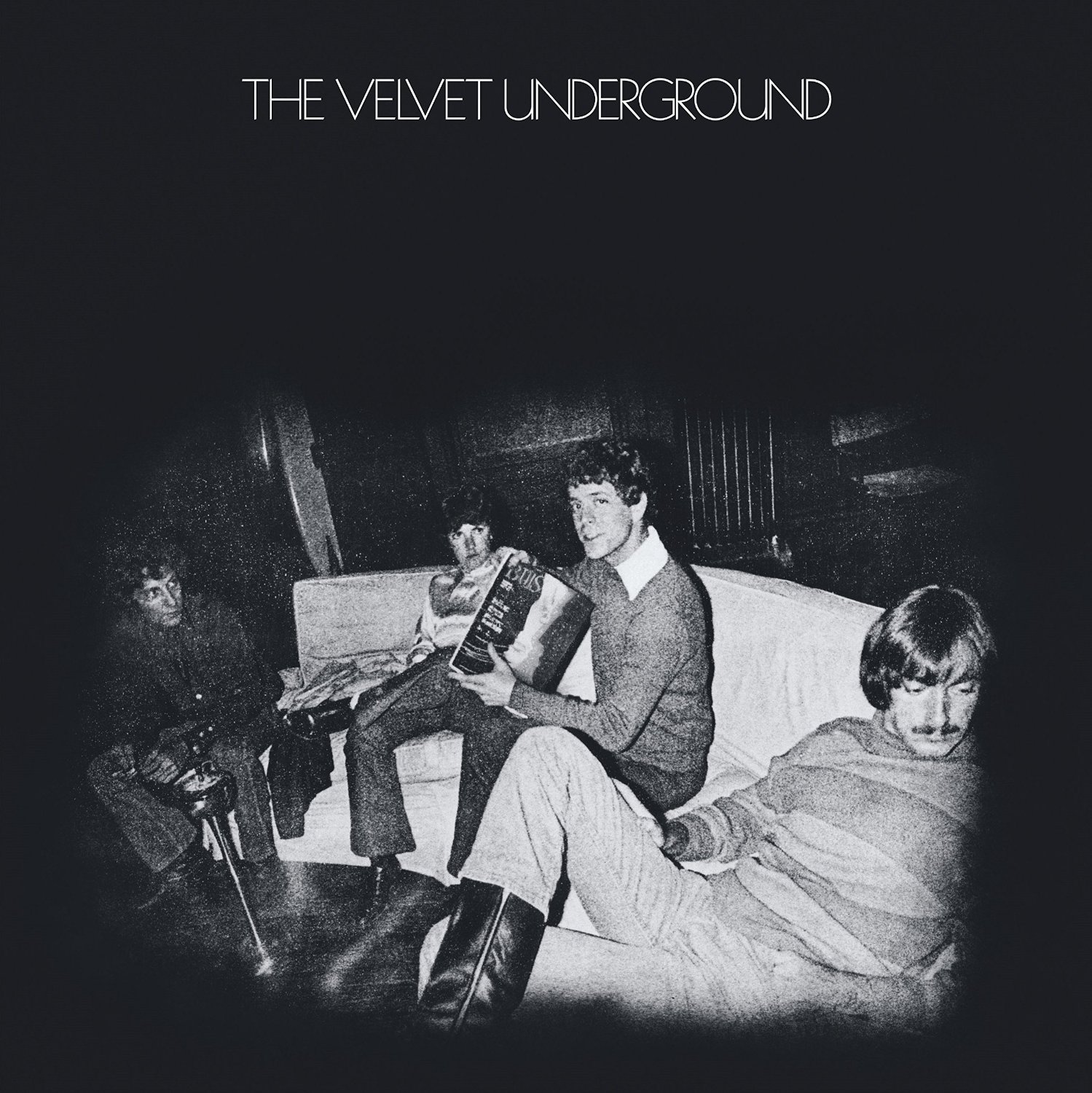
FIFTY YEARS AGO: LED ZEPPELIN RELEASE LED ZEPPELIN II.
Fifty Years Ago: Led Zeppelin Release Led Zeppelin II.
On 12th January 1969, the lives of the four members of Led Zeppelin were transformed when their debut album Led Zeppelin reached number ten in the US Billboard 200 and number six in the UK. Led Zeppelin was certified platinum in the US eight times over. In the UK and Australia, Led Zeppelin was certified double platinum. Across the world, Led Zeppelin was a huge commercial success, and was certified diamond in Canada and platinum in Spain. Gold discs came Led Zeppelin’s way in Holland, Switzerland and France. Suddenly, Led Zeppelin was one of the most successful albums of the late-sixties.
Considering Led Zeppelin had only been formed In October 1968, made their success even more remarkable. Led Zeppelin rose out of the ashes of The Yardbirds. Guitarist Jimmy Page was the last remaining member of The Yarbirds. He also owned the rights to The Yarbirds’ name. However, he was also under contract to play several concerts in Scandinavia. So Jimmy Page began putting together a new band.
For his new band, The New Yarbirds, Jimmy Page brought onboard the rhythm section of bassist John Paul Jones and drummer John Bonham. Robert Plant became the vocalist. This was essentially a new band that toured Scandinavia. They honed their sound during that tour. After the tour, the newly named Led Zeppelin entered the studio, and recorded their eponymous debut album. Little did they realise how successful it would be.
Especially after the critics were less than impressed by Led Zeppelin. Their reviews were negative. Some of the highest profile critics rounded on Led Zeppelin. They felt Led Zeppelin offered nothing new. It had all been done before, and done better. Led Zeppelin had the last laugh though, when the album sold over eleven-million copies. There was only one problem, surpassing such a successful album.
For what became Led Zeppelin II, nine songs were chosen. There was only one cover version on Led Zeppelin II, Bring It On Home, which was made famous by Sonny Boy Williamson II. The other eight tracks were penned by the band. Jimmy Page and Robert Plant cowrote What Is and What Should Never Be, Thank You, Living Loving Maid (She’s Just a Woman) and Ramble On. They cowrote Moby Dick With John Paul Jones. The four members of Led Zeppelin wrote Heartbreaker. Two other songs Led Zeppelin wrote proved controversial, and expensive financially.
The four members of Led Zeppelin wrote Whole Lotta Love. They were forced to give a credit to Willie Dixon in 1985. He felt there was a similarity to You Need Love, which had been recorded by Muddy Waters in 1962. There was a similar problem with The Lemon Song.
Written by Led Zeppelin, The Lemon Song was alleged to have borrowed from Howlin’ Wolf’s Killing Floor. Ironically, Killing Floor borrows from Robert Johnson’s Travelling Riverside Blues. It in turn borrowed from Arthur McKay’s She Squeezed My Lemon. However, only Howlin Wolf was credited, under his real name Chester Burnett. This controversy was still to come. Before that, Led Zeppelin recorded their sophomore album Led Zeppelin II.
Recording of Led Zeppelin II took place at various studios in the UK and USA. Rather than record the album in one go, sessions took place between January and August 1969. In between, Led Zeppelin toured their eponymous debut. They were, after all, on their way to becoming one of the biggest rock bands of the first half of the seventies. The constant touring helped further hone Led Zeppelin’s sound when they entered the studio.
Jimmy Page played acoustic, electric and theremin on Whole Lotta Love. The rhythm section included bassist and organist John Paul Jones and drummer John Bonham who also played percussion and timpani. Robert Plant delivered a series of vocal powerhouses and played harmonica on the album that became Led Zeppelin II. It was released in October 1969.
Before Led Zeppelin II was released, Atlantic Records embarked upon a heavy promotional campaign. The advertising slogan Led Zeppelin-The Only Way To Fly and Led Zeppelin II Now Flying worked wonders. Advance orders of 400,000 in the US alone were place. So, it’s no surprise Led Zeppelin II reached number one on the US Billboard 200 charts, knocking Abbey Road off the top spot. It spent seven weeks at number one and was in the US Billboard 200 for 130 consecutive weeks. By April 1970, three million copies of Led Zeppelin II had been sold. Eventually, Led Zeppelin II was certified platinum twelve times over in the US and four times platinum in the UK and Australia. The albums was certified nine times platinum in Canada. Across Europe, Led Zeppelin II was a huge success. Gold discs came the way of Led Zeppelin. This was helped by Whole Lotta Love.
Led Zeppelin had a strictly no singles policy. That was until Whole Lotta Love. The song was shortened and released as a single. This didn’t please Led Zeppelin. It did reach number four in the US Billboard 100 and was certified gold. Since then, it’s been remembered as stonewall Led Zeppelin classic. That’s the same as Led Zeppelin II. However, in 1970, critics took a different viewof Led Zeppelin II.
Just like Led Zeppelin, Led Zeppelin II was released to mixed reviews. Rolling Stone magazine panned Led Zeppelin II. Many critics failed to realise that Led Zeppelin II was the template for heavy metal. Here was an album that gave birth to a new musical genre. Instead, critics accused Led Zeppelin of ripping off old blues’ singers. It was nothing new. They said the same about Led Zeppelin. Just like the did with Led Zeppelin, history would be rewritten by music critics.
Critics have managed to rewrite history over the next thirty-four years. Suddenly, Led Zeppelin II was a being hailed a classic album. Every critic was suddenly claiming to have realised that all along. Even Rolling Stone magazine, which wasn’t originally a fan of Led Zeppelin, put the album at number twenty seventy-five in their list of 500 greatest albums of all time. Nowadays, Led Zeppelin II is perceived as a stonewall classic by the same critics who panned the album originally.
The unmistakable Whole Lotta Love opens Led Zeppelin II. A loose blues riff opens the track. It comes courtesy of Jimmy Page’s 1958 Les Paul Standard guitar. Before long, the rhythm section join in, creating a chugging, pounding rhythm. Washes of guitar are panned from left to right. Then at 1.24 the track heads in the direction of free jazz and psychedelia. A theremin and drums combine with Robert’s orgiastic vocal. That’s until bursts of blistering guitar solos mix blues and heavy rock. They and the rhythm section drive the arrangement along. Meanwhile Robert Plant vamps, pants and hollers as he unleashes a vocal powerhouse during five-and-half minutes of musical perfection.
Very different is the introduction to What Is and What Should Never Be. It has a much more understated sound. Robert’s vocal is tender and seductive. He sings unaccompanied. When the arrangement sweeps in it’s subtle. Then it explodes into life. Robert’s vocal is a mixture of power and passion, as scorching guitars and driving, stomping rhythm section lock horns. Later, guitars are panned. They assail and surround you. By then, Robert unleashes another powerful vamp, as his vocal becomes a needy plea full of longing. The result is a rock ’n’ roll love song Led Zeppelin style.
The Lemon Song was one of two tracks that caused a lot of problems for Led Zeppelin. They were accused of borrowing from Howlin’ Wolf’s Killing Floor. It proved a costly mistake. However, it resulted in a stunning marriage of blues and rock which was recorded in a room measuring sixteen foot square. This proves perfect for what Led Zeppelin were trying to achieve. From the get-go, the music is moody, broody, dark and dramatic. Blistering guitars and a thunderous, pounding rhythm section provide the backdrop for Robert’s blues’ tinged vocal. He mixes emotion and poses as he delivers the innuendo laden lyrics. Meanwhile, John Paul Jones lays down some of the best and most intricate bass lines on Led Zeppelin II. It’s just another reason why it’s one of Led Zeppelin finest fusions of blues and rock.
Thank You is another track from the pen of Jimmy Page and Robert Plant. Even though this was only their second album, they were forming a successful songwriting partnership. Here, they fuse folk, rock and psychedelia. It’s a slower love song, which Robert wrote for his then wife Maureen. A Hammond organ, meandering acoustic guitar and the rhythm section combine. Mostly, Led Zeppelin resist the urge to kick loose. Sometimes, drums pound, guitars scream and Robert’s vocal soars. However, before long the track returns to its much more understated, beautiful sound.
Blistering machine gun guitar licks are unleashed as Heartbreaker unfolds. Before long, the rhythm section enter. Then Robert’s swaggers in. Like a musical outlaw, he struts his way through the track. Sometimes, he’s marching to the beat of John’s drum. As he delivers a swaggering vocal, the rest of Led Zeppelin become a power trio. Then later, Jimmy Page steals the show. He delivers a guitar masterclass. Remarkably, it’s totally improvised. It takes centre-stage before the rest of the band join in, and provide an explosive, dramatic, driving, performance which epitomises everything that’s good about Led Zeppelin.
Living Loving Maid (She’s Just a Woman) is a song about a groupie who annoyed the band. Strangely, it’s smeant to be Jimmy’s least favourite Led Zeppelin song. He dawns a twelve-string guitar for the track. Enveloped by searing guitar riffs, pounding drums and crashing cymbals Robert vents his spleen about the Living Loving Maid. Frustration and anger fills his voice. Then Jimmy unleashes his twelve-string guitar. It quivers and shimmers, during this slice of good time rock ’n’ roll.
Just a lone guitar, drum and then bass open Ramble On. Robert’s vocal is tender and wistful. “It’s time for me to go” he announces as his vocal grows in power. Soon, he’s delivering one of his trademark vocals. It’s a mixture of melancholia, memories and power. Meanwhile, the rest of Led Zeppelin veer between power and drama to understated and wistful. All the time, Robert’s laying bare his soul before he sings I guess I’ll “Ramble On.”
Moby Dick is an instrumental and sees Led Zeppelin’s rhythm section lock into a blues rock riff. This allows Jimmy’s guitar to play the starring role. After that, it’s John’s drums that take centre-stage. He than plays the starring role, demonstrating why he was without doubt, one of the greatest rock drummers of the late-sixties seventies. When it’s time Jimmy’s guitar and John Paul Jones’ bass return as the track reaches its dramatic ending.
The bluesy Bring It On Home closes Led Zeppelin II. A bluesy harmonica joins the rhythm section before Robert’s vampish, theatrical vocal enters. Then midway through the song, Led Zeppelin kick loose. Sometimes, they briefly draw inspiration from Whole Lotta Love. After that, blistering, searing and scorching guitars and the rhythm section provide the backdrop for Robert’s vocal powerhouse. Then with just over twenty seconds remaining, there’s a return to the song’s bluesy roots. This seems fitting, as Bring It On Home showcases the blues rock roots of Led Zeppelin.
Although Led Zeppelin had only been together two years, they’d grown and matured as a band since their 1969 debut. They’d improved as musicians and songwriters. So much so, that it’s hard to believe that Led Zeppelin II was only their sophomore album. What’s even more incredible, is that Led Zeppelin had managed to surpass the commercial success of their eponymous debut album.
Having sold eleven million copies of Led Zeppelin worldwide, Led Zeppelin II surpassed this. It sold over twelve-million copies in America. In total, Led Zeppelin II shipped nearly fourteen million copies worldwide. Led Zeppelin were now one of the biggest rock bands in the world. Incredibly, neither of Led Zeppelin’s first two albums had been well received by critics.
Many music journalists, including those at Rolling Stone magazine failed to realise that Led Zeppelin II would become a classic album. According to them, Led Zeppelin II was nothing new. It was a fusion of old blues’ licks and rock. This wasn’t the first time cynical critics got it wrong. It certainly wouldn’t be the last time. So, they developed a dose of collective amnesia.
Time and time again, collective amnesia struck music critics. Many of the critics that panned Led Zeppelin II, wrote fawning articles praising the album. What they wrote was what fourteen million music fans already knew. Since 1970, music critics have been frantically backtracking. Now, when they mention Led Zeppelin II, they make sure to call it a classic album. Belatedly, they were right.
Led Zeppelin II is a glorious fusion of blues, folk, psychedelia and rock. Just like many classic albums, Led Zeppelin II is almost flawless. It would provide the template for heavy metal. That’s apparent on Led Zeppelin II. The power trio of guitarist Jimmy Page, bassist John Paul Jones and drummer John Bonham prove the perfect foil for Robert Plant’s vocal powerhouses. In full flight, Led Zeppelin are peerless. They’ve no equal. They may have spawned a thousand imitators, but not one came close to Led Zeppelin in their pomp.
Back in 1970, when Led Zeppelin II was released, Led Zeppelin are the original hard rocking, hard living band. Led Zeppelin were living the dream. Just two years earlier, they were living in obscurity. Not any more. Now, Led Zeppelin had joined rock ’n’ roll royalty. Life they realised, was for the living. So, they lived life to its fullest. Soon, they became known as one of the hardest living bands in the history of rock. Wine, women, song and narcotics were constant companions. Life was one long party. They owed it to their fans to live the dream. Throughout that party, Led Zeppelin recorded some of the greatest rock music of the late-sixties seventies and all time. This includes Led Zeppelin and Led Zeppelin II which will soon celebrate its fiftieth anniversary, and belongs in any self-respecting record collection.
Fifty Years Ago: Led Zeppelin Release Led Zeppelin II.
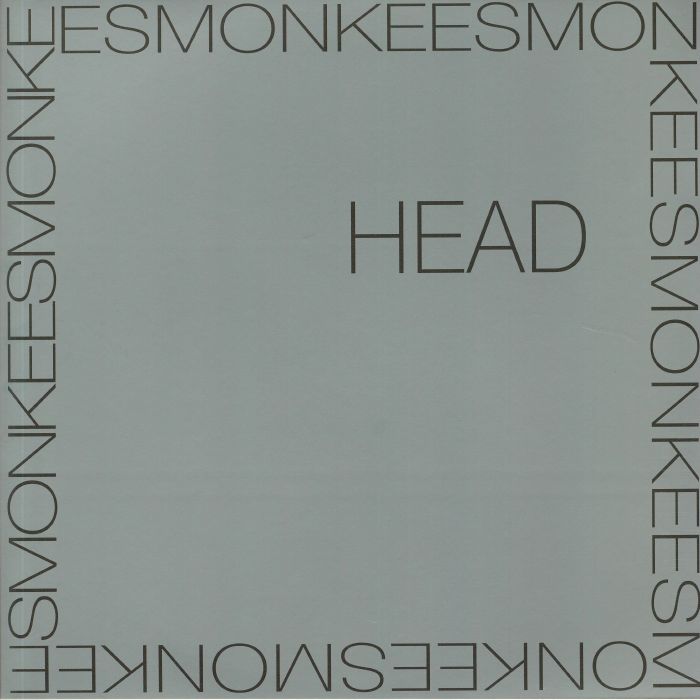
THE MONKEES-HEAD
The Monkees-Head.
Label: Rhino.
On September the ‘8th’ 1965, the Daily Variety contained an advert that said: “Folk & Roll Musicians-Singers for acting roles in new TV series.” This was a new sitcom that had been written by Bob Rafelson and Bert Schneider about a struggling rock band from Los Angeles. The new sitcom would follow the adventures of Micky, Davy, Michael, and Peter as they searched for their big break. 437 musicians looking for their big break responded to the advert.
Eventually, Bob Rafelson and Bert Schneider whittled their way through the hopeful applicants, and settled on three Americans Micky Dolenz, Michael Nesmith, Peter Tork and British actor and singer Davy Jones. They became The Monkees, which Mickey Dolenz later described as: “a TV show about an imaginary band … that wanted to be The Beatles, [but] that was never successful.”
While The Monkees never replicated the success of The Beatles, Bob Rafelson and Bert Schneider’s television show proved popular in America and further afield. It ran for three series’ between 1966 and 1968, with Americans tuning in to fifty-eight episodes that followed the adventures of Micky, Davy, Michael, and Peter. During this period, The Monkees were one of the biggest selling bands in America.
The Monkees recording career began in October 1966 with their eponymous debut album, and lasted four years. Less than four years later, The Monkees released their swan-song Changes, in June 1970. Within a year, The Monkees has split-up after releasing nine album in less than four years.
These albums divided the opinion of critics, cultural commentators and record buyers, and continue to do so, forty-six years after The Monkees originally split-up. Some critics and record buyers regard The Monkees’ music as perfect pop, while others claim it as nothing more than bubblegum pop or manufactured pop. Both sides are firmly entrenched in their views about the merits or otherwise of The Monkees’ music. However, an oft-overlooked side of The Monkees’ career is their psychedelic era between 1966 and 1968. This was when The Monkees released some of the most memorable music of their career. Before that, The Monkees released their debut single.
When The Monkees released Last Train To Clarksville as their debut single on ‘18th’ August, the single started climb the charts, and reached number one in Canada and on the US Billboard 100. This was enough to give The Monkees their first gold disc in America. However, tucked away on the B-Side of the single was a taste of the psychedelic side of The Monkees, Take A Giant Step. It would feature on The Monkees’ eponymous debut album.
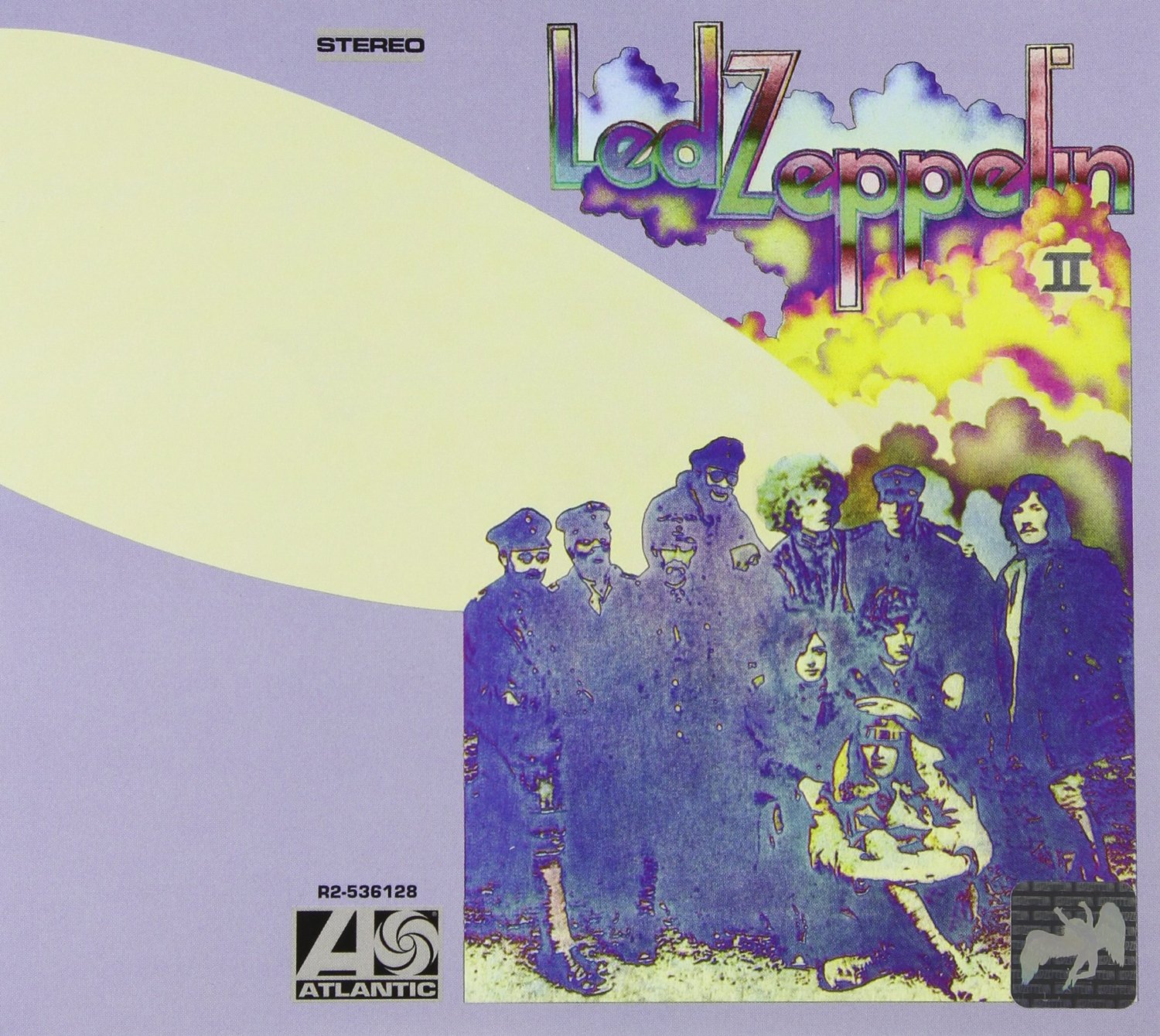
The Monkees.
Just a month after The Monkees released their debut single, they released their debut album The Monkees in September 1966. Reviews of the album were mixed, with some critics still not convinced that The Monkees were a serious band. However, the positive reviews outnumbered the negative reviews of The Monkees. It started climbing the charts, and reached number one in Britain, Canada and on the US Billboard 200. The Monkees sold five million copies in America alone, and was certified platinum five times. Micky, Davy, Michael, and Peter’s debut album had proven popular and appealed to a wide range of record buyers.
It wasn’t just fans of pop and rock that were won over by The Monkees. So were fans of psychedelic music. The Monkees’ psychedelic side first emerged on their eponymous debut album. Goffin and King’s Take A Giant Step and David Gates’ Saturday’s Child showcased the psychedelic sound of The Monkees, which was very different to other songs on the album. Maybe The Monkees had designs on becoming a serious band?
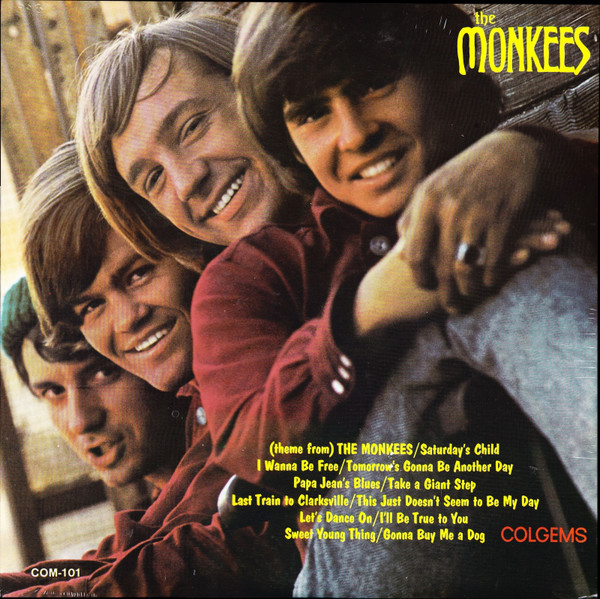
More Of The Monkees.
Just four months after the release of The Monkees, America’s version of the Fab Four returned with their sophomore album More Of The Monkees in January 1967. By then, what had been dubbed Monkeemania was in full swing. As a result, More Of The Monkees was rushed out to capitalise on the band’s popularity. This showed, and More Of The Monkees proved not to be the band’s finest hour.
Critics weren’t won over by More Of The Monkees, and their reviews reflected this. They weren’t alone. The Monkees weren’t happy with their contribution to More Of The Monkees. It consisted of adding the vocals, and very occasionally playing the instruments that they were meant to be playing. Mostly, though, the interments were played by members of the Wrecking Crew who stood in for The Monkees. They weren’t happy about this and wanted full artistic control.
Three weeks after the release of More Of The Monkees, Michael Nesmith began lobbying the creators of The Monkees to play their instruments on future records. Don Kirshner who had been brought onboard to secure music for The Monkees was against the idea of The Monkees playing their instruments on future records.Things came to a head a heated meeting between The Monkees, Don Kirshner and Colgems lawyer Herb Moelis. At one point, Michael Nesmith threatened to leave The Monkees. Given the album sales, there was only going to be one winner.
From their third album, The Monkees, not members of the Wrecking Crew would play their instruments. Executives at the Colgems label were scared of upsetting the cash cow that was The Monkees. While More Of The Monkees wasn’t the band’s finest hour, it reached number one in Britain, Norway, Canada and America. More Of The Monkees sold five million copies and was certified platinum five times over. This was pretty good for an album that many considered to be rushed out to cash in on the popularity of Monkeemania.
One of the finest songs on More Of The Monkees is She, which was penned by Tommy Boyce and Bobby Hart. Micky Dolenz adds a vocal on She, which featured The Monkees at their most lysergic. The psychedelic sound of The Monkees would return on their third album, Headquarters.
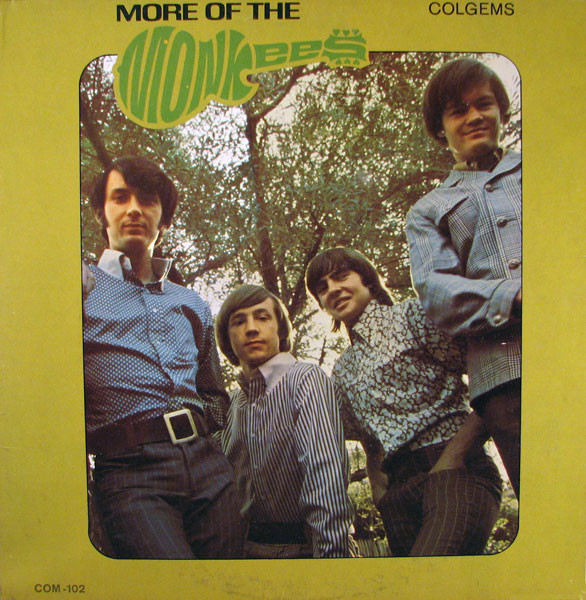
Headquarters.
Four months after the release of More Of The Monkees, came the release of The Monkees’ third album Headquarters in May 1967. Headquarters which was produced by Chip Douglas, was the first album where The Monkees enjoyed full artistic control over their music. This came at a price.
After the dismissal of Don Kirshner, the songs that he had supervised were discarded. They wouldn’t feature on the album. Instead, it would only feature tracks where The Monkees enjoyed full artistic control. Still, though, session musicians were occasionally used, but they seemed to be a thing of the past.
Another difference was that much of the albums was written by members of The Monkees. This included the Micky Dolenz penned Randy Scouse Git and For Pete’s Sake which was written by Peter Tork and Joey Richards. Both songs were sung by Micky Dolenz and featured the psychedelic side of The Monkees. The strongest of the two tracks was For Pete’s Sake, which marked the start of a new era for The Monkees.
While most of the reviews of Headquarters were positive, some critics weren’t impressed by the first album where The Monkees enjoyed full artistic control. They felt some of the songs penned by members of The Monkees shouldn’t have made the cut. They wouldn’t if Don Kirshner had been around,and already it was apparent that his loss cost The Monkees dearly.
When Headquarters was released in May 1967 the album reached number two in Britain and Norway. In North America, Headquarters reached number one in Canada and in the US Billboard 100. However, the album sales were way down, with Headquarters selling ‘just’ two million copies. While this resulted in Headquarters being certified double platinum, the album had sold three million copies less than More Of The Monkees. To make matters worse, when Randy Scouse Git was released as a single, it never came close to troubling the charts. The Monkees had learnt an expensive lesson from Headquarters, that full artistic control came at a cost.

Two months after the release of Headquarters, The Monkees released a cover of Goffin and King’s Pleasant Valley Sunday as a single in July 1967. This example of perfect pop was one of the finest songs of The Monkees’ psychedelic era. It reached number three and was the fourth Monkees single to be certified gold. Maybe The Monkees’ luck was starting to change?
Pisces, Aquarius, Capricorn and Jones Ltd.
There was no let up for The Monkees, who returned with another album in November 1967, Pisces, Aquarius, Capricorn and Jones Ltd. It was a quite different album from Headquarters.
Unlike Headquarters, where seven out of the twelve songs were written by members of The Monkees, only three of thirteen songs were written by the band. The remainder was cover versions, including songs written by successful songwriters and songwriting partnerships. This included Tommy Boyce and Bobby Hart’s Words, Barry Mann and Cynthia Weil’s Love Is Only Sleeping and Goffin and King’s Star Collector. They were joined by Goffin and King’s Pleasant Valley Sunday. These songs would showcase the psychedelic side of The Monkees.
When they came to record Pisces, Aquarius, Capricorn and Jones Ltd, session musicians were drafted in. They had featured to some extent on Headquarters, but played a bigger part in the recording of Pisces, Aquarius, Capricorn and Jones Ltd. This made sense, as they weren’t accomplished enough musicians to record an entire album. The Monkees played their instruments on some of the songs, but elsewhere on the album, session musicians took their place. However, as the years went by, The Monkees improved as musicians.
The Chip Douglas produced Pisces, Aquarius, Capricorn and Jones Ltd was released in November 1967, and was well received by most of the critics. However, The Monkees had their critics, who saw the them as nothing more than a made for television band. That was unfair, as The Monkees had just released one of the best albums, and an album that pioneered the use of the Moog synth.
While Pisces, Aquarius, Capricorn and Jones Ltd was released, it reached number five in Britain, four in Norway and three in Canada. In America, it became The Monkees’ fourth album to reach number one. However, Pisces, Aquarius, Capricorn and Jones Ltd ‘only’ sold two million copies in America, and was certified double platinum. Maybe The Monkees’ popularity had peaked?

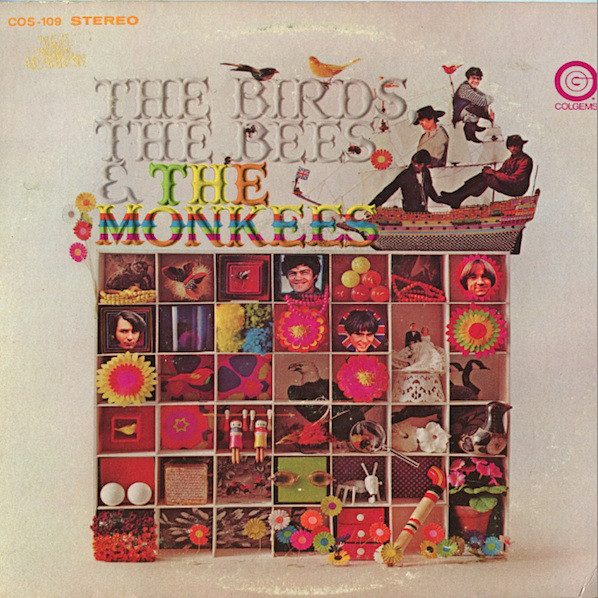
The Birds, The Bees and The Monkees.
Five months after the release of Pisces, Aquarius, Capricorn and Jones Ltd, The Monkees returned with their fifth album The Birds, The Bees and The Monkees. It marked the start of a new era for The Monkees, who had rung the changes in their pursuit of full artistic control. The Monkees had dispensed with the services of producer Chip Douglas, who had produced The Monkees first four albums. This was a huge risk.
By the time The Birds, The Bees and The Monkees was released, The Monkees television show had been cancelled. As a result, The Monkees were concentrating all their efforts on their music. Deep down, they wanted to be seen as a serious band. However, still, many critics and record buyers saw The Monkees as a manufactured, made for television band. They hoped that The Birds, The Bees and The Monkees would convince their critics that there was much more to them than that.
For their fifth album, members of The Monkees wrote six of the twelve tracks. This included Tapioca Tundra which was penned by Michael Nesmith. When it was recorded, The Monkees fused psychedelia and country. During the sessions, The Monkees continued to employ session musicians, who added backing vocals on some tracks. This was playing into the hands of The Monkees’ critics, who continued to accuse them of not being a ‘proper’ band. Their fans pointed The Monkees were a successful band, whose first four albums had sold in excess of fourteen million albums.
Before the release of The Birds, The Bees and The Monkees, critics had their say. The reviews were mixed, and again, there was no consensus amongst the critics. Some of the reviews were positive, while other were critical of The Monkees’ fifth album and the first they had produced themselves. With no consensus amongst the critics,record buyers had the casting vote.
The perfect pop of Daydream Believer was chosen as the lead single, and released in October 1967, It reached number one on the US Billboard 100 and was certified gold. Alas, Daydream Believer was the last of The Monkees’ nineteen singles to top the charts. However, the success of Daydream Believer augured well for the release of When The Birds, The Bees and The Monkees.
When The Birds, The Bees and The Monkees was released in April 1968, it failed to replicate the success of previous albums. The album failed to trouble the charts in Britain, where The Monkees had always been popular. It was a similar case in Canada, where The Birds, The Bees and The Monkees stalled at number six. In America, The Monkees was hoping that The Birds, The Bees and The Monkees would give them their fifth consecutive number one album. It was a case of close but no cigar, when The Birds, The Bees and The Monkees reached number three in the US Billboard 200. For The Monkees this was another disappointment. Especially when they heard that the album had sold just over a million copies. While this was enough for a platinum disc, it was a far cry from when both The Monkees and More Of The Monkees sold five million copies. Monkeemania it seemed, was now a thing of the past.
Maybe not? In February 1968, The Monkees released Valleri as the second single from The Birds, The Bees and The Monkees. The followup to Daydream Believer reached number three in the US Billboard 100 and was certified gold. Little did The Monkees realise that Valleri was their last single to be certified gold.
The followup to Valleri was D. W. Washburn, which was released in June 1968. However, it stalled at number nineteen in the US Billboard 100. This was a sign of what was to come
Head.
Four months later, and The Monkees returned with a new single in October 1968. The song that had been chosen was Goffin and King’s Porpoise Song, which featured on the soundtrack to Head. The Monkees had been asked to provide the soundtrack, and with a few friends created a soundtrack that mixed satire and darkness. Porpoise Song was a taste of what The Monkees had in store for their fans. However, the single stalled at a lowly sixty-two in the US Billboard 100, and became the second least successful single when it stalled at a lowly sixty-two in the US Billboard 100. This was worrying as Head was due to be released in late 1968.
Just like their previous albums, reviews of Head were mixed and there was no consensus among critics. While some critics loved the albums, others loathed it. This was nothing new. However, Head was the first soundtrack album The Monkees had recorded, and it featured six songs, including the lysergic Porpoise Song. It’s one of the best songs on Head. These six songs were joined by Ken Thorne’s incidental music, dialogue fragments, and sound effects from the film. As a result, it was very different to previous albums and it was unfair to compare Head to The Monkees’ studio albums. That was what the critics had done.
On the release of Head in December 1968, the album stalled a lowly forty-five in the US Billboard and twenty-four in Canada. This was the lowest chart placing in either country. Across the Atlantic in Britain, Head was the second album that failed to trouble the charts. This was a worrying time for The Monkees.
Not long after the release of Head, Peter Tork left The Monkees, citing exhaustion. The Monkees had recorded six albums in less than three years. They also filmed three series of the television series The Monkees and toured extensively. It was no wonder Peter Tork was exhausted. However, leaving The Monkees proved costly, as he had four years remaining on his contract. After paying a large, six figure sum of money, Peter Tork was no longer a Monkee. However, he would feature on The Monkees’ swan-song Good Times!

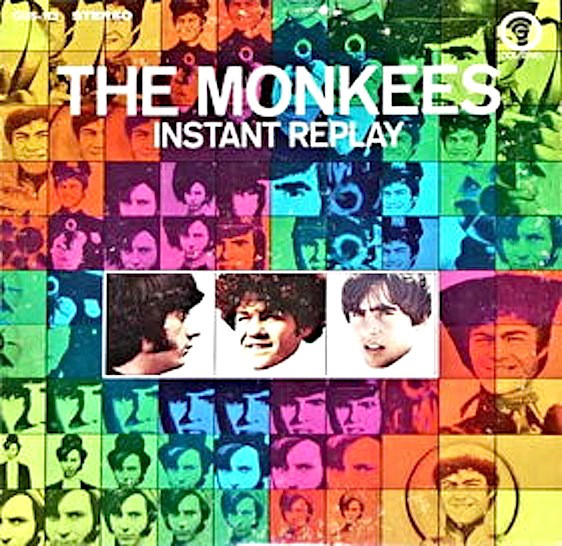
Instant Replay.
Just four months after the release of Head in 1968, The Monkees returned with their seventh studio album Instant Replay in February 1969. Instant Replay was the first album The Monkees released after the departure of Peter Tork, and was the only one of the nine original studio albums that hadn’t featured in the original TV series.
By the tine work began on Instant Replay, Brendan Cahill had been appointed The Monkees’ new musical supervisor. He was tasked with transforming the group’s fortunes. Brendan Cahill decided to look into The Monkees’ vaults for songs that had been recorded when they were in the musical prime. This Brendan Cahill hoped would restore the group to the top of the US Billboard 200.
Eventually, Brendan Cahill settled on twelve songs that would become Instant Replay. These songs included Tommy Boyce and Bobby Hart’s Through the Looking Glass, Don’t Listen To Linda, Me Without You and Tear Drop City. Two Goffin and King songs Won’t Be the Same Without Her and A Man Without a Dream joined Carol Bayer Sager and Neil Sedaka’s The Girl I Left Behind Me. The three remaining original members of the Monkees penned the rest of the album, Micky Dolenz wrote Just a Game and Shorty Blackwell, while Michael Nesmith contributed Don’t Wait For Me and While I Cry. Davy Jones wrote You and I with Bill Chadwick. This mixture of cover songs and original material had been recorded over a period of thirty-one months.
Brendan Cahill chose some songs recorded in the summer of 1966 by the original lineup of The Monkees. They joined new songs recorded in 1968 and 1969, including A Man Without a Dream and Someday Man were produced by Bones Howe and recorded at Wally Heider’s studio. Bones Howe brought onboard some of the Wrecking Crew to accompany The Monkees. Eventually, Instant Replay was completed, it featured of twelve songs recorded between July 1960 and January 1969.
When Instant Replay was released in February 1969, reviews of the album were mixed. Its mixture of pop, psychedelia and rock didn’t receive the same reception as previous albums. This was a disappointment for The Monkees.
When it came to releasing a lead single from Instant Replay, Brendan Cahill chose Tear Drop City, which was one of the songs from The Monkees’ vaults. Brendan Cahill decided to increase the tempo nine percent changing the song’s key from G to A-flat. Alas, that didn’t help Tear Drop City which stalled at fifty-six in the US Billboard 1o0 and forty-seven in the UK. For The Monkees this was another disappointment. Things didn’t get much better when Instant Replay was released, and reached just thirty-two in the US Billboard 200, forty-five in Canada and twenty-six in Japan. This was another disappointment for The Monkees, who were no longer as popular as they had once been. Proof of this was the followup single to Tear Drop City was Someday Man, which reached eighty-one in the US Billboard 1o0 and forty-four in the UK. It was beginning to look as if The Monkees’ career was at a crossroads.
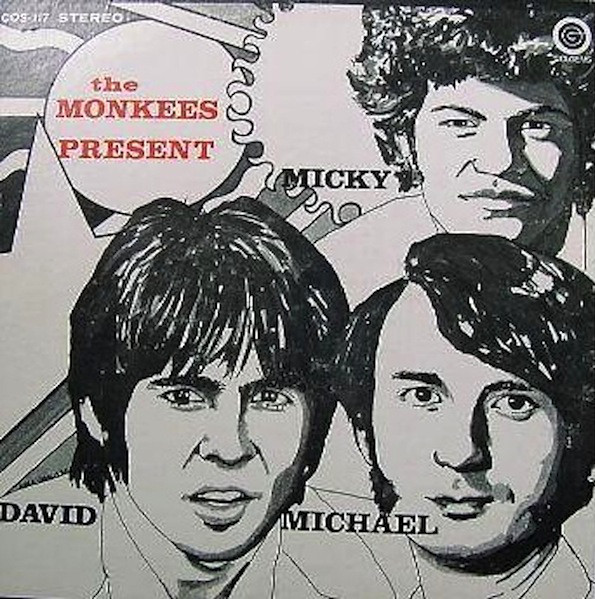
The Monkees Present.
By the time The Monkees began work on their eighth album The Monkees Present, which is sometimes known as The Monkees Present Micky, David, Michael, their popularity had peaked. As a result, Screen Gems were no longer as interested in The Monkees, who were no longer the cash cow they had once been. This resulted in The Monkees being left to their own devices when it came to producing the The Monkees Present.
Originally, The Monkees Present was meant to be a double album, which devoted one side to the album to each member of The Monkees. That was until Peter Tork left The Monkees. To make matters worse, by the time it came to record the album, Michael Nesmith, Micky Dolenz and Davy Jones had all embarked upon solo careers. As a result, a decision was made that The Monkees Present would be a single album.
For The Monkees Present, Tommy Boyce and Bobby Hart only contributed Looking For The Good Time and Ladies Aid Society. They joined Michael Martin Murphey’s Oklahoma Backroom Dancer and Janelle Scott and Matt Willis’ Pillow Time. The rest of the album was penned by The Monkees, with Michael Nesmith contributing Good Clean Fun, Never Tell A Woman Yes and Listen To The Band. Micky Dolenz wrote Mommy and Daddy and cowrote Bye Bye Baby Bye Bye with Ric Klein. Davy Jones wrote If I Knew with Bill Chadwick who penned French Song. These songs became The Monkees Present.
Just like Instant Replay, some of the songs had been recorded between August and October 1966, when The Monkees were in their prime. The rest of the album was recorded between June 1968 and August 1969. The result was an album that combined it was hoped combined classic Monkees with their new music. Surely this would be a winning formula?
Sadly, that wasn’t the case when The Monkees Present was released in October 1969. Critics weren’t impressed by what was one of The Monkees’ weakest album. They had eschewed their psychedelic sound and switched between country rock, folk rock, pop and rock. The Monkees Present wasn’t the most cohesive album The Monkees had released, and was slightly disjointed. This didn’t bode well for the release of The Monkees Present.
Things didn’t get any better when the lead single Listen To The Band stalled at sixty-three in the US Billboard 100. Then when The Monkees Present was released in early October 1969 it stalled at a lowly 100 in the US Billboard 200, and became The Monkees’ least successful album. Adding to The Monkees’ woes was the single Good Clean Fun struggling to eighty-three in the US Billboard 100. For The Monkees this was a worrying time.
Just when The Monkees thought things couldn’t get any worse, Michael Nesmith left the band. This left just Davy Jones and Micky Dolenz to fulfil The Monkees’ recording contract.
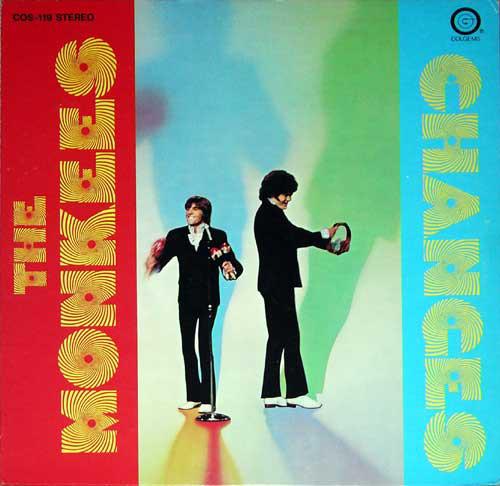
Changes.
With just Davy Jones and Micky Dolenz remaining, recording The Monkees ninth studio album wasn’t going to be easy. However, the two remaining Monkees were reunited with producer Jeff Barry who cowrote much of the material on Changes.
Of the twelve songs on Changes, Jeff Barry wrote or cowrote six of them. He penned 99 Pounds and Tell Me Love and cowrote On My My, Do You Feel It Too and I Love You Better with Canadian singer-songwriter wrote Andy Kim. Jeff Barry and Bobby Bloom wrote Ticket on a Ferry Ride and You’re So Good to Me. The Tommy Boyce and Bobby Hart songwriting partnership contributed I Never Thought It Peculiar while Ned Albright and Steven Soles wrote Acapulco Sun and All Alone In The Dark. They joined Neil Goldberg’s It’s Got To Be Love and Micky Dolenz’s Midnight Sun on Changes.
Just like The Monkees two previous albums, Changes was a mixture of old and new songs. Some songs were recorded during sessions that place in October 1966 with others recorded in January and February 1967. The Monkees had recorded other songs between July and September 1969 and then returned to the studio between February and April 1970. This allowed Colgems Records, a division of Columbia Records to put out an album as cheaply as possible. The only problem was the risk that it wouldn’t sound like a cohesive album when it was released in June 1970.
When critics heard Changes, they weren’t overly impressed with what was an essentially an album of bubblegum pop. Just like The Monkees two previous albums, Changes wash’t a cohesive album, and sounded like an assortment of tracks from the past four years. Even two remaining Monkees weren’t fans of Changes. Davy Jones called it his: “least favourite Monkees album” and said he had: “terrible memories of making Changes.” By then, The Monkees was over as a group, and Davy Jones and Micky Dolenz were merely fulfilling contractual obligations,
The Monkees went out with a whimper when Oh My My struggled into the lower reaches of the US Billboard 100 at ninety-eight. Then when Changes was released in June 1970, it stalled at 152 in the US Billboard 200. This was a new low for The Monkees.
On September ‘22nd’ 1970, Davy Jones and Micky Dolenz recorded what was their swan-song as The Monkees. That day, they recorded Do It In The Name of Love and Lady Jane. However, Do It in the Name Of Love wasn’t mixed until February ‘ 9th’ 1971, and was released as a single later in 1971. However, Do It in the Name Of Love failed to chart and this was an inauspicious ending to The Monkees’ story.
The Monkees split-up in late 1971, and everyone thought that this was the end of a group who for five years, had divided the opinion of critics, cultural commentators and even music fans. However, in 1976, Davy Jones and Micky Dolenz reformed the band and brought onboard Tommy Boyce and Bobby Hart to makeup America’s once fab four. This was the first of several Monkees reunions and revivals that have taken place over the past forty years.
During their comebacks, The Monkees have recorded three new albums, including 1987s Pool It! ,1996s Justus and Good Times! in 2016. It was the album that saw The Monkees revisit their psychedelic sound,
Good Times!
After the commercial failure of Head, The Monkees didn’t revisit their psychedelic side until 2016, when they were celebrating the fiftieth anniversary of their eponymous debut album. To celebrate the anniversary, a new album was commissioned, which became Good Times!
This was the twelfth album of The Monkees career, and the first album since the death of Peter Tork. He appears posthumously on Little Girl, alongside the remaining Monkees Micky Dolenz, Michael Nesmith and Peter on Good Times! It’s one of thirteen songs on Good Times!, which reached number twelve in the US Billboard 200.
The songs on Good Times! are a mixture of old new and old. Some of the songs are penned by giants of music including the late, great Harry Nilsson and Neil Diamond. Others were written by successful songwriting partnerships like Tommy Boyce and Bobby Hart and the legendary Goffin and King. One of the new songs, Birth Of An Accidental Hipster, was written by Noel Gallagher and Paul Weller and finds The Monkees revisiting their psychedelic side one last time.

The Monkees psychedelic years began in 1966 and lasted until 1969. However, it was between 1966 and 1968 that The Monkees released the best psychedelic music of their career. That coincides with what was the most successful period of The Monkees career.
Some of the psychedelic music The Monkees made between 1966 and 1968 wasn’t overtly psychedelic. Instead, they find The Monkees moving in the direction of psychedelia. Maybe this was The Monkees seeking credibility in the eyes of critics and record buyers?
Despite their dalliances with psychedelia, The Monkees never fully embraced the genre like other sixties bands. Maybe it was a relationship that lacked commitment? The Monkees certainly never released a psychedelic masterpiece. The Monkees soundtrack album Head, which was released in December 1968, certainly wasn’t a psychedelic masterpiece, and was an an album that critics either loved or loathed. It was one of The Monkees’ occasional dalliances with psychedelia, and looking back with the benefit of hindsight, Head was a much better album than many critics were willing to admit. It’s an ambitious and innovative genre-melting album, but one the took its on The Monkees, when Peter Tork left the group. It was the end of an era for The Monkees who were one of the most successful bands of that period.
While The Monkees may have never fully embraced psychedelia like many other sixties bands, ironically, this worked in their favour. The music on their first five albums, including the psychedelic side of The Monkees was accessible and was hugely popular, selling fifteen million copies in America alone. However, by December 1968, The Monkees had already enjoyed the most successful years of their career.
In America six of The Monkees singles had been certified gold, while one album of their albums had been certified platinum, two double platinum and The Monkees and More Of The Monkees had been certified platinum five times over. Never again would The Monkees reach these heights again.
The Monkees split-up in 1971, and later, made several comebacks. They even recorded three albums, including their swan-song Good Times! in 2016. By then, The Monkees had released nineteen singles, twelve studio albums and six live albums between 1966 and 2016. However, still, the most successful period of The Monkees career was between 1966 and 1968. Sadly, the oft-overlooked Head wasn’t the commercial success that previous Monkees albums had been.
For just over two years, The Monkees were one of the biggest bands in America. They had found a winning formula, with albums that featured pop, rock and sometimes psychedelia. Head featured all the and more from The Monkees is an oft-overlooked album America’s very own Fab Four The Monkees.
The Monkees-Head.
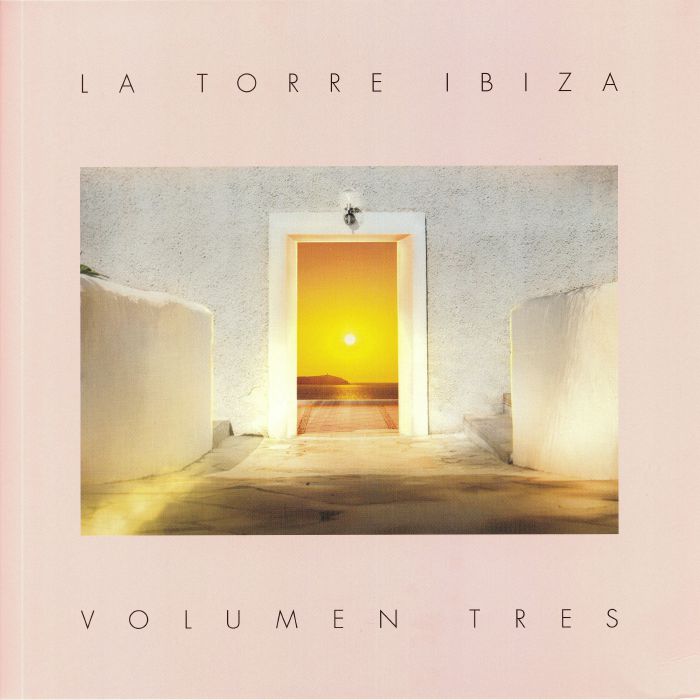
LA TORRE IBIZA: VOLUMEN TRES.
La Torre Ibiza: Volumen Tres.
Label: Hostal La Torre.
The nineties and early noughties were the golden age for what was referred to as Balearic, chill out or downtempo music. Many of these lovingly curated compilations were released on smaller independent labels and featured a mixture of the new and old, from familiar faces and new names. Some of these compilations became successful series and were released annually and were much-anticipated. However, some of the bigger independent labels and the major labels decided to jump on the bandwagon.
Downtempo music hijacked by labels, who sensing an easy way to make money, released all sorts of compilations with chill-out in the title. Sadly, the quality left a lot to be desired and it wasn’t long before many people turned their back on this style of music, saddened and were frustrated by the inferior quality of many of the releases.
What did not help, was certain established compilations started releasing poorer quality instalments of previously popular series’. This lead to this genre of music becoming much less popular, and some people treated the genre with what was almost contempt. That was a shame, because during the “golden age” many critically acclaimed compilations were released and have stood the test of time.
Sadly, there’s not as many compilations of what’s nowadays referred to as Balearic or downtempo music. The compilations that are released, are best often a mixed bag. However, one compilation that oozes quality is La Torre Ibiza: Volumen Tres which was released by the Hostal La Torre label. It’s a two LP set that features fifteen tracks.,
La Torre Ibiza: Volumen Tres is a lovingly curated and eclectic compilation, which opens with Bill Laswell and Jah Wobble’s dreamy, lysergic and jazz-tinged Alsema Dub. Very different is Mornings At Made’s, which is a cinematic, mesmeric and beautiful track by Pacific Coliseum. It’s followed by Lambchop’s joys and uplifting Up With The People.
By contrast, Satoshi and Makoto’s Crepuscule Leger scampers along and is a reminder of the golden age of downtempo music. It’s followed by Mac DeMarco’s On The Level a dreamy sounding minimalist track where synths, drums and the vocal play leading roles. Malcolm McLaren’s Obatala is another track that is reminiscent of the music being released during the golden age of downtempo music.
Back in eighties and nineties, Tears For Fears were a hugely popular and successful band. However, Head Over Heels” (Sketches From An Island Sunrise Mediation), which is a nine minute epic, shows another side to their music and is a carefully crafted remix that is one of the highlights of La Torre Ibiza: Volumen Tres. So is Trance’s mesmeric and cinematic sounding Ambiente which conjures up visions of India as the sitar plays a leading role in this captivating arrangement. The Advisory Circle’s Sundial veers between futuristic, dreamy, dubby and ruminative and is another highlight of the compilation. Richard Torrance’s Anything’s Possible is a genre-melting track that fuses elements of jazz, downtempo and indie rock. After Hours by Swing Out Sister with its jazz-tinged downtempo sound is a welcome addition and so is John Stammers’ Idle I’m (Colorama Coloured In Remix). It epitomises everything that is good about downtempo music and is the perfect way to close La Torre Ibiza: Volumen Tres.
For veterans and newcomers to Balearic and downtempo compilations, La Torre Ibiza: Volumen Tres which was released as a two LP set is a must have. It’s without doubt one of the best compilations of Balearic and downtempo music released this year. La Torre Ibiza: Volumen Tres Balearic oozes quality, and is a lovingly curated collection of eclectic tracks that features familiar faces and new names, and will appeal to anyone who enjoys and appreciates the delights of Balearic and downtempo music.
La Torre Ibiza: Volumen Tres.
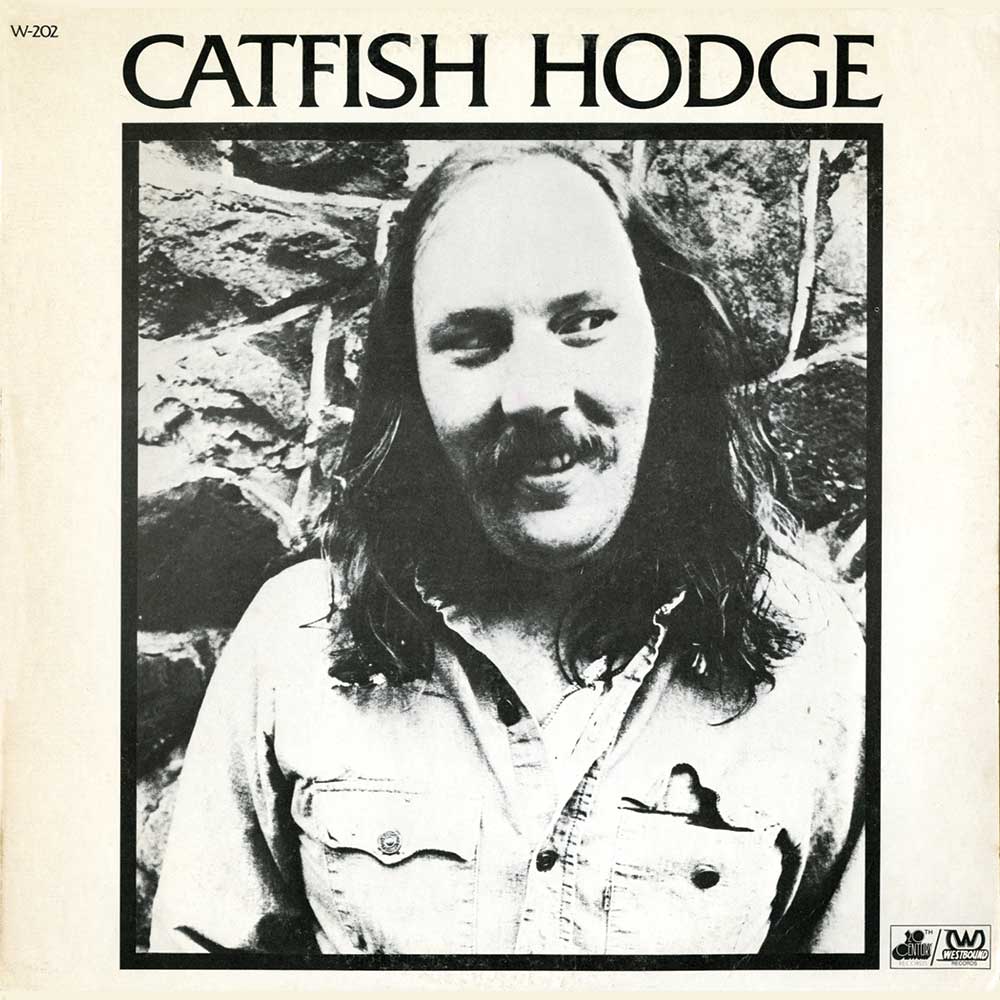
CATFISH HODGE-THE EASTBOUND AND WESTBOUND YEARS.
Catfish Hodge-The Eastbound and Westbound Years.
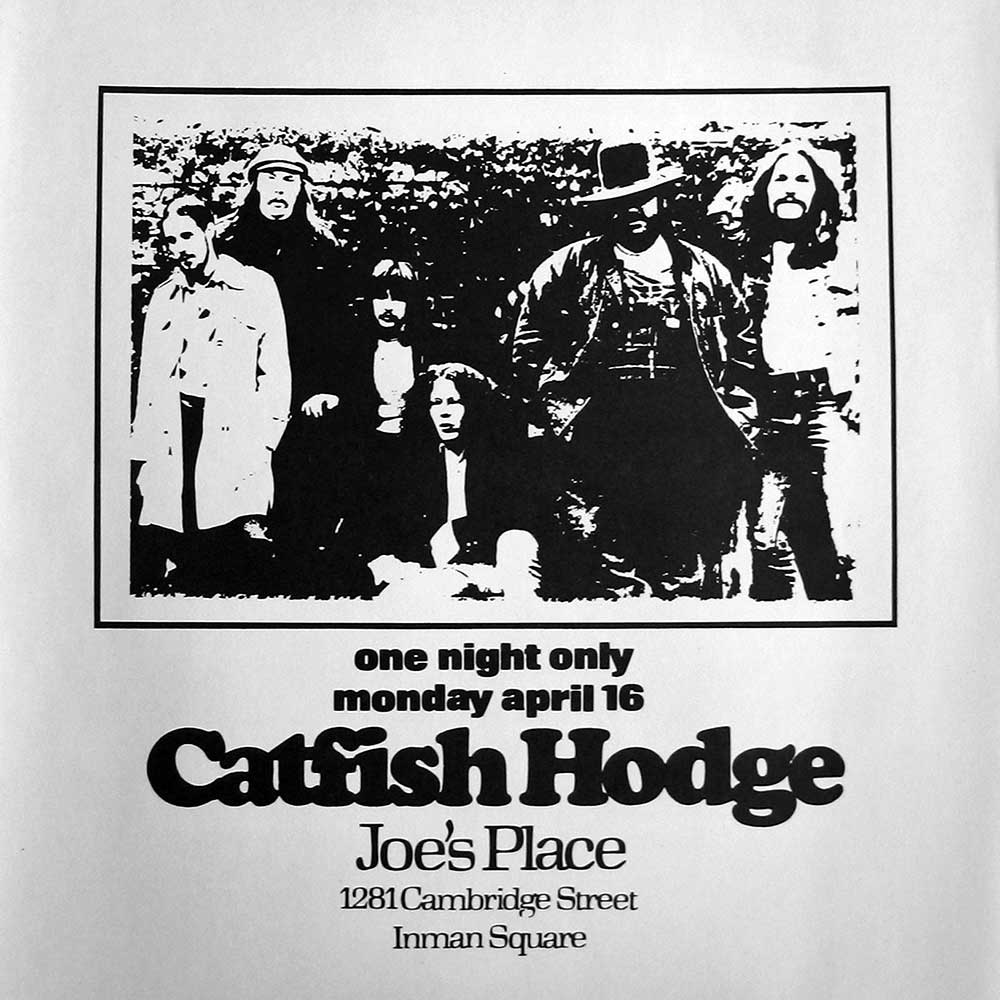
Great things were expected of Bob “Catfish” Hodge who was born into a musical family in Detroit, and began playing in clubs when he was still in high school. Before long, he was a regular in Detroit’s clubs despite not being able to read music. Music came naturally to Catfish and seemed to flow through him. Catfish was a natural when it came to music. So it’s no surprise that Bob “Catfish” Hodge decided to make a career out of music.
Since then, Bob “Catfish” Hodge has enjoyed a long and illustrious career. He first came to prominence as a member of Catfish who “coulda been a contender.” During the late-sixties, Catfish seemed destined for greatness and rubbed shoulders with The Stooges and MC5. Sadly, success eluded Catfish. After that Bob “Catfish” Hodge embarked upon a solo career.
Bob signed to Eastbound Records in the early seventies. As Catfish Hodge,he released his debut album Boogieman Gonna Get You in 1972. Two years later, Bob released his sophomore album Dinosaurs and Alleycats in 1974 and in 1975, Catfish released Soap’s Opera. It was released on Westbound and was Bob’s final release on the Eastbound and Westbound labels. After that, Bob signed to Adelphi Records. However, the three albums he released on Eastbound and Westbound are seen as the finest of his career.
Music was Bob’s life, and he spent all of his spare time listening to music. When he wasn’t listening to music he was making music. Bob formed his first band as a senior in high school, after his friend Terry Kelly taught him how to play guitar. Terry also introduced Bob to a variety of artists, including Lonnie Mack, whose songs found their way into the setlist of Bob’s band. However, Terry wasn’t Bob’s only musical influence.
By the late-sixties, Bob was absorbing the sounds of Detroit, and he was a regular visitor to Motown. Along with his friends, Bob sat in his car listening to the music emanating from the studios. Sometimes, Bob and his friends managed to sneak past the security guards in and watch the recording sessions. They were able to watch artists like Smokey Robinson recording. Before long, they were discovered by an embarrassed guard and they’d be thrown out, until the next time. This was a regular cat and mouse game. Whilst watching these sessions, this only depended Bob’s determination to become a musician.
Aspiring musicians are only mortal and “can’t live by bread alone.” So on leaving school, Bob got a job working at a finance company. One of the job’s he was given was collecting money from customers who had missed a payment. This included a forgetful member of the Four Tops. Whenever he was on tour, he forgot to pay his bills. Bob would go and collect the payments. So Bob would’ve to take the forgetful Four Top, or his wife to Motown. At Motown, they’d pick up some money to pay the bill. Naturally, seeing what was another world close up, made Bob’s mind up, now was the time to make music his career.
Bob’s first job in the music industry was as a songwriter and producer. He penned and produced Capreez’s Over You, which was released on the Detroit label Sound. That was Bob’s introduction to the music industry.
Soon, Bob was working with three local bands. He hired an office and started trying to get them a record deal. One label that showed an interest was Vanguard. So, Bob caught the redeye to the Big Apple, and headed to see Maynard Solomon at Vanguard. Bob played him the tapes. Solomon like what he heard, but reckoned that Vanguard weren’t quite ready for rock ’n’ roll. After his meeting, Bob headed into Greenwich Village.
That night, Bob saw a still unsigned Jimi Hendrix playing in a coffee bar. After that, Bob headed to Bleecker, and s he passed by a club that was closed, he heard music. Curious, Bob looked in. There was Van Morrison rehearsing. For Bob, that was a eureka moment. At last, he knew what he wanted to do with the rest of his life.
Back home, Bob formed Wicked Religion, who evolved into Catfish. Before long, Catfish established a reputation as one of Detroit’s top live groups. They were soon rubbing shoulders with MC5 and The Stooges. Their raw blues rock sound was winning friends not just in Detroit, but Catfish further afield. This included in the offices of Epic
Kenny Hodges of Epic had heard good things about Catfish. The word in Detroit was Catfish were on their way to the top. So, Kenny signed Catfish to Epic. He wasn’t going to risk anyone beating him to their signature. The only problem would be, replicating Catfish’s famous live sound?
For their debut album Get Down, Kenny Cooper was brought in to produce the album. A total of nine tracks were recorded. They were meant to showcase Catfish’s blues rock sound. On the release of Get Down in 1970, it wasn’t a commercial success and didn’t even come close to troubling the charts. Then someone at Epic came up with an idea of how to capture what Catfish were about musically. The idea was to record a live album.
So, Detroit’s Eastown Theatre was booked. In front of an enthusiastic audience, Catfish combined their own songs with two Motown covers, Nowhere To Run and Money. The concert became Catfish’s sophomore album, Catfish Live. Released in 1971, Catfish Live failed to chart. Still commercial success and critical acclaim eluded Catfish. Not only did Catfish Live fail to chart, but it spelt the end of Catfish.
The plaudits and commercial success that were about to come the way of MC5 and The Stooges passed Catfish by. They were about to become a footnote to Detroit’s musical history. That shouldn’t have been the case. Catfish had what it took to go from contenders to title holders. Who knows, maybe another record company would’ve got the best out of Catfish? Sadly, Catfish would split-up not long after the release of Catfish Live.
Bob realised this was about to happen, and had been thinking about embarking upon a solo career. He started recording his first album as Bob Hodge. Catfish Hodge had yet to make his debut. As Bob Hodge, he released Empathy, which was recorded in a small studio in Memphis and released on Cupid Records, which was Catfish’s own record label. Bob optimistically, had 500 copies pressed. Empathy passed most people by. So Bob decided it was time for a change and hopped on a plane to London.
There was a reason for this. Bob was friendly with many British musicians, including the legendary Peter Green. In London, Bob stayed at the Earls Court hotel and wrote songs. Back then, Bob had hopes of become the next James Taylor. Instead, his music headed in a very different direction, when Bob wrote Boogie Man. So with another album written, Bob headed home, looking for a record deal.
Since Bob had been away, Detroit had changed. Motown had followed the sun to Los Angeles. This was now the age of the major label. No longer were independent labels thriving. Many were struggling to make ends meet. One independent label bucked the trend, Westbound Records.
Founded and run by Armen Boladian, Westbound Records and its subsidiary Eastbound Records were doing well. They were home to Denise LaSalle and The Detroit Emerald and Bob decided to visit Armen Boladian. He’d heard Empathy and liked what he heard, and decided to take a chance on Bob. He gave him $500 and told him to record some demos.
Five songs were recorded at a small studio owned by a local band SRC. Then Armen wanted to see Bob play live. Bob just so happened to be playing in a local club. So Armen headed over to the club, accompanied by two members of Funkadelic, George Clinton and Calvin Simon. That night, Bob won over not just Armen, but the two members of Funkadelic. They encouraged Armen to send Bob to Toronto, where Funkadelic were recording America Eats Its Young. Armen agreed, and Bob headed to Toronto, where he recorded Boogie Man Gonna Get Ya.
Boogie Man Gonna Get Ya.
At Manta Recording Studios, in Toronto, Bob recorded Boogie Man Gonna Get Ya. Calvin Simon who’d encouraged Armen to record Bob produced Boogie Man Gonna Get Ya. Bob wrote seven of the eight songs. The other song was a cover of The Beatles’ Want You (She’s So Heavy). Accompanying Bob was a tight, talented band. This included a rhythm section of bassist William Landless, drummer Pat Freer and guitarists “Shakey” Al Werneken and Dallas Hodge. They were joined by pianist Bob Babitch and percussionist Jerry Paul. Producer Calvin Simon decided to add some punchy horns. This was an absolute masterstroke.
Boogie Man Gonna Get Ya was released in 1972. It marked the debut a the newly named Catfish Hodge. It’s described as rock with a hint of funk. Sadly, despite what’s a delicious fusion of blues, funk, jazz and rock, Boogie Man Gonna Get Ya failed to chart. This wasn’t helped by Westbound falling behind with the release of Boogie Man Gonna Get Ya. Locally, the album was a success. Boogie Man Gonna Get Ya was played on local radio. This resulted in Catfish playing bigger gigs and heading out to tour Boogie Man Gonna Get Ya. Westbound believing Catfish had a big future ahead of him, commissioned a second album, which became Dinosaurs and Alleycats.
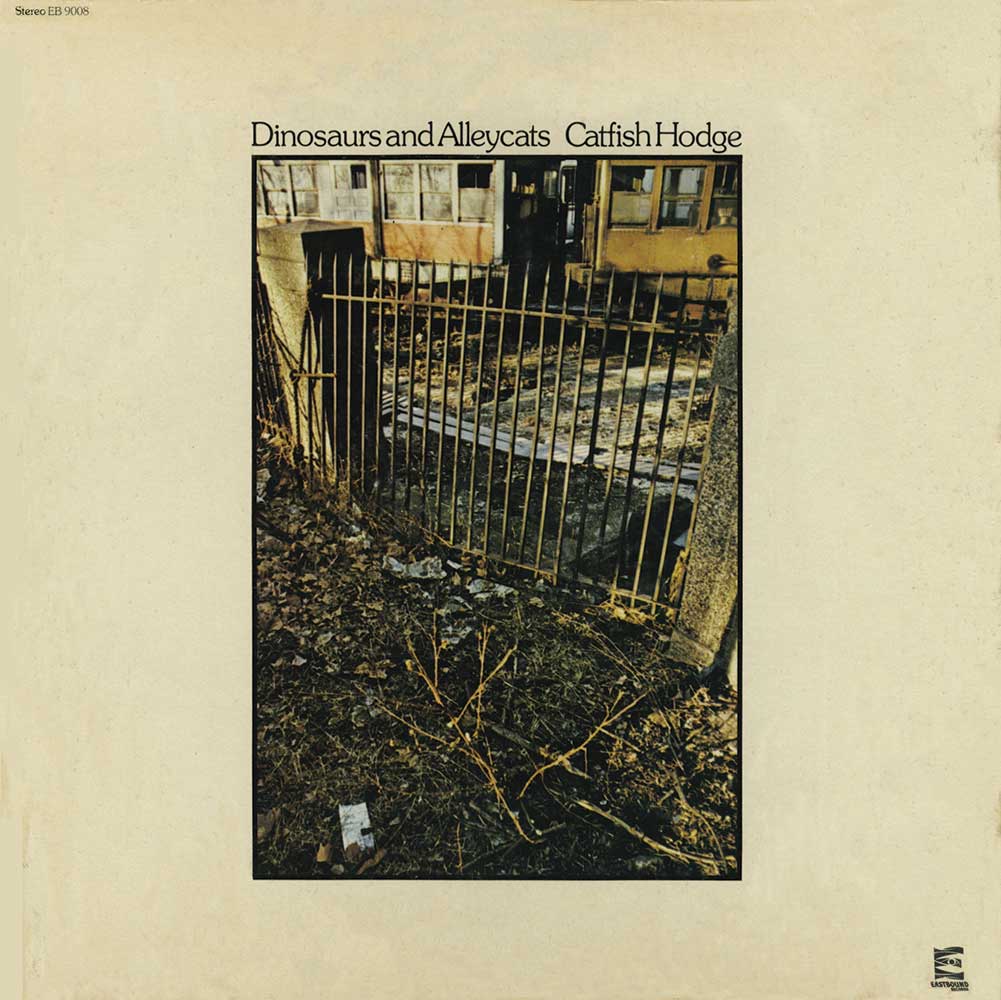
Dinosaurs and Alleycats.
For Dinosaurs and Alleycats, eight tracks were chosen. Catfish wrote Color TV Blues and Living The Blues. He cowrote five of the other six tracks. The other track was a cover of Jack Bruce and Pete Brown’s Never Tell Your Mother She’s Out Of Tune. Some tracks were recorded at Manta Recording Studios, in Toronto. Other tracks were recorded in Detroit, at the Golden World Studio, which had been where so many Motown hits were recorded. It was much the same band accompanying Catfish.
Catfish’s band included a rhythm section of bassist William Landless, drummer Dave Chambers and guitarists “Shakey” Al Werneken and Dallas Hodge. They were joined by slide guitarist Bob McCarthy pianist Bob Babitch, plus backing vocalists and a horn section. Catfish played acoustic guitar, piano and organ. Once Dinosaurs and Alleycats was completed, it was released in 1974, two years after Boogie Man Gonna Get Ya.
Sadly, some things didn’t change. Dinosaurs and Alleycats failed to chart. This was despite Catfish changing direction. Whereas some of the arrangements on Boogie Man Gonna Get Ya are busy and sometimes, some of the arrangement on Dinosaurs and Alleycats are much more understated and spacious. Everything from blues, funk, rock and feature on Dinosaurs and Alleycats, which marked a musical coming of age from Catfish Hodge.
Soap Operas.
A year after the release of Dinosaurs and Alleycats, Catfish began work on Soap Operas. It proved to be Catfish’s final album for Westbound Records was Soap Operas. It was released on their Eastbound imprint. Soap Operas featured ten tracks. Catfish wrote eight tracks. The other two tracks were covers of It’s All Over Now and Joni Mitchell’s For Free. Accompanying Catfish, was an all-star band.
This meant it was all change for Catfish. None of the band that played on his first two albums played on Soap Operas. The rhythm section included drummers Larry Zack, bassist David Kovarick and guitarist Bonnie Riatt. They were joined by Dr. John on piano and organ, Wayne Cook on keyboards and Sneaky Pete Kleinow played pedal steel. James Montgomery played harmonica and Rosemary Butler of the all-girl band Birtha sung backing vocals. The ten tracks became Soap’s Opera, which proved to be Catfish’s Westbound finale.
On its release in 1975, Soap Operas failed to chart. Catfish Hodge had changed direction again. He incorporated the West Coast sound to his usual fusion of blues and rock. However, just like Dinosaurs and Alleycats it left the listener wanting to hear more from Catfish Hodge. Sadly, it wasn’t to be.
After the commercial failure of Soap Operas, Catfish Hodge left Westbound Records. He’d released a trio of albums, yet hadn’t made a commercial breakthrough. That’s despite the undoubted quality of the music on Boogieman Gonna Get You, Dinosaurs and Alleycats and Soap Operas. Each of these albums were very different.
On each album, Catfish’s music evolved. He wasn’t going to stand still. So, each album saw a new side of Catfish. By the time he released Soap Operas, Catfish had adopted the West Coast sound. This was totally different from the fusion of blues and rock that was Boogieman Gonna Get You. Then on Dinosaurs and Alleycats, musical genes and influences melted into one. Catfish also realised the importance of space. The arrangements were much more understated and spacious. Having said that, still occasionally, Catfish and his band cut loose. When they kicked loose, it was a glorious sound. Still, commercial success eluded Catfish Hodge. By 1975, Catfish was still trying to catch a break. Even when he jumped on the West Coast Sound bandwagon, commercial success and critical acclaim was nowhere to be seen. For Westbound Records, that was the end of the road.
For Catfish Hodge, his time at Westbound Records might be over, but his career was still in its infancy. Since 1975, Catfish Hodge has continued to release albums and tour. He’s one of the hardest working men in music. Now a musical veteran, Catfish Hodge has recorded a lot of music since Boogieman Gonna Get You, Dinosaurs and Alleycats and Soap Operas. However, these three albums are still regarded as the best music of Catfish Hodge’s long career and a tantalising reminder of a truly talented singer, songwriter and musician at the peak of his powers.
Catfish Hodge-The Eastbound and Westbound Years.
J JAZZ VOLUME 2-DEEP MODERN JAZZ FROM JAZZ 1969-1983 -VINYL VERSION.
J Jazz Volume 2–Deep Modern Jazz From Japan 1969–1983-Vinyl Version.
Label: BBE Music.
Release Date: ‘6th’ September 2019.
Music is a universal language, and something that binds us all, regardless of what part of planet earth we’re from, music is ever present, and a part of our life. It’s hard to imagine daily life without a musical soundtrack that can include everything from rock and pop, to folk and funk, right though to blues, country, soul, house and jazz, and its many sub-genres. That includes J Jazz which over the past few years, has grown in popularity. This has been helped by labels like BBE Music releasing J Jazz Volume 2–Deep Modern Jazz From Japan 1969–1983 as a three LP and two CD set. It was compiled by Tony Higgins and Mike Peden, and will be released on the ‘6th’ of September 2019. J Jazz Volume 2–Deep Modern Jazz From Japan 1969–1983 documents what was an important time in the development of Japanese jazz.
From the late-sixties, right through to the early eighties was a crucial period for the development of modern jazz in Japan. During that period, many Japanese composers and musicians and bands released ambitious and innovative music that astounded those who heard it. This included the Mabumi Yamaguchi Quartet, Mabumi Yamaguchi Quartet, Teru Sakamoto Trio Plus One, Toshiyuki Miyama and The New Herd With Masahiko Sato, Nobuo Hara and His Sharps and Flats Orchestra and Akira Miyazawa. This is a tantalising taste of what awaits the listener on J Jazz Volume 2–Deep Modern Jazz From Japan 1969–1983. Critics and record buyers on hearing this music were amazed how far Japanese jazz had come in such a short space of time.
It was only twenty or thirty years earlier that Japanese music fans were banned from listening to jazz during the World War II. However, after Japan’s defeat and unconditional surrender in August 1945, the wartime ban on jazz was lifted.
Jazz fans were now able to hear jazz on the radio, and watch the allied forces bands play jazz in concert halls across Japan. Some of the bands featured some of the top American jazz musicians who were serving their country. Sometimes, these musicians spent time collaborating with local jazz musicians who were keen to learn from some of the names they had only heard on the radio. However, in 1952 when the allied forces left Japan, and returned home musicians like Frank Foster, Harold Lamb and Oliver Nelson had formed firm friendships with local jazzers. By then, they had played an important part in the cultural rebirth of Japan.
Left to their own devices, a new era began for Japanese musicians who were determined to make up for lost time. Musically there had been no winners after six years of war. While jazz had been banned in Japan during the war, many British and American jazz musicians had been called up and were serving their country. Many jazz musicians had spent the war in army bands where they were usually out of harm’s way. Now they had returned home, and like their Japanese counterparts were making up for lost time.
By the mid-fifties, a jazz scene had developed in Japan, during what was later referred to as the “funky period.” However, much of the jazz music being made in Japan had been influenced by American jazz and particularly the West Coast cool jazz and East Coast hard bop. Many Japanese musicians were collecting albums on Blue Note and Prestige which heavily influenced them. It would only be later that some would find their own voice.
Meanwhile, many of the top American jazz musicians no longer serving in the US Army, and had returned home. Some joined new or existing bands while some musicians put together new bands. Initially, they returned to their local circuit where they tried to pickup where they had left off. This changed a few years later.
In the late-fifties and early sixties, many of these musicians who had played in Japan during World War II were keen to return to a country where so many loved and appreciated jazz music. They made the long journey to Japan where they were reunited with some old friends.
During this period, Miles Davis, Art Blakey’s Jazz Messengers and Horace Silver all made the long journey to Japan where they received a warm and enthusiastic welcome. Whether any of these legendary musicians were aware at the time, they were playing a part in the cultural rebirth of Japan. Soon, many Japanese jazz musicians weren’t just content to copy Miles Davis, Art Blakey’s Jazz Messengers and Horace Silver sonically, but were determined copy them stylistically. Before long, Japanese jazz musicians were soon sporting the same preppy Ivy League clothes as their American counterparts.
Despite many people enjoying the visits of American jazz musicians, the Japanese authorities heard that some musicians had been arrested on drugs offences. They tightened the law as they didn’t want musicians with drug convictions visiting the new Japan and corrupting their youth. However, with the laws tightened, much fewer American jazz musicians visited Japan. Those that visited, played in packed concert halls and continue to influence Japanese jazzers.
Not all Japanese jazz musicians were inspired by their American counterparts by the mid-sixties as homegrown musicians were making their presence felt. Especially pianist Toshiko Akiyoshi and saxophonist and flautist Sadao Watanabe who were among the leading lights of the vibrant Japanese jazz scene.
Toshiko Akiyoshi had been invited to study at the prestigious Berklee College of Music in Boston in 1955. However, it took a year of wrangling, diplomacy and arm twisting before Toshiko Akiyoshi was able to enrol at Berklee College of Music in Boston in 1956. By then, Toshiko Akiyoshi was already making a name for herself outside of her native Japan and would enjoy a long and successful career.
Five years later, Sadao Watanabe released his eponymous debut album on King Records. The following year, 1962, Sadao Watanabe followed in Toshiko Akiyoshi’s footsteps and enrolled at Berklee College of Music in Boston. He too was on the cusp of a successful career.
Back home in Japan, many other Japanese jazz musicians were content to draw inspiration from their American counterparts, but decided to forge a new style of modern jazz befitting the new modern Japan. Leading this movement in the late-sixties was Sadao Watanabe whose music was progressive, experimental, exciting and ambitious and reflected the musical influences ad genre he had absorbed. Soon, Sadao Watanabe was influencing some of the musicians who were at the forefront of a jazz revolution.
Some of Japan’s top up-and-coming jazz musicians joined Sadao Watanabe’s band, where they learned from one of the country’s top jazzers. For these musicians this was akin to a musical apprenticeship, before they headed off to play their part in the jazz revolution that took place between the late-sixties and early eighties. It’s documented on J Jazz Volume 2–Deep Modern Jazz From Japan 1969–1983.
Tony Higgins and Mike Peden, the compilers of J Jazz: Deep Modern Jazz From Japan , dig deep into their impressive record collections and select a captivating and eclectic selection of tracks that span a fifteen year period. This includes Makoto Terashita meets Harold Land who open J Jazz Volume 2–Deep Modern Jazz From Japan 1969–1983 with Dragon Dance a deep spiritual jazz opus from the 1984 Topology. This sets the bar high, but compilers Tony Higgins and Mike Peden are up to the challenge and include several modal jazz tracks. This includes Daguri, the stunning title-track from the Kohsuke Mine Quintet 1973 modal offering on Victor, and the hidden gem Distant Thunder from the Mabumi Yamaguchi Quartet’s 1978 album Leeward on Union Records. It’s a welcome addition to the compilation.
So is Vietnam a mid-tempo Bossa Nova tinged track from George Kawaguchi Big Four’s George and Sleepy album. Very different and quite beautiful, but wistful sounding is Serenade To A Dimly Lit Street from Hiroshi Matsumoto and Hideo Ishikawa Quartet’s 1969 album Megalopolis. Then there’s funk fusion courtesy of the Electro Keyboard Orchestra, who contribute
Mother Of The Future from their 1975 eponymous album. It gives way to Teru Sakomoto Trio’s spartan and understated acoustic funk track Teru Teru Bozu (Black Keys) from Let’s Play Jazz Piano Vol.3.
On a compilation as good as J Jazz Volume 2–Deep Modern Jazz From Japan 1969–1983 it’s hard to mention just a few of the tracks. However, it would be remiss of me not to mention the thunderous and filmic big band sound of Little Giant the title-track to Nobuo Hara and Sharps and Flats’ 1969 album. Closing J Jazz Volume 2–Deep Modern Jazz From Japan 1969–1983 is the blistering post bop of Akira Miyazawa’s Brown Trout. It’s the perfect way to close what’s one of the best compilations of J Jazz that has been released over the last few years.
BBE Music have Tony Higgins and Mike Peden, the compilers of J Jazz Volume 2–Deep Modern Jazz From Japan 1969–1983 to thank for digging deep into their impressive record collections and selecting such a captivating and eclectic selection of Japanese jazz. It’s a reminder of the golden age of J Jazz, and will appeal to anyone interested in Japanese jazz. Veterans of many a previous J Jazz compilation or album, and are newcomers to Japanese jazz will enjoy the lovingly curated J Jazz Volume 2–Deep Modern Jazz From Japan 1969–1983. In fact, anyone with even a passing interest in Jn Jazz should be looking to add J Jazz Volume 2–Deep Modern Jazz From Japan 1969–1983 to their collections. It features ambitious, exciting and innovative jazz music, which pushed musical boundaries to its limits, and sometimes, beyond. Sadly, much of the music on J Jazz Volume 2–Deep Modern Jazz From Japan 1969–1983 never found the audience it deserved, and it’s only relatively recently, in the internet age when a new audience discovered the delights of Japanese jazz from what was its golden age.
J Jazz Volume 2–Deep Modern Jazz From Japan 1969–1983.

BEAUTIFUL FREAKS-WAVING OUR FLAG HIGH, WAVE ON, WAVE ON: MUSIC FROM THE ORIGINAL COUNTER CULTURE
Beautiful Freaks-Waving Our Flag High, Wave On, Wave On: Music From The Original Counter Culture.
Label: TAD.
The TAD label recently released Beautiful Freaks-Waving Our Flag High, Wave On, Wave On: Music From The Original Counter Culture, which is another lovingly curated compilation that is a cut above the competition. This eighteen track, two CD celebration of the counter culture features everyone from Allen Ginsberg and Timothy Leary to The Grateful Dead, The Fool, The Incredible String Band, The Third Ear Band and The Holy Modal Rounders to Gong and Hawkwind right through to Yoko Ono and Brigitte Fontaine. Beautiful Freaks-Waving Our Flag High, Wave On, Wave On: Music From The Original Counter Culture is a truly eclectic compilation and a reminder of another era when they world was a very different place.
The music on Beautiful Freaks-Waving Our Flag High, Wave On, Wave On: Music From The Original Counter Culture is very different from what many people were listening to during this period. There’s nothing by The Beatles, the Rolling Stones, The Kinks, The Beach Boys or even Jimi Hendrix, James Brown, The Doors or Love. This isn’t a compilation of classic rock, the sixties West Coast sound, British psych pop, soul or funk. Instead, this is a music that eschews the mainstream and embraces and celebrates alternative music. However, not just alternative music, but what’s billed as: “the alternative of the alternative,” the music of the Freak Left.
The compilers of Beautiful Freaks-Waving Our Flag High, Wave On, Wave On: Music From The Original Counter Culture combine a truly eclectic selection of music that includes overusing from comedy and country, to the sound of busking, folk and music hall. There’s chanting, raga percussion, chanting and blistering and shimmering lysergic guitar solos. It sounds as of acid has played a large part in the writing and recording of the music on Beautiful Freaks-Waving Our Flag High, Wave On, Wave On: Music From The Original Counter Culture, which became the soundtrack to the daily life of the Dead Heads and Freaks who settled in Los Angeles, New York, San Francisco and Berkeley. Soon, others further afield decided to tune in turn on drop out.
In London, Paris and Berlin, the music on Beautiful Freaks-Waving Our Flag High, Wave On, Wave On: Music From The Original Counter Culture could be heard. The counter culture could also be found in Sydney , Australia and Sao Paulo, Brazil as many young people rejected the values of their parent’s and embraced what they saw as a new way, and an alternative way of life. Part of the counter culture was the music, including the eighteen tracks on Beautiful Freaks-Waving Our Flag High, Wave On, Wave On: Music From The Original Counter Culture.
Allen Ginsberg’s Footnote To Howl opens Beautiful Freaks-Waving Our Flag High, Wave On, Wave On: Music From The Original Counter Culture and gives way to The Grateful Dead’s That’s It for the Other One (Parts. I-IV). Jerry Garcia and Co’s who were leading lights of the counter culture, also provided part of the soundtrack which has stood the test of time. So has Earth from the Third Ear Band’s 1970 eponymous genre-melting album, and The Incredible String Band’s Way Back in the 1960s from The 5000 Spirits Or The Layers Of The Onion where folk and psych combines.
Another groundbreaking trippy track is Nimm Einen Joint Mein Freund from Witthüser and Westrupp 1971 cult classic Trips + Träume which includes folk rock, psychedelic rock. Then there’s sonic explorers Gong who contribute Fohat Digs Holes In Space from their 1971 album Camembert Electrique. It’s a an innovative fusion of progressive rock, psychedelic rock and space rock. Another purveyor of space rock and psychedelic rock are Hawkwind who contribute Be Yourself from their 1971 eponymous album.
The STP Song is taken from the Holy Modal Rounders’ 1968 folk rock album The Moray Eels Eat The Holy Modal Rounders.
Very different and somewhat surreal is Timothy Leary’s Part II: One Final Word from Turn On, Tune In, Drop Out Original Motion Picture Soundtrack. Timothy Leary played a huge part in the developing counter culture and was an advocate for the use of LSD. He developed a philosophy of mind expansion and personal truth through using LSD.[
Closing Beautiful Freaks-Waving Our Flag High, Wave On, Wave On: Music From The Original Counter Culture is Exorcising the Evil Spirits from the Pentagon, October 21, 1967 from The Fugs’ 1967 psychedelic rock album Tenderness Junction. Here’s a track that epitomises the type of music that the counter culture listened to the late-sixties.
Sadly, nothing lasts forever and eventually the counter culture that offered an alternative lifestyle and philosophy to a generation was a thing of the past. It had lasted ten years, which was longer than most movements. Throughout that time, the music on Beautiful Freaks-Waving Our Flag High, Wave On, Wave On: Music From The Original Counter Culture was part of the soundtrack. Beautiful Freaks-Waving Our Flag High, Wave On, Wave On: Music From The Original Counter Culture is a carefully curated collection of eclectic tracks that oozes quality and celebrates the counter culture, which offered an alternative lifestyle and hope for the future during what was a troubled time when war, poverty and racism blighted civilised society.
Beautiful Freaks-Waving Our Flag High, Wave On, Wave On: Music From The Original Counter Culture.
STEVIE RAY VAUGHAN AND DOUBLE TROUBLE-IN STEP-VINYL.
Stevie Ray Vaughan and Double Trouble-In Step-Vinyl.
Label: Music On Vinyl.
Just like countless other musicians, Stevie Ray Vaughan’s career is a story of triumph and tragedy. He spent eleven years struggling to make a breakthrough, and during that period, Stevie Ray Vaughan spent six years as a sideman, which was akin to a musical apprenticeship. Having served his apprenticeship, Stevie Ray Vaughan headed out on his own in 1977.
Stevie Ray Vaughan formed Triple Threat Revue, who would later, become Double Trouble in 1977. They announced their arrival with a barnstorming set at 1982s Montreux Jazz Festival. This resulted in Stevie Ray Vaughan and Double Trouble being signed to Epic.
Just over a year later, Stevie Ray Vaughan and Double Trouble released their debut album Texas Flood in 1983. It went on to sell over two million copies, and was certified platinum. This was triumph in the story of Stevie Ray Vaughan. The tragedy came just seven years later.
On August 27th 1990, tragedy struck, when Stevie Ray Vaughan was killed in a helicopter crash. The Texan blues man was just thirty-six, and had only enjoyed seven years in the spotlight. During that period, it seemed that Stevie Ray Vaughan and Double Trouble could do no wrong. They had released albums sold over eight million albums. It was a far cry from when Stevie Ray Vaughan dropped out of high school, Stevie Ray Vaughan, and embarked upon life as a blues man.
College or university Stevie Ray Vaughan decided, wasn’t for him. He had known that for a while. Maybe longer than he realised? After all, Stevie Ray Vaughan had been playing the guitar most of his young life.
Stevie Ray Vaughan was born in Dallas, Texas on October 3rd 1954. After watching his brother Jimmie play his guitar, seven year old Stevie Ray Vaughan picked up a guitar for the first time. Soon, he was hooked, and was determined to master the guitar.
By the time Stevie Ray Vaughan, he had mastered the guitar, and music became more important than getting an education. Eventually, he began to think of making a living out of music. After all, neither college nor university Stevie Ray Vaughan decided wasn’t for him. He had known that for a while. Instead, he wanted to play the blues. This many thought was just a pipe dream, a phase he was going through and eventually, Stevie would settle down. However, in 1971, Stevie Ray Vaughan dropped out of hight school and embarked upon a career as a blues man.
Ever since Stevie Ray Vaughan dropped out of high school in 1971, he had been playing the blues. Having played in a series of bands, Stevie’s break came when he started playing with Marc Benno’s band The Nightcrawlers. After The Nighcrawlers, Stevie played with Danny Freeman in The Cobras. For Stevie, this was all part of his musical apprenticeship. Then in 1977, Stevie Ray Vaughan went from sideman to bandleader, when he formed Triple Threat Revue.
Triple Threat Revue would later become Double Trouble. This came about, when Stevie Ray Vaughan brought onboard the rhythm section of drummer Chris Layton and bassist Tommy Shannon. It was with Double Trouble at his side, that Stevie Ray Vaughan announced his arrival at 1982s Montreux Jazz Festival.
That night, at 1982s Montreux Jazz Festival, Stevie Ray Vaughan and Double Trouble announced their arrival. Stevie, playing vintage guitars, eschewed the use of effects. Effects were used sparingly during his performance. While Stevie turned his back on effects, he and Double Trouble liked to crank the sound up. To do this, they combined a series of amplifiers. This made the audience sit up and take notice. What they saw was a a blistering, virtuoso performance. By the time Stevie Ray Vaughan and Double Trouble left the stage, at 1982s Montreux Jazz Festival their star was in the ascendancy.
Eleven months later, Stevie Ray Vaughan and Double Trouble released their debut album Texas Flood on Epic. It sold over two million copies, and was certified double platinum. This was the start of the rise and rise, of Stevie Ray Vaughan and Double Trouble.
Texas Flood.
Before they signed to Epic, Stevie Ray Vaughan and Double Trouble headed to Jackson Browne’s recording studio in Los Angeles. Between 22nd to 24th November 1982, Stevie Ray Vaughan and Double Trouble recorded ten tracks that would become their debut album, Texas Flood.
At Jackson Browne’s recording studio, Stevie Ray Vaughan and Double Trouble hooked up with engineer Richard Mullen. He would co-produced Texas Flood with Stevie Ray Vaughan and Double Trouble.
Texas Flood featured ten tracks. Five were penned by Stevie, who also cowrote Dirty Pool with drummer Doyle Bramhall. Along with covers of Howlin’ Wolf’s Tell Me and Buddy Guy’s Mary Had a Little Lamb, these tracks became eventually become Texas Flood.
On the first of the three days at Jackson Browne’s recording studio, Stevie Ray Vaughan and Double Trouble spent setting up their equipment. The next two days, Stevie Ray Vaughan and Double Trouble recorded what would become Texas Flood. Now all Stevie Ray Vaughan and Double Trouble needed, was a label to release Texas Flood.
In early 1983, Epic signed Stevie Ray Vaughan and Double Trouble. Epic having heard the master tapes of Texas Flood, decided it needed remastered. So, a $65,000 advance was given to remaster the recordings. The advance also allowed Stevie to lay down his vocals at Riverside Sound in Austin, Texas. Then on June 13th 1983, Texas Flood was released.
When Texas Flood was released, it was mostly, well received by critics. No wonder, Stevie Ray Vaughan was easily, one of music’s most exciting guitarists. However, Rolling Stone magazine and Robert Christgau, forever the contrarians, weren’t won over by Texas Flood. This didn’t affect sales of Texas Flood, which reached number thirty-eight in the US Billboard 200. Having sold two million copies, Texas Flood was certified double platinumin America and Canada. Following the success of Texas Flood, Stevie Ray Vaughan and Double Trouble headed out on a gruelling tour.
On 20th July 1983, Stevie Ray Vaughan and Double Trouble found themselves in Toronto. That night, they played at The El Mocambo. The concert was broadcast live, with Stevie Ray Vaughan and Double Trouble, billed as a A Legend In The Making.
Stevie Ray Vaughan and Double Trouble made their way through eight tracks. They were a mixture of original tracks and cover versions. Tracks from Texas Flood and Stevie Ray Vaughan and Double Trouble’s sophomore album Couldn’t Stand the Weather, sat side-by-side. These eight tracks were a tantalising taste of Stevie Ray Vaughan and Double Trouble live. Following the concert at The El Mocambo, the tour continued, before Stevie Ray Vaughan and Double Trouble returned to the studio in January 1984.
Couldn’t Stand the Weather.
Just like Texas Flood, Couldn’t Stand the Weather, Stevie Ray Vaughan and Double Trouble’s sophomore album Stevie penned half the tracks. He wrote four of the eight tracks. The other four tracks were cover versions, including a cover of Jimi Hendrix’s Voodoo Child (Slight Return). These eight tracks were recorded at The Power Station, New York.
Over nineteen days at The Power Station, Stevie Ray Vaughan and Double Trouble recorded Couldn’t Stand the Weather. Producing Couldn’t Stand the Weather, were Stevie Ray Vaughan and Double Trouble, Richard Mullen and Jim Capter. From the minute Stevie Ray Vaughan and Double Trouble laid down their cover of Tin Pan Alley, it was obvious to those in the control room that, here was a band at the top of their game.
That proved to be the case. On the release of Couldn’t Stand the Weather, on 15th May 1984, Stevie Ray Vaughan and Double Trouble’s fusion of blues rock, electric blues and Texas rock, won friends and influenced people. This included the programmers at MTV. They put the video for Couldn’t Stand the Weather on heavy rotation. For Stevie Ray Vaughan and Double Trouble this meant their music reached a much wider audience.
Then when critics heard Couldn’t Stand the Weather, it received widespread critical acclaim. Stevie Ray Vaughan and Double Trouble were now being hailed as the saviour of the blues. It had fallen out of fashion long ago. The problem was, the blues hadn’t evolved since the advent of the electric guitar. As a result, the blues was on life-support and close to breathing its last. Then came Stevie Ray Vaughan and Double Trouble, a blue group who were on MTV. This was as game-changer.
Especially when Couldn’t Stand the Weather was released on May 15th 1984, and reached number thirty-one on the US Billboard 200 charts. This resulted in Couldn’t Stand the Weather being certified double platinum in America and platinum in Canada. It seemed that Stevie Ray Vaughan and Double Trouble could do no wrong.

Soul To Soul.
In March 1985, Stevie Ray Vaughan and Double Trouble returned to the studio. This time, they headed to the Dallas Sound Lab. Between March and May 1985, Stevie Ray Vaughan and Double Trouble recorded the ten tracks that became Soul To Soul.
For Soul To Soul, Stevie only penned four of the ten tracks. They were Only Say What, Ain’t Gone ‘N’ Give Up On Love, Empty Arms and Life Without You. Drummer Doyle Bramhall contributed Lookin’ Out the Window and Change It. The other tracks were cover versions, including Willie Dixon’s You’ll Be Mine and Earl King’s Come On. Just like Texas Flood, Soul To Soul was co-produced by Stevie Ray Vaughan and Double Trouble and Richard Mullen. Soul To Soul would be released on September 30th 1985. However, before that, Stevie Ray Vaughan and Double Trouble made a triumphant return to where it all began, the Montreux Jazz Festival.
Three years after making their breakthrough at 1982s Montreux Jazz Festival, Stevie Ray Vaughan and Double Trouble returned to where it all began. They played a storming ten song set. That night, just like three years earlier, Stevie Ray Vaughan and Double Trouble had the audience enthralled. Here was the most exciting blues band in the world. Since their Montreux debut, Stevie Ray Vaughan and Double Trouble had sold four million albums in America alone. Before long, four would become five.
On the release of Soul To Soul, it was well received by critics. Soul To Soul received the same critical acclaim as their two previous albums. Stevie Ray Vaughan and Double Trouble were regarded as the most exciting blues band in the world. They were also one of the most successful.
Change It, one of two singles released from Soul To Soul, found flavour with MTV programmers. It reached number seventeen on the US Rock charts. Despite this, Soul To Soul wasn’t as big a commercial success as Stevie Ray Vaughan and Double Trouble’s two previous albums.
Soul To Soul was released on September 30th 1985. However, the album reached number thirty-four in the US Billboard 200 charts, and was certified platinum. In Canada, where Stevie Ray Vaughan and Double Trouble’s two previous albums were certified platinum, Soul To Soul was only certified gold. This was a troubling time for Stevie Ray Vaughan and Double Trouble.

Live Alive.
After the release of Soul To Soul, it would be four years before Stevie Ray Vaughan and Double Trouble released another album. During this period, Stevie’s appetite for drink and drugs couldn’t be sated. After breakfast, Stevie would begin his daily diet of a quart of whiskey and a quarter ounce of cocaine. This was Stevie’s daily diet. It would’ve killed most people. Not Stevie. He continued to record and play live. One of Stevie Ray Vaughan and Double Trouble live performances was released in July 1986, as Live Alive.
Live Alive was a double album recorded during 1985 and 1986s Live Alive tour. Stevie Ray Vaughan and Double Trouble swagger their way through fourteen tracks on Live Alive. Despite his chaotic lifestyle, Stevie was still one of the best blues guitarists of his generation. Backed by the tightest of rhythm sections, Stevie unleashes a series of blistering performances. Whether it’s original songs or cover versions, they come alive in Stevie Ray Vaughan and Double Trouble’s hands. As a result, critics and record buyers were won over by Live Alive.
Most critics gave Live Alive positive reviews. A few critics disagreed. However, that’s not surprising. Live albums always divide the opinion or critics. Not record buyers. When Live and Alive was released in July 1986, it reached number fifty-two in the US Billboard 200 charts. Although this was the lowest chart placing of any Stevie Ray Vaughan and Double Trouble album, Live Alive was certified platinum in America and Canada. This would be the last album Stevie Ray Vaughan and Double Trouble would release for three years.
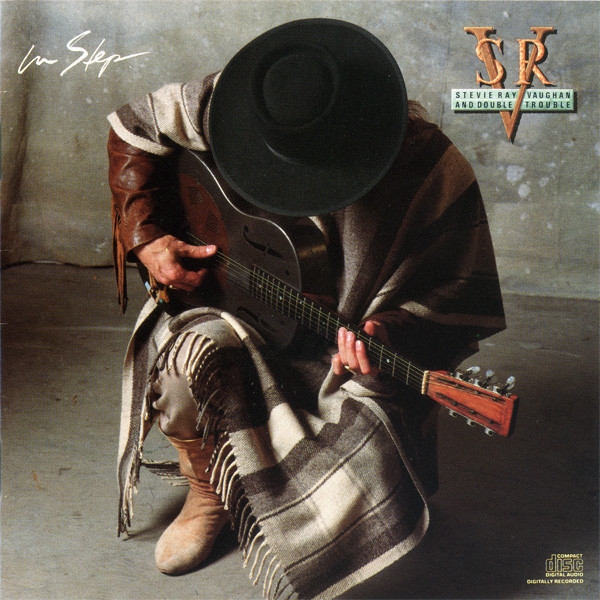
In Step.
By the time Stevie Ray Vaughan and Double Trouble returned with their fourth album, In Step, Stevie was a changed man. Gone was the hard living, wild man, with the insatiable appetite for drink and drugs. This was reflected in some of the songs on In Step.
For In Step, Stevie only wrote two tracks, Travis Walk and Riviera Paradise. However, Stevie cowrote four tracks with Doyle Bramhall. This included Wall of Denial and Tightrope, which reflect Stevie’s newfound sobriety. Along with covers of Willie Dixon’s Let Me Love You Baby, Buddy Guy’s Leave My Girl Alone and Howlin’ Wolf’s Love Me Darlin,’ these songs became In Step.
Recording of In Step began on January 25th 1989 and lasted right through to March 13th 1989. Further sessions took place at Kiva Sudios, Memphis, and then in Los Angeles at Sound Castle and Summa Studios, where Double Trouble and Jim Gaines co-produced In Step. Once In Step was finished, it was released on June 6th 1989.
When In Step was released on June 6th 1989, the album was well received by critics. Stevie Ray Vaughan and Double Trouble’s fused of blues, rock and soul on In Step, which was perceived as an incredibly honest, personal and autobiographical album. This appealed to record buyers.
On In Step’s release, it reached number thirty-three in the US Billboard 200 charts. This resulted in In Step being certified double platinum in America, and platinum in Canada. Stevie Ray Vaughan and Double Trouble were the most successful blues bands of the eighties,
Since 1983s Texas Flood, Stevie Ray Vaughan and Double Trouble had sold eight million albums. Sadly, In Step was the final Stevie Ray Vaughan and Double Trouble album released during Stevie’s lifetime.
Tragedy struck for Stevie Ray Vaughan on August 26th 1990. After playing two shows with Eric Clapton at the Alpine Valley Music Theatre, in East Troy, Wisconsin, some of the musicians were due to fly to Chicago. This included Stevie Ray Vaughan. He made his way to one of the four helicopters waiting on a nearby golf course. However, there was a problem.
Witnesses report that that night, the skies weren’t clear. Instead, there was fog, haze and low cloud. This was far from ideal flying conditions. Despite this, the helicopters took off. Joining Stevie Ray Vaughan in the third helicopter, were three of Eric Clapton’s entourage. Once the passengers and crew were ready, the Bell 206A JetRanger helicopter took off, en route for the Merge Field, in the Windy City at 12.50 a.m.
As the helicopter made its way from East Troy, Wisconsin to Merge Field, Chicago, the pilots were instructed to fly over a 1000-foot ski hill. Given the inclement weather conditions, this seemed a strange route. It had disastrous consequences.
By the time the helicopter took off from, it was now the 27th August 1990. As the helicopter climbed high into the night sky, it suddenly, veered to the left and crashed into the ski hill. It was later discovered that the helicopter crashed just fifty feet from the summit. For everybody on board it had been a case of so close, yet so far.
At 4.30 a.m, the Civil Air Patrol were told about the incident. It took them three hours to locate the crash site. When they did, they were able to ascertain that there were no survivors. That day, music lost one of its most talented and charismatic sons, Stevie Ray Vaughan.
The Texan blues man was only thirty-five. Stevie Ray Vaughan had only released four studio albums and one live album. However, these albums sold over eight million copies, making Stevie Ray Vaughan and Double Trouble the most successful blues bands of the eighties.
Stevie Ray Vaughan and Double Trouble almost single handedly, revived interest in blues music. Suddenly, there was a resurgence in interest in what was an almost a moribund musical genre. Not any more. Throughout the eighties, Stevie Ray Vaughan and Double Trouble’s unique brand of blues rock reached a new, and much wider audience. Playing an important part in the rise and rise of Stevie Ray Vaughan and Double Trouble was MTV.
A number of Stevie Ray Vaughan and Double Trouble’s tracks were on heavy rotation on MTV. Suddenly, a new generation had been introduced to the blues by Stevie Ray Vaughan and Double Trouble. They were their gateway to a whole wider body of work. However, tragically, Stevie Ray Vaughan and Double Trouble’s amounts to just the five albums released during Stevie Ray Vaughan’s lifetime.
Stevie Ray Vaughan and Double Trouble’s swan-song was In Step, which was released on June 6th 1989, some twenty-seven years ago. However, still, a new generation of musicians cite Stevie Ray Vaughan as an influence. No wonder; he was one of the greatest blues guitarists of his generation. Sadly, Stevie Ray Vaughan was only in the spotlight for seven years.
During the seven years that Stevie Ray Vaughan and Double Trouble’s star was in the ascendancy, they released four studio albums and one live album. Their swan-song was In Step, which was released in 1989. By then, Stevie had turned his life around. No longer was he living the rock ’n’ roll lifestyle.
Stevie Ray Vaughan was a changed man. Gone was the hard living, wild man, with the insatiable appetite for drink and drugs. The change in Stevie Ray Vaughan was reflected on In Step’s lyrics. It introduced the listener to a new, changed Stevie Ray Vaughan. They liked what they heard, and In Step reached number thirty-three in the US Billboard 200 charts. This resulted in In Step being certified double platinum in America, and platinum in Canada. Stevie Ray Vaughan and Double Trouble looked like becoming one of the biggest bands of the nineties. They had already sold over eight million copies between 1982 and 1989.
Sadly, that never happened. On August 27th 1990 Stevie Ray Vaughan was killed in a helicopter crash. He was only thirty-five years old. That day music lost one of its most charismatic and talented sons, Stevie Ray Vaughan, whose life is one of triumph and ultimately tragedy, but one that will never be forgotten.
Stevie Ray Vaughan and Double Trouble-In Step-Vinyl.

ARTHUR-ANOTHER CASE OF WHAT MIGHT HAVE BEEN.
Arthur-Another Case Of What Might Have Been.
The story of Arthur Lee Harper is a familiar one. He was a talented singer-songwriter who looked as if he was destined for great things. Sadly, that proved not to be the case. Arthur only ever released one album, Dreams and Images which was released on Lee Hazelwood’s LHI Records 1968.
Dreams and Images could’ve and should’ve been the first of many successful albums from Arthur. That wasn’t case. Arthur’s recording career was over before it could start. Things could’ve been very different though.
When Arthur was about to sign to LHI Records, Arthur got the opportunity to sign to the same company as The Beach Boys. This was a very tempting offer. However, that deal was only for a single. LHI Records were offering an album deal. That seemed a better offer to Arthur. Sadly, Arthur had backed the wrong horse. His recording career was over. For the rest of Arthur’s life, it was a case of what might have been?
Arthur Lee Harper was born in Melbourne, Florida. That’s where he spent his early years. Then just before his teenage years, Arthur’s parent’s marriage broke down. It was a tough time for Arthur. So, Arthur went to live with his grandmother. She decided to move to California.
The move to California was a fresh start for Arthur. He and his grandmother’s two sons settled into life in California. One of the main attractions for Arthur was Hollywood’s music scene. It was like a beacon, constantly trying to catch Arthur’s attention. Eventually, it succeeded.
When he was old enough, Arthur made the move to Los Angeles. Once there, Arthur witnessed the rock ’n’ roll lifestyle, which quickly, he decided wasn’t for him. He shied away from the drugs that fuelled Tinseltown. However, what interested and inspired Arthur was the music.
Arthur decided to make a living in L.A. as a singer-songwriter. That, he soon realised, wasn’t going to be easy. He was living in the Y.M.C.A. That’s where he met poets Mark Lindsey Buckingham and Stephen John Kalininch. They all had one thing in common, they dreamed of making it big in Tinseltown.
Before long, things were looking good for the three friends. Mark and Stephen were offered a deal with The Beach Boys’ Brother Records as songwriters. Not long after this, Arthur signed to Lee Hazelwood’s LHI Records.
Back then, it didn’t take much to get an audition at LHI Records. It was a case of ring the bell, and then audition. For the lucky few, including Arthur, it was a case of signing on the dotted line. Now, he was on his way to releasing his debut album.
During his time in L.A., Arthur had been writing songs. This included the ten tracks that would become Dreams and Images. Arthur laid down his vocal and played acoustic guitar at the sessions on the 21st and 22nd November 1967. After that, Arthur described how he envisaged, and “heard,” the arrangements. Only then, did producer Lee Hazelwood bring onboard his tried and trusted musical lieutenants.
This included arranger Don Randi and some of Lee’s favourite session musicians. He used them on many of his recordings, and knew what to expect from them. They added colour to Dreams and Images. Only then, was Dreams and Images ready to be released.
Dreams and Images was released on Lee Hazelwood’s LHI Records in 1968. Dreams and Images epitomised the the psychedelic folk sound that by 1967, was proving popular. Arthur seemed to be in the right place, with the right album. Surely, things couldn’t go wrong?
Especially with Lee Hazelwood’s LHI Records just having received several hundred thousand dollars from ABC Records. This was part of a distribution deal between the two labels. It gave ABC Records the right to distribute LHI Records’ releases. With LHI Records apparently cash rich, they’d go all out to promote Dreams and Images?
For some reason, that proved not to be the case. As is often the case when working with small, independent labels Dreams and Images wasn’t heavily promoted. Instead, it was a low key release. In one fell swoop, Arthur’s hope of a successful album were crushed.
Dreams and Images didn’t sell well. It had nothing to do with the music. Instead, it was down to the lack of promotion. Sadly, it’s an all too familiar story. Especially where independent labels are concerned. Sadly, forty-seven years after the release of Dreams and Images, that’s the case to this day.
Apart from selling a few thousand copies in Denver, Colorado, Dreams and Images passed most people by. It was a case of what might have been? How successful would’ve Dreams and Images been in it had been released on Elektra Records? Sadly, Arthur and ABC Records had backed the wrong horse.
Later in 1968, ABC Records dissolved their partnership with LHI Records. It had been an expensive lesson, one that cost ABC Records several hundred thousand dollars. The upside was it yielded three albums, including Arthur’s Dreams and Images,
Dreams and Images, which was released in 1968, by Lee Hazelwood’s LKI Records, is yet another hidden gem that, could’ve and should’ve transformed Arthur’s career. Sadly, that wasn’t the case. Arthur backed the wrong horse.
Two record companies wanted to sign Arthur. The first was LHI Records and releasing an album. They offered Arthur the chance to release Dreams and Images. At the same time, Arthur had the opportunity to sign to the same label as The Beach Boys. However, they were offering a one-off single deal. Once they saw how the single went, the label would take it from there. To Arthur, who was still a young man, the prospect of an album seemed too good an offer to refuse. Especially, when LHI Records was cash rich.
Lee Hazelwood’s LHI Records had just received several hundred thousand dollars from ABC Records. This was part of a distribution deal between the two labels. It gave ABC Records the right to distribute LHI Records’ releases. Arthur must have though that the cash rich LHI Records would go all out to promote Dreams and Images. That wasn’t the case.
LHI Records were reticent to spent large sums of money on any of the three albums they released during 1967 and 1968. As is often the case when working with small, independent labels Dreams and Images wasn’t heavily promoted. Instead, it was a low key release. In one fell swoop, Arthur’s hope of a successful album were crushed.
Dreams and Images didn’t sell well. It had nothing to do with the music. Instead, it was down to the lack of promotion. Sadly, it’s an all too familiar story. Especially where independent labels are concerned. All too often they’re desperate to sign an artist, but unwilling to promote them properly. That appears to be the case with Arthur’s debut album Dreams and Images. Without the necessary promotion, Dreams and Images passed most record buyers by.
That’s apart from in Denver, Colorado, where Dreams and Images sold a few thousand copies. They were the lucky ones, and heard what’s without doubt a lost psychedelic folk album. Sadly, most people never heard Dreams and Images. The failure of Dreams and Images impacted upon Arthur’s recording career.
Sadly, Dreams and Images was the only album Arthur recorded. Not long after leaving LHI Records Arthur turned his back on the music industry.
Arthur became a Christian, and took to writing religious songs. He worked as an engineer, and then as a special education teacher. However, Arthur still played and wrote music as a hobby. His shot at fame and fortune was long gone. Sadly, tragedy struck for Arthur in 2002.
On the 10th of January 2002, Arthur’s wife Lori tragically, died in a car crash. That night, Arthur died of a heart attack. Arthur Harper Lee, the man who could’ve and should’ve been a star was forever lost to music. However, Arthur left behind a quite beautiful, captivating, haunting and mesmeric musical legacy, Dreams and Images, a lost psychedelic folk classic.
Arthur-Another Case Of What Might Have Been.
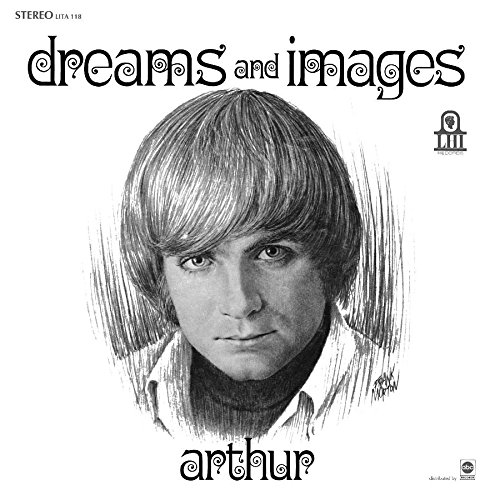
THE STORY OF DAMON AND HIS PSYCHEDELIC CULT CLASSIC, SONG OF A GYPSY.
The Story Of Damon and His Psychedelic Cult Classic, Song Of A Gypsy.
For any collector of psychedelia whose fortunate enough to find a copy of Damon’s Song Of A Gypsy, it quickly becomes one of their most prized possessions. Sadly, finding an original copy of Song Of A Gypsy is another thing. It’s one of the rarest psychedelic albums, and copies have changed hands for thousands of dollars. That’s no surprise. Song Of A Gypsy is no ordinary album.
Far from it. Privately pressed in 1969, Song Of A Gypsy was released on Ankh Records. It’s an album that pushed musical boundaries to their breaking point. A lysergic, genre-melting album, Song Of A Gypsy wasn’t a commercial success on its release. As a result, Damon didn’t release another album. Over the next twenty-five years, Song Of A Gypsy became a hugely influential album. It enjoyed a cult following. Meanwhile, the man behind Song Of A Gypsy was blissfully unaware of what was going on.
By the late-nineties, David Del Conte was a middle-aged former musician, who’d settled into a routine of running his family business. That was a bowling alley he’d inherited from his father. He’d been sober for twenty years, when he’d found God. Since then, he’d began rebuilding his relationship with his daughters, who he’d previously been estranged from. David had turned his life around. When he wasn’t working, he lived in a house that near Capistrano Beach. With its view of the Pacific Ocean, life was good for David. It wasn’t until he received an anonymous caller that his previous life as a musician became public knowledge.
David had become used to people asking if he was the Damon, who’d recorded Song Of A Gypsy. His reply was that he used to be. He’d gradually sold most of the copies of Song Of A Gypsy he’d left. Then one day, curiosity got the better of David, and he asked a caller how much a copy of Song Of A Gypsy was worth. When he was told a copy of Song Of A Gypsy was worth $3,000 dollars he was shocked. He agreed to sell the last copy for the $500 they’d agreed on, as long as the buyer didn’t resell the album for more that $500. It was only after David asked how much the record he recorded in 1969 was worth, that he realized he’d a cult following he knew nothing about. So what was the story behind Damon and Song Of A Gypsy?
David Del Conte was born in Rochester, New York in 1941. His parents owned a beauty parlor and over the years, saved enough to buy a bowling alley in California. Packing their belongings into their car, they followed the sun to California. In Los Angeles, the moved throughout the city limits. This is when David believed his: “predestined life as a gypsy began.” Eventually, they settled in Inglewood, where his parent’s business blossomed. Then when David was nineteen, his life changed forever.
His girlfriend told David she was pregnant. This was a very different era. So the pair married and went on to have three daughters. By the time David was married, he’d immersed himself in music. He was a natural musician, who’d learnt to play in high school. His first instrument was clarinet, so it’s no surprise that Benny Goodman was his hero. Soon, he was experimenting musically.
A keen surfer, it was only natural that David recorded a couple of surf rock tracks. This included Lonely Surfer, which was released on Merri Records, as David Del Conte and The Castaways. Then David released his first version of Don’t Cry. After that David moved to Harmony Records, where he released Bowling Alley Jane and Don’t Cry Davy. Next stop for David was United Artists, where It Don’t Mean A Thing was released under his name. That’s despite David only supplying backing vocals. Having become a musical nomad, wandering between labels, it was only natural that David founded his own label, Del Con.
Having formed Del Con, David released two singles, A Face In The Crowd and I Lie. Both are best described as garage rock soul. Then Merri Records asked David to record another single Cry, which was credited to Damon Lane. After that, David disappeared for a while,
It was the mid-sixties when David returned. He released singles on his Del Con label. This includes Lovin’ Man, whose B-Side is an impassioned ballad They Call Me A Fool. David’s final single for Def Con was I Wonder Why, was also released on the Ankh Records in 1968. Ankh Records was another label David founded. Tucked away on the B-Side of Ankh Records’ version of I Wonder Why was Song To A Gypsy. It was a tantalising taste of the direction David’s music was heading.
Although the original version of Song To A Gypsy, which was released as a B-Side wasn’t psychedelic, David must have been considering a change of direction. After all, why did he found two separate record labels and release two different versions of the same single? David admired two very different singers, Jim Morrison of The Doors and the purveyor of faux psychedelia, Donavon. It seemed David was caught between two styles of music? One man who’d help David find his musical direction was guitarist Charlie Carey.
Charlie and David met in 1967, when Charlie stood in for David’s guitarist. Soon, the pair formed a firm friendship. David’s life had been turned upside down. He was divorced from his wife, and almost estranged from his three daughters. Music was all David had now. So when Charlie met David, it was an opportune meeting. From the first chords Charlie played, David knew this was the man he’d been looking for. Here was someone with a unique style, who could almost make the guitar sing. This was a result. Despite this meeting with Charlie, David was overcome with the breakup of his marriage and not seeing his children.
So, David turned to drugs. He tried what were the drugs of choice, L.S.D. and dexies. Soon, David was trying heroin. That was the last straw. Things got so bad, that David was unable to standup, never mind make it concerts he was booked to play. Quickly, David got a reputation as unreliable. That resulted in David becoming determined to get straight.
Borrowing his grandmother’s cabin in Portland, Oregon, David went cold turkey. Now clean and free of heroin, David started making journey’s between his hometown and San Francisco. One day, when traveling to San Francisco, David entered the Esalen Institute in Big Sur.
Having dropped two tabs of acid, David walked twenty miles to the Esalen Institute, which was managed by his school friend Charlie Farrington. Best described as a retreat or residential community, it was like nirvana for David. He wandered around playing his guitar and reveling in the atmosphere. The only thing that bothered David, was when a guitar strong broke. Later, Ravi Shankar and George Harrison visited. Tuning his guitar to the same tuning they used, David played alongside them. That tuning would prove inspiration for Song Of A Gypsy.
Having left the Esalen Institute, David walked back to San Francisco, where his car was. He drove back to Los Angeles, where he and Charlie Carey began work on a two singles, Song Of A Gypsy and Poor Poor Genie. Various versions were recorded, with the final version recorded at Western Recorders, in Los Angeles. Song Of A Gypsy and Poor Poor Genie were released simultaneously in 1968. Ankh Records hired a promotion company to plug it. They worked the singles well. There was a problem though. When Poor Poor Genie was well received on American Bandstand, there was a problem, the B-Side Don’t You Feel Me was reviewed. Sadly, despite the marketing campaign, neither single sold well. Maybe the album Song Of A Gypsy would fare better?
Accompanying Damon for what became for Song Of A Gypsy, were a tight, talented band. They recorded ten songs Damon wrote. The band included a rhythm section of drummer Carl Zarcone, bassist Atley Yeager and Charlie Carey’s “singing” guitar. Lee and Mike Pastora added percussion, Helena Vlahos finger cymbals and Richard Barham goblet drum. Damon sang lead vocal and played guitar on Song Of A Gypsy, which was released in 1969.
Just like the two singles, success eluded Song Of A Gypsy. Released on Damon’s Ankh Records, the label didn’t have the budget to promote the album. Instead, Damon tried promoting Song Of A Gypsy by performing live. That didn’t work. He wasn’t well received. Worse was to come. The original master tapes of Song Of A Gypsy disappeared. Surely things couldn’t get much worse. Could they?
Sadly, it did when Song Of A Gypsy was a commercial failure, and Damon decided to try other career paths. An agent tried to get Damon a job in the film industry. That wasn’t for him. Then his life spiralled out of control. By the mid-seventies, it’s alleged that Damon was reduced to robbing drug dealers at gun point. Then when someone pulled a gun on Damon, he realised it was time to change his ways. He couldn’t go on hustling.
So in 1979, Damon found himself in a drug program. His real reason was, he was hiding out from a couple of drug dealers he’d robbed. Then there was this woman who Damon had taken a shine to. Whether it was fate, Damon decided to mend his ways. He found religion and gave up drugs. Turning his back on his wild ways, he somehow, managed to turn his life around. Twenty years later, and Damon was back living in Capistrano Beach, running his family business. That’s when he discovered that his debut album Son Of A Gypsy, had acquired a cult following. More than that.
Son Of A Gypsy was a lost psychedelic classic. It’s is an innovative and influential genre-melting album. Damon pushed boundaries to their limits on Son Of A Gypsy, and sometimes, way beyond . That’s why for anyone whose interested in psychedelia, then Son Of A Gypsy is a must-have album. Everything from blues, folk, funk, psychedelia, rock and soul can be heard on Song Of A Gypsy. With its lysergic, ethereal and dreamy sound Song Of A Gypsy showcased a truly talented musician, Damon. Belatedly, his one and only album Song Of A Gypsy found the audience it deserved. By then, Son Of A Gypsy was part of David Del Conte’s past.
He was now reconciled with his family, and for the last twenty-five years, had been a respectable businessman. Very few people were aware of the seventy-two year old’s musical past. It was only the release of Song Of A Gypsy that David Del Conte’s musical past became public knowledge. Suddenly, the man behind Song Of A Gypsy’s past became public knowledge. The man who had run the family business was being hailed as an innovative and innovative musician. Somewhat belatedly, David Del Conte was receiving recognition for his psychedelic classic Song Of A Gypsy. That wasn’t the end of the story.
Since 2013, a new generation of music lovers have been introduced to Damon’s Song Of A Gypsy. What was once an underground cult classic had now found the wider audience it so richly deserved. Meanwhile, a new generation of critics recognised that Song Of A Gypsy was a psychedelic classic, that had slipped through the net first time round. Not any more. They heaped praise and critical acclaim on Song Of A Gypsy. The album that David Del Conte recorded half a lifetime ago was now receiving the critical acclaim it deserved. It was a case of better late than never.
Sadly, three years ago, in 2016, David Del Conte the man behind Damon’s Song Of A Gypsy passed away. David Del Conte died peacefully at his home in an Juan Capistrano, California. He was 75 years old. However, David Del Conte will never be forgotten, and will always be remembered for the psychedelic classic he recorded as Damon, Song Of A Gypsy.
The Story Of Damon and His Psychedelic Cult Classic, Song Of A Gypsy.
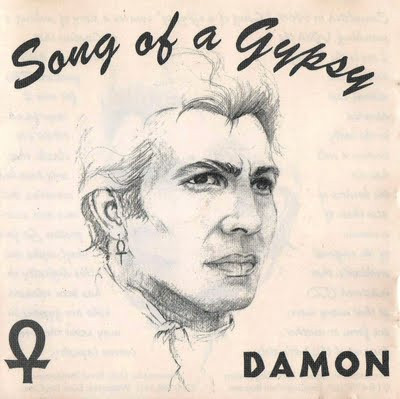

THE DAISY AGE.
The Daisy Age.
Label: Ace Records.
Release Date: ‘30th’ August 2019.
When is a movement not a movement? When it’s the Daisy Age, which was never really a movement. It’s been described more like an ethos or set of principles that for a short while, pervaded into hip hop, R&B and even pop. The ironic thing, is that thirty years later, nobody knows whether the architects of The Daisy Age, was a throwaway remark or said tongue in cheek. It certainly was influential and is why Ace Records will release a new compaulkayion The Daisy Age on 30th’ August 2019, which documents a story that deserves telling again.
The founder or architects of the Daisy Age movement were the Long Island hip hop trio, De La Soul, who claimed that D.A.I.S.Y. was an acronym of “da inner sound, y’all.” However, the members of De La Soul said a lot of things and often, it was with in jest or said tongue in cheek. De La Soul are remembered for the humour and playfulness which was part of their music, and especially their 1989 critically acclaimed, genre-melting debut album 3 Feet High and Rising which was akin to musical patchwork quilt. It was obvious that this was a hip hop classic and a game changer of an album.
Especially in Britain, where the Acid House scene blossomed in 1988, and DJs took to playing eclectic sets at raves across the country. They took place everywhere from warehouses to tents in farmer’s field’s where loved up ravers dressed in baggy clothing danced to the Chicago House tracks and the Acid House cuts that followed in their wake. They could be heard alongside UK house tracks and songs like Chris Rea’s Josephine and the dreadful Bomb The Bass Beat Dis, which many DJs and dancers quite rightly, refused to take seriously. Eventually, it was passed off as an import and suddenly, it gained approval in some quarters. This proved you can fool some of the people all of the time. Having said that, it was a time when musically, it was a case of anything goes.
As the nineties dawned, some groups decided to reinvent themselves and jump on Acid House bandwagon. This included Primal Scream, who previously, were dyed -in-the-wool rockers who embraced dance music and reinvented themselves when they released Screamadelica in 1991. It was a seminal album where Bobby Gillespie and Co. fused rock and dance music to produce a timeless classic.
Meanwhile, in New York, two of the city’s leading hip hop groups were leading lights in the nascent but rapidly expanding Native Tongues collective. While both groups were important and popular, De La Soul’s music was much more innovative, and that was the case from their debut album 3 Feet High and Rising onwards.
De La Soul were keen to distinguish themselves from many of the hip hop acts that preceded them. They tended to use the same samples over and over again. Listen carefully, and you could hear the usual suspects from sixties and seventies soul and funk. Especially artists like James Brown , Bobby Byrd, Maceo Parker, Lyn Collins, Stevie Wonder, Isaac Hayes and Roy Ayers plus groups like The Isley Brothers and The JBs. A favourite game at the time was sample spotting, which wasn’t difficult as the same ones were used so often. That changed with De La Soul.
For their debut album 3 Feet High and Rising, De La Soul raided sampled the blue-eyed soul of Hall and Oates plus Billy Joel as well as soul man Wilson Pickett and Stax lum luminaries The Mad Lads. That wasn’t all. De La Soul dug deep and sampled The Turtles’ You Showed Me, The Invitations’ Written On The Wall and even an album of French Linguaphone lessons. It was a truly eclectic mix of music that became this captivating collage that concluded their debut single Plug Tunin’, the followup Potholes In My Lawn which was the song that mentions The Daisy Age. There’s also a cover of Three Is The Magic Number by Bob Dorough from Schoolhouse Rock. This brought back memories for many hip hoppers who remembered hearing the song on Sesame Street.
Although hip hop was born in the USA, the music was popular in the UK. Especially Run DMC, whose music captured the imagination of many music fans, including many weened on a diet of rock. Another group that were popular were The Beastie Boys, who divided opinions and many music fans perceived as a pale shadow of De La Soul, Run DMC and Public Enemy who had released It Takes A Nation Of Millions To Hold Us Back in 1988. Its was another genre classic and album that everyone from ordinary music fans to De La Soul were enthralled with.
Later, De La Soul would dig deep into their memory banks to remember the music they heard growing up. This they sampled in future albums including Steely Dan, Brass Construction, The Detroit Spinners and more Hall and Oates and Billy Joel. It was an eclectic mix from one of the founders of the Native Tongues collective.
The third member was A Tribe Called Quest, who in 199People’s Instinctive Travels And The Paths Of Rhythm, which sounded as it it had been influenced by 3 Feet High and Rising. Soon, the Native Tongues’ influence was spreading and could be heard across North America and in the UK. The three prime movers of the Native Tongues collective, De La Soul, The Jungle Brothers and A Tribe Called Quest also feature on The Daisy Age compilation.
Roller Skating Jam Named Saturdays by De La Soul featuring Q-Tip and Vinia Mojica opens The Daisy Age, and is a reminder of a groundbreaking group at the peak of their powers. Later, Mama Gave Birth to the Soul Children by Queen Latifah featuring De La Soul is this collaboration is a welcome addition to the compilation.
So is A Tribe Called Quest’s Bonita Applebum ,which although it was released in 1990, still sounds fresh nearly thirty years later. They’re one of the triumvirate of hip hop groups who were at the forefront of the Native Tongues collective.
The other original member of the Native Tongues collective are The Jungle Brothers whose Doin’ Our Own Dang from 1989. It’s another track which has stood the test of time and influenced other hip hop artists and groups.
Mistadobalina is a track from 1991 by Del Tha Funkeé Homosapien from the Bay Area, who are another group who wee inspired by the leading lights of the Native Tongues collective. However, it was De La Soul’s 3 Feet High and Rising that influenced Canada’s Dream Warriors who contribute My Definition Of A Boombastic Jazz Style from 1990.
Apart from De La Soul, only Brand Nubian feature twice. Their contributions are whose K Sera Sera and All For One. They’re welcome additions as are Digital Underground’s Doowutchyalike, KMD’s Peachfuzz and not forgetting Naughty By Nature’s O.P.P. They epitomise the sound pioneered by the Native Tongues collective. So does Black Sheep’s The Choice Is Yours (Revisited), Da Bush Babees’ We Run Things (It’s Like Dat) and Fu-Schnickens with Shaquille O’Neal (Shaq Fu)’s album closer What’s Up Doc? (Can We Rock?) [K-Cut’s Fat Trac Remix].
These tracks, along with the others on The Daisy Age are a reminder of a golden age for hip hop. Back then, the music was innovative and was fresh as artists and bands moved hip hop in a new directions. In the case of De La Soul, who coined the term The Daisy Age and were one of the three pioneers of the Native Tongues collective their music was groundbreaking, playful and tinged with humour.
Along with The Jungle Brothers whose sophomore album Done By The Forces Of Nature was essentially a concept album about Africa where hip hop, jazz, doo wop and soul melted into one.
Then there was A Tribe Called Quest who also inspired and influenced the artists on The Daisy Age compilation who went on to create a genre-melting hip hop that was groundbreaking and took the music in a new direction. Nearly thirty years later, and the music on The Daisy Age has stood the test of time and for many is a reminder of what was a golden age for hip hop.
The Daisy Age.

TABANSI SAMPLER.
Tabansi Sampler.
Label: BBE Africa.
Release Date: ‘30th’ August 2019.
Over the next two years, BBE Africa, an imprint of BBE Music, will release around sixty albums from the Tabansi Records vaults. This is part of their Tabansi Gold reissue series, which got underway recently, and is a reminder of what’s the most important, influential and innovative Nigerian record label of the past six decades. Proof of that is the Tabansi Sampler, which will be released by BBE Africa, on the ‘30th’ August 2019. It features thirteen tracks from the Tabansi Records’ back-catalogue.
Tabansi Records was founded in Nigeria in 1952, and filled a void when major labels like Decca and later, Philips closed the doors on their Nigerian operations. Chief Tabansi, who lent his name to what would become Nigeria’s most important label, recorded artists and then pressed the records at The United African Company’s pressing plant. After that, record vans promoted the latest releases in Nigerian villages. This was just the start for Tabansi Records.
In the sixties, The United African Company decided to concentrate on importing American and European music. With very little competition, Tabansi Records was able to concentrate on local music, which The United African Company had turned its back on. This was a big mistake.
During the seventies, Tabansi Records was the most successful Nigerian label, and its founder Chief Tabansi was one of the leading light’s of country’s thriving and vibrant music scene. He had invested in the company he had founded in, in Onitsha, Lagos, alll these years ago, which had its own studios and pressing plant. The company was going from strength-to-strength.
By the eighties, Chief Tabansi was joined in the company by his son Godwin. He helped with promotion and developing the artists on the Tabansi roster. This included the thirteen artists on Tabansi Sampler.
Opening Tabansi Sampler is Make You No Mind, a stunning unreleased fusion of Afrobeat and highlight from the legendary Ebo Taylor. This sets the bar high. It’s followed by Zeal Anata a track from Zeal Onyia’s 1975 highlife album Trumpet King Zeal Onyia Returns.
Nkono Teles’ debut album Party Beats was his finest hour, and featured his hit single Love Vibration. It’s a track that is synonymous with the groundbreaking composer, engineer, multi-instrumentalist and producer.
Juju Master Ojo Balingo released his album Afrotunes Best Of Juju Vol. II on Tabansi Records in 1985. One of the highlights was the genre-melting Oba Mimo Olorun Ayo, which showcases the considerable talents of Ojo Balingo. It’s all change on Looking Out For You, a slice of reggae from the The Mandators’ 1979 album Sunrise. It gives way to Thina Dekula, a joyous and irresistible sounding track from Lumingu Puati (Zorro), that marries African and Western influences. Equally joyous is Amanfoo from the Dytomite Starlite Band Of Ghana’s oft-overlooked eponymous debut album which is a hidden gem.
You’re My Solution is a track from Eric Kol’s album Today. It’s a slick and timeless fusion of boogie and disco that even today, will fill a dancefloor. For The Love Of Money is the title-track to Zack and Geebah’s debut album and is a delicious fusion of Afrobeat, funk, soul and social comment. Super Star is a deeply soulful song from Tony Sarfo and His Funki Afrosibi’s 1983 album Super Star In Festival Day. Hold On Pretty Woman is the title-track from Ben Jagga’s debut album, and is s a joyous, funky slice of boogie.
Wonderful For Ashawo closed 1977 Ondigui And Bota Tabansi International ’s 1977 album Ewondo Rythm. It combines elements of soukous, highlife and funk on a memorable and rhythmic track. Closing Tabansi Sampler is Akalaka by Victor Chukwu which showcases a truly talented artist. This is the perfect way to close the compilation.
For anyone yet to discover the music released by Tabansi Records and its various imprints during the seventies and eighties, BBE Africa’s Tabansi Sampler is the perfect introduction. Tabansi Sampler features thirteen tracks from a mixture of familiar faces and new names, on this lovingly curated collection of music from the most important, influential and innovative Nigerian record label of the past six decades.
Tabansi Sampler.

LOS ANGELES SOUL VOLUME 2-KENT-MODERN’S BLACK MUSIC LEGACY 1963-197
Los Angeles Soul Volume 2-Kent-Modern’s Black Music Legacy 1963-1971.
Label: Kent Soul.
Release Date: ‘30th’ August 2019.
Four-and-a-half years ago, in February 2015, Kent Soul, an imprint of Ace Records, released Los Angeles Soul-Kent-Modern’s Black Music Legacy to plaudits and praise. Critics and music fans wondered if there would be a followup to this lovingly curated compilation? A year passed and there was no followup to Los Angeles Soul-Kent-Modern’s Black Music Legacy. A year became two, and then three. By the time four years had passed, many people had their doubts whether Kent Soul would never release a followup to Los Angeles Soul-Kent-Modern’s Black Music Legacy. However, they were wrong and on ‘30th’ August 2019, Kent Soul will release Los Angeles Soul Volume 2-Kent-Modern’s Black Music Legacy 1963-1971. It’s a release that will be welcomed by many fans and features twenty-five tracks from the Kent-Modern vaults.
During the fifties, the Los Angeles’ based, Modern and Kent labels were two of the most successful independent record labels. Their star was definitely in the ascendancy. Modern and Kent signed some of the most successful soul, blues and R&B artists of the fifties, including John Lee Hooker, B.B. King, Etta James, The Cadets and Richard Houston. A few years later, and the Modern and Kent labels were more than labels.
With the profits of their hit singles, the Bihari brothers, owners of the Modern and Kent labels, built a recording studio, pressing plant, distribution centre and offices. The Bihari brothers had come a long way in a relatively short space of time.
As the sixties dawned, music was changing. That would be the case throughout the sixties, and into the seventies. While some labels stood still, the Biharis were determined to released music that was relevant. During the sevens and into the early seventies, which is the period Los Angeles Soul Volume 2-Kent-Modern’s Black Music Legacy 1963-1971 covers, the Modern and Kent labels released an eclectic selection of music. This includes blues, deep soul, funk, gospel, jazz-tinged ballads, soul and uptempo dancers. There’s even a Motown influence on several tracks on Los Angeles Soul Volume 2-Kent-Modern’s Black Music Legacy 1963-1971. It seemed the Bihari brothers were covering all bases in their constant search for hits.
Bookending Los Angeles Soul Volume 2 – Kent-Modern’s Black Music Legacy 1963-1971 are deep soul ballads from Chuck Walker and The VIPs with Bobby McKay. The compilation opens with the single I’ll Be Standing By, which was released on Virgo in 1968. Closing the compilation is the B-Side Peace of Mind another memorable slice of deep soul. In between, are twenty-three eclectic tracks from familiar faces and new names.
For fans of funk there’s a triumvirate of tracks that are welcome additions. This includes Rudy Love and The Love Family’s Hungry Children which was released on Earthquake in 1971. What Is This World Coming To is funky cut from Charles Taylor released on Mo’ Soul in 1971. The third slice of funk is Funky Duck by the Four Tees, which is an unreleased track that funakateers will embrace and enjoy.
BPS Revolution’s contribution is Mighty Clouds Of Joy a mid tempo hidden gem from the gospel group. Its was released on Kent Gospel in 1972, and is a welcome addition to Los Angeles Soul Volume 2-Kent-Modern’s Black Music Legacy 1963-1971.
Honey by Felice Taylor which is an unreleased track is an uptempo soulful track. So is Vernon Garret’s Slow and Easy which was released on Kent in 1967 and Stacy Johnson’s Don’t Believe Him a release on Modern from 1965.
Among the familiar faces on Los Angeles Soul Volume 2-Kent-Modern’s Black Music Legacy 1963-1971 are ZZ Hill who contributes Where She Att which is a polished and soulful uptempo side released on Kent in 1967.
Johnny Copeland and His Soul Agents released Ghetto Child, on Kent in 1970. It’s a thought-provoking and moving track that was written about the young black children growing up in poverty in Houston. Sadly, nearly fifty years later the song is still as relevant as it was in 1970.
Six years after Clay Hammond penned Part Time Love for Little Johnny Taylor which topped the charts in 1963, he released The Good Side of My Girl on Kent in 1969. It was the last single he released for Kent, and is a beautiful Southern Soul track.
Until recently, many soul fans were unaware of the supremely talented and mysterious Jeanette Jones. Kent Soul released Dreams Al Come True which belongs in the collection of anyone with a passing interest in soul music. Proof of that is The Thought Of You which was released on Kent in 1969, and showcases the considerable talents of Jeanette Jones.
Another familiar dace is Lowell Fulson, who released What the Heck on Kent in 1968. It’s an uptempo dancer that is a favourite of many soul fans.
The 2nd version of Arthur K Adams I Need You was originally recorded for Modern in 1967, but wasn’t released until 2010. Tat was when it made its debut on an Ace Records CD of Al Kent and Arthur Adam’s track Together-The Complete Kent And Modern Recordings. This was a welcome inclusion, and nine years later I Need You returns for an encore.
For many soul fans of a certain vintage, Los Angeles Soul Volume 2-Kent-Modern’s Black Music Legacy 1963-1971 will take them back to a time and place when music was very different, and some would say better. It’s a compilation that features a mixture of familiar faces and new names. They rub shoulders on a completion that features everything from blues and deep soul to funk and gospel, right through to jazz-tinged ballads, soul and uptempo dancers. That is what to expect on Los Angeles Soul Volume 2-Kent-Modern’s Black Music Legacy 1963-1971, which features the twenty-five carefully selected tracks.
Los Angeles Soul Volume 2-Kent-Modern’s Black Music Legacy 1963-1971 will be released by Kent Soul on ‘30th’ August 2019. and has been well worth the four-and-half year wait as it’s a lovingly compiled compilation that manages to surpass the quality of music on the first instalment in the series.
Los Angeles Soul Volume 2-Kent-Modern’s Black Music Legacy 1963-1971.
LIVE IT UP! BAYSWATER BEAT GIRLS 1964-1967.
Live It Up! Bayswater Beat Girls 1964-1967.
Label: Ace Records.
Release Date: ‘30th’ August 2019.
It’s hard to believe that it was back in the nineties, when the Brit Girls genre was born, and record companies started releasing the first ever compilations. Little did anyone realise back then, that this new genre would thrive and over the next three decades countless compilations would be released. These compilations ranged from lovingly curated to mediocre and bandwagon jumping cash-ins. However, one label has consistently released some of the best Brit Girls compilations, Ace Records, who will release Live It Up! Bayswater Beat Girls 1964-1967 on the ‘30th’ August 2019.
Live It Up! Bayswater Beat Girls 1964-1967 features twenty-five tracks from the vaults of Philips, Fontana and Mercury, which are often overlooked by compilers of Brit Girls’ compilations. Philips and its sister labels Fontana and Mercury were based in Stanhope House in Stanhope Place, Bayswater, London W2. That was home to the Brit Girls including Dusty Springfield, Kiki Dee, Madeline Bell, Sharon Tandy and Clare Torry as well as groups like The Caravelles and The Kaye Sisters. They’re just some of the artists on Live It Up! Bayswater Beat Girls 1964-1967, and some of artists signed by the A&R reps working for Philips, Fontana and Mercury
A&R reps were constantly searching the length and breadth of the UK for unsigned Brit Girls. The A&R reps searched London and the South East, the North West and the Midlands up to the North East, and across the border to Scotland and into Wales. A&R reps made their way across the Irish Sea to Northern Ireland as the search for new names continued. Between 1964 and 1967, they crisscrossed the UK looking for unsigned Brit Girls who would transform the fortunes of Philips, Fontana and Mercury Records.
Some of the artists signed to Philips, Fontana and Mercury went on to enjoy successful careers and enjoyed a string of hit singles, while others failed to fulfil the potential the A&R reps saw in them. It was a case of what might have been. These hidden gems are joined by hits and unreleased tracks on Live It Up! Bayswater Beat Girls 1964-1967
Opening Live It Up! Bayswater Beat Girls 1964-1967 is Live It Up by Dusty Springfield. It’s a track from her 1964 Philips’ album Dusty. The following year, 1965, she recorded Heartbeat which thirty years later, was released on a CD entitled Dusty.
I Really Got Carried Away was by Madeline Bell, who was born in New Jersey, but during her career, became a familiar face on the UK music scene. In 1966, I Really Got Carried Away was the B-Side to the American songstress’ sophomore single. Despite her relative inexperience, Madeline Bell was already a talented vocalist with a bright future in front of her
Kiki Dee was another British singer who would go on to enjoy a long and successful career. She contributes two tracks she recorded for Fontana to Live It Up! Bayswater Beat Girls 1964-1967. This includes With A Kiss from her 1966 EP Kiki In Clover and Small Town which was released later that year. Both tracks are a tantalising of taste of what was to come from Kiki Dee, who is one of British music’s most underrated female vocalists.
London-based girl group The Caravelles feature twice on Live It Up! Bayswater Beat Girls 1964-1967. They contribute I Like A Man and How Can I Be Sure? which both featured on the B-Sides of their 1964 singes for Fontana. Despite the quality of both tracks, The Caravelles never quite fulfilled their potential and sadly, in 1965 the original lineup split-up, and it was a case of what might have been.
Jenny Wren first recorded for Fontana as a sixteen year old, and in 1966 released Chasing My Dream All Over Town as a single. Tucked away on the B-Side was The Thought Of You. These two oft-overlooked tracks were the start of Jenny Wren’s recording career, which saw her release four albums for DJM during the seventies.
Mention Clare Torry and most music lovers remember her seminal vocal on Pink Floyd’s Great Gig In The Sky, on Dark Side Of The Moon.That is just part of the story of this truly talented singer. In 1966, she released The Music Attracts Me on Fontana, which more than hints at what was to come from Clare Torry.
You Beat Me To The Punch was released by Karol Keyes on Fontana in 1964. On the B-Side was No One Can Take Your Place. Sadly, there was no followup to You Beat Me To The Punch, which was the only single Karol Keyes released.
Closing Live It Up! Bayswater Beat Girls 1964-1967 is Sharon Tandy’s 1966 cover of Love Makes the World Go Round, which was released on Mercury. It’s a joined by the B-Side By My Side, which is another reminder of Sharon Tandy’s vocal prowess. Just four years later, Sharon Tandy left Britain behind and headed home to South Africa. This was another case of what might have been had she stayed in Britain and continued her career?
Live It Up! Bayswater Beat Girls 1964-1967 finds hits and hidden gems rubbing shoulders on this lovingly compiled compilation. It features twenty-five tracks from the vaults of Philips, Fontana and Mercury, which are often overlooked by compilers of Brit Girls’ compilations. Not any more, as Ace Records dig deep into the Philips, Fontana and Mercury in search of Brit Girl gold. It can be found on Live It Up! Bayswater Beat Girls 1964-1967, which is another lovingly curated companion that celebrates the golden age of the Brit Girls with a compilation that feature a plethora of hits and hidden gems from the Philips, Fontana and Mercury labels.
Live It Up! Bayswater Beat Girls 1964-1967.
NKONO TELES-PARTY BEATS.
Nkono Teles–Party Beats.
BBE Africa.
During Tabansi Records’ long and illustrious history, few people made the same impact as Nkono Teles, who was born in Cameroun, but grew up in Nigeria. That was where in 1952, Chief Tabansi founded the label he lent his name to, Tabansi Records. Three decades later, groundbreaking composer, engineer, multi-instrumentalist and producer Nkono Teles began work at Tabansi Records.
During his time at Tabansi Records, Nkono Teles worked with 100 artists and bands on 150 productions. Nkono Teles’ speciality was giving a modernist sound to Tabansi Records’ releases. He was one of a backroom team of who worked for the label, and who artists called upon to give their albums a modernist, Afro-pop sound. This was a sound that Chief Tabansi hoped would appeal to record buyers all across Africa.
To do this, Tabansi Records combined elements of African music with Western music. It wasn’t unusual for a Tabansi Records’ release to fuse Afrobeat or highlife with elements of boogie, disco, electro, funk and soul. This was new and innovative. The man responsible for introducing a modern sound to many of Tabansi Records’ releases was Nkono Teles.
To do this, Nkono Teles incorporated and pioneered drum machines, synths and a myriad of guitar effects on many albums. Nkono Teles was also responsible for programming the computers at Tabansi Records’ studios, which added to the innovative sound of the label’s releases. All of this and his production career meant Nkono Teles was constantly busy at Tabansi Records. Despite this, Nkono Teles managed to combine his work at Tabansi Records with a solo career.
Nkono Teles released a trio of albums on Tabansi Records, including Party Beats, which was his debut album and a truly innovative album that was way ahead of its time. Party Beats which has just been reissued by BBE Africa, an imprint of BBE Music, as part their Tabansi Gold series. It’s a welcome reissue of what’s regarded as Nkono Teles’ finest hours.
When Nkono Teles began recording Party Beats, he had no need for Tabansi Records’ legendary studio band. He was a multi-instrumentalist, and could play every instrument himself. Nkono Teles was equally comfortable working with traditional instruments as well as the drum machines and synths. Little did he know that the raw electronic sounds he added to Party Beats would become favourites of DJs, plus breaks and hip hop producers. That was still to come.
While Nkono Teles was a hugely talented composer, engineer, musician and producer, he always felt that his vocal wasn’t his strongest point. That was why during the recording of Party Beats at one point, he brought an eleven strong choral section into the studio. However, for most of the Party Beats, Nkono Teles was a one man band who recorded vocals and laid down all the parts on the six tracks on the album.
Once Nkono Teles had finished recording Party Beats, the album was released on Taretone, one of the wholly owned imprints of Tabansi Records. Opening the album was the laid-back Time For Fun, where synths accompany the vocal as electro meets boogie and the part gets underway. Love Vibration was the track that gave Nkono Teles a hit single, and where he makes good use of a bass synth. It plays its part in the song’s success. It’s a similar case on By My Lady, which seems to have been reference early eighties Brit pop. Highlife Makossa is a melodic and rhythmic West African highlife track. The tempo drops on the beautiful and soulful paean You’ll Be Already (With My Love), before the irresistible and genre-melting Party Beats closes the album. Elements of Afrobeat, boogie electro, funk and soul combine to ensure the party continues as Party Beats closes on a high.
Party Beats was a truly innovative album from Nkono Teles, and one that features elements of Afrobeat, boogie, disco, electro, funk, highlife and soul. These genres feature on Nkono Teles what was his debut album, and the finest album of his career. Sadly, Nkono Teles only released three albums during his career, and up until recently, was better known for his production work
That started to change after breaks and hip hop producers started sampling Party Beats, and DJ began to play tracks from the album in their sets. Soon, the album was in-demand amongst collectors, DJs and producers. The only problem was Party Beats was a rarity, and recently, copies were changing hands for $700 which was beyond the budget of many record collectors. Not any more as BBE Africa recently reissued Party Beats, and Nkono Teles groundbreaking and genre-melting cult classic is available for everyone to enjoy. Party Beats is another tantalising of taste of the Tabansi Records’ back-catalogue and one of the architects of its sound in the eighties, Nkono Teles.
Nkono Teles–Party Beats.
THE LIFE AND TIMES OF BOB LIND.
The Life and Times Of Bob Lind.
Bob Lind, it’s fair to say, is a many of many talents. He started life as a singer-songwriter in 1965, and helped define the folk rock genre. His debut single Elusive Butterfly gave Bob a hit single on both sides of the Atlantic in 1966. Five years and four albums later, Bob Lind turned his back on music.
By then, Bob Lind had gained a reputation as difficult to work with. That wasn’t all. Bob was battling drug and alcohol addiction. Things weren’t looking good for Bob and it looked as if Bob’s life was spiralling out of control. However, Bob Lind was a survivor.
Through sheer strength of character and sheer determination, Bob Lind overcame his addictions. He rebuilt his life and reinvented himself as a journalist and author. Bob Lind was back. Then in 2004, a friend encouraged Bob to make play live. Since then, Bob has been playing live and earlier in 2016, recorded a new album Magellan Was Wrong. The welcome return of Bob Lind was complete. For the seventy-three year old, this was just the latest chapter in the Bob Lind story.
It began in Baltimore, Maryland on November 25th 1942. That was where Bob Lind was born and developed a love of music. Soon, he began to play guitar. Later, Bob embarked upon a career as musician.
Don’t Be Concerned.
By 1965, Bob Lind was twenty-three and had just signed to World Pacific Records, an imprint of Liberty Records. It was an exciting time for him. He had just signed his first recording contracted and was about to record his debut album, Don’t Be Concerned.
For some time, Bob Lind had been writing songs, which featured in his live sets. These songs showcased a truly talented songwriter. Already, Bob had a way with words. Elusive Butterfly, You Should Have Seen It, Drifter’s Sunrise, The World Is Just A “B” Movie and It Wasn’t Just The Morning were proof of this. They were among the twelve songs that would feature on Don’t Be Concerned.
When it came to record Don’t Be Concerned, Bob Lind was paired with Jack Nitzsche. He was already an experienced producer, who had worked with a wide range of artists. Jack Nitzsche arrange and produce Don’t Be Concerned, which when it was completed, was scheduled for release in early 1966.
Before the release of Don’t Be Concerned, Elusive Butterfly was released as a single. It reached number five in the US Billboard 200 and the UK charts. For Bob Lind, this was a dream start to his career. Things however, would get even better.
Don’t Be Concerned was released to widespread critical acclaim. Critics were impressed by an album of carefully crafted songs, from a singer who they regarded as a rising star of folk. Bob Lind critics believed, would play an important part in folk music’s future. These were wise words, with Bob Lind playing an important part in defining folk rock. With critically acclaimed reviews and a hit single to his name, Bob Lind’s star was in the ascendancy.
When Don’t Be Concerned was released in 1966, it reached 148 in the US Billboard 200. This was regarded as a success. For a new artist, in the folk rock genre, where most albums didn’t sell in the same quantities as those by pop and rock artists, this was regarded as a success. So World Pacific Records decided to build upon this success and sent Bob back into the studio.
Photographs Of Feeling.
It was decided that Bob Lind should return to the recording studio, and record his sophomore album Photographs Of Feeling. World Pacific Records realised the importance of momentum, and wanted another album from Bob. So he began work on his sophomore album, Photographs Of Feeling.
For Photographs Of Feeling, Bob Lind wrote the ten songs. Jack Nitzsche returned to arrange and produce Don’t Be Concerned. It would released in April 1966.
Before that, critics had their say on Photographs Of Feelings. Just like Don’t Be Concerned, critics were won over by Photographs Of Feelings. It received plaudits and praise, who saw Bob Lind as an artist who was reinventing folk music, with the new folk rock sound. This was beginning to grow in popularity.
Despite this, when Remember The Rain was released as a single, but reached just number forty-six in the US Billboard 100 and sixty-four in the UK. Compared to the transatlantic top ten hit Elusive Butterfly, this was have disappointing. So must have been Photographs Of Feeling failing to chart. Despite the positive reviews, of Photographs Of Feeling it never came close to troubling the charts. Despite this, a third Bob Lind album was released in 1966.

The Elusive Bob Lind,
After releasing two albums for World Pacific Records, Bob Lind released his third album on the Verve Folkways label. It had been founded in 1965, as a partnership between Verve Records and Moses Asch’s Folkways Records. Signing Bob Lind, a pioneer and rising star of the folk rock scene, was something of a coup. So was releasing his third album, The Elusive Bob Lind.
For The Elusive Bob Lind, eleven songs were chosen. They were mostly Bob Lind compositions, which were augmented by cover versions. This included Bob Dylan’s The Times They Are A Changing and the traditional song Hey Nellie Nellie. These songs were recorded with a new producer and became The Elusive Bob Lind.
This time around, there was no sign of Jack Nitzsche, who had arranged and produced Bob’s first two album. Verve Folkways brought Pete Spargo onboard. He was a relatively new producer. His production career began in the early sixties, and since then, he had produced Willie Bobo, The Guitar Kings and Hugo Montenegro and His Orchestra. Bob Lind was the latest addition to what would eventually be a lengthy list of production credits. With Pete Spargo manning the board, Bob soon had his third album recorded.
Now Verve Folkways began preparing for the release of The Elusive Bob Lind. Copies were sent to critics. They were fulsome in their praise of the album. Especially, Bob Lind’s songwriting skills, his unique vocal and how he could breath life, meaning and emotion into a song. Bob who had been one of the pioneers of folk rock, critics remarked, was continuing to redefine the genre with another album of influential music. It was released later in 1966.
Despite the praise, The Elusive Bob Lind received, the album failed to chart. With two albums consecutive albums failing to chart, it was a worrying time for Bob Lind. Maybe, his single would get his ailing career back on track?
There was a problem though. With Bob Lind’s last two albums had been released on different labels, they were essentially competing against each other. Five singles were released between April and October 1966.
World Pacific Record released I Just Let It Take Me as second single from, Photographs Of Feeling later in June 1966. It stalled at 123 in the US Billboard 100. For Bob Lind, it was a case of close but no cigar. Especially when San Francisco Woman, was released as the third and final single from Photographs Of Feeling. However, when it was released in August 1966, it reached just 135 in the US Billboard 100. Bob Lind it seemed, was out of luck.
Despite this, Verve Folkways Records decided to release White Snow from The Elusive Bob Lind. This was just the second single released from the album. It was released in October 1966, but failed to trouble the charts. After four consecutive singles failing to chart in the US Billboard 100. Bob Lind must have been wondering about his immediate future?
After the roller coaster year that was 1966, Bob Lind continued to play live. He was still a popular draw, and had been since the earliest days of his career.Then in the spring of 1967, Bob Lind returned to the studio. This time, he only recorded two singles. Maybe World Pacific Records were being cautious, and wanted to gauge the success these singles? The first single, It’s Just My Love was released in April 1967, but failed to chart. Eight months later, Goodbye Neon Lies was released in 1967, but failed to chart. Little did anyone realise that Goodbye Neon Lies was Bob Lind’s World Pacific Records’ swan-song?
By 1969, Bob Lind, like many singers and musicians had developed a taste for the rock ’n’ roll lifestyle. He battled drug and alcohol addiction. To make matters worse, Bob Lind was regarded as difficult to work with. That was the case with many artists. However, if they delivered the goods, then record companies saw as the cost of doing business with an artist. Sadly, by 1969, Bob Lind had neither released a single for two years, nor an album for three. There was no sign of any music on the horizon. Despite this, very few people would’ve forecast that Bob Lind would decided to walk away from his contract with World Pacific Records in 1969.
Having severed his ties from World Pacific Records, very little was heard of Bob Lind. While he still played live, he never released any music between 1967 and 1971. That was when Bob Lind resurfaced, and signed a contract with Capitol Records.
Since There Were Circles.
Not long after this, Bob Lind entered the studio for the first time in four years. He had written eleven new songs which would become Since There Were Circles. They would be recorded in Los Angeles.
Capitol Records had booked the Record Plant in L.A. for Bob Lind. Producing Since There Were Circles was Doug Weston. He was joined by a tight, talented and experienced band that included ex Byrd Gene Clark. They accompanied Bob as he worked his way through an electric album. It veered between folk rock, Americana, country and even a hint of pop. Since There Were Circles was an album that should’ve appealed to a wide range of record buyers.
With Since There Were Circles complete, Capitol Records scheduled the release of Bob Lind’s comeback album for later in 1971. Capitol Records sprang into action, and began promoting the album. The only concern was, that it had been five years since Bob Lind had released an album. That was a long time in music, where record buyers often, have short memories. At least, though, Bob Lind had been playing live during that period. So he wasn’t quite The Elusive Bob Lind.
Critics certainly hadn’t forgotten Bob Lind. They welcomed the return of Bob Lind, and hailed Since There Were Circles a welcome return to form. Accompanied by some of the top session musicians of the early seventies, critics were impressed by one of Bob Lind’s finest albums. Would record buyers agree?
Capitol Records released She Can Get Along in 1971. It was Bob Lind’s first single in four years single. Alas, She Can Get Along failed to chart. This didn’t augur well for the release of Since There Were Circles. It also failed to chart, and this marked the end of Bob Lind’s time at Capitol Records.
Not long after leaving Capitol Records, Bob Lind turned his back on music. Bob Lind wasn’t the first, and certainly wouldn’t the last to walk away from music.
During the wilderness years, Bob Lind befriended writer Charles Bukowski. They struck up a close friendship. So much so, that Charles Bukowski immortalised the singer-songwriter in his 1978 book Women. Bob Lind was the inspiration for the character Dinky Summers, who would regularly reappear in Charles Bukowski’s work. Ten years after Women was published, Bob Lind became a writer.
Bob Lind decided in 1988 to follow the sun, and headed to Florida. That was where he embarked upon a new career, as a writer. The move to Florida, and career change proved successful. Not only did Bob Lind write five novels, but a stage play and the award winning screenplay Refuge. It went on to win the prestigious Florida Screenwriters’ Competition in 1991. This must have been the pinnacle of Bob Lind’s career as a writer.
Later in his writing career, Bob Lind spent eight years as a staff writer at the supermarket tabloids Weekly World News and The Sun. This was very different from writing novels, screenplays or a stage play. The content was marketed as satirical and sensationalist, but often fell foul of the privacy laws. For Bob Lind, this must have seemed like a far cry from his days as a musician? Maybe Bob Lind would even consider a comeback?
Thirty-three years after turning his back on music in 1971, Bob Lind had a change of heart in 2004. He was persuaded folk singer Arlo Guthrie, the son of Woody Guthrie, to make a comeback. The venue that was chosen was the Guthrie Center in Becket, Massachusetts.
That night, Bob Lind’s love of playing live was rekindled. Soon, the sixty-two year old and Arlo Guthrie were heading out on tour. Since then, they’ve continued to tour. Bob Lind was back.
Later in 2006, Bob Lind self-released his first live album Live At The Luna Star Cafe It featured the first new material Bob Lind had released since 1971. This was just the start of Bob Lind’s comeback.
In 2007, a compilation of Bob Lind’s World Pacific Records’ recording was released. This was Elusive Butterfly: The Complete 1966 Jack Nitzsche Session. Suddenly, a whole new audience were discovering Bob Lind’s music.
Over the next few years, interest in Bob Lind’s music began to grow. However, within the music industry, many artists and groups were familiar with Bob Lind’s songs, and had covered them. This included luminaries like Eric Clapton, Glen Campbell, Dolly Parton, Aretha Franklin and The Four Tops. They’re just a few of the artists who have covered Bob Lind’s music, and helped spread the word about one of music’s best kept secrets.
With Bob Lind’s profile rising, cinematographer Paul Surratt finished a DVD about Bob Lind. It was a documentary, which also featured Bob Lind in concert. Bob Lind: Perspective was released in 2009, and introduced the singer-songwriter to a wider audience. However, there was still one thing Bob Lind hadn’t done since his comeback, release a new album.
Finding You Again.
Bob Lind decided to rectify this in 2012. He returned to the studio with The Spongetones’ guitarist Jamie Hoover, and recorded thirteen Bob Lind compositions. Jamie Hoover produced what would become Bob Lind’s first album since 1971s Since There Were Circles.
Forty-one years later, Finding You Again was released on Big Beat Records, a subsidiary of Ace Records. Finding You Again was released to critical acclaim, and marked a welcome return to form from the seventy year old folk-rock pioneer. Now that Bob Lind had found his audience again, the big question was, when would there be followup to Finding You Again?
Magellan Was Wrong.
Four years later, and Bob Lind returned with the much anticipated followup to Finding You Again,Magellan Was Wrong. It featured Bob Lind eleven new Bob Lind songs and a cover Tom Paxton’s Bottle Of Wine. These songs were arranged and produced by Jamie Hoover.
When it came to record Magellan Was Wrong, Jamie Hoover played many of the instruments on Magellan Was Wrong. Bob Lind played acoustic guitar, electric guitar, 12-string guitar and adds synth horns and vocals. Augmenting Jamie Hoover and Bob Lind, were a few musicians who added overdubs in two studios in Fort Worth, Miami. Once album, were complete, the welcome return of Bob Lind was one step nearer.
Magellan Was Wrong was released earlier in 2016, and overwhelming critical acclaim. Bob Lind was the comeback King, having released the best album since he returned to music in 2004, Magellan Was Wrong. It’s a tantalising taste of what Bob Lind’s capable of.
On Magellan Was Wrong, Bob Lind’s lyrics were beautiful, celebratory, cerebral, poignant, reflective, rueful, thought-proving and wistful. Songs about love, love lost, returning heroes and the sands of time running dry, sit side-by-side with a cover Tom Paxton’s Bottle Of Wine. Often, the lyrics are also cinematic, vivid and rich in imagery, as Bob Lind unmistakable voice switches between musical genres. Bob Lind it seems, is just as comfortable singing folk and folk-rock as he is country, jazz or pop rock. Magellan Was Wrong is a welcome return to form from Bob Lind.
Belatedly, Bob Lind was making up for lost time having turned his back on music 1971, and never to playing live until 2004. Despite that, Bob Lind wasn’t a forgotten man.
During that period, many artists and bands continued to cover Bob Lind’s songs. Over 200 artists, including some of the biggest names in music covered his songs. This includes everyone from Eric Clapton to Glen Campbell and Dolly Parton to The Four Tops and Petula Clark. These cover versions introduced many record buyers to Bob Lind’s music.
This was one way a whole new audience discovered Bob Lind. Other record buyers discovered one of Bob’s first four albums in second hand record shops. This was the start of a voyage of discovery.
Having discovered Bob Lind, soon the journey was complete. It was frustrating, as record collectors soon owned Bob’s entire discography. Many record collectors wanted to here more from one of music’s best kept secrets. If only, Bob Lind would hit the comeback trail.
Bob Lind was encouraged to make a comeback in 2004. Since then, Bob Lind’s career is enjoying an Indian Summer. This resulted in Bob getting a taste for playing live. He’s continued to play live since then, and this has resulted in a further resurgence in interest in Bob Lind’s music.
As a result, there’s been compilations of his music released, and some of Bob Lind’s albums have been reissued. Bob even released a live album. However, the one thing that had been missing from Bob Lind’s comeback was a studio album. He rectified this with Finding You Again in 2012. Four years later, and Bob Lind released one of the finest albums of his career, Magellan Is Wrong, earlier this year. By then, Bob Lind’s comeback was complete.
He had come a long way since he signed to Pacific World Records in 1965. He’s matured as a singer, songwriter and musician, and belatedly, is enjoying the commercial success and critical acclaim his talents deserved. However, one can’t help but wonder what would’ve happened if Bob Lind hadn’t turned his back on music in 1971?
At least, this allowed Bob Lind to overcome his addiction to alcohol and drugs. This wasn’t easy, and took strength of character and sheer determination. Eventually, Bob Lind managed to overcame his addictions.
He went on to rebuild his life and reinvented himself as a journalist and award winning author. Eventually, though, Bob Lind returned to his first love music in 2004. Since then, a newly revitalised Bib Lind has been making up for lost time, and his music is receiving the critical acclaim his considerable talents so richly deserve.
The Life and Times Of Bob Lind.

DYTOMOTE STARLITE BAND OF GHANA-DYTOMOTE STARLITE BAND OF GHANA
Dytomite Starlite Band Of Ghana-Dytomite Starlite Band Of Ghana.
Label: BBE Africa.
During the seventies and eighties, the Tabansi label was, without doubt, the most important and influential Nigerian record label, and consistently released groundbreaking music. Tabansi also discovered and nurtured many of Nigeria’s most successful artists. However, Tabansi also released albums by artists and bands from other parts of Africa, including Ghana.
This included the Dytomite Starlite Band Of Ghana, who released their eponymous debut album on Tabansi, in the early eighties. Dytomite Starlite Band Of Ghana was their only album, and sadly, this highlife hidden gem has never been reissued since then. That was until recently, when BBE Africa, an imprint of BBE Music reissued Dytomite Starlite Band Of Ghana as part of their Tabansi Gold reissue project. It’s a welcome reissue of what’s a somewhat mysterious release.
Very little is known about the Dytomite Starlite Band Of Ghana, which is thought, consists of just two musicians. They were joined in Tabansi’s recording studios by a highlife band. Sadly, nobody knows who played on this stunning album which is a delicious fusion of Ghanian vocals, highlife and a masterclass from keyboardist and producer Jake Sollo, who took charge of many production on many of Tabansi’s releases. Apart from Jake Sollo, nothing is known about the personnel who feature on Dytomite Starlite Band Of Ghana. There’s previously been speculation that the recording may feature the Tabansi Studio Band, which in the early eighties, included the supremely talented and versatile Martins Brothers. However, what can be said with the utmost certainty is that Dytomite Starlite Band Of Ghana is a stunning album that oozes quality from the opening bars of Amanfoo to the closing notes of Meye Meho Ayie.
Dytomite Starlite Band Of Ghana is a genre-melting album which is a fusion of Accra highlife which was popular in the late-seventies and early eighties. To that, add a horn section that sounds as if they should be playing on a recording of South African township jive, while the clave patterns have an obvious Afro-Cuban sound. Al this results in music that is various beautiful, emotive, joyous, uplifting and truly irresistible.
It’s no wonder that original copies of Dytomite Starlite Band Of Ghana are so sought after, and collectors are willing to pay such high prices for a copy. Dytomite Starlite Band Of Ghana is an oft-overlooked, hidden gem from the Tabansi vaults, and is an album that belongs in the collection of anyone who loves African music, highlife or just loves, enjoys and appreciates good music.
Dytomite Starlite Band Of Ghana-Dytomite Starlite Band Of Ghana.
DAVID SANCIOUS-WHAT MIGHT HAVE BEEN.
David Sancious-What Might Have Been.
By the late sixties, David Sancious was part of New Jersey’s vibrant music scene where he served the first part of his musical apprenticeship. Over the next few years, the multi-instrumentalist honed his chops in various rock bands. The music they played was very different to the classical music that David grew up playing.
David Sancious who was born on November 30th 1953, and started playing classical piano aged seven. Little did he realise that he had just made his first tentative musical steps and eventually, would play alongside the great and good of music. That however, was in the future.
Before that, eleven year old David Sancious began teaching himself to play guitar. This was no surprise. He was eleven in 1964, the year the British Invasion groups first arrived on the American shores. Suddenly, guitar bands were King. Despite this, he continued to dedicate himself to the piano over the next few years. By his late teens he was a classically trained pianist. Eventually, though,David Sancious decided to turn his back on classical music.
The future for him was rock music and he made his debut in the local scene in the late-sixties. However, as the sixties gave way to the seventies, the Asbury Park music scene was thriving and at its heart were David Sancious, Bill Chinnock, Southside Johnny, Bruce Springsteen and future members of the E-Street Band. They played in various bands including Glory Road, Dr.Zoom and The Sonic Boom, The Bruce Springsteen Band and The Sundance Blues Band. That was the case right through until 1972. This marked the end of the first part of David Sancious’ musical apprenticeship. The final part came, when David moved to Richmond, Virginia.
In early 1972, David Sancious moved to Richmond, Virginia. His destination was Alpha Studios where he worked as a studio musician who played on jingles and sessions. That was how he met Ernest “Boom” Carter, the E-Street Band’s drummer and how he came to spend two years in Bruce Springsteen’s employ.
Between 1972 and 1974, David Sancious was a member of the E-Street Band. He played keyboards on Bruce Springsteen’s 1973 debut album Greetings from Asbury Park, N.J.
Greetings from Asbury Park, N.J.
Recording of Greetings from Asbury Park, N.J. took place between July and September 1972. Four months later, on January 5th 1973, Greetings from Asbury Park, N.J. was released. It was well received by critics, and nowadays, features in Rolling Stone magazines list of 500 best albums of all time. Despite this, Greetings from Asbury Park, N.J. wasn’t a huge commercial success.
On its release, Greetings from Asbury Park, N.J. reached just number sixty in the US Billboard 200 charts. Little did anyone know that this was the start of the career of one of the most successful American musicians ever.
Even David didn’t appear to realise this. After Greetings from Asbury Park, N.J. was recorded, he didn’t head out on tour with Bruce Springsteen. Instead, he returned to Alpha Studios.
At Alpha Studios, David Sancious recorded some demos with drummer Ernest “Boom” Carter and bassist Garry Tallent. There was a problem though, the rights to the demos were owned by producer and songwriter Will Farrell. This would become a bone of contention when they were later released without David Sancious’ permission. That was still to come and before that he played on The Wild, The Innocent and The E-Street Shuffle.
The Wild, The Innocent and The E-Street Shuffle.
Recording of Bruce Springsteen’s sophomore album, The Wild, The Innocent and The E-Street Shuffle took place between May and September 1973 at 914 Recording Sound Studios. The sessions were the perfect showcase for David Sancious’ skills.
The multi-instrumentalist could seamlessly switch between musical instruments. He played piano on New York City Serenade, organ on Kitty’s back and a soprano saxophone solo on The E Street Shuffle. That’s not all. During instrumental breakdowns he enjoys the chance to showcase his versatility. Drawing inspiration from his eclectic musical taste he takes The Wild, The Innocent and The E-Street Shuffle in unexpected directions. In doing so, he played his part in Bruce Springsteen’s first great album.
When The Wild, The Innocent and The E-Street Shuffle was released in September 1973, it was too widespread critical acclaim. So much so, that The Wild, The Innocent and The E-Street Shuffle features in the Rolling Stone magazines list of 500 best albums of all time. Sadly, this didn’t translate into sales.
The Wild, The Innocent and The E-Street Shuffle stalled at just number fifty-nine in the US Billboard 200 charts. Although slightly better than Greetings from Asbury Park, N.J., it was a disappointing chart placing. Maybe this is why his time with The E-Street Band was soon at an end?
David Sancious toured with The E-Street Band from June 1973 right through to August 1974. He also played on the title-track to Bruce Springsteen’s third album Born To Run. However, he was about to leave the E-Street Band, albeit not for ever.
Having left The E-Street Band, David Sancious and drummer Ernest “Boom” Carter formed their own group Tone. The third member of Tone was bassist Gerald Carboy. Other members would come and go including vocalists Gail Boggs, Patti Scialfa, Brenda Maddison and Gayle Moran, of Return To Forever and The Mahavishnu Orchestra. Another future member of Tone was Alex Ligertwood, who had become Santana’s vocalist. These vocalists were part of Tone’s fluid lineup between 1975 and 1978. Their debut album was Forest Of Feeling.
Forest of Feeling.
For David Sancious and Tone’s debut album, 1975s Forest Of Feeling, they decided to change direction from the music they’d been making with Bruce Springsteen. To do this, they brought onboard a producer capable of making this happen.
Billy Cobham of The Mahavishnu Orchestra was brought onboard to produce Forest Of Feeling. Their debut album saw David Sancious and Tone’s music move in an innovative direction. Progressive rock and jazz fusion melted into one on Forest Of Feeling. There was more than a nod to The Mahavishnu Orchestra, Yes and Genesis. A captivating fusion of musical genes and influences, Tone’s debut Forest Of Feeling, was released in 1975.
On its release in 1975, Forest Of Feeling was well received by critics.They realised that Forest Of Feeling was an album of groundbreaking music. It was very much a mixture of music’s present and future. Despite this, Forest Of Feeling failed to chart. For David Sancious and Tone this a huge disappointment. So they started work on their sophomore album, Transformation (The Speed Of Love)
Transformation (The Speed Of Love).
For Transformation (The Speed Of Love), David Sancious penned Piktor’s Metamorphosis, Sky Church Hymn #9, The Play And Display Of The Heart and Transformation (The Speed Of Love). These four lengthy pieces were the perfect showcase for David Sancious and Tone.
Recording of Transformation (The Speed Of Love) took place at Caribou Ranch studios with Bruce Botnik producing. David Sancious played acoustic piano, Fender Rhodes, piano, Hammond and electric organ, Moog synth, clavinet as well as electric and acoustic guitars. Ernest “Boom” Carter played drums, percussion and added the vocal on Piktor’s Metamorphosis. Gerald Carboy played bass and wind chimes. Gayle Moran sang the vocal chorus on Transformation (The Speed Of Love), an eighteen minute epic that closes the album. Once these four songs were recorded, Transformation (The Speed Of Love) was released in 1976.
On Transformation (The Speed Of Love)’s release, it was released to widespread critical acclaim. A genre-melting album, everything from blues, boogie, classic rock, psychedelia, funk, fusion, jazz, progressive rock and rock feature on Transformation (The Speed Of Love). It’s three hugely talented musicians showcasing their considerable talents. Despite this, commercial success eluded Transformation (The Speed Of Love).
Transformation (The Speed Of Love) failed to chart. It passed record buyers by, upon its release in 1976. Since then, Transformation (The Speed Of Love) has found an audience within the rock and jazz community. That was still to come. Before that, David Sancious and Tone would begin work on album they hoped would result in a change of fortune for them, Dance Of The Age Of Enlightenment.
Dance Of The Age Of Enlightenment.
For David Sancious and Tone’s fourth album, the band’s founder began writing the material for the album. Eventually, David had written eight new tracks including Overture-Wake Up (To A Brand New Day), 1st Movement (Dance Of The Glory And Playfulness), 2nd Movement (Dance Of Purification) The Dawn, 3rd Movement (Part I and II), 4th Movement (Dance Of Serenity And Strength) and the Finale, which featured Gone Is The Veil Of Illusion (Part I) and Dance Of Gratitude And Devotion (Part II). The tracks were complex and would test the considerable skills of the members of Tone.
Recording of Dance Of The Age Of Enlightenment took place at Caribou Ranch studios with Bruce Botnik and David co-producing. The eight songs had been arranged by David Sancious who played acoustic piano, Fender Rhodes, Hammond and electric organ. He also played Moog synth, clavinet, electric and acoustic guitars. In the rhythm section were drummer and percussionist Ernest “Boom” Carter and bassist Gerald Carboy played bass and wind chimes. Gayle Moran added vocals. Once the eight tracks had been recorded, Dance Of The Age Of Enlightenment was scheduled for release later in 1977.
David Sancious was excited about the album he had recorded with Tone. Dance Of The Age Of Enlightenment had the potential he believed, to be a career defining album that featured ambitious and innovative music. That may have been the case, but Epic didn’t want to release Dance Of The Age Of Enlightenment. For David Sancious and Tone this was a huge blow. He found himself at loggerheads with Epic and was looking for an exit route.
What David Sancious needed, was a label that would release Dance Of The Age Of Enlightenment. This wasn’t going to be easy. Word gets round the music industry, and soon, many labels would be aware that Epic had refused to release Dance Of The Age Of Enlightenment. This meant David Sancious wasn’t going to be negotiating from a power of strength. Despite this, he thought he had found a label willing to release Dance Of The Age Of Enlightenment, Arista.
The Arista label had been founded by the former Columbia Records CEO, Clive Davis. When he heard Dance Of The Age Of Enlightenment he was keen to release the album and offered David Sancious and Tone a recording contract. He signed on the dotted line and Dance Of The Age Of Enlightenment was about to be released. Or at least so it seemed.
Executives within Arista’s A&R department weren’t so sure about Dance Of The Age Of Enlightenment. Suddenly, Arista were having second thoughts about releasing Dance Of The Age Of Enlightenment. Suddenly, Arista back-pedalling, and decided not to release the album. The A&R executives were unable to get their heads round the album. They felt it wasn’t the right album for Arista to release as the groups’ debut. David Sancious was backed into a corner and there were only two possible outcomes.
The first was that Arista didn’t release Dance Of The Age Of Enlightenment. If David Sancious agreed to this, and to record a more “commercial album,” they would honour the recording contract on the table. Should he not agree to this, all bets were off. David was in between a rock and a hard place. It was obvious that Arista weren’t going to release Dance Of The Age Of Enlightenments, so it was a case of cutting his losses, and beginning work on a new album. If that was successful, maybe Arista would’ve a change of heart about Dance Of The Age Of Enlightenments?
They didn’t. It wasn’t until 2004, that somewhat belatedly Dance Of The Age Of Enlightenment was released. By then, David Sancious and Tone were no more. However, the genre-melting Dance Of The Age Of Enlightenment, where David Sancious and Tone flit between classical and jazz, to fusion and funk and even progressive rock and rock. The listener had been denied the opportunity to hear what was one of David Sancious and Tone’s most accomplished albums. Dance Of The Age Of Enlightenment might have resulted in a change in fortune for David Sancious and Tone. As it was, David decided to expand Tone to a six piece band for their fifth album, True Stories.
True Stories.
Having made the decision to add to the lineup of David Sancious and Tone, the search began in earnest for three new band members. The first addition was lead vocalist Alex Ligertwood from Glasgow, in Scotland. He had an enviable pedigree, having been a member of The Jeff Beck Band and Brian Auger’s Oblivion Express. He sounded as if he was born to sing rock. Providing the perfect foil for Alex Ligertwood were backing vocalists Brenda Madison and Gail Boggs. Neither were newcomers to David Sancious and Tone and Both had already made guest appearances on previous albums. This time they were full members of David Sancious and Tone as work began on what became True Stories.
Just like previous albums, David Sancious wrote the majority of True Stories. He penned Sound Of Love, Move On, Prelude #3, On The Inside, Fade Away, Ever The Same and Interlude. David also cowrote Matter Of Time with bassist Gerald Carboy. These songs became True Stories, which was produced by David and L.A. based, but London born producer Eddy Offord.
Having written and practised the song that would become True Stories, the newly expanded lineup of to David Sancious and Tone headed to Woodstock where the Eddy Offord Remote Studio was situated. David Sancious arranged the album which he co-produced with studio owner Eddy Offord. It was a quite different to previous albums as the band played a myriad of traditional and electronic instruments.
Even one member of the rhythm section expanded his musical horizons on True Stories. Drummer and percussionist Ernest Carter added a bell tree, gong, handclaps, tambourine, timbales and tone bender. His partner in the rhythm section, was bassist Gerald Carboy. David Sancious played synths, Hammond organ, bass, crotales, finger cymbals, piano, tambourine and added handclaps. Lead vocalist Alex Ligertwood played finger cymbals and added handclaps. Augmenting his vocals were backing vocalists Brenda Madison and Gail Boggs. The new lineup of David Sancious and Tone guided by new co-producer set about recording an album that stayed true to the group’s principles and they hoped would meet the approval of Arista.
The result was True Stories, which was completed in 1978. It was scheduled for release later that year. That was as long as the album met with the approval of Arista. Whether this had been deliberate or not, True Stories lacked the grandiose and flamboyant flourishes of previous albums. However, aided and abetted by lead vocalist Alex Ligertwood and two backing vocalists, David Sancious and Tone, continued to create music that was ambitious, groundbreaking and genre-melting. This was was in David Sancious and Tone’s musical D.N.A.
A&R executives at Arista were greeted with a very different album from Dance Of The Age Of Enlightenment. True Stories was still an album that married disparate musical genres. Everything from faux-baroque, classic rock, classical, funk, fusion, jazz and progressive rock can heard throughout True Stories. Sonically and stylistically, David Sancious and Tone had much in common with Pink Floyd, Emerson, Lake and Palmer, Yes and Genesis on True Stories. It’s a complex but captivating album, which is also melodic, full of subtle hooks and features several radio friendly tracks.
Having been impressed by an album that originally started life as four suites, Arista scheduled the release of True Stories for later in 1978. It was a very different album than David Sancious envisaged. With the help of his co-producer Eddy Offord, the original concept had been rejigged into something that Arista would find acceptable, and indeed, commercial. Arista high hopes for True Stories, and believed it had the potential to transform the fortunes of David Sancious and Tone.
When critics received their copy of True Stories, they were impressed by the latest offering from the newly expanded lineup of David Sancious and Tone. It was hailed an album of ambitious music, where combined and flitted between disparate musical genres. However, the addition of Alex Ligertwood and the backing vocalists added a new dimension to David Sancious and Tone. This surely should result in commercial success coming David Sancious and Tone’s way?
Alas, it wasn’t to be. When David Sancious and Tone released True Stories in 1978, the album never even troubled the lower reaches of the US Billboard 200. The only small crumb of comfort for Arista and David Sancious and Tone was when True Stories reached number forty in the US Jazz charts. That however, was as good as it got for David Sancious and Tone. They released Move On as a single in the UK during 1978, but it failed commercially. To make matters worse, progressive rock was falling out of favour on both sides of the Atlantic.
Despite that, David Sancious wasn’t about to turn his back on progressive rock. He had already decided to record a new album, which became Just As I Thought. However, it wasn’t credited to David Sancious and Tone. Instead, it became David Sancious’ debut solo album.
Just As I Thought.
There was no fallout between David Sancious and Tone. Instead, the band seem to have run its course. Despite this, some members of Tone would be reunited with him once he had written his debut solo album, Just As I Thought.
For Just As I Thought, David Sancious wrote nine new songs. Most of them, including Run, Just As I Thought, Again, The Naked 1, Valley Of The Shadow, Remember, And Then She Said and Again (Part II) were much shorter songs. Especially when compared to songs on previous albums. The longest track was Just As I Thought, Suite (For The End Of An Age), an eight minute epic, which featured David Sancious at his most creative. However, for most of Just As I Thought, the songs were shorter and found him moving towards fusion. To help him do this, was a very different band.
Joining David Sancious to record Just As I Thought was a band that was a mixture of familiar faces and new names. They made their way to Eddy Offord’s Mobile Unit in Woodstock. One of the familiar faces, was drummer and percussionist, who returned to the rhythm section. Joining him were fusion bassist Jeff Berlin, and T.M. Stevens, who would invent heavy metal funk. Each bassist played on two tracks. Adding vocals on Again and Suite (For The End Of An Age) was Kabir Ghani. Brenda Madison added choir parts to Suite (For The End Of An Age) and Again (Part II). David played acoustic and electric guitar, bass, Hammond organ, piano and synths. He also arranged Just As I Thought, and co-produced the album with Eddy Offord. Once Just As I Thought was complete, a new chapter in David Sancious’ career began.
Before that, critics and record buyers would have their say on David Sancious’ debut solo album, Just As I Thought. Critics were won over by Just As I Thought, welcoming the stylistic departure on an album where David Sancious. Just As I Thought with its move towards fusion, showed another side to David Sancious. However, he hadn’t turned his back on progressive rock, and combined this with rock, classical, jazz and even the dreamy ambient, acoustic sound of The Naked I. There was much for critics to praise on Just As I Thought.
When Just As I Thought was released later in 1979, it only charted in the US Jazz charts, where it reached thirty-six. While this was an improvement on David Sancious and Tone’s swan-song True Stories, Just As I Thought had failed to find the audience it deserved. For everyone involved, it was a huge disappointment.
Especially David Sancious. Just As I Thought could and should’ve been the start of a long and successful career. David Sancious was a talented multi-instrumentalist, composer, arranger and producer. However, his ambitious, groundbreaking and genre-melting music was only finding an audience within the jazz community. It had been a similar case with David Sancious and Tone. Maybe that was why David Sancious decided to reinvent himself as a solo artist? Alas, it didn’t pay off.
Instead, David Sancious only released one further album for Arista, The Bridge in 1981. After that, David Sancious decided to concentrate on his work as a sideman,
For the next nineteen years, David Sancious’ time was spent working with the great and good of music. He took to the stage, and recorded with Eric Clapton, Jack Bruce, Peter Gabriel, Sting, and Bruce Springsteen, Stanley Clarke and Santana. However, having worked with rock royalty for so long, this must have inspired David to return to the studio.
In 2000, David Sancious released 9 Piano Improvisations. Two years later, this was followed in 2002 by Cinema and Live In The Now in 2006. This meant that David Sancious’ back-catalogue now amounted to five official albums, plus the five albums David Sancious and Tone released. They’re a reminder of a truly talented musician, composer, arranger and composer, whose music is only belatedly finding the audience it so richly deserves and the man Peter Gabriel describes as: “a musician’s musician.” That has been the case for over forty years.
During that period, David Sancious has won the praise, approval and admiration of his contemporaries and peers. That’s why when Eric Clapton and Peter Gabriel, to Saatana, Sting and Bruce Springsteen are looking for a keyboardist, David Sancious has been and still is, their go-to-guy.
David Sancious-What Might Have Been.
ZACH AND GEEBAH-FOR THE LOVE OF MONEY.
Zack and Geebah– For The Love Of Money.
Label: BBE Africa.
Tabansi Records was founded in Nigeria in 1950, and filled a void when major labels like Decca and then Philips closed the doors on their Nigerian operations. Chief (Dr) G.A.D. Tabansi, who lent his name to what would become Nigeria’s most important label, recorded artists and then pressed the records at The United African Company’s pressing plant. After that, record vans promoted the latest releases in Nigerian villages. This was just the start for Tabansi Records.
In the sixties, The United African Company decided to concentrate on importing American and European music. With very little competition, Tabansi Records was able to concentrate on local music, which The United African Company had turned its back on. This was a big mistake.
During the seventies, Tabansi Records was the most successful Nigerian label, and its founder Chief (Dr) G.A.D. Tabansi was one of the leading light’s of country’s thriving and vibrant music scene. He had invested in the company he had founded in, in Onitsha, Lagos, alll these years ago, which had its own studios and pressing plant. The company was going from strength-to-strength.
By the eighties, Chief (Dr) G.A.D. Tabansi was joined in the company by his son Godwin. He helped with promotion and developing the artists on the Tabansi roster. This included many of Nigeria’s young and up-and coming musicians plus some of its biggest names including reggae star Majek Fashek and Felix ‘Lover Boy’ Liberty. There were many more artists who released albums on Tabansi, including Zack and Geebah, whose album For The Love Of Money has just been reissued by BBE Africa, an imprint of BBE Music as part of their Tabansi Gold reissue project.
For those who have yet to discover the delights of For The Love Of Money, it’s an album that features elements of Afrobeat, boogie, disco and reggae from the Liberian duo Zack and Geebah who met in the mid-seventies.
That was when Zack Roberts and Geebah Swaray, who were both born and brought up in Liberia, first met in Monrovia. This was after businessman Tonia Williams founded the band Liberian Dreams, who released a couple of singles. After that, the group moved to Abidjan seeking further musical opportunities.
Back home in Liberia, there was a coup in 1980, and rather than risk heading home, Zack and Geebah made their way to Nigeria where they worked as session musicians. These sessions led to their debut album For The Love Of Money, which was released on Tabansi in 1980, and straight away, was a huge commercial success across West Africa.
Despite its success in 1980, For The Love Of Money is now a rarity which nowadays, changes hands for large sums of money. Collectors want to hear an album where the six tracks on For The Love Of Money feature elements of Afrobeat, boogie, disco and reggae. Its a heady and tantalising brew.
Opening the album is No Peace No Love, the first or two slices of classic boogie. The other is the title-track For The Love Of Money. They’re joined by the soulful sounding My Luck Will Shine and Home Is Home, a carefully crafted fusion of funk and reggae that hints at Toots and The Maytals. It gives way to one of the album’s highlights, Take It Easy which has an island funk influence. Then Rock To The Music which sounds like an instruction closes the album on a resounding high.
Zack and Geebah’s 1980 debut For The Love Of Money is a dancefloor friendly, funky and soulful and literarily oozes quality. It’s also album that is a reminder of the quality of music that Tabansi released during their eighties’ heyday. During the eighties, Tabansi with Chief (Dr) G.A.D. Tabansi was Nigeria’s premier label. The label had the uncanny knack of being able to spot and develop talent like Zack and Geebah whose 1980 debut album For The Love Of Money was one of the finest albums released on Tabansi in the early eighties and nowadays, is regarded as a classic.
Zack and Geebah– For The Love Of Money.
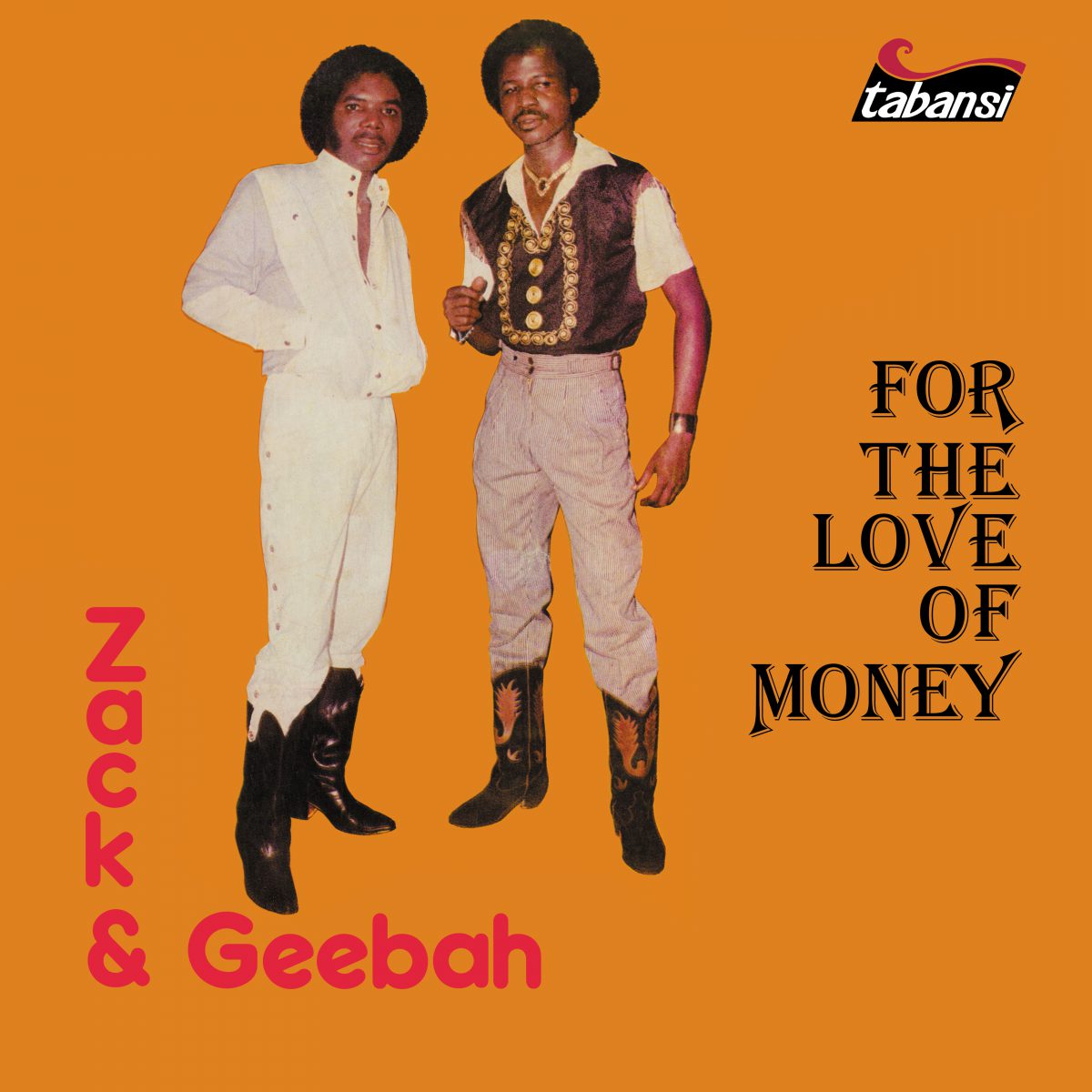
REGGIE YOUNG: SESSION PLAYER TO THE STARS.
Reggie Young: Session Player To The Stars.
There aren’t many musicians whose career spans seven decades and get to work with the great and good of music including Elvis Presley, JJ Cale, Johnny Cash, Willie Nelson, Waylon Jennings, Neil Diamond and Dusty Springfield. They’re just a few of the musicians that Reggie Young has worked with during his long and illustrious career. His story began in 1936.
The Reggie Young story began in Caruthersville, Missouri on December ’12th’ 1936, but he spent the first for teen years of his life in Osceola, an hour from Memphis. In his early teenage years, Reggie got a job bagging groceries. Little did he know at the time, that this would be his only job in ‘civvy’ street. The rest of his life would be spent making music.
Things changed for Reggie Young when his family moved to Memphis in 1950 when his father Reggie Sr, got a job as a bookkeeper. For his first Christmas in Memphis, fourteen year old Reggie got his very first guitar. Now there were two guitarists in the Young household.
Reggie’s father already played Hawaiian guitar, and was a talented player, who would influence Reggie. He had already taught himself how to play lead guitar, through a scratch built amplifier a neighbour had built, when he decided to take some lessons. After one lesson which Reggie spent playing Three Blind Mice, he decided guitar lessons weren’t for him. Instead, he continued to teach himself, and knew that he could always his father, who would in some ways, would influence his playing style.
By then, Chet Atkins was the main influence on Reggie as his playing style developed. Later, his father’s playing style would influence Reggie and he would incorporate some of the Hawaiian legato phrasing he had watched his father use. This would become one of Reggie’s trademarks. That would come later.
Having left high school, where Reggie was a couple of years ahead of Steve Cropper and Donald “Duck” Dunn, he embarked upon a career as a session musician. His first session was accompanying singing hairdresser Tommy Smith. That day, Reggie laid down a memorable solo on Magic Girl. This opened doors for Reggie around town.
Soon, other musicians were talking about this eighteen your old kid who had laid down the lead guitar solo during the Tommy Smith session. Reggie started accompanying Eddie Boyd at a weekly gig at the Eagle’s Nest. For Reggie, this was valuable experience as he honed his chops
In 1955, Reggie featured on a single by Barney Burcham that was released on the Rodeo label. By then, Reggie and Jack Clement had started playing a weekly gig at the Kennedy Veteran’s Hospital For Incurables. However, Jack Clement was also a partner in Fernwood Records, and recorded a session with Reggie. The single much to Reggie’s relief was never released.
Not long after this, Reggie who was then into rock ’n’ roll, cut his debut single Rockin’ Daddy, which opened with Reggie’s oft-copied guitar lick. The single gave Reggie a regional hit, and Elvis’ first manager Bob Neal booked him to appear on a package tour. Reggie headed out on tour with Johnny Cash, Carl Perkins, Roy Orbison and Johnny Horton. When the tour stopped off in Nashville, Eddie Boyd cut his sophomore single and Reggie played on his first union session. By then of the day, he was $41.25 richer. However, by the end of the tour, Reggie had a new job.
During the tour, Johnny Horton and his guitarist had a disagreement, and Reggie took over the role. At the end of the tour, Reggie moved to Shreveport, Louisiana, where Johnny Horton lived and was based. While Johnny Horton wasn’t the most successful musician that Reggie would ever work with, he gained a wealth of experience during his time with in his band. This came to an end in 1958 when Reggie was told he was about to be drafted.
After leaving Johnny Horton’s band, Reggie headed home to Memphis awaiting the letter every young man dreaded…the draft. It never arrived and Reggie joined Bill Black’s Combo.
The new group headed to a new studio Royal Recording which was owned by Hi Records. On the Bill Black Combo’s first session, Reggie’s guitar played an important part in the sound and success of the instrumental that would become their first single, Smokie Pt. 1. When it was released, it reached number seventeen on the US Billboard 100 and number one on the US R&B charts. By then, Reggie had been drafted.
Still, he managed to join the rest of the Bill Black Combo when they made two appearances on the Dick Clark Show. With the permission of his company commander, Reggie played a thirty-one date tour with the Bill Black Combo. After that, he joined up with the rest of his unit to undergo basic training.
Whilst his unit were doing their basic training in Ethiopia, the royalties for Smokie Pt. 1 were mounting up. Reggie had received a co-composer’s credit for his guitar part, instead of a session fee. This was a wise move for Reggie, and by the time his eighteen months service was over, he returned to the Bill Black Combo.
They continued to enjoy a string of hit singles right up until 1964. However, in 1964 Bill Black sold the name to the Bill Black Combo, and left the group. This meant that the founder wasn’t a member of the group that opened for The Beatles on their first American tour. By then, he was the only remaining member of the Bill Black Combo. The tour with The Beatles was an eye-opener, and Reggie met The Kinks and The Yarbirds. He hit it off with Eric Clapton, who shared Reggie’s love of the blues. However, as 1964 drew to a close, Reggie knew that the times they were a changing.
In 1965, Reggie’s tour of duty with the Bill Black Combo was over. Founder member Bill Black had been ill for eighteen months, and died on October ‘21st’ 1965, aged just thirty-nine. By then, music was changing and sadly, the Bill Black Combo were seen as part of music’s past.
Rock ’n’ roll was regarded as part of music’s past. The future was rock, which was seen as music’s future. Meanwhile, Reggie decided to return to working as a session musician.
After being part of a successful band for seven years, many musicians might have regarded this as a comedown. However, for Reggie Young it was the start of a new chapter. He started playing on Hi Records’ recording studio Royal Recording in 1965. For the next two years, Reggie’s guitar could be heard on singles bearing the Hi Records’ logo. However, in 1967 Reggie was on the move.
Next stop for Reggie Young was Chips Moman’s American Sound Studios, in Memphis. He started work at American Sound Studios in 1967, and one of his earliest sessions was on James Carr’s classic Dark End Of The Street. This was the first of many hit singles that Reggie would play on at American Sound Studios.
Before long, Chips Moman decided to put together the American Sound Studios Band a.k.a. the Memphis Boys, who were one of the best studio bands of the late-sixties and early seventies. Reggie became the lead guitarist in the lead guitarist in, the Memphis Boys who were a truly prolific band. Over the next five years, the Memphis Boys worked with the great and good of music, and played on 120 hit singles. This includes Elvis Presley’s Suspicious Minds and In The Ghetto. However, by 1970 Chips Moman and Reggie had fallen out, and their relationship was never the same. Not long after this, things started to change at American Sound Studios.
Chips Moman made a decision to leave Memphis, and start over in Atlanta. Despite the fresh start, it was almost inevitable that Reggie would leave the Memphis Boys, and move on to pastures new. What surprised some people was that it took until 1972.
Having packed his bags, Reggie left Atlanta, en route to Memphis. For some reason, he decided to stop at Nashville and catchup with two old friends from Muscle Shoals, David Briggs and Norbert Putnam, who owned Quadraphonic Studio. They listened as Reggie recalled his departure from American Sound Studios. When he was finished, David Briggs asked Reggie: “you wanna work some?” When Reggie answer yes, a new chapter in his career began.
Nashville became his home, and he has lived and worked there ever since. One of the first sessions he played on in Nashville, was on Dobie Gray’s Drift Away. When it was released in 1972 it reached number five on the US Billboard 100, forty-two in the US R&B charts and was certified gold. The song rejuvenated Dobie Gray’s ailing career, and in the process, introduced Reggie to Nashville.
For the majority of the time, Reggie was playing country music, and this required him to change his playing style. Reggie was by then a versatile and talented guitarist, and seamlessly adjusted to country music. However, in 1973, Reggie returned to Memphis for one special session.
Reggie Young became part of the band that featured on Elvis Presley’s Stax sessions. By then, the King was no longer the singer he had encountered during the American Studio Sessions. He was surrounded by yes men and hangers-on, who hadn’t the courage to tell Elvis that the songs he was about to record weren’t good enough. Despite this, Reggie and his band gave their all, while Elvis phoned in some of the songs. As a result, it would be forty years before Elvis At Stax was released in 2013.
After working with Elvis at Stax, Reggie returned to Nashville, where he was one of the top session players. That was why Chips Moman came calling in 1977. By then, Chips Moman, had a studio in Nashville, and wanted Reggie to play on the session for Waylon Jennings’ 1977 single Luckenbach, Texas (Back To The Basics Of Love). Reggie agreed and seemed to have the Midas touch. When the single was released later in 1977, it gave Waylon Jennings the biggest hit of his career so far. For Reggie, it was yet another hit he had played on.
He continued to play on sessions until things changed in the late seventies. Many of the Outlaws, including Waylon Jennings and Willie Nelson started to bring their touring bands to play on recording sessions. For many session musicians this meant a huge drop in income. However, Reggie decided that if you can’t beat them, join them. He joined Waylon Jennings and Willie Nelson’s bands when they headed out on tour.
On his first tour with an Outlaw, Reggie lost was the only person who lost money. The session work he had turned down, came to more than he received for the tour. It was an expensive lesson, and one that Reggie never made again. After that, he divided his time between touring and session work.
One of the most memorable tours came in 1990, when Reggie headed out on tour with the country supergroup The Highwaymen. With a lineup that featured Johnny Cash, Waylon Jennings, Willie Nelson and Kris Kristofferson it was one of the concert tours of 1990. So popular were The Highwaymen, that they released a studio album The Road Goes On Forever in 1994. Reggie played on the album, and five years later, became joined Waylon Jennings’ band.
Although Reggie would spent much of his time doing session work, he still found time to tour with Waylon Jennings. Reggie joined the band in 1999, and was with the band right until Waylon Jennings played his final concert in 2002. The last song they played that night, was Drift Away, which featured just Waylon Jennings and Reggie Young. Sadly, on February ’13th’ 2002, Waylon Jennings passed away aged just sixty-five. That day, Reggie lost a good friend, who he had known for a long time.
By then, Reggie was sixty-six and showing no sign of slowing down. Over the next few years, he played sessions on albums by some of the biggest names in country music. He joined Glen Campbell, Hank Williams, George Strait, Dolly Parton and Kenny Rodgers in the studio. Still, he continued to play on hit singles and successful albums. However, as the years went by, there was still one thing that Reggie Young had to do…record a debut album.
Eventually, Reggie decided the time was right to record his debut album. Reggie wrote seven new songs, and put together a band that features some top musicians. This includes his old friend from the Memphis Boys, David Hood. He played bass on four of the seven songs that were recorded in his home studio. One of the other musicians that played on Forever Young was cellist Jenny Lynn Hollowell, who Reggie Young married in 1999. They’ve lived in Leipers Fork, in mid-Tennessee, where Reggie has a home studio. That was where Forever Young was recorded. It showcases a truly talented and versatile veteran guitarist.
Somewhat belatedly, Reggie Young released his debut album Forever Young in 2017, and by then, he was eighty-one. By then, he had spent the last seven decades working as a professional musician. For most of his career, Reggie Young has been working with the great and good of music. That is no surprise, as he was one of the top guitarists in Memphis, Atlanta and for the last forty-five years, Nashville. Year after year was spent touring and recording, and as a result, Reggie Young never found the time to record an album. Instead, Reggie Young, the guitarist’s guitarist, was content to be a sideman, the hired gun who helped make others sound good during a long and illustrious career, where he’s showcased his considerable talent and versatility on countless albums or on the road with some of the giants of country music..
Reggie Young: Session Player To The Stars.
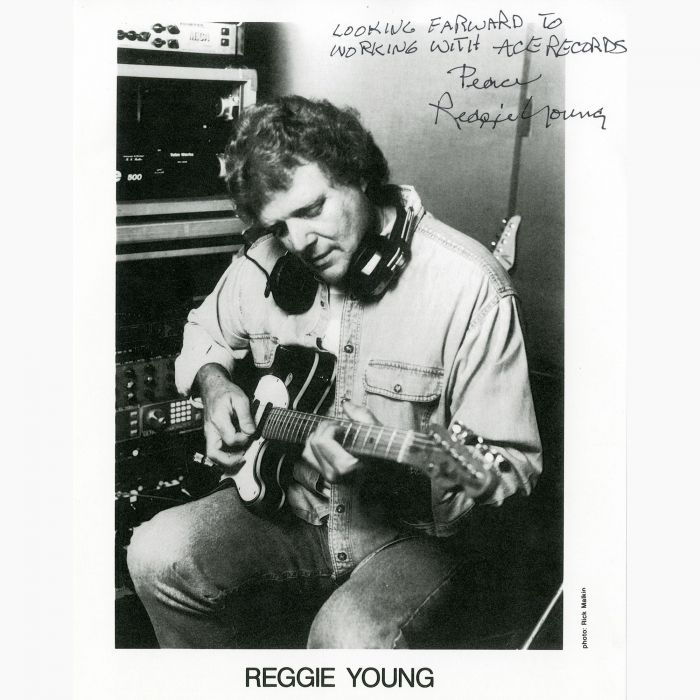


 dereksmusicblog
 dereksmusicblog