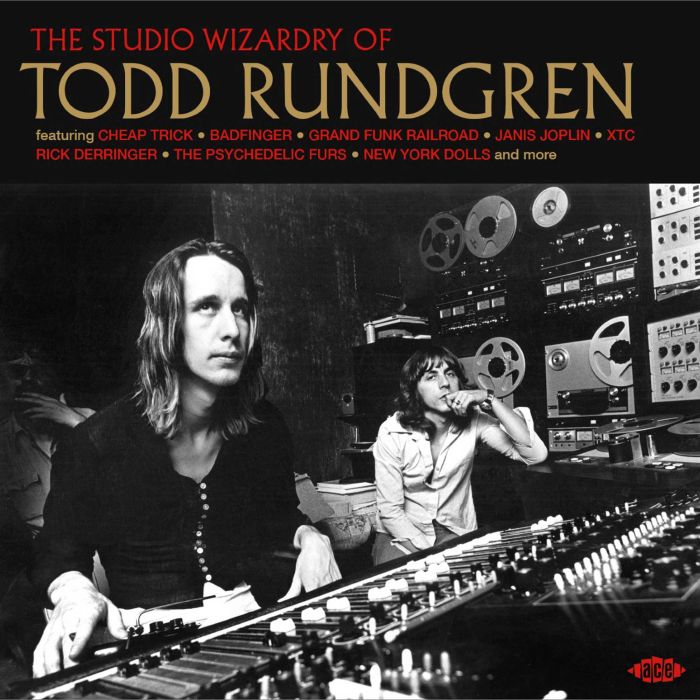
THE STUDIO WIZARDRY OF TODD RUNDGREN.
The Studio Wizardry Of Todd Rundgren.
Label: Ace Records.
Format: CD.
The first time critics and music fans heard the name Todd Rundgren was when psychedelic rockers Nazz released their critically acclaimed eponymous debut album in 1968. This was just a year after the group was founded in Philly in 1967 by bassist Carson Van Osten and prodigiously talented guitarist Todd Rundgren. He was also the group’s principal songwriter and led Nazz between 1967 and 1968. During that period, the group achieved a lot.
Nazz’s first major concert was opening for The Doors in 1967. This was just the start of the rise and rise of the Philly-based quartet.
By 1968, the psychedelic rockers had signed to SGC. It was a joint venture between Screen Gems the television devision of Columbia Pictures and RCA Victor. The label was founded in 1966, and was only in existence until 1971.
Nazz.
Nazz’s eponymous debut album was produced by Bill Traut and released in October 1968. It reached 118 in the US Billboard 200, and featured Hello It’s Me which gave the group a hit in America and Canada. Just a year after the group was formed their music was already starting to find a wider audience.
Nazz Nazz.
In late 1968, work began on the group’s sophomore album Nazz Nazz. This time, the members of Nazz took charge of production. For Todd Rundgren this was the start of a long and illustrious production career. However, his production debut wasn’t smooth sailing.
Originally, Todd Rundgren wanted the album to be a double album to allow the group to experiment and include more experimental, piano-based songs. However, Robert “Stewkey” Antoni and Thom Mooney disagreed and favoured songs that were more like the group’s original sound. This sound had been influenced by The Beatles, The Who, The Yarbirds and Cream. With the group divided, the record label had the casting vote. They also favoured the original sound and Nazz Nazz became a single album.
When Nazz Nazz was released in April 1969 it reached number eighty in the US Billboard 200. The single Not Wrong Long gave the group a minor hit in Canada. This and a successful album should’ve been something to celebrate. However, by then Todd Rundgren was disillusioned and quit the group shortly after the album’s released.
Having lost its leader, Nazz split-up later in 1969. This wasn’t the end of the Nazz story though.
The Bearsville Era Begins.
Runt.
Meanwhile, Todd Rundgren went through a period where he thought his days as a performing artist were in the past. That wasn’t the case. He decided to contact Albert Grossman as he had come up with the idea of recording a solo album. This resulted in him signing to the Ampex label and recording what would eventually become the band Runt’s eponymous debut album.
Joining Todd Rundgren in Runt was drummer Hunt Sales and bassist Tony Fox Sales. However, it was Todd Rundgren who wrote all the songs on the album, played keyboards, guitar and sang the lead vocals. He also took charge of production on what he decided was going to be a low budget album. His reason for this was he didn’t want his friend and musical entrepreneur and manager Albert Grossman to lose much, if any money. Eventually after sessions at studios in Los Angeles, New York and Albert Grossman’s Bearsville Studios the album was finished. The release was scheduled for autumn 1970.
In September 1970 Runt was released. It was an album that included elements of art rock, power pop and psychedelia. The album was released to critical acclaim reaching 185 in the US Billboard 200. Meanwhile, the lead single We Gotta Get You A Woman reached number twenty on the US Billboard 100 and across the border in Canada. Todd Rundgren’s new group was a success story. However, new chapters were about to unfold in his story.
Todd Rundgren became the in-house producer at Bearsville Studios which he called home until 1984. This was the next chapter in a musical journey that began at ID Sound Studio, in Hollywood. After that, he built Secret Sound Studio in New York, and Utopia Studio in the Catskill Mountains, before moving to Sausalito. These studios were where he produced the twenty-two tracks on The Studio Wizardry Of Todd Rundgren. It’s the latest instalment in Ace Records Producer Series.
Runt. The Ballad Of Todd Rundgren.
While Todd Rundgren was establishing himself as a producer he decided to embark upon a solo career. His debut album was Runt. He wrote, arranged and produced the album where he played guitar, keyboards and added vocals. The prodigiously talented twenty-three year old released Runt. The Ballad Of Todd Rundgren in June 1971.
The album was released to plaudits and praise on the Ampex label. Despite the quality of the piano-led ballads on the album it failed to chart. This was disappointing for Todd Rundgren. However, The singles Be Nice To Me was a minor hit in America and Canada. The followup A Long Time, A Long Way To Go also reached the lower reaches of the American charts. However, it was a start and helped launch Todd Rundgren’s solo career. Meanwhile, Nazz was about to reenter his life.
Nazz III.
With Todd Rundgren enjoying a degree of commercial success as a solo artist, Ampex came up with a plan to release some of Nazz’s unreleased material. When the group had recorded their sophomore album they had recorded enough for a double album. This meant there was enough unreleased material for a third album. The only problem was accessing the material.
In 1970, SGC Records contacted drummer Thomas Mooney who had possession of the master tapes. He was persuaded by the label to let them hear the unreleased material. What he didn’t know was that the label was thinking about releasing the songs as Nazz’s third album. The reason was Todd Rundgren was now a successful solo artist and producer.
Having heard the unreleased material Nazz’s original vocalist Robert “Stewkey” Antoni overdubbed his vocals on five songs. In doing so, he replaced Todd Rundgren’s vocal on the original tracks. This turned out to be a controversial decision.
Nazz III was released in May 1971 to capitalise on the success of Todd Rundgren’s career with Runt. A month later he released his debut solo album and enjoyed two minor hit singles. Despite the success Todd Rundgren was enjoying Nazz III failed to chart. SGC Records’ plan had backfired.
Despite the disappointing performance of Nazz III, Todd Rundgren was about to enjoy the most successful period of his career. Between 1972 and 1991 the eleven solo albums he released entered the US Billboard 200. During this period Todd Rundgren also enjoyed a successful career as a producer.
Between 1968 and 1990, the period that The Studio Wizardry Of Todd Rundgren covers he worked with some of the biggest names in music. This includes New York Dolls, Cheap Trick, XTC, Daryl Hall and John Oates, Grand Funk Railroad, Badfinger, Janis Joplin, The Tubes, Rick Derringer, The Psychedelic Furs and Utopia. These artists are a tantalising taste of the music on The Studio Wizardry Of Todd Rundgren.
Fittingly, the compilation opens with Open My Eyes which was released as Nazz’s debut single which was released by SGC Records in 1968. Later that year, it featured on the group’s eponymous debut album. It was produced by Bill Traut who took a hands-off approach to production. Instead, Todd Rundgren did much of the production himself. This turned out to be his introduction to the world of production where he enjoyed commercial success and critical acclaim.
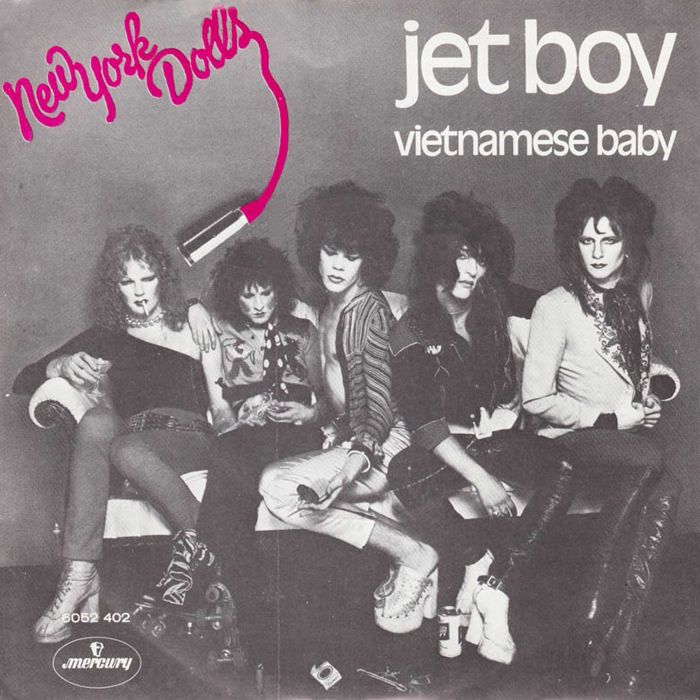
Proto-punk pioneers the New York Dolls released their eponymous debut album on Mercury in 1973. One of the highlights of this cult classic which has influenced several generations of musicians is Jet Boy.
Todd Rundgren engineered, mixed and produced Cheap Trick’s Next Position album. It was released by the American rockers on Epic in 1983 and reached sixty-one on the US Billboard 200 charts. Heaven’s Falling was part of what was an album of tough sounding but melodic guitar rock which had been influenced by sixties bands from both sides of the Atlantic.
In 1986, XTC released their ninth studio album Skylarking. It’s a concept album about an unspecified cycle. When the album was released by Virgin this combination of pop, rock and psychedelia was hailed as one of the group’s finest. Despite this, it stalled at number ninety in the UK. One of the highlights is Dear God which is XTC at their best.
You’re Much Too Soon is a track from Daryl Hall and John Oates’ 1974 album War Babies. It saw the duo move away from their trademark blue eyed soul sound to a harder rockier sound where keyboards play a leading role. The album failed to match the success of 1973s Abandoned Luncheonette and stalled at eighty-nine in the US Billboard 200. However, nowadays the album is regarded as a hidden gem in Daryl Hall and John Oates’ discography.
In 1973, Albert Grossman managed to negotiate a $50,000 fee for Todd Rundgren to produce hard rockers’ Grand Funk Railroad’s seventh studio album. It was released in July 1973 and featured the Don Brewer composition We’re An American Band which opened the album and topped the US Billboard 100. It’s one of the highlights of an album that reached number two in the US Billboard 200 and was certified platinum.
When Badfinger hit problems when recording their fourth album Straight Up in London, Todd Rundgren was drafted in to rescue the recording. He succeeded in doing so and the album was released by Apple in 1971 and reached thirty-one in the US Billboard 200. One of the tracks on an album that moved from a rock oriented sound towards power pop was the hit single Baby Blue. It’s a welcome addition to The Studio Wizardry Of Todd Rundgren.
Although Janis Joplin’s career was cut tragically short when she died aged just twenty-seven, she’s widely regarded as one of the finest female vocalists of her generation. One Night Stand was released in 1993 on the three CD set Janis. It’s a hidden gem from the legendary vocalist.
Rick Derringer coproduced Something Warm with Todd Rundgren for his 1979 album Guitars and Woman. It was released on the Blue Sky label but failed to chart. The song was part of the album that got away for the American guitarist, vocalist, producer and songwriter whose career has lasted over fifty years.
English new wave band The Psychedelic Furs released their third studio album on CBS in 1982. It featured Goodbye which epitomises everything that’s good about the group.
Closing The Studio Wizardry Of Todd Rundgren is Love Is The Answer by Utopia. It’s taken from the American rockers’ third studio album Oops! Wrong Planet. It was released by Bearsville Records in 1977 and is a hook-laden and melodic slice of pop rock. This is the perfect way to close the compilation.
The twenty-two tracks on The Studio Wizardry Of Todd Rundgren are a tantalising taste of what was the most successful and productive period of the former Nazz and Runt frontman’s career. There’s tracks from some of the biggest names in music, and they rub shoulders with some of the laser know names. They all share one thing in common, the quality of Todd Rundgren’s productions. He was at the peak of his powers and regarded as one of the top producers. That’s apparent by listening to The Studio Wizardry Of Todd Rundgren which is a reminder of one of the greatest producers of his generation and a worthy addition to Ace Records’ Producer Series.
The Studio Wizardry Of Todd Rundgren.
LENNY KAYE PRESENTS LIGHTNING STRIKING.
Lenny Kaye Presents Lightning Striking.
Label: Ace Records.
Format: 2CD.
Versatile describes musician, composer and producer Lenny Kaye. Many music fans remember him as the guitarist in the Patti Smith Group. Lenny Kaye also worked with everyone from REM and James to Suzanne Vega and Kristin Hersh right through to Soul Asylum and even poet and writer Allen Ginsberg. This is just part of the story of a career that began in 1964.
Lenny Kaye has also enjoyed a successful career as a music journalist, and has written for a variety of magazines. This includes Rolling Stone, Crawdaddy, Creem and Melody Maker. During the seventies he edited Rock Scene and Hit Parader. However, recently, Lenny Kaye published a new book.
Lightning Striking looks back at some of the most significant period in musical history since the birth of rock ’n’ roll. The book is also part memoir where Lenny Kaye looks back at a life that has revolved around music. To coincide with the release of the book, Ace Records recently released Lenny Kaye Presents Lightning Striking.
This two CD set was compiled by Lenny Kaye and Alec Palao and features forty-seven tracks released between 1934 and 2014. These tracks essentially trace the development of music. There’s everything from rock ’n’ roll, vintage R&B, pop, psychedelia, garage rock, punk rock and heavy metal. Tracks from familiar artists and bands are join by oft-overlooked singles and rarities on Lenny Kaye Presents Lightning Striking.
Disc One.
Opening disc one is the album version of Lou Christie’s 1965 hit Lightnin’ Strikes. This pop gem lent its name to his fourth album which was released by MGM. Nowadays, Lightnin’ Strikes is widely regarded as Lou Christie’s finest hour.
The earliest track on Lenny Kaye Presents Lightning Striking is Rock And Roll by The Boswell Sisters with Jimmy Grier and His Orchestra. The New Orleans trio released this single on Brunswick in 1934, and featured in the film Transatlantic Merry-Go-Round. The song marked a stylistic departure as music began to evolve and different genres melted into one.
In 1954, Elvis Presley covered Arthur Crudup’s That’s All Right, which was released on Sun. This further classic reached twenty-eight in the US Country charts and helped launched the career of the man who crowned The King.
Nowadays, Howling Wolf is regarded as one of the greatest ever blues men. He went on to influence several generation of guitarists, and his music is still popular and relevant today. In 1962, he was signed to Crown Records when he recorded a new version of his composition Dog Me Around aka How Many More Years. It’s a reminder if any was needed of a legendary blues singer and virtuoso guitarist.
Professor Longhair spent his career in his home city of New Orleans, and didn’t enjoy the commercial success and critical acclaim his talent warranted. However, he was an innovative and inventive pianist who went on to influence other musicians. The former dancer and professional gambler was a latecomer to music and in 1957 released Look What You’re Doin’ To Me (Ooh-Wee, Baby). It’s an infectiously catchy track and one of his finest where he out rocks his rivals.
In 1955, Little Richard and His Band released Tutti Frutti on the Speciality label. Little did anyone know that the track would become a classic that sixty-seven years later is still a favourite of music fans worldwide.
By 1969, onetime teen idol Frankie Avalon was no longer as popular as he had once been. He had signed to the Chancellor label and was hoping to reinvent himself as an all-round entertainer. This he hoped would give his career the longevity he hoped for. However, when he released A Boy Without A Girl in 1959 this emotive and heartfelt ballad failed to trouble the charts. It’s now one of the hidden gems in his back-catalogue.
When Cliff Richard and The Drifters released Move It! on Columbia in 1958, this was the start of a long and illustrious successful career that has spanned sixty-four years.
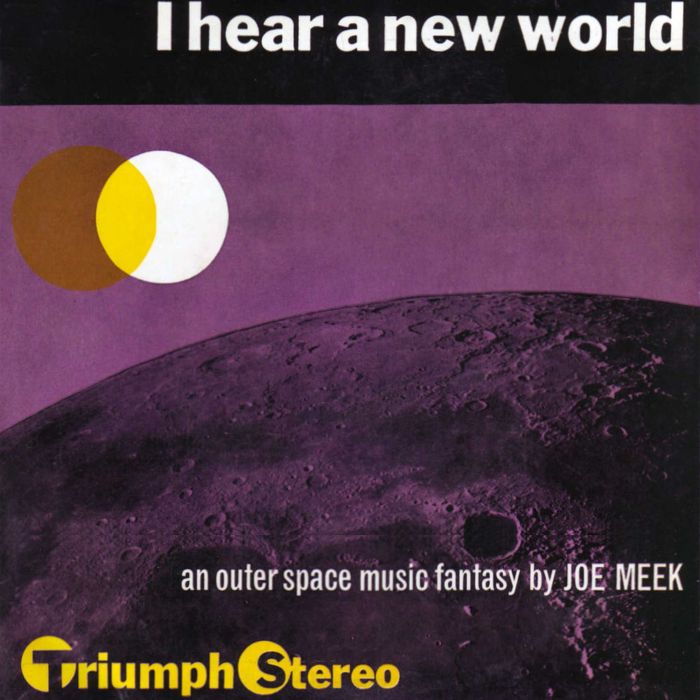
Pioneer describes British engineer and producer Joe Meek. The music he made was very different to much of the music being released in Britain in the late fifties. This includes I Hear A New World by Joe Meek & The Blue Men. It was a groundbreaking, genre-melting track that was recorded in 1959 and was meant to featured on a concept album. However, the track was only ever released on a limited edition EP and very few people got to hear a track that was way ahead of its time. It’s a welcome addition to the compilation and a reminder of a musical pioneer.
One of the most popular Mersey Beat groups was Gerry and The Pacemakers. One of their most successful and anthemic singles was Ferry Cross The Mersey which was penned by Gerry Marsden, and released by Columbia in 1964. It’s stood the test of time and nowadays is regarded as a Mersey Beat classic.
When Jefferson Airplane released their sophomore album on RCA Victor in 1967, it featured 3/5 Of A Mile In 10 Seconds. It’s one of the highlights of an album that seamlessly combines psychedelia with folk rock to create a timeless classic.
Link Cromwell is one of the aliases that Lenny Kaye has used during his long career. In March 1966, the band released Crazy Like A Fox on Starday’s Hollywood imprint. Despite Cashbox tipping the single as a potential the hit, it failed to trouble the charts. This spelt the end for Link Cromwell whose career was short-lived. However, their debut single is an oft-overlooked hidden gem and welcome inclusion to the compilation.
Disc Two.
MC5 opens disc two of Lenny Kaye Presents Lightning Striking with a previously unreleased version of Looking At You. It’s an Garage rock and proto punk combine head on to create a track that’s explosive and visceral.
In 1969, The Stooges released their eponymous debut album on Elektra. The garage rockers opened this future classic album with 1969. It sets the bar high for the rest of an album that later, would influence the first wave of punk
American punk band the Ramones released their eponymous debut album on Sire in 1976. It featured Blitzkrieg Bop and Judy Is A Punk as well as Beat On The Brat which features on the compilation. It’s part of a landmark album which later, was credited as establishing the punk rock genre. The album is regarded as so important, that in 2012, it was deemed by the National Recording Registry as: “culturally, historically, and aesthetically significant.”
During their career, Generation X combined punk and new wave. Their debut single was the self-released Your Generation. It was a swaggering single full of attitude that was a taste of what was to come from the London-based band.
During their career, The Clash drew inspiration from a variety of musical genres. They signed to CBS in January 1977, and later that year, released their eponymous debut album. It featured Garage Land a raw, raucous anthem that combines garage rock and punk that epitomises everything that was good about The Clash.
Dokken was formed in LA in 1976, and started off playing in the city’s clubs. However, it wasn’t until 1981 that they released their debut album Breakin’ The Chains on the Carrere label. Four years later the group released their sophomore album Tooth and Nail on Elektra. This album of hard rock was certified platinum and featured Lightnin’ Strikes Again. It’s one of the album’s highlights and features a virtuoso performance from guitarist George Lynch.
Rocky and melodic describes the album version of Edge Of A Broken Heart by Vixen. When it was released as a single it gave the group a hit. It’s a track from the group’s 1988 album Tangerine which was released on EMI-Manhattan. The album was arranged and produced by Richard Marx, and is one of Vixen’s finest.
By 1991 Mark Lanegan was signed to the Sub Pop. For his first album for the label he covered Where Did You Sleep Last Night. He transforms a song written and originally performed by legendary bluesman Leadbelly.
It’s fitting that the Patti Smith Group close disc two of Lenny Kaye Presents Lightning Striking. Lenny Kaye played on their third album Wave, which features So You Want To Be (A Rock`N`Roll Star). It’s all he ever wanted to be and is also one of the album’s highlights. This makes it the perfect way to close the compilation.
For anyone who has read or is about to read Lenny Kaye’s new book Lightning Striking, then Lenny Kaye Presents Lightning Striking is the perfect companion. It’s features a truly eclectic collection of tracks that have been selected by Lenny Kaye and Alec Palao. They’ve chosen a mixture of tracks from familiar faces and lesser known artists for this lovingly created compilation. It features singles, B-Sides, album tracks, unreleased tracks and hidden gems. They rub shoulders on Lenny Kaye Presents Lightning Striking on this truly eclectic compilation which will also be of interest to anyone who is interested in the history of music or just good music.
Lenny Kaye Presents Lightning Striking.
THIS LOVE WAS REAL-LA VOCAL GROUPS 1959-1964.
This Love Was Real-LA Vocal Groups 1959-1964.
Label: Ace Records.
Format: CD.
During the forties and fifties, doo wop groups were formed in towns and cities across America. From Baltimore to Chicago and Detroit to New York new groups were founded. This was also the case in Los Angeles during the golden age of doo wop. It provided the soundtrack to the lives of many young Americans. For them, doo wop always brought back memories of their youth.
However, by 1959 doo wop was no longer as popular as it had been during the golden era. Between 1959 and 1964 rock ’n’ roll and pop usurped doo wop in the popularity stakes. Music was changing.
Despite that, some doo wop groups still enjoyed hit singles. Many others failed to chart and didn’t find the audience they deserved. Musical tastes were changing. However, even thought many doo wop singles flopped these groups were the lucky ones.
Many groups dreaming of fame and fortune entered the studio, to record a session. They believed a single would follow. Sadly, that wasn’t always the case and these tracks have lain unreleased since then. For these groups the dream was over and it was a case of returning to the mundane 9 to 5 grind.
Meanwhile, record companies realised that the times they were a changing and started releasing different genres of music. For many in A&R doo wop was part of music’s past. Music changed and continued to evolve over the years and decades to come. However,, some sixty years later and doo wop is still popular.
Recently, Ace Records released a new compilation This Love Was Real-LA Vocal Groups 1959-1964. It features twenty-four tracks that are a mixture of singles and unreleased tracks. These tracks were recorded at the studios of Gary S. Paxton, George Motola and Kent Harris, while others were recorded for Lew Bedell’s Doré label. Many of the tracks are now much-prized rarities and extremely expensive that are beyond the budget of most people. For many people, the only way to hear these late period doo wop tracks is on This Love Was Real-LA Vocal Groups 1959-1964.
This recently released compilation opens with The Letter by Adolph Jacobs of The Coasters. It was recorded for Class Records in Philly in 1959. It’s thought that the recording was made while The Coasters were touring. Sadly, the track was never released and this long lost hidden doo wop gem makes a welcome debut on This Love Was Real-LA Vocal Groups 1959-1964.
By 1962, The Heartbreakers were signed to George Matola’s Markay Records. He also produced their single Since You’ve Been Gone which was penned by Robert Tisby and Eddie La Jay. The single features a vocal full of hurt and heartache while the harmonies seem to sympathise at this outpouring of pain.
Don Thomas wrote Please Don’t Cry, which was recorded by The Wonders, and was a produced by ACM Productions. The single was released on the Bomboo label in 1962 and features a heartfelt vocal full of emotion as it pleads “Please Don’t Cry.”
LA-based The Dandevilles released just two singles that were produced by George Motola. The first was Nasty Breaks in 1959. Later that year, they followed this up with Psychology on the Forte label. Sadly, this was the last single the group released.
Way before he founded Sly and The Family Stone and released groundbreaking albums like There’s A Riot Goin’ On he was still a member of The Viscaynes. However, George Motola and his business partner Vic Lucas quickly realised that the future Sly Stone was a hugely talented singer and musician. They encouraged him to sing on several demos. This led to A Long Time Alone being recorded by Danny (Sly) Stewart as he was billed, and released as a single on the Luke label in 1961. This doo wop ballad is a tantalising taste of what was to come from a man who would go on to become a musical great.
Before Carlton Beck and recorded The Girl I Left Behind he was a member of The Uptones. Having embarked upon a solo career he signed to the Penney label who released this George Motola production in 1962. It finds Carlton Beck living the lyrics as if he’s experienced the hurt and sadness he’s singing about.
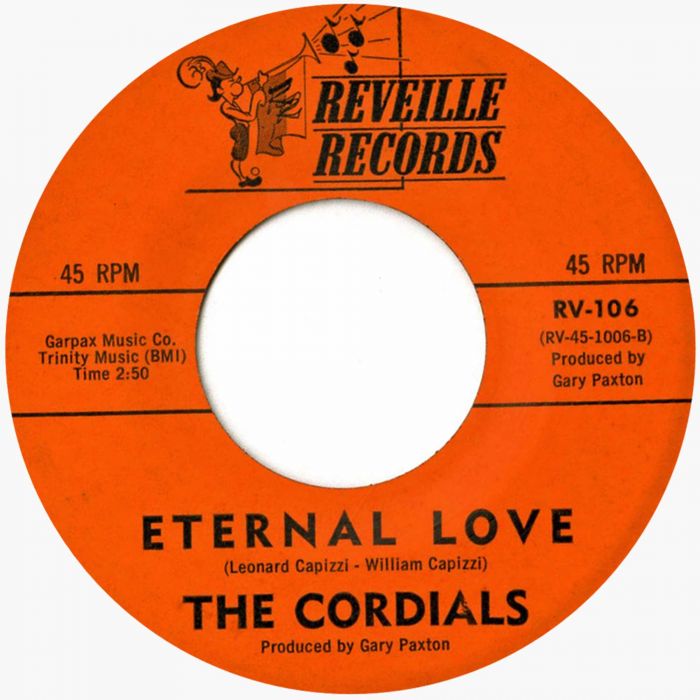
Gary S. Paxton arranged and produced Eternal Love for The Cordials. They were from Boston area and this was their only single. This heartfelt ballad was released in April 1962 but failed to chart. It’s one of the hidden gems on the compilation.
Another ballad is Hold Me by Dorothy Berry and The Swans. It’s another Gary S. Paxton production and was released on the Vernon label in 1961. It features a needy vocal full of longing and is one of the compilation’s highlights.
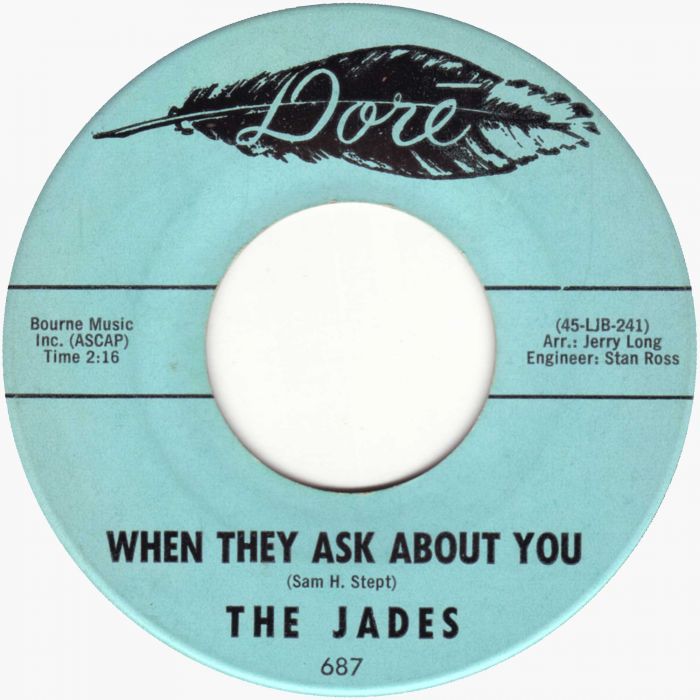
The Jades recorded When They Ask About You for Lew Bedell’s Doré label. This heartfelt ballad was arranged by Jerry Long and released in 1963. Sadly, the single failed commercially but makes a welcome return on This Love Was Real-LA Vocal Groups 1959-1964.
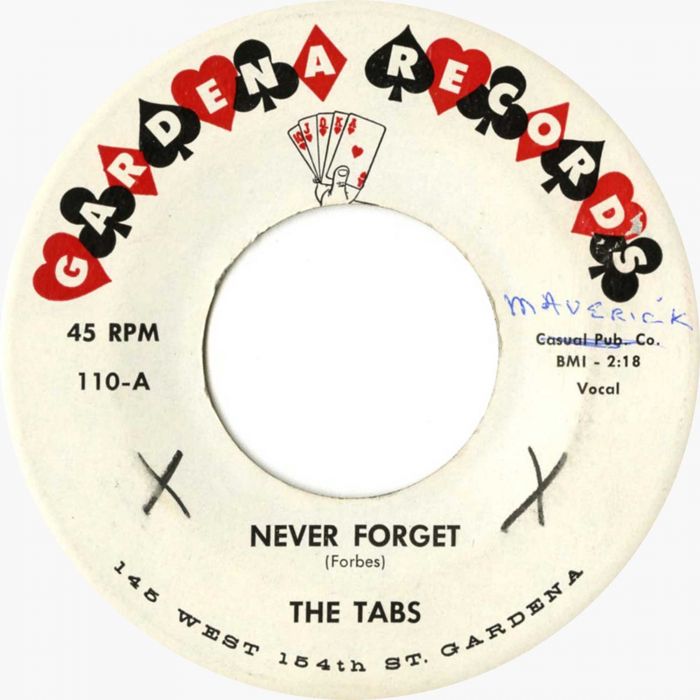
Having formed The Tabs at LA Trade Tech in 1959, the group signed to the Noble label and released Never Forget later that year. The group were a familiar face at Hunter Hancock’s record hops. However, it wasn’t until a year later, in September 1960 the single charted on KFXM radio. That was as good as it got for The Tabs who never released another single.
Morris Chesnut recorded I Need Somebody as James Washington Lee for L&M in 1959. He was backed on the single by members of The Vows. They provide the backdrop for an emotive vocal that’s full of longing.
Monrise by Rene Harris and The Terrans closes This Love Was Real-LA Vocal Groups 1959-1964. It was penned by Robert Harris and produced by Hank Graham. The single was released on the Graham label in 1963 but failed to trouble the charts. However, it’s a welcome addition to this loving curated completion and is the perfect way to bring it to a close.
For anyone with a passing interest in doo wop This Love Was Real-LA Vocal Groups 1959-1964 is well worth adding to their collection. Especially as so many of the tracks are rarities and now beyond the budget of most people. They were released after the golden era of doo wop and feature many hidden gems. Beautiful balls rub shoulders with R&B-influenced tracks. It’s a captivating collection that will also be of interest to anyone whose yet to discover the delights of doo wop. This Love Was Real-LA Vocal Groups 1959-1964 is the perfect opportunity to do so.
This Love Was Real-LA Vocal Groups 1959-1964.

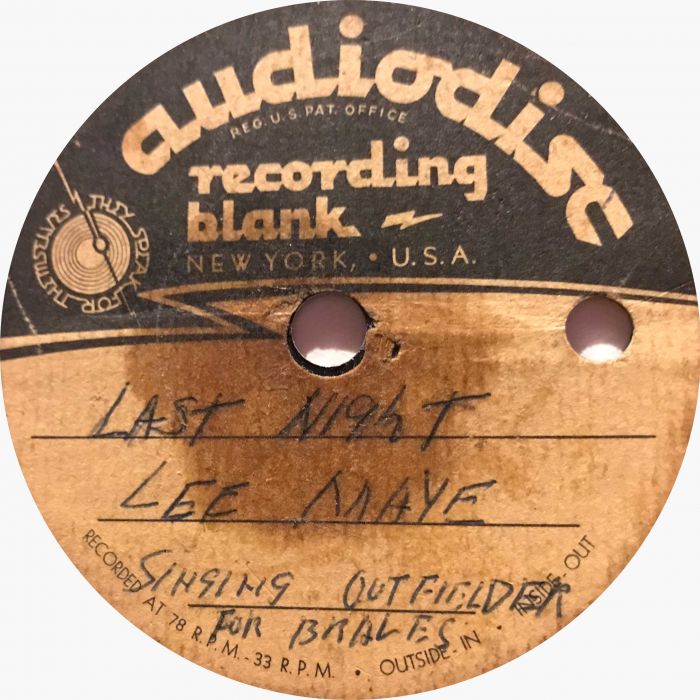
GUS DUDGEON-PRODUCTION GEMS.
Gus Dudgeon-Production Gems.
Label: Ace Records.
Format: CD.
The late, great Gus Dudgeon never set out to become a producer. It was something he had never considered after leaving school and being fired from eleven jobs over a four year period. Working in a toy shop, advertising agency and even a clip joint wasn’t for him and his search suitable career continued.
Luckily, at that time, Gus Dudgeon’s mother was involved in PR and working on the account for ManPower, a new recruitment company. This was how she heard about a job at London’s prestigious Olympic Studios. Maybe this could be the job that had so far eluded her son?
When Mrs Dudgeon told her son she had found him a job at a recording studio he wasn’t sure. “Doing what? What do I know about recording?” However, the seed was planted and soon Gus said: “Okay, I’ll go and do an interview.”
The next day, Gus Dudgeon headed for the old Olympic Studios just off Baker Street for the interview. As he entered the reception he saw framed Lonnie Donegan EPs on the wall behind the receptionist. He had two at home. That was when it struck him that it was in this building that the EPs were recorded. This was where the magic happened. Suddenly, Gus Dudgeon knew that this was where he wanted to work. All he had to do was impress the interviewer.
After being asked various questions Gus Dudgeon was asked if he knew how to take a tape recorder to bits and reassemble it? He didn’t but answered yes. Luckily, he wasn’t asked to demonstrate, and a week later, received a phone call and was told he had got the job. Little did anyone know that this was the start of a long and illustrious career. Gus Dudgeon became one of Britain’s leading producers and went on to work with the great and good of music.
However, when Gus Dudgeon started at Olympic Studios in 1961 or 1962 he was an assistant who was learning his trade. However, he was able to sit in on sessions and watch, listen and learn. The first session he sat in on he was captivated as the engineer pushed the faders up and the music played. The sound was totally different from what he heard back home. Suddenly, he was hearing things he had never heard before as the music played over the monitors. As the engineer mixed the recording his newest trainee knew this was what he wanted to do with his life.
Soon, Gus Dudgeon was sitting in on sessions some of his heroes. This included American rock ’n’ roller Del Shannon. However, over the next few years Gus Dudgeon would meet many more top musicians. Especially after 1962 when music was transformed when The Beatles took the world by storm.
By 1964, Gus Dudgeon was working as a tape operator on a session for The Zombies’ single She’s Not There. The session was being produced by Ken Jones with Terry Johnson, who was Gus Dudgeon’s boss taking charge of engineering duties. It started off as just another session. That was until Terry Johnson headed out for lunch. On his return, he was too drunk to continue. He was sent home in a taxi, and that was when Ken Jones decided to promote the tape operator to engineer. This gave Gus Dudgeon his first engineering credit and was the first hit he worked on.
When The Zombies released She’s Not There later on Deccan later in 1964, it reached number twelve in the UK and two in the US Billboard 100. For Gus Dudgeon it was the start of a successful career that spanned four decades.
The Zombies’ She’s Not This is also the track that opens a new compilation Gus Dudgeon-Production Gems. It was recently released by Ace Records and is part of their long-running and successful Producer Series. The compilation features twenty-one tracks engineered and produced by the Gus Dudgeon.
This includes All Your Love by John Mayall with Eric Clapton which was engineered by Gus Dudgeon. The group had re-signed with Decca in 1966 where the twenty-four year old engineer was working. Having re-signed the group headed into the studio to record an album with producer Mike Vernon. At his side was Gus Dudgeon who played an important part in capturing Eric Clapton’s groundbreaking guitar playing. When The Beano Album as it later became known was released, it introduced many music fans to one of the greatest guitarists of his generation. Sadly, it was Eric Clapton’s only album with The Blues Breakers. However, for Gus Dudgeon a new chapter in his career was about to unfold.
This began when Gus Dudgeon was working on a session by The Moody Blues. Denny Laine wasn’t present when the rest of the group suggested a number of changes to the equalisation which they thought improved the mix. However, Gus Dudgeon didn’t agree. The only problem was Denny Laine liked the new mix when he heard it a week later. Despite that, Gus Dudgeon asked him to listen to a flat mix. This didn’t go down well with the Moody Blue who had been given his own label by Decca. He phoned the label to complain.
Not long after this, Gus Dudgeon received a phone call and was told to apologise to Denny Laine. As he made his way into the control room, the leader of the Moody Blues asked to hear the flat mix. When he heard it he realised it was much better than the other mix. Suddenly, no apology was required and the engineer was vindicated.
As he left the control room Denny Laine said: “You’re bored with this aren’t you?” That was when Gus Dudgeon realised that after the best part of six years as an engineer he needed a change. The question was what? Then Denny Laine said: “I reckon you should get into production. I think you’d be good at it.”
Just a fortnight later, Gus Dudgeon was working on another session at Decca with Andrew Oldham the Rolling Stones producer and manager. At the end of the session he said: “It’s about time you went into production, isn’t it?” He also told Gus Dudgeon to make sure he got a royalty. This was good advice given the success that was about to follow.
In 1968, Gus Dudgeon was working as a producer when he and Paul McCartney coproduced The Bonzo Dog Doo-Dah Band’s I’m The Urban Spaceman. However, rather than use their real names the pair decided to use the moniker Apollo C. The single reached number five in the UK when it was released on Liberty, and was group’s most successful single. Later in 1968, Neil Innes who wrote the song won an Ivor Novello award. This early Gus Dudgeon production features on the compilation.
So does The Strawbs’ Oh How She Changed which was released in 1968 on A&M. Sadly, this progressive rock hidden gem failed to trouble the charts. However, it’s a welcome addition to Gus Dudgeon-Production Gems.
The following year, 1969, Gus Dudgeon was reunited with David Bowie. This wasn’t the first time the pair had worked together. In 1967, Gus Dudgeon had engineered the singer’s eponymous debut album. Although it wasn’t a commercial success the pair were reunited in 1968 when a single was recorded but not released. Still commercial success continued to eluded the David Bowie.
His career was transformed in 1969 with the release of Space Oddity. It was a truly groundbreaking single that featured an arrangement by Paul Buckmaster and David Bowie. Taking charge of production was twenty-seven year old Gus Dudgeon. When the single was released it topped the UK charts and was certified gold, and reached fifteen in the US Billboard 100. Fittingly, what was such an important single in the careers of David Bowie and Gus Dudgeon features on the compilation.
Later in 1969, Gus Dudgeon produced Tea and Symphony’s cult classic An Asylum For The Musically Insane. The album was released on Harvest and featured Boredom. However, this underrated album passed record buyers by. This wasn’t the only Gus Dudgeon produced album released in 1969.
That year, Ralph McTell related his sophomore album Spiral Staircase on Transatlantic Records. It featured Streets Of London which would become the singer’s most famous song when it was rerecorded and released as a single in 1974. However, it was Gus Dudgeon who produced the original version of this iconic song.
In 1970, Gus Dudgeon started working with Elton John. He had released his debut album Empty Sky in 1969. It was produced by Steve Brown who wasn’t happy with his work on the album and decided not to produce the followup. George Martin was briefly considered as a replacement but wanted to arrange and produce the album. However, Paul Buckmaster who had arranged Space Oddity had been lined up to arrange some of the songs on the album. It was Paul Buckmaster who suggested that Elton John’s management meet with Gus Dudgeon. He agreed to produce the singer’s eponymous sophomore album.
When Elton John was released in 1970 it featured a classic songs like Your Song and Rocket Man. However, one of the most underrated songs is Sixty Years On. It features one of Paul Buckmaster’s best arrangements and one of Gus Dudgeon’s most innovative and imaginative productions on the album. It was the first of seven albums that he would produce for Elton John.
Meanwhile, Gus Dudgeon continued to produce other bands and artists. This included the third album by art rock band Audience. The House On The Hill was released by Charisma in May 1971, and was the followup to their cult classic Friends, Friends, Friends. The album featured Eye To Eye which doesn’t feature on the American version released by Elektra. This album cut is a reminder of an underrated band whose music deserved to find a wider audience at home and abroad.
In 1972, Joan Armatrading had signed to the Cube label in the UK, and was preparing to record her debut album Whatever’s For Us. Gus Dudgeon was brought in to produce the album which opened with My Family. It features an impassioned and emotive vocal that more than hinted at what was to come from Joan Armatrading. Sadly, her debut album wasn’t a commercial success and it was another four years before she made a breakthrough.
Meanwhile, Elton John released his fifth studio album Honky Chateau on the ‘19th’ of May 1972. It reached number two in the UK and topped the US Billboard 200. This resulted in a platinum disc for Elton John. He released Rocket Man (I Think It’s Going to Be a Long, Long Time) as the lead single and this classic single reached number two in UK and six in the US Billboard 100. It’s another welcome addition to Gus Dudgeon-Production Gems.
So is How Glad I Am by The Kiki Dee Band who were signed to Elton John’s Rocket Records. It was released in 1975 as the followup to I’ve Got The Music In Me and is a remake of the Nancy Wilson 1964 single.
By 1978, Gus Dudgeon had taken a break from producing Elton John and produced Lindisfarne’s album Back and Fourth. The highlight of the album was the radio friendly Run For Home which was released as a single and reached ten in the UK and thirty-three in the US Billboard 100. Forty-four years later this Gus Dudgeon production is still a favourite of DJs and music fans.
Having worked with Elton John, Magnet Records hired Gus Dudgeon to work with a new singer-songwriter they had signed, Chris Rea. His debut album was Whatever Happened to Benny Santini? and featured one of his best known songs Fool (If You Think It’s Over). It was released as a single in 1978 and reached number twelve on the US Billboard 100. The album then reached number forty-nine in the US Billboard 200 and was certified gold. This resulted in Chris Rea being nominated for a Grammy Award for Best New Artist in 1978. The highlight of the album is Fool (If You Think It’s Over), a heartachingly beautiful ballad that’s timeless classic that’s sure to tug at the heartstrings.
In 1979, Gus Dudgeon produced Halfway Hotel for English pop-rock band’s debut album Voyager. It was released on the Mountain label in 1979. When the title-track was released as a single it reached number fifteen in Australia. Sadly, the single failed to trouble the charts in the UK and this oft-overlooked track is a welcome addition to the compilation.
By 1992, Gus Dudgeon wasn’t as a prolific a producer as he had once been. However, he agreed to produce XTC’s twelfth album Nonsuch. It was released to critical acclaim and featured The Disappointed which was released as a single. It features a polished production by Gus Dudgeon who was still one of Britain’s finest producers. The Disappointed is the penultimate track on Gus Dudgeon-Production Gems, and is also a reminder of a much-missed group.
Gus Dudgeon-Production Gems is a lovingly curated compilation that charts the career of one of the legendary British producers. Over a career that spanned four decades he worked with new names and the great and good of music. The result was an array of classic albums and hit singles. A selection of these hit singles are joined by hidden gems and album tracks on Gus Dudgeon-Production Gems. The twenty-one tracks on the compilation were recorded between 1964 and 1992 and are a reminder of a truly talented engineer and producer who tragically died in a car crash on the ‘21st’ of July 2002, aged just fifty-nine. Nearly twenty years later, and the music on Gus Dudgeon-Production Gems has stood the test of time and is much loved by music fans worldwide.
Gus Dudgeon-Production Gems.

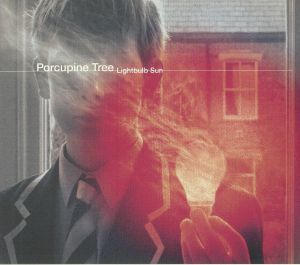
CULT CLASSIC: PORCUPINE TREE-LIGHTBULB SUN.
Cult Classic: Porcupine Tree-Lightbulb Sun.
Between 1987 and 2010 progressive rockers Porcupine Tree released ten studio and twelve live albums. Their sixth studio album was Lightbulb Sun which was released on May the ‘22nd’ 2000 and was the much-anticipated followup to Stupid Dream, which was released in March 1999. It marked the start of a new chapter in the Porcupine Tree story.
Stupid Dream was the first Porcupine Tree album to feature a much poppier sound. This was very different to their abstract instrumental sound of their prior albums, Signify and Stupid Dream which was their most successful album.
Stupid Dream.
The three singles Porcupine Tree released from Stupid Dream were Piano Lessons, Stranger By The Minute and Pure Narcotic and they all enjoyed mainstream exposure. Especially in the US and Europe where the group toured extensively. They knew it was a case of putting in the hard yards like so many other bands before them.
Porcupine Tree also toured the UK in support of Stupid Dream and watched the three singles charted in the independent charts during 1999. Piano Lesson reached thirty-four, Stranger By The Minute thirteen and Pure Narcotic forty-six. Each of the singles found their way onto radio station playlists and it looked like Porcupine Tree were about to make a commercial breakthrough after five albums and twelve years of trying.
Sadly, it wasn’t to be and Stupid Dream failed to trouble the UK albums charts. This was hugely disappointing given the success of the singles. The members of Porcupine Tree hoped that their next album would see them make a commercial breakthrough.
Lightbulb Sun.
When Steven Wilson and the rest of Porcupine Tree began to write Lightbulb Sun, little did the group know that the album found them still at a crossroads.
Just like Stupid Dream, the album that Porcupine Tree were about to write and record would also have a much more commercial, poppier sound. Once again, the group turned their back on the abstract instrumental sound of their first four albums on Lightbulb Sun. However, after their sixth album the group changed direction and their music took on a heavy metal for the rest of the noughties. In a way, Lightbulb Sun was the end of an era for Porcupine Tree.
Of the ten songs on Lightbulb Sun, Steven Wilson penned eight of them and cowrote the other two. He wrote Hatesong with Colin Edwin. Then the pair joined forces with Chris Maitland and Richard Barbieri to write Russia on Ice Chris Maitland. These tracks would eventually become Lightbulb Sun.
Recording of Lightbulb Sun took place at Foel Studio-No Man’s Land between November 1999 and January 2000. The rhythm section featured drummer Chris Maitland and bassist Colin Edwin who Gimbri and was experimenting with a drum machine. Keyboardist Richard Barbieri played Hammond organ, Fender Rhodes, clavinet, mellotron and synth. Meanwhile bandleader, producer and vocalist Steven Wilson played guitars, piano, hammered dulcimer, mellotron, banjo, harp and used samples during the recording of Lightbulb Sun.
Augmenting Porcupine Tree were rhythm guitarist Eli Hibit, cellist Nick Parry and Stuart Gordon who played viola and violin. During the recording session, The Minerva String Quartet were brought. Violinists Katy Latham and Lisa Betteridge plus cellist Emmeline Brewer and Sarah Heines on viola added the all-important strings to Lightbulb Sun. It was completed after just three months recording and was the quickest album that Porcupine Tree had recorded.
Having completed Lightbulb Sun in January 2000, the album was scheduled for release on the ‘22nd’ May 2000. Before this, Porcupine Tree planned to release a single and nervously awaited the verdict of the critics.
Four Chords That Made a Million was released as the lead single in April 2000 and reached eighty-four in the UK charts and sixteen in the UK Independent Charts. This built upon the success of the triumvirate of singles released from Stupid Dream.
When Lightbulb Sun was released on the ‘22nd’ May 2000 it feature a much commercial, poppier sound that should’ve appealed to wider audience than the he abstract instrumental sound of their first four albums. However, Lightbulb Sun was also an album of two parts.
Lightbulb Sun is divided into two parts between Rest Will Flow and Hatesong. However, the first part focuses on a more melodic, poppy style. Then the part allows Porcupine Tree to showcase the experimental side of their music. The group was hoping there was something for fans old and new.
The majority or critics were won over by Lightbulb Sun which was released to mostly critical acclaim. They praised the standard of songwriting and musicianship with some critics calling the album Porcupine Tree’s finest hour.
No wonder as Porcupine Tree mixed unique brand of progressive rock with melodic pop, metal and experimental music. After six albums and thirteen years Porcupine Tree had come of age with a career-defining album. It featured dense harmonies, captivating arrangements, melancholy melodies that tugged at the heartstrings and sometimes the tracks referenced Pink Floyd. Two of the highlights of Lightbulb Sun were the Steven Wilson compositions Feel So Low and The Rest Will Flow. They were part of what was the most consistent and complete album of Porcupine Tree’s tree.
Unlike many progressive rock albums Lightbulb Sun wasn’t a concept album. However, Steven Wilson explains that some of the songs relate to different subjects: “There are at least four or five songs on that record which I call the divorce songs, the relationship songs, which are all about various stages of the splitting up a relationship, of dissolving a relationship. Russia on Ice, How Is Your Life Today, Shesmovedon, Feel So Low, I mean, the last track of the album. The period in a relationship, where the relationship is kind of… still exists, but it’s in that period where, really, there is nothing left but hatred and despise-Hatesong is the other one.”
He goes on to say: “But then on the other hand, there are groups of songs on the album which are all about various childhood… nostalgic childhood reminisces, Lightbulb Sun and the first part of Last Chance To Evacuate Planet Earth, Where We Would Be. So there are kind of groups of songs.”
Later he explains: “And then there’s a couple of songs that don’t have any relation to anything else. Four Chords That Made A Million doesn’t have any relation to anything else on the album, or anything else I’ve ever written. It’s just that.”
Lightbulb Sun was regarded as the best and strongest album that Porcupine Tree had recorded and released. Surely their sixth album would be the first to chart and see the group make a commercial breakthrough after thirteen years of touring, recording and doing the rounds of press, radio and television?
The members of Porcupine Tree watched as Lightbulb Sun reaches 161 in the UK album chart where it stalled. Although this was disappointing, it was still the most successful album of the group’s six album career.
Then in July 2000 was released as the second single from Lightbulb Sun and reached eighty-five in the UK charts and twenty-four in the UK Independent Charts. This was a small crumb of comfort for Porcupine Tree as Steven Wilson believed that it was: “our best work to date.”
Nowadays, Lightbulb Sun is regarded by critics as one of the finest albums of Porcupine Tree’s long career. It’s also the album that got away and should’ve transformed Porcupine Tree’s.
When they released Lightbulb Sun it was also a much more accessible album than their previous albums. Steven Wilson made a conscious decision not to write lyrics about abstract concepts like war and religion. Instead, he drew on his own person experiences and wrote songs with much more personal and emotive lyrics. However, some of the songs he wrote especially Hatesong and Feel So Low featured negative lyrics. Despite this, many record buyers would be able to relate to the subjects that the lyrics dealt with on what was without doubt the most accessible album of Porcupine Tree’s six album career.
Lightbulb Sun should’ve been a much bigger success and introduced the group to the wider audience that their music deserved. Sadly, as is so often is the case Lightbulb Sun was an album that passed record buyers by when it was released by Snapper.
Maybe Snapper was the wrong label for Porcupine Tree and their music would’ve found a wider audience if signed to another indie or major label? They left Snapper after Lightbulb Sun and signed to Lava who released their seventh studio album In Absentia on the ’24th’ September 2002. That was the start of Porcupine Tree’s progressive metal years. Lightbulb Sun was the end of an era for the group.
Although Lightbulb Sun wasn’t a commercial success when it was originally released in May 2000, it had started to find a wider audience by the time it was reissued in 2008. Lightbulb Sun is one of Porcupine Tree’s most accessible albums and was a career-defining album when it was released to widespread critical acclaim twenty-one years ago in May 2000.
Cult Classic: Porcupine Tree-Lightbulb Sun.
SOUL CLASSIC: MILLIE JACKSON-CAUGHT UP.
Soul Classic: Millie Jackson-Caught Up.
It didn’t look like life was going to be easy for Millie Jackson who was born in the city of Thomson, in Georgia, on July the ’15th’ 1944. Her father was a sharecropper and worked long hours for little reward. Life was tough for the Jackson family, and got tougher when Millie Jackson’s mother became ill and passed away while her daughter was still a child. The family was devastated and Millie Jackson and her father decided to move to Newark, New Jersey, where they lived with an aunt. This was a new chapter for the Jackson family.
By the time Millie Jackson was in her mid teens, she had moved to Brooklyn, and was working as a model for Jive and Sepia magazine. Millie Jackson’s luck was starting to change.
One night in 1964, a friend dared Millie Jackson to enter the talent contest at Small Paradise nightclub in Harlem. Millie Jackson who was just sixteen decided to enter the talent contest which she won. Little did Millie Jackson know that this was the start of long career as a singer.
Five years later, in April 1969, Millie Jackson released her debut single A Little Bit Of Something on MGM Records. After the single failed to trouble the charts, Millie Jackson signed to Spring Records in 1970 and began a long association with the label.
At Spring Records, Millie Jackson was paired with the label’s in-house producer, Raeford Gerald who produced her 1971 single A Child of God (It’s Hard to Believe). On its release, it reached twenty-two in the US R&B charts and became Millie Jackson’s first single to chart.
The following year, 1972, Millie Jackson released Ask Me What You Want which reached twenty-seven in the US Billboard 100. Soon, two became three, when My Man, A Sweet Man reached forty-two in the US Billboard 100 and seven in the US R&B charts. Both these songs featured on Millie Jackson’s eponymous debut album.
When Millie Jackson was released later in 1972, it featured a collection of songs which seemed to have been influenced by the Motown sound. However, this proved popular and Millie Jackson reached 166 in the US Billboard 200. Millie Jackson’s career was underway.
In 1973, Millie Jackson returned with her sophomore album It Hurts So Good which this time, was produced by Raeford Gerald and Brad Shapiro. The pair was responsible for an album where Millie Jackson’s sound started to evolve, and move away from her Motown influenced debut album. However, It Hurts So Good stalled at 175 in the US Billboard 200, but reached thirteen in the US R&B charts. This was an improvement on her debut album Millie Jackson.
Just when Millie Jackson’s career seemed to be going places, her third album Got To Try It One Time which was released in early 1973 failed to even trouble the lower reaches of the charts. For Millie Jackson this was a disaster for the twenty-nine year old, who began to wonder when she would release a successful album? Her first two albums had stalled at the lower reaches of the US Billboard 200, and now Got To Try It One Time had failed commercially. However, Millie Jackson’s luck was about to change.
For her fourth album, Caught Up, which Millie Jackson decided to record one of the first soul concept albums. Caught Up documents the story of a woman having an affair with a married man. On the first side Millie Jackson sings from the mistress’ point of view and on the second side the story is told from the wife’s point of view. Essentially, Caught Up was the musical equivalent of a mini soap opera, where Millie Jackson plays both roles.
For Millie Jackson’s concept album Caught Up, nine tracks were chosen including Homer Banks, Carl Hampton and Raymond Jackson classic (If Loving You Is Wrong) I Don’t Want to Be Right which opened the album and was added later as a reprise. Millie Jackson penned The Rap and wrote All I Want Is A Fighting Chance and t’s All Over but the Shouting. These tracks were joined by Bobby Womack’s I’m Through Trying to Prove My Love to You, Bobby Goldsboro’s Summer (The First Time) and Phillip Mitchell’s So Easy Going, So Hard Coming Back. He also teamed up with Billy Clements to write I’m So Tired Of Hiding. These tracks were recorded by some of the top musicians of the day, the Muscle Shoals Swampers.
It was a masterstroke bringing the Muscle Shoals Swampers onboard for the recording of Caught Up which began in 1973. They had played on numerous hit singles for the great and good of music and brought with them a wealth of experience to Muscle Shoals Sound Studio and the Criteria Studios in Miami.
Millie Jackson was hoping that the rhythm section of drummer Roger Hawkins, bassist David Hood, guitarist Jimmy Johnson and keyboardist Barry Beckett would work their magic one more time. Adding percussion was Tom Roady and Brad Shapiro who co-produced Caught Up with Millie Jackson. Sweetening the arrangements with strings were Brad Shapiro and Mike Lewis. As the sessions began, Millie Jackson embraced the two roles singing the first side from the mistress’ point of view and the second side from the wife’s point of view. Over the next few weeks and months Millie Jackson lived both roles brilliantly, breathing life, meaning and emotion into the lyrics which she delivered and passionately. The Muscle Shoals Swampers watched on as this musical equivalent of a mini soap opera unfolded before their eyes. Little did they know when Caught Up was completed in 1974, that they had witnessed history being made.
When critics had their say on Caught Up, it received critical acclaim from the majority of critics who realised that this was an important and innovative soul album. There were very few soul concept albums, and Millie Jackson who was still a relative unknown as a pioneer. However, she wasn’t going to be an unknown for much longer.
Upon the release of Caught Up in late 1974, the album reached twenty-one in the US Billboard 200 and number four in the US R&B Charts. This resulted in Millie Jackson receiving her first ever gold disc after Caught Up sold over 500,000 copies. Caught Up also The album spawned the hit singles, If (Loving You Is Wrong) I Don’t Want To Be Right which reached forty-two in the US Billboard 100 and was nominated for two Grammy Awards. However, neither The Rap nor I’m Through Trying To Prove I Love You charted which was a disappointment for Millie Jackson. However, she was well on her way to securing superstar status after her performance on Caught Up.
Side One.
The first side of Caught Up which opens with If (Loving You Is Wrong) I Don’t Want To Be Right, finds Millie Jackson singing from the other women’s point of view. Before that, the understated arrangement builds and drums, sweeping strings and braying horns builds combine and reach a crescendo. This is the cue for Millie Jackson to deliver a vocal tinged with sadness. Later, her vocal grows in power and she unleashes a vocal that is a mixture of sadness, anger, frustration, disappointment and emotion. In doing so, she delivers one of the finest covers of this song and one worthy of two Grammy Award nominations.
The Rap featured a stylistic departure from Millie Jackson who raps the lyrics about the frustration and problems about having an affair with a married man as the arrangement meanders along. Later it builds, and continued to grows in power as does Millie Jackson’s vocal. By then, it’s a mixture of power, frustration and drama as she brings to life what it’s really like to be the “other woman.”
This gives way a brief Reprise of If (Loving You Is Wrong) I Don’t Want To Be Right, which quickly builds as guitars scream, horns blaze, a Hammond organ swirls and strings sweep and swirl. Meanwhile, Millie Jackson unleashes another emotive vocal where she lays bare her soul.
All I Want Is A Fighting Chance features a powerful driving arrangement as Millie Jackson confronts her love rival, telling her all she wants is a fighting chance to win and wow him. Behind her, the tempo quickens as braying horns sweeping strings and the rhythm section join they searing guitar. They combine elements of soul, funk and even rock, and somehow, manage to match Millie Jackson’s anger, frustration and passion.
Closing side one of Caught Up is I’m Tired of Hiding, where Millie Jackson talks to her lover, telling him that she’s tired of sneaking around, hiding and longing for him, when he’s not around. Her delivery is full with emotion, but this time, she’s tired, fed up and unsure of their future. Her voice lacks the power and strength, but makes up for it with her heartfelt delivery of the lyrics as the arrangement veers between subtle and understated to dramatic and tinged with sadness. By then, Millie Jackson seems resigned that the affair might be over, and risks everything with the ultimatum, it’s her or me. After that, she becomes subdued, emotional as she’s overcome sadness and regret on one of the most powerful and moving tracks on Caught Up.
Side Two.
On side two of Caught Up, Millie Jackson plays the wife and “wronged woman,” whose husband has been cheating on her. Bad news awaits Millie on It’s All Over But the Shouting, with her husband cheating on her, and her marriage all but over. This is played out against a driving arrangement where the rhythm section, rasping horns, percussion and chiming guitars provide a backdrop for Millie Jackson. He vocal os full of anger and frustration as she tells her cheating husband their marriage is over, and she won’t be staying with him for the sake of the kids. Not when: “he’s been practicing baby-making” with someone else. Her powerful, angry vocal is supplemented by soulful backing vocals and a fast, furious and hugely stirring, hook laden arrangement which opens the second part of this soul soap opera.
So Easy Going, So Hard Coming Back sees dialogue between Millie Jackson and her husband whose trying to win her back. This isn’t going to be easy as she’s determined to keep her pride in tact. Meanwhile, the arrangement is slow, atmospheric and understated as Millie Jackson’s vocal which is full of sadness and regret, as she realises that she’s deceived herself, having turned a blind eye at his unfaithfulness. Millie Jackson brings to life the drama, sadness and mistrust of the situation, as she delivers an emotive and impassioned vocal during this heart-wrenching song which she makes her own.
Having realised that their marriage is over, I’m Through Trying To Prove My Love To You finds Millie Jackson moving on, having met someone else, someone better, more reliable. During the song, she sings about how she had to move on, how she had to end the marriage, because she’s through with his cheating and deceiving, and unwilling to keep proving she loves him. Ultimately, she wants them to remember the good times, and move on with life as she delivers her vocal against a quite beautiful understated arrangement.
Caught Up closes with Summer The First Time which starts off understated before becoming dramatic and soulful. Setting the scene is the Muscle Shoals Swampers who provide a full and dramatic arrangement as Millie Jackson enters, and sings of a young woman of seventeen being seduced by an older man of thirty-one, and being transformed into a woman. Meanwhile, backing vocalists add a contrast to Millie Jackson’s voice as she recreates the drama, passion and emotion of If (Loving You Is Wrong) I Don’t Want To Be Right, and transforming the song into something very different and full of drama, emotion and soul. It’s the perfect way to end Caught Up, Millie Jackson’s concept album and soap opera.
Caught Up is a captivating mini soul soap opera that sees Millie Jackson transformed from the “other woman” on side one, to wronged woman of side two. The album traces the two relationships and the various stages they go through. From the opening bars of If (Loving You Is Wrong) I Don’t Want To Be Right, to the final notes of Summer The First Time, she recreates a range of emotions, ranging from the defiance, frustration and passion of side one, to the anger, betrayal and forgiveness of side two. Regardless of the emotion, Millie Jackson recreates it brilliantly, making each song her own, transforming the lyrics and bringing the song to life. In doing so, Millie Jackson the slickest of soul concept albums, Caught Up, where one song segues seamlessly into another, as the next chapter in this drama about to play out in front of you.
Millie Jackson along with co-producer Brad Shapiro were responsible for an album that record buyers in 1974 were unable to tear themselves away from, just in case they missed the next twist in this tale of love, love lost and betrayal. Over 500, 000 people bought a copy of and tuned into Millie Jackson’s mini soul soap opera Caught Up which is one of the greatest soul concept albums ever released, and the album that launched the career of Millie Jackson when it was relaxed in 1974.
Soul Classic:Millie Jackson-Caught Up.

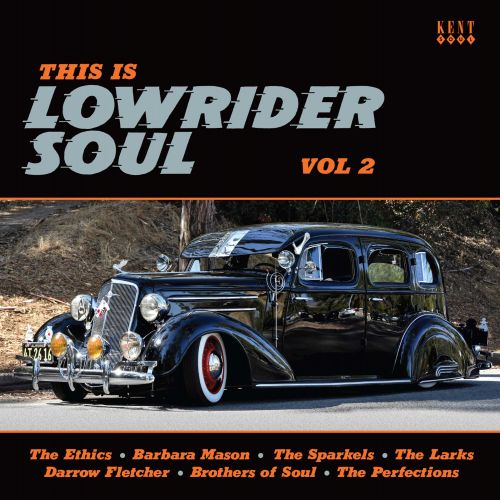
THIS IS LOWRIDER SOUL VOL. 2.
This Is Lowrider Soul Vol. 2.
Label: Kent Soul.
Format: CD.
Between 1962 and the early seventies there was an increase in the popularity of soulful ballads in Southern California. These slow jams were played in the clubs and could be heard in the cars that cruised the streets of towns and cities throughout Southern California. Initially, it was the Mexican, Central and South American immigrants who had settled around East Los Angeles that embraced these soulful ballads. However, their popularity has grown since then.
Since then, the popularity of soulful ballads has grown, and nowadays, are favourites of soul fans and record collectors around the world. Some record buyers were drawn to the music after being fascinated by the titles of the songs that were finding favour amongst the lowrider soul scene.
The lowrider scene was named after its members, who had a love of classic American automobiles, which they customised and used to cruise the streets of LA. This became really popular from the early sixties until the dawn of the seventies which is the period that Kent Soul’s new compilation This Is Lowrider Soul Vol. 2 covers.
There’s twenty-four slow jams on This Is Lowrider Soul Vol. 2. This includes contributions from The Exceptions, The Vanguards, Barbara Mason, The Manhattans, Darrow Fletcher, Dee Torres, The Larks, The Hyperions, Brothers Of Soul, The Perfections, Houston Outlaws and Soul Sensations. These artists are just a few that feature on the much-anticipated followup to This Is Lowrider Soul 1962-1970 which was released in 2018.
Opening This Is Lowrider Soul Vol. 2 is So Much In Love by The Exceptions which was recorded for GWP in 1969. The song lay unreleased until it featured on the Kent Soul compilation GWP NYC TLC Volume 2 in 2009. It was a belated and welcome debut for this long lost paean which returns for an encore and features a heartfelt and needy vocal.
Somebody Please was recorded by The Vanguards from Indianapolis, Indiana, and was released by Whiz in 1968. Mark Miller’s production for L&M Productions is understated and spacious allowing the emotive, hurt filled vocal to take centre-stage and shine on this powerful ballad.
The best known and definitive version of Yes I’m Ready was recorded by Barbara Mason. However, The Hesitations covered the song she had written. It was released on GWP in 1969 and features a vocal full of emotion on a cover that shows another side to Barbara Mason’s soul classic.
In 1969, Barbara Mason was signed to the Arctic label when she wrote and recorded You Never Loved Me. . However, the version on the compilation is an alternate take. The single was released later in 1969 and features powerful and poignant lyrics about hurt, heartbreak and betrayal. They were delivered with emotion and sincerity and spoke to many women who could relate to the lyrics
The Manhattans’ story begins in New Jersey in 1962, where the group were founded. In 1965, they released Follow Your Heart as a single on the Carnival label. The single reached number ninety-two in the US Billboard 100 and twenty on the US R&B charts. This became their most successful single, and later, became a favourite in the lowrider scene.
Darrow Fletcher was only fifteen when he released Little Girl on the Jacklyn label. This slice of deep soul was produced by Ted Daniels, and later, went on to be a much-loved track on the lowrider scenes.
One of best known groups on the compilation is The Superbs, who released It Hurts So Much on Dore, in 1965. It’s a truly moving ballad that features an impassioned, soul-baring vocal.
Another familiar face is The Larks, who released I Want You (Back) on the Money label in 1972. The song was written and produced by Don Julian, and features the group at their soulful best.
One of the hidden gems on This Is Lowrider Soul Vol. 2 is Can’t Nobody by Brothers Of Soul. They were regarded as one of the best vocal harmony groups when they recorded this track for the Galaxy label 1969. Sadly, it’s lain unreleased until now. This is a great shame. The combination of an impassioned, emotive vocal and a string-drenched arrangement result in a welcome addition to the compilation.
One of the tracks David A. Blake produced for The Radiations was That’s The Way Our Love Is. It’s a beautiful ballad that’s sure to tug at the heartstring. Sadly, the song lay unreleased until 2009 when it featured on Masterpieces Of Modern Soul Volume 2. Twelve years later the track returns for a well deserved encore.
Between 1971 and 1972 the Houston Outlaws were signed to the Westbound label. In 1972, they released What Am I Going To Do which is a vastly underrated and beautiful ballad. Thirty four years later in 2006, this hidden gem became a favourite in the California lowrider scene. No wonder, given its quality.
Closing This Is Lowrider Soul Vol. 2 is A Man That Is Not Free by Soul Sensations. This slice of the deepest soul was released in 1973 by the Music City label. This rarity is a powerful and moving rack and closes the compilation on a high.
Three years after the first instalment in the series This Is Lowrider Soul Vol. 2 has been released by Kent Soul. It features twenty-four tracks. Many of them were recorded in Philly, New York, Detroit and Chicago by what will be a mixture of familiar faces and new names to fans of lowrider soul. For newcomers to lowrider soul this lovingly curated new compilation and its predecessor This Is Lowrider Soul 1962-1970 are the perfect introduction to a sound whose roots can be traced to South California in the early sixties.
This Is Lowrider Soul Vol. 2.


PEOPLE GET READY: THE CURTIS MAYFIELD SONGBOOK.
People Get Ready: The Curtis Mayfield Songbook.
Label: Kent Soul.
Format: CD.
After the demise of The Impressions in 1970, Curtis Mayfield embarked upon a solo career. It spanned three decades and commercial success and critical acclaim were constant companions for the Chicago-born soul man.
Between his 1970 debut Curtis, and 1996s  New World Order the former Impression released twenty-seven albums. This included seventeen studio albums, six soundtracks and four live albums. Five of these albums topped the US R&B charts while Curtis, Super Fly and Back To The World were certified gold in America. While these three albums offer a tantalising taste of the considerable talents of Curtis Mayfield the soul singer, he was also a producer and songwriter.
Despite the success he enjoyed as a singer and also as a producer Curtis Mayfield always saw himself first and foremost as a songwriter. His songs were covered by some of the biggest names in soul, funk and R&B over the past five decades. Thos Many of his songs have been covered by other artists over the past five decades. This includes everyone from Aretha Franklin, Dionne Warwick, Barbara Mason and Gladys Knight and The Pips to Isaac Hayes, Walter Jackson, Gene Chandler, Major Lance and Freddie Scott as well as The Jackson 5 and the group that Curtis Mayfield made his name with The Impressions. These artists are among the twenty-four that feature on People Get Ready: The Curtis Mayfield Songbook which was recently released by Kent Soul. It’s the latest instalment in their Songwriter Series and is the perfect introduction to the songwriting talents of Curtis Mayfield.
Opening People Get Ready: The Curtis Mayfield Songbook is a soul classic from The Impressions, Gypsy Woman. It was arranged and conducted by Leroy Glover, and when it was released as a single on ABC Paramount in 1961 reached number two on the US R&B charts. This tale of unreciprocated love was one of The Impressions’ finest singles and sets the bar high for the rest of the compilation.
Nineteen year old Jan Bradley recorded Behind The Curtains for the Night Owl label in 1962. Later that year, it was released as a single in 1962 and by February 1963 it had charted. There’s a wistful quality to the vocal on a single that reached the top twenty in the US R&B and top fifty in the US Billboard 100. Sadly , this was the only one of Jan Bradley’s that charted in the US Billboard 100. However, this single is a welcome and worthy addition to the compilation.
Major Lance and Curtis Mayfield grew up together in the Cabrini-Green project in Chicago. They first worked together in 1960 when The Impressions backed Major Lance on his single I’ve Got A Girl. However, when the single flopped he didn’t record another single until 1963. That was the year he covered the Curtis Mayfield song Um, Um, Um, Um, Um, Um. It was released on Okeh in 1963 and reached number five on the US Billboard 100. This was his third consecutive hit penned by Curtis Mayfield and for many people was the finest of the triumvirate.
I’ve Been Trying was released as a single by Jerry Butler on the Chicago-based Vee-Jay label in 1964. This Calvin Carter production features an impassioned and soul-baring vocal from the future Cook County Commissioner.
In 1964, Walter Jackson was signed to Okeh and recorded It’s All Over. It was arranged by Riley Hampton with Carl Davis and Curtis Mayfield taking charge of production. The result was a beautiful ballad with a vocal full of emotion, sadness and hurt at the thought of telling his partner their relationship is over. It’s no surprise that the single reached number seven on the US Billboard 100 in 1964 as it’s one of the best tracks on the compilation.
Over the years, People Get Ready has been covered by many artists with varying degrees of success. One of the best is Dionne Warwick’s powerful, gospel-tinged reading of a song originally recorded by The Impressions. It featured on her 1968 album Soulful which was released by Scepter Records. The album was arranged by Mike Leech with Chips Moman coproducing the album with Dionne Warwick. People Get Ready is one of the highlights of Soulful and showcases a truly talented and versatile vocalist.
One of the most underrated female soul singers is Barbara Mason. She produced some of her finest albums during her time at Buddah Records. This includes her 1972 album Give Me Your Love which was arranged by Rich Tufo and produced by Curtis Mayfield. It reached number ninety-five on the US Billboard 200 and seventeen on the US R&B charts.
When the title-track was released as a single it reached number nine in the US R&B charts. It’s one of the album’s highlights, and features a coquettish vocal from the Philly-born singer who breathes life and meaning into the lyrics.
In 1971, Isaac Hayes covered Need To Belong To Someone for his Black Moses album. He takes the song in a new direction adding an element of drama as he adds layers of strings and soulful backing vocals that provide the perfect accompaniment to his vocal. When the album was released by Stax it reached number ten on the US Billboard 200 and topped the US R&B charts. By then, Isaac Hayes could do no wrong and was enjoying the most successful period of his career.
For the compiler the hardest decision must have been which Curtis Mayfield song should feature on the compilation? Tony Rounce has opted for a UK single edit of Keep On Keeping On. It was released in 1972 when Curtis Mayfield was signed to Buddah Records. The single features an heartfelt and hopeful vocal and is a poignant reminder of one of the great soul men.
Leaving Motown was the best thing to happen to Gladys Knight and The Pips. The Empress Of Soul was no longer in the shadow of Diana Ross and The Supremes. At Buddah Records Gladys Knight and The Pips’ career blossomed and they enjoyed commercial success and critical acclaim and by 1974 had won two Grammy Awards. That year, they recorded On and On as a single. Hidden away on the B-Side was
The Makings Of You which was arranged by Rich Tufo and produced by Curtis Mayfield. It’s a beautiful ballad that showcases the combined and considerable talents of Gladys Knight and The Pips who were enjoying the most successful period of their career.
Another single edit on the compilation is Let’s Do It Again by The Staple Singers. It was arranged by Rich Tufo and Gil Asked with Curtis Mayfield in charge of production. The single reached number twenty on the US Billboard 200 and topped the US R&B charts. No wonder as it features The Staple Singers at their very best backed by a stunning arrangement that features dancing strings. This is another highlight of People Get Ready: The Curtis Mayfield Songbook.
The third single edit is Look Into Your Heart by Aretha Franklin. Rich Tufo arranged and orchestrated the single. Curtis Mayfield also arranged and produced the single. It was released in 1976, and by then Aretha Franklin was no longer was as popular. However, she unleashed an impassioned soulful vocal which is accompanied by an outstanding orchestrated arrangement. The result was a hit single that helped to get the Queen Of Soul’s career back on track.
Keni Burke’s Never Stop Loving Me which the singer wrote with Deidra Burke and Curtis Mayfield. It was one of the highlights on the Never Stop Loving album which was released on RCA Victor in 1981. Despite its quality the song was relegated to the B-Side of Tripping Out. Those who flipped over to the B-Side discovered a hidden gem that sparkled brightly.
Closing People Get Ready: The Curtis Mayfield Songbook is Hard Times by John Legend and The Roots featuring Black Thought. The song which was written in 1968 featured on the R&B stars 2010 collaboration with The Roots, Wake Up. It featured a selection of sixties and seventies soul songs with social themes that had been inspired by the election of President Obama in 2008. When the album was released by Columbia it sold 273,000 but still reached number eight on the US Billboard 200 and three on the US R&B charts.
It can’t have been easy choosing just twenty-four tracks for People Get Ready: The Curtis Mayfield Songbook as he was a prolific songwriter whose songs were covered by so many people. The great and good of music covered Curtis Mayfield’s songs and there’s more than enough material for a double or triple album. However, compiler Tony Rounce managed to choose just twenty-four songs, and has chosen well.
Legends of soul and R&B rub shoulders with what will be new name to many people on People Get Ready: The Curtis Mayfield Songbook. It features beautiful ballads and timeless socially conscious soul. The result is a lovingly curated compilation and a welcome instalment in the Ace Records Songwriter Series.
People Get Ready: The Curtis Mayfield Songbook features twenty-four songs from the pen of one the greatest singer and songwriters of his generation and is a poignant reminder of the late, great soul man’s considerable talents.
People Get Ready: The Curtis Mayfield Songbook.


LONNIE LISTON SMITH AND THE COSMIC ECHOES-RENAISSANCE.
Lonnie Liston Smith and The Cosmic Echoes-Renaissance.
Label: BGP.
Format: CD.
Innovative, influential and way ahead of the musical curve, describes the music of Lonnie Liston Smith, and specially the five albums he recorded with The Cosmic Echoes for Bob Thiele’s Flying Dutchman Productions between 1973 and 1976 This began with Astral Travelling in 1973 with Cosmic Funk followed in 1974. This was just the start.
Expansions which followed in 1975 featured Lonnie Liston Smith at the peak of his powers on what was the most successful album of his career. He had brought onboard his brother Donald, whose vocals added a new dimension to the groundbreaking music.
Later in 1975, Lonnie Liston Smith and The Cosmic Echoes released Visions Of A New World. It was their penultimate album for Flying Dutchman Productions which was tailor made for pioneering artists like Lonnie Liston Smith. It was a smaller label where artists were encouraged to experiment and innovate and produce music the music that they really wanted. Often this resulted in albums of groundbreaking music. This included Reflections Of A Golden Dream which was released in 1976, and turned out to be Lonnie Liston Smith and The Cosmic Echoes’ swan-song for Flying Dutchman Productions.
In 1976, there was a takeover of Flying Dutchman Productions by RCA. After some changes at the parent company it was decided to release Lonnie Liston Smith and The Cosmic Echoes’ next album on RCA rather than Flying Dutchman Productions. It was the end of an era. However, Renaissance which has just been reissued by BGP, was another album of innovative music from Lonnie Liston Smith and The Cosmic Echoes.
Led by musical visionary Lonnie Liston Smith Renaissance finds him pushing musical boundaries to their limits and sometimes, beyond. That’s had been the story of his career which began a decade earlier. Since then, the man who had been born to make music had been establishing himself as a musician.
For Lonnie Liston Smith, it was almost written in the stars that he would become a musicians. He was born in 1940, into a musical family and his father was a member of Richmond Gospel music group the Harmonising Four. Growing up, members of gospel groups The Soul Stirrers and Swan Silvertones were regular visitors to the Smith household. With all this music surrounding him, Lonnie Liston Smith learned piano, tuba and trumpet in High School and college. After college, he headed to Morgan State University.
Inspired by Trane, Bird and Miles Davis, Lonnie Lonnie Liston Smith embarked upon a degree in musical education. Throughout his time at University, he continued playing the pianist in local clubs and singing backing vocals. He played with alto saxophonist Gary Bartz and trombonist Graham Moncur. This was all part of Lonnie’s musical eduction. Having completed his BSc in musical education at Morgan State University, Lonnie Lonnie Liston Smith walked straight into a job.
On leaving Morgan State University, Lonnie Liston Smith got a job with the Royal Theatre’s house band. For a young musician, this was would help turn them into a musical all-rounder. After all, they had to be able to accompany a wide range of artists. For Lonnie Liston Smith this was the next stage in his musical education. The next part of his musical education took place in New York.
Having moved to New York, Lonnie Lonnie Liston Smith was luck enough to get a gig playing piano in Betty Carter’s band. This helped Lonnie Liston Smith get his name known in the Big Apple. Then in early 1965, he caught a break.
He joined Roland Kirk’s band and made his recording debut on March 14th 1965. That was when Here Comes The Whistleman was recorded live in New York Lonnie Liston Smith only played on the title-track, Making Love After Hours, Yesterdays and Step Right Up. Then he featured on Roland andAl Hibbler’s 1965 live album A Meeting Of The Times. After this, he joined one of jazz’s top bands.
Over the last few years, The Jazz Messengers had established a reputation for young musicians looking to make a name for themselves. Lonnie Liston Smith joined in 1965. He shared the role with Mick Nock and Keith Jarrett. However, with The Jazz Messengers ever evolving lineup and only played three in concerts. These three concerts just so happened to be at the legendary Village Vanguard. For Lonnie Liston Smith, despite the prestigious venue, this must have been a disappointing time. Luckily, he was rehired by Roland Kirk.
Lonnie Liston Smith rejoined Roland Kirk’s band in time to play on his 1968 album Now Please Don’t You Cry, Beautiful Edith. This established his reputation as the go-to-guy for anyone looking for a pianist. It was the start of period where Lonnie Liston Smith worked with some of the most innovative and inventive jazz players. Musical boundaries were about to be pushed to their limits as Lonnie joined Pharaoh Saunders’ legendary free jazz band.
Pharaoh Saunders had worked closely with John Coltrane right up to his death in 1967. The following year, Pharaoh Saunders formed a new band. Their music is best described as groundbreaking free jazz. Musical boundaries were pushed to their limits and beyond by one of the genre’s pioneers. Recognising a fellow believer in free jazz, Pharaoh Saunders asked Lonnie Liston Smith to join his band.
He went on to play on three of Pharaoh Saunders best albums. The first of this trio was 1969s Karma. It was followed in 1970 with Jewels of Thought and 1971s Thembi. The other Pharaoh Saunders album Lonnie Liston Smith played on was 1970s Summun Bukmun Umyun. which was released on Impulse. Just like the three albums Pharaoh Saunders recorded for Flying Dutchman Productions it was a innovative album that was way ahead of the musical curve.
During this period, Pharaoh Saunders and his band were constantly pushing boundaries and rewriting the musical rulebook. Their music was truly groundbreaking. Even Lonnie Liston Smith was challenged. On Thembi, Pharaoh asked Lonnie to play the Fender Rhodes. This was the first time that Lonnie Liston Smith came across an electric piano. However, he rose to challenge and wrote Thembi’s opening track Astral Travelling. Later, Astral Travelling would become synonymous with Lonnie Liston Smith and The Echoes. Before that, Lonnie Liston Smith would play with some of jazz’s maverick.
One of these mavericks was Gato Barbieri. He had just signed to Bob Thiele’s nascent label Flying Dutchman Productions. It was establishing a reputation for providing musicians with an environment where innovative and creative musicians could thrive.
Bob Thiele believed musical mavericks didn’t thrive within such an orthodox environment like a major label. Their creativity was restricted meaning that were unable to experiment and innovate like they would like. So, he signed Gato Barbieri to Flying Dutchman and Lonnie Liston Smith was asked to play on his 1969 debut album The Third World.
The next signing to Flying Dutchman Productions was Leon Thomas, and Lonnie Liston Smith played on his debut album Spirits Known and Unknown. Soon, Lonnie was a regular at Flying Dutchman sessions.
When the time came for Gato Barbieri to record his 1971 sophomore album Fenix, Lonnie Liston Smith was called upon. He played on Fenix and joined Gato Barbieri’s band. Je played on Gato’s 1972 album El Pampero and toured throughout Europe with the band. Then came the opportunity of a lifetime. After El Pampero, Lonnie Liston Smith got the chance to work with another jazz legend.
Liston Smith was a member of Gato Barbieri’s band when Miles Davis got in touch. He wanted the pianist to join his band. At this time, Miles Davis’ music was changing direction. The direction it was heading in was funk. Electronic instruments were the flavour of the month for Miles Davis and he was exploring their possibilities. However, he was doing this outside the studio environment. That’s why there are very few recordings of Lonnie Liston Smith playing alongside Miles Davis at that time. That came later when Lonnie Liston Smith subsequently worked with Miles. Meanwhile, he decided to move on with his solo career and his debut album Astral Travelling.
Astral Travelling.
When recording of Astral Travelling began, Lonnie Liston Smith had put together some of the most talented and innovative musicians. The Cosmic Echoes’ rhythm section included bassist Cecil McBee, drummer David Lee and guitarist Joe Beck. Sonrily Morgan and James Mtume played percussion and conga, Gee Vashi tamboura and Badal Roy tabla. George Barron played tenor and soprano saxophone and Lonnie played piano and electric piano on Astral Travelling. Bob Theile produced Astral Travelling, which was released in 1973.
On its release in 1973, Astral Travelling was critically acclaimed. Critics were won over by Astral Travelling’s fusion of avant garde, experimental, free jazz and orthodox jazz. The music was variously beautiful, dramatic, explosive, ethereal, flamboyant languid, mellow, serene spiritual and urgent. It was as if Lonnie had drawn upon all his experience working as a sideman. He had worked with Pharaoh Saunders, Gato Barbieri, The Jazz Messengers, Leon Thomas, Stanley Turrentine and Miles Davis.
The result was Lonnie Liston Smith’s unique brand of cosmic jazz. It went on to influence several generations of musicians and music lovers, and show that Lonnie Liston Smith was no ordinary musician. Instead, he was an innovator, who was determined to push musical boundaries to their limits and beyond. This was apparent on Astral Travelling, and its followup Cosmic Funk.

Cosmic Funk.
Cosmic Funk featured six tracks, three of which Lonnie Liston Smith wrote. They were the title-track Cosmic Funk, Beautiful Woman and Peaceful Ones. The other tracks were Wayne Shorter’s Footprints, James Mtume’s and John Coltrane’s Naima. These six tracks were recorded by an all-star band.
For the recording of Cosmic Funk, Lonnie had put together some of the most talented and innovative musicians. The Cosmic Echoes’ rhythm section included bassist Al Anderson, drummer Art Gore. Lawrence Killian played percussion and conga, while Doug Hammond, Ron Bridgewater and Andrew Cyrille played percussion. George Barron soprano saxophone, flute and percussion, while Donald Smith played piano, flute and added vocals. Lonnie played acoustic and electric piano plus persuasion on Cosmic Funk. Bob Theile produced Cosmic Funk, which was released in 1974.
Cosmic Funk was released in 1974. Critics heard a different side to Lonnie Liston Smith on Cosmic Funk. It was a much more orthodox album. One thing remained the same, the reaction of critics. Just like Astral Travelling, plaudits and critical acclaim followed the release of Cosmic Funk. It turned out to be a a transitionary album Lonnie Liston Smith, which sadly, wasn’t a huge commercial success.
Cosmic Funk proved to be a much more orthodox jazz album from Lonnie Liston Smith and The Cosmic Echoes. Elements of jazz, funk, Latin and soul were combined on Cosmic Funk. The music veered between anthemic, beautiful, ethereal, experimental, flamboyant, funky, futuristic and wistful. Lonnie Liston Smith and The Cosmic Echoes was a stepping stone for Lonnie Liston Smith.
Despite its much more orthodox jazz sound, Cosmic Funk found Lonnie Liston Smith and and The Cosmic Echoes one step nearer finding his trademark sound. They found his trademark sound on his third album, Expansions, which was released in 1975. For Lonnie, the first two albums of his career were part of a musical voyage of discovery.
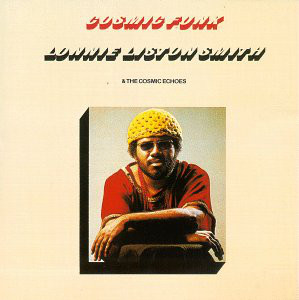
Expansions.
By the time Lonnie Liston Smith and The Cosmic Echoes released Expansions in early 1975, Bob Thiele had take Flying Dutchman Productions’ releases to RCA. This safeguarded Flying Dutchman Productions’ future. By then, Bob Thiele had discovered RCA wanted sales, and sales was what they got.
Expansions reached eight-five in the US Billboard 200, twenty-seven in the US R&B charts and number two in the US Jazz charts. This made Expansions one of Flying Dutchman Productions’ most successful albums.
Meanwhile, club and radio DJs were spinning tracks from Expansions. Belatedly, Lonnie Liston Smith and The Cosmic Echoes were the flavour of the month among DJs, dancers and discerning record buyers. So, it’s no surprise that Bob Thiele sent Lonnie Liston Smith and The Cosmic Echoes into the studio again, where they recorded Visions Of A New World.

Visions Of A New World.
For Lonnie Liston Smith and The Cosmic Echoes’ fourth album, Visions Of A New World, Lonnie penned seven tracks, including Lonnie Liston Smith’s hopeful anthem, A Chance For Peace. The other track, Devika (Goddess) was written by Dave Hubbard and Sarina Grant. These eight tracks were recorded at Electric Ladyland Studios, New York.
At Electric Ladyland Studios, Bob Thiele and Lonnie Liston produced the eight tracks that eventually became Visions Of A New World. Accompanying Lonnie were The Cosmic Echoes. Their rhythm section featured bassist Greg Maker, drummer Art Gore and Wilby Fletcher and guitarist Reggie Lucas. Percussionists included Michael Carvin, Ray Armando, Angel Allende who added bongos and Lawrence Killian who also played congas. Flautist Donald Smith also added vocals on three tracks. The horn section included soprano saxophonist Dave Hubert, trombonist Clifford Adams and trumpeter Cecil Bridgewater. This was a very different lineup of The Cosmic Echoes that featured on Astral Travelling. Lonnie Liston Smith on keyboards was the only constant. This constantly evolving lineup didn’t affect the reception of Visions Of A New World.
Just like previous albums, critics hailed Visions Of A New World was hailed an album of ambitious and groundbreaking music. Lonnie Liston Smith was seen as a musical pioneer, capable of creating music that was dreamy, elegiac funky, hopeful, ruminative, sensual, smooth and sultry. It was also ambitious and innovative, and soon, was hailed a minor classic where elements of free jazz, funk, fusion, rock, smooth jazz and soul. The result was another album that was way ahead of the musical curve. Visions Of A New World was also Lonnie Liston Smith and The Cosmic Echoes’ most successful album.
When Visions Of A New World was released in the summer of 1975, it reached number seventy-four in the US Billboard 200, fourteen in the US R&B charts and number four in the US Jazz charts. Visions Of A New World was Lonnie Liston and The Cosmic Echoes’ most successful album. After four albums, Lonnie Liston and The Cosmic Echoes’ music was reaching a much wider audience. Now Lonnie Liston and The Cosmic Echoes had to do it all again on Visions Of A New World.

Reflections Of A Golden Dream.
For his fifth solo album, Reflections Of A Golden Dream, Lonnie Liston Smith penned nine tracks, and cowrote Peace and Love with Leopoldo Fleming. The ten tracks were recorded by Lonnie Liston Smith and The Cosmic Echoes, which featured some top musicians.
Just like with previous albums, the lineup of The Cosmic Echoes seemed in a constant state of flux. The Cosmic Echoes’ rhythm section featured bassist Al Anderson and drummer Art Gore and Wilby Fletcher. Percussionists included Guilherme Franco and Leopoldo Fleming who also added congas and guaitar. Flautist Donald Smith also added vocals on three tracks; while Dave Hubert switched between flute and soprano saxophonist. The horn section also included tenor saxophonist George Opalisky; plus Joe Shepley and Jon Faddis who played trumpet and flugelhorn. Backing vocalists included Maeretha Stewart, Patti Austin and Vivian Cherry. They augmented this latest version of The Cosmic Echoes on Visions Of A New World Astral Travelling.
Lonnie Liston Smith, played keyboards, piano and added vocals. He also co-produced Reflections Of A Golden Dream with Bob Thiele. However, it later became apparent that Lonnie Liston Smith more or less took charge of production on Reflections Of A Golden Dream. Bob Thiele’s role, was more of an executive producer. That didn’t seem to affect the reviews of Reflections Of A Golden Dream.
Critics, when they received their advance copies of Reflections Of A Golden Dream, found Lonnie Liston Smith and The Cosmic Echoes combining dance-floor friendly music with social comment on Get Down Everybody (It’s Time For World Peace) and Peace and Love. Meditations featured a much more pensive, spiritual sound; while Journey Into Space saw Lonnie Liston Smith became a musical voyager. Just like previous albums, Reflections Of A Golden Dream received plaudits and critical acclaim. That was all very well. However, would Reflections Of A Golden Dream ensure that Lonnie Liston Smith and The Cosmic Echoes run of commercial success continued?
When Reflections Of A Golden Dream was released in 1976, the album sold well, but didn’t match the commercial success of Visions Of A New World. It remained the most successful album of Lonnie Liston Smith and The Cosmic Echoes’ time at Flying Dutchman Productions. However, it turned out that Reflections Of A Golden Dream was the last album that Lonnie Liston Smith and The Cosmic Echoes released on Bob Thiele’s Flying Dutchman Productions.
By 1976, changes were afoot at Flying Dutchman Productions. Bob Thiele’s label had been taken over by RCA who had distributed the label since 1972. Straight away, RCA began a review of their latest acquisition.
Eventually, RCA decided that the only artist from the Flying Dutchman Productions’ roster they wanted to keep was Lonnie Liston Smith and The Cosmic Echoes. This wasn’t good news for the label Bob Thiele had spent years building up. Worse was to come for him. He would be retained as a producer on a project-by-project basis. This began with Lonnie Liston Smith and The Cosmic Echoes’s album Renaissance.
Renaissance.
For Renaissance, which was Lonnie Liston Smith and The Cosmic Echoes’s debut for RCA Victor, the bandleader and pianist wrote five tracks. This included Space Lady, Mardi Gras (Carnival), Starlight And You, A Song Of Love and Between Here. He also wrote the music to Renaissance which features lyrics by Jeff Gaines. Meanwhile, Dave Hubbard had written Mongotee which would feature on Lonnie Liston Smith and The Cosmic Echoes sixth album of cosmic jazz, Renaissance.
Bob Thiele brought Horace Ott onboard to arrange the strings, woodwinds and backing vocals on Renaissance. It was another ambitious, innovative genre-melting album from Lonnie Liston Smith and The Cosmic Echoes.
When recording began, Harvey Goldberg was the engineer and would later mix the album with Bob Thiele. The latest incarnation of The Cosmic Echoes was a multitalented and versatile band who were capable of making groundbreaking music. It featured a rhythm section of drummer Wilby Fletcher and bassist Al Anderson. They were joined by Gene Bertoncini on acoustic guitar, Leon Pendarvis on clavinet, conga player Lawrence Killian, percussionist Guilherme Franco and Ken Bichel on Moog synth. Two musicians who played an important role on David Renaissance were Hubbard who played flute, tenor and soprano saxophone while Donald Smith played flute and added vocals. Bandleader Lonnie Liston Smith switched between acoustic and electric piano and coproduced the album with Bob Thiele who had mixed Renaissance.
When Renaissance was released it was to plaudits and praise. Critics were impressed with an album that combined cosmic jazz and jazz funk. Lonnie Liston Smith and The Cosmic Echoes had effortlessly combined to create a musical potpourri that was melodic, rhythmic and continued the spiritual consciousness of previous albums. Later, the album would be considered a cosmic jazz classic. That’s no surprise given the quality of music on the album.
Renaissance opens with Space Lady where cosmic jazz and jazz funk are combined by Lonnie Liston Smith and The Cosmic Echoes. They then unleash the jazz dance classic Mardi Gras (Carnival) which is one of the highlights of the album. Starlight and You which features a vocal masterclass from Donald Smith is a beautiful cinematic ballad that’s often overlooked and is one of the hidden gems on the album. Very different is Mongotee which heads in the direction of jazz. It’s all change on the dancer A Song Of Love which benefits from an emotive and heartfelt vocal from Donald Smith. However, the thoughtful, pensive and spacey sounding Between Here And There is without doubt one of the album’s finest moments. Bringing Renaissance to a close is the title-track which features lyrics by Jeff Gaines. Originally the song was going to be an instrumental but a chance meeting resulted in the lyrics being written and a new ending to Lonnie Liston Smith and The Cosmic Echoes’ sixth album and RCA Victor debut.
Lonnie Liston Smith and The Cosmic Echoes’ sixth album and RCA Victor debut was an captivating and eclectic mixture of moods and musical genres. It finds the pioneering bandleader and pianist leading a band on Renaissance which later became a cosmic jazz classic. However, it’s not just a cosmic jazz that features on Renaissance. There’s also jazz funk and elements of avant-garde, experimental, free jazz, funk, fusion and jazz on what was a truly ambitious album.
Renaissance like the five albums that Liston Smith and The Cosmic Echoes released on Bob Thiele’s Flying Dutchman Productions was an innovative genre-melting album that is still influenced a new generation of musicians. That’s no surprise as Lonnie Liston Smith was a leader, not a follower, and pioneer whose music was way ahead of his time. Renaissance. and the albums that Liston Smith and The Cosmic Echoes released on Flying Dutchman Productions feature a true musical visionary at the peak of his considerable creative powers.
Lonnie Liston Smith and The Cosmic Echoes-Renaissance.

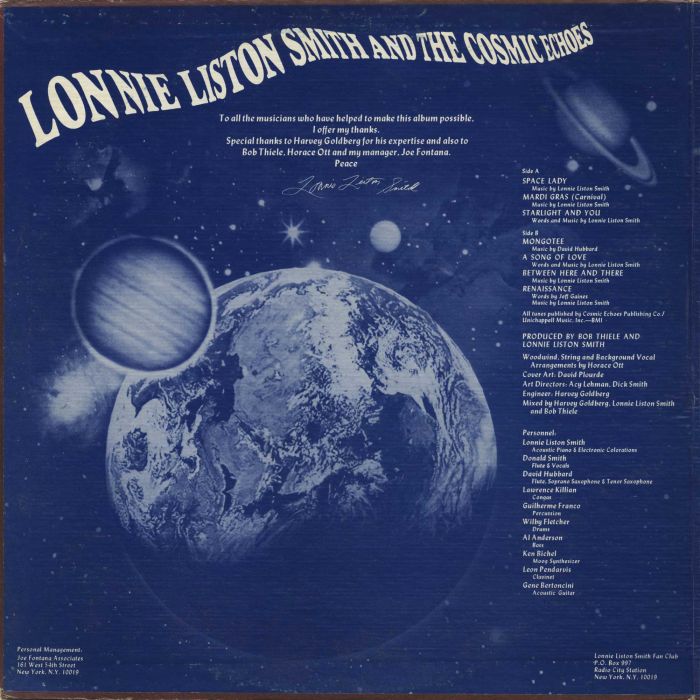
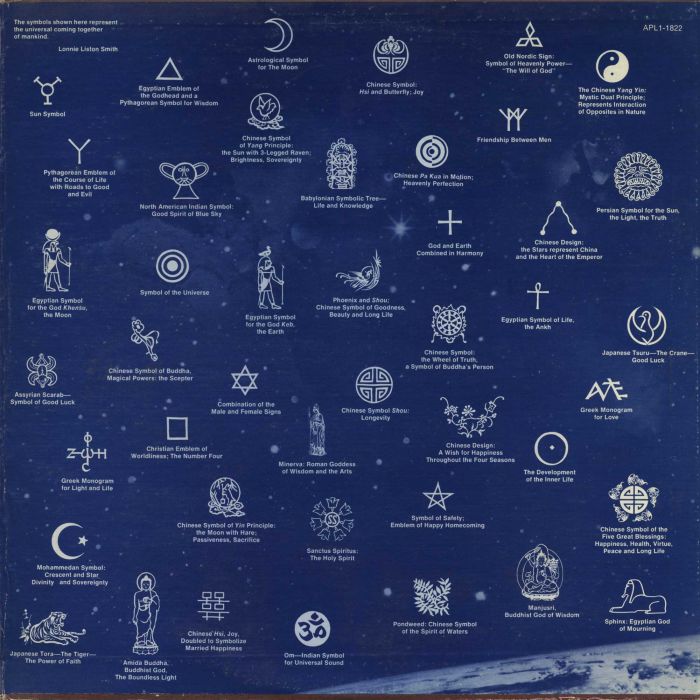
BLOW MY MIND! THE DORE-ERA MIRA PUNK AND PSYCH LEGACY.
Blow My Mind! The Doré-Era-Mira Punk and Psych Legacy.
Label: Big Beat Records.
Format: CD.
During the fifties and sixtes many small record companies sprung up across America. Especially, in cities like New York and Los Angeles which were two of America’s musical cities. One of these new labels was Era Records which was founded in 1955 by two cousins, Lew Bedell and Herb Newman.
The two cousins came from very different backgrounds. Lew Bedell had been a comedian but his career was at a crossroads. So he was on the lookout for a new career. Herb Newman was a music industry veteran who had started out as a West Coast sales rep for Mercury and later Decca. Having learnt the ropes, Herb wanted to form his own company. With his cousin looking for a new career, this seemed like the perfect opportunity for the two cousins.
Herb and Lew were like brothers. This had been the case since Lew’s parents split-up. After his parent’s divorce, his mother took Lew and his sister to New York. They didn’t stay long in the Big Apple. Instead, they headed to Los Angeles where they stayed with Max Newman. Not long after this, Herb Newman was born. The two cousins were brought up together and later went in to business together.
With the financial support of Herb’s father Max Newman, they founded Era Records in 1955. Three years later, in 1958, Dore Records, an imprint of Era Records was founded. The rationale behind forming a second label was that it would double the chances of having a record played on the radio. Dore Records would also allow Herb and Lew to release much more groundbreaking records.
This was the case from the day Dore Records opened its doors. Having released two singles, a young Phil Spector approached Herb and Lew with To Know Him Is To Love Him, by The Teddy Bears. When Herb heard the understated arrangement, he thought that if it was to be released on Era the record would be rerecorded. Phil disagreed. So did Lew. He heard the potential in the To Know Him Is To Love Him and agreed to release the track in its original form. It became a huge worldwide hit. However, for the next couple of years, Lew and Herbs opinions on music differed. Eventually, in 1959, Lew and Herb decided to go their own ways in May 1959.
It was an amicable spilt. Herb Newman continued with Era Records, but moved the company to new premises. Lew retained Dore Records, which stayed at 1481 Vine Street, Hollywood.
Dore Records became Lew’s baby. He was a shrewd judge of character and transformed the label into one of the top independent soul labels of the sixties. However, there was more to the label than soul.
That was despite Dore Records struggling to keep up with the changes in musical fashions. The British Invasion groups had taken America by storm and changed the musical landscape. Dore Records had started to released a more eclectic selection of music including pop and novelty discs. They were joined by psych and singles by garage proto-punk bands. However, these releases failed to find an audience.
It was a similar case at another label founded by a music industry veteran. Mira was founded in June 1965 by Randall Wood, the former president of Vee Jay Records. It was the sister label of Mirwood but was a relatively short-lived enterprise. The label closed its doors for the last time in 1968. However, by then, just like Era and Dore Records Mira had released a number of hidden gems.
These hidden gems feature on Blow My Mind! The Doré-Era-Mira Punk and Psych Legacy which is a new compilation which was recently released by Big Beat Records. It features twenty-five tracks from the likes of The Syndicate, The Leaves, The Motion, South Hampton Story, Yesterday’s Tomorrow, John Winfield Jr, Spencer’s Van Dykes, The Search, The Bees and The Tormentors. Some of the tracks have never been released before and make their debut on the compilation.
Opening Blow My Mind! The Doré-Era-Mira Punk and Psych Legacy is My Baby’s Barefoot by The Syndicate. It was writen by Bill Rash and released as a single on Dore in 1965. The group sneer and swagger their way through what’s best described as a s slice of proto-punk that’s full of attitude.
Garage band The Leaves are best known for their cover of Joe. One of their lesser known songs is Do Me A Favor which has never been released before. It’s a stomping slice of garage rock with a wailing blues harmonica that leaves a lasting impression.
The Lyrics feature twice on the compilation. This includes their single They Can’t Hurt Me which was released on Era in December 1965. The B-Side was the defiant sounding hidden gem So What!!. Both songs ooze quality and have obviously been influenced by the British Invasion groups.
Another hidden gem which was only known amongst a select group of record collectors was Leave Me Behind by South Hampton Story. It was arranged and produced by Christian Wilde and released on the In-Sound imprint in 1969. It’s trippy and atmospheric as fuzz guitars, Doors influenced keyboards and tight harmonies combine to make the world a better place.
Yesterday’s Tomorrow released the John Greek production Leave Me Behind on Dore in 1968. They were one of the garage bands signed to the label and the track is highly rated amongst connoisseurs of the genre.
Singer-songwriter John Winfield Jr signed to Dore in mid-1965 and later that year recorded She Touched My Soul. The original version of this folk rock track has never been released before features makes a welcome debut on the compilation. It showcases a talented singer and storyteller who should’ve reached greater heights.
Ty Wagner was still a teenager when signed to Era in 1965. A year later, he recorded his composition Slander which was produced by Don Ralke. It’s a riotous screamer full of posturing, angst and attitude from the still rebellious teenager.
I’ll Blow My Mind was released on Dore in 1966 by Spencer’s Van Dykes. It’s driven along by the bass and features an energetic and enthusiastic performance that sounds as if it’s been influenced by the British Invasion groups.
I’m Gonna Dance by The Wrench is a dreamy and slightly psychedelic track that features Ina Sharoff’s vocal. It was released on Dore in 1969 and this hidden gem is one of the highlights of the compilation.
The Search was a group from the San Diego area who signed to the In-Sound and cut two singles at Gold Star in 1967. This includes Climate which was released which was played by some DJs on the West Coast. They heard the potential in a track that features an impassioned vocal and carefully crafted stop start arrangement. Sadly, the single wasn’t a commercial success because by then, the label was suffering distribution problems. For the group it was a case of what might have been?
Shame by The Front Page and Her was released on Dore in 1968. The group from Torance was one of the lesser known names to release a single on the label. However, it’s a truly memorable genre-melting track where pop, rock and psych melts into one on a track that was ahead of its time.
Forget Me Girl by The Bees was released on Mira in 1965. This was one of two singles the group cut for the label. Pop meets rock on a carefully crafted arrangement with a memorable hook.
Cobwebs was a slice of theatrical or horror psych that featured on the B-Side of Simon T Stokes1967 single for In-Sound. It’s very different to his other contribution She Touched My Soul. However, he was a versatile vocalist and his second contribution is the perfect way to close Blow My Mind! The Doré-Era-Mira Punk and Psych Legacy.
For collectors and fans of sixties garage, proto-punk and psych the twenty-five tracks on Blow My Mind! The Doré-Era-Mira Punk and Psych Legacy will be a veritable musical feast. There’s many tasty morsels amongst the unreleased tracks, obscurities, B and singles. Bon appétit.
Blow My Mind! The Doré-Era-Mira Punk and Psych Legacy.

CAN I GET A WITNESS-STAX SOUTHERN GROOVE.
Can I Get A Witness-Stax Southern Groove.
Label: Kent Soul.
Format: CD.
Satellite Records was founded in 1957 by Jim Stewart and Estelle Axton and four years later, in 1961, the label changed its name to Stax Records. The newly named label was then joined by Volt Records which was its sister label. This was the start of a new era.
Little did anyone realise that when Satellite Records became Stax Records in 1961 that over the next ten years it would become one of the most important, influential and successful Southern Soul labels.
That’s no wonder given the artists that were signed to Stax Records. It was home to everyone from Otis Redding and Isaac Hayes to Sam and Dave, The Soul Children, Eddie Floyd and William Bell to Booker T and The MGs. They played their part in the rise and rise of Stax Records which became one of the greatest ever soul labels.
Sixty years after Satellite Records became Stax Records, Kent Soul recently released a new twenty track compilation Can I Get A Witness-Stax Southern Groove. There’s eleven previously unreleased tracks from the likes of The Soul Children, Little Milton, The Emotions, The Sweet Inspirations, The Nightingales and Frederick Knight. The other nine tracks feature contributions from Eddie Floyd, R.B. Hudmon, The Rance Allen Group and Eric Mercury. There’s deep cuts, album tracks and dancefloor fillers on this compilation that’s full of rarities and hidden gems on the compilation.
After leaving Chess Records, Little Milton signed to Stax and began the next chapter in his career. One of the tracks he recorded and produced early in his time at the label was Bad Water which opens Can I Get A Witness-Stax Southern Groove. He would go on to record two albums and a string of singles including several future soul classics. However, his cover this Jackie DeShannon, Jimmy Holiday and Randy Myers song was never released and makes its debut on the compilation. The arrangement is funky with a horn arrangement that could only have been recorded in Memphis. They’re the perfect accompaniment to Little Milton’s impassioned vocal as he combines blues and soul on a track that sets the bar high for the rest of the compilation.
Eddie Floyd’s long and illustrious career began in 1956 and ten years later he enjoyed his biggest 1966 hit single Knock On Wood. It kickstarted his career at Stax when it reached number twenty-six on the US Billboard 100 and topped the US R&B charts. Soon, the Detroit born singer was playing an important part in the Stax story. He was a prolific artist and many of his recordings were never released. This included Can We Talk This Over which lay unreleased until it featured on 5,000 Volts Of Southern Soul in 1998. It’s a hook-laden and memorable slice of dancefloor friendly soul that could’ve given the talented soul man another hit single.
There’s two previously unreleased tracks from The Nightingales who signed to Stax in 1964 when they were known as The Dixie Nightingales and three years later crossed over and started singing secular music. This resulted in a change in lineup with Quincy Billops formerly of The Mad Lads taking over lead vocal duties. That was the end of the changes as the group become known as Ollie and The Nightingales. Their contribution to the compilation is an unreleased track The Natural You. This rarity features a soulful vocal powerhouse and lush sweeping strings.
Later, Ollie and The Nightingales changed their name to The Nightingales and worked with producer Mack Rice. They recorded Burning On Both Ends and Slow Down which benefits from strings and horns and epitomises everything that’s good about Memphis soul. Sadly, neither track was released and make a welcome debut on Can I Get A Witness-Stax Southern Groove.
I Wanna Make Up (Before We Break Up) was released by Major Lance as a single on Volt in 1972. The hooks haven’t been spared by producer Don Davis who brought onboard the Muscle Shoals Rhythm Section for the recording of what was one of four singles the Major recorded for Stax.
Nowadays, The Soul Children are regarded as one of the most important and were one groups on Stax. The group was brought together by Isaac Hayes and David Porter after the departure of Sam and Dave. They group went on to release four albums and were recording their fifth album when the label became insolvent. By then, the group had enjoyed a string of successful singles. However, one of the unreleased tracks from The Soul Children’s final session for Stax was You Ain’t Playing With No Toy which is a captivating reminder of the group at their soulful best.
Fredrick Knight signed to the Stax in 1972 but when he released the medley of Passing Thru/World Keeps Turning as a single it was on the Truth imprint. The version on the compilation is an extended version with the ballad and is quite different to much of the music Stax was releasing. Although Passing Thru is a ballad, there’s a slightly tougher, edgier sound in parts before it gives way to World Keeps Turning. The result is a a groundbreaking track that was ahead of its time.
The Emotions from the Windy City of Chicago signed to Stax in 1969 and enjoyed a five year spell with the Memphis-based label. During this period, they recorded two albums and around a dozen singles. There was also a number of songs that were recorded and never released. This includes Ain’t Enough Hours which was produced by Isaac Hayes and David Porter but was never finished. However, the song is still a tantalising taste of what The Emotions were capable of during their Stax years.
Originally, the members of The Sweet Inspirations were top session singers in New York. The group was formed in 1967 and included Cissy Houston. By the time they signed to Stax and recorded Don’t Fight The Feeling with David Porter and Ronnie Williams they were a trio. It’s a soulful and funky song that makes its debut on the compilation and is a reminder of an underrated group whose Stax singles and albums are often overlooked.
Soulful and funky describes Jean Knight’s Helping Man which was released as a single by Stax in 1972. It wasn’t recorded in Memphis. Instead, the song was cut at Malaco’s Studio, in Jackson, Mississippi, with Wardell Quezergue arranging and producing this hidden gem.
Closing Can I Get A Witness-Stax Southern Groove is Leaning On Your Undying Love by Shack. This is a demo version of the song and one can only wonder what it would’ve sounded like if completed? Maybe it’s a case of what might have been for Shack?
For fans of Stax and its various imprints Can I Get A Witness-Stax Southern Groove will be welcome release which they will embrace and enjoy. It features demos, rarities, singles and also hidden gems aplenty among the unreleased tracks. There’s contributions on the compilation from familiar faces and others who played just a walk-on part in the Stax story. They’re responsible for a mixture of ballads or dancefloor friendly tracks including many which were good enough to release as a single. With a number of the tracks it’s a case of wondering what might have been if these tracks had been released as singles?
The quality of the twenty tracks on Can I Get A Witness-Stax Southern Groove prove that there’s a lot more music in the Stax vaults waiting to be unearthed. Hopefully, compiler Dean Rudland dig even deeper and Kent Soul will release a followup to Can I Get A Witness-Stax Southern Groove which is one of the finest soul compilation of recent months and to cherish and enjoy.
Can I Get A Witness-Stax Southern Groove.
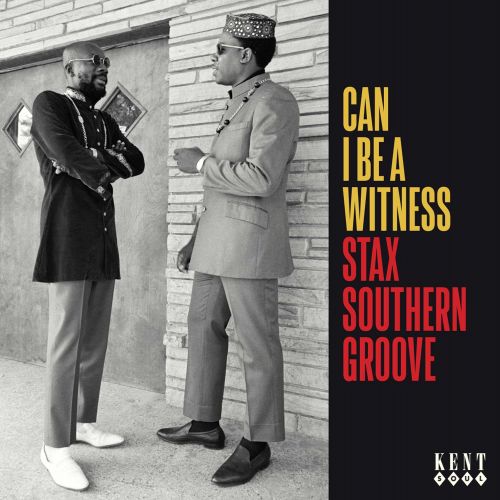
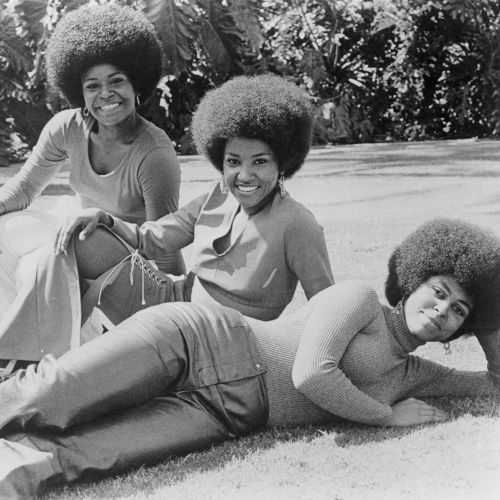
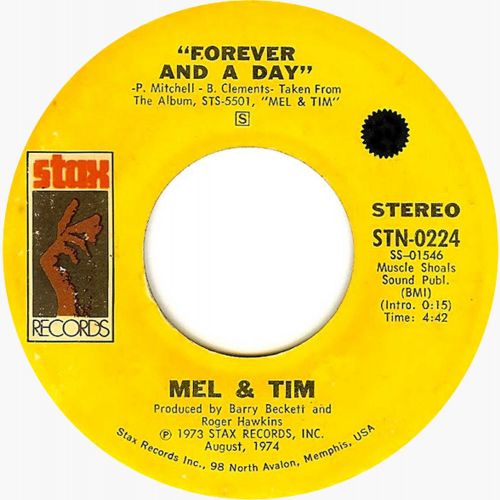

GOOD GOOD FEELING! MORE MOTOWN GIRLS.
Good Good Feeling! More Motown Girls.
Label: Ace Records.
Format: CD.
During the sixties, Motown was fortunate enough to have an array of talented female vocalists and girl groups on their roster. Some went on to become household names. This included Brenda Holloway, Kim Weston, Martha and The Vandellas and Gladys Knight and The Pips. They were the lucky ones.
For every star that was born at Motown, many talented singers signed to the label never enjoyed the success their talent deserved. Part of the problem was so many artists were signed to the label and many were left waiting for their chance to become a star. This was frustrating for many artists and groups. Especially those that had recorded singles and were waiting for them to be released.
Often the Motown machine failed to get behind the singles which were released without any fanfare. These singles failed to trouble the charts and often the dream was over for the artist. However, at least their single had been released.
Other artists recorded tracks which were never released and their dreams were also crushed. Sadly, many had no option but to turn their back on music and return to the drudgery of the 9 to 5 life they had dreamt of leaving behind. Many of these artists never thought that the tracks they had recorded would ever be recorded.
Then decades later reissue labels started releasing compilations from the Motown back catalogue. This included Ace Records who recently released Good Good Feeling! More Motown Girls. It’s the latest instalment in their occasional Motown Girls series and features a mixture of familiar faces and new names on this twenty-five track compilation. Six of the tracks have never been released before and many others have only been released digitally. This makes Good Good Feeling! More Motown Girls a compilation that will be of interest to fans of the label. Especially given the array of talent that features on the compilation.
Opening Good Good Feeling! More Motown Girls is Martha and The Vandellas previously unreleased version of This Love I’ve Got. Originally, the song was intended for Ivy Jo Hunter and it’s thought that he recorded the song but the recording was lost. Later, the song was reassigned to Martha and The Vandellas who recorded it on the ‘19th’ August 1965 with producer by William Stevenson. The result was a hidden gem that could’ve been a sixties’ dancefloor filler.
Gladys Knight and The Pips are another group that feature twice on the compilation. Nothing But A Fool was recorded over three sessions between April and June 1966 with Ivy Joe Hunter taking charge of production. The result was a stomper with a vocal powerhouse from Gladys Knight. Sadly, the song lay unreleased until 2016 when it was released digitally.
Brenda Holloway recorded the hook-laden dancer Good Good Feeling in LA on the ‘6th’ of March 1968. Incredibly, the song lay unreleased and makes its debut on this compilation.
On December the ‘2nd’ 1966 Debbie Dean laid down her vocal for When I’m So Helpless (When I’m With You). This was the second time she had signed to Motown and she was working with producer Dennis Lussier (aka Deke Richards) who cowrote the song. Sadly, after the recording was complete the track lay unreleased until 2016. That’s a great shame as DJs and dancers on the UK Northern Soul circuit would’ve enjoyed this track.
Irresistible and dancefloor friendly describes A Love So Deep Inside by The Velvelettes. Ironically the song wasn’t meant for the group. Instead, it was given to Ivy Joe Hunter but reassigned to The Velvelettes who recorded the song with William Stevenson on the ‘5th’ of January 1966. The song was never released and made its debut the CD The Motown Anthology in 2004. Seventeen years it returns for a well deserved encore.
In 1968, Gladys Knight and The Pips recorded Show Me The Way with producer Richard Morris. They were following in the footsteps of Jimmy “JJ” Barnes who cut the song during his brief spell at Motown. However, the two versions are very different; with producer Richard Morris slowing the arrangement down. It becomes moody and seductive with Gladys Knight unleashing a vocal masterclass as The Pips provide complimentary backing vocals. Motown rejected the song which lay which lay in their vaults until 2016 when it was released digitally. Belatedly soul fans were able to hear this soulful gem which features Gladys Knight’s impassioned soulful pleadings.
On the ‘10th’ of July 2020 Ann Bogan entered the studio with producer Harvey Fuqua who had also written Hold Me Oh My Darling. That day, she delivered a vocal that was a mixture of power, passion and emotion. Despite the quality of the song it lay unreleased until 2020 when it made its debut on a Cellarful Of Motown! A year later, this hidden gem makes a welcome return on Good Good Feeling! More Motown Girls.
Kim Weston wasn’t the first singer to record Drop In The Bucket. That was Mary Wells who left Motown when she turned twenty-one. The song was then given to Kim Weston who cut the song with its writer William “Smokey” Robinson. By the ‘23rd January 1964, executives at Motown had high hopes for the twenty-four year old singer and hoped she would replace Mary Wells as the label’s most successful female vocalist. However, when Drop In The Bucket was recorded it was never released. Thirty-three years later in 1997 it featured on The Complete Motown Anthology. It was a reminder of a truly talented singer went on to enjoy a string of hit singles including her duet with Marvin Gaye It Takes Two.
Chester and Gary Pipkin wrote Stuck Up which West Coast session singer Oma Heard recorded with producers Marc Gordon and Hal Davis in LA in 1965. It’s a catchy track with handclaps and horns playing an important part in the arrangement. They provide the perfect backdrop for a frustrated and almost defiant vocal. Sadly, the song lay unreleased for fifty years until it was released digitally in 2015. It’s so good it deserves another airing and will still fill a dancefloor in 2021.
In Twenty Words Or Less was penned by Stanley Ossman and George Fowler who produced the song for LaBrenda Ben in 1963. His use of horns and backing vocals are particularly effective and compliment the vocal on a track that wasn’t first released until digitally in 2013. It’s regarded as a cult classic and a favourite of many soul fans.
Gospel meets soul on Brenda Holloway’s second contribution to the compilation, Keep Me. It was produced by the legendary Hal Davis in LA on the ‘28th’ June 1966. It’s the best of her two songs and features an impassioned and needy vocal on a vastly underrated track. It lay unreleased until 2016 and make a very welcome return on Good Good Feeling! More Motown Girls.
Watching A Plane In The Sky was recorded in 1968 by actress and singer Barbara McNair. By then, she had spent three years at Motown and had already released four singles and two albums. When she entered the studio with producer Frank Wilson of Do I Love You fame she thought she was recording her next single. That wasn’t to be and the song was never released. Two years later in 1970 Barbara McNair’s acting career took off when she starred as Sidney Poitier’s wife in the film They Call Me Mr Tibbs. However, the hidden gem Watching A Plane In The Sky is a reminder of a talented singer whose Motown years are well worth revisiting.
In 1968, The Lewis Sisters recorded the original version of My World Is Crumbling. It was produced by Brian Holland and Lamont Dozier and features a hurt filled vocal that sounds as if it’s lived the lyrics. The song was later was covered by Brenda Holloway and her version is now regarded as a soul classic. Sadly, the original was never released and commercially success eluded the talented Lewis Sister who recorded just one more track for Motown. This however, was their finest and is a reminder of what might have been.
Closing Good Good Feeling! More Motown Girls is Yvonne Fair’s version of All I Could Do Was Cry which was originally recorded by Etta James in 1960. This powerful five-and-a-half minute cover was recorded in 1969 and wasn’t released until 2019. It’s a welcome addition to the compilation and the perfect way to bring the latest instalment in the series to a close.
Compilers Keith Hughes and Mick Patrick have dug deep to unearth the twenty-five tracks on Good Good Feeling! More Motown Girls. Six have never been released before and many have only been released digitally. Throughout the disc that features contributions from familiar faces and what will be new names to all but the most devoted Motown aficionados the emphasis is on quality. There’s no filler whatsoever and often one wonders why the track wasn’t released? For fans of Motown or anyone with an interest in soul music this latest instalment in the Motown Girls’ series is one of the best and is well worth adding to their collection.
Good Good Feeling! More Motown Girls.
PSYCHEDELIC SOUL PRODUCED BY NORMAN WHITFIELD.
Psychedelic Soul Produced By Norman Whitfield.
Label: Kent Soul.
Format: CD.
In 1968, producer Norman Whitfield began to pioneer the groundbreaking psychedelic soul sound at Motown. This was a stylistic departure for the label and the start of a new and exciting chapter for Motown.
By then, Norman Whitfield had been at Motown for nine years and had risen to become one of the company’s top producers. However, over the next few years he would go on to even greater things at Motown and then when he founded his own label Whitfield Records where he continued to pioneer psychedelic soul. This he continued to do throughout the seventies and early eighties with an array of top artists and groups which feature on Psychedelic Soul Produced By Norman Whitfield which was recently released on CD by Kent Soul as part of their Producer Series.
Cloud Nine.
Norman Whitfield experiment with psychedelic soul began in 1968, when The Temptations were recording their ninth studio album Cloud Nine. By then, Otis Williams of The Temptations had realised that the time had come for the group to update their sound. This came about after he had watched the progress of Sly and The Family Stone and discussed the changes in soul music with his friend Kenneth Gamble. The two friends were won over by the funkier sound and multi-lead vocals. This was the future of soul and Otis Williams knew it and it was a case of The Temptations adapting their sound to stay relevant.
Producer Norman Whitfield worked with The Temptations on their new album Cloud Nine where he pioneered a new genre, psychedelic soul. The album was its fusion of funk, soul and psychedelia and was seen as groundbreaking. It was also a stylistic departure for the group. Despite this, Cloud Nine found favour with critics and record buyers reaching reached number four on the US Billboard 200 and number one on the US R&B charts. This was just the start.
The second single from Cloud Nine was Runaway Child, Running Wild, which reached number six on the US Billboard 100 and topped the US R&B charts. By now, The Temptations were on a roll.
To top it off, Cloud Nine won The Temptations a Grammy Award. The Temptations’ decision to reinvent their sound was vindicated, and their psychedelic soul era began.
Puzzle People.
Just seven months later, on September the ’23rd’ 1969, The Temptations returned with another album of psychedelic soul, Puzzle People. It was the followup to the live album The Temptations Show. Critical acclaim greeted the release of Puzzle People which reached number five on the US Billboard 200 and again, topped he US R&B charts. Things got even better.
When I Can’t Get Next to You was released as the second single from Puzzle People, it topped both the US Billboard 100 and US R&B charts. The Temptations’ decision to embrace psychedelia was continuing to pay off. They had placed their faith in pioneering producer Norman Whitfield and it had paid off.
Psychedelic Shack.
On March the ‘6th’ 1970, The Temptations released their twelfth album Psychedelic Shack where they fully embraced psychedelic soul. The Temptations ad turned their back on the traditional Motown sound on what was their most psychedelic album. This groundbreaking album was released to widespread plaudits and praise reaching number nine on the US Billboard 200 and again, topping the US R&B charts. This was the third consecutive number one album in the US R&B charts since The Temptations embraced psychedelic soul. Despite this, not everyone was happy.
Some of The Temptations’ fans weren’t impressed by the band’s new psychedelic soul sound. One man in particular felt the backlash…producer Norman Whitfield.
Some of The Temptations’ fans felt that Norman Whitfield was using the band, as his own personal plaything and that the band was taking part in what was essentially a musical experiment. These were ridiculous accusations as Otis Williams wanted to explore the new psychedelic soul sound. This didn’t seem to matter to the fans who didn’t understand the new psychedelic soul sound and preferred The Temptations’ older tried and tested sound. However, Otis Williams knew the group had to change their sound to stay relevant and Norman Whitfield had transformed the not just the group’s sound but their ailing fortunes.
The Undisputed Truth.
Norman Whitfield was stung by the accusation and criticism from the vociferous fans of The Temptations. So much so, that he decided to put together a new group which would allow him to continue to experiment with psychedelic soul.This new group was The Undisputed Truth, which featured lead singer Joe “Pep” Harris, while Billie Rae Calvin and Brenda Joyce Evans contributed additional lead vocals and background vocals.
The Undisputed Truth would release their eponymous debut album in July 1971. It was the first of six albums the group released between 1971 and 1975. On these albums producer Norman Whitfield continued to pioneer the psychedelic soul sound.
Having first worked with The Temptations in 1968, Norman Whitfield went on to work with some of Motown’s other top artists later that year. This included with Marvin Gaye on his In The Groove album which featured I Heard It Through The Grapevine which topped the UK charts in 1970. This future classic opens Psychedelic Soul Produced By Norman Whitfield and sets the bar high on for the musical journey that follows.
In 1968, Norman Whitfield also worked Gladys Knight and The Pips who were signed to Motown’s Soul SS imprint. The group had yet to make a breakthrough and hadn’t worked with the producer often. This time he was going to take their music in a new direction when he produced their cover of Bacharach and David song’s The Look Of Love for their Silk ’N’ Soul album. It features a needy, pleading vocal full of longing while the arrangement glistens and shimmers and has an almost otherworldly sound that shows another side to a classic track. This hidden gem is a welcome addition to a compilation that features many a psychedelic soul classic.
This includes two by The Temptations who were pioneers of the psychedelic soul sound. The first to feature on Psychedelic Soul Produced By Norman Whitfield is the single version with the intro of Psychedelic Shack which was released on Gordy in 1969. It was another groundbreaking single from The Temptations who in 1968 knew they had to reinvent their sound to stay relevant.
The following year, 1970, Norman Whitfield worked with Edwin Starr producing his War and Peace album which was released on Gordy. It featured War which the producer had written with Barnett Strong for The Temptations. They passed up the opportunity to record the song fearing that the songs powerful lyrics full of social comment would alienate many record buyers in middle America. When Edwin Starr released the single it reached number three in the UK and after selling over 500,000 copies topped the US charts. The anthemic psychedelic soul single then went on to win a Grammy Award for Best R&B Performance and was the biggest hit of Edwin Starr’s career. None of this would’ve been possible without Norman Whitfield who had the Midas touch.
By 1972, they were one of the leading lights of psychedelic soul movement when they released Papa Was A Rollin’ Stone on Gordy. The single would become a Papa Was A Rollin’ Stone and was one The Temptations’ finest produced by the genre’s architect Norman Whitfield.
By 1973, Norman Whitfield had been working with the rock group Rare Earth since 1960. The group had started off as The Sunliners but changed their name in 1968. Sadly, this didn’t result in a change of fortune for a talented and vastly underrated group. Their contribution to the compilation is Come With Me a hidden gem from the Detroit based group.
1974 turned out to be turning point for Norman Whitfield. After producing The Temptations’ album Masterpiece the group decided to work without a producer. Their mentor would soon start to put together a new group The Undisputed Truth. Before that, he produced two more albums.
This includes Yvonne Fair’s album The Bitch Is Black which was released on Motown in 1974. Without doubt, the highlight of the album was It Should’ve Been Me which Norman Whitfield and William Stevenson penned. This underrated song was reissued in the UK in 1976 reaching number five. Sadly, that was as good as it got for Yvonne Fair at Motown. The problem was there were so many artists signed to the label by then. She was one of many artists who was lost in the Motown machine and at another label may have enjoyed the success her talent deserved.
By 1974, David Ruffin had just finished recording his fourth solo album Me’n Rock’n Roll Are Here To Stay with Norman Whitfield taking charge of production. The former Temptations’ frontman struts his way through the title track which is a string drenched slice of good time psychedelic soul. This was very different to his previous albums and was a stylistic departure from David Ruffin and sadly, his psychedelic soul experiment is all too often overlooked.
That wasn’t the case with a new group that Norman Whitfield was about to work with. He was no longer working with The Temptations and had been stung by the criticism of their fans who hadn’t embraced their new sound. This resulted in the pioneering producer putting together a new group The Undisputed Truth.
The new trio released three albums between 1974 and 1976. This included Higher Than High in 1975, which was their sophomore album and the last they released on Gordy. It featured the Norman Whitfield composition I Saw You When You Met Her which is one of the highlights of the album. Sadly, the album wasn’t a commercial success despite the quality of music on the album. It was a case of what might have been as The Undisputed Truth signed to Norman Whitfield’s new label.
After leaving Motown the pondering producer founded Whitfield Records which he was determined would be a small label. However, he still wanted to record and produce groundbreaking music of the highest quality. To do that, he knew he could call upon the session players he knew from his days at Motown. They would play a part in the new label’s sound.
So would the new lineup of The Undisputed Truth. Only Joe Harris remanded from the original lineup when the group recorded the Norman Whitfield composition You + Me = Love. It was released as a single in 1976 and stalled at forty-eight in the US Billboard 100 and thirty-seven in the US R&B charts. This hook-laden soulful dancer featured on the album Method To The Madness and was one of the album’s highlights. It’s a welcome addition to the compilation and is a track that has stood the test of time.
By 1977, Norman Whitfield was working with Rose Royce. He had been introduced to the group in 1973 by Edwin Starr. Three years when they recorded the soundtrack for the film Car Wash Norman Whitfield took charge of production. The title track topped the US Billboard 100 and US R&B charts in 1976 and launched their career. This was just the start for the group.
A year later in 1977, Rose Royce returned with their much-anticipated sophomore album In Full Bloom. Norman Whitfield who was a prolific songwriter wrote most of the album including Ooh Boy. When it was released as a single in 1977 it reached seventy-two in the US Billboard 100 and three in US R&B charts. This oft-overlooked song features a beautiful vocal full of emotion from Gwen Dickey and an arrangement that benefits from lush strings and horns.
The other contribution from Rose Royce on Psychedelic Soul Produced By Norman Whitfield is taken from their third album Strikes Again. Love Don’t Live Here Anymore is a heartachingly beautiful ballad that’s one of the highlights of the compilation. It’s a tale of love gone wrong and features a soul-baring vocal from Gwen Dickey who sounds as if she’s lived the lyrics. Incredibly when the single was released in 1978 it only reached thirty-two in the US Billboard 100 and five in US R&B charts. However, in the UK it reached number two and nowadays is regarded as a seventies soul classic.
It wasn’t just Rose Royce that Norman Whitfield worked with during 1978. Now running his own small independent label he had signed a number of artists and was writing and producing them. This included Willie Hutch who released his album In Tune on the Whitfield Records in 1978. It featured And All Hell Broke Loose which was penned by Norman Whitfield. It’s a moody, atmospheric and genre-melting example of psychedelic soul from another underrated album.
In 1978, the vocal group Masterpiece released their debut album The Girl’s Alright With Me on Whitfield Records. It was produced by Norman Whitfield and featured Love Is What You Make It which was penned by Robert Daniels. Sadly, when this beautiful romanic ballad was released as a single it failed commercially. Masterpiece never released any further albums and became a footnote in the Whitfield Records’ story. However, their finest hour was The Girl’s Alright With Me which sounds as good in 2021 as it did in 1978.
In 1978, Norman Whitfield was working with Spyder Turner on his album Music Web. It featured I’ve Been Waitin’ which was penned by Miles Gregory who had also written Love Don’t Live Here Anymore for Rose Royce. With Norman Whitfield who was by then a hugely successful producer Spyder Turner must have thought he had a hit on his hands when it was released by Whitfield Records as a single. Sadly, this stirring slice of string drenched slice of psychedelic soul never came close to troubling the charts
As the seventies drew to a close, Norman Whitfield was working with a familiar face Jr Walker, who he had worked with at Motown in the sixties. By 1979, the saxophonist had signed to Whitfield Records and was recording the album Back Street Boogie. It featured a gorgeous, sultry and wistful sounding cover of Rose Royce’s Wishing On A Star. So good is the song it’s worth seeking out a copy of what was Jr Walker’s only album for the label.
Norman Whitfield had enjoyed a great deal of commercial success with vocal groups since his career began in the sixties. In 1980, he produced two albums by Mammatapee which were both released that year. This includes their eponymous debut album which features the uber soulful ballad Good Lovin’. It’s one of the highlights of an underrated and often overlooked album from the Whitfield Records’ back catalogue.
By 1981, Norman Whitfield had been working with Stargard since 1977 and had written their US R&B number one single Which Way Is Up. When It was released in late 1977 it launched the group’s career and four years later the Stargard and Norman Whitfield partnership was still going strong. They recorded their fourth album Back 2 Back which featured Just One Love. It’s a beautiful ballad with lush cascading strings that compliment the tender, heartfelt vocal. When the album was released in 1981 Stargard were still signed to Whitfield Records but the album was released via Warner Bros which was the label’s distributor. Despite this, the album failed to replicate the success of their debut album despite the quality of songs like Just One Love.
The eighteen tracks that feature on Psychedelic Soul Produced By Norman Whitfield are a tantalising taste of the pioneering producer’s work. His career spanned thirty years and saw him work with some of the biggest names in music. This included during his time at Motown and at his own label Whitfield Records where he continued to pioneer the psychedelic soul.
Norman Whitfield was a prolific songwriter and groundbreaking producer who sadly is sometimes overlooked when music journalists write about the great producers. However, Norman Whitfield deserves to referred to as one of the great producers and the King of psychedelic soul a genre which he pioneered. Others followed in his footsteps but were unable to replicate the sometimes dark and orchestrated sound which became his trademark. His inimitable sound which features on Psychedelic Soul Produced By Norman Whitfield has stood the test of time and is a reminder of one of the great pioneering producers who transformed music and dared to be different.
Psychedelic Soul Produced By Norman Whitfield.
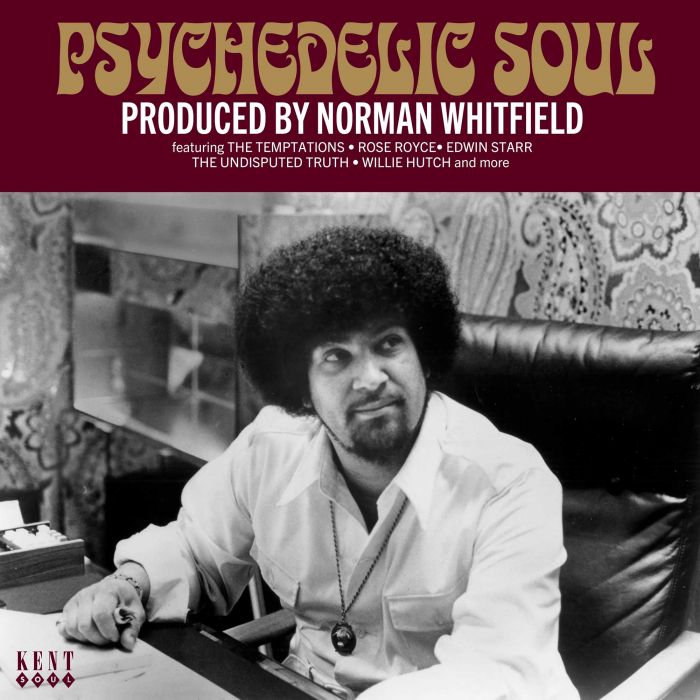
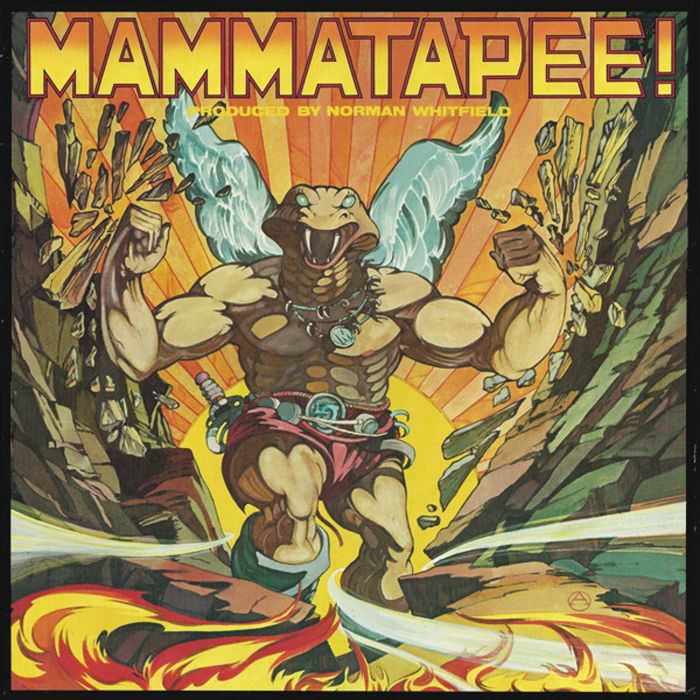
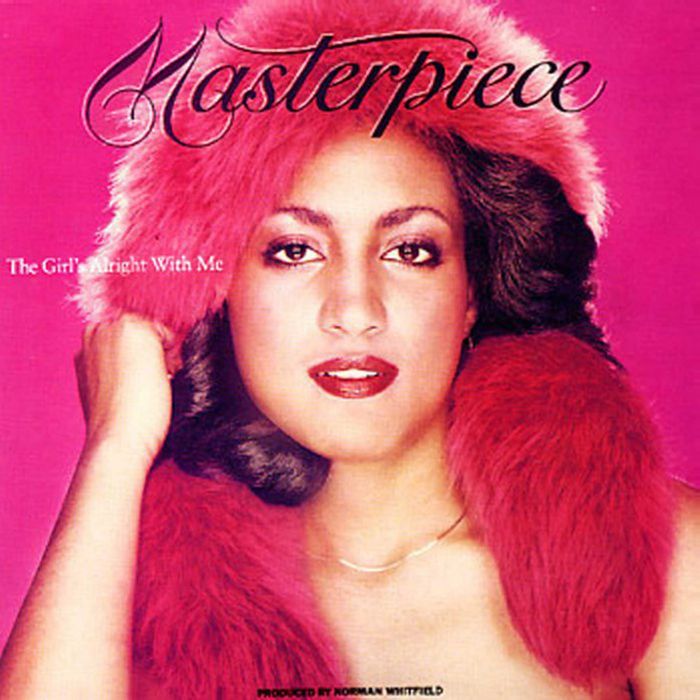
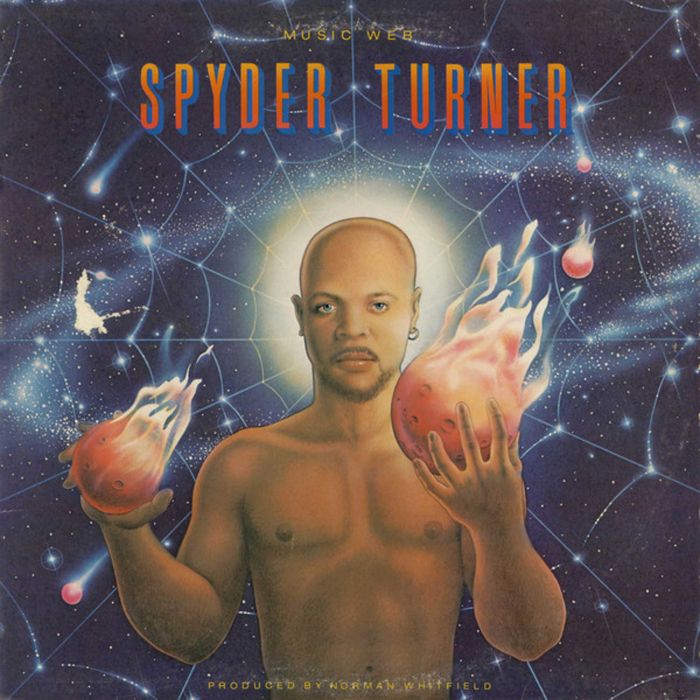
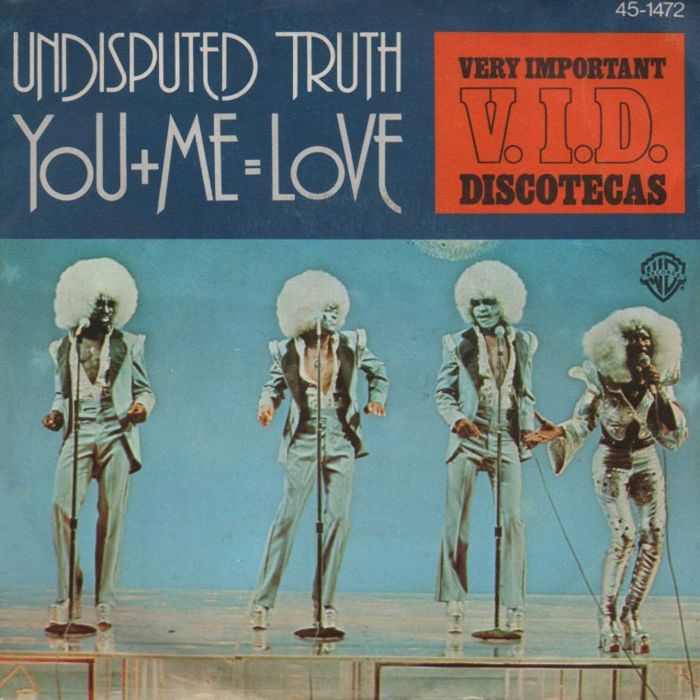

CULT CLASSIC: HENRY FRANKLIN-THE SKIPPER.
Cult Classic: Henry Franklin-The Skipper.
When pianist Gene Russell and percussionist Dick Schory founded Black Jazz Records in Oakland, California, in 1969, the nascent label’s raison d’être was “to promote the talents of young African American jazz musicians and singers.” This was only part of their vision for their new label.
They were determined that Black Jazz Records would released an alternative to what they saw as the old school jazz that was popular at the time. They wanted to release an alternative to traditional jazz, and this included albums that featured political and spiritual influenced music. However, spiritual jazz was just part of the Black Jazz Records’ story and the label between 1971 and 1975 it released twenty albums that included everything from free jazz and funk to soul-jazz.
Black Jazz Records’ first release was Gene Russell’s sophomore album New Direction which was released in 1971. This was just the start of a prolific year for the label.
Black Jazz Records second release of 1971 was Walter Bishop Jr’s Coral Keys with Doug Carn’s Infant Eye, Rudolph Johnson’s Spring Rain and Calvin Keys’ Shawn-Neeq following later that year. The final release of 1971 was Chester Thompson’s Powerhouse.
By then, other labels looked on enviously at the new label and artists were keen to sign to Black Jazz Records.
Cofounder Dick Schory had founded Chicago-based Ovation Records which was a successful country and western label. It was providing funding for Black Jazz Records and distributing its releases. This gave the label a much needed helping hand and meant it had an edge on its competitors.
The cofounders were determined that as wide an audience as possible hear the albums that the label was releasing so Gene Russell organised a promotional tour. In September 1971, Gene Russell and his Ray Lawrence who was his marketing consultant toured America giving interviews to newspaper journalists and featured on radio and newspaper where they showcased Black Jazz Records and its artists. This resulted in valuable publicity for the label.
As 1972 dawned, Black Jazz Records prepared to release Henry Franklin’s The Skipper. It was the label’s first release of the year and the seventh in a year. Black Jazz Records had a come a long way in a short space of time. And so had Henry Franklin.
Jazz double bassist Henry Franklin was born in Los Angeles, on the ‘1st’ of October 1940. His father was jazz trumpeter and bandleader Sammy Franklin, and It was no surprise when he decided to make a career out of music.
Just like his father, Henry Franklin was a prodigiously talented musician and when he was still attending Manual Arts High School he was already a member of Roy Ayers Latin Jazz Quintet. Around this time, he also worked Harold Lamb and Hampton Hawkes. During his teenage years, Henry Franklin also played alongside free jazz pioneers Don Cherry and Ornette Coleman. This was good experience for the young, aspiring bassist.
In 1963, Henry Franklin made his recording when he accompanied Lou Rawls in a group put together by Curtis Amy. This was the first of many recording sessions that featured the LA-born bassist.
Next stop for Henry Franklin was New York, where he spent a year working with Willie Bobo. That was how he met Archie Shepp’s pianist Lamont Johnson who he went on to work with.
By 1967, Henry Franklin was part of Hugh Masekela’s band when he recorded his number one single Grazing In The Grass. This resulted in Hugh Masekela appearing at the Monterey International Pop Festival in June 1967. Henry Franklin was part of his band and featured on three albums released between 1967 and 1969.
The first was Hugh Masekela Is Alive and Well At The Whisky in 1967; 1968s The Promise Of A Future and Masekela in 1969. By then, Henry Franklin had moved on and was part of The Three Sounds.
The group was founded in 1956 and by 1969 the lineup had evolved and included Henry Franklin who played on the soul-jazz album Soul Symphony. When the album was released by Blue Note Records later in 1969 it was well received by critics. However, Soul Symphony turned out to be the group’s swansong and Henry Franklin moved on.
In 1970, he played on John Carter and Bobby Bradford’s cult classic elf Determination Music which was released by the Flying Dutchman label. It was two more years before Henry Franklin returned to the recording studio to record his debut album The Skipper.
Having signed to Black Jazz Records, Henry Franklin began work on his long-awaited debut album The Skipper. He wrote Outbreak, Plastic Creek Stomp, Beauty and The Electric Tub and Little Miss Laurie. They were joined by Al Hall Jr’s Theme For JoJo and Bill Henderson’s The Skipper which lent its name to Henry Franklin’s debut album.
When The Skipper was recorded, the rhythm section featured drummer Mike Carvin, Henry Franklin on electric and double bass and guitarist Kenny Climax. They were joined by Bill Henderson on Fender Rhodes, percussionists Fred Lido and Tip Jones plus a front line of tenor saxophonist Charles Owens and Oscar Brashear on trumpet and flugelhorn. Just like previous Black Jazz Records recording sessions Gene Russell was recordist and producer of The Skipper.
When The Skipper was released in early 1972 it was Black Jazz Records seventh release and first of the year. Critics were won over by Henry Franklin’s much anticipated debut album which was a mixture of funk, fusion, jazz and jazz-funk. Seamlessly the talented and versatile band switched between and combined disparate genres on The Skipper.
Opening The Skipper is Outbreak which has a classic bop sound and is propelled along at breakneck speed by Henry Franklin’s bass which locks into a groove with drummer Mike Carvin. His hissing hi-hats also a play an important part before Charles Owens unleashes a sweeping, swirling, soaring saxophone solo that plays a starring role.
Then it’s all change and Plastic Creek Stomp heads in the direction marked funk. Just like the previous track, Mike Carvin’s drums and the Henry Franklin’s bass lock down the groove and soon the track is swinging. The band move through the gears and soon this tight, talented and versatile band are in full flight. It’s an impressive sound and shows another side to the band.
Percussion opens Theme For JoJo before Henry Franklin plucks his bass and is joined by a shimmering Fender Rhodes and wistful horns. Still, the arrangement is understated and drifts along as Mike Carvin the ride cymbal soars high above an arrangement. Later, it’s joined by the ruminative horns combine with the glistening Fender Rhodes and bass as this beautiful track reaches a crescendo.
Initially the tempo is slow as Beauty and The Electric Tub unfolds but gradually it rises as Henry Franklin and his band combine fusion and bop. They play with freedom and an inventiveness during a twelve minute epic that has a filmic and theatrical sound.
Very different is Little Miss Laurie has a much smoother, laidback sound. The rhythm section provide the heartbeat as the arrangement glides along with the horns and Fender Rhodes playing starring roles on this beautiful ballad.
The title-track closes The Skipper and is another track with a cinematic sound. It sounds like the theme to a seventies television show as the horns play a leading role. Especially the saxophone which is played with power and passion before the trumpet replies. Meanwhile, the unmistakable sound of shimmering Fender Rhodes meanders along augmenting the horns on a truly memorable track that’s one of the highlights of Henry Franklin’s much-anticipated debut album.
By the time Henry Franklin released The Skipper he was thirty-one and had been a professional musician since he was a teenager. He had worked with some of the biggest names in music, but never recorded an album. The Skipper was his debut and was well worth the wait.
Henry Franklin put together and led a tight, talented and versatile band who seamlessly switched between and combined funk, fusion, hard bop, jazz and jazz-funk. Playing an important part in the album was Gene Russell who produced The Skipper. When it came to mixing the album he wanted a wide sounding mix. He succeeded and the result was one of the best sounding albums that Black Jazz Records had released.
Despite the superior sound quality, The Skipper wasn’t a hugely successful album. It sold steadily but wasn’t one of Black Jazz Records’ success stories.
It was only much later that the twenty albums that Black Jazz Records released between 1971 and 1975 started to find a wider audience amongst DJs and discerning record collectors. This includes The Skipper which is a timeless album and a cult classic that is one of the most accessible albums that Black Jazz Records’ released.
Cult Classic: Henry Franklin-The Skipper.
When pianist Gene Russell and percussionist Dick Schory founded Black Jazz Records in Oakland, California, in 1969, the nascent label’s raison d’être was “to promote the talents of young African American jazz musicians and singers.” This was only part of their vision for their new label.
They were determined that Black Jazz Records would released an alternative to what they saw as the old school jazz that was popular at the time. They wanted to release an alternative to traditional jazz, and this included albums that featured political and spiritual influenced music. However, spiritual jazz was just part of the Black Jazz Records’ story and the label between 1971 and 1975 it released twenty albums that included everything from free jazz and funk to soul-jazz.
Black Jazz Records’ first release was Gene Russell’s sophomore album New Direction which was released in 1971. This was just the start of a prolific year for the label.
Black Jazz Records second release of 1971 was Walter Bishop Jr’s Coral Keys with Doug Carn’s Infant Eye, Rudolph Johnson’s Spring Rain and Calvin Keys’ Shawn-Neeq following later that year. The final release of 1971 was Chester Thompson’s Powerhouse.
By then, other labels looked on enviously at the new label and artists were keen to sign to Black Jazz Records.
Cofounder Dick Schory had founded Chicago-based Ovation Records which was a successful country and western label. It was providing funding for Black Jazz Records and distributing its releases. This gave the label a much needed helping hand and meant it had an edge on its competitors.
The cofounders were determined that as wide an audience as possible hear the albums that the label was releasing so Gene Russell organised a promotional tour. In September 1971, Gene Russell and his Ray Lawrence who was his marketing consultant toured America giving interviews to newspaper journalists and featured on radio and newspaper where they showcased Black Jazz Records and its artists. This resulted in valuable publicity for the label.
As 1972 dawned, Black Jazz Records prepared to release Henry Franklin’s The Skipper. It was the label’s first release of the year and the seventh in a year. Black Jazz Records had a come a long way in a short space of time. And so had Henry Franklin.
Jazz double bassist Henry Franklin was born in Los Angeles, on the ‘1st’ of October 1940. His father was jazz trumpeter and bandleader Sammy Franklin, and It was no surprise when he decided to make a career out of music.
Just like his father, Henry Franklin was a prodigiously talented musician and when he was still attending Manual Arts High School he was already a member of Roy Ayers Latin Jazz Quintet. Around this time, he also worked Harold Lamb and Hampton Hawkes. During his teenage years, Henry Franklin also played alongside free jazz pioneers Don Cherry and Ornette Coleman. This was good experience for the young, aspiring bassist.
In 1963, Henry Franklin made his recording when he accompanied Lou Rawls in a group put together by Curtis Amy. This was the first of many recording sessions that featured the LA-born bassist.
Next stop for Henry Franklin was New York, where he spent a year working with Willie Bobo. That was how he met Archie Shepp’s pianist Lamont Johnson who he went on to work with.
By 1967, Henry Franklin was part of Hugh Masekela’s band when he recorded his number one single Grazing In The Grass. This resulted in Hugh Masekela appearing at the Monterey International Pop Festival in June 1967. Henry Franklin was part of his band and featured on three albums released between 1967 and 1969.
The first was Hugh Masekela Is Alive and Well At The Whisky in 1967; 1968s The Promise Of A Future and Masekela in 1969. By then, Henry Franklin had moved on and was part of The Three Sounds.
The group was founded in 1956 and by 1969 the lineup had evolved and included Henry Franklin who played on the soul-jazz album Soul Symphony. When the album was released by Blue Note Records later in 1969 it was well received by critics. However, Soul Symphony turned out to be the group’s swansong and Henry Franklin moved on.
In 1970, he played on John Carter and Bobby Bradford’s cult classic elf Determination Music which was released by the Flying Dutchman label. It was two more years before Henry Franklin returned to the recording studio to record his debut album The Skipper.
Having signed to Black Jazz Records, Henry Franklin began work on his long-awaited debut album The Skipper. He wrote Outbreak, Plastic Creek Stomp, Beauty and The Electric Tub and Little Miss Laurie. They were joined by Al Hall Jr’s Theme For JoJo and Bill Henderson’s The Skipper which lent its name to Henry Franklin’s debut album.
When The Skipper was recorded, the rhythm section featured drummer Mike Carvin, Henry Franklin on electric and double bass and guitarist Kenny Climax. They were joined by Bill Henderson on Fender Rhodes, percussionists Fred Lido and Tip Jones plus a front line of tenor saxophonist Charles Owens and Oscar Brashear on trumpet and flugelhorn. Just like previous Black Jazz Records recording sessions Gene Russell was recordist and producer of The Skipper.
When The Skipper was released in early 1972 it was Black Jazz Records seventh release and first of the year. Critics were won over by Henry Franklin’s much anticipated debut album which was a mixture of funk, fusion, jazz and jazz-funk. Seamlessly the talented and versatile band switched between and combined disparate genres on The Skipper.
Opening The Skipper is Outbreak which has a classic bop sound and is propelled along at breakneck speed by Henry Franklin’s bass which locks into a groove with drummer Mike Carvin. His hissing hi-hats also a play an important part before Charles Owens unleashes a sweeping, swirling, soaring saxophone solo that plays a starring role.
Then it’s all change and Plastic Creek Stomp heads in the direction marked funk. Just like the previous track, Mike Carvin’s drums and the Henry Franklin’s bass lock down the groove and soon the track is swinging. The band move through the gears and soon this tight, talented and versatile band are in full flight. It’s an impressive sound and shows another side to the band.
Percussion opens Theme For JoJo before Henry Franklin plucks his bass and is joined by a shimmering Fender Rhodes and wistful horns. Still, the arrangement is understated and drifts along as Mike Carvin the ride cymbal soars high above an arrangement. Later, it’s joined by the ruminative horns combine with the glistening Fender Rhodes and bass as this beautiful track reaches a crescendo.
Initially the tempo is slow as Beauty and The Electric Tub unfolds but gradually it rises as Henry Franklin and his band combine fusion and bop. They play with freedom and an inventiveness during a twelve minute epic that has a filmic and theatrical sound.
Very different is Little Miss Laurie has a much smoother, laidback sound. The rhythm section provide the heartbeat as the arrangement glides along with the horns and Fender Rhodes playing starring roles on this beautiful ballad.
The title-track closes The Skipper and is another track with a cinematic sound. It sounds like the theme to a seventies television show as the horns play a leading role. Especially the saxophone which is played with power and passion before the trumpet replies. Meanwhile, the unmistakable sound of shimmering Fender Rhodes meanders along augmenting the horns on a truly memorable track that’s one of the highlights of Henry Franklin’s much-anticipated debut album.
By the time Henry Franklin released The Skipper he was thirty-one and had been a professional musician since he was a teenager. He had worked with some of the biggest names in music, but never recorded an album. The Skipper was his debut and was well worth the wait.
Henry Franklin put together and led a tight, talented and versatile band who seamlessly switched between and combined funk, fusion, hard bop, jazz and jazz-funk. Playing an important part in the album was Gene Russell who produced The Skipper. When it came to mixing the album he wanted a wide sounding mix. He succeeded and the result was one of the best sounding albums that Black Jazz Records had released.
Despite the superior sound quality, The Skipper wasn’t a hugely successful album. It sold steadily but wasn’t one of Black Jazz Records’ success stories.
It was only much later that the twenty albums that Black Jazz Records released between 1971 and 1975 started to find a wider audience amongst DJs and discerning record collectors. This includes The Skipper which is a timeless album and a cult classic that is one of the most accessible albums that Black Jazz Records’ released.
Cult Classic: Henry Franklin-The Skipper.

CULT CLASSIC: CHESTER THOMPSON-POWERHOUSE.
Cult Classic: Chester Thompson-Powerhouse.
During the late-sixties and early seventies, many small independent jazz labels were founded in towns and cities across America. Sadly, many were short-lived affairs with some releasing just one album and others closing their doors having released just a couple of albums. However, Black Jazz Records released twenty albums 1971 and 1975.
The story began in Oakland, California, in 1969, when pianist Gene Russell and percussionist Dick Schory founded Black Jazz Records. Its raison d’être was “to promote the talents of young African American jazz musicians and singers.” This was only part of the cofounders vision for their new label.
They were determined that Black Jazz Records would released an alternative to what they saw as the old school and traditional jazz that was popular at the time. Their new label would release albums that featured music that was influenced by politics and was also spiritual. However, spiritual jazz was just part of the Black Jazz Records’ story.
The nascent label would release everything from free jazz and funk to soul-jazz over the next five years. Black Jazz Records released six albums during 1971 and plans were in place that jazz fans across America could buy the albums.
Cofounder Dick Schory had founded Chicago-based Ovation Records, which was a successful country and western label which was providing funding for Black Jazz Records and was distributing its releases. This gave the label a helping hand and meant it had an edge on its competitors.
Record shops across America could stock Black Jazz Records’ releases. This included its first release which was Gene Russell’s sophomore album New Direction. Five more albums were released during 1971
This includes Walter Bishop Jr’s Coral Keys, Doug Carn’s Infant Eyes, Rudolph Johnson’s Spring Rain and Powerhouse the debut album from twenty-two year organist Chester Thompson.
Chester Thompson was born in Baltimore, Maryland, on the ‘11th’ of December 1948 and began playing the piano at the age of five. Whilst at elementary school he learned to play the flute and read music. However, aged eleven Chester Thompson decided that he wanted to learn to play the drums.
To learn the basics, Chester Thompson took lessons and his teacher was professional jazz drummer, James Harrison. Having learnt the basics, he practised along with albums by the jazz greats. Initially, this was Miles Davis as well as two drummers Max Roach and Art Blakey. Later, he discovered Elvin Jones who along with Tony Williams were the drummers that would influence him and his playing style.
By the time he was in high school, Chester Thompson was receiving private lessons with Tony Ames of the National Symphony Orchestra. This lasted a semester and during this period, the young drummer was determined to master the rudiments of a book published by the National Association of Rudimental Drummers.
His practise paid off and two years later, Chester Thompson played his first live gigs. However, there was a problem. He was still underage and this worried the club owners. To make himself look older, he took to drawing a moustache on his upper lip with an eyebrow pencil.
Soon, Chester Thompson was playing up to three jam sessions in local clubs. This was good practice for him and was part of his musical apprenticeship. He was putting in the musical equivalent of hard yards.
Having turned professional, one of his first gigs was touring Canada with soul singer Ben E. King. Then in 1970, Chester Thompson toured with Jack McDuff and played in various local groups. He also spent time in Boston where he worked keyboardist Webster Lewis. However, the following year, 1971 was a big year for Chester Thompson as he released
Having signed to Black Jazz Records the twenty-two year organist began work on his debut album Powerhouse. He wrote the four tracks Mr. T, Trip One, Weird Harold and Power House and recorded them with a quartet.
Joining bandleader and organist Chester Thompson were drummer Raymond Pounds, saxophonist Rudolph Johnson and trombonist Al Hall. Producing the album was label cofounder Gene Russell. Just like all of the Black Jazz Records’ sessions the album was recorded quickly and released late in 1971.
By then, the cofounders had already organised a promotional tour to introduce Black Jazz Records’ releases to a wider audience.
In September 1971, Gene Russell and his Ray Lawrence who was his marketing consultant toured America giving interviews to newspaper journalists and featured on radio and newspaper where they showcased Black Jazz Records and its artists. This resulted in valuable publicity for the label.
Despite this, Powerhouse wasn’t a hugely successful album. It was well received by critics upon its release but sadly, Chester Thompson’s debut album wasn’t the most successful album that Black Jazz Records released.
Powerhouse was one of the most underrated albums that Black Jazz Records released during the five years it was in business. It’s a mixture of bebop, funk, hard bop, jazz-funk and soul-jazz.
The album opens with Mr. T which swings from the get-go as the band play as one. Meanwhile, Chester Thompson’s Hammond organ takes the track in the direction of soul-jazz. Playing a starring role is saxophonist Rudolph Johnson. His playing is emotive before he passes the baton to trombonist Al Hall. He also plays his part in the sound and success of the track. As if inspired, the young bandleader who unleashes a breathtaking solo his fingers dancing across the keyboard during this marriage of soul-jazz and what’s best described as Nu Bebop
Classic jazz is reinvented for an early seventies’ audience on The Trip. Again, saxophonist Rudolph Johnson plays a leading role as it bobs and weaves above the arrangement as it’s is played with power, passion and control. Meanwhile, the rest of the band play supporting role. Later, trombonist Al Hall takes centrestage before it’s the turn of Chester Thompson as he plays with speed and confidence. Each member of the band seems to inspire the next who raises their game. However, it’s the saxophone and then the bandleader’s Big Burner that steal the show on this trip as it swings towards a crescendo.
It’s all change on Weird Harold which is much funkier than previous tracks. The band locks into a groove and saxophonist Rudolph Johnson plays with a power and ferocity that’s reminiscent of Eddie Harris. He unleashes blistering bursts before Chester Thompson jabs and stabs at his keyboard as drums pound and drive this fusion of soul-jazz, funk and jazz-funk. It’s the highlight of the album.
Powerhouse closes with the title-track. It’s a mid-tempo track with the sultriest of grooves. Black Jazz Records had high hopes for the track when they released it as a single. Sadly, it was the one that got away for Chester Thompson.
When Chester Thompson released Powerhouse it was the sixth release that Black Jazz Records had released during 1971. Just like the title-track, the album wasn’t a commercial success. Despite having a distribution network and a budget to promote the album it failed to find the audience it deserved.
This left the cofounders of Black Jazz Records and Chester Thompson wondering what went wrong? The young bandleader had led a band that combined bebop, funk, hard bop, jazz-funk and soul-jazz. It was album that combined the music of the past and the present. Chester Thompson was looking to the future. However, the future of jazz was fusion which he would soon embrace.
Maybe Powerhouse had been released on a label like Blue Note Records it might have been more successful and reached a wider audience? It was maybe a case of the wrong label for Chester Thompson’s debut album?
Fifty years year later, and Powerhouse which was once an underrated album is belatedly starting to find the new and wider audience that it deserves.
Cult Classic: Chester Thompson-Powerhouse.
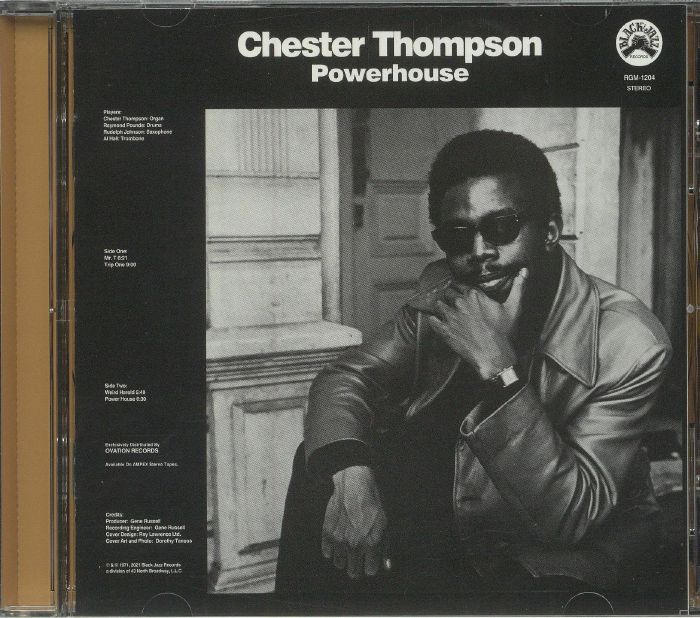
CULT CLASSIC: RYO FUKUI-SCENERY.
Cult Classic: Ryo Fukui-Scenery.
Ryo Fukui, who was born in Biratori, Hokkaido, in Japan, on the ‘1st’ of June 1948, was a late starter when it came to the piano and unlike most of the musicians he encountered during a career that spanned five decades, had never learnt to play the instrument as a child. Instead, Ryo Fukui had just turned twenty-two in 1970, when he announced that he wanted to learn to play the piano, and was going to teach himself.
If Ryo Fukui’s friends thought that his decision to teach himself to play the piano was bound to end in tears, they were soon proved wrong as he turned out to be a talented pianist. So much so, that the self-taught pianist was good enough to embark upon a career as a professional musician, playing the music that he loved…jazz.
As September 1976 dawned, twenty-eight year old Ryo Fukui was living in Sapporo, where he led his own trio who were a familiar sight in local jazz clubs. Ryo Fukui had also just signed to Trio Records, and was preparing to record his debut album Scenery, which is a reminder of a remarkable musician.
Scenery.
For his debut album Ryo Fukui had written the title-track Scenery, and the rest of the album comprised cover versions. This included Jimmy Van Heusen and Johnny Burke’s It Could Happen To You, Billy Eckstine’s I Want To Talk About You, Hideo Ichikawa’s Early Summer, Ann Ronell’s Willow Weep For Me and Joseph Kosma and Jacques Prévert’s Autumn Leaves. These tracks became Scenery, which Ryo Fukui planned to record at Yamaha Hall, Sapporo.
The recording of Scenery took place at Yamaha Hall, Sapporo, on the ‘7th’ of September 1976, pianist Ryo Fukui leading a trio that featured drummer Yoshinori Fukui and bassist Satoshi Denpo. Taking charge of production were Masataka Ito and Ryo Fukui who worked well together, and Scenery like many jazz albums was recorded quickly, with just a day spent laying down the tracks. This was how countless classic albums had been recorded during the fifties and sixties.
Scenery was released in late 1976, and was regarded as an important album by Japanese jazz critics, who called the album a game-changing release that was one of the finest of the seventies. Despite receiving widespread critical acclaim in Japan, Scenery passed American jazz fans by, and they missed out on hearing what was a remarkable debut album.
Ryo Fukui opens his 1976 debut album Scenery with It Could Happen To You, which was the first of four oft-covered classics that he set about reinventing. It was a similar case on I Want To Talk About You, Willow Weep For Me and Autumn Leaves where with the help of drummer Yoshinori Fukui and bassist Satoshi Denpo, pianist Ryo Fukui ensures that these classics take on new life and meaning. This isn’t easy given who often these tracks had been recorded by 1976. However, the twenty-eight year old pianist who had only been playing for six years by the time he recorded Scenery, plays with maturity that belies his relative inexperience.
For much of the time, his playing is smooth, subtle and effortless as his fingers glide and flit across the piano keyboard as he plays with fluidity ensuring the songs swing. Other times, he plays with speed and energy, and isn’t afraid to improvise and innovate. Stylistically, Ryo Fukui sometimes sounds like Bill Evans, and especially during the energetic modal rework of Early Summer. By then, Ryo Fukui and his trio play with a newfound urgency, before closing the album with the title-track Scenery. It was Ryo Fukui’s only original composition on Scenery and is a reminder of a talented bandleader, composer and pianist as he began his career with game-changing album which is a glorious fusion of bop, cool jazz and modal jazz.
Buoyed by the critical reaction and success of Scenery, Ryo Fukui continued to hone his skills as a pianist, and before long, he was already beginning work on his sophomore album Mellow Dream.
Following the success of his sophomore album Mellow Dream, Ryo Fukui continued to hone his skills and mature and improve as a musician, but made the decision to concentrate playing live. This included in the Slowboat jazz club in Sapporo, which Ryo Fukui owned and ran with his wife Yasuko. With Ryo Fukui concentrating on playing live, it was eighteen years before he returned with a new album.
Ryo Fukui returned with My Favorite Tune in 1995, and followed this up with Ryo Fukui In New York in 1999. It was another sixteen years before Ryo Fukui released A Letter From Slowboat in 2015, which proved to be his swan-song.
Sadly, Ryo Fukui passed away on March the ‘15th’ 2016, aged just sixty-seven. That day Japanese jazz was in mourning at the loss of one of its great pianists, who although self-taught was a masterful performer who played with grace, fluidity and invention during a career that spanned five decades.
Although Ryo Fukui enjoyed a long career, he only released five albums, including Scenery and Mellow Dream which are his finest outings, and a reminder of a bandleader, composer and pianist Ryo Fukui who sadly, was and still is one of jazz’s best kept secrets outside of his native Japan. Hopefully, that will begin to change and belatedly Ryo Fukui’s music will be discovered by a new, wider and appreciative audience.
Cult Classic: Ryo Fukui-Scenery.
CULT CLASSIC: DOUG CARN-INFANT EYES.
Cult Classic: Doug Carn-Infant Eyes.
Although Gene Russell and Dick Schory founded Black Jazz Records in 1969, two years passed before the nascent label released its first album. This was Gene Russell’s sophomore album New Direction which was released in 1971. It was the first of twenty albums by a label that was very different from other new indie jazz labels that were being founded across the America.
Gene Russell and Dick Schory wanted their new label: “to promote the talents of young African American jazz musicians and singers.” That was only part of the story.
Black Jazz Records’ cofounders were determined that their nascent label would released an alternative to what they saw as the old school jazz that was popular at the time. This included albums that featured political and spiritually influenced music. However, spiritual jazz was just part of the Black Jazz Records’ story.
Between 1971 and 1975 the label released twenty albums that included everything from spiritual jazz and soul-jazz to free jazz and funk. Eclectic described the music that the label released.
That described the albums that Black Jazz Records released during 1971. Its second released was Walter Bishop Jr’s cult classic Coral Keys.
Later in 1971, Doug Carn released Infant Eyes which was the first of three albums he released for Black Jazz Records. It features vocals from his wife Jean Carn who features on each album and played an important part in the sound and success of 1971s Infant Eyes, 1972s Spirit Of The New Land, 1973s Revelation and 1974s Adam’s Apple. That was still to come.
Doug Carn who was just twenty-three when he signed to Black Jazz Records. He was born on July the ’14th’ 1948, in St. Augustine, Florida, and growing up music was all around him and was part of the culture around him at home. His mother was a musician, while his uncle was a bebop DJ who could scat the Dexter Gordon solos. It was no surprise that growing up, Doug Carn started listening to jazz and later, decided to learn an instrument.
Initially, Doug Carn took piano lessons and proved to be a quick learner and was soon able to play Bach Two-Part Inventions. That was when it was discovered that he wasn’t reading music and playing by ear. This resulted in Doug Carn being given an alto saxophone which he also mastered was able to play well. Already he was well on his way to becoming a multi-instrumentalist and it was no surprise when Doug Carn decided to study music at university.
He enrolled at Jacksonville University in 1965, and for the next two years studied oboe and composition. When Doug Carn graduated in 1967 he headed to Georgia State University where he completed his musical education in 1969. Later that year he made his recording debut as bandleader.
The twenty-one year old multi-instrumentalist was still living in Georgia and had founded the Doug Carn Trio. However, the new combo needed gigs and the young bandleader decided to visit a friend who ran a booking agency. When he entered the office he was greeted by the receptionist and secretary who was also a singer. This was Jean Carn who later become his wife. Before that, she started singing with the Doug Carn Trio who were about to make their recording debut.
Through the owner of the booking agency, Doug Carn was introduced to Herman Lubinsky the founder and owner of Savoy Records. This introduction turned out to be a gamechanger for the bandleader.
It turned out that the label had a session booked in Atlanta which was going to be produced by Fred Mendelsohn, the President of Savoy. He explained that there was every chance that there might be some spare time after he had recorded the gospel album, and if there was, they would use the time to record the Doug Carn Trio. That turned out to be the case.
That day in 1969, the Doug Carn Trio recorded what became their eponymous debut album. It was released later in 1969 on Savoy Records but wasn’t a commercial success. However, for Doug Carn recording the album was an invaluable experience as he prepared to move to LA as the sixties gave way to the seventies.
When he arrived in LA, Doug Carn started spending time with the members of Earth, Wind and Fire and this resulted in him playing on their first two albums. He played Hammond organ on Earth, Wind and Fire which was released on February 1971 and was certified gold. Doug Carn also played on The Need Of Love which was released in November 1971. By then, his solo career was well underway.
Earlier in 1971, Doug Carn had signed to Black Jazz Records. Not long after this, he began work on his debut album Infant Eyes.
For his debut album, Doug Carn wrote Moon Child, recorded John Coltrane’s Welcome and McCoy Tyner’s Passion Dance. The twenty-three year old bandleader added lyrics to Bobby Hutcherson’s Little B’s Poem, Wayne Shorter’s Infant Eyes, John Coltrane’s Acknowledgement and Horace Silver’s Peace. Doug Carn put together a band and spent the best part of a year practising and then when he signed to Black Jazz Records recorded the album.
The rhythm section featured drummer Michael Carvin, bassist Henry Franklin and bandleader Doug Carn who switched between electric piano, organ and piano. Meanwhile his wife Jean added her unmistakable vocals. George Harper played tenor saxophone and flute and was joined in he front line by trombonist Al Hall Jr and Bob Frazier who played trumpet and flugelhorn. This talented and versatile band worked their way through the seven tracks which became Infant Eyes. The session was engineered and produced by label owner Gene Russell and the album was scheduled for later in 1971.
When Infant Eyes was released in 1971, Doug Carn still regarded the album as a demo. It wasn’t the polished album that he had envisaged. Despite that, it was well received by critics and hailed as a groundbreaking album.
On its release in 1971, Infant Eyes became Black Jazz Records’ most successful album. It was a similar case with the other two albums Doug Carn released for the label. He was the label’s biggest selling artist. That was no surprise given the quality of the three albums he released. The first was Infant Eyes.
Opening Infant Eyes is Doug Carn’s interpretation of John Coltrane’s Welcome. It lasts just 1:15 and features what are best described as big and beautiful washes of sound where the flute and cymbals combine with Jean Carn’s vocal during this homage to a jazz legend.
Doug Carn added lyrics to Bobby Hutcherson’s Little B’s Poem and they’re delivered by his wife Jean who scats. Initially the arrangement is intense and almost frenetic before the band lock into a groove. By then, the scat disappears as unleashes an impassioned vocal. Later, a stunning saxophone solo from George Harper plays a leading role and the organ weaves in and out of the arrangement as cymbals hiss and ring out during this captivating reinvention of wha’s a familiar track for many jazz fans.
On Moon Child Doug Carn switches to piano, and his playing is moody and melancholy. Meanwhile, the horns add an atmospheric backdrop during this eight minute epic which is an emotional roller coaster.
Having added lyrics to Wayne Shorter’s Infant Eyes,Doug Carn’s adds a dramatic introduction before the keyboards become understated. They’re effective and combines with subtle cymbals and Jean’s vocals which soars high above the arrangement as the Carn’s play a starring role on the track that closes side one.
Side two opens with a cover of McCoy Tyner’s Passion Dance. It made its debut on The Real McCoy Tyner which was released by Blue Note Records in April 1967. It’s as if Doug Carn is paying homage to the great Blue Note Records’ releases of the mid to late sixties on this vigorous instrumental workout. Horns are to the fore as the organ sweeps and swirls and join with the cymbals in playing a crucial role in the sound and success of the track.
Acknowledgement featured on John Coltrane’s 1965 classic album A Love Supreme. However, six years later Doug Carn added lyrics and his wife Jean takes charge of the vocal. Backed by this multitalented and versatile band they remake Trane’s spiritual jazz classic.
Horace Silver originally recorded Peace for his 1959 album Blowin’ The Blues Away, and then in 1970 it featured on his That Healin’ Feelin’ album where Andy Bey takes charge of the vocal. Doug Carn added new lyrics full of social comment which are delivered by Jean. She plays a leading role in the success of breathtaking, powerful and poignant take on a familiar track from the late, great jazz pianist.
When Infant Eyes was released in 1971, it was Doug Carn’s debut solo album. Despite that, it was the most successful album that Black Jazz Records released that year. So was the followup Spirit Of The New Land when it was released in 1972, 1973s Revelation and 1974s Adam’s Apple. Although the four albums didn’t sell tens of thousands of copies they were successful for a small independent label like Black Jazz Records was. It was also a label that had a vision.
Black Jazz Records that wanted “to promote the talents of young African American jazz musicians and singers.” Doug Carn was only twenty-four when he released Spirit Of The New Land and his was Jean Carn was twenty-five. They had created an album that was an alternative to what Gene Russell and Dick Schory referred to as old school jazz.
Infant Eyes was very different to old school jazz and was new type of jazz album. It featured everything from avant-garde and even elements of free jazz, funk, fusion, soul, soul-jazz and spiritual jazz. These genres were combined by Doug Carn and Jean Carn who unleashed her five octave vocal on Infant Eyes which introduced the pair to the record buying public across America. This was just the first chapter in the Doug and Jean Carn story.
Infant Eyes was the first of four critically acclaimed albums that Doug Carn released between 1971 and 1974. These albums are now regarded as cult classics, and amongst the best that Black Jazz Records released during the five years it was in business.
Cult Classic: Doug Carn-Infant Eyes.

HARD BOP CLASSIC: ART BLAKEY AND THE JAZZ MESSENGERS-THE WITCH DOCTOR.
Hard Bop Classic: Art Blakey and The Jazz Messengers-The Witch Doctor.
When The Jazz Messengers were formed in 1954, the collective was led by Horace Silver and Art Blakey when they played live. However, it wasn’t until November the ‘23rd’ 1955 when they recorded At the Cafe Bohemia, Volumes 1 and 2. That night, the lineup featured drummer Art Blakey, bassist Doug Watkins, pianist Horace Silver and a front line of trumpeter Kenny Dorham and tenor saxophonist Hank Mobley. However, this lineup would evolve over the next six years and even the name had changed.
After Horace Silver’s departure in 1955 the collective became known as Art Blakey and The Jazz Messengers. The original lineup that feared on Cafe Bohemia, Volumes 1 and 2 never recorded another album together. However, over the next six years some of the greatest jazz musicians joined the Jazz Messengers. The collective was akin to a finishing school for jazz musicians with many becoming bandleaders and recording classic albums.
On March the ’14th’ 1961, Art Blakey and The Jazz Messengers travelled to Van Gelder Studio to record a new album. This was The Witch Doctor which featured one of the classic lineups of the Jazz Messengers. By then, it had already recorded a string of classic albums.
Bandleader and drummer Art Blakey had recruited bassist Jymie Merritt, pianist Bobby Timmons plus a front line of trumpeter Lee Morgan and saxophonist Wayne Shorter. The new lineup made their recording debut on The Big Beat on March the ‘6th’ 1960.
Five months later, sessions took place on the 7th’ and ‘14th’ August 1960 and this resulted in two albums. Like Someone In Love and A Night In Tunisia would both become jazz classics. This latest lineup of Art Blakey and The Jazz Messengers could do no wrong.
February the ’12th’ was the first of three sessions at Van Gelder Studio where and Art Blakey and The Jazz Messengers that would result in in two further classic albums, The Freedom Rider and Root and Herbs. A second session took place on the ‘16th’ February 1961 where Walter Davis Jr stood in for Bobby Timmons. This was the first time when the lineup changed since the quintet made their recording debut on The Big Beat. However, the lineup were reunited when Roots and Herbs was completed on May the ‘27th’ 1961. By then, the quintet had also recorded The Witch Doctor.
When Art Blakey and The Jazz Messengers arrived at Van Gelder Studio March the ’14th’ 1961 they were about to record six tracks. The frontline contributed four of the six tracks on the album. Lee Morgan wrote The Witch Doctor and United while Wayne Shorter penned Those Who Sit and Wait and Joelle. Bobby Timmons wrote A Little Busy, and the other track was a cover Clifford Jordan’s Lost and Found. These tracks would become The Witch Doctor and were recorded by this class lineup of the collective.
Although this lineup of Art Blakey and The Jazz Messengers had only been recording together for a year, it seemed like they could do no wrong. The five albums they had already recorded would all eventually be regarded as jazz classics. It’s no wonder given the lineup.
Bandleader and drummer Art Blakey was joined by bassist Jymie Merritt, pianist Bobby Timmons plus a front line of trumpeter Lee Morgan and saxophonist Wayne Shorter. The Witch Doctor was recorded and engineered by Rudy Van Gelder with Alfred Lion taking charge of production. It took just a day to record six tracks that became The Witch Doctor.
It turned out that The Witch Doctor was the last album that this classic lineup of Art Blakey and The Jazz Messengers recorded. However, their swansong lay unreleased for six years and wasn’t released until 1967. This wasn’t unusual at Blue Note Records and six years passed before Like Someone In Love was released in 1966. Just like The Witch Doctor it featured Art Blakey and The Jazz Messengers during a run of six albums where they could do wrong. However, things were very different by the time The Witch Doctor was released.
On May the ‘15th’ 1964, Art Blakey and The Jazz Messengers completed Indestructible which was their final album for Blue Note Records. It was the end of an era.
So was the departure of Wayne Shorter from Art Blakey and The Jazz Messengers in September 1964. He joined Miles Davis’ band and became part of the Second Great Quintet. This was a huge blow for Art Blakey who watched as Jazz Messengers left to join other bands.
Despite the changes in the lineup, Art Blakey and The Jazz Messengers signed to Limelight Records, which was an imprint of Mercury which was run by Quincy Jones. However, during their time with the label Art Blakey and The Jazz Messengers only released two albums during 1965, ‘S Make It and Soul Finger. After this they left Limelight Records and wouldn’t release another album until 1970.
With no recording contract, Art Blakey and The Jazz Messengers concentrated on touring. They toured Europe and spent time in Japan. The only problem was that the lineup continued to change. No longer was their a settled lineup of Art Blakey and The Jazz Messengers. It was very different from when the classic lineup recorded six classic albums during 1960 and 1961.
By 1967, music and jazz had changed. Rock music was the most popular genre and jazz musicians were experimenting with free jazz and fusion while soul-jazz was growing in popularity. However, the hard bop that Art Blakey and The Jazz Messengers had pioneered was no longer as popular as it had once been. This was worrying as Blue Note Records had decided to belatedly release The Witch Doctor in 1967.
When The Witch Doctor was released to critical acclaim in 1967. Although hard bop was no longer as popular as it had once been critics recognised the quality of the music on the album. It was the last album that the classic quintet had recorded and would eventually be regarded as a jazz classic.
The Witch Doctor opens with the title-track which was written by Lee Morgan. He and Wayne Shorter play a leading role while pianist Bobby Timmons plays a supporting role. They all play their part in the sound and success of this memorable hard bop shuffle.
It’s all change on Afrique where just Bobby Timmons’ piano plays and adds a degree of drama as the Jazz Messengers switch to 6/8 time and Art Blakey is responsible for the choppy, clave Latin beat. Soon, things change and the arrangement starts to swing as Wayne Shorter delivers a breathtaking tenor saxophone solo. This seems to lift the rest of the band when they delivered their solos. Especially Bobby Timmons and then Art Blakey who pounds his drums as unleashes one of his trademarks thunderous solos. After that, the band briefly revisit the earlier themes before this captivating track comes to a close after seven magical minutes.
Art Blakey’s drums ring out as Those Who Sit and Wait unfolds and soon the front line of Lee Morgan and Wayne Shorter take charge. Again, pianist Bobby Timmons plays an important part while the rhythm section power the arrangement along and ensure it swings. The result is a truly memorable example of hard bop from one of its pioneers as he leads one of his finest groups.
Bobby Timmons wrote A Little Busy. Unsurprisingly it’s a piano led track. The pianist is at the heart of action and combines with the front line of Lee Morgan and Wayne Shorter as the rhythm section power and drive the arrangement along. It’s fast, funky and has a joyous and uplifting example of hard bop that sometimes heads in the direction of soul-jazz.
Joelle is the second Wayne Shorter composition on the album, and just like The Witch Doctor the front line and piano play leading roles. Their spellbinding solos are some of the finest on the album.
They play effortlessly as the arrangement reveals its secrets and subtleties. Then when the band play as one they reach new heights as they head for home and what’s the finest track on The Witch Doctor.
Closing The Witch Doctor is a cover of Clifford Jordan’s Lost and Found. It’s tailor-made for Art Blakey and The Jazz Messengers and features their straight-ahead trademark sound that was a favourite of jazz fans for thirty-five years. The playing is tight on a track that’s upbeat and joyous which is a fitting swansong from this classic line of Art Blakey and The Jazz Messengers.
Sadly, The Witch Doctor was the final album that this classic lineup of Art Blakey and The Jazz Messengers recorded. They recorded six albums for Blue Note Records in the space of a year and nowadays, every one of them is regarded as a jazz classic. That is no surprise given the all-star lineup of the Jazz Messengers.
They were hand-picked by Art Blakey who allowed them to shine and play a starring role. Especially the front line of Lee Morgan and Wayne Shorter as well as pianist Bobby Timmons. The three musicians play their part in the sound and success of The Witch Doctor which nowadays is regarded as a hard bop classic.
Sadly, it was the swansong from this classic line of Art Blakey and The Jazz Messengers who recorded six albums in the space of a year. This began with The Big Beat in March 1960 and a year later Art Blakey and The Jazz Messengers signed off in style in March 1961 with The Witch Doctor where they cast a spell with this captivating and majestic album of hard bop.
Hard Bop Classic: Art Blakey and The Jazz Messengers-The Witch Doctor.
CULT CLASSIC: KOHSUKE MINE-FIRST.
Cult Classic: Kohsuke Mine-First.
Nowadays, the most important period in the development of J-Jazz is between late-sixties through to the early eighties. That’s regarded as a crucial period in the development of modern jazz in Japan. During that period, many Japanese composers and musicians and bands released ambitious and innovative music that astounded those who heard it.
When critics, cultural commentators and record buyers heard the albums that were being released they were amazed just how far Japanese jazz had come in such a short space of time.
Just over twenty years earlier Japanese music fans were banned from listening to jazz during World War II. However, after Japan’s defeat and unconditional surrender in August 1945 the wartime ban on jazz was lifted.
Jazz fans were now able to hear jazz on the radio and watch the allied forces bands play jazz in concert halls across Japan. Some of the bands featured some of the top American jazz musicians who were serving their country. Sometimes, these musicians spent time collaborating with local jazz musicians who were keen to learn from some of the names they had only heard on the radio.
By the time the allied forces left Japan in 1952 and returned home, musicians like Frank Foster, Harold Lamb and Oliver Nelson had formed firm friendships with local jazzers. They had played an important part in the cultural rebirth of Japan.
Left to their own devices, a new era began for Japanese musicians who were determined to make up for lost time. Musically there had been no winners after six years of war. While jazz had been banned in Japan during the war, many British and American jazz musicians had been called up and were serving their country. Many jazz musicians had spent the war in army bands where they were usually out of harm’s way. Now they had returned home, and like their Japanese counterparts were making up for lost time.
By the mid-fifties, a jazz scene had developed in Japan, during what was later referred to as the “funky period.” However, much of the jazz music being made in Japan had been influenced by American jazz and particularly the West Coast cool jazz and East Coast hard bop. Many Japanese musicians were collecting albums on Blue Note and Prestige which heavily influenced them. It would only be later that some would find their own voice.
Meanwhile, many of the top American jazz musicians no longer serving in the US Army, and had returned home. Some joined new or existing bands while some musicians put together new bands. Initially, they returned to their local circuit where they tried to pickup where they had left off. This changed a few years later.
In the late-fifties and early sixties, many of these musicians who had played in Japan during World War II were keen to return to a country where so many loved and appreciated jazz music. They made the long journey to Japan where they were reunited with some old friends.
During this period, Miles Davis, Art Blakey’s Jazz Messengers and Horace Silver all made the long journey to Japan where they received a warm and enthusiastic welcome. Whether any of these legendary musicians were aware at the time, they were playing a part in the cultural rebirth of Japan. Soon, many Japanese jazz musicians weren’t just content to copy Miles Davis, Art Blakey’s Jazz Messengers and Horace Silver sonically, but were determined copy them stylistically. Before long, Japanese jazz musicians were soon sporting the same preppy Ivy League clothes as their American counterparts.
Despite many people enjoying the visits of American jazz musicians, the Japanese authorities heard that some musicians had been arrested on drugs offences. They tightened the law as they didn’t want musicians with drug convictions visiting the new Japan and corrupting their youth. However, with the laws tightened, much fewer American jazz musicians visited Japan. Those that visited, played in packed concert halls and continue to influence Japanese jazzers.
However, not all Japanese jazz musicians were inspired by their American counterparts by the mid-sixties as homegrown musicians were making their presence felt. This continued as the sixties gave way to the seventies.
In 1970, twenty-six year old saxophonist Kohsuke Mine released his sophomore album Mine on the Three Blind Mice label. By then, he was already an experienced musician.
Kenji Wakabayashi aka Kohsuke Mine was born in Yushimo, Ueno on February the ‘6th’ 1944. With the country at war, he was evacuated to Miyako City, Iwate Prefecture, which was home until his first year of elementary school. During that time, he didn’t hear much music.
This changed when Kohsuke Mine returned to Tokyo. By the time he was seven or eight he was given a radio. He also heard his father sing rokyoku which is a kind of Japanese narrative music. However, it wasn’t until he joined the school choir that the young Kohsuke Mine began to participate in music. This was just the start.
Soon, he decided that he wanted to learn to play an instrument. The chance came when started high school and joined a brass band. Not long after this, he decided to learn the clarinet which he studied during his second year of college. That was still to come.
One day at high school, Kohsuke Mine was playing his clarinet when he one of his friends heard him and invited him to a local jazz cafe. Soon, the two friends were heading to Mama, a jazz kissa in Yarakucho on a regular basis. This was where Kohsuke Mine discovered jazz and this was the start of a lifelong love affair.
By the time he was in the second year of college, Kohsuke Mine was studying clarinet. At the time, there was a big cabaret scene and he joined a dance band. It turned out that the bandleader also loved jazz music and would influence the new recruit who soon had switched to alto saxophone which he preferred the sound of.
The only problem was that Kohsuke Mine couldn’t read music. In a dance band there’s no room for improvisation and everyone has to stick to the “script.” Soon, he was able to read music and could seamlessly switch between different genres of music including Latin and swing which was music people could dance to.
Jazz was still the music that Kohsuke Mine loved and he remembers listening to Tory’s Jazz Game on the radio. The first record he bought was Paul Desmond’s With Strings. However, he also was listing to Art Blakey, Donald Byrd and Horace Silver. This was all part of Kohsuke Mine’s musical education.
Having switched to alto saxophone he decided not to take lessons and had to find a place to practice. He couldn’t practise at home and ended up sitting in the changing rooms of the clubs he was playing in practising. It wasn’t ideal but he soon improved and got his first job playing alto saxophone.
This was in Ashikaga and Gunma and only lasted a month. However, this was how he Kohsuke Minei met Kinoshita Circus and he played with them. After this, he was part of the band backing singer Akira Matsushima. All this was good experience for a young aspiring musician.
By the time Kohsuke Mine was eighteen he had joined Hisashi Kato’s band and played in a Club Milan, in Milanza in Shinjuku. It was around this time he became friendly with the leader Kato-san.
After a gig in a club in the Pony jazz cafe in Shinjuku Mr Kato arrived at the club and explained he was looking for an alto saxophonist. Kohsuke Mine played Charlie Parker’s Donna Lee at the audition and got the job in Kato-san’s band.
This was the start of a six year spell with the band where Kohsuke Mine matured and evolved into a versatile musician. He left the band around 1968.
It was around this time that Kohsuke Mine met Takehiro Honda who had a weekday residence at the Pitt Inn. The two men became friends and played three gigs including at the Pitt Inn, the US Air Base and the Nido nightclub in Niroo. Soon, it was time to move on and join a prestigious band.
After this, there was a spell with Kikuchi’s band. This coincided with a period when Japanese jazz was modernising between 1968 and 1969 with the arrival of fusion.
It was around this time that Kohsuke Mine made the move from sideman to bandleader. He made his debut on Live In Tokyo was recorded on the ‘30th’ of August 1969 and featured a variety of artists. It was released by Nippon Columbia. The following year he released his debut album on Phillips.
This was First which features six tracks. The only Kohsuke Mine composition is Morning Tide. Four tracks were written by band members. Keyboardist Masabumi Kikuchi wrote Love Talking and Little Abbi while drummer Lenny McBrowne contributed Bar’ L’ Len and bassist Larry Ridley penned McPhee. There was also a cover of Thelonious Monk’s Straight No Chaser.
First was recorded at Victor Studio on the ’17th’ and ‘18th’ June 1970. Bandleader and alto saxophonist Kohsuke Mine is joined by the American rhythm section of drummer Lenny McBrowne and bassist Larry Ridley who were joined by virtuoso keyboardist Masabumi Kikuchi on electric piano. Producing twenty-six year old Kohsuke Mine’s debut album was Masaharu Honjo.
When First was released by Phillips later in 1970 only a small amount of albums were pressed. The album was well received but they didn’t realise the importance of this groundbreaking release. It found Kohsuke Mine and his band combining contemporary jazz, fusion and modal over six tracks.
The album opener Morning Tide was written by bandleader Kohsuke Mine. He delivers a breathtaking performance on alto saxophone. His playing is emotive, imaginative and full of enthusiasm. Not to be outdone bassist Larry Ridley and Masabumi Kikuchi on electric piano unleash stunning solos on a track that sets the bar high.
Love Talking is a sprightly sounding track that swings. Masabumi Kikuchi who wrote the piece plays a starring role on electric piano.His playing his rhythmic and he uses pauses to a degree of drama. Stealing the show is Kohsuke Mine whose playing starts off smooth and becomes impassioned as he paints pictures with music on this modernist modal piece.
Straight No Chaser is a jazz classic and the band seem to raise their game as if paying homage to Monk. This time, Kohsuke Mine unleashes a blazing bluesy saxophone burns brightly while Masabumi Kikuchi’s adds some subtle modal movements on electric piano. Later, he gets the chance to stretch his legs and plays with an inventiveness before a bass solo takes centrestage. Then there’s a return to the main theme on this tribute to a jazz legend.
McPhee swings and grooves the rhythm section power the arrangement along. The playing is emotive and expressive and has made in America written all through it. That’s despite Kohsuke Mine and Masabumi Kikuchi both plays leading roles. So does bassist Larry Ridley during what’s a flawless piece from the quintet.
Masabumi Kikuchi wrote and named Little Abbi after his young daughter. His playing is at the heart of everything that’s good about the track. It’s poetic and expressive while beauty is everpresent during Masabumi Kikuchi’s solo during this J-Jazz ballad.
Closing First is one of the highlights of the album, Bar ‘L’ Len. Partly this is because of the interplay between the band. They’re playing is tight but still the arrangement swings and the album closes on a high.
While First wasn’t released to critical acclaim and wasn’t a commercial success it was later recognised as one of the most important albums of regional modern J-Jazz. Nowadays, the album is a cult classic and original copies of the album are much-prized rarities.
First is also the album that launched Kohsuke Mine’s long and illustrious career. He was one of the pioneers of fusion in Japan and released a string of critically acclaimed albums. However, First was the album that saw Kohsuke Mine step out of the shadows and into the spotlight as he made the move from sideman to bandleader a role that he was perfectly suited and handled with aplomb.
Cult Classic: Kohsuke Mine-First.
CULT CLASSIC: IAN CARR-BELLADONNA.
Cult Classic: Ian Carr-Belladonna.
In 1969, thirty-six year old Ian Carr who was born Dumfries, in the South West Scotland, formed Nucleus who would become one of the top British fusion groups. By then, the Scottish trumpeter was a familiar face on the London jazz scene.
He had been member of the Emcee Five, co-led the Rendell–Carr Quintet, played with the New Jazz Orchestra and the Joe Harriott and Amancio D’Silva Quartet. However, Nucleus was a new beginning for Ian Carr.
Within a year, Nucleus had signed to the Harvest label and released their groundbreaking debut album Elastic Rock in March 1970. The album sounded as if it had been inspired by Miles Davis 1969 albums Filles de Kilimanjaro and In A Silent Way. However, Ian Carr later admitted that he hadn’t heard In A Silent Way. Elastic Rock was an ambitious and innovative album but sadly wasn’t a commercial success.
It was a similar story when We’ll Talk About It Later was released by Vertigo in 1971. Nucleus’ sophomore album failed to find the audience it deserved. It must have been frustrating for Ian Carr as the group were one of the pioneers of British fusion. Meanwhile, British record buyers had been won over by American fusion and especially Miles Davis’ 1970 classic album Bitches Brew which was was certified silver in Britain.
Later in 1971 when the group returned with a new album Solar Plexus and this time, they were billed as Ian Carr with Nucleus. Despite the new name and another groundbreaking album of ambitious fusion it also failed commercially. For founder Ian Carr this was hugely disappointing and resulted in a rethink for the thirty-eight year trumpeter.
After the commercial failure of Nucleus’ first three albums the group decided to call time on their career. They had been together just two years and released three unsuccessful albums. By then, Nucleus were experiencing financial problems and the group disbanded. It looked like a sad end to the story of one of the groups who pioneered fusion in Britain.
Ian Carr decided to change tack and began work on his debut solo album. It became Belladonna which was released by Vertigo in 1972 and featured some of the top British jazz musicians. This included percussionist Brian Smith who by 1972 was the only remaining original member of Nucleus.
For his much-anticipated debut album Ian Carr wrote four of the six tracks. This included Belladonna, Summer Rain, Mayday and Suspension. Remadione and Hector’s House were written by reeds player Brian Smith. These six tracks were recorded at Phonogram Studios, in London, with engineer Roger Wake.
Ian Carr played trumpet and flugelhorn on Belladonna. He was joined by a rhythm section of drummer and percussionist Clive Thacker, bassist Roy Babbington and guitarist Allan Holdsworth. They were joined by Brian Smith who switched between tenor and soprano saxophones plus alto and bamboo flutes. Augmenting the band on some tracks were percussionist Trevor Tomkins, Dave MacRae on Fender electric piano and Gordon Beck on Hohner electric piano. This all-star band played accompanied Ian Carr as he embarked upon his solo career.
Although Belladonna was well received when it was released in 1972, the album wasn’t a commercial success. This was hugely disappointing for Ian Carr given the quality of music on the album.
The music on Belladonna was atmospheric, ethereal and sometimes headed in the direction of avant-garde and experimental music. Other times the music is broody, moody, dark and dramatic. However, most of the time it’s fusion by one of its pioneers in Britain, Ian Carr. He really understands how to combine jazz and rock and leads a band who do this seamlessly. Sometimes this all-star band combines fusion and funk to good effect.
Opening Belladonna is the title-track which is a slice of funky fusion that’s been heavily influenced by Nucleus. However, at the end it’s all change as Ian Carr’s lone trumpet is accompanied by steel percussion.
Then on Summer Rain the introduction of an electric piano plays an important part in sound and success of the track. It meanders along and a stunning example of fusion unfolds as the band showcase their considerable skills.
Initially, Remadione has a late night smokey jazz sound thanks to Ian Carr’s trumpet. Space has been left in the arrangement allowing it breath as a glistening electric piano drifts in and out before there’s a nod to Dexter Gordon on Round About Midnight. At 1:49 it’s all change as the arrangement takes on a much more traditional fusion sound. Playing a starring role is guitarist Allan Holdsworth who unleashes one of his finest performances on the album. He’s accompanied by the electric piano and the transformation of the track is complete. From there, the band move through the gears heading for home on one of the album’s highlights.
The hissing hi-hats and wah-wah chords during the funky introduction to Mayday are reminiscent of Isaac Hayes’ Shaft. Soon, the horns combine with the rhythm section and shimmering Fender Rhodes and is later replaced by Allan Holdsworth’s rhythm guitar. Along with Brian Smith’s saxophone that play leading roles before Ian Carr’s trumpet rejoins as this example of funky fusion reaches a crescendo.
Very different is Suspension which is atmospheric, moody, haunting and cinematic. It sounds like part of the soundtrack to horror movie. That’s still the case when the horn takes centrestage and is accompanies by a plodding base, chirping guitar and stabs of electric piano. When all this is combined the result is a haunting filmic track that shows another side to Ian Carr and his multitalented and versatile band.
Closing Belladonna is Hector’s House which was also the name of a British children’s television show in the early seventies. Once again, the band enjoys the opportunity to stretch their legs as the tempo rises and showcase their skills during solos. Saxophonist Brian Smith looks like playing the starring role. Then Allan Holdsworth unleashes a spellbinding guitar solo played with speed and accuracy. The rest of the rhythm section and electric drive the arrangement along before it reaches a crescendo. By then it’s obvious that Ian Carr and his band have saved the best until last.
Although Belladonna wasn’t a commercial success the album later started to find an audience and nowadays is regarded as a cult classic. It was Ian Carr’s debut album and sadly he only released one more solo album Old Heartland in 1989. However, Belladonna was his finest solo album and is a reminder of one of the pioneers of British fusion at peak of his powers.
Cult Classic: Ian Carr-Belladonna.
 dereksmusicblog
 dereksmusicblog