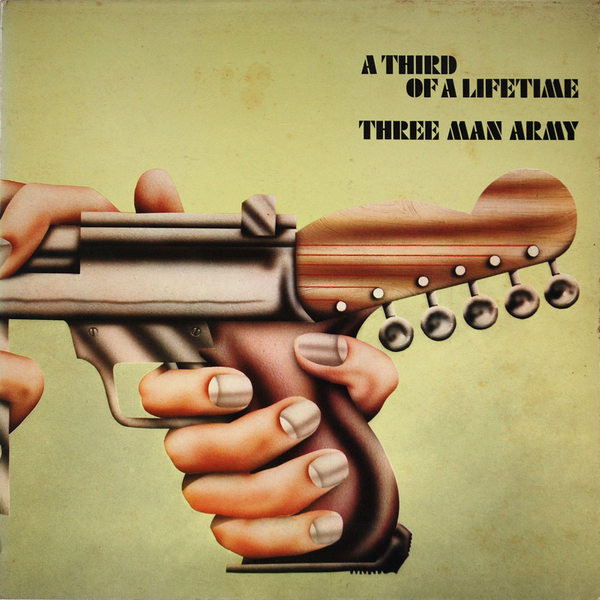
THREE MAN ARMY-A THIRD OFA LIFETIME.
THREE MAN ARMY-A THIRD OFA LIFETIME.
Adrian and Paul Gurvitz were both experienced musicians before they formed Three Man Army in 1971. Especially Adrian. He had been playing professionally since he was fifteen. The guitarist’s career began in 1964, when he headed out on tour with Billie Davis, Crispian St. Peters and Screaming Lord Sutch. After serving his musical apprenticeship, Adrian formed his first band Rupert’s People.They enjoyed a brief brush with commercial success in 1967, when their single Reflections Of Charlie Brown reached number thirteen in Australia. Alas, that was as good as it got for Rupert’s People. For Adrian, the next stop in his career was The Gun.
That was when Adrian Gurvitz joined his brother Paul’s group, The Gun. The group had been founded in 1966, and originally, was called The Knack. However, in 1967 The Knack changed its name to The Gun. This wasn’t the only change that was about to be made.
Soon, The Gun downsized to a trio, featuring drummer Louie Farrell, bassist Paul Gurvitz and Adrian Gurvitz on lead guitar and vocals. The change in name resulted in a change in fortune for The Gun.
They signed to CBS Records in early 1968, and soon, began work on their eponymous debut album. Once it was complete, The Gun was ready for release. It featured The Gun’s best known song, Race With The Devil.
In October 1968, Race With The Devil was released a single. It reached number ten in Britain, thirty-five reached in Australia and number one in several European countries. For the followup, CBS Records chose Drives You Mad, which wasn’t on The Gun. This non album track was released as a single in 1969, but it didn’t enjoy the same commercial success as Race With The Devil. Despite this, they sent The Gun back into the studio in 1969.
The Gun recorded ten songs which became their sophomore album, Gun Sight. It was released in 1969. So was the lead single from Gun Sight, Hobo. Alas, neither Gun Sight nor Hobo, enjoyed same commercial success as Race With The Devil. For The Gun, this was a huge disappointment. Their last two singles had failed commercially. Surely, two wouldn’t become three?
When it came to releasing a followup to Hobo, CBS Records decided to release a non album chart, and settled on Runnin’ Wild. It was released later in 1969, but failed commercially. Two had become three, and time was running out for The Gun.
They released their final single Long Hair Wild Man in 1970. It was a familiar story, with single failing to trouble the charts. Record buyers within the underground counter culture failed to connect with, or identify with The Gun. Their music passed record buyers by. However, Jimi Hendrix knew who The Gun were.
At the Isle of Wight Festival in June 1969, Jimi Hendrix played a riff from Race With The Devil. This was a huge compliment to The Gun. Alas, they were about to become part of musical history. The Gun disbanded, and the brothers Gurvitz spent a while working on separate projects.
After The Gun disbanded, Adrian Gurvitz began work on what was meant to be his debut solo album. Eventually, though, the album became Three Man Army’s 1971 debut album, A Third Af A Lifetime. Before that, Buddy Miles was asked Adrian Gurvitz to join The Buddy Miles Express, on their US tour.
Having agreed to join The Buddy Miles Express, Adrian Gurvitz spent the best part of two years touring. Night after night, they played to huge audiences. Some nights, 50,000 came along to see The Buddy Miles Express. For Adrian Gurvitz this was the perfect showcase for his considerable skills as a guitarist. However, after two years on the road, the tour was over. What now for Adrian Gurvitz?
Back home in Britain, Adrian Gurvitz was reunited with his brother Paul. They decided to form a new band, which they called Three Man Army, whose debut album was recently released by Esoteric Records. .
A Third Af A Lifetime.
Having formed Three Man Army, Adrian and Paul Gurvitz began work on their debut album, A Third Af A Lifetime. This was the album that Adrian had been working on, before he headed out on tour with The Buddy Miles Express.
For A Third Af A Lifetime, Adrian Gurvitz wrote eight of the ten songs as Adrian Curtis. (Curtis was Adrian’s middle name, and the name he used until later in his career). Adrian penned Another Day, A Third Af A Lifetime, Nice One, Three Man Army, Agent Man, See What I Took, Midnight and Together. He also cowrote Butter Queen with Keith Ellis and Daze with Lou Reizner. Even then, Adrian was the creative force behind Three Man Army. He wrote the album, and when the album was recorded, would dawn the role of lead vocalist and lead guitarist.
With ten new songs penned, Three Man Army headed into the studio with producer Lou Reizner. There was only one problem, the Three Man Army didn’t have a permanent drummer. Spooky Tooth’s Mike Kelly was drafted in and played on nine tracks. He joined bassist Paul Gurvitz in the rhythm section. Meanwhile, Adrian laid down the guitar parts and sang the lead vocals. However, Three Man Army found themselves without a drummer to record Butter Queen. Fortunately, Buddy Miles was in Britain, and Adrian asked him if he could lay down the drum parts on Butter Queen. Not only did Buddy Miles do that, he also added bass on Nice One and organ Midnight. These were the finishing touches to A Third Af A Lifetime. It was released later in 1971.
Before that, critics had their say on A Third Af A Lifetime. It was well received by critics, who regarded the album as a minor hard rocking classic, where classic rock and blues was fused with hard rock. Among the album’s highlights were Hold On, the blistering and anthemic Come On Down To Earth, Mahesha, Take A Look At The Light and Can’t Leave The Summer-Part I and II. Take Me Down From The Mountain and Woman were much more melodic, rock tracks. So much so, that they’ve stood the test of time. However, back in 1971 critics felt that Three Man Army were carrying on the tradition of sixties power trios, and doing so with style and aplomb. The big question was, would Three Man Army’s debut album find favour with record buyers?
When A Third Af A Lifetime was released by Pegasus later in 1971, Three Man Army’s debut album failed to find an audience. For the Gurvitz brothers, and especially Adrian who creatively, was the group’s driving force, this was a huge disappointment. They could only hope that Three Man Army’s luck would change next time around.
Three Man Army.
Three Man Army’s luck changed when met drummer Tony Newman. He was a veteran of numerous groups, including the Rod Stewart Group and Sounds Incorporated. While they were quite different stylistically to Three Man Army, Tony Newman was a talented and versatile drummer. From the first time the Gurvitz brothers heard him play, they realised that he was the missing link in Three Man Army.
Now that Three Man Army’s lineup was complete, work could begin on their sophomore album. The album would be Three Man Army’s debut for their new record companies. Three Man Army had recently signed recording contracts with Polydor in Britain and Reprise Records in America. With the commercial and marketing might of two of the biggest record companies in Britain and America, things were looking up for Three Man Army. All they had to do was write and record their sophomore album.
Just like A Third Af A Lifetime, Adrian Gurvitz wrote most of their sophomore album, including Come On Down To Earth, Take Me Down From The Mountain and Can’t Leave The Summer, Parts 1 & 2. He teamed up with Lee Baxter Hayes Jr to write Take A Look At The Light. However, the addition of new drummer Tony Newman resulted in the formation of a new songwriting partnership.
When Tony Newman joined Three Man Army, it soon became clear that he wasn’t just a talented and versatile drummer, but someone who would become Adrian Gurvitz’s new songwriter also partner.Together, they cowrote Hold On, Woman, Mahesha and Trip. The other track on Three Man Army was a cover of Jack Yellen and Lew Pollack’s My Yiddishe Mama. These songs were recorded at Morgan Studio, in London.
Recording of Three Man Army took place during April of 1972. The new lineup of Three Man Army band had spent time honing their sound, and were ready to record their sophomore album. Producer Lou Reizner returned, but this time round, co-produced the album with Three Man Army. Their lineup featured drummer Tony Newman, bassist Paul Gurvitz and lead vocalist and guitarist Adrian Gurvitz, who also played organ. They recorded nine songs during April of 1972, and they would eventually become Three Man Army.
There was time lag between Three Man Army completing their sophomore album, and its eventual released in 1973. In Britain, the album was released as Mahesha. Across the Atlantic, the album was released as Three Man Army. What critics on both sides of the Atlantic agreed on, was the quality of the music.
Critics were won over by a soulful album of melodic, memorable and hard rocking music. Comparisons were drawn to Deep Purple, Black Sabbath and Led Zeppelin. Some critics saw Three Man Army as the natural successor to Cream. Especially given the consistency and quality of music on Three Man Army. It was hailed as minor classic by certain critics. However, they had said the same about A Third Af A Lifetime, and it had failed commercially.
History repeated itself when Three Man Army was released in 1973. The album failed to chart in America, and didn’t find the audience it so richly deserved. Despite the disappointment this caused, Three Man Army regrouped and began work on their third album.
Three Man Army Two.
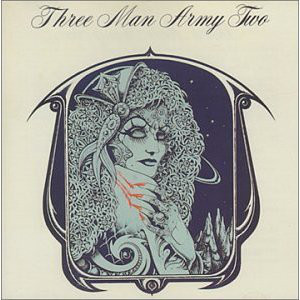
Despite the disappointment of Three Man Army’s commercial failure, the band were determined to move forward. So Adrian Gurvitz began writing Three Man Army’s third album. He wrote Today, Flying, Space Is The Place. This time around, Adrian and Tony Newman cowrote just the one track, Irving. The pair joined with Paul Gurvitz to write Burning Angel. Adrian also renewed his songwriting partnership with Lee Baxter Hayes, and the pair penned Polecat Woman, I Can’t Make The Blind See and In My Eyes. These songs were recorded at Ramport Studios, in Battersea, London and would become Three Man Army Two.
When recording of Three Man Army Two began, there had been a number of changes made. There was no sign of producer Lou Reizner. He had produced A Third Af A Lifetime and co-produced Three Man Army with the band. For Three Man Army Two. Three Man Army and Cyrano co-produced the album. It featured Three Man Army and a few friends.
Just like Three Man Army, the lineup remained the same. Drummer and percussionist Tony Newman was joined in the rhythm section by Paul Gurvitz who also added acoustic guitar. Meanwhile, Adrian Gurvitz played lead guitar, slide guitar, organ and added lead vocals. Peter Robinson played piano on Space Is The Place and I Can’t Make The Blind See. It also featured backing vocals from Doris Troy, Ruby James and Madeline Bell. With a little help from their friends, Three Man Army recorded what became Three Man Army Two.
Casting around for a title, Three Man Army decided to call the album Three Man Army Two. Their reasoning, was that this was the second album from this lineup of the band. The album was delivered to Warners, who would release the album on Polydor in Britain and Reprise Records in America. Before that, critics had their say on Three Man Army Two.
Just like their two previous albums, Three Man Army Two caught the imagination of critics. However, when Three Man Army Two was released in 1974, the album failed commercially. Just like their two previous albums, Three Man Army Two and its fusion of blues, psychedelia and rock passed record buyers by. Three Man Army were out of luck. Despite that, they planned to record a fourth album.
That didn’t come to pass. Instead, Tony Newman got the chance to join David Bowie’s band. This was too good an opportunity to turn down. Three Man Army were to square one, and without a drummer.
Before the search for a new drummer began, Adrian and Paul Gurvitze joined with Ginger Baker the Baker Gurvitz Army. They released a trio of studio albums between 1974 and 1976. The formation of Baker Gurvitz Army spelled the end of Three Man Army.
Unlike many seventies rock groups, Three Man Army never reunited. Even when interest in their music began to grow. Three Man Army now have a cult following, who have discovered and appreciate Three Man Army’s three albums. They regard each of these albums as cult classics. The first of these three albums is A Third Of Lifetime, which a reminder of another British rock music’s best kept secrets, Three Man Army.
THREE MAN ARMY-A THIRD OFA LIFETIME.
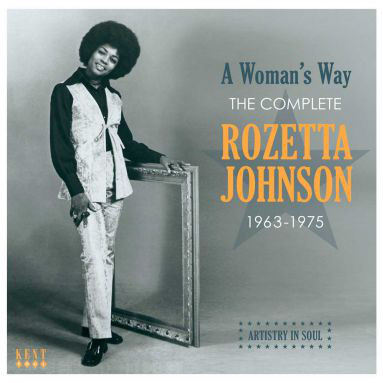
ROZETTA JOHNSON-A WOMAN’S WAY: THE COMPLETE ROZETTA JOHNSON 1963-1975.
ROZETTA JOHNSON-A WOMAN’S WAY: THE COMPLETE ROZETTA JOHNSON 1963-1975.
Throughout the history of modern music, some of the most talented artists haven’t enjoyed the commercial success and critical acclaim that their considerable talent deserves. That was the case with Nick Drake, Jackie Leven, Gram Parsons, Townes Van Zandt, Michael Chapman, Tim Buckley, Alice Clark, Linda Perhacs and Vashti Bunyan. None of these artists went on to enjoy fame or fortune. Far from it.
The music of Jackie Leven and Townes Van Zandt was enjoyed by a small, but discerning coterie of music lovers until their death. Meanwhile, Michael Chapman continues to tour, but still, his albums fail to find the audience that they so richly deserve. Sadly, this is all too familiar a story.
It was also the case with Alice Clark, Linda Perhacs and Vashti Bunyan’s debut albums. Sadly, each of these albums failed commercially. This resulted in these three talented singers turning their back on music. Music was loser.
Music was also the loser when Nick Drake, Tim Buckley and Gram Parson’s careers were cut tragically short. Each of these artists joined the dreaded twenty-seven club. Ironically, the music of Nick Drake, Tim Buckley and Gram Parson would belatedly find the audience it deserved. That was also the case with Jackie Leven, Townes Van Zandt, Alice Clark, Linda Perhacs and Vashti Bunyan. Belatedly, these artists are reaching a much wider audience and receiving the critical acclaim it so richly deserves. It’s a similar story with Southern Soul singer, Rozetta Johnson.
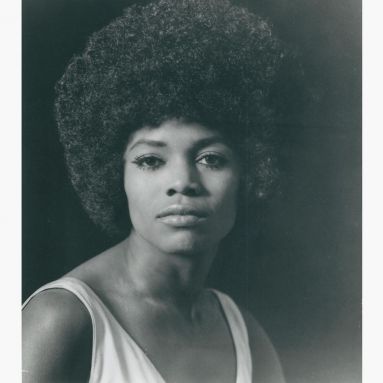
Recently, her career was documented on a new compilation, A Woman’s Way: The Complete Rozetta Johnson 1963-1975. It was released by Kent Soul, an imprint of Ace Records, and features twenty-two tracks. They’re a celebration of the life and music of Rozetta Johnson.
She was born in Tuscaloosa, Alabama on the 11th of June 1942. From an early age, Rozetta Johnson loved music. She also loved to sing. This she did at the local church, and at home. That was until she said her prayers.
Rozetta Johnson’s family were church going, and God-fearing people. The rule in the Johnson house was that once Rozetta had said her prayers, there was to be no singing. This rule young Rozetta obeyed…usually.
Then one night, when Rozetta Johnson was about six, she went to her room and said her prayers. Later, when she was listening to the radio, her favourite song, Goodnight Sweetheart, came on the radio. Rozetta began to sing along. Her great-grandfather told her to stop singing. Young Rozetta began to hum along to the song. This her great-grandfather took as an act of disobedience. He left the room, and returned with his switch. For this perceived act of disobedience he beat young Rozetta. That night, she cried herself to sleep. For a while, Rozetta was too scared to sing. Her career was nearly over before it began. Thankfully, that wasn’t the case.
Growing up, Rozetta Johnson sang in church, and later joined a gospel group. Each Sunday, they would sing in several churches. As the group’s popularity grew, they were singing in five different churches. Still, though Rozetta chose to stay in the background. The beating she had suffered weighed heavily on her mind. Then one Sunday, Rozetta had no option but to move to the front of the gospel group.
The two lead singers had an argument, and decided that they couldn’t or wouldn’t perform. Rozetta Johnson stepped into the breach. That day she regained her confidence, are musical career began to blossom. Especially when the gospel group broke up.
While this was a disappointment, it allowed Rozetta Johnson to think about the future. By then, she was seventeen and hadn’t earned a thin dime singing gospel all these years. Up until then, Rozetta was happy just to be singing. However, deep down, Rozetta knew she could make a living as a singer. So she decided to head to the local club she passed each day, the 401 in Birmingham, Alabama.
That was where Rozetta Johnson lived with her grandmother. She though Rozetta was in church, as she headed to the 401. With more than a degree of trepidation, Rozetta took her first tentative steps into the 401. This was unknown territory for her, and for the family, the 401 would be the equivalent of Sodom and Gomorrah. Never having set foot inside a nightclub, Rozetta was totally unprepared.
Especially when the owner asked her to audition. Rozetta Johnson sung the only secular song she knew, Somewhere Over The Rainbow. When she was asked what key she was about to sing in Rozetta had no idea. Despite being so unprepared, Rozetta received a standing ovation. The next day, Rozetta was hired and from the following Sunday, she would receive $8 each night.
For a high school senior, this was a small fortune. More importantly, Rozetta Johnson was taking her first tentative steps in a career as a professional singer. Over the next few years, Rozetta served her professional apprenticeship. She honed her style singing sets that featured songs Rozetta heard on the radio. They were reworked by Rozetta. However, after three years singing professionally, she got her big break.
This came when Rozetta Johnson was spotted by Bill Doggett. He was looking for a female vocalist for the Bill Doggett Revue to cover maternity leave. Rozetta fitted the bill. Her brief spell with the Bill Doggett Revue was the next part of her musical apprenticeship. This was good experience. Working with such seasoned performers helped Rozetta to improve her stagecraft, and prepared her for when she made her recording debut. It’s the first of the songs that feature on A Woman’s Way: The Complete Rozetta Johnson 1963-1975.
By 1963, Rozetta Johnston was signed to Bill Lowery’s NRC label and about to make her recording debut. It wasn’t a solo single though. Instead, Rozetta as accompanied by The Organettes. They were backing vocalists that Rozetta met at the recording session.
They only recorded the one single, I Understand My Man, with Willow Weep For Me on the B-Side. When it was released in 1963, Rozetta Johnson was billed as Rosetta Johnson and The Organettes. The single failed to make any headway, and Rosetta Johnson and The Organettes’ recording career was over before it had even began. For Rozetta Johnston the whole experience had been disappointing.
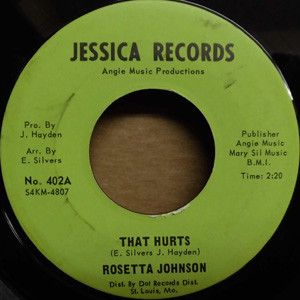
Another two years before Rozetta Johnston returned with a new single. By then, she was signed to Jessica Records. It was a short-lived label, that released just a few singles. This included Rozetta’s
That Hurts, a soul-baring ballad. On the B-Side, was It’s Nice To Know You. When That Hurts was released later in 1965, it failed to make any impression. History was repeating itself all over again.
Or so it seemed. That was until Atlantic Records decided to take a chance on That Hurts. They licensed the song from Jessica Records, and it was released in July 1966. Despite Atlantic Records’ financial power and marketing expertise, That Hurts failed to trouble the charts. It seemed that Rozetta Johnston’s recording career had stalled.
For the next four years, Rozetta Johnston found herself singing mostly, in local clubs. Very occasionally, Rozetta headed out of Alabama, and sung in another state. Most of the time, she found herself singing in the same local clubs. It must have been a frustrating time. Especially with her recording career having stalled. However, as the sixties gave way to the seventies, Rozetta ’s luck changed.
In 1970, Rozetta Johnston’s recording career resumed when she signed to Clintone Records. They had recently signed a distribution deal with Atlantic Records. This meant there was more chance that Rozetta’s singles would find an audience nationwide. Especially if they were written by Sam Dees.
Rozetta Johnston met Sam Dees through her manager Jesse Davis. Sam was writing and producing for Clintone Records. That’s despite Sam Dees being a talented singer in his own right. Sadly, Sam Dees struggled to make a breakthrough. That would be the case throughout his career. However, Sam Dees was a talented and prolific songwriter, and would pen Rozetta Johnston’s Clintone Records’ debut.
Sam Dees penned A Woman’s Way under his Lillian Dees alias. He also wrote the B-Side Mine Was Real. Both sides were arranged by Dale Warren and produced by Sam Dees and Clinton Moon. They pull out all the stops, using strings, horns and harmonies to accompany Rozetta, as her vocal veers between tender to powerful and later, becomes a soliloquy. This would prove to be a masterstroke.
When A Woman’s Way was then released in October 1970, it reached ninety-four in the US Billboard 100 and thirty-nine in the US R&B charts. This was regarded as a success as Clintone Records was a relatively new label, and A Woman’s Way was Rozetta Johnston’s first single in four years. Belatedly, she was enjoying a tantalising taste of the heady brew that’s success.
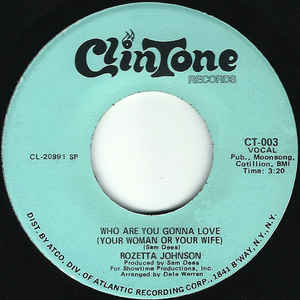
After the success of A Woman’s Way, Clintone Records were keen to build on the momentum that had been created. So Rozetta Johnson was sent back into the single to record two more songs that had been penned by Sam Dees, Who Are You Gonna Love (Your Woman Or Your Wife) and Can Feel My Love Comin’ Down. The version of Can Feel My Love Comin’ Down on A Woman’s Way: The Complete Rozetta Johnson 1963-1975 is an alternate take that was recorded at the same session. These songs were arranged by Dale Warren and produced by Sam Dees. Once they were recorded, the single was scheduled for release in early 1971.
In February 1971, the string drenched ballad Who Are You Gonna Love (Your Woman Or Your Wife) was released as a single. Despite the quality of this future soul classic, it stalled at just forty-five on the US R&B charts. Although this was disappointing, Rozetta Johnson had just enjoyed another hit single. She was two for two.
The problem was, the two hit singles were only minor hits. Given their quality, they deserved to find a wider audience. It was a case of back to the drawing board.
Just like Rozetta Johnson’s two previous singles, Sam Dees wrote her thing single Holding The Losing Hand. This was another ballad, and one that seemed tailor made for Rozetta. She combined power and emotion, while gospel tinged backing vocals and string accompanied her. On the B-Side was an uptempo stomper Chained and Bound, where Rozetta delivers a vocal powerhouse. With Sam Dees taking care of production, surely Holding The Losing Hand would mark a change in fortune for Rozetta?
On Holding The Losing Hand’s release in September 1971, it failed to even trouble the lower reaches of the charts. This was the first single Rozetta Johnston released for Clintone that hadn’t charted. This was a huge disappointment.
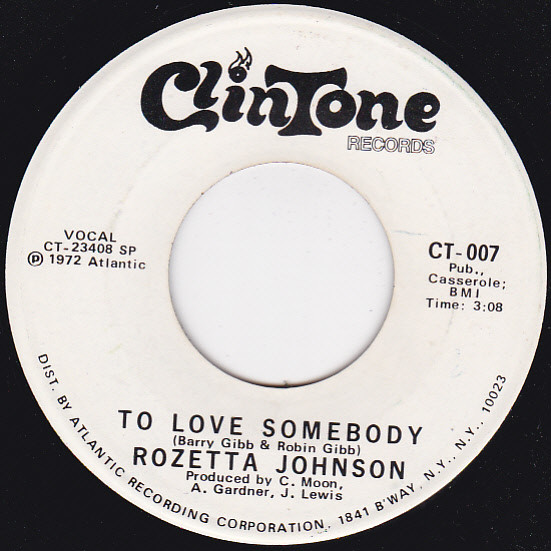
After the failure of Holding The Losing Hand, five months passed before Rozetta Johnston returned with her fourth single. This time, there was no sign of Sam Dees. He was working on a new album for Atlantic Records, The Show Must Go On. With Clintone Records’ main source of songs unavailable, Rozetta covered Barry and Robin Gibb’s To Love Somebody for her next single. For the B-Side, Belford Hendricks and Clyde Otis’ Can’t You Just See Me was chosen. They were produced by the Moon, Gardner and Lewis production team and were due to be released in early 1972.
Despite reinventing To Love Somebody as a soul-baring Southern Soul ballad, the single failed to chart upon its release in February 1972. This was another blow for Rozetta Johnston. Her last two singles hadn’t come close to troubling the charts. It was a worrying time for Rozetta Johnston.
Later in 1972, Rozetta Johnston returned to the studio to record the Sam Dees and David Camon penned ballad How Can You Love Something You Never Had. With song recorded Personal Woman was chosen as the B-Side. This uptempo dancer seemed a good choice at the time.
Later, Rozetta later cast doubt upon whether the recording is actually her? It’s hard to tell. She was a versatile vocalist who seamlessly could switch between styles. Indeed, Rozetta could mimic a wide variety of singers, so there is every chance she features on Personal Dancer. It features on A Woman’s Way: The Complete Rozetta Johnson 1963-1975, allowing the listener to decide. However, later in 1972, when How Can You Love Something You Never Had was released the single failed commercially. Time was running out for Rozetta at Clintone Records.
Little did Rozetta Johnson realise, that she would only record one more single for Clintone Records. This was It’s Been So Nice, a slice of the deepest soul. On the B-Side was the hook-laden dancer (I Like Making That) Early Morning Love. Both sides were penned and produced by Sam Dees, who had played such an important part in Rozetta’s career. However, the single wasn’t released until 1975.
Initially, It’s Been So Nice was released on Clintone Records in 1975. Rozetta watched as the single failed to chart. She felt that Clintone Records hadn’t promoted the single sufficiently. It was a similar case when It’s Been So Nice was picked up by Columbia later in 1975. Again, it failed to even trouble the charts. By then, Rozetta was totally disillusioned with the music industry.
That was why Rozetta Johnston made the decision to turn her back on music. That was no surprise. Rozetta has released a string of singles that oozed quality. Especially the ballads. They featured Rozetta Johnston at her very best as she breathed life, meaning and emotion into the songs. However, when they were released as singles, they failed to find an audience. Maybe it would’ve been different if they had been released on a major label? Then Rozetta Johnston’s music might have found the audience it deserved. However, in 1975, that wasn’t the case.
Rozetta Johnston was struggling to make a living out of music. She was no longer getting the bookings she once had. To make matters worse, only two of her singles had charted. Even then, they were only minor hits. So Rozetta Johnston made the decision to embark upon a new career.
This meant going back to school, and then heading to college part-time. Rozetta Johnston worked her way through college, and eventually, graduated with a BA in sociology from the University of Alabama. After graduating, Rozetta Johnston began work as a teacher at Ramsay High School.
Little did the pupils know that their teacher had once been one of the best up-and-coming Southern Soul singers. Rozetta Johnston could’ve and should’ve become one of the most successful Southern Soul singers. Sadly, that never happened.
It was only later that the music Rozetta Johnston released between 1963 and 1975 has began to find a wider audience. It’s featured on a new compilation, A Woman’s Way: The Complete Rozetta Johnson 1963-1975. It was released by Kent Soul, an imprint of Ace Records, and features twenty-two tracks. This includes previously released alternate takes of I’ve Come Too Far With You (To Turn Back Now) Mama Was A Bad Seed, You Better Keep What You Got and I Can Feel My Love Comin’ Down. There’s also a version of For That Man Of Mine, which was first released on CD in 2007. By then, Rozetta Johnson had made a comeback.
She had reinvented herself as a jazz singer, before returning to her first musical love, gospel. Sadly, three years after releasing a gospel album in 2008, Rozetta Johnson passed away on the 24th March 2011. Her music is remembered on A Woman’s Way: The Complete Rozetta Johnson 1963-1975, which is a celebration of the life and music of one of the finest Southern Soul singers of her generation, Rozetta Johnson.
ROZETTA JOHNSON-A WOMAN’S WAY: THE COMPLETE ROZETTA JOHNSON 1963-1975.





I’M NOT TALKIN’-THE SONG STYLINGS OF MOSE ALLISON 1957-1971.
I’M NOT TALKIN’-THE SONG STYLINGS OF MOSE ALLISON 1957-1971.
During a career that spanned sixty years, Mose Allison influenced several generations of musicians. They were won over by Mose Allison’s unique mix of blues and modern jazz. It found favour with everyone from Van Morrison, Tom Waits, Jimi Hendrix, The Yardbirds, The Who, The Pixies, the Rolling Stones and the late Leon Russell. Each and every of these musicians and bands were influenced by a Mose Allison. He was described as: “one of the finest songwriters in twentieth century blues,” and wrote song that were “quirky,” and showcased Mose Allison’s “subtle ironic humour.” It will be much missed by his fellow musicians, friends and fans.
Sadly, just four days after celebrating his eighty-ninth birthday, Mose Allison passed away on the 15th September 2016 at his home in California. Music had lost another of its most talented sons. He left behind a rich musical legacy.
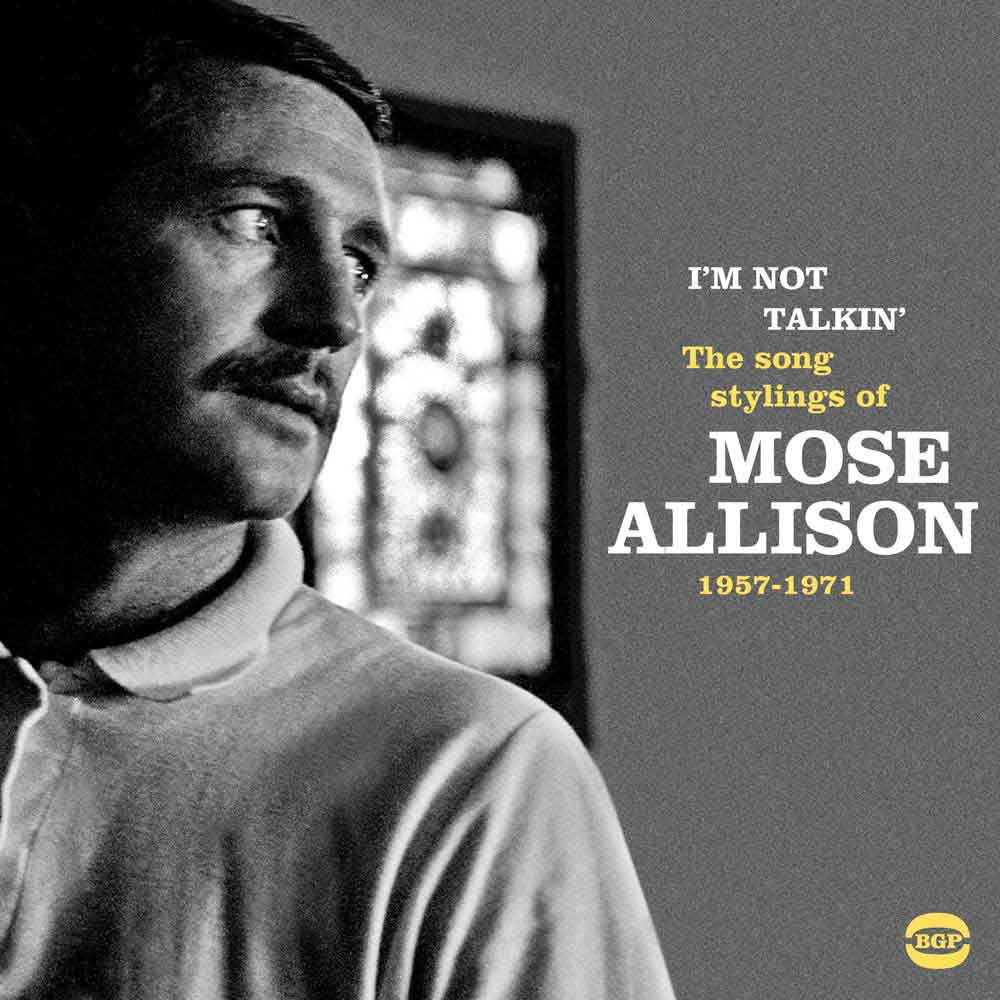
This includes the music features in a recently released compilation of vocal jazz, I’m Not Talkin’-The Song Stylings Of Mose Allison 1957-1971. It was released by BGP, a subsidiary of Ace Records and features recordings from Mose Allison’s time at Prestige Records, Atlantic Records and Columbia. This was where Mose Allison released some of his finest music. Twenty-four tracks from this period are documented on I’m Not Talkin’-The Song Stylings Of Mose Allison 1957-1971, which is now a celebration of the life of Mose Allison.
It was on 11th November 1927 that Mose Allison was born on his grandfather’s farm on the Mississippi Delta. By the time Mose Allison was five, curiosity got the better of him. He climbed onto the piano stool, and began to play the piano. Mose Allison it turned out, was a natural, who could play by ear. Soon, he was able to pick out old blues songs and boogie woogie. This was just the start of a lifelong love affair with music.
In high school, Mose Allison love affair with music continued.He joined the school marching band and later, several dance bands. Meanwhile, Mose like many students was drawn to the music of Duke Ellington, Fats Waller, Louis Armstrong and Louis Jordan. However, his hero and inspiration was Nat King Cole, who lead the King Cole Trio. Later, Mose like his hero Nat King Cole began to write songs. Already the seeds of his future career had been sown.
Unlike many musicians, Mose Allison didn’t embark upon a career as a professional musician when he graduated high school. Instead, he headed to the University of Mississippi. However, Mose’s studies were interrupted, when he received his call up papers in 1946.
Having joined the US Army, Mose Allison, like many musicians, found himself playing in the US Army Band. It was based in Colorado Springs, and this tight, talented band played everywhere from country clubs to NCO and Officer’s clubs. This was good practise for when Mose left the US Army.
After leaving the US Army, Mose Allison returned to Ole Miss. He joined a local dance band as its arranger, piano and trumpeter. This turned out to be a stepping stone.
The next step for Mose Allison was forming his own band. This was the Mose Allison Trio. Mose became the Trio’s pianist, singer and songwriter. However, as a singer, stylistically, Mose drew inspiration from his hero Nat King Cole, plus Errol Gardner and Louis Jordan. With his new Trio, Mose spent the next year touring and honing their sound. Just when it looked like the Trio were making progress, Mose’s circumstances changed.
Following a year spent touring with the Trio, Mose Allison married his then girlfriend. Now a married man, Mose was looking to the future. He decided to complete his studies, and headed to Louisiana State University. By 1952, Mose had completed his studies and graduated with a BA in English and Philosophy. Despite his degree, Mose returned to music.
Mose Allison was back to playing nightclubs in the across the Southeast and up and down West Coast. Night after night, week after week and month after month, Mose honed what was a unique fusion of disparate styles and influences. The first component was the raw and gritty delta blues Mose heard growing up. To this, Mose added the stylistic influences of a trio of jazz pianist. Al Haig, John Lewis and Thelonius Monk all had their own individual style, which influenced Mose. So had the vocal stylings of blues man Charles Brown and R&B singer Percy Mayfield. What Mose was honing, was a fusion of these styles and influences.
For four years, Mose Allison honed his style, playing a nightclubs and venues across the Southeast and West Coast. It was akin to serving a musical apprenticeship for Mose. Having “graduated” in 1956, Mose headed for jazz central, New York.
Not long after making the move to New York, Mose Allison first encountered Al Cohn. He took Mose under his wing, helping to get work. At first this was a playing live with The Al Cohn Quintet and the Stan Getz Quartet. This lead to Mose making his recording debut.
Mose Allison was part of The Al Cohn Quintet when they recorded their 1956 eponymous album. Then Mose was part of the Stan Getz Quartet when they recorded Live in 1956/57 and Stan Getz Quartet-The Soft Swing, which was released later in 1957. That same year, Mose made his recording debut as a solo artist.
Prestige Records saw the potential in Mose Allison, and quickly signed him to what was already, a prestigious label. Twenty-four tracks, including from the Prestige years feature on I’m Not Talkin’-The Song Stylings Of Mose Allison 1957-1971.
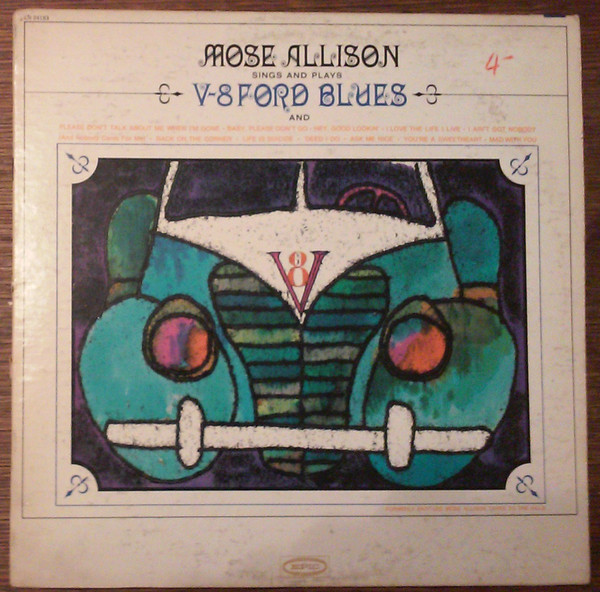
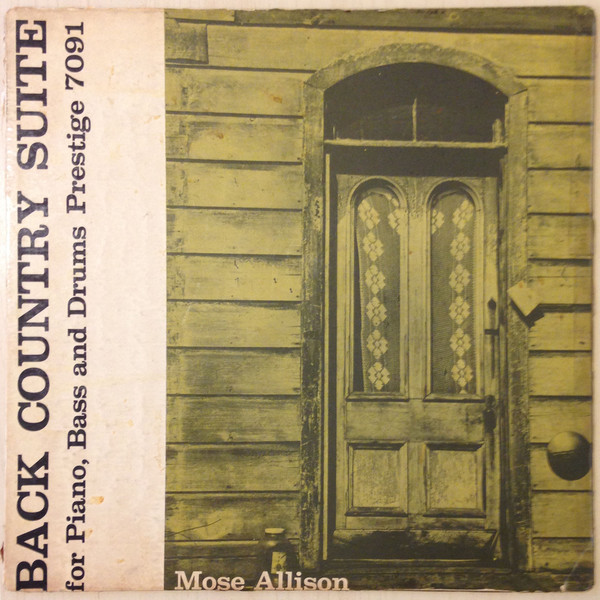
Back Country Suite was Mose Allison’s debut album, and was, which was released later in 1957. Each of the fourteen tracks had been inspired by the Mississippi Delta, where Mose grew up. This included the ten part suite Back Country Suite. One of these tracks was Blues, one of two vocal tracks. It was later covered The Who as Young Man Blues, on their Live At Leeds album. Just like Mose’s debut album it would also be hailed a classic.
When Back Country Suite was released, it was to critical acclaim, with critics hailing the album a poignant and evocative album from Mose Allison. His career had got off to the best possible start.
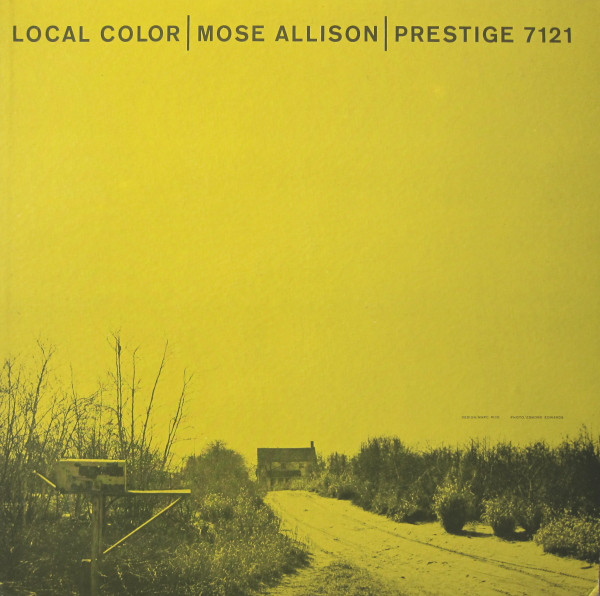
Later in 1957, Mose Allison returned with his sophomore album Local Colour. It featured the Mose Allison Trio, as they recorded Percy Mayfield’s Trouble In Mind and the Mose Allison composition Parchman Farm for the first time. Later, it would be covered by John Mayall and the Bluesbreaker, on their fourth album Blues Breakers with Eric Clapton. When it was released in 1966, it would be hailed a British blues classic. One of the artists who had inspired both John Mayall and Eric Clapton was none other than Mose Allison. He was about to embark upon the busiest year of his nascent recording career during, 1958.
During 1958, Mose Allison released a trio of albums, including Young Man Mose and the critically acclaimed Ramblin’ With Mose. However, Creek Bank was Mose Allison’s fourth album. It found Mose covering Willie Dixon’s oft-covered The Seventh Son. He brought something new to this familiar track. Another track from Creek Bank was another Mose Allison composition, If You Live. These two songs were among the highlights of Creek Bank, which found Mose at his most laconic as he delivered lyrics tinged with irony. Critics were won over by Creek Bank, and Mose’s career continued apace.
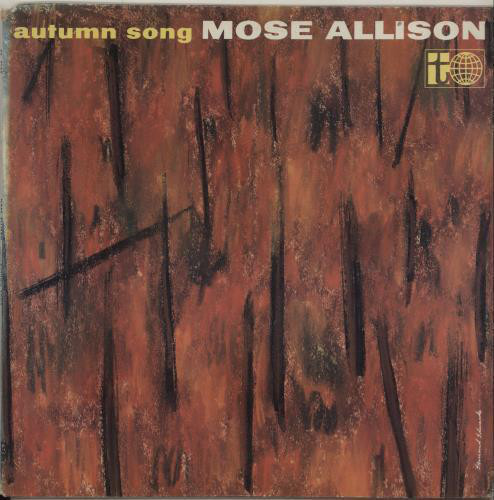
In 1959, Mose Allison released another two albums Autumn Song featured a cover of Sonny Boy Williamson II’s Eyesight To The Blind. Again, Mose gave the song a makeover, turning it into a slinky slice of vocal jazz. Alas, Autumn Song was Mose’s swan-song for Prestige. Next stop was Columbia.
For his Columbia debut, Mose Allison released Transfiguration Of Hiram Brown later in 1959. This “serio-comic fantasy” was the last album Mose released during the fifties.
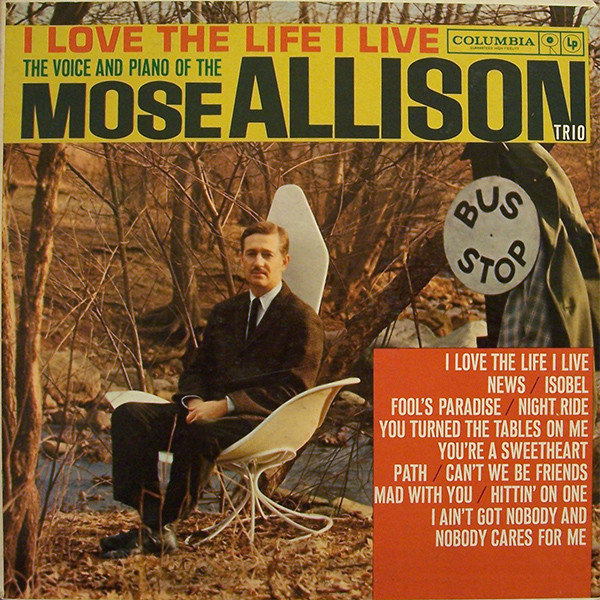
As the fifties gave way to the sixties, The Mose Allison Trio released their debut album, I Love The Life I Live. It was produced by Ted Macero, and featured a mixture songs penned Mose and cover versions. One of the cover versions was the Willie Dixon penned title-track , I Love The Life I Live. It’s without doubt, one of the highlights of what’s a strong and cohesive album. Despite this, when Columbia decided to release a single, they chose a track that wasn’t on the album, Baby, Please Don’t Go. This familiar blues is reinvented by the Trio, taking on new life and meaning as Mose combines jazz, soul, and a hint of blues. Sadly, when the single was released in 1960, it failed to make an impression on the charts. So Mose returned to his solo career.
For his next solo album, Takes To The Hills in 1961, Mose Allison moved from the main Columbia label to their Epic imprint. Twelve songs, including ten cover versions and two new songs featured on the album. This included the Mose Allison composition Back On The Corner and Willie Love’s V-8 Ford Blues. It went on to become a favourite among Mose’s fans. So much so, that when Takes To The Hills was later reissued, the album was renamed V-8 Ford Blues. That was still to come.
Before that, 1962 proved to be an important year for Mose Allison. He signed to Atlantic Records and began work with producer Nesuhi Ertegun. Over the next few years, Mose would release some of the best music of his career.
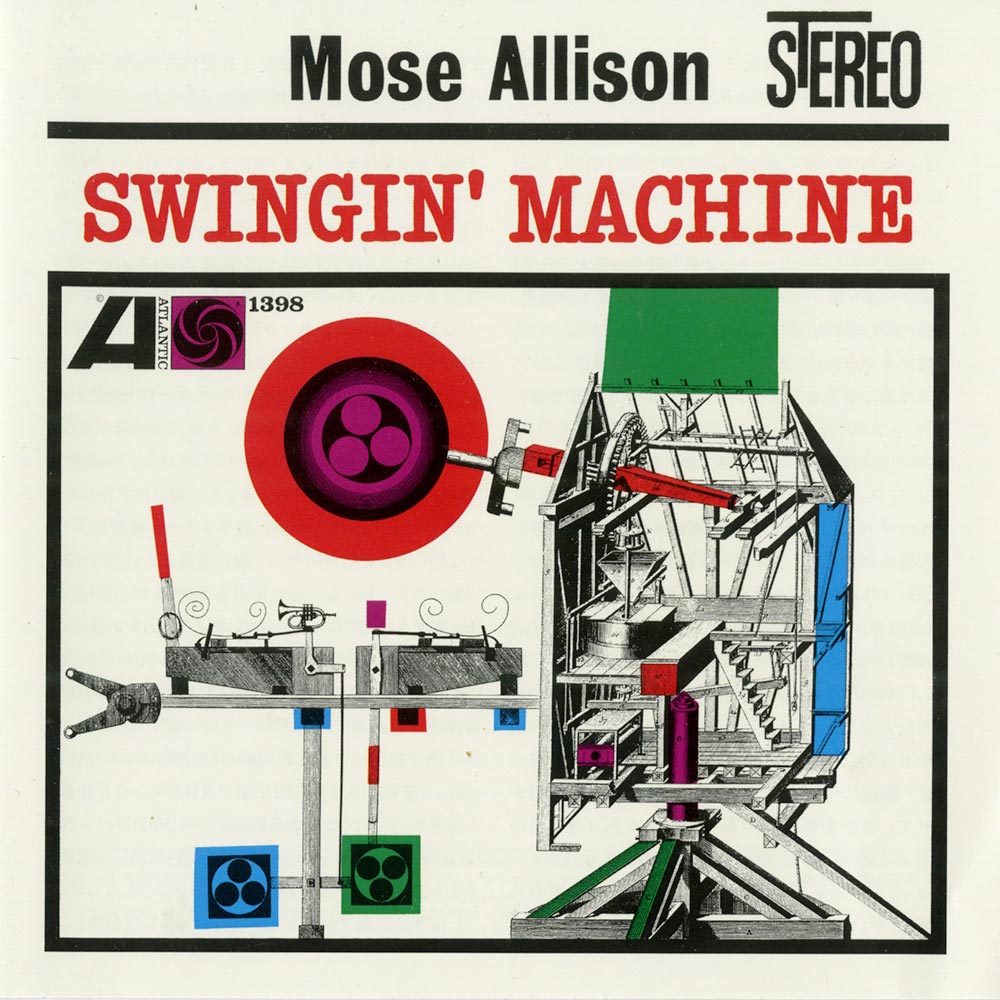
In 1962, Mose released the album Swingin’ Machine, which featured If You’re Goin’ To The City. This was one of six Mose Allison composition, and one of the best. Later that year, Mose released one of his most important albums.
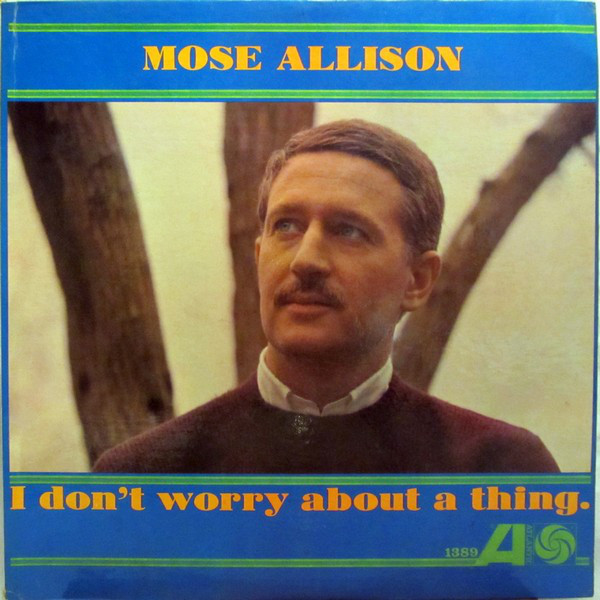
When I Don’t Worry About A Thing was released later in 1962, it marked Mose Allison’s transition from a pianist who occasionally sung, to a vocalist who just happened to play the piano. Mose showcases his considerable skills on Your Mind Is On Vacation and If You’re Goin’ To The City. They’re two of six tracks penned by Mose on I Don’t Worry About A Thing, which was a transitionary and landmark album.
Two years later, in 1964, Mose Allison released one of the most important albums of his career, The Word From Mose. Just like previous albums, it was a mixture of cover versions and new songs, including I’m Not Talking and Foolkiller. The Word From Mose was hailed by critics as one of his best, and most important albums. It feature Mose at his most laconic as he combined irony with wit, on an album that’s now regarded as a jazz classic.
By 1966, Mose Allison was now regarded first and foremost as a vocalist. Some critics seemed to overlook that Mose was a talented pianist and songwriter. Mose seemed to mature as a songwriter each year. He had had plenty of practise. His 1966 album Wild Man On The Loose was the sixteenth of his career.
For Wild Man On The Loose, Mose wrote eight of the nine tracks. Among them, were the title-track, Wild Man On The Loose and You Can Count On Me To Do My Part. Both songs showcase Mose’s skills as a singer, songwriter and pianist and are among without doubt the highlights of the album.
Another two years before Mose Allison released his next studio album. No longer were jazz albums selling in vast amounts. That hadn’t been the case for the last few years. Playing live was where artists were making money. So between 1966 when Mose released Mose Alive! and 1968, Mose concentrated on playing live. He returned with a new album in 1968.
I’ve Been Doin’ Some Thinkin’ was released in 1968. This was the first Atlantic Records’ album that Mose had produced himself. He also wrote eleven of the twelve songs, including Everybody Cryin’ Mercy, Jus Like Livin’ and Your Molecular Structure. When I’ve Been Doin’ Some Thinkin’ was released, critics remarked on the quality of the songs. Mose had come of age as a songwriter, on what was one of his strongest and most cohesive albums of recent years. That this just happened to be first album Mose produced, wasn’t a coincidence. He seemed be blossoming creatively. It was just a shame that his music wasn’t finding wider audience.
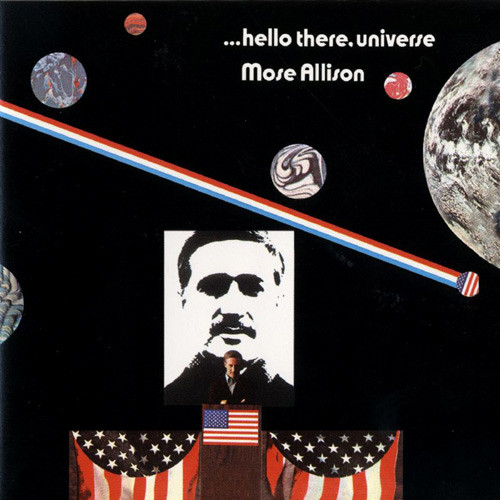
By 1970, Mose Allison had influenced a generation of musicians. Everyone from Van Morrison, Jimi Hendrix, The Yardbirds, The Who and the Rolling Stones were citing Mose Allison as an influence. Despite this, album sales were disappointing. This included 1970s Hello There, Universe.
For the Hello There, Universe sessions, Joel Horn came onboard to produce the album. The other change was Mose Allison was accompanied by a much bigger band. A horn section augmented the rhythm section as the ten tracks were recorded. Nine of the tracks were penned by Mose, including I’m Smashed and Hello There, Universe. They’re two of Mose’s finest hours on an ambitious and cerebral album. It received mixed reviews, and failed to find the audience it deserved. This was becoming a problem for many jazz musicians.
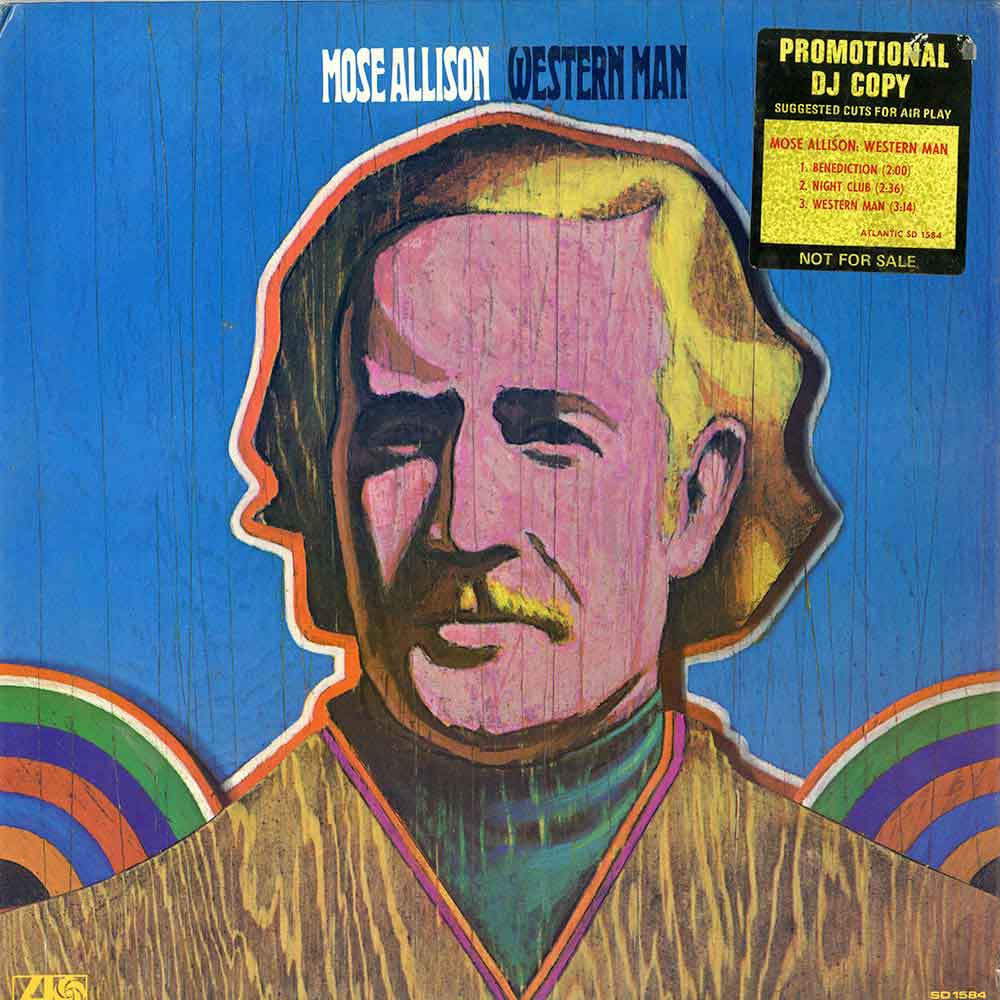
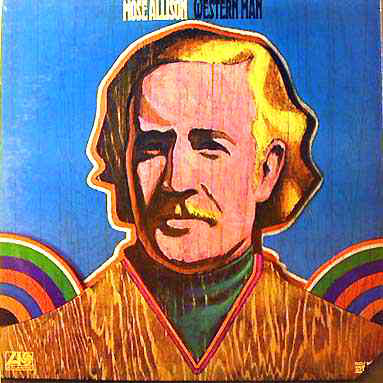
That was why so many jazz musicians changed direction, and jumped on the fusion bandwagon. Mose Allison who was a vocalist first, and pianist second, decided to plug in, and record an electric album, Western Man. This was a brave move, and one that could’ve backfired.
Western Man was produced by Joel Dorn, featured a slimmed down band. Just a trio of drummer Billy Cobham, Chuck Rainey on electric bass and Mose on piano, electric piano and vocals recorded eleven songs. This included nine songs penned by Mose. Among the highlights were If You Only Knew and the title-track Western Man. Once the album was complete, Western Man which was released in 1971. It showcased a new side of Mose Allison, as he reinvented himself to ensure that he stayed relevant. This worked and Mose Allison’s career continued for another forty-five years.
Although Mose Allison had retired from touring, he hadn’t retired from music. He was still active musically, right up until his death on the 15th September 2016. The eighty-nine year old poised away at his home in California. Music had lost another of its most talented sons.
Sadly, this week alone, three hugely talented musicians have passed away. Eighty-two year old Leonard Cohen passed away on the 10th November, with Leon Russell passing away three days later on the 13th November. Now Mose Allison is the latest in a long line of talented musicians who music has lost during 2016.
Although Mose Allison had retired from touring, he hadn’t retired from music. He was still active musically, right up until his death on the 15th September 2016. The eighty-nine year old poised away at his home in California. Music had lost another of its most talented sons.
Sadly, this week alone, three hugely talented musicians have passed away. Eighty-two year old Leonard Cohen passed away on the 10th November, with Leon Russell passing away three days later on the 13th November. Now Mose Allison is the latest in a long line of talented musicians who music has lost during 2016.
Mose Allison enjoyed a long and fruitful career, releasing around fifty studio and live albums between 1957 and 2010. To document and celebrate such a lengthy career would take a box set to do it justice. However, BGP, an imprint of Ace Records recently released a compilation of covering the early years of Mose Allison’s career, I’m Not Talkin’-The Song Stylings Of Mose Allison 1957-1971. This lovingly curated compilation is the perfect introduction into a period where Mose Allison released some of the best music of his long and illustrious career.
I’m Not Talkin’-The Song Stylings Of Mose Allison 1957-1971 features material that Mose Allison released for Prestige, Atlantic Records and Columbia. This was where Mose Allison released some of his finest music of his career. During that period, Mose Allison made the transition from piano player who occasionally sings, to a vocalist who just happened to play the piano. This transition occurred in 1966, when Wild Man On The Loose was released. For Mose Allison, the transition that began a few years earlier was complete, and he became know first and foremost as a singer. His unique mix of blues and modern jazz found favour far and wide.
Mose Allison’s music found favour with everyone from Van Morrison, Tom Waits, Jimi Hendrix, The Yardbirds, The Who, The Pixies, the Rolling Stones and the late Leon Russell. Each and every of these musicians and bands were influenced by a Mose Allison. Even today, a new generation of musicians are citing Mose Allison as an influence. That’s not surprising.
During his lifetime, Mose Allison was described as: “one of the finest songwriters in twentieth century blues.” He wrote songs that were “quirky,” and showcased Mose Allison’s “subtle ironic humour.” This will be much missed by his fellow musicians, friends and fans. However, Mose Allison leaves behind a rich musical legacy.
Part of Mose Allison’s rich musical legacy includes the twenty-four tracks on I’m Not Talkin’-The Song Stylings Of Mose Allison 1957-1971. It features Mose Allison during what was one of the most fruitful, and creative periods of his long and successful career. This is documented on I’m Not Talkin’-The Song Stylings Of Mose Allison 1957-1971, which is a fitting celebration of the life and music of late, great Mose Allison who will much missed.
I’M NOT TALKIN’-THE SONG STYLINGS OF MOSE ALLISON 1957-1971.



JIM REEVES-YOURS SINCERELY, JIM REEVES, BLUE SIDE OF LONESOME, A TOUCH OF SADNESS AND ON STAGE.
JIM REEVES-YOURS SINCERELY, JIM REEVES, BLUE SIDE OF LONESOME, A TOUCH OF SADNESS AND ON STAGE.
Gentleman Jim Reeves was, without doubt, a true legend of country music. He first came to prominence in 1953, when Mexican Joe reached number one on the US Country charts. This was the first of six number one singles Jim Reeves enjoyed. His last number one single came in 1960, when Jim Reeves released He’ll Have To Go. It went on to become a Nashville Sound classic.
Jim Reeves had been at the forefront of the Nashville Sound movement, and helped popularise this new sound. This was where elements of old style country music were combined with popular music. From the the late fifties until the early sixties, the Nashville Sound was King, and Jim Reeves was one of the most popular practitioners of this new genre. That was until Jim Reeves career was cut tragically short.
This tragedy occurred on Friday, July 31st 1964. Jim Reeves and Dean Manuel, his business partner and manager were due to fly from Batesville, Arkansas to Nashville. They took to the air in a Beechcraft Debonair single-seated aircraft, which Jim Reeves regularly flew. The flight was going to plan until the Jim Reeves encountered a violent thunderstorm over Brentwood, Tennessee. The last that was heard from Jim Reeves was at 4.51pm on Friday, July 31st 1964.What happened next is still disputed.
Some place the blame on spatial disorientation; while others believe that the plane stalled. Others believe that the rain was the cause of the crash that happened at 4.52pm on Friday, July 31st 1964. The plane had crashed nose first into the ground.
Forty-two hours later, the search party which included country singers Marty Robbins and Ernest Tubb discovered the crash site. When investigators looked in the wreckage, they discovered the bodies of Dean Manuel and Jim Reeves. Gentleman Jim Reeves was declared dead, aged just forty. One of the legends of country music’s career had been cut tragically short.
This wasn’t the end of the Jim Reeves’ story. During a recording career that began in 1953, Gentleman Jim had been a prolific recording artist, recording much more material than he had released. These songs would be released posthumously over a twenty-four years period, right up until 1988.
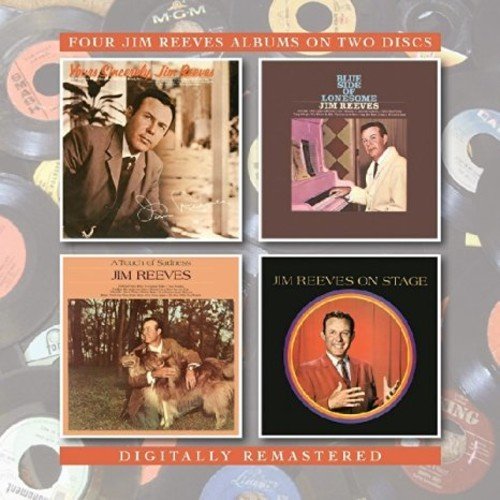
By then, forty-four studio albums and one live album bearing Jim Reeves had been released. Four of the earliest albums were Yours Sincerely, Jim Reeves, Blue Side Of Lonesome, A Touch Of Sadness and On Stage. They’ve been digitally remastered and reissued by BGO Records. These four albums are posthumous releases that cover the period between 1967 and 1969.
Yours Sincerely, Jim Reeves.
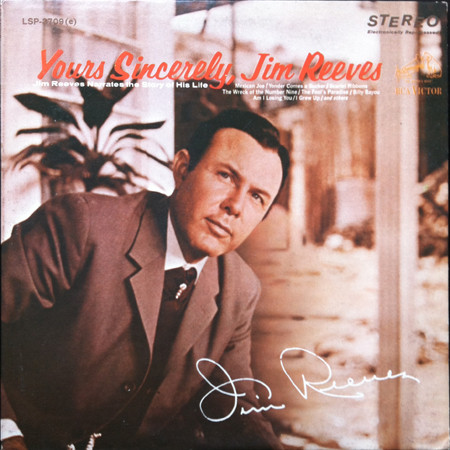
Country music was still reeling from the death of Jim Reeves when Yours Sincerely, Jim Reeves was released in 1967. He had done so much to broaden the appeal of country music, and introduced the genre to a new and wider audience. Jim Reeves had been at the forefront of the Nashville Sound from the late fifties onwards. The introduction of the Nashville Sound had ensured that country music stayed relevant. However, by the early sixties, change was afoot in country music, the Bakersfield Sound rivalling and replacing the Nashville Sound. It would’ve been interesting to see what direction Jim Reeves’ music would’ve headed in? When Yours Sincerely, Jim Reeves was released in 1967, it was an album that looked to Gentleman Jim’s past.
Unlike most Jim Reeves albums that were released posthumously, there was no new material on Yours Sincerely, Jim Reeves. Instead, much of side one features snippets of songs, which interspersed with parts of an interview Jim Reeves recorded with a DJ during a trip to Europe in 1964. They give a remarkable insight into Jim Reeves. Very different is Newscast Of 1948. It features snippets of a recording of Jim Reeves during his days as a television announcer. There’s also two almost completed songs recorded during the early years of Gentleman Jim’s career.Then on side two, some songs feature in their entirety. This includes some of Jim Reeves best known songs. That’s no surprise, as Yours Sincerely, Jim Reeves was aimed at his large and loyal fan-base.
When Yours Sincerely, Jim Reeves was released by RCA Victor in 1967, the album reached number three on the US Country charts. Elsewhere, Yours Sincerely, Jim Reeves reached number fifteen in Norway. This was regarded as a commercial success, as Yours Sincerely, Jim Reeves wasn’t a traditional album. With its mixture of interviews and music, Yours Sincerely, Jim Reeves was aimed at fans of Gentleman Jim, rather than casual record buyers. His next album would Blue Side Of Lonesome surely would appeal to a much wider audience.
Blue Side Of Lonesome.
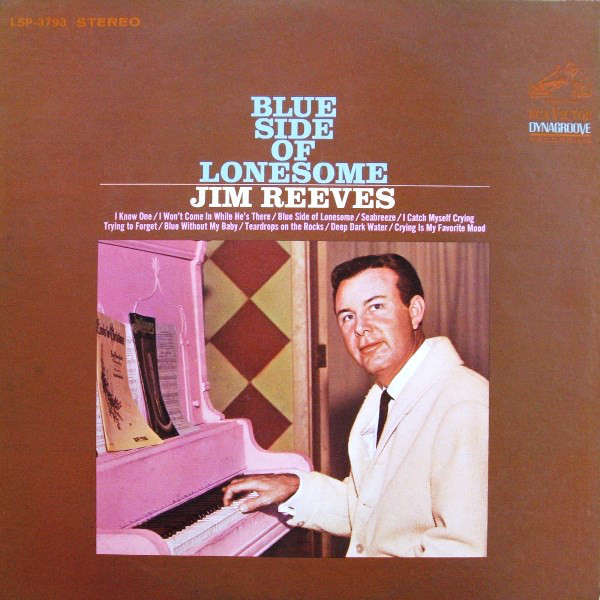
The songs what would eventually become Blue Side Of Lonesome, had been recorded at Nashville Sound Studios with producer Chet Atkins.Accompanying Jim Reeves, were his regular backing band The Blue Boys. Ten songs were chosen from that session were chosen by Jim Reeves’ widow Mary Reeves, and became Blue Side Of Lonesome.
This included two songs penned by Jim Reeves, Crying Is My Favourite Mood and Deep Dark Water. They were joined by Leon Payne’s Blue Side Of Lonesome, Roger Miller’s atch Myself Crying, Jack Clement’s I Know The One, James Joiner’s Seabreeze and Gene Davis’ Won’t Come In While He’s There. Other songs included Henry Martin and Sonny Burnett’s Trying To Forget, Kenny Jacobson and Rhoda Roberts’ Blue Without My Baby and Bobby Ware and Charlie Williams’ Teardrops On The Rocks. These songs would become Blue Side Of Lonesome.
On Blue Side Of Lonesome, Gentleman Jim works his way through ten songs about betrayal, heartbreak, hurt and loneliness. Jim Reeves lives the lyrics, as if he’s experienced the pain in an album that mostly features ballads full heartache. It’s a poignant and moving album, where the late Jim Reeves stayed true to the Nashville Sound. In doing so, this resulted in one of his most successful albums of recent years.
Blue Side Of Lonesome was released as the lead single from the album, and reached number one on the US Country charts, fifty-nine on the US Billboard 100 and reached sixty-eight in the Canadian charts. Buoyed by the success of the lead single, the album was released later in 1967.
When Blue Side Of Lonesome,was released in 1967, it reached number three on the US Country charts and 185 on the US Billboard 200. That wasn’t the end of the success.
I Won’t Come In While He’s There was the second single released from Blue Side Of Lonesome. It reached number one on the US Country charts. Elsewhere, the single reached number twelve in Britain, seven in Norway and eleven in Eire. The only disappointment was when the third single Trying To Forget, failed to chart in America. However, it reached number thirty-three in Britain. Overall though, Blue Side Of Lonesome had been a massive success. Two number one singles in the US Country charts, and a number three in the US Country album charts was proof of this. The sad thing was that Gentleman Jim wasn’t around to enjoy this success.
A Touch Of Sadness.
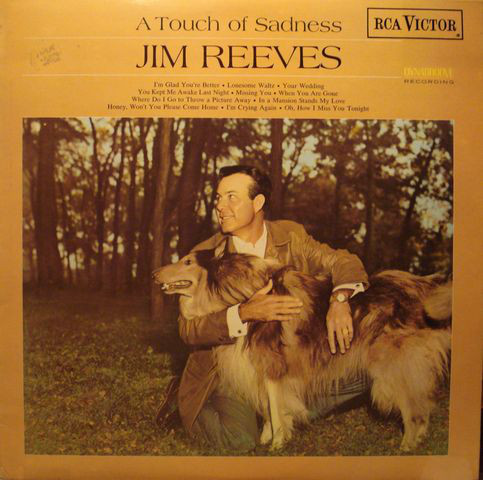
So it was fitting that in 1968, the latest posthumous album of Jim Reeves songs was entitled A Touch Of Sadness. It featured another eleven songs from RCA Victor’s vaults. Again, these songs were chosen by Mary Reeves, the widow of Jim Reeves. She had curated Blue Side Of Lonesome, which was one of the most successful Jim Reeves of recent years. She began choosing the songs for A Touch Of Sadness.
Among the eleven songs, were the Jim Reeves’ penned You Kept Me Awake Last Night and I’m Glad You’re Better. Jim Reeves also cowrote three other songs, including Your Wedding with Re Winkler and Honey and Won’t You Please Come Home? with Luke McDaniel. The third song Jim Reeves cowrote, was When Your Are Gone with Dean Manuel. He was Jim Reeves’ business partner, manager and was also a member of Gentleman Jim’s backing band, The Blue Boys. Dean Manuel had also perished in the plane crash in 1964. Four years later, When Your Are Gone was about to feature on a Jim Reeves album.
So would covers of Carl Belew’s Where Do I Go to Throw a Picture Away; Gilbert Gibson’s I’m Crying Again; Eddie Pleasant’s Lonesome Waltz and Johnny Russell’s In a Mansion Stands My Love. They were joined by Joe Burke, Benny Davis and Mark Fisher’s Oh, How I Miss You Tonight plus Dale Noe and Red Sovine’s Missing You. These tracks would become A Touch Of Sadness.
Just like on the Blue Side Of Lonesome, Jim Reeves works his way through eleven songs about betrayal, heartbreak, hurt, loneliness and love lost on A Touch Of Sadness. Again, Jim Reeves lives the lyrics, as if he’s experienced the pain and hurt. The majority of the songs are ballads, where Gentleman Jim lays bare his hurt and heartache. That’s apart from Lonesome Waltz and In a Mansion Stands My Love. Still, though, A Touch Of Sadness is a poignant and moving album, where balladry is to the fore as Jim Reeves says true to his beloved Nashville Sound. This resulted in another successful album.
When A Touch Of Sadness was released later in 1968, it reached number three on the US Country charts. The lead single was When Your Are Gone. Not only did it reach number seven on the US Country charts, but number one on on the Canadian Country charts. There was no sign of Jim Reeves’ popularity waning even four years after his untimely death. So in 1969, RCA Victor decided to release a live album, On Stage.
Jim Reeves On Stage.
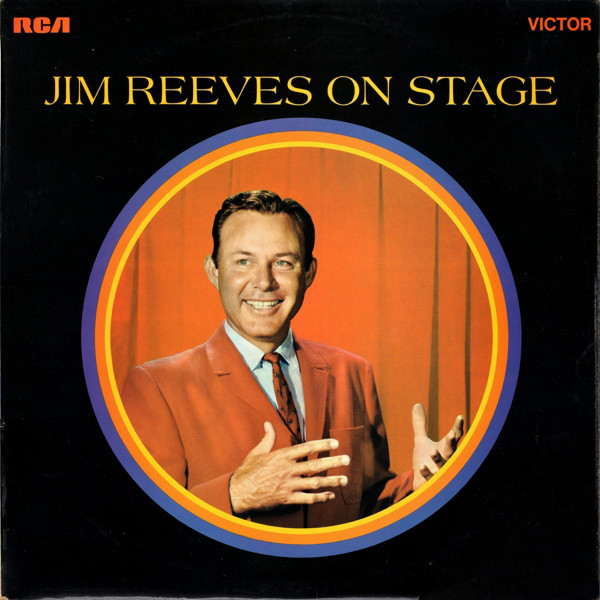
Never before had a live album been released bearing Jim Reeves’ name. A number of live recordings existed. However, when it came to choose just the one concert, RCA Victor eschewed the obvious. Rather than choosing a recording of Jim Reeves playing at one of the larger, sold out shows, a recording of a concert ar much more intimate venue was chosen for Jim Reeves On Stage.
The concert had taken place in a small park, on a mountain in Pennsylvania. Before and during the concert, the rain poured down. This didn’t bother Jim Reeves and The Blue Boys. Even when they had to leave the tour bus, and walk up the mountainside carrying their instruments. This was the case throughout the day, as Jim Reeves who was one of the biggest names in country music prepared for his show. That night, Jim Reeves and The Blue Boys worked their way through twenty songs, including three medleys.
That night, Jim Reeves and The Blue Boys pulled out all the stops, as they worked their way through familiar songs that included standards and country classics. Having opened the show with the a medley of Mexican Joe and Yonder Comes A Sucker, Jim Reeves and The Blue Boy head towards the second medley. It consisted of Four Walls, I Missed Me, Tennessee Waltz, I Really Don’t Want To Know and He’ll Have To Go, which was one of Gentleman Jim’s classic songs. This whets the audience’s appetite for the third medley.
It opens with Walking The Floor Over You, and Jim Reeves the consummate professional works his way through There Stands The Glass, One By One, Guess Things Happen That Way and I Want To Be With You Always. Despite the inclement weather, Jim Reeves and The Blue Boys give nothing less than 100%. That’s the case from Wildwood Flower, to The Blizzard, Your Old Love Letters, Am I Losing You, Bimbo, Stand At Your Window and a cover of the oft-covered standard Danny Boy. With that, the man that Jim Reeves and The Blue Boys’ left the stage. Little did they know by the time that the recording had been released as On Stage in 1969, five years would’ve passed since Jim Reeves’ death.
Jim Reeves On Stage was released in 1969, and reached a very credible five in the US Country charts. Often, live albums don’t enjoy the same commercial success as studio albums. Especially in country music. However, Jim Reeves On Stage bucked the trend, maybe because Gentleman Jim’s many fans wanted a reminder of what he was like live? The album certainly was a reminder of a truly talented singer-songwriter, whose career was cut tragically short.
Despite that, forty-four studio albums and one live album were released bearing Jim Reeves’ name. The majority of these albums were released posthumously. Some of these albums vary in quality. This makes separating the wheat from the chaff something a crapshoot.
A good place to start is BGO Records’ recently released four albums on two CD set. This includes Yours Sincerely, Jim Reeves, Blue Side Of Lonesome, A Touch Of Sadness and On Stage, which were released between 1967 and 1969. These albums have been digitally remastered and the sound quality is stunning. For a newcomer to one of the most important figures in country music, this is the perfect starting place.
Yours Sincerely, Jim Reeves with its mixture of music and dialogue offers a remarkable insight into Gentleman Jim. Blue Side Of Lonesome and A Touch Of Sadness were curated by Mary Reeves, Jim’s widow. She compiled two poignant and moving albums. They featured songs about betrayal, heartbreak, hurt and loneliness. Jim Reeves lived the lyrics, as if he’s experienced the pain and heartache. These two poignant and moving albums feature Jim Reeves as he lays bare his soul. Then Jim Reeves On Stage, is a reminder of a man who was one of the great entertainers of his generation. He appealed not just to fans of country music, but popular music. That was no surprise.
Jim Reeves had been at the forefront of the Nashville Sound movement, and helped popularise this new sound. It was a combination of old style country music and popular music. This new musical genre was popular from the the late fifties until Jim Reeves career was cut tragically short on Friday, July 31st 1964.
That day, music lost a truly talented singer and songwriter, Gentleman Jim Reeves. He was just forty years old. Who knows what direction Jim Reeves’ career would’ve headed, or what heights he might have reached? However, Jim Reeves left behind a rich musical legacy. His music continues to find a new audience, even fifty-two years after the tragic, and untimely death. Gentleman Jim Reeves will forever remain a true legend of country music, and one of the finest and most popular practitioners of the Nashville Sound.
JIM REEVES-YOURS SINCERELY, JIM REEVES, BLUE SIDE OF LONESOME, A TOUCH OF SADNESS AND ON STAGE.
AK MUSICK-AK MUSICK.
AK MUSICK-AK MUSICK.
By the early seventies, the West German music scene was thriving. Across the country, new bands were being formed, and releasing new, ambitious, innovative and experimental music. This had been the case since the late sixties, when the first wave of new bands were formed.
One of the earliest groups were Amon Düül, who were formed in Munich 1967. Originally, Amon Düül began life as a radical political art commune. Later in 1967, a group of musicians within the commune formed the band, Amon Düül. It would become famous for their free form musical improvisations. Soon, new groups were being formed across West Germany.
Among them, were Amon Düül II, Ash Ra Tempel, Can, Cluster, Faust, Guru Guru, Kraftwerk, Neu!, Popol Vuh and Tangerine Dream. Each of these groups were musical pioneers, who experimented musically, by pushing musical boundaries and combining disparate influences and genres. Sadly, this music was way ahead of its time, and it was only later that these bands received the recognition that their music so richly deserved. They would eventually be regarded as among the most important German groups of the seventies. However, these groups weren’t alone in recording and releasing ambitious and experimental music.
Across Germany, new bands were being formed in towns and cities. This included Ikarus, Kollektiv, Lava, McChurch Soundroom, Message, Sunbirds, Wake Up and Xhol Caravan. Despite their undoubted talent, and ability to record ambitious and innovative music, their recording careers were all too brief. Some bands recorded just the one album, while others recorded two and occasionally, three albums. Sadly, all too often, these albums failed to find an audience. It was a familiar problem. The music was way ahead of its time, and record buyers failed to understand such ambitious, experimental and innovative music.
This was also the case with AK Musick, whose 1972 eponymous debut album AK Musick will be reissue on the Mental Experience label on 25th November 2016. It’s a welcome reissue of one of the rarest German private presses of the early seventies.
The AK Musick story began in the early seventies, when Hans Kumpf was studying at a teacher training college in the city of Ludwigsburg, twelve kilometres from Stuttgart, in Southern Germany. One of the students was Hans Kumpf, a classically trained musician.
That wasn’t surprising. Hans Kumpf had attended a school the specialised in music. Over the years, he graduated from recorder to flute, piano, trumpet and the clarinet, which became his main instrument. This versatility would later serve Hans Kumpf well when he decided to found a new band, AK Musick.
At the teacher training college, Hans Kumpf decided to form a new group in 1972. That wasn’t surprising. Across West Germany, new bands were being formed, They ranged from the rock bands that were popular on both sides of the Atlantic, to avant-garde bands whose roots were in the free jazz movement. That was what Hans Kumpf envisaged, so he went in search of likeminded musicians.
Soon, Hans Kumpf had found the likeminded musicians he had been looking for. He found them within the teacher training college. Just like Hans Kumpf, Alfred Lell, Angela Weber, Helmut Grab and Winfried Koch were all classically trained musicians. They all shared an interested in avant-garde music, are were keen to join Hans Kumpf’s new improv collective.
This new improv collective, Hans Kumpf called AK Musick. There reasons for this were twofold. AK was an abbreviation of the German word for workshop; while Musick was a mixture of the English and German words for music. Now that the nascent band had a name, Hans Kumpf began setting out AK Musick’s musical philosophy.
The new collective would take a different approach to music. AK Musick were determined to: “make music in a very democratic way.” Each member of AK Musick’s would have their say and it everyone’s opinion was equally valid. With their musical philosophy in place, AK Musick began making music.
With each of the five members of AK Musick classically trained musicians, they were all on the same page musically. Classical music became the basis of their music. So did free jazz, improv and music of avant-garde composers, including Johannes Fritsch and especially Helmut Lachenmann. So much so, that Helmut Lachemann would accompany AK Musick to the studio when they recorded their debut album. That was still to come.
Before that, AK Musick set about honing their sound. Soon, the five likeminded and classically trained musicians were ready to take their tentative steps onto the live circuit. They soon came to the attention of the organisers of 1972 German Jazz Festival. It was being held in Frankfurt, and AK Musick were booked to play at the Newcomer’s Concert. For a relatively new and unknown group, this was a huge honour.
Every year, the Newcomer’s Concert featured the rising stars of German music. In March 1972, this included AK Musick. When they took the stage the audience numbered 1,000. Meanwhile, , the concert was being recorded live for German radio and television. Across Germany, listeners and viewers were able to hear and see AK Musick combined elements of avant-garde, free jazz and improv to create music that was ambitious and experimental music that was hailed as exciting and innovative.
After their appearance at the Newcomer’s Concert, AK Music didn’t rush into recording their debut album. Instead, they waited eight months. During that period, AK Music continued to practise and play live. They also had spent time preparing for the recording of their eponymous debut album. Nothing was left to chance, as Hans Kumpf explains: “time was money.”
Just like many other German bands who recorded their debut album in the early seventies, AK Musick hadn’t a recording contract. This meant they had to finance the recording and release of their eponymous debut. That was why such care and attention had gone into planning the recording of AK Musick. “Time was money,” and AK Music would be recorded at the Bauer Studios, in Ludwigsburg on the 14th November 1972 in just three hours. That wasn’t going to be easy.
Especially considering the amount of equipment AK Musick would use on their eponymous debut album. Each of the five band members switched between a variety of instruments during the recording of six track s. Founder Hans Kumpf played bassoon, clarinet, fiddle, kazoo, oboe, rattle, recorder, reeds, Styropor, trumpet, windlasso, zither and added vocals. Alfred Lell played cello, clarinet and windlasso. Winfried Koch switched between clarinet, ektare, flute, percussion, windlasso, recorder, tam-tam and added vocals. Meanwhile, Helmut Grab played jew’s harp, organ, Darbuka, windlasso, piano and zither. Angela Weber played windlasso and added vocals. Once the six tracks were recorded, work began on the release of AK Musick.
While some groups shopped their new album to major and independent labels, AK Musick decided to release their eponymous debut album on Hans Kumpf’s AKM Records. The only problem was money was tight. AK Musick could only afford to have 150 copies LPs pressed. This left no money to have a album cover professionally designed.
So the members of AK Musick, and members of the Student’s Association spent a weekend in December 1972 at the teacher training college. For two days, 150 handmade album covers were made using templates and spray paint. These copies of AK Music were then sold in shops and at concerts. Nowadays, they’re extremely rare and valuable. A copy of AK Music will cost upwards of $700. That’s beyond the budget of most record collectors. Thankfully, AK Music will be reissued on the Mental Experience label on 25th November 2016. It’s the opportunity to discover one of the hidden gems of German experimental music, AK Music.
Hava, which opens AK Music finds clarinets uniting. As one soars above the arrangement, another quivers. Soon, the other clarinets quiver and shiver. In the distance, hypnotic percussion bounces and draws closer. They join the braying, blistering clarinets as improv meets free jazz. AK Musick are at their most inventive, as they play with power and passion. The clarinets wail, soar and screech, before becoming melancholy, melodic and beautiful.
As Shace unfolds, a piano plays slowly and thoughtfully, while a zither is plucked and percussion plays. They’re soon, joined by rasping trumpet, while someone knocks urgently on the piano. It’s transformed into a makeshift instrument, as a wailing modal trumpet soars above the arrangement.They’re joined by a whispering ethereal vocal and flamboyant flourishes of piano. After two minutes, the arrangement becomes understated and minimalist. Less is more for the next two minutes. Just a few subtle sounds escape from the arrangement, as members of the band improvise sounds like an early human beatbox. The less is more approach continues when the strings of a zither are caressed and plucked. This is the calm before the storm.
A piano is pounded, the zither is plucked and array of percussion is briefly deployed. Soon, AK Musick then return to the earlier understated sound. Percussion shakes and rustles, while reeds are blown tenderly, producing a myriad of sounds and squeaks. They join the plink plonk and later, pounding piano and cooing vocal. Together, they play their part in captivating track that veers between understated to urgent, but always finds AK Musick at their most innovative and inventive.
Straight away, there’s an industrial sound to Impro-vision, which is joined by a myriad of beeps, speaks, shivers, scrapes and rasps. Some are improvised by band members, while the reeds and trumpet weep, wail, shiver and quiver. Meanwhile, an improvised vocal whoops and shrieks almost hysterically as the trumpet brays. Weeping, squeaking sounds emerge from the depths of the arrangement, and they too have a melodic beauty. So does the free jazz piano and clarinet. They add a thoughtful, poignant sound, before dropping out. Replacing them are washes of ethereal, elegiac and later, otherworldly vocals. They’re part of a multilayered soundscape that not only captivates but, is melodic, and full of subtleties, surprises and nuances.
A lone bassoon is joined by Angela Weber’s slow, heartfelt and elegiac vocal on My Ape and My Monkey. They’re soon joined bypercussion and a darbuka. It adds an African influence as it helps provide an accompaniment to the plaintive cry of the vocal. Later, though, the tempo rises and there’s an urgency to AK Musick. They improvise, as the track heads in the direction of free jazz. This is quite different from earlier. Still though, the haunting beauty of the vocal and African influence are omnipresent on this genre-melting track, where AK Musick continue to combined disparate genres and instruments.
Closing AK Musick is Baz, where distant squeaks, beeps, wheezes, whirs and drone and draw nearer. They became part of a multilayered arrangement. It’s dark, eerie and otherworldly, as a cello plays, shrieks and shivers. Then dramatic bursts of dark music are unleashed by an organ. They sound as if they belong on a horror soundtrack. Adding to the darkness and drama, are the free jazz reeds and cello. They’re matched every step of the way by Angela Weber’s vocal. Her vocal soars high above the arrangement, as she improvises and transforms her vocal into another instrument. By 4.00 the arrangement is understated and minimalist, before taking on a cinematic sound. Again, it sounds as if AK Musick are creating the soundtrack to a horror film, as the music becomes variously dark, eerie, otherworldly and sometimes shrill and almost discordant. Other times, it’s melodic and spine tingling, but and always cinematic. AK Musick it seems, kept the best until last.
Despite the undoubted quality of their eponymous debut album, AK Musick didn’t record a followup. Instead, they were just the latest in a long line of German groups who only recorded one album. However, AK Musick was a hidden gem of an album, which featured five multitalented multi-instrumentalists as they experimented musically, by pushing musical boundaries to their limited and sometimes beyond.
To do this, AK Musick combined disparate influences, instruments and genres. This included avant-garde, experimental, free jazz and even elements of African, Berlin School, industrial music and Krautrock. The music of avant-garde composers Johannes Fritsch and especially Helmut Lachenmann influenced Hans Kumpf’s new improv collective. They recorded ambitious, experimental and innovative. Sadly, the music on AK Musick was way ahead of its time, and record buyers failed to understand this groundbreaking, genre-melting album. It was only much later that AK Musick received the recognition that their music so richly deserved.
Forty-four years after the release of 150 copies AK Musick on Hans Kumpf’s AKM Records, the albvum is somewhat belatedly receiving the recognition it deserves. AK Musick is now recognised as an ambitious, important and innovative album. It’s also an album that even today, has the potential to influence a new generation of musicians. They will be able to discover AK Musick on the 25th November 2016, when it’s reissued by the Mental Experience label,which is an imprint of Guerssen Records. This will be the first time that AK Musick has been reissued since its release in 1972.
Back then, only 150 copies of AK Musick were pressed. This makes AK Musick one of the rarest German private presses of the early seventies. That’s why copies are changing hands for upwards of $700. Not for much longer. After the 25th November 2016, AK Musick will be within the budget of anyone who is interested music. They’ll be able to discover the delights of AK Musick, which is a truly innovative and groundbreaking album of timeless music from Hans Kumpf’s improv collective.
AK MUSICK-AK MUSICK.
THE GIRLS WANT THE BOYS! SWEDISH BEAT GIRLS 1964-1970.
THE GIRLS WANT THE BOYS! SWEDISH BEAT GIRLS 1964-1970.
Over the last few years, Ace International’s Beat Girls’ compilation series, has proved to be on the most popular series released by Ace Records. That is no surprise, as the compilers have travelled far and wide in search of the creme de la creme of music from the sixties’ Beat Girls.
Previous sojourns have found the Ace International team pitch up in Japan, before heading to Europe, for crate-digging expeditions in Italy and France. This time though, the destination was Sweden, which has a rich musical heritage.
That’s as true today, as it was when the twenty-four tracks on The Girls Want The Boys! Swedish Beat Girls 1964-1970 were recorded. These twenty-four tracks were recorded by eighteen artists. This includes Agnetha Fältskog, Eleanor Bodel, Lena Junoff, Doris, Mona Wessman, Britt Bergstrom, Sunnygirls, MAK Les Soeurs, Suzie and Susanne Wigforss. They’re part of The Girls Want The Boys! Swedish Beat Girls 1964-1970, which was recently released by Ace International, an imprint of Ace Records. It’s a welcome addition to what’s a long running and successful series.
Abba are, without doubt, one of Sweden’s most successful musical exports. So it’s fitting that a song from one of the future members of Abba, Agnetha Fältskog opens The Girls Want The Boys! Swedish Beat Girls 1964-1970.
Back in 1969, Agnetha Fältskog was about to release her sophomore album Agnetha Fältskog Volume 2 on the Cupol label. It had been produced by her boyfriend, Björn Ulvaeus, who would also go on to find fame and fortune with Abba. One of the songs on the album was Ge Dej Till Tals, which was originally written by Alan Hawshaw and Ray Cameron as Show Some Patience. For Agnetha Fältskog’s cover version, Bo-Göran Edling wrote the Swedish lyrics. Agnetha Fältskog delivers an emotive vocal, against an impressive orchestral arrangement and harmonies. It’s a fusion of easy listening and pop that provides the perfect backdrop for the vocal talents of Agnetha Fältskog.
Just like Agnetha Fältskog, Anni-Frid Lyngstad was embarking upon a solo career in 1969. She had just released Sa Synd Du Maste Ga (It Hurts To Say Goodbye) as a single on Columbia. This was a cover of a song penned by Arnold Goland and Jack Gold, which was produced by her partner Benny Anderson. Together, the two future members of Abba are responsible for a breathy, beautiful and timeless slice of Euro beat.
It was in 1968 that Eleanor Bodel’s recording career began. Previously, she had been working in a boutique owned by Lelle Hegland, the bassist of the Hep Stars. That was until he realised that Eleanor Bodel could sing. This lead to Lelle Hegland introducing Eleanor Bodel to songwriter Bengt Palmers. Soon, Eleanor Bodel was well on her way to becoming one of the stars of the Swedish pop music.
Eleanor Bodel went on to enjoy four hit singles between 1968 and 1969. This included a number one single with One Way Ticket in 1969. Later in 1969, Eleanor Bodel released her debut album, One Way Ticket on Olga Records. It featured the pounding sixties pop of The Girls Want The Boys, and To Love Somebody Is To Hurt Somebody. It’s a heartfelt, orchestrated ballad that shows another side to Eleanor Bodel. She was a versatile and talented singer. Despite this, and enjoying a successful career, Eleanor Bodel decided to turn her back on music in 1971, to concentrate on her studies.
After a period as lead singer of The Strangers and The Plums, Doris embarked upon a solo career in the late sixties. By 1970, Doris had released a string of singles and was about to release her sophomore album Did You Give The World Some Love Today, Baby on the Odeon label. It was produced by Håkan Sterner, and featured Don’t, one of the highlights of the album. Doris unleashes a vocal powerhouse on this jazzy dance track.Despite its undoubted quality, Don’t was relegated to the B-Side of the 1970 single Did You Give The World Some Love Today, Baby. Don’t which would later go on to become a favourite among dancers and DJs.
Bella and Me was a short-lived combo featuring Anna-Bella Munter And Gunnel Sandgren. They were staying in London when they came to the attention of Mike Bradley, who was Tom Jones’ assistant manager. Mike Bradley and Ralph Murphy co-produced Bella and Me’s one and only single Whatever Happened To The 7-Day Week? It was released on Columbia in 1967. Tucked away on the B-Side was Help Me Break This Habit. It’s dreamy and melodic pop song, with a stomping Motown beat that injects a degree of urgency into this hidden gem.
The Plums were one of the groups Doris Svensson was a member of, before she embarked upon a solo career. They only recorded a few singles, including Benny Law. Although this carefully crafted and catchy song failed to replicate the commercial success of Mama Didn’t Lie, it’s certainly melodic and memorable.
Britta Bergström was only sixteen when her recording career began in 1965. Over the next five years, she was a prolific artist, releasing around forty singles. This included her cover of You Really Have Started Something. It was cowritten by John Carter and Ken Lewis of The Ivy League, and released as a single by Britt Bergstrom on Piccadilly in 1966. It’s a timeless song, and one of the finest moments of Britt Bergstrom’s solo career. Sadly, just four years later, Britt Bergstrom retired in 1970, aged just twenty-one.
Given Anni-Frid Lyngstad’s contribution to Swedish music, it’s fitting that she features twice on The Girls Want The Boys! Swedish Beat Girls 1964-1970. Her second contribution is her 1970 single Dar Du Gar Lamnar Karleken Spar, which was released on Columbia. It’s another cover version, but is a song that many people will be familiar with, Edison Lighthouse’s Where My Rosemary Grows. Anni-Frid Lyngstad combines easy listening and pop, on what’s a memorable cover of a pop classic.
In 1970, Agnetha Fältskog returned with her third album Som Jag Är. Again, the album was produced by Björn Ulvaeus, and was released on the Cuplol label. One of the songs on the album was Spela Var Sang (Play Our Song), which was a cover of Petula Clark’s Melody Man that Agnetha Fältskog had written Swedish lyrics to. It’s best described as a fusion of Schlanger and pop with an arrangement the briefly heads in the direction of rock courtesy of the rocky guitars.
Although Maria Catharina Martina Pereboom, a.k.a. Suzie, was born in Tilburg, in the Netherlands in 1946, she moved to Sweden in 1960. By then, Suzie’s musical career was well underway. She had joined The Nicholls Family as a teenager, and performed with them across Europe. During her travels, Suzie became multilingual, and fluent in eight languages. This would serve Suzie well well, when she embarked upon a solo career in 1963, The seventeen year old’s debut single Johnny Loves Me gave Suzie a hit single in Sweden. A year later, Suzie released in Sweden was Det Far Ej Hända Igen. It was released on the Sonet label in 1964. It’s a hook-laden slice of sixties pop that was one of over fifty singles Suzie released between 1963 and 1976.
When Maritza’s career began in the sixties, she was a pop singer. It was only in the seventies that Maritza decided to change direction, and record jazz and folk. This change of direction paid off, and Maritza went on to enjoy a long and successful career. Om Bara Du Gav En Vink which was released on Decca in 1969, is a reminder of Maritza’s pop years. Maritza delivers an impassioned vocal against a lush, orchestrated arrangement. For those familiar with Maritza’s later work, this will show another side to a talented and versatile vocalist.
Closing The Girls Want The Boys! Swedish Beat Girls 1964-1970 is Susanne Wigforss’ jazzy cover of Sommartid (Summertime). It was released by the Euphoric label in 1968, and is a quite beautiful rework of a familiar and oft-covered song. Susanne Wigforss succeeds where many have failed, in bringing something new to Summertime. It’s a quite beautiful way to close The Girls Want The Boys! Swedish Beat Girls 1964-1970.
The recently released The Girls Want The Boys! Swedish Beat Girls 1964-1970 is a welcome addition to the Beat Girls’ series. It was compiled by Mick Patrick, and released by Ace International, an imprint of Ace Records. This is another of Ace Records’ longest running and most successful compilation series. They seem to have the Midas touch when it comes to compilations.
That’s no surprise. Great care and attention goes into each and every compilation. The Girls Want The Boys! Swedish Beat Girls 1964-1970 is no different. It features a mixture of familiar faces and new names. Two of the biggest names were Agnetha Fältskog and Anni-Frid Lyngstad in their pre-Abba days. However, they’re just two of the eighteen artists who contributed twenty-four tracks to The Girls Want The Boys! Swedish Beat Girls 1964-1970. Other include Eleanor Bodel, Lena Junoff, Doris, Mona Wessman, Britt Bergstrom, Sunnygirls, MAK Les Soeurs, Suzie and Susanne Wigforss. They were some of the most successful Swedish Beat Girls between 1964 and 1970.
As the seventies dawned, some artists went on to greater things, Other artists, including Eleanor Bodel, decided to turn their back on music. She had enjoyed her short, but successful musical career, but decided to return to her studies. Some artists had no option, as their career stalled or ground to a halt. For some artists, including Bella and Me, recording a single hadn’t been something they planned to do. A chance meeting resulted in them recording their one and only single Whatever Happened To The 7-Day Week. They never recorded another single, and their recording career amounts to just the one single. By contrast, Britta Bergström and Suzie were truly prolific artists. They’re among the contributors to The Girls Want The Boys! Swedish Beat Girls 1964-1970. This is Ace International’s first retrospective of the Swedish Beat. Let’s hope it’s not the last. Hopefully, compiler Mick Patrick is already planning a followup to The Girls Want The Boys! Swedish Beat Girls 1964-1970, which is a welcome addition to the Beat Girls series.
THE GIRLS WANT THE BOYS! SWEDISH BEAT GIRLS 1964-1970.


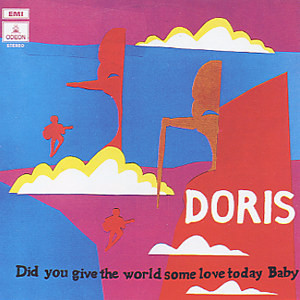
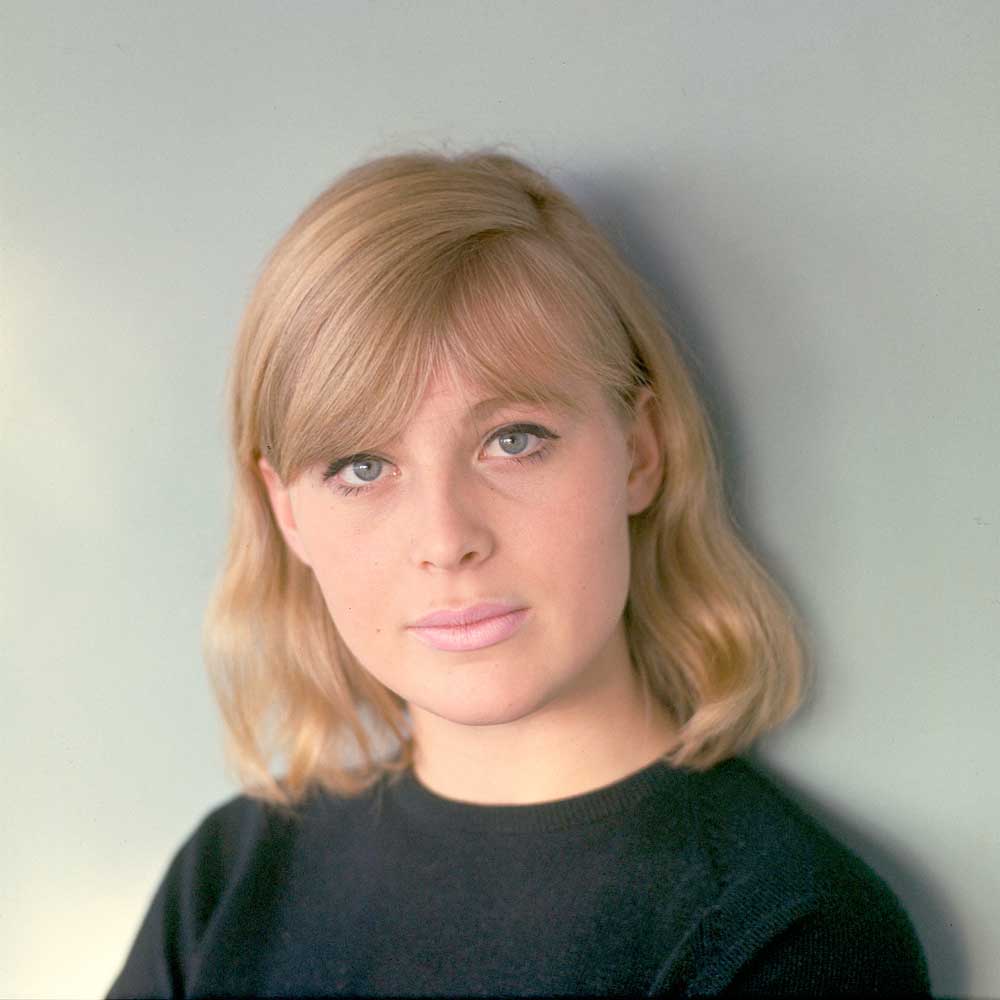


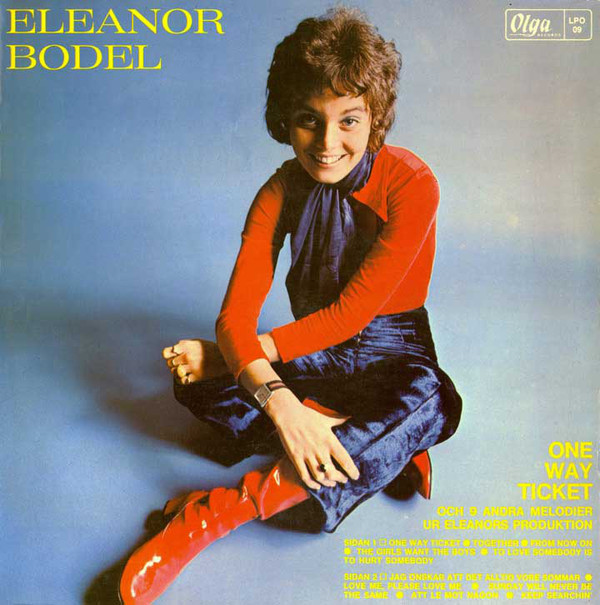

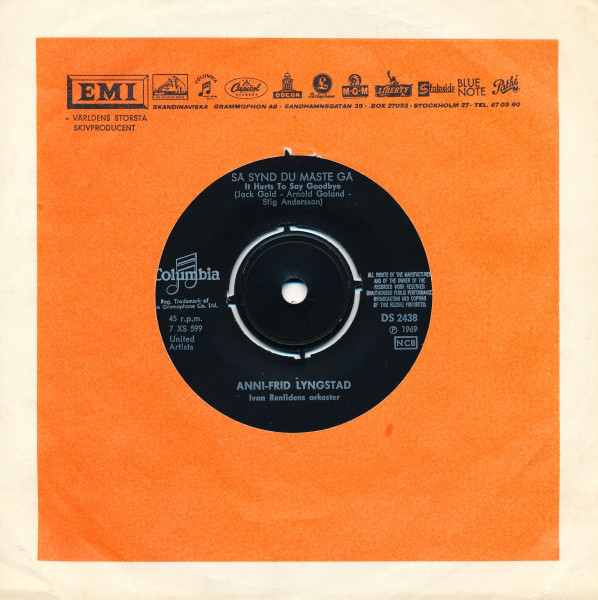
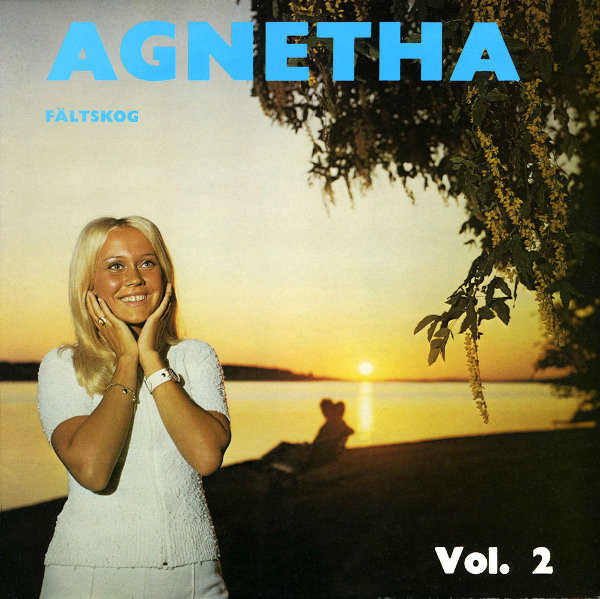
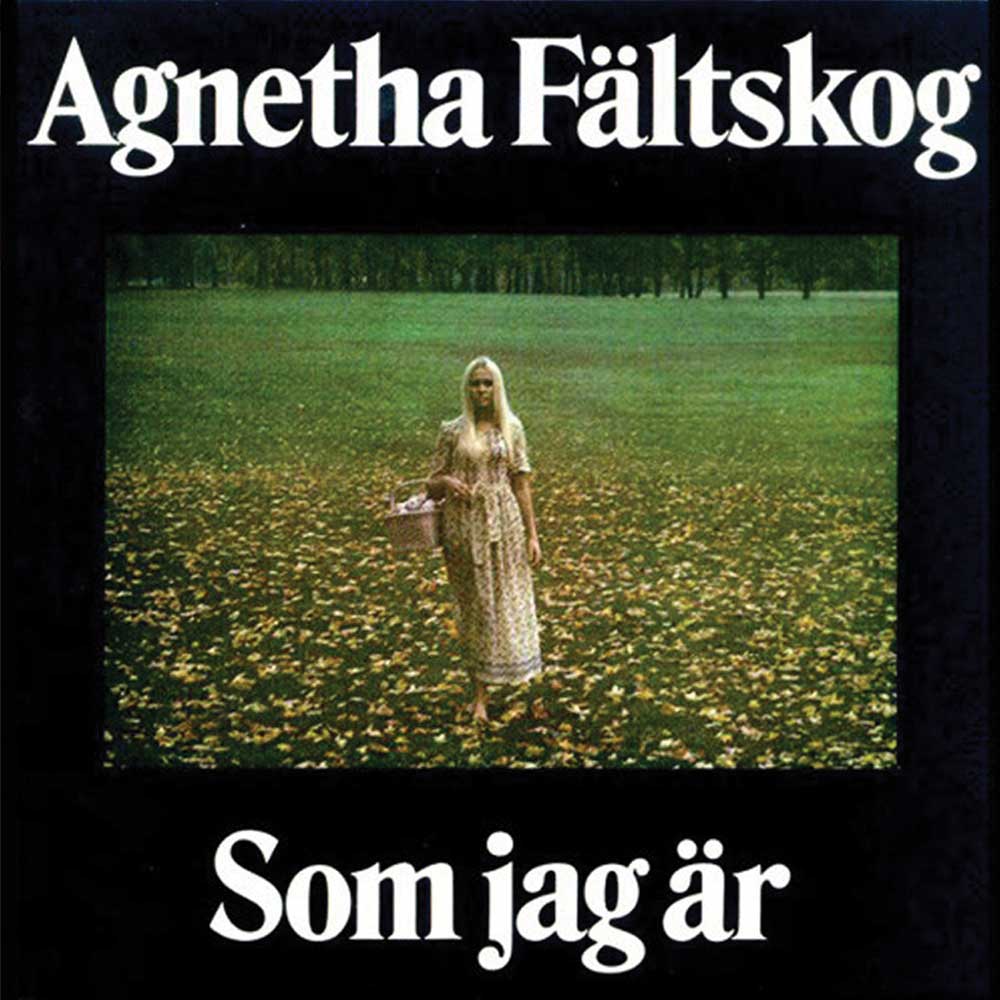
THE LIFE AND CAREERS OF MARY LOVE.
The Life and Careers Of Mary Love.
The day that Mary Love entered a talent contest in a local club was that the day that her life changed. She sang a cover of Etta James’ Somebody’s Got A Hold On Me and won. This resulted in Mary being hired to sing every Thursday.
She was paid $8 a night and accompanying Mary Love were The Vows who she had befriended. They were her friends and were protective of Mary.
The next big break came when Sam Cooke’s manager J.W. Alexander heard Mary sing and gave her his card. The next day, J.W. Alexander and Mary Love met. He offered Mary the chance to sing on demos. This was her opportunity to make a life for herself.
Having started singing demos, Hal Davis heard Mary. He liked what he heard and signed Mary to Modern Records. The only problem was her name. Hal though that Mary Love was a better name for a singer. So it was Mary Love that went on to record twelve tracks for Modern Records between 1965 and 1968.
Mary Love’s Modern Records debut was You Turned My Bitter Into Sweet. It was released in April 1965, and became one of Mary biggest hit singles. The single sold especially well around the Los Angeles area. This was enough to launch Mary Love’s career. Since then, You Turned My Bitter Into Sweet has become a favourite in the UK’s Northern Soul scene, and nowadays, is regarded as a Northern Soul classic.
Following Mary’s debut single, You Turned My Bitter Into Sweet, I’ve Got To Get You Back was released as Mary’s sophomore single in August 1965. Again, it sold well in the Los Angeles area, but failed to find an audience further afield. This would be a familiar story. The exception was Move A Little Closer.
Released in in October 1968, Move A Little Closer reached number forty-eight in the US Billboard 100. This was Mary’s biggest hit. Ironically, Move A Little Closer wasn’t the A-Side. This was Let Me Know. When Move A Little Closer proved more popular, Modern Records flipped the song over, and a hit was born. For Mary, she thought her career was now underway.
Sadly, Lay This Burden Down didn’t build on the success of Move A Little Closer, when was released in October 1966. Again, it failed to chart. It was a hit locally. So was the Ashford and Simpson penned Baby I’ll Come, where Mary mixes power, passion and emotion. It’s one of Mary’s best singles. Tucked away on the B-Side is the hidden gem Satisfied Feeling on the B-Side. Released in February 1967, Mary delivers a vocal tour de force on Satisfied Feeling. After this, Mary would only release one more single for Modern Records.
Talkin’ About My Man was released in July 1967. Written by Arthur Adams, here was a ballad that seemed tailor-made for Mary. Despite this, widespread commercial success and critical acclaim eluded Mary. She did release a duet with Arthur Adams, Is That You. He seems to bring out the best in Mary. Sadly, this didn’t result in a hit single to end Mary’s time at Modern Records.
During her time at Modern Records, Mary divided her time between her solo career and singing backing vocals. Everyone from The Ikettes, Vernon Garrett and Lowell Fulson were accompanied by Mary. However, Mary was determined to make a success of her solo career.
In 1968, Mary met producers Matt Hill and Skip Layne. She recorded the anthemic The Hurt Is Just Beginning and Don’t Let It Happen. The Hurt Is Just Beginning garnered radio play in Los Angeles. This just happened to be during the trial of the Black Panther’s Huey Newton. They took to singing lyrics from the song: “The Hurt Is Just Beginning and don’t let it happen.” Not long after this, the B-Side, If You Change Your Mind, started getting radio play. It was released nationally on Josie, reaching number forty-six in the US R&B Charts. For Mary this was her second most successful single. Despite this, another three years passed before Mary released her next single.
Ironically, it was back in Sacramento that Mary met John W. Cole, friends of Mary’s grandparents. He was a businessman, who ran a chain of chemist and record shops. John wanted to expand his business. Next for John was the music business, and knew Roger Spotts, who played alongside Johnny and Shuggie Otis, two hugely talented musicians, arrangers and producers. So Roger would and arrange Mary’s next single at Ray Charles’ Los Angeles studio.
The Mary Love penned There’s Someone For Me was chosen as Mary’s next single. Roger would produce There’s Someone For Me and the B-Side, Born To Live With Heartache. Ray Charles even helped out during the session. He took charge of engineering. Beautiful, cathartic and soul-baring describes There’s Someone For Me. As for Born To Live With Heartache, Mary raises the funk factor and shows another side to her music. Both sides of this 1971 single, which was released on Elco are among some of Mary’s finest work. Sadly, history repeated itself when the single flopped. This resulted in Mary taking time out from the music industry.
It wasn’t until 1975 that Mary returned to music. She’d been raising her family and singing in nightclubs. However, she’d taken a break from recording. During that time, she’d hung out with Lou Rawls, Barry White, Willie Hutch and Dennis Edwards. Through her friendship with comedian, Rudy Ray Moore, Mary landed a part in the Blaxploitation movie Dolemite. Appearing as herself, Mary sings When We Start Making Love and Power Of Love which were part of the soundtrack released on Generation Records. That would be the last we heard of Mary for a couple of years.
Again, Mary was featuring in another film. This time it was Rudy Ray Moore’s Petey Wheatstraw. Mary penned five tracks for the film soundtrack, which was released on the Magic Disc label. Two of the tracks feature on Mary Love-Lay This Burden Down: The Very Best Of Mary Love. Joy and Loving You are gospel tinged tracks, very different from the disco inspired title-track. Unfortunately, commercial success still eluded Mary. Her career as a soul singer was almost at an end.
Over the next few years, Mary toyed with disco. She released Dance To My Music in 1979, on Inphasion. Although it wasn’t a hit in America, it was a hit in Italy. Then Mary spent three months living in Osaka, Japan, where she was part of Ah Sweet Tastes. They released a single Keep On Dancing, where Mary sings in Japanese and English. Mary’s final two releases were a 1982 cover of Tit For Tat, which was released on Elco. Mary’s final secular single was Save Me, which was released on U-Tone in 1984. After that, Mary Love became a gospel singer. .
Turning her back on secular music, Mary Love became a successful gospel singer. Over the years she became one of the most successful gospel singers. Two of her gospel albums, 2002s Incredible and 2005s Mary, Mary were certified gold, while 2000s Thankful was certified platinum. Mary Love had at last enjoyed the success her voice and undoubtable talent deserved. This commercial success was on Mary’s terms. Sadly, Mary passed away on June 23rd 2013.
She was just sixty-none and that day soul music had lost one of its greatest female singers. Although Mary Love didn’t enjoy the commercial success and critical acclaim her music deserved, her music is popular throughout the world, especially in the UK, where Mary was always a welcome visitor. That music is a reminder of Mary Love who was one of soul’s finest female singers.
The Life and Careers Of Mary Love.
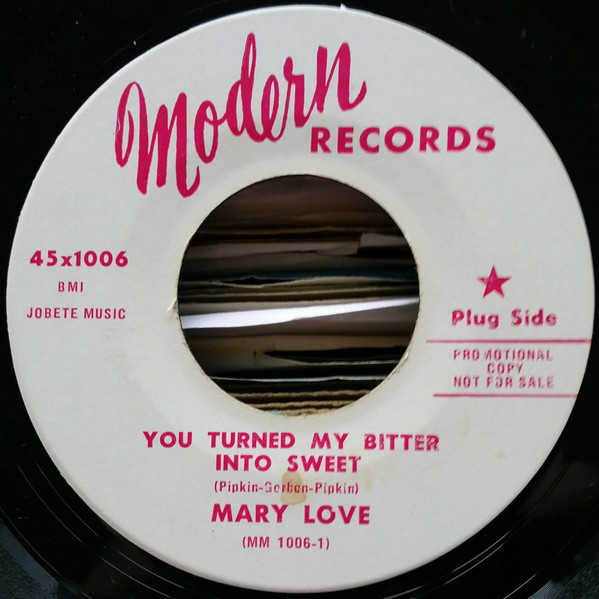

HARMONIA-“THE MOST IMPORTANT BAND IN THE WORLD.”
HARMONIA-“THE MOST IMPORTANT BAND IN THE WORLD.”
Throughout musical history, innovative music has often failed to find an audience upon its release. It’s only much later, that the music’s importance and innovation is recognised. Musical history is littered with examples. This includes the group that Brian Eno once called : “the most important band in the world,” Harmonia.
Despite such high praise, Harmonia’s albums failed to find the audience that they deserved, and the band struggled make a living. For Germany’s first ever supergroup, this was an inauspicious start to their career.
Just over twenty years later, and somewhat belatedly, Harmonia’s music was beginning to find a much wider audience, and receiving the recognition it deserved. At last, Harmonia had taken their place at the top table of Krautrock, alongside Can, Kraftwerk, Cluster, and Neu! This was somewhat belated, given The Harmonia story began back in 1973.
Harmonia featured members members of Neu! and Cluster. They decided to form Back in 1973, Neu! had just released their sophomore album Neu! 2. It failed to match commercial success and critical acclaim of their eponymous debut album. Neu! had sold 30,000 copies in Germany alone. This was good for an underground album. However, Neu! 2 was a different matter.
Neu! 2
The problems started when Neu! went into the studio to record Neu! 2. They had booked ten days to record their second album. This should’ve been plenty of time. Neu! had recorded their debut album in four days. However, Micahel Rother and Klaus Dinger spent too long recording side one of the album. With only three days left, the pair panicked. Desperation set in. Then they remembered a single Neu! had released, Neuschnee which featured Super on the flip-side. This was the solution to their problems.
So for side two of Neu! 2, Michael and Klaus recorded versions of Neuschnee and Super. Michael remembers “We did all sorts of things. I played the single on a turntable, and Klaus kicked it as it played. We than played the songs in a cassette player, slowing and speeding up the sound, and mangling the sound in the process.” Just like their debut album, Neu! 2 was completed just in time. It was another: “close shave.”
With Neu! 2 complete, it was scheduled for release later in 1973. When the album was released, critics were won over by side one. Neu! were refining the sound of their debut album. Für immer was Neu! 2’s masterpiece. However, critics weren’t impressed by side two.
Many critics saw the music as gimmicky, and accused Neu! trying to fool and rip off record buyers. Indignant critics took the moral high-ground. Some record buyers agreed. “They felt that we were trying to rip them off. That was not the case.” Side two was Neu! at their most experimental, deconstructing ready made music only to reconstruct or manipulate it. However, neither critics nor record buyers realised this, and Neu! 2 failed commercially. This left Michael Rother and Klause Dinger with a problem.
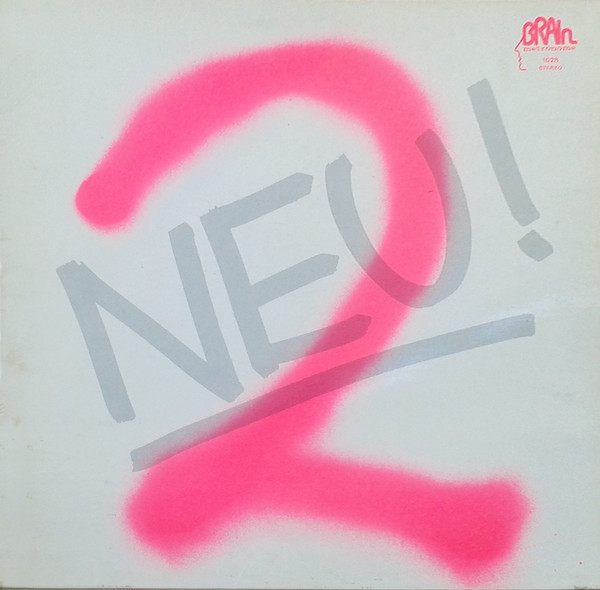
Both men decided to look for a solution to the problem. Klaus headed to London, where he tried to drum up interest in Neu! Meanwhile, Michael found the solution to his problem in a song.
After hearing “Im Süden, a track from Cluster’s sophomore album Cluster II,” Micahel Rother decided to turn Neu! into the first German supergroup. So Michael embarked upon a journey to the Forst Commune, where his he had a proposal for two of his friends, Dieter Moebius and Hans-Joachim Roedelius of Cluster.
As Michael made his way to the Forst Commune, he wondered if Dieter Moebius and Hans-Joachim Roedelius would be interested in joining an extended lineup of Neu!? Then Michael began to consider another possibility, a German supergroup consisting of Neu! and Cluster? This would be a first. Nobody had ever tried this before. It was the opportunity of a lifetime.
Soon, it became apparent that Michael’s idea of a supergroup was about to take shape, just not in the way Michael had originally envisaged. That initial jam later became Ohrwurm, a track from Harmonia’s 1974 debut album Musik von Harmonia. Following their initial jam session, Michael stayed at the Forst Commune to prepare for the recording of Harmonia’s debut album. Germany’s first supergroup had just been born. It wasn’t an extended version of Neu! Instead, it was a new band Harmonia.
Musik von Harmonia.
Soon, Michael Rother, Dieter Moebius and Hans-Joachim Roedelius started recording what became Musik von Harmonia in June 1973. It was meeting of musical minds. Over the next five months, Harmonia recorded eight songs. The two members of Cluster were receptive to Michael Rother’s way of working. Hans-Joachim Roedelius explained recently: “there were no problems, we wanted to learn. Previously, we improvised, which made playing live problematic. A song was merely the starting point, it could go anywhere. Michael however, taught us about structure. We influenced him. It was a two-way thing.”
That’s definitely the case. Michael Rother believes: “that working with Dieter Moebius and Hans-Joachim Roedelius made him a more complete musician.” Over his time working with the two members of Cluster; “I learnt so much.”
This became apparent when Musik von Harmonia was completed in November 1974. Harmonia’s 1974 debut album, Musik von Harmonia, was a move towards ambient rock. Both Michael Rother and the two members of Cluster’s influences can be heard on the nascent supergroup’s debut album. It was released in January 1974.
When Musik von Harmonia was released, many critics realised the importance of what’s a groundbreaking classic. It saw this nascent supergroup seamlessly embrace and incorporate disparate musical genres. In the process, Harmonia set the bar high for future ambient rock albums. Critical acclaim the release of Musik von Harmonia Brian Eno on hearing the album, called Harmonia: “the most important band in the world.” Despite the critical acclaim and the endorsement of Brian Eno, Musik von Harmonia wasn’t a commercial success. For Harmonia, this was a huge disappointment.
Michael Rother remember ruefully: “the seventies weren’t a good time for Harmonia. Our music was ignored, it was tough to survive during this period. So towards the end of 1974, Michael and Klaus reunited for Neu!’s third album.
That wasn’t the end of Harmonia though. Neu! spent December 1974 and January of 1975 recording their third album Neu! 75. It was scheduled for release later in 1975. By then, the recording of Harmona’s sophomore album began in June 1975.
The Reuturn Of Harmonia-Deluxe.
In June 1975, the three members of Harmonia returned to their studio in Forst for the recording of their sophomore album, Deluxe. Joining them, was a new face, Conny Plank, who was co-producing Deluxe. Conny Plank and Michael were good friends, and had worked together on three projects. This included Kraftwerk’s aborted album and Neu!’s two album. The addition of the man who Michael Rother calls: “the genius,” just happened to coincide with Harmonia changing direction musically.
Deluxe saw a move towards Kominische musik. Partly, this was down to the addition of Guru-Guru drummer Mani Neumeier. He played on some track, and added a Kominische influence. Another change was that Michael Rother’s guitar played a more prominent role. That wasn’t Michael’s only influence.
The music on Deluxe was more song oriented. This was Michael Rother’s influence. He had taught the two members of Cluster the importance of structure. However, still Harmonia were experimenting, pushing musical boundaries. This was Cluster’s influence. Other parts of Deluxe had been influenced by Michael Rother. Hans-Joachim Roedelius agrees. “Michael Rother’s influence can be heard on Deluxe, more so than on Musik von Harmonia.” What was also noticeable, was that Deluxe had a more commercial sound.
“This wasn’t a conscious decision. The music morphed and evolved, and the result was Deluxe,” Hans-Joachim Roedelius reflects. Michael Rother agrees. “Every album I’ve made I set out for it to be commercial. Sometimes, though, it doesn’t work out that way.” Sadly, that proved to be the case.
When Deluxe was released in 1975, to the same critical acclaim as Musik von Harmonia. The noticeable shift to what was a more commercial sound, surely would lead to a change in Harmonia’s fortunes?
That wasn’t to be. Deluxe was released on 20th August 1975, and sales of the album were slow. They never picked up, and history it seemed, was repeating itself. Michael reflects: “Still our music was being ignored. It was a difficult time for us. So much so, that Michael decided to record his debut solo album.
By then, it looked as if Harmonia had run its course. So Michael Rother decided to embark upon a solo career. That would take up the majority of his time. Michael’s first solo album was “Flammende Herzen which I recorded at Conny’s Studio,” during June 1976. Then later in the summer, Harmonia recorded their third and final studio album.
Tracks and Traces.
Little did the three members of Harmonia realise, that Deluxe was the last album they would release for thirty-two years. For what was their swan-song, Harmonia were joined by another legend, Brian Eno.
At the studio in Forst, Hans-Joachim Roedelius, Dieter Moebius, Michael Rother and Brian Eno spent eleven summer days recording what was meant to be their third album. The working title was Harmonia ’76. However, by then, “Michael Rother was wanting to concentrate on his solo career. Once the album was completed, it became apparent Harmonia had run its course. It was evolution.” So, Harmonia ’76 was never released until 1997.
During the next thirty-one years, it was thought that the master tapes had gone missing. “That was a rumour. Harmonia ’76 was released as Tracks and Traces in 1997.” Then ten years later, in 2007, Harmonia reunited.

Live ’74.
The reunion was for the release of their Live 1974 album. It featured a a recording of Harmonia’s concert on the 23rd March 1974, at Penny Station Club in Griessem, Germany.
Live ’74 features just five lengthy tracks. As Harmonia open the show with a near eleven minute version of Schaumburg instantly, the listener is transported back to that night on 23rd March 1974. Harmonia then work their way through Veteranissimo, which becomes a seventeen minute epic, Arabesque and the Magnus Opus that’s Holta-Polta. Then Harmonia close the set with Ueber Ottenstein. These five tracks are a snapshot of Harmonia at the peak of their powers. They were one of the greatest German bands, but very few people had realised this. By 2007, when Live ’74 was released, it was common knowledge that Harmonia were Komische royalty.
To celebrate the release of Live 1974, Harmonia played live for the first time since 1976. This landmark concert took place at the Haus der Kulturen der Welt in Berlin, on November 27th 2007. Sadly, it was the last time Harmonia played together.
After a brave and lengthy battle against cancer, Dieter Moebius died on 20th July 2015. By then, Harmonia were receiving the recognition that their music so richly deserved. Dieter Moebius with Hans-Joachim Roedelius and Michael Rother had been part of one of the most innovative groups in the history Krautrock. They’re now regarded as one of the finest purveyors of Krautrock. That’s why Harmonia sit proudly alongside Can, Cluster, Kraftwerk and Neu! at Krautrock’s top table.
Sadly, the recognition that Harmonia received, came long after they released their two classic albums, Musik Von Harmonia and Deluxe. Nowadays, Harmonia are regarded as one of the most important, influential and innovative Krautrock bands of the seventies. Forty years after the release of Musik Von Harmonia and Deluxe, Harmonia is more popular than ever. For Micael Rother, that’s ironic. He remembers how: “the seventies weren’t a good time for Harmonia. Our music was ignored, it was tough to survive during this period.” Now things are very different for Harmonia. They’re quite rightly regarded as one the giants Komische music. Harmonia are regarded as just as important, influential and innovative as Can, Kraftwerk and Neu! That’s why Brian Eno once called Harmonia: “the most important band in the world.”
HARMONIA-“THE MOST IMPORTANT BAND IN THE WORLD.”

SUPER DUPER LOVE-MAINSTREAM HITS AND RARITIES 1973-76.
SUPER DUPER LOVE-MAINSTREAM HITS AND RARITIES 1973-76.
Back in 1964, forty-four year old Bob Shad founded Mainstream Records. This was the latest label that he had founded in a career that had spanned over twenty years. During that period, Bob had had worked as a session musician, producer and A&R man. Bob Shad put all this experience to good use when he founded Mainstream Records in 1964.
When Bob founded Mainstream Records in 1964, it was originally a jazz label, which mainly released albums and a few singles. However, by 1965, music was changing, and rock was King.
Bob Shad decided that Mainstream Records should release a wider and more eclectic election of music. This included rock music. For the next five years, Mainstream Records’ new and expanded roster proved popular and profitable. That was until 1970. So Bob Shad decided to relaunch Mainstream Records.
The newly relaunched Mainstream Records would feature a newly designed label and would release just jazz. Mostly, Bob Shad intended to return to releasing mostly albums, with the occasional single. This was the way Mainstream Records had originally operated. However, Bob Shad had developed a criteria for chewing the albums he was willing to release.
He was going to only release what he saw as traditional jazz albums. Bob Shad didn’t want to release albums where synths and electronics featured. This was unrealistic given that fusion’s popularity was on the rise. It was no surprise that this new policy didn’t last long, and Mainstream Records began to release soul and jazz.
By then, the there had been a blurring of the lines between what was soul and jazz. Even critics and record buyers were confused. However, this blurring of the lines resulted in Mainstream Records’ musical policy changing, and the label releasing a much wider selection of music. This included the music on Super Duper Love-Mainstream Hits and Rarities 1973-76, which was recently released by Kent Soul, which is an imprint of Ace Records.
Super Duper Love-Mainstream Hits and Rarities 1973-76 features twenty-four tracks from Mainstream Records and its various subsidiaries. Familiar faces and new names sit side-by-side, including Afrique, Linda Perry and Soul Express, Lenny Welch, Sandra Phillips, Calvin Arnold, J.G. Lewis, Doris Duke, The Eleventh Commandment, Darlene Jackson, The Dramatics and Ellerine Harding. These are just a few of the artists on Super Duper Love-Mainstream Hits and Rarities 1973-76. It’s the companion disc to Mainstream Modern Soul 1969-1976 which Kent Soul released earlier this year..
Opening Super Duper Love-Mainstream Hits and Rarities 1973-76 is Sugar Billy’s Super Duper Love (Are You Diggin’ On Me). It was penned by Willie Garner a.k.a. Sugar Billy, and produced by Leonard Jones for Soundtrack Productions. He then formed the Fast Track label to release Super Duper Love (Are You Diggin’ On Me). Leonard Jones signed a distribution deal with Mainstream Records. With Bob Shad onboard, Super Duper Love (Are You Diggin’ On Me) was was released in December 1974. By early 1975, it reached number seven on the US R&B chart. It features a vocal powerhouse on this soulful and funky single.
Afrique were a studio band assembled by Bob Shad. The band featured some of Los Angeles’ top session players. Their debut album was Soul Makossa, which was released in 1973. One of the singles chosen from the album was Soul Makossa. It was penned by Manu Dibango and released May 1973. Soul Makossa reached forty-seven on the US Billboard 100 and thirty-three in the US R&B charts. This was the first of several singles that Afrique enjoyed. However, Soul Makossa, which is a fusion of Afrobeat, funk and soul was one of their finest and funkiest moments.
Terry Huff had joined Special Delivery in 1975. Since then, the group were billed as Special Delivery featuring Terry Huff. He cowrote their single The Lonely One with Al Clements and Richard Person. It was scheduled for release in April 1976. This was exciting time for Terry Huff, this beautiful, orchestrated ballad had hit potential. However, a mere four days before Mainstream Records release of The Lonely One, Terry Huff was sacked by the band. For Terry Huff this was a huge disappointment. Especially as the single reached number seventy-five in the US Billboard 100 and eleven in the US R&B charts. This presented a problem for Bob Shad.
After the success of The Lonely One, opportunities arose for Special Delivery to play live. With the group divided, Bob Shad recruited backing singers and sent them out on tour with Terry Huff as Special Delivery. Meanwhile, the rest of the lineup of Special Delivery who had recorded The Lonely One, were sidelined.
Originally, Linda Perry started off singing Southern Soul. By 1973, Linda had signed to Mainstream Records. In December 1973, Linda Perry was preparing to release her debut single. The song that had been chosen was the Eddie Billups’ penned I Cant Give You Up. Sadly, when it was released as a single, it failed to chart. That’s despite a needy, soul-baring vocal that oozes emotion and loneliness.
The story of Ellerine Harding is one of what might have been. She only ever released the one album Ellerine in 1972, and a handful of singles. This includes the Bert DeCoteaux produced Let The Other Woman Cry Some in 1974. It was released in 1974, on IX Chains Records. Ellerine Harding’s vocal is soulful and sassy, while Bert DeCoteaux deploys strings, horns and harmonies. The result is a truly timeless track that sadly, was Ellerine Harding’s swans-song. It’s a reminder of truly talented singer who should’ve reached greater heights.
Lenny Welch’s recording career began in the late-fifties. Since then, he had moved between record labels. Cadence, Kapp Records, Cadence, Columbia, Mercury and Atco Records had all been home to Lenny Welch. Then in 1973, Lenny Welch signed to Mainstream Records. By March 1974, he was ready to release Eyewitness News which he had penned with Rose Marie McCoy. It was arranged by Bert DeCoteaux and produced by Red Lion Productions. They play their part in song that’s slick, soulful and cinematic, with just a hint of disco stylings. Sadly, Eyewitness News failed to find the audience it deserved. Since, then it’s remained a hidden gem, that deserves to find a wider audience.
Before signing to Bob Shad’s IX Chains Records, Calvin Arnold was something of a musical nomad. He had wandered from label to label, searching for that ever elusive hit single. His luck changed when Satisfy My Love became his IX Chains Records’ debut single, and reached seventy-nine in the US R&B charts. Although it was only a minor hit single, it was Calvin Arnold’s breakthrough hit. For the followup, (I’m Your) Friendly Neighbourhood Freak was released. It was penned by Calvin Arnold and he co-produced the song with Barney Conway. When (I’m Your) Friendly Neighbourhood Freak was released in 1975, this smouldering fusion of soul and funk reached seventy-nine. NowCalvin Arnold had two hit singles to his name. Maybe his luck was changing? Alas, that was as good as it got for the journeyman soul man.
Back in 1975, Darlene Jackson entered the studio to record two versions of Does She (Sleep On My Side Of The Bed). It was penned and produced by Larry Tinsley, and released on the Black Dog label. The plan was that short version would be released as a single, and the long version which features on Super Duper Love-Mainstream Hits and Rarities 1973-76, would become the B-Side. Later in 1975, Does She (Sleep On My Side Of The Bed) was released on the Black Dog label. Sadly, the single failed commercially and Darlene Jackson’s career was over before it had even started. Since then, Darlene Jackson’s tale of betrayal has become a favourite on the Deep Soul scene, where it’s quite rightly considered a classic.
Pittsburgh born Johnny Louis Gilliam’s career began in 1965, when he released his first single for Bo-Mar. Since then, he had never stayed anywhere long. Johnny continued to move between labels in the search of that elusive hit. After ten years of trying, Johnny decided to take drastic action, and changed his name to J.G. Lewis.
Incredibly, this worked, when J.G. Lewis’ released Let The Music Play as a single. It was penned and produced by J.G. Lewis using his real name. When it was released on IX Chains Records, it entered the lower reaches of the US R&B charts.
Belatedly, J.G. Lewis had enjoyed a minor hit, with memorable and melodic slice of soulful music.
Doris Duke is another of soul music’s best kept secrets. She never reached the heights that her considerable talents deserved. That’s despite being able to breath life, meaning and emotion into lyrics. This she does on Business Deal which was penned by Rose Marie McCoy and Helen Miller. It features a tougher funkier sound, as s Doris Duke struts her way through this Deep Soul hidden gem. Although it was released as a single on Mainstream Records in June 1973, it sadly, never found the audience it so deserved.
Forty years ago in 1976, Trieste released their cover of I Can See Him Loving You as a single on IX Chains Records. It was written by Ray Dahrouge and co-produced by George McRee and Carmine Rubino. When it was released, it failed commercially. That’s despite being catchy, melodic, soulful and dance-floor friendly.
In August 1973, Lenny Welch covered Since I Don’t Have You. It was already an oft-covered song, that had given The Skyliners a hit in 1959. Since then, many artists had released their version. Lenny Welch’s is a cut above most covers. Against an orchestrated arrangement, Lenny Welch delivers a vocal that’s full of sadness, emotion and melancholy.
The Dramatics made the switch from Stax to Mainstream Records were The Dramatics. They had enjoyed critical acclaim and commercial success at Stax. This includes a number one single, In The Rain in 1972. Three years later, in 1975, the lineup of The Dramatics that signed to Mainstream Records was much changed. Only two of the original members remained. Despite this, No Rebate On Love gave The Dramatics’ a hit single on Mainstream Records. Tucked away on the flip-side is Feel It, which was penned by Jimmie Abston and Stella Petty. Leonard Jones took charge of production. He’s responsible for a beautiful Philly inspired ballad, that’s reminiscent of Thom Bell’s production style. Having said that, Feel It is a truly timeless and beautiful ballad.
Sandra Phillips closes Super Duper Love-Mainstream Hits and Rarities 1973-76 with I Need You Back Home. It was the B-Side to the 1975 single Miss Fatback, which was released on Black Black Dog. Need You Back Home was written by Fred Weekes and Gregory Carmichael, who took change of production. He’s responsible for a soul-baring Deep Soul ballad, that showcases another of soul music’s best kept secrets, Sandra Phillips.
That’s part of the story of Super Duper Love-Mainstream Hits and Rarities 1973-76, which was recent released by Kent Soul, an imprint or Ace Records. It’s features twenty-four tracks from Mainstream Records and its various imprints. Among the artists on the compilation, are many familiar faces and a few names. They sit side-by-side on a compilation that oozes quality. No wonder.
Linda Perry, Lenny Welch, Sandra Phillips, Calvin Arnold, J.G. Lewis, Doris Duke, Darlene Jackson, The Dramatics and Ellerine Harding are just a few of the artists on Super Duper Love-Mainstream Hits and Rarities 1973-76. They’re responsible for deeply soulful songs. This includes ballads and uptempo love songs. There’s everything from songs about betrayal and love to lost, to hurt and heartache, through songs about new love, where there’s hope for the future together. Many of these tracks are guaranteed to tug at the heartstrings. Some will cry while others will make the listener laugh. Each and every one of these songs on Super Duper Love-Mainstream Hits and Rarities 1973-76 are of the highest quality. As a result, Super Duper Love-Mainstream Hits and Rarities 1973-76 is the perfect companion to Mainstream Modern Soul 1969-1976 which Kent Soul released earlier this year. These two compilations are the perfect introduction to the soulful side Bob Shad’s Mainstream Records.
SUPER DUPER LOVE-MAINSTREAM HITS AND RARITIES 1973-76.



AUTOMAT-OSTWEST.
AUTOMAT-OSTWEST.
Back in 2014, Automat released their their eponymous debut album. This was no ordinary debut album. Automat was also the first in a trilogy of albums from the Berlin based trio. For a new group, this was an ambitious project.
The three members of Automat, Jocem Arbeit, Achim Färber and Georg Zeitblom were all experienced musicians. Collectively, Automat have over sixty years worth of music making experience. This they were determined to put to good use on Automat’s trilogy of albums.
Automat.
Automat released their eponymous debut album on the 7th of April 2014. It had been recorded with the help of a few of their musical friends, including Lydia Lunch and Blixa Bargeld. Together, they recorded the seven tracks that became Automat. Its central narrative was Berlin’s airports. This twenty-first century concept album was well received by critics and record buyers. Now it was a case of doing it all again for the second album in the trilogy.
PlusMinus.
This was PlusMinus, which was released on 1st June 2015, and explored the subject of space travel. However, sonically and stylistically, PlusMinus was a very different album.
Gone were the guest artists that featured on Automat. They were replaced by an array of vintage analog equipment from the fifties. Home to this equipment was Candy Bomber Studios in Berlin. Automat put the equipment to good use, when they recorded PlusMinus over just three days in January 2015. Each of these tracks were then named after pieces of equipment that had been used to record PlusMinus. This dub-infused album of atmospheric and futuristic music. Again, the second instalment in Automat’s trilogy found the favour of critics and record buyers upon its release in June 2015. Later in 2015, Automat recorded the third and final instalment in their trilogy, OstWest.
OstWest.
The final instalment in Automat’s trilogy is OstWest, which will be released by Bureau B on 11th November 2016. Ost West is described as Automat’s: “take on the failures of neoliberalism.” What prompted Automat to record OstWest, was the changes not just in Germany, but across Europe.
This began when thousands of refugees made their way from the Middle East to Europe. Germany was one of the countries that the refugees headed to. Many refugees settled in several of Germany’s biggest cities, including Berlin. Just like in several other countries in mainland Europe, the arrival of the refugees didn’t please everyone. There was a backlash from far right political parties. Suddenly, countries and cities across Europe were divided. Germany and Berlin were no different.
Sometimes, protests were met by counter protests, and conflict seemed almost inevitable. Europe seemed on the brink of meltdown. Meanwhile, the three members of Berlin-based Automat were watching, and readying themselves to document the events musically.
To do this, Automat returned to Candy Bomber Studios in Berlin, in October 2015. The Studios are situated at what was the former Tempelhof Airport. This proved a poignant place to record OstWest.
Many of the refugees who had arrived in Berlin, were being housed within the hangars of the former Tempelhof Airport. These refugees were Automat’s neighbours as they recorded OstWest, an album that documented the arrival of the refugees within Germany, and what the response to their arrival had been. To do this, Automat deployed an array of eclectic instruments.
At Candy Bomber Studios, the three members of Automat began setting up what was a mixture of traditional instruments and technology. Automat’s rhythm section featured drummer and percussionist Achim Färber; bassist Georg Zeitblom who also plays six-string bass, eight-string bass and takes charge of programming. Jocem Arbeit plays guitar, organ, mellotron, piano and is responsible for the electronics that features on OstWest. Augmenting Automat, are vocalist Matsuyams who features on Yuko. Max Loderbauer plays Fender Rhodes and EML ElectroComp 400 vintage synth on Yuko and West. Once the recording session in October 2016 were complete, so Automat thought was complete. Automat hadn’t banked on Britain voting to leave the EU.
On the 23rd of June 2016, Britain went to the polls. The British people were being asked whether they wanted to “remain a member of the European Union.” The answer was a resounding no. 52% of of those who voted, voted no. Britain was heading for the European exit door. This resulted in further outbreaks of xenophobia, as post Brexit Europe threatened to collapse. Automat who had watched events with interest, returned to Candy Bomber Studios, with co-producer Ingo Krauss in July 2016.
Eventually, Auntomat had completed the third and final instalment in their trilogy, OstWest. By then, it featured eight tracks penned and played by Automat, and co-produced with Ingo Krauss. They will be released by Bureau B on 11th November 2016.
Opening OstWest is Ost. Stabs of a dark bass synth sets the scene, before drums crack and percussion plays. They’re join by a myriad of samples, including an almost sinister half-spoken vocal. Ominously, it warns of: “crashing sounds.” Meanwhile, reverb is added to synths that shimmer and an organ meanders. Soon, a sample of a soaring, soulful vocal is adds a contrast to the big, bold and pulsating widescreen arrangement. It’s driven along, as layers of synths shimmer, glisten and sweep while drums click and crack and the vocal warns of: “crashing sounds.” It add the finishing touch to this melodic and dance-floor friendly fusion of dub, electronics, soul and techno.
Straight away, Fabrik der Welt (Factory Of The World) feels like a journey onboard one of Deutsche Bahn’s express trains.There’s an urgency as pulsating synths combine with the drums. Meanwhile, handclaps adds a somewhat sinister backdrop. Soon, Automat it seems, are paying homage to Kraftwerk, and classic albums like Trans Europe Express and Autobahn. By then, the tempo is rising as beeps and squeaks join the bass synth and vocal samples. Synths and drums power the thunderous arrangement along. They’re joined by vocal samples and strings. Together, they create a melodic and mesmeric, genre-melting track, where Automat successfully and seamlessly fuse elements of electronica, Krautrock and techno.
Tränenpalast (Tearful Palace) is named after the old border crossing between the former East and West Germany. Synths are to the fore, pulsating, grinding and whining. Meanwhile, drums, percussion and a shimmering Fender Rhodes have been added as the arrangement is powered along at a dance-floor friendly tempo. By then, the arrangement pulsates, buzzes and beeps, but sometimes, takes on an eerie, atmospheric sound. Always, it’s hypnotic. Even when the arrangement becomes understated, to make way for the eight-stringed bass. This signals the entrance of eerie, futuristic sounds and a myriad of beeps, bubbles and squeaks. That’s until a piano enters and plays slowly, signalling the arrangement is unwinding and will be stripped bare. All that remains are a deliberate piano that fades away, as a siren sounds. Maybe someone hasn’t escaped the Tearful Palace, and has been caught by Checkpoint Charlie in what’s a cinematic track with a poignant ending.
A drum roll is joined by Kraftwerk synths on Yuko. Soon, washes and pulsating synths join percussion, crisp drums and a mellotron. The arrangement is dark, slow and cinematic as it meanders moodily along. There’s an eeriness to the arrangement. Especially when a dubby, ghostly vocal and six-string bass join the plodding drums and washes of synths. Later, the ethereal synths adds a contrast and another layer of music, to one of the highlights of OstWest. It’s a dark, moody and cinematic sound is one that filmmakers should embrace.
The cinematic sounding West conjures up pictures of being onboard an express train as it crosses Germany. Maybe it’s carrying refugees hoping for a better life? As they make plans for the future, drums click and crack, and synths whine, beep, grind and bubble. They lock into the tightest of mesmeric grooves. Meanwhile, a vocal flits in and out. So do vocal samples, as Automat’s rhythm section joins with synths and a myriad of electronics. They join with a piano, Fender Rhodes and percussion. Each of these instruments are put to good use by Automat, as they carefully craft a track that’s variously dark, moody, mesmeric and melodic, but also hopeful, cinematic and captivating.
A vocal sample reverberates before the arrangement to Europa unfolds. Drums pound and join with a piano and percussion. Even then, the arrangement is melodic, memorable and mesmeric, as Automat again lock down the groove. A bass and mellotron join with a myriad of electronics and the recurring dubby vocal sample. Later, bursts of dark piano, join with beeps, squeaks and washes of synths. Still, the arrangement is joyous, melodic and memorable. It’s a dance-floor friendly anthem in-waiting, that shows another side to Automat.
Tempelhof was a place where refugees from the former East Germany sought refuge, after making their escape across The Wall. Automat provide the soundtrack to their escape. It’s dark, dramatic and moody, with the tension rising. Automat as the bass join the drums and percussion. Adding to the tension is piano as the arrangement creeps along, and a guitar chirps and cheeps. Meanwhile, it’s possible to imagine someone trying to make their escape across The Wall. Once across, they flee and aren’t safe to they seek sanctuary in the Tempelhof, which is also a powerful piece of music.
Transit closes OstWest. There’s a dubby sound to the arrangement which is also dark and moody. Drums and percussion are to the fore, while the bass rumbles and the distant piano plays. A vocal drifts in and out, reverberating as dark drones add to the tension. Meanwhile, thunderous drums and percussion provide the heartbeat. A myriad of beeps and squeaks are joined exotic percussion as the drama and tension never lets up. No wonder. Those fleeing from persecution in distant lands are seeking a better and safer life. Automat provide the soundtrack to their perilous escape in transit from East to West. It’s without doubt, the best track on OstWest. Just like so many bands, Automat keep the best until last.
That’s the case in more ways than one. OstWest which is the final instalment in Automat’s trilogy of albums, is there best album yet. It’s an album full of social comment, which is described as Automat’s: “take on the failures of neoliberalism.” However, Berlin-based Automat document the refugee crisis, which they saw firsthand last year. They watched as refugees arrived in Germany, and how German’s responded positively and negatively. This provided plenty of food for thought musically for Automat. Then came Brexit.
By then, Automat thought they had finished recording OstWest. However, Automat had to comment on the backlash cased by Brexit. After all, the EU was on the brink of collapse, as other countries demanded referendums to leave the EU. Meanwhile, there was a new wave of xenophobia was sweeping Europe. So Automat headed into the studio to record an addendum to OstWest. Now the album was complete.
And what an album OstWest is. It is, without doubt, the most accomplished album of Automat’s career. OstWest features music that’s variously cerebral, cinematic, dark, dramatic, poignant and powerful. The music is ruminative, and invites the listener to let their imagination run riot. Meanwhile, Automat provide the soundtrack. Other times, the music on OstWest is
melodic, memorable and melodic. Sometimes, it’s anthemic, hopeful, joyous and even dance-floor friendly. Always Automat captivate throughout their genre-melting third album OstWest.
Automat combine elements of avant-garde with Berlin School, dub, electronica, Krautrock, soul and techno. In just about every track, disparate musical genres, influences and instruments are combined seamlessly. This includes traditional instruments and technology, plus a goodly amount of samples. When they’re combined the result is Automat’s career-defining album OstWest, which will be released by Bureau B on 11th November 2016.
AUTOMAT-OSTWEST.
BLACK MOON CIRCLE-THE STUDIO JAMS VOLUME 2.
BLACK MOON CIRCLE-THE STUDIO JAMS VOLUME 2.
Nowadays, not many bands announce that they intend to release a trilogy of albums over the next couple of years. However, that’s exactly what Trondheim based psychedelic space rock band Black Moon Circle did in mid-2015. They announced their intention to release three albums of studio jams. The first instalment was The Studio Jams Volume I: Yellow Nebula In The Sky, which was released to critical acclaim on the 14th August 2015. This whetted the critics and record buyer’s appetite for the next instalments in the Studio Jams’ series.
Before that, Black Moon Circle returned with their much anticipated third album Sea Of Clouds on 15th April 2016. Black Moon’s timing was impeccable, as this coincided with their appearance at the prestigious Roadburn Festival, in the Netherlands. That day, Black Moon Circle showcased Sea Of Clouds, which had already won praise and plaudits from critics. Meanwhile, Black Moon Circle’s thoughts had already turned to their next album.
Nearly seven months later, and Black Moon Circle are preparing for the next instalment in The Studio Jams’ series. This is The Studio Jams Volume 2, which will be released on vinyl by Crispin Glover Records on 11th November 2016. The Studio Jams Volume 2 is an eagerly awaited fourth album from Black Moon Circle. Their career began in 2012.
That was when brothers Øyvin Engan and Vemund Engan formed Norwegian psychedelic space rock band, Black Moon Circle. This wasn’t the Engan brothers first band. No. They were previously, members of Trondheim-based punk rock band The Reilly Express. That was the past.
By 2012, the Engan brothers were ready to form their own band. However, it wasn’t another punk rock band. Instead, Black Moon Circle would become a psychedelic space rock band. Øyvin, played bass, guitar and takes charge of vocals. His brother Vemund was also a guitarist. Now all that Black Moon Circel needed was a drummer.
Completing Black Moon Circle’s lineup was drummer, Per Andreas Gulbrandsen on drums. He was the final piece of the jigsaw. Now Black Moon Circle could set about honing their sound.
Gradually, Black Moon Circle’s sound began to evolve. It’s essentially a combination of lengthy jams, searing guitar riffs and a myriad of effects added to the bass and guitar. This Black Moon Circle describe as psychedelic space rock. They’re not alone.
Black Moon Circle are just one of many Norwegian space rock bands. Earthless and Colour Haze are two other bands, who are flying the flag for space rock worldwide. In Black Moon Circle’s case, they’ve been doing this since 2013.
That’s when Black Moon Circle recorded their eponymous, debut, mini-album at Nautilus studios in 2013. Black Moon Circle was then released in February 2014 by Space Rock Productions, the label run by the Øresund Space Collective from Copenhagen, Denmark. However, Black Moon Circle aren’t the type of band to let the grass grow under their feet.
Andromeda.
Instead, Black Moon Circle returned to the studio in April 2014. That’s when Black Moon Circle recorded Andromeda, their first full length album. They worked quickly and efficiently. As a result, the five songs on Andromeda were recorded in one day. Six months later, and Andromeda was ready to be released.
Black Moon Circle’s sophomore album, Andromeda, was released by Crispin Clover Records, to critical acclaim in October 2014. A great future was forecast for the Trondheim based trio. They were already hatching a plan that sounded like something from the seventies, the golden age of rock.
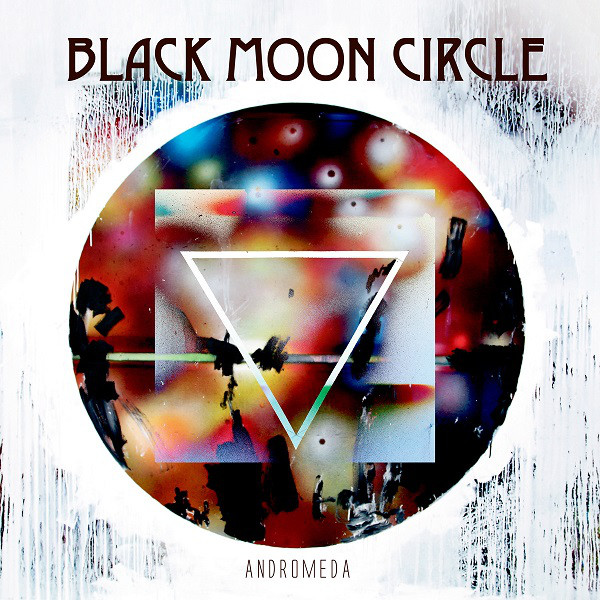
The Studio Jams Volume I: Yellow Nebula in the Sky.
What Black Moon Circle had in mind was a trilogy of studio jams. The first of this trilogy of albums is The Studio Jams Volume I: Yellow Nebula in the Sky. Fittingly, it features a trio tracks. One of the tracks was recorded during the first jam session in April 2013, while the other two tracks were recorded in 2014. These three tracks became The Studio Jams Volume I: Yellow Nebula in the Sky, which showcases the hugely talented Trondheim trio, Black Moon Circle.
The Studio Jams Volume I: Yellow Nebula in the Sky was Black Moon Circle’s sophomore album. It features their unique brand of psychedelic space rock with elements of electronica, experimental music and free jazz added for good measure. Seamlessly, these disparate musical genres and influences merge into something new and innovative. It’s cinematic, dramatic, futuristic, moody, rocky and as Øyvin Engan says, “intense.”
This intensity is deliberate. It comes courtesy of the three members of Black Moon Circle. They deployed layers of fuzzy guitars, spacey, lysergic synths and a mesmeric rhythm section on The Studio Jams Volume I: Yellow Nebula In The Sky. However, for their fourth album, Sea Of Clouds Black Moon Circle add two new ingredients to their successful musical formula.

Sea Of Clouds.
With The Studio Jams Volume I: Yellow Nebula In The Sky recorded, but not yet released, Black Moon Circle’s thoughts turned to their third album. This wasn’t another instalment in the Studio Jams’ series. Instead, what became Sea Of Clouds found Black Moon Circle changing direction slightly.
Having written four new tracks, the Trondheim based trio returned to the studio in June 2015. Øyvin Engan played guitar and bass, while his brother Vemund Engan added another layer of fuzzy guitars. Providing the heartbeat was drummer Per Andreas Gulbrandsen. Together they recorded flour lengthy jams in just one day, However, that wasn’t the end of the story.
A month later, during July 2015, Black Moon Circle returned to the studio. This time, keyboards keyboards were added. Øyvin Engan also added vocals to the four lengthy tracks on Sea Of Clouds. This result was a very different album to The Studio Jams Volume I: Yellow Nebula In The Sky.
Nearly nine months later, and buoyed by the critical acclaim thatThe Studio Jams Volume I: Yellow Nebula In The Sky received, Black Moon Circle released A Sea Of Clouds on 15th April 2016. Øyvin Engan describes the new album as: “prolonged jams with heavy riffage, the extensive use of effects on bass and guitar and analogue synths oscillating with echoes and delays.” This was guaranteed to win over Black Moon Circle’s over growing fan-base.
That was the case. Sea Of Clouds was the most anticipated album of space rock pioneer Black Moon Circle’s four year career. It features the Trondheim-based space rockers at their groundbreaking best, as they continue to reinvent themselves. The music on Sea Of Clouds is melodic and anthemic. It’s also hard rocking.
This is what we’ve come to expect from Black Moon Circle. Their three previous albums have featured Black Moon Circle showcasing their hard rocking brand of psychedelic, space rock. On Sea Of Clouds, Black Moon Circle revisit this sound, but combine elements of heavy metal, Krautrock, avant-garde, free jazz and post rock. Black Moon Circle have also drawn inspiration from Black Sabbath, Can, Deep Purple, Emerson, Lake and Palmer, Hawkwind, Iron Maiden, Led Zeppelin, Hawkwind, Moster, Motorpsycho, Radiohead and Yes. These disparate musical genres and influences merged into something new and innovative on Sea Of Clouds, which was a musical tour de force. The big question was, what now for Black Moon Circle.

The Studio Jams Volume 2.
Having reinvented themselves on Sea Of Clouds, critics and their ever growing and loyal fan-base wondered what direction Black Moon Circle’s would. All will become clear on The Studio Jams Volume 2.
Black Moon Circle will return to the familiar sound of The Studio Jams Volume I: Yellow Nebula In The Sky on The Studio Jams Volume 2. This means a combination “lengthy jams, heavy riffage and the extensive use of effects.” They’ve used on the “bass, guitar and analogue synths, oscillating with echoes and delays.” These effects were created by none other than “Dr. Space.” They were put to good use when Black Moon Circle entered the studio.
With work due to begin on The Studio Jams Volume 2, Black Moon Circle headed to the Nautilus Studio. This had been the scene of Black Moon Circle’s past musical glories. It was where they would record one forty-five minute track live. It’s split into two parts on The Studio Jams Volume 2. The Head a twenty-four minute epic takes up side one of The Studio Jams Volume 2. Meanwhile, on the second side, The Tail is lasts the best part of seventeen minute. These two jams are the perfect showcase for the combined and considerable talents of Black Moon Circle. Their lineup had a familiar look when recording of The Studio Jams Volume 2 began.
At the Nautilus Studi, bassist and guitarist Øyvin Engan slotted into the rhythm section alongside drummer, Per Andreas Gulbrandsen and guitarist Vemund Engan. Dr. Space himself, Scott Heller plays analogue synths on The Head and The Tail. These two tracks were produced by Black Moon Circle and would become the eagerly awaited second instalment in the Studio Jams trilogy, The Studio Jams Volume 2.
The Head opens The Studio Jams Volume 2. A bass is plucked and slapped, as a brief burst of scrabbled guitar gives way to windswept synths. Delay is added to synths and they reverberate. Soon, sci-fi sounds are added, and the beeps, squeaks and squalls signal the entrance of the rhythm section. They play slowly and deliberately, as they lock into a dark, deliberate groove. Drums crack as the dark, mesmeric bass and eerie, futuristic synths flit in and out. Soon, what sounds like a rocket takes off, adding to the cinematic sound that comes courtesy of the syths. They’re joined by a blistering rocky guitar, as effects are added as it cuts through the arrangement. By now, the arrangement is building and growing.
As the rhythm section lock into a groove, synths and guitars play leading roles. Sci-fi synths and a scorching Hendrix-inspired guitar are to the fore, in this genre-melting jam. Elements of space rock, psychedelia, progressive rock and heavy metal combine with Krautrock. Later, a guitar soars and screams, as it threatens to feedback. Meanwhile, the synths and guitars unleash myriad of otherworldly, dramatic and futuristic sounds. Still the rhythm section create a moody, pulsating backdrop. This is omnipresent, as the synths and guitars become chameleon like. Ghostly washes and an understated chiming guitar joint this magical musical mystery tour, as it meanders along. Against the pulsating backdrop, a guitar wah-wahs and shivers as a ghostly synths becomes a dramatic vortex. Later, blistering guitar solos are added, as the tempo increases and sci-fi synths are added, Together, they create an impressive sound, as Black Moon Create an atmospheric, cinematic, futuristic, lysergic in this epic genre-melting jam.
Given side one featured The Head, it seems on logical that side two would feature The Tail. Gradually, the distant arrangement grows in power and explodes into life, as Black Moon Circle kick loose. Their rhythm section and guitars drive the thunderous arrangement along. Meanwhile, sci-fi synths are unleashed as the arrangement becomes an express train. Not for long though.
It’s soon stripped bare and just the rumbling bass and occasional bursts of futuristic synths are added. A guitar threatens to cut through the arrangement, but instead, allows the bass to enjoy its moment in the sun. It proves the perfect foil for the occasional sprays of dubby, space invader synths. Soon, though the effects laden guitar returns and shimmers into the distance. Still, the hypnotic bass anchors the arrangement, as the guitar veers between cinematic to uber rocky. Drums are panned as otherworldly synths soar, beep and squeak. By now there’s a lysergic, dubby sound to the arrangement. Especially the drums, guitars and even the bass. They’re joined by futuristic synths that beeps and squeaks, as a guitar scrabbles and squeals. Later, the rhythm section, scorching guitar and sci-fi synths unite. Gradually, the drama builds and the tempo rises, as Black Moon combine to create and and carefully craft one of the finest jams of their career.
Just over a year after Black Moon Circle announced they intended to release a trilogy of albums over the next couple of years, they’ve released the second instalment in the series, The Studio Jams Volume 2. It’s the much anticipated followup to the critically acclaimed The Studio Jams Volume I: Yellow Nebula In The Sky. When I reviewed the album I said: “if the next two volumes of The Studio Jams are as good as The Studio Jams Volume I: Yellow Nebula In The Sky, then they’ll be well worth buying.” That’s definitely the case, as The Studio Jams Volume 2 is the finest album of jams from the Trondheim based psychedelic space rock pioneers. However, that’s just part of the Black Moon Circle story.
The basis for Black Moon Circle’s music is the classic rock of the sixties and seventies, psychedelia and space rock. To this, Black Moon Circle add elements of avant-garde, electronica, experimental music, free jazz, Krautrock and post rock. Seamlessly, these disparate musical genres and influences merge into something new and innovative. It’s cinematic, dramatic, futuristic, moody, rocky and as Øyvin Engan says, “intense.”
This intensity is deliberate. It comes courtesy of the four members of Black Moon Circle. They deploy layers of fuzzy guitars, spacey, lysergic, futuristic, sci-fi synths and a mesmeric rhythm section. They create two “lengthy jams” which features “heavy riffage and the extensive use of effects.” They’re used extensively on the next instalment in the Black Moon Circle story, The Studio Jams Volume 2, where Black Moon Circle reach new heights.
Black Moon Circle are, without doubt, one of the most exciting, talented and innovative Norwegian groups. Considering how rich and vibrant the Nordic music scene is, that’s high praise indeed. They remind me of their fellow countrymen, Motorpsycho and Moster! That’s not all. It sounds as of Black Moon Circle have been influenced by Can, Deep Purple, Led Zeppelin, Hawkwind, early Pink Floyd, Radiohead and Jimi Hendrix’s guitar playing. All these influences shine through on The Studio Jams Volume 2 which will be released on vinyl by Crispin Glover Records on 11th November 2016. This hard rocking opus, finds the Trondheim based psychedelic space rockers Black Moon Circle, reaching new heights, on their much-anticipated fourth album, The Studio Jams Volume 2.
BLACK MOON CIRCLE-THE STUDIO JAMS VOLUME 2.


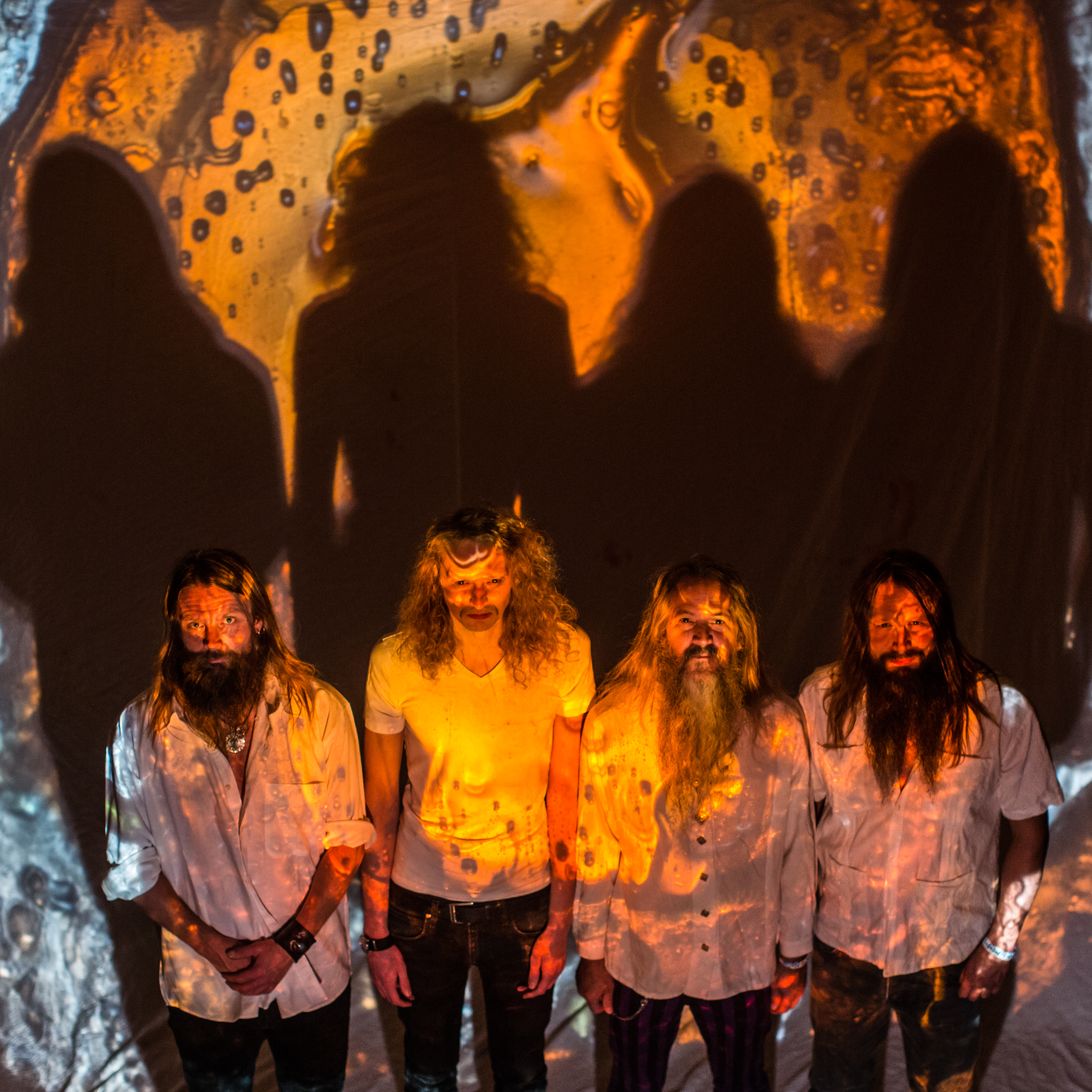

FEELING GOOD-FUNK, SOUL AND DEEP JAZZ GEMS: THE SUPREME SOUND OF PRODUCER BOB SHAD.
FEELING GOOD-FUNK, SOUL AND DEEP JAZZ GEMS: THE SUPREME SOUND OF PRODUCER BOB SHAD.
Bob Shad was a music man. He was someone who saw the bigger picture musically. As a result, Bob Shad he was always one step ahead of the competition. So it’s no surprise that Bob Shad enjoyed a long and successful career that spanned over forty years and five decades.
Originally, Bob Shad started life as a session musician, but in the later forties moved into production. Little did he realise that this was the start of a long and successful career as a producer. Then in 1949 Bob Shad founded his first record label, Sittin’ In With. It was the first of many labels Bob Shad would go on to found.
Fifteen years later, Bob Shad founded one of his most successful record labels, Mainstream Records. Key to its success and longevity, was Bob Shad’s ability to realise that music was changing, and to stay relevant, so should Mainstream Records.
Bob Shad relaunched Mainstream Records in 1970 as a jazz label. However, the lines between what was soul and jazz were blurring. So Bob Shad decided that Mainstream Records should released a more eclectic selection of music, including soul, funk and jazz. Many tracks from this period of Mainstream Records’ history is celebrated on a forthcoming compilation, Feeling Good-Funk Soul and Deep Jazz Gems: The Supreme Sound Of Producer Bob Shad. It’s been compiled in conduction with Bob Shad’s grandchildren, Mia and Judd Apatow, and will be released by Wewantsounds 18th October 2016. Feeling Good-Funk Soul and Deep Jazz Gems: The Supreme Sound Of Producer Bob Shad is a fitting tribute to one of the great music men. His career began back in the forties.
Back then, Bob Shad was a session musician. Not for long though. Even then, Bob made it his business to know everyone within the New York music scene. He knew everyone that mattered. Whether it was Dizzy Gillespie, Charlie Parker or Coleman Hawkins, Bob knew them. There was a reason for this. Bob Shad was looking to the future.
Bob Shad didn’t want to remain a session player. The role of musical hired gun wasn’t for Bob. He had ambition and saw the bigger picture. Soon, Bob Shad was working as a producer in post-war New York. Mostly, Bob was producing R&B. This was just the next step in Bob’s game-plan.
In 1948, Bob founded his first label Sittin’ In With. He was inspired to do this because of his love of jazz. This resulted in Bob discovering the blues. With his portable tape recorder, Bob Shad headed South and taped some of the greatest names in blues music. Lightnin’ Hopkins, Memphis Slim, Big Bill Broonzy and Smokey Hogg. Having recorded one blues player, they would tell Bob about another. So he crisscrossed the South taping blues players. Mostly, these singles appeared on his own labels.
Somehow, Bob still found time to freelance. Some of the artists he discovered were released on other labels. This includes Eddie “Cleanhead” Vinson and Savannah Churchill. While these records sold in vast volumes, Bob didn’t make much money. It taught him an important lesson. That was only to release music on his own labels.
Despite founding a series of labels during the early fifties, Bob agreed to work full-time for Mercury Records. Still, Bob founded a series of labels. This included the Castle, Harlem, Jackson, Jade, Jax and Spirituals’ labels. He realised the importance of having separate labels for separate genres of music. Bob realised that when record buyers saw a label, they had to know what type of music it would release. This was the case throughout his career.
By 1958 had tired of being a company man, and decided to focus entirely on his own labels. Bob Shad founded further labels, including Shad, Time and Warner. Then in 1959, Bob founded Brent Records which for eight years, was Bob Shad’s soul label. Between April 1959 and October 1967, Brent released seventy-five singles. However, midway through this, in 1964, Bob Shad released a new label Mainstream Records.
When Bob founded Mainstream Records in 1964, it was originally a jazz label, which mainly released albums and a few singles. However, by 1965, rock was king and Bob Shad decided that Mainstream Records should release a wider range of music. This included rock. For the next five years, Mainstream Records’ new roster proved popular and profitable. That was until 1970, that was no longer the case. So Bob decided to relaunch Mainstream Records.
The newly relaunched Mainstream Records would feature a newly designed label and would release just jazz. Mostly, Bob intended to return to releasing mostly albums, with the occasional single. However, Bob had a criteria for the albums he was willing to release. He was going to only release what he saw as traditional jazz albums. Bob didn’t want to release albums where synths and electronics featured. This was unrealistic given that fusion’s popularity was on the rise. So it wasn’t surprising that this new policy didn’t last long, and Mainstream Records began to release soul and jazz.
This was no surprise. By then, the there had been a blurring of the lines between what was soul and jazz. Even critics and record buyers were confused. However, this blurring of the lines resulted in Mainstream Records’ musical policy changing, and the label releasing a much wider selection of music. Suddenly, Mainstream Records were releasing singles and albums by Alice Clark, Afrique, Art Farmer, Barry Miles, Blue Mitchell, Carmen McRae, Clark Terry, Ellerine Harding, Hadley Caliman, Sarah Vaughan and Shelly Manne. They’re among the fifteen tracks on Wewantsounds forthcoming compilation, Feeling Good-Funk Soul and Deep Jazz Gems: The Supreme Sound Of Producer Bob Shad. They were released after the relaunch of Mainstream Records in 1970.
Opening Feeling Good-Funk Soul and Deep Jazz Gems: The Supreme Sound Of Producer Bob Shad, is House Of The Rising Funk from Afrique. They were a Los Angeles’ based studio band, that featured some of the city’s top session players. Afrique went into the studio and recorded their debut album Soul Makossa. When it was released in 1973, House Of The Rising Funk was chosen as the lead single. It features the combined talents of guitarists Arthur Wright and David T. Walker. Both break out their wah-wah pedals, in an uber funky, pulsating and cinematic track. Later, House Of The Rising Funk later became a favourite of sample hungry hip hop producers and DJs. No wonder, as it’s a funk classic.
Bob Shad signed trumpeter Blue Mitchell to Mainstream Records in 1971. By then, Blue Mitchell had released a dozen solo albums and had collaborated with some of the biggest names in jazz. That was the past though. Two years had passed since Blue Mitchell had released an album in 1969. However, Bob Shad believed in the veteran trumpeter, and signed him to Mainstream Records. This would become home for Blue Mitchell until 1974. The first of these albums was entitled Blue Mitchell. One of the highlights of this hidden gem of an album is Soul Village. It finds Blue Mitchell roll back the years, as this slow burner heads in the direction of fusion. In doing so, Blue Mitchell ensured his music stays relevant.
When Sarah Vaughan signed to Bob Shad’s Mainstream Records, she had released around fifty albums. However, Sarah Vaughan’s albums weren’t selling in the vast quantities that they once had. Despite this, Bob Shad decided to sign his old friend. He produced A Time In My Life, which was released later in 1971. One of the highlights of the album, was Magical Connection, a beautiful, heartfelt ballad where soul-jazz meets vocal jazz.
By 1972, jazz trumpeter and flugelhorn player Art Farmer had spent the best part of thirty years recording for various record labels. He had signed to Bob Shad’s Mainstream Records in 1971, and later that year, Homecoming became his Mainstream Records’ debut. Less than a year later, Gentle Eyes was released in 1972. One of the highlights was Soulsides, a meandering, dreamy and orchestrated slice of jazz funk. It’s a beautiful and captivating track that’s a reminder of the late, great Art Farmer.
When American jazz drummer Shelly Manne was thirty-two, he signed to Mainstream Records. The one and only album he released for Bob Shad’s label was Mannekind in 1972. One of the standout tracks was Mask. It’s another track that would become a favourite of sample hungry hip hop producers looking for ‘beats.’ No wonder. Shelly Manne was a talented and versatile drummer. He was also a musician who sought to reinvent himself. This he does on this smouldering version of Mask, where elements of funk and fusion are combined by the Shelly Manne and his band.
Alice Clark is without doubt, the greatest soul singer you’ve never heard. That might sound like a big statement, but one listen to Never Did I Stop Loving You and you’ll realise that this is no exaggeration. It’s a track from Alice Clark’s 1972 eponymous album. It features at impassioned and soul-baring vocal, where Alice Clark combines power, passion and emotion.
When Buddy Terry signed to Mainstream Records in 1971, he had only released two album. Soon, two became three, when he released Awareness, later that year. It featured the Stanley Cowell penned Abscretions, proved the perfect way to close the album. Buddy Terry and his talented and versatile band, take the listener on a magical mystery tour where elements of jazz, funk and fusion are combined. There’s even a brief excursion into free jazz during Abscretions, which is an ambitious and innovative, genre-melting track.
Maxine Weldon was another of the soul divas that Bob Shad signed to Mainstream Records . She went on to record two albums with members of The Jazz Crusaders. One of these albums was Right On, which was released in 1971. One of the highlights of the album is the title-track, Right On. It features Maxine Weldon delivering a vocal that veers between power and soulful to sassy and theatrical. She lives the lyrics, while her band combine funk, soul and jazz. Alas, neither of the albums Maxine Weldon released on Mainstream Records were a commercial success. However, three years later in 1974, Maxine Weldon’s third album Some Singin’ became her best-selling album when it reached number forty-eight in the US R&B charts.
Having signed to Mainstream Records in 1971, pianist Barry Miles released his third album White Heat later that year. It was followed up in 1972, with Scatbird. Just like White Heat, Scatbird was another album of fusion. Opening the album was Scatbird, which found the small but tight and talented band giving one of their finest performances. It’s features a mixtures past and present. A scatted vocal sits above the slow arrangement, as funk gives way to fusion. From there Barry Miles showcase their considerable skills and whet the listener’s appetite for what was about to unfold.
Jazz guitarist Jack Wilkins was twenty-nine when he signed to Mainstream Records in 1973. By then, he had played with some of the biggest names in jazz. However, there was still one thing Jack Wilkins had still to do…record an album. So producer Bob Shad took Jack Wilkins and his small band into the studio. Later in 1973, Jack Wilkins released his debut album Windows. It featured Red Clay, which features Jack Wilkins at his best. Effortlessly, he plays with fluidity and speed on Red Clay, which is a welcome addition to Feeling Good-Funk Soul and Deep Jazz Gems: The Supreme Sound Of Producer Bob Shad.
When Clark Terry recorded his 1966 album Rum and Mumbles, he was no stranger to a recording studio. His recording career began in the fifties. The bandleader, composer and jazz trumpeter had also worked with some of the biggest names in jazz, including Billie Holliday and Ella Fitzgerald, and influenced Miles Davis. So it was no surprise that Bob Shad signed Clark Terry in 1966. Later that year, he released the album Mumbles. One of the highlights was Rum and Mumbles, a delicious fusion of jazz and Latin music.
There are many artists who only ever release one album. This includes Alice Clark and Ellerine Harding. Her only album was Ellerine, which was released in 1972. It features the beautiful, needy and soulful ballad I Ain’t Got Much. It’s without doubt, one of the highlights of Feeling Good-Funk Soul and Deep Jazz Gems: The Supreme Sound Of Producer Bob Shad.
Blue Mitchell is the only artist to feature twice on Feeling Good-Funk Soul and Deep Jazz Gems: The Supreme Sound Of Producer Bob Shad. His second contribution is Granite and Concrete, a Hadley Caliman composition. In Blue Mitchell’s hands, it becomes a glorious slice of smouldering jazz funk.
1971 was the year that flautist Hadley Caliman signed to Mainstream Records, and released his much-anticipated, eponymous debut solo album. Just a year later, in 1972, Hadley Caliman returned with his sophomore albim Iapetus. It featured Quadrivium, where Hadley Caliman’s flute takes centre-stage in this ruminative, compelling and beautiful fusion of musical genres and influences. It’s the perfect introduction to one of jazz music’s best kept secrets, Hadley Caliman.
Closing Feeling Good-Funk Soul and Deep Jazz Gems: The Supreme Sound Of Producer Bob Shad is Carmen McRae’s Feeing Good. It’s a track from Haven’t We Met?, which was the first album Carmen McRae released for Mainstream Records. By then, she was an experienced recording artist, who had released over twenty albums since 1953. Carmen McRae puts all her years of experience to good use on Feeling Good, as she breathes life and meaning to the lyrics. This is a welcome reminder of the quality of music that Bob Shad’s Mainstream Records constantly released.
That was the case throughout the fourteen year history of Mainstream Records. It was founded by Bob Shad in 1964, and closed its doors in 1978. During that fourteen year period, Bob Shad ensured that Mainstream Records remained relevant.
Music was constantly changing between 1964 and 1978. Bob Shad saw this happening, and unlike many independent labels, ensured that Mainstream Records changed direction. Especially as the sixties gave way to the seventies. By then, the lines between what was soul and jazz were blurring. Bob Shad decided that Mainstream Records should released a more eclectic selection of music, including soul, funk and jazz.
So Bob Shad relaunched Mainstream Records in 1971.His ability to see the bigger picture, ensured that the Mainstream Records’ success story continued. Meanwhile, some of his competitors were shutting their doors. Not Bob Shad.
He continued to rejuvenate the career of artists whose careers had stalled, and launch the career of the artists. With his help, older artists reinvented themselves, while new artists released new and innovative music. This includes Afrique, Hadley Caliman and Jack Wilkins. That’s not forgetting soul divas Maxine Weldon, Ellerine Harding and Alice Clark. She was one of Bob Shad’s greatest discoveries, and a singer that should’ve gone on to enjoy a long and successful career. Alas, that wasn’t to be. However, Bob Shad ensured that Alice Clark and many other artists, had the chance of fulfilling their potential and enjoining commercial success and critical acclaim.
To do this, Bob Shad didn’t hesitate to employ top quality songwriters, musicians, arrangers and producers. Especially when he believed in an artist. In such cases, he brought onboard arrangers like Wade Marcus and Gene Page. Sadly, often the singles and albums Mainstream Records released, didn’t enjoy the commercial success they deserved. Part of the problem was, that Mainstream Records was a small fish in a big pond.
Major labels, and independent labels funded by majors had much bigger budgets, to promote and distribute their releases. Bob Shad was fighting a losing battle. Still, he continued his search for talented artists that might bring Mainstream Records that elusive hit single, during a period that soul music was enjoying a resurgence in popularity.
Since the early seventies, Hi and Stax in Memphis, and Philadelphia International Records were enjoying commercial success and critical acclaim. Sadly, Mainstream Records didn’t make the leap and join them at soul’s top table. That’s despite releasing music that’s timeless, and has stood the test of time.
Sadly, that music never found the winder audience it deserved. Unlike Hi, Stax and Philadelphia International Records there were neither number ones nor million sellers. Instead, the Mainstream Records’ story is a case of what might have been. The label that had been relaunched in 1970, closed its doors in 1978.
By the time Tamara Shad relaunched Mainstream Records in the early nineties, Bob Shad had passed away on March 13th 1985. Bob Shad was just sixty-five, but had enjoyed a long and successful career. He had founded numerous labels, including Mainstream Records in 1964.
Fifty-two years later, and the music Mainstream Records released between 1964 and 1978 is beginning to find a wider audience. Everyone from sample hungry hip hop DJs, to DJs and compilers have dipped into Mainstream Records’ illustrious back-catalogue. Recent compilations of music released by Mainstream Records have been introducing record buyers to the music of Bob Shad’s most famous label. So will Feeling Good-Funk Soul and Deep Jazz Gems: The Supreme Sound Of Producer Bob Shad. It’s been compiled in conduction with Bob Shad’s grandchildren, Mia and Judd Apatow, and will be released by Wewantsounds 18th October 2016. Feeling Good-Funk Soul and Deep Jazz Gems: The Supreme Sound Of Producer Bob Shad is a celebration of the life of a music man, Bob Shad, who for over forty years, and five decades, always saw the bigger picture musically, and was one step ahead of the competition, in an ever-changing music industry.
FEELING GOOD-FUNK, SOUL AND DEEP JAZZ GEMS: THE SUPREME SOUND OF PRODUCER BOB SHAD.
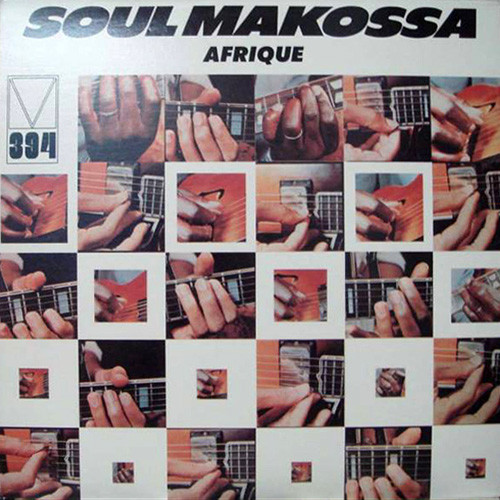
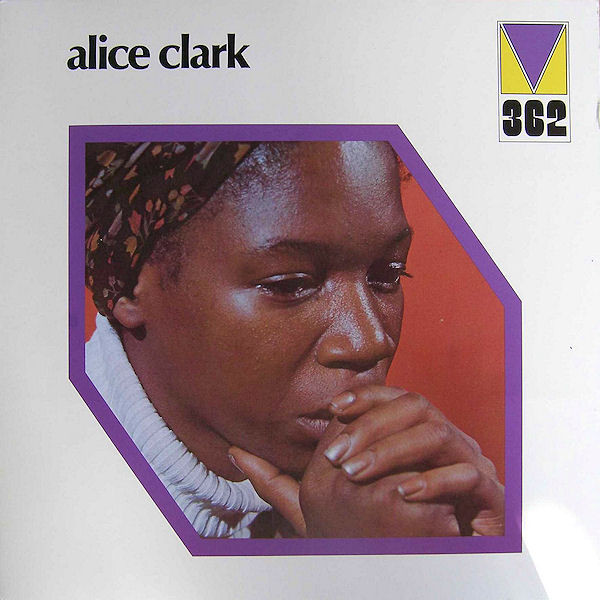
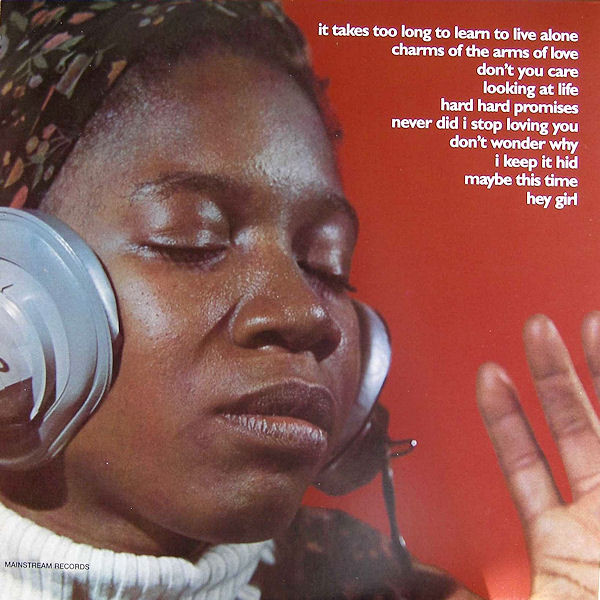
THREE MAN ARMY-THREE MAN ARMY AND THREE MAN ARMY TWO.
THREE MAN ARMY-THREE MAN ARMY AND THREE MAN ARMY TWO.
All too often, a truly talented group fails to find the audience their music deserves.As a result, the band only releases a few albums, which are cherished by discerning record buyers. That was the case with Three Man Army, which was founded by brothers Adrian and Paul Gurvitz in 1971. Their new group released just a trio of albums between 1971 and 1974.
Later in 1971, Three Man Army released their debut album, A Third Af A Lifetime in 1971. It was followed by Three Man Army in 1973, and 1974s Three Man Army Two. Sadly, this proved to be Three Man Army’s swan-song. A fourth Three Man Army was planned but was never recorded. Instead, the band split-up.
Forty-two years after Three Man Army released their final album, BGO Records have reissued a digitally remeasured versions of Three Man Army and Three Man Army Two on one CD. This reissue is a reminder of a British rock group, who should’ve reached greater heights, Three Man Army. Their roots can be traced to 1968.
That was when Adrian Gurvitz joined his brother Paul’s group, The Gun. The group had been founded in 1966, and was originally called The Knack. However, in 1967 The Knack changed its name to The Gun. This wasn’t the only change that was about to be made.
Soon, The Gun downsized to a trio, featuring drummer Louie Farrell, bassist Paul Gurvitz and Adrian Gurvitz on lead guitar and vocals. The change in name resulted in a change in fortune for The Gun.
Theu signed to CBS Records in early 1968, and soon, began work on their eponymous debut album. Once it was complete, The Gun was ready for release. It featured The Gun’s best known song, Race With The Devil.
In October 1968, Race With The Devil was released a single. It reached number ten in Britain, thirty-five reached in Australia and number one in several European countries. For the followup, CBS Records chose Drives You Mad, which wasn’t on The Gun. This non album track was released as a single in 1969, but it didn’t enjoy the same commercial success as Race With The Devil. Despite this, they sent The Gun back into the studio in 1969.
The Gun recorded ten songs which became their sophomore album, Gun Sight. It was released in 1969. So was the lead single from Gun Sight, Hobo. Alas, neither Gun Sight nor Hobo, enjoyed same commercial success as Race With The Devil. For The Gun, this was a huge disappointment. Their last two singles had failed commercially. Surely, two wouldn’t become three?
When it came to releasing a followup to Hobo, CBS Records decided to release a non album chart, and settled on Runnin’ Wild. It was released later in 1969, but failed commercially. Two had become three, and time was running out for The Gun.
They released their final single Long Hair Wild Man in 1970. It was a familiar story, with single failing to trouble the charts. Record buyers within the underground counter culture failed to connect with, or identify with The Gun. Their music passed record buyers by. However, Jimi Hendrix knew who The Gun were.
At the Isle of Wight Festival in June 1969, Jimi Hendrix played a riff from Race With The Devil. This was a huge compliment to The Gun. Alas, they were about to become part of musical history. The Gun disbanded, and the brothers Gurvitz spent a while working on separate projects.
After The Gun disbanded, Adrian Gurvitz began work on what was meant to be his debut solo album. Eventually, though, the album became Three Man Army’s 1971 debut album, A Third Af A Lifetime. Before that, Buddy Miles was asked Adrian Gurvitz to join The Buddy Miles Express, on their US tour.
Having agreed to join The Buddy Miles Express, Adrian Gurvitz spent the best part of two years touring. Night after night, they played to huge audiences. Some nights, 50,000 came along to see The Buddy Miles Express. For Adrian Gurvitz this was the perfect showcase for his considerable skills as a guitarist. However, after two years on the road, the tour was over. What now for Adrian Gurvitz?
Back home in Britain, Adrian Gurvitz was reunited with his brother Paul. They decided to form a new band, which they called Three Man Army.
A Third Af A Lifetime.
Having formed Three Man Army, Adrian and Paul Gurvitz began work on their debut album, A Third Af A Lifetime. This was the album that Adrian had been working on, before he headed out on tour with The Buddy Miles Express.
For A Third Af A Lifetime, Adrian Gurvitz wrote eight of the ten songs as Adrian Curtis. (Curtis was Adrian’s middle name, and the name he used until later in his career). Adrian penned Another Day, A Third Af A Lifetime, Nice One, Three Man Army, Agent Man, See What I Took, Midnight and Together. He also cowrote Butter Queen with Keith Ellis and Daze with Lou Reizner. Even then, Adrian was the creative force behind Three Man Army. He wrote the album, and when the album was recorded, would dawn the role of lead vocalist and lead guitarist.
With ten new songs penned, Three Man Army headed into the studio with producer Lou Reizner. There was only one problem, the Three Man Army didn’t have a permanent drummer. Spooky Tooth’s Mike Kelly was drafted in and played on nine tracks. He joined bassist Paul Gurvitz in the rhythm section. Meanwhile, Adrian laid down the guitar parts and sang the lead vocals. However, Three Man Army found themselves without a drummer to record Butter Queen. Fortunately, Buddy Miles was in Britain, and Adrian asked him if he could lay down the drum parts on Butter Queen. Not only did Buddy Miles do that, he also added bass on Nice One and organ Midnight. These were the finishing touches to A Third Af A Lifetime. It was released later in 1971.
Before that, critics had their say on A Third Af A Lifetime. It was well received by critics, who regarded the album as a minor hard rocking classic, where classic rock and blues was fused with hard rock. Three Man Army was carrying on the tradition of sixties power trios, and doing so with style and aplomb.However, would Three Man Army’s debut album find favour with record buyers?
When A Third Af A Lifetime was released by Pegasus later in 1971, Three Man Army’s debut album failed to find an audience. For the Gurvitz brothers, and especially Adrian who creatively, was the group’s driving force, this was a huge disappointment. They could only hope that Three Man Army’s luck would change next time around.
Three Man Army.
Three Man Army’s luck changed when met drummer Tony Newman. He was a veteran of numerous groups, including the Rod Stewart Group and Sounds Incorporated. While they were quite different stylistically to Three Man Army, Tony Newman was a talented and versatile drummer. From the first time the Gurvitz brothers heard him play, they realised that he was the missing link in Three Man Army.
Now that Three Man Army’s lineup was complete, work could begin on their sophomore album. The album would be Three Man Army’s debut for their new record companies. Three Man Army had recently signed recording contracts with Polydor in Britain and Reprise Records in America. With the commercial and marketing might of two of the biggest record companies in Britain and America, things were looking up for Three Man Army. All they had to do was write and record their sophomore album.
Just like A Third Af A Lifetime, Adrian Gurvitz wrote most of their sophomore album, including Come On Down To Earth, Take Me Down From The Mountain and Can’t Leave The Summer, Parts 1 & 2. He teamed up with Lee Baxter Hayes Jr to write Take A Look At The Light. However, the addition of new drummer Tony Newman resulted in the formation of a new songwriting partnership.
When Tony Newman joined Three Man Army, it soon became clear that he wasn’t just a talented and versatile drummer, but someone who would become Adrian Gurvitz’s new songwriter also partner.Together, they cowrote Hold On, Woman, Mahesha and Trip. The other track on Three Man Army was a cover of Jack Yellen and Lew Pollack’s My Yiddishe Mama. These songs were recorded at Morgan Studio, in London.
Recording of Three Man Army took place during April of 1972. The new lineup of Three Man Army band had spent time honing their sound, and were ready to record their sophomore album. Producer Lou Reizner returned, but this time round, co-produced the album with Three Man Army. Their lineup featured drummer Tony Newman, bassist Paul Gurvitz and lead vocalist and guitarist Adrian Gurvitz, who also played organ. They recorded nine songs during April of 1972, and they would eventually become Three Man Army.
There was time lag between Three Man Army completing their sophomore album, and its eventual released in 1973. In Britain, the album was released as Mahesha. Across the Atlantic, the album was released as Three Man Army. What critics on both sides of the Atlantic agreed on, was the quality of the music.
Critics were won over by a soulful album of melodic, memorable and hard rocking music. Comparisons were drawn to Deep Purple, Black Sabbath and Led Zeppelin. Some critics saw Three Man Army as the natural successor to Cream. Especially given the consistency and quality of music on Three Man Army. Songs like the hard rocking Hold On and the anthemic Come On Down To Earth caught the attention of critics. So did Woman which features Three Man Army at their most melodic and soulful. Can’t Leave The Summer Parts 1 and 2 closed the album, and proved the perfect showcase for Three Man Army’s considerable talents and versatility. Especially vocalist and guitar virtuoso Adrian Gurvitz. He was the band’s shining light, and played a huge part in an an album that was hailed as minor classic by certain critics. However, they had said the same about A Third Af A Lifetime, and it had failed commercially.
History repeated itself when Three Man Army was released in 1973. The album failed to chart in America, and didn’t find the audience it so richly deserved. Despite the disappointment this caused, Three Man Army regrouped and began work on their third album.
Three Man Army Two.
Despite the disappointment of Three Man Army’s commercial failure, the band were determined to move forward. So Adrian Gurvitz began writing Three Man Army’s third album. He wrote Today, Flying, Space Is The Place. This time around, Adrian and Tony Newman cowrote just the one track, Irving. The pair joined with Paul Gurvitz to write Burning Angel. Adrian also renewed his songwriting partnership with Lee Baxter Hayes, and the pair penned Polecat Woman, I Can’t Make The Blind See and In My Eyes. These songs were recorded at Ramport Studios, in Battersea, London and would become Three Man Army Two.
When recording of Three Man Army Two began, there had been a number of changes made. There was no sign of producer Lou Reizner. He had produced A Third Af A Lifetime and co-produced Three Man Army with the band. For Three Man Army Two. Three Man Army and Cyrano co-produced the album. It featured Three Man Army and a few friends.
Just like Three Man Army, the lineup remained the same. Drummer and percussionist Tony Newman was joined in the rhythm section by Paul Gurvitz who also added acoustic guitar. Meanwhile, Adrian Gurvitz played lead guitar, slide guitar, organ and added lead vocals. Peter Robinson played piano on Space Is The Place and I Can’t Make The Blind See. It also featured backing vocals from Doris Troy, Ruby James and Madeline Bell. With a little help from their friends, Three Man Army recorded what became Three Man Army Two.
Casting around for a title, Three Man Army decided to call the album Three Man Army Two. Their reasoning, was that this was the second album from this lineup of the band. The album was delivered to Warners, who would release the album on Polydor in Britain and Reprise Records in America. Before that, critics had their say on Three Man Army Two.
Just like their two previous albums, Three Man Army Two caught the imagination of critics. They were won over by the opening track Polecat Woman, which was heralded as one of Three Man Army’s finest hours. This was designed to whet the listen’s appetite as, Three Man Army Two unfolded.
Today is rocky ballad Today, where elements of blues and psychedelia shine through. Then on Flying, Three Man Army kick loose, on this melodic rocky anthem. It gives way to Space Is The Place an orchestral ballad that references Pink Floyd. Irving is a blistering slice of heavy rock, while I Can’t Make The Blind See is an orchestral power ballad. Burning Angel finds Three Man Army seemingly pay homage to Led Zeppelin. In My Eyes is a blues rocker where Three Man Army bid the audience farewell on Three Man Army Two. Little did they realise it would be for good.
When Three Man Army Two was released in 1974, the album failed commercially. Just like their two previous albums, Three Man Army Two and its fusion of blues, psychedelia and rock passed record buyers by. Three Man Army were out of luck. Despite that, they planned to record a fourth album.
That didn’t come to pass. Instead, Tony Newman got the chance to join David Bowie’s band. This was too good an opportunity to turn down. Three Man Army were to square one, and without a drummer.
Before the search for a new drummer began, Adrian and Paul Gurvitze joined with Ginger Baker the Baker Gurvitz Army. They released a trio of studio albums between 1974 and 1976. The formation of Baker Gurvitz Army spelled the end of Three Man Army.
Unlike many seventies rock groups, Three Man Army never reunited. Even when interest in their music began to grow. Three Man Army now have a cult following, who have discovered and appreciate Three Man Army’s three albums. They regard each of these albums as cult classics. That’s the case. Especially Three Man Army and Three Man Army Two which have been digitally remeasured and reissued on one CD by BGO Records. This is the perfect opportunity to discover, or rediscover one of British rock music’s best kept secrets, Three Man Army, who could’ve, and should’ve, become one of the giants of seventies rock.
THREE MAN ARMY-THREE MAN ARMY AND THREE MAN ARMY TWO.
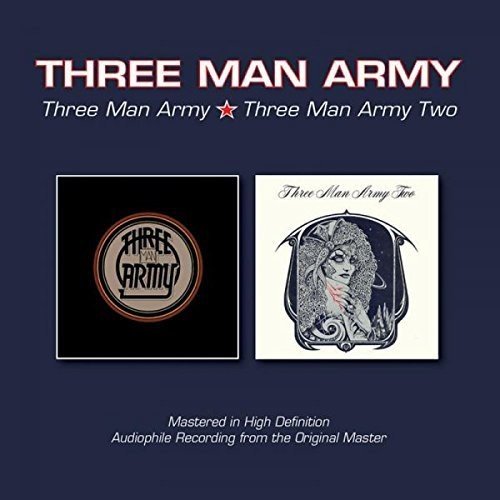
JOHN MILES-MORE THAN MUSIC.
JOHN MILES-MORE THAN MUSIC.
Forty years ago in 1976, John Miles released his most successful single Music. Since then, every time John Miles’ name comes up in conversation, Music is mentioned. That must be frustrating for the English singer-songwriter. That must be frustrating for John Miles, who released ten albums between 1976 and 1999. This is a reminder that there’s much more to John Miles than Music. That’s what John Miles has spent over forty years making.
John Miles was born in Jarrow, in County Durham, England on 23rd April 1949. Growing up, music played a big part in John Miles’ life. While still at Jarrow Grammar School, John joined a local band, The Influence.
Three of the members of The Influence were keyboardist John Miles, drummer Paul Thompson and guitarist Vic Malcolm. Incredibly, they all went on to become successful musicians. Paul Thompson became Roxy Music drummer, while Vic Malcolm became Geordie’s lead guitarist. That was still to come.
In 1969, The Influence released a single on Orange Records, I Want To Live. This was just the start of what would be a long, and eventually successful recording career. Not with The Influence though.They disbanded not long after the release of I Want To Live.
Following his spell with The Influence, John Miles founded The John Miles Set, which featured bassist Bob Marshall. He and John would later form a successful songwriting partnership. That was in the future. Before that, The John Miles Set began to play the club circuit. However, in 1970, John decided to combine a solo career with playing with The John Miles Set.
This was a big step for John Miles. He was still only twenty-one. Already though, people were taking notice of John Miles. This included the owners of Orange Records who had released The Influence’s single. They released Why Don’t You Love Me?, John’s debut solo single in September 1970. While it failed commercially, John was attracting the attention of Decca Records.
They offered John Miles a recording deal for one single. It was akin to an audition, and also allowed Decca Records to test the waters. Josie was released on 7th July 1971. Alas, the single failed to trouble the charts and John was soon looking for a new record company.
Fortunately, Orange Records had just changed hands, and new owner Cliff Cooper was looking to add new artists to his roster. John Miles fitted the bill. Orange Records sent John into the studio, and he recorded Come Away Melinda. It was released as a single in February 1972. Just over a month later, Yesterday (Was Just The Beginning) was released in March 1972. Despite neither single sold in vast quantities, Orange Records kept their faith in John Miles.
Meanwhile, The John Miles Set featured on the British talent show Opportunity Knocks. They won their heat, and found themselves in the All Winner’s Show. For John Miles, this was a boost to his solo carer.
An even bigger boost to John Miles solo career during 1972, was getting the opportunity to support Roy Orbison at the Royal Albert Hall, in London. Gradually, people were beginning to know the name John Miles.
Orange Records continued to keep faith in John Miles. He released a trio of singles during 2013. This included Hard Road in March 1973, Jacqueline in May 1973 and One Minute Every Hour in August 1973. Still, though, commercial success eluded John Miles.
It was a similar story in 1974. Fright Of My Life was released in January 1974, but failed commercially. That was all that was heard of John Miles until he released What’s On Your Mind in November 1974. While it didn’t trouble the charts, John was improving as a singer and songwriter. His songwriting partnership with Bob Marshall was beginning to bear fruit. Similarly, over the last three years John’s band, which featured bassist Bob Marshall and drummer Barry Black, John Miles had matured and evolved into a tight, talented band. Maybe John’s luck would begin to change?
That was the case in 1975. As the year progressed, record companies began to take an interest in John Miles. Both EMI and Decca Records were vying for John’s signature. This was a huge decision for the twenty-six year old. Eventually, though, John decided that Decca Records who were looking to add to their contemporary pop roster, offered more of an opportunity.
By then, Decca Records’ pop roster had become stale, with Tom Jones and Englebert Humpererdinck looking like yesterday’s men. Decca Records was desperately seeking a transfusion of new talent. That was where John Miles came in. He was seen as part of Decca Records’ future. So, after opening for The Ohio Players at the Hammersmith Odeon, John and representative of Decca Records signed a recording contract.
Rebel.
With John Miles signed to Decca Records, the label decided to pair their latest signing, with one of Britain’s top producers, Alan Parsons. He had worked with Pink Floyd on their Magnus Opus, Dark Side Of The Moon in 1973. Since then, he had worked with some of the biggest names in music. So it was a something of a coup that he agreed to produce John Miles new single.
The song they chose Highfly, which in Alan Parsons’ hands, took on an art rock sound. It was released on September 1975, and eventually, reached seventeen in the UK charts and sixty-eight in the US Billboard 200. Exactly five years after he released his debut solo single, John Miles had his first hit single.
After the success of Highfly, John Miles would complete recording of his debut album. It featured nine songs, including six penned by John and Bob Marshall. The exceptions were Music, Lady of My Life and Music (Reprise) which John wrote. They were recorded at Abbey Road Studios.
During November and December John Miles and his band headed to Abbey Road Studios in November 1975. Drummer and percussionist Barry Black and bassist Bob Marshall accompanied John. He added lead vocals, and played keyboards, guitar and synths. Andrew Powell took charge of the orchestral arrangements and Alan Parsons produced, what would become Rebel.
As 1975 gave way to 1976, Decca Records began to think about what should be the lead single from Rebel. The song they chose was Music, a near six minute epic. It was released in March 1976 and reached the upper reaches of the charts across Europe. Music reached number three in the UK; number four in Holland; number number one in Switzerland and eighty-eight in the US Billboard 100. Later, Music won John Miles an Ivor Novello award for Best Middle-Of-The-Road Song. Before that, Rebel was released.
Critical acclaim accompanied the release of Rebel, which was hailed as an album of carefully crafted pop songs. Music may have been the standout track, but there was much more to the album, including the John Miles and Bob Marshall penned You Have it All, When You Lose Someone So Young and Lady Of My. They had matured into a talented songwriting team, while John brought each of the songs to life. It was no surprise that when Rebel was released later in March 1976, it reached number nine in the UK and 171 in the US Billboard 200. Elsewhere, Rebel reached the top twenty in Holland and Germany, and the top thirty in Sweden. For John this the perfect way to begin The Decca Years.
After the release of Rebel, John Miles embarked upon a lengthy tour. It marked the debut of Australian keyboardist Gary Moberley. John had brought him onboard to augment the band’s sound. He would make his recording debut in the summer of 1976, when Stranger In The City was recorded.

Stranger In The City.
During the summer of 1976, John Miles was touring, supporting both Jethro Tull and the Rolling Stones. Despite what was a gruelling touring schedule, John Miles still found time to begin work on his sophomore album, Stranger In The City.
This time around, the eight of the nine songs on Stranger In The City were penned by John Miles and and Bob Marshall. The exception was Barry Black penned Do It Anyway. Recording of Stranger In The City began in the summer of 1976.
Despite the success of Rebel, Alan Parsons didn’t return to produce Stranger In The City. Instead, singer-songwriter Rupert Holmes took charge of producing John Miles’ newly expanded band. Recording took place at Mediasound in New York and Utopia Studios in London. That was where the newly expanded lineup of the band got to work.
Drummer Barry Black and bassist Bob Marshall were joined by keyboardist Gary Moberley. John added lead vocals, and played piano and guitar. However, the album wasn’t completed during the summer of 1976. So John and his band returned in October 1976, before heading off on their European tour.
In January 1977, Manhattan Skyline was released as the lead single from Stranger In The City. It failed to chart on either side of the Atlantic. For John Miles and everyone at Decca Records, this was a worrying time. However, in February 1977, Stranger In The City was released.
Reviews of Stranger In The City had been mostly positive. The occasional critic wasn’t convinced that Stranger In The City was as cohesive an album as Rebel. It was a much more eclectic album, with everything from pop to blue eyed soul, funk, rock and soul. Slow Down even married rock and funk with disco. Now that critics had cast their vote on Stranger In The City, the album was released.
When Stranger In The City in February 1977, the album reached just thirty-seven in the UK. However, in America, Stranger In The City proved much more popular, reaching ninety-three in the US Billboard 200. Elsewhere, the album reached the top twenty in Norway and Sweden. That, however, wasn’t the end of the commercial success.
Slow Down was released as a single in May 1977. It reached number ten in the UK and thirty-four in the US Billboard 200. Given its dance-floor friendly sound, Slow Down gave John Miles a hit in the US Dance Music charts, when it reached number two. The John Miles’ success story continued apace.
Clive Davis at Arista Records was watching events unfold. He had an unrivalled reputation as a talent spotter, and wanted John Miles on Arista Records’ roster. This he soon discovered, would come at a price. That price was in the region of $500,000. Undeterred, Clive Davis wrote the cheque, and John Miles was now signed to Arista Records in America. Back home in Britain, The Decca Years continued.
Zaragon.
Following the release of Stranger In The City, John Miles spent much 1977 touring the album. Then in October 1977, John began to record his much-anticipated third album, Zaragon.
For Zaragon, the John Miles and Bob Marshall songwriting team wrote seven new songs. This included the eight minute epic Plain Jane, and the three part suite Nice Man Jack. These seven songs were recorded by John’s original band with Rupert Holmes again taking charge of production.
When recording began in October 1977, there was no sign of keyboardist Gary Moberley. He had left the band. This left just drummer Barry Black and bassist Bob Marshall. John added lead vocals, and played keyboards, synths and guitar. This time, it was decided that there should be no orchestral arrangements.
John Miles wanted to be able to replicate the songs live. Just like many progressive rock groups, including Emerson, Lake and Palmer, John had discovered the more complicated the arrangement, the harder it is to replicate live. It seemed John had learned his lesson after two years of trying to replicate the arrangements on Rebel and Stranger In The City. That may not have been the only reason.
Music was changing, with punk, post punk and disco among the most popular musical genres So were people’s opinions on orchestral arrangements. Many critics and record industry insiders thought that albums with orchestral arrangements were yesterday’s sound. For John Miles, he was moving towards rock epics, like Overture, which lasted nine minutes. Keyboards and synths were to the fore, and replaced the lush, orchestral arrangements of previous albums. Over the course of three months, John Miles had reinvented himself. The reinvention of John Miles was complete in December 1977, when Zaragon was handed over to Decca Records.
With Zaragon complete, John Miles was preparing for his next tour. He felt he needed another keyboardist to augment the band. The man he turned to was Brian Chatton, who would head out on tour with John Miles in March 1978. Before that, the lead single from Zaragon was released.
No Hard Feelings, a beautiful piano based was chosen. It was released in late February 1978, but failed to chart. This didn’t bode well for the release of Zaragon.
At least Zaragon was well received by most critics. This mixture of the occasional ballad and rock epics proved to be a popular and potent combination. Especially songs like Overture, I Have Never Been in Love Before, No Hard Feelings and Zaragon. They were among the highlights of Zaragon, which was released in March 1978.
Zaragon was released in UK on Decca Records, and reached forty-three. This was regarded as a success given how music had changed over the last year or so. Elsewhere, Zaragon reached number three in Norway and Sweden. John had built up a loyal following after years of constantly touring Europe. One place where John wanted his commercial success to continue was America.
In America, Zaragon was John Miles’ debut for Arista Records. John was hoping that Zaragon would get his career with Arista Records to a successful start. Especially since Clive Davis had spent $500,000 it took to buy John Miles out of his American recording contract. The pressure was on and John wanted to justify the $500,000 price tag.
Alas, John was out of luck, and Zaragon reached just 210 in the US Billboard 200. It was John’s first album not to chart in America. For John this was a bitter blow. All was not lost though.
Maybe though, a performance on British television and radio would help sales of Zaragon?

BBC In Concert (March 1978).
Back home in Britain, one of the BBC’s most popular music shows on television and radio was Sight and Sound In Concert. It allowed an artist to be heard by a vast audience. Many of them had a voracious appetite when it came to buying albums. A good performance on Sight and Sound In Concert, would given Zaragon and the rest of John Miles’ back-catalogue.
So on 11th March 1978, John Miles and his band headed to Queen Margaret’s College, London. Drummer Barry Black and bassist Bob Marshall were joined by keyboardist Brian Chatton. Lead by John, they worked their way through a ten song set.
Opening with Nice Man Jack from Zaragon, John Miles returned to Stranger In The City, for Music Man. Then it was a return to Zaragon, for Plain Jane, Overture, Zaragon and No Hard Feelings. Having showcased Zaragon, John returned to his sophomore album Stranger In The City. Stand Up (and Give Me A Reason gave way to Stranger In The City. With just two songs to go, John returned to Zaragon and played Borderline, before closing the show with Slow Down from Stranger In The City. One song was missing, from what had been another accomplished and polished performance from John…Music. What John would given for another song like Music, for his fourth album for Decca Records, MMPH-More Miles Per Hour.
MMPH-More Miles Per Hour.
John Miles’ decision to eschew orchestral arrangements on Zaragon had backfired. It was time to rethink his future musical direction. Maybe it was time for John to return to what had become his trademark sound. That wasn’t the other decision that he would have to make; did Rupert Holmes have a future as John’s producer.
Rupert Holmes had neither built on, nor replicated the success of the Alan Parsons’ produced Rebel. Maybe he should’ve cautioned John Miles about changing direction on Zaragon? What was clear, that neither Stranger In The City nor Zaragon, replicated the quality nor commercial success of Rebel. So a decision was made to bring Alan Parsons back to produce MMPH-More Miles Per Hour.
With Alan Parson back onboard, Andrew Powell returned to take charge of the orchestral arrangements on MMPH-More Miles Per Hour. It comprised eight songs penned by John Miles and Bob Marshall. Recording began in November 1978, at Super Bear Studios, near Nice, in France. That was where John Miles and his band began work. It featured drummer Barry Black and bassist Bob Marshall were joined by keyboardist Brian Chatton. The recording of MMPH-More Miles Per Hour was completed at Union Studios, in Munich, Germany. January 1979. Now John’s thought’s turned to the release of his fourth album.
Just three months later, MMPH-More Miles Per Hour was released in April 1979. Mostly, it was to critical acclaim. MMPH-More Miles Per Hour was a much more cohesive and focused album, which featured carefully crafted songs. They had been sweetened by Andrew Powell’s orchestral arrangements, and definitely benefited from Alan Parsons’ guiding hand. He seemed to able to get the best out of John Miles. Maybe this would result in a change in fortune for John?
Can’t Keep a Good Man Down was released as the lead single from More Miles Per Hour, but failed to chart. When MMPH-More Miles Per Hour was released, it stalled at forty-six in the UK, and failed to enter the US Billboard 200. A small crumb of comfort was that MMPH-More Miles Per Hour reached number six in Norway and ten in Sweden. That was as good as it got.
Neither of the other two singles from MMPH-More Miles Per Hour, Oh Dear, nor (Don’t Give me Your) Sympathy charted. For John Miles, it must have been a frustrating way to end The Decca Years. MMPH-More Miles Per Hour. like all of John’s Decca Records’ albums, deserved to fare better.

After More Miles Per Hour, John Miles parted company with Decca Records. After just four years and four albums, The Decca Years were over. Little did John Miles realise that they would be the most successful and productive period of John Miles’ career. Never again did he reach the same heights. That’s despite releasing another six studio albums.
Sympathy.
The first of these albums was Sympathy in 1980. By then, John Miles was still under contract to Arista in North America. Clive Davis the founder of Arista, had spent $50o,000 buying out John’s contract from Decca Records 1977. Zaragon in 1978, was the first of John Miles’ albums to be released by Arista in North America. However, the followup to Zaragon, MMPH-More Miles Per Hour hadn’t been released in North America. Instead, Sympathy became the followup.
For John Miles’ new North American album, eight songs were chosen. This included five songs from MMPH-More Miles Per Hour, including It’s Not Called Angel, We All Fall Down, C’est La Vie, Can’t Keep A Good Man Down and Fella In The Cellar. They were joined by three new songs penned by John Miles and Bob Marshall, Where Would I Be Without You, Sympathy and Do It All Again. These three new songs were recorded by John’s band, and a new producer.
When MMPH-More Miles Per Hour had been recorded, it was produced by Alan Parsons. His services were constantly in demand as a producer. So with Alan Parsons unavailable, producer Gary Lyons was drafted in. He and John Miles and his band began work. It featured drummer Barry Black and bassist Bob Marshall were joined by keyboardist Brian Chatton. John Miles played keyboards, guitar and added vocals. Once the session was complete, Sympathy was scheduled for release later in 1980.
Before that, critics had their say on Sympathy. Mostly, the reviews were positive. Despite this, Sympathy failed to chart in America. It was a case of so near, yet so far, when Sympathy reached just 202 in the US Billboard 200. This hastened John Miles’ departure from Arista.
After the end of Arista years, the next few years found John Miles move from label to label, in search of commercial success and critical acclaim. This began at EMI, where John Miles released Miles High.
Miles High.
For John Miles, signing to EMI was a fresh start. He hadn’t released an album in Britain since MMPH-More Miles Per Hour in 1979. 1980 had been spent fulfilling his contractual obligations to Arista. This meant John hadn’t released an album in Britain and Europe since MMPH-More Miles Per Hour in 1979. Now that John had fulfilled his contractual obligations to Arista, he could begin work on his fifth solo album.
John Miles and Bob Marhshall began writing what would become Miles High. They wrote eleven new songs. These song were recorded at Pye Studios, London, during May 1981.
When the recording session began, John Miles’s band featured drummer Barry Black, bassist Bob Marshall and keyboardist Brian Chatton. John Miles played keyboards, guitar and added vocals. He also took on a new role, that of producer. Miles High was the first album John would produce. Some may have seen this as a gamble. However, John had worked with some top producers, including Alan Parsons, so must have felt qualified to produce Miles High. Critics and record buyers would have the final say.
Reviews of Miles High were mixed. What most critics recognised, was that John Miles was a talented singer-songwriter. Some critics praised Miles High, where pop, R&B and rock were combined with jazz and reggae. Seamlessly, John Miles and his band switched between genres. They came into their own on the ballads Foolin’ and Peaceful Waters. However, other critics weren’t won over by Miles High, feeling the album was “bland” and unfocussed. What however, would record buyers think?
When Miles High was released in August 1981, John Miles was sent on a thirteen date UK tour. Alas, this didn’t help sales of Miles High, It stalled at just ninety-six in the UK. This was the last John Miles album that charted in the UK and twenty-eight in Sweden. Two singles were released from John Miles, but neither Turn Yourself Loose, nor Reggae Man charted. For John Miles this was a huge disappointment. EMI kept faith with their latest signing.

Play On.
So much so, that EMI promised John Miles that a top producer would be employed to produce Play On. Eventually, EMI settled on Gus Dudgeon, who had been working with Chris Rea, Elton John and Elkie Brooks. However, the addition of Gus Dudgeon wasn’t the only change that was made during the recording of Play On in 1983.
While Bob Marshall cowrote the ten songs on Play On with John Miles, that was his only role in the album. John’s usual band were replaced by session musicians. This must have been a huge blow for musicians who had spent the best part of ten years working with John.
Recording of Play On began at Maison Rouge studios, in London. John Miles’ ‘band’ featured John Miles included drummer Graham Jarvie, bassist Paul Westwood and guitarist Martin Jenner. Producer Gus Dudgeon ‘played’ the tambourine, while John’s role was reduced to taking charge of the vocals. This was just the latest example of EMI seeming to call the shots on Play.
EMI had chosen the producer, and were even dictating the direction that John Miles’ career would head in. This was ironic, as one of the songs John and Bob Marshall had written for Play On, was The Right to Sing. It was about record companies wanting to decide which songs artists recorded and released. The Right to Sing become the lead single from Play On, but reached just eighty-eight in the UK charts. It was John’s last single that charted. This didn’t augur well for Play On.
Just like Miles High, reviews of Play On were mixed. Some critics felt the album was an improvement on Miles High, and Gus Dudgeon’s experience resulted in a polished and accomplished album. Meanwhile, Bruce Baxter’s orchestral arrangements were the perfect backdrop for John’s vocals, as breathed life and meaning into the lyrics. However, others critics weren’t convinced, feeling that the album was too polished. Again, record buyers had a the final say.
When Play On was released in 1983, it failed to chart in the UK. The only place Play On charted, was Sweden where it stalled at twenty-eight. It was a huge disappointment for John Miles. Things didn’t improve when Song for You was then released as a single, but failed to chart. However, things were to get even worse for John Miles when after touring Play On he was dropped by EMI. The EMI years were over for John Miles.
Transition.
Despite being without a record label, John Miles and Bob Marshall began to write the nine songs that would feature on Transition. Meanwhile, John’s manager began looking for a new label.
With his manager looking for a new label, John Miles and his began concentrated on playing live. They had been booked to play a show on the island of Ibiza. After the show, John met, and began taking to Phil Carson. Little did John realise that Phil Carson was an executive at Atlantic Records. When he heard than John was without a recording contract, Phil Carson signed John Miles to a new record label, Valentino. John was back and was ready to record a new album.
Having used session musicians on Play On, John Miles wanted his own band to accompany him on Transition. Alas, the only member of John’s old band that featured on Transition, was bassist Bob Marshall. He was joined by former Jethro Tull drummer and percussionist Barriemore Barlow. John Miles played guitar, keyboards and lead vocals. To produce the album, John had settled on Trevor Bradin, That had been the plan.
It turned out that Trevor Bradin had too many commitments to produce Transition. He produced two songs, Blinded and I Need Your Love, before realising that he hadn’t the time to produce Transition. Not wanting to delay the album until Trevor Bradin was free, John Miles decided the recording with engineer Pat Moran should produce Transition. He produced six tracks, with Beau Hill producing the closing track Watching On Me. With the album complete, Transition was scheduled for release later in 1985.
Before that, critics had their say on Transition. It received mostly positive reviews. There were the a few dissenting voices, but mostly, critics felt John Miles was heading in the right direction.
That proved not to be case. When Transition was released in 1985, it failed to chart. The singles faired no better, with neither Blinded nor Need Your Love coming close to troubling the charts. John Miles never released another album for Valentino, Indeed, it would be another eight years before he retuned with a new album.

Upfront.
John Miles never released an album for eight years. After the release of Transition in 1985, John Miles didn’t release another album until Upfront in 1993. However, John was kept busy and worked on albums with Joe Cocker and Jimmy Page. John became one of the guest vocalists on several albums by The Alan Parsons Project. Then when Tina Turner headed out on tour, she asked John to accompany her. However, eventually, John decided to record a new album.
When John Miles began work on what became Upfront, there was no sign of Bob Marshall. They cowrote seven albums, but on Upfront, John decided to write the thirteen songs himself. Then he put together a small band that would record the album what was his first album in eight year.
For the Upfront, John Miles would play guitar and add the vocals. His small band included a rhythm section of Jack Bruno and bassist Neil Stubenhaus. They were joined by keyboardist Ollie Marland. Producing the album was American mix engineer Chris Lord-Alge. Once Upfront was recorded it was released later in 1993.
After an eight year absence, John Miles returned with Upfront. It received mixed reviews from critics. Some were won over by the album, while others felt it was one of John’s weaker albums. This didn’t bode well for the release of Upfront.
When Upfront was released in 1993, it failed to chart in the UK. The only place Upfront charted, was in Switzerland, where it reached twenty-six. Two singles were released from Upfront during 1993, but neither One More Day Without Love, nor What Goes Around charted. Oh How The Years Go By was then released in 1994, but it too failed to chart. This was the last that was heard of John Miles until 1999.
Tom and Catherine.
When John Miles returned in 1999, it wasn’t with a studio album. Instead, it was with the soundtrack to a musical about the life of novelists Catherine and Tom Cookson. It had been written by playwright Tom Kelly, who had worked with John on Machine Gunners. John Miles agreed to write the soundtrack, and enlisted the help of Sara Murray.
John Miles and Sara Murray wrote a total of sixteen songs. They then went into the studio, where Sara and John shared the lead vocals. Meanwhile, John laid down all the guitar and keyboard parts. Once the sixteen songs were recorded, they became the soundtrack to Tom and Catherine.
The soundtrack to Tom and Catherine was released in 1999, by Orange Records. This proved to be the last studio album that John Miles released.
Over a twenty-three year period, John Miles had released just nine studio albums. His first four albums, including his 1976 debut album Rebel, 1977s Stranger In The City, 1978s Zaragon and 1979s MMPH-More Miles Per Hour were the best albums of John Miles’ career. They were recorded when John Miles was signed to Decca Records. That was the most productive and successful period of his career.
After his departure from Decca Records, John Miles never reached the same heights. Nor did John Miles enjoy the same commercial success. While his two albums for EMI, Miles High and Play On divided opinion, several songs showcase a truly talented singer-sonngwriter. The problem was, John Miles two EMI album lacked the cohesion of earlier albums. That wasn’t John’s fault. Especially on Play On, where EMI seemed to be calling the shots, and even paired him with session musicians. As a result, John Miles never again did he record with tight, talented band that had served him so well for five albums. This included the quartet of albums John Miles recorded during the Decca Records’ years.
It’s hard to believe that The Decca Records years began forty years ago in 1976. Since then, John Miles has recorded nine studio albums and continues to play live. He’s also regular at the Proms Concerts across Europe, where he will regularly play his classic single, Music. That’s the song that’s become synonymous with John Miles. However, his career has spanned six decades and lasted over forty years. This is a reminder that there’s much more to John Miles than Music.
JOHN MILES-MORE THAN MUSIC.


JIMMY HOLIDAY-THE ACCIDENTAL SINGER-SONGWRITER.
JIMMY HOLIDAY-THE ACCIDENTAL SINGER-SONGWRITER.
Jimmy Holiday never set out to make a career out of music. instead, he wanted to be a boxer, and got as far as fighting in the annual Golden Gloves competition. Then Jimmy started to get beat. That wasn’t in his plans. Realising he was never going to be more than a contender, Jimmy Holiday hung up his gloves aged thirteen. That presented a problem. What was he going to do with his life?
Eleven years later, in 1958, Jimmy Holiday, who born on 24th July 1934, in Durant, Mississippi, was about to embark upon a career as a singer-songwriter. Jim Holiday and The Futuretones released their debut single Voice Of The Drums, on the Hollywood based Four Star label. Voice Of The Drums sunk without trace, and this proved an inauspicious start to Jimmy Holiday’s recording career. It would be another five years before Jimmy Holiday released his sophomore single.
It wasn’t until 1962, that Jimmy Holiday returned with How Can I Forget, which was the first of two singles he released on Everest Records. How Can I Forget, penned by Ed Townsend, proved to be one of Everest Records’ most successful singles of 1963. At last, it looked as if Jimmy Holiday’s career was going places.
With How Can I Forget proving a regional hit single, Jerry Wexler at Atlantic Records decided he wanted to license the single. Everest Records declined Jerry Wexler’s overtures. So, Jerry Wexler had Ben E. King cover How Can I Forget. This backfired on Atlantic Records.
The Ben E. King cover of How Can I Forget stayed in the US R&B charts for one week. Meanwhile, Jimmy’s version reached number fifty-seven in the US Billboard 100 and number eight in the US R&B charts. This looked like being the start of the rise and rise of Jimmy Holiday at Everest Records.
That proved not to be the case. None of the other singles Jimmy Holiday released on Everest Records failed to chart. So, Jimmy moved on, next stop K.T. Records.
At K.T. Records, one of many short lived labels, Jimmy Holiday released just one single, Shield All Round. History repeated itself when Shield All Round failed commercially. This resulted in Jimmy moving on.
Next stop for Jimmy Holiday was Tip Records, another indie label. He released just the one single, A Friend Of Mine. Still, commercial success eluded Jimmy. Like a musical nomad, he moved on again.
This time, Jimmy called Diplomacy Records home for some time. Jimmy released just two singles, 1965s The New Breed and 1966s I Can’t Stand It. Both tracks proved popular locally. So much so, that Joe Biharis’ Kent Records’ licensed The New Breed and I Can’t Stand It, releasing them in 1967. By then, Jimmy Holiday was signed to the label where he enjoyed the best music of his career, Minit Records.
Between 1966 and 1970, Jimmy Holiday was signed to Minit Records. It had been bought by Liberty Records in 1963, when they bought Imperial Records. A few months later, Minit closed its doors. Then in 1966, Minit arose, like a phoenix from the ashes, and became a dedicated soul label. Calvin Carter, formerly head of A&R at Vee Jay was brought in to take charge of A&R at Minit. His first signing was Jimmy Holiday in May 1966.
At Minit, Jimmy Holiday would go on to release a string of singles and two albums. . His time career at Minit began in 1966, when Jimmy Holiday released his minute debut Baby I Love You.
Accompanied by the studio band that Calvin Carter worked with at Vee Jay, Jimmy Holiday entered the studio to record Baby I Love You and the B-Side, You Won’t Go Away. Baby I Love You, a soul-baring ballad struck a nerve. On its release, it climbed up the US R&B charts, reaching number twenty-one. By then, Baby I Love You was a favourite of radio DJs. Following the success of Baby I Love You, the signing of Jimmy Holiday seemed like a masterstroke.
Especially when Jimmy’s second single for Minit, The Turning Point, proved to be a minor soul classic. Even nearly fifty years later, The Turning Point, penned by Jimmy, is still guaranteed to tug at the heartstrings. Tucked away on the B-Side, was I’m Gonna Move To The City. It’s a mid tempo, hidden gem, that might well have been autobiographical. Despite the quality of The Turning Point and I’m Gonna Move To The City, the single failed to chart. For Jimmy this was disappointing. However, after the success of Baby I Love You, surely this was merely a blip?
Still, Minit went ahead with the release of Jimmy’s debut album, Turning Point. Complete with a testimonial from Ray Charles, Turning Point hit the shops. However, Turning Point didn’t enjoy the same success as its namesake. For Jimmy this was a huge disappointment. Despite this, Jimmy’s thought turned to his third single.
The song that was chosen, was In The Eyes Of My Girl, a beautiful, needy, heartfelt ballad. It was scheduled to be released as Jimmy’s third single of 1966, with Give Me Your Love on the flip side. What should’ve been Jimmy’s third single, oozed quality. It could’ve relaunched Jimmy’s faltering career, and showcased the two sides of Jimmy Holiday. Sadly, at the last minute, the release of In The Eyes Of My Girl was cancelled. For Jimmy, this was a crushing blow.
As 1966 became 1967, Jimmy Holiday returned with his long awaited third single, which was the ballad Everybody Needs Help. The B-Side was Give Me Your Love, which originally, was destined to be the flip side of In The Eyes Of My Girl. On its release, Give Me Your Love stalled at number thirty-six in the US R&B charts. Although this was disappointing, at least the single had charted. A small crumb of comfort was Jimmy’s popularity was increasing in Britain.
On both sides of the Atlantic, Jimmy’s next single was a duet with Clydie King, Ready Willing And Able, an uptempo dancer. The flip side was We Got A Good Thing Goin’ a track from Jimmy’s debut album Turning Point. This mid tempo ballad, sees Jimmy and Clydie feed off each other, and transform the track. Sadly, Ready Willing And Able wasn’t a commercial success. However, Jimmy would write Clydie’s single I’ll Never Stop Loving You. Before that, Jimmy would’ve released his next single.
This was I Wanna Help Hurry My Brothers Home. It’s another ballad, full of social comment. With the Vietnam War raging, Jimmy with anger, emotion and sadness filling his voice, sings “ I Wanna Help Hurry My Brothers Home.” It’s an impassioned plea. On the B-Side is the rueful ballad We Forgot About Love. It featured on Jimmy’s debut album Turning Point. Sadly, I Wanna Help Hurry My Brothers Home wasn’t a Turning Point in Jimmy’s career. The single disappeared without trace. For Jimmy, his career seemed to be at a crossroads.
With 1967 drawing to a close, Jimmy recorded The Beauty Of A Girl In Love. It’s an impassioned, string driven ballad. Jimmy accompanied by backing vocalists combines emotion and power. However, despite the quality of The Beauty Of A Girl In Love, it failed to chart. Minit desperate for a hit single, decided something had to change.
So, Jimmy was sent South, to work with Buddy Killen. They recorded the funky, soulful Spread Love at Chips Moman’s American Studios, in Memphis. This was very different from what people expected from Jimmy Holiday. The B-Side, however, was business as usual. It featured the ballad, We Got A Good Thing Goin’ from Jimmy’s debut album Turning Point. However, on the release of Spread Love, the decision to bring Buddy Killen onboard was vindicated. Spread Love reached number thirty-five in the US R&B charts. This looked like being the boost Jimmy’s career needed.
Sadly, that wasn’t the case. Having just finished a concert in June 1968, Jimmy left the stage and collapsed. He was rushed to hospital, where it was discovered he required open heart surgery. Following the operation, Jimmy was told to rest. Stuck at home, Jimmy continued to write songs. This meant, when Jimmy’s health improved, he could head back down South and work with Buddy Killen again.
That’s what Jimmy did. Having recovered from the open heart surgery, Minit sent Jimmy South again. With Buddy Killen, Jimmy recorded the string drenched, ballad I’m Gonna Use What I Got (To Get What I Need). For the flip side, Minit chose another track from Turning Point. This time, it was the ballad I Don’t Want to Hear It. These two tracks became Jimmy’s comeback single, I’m Gonna Use What I Got (To Get What I Need). Although it was a far better song than Spread Love, Jimmy’s comeback single flopped. Despite this setback, two other tracks recorded at American Studios, Memphis became Jimmy’s next single.
For Jimmy’s next single, Baby Boy’s In Love was chosen. It’s an uptempo, driving slice of soul. Jimmy accompanied by a crack band of musicians and backing vocalists kicks loose. Here, we hear a very different side of Jimmy. The same can be said of the B-Side, a cover of If You’ve Got The Money, I’ve Got The Time. Originally recorded by Larry Frizzel, this hillbilly song heads in the direction of country soul and funk. There’s even a few yodels thrown in for good measure. This is Jimmy Holiday as he’s never been heard. However, still the commercial success that accompanied The Turning Point eluded Jimmy.
For Jimmy, this was hugely frustrating. He certainly wasn’t lacking in talent. Jimmy Holiday was, after all, a talented singer-songwriter. However, for whatever reason, he wasn’t a consistent hit maker. So, he spent much of 1969 writing with Jackie DeShannon and her brother Randy Myers. One of their compositions, Yesterday Died became Jimmy’s next single for Minit. It sees Jimmy head in another direction. Nobody Died sees elements of soul, gospel and rock unite. It’s a welcome stylistic departure. The flip side Would You Like To Love Me, had been recorded a couple of years before, but never release. It’s another ballad, where Jimmy’s vocal veers between wistful to hopeful. These two very different sides to Jimmy Holiday became his next single. Yet again, however, commercial success eluded Jimmy. This proved to the beginning of end for Jimmy at Minit.
With commercial succes proving elusive for Jimmy Holiday, it was only a matter of time before his career at Minit drew to a close. His swan-song was A Man Ain’t Nothin’ Without A Woman.It features an understated, gospel-tinged arrangement. A despairing Jimmy, accompanied by testifying backing vocalists ensures Jimmy’s time at Minit ends on a high. Especially, with I’m In Love With You on the B-Side. This should’ve been a recipe for success. Sadly, it wasn’t to be.
Worse was to come. Minit closed its doors for the second time. Its final release was Jimmy’s swan-song A Man Ain’t Nothin’ Without A Woman. This was the end of the line for a once great label.
Jimmy Holiday’s career at Minit spanned four years and two albums. He was Calvin Carter’s first signing when Minit reopened its doors in 1966. Having signed in May 1966, Jimmy Holiday released a string of singles and two albums. Sadly, success eluded him. Apart from a few minor hit singles, Jimmy’s time at Minit is a case of what might have been?
That’s a great shame. Jimmy Holiday deserved better. After all, he was a talented singer-songwriter. In some quarters, Jimmy Holiday is regarded as an equal of Marvin Gaye, Otis Redding and Stevie Wonder. Sadly, Jimmy Holiday never enjoyed the same success as a singer. However, he forged a successful career as a songwriter.
As a songwriter, Jimmy Holiday penned songs from everyone from Bobby Womack, Ray Charles, Ry Cooder, Jimmy Lewis, Jackie DeShannon, James Brown, Doris Duke, Z.Z. Hill and Little Milton. That’s not forgetting Al Perkins, Willie Hobbs, Jerry Lee Lewis and Velma Perkins. However, one of Jimmy Holiday’s best known songs is Put A Little Love In Your Heart.
Originally recorded by Jackie DeShannon, Put A Little Love In Your Heart was then recorded by everyone from Al Green, Ella Fitzgerald, Dolly Parton and David Ruffin. Put A Little Love In Your Heart became Jimmy Holiday’s most successful song and changed his life.
During the seventies, Jimmy enjoyed a successful career as a songwriter. His recording career took second place to songwriting. Then in the eighties, very little was heard of Jimmy Holiday.
Ill health had taken its toll, and during the eighies, Jimmy Holiday decided now was the time to take things easy. Sadly, on 15th February 1987, Jimmy Holiday died of heart failure. He was only fifty three. That day, soul music lost one of its most talented singer-songwriters.
Sadly, during the four years Jimmy Holiday spent at Minit, he never enjoyed the commercial success and critical acclaim his music deserved. Jimmy Holiday could’ve and should’ve become one of the biggest names in soul music. That wasn’t to be. Instead, Jimmy Holiday established a reputation as a talented songwriter. This sometimes, leads to Jimmy Holiday’s career as a singer being overlooked. Recently though, there’s been a resurgence in interest in Jimmy Holiday’s music, and belatedly the accidental singer-songwriter’s music is enjoying being discovered by a new audience.
JIMMY HOLIDAY-THE ACCIDENTAL SINGER-SONGWRITER.
BOPPIN’ BY THE BAYOU-DRIVE-INS AND BABY DOLLS.
BOPPIN’ BY THE BAYOU-DRIVE-INS AND BABY DOLLS.
The compilation market is without doubt, one of the most competitive in the music industry. Every week hundreds of compilations are released by labels in America, Europe and Britain. Some are released by major labels, while others are lovingly curated compilations that are released by small independent labels. Many of these compilations concentrate on one type of music.
This can be anything from progressive rock and psychedelia, to funk or fusion, throughout to blues, country, R&B, reggae and soul. Some record companies have taken to focusing on one of America’s great musical cities or states. Among the favourite cites for compilers have been Chicago, Detroit, L.A., Memphis, New York and Philly. Often though, some of America’s most musical cities and states were being overlooked. This included Louisiana. One man decided to rectify this, Ian Saddler.
He’s a renowned expert in Louisiana’s rich musical heritage. This made Ian Saddler the perfect person to compile Boppin’ By The Bayou for Ace Records. It was released in 2012, and was so successful that another instalment in the series was commissioned.
Boppin By The Bayou More Dynamite followed in 2013, and enjoyed the same commercial success as its predecessor. Since then, By The Bayou has become one of Ace Records’ longest running and most successful compilation series. The latest instalment is Boppin’ By The Bayou-Drive-Ins and Baby Dolls, which was recently released by Ace Records,
Boppin’ By The Bayou-Drive-Ins and Baby Dolls is the sixteenth volume in the series. Ian Saddler has dug deep for the twenty-eight tracks on Boppin’ By The Bayou-Drive-Ins and Baby Dolls. They’re taken from the vaults of some of Louisiana and South-East Texas’ best known producers. This includes some familiar faces, including J.D. Miller, Eddie Shuler, Sam Montel, Huey Meaux, and Joe Ruffino. That’s not forgetting Pappy Daily, George Khoury, Diamond Jim Wheeler and Melvin Dodge. In their vaults, Ian Saddler’s discovered what’s been described as: “hot rockers, cool boppers and Cajun thumpers.“ They come courtesy of a mixture of old friends, familiar faces and new names.
Among them, are Cookie Roberts, Fred Carter, Joe Jackson, Burl Boykin, Frankie Lowery, Zoro and The Zips, Doug Stanford, Terry Clement and Johnny Bass. They’re joined by Arnold Broussard, Tommy Todd, Rod Bernard and Jay Chevalier on what’s the sixteen instalment of the By The Bayou series, Boppin’ By The Bayou-Drive-Ins and Baby Dolls.
Opening Boppin’ By The Bayou-Drive-Ins and Baby Dolls is Cookie Roberts’ Draggin The Drive-Inn’s. This Jack Rhodes composition was produced by Huey P. Meaux. It found its way onto the B-Side of Cookie Roberts’ single The Black House. When it was released on on Texas based Eric Records in August 1962, commercial success eluded Cookie Roberts and there was no followup. Later, when curious record collectors flipped over to the B-Side, they discovered Draggin The Drive-Inn’s which is rockabilly at its finest.
By 1961, rockabilly singer Mickey Gilley was twenty-five. He had spent the last few years trying trying to make a breakthrough. However, hits eluded Mickey. Then in 1961, he teamed up with producer Huey P. Meaux. They would record a handful of singles together. However, the Ron Hargrave penned Drive In Movie was a song that Mickey had recorded in 1959 with producer George Khoury. It was rereleased on Huey P. Meaux’s Princess label in December 1961. It’s a blistering slice of rockabilly, where stylistically, Mickey draws inspiration from Eddie Cochran’s Something Else. While the single wasn’t a huge success, Mickey Gilley went on to enjoy a long and successful career.
Some artists feature on Boppin’ By The Bayou-Drive-Ins and Baby Dolls more than once. Terry Clement and The Tune Tones features three times. That’s fitting, as Terry Clement and The Tune Tones featured three brothers. Their first contribution is Rock Me Mama, which is a previously unreleased tracks that were also recorded with producer J.D. Miller. The other two songs Terry Clement and The Tune Tones recorded with producer J.D. Miller lay unreleased for two decades. She’s My Baby Doll was released on a Flyright Records’ compilation in 1980. It’s a raw and rocking stomper that falls into the category of hidden gem. Won’t Somebody Love Me is another quality cut that never saw the light of day until it featured on a Flyright Records’ compilation in 1980. That’s a great shame as it features Terry Clement and The Tune Tones at their best, as they combine emotion, energy and enthusiasm.
From the opening bars of Burl Boykin’s 1960 single Let Me Come Your Way, he sounds uncannily like Elvis Presley. So much so, that when Burl Boykin took to the stage with his first group The Rockin’ Rebels, he was nicknamed Little Elvis. By 1960, Burl was a solo artist, and about to record Let Me Come Your Way at ACA Studios in Houston, with producer Pappy Daily. The single was released on Pappy Daily’s Texas based Clover label in 1960. Alas, it never came close to troubling the charts. Later, the talented Texan reinvented himself as a country singer, and enjoyed a lengthy career.
Frankie Lowery, a veteran of four previous instalments of the By The Bayou series, makes a very welcome return, and features twice on Boppin’ By The Bayou-Drive-Ins and Baby Dolls. His first contribution is She’s Fine, which was released on Pappy Daily’s Dart label in 1961. Accompanied by a rasping saxophone, this catchy and memorable “cool bopper” is one of the highlights of the compilation. Very different is She’s Mine, a rockabilly song that Frankie Lowery recorded with producer J.D. Miller in the late-fifties. The band struggled with song for several takes, and this take is the best, and most complete version. Despite that, it was never released and is a welcome addition to the compilation.
Another veteran of the By The Bayou series is Jay Chevalier. This time around, he records under his own name and as Jay Chevalier and The Long Shots. However, in 1961 Jay decided to become a pro ball player. This career change inspired him to release Mr. Football as a single on Montel in 1961. Tucked away on the B-Side was a rocking hidden gem Cuttin’ Cane, where Jay contemplates spending time in the infamous Angola prison. The singer turned ball player returns later in the compilation.
Hey Joli was recorded by Terry Clement after he parted company with The Tune Tones. The accordion sets the scene, before Terry sings call and response with backing vocalists. They’re thought to be The Tune Tones, who play their part in the sound and success of a melodic and catchy song slice of Zydeco. It shows another side to Terry Clement and The Tune Tones.
After leaving the Hillbilly Ramblers, Cleveland Crochet founded a new band, Cleveland Crochet and His Band Of Sugar Bees. They recorded first with with producer George Khoury, before moving to Eddie Shuler’s Goldband Records. That’s where they recorded the Eddie Shuler composition, Sweet Thing. It’s one of their finest moments, and features a vocal powerhouse from Jay Stutes, while the Sugar Bees respond to his call. Meanwhile, accordion helps power the arrangement along, as zydeco, blues and swamp pop combine. Alas, when Sweet Thing was released on Goldband in 1961, it never found the audience it deserved. Its addition to Boppin’ By The Bayou-Drive-Ins and Baby Dolls means that somewhat belatedly, Sweet Thing will be heard by a much wider audience.
Roy Templin and The Credit Cards only ever released the one single, the aptly titled Charge It. It was written Roy Templin, and released on Bob Wheeler’s Houston based, Diamond Records. Charge It is an accomplished and catchy, novelty rocker. However, there was no followup, and Charge It was the only single released by the short-lived Roy Templin and The Credit Cards.
There’s a number of previously unreleased tracks Boppin’ By The Bayou-Drive-Ins and Baby Dolls. Three of these best unreleased tracks were recorded by producer J.D. Miller. This includes hillbilly singer Johnny Bass’ Love Can Wait. It’s a real find, and falls into the category of long lost hidden gem. Wiley Jeffers cut several rockabilly songs, during his first session with J.D. Miller. Among them were a prime slice of rockabilly, You’re So Square. Another rockabilly singer is Tommy Todd, which was the alias of Clifford Pee Wee Trahan. His contribution is Prisoners Song, where the listener can hear the song the song take shape. It stops and starts, as J.D. Miller and Tommy Todd work on the song. It’s an interesting addition, and is a reminder of a prolific singer who recorded for various labels.
In 1962, L.A. born Rod Bernard entered the studio with producer Huey P. Meaux. They were about to record a single. The song Rod had chosen to cover, was No Money Down. It was a favourite of Chuck Berry, and a staple of his sets. With Huey P. Meaux taking charge of production, No Money Down was recorded. Later in 1962, it was released on Huey P. Meaux’s Tear Drop label. Sadly, it failed commercially. Those that bought the single discovered what’s one of the finest covers of No Money Down. It’s bluesy and dramatic, with an arrangement that pays homage to Muddy Waters’ Hoochie Coochie Man.
Closing Boppin’ By The Bayou-Drive-Ins and Baby Dolls is Jay Chevalier’s Khrushchev And The Devil. It’s a song Jay cowrote with Dee Marais. Bill Tester produced the single, which was released on the Cotton Town Jubilee label in 1962. This is one of several political boppers that were released around 1962 and 1963. However, what makes Khrushchev And The Devil stand out, is the piano break. It ensures that Khrushchev And The Devil is a cut above most political boppers.
Boppin’ By The Bayou-Drive-Ins and Baby Dolls, which was recently released by Ace Records is a welcome addition to this successful series. It finds Ian Saddler digging deep, not just in Louisiana, but in South-East Texas. He’s found some hidden gems, which sit side-by-side with songs from old friends, familiar faces and new names. This includes singles, B-Sides and unreleased tracks. They’re part of compilation that’s all killer and no filler. That takes some doing, as there’s twenty-eight tracks on Boppin’ By The Bayou-Drive-Ins and Baby Dolls. They range from “hot rockers, cool boppers and Cajun thumpers.“ This is a potent and heady brew. However, that’s been the case throughout the By The Bayou series.
It’s now one of the longest running compilation series. Boppin’ By The Bayou-Drive-Ins and Baby Dolls is the sixteenth volume in the series. Still there’s no sign of the By The Bayou series running out of steam. That’s unlikely to happen, as Ian Saddler has a plentiful supply of music to choose from in Louisiana.
This time round, Ian Saddler searched through the vaults of producers J.D. Miller, Eddie Shuler, Sam Montel, Huey Meaux, and Joe Ruffino. Ian Saddler dug deep into the vaults of Pappy Daily, George Khoury, Diamond Jim Wheeler and Melvin Dodge. All his hard work paid off, and he discovered songs by Cookie Roberts, Fred Carter, Joe Jackson, Burl Boykin, Frankie Lowery, Zoro and The Zips, Doug Stanford, Terry Clement and Johnny Bass. They’re joined by Arnold Broussard, Tommy Todd, Rod Bernard and Jay Chevalier. The result was a compilation that oozes quality, Boppin’ By The Bayou-Drive-Ins and Baby Dolls, which is very welcome addition to the By The Bayou series.
BOPPIN’ BY THE BAYOU-DRIVE-INS AND BABY DOLLS.


LIGHTDREAMS-ISLANDS IN SPACE.
LIGHTDREAMS-ISLANDS IN SPACE.
Thirty-five years ago in 1981, the British Columbian band LightDreams, released their debut album, Islands In Space. It was a captivating, psychedelic sci-fi odyssey where LightDreams explored cosmic ideology. This was something that had fascinated and enthralled the band’s leader Paul Marcano ever since he first encountered the work and theories of author, physicist and space activist, Gerard K. O’Neill. So much so, that Paul decided to explore the subject on LightDreams’ debut album, Islands In Space.
Later, in 1981, LightDreams released Islands In Space. Normally, an album like Islands In Space would’ve found favour with fans of psychedelia and progressive rockers who embraced cerebral, innovative and epic albums. Alas, that wasn’t the case.
There was a quite simple reason for this. Unlike the majority of successful psychedelic and progressive rock bands, LightDreams weren’t signed to a record company. This meant there was no promotional budget to hep spread the word about slands In Space. Nor did LightDreams have the access to people with the expertise to promote what was a truly ambitious and innovative. Instead, LightDreams decided to self-release Islands In Space. They had 1,000 albums pressed on vinyl which the planned to sell themselves. Sadly, Islands In Space wasn’t the success that the members of of LightDreams had hoped.
It was only much later, that word began to spread about Islands In Space and its followup 10,001 Dreams. Occasionally, a few lucky record and tape collectors chanced upon a copy of Islands In Space or 10,001 Dreams. They paid their money and discovered tw groundbreaking hidden gems. Before long, collectors and aficionados of psychedelia were looking for copies of Islands In Space and 10,001 Dreams. This was a long shot, and most collectors came up short. The only hope was that a reissue company would eventually reissue both albums. Thankfully, Got Kinda Lost Records released Islands In Space earlier in 2016. It allows the listener to go back in time to British Columbia in 1981 when Paul Marcano met the musicians with whom he would form LightDreams.
Like most towns and cities in 1981, British Columbia had a vibrant and thriving music scene. Paul Marcano was part of this scene, and had been for eight years. By 1981, Paul deiced to look for likeminded musicians who he collaborate with, and maybe even form a band?
Having loked through the local music scene, and at his circle of friends, eventually, Paul found likeminded musicians he could work with. This included two of his friends, rhythm guitarist Cory Rhyon and keyboardist Andre Martin. They would be joined by bassist Alex Lowe, lead guitarist John Walker and Tim Moore on keyboards and saxophone.
Islands In Space.
With Paul Marcano’s search for likeminded musicians over, the search for a name. Eventually, they decided to call the newly formed group, LightDreams. This suited the type of music Paul intended to make. LightDreams was, to all intents and purposes, a vehicle for Paul Marcano. Compared to the other members of LightDreams, Paul had a wealth of experience.
He had been making music since 1973. Paul Marcano’s recording career began in 1973, when he recorded what should’ve been his debut album. For whatever reason, the album was never released. However, one of the songs would feature on 10,001 Dreams, which was LightDreams’ 1982 sophomore album. So would two songs from Paul’s unreleased sophomore album, It had been recorded in 1978, but just like its predecessor it lay unreleased. LightDreams offered Paul a new and fresh start.
Paul Marcano was brimming with ideas enthusiasm and energy. Not only had Paul been writing songs for a number or years, but he was also a talented multi-instrumentalis with a vision. That would become clear as LightDreams’ thoughts began to turn to their debut album.
With the encouragement of his friends Cory Rhyon and Andre Martin, Paul began writing Islands In Space. His creativity was about to blossom. Paul had already written I Ride With The Wind and Atmospheric Dreams/My Spirit Soars in 1976. They were perfect for the project Paul envisaged. However, two songs don’t make an album, so Paul penned four new tracks, The High Frontier, Islands In Space, Voiceless Voice, Solar Winds and Farewell Goodbyes during 1981. The other track was Atmospheric Dreams, which Paul and Cory Rhyon. These songs would become Islands In Space, where Paul shared his vision for the future.
The songs on Islands In Space had been influenced by the work and theories of author, physicist and space activist, Gerard K. O’Neill. This was someone who Paul Marcano had been enthralled by for several years. One of his theories was, that eventually, mankind would inhabit outer space. This Gerard K. O’Neill believed, would result in a much better world for those left behind inhabiting earth. No longer would there be problems with overpopulation and a reliance on natural resources. However. Paul took this proposition further, exploring whether mankind’s grasp of space-age technology could lead to a peace and cosmic presence on earth? This was the thread that ran through what was sure to a an album cerebral and ambitious music. There was a minor problem though.
Recording studios were expensive and beyond the budget of LightDreams. An alternative was, recording the album using the pro-sumer technology that was becoming popular in the early eighties. That still required funds, funds which for most new bands, were limited. However, one of LightDreams’ friends had another idea, and decided to approach executives at the TEAC Corporation, in the hope that they would let the band use some of their technology. This was a long shot, but one that paid off.
The TEAC Corporation, who were a market leader in early eighties recording equipment, allowed LightDreams to use a 144 track cassette recorder. This was beyond their widest dreams, and more than enough to the record the psychedelic opus that LightDreams were planning, Islands In Space.
Having secured what was start of the art recording equipment, work could begin on Islands In Space. Paul Marcano was joined by the rest of LightDreams. The rhythm section included just bassist Alex Lowe and rhythm guitarist Cory Rhyon. LightDreams didn’t employ a drummer on Islands In Space. Other musicians that featured on the album were lead guitarist John Walker, keyboardist Andre Martin and Tim Moore on keyboards and saxophone. These musicians were used on an ad hoc basis, and didn’t feature on every track. Some musicians only featured on one or two tracks. That’s apart from Paul, who played bass, rhythm and lead guitar, keyboards and added vocals and sound effects. He was able to use all sorts of sonic trickery and layer instruments instruments on Islands In Space. After all, he access to the latest musical technology.
To makes this music, which became Islands In Space, Paul Marcano who was producing the album would make good use of the 144 track cassette recorder. This was more than enough to record even the most ambitious Magnus Opus. Islands In Space had its very own Magnus Opus, Atmospheric Dreams; My Spirit Soars; Atmospheric Dreams a near eleven minute epic. It was just one of the seven tracks that were recorded and became Islands In Space.
Now that Islands In Space was completed, LightDreams decided to release the album themselves. This wasn’t unusual back in 1981, when there were many private pressings released. LightDreams had a 1,000 vinyl copies of Islands In Space pressed. These albums they hoped, they would be able to sell to their fellow British Columbians.
Alas, it wasn’t to be. Islands In Space, a captivating psychedelic and progressive sci-fi odyssey where LightDreams explored cosmic ideology passed record buyers by. Paul Marcano was unable to setup consignments to record shops. This was a disaster, and meant that record buyers were unable to find copies of Islands In Space in their local shops. At least a few local radio stations played tracks from Islands In Space. Later, the title-track was used on a Canadian television programme. Mostly, though, Islands In Space passed record buyers by. They missed out on an album that wasn’t just ambitious, but innovative and featured cerebral and thought-provoking lyrics.
Somewhat belatedly, word began to spread about Islands In Space. They paid their money a groundbreaking hidden gem. Before long, collectors and aficionados of psychedelia were looking for copies of 10,001 Dreams. This was a long shot, and most collectors came up short. Now though, Got Kinda Lost Records’ remastered reissue of Islands In Space allows the album to be heard by a much wider and appreciative audience.
The High Frontier opens Islands In Space, and is a guitar lead instrumental. Paul and lead guitarist John Walker take charge of the guitars. They chime and chirp, while a grinding sound is the recording of a guitar being played backwards. These guitars melt into one, with their glistening, crystalline sound being panned across the arrangement, and sometimes, back to front, At one point, it’s as if guitars are replicating the sound of a deserted beach, with seagulls flying overhead. Later, the arrangement grows in power and drama, as the guitars and bass create cinematic backdrop. That’s until a blistering, scorching guitar solo is unleashed, It’s then replaced by a sprinkling of space age sounds that come courtesy of the guitars.It seems that The High Frontier is a showcase for the LightDreams’ guitarists and their inventiveness and imagination.
On the title-track, Paul sings of his dreams that one day, there will be Islands In Space. A guitar is strummed urgently, and the sound of engine buzzing can be heard as the arrangement begins to reveal its secrets. Maybe it’s heading for one of the Islands In Space? Paul’s vocal is accompanied by guitars and washes of keyboards. Reverb is added to arrangement, adding lysergic sound. Soon, the bass is played firmly, as synths maunders and grind. Mostly this big, bold arrangement has a dreamy sound, with Paul’s impassioned vocal taking centre-stage Midway through the song, a saxophone is added,. and brings to mind Pink Floyd, and their Magnus Opus Dark Side Of The Moon. It drifts in and out, as Paul scats and guitars combine with keyboards. Together, the play their part in a carefully crafted, melodic song with cerebral and thoughtful lyrics.
The cinematic sounding Voiceless Voice sound as if it belongs on the soundtrack to the soundtrack to sci-fi movie. Glacial synths glide along, while beeps and squeaks tap out code. Meanwhile, dialogue between launch control and a spaceship is added. When the dialogue drops out, the ethereal, elegiac synths float along. They’re joined by a bass synth, which adds an element tension and drama. So too the bubbling synths and synth strings. Later, an alarm sounds and the dialogue returns “Columbia requests permission to dock?” This marks the end of this captivating voyage of discovery. Providing this cinematic accompaniment were LightDreams, who encourage the listener to let their imagination run riot? Those that do, will be richly rewarded.
I Ride With The Wind is a song Paul write back in 1976. He plays all the instruments on the track. This includes the acoustic guitar that sets the scene. It’s joined by another guitar and they provide the backdrop for Paul’s ruminative vocal. He’s contemplating space travel, and trying to imagine leaving planet earth behind and “I Ride With The Wind.” Meanwhile, just the guitars and bass accompany him. Briefly, reverb added to the vocal, before echo is added to the arrangement. It becomes dubby and beatific as if Paul’s is imagining and hoping that one day, this will be possible.
Atmospheric Dreams and My Spirit Soars are part of a twelve minute, two part suite. It’s the work of guitarist Cory Rhyon and Paul, who plays the rest of the instruments. This includes the bass that underpins the arrangement, guitar and wind chimes. Paul also adds another dreamy, beatific vocal and narrates the song with cinematic lyrics. Meanwhile, the arrangement meanders along, as Cory occasionally adds echo. He realises less is more, and this sparing use of echo proves effective. By then, elements folk rock, psychedelia and progressive rock combine. Later, a blistering rocky guitar cuts through the arrangement. Echo is added to this virtuoso performance before it drops out. Replacing it is a backwards guitar, before the scorching guitar makes a welcome return. It’s joined by an acoustic guitar before it’s all change.
Just guitars play, and add en elements of urgency as the second part of the suite unfolds. Musical genres melt into one as the guitars play. At one point, the guitars are reminiscent of Jethro Tull, as progressive rock and later folk combine. Later, the arrangement becomes understated, and there’s even a jazz influence to the guitar and bass. Things change when the buzzing bass synths makes it presence felt, before this on this genre-melting epic meanders to a close. It features Paul and Cory at their creative zenith, as they innovate and create music that’s imaginative and inventive.
Solar Winds is another instrumental. Cory’s acoustic guitar is combined with washes of Paul’s glacial synths. They’re responsible for a variety of futuristic sound, while what are described as Solar Winds are added. Together, they create a meandering backdrop that’s variously otherworldly, eerie, haunting, elegiac and futuristic. This conjures up images of the sounds and sights one would expect late at night in the desert, under the Joshua Tree.
Farewell Goodbyes closes Islands In Space. An acoustic guitar plays, as Paul dawns the role of narrator. That’s until the vocal proper enters. It’s interspersed with dialogue and sci-fi sounds, before a searing guitar is added. Later, Paul’s vocal and narration combine. They’re layered one on top of the other. Then another rocky guitar is unleashed briefly, before Paul continues his attempts to convince the listener that: “Islands In Space…are the next big taste.” These “Islands In Space.” Paul believed; “will save the human race.” Meanwhile, a guitar is panned, while there’s a beatific, hopeful sound to Paul’s vocal as he sings: “we’re on our way.” This thoughtful and cerebral song closes LightDreams debut album Islands In Space. It was a thought provoking album that deserved to be heard by a much wider audience.
Maybe things would’ve been different if Islands In Space had been released by a major label? Instead, the band self-released the album, and its release was beset with problems. Even setting up consignments of the album proved problematic. This meant that very few people outside of British Columbia got to hear Islands In Space. It was the album that got away.
Islands In Space was a polished and highly accomplished hidden gem of an album. Paul Marcano’s eight years of experience shine through on Islands In Space. By 1981 he was an experienced singer, songwriter, multi-instrumentalist and producer. He had recorded at least six albums, none of which he had released. Maybe Paul Marcano was searching for musical perfection? It may have been that Paul was searching for likeminded musicians, and only found them when he founded LightDreams in 1981.
LightDreams was essentially, Paul Marcano’s musical vehicle. He wrote six of the seven songs on Islands In Space, and cowrote the other song. Paul also produced and played many of the songs on Islands In Space. It’s a captivating, psychedelic sci-fi odyssey where LightDreams explored cosmic ideology. The lyrics are cerebral, ruminative and thought-provoking. That’s still the case thirty-five years after its release in 1981.
Alas, LightDreams’ debut album Islands In Space passed most people by. It was only discovered by a small group of discerning music fans living in British Columbia. Most collectors and aficionados of psychedelia got to the party late, as far as Islands In Space was concerned. That’s apart from a few lucky music fans who found a copy in second hand stores or bargain bins. They paid their money, and discovered a groundbreaking, genre-melting hidden gem. Before long, word was out, and collectors and aficionados of psychedelia were looking for copies of Islands In Space. The only problem was finding an original copy of the album.
Original copies of Islands In Space were incredibly rare. It was more good luck than good judgement when record buyers found a copy. Usually when they discovered a copy, the price was beyond the pocket of most record buyers. This meant a new audience who wanted to discover the delights of Islands In Space were unable to do so. Not any more though.
Got Kinda Lost Records released newly restored reissue ofIslands In Space earlier in 2016. It’s without doubt one of the most welcome releases of the year. Collectors and aficionados of psychedelia have dreamt of this day for many a year. At last, Islands In Space is belatedly available for music fans to discover and enjoy. It’s a truly genre-melting album, which is a voyage of discovery.
Islands In Space takes as its starting point psychedelia. However, Islands In Space is much more than psychedelic album. Elements of ambient, avant-garde, Berlin School, folk pop, Krautrock, progressive rock and rock can be heard throughout Islands In Spac. It’s a musical melting pot, where instruments and influences melt into one as LightDreams sculpt a captivating psychedelic sci-fi odyssey. LightDreams begin their exploration of cosmic ideology, which was continued on their sophomore album 10,001 Dreams.
Both Islands In Space, and its followup 10,001 Dreams are true cult classics, that showcase the considerable talents of LightDreams. Especially founder member Paul Marcano. He had been working towards releasing an album based on cosmic ideology for several years. This only happened when Paul Marcano met the likeminded musicians that joined him in LightDreams in 1981. Later in 19.81, Islands In Space was released. It’s the first, in a two part musical voyage of discovery, that features LightDreams’ unique, imaginative and innovative brand of cerebral and throught-provoking music on their captivating psychedelic, sci-fi odyssey, Islands In Space.
LIGHTDREAMS-ISLANDS IN SPACE.
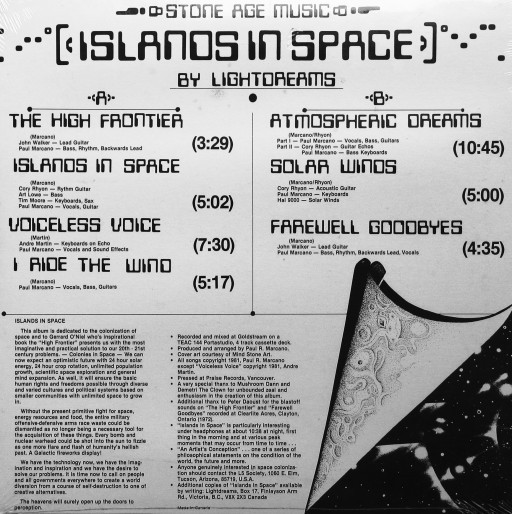
DAVID SANCIOUS AND TONE-TRUE STORIES AND DAVID SANCIOUS-JUST AS I THOUGHT.
DAVID SANCIOUS AND TONE-TRUE STORIES AND DAVID SANCIOUS-JUST AS I THOUGHT.
By the late sixties, David Sancious was part of New Jersey’s vibrant music scene where he served the first part of his musical apprenticeship. Over the next few years, the multi-instrumentalist honed his chops in various rock bands. The music they played was very different to the classical music that David grew up playing.
David Sancious who was born on November 30th 1953, and started playing classical piano aged seven. Little did he realise that he had just made his first tentative musical steps and eventually, would play alongside the great and good of music. That however, was in the future.
Before that, eleven year old David Sancious began teaching himself to play guitar. This was no surprise. He was eleven in 1964, the year the British Invasion groups first arrived on the American shores. Suddenly, guitar bands were King. Despite this, he continued to dedicate himself to the piano over the next few years. By his late teens he was a classically trained pianist. Eventually, though,David Sancious decided to turn his back on classical music.
The future for him was rock music and he made his debut in the local scene in the late-sixties. However, as the sixties gave way to the seventies, the Asbury Park music scene was thriving and at its heart were David Sancious, Bill Chinnock, Southside Johnny, Bruce Springsteen and future members of the E-Street Band. They played in various bands including Glory Road, Dr.Zoom and The Sonic Boom, The Bruce Springsteen Band and The Sundance Blues Band. That was the case right through until 1972. This marked the end of the first part of David Sancious’ musical apprenticeship. The final part came, when David moved to Richmond, Virginia.
In early 1972, David Sancious moved to Richmond, Virginia. His destination was Alpha Studios where he worked as a studio musician who played on jingles and sessions. That was how he met Ernest “Boom” Carter, the E-Street Band’s drummer and how he came to spend two years in Bruce Springsteen’s employ.
Between 1972 and 1974, David Sancious was a member of the E-Street Band. He played keyboards on Bruce Springsteen’s 1973 debut album Greetings from Asbury Park, N.J.
Greetings from Asbury Park, N.J.
Recording of Greetings from Asbury Park, N.J. took place between July and September 1972. Four months later, on January 5th 1973, Greetings from Asbury Park, N.J. was released. It was well received by critics, and nowadays, features in Rolling Stone magazines list of 500 best albums of all time. Despite this, Greetings from Asbury Park, N.J. wasn’t a huge commercial success.
On its release, Greetings from Asbury Park, N.J. reached just number sixty in the US Billboard 200 charts. Little did anyone know that this was the start of the career of one of the most successful American musicians ever.
Even David didn’t appear to realise this. After Greetings from Asbury Park, N.J. was recorded, he didn’t head out on tour with Bruce Springsteen. Instead, he returned to Alpha Studios.
At Alpha Studios, David Sancious recorded some demos with drummer Ernest “Boom” Carter and bassist Garry Tallent. There was a problem though, the rights to the demos were owned by producer and songwriter Will Farrell. This would become a bone of contention when they were later released without David Sancious’ permission. That was still to come and before that he played on The Wild, The Innocent and The E-Street Shuffle.
The Wild, The Innocent and The E-Street Shuffle.
Recording of Bruce Springsteen’s sophomore album, The Wild, The Innocent and The E-Street Shuffle took place between May and September 1973 at 914 Recording Sound Studios. The sessions were the perfect showcase for David Sancious’ skills.
The multi-instrumentalist could seamlessly switch between musical instruments. He played piano on New York City Serenade, organ on Kitty’s back and a soprano saxophone solo on The E Street Shuffle. That’s not all. During instrumental breakdowns he enjoys the chance to showcase his versatility. Drawing inspiration from his eclectic musical taste he takes The Wild, The Innocent and The E-Street Shuffle in unexpected directions. In doing so, he played his part in Bruce Springsteen’s first great album.
When The Wild, The Innocent and The E-Street Shuffle was released in September 1973, it was too widespread critical acclaim. So much so, that The Wild, The Innocent and The E-Street Shuffle features in the Rolling Stone magazines list of 500 best albums of all time. Sadly, this didn’t translate into sales.
The Wild, The Innocent and The E-Street Shuffle stalled at just number fifty-nine in the US Billboard 200 charts. Although slightly better than Greetings from Asbury Park, N.J., it was a disappointing chart placing. Maybe this is why his time with The E-Street Band was soon at an end?
David Sancious toured with The E-Street Band from June 1973 right through to August 1974. He also played on the title-track to Bruce Springsteen’s third album Born To Run. However, he was about to leave the E-Street Band, albeit not for ever.
Having left The E-Street Band, David Sancious and drummer Ernest “Boom” Carter formed their own group Tone. The third member of Tone was bassist Gerald Carboy. Other members would come and go including vocalists Gail Boggs, Patti Scialfa, Brenda Maddison and Gayle Moran, of Return To Forever and The Mahavishnu Orchestra. Another future member of Tone was Alex Ligertwood, who had become Santana’s vocalist. These vocalists were part of Tone’s fluid lineup between 1975 and 1978. Their debut album was Forest Of Feeling.
Forest of Feeling.
For David Sancious and Tone’s debut album, 1975s Forest Of Feeling, they decided to change direction from the music they’d been making with Bruce Springsteen. To do this, they brought onboard a producer capable of making this happen.
Billy Cobham of The Mahavishnu Orchestra was brought onboard to produce Forest Of Feeling. Their debut album saw David Sancious and Tone’s music move in an innovative direction. Progressive rock and jazz fusion melted into one on Forest Of Feeling. There was more than a nod to The Mahavishnu Orchestra, Yes and Genesis. A captivating fusion of musical genes and influences, Tone’s debut Forest Of Feeling, was released in 1975.
On its release in 1975, Forest Of Feeling was well received by critics.They realised that Forest Of Feeling was an album of groundbreaking music. It was very much a mixture of music’s present and future. Despite this, Forest Of Feeling failed to chart. For David Sancious and Tone this a huge disappointment. So they started work on their sophomore album, Transformation (The Speed Of Love)
Transformation (The Speed Of Love).
For Transformation (The Speed Of Love), David Sancious penned Piktor’s Metamorphosis, Sky Church Hymn #9, The Play And Display Of The Heart and Transformation (The Speed Of Love). These four lengthy pieces were the perfect showcase for David Sancious and Tone.
Recording of Transformation (The Speed Of Love) took place at Caribou Ranch studios with Bruce Botnik producing. David Sancious played acoustic piano, Fender Rhodes, piano, Hammond and electric organ, Moog synth, clavinet as well as electric and acoustic guitars. Ernest “Boom” Carter played drums, percussion and added the vocal on Piktor’s Metamorphosis. Gerald Carboy played bass and wind chimes. Gayle Moran sang the vocal chorus on Transformation (The Speed Of Love), an eighteen minute epic that closes the album. Once these four songs were recorded, Transformation (The Speed Of Love) was released in 1976.
On Transformation (The Speed Of Love)’s release, it was released to widespread critical acclaim. A genre-melting album, everything from blues, boogie, classic rock, psychedelia, funk, fusion, jazz, progressive rock and rock feature on Transformation (The Speed Of Love). It’s three hugely talented musicians showcasing their considerable talents. Despite this, commercial success eluded Transformation (The Speed Of Love).
Transformation (The Speed Of Love) failed to chart. It passed record buyers by, upon its release in 1976. Since then, Transformation (The Speed Of Love) has found an audience within the rock and jazz community. That was still to come. Before that, David Sancious and Tone would begin work on album they hoped would result in a change of fortune for them, Dance Of The Age Of Enlightenment.
Dance Of The Age Of Enlightenment.
For David Sancious and Tone’s fourth album, the band’s founder began writing the material for the album. Eventually, David had written eight new tracks including Overture-Wake Up (To A Brand New Day), 1st Movement (Dance Of The Glory And Playfulness), 2nd Movement (Dance Of Purification) The Dawn, 3rd Movement (Part I and II), 4th Movement (Dance Of Serenity And Strength) and the Finale, which featured Gone Is The Veil Of Illusion (Part I) and Dance Of Gratitude And Devotion (Part II). The tracks were complex and would test the considerable skills of the members of Tone.
Recording of Dance Of The Age Of Enlightenment took place at Caribou Ranch studios with Bruce Botnik and David co-producing. The eight songs had been arranged by David Sancious who played acoustic piano, Fender Rhodes, Hammond and electric organ. He also played Moog synth, clavinet, electric and acoustic guitars. In the rhythm section were drummer and percussionist Ernest “Boom” Carter and bassist Gerald Carboy played bass and wind chimes. Gayle Moran added vocals. Once the eight tracks had been recorded, Dance Of The Age Of Enlightenment was scheduled for release later in 1977.
David Sancious was excited about the album he had recorded with Tone. Dance Of The Age Of Enlightenment had the potential he believed, to be a career defining album that featured ambitious and innovative music. That may have been the case, but Epic didn’t want to release Dance Of The Age Of Enlightenment. For David Sancious and Tone this was a huge blow. He found himself at loggerheads with Epic and was looking for an exit route.
What David Sancious needed, was a label that would release Dance Of The Age Of Enlightenment. This wasn’t going to be easy. Word gets round the music industry, and soon, many labels would be aware that Epic had refused to release Dance Of The Age Of Enlightenment. This meant David Sancious wasn’t going to be negotiating from a power of strength. Despite this, he thought he had found a label willing to release Dance Of The Age Of Enlightenment, Arista.
The Arista label had been founded by the former Columbia Records CEO, Clive Davis. When he heard Dance Of The Age Of Enlightenment he was keen to release the album and offered David Sancious and Tone a recording contract. He signed on the dotted line and Dance Of The Age Of Enlightenment was about to be released. Or at least so it seemed.
Executives within Arista’s A&R department weren’t so sure about Dance Of The Age Of Enlightenment. Suddenly, Arista were having second thoughts about releasing Dance Of The Age Of Enlightenment. Suddenly, Arista back-pedalling, and decided not to release the album. The A&R executives were unable to get their heads round the album. They felt it wasn’t the right album for Arista to release as the groups’ debut. David Sancious was backed into a corner and there were only two possible outcomes.
The first was that Arista didn’t release Dance Of The Age Of Enlightenment. If David Sancious agreed to this, and to record a more “commercial album,” they would honour the recording contract on the table. Should he not agree to this, all bets were off. David was in between a rock and a hard place. It was obvious that Arista weren’t going to release Dance Of The Age Of Enlightenments, so it was a case of cutting his losses, and beginning work on a new album. If that was successful, maybe Arista would’ve a change of heart about Dance Of The Age Of Enlightenments?
They didn’t. It wasn’t until 2004, that somewhat belatedly Dance Of The Age Of Enlightenment was released. By then, David Sancious and Tone were no more. However, the genre-melting Dance Of The Age Of Enlightenment, where David Sancious and Tone flit between classical and jazz, to fusion and funk and even progressive rock and rock. The listener had been denied the opportunity to hear what was one of David Sancious and Tone’s most accomplished albums. Dance Of The Age Of Enlightenment might have resulted in a change in fortune for David Sancious and Tone. As it was, David decided to expand Tone to a six piece band for their fifth album, True Stories.
True Stories.
Having made the decision to add to the lineup of David Sancious and Tone, the search began in earnest for three new band members. The first addition was lead vocalist Alex Ligertwood from Glasgow, in Scotland. He had an enviable pedigree, having been a member of The Jeff Beck Band and Brian Auger’s Oblivion Express. He sounded as if he was born to sing rock. Providing the perfect foil for Alex Ligertwood were backing vocalists Brenda Madison and Gail Boggs. Neither were newcomers to David Sancious and Tone and Both had already made guest appearances on previous albums. This time they were full members of David Sancious and Tone as work began on what became True Stories.
Just like previous albums, David Sancious wrote the majority of True Stories. He penned Sound Of Love, Move On, Prelude #3, On The Inside, Fade Away, Ever The Same and Interlude. David also cowrote Matter Of Time with bassist Gerald Carboy. These songs became True Stories, which was produced by David and L.A. based, but London born producer Eddy Offord.
Having written and practised the song that would become True Stories, the newly expanded lineup of to David Sancious and Tone headed to Woodstock where the Eddy Offord Remote Studio was situated. David Sancious arranged the album which he co-produced with studio owner Eddy Offord. It was a quite different to previous albums as the band played a myriad of traditional and electronic instruments.
Even one member of the rhythm section expanded his musical horizons on True Stories. Drummer and percussionist Ernest Carter added a bell tree, gong, handclaps, tambourine, timbales and tone bender. His partner in the rhythm section, was bassist Gerald Carboy. David Sancious played synths, Hammond organ, bass, crotales, finger cymbals, piano, tambourine and added handclaps. Lead vocalist Alex Ligertwood played finger cymbals and added handclaps. Augmenting his vocals were backing vocalists Brenda Madison and Gail Boggs. The new lineup of David Sancious and Tone guided by new co-producer set about recording an album that stayed true to the group’s principles and they hoped would meet the approval of Arista.
The result was True Stories, which was completed in 1978. It was scheduled for release later that year. That was as long as the album met with the approval of Arista. Whether this had been deliberate or not, True Stories lacked the grandiose and flamboyant flourishes of previous albums. However, aided and abetted by lead vocalist Alex Ligertwood and two backing vocalists, David Sancious and Tone, continued to create music that was ambitious, groundbreaking and genre-melting. This was was in David Sancious and Tone’s musical D.N.A.
A&R executives at Arista were greeted with a very different album from Dance Of The Age Of Enlightenment. True Stories was still an album that married disparate musical genres. Everything from faux-baroque, classic rock, classical, funk, fusion, jazz and progressive rock can heard throughout True Stories. Sonically and stylistically, David Sancious and Tone had much in common with Pink Floyd, Emerson, Lake and Palmer, Yes and Genesis on True Stories. It’s a complex but captivating album, which is also melodic and full of subtle hooks. This results in several radio friendly tracks. Especially, album opener Sound Of Love, with its marriage of progressive rock, fusion and classic rock. It’s the perfect showcase for lead vocalist Alex Ligertwood seems to draw inspiration from Peter Gabriel and Jon Anderson. Then on Move On, Alex’s vocal brings to mind Steely Dan before the track heads in the direction of fusion and progressive rock. After that, it’s all change.
Prelude #3 is the first of two tracks with classical influence. There’s a faux baroque sound to synth, before the the track gradually unfolds. The classical influence continues On The Inside, where beauty and flamboyant flourishes of piano are key to the track’s success. From there, David Sancious and Tone change tack once again.
Fade Away is something of a slow burner, with a Hammond organ and drums providing the backdrop for Alex’s vocal. The drama builds and then when the chorus kicks in it’s been worth the wait. It becomes a melodic anthem, where a hint of disco is combined with R&B and rock. Very different is the prayer for peace Ever The Same where elements of classic rock, fusion and progressive rock combine. This gives way to Interlude which is two memorable minutes of beautiful, elegiac music, where synths and keyboards are to the fore. Closing True Stories was Matter Of Time, a ten minute sprawling progressive rock epic where David Sancious and Tone stretch their legs musically and showcase their considerable talents.
Having been impressed by an album that originally started life as four suites, Arista scheduled the release of True Stories for later in 1978. It was a very different album than David Sancious envisaged. With the help of his co-producer Eddy Offord, the original concept had been rejigged into something that Arista would find acceptable, and indeed, commercial. Arista high hopes for True Stories, and believed it had the potential to transform the fortunes of David Sancious and Tone.
When critics received their copy of True Stories, they were impressed by the latest offering from the newly expanded lineup of David Sancious and Tone. It was hailed an album of ambitious music, where combined and flitted between disparate musical genres. However, the addition of Alex Ligertwood and the backing vocalists added a new dimension to David Sancious and Tone. This surely should result in commercial success coming David Sancious and Tone’s way?
Alas, it wasn’t to be. When David Sancious and Tone released True Stories in 1978, the album never even troubled the lower reaches of the US Billboard 200. The only small crumb of comfort for Arista and David Sancious and Tone was when True Stories reached number forty in the US Jazz charts. That however, was as good as it got for David Sancious and Tone. They released Move On as a single in the UK during 1978, but it failed commercially. To make matters worse, progressive rock was falling out of favour on both sides of the Atlantic.
Despite that, David Sancious wasn’t about to turn his back on progressive rock. He had already decided to record a new album, which became Just As I Thought. However, it wasn’t credited to David Sancious and Tone. Instead, it became David Sancious’ debut solo album.
Just As I Thought.
There was no fallout between David Sancious and Tone. Instead, the band seem to have run its course. Despite this, some members of Tone would be reunited with him once he had written his debut solo album, Just As I Thought.
For Just As I Thought, David Sancious wrote nine new songs. Most of them, including Run, Just As I Thought, Again, The Naked 1, Valley Of The Shadow, Remember, And Then She Said and Again (Part II) were much shorter songs. Especially when compared to songs on previous albums. The longest track was Just As I Thought, Suite (For The End Of An Age), an eight minute epic, which featured David Sancious at his most creative. However, for most of Just As I Thought, the songs were shorter and found him moving towards fusion. To help him do this, was a very different band.
Joining David Sancious to record Just As I Thought was a band that was a mixture of familiar faces and new names. They made their way to Eddy Offord’s Mobile Unit in Woodstock. One of the familiar faces, was drummer and percussionist, who returned to the rhythm section. Joining him were fusion bassist Jeff Berlin, and T.M. Stevens, who would invent heavy metal funk. Each bassist played on two tracks. Adding vocals on Again and Suite (For The End Of An Age) was Kabir Ghani. Brenda Madison added choir parts to Suite (For The End Of An Age) and Again (Part II). David played acoustic and electric guitar, bass, Hammond organ, piano and synths. He also arranged Just As I Thought, and co-produced the album with Eddy Offord. Once Just As I Thought was complete, a new chapter in David Sancious’ career began.
Not only was Just As I Thought David Sancious’ debut solo album, but changed direction musically. On the album opener Run and Just As I Thought, there’s a move towards fusion. This more than hints at what’s to come.
Before that, Again is a beautiful piano lead ballad featuring Kabir Ghani’s vocal. It’s one of Just As I Thought’s highlights. Then The Naked 1 is understated, atmospheric and melodic track wherea Spanish guitar playing a leading role. After this, there’s a return to fusion on Just As I Though.
This begins on Valley Of The Shadow while Suite (For The End Of An Age) is best described as progressive rock meets fusion as Ernest Carter’s drums power the arrangement along adding to the drama. Remember is short interlude where David Sancious unleashes flamboyant flourishes on the piano and this gives way to And Then She Said a progressive and later, blistering slice of fusion. David Sancious dawns the role of guitar hero and unleashes a scorching solo. There’s even a jazz influence during the solos on what’s another of the highlights of Just As I Thought. It closes with Again (Part II), a poignant and beautiful track where the drama begins to builds and reaches a crescendo after three minutes. Just as is often the case, David Sancious kept one of the best until last. Not only does is it the perfect way to close Just As I Thought but it whets the listener’s appetite for the followup.
Before that, critics and record buyers would have their say on David Sancious’ debut solo album, Just As I Thought. Critics were won over by Just As I Thought, welcoming the stylistic departure on an album where David Sancious. Just As I Thought with its move towards fusion, showed another side to David Sancious. However, he hadn’t turned his back on progressive rock, and combined this with rock, classical, jazz and even the dreamy ambient, acoustic sound of The Naked I. There was much for critics to praise on Just As I Thought.
When Just As I Thought was released later in 1979, it only charted in the US Jazz charts, where it reached thirty-six. While this was an improvement on David Sancious and Tone’s swan-song True Stories, Just As I Thought had failed to find the audience it deserved. For everyone involved, it was a huge disappointment.
Especially David Sancious. Just As I Thought could and should’ve been the start of a long and successful career for the talented multi-instrumentalist, composer, arranger and producer. However, his ambitious, groundbreaking and genre-melting music was only finding an audience within the jazz community. It had been a similar case with David Sancious and Tone. Maybe that was why David Sancious decided to reinvent himself as a solo artist? Alas, it didn’t pay off.
Instead, David Sancious only released one further album for Arista, The Bridge in 1981. After that, he decided to concentrate on his work as a sideman,
For the next nineteen years, David Sancious’ time was spent working with the great and good of music. He took to the stage, and recorded with Eric Clapton, Jack Bruce, Peter Gabriel, Sting, and Bruce Springsteen, Stanley Clarke and Santana. However, having worked with rock royalty for so long, this must have inspired him to return to the studio.
In 2000, David Sancious released 9 Piano Improvisations. Two years later, this was followed in 2002 by Cinema and Live In The Now in 2006. This meant that David Sancious’ back-catalogue now amounted to five official albums, plus the five albums David Sancious and Tone released. They’re a reminder of a truly talented musician, composer, arranger and composer, whose music is only belatedly finding the audience it so richly deserves.
For those yet to discover the delights of David Sancious and Tone, or David Sancious’ solo career, then BGO Records’ recent reissue is the perfect starting point. It pairs David Sancious and Tone’s 1978 swan-song True Stories with his 1979 debut album Just As I Thought. Both albums have been digitally remastered especially for this reissue and are the perfect introduction to a man who Peter Gabriel describes as: “a musician’s musician.” That has been the case for over forty years.
During that period, David Sancious has won the praise, approval and admiration of his contemporaries and peers. That’s why when Eric Clapton and Peter Gabriel, to Saatana, Sting and Bruce Springsteen are looking for a keyboardist, David Sancious has been and still is, their go-to-guy. One listen to True Stories and Just As I Thought, and you’ll realise just why, rock royalty have David Sancious ‘ number on speed dial.
DAVID SANCIOUS AND TONE-TRUE STORIES AND DAVID SANCIOUS-JUST AS I THOUGHT.

TOM ARTHURS AND ISAMBARD KHROUSTALIOV-VAUCANSON’S MUSE-VINYL EDITION.
TOM ARTHURS AND ISAMBARD KHROUSTALIOV-VAUCANSON’S MUSE-VINYL EDITION.
Trumpeter Tom Arthurs and electronic musicians Isambard Khroustaliov have been friends for the best part of ten years. During that time, they’ve been involved with the Not Applicable record label and collective. It organised an English tour of Graphic Scores back in October 2013, that inspired Tom Arthurs and Isambard Khroustaliov to record an album together, Vaucanson’s Muse.
The Graphic Scores tour was funded by the Arts Council, and began on the 3rd of October 2013. This was the first of six concerts by the Not Applicable collective. Their lineup featured the combined and considerable talents of Oliver Coates, Elaine Mitchener, Tom Arthurs and Isambard Khroustaliov. They were lead by pianist and band leader Joanna MacGregor and played composed and improvised music that had been realised with the use of graphic scores.
Each night, the Not Applicable collective charted the history of graphic scores. This was where composers used visual symbols to convey musical information. It was, and still is, often used instead of, or in combination with traditional musical notation. One of the pioneers of graphic scores was John Cage. So it was fitting that the Not Applicable collective revisited his 1952 composition Water Music. This pioneering composition paved the way for the other artists that the Not Applicable collective celebrated on the Graphic Scores tour.
Among them, were Cornelius Cardew who wrote Treatise between 1963-1967, and George Crumb who wrote Makrokosmos in 1972. Pulitzer Prize. Thirty years later, Pulitzer Prize winner Wadada Leo Smith’s wrote Luminous Axis in 2002. Bringing graphic scores to a new audience was Jenifer Walshe, who wrote This Is Why People O.D. On Pills and Jump From The Golden Gate Bridge. It became part of the Not Applicable collective’s setlist during what was essentially, a celebration of Graphic Scores. The tour ended on 11th October 2013, in Oxford. For then, two members of the collective, the tour had been an illuminating and inspirational one.
So much so, that trumpeter Tom Arthurs and electronic musicians Isambard Khroustaliov had changed over the course of just eight days. It had been an informative experience for the two friends, who came from very different backgrounds. Tom Arthurs was an experienced jazz musician, who had recorded for various labels. Sam Britton a.k.a. Isambard Khroustaliov, had a background in dance music and algorithmic composition. Despite coming from very different musical backgrounds, the pair decided to head straight to the studio and record an album.
This was a first for the pair. Tom Arthurs and Isambard Khroustaliov had been involved in projects, but had never recorded an album together. These improvised recordings became Vaucanson’s Muse, which was recently released via Not Applicable’s Bandcamp Page. Vaucanson’s Muse is a limited edition of only 300. It’s best described as a lovingly curated release, which oozes quality. That’s the case from the artwork of architect Will Alsop to the sleeve notes of author and musician David Toop. They strengthen the themes hinted at throughout Vaucanson’s Muse, and that’s the music of unknown worlds constructed through symbolic and geometric abandon. This is fascinating and thought-provoking, just like the music of Tom Arthurs and electronic musicians Isambard Khroustaliov.
Isambard Khroustaliov.
Both men have enjoyed lengthy careers, and from very different musical backgrounds. In the case of Sam Britton, he never intended to embark upon a career in electronic music. Instead, he enrolled at the Architectural Association in 1996. Not long after this, Sam began writing electronic music. Within a year, he was recording for an independent label. This included with Ollie Brown as Icarus.
They would release six albums between 1998 and 2010. Icarus released albums for labels on both sides of the Atlantic, including Output Recordings, Temporary Residence, Domino and The Leaf label. However, just a year after Icarus released their debut album, Sam’s time studying architecture was over. His musical career, however, was just beginning.
Over the next few years, Sam Britton juggled several careers. He was a member of Icarus, and a member of the trio Fiium Shaarrk. Sam had also dawned the moniker Isambard Khroustaliov, and collaborated on six albums between 2006 and 2013. Isambard Khroustaliov released his debut solo album Ohka in 2009. Meanwhile, Sam Britton was forging a successful career as a composer.
That had been the case ever since 2002. Sam Britton began composing music for television, film, animation and new media. He quickly established a reputation as a talented composer, and was working with many of the biggest British television companies. Despite this, Sam was keen to further his musical education.
Away from making music, Sam Britton was a keen student of music. In 2006 he completed a Masters course in electronic music and composition at IRCAM in Paris, France. Then in 2011, Sam began a Phd in composition under the supervision of Richard Barrett, Peter Wiegold and Christopher Fox at Brunel University. This Phd Sam was in the throes of, when he embarked upon the Graphic Scores’ tour and the recorded Vaucanson’s Muse with Tom Arthurs.
Tom Arthurs.
Trumpeter and composer Tom Arthurs has spent the best part of two decades honing his sound. Now he’s regarded as one of the most talented, and versatile British trumpeters of his generation. Almost seamlessly, Tom can switch between jazz and improvised music. As he does this, he draws inspiration from a wide range of influences. Everyone from John Taylor, Kenny Wheeler and Jimmy Guiffre to Berlin’s Echtzeitmusik scene and composers like György Ligeti, Luc Ferrari, Wolfgang Mitterer and Morton Feldman. That’s not forgetting filmmakers Andrei Tarkovsky and Jean-Luc Godard, baroque music, Gal Costa, David Sylvian and Arto Lindsay. They’ve shaped Tom Arthurs as a musician and composer.
By the time Tom Arthurs was in his mid-thirties, word of this musical pioneer had spread far and wide. On both sides of the Atlantic, and across Europe Tom Arthurs’ music had been discovered by both an appreciative musical public and critics. They hailed Tom as a “a world-class improviser,” and described his playing: “as vulnerable as Miles Davis at his fragile best.” There was a simplicity and beauty to Tom Arthurs’ music, which was exacting as he knocked on the door of perfection. So it was no surprise that Tom was constantly busy, as a bandleader and collaborator.
Tom Arthurs lead two different international trios. The first featured British pianist Richard Fairhurst and Finnish drummer Markku Ounaskari; while the second included French bassist Sébastien Boisseau and Swedish drummer Jon Fält. Away from his work was a bandleader, Tom has worked on a variety of collaborations and collective improvised projects.
He’s also played alongside, and recorded with, Julia Hülsmann, Theo Bleckmann, Ingrid Laubrock, Dine Doneff Denis Badault and Eric Schaefer. Tom Arthurs has also a shared the stage with an eclectic selection of musicians. This includes many familiar faces, including John Surman, John Taylor, Kenny Wheeler, Benoît Delbecq, Jack DeJohnette, Régis Huby, Iain Ballamy, Thomas Strønen, Jan Bang, Nicolas Masson, Julie Sassoon, and Eddie Prévost. Other times, Tom shares a stage with what are regarded as the finest musicians of his generation. Among them are Marc Schmolling, Miles Perkin, M Philipp Gropper, Ronny Graupe and Wanja Slavin. They’re among many artists that Tom has taken to the stage with Tom. This also includes the Not Applicable collective.
By October 2013, Tom Arthurs had been involved with the Not Applicable record label and collective for a number of years. The collective had recently secured funding from the Arts Council, for the six date Graphic Scores tour. It was scheduled to take place between the 3rd and 11th October 2013. So the Not Applicable collective headed out on the Graphic Scores tour.
Leading the collective was pianist Joanna MacGregor. She was joined onstage by the combined and considerable talents of Oliver Coates, Elaine Mitchener, Tom Arthurs, Isambard Khroustaliov. Each night, they celebrated and charted the history of graphic scores. To do this, the collective revisited the work of John Cage, Cornelius Cardew, George Crumb, Wadada Leo Smith and Jenifer Walshe. For six nights, the music of these musical pioneers reached a new and receptive audience. Fittingly, the critically acclaimed tour ended in one of England’s most learned cities, Oxford.
Buoyed and enthused by the tour, Tom Arthurs and Isambard Khroustaliov decided to record an album together. This was a first. Although the two friends had worked on albums before, they had never record an album together. Despite this trumpeter Tom Arthurs and electronic musician decided to record an album of improvised music, Vaucanson’s Muse.
Vaucanson’s Muse.
Recording of Vaucanson’s Muse took place at Coda to Coda Studios, in London during November 2013. A total of eight tracks were recorded. They were mixed by Tom Arthurs and Isambard Khroustaliov at Code Cole Studios, in February 2014. When it came to mastering, this took place at Abbey Road Studios. Alex Wharton mastered and cut what became Vaucanson’s Muse on a Neumann DMM lathe. It was then sent to Optimal in Germany to be pressed.
Meanwhile, architect Will Alsop was hard at at work designing the album cover and the rest of artwork. It’s his interpretation of the music on Vaucanson’s Muse. Similarly, author and musician David Toop waxes lyrical, as he interprets the music in his sleeve notes. By the time the artwork and sleeve notes were completed, Vaucanson’s Muse had been pressed and was ready for release via Not Applicable’s Bandcamp Page. Vaucanson’s Muse was recently released as a limited edition of 300 copies, which are pressed in heavyweight vinyl, and features two musical pioneers, Tom Arthurs and Isambard Khroustaliov.
Opening side one of Vaucanson’s Muse is On A Carpet Of Leaves Illuminated By The Moon. A trumpet wails, and soars high above the arrangement. It features a myriad of beeps, squeaks, clicks, crackles and bubbling sounds. They provide an alternative symphony, as Isambard Khroustaliov dig deeps into his array of sonic trickery. They’re manipulated, with sounds grinding as they’re played backwards. Other sounds tap out a code, that’s akin to computer’s chattering. Meanwhile, Tom plays with power and control. Later, he plays a with a subtlety, leaving space in the music that takes on a ruminative and wistful beauty.
Gently and tenderly, Tom plays his trumpet on Vaucanson’s Muse. It brays softly as Isambard adds a variety of clicks, crackles and rustling sounds. They beep, squeak and buzz menacingly, as he he becomes a modern day Jimi Hendrix unleashing, but somehow controlling this array of disparate sounds. They’re panned, as they move across and then up and down the soundscape. Meanwhile, the trumpet squeals, squeaks and shrieks becoming part of an alternative and futuristic orchestra. Later, the arrangement becomes minimalist, with rustles, beeps, squeak and bubbling sounds accompanying machinelike sounds and short bursts of trumpet. They merge into one, becoming part of captivating soundscape, that pays homage to not just the pioneers of graphic scores, but those that were at the forefront of improvised, avant-garde and experimental music. They’ve obviously influenced Tom Arthurs and Isambard Khroustaliov.
Grace Jones is one of the shortest, and most melodic tracks on Vaucanson’s Muse. Isambard puts his array of electronic equipment to good use. What sounds not unlike a fax machine is at the heart of the glistening, shimmering arrangement. It’s carefully crafted, and as it meanders along, takes on a space age sound. Later, Tom sprays bursts of trumpet, and takes care not to overpower the rest of arrangement. His trumpet becomes part of what’s a melodic, space age soundscape.
Trajets closes side one of Vaucanson’s Muse. Tom’s trumpet blazes, soaring high above the crackling, bristling and beeping arrangement. Occasionally, Tom answers his own call. By then, the arrangement has taken on a edgy, experimental sound. Other times, it veers between futuristic and understated, as it becomes a robotic symphony. Then when Tom’s trumpet enters, he plays within himself. There’s no blazing, scorching solos. Instead, he plays carefully and thoughtfully, adding a warm, melodic sound. It’s a contrast to other parts of this experimental sounding arrangementm which bristles, beeps and squeaks. They’re joined by washes of eerie chatter while the muted trumpet plays. Together, they create a captivating, cinematic soundscape that would be the perfect soundtrack for a short sci-fi film.
Cant’ Unsee opens side two of Vaucanson’s Muse. In the distance a droning synth plays. Soon, it’s joined by a rasping trumpet, that’s played softly. It picks out a melody, before embarking on brief sonic excursions. Always, Tom returns to the memorable melody. Meanwhile, the beeps, squeaks and bubbling sounds that provided a backdrop for the haunting beauty of the trumpet. Soon, it’s been joined by what sounds like an engine. Coupled with the futuristic beeps, cheeps and squeaks, and the haunting beauty of the trumpet, it again sounds like the soundtrack to another space age voyage of discovery.
Beeps, cackles, crackles and squeaks join the squealing, shrieking trumpet on Irina Piperin. They’re joined by samples of water dripping and a myriad of clicks and crackles. Tom’s transforming the trumpet, so that he can too can help shape this soundscape. To do this, he has to eschew playing with speed and fluidity. Instead, he improvises, as gruff, croaking notes fall from his trumpet. They’re part of what’s a understated but somewhat eerie, edgy soundscape. It’s not unlike walking down a dark, deserted city street as one’s mind starts playing tricks. This is the case here, with everything from clicks and crackles to a rumbling sound and the scampering, braying and squeaking trumpet. They’re part of a eerie and unsettling soundscape, that’s sure to set the listener’s mind racing.
Sea Interval closes side two, and indeed, Vaucanson’s Muse. A drone takes centre-stage, before Tom adds a rasping trumpet. It’s played with a subtlety, and becomes part of the meandering, multilayered arrangement. Still, the drone is at its heart, as the trumpet is omnipresent, as the trumpet probes and rasps, adding a melancholy hue. Later, short urgent blasts of the trumpet punctuate the arrangement as it takes on a melodic and thoughtful sound. It’s a case of saving the best until last. Key to the sound and success of Sea Interval is the relationship between Isambard and Tom. Isambard Khroustaliov is the perfect muse for Tom Arthurs, and ensures that he reaches new heights. As a result, Sea Interval showcases the considerable and combined talents of Tom Arthurs and Isambard Khroustaliov. That has been the case throughout Vaucanson’s Muse.
It features two musical pioneers, who come from very different musical backgrounds. They’ve worked together many times, but never have recorded an album together. That was until they returned from the Not Applicable collective’s Graphic Scores’ tour. Buoyed by the success of the critically acclaimed tour, Tom Arthurs and Isambard Khroustaliov entered the studio and recorded Vaucanson’s Muse back in November 2013. However, it was nearly three years before the album was released in late October 2016. Vaucanson’s Muse which was recently released via Not Applicable’s Bandcamp Page has been worth the three year wait.
From the opening bars of On A Carpet Of Leaves Illuminated By The Moon, right through to the closing notes of Sea Interval, Tom Arthurs and Isambard Khroustaliov push musical boundaries. To do this, they combine elements of ambient, avant-garde, experimental and improvised music. The result is music that’s variously cinematic, edgy, eerie, futuristic, melodic, melancholy and ruminative. It’s also music that’s guaranteed to set the listener’s mind racing, as Tom Arthurs and Isambard Khroustaliov take the listener on a sonic voyage of discovery. All the listener has to do, is submit to the music, and enjoy its nuances, subtleties and its plentiful supply of surprises. If they do, they will be richly rewarded. Vaucanson’s Muse finds two musical innovators uniting, to create a groundbreaking album of music, where Tom Arthurs and Isambard Khroustaliov follow in the footsteps of the pioneers of graphic scores.
TOM ARTHURS AND ISAMBARD KHROUSTALIOV-VAUCANSON’S MUSE-VINYL EDITION.
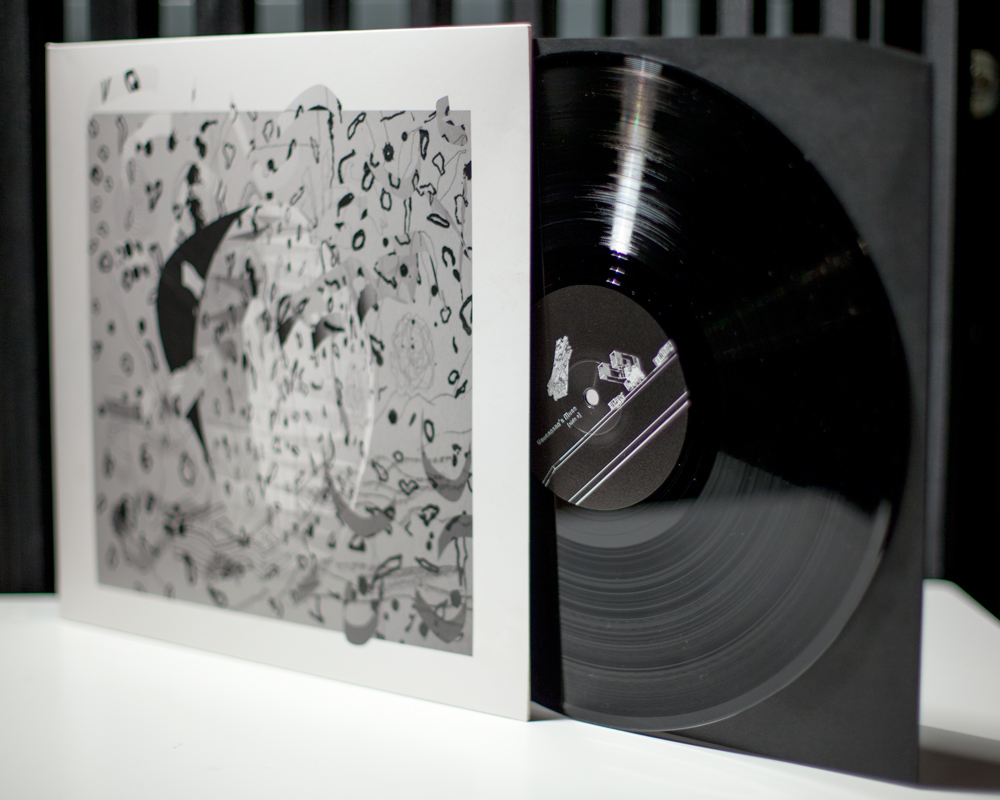
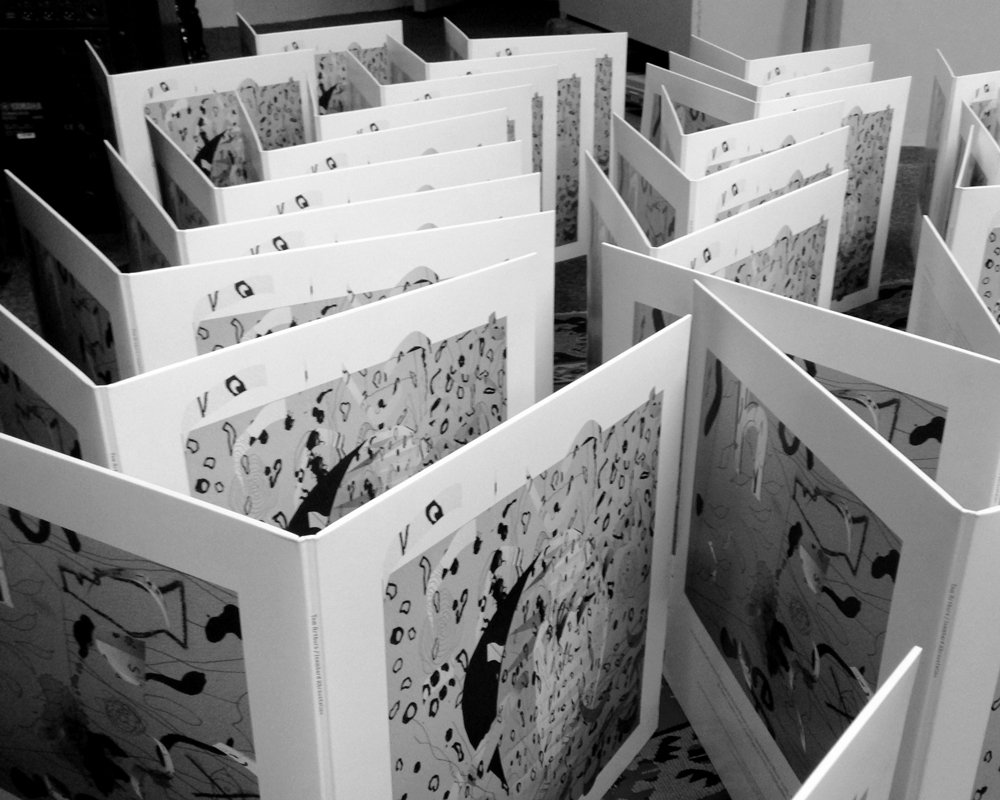
MILT JACKSON-SUNFLOWER AND GOODBYE.
MILT JACKSON-SUNFLOWER AND GOODBYE.
By 1967, Creed Taylor was a veteran of the music industry. He had worked numerous record labels, including Bethlehem, ABC and Verve. However in 1967, Creed Taylor left Verve to join Herb Albert and Jerry Moss’ A&M Records. This was something of a coup for A&M Records, as Creed Taylor had an impressive track record.
At ABC, Creed founded one of jazz’s most influential labels, Impulse! and signed John Coltrane in 1960. With one of the legends of jazz onboard, McCoy Tyner, Sonny Rollins, Art Blakey, Charles Mingus, Albert Ayler and Archie Shepp would then sign to Verve. Impulse! would go on to release some of the most innovative and influential jazz of the sixties. By then, Creed Taylor had moved on to Verve in 1961.
Now working for Verve Records, Creed Taylor introduced bossa nova to America. Creed signed artists like Antonio Carlos Jobim and Stan Getz. Their music caught the attention of Charlie Byrd and Dizzy Gillespie. Soon, Verve Records was one of the most successful jazz labels. However, after six years at Verve Records, Creed Taylor was on the move.
He signed to A&M in 1967. That’s where CTi Records was born. Originally, CTi Records was an imprint of A&M. A&M was responsible for distributing CTi Records’ releases. That was the case right through until 1969, when Creed Taylor left A&M. The following year, CTi Records become an independent record company.
Many people saw Creed Taylor’s decision to leave A&M as risky. Not Creed Taylor though. He saw it as a carefully calculated risk. Music was about to change. Especially jazz music. Creed Taylor foresaw the and was determined that CTi Records would be at the forefront of this change. So he began signing some of the most talented jazz musicians of that time to CTi Records. This included Chick Corea, Dave Holland, Ron Carter and Herbie Hancock. Another artist that Creed Taylor signed to Cti Records in 1970, was forty-seven year old vibes player Milt Jackson.
He would spend three years at CTi Records, and released a trio of albums. This included Sunflower and Goodbye, which have been digitally remastered, and were recently released by BGO Records on one CD. On both Sunflower and Goodbye, Milt Jackson’s is joined by an all-star band, which features many other artists signed to CTi Records.
By the time Milt Jackson signed to CTi Records, he was a musical veteran. He had released thirty-six albums, including collaborations with some of the biggest names in jazz. John Coltrane, Coleman Hawkins, Wes Montgomery, Oscar Peterson and Ray Charles had all collaborated with Milt Jackson. His first collaboration on an album came in 1948.
Milt Jackson was then twenty-five. He was born in Detroit on 1st January 1923. Music was omnipresent in the Jackson household. It played an important part in everyday. So did the church, where Milt Jackson would later sing gospel.
Before that, Milt Jackson began searching for the right musical instrument for him. This search began when seven year old Milt Jackson began to play the guitar. Then when he was eleven Milt switched to piano. However, when Milt started at Miller High School, he began playing drums and then timpani and violin. Somehow, Milt even found time to sing in the school choir. By the time he was sixteen, Milt began touring with the gospel group the Evangelist Singers. However, that wasn’t where his future lay.
For sixteen year old Milt Jackson, hearing Lionel Hampton playing the vibraphone in Benny Goodman’s band, changed not just his musical direction, but his life. Realising that the vibraphone was the instrument for him, Milt Jackson spent the next few years dedicating himself to learning how to play the vibes. This paid off.
In 1945, Milt Jackson was discovered by Dizzy Gillespie, and he became a member of his sextet. Before long, Milt was a familiar face in Dizzy Gillespie’s bands. This was something of a coup for the young vibes player, and certainly got him noticed. Milt went on to Milt play alongside Woody Herman, Thelonious Monk, Charlie Parker and Howard McGhee, with whom he recorded an album in 1948
Trumpeter Howard McGhee and Milt Jackson entered the studio in 1948 to record an album. They were joined by some of the top musicians of the day. Together, they recorded twelve tracks, which eventually, were released as Howard McGhee and Milt Jackson in 1955. Little did Milt Jackson realise that this was the first of a prolific career.
Milt Jackson’s career would eventually spanned six decades. His recording career began in earnest in 1952. By then, Milt had formed the Milt Jackson Quartet in 1950. It would later become the Modern Jazz Quartet, which right through until 1974, when it disbanded, would released ambitious and groundbreaking music. Still, though Milt managed to juggle his solo career with his would within the Modern Jazz Quartet.
Two years after the formation of the the Milt Jackson Quartet, its founder released his solo debut album, Wizard of the Vibes. It featured music recorded between 1948 and 1952. Three years later, and the Milt Jackson Quartet released their eponymous debut album on Prestige. The following year, was one of the most productive of Milt’s early career.
During 1956, Milt Jackson released a quartet of solo albums. By then, Milt had acquired the nickname Bags, after arriving at a gig with bags under his eyes. They were the result of too many nights carousing into the early others. However, Milt’s new nickname provided inspiration for many an album title, including Roll ‘Em Bags. It featured music that had been recorded between 1949 and 1956; while Meet Milt Jackson had been recorded between 1954 and 1956. Milt’s other releases were Opus de Jazz and The Jazz Skyline. They showcased Milt Jackson as developed and blossomed as an artist. That would be the case throughout the remainder of the fifties.
When Milt Jackson released Plenty, Plenty Soul in 1957, it proved to be his final release for Savoy. He would move to Atlantic Records, and later in 1957, released Plenty, Plenty Soul and Bags and Flutes. Milt continued to be a prolific solo artist, but still somehow, found time to record with the Modern Jazz Quartet and collaborate with other artists.
This included recording Soul Brothers with Ray Charles in 1958. Then in 1959, Milt Jackson recorded Bean Bags with Coleman Hawkins. That year, Milt released his last solo album of the fifties, Bags’ Opus. It’s regarded as one of the finest album Milt recorded for Atlantic Records during the late fifties. The Atlantic Records’ years continued into the sixties.
As the sixties dawned, Milt Jackson released Bags and Trane, his collaboration with John Coltrane in 1960. It was regarded as was one of Milt’s best collaborations, and featured a series of stellar performance from both men. The other album Milt released during 1960, was The Ballad Artistry Of Milt Jackson, where he works his way through a series of standards. Alas it wasn’t one of Milt’s finest hours. Reviews of the the album were mixed. Milt’s next album was another high profile collaboration.
This was Soul Meeting, a collaboration between Milt Jackson and Ray Charles. It was released in 1961, the year Milt’s time at Atlantic Records drew to a close. For the rest of 1961, he released albums on a variety of labels.
Among them, were Verve, who released Very Tall, Milt Jackson’s collaboration with jazz pianist Oscar Peterson. It was released in 1961, the same year that Milt released Statements on Impulse! However, it was Milt’s 1961 collaboration with Wes Montgomery, Bags Meets Wes! that resulted in him finding a new home, Riverside.
It was home for Milt Jackson for the next few years. Milt released Big Bigs and Invitation during 1962. For Someone I Love followed in 1963, with Milt Jackson Quintet Live at the Village Gate being released in 1964. By then, Milt had moved on again.
The next few years saw Milt Jackson flit between labels big and small. He released Jazz ‘N’ Samba on Impulse in 1964, and somewhat belatedly, Atlantic Records released Vibrations, which had been recorded in 1960 and 1961. That was when Atlantic Records was home for Milt. Not anymore. Home was now the Limelight label, which released In A New Setting in 1964. This would home for Milt for the next couple of years. Before that though, Milt would on the collaboration trail.
During 1964, released three collaborations. This included Milt Jackson with Orchestra Enrico Intra’s album Sings. Milt Jackson and Sonny Still collaborated on the album In The Beginning. However, the third collaboration was with Ray Brown, and would become Milt’s most productive and longest lasting musical of the sixties.
It was in 1964 that Milt Jackson and Ray Brown released the first of two collaborations on Verve, Much in Common. This was followed by Ray Brown-Milt Jackson. The other album Milt released during 1965 was Milt Jackson At The Museum of Modern Art. Just like In A New Setting, it was released on Limelight, which had become Milt’s new home. Limelight released Born Free in 1966, which was his swan-song for the label.
Milt Jackson returned in 1968 with a new ensemble, Milt Jackson and the Hip String Quartet. It included Hubert Laws who Ron Carter, who Milt would join forces with at Creed Taylor’s CTi Records. That was two years down the line.
Before that, Milt Jackson and Ray Brown released a trio of collaborations during 1969. That’s the Way It Is and Just the Way It Had to Be were live albums. The other album Memphis Jackson, was a studio album which featured an all-star cast, that included the Ray Brown Big Band. Despite the illustrious array of talent on display, critics weren’t impressed. It was an inauspicious end to the sixties.
During the sixties, Milt Jackson had been a prolific artist. Not only had released numerous solo albums, but he had continually collaborated. Then there was the albums Milt had recorded with the Modern Jazz Quartet. They recorded throughout the sixties, and were equally prolific. Despite this, the Modern Jazz Quartet were no longer regarded by the latest generation of jazz aficionados as pioneers. Instead, fusion was King where jazz was concerned.
Fusion was a marriage of jazz, funk and rock and psychedelia, that had been born in the late sixties. Among its founding fathers were Gary Burton, Larry Coryell and Miles Davis. They brought onboard Chick Corea, Dave Holland, Ron Carter and Herbie Hancock. With some of jazz’s big hitters joining the fusion revolution, Creed Taylor began signing some of this musical movement’s leading lights to CTi Records. However, Creed Taylor wasn’t just signing artists who played fusion. He had signed jazz guitarist George Benson and several Bossa Nova artists. His latest signing in 1970, was forty-seven year old Milt Jackson.
Signing to CTi Records was a no-brainer for Milt Jackson. He had been drifting for the last few years, and latterly, hadn’t reached the heights of his early career. Maybe Creed Taylor could rejuvenate his Milt’s career? CTi Records was regarded as a label that was going places. It was also a label that was home to some of the best and most innovative jazz musicians of a generation. These musicians would happily switch between bandleader and sidemen.
In the case of Milt Jackson, he made his CTi Records’ debut on Stanley Turrentine’s Cherry. He was one of the guest artists on the album when it was recorded in May 1972. Then seven months later, on the 12th and 13th December 1972, Milt Jackson released his CTi Records’ debut Sunflower.
Sunflower.
Before the recording of Sunflower began at Rudy Van Gelder Studio in Englewood Cliffs, New Jersey on the 12th and 13th December 1972, Milt Jackson set about choosing the material for the album. Four songs were chosen, Milt’s composition For Someone I Love (What’s Your Story); Alan and Marilyn Bergman’s What Are You Doing the Rest of Your Life?; Thom Bell and Linda Creed’s People Make the World Go Round and Freddie Hubbard’s Sunflower. These four tracks would be recorded by an all-star band.
At its heart, was a rhythm section that featured drummer Billy Cobham, bassist Ron Carter and Jay Berliner. They were joined by pianist Herbie Hancock, percussionist Ralph MacDonald, trumpeter Freddie Hubbard and Milt Jackson on vibes. Augmenting the core band was harpist Margaret Ross, plus string and woodwind sections. Arranging Sunflower and conducting the band was Don Sebesky. Creed Taylor took charge of production on Sunflower, which he hoped would transform Milt Jackson’s career and fortunes.
That proved to be the case. Prior to the release of Sunflower, critics hailed the album Milt Jackson’s finest album of many a year. Backed by a crack band of jazz’s top players, Bags rolled back the years, and was like a man reborn musically.
Someone I Love (What’s Your Story) opens that album, and just a lone acoustic guitar plays. It sets the scene, before for a Freddie Hubbard’s melancholy trumpet and a wistful lush strings. When it comes to the solos, Milt plays with fluidity and flamboyance, that comes with thirty years experience. Similarly, Freddie Hubbard’s trumpet and Herbie Hancock’s piano play leading roles, in a track that’s beautiful, ruminative and showcases the considerable talents of Milt and his band. There’s a similar beauty to the balladry of What Are You Doing the Rest of Your Life?, which has a widescreen, cinematic sound. After this, it’s all change.
People Make the World Go Round which had given The Stylistics a hit single, is then reinvented by Milt Jackson. It becomes a mid tempo track, where jazz, funk and soul are combined. Trumpeter Freddie Hubbard and Herbie Hancock on piano and Fender Rhodes are at the heart of everything good. Milt is content to play a supporting role, as his band reach new heights. Sunflower closes the album, and is an eleven minute epic. Lush strings ensure the arrangement soars, as Freddie Hubbard’s flugelhorn takes centre-stage. Later, so does the piano, and Milt’s shimmering vibes as jazz and 4/4, gives way to samba. However, it’s Freddie Hubbard that plays a starring role in what was the finest album Milt Jackson had released for many a year.
Record buyers agreed. When Sunflower was released in 1973, it reached number five in the US Jazz charts. This turned out to be the most successful album of Milt Jackson’s career. Not for the first time had Creed Taylor transformed an artist’s career. Now it was a case of doing it all again.
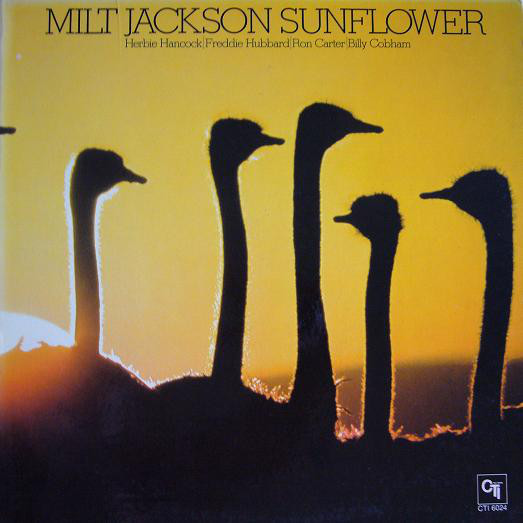
Goodbye.
After the success of Sunflower, Creed Taylor sent Milt Jackson into the studio to record another album in December 1973. Milt Jackson and his band would record four new songs. This included the he Milt Jackson penned S.K.J. and the jazz standard Old Devil Moon. Detour Ahead had been penned by Lou Crter, Herb Ellis and Johnny Frigo, while Goodbye was a Gordon Jenkins composition that for many a year, had been the closing song to the Benny Goodman Orchestra’s show. These tracks were recorded at Rudy Van Gelder Studio in Englewood Cliffs, New Jersey during December, 1973.
Joining Milt Jackson this time round was a much smaller band, than last time. The sextet featured a rhythm section of drummer Steve Gadd and bassist Ron Carter, plus pianist Cedar Walton, flautist Hubert Laws and Milt Jackson on vibes. Creed Taylor again produced Goodbye. These four tracks would form the basis of Goodbye.
There were tracks from the Sunflower sessions that hadn’t been used. The best of these tracks was the Horris Silver composition Opus de Funk. It had been recorded on December 12th 1972, at Rudy Van Gelder Studio in Englewood Cliffs. That day, the lineup featured drummer Billy Cobham, pianist Herbie Hancock, trumpeter Freddie Hubbard and Milt Jackson on vibes. Now Sunflower was complete, and would be released later in 1974.
When critics received a copy of Goodbye, it was credited to Milt Jackson with Hubert Laws. That was no surprise to those who heard the album. The Houston born flautist had played such an important role in the sound and success of album. None more so that than the languid, dreamy take on Old Devil Moon. It just meanders along beautifully, with Hubert Laws’ flute and Milt Jackson’s vibes playing leading roles.The rhythm section play slowly and carefully, never overplaying and always leaving space for the soloists. It’s a similar case on S.K.J., with its bop stylings. As it meanders along, Cedar Walton’s piano and the vibes playing starring roles, as an element of funk is introduced later as S.K.J. starts to groove and swing. Mostly, though, jazz is to the fore on S.K.J. Soon, though, the tempo rises.
Opus de Funk finds Milt Jackson and his band stretching their legs. The tempo rise on this oft covered hard bop number. With Steve Gadd’s drums propelling the arrangement along, a glorious and smoking slice of jazz unfolds. However, on Detour Ahead the tempo drops. Milt and his band take the opportunity to explore the track’s subtleties and nuances. That’s the case throughout from the opening bars to the closing notes, when the band never miss a beat. All too soon, Milt Jackson bids the audience Goodbye on the mid-tempo title-track.Just like the previous track, everyone more than plays their part in the sound and success of Goodbye. However, when the solos come round, Hubert Laws steals the show, with pianist Cedar Walton deserving an honourable mention. Milt seems content and secure enough, to allow other members of the band shine. He knows it’s for the greater good, and that it’s his name that’s on Goodbye. It was released later in 1974.
When Goodbye was released, most of the reviews were positive. The reinvention of Milt Jackson continued, on album where elements of post bop, hard bop and funk. This results in music that swings, and is melodic, harmonic and full of subtleties, surprises and nuances. Goodbye is also an accomplished and polished album, from a band that features seasoned jazzers. Despite this, Goodbye failed to replicate the commercial success of Sunflower. Goodbye still found an audience, but not like Milt, Creed Tylor and everyone at CTi Records had hoped. It was disappointing commercially, considering Sunflower had been Milt Jackson’s biggest selling album.
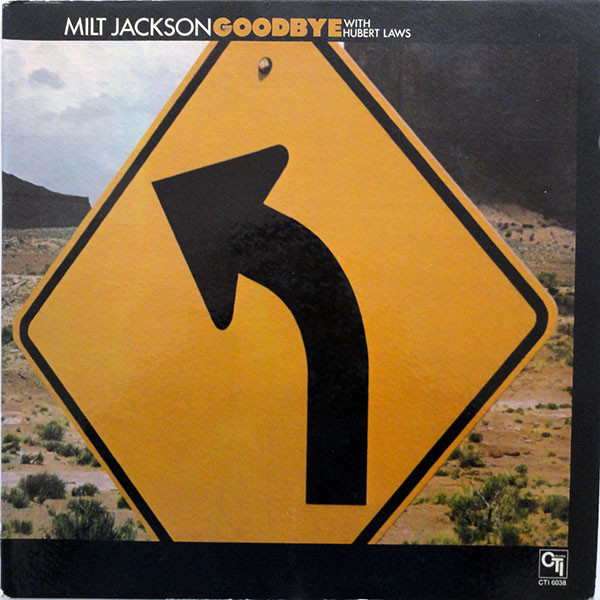
That remained the case throughout the rest of Milt Jackson’s career. He continued to record for record labels big and small right up until his death in 1999. However, never again, did one of Milt Jackson’s albums sell as many albums as Sunflower. It’s was, without doubt, one of the best albums Milt Jackson had released in many a year. His career was rejuvenated at CTi Records.
A reminder of this is Sunflower and Goodbye, which Milt Jackson released in 1973 and 1974. Both albums find Milt Jackson being accompanied by an all-star band, as he works his way through original songs and cover versions. Buoyed by such a talented band, Milt Jackson delivers a series virtuoso performances on his trusty vibes. Then on other tracks, he’s content to let other remembers of the band shine on Sunflower and Goodbye. Both Sunflower and Goodbye have been digitally remastered, and were recently released by BGO Records on one CD. They’re a welcome reminder of Milt Jackson, who is one of the greatest vibes players in jazz history.
MILT JACKSON-SUNFLOWER AND GOODBYE.

 dereksmusicblog
 dereksmusicblog