KLAUS SCHULZE-IRRLICHT.
KLAUS SCHULZE-IRRLICHT.
In 1969, Berlin’s vibrant musical scene was thriving. At the heart of Berlin’s music scene was the Zodiak Free Arts Lab. It was the cultural centre of the city. This was where some of Germany’s top bands took their tentative steps towards greatness. However, the Zodiak Free Arts Lab was also a meeting place for musicians and artists.
Members of Can and Agitation Free rubbed shoulders with future members of Ash Ra Tempel and Neu! It was also at the Zodiak Free Arts Lab where Klaus Schulze, who was still the drummer of Psy Free, first met Edgar Froese from Tangerine Dream. Soon, Edgar Froese invited Klaus Schulze to join an early lineup of Tangerine Dream.
Tangerine Dream.
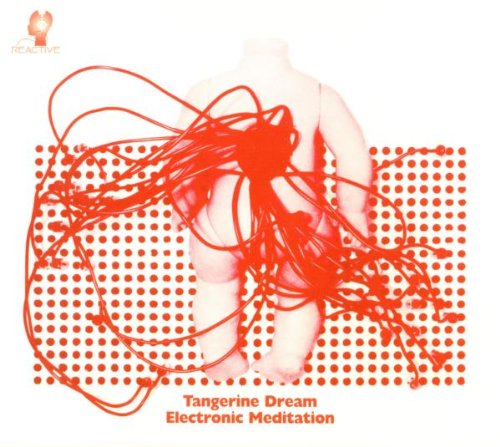
Tangerine Dream quickly became the nearest thing that the Zodiak Free Arts Lab had to a house band. They were a familiar face, playing night after night. This was good practice for when Tangerine Dream recorded their debut album Electronic Meditation.
Electronic Meditation.
Rather than hiring one of Berlin’s recording studios, Tangerine Dream decamped to a factory that the band had rented. This allowed Tangerine Dream to set up their array of traditional instruments and custom made instruments.
Klaus Schulze’s setup was fairly traditional, including drums, percussion and metal stick. Edgar Froese mixed traditional and custom made instruments, bring various guitars, piano, organ, piano, tape recorder and a variety of effects along. Conrad Schnitzer did likewise, bringing a cello, violin and an adapter. They were joined by various found instruments; including broken glass and dried peas which were shaken in a sieve were just two found sounds. The sound of burnt parchment was also used. So were backwards vocals. It was a truly innovative and inventive approach to music, which was produced by Tangerine Dream.
Once Electronic Meditation was complete, eight months passed before the Ohr label released the album in June 1970. When Electronic Meditation was released, it divided the opinion of critics. While some critics didn’t seem to ‘get’ Electronic Meditation, others realised that it was a groundbreaking, genre-melting album. Everything from ambient, avant-garde, electronic, experimental, free jazz, Krautrock, musique concrète and psychedelia can be heard on Electronic Meditation. Each of these influences shine through on what was a truly innovative album. Despite this, the album sold in relatively small quantities. It certainly wasn’t a huge commercial success. Just like a lot of albums released during the Krautrock era, it was only much later that critics recognised how important albums like Electronic Meditation were.
Despite the commercial failure of Electronic Meditation, Tangerine Dream continued. However, it would be without Klaus Schulze. He left Tangerine Dream to join a new group Ash Ra Tempel.
Ash Ra Tempel.
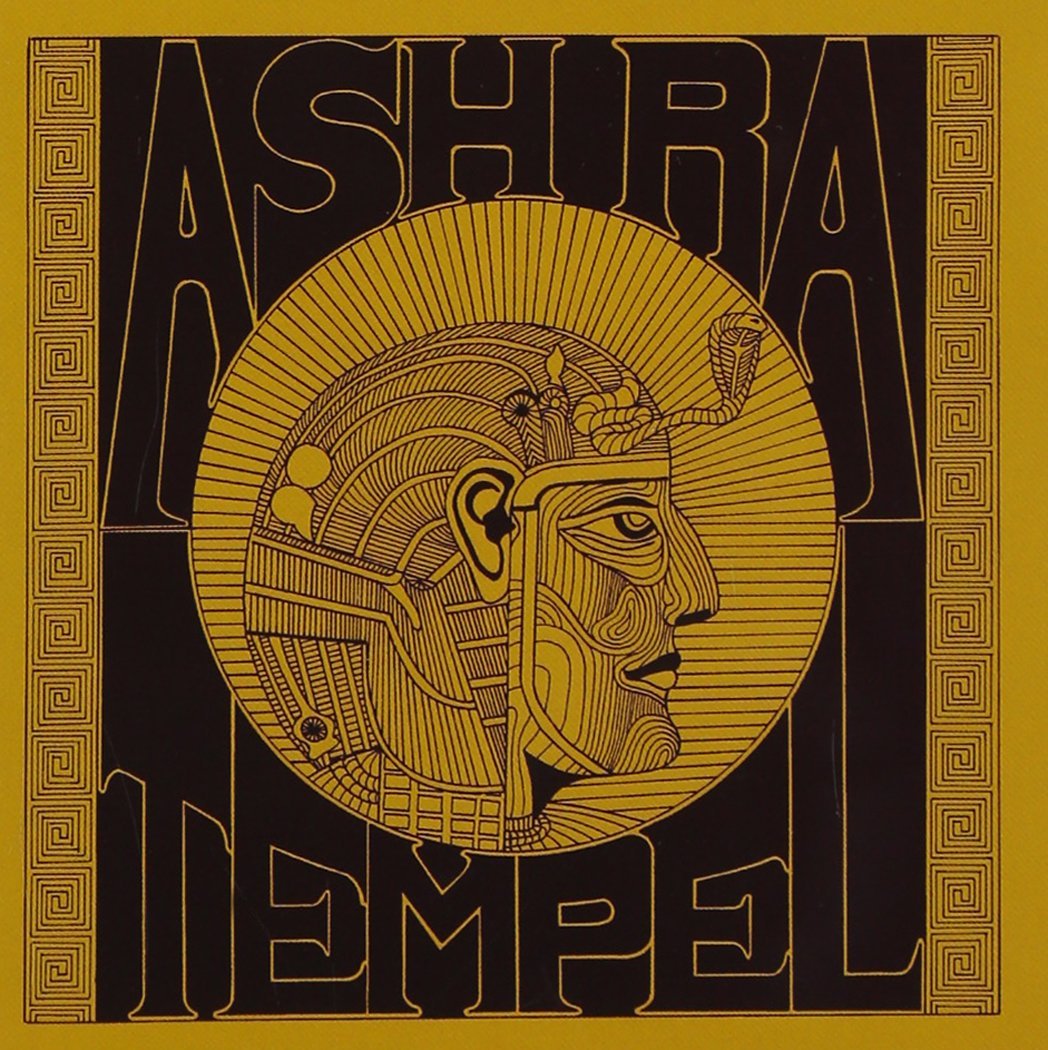
Just like Tangerine Dream, Ash Ra Tempel had frequented and played at the Zodiak Free Arts Lab. They were founded in 1970 by guitarist Manuel Göttsching, drummer bassist Hartmut Enke and Klaus Schulze. Their music was a fusion of space rock, psychedelia, Krautrock and ambient music. This sound they refined playing live, especially at the Zodiak Free Arts Lab where they were a familiar face. Over the next few months, Ash Ra Tempel’s sound evolved, and by March 1971 they were ready to record their eponymous debut album.
Recording of Ash Ra Tempel took place on 11th March 1971. By then, Ash Ra Tempel were incorporating electronics into their sound. Especially when Manuel Göttsching delivered his improvised guitar solos. He used effects in the same way as Jimi Hendrix and Eddie Hazel. Meanwhile, Klaus Schulze played with a ferocity on Amboss, a twenty minute epic. Then on Traummaschine which features on side two, it’s a much more laid-back, sedate track, where drones and electronics play their part. Klaus Schulze gives a shaman-like performance as he switches bongos and adds shimmering, glistening cymbals. This was very different to Amboss. Ash Ra Tempel was definitely an album of two sides, that was the perfect showcase for Klaus’ versatility.
Just three months later, Ash Ra Tempel was released on the Ohr label in June 1971. It was only the label’s thirteenth release, Ash Ra Tempel was well received by critics, who noted that the two lengthy tracks were quite different. The first side which featured Amboss,
had a much heavier sound, while Traummaschine had a much more sedate sound. Again, the album was a fusion of disparate genres. Elements of ambient, free jazz, Krautrock, psychedelia and space rock can be heard on Ash Ra Tempel. It should’ve been an album that appealed to all types of record buyers.
That however, wasn’t to be. Instead, Ash Ra Tempel wasn’t a huge seller. It sold in relatively small quantities. This was the case with many of the Krautrock albums that were released between 1969 and 1977. By then, Klaus Schulze would be a solo artist. He decided to leave Ash Ra Tempel after their eponymous debut album and embark upon a solo career.
Irrlicht.
Being in a band didn’t seem suit Klaus Schulze. He found that the endless discussions got in the way of the important thing, making music. He wanted to make music, not talk about it. Klaus’ approach was to let the music flow through him. Other musicians seemed to want to discuss every aspect of the music. Meanwhile, Klaus wanted to improvise. It was frustrating, and stifling Klaus’ creativity. As a solo artist, he wouldn’t have to put up with the endless pointless discussions. That’s how in April 1972, Klaus found himself preparing to record to his debut album Irrlicht., which was recently released by MIG.
Having left Ash Ra Tempel, Klaus Schulze wanted to make music that was unique. He couldn’t point at an artist, and say: “that’s the type of music I want to make.” While Klaus was aware of minimalist composers Terry Riley and Steve Reich, but this wasn’t the type of music he was considering making. They did share some things in common, the concepts of repetition, phrasing and sequencing. Apart from that, Klaus was heading in a different direction.
This was perfect, as Klaus was never going to be accused of following in someone’s footsteps. Musically, he had a blank canvas to work with. His palette of sounds were unlike other musicians. He had an amplifier that wasn’t working, an organ, a cheap microphone and a cassette recorder. The cassette recorder and microphone he used to tape the famous Freie Universitat Berlin orchestra. This recording Klaus would alter with filters. Then he would modify some of his equipment.
Klaus set about modifying the broken amplifier. He modified it, so that when he turned the volume up it caused feedback, tremolo and chirping sounds. The organ was modified by Klaus so that it no longer sounded like an organ. Along with his microphone and cassette recorder, Klaus set about recording his debut album, Irrlicht.
Recording of Irelicht took place in Berlin, during April 1972. To the studio, Klaus took his guitar, percussion and zither. They joined Klaus’ array of modified instruments. Another of Klaus’ secret weapons were recordings of the Colloquium Musica Orchestra.
Before the recording of Irrlicht, Klaus had gone along to watch the Colloquium Musica Orchestra rehearse. As he stood and watched, he told the conductor “I like what you are doing, but could you do something different for me for half an hour?” With that, the bemused conductor asked “what would you like to have?” Klaus responded, with: “I don’t care, just play anything. I just want the sound. I’m going to play the tape backwards.” When Klaus returned half an hour later, his tape was ready and an integral part of Irrlicht was complete. Now, it was a case of bringing everything together.
With his bruised, battered and modified equipment, Klaus got to work, and the recording studio became a place where he could experiment. Using his modified organ and amplifier, plus percussion, zither and guitar, Klaus got to work. The backdrop for what was one of the most ambitious and experimental albums of 1972, was the tape played backwards.
Incredibly, Klaus didn’t even a synth. While other artists owned banks of expensive synths, Klaus created an album that sounds as if it’s made entirely by an array of synths. Instead, Irrlicht, with its cosmic sound and ambient drones was a synth free zone. Instead, Irrlicht was more like an album of musique concrète. Klaus manipulated tapes, adding filters, delay, echo and an array of effects. The result was a trio of cinematic tracks that sounded like the soundtrack to an early seventies sci-fi film.
The three tracks on Irrlicht were very different. Satz: Ebene the album opener, deserves to be described as an epic. Understated, stark and desolate, with a moody, broody and dramatic sound, it would’ve been the perfect backdrop for a sci-fi film. It’s the musical equivalent of shifting sands, with ambient drones rumbling almost menacingly. Meanwhile, what sounds like elegiac strings play. Less is more, as the stripped down arrangement reveals its secrets. Later, a heavily modified gothic sounding organ adds what could easily be the backdrop to a scene in a remake of Dracula. By then, Klaus is a musical shape-shifter, as he combines disparate musical genres. This includes ambient, avant-garde, drone and musique concrète. They’re combined to create what sounds like a timeless space symphony. It may have been recorded in 1972, but has aged like a fine wine. So has the rest of Irrlicht.
At just over five minutes, Satz: Gewitte is easily the shortest track. Again the arrangement is understated, but chilling. The arrangement sweeps, crawls and meanders along exuding an air of menace. Especially as various found sound emerge from the arrangement. It becomes like a fire breathing dragon. Meanwhile, drones begin to make their presence felt, sweeping in and adding to the chilling cinematic sound.
Satz Exil Sils Maria closes Irrlicht, and was recorded backwards. The track has a dark, ruminative sound. Slowly and gradually, the arrangement begins to reveal its deepest secrets. Just like the two preceding tracks, the arrangement is understated, but captivating. Klaus’ less is more approach means the listener hangs on every note, just in case they miss a nuance or subtly. Later, the arrangement is like a vortex, discharging otherworldly sounds. They whirr, whoosh and grind, as the drone is like a siren, sending out a warning. Other times, there’s a much more melodic sound. Mostly, though, dark and ruminative describes this compelling soundscape. Just like the rest of Irrlicht, it’s part of a timeless album that launched Klaus Schulze’s solo career.
While Irrlicht was well received by some critics, many critics failed to realise how important an influence Klaus Schulze would have on German music. He would become one of the most important and influential artists in the Berlin School. That was still to come.
Irrlicht was a synth free zone, and owed more to musique concrète than the Berlin School. Klaus Schulze would release several classic Berlin School albums, including 1973s Cyborg, 1975s Timewind and 1976s Moondawn. However, just like many German artists of the late sixties and seventies, Klaus Schulze neither received the critical acclaim nor commercial success they deserved.
When Ohr released Irrlicht in August 1972, it followed in the footsteps of Tangerine Dream’s Electronic Meditation and Ash Ra Tempel, and didn’t sell in vast quantities, Instead, it was more of an underground album, that was more popular in France and Britain than in Germany. It would only be much later that Germany began to realise that they had produced some of the most talented musicians of the late sixties and seventies, including Klaus Schulze.
His debut album Irrlicht was recently remastered and rereleased by MIG. It’s part of an ongoing reissue of Klaus Schulze’s extensive back-catalogue. On the reissue of Irrlicht is the bonus track, Dungeon. At twenty-four minutes long, it’s another epic track. This is a welcome addition to Irrlicht, the album that was the first of over sixty solo albums from Klaus Schulze, who nowadays, is regarded as one of the pioneers of German music. His solo career began in 1972 with Irrlicht.
And what an album for Klaus Schulze to begin his solo career with. Quite simply, Irrlicht was one the most innovative albums of 1972. The music on Irrlicht was understated, broody, moody, dark, dramatic and gothic. It was also chilling, eerie, meditative and ruminative. Constantly, Irrlicht has a cinematic sound. It’s like a 21st Century space symphony from a true musical pioneer, Klaus Schulze. He was making tentative steps in what would be a long and illustrious solo career. That career has lasted six decades and sixty albums, including Irrlicht, Klaus Schulze’s groundbreaking debut album.
KLAUS SCHULZE-IRRLICHT.

DALINDEO-SLAVIC SOULS.
DALINDEO-SLAVIC SOULS.
The Dalindèo story started back in 2003. That’s when composer and guitarist, Valtteri Laurell Pöyhönen, decided to found Dalindèo. They were no ordinary band. Instead, Dalindèo decided to recruit some of Finland’s top jazz musicians.
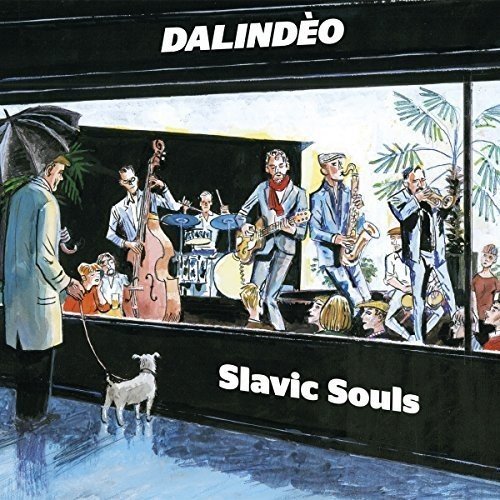
Joining him in the rhythm section were drummer Jaska Lukkarinen and Pekka Lehti on double bass. They were augmented by the horns of saxophonist Pope Puolitaival and trumpeter Jose Mäenpää. Adding a percussive twist was percussionist Rasmus Pailos. They became Dalindèo. Since then, Dalindèo have released a trio of albums. Three however, will become four, when Dalindèo release Slavic Souls on the 22nd April 2016. Slavic Souls will be released by BBE Records, and is the next chapter in the Dalindèo story, whic began in 2003.
Ever since they founded in 2003, Kalindèo have toured extensively. They’ve played over 150 concerts in Finland, and in twelve other European countries. This allowed Dalindèo to hone their skills, and gain a reputation as one of Finland’s top jazz groups. No wonder. Kalindèo are a Finnish jazz supergroup. That’s no exaggeration. However, it took time.
Originally, Kalindèo’s music was a fusion of Brazilian and jazz. However, before long, Kalindèo’s music began to evolve into the post modern style they describe as cinematic jazz. Kalindèo have been pioneers of this style of music. They’ve drawn inspiration from everyone from Henry Mancini and Lalo Schifrin, to Duke Ellington, right through to the films of Finnish cinematographer Aki Kaurismäki. This unique, and eclectic fusion of influences has inspired Kalindèo’s to make groundbreaking music.
Two years after Valtteri Laurell Pöyhönen founded Kalindèo, they released their debut 12” single Poseidon in 2005. It was released on the Finnish label Ricky-Tick Records, which would become home for Kalindèo for the next five years.
A year after releasing their debut 12” single, Kalindèo returned with their sophomore single Go Ahead. Released in 2006, word was spreading about Kalindèo. They were already a familiar fixture in concert halls and festivals in Finland. So it made sense for Kalindèo to release their debut album, Open Scenes.
Open Scenes, Kalindèo’s debut album was released in 2007. It was well released to critical acclaim by critics. Superlatives weren’t spared. One critic went as far as to use the b word. “The trusty Finnish sextet goes once again about the business of brilliance” Another critic remarked that: “Young Scandinavia continues to offer welcome relief from the furrowed brows of much American jazz. This Finnish sextet are a case in point” Suddenly, Kalindèo were hot property. However, still, Kalindèo were content to do things their way.
With Kalindèo’s star very much in the ascendancy, it seemed that Kalindèo were in no rush to release the followup to Open Scenes. 2008 passed, without Kalindèo releasing any new music. Then in 2009, Kalindèo released two singles, including The Vintage Voyage-EP and New Creation, which featured Bajka. For fans of Kalindèo, this would keep them happy until the release of their sophomore album in 2010.
Soundtrack For The Sound Eye was released by Kalindèo in 2010. It was their final release on Ricky-Tick Records. However, what a swan-song Soundtrack For The Sound Eye proved to be.
Soundtrack For The Sound Eye was released to the same critical acclaim as Open Scenes. Reviews heaped praise on Kalindèo’s latest offering. It was variously described as: “a party for your ears” and “essential.” One critic went as far as to say compare Dalindéo to a “Ferrari.” So, it’s no surprise that other record labels were getting ready to swoop.
By 2013, Dalindéo had been making music for ten years. They were almost veterans of the Finnish jazz scene. They constantly toured and were a familiar face not just in Finland, but a dozen other European countries. This had its advantages. Word was spreading about Dalindéo, who had been constantly honing their sound. By now, they were one of the biggest names in Finnish jazz. This was the perfect time to release Kallio.
Having signed to Finnsh label Suomen Musiikki, Dalindéo released the third album of their ten year career. This was Kallio. It was released in 2013 to widespread critical acclaim accompanied. Critics and cultural commentators hailed Kallio the best album of Kalindèo’s ten year career. One hailed Kallio a future classic. Others called it variously joyous and cinematic.
Released in March 2013, Kallio reached number thirteen on the Finnish album charts. This made Kallio one of the highest ranking jazz albums in the history of Finnish music. For the next six weeks, Kallio were a fixture of the Finnish album charts, and before Finnish long, radio stations. After this, Kallio embarked upon a tour of the major Finnish festivals. However, the highlight was Kallio winning an Emma Award for the Best Jazz Album of 2013. By then, Dalindéo had ambitions beyond Finland.
Kallio had been a huge success within Finland. However, the six members of Dalindéo wanted their music heard further afield. When they played live, their cinematic jazz sound was winning friends and influencing people. So, they needed a label that could release Kallio worldwide.
This is where BBE Music came in. They signed Dalindéo and released Kallio in March 2015. At last, Dalindéo’s cinematic sound, which references everything from the soundtracks of Henry Mancini and Lalo Schifrin, to the swing of Duke Ellington, right through to the surf guitar of Dick Dale. That’s not all. Another major influence are the films of Finnish cinematographer Aki Kaurismäki. Occasionally, there’s a nod to the edginess and tension of Quentin Tarentino’s movies. All this played its part in the sound and success of Dalindéo’s third album, Kallio. It became Dalindèo’s most successful album. However, Dalindèo weren’t going to rest on their laurels.
Far from it. They began work on their fourth album Slavic Souls. It features ten tracks penned by bandleader Valtteri Laurell Pöyhönen. These new songs were recorded and mixed at E-Studio, in the Finnish capital of Helsinki.
At the E-Studio, Dalindèo’s rhythm section featured drummer Jaska Lukkarinen and Pekka Lehti on double bass . They were augmented by the horns of saxophonist Pope Puolitaival and trumpeter Jose Mäenpää. Adding a percussive twist was percussionist Rasmus Pailos. Bandleader and arranger Valtteri Laurell Pöyhönen played guitar, baritone guitar, Casio organ and analog synths. Joining Dalindèo were a few friends.
This included Finland’s premier coloratura-soprano singer Anna-Kristiina Kaappola, who features on Avalanche and Tell Me. Trombonist Heikki Tuhkanen plays on Slavic Souls and Tarantella Finlandese.The other guest artist is Olli Haavisto, who plays pedal steel on Bolero for Miss B. These guest artists played their part in what’s a very different album from Dalindèo…Slavic Souls.
Dalindèo literally combined disparate musical genres and influences on Slavic Souls. The bands describe Slavic Souls as a “ surf jazz Tango extravaganza.” Everything from contemporary jazz is combined with traditional Finnish Tango music and even northern schlager. For those who haven’t been introduced to schlager, it’s a a type of easy listening which was and still is, spopular in Germany and the Nordic region. In the case of northern schlager, it’s been inspired by both Nordic and Slavic folk songs. There’s also a psychedelic sound to Slavic Souls. Sometimes, the darkness descends and music becomes moody, broody and gloomy. Other times, the music is atmospheric. Occasionally, there’s a sense of melancholia during this Dalindè’s fourth album Slavic Souls. It has a lot to live up to, given the success Kallio. Are Dalindèo up to the challenge?
Opening Slavic Souls is Avalanche, where straight away, the marriage of surf guitar and Finnish tango can be heard. Valtteri becomes the Finnish equivalent of Dick Dale. It’s a potent and heady brew. Meanwhile, coloratura-soprano singer Anna-Kristiina Kaappola adds beautiful, elegiac vocals. They drift in and out, soaring above the arrangement. When they drift out, its all change, and a contemporary jazz sound emerges. Warm horns bray, adding an almost melancholy sound while the rest of Dalindèo are flowing arrangement. Later, the arrangement slows down, adding to the sense of melancholy; while Anna-Kristiina Kaappola’s vocal continues to an ethereal beauty. Then Dalindèo briefly up the tempo, as the track reaches a crescendo. It’s more than whets the musical appetite, as a genre-melting feast unfolds.
Straight away, Johnny’s Nightmare is best described as a cinematic surf jazz. However, this being Dalindèo, curveballs will be thrown. A brief burst of a vocal and howling horn emerge from the arrangement. From there, a raffish, cinematic track emerges. It sounds as if from another age. It’s essentially a fusion of jazz and surf guitar combine seamlessly. They’re at the heart of the cinematic sound, while bursts of a a howling, wailing horn add an element of drama and theatre. Hooks certainly haven’t been spared, and as the tempo builds, the rhythm section power the dance-floor friendly arrangement along. The horns and surf guitar play leading roles in what sounds like the perfect soundtrack to a costume drama Surely a television or film company will want to use this track?
Drummer Jaska Lukkarinen gets his chance to shine as Slavic Souls unfolds. He powers his drums before the horns and percussion join in and play their part in this slice of Finnish tango. However, it takes a twist. Valtteri Laurell Pöyhönen adds his trademark surf guitar. When it drops out, jazz and tango combine, before the surf guitar returns. It’s soon replaced by braying horns. Every instrument is introduced, and drops out at just the right time. The brisk arrangement is like a jigsaw, with all the pieces falling into place. That’s down to bandleader Valtteri Laurell Pöyhönen who arranged and produced Slavic Souls. Not many could combine Finnish tango, jazz and surf guitar, but he does with style and aplomb.
Wistful and atmospheric describes the introduction to Once Upon A Time In The North. This soon changes. The tempo changes, and arrangement becomes brisk. At the heart of the arrangement are the rhythm section and rasping horns. Still, though, there’s a wistful sound. Partly that’s to do with the horns. However, when they drop out, and the percussion, rhythm section and guitar combine with sci-fi sounds it still remains. That’s the case as the track becomes a brisk tango, before taking on a jazz tinged sound. Constantly, Dalindèo change direction and spring musical surprises. As they flit seamlessly between musical genres, the horns and guitar contribute to this wistful, ruminative sounding track that’s perfect for losing yourself in.
Highway Lost is another tracks with a cinematic sound. Early on, it has a haunting, moody sound that wouldn’t sound out of place in a modern day Spaghetti Western. Percussion ensures the arrangement almost gallops along. It’s aided and abetted by the rhythm section, haunting synths and subtle horns. Then the arrangement is stripped bare, and just Valtteri Laurell Pöyhönen’s guitar remains. It adds to the atmospheric sound. So do the rasping horns. By then, it’s all change. After this, the arrangement takes on a jazzy sound. Up steps saxophonist Pope Puolitaival and he delivers a musical masterclass. He unleashes a blistering solo. This spurs Pekka Lehti on double bass on. He too, delivers a flawless solo, as he powers the arrangement along. The members of Dalindèo are enjoying opportunity to showcase their individual skills, before uniting and playing as one on this genre-melting, musical roller coaster. It’s variously atmospheric, haunting, moody and joyous. Quite simply, it’s a musical roller coaster.
The tempo drops on Tell as a lone, surf guitar plays. Soon, it’s joined by the bass and coloratura-soprano singer Anna-Kristiina Kaappola. She sings slowly and deliberately, her classical training shining through. Her diction, delivery and timing is perfect, as her vocal soars above the arrangement. Meanwhile, the percussion and rhythm section play with care and tenderness. They don’t want to overpower the vocal. When the vocal drops out, keyboards play before the horns and percussion and rhythm section sweep the arrangement along. All the time the tempo and drama is increasing. Having built up the drama, the vocal returns and the tempo drops. Soon, the vocal soars powerfully yet elegantly above the arrangement. Always Anna-Kristiina Kaappola is in control, as she and Dalindèo become the musical equivalent of yin and yang on this masterful musical marriage.
As a surf guitar plays on Leaving Lalibela, drums pound and and sci-fi add a futuristic sound. Soon, keyboards and rattling percussion are added. So are melancholy horns. Meanwhile the surf guitar and pounding drums nail a hypnotic 4/4 rhythm. Later, a shimmering surf guitar join the sci-fi sounds in adding to the atmospheric sound, jazz-tinged arrangement. By now, the track sounds as if it belongs on a lost noir soundtrack recorded by Dick Dale and Miles Davis. Atmospheric, moody, hypnotic and cinematic, it’s another evocative track that allows the listener’s imagination to run riot.
From the opening bars of Hips and Curves, it’s a truly irresistible track. The unmistakable sound of the surf guitar and Hammond organ combine, while the rhythm section and percussion power the arrangement. Washes of shimmering surf guitar and blazing horns punctuate the arrangement. Drummer Jaska Lukkarinen pounds at the drum, while scorching horns add to the joyous, celebratory sound. So does a sultry saxophone. Rolls of drums seem to encourage Dalindèo as the track heads to its memorable crescendo. By then, Hips and Curves sounds as if it would be part of the soundtrack to London in the swinging sixties.
Tarantella Finlandese continues the celebratory sound. There’s a nod to Herb Albert’s Tijuana Brass, while the surf guitar is reminiscent of the king of the surf guitar, Dick Dale. A chiming guitar, percussion and the rhythm section are encouraged on by the occasional holler and yell. Soon, though, rasping horns are added to this “surf-jazz Tango extravaganza.” The genre-melting arrangement swings joyously along, with Valtteri Laurell Pöyhönen dawning the role of a modern day Herb Albert.
Bolero For Miss B closes Slavic Souls, Dalindèo’s forthcoming fourth album. It’s a much slower Latin influenced track. However, the surf guitar adds a wistful, cinematic sound. Soon, washes of pedal steel and keyboards are added. They sit above an arrangement where the guitar and percussion dominate. Stealing the show is the crystalline, weeping guitar. Everything else plays a supporting role. This includes the rhythm section, percussion and Hammond organ. They leave the field clear for the guitar as it shimmers, glisten and weeps, and in the process, tugs at your heartstrings on another memorable cinematic track. It’s a memorable way to close Slavic Souls.
Earlier I wondered if Dalindèo could live up to their third album Kallio? It was the best album of their career. Dalindèo had set the bar high. They described Slavic Souls as a “surf jazz Tango extravaganza.” Usually, a flowery description like this is mere marketing hype. However, Dalindèo deliver on their “surf jazz Tango extravaganza.”
To do this, Dalindèo combine everything from contemporary jazz to traditional Finnish Tango music and even northern schlager. There’s also a psychedelic sound to Slavic Souls. Sometimes, the darkness descends and music becomes moody, broody and gloomy. Other times, the music is atmospheric. Occasionally, there’s a sense of melancholia during Dalindèo’s Slavic Souls. However, other times, the music is irresistible, joyous and celebratory. For much of Slavic Souls, Dalindèo’s cinematic sound shines through. It’s been part a key part of Dalindèo’s sound since 2003, and plays an important part in Slavic Souls. It’s an album that somehow, manages to be all things to all people. That however, isn’t surprising.
Dalindèo feature six of Finland’s top jazz musicians. They’re also versatile and capable of seamlessly switching between and fusing musical genres. That’s apparent throughout Slavic Souls. However, Dalindèo had three secret weapons on Slavic Souls.
This was a trio hugely talented guest artists. Finland’s premier coloratura-soprano singer Anna-Kristiina Kaappola joined trombonist Heikki Tuhkanen and pedal steel player Olli Haavisto. They play their part in the sound and success of Slavic Souls, which is the best album of their twelve year career.
Indeed, Slavic Souls, which will be released by BBE Records on 22nd April 2016 should be a career defining album from Dalindèo, and introduce their music to a much wider audience. Slavic Souls, Dalindèo’s “surf-jazz Tango extravaganza,” is a veritable musical feast, that’s fit for a King or Queen.
DALINDEO-SLAVIC SOULS.
DIETER MOEBIUS-NURTON.
DIETER MOEBIUS-NURTON.
Although the late, great Dieter Moebius is best known for his groundbreaking work with Kluster, Cluster and Harmonia, he also enjoyed a successful solo career. However, Dieter Moebius’ solo career had to fit round his other musical commitments. So solo albums were sporadic. In total, Dieter Moebius released just five solo albums during a recording career that lasted five decades.
Dieter Moebius had released his debut album Tonspuren in 1983. Another thirteen years passed before Dieter Moebius released Blotch in 1996. During that thirteen period, Dieter Moebius had been busy with Cluster, collaborations and writing the soundtrack to Blue Moon. Still, Dieter Moebius found time to record his sophomore album Blotch. It was released in 1996, and was a truly innovative album. Critics, cultural commentators and awaited the release of Dieter Moebius’ third album.
This time round, they didn’t have as long to wait. Just seven years passed before Dieter Moebius returned in 2007 with his third solo album Nurton. It was recently reissued by Bureau B as part of their ongoing reissue program of Dieter Moebius’ solo albums. Nurton was the most ambitious and experimental album of Dieter Moebius’ solo career.
Throughout his career, going right back to the early days of Kluster, Dieter Moebius had railed against convention and song structure. That had been the case right back to the days of Kluster. Hans-Joachim Roedelius explained “everything was spontaneous. Improvisation was key.” That was the case throughout Kluster’s career, and continued when Dieter Moebius and Hans-Joachim Roedelius formed Cluster. By 2007, Dieter Moebius still stuck to the same musical beliefs.
They had served him well, and allowed him to produce innovative music for four decades. Dieter Moebius had been doing this since 1970. However, music and they way music was made had changed since then. By 2005, technology was playing a bigger part in music. Dieter Moebius embraced the new technology, which allowed him to push musical boundaries to their limits, and sometimes, way beyond.
The new technology allowed Dieter Moebius to innovate. On what became Nurton, Dieter worked on a series of playful mesmeric loop based tracks. They’re atmospheric and experimental, with Dieter adding a myriad of sound to his musical canvas. They’re painted by using a vast musical palette.
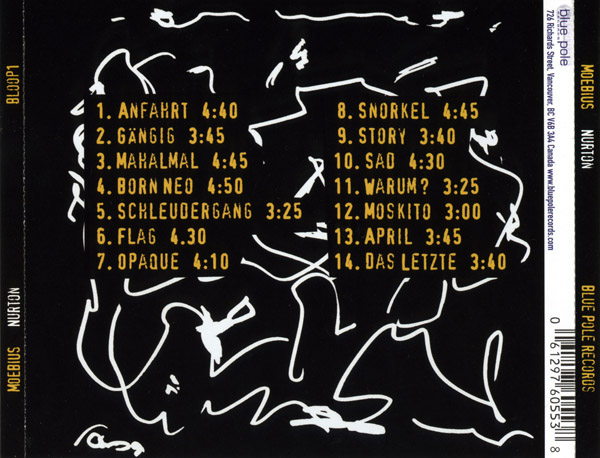
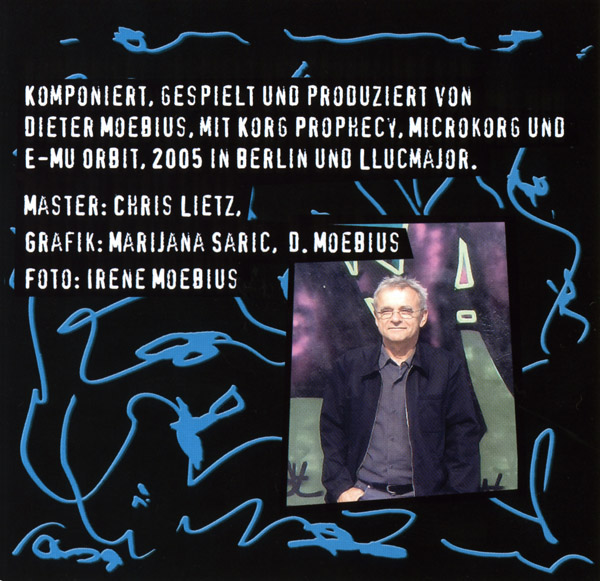
Recording of Nurton took place in Berlin and Llucmajor during 2005. Dieter used a variety of synths, including a Microkorg, an Emu Orbit and a Korg Prophecy. When Dieter recorded Blotch, the Korg Prophecy was way ahead of its time. Still it was a versatile piece of equipment which was able to replicate the sounds of various analog synths. This was a lot easier and more reliable than their analog equivalents. It meant Dieter was able to concentrate more on making music, which would be some of the most ambitious and experimental of his career. It was scheduled for release in 2006.
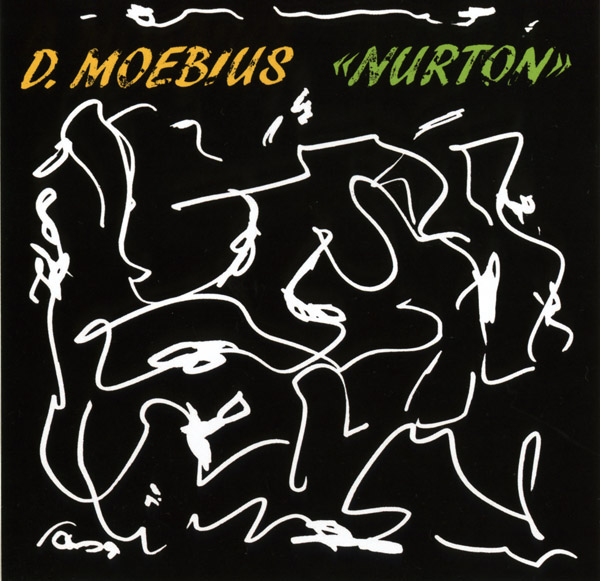
Before that, Chris Lietz mastered Nurton. When Nurton was released in 2006 by Blue Pole Records, it featured a cover designed by Irene Moebius. Her cover was abstract, but captivating. It demanded one’s attention, just like the music on Nurton.
Anfahrt opens Nurton, and straight away, Dieter Moebius sets about grabbing the listener’s attention. An almost otherworldly sound makes the listener sit up and take notice. Then a dark, deliberate, moody and spacious bass synths plays. Meanwhile, washes of ethereal and space-age synths sweep in. They drift in and out, as the track slowly reveals it secrets. It’s mesmeric and hypnotic. That’s until the man machine awakens, and lumbers across the futuristic, genre-melting arrangement. By then the track has taken on a cinematic sound, as elements of avant-garde, Berlin School, industrial, Krautrock and musique concrète play their part is a hypnotic and futuristic track.
Crisp drums and mesmeric synths combine on Gängig, creating what was and still is a contemporary sounding backdrop. This becomes Dieter’s musical canvas. Dieter becomes a musical equivalent of Jackson Pollock, unleashing a myriad of sounds. What sounds like a tape unravelling at speed is joined by an alternative percussive orchestra. They beep, squeak, bubble, ring, wah-wah, jangle and buzz. All the time, drums accompany the almost mechanical arrangement. Sounds flit in and out. Some make a brief appearance, others stay longer. Constantly, Dieter throws curveballs, during what’s a captivating, intriguing and innovative melodic soundscape.
Just like previous tracks, loops are used as Mahalmal unfolds. Drums pound, crack and crash, while a whirring, hypnotic synth plays. What sounds like a whip cracking, is joined by percussion and a drone. Soon, it’s time for synths to squeak, bubble, ring, and buzz. Layer upon layer of sounds are added, becoming part of Dieter’s soundscape. It’s best described as a musical stew, which he carefully stirs and tends. Sometimes, he adds ingredients, as this tantalisingly tasty dish takes shape. Although it’s mesmeric it’s also bewitching and enthralling. The more one listens, the more one hears.
In the distance, the arrangement to Born Neo plays. As it draws nearer, the understated arrangement becomes exotic and experimental. The percussion is almost reminiscent of seventies Afrobeat albums. That is not surprising, given the title. They add a mesmeric backdrop, to which Dieter adds an array of futuristic, leftfield sounds. Soon two continents collide. To this, a droning, otherworldly vocoded vocal is added. Not only does this add to the mesmeric nature of the track, but adds a spiritual sound. Later, and briefly, a whirring, buzzing sound is added. Then the vocoded vocal rejoins, as percussion, gongs, whoops and sci-fi sounds are added, before the arrangement slows down, and draws to a close. All that’s left is the memory of one of Dieter Meobius most innovative, genre-melting tracks.
Schleudergang literally explodes into life. Dieter uses one of loops, before a pulsating bass synths provides the backdrop for a dramatic soundscape. It could easily be part of the soundtrack to a sci-fi blockbuster. Beeps, squeaks and shrieks punctuate the arrangement. So do a myriad of futuristic and bubbling sound. There’s even the occasional bursts of a soaring ethereal vocal. Lasers are unleashed, and sound as if they’re fighting an intergalactic battle. Later, machines tap out a code, while beeps, squeaks and buzzes assail the listener. So does a dark otherworldly sounding creature. In the space of four minutes, Dieter cinematic music paints pictures that set the listener’s imagination racing.
Hypnotic, futuristic and otherworldly describes the introduction to Flag. Dieter seems to be picking up where he left off on Schleudergang. Nurton is beginning to sounds like an electronic space symphony. Growling, crackling, metallic and buzzing sounds are part of this mesmeric soundscape. It’s also melodic, as Dieter combines elements of avant-garde with electronica, industrial and musique concrète. By then a bass synths is combining with whirring, metallic sounds. Synths whoosh, while others cut through the arrangement. A myriad of disparate sounds assail and tantalise the listener during what’s an aural feast fit for a King.
After two beeps, Opaque heads firmly in the direction of the dance-floor. Dieter deploys his trusty synths to create what was, and still is a timeless sounding track. It’s what Kraftwerk could’ve been producing in 2007. The music is variously elegiac, slick, robotic and futuristic.
Snorkel is another track with a cinematic soundtrack. It would be the perfect soundtrack to a documentary by a modern day Jacques Cousteau. Dieter conjures up images of someone exploring the depths of the deepest blue sea. It’s easy to imagine them swimming slowly and deliberately, aware that around them are any number of dangers. The sense of anticipation and danger are omnipresent throughout this cinematic soundscape.
From the deepest blue sea, Story sees the listener taken to outer space, where it sounds as if two warring factions are fighting an intergalactic battle. It’s replicated by Dieter’s trio of synths, which produce an array of futuristic, sci-fi sounds. This includes what sounds like a gun fight at the sci-fi saloon between two alien nations. Why this track hasn’t been used by a cinematographer seems strange? It would be perfect for someone making a sci-fi film.
Sad may have space age sound, but it’s also thoughtful . There’s a sense of sadness as the dark synths meander and lumber along. They produce washes of futuristic sounds, which prove ruminative and could even bring, about a sense of melancholia.
Distant drums and crashing cymbals combine on Warum? Together, they create a mesmeric sound. Soon, Dieter is unleashing his arsenal of futuristic and melodic sound. They ask a question: Why? Constantly, bursts of synths ask Why? Meanwhile, shrill and sci-fi sounds pose the same question on what’s a powerful, potent and melodic track.
As a bass synth plays a growl emerges from Moskito’s arrangement. It snarls, producing an otherworldly sound. Meanwhile, Dieter deploys his synths, and they produce whirring, buzzing, futuristic, bubbling and crackling sounds. Together, they unite to create a somewhat futuristic, but memorable symphony.
There’s almost a robotic sound to April. This comes courtesy of Dieter’s synths, which grind, beep, squeak, whir, jar, whine, boing and bang. It’s like listening to robots at work. This however, proves melodic. Throughout the track, a vocal flits in and out. Dieter’s taken put a vocal through a vocoder, and detuned it. This vocal repeats, and when one listens carefully does it sing “Fame, Fame, Fame?” Later, Dieter stabs at the keyboards, while a myriad of sounds accompany him and the vocal sings out. It’s another cinematic track that’s also melodic and intriguing.
Fittingly, Das Letzte closes Nurton. Slowly and deliberately Dieter play the synth. Meanwhile, sci-fi sounds escape from the arrangement. Other sounds are elegiac. What sounds like waves breaking on a deserted beach can be heard. Adding an element of darkness is bass synth. Mostly, though beautiful, wistful and ethereal describes this poignant, futuristic soundscape. Dieter it seems, has kept the best until last.
Just like Blotch, Nurton, which was recently reissued by Bureau B, is another genre-melting track from Dieter Moebius. After a seven year gap, he returned with his third solo album. Nurton saw Dieter combine elements of ambient, avant-garde, Berlin School, electronica, industrial, Krautrock and musique concrète. There’s even a hint of African percussion on Born Neo. Along with these other disparate influences they play their part in what’s the most ambitious and experimental album of Dieter Moebius’ solo career.
Dieter Moebius set out to push musical boundaries on Nurdon. He was like an artist, except that the tape was his canvas. However, Dieter had a much richer and vibrant palette available. Using his trusty trio of synths, plus loops and a myriad of left field and sci-fi sounds, Dieter got to work. Just like he had throughout his career, he turned his back on musical convention and structure. Instead, he let his imagination run riot. The studio became a laboratory, where Dieter experimented. Often, he unleashed an arsenal of sounds which punctuate the arrangement. They result in music which was often futuristic, cinematic and hypnotic. That’s not all.
The music on Nurdon veers between moody and broody, to dark and dramatic, to ethereal and elegiac to understated and beautiful. Always, though, the best words to describe Nurton were futuristic, cinematic and hypnotic. Dieter Moebius had pulled out the stops on Nurdon, which was a captivating album that painted pictures in the mind’s eye. Much of the music on Nurdon would be perfect for a sci-fi soundtrack. That’s the case even nine years later.
The music on Nurdon is truly timeless, and could’ve been released yesterday. Sadly, artists like Dieter Moebius are a one off. He was one of the greatest musicians of his generation, and was capable of creating music that was innovative and influenced further generations of musicians. This includes Nurdon, which was the most ambitious and experimental albums of Dieter Moebius’ solo career.
DIETER MOEBIUS-NURTON.

MARIANNE FAITHFUL-NORTH COUNTRY MAID AND LOVE IN A MIST.
MARIANNE FAITHFUL-NORTH COUNTRY MAID AND LOVE IN A MIST.
By March 1964, it was apparent that pop music wasn’t just a passing fad. The Beatles were a global phenomenon, and the British Invasion of the American charts had just begun. Britain was a musical powerhouse, that the world envied. Despite this, many labels weren’t resting on their laurels.
Record companies in Britain were constantly on the search for ‘the next big thing.’ Surely they reasoned, there was another Fab Four somewhere in Britain. It was all a matter of finding them. Some labels put more effort into this than others.
Decca Records had an enviable network of A&R executives and talent scouts across Britain. Their finger was on the pulse of the local music scene. Night after night, talent scouts headed out to local pubs and clubs, where they listened to new bands and singers. Promising artists were signed to contracts, before other labels even had a chance to hear them. Helping Decca Records add to their already enviable roster, were various producers and music ‘impresarios.’
They were the trusted ears of some record companies. This included the Rolling Stones manager Andrew Loog Oldham. He was by 1964, was managing the second biggest band in the world. The Rolling Stones only rivals were The Beatles. So when Andrew Loog Oldham recommended a new, unknown artist to Decca Records, they took notice.
The artist Andrew Loog Oldham was unlike any he had come across. Even her background was unlike that of any artist he had encountered. The eighteen year old former convent girl, was the daughter of an Austrian aristocrat and a former British Army officer, who was now a professor of psychology and Italian literature at Bedford College of London University. They had met in Vienna, and were living in Hampstead when Marianne Faithful was born on 29th December 1946. However, this would soon change.
The Faithful family had to move to Ormskirk in Lancashire, while her father finished his doctorate at Liverpool University. Later, the Faithful family lived at the commune and institution for social research in Braziers Park, a Grade II listed building at Ipsden, Oxfordshire. This must have seemed an idyllic place to grow up. However, when Marianne was six, her parents divorced.
For Marianne the Reading years weren’t exactly happy ones. She lived with her mother in Milman Road, Reading, which she refers to as the “Reading Gaol.” No wonder. It was a far cry from the early years of her life.
Now, money was tight, and Marianne and her mother were reduced to living in suburbia. To make matters worse, Marianne suffered from tuberculosis; and she had to become a subsidised pupil at St Joseph’s Convent School where she was a weekly boarder. It was at school, that Marianne Faithful first took to the stage.
It wasn’t as a singer though. Instead, she was part of the school’s Progress Theatre group. Little did anyone realise, that when Marianne Faithful left St Joseph’s Convent School, she spend much of her life on the stage. Before that, Marianne Faithful escaped the drudgery and boredom of suburban Reading.
Very different was London’s social scene, which Marianne Faithful threw herself into. It was as if she was making up for the Reading years. London was different from small-town Reading. Marianne enjoyed the constant round of parties, record launches and gallery openings. She even travelled to Cambridge to attend a University ball, where she met her future husband John Dunbar. By then, Marianne was regular in London’s folk circuit.
For some time, Marianne Faithful had been playing coffee shops, including Cafe Au Lait and Shades. Her career was in its infancy, but through John Dunbar, Marianne Faithful met Peter Asher of Peter and Gordon. They were enjoying a successful career. Not as successful as the two men Peter Asher introduced Marianne Faithful to at a party in March 1964.
Marianne Faithful went along to a party with John Dunbar in March 1964. That was where she was introduced to the leaders of the two biggest groups in the world. First Marianne met Paul McCartney, and then she was introduced to Mick Jagger. Little did she realise the effect this meeting would have on her career.
Through Mick Jagger, Marianne Faithful was introduced to Andrew Loog Oldham. Straight away, he signed Marianne Faithful to Decca Records. Soon, work began on Marianne’s debut single.
For Marianne Faithful’s debut single, As Tears Go By, which was penned by Mick Jagger and Keith Richards was chosen. It was produced by Mike Leander, and released in the summer of 1964. As Tears Go By reached number nine in Britain; twenty-two in the US Billboard 100 and thirty-five in Australia. The eighteen year old had enjoyed a hit single on three continents. However, the followup single wasn’t as successful.
Having chosen to cover a Jagger-Richards song for her debut single, Marianne Faithful decided to cover Bob Dylan’s Blowin’ In The Wind for her sophomore single. When it was released later in 1965, it failed to chart on both sides of the Atlantic. Surely Marianne Faithful wasn’t a one hit wonder?
Decca Records didn’t think so, and decided that Marianne Faithful should begin work on not just one album, but two albums.
Come My Way.
It was a case of striking while the iron was hot. Many artists weren’t didn’t enjoy a long shelf life. So as soon as they had a single under their belt, they were sent into the studio to record an album. Decca Records decided that Marianne Faithful should record two quite different albums, Come My Way and Marianne Faithful. Of the two albums, Come My Way would only be released in Britain.
For Come My Way, Marianne Faithful chose fourteen tracks. Many of the tracks were traditional songs. This included Come My Way, Jaberwoc and Spanish Is The Loving Tongue, Fare Thee Well, Down In The Salley Garden, Full Fathom Five and Bells Of Freedom. Other tracks included Lee Hayes’ Lonesome Traveller and Ian Tyson’s Four Strong Winds. These songs were recorded at IBC Studio, London with producer Tony Calder.
On Come My Way, Marianne Faithful concentrated purely on folk music. This was what Marianne had been singing up until then. She sang and played her acoustic guitar against John Mark’s spartan arrangements. This would prove successful when Come My Way was released.
It wasn’t until 15th April 1965 that Marianne Faithful released Come My Way. The album was well received by critics, and reached number twelve in Britain. However, Come My Way wasn’t released in America. Instead, Marianne Faithful’s eponymous sophomore was released on both sides of the Atlantic the same day as Come My Way.
Marianne Faithful.
Marianne Faithful was recorded at the same time as Come My Way, and would be released in America and Britain. However, Marianne Faithful was a very different album to Come My Way. Gone was the folk sound of Marianne’s debut album. It was replaced by pop, chanson and ye-ye. Already, Marianne was showing that she was a versatile singer.
For Marianne Faithful, fourteen pop covers had been chosen. This included Jackie DeShannon’s Come and Stay With Me; Bacharach and David’s If I Never Get to Love You; Tony Hatch’s Downtown; Jagger and Richards’ As Tears Go By; Jackie DeShannon and Jimmy Page’s In My Time of Sorrow; and Lennon and MCartney’s I’m A Loser. Marianne Faithful also made her songwriting debut, cowriting Time Takes Time with Barry Fantoni. These songs were recorded in two London studios.
At Lansdowne Studios and Decca No. 2 Studio, London, Marianne Faithful recorded another fourteen songs with producer Tony Calder. This time, a band accompanied Marianne, as she flitted between musical genres. Then Plaisir D’Amour became one of the first songs that Marianne would record in French. The London born chanteuse was about to become one of the ye-ye girls, while enjoying commercial success on both sides of the Atlantic.
Just like Come My Way, Marianne Faithful was released on 15th April 1965. Reviews of the album were positive, with critics remarking that some of the song’s were perfectly suited to Marianne Faithful. She brought life and meaning to the songs. So it wasn’t a surprise that Marianne Faithful reached fifteen in Britain, and twelve in the US Billboard 200. This wasn’t the end to the success.
Come And Stay With Me was released as a single from Marianne Faithful. It reached number four in Britain, and twenty-six in the US Billboard 100. Then This Little Bird was released later in 1965, and reached number six in Britain, and thirty-two in the US Billboard 100. For Marianne, this was a fairytale. A year after signing to Decca Records, she was a star on both sides of the Atlantic.
Less than a month after the release of Come My Way and Marianne Faithful, Marianne married John Dunbar on the 6th of May 1965, in Cambridge. After the wedding, the pair lived in a flat in Belgravia, in London. What looked like a fairytale continued.
Go Away From My World.
Although newly married, and expecting her first child, Marianne Faithful had to record a new American album. It featured twelve tracks, which were a mixture of traditional songs and cover versions.
Among the traditional songs were Come My Way, Mary Ann, Scarborough Fair and North Country Maid. Cover versions included Lennon and McCartney’s Yesterday and Tom Paxton’s The Last Thing On My Mind. Marianne also decided to cover Francis McPeake’s Wild Mountain Thyme and Cyril Tawney’s Sally Free and Easy. These songs were produced by Mike Leader, and scheduled for release in November 1965.
Reviews of Go Away From My World were mainly positive. However, looking back with the benefit of hindsight, it’s an album that’s appealing to everyone. There’s songs for people who like folk and pop music; while Marianne Faithful had been a much more pop oriented album. Maybe Go Away From My World fell between two stools?
After the success of Marianne Faithful in America, Go Away From My World reached a disappointing eighty-one on the US Billboard 200. The only crumb of comfort was that when Summer Nights was released as a single, it reached number ten in Britain and number twenty-four in the US Billboard 100. Then Marianne’s cover of Yesterday reached number thirty-six in Britain. Her last single from Go Away From My World was the title-track, which reached a lowly eighty-nine in the US Billboard 100. Little did Marianne know, that Go Away From My World would be her last American hit. That would’ve been the least of her worries.
In December 1965, Marianne Faithful left her husband of seventh months, and went to live with the Rolling Stones’ frontman Mick Jagger. Little did Marianne realise this decision would change her life, and people’s perception of her forever more. That was still to come.
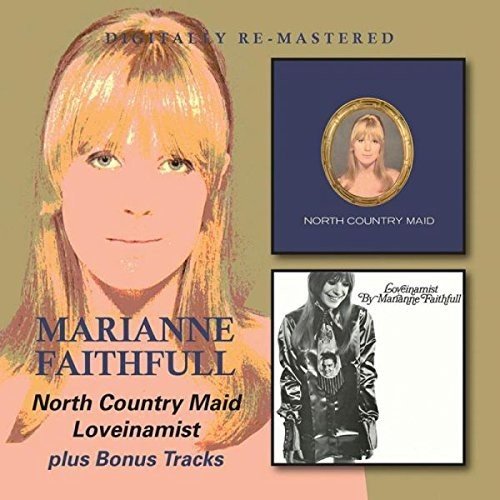
Before that, Marianne Faithful began work on her next album North Country Maid, which was recently reissued with Loveinamist by BGO Records. The two albums feature on two discs, and bring to a close Marianne Faithful’s Decca years.
North Country Maid.
As 1966 got underway, Marianne Faithful and Mick Jagger through themselves headfirst into swinging London’s social scene. They epitomised swinging London, and were seen at the smartest parties. However, Marianne had an album to record.
North Country Maid would become Marianne Faithful’s third British album. However, six of the songs had featured on the now ironically titled American album Go Away From My World. This included traditional songs like Scarborough Fair; How Should I Your True Love and North Country Maid. The other tracks included Cyril Tawney’s Sally Free and Easy; Jon Mark’s Lullabye and Francis McPeake’s Wild Mountain Thyme. This left Marianne to record six new songs.
They were a mixture of traditional song and cover versions. The traditional songs included Cockleshells; She Moved Through The Fair and How Should I Your True Love Know. Other tracks included covers of Tom Paxton’s Last Thing On My Mind; Ewan McColl’s The First Time Ever I Saw Your Face and Donavon’s Sunny Goodge Street. These tracks were recorded with producer Mike Leander.
When the recording the six songs began, Marianne Faithful was joined by guitarists Big Jim Sullivan and Jon Marks. He had worked on all of Marianne’s albums, arranging the tracks. Joining them in the studio was an up-and-coming engineer, Gus Dudgeon. Soon, the six songs took shape, and the release of North Country Maid was scheduled for spring 1966.
Before the release of North Country Maid on 1st of April 1966, critics had their say on Marianne Faithful’s third album. The consensus was, that North Country Maid was the finest album of her nascent career. That however, was no surprise.
Great care had gone into choosing the twelve songs that became North Country Maid. These songs seem tailor made for Marianne, as she flits seamlessly between musical genres. Although primarily an album of folk music, blues, country, acid folk and even pop can be heard on North Country Maid. It’s the perfect showcase for Marianne’s versatility as a singer.
Playing an important part in the success of North Country Maid, were Mick Taylor and Jon Mark’s arrangements. Jon Mark and Big Jim Sullivan accompany Marianne on arrangements that although they’re mostly understated and spartan, allow Marianne’s vocal to take centre-stage. She’s equally comfortable singing traditional songs and cover versions.
Although songs like Scarborough Fair, Cockleshells and North Country Maid are familiar and of-covered songs, Marianne Faithful brings something new to them. She delivers captivating vocals on this trio of tracks. Other tracks are reinvented and given an Eastern twist,
This included She Moved Through The Fair, where a sitar adds an Eastern twist. It features an ethereal vocal from Marianne, which is one of her best vocals. So does Marianne’s cover of Wild Mountain Thyme, where producer multi-tracks guitars and combines them with dulcimer and sitar. They add an Eastern influence to what can only be described as acid folk. This brings a new twist to and familiar folk standard. Other tracks weren’t as familiar.
This included Sally Free And Easy, which when it was written by Cyril Tawney, was intended as a British blues. In Marianne’s hands it becomes a fusion of blues, country and folk. It works wells and is perfectly suited to her voice. So is Sunny Goodge Street. It was penned for Marianne by Sunshine Superman, Donavan and features a beautiful, heartfelt vocal delivered against an arrangement that marries blues and folk. It’s another of the highlights of North Country Maid, which was by far, the best album of Marianne Faithful’s career.
Despite that, North Country Maid failed to chart on its release on 1st April 1966. For Marianne Faithful this was a huge blow. Her two previous albums had sold well in Britain, and she had enjoyed several hit singles. However, the warning signs were there when Go Away From My World failed to chart. This made Marianne’s next album a crucial one.
Love In A Mist.
For her fourth British studio album, Love In A Mist Marianne Faithful decided to change tack. It was a case of needs must. Not only had her career stalled, but acoustic folk music was no longer as popular. Even Bob Dylan had plugged in, and gone electric in 1966. So Marianne decided to reinvent herself on Love In A Mist.
She had started to reinvent herself on her American album, Faithful Forever. It was released in September 1966, but failed to chart. Despite this, half of the tracks that featured on Faithful Forever, found their way onto Love In A Mist. Along with the other seven songs, a total of fourteen tracks found their way onto Love In The Mist.
Among the tracks on Love In The Mist were a trio of tracks from Donovan, In the Night Time, Young Girl Blues and Good Guy. Marianne covered Jackie DeShannon’s You Can’t Go Where the Roses Go and With You In Mind. She also covered Tim Hardin’s Don’t Make Promises and Reason To Believe. Other tracks included Lennon and McCartney’s Yesterday; John D. Loudermilk’s; This Little Bird; Bob Lind’s Counting and Bernstein and Sondheim’s I Have A Love. Ne Me Quitte Pas and Coquillages allowed Marianne to show her versatility on a couple chanson songs. Love In The Mist was shaping up to be her most eclectic album.
With seven tracks to record, Marianne entered the studio with a band. This was a first. They played on Love In The Mist, but took care not to overpower Marianne’s vocal. It veers between elegiac and ethereal, to melancholy and wistful. Sometimes it’s hopeful, but often it sounds worldweary. Marianne it seemed, had lived some of the lyrics. On several tracks, there’s a return to the understated sound of previous albums. However, Mike Leander decided to orchestrate parts of Love In The Mist. He even added subtle horns on several tracks. They work well, and should’ve played an important part in the reinvention of Marianne Faithful.
Sadly, by the time Love In The Mist was released, Marianne had been embroiled in scandal. Her decision to befriend the Rolling Stones had backfired on her badly. This could be traced back to 1965, when she left husband John Dunbar in December, and moved in with Mick Jagger not long after this. By 1965, Marianne had befriended another member of the Rolling Stones’ inner circle…Anita Pallenberg.
Marianne and Anita became friends in 1965. Soon, they were smoking marijuana together. Then in 1966, Marianne decided to take her son to stay with Anita and Brian Jones. By then, Marianne was a familiar face with Mick Jagger at swinging London’s smartest and wildest parties. So some time with Anita and Brian Jones would allow to spend some time with friends. The time passed off without incident. If only the same could be said of the events of 12th February 1967.
By then, it was less than a month before Marianne Faithful would release her fourth album. On Sunday 12th February 1967, she was relaxing with members of the Rolling Stones’ inner circle at Redlands, Keith Richards country estate. That night, the Sussex police raided Redlands looking for drugs. The claimed to have been tipped off that a drug were being consumed on the premises When they entered Redlands, they discovered Marianne covered by just a fur rug. This would come back to haunt Marianne.
After a search of Redlands, various tablets and substances, including amphetamine and cannabis were discovered. This lead to the arrest of Mick Jagger and Keith Richards. They were charged, and were facing imprisonment. However, as the story became front page news, so did the details of how the police discovered Marianne. This shocked many little Englanders, who viewed not just Mick Jagger and Keith Richards with distaste, but Marianne Faithful too.
Suddenly, the press were raking over her private life, serving up every salacious piece of petty gossip for the titillation of the little people in their two up, two downs. They stood in judgment of Marianne, who was about to release a new album.
Just over three weeks later, Marianne Faithful released her fourth album, Love In A Mist on the 2nd of March 1967. Despite the quality of the music on Love In A Mist, the album never came close to troubling the charts. Whether the unwanted publicity affected sales of Love In A Mist is a matter of speculation? Following the release of Love In A Mist, Decca Records and Marianne Faithful parted company. Marianne’s Decca Records ‘ swan-song was her most underrated albums.
Love In A Mist is a genre hopping album were Marianne Faithful flits between folk, chanson and pop to country, acid folk and baroque pop. It’s a captivating roller coaster of emotion. However, sadness, melancholy and hurt feature throughout Love In A Mist.
Melancholy describes Marianne’s rendition of Yesterday. She’s accompanied by elegiac harmonies, and doesn’t so much deliver the lyrics but lives them. Then the wistful You Can’t Go Where The Roses Go heads in the direction of baroque pop. Our Love Has Gone with its orchestrated arrangement, that’s punctuated by a French horn is a tale of a love lost. After this, Marianne changes tack.
In The Night Time finds Marianne heading in the direction of baroque pop. However, her transformation to baroque chanteuse is complete on This Little Bird. Then it’s all change on Ne Me Quitte Pas and Coquilages, which see Marianne turn her attention to chanson pop. After this, Marianne changes direction again.
Counting is one of the highlights of Love In A Mist, and features a vocal from Marianne that’s deliberate and a mixture of theatre and drama. Delivered against a dramatic, orchestrated backdrop it’s a potent mix. Another track with a lush orchestrated backdrop is
Tim Hardin’s Reason To Believe. It’s a mixture of folk and pop, that takes on a poignancy. The way Marianne delivers she can’t quite find a Reason To Believe. Still Marianne as some surprises in store for the listener.
With You In Mind is a quite beautiful, but wistful mixture of theatre and baroque pop. Equally beautiful, thanks to the orchestrated arrangement and a vocal that wistful, thoughtful and sometimes almost despairing is Young Girl Blues. Then on Donavon’s Good Guy, Marianne breathes life and meaning into the lyrics. It has an arrangement where everything from blues, country, folk and pop melt into one. It’s without doubt one of Marianne’s finest hours. She closes Love In A Mist with I Have a Love, which becomes a lush, heartfelt ballad. It shows yet another side to Marianne Faithful. Sadly, very few people heard Love In A Mist.
Maybe, forty-nine years later, and BGO Records’ reissue of North Country Maid and Love In A Mist will allow music lovers old and new to revisit what are the two best albums of Marianne Faithful’s career at Decca Records. It would be a long time before she reached these heights again.
Indeed, it wasn’t until 1975 that Marianne Faithful released another album Dreamin’ My Dreams. By then, Marianne Faithful had been to hell and was still on the way back. The last eight years had taken their toll.
In 1968, Marianne Faithful suffered a miscarriage. At the time, she was struggling with a cocaine addiction. For Marianne it was a huge blow. However, she was a survivor, and would be back.
In 1970, her relationship with Mick Jagger was over, and she lost custody of her son. This lead to Marianne Faithful trying to commit suicide. Over the next few years, Marianne battled anorexia nervosa and heroin addiction. Things got so bad that for two years, Marianne was homeless in London. Mike Leander found Marianne living in the streets of London in, and tried to revive her career. However, Marianne’s addictions and problems made recording an album impossible.
During the early seventies to mid seventies, Marianne Faithful made just a few public appearances. Many critics thought that Marianne Faithful’s career was over. Some feared the worst. It was a far cry from 1964, when her star was in the ascendancy and she was the brightest star in the London music scene. However, in 1975. Marianne returned with a new album.
Dreamin’ My Dreams was released in 1975, and reached number one in Ireland. It was a start, and a step in the right direction.
When Broken English was released in 1979. the comeback of Marianne Faithful was complete. The album featured her now husky voice. Drink and drugs had taken their toll. This didn’t stop Broken English being released to critical acclaim, and selling over a million copies worldwide. Since then Marianne Faithful has rebuilt her life and is one of music’s true survivors.
On 29th December 2016, Marianne Faithful will be seventy. She recorded North Country Maid when she was just twenty and Love In A Mist when she was twenty-one. Both albums are a reminder of the early part of Marianne Faithful’s career. North Country Maid is the finest album of her Decca years. Sadly, it failed to find an audience. Neither did Love In A Mist is a truly underrated hidden gem, that’s one of the most accomplished and eclectic albums of Marianne Faithful’s career. Maybe now that North Country Maid and Love In A Mist have been remastered and reissued by BGO Records, they’ll belatedly find the audience they deserve?
MARIANNE FAITHFUL-NORTH COUNTRY MAID AND LOVE IN A MIST.
HOUSE OF NOT-THE WALKABOUT OF A. NEXTER NIODE- PART TWO-SEXUS,
HOUSE OF NOT-THE WALKABOUT OF A. NEXTER NIODE- PART TWO-SEXUS,
For many people, the golden age of the concept album was the seventies. It seemed that every self respecting rock band had to release a concept album. This was almost a musical rite of passage. However, rock’s royalty weren’t content to release just one concept album. Instead, they released several consecutive concept albums.
This included Yes, who released a trio of consecutive concept albums between 1971 and 1973. From Fragile in 1971, through Close To The Edge in 1972 and 1973s Tales From Topographic Oceans, Yes were one of the finest purveyors of concept albums. So were Jethro Tull.
Just like Yes, Jethro Tull released a trio of consecutive concept albums between 1971 and 1973. The first was Aqualung in 1971, with Thick As A Brick following in 1972 and A Passion Play in 1973. The early seventies were proving to be a golden age for concept albums.
And so it proved. In 1973, Pink Floyd, the King of the concept album, released the first of four consecutive concept albums. Dark Side Of The Moon was released in 1973, and was hailed as a career defining classic. When Wish You Were followed in 1975, it further cemented Pink Floyd’s reputation as the King of the concept album. Two became three when Animals followed in 1977. Then as the seventies drew to a close, Pink Floyd released The Wall in 1979. This was their fourth consecutive classic concept album. However, by 1979, the musical landscape had changed in the post punk years, and concept albums were no longer as popular.
In the early eighties, concept albums were something of a rarity. A few groups released the occasional concept album. This included Pink Floyd, who released their fifth consecutive concept album, The Final Cut in 1983. However, it would be the final concept album of Pink Floyd’s career. Surely, no other group would release five consecutive concept albums?
Over the next thirty years, groups still continued to release concept albums. They were usually one-offs, and weren’t part of a series. Certainly no group considered releasing a five album rock odyssey. Surely that would be just too ambitious? Nobody tried it during the seventies, which was the golden age of rock. So it’s unlikely that any group would consider releasing a five album rock odyssey nowadays? Or is it?
Toronto based House Of Not weren’t going to be content to release just one concept album. Instead, they plan to release a five album rock odyssey. It’s a truly ambitious project that the enigmatic, Canadian band have spent twelve years working on. So far, only three volumes of what’s billed as “The House Of Not Project” have been released.
It’s one of the most ambitious projects any band has embarked upon in the last two decades. House Of Not began work on their five album rock odyssey early in the new millennia. The plan was, that over the course of five albums, House Of Not would document the journey of troubadour A. Nexter Niode, who busks his way through what’s described as a futuristic, “exotic land.” This gunslinging guitarist’s journey began in 2003.
That was when House Of Not released The Walkabout Of A. Nexter Niode-Part One-Off The Path. This was the start of this five part odyssey for House Of Not and their friends. The story continues on The Walkabout Of A. Nexter Niode-Part Two-Sexus, which was released in 2005 on Freak Street Productions.
Following the release of Off The Path, House Of Not’s songwriter-in-chief Brian Erikson began work on the second album in this five part rock odyssey. Brian Erikson wrote the fourteen tracks that would become The Walkabout Of A. Nexter Niode-Part Two-Sexus. It was recorded in Montreal with a little help from House Of Not’s friends.
For the recording of The Walkabout Of A. Nexter Niode-Part Two Sexus, the three members of House Of Not headed to Hole In The Wall Studios, Toronto. Brian Erikson took charge of vocals, dawning the role of Nexter Niode. He also added pipes and bells. Lou Ropolli played rhythm guitar; while Ken O’Gorman played bass, mandolin and guitar. Joining House Of Not were a number of what’s billed as “House Guests.”
These musicians and backing vocalists augment the three members of House Of Not on Sexus. The “House Guests” play an important part in the album, adding everything from harmonica, harmonies and horns, to bass, guitars, Hammond organ and percussion. They fill out the sound. Meanwhile Ken O’Gorman recorded, produced and later, mixed The Walkabout Of A. Nexter Niode-Part Two-Sexus. It was released in 2005, and continues the story that began on Off The Path.
The Walkabout Of A. Nexter Niode-Part Two Sexus opens with Seance. Moody and dramatic describes the arrangement. Just a synth dominates the arrangement, until bongos play. They’re joined by ethereal harmonies. Then Nexter hears Silk’s voice in his head: “be true or be cursed”. Having thrown down the challenge, Nexter’s mind is made up, and he sets out to rescue her. The next chapter in the story is about to unfold.
Voodoo Bitch, a song about obsession, explodes into life, as a blistering guitar combines with the rhythm section. This sets the scene for Brian’s thoughtful vocal that early on, references Mark Knopfler. That’s until, House Of Not kick loose. Then the vocal like the arrangement, becomes rocky, powerful and theatrical as the track heads in the direction of pomp rock. Dee Brown’s backing vocals match the vocal every step of the way, as they sing call and response. Then as a Nexter’s vocal becomes a thoughtful confessional, he admits he’s hopelessly obsessed by Silk. Again, there’s a degree of theatre, as befits a rock odyssey.
Having admitted his obsession with Silk, Nexter sets about to rescue her from the Hypocrite’s powerbase. The only worry Nexter has, is that he’ll be corrupted by Hypocrite’s power. Mindful of this he sets about to rescue Silk without being corrupted. This he sets about doing on Whitehouse.
On Whitehouse, the lyrics are full of scathing social comment. It’s not just the Hypocrite that Nexter sets his sites on, it’s Uncle Sam. Against a genre-melting arrangement, Nexter almost spits out the lyrics. He almost sneers as he sings: “make sure the old man is out.” Meanwhile, House Of Not and friends combine everything from rock, post punk and even elements of reggae and funk. One minute, there’s a nod to the Rolling Stones circa Exile On Main Street, the next they unleash some classic heavy rock, before sounding not unlike The Clash. Then at 2.57 there’s another homage to the Rolling Stone; with machine gun guitars accompanying Nexter’s vampish, strutting vocal, which is full of machismo on this mixture of music and theatre.
Having managed to find his way into the Whitehouse, Nexter is in for a disappointment. Silk who is her room with Lady In Waiting is unsure of his intentions. She cowers behind her veiled bed posts. Her ever faithful Lady In Waiting asks in a a melancholy ballad: “where would take her, that she’s never been…what would you give her, that she’s never been.” Silk’s final words are: “baby it’s time for you to go, and leave me with my Lady in Waiting.” With that, a heartbroken Nexter takes his leave.
As Nexter beats a hasty retreat on Icons, he does so with mocking vocals ringing in ears. Then as he tries to escape via a garden filled with statues, he’s caught by the Hypocrite’s bodyguards. They beat Nexter up, but still he mocks and goads them: “well come on do your best”. Defiantly, the lyrics are delivered against an arrangement that’s slow, dramatic and rocky. It’s also the perfect backdrop as Nexter sings: the harder you strike me, the brighter the fire you light in me, don’t underestimate me, emancipate me.”
Nexter is still defiant and determined to get the last word on Is That the Best You Can Do? At the start, it’s an understated ballad, where Nexter is accompanied by backing vocals. Soon, though, the drama builds and soulful harmonies sing mockingly “Is That the Best You Can Do?” Meanwhile, Nexter mocks the Hypocrite on a song that’s sometimes, is reminiscent of Pink Floyd. Other times, the arrangement takes on a harder, rockier, sound. However, hooks certainly haven’t been rationed on what’s one of the melodic and memorable songs on the album.
Blackout marks a stylistic change, with just a guitars accompanying Nexter’s vocal on this understated ballad about war zones and the rules of war. It’s reminiscent of early Dire Straits. Beaten and bloodied, Nexter’s discovered lying on the street by a good samaritan. As they tend to his wounds, Nexter delivers this thoughtful, cerebral ballad.
Footnotes/Hurt is a slow, instrumental that’s like a musical interlude that breaks up the album. Just a wistful piano plays, before a stunning searing guitar solo adds to the sense of melancholia and drama. Meanwhile, the rhythm section underpin the arrangement. However, it’s the guitar that steals the show, before the odyssey continues.
State Of The Union finds the Hypocrite addressing his ‘people’. In his speech, he’s far for pleased by Nexter. That he continues to pursue Silk, and show her affection enrages him. So he enlists Silk to play a part in his downfall. This is akin to a test of her loyalty. Behind the Hypocrite’s speech, House Of Not jam; and gradually, the dramatic rocky backdrop builds. It sounds as if it’s been inspired by a seventies concept album. As guitars are sprayed across the arrangement, the rhythm section, piano and backing vocals combine to create the backdrop for the Hypocrite’s State Of The Union speech. However, the question is, will Silk play her part in Dexter’s downfall?
Eerie and otherworldly describes the introduction to Behind the Veil. The curse has been placed on Nexter, but gradually, he begins to regain consciousness. That’s when he sees Silk’s true nature, as she and her Lady In Waiting tend to him. Effects have been applied to his vocal, so that it sounds as if he’s dazed and confused. Gradually, though, Nexter awakes and is joined on this ballad by backing vocals. Nexter’s vocal is tender, needy and hopeful, while the rhythm section, piano and keyboards accompany him. They take care not to overpower the vocal. Then at 3.51 it’s obvious what’s going to happen now.A guitar is dropped in, and cuts through the arrangement, as Nexter sings call and response with the backing vocalist. By then, one can’t help wonder if the tide is turning in Nexter’s favour?
Alas just as it looks as if things are improving for Nexter, a curveball is thrown on It’s Your Mother. The Lady In Waiting becomes a temptress, and tries to tempt Nexter during a moment of weakness. Meanwhile, House Of Not combine elements of rock, pop and blues. Just the rhythm section, keyboards and bursts of guitar provide the backdrop, as Nexter rebuffs the Lady In Waiting’s advances. Harmonies, piano and a bristling guitar accompany Nexter as he sings: “ya know that you’ve got to give me up, it’s your mother I love.” By then, House Of Not remind of 10CC’s brand of slick and clever pop. Then at the bridge, House Of Not and friends enjoy the chance to showcase their considerable musical skills. This sets the scene for the big finish, to what’s another memorable and melodic fusion of musical genres.
Despite being meant to bring about the downfall of Nexter, Silk steals away to their hideaway in Secret Garden. As Silk calls out: “where are you?” guitars ring out, and the rhythm section lock into a slow, tight groove. It’s reminiscent of the Rolling Stones, as blues, rock and gospel tinged harmonies combine. They accompany Nexter’s heartfelt, needy and hopeful vocal. Later, the sultriest of saxophone is added. So is a blistering rock guitar. They soon unite, as House Of Not jam on what’s one of their finest hours.
Pipedream is a ten minute epic, where Nexter worships of the altar of Silk. Before that, the arrangement meanders melodically along. A Fender Rhodes and a scorching, bristling guitar play leading roles. Meanwhile, the rhythm section provide a hypnotic heartbeat. That’s fitting as Nexter has fallen under Silk’s spell. That becomes apparent as he delivers a sultry vocal. He almost worships her, and is obsessed by her. His description of Silk is almost unrecognisable from the one in Lay In Waiting. However, the is just a Pipedream. Worryingly though, Nexter has become a daydream believer. As this rocky epic continues to build, House Of Not and friends are at their tightest. They never miss a beat. Later, though, they briefly loosen up and it’s reminiscent of the Rolling Stones. Singalong harmonies are added, before the arrangement tightens up, and becomes sultry, moody and rocky. Then when the vocal drops out, another blistering guitar solo proves the perfect replacement. House of Not jam for the rest of this sensual hymnal to Silk.
Chase The Dragon closes Part Two Sexus, and comes with the caveat, nothing is as it seems. It finds the narrator busking in the streets. As he sings and plays his trusty acoustic guitar. As the guitar man plays, one can’t help but wonder if this is Nexter? Is the clue to this ‘rock odyssey’ in the title, and indeed in Part One?
Back in The Walkabout Of A. Nexter Niode-Part One-Off The Path, Nexter takes a “trip,” and discovers Icon City. Maybe this wasn’t so much of a journey, but an Acid trip? After dropping Acid, the doors of perception were well and truly opened for Nexter. The only problem is, that once the doors of perception are open, closing them isn’t as easy.
After the young troubadour discovers lost lands, the Hypocrite, Silk and the Lady In Waiting, the trip could continue. It might never stop. Further down the rabbit hole Nexter Niode will go, with even more adventures and nightmares will unfold. Meanwhile, Nexter wonders is this real life, or is it a fantasy?
It could be they’re all figments of Dexter’s drug addled imagination, as gradually he becomes hopelessly addicted to drugs. So much so, that as The Walkabout Of A. Nexter Niode-Part Two Sexus closes, Nexter finds himself busking, so that he can Chase The Dragon. It’s a dragon he’ll continue to chase; maybe even over another three albums? After all, what is the alternative?
Can there really be a land where the majority live in poverty, in servitude to the powerful tyrant, they call the Hypocrite? Very possibly. Many people have called some politicians and tin pot dictators a Hypocrite. However, have they transformed, and many would say ruined, a once utopian Sanctuary into a technologically indoctrinated collective? That’s unlikely. Unlike the majority’s belief that this once utopian dream has become a nightmare. Especially for Nexter.
He has to watch helplessly, as the Hypocrite wins the heart of Silk. She’s the object of his desire and sometimes his obsession. This older, richer and more powerful man takes from Nexter the only thing cares about…Silk. For the wanderer, dreamer and troubadour it’s a devastating blow.
Then Silk briefly reenters Nexter’s life in the Secret Garden. It’s the penultimate track on the second volume of this five part rock odyssey. Just like on Part One, House Of Not leave the listener with a cliffhanger on The Walkabout Of A. Nexter Niode-Part Two Sexus.
The listener has no idea where this rock odyssey is heading. Chase The Dragon, the closing track of The Walkabout Of A. Nexter Niode-Part Two Sexus just muddies the water further.
What is clear, that The Walkabout Of A. Nexter Niode-Part Two Sexus is a fitting followup to Part One. House Of Not pickup where they left off, creating another genre-melting album. Elements of blues, classic rock, country, post punk, post rock, progressive rock and psychedelia melt into one, and create an album whose roots are in the seventies, which wasn’t just the golden age of music, but the golden age of the concept album.
Back then, groups like Yes, Jethro Tull and Pink Floyd were among the finest and most successful purveyors of the concept album. Pink Floyd’s influence can be heard on The Walkabout Of A. Nexter Niode-Part Two Sexus. So can the Rolling Stones, Dire Straits, 10CC, The Clash and The Who. Especially, their rock operas Tommy and Quadraphenia. These influences were present on Part One, will continue to influence House Of Not. However, two volumes are still to be recorded.
The Walkabout Of A. Nexter Niode-Part Three The Madness Of Crowds was released in 2012. Since then, all has been quiet from House Of Not. However, they’re currently working on Part Four, with a release date scheduled for later in 2016. Then we will be one step nearer to discovering what happens to troubadour, wanderer and adventurer Nexter Niode at the end of this Homeric, Joycean and lysergic five part rock odyssey. If they’re of the same quality as the first two parts, it will prove to be a captivating journey.
HOUSE OF NOT-THE WALKABOUT OF A. NEXTER NIODE- PART TWO-SEXUS,
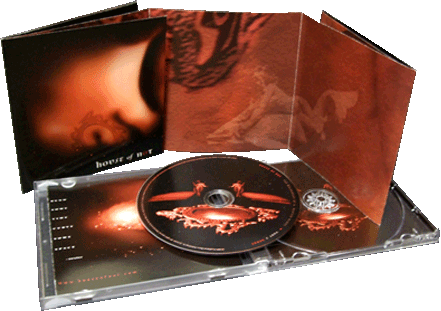

MOGWAI-ATOMIC.
MOGWAI-ATOMIC.
Glasgow-based post rock pioneers Mogwai, are no strangers to the world of soundtracks. They’ve previously released three soundtracks in the last ten years. The first was Zidane: A 21st Century Portrait in October 2006. Just a month later, Mogwai released the soundtrack to The Fountain in November 2006. After releasing two soundtracks in the space of two months, it was almost seven years passed before Mogwai released the soundtrack to Les Revenants in February 2013. It was released to critical acclaim, and was hailed as Mogwai’s the finest soundtrack of their career. That however, may be about to change, as Mogwai recently released their fourth soundtrack Atomic on Rock Action Records.
Last summer, Mogwai had provided the soundtrack Mark Cousins documentary Atomic: Living In Dread and Promise. It was aired on BBC Four, and was a very personal memoir of growing up in the nuclear age. Using archive film, Mark Cousins constructed an impressionistic cinematic memoir of what was a harrowing time.
The Cold War was still dominating the news. America and the U.S.S.R. were at loggerheads, and the sabre-rattling continued into a second decade. For teenagers like Mark Cousins, it was a harrowing time. However, he public weren’t going to stand by and not have their say.
Suddenly, membership of C.N.D rocketed, and protest marches took place in cities across Britain. Placard wielding protesters marched to the tune of “band the bomb.” That became a rallying call as governments tried to reassure a terrified public.
The public service films that were meant to reassure the public, had the opposite effect. They seemed to make the fear even more real. Then on 26th April 1986, the world realised that it wasn’t just the nuclear war that they should fear.
That was the Chernobyl Disaster took place at the Chernobyl Nuclear Power Plant, in Pripyat, Ukraine. A worried public watched on, as the news of a catastrophic nuclear accident and explosion emerged. Then came the news that a fire resulted in a large quantity of radioactive particles escaping into the atmosphere. To make matters worse, they weren’t just heading which spread over much of the U.S.S.R., but Western Europe. When these particles landed in parts of Scotland, where Mogwai were growing up, suddenly, the Atomic Age seemed a very frightening time to grow up.
By then, Mark Cousins had discovered physics, and was discovering he advantages of Atomic Age. X-Rays and MRI scans he discovered were just two of the advantages of the Atomic Age. The subject that had once frightened Mark Cousins, now excited and interested him. So much, that he considered studying physics at university. That did’t happen, but later when Mark Cousins was a filmmaker, he decided to revisit the subject.
The result was his documentary Atomic: Living In Dread and Promise. To provide the soundtrack, post rock pioneers were commissioned to write the soundtrack. It was the perfect backdrop to Atomic: Living In Dread and Promise, which was a personal and poignant cinematic memoir. However, after the documentary was aired in the summer of 2015, Mogwai decided to rerecord the whole of the Atomic soundtrack.
At their Castle Of Doom Studios in Glasgow, Mogwai were joined be an old friend, occasional band member Luke Sutherland. Mogwai were also joined by Robin Proper-Sheppard formally of The God Machine and Glasgow composer Robert Newth. Together, they got to work on on Atomic, which was Mogwai’s twelfth album since they formed back in 1995.
That’s when Stuart Braithwaite and Dominic Aitchison first met in Glasgow. Four years later, they met drummer Martin Bulloch and formed Mogwai, which film buffs will remember, is a character from the movie Gremlins. Mogwai was always meant as a temporary name, but it stuck and was on the label of Tuner, their 1996 debut single.
Tuner was released to critical acclaim and the NME awarded it their single of the week award. Two other singles were released during 1996 Angels v. Aliens and Summer. By then Mogwai were a quartet.
Guitarist John Cummings joined the band in 1995. He’s also something of a maestro when it comes to all things technical and is described as playing “guitar and laptop.” He was part of one of the hottest bands of the late nineties, Mogwai who released two more singles in 1997.
The first of these was New Paths To Helicon Pt. 1 . It showed Mogwai growing and maturing as a band. NME agreed, and just like their debut single Tuner, New Paths To Helicon Pt. 1 was won NME’s single of the week award. Club Beatroot the followup to was also well received by critics. This was the perfect time for Mogwai to record their debut album, Mogwai Young Team.
Mogwai Young Team.
For Mogwai Young Team, Mogwai brought onboard Brendan O’Hare the Teenage Fanclub’s drummer. Another guest artist was Aidan Moffat of Falkirk based band Arab Strap. He added the vocal to R U Still In 2 It. The rest of Mogwai Young Team consisted of instrumentals. Mogwai Young Team was recorded at Chem 19 studios and produced by two of Scotland’s top producers, ex-Delgado Paul Savage and Andy Miller. Once Mogwai Young Team was completed, it was then released on Scotland’s biggest record label, Chemikal Underground.
Before its release, critics were one over by Mogwai Young Team. Mogwai were hailed Mogwai as a band with a big future. Mogwai Young Team was a hailed as a groundbreaking album of post-rock. It’s just one reason critics forecast a big future for Mogwai.
That proved to be a perceptive forecast. When Mogwai Young Team was released on 21st October 1997, sold over 30,000 copies and reached number seventy-five in the UK. The Mogwai Young Team were on their way. However, a few changes were about to take place.
Come On Die Young.
A year later, Mogwai were back in the studio recording their sophomore album Come On Die Young. Much had changed. A new member had joined the band. Barry Buns a flautist and sometimes pianist, had played a few gigs with the band. They then asked him to become the fifth member of Mogwai. Violinst Luke Sutherland joined Mogwai, but not on a full-time basis. This wasn’t the only change.
Recording was split between New York and Glasgow. This time, they’d forsaken Chem 19 in Blantyre and recorded parts of the album in Rarbox Road Studios, New York. Some sessions took place in Glasgow’s Cava Studios. Producing Come On Die Young was Dave Fridman. For some critics, his addition changed Mogwai’s sound.
Some critics felt his production style resulted in a much more orthodox sounding album. However Come On Die You was part of Mogwai discovering their “sound” and direction. Come On Die Young is a much more understated, but also ambient, experimental, multi-textured and melodic. There’s a fusion of ambient, grunge and post rock on Come On Die Young, which was released in 29th March 1999.
On its release, Come On Die Young reached number twenty-nine in the UK. Mogwai it seemed were now on their way to finding their sound and fulfilling the potential evident on their debut album. This was apparent with tracks of the quality of CODY, Hugh Dallas and Christmas Steps. However, like all innovative bands, Mogwai continued to reinvent their music.
This proved to the case on their eponymous E.P. This included Stanley Kubrick, which was recorded in the exotic surroundings of Cowdenbeath in Fife. Burn Girl Prom Queen was recorded at Cava Studios, in Mogwai’s hometown of Glasgow. These two tracks were part of E.P., which further enhanced Mogwai’s reputation as post rock pioneers. So did their third album Rock Action.
Rock Action.
Mogwai’s music continued to evolve on their third album 2001s Rock Action. More use was made of electronics on Rock Action. This was part of a process that would continue over the next few albums. There were even more layers and textures on Rock Action. It was as if Mogwai had expanded their palette. Seven of the songs were instrumentals, while Dial Revenge featured Gruff Rhys of Super Furry Animals.
Again, Rock Action was produced by Dave Fridman, while recording took place in New York and at Glasgow’s Cava Studios. Once Rock Action was completed, it became Mogwai’s first album to be released on Play It Again Sam.
Rock Action was released in April 2001, and proved to be Mogwai’s most successful album. It reached number twenty-three in the UK. Critics remarked upon how Rock Action wasn’t as dark an album as its predecessors. That didn’t mean that Mogwai’s view of the world had changed. They were still worldweary. That would become a Mogwai trademark.
Six months after the release of Rock Action, Mogwai returned with another single, The My Father My King. It was released in October 2001, and was described “as the companion piece to Rock Action.” A sticker on the cover bore Mogwai’s description of the single as: “two parts serenity and one part death metal.” That was about to change. Soon, they’d be happy people writing happy songs and making a breakthrough into the American market.
Happy Songs For Happy People.
Happy Songs For Happy People was released in 2003. Mogwai’s evolution continued. Their music continued further down the electronic road. Yes, electric guitars and a drummer were used, but synths were playing a more important role in Mogwai’s music. So were the addition of strings and a piano. They played their part in what was a much more understated album. Part of this change in style was a change of producer.
Tony Doogan was brought onboard as producer. He replaced Dave Fridman. Gone were transatlantic recording sessions. Happy Songs For Happy People was recorded at Cava Sound Studios, Glasgow. On its release in June 2003, Happy Songs For Happy People was well received by critics. Critics drew attention to I Know You Are But What Am I? and Hunted By A Freak. The critics welcomed Mogwai’s latest change in style. So did record buyers.
While Happy Songs For Happy People only reached number forty-seven in the UK, it spent a week in the American charts, reaching number 182 in the US Billboard 200. After four albums, Mogwai had broken into the American market. Happy Songs For Happy People it seemed, was a landmark album.
Having made inroads into the lucrative American market, Mogwai didn’t rush their fifth album. It was released three years after Happy Songs For Happy People. There’s a reason for this. They were working on tree separate projects.
The first was their fifth album Mr. Beast. Then there was the first soundtrack they’d written and recorded. This was for the 2006 movie Zidane: A 21st Century Soundtrack. Mogwai also collaborated with Clint Mansell on the soundtrack to The Fountain. Although soundtracks were a nice sideline for Mogwai, their fifth album Mr. Beast was of huge importance. Especially, if it was a commercial success in America.
Mr. Beast.
Recording of Mr. Beast took place at Mogwai’s new studio, Castle Of Doom Studios in Glasgow. Co-producing Mr.Beast with Mogwai, was Tony Doogan. Between April and October 2005, Mogwai honed their fifth album. Tony Doogan and Mogwai co-produced Mr. Beast. After six months, Mr. Beast was complete. It was Mogwai’s most important album.
Everyone realised the importance of Mr. Beast. Mogwai were on a verge of breaking into the American market. Happy Songs for Happy People had got Mogwai’s foot in the door. Now was the time for the Mogwai Young Team to kick it in, and make their presence felt. That’s what Mogwai intended to do with tracks like Travel Is Dangerous,Friend Of The Night and We’re No Here. They featured Mogwai at their best. This trio of tracks would please critics.
On its release, it was mostly, to critical acclaim. Critics were fascinated at how Mogwai’s music continued to evolve. For Mogwai, standing still was going backwards. Groundbreaking music was what record buyers expected from Mogwai.
When Mr. Beast was released on 5th March 2006, record buyers found an album of innovative music. It climbed thirty-one in the UK. Across the Atlantic, Mr. Beast reached number 128 in the US Billboard 200. Mogwai were now one of Scotland’s most successful musical exports. They were certainly Scotland’s most innovative band. This was a title they weren’t going to give up without a fight.
Zidane: A 21st Century Portrait.
Following the release of Mr. Beast, the other two projects that Mogwai had been working on, were released. The first was Zidane: A 21st Century Portrait. The project came about in late 2005, when artist Douglas Gordon asked Mogwai to write and record a soundtrack to a film he was making about Zinedine Zidane, Zidane: A 21st Century Portrait. Mogwai agreed, and this gave them their entry into the world of soundtracks.
Maogwai grasped this opportunity. They recorded Zidane: A 21st Century Portrait at Castle Of Doom Studios. At first hand, Mogwai had recorded ten tracks, which were produced by Tony Doogan. However, when the soundtrack was released, it came baring a secret.
That’s the hidden track Untitled, a twenty-three minute epic, featuring Mogwai at their most inventive. That was the case throughout Zidane: A 21st Century Portrait. Most critics realised this. A few, however, didn’t seem to ‘get’ Zidane: A 21st Century Portrait. However, the critics that mattered, gave Mogwai the recognition they deserved when Zidane: A 21st Century Portrait was released on 30th October 2006. Then less than a month later, the soundtrack to The Fountain was released on 27th November 2006.
The Fountain.
The Fountain was a collaboration between contemporary classic composer Clint Mansell, string quartet the Kronos Quartet and Mogwai. To some onlookers, it looked like an unlikely collaboration. That wasn’t the case though.
Mogwai had spent December 2005 locked away in their Castle Of Doom Studios with producer Tony Doogan. Other parts of The Fountain project were recorded in New York and Los Angeles. Then once the project was complete, The Fountain was released on 27th November 2006.
When The Fountain soundtrack was released, the reviews were positive. Mogwai’s contribution to the soundtrack had proved vital, while the Kronos Quartet proved a perfect foil the Mogwai Young Team. Mogwai’s lasted soundtrack had enhanced their reputation as the go-to guys for a soundtrack. That would their sideline in the future. However, before they released another soundtrack, Mogwai would release another two albums.
The Hawk Is Howling.
The first of these was The Hawk Is Howling. To ensure they kept their title of Scotland’s most innovative bands, Mogwai returned to the studio where it all began, Chem 19 in Blantyre.
Andy Miller who’d co-produced Mogwai Young Team, Mogwai’s debut album was chosen to produce what became The Hawk Is Howling. This was Mogwai’s sixth album and marked a first. It was Mogwai’s first album to consist of just instrumentals. Among them were I’m Jim Morrison, I’m Dead, The Sun Smells Too Loud, Batcat and Scotland’s Shame. They feature the post rock pioneers pushing musical boundaries to their limits, and sometimes, beyond. Once The Hawk Is Howling was recorded, Garth Jones mixed the album at Castle Of Doom Studios in Glasgow. After that, The Hawk Is Howling was ready for release.
The Hawk Is Howling was released on 22nd September 2008. Critics were won over by The Hawk Is Howling. There were no dissenting voices. This was one of Mogwai’s best albums. So, it was no surprise it sold well in the UK and America.
On its release, The Hawk Is Howling reached number thirty-five in the UK and number ninety-seven in the US Billboard 200. It seemed with each album, Mogwai’s music evolved and matured. This resulted in even more success coming their way. Would this continue with Hardcore Will Never Die?
Hardcore Will Never Die.
For their seventh album, Mogwai returned to Chem 19 Studios in Blantyre, where they hooked up with ex-Delgado Paul Savage. Since he’d produced Mogwai’s debut album, Mogwai Young Team Paul had established a reputation as one of Scotland’s best producers.
By then, Paul Savage had worked with everyone from Franz Ferdinand to R.M. Hubbert. However, it was a very different Mogwai Paul encountered. They were very different to the band who recorded Mogwai Young Team Paul. Their music had evolved and was continuing to do so. They’d matured as musicians and embraced the new technology. Hardcore Will Never Die, But You Will was proof of this.
Here was an album of groundbreaking, genre-melting post-rock with attitude. Hardcore Will Never Die, But You Will was also an album not short on humour. Poppy soulster Lionel Ritchie provided the inspiration for You’re Lionel Ritchine. There was also a celebratory sound to Hardcore Will Never Die, But You Will. It’s a reminder of an album of pioneering, post rock music crammed full of hooks, humour and attitude. Hardcore Will Never Die, But You Will was an album that couldn’t fail.
Before the release of Hardcore Will Never Die, But You Will, Rano Pano was released as a single. On the flip side was Hasenheide, which didn’t feature on Hardcore Will Never Die. It was a reminder that Mogwai’s B-Sides are better than most band’s singles. Things it seemed were looking good for Mogwai.
Yet again, Mogwai won over the majority of critics with Hardcore Will Never Die, But You Will. A couple of contrarian critics proved to be mere dissenting voices in the wilderness. Most critics realised that Hardcore Will Never Die, But You Will was one of Mogwai’s finest hours. Record buyers would agree.
Hardcore Will Never Die, But You Will reached number thirty-five in the UK and number ninety-seven in the US Billboard 200. For Mogwai, they were now into their third decade as band and had just enjoyed their biggest album to date. What next?
Les Revenants.
The answer to that was Les Revenants, a soundtrack to a French television series. Les Revenants or The Returned is essentially a television program about zombies. Unlike similar programs, when the “undead” return to the town they lived in, it’s as they were, not how most films portray zombies. Another difference was the way Mogwai were commissioned.
Usually, someone writing a soundtrack can see the film they’re writing music to. Not Mogwai. They were just shown a few scripts. Then they were given an overview of what the series was about. From there, Mogwai wrote thirteen of the fourteen tracks. The other track they chose was What Are They Doing In Heaven Today, which was written by Charles Elbert Tilney. These fourteen tracks were recorded by Mogwai, who produced Les Revenants with Neil MacMenamin. Once Les Revenants was finished, it was released in February 2013.
Before Les Revenants was released an E.P. was released. It featured four tracks. That was a tantalising taster of what was to come. After all, Mogwai would approach a soundtrack like Les Revenants in a different manner. They wouldn’t do anything predictable. Les Revenants was a case of expect the unexpected. Critics loved Les Revenants and hailed the album as one of the best albums Mogwai had released. However, Mogwai had other ideas.
Rave Tapes.
Rave Tapes features ten tracks which were written by Mogwai. These tracks were recorded at Mogwai’s Castle Of Doom Studios, in Glasgow. Producing Rave Tapes was ex-Delgado Paul Savage. He’s produced previous Mogwai albums and knew how the band worked. This was important, given Mogwai were at last, enjoying the critical acclaim and commercial success their music deserved. Work began on Rave Tapes on the 28th August 2013.
This was like the first day back at school. Mogwai were ready to begin recording what was their eighth studio album. The lineup of Mogwai has been settled for a few years. This included a rhythm section of bassist and guitarist Dominic Aitchison, drummer Martin Bulloch and guitarists Stuart Braithwaite and John Cummings who also played piano. Barry Burns plays organ, piano and guitar. at Castle Of Doom Studios, Glasgow, Mogwai recorded the ten tracks that became Rave Tapes, which was released on 20th January 2014.
Rave Tapes was one of the most anticipated albums of 2014. The big question was, what direction Mogwai’s music would head? After all, Mogwai’s music never stands still. It’s in a constant state of evolution. That’s no bad thing. Standing still is akin to going backwards in Mogwai’s book. On Rave Tapes, Mogwai’s music continues to evolve. Musical genres and influences melt into one on Remurdered, The Lord Is Out Of Control and Tell Everyone I Love Them, which all feature on the Central Belters’ box set. However, one of the most prominent influences on Rave was Krautrock. Add to this ambient, avant-garde, electronica, experimental, indie rock and rock. We hear different sides to Mogwai on Rave Tapes. Whether it’s fuzzy soundscapes or kicking out the jams, Mogwai don’t disappoint on Rave Tapes, their most recent album.
After the release of Rave Tapes, Mogwai released Music Industry 3. Fitness Industry E.P. on 1st of December 2014. Opening this six track E.P. is one of its highlights, Teenage Exorcists. So fittingly, it finds its way onto Mogwai’s three disc retrospective box set, Central Belters.
Central Belters.
For anyone yet to discover the delights of of post rock pioneers Mogwai, then the Central Belters’ box set is the perfect starting place. It was recently released on Rock Action Records, and costs no more than an individual CD. It’s Mogwai’s way of thanking their loyal fans who have supported them over the last twenty years. And what a roller coaster it’s been.
Since they formed in 1995, Mogwai have released eight albums and three soundtracks. Then there’s countless singles, E.P.s and two remix albums. Mogwai must be one of the hardest working bands in music. That’s not forgetting one of the most innovative.
For the last twenty years, Mogwai’s music has been ambitious, bold, challenging, influential and innovative music. It’s full of nuances, subtleties and surprises as Mogwai seamlessly combine musical genres. They fuse ambient, avant garde, classic rock, electronica, experimental, indie rock, psychedelia and Krautrock, to create their unique post rock sound. All the time, Mogwai continue to push musical boundaries to their limits and even sometimes, way beyond. This becomes apparent on Atomic.
Atomic.
Having made the decision to rerecord Atomic, Mogwai headed to their Castle Of Doom Studios in Glasgow, Mogwai were joined be an old friend, and occasional band member Luke Sutherland. Other guests included Robin Proper-Sheppard formally of The God Machine; and Glasgow composer Robert Newth. Together, they got to work on on Atomic,
At Castle Of Doom Studios, Mogwai and friends got to work. Mogwai’s rhythm section featured drummer Martin Bulloch; bassist and guitarist Dominic Aitchison; and guitarists Stuart Braithwaite and John Cummings who also played piano. Barry Burns played organ, piano and guitar. Occasional member of Mogwai, Luke Sutherland played violin on Are You A Dancer? Robin Newth adds French Horn on Ether; while Robin Proper-Sheppard added guitar on Tzar. Just like previous albums, Tony Doogan took charge of production on Atomic. Once the ten tracks were complete, Atomic was scheduled for release in the spring of 2016.
Given the sombre nature of parts of Mark Cousins’ documentary, there was a degree of irony that Atomic was released on April Fool’s Day. By the time, 1st of April 2016 came around, the reviews of Atomic had surpassed Les Revenants. Critics hailed Atomic Mogwai’s finest soundtrack album. It was a welcome return for Glasgow’s famous five, as they returned with their first studio album in three years…Atomic.
Ominous describes the introduction to Ether. Washes of synths draw closer, before drones sound ominously and a guitar is picked carefully. Then suddenly, ethereal keyboards play and a melancholy French horn punctuates the arrangement. Along with a piano, they provide a thoughtful backdrop. As swells of synths are added, so does the drama and sense of melancholia. It’s as if there’s a yearning for a simpler time, before the Atomic age. Later, synth strings sweep, and the French horn sounds as the rhythm section continue to add to the drama and melancholia. In doing so, they add to what’s a ruminative, dramatic and beautiful cinematic track.
As Scram unfolds, Mogwai pay homage to Kraftwerk, especially Radioactivity. Soon, however, Mogwai are replicating the sound of the man machine. It chatters, buzzes, crackles and chimes almost hypnotically; as drum machines that click and crack. In the midst of the arrangement, there’s what sounds like a warning. No wonder Mogwai advise people to Scram. The man machine has malfunctioned, and the wistful sound of a synth string is joined by buzzing, pulsating synths. Mesmeric and hypnotic the cogs in the machine grind and whine, their sound menacing as they lumber along.
Dramatic is the word that springs to mind as Bitterness Centrifuge gradually shares its secrets. It’s reminiscent of an Eastern European recording from the late-seventies or early eighties. The arrangement is slow, with ominous, gothic synths and dramatic drums combining. They lumber, as fuzzy guitars feedback and join synth that briefly, sound almost ethereal. Mostly, though dramatic, post apocalyptic sound to the arrangement.
It seems fitting that on an album entitled Atomic, Mogwai name a track U-235, which is an isotope of uranium. As the track unfolds, a buzzing bass synth taps out a code. It’s joined by washes of ethereal synths, a keyboard and drum machine. Together, they create another track that references Kraftwerk. As washes of of ethereal, haunting synths sweep in and out, a melodic keyboard joins the bass synth. All the time, the drum machine provides the heartbeat. That’s until later, when the arrangement is stripped bare. All that’s left are the sweeping synths. They create an ethereal, melodic and memorable backdrop
The name Pripyat may not mean much to most people. Chernobyl however, strikes fear into the heart of millions. Pripyat was the town where the Chernobyl Power Plant was situated, and where on 26th April 1986 a catastrophic nuclear accident took place. Given the backstory, it’s no wonder that Mogwai create an arrangement that’s not just big and bold, but dark, dramatic and gothic. It’s as if Mogwai are building up to the moment when the unthinkable happened. From there, they recreate the despair and heartbreak, as a once proud place becomes a desolate and barren, no-go area whose name thirty years later, is remembered with sadness.
In the distance, keyboards are played with a degree of urgency on Weak Force. Continually, they play the same chords, that sweep in and out, in and out. They grown in volume, power and drama. It’s as if they’re sending out a warning. Especially as differenet keyboards combine, and a dark, ominous sound emerges from the arrangement. Combined with the mesmeric, nature of the arrangement, this adds to the cinematic sound. Despite the darkness and drama, Mogwai still manage to create a melodic and is certainly memorable. It wouldn’t sound out of place in a blockbuster, instead of a television documentary.
In Mark Cousins’ documentary, Atomic: Living In Dread and Promise, Little Boy takes the listener back to when the filmmaker was growing up. It was at the height of the Cold War, with fingers never far from the big red button. For young Mark Cousins, it was the stuff of nightmares. That’s why the arrangemement is slow, moody and broody, with droning synths sitting atop the rhythm section and keyboards. It’s as if the drones are sirens warning of impending doom. Scorching guitar solos cut through the arrangement, as synths add to an arrangement that veers between dramatic, thoughtful and even hopeful. It’s as if Mogwai are providing the soundtrack to Mark Cousins nightmares and hopes, as he eventually discovers the positive effects of the Atomic age.
Straight away, Are You a Dancer? sounds like the soundtrack to a Cold War spy thriller. Mogwai conjur up images of Berlin, with spooks passing secrets in what was a game of bluff and double bluff. Drums are caressed, as a bass is plucked carefully and a Hammond organ adds to the atmospheric backdrop. Washes of shimmering guitar reverberate, while hypnotic perucsion joins Luke Sutherland’s haunting violin. By then, Mogwai are creating what’s without a beautiful, haunting and lysergic soundscape. It’s reminsicnent of David Lynch’s cinematic epics, albeit made by six guys from Glasgow,
Whirring, buzzing synths cut through the arrangement to Tzar. They’re soon joined by drums that have been panned left and right, and assail the listener. Meanwhile, stabs and swells of jangling, chiming keyboards play. Still, the synths buzz and whir. Gradually, instrumenets are added. Etheral synths are soon joined by blistering, screaming post rock guitar and a bounding bass. The bass is way back in the mix, while the guitars join the sythns in playing a leading role in the post rock anthem. With a minute to go, the arrangement has reached its crescendo, and begins to slow down. Instruments begin to drop out, as the arrangement is stripped bare. Eventually, all that’s left is a memory of Mogwai in their post rock prime.
Fat Man closes Atomic. Just a pulsating heartbeat can be heard, before a melancholy piano plays. Togther they create a wistful soundscape, Mideway throuhg the track, the arrangement grows in drama and power. Swells of synth and a guitar join the piano as the soundscape reaches a crescendo. Then Mogwai slow things down, and the arrangement features just the occasional beep and squeak that join the piano and pulsating heartbeat. Later, space is left as the piano plays. It’s like a pregnant pause, allowing the pulsating heartbeat to take centre-stage. As this happens, the listener can reflect on the themes explored in Mark Cousins’ documentary Atomic: Living In Dread and Promise.
Mogwai’s twleth album Atomic, is best described as a cinematic Magnus Opus. It’s an album of ambitious, bold, challenging, influential and innovative music. This is music full of nuances, subtleties and surprises. During ten tracksm the mood constantly shifts. One minute, the music is wistful and melancholy, the next pensive and thoughtful, and then dark, disturbing, eerie and moody. That’s not surprising given the subject matter of Mark Cousins’ documentary Atomic: Living In Dread and Promise.
It documents a period in time, when people on both sides of the Iron Curtain lived with a fear that the sabre rattling, would result in a nuclear war. This fear was like a dark cloud that blighted people’s lives, including Mark Cousins. The word Atomic caused him nighmares as he grewup in the seventies. However, this wasn’t just a period of darkness for Mark Cousins.
In the late seventies, Mark Cousins discovered physics, which helped him conquer his fear of the Atomic age. Soon, Mark Cousins discovered that there was a positive side to Atomic age. X-rays and MRI scans he was told had changed lives. That’s why sometimes, the music on Atomic is sometimes, beautiful and melancholy. It tugs at the listener’s heartstrings and poses questions. Constantly, the music paints pictures of the Atomic age in the seventies and eighties. This can’t have been an easy project.
Far from it. Setting out to create the soundtrack to Mark Cousins’ documentary Atomic: Living In Dread and Promise wasn’t going to be easy. It was an ambitious and challenging project. That’s why Mark Cousins brought onboard one of the most influential and innovative bands in Britain…Mogwai. They take the listener on a genre-hopping musical journey.
On Atomic’s ten tracks Mogwai combine everything from avant-garde and Berlin School to electronica and experimental via indie-rock, Krautrock and post-rock to psychedelia. This results in a genre-melting, cinematic album, Atomic, which was recently released by Rock Action Records. Atomic is a mesmeric fusion that captivates and compels. The listener is taken on a musical journey, one that veers between dramatic and dreamy, to surreal and trippy, to beautiful, pensive and understated to melancholy and melodic. Other times the music is dramatic, moody and broody. One thing the music never is, is boring. Not at all. Certainly not with Mogwai providing the soundtrack to Atomic.
Subtleties and surprises are contantly sprung. Mogwai certainly aren’t afraid of changing direction. Using the musical equivalent of a handbrake turn, the Mogwai Young Team perform a volte face. That’s what makes Atomic such a captivating and groundbreaking soundtrack from Glasgow’s famous five…Mogwai.
Atomic is the first soundtrack that Mogwai have released since Les Revenants in 2013. It was regarded as Mogwai’s finest soundtrack. Not any more. Somehow, Mogwai have surpassed the quality of Les Revenants on Atomic. Each of the ten tracks have a story to tell. These stories are chapters in Mark Cousins journey as a child of the Cold War. However, unlike many soundtracks, Atomic works as a standalone album.
So much so, that Mogwai have decided to tour Atomic. This is yet another ambitious project from the post rock pioneers. Replicating the sound of Atomic won’t be easy. However, Mogwai like a challenge, and if anyone can replicate an album as complex as Atomic live, it’s Mogwai. They’ll so, later in 2016.
So much so, that Mogwai have decided to tour Atomic. This is yet another ambitious project from the post rock pioneers. Replicating the sound of Atomic won’t be easy. However, Mogwai like a challenge, and if anyone can replicate an album as complex as Atomic live, it’s Mogwai. They’ll do so, later in 2016.
Mogwai leave will leave their Castle Of Doom Studios in May 2016, as they embark upon their latest musical adventure. For the next three months, Mogwai will tour Europe and Japan showcasing their latest groundbreaking album of cinematic post rock, Atomic.
MOGWAI-ATOMIC.
QLUSTER-ECHTZEIT-VINYL EDITION.
QLUSTER-ECHTZEIT-VINYL EDITION.
Back in 1969, Hans-Joachim Roedelius, Dieter Moebius and Conrad Schnitzler founded Kluster, which would become one of the most important groups in the nascent Krautrock movement. Kluster went on to release two albums between 1969 and 1971, Zwei-Ostere and Klopfzeichen. However, in 1971 Conrad Schnitzler announced that he was leaving Kluster. So Hans-Joachim Roedelius and Dieter Moebius formed Cluster.
Just like Kluster, Cluster would prove to be a groundbreaking group. The music they released was among the most important, innovative and influential of the Krautrock, and post-Krautrock era.
Cluster released their eponymous debut album in 1971. This was the first of seven albums Cluster released between 1971 and 1981. Cluster II was released in 1972, with Zuckerzeit following in 1974. After this, Cluster was put on hold while Hans-Joachim Roedelius and Dieter Moebius formed Harmonia with Michael Rother.
Harmonia released two albums between 1974 and 1975. Their debut, Musik Von Harmonia was released later in 1974, with Deluxe following in 1975. Neither album was commercially successful, but later, would become Kraurock classics. So would’ve Tracks and Traces, Harmonia’s collaboration with Brian Eno.
The only problem was, the master tapes for Tracks and Traces were lost, and only rediscovered nearly twenty years later. Somewhat belatedly, Tracks and Traces was released in 1997, and the collaboration between Harmonia and Brian Eno was hailed a lost classic. This however , wasn’t the only time Brian Eno had worked with members of Harmonia.
After recording Tracks and Traces, Cluster collaborated with Brian Eno on Cluster and Eno. It was released in 1977, and featured the three innovators pushing musical boundaries to their limits. Cluster would continue to do this.
Two years later, and Cluster release their last studio album of the seventies, Grosses Wasser. It was released in 1979, and was Cluster’s first album of the post-Krautrock era. Seamlessly. Cluster reinvented themselves, and proved that they were still relevant, and capable of creating groundbreaking music.
As the seventies dawned, Hans-Joachim Roedelius and Dieter Moebius were about to celebrate three decides making music together. By then, the two men continued to effortlessly combine their solo careers with Cluster. However, Cluster’s first album of the eighties wasn’t a studio album.
Instead, Cluster and Farnbauer Live In Vienna was a live collaboration with Joshi Farnbauer. It had been recorded at Wiener Festwochen Alternativ on 12th June 1980. Just like previous projects, Cluster were out of their comfort zone and making ambitious, experimental music. For a group into their third decade making music, Cluster were still pioneers.
That continued right up until Cluster released Curiosum, in 1981. It was the last studio album Cluster would release this millennium.
After the release of Curiosum, Cluster was put on hold. Hans-Joachim Roedelius and Dieter Moebius decided to concentrate on other projects. That was until 1994, when Cluster made their comeback.
The comeback took place in July 1994 in Vienna, which Hans-Joachim Roedelius called home. For an hour, Cluster took to the stage and improvised, on one lengthy sixty minute track. It was an ambitious, innovative genre-melting album. After thirteen years away, One Hour was released in December 1994. For fans of Cluster, Christmas had come early. Cluster were back, and stood head and shoulders of the pretenders to their crown. However, were Cluster back for good?
It wasn’t until 1997, that Cluster released another album. This time, Cluster released not one, but two live albums. This included Japan 1996 Live, which documented Cluster’s Japanese tour. First Encounter Tour 1996 celebrated Clusters first American tour, where the two veterans were treated as conquering heroes. After twenty-eight years together, Hans-Joachim Roedelius and Dieter Moebius were receiving the critical acclaim and plaudits that their music so richly deserved.
Despite this, Hans-Joachim Roedelius and Dieter Moebius put Cluster on hold again. It wasn’t until 2008, when Cluster released another live album, Berlin 07. However, the next year Cluster would return with their first studio album since 1981.
Qua was released in 2008, some twenty-seven years after Cluster’s previous studio album. Since 1981, Hans-Joachim Roedelius had worked on countless projects, and his discography numbered well over one hundred. Cluster’s latest album Qua was a welcome addition from a group that were now regarded as one of the most important, innovative and influential bands of Krautrock, and post-Krautrock era. They had influenced and inspired several generations of musicians. Sadly, the Cluster story was almost at an end.
By 2010, Cluster disbanded. Hans-Joachim Roedelius was seventy-five; and Dieter Moebius sixty-four. They two fiends had spent a lifetime making music. Maybe now they wanted to take things easy?
Not Hans-Joachim Roedelius. The seventy-five year old,decided to form a new band, one that continued the work of Kluster and Cluster. So Qluster was born.
Initially, Qluster featured Hans-Joachim Roedelius and keyboardist and electronic musician Onnen Bock. heir debut was the studio album Rufen, which was released in 2011. This was the first in a trilogy.
Fragen, the second album in the trilogy was released by Qluster in 2011.Then the third, and final instalment, in the trilogy, Antworten. was released in 2012. By then, Qluster were being heralded as one of the most important modern day groups.
By the time Qluster were ready to record their fourth album, Lauschen, two had become three. Multi-instrumentalist Armin Metz had joined Qluster, and made his debut on Lauschen. It was released later in 2014.
When Lauschen was released,Hans-Joachim Roedelius was seventy-nine. He wasn’t slowing down, and certainly hadn’t lost any of his enthusiasm for music. Several generations of record buyers were drawn to Qluster’s music. From those who grew up listening to with Kluster, Cluster and Harmonia, Qluster was essential listening.
Qluster released their fifth album Tasten in 2015. Stylistically, it marked a departure in style. A triumvirate of pianos featured on Tasten. This wasn’t surprising given Hans-Joachim Roedelius love of the piano. However, less than a year later, and Qluster were preparing to release their sixth album in just five years, Echtzeit.
For their sixth album, Echtzeit the three members of Qluster decided to change direction. The triumvirate of pianos featured on Tasten was a thing of the past. Replacing it, would be a much more ambient sound.
The three members of Qluster would cowrite the ten soundscapes on Echtzeit. They would be recorded in two locations. Four tracks were recorded in Berlin; while Wolf Bock recorded the other six tracks in Schönberg in Austria. That’s where Qluster setup their impressive array of instruments and effects.
This included an ARP 2300 with a Steiner Masters Touch breath controller; Roland Jupiter 4, Korg MS 20, Yamaha CS-15, Mikromorg, Animoog, a DIY MOS Weird Sound Generator, a Boston Grand Piano GP-193, Farfisa VIP 345, Fender Rhodes and Rhythm Ace FR-8L. A church organ was used, and recorded in situ. The effects used on Echtzeit a Yamaha 1005, Boss RC-20, Cosmic AE-7000, Ken Multi DE-1000 and Evans Echoplet EP100. These instruments and effects were put to good use on the ten tracks on Echtzeit. Once Qluster had recorded the ten tracks, Onnen Bock and Armin Metz mixed Echtzeit. All that was left for Echtzeit to be mastered.
To master Echtzeit, Jonas Förster was chosen. As he worked on mastering Echtzeit, Qluster prepared for the release of the sixth album in just five years. This was a remarkable feat, especially considering founder Hans-Joachim Roedelius was eighty-one. However, he had twice the enthusiasm of men half his age. The grand old man of German music was still working in ten separate projects. This was the musical equivalent of spinning plates, which Hans-Joachim Roedelius was still a master of. However, as the release of Echtzeit approached, Hans-Joachim Roedelius was in for a surprise.
Hans-Joachim Roedelius was awarded a Schallwelle Award. This was in recognition of a lifetime spent making groundbreaking music. To date, this includes over 200 albums. Soon, one more would be added to that figure, when Echtzeit was released by the Hamburg based Bureau B label.
Opening Echtzeit is Stein Auf Stein. Futuristic sounds can be heard in the distance. As they grow closer, keyboards are caressed and what sounds like waves breaking on the beach can heard. Soon, a dramatic, cinematic, but minimalist soundscape is taking shape. Less is more, as keyboards flow slowly into the distance. Then the waves break on the beach, as Qluster take their leave.
By then, ethereal describes the subtle introduction to Beste Freunde. Slowly and almost deliberately, a piano plays. Notes are picked with the utmost care, as a myriad of sci-fi sounds flit in and out. They fill the space left the slow, deliberate, thoughtful piano. There’s a sense of melancholy in the track, and sometimes frustration and sadness. One can’t help but wonder if Hans-Joachim Roedelius is thinking of his dear friend Dieter Moebius, who sadly, died in July 2015? They were best friends who spent a lifetime making music and travelling the world. If that’s the case, then Beste Freunde is the perfect homage to the late, great Dieter Moebius.
Verweile Doch is very different from the previous track. A church organ plays, while bubbling, mesmeric synths add a hypnotic counterpart. Again, there’s an almost understated sound. Very few instruments are deployed, but the ones that have been chosen, prove hugely effective. They create a track that’s variously understated, hypnotic and dreamy ambient soundscape.
Distant washes of synths gradually make their presence felt on Von Weiter Ferne Ganz Nah. However, again, the arrangement has an understated sound and quality. Soon, its ethereal beauty envelops the listener. By then, another glorious ambient soundscape is sharing its secrets. As synths drone, a keyboard plays softly. It’s the perfect counterpoint to the mainstay of the arrangement. They’re like yin and yang as this this fuzzy, lysergic epic embraces, envelops and enthrals.
Glasperlenspiel may only be two minutes long, but it’s two magical minutes. The sparse arrangement is sonic subtly personified. As a piano plays slowly and deliberately, clinking keyboards prove the perfect complement. Together, they create a soundscape that’s understated, ruminative and reflective.
Zweites Kapitel sees Qluster change direction sonically. There’s a lo-fi sound to the keyboard, as a droning synth and hand drum combine. Quivering, shimmering sounds flit in and out. Then occasionally, the sound a tape slowing down is replicated. Brief bursts of sci-fi sounds can be heard. So are bursts of droning synths, as Qluster experiment. To do this, they combine traditional and electronic instruments; plus the music of the distant past and present. The result is what one has come to expect of Qluster, the music of tomorrow.
Das Seltsame Tier Aus Dem Norden sounds like the theme to a Cold War thriller. Just a lone, melancholy piano plays, while a myriad of electronic sounds and chatter add to the cinematic sound. Again, the piano is played slowly, thoughtfully and deliberately. Space is left between the notes, which are filled by bursts of futuristic, sci-fi sounds. Later, there’s some brief bursts of flamboyance and drama. By then, the listener is providing the script to the melancholy, but melodic delights of the Das Seltsame Tier Aus Dem Norden. It’s the most cinematic track on Echtzeit
There’s a thoughtful sound to the droning synths that drift in and out of Auf Der Lichtung. Meanwhile, a keyboard plays. As usual, the different parts of the arrangement compliment each other perfectly. They play their port in what’s a moody, genre-melting soundscape. It showcases a ruminative, but melodic and mesmeric sound which is compelling and captivating.
Dark, verging on menacing describes the synths that drift in on Weg Am Hang. They drone, linger and resonate. Meanwhile, swells of synths rise and fall, while what sounds like synth strings play. By then, a keyboard meanders across the arrangement, as instruments make an appearance, only to disappear and sometimes, reappear. Nothing however, is as it seems. Qluster deploy their array of effects, which transforms the original signal into something quite different. Soon, the arrangement veers between dramatic, ethereal, futuristic, cinematic and wisful. Sonic sculptors Qluster, take the listener on an epic emotional roller coaster.
In Deinen Händen closes Qluster’s sixth album Echtzeit. Slowly, and almost deliberately a keyboard accompanies the piano. They may sound quite different, but compliment each other perfectly. Soon, though, Hans-Joachim Roedelius’ beautiful, crystalline, piano takes centre-stage; while the rest of Qluster are left to add an array of sci-fi sounds. That’s until the arrangement is stripped bare, and all that remains is the dreamy sound of the keyboard. All too soon, Echtzeit is over.
Echtzeit is the sixth album that Qluster have released since 2011. It’s also the best album of Qluster’s career. While it’s very different from Tasten, that’s to be expected.
Never can Hans-Joachim Roedelius be accused of making the same album twice. That’s despite releasing over 200 albums. So he’s certainly not going to start now. Instead, Echtzeit is another album groundbreaking from Qluster.
Echtzeit marks a stylistic departure from Qluster. Their previous album Tasten, featured a triumvirate of pianos. This was something new, and was released to widespread critical acclaim. However, despite the plaudits, Hans-Joachim Roedelius was determined that Qluster to continue to reinvent their music on Echtzeit. The result was Echtzeit, a much more ambient sounding album.
On Echtzeit, Qluster combine elements of ambient, avant-garde and Berlin School with electronica and experimental music. The result is music that’s mostly understated, subtle and minimalist. It’s case of less is more. Occasionally, the music becomes dark, dramatic and briefly, menacing. This adds to the cinematic sound of Echtzeit. Mostly, the music on Echtzeit veers between beautiful, dreamy, ethereal and lysergic; to hypnotic and mesmeric and sometimes, melancholy, reflective, ruminative, thoughtful and wistful. Always though, Echtzeit is compelling, captivating and cinematic. Echtzeit is also melodic and harmonious, and is a fitting addition to the Kluster, Cluster and Qluster illustrious discography.
Forty-seven years after he first co-founded Kluster, Hans-Joachim Roedelius is keeping the memory of Kluster and Cluster alive with Qluster. Along with Onnen Bock and Armin Metz, Hans-Joachim Roedelius continues to innovate with Qluster. That’s what he’s been doing during a lifetime making music, including on Echtzeit which was recently released on vinyl by Bureau B. Although the sound quality and quality of vinyl is good, it’s debatable whether it’s worth paying the extra for the vinyl edition of Echtzeit. While it’s Ultimately, it’s personal choice. The important thing is to pick up a copy of Echtzeit.
Echtzeit is the most accessible album of Qluster’s six album career. It’s the perfect introduction to Qluster, and an album that should introduce Qluster to a new and much wider audience. Veterans of Kluster, Cluster and Harmonia will enjoy and embrace Qluster’s new album Echtzeit. It finds the grand old man of German music, Hans-Joachim Roedelius continuing the legacy of Kluster and Cluster with Qluster on Echtzeit.
QLUSTER-ECHTZEIT-VINYL EDITION.
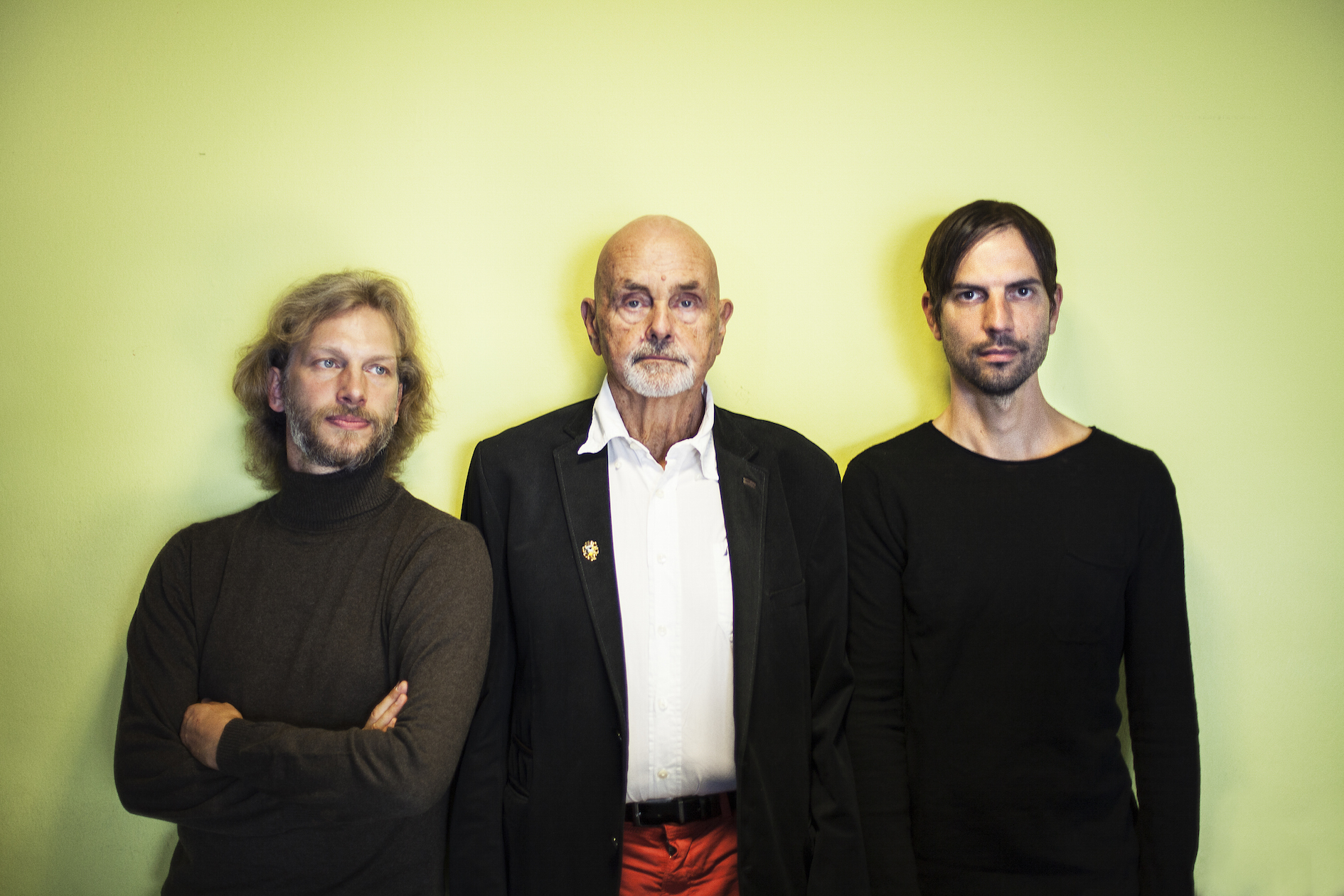
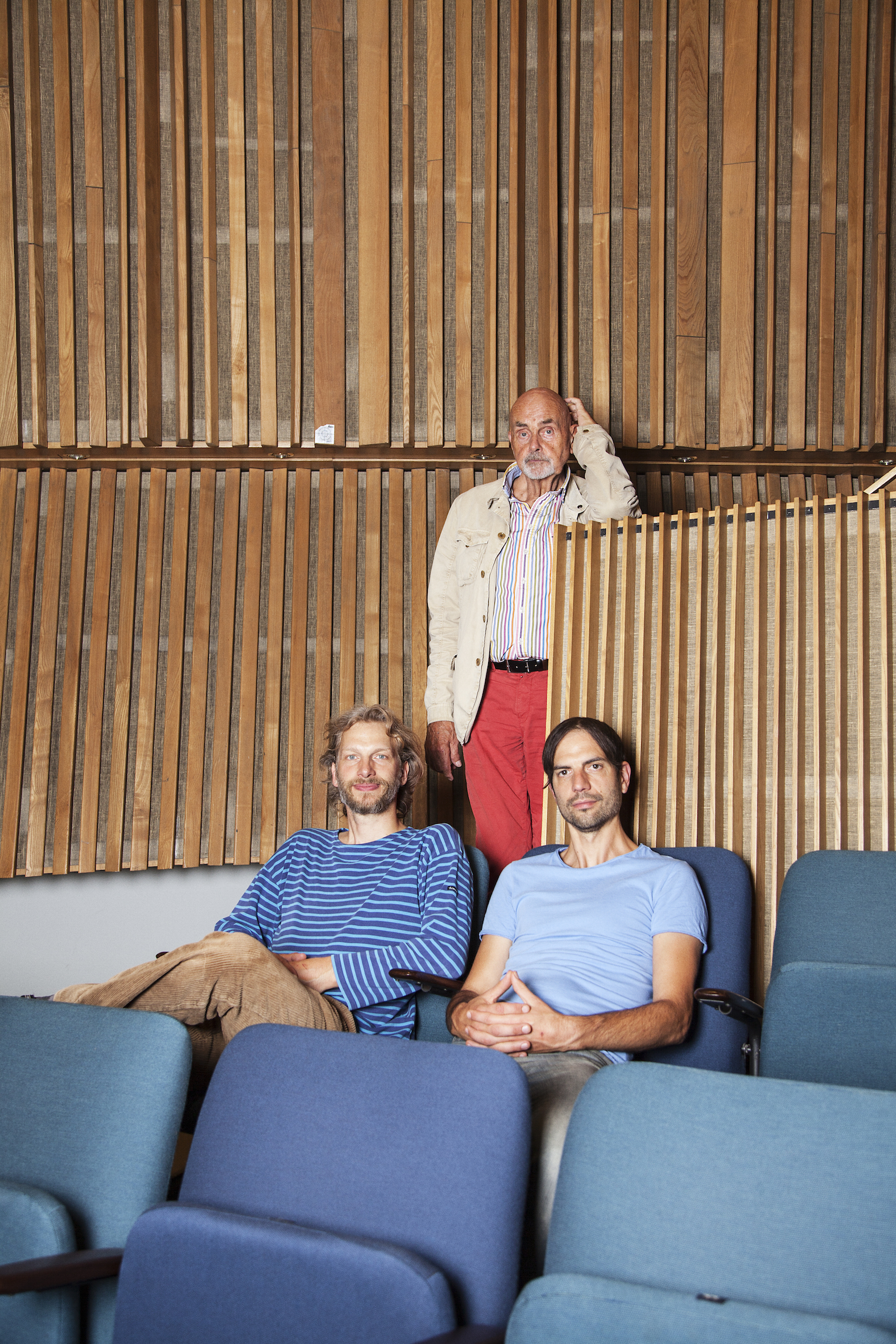
ONE TRACK MIND- MORE MOTOWN GUYS.
ONE TRACK MIND- MORE MOTOWN GUYS.
For some time, Berry Gordy Jr. had ben thinking of heading out on his own. He was fed up working for other people, and decided the time had come to form his own record company. So using the royalties he received from writing songs for Jackie Wilson, and an $800 loan from his family Berry Gordy Jr. founded Tamla Records on the January 12th 1959.
By the time Motown Record Corporation was incorporated on April 14th 1960, Barrett Strong’s Money had given Tamla Records its first hit single in August 1959. It had reached number two in the US R&B charts, and was just the start of a ten year period when Motown Records was a hit making machine.
Between 1961 and 1969, seventy-nine of the singles released by Motown reached the top ten in the US Billboard 100. It seemed Motown could do no wrong. That’s not surprising. Look at the artists signed to Motown.
This included Marvin Gaye, The Temptations, The Miracles, Junior Walker and The All Stars, Johnny Bristol, Edwin Starr, and The Fantastic Four. Each of these artists played their part in the rise and rise of Motown. Other artists included The Spinners, Frank Wilson, The Hit Pack and Sammy Ward. Each of these artists also feature on One Track Mind-More Motown Guys, which was recently released by Kent Soul, a subsidiary of Ace Records. It’s a twenty-four track compilations, which features sixteen previously unreleased tracks. For many soul fans, One Track Mind-More Motown Guys will be a musical treasure trove.
Opening One Track Mind-More Motown Guys is Frank Wilson’s I’ll Be Satisfied. It was written by Frank with Marc Gordon, who co-produced the song with Hal Davis. Unlike most Motown recording sessions I’ll Be Satisfied was recorded in Los Angeles on 25th September 1965. Accompanying Frank were the legendary Wrecking Crew, who seamlessly recreate the sound of The Funk Brothers on this irresistible and melodic slice of stomping soul. Sadly, it was never released, and makes its debut on One Track Mind-More Motown Guys. However, Frank Wilson went on to enjoy a successful career as a songwriter and producer. He continued to record, and in 1966 released the Northern Soul classic Do I Love You (Indeed I Do).
It was in 1963 that The Spinners arrived at Motown, after Berry Gordy Jr. bought Harvey Fugua’s Tri-Phi Records. Suddenly, The Spinners found themselves on Motown Records. This however, was the start of a frustrating period for The Spinners. They only enjoyed two US R&B hit singles during a seven year period. I’ll Always Love You reached number eight in 1965 and Truly Years number sixteen in 1966. Things went from bad to worse when The Spinners first two albums failed commercially.
Neither 1967s The Original Spinners, nor 2nd Time Around charted. The Spinners only enjoyed commercial success and critical acclaim in the post-Motown years. Six consecutive albums were certified gold. Meanwhile, at Motown Berry Gordy Jr. must have wondered what went wrong?
Since then, a number of The Spinners’ Motown recordings have been released. However, there’s two tracks on One Track Mind-More Motown Guys that have never been released. Imagination Is Running Wild was produced by William Stevenson and Hank Cosby in 1966. However, there’s an almost unfinished sound to the track, as if it was work in progress for The Spinners. They neither got the chance to finish note release the track, as it was assigned to Stevie Wonder. He enjoyed a hit single with Imagination Is Running Wild. Maybe that was one that got away for The Spinners?
A year later, in September 1967, The Spinners rerecorded the lead vocal of the Johnny Bristol and William Stevenson penned Tell Me How To Forget A True Love. It was produced by Harvey Fugua and Johnny Bristol. They’re responsible for the uptempo, string-drenched arrangement where soul and funk unite. At the heart of the song’s success is a vocal that’s full of hurt and despair. Sadly, the song was never released, and it wasn’t until Thom Bell hooked up with The Spinners that success came their way. He succeeded where the Motown machine failed.
Edwin Starr recorded Eddie Holland and Norman Whitfield’s The Girl From Crosstown in May 1968. Originally, the song had been offered to Diana Ross and The Supremes. They passed on the song, and Edwin Starr was offered to chance to record The Girl From Crosstown. It was produced by Norman Whitfield, who is responsible for a tough, funky and soulful arrangement. Edwin Starr’s vocal is a mixture of power and emotion. His other to One Track Mind-More Motown Guys is quite different.
Head Over Heels In Love With You Baby was written by Ed Cobb, and recorded in L.A. with producers Hal Davis and Marc Gordon. They’re responsible for a sumptuous string-drenched arrangement, where horns and horns accompany Edwin Starr’s soul-baring vocal. The result is a song that’s although is quite unlike what Motown was releasing in 1964, could’ve given Edwin Starr a hit single. Alas, the single was never released, and only makes it debut on One Track Mind-More Motown Guys.
Another unreleased track is The Temptations’ I’d Rather Forget. It was penned and produced by Ivy Jo Hunter and William Stevenson. I’d Rather Forget was completed by April 1966, and was considered for inclusion on the Gettin’ Ready album. Sadly, I’d Rather Forget which features a Eddie Kendricks on lead vocal never made the album. The Temptations had so many good tracks, that I’d Rather Forget was left off. It’s a real hidden gem which is a welcome addition on One Track Mind-More Motown Guys. So is The Temptations’ other contribution.
This alternate version of I Got Heaven Right Here On Earth was completed in December 1965. It was written by Eddie Holland, Eddie Kendricks and Norman Whitfield, who took charge of production. It’s a hook laden dance track with Eddie Kendricks on lead vocal.
Originally, I’m Here Now That You Need Me was scheduled to be recorded by J.J. Barnes. That was until he was dropped by Motown. So, The Fantastic Four got the chance to record a track that was penned and produced by James Dean and William Williamson. James Epps added an impassioned vocal to an arrangement that has Motown written all over it. All that was left was for the rest of The Fantastic Four to add harmonies. Sadly, that never happened. This doesn’t matter though. James Epps’ heart-wrenching vocal takes centre-stage, and proves truly captivating.
By 1969, The Four Tops were one of Motown’s most successful acts. However, the hits had run dry, after Holland-Dozier-Holland left Motown. For The Four Tops, this was proving problematic. They well that was Holland-Dozier-Holland had run dry. So The Four Tops began to work with other songwriters and producers.
In 1969, they recorded Can’t Stop This Feelin’ with producers William Weatherspoon and James Dean. They had written Can’t Stop This Feelin’ with Marilyn McLeod. It sounds as if it was tailor made for The Four Tops, on a track that could’ve revived their flagging fortunes. However, Motown decided not to release Can’t Stop This Feelin’, and an opportunity was lost.
As the Doin’ Mickey’s Monkey sessions were almost over, The Miracles decided to record My Oh My What A Groove. It was written and produced by William “Smokey” Robinson. With his help, The Miracles lay down a bluesy, soulful track. However, it was omitted from Doin’ Mickey’s Monkey and was only released in 2013. The Miracles other contribution has only just been released.
Three years after later, The Miracles recorded a cover of Dave Hamilton’s I’ve Gotta Find Myself (A True Love). It was produced by Clarence Paul, while Smokey Robinson delivers a slow, soulful and hopeful vocal against an arrangement that’s quite un-Motown like. Elements of blues and funk can be heard on this slow, smouldering slice of soul. Sadly, it was never released, and makes a very welcome debut on One Track Mind-More Motown Guys.
Along with The Temptations, Four Tops and The Miracles, Marvin Gaye was one of Motown’s crown jewels. So it’s fitting he features twice on One Track Mind-More Motown Guys. These two tracks show two sides to Marvin Gaye. Do You Wanna Go With Me was penned by Richard Gordy and William Stevenson, who produced the track. It’s a hopeful, uptempo dance track. The Ed Cobb penned The Touch Of Venus was recorded in L.A. on 22nd June 1964. Producers Hal Davis and Marc Gordon are responsible for the jaunty beat on this string-drenched ballad. It’s the best of the two tracks, and shows a very different side of Marvin Gaye.
My final choice from One Track Mind-More Motown Guys is Richard “Popcorn” Wylie’s Goose Wobbling Time. This is something of mystery track. The date of recording is unknown, and is estimated to be between 1960 and 1961. Nor is the producer known. All that’s known is Janie Bradford and Richard Wylie cowrote Goose Wobbling Time. It’s a driving slice of R&B from bandleader Richard “Popcorn” Wylie. He recorded three singles for Motown, but none of them were a commercial success. After this, Richard “Popcorn” Wylie fell out with Motown, and they parted in somewhat acrimonious circumstances. However, Richard “Popcorn” Wylie had the last laugh, when he enjoyed a hit in 1962 with Come To Me. He wasn’t the first, and wouldn’t be the last person who left Motown and went on to bigger and better things.
Probably, the most obvious example of this is The Spinners. They spent seven long years at Motown, and all they had to show for it, was two minor US R&B hits. Motown wasn’t the label for The Spinners, and they failed to blossom at what was one of the most successful soul labels. Other artists and groups were riding the Motown wave.
Marvin Gaye, The Temptations, The Four Tops and The Miracles are four of the most successful artist on Motown during the most successful years in the label’s history. They feature on One Track Mind-More Motown Guys, which was recently released by Kent Soul, an imprint of Ace Records. None of the tracks on One Track Mind-More Motown Guys were released when they were recorded. Instead, fitly years or more, passed before they were released. Eight of the twenty-four tracks featured on compilations by Kent Soul. The rest make their debut on One Track Mind-More Motown Guys.
Of the twenty-four tracks on One Track Mind-More Motown Guys, sixteen make their debut. This includes contributions from the great and good of Motown. Marvin Gaye, The Temptations, The Four Tops, The Miracles, Johnny Bristol, Edwin Starr, Chuck Jackson and The Fantastic Four all feature on One Track Mind-More Motown. Each of these artists played their part in the rise and rise of Motown.
Between 1961 and 1969, which One Track Mind-More Motown Guys covers, Motown Records, was a musical colossus. Seventy-nine of the singles released by Motown reached the top ten in the US Billboard 100. It seemed Motown could do no wrong. They were one of the most successful record labels on both sides of the Atlantic. However, the party was almost over for Motown.
As the seventies dawned, other labels usurped Motown at soul’s top table. Philadelphia International Records, Atlantic Records and Hi Records were home to some of the biggest names in soul. Motown was left with Marvin Gaye, Stevie Wonder, The Temptations and Diana Ross. While these artists would bring commercial success and critical acclaim Motown’s way, it never reached the same heights during the seventies. As a result, One Track Mind-More Motown Guys is another poignant reminder of Motown Records’ glory days, when seemingly, Motown could do no wrong.
For either anyone interested in soul music, or Motown Records, then One Track Mind-More Motown Guys will be a must have. It’s crammed full of rarities, musical treasure and the ones that got away.
ONE TRACK MIND- MORE MOTOWN GUYS.

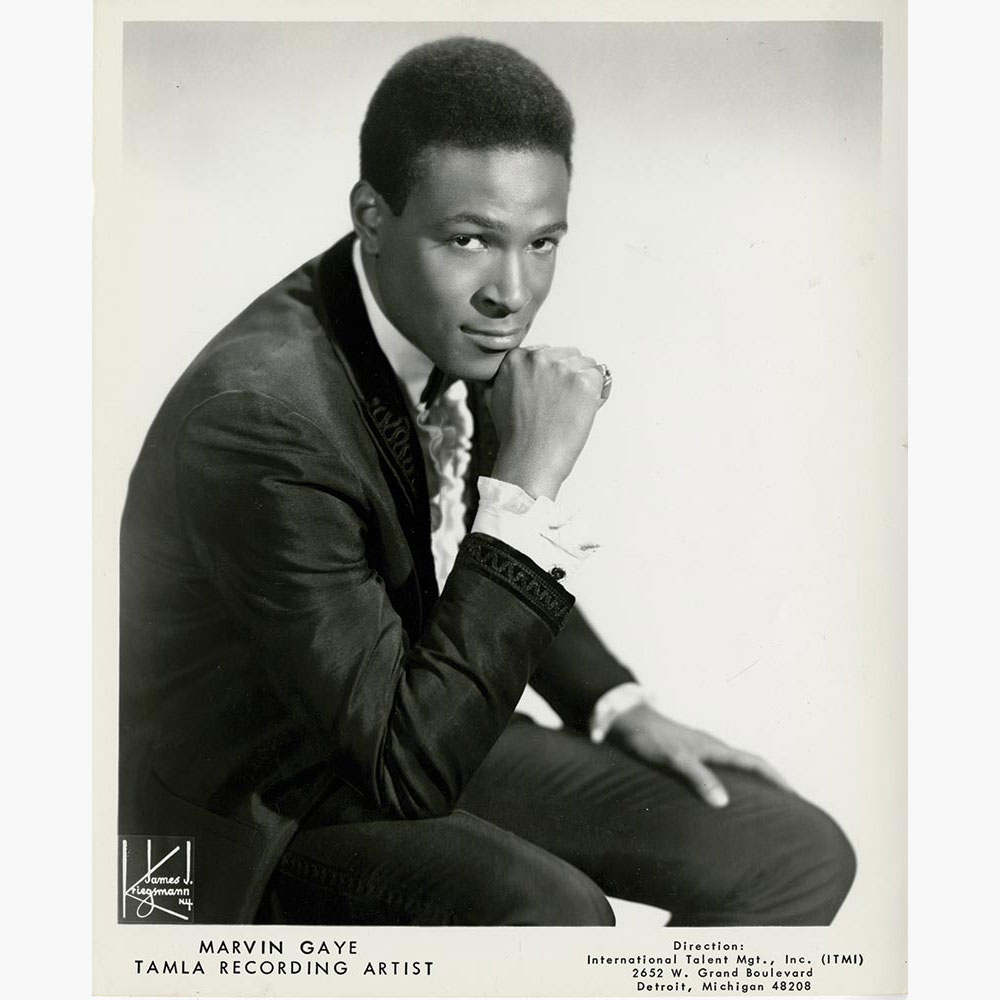
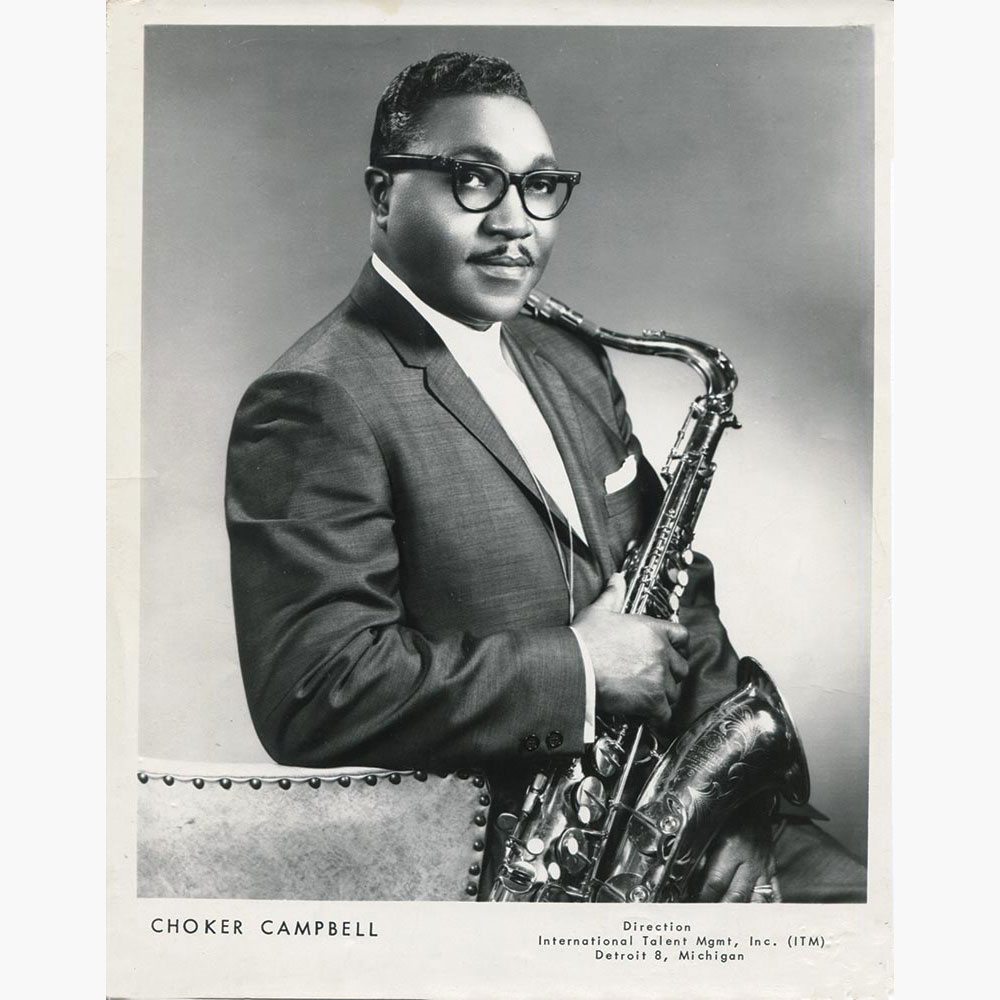

JACK ASHFORD-JUST PRODUCTIONS.
JACK ASHFORD-JUST PRODUCTIONS.
By 1966, Jack Ashford was a familiar face in Detroit’s music jazz scene. The Philly born musician had been a member of Marvin Gaye’s touring band before he became a Funk Brother.
Through meeting the Motown musicians, Jack decided to base himself in Detroit. Soon, he became part of Motown’s legendary studio band The Funk Brothers. Jack’s trademark tambourine sound became a staple of Motown recordings. However, Jack was more than a tambourine player. He studied arrangers, engineers and producer and soon, was able to learn from them. Jack was also a talented songwriter. Essentially, Jack Ashford was a musical all-rounder, which made him perfect for Pied Piper Productions. His partner would be Mike Terry.
Mike Terry played baritone saxophone first in Popcorn Wylie’s Mohawks, then with Joe Hunter’s band. Like many musicians, he gravitated to Motown, which is the sixties, was one of the most successful labels. He was part of the touring and studio bands, and his trademark sound features on numerous Motown recordings. Despite being on Motown’s payroll, Mike, like other musicians, including Jack Ashford, felt the fees they were paid weren’t enough. So the pair left Motown.
Having left Motown, Jack and Mike briefly worked for Ed Wingate’s Golden World label. Mike with George Clinton and Sidney Barnes, formed the Geo-Si-Mik songwriting and production partnership. At the same time, Jack and Mike formed a songwriting and production partnership. One of their songs, Lonely One, for The San Reno Strings album on Ric-Tic came to the attention of Sheldon “Shelley” Haines. He realized this was a partnership to watch.
He was right. Jack and Mike head to Jack’s hometown Philly, to produce I Can’t Change for The Sensations with Yvonne Baker. This was their first production, which was released on the Junior label. Later in 1965, the pair produced Joe Douglas for the Playhouse label. With Bobby Martin penning the B-Side, this was a single that was has made in Philly written all over it. Ironically, it wasn’t in Philly that Jack made his name as a producer.
Instead, it was in Detroit, where with Mike Terry they formed Pied Piper Productions. The pair founded their production vehicle in 1966. For their recordings, Pied Piper Productions borrowed members of The Funk Brothers. Similarly, some of Motown’s top arrangers would work on recordings by Willie Kendrick, Lorraine Chandler, Mikki Farrow, Tony Hester, Nancy Wilcox, Rose Batiste and September Jones. Despite this all-star backing band, the Pied Pier Productions didn’t enjoy the commercial success they deserved. This would have important ramifications for Pied Piper Productions.
By 1967, Pied Piper Productions had closed its doors for the final time. After the company ceased trading, Mike Terry continued to work for many other labels. His sound was constantly in demand. There was it seemed, no shortage of work for Mike Terry. It was the same for Jack Ashford and Shelley Haims.
Both Jack Ashford and Shelley Haims worked at a number of Detroit’s smaller labels. This he did, using his latest production vehicle Just Productions. It was kept busy, with Jack Ashford produced singles at Awake, Buddha, Jay-Walking, Premium Stuff, Sepia 1, Sepia 2, Soul Disc, Soul Dimension and Triple B. This included for artists like Eddie Parker, Al Gardner, Billy Sha-Rae, The Smith Brothers, Softouch, The Four Sonics, Lee Rogers and Sandra Richardson. Tracks by these artists feature on Jack Ashford-Just Productions, which was recently released by Kent Soul, an imprint of Ace Records. These tracks were released between 1968 and 1977. That’s apart from six previously unreleased tracks. They’re a reminder a truly talented producer as his carer took shape.
Opening Jack Ashford-Just Productions is the first of three singles from Eddie Parker’s solo career, I’m Gone. This was one of Just Productions’ earliest releases. Jack had discovered Eddie Parker, and realising he had potential. The only problem was, money was tight. This time round, Jack didn’t have any financial backers for Just Productions. With money tight, Jack had to think on his feet.
Jack who had previously written songs with Lorraine Chandler, had brought her into Just Productions. She proved invaluable in all aspects of the business. This included helping Jack rework a track they had written for The Hesitations. That’s What Love Is became I’m Gone. Eddie Parker’s despairing vocal recorded using the backing track to That’s What Love Is. I’m Gone was then released by the Aware label, and would become a favourite on the Northern Soul scene during the seventies. By then, Jack and Eddie were still working together.
In 1975, Eddie Parker released Body Chains as a single on Prodigal. It was penned by Wanda Crawford, Lorraine Chandler and Jack. He arranged and produced Body Chains which features a soul-baring vocal from Eddie. That’s the case with the unreleased version on Jack Ashford-Just Productions. The third single from Eddie’s solo career is But If You Must Go, another Jack Ashford and Lorraine Chandler composition, When it was released in 1976, it was on the MAM Miko label. Featuring a vocal that’s outpouring of emotion and hurt, it’s the best of the three singles.
Sweet As Honey is another song from the Jack Ashford and Lorraine Chandler songwriting partnership. It was recorded by Al Gardner, and released on Jack Ashford’s Sepia 2 label in 1969. Soulful with gospel-tinged harmonies, Sweet As Honey was the perfect vehicle for Al Gardner’s talents. Sadly, the single failed commercially, but later became a favourite on the Northern Soul scene. Tucked away on the B-Side of Sweet As Honey, was I Can’t Stand It. It’s a heart-wrenching ballad produced by Lorraine Chandler, that shows another side to Al Gardner.
In 1968, The Four Sonics Plus One recorded the Jack Ashford and Andrew Terry penned Tell Me You’re Mine. It was arranged by Jack, while Lorraine Chandler took charge of production. She’s responsible for a soulful stomper which has made in Detroit written all over it. Later in 1969, The Four Sonics released Blue Velvet as a single on the Triple B label. Hidden away n the flip-side, was Where Are You, which. It was written by Jack and Lorraine Chandler with Johnny Dixon. Where Are You was produced by Lorraine, and becomes a quite beautiful, uptempo slice of sweet soul from The Four Sonics.
As the sixties gave way to the seventies, Just Productions was still going strong. Sandra Richardson was just the latest artist hoping that Just Productions could transform her fortunes. She had been signed to Buddah Records earlier in the seventies, but commercial success eluded her. She was hoping her luck would change when Stay Here With Me was released on Inter-Soul in 1974. It was penned by Lorraine Chandler and George Rountree. Jack Ashford arranged and produced this fusion of soul and funk. At the heart of this irresistible and melodic song, is Sandra’s needy, hopeful vocal. She brings the lyrics to life, delivering them as if she’s lived them. That’s the case with the two unreleased tracks from Sandra Richardson.
Despair fills Sandra Richardson’s vocal during The Ring; while Deserted Garden is a beautiful ballad penned by Jack and George Rountree. Sadly, commercial success continued to elude Sandra Richardson, and her recording career was over by the mid-eighties.
The Smith Brothers only ever released one single, There Can Be A Better Way, which featured Payback’s A Drag on the B-Side. The single was released on Soul Dimension in 1974. By then, Jack and Lorraine Chandler had formed a songwriting partnership with George Rountree. They penned There Can Be A Better Way, an irresistible, soulful stroller. It was produced by Jack and Lorraine. So was Payback’s A Drag, which has a slightly tougher, funkier sound. However, both songs are a reminder of a talented group who could’ve reached greater heights.
Jack Ashford wasn’t just an arranger, producer, musician and songwriter. He was also an occasional artist. He released I’ll Fly To Your Open Arms in 1977. It’s another song from the pen of Jack and George Rountree. Soulful, sultry and dance-floor friendly, I’ll Fly To Your Open Arms sees Jack Ashford head in the direction of disco. However, Jack’s other contribution is quite different.
Two years previously, in 1975, Jack Ashford and The Sound Of New Detroit released Do The Choo-Choo (Part 1) as a single. It was released on the Blaze label, a short-lived subsidiary of Prodigal. At the same time, Do The Choo-Choo (Part 1 & 2) were recorded, so was an uber funky, but soulful vocal version. It’s never been released before, and makes its debut on Jack Ashford-Just Productions.
In 1975, Softouch released After You Give Your All (What Else Is There To Give) as a single on the Prodigal label. It was penned by Jack with Sandra Richardson and George Rountree. Jack produced what was Softouch’s only release for Prodigal. It’s like a melodic musical express train as funk and soul melt into one. No wonder Fantasy Records signed Softouch in 1978. Sadly, commercial success eluded Alicia Ingram, Candice Ghant, Opal Jones and Paula Denson.
My last choice from Jack Ashford-Just Productions is Ray Gant and Arabian Knights’ Don’t Leave Me Baby. It was penned and produced by Jack and Lorraine Chandler. Don’t Leave Me Baby was released on the Jay-Walking label, and features a needy, heart wrenching vocal from Ray. It’s delivered against a slow, dramatic arrangement. The result is another song that would find favour among the Northern Soul scene.
Jack Ashford-Just Productions picks up where the story left off on Pied Piper Follow Your Soul. Just like Jack Ashford-Just Productions, it was released by Kent Soul, an imprint of Records. The Just Productions years tell the next chapter in the Jack Ashford story, and covers the period between 1968 and 1977.
During this period, the Detroit music scene was no longer as vibrant. Motown had moved to L.A, in 1972. This left a huge void in the Detroit music scene. However, by then, Jack Ashford was mainly working with Detroit’s smaller labels. He discovered new and up-and-coming artists, wrote and produced songs for then. Eddie Parker was a case in point.
When Jack Ashford met Eddie Parker, he spotted his potential. so with Lorraine Chandler, cowrote I’m Gone and then produced it. I’m Gone song was then shopped to labels, and ended up being released on the Aware label. Just Productions was a one stop musical shop, where Jack worked with some of Detroit’s most talented arrangers, musicians, producers and songwriters. They feature on Jack Ashford-Just Productions accompanying Eddie Parker, Al Gardner, Billy Sha-Rae, The Smith Brothers, Softouch, The Four Sonics, Lee Rogers and Sandra Richardson. Sadly, commercial success eluded many of these artists.
It wasn’t that soul was no longer as popular. Far from it. Philly, Jack Ashford’s hometown, was the soul capital of America. The Mighty Three, Thom Bell, Gamble and Huff were responsible for producing some of the most successful Philly Soul. This included The Delfonics, Detroit Spinners and The Stylistics, to The O’Jays, Three Degrees and Harold Melvin and The Bluenotes Philly Soul. Jack Ashford must have looked on ruefully and enviously. Detroit’s soul scene was in the doldrums, while his hometown was the soul capital of America. Worse was to come.
From 1975 to July 12th 1979, disco was the musical flavour of the month. Suddenly, soul was yesterday’s music. It didn’t matter how good the soul music Just Productions was releasing, commercial success continued to elude their releases. However, these releases would eventually find an appreciative audience.
Nearly forty years later, and Jack Ashford is getting the recognition that he so richly deserves. This includes his work with Pied Piper Productions and Just Productions. In both cases, Jack Ashford worked with some of Detroit’s most talented musicians, arrangers, producers and songwriters, and was responsible for music that’s variously beautiful, dramatic, melodic and memorable. It’s also soulful, funky and dance-floor friendly.
That’s why many of the songs on Jack Ashford-Just Productions have found an audience within the UK’s Northern Soul scene. They’re favourites of DJs and dancers. However, these songs are also appreciated and loved by discerning connoisseurs of soul. They’ll welcome the release of Jack Ashford-Just Productions, which documents the next chapter in the long and illustrious career of Jack Ashford.
JACK ASHFORD-JUST PRODUCTIONS.



LOVE HIT ME!-DECCA BEAT GIRLS 1962-1970.
LOVE HIT ME!-DECCA BEAT GIRLS 1962-1970.
The post-Beatles’ pop boom of the early sixties seemed to catch some record labels unaware. They came to the party late. Some label executives thought that pop music was a passing fad, and were reluctant to commit scarce resources to it. This had disastrous consequences. By the time, these labels eventually arrived at the party, their competitors had signed the most talented artists. One of the labels who had arrived at the party early were Decca.
During the sixties, Decca had an enviable network of A&R executives and talent scouts across Britain. Their finger was on the pulse of the local music scene. Night after night, talent scouts headed out to local pubs and clubs, where they listened to new bands and singers. Promising artists were signed to contracts, before other labels even had a chance to hear them. This included Billie Davis, Dana Gillespie, Marianne Faithfull, Elkie Brooks, Adrienne Poster, Lulu, Louise Cordet, The Blue Orchids and Jean Martin. These artists feature on Ace Records’ recently released twenty-four track compilation, Love Hit Me!-Decca Beat Girls 1962-1970.
Many of the names on Love Hit Me!-Decca Beat Girls 1962-1970 became household names. Sadly, others didn’t reach the same heights. Despite that, they played a part in the soundtrack to British life between 1962 and 1970. This was one of the most important periods in recent British history; not just musically, but culturally and socially. Life would be very different after the post-Beatles’ pop boom. Love Hit Me!-Decca Beat Girls 1962-1970 takes the listener back to that period, when London was swinging, and later, Dr. Timothy Leary advised people to: “Turn On, Tune In, Drop Out.”
It’s fitting that Billie Davis opens Love Hit Me!-Decca Beat Girls 1962-1970. Her career spans most of the period the compilation covers. Sixteen year old Billie Davis was discovered by a scout working for producer Joe Meek. He signed Billie, and she recorded several singles with the legendary producer. That was until musical ‘impresario’ Robert Stigwood managed to convince Billie she had a brighter future at Decca.
This proved to the case. In 1968, Billie Davis released a cover of Jon Hendricks’ I Want You To Be My Baby as a single. It was produced by Michael Aldred, and on its release, gave Billie a hit worldwide. No wonder. It’s poppy, soulful and full of hooks.
Billie’s other contribution is I’m In Love With You, which was the B-Side to her 1970 single Billy Sunshine. I’m In Love With You was also produced by Michael Aldred. He provides the perfect backdrop for a soul-baring vocal on this paean. It’s too good to be hidden away on a B-Side, and is the perfect track to open Love Hit Me!-Decca Beat Girls 1962-1970.
In 1964, Marianne Faithfull was discovered at a record launch by Andrew Loog Oldham. Within months, Marianne had released her classic single As Tears Go By. Two years later, Marianne released Tomorrow’s Calling in May 1966. On the B-Side was the Michael Farr composition That’s Right Baby. Moody, melancholy and cinematic Marianne brings the lyrics to this hidden gem to life. A year later, Marianne returned with a very different track.
Throughout the sixties, the Ye-Ye singers were popular across Europe. They were female vocalists, who recorded in several languages. Marianne Faithful spoke fluent French, and in 1967, recorded Serge Gainsbourgh’s Hier Ou Demain. It was the title-track to Marianne’s E.P Her delivery of this ballad is flawless. She gets across the song’s nuances and subtleties, with a vocal that’s full of emotion, sadness and melancholia.
Years ago, one of the easiest ways to enjoy a hit single, was to have it banned by the BBC. Then curiosity kicked in, and record buyers bought a copy. The next thing the artist had a hit on their hands. Twinkle is a case in point.
She wrote Terry, which the Director General of the BBC banned in 1964, after calling it: “dangerous drivel”. This was the best thing that could happen to Twinkle Ripley, as the song went on to sell 250,000 copies and reach the top ten. For the followup, Terry penned the acoustic ballad Golden Lights. It was released in 1965. So was Poor Old Johnny, a musical soap opera about a man whose taken a wrong turn in life. Just like Golden Lights, it was penned by Twinkle, and produced by Tommy Coulter and Phil Solomon. Both tracks have stood the test of time, and are welcome additions to Love Hit Me!-Decca Beat Girls 1962-1970.
With girl groups the flavour of the month Stateside, A&R executives were being encouraged to find and sign their own girl groups. One of Decca’s girl groups were The Orchids. They enjoyed commercial success on both sides of the Atlantic. In America, The Orchids were known as The Blue Orchids. Their finest single was sophomore single, Love Hit Me. It was produced by Shel Talmy and Michael Stone. They also produced the B-Side Don’t Make Me Mad. When Love Hit Me was released in 1964, it gave The Blue Orchids the biggest hit of their career. Nowadays, The Orchids are regarded by many as Britain’s only true girl group.
When Lulu released her debut album Something To Shout About in 1965, little did she realise that her career would still be going strong in fifty years. One of the highlights of Lulu’s debut album was I’ll Come Running. It was produced by Bert Stearns and features none other than Jimmy Page on guitar. I’ll Come Running is a stomper, and features a vocal powerhouse from the Glasgow born singer. Two years later, in 1967, and I’ll Come Running was released as a single on London Records and showcases the vocal prowess of the inimitable Lulu.
Another Glasgow born singer, was Barry St. John. Just like Lulu, she was signed to Decca in the early to mid sixties. She released Hey Boy as a single in May 1965. It was produced by Andrew Loog Oldham, and oozes drama, emotion and quality. Sadly, commercial success eluded Barry St. John, and by the seventies, was one of the top session singer in Britain. Barry St. John had found her calling; and worked with Pink Floyd, Elton John and Rick Wakeman.
Elkie Brooks is another artist who would go on to enjoy and long successful career. In 1965, her career was in its infancy when she hooked up with producer Ian Samwell. He produced Elkie’s cover Robert Rogers and Smokey Robinson’s The Way You Do The Things You Do, which would later give The Temptations a huge hit single. However, Elkie Brooks got their first, and delivers a version pop and soul melt into one. Accompanied by horns and harmonies, Elkie Brooks brings something new to this future soul classic.
Many artists only have the one hit single. This includes Louise Cordet. Her one and only hit single came in 1963, with I’m Just A Baby. A year later, in 1964 So Hard To Be Good found its way onto the soundtrack for Just For You. Louise even features in the film, where she ints So Hard To Be Good, It was produced by Tony Meehan, and features a vocal that’s flirtatious and coquettish.
In 1960, Save The Last Dance For Me gave The Drifters the biggest singles of their career. It had reached number one in the US Billboard 200 and US R&B charts. Across the Atlantic, Save The Last Dance For Me reached number two in Britain. Four years later, a cover version of Save The Last Dance For Me was released by Jean Martin.
It was the followup to Jean Martin’s 1963 debut single, Ain’t Gonna Kiss You. When Save The Last Dance For Me was released in 1964, the single sounded not like Helen Shapiro. So much so, that later, people would speculate that Jean Martin was an alias of Helen Shapiro. This was wrong. Sadly, Jean Martin didn’t enjoy the longevity that Helen Shapiro did, and Save The Last Dance For Me proved to be her swan-song.
Closing Love Hit Me!-Decca Beat Girls 1962-1970 was Babbity Blue’s debut single Dont Make Me (Fall In Love With You). It was penned by Chip Taylor, and released in 1965. Dont Make Me (Fall In Love With You), which is a tender, sensuous ballad reached number forty-eight in the British charts. However, that was Babbity Blue’s only hit single. When the followup Don’t Make Me failed to chart later in 1965, Babbity Blue turned her back on the music industry.
That’s the story of Ace Records’ recently released compilation Love Hit Me!-Decca Beat Girls 1962-1970. It’s a captivating compilation featuring familiar faces and new names. Among the familiar faces are Elkie Brooks, Lulu and Marianne Faithfull. Their careers were in their infancy, and they would go on to enjoy long and successful careers. They were the lucky ones.
Other artists didn’t enjoy the same longevity or success.That’s despite releasing memorable and melodic examples of perfect pop. Sometimes, it’s hard to believe that commercial success passed these singles by. It’s no wonder that some of the artists on Love Hit Me!-Decca Beat Girls 1962-1970 turned their back on music.
Often, reality kicked in, and artists realised that three or four years of struggling was enough. It was time to try something else. Other artists, including Jean Martin and Babbity Blue only released a couple of singles, but when they didn’t enjoy commercial success, realised their future lay elsewhere. There was no point kidding themselves. Others, however, refused to give up on the dream.
They reasoned that the difference between success and failure was slim. Maybe, just maybe, their next single would result in that elusive hit single? However, often, there was no justice, as perfectly good songs failed to find an audience. Eventually, artists realised that it was the end of the road. If they didn’t, someone else would take that decision for them.
As a result, some of the artists who had been ‘discovered’ by Decca’s talent scouts, returned to the monotony of the 9-5 lifestyle. For them, the dream was over.
For others, the journey had just begun. Elkie Brooks, Lulu and Marianne Faithfull were the lucky ones. Commercial success and critical acclaim came their way, and they’ve enjoyed long and illustrious careers. Love Hit Me!-Decca Beat Girls 1962-1970 will bring back memories of the early years of their career, for Elkie Brooks, Lulu and Marianne Faithful and all the Decca Beat Girls.
LOVE HIT ME!-DECCA BEAT GIRLS 1962-1970.







CALIFORNIA SOUL-FUNK AND SOUL FROM THE GOLDEN STATE 1967-1976.
CALIFORNIA SOUL-FUNK AND SOUL FROM THE GOLDEN STATE 1967-1976.
Even today, many people still see California as an idyllic paradise. They see the Golden State as a place where the sun shines all summer long on a sparkling blue Ocean. Meanwhile, the beautiful people arrive at the beach in their Little Deuce Coupe, where they join their friends, before worshiping the sun on golden beaches. It is like something from a Beach Boys song. All that’s needed is a soundtrack about surfing, hot rods and California Girls. Wouldn’t it be nice if that was what California was like that during the sixties and into the seventies? It wasn’t though.
Instead, California was very different to Brian Wilson’s musical portrayal of the Golden State between 1961 and 1964. During that period, surfing and hot rod culture played an important part in Californian culture. After that, Californian had a rich, eclectic and vibrant music scene.
Especially, in San Francisco which was the home of psychedelia. It became a haven for people wanting to follow the advice of Dr. Timothy Leary and “Turn On, Tune In, Drop Out.” Meanwhile, The Doors, The Byrds, Grateful Dead and The Seeds provided the soundtrack to the psychedelic era. This was only part of the story.
Still, the British Invasion groups were taking America by storm. Groups like The Beatles, The Kinks, The Who, The Animals and Rolling Stones were winning over America. This included a new breed of Californian musicians who were inspired to form their own bands.
They went out and formed their own bands. Suddenly, new bands were playing everything from garage rock, psychedelia and rock. A new music era was dawning. However, some of the previously popular genres were seen as yesterday’s music.
This included blues and jazz. Neither genre was as popular as they had once been. So much so, that many blues players were struggling for gigs. They were reduced to playing small clubs. That was despite groups like the Rolling Stones, Cream and The Animals flying the flag for the blues. It was changed days for blues and jazz. Meanwhile, soul and funk were still proving popular.
Labels like Atlantic Records, Stax and Motown were three of the biggest soul labels during the sixties. They had released countless hits, and made household names of once struggling singers. Suddenly, small labels were formed across America, as the search went on for the next big name. Surely, there was another Sam Cooke or Otis Redding out there? Similarly, there had to be other groups like The Supremes, The Temptations or The Miracles awaiting discovery? The race was on, in what was the modern day equivalent of a gold rush.
Between 1967 and 1976, labels in Florida, Memphis, New York and Philly struck gold. They released some of the best, and most successful soul and funk. Among the winners, were T.K. Records in Miami, Philadelphia International Records and Stax and Hi Records in Memphis. It was proving to be a golden age for soul and funk. However, across America smaller labels were releasing singles that went under the musical radar. This included several labels in California.
This included Ace, Dootone, Dore, Hill, Jasman, Kent, Mesa, Money, Music City, Omnivore, Pzazz and Watts Way. They’re just a few of the West Coast labels that were releasing soul and funk between 1967 and 1976. Songs from each of these labels feature on BGP Records recently released compilation, California Soul-Funk and Soul From The Golden State 1967-1976. It features twenty-two tracks from familiar faces and new names.
Among the artists on California Soul-Funk and Soul From The Golden State 1967-1976, are Choice Of Colours, Brenda George, Z.Z. Hill, Little Johnny Hamilton and The Soul Pack, Chucky Thurmon,The Soul Sensations, Eddie Horan, Alvin Robinson and Rulie Garcia. They’re a reminder of the soul and funk being released on West Coast between 1967 and 1976.
Opening California Soul-Funk and Soul From The Golden State 1967-1976 is Choice Of Colours’ If She Wants To Go. It’s a track that was recorded for Money Records in 1971, just after Choice Of Colours decided to reform. They had split-up in the mid-sixties, but by 1971, were on the comeback trail. Ruth Dolphin at Money Records decided to take a chance on Choice Of Colours, and they went into the studio with Arthur Wright. He who arranged and produced If She Wants To Go. Despite being sweet, soulful and funky, Ruth Dolphin decided not to release the song as a single. Three years later, and history repeated itself.
In 1974, it was decided that If She Wants To Go would be remixed. Surely, Ruth Dolphin was about to reissue Choice Of Colours’s single? After some thought, she decided not to release the 1974 reissue. Since then, it’s been one of the hidden gems in the Money Records’ vaults. Not any more. This delicious slice of soulful music makes a welcome debut on California Soul-Funk and Soul From The Golden State 1967-1976. It’s the perfect way to open the compilation, and whets the listener’s appetite for the rest of this musical feast.
Brenda George was ‘discovered’ by Miles Grayson, a stalwart of the L.A. music scene. He was a keyboardist, producer and member of The Charles Wright’s Watts 103rd Street Rhythm Section. Over the years, Miles had discovered a number of artists. However, Brenda George was a cut above other discoveries.
With a powerful, bluesy voice Brenda George looked as if she would enjoy a long and successful career. Her most successful single was I’m Not Trying To Make You Pay. However, Brenda’s finest hour was the 1971 single I Can’t Stand It (I Can’t Take It No More), which featured What You See Is What You’re Gonna Get on the flip-side. It was double-A-Side. What You See Is What You’re Gonna Get which features an emotive, vocal powerhouse is a soulful tour de force.
Z.Z. Hill is one of the best known names on California Soul-Funk and Soul From The Golden State 1967-1976. By the early seventies, Z.Z. Hill was between labels. He had just recorded an album with Swamp Dogg, and was looking for a new label.
Luckily, his brother Matt had founded his own label, Hill which released several singles by Z.Z. Hill. One of the singles was a cover of Earl Foster’s Think People. It was co-produced by Matt Hill and Miles Grayson, and features lyrics full of social comment. They’re brought to life by of the founding fathers of bluesoul, against an arrangement that’s bluesy, funky and soulful.
Chucky Thurmon’s story is one that deserves to be told. It’s a story of triumph over adversity. The young Chucky Thurmon was born into poverty, but by sixteen was already a talented multi-instrumentalist who could read and write music. By the time he was twenty-two Chucky had founded his own record label, Thurmoe Black Music, which released the funk rarity Turn It Over. Four years later, Chucky wrote and recorded Thank You For The Party, which is based on a real life experience.
Back in 1968, eighteen year old Chucky was at a party, and someone handed him a joint. Dope was being smoked, whiskey being drunk and pills being popped. Chucky tried them all that night, and fell into a deep sleep where he regressed. Thank You For The Party documents what happened to Chucky that night. It’s a truly captivating song from a truly talented soul man. It’s delivered against a funky, jazz-tinged backdrop. Sadly, Thank You For The Party was never released..,until now, and makes you want to hear more from Chucky Thurmon.
The Soul Sensations’ When I Had You, Baby is a beautiful example of vocal harmony soul. It was the B-Side to The Soul Sensations 1973 single A Man That Is Not Free. It was produced by Ray Dobard and released on the Music City label. Sadly, A Man That Is Not Freee was The Soul Sensations only single. Maybe things would’ve turned out differently if the hauntingly beautiful When I Had You, Baby had been released as a single?
In 1973, Eddie Horan took four songs he had written to Hadley Murrel. He was so impressed, that he decided record a single with Eddie. The songs they chose were Losing You and I’m Gonna Speak Out which features lyrics full of social comment. Hadley Murrel took the songs to Money Records, who decided to release a single.
Losing You was chosen as the single, and I’m Gonna Speak Out was relegated to the B-Side. That was a missed opportunity. Not only did I’m Gonna Speak Out feature an impassioned vocal from Eddie, but was relevant to what was going on socially in 1973. The lyrics spoke to a generation. Alas very few got the chance to hear it. However, this rousing, anthemic tracks is a welcome addition to California Soul-Funk and Soul From The Golden State 1967-1976.
It’s thought that Warm Excursion (Terrible Three) were one of the many house bands that played in L.A.’s clubs. They unleash a funky, soul-jazz tinged jam on this John Richardson and Bill McCloud composition. It was produced by Bill McCloud and features a tight and talented band showcasing their considerable skills in what’s a genre-melting track.
Singer and guitarist Alvin Robinson’s career began in his hometown of New Orleans, when he worked at the Imperial label in the early sixties. Within a few years, Alvin had hooked up with Leiber and Stoller in New York. He released several singles for their labels. However, later in the sixties, Alvin moved to the West Coast.
That was where he recorded Tuned In, Turned On for AFO. It was one of the songs that Alvin recorded, but wasn’t released until 1993. Although Tuned In, Turned On references Dr. Timothy Leary’s famous quote, the song is a heartfelt, soulful paean which is the perfect introduction to one of soul music’s best kept secrets, Alvin Robinson.
Eleanor Rigby was a Los Angeles based soul singer. She released several singles in the early to mid seventies. These singles were all produced by Miles Grayson. He also produced Is It Worth It All, which was never released. This soulful gem makes its California Soul-Funk and Soul From The Golden State 1967-1976, and is a reminder of a talented and underrated vocalist, Eleanor Rigby.
My final choice from California Soul-Funk and Soul From The Golden State 1967-1976, is the closing track, Earthquake, which was released by Rulie Garcia in 1971. It was hidden away on the B-Side of the Dore single Be My Brother. It’s a fusion of disparate musical styles. Everything from jazz, Latin and lounge, to psychedelia and rock can be heard on what’s the perfect introduction to the truly talented Rulie Garcia. He enjoyed a five decade career, where seamlessly, he switched between musical genres.
That’s only part of the story of California Soul-Funk and Soul From The Golden State 1967-1976, which was recently released by BGP Records. It’s a compilation that oozes quality, and will appeal to anyone with an interest in soul or funk.
They’ll find a compilation where familiar faces sit side-by-side with new names. There’s also a trio of unreleased tracks, which are a welcome addition to California Soul-Funk and Soul From The Golden State 1967-1976. Of these unreleased songs, Chucky Thurmon’s Thank You For The Party is a real find. It also has a fascinating backstory, and showcases a truly talented musician. It’s just a shame he didn’t release more music. That is the case with other artists on California Soul-Funk and Soul From The Golden State 1967-1976.
A degree of mystery surrounds Warm Excursion (Terrible Three). Nobody seems to know who they were. Were they really a house band in one of Los Angeles’ many clubs? Then there’s Alvin Robinson, one of soul’s best kept secrets. He deserved to enjoy mush more commercial than he did. The same can be said of Brenda George, whose bluesy, soulful vocal should’ve bought fame and fortune her way. Sadly, it wasn’t to be, and many of these artists are now a footnote in the West Coast’s musical history. Not any more.
The release of California Soul-Funk and Soul From The Golden State 1967-1976 will introduce the twenty-five artists on the compilation to a whole new audience. This could be the start of a musical journey.
Many people have discovered an artist on a compilation that they’ve wanted to hear more of. They head of in search of their albums, and eventually, have accumulated everything the artist has ever released. After this, they start tracking down music produced by the producer, or released on the same label. Who knows where this journey will end up. It’s a magical mystery tour, that began when they bought a compilation. This could be the case with California Soul-Funk and Soul From The Golden State 1967-1976.
CALIFORNIA SOUL-FUNK AND SOUL FROM THE GOLDEN STATE 1967-1976.

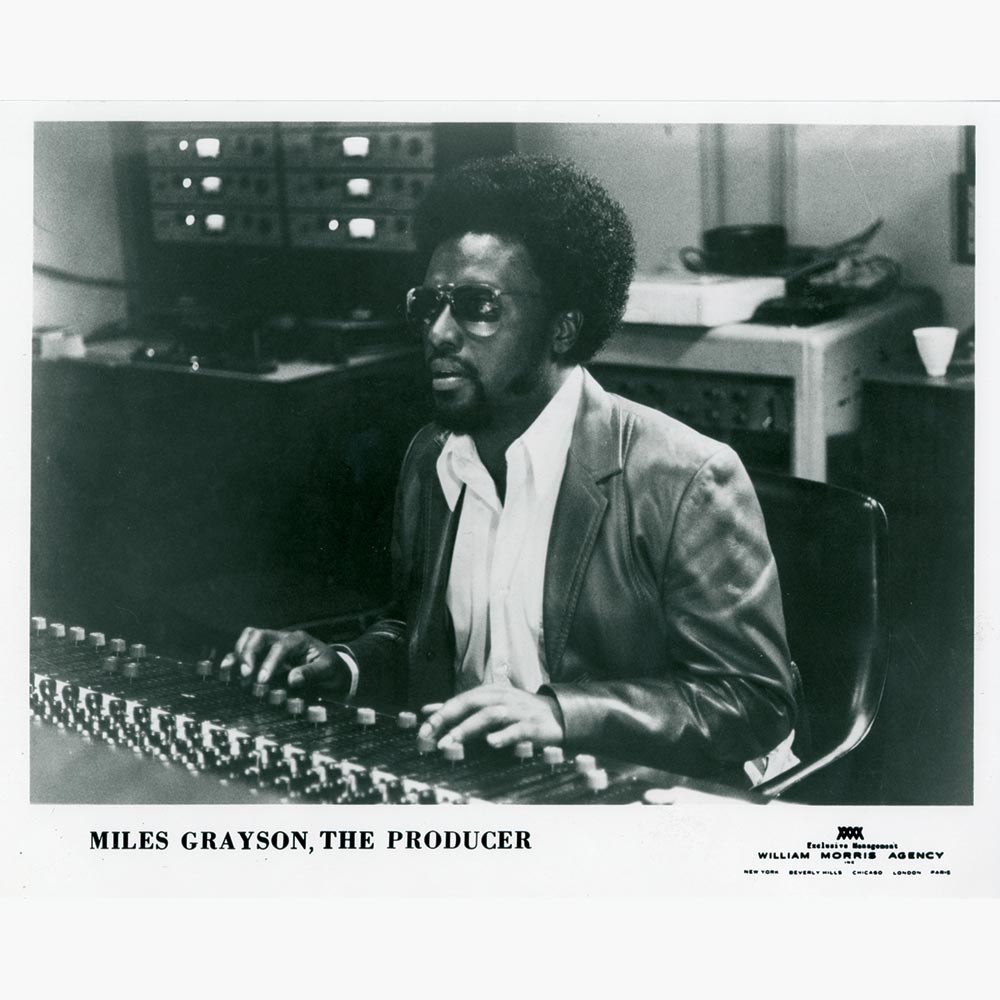
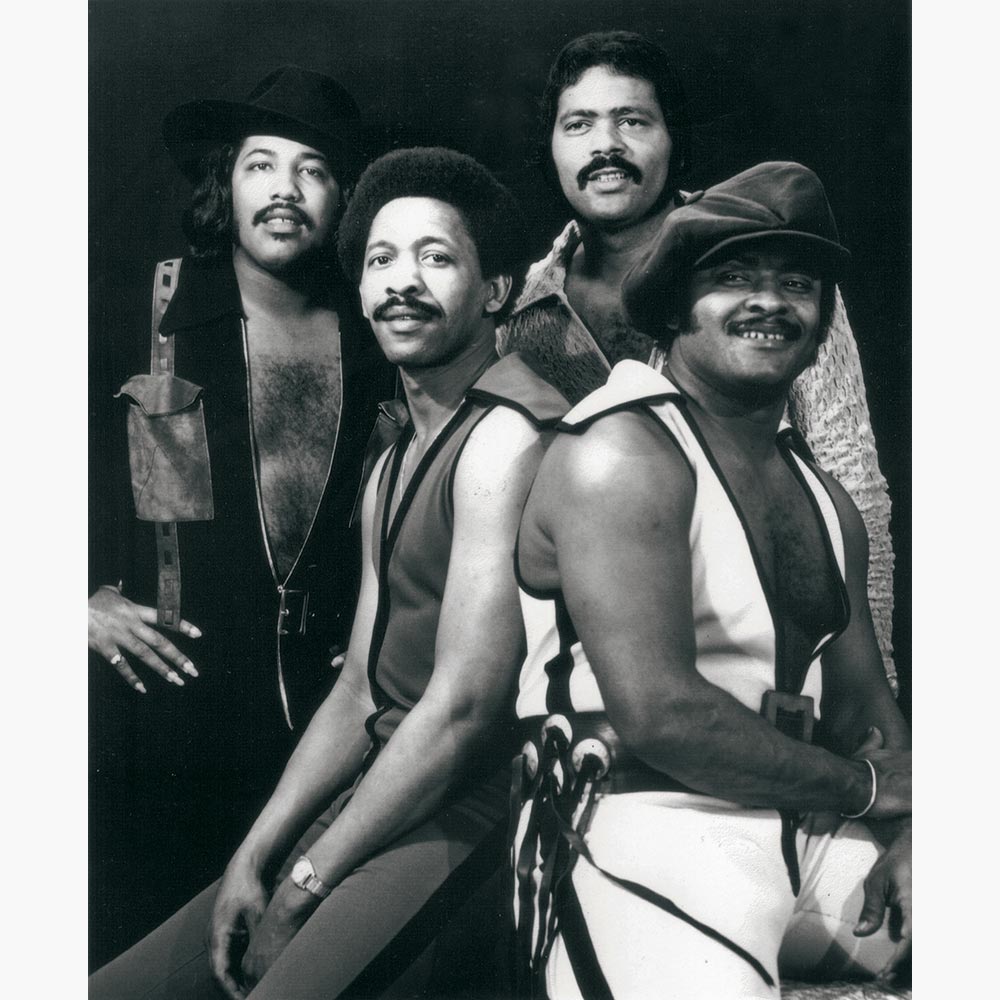
KONONO Nº1 MEETS BATIDA.
KONONO Nº1 MEETS BATIDA.
In 2008, Konono Nº1 won a Grammy Award for their 2007 album Live At Couleur Café. It was released on Crammed Discs, and was the third album Konono Nº1 had released since producer Vincent Kenis rediscovered the group just a few years earlier. By then, Konono Nº1 were already approaching veteran status.
Originally, when Konono Nº1 were formed they were called L’orchestre folklorique T.P. Konono Nº1 de Mingiedi. They were
formed in Kinshasa, in the Republic Of Congo in 1966 by Mingiedi Mawangu. He was an talented musician, with aspirations of making a living out of music. That however, seemed like a pipe dream. So by day, Mingiedi Mawangu made a living driving a truck. At night, he played the lukembe and dreamt of becoming a musician.
Eventually, Mingiedi Mawangu realised that his only way of making a living out of music, was to form his own band. Soon,Konono Nº1 was born. Its members were drawn from the Bakongo ethnic group, which lives in a region that straddles the border between the Congo and Angola. However, by 1966, the members of called Konono Nº1 home. That’s where the orchestra began to make music.
This wasn’t going to be easy. Money was tight, and the only instruments Konono Nº1 owned were a trio of electric likembés. To this, they added horns carved out of elephant tusks. This wasn’t an end to orchestra’s D.I.Y. approach to music.
Without the money required to buy amplifiers, Mingiedi Mawangu decided the orchestra should make their own. So they headed to a local junkyard, and found the parts required to make basic amplifiers and speakers. Now, Konono Nº1 could begin to make music.
The starting point for Konono Nº1 was Zombo ritual music. It was combined with elements of Congolese and Angolan musical. This genre-melting sound proved a potent and intoxicating brew. Especially when augmented by a rhythm section and myriad of percussion. Soon, Konono Nº1i were a popular local band.
Over the next twelve years, Konono Nº1’s popularity grew. So it was no surprise that in 1978, they were asked to record a track for the compilation album Zaire: Musiques Urbaines a Kinshasa. For the orchestra, this was a huge honour. However, they had never recorded a song before.
The song that Konono Nº1 chose was Mungua-Muanga. They recorded the song, and continued to play live. Little did they realise that this song would influence another generations of musicians .Mungua-Muanga would the only song Konono Nº1 recorded for over twenty years.
Fast forward to 2000, and producer Vincent Kenis just happened to be in Kinshasa, headquarters of Konono Nº1. Vincent was walking through the dusty streets of Kinshasa when he heard the familiar strains of Konono Nº1. Instantly, he was transported back in time.
The last time Vincent heard them, was on a French radio broadcast. That was in the late eighties. Despite this, Vincent Kenis was sure that he was listening to Konono Nº1. So he went in search of the music.
Eventually, he traced the music source. It was be’ing played on a beaten up cassette recorder. Excitedly, Vincent Kenis asked the owner about the elusive orchestra. He replied that: “they would be back from Angola soon.” Suddenly, Vncent Kenis’ joy turned to disappointment. It was a case of so near, so far.
Soon, turned out to be six months. That was when Konono Nº1 reappeared. They contacted Vincent Kenis, who promised himself he was going to record Konono Nº1. He kept that promise. Before that, Konono Nº1 entered the international stage for the first time.
This came in 2003. By then, it had been thirty-seven years since Konono Nº1 had ben formed. They had never played outside of their home country. However, in 2003, However, in 2003 Konono Nº1 made their international debut, opening for The Ex. A year later, Konono Nº1 released their debut album.
Producer Vincent Kenis was determined to record an album with Konono Nº1. He was as good as his word, and Congotronics was released on Crammed Discs in 2004. Congotronics launched Konono Nº1 career internationally.
Suddenly, they were touring North America, Europe and Japan. By then, Konono Nº1.’s first live album Lubuaku had been released in 2004. It however, wouldn’t enjoy the same success as Konono Nº1’s second live album.
In 2007, Live At Couleur Café was released on Crammed Discs. It was an intoxicating reminder of Konono Nº1 live. So thought the judges of the 2008 Grammy Awards. Live At Couleur Café was nominated for, and won a Grammy Award. This lead to some of the biggest names in music wanting to collaborate with Konono Nº1.
By then, Konono Nº1. had already collaborated with Bjork on Earth Intruders, a song rom her 2007 album Volta. However, in 2010, Konono Nº1 were asked to collaborate with Herbie Hancock on Imagine from his album The Imagine Project. Konono Nº1. joined Jeff Beck, Pink, Seal, India Aria and Oumou Sangaré. This star-studded lineup reinvented John Lennon’s classic Imagine. It was an exciting project for in what was a busy year for them.
In May 2010, Konono Nº1 released their new albumin Assume Crash Position on Crammed Discs. What was the latest instalment in the Congotronics’ series, was released to critical acclaim. Then six months later, Konono Nº1 featured on Tradi-Mods Vs. Rockers: Alternative Takes on Congotronics, a homage to the Kasai Allstars. This rounded off a busy year for Konono Nº1.
After one of the busiest years of their long and illustrious career, Konono Nº1 picked up where they left off in 2011. Still they found time to take part in the Congotronics vs Rockers project. It featured collaborations between ten Congolese musicians and ten indie musicians. The result was a fascinating series of collaborations which won praise and plaudits from projects. So will Konono Nº1’s latest collaboration .
Konono Nº1 Meets Batida was recently released by Crammed Discs. This is the first Konono Nº1 album to be released since the death of Konono Nº1 founder Mingiedi Mawangu last year. His son Augustin Mawangu is now the band leader, and has been for several years. He lead Konono Nº1 during their recent collaboration with Batida.
Pedro Coquenã a.k.a. Batida was born in Angola, but was brought up in Lisbon. He’s not forgotten his roots though. His alias is a nod to the pirate stations that can be heard across Luanda, the capitol of Angola. These pirate stations also influenced Batida’s two, genre-melting studio albums.
Batida released his eponymous debut album on Soundway, in 2012. A year later, he returned with Dois. It was also released to critical acclaim, and was heralded as a game-changer of an album. Never again, would African electronic music be the same. This was high praise indeed. However, word was spreading about Batida.
Apart from receiving praise and plaudits from critics, some high profile musicians had heard Dois. They were impressed, and Stromae, invited Batida to open for him on his tour. Then Blur frontman Damon Albarn invited Batida to take part in the Africa Express project. This resulted in Batida remixing one of the tracks. It was an exciting time for Batida. Then came the chance to collaborate with Konono Nº1.
When the chance to collaborate with Konono Nº1 arose, Batida knew the very place to record the album. It wasn’t in Kinshasa, Konono Nº1’s hometown. Instead, Konono Nº1 would come to Portugal. Batida didn’t have one of the city’s top recording studios in mind. Instead, Konono Nº1 Meets Batida was recorded in Batida’s garage turned studio. This was an unlikely place for a Grammy Award winning band to record.
When recording of Konono Nº1 Meets Batida began, a number of Lisbon’s top musicians were going to feature on the album. They were representative of Lisbon’s cosmopolitan and vibrant music scene. This included guitarist Papa Juju, of Lisbon’s top Afro-Fusion band Terrakota. Another guest was vocalist Selma Uamusse, who is regarded by many as one of the finest young African singers living in Portugal. The final guest was MC AF Diaphra, an artist, producer and slam poet. It was a captivating cast of characters that gathered in the Lisbon garage, turned recording studio. Bringing together this marriage of electronics beats and African organic grooves wasn’t going to be easy.
The responsibility fell to two men, Pedro Coquenã and producer Vincent Kenis. He had been with every step of Konono Nº1’s recording career. This project was different from everything that he had overseen. It was going to be a musical roller coaster.
And so it proved to be. Two generations of musicians, plus three guest artists were collaborating on what can only be described a captivating, genre-melting project, Konono Nº1 Meets Batida. It’s full of surprises aplenty.
Nlele Kalusimbiko opens Konono Nº1 Meets Batida. Straight away, two musical cultures collide. Konono Nº1’s traditional instruments, including their electric likembés sit atop pounding, electronic beats. Meanwhile, a myriad of galloping percussion is joined by Papa Juju’s searing guitar. As it cuts through the arrangement, cymbals hiss and crash. Soon, Augustus’ vocal enters, and is accompanied by joyous harmonies. Instruments flit in and out, including a tam tam and oil drum. Later, MC AF Diaphra makes a guest appearance and delivers an earnest, dramatic rap. Behind him, drums pound, percussion gallops and a droning sound adds to the drama. So do the crashing cymbals. Later, the tempo rises, and band reach even greater height as this irresistible sounding track reaches a crescendo. There’s almost a party atmosphere to this joyous sounding eight minute epic.
Pauline Mbuka Nsiala wrote and takes charge of the vocal on Yambadi Mama. Before that, Konono Nº1 unleash their traditional percussive delights. Adding a musical contrast are mesmeric electronic beats. It’s an unlikely marriage, but one that works well. They’re a responsible for an almost hypnotic backdrop. This sets the scene for the vocal. The only word to describe the vocal is impassioned. Harmonies accompany the vocal, while drums and percussion become one. When the vocal drops out, it’s all change. Batida adds droning and futuristic synths. At one point, the arrangement is stripped bare, and his synths take centre-stage. Gradually though, the arrangement rebuilds on this genre-melting track.
There’s almost an understated and traditional sound to Tokolanda.. Konono Nº1 combine likembés with a tam tam, percussion and rumbling bass. Guest artist Papa Juju adds a chiming, chirping guitar. It sits nicely in the mix, and doesn’t over the rest of the arrangement. That’s important, as the vocal is about to enter. With the bass underpinning the arrangement, the vocal is sung in a call and response style. Then a roll of the drums signals the vocal is about drop out. All that’s left is the exotic array of percussion, rolls of drums, the guitar and bass. As harmonies briefly enter, whistles blow and add to the carnival sound. Later as the tempo rises, Konono Nº1 deliver a musical masterclass, before the track reaches a joyous crescendo.
Bom Dia features another of the guest artists, Selma Uamusse, an African vocalist who lives in Lisbon. She joins Konono Nº1 as they sing unaccompanied by just handclaps and a smattering of percussion. Augustin takes charge of the lead vocal, while the rest of Konono Nº1 add harmonies. Soon, though Selma Uamusse is making her presence felt, combining power and emotion. It’s an impressive sound. Then at 1.33 thunderous drums enter. They pound, and provide the backdrop for Konono Nº1 at their most impassioned, melodic and soulful.
An array of traditional African instruments open Kinsumba. They transport the listener back to Kinshasa, in the Congo. That’s until the drums enter. They’ve a much more moderne sound. However, they provide the arrangement’s heartbeat, as the vocal is sung in a call and response style. Sitting below the drums, is the bass. It underpins the arrangement, as Augustin vamps. Then at 3.00 it’s all change. Effects are added to the vocals, and they become echoey and dubby. The drums and bass distort as whistles chirp. It’s as if Lee Scratch Perry has made a guest appearance. A scorching guitar cuts through the arrangement, as the bass and percussion propel the arrangements along. It’s a been a roller coaster ride with surprises aplenty in-store during an innovative, genre-melting track.
Nzonzing Família is the longest track on Konono Nº1 Meets Batida, lasting over eleven minutes. This affords the opportunity to experiment. So a sample of Ikonoklasta’s track Cuka sits above an arrangement where traditional African percussion and electronic beats unite. The percussion is played with an urgency. Gradually, the tempo rises, matching the drama in the sample. When it no longer plays a starring role, this leaves the stage set for the drums and this delicious array of percussive delights. They combine to create a mesmeric backdrop, as the snippets of the sample flit in and out. This works well, and adds to the irresistible dance-floor friendly sound where the music of two continents unite successfully, to create the music of tomorrow.
Just drums play before percussion and Augustin’s vocal enters on Kuna America. Soon, he’s joined by the bass, while harmonies respond to his call. Later, stabs of organ punctuate the arrangement as the bass, pounding drums and crashing cymbals drive the arrangement along. Then a stunning solo on the oil drum takes the track to a new level. After this, the vocal returns, and again, is sung in a call and response style. By then an exotic array of instruments flit in and out, tantalising and assailing the listener. Later, a synth beeps and squeaks. However, it’s the percussion that takes centre-stage and steals the show. It powers what’s the best track on Konono Nº1 Meets Batida along, until it reaches a hip swaying crescendo.
Um Nzonzing closes Konono Nº1 Meets Batida, and features a sample from a Batida track Buntu. That’s still to come. Before that, a joyous selection of chattering, galloping percussion joins drums and a dark, moody bass. They sit well together, and provide a joyous, celebratory sound. They’re soon joined a bistering guitar and the sample. It adds a hypnotic sound, as Batida almost chants “Bantu.” Around him, percussion envelops the arrangement, and along with the rest of Konono Nº1 adds to a memorable, mesmeric and melodic backdrop. So good is Um Nzonzing that it leaves you wanting more. Sadly, Konono Nº1 Meets Batida is over, until hopefully, the next time.
That is if there is one. Hopefully, there will be. Konono Nº1 Meets Batida is a captivating collaboration between two very different, but talented artists. They may have been born in the same part of the world, but come from different musical backgrounds,
Angola barn Batida is the junior partner, and is one a new breed of producers, who over the last few years, has been combing electronic beats with African music. His two albums have been released to critical acclaim and Dois was hailed a game-changer. Meanwhile, Konono Nº1 are musical veterans, who have been around for fifty years. For most of their career, Konono Nº1 never left Kinshasa. That was until producer Vincent Kenis got involved.
Vincent Kenis helped Konono Nº1 get established on the world stage. He also has produced each of their albums. This includes Live At Couleur Café, which won a Grammy Award in 2008. In the space of just a few years, Konono Nº1 had gone from playing clubs in Kinshasa, to rubbing shoulders with the great and good of music. This included Bjork, Herbie Hancock, Oumou Sangaré, Seal, and India Aria and Pink. Further collaborations would follow, on tracks for the Tradi-Mods Vs. Rockers: Alternative Takes on Congotronics, and Congotronics vs Rockers projects. However, still Konono Nº1 had to collaborate on a whole album. That was until they met Batida.
Konono Nº1 Meets Batida was recorded during 2015, and is the first album to be released since the death of founder member Mingiedi Mawangu. His son Augustin now leads Konono Nº1, and has done so, for several years. While he has a lot to live up to, Augustin played his part in what’s a captivating and memorable collaboration, Konono Nº1 Meets Batida which was recently released on Crammed Discs.
Describing Konono Nº1 Meets Batida in just a couple of words is impossible. The music veers between joyous and irresistible, to melodic, memorable and mesmeric as musical genres melt into one. Traditional Congolese and Angolan music is combined with electronic beats and elements of dub, gospel and soul. At the heart of Konono Nº1 Meets Batida’s success is an exotic array of percussive delights and vocals that are impassioned, heartfelt and joyful. The final piece of the jigsaw was a trio of truly talented guest artists. This was the recipe for a successful and intoxicating musical collaboration…Konono Nº1 Meets Batida. It’s a fitting way to celebrate the memory of the man Mingiedi Mawangu, who founded Konono Nº1 fifty years ago, in 1966.
KONONO Nº1 MEETS BATIDA.
KINKED! KINKS SONGS AND SESSIONS 1964-1971.
KINKED! KINKS SONGS AND SESSIONS 1964-1971.
Between 1964 and 1971, The Kinks were musical trailblazers who took Britain and America by storm. Critical acclaim accompanied many of The Kinks’ albums. Partly, this was because The Kinks never stood still musically. Instead, they were musical chameleons. They realised that to stay relevant, that their music had to change.
In the early days, The Kinks combined rock and R&B on their first five albums. Raw, full energy and youthful exuberance The Kinks spoke to a generation on both sides of the Atlantic. From their 1964 debut album through 1965s Kinda Kinks, The Kink Controversy and 1966s Face To Face critical acclaim and commercial success accompanied the released of these albums. It seemed that The Kinks could do no wrong.
Despite enjoying commercial success and critical acclaim, The Kinks were ready to change direction musically. The opportunity to do so, arose in September 1967, when Something Else By The Kinks was released. This was the last album produced by ‘musical impresario’ Shel Talmy.
Following Something Else By The Kinks, Ray Davies would take charge of production, during what proved to be a new chapter in The Kinks’ story. The songs that the Davies’ bothers would write were very different
Unlike so many sixties bands,The Kinks eschewed throwaway pop music. Instead, they created cerebral music. It was intelligent, thoughtful, satirical and thought-provoking music. Sometimes, there was a degree of cynicism in The Kinks’ songs. Other times, The Kinks songs were tinged with melancholy, as if longing for an England that was long gone. However, from 1966 onwards, many of The Kinks songs found Ray Davies became a storyteller.
The role of storyteller was one that Ray Davies was suited to, and seemed to embrace. He brought the sometimes cinematic lyrics to life, on The Kinks’ carefully crafted songs. They were a cut above the lightweight songs of other sixties bands. Despite this, commercial success eluded The Kinks in Britain.
Neither 1967s The Kinks Are The Village Green Preservation Society, nor 1969s Arthur (Or The Decline and Fall Of The British Empire) charted in Britain. Both of these albums were released to critical acclaim. While music critics “got” these albums, they passed record British buyers by. Things didn’t get any better for The Kinks.
As the sixties gave way to the seventies, chart success eluded 1970s Lola Versus Powerman and The Moneygoround, Part One. That was the case with the two albums The Kinks released during 1971. Neither Percy nor The Muswell Hillbillies charted in Britain. In America, The Kinks albums were more popular.
In America, which had more of an album culture, The Kinks enjoyed both commercial success and critical acclaim. They were one of Britain’s most successful musical exports. That’s despite being banned from entering and touring since 1965. The ban was up in 1970.
Despite being banned from America, The Kinks’ 1969 album Arthur (Or The Decline and Fall Of The British Empire) reached number 105 in the US Billboard 200. While this was a long way from their first three albums, at least The Kinks’ were finding an audience stateside.
Then when 1970s Lola Versus Powerman and The Moneygoround, Part One reached number thirty-five in the US Billboard 200, it became The Kinks’ second most successful album. It looked like The Kinks were back.
Sadly, it was not be. When Percy was released in 1970, it failed to chart. Later that year, Muswell Hillbillies reached just number 100 in the US Billboard 200. This was a huge disappointment. Especially since Muswell Hillbillies was The Kinks first album for RCA Records. However, by then, the Davies’ brothers’ “other career” was proving both successful and profitable.
Ever since the earliest days of The Kinks’ career, Ray and Dave Davies had written songs for other artists. By 1971, when The Kinks signed to RCA Records, Ray and Dave Davies were successful songwriters.They had written for artists on both sides of the Atlantic. Everyone from Dave Berry, Peggy Lee, Petula Clark, The Pretty Things, Bobby Rydell, Duster Bennett, Marianne Faithfull, The Knack, Herman’s Hermits and Nicky Hopkins and The Whistling Piano had recorded songs penned by one or other of the Davies’ brothers. These tracks feature on Ace Records’ recently released compilation Kinked! Kinks Songs and Sessions 1964-1971.
Twenty-six songs feature on Kinked! Kinks Songs and Sessions 1964-1971. These songs show how the Davies’ brothers songwriting skills over a seven year period. Many of the songs on Kinked! Kinks Songs and Sessions 1964-1971 were never recorded by The Kinks. Others songs were recorded by other artists before The Kinks decided to record them. Some of the songs are very different to what The Kinks were releasing during that period. They’re the polar apposite to the raw power of early Kinks songs. Instead, the songs have a much more traditional song structure, and range from melodic pop to much more sophisticated songs. This makes sense. Between 1964 and 1967, Ray and Dave Davies’ were maturing and evolving as songwriters. That’s apparent on Kinked! Kinks Songs and Sessions 1964-1971, which I’ll pick the highlights of.
Dave Berry’s cover of Ray Davies’ This Strange Effect opens Kinked! Kinks Songs and Sessions 1964-1971. This Strange Effect was released on Decca in July 1965. While the single reached just thirty-seven in Britain, it gave Dave Berry a huge hit in Belgium and Holland. This resulted in Dave’s 1967 album being entitled This Strange Effect. It’s one of Dave Berry’s finest singles. Just like his 1964 classic The Crying Game, This Strange Effect oozes quality. The arrangement is underrated, with Dave’s vocal a mixture of melancholia and disbelief at having at last, found love. His reading of the song is heartfelt and beautiful, and whets the listener’s appetite for the rest of Kinked! Kinks Songs and Sessions 1964-1971.
Although Goldie and The Gingerbreads were a New York group, for a while they were based in Britain. That was after they were discovered by The Animals. They brought the quartet back to Britain, Goldie and The Gingerbreads recorded the Ray Davies’ song Look For Me Baby. It was recorded in May 1965, with Shel Talmy taking charge of the production. Sadly, this slice of poppy soul was never released, and makes a welcome debut on Kinked! Kinks Songs and Sessions 1964-1971.
By 1965, commercial success was becoming a stranger to The Cascades. So when they came to record their next single She’ll Love Again, their manager and producer Andy Di Marino decided that a Ray Davies song I Bet You Won’t Stay was perfect for the B-Side. It would be good publicity for his charges. However, when She’ll Love Again was released in August 1965, the single never troubled the charts. Things might have been very different if I Bet You Won’t Stay was released as a single.
I Bet You Won’t Stay features an arrangement where elements of pop and psychedelia melt into one. The final ingredient is a vocal full of cynicism. This is a potent mix, and results in a hidden gem of a track. It also showcases Ray Davies’ skill as a songwriter during his expressionist era.
Another song written during Ray Davies’ expressionist era was I Go To Sleep, which Peggy Lee released as a single in August 1965, it failed to chart. This was a track from Peggy Lee’s album Then Was Then And Now Is No. It was released in 1965, seventeen years after Peggy Lee’s 1948 debut album Rendezvous With Peggy Lee. By 1965, Peggy Lee was still a huge name in jazz and pop circles. Still she could breath life and meaning into lyrics. This she does to I Go To Sleep, her wistful emotive vocal perfect for the understated arrangement. It’s a reminder of a truly talented singer, who enjoyed a career spanning six decades.
In 1965, The Kinks released their Well Respected Man as a single in 1965 on Pye. It reached number thirteen in the US Billboard 200. So later in 1965, The Kinks 1965 released an American album entitled Well Respected Man. Ray Davies’ song was the gift that kept on giving.
Not longer after this, Petula Clark decided to record a cover Well Respected Man. However, her version, was in French. For several years, Petula had been recording in English and French, and was enjoying success on both sides of the Channel. Un Jeune Homme Bien was produced by Tony Hatch, who had also produced Petula Clark’s biggest hit Downtown. It gave Ptula a worldwide during 1964. Although Un Jeune Homme Bien didn’t enjoy the same commercial success as Downtown, Petula’s vocal is full of scorn as the lyrics take on new meaning.
In July 1965, The Kinks released Who’ll Be The Next In Line as a single. It reached number thirty-four in the US Billboard 100. Just two month later, and The Knack released Who’ll Be The Next In Line as their debut single. The Knack were originally from London, but like many British bands in the sixties, spent much of their time in Germany. However, their manager and producer Larry Page brought the band home to record Who’ll Be The Next In Line as their debut single.
Just like his brother, Dave Davies is a talented songwriter. He wrote One Fine Day, which Shel Naylor released as a single in March 1964. It was produced by Shel Talmy and Mike Stone. They’re responsible for a hopeful and melodic fusion of pop, soul and rock. Alas, One Fine Day didn’t give the Midlands Powerhouse the hit single that he so richly deserved.
By the time The Pretty Things released A House In The Country as a single in July 1966, commercial success was a thing of the past. Meanwhile, Ray Davies was regarded as one of great observers of everyday life. These songs ranged from wry to sarcastic, sardonic and witty. A House In The Country was certainly witty and ironic. It was produced by Steve Rowland, and sees The Pretty Things power through an arrangement that married rock and R&B. Vocalist Phil May gives voice to Ray Davies’ observations against a powerhouse of an arrangement. Sadly, even a Ray Davies song could change The Pretty Things’ fortunes, and never again did they enjoy another hit single. However, A House In The Country is a reminder of one of the great British groups of the sixties.
In 1965, Bobby Rydell was a one-time teen idol who was in the process of reinventing himself. He had to. Commercial success was no longer a friend of his. So when Bobby released It Takes Two as a single in September 1965, on Capitol Records, Ray Davies When I See That Girl Of Mine was on the flip-side. Against a stomping beat, Bobby delivers a needy, hopeful vocal. This is very different to what the former teen idol previous recordings. Despite this commercial success eluded Bobby Rydell.
With some songs, it possible to date them exactly. That is the case with The Honeycombs’ Emptiness. This Joe Meek production has a mid-sixties sound. That’s no surprise. Emptiness was released on Pye September 1965. It’s a track from The Honeycombs’ sophomore album All Systems Go! At the heart of the song’s success is a heart-wrenching vocal, and an arrangement that’s a vortex of pop and rock. It has Joe Meek’s trademark sound.
Marianne Faithfull recorded Rosy, Won’t You Please Come Home back in 1966. The Ray Davies’ composition was reinvented with the help of arranger and producer Mike Leander. Against a baroque arrangement, Marianne becomes a storyteller, delivering an impassioned husky vocal. Sadly, the song wasn’t released until 1989, when it was renamed Rosie, Rosie. Belatedly, music lovers got to hear an impassioned rendition Rosy, Won’t You Please Come Home.
Given The Pretty Things were struggling, Ray Davies gave them first dibs on A House In The Country. Once the single was recorded, Who’ll Be The Next In Line was released in September 1965. This slice of garage rock should’ve launched The Knack’s career. Especially with a sneering vocal that is full of cynicism. It’s almost Jagger-esque. Despite the undoubted quality of Who’ll Be The Next In Line, the single failed commercially. By 1967,The Knack had split-up, after releasing just a trio of singles. It was a case of what might have been?
Straight away, The John Schroeder Orchestra’s cover of The Virgin Soldiers March has a cinematic sound. That should be the case. Ray Davies had been commissioned to write the theme to The Virgin Soldiers March in 1969. Later that year, The John Schroeder Orchestra covered The Virgin Soldiers March. It was produced by John Schroeder, whose responsible for the track’s moody, thoughtful, cinematic sound.
Mick and Malcolm only ever recorded one, single, Dead End Street in October. On the B-Side was a cover of The Kinks’ Big Black Smoke. This is another observational song from the pen of Ray Davies. It’s akin to a modern day morality tale from Mick and Malcolm. Sadly, very few people got the chance to hear it, as Dead End Street was never released in spring of 1967. Somewhat belatedly, Mick and Malcolm’s morality tale about London’s dark underbelly can be heard on Kinked! Kinks Songs and Sessions 1964-1971. It’s a welcome addition to the compilation.
My final choice from Kinked! Kinks Songs and Sessions 1964-1971 is the final track, The Ugly’s End Of The Season. It was released on Pye in September 1966. By then, The Kinks had recorded the song in April 1966, but their version wasn’t released until September 1967. Despite getting first “dibs” on End Of The Season, The Ugly’s almost theatrical version failed commercially. However, with its quintessentially English sound, it’s the perfect way to close a compilation of songs written by quintessentially English band…The Kinks.
They were not only one of the most successful and talented bands of the sixties, but featured two truly talented songwriters. Ray Davies was the most prolific of the two brothers. That’s apparent on Kinked! Kinks Songs and Sessions 1964-1971, which was recently released by Ace Records. It features twenty-six tracks that were penned by the Davies’ brothers.
The songs on Kinked! Kinks Songs and Sessions 1964-1971 veer between cerebral music and satirical to thoughtful and thought-provoking. Sometimes, there was a degree of cynicism in the songs. Other songs are tinged with melancholy, Then from 1966 onwards, many of The Kinks songs found Ray Davies became a storyteller.
The role of storyteller was one that Ray Davies was suited to and seemed to embrace. So are the artists on Kinked! Kinks Songs and Sessions 1964-1971. They bring Ray Davies sometimes cinematic and carefully crafted songs to life. They’re why nowadays, Ray Davies is regarded as one of the greatest songwriters of his generation. Proof of this, are the Ray Davies’ songs on Kinked! Kinks Songs and Sessions 1964-1971, which document and celebrate the songwriting careers of Ray and Dave Davies.
KINKED! KINKS SONGS AND SESSIONS 1964-1971.
SULA BASSANA-SHIPWRECKED-VINYL EDITION.
SULA BASSANA-SHIPWRECKED-VINYL EDITION.
Nowadays, most musicians are content to release an album every year or two. It’s a far cry from the sixties and seventies when bands would regularly release two albums a year. That most people thought, was a thing of the past. However, it’s not. Dave Schmidt is proof of this. His three groups have released fifty-eight albums since 1998.
That’s when the Dave Schmidt story began. Back then, Dave Schmidt was a member of Zone Six. He was the bassist and keyboardist for the German psychedelic space rockers. They were about to release their eponymous debut album in 1998. Zone Six launched the band’s career, and later in 1998 they returned with Live Pebbles Volumes One. This was a taste of what was to come from Dave Schmidt.
By 20002, Zone Six had released another trio of live albums. Live Pebbles Volume Two and Triprock Live ’99 were released in 1999. Three years later, and Live At RAW Tempel was released in 2002. However, by then, Dave Schmidt had launched Sula Bassana his latest musical project.
Sula Bassana was essentially, a musical vehicle for the multi-talented Dave Schmidt. This made sense. A new musical vehicle would allow Dave Schmidt to experiment musically. However, his name didn’t feature on Sula Bassana’s 2002 debut album, Dreamer.
Instead, Sula Bassana was credited as performer, producer and recordist. It seemed that musically, Dave Schmidt had been reborn, and was going to divide his time between Sula Bassana and Zone Six.
That was the case for the next few years. By 2006, Sula Bassana and Zone Six were both prolific bands. Zone Six released nine albums, including three studio albums and six live albums. Meanwhile, Sula Bassana had released seven albums. This included four studio albums and three collaborations. Two of Sula Bassana’s studio albums had been released on a new label, Sulatron-Records.
Not content with being a member of two of the most prolific European bands, Dave Scmidt had decided to launch his own label in 2006, Sulatron-Records. This made sense. Sula Bassana had released four albums during 2006. If the albums were released on another label, they were profiting from Sula Bassana’s success. So Dave Schmidt made the decision to found Sulatron-Records.
The new label’s first release was Sula Bassana’s Endless Winter. Not long after this, Sulatron-Records released Sula Bassana and Friends’ double album Spaced Out. Having released its first two releases, Sulatron-Records began to expand its roster.
One of the first bands to release an album on Sulatron-Records were Zone Six. They released two albums on Dave Schmidt’s new label during 2007. The first was Live At Burg Herzberg Open-Air 22.07 2006. It was the nascent label’s fourth release. Later in 2007, Zone One released 10 Years Of Aural Psychedelic Journeys, Rare and Unreleased. Zone Six would return to Sulatron-Records over the next few years.
By late 209, Dave Schmidt had joined a new band, Electric Moon. He was a still running Sulatron-Records and a member of Zone Six and Sula Bassana. Both were just as prolific.
As 2009 drew to a close, Zone Six had released fourteen albums. Eleven were live albums and three were studio albums. Dave Schmidt was still busy will Sula Bassana.
Just like Zone six, Sula Bassana hadreleased fourteen albums. Seven of these albums were collaborations. On Sula Bassana’s studio albums, Sula Bassana enjoyed the opportunity to experiment and journey in different directions from Zone Six. Dave Schmidt it seemed, had the best of both worlds. Now he was about to embark upon a new musical adventure with Electric Moon.
Having formed Electric Moon in late 2009, the psychedelic-space rockers began working on their debut album. Lunatics was released in 2010. Then later in 2010, Electric Moon released Live At Epplehaus 2010 on Sulaetron-Records. This was the start of a truly prolific period for Electric Moon.
When Electric Moon released Theory Of Mind in 2015, it was the band’s nineteenth album. This included studio albums, live albums and collaborations. Most of Electric Moon’s albums had been released on Sulaetron-Records. They were one of the label’s success stories.
So were Zone Six. By 2015, Zone Six had released nineteen albums since their debut album in 1998. Zone Six’s most recent album Love Monster, was one of five albums they had released on Dave Schmidt’s Sulaetron-Records. Love Monster also one of Zone’s Six’s most successful album. It was their first studio album since 2003, and one of the best albums Zone Six had ever released. Could the same be said of Sula Bassana?
Recently, Sula Bassana released their latest studio album, Shipwrecked on marbled 180gram marbled vinyl on, Sulaetron-Records. Shipwrecked was Sula Bassana’s twentieth album, and first studio album since Dark Days in 2012.
For Shipwrecked, Dave Schmidt has locked himself in the studio and has written, recorded, mixed and produced six new tracks. These tracks are described as electronic Krautrock. That’s despite mostly vintage instruments being used on Shipwrecked.
Before recording of Shipwrecked got underway Dave Schmidt gathered together the array of instruments he’s collected over the years. They were a mixture of traditional and electronic instruments. Synths, a sequencer, organs and drum machines sit side-by-side with a melotron, bass and guitar. There’s even a toy-Mandoline on Shipwrecked, the twentieth album of Sula Bassana’s career.
Moonbase Alpha Alpha opens Shipwrecked. A myriad of futuristic, sci-fi sounds are joined by what sounds like snippets of dialogue from an Apollo space mission. The words “the eagle has landed” signals the arrangement to unfold. Drums courtesy of a vintage drum machine crack; while synths pulsate. Panning is used extensively, shifting the the arrangement from side to side. This adds an element of drama to this pulsating slice of electronic Krautrock. Meanwhile, understated, deliberate keyboards sit low in the mix. They’re surrounded by layers on instruments, as the drums crack and the arrangement builds. By then, Dave Schmidt seems to be paying homage to Cluster, Kraftwerk, Michael Hoenig and even Rodion G.A.’s Misiunea Spațială Delta on Moonbase Alpha Alpha. By them a dramatic and cinematic soundscape that would be the perfect soundtrack to a new sci-fi short has evolved.
Understated and mesmeric, straight away, there’s an Eastern influence as the arrangement to Shushie Express unfolds. That’s down to the hypnotic, vocoded drone. It sits centre-stage, alongside the drums. They epitomise Krautrock, with the Apache or Dinger beat. Meanwhile, while wistful, almost eerie synth strings play slowly. They’re the polar opposite of the drums and drone. Synths fatten the sound, as the arrangement skips along.
Futuristic, sci-fi sounds add to the hypnotic, almost robotic nature of the track. Elements of Berlin School, Krautrock, avant-garde, electronica and world music combine seamlessly. The result is a hypnotic, melancholy and melodic fourteen minute epic, which references Can, Cluster, Kraftwerk and Neu!
A slow, deliberate and buzzing synth sets the scene on No Time: No Eternity. As the synth meanders deliberately along, drums crack and resonate. By then, the darkness has descended. Moody and broody describes the arrangement. So does mesmeric, lysergic and cinematic. Still, the arrangement continues to plod along at funeral pace. Despite the tempo, drama is omnipresent. That’s the case as slowly, and gradually, the arrangement changes. Instruments are added, including the buzzing synth and synths strings. They add a wistful sound to the dramatic, pensive and moody soundscape.
The introduction to Planeta Bur has an eighties sound, as drums and a bass synth combine in the introuduction. Soon, Dave Schmidt is deploying his array of instruments. Traditional instruments and synths are used to sculpt the soundscape. However, nothing is as it seems. Dave Schmidt deploys a myriad of effects. They transform the original signal, transforming it into something entirely different. Synths play an important part as a droning, churning multi-layered arrangement unfolds. Sometimes, there’s a robotic sound to parts of the arrangement. Other times there’s a nod to experimental music, Berlin School, eighties electronica and avant-garde. Washes of synths and drums combine with synth strings. By the words hypnotic and later dramatic spring to mind, as Sula Bassana continues to captivate in this latest musical adventure.
Just a mellotron plays slowly and thoughtfully on Shipwrecked. Space is left in the arrangement. Even when synths are added. This allows the listener to provide pictures to Sula Bassana’s melancholy, heart-wrenching soundtrack. This is down to the addition of synth strings which are the perfect counterpoint to the maudlin mellotron. Together, they create a quite beautiful, cinematic and sometimes, dramatic track.
No Way closes Shipwrecked. A guitar plays, feeding back. However, Dave Schmidt manages to tame the tiger. By then, instruments and effects are added. Synths and an organ combine with the guitar. As it feedbacks, synths bubbles and an organ plays. Its reference point is progressive rock. When this is combined, the result is another sci-fi inspired soundscape. This bookends Shipwrecked perfectly.
Shipwrecked is the fifty-eighth album that Dave Schmidt has released since 1998. That was when his career began with Zone Six. By 2002, Dave Schmidt was recording as Sula Bassana. It was the musical vehicle for his solo projects. However, Sula Bassana had to fit around Zone Six. So sometimes, Dave Schmidt had to put Sula Bassana.
Indeed, for three years between 2003 and 2006, Sula Bassana never released an album. Then they released a quartet of albums in 2006. Two of these albums were released on Sulatron-Records, the label Dave Schmidt founded in 2006. It would become home for Sula Bassana and sometimes, Zone Six and Electric Moon.
Formed in late 2009, Electric Moon was the third band that Dave Schmidt would join. It was by far, the most prolific of the triumvirate of bands. They’ve released nineteen albums between 2010 and 2015. However, Sula Bassana have gone one better.
Recently, Sula Bassana released their twentieth album since 2002, Shipwrecked. It was released on 180 gram marbled vinyl Dave Schmidt’s Sulatron-Records. It sounds and looks fantastic, and is worth every Pound, Euro or Dollar. Quite simply, it’s a must have album.
Shipwrecked is best described as an album of electronic Krautrock, albeit with a few detours. On Shipwrecked, Dave Schmidt combines elements of avant-garde, Berlin School, experimental and psychedelia with electronic Krautrock. In doing so, Sula Bassana draws inspiration from, and pay homage to Can, Cluster, Kraftwerk, Michael Hoenig, Neu! and Rodion G.A. When this heady brew of musical genres and influences is combined, the result is Sula Bassana’s twentieth album, Shipwrecked.
It features music that veers between dramatic to broody and moody, to hypnotic and mesmeric right through to melancholy and wistful. Other times, the music on Shipwrecked ranges from lysergic to futuristic and even beautiful. Always though, Sula Bassana’s music on Shipwrecked is innovative, captivating and cinematic. Shipwrecked sounds like the soundtrack to a film that’s yet to made, but if it ever is, is sure to be a blockbuster.
SULA BASSANA-SHIPWRECKED-VINYL EDITION.
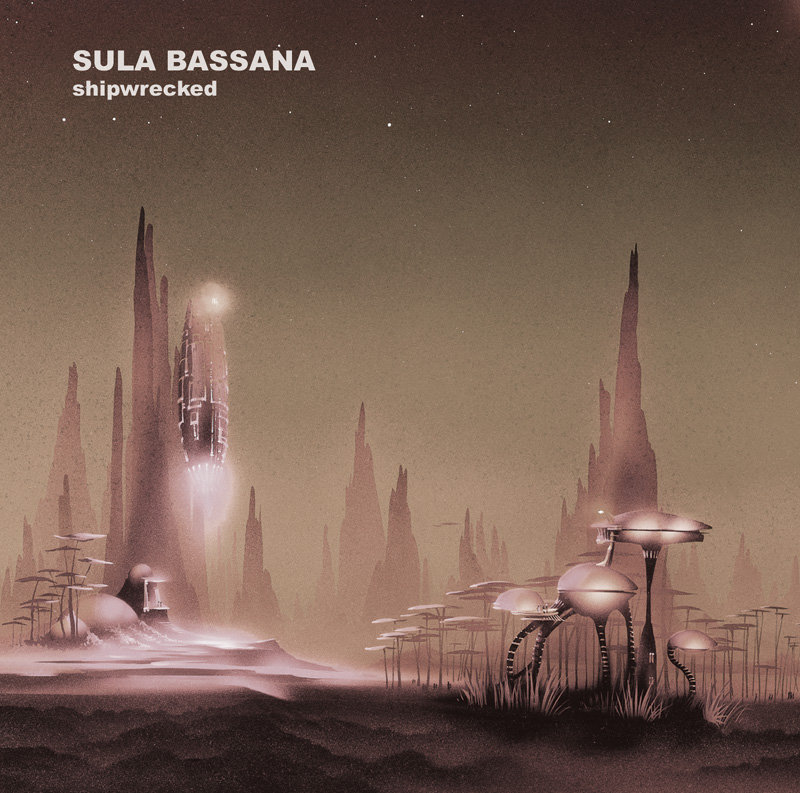
DIETER MOEBIUS-BLOTCH.
DIETER MOEBIUS-BLOTCH.
Probably, the most overused word in the English language is legend. Recently, it seems, the word has been used to describe overrated musical butterflies, who glibly flit between musical genres. They hang onto the coattails of much more talented musicians, hoping that some of their magic will rub off. When this didn’t result in commercial success beyond their home country, they returned to what they had been doing throughout their career, producing pop music that was shallow and vacuous. It was the musical equivalent of The King’s New Clothes.
Despite that, many albums that sold well in Britain. However, in Germany and America these albums didn’t sell in vast quantities. This artist wasn’t a national treasure, whose every word a slavish music press hung on. So when they died, cue an outpouring of grief. It would’ve brought a tear to a glass eye. Meanwhile, a true musical genius had passed away six month earlier. Sadly, many record buyers were unaware of this artist’s work.
Dieter Moebius, who had been a cofounded member of Kluster, Cluster and Harmonia, died on 20th July 2015 after a brave and lengthy battle against cancer. He had been a member of three of the most inventive, innovative and influential bands of the Kominische era. However, like many musical pioneers, Kluster, Cluster and Harmonia’s music was ahead of its time. As a result, their music never received the commercial success and critical acclaim in their own country. Instead, it were more popular abroad. Eventually, that began to change.
Somewhat belatedly, Kluster, Cluster and Harmonia are being recognised for being pioneers, who released ambitious, groundbreaking and timeless music. They’ve gone on to influence several generation of musicians. So has Dieter Moebius’ solo albums. This included Blotch, Dieter Moebius’ 1999 sophomore album. Blotch is the first of Dieter Moebius final four albums being reissued by Bureau B.
When Blotch was released in 1999, it marked the end of a sixteen years wait for Dieter Moebius’ fans. He had released his debut solo album Tonspuren, on Sky Records in 1983. This was two years after the two years after “Cluster had run its course.” Hans-Joachim Roedelius explains: “we decided to concentrate on other projects. There was no fall-out, Cluster just came to a natural end.” So the two friends embarked on separate projects.
Dieter Moebius’ first two post-Cluster albums, were collaborations with his old friend Conny Plank. He had been a member of Cluster when they released their eponymous debut album in 1971. Since then, they had worked on albums by Cluster and Harmonia. However, they had only collaborated together once on Rastakraut Pasta. Soon, one would become two.
Moebius and Plank.
Rastakraut Pasta.
In 1980, Dieter and Conny Plank entered Conny’s Studio to record seven tracks. They were joined by another giant of German music, Can bassist Holger Czukay. He played on Feedback 66, Missi Cacadou and Two Oldtimers. When the seven tracks were completed, Rastakraut Pasta was would be released later in 1980.
Critics hailed Moebius and Plank’s debut Rastakraut Pasta a truly groundbreaking album. It was a fusion of avant-garde Kominische, industrial, electronica, experimental and dub reggae. This disparate and unlikely fusion of genres proved a potent musical pot pourri, that proved popular with critics and record buyers. So Conny and Dieter released a second album together.
Material.
The Moebius and Plank partnership returned in 1981 with their sophomore album, Material. It featured five songs recorded at Conny’s Studio. This time, there was no sign of Holger Czukay. Instead, the two old friends and musical pioneers worked on another album of truly groundbreaking music. This became Material.
Just like Rastakraut Pasta, Material was hailed as another album of groundbreaking, genre-melting music. Elements of avant-garde Kominische, industrial, electronica, experimental and dub reggae. This resulted in music that wasn’t just innovative, but way ahead of its time. Material was also a timeless album, and one that resulted in what seemed like a queue of musicians wanting to collaborate with Dieter Moebius.
First in the queue was Gerd Beerbohm. They released their first collaboration, Strange Music in 1982. This was the first two albums the pair would record tougher. The followup Double Cut was released in 1983. That same year, Dieter Moebius released his debut album Tonspuren.
Tonspuren.
To record his debut solo album, Dieter Moebius headed for the familiar surroundings of Conny’s Studio, in Cologne. He had made this journey countless times before. In the second half of 1982, Dieter began recording ten soundscapes. With Conny looking on approvingly, and making a few suggestions, Tonspuren began to take shape. Once the album was recorded, Conny mixed Tonspuren. It was then released in 1983.
Just like his previous collaborations with Conny Plank, Tonspuren was released on Günter Körber’s Sky Records. It was the perfect label for an album of minimalist, experimental and ambient music. Günter Körbe had setup Sky Records in 1975, and had never been afraid to release music that many labels would’ve shied away from. Many other German labels were only interested in commercial music. However, Sky Records, just like Brain and Ohr before them, were determined to released groundbreaking music. This was how some critics described Tonspuren.
Critics had awaited the release of Tonspuren with interest. They wondered what direction Dieter Moebius’ music would head? When they heard Tonspuren, with its minimalist, ambient and sometimes experimental sound, they knew. It was a captivating debut album, and critics awaited Dieter’s sophomore album with interest. They would have a long wait.
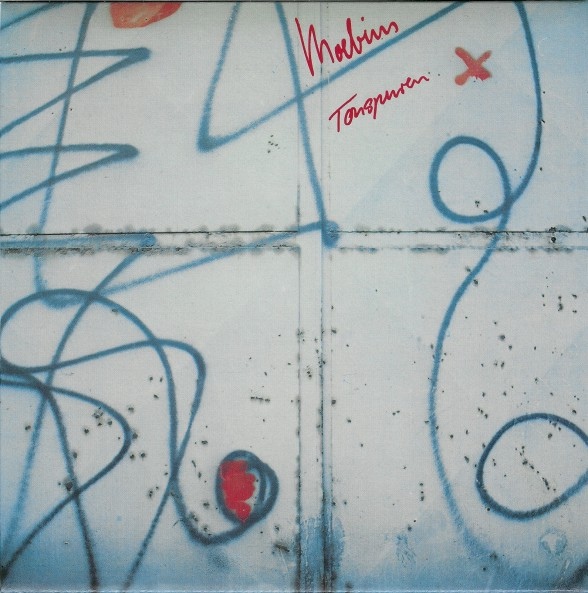
Sixteen years to be exact. Dieter would released several collaborations, and Cluster would reunite before Dieter release his sophomore album. By then, Dieter had reinvented himself, while music, and the way it was made had changed.
Following the release of Tonspuren, Dieter continued to collaborate with other artists, This included two collaborations with Karl Renziehausen. Dieter also wrote the soundtrack to Blue Moon in 1986. However, it was Conny Plank that Dieter collaborated with most often. They recorded three further albums with Conny Plank, This included 1983s Zero Set which featured Guru Guru drummer Mani Neumeier; 1995s En Route; and Ludwig’s Law which featured Mayo Thompson. However, still, Dieter Moebius found time to reunite with Hans-Joachim Roedelius for the comeback of Cluster.
Apropos Cluster.
Recording of Cluster’s tenth album took place during 1989 and 1990. Dieter Moebius and Hans-Joachim Roedelius recorded five tracks, including the twenty-two minute epic title-track. It was part of an album that was similar to Grosses Wasser.
That is the comparisons critics drew, when Apropos Cluster was released in 1991. The only difference was, that Apropos Cluster wasn’t as rhythmic as Grosses Wasser. Instead, it was understated, ethereal and thoughtful ambient music. The followup to Apropos Cluster was the first of three live albums.
One Hour
The first of the trio of live albums Cluster released during the nineties, was One Hour. It came about after Cluster improvised in the studio for four hours. They edited this down to One Hour. The result is a truly captivating album that was released in 1995.
One Hour is Cluster at their most imaginative. They take their music in the most unexpected directions. Curveballs are constantly bowled, as what sounds like the soundtrack to a surrealist film unfolds. Elements of ambient, avant-garde and modern classical music combine, resulting in one of the most intriguing albums in Cluster’s discography.
Two years later, in 1997, Cluster released the first of two live albums. The first was Japan 1996 Live. It was followed by First Encounter Tour 1996, which was their thirteen album, was the first double album Cluster had released. It would also be the last album they released for eleven years. During that period, Dieter Moebius released four further solo albums. The first of this quartet of solo albums was Blotch.
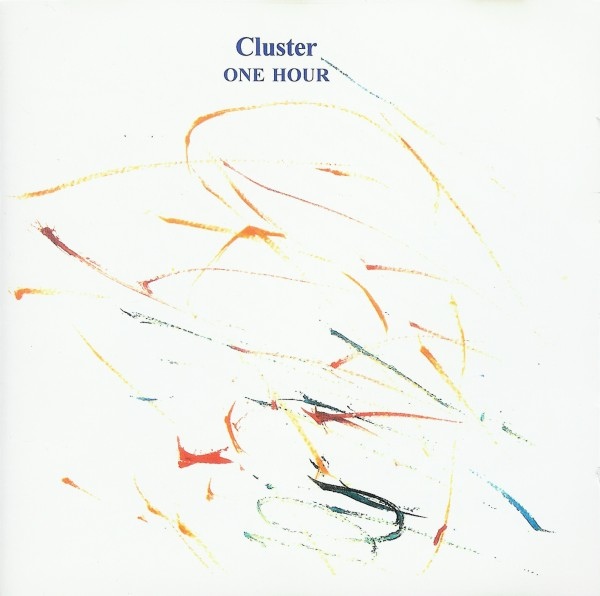
Blotch.
After a sixteen year period where he was constantly collaborating with other artists, Blotch marked the start of a period where mostly, Dieter Moebius would concentrate on his solo career. While there was the occasional excursion with Cluster, and a collaboration with Asmus Tietchens in 2012, mostly, the period between 1999 and 2014 are best described as the solo years.
One thing that never changed during the solo the solo years, was Dieter Moebius’ determination to innovate. On what became Blotch, Dieter worked on a series of playful mesmeric loop based tracks. They’re atmospheric and experimental, with Dieter adding bursts of speech to the musical canvas. They’re painted by using vast musical palette.
When Dieter came to record Blotch in Berlin, he had bought an eight-track Yamaha recorder. Onto that, he recorded his E-mu Orbit 9090 sound module and a Korg Prophecy. It was way ahead of its time, and was able to replicate the sounds of various analogy synths. This didn’t come cheap, but was a lot easier and more reliable than their analog equivalent. Dieter added samples of speech throughout Blotch. The only guest artist was Tim Story, who played pedal steel guitar, piano and produced Balistory. The rest of Blotch was produced by Dieter. When Blotch was completed, it was mastered by Tim Story in his Ohio studio. Only then was Blotch released in 1999.
When Blotch was released, Dieter Moebius was hailed as the comeback King. He had reinvented himself musically, and recorded a much more experimental, genre-melting album. Dieter had made good use of new technology, and added snatches of speech to the seven soundscapes. This proved a potent combination, as you’ll realise.
Ondulation opens Blotch. Synths wah-wah before a myriad of sounds assail the listener. A broody bass synths provides the heartbeat, while bell rings and futuristic, sci-fi sounds flit in and out. So do brief snatches of speech. By then, the synths are adding drama and most importantly, a hypnotic backdrop to what sounds like the soundtrack to a space odyssey.
Drums that sound as if they’re a distance relation to those found on old seventies Afro-beat albums add hypnotic sound on Meltaway. Meanwhile, otherworldly, ethereal and space-age synth are added. So are what sounds like a sample of snarling animal. There’s even a synth sound that as it’s been influenced by David Bowie’s Fame. Mostly though, Dieter Moebius puts his extensive musical palette to good use, painting broad brush strokes using synths and samples. He creates a soundscape that’s variously mesmeric, otherworldly, dramatic and most of all cinematic.
The introduction to Temperate veers between understated and ambient, to experimental. Washes of ethereal synths sweep in, before Dieter unleashes an array of sound. Some are almost industrial, others elegiac and some are even otherworldly. However, a chirping, blinking synth adds a hypnotic backdrop. It acts like a beacon, attracting the array of sounds towards it. What sounds like a camera shutter accompanies the wash of ethereal synths, while clicks, whines and bubbling, squeaking sounds make an appearance. It’s a truly captivating soundscape, which reveals even more secrets with every listen.
Space is left within grinding, metallic sound as The Tracker begins. Soon, a mesmeric, hypnotic sound makes an appearance as Dieter combines avant-garde, experimental and industrial with Krautrock. What sounds like an alternative orchestra begins to play. They create a track that’s both robotic and fluid. Clicking, clanging, ringing and melodic sounds are joined by ethereal and sci-fi sounds. Incredibly, Düsseldorf based Sølyst have been doing something on their new album The Steam Age. However, Dieter Moebius’ recorded his compelling alternative symphony two decades ago, way before Sølyst’s career ever began. Maybe Sølyst are paying homage to one of the greatest German musicians ever?
Cinematic describes Im Raum. It sounds as if Dieter recorded the soundscape onboard a submarine, way below the Ocean. As a bubbling sound can be heard, codes are tapped out, as secrets are passed to shore. Meanwhile, a droning, buzzing sound replicates the engine, before space age sounds flit in and out. They play an important part in the success of this twelve minute cinematic epic, where the listener can let their imagination run riot.
The cinematic sound continues on Kohlzug. It’s a musical mystery, where the listener plays the role of detective. Their job is to recognise the various sounds. Is that the sound of someone digging? What sounds like a tap dripping can be heard. Or is it a steam engine skittering along? Meanwhile, a jazz saxophone plays, heads into free jazz territory. Occasionally, a cartoon boing can be heard, as if someone has sat on a broken sofa. These sounds come courtesy of Dieter’s musical palette. They’re varied and captivating. Especially, when what sounds like a chainsaw can be heard. Still, though, the saxophone and synths add a hypnotic backdrop, as Dieter leaves clues for the listener to solve.
Balistory closes Blotch. Just a wistful keyboard plays on what’s a minimalist soundscape. Occasionally, what sounds like steel pans are added. So are synths strings. What sounds like a melancholy track seems to be unfolding. That’s until 1.24 when a myriad disparate sound effects are added. They’re briefly sprayed across the arrangement, but in a controlled fashion. It’s almost a Hendrix-esque performance. By then, gone is the understated sound. Still the keyboards and steel pans can be heard. They’re joined by futuristic, bubbling, dramatic and hypnotic sounds. They assail the listener, swirling around like musical merry-go-round. It’s a case of hold on, and enjoy the ride, before the understated, melancholy sound returns. This proves a beautiful, poignant way to close another genre-melting track.
While Balistory closed the original version of Blotch, Bureau B’s recent reissue features a bonus track Neues. This is a welcome addition, and is a further reminder of one of the musicians in the history of modern German music.
Dieter Moebius played a huge part German music between 1970 and 2014. For five decades, Dieter Moebius was a giant of German music. That had been the case since his days with Kluster, Cluster and Harmonia, through to his collaborations, soundtrack work and solo career. Constantly, Dieter Moebius created music that was innovative and pushed musical boundaries to their limits, and sometimes beyond. That was the case on Blotch, his long-awaited sophomore album.
Sixteen years after the release of his 1983 debut Tonspuren, Dieter Moebius returned with Blotch. He named the album after seeing paint on a canvas. Suddenly, Dieter had the title to his genre-melting album. Everything from ambient and avant-garde, through to electronica and experimental sits side-by-side with industrial, Krautrock and musique concrète. The result was an album that was very different to different to Dieter’s debut album, Tonspuren.
Gone was the minimalist, ambient and sometimes, experimental sound of Tonspuren. It was replaced by music that was atmospheric, dramatic, futuristic and sometimes, ethereal, understated and beautiful. Always, though, Blotch is captivating. It’s a case of expect the unexpected, as Dieter Moebius bowls a series of curveballs. As he does, the music is always cinematic and mostly, hypnotic. Just like so much of the music Dieter had released it was innovative and influenced further generations of musicians.
That’s the case with much of the music Dieter Moebius recorded. It was always groundbreaking, innovative and pushed musical boundaries. Blotch proved to be the start of an Indian Summer for Dieter Moebius. He released another three albums, 2006s Nurton, 2009s Kram and 2011s Ding. That brought the curtain down on Dieter Moebius’ career.
Sadly, Dieter Moebius died on 20th July 2015. The man who cofounded Kluster, Cluster and Harmonia left behind a rich musical legacy, including Blotch. It’s just one reason who Dieter Moebius deserves to be called a musical legend.
DIETER MOEBIUS-BLOTCH.

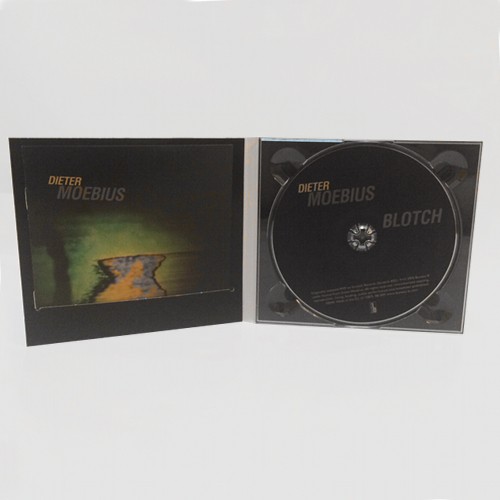
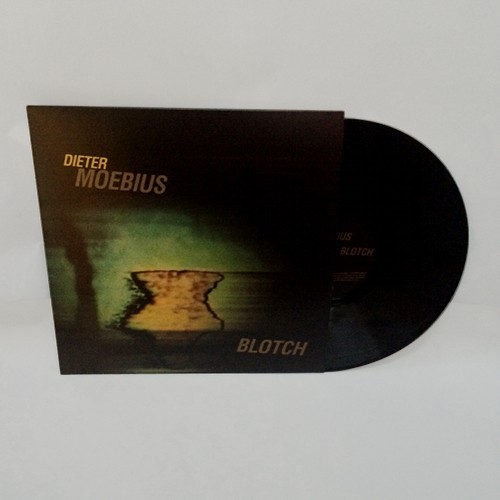
MIKE HARRISON-MIKE HARRISON, SMOKESTACK LIGHTNING AND RAINBOW RIDER.
MIKE HARRISON-MIKE HARRISON, SMOKESTACK LIGHTNING AND RAINBOW RIDER.
There aren’t many artists who enjoy the longevity that Mike Harrison has enjoyed. His career has spanned six decades. During that period Mike Harrison has been the lead singer of The V.I.P.s, Art and the Hamburg Blues Band. However, Mike Harrison is best known as the lead singer of Spooky Tooth, who were signed to Island Records. It was on Island Records that Mike Harrison released a trio of solo albums between 1971 and 1975.
These albums were recorded when Spooky Tooth were neither recording nor touring. Mike’s debut album was Mike Harrison which was released in 1971. Smokestack Lightning followed in 1972, with Rainbow Rider completing the Island Records trilogy in 1973. The Island Records trilogy of Mike Harrison, Smokestack Lightning and Rainbow Rider will be rereleased as a double album by BGO Records on the 1st of April 2016. They’re a reminder of Mike Harrison’s solo career. However, by the time, Mike’s solo career got underway, he was a member of a band who were popular on both sides of the Atlantic, Spooky Tooth. Their roots can be traced to Carlisle.
That was when Mike Harrison’s career began in Carlisle in 1963, when he cofounded The V.I.P.s with bassist Greg Ridley. Over the next four years, The V.I.P.s lineup evolved. Rhythm guitarist Frank Kenyon and lead guitarist Jimmy Henshaw were members between 1963 and 1967. Other musicians played a walk-on role on The V.I.P.s’ story. This included Keith Emerson whose keyboards would play a starring role in The Nice and Emerson, Lake and Palmer. However, by the time The V.I.P.s decided to change direction musically, Keith Emerson had left the band.
For the four years they were together, The V.I.P.s played blues and R&B. By 1967, they decided that to change direction musically. So The V.I.P.s changed their name to Art. Then in October 1967, Gary Wright joined Art. He played on Art’s one and only album Supernatural Fairy Tales.
Art.
Supernatural Fairy Tales.
In 1967, the newly named Art found themselves signed to Chris Blackwell’s Island Records. Art were about to go into the studio with producer Guy Stevens, so began work on their debut album.
By then, Art still a quartet. However, only two original members of The V.I.P.s remained. Ironically, they were the founding members, vocalist and keyboardist Mike Harrison and bassist Greg Ridley. They were joined by drummer Mike Kellie and guitarist Luther Grosvenor. The four members of Art got to work on what became Supernatural Fairy Tales.
For their debut album Supernatural Fairy Tales, the four members of Art wrote ten tracks. They would be augmented by covers of The Young Rascals’ Come on Up and Buffalo Springfield’s For What It’s Worth. Recording took place at two studios.
Pye Studios was where the majority of Supernatural Fairy Tales was recorded. Some recording took place at Olympic Studios. At the two studios, producer Guy Stevens, whose career was in the ascendancy, took charge of production. He guided Art through the maze that’s recording a debut album. The result was Supernatural Fairy Tales, which became a cult classic.
When critics heard Supernatural Fairy Tales, the reviews of Art’s debut album were mostly positive. Its progressive, psychedelic rock sound was decidedly on trend. It tapped into a sound that was commercial. Surely, Supernatural Fairy Tales would prove a commercial success?
That proved not to be the case. When Supernatural Fairy Tales was released in the Autumn of 1967, the album wasn’t a commercial success. This was disappointing for Art and Island Records. Chris Blackwell wasn’t giving up on Art. Instead, he introduced them to Gary Wright, an American vocalist and organist.
Gary Wright was also a psychology student, who had travelled to Berlin to finish his studies. That was where Gary Wright formed the band The New York Times with some American expats and a German bassist. They had opened for Traffic, and were thinking about recording an album. So Gary Wright contacted his old friend Jimmy Miller. The producer was working for Island Records, and suggested that The New York Times hotfoot it to London.
When The New York Times arrived in London, the recording sessions didn’t go to plan. The rest of the band split, leaving Gary Wright. It was then, in October 1967, that Gary Wright was introduced to Art. Ironically, Art were just about history. However, a new band were about to be born, Spooky Tooth.
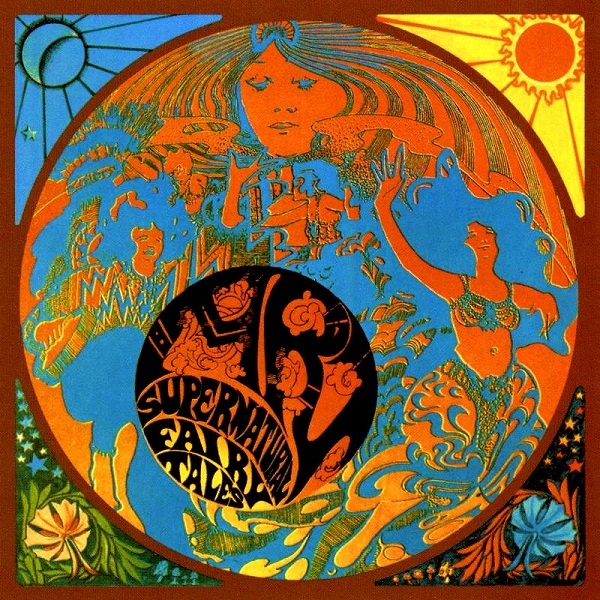
Spooky-Tooth.
It’s All About.
Straight away, work began on Spooky Tooth’s debut album. The new recruit quickly made his presence felt. Whereas the four members of Art cowrote most of their debut album Supernatural Fairy Tales, that wasn’t the case with Spooky Tooth.
Gary Wright penned Sunshine Help Me and cowrote another six tracks. This included It Hurts You So and Forget It and I Got It with his old buddy Jimmy Miller. The Wright and Miller partnership weren’t finished. They penned Love Really Changed Me with Luther Grosvenor. That trio joined Mike Harrison in writing Here I Lived So We. Luther Grosvenor and Chris Wight also wrote Bubbles. Spooky Tooth was quickly becoming the Chris Wright show.
If the other members felt uncomfortable that Chris Wight was playing a leading role in Spooky Tooth. He was friends with Jimmy Miller, who was chosen to produce It’s All About. He just happened to be friends with Island Records’ owner Chris Blackwell. To onlookers, these relationships looked too cosy. After all, it was Chris Blackwell who introduced Chris Wright. He would join the rest of Spooky Tooth at Olympic Studios.
Island Records’ recording sessions were notorious for only allotting a specific amount of time to record an album. Woe betide the band and producer who went over budget. Spooky Tooth had twelve songs to record when they entered the studio in November 1967. This included covers of Janis Ian’s Society’s Child, Bob Dylan’s Too Much Of Nothing and John D. Loudermilk’s Tobacco Road. Along with the songs penned by members of Spooky Tooth, the twelve songs became It’s All About.
Before the release of It’s All About in June 1968, critics had their say on Spooky Tooth’s debut album. They were won over by It’s All About. Many critics gave the albums rave reviews. Some critics liked that Spooky Tooth had two different vocalists. This was uncommon. However, with Mike Harrison and Chris Wright sharing the lead vocals, this allowed the band to take their music in a variety of directions. On It’s All About, this included blues, rock and psychedelia. Despite winning over critics, record buyers weren’t convinced.
When It’s All About was released in June 1968, the album wasn’t the success many had forecast. This would soon change.
Spooky Tooth were about to become one of Europe’s most popular live bands. Then in August 1968, Spooky Tooth were invited to tour America. This was a game-changer. Especially when Spooky Tooth were invited to play at one of the most prestigious venues in America, the Fillmore West in San Francisco.
Promoter Bill Graham invited Spooky Tooth to play the Fillmore West. This was a rite of passage for bands touring America. It was a signal they had arrived. Spooky Tooth were going up in the world, so Island Records’ thoughts turned to their sophomore album, Spooky Two.
Spooky Two.
Unlike their debut album, Spooky Two only featured eight songs. Partly, this was why Spooky Too was a leaner, more focused album. Again, Gary Wright who had assumed the role of Spooky Tooth’s songwriter-in-chief.
Gary Wright penned four tracks and cowrote three others. This included Feelin’ Bad and I’ve Got Enough Heartaches with drummer Mike Kellie. Mike Harrison and Luther Grosvenor cowrote Waitin’ for the Wind with Gary Wright. Spooky Two’s other track, was a cover of Larry Weiss’ Evil Woman. These songs were recorded at Morgan Studios, London.
Just like It’s About You, Spooky Too was produced by Jimmy Miller. Recording began in November 1968, and Spooky Tooth began recording what’s now considered their greatest album, Spooky Too.
Once Spooky Too was complete, the release was scheduled for March 1969. This didn’t leave much time to promote the album. However, the reviews did a good job of this. Spooky Too was hailed a masterpiece of blues, hard rock, psychedelia and classic rock. Luther Grosvenor’s guitar playing was at the heart of the album’s success. It was loose, but fluid. Spooky Tooth’s played hard, raw and rock on Spooky Too. Critics forecast that Spooky Too was going to be Spooky Tooth’s breakthrough album.
That proved to be the case. On its release in March 1969, Spooky Too reached number forty-four in the US Billboard 200. This resulted in Spooky Tooth’s profile rising.
Suddenly, they were playing in front of bigger audiences on nearly every continent. Other musicians wanted to work with Spooky Tooth. This included French electronic musician, Pierre Henry.

Ceremony.
After the release of Spooky Too, there was a change to Spooky Tooth’s lineup. In 1970, bassist Greg Ridley was asked to join Humble Pie. He agreed, and Andy Leigh was drafted in as his replacement. This was the first, but not the last change in Spooky Tooth’s lineup.
After the commercial success and critical acclaim of Spooky Too, Spooky Tooth’s star was in the ascendancy. Suddenly, people wanted to work with Spooky Tooth. This included French electronic musician, Pierre Henry.
He described himself as a found-object” composer. Pierre Henry took everyday objects and transformed them into an instrument. This wasn’t a new concept.
Pablo Picasso had pioneered the idea in 1912, when he pasted aprinted image of chair caning onto his painting Still Life with Chair Caning. Turning everyday objects into musical instruments took the idea further. That’s what Pierre Henry, and many other moderne musicians did.
Originally, Spooky Tooth were collaborating with Pierre Henry. It was his album. The new lineup of Spooky Tooth were essentially his backing band, on Ceremony.
For Ceremony, Pierre Henry and Gary Wright wrote six tracks. He and the rest of the new lineup of Spooky Tooth made their way to France. It was agreed that Pierre Henry and Spooky Tooth would co-produce Ceremony, due to the fact the album takes the form of a church service.
Quickly, Spooky Tooth recorded their parts. This left Pierre Henry to play synths and take charge of electronics on five tracks. On Hosanna, which closed Ceremony, Spooky Tooth took centre-stage. It was Ceremony’s Magnus Opus. Once the recording was complete, Spooky Tooth headed home.
Having returned home, Spooky Tooth were sent a copy of Ceremony. Gary Wright didn’t like what he heard. He was straight on the phone to Chris Blackwell, urging him not to release Ceremony. This didn’t work.
Chris Blackwell disagreed, telling Chris Wright: “people will love this album. We have to put this out.” According to Chris Wright, the rest of Spooky Tooth didn’t want Ceremony released. He went as far as to say: “it was against our wishes.” He thinks that the “release of the album lead to the initial breakup of the band.”
With Island Records determined to release Ceremony, December 1969 was scheduled as the release date. Before that, critics had their say on Ceremony. This fusion of rock and avant-garde was billed as an album from Spooky Tooth and Pierre Henry. Reviews were mixed. It wasn’t what most critics had expected from Spooky Tooth. The problem Mike Harrison says was; “people thought it was Spooky Tooth’s third album.”
When Ceremony was released in December 1969, it reached just ninety-two in the US Billboard 200. Spooky Tooth were going backwards. That was only part of the story.
All wasn’t well within Spooky Tooth. There was disharmony within the ranks. Mike Kellie believes things would’ve been different if Spooky Tooth: “had independent management.” They could have been an arbiter in the conflicts. Without that, Spooky Tooth split-up.

Spooky Tooth Featuring Mike Harrison.
The Last Puff.
That wasn’t the end of the Spooky Tooth story. Instead, it was just the end of a chapter. Mike Harrison, Mike Kellie and Luther Grosvenor remained. Chris Wright exited stage left. So did bassist Andy Leigh. In their place, came some new faces.
Among them, were guitarist Henry McCullough, bassist Alan Spenner and Chris Stainton. He played bass, piano and organ. His versatility would be put to good use on The Last Puff, which was billed as an album from Spooky Tooth Featuring Mike Harrison.
For The Last Puff, seven cover versions were chosen. Among them were Lennon and McCartney’s I Am The Walrus; Joe Cocker and Peter Nichols’ Something to Say; David Ackles’ Down River and Elton John and Bernie Taupin’s Son of Your Father. New recruit Chris Stainton contributed The Last Puff. Ironically, The Wrong Time a song penned by Gary Wright and Hugh McCracken. Given Gary Wright had just left Spooky Tooth this seemed a strange decision.
Recording of The Last Puff took place at Island Studios, London. Producing the album was Island Records’ owner Gary Blackwell and Chris Stainton. Once the new lineup of Spooky Tooth finished recording The Last Puff, it was released in July 1970.
Critics however, received advance copies of Spooky Tooth Featuring Mike Harrison’s album The Last Puff. Critical acclaim accompanied this album of psychedelia, rock and pop. It seemed the loss of two members hadn’t derailed Spooky Tooth.
That seemed to be the case. The Last Puff proved more successful than Ceremony, reaching number eighty-four in the US Billboard 200. However, not long after the release of The Last Puff, Spooky Tooth split-up. That looked like the end of the line for Spooky Tooth. Island Records were dismayed. They had just lost one of their most popular groups.
So a year later, in 1971, Island Records repackaged and rereleased It’s All About as Tobacco Road. When the album was released, it reached number 152 in the US Billboard 200. By then, they had signed a new solo artist..Mike Harrison.

Mike Harrison-The Solo Years.
With Spooky Tooth seemingly consigned to musical history, Mike Harrison embarked upon a solo career. He signed to Island Records, and began working on his eponymous debut album.
Mike Harrison.
For his eponymous debut album, Mike Harrison returned to where it all began for him, Carlisle, in Cumbria. That’s where he found The Junkyard Angels. They would become his backing band on Mike Harrison, and would also contribute several songs.
The Junkyard Angels were a cut above the local Carlisle bands of the early seventies. They weren’t just talented musicians, but also songwriters who played a part in five of the songs on Mike Harrison.
Bassist Peter Batey wrote Mother Nature and Lonely People. Peter also cowrote Call It A Day with Lan Herbert, Kevin Iverson and Mike Harrison. Lan Herbert and Kevin Iverson then penned Pain with Frank Kenyon. The final song penned by a member of The Junkyard Angels, was Damian, which was written by Lan Herbert and Mike Harrison. By then, it was obvious that The Junkyard Angels were more than a backing band. They had written most of Mike Harrison.
The other three tracks on Mike Harrison, were Wait Until Morning, a Harrison-Griffin composition; Cat Stevens’ Hard Headed Woman and Luther Grosvenor’s Here Comes The Queen. Along with the tracks written by The Junkyard Angels, this trio of tracks would become Mike Harrison.
When recording of Mike Harrison began, four members of The Junkyard Angels were ready to accompany Mike. The rhythm section featured drummer and percussionist Kevin Iverson; bassist and percussionist Peter Batey and guitarist Frank Kenyon. Lan Herbert played guitar, piano and organ and vibes. The four members of The Junkyard Angels would also add backing vocals Meanwhile, Mike Harrison added lead vocals, and played piano, harmonica and organ. When the eight tracks were recorded, Mike Harrison was scheduled to be released later in 1971.
On the release of Mike Harrison in October 1971, reviews of the album were mostly positive. Most critics were won over by the fusion of rock, blues, folk and pop. The songs were perfect for Mike’s vocal. That was the case from the opening track Mother Nature. It’s akin to a musical amuse bouche as Mike’s lived-in vocal brings meaning to the lyrics. That’s the case throughout the eight tracks on Mike Harrison. His worldweary vocal sounds as if he’s lived the lyrics to Call It A Day, Pain and Wait Until The Morning. Similarly, Mike sounds as if he can relate to Lonely People, and somewhat ruefully seems to sing Hard Headed Woman as if he’s met her, but lived to tell the tale. However, the Ballad Damian features a soul-baring vocal. Closing the album, is a cover of Here Comes The Queen, where Mike Harrison and The Junkyard Angels takes in a new direction, to Luther Grosvenor’s original. In doing so, it leaves the listener wanting more.
With eight tracks lasting just lasting around thirty-three minutes, Mike Harrison was just a taste of what was to come from Mike Harrison. Freed from the constraints of Spooky Tooth and Gary Wright’s ‘helping hand’, Mike had come in to his own. He had just cowrote three tracks on his eponymous debut album and produced it. Mike Harrison was well received, and although it wasn’t a huge selling album, it’s a hidden gem that showed Mike that there was like after Spooky Tooth.

Smokestack Lightning.
Buoyed by the reception his eponymous debut received, Mike Harrison’s thoughts turned to his sophomore album. This time, there was no sign of The Junkyard Angels, who played such an important part in his eponymous debut album. They cowrote five of the eight tracks. Mike had only written three tracks, including two with members of The Junkyard Angels. So this presented something of a problem. However, Mike Harrison had already thought of the solution.
His sophomore album would mostly feature cover versions. The exception was Turning Over, which Mike and Luther Grosvenor cowrote. However, the other five tracks were cover versions. This included Tears and Pay My Dues, which were penned by Jimmy Stevens. Other familiar songs included Fats Domino and Maddux-Jessup’s What A Price; Joe Tex’s Wanna Be Free and Howlin’ Wolf’s Smokestack Lightning. This blues classic lent its name to Mike’s sophomore album. It was recorded stateside.
To record Smokestack Lightning, Mike Harrison followed in the footsteps of countless musicians. His destination was Muscle Shoals, in Alabama, where he would work with the legendary Muscle Shoals Rhythm Section. They featured some of America’s top musicians, who had worked with everyone from Aretha Franklin, Candy Staton and Etta James to Percy Sledge and Wilson Pickett. Now Mike Harrison was ready to make that journey, and work with the legendary studio band.
When Mike Harrison arrived at Muscle Shoals, the Muscle Shoals Rhythm Section’s lineup featured some of the top session musicians America had to offer. The rhythm section featured drummer Roger Hawkins, bassist David Hood and guitarists Jimmy Johnson and Pete Carr. They were augmented by slide guitarist Wayne Perkins, keyboardists Barry Beckett and Clayton Ivey. Along with the horn section, they recorded six tracks. When it came to record Turning Over, the cowriter Luther Grosvenor added acoustic guitar. When Smokestack Lightning was complete, it was very different album to Mike Harrison.
The soulful and heart-wrenching ballad Tears opens Smokestack Lightning. It comes complete with lush strings and later, some stunning guitar licks. Paid My Dues is best described as mid-tempo slice of string drenched, blue eyed soul. This proved to be very different from the rest of Smokestack Lightning.
It’s all change on What A Price, Wanna Be Free, Turning Over and Smokestack Lightning. These songs see Mike head in the direction of the blues. Accompanied by a smoking band, he embraces the role of bluesman as the Muscle Shoals Rhythm Section jam. Smokestack Lightning is totally reinvented, and becomes a twelve minute hypnotic, smouldering bluesy jam. Mike has kept his best blues until last, as he pays homage to Howlin’ Wolf in a fitting fashion. In an album that oozes quality, Mike Harrison kept one his best songs until last.
When critics heard Smokestack Lightning, they were impressed by Mike Harrison’s new sound. They hailed Smokestack Lightning as Mike Harrison’s best album so far. Most critics preferred Smokestack Lightning, to Mike Harrison and wondered aloud what the Cumbrian’s third album would sound like? However, Mike had a surprise in store for his fans.

The Return Of Spooky Tooth.
You Broke My Heart So I Busted Your Jaw.
In September 1972, Spooky Tooth reformed, with a new lineup. The only musician who had played on The Last Puff was Mike Harrison.
Since then, Luther Grosvenor had joined Mott The Hoople, where he dawned the alias Ariel Bender. His replacement in Spooky Tooth, was future Foreigner guitarist Mick Jones. Mike Kellie was replaced by drummer and percussionist Bryson Graham. Chris Stewart became Spooky Tooth’s fourth bassist. However, the biggest surprise, was the return of Gary Wright.
Quickly, Gary Wright resumed the role of Spooky Tooth’s songwriter-in-chief. He wrote six of the eight songs, and cowrote Times Have Changed with Mick Jones. The other song on You Broke My Heart So I Busted Your Jaw was the Bryson Graham composition This Time Around. These eight songs were recorded at three London studios.
Recording of You Broke My Heart So I Busted Your Jaw. Olympic Studios, Island Studios and Apple Studios. It seemed no expense was being spared for Spooky Tooth’s comeback album. These were some of London’s top studios. One expense that was saved was a producer. Spooky Tooth produced You Broke My Heart So I Busted Your Jaw. It was scheduled for release in ay 1973.
Many of Spooky Tooth’s fans eagerly awaited their comeback album. However, when reviews were published, they were mixed. Some critics felt that You Broke My Heart So I Busted Your Jaw wasn’t Spooky Tooth’s finest hour. It stuck to Spooky Tooth’s familiar mixture of hard rock and psychedelia. While hard rock was still popular, progressive rock dominated the charts. However, other critics were won over by Spooky Tooth’s comeback album.
Other critics liked the dual keyboard sound on You Broke My Heart So I Busted Your Jaw. This brought a new dimension to Spooky Tooth’s sound. There was no consensus. For once, a Spooky Tooth album had divided the critics’ opinion. However, record buyers were of one mind.
On the release of You Broke My Heart So I Busted Your Jaw, in November 1973, the album reached number eighty-four in the US Billboard 200. This matched the popularity of The Last Puff. Spooky Tooth were back to where they were before Ceremony. What could go wrong?

Witness.
After making their comeback with You Broke My Heart So I Busted Your Jaw, Spooky Tooth looked as if their career was back on track. Then there was a change in Spooky Tooth’s lineup.
This time, Spooky Tooth’s original drummer Mike Kellie made a comeback, and replaced recent recruit Bryson Graham. However, that wasn’t the end of Bryson Graham. He played on some of the tracks on Witness. It was a tale of two drummers.
One thing didn’t change, Gary Wright wrote most of Witness. He penned six of the nine tracks, and cowrote the other three tracks with members of Spooky Tooth. Considering the other members weren’t regarded as songwriters, they were proving a reliable source of songs. Gary Wright and Chris Stewart penned Don’t Ever Stray Away. Mick Jones collaborated with Chris Wright on All Sewn Up. Drummer Mike Kellie celebrated his return by cowriting Pyramids with Chris Stewart. It seemed the other members of Spooky Tooth had hidden talents.
They also produced Witness, which was recorded at Olympic Studios and Island Studios, in London. At two of London’s premier studios, Spooky Tooth recorded their sixth studio album. Little did anyone realise, but this would be the last time one of the band set foot in a recording studio with Spooky Tooth. It was the end of an era.
Sadly, with one of the band about to call time on their career with Spooky Tooth, the reviews of Witness were mixed. Not for the first time, a Spooky Tooth album divided opinion. Some critics enjoyed Witness mixture of hard rock and psychedelia. Others felt the sound was dated. Record buyers had the deciding vote.
They too were undecided. When Witness was released in November 1973, it stalled at ninety-nine in the US Billboard 200. Witness hadn’t matched the commercial success of You Broke My Heart So I Busted Your Jaw. That was disappointing. However, it wasn’t as disappointing as losing one of the band’s most important figures.
Mike Harrison, who founded The V.I.P.s ten years previously, called time on the band he cofounded with Greg Ridley. The group’s cofounder wanted to pursue other projects. Another departure was bassist Chris Stewart. While he was a loss, his departure didn’t leave the void that Mike Harrison’s left. It was a case of the King is dead, long live the King.

The Solo Years Part Two.
Rainbow Rider.
After Spooky Tooth split-up, Mike Harrison resumed his solo career in 1974. Two years had passed since Mike had released Smokestack Lightning It was hailed as Mike’s best album. His third album, Rainbow Rider, had a lot to live up to.
For Rainbow Rider, Mike Harrison chose a mixture of new songs and cover versions. Among the cover versions were Somewhere Over The Rainbow; The Beatles’ We Can Work It Out; Bob Dylan’s I’ll Keep It With Mine and Don Nix’s Maverick Woman Blues. Don Nix also cowrote Like A Road (Leading Home) with Dan Penn. The other cover version was the Jennings-Seal composition You and Me. Mike had cowritten the rest of Rainbow Rider.
This includes Friend a Harrison-Belcher composition; while Easy was a Aitkin, Brown and Harrisona composition. Mike Harrison and Luther Grosvenor penned Okay Lay Lady Lay. Along with the six cover versions, they became Rainbow Rider.
As recording of Rainbow Rider began, Mike had a new band. It featured some of Nashville’s top session players. The rhythm section featured drummer Kenny Buttrey, bassist Norbert Putnam and guitarists Kirk Lorange and Bob Cohen. Two familiar faces were Spooky Tooth and then Foreigner guitarist Mick Jones, and Mott The Hoople keyboardist Morgan Fisher. They were joined by The Memphis Horns and a choir from the Corana Stage School. With Mike Harrison taking charge of production, Rainbow Rider soon took shape, and was released in 1975.
When Rainbow Rider was released in 1975, the album was well received by critics. Mike Harrison they said had picked up where he left off on Smokestack Lightning.
Elements of rock, blues, folk and soul shine through on Rainbow Rider. The blues are to the fore on Maverick Woman Blues, before You And Me is a fusion of blues, funk and rock. Mike struts his way through the lyrics, before delivering a soul-baring vocal on the ballad I’ll Keep It With Mine. Accompanied by gospel-tinged harmonies, it’s one of the highlights of Rainbow Rider. So is the Dylan-esque Like A Road (Leading Home). Strings and horns play leading roles in the song’s success. Then a familiar face makes a welcome appearance.
Although The Beatles’ We Can Work It Out had been covered by many artists by 1975, Mike brings something new to the song, and reinvents it. Funky, bluesy and rocky describes Okay Lay Lady Lay. Then Easy is a beautiful ballad, where a piano, stirring strings and gospel-tinged harmonies accompany Mike’s impassioned vocal. Easy proves to be another of the highlights of Rainbow Rider. Almost as beautiful is Mike’s cover of Somewhere Over The Rainbow. Somehow, he brings something new to an oft-covered song. Friend, another heartfelt and melancholy ballad brings Rainbow Rider and the Island Records trilogy to a memorable close.

Rainbow Rider completes the Island Records trilogy in 1973, and the story of Mike Harrison’s all too brief solo career. Sadly, Mike Harrison never quite enjoyed the commercial success his music deserved. That’s a great shame.
The three albums Mike Harrison released for Island Records showcase a talented singer, songwriter, musician and producer. Sadly, his music never found a wider audience. Instead, Mike Harrison, like Michael Chapman and to some extent John Martyn, is another artist who is another of music’s best kept secrets. Maybe not for much longer though. BGO Records will release the Island Records trilogy of Mike Harrison, Smokestack Lightning and Rainbow Rider on the 1st of April 2016 on two discs. This is the perfect way to discover Mike Harrison’s Island Years trio of Mike Harrison, Smokestack Lightning and Rainbow Rider.
CLUSTER 1971-1981.
CLUSTER 1971-1981.
The Cluster story began in the Zodiak Free Arts Lab in West Berlin. That’s where Hans-Joachim Roedelius first met Dieter Moebius. Little did they know that they were about to embark upon a musical journey that would last five decades.
During that period, Hans-Joachim Roedelius and Dieter Moebius were part of three of the most important, influential, and innovative bands of the Kominische era. This includes Kluster, Cluster and Harmonia. Each of these groups have inspired several generations of musicians. That’s still the case today. So it’s fitting that on 8th April 2016, Bureau B released the Cluster 1971-1981 box set.
The 1971-1981 box set is a lavish and lovingly curated box set. It features the eight albums Cluster recorded between 1971 and 1981. The ninth album features previously unreleased live recordings of Cluster. Quite simply, 1971-1981 is the definitive musical document of the first ten years of Cluster’s career. However, the Cluster story, Hans-Joachim Roedelius told me recently, began in the late sixties.
It was in 1968, at the height of the psychedelic era, that Hans-Joachim Roedelius “cofounded music commune Human Being. I also co-founded Zodiak Free Arts Lab in West Berlin with conceptual artist Conrad Schnitzler. At that period, I was a member of the group Human Being, a forerunner of Kluster.” For Hans-Joachim Roedelius: “this was an exciting time, where there was a sense that anything was possible. It was like a revolution. We were happy to have found this place to work. All the freelance musicians in the city found their way to Zodiak Free Arts Lab. There were members of Can, Tangerine Dream, Ash Ra, Neu! at Zodiak. They were great times.” The Zodiak Free Arts Lab was also where Hans-Joachim Roedelius met someone who would play a huge part in his career, Dieter Moebius.
“About the end of 1969, Dieter Moebius visited The Zodiak Free Arts Lab. He wasn’t a member. No. He just visiting, and we got talking.” The two men found they had a lot in common, including the way they believed music should be made. It was almost inevitable that Hans-Joachim Roedelius and Dieter Moebius would form a group.
Kluster.
“It was later, in 1970 that we founded Kluster.” Hans-Joachim Roedelius and Dieter Moebius joined with Conrad Schnitzler to form Kluster. However, Kluster was no ordinary band.
Initially, Cluster played an eclectic instruments and utensils. “Everything was spontaneous. Improvisation was key.” Kluster’s music was described in The Crack In The Cosmic Egg magazine as “unlike anything heard before.” Hans-Joachim Roedelius admits: “that was what Kluster set out to do. Kluster was about musical activism.” Soon, the musical activists would record their debut album.
Kluster’s debut album came about in the unlikeliest of circumstances. Although band were based in West Berlin; “one night we were playing a concert in Dusseldorf. A priest just happened to be walking past, and heard the music. He liked our music, and came in to the hall. Once the concert was finished, he asked if we would like to record an album of new church music? The answer was yes!” So Kluster made the journey to the Rhenus-Studio in Gordor.
When Kluster arrived at the Rhenus-Studio, “we met Conny Plank and producer Oskar Gottlieb Blarr. We went into the studio and recorded an hour of music in one take. Religious text was added to this, and became the ‘new church music.’ The music became our first two albums Klopfzeichen and Zwei-Osterei.
Only 300 copies of both albums were pressed. Klopfzeichen was released in 1970, with Zwei-Osterei following in 1971. Critics realised the importance of Kluster’s music. It was described as quite extraordinary, bleak, stark, unnerving and full of electricity. Despite the reviews, the sales of Klopfzeichen and Zwei-Osterei were small. However, later, Kluster would be recognised as one of the most influential groups of the early seventies. This influential and innovative group would only release one further album.
This was Eruption, which was recorded by Kluster during 1971. It featured an hour of experimental music, which was recorded by Klaus Freudigmann. Eruption is quite different from Kluster’s first two albums. There is no religious text, just Kluster at their innovative best. For many, Eruption is Kluster’s finest hour. However, 1971 marked the end of an era for Kluster. One group became two.
Cluster.
In the middle of 1971, Conrad Schnitzler left Kluster, and briefly, worked with another band, Eruption. This was the beginning of the end for Kluster.
After the original lineup of Kluster split-up, “Dieter Moebius and I anglicised the band’s name, and Kluster became Cluster.” Between 1971 and 1981, Cluster would release eight studio albums and a live album. These studio albums feature in Bureau B’s 1971-1981 box set. However, Cluster’s debut was released later in 1971.
Cluster.
When Cluster recorded their eponymous debut album, they were joined in the studio by another legend of German music, Conny Plank. He featured on Cluster, which marked a change in sound. Gone was the almost industrial, discordant sound, which was replaced by an electronic sound. “Dieter and I played all the instruments and Conny added all sorts of effects. For us this was the start of a new era.”
Cluster was released later in 1971 on Phillips. “This was Cluster’s major label debut. It found Cluster at a crossroads.” They were ready to turn their back on the avant-garde, almost discordant and industrial sound of Kluster, and begin the shift towards the ambient and rock-tinged sound of the late seventies. That was the future.
Before that, Cluster began work on their eponymous debut album. In the studio, Cluster set about honing and sculpting a trio of soundscapes. Hans-Joachim Roedelius remembers: Cluster which had very little melody, is a series of improvised and atmospheric soundscapes.” They’re best described as futuristic, moody, dramatic and truly captivating. Heavy rhythms, beeps, squeak and drones drenched in effects assail the listener. It’s as if Cluster have been inspired by avant-garde, free jazz, early electronica, industrial, free jazz and even rock. This fusion of influences became Cluster.
Once Cluster was completed, the album was released on Philips. Little did anyone, even Cluster themselves, realise the effect album bearing the serial number Philips 6305074 would have. Nowadays, Cluster is regarded as an innovative classic, and in a sense, this was the start of Cluster’s career in earnest.
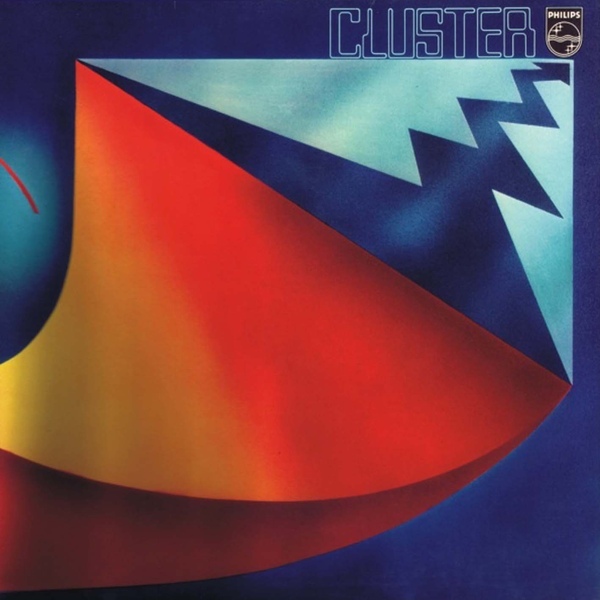
Cluster II.
“For the followup to Cluster, Conny Plank was no longer a member of Cluster. We were now a duo, consisting of Dieter and I. Conny had other projects he wanted to concentrate on.” With three becoming two, the two remaining members took a different approach to recording.
Cluster had added to their impressive arsenal of equipment. As Conny Plank watched on, two organs, analog synths, a Hawaiian guitar, a bass and an electronically treated cello were brought into the studio. Cluster weren’t finished yet. The two members of Cluster started setting up array of effects. This included audio-generators which usually, was found in an electrician’s toolbox. They became part of Cluster’s alternative orchestra. With everything setup, Cluster got to work.
“To some extent, it was trial and error. We tried different things. Some worked, others didn’t,” Hans Hans-Joachim Roedelius explains. The end result, Cluster II “saw a further shift towards a more electronic sound.”
The music veered between futuristic and dramatic to hypnotic, dreamy, lysergic and otherworldly. Sometimes the music becomes pastoral; other times understated and occasionally, explodes into life. However, for much of the time, Cluster II is melodic and mesmeric. Again, Cluster had produced an album that was way ahead of its time.
When Cluster II was released, it was on Germany premier label when it came to ambitious and innovative music, Brain. Cluster II was assigned the serial number Brain 1006, and when in was released in 1972, it was well on its way to becoming a groundbreaking genre classic.
Ironically, many German critics and record buyers overlooked groups like Cluster. Instead, they were more interested in the music coming out of America and Britain. Incredibly, they never realised that some of the most innovative music was being made in their own backyard. This includes that made by musical chameleons, Cluster whose music would continue to evolve.
Zuckerzeit.
Zuckerzeit, Cluster’s third album, was released in 1974, and was co-produced by Michael Rother of Neu! “Michael first met Dieter and I in 1971. By 1973, Michael was on a break from Neu! We decided to head into the countryside to Forst, to build our own recording studio.” This could’ve been fraught with problems? “No. We knew what we were doing and trying to achieve. All of us had experience in studios, so knew what was required.” The result was a studio “where Michael, Dieter and I recorded the two Harmonia albums, Musik Von Harmonia and Deluxe.” However, before that, Zuckerzeit was released.
On the release of Zuckerzeit, in 1974 Michael Rother’s influence is noticeable. He placed more emphasis on melody, rhythm and the motorik beat.” Hans-Joachim Roedelius explains that previously, Cluster didn’t place the same importance on melody or structure. Michael introduced structure and discipline.” The result was a very different album.
That’s apparent from the opening bars of Hollywood. A crisp Motorik beat provides the backdrop for Cluster’s synths. They create music that’s variously melodic, ethereal, evocative, haunting and cinematic. Especially on tracks like Hollywood, Rosa, Fotschi Tong and Marzipan. Then on Rote Riki, the music becomes futuristic, with the man machine adding sci-fi sounds that sound as if they’re from a distant planet. Meanwhile, Caramel would influence future generations of dance music producers. Although Caramba has futuristic sound, it’s melodic and contemporary. It sounds as if it belongs on the dance-floors of Berlin’s clubs. This is incredible, given Zuckerzeit was released later in 1972.
Cluster had released two albums on Brain during 1972. Both would become future genre classics, and both would show a different side to Cluster. Zuckerzeit with its mixture of electronic pop, art rock and avant-garde, was an album way ahead of its time. It’s a truly innovative and timeless album, where Cluster continue to reinvent themselves. The decision to bring Michael Rother onboard as producer was a masterstroke; and also resulted in the birth of a new band, Harmonia.
Harmonia.
After completing their recording studio in Forst, it seemed only natural that the three friends record an album. So Harmonia was born. It was meeting of musical minds. The two members of Cluster were receptive to Michael Rother’s way of working. Hans-Joachim Roedelius explains: “there were no problems, we wanted to learn. Previously, we improvised, which made playing live problematic. A song was merely the starting point, it could go anywhere. Michael however, taught us about structure. We influenced him. It was a two-way thing.”
Musik von Harmonia.
That proved to be the case. “Harmonia’s 1974 debut album, Musik von Harmonia, was a move towards ambient rock.” While Michael Rother influence can be heard, so can the two members of Cluster. Their influence is more prominent. They adds an ambient influence to what’s a groundbreaking classic. It saw this nascent supergroup seamlessly embrace and incorporate disparate musical genres. In the process, Harmonia set the bar high for future ambient rock albums. However, Harmonia changed tack on the followup to Musik von Harmonia.
The three members of Harmonia reconvened in their studio in Forst for the recording of Deluxe. Co-producing Deluxe was Conny Plank. This just happened to coincide with Harmonia changing direction musically.
Deluxe.
Deluxe saw a move towards Krautrock or Kominische music. The music was more song oriented. However, still Harmonia were experimenting, pushing musical boundaries. This was Cluster’s influence. Other parts of Deluxe had been influenced by Michael Rother. Hans-Joachim Roedelius agrees. “Michael Rother’s influence can be heard on Deluxe, more so than on Musik von Harmonia.” What was also noticeable, was that Deluxe had a more commercial sound. “This wasn’t a conscious decision. The music morphed and evolved, and the result was Deluxe.” It was released in 1975, to the same critical acclaim as Musik von Harmonia. However, the end was nigh for Harmonia.
Tracks and Traces.
Little did the three members of Harmonia realise, that Deluxe was the last album they would release for thirty-two years. For what was their swan-song, Harmonia were joined by another legend, Brian Eno.
At the studio in Forst, Hans-Joachim Roedelius, Dieter Moebius, Michael Rother and Brian Eno spent eleven summer days recording what was meant to be their third album. The working title was Harmonia ’76. However, by then, “Michael Rother was wanting to concentrate on his solo career. Once the album was completed, it became apparent Harmonia had run its course. It was evolution.” So Cluster returned to the studio to record their fourth album,
A New Cluster Album-Sowiesoso.
After “Harmonia ran its course, we returned to Cluster. We had never stopped being Cluster. We played live, but didn’t release a new album until Sowiesoso, in 1976, which we recorded in just two days.”
Despite being recorded in just two days, Sowiesoso found Cluster at their creative zenith. They had recorded an album of understated, beautiful, poignant and melancholy melodies, including Umleitung, Zum Wohl and Es War Einma. The arrangements are often minimalist, but always, cinematic. Sometimes, the music is evocative and atmospheric. Occasionally, there’s an air of mystery. Especially, Halwa, with its cinematic sound. Just like the rest of Sowiesoso, the music paints pictures. That was the case in 1976, and is the case in 2016.
When Sowiesoso was released in 1976, it was on Günter Körber’s Sky Records. It had been formed in 1975, and by 1976, was already regarded as a label that released ambitious, influential and innovative music. This described Cluster’s first album in four years. However, Sowiesoso was a very different album to Zuckerzeit.
That was no surprise to those familiar with Cluster’s music. They were like musical chameleons, constantly reinventing their music. The musical chameleons were about to enter a three year period where Cluster could do no wrong.
Enter Brian Eno.
In June 1977, the two members of Cluster were joined by three old friends. The first was Holger Czukay of Can. “Dieter and I knew Holger from way back, back to Zodiak Free Arts Lab. We hung around with members of Can. Back then, there was a great sense of community. Everyone helped and influenced each other. We even went on to tour together.” Another of the guest artists on Cluster’s 1977 album first met Dieter and Hans at a Cluster concert.
That was Brian Eno: “who Cluster jammed with in 1974. Brian joined us on stage, and we spent the second half of the concert jamming. That was how we first met Brian. Then in 1977, he joined as for the recording of Cluster and Eno. We learnt a lot from Brian. Similarly, I like to think we influenced him. That was the case when we recorded After The Heat.” Before that, Cluster and Eno was recorded.
Cluster and Eno.
The four great innovators got to work. They spent part of June 1977 recording enough for two albums. Conny Plank laid down bass lines, while Dieter and Hans-Joachim Roedelius played synths and keyboards. So did Brian Eno who added bass and vocals. Once the recording session was complete, the first collaboration between Cluster and Brian Eno was released later in 1977.
When Cluster and Eno was released later in 1977, the album was a meeting of minds. Elements of both Cluster and Brian Eno’s music melted into one. Cluster supplied elements of avant-garde, while Brian Eno’s supplied the ambient influence. When this was combined with drone and world music, the result was another classic album.
Widespread critical acclaim accompanied the release of Cluster and Eno. It was hailed a groundbreaking album, one that was way ahead of its time. Cluster and Eno is an album that Hans-Joachim Roedelius: “is proud of.” He remembers the recording sessions fondly, and sees both Cluster and Eno, and its followup After The Heat, as an equally “influential album.”
After The Heat.
Just a year after the release of Cluster and Eno, the second collaboration between Cluster and Brian Eno was released. It too, was released to critical acclaim. This fusion of ambient, art rock, avant-garde, experimental and Krautrock were combined by Cluster and Brian Eno. Again, both Cluster and Brian Eno were influencing each other.
“This was not one way. We both influenced each other. On After The Heat, I believe we influenced Brian’s production style. If you listen to David Bowie’s Low and Lodger albums which Brian Eno produced, Cluster and Harmonia’s influence can be heard. So while Brian influenced Cluster, we certainly influenced him.” After two albums with Brian Eno, Cluster’s next album saw them return to a duo.
The Return Of The Cluster Duo.
Grosses Wasser.
Following two albums with Brian Eno, Cluster returned to the studio in 1979. This time, Cluster were joined by Peter Baumann of Tangerine Dream. He would produce Grosses Wasser, Cluster’s seventh album.
It was an album where Cluster drew inspiration from ambient, art rock and avant-garde to electronica and free jazz. The result was music that’s ambitious, challenging and experimental. Other times, the music becomes ethereal, elegiac, melancholy and cinematic. Sometimes, though, Cluster throw a curveball like on Breitengrad 20, and a track changes direction. This adds to avant-garde sound of Grosses Wasser.
When Cluster released Grosses Wasser later in 1979, it proved to be Cluster’s most avant-garde album. “This wasn’t a conscious decision. Instead, it was just a case of evolution. That was the way that the Cluster worked. It was the same live.” That became apparent on Cluster’s first live album.
Live In Vienna.
Despite releasing seven studio albums, Cluster had never released a live album. That changed when Cluster took to the stage at the Wiener Festwochen Alternativ, on June 12th, 1980. It was the only time that Cluster took to the stage with Joshi Farnbauer. The result was one of Cluster’s most experimental albums.
Sometimes, the music veered towards discordant, and was reminiscent of early performances by Kluster. Hans-Joachim Roedelius remembers: “a song was just the starting point. We never knew what direction it would take. It was improvisation at its purest. Partly, it was because we couldn’t replicate our music live.” That was the case on, Live In Vienna, which featured Cluster at their most ambitious and inventive. However, just like Harmonia four years earlier, the end was nigh for Cluster.
Curiosum.
Cluster recorded their ninth album Curiosum in 1981. Recording took place at Hamet Hof, in Vienna, which was now Hans-Joachim Roedelius adopted home.
At Hamet Hof, Cluster recorded seven tracks. Some were relatively short by Cluster standards. Given the title, the seven tracks on Curiosum were somewhat unorthodox. However, they were unusually melodic. It was a fitting way to end chapter one of the Cluster story.
Just like Harmonia, “Cluster had run its course. We decided to concentrate on other projects. There was no fall-out, Cluster just came to a natural end. After eight studio albums, which feature in Bureau B’s box set 1971-1981, Cluster was over. Or was it?
Cluster was put on hold until 1991, when Apropos Cluster was released. It was the ninth album from Cluster, as the Hans-Joachim Roedelius and Dieter Moebius partnership entered its third decade. They weren’t done yet.
One Hour followed in 1995, and became Cluster’s tenth album. Two years later, in 1997, Cluster’s second live album Japan 1996 was released. Two became three when First Encounter Tour 1996 followed later that year. After two albums in less than a year, it would be the next millennia before Cluster returned.
It wasn’t until 2008, when Cluster returned with the fourth live album of their career. Then in 2009, Cluster released Qua, which proved to be their swan-song.
Six years later and after a brave and lengthy battle against cancer, Dieter Moebius died on 20th July 2015. The man who had collaborated with Hans-Joachim Roedelius on some of his greatest and most ambitious musical triumphs had passed away. “After a lifelong friendship, losing Dieter has left a void. We were friends since 1969, and spent a lifetime making music. Many a month we spent on the road, talking, and enjoying friendship as the kilometres passed by. We travelled the world together, and enjoyed every minute. So losing Dieter has come as a shock, albeit it was expected. However, I have great memories of a great man, and a great friend, who I’ll never forget.” Nor will anyone who loves Kominische music. They too, mourned Dieter Moebius’ death, but forever his memory will live on through his music.
This includes the music Hans-Joachim Roedelius and Dieter Moebius recorded as Cluster. They were one of the most important, influential, and innovative bands of the Kominische era, and have inspired several generations of musicians. They like a several generations of music lovers will welcome Bureau B’s release of the Cluster 1971-1981 box set.
This lavish and lovingly curated box set 1971-1981, documents the first ten years of Cluster’s career. Each album has been remastered by Willem Makke. He’s one of the finest mastering engineers, and is responsible for the stunning sound quality. Similarly, Asmus Tietchens detailed and exhaustive sleeve-notes tell the story of each of the eight albums Cluster recorded between 1971 and 1981. It’s a fitting accompaniment to this luxurious box set.
Included in 1971-1981, are the eight albums Cluster recorded between 1971 and 1981. The ninth album, Konzerte 1972-1977 features previously unreleased live recordings of Cluster. They’re a fascinating reminder of how a song was merely a starting point for Cluster. What it became was anyone’s guess as Hans-Joachim Roedelius and Dieter Moebius improvised and experimented. The addition of Konzerte 1972-1977 is just one of nine reasons why 1971-1981 is the definitive musical document of the first ten years of Cluster’s career.
Cluster’s career is one that deserves to be celebrated. Nowadays, they sit at the top table of Kominische alongside Can, Neu! Harmonia and Kraftwerk. Just like each of these groups, Cluster were musical pioneers, who created music that was innovative and influential. However, like many musical pioneers, Cluster’s music was ahead of its time. As a result, Cluster never received the commercial success and critical acclaim in their own country. Instead, Cluster were more popular abroad. Nowadays, as a man once said, the time they are a changing.
Somewhat belatedly, Cluster are being recognised for being pioneers, who released ambitious, groundbreaking and timeless music. It’s gone on to influence several generation of musicians. They cite Cluster as one of the bands who influence them. Meanwhile, those who remember Cluster first time round, cherish their original albums. Those that weren’t around between 1971-1981 have paid ever increasing sums of money for copies of Cluster’s first eight albums. However, after the 8th of April 2016, that will all change when Bureau B release the Cluster 1971-1981 box set on CD, LP and as a digital vinyl. This will allow music lovers old and new, hear Cluster making musical history on 1971-1981.
CLUSTER-1971 1981.
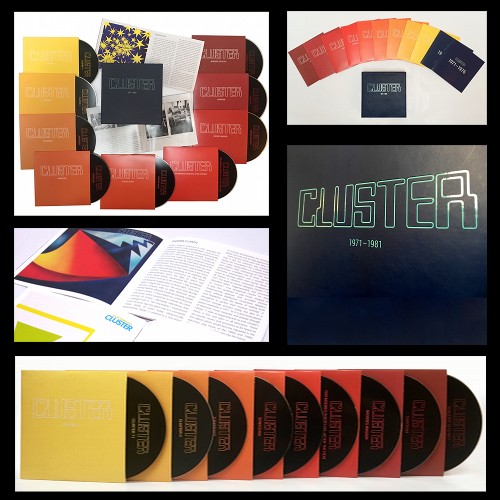
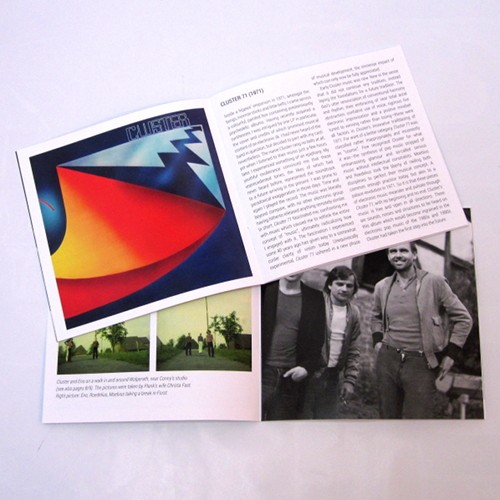
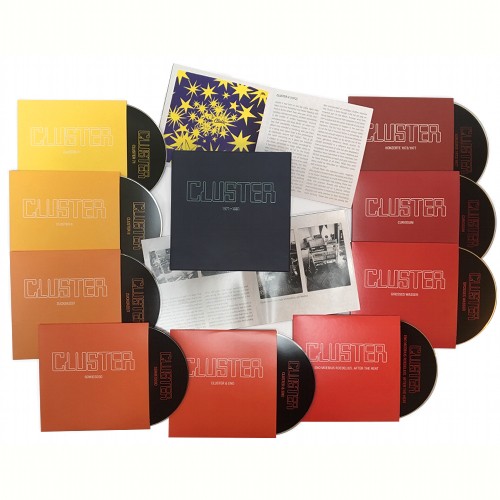
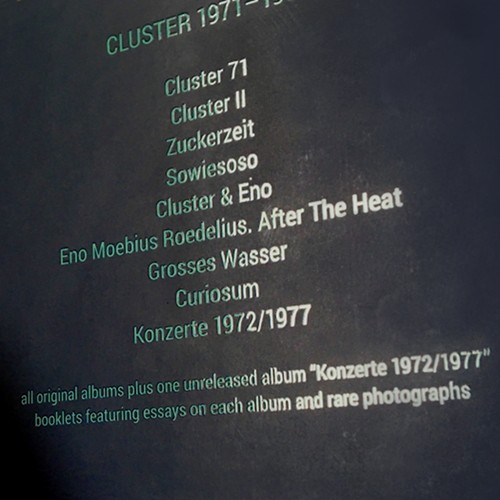
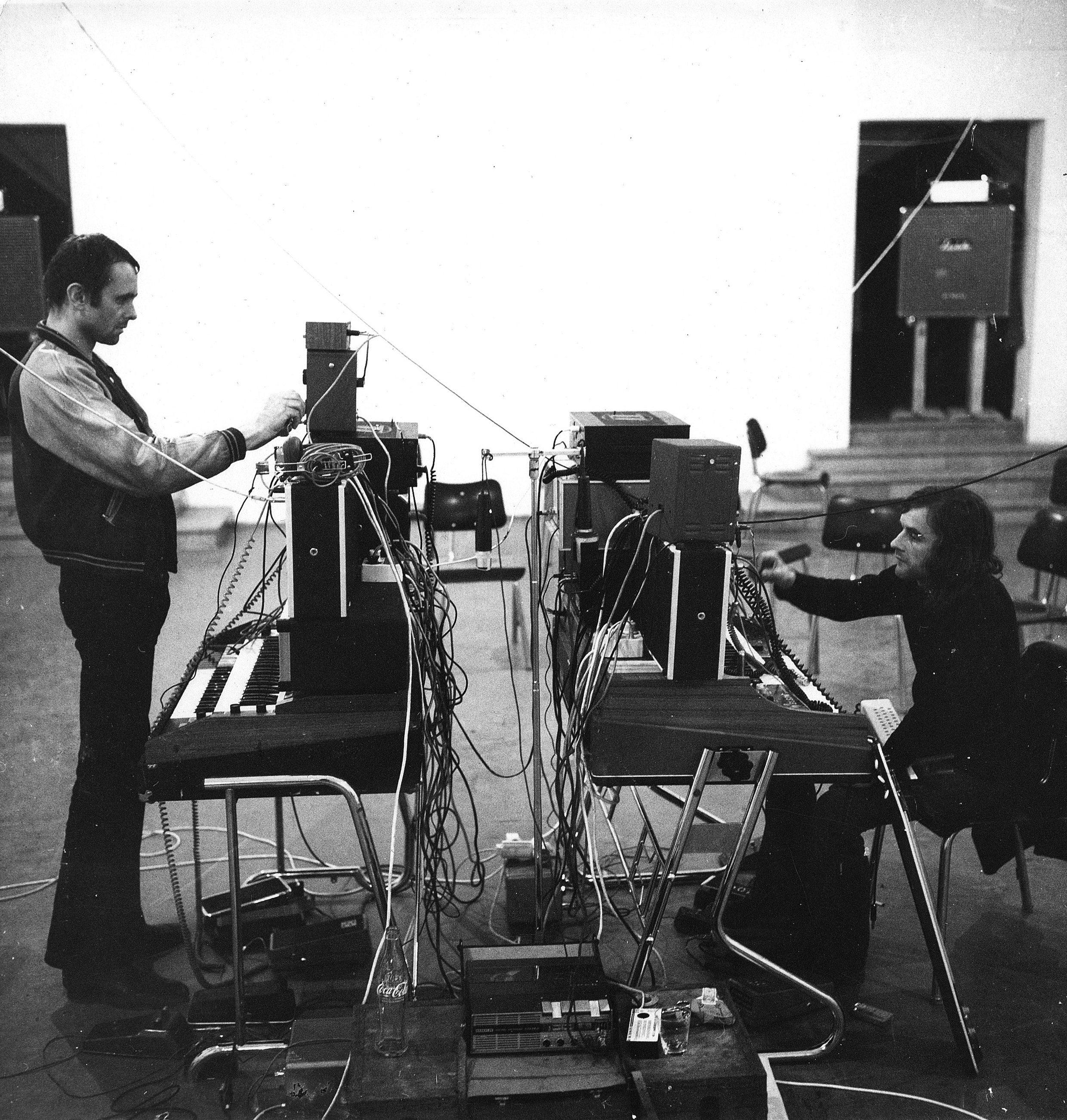
SØLYST-THE STEAM AGE.
SØLYST-THE STEAM AGE.
Time management is important for any musician. Especially when they’re trying to juggle several projects at once. Some musicians struggle to do so, while others make it look ridiculously easy. This includes Düsseldorf based drummer Thomas Klein.
He has been combining musical projects over the last three decades. Originally, Thomas Klein was of Deux Baleines Blanches. However, by 1994 they had evolved into Kreidler. They would become one of the most successful and innovative bands of their generation. Still, though, Thomas Klein found time to work on a variety of side projects.
One of the most high profile side projects as La Neu?, Klaus Dinger’s post Neu! band. This was just the tip of the musical iceberg. Thomas Klein would go on to work with Petra Bosch as Fauna, and as a solo artist. However, Thomas Klein’s most high recent profile side project has been Sølyst.
Sølyst.
The Sølyst story began in August 2011, when Thomas Klein’s latest side project released their eponymous debut album on Bureau B. Sølyst was an inventive fusion of Krautrock and dub. It sounds as if it’s distant relation to Michael Karoli’s 1984 debut solo album Deluge. Just like Michael Karoli, Thomas Klein is a sonic adventurer who pushed musical boundaries. This was apparent when Sølyst was released.
When Sølyst was released, it was to widespread critical acclaim. Critics recognised that Sølyst was an innovative, genre-melting album. For Thomas Klein, Sølyst’s debut album had been a resounding success. Now it was a case of doing it all again.
Lead.
Nearly two years later, and Sølyst return with their sophomore album in April 2013 Lead. Just like Sølyst, two of Lead’s key ingredients were Kruatrock and dub. However, there was also a tribal influence on Lead. This was new, and showed that Thomas Klein wasn’t going to stand still.
Instead, Thomas Klein was keen to ensure Sølyst’s sound evolved. He had succeeded in doing so on Lead. When Lead was released, it was hailed by critics as another groundbreaking album from Sølyst. Buoyed by the critical acclaim and commercial success of Lead, Thomas Klein has returned with his most ambitious album yet, The Steam Age.

The Steam Age.
After a near three year absence, the announcement came, that Sølyst was about to return with their third album, The Steam Age. It was recently released by Bureau B, and is undoubtably the most ambitious so far.
The Steam Age finds Sølyst ushering in: “a new era of digital steam power.” Sølyst it seems, has decided to turn his back on the binary code. This was a brave decision. In doing so, Sølyst was turning his back on one piece of equipment that adorns most producer’s studios; a gleaming, turbo charged Mac Book. However, don’t worry, Sølyst had found the perfect replacement…a piano.
This wasn’t just any old piano. That wouldn’t do. Indeed, that would’ve make things too easy for Sølyst. He had managed to acquire an unloved, abandoned piano. It in modern day parlance, had been trashed. For Sølyst this was perfect.
That unloved, abandoned piano became the perfect source of sounds for The Steam Age. Sølyst was able to pluck, scrape, scratch and tap every part of the piano. This included the strings and the wooden body. There was something almost Faust like in what Sølyst was doing. This myriad of Faustian sounds were captured by Sølyst’s sampler, and became the building blocks for The Steam Age.
Next, Sølyst retired to his studio where he could begin to add to the sequences and patterns that he had captured. By then, Sølyst had added to his trusty drum kit. He had added a myriad of alternative percussion. This included a variety of everyday objects. Many of them are usually discarded. Not by musical maverick Sølyst. Instead, they became an addendum to his drum kit. As he sat down to play, a tin can, wooden board and even what he describes as an “electronically manipulated table percussion ensemble” surrounded him. Now it was time for the groove-meister to make some music with his alternative orchestra and analog synths.
Drawing inspiration from Krautrock, Berlin School, musique concrète, electronica, free jazz and avant-garde, Sølyst’s alternative mechanical orchestra began to lay down twelve tracks. Nothing was planned. Instead, everything he recored over the patterns and sequences played on the abandoned piano, was spontaneous. Sølyst played with freedom, improvising but knowing intuitively what came next. This was the case throughout The Steam Age. When The Steam Age was complete, it was a case of mission accomplished for Sølyst.
He had succeeded in creating an album with a hypnotic, mesmeric and rhythmic backdrop. This resulted in a machinelike backdrop to the tracks on The Steam Age. The music is atmospheric and cinematic. It’s as if Sølyst has captured machines at work. Not the cutting edge, almost futuristic machines found in the factories making BMW, Mercedes Benz and Audis. Instead, they’re machines from another age.
Think of the Industrial Revolution, and the dark, satanic mills that sprung up across the North-West of England. They were full of machines, that were badly maintained by owners who were determined to spend as little on maintenance; while making as much profit as possible. This meant the machines don’t have the same efficiency as their modern day counterparts.
Instead, they cough, splutter and strain as worn cogs, gears and pistons struggle to cope with a days workload. The machinery and its motors are tired, full of scratches, scrapes and gouges through lack of maintenance. Years of dust and grime has built up, and is described by modern day romantics as patina. Meanwhile, cogs and wheels, whine and protest. As motes of dust fill the air, all that everyone hears is the satisfyingly mesmeric, hypnotic and rhythmic backdrop they produce. It’s akin to an alternative orchestra, where pistons, cogs, wheels and gears replace the strings, horns and woodwind. They’re a musical and cinematic reminder the sounds of the dark, satanic mills of the Industrial Revolution, which you’ll soon realise Sølyst has captured perfectly on The Steam Age.
Opening The Steam Age, is the title-track. A lo-fi beeping sound is are panned from left to right. Then the machine awakens. Welcome To The Machine. Its sound is big and bold, dominating the soundscape. Meanwhile, Sølyst’s alternative percussion creates a hypnotic backdrop. They add an almost robotic, Faustian sound. By then, snarling cogs and wheels protest, as pipes rumble. Suddenly, the dark satanic mills seem very real, as a droning sound signals the day’s end.
Futuristic, dramatic and cinematic describes Autumn. It’s as if the machines have come to life, and are lumbering through the factory in search of their tormentor. Sølyst’s percussive orchestra join the march, adding a mesmeric backdrop. Meanwhile, droning synths add to the drama, as the hypnotic sound builds. It has a rhythmic quality. Especially as Sølyst powers his way round his heavily modified drum-kit. By then, melodic, rhythmic and hypnotic describes this cinematic epic.
Dark, droning synths encircle the arrangement to Eulenflug. As they buzz, Sølyst uses rest of the arrangement replicate the sounds of machines. Soon, though, they’re dancing. It’s as if once the owners away, the machines will play. And play they do. Sølyst seems determined to do for machines, what Disney did for toys in the Toy Story trilogy. In doing so, he creates an irresistible track could fill the dance-floor of the hipster clubs of Berlin and Hamburg.
Steamfield I lasts just over a minute. Despite that, Sølyst still has time to fuse elements of Krautrock, musique concrète, electronica and industrial. As flourishes of roller coaster synths zip across the arrangement, drums and a myriad of industrial sounds combine. They replicate the strangely hypnotic and alluringly musical sound of a factory at work.
On Nostalghia, drums pound and reverberate. They’re akin to a machine awakening. Soon, they’re joined by the myriad of alternative percussion who replicate the sound of pistons pumping and wheels turning. When synths are added, the ‘machine’ picks up speed. In the background, people hammer, while cogs grind. Then a bass synths bounds along, adding to the reassuringly hypnotic track. As the tempo increases, the machinery whines, as if in protest. Too fast it proclaims. Then as if by magic, the tempo drops and the machine briefs a sigh of relief. The day is done and rest awaits.
Clearly the sound of the piano being played and the strings being plucked can be heard on Mount Eiffel. He taps out a series of sequences on the woodwork. They grow quicker, and soon are galloping along like a badly maintained loom. As sci-fi sounds flit in and out, always, the rhythmic, hypnotic sound is comfortingly omnipresent.
Balletic and elegiac describes the introduction Catching Leafs. Gracefully it glides along serenely, before the machine stretches and awakens. Gradually, cogs and big wheels are turning. They provide the backdrop to this alternative. That’s until the machine develops a problem, and the tempo drops. It crawls along, cogs whirr, jam, stick and work themselves free, as the vocoded industrial sound protests. Later, a brief burst of the balletic sound reappears, as the machine grinds to a halt. Its last act, however, was a memorable, and indeed, melodic one.
A buzzing bass synth punctuates the arrangement to Tesla. Soon, the factory awakens. Maybe it is time to play again? Especially when the machines reform their orchestra. They’re soon chattering, as if offering up an alternative symphony. This range from metallic and buzzing sound, to whirring, grinding and jarring sounds. Meanwhile, a clock seems to chime repeatedly. Together, the with rest of the orchestra it creates a melodic, and mesmeric alternative symphony.
William lasts just four seconds during which, an otherworldly sound assails the listener. It gives way to Atomium where woodblocks are combined with a free jazz performance on the abandoned piano’s strings. When it disappears, a relentless pounding drum plays, and swells of distant melodic music tantalise. Then Sølyst briefly pounds, brushes and punishes the piano strings. It’s joined by a pulsating steam hammer synth. As it provides a backdrop, sounds flit in and out. They’re variously melodic, futuristic, challenging and dramatic. It’s what one would expect of an industrial backdrop. However, when the sounds unite into one pulsating, hypnotic mass they become memorable and melodic.
Steamfield II sounds like a rickety steam train making its way down to the track. As it does, it contributes to a cinematic industrial soundtrack, which sounds like a Victorian slice of drum ’n’ bass.
Shelf closes The Steam Age. As a pulsating bass synth dominates the arrangement, the sound of hammering is added. Incredibly, this proves melodic. So do the whirling, echoing sound. Just like the rest of the arrangement it’s raison d’être is to create a hypnotic backdrop. That’s what Sølyst’s been trying to achieve throughout The Steam Age. Again he’s succeed in doing so, on his genre-melting third album The Steam Age which was recently released by Bureau B.
The Steam, Age is without doubt, the most ambitious, innovative and groundbreaking album of Sølyst’s career. He turns his back on the binary code, and devotes an album to a time when the Mac Book wasn’t even a figment in the most fertile imagination. Not even within the dark, satanic mills of North-West England during the Industrial Revolution.
That’s what The Steam Age sounds like the soundtrack. Sølyst even manages to replicate the sound of a factory at work. It veers between dramatic, alluring and melodic, to mesmeric, reassuringly rhythmic and hypnotic. The sound of Sølyst’s factory at work provides a captivating soundtrack. Especially when the machines seem to dance with delight. Sølyst it seems , is providing the soundtrack of a factory at play. This conjures up visions of machines coming to life, a la Toy Story. Maybe, Sølyst has inadvertently provided the soundtrack to Disney Pixar’s next blockbuster? He certainly has created a cinematic epic.
When listening to The Steam Age, it’s best to let your imagination run riot. As you listen to the music, scenarios will unfold before your eyes. Suddenly, the dark satanic mills seem very real. Especially their sounds and dangers, as sounds assail one’s senses. For forty-nine minutes, The Steam Age proves an enthralling and captivating listen. It’s the closest thing to time travel you’ll experience with without Doctor Who’s Tardis.
SØLYST-THE STEAM AGE.
DAN WHITEHOUSE-INTRODUCING.
DAN WHITEHOUSE-INTRODUCING.
When Birmingham based Dan Whitehouse came to record his debut album, he didn’t head to one of the city’s many recording studios. Instead, his flat became a makeshift studio. That was where Dan Whitehouse recorded the eleven songs that became his eponymous debut album. It was released in 2012, and introduced Dan Whitehouse to the record buying public.
Since then, Dan Whitehouse has released another three albums. However, three will become four when Dan Whitehouse releases Introducing on the 22nd of April 2016. Introducing is Dan Whitehouse’s first album for Reveal Records, and a tantalising taster of what this talented singer-songwriter is capable of. His career however, began back in 1998.
That was when nineteen year old Dan Whitehouse joined a Naomi, a local band. Dan was a member of the band for two years, but left in 2000 to join the rock band Sonara.
Dan Whitehouse became Sonara’s frontman, and was a member of the band until 2007. During this period, Sonara played at the prestigious Reading Festival. However, by 2007 Dan announced he was leaving Sonara, to embark upon a solo career.
For the first two years of his career, Dan Whitehouse spent time writing songs, honing sound and playing live. This was akin to a musical apprenticeship. After two years, Dan felt confident enough to releases his debut E.P.
When Dan Whitehouse released The Balloon E,P. in early 2009, it featured seven tracks. This Dan explained, was only the first in a trilogy of E.P.s. They examined a variety of themes, including “life, love, loss and happiness.” The second instalment in the trilogy, followed later in 2009.
The Bubble E.P. picked up where The Balloon E,P. left off, examining “life, love, loss and happiness.” One of the most beautiful tracks on The Bubble E.P. was You Can’t Give Me Anymore. Unsurprisingly, it caught the attention of few discerning critics. Suddenly, people were taking notice of the young singer-songwriter. This included veteran pedal steel player B.J. Cole, who made a guest appearance on The Bubble E.P. This was be the start of a long working relationship between the pair that continues today.
Later in 2009, Dan Whitehouse released The Box E.P., which was the final instalment in the trilogy. This brought the examination “life, love, loss and happiness” to an eloquent and heartfelt end. Now surely, Dan’s thoughts would turn to his debut album?
Surprisingly, it wasn’t until 2012 that Dan Whitehouse returned with his eponymous debut album. It had been in Dan’s flat, and featured mainly acoustic instruments. This worked though, and allowed Dan’s vocal to take centre-stage. Five years after embarking upon a solo career, Dan Whitehouse had released his debut album. His sophomore album followed the in 2013.
When work began on Reaching For A State of Mind, Dan Whitehouse found himself in a recording studio with a full band. The band featured some familiar faces. This included P.J. Wright from Fairport Convention; Ezio guitarist Booga. percussionist Chip Bailey and Helen Lancaster of The Old Dance School. This all-star band accompanied Dan in the eleven tracks that became Reaching For A State of Mind. It was released in autumn 2013.
Reaching For A State of Mind was a genre sprawling album. Despite several folk musicians in Dan’s band, the album featured everything from Americana, folk, pop, rock and roots. Critics felt that Reaching For A State of Mind was a much more refined and polished album. It was launched in Dan’s adopted hometown of Birmingham, at the city’s Crescent Theatre. However, it wasn’t just Reaching For A State of Mind that was being launched, but Dan Whitehouse’s career.
Over the next year, Dan Whitehouse’s star was in the ascendancy. He spent the year touring and recording. Dan released his third album Raw State in 2013. It was well received by critics, and found Dan maturing as a singer and songwriter.Then later in 2014, Dan released the Reaching Further For A State of Mind E.P. It featured unreleased songs recorded during the Further For A State of Mind sessions. However, by then, Dan was on tour.
This included touring North America with German-American singer-songwriter Anja McCloskey. The pair even released the Still E.P. together. Then in August 2014, Dan played at the Moseley Folk Festival. He took to the stage after a set by The Felice Brothers, but quickly won the audience over. By the end of his set, Dan had the audience eating out of his hands. Watching from the wings was Richard Thompson, who followed Dan. The grand old man of British folk realised that he was watching one of genre’s rising stars. However, Dan was no stranger to working with some of the biggest names in music.
Over the years, Dan Whitehouse has toured with some major names. This includes Peter Green, 10CC, Maria McKee, World Party and Julian Cope. Dan has also opened for Josh Ritter, Caitlin Rose, Joseph Arthur, Willy Mason and Simone Felice since he embarked upon a solo career in 2007. Recently Dan Whitehouse has toured with Eddi Reader, and soon, will open for Kris Drever on his U.K. tour.
By the time Dan Whitehouse heads out on tour with Kris Drever, he will have released his first album for Tom Rose’s Reveal Records. Introducing is a limited edition CD which features eight tracks from Dan Whitehouse. They’re a mixture of cover versions and songs penned by Dan Whitehouse.
Among the songs on Introducing penned by Dan Whitehouse, are That’s Where I Belong, The Places We Have Been, Work and CCC. Apart from Work, which is a Radio Edit, the other three tracks are a taster of Dan’s forthcoming album. The other four tracks were recorded live at Kyoti Studios, in Glasgow without any overdubbing. This includes Dan’s duet with Jess Morgan on Close Up, which Boo Hewerdine cowrote. Other tracks include covers of The Cowboy Junkies’ Sun Comes Up, Its Tuesday Morning and Chris Wood’s Two Widows. These track introduce Dan Whitehouse on Introducing.
Opening Introducing is Close Up, where Dan duets with Jess Morgan. It’s the first of the tracks recorded live at Glasgow’s Kyoti Studios. From the opening bars, the arrangement is understated. Just a subtle, chiming guitar plays, while Dan delivers tenderly and sometimes ruefully, delivers the cinematic lyrics. Memories come flooding back to him. First about: “wait for four years till they got the call, I guess my blindness set us free.” As Dan delivers the lyrics, wistful describes his vocal. Later, as Jess accompanies Dan, her vocal proves the perfect accompaniment. Especially as he sings: “tonight we’ll have our first meal, you’ll sit beside me Close Up, Close Up it’s the only way I can see.” It’s a beautiful, moving ballad from Dan Whitehouse.
That’s Where I Belong is very different track. It’s a much more uptempo, hook-laden song, and features a full band. This includes a Hammond organ, rhythm section and guitars. They accompany Dan who sometimes sound like Michael Stipe. He combines power and emotion, as he delivers a heart-wrenching vocal. Behind him, washes of swirling Hammond organ, and soaring, cooing backing vocals play starring roles. They join the rhythm section and guitar in driving this irresistibly catchy relationship song along. It has single written all over, given its anthemic sound.
The anthemic sound continues on Nothing’s Gonna Change. Just drums and a chiming, crystalline guitar join washes of Hammond organ. They provide the backdrop for Dan on this love song. He delivers a hopeful, joyous vocal. It’s accompanied by gospel inspired harmonies and braying horns. At heart of songs success are the Hammond organ, harmonies and horns. So catchy is the song, that the backing vocalists can’t resist adding handclaps. No wonder; given the song’s joyous, hook-laden, anthemic sound.
Following two uptempo tracks, Dan drops the tempo on the ballad The Places We Have Been. It’s another song he wrote and recorded during the Kyoti Sessions, in Glasgow. The arrangement is sparse, with just a subtle guitar accompanying Dan’s soul-baring vocal. It’s also needy, and an akin to an outpouring of emotion. Especially as he sings: “I’ll never leave.”
The version of Work on Introducing is a Radio Edit. It’s another Dan Whitehouse composition, and features his band. The rhythm section join a with a searing guitar and washes of Hammond organ, before Dan delivers another melodic and catchy track. He’s accompanied by backing vocals, while the rhythm section underpin the arrangement. A blistering guitar cuts through the arrangement as Dan promises: “I’ll do anything for you, I’ll Work for you, do anything you ask me to.” This is the signal for the backing vocalists to step forward, and add the finishing touch to a track that’s coming to a radio near you, very soon.
Cooing harmonies opens CCC while the rhythm section, scorching guitar and swirling washes of Hammond organ unite. They provide a dramatic backdrop for Dan’s vocal, as the song heads into anthem territory. Accompanied by the cooing harmonies, a pounding rhythm section and a jangling guitar, Dan showcases his talent as a singer, songwriter and storyteller. The lyrics come to life, before as the drama builds. Then at the bridge, the band slow things down. This adds to the drama, before pounding drums and Dan’s vocal exits stage left. It’s replaced by cooing harmonies, washes of Hammond organ and searing guitars. They combine with the rhythm section, this allows Dan’s band to showcase their considerable talents.
The Cowboy Junkies’ Sun Comes up, It’s Tuesday Morning might sound like an unlikely song for Dan to cover. However, it takes on new life in Dan’s hands. He sounds as if he’s lived and experienced the heartbreak and loneliness in lyrics. His vocal is accompanied by a guitar. It’s used sparingly, so that Dan’s vocal takes centre-stage, and the listener focuses on the lyrics to song where hurt and heartbreak, sit side-by-side with loss and loneliness.
Chris Wood wrote Two Windows, which closes Introducing. It’s another song with an understated arrangement. This is perfect for the song. Just occasional bursts of shimmering guitars accompany Dan on this cinematic ballad. Dan’s vocal is slow, tender and full of emotion. His phrasing adds to the emotion, and poignancy of the lyrics. Later, washes of guitar shimmer and glisten, and prove the perfect foil for Dan’s heartfelt vocal. This proves a poignant way to close Introducing.
With its mixture of ballads and hook-laden anthems, Introducing is the perfect introduction to a truly talented singer-songwriter. Introducing features the musical coming of age of Dan Whitehouse, and should be the album that sees his music find a wider audience. Especially given the quality of music on Introducing, which will be released on Reveal Records on 22nd April 2016.
Introducing shows two sides to Dan Whitehouse. There’s the balladeer that features on Close Up, The Places We Have Been, Sun Comes up, It’s Tuesday Morning and Two Widows. They were recorded at Kyoti Studios, in Glasgow without any overdubbing. It’s just Dan and his trusty guitar. Then on the other tracks we hear another side to Dan Whitehouse.
The other four tracks on Introducing are much more uptempo tracks. This includes the irresistibly catchy, anthemic and hook-laden That’s Where I Belong and Nothing’s Gonna Change It. Both have the words single written all over them. They’re anthems in waiting, and could provide the soundtrack to the long hot summer. However, this still leaves two tracks.
On Work and CCC, the hooks certainly haven’t been spared. Just like That’s Where I Belong and Nothing’s Gonna Change It, catchy and memorable describes these tracks. They were produced by the production team of Chris Clarke and Danny George Wilson. Along with an all-star band, they look like transforming Dan Whitehouse’s career.
Hopefully, when Introducing is released, it will find a much wider audience than Dan Whitehouse’s three previous albums. Literally, there is something for everyone on Introducing. As he veers betweens the understated ballads, and hook-laden uptempo tracks, Dan combines elements of Americana, country, folk, perfect pop, R&B and rock. It’s a poignant and potent combination, that one minute will tug at the heartstrings, and next, have you dancing for joy. Not many albums are capable of this. However, Introducing is. Introducing is a and musical and emotional roller coaster, that you just won’t want to get off.
DAN WHITEHOUSE-INTRODUCING.
BLACK MOON CIRCLE-SEA OF CLOUDS.
BLACK MOON CIRCLE-SEA OF CLOUDS.
Last year, I described Norwegian space rock pioneers, Black Moon Circle as one of the rising stars of the Norwegian music scene. Since then, Black Moon Circle’s star has been in the ascendancy. Their third album, The Studio Jams Volume I: Yellow Nebula In The Sky was released to widespread critical. Soon, Black Moon Circle were being invited to play at major festivals across Europe. This included the prestigious Roadburn Festival, in the Netherlands.
The Roadburn Festival takes place in Tilburg, between the 14th-17th April 2016. Black Moon Circle will make their festival debut on the 15th of April. This is perfect timing. That day, Black Moon Circle will release their much anticipated fourth album Sea Of Clouds on vinyl, via Crispin Glover Records. By then, Sea Of Clouds will have been available digitally since the 1st of April. Sea Of Clouds finds Black Moon Circle continuing to reinvent themselves musically. They’ve been doing this since their career began in 2012.
That was when brothers Øyvin Engan and Vemund Engan formed Norwegian psychedelic space rock band, Black Moon Circle. This wasn’t the Engan brothers first band. No. They were previously, members of Trondheim-based punk rock band The Reilly Express. That was the past.
By 2012, the Engan brothers were ready to form their own band. However, it wasn’t another punk rock band. Instead, Black Moon Circle would become a psychedelic space rock band. Øyvin, played bass, guitar and takes charge of vocals. His brother Vemund was also a guitarist. Now all that Black Moon Circel needed was a drummer.
Completing Black Moon Circle’s lineup was drummer, Per Andreas Gulbrandsen on drums. He was the final piece of the jigsaw. Now Black Moon Circle could set about honing their sound.
Gradually, Black Moon Circle’s sound began to evolve. It’s essentially a combination of lengthy jams, searing guitar riffs and a myriad of effects added to the bass and guitar. This Black Moon Circle describe as psychedelic space rock. They’re not alone.
Black Moon Circle are just one of many Norwegian space rock bands. Earthless and Colour Haze are two other bands, who are flying the flag for space rock. In Black Moon Circle’s case, they’ve been doing this since 2013.
That’s when Black Moon Circle recorded their eponymous, debut, mini-album at Nautilus studios in 2013. Black Moon Circle was then released in February 2014 by Space Rock Productions, the label run by the Øresund Space Collective from Copenhagen, Denmark. However, Black Moon Circle aren’t the type of band to let the grass grow under their feet.
Andromeda
Instead, Black Moon Circle returned to the studio in April 2014. That’s when Black Moon Circle recorded Andromeda. They worked quickly and efficiently. As a result, the five songs on Andromeda were recorded in one day. Six months later, and Andromeda was ready to be released.
Black Moon Circle’s sophomore album, Andromeda, was released by Crispin Clover Records, to critical acclaim in October 2014. A great future was forecast for the Trondheim based trio. They were already hatching a plan that sounded like something from the seventies, the golden age of rock.
The Studio Jams Volume I: Yellow Nebula in the Sky.
What Black Moon Circle had in mind was a trilogy of studio jams. The first of this trilogy of albums is The Studio Jams Volume I: Yellow Nebula in the Sky. Fittingly, it features a trio tracks. One of the tracks was recorded during the first jam session in April 2013, while the other two tracks were recorded in 2014. These three tracks became The Studio Jams Volume I: Yellow Nebula in the Sky, which showcases the hugely talented Trondheim trio, Black Moon Circle.
The Studio Jams Volume I: Yellow Nebula in the Sky was the finest album of Black Moon Circle’s career. It features their unique brand of psychedelic space rock with elements of electronica, experimental music and free jazz added for good measure. Seamlessly, these disparate musical genres and influences merge into something new and innovative. It’s cinematic, dramatic, futuristic, moody, rocky and as Øyvin Engan says, “intense.
This intensity is deliberate. It comes courtesy of the three members of Black Moon Circle. They deployed layers of fuzzy guitars, spacey, lysergic synths and a mesmeric rhythm section on The Studio Jams Volume I: Yellow Nebula In The Sky. However, for their fourth album, Sea Of Clouds Black Moon Circle add two new ingredients to their successful musical formula.
Sea Of Clouds.
With The Studio Jams Volume I: Yellow Nebula In The Sky recorded, but not yet released, Black Moon Circle’s thoughts turned to their fourth album. This wasn’t another instalment in the Studio Jams’ series. Instead, what became Sea Of Clouds found Black Moon Circle changing direction slightly.
Having written four new tracks, the Trondheim based trio returned to the studio in June 2015. Øyvin Engan played guitar and bass, while his brother Vemund Engan added another layer of fuzzy guitars. Providing the heartbeat was drummer Per Andreas Gulbrandsen. Together they recorded flour lengthy jams in just one day, However, that wasn’t the end of the story.
A month later, during July 2015, Black Moon Circle returned to the studio. This time, vocals and keyboards were added. Only then, was Sea Of Clouds complete. Before that, The Studio Jams Volume I: Yellow Nebula in the Sky was still to be released.
Nearly nine months later, and buoyed by the critical acclaim thatThe Studio Jams Volume I: Yellow Nebula In The Sky received, Black Moon Circle are preparing to release ASea Of Clouds. Øyvin Engan describes the new album as: “prolonged jams with heavy riffage, the extensive use of effects on bass and guitar and analogue synths oscillating with echoes and delays.” This is sure to win over Black Moon Circle’s over growing fan-base, when Sea Of Clouds is released. You’ll realise why, when I tell you about Sea Of Clouds, the much anticipated album from space rock pioneer Black Moon Circle.
Lunar Rocket opens Sea Of Clouds. That’s a fitting title as the track will eventually, explode into life. Before that, just moody, spacious, bluesy and rocky guitar riffs are played. Sometimes, they tremble and shimmer. Then after a minute, it’s all change.
The arrangement literally explodes. Pounding, thunderous and relentless drums join the bass in powering the arrangement along. Buzzing, searing, rocky guitars accompany Øyvin’s powerhouse of a vocal. Soon, an array of effects are unleashed. They’ve always been Black Moon Circle’s secret weapons, and play an important part in their space rock sound. By then, Black Moon Circle are at their heaviest and most melodic. They seem to have drawn inspiration from April Wine, Black Sabbath, Deep Purple, Led Zeppelin, Hawkwind, Moster and Motorpsycho. Elements of space rock, psychedelia and heavy metal combine seamlessly. Guitars bristle, drums pound and a buzzing bass joins whirling, space-age, haunting synths. In the midst of this musical vortex is Øyvin’s vocal. He seems to embrace the roll of frontman, on this hard rocking, slice of melodic space rock, that shows a new side to Black Moon Circle.
A droning wash of feedback is joined by bass and guitars on The Magnificent Dude. As a crystalline guitar plays, the rhythm section provide a slow, moody, hypnotic backdrop. When Øyvin’s vocal enters, he combines emotion and drama. All the time, the arrangement builds. Soon, a scorching, blistering guitar solo plays; while a vortex of synths blow across the arrangement. Effects are deployed, as everything from post rock, psychedelia and space rock are combined with Krautrock. When the vocal returns, Øyvin and the rest of Black Moon Circle the track heads into anthem territory. Still, though, Black Moon Circle aren’t afraid the kick loose. When the vocal drops out again, a guitar masterclass unfolds. Literally, the blistering, trembling guitar cut through the arrangement as the rhythm section create a mesmeric backdrop. Later, the track veers between moody, rocky and futuristic, thanks to the sci-fi sounds and myriad of effects. Combined, they play their part in an alternative space rock anthem.
Moondog picks up where The Magnificent Dude left off. Just lone guitar is panned left. It’s soon joined by another guitar, bass and bubbling synths. Soon, sci-fi synths and keyboards are added; before Øyvin’s vocal enters. By then, a myriad of instruments and effects assail the listener. Still, though, the lone guitar is panned left. Meanwhile, the rest of Black Moon Circle are responsible for a futuristic, rocky soundscape. Playing leading roles are a blistering guitar, a vortex of whirling, ghostly synths and an array of sci-fi effects. They’re responsible for a myriad of beeps and squeaks. However, the vocal proves to be a game-changer. It adds the finishing touch to a track whose roots are in the seventies. There’s more than a nod to progressive rock, while elements of classic rock, psychedelia and space rock shine through. Later, memories of Yes and Emerson, Lake and Palmer come flooding back, before Øyvin’s vocal becomes briefly lysergic and the track become rocky, futuristic and again, anthemic.
Warp Speed closes Sea Of Clouds. Bursts of bass accompany a dubby, shimmering guitar. Meanwhile, cymbals are caressed before sci-fi synths and a machine gun guitar are unleashed. This is the signal for Øyvin to deliver a lived-in vocal. Accompanying him, are blasts of bass, scorching, searing guitars and relentless drums. By then, a vortex of synths, crunch guitar, bounding bass and driving drums. They provide a backdrop for Øyvin’s strutting vocal as Black Moon Circle become a rocking machine on this thirteen minute, genre-melting epic. It features Black Moon Circle at their hard rocking best as they set sail on the Sea Of Clouds at Warp Speed.
Just six months after the release of The Studio Jams Volume I: Yellow Nebula In The Sky, Black Moon Circle return with their fourth album Sea Of Clouds. It features the Trondheim-based space rockers at their groundbreaking best, as they continue to reinvent themselves.
To do this, Øyvin Engan’s added vocals to the four lengthy tracks on Sea Of Clouds. This results in a very different album to The Studio Jams Volume I: Yellow Nebula In The Sky. The music on Sea Of Clouds is melodic and anthemic. It’s also hard rocking.
This is what we’ve come to expect from Black Moon Circle. Their three previous albums have featured Black Moon Circle showcasing their hard rocking brand of psychedelic, space rock. On Sea Of Clouds, Black Moon Circle revisit this sound, but combine elements of heavy metal, Krautrock, avant-garde, free jazz and post rock. Black Moon Circle have also drawn inspiration from Black Sabbath, Can, Deep Purple, Emerson, Lake and Palmer, Hawkwind, Iron Maiden, Led Zeppelin, Hawkwind, Moster, Motorpsycho, Radiohead and Yes. These disparate musical genres and influences merge into something new and innovative on Sea Of Clouds.
This is best described as dramatic, futuristic, moody, otherworldly and gloriously rocky. Sometimes, Sea Of Clouds features Black Moon Circle at their hard rocking best. However, Sea Of Clouds is also “intense.” There’s always been an intensity to Black Moon Circle’s music. It’s as much a part of Black Moon Circle’s music as the layers of fuzzy guitars, spacey, lysergic synths and futuristic sci-fi sounds. That’s the case throughout Sea Of Clouds, which shows another side to space rock pioneers Black Moon Circle, as they prepare to releae the most accessible album of their career.
Sea Of Clouds will be released on digital on the 1st of April 2016. Then two weeks later, on the 15th of April, Sea Of Clouds will be released on vinyl by Crispin Glover Records. It features a truly distinctive album cover. The artwork for Sea Of Clouds was designed by Marius Martinussen. He assembled 100 12” canvasses into a larger unit. After that, he painted the main cover motif. The first 100 hundred copies of the album will each include one original piece from the painting. So not only does Sea Of Clouds feature some of the best music of Black Moon Circle’s career, but could include a piece of original artwork. That’s if you order your copy of Sea Of Clouds early. If you do. it will be well worthwhile.
Sea Of Clouds features Trondheim groove-meisters Black Moon Circle at their hard rocking best. They kick loose from the opening bars of Lunar Rock, and never let go until the closing notes of Warp Rock. In between you’re treated a glorious assault on the sensory system. This comes courtesy of those genre-melting innovators Black Moon Cirle, and their critically acclaimed, fourth album Sea Of Clouds.
BLACK MOON CIRCLE-SEA OF CLOUDS.
 dereksmusicblog
