MUDDY WATERS-ELECTRIC MUD.
MUDDY WATERS-ELECTRIC MUD.
The album I am about to review is one that, upon its release, had the effect of dividing the opinion the artist’s fans and also, opening up the artists music to a new, wider audience. That album is Muddy Water’s 1968 release Electric Mud. Electric Mud had the effect of reviving Water’s career, a career that by 1968, was on a downward slide. However, the album’s release did not please blue’s purists, they preferred the old Muddy Waters sound, and this, to them, was almost sacrilege. This was almost shades of Dylan going electric, albeit on a much smaller scale. But why was this? The answer to this lies in the sound of the music to be found within the album. If you listen to Electric Mud, what you will find is a psychedelic blues album. That, is why the blue’s purists were upset. So who was Muddy Waters, and what was his music like prior to the release of Electric Mud?
Muddy Waters was born McKinley Morganfield in 1913, in Issaquena County, Mississippi. As he grew up, he enjoyed playing music, playing firstly, harmonica, and then when he was seventeen, he changed to guitar. When he went to parties he entertained playing his guitar, emulating the sound produced by the blues players he heard. Aged 27, he moved to Chicago for the first time, only staying there for a year. When he returned to Mississippi he ran a duke joint, and played there regularly. Waters’ big break happened when blue’s historian Alan Lomax recorded Muddy Waters for a project to record country blues musicians on behalf of the Library of Congress. Lomax returned a year later and recorded Waters again, the recordings were later released as Down On Stovall’s Plantation.
In 1943 Waters returned to Chicago hoping to earn a living as a full-time blues musician. Big Bill Broonzy gave Waters a break, allowing him to open for Broonzy. In 1945, Waters received his first electric guitar, a gift from Joe Grant, his uncle. A year later, in 1946, Waters recorded some tracks for Columbia, sadly they were not released. Waters luck changed when he met Leonard and Phil Chess, who had started a new record label Aristocrat, which later became Chess Records. His first releases on Aristocrat were not released, however, in 1948 his tracks I Feel Like Going Home and I Can’t Be Satisfied were big hits in the Chicago clubs he became a popular performer. When Aristocrat changed their name to Chess in 1948, Waters’ best known song Rollin’ Stone became a huge success. This was the start of Muddy Waters most successful period.
Waters was to be successful for the best part of the next twenty years, performing with the creme de la creme of blues musicians. Throughout that period he played alongside Little Walter on harmonica, Otis Spann on piano and Willie Dixon on bass. Dixon was also to prove influential in Waters’ career, writing many songs for Waters and other blues musicians. In 1958 Waters went to England, where crowds were both shocked and in awe of Waters’ sound. He was later to prove influential for a new generation of British bands and artists, particularly the Rolling Stones, the Yarbirds and Eric Clapton. Such was Waters’ influence that the Rolling Stones went on to record a number of his songs.
In 1960 Waters played at the Newport Blues Festival and his performance was recorded and released as his first live album At Newport 1960. This had the effect of introducing his music to a much wider audience.
However, by 1968 Waters career was on the slide, as many people who had previously followed his career turned their back on Waters, and his music. Waters was not happy that members of his own race were no longer interested in blues music. However, Waters and blues music in general, had found a new audience, consisting of white people who loved, and respected the music. By 1968 Waters had not had a hit since I’m Ready in 1956. The problem was, many of Waters’ former fans had become fans of psychedelic music that was, by now, popular. Marshall Chess however, had an idea that would revive interest in Waters’ flagging career.
In 1967 Marshall Chess, the son of Leonard Chess, had set up the Cadet Concept label to release music that Chess would not have released. The first signing for that label was Rotary Connection. Their album sold a quarter of a million copies. Marshall Chess’ idea to revive Water’s career was that Waters would release a psychedelic blues album. This was not an attempt to turn him into a psychedelic artist, no, this was a concept album. When the album was released, it horrified blues’ purists, who hated the album. They felt that Waters had turned his back on his roots. Previously, Waters sound was an electrified version of the delta blues. This was way different. The album proved to be successful. Marshall Chess estimated that album sold between 150,000-200,000 copies.
Electric Mud had the effect of relaunching Waters‘ career. In 1972 he returned to England and recorded the London Muddy Waters Sessions with Eric Clapton, Charlie Watts, Steve Winwood and Bill Wyman. Four years later in 1976, Waters played at The Band’s final concert, and can be heard and seen on the album and film The Last Waltz. In 1977 Waters signed to Johhny Winter’s label and recorded a comeback album Hard Again, which saw a return to his old sound. This album was to win a Grammy Award. Then in 1979 Waters recorded another well received album, Muddy “Mississippi” Waters Live. Waters played at ChicagoFest, the city’s premier outdoor music festival, giving a great performance, with Johhny Winter playing alongside Waters. Sadly, Waters health began to fail badly, and his last performance was in 1982, joining Eric Clapton at one of his concerts in Florida. A year later, Waters died, aged 70.
Electric Mud was released in 1968 on the same day as Jimi Hendrix’s Electric Ladyland. The album was produced by Marshall Chess, only the second album he had ever produced and contains only eight songs. However, these are eight great tracks. if you are unfamiliar with either Muddy Waters’ music or blues music in general, or do not like the sound, believing it be a depressing sound, listen to this and you will soon change your mind. This is unlike any blues album from that time. I am sure one listen to this album and you will be hooked.
The album starts with a classic song I Just Wanna Make Love To You. This is a song that Waters had recorded before, and was covered by many other blues musicians at the time. In fact you could fill several albums with cover versions of this song by a multitude of artists. This version however, is something special. The song starts with Waters on guitar and the drums playing, then the rest of the band join in. They go on to give a performance of this song unlike no other. The guitar playing, complete with fuzz-box is exquisite, Waters plays the guitar in a way Hendrix at his best would be proud of. In fact, on this track, the style is almost a homage to Hendrix. On this track, have a band at the top of their game. They change the song completely, it is sung and played much quicker, and is a different and better song.
I’m Your Hoochie Coochie Man is another blues standard, that many people will be aware of, and are likely to have heard many times before. Not played like this before they won’t! The song is transformed, the band and Waters take the song, and play it with more feeling and passion, than you would thought possible. The musicianship on this track is of the highest standard. Here you have two dueling guitars, complete with wah-wah effects, competing against drums, fuzz-bass, harmonica and piano. Waters gives a standout vocal performance, and this for me, is the definitive version of this song.
The third track is Let’s Spend the Night Together, and when you hear this version you will be hard pushed to recognize this as the song the Rolling Stones recorded. This is a far better song, played by a real bluesman, not four English middle class blues wanna-bees. On this version, the guitar track is unlike anything the Stones could ever play, it is just over three minutes of glorious guitar playing. The bass line has the feel and sound of The Temptations song Get Ready. Listen carefully to the song, and you will hear Waters clapping, gospel style, in the background. On this track he really lets himself go, ad-libbing the lyrics, changing the words, like a soul many testifying.
The next track She’s Alright begins with Waters and his band kicking loose. This track has the sound of a band jamming, the sound is loud and big. Waters and the band compete for the listener’s attentions. The guitar playing and drumming on this track are outstanding, and later in the track there is even a flute solo. Waters sings the song well, but the band are every bit his equal, if not better. If Hendrix had given a performance like this, he would have been lauded, hailed a genius, sadly, Muddy Waters never received the same acclaim, acclaim that this performance deserves. Interestingly, towards the end of the song, Waters segues into a softly played, instrumental version of The Temptations’ hit My Girl. This is actually effective, and is a good way to end a great track.
Another familiar track on the album is Mannish Boy. This is another blues standard, that many people will have heard many times before. However, like other songs on Electric Mud, they will never have heard it played like this. The track starts with Waters singing solo, and a guitar wailing in the background. Don’t be fooled by this start, because after that, the band launch into a glorious psychedelic blues jam. The song swings, has a groove to it, it is loud and funky, and unlike no other version of this song. This is, in my opinion, the best version of this song i have ever heard.
Herbert Harper’s Free Press is a funky track, but it is more than that, it is a song with a message. The song muses on the dichotomy that was the United States at that time, where in Vietnam young American men were dying fighting a war, whilst hippies sing their flower songs and burn their draft card. However, this song features some great musicians playing their instruments beautifully. On this song you will hear some great guitar playing and drumming. This is a powerful song with a message that also features some great musicianship.
The penultimate song on Electric Mud is Tom Cat. At the start of the song there is almost a call and response between the wah-wah guitar and fuzz bass. Later on the track the soprano saxophone played by Gene Barge howls and wails. He has the ability to make his soprano saxophone produce sounds that are almost not of this world, and this is a great addition to the track. Add into the mix some masterful vocals by vocals by Waters, and what you have here is a track that is totally of its time, and up there with the best psychedelic music of the era.
The final track is The Same Thing, a Willie Dixon penned song. If, I Just Wanna Make Love To You, was a good way to start this album, this is a fitting way to close it. Waters sings the song well, and is nearly overpowered by the guitars screeching in the background. The guitars and Waters enter into a duel from prominence, with Waters winning, however, only by a short head. The guitar playing is the best thing about the track. In fact, when listening to this track, you tend to be almost hypnotized by its quality, to the exclusion of everything else. This is not fair, as the band have reserved a stunning performance for the last track on the album.
Having told you about Muddy Waters and his album Electric Mud I hope that I have stimulated your interest sufficiently, that you will go out and buy this album. If you have heard of Muddy Waters, but never heard Electric Mud, you will not believe that this is the Muddy Waters that you may have heard previously. When I first heard this albums many years ago that was my reaction. I had started buying all of his older work. and chanced upon this album after having heard all of his earlier material. I was blown away, and could not believe this was the same Muddy Waters. It was, and I believe that this is one of his finest recordings. Should you enjoy this album, and want to explore Muddy Waters’ back catalogue, you will have plenty of choice. However, I will warn you that not all of his recordings are worth buying. Some are badly compiled cash-ins, where no care has been taken in choosing the songs, others are badly recorded or mastered. There are some good Muddy Waters albums available. These include ones that he recorded for Chess Records including His Best 1947-1955 and The Plantation Recordings. If, however, you would like to hear not only Waters, but also his contemporaries, you should buy The Chess Blues-Rock Songbook, Chess Blues Guitar 1949-1969 or Willie Dixon-The Chess Box. Any of these albums are a great introduction to Chess Records, one of the most influential record labels ever, and they feature some of the best blues artists of all time. I hope that this article makes you want to find out not only more about Muddy Waters, but also about blues music, which played a huge part in the development of the music we all love and enjoy today. Standout Tracks: I Just Wanna Make Love To You, Mannish Boy and Tom Cat.
MUDDY WATERS-ELECTRIC MUD.

LABEL FOCUS-NAKED MUSIC.
LABEL FOCUS-NAKED MUSIC.
In this article, I want to discuss one of the most influential labels in urban music. Over many years, Naked Music have released a wide variety of albums that include deep and soulful house music, broken beat, mid-tempo and nu-jazz releases. Such was the popularity of the albums, that they have achieved an almost cult status, and are very much in demand by collectors, even today. In this article, I will look at the best of the compilations released on Naked Music and recommend the best ones to buy, should you be inspired to investigate this labels’s great releases.
Naked Music started life in 1992 as a production company. The label was founded by Jay Denes and Dave Boonshoft. From the beginning, their releases proved to be both successful and popular, and they released tracks on OM Records, and the XL and Wave labels. After that, they released a series of high profile remixes for artists including Kellis, Sade, Maxwell and Britney Spears.
Denes and Boonshoft however, became frustrated, they felt that they needed greater artistic freedom. Their solution was simple, why not to start their own label. That is what they did in 1998. Since then Naked Music have released many compilation albums, artist albums and 12” releases. Each compilation album they have released is quality, and packed with great tracks. I will now look at the best compilation albums released of Naked Music.
NUDE DIMENSIONS VOLUME ONE.
Nude Dimensions Volume One was released in 1999, and was compiled by Bruno Ybarra and Petalpusher (Miguel Migs). This was the first compilation album that Naked Music released. However, what a debut compilation Nude Dimensions Volume One was. This album contains some fantastic deep and soulful tracks.
Out of the fourteen tracks on this compilation, there is not a weak track. From my experience of buying and listening to compilations, and I have bought and listened to many of them, this is unusual. Usually on a compilation album there will be at least one weak track. This makes choosing the best tracks on this album difficult, as I could choose any of them. On the album you will find tracks by Petalpusher, Janet Rushmore, Weekender, Blue Six and Gigi.
The opening track by Petalpusher, Breakin’ It Down (Jay’s Naked Vocal) is a great track. It has an interesting vocal sample at the start, and then the track features some great vocals, percussion and drumbeats. The vocal on this track has a Naked Music sound. On their tracks, this sweet and lush vocal is often found. From this track on, the quality just keeps coming. Take Me To Paradise (Summer Lover’s Dub) by Miguel Migs has a real summery vibe to it. It is, in my opinion, a classic soulful house track, and epitomizes the Naked Music sound. Surrender also by Petalpusher, is another standout track. Here the sound is similar, to Breakin’ It Down. The softly sung, lush, vocal, and the drum sound and percussion make this a track that is one of the best on the album. Very much in the same vein as the previous tracks, is Blue Six’s track Music and Wine (Th’ Attaboy Mix). Again, the track features the sweetest of vocals, and has a steady tempo throughout. Here, the drums are not as prominent in the mix, as they are on previous tracks. The other track that I thinks is a particularly strong track is Gigi’s Mood Is Right (Migs and Jelly Mix). This track features a vocal that is accompanied, and complimented by the rest of the arrangement. On this track,
It would be unfair to specify what particularly makes this track. Instead, what I will say is that the whole track has been well arranged and produced, and care has been taken when making this track. Standout Tracks: Breakin’ It Down (Jay’s Naked Vocal) and Surrender by Petalpusher, Take Me To Paradise (Summer Lover’s Dub) by Miguel Migs, Music and Wine (Th’ Attaboy Mix) by Blue Six and Mood Is Right (Migs and Jelly Mix) by Gigi,
NUDE DIMENSIONS VOLUME ONE.

NUDE DIMENSIONS VOLUME TWO.
Nude Dimensions Volume Two was released a year after Nude Dimensions Volume One. It was compiled by San Francisco DJ Mauricio Aviles and released in. As with its predecessor, the album features some of the best deep and soulful house that was around at the time.
On this album you will hear tracks by Blue Six, Undercover Agency, Aquanote, MJ Cole and Lisa Shaw. Throughout this album the quality of music is the highest standard. Like Nude Dimensions Volume One, the music on Nude Dimensions Volume Two still sounds fresh, and has not dated. Mauricio Aviles has chosen the tracks carefully, and managed to find some of the best tracks released back then.
Choosing the best tracks on the album is difficult, as there are so many contenders for the best tracks. On Nude Dimensions Volume One there was a great Blue Six track Music and Wine (Th’ Attaboy Mix), and on this album they have an even better track. That track is Pure (Mig’s Petalpusher Vocal) and it features a fantastic vocal on it. The track also benefits from a strong drum sound sitting prominently in the mix. This is one of my favorite tracks on any Naked Music compilation, never mind this album.
Undercover Agency’s track I Need You In My Life (Dub) starts with a crunching drum beat, and several vocal samples accompany, and compliment the drum beat. There is a repetitiveness to the track that actually keeps your attention. The track is not the fastest house track you will ever hear, it is only about 121 beats per minute. However, the track is well constructed and mixed.
Aquanote’s track True Love (Migs Petalpusher Love Dub) has the trademark Naked Music sound. The track features sweet vocals and has a real summery feel to it. This version was remixed by Miguel Migs, who has played a huge part in the Naked Music story, arranging, recording, and writing songs, as well as later compiling albums for the label. Migs influence is found on the next track I have chosen as one of the best on the album. He is responsible for the remix of MJ Cole’s Sincere (Mig’s Petalpusher Vocal) used. Here the female vocalist sings the song well, and Mig’s remix totally changes the sound of the track. The use of drums and percussion gives the track a big sound and funkiness that make this track one that will sound great on any dance-floor. Standout Tracks: Pure (Mig’s Petalpusher Vocal) by Blue Six, I Need You In My Life (Dub) by Undercover, True Love (Migs PetalpusherLove Dub) by Aquanote. and Sincere (Mig’s Petalpusher Vocal) by MJ Cole.
NUDE DIMENSIONS VOLUME TWO.

NUDE DIMENSIONS VOLUME THREE.
Nude Dimensions Volume Three was the final installment in this series. Volume three was released in 2001 and like Volume One,was compiled by Bruno Ybarra. This album sees the quality keeping up the same standard as the previous two installments. It appears that Naked Music were unwilling to make the same mistake as other record companies have previously made, by finding a winning format and then releasing so many installments that the quality suffers. One only has to point to the Hed Kandi and Cafe Del Mar compilations to prove this point.
On this album there is a change to the two previous albums. Whereas previously, the album featured deep and soulful house music, this album features a variety of different styles of music. Listen carefully and you will hear electro, broken beat, nu-jazz and the by now familiar deep and soulful house. This change of musical direction does not affect the quality of music. Quite the opposite. Maybe the change in format freshens things up, and helps the music appeal to a wider range of people.
As I have already stated, there are many quality tracks on this album, but the album starts with one of the best. That track is Gaelle’s Rain. This is a atmospheric and moody track, that Gaelle has just the voice to carry the song off. The song starts slowly with a softly played piano, and the tempo quickens mid-way through the track. This track is well arranged and the production on the track is not overblown.
The second track on this album that is worth featuring is Don’t Stop by Deep Sensation. This track has a much fuller sound, and features a wide array of instruments and samples. One thing I like about this track is the way percussion, vocal samples and effects that are used. Here they have not been overused, as is often the case, in similar tracks.
Earth Is the Place (Dub/Beats) by Nathan Haines has a funky house feel to it. The drums and percussion used have a latin influence. Some people may feel that the drum sound is “too busy”, however, I do not. I like the way samples are used repeatedly, and the snatches of vocals that drift in and out of the track. This is a very different track to those found on Volumes One and Two, as it lacks the soulfulness of many of the tracks.
The Satin Soul’s track Recover has a much more Naked Music feel to it than other tracks. This is more like the tracks found on the first two volumes. The track a prominent drum beat, a breathy vocal sample and a gorgeous vocal. For me, this track is one of the best on this album. It is well arranged and produced, and still sounds fresh today. Standout Tracks: Rain by Gaelle, Don’t Stop by Deep Sensation, Earth Is the Place (Dub/Beats) by Nathan Haines and Recover by Satin Soul.
NUDE DIMENSIONS VOLUME THREE.

MIDNIGHT SNACK VOLUME ONE.
Midnight Snack Volume One was released in 1999 and was compiled by Bruno Ybarra. This is different type of compilation from the Nude Dimensions compilations. On this compilation you will find a selection of some of the best downtempo and mid-tempo tracks that were around back in 1999. However, when I look at the tracks on this album, I would struggle to agree that some of the tracks are either downtempo or mid-tempo tracks. The reason for this is quite simple. Some of the tracks have the tempo that one would expect to find on a house track. For example, Extended Spirit’s track Propulsion is 126 beats per minute. Regardless of what genre I would call the tracks on this album, the tracks here are of the highest quality.
Cold Water Music by Aim is one of the finest tracks on the album. This is a mid-tempo track that you will find on many downtempo or chill-out albums. It is a track that features a multitude of sounds and samples that together, that have been arranged to produce a great track. It is a track that I never tired of hearing, as each time you listen to it, you will hear different things and sounds.
Central Living by Dave Warrin is a an atmospheric track that features amongst other things, bass and drums. The track to me, has the tempo of house track. It starts slowly and the tempo quicken after about a minute. There is almost a drum and bass feel to the track. It is a good track that works either as one to chill to or on the dance-floor at the start of a set.
Natural High by Jonathon Maron is a track what I would call a downtempo track. The track is only about 75 beats per minute. It features a male vocal sung over some very spacey drums and instruments. There is plenty of space in the arrangement for the track to breath. This is easily the best track on the album.
Always (Original) by Lovetronic is a track that starts slowly and goes on to feature a gorgeous female vocal singing some lovely lyrics. This track has a spartan arrangement. Here it is definitely the case that less is more. Again, this is song that has a downtempo feel to it. Standout Tracks: Cold Water Music by Aim, Central Living by Dave Warrin, Natural High by Jonathon Maron and Always (Original) by Lovetronic.
MIDNIGHT SNACK VOLUME ONE.

BARE ESSENTIALS VOLUME ONE.
Bare Essentials Volume One is another compilation on Naked Music that was compiled by Bruno Ybarra. This compilation was released on 2001 and features the best tracks released on Naked Music, and also some tracks that were unreleased.
On this album you will find some of the best artists on the label. Here you will find Blue Six, Petalpusher, Lovetronic and Night Source. However, I have three criticisms of the album. Firstly, on this album you will find several tracks that can be found on other releases on Naked Music. Secondly, on this album five tracks are featured twice. There are two versions of tracks by amongst others, Petalpusher, Blue Six and Lovetronic. My third criticism is that there are two separate tracks by Blue Six and Petalpusher. Even though I have voiced these criticisms, what you will find here are some great deep and soulful tracks.
As I have discussed some of these tracks elsewhere in this article, I will not go into them in depth. However, this is album is still worth buying, even though some of these tracks are available on other Naked Music compilations. Standout Tracks: Breakin’ It Down (Jay’s Blue Vocal) by Petalpusher, Music and Wine (Th’ Attaboy Mix), Soulmate (Original) by Summerland and You Are Love (Si Brad’s Payback Vocal) by Lovetronic.
BARE ESSENTIALS VOLUME ONE.

BARE ESSENTIALS VOLUME TWO.
Bare Essentials Volume Two was released in 2003 and was compiled again by Bruno Ybarra. The previous year 2002, saw Naked Music release artist albums by some of their best known artists, Blue Six, Aquanote and Miguel Migs. It was from these releases and previous releases that the tracks from this album were taken. So, what we have here, are some tracks from familiar artists and some new artists. Like the album cover says, this is the best of Naked Music. As was the case with previous compilations, this album is crammed full of quality music.
Inside by Central Living has the feel and sound of a classic house track. This track has a soulful feel to it and has the trademark Naked Music sound to it. Here you find the lush, sweet vocal, that features on many of the label’s best tracks. The track is well arranged and does not feature a multitude of instruments, sounds and samples.
All I Need (CJ One Remix) by Andy Caldwell starts with a prominent drum beat and then goes on feature a lovely arrangement that has within it, percussion, keyboards and vocals. This is the type of track that Andy Caldwell does well. In the same way that there is a Naked Music sound, Andy Caldwell has his own unique sound, and is responsible for producing numerous top quality tracks. This is easily one of the best tracks on the compilation, and probably the only one to feature a flute solo.
Brighter Day (Quant Remix) by Kaskade has an interesting sound. Here there is much more going on in the mix, and there is almost a broken beat feel to the track. The use of percussion and vocal samples with echo and delay adds to the track. What this track has in common with the Central Living track, is the vocal sound. However, on this track the vocal is used more sparingly, and this adds to the vocal’s impact.
The best track on the album is Rely on Me (Jay’s Bodega Vocal) by Petalpusher. This track has a fantastic arrangement. The track builds slowly, and has a wonderful sound, very melodic, featuring a lush and sweet female vocal and a keyboard solo that is one of the track’s highlights. This track has a great hook, and some good lyrics, that are well sung. Like the Andy Caldwell track this song features…yes a flute solo. Standout Tracks: Inside by Central Living, All I Need (CJ One Remix) by Andy Caldwell, Brighter Day (Quant Remix) by Kaskade and Rely on Me (Jay’s Bodega Vocal) by Petalpusher.
BARE ESSENTIALS VOLUME TWO.

CARTE BLANCHE VOLUME ONE.
Carte Blanche Volume One was released in 2000. This was another compilation that was compiled by that arbiter of taste Bruno Ybarra. Like the Midnight Snack Volume One compilation, this album features a mixture of downtempo and quicker tracks. Throughout this album you will hear a variety of tracks unlike previous Naked Music compilations. What is still present is the quality. Naked Music never let the quality drop on any of their compilations.
The Groove by Global Communications is the first song on the album. It is also a beautiful downtempo track. Although this a relatively short track, it is quality from the intro to the outro. The pace throughout the track is pedestrian and the drum beats and other sounds that are on this track, have a lovely summery feel.
Soulmate (Swag Remix) by Summerland has a stuttering start, and track starts slowly and quickly the tempo increases. The track uses effects, such as echo, to accentuate the sounds used within the track. This is effective and works well. The track sounds to fast to be a downtempo track, but too slow to be a house track. What it is though, is a track that is well arranged and produced, and has an atmospheric feel to it. Even if you were to listen to this track numerous times, you would not hear all of its subtle nuances.
Heartbeat by Qale Mota has the sweetest vocal in it. This sits behind an array of drums, percussion and samples. The track has a repetitive quality that is appealing, and pleasant to listen to. This track has a slower tempo than Soulmate (Swag Remix) by Summerland and has a similar tempo to The Groove by Global Communications. It has the sound and feel of a downtempo track. It is a pleasant song to listen to, and is one of the best on the album.
Beau Mot Plage (Freeform Reform Parts 1 and 2) begins like a classic house track. It has the tempo and feel, and is well structured. The track gradually builds up, then suddenly, at the song’s bridge, the tempo drops, only to build up again. Throughout the track a huge variety of instruments, sounds and samples are used. However, this does not have the effect of overcrowding or overpowering the song. Quite the opposite. This is a well structured song with a funky house feel to it. Standout Tracks: The Groove by Global Communications, Soulmate (Swag Remix) by Summerland, Heartbeat by Qale Mota and Beau Mot Plage (Freeform Reform Parts 1 and 2).
CARTE BLANCHE VOLUME ONE.

CARTE BLANCHE VOLUME TWO.
Carte Blanche Volume Two was released in 2001. This installment in the series was compiled by Bruno Ybarra and Gabriel Yene. The music on the album is a mixture of styles and tempos. As usual, Naked Music have produced a quality album, crammed full of top class music.
Flute Salad by Sven Van Hees is a mellow and spacey track. It begins slowly and features a flute throughout the track. Apart from the drum beat, instruments and samples are used sparingly. The track seems to meander gently for just over four minutes and is a lovely track that would grace any downtempo album.
Flight by Sidewinder is a slightly faster track. On the track an organ and saxophone are used, and this gives the track a warmth. This is complimented by the more traditional sounds found on a track like this. The use of drums, percussion and vocals make this a memorable track, that has a much fuller sound than Flute Salad by Sven Van Hees.
Silver Surfer by Cpen has a broken beat feel to it. This track benefits from a strong arrangement and production, and the way the drums are programmed is interesting. This is neither the drum sound you would find on a traditional house track, nor is it the drum sound that is found on the best downtempo tracks. However, this is a good track and is one of the best tracks on the album.
Goddess by Wai Wan is another good track. It starts slowly and gets quicker as the track develops. In places the sound is sparse, then all of a sudden, there is a frantic feel to the track. The drum beats get really quick, then all of a sudden, their tempo decreases. After that a variety of sounds, stabs and vocals drift in and out of the mix. This has a pleasing effect. Again, this track, in places has a broken beat feel to it. This is an interesting and enjoyable track. Standout Tracks: Flute Salad by Sven Van Hees, Flight by Sidewinder, Silver Surfer by Cpen and Goddess by Wai Wan.
CARTE BLANCHE VOLUME TWO.

CARTE BLANCHE VOLUME THREE.
Carte Blanche Volume Three is the last installment in this series. It was released in 2002 and compiled by Bruno Ybarra. This installment saw a change in musical direction from mid-tempo music to a more eclectic variety of music. Within this album you will hear deep house, jazzy beats, electro and retro-funk. What this really is, is fifteen quality tracks.
Light by Burn Burn has a slow start and features strings and keyboards, and moves slowly along. The track wanders slowly, the drum beats complimented by strings and various percussive sounds. This is a quality downtempo track.
Fall Into You by Stateless is easily the best track on the album. The track features a vocal that is accompanied by a beautiful melody. This is a mid-tempo track, that would not be out of place on a downtempo album or the dancefloor. The track has almost a soulful house feel to it.
Lectropic by Andy Caldwell is different from a lot of his other work. This has the tempo of a classic downtempo track. It is a slow atmospheric track, rather than house music he is better known for. However, Caldwell is a talented producer and has the ability to produce a wide range of different tracks. This track benefits from not having a huge variety of sounds on it. There is a spartan feel to the track that I like.
Falling by Gaelle is a track from her album Transient. This is slower track that is given an almost broken beat remix. Gaelle is a talented singer, and sings the song well. This remix totally changes the song. Unlike many remixes, this compliments the song. Too often, the remixer takes a perfectly good song, and does nothing to improve. In this case, this is a lovely song, that is one of the best on this compilation.
CARTE BLANCHE VOLUME THREE.

Now that you know more about the Naked Music label, I hope that you will feel inspired to go out and buy some of the music I have featured in this article. Should you do so, I am sure that you will not be disappointed. What you will have purchased is some wonderful music. Within the nine albums I have featured here, is a wonderful eclectic selection of music, from deep and soulful house, to downtempo and mid-tempo, and from broken beat to retrofunk. What all of these tracks have in common, is quality. I hope that should you buy these albums, you will want to find out more about the Naked Music label, and also the music that is on each of these albums.
OV WRIGHT-THE BOTTOM LINE.
OV WRIGHT-THE BOTTOM LINE.
The album that I am now going to write about, is one that I discovered when crate-digging, many years ago in a record shop. This album is OV Wright’s album The Bottom Line. Wright released The Bottom Line on Hi Records in July 1978. However, many people will never have heard of Wright, or his brilliant music. Hopefully, by the time that you have read this article you will know more about OV Wright, and possibly be intrigued enough, to go out and buy some of his music.
OV Wright was born in 1939, in Leno, Tennessee. In many people’s opinion, Wright is one of the best deep soul singer ever. Prior to releasing his first single There Goes My Used To Be for Goldwax Records. However, it was to be the b-side of this release, That’s How Strong My Love Is, that proved to be most popular. Prior to this release, Wright was already a successful gospel singer. He had previously sung with gospel groups the Spirit of Memphis Quartet and the Sunset Travelers. Wright was by no means the first artist to cross from gospel music to secular music. Artists such as, Aretha Franklin, Mitty Collier and Sam Cooke all left the gospel circuit to become successful soul singers.
However, Wright’s big break came when he signed with Houston based Back Beat Records. He was with Back Beat for eight years, and many soul music critics are of the belief Wright recorded his best work for that label. What is interesting is the influence that Hi Records had on Wrights career. All of the music that Wright released on Back Beat, was not only recored at Hi Records studio, were produced by Willie Mitchell of Hi Records, written by Hi Records’ songwriting team. Willie Mitchell especially, had a huge influence on OV Wright’s career, having guided Wright’s career for ten years. When, in March 1976, Wright’s contract expired with ABC/Back Beat Records expired, he moved to Hi Records, and went on to record three albums for Hi Records. These albums Wright released were: Into Something (Can’t Shake Loose) in June 1977; The Bottom Line in July 1978; and We’re Still Together in May 1979. If you take the time to seek out these three albums, you will be unearthing musical nuggets, that you will savor for years to come. Sadly, OV Wright died suddenly in November 1980 of a massive heart attack, the cause of which, was put down to Wright’s many years of drug abuse. Since his death, many people have “discovered” Wright, and he has gone on to influence a new generation of soul singers and music fans.
The opening track on The Bottom Line, is the title track, The Bottom Line. This track is a slow track which Wright sings with his trademark rasping voice. The track features the marvelous Hi Records house band, the Memphis Horns and some wonderful backing vocals. Wright sings this strong song well, and Willie Mitchell’s production is masterful.
Probably the best known song on the album is I Don’t Do Windows. This is a George Jackson and Raymond Moore song that benefits from Wright’s unique vocal style. It is a song that swings, and there is no-one better than Wright to sing it. Again, the sound produced by the band and the Memphis Horns make this a great song.
Wright next goes on to cover a song previously sung by Bobby Womack, That’s the Way I Feel About Cha. As someone who knows and loves Womack’s version, when I first heard this song I approached it with some trepidation. In some ways, I was correct to do so, Wright’s version is nowhere near as good as Womack’s version. Womack’s sings the song better, and maybe his voice is better suited to the song. Wright’s version seems too slow, and lacks the feeling Womack’s has. This is not the worst cover of this song I have ever heard, but by no means is it the best.
The next song Your Good Thing Is About To End is another cover version. This time it is a cover of a song written by Isaac Hayes and David Porter, who wrote so many good songs for the Stax record label. Again, I have heard better versions of this song, but this is an interesting version, packed full of emotion and sung with feeling. The band perform well and the backing vocalists give the song some depth and quality.
Let’s Straighten It Out is the third cover song on the album, and is a cover of a song previously recorded by Benny Latimore. This is, in my opinion, the best of the three covers song. Wright really lets loose and uses a wide vocal range to deliver this song. He sings the song with feeling, and the delivery is strong. One of the highlights of the album Aarion Nesbit’s keyboard playing.
One of the best songs on the album is next on the album. That song is I Don’t Know Why, and is written by Willie Mitchell and Don Randle. They could not have chosen a better singer to sing this song. The song is made for Wright. He produces a sterling vocal performance, singing the song with feeling and passion. This song, to me, is a classic Hi Records track.
The next song is another one written by Mitchell and Randle. Once again, this another song that benefits from Wrights vocal. The song No Easy Way To Say Goodbye, is a familiar one to many people. From start to finish this song is perfection, Wright’s voice sing the lyrics really well, and the backing vocals and keyboard playing compliment Wright’s delivery of the song.
After two previous great tracks, it is hard to keep the quality up. However, this track, A Little More Time, fails to do so, and is easily the weakest song on the album. On the song Wright name checks many long gone singers, and overall the lyrics are weak, and Wright’s delivery is average, at best.
Since You Left These Arms of Mine sees a return to form. This is a much stronger track than A Little More Time. The lyrics are better and so is Wright’s vocal performance. This track is a slow, sad song, about love gone wrong, that features some lovely backing vocals and keyboard playing.
The final track on The Bottom Line is A Long Road. It is another track written by Mitchell and Randle. It is no coincidence that some of the best tracks on the album are written by both of them, or either of them. A Long Road is another slow song, and Wright, as he has on other slower tracks, delivers the song with feeling, bringing out the best in the song. Although, on this album, I believe Wright is at his best singing faster songs, his versatility allows him to sing the slower songs just as well.
Now that you know a little about OV Wright, and this album The Bottom Line, I hope that you will decide to go out and buy this album. What you will find is an album that showcases the talents of one of soul music’s best kept secrets. OV Wright was a very talented singer, who was blessed with an unmistakable, rasping voice. Although, he may not have produced as many albums as other better known soul singers of his time, what is lacking in quantity, is made up in quality. His time at Hi Records saw him record three albums, and they are three albums which feature some of his best work. Yes, he produced good material for Back Beat Records, but I believe his albums on Hi Records are every bit as good, if not better. Should you want to buy all of OV Wright’s studio albums on Hi Records, back in 1999, Demon Records released a two cd set featuring all three albums, as well as two bonus tracks. I am sure if you do go out and buy this album, you will then go on to buy other releases by OV Wright. Should you like OV Wright’s voice and sound I would suggest you go out and buy some of Otis Clays’s albums as well. He like OV Wright and Al Green also recorded some wonderful music on Hi Records. Standout Tracks: The Bottom Line, I Don’t Do Windows, I Don’t Know Why and No Easy Way To Say Goodbye.
OV WRIGHT-THE BOTTOM LINE.

KING TUBBY-DUB FROM THE ROOTS.
KING TUBBY-DUB FROM THE ROOTS.
Like many people, I have a wide taste in music, and enjoy listening to all sorts of music. One of my favorite types of music is dub reggae. I never tire of listening to dub reggae albums, and one of my favorite albums in that genre is by King Tubby, and it is Dub From the Roots. King Tubby released Dub From the Roots in 1974, and when you look at the album credits, what strikes you immediately is the quality of personnel who feature on that album. The Aggrovators are the backing band, Augustus Pablo plays organ and piano, Ronnie Shakespear plays bass and Bunny Lee produces the album. Added to that wide array of talent involved, one must not forget that King Tubby is the mixing engineer and is responsible for creating the dub sound.
King Tubby was born Osbourne Ruddock, in 1944, in Jamaica, and later became an electronics and sound-engineer. He is widely credited as being responsible for developing the sound of dub, and helping it to evolve in the 1960’s and 1970’s. In fact, King Tubby is perceived as elevating the status of the mixing engineer to that as someone who can have a creative impact on the sound of the music that they are responsible for mixing. This is similar to the elevation in the status of DJ’s in the past twenty-five years, from people who merely play records, to artists who are capable of changing and improving the sound of a record. Many people believe that King Tubby is the founding father of dub, as often referred to as the Godfather of Dub. Indeed, King Tubby is often credited as the person who invented the remix.
Prior to finding fame, King Tubby started out as a radio repairman in the 1950’s. He put this talent to good use repairing the numerous sound systems on the island. King Tubby also built powerful amplifiers for the various sound systems. Eventually in around 1961, he decided to build his own radio transmitter and went on to run his own pirate radio station. Later, he went on to build his own sound system Tubby’s Hometown Hi-fi. This was very popular with fans of the sound systems, because of his sound system’s superior sound quality, the exclusive records he sourced and played and the sound effects he interspersed within his show. He was one of the first people to use sound effects like echo and reverb in his shows.
King Tubby’s career took another turn in 1968. He managed to get a job with Duke Reid as a disc cutter. This allowed him the opportunity to remix tracks that Reid had produced. These tracks were instrumental tracks, with King Tubby removing the vocals from the tracks. Initially, the way that King Tubby did this, was to remove the vocal track by using the sliders on the mixing desk. This worked, and then he realized that he could add to the track by changing the way the vocal sounded, and adding sound effects like echo, phase and reverb by using different settings on the mixing desk. King Tubby’s newly created sound had the effect of making his sound system the most popular in Jamaica.
After King Tubby’s discovery, and initial work for Duke Reid, he became a not only famous in Jamaica, but worldwide. Like all new methods and innovations in music, this led to other people being influenced by his work, and other producers went on to produce similar releases. King Tubby went on to work with the great and good of reggae music. He worked with Augustus Pablo, Lee Perry and Bunny Lee amongst others, and his work is still influential within the music industry today.
In 1973, King Tubby went on to try something new and revolutionary. He built a vocal booth in his studio, and this allowed him to record a vocal track onto tracks brought to him by various producers and musicians. This became known as voicing in reggae music.
King Tubby had almost retired by the end of the 1970’s, and although he still mixed dub tracks, and was a mentor to up and coming mixers and producers, he was nowhere near as prolific as he was in his prime. Producers like Scientist and King Jammy, both of whom have produced some great albums, credit King Tubby as being responsible for helping launch, and influence their subsequent careers.
Sadly, King Tubby died aged forty-five in tragic circumstances. In February 1989 he was shot and killed, outside his home, after coming home from a recording session. Although it is unclear why this tragic event occurred, it is thought to have been an attempted robbery that went dreadfully wrong. This was a sad loss to not only reggae music, but to music in general, as his influence is felt throughout music.
Moving on to King Tubby’s 1974 album Dub From the Roots, what you will find are fourteen great tracks. The first track Dub From the Roots, sees King Tubby take track and give it his unique treatment. When you hear the introduction, it lulls you into a false sense of security, it starts quietly and then suddenly the track explodes into a glorious dub soundscape. Throughout this track King Tubby takes Bunny Lee’s recording and inserts his own unique sound. Listen carefully, and you will hear the deepest of bass sounds, huge booming echoes, drum sounds that have had effects added and and an array of sounds that defy interpretation as to what they are.
On Iyhata the track is not as overpowering as the opening track Dub From the Roots. Iyhata is a much more subdued affair, featuring a glorious rhythm track. The use of sound effects is much more sparing, and this actually benefits the track. There is not to much going on that your mind starts to wander. The use of echo towards the end of the track amplifies the glorious rhythm.
Mine Field is the next track and it features a lovely mixture of drum, brass and echo at the start. The track then meanders on, the use of space adding a subtlety to the track. Throughout the track the brass section and the echo interplay. This is a good track that I rate as one of the best on the album.
The next track Hijack the Barber starts with a strangulated vocal sound, and then features a mixture of instruments. What makes the track for me is the use of drums, rhythm, brass and echo. King Tubby uses the echo to mangle the sound, but no to the extent that it spoils the sound. The use of a mangled vocal interspersed throughout the track adds to the effect.
African Roots has a different sound and feel to it. The track features mostly the rhythm section. Echo is used to good effect on this track. However, sometimes the echo has the effect of overpowering the sound, causing the speakers to rumble gloriously. This, to me, is what I want to hear in a dub track. I want to hear huge booming echo used with the drum sound, so much so, that the speakers almost give up the ghost.
The next track Double Cross, again, starts with a brass section. Also featuring on the track are a rhythm section. Both the brass section and rhythm section’s sound is relatively untouched by King Tubby and his sound effects. He has used echo and reverb, but only sparingly. This track has a spacey, atmospheric feel to it.
East Of (Arrows Hi-Fi) is the next track on this album. It has a fuller and louder sound on it. Here King Tubby uses his effects well, and the track features effects that compliment the track’s sound. Often in dub music, you will find that the track is almost unrecognizable, and is awash with sounds that smother the sound of the original track.
Invasion has a classic reggae sound to it. The Aggrovators reserve one of their best performances for this track. The backing band that accompany them play beautifully. Robbie Shakespear’s bass provides a foundation for the track, and the drummer provide a steady backdrop to this track. King Tubby finds a happy medium here, not overusing his effects.
Dub of A Woman starts with Augustus Pablo’s organ solo, which throughout the track compliments the rhythm section. The track has a lovely summery vibe, and King Tubby’s placing of sound effects is almost perfect. This track shines out as one of the best on the album.
On Dub On My Mind, we have a song that compliments the previous track Dub of A Woman really well. The sound also features the same organ sounds, and the same steady rhythm section. What differs here, is the use of sound effects. Here, they are much more prominent in the mix. This does not spoil the track, although it does not improve it much either.
The track Steeling begins with a light and breezy organ sound, which gives way to the rhythm section, who go on to provide the basis for a good track. The use of the organ throughout the track, has the effect of keeping the listener wondering what will happen now, and compliments the rhythm section’s playing. Steeling is a good, strong, track.
Dub Experience has a similar sound to Steeling, the previous track. What differs though, is the barely audible vocal that can be found within the track. The one thing that is a constant throughout this album is the high standard of musicianship. Here the rhythm section give another top class performance. Like most tracks on this album, this another strong track.
The penultimate track on the album is Declaration of Dub. This is an atmospheric track, because of the use of a haunting vocal and the sound effects. Throughout the track, the rhythm section provide a steady beat, and the other instruments and effects work round the rhythm section.
A Truthful Dub is the final track on the album. It has an upbeat tempo, and within the track, King Tubby lets loose with his arsenal of sound effects, some of which are subtle, others far from subtle. This is a good track but not my favorite track, because of the overpowering nature of some sounds effects on this track.
That is the story of firstly, King Tubby, and then, his much heralded album Dub From the Roots. What this album is, is one of the finest, and most influential dub albums ever released. Within the album you, will find some wonderful music and some wonderful musicians. King Tubby has taken these tracks and remixed, or some would say, remade them. With most of the tracks he has improved on the initial tracks, something that not all latter day remixers always do. For someone who has never listened to either dub reggae, or King Tubby’s music, this is a good album to buy. Recently, Dub From the Roots has been re-issued and it can also be found on the Evolution of Dub Volume One, The Origin of the Species box set on Greensleeves Records. On this box set you will find King Tubby’s Roots of Dub album and two other classic dub albums. Should you have enjoyed this album, you will have a lot of other albums to explore in the future. One that is worth seeking out is Bunny Lee Presents the Late Great King Tubby box set, which is a four disc box set which includes ninety-three tracks. However, a word of caution is required. In my experience, the standard of remastering on some dub albums leaves a lot to be desired, and you will need to be careful when buying dub albums, as some have a poor quality of sound. You will also need to beware of some dub compilations, as they are hurriedly compiled, feature poor quality tracks, and the standard of mastering is poor. If you are careful however, you will discover not only some great music by King Tubby, but by other great dub artists and producers. Standout Tracks: Mine Field, Hijack the Barber, Double Cross and Dub of A Woman.
KING TUBBY-DUB FROM THE ROOTS.

BOBBY WOMACK-THE POET II.
BOBBY WOMACK-THE POET II.
The album I am going to review in this article is by Bobby Womack’s 1984 album The Poet II. The Poet II was the follow up The Poet, which was Womack’s comeback album, which featured a top 10 R&B hit If You Think You’re Lonely Now. Before the release of The Poet Bobby Womack had been down on his luck. In 1976, his record label United Artists dropped him from their roster, and to make matters worse, he fell out of favor with his traditional R&B fanbase.
However, this was just the latest problem that Bobby Womack had faced in his musical career. Womack was born in 1944 and started his musical career in his family group The Womack Brothers with his brothers Friendly Jr, Curtis, Harry and Cecil touring the gospel circuit. The Womack Brothers were following in their father’s footsteps. However, an encounter with Sam Cooke saw The Womack Brothers sign to Cooke’s own label SAR Records and renamed The Valentinos and began a career in secular music, turning their back on the less lucrative gospel circuit. The Valentinos had chart success with the song Lookin’ For A Love and It’s All Over Now. Bobby Womack wrote It’s All Over Now, and he was fortunate that The Rolling Stones went on to record the track, and it reached number one in the UK charts. All went well with The Valentinos until Cooke’s untimely death. After Cooke died, they moved to Chess Records and recorded for them, but ultimately The Valentinos career ground to halt and they split up.
After The Valentinos split, Womack became a session musician, working with various artists, including Joe Tex, Sly and the Family Stone, Janis Joplin and George Benson. Solo success alluded Womack until 1968, when he recorded It’s Gonna Rain and More Than I Can Stand. However, Womack was writing songs for other artists successfully at that time including Wilson Pickett.
Womack signed to Minit Records in 1968, where he released Fly Me To the Moon, It’s Gonna Rain and More Than I Can Stand. It was when Womack joined United Artists in 1971 that his career started to take off. His first album on Unite Artists was Communication, and the track That’s the Way I Feel About Cha gave Womack his first top forty single in the US. His follow up album Understanding, featured one of Bobby Womack’s best known songs, Harry Hippie. The song Harry Hippie was based on Womack’s brother and went on to sell over one million copies, gaining him a gold disc. Understanding also featured A Woman’s Gotta Have It, which gave Womack his first number one R&B hit.
In 1974, Womack re-released The Valentinos song Lookin’ For A Love, and it became a top ten hit in the US. Up until he was released by United Artists in 1976, Womack continued to released singles and albums. However, tastes change, and possibly, Womack’s sound failed to evolve with musical tastes, and he suddenly found himself without a record contract, until the release of 1981’s The Poet.
On Womack’s 1984 album The Poet II there are only nine tracks on the album. The first track is Love Has Finally Come At Last, and on this track Patti Labelle is a guest vocalist. This track has a gentle start, with Labelle gently singing, then in comes Bobby Womack, shortly to be joined again by Labelle, this time singing louder, her voice going into a call and response with Womack. This is a song about finding love after a long time looking for it, and Womack and Labelle are a great match, their voices compliment each other’s, both have a great vocal range, and really do the song justice. However, it would be unfair not to mention Fernando Harkless’ stunning saxophone solo on this track. Overall this is a great way to start the album.
The second track, It Takes A Lot of Strength To Say Goodbye, sees Womack singing a slow song, one with lyrics that have a strong narrative. Womack sings this song well, and after about a minute, the backing vocalists, sing softly, complimenting vocals gentle vocal. Shortly afterwards, Patti Labelle joins Womack, and she goes on to almost steal the show. Her vocal is loud and strong, and she sings the song with passion and feeling. Labelle’s vocal almost overpowers Womack’s, and she sings above him, almost taking the lead vocal on the track, yet this does not detract from the track.
Through the Eyes Of A Child starts with a piano and bass, then Womack half speak and half sings the introduction. Then he goes on to sing some wonderful lyrics. On this track he is accompanied by a crack band of musicians and backing vocalists. The backing vocalists include The Valentinos, Patti Labelle and The Waters. Together, they make this a great track with, joyous and hopeful lyrics and a wonderful soulful sound.
The next track Surprise, Surprise to me, reminds me of vintage Bobby Womack. This track could have come from one of early albums, Communication or Understanding. Surprise, Surprise has a totally different sound and feel to the three previous songs. It is a slower track, with less going on. There are no big vocal solos on this track. For example, Labelle’s vocal is not present on this track. Here, Womack sings slowly, the musicians play much quieter and this works well. This is the best of the four opening track. Maybe this is because I enjoy Womack’s older stuff so much.
Tryin’ To Get Over You sees Bobby Womack ups the pace in this track. This is one of the best tracks on the album. Once again, this track sees Womack show a return to his previous best. He seems to find a confidence on this track that was lacking in the first two tracks. Maybe that is why Labelle plays such a big part on these tracks. This track though, is vintage Womack, here he rolls back the years, and it is like 1972 again.
On the next track Tell Me Why, the track begins with a long instrumental introduction. Once the track gets going, Womack sings the lyrics well, his band perform this quicker track with aplomb and the backing vocalists compliment Womack and his band well. Overall, I like this track, it is a “feel-good track”, one that would be good on the dance-floor, and when you hear it, it immediately makes you want to dance.
Who’s Fooling Who is another track with a funky feel to it. The tempo is quicker than on previous tracks. On Who’s Fooling Who, the lyrics are worth listening carefully to, as they tell a story, and have an element of humor in them. This is a good track, but once again some of the sounds on the track have not dated well. However, Womack’s vocal, the band’s performance and the glorious backing vocals are the good points of the track.
The penultimate track on The Poet II, is I Wish I Had Someone To Go Home To. The track has a spoken introduction, with Womack raspy voice adding impact. Once the track gets going Womack sings some lovely lyrics beautifully. This is easily the best song on this album. Once again, there are elements of Womack’s earlier work on this track, and it is songs like this that he sings best.
The final track is American Dream. The track begins with a sample from the famous “I Have A Dream” speech by Dr Martin Luther King, and then Womack goes on to sing some meaningful and thoughtful lyrics. At the time this record was released, the use of a spoken word sample was quite a new and brave thing to do. In my opinion the use of the sample at the start and end of the song make this track. If the sample was not used, this track would not be as good as it is.
That is the story of Bobby Womack’s 1984 album The Poet II. This is an album that I have enjoyed listening to since its release, and even though some of the sounds on a couple of tracks sound somewhat it still sounds good twenty-seven years on. In my opinion this is an album that is worth buying, there are some great tracks on it, and the album features some great singing by Womack, super musicians and stunning backing vocals. The standard of songwriting on the album is good too. However, if you do buy this album I am sure that this will be just the first of many Bobby Womack album’s you will go on to buy, and I can tell you this, you will have plenty of other great albums to choose from. Standout Tracks: Love Has Finally Come At Last, Surprise, Surprise and Tryin’ To Get Over You.
BOBBY WOMACK-THE POET II.

COCTEAU TWINS-HEAVEN OR LAS VEGAS.
COCTEAU TWINS-HEAVEN OR LAS VEGAS.
In a previous article about Annie Barker, and her album Mountains and Tumult, I mentioned that former Cocteau Twin, Robin Guthrie, produced the album, and that Annie Barker sounded like Liz Fraser, another former Cocteau Twin. This made me think that maybe the time was right for an article about the Cocteau Twins. So, I spent some time listening to their albums, and have decided that I will review the Cocteau Twins album Heaven Or Las Vegas.
The Cocteau Twins were formed in 1979 and between 1979 and 1997 the Cocteau Twins became one of Scottish music’s biggest exports, releasing eight studio albums, as well as numerous singles, EP’s and compilations. Originally, the Cocteau Twins comprised of vocalist Elizabeth Fraser, Robin Guthrie who played guitar and drum machines and Will Heggie on bass guitar. Bass player Heggie, subsequently left the band in 1983 the year after the release of their debut album Garlands, and just after the release of their second EP was released. Heggie was replaced by Simon Raymonde. Such an event could have damaged a new group badly, however, this was not the case with the Cocteau Twins. The loss of Heggie had a positive effect on the group’s musical direction, as they then went on to develop the sound that they became famous for, and that the group’s ever expanding fan-base enjoyed. Throughout their career the Cocteau Twins attracted a worldwide following of fans and their albums received good reviews from music critics. By 1990, the group were in their prime. This was the beginning of a period that would see them release three great albums, Heaven Or Las Vegas in 1990, Four Calendar Cafe in 1993 and their final studio album in 1996, Milk and Kisses.
The release of Heaven Or Las Vegas came at an eventful time in the group’s personal life. Robin Guthrie became addicted to drugs, and Liz Fraser had just given birth to a daughter a year earlier in 1989. Motherhood had an effect on Fraser and on this album are much more intelligible than on previous albums, and many of the lyrics are about her new daughter. Because of Guthrie’s “rock ‘n’ roll flu”, Simon Raymonde plays a bigger part on this album. When you listen to the album, his bass playing has a more prominent role that on previous albums. This, to me, is one of the reasons that this album is such a good one. However, after the release of the album and the concert tours to promote the album, 4AD released the album from their contract. This was said to be down to Guthrie’s drug problems. Luckily for the Cocteau Twins, Guthrie entered rehab and cleaned up, they signed a new recording contract with Mercury Records and a new member joined the band, Japanese guitarist Mitsuo Tate.
The Cocteau Twins released Heaven Or Las Vegas back in 1990 on the 4AD record label. Heaven Or Las Vegas was their sixth album, and became the Cocteau Twins most successful album in terms of chart position, reaching number seven the UK charts. Like all of the Cocteau Twins albums, it is hard to place Heaven Or Las Vegas in a musical genre. Many people have tried to categorize their music, and it has been called ambient, dream pop, post punk and new wave. All I will say is that the Cocteau Twins have a sound that is unique, I would refer to it as ambient, but will let you make your own mind up. When you listen to the ten tracks on Heaven Or Las Vegas, you will hear the Cocteau Twins evolving as a group. The sound is much more accessible than that of their earlier music. This is why Heaven Or Las Vegas is a good starting point for anyone who wants to find out more about the Cocteau Twins’ music. Indeed I would recommend anyone unfamiliar with their work to buy their final three albums Heaven Or Las Vegas, Four Calendar Cafe and Milk and Kisses. In my opinion, this is the best way to buy the Cocteau Twins music.
So what are the songs on Heaven Or Las Vegas like? Throughout this album you will be fortunate to hear Liz Fraser’s ethereal and beautiful voice singing barely intelligible lyrics, and when you can hear the lyrics, they have a surreal quality about them that is synonymous with the Cocteau Twin. This is their sound, a sound no other group can replicate. Some people say that it although beautiful, it defies description. However, I will now attempt to do that.
The first song Cherry-Coloured Funk is a slowish song, it never rises over ninety beats per minute. The track begins with Guthrie’s guitar shimmering, inviting Liz Fraser’s ethereal voice to accompany, and compliment his guitar playing. This she does beautifully, with her voice singing lyrics that are just intelligible, but at the same time have a gorgeous sound to them.
Pitch the Baby is the second song and starts with synth and guitar and then Fraser voice quickly steals the show. This song has the same tempo as Cherry-Coloured Funk but features a fuller and sharper sound. What it does have in common with Cherry-Coloured Funk is Fraser’s beautiful vocal. On this track she sings the lyrics faster, and because of the fuller sound she is almost competing with the instruments on the track.
The next track Iceblink Luck is a faster track, with a much more rounded sound than the previous track. On this track the drums play a much more prominent role and the guitar is louder. This does not spoil the track though. In fact, quite the opposite, as Fraser employs a much stronger vocal style.
Fifty-Fifty Clown is a departure in style from the previous track. Instead, what we have here is slower track, a return to the tempo on the first two songs. This track is a showcase for Fraser’s voice. There is a lushness to the track that allows Fraser’s ethereal voice to shine. This is a track that is made great by Fraser’s vocal performance.
On the next song, the title track Heaven Or Las Vegas, there is yet another change in style. The sound has a sharper jagged edge to it. Fraser employs a different vocal style, a louder, fuller sound that fits with the rest of song’s sound, to sing the almost surreal lyrics. The band’s overall sound is a much fuller sound, at odds with the previous track. This is not a criticism, merely an observation. This is something that long-time listener’s to the Cocteau Twins music have come to expect. Heaven Or Las Vegas is a good track, it demonstrates the way that the Cocteau Twins sound can evolve from one track to the next.
I Wear Your Ring sees the Cocteau Twins up the tempo significantly. This is one of the quickest songs on the album, and is also one of the most beautiful. Fraser reserves one of her best vocal performances for this track. The rest of the band choose this track to produce one of their best performances on this album. To me, this is the second best song on the album, Fifty-Fifty Clown to me, being the standout track on the album.
Fotzpolitic, the seventh track on the album sees Fraser give another great vocal performance. The track has a somewhat subdued feel to it. The band and Fraser seem to be playing and singing within themselves, almost holding something back. This does not detract from the track’s quality. Instead, it adds to the track’s impact.
On Wolf In the Breast you will hear a classic Cocteau Twins song. The song has everything you could want in one their songs, Fraser’s haunting vocal, Guthrie’s shimmering guitar’s, and now retro-sounding drum machines, and Raymonde’s steady bass, proving a rhythmic backdrop to the group’s overall sound. This is a quality track from a group who were not experiencing the easiest of times when this album was recorded.
The penultimate song on Heaven Or Las Vegas is Road, River and Rail has a mellow and atmospheric sound to it. The band play behind, and compliment Fraser’s gorgeous haunting and ethereal voice. It would be easy to say that Fraser steals the show on this track. However, that would be unfair. This song succeeds because of the contributions of all the band members, not just one individual.
The final song on the album is Frou-Frou Foxes In Midsummer Fires. This track is a perfect way to close the album. The song starts with a gentle piano intro and then goes on to feature a stunning vocal performance from Fraser that has no equal on this album. This is the song with the fastest tempo on the album and is at odds with the tempo of most of the songs on the album. However, this is a gorgeous song that never you will never tire of.
That is the story of the Cocteau Twins album Heaven Or Las Vegas. This was, to me, one of the finest albums in the Cocteau Twins career. Now that you have read this review, I hope that you will be inspired to go out and buy this album. If you do, you will not be disappointed. What you will have purchased, is a great album, by a great band. Sadly, the Cocteau Twins split up in 1997, so we will never hear their music again. This album is a gorgeous, lush, soundscape which features Liz Fraser’s stunning, ethereal voice. Each track is quality, never disappointing, and that is no mean feat. After all, how often do you hear an album where each track is of the same high standard? That is what we have here. If, after you have listened to Heaven Or Las Vegas you wish to buy other Cocteau Twins albums, I would recommend that you next buy Four Calendar Cafe and Milk and Kisses. Those two albums and Heaven Or Las Vegas are the most accessible albums in the Cocteau Twins back-catalogue, for a newcomer to the music of the Cocteau Twins. After that, you may wish to investigate the remainder of their back-catalogue. What you will find is some great music, that I am sure you will enjoy discovering. Standout Tracks: Fifty-Fifty Clown, Heaven Or Las Vegas, I Wear Your Ring and Frou-Frou Foxes In Midsummer Fires.
COCTEAU TWINS-HEAVEN OR LAS VEGAS.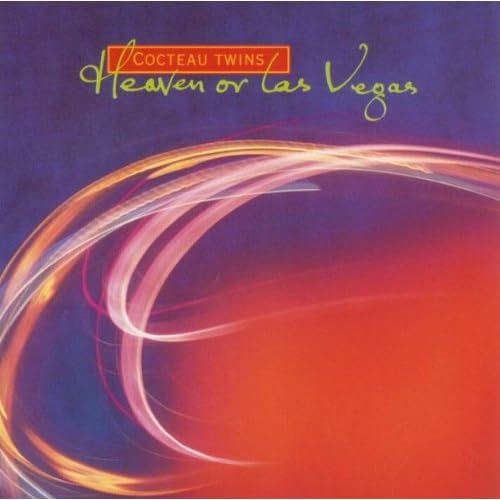
JERRY BURNS-JERRY BURNS.
JERRY BURNS-JERRY BURNS.
The album that I am about review has a sumptuous, atmospheric and dreamlike sound. It is a laid back, musical soundscape that transports you on a journey that will soothe your weary soul. The album is by Jerry Burns and is called Jerry Burns. It was released back in 1992, and this is an album I have returned to time and time, again, and never tire of hearing. So who is Jerry Burns? Jerry Burns is a Scottish singer songwriter, and back in 1992 when this album first came out, the critics forecast a wonderful future for her. However, like many talented artists, Jerry Burns has found commercial success has alluded her. That, to me, is a tragedy, as Jerry Burns has a wonderful voice, and is a talented songwriter. However, what makes this album special? If you read on, I will tell you why this album is so good, and why you should go out and buy a copy.
There are ten songs on this album, and the first track is Pale Red. This is a fantastic way to start the album. Pale Red is a slow track that starts with Burns accompanied by a piano. As you listen to the song you discover a song with a strong narrative and a clever use of similes. The song describes two lovers returning to somewhere they once lived, only to find it being pulled down, and she sings about it being too late to go back. Burns also sings about what she likes about her lover. However, by the end of the song she says that she should not be with him. The pulling down of the building could be a simile for her thinking about breaking up her relationship. This song is a good start to the album.
Casually Unkind is the second song on the album. The song starts with piano and drums, and then Burns goes on to produce a great vocal performance. The lyrics to this song are about someone who is considering starting a relationship, but only will do so, on their own terms, for fear of being hurt. This is a great song, sung well, with the Burns and her band complimenting each other.
Hardly Me is an slow, atmospheric song, with lovely lyrics. In this song, the lyrics paint a picture, a picture of two lovers walking through a city, passing what Burns calls the “rich and disenchanted, dressed up in down-time”. In this song, as with the two previous songs, Burns has the ability to write songs that tell a story. The songs all have a strong narrative, and if you close your eyes you will almost be able to picture the scene that Burns is describing in her lyrics.
The next track Fall For Lovers, is a song about what happens when one falls in love after a previous relationship has goes wrong. In the song her advice is not to look back, and that time will take away the pain. Having fallen in love she realizes how much she needed “to dance again”. This is another clever use of similes, where “to dance again” is a simile for falling in love again. This is a strong song, with intelligent lyrics.
Sometimes I’m Wild carries on with the same tempo as the previous songs. This song primarily features just Burns and the piano. Other instruments gently accompany, but never overpower the vocal. Burns sings the song with feeling, and their is a spaciousness in her delivery. The track is a great showcase for Burns’ voice and is has a lovely atmospheric feel to it.
The next track Crossing Over is quite different from the previous track, the tempo is slightly quicker, and the sound is much fuller. There is more going on in the track than previous ones. The track has more instruments on it, and it feels like that this smothers Burns’ vocal. This, to me, has a negative impact on the track. I found that because of the variety of instruments, and in particular the drum sound, I was distracted from the lyrics and vocals. This is the weakest track on the album, purely because the track would have benefited from a much more pared down sound. This is a shame as the song’s lyrics are good.
On Simple Heart we have a return to form. The sound is much more spartan. Burns’ vocal has space to breath, and her voice produces a much fuller sound, there is a strength to her vocal that was lacking in Crossing Over. This is a track where less is more. Overall, this is a good song, with good lyrics, that are sung well.
There is a change in style on the next track Completely My Dear. Jerry Burns sings the song softly, in fact she almost whispers some of the lyrics at the start of the song. This increases the impact of a beautiful song, as does the way she her phrases the lyrics. In my opinion, this types of song suits Burns’ vocal style. However, she has a versatile voice and can adapt to different styles. This is the case with next song Safe In the Rain. On this song she sings the lyrics using a louder and clearer voice. This song demonstrates the versatility of Jerry Burns vocal range. The song has a slightly faster tempo than some tracks on the album and feature some gorgeous lyrics. This is another love song sung by Burns, and when you listen carefully to the lyrics you will be struck by how well she can tell a story within a song. There is an intelligence to Jerry Burns’ songs that sadly, nowadays, is lacking in many singer songwriters work.
The final song on this album is Stepping Out Slowly. This is another slow song. Burns sings the song softly, and at the start is just backed by a piano. This accompaniment has the effect of increasing the impact of a beautiful song. The song is about someone taking their time becoming involved with a new lover. They do not want to rush headlong into a relationship and are suspicious of their new lover, because they believe that they may not be the faithful kind. This is a really lovely song, is a great way to finish the album.
Jerry Burns debut album Jerry Burns is a great album which features some great tracks. Out of the ten songs on this album, nine of these songs are pure quality. Buns is a great vocalist and and a very talented songwriter. This is an album that should have done much better when it was released in 1992. However, Jerry Burns is not the first, and sadly, won’t be the last talented artist not to achieve the success their talent deserves. Today, Jerry Burns is still a singer-songwriter, sadly, she does not have the profile her talent deserves. Should you have read this review, and think that you would like to hear this album, I would recommend that you try and find a copy of this album. Once you have heard this album, you will be glad to have discovered Jerry Burns, but saddened that you did not discover her many years ago. Standout Tracks: Pale Red, Casually Unkind and Stepping Out Slowly.
JERRY BURNS-JERRY BURNS.

AL GREEN-IS LOVE.
AL GREEN-IS LOVE.
Al Green released Is Love in 1975. At that time, his career was perceived as being in decline. The sound that Green, and producer Willie Mitchell, had carefully created, and became the Hi Records sound, had been widely admired up until then. However, in 1975, this sound was seen as stale and formulaic. Many critics believed that Green could take this sound no further, and that he needed a change in direction.
By 1975, Al Green’s popularity was beginning to wane. Although he was still commercially popular, Is Love only reached number twenty-eight in the US Billboard Pop charts. However there were two possible reasons for the decline in Green’s popularity Firstly, the decline in Green’s popularity was blamed on him becoming deeply religious and becoming disenchanted with secular music. The other reason was Green had been scalded by a lover, who subsequently took her own life. Those two reason, coupled with the perceived staleness in his by now, trusted musical approach, meant that Green was fast becoming yesterday’s man.
However, maybe now that twenty-six years have passed since the albums release, this is a good time to reevaluate Is Love. I must confess though, that I am a big fan of Al Green and the sound he and Willie Mitchell created. When one listens to other releases on the Hi label you can see their influence in other artists’s music. One only need to hear Otis Clay singing Precious, Precious on his album Trying To Live My Life Without You, OV Wright singing That’s the Way I Feel About Cha on his Bottom Line album or Anne Peebles singing I Can’t Stand the Rain. Green and Mitchell influenced these artists and their music. Personally, I do not think Green was washed up by the release of Is Love. Quite the opposite. Listen carefully and you will hear some wonderful music, sung by a wonderful singer, with one of the best voices soul music has ever seen.
Is Love starts with L-O-V-E (Love). This is a joyous slice of southern soul, where Green, the Hi house band and the Memphis Horns put in a sublime performance. Green sings of love but within the lyrics the moral and spiritual confusion he is experiencing is apparent. He sings about the “apple that is so sweet” a biblical reference to temptation. However, this is Al Green back to his best, the 70s’ soul man, the lover, testifying and seducing the listener.
The second of the ten track on the album is Rhymes. This is song has lyrics that have a surreal quality, they have been described as nonsense lyrics by reviewers previously. However, this is a perfectly pleasing, if throwaway song.
The Love Sermon is a clear demonstration of the secular and spiritual dilemma facing Green. In this deeply personal song, Green lays bare the problems facing him, and examines the moral crisis he is experiencing. The song is a lovely slow paced one, where Green and his band allow the song to breath. One of the criticisms of this song, is that it does not have a traditional structure. Instead, it has the feel of Green searching and exploring and has a meditative quality. This, however, does not, in my opinion detract from the quality of the song. After all, soul music’s roots are in gospel music, so it is acceptable for soul music to have a spiritual side.
On the next track, There Is Love, Green returns to what previously, the listener would expect. However, this is no ordinary soul song. Instead when one listens to the lyrics, not only could this be a song sung to a lover, but one sung to God. The arrangement in this song is beautiful, one the best on the album. When you hear the song and the arrangement you will wonder why the critics thought that Green should take his sound no further, and try a different approach.
Could I Be the One is the best song on Is Love. The lyrics to the song are beautiful and heartfelt, Green delivers the song perfectly, and the tight band, accompanied by the Memphis Horns and Rhodes, Chalmers and Rhodes on backing vocals, make this comparable with Al Green’s best work. The pace of the song is slow and Charles Hodges organ solo and the backing vocalists emphasizes the songs beauty. This truly is a wonderful slab of southern soul that will tug at your heartstrings.
Love Ritual to me is the worst song on the album, it has the feeling of being filler, and has, in my opinion, no place on the album. Quality control failed here, and failed badly. The song has no lyrics in the traditional sense. Instead what we have is Green singing almost a stream of consciousness. The song’s only redeeming feature is the band’s performance. They give their usual tight, polished and professional performance. The rhythm of the song is good, it has a somewhat exotic feel to it. However, even such a polished performance from one of soul music’s house bands, cannot save this song.
I Didn’t Know is the next song on Is Love. The track is a slow one, and it has a bluesy feel to it. This is a good song, however, it is not a great one. It certainly is not vintage Al Green. The song starts slowly, Green singing about an old lover, how he did not know how much they loved him. However, the song could also be a spiritual one, with Green singing about how he never knew how much God loved him. Overall, the song is an atmospheric, moving one, but it is no Let’s Stay Together or Tired of Being Alone.
Oh Me, Oh My (Dreams In My Arms) is the next track. This is a good song and was the second single from the album. However, it only reached number forty-seven in the US R&B Charts and forty-eight in the US Pop charts. This is a feel-good track, although the lyrics are somewhat weak, and don’t match the performance of the band and backing vocalists. It could be seen as Green’s reaction to the arrival of disco as a musical genre, and by doing what the critics wanted, by changing his musical direction, this meant Green was caught between two musical stools.
The next track I Gotta Be More (Take Me Higher) is an improvement on the previous track. It is not vintage Al Green, however. The lyrics are of a higher standard than h Me, Oh My (Dreams In My Arms) and have some depth and meaning within them. Green’s vocal performance is strong and he is ably supported by the Hi House band. The Memphis Horns produce their usual high-class performance and the backing vocalists Rhodes, Chalmers and Rhodes have reserved one of their best performances for this track.
On the final track, I Wish You Were Here, Al Green has kept an ace up his sleeve. This track, for me, is the second best track on the album, second only to Could I Be the One. The lyrics are moving and have a quality not to be found on certain tracks on this album. Green’s vocal performance is stunning, it is his best vocal performance on the album. The band compliment his vocal, playing behind Green’s vocal, never overwhelming his vocal. This is a fitting way to end the album.
So having read this review you may feel that Is Love is a mixed bag of an album. That, maybe, would be overstating things, Certainly this is not vintage Al Green. However, the album features some wonderful songs, such as, L-O-V-E (Love), Could I Be the One and I Wish You Were Here. What the album is though, is an interesting document as to what Al Green was going through at that time in his career. He was facing conflict between secular and spiritual music, which seemed to restrain his songwriting performance. This album also demonstrates how good a band Hi Records had at that, the talent of the Memphis Horns and Willie Mitchell’s talent as both a producer and songwriter. Maybe it is no coincidence that Mitchell co-wrote L-O-V-E (Love) and Could I Be the One and wrote I Wish You Were Here on his own. One wonders what kind of album Green would have produced without Mitchell at his side. On the whole, this is a good album that is worth buying. Within the album you will find some great songs. The only really poor song, for me, is Love Ritual. Yes there are some songs that are not up to the standard of Green’s best work, but how many artists consistently produce great albums each time? So what is my advice to anyone contemplating buying Is Love after reading this article? My advice is quite simple, go out and buy Is Love, and while you are doing so, buy a copy of Let’s Stay Together, Explores Your Mind and Belle. If you do so, you will have some of Al Green’s best albums. Maybe then you will go to explore the rest of his back catalogue, and the rest of the Hi Records back catalogue, as Hi Records produced some wonderful southern soul music by Otis Clay, OV Wright and Anne Peebles. Standout Tracks: L-O-V-E (Love), Could I Be the One and I Wish You Were Here.
AL GREEN-IS LOVE
.
PRIMAL SCREAM-GIVE OUT BUT DON’T GIVE UP
PRIMAL SCREAM-GIVE OUT BUT DON’T GIVE UP.
It’s never easy to followup a classic album. Countless bands have discovered that. In 1994, the latest band to realise that were Primal Scream. Three years earlier, at the height of the Acid House era, Primal Scream had released Screamadelica, a fusion of rock and dance music. Released on 23rd September 1991, Screamadelica reached number eight in Britain, and was certified double platinum. After three albums, Primal Scream had finally made a commercial breakthrough. However, as time passed by Primal Scream realised that it wasn’t going to be easy to followup Screamadelica.
Following the success of Screamadelica, Primal Scream headed out on tour, winning over rock and dance music fans simultaneously. However, not everyone was happy. Previously, Primal Scream were a rock ‘n’ roll band. Bobby Gillespie, Primal Scream’s lead singer didn’t even like dance music. He was a died in the wool rock ‘n’ roller. Then he was introduced to the Acid House scene.
Bobby, who revelled in the rock ‘n’ roll lifestyle, dived in head first. He, like the rest of Primal Scream were embracing Acid House culture. Even after Screamadelica, the party continued. Tales of hedonism were commonplace. So were stories that certain members had flown to close to the sun. Before long, the party had lasted over a year. Now it was time to record their fourth album, which became Give Out But Don’t Give Up.
For Give Out But Don’t Give Up, Primal Scream’s songwriting team of Bobby Gillespie, Andrew Innes and Robert “Throb” Young penned nine tracks. The title-track, the trio penned with George Clinton of Funkadelic and Parliament. Recording of the ten tracks began at the Roundhouse Studios, in London in September 1992.
When the Primal Scream arrived at the Roundhouse Studios, their lineup now included vocalist Bobby Gillespie, guitarists Andrew Young and Robert “Throb” Young and keyboardist Martin Duffy. They were augmented by various session musicians and backing vocalists. The sessions were stop start affairs, not helped by the band’s lifestyle. Some of Primal Scream had climbed onboard the horse, and embraced it. This wasn’t ideal for recording an album. It made the recording of Give Out But Don’t Give Up fraught with difficulties.
Over the next two years, Primal Scream worked at various studios in Britain and America. Different producers came, and went. Among them were Tom Dowd, George Drakoulias, David Bianco and George Clinton. They played their part in Give Out But Don’t Give Up’s sound. So did Jim Dickinson, The Muscle Shoal Rhythm Section, The Memphis Horns, Amp Fiddler and Toby Toman, Nico’s drummer. George Clinton and Denise Johnson were among the backing vocalists. Over the next eighteen months, at various studios, Primal Screamh and friends recorded Give Out But Don’t Give Up. Eventually, it was completed and ready for release in March 1994.
When critics heard Give Out But Don’t Give Up it wasn’t well received. Far from it. It received a lukewarm reception at best. Many of the critics didn’t like it. They weren’t willing to give the album a chance. Mostly, that’s because it was so different from Screamadelica. There other reason was because it was a return to the pre-Screamadelica sound.
Before Screamadelica, Primal Scream were good time rock ‘n’ roll band. They didn’t apologise for this. This was their sound. However, that was before Screamadelica. Good time rock ‘n’ roll bands, according to critics, cultural commentators and tastemakers, were “so not of the time.” On trend was the synthetic sound of house music. Sadly, old style rock ‘n’ roll bands were out of fashion. So Primal Scream found themselves with an unfashionable album out, one that the critics almost sneered at. Despite this, Primal Scream had the last laugh.
Upon its release, Give Out But Don’t Give Up reached number two in Britain, and was certified gold. The lead single Rocks, reached number seven in Britain. Then Jailbird reached number twenty-nine in Britain. The only disappointment was that the ballad (I’m Gonna) Cry Myself Blind, didn’t fare better than number forty-nine. However, Primal Scream had proved their critics wrong. The only problem with Give Out But Don’t Give Up was it was the wrong album, at the wrong time. If rock had been undergoing a resurgence in popularity, Give Out But Don’t Give Up would’ve been an even bigger success. With tracks like Jailbird, Rocks, and Everybody Needs Somebody, Give Out But Don’t Give Up is a hugely underrated album, from Primal Scream.
Jailbird is the perfect way to open Give Out But Don’t Give Up. The track almost has a false start. Quickly, you wonder where the track is heading. Then blistering guitars and the rhythm section combine with percussion. They provide the backdrop for Bobby’s swaggering, sassy vocal. Accompanied by soaring backing vocals, Bobby struts his way through the track. It’s a return to form from Primal Scream, who are back doing what they do so well, producing good time, rock ‘n’ roll music.
Straight away, Rocks brings to mind The Rolling Stones, circa Exile On Main Street. Thundering, pounding drums join bursts of searing guitars. They set the scene for Bobby, who picks up where he left on Jailbird. His vocal is a feisty, aggressive and powerful. Later, soaring, quivering harmonies sweep in. By then, Primal Scream are in full flight. It’s a joy to behold, as the comeback Kings pay homage to The Rolling Stones on a Primal Scream classic.
Just a lone guitar opens (I’m Gonna) Cry Myself Blind, the third single released from Give Out But Don’t Give Up. It’s a beautiful ballad, where a worldweary Bobby Gillespie shows his versatility as a vocalist. His vocal is needy, and hopeful as he sings: “baby I want you, baby I need you you.” Just then, gospel tinged harmonies are added. They’re a masterstroke. So, are washes of Hammond organ and stabs of piano. During the bridge, Primal Scream jam, and a guitar takes centre-stage. Aided and abetted by the Hammond organ, they set the scene for a soul baring vocal from Bobby on another of Give Out But Don’t Give Up’s highlights.
As Funky Jam unfolds, a cry of “get a little funky now,” sees Primal Scream head for the dance-floor. Soon, funk, acid house and rock are being fused by Primal Scream. However, it just doesn’t work. It sounds like a jam where the vocals were an afterthought. George Clinton, who remixed the track, didn’t cover himself in glory. It’s without doubt the weakest track on Give Out But Don’t Give Up. It’s as if Primal Scream, or their record company were determined to have a dance track on Give Out But Don’t Give Up. However, they needn’t have bothered, and is a track that should have been left off the album.
Big Jet Plane is a return to form for Primal Scream after the disappointment of Funky Jam. They drop the tempo, and guitars and Primal Scream’s rhythm section combine to create a wistful backdrop. Before long, Bobby delivers a vocal that’s worldweary. Tired of life touring the world, wearily, he sings: “fly me home on a Big Jet Plane.”
Free is another track remixed by George Clinton. The sultriest of saxophones and a slow, deliberate guitar is joined by a melancholy piano. Then Primal Scream leave space for Denise Johnson’s vocal. It’s tinged with hurt at the betrayal she’s experienced. Still she manages to sing: “free again.” Later, as anger and frustration boils over, she sings don’t want to touch me, everything is broken, I don’t love you no more.” Meanwhile, the understated arrangement allows Denise to centre-stage on what’s a heart wrenching ballad.
Call On Me is another good time rock ‘n’ roll song. From the get-go, Primal Scream are at their very best. That’s the case from the band are counted in. Blistering guitars, boogie boogie piano and the rhythm section kick loose. Bobby delivers another strutting, needy vocal. Accompanying him are stabs of blazing horns, and some good time piano. When all this is combined, it’s good time rock ‘n’ roll Primal Scream style.
Struttin’ is another track like Funky Jam. It’s a fusion of funk, rock and acid. Primal Scream’s rhythm section provide 4/4 beats. They’re joined by machine gun guitars, washes of Hammond organ and a myriad of sci-fi sounds. While there’s a rocky undertow to the track, it veers off in the direction of funk and Acid House. Mostly, it’s an instrumental, with the occasional burst of “Funky Jam” added. The result is a track that almost seems out of place with most of Give Out But Don’t Give Up.
Washes of a bluesy slide guitar and an a firmly strummed acoustic guitar combine on Sad and Blue. Soon, Bobby’s delivering a heart wrenching vocal. He’s then joined by sweeping, soaring gospel tinged harmonies and a Hammond organ. Meanwhile, the rest of Primal Scream provide an understated backdrop. Soulful, bluesy and beautiful, you think things can’t get any better. They do. Bobby sings call and response, before a blistering, bluesy harmonica is added. This spurs Primal Scream to even greater heights, as they fuse blues, gospel and soul, to create a quite beautiful, soul baring paean. It’s another of the highlights of Give Out But Don’t Give Up
Give Out But Don’t Give Up is the third track to be remixed by George Clinton. Although it’s funky track, there’s a somewhat experimental sound. Horns sound, before the rhythm section lock into a slow, funky groove. They’re joined by a sultry vocal from Denise. Rocky guitars, percussion and braying horns are then joined by Bobby. From there the vocals drop out, a funky jam unfolds. Primal Scream and friends show their versatility, fusing elements of funk, rock and even Acid House. Slow, moody, funky and sometimes, lysergic it’s very different from much of Give Out But Don’t Give Up. That’s why many people described Give Out But Don’t Give Up is an album with an identity crisis. That’s unfair. Primal Scream, like they would continue to do for several albums, were constantly reinventing themselves.
A wistful piano opens I’ll Be There For You. Soon, horns that sound as if they’re from a classic soul album sound and a Hammond organ plays. They’re the signal for Bobby to deliver a heartfelt, tender vocal. As he delivers his vocal, harmonies accompany him and an acoustic guitar is strummed. Then during the bridge, the rest of Primal Scream take centre-stage. Stretching their legs they jam, before Bobby, accompanied by quivering harmonies soulfully and sincerely sings: “ I’ll Be There For You.” The way he delivers the beautiful lyrics, it’s as if he means every word.
Everybody Needs Somebody, which closes Give Out But Don’t Give Up, picks up where I’ll be There For You. It’s another slow ballad, where Primal Scream show a very different side to their music. Gone is the good time rock ‘n’ roll band. Replacing it, a band that’s responsible for an understated arrangement. Guitars and a piano play before Bobby delivers a melancholy, pensive vocal. His vocal takes centre-stage, as the arrangement unfolds. The guitar and piano become more prominent. Later, sweeping harmonies accompany Bobby. They’ve a slight gospel arrangement. Rocky guitars then replace Bobby’s vocal, as the rest of the band threaten to cut loose. That never happens, and Primal Scream ensure that Give Out But Don’t Give Up closes on on a soulful high.
Following up Screamadelica was never going to be easy for Primal Scream. They were caught between a rock and a hard place. Their traditional fan base were used to Primal Scream’s good time brand of rock ‘n’ roll. Many weren’t won over by Screamadelica. Rock ‘n’ roll and Acid House were strange bedfellows. For many, it was a case of never the two shall meet. By 1994, the Acid House era was all but over. Acid House, with its synthetic sounding music, was just the latest in a long line of musical trends. However, through Aciud House, Primal Scream now had a fan base within the dance community.
While the Acid House was all but over, house music, techno and hip hop were all increasing in popularity. Dance music was here to stay. Many within the dance music community were still fans of Primal Scream. So, if Primal Scream released an album good time rock ‘n’ roll, this would alienate their new fans. Maybe, Primal Scream decided to release an album which would appeal to their old, and new fans. The result was Give Out But Don’t Give Up.
That might have seemed a good idea at the time. Here, were Primal Scream carrying on their fusion of rock and dance music. However, when the critics heard Give Out But Don’t Give Up they weren’t impressed. They didn’t hold back. Critics didn’t like Give Out But Don’t Give Up. Many accused Primal Scream of regressing, into an old fashioned rock ‘n’ roll band. That’s too simplistic though.
There’s much more than rock on Give Out But Don’t Give Up. There’s everything from Acid House to blues and funk, right through to rock soul and Southern Soul. However, Primal Scream were at their best combining blues, rock, soul and Southern Soul. Whether it’s kick ass, swaggering rock ‘n’ roll or heartfelt, soulful ballads with a bluesy hue, Primal Scream are at their very best. They never miss a beat, bringing back memories of The Rolling Stones and The Faces in their prime. That’s not all. Sometimes, Primal Scream with their soulful, bluesy sound, sound as if they’re from Memphis, not Glasgow. For ten tracks Primal Scream can do no wrong. Where things go awry, are on tracks like Funky Jam and Struttin.’
Both Funky Jam and Struttin’ were remixed by George Clinton. However, it had been a long time since George Clinton was making either hits or dance-floor friendly records. Funky Jam and Struttin’ were the wrong songs on the wrong album. Give Out But Don’t Give Up would’ve been a better album without these tracks. By doing this, Give Out But Don’t Give Up would have been much stronger album. Maybe then, critics might not have argued that Give Out But Don’t Give Up lacked direction?
Twenty-one years have passed since Since Give Out But Don’t Give Up. Primal Scream went on to release another six albums. On each of these albums, Primal Scream have constantly sought to reinvent themselves. However, Primal Scream are at their best when they’re playing their own brand good time brand of rock ‘n’ roll. It’s music that’s truly timeless. That’s the case for much of Give Out But Don’t Give Up. Whether they’re delivering their own brand of good time brand of rock ‘n’ roll, or heartfelt ballads, Primal Scream are doing what they do best on what’s the most underrated album in their back-catalogue.
Sadly, for too long, Give Out But Don’t Give Up which has been overlooked. That’s a great shame. It sees Primal Scream return from to what they do best playing rock ‘n’ roll. With Bobby Gillespie at the helm, Primal Scream the last real rock ‘n’ roll band, fly the flag for rock, and the rock ‘n’ roll lifestyle on Give Out But Don’t Give Up. They pick up where The Rolling Stones and The Faces left off with their own brand of good time brand of rock ‘n’ roll. Swaggering and strutting their way through Give Out But Don’t Give Up, Primal Scream, the last gang in town, were back with a bang, after their adventures in Acid House.
PRIMAL SCREAM-GIVE OUT BUT DON’T GIVE UP.

NIGHTMARES ON WAX-SMOKERS DELIGHT.
NIGHTMARES ON WAX-SMOKERS DELIGHT.
Smoker’s Delight is the second album from Nightmares On Wax. It was released back in 1995 on Warp Records. Nightmares On Wax’s first album was A Word of Science The 1st and Final Chapter and was released on 1991. On that album George Evelyn worked with Kevin Harper, who subsequently left the band prior to the recording Smoker’s Delight.
George Evelyn describes his sounds as a mixture of soul and hip hop. That is apparent when you listen to the Smokers Delight . Also apparent, is Evelyn’s musical influences, which he states are soul music. He grew up listening to, and being influenced by, Curtis Mayfield and Quincy Jones. Maybe that is why there is a soulfulness is his work, especially in Smoker’s Delight and Carboot Soul. Carboot Soul is the follow up to Smoker’s Delight’, and was released in 1999. Evelyn, to some people, is perceived as being responsible for founding the trip hop genre, if so, he deserves our thanks, as many people, like myself, love this genre of music.
When you listen to a Nightmares On Wax, you may find that you recognize some of the tracks. Over the years, many of Nightmares On Wax’s tracks have featured on compilation albums, such as Serve Chilled and Winter Chill on the Hed Kandi label, Cafe Del Mar Volumen Tres and The Chillout Room 2. All of these albums are worth buying as the feature some wonderful downtempo music.
Smoker’s Delight in my opinion, is one of the best downtempo albums ever. I know that is a big statement to make, but if you listen to it, then I am sure that you will find yourself agreeing with me. There are sixteen tracks on Smokers Delight, and from the first track Nights Introlude, to the final track Gambia Via Vagatorbeach, this album is pure quality. You will find within Smoker’s Delight, sixteen tracks that feature, and are full of, atmospheric and soulful sounds and slow, spacey, drumbeats. What you will also hear on this album are gorgeous lush strings and quality rhythms that would not look out of place on a 70’s Philadelphia soul album.
Smokers Delight truly is an album that you will listen to time and time again. Certainly I have had it on heavy rotation since its release back in 1995, and I never tire of hearing this album. In fact, every time I listen to Smokers Delight I hear something new. I am forever hearing subtle nuances that I have never heard before on this album. Should you decide to buy Smokers Delight, it will take you on an interesting and enjoyable aural journey, where you will visit places you have never visited before. Like its follow up Carboot Soul, this is classic downtempo or chill-out album. Smokers Delight will help you relax, unwind, and forget the stresses and worries, of modern day life. Surely if it can do that for you so easily, then it is well worth buying Smokers Delight. In fact, while you are buying Smokers Delight, why not just buy a copy of Carboot Soul as well, and then you will be the proud owner of two of the greatest albums within the downtempo or chill-out genre. Standout Tacks: Nights Introlude, Pipes Honour, Stars, Waiting For A Jeepbeat and When I’m Feeling Good.
NIGHTMARES ON WAX-SMOKERS DELIGHT.

FRAGILE STATE-THE FACTS AND THE DREAMS.
FRAGILE STATE-THE FACTS AND THE DREAMS.
Fragile State’s debut album The Facts and the Dreams was released in September 2003 on the Bar De Lune label. Fragile State are Ben Mynott and Neil Cowley. They wrote, arranged, mixed and produced all of the ten tracks on The Facts and the Dreams. Both of them have a wide range of experience in the music industry. Previously, they have arranged, mixed and produced many tracks and albums for a wide array of artists. Neil Cowley is a keyboard player and has played with a number of groups including Zero 7, and is an accomplished producer, having previously produced a number of artists. Ben Mynott may be known to some people through his other “job”. He is music journalist and has written for many publications including Blues and Soul. Although this was Fragile State’s first album, they previously released a track Nocturnal Beats on the Nocturnal Beats label.
The Facts and the Dreams is named after a title in a rare 1920’s German architecture book. Within this album, what you will find is a blend of various types of music including soul and jazz. However, this is no ordinary album, this is an album with an aim. The aim of the album is to reflect the dream of social utopia, both beautiful and fragile. One may think that is a grandiose aim, but when you listen to this album you will find some beautiful, laid back music. This is truly an album that would grace any record collection.
The first song on The Facts and the Dreams is Song of Departure. This track starts with a mid-paced drum beat and then features some gorgeous vocal snippets and samples. Also present is a soulful groove and some lush arrangements. This give this track a glorious summery vibe that clearly has its roots in vintage soul music.
The second track The Barney Fade starts with a slow keyboard solo, and then there is the introduction of some lovely strings. Throughout the track, the tempo is slow, never moving much above eighty beats per minute. This track benefits from the fact that the arrangement and production sees less rather than more in the way of samples and instruments used.
Hoop Dreams is an exquisite track. Like the previous track, the tempo is slow. Mynott and Cowley have been sparing in what instruments they have used to make this track. Too often, artists and producers seem to think that the more instruments, beats and samples used in a song the better it will be. Here, a minimalist approach has been used in the arrangement and production, and this improves the song. On the next track The Facts and the Dreams the same approach has been used, and works well. One of the highlights of the track is Cowley’s keyboard solo, which meanders throughout the track. What we have here is a beautiful, dreamy and atmospheric track, that is one of the best on the album.
Suck It and See is the next track and the pace is just a fraction quicker. It is about eighty-two beats per minute yet seems a faster track. Again, Cowley’s keyboard playing is a highlight of this short track. The track is over too soon, and I found myself wishing that the track lasted longer, and felt that it had the feel of an underdeveloped track, one that although good, could have been improved.
Panacea has a much different tempo that the previous tracks. The tempo is almost the level one would expect on a house track. This is not to say that this is not a good track. Quite the opposite. It is a nice enough track that benefits from being well arranged and produced. The standard of musicianship is very good, but it is not of the standard of the first four tracks.
Every Day A Story is very much a return to form for Fragile State. The tempo drops and the song has a lush arrangement and the keyboards, drumbeats, strings and vocals make this a lovely atmospheric track that reminds me of sunny days in exotic far away places.
The track Barney Reprise is a pedestrian and dreamy track, true chill-out or downtempo music, whichever you prefer. It is a short track, just one minute and twenty seconds in length. Unlike Suck It and See this is a short track that works.
Seraya has many qualities as a track. These include, Cowley’s keyboard playing, the vocal samples and the sparing use of drumbeats. This is another track that has benefited from a minimalist production. Fragile State don’t go in for bells and whistles on the production of the track. This helps, rather than hinders the track and what they have ended up with, is a glorious track.
The final track on the album Undercurrent is a fitting way to finish this album. It is one of the highlights of the album. It is a slow paced track where the use of a ponderous, spacey, drum beat and snatches of a female vocal give the track a depth and quality. The use of percussion also go a long way to providing a variety of sounds that hold the listener’s attention. From start to finish, this track is almost perfection, and I am sure that anyone who listens to this track will be taken by its quality and beauty.
Having read this review of The Facts and the Dreams I hope that I have convinced you that this is an album that you should invest in. It is, in my opinion, one of the best downtempo or chill-out albums of the past fifteen years. Granted it may not be up there with Carboot Soul or Smoker’s Delight by Nightmares On Wax, but that does not mean it is not a bad album. Quite the opposite. This album has some beautiful music on it and is well arranged and produced. It really is an album that that will soothe your soul, and you will find yourself drawn to it, returning to listen to it time and time again. Should you enjoy this album, Fragile State’s second album Voices From the Dustbowl is also worth exploring. It too is a quality album, and should you like The Facts and the Dreams then you will also enjoy Voices From the Dustbowl . Maybe you should take a chance, and buy both albums, because I am sure you will find that it is money well spent. Standout Tracks: Song of Departure, Hoop Dreams, Every Day A Story and Sereya.
FRAGILE STATE-THE FACTS AND THE DREAMS.

TELEFUZZ-SLEEP.
TELEFUZZ-SLEEP.
Telefuzz’s album Sleep was released in 2002. This, to me, is a glorious example of downtempo music. Others may refer to this as trip-hop, ambient or chill-out music. Regardless of how one would categorise this album, The Telefuzz sound on Sleep is a complex, almost psychedelic soundscape. This album is multi-layered and multi-textured and its influences are wide and varied. Listen carefully, and you will hear dub, electronica, ambient and funky influences. The sounds used on this album include vocal samples, slow, spacious drum beats and a multitude of scratches, beats, samples and instruments. Listening to this album is the musical equivalent of a surreal b-movie. It is like a heap-trip without the ingestion of illicit substances.
When you listen to this album it flows in the same way that a good mix album does. In some ways, it is easier to review the album as a whole, rather that the sum of the parts. However, that is not to say that there are not some outstanding tracks on the album. What strikes you, when you look at the song titles, is that they are all puns. It is almost as if the titles are all in-jokes that the listener becomes a a party to.
The album starts with the Hindenburg, a slow atmospheric song, that has a prominent drum track at the front of the mix. Behind the drumbeats one hears snippets of vocals and a wide variety of sounds, that are pleasing on the ear. This is a long track, coming in at just over ten minutes, but it is an enjoyable track that is a good start to the album. Chem-Trails starts slowly, but quickly the tempo increases. Again on this track the drums are prominent in the mix, an the array of sounds surround and accompany the drums.
The Great Gag In the Sky starts with a vocal sample, and then meanders of into an interesting melodic journey. The tempo starts slowly and later in the track the drumbeat increases and the use of vocal sample continues and adds to the track. The Needles and the Homage Done follows a similar path to the previous track. There is the start with the vocal sample and the drumbeat that increases in tempo. Voyage of the Dawn Wigger again sees the use of the vocal sample at the start, but this track differs in sound. There is another vocal used in the track and the drumbeat is a different type is not as prominent. Also, the instruments and samples used give the track sound and tempo. The similarities in the structure of those three tracks could leave Telefuzz accused of being one-trick ponies, with a derivative sound. However, that would be wrong, because one needs to listen to the whole album before coming to that conclusion. Thatt is not the case here, as each song has a different sound and feel to it.
Chariots For Hire has a slow atmospheric sound. The use of samples and synths is clever and make this track sound like a piece of music from a science-fiction film. The sound is spacious and the tempo is kept low. Towards the end of the track a vocal sample is used, and this rounds the track off beautifully. This, for me, is the best track on the album.
Once again, the next track The Last Hemperor starts with a vocal sample. However, when one listens to the whole track you will realize that this was a good idea, as it compliments the track. After that the track is a slow, repetitive, sound that holds the listener attention. The use of samples and instrumentation is clever and what Telefuzz end up with is a very good track.
One Hundred Light Years of Solitude starts with the another vocal sample, and what follows afterwords is a mellow, atmospheric sound. It is both varied and repetitive at the same time. It is varied because of the different sounds to be found within the track, and repetitive because of the use of a recurring sample. This is one of the album’s standout tracks.
Tales of the Dubonic Plague unsurprisingly starts with a vocal sample. Again we find variety and repetition throughout the track, but on this track the tempo starts slowly and then increases. This is a compelling track where the listener is drawn in, and like a good movie, does not want to leave before the end.
The title Dreams of the Dendreons sounds like an episode of a low budget science fiction series from the 1960s. What we have is a lovely slow track with a lovely female vocal being sung over an eclectic collection of samples and instruments. The sound here is very like the Nightmares On Wax sound.
If the Vice Is Right starts with a vocal sample that includes the line “i’m sitting at the opera looking at how much work it takes to bore me”. This is a line from the Comedy Central show Dr Katz. This is as good a way to start a track as any. What follows is a mixture of samples, beeps and drumbeats, the latter increasing in tempo after about two minutes. For the remainder of the track the drumbeat continues on much the same vein, but after just after five minutes there is insertion of vocal sample that recurs for the remainder of the track. This is an interesting track that mixes samples, drumbeats and a variety of sounds.
The final song Blowing Bubbles From the Blimp of the Spirit is a has a slow, meandering song that only lasts three minutes. Sadly, it is one of these songs that you wish there was more of. Although it is a good song, I believe that this song could have been developed and made even better.
That is the story of Telefuzz’s album Sleep. This is an interesting album that is worth listening to. If you don’t have a copy, it is worth trying to find a copy. If you do, what you will find is a glorious album, that is some ways is like the soundtrack to an example of film noire. Sleep successfully sees Telefuzz combine samples, beats, beeps and a multitude of various different sounds and instruments, that combine to produce a fine downtempo album. Standout Tracks: Hindenburg, Chariots For Hire, One Hundred Light Years of Solitude and Dreams of the Dendreons.
TELEFUZZ-SLEEP.

NITIN SAWHNEY-BEYOND SKIN.
NITIN SAWHNEY-BEYOND SKIN.
When I first started writing about Nitin Sawhney’s album Beyond Skin, I had intended this review to be part of an article I am writing about downtempo albums. However, when doing the research for this article I realised that to do the album justice, it would be better if I wrote a more in depth review because this is an important and complex album, which features and highlights many important and relevant issues in the modern world.
Nitin Sawhney’s album Beyond Skin was released in 1999 on the Outcaste label and was nominated for the 1999 Mercury Prize . It was Sawhney’s second album and is a album that requires, and deserves, the listener’s close attention. This album is a complex and beautiful piece of music. Sawhney described the album as “a mixture of Indian classical music, flamenco, acoustic drum and bass, hip-hop, jazz and soul. He goes on to describe the album as “a profoundly humanist album”. Although Sawhney believes in Hindu philosophy, he states that he is not a religious person.
Broken Skin is an album with a theme. The album’s theme challenges the theories behind nationality and identity, and also explores, and focuses on the theme of nuclear weapons. In the album’s sleeve-notes Sawhney describes the album as one with a time span that run backwards starting with India testing three nuclear weapons in 1998 to 1945, two years prior to India becoming independent, when Robert Openheimer created the first nuclear weapon. After the first nuclear test, Oppenheimer quoted from the Bhagavad Gita, the equivalent of the Hindu Bible, condemning what he had created. He tearfully said “Now I am become death, the destroyer of worlds. Interestingly, that quote is used at the end of the final track, Beyond Skin. When you listen to that track, and hear that quote, it is truly a thought provoking and incredibly moving piece of music. That to me, is probably one of the finest songs on the album. However, almost all of the album’s twelve tracks are strong.
The albums opener Broken Skin, which features Indian Prime Minister Vajpayee announcing India’s testing of three nuclear weapons and then goes on to feature a beautiful vocal performance of lovely lyrics by Shri. On the album’s second track Letting Go, Tina Grace gives a stunning vocal performance that increased the impact of the lyrics. Homelands is another excellent track which has a lovely atmospheric feel. The use of a wide range of instruments on this track gives the track a depth, with many layer of sounds appearing and combining to produce one of the best tracks on the album.
Sawhney is joined on the album by, amongst others, Jayanta Bose and Marque Gilmore and the album features a glorious collection of instruments including tablas, violins and flamenco guitars. This is evident on The Pilgrim, which features Rajendra Singh vocals and some masterful drum programming . The song at the end features a spoken word sample.
On the track Tides, the track opens with a clip about France conducting an underground nuclear bomb test. The use of the clip and the wonderful piano solo and a sparing use of percussion and double bass make this, for me one of the best songs on the album.
Nadia features a lovely vocal from Swati Natekar. The song starts slowly and then the pace increases, with some subtle drum programming interplaying and complimenting the vocal performance. On Immigrant a spoken word sample of Sawhney’s father stars the track, and then Jayanata Bose’s vocal begins. She has a beautiful voice that compliments the intelligent and moving lyrics. This is the best song on the album by far.
Serpents is a song that brings to mind exotic and interesting faraway places. The combination vocals, vocal rhythms and instrumentation combine to hold the listener’s attention and make this track an intersting one, although not as good as what precedes it.
Anthems Without Nations begins with a spoken word sample about a nuclear blast, and then goes on to feature the most haunting and beautiful vocal. It is an atmospheric track that one will never tire of hearing. Nostalgia a song about immigration, also begins with a spoken word sample. It then goes on to feature another great vocal from Tina Grace. Sawhney’s choice of vocalists on this album has been masterful. They really increase the impact of the tracks and hold the listener’s attention.
The penultimate song on the album The Conference, sadly to me, is the weakest song on the album. It begins with a spoken word sample and features a faster drum beat and vocal than anywhere else on the album. This track seems out of place on this album, and does not have the quality of the other eleven tracks. Broken Skin is the final song on the album, and as previously mentioned is both thought provoking and incredibly moving track.
I believe that this album is well worth adding to your collection. This is an intelligent and thought provoking album that has the courage to deal with some important and controversial subjects. Sawnhey has had the courage to tackle these themes and in doing so, has done this successfully. He has produced an album that he can be proud of. The themes to be found within this album are important ones, ones that have touched and affected all of our lives, and that of two generations of people. Sawnhey here is educating the listener, challenging their intellect, wanting them to investigate the subject matter more thoroughly, and form opinions of their own. I hope that he has been successful, as the issues are ones we need to contemplate carefully. However, this album can be listened to an two levels. Firstly, you can treat this album as almost a concept album where you can take time to listen to the subtle nuances, themes and ideas within the album. This is whar I have done. Alternatively, if you don’t want to do that, you can just spend time listening to a glorious album, featuring some wonderful music, musicians and vocalists. Either way, you will enjoy this album and return to it time and time again. I hope that this review has made you want to investigate this album and the various themes that are to found upon it. Standout Tracks: Broken Skin, Tides, Anthem Without Nations, Nadia and Beyond Skin.
NITIN SAWHNEY-BEYOND SKIN.

THE BLUE NILE-A WALK ACROSS THE ROOFTOPS.
THE BLUE NILE-A WALK ACROSS THE ROOFTOPS.
A Walk Across the Rooftops is the debut album from The Blue Nile. It was released in 1983 on the Linn record label. The Blue Nile were formed in 1981, when two friends Paul Buchanan and Robert Bell, met Paul Joseph Moore, all of whom met at Glasgow University. Prior to forming The Blue Nile, Buchanan and Bell were previously members of a band called Night By Night. However, they type of music Night By Night performed was not deemed commercial enough, and they were unable to gain a recording contract.
Once The Blue Nile were formed, they set up their own record label Peppermint Records. It was on Peppermint Records that The Blue Nile released their debut single, I Love This Life. This single was then picked up and re-released on the RSO label. Unfortunately for The Blue Nile RSO became part of the Polygram label and I Love This Life disappeared without trace.
The Blue Nile kept writing and recording material after the merger of RSO with Polygram. Some of that material would later be found on A Walk Across the Rooftops. When recording engineer Calum Malcolm heard The Blue Nile’s music, he alerted Linn Electronics. This was to prove a fortuitous break for the band. Linn gave The Blue Nile money to record a song that they could use to demonstrate the quality of Linn’s top-class stereo products. However, when Linn heard the track they were so pleased that decided to set up their own record label to release A Walk Across the Rooftops. Although this allowed the band to finally release their debut album, Buchanan at a later date, speculated whether Linn was the correct label to have signed to. He said that he felt that Linn did not operate like a record label, however, he conceded that, during that period, The Blue Nile were not like a band.
When A Walk Across the Rooftops was released it received which were positive. However, in the intervening years A Walk Across the Rooftops has gained almost a cult status and is widely recognized as one of the finest British albums of the last thirty years. When this album came out the music scene in Scotland was particularly strong. Bands such as The Associates,
So what makes A Walk Across the Rooftops such a special album. There are only seven songs and the album and it only lasts just over thirty-eight minutes, but within those thirty-eight minutes, the lush, atmospheric sound produced by The Blue Nile drawing the listener in, holding their attention, and at the end of the album the listener finds themselves wishing that there was more of the same. When one listens carefully to this album, one hears strings that are lush, a bass that is funky, and Buchanan’s world-weary voice, bringing soulfulness to the intelligent lyrics. Buchanan’s is a troubled troubadour, a tormented soul, someone who has experienced the vagaries of life, and sounds like someone who has experienced everything that life can throw at him. The album is in a word, exceptional.
With the exception of Tinseltown In The rain, the tempo of the album is slow, the arrangements of the songs exquisite, with the intelligent use of space adding to, rather than detracting from, the albums impact. There is a hauntingly beautiful feel that runs throughout the album, the sound epitomizes the city of Glasgow, with the lyrics name-checking and describing places that will be familiar to the people of that city. To me, when I listen to the album, I always think of Glasgow, of places and people, of memories mostly good.
The opening track A Walk Across the Rooftops is the first track on the album and is a slow track. it is a song about love and being in love, and the slow tempo adds to the impact of the lyrics. The beautiful lush strings, the slow steady beat of a drum machine and Buchanan’s voice combine to make this song a thing of beauty. This song is a love song with a difference. In the song, Buchanan sing of his love for Glasgow, and name-checks the things he loves about the city. It is a great way to the start the album, and amazingly, the quality is kept up from the start of the album to its finish.
Tinseltown In the Rain is the most upbeat song on the album. The song starts with a funky bass solo and keyboard combining, then the other instruments kick in, and Buchanan starts to sing some really beautiful lyrics. The lyrics reminds me of Glasgow, even the title puts me in mind of a rainy, winter night in Glasgow, people going about their business in the cold and wet, lovers walking hand in hand, and the neon lights casting their shadows over the buildings and the city. Again, on this track the string arrangements take this track to another level. Here we have a great song, with emotive lyrics, beautifully arranged, performed and produced.
From Rags To Riches is the third song on the album. At the start of the album the atmospheric sounds and the mid-tempo beat have a somewhat industrial sound. Buchanan’s vocal and the lyrics make the song. Later on in the track, the industrial sound continues and the soundscape that this song is, grows and grows, and ends up really working. To someone who has never heard The Blue Nile before, this song may seem like difficult listening, but once familiar with the song, the combination of the various instruments and sounds, mean that the whole is greater that the sum of the parts that make up this song.
Next on the album is Stay, a song with a slightly quicker tempo that Rags To Riches. It finds Buchanan singing about what is obviously a crumbling relationship, and pleading with his partner to stay, and that he will change and “learn to understand you”. Again, we have an interesting combination of instruments which combine effectively to produce a good track. The way the track evolves is due to good and careful arrangement and production.
Easter Parade is the next song and is a really slow song. It is apparently about a young man being stuck on a street whilst an Easter parade takes place around him. This evokes old and painful memories, when he attended church and learned about religion and the death of Christ. This is a sad and incredibly moving song.
Heatwave is the penultimate song on the album. This is a much more traditional song that the previous one. It starts slowly, and although some of the sounds at the start are somewhat unorthodox, the song’s structure quickly takes a more traditional form. The band play under Buchanan’s vocal, and the variety of sounds that make up the overall sound of instrumentation on the album, and Buchanan’s vocal combine to make this a great song with powerful lyrics.
The final song on the album is Automobile Noise. This is a return to what I would call the industrial sound that is heard on Rags To Riches. This is a slow song, where the start of the song is a cumulation of almost avante-garde sounds and traditional instruments. This works, and works well. The lyrics seem to be commenting on one person’s struggle to cope with life in the city, they find urban life tiring, almost soul destroying, they tire of the daily grind, and are fed up just keeping their head above water. They long to walk away from chasing the wealth the city promises, but that is always is just out of their reach. When you analyze the lyrics, there is a lot of truth in the lyrics, and what is remarkable is that this song came out in 1983. This song is a strong one, and is a good way to close this album.
In my opinion, and that of many other people, The Blue Nile are one of the most underrated bands of the last thirty years. Although they have only made four albums in thirty years, they are four great albums. A Walk Across the Rooftops is one of the best debut albums that I have ever heard. However, Hats which is the follow up to A Walk Across the Rooftops, is as good, if not better. Their third and fourth albums Peace At Last and High had considerably more commercial success than the first two albums. However, as much as they are good albums I prefer A Walk Across the Rooftops and Hats, and should you never have heard The Blue Nile’s music, I would suggest that you buy them first. Then once you have savored the delights of these albums, I would then advice you to buy Peace At Last and High. Should you buy The Blue Nile’s four albums, I am sure that you will be smitten by their wonderful music and treasure these fabulous albums.
THE BLUE NILE-A WALK ACROSS THE ROOFTOPS.

ANITA BAKER-RAPTURE.
ANITA BAKER-RAPTURE.
Ever since I was young, I have always liked soul music, and back in 1986 one of my all-time favorite soul albums was released. The album was Rapture by Anita Baker. Rapture was Anita Baker’s second album and was her breakthrough album. Also, in my opinion, it is Baker’s best album to date. Rapture went on to sell eight million copies, five million of those in the United States alone. The album earned Anita Baker two Grammy Awards, and one for Sweet Love, the first track on the album. Anita Baker’s debut album Songstress sold over four-hundred thousand copies, yet she still did not know whether she could make it as a singer. Indeed, after The success of Songstress she was still was unsure whether she should give up her job as a legal secretary. All I can say is that I am glad that Anita Baker decided to give up being a legal secretary, the legal industry’s loss was music’s gain.
When I listened to this album recently, I was struck by the fact that this album has a timeless quality, one never tires of hearing it, and it still sounds as fresh as it did twenty five years ago. Anita Baker undoubtedly has had an effect on all of the female soul singers that followed in her wake. One thinks of some of the recent nu-soul female vocalists like Maysa Leak, Angie Stone, Jill Scott and Erykah Badu and one can see that Baker has influenced them and their sound. However, Baker follows in a long line of female soul singers from leading luminaries including Aretha Franklin, Etta James, Minnie Riperton and Diana Ross, to lesser known, but still fabulous singers including Marlena Shaw and Esther Phillips. But what makes Rapture such a fabulous and special album? Well if you read on, I will tell you why.
The opening track on Rapture is Sweet Love, and what a way to start an album. Rapture is a fantastic track that allows Baker and her musician to showcase their considerable talents. The song is a love song with beautiful lyrics, it is about being in love and being scared of losing the one you love. These are sentiments that many people will be able to relate to. Baker co-wrote the words and music to Rapture along with Louis A. Johnson and Gary Bias. This demonstrated that Baker is not just a talented vocalist, but a talented songwriter as well
You Bring Me Joy is the next track on the album. This is another love song and is a celebration of being in love and Baker expresses the gratitude one feels when in a loving and stable relationship. The lyrics, like Rapture are beautiful and Baker’s delivery of the song is fantastic.
The next song Caught Up In the Rapture, like the previous two songs deals with love, and being in love. From the opening bars to the finish, this is, for me, the best track on the album. It is a thing of beauty, a tale of how two lovers meet and one’s feelings for the other. This is a slow track, and the backing musicians bring out the song’s beauty, playing around Baker’s stunning vocal, complimenting Baker’s performance. The drums and percussion section especially, go a long way to making this track the success it was.
Been So Long is written by Baker herself. Here one can hear a real vintage jazz sound, that brings to mind previous singers like Sarah Vaughan and Billie Holiday. What I like about this track is Baker’s phrasing of the lyrics and how she uses space to let the song breath, which helps the impact of the song. Although this song is not of the quality of the first three tracks, it is still a good song. The problem Baker has here is the songs are of such a high quality that when the quality drops, even slightly, it is noticeable straight away.
Mystery is the next track is a cover of a Manhattan Transfer song. Baker’s version surpasses the original easily. From the finger popping of the intro to the outro, this is nearly five minutes of quality soul. Anita’s sultry voice weaves a tail of love gone wrong. It is a tale of woe and regret, about two people trying to recapture the love they have lost, and one is trying to find out why the other can’t give love another chance. This is a glorious song that one never tires of hearing.
No One In the World is the equal of anything on the album. The lyrics, and Baker’s delivery, are complimented by the backing vocalists, and there is almost an element of call and response in the way that they compliment each other. This is a luscious love song that when you listen to it, still has a freshness about it. It would not be out of place on any album being released today by a female vocalist. Marti Sharron’s words and and Ken Hirsch’s music are truly a masterpiece, that comes alive when sung by Anita Baker.
The penultimate song on Rapture is Same Ole Love. Here we have a change of tempo that finds Baker singing in appreciation of a lover. It is an uptempo song that allows both Baker and a very tight backing band to show what they are capable of. Interestingly, although this is an uptempo song both Baker and her band allow the song to breath at the start, and then gradually they up the tempo. She delivers the song beautifully and the song is a joyous one where she serenades her lover in appreciation of the things he does for her and what means to her. Truly this is a lovely song that keeps up the high standard of the rest of the album.
The final song on this album is Watch Your Step. This is another upbeat song which sounds like an open letter to an errant lover. Baker warns him that she has met his type before, and that one day it will be him that ends up being hurt one day. This song includes the lyric about the errant lover that you “change your mind like revolving door, change your women like you change your clothes”. In this song Baker has summed up her man and then goes on to warn him that she has met his type before. Anita Baker wrote the words and music for this song, and I have always wondered if this song is based on a personal experience. Regardless of whether this is the case, I am sure that many women will nod their heads when they hear this lyric, and say well said Anita.
So, I hope that once you have read this review of Rapture that should you not own a copy that you will be inspired to go out and buy it. If, however, you have this album in your collection, I hope that this review makes you dig out the album and listen to it again. In both cases you will not be disappointed, as this truly is one of the finest soul albums of the past thirty years. Anita Baker is a great artist, and Rapture is her finest album, this makes the album a good starting point for anyone wanting to find out more about Anita Baker and her wonderful music. The only thing that worries me about this album, is that it is now twenty-five years old, and what I would like to know is where did the time go?
ANITA BAKER-RAPTURE.

ANNIE BARKER-MOUNTAINS AND TUMULT.
ANNIE BARKER-MOUNTAINS AND TUMULT.
I first came across Annie Barker in 2007 when she released her debut album Mountains and Tumult. One of the reasons that I was interested in this album was that it was produced, mixed and mastered by Robin Guthrie, formerly of the Cocteau Twins, one of my favorite groups. Guthrie also played guitar, bass and drums on the album. When I bought this album I was immediately hooked. However, straight away people started making comparisons with Guthrie’s former Cocteau Twin member Liz Fraser. Whilst, it is true that both Barker and Fraser’s voices have an ethereal quality, there is a difference in both singer’s styles. Having heard the album and enjoyed it, I decided to find out more about Annie Barker and this is what I found out.
In the past, Annie Barker’s mother said that Annie could sing before she could even speak. Even from a young age it was clear that Annie was going to become a singer. It was her way of expressing herself. So whilst in school, she trained her voice in jazz, classical through being in various musical groups, as well as studying theatre. Whilst growing up in Los Angeles, Annie worked not only in television, but also in theatre and film. Remarkably, her acting career started when she was only three years old. Annie believes that training as an actor allowed her to explore her emotional self, which she believes was beneficial to her later career as a singer.
What I find amazing about the Annie Barker story, is that whilst she was planning Mountains and Tumult she built her own recording studio from scratch. As if that was not enough, she also learnt how to play the various instruments that you will hear on this album, studied and learnt how music production and the workings of the music business, as well as the ethics of the manufacturing process and about also about design. Clearly Annie Barker is a remarkable lady. The reason she had to do this was that at the start of the project that became Mountains and Tumult, she could not find people who she says could “express her vision”. Thus, Annie decided to take matters into her own hands and started her own record label, Beautiful Revolution Records. The idea behind this was to give her independence in the creative process.
Later, Annie met Robin Guthrie. This must have been a dream for her as a long time Cocteau Twin fan. She had grown up loving the Cocteau Twins’ music, especially Liz Fraser’s voice. Obviously, meeting Guthrie must have had a huge affect on Annie, being able to work with one of her heroes. It clearly must have been a meeting of minds, and Guthrie’s involvement with Mountains and Tumult has helped to bring out the potential that Annie Barker quite clearly had. Annie believes her music represents the ups and downs we all face whilst traveling through life and is “an opportunity to be loss or more or less me”.
So what of the album Mountains and Tumult? There are ten tracks on the album, and the first thing that strikes you when you listen to this album, is Annie’s voice. It quite literally has the ability to send shivers down your spine. There is, as I said before, an ethereal quality to it, it is a voice that draws you in, and holds your attention. You find yourself spellbound by her voice, wondering what the next song will bring.
The first song on the album is Kissed Me when you hear the introduction sounds very like the Cocteau Twins. However, when Annie’s voice kicks in there is a noticeable difference. Although there is a similar ethereal sound to Barker and Fraser’s voices, Annie sings in a different key to Liz Fraser, and her voice has a wide range. The instrumentation by Guthrie has a Cocteau Twins-esque feel to it, but Annie makes the sound her own. The song has a slow tempo and is a beautiful start to the album.
The second song Revolutionary Rock “N’ Roll has a different sound to it, Barkers’s voice is stronger and there is a bigger sound present, with Barker singing above the instruments. In some ways it sounds as if she is having to force her vocal to be heard over the instruments, which have a somewhat retro feel to them. This is a good song in a different vain to the previous one.
The next song Pretty Boy Game has more in common with Kissed me than the previous one, Revolutionary Rock “N’ Roll. It is a lovely slow song which seems to deal with the subject of love and rejection. The lyrics are beautiful, albeit tinged with a sadness, pointing to failed relationships, and love gone wrong.
Gripped With That Leg to me, is the standout track on the album. The lyrics are heart-achingly beautiful, and tell a story, that when you read the lyrics you wonder who the song is about and wonder what trauma they suffered. I found myself wanting to know more, who this happened to, when did it happened and why did it happen? One can speculate about what the song is about, I’ll leave it to you to decide.
Elliots’s Song comes a close second to Gripped With That Leg. Again it is a slow song and one that Barker’s voice can do justice to. That ethereal quality is so apparent here, and on this song, there is no comparison with Fraser. Barker’s voice is unique. Here the subject matter appears to deal with the death of a loved one, possible a lover, past or present. It is remarkable how Barker has turned such a devastatingly subject matter into such a beautiful song. Here she is a story-teller and the song will tug at your heart-strings, it certain did with me.
Beautiful Life is another slow song, and here Annie sings the song in a slightly different key, showing the versatility of her voice. This is a love song, about a woman scared of losing the love of her life. She is scared of making a mistake and losing the most important thing in her life. Yet again, this a beautiful song that is one of my favorites and a song that I could see receiving radio play. However, sadly the album remains a sort of cult album, loved by a few people, unknown by the majority of music fans.
When you listen to the next song Sausage Fingers you find Annie singing a slow song which have slightly surreal lyrics. She sings about “sausage fingers walking through a Roman facade”. However, when you listen to the lyrics she seem to be about meeting a past lover and the feeling of rejection when they ignore her, and when she speaks to them they treat her badly, ignoring their previous relationship mocking her father. This is a song that you have to listen to a couple of times to hear and feel its impact. Like a lot of Annie’s songs, It is a song that paints a picture, and allows you to visualize the protagonists involved. This is one of the beauties of Barker’s music, her ability to paint a picture using music.
I Want, the eighth song on the album, finds Guthrie and Barker re-introducing a bigger sound. When you study the lyrics you find yourself speculating about the subject matter of the song. Quite clearly, the song has a sexual theme, and some of the references lead one to speculate whether the song is about conflict regarding sexuality. The conclusion one could draw, is that the song’s solution to the problem is a menage a trois, keeping both the parties the subject of the song is torn between happy. This is an interesting song that Annie sings well.
The penultimate song on the album is the title track Mountains and Tumults. It is a beautiful, slow, atmospheric, song. Barker sings it well and draws the listeners in with her dream-like voice. However, when one studies the lyrics closely, the song is about a woman being badly treated by a man she can’t help but love and want to give herself to. The song finishes with Barker singing about the realization that she should not let him drain her flower, because once he has finished with her “there’ll be none left for the real one”. This is poignant song that Barker sings well and that has the ability to let the listener feel her pain.
The final song on the album Amphetamine Dream, has a Cocteau Twins feel about it. This is a song about a drug influenced relationship where the characters exist in a state of squalor, and eventually, she decides to end the relationship, and having done that, realizes the power “she wields” and “how it feels to hurt a man with the power she wields”. This is a song about a how it dawns on a woman that she is worth more than the situation she is in. It is a good song, well sung by Barker, with a strong narrative.
So Mountains and Tumult is to me an excellent debut album. It is one that is worth buying if you have not already got it in your collection. If you are a Cocteau Twins fan this will definitely interest you, because of Robin Guthrie’s involvement and the comparisons between Annie Barker and Liz Fraser. To me, Barker’s voice has similarities to Fraser’s, but that is no bad thing. Liz Fraser has a great voice and has influenced many female vocalists and has obviously influenced Barker. However, Barker’s style is different, and Barker is a talented songwriter who is capable of telling a story, and bringing a song to life. My final word on Annie Barker is that I hope that she will bring an another album out soon, as it has been four years since the release of Mountains and Tumult. I like many people who are fans of her music, and appreciate her work, want to here more from her, and hear how her music has evolved in the past four years. So hurry up Annie, we are all here and waiting, for some more of your wonderful music.
ANNIE BARKER.

FEINA-A STAR OF THE FUTURE?
FEINA-A STAR OF THE FUTURE?
The one thing about music is that now and again you discover new talent, someone that you have never heard before, someone that you just know should have a great future in front of them. However, we all know about the strange vagaries of the music industry, and how that sometimes real talent fails to shine through, that great artists do not get the breaks or commercial success that they deserver. That is often the case with “an aspiring pop artist” like Feina.
Feina’s songs are a mixture of her own songs and cover versions. The first song Bad Character has a new and fresh and Feina’s voice carries the song reasonaby well.It’s Over has a retro, new-wave, sound, while Circles has potential. The instrumental Space Anomaly has a very different sound to the previous tracks. Last Regrets (“Acoustic Fan Dub”) and Fruits Basket “(Acoustic Cover”) are similar sounding songs.
We R Who We R is a rasonabele cover version of the Kesha track The final track California Gurls, is a decent cover version.
As yet,Feina is not signed to a record label, but has recorded a demo. It’s too soon to say whether she is a star of the future.
JUST A FEW WORDS ABOUT ME
Hi to everyone who reads this. My name is Derek Anderson, I’m 50, single and live in Scotland. My main interest in life is music. I am and always have been, immersed in music. Music is what I love. It means so much to me, it brings back memories, changes the way I feel and has been a constant throughout my life. Throughout my life, music has provided a soundtrack to my life. Some people have photograph albums, I have a music collection. My love of music, and my desire to share that love of music is why I decided to launch this blog. Each day, I put up new material for you all to read. So each day, when you look at this blog, you’ll always find something new. I also write the Rodion G.A. blog, which I recently launched. Hopefully, you’ll enjoy it too.
My musical tastes are wide and varied. I enjoy most musical genres, and my music collection reflects that. There must be 3,500 CDs, box sets and vinyl. I’m fast running out of room, and I’m becoming submerged in CDs and LPs.
My taste in music is eclectic to say the least. Within my collection there is everything from classic rock, Nordic Wave, progressive rock and Krautrock right through to avant-garde, experimental, indie, folk and ambient. That’s not forgetting dub, jazz and free jazz. If pushed to pick my favourite albums, it would have to be The Blue Nile’s quartet of pop perfection. Then I’d mention albums by The Bathers, Can, Harmonia, Neu!, Cluster, Primal Scream, Dr. John, Tim Buckley, John Martyn, Led Zeppelin and Jimi Hendrix. I could go on and on.
I decided to write this blog as I’ve been immersed in music throughout my life although my life has taken a few twists and turns. Originally, I studied business studies, over twenty five years ago, then later in life, I decided to branch out, try something different. This lead to me studying first social sciences and then English Law. That resulted in me gaining a 2:1 in English Law. However, regardless of what I’ve done in life, music has been what I’ve always loved. This lead to me writing this blog, something I enjoy doing.
I review all sorts of music on this blog. As you’ll have realised, I review all genres of music. As long as its good music, I’ll review it. I try to review an eclectic selection of music, whether compilations or albums.
Should you enjoy an article so much that you want to to re-blog or repost it then please ask my permission to do so. The copyright to all the articles belong to me. I’ve nothing against anyone reposting or re-blogging an article, that’s great, just as long as you ask permission and then credit me for it. Remember, I own the copyright, both moral and legal copyright. Anyone reposting an article, must ask before doing so. Once permission has been granted, then they can repost it, if they credit me.
If you want something reviewed, just get in touch and I’ll tell you where to send a CD or LP. I’m always interested to hear from new artists.
My other interests are reading, technology and football. I have supported St Mirren FC all my life, and I’m delighted that we won the League Cup in 2013. That means I must be the eternal optimist. Anything else you want to know just ask. Enjoy the blog, and remember, it’s “the music blog, where music matters.”
TERRY CALLIER-LIFETIME.
TERRY CALLIER-LIFETIME.

I first came across Terry Callier’s music in about 1999, I was listening to a Northern Soul compilation Just Keep On Dancing-Chess Northern Soul, a Kent/Ace Records release, and on this album was this fabulous track Look At Me Now. Straight away, I had to find out more about Terry Callier. Luckily, when I visited my local independent record shop and asked whether they had anything by Terry Callier, I was shown a recent compilation Essential, The Very Best of Terry Callier. I had to have it, I had to hear more by Terry Callier, find out more about his music. When I took it home and played it, I was immediately hooked. All I could think of was, why have I not heard of this guy, after all, here is a great singer and songwriter, who combines soul and jazz music so beautifully. From then on, everywhere I went, I looked out for Terry Callier albums. Over time, I was able to buy all of his back catalogue.
Then in September of 1999 Callier brought out a new album. Thankfully, I was able to get a copy on the day it was released and that album was Lifetime. Lifetime is my favorite of Terry Callier’s later albums, shortly followed by 1998’s Timepeace. Obviously, Callier has produced many albums stretching back to 1964’s The New Folk Sound of Terry Callier and in my opinion Lifeline is comparable to just about any of Callier’s earlier work. However, for now, I will review Lifetime.
There are twelve tracks on Lifetime and the first track on the album When My Lady Danced is a beautiful love song, which is even more effective in that the track is mostly acoustic. Listening to the lyrics, one can’t fail to be moved by them, by their beauty and depth.
The second song Sunset Boulevard is another slow song, and for me is one of the best songs on the album. I once saw Terry Callier in concert, and when he played Sunset Boulevard, it was one of the highlights of the set. I can say in all honestly that concert was the most moving experience of my long concert-going career. That night I was struck immediately by Callier’s humility. It is a pity that many less talented musicians than Terry Callier, don’t take a leaf out of his book.
The next song on this album Holding On, is just about worth the price of the album. This track is a faster song that the two preceding tracks and for me one of he highlights of the track is Gary Plummley’s tenor saxophone playing which works round Callier’s vocal and adds to the effectiveness of the song.
When the Music is Gone is the next track on the album, and when I first listened to the lyrics I was immediately struck by their beauty and sentiment. Again, the track is complimented by Rich Fudoli’s tenor and soprano saxophone playing and John McLean’s electric guitar playing. Callier for this album put together what can only be described as a crack team of musicians and as usual, this album features Glasgow virtuoso guitarist, Jim Mullen, who has been at Callier’s side throughout his comeback.
The next song on the album is When A Lark Is Singing. Interestingly, the song is co-written by Callier’s daughter Sundiata and once again is another song with the most beautiful lyrics. On this album Callier’s songwriting is second to none. He wrote five of the songs himself, and co-wrote the remaining seven. Interestingly, the weakest song on the album 4 Miles sees Callier collaborate with six others, and the song a tribute to the late Miles Davis is the poorest on the album. Miles Davis was a hero on his music and an influence on his work. It is just a pity that this tribute to Davis is not a better song.
The seventh track on the album Love Can Do, fittingly sees Callier duet with Beth Orton, as Callier had previously appeared on Orton’s album Central Reservation. This is another acoustic song and Callier and Orton’s voices compliment each other and bring out the beauty and tenderness of the lyrics.
Fix the Blame is the next song and the tempo increases, and finds Callier passionately singing some very poweful lyrics. This shows the versatility of Terry Callier, in that one minute he can be singing tender love songs and the next he is belting out a song packed with social comment.
The next two tracks are my personal favorites on this album. First comes I Don’t Want To See Myself a song that starts slowly and with just Callier and backing vocalists The Visual Ministry Choir , accompanied by the musicians playing softly in the background. Then the tempo changes and Callier launches into joyous lyrics filled with hope, gratitude and love. Complimenting Callier’s strong vocal performance is Gary Plummley’s sublime tenor saxophone solo, which lifts a good song to a great song. All in all, this is a masterful performance that to me, is the highlight of the album. The tempo keeps up on the next track Nobody But Yourself Paul Wertico’s drums keep a steady beat that Callier sings around. The lyrics are thoughtful and the band really are at the top of their game, this track being a demonstration of the way Callier’s band perform live in concert. Should you ever get the opportunity to see Terry Callier live, do so, it is almost a life changing experience.
Coming Up From Babylon is the next track and here the tempo starts relatively slowly, with Callier singing lyrics that have a spiritual narrative. This could be a disaster, but Terry Callier’s performance ensures that this a strong song and he delivers the song powerfully and passionately.
The final song on the album is the title track Lifetime. This is another track where Callier’s spirituality is apparent. When one listens to the lyrics they are so beautiful that they tug on the heart-strings, it is song that manages to combine both spirituality and romance. In my opinion this is one of the finest songs that Terry Callier has ever written, comparable even with the songs he recorded on the Cadet label between 1972-1974. I would even go as far as to say that Lifetime must be one of the most beautiful songs written in the past twenty years.
So if you have never heard Terry Callier’s music, I urge you to go out and buy two albums to start of with. Firstly, you should buy this album, as you will be privileged to hear Terry Callier’s finest album since his much heralded come back. This truly is a stunning album, crammed full of beautiful songs that are beautifully written, arranged and performed. You will not only get to hear Terry Callier, but you will also hear a wonderful band, at the top of their game. The second album you should buy is Essential, The Very Best of Terry Callier which has seventeen of his best songs that he recorded for the Cadet label. If you buy those two albums i am sure you will go on to explore all of Terry Callier’s back catalogue and that you will cherish his music as much as I do.
GREAT ALBUM COVERS VOLUME 1: 15 OF THE BEST
GREAT ALBUM COVERS VOLUME 1: 15 OF THE BEST.
Recently, whilst looking through a large number of old albums, I was struck by how many great album covers I came across. Funnily enough, not every great album cover I came across was to be found on an album that one would call a classic album. In many cases the album covers were found on albums that I would classify as good albums, but by no means life-changing albums, they were hardly Pet Sounds, Dark Side of the Moon or Screamadlica.
The other thing that struck me was that with the advent of the CD a great album cover’s impact is lost because of the smaller size of the artwork within the CD case. Nowadays, I wonder if as much care is taken over an albums artwork and ponder the question are there are many classic album covers being produced than there were when i first started buying vinyl. Over thirty years ago, when I first start buying albums, when you bought an album with great artwork such as Out of the Blue by The Electric Light Orchestra it was like holding your own personal piece of art, even better if it was a gatefold sleeve. So in this article the first of a series I intend to do, I will pick fifteen of my favorite album covers of all time and I will rate them out of ten. I hope that the readers of this site will enjoy this article and should they wish to pick their own favorite covers, I hope they will send them into the site.
ELECTRIC LIGHT ORCHESTRA-OUT OF THE BLUE.

When preparing to write this article I spent some time firstly, thinking about what were my favorite album covers of all time and secondly what are the widely acknowledged classic album covers of all time? People have spent time researching this subject with a great deal of thoroughness and have even written books about the subject, for example, Classic Album Covers of the 60s: Over 200 of the Best Covers of the Decade byStorm Thorgerson and The Greatest Album Covers of All Time by Barry Miles, Grant Scott and Johnny Morgan. Obviously there are certain album covers that most people will concede are classic album covers for example The Beatles Sgt. Pepper’s Lonely Hearts Club Band which was designed by Peter Blake and Pink Floyd’s Dark Side of the Moon designed by Storm Thorgerson and Aubrey “Po” Powell, known as Hipgnosis.
THE BEATLES-SGT. PEPPER’S LONELY HEARTS CLUB BAND.

PINK FLOYD-DARK SIDE OF THE MOON.

Other acknowledged classic album covers include David Bowie’s Aladdin Sane and The Clash’s London Calling which was designed by Ray Lowry and inspired by an old Elvis Presley debut album cover.
DAVID BOWIE-ALADDIN SANE.

THE CLASH-LONDON CALLING.

ELVIS PRESLEY-ELVIS PRESLEY.

However, like most people I have my own personal favorite album covers and here are the first fifteen of them. These albums have some wonderful music in them and cover a wide range of music genres and I can recommend any of them. As mentioned previously, some may not be classic albums that no collection ought to be without, but they are good albums made by good musicians and are worth listening to.
The first classic album cover I have chosen is Screamadelica by Primal Scream, an album which i have previously reviewed when the 20th Anniversary Box Set was released earlier this year. Screamadelica was the third Primal Scream studio album and was released in 1991, and the album cover was designed by the late Paul Cannel. Cannel’s design has been so widely recognised as a classic that The Royal Mail even issued a set of stamps with his design on it. To me, this design is one of the best album covers not just of the 1990’s, but all time. For those who have never heard Screamadelica the standout tracks are Moving On Up, Higher Than the Sun, Loaded, Damaged and I’m Coming Down. My verdict is great album and great cover. Classic 9/10
PRIMAL SCREAM-SCREAMADELICA.

The second album that I have chosen to feature is the ABC album The Lexicon of Love. Trevor Horn produced the album which was ABC’s debut and also a concept album. This cover is one I have always admire since the album’s release in 1982. Again, this is not just a great cover but a great album. It is easily one of the finest albums of the early 1980’s and is the best album by far, that ABC ever produced. This seemed to be the high-point in ABC’s career and they never, again, produced anything of the quality of The Lexicon of Love. Martin Fry’s vocals and the musicianship of the various personnel involved, including the various session musicians (many of whom played on many ZTT productions) and Trevor Horn’s slick production make this one of the decades best albums. Key tracks include: Poison Arrow, Tears Are Not Enough, The Look of Love (Part One) and All of My Heart. 8/10
ABC LEXICON OF LOVE.

The third album cover I would like to feature is The Beatles album Revolver. The reason I have decided to feature this album cover is that it is that Revolver is widely held to the first psychedelic albums produced and within the album the listener is taken on a musical journey where the music’s mood changes and George Martin’s production sees a manipulation of the sounds involved and new hitherto seen instruments and sounds finding their way onto the album. One only has to listen to the sitar on Love You To and the way the guitars are blurred on She Said, She Said. The cover was designed by Klaus Voorman a german artist and bass player and is part line-drawing and part collage and is my favorite Beatles cover. Standout tracks: Taxman, I’m Only Sleeping, She Said, She Said, Dr Robert and Got To Get You Into My Life. 8/10
THE BEATLES-REVOLVER.

The fourth album cover I would like to feature is Little Feat’s fourth album Feat’s Don’t Fail Me which was released in 1974. Little Feat are one of the most under-rated bands of the 1970’s and their most widely known and highly acclaimed albums is Dixie Chicken, a great album and one incidentally, with another great album cover. Little Feat, at that time, were a great live band and they attempted to replicate their New Orleans influenced live sound onto Feats Don’t Fail Me. Lowell George’s totally distinctive vocals and guitar playing are complemented by guest backing vocalists Bonnie Raitt and Emmylou Harris. The cover was designed by Neon Park. Sadly, Lowell George lost interest in Little Feat and died in 1979. Standout Tracks: Rock and Roll Doctor, Oh Atlanta, Down the Road and Feats Don’t Fail Me Now. 7/10
LITTLE FEAT-FEATS DON’T FAIL ME NOW.

The fifth cover I will feature now is Teenage Fanclub’s album Bandwagonesque. Bandwagonesque was released in 1991 and was their third album and is recognized as the album that brought the band to the attention of the wider music-buying public. Produced by Don Fleming the mini-masterpiece that emerged is a nod to great groups such as The Byrds and Big Star who have influenced many Glasgow bands including Teenage Fanclub. Over the decade the band produced other great albums, notably Grand Prix and Songs From Northern Britain, either of which are a good introduction to one of Scotland’s finest bands. Standout Tracks: The Concept, What You Do To Me, Sidewinder and Alchoholiday. Should anyone get the chance to see Teenage Fanclub live, my advice is simple, go along, you will be assured of a fantastic live performance from a band that nowadays is at the top of their game. 8/10
TEENAGE FANCLUB-BANDWAGONESQUE.

The sixth album cover that is a particular favorite of mine is The Blue Nile’s second album Hats which was released in 1989. The Blue Nile to many people are one of the most underrated bands of the last thirty years. In the past twenty-five The Blue Nile have only released four albums. They are hardly the most productive of bands, but what they lack in quantity, they make up for in quality. Hats to me is the best Blue Nile album, and is the perfect introduction to one of Scotland’s finest bands. The album explores the trials and tribulations of romantic love. I will not spend too much time reviewing this album as I plan to review the album and Blue Nile’s other albums in greater detail at a later date. Regarding the cover, it was changed for the slightly for the American market, as The Blue Nile had very little profile in America. In fact, their American record company went as far taking out an advert in a music paper with a telephone number that people could ring and they would then receive a free copy of Hats. My advice here to anyone who has never heard The Blue Nile is simple, go out and buy Hats and then invest in their other three albums. Standout tracks: Over the Hillside, Let’s Go Out Tonight and Saturday Night. 9/10
THE BLUE NILE-HATS

The seventh album I wish to feature in this article is the Sly and the Family Stone album There’s A Riot Goin’ On. There’s A Riot Goin’ On was released in 1971 and is a change in sound from their previous album Stand which had a psychedlic soul sound, whereas this album has a harder, funkier sound. Gone was the much more melodic sound that had served the band well, until then. However, There’s A Riot Goin’ On features what must be the band’s most recognizable song Family Affair. The album was an immediate success selling over 500, 000 copies in the first year. Funnily enough, the album was not as that well received on its release, but subsequently has been recognized as a classic album. The cover was features a black, white and red American flag with suns instead of stars which Stone later explained was meant to represent people of all colours. The photomontage on the album’s cover is designed by artist Lynn Ames. There’s A Riot Goin’ On and Stand are god introductions to Sly and the Family Stone. Standout Tracks: Luv ‘N’ Haight, Family Affair and
Runnin’ Away. 7/10
SLY AND THE FAMILY STONE-THERE’S A RIOT GOIN’ ON.

The eight album cover that I feel is worth featuring is Nightmares On Wax’s album Carboot Soul. The artwork on the album was created by Lee McMillan (Monkee) and is one the best album covers of the 1990s. This is, in my opinion, one of the best chill-out or downtempo albums that was released. It was released back in April 1999 on Warp Records and is the fruits of George “Herbs” Evelyn’s crate-digging exploits far and wide, trying to find those hidden gems that go towards making the Nightmares On Wax sound its very own. On the album you find string sounds that have a beautiful retro sound, sweet vocal choruses and a lovely laid-back hip hop sound that is inimitable. All Evelyn needed to make this glorious album was a drum machine and a shedload of lovely vinyl. However, unlike his imitators, vocals, keyboards guitar and bass are all recorded live. Like certain albums of yesteryear, this album has a glorious summer feel about it. So if you have not heard this album, I urge to go out straight away, and part with your hard-earned cash, you won’t be disappointed. Standout Tracks: Les Nuits, Ethnic Majority, Morse, Jorge and Survival. 9/10
NIGHTMARES ON WAX-CARBOOT SOUL.

The ninth album cover that I will feature is The Smith’s second album Meat Is Murder, which was released in February 1985. Meat Is Murder differs from the eponymous debut in that this is a much more political album than its predecessor. Included in the album are the anti-corporal punishment songs Barbarism Begins At Home and Rusholme Ruffians. The best known track is obviously the title track Meat Is Murder, the pro-vegetarianism track and rumor has it that Morrissey would not allow the other band members to eat meat. Two other classic Smith’s songs This Joke Isn’t Funny Any More and How Soon Is Now are to be found on this album. The cover is an edited still from Emile de Antonio’s 1969 documentary In the Year of the Pig, which traced the origins of the Vietnam war. Standout Tracks: This Joke Isn’t Funny Any More How Soon Is Now and Meat Is Murder. 8/10
THE SMITHS-MEAT IS MURDER.

The tenth of album I will feature is Terry Callier’s album What Color Is Love. This is one of a trio of albums Callier recorded for Cadet Records in between 1972 and 1974. Sadly, Callier’s music failed to an impact commercially. He continued to record and perform until 1983, when he became the only musician to quit music to become a computer programmer and look after his young daughter. However, Callier made an unexpected comeback and recoded with Beth Orton on her Trailer Park album. Since then, Callier has produced a number of albums and for the listener who has never heard Callier’s work a good start is Essential, a compilation of his early work on Cadet, which features the best of the music he produced for the Cadet label. For those wishing to try his more recent work, I would recommend Lifetime and Timepeace, two fantastic album which showcase Callier’s considerable talents. At a later date i will feature Terry Callier in more detail as he has produced some great music at different times of his life. Regarding What Color Is Love, Joel Brodsky is responsible for the photograph that features on the album’s cover. This cover is one of my favorites of all the albums I own. The standard of Callier’s vocals, the musicianship and songwriting on this album are of the highest standard and for anyone thinking of buying this album, I can wholly recommend doing so, it is a worth addition to any collection and will lead to a lifetime love affair with Callier’s music. Standout tracks: Dancing Girl, What Color Is Love, Just As Long As We’re In Love and I’d Rather Be With You. 9/10
TERRY CALLIER-WHAT COLOR IS LOVE.

Number eleven on this list of favorite album covers is Steely Dan’s Gaucho album. This album was originally released back in 1980 and demonstrates the considerable lengths that Donald Fagen and Walter Becker went to whilst trying to achieve perfection within the studio using the available recording methods. When making Gaucho in excess of forty-two musicians were used and the band were beset with problems regarding the creative direction that should be taken. This is Steely Dan’s concept album, two words that usually send a shiver down the record buying public’s spine. The album is said to be seven inter-related stories about seven wanna-bee hipsters.
When one listens to the album what Steely Dan delivered, it is probably their most polished album. When released Gaucho was given favorable reviews by many reviewers. Commercially the album was a great success. The quality of the album is comparable to the rest of Steely Dan’s back catalogue, even though this was a departure in style for them. The sound is much changed and gone are the complex chord changes to be found on previous albums. In its place there is a much more pared down sound with a much more of a jazz influence to the sound, although Steely Dan have always been inspired by jazz. Indeed Fagen and Becker clearly listened to Miles Davis who believed sometimes that music is improved by what is left out of a song, and that space could add to a song’s impact. The artwork was designed by Susanne Walsh and has great visual impact. Standout tracks: Babylon Sisters, Hey Nineteen and Gaucho. 7/10
STEELY DAN-GAUCHO.

The twelth album in the first installment of this series of great album covers is the Grace Jones album Nightclubbing. This album cover had to make the cut for its sheer visual impact alone. Released in 1981, it was Jones’ fifth album and her second of her post disco albums and was the album that saw Jones make a breakthrough commercially reaching number 35 in the UK charts. Three singles were released from Nightclubbing, the first Demolition Man is a cover of a Police song, the second was Pull Up To the Bumper, is one of Jones’ best tracks and still sounds good today. The final single was I’ve Seen That Face Before (Libertango). The album is a melting pot in styles and influences ranging from disco, funk, reggae and bossa nova. It is worth pointing out that Sly Dunbar and Robbie Shakespear aka reggae duo Sly and Robbie, were part of the team of musicians to feature on the album, and their contribution as a rhythm section make the album much stronger than it would have been without them. Sly and Robbie have featured on many other artists ranging from Black Uhuru and Jimmy Cliff to Mick Jagger Madonna. The album cover for Nightclubbing was painted by Jean Paul Goode and remains one of the most striking album covers of the past thirty years. Standout tracks: Walking In the Rain, Pull Up To the Bumper and I’ve Seen That Face Before (Libertango). 7/10
GRACE JONES-NIGHTCLUBBING.

Number thirteen on my list of favorite album covers is The Stone Roses debut album The Stones Roses. It was released in June 1988, and produced by John Leckie. To support the album The Stone Roses played a number of high profile concerts and very quickly The Stone Roses became one of the biggest bands of the Madchester era. Nearly twenty-five years later, this album is regarded as one of the greatest albums of all time. It certainly is the greatest album of the Madchester scene.
Sadly, after such a promising debut, The Stone Roses failed to achieve the same level of success. Their second album Second Coming was nowhere near as good, and after that the group split, both Ian Brown and John Squire went on to become a solo artists and Mani later joined the Primal Scream.
Away from music, John Squire became a highly successful artist and was responsible for designing the album cover for the band’s debut album. Squire was greatly influenced by Jackson Pollock abstract expressionist style when designing the album cover. Squire has since gone on to have successful exhibitions.
Brown and Squire proved to be very talented songwriters and the album is crammed full of great songs. When you listen to the album you are struck by the power and quality of Brown’s vocals, Squire’s is an extremely talented guitarist. The Stone Roses were one of the greatest live bands of their time. When one watches Brown on stage at the time I am struck by his sullenness and his sheer confidence. One only has to witness him spread his arms wide and confidently declare “I am the resurrection and I am the light”. Then in come the rest of the band Squire and guitar and the top-class rhythm section of Mani and Reni.
The sad thing about the Stone Roses story is that they only recorded two albums, and even then, Second Coming failed to live up to their debut album. When asked about the possibility of the band reforming, it seems highly unlikely that will ever happen. However, we are fortunate that The Stone Roses made such a brilliant album, which is much more that many bands ever achieve in a far longer career. Standout tracks: I Wanna Be Adored, She Bangs A Drum , Made of Stone and I Am the Resurrection. 8/10
THE STONE ROSES_THE STONE ROSES.

Number fourteen on my list of favorite album covers is the Talk Talk album Spirit of Eden which was released in 1988 and is easily Talk Talk’s magnum opus. The album is widely recognized as a masterpiece and is the cumulation of numerous musicians performing a multitude of various instruments, much of which was totally improvised. As is often the case, the album was not a commercial success. Throughout Talk Talk’s career Mark Hollis was was heavily influenced by jazz musicians such as Miles Davis and John Coltrane and classical composer Claude Debussy and these influences are apparent on Spirit of Eden. The album has a serene quality to it, and the album is noted for its tranquil soundscapes. Hollis’s believes that his lyrics although they feature religious and spiritual references are more humanitarian and he tends to eschew from stating that they are representative of one religion. Overall, this is a beautiful album to sit and relax to, each time you listen to it, you will hear something different and it is an album that you will return to time and time again, each time noticing a nuance that you failed to notice the previous time that you listened to this album. If you do not have this album in your record collection, I strongly recommend that you go out and buy it straight away, you will not regret doing so. Standout tracks: Eden, Desire and I Believe I You. 9/10
TALK TALK-SPIRIT OF EDEN.

The fifteenth and final album cover that I will feature in this installment of my favourite album covers is Donald Byrd’s album Street Lady. Street Lady was released in 1973 and is one of Donald Byrd’s best albums of the 1970’s. The album and its cover designed byMike Salisbury are typical of the Blaxploitation albums of that time, such as Isaac Hayes Shaft, Bobby Womacks’s Across 110th Street or Curtis Mayfield’s Superfly. This album brims over with wah-wah guitars, electric pianos, plentiful percussion, fantastic flute solos and catchy vocals. This is another concept album, one that Larry Mizell composed, produced and arranged. Street Lady tells the story of an independent prostitute and if you listen to this album and you are transplanted to a different time and place, where you will find yourself striding alongside Detective John Shaft, clad in the loudest of suits, wearing a wide-brimmed hat set at a jaunty angle and a pair of platform shoes upon your feet, alongside pimps and hustlers aplenty. This is definitely an album that is worth checking out, and if you do you will be hooked. Who knows, maybe you will even buy a loud polyester suit and a pair of platform shoes as well! Standout tracks: Lansana’s Priestess, Miss Kane and Woman of the World. 8/10
DONALD BYRD-STREET LADY.

I hope that you have enjoyed reading this article, it is the first of a series that I intend to do. My intention is not to pick obvious album covers and to look at albums that the casual and serious music buyer may not be familiar with, and in doing so, introduce you to some great new music. After all, isn’t it fantastic when you discover a new and wonderful record? If you are anything like me, the last thing you want to do when you come across something new and wonderful is keep it to yourself, no you want to share it with everyone. So if anyone out there has a wonderful album cover that just so happens to have some great music on it, don’t keep it to yourself, come on here and tell everyone about it. Tell me and others why this is such a great record and then we can tell other people about it. So if anyone has anything they want to share, come onto this site and tell us about it, and then we can all know about it.
Finally, I have really enjoyed doing the research for this article and I have learnt so much about the music I have written about, and I hope that by you having taken the time to read this article, and others on this blog, that you know more about the wonderful music that I have had the privilege of writing about. If you have enjoyed this article, keep looking at this blog, I will be putting new articles up on a daily basis and I would welcome your comments and feedback. So if you have enjoyed the music, don’t keep it to yourselves, and if you have enjoyed this article and others on the blog, don’t keep it to yourselves, tell your friends and get them to tell their friends.
 dereksmusicblog
