T-BONE WALKER-EVERY DAY I HAVE THE BLUES.
T-BONE WALKER-EVERY DAY I HAVE THE BLUES.
T-Bone Walker was, without doubt, one of the most innovative and influential blues guitarists ever. He was a pioneer of both the jump blues and electric blues. That may seem like a bold statement, but it’s not. It’s the truth. After all, T-Bone was one of the first artists to wield an electric guitar. He honed and tamed the electric guitar and made that sound his own. That’s why nearly forty years after T-Bone Walker’s death he’s remembered as one of the best blues guitarists. What some people forget is that T-Bone Walker was also a flamboyant showman.
It was T-Bone Walker that Jimi Hendrix saw playing his guitar with his teeth. This was T-Bone Walker’s party trick. When he decided to showboat, T-Bone could play his guitar above his head, behind his back and with his teeth. A young Jimi Hendrix saw this. He was awe struck. Here was a guitarist who could do things other guitarists could only dream of. For the young Jimi Hendrix it was as if T-Bone had thrown down the gauntlet. Jimi went away and eventually, was able to play the guitar T-Bone Walker. However, if he’d never seen T-Bone play, would Jimi have ever reached the heights he did? The same can be said of other artists T-Bone influenced.
Apart from Jimi Hendrix, T-Bone Walker influenced several generations of musicians. Among them are B.B. King, The Allman Brothers and Chuck Berry. Then there’s a generation of British musicians who grew up listening to artists like T-Bone Walker. This includes Eric Clapton, John Mayall, The Animals and Rolling Stones. Each and every one of these artists owe a debt of gratitude to the late, great, T-Bone Walker.
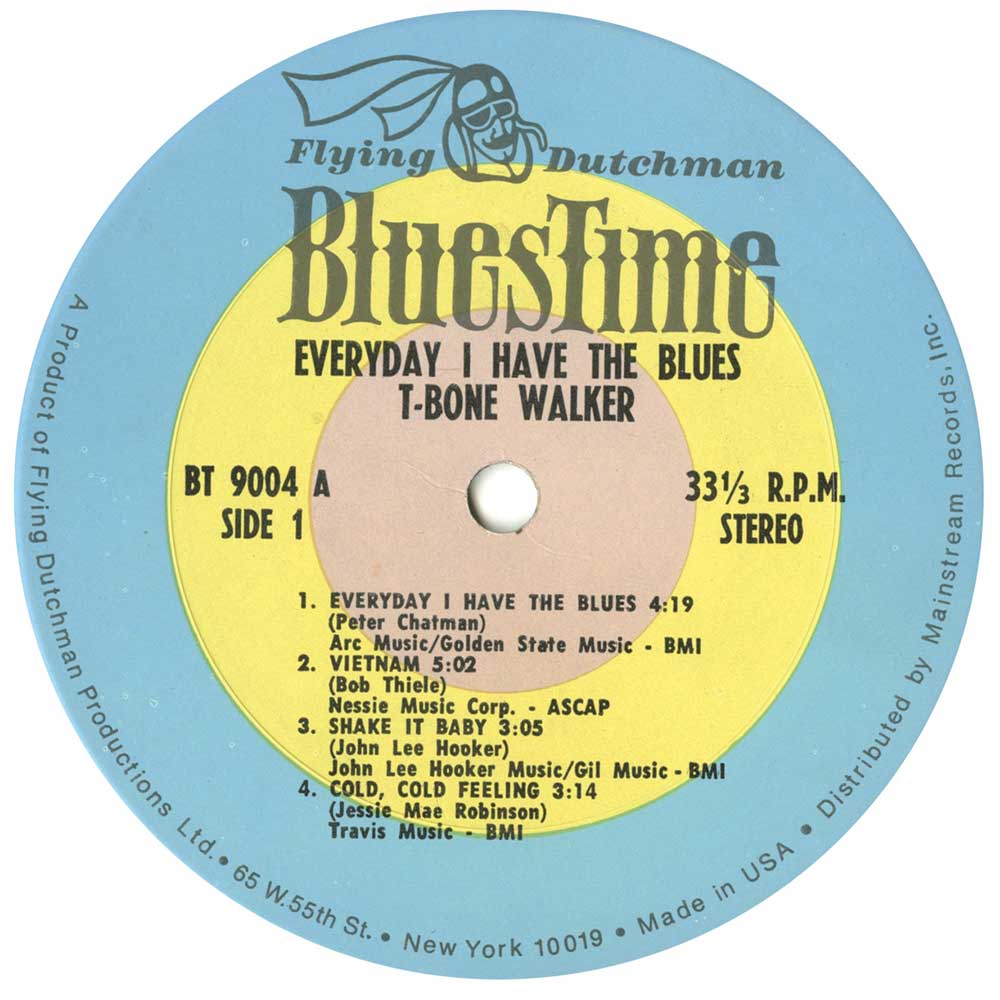
By 1970, T-Bone was entering the fifth decade of his career. His career had enjoyed something of a renaissance during the late-sixties. T-Bone had been enjoying something of an Indian Summer. That’s why Bob Theile signed T-Bone Walker to his newly formed Bluestime label in 1969. It was a subsidiary of Bob’s jazz label Flying Dutchman Productions. T-Bone’s one and only album for Bluestime was Every Day I Have The Blues, which was recently rereleased by Ace Records.
Every Day I Have The Blues was recorded on 18th August 1969, with a crack band of session players accompanying T-Bone Walker. Then in 1970, Every Day I Have The Blues was released by Bluestime. Would Every Day I Have The Blues see T-Bone’s Indian Summer continue? That’s what I’ll tell you, after I’ve told you about T-Bone’s career.
It was in May 1910, that T-Bone Walker was born Aaron Thibeaux Walker. Both T-Bone’s parents Movellia Jimmerson and Rance Walker were musicians. So, was T-Bone’s stepfather Marco Washington. Rance, like T-Bone’s mother, was a member of the Dallas String Band. He taught T-Bone to play guitar, banjo, violin, ukelele and piano. T-Bone couldn’t have asked for a better of a musical education. By the time T-Bone was a teenager, his career as a musician began.
Having left school aged ten, T-Bone became a professional musician when he was a teenager. His mentor was Blind Lemon Jefferson, who was a family friend. Blind Lemon helped T-Bone establish himself on the local blues circuit. Then when T-Bone was nineteen, he made his recording debut in 1929. He wasn’t billed as T-Bone Walker. No. Instead, he was billed as Oak Cliff T-Bone, when he released the single Wichita Falls Blues. This was the first recording in a career that lasted six decades.
By the time T-Bone was twenty-five, he was living in Los Angeles. He was married with five children. Sometimes, T-Bone was the guest vocalist for the Les Hite Orchestra. All the time, T-Bone was developing his musical style.
When T-Bone signed to Capitol Records in 1942, this was the start of one of the most important periods in his career. T-Bone’s sound was constantly evolving. So much so, that his single Mean Old World was a game-changer. His sound was totally unique and inimitable. This lead to T-Bone being referred to as a flamboyant, innovative and influential. Sometimes, T-Bone would play his guitar with his teeth, above his head or behind his back. Audiences were shocked and awe struck. Nobody had played a guitar like this. Then in 1947, T-Bone released a track that’s since become synonymous with him.
This was Call It Stormy Monday (But Tuesday Is Just As Bad). It was released on the Black and While label, which T-Bone has signed to in 1946. For two years between 1946 and 1948, T-Bone was releasing some of the most successful and pioneering music of his career. This included 1946s Bobby Sox Blues and West Side Baby, which gave T-Bone top ten hits. Having released some of the most important music of his career at Black and White, the fifties saw blues music fall out of favour and T-Bone flit between record companies.
Back then, this wasn’t new. Many artists signed one-off deals with labels. This was the case with T-Bone. He released several singles for Imperial and in 1959, released his debut album Sings The Blues. A year later, in 1960, T-Bone Blues was released on T-Bone Blues on Atlantic. It comprised recordings from the fifties. However, T-Bone Blues was a coming of age for T-Bone. Belatedly, record labels realised that blues musicians were no different from jazz or R&B artists, and should be releasing albums. Sadly, T-Bone Blues was T-Bone’s only album for Atlantic. After this, T-Bone didn’t release another album until 1965.
That’s despite the early sixties seeing a revival in the popularity of blues music, T-Bone didn’t release a new album until The Blues Of T-Bone Walker in 1965. In 1963, a retrospective collection entitled, The Great Blues Vocal and Guitar Of T-Bone Walker (His Original 1945-1950) had been released. Apart from that, T-Bone wasn’t releasing much in the way of music. Instead, he was concentrating on playing live. However, work was hard to come by for many blues’ musicians. Then in 1967, T-Bone met a man who’d transform his career, Bob Thiele.
Bob ran Impulse, ABC’s jazz label. Then when the jazz revival began, Bob convinced his bosses at ABC to let him found a blues label. This was Bluesway, which Bob signed T-Bone to. T-Bone recorded two albums in 1967. Funky Town was released in 1967 and Stormy Monday Blues in 1968. However, Bob left ABC’s employ in 1969. Little did anyone realise that Bob and many of Bluesway’s artists would soon be reunited.
When Bob left ABC’s employ, he decided to form a new label. Through working with some of the most innovative and creative musicians in the history of jazz, Bob must have realised that often, large record companies aren’t the best environment for innovative and creative musicians. Often, these musical mavericks didn’t thrive within such an orthodox environment. Their creativity is restricted, meaning they’re unable to experiment and innovate like they’d like. So, Bob Thiele, created an environment where this would be possible. This was Flying Dutchman Productions and its blues subsidiary Bluestime.
Before long, Bluestime became home to many of the artists formerly signed to Bluesway. This included T-Bone Walker, whose career Bob Thiele had helped revive. So much so, that T-Bone’s career was enjoying something of an Indian Summer. This Bob and T-Bone hoped, would continue at Bluestime.
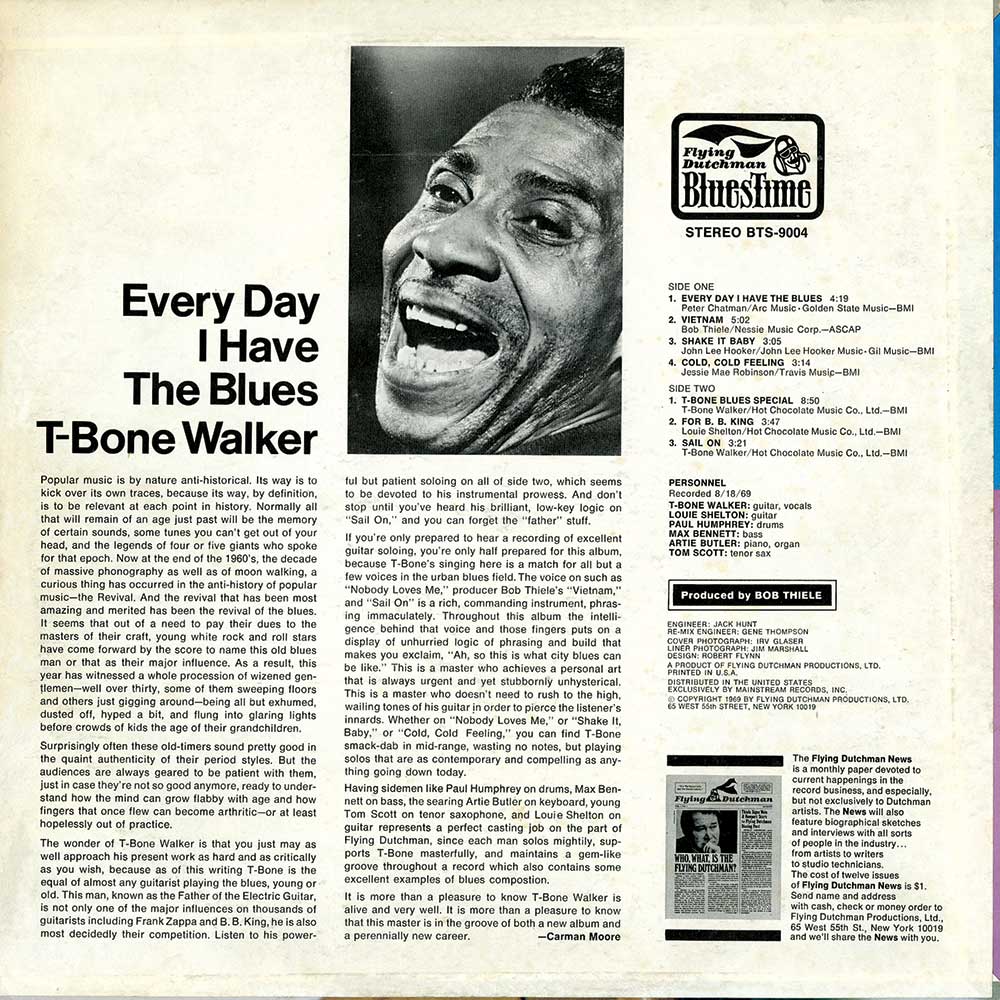
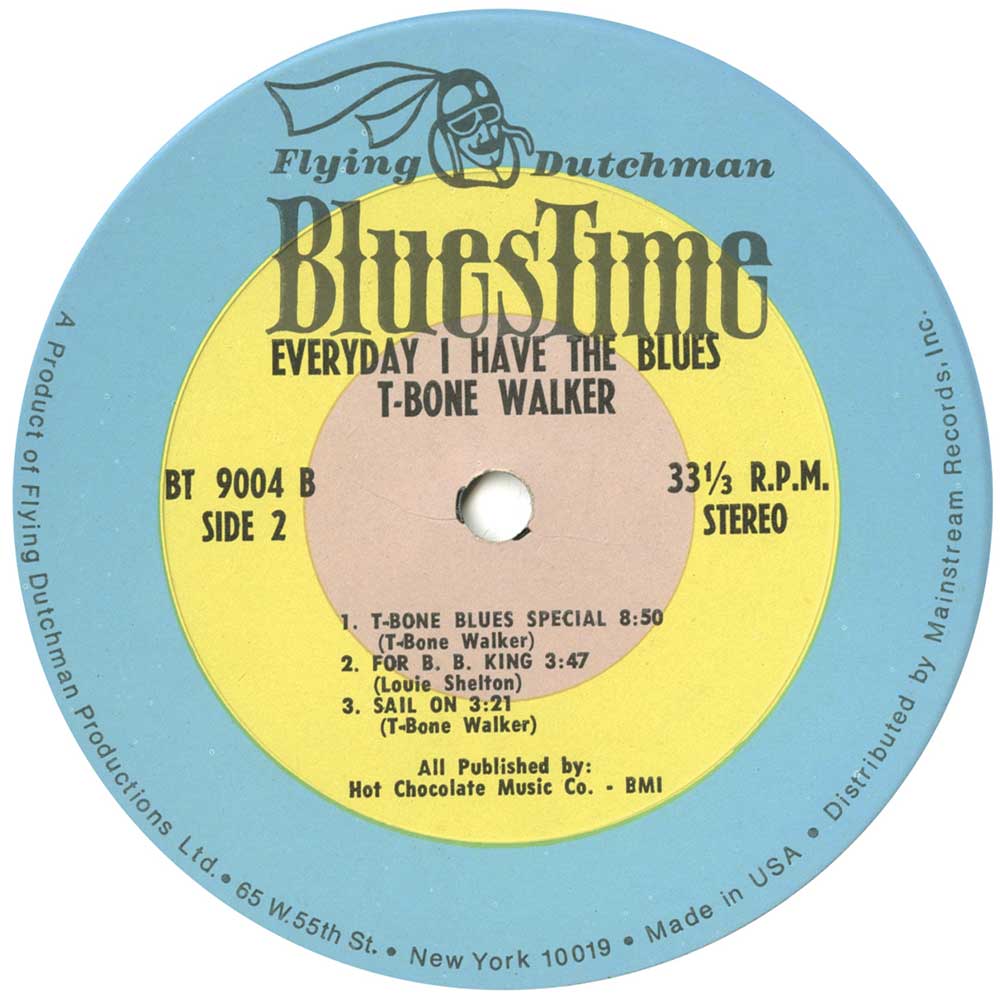
For what became Every Day I Have The Blues, seven tracks were chosen. T-Bone penned T-Bone Blues Special and Sail On, while Bob Thiele penned Vietnam. Other tracks included Peter Christian’s Every Day I Have The Blues, John Lee Hooker’s Shake It Baby, Jessie Rae Robinson’s Cold, Cold Feeling and Louie Shelton’s For B.B. King. These tracks were recorded by T-Bone accompanied by some top session players.
When the band entered the studio to record Every Day I Have The Blues on 18th August 1968, Bob Thiele had put together a crack band. The rhythm section included drummer Paul Humphrey, bassist Max Bennett and guitarist Louie Shelton. Artie Butler played piano and organ and Tom Scott added tenor saxophone. T-Bone played guitar and sang lead vocals, while Bob Thiele produced Every Day I Have The Blues.
On the release of Every Day I Have The Blues in 1970, Bob Thiele and everyone at Bluestime had high hopes for the album. Sadly, that wasn’t to be. Despite its quality, neither critics nor music lover were won over by Every Day I Have The Blues. A small coterie of blues aficionados realised that T-Bone was in top form. They’d followed T-Bone’s career for decades and realised that Every Day I Have The Blues was a hidden gem, featuring classics and songs full of social comment. Sadly, since then, Every Day I Have The Blues has remained one of the most underrated albums in T-Bone Walker’s back-catalogue. I’ll now tell you why that’s the case.
Every Day I Have The Blues opens with the title-track. Straight away, T-Bone unleashes one his guitar solos. His trademark searing guitar is accompanied by the rhythm section and jangling piano. The guitar and piano are panned left, and the rhythm section panned right. This has the effect of narrowing the arrangement. Taking centre-stage is T-Bone’s despairing, lived-in vocal. It’s as if he’s lived the lyrics. T-Bone brings them to life. Then when his vocal drops out, Tom Scott delivers a blistering tenor saxophone solo. It gives to Artie Butler on piano. He’s not going to be outdone, and almost steals the show. After bassist Max Bennett enjoys his moment in the sun, T-Bone returns as the track reaches a crescendo.
Vietnam was penned by Bob Thiele and features lyrics full of social comment. T-Bone and the band provide a slow, moody, bluesy backdrop. His guitar takes centre-stage, while guitarist Louie Shelton plays around him. The rest of the band provide a shuffling beat. Then washes of Hammond organ add to the atmospheric backdrop. This is perfect for T-Bone’s vocal. He sings about a soldier in Vietnam writing to his girlfriend asking her to protest about the war. Later, T-Bone sings: “if only the President and Congress would hear my plea.” Poignant and heartfelt, this is almost a reinvention of the antiwar song. After all, how many antiwar songs are sung from a soldier’s viewpoint?
John Lee Hooker’s Shake It Baby is reinvented by T-Bone. It’s transformed into a fusion of blues, free jazz and rock. Bursts of tenor saxophone respond to T-Bone’s needy, urgent vocal. Meanwhile, the rest of the band lock into a groove. That’s until T-Bone steps forward and unleashes a crystalline guitar solo. It steals the show. Especially when accompanied by Louie Shelton’s guitar and Max Bennett’s bass. They play their part in this innovative reinvention of Shake It Baby.
Straight away, it’s obvious something special is unfolding. That’s apparent from the opening bars of Cold, Cold Feeling. T-Bone’s searing, bluesy licks, a shuffling rhythm section and washes of Hammond organ provide a moody arrangement. This is perfect for T-Bone’s despairing, heartbroken vocal. He delivers the lyrics as if he’s lived them. It results in one of T-Bone’s best vocals. This seems to inspire the band. They raise their game. A growling tenor saxophone, Hammond organ and rhythm section lock horns. As a result, the years roll back and it’s as if T-Bone is in his musical prime. That’s how good this track is.
Just a slow, bluesy piano opens T-Bone Blues Special. It sets the scene. Then Artie Butler switches to Hammond organ and the arrangement unfolds. Slow, broody and bluesy, the band lock into a groove. Everyone gets their chance to shine. First up is Artie Butler, then a blues masterclass from T-Bone. Louie Shelton veers between jazz and blues, while the rhythm section propel the arrangement along. Next up is a sultry tenor saxophone solo from Tom Scott. Later, the guitars duel, veering between blues and rock. It’s just the latest twist in this nine minute musical adventure, where T-Bone and his all-star band showcase their considerable skills.
For B.B. King was penned by Louie Shelton and features some of the best guitar licks on Every Day I Have The Blues. It marks the return of T-Bone Walker the showman. He plays with flamboyance, his fingers flitting up and down the fretboard. Not once does he miss a beat. Behind him, the band lock into a groove. With the rhythm section providing the heartbeat, Tom Scot’s braying tenor saxophone and Artie Butler’s piano play supporting roles. Taking centre-stage is the man himself, T-Bone Walker as he delivers a blues masterclass.
Sail On, the second track T-Bone wrote, closes Every Day I Have The Blues. He unleashes a crystalline guitar solo, while the rhythm section, stabs of piano and bursts of growling horns accompany him. His lived-in vocal soars above the arrangement. He’s realized that his partner doesn’t love him any more. “Sail On” he sings, his vocal a mixture of bravado, frustration, anger and sadness. Meanwhile, he lays downs another of his searing guitar solos. It’s one of his best. It’s captivating. The band realize this, and take care never to overpower T-Bone as he closes Every Day I Have The Blues on a high, demonstrating that he’s one of the greatest guitarists in musical history.
Earlier, I mentioned that Every Day I Have The Blues is one of T-Bone Walker’s most underrated albums. On its release in 1970, it was overlooked by both critics and music lovers. Since then, critics seemed to have a downer on all of T-Bone Walker’s late-period albums. That’s unfair. Especially since for part of that period, T-Bone released some of the best music of his career. This started with 1967s Funky Town and Stormy Monday Blues in 1968. They were released on the ABC imprint Bluesway. Then when Bob Thiele parted company with ABC, he signed T-Bone to his newly formed Bluestime label.
As the recording of Every Day I Have The Blues got underway, T-Bone was accompanied by some of the top session players. They recorded seven tracks, which included a mixture of new material and old favourites. Each of these tracks find T-Bone and his all-star band at the top of their game. T-Bone rolls back the years. His searing., crystalline licks are a reminder of why he’s remembered as one of the greatest blues guitarists ever. Sadly, despite the quality of music on Every Day I Have The Blues wasn’t a commercial success. This could as a result of any number of reasons.
What definitely didn’t help was that Bluestime was a small label. It probably couldn’t afford to promote Every Day I Have The Blues like major labels could. Then there’s the downturn in the popularity of blues music. This was a huge problem. A couple of years earlier, and blues music was enjoying a renaissance. As the new decade dawned, musical tastes changed. Blues music was no longer as popular as it had been. So it’s no surprise that Every Day I Have The Blues wasn’t a commercial success. Sadly, not even the critics recognised Every Day I Have The Blues’ quality. Since then, it’s been overlooked by critics and music lovers alike. Hopefully, not any more.
Ace Records recently rereleased Every Day I Have The Blues. Hopefully, this will encourage a new generation of music lovers to revisit Every Day I Have The Blues. Maybe, belatedly, Every Day I Have The Blues will receive the recognition it richly deserves? For too long, Every Day I Have The Blues has been underrated. That seems strange, given the quality of music on Every Day I Have The Blues. It features T-Bone Walker, the Godfather of the electric blues, accompanied by an all-star band. They inspire each other to even greater heights. It’s like a series of blues’ masterclasses, featuring some legendary musicians. This includes the star of the show, T-Bone Walker, one of the most innovative and influential blues musicians who also happened to be a flamboyant showman. Proof of that can be found on very Day I Have The Blues, which is a hidden gem from T-Bone Walker’s illustrious back-catalogue.
T-BONE WALKER-EVERY DAY I HAVE THE BLUES.
 .
.
COME SPY WITH US-THE SECRET AGENT SONGBOOK.
COME SPY WITH US-THE SECRET AGENT SONGBOOK.
For many people, the fifties and sixties were the golden age of both the spy novel and film. That’s no surprise. This was the post war era. The Iron Curtain separated Eastern and Western Europe. Suspicion and paranoia were common place. Especially after the defection of Philby, Burgess and McLean. These stories inspired authors.
Soon, authors were inventing double agents. Among them were Len Deighton, John Le Carre, Graham Greene, Lesley Charteris and of course, Ian Fleming. Many of characters from these novels, leapt from the page onto the silver screen. No wonder.
The character’s lives was a potent cocktail of danger, drama and glamour. Their lives were lived on the edge. Danger was never a page or frame away. On the page and screen, secret agents like their cocktails, shaken not stirred. Life was lived in the fast lane. They fought by the Queensberry rules and the suave and debonair secret agent always got his man. All this was crammed into two hundred pages or two hours. For many an impressionable schoolboy, dreams of life as a secret agent were born. As the credits rolled, the theme tune was replayed. Often, that was the most memorable part of the film.
Indeed, often, whilst a spy film is long forgotten, the theme tune has become a minor classic. Other times, the theme tune, like the film has become a classic. An example of this is Lalo Schifrin and His Orchestra’s theme from Mission Impossible. The same can be said of Dusty Springfield’s The Look Of Love and The Challengers’ Them From Mission Impossible. Both the theme tune and film have become classics. They can also be found on Ace Records latest compilation Come Spy With Us-The Secret Agent Songbook.
Released on 31st March 2014, Come Spy With Us-The Secret Agent Songbook features twenty-five themes from spy films released during the fifties and sixties. For many people, this was the golden age of the spy novel and film. There’s contributions from The Walker Brothers, Astrud Gilberto, Laio Schifrin, The Supremes, Matt Monroe, Sarah Vaughan, Jimmy Smith and Smokey Robinson and The Miracles. With everything from pop, jazz, soul, Latin and soul jazz, Come Spy With Us-The Secret Agent Songbook is a truly eclectic compilation. Quite simply, there’s something for everyone. Come Spy With Us-The Secret Agent Songbook, which I’ll pick the highlight of, is sure to provoke some cinematic memories.
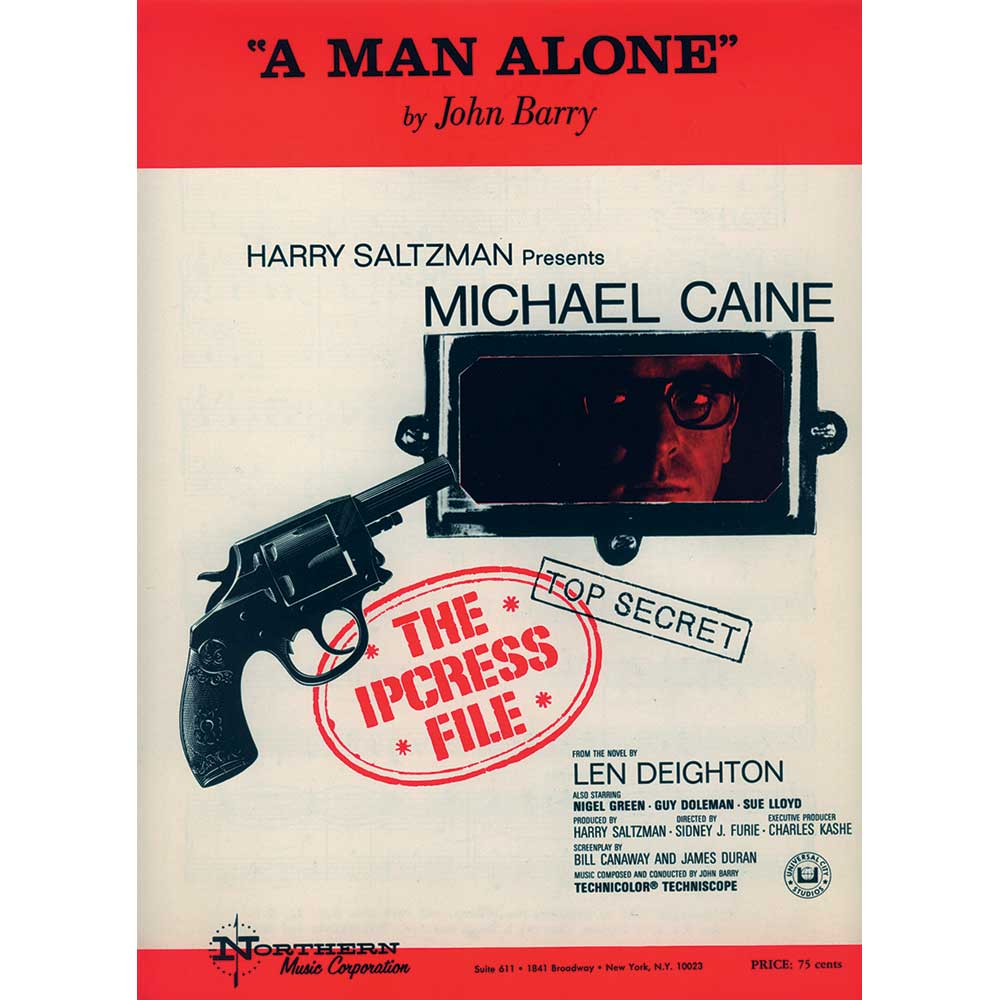
There’s no better way to open Come Spy With Us-The Secret Agent Songbook than with John Barry and His Orchestra’s A Man Alone. John Barry’s name is synonymous with film scores. In 1965, he was asked to compose the score for the adaptation of Len Deighton’s The Ipcress File. It featured Michael Caine in one of his most famous roles, Harry Palmer. This was one of John Barry’s finest hours. It almost a definition of what the word cinematic means. Literally, it paints pictures. Evocative and full of mystery. it brings to mind a world of secret agents, danger and cloak and dagger dealings.
For anyone yet to discover The Walker Brothers’ music, Deadlier Than The Male is a tantalising taste of what they’re capable of. Quite simply, it’s a truly haunting track. It was the theme to the 1967 film The Female Of The Species. Although it wasn’t the most successful film of 1967, it featured the haunting Deadlier Than The Male. Sadly, when it was released as a single, it stalled number thirty-two in the UK. If ever a single deserved to fare better, this was it.
Probably, one of Dusty Springfield’s finest moments, was The Look Of Love. Penned by Bacharach and David, Dusty delivers the definitive version of this track. Nothing else comes close. Given its indisputable quality, it’s no surprise it reached number twenty-three in the US Billboard 100. In 1967, The Look Of Love became the theme to the latest instalment in the James Bond series, Dr. No. Written by Ian Fleming in 1953, Dr. No “starred” Sean Connery. His portrayal of James Bond wasn’t well received by critics nor fans. That’s why many people felt Dusty’s version of The Look Of Love was the highlight of the film.
Just like Sean Connery’s portrayal of James Bond, Dean Martin’s portrayal of Matt Helm in The Silencers strayed from author Donald Hamilton’s original books. For the author, it must have been frustrating watching his character become almost pastiche of what was originally intended. Billed as”Girls, Gags and Gadgets” The Silencers was a commercial success in 1966. Looking back, this is another case of the books surpassing the their portrayal on the silver screen. The best thing about The Silencers, was Vicki Carr’s delivery of the title-track. Her delivery of Mack David and Ernest Bernstein’s song is slow, sultry and dramatic.
Back in 1965 The Challengers were asked to provide the theme to a new television series,The Man From U.N.C.L.E. Starring Robert Vaughan and David McCallum it ran for 205 episodes over a four year period. Fifty years after the first episode hit American television screens, both the television program and The Challengers’ theme tune have become stonewall classics.
Originally, Lalo Schifrin started life as a jazz pianist. By 1968, he was forging a career writing soundtracks. His latest commission was to write theme to Mission: Impossible. Having written a dramatic score in 5/4 time, Lalo Schifrin and His Orchestra entered the studio. Little did they realize that they’d just recorded one of the most recognisable theme tunes ever. Mission: Impossible is a timeless classic, that promises drama and adventure and is instantly recognisable by several generations.
It was in 1965, that The Supremes were asked to sing the theme to Dr Goldfoot And The Bikini Machine. It was the brainchild of American International Pictures. They decided that, having released horror and beach party movies, now was the time to jump on the spy film bandwagon. In retrospect, it maybe wasn’t their best idea. Nowadays, this would a movie that goes straight to DVD. As a result, The Supremes theme tune was the most memorable part of the movie. Penned by Guy Hemric and Gerry Styner it’s full of slick hooks and is truly irresistible.
The story of Matt Monro’s life, deserves to be turned into a film. Originally, he was a London bus driver. His breakthrough came when he became one of the BBC Show Band’s vocalists in 1956. For the next couple of years, Matt Monro became a huge star. Then just as quickly, he returned to obscurity. That wasn’t the end of Matt Monro. As the sixties dawned, his career got back on track. From 1961 right through to the seventies, Matt Monro became a superstar on both sides of the Atlantic. He sang the title-track to several films. This includes 1963s From Russia With Love, 1966s Born Free and Wednesday’s Child, which was the theme to The Quiller Memorandum in 1967. Written by John Barry and Mack David, it features a heartfelt vocal from Matt and demonstrates why he was known as “the man with the golden voice.”
Each week, Gene Barry dawned the role of Captain Amos Burke in Burke’s Law. The show ran for three seasons between 1963 and 1966. As America tuned in watch Captain Amos Burke, who just so happened to be a multi-millionaire, Wynton Kelly’s unmistakable jazz-tinged Theme From Burke’s Law played. It veers between light and airy to dramatic. With its unmistakable early sixties sound, it’s also one of the finest moments from Wynton’s 1963 album Comin’ In The Back Door.
Sarah Vaughan is remembered as one of the greatest female vocalists in the history of jazz. In 1965, she covered the theme to Peter Gunn, which was a television series that ran between 1958 and 1961. It followed the adventures of a private detective. A total of 114 episodes were aired. This was the creation of Blake Edwards, who later, would create The Pink Panther. Penned by Henry Mancini, Ray Evans and Jay Livingstone, Sarah Vaughan delivers a vocal powerhouse. This reminds you why Sarah was known as “The Divine One.”
Closing Come Spy With Me-The Secret Agent Songbook is Smokey Robinson and The Miracles’ Come Spy With Me. It was the opening theme to the 1967 film Come Spy With Me. Produced by Arnold Kaiser and starring Troy Donahue the film wasn’t well received by critics on its release in January 1967. Ironically, since then, the film has been lost. So, a new generation of film fans will never be able to judge the merits of Come Spy With Me. They will, however, be able to hear Smokey Robinson and The Miracles’ version of the title-track, which was the B-Side to their 1967 single, The Love I Saw In You Was Just A Mirage. Apparently, it was the highlight of the film.
For anyone whose interested in the golden age of the secret agent, then Come Spy With Me-The Secret Agent Songbook is a veritable treasure trove. It’s guaranteed to bring back memories of secret agents from the past. Many will be old favorites, others long forgotten. That’s been the case for me. Listening to Come Spy With Me-The Secret Agent Songbook is like a trip down memory lane. During that trip, we meet everyone from James Bond, Harry Palmer, Matt Helm, Captain Amos Burke and Peter Gunn. Some names are instantly recognizable. Others, well that’s not the case. After all, how many people saw Dr Goldfoot And The Bikini Machine and Come Spy With Me? What’s instantly recognizable, is the music.
Indeed, the music on Come Spy With Me-The Secret Agent Songbook is like a who’s who of film music. No wonder. Among the artists on Come Spy With Me-The Secret Agent Songbook are John Barry, Dusty Springfield, The Walker Brothers, Astrud Gilberto, Laio Schifrin, The Supremes, Matt Monroe, Sarah Vaughan, Jimmy Smith and Smokey Robinson and The Miracles. Truly, Come Spy With Me-The Secret Agent Songbook is a veritable feast. The listener taken on a magical mystery tour. This musical journey through the genres includes pop, jazz and soul, right through to Latin and soul jazz. That’s why Come Spy With Us-The Secret Agent Songbook, which was recently released by Ace Records, is best described as eclectic, treasure trove of music from the golden age of the secret agent.
COME SPY WITH US-THE SECRET AGENT SONGBOOK.




SWAMP POP BY THE BAYOU.
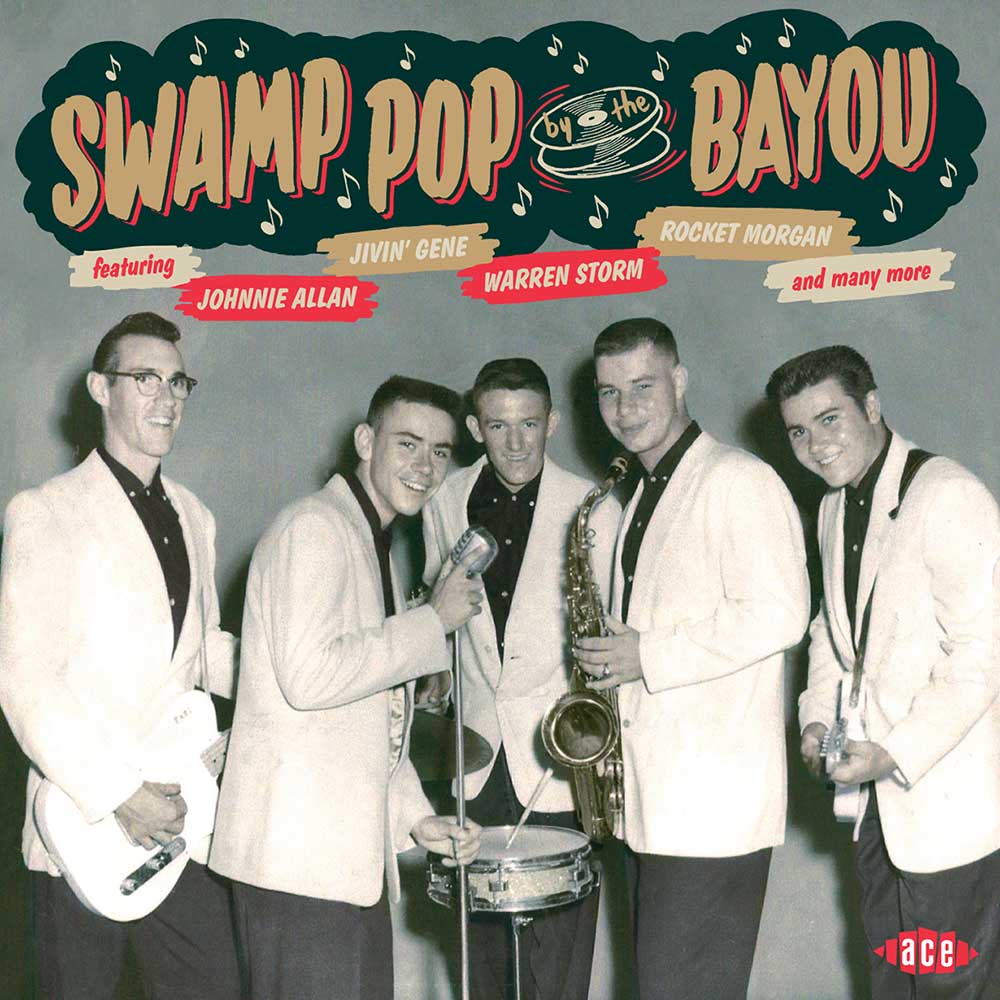
SWAMP POP BY THE BAYOU.
When the first compilation of Swamp Pop was released back in the early seventies, it was a genre without a name. So, the compilation was simply called, The Other Sound Of The South. Then Bill Millar coined the term Swamp Pop. That day, a new musical genre was born. Swamp Pop is still as popular today, as back in the late-fifties, when some of the music on Swamp Pop By The Bayou was first released.
Swamp Pop By The Bayou is the latest instalment in Ian Saddler’s By The Bayou series. It was recently released on Ace Records and is the seventh compilation in the By The Bayou compilation series. There are twenty-eight tracks on Swamp Pop By The Bayou. Fourteen of the tracks were released between 1959 and 1964. This includes tracks from Vince Anthony With The Blue Notes, Jay Richards & The Blues Kings, Warren Storm, Rocket Morgan, Frankie Lowery and John Fred. Then there’s fourteen previously unreleased track. Among them, are tracks from Guitar Jeff, George, Tommy Strange, Bee Arnold and Rocket Morgan. For anyone interested in Swamp Pop, this mixture of familiar faces and hidden gems will be essental listening. I’ll tell now you why.
Ian Saddler couldn’t have picked a better track to open Swamp Pop By The Bayou than Vince Anthony With The Blue Notes’ Sneakin’ Home. It’s a glorious example of Swamp Pop. Written by Vincent Anthony Guzetta, it was released in 1959 on Hilton Records. Crucial to the track’s success are the rasping horns and Vince’s sultry vocal. This isn’t the only track from Vince Anthony With The Blue Notes. Cry Your Eyes Out is billed as Donnie Williams and The Blue Notes. However, it’s actually Vince Anthony With The Blue Notes. Released on Hilton Records in 1960, Vince’s heartbroken vocal means this track falls into the category of tearjerker.
Warren Storm has a trio of racks on Swamp Pop By The Bayou. As if that’s not enough, he plays drums on several tracks. His first contribution is Oh Oh Baby, which was released on J.D. Miller’s Rocko label in 1959. Slow, with a heartfelt, needy vocal this is the best track from the man many people refer to as the Godfather of Swamp Pop. Warren’s other contributions are This Life I Live and the heartbreaking I’m Leaving You. Neither of these tracks have been released before. However, their quality is indisputable.
Rocket Morgan has been a regular contributor to the By The Bayou series. Usually, he’s singing rockabilly. He’s equally at home singing Swamp Pop. Proof of this is Too High A Price (To Pay For Love). Released on Zynn in 1959, it features a rueful, wistful vocal from Rocket. It’s as if he’s come to his senses. Did You Leave Something Else (For Me) is a more uptempo track. Again, it was released in 1959, on Zynn. Driven along by braying horns and jangling piano, Rocket’s vocal is tinged with hurt and heartache. Walkin’ Home, a piano driven track is Rocket’s final contribution. Remarkably, given its quality, this hidden gem has never been released before. Thankfully, Ian Saddler has rectified this.
I Ain’t Had No Sleep is Frankie Lowery first contribution to Swamp Pop By The Bayou. It’s a blistering horn driven track, that epitomises what Swamp Pop’s all about. Strangely, the track has never been released before. It’s a real find. Ian Saddler has struck gold here, as it’s one of the highlights of the compilation. Infectiously catchy describes this track. There’s no let up in quality on She’s Walking Towards Me. Here, Frankie is transformed into a balladeer. Released in 1960, on Zynn, heartfelt and hopeful describes Frankie’s tender, needy vocal.
Lonely Lonely Heart is the first of two unreleased tracks from Tommy Strange. His vocal oozes emotion and heartbreak on this ballad. When his vocal drops out, it’s replaced by a crystalline guitar solo. It’s one of the finest guitar solos on Swamp Pop By The Bayou. Having set the scene for Tommy’s return, his vocal veers between hopeful and heartbroken. He sings the lyrics like he’s lived them. Tommy’s other contribution is a previously unreleased alternate version of What Am I To Do is. The original version of What Am I To Do was the B-Side to Nervous and Shakin’ All Over, which was released as a single on the Rocko label.
Charles Page released No Season On Squeezing as a single in 1961. This was one of six singles Charles released on Goldhand Records. It was produced by Eddie Shuler. He had great hopes for Charles Page. Commercial success, Eddie hoped, was just around the corner. Sadly, that wasn’t to be. That’s despite this being a hook laden slice of Swamp Pop.
The version of Doug Charles and The Boogie Kings’ You’re On My Mind on Swamp Pop By The Bayou, has never been released before. It’s an alternate version of this slow, sultry ballad. With growling horns propelling the arrangement along, Doug dawns the role of crooner. This is a role he seems to relish and delivers a beautiful, heartfelt vocal masterclass.
My final choice from Swamp Pop By The Bayou is Buck Rogers and His Jets’ Rose Marie. Its another unreleased track. Again, Ian Saddler has struck musical gold. Infectiously catchy and full of hooks, describes this alternate version of Rose Marie. It’s a track that’s guaranteed to fill any dance-floors By The Bayou.
Just like the previous six volumes of the By The Bayou compilation series, Swamp Pop By The Bayou oozes quality. So much so, that I could literally have chosen any of the twenty-eight tracks. Eventually, I settled for just fourteen tracks. They come courtesy of familiar faces and new friends.
The familiar faces include Vince Anthony With The Blue Notes, Jay Richards & The Blues Kings, Warren Storm, Rocket Morgan, Frankie Lowery and John Fred. Then there’s unreleased tracks from Guitar Jeff, George, Tommy Strange, Bee Arnold and Rocket Morgan. Among these unreleased tracks are musical gold. These hidden gems have you shaking your head and wondering why these tracks have never been released before? These timeless Swamp Pop gems mean Swamp Pop By The Bayou is essential listening for anyone interested in Swamp Pop. The same can be said of the By The Bayou series.
Swamp Pop By The Bayou, which was recently released by Ace Records, is the seventh release in the By The Bayou series. It seems that with each instalment, the quality of music gets even better. That’s down to Ian Saddler’s crate digging skills and impeccable music taste. Ian’s a man steeped in Louisiana’s rich and eclectic musical history. He knows where to find the hidden gems that have peppered the seven volumes of By The Bayou. However, Ian’s surpassed himself on Swamp Pop By The Bayou. He’s dug deeper than he’s ever dug before on Swamp Pop By The Bayou and takes the listener on a compelling, enthralling and mesmeric musical journey through Louisiana’s musical past.
SWAMP POP BY THE BAYOU.

PAUL MURPHY PRESENTS THE RETURN OF JAZZ CLUB.
PAUL MURPHY PRESENTS THE RETURN OF JAZZ CLUB.
It was back in 1978 that Paul Murphy first DJ-ed. He hadn’t planned to DJ that night. Far from it. He was the promoter of a club night in Ilord Essex. This was no ordinary venue. Situated above a above a funeral parlour, it was notorious as a place where local gangsters hung out. However, this was where Paul Murphy graduated from promoter to DJ.
One night, a snowstorm swept in. The two Paul had booked Bob Jones and Paul Gratue were stranded. Paul was without a DJ. So, it was a case of needs must. He stepped behind the wheels of steel and never looked back.
That night, was a coming of age for Paul Murphy. Two years later, Paul was DJ-ing full time. He’d moved to a new venue, the Horseshoe in Tottenham Court Road. His speciality was spinning rare jazz funk and fusion. Some of the records he played, he imported from America. He was digging deeper than any other DJs. As a result, his sets were peppered with ultra rare tracks. Many of the tracks he broke became classics. Then in 1982, Paul headed for pastures new.
The Electric Ballroom in Camden became home to Paul in August 1982. His sets were a steady diet of fusion, Latin and jazz. This, after all, was what the jazz dancers who headed to The Electric Ballroom demanded. After two years playing the same music every Friday, Paul felt he needed a new challenge.
Next stop for Paul was Sol Y Sombra, where he spun eclectic sets at his two nights. At the start, he played Latin and Salsa on Fridays. Then he added another night. On Monday nights, Paul tried something new. Everything from fifties and sixties hard bop, right through to soul jazz, vocalese and bossa nova could be heard. This caught the imagination of London’s hipsters.
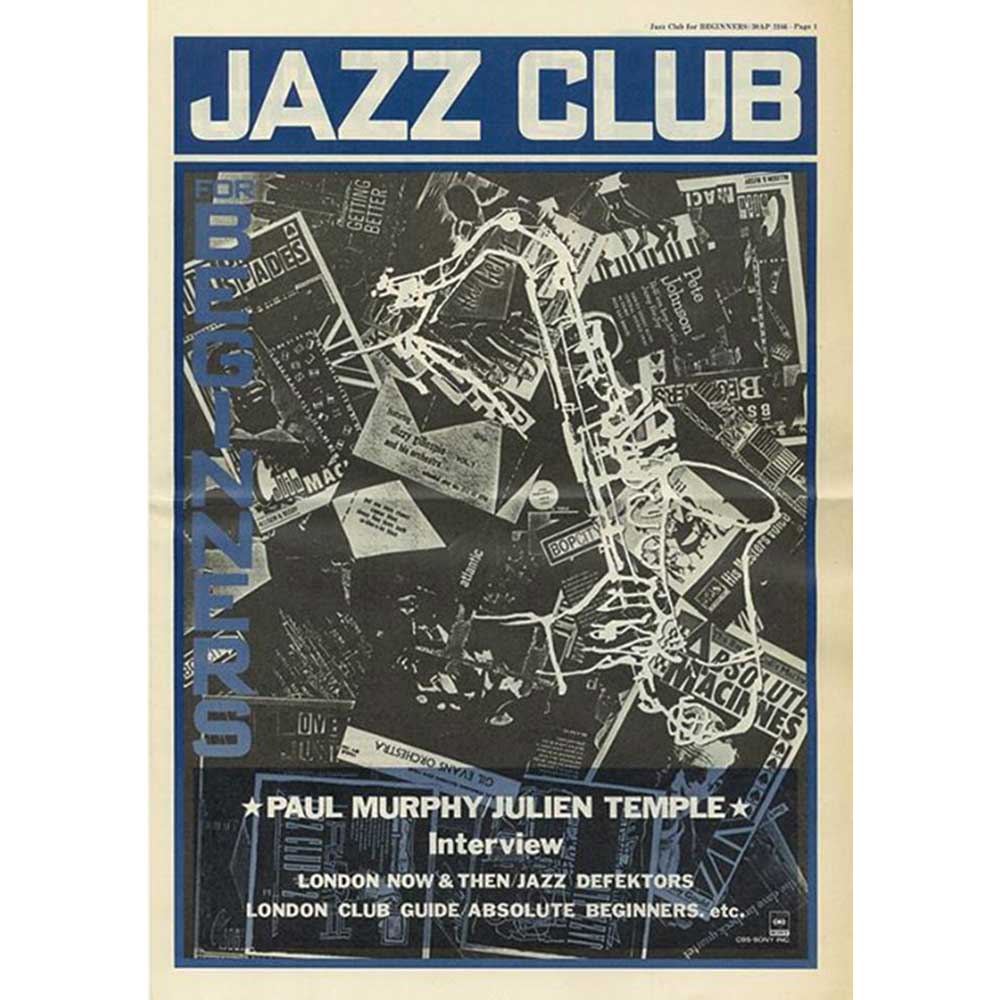
Especially, influential style journal The Face. They got behind this burgeoning scene. So, did a new generation of musicians who’d been influenced by the music Paul played. Paul it seemed, had single handedly, invented a scene. It was no surprise when he was asked to compile a compilation of the music he spun on Monday nights at Sol Y Sombra.
Paul compiled his first volume of Jazz Club which was released in 1984. A second volume followed in 1985. There was meant to be a third volume. It never transpired. By then, music had changed and Paul’s DJ sets were changing. They were heading in the direction of R&B and rare groove. Since then, much has happened to Paul. He DJ-ed right through until the end of nineties. This included being one of the pioneers of the Acid Jazz scene. However, as a new millennia dawned, Paul realised he was burnt out. Needing to slow down, he relocated to Budapest.
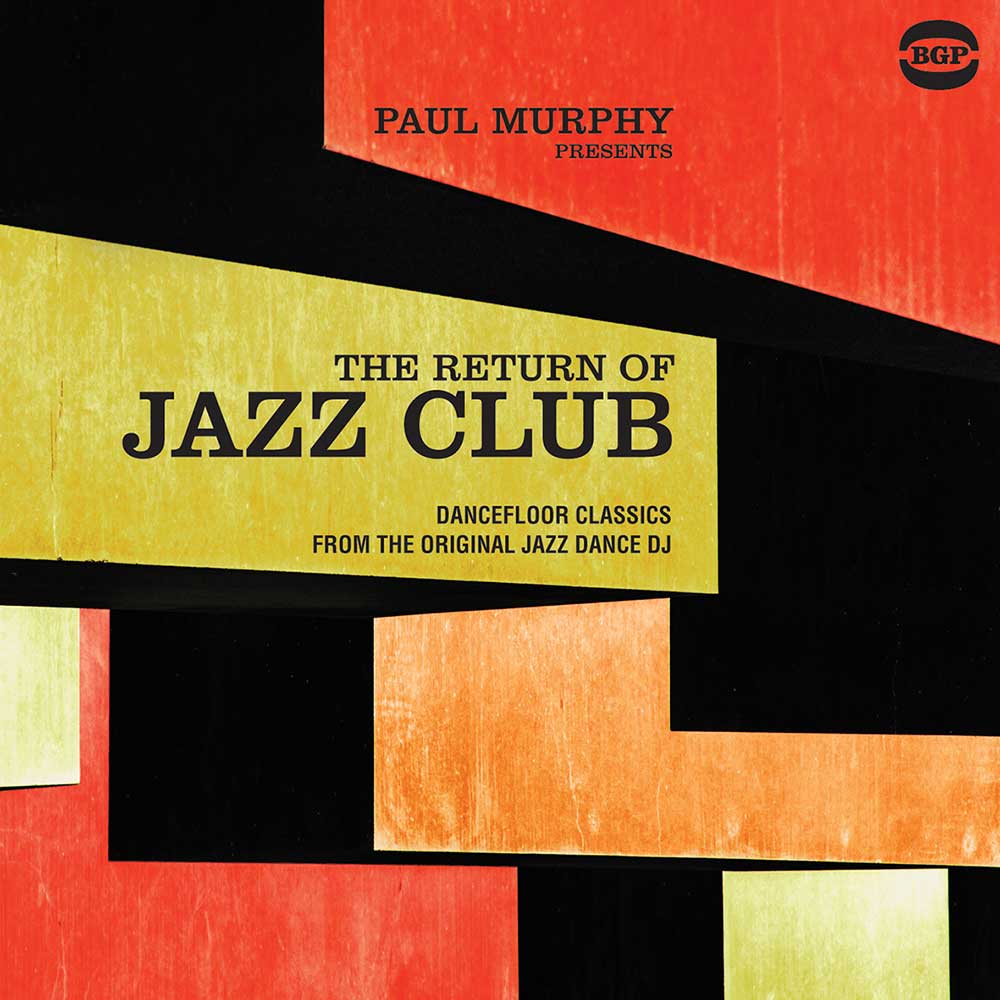
Nowadays, Paul Murphy divides his time between DJ-ing, producing and compiling compilations. His latest compilation is Paul Murphy Presents The Return Of Jazz Club, which was recently released by BGP Records, an imprint of Ace Records. This sees Paul pay homage to the scene he single handedly built.
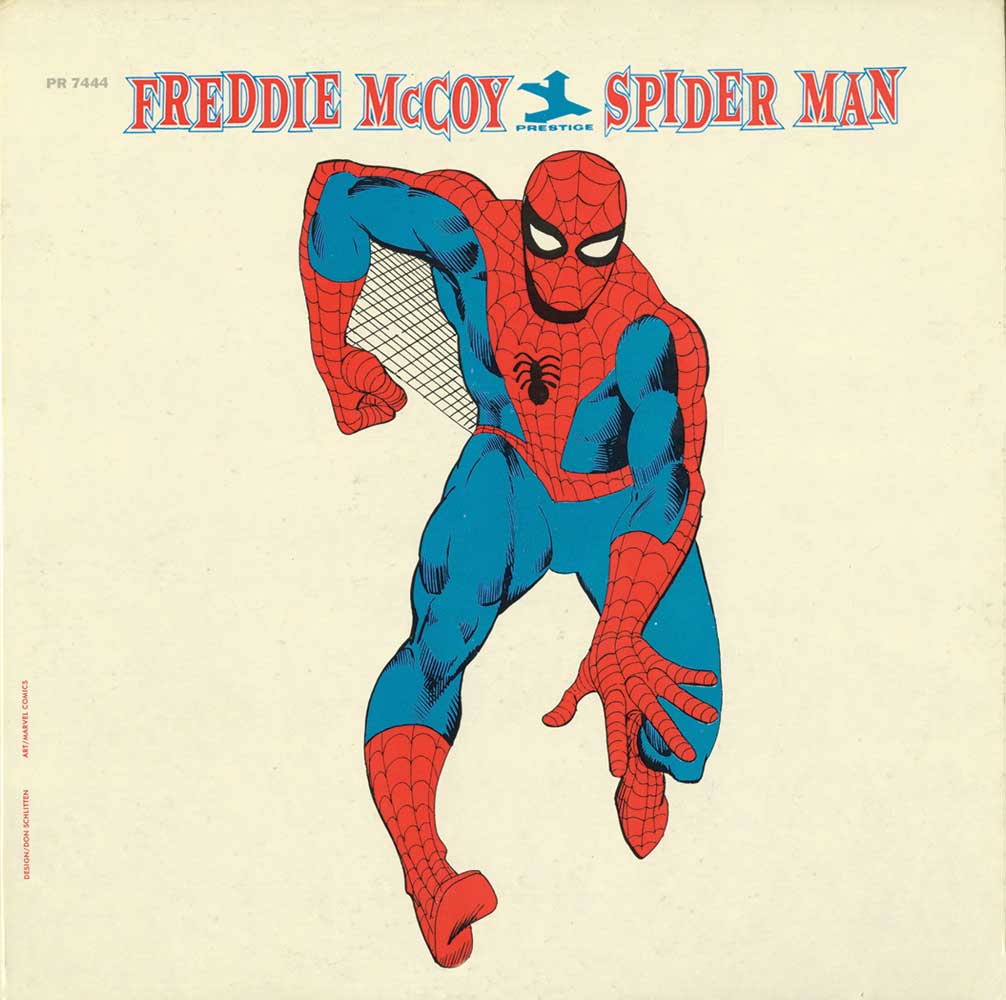
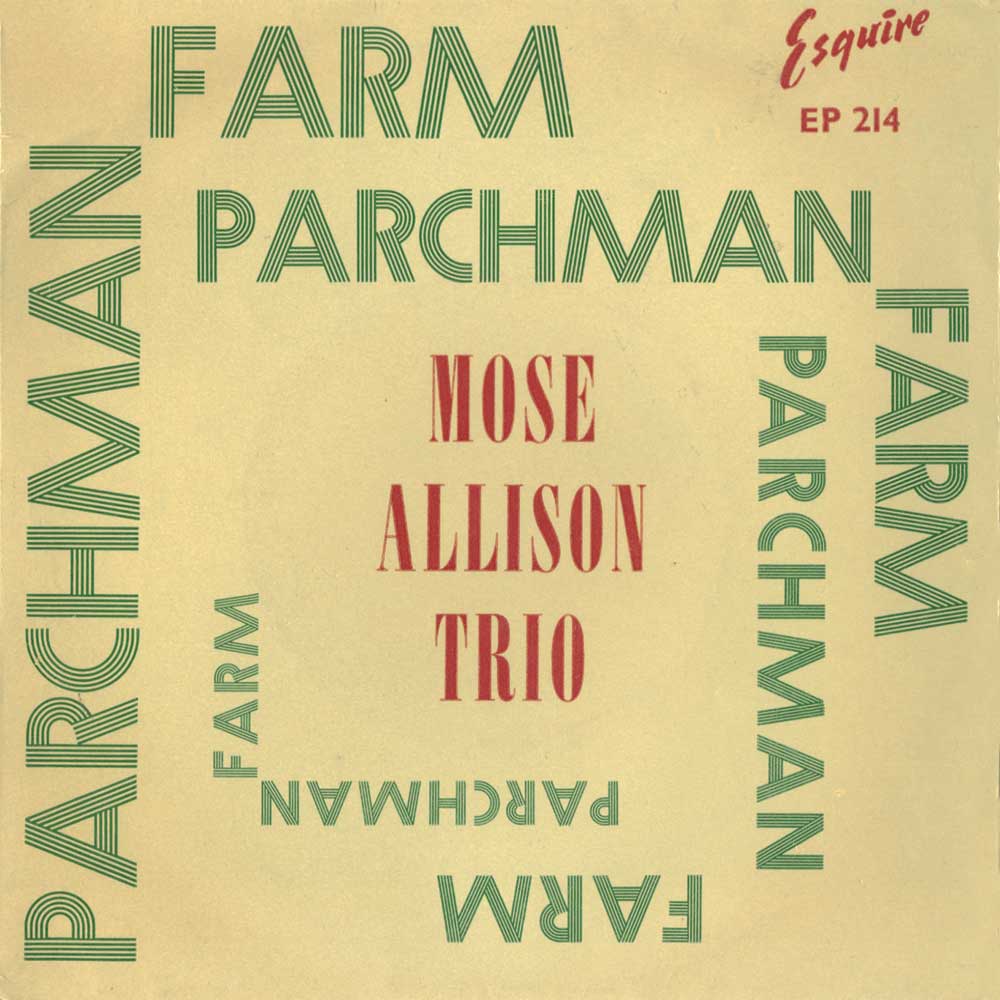
Digging deep into his record collection, Paul chose fifteen tracks for Paul Murphy Presents The Return Of Jazz Club. Among them are tracks from Sonny Rollins, Thelonious Monk Trio, Bennie Green, Freddie McCoy, Mose Allison and Willie Rodriguez Jazz Quartet. While many jazz lovers will have heard of these artists, they may not have heard of these tracks. There’s more than a few hidden gems on Paul Murphy Presents The Return Of Jazz Club, which I’ll pick the highlights of.
What better way to open Paul Murphy Presents The Return Of Jazz Club than with a track from a true jazz legend, Sonny Rollins. St. Thomas featured on Sonny’s 1956 album Saxophone Colossus. This describes Sonny Rollins perfectly. It’s no exaggeration to describe him was one of the most influential and innovative tenor saxophonists in jazz history. That’s why Sonny was signed to Prestige, where he released Saxophone Colossus in 1956. Penned by Sonny, St. Thomas showcases Sonny’s inimitable style on this Caribbean tinged dance classic. It’s akin to a call to dance that’s truly irresistible.
Back in 1952, the Thelonious Monk Trio headed to New York to record the album Manteca. It was released on Prestige in 1953. The lineup consisted of drummer Art Blakey, bassist Gerry Mapp and Monk on piano. This multitalented trio were joined by Latin percussionist Ray Baretto on Bye Ya. Just like so much of the music Thelonious Monk recorded, it was innovative and moved jazz in a new direction. However, like so much innovative music, it wasn’t commercially successful. That was the case here with this groundbreaking fusion of jazz and Latin.
During a spell with Lionel Hampton’s band, Arnett Cobb was crowned the “Wild Man of the Tenor Sax.” This was down to his uninhibited stomping style. That can be heard on Flying High a track from Arnett’s 1959 album Party Time. It was released on Prestige. Flying High is best described as jazz goes rock ’n’ roll. Arnett plays with power, freedom, ferocity and flexibility. His playing is inventive and unique. In his hands, the tenor saxophone takes on new life. Joe Dukes’ drums help drive the arrangement along. The result is a blistering slice of good time jazz from Arnett Cobb, one of jazz’s best kept secrets.
Bernie Green’s Hiyo Silver will strike a chord with fans of the Lone Ranger. For younger readers, The Lone Ranger was one of television’s first superheroes. Mind you, I don’t remember The Lone Ranger ever singing “we’re going to rock you tonight?” Bernie does on his homage to the mysterious masked man. Written by Bernie and Osie Johnson, it featured on Bernie’s 1955 Prestige album, Blows His Horn Hi-Fi. Straight away, Bernie throws a curveball on Hiyo Silver. He takes the song in the direction of R&B and rock ’n’ roll. What follows is dance-floor friendly fusion of R&B, rock ’n’ roll and jazz.
By the early nineties, Johnny Lytle’s music became a favourite of the UK dance scene. Especially, his ultra rare New and Groovy album. So, much so, that it had been rereleased. The Village Caller, his 1963 album, released on Riverside was very different to New and Groovy. It was a much more laid back affair. Pedro Stroller featured on The Village Caller. It’s driven along by Johnny’s vibes and Willie Rodrigeuz’s percussion. This gives the track an unmistakable early sixties sound. Evocative, cinematic and melodic, this track will have provided the soundtrack to many a cocktail party, when the sixties were about to swing.
Eddie Jefferson is thought to be the inventor of vocalese, where lyrics were added to jazz instrumentals. Here, Eddie Jefferson transforms The Horace Silver Quintet track Filthy McNasty. Penned by Horace, Eddie’s version features on his 1968 album Body and Soul. It also sees Eddie give Charlie Parker’s Body and Soul and Horace Silver’s Psychedelic Sally. Just like Filthy McNasty, new life and meaning is breathed into these tracks. So is power, drama and emotion thanks to Eddie’s vocal tour de force.
When The Billy Taylor Trio collaborated with Candido on Mambo Inn, Billy was already an experienced and highly accomplished pianist. He’d spent the last ten years building his reputation. During that period, he’d come a long way. This included a spell as the house pianist at Birdland. By 1954, he was leading his own trio. They were about to record what would become The Billy Taylor Trio With Candido. Released in 1954, one its highlights wwas Mambo Inn. Here, he reworks this classic. With the help of Candido on congas and a rhythm section of drummer Charlie Smith and bassist Earl May, The Billy Taylor Trio make this classic their own.
Willis Jackson’s Blue Gator features the sultriest of saxophones. It comes courtesy of the man himself, Willis Jackson, who penned this track. It’s the title-track from his 1960 album. Released on Prestige, it showcased an all-star band. This includes Brother Jack McDuff on Hammond organ. Waves of his Hammond and a shuffling beat augment Willis’ blistering saxophone solo. He plays as if his very life depended upon it and makes this the perfect way to close Paul Murphy Presents The Return Of Jazz Club. It’s very definitely a case of keeping the best until last.
Although we’ve had to wait nearly thirty years for Paul Murphy Presents The Return Of Jazz Club, it’s been well worth the wait. Everything they say, comes to he who waits. This includes a compilation crammed full dance-floor classics. From the opening bars of Sonny Rollins’ St. Thomas right through to Willis Jackson’s Blue Gator, it’s quality all the way. These fifteen tracks are from the fifties and sixties. Giants of jazz including Sonny Rollins,Thelonious Monk, Brother Jack McDuff, Mose Allison and Art Farmer sit happily side-by-side with hidden gems from Arnett Cobb and Bennie Green. This mixture of familiar faces and new names will appeal to two lots of people.
The most obvious are the people who spent Monday nights at Sol Y Sombra. They listened to Paul Murphy spin everything from fifties and sixties hard bop, right through to soul jazz, vocalese and bossa nova. For those ageing hipsters, this will be the equivalent to time travel. Paul Murphy’s Jazz Club will bring back memories of a time and a place. Memories of people and dancing till dawn will come flooding back. These memories will be prompted by the music on Paul Murphy’s Jazz Club. It’ll be like listening to one of Paul Murphy’s DJ sets. However, it’s not just anyone who went to Sol Y Sombra that Paul Murphy Presents The Return Of Jazz Club will appeal to.
No. Anyone with a passing interest in jazz will enjoy Paul Murphy Presents The Return Of Jazz Club, which was recently released by BGP Records, an imprint of Ace Records. It’s one of the best jazz compilations of 2014. With its mixture of familiar faces and hidden gems, Paul Murphy Presents The Return Of Jazz Club will appeal to everyone from jazzers to ageing hipsters and everything in between.
PAUL MURPHY PRESENTS THE RETURN OF JAZZ CLUB.
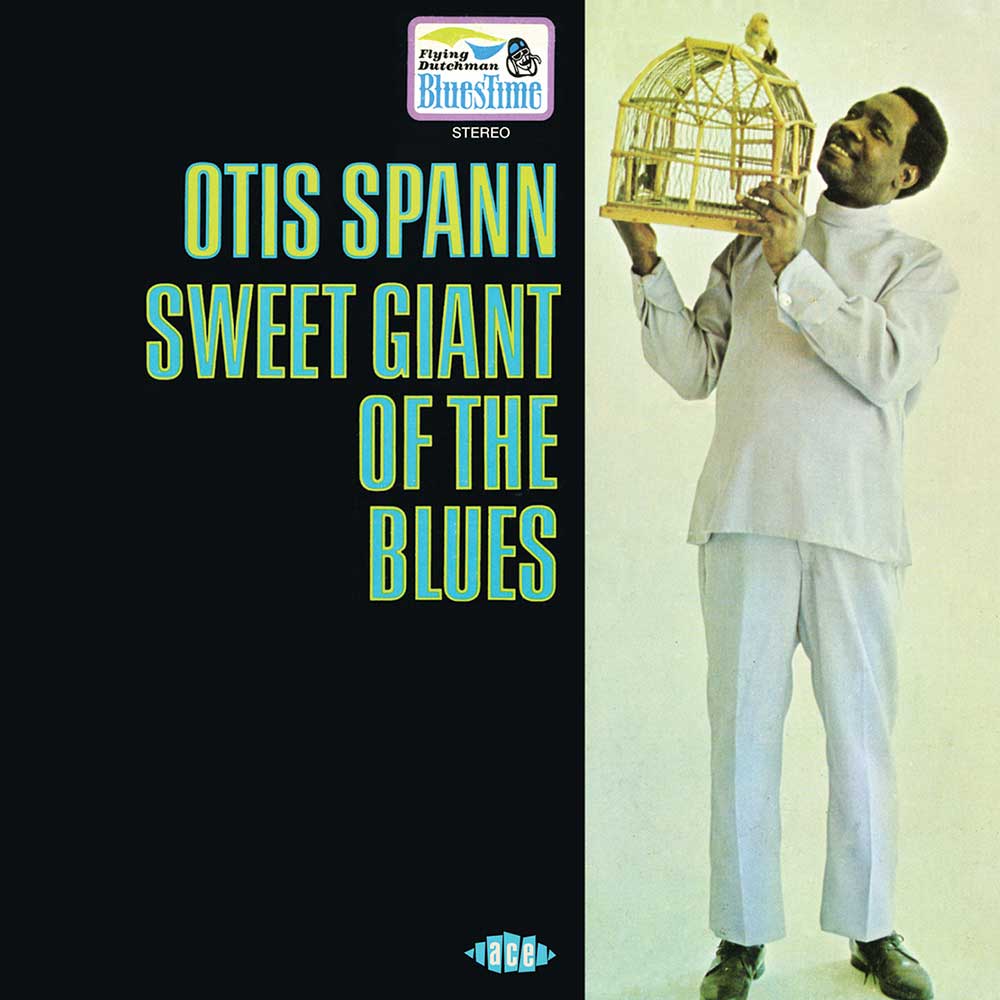
OTIS SPANN-SWEET GIANT OF THE BLUES.
OTIS SPANN-SWEET GIANT OF THE BLUES.
For many people, Otis Spann will always be remembered as Muddy Waters’ pianist. Granted Otis spent fifteen years as a member of Muddy Waters’ band. However, there’s much more to Otis Spann’s career that that. Much more. No wonder. Otis Spann was without doubt, one of the greatest postwar Chicago blues pianists. That’s what when some of the top blues players were looking for a pianist, they gave Otis a call.
Otis Spann was also one of the most top session musicians. He played with everyone from Eddie “Cleanhead” Vinson, Buddy Guy, B.B. King, T-Bone Walker, Big Joe Turner, Junior Wells, Eric Clapton and Fleetwood Mac. Then there’s Otis’ solo career.
It was in 1954 that Otis released his debut single, It Must Have Been The Devil. Released on Checker, a subsidiary of Chess Records, it announced the arrival of a future blues’ legend. By then, Otis was thirty and had been making a living playing the blues since he was fourteen. The blues was Otis’ life. He’d released his debut album Otis Spann Is The Blues in 1960. Right through to 1968, Otis was averaging an album a year. Considering all his other commitments, this is quite remarkable. Then in 1968, Otis Spann made the hardest decision of his life.
Recently, Otis had married Lucille. She felt Otis should be taking centre-stage. Looking back, Lucille had a point. Otis was one of the top postwar Chicago blues pianists. So, with Lucille’s encouragement, Otis left Muddy Waters’ band, and embarked upon the most productive period of his twenty year career. This included collaborating with Fleetwood Mac and Chicken Shack. Then there was the album Otis recorded for Bob Thiele’s Flying Dutchman Productions, Sweet Giant Of The Blues, which was recently released by Ace Records. Sweet Giant Of The Blues was recorded in August 1969. Tragedy struck nine months later. Otis Spann died in April 1970, aged just forty-six. Blues music had lost one of its legends whose career began back in Jackson, Tennessee.
March 1924. That’s when Otis Spann was born. His mother was Josephine Erby, a former blues guitarist, who played alongside Memphis Minnie. Josephine played on one of Memphis Minnie’s recordings. Otis’ father was a preacher, and part-time piano player. With this background, it’s no surprise Otis became a musician. However, Otis family life was turned upside down in the mid-forties, when his mother died.
He was sent to Chicago to stay with his father and aunt. Otis settled in Chi-Town and found work as a plasterer. At night, Otis enjoyed two things dear to his heart, drinking and playing the piano.
Since arriving in Chicago, Otis had been mentored by Big Maceo Merriweather, who played piano in Muddy Waters’ band. This is how Otis heard Muddy Waters, already a blues legend was looking for a pianist. So Otis went looking for Muddy.
All Otis knew was that Muddy hung out on the South Side of Chicago. So he went looking for him. When he eventually found Muddy, Muddy wasn’t quite convinced that Otis was good enough. Otis went away and worked hard. Only then, did Muddy hire him. Otis would play alongside what would become Muddy Waters’ greatest band. The lineup included guitarist Jimmy Rogers, drummer Elga Edmonds, Little Walter on harmonica and Otis on piano. For fifteen years, they were the equivalent of a blues dream team.
This was the band that played on all of Muddy Waters’ critically acclaimed and most successful records. Despite the indisputable quality of the band, Leonard Chess was unsure about the new lineup. Having joined the band in late 1952, it wasn’t until September 1953 that Otis played on a recording session. After that, the band struck gold, recording some of Muddy Waters biggest hits.
Among the hit singles Little Walter recorded, three were stonewall classics. They were I’m Your Hoochie Coochie Man, Got My Mojo Working and Just Make Love To Me. These three tracks not only became Muddy Waters classics, but blues classics. For the next fifteen years, Otis was a member of what’s regarded as Muddy Waters’ greatest band. Throughout this period, Otis continued to work as a session musician.
Being a member of Muddy Waters’ band, meant many other blues’ players heard Otis play regularly. So, when he wasn’t playing with Muddy, he could easily get a gig as a session player. He accompanied everyone from Lonnie Johnson, Eddie “Cleanhead” Vinson, Buddy Guy, B.B. King, T-Bone Walker, Big Joe Turner, Junior Wells and Eric Clapton. Otis was a musical hired gun, whose services were always in demand. Whether it was playing live, or recording sessions, Otis was the go-to-guy for anyone looking for a pianist. Throughout this period, Otis enjoyed a successful solo career.
In 1954 Otis released his debut single, It Must Have Been The Devil. It was released on Checker, a subsidiary of Chess Records. Six years later, in 1960, Otis released his debut album Otis Spann Is The Blues. Four years later, The Blues Of Otis Span was released. The man producing The Blues Of Otis Span was Mike Vernon. It’s one of the finest albums Otis recorded. Mike and Otis would work together later in Otis career. Before that, Otis averaged just over an album a year.
Despite regularly releasing albums, Otis flitted between labels. Otis Spann’s Chicago Blues was released in 1965, on Testament Records, while The Blues Never Die was released on Prestige. Among the other albums Otis released, were 1966s The Blues Is Where It’s At, 1967s Nobody Knows My Troubles and 1968s Portraits In Blues. All of these labels were recorded on different labels. Whilst this isn’t unusual, it meant Otis was always looking for a record deal. What he needed was someone who could manage his career.
1968 found Otis newly managed to Lucille. She felt Otis should be taking centre-stage. Looking back, Lucille had a point. By 1968, Otis was one of the top postwar Chicago blues pianists. With Lucille’s encouragement, Otis left Muddy Waters’ band. He’d enjoyed fifteen years with Muddy Waters’ band. Now was his time to take the centre-stage.
It was around this time that Otis and Mike Vernon met again. Mike’s career had been transformed. He was now producing Fleetwood Mac and Chicken Shack. Mike also owned the Blue Horizon record label. He suggested that Otis and Fleetwood Mac should collaborate. It would be beneficial to both their careers.
So, Otis and Fleetwood Mac entered the studio and recorded The Greatest Thing Since Colossus. It was released in 1969 as Otis Spann with Fleetwood Mac. The Greatest Thing Since Colossus introduced a new generation to Otis Spann’s music.
Otis and Fleetwood Mac also featured on the Blues Jam In Chicago albums. Two volumes of Blues Jam In Chicago were released. That wasn’t the end of what was a prolific period in Otis’ career.
No. He recorded an album for Vanguard, Vanguard Sessions: The Best Of Otis Spann. Then there was a reunion with Muddy Waters on his 1969 album Fathers and Sons. The last recording Otis made during this period was for Bob Thiele’s newly founded Flying Dutchman Productions, Sweet Giant Of The Blues. This would prove to be the last time Otis set foot in a recording studio.
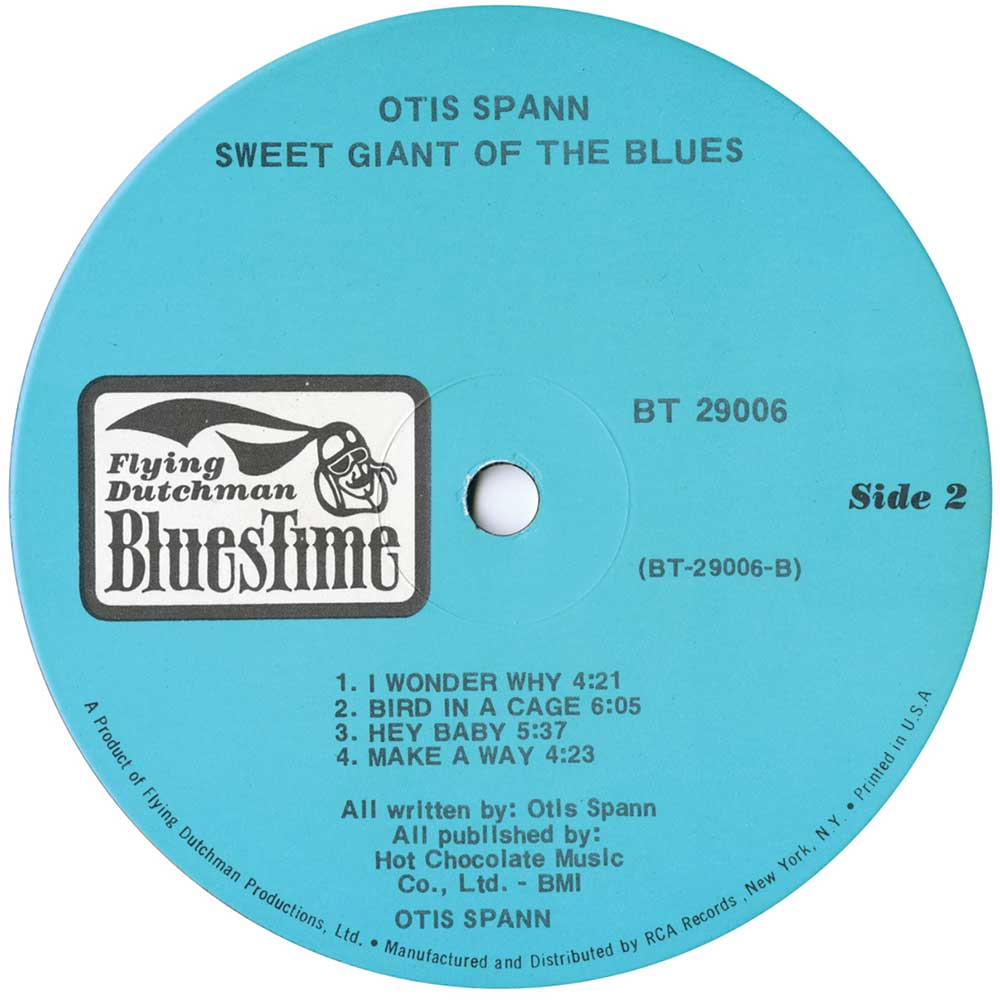
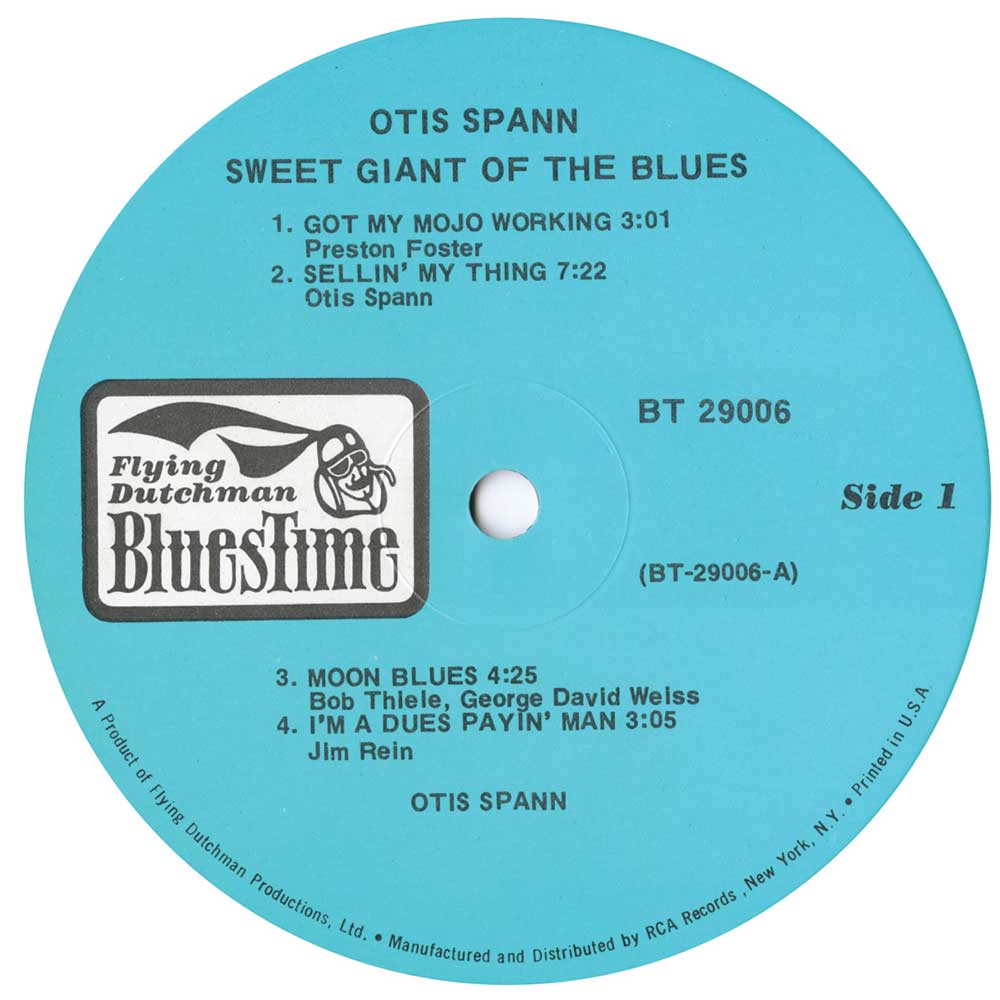
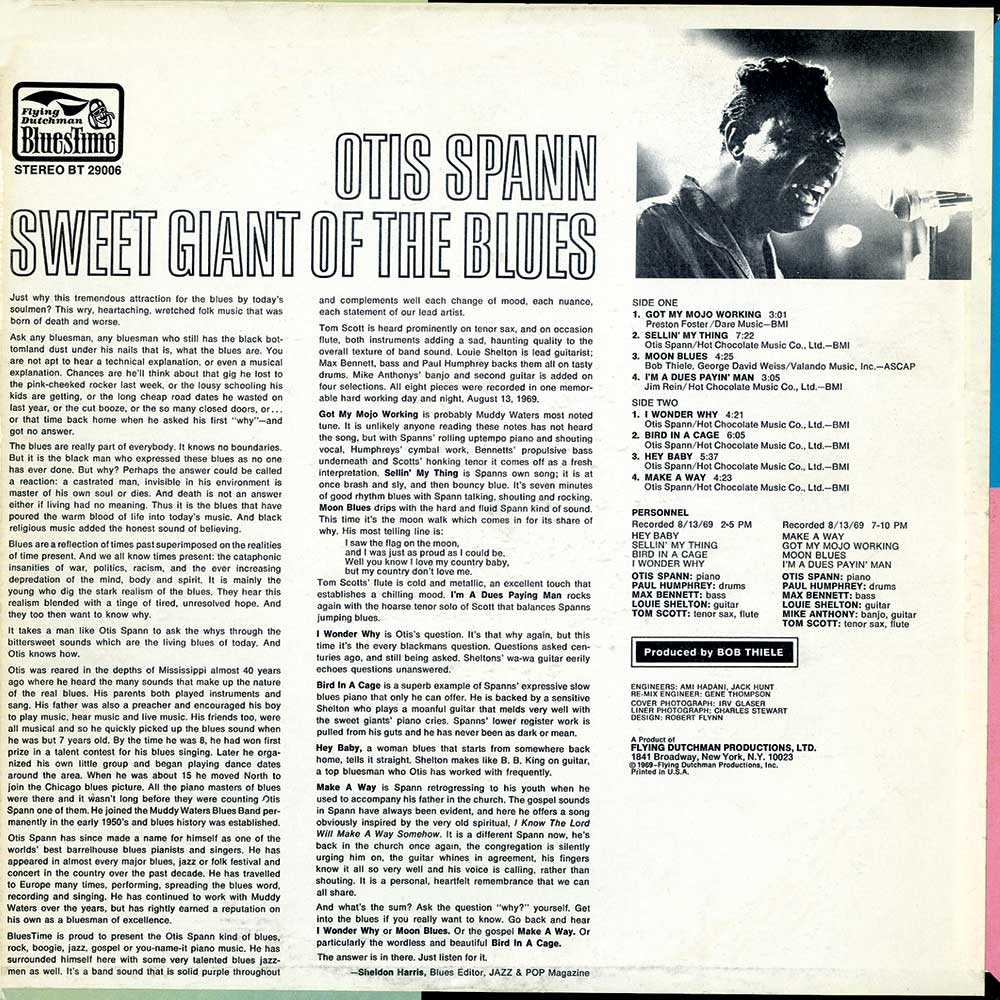
For Sweet Giant Of The Blues, Otis penned six tracks Sellin’ My Thing, I’m A Dues Payin’ Man, I Wonder Why, Bird In A Cage, Hey Baby and Make A Way. There was also a cover of Preston Foster’s Got My Mojo Working and the Bob Thiele and David Weiss song Moon Blues. These eight tracks were recorded by some top blues players.
Recording took place on 13th August 1969, with Bob Thiele producing Sweet Giant Of The Blues.The band featured a rhythms section of bassist Max Bennett, drummer Paul Humphrey and guitarist Louis Shelton and Max Shelton, who also played banjo. Tom Scott played tenor saxophone and flute, while Otis did what he did best and played piano and sang. Once Sweet Giant Of The Blues was completed the album was ready for release in 1969.
On its release in 1969, Sweet Giant Of The Blues found Otis on fine form. He produces a series of barnstorming performances, switching between blues, R&B, blues and funk. Despite this Sweet Giant Of The Blues wasn’t a commercial success. Worse was to come. Otis was diagnosed as having liver cancer. This was a result of years of hard living. Sadly, Sweet Giant Of The Blues proved to be his swan-song. He’d never again set foot in a recording studio. Did Sweet Giant Of The Blues see Otis Spann bow out on a high?
Opening Sweet Giant Of The Blues is the blues classic Got My Mojo Working. Otis reworks the track. The tempo increases and flamboyant flourishes of his piano drive the arrangement along. His piano is panned left, while the rhythm section are panned right. They create a snuffling arrangement. It unfolds at breakneck speed. Taking centre-stage is Otis gravelly, sassy vocal. It’s joined by bursts of grizzling horns and searing guitars. They respond to Otis’ call as he transforms a blues classic in his own inimitable style. This reinforces what Lucille knew, that Otis belonged centre-stage.
Just a probing bass and Otis jangling, bluesy piano join forces as Sellin’ My Thing unfolds. Hurt and heartache fill Otis vocal at the thought of his partner with another man. While the bass propels the arrangement along, Otis is transformed. Power and pain fill his vocal. His vocal is like a cathartic outpouring of hurt. All the time, he’s pounding his piano, showing why he’s one of the finest post-war Chicago blues pianists. His playing is spellbinding. It’s taken years to be able to play like this. Similarly, it’s taken a lifetime of carousing to hone his lived-in voice, that brings the heartbreak and regret in the lyrics to life.
Frenzied flourishes of Otis’ left hand result in the dramatic and evocative sound that opens Moon Blues. Soon, guitars and a blues-tinged harmonica soar above the arrangement. They accompany Otis’ despairing vocal. A sombre bass and hypnotic drums lock into a groove. Together, they provide the arrangement’s heartbeat. Meanwhile, a despairing and despondent Otis realises “I love my country, but my country doesn’t love me.” Powerful, moving and with more than a grain of truth in the lyrics, this song says a lot about America during the late sixties.
I’m A Dues Payin’ Man sees the tempo increase. From the get-go, Otis encourages the band along. He claps his hand while the rhythm section get the ball rolling. Soon, Otis ensures the song swings. Horns blaze and he his hands fly up and down the keyboard. By now, the band have become a tight unit. Playing starring roles are Otis’ piano and Tom Scott’s tenor saxophone. Despite the despair in his vocal, Otis is determined to make this slice of good time blues swing. It does and then some.
I Wonder Why sees Otis pick up where he left off on the previous track. This is electric blues at his best. Why? Well, Otis the charismatic frontman makes the song swing, accompanied by an all-star band. They combine electric blues, R&B and even, thanks to the rhythm section, a pinch of funk. It’s a potent and heady brew. Especially with Otis delivering a barnstorming performance on piano and vocal. Add to that an uber funky guitar solo from Louis Shelton, and the growling horn and this is one funky blues.
Bird In A Cage is late night music. It’s the type of music you’d listen to late at night, a cigarette in one hand, a whiskey in the other. Then it’s just a case of sitting back and enjoying a masterclass in blues music. Otis takes charge, laying down some of his best licks. Flamboyant flourishes of his piano accompany Louis Shelton’s guitar. When it drops out Tom Scott’s tenor saxophone takes charge. Meanwhile, glueing everything together is the rhythm section. They provide a slow moody heartbeat to this glorious blues jam which demonstrates why Otis Spann is considered a blues legend.
Hey Baby is another tale of love gone wrong. Otis vocal is full of sadness and regret, when he sings “you don’t love me like you did…tell me what’s on your worried mind.” As he delivers the lyrics, the pain seems almost real. Bob Thiele’s arrangement is perfect for Otis’ vocal. Dramatic, it literally oozes emotion and heartbreak. That’s down to flourishes of piano, a sultry saxophone and crystalline guitar solo. They play their part in an emotive tour de force.
Make A Way closes Sweet Giant Of The Blues. It’s a poignant way to close the album. Especially, when “Otis sings: “my Lord will Make A Way for you.” Little did Otis know, nine months later, he’d be dead. His vocal is an emotive, heartfelt roar. It’s as if he means and believes every words, as he fuses blues and gospel. His band play thoughtfully. They take care never to overpower Otis’ vocal. It’s full of emotion and sincerity. As for his piano playing, it’s some of the best on Sweet Giant Of The Blues. It seems, Otis has kept one of his best and moving tracks until last.
There’s a certain poignancy to Sweet Giant Of The Blues. It was the last album released before the death of Otis Spann. Nine months after Otis recored Sweet Giant Of The Blues on 13th September 1969, Otis Spann was dead. He’d been diagnosed with liver cancer in 1970. By April 1970, Otis Spann was dead. Blues music had lost a legend. The man referred to as the greatest postwar Chicago blues pianists was dead. Years of hard living had caught up with Otis. Now he was gone. However, belatedly, and with the help of his new wife Lucille had taken centre-stage, albeit for a brief spell.
For fifteen years, Otis had spent his time playing piano in Muddy Waters’ band. Then there was his work as a session musician. This meant Otis’ solo career sometimes took a back seat. Who knows what heights Otis Spann might have reached if he’d concentrated on his solo career? Maybe, Otis would’ve enjoyed the commercial success and critical acclaim his talent deserved? Sadly, that wasn’t to be.
Despite the quality of the albums Otis released, many weren’t commercially successful. This includes Sweet Giant Of The Blues, which was recently released by Ace Records. Sweet Giant Of The Blues features Otis Spann at his swashbuckling best. He swaggers his ways through the eight tracks. Blistering blues sits next to tales of heartbreak. All of the tracks feature Otis Spann’s unique piano playing style. Sweet Giant Of The Blues features a legendary blues’ pianist’s swan song and is a reminder of Otis Spann at the peak of his powers.
OTIS SPANN-SWEET GIANT OF THE BLUES.
END OF NEIL-HEADSPINNIN’
END OF NEIL-HEADSPINNIN’
Over the last couple of years, I’ve been documenting the rise and rise of End Of Neil, one of Scotland’s best up and coming singer songwriters. End Of Neil’s unique brand of acoustic folk has seen Neil Stewart continue to win friends and influence people. So, much so, that End Of Neil has supported The Vaselines, Ken Stringfellow and Rachel Sermanni. During this period, End Of Neil has proved to be one of the most prolific artists I’ve come across.
During 2013, End Of Neil has released a quartet of E.Ps. The first of this trio was Less, released in April 2013. Then six months later, My Games was released in October 2013. My Games was a coming of age for End Of Neil. It was his best release, with songs that were cinematic, evocative and emotive. My Games was another glimpse into the world of End Of Neil. During the six songs, End Of Neil, the troubled troubadour, introduced us to a compelling cast of characters. Their lives unfolded during the six songs. Like mini kitchen sink dramas full of betrayal, heartache, love lost and love found, My Games left his ever growing fan-base wanting to hear more from End Of Neil. So End Of Neil returned with an early Christmas present, his fourth E.P. of 2013, Gas Station Coffee.
Gas Station Coffee was released on on 1st December 2013. It featured B-sides, demos and what End Of Neil refers to as “special tracks.” It’s another insight to the world of End Of Neil and kept his fans occupied until his next E.P. They didn’t have long to wait. Just a month, when his Headspinnin’ E.P. was released. This reinforced that End Of Neil was the hardest working musician in Scottish music. He’s packed a lot into the previous six years since he founded End Of Neil in 2008. He’s packed a lot into these six years. You’ll realise that when I tell you about his career so far.
When I first wrote about End Of Neil, I did what I always do when I come across a new artist, I asked him to tell me a bit about himself. I wanted to know not just about End Of Neil’s music, but Neil Stewart, and his life. What I was trying to do, was build a picture, so that I can tell his story. Often, the information I’m given, varies. It various in quality, quantity and substance. End Of Neil’s was different. It was a refreshing first.
Unlike many new musicians I come across, End Of Neil is modest, unassuming and ego free musicians. That’s really refreshing. It seems, he prefers to let his music do the talking. End Of Neil is a hugely talented singer-songwriter. He’s also one of the most modest men in music. I discovered that when I first came across him. When I first heard End Of Neil’s music, I got in touch with Neil Stewart, the man behind End Of Neil, and asked him to tell me about his career so far. Unlike other artists, Neil provided a short, ego-free CV. Straight away, I liked Neil Stewart. Here, was a really talented, singer-songwriter, who despite his obvious talent, remained humble and modest. He helps other bands, is supportive of his local music scene and is “part a strong community of songwriters.” Neil Stewart, I realised is an anomaly in modern music, an ego-free musician.
Based in Stirling, Scotland, End Of Neil is the alter-ego of Neil Stewart. End Of Neil was founded in 2008, and since then, has been honing their unique sound. Best described as a combination of acoustic and folk, it’s won over audiences throughout Scotland, and more recently, much further afield.
Most of End Of Neil’s music is written by Neil Stewart. He’s just the latest in a new generation of Scottish singer-songwriters. Neil’s been influenced by John Martin, Nick Drake, Bob Dylan, Jeff Buckley and Neil Young. It’s not just folk music that influences End Of Neil. Not at all. Neil says anyone “with a guitar and sense of feeling” influences him. Interestingly, this includes Nirvana. These influences are reflected in End Of Neil’s music, which has been honed through constantly touring.
After founding End Of Neil, Neil played mostly Glasgow, Stirling and Edinburgh. His idea was, to refine his music through playing live. This is the old-fashioned way. Through playing live, an artist refines his sound and songs. Having played mostly in Glasgow, Stirling and Edinburgh, End Of Neil started playing further afield and opening for some big names.
No longer was End Of Neil playing much further afield. Audiences at concerts and festivals were won over by End Of Neil. So too, were The Vaselines, Ken Stringfellow and Rachel Sermanni, who End Of Neil supported. This summer, End Of Neil will be supporting Simon Townsend, the brother of Who guitarist, Pete Townsend. Whilst constantly touring, End Of Neil is one of the most prolific artists I’ve come across.
It was back in September 2012, that End Of Neil’s recording career began. Escape At The Zoo and 62 were the debut tracks from an undoubtably talented artist. Best described as joyous and celebrating being young and free, Escape At The Zoo features intelligent lyrics, thought provoking lyrics, about whether human instinct can be repressed by work and social pressures and norms. 62 is an atmospheric song, one that paints pictures in your mind, while Neil’s voice is needy and emotive. Just a month after End Of Neil’s debut single, came his first E.P.
September was released by End Of Neil in October 2012. This was End Of Neil’s debut E.P. It certainly didn’t disappoint. Both Escape At The Zoo and 62 featured on September. The other three tracks were of a similar quality. End Of Neil brought Forget The Afternoon, Save My Soul and Knights In Armour to life. Neil’s lyrics are a cut above what we’ve come to expect from modern singer-songwriters. Just like the seventies singer-songwriters who’ve influenced End Of Neil, Neil delivers his songs with passion and emotion. He’s like a master storyteller, his songs painting pictures, asking question, probing and provoking your emotions. For a debut E.P. September was the perfect way to begin End Of Neil’s recording career. Just seven months later, came the followup, My Games.
Released in April 2013, My Games was End Of Neil’s sophomore E.P. It featured six new tracks from End Of Neil. It built on September, which had been the starting point for his recording career. The songs were even better, tighter and slicker. Now six months later, Less was End Of Neil’s third E.P.
Less was released in October 2013 and featured another six new songs. Again, we were introduced to a diverse cast of characters. Many of them are complicated. Some of them are troubled. All of the characters are intriguing. Just like on My Game, Less saw End Of Neil introduce us to a diverse cast of characters. Many of them are complicated. Some of them are troubled, some heartbroken and some frustrated or angry. All of them are intriguing. In many ways, that makes it a very Scottish collection of songs. After all, we Scots are complicated, troubled and intriguing. We certainly have stories to tell and always have. It’s in our D.N.A. So has
End Of Neil. He’s a storyteller, poet and songwriter. His lyrics paint pictures and his characters come to life. That’s been the case on each of his E.P.s and is the case on the wonderfully named Gas Station Coffee. It featured six songs which were written and produced by End Of Neil.
For fans of End Of Neil, Christmas has come early in the shape of Gas Station Coffee. The six songs were variously heartfelt, hook-laden, emotive, joyous,poignant and melancholy. Tinged with anger, disappointment, heartbreak, hope, humour and pathos. Then there’s the stomping Heavy World and the needy, heartfelt and hopeful paean, Years In The Wilderness. Quite simply, this was a delicious, aromatic blend of Americana, country, folk and rock. One cup isn’t enough. No. Far from it. It was a truly irresistible drink, best tasted often. Indeed, from Dry Land right through to Deception, Gas Station Coffee oozes quality. Gas Station Coffee whetted your appetite for End Of Neil’s first E.P of 2014, Headspinnin.’
This was a case of End Of Neil picking up where he left off on Headspinnin.’ It was released as 2014 dawned. Featuring three tracks and marked a welcome return of End Of Neil the storyteller.
From the opening bars of Running Through The Louvre, you’re hooked. Jangling guitars build up the drama. They set the scene for Neil’s joyous vocal. Memories coming flooding back. Neil remembers a time and place. He was happy and carefree. That shines through on this melodic and joyful song where Neil paints pictures with his lyrics.
Just drums and guitars propel the arrangement to I Ran The Hudson along. Just like the previous track, the introduction is length. It builds up your sense of expectation. However, it’s worth the wait. Neil’s vocal is full of frustration, anger and confusion. His heart’s been broken and he doesn’t understand why. When his vocal drops out guitars and drums take charge. Then when Neil’s vocal returns, it’s apparent that writing the lyrics are a cathartic cleansing, ridding the character in the song of the hurt, anger and confusion they’re experiencing. Quite simply, it’s one of End Of Neil’s finest songs.
Closing Headspinnin’ is Midnight (You Guessed Right). It’s another relationship song. This is something Neil does so well. Listening to the lyrics, it’s as if he’s been there and experienced the hurt, heartache and pain he’s singing about. With just acoustic guitar and percussion for company this is the perfect accompaniment. Then later, harmonies sweep in. They provide the finishing touch, as if trying to reassure Neil that one day, the pain and hurt will go away.
That End Of Neil can consistently release quality music is the result of six years hard work. End Of Neil has dedicated himself to his craft. He’s now a hugely talented singer-songwriter. Long-gone are the rough edges. They’ve been smoothed away by six years of performing live. This has been time well spent. Inspired by, and following in the tradition of seventies singer-songwriters, End Of Neil brings a taste of the Laurel Canyon sound to Scotland. He’s a troubled troubadour with stories to tell. That’s the case on Headspinnin.’
The three songs on Headspinnin’ are examples what End Of Neil does so well. They’re relationship songs. End Of Neil sounds as if he’s lived, loved and survived the songs. The hurt, heartache and joy seems real, very real. That’s because End Of Neil’s lyrics paint pictures. You can imagine the scenes unfolding before your eyes. The songs have a cinematic quality. That’s what I’d describe the three songs on Headspinnin’ as compelling and enthralling. You’re introduced to a cast of characters. They’re complicated. Some of them are troubled. All of them are intriguing, interesting and compelling. These are just the latest characters End Of Neil has introduced us to. Or so I thought.
By the time I finished reviewing Headspinnin,’ End Of Neil announced he was releasing A Ship’s Tale on 1st April 2014. A Ship’s Tale is the soundtrack to the Maid Of The Loch documentary. That’s the latest addition to End Of Neil’s back-catalogue. Then there’s End Of Neil’s debut album, which is just about ready for release. For End Of Neil, this is the busiest and most important period in his career. End Of Neil is more than ready to take the next step.
End Of Neil’s musical apprenticeship is over. Indeed, it was over last year. He’s more than ready to record his debut album. Hopefully, it’ll be released before long. To quote Sam Cooke, “It’s been a long time coming.” I’m sure it’ll be well worth the wait, considering the quality of music End Of Neil has released so far.
Headspinnin’ is a another tantalising taste of what End Of Neil’s is capable of. Over the last year or so, he’s come of age and is ready to make the next step. That means releasing his debut album. That’ll allow a wider audience to hear End Of Neil’s fusion of folk, acoustic, Americana, country and rock. This is music that’s cerebral, intelligent, evocative, expressive, poetic and thoughtful. End Of Neil sings of hurt and heartbreak, love and loss, life and the meaning of it. Poignancy sits side-by-side with pathos. There’s a sense of melancholia, wistfulness and vulnerability in his voice. Other times irony, humour and guilt shine through. Crucial to the success of Headspinnin’ is Neil’s lived-in, world-weary, soulful vocal. Sometimes, Neil’s vocal is a cathartic unburdening. This is hugely powerful and emotive. It’s as if we’re seeing a glimpse of End Of Neil’s soul, as he introduces us to a cast of new characters on Heaspinnin’ which until recently, was the latest addition to End Of Neil’s back-catalogue.
END OF NEIL-GAS STATION COFFEE

MONICA AZULL-I LIKE IT.
MONICA AZULL-I LIKE IT.
I Like It. That’s not just the title of Monica Axull’s new single, but what anyone whose heard the single so far, thinks of it. Monica Azull many people believe, is a star in the waiting. She looks like she’s on the cusp of a successful career. She’s come a long way in a short time and looks like fulfilling her lifelong ambition.
All Monica has ever wanted to do, was make a career as a singer and songwriter. That’s been the case since Monica arrived in England aged eight. Monica’s parents come from Uganda and Congo. They brought Monica to England as a child. That’s where Monica’s career started to take shape.
Music has been a lifelong love for Monica. So it was no surprise that Monica headed to performing arts school. She’d been writing songs from an early age. At performing arts school, the first time she sang live, she was hooked. The audience loved her music. It was intoxicating. Adrenal coursed through her veins, reaffirming what Monica already knew, she was going to make music her career.
While many people dream of making music their career. Monica Azull has turned a dream into reality. Her debut single I Like It is an example of Monica’s songwriting skills. I Like It sees Monica draw upon her own experiences. She describes how the song came about: “at the time, there was this guy that was pursuing me, I also happened to think he was cute but didn’t want to tell him how I felt towards him. I feared that a relationship would interfere with my ambitions… I’m sure every woman has their fantasies!” So, love, love lost and ambition is a heady brew for Monica Axull’s new single, I Like It.
I Like It is a fusion of R&B, Nu Soul and urban. It’s also hugely soulful, hopeful and oozes positivity. Monica’s vocal is needy, heartfelt and sultry. She’s a singer whose carrying on the tradition of Jill Scott, Erkah Badu, India Arie and Lauryn Hill. With the right people behind her and a supportive label, Monica Azuli could be the UK’s next First Lady of Nu Soul. You’ll realise that when you hear Monica Azull’s debut single I Like It, which shows that dreams can come true.
MONICA AZULL-I LIKE IT.

THE SALSOUL ORCHESTRA-UP THE YELLOW BRICK ROAD.
THE SALSOUL ORCHESTRA-UP THE YELLOW BRICK ROAD.
For Salsoul Records and The Salsoul Orchestra, Up The Yellow Brick Road would prove to be the end of an era. Up The Yellow Brick Road proved to be last Salsoul Orchestra arranged, produced and featuring the sound of vibes virtuoso Vince Montana Jr. It also proved to the first Salsoul Orchestra mixed by the new breed of remixers who seemed to be de rigueur at Salsoul.
The Cayres decided to bring in Tom Moulton to remix Up The Yellow Brick Road which will be rereleased by BBR Records on 28th April 2014. Like some sort of disco superhero, remixers were brought in to remix entire albums. While remixers had a role, remixing individual tracks, opinion was divided over whether they should be remixing whole albums. Then there was the question of whether non-musicians, which many remixers were, should be remixing an album? Given that The Salsoul Orchestra were producing some of the best music of their career, why did the Cayres want to change things? Had they not heard of the maxim if it “isn’t broke don’t fix it.”
Behind the scenes, things were changing at Salsoul, with several musicians unsure about the role of the remixer. Vince Montana Jr, and Norman Harris were just two of them. So, for Vince, Up The Yellow Brick Road was his Salsoul finale, with him leaving Salsoul and signing to Atlantic Records. Vince leaving was just the start of changes at Salsoul. Even the classic lineup of The Salsoul Orchestra was changing. Whereas the Baker, Harris, Young rhythm section had been ever-present on The Salsoul Orchestra albums, only Earl Young featured on Up The Yellow Brick Road. Indeed, the times they were a changing, but would this affect the quality of music on Up The Yellow Brick Road?
Up The Yellow Brick Road was The Salsoul Orchestra’s fifth album, but proved to be different from their previous album. Five tracks featured on Up The Yellow Brick Road were all from Broadway musicals and films. This included a cover of Move On Up the Road from the Wiz, plus medleys from West Side Story and Fiddler On the Roof. The Beatles Sgt. Pepper’s Lonely Hearts Club Band, which in 1978, had been adapted into a film by Robert Stigwood and producer Michael Schulz was given a makeover by The Salsoul Orchestra. Closing Up The Yellow Brick Road was a cover of Evergreen, from the film A Star Is Born. These five tracks would be recorded at Philly’s Sigma Sound Studios, where The Salsoul Orchestra recorded all their previous albums.
The lineup of The Salsoul Orchestra that features on Up The Yellow Brick Road, was quite different from previous albums. Whereas previous albums featured Baker, Harris, Young rhythm section, only Earl Young played on Up The Yellow Brick Road. Joining Earl in the rhythm section were drummer Keith Benson, bassist Gordon Edwards and guitarists Ronnie “the Hawk” James, Bobby “Electronic” Eli and T.J. Tindall. Adding The Salsoul Orchestra’s percussive sound were Vince Montana Jr, on timpani, bells, chimes and vibes, plus Larry Washington and James Walker on congas, bongos and timbales. Carlton “Cotton” Kent played keyboards and Bill O’Brien synths and Jack Faith flute and piccolo. Violinist Don Renaldo was part of the string section and horn section that was key to the Salsoul sound. Adding backing vocals were the legendary Sweethearts of Sigma, Carla Benson, Barbara Ingram and Evette Benton, who feature heavily on Up The Yellow Brick Road. Once Up The Yellow Brick Road was completed, it was scheduled for release on March 1978. By then, The Salsoul Orchestra had lost its arranger, conductor and producer.
When The Salsoul Orchestra released Up The Yellow Brick Road in March 1978, it eached number 117 in the US R&B Charts and number fifty-two in the US R&B Charts. By the time Up The Yellow Brick Road was released, Vince Montana Jr had left Salsoul Records. After a disagreement with the Cayres over royalties, Vince signed as a solo artist for Atlantic Records. So, Up The Yellow Brick Road was Vince Montana Jr’s final album as arranger, conductor and producer of the orchestra he created…The Salsoul Orchestra. However, did Vince Montana Jr’s career with The Salsoul Orchestra end on a high with Up The Yellow Brick Road?
Opening The Salsoul Orchestra’s Up The Yellow Brick Road is Move On Up the Road from The Wiz a1978 adaptation of The Wizard of Oz. Earl Young’s pounding drums provide the track’s disco heartbeat before strings dance with delight, horns rasp and growl and the Sweethearts of Sigma prove the perfect foil for The Salsoul Orchestra, adding joyous, sweeping harmonies. A jazzy piano is ever-present while the growling horns punctuate the arrangement and the strings sweep and swirl. Later, Vince adds one of his trademark vibes solos, before the a horn solo takes charge. All the time the Sweethearts of Sigma add the their tight, sweet and glorious harmonies. Woodwind, flourishes of strings and the rhythm section combine, although Ron Baker’s bass playing is sadly missed. Having said that, this is an uplifting, joyous opening journey Up The Yellow Brick Road.
The West Side Story medley opens dramatically with the rhythm section, rasping horns, guitars and percussion driving the track along. Strings shiver and quiver, as the Sweethearts of Sigma’s vocals enter. They add to the drama and theatre of the track, able to change the mood and feel of each part of the medley. When their vocals drop out the horns gently rasp, while strings cascade and a myriad of percussion combines with the constant disco beat. Soon, the Sweethearts of Sigma return, their vocals heartfelt, tender and the perfect contrast to the impressive sound of The Salsoul Orchestra in full flight. Gordon Edwards bass plays an important part, helping anchor the track, before Bill O’Brien lays down a synths solo par excellence. He’s joined by the funky rhythm section, percussion and stabs of horns and Bobby “Electronic” Eli’s unmistakable guitar playing. By now Latin and funk are fused seamlessly, before the Sweethearts of Sigma add their soulful contribution. Their punchy, harmonies add to the drama as this thirteen-minute reaches its impressive crescendo, albeit with a little help from vibes virtuoso Vince Montana Jr, who unleashes a show stealing solo, helped along by blazing horns and dancing strings.
After unleashing an impressive wall of sound Sgt. Pepper’s Lonely Hearts Club Band is reinvented by The Salsoul Orchestra and arranger and producer Vince Montana Jr. To do this the entire orchestra’s talents are utilised to recreate what is a complex piece of music. This means fusing the woodwind section, while punchy rasping horns, swirling strings and sassy, feisty and sometimes melodramatic harmonies from the Sweethearts of Sigma are combined with the rhythm section. Unlike the original, the horns, harmonies and piano add a glorious jazzy and disco twist to a familiar track, turning this slice of psychedlia into something it was never meant to be.
Fiddler On the Roof is the another show tune given the medley treatment by The Salsoul Orchestra. It’s given a pulsating disco beat by the rhythm section as elegant strings dance joyously, and are joined by a myriad of percussion and rasping, braying horns. Playing an important part in the track’s success are the Sweethearts of Sigma soulful harmonies. They vary from one part of the medley to another, ranging from heartfelt, impassioned, to dramatic, sweet and joyous. Sometimes, they drop out completely, to be replaced by the hugely impressive combination of the woodwind, horn, string and rhythm sections in full flight. Truly, it’s an impressive and dramatic sound, demonstrating why by 1978, The Salsoul Orchestra were disco’s greatest orchestra. During some parts of the medley, The Salsoul Orchestra’s woodwind section get their chance to shine, before later the lush strings take centre-stage. While, each part of the orchestra changes the mood and drama, one thing never changes, that pulsating, disco beat. As a breakdown occurs, just the percussion and shakers take-centre stage, allowing the percussive delights of The Salsoul Orchestra to shine through. Later, bursts of kettle drums, horns accompany the heartfelt harmonies of the Sweethearts of Sigma while rest of The Salsoul Orchestra reinvent Leonard Bernstein’s finest hour and in doing so, show just how talented they were and at the same time, demonstrate just how innovative an arranger and producer Vince Montana Jr truly was.
Closing Up The Yellow Brick Road is Evergreen (Love Theme From “A Star Is Born”) and sees The Salsoul Orchestra breath new life and meaning to the track. There’s a real understated Latin sound to the track. Just congas and bongos subtly combine, before Vince Montana Jr lays down a slow, spacious vibes solo. Then the Sweethearts of Sigma lay some of the most heartfelt, beautiful harmonies on How Deep Is Your Love. When Vince adds the lushest of slow strings this is a masterstroke. He then combines his vibes with percussion and congas and the Sweethearts of Sigma tender harmonies. This innovative and imaginative combination sees elements of jazz, Latin and soul resulting is an understated and subtle reworking of a familiar song that’s a mixture of beauty and elegance personified. What a way gorgeous way to close Up The Yellow Brick Road and what a way for Vince Montana Jr to close the book on his time at Salsoul Records.
Up The Yellow Brick Road proved not just to be a landmark album for The Salsoul Orchestra, but for Salsoul Records. By the time Up The Yellow Brick Road was released, The Salsoul Orchestra had lost its creator, conductor, arranger and producer Vince Montana Jr. He’d left Salsoul, after a dispute with the Cayres over royalties, and signed a contract with Atlantic Records. Ironically, neither Vince Montana Jr, nor The Salsoul Orchestra would be the same. Now Salsoul had entered the era of the “superstar remixer. However, they weren’t just remixing singles, but whole albums and soon, would be writing and producing songs. For some people, this was a step too far. While remixers had their place, many were non-musicians, who didn’t know a chromatic chord from shopping cart. Soon, many of The Salsoul Orchestra’s legendary members would either leave the label or play less important roles. Mind you, given how talented they were, they were soon gainfully employed, joining John Davis’ Monster Orchestra or writing, arranging and producing on their own. Ironically, Vince Montana Jr, never enjoyed the same success at Atlantic and his days at Philadelphia International Records and then Salsoul proved his most productive and successful.
One of Vince’s replacement was Tom Moulton, who by 1978, was at the height of his success and was one the most in-demand remixers. He’s responsible for the track’s pounding, pulsating disco beat. However, this wasn’t created by the legendary Baker, Harris, Young rhythm section, like previous Salsoul Orchestra albums. Only Earl Young played on Up The Yellow Brick Road, and only on three tracks. Keith Benson played on the two medley’s but his drumming doesn’t have the same presence, nor does bassist Gordon Edwards whose playing isn’t lacks the presence of Ron Baker’s. Similarly, Norman Harris’ jazz-tinged flourishes were absent on Up The Yellow Brick Road. Although their replacements were really talented musicians, Baker, Harris, Young were peerless and irreplaceable. Having said that, even without Baker, Harris, Young, Up The Yellow Brick Road demonstrates The Salsoul Orchestra at the creative, innovative, where they were without doubt, disco’s greatest orchestra. That’s why the period between 1975 and 1978 is the classic Salsoul era, when The Salsoul Orchestra started a journey with The Salsoul Orchestra in 1975 and which came to an end Up The Yellow Brick Road. Standout Tracks: Move On Up the Road, West Side Story, Fiddler On the Roof and Evergreen.
THE SALSOUL ORCHESTRA-UP THE YELLOW BRICK ROAD.
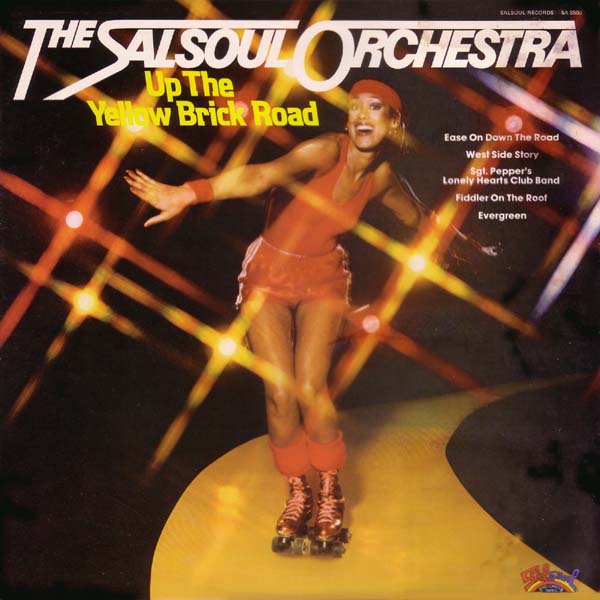
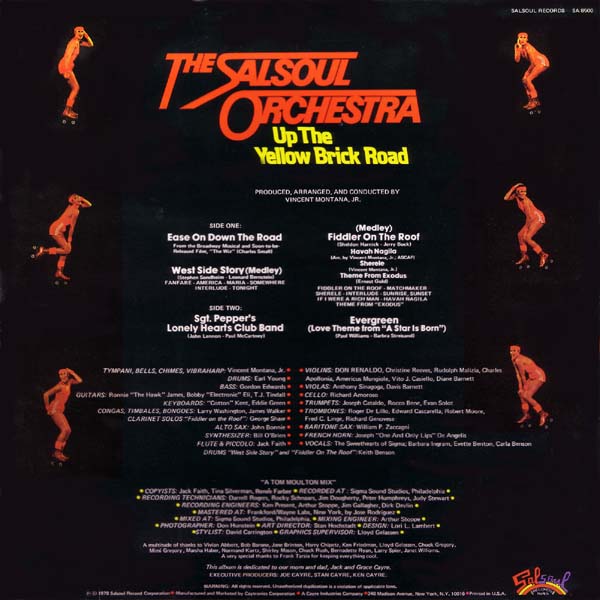
BLACK SABBATH-PARANOID.
BLACK SABBATH-PARANOID.
Just seven months after Black Sabbath released their eponymous debut album in February 1970, they were back with the album that defined their career, Paranoid. It was released in September 1970 and features three Black Sabbath classics Paranoid, Iron Man and War Pigs. They’ve since become staples of Black Sabbath’s live performances. They’re also three reasons why Paranoid sold twelve-million copies. Incredibly, Black Sabbath had only been formed two years earlier.
In 1968, guitarist Tony Iommi and drummer Bill Ward found themselves with a band. Mythology, their previous band had just split-up. Tony and Bill decided to form a new band. So they got in touch with vocalist Ozzy Osbourne and bassist Geezer Butler. Ozzy had placed an advert in a local music shop saying “Ozzy Zig Needs Gig.” They were joined by slide guitarist Jimmy Phillips and saxophonist Alan Clarke. This was the birth of what would later become Black Sabbath.
At first, the new band was called The Polka Tulk Blues Band. This was shortened to Polka Tulk, and later, Earth. The band’s name wasn’t the only thing that changed. So did the lineup.
Tony Iommi became concerned that Jimmy Phillips and lan Clarke weren’t taking the band seriously. So they hatched a plan. Earth would breakup, and straight away, reform as a quartet. The quartet were still called Earth and recorded several demos. These demos were penned written by Norman Haines. Among them were The Rebel, Song For Jim and When I Came Down. It looked as if Earth were going places. Then in December 1968, another member of Earth left.
This was Tony Iommi. He left to join Jethro Tull and featured on the Rolling Stones’ Rock and Roll Circus television show. He didn’t spent long as a member of Jethro Tull. No. Unhappy with the direction Jethro Tull were heading, Tony rejoined Earth. Tony’s time working alongside Ian Anderson inspired him. Now he was determined that Earth were going to become a successful band.
Before long, Earth realised that there was a problem. With another band called Earth, this was causing confusion. So, when the members of Earth noticed that a cinema near their rehearsal room was showing a rerun of Moris Bava’s horror film Black Sabbath, which starred the inimitable Boris Karloff, they were inspired to write a song.
The inspiration was seeing people queue up to watch horror film. Essentially, people were paying to be scared. This the band felt was strange. So Ozzy and Geezer penned Black Sabbath, which was inspired by writer Dennis Wheatley. The lyrics were dark and gothic. Indeed, the song was later referred to as: ”probably the most evil song ever written” by Rob Halford of Judas Priest. Having written this dark opus, Earth decided to change their name to Black Sabbath.
Black Sabbath made their debut in Workington, in Cumbria on 30th August 1969. Four months later, in November 1969, Black Sabbath signed to Phillips Records. They released their debut single Evil Woman through Vertigo Records, which was Phillips Records’ new prog rock label. After appearing on BBC radio, Black Sabbath began work on their debut album.
With producer Rodger Bain, Black Sabbath began recording their debut album. Ominously, Black Sabbath was released on 13th February 1970. It wasn’t a case of unlucky for Black Sabbath. Their debut reached number eight in the UK and number twenty-three in the US Billboard 200. Despite mixed reviews, Black Sabbath was certified gold in the UK and platinum in the US. Just two years after they formed, Black Sabbath were one of the most successful of a new generation of rock bands. Their sophomore album Paranoid would be a game-changer.
Geezer Butler wrote the lyrics to six of the eight tracks on Paranoid. The exception were Planet Caravan and Fairies Wear Boots, which Geezer and Ozzy penned. Black Sabbath wrote the music the eight tracks. These tracks would be recorded at two studios in London.
Recording of Paranoid took place in Regent Sound Studios and Island Studios, in London. Geezer played bass, Tony guitar and flute and Bill Ward drums and congas. Tom Allom played piano on Planet Caravan. Producing Paranoid was Rodger Bain, who’d produced Black Sabbath. Once Paranoid was completed, it was released in September 1970 in the UK and Europe. Paranoid wasn’t released until January 1971.
On the release of Paranoid in September 1970, it reached number one and was certified gold. Then in January 1971, Paranoid reached number twelve and was certified platinum four times over. Ironically, in the US, Paranoid wasn’t well received by critics. Just like Black Sabbath, Paranoid was slated. Black Sabbath, as you’ll realise, had the last laugh.
Opening Paranoid is War Pigs, an anti Vietnam War song. Here, Black Sabbath provide a slow, moody backdrop. The rhythm section and flourishes of searing guitar are joined by wailing sirens. They set the scene for Ozzy. His angry, frustrated vocal is the signal for Black Sabbath to become a power trio. Guitar doubles are panned left and right, balancing he mix. Meanwhile, the rhythm section drive the arrangement along. A buzzing bass, blistering guitar and pounding drums provide the backdrop for Ozzy’s strutting vocal. The result is not just one of the best anti-war songs you’ll hear, but a Black Sabbath classic.
Make that two. Paranoid is another Black Sabbath classic. From the opening bars, the track is instantly recognisable. It’s like meeting old friends. They just happen to be raucous, rabble rousers. Black Sabbath burst into life. They’re at their rockiest best. Machine gun guitars join the driving, rhythm section. Listening to Ozzy’s grizzled vocal, it’s as if he can empathise with the character in the song. It’s as if he’s experienced and suffered the paranoia he’s singing about. That, together with a blistering performance from Tony, Geezer and Bill made this a heavy metal classic.
Planet Caravan sees a change in direction from Black Sabbath. They head in the direction of psychedelia. Ozzy’s distant, lysergic vocal is full of mystery, while the arrangement meanders along, bathed in echo. The rhythm section and guitar take care never to overpower Ozzy’s vocal. Later, Tony’s guitar references Peter Green of Fleetwood Man. Understated, lysergic and psychedelic it’s another side of Black Sabbath, one I’d like to hear more of.
Iron Man sees a return to heavy metal. Drums pound relentlessly before menacingly, Ozzy announces “I am Iron Man.” From there, Black Sabbath are back doing what they do best, playing heavy metal. Tony delivers a guitar masterclass, while the rhythm section lock into a groove, becoming one. Ozzy’s vocal is a mixture of menace and raw power as he sings about a time traveller. It’s Tony that steals the show. His guitar playing is some of the best on Paranoid.
Menacing describes the introduction to Electric Funeral. That’s down to the rhythm section, Tony’s guitar playing and Ozzy’s vocal. Black Sabbath become one. The tempo is slow and sounds dark and dramatic. There’s even a nod to prog rock. Mostly, though it’s Black Sabbath’s unique brand of heavy metal. With Tony wielding his guitar like a musical wizard, Ozzy vamps his way through the track, singing about a futuristic world. He mixes menace, drama and theatre. Then later, the rhythm section want in on the act. When the baton is passed from Tony’s guitar, they enjoy their moment in the sun. They prove that Black Sabbath wasn’t just a one man band.
Hand Of Doom was written by Black Sabbath after noticing the number of American soldiers arriving in the UK. Many of them were traumatised, and resorted to taking drugs to blot out the horrors they’d witnessed. Sadly, the drugs destroy them. As a result, there’s a darkness to this song. Dark and dramatic. The arrangement meanders along, understated before exploding into life. Ozzy unleashes a vocal that brings to life the horrors these soldiers have witnessed. Anger, frustration and pain fills his vocal as the arrangement builds and grows. Soon, Black Sabbath are in full flow. That’s a joy to behold. Especially, as machine gun guitars are unleashed and Ozzy delivers one of his finest vocals on Paranoid.
Rat Salad sees Black Sabbath return to their blues’ roots. They jam, mixing blues, jazz and rock. It’s a case of sitting back and enjoying this musical masterclass. Whether playing as a unit or unleashing solos, Black Sabbath are peerless. They’re a power trio par excellence. Geezer’s bass playing, Bill’s drumming and Tony’s guitar solos play their part in delicious jam.
Closing Paranoid is Fairies Wear Boots. Blistering guitars and the rhythm section lock horns. They drive the rocky arrangement along. Bill’s around the kit, while Tony’s fingers flit up and down the fretboard. Geezer joins Bill in glueing everything together. Then having enjoyed their moment in the sun, Ozzy struts centre-stage. His grizzled, rocky vocal is the perfect accompaniment to one of the hardest rocking arrangements. It’s as if Black Sabbath are determined to lift their game one last time. This they do, closing Paranoid on blistering rocky high.
Whilst Paranoid wan’t released to the critical acclaim that accompanies many classic albums, it’s gone on to become one of the most important albums in the history of heavy metal. It redefined heavy metal. So much so, that Paranoid became the blueprint for the genre. If someone asked what heavy metal sounded like, Paranoid was the album to play them. Indeed, in the history of heavy metal, there are only two periods, B.P. and A.P. Before Paranoid and After Paranoid. Ironically, music critics panned Paranoid.
Among them was the so called doyen of critics Lester Bangs. This self styled tastemaker seemed to have a downer on Black Sabbath. Along with many American critics, they felt the album was too heavy. Then there were criticism of the aggression and satanic lyrics. Not for the first time, the critics got it wrong.
Paranoid was certified platinum four times over in the UK. It was the album that rewrote the rules of heavy metal. Now it was a case of the heavier the better when it came to heavy metal. At the forefront were Black Sabbath. Eventually, Paranoid sold twelve million copies worldwide and Black Sabbath became a musical phenomena.
Right through until 1981s Mob Rules, gold and platinum discs came Black Sabbath’s way. So did controversy. Much of it concerned Ozzy Osbourne. He parted company with the band in 1979. Sacked by the group he formed, both Ozzy and Black Sabbath survived to tell the tale. However, back in 1970, the Black Sabbath story was just beginning.
It started with Black Sabbath in February 1970 and then Paranoid in September 1970. Since then, critics have reappraised Paranoid and belatedly, realised it was actually a classic. Twelve million people could’ve told them that Paranoid was a stonewall classic. That’s why it’s fitting that Sanctuary have rereleased Paranoid.
However, a word of warning is needed. The version of Paranoid I’m reviewing is a newly released American rerelease. It was released on 1st April 2014. This isn’t actually a new version of Paranoid. The version I received is the 2009 Deluxe Edition. Disc one features the 2009 remastered version of Paranoid, while disc two features the 1974 Quadraphonic Mix. On disc three are instrumental versions of Paranoid recorded at Trident Studios, London on the 16th and 17th June 1970. Much as this is the definitive version of Paranoid, it’s somewhat galling that a five year old reissue is being passed of a a new release.
Having said all that, Paranoid is a classic album. I’d go much further than that. I’d say that Paranoid, Black Sabbath’s 1970 sophomore album was a groundbreaking release. Paranoid saw Black Sabbath rewrite the rules of heavy metal with what was the most successful and most innovative album of their long and illustrious career, Paranoid.
BLACK SABBATH-PARANOID.
ELTON JOHN-GOODBYE YELLOW BRICK ROAD.
ELTON JOHN-GOODBYE YELLOW BRICK ROAD.
Although critical acclaim and commercial success were constant companions for Elton John between 1970 and 1978, one year stood out, 1973. During 1973, Elton released two of his most successful albums. The first of these two albums was Don’t Shoot Me I’m Only The Piano Player which was released in January 1973. It reached number one in the UK and US Billboard 200. This resulted in Don’t Shoot Me I’m Only The Piano Player being certified triple platinum in America. However, this was nothing compared to the commercial success Goodbye Yellow Brick Road enjoyed. Everything it seemed had been leading to this.
The Elton John story begins in June 1969, when Elton released his debut album Empty Sky. It failed to chart in the UK, but reached number six in the US Billboard 200. Empty Sky hinted at Elton John’s potential. However, nobody was prepared for what happened next.
As the new decade dawned, Elton John was released to critical acclaim in April 1970. It reached number five in the UK and number four in the US Billboard 200. This resulted in the first gold disc of his career. Your Song became the most successful single of Elton’s career. Released in 1970, it reached number eight in the US Billboard 100. This resulted in Elton’s first platinum disc. It certainly wouldn’t be his last. Far from it.
Six months later, Elton released his second album of 1970, Tumbleweed Connection. Just like his previous album, Tumbleweed Connection won critics over. On its release in October 1970, it reached number two in the UK and number five in the US Billboard 200. Having sold a million copies, it was certified gold. Elton’s career was well underway. This success would continue in 1971.
Just like 1970, Elton released two albums. His first album of 1971 wast the soundtrack to Friends. Released in March 1971, it reached number thirty-six in the US Billboard 200 and was certified gold. Then seven months later, Madman Across The Water, became the most successful albums of Elton’s career.
Madman Across The Water was released in November 1971. Critics hailed it one of Elton’s finest hours. It reached number forty-one on the UK and number eight in the US Billboard 200. This resulted in Madman Across The Water being certified double-platinum. That wasn’t the end of the commercial success. One of the singles from Madman Across The Water, Tiny Dancer, reached number forty-one in US Billboard 100 and was certified platinum. By now Elton John was one of the most successful solo artists of the seventies.
This commercial success continued in 1972. Honky Chateau was released in May 1972. It reached number two in the UK and became Elton’s first number one in the US Billboard 200. Certified platinum, Honky Chateau saw the Elton John success story continue. Things would get even better in 1972.
During 1973, Elton released two of his most successful albums. The first of these two albums was Don’t Shoot Me I’m Only The Piano Player which was released in January 1973. Two of the singles added to Elton’s collection of gold and platinum discs. Crocodile Rock was released in 1972, reaching number five in the UK and gave Elton his first number one in the US Billboard 100. This resulted in another platinum disc for Elton. Then Daniel reached in number four in the UK and number two in the US Billboard 100. For Elton this resulted in another gold disc. Surely things couldn’t get any better for Elton?
It did. Nine months later, in October 1973, Elton John returned with what was his Magnus Opus, Goodbye Yellow Brick Road which was recently rereleased by UMC. This was no ordinary album. Far from it. Goodbye Yellow Brick Road was a double album featuring seventeen tracks. Critics hailed Goodbye Yellow Brick Road an instant classic. It surpassed the success of Don’t Shoot Me I’m Only The Piano Player, reaching number one in the UK and US Billboard 200. This became Elton’s first album to be certified platinum. Over the Atlantic, Goodbye Yellow Brick Road was certified platinum eight times over. That wasn’t the end of Goodbye Yellow Brick Road’s commercial success. There was the small matter of the singles.
In total, a quartet of singles were released from Goodbye Yellow Brick Road. Saturday Night’s Alright For Fighting reached number seven in the UK and number twelve in the US Billboard 100. Then Goodbye Yellow Brick Road reached number six in the UK and number two in the US Billboard 100. This became Elton’s fourth single to be certified platinum. The final single was Candle In The Wind, which reached number eleven in the UK. Three years later, Bennie and The Jets was released as a single, reaching number thirty-seven in the UK and number one in the US Billboard 100. Belatedly, this gave Elton another platinum disc. However, in 1973, three hit singles, including one that was certified platinum and an album that was certified platinum eight times over, Goodbye Yellow Brick Road was Elton John’s most successful album. However, for Elton John this success had been a long time coming.
For Elton, Goodbye Yellow Brick Road was the result of over eleven years hard work. He’d come a long way since 1962, when aged fifteen, he played piano in pubs for £35 a week. Back then, he was Reg Dwight. He then got a job in a publishing company, running errands. During that period, he was a member of the band Bluesology.
It was in 1964, Reg Dwight and some friends formed Bluesology. They went on to become the go-to backing band for some of the biggest American soul acts of the sixties. Bluesaology backed everyone from Doris Troy, The Isley Brothers, Billy Stewart and Major Lance. Then in 1966, Bluesology became Long John Baldry’s support act. It was during that time Reg Dwight became Elton John.
This was in tribute to Elton Dean Bluesology’s saxophonist and Long John Bawldry. Little did anyone know, a musical legend had been born.
Having been a member of Bluesology, the newly christened Elton John auditioned to become the lead singer of two bands. Both would go on to enjoy successful careers. Not with Elton as lead singer though. He failed the audition. This proved a blessing in disguise.
If Elton had become the lead singer of King Crimson or Gentle Giant, he’d never have answered the advert he saw in New Musical Express. The advert was for a staff songwriter for Liberty Records. Elton got in contact with Ray Williams, who was the A&R director for Liberty Records. He hired Elton John and inadvertently, the legendary Elton John and Bernie Taupin partnership had been born.
On his first day at Liberty Records, Elton was given a pile of lyrics written by Bernie Taupin. Elton’s job was to write the music. Once he’d written the music, Elton mailed it to Bernie. Soon, the pair formed a successful partnership and in 1968, were hired by Dick James for his DJM Records.
At DJM Records, Elton John and Bernie Taupin gained a reputation as being able to write songs quickly. Give them an hour, and Elton and Bernie could come up with a song. Much of the material they wrote was AOR. They then had to try and convince artists to record these songs. For two years, Elton and Bernie spent their working days doing this. Little did they realise, they were honing their songwriting partnership.
Whilst working as staff songwriter, Elton John was still working as a session musician. One of the biggest hits he played on was The Hollies’ He Ain’t Heavy He’s My Brother. However, before long, Elton’s success would surpass that of The Hollies.
That was the case by October 1973, when Elton John released his Magnus Opus Goodbye Yellow Brick Road. It was Elton John’s seventh album since 1969s Empty Sky. Throughout that time, the songwriting team of Elton John and Bernie Taupin were becoming the most formidable songwriting partnership in music. Goodbye Yellow Brick Road was a musical coming of age for Elton and Bernie.
By 1973, Elton and Bernie had been working together since 1968. The previous five years saw Elton and Bernie grow and mature as songwriters. They knew each how each other worked, so were able to work quickly. Bernie spent just over three weeks writing the lyrics. Elton worked even quicker, spending just three days writing the music during his stay at the Pink Flamingo Hotel, Kingston, Jamaica. He was in Jamaica partly, to watch the Rolling Stones record Goat’s Head Soup. However, considering he would begin recording what became Goodbye Yellow Brick Road in Kingston, maybe Elton was checking out the studios?
Recording of Goodbye Yellow Brick Road began in Kingston, Jamaica. The working titles were variously Vodka and Tonics and Silent Movies, then Talking Pictures. Elton’s band included bassist Dee Murray, drummer and conga player Nigel Olsson and Davie Johnson who played banjo, acoustic, electric, steel and slide guitars. Ray Cooper added tambourine, David Hentschel played ARP synth and Leroy Gomez played saxophone on Social Disease. Backing vocalists included Dee Murray, Davey Johnstone, Nigel Olsson and Kiki Dee. Elton played piano, electric piano, organ, Farfisa organ, Leslie piano and mellotron. With the band settled in Jamaica, things didn’t work out well.
The decision to record in Kingston wasn’t the best idea. There were no end of problems. First of all the sound system and studio piano were playing up. Then there was the political unrest that was sweeping Jamaica. To top it all, preparations were taking place the boxing match between Joe Frazier and George Foreman. Quickly, it became apparent that recording an album was going to be almost impossible. So Elton and his band headed to France.
Their destination was the Château d’Hérouville, an eighteenth century chateau. This was familiar surroundings for Elton. He’d recorded 1972s Honky Château and Don’t Shoot Me I’m Only The Piano Player there. So, once Elton and his band were settled in the Château d’Hérouville, producer Gus Dudgeon manned the mixing board throughout May 1973. During that period, eighteen of the twenty-two tracks that Elton and Bernie had penned were recorded. Once recording of what became Goodbye Yellow Brick Road was finished, Elton John’s career was transformed.
Goodbye Yellow Brick Road was released to critical acclaim and reached number one on both sides of the Atlantic. Certified platinum in the UK and certified platinum eight times over in the US, Elton John never surpassed the commercial success of Goodbye Yellow Brick Road. Since then, Goodbye Yellow Brick Road is seen as a classic and features on the Rolling Stone magazine’s 500 best albums of all time. Quite simply, Goodbye Yellow Brick Road deserves its place in any self-respecting record collection.
You’ll realise from the opening bars of Funeral For A Friend and Love Lies Bleeding. The two tracks are transformed into a grandiose, atmospheric and evocative rock epic lasting a mammoth eleven minutes. What were originally two separate tracks become one. Both tracks are recorded in the key of A and segue together seamlessly. Following Funeral For A Friend and Love Lies Bleeding is Elton’s heartfelt and poignant homage to Marilyn Monroe. A truly timeless track it’s a sympathetic and beautiful portrayal of an icon. Bennie and The Jets, which portrayed a fictional band, who fall for the greed, avarice and excesses of the music industry in the early seventies. This brought to an end the first side of Goodbye Yellow Brick Road.
It’s a case of Elton picking up where he left off on first side of Goodbye Yellow Brick Road. He doesn’t disappoint with the title-track. Inspired by the Wizard Of Oz, Elton delivers one of his best vocals on the album. Tender, beautiful and melancholy, describes his vocal on this fusion of soft rock and AOR. When the singles was released, it gave Elton one of the biggest singles of his career.
Among the other highlights of side two are the cinematic and dramatic This Song Has No Title. Here, Elton paints pictures that unfold before your eyes. Grey Seal has a slightly rockier sound, while the reggae tinged Jamaica Jerk Off is very different to the rest of Goodbye Yellow Brick Road. Having said that, it’s not short of hooks. One of the real highlights of side two is the wistful and beautiful, I’ve Seen That Movie Too. Elton and his piano take centre-stage, where they belong, as they breath life and meaning into the lyrics.
Sweet Painted Lady, which opens side three is another beautiful ballad. Elton’s vocal is both needy and full of guilt on this poignant track. On The Ballad Of Danny Bailey (1909-1934) Elton becomes a storyteller. You’re spellbound as the story unfold. It’s dramatic and with a cinematic quality, and shows why Elton and Bernie were such a successful songwriting team. Dirty Little Girl and All The Girls Love Alice see a return to the rockier sound that Elton showcased on Grey Seal. They feature blistering performances from Elton, who storms his way through the two tracks.
Your Sister Can’t Twist (But She Can Rock ‘n Roll) sees draw inspiration from the rock ’n’ roll he grew up listening to. It’s a barnstorming performance from Elton and his tight, talented band. From there, Elton launches into the anthemic Saturday Night’s Alright (For Fighting). It was another of the singles from Goodbye Yellow Brick Road and has become an Elton John classic. Again, Elton relishes the opportunity to kick loose and enjoys the rockier style. After this, the style changes on the wistful, piano lead Roy Rogers. Then on Social Disease, Elton fuses Americana, country, folk and pop. Closing Goodbye Yellow Brick Road is Harmony, another ballad. This is an underrated and quite beautiful song that’s often overlooked when people discuss Goodbye Yellow Brick Road, Elton John’s Magnus Opus.
The word classic is often overused word. Not in the case of Goodbye Yellow Brick Road. This was Elton John’s seventh album, but his first double album. Goodbye Yellow Brick Road was an ambitious Magnus Opus. Featuring seventeen tracks, Goodbye Yellow Brick Road oozes quality. That’s the case from the opening bars of Funeral For A Friend and Love Lies Bleeding, right through to the closing notes of Harmony, the music is variously beautiful, melancholy, hook-laden, heartbreaking, heart-wrenching and joyous. Throughout Goodbye Yellow Brick Road, Elton toys with your emotions during this fusion of musical genres.
Primarily, pop and rock shines through. There’s also a nod to the Laurel Canyon sound, via diversions via Americana, country, folk and even reggae. Whether it’s Elton John the balladeer, or when he kicks loose and finds his rocky side he’s equally at home. Backed by a band that includes some of the top session musicians, and produced by Gus Dudgeon, little did anyone realise they were in the process of recording one of the greatest albums in musical history.
That’s no exaggeration. Released to critical acclaim, Goodbye Yellow Brick Road was hailed a classic. Since then, Goodbye Yellow Brick Road has found its way into Rolling Stone magazine’s list of the 500 best albums of all time. It deserves its place on that list. Goodbye Yellow Brick Road also deserves its place in any self-respecting record collection. For anyone yet to discover the delights of Goodbye Yellow Brick Road, now is the time.
That’s where the recently released Deluxe Edition of Goodbye Yellow Brick Road comes in. It’s a double album. Disc One features a remastered version of Goodbye Yellow Brick Road. The sound quality is stunning. This is how remasters should sound. Then on disc two of Goodbye Yellow Brick Road there are demos, out-takes and cover versions. This includes cover versions by Ed Sheeran, Emeli Sandé, Fall Out Boy, Hunter Hayes, John Grant and the Zac Brown Band. However, the main event on disc two are the demos and out-takes. They’ll be essential listening to anyone whose interested in Elton John’s music.
There’s no doubt, that Goodbye Yellow Brick Road, belongs in any self-respecting record collection. It’s a stonewall classic. Goodbye Yellow Brick Road was Elton John’s Magnus Opus. Although critical acclaim and commercial success have been constant companions during Elton John’s career, never again did he match the success of Goodbye Yellow Brick Road, which sold eight million copies in America alone. That’s eight million reasons why Elton John’s seventh album Goodbye Yellow Brick Road is a true classic that every music lover should own.
ELTON JOHN-GOODBYE YELLOW BRICK ROAD
HAL BRADBURY-THIS IS LOVE.
HAL BRADBURY-THIS IS LOVE.
During the late-seventies and early eighties, the Hawaiian music scene was thriving. A generation of artists were making a name for themselves. Many of these artists would go onto release albums. As a result, the Hawaiian music industry was thriving. Everyone from songwriters, session musicians and owners of recording studios were enjoying the benefits of the mini-boom. However, much of the music coming out of Hawaii was influenced by the Laurel Canyon sound.
From the mid-seventies onwards, the West Coast of America was the place to be musically. Especially Laurel Canyon. This was home to some of the most successful singer songwriters, including James Taylor, Jackson Browne and Carole King. This group of singers were releasing some of the most successful music of the seventies. It was christened “the Laurel Canyon sound.” Unsurprisingly, the success of the Laurel Canyon sound influenced singers all over the world. This included in Hawaii.
One of these artists was Hal Bradbury. He’d been a member of The Fabulous Krush, who were one of the most successful Hawaiian groups. They were described as ”charismatic, dynamic and superbly talented.” They were purveyors of “good, clean fun and a happy wholesome entertainment.” Soon, The Fabulous Krush were enjoying commercial success with singles Blame it on the Night, Take Me to the Mountain, Waialua Sky and Hold Tight. They’d also released their debut album Fabulous Krush in 1979. Before long, The Fabulous Krush were Hawaii’s favourite band
Two years later, in 1981 The Fabulous Krush won the prestigious Na Hoku Hanohano Awards for album of the year and most promising artist. It seemed that The Fabulous Krush were on their way to becoming one of Hawaii’s most successful musical exports. Then one of The Fabulous Krush’s lead singers dropped a bombshell. Hal Bradbury announced he was leaving The Fabulous Krush to pursue a solo career.
Changes in The Fabulous Krush’s lineup were nothing new. This had been the case since the group’s formed. However, surely not now? The Fabulous Krush were on the verge of something big. Hal Bradbury decided now was the time to pursue his solo career. He’d released a single This Is Love in 1980 on Fan Records. The following year, 1981, Hal Bradbury released his debut album This Is Love on Fan Records, which will be rereleased by BBE Music on 31st March 2014.
This Is Love is one of the rarest Hawaiian records of all time. Indeed, it’s one of the rarest record per se. For many crate diggers, a copy of This Is Love is the Holy Grail. They lust over the thought of unearthing a copy. However, they’d need deep pockets. Really deep. Either that, or a friendly bank manager. Not any more. BBE Music’s forthcoming rerelease of This Is Love means what’s been described as: “a masterpiece of Modern Soul and AOR” is within the budget of everyone. Has what was once the search for the Holy Grail been worthwhile? That’s what I’ll tell you, once I’ve hold you about This Is Love.
This Is Love is a mixture of cover versions and songs written by Hal. He contributes three songs, Call Me, Babe I Want You and You Send Me. There’s also covers of Sam Cooke’s You Send Me, Lennon and McCartney’s She’s A Woman and the Arlene Matza and Guy Thomas penned You Win I Lose. There’s Peter Allen’s This Time Around, Johnny Slate and Danny Morrison’s Friends and the Tepper and Sunshine composition This Is Love. The other track was By Now, which Don Primmer, Charles Quillen and Dean Dillon. These tracks became Hal Bradbury’s debut album This Is Love.
Recording of Hal Bradbury’s debut album This Is Love took place at Sounds Of Hawaii. Producing This Is Love was Jimmy Funai. The band featured a rhythm section of drummer Mike Kennedy, bassist Bruce Hamada Jr, and guitarist Jimmy Funai. Alan Leong, Kimo Cornwell and Glen Goto played keyboards and sythns, while Mike Lewis played trumpet and Bob Winn saxophone. Backing vocals came courtesy of Bonnie Gearheart, Rachel Gonzales and Kevin I. Once This Is Love was recorded it was released in 1981.
On the release of This Is Love on Fan Records, the album sold reasonably well in Hawaii. This Is it wasn’t a success in the rest of America, where Hawaiian music was popular. Since then, This Is It has been reappraised and is perceived as “a masterpiece of Modern Soul and AOR.” Is that the case?
Just a wistful Fender Rhodes opens This Is Love, the title-track from Hal Bradbury’s debut album. Gradually, the arrangement unfolds, accompanying Hal’s lovestruck vocal. A piano, drum and sweeping harmonies join Hal’s. Bells ring, harmonies coo and the drums add to the drama. Hal delivers a heartfelt, needy vocal. Then at just the right time, the baton passes to the sultriest of saxophone solos. Not only is this the finishing touch to the arrangement, but seems to spur a lovestruck Hal to even greater heights of soulfulness.
From the AOR and soul of the opening track, Hal mixes funk and soul on Call Me. His vocal is needy and urgent. Cooing harmonies float above the funky arrangement. The rhythm section create a sultry backdrop. Lovestruck and tongue-tied, Hal’s insecurity shines through, as he pleads” “Call Me if you can.” His vocal soars above the arrangement, sweeping harmonies, percussion and the rhythm section framing Hal’s needy vocal.
Friends has a Laurel Canyon sound. This really suits Hal. It allows us to hear him at his very best. Again, the Fender Rhodes, rhythm section and harmonies accompany Hal’s tender vocal. Guitars, strings and gentle harmonies provide the perfect backdrop to Hal’s vocal. They’re the perfect foil to Hal’s vocal. His vocal is heartfelt and seductive during this paean. Especially when he sings: “who makes better lover than Friends.”
Hal’s version of She’s A Women transforms The Beatles standard. It’s a fusion of funk, soul, jazz and AOR where new life and meaning is breathed into a familiar track. There’s an urgency in Hal’s vocal. His vocal veers between understated to powerful. Gradually, the band kick loose. The Laurel Canyon sound influence is present. There’s also a nod to Steely Dan. This is a apparent later in the track, when the jazz influence shines through. Along with what appears to be a crack band, Hal transforms She’s A Women into something Lennon and McCartney probably never even envisaged.
A vocoder opens You Win I Loose. It adds an almost eerie, futuristic sound. Then it’s all change. Blazing horns are a game-changer. Short, sharp bursts set the scene for Hal’s needy, sultry vocal. Soul, funk and AOR melts into one. The rhythm section and horns supply the funk, while the harmonies supply the soul. As for Hal, his vocal is a fusion of AOR and soul. Dance-floor friendly, soulful and with hooks aplenty, You Win I Loose is something a hidden gem.
Just a piano accompanies Hal’s vocal on the Laurel Canyon influenced This Time Around. It’s one of the highlights of This Is Love. Partly, that’s because of the understated, melancholy arrangement. It meanders along, the rhythm section and tender, cooing harmonies playing starring roles. Then when the drama builds, a rocky guitar adds the finishing touch to what’s easily, the highlight of This Is Love.
Babe I Want You draws inspiration from everything from funk, reggae, eighties dance music and soul. It’s a melting pot of influences. Bubbling synths, chiming guitars and thunderous drums drive the arrangement along. Meanwhile, Hal’s vocal veers between needy urgent and pleading. A saxophone soars above the arrangement, before banks of synths and drums power the arrangement along. They add to the drama and emotion of Hal’s desperate vocal.
By Now sees the synth set the scene for Hal’s emotive vocal. Synthetic strings sweep in, while the understated rhythm provide the backdrop provide the backdrop for Hal’s wistful vocal. Missing his partner, he imagines she’s missing him, and is about to phone him. That call doesn’t come and it’s only then that Hal sings: “By Now I know how much I love her.” Just like This Time Around, Hal’s at his best delivering ballads which are musical tour de forces.
Sam Cooke’s You Send Me is an oft-covered song, where the definitive version has been recorded. So, bringing something new to the song isn’t easy. However, Hal brings something new to the song. He mixes AOR, soul and even funk with drama and emotion. His vocal is tender and impassioned. Meanwhile a piano, rhythm section and guitars provide an an arrangement that veers between understated and dramatic. Later, the addition of sensual harmonies prove to be the perfect foil to Hal’s heartfelt delivery of some familiar lyrics. This results in a new take on a classic track.
Keep The Fire Burning closes This Is Love, the third Hal Bradbury penned song. Synths bubble while the rhythm section and guitar combine, creating a backdrop for Hal’s tender, lovestruck vocal. The arrangement meanders along, before it decides to reveals its funky secrets. When things get funky, briefly, Hal reminds me of Dan Hartman. After that, Hal’s band veer between the meandering and funky side of the arrangement. Rocky guitars and soulful, tender harmonies accompany Hal’s vocal which is a fusion of AOR, soul, emotion and power. This shows another side of Hal Bradbury, who has proven to be a versatile singer on This Is Love.
So, that’s the story of This Is Love. It features ten tracks where Hal Bradbury takes the listener on the equivalent of a magical mystery tour. Everything from AOR, folk, funk, pop, soul and even reggae can be heard on This Is Love. That’s why I’d describe This Is Love as eclectic. The first time you hear This Is Love, you never know what direction the album is heading. There’s no clues as to where the album is heading. Beautiful ballads and dance tracks sit side-by-side with funky workouts. Throughout This Is Love, one thing remains the same, the quality of Hal’s vocal.
During This Is Love, Hal’s vocal style can be best described being soulful and influenced by the Laurel Canyon sound. Having said that, he’s able to cope with funky workouts and dance tracks. However, without a doubt, Hal’s at his best combining soul and AOR. That’s what he does best. He can make lyrics come to life. If emotion, heartbreak or drama is required, Hal can make it sound as if he’s lived and survived the lyrics. This is the case with other people’s lyrics and the songs Hal wrote. Hal Bradbury was, after all, a talented singer and songwriter. Sadly, commercial success eluded him.
A few years after Hal released This Is Love, he found himself working on building sites around Hawaii. He hadn’t enjoyed the commercial success his music deserved. Maybe the problem was, This Is Love was too eclectic? If you listen to any of the classic Laurel Canyon albums, they were much more focused. They didn’t jump from genre to genre. Hal, maybe, was trying to be all things to all people. He was wanting to appeal to as many people as possible. That was all very well, but it presented a problem.
Whilst Hal was capable of seamlessly switching between musical genres, this meant he was hard to market. Similarly, when it came to describing the music on This Is Love it wasn’t easy. After all, it wasn’t just AOR and soul, there were funk and dance tracks? This has always been a problem with artists as versatile as Hal Bradbury. It’s often resulted in success eluding them.
That’s what happened to Hal Bradbury. There was nothing wrong with the quality of music on This Is Love. No. The quality is undeniable. Sadly, This Is Love passed most people by. Since then, This Is Love has remained one of music’s best kept secrets. The only people privy to this musical secret were a few record collectors. They recognised the undoubted quality of Hal Bradbury’s debut album This Is Love.
Now over thirty years after the release of This Is Love has been reappraised and is perceived as “a masterpiece of Modern Soul and AOR.” That’s why This Is Love became the Holy Grail for record collectors. Just like Robert Johnson, record collectors were willing to do a deal with devil, to find a copy of This Is Love. Now that’s no longer the case. This Is Love will be rereleased by BBE Music on 31st March 2014. At last, this legendary meeting of the Laurel Canyon sound and soul is available for all to hear. Finally, This Is Love will be heard by the wider audience that it so richly deserves. Hopefully and belatedly, Hal Bradbury’s debut album This Is Love will received the plaudits and critical acclaim it deserves.
HAL BRADBURY-THIS IS LOVE.
BARBARA MASON-TRANSITION.
BARBARA MASON-TRANSITION.
When Barbara Mason signed to Buddah Records in 1973, she was already an experienced artist. Indeed, Philly born Barbara, released her debut single Trouble Child in 1964, on Crusader Records. Then in 1965, aged just eighteen, Barbara enjoyed the biggest single of her career, the classic, Yes, I’m Ready, which reached number five in the US Billboard 100 and number two in the US R&B Charts. Later in 1965, Barbara released her debut album Yes, I’m Ready, on Arctic Records. It reached number 129 in the US Billboard 200. Her 1968 sophomore album Oh How It Hurts reached just number forty-two in the US R&B Charts. Having switched labels to National General, If You Knew Him released in 1970, failed to chart. Then in 1973, Barbara’s career received a boost, when she signed to Buddah Records, where she released four albums between 1973 and 1975.
1973s Give Me Your Love was Barbara Mason’s first album for Buddah Records. It saw Barbara hookup with M.F.S.B, Philadelphia International Records’ legendary house-band. They provided the backdrop for what was Barbara’s most successful album on Buddah Records. It reached number ninety-five in the US Billboard 200 and number seventeen in the US R&B Charts, and featured another classic track Bed and Board. Barbara revisited Bed and Board on her next album, Lady Love.
Lady Love followed in 1974. Again, M.F.S.B. accompanied Barbara, on an album that reached number twenty-nine in the US R&B Charts. This was slightly disappointing for Barbara. Maybe her third album for Buddah Records, 1974s Transition, which will be rereleased by Soul Brother Records on 31st March 2014, would mark a change in fortune for Barbara Mason? Would that be the case, or would Transition mark a Transition in Barbara Mason’s career?
For what became Transition, Barbara wrote eight of the nine tracks. Just like her previous albums, Barbara’s lyrics were powerful, filled with social comment. The exception was Sunday Saint (Week Day Sinner), which Jerry Akines, Johnny Belmon, Reginald Turner and Victor Drayton penned. These nine tracks became Transition. Eight of the tracks were recorded at Philly’s Sigma Sound Studios, where Barbara recorded Give Me Your Love and Lady Love. Only Sunday Saint (Week Day Sinner) was recorded elsewhere, at Philly’s Future Gold Studio. Accompanying Barbara, were many of the same personnel that featured on Give Me Your Love and Lady Love. This meant Philadelphia International Records’ legendary house-band M.F.S.B.
Recording got underway at Sigma Sound Studios in 1974 with the cream of Philly’s musicians accompanying Babara on Transition. This included the Baker, Harris, Young rhythm section. They were joined by guitarist Bobby “Electronic” Eli, keyboardist Ron “Have Mercy” Kersey, percussionist Larry Washington and Vince Montana Jr, on vibes. Adding the trademark Philly Soul sound were familiar strains of Don Renaldo’s strings and horns grace Transition. The final piece in the jigsaw were the Sweethearts of Sigma, backing vocalists Carla Benson, Evette Benton and Barbara Ingram. This hugely talented group of musicians and singers would accompany Barbara on Transition. Arrangers included Norman Harris, Bobby “Electronic” Eli and Richard Rome. Once Transition was recorded, it was released later in 1974. Would Transition mark an improvement in Barbara Mason’s fortunes or prove to be a period of Transition in her career?
On the release of Transition in 1974, it proved to be Barbara’s least successful album on Buddah Records. It failed to chart. The three singles, World War Three, The Devil Is Busy and Half Sister, Half Brother all failed to chart. Considering Give Me Your Love and Lady Love had both proved popular, why did Transition fail to chart? That’s what I’ll tell you, after I’ve told you about the music on Transition.
Half Sister, Half Brother which opens Transition, was arranged by Norman Harris. Growling horns dramatically punctuate the arrangement while Baker, Harris, Young provide its heartbeat. Vince Montana Jr’s vibes, Norman Harris’ jazz-drenched guitar and Hammond organ combine. Then Barbara’s tender, breathy, sultry vocal enters. The Sweethearts of Sigma add sweeping harmonies, while Barbara’s vocal is filled with hurt and regret. Strings swirl and sweep, harmonies coo and a Hammond organ add to Norman Harris’ atmospheric, dramatic and emotive arrangement. It has Philly Soul written all over it. For her part, Barbara delivers a heartfelt, hurt-filled vocal, that demonstrates just why she was one of Philly Soul’s leading ladies.
Baker, Harris, Young and Bobby “Electronic” Eli’s wah-wah guitar open World In A Crisis. Barbara soulfully and sincerely delivers lyrics filled with social comment. The Sweethearts of Sigma answer her call, their harmonies sweeping in urgently and soulfully, reflecting Barbara’s concerns at A World In A Crisis.” Meanwhile, horns growl, drums pound, strings cascade and Bobby delivers some uber funky guitar licks. Adding a contrast is Vince Montana Jr, who subtly sprinkles his vibes. By then, Barbara is at her soulful best, delivering one of her most impassioned pleas, that’s just as relevant nearly forty years later.
From the get-go, The Devil Is Busy has a moody, dramatic and pulsating sound. This is thanks to Bobby “Electronic” Eli’s arrangement. Larry Washington’s percussion, keyboards, Vince Montana Jr’s vibes and Baker, Harris, Young create a dramatic, moody arrangement. Funk, Philly Soul and Latin are fused. Barbara’s vocal is a mixture of power and passion, as she almost judgementally warns that: “The Devil Is Busy.” Meanwhile, Bobby “Electronic” Eli’ lays down some of his trademark wah-wah guitar, as Larry Washington and Vince Montana Jr, add a Latin influence. Urgent, soaring harmonies from The Sweethearts of Sigma and male backing vocalists reflect the urgency, concern and sincerity in Barbara’s vocal.
People Don’t Believe has a much more understated, melodic sound. That’s just a curveball. As the rhythm section, Hammond organ and braying horns combine with Vince Montana Jr’s vibes, Barbara delivers a deliberate, frustrated vocal. She’s unhappy: “People Don’t Believe enough in my god for me,” angered that they place more faith in astrology. While Barbara vents her frustration and anger, the arrangement takes on a tougher sound than other tracks. Although still soulful, there’s a funkier sound, with Bobby “Electronic” Eli’ wah-wah guitar at the heart of the action. Fittingly, The Sweethearts of Sigma add ethereal, gospel-tinged, soaring harmonies. They provide a fitting foil for Barbara’s frustrated, angry and disapproving vocal, as she emotively delivers her lyrics.
Trigger Happy People sees drama, Philly Soul and funk combine. Again, it’s a song with a message, penned by Barbara. Baker, Harris, Young provide the arrangement’s pulsating heartbeat, while Vince Montana Jr’s vibes, keyboards and funky guitars set the scene for Barbara. Her emotive, vocal delivers a warning, again almost judgementally about: “Trigger Happy People,” and the consequences of guns, gun crime and violence. She sings with passion, concern and sincerity. Her voice The Sweethearts of Sigma add cooing, sweeping harmonies, while pounding drums add to the the drama of this powerful, poignant and soulful song, with an important social message.
Time Is Running Out was arranged by Richard Rome, who masterminded The Ritchie Family. The arrangement has a tougher, edgier and funkier sound. Keyboards, clavinet and the rhythm section combine with bursts of blazing horns. Pounding drums accompany Barbara’s sassy, strident vocal. She struts her way through the track, confidently and assuredly. Vince Montana Jr’s vibes and Don Renaldo’s growling horns play important and contrasting roles, but it’s Barbara who takes centre-stage, delivering one of her most assured performances.
Miracle Man sees Philly Soul and funk combine peerlessly. At the heart of the action are Baker, Harris, Young who provide a dramatic, pounding beat. Bobby “Electronic” Eli’s wah-wah guitar adds the necessary funk. The Sweethearts of Sigma give a masterclass in soulful harmonies. Don Renaldo’s horns growl and kick, matching Earl Young’s drums note for note. Spurred on, Barbara delivers one of her best vocals. Soulful, heartfelt and sincere, it’s also beautiful and filled with emotion.
I Believe and Have Not Seen is the last of the eight songs on Transition Barbara wrote. It’s also one of the best. It sees the tempo drop and Barbara deliver one of her tenderest and most beautiful vocals. Soulful doesn’t even come close to describe it. The arrangement ebbs and flows, piano, rhythm section and swathes of the lushest strings uniting. Accompanying Barbara are The Sweethearts of Sigma, whose elegant, tender harmonies cascade. With lush strings, rasping horns, percussion and cooing harmonies, drama, beauty and emotion combine, as Barbara delivers a peerless vocal.
Sunday Saint (Week Day Sinner) closes Transition. It was the only song Barbara didn’t write. Having said that, there’s no drop in quality. This track has a gospel influence. The Sweethearts of Sigma add testifying harmonies, while Barbara delivers a powerful, punchy and assured vocal. A male vocalists gives thanks, hollering “amen.” Behind her, the band add a dramatic, pounding arrangement, as Barbara and The Sweethearts of Sigma fuse Philly Soul and gospel, to bring Transition to a stomping, rousing close.
Transition was aptly named. The music on Transition marked a change in Barbara Mason’s music. Granted Barbara’s music was still a fusion of Philly Soul and funk, filled with social comment. There was a shift towards gospel, on tracks like The Devil Is Busy, People Don’t Believe and Time Is Running Out. World In A Crisis and Trigger Happy People, are laden with social comment and see Barbara commenting on the world’s problems. Some of the tracks have a tougher sound, especially on, The Devil Is Busy and Time Is Running, which features a clavinet. One thing doesn’t change, Barbara’s delivery. She becomes Philly Soul’s conscience. Regardless of whether it’s gospel, Philly Soul or funk, Barbara delivers each song with either passion, emotion, sincerity and urgency. Always she’s soulful. Playing a vital role are The Sweethearts of Sigma. Their harmonies are a perfect foil for Barbara, and were ying to Barbara’s yang. With members of M.F.S.B. providing the backdrop for Barbara Mason’s vocals on Transition, it’s an album that should’ve been a commercial success. Sadly it wasn’t.
Transition was the least successful album of Barbara Mason’s career at Buddah Records. Not only did Transition fail to chart, but the three singles failed to chart. It seemed after a promising start to Barbara’s career at Buddah, her career had stalled. 1973s Give Me Your Love had proved the most successful of Barbara’s career. It had reached number ninety-five in the US Billboard 200 and number seventeen in the US R&B Charts. 1974s Lady Love then reached number twenty-nine in the US R&B Charts. Following Transition, Barbara Mason’s career could end up going through a transitional phase. Thankfully, that wasn’t the case. 1975s Love’s The Thing saw Barbara Mason get her career back on track, reaching number 187 in the US Billboard 200 and number forty-two in the US R&B Charts. The title Transition describes what was happening to Barbara Mason’s career. Her music was changing, but like her two previous albums Give Me Your Love and Lady Love, Transition features Barbara Mason at her heartfelt, emotive and soulful best, as she becomes the conscience of Philly Soul. Standout Tracks: Half Sister, Half Brother, World In A Crisis, Trigger Happy People and I Believe and Have Not Seen.
BARBARA MASON-TRANSITION.
A PSYCH TRIBUTE TO THE DOORS.
A PSYCH TRIBUTE TO THE DOORS.
Generally, I’m not a fan of tribute albums. Far from it. Tribute albums are nothing new. They’ve been around since the fifties. Often, they’re well intended, but end up with what can be best described as a list of the usual suspects trying to kickstart their failing careers. Then there’s a new phenomena.
For the initiated, this is the dreaded smooth jazz tribute album. This is a worrying development. It means smooth jazz, the devil’s music, is still alive. Like a lot of people, I thought smooth jazz was no more. We thought smooth jazz had long breathed its last. Sadly, that’s not the case. Smooth jazz seemingly, is back. Worryingly, smooth jazz seemingly, want to pay tribute to everyone from Barry White, Bryan Ferry and Pink Floyd. That’s just the thin end of the wedge. There’s even tributes to Midnight Star, Frankie Beverley and The Whispers. How have I lived without these albums?
Happily is the answer. These albums are best described as crimes against music and humanity in general. Indeed, I fully expect arrests to be imminent and there to be a trial at The Hague. These smooth jazz tribute albums will certainly not find their way into my collection. However, one tribute album has found its way into my collection recently, A Psych Tribute To The Doors.
A Psych Tribute To The Doors was recently released by Cleopatra Records. It features thirteen Doors’ classics. This includes L.A. Woman, Hello, I Love You, People Are Strange, Riders On the Storm, Light My Fire, Roadhouse Blues and The End. These tracks are given a makeover by everyone from Elephant Stone, The Black Angels, Sons of Hippies, Dead Skeletons, VietNam and Geri X. The idea is simplicity in itself and results in what’s results in one of the best tribute albums money can buy. You’ll realise that once I’ve picked the highlights of A Psych Tribute To The Doors.
Opening A Psych Tribute To The Doors is a stonewall Doors classic L.A. Woman. Elephant Stone cover what was the title track to The Doors fifth album. Released in April 1971, L.A. Woman reached number nine in the US Billboard 200 and was certified double platinum. It’s a poignant album, as it was the last album to feature Jim Morrison. Here, Elephant Stone pay homage to The Lizard King. They transform the track. Everything from a sitar, searing guitars and a probing bass combine to create the backdrop for by Rishi Dhir’s vocal. It’s buried in echo, giving the arrangement a spacey, lysergic and psychedelic sound. Although very different to the original, it’s a new take on a true classic and is a tantalising taste of what Elephant Stone are capable of.
The beauty of an album like A Psych Tribute To The Doors is that for many people, they’ll hear bands they’ve never heard before. This includes The Black Angel, who were founded in 2004 and have released four albums. They cover Soul Kitchen, which features on The Doors’ eponymous debut album. Released in January 1967, it reached number two in the US Billboard 200 and was certified platinum four times over. Here, The Black Angel recapture the spirit of The Doors. Their fusion of psychedelia and rock has an authentic sixties sound. So much so, it’s like being transported back to January 1967.
One of my favourite Doors’ tracks is Hello, I Love You. It’s from their third album Waiting For The Sun. It was released in July 1968, reaching number one in the US Billboard 200 and was certified platinum. The Dark Horses toy with Hello, I Love You. As a result, the arrangement has a dramatic, druggy sound. That’s before this glorious melange of psychedelia, garage and rock shows its secrets. Layers of music unfold. Guitars scream, the bass buzzes and the vocal is moody. The result is easily one of the highlights of A Psych Tribute To The Doors.
People Are Strange is a track from The Doors sophomore album Strange Days. It was released in September 1967. Reaching number three in the US Billboard 200, resulted in the album being certified platinum. Camera transform the song into an instrumental. The arrangement is driven along by the rhythm section and blistering guitars. Add to this bubbling synths and People Are Strange takes on a rocky, psychedelic sound. It’s a new take on a stonewall classic.
Sons of Hippies covered The Soft Parade, the title-track to The Doors’ fourth album. Released in July 1969, it reached number six in the US Billboard 200 and was certified platinum. Slow, moody, lysergic and cinematic describes the Sons of Hippies take on The Soft Parade. It’s a mini-masterpiece where the original is transformed into something even The Doors couldn’t have envisaged.
Not many bands have debut album features one of the most recognisable tracks in musical history. The Doors 1967 eponymous debut did. It featured Riders On the Storm. That’s one reason why The Doors sold over four million copies in America alone. Wall of Death cover Riders On the Storm. They’ve a tough act to follow. After all, The Doors lead by The Lizard King, recorded the definitive version. Here, Wall of Death create an understated, almost jazz-tinged arrangement. Soon, it’s like the doors of perception have been opened and the psychedelic influence shines through. After that, the track veers between understated, to a glorious slice of sixties psychedelia. Key to the track’s success is the gothic organ and vocal, which is Morrison-esque.
Roundhouse Blues featured on Morrison Hotel, The Doors fifth album. It was released in February 1970, reaching number four in the US Billboard 200 and was certified platinum. Here, Vietnam unleash a blistering version of Roundhouse Blues. It’s a mass of searing guitars, bubbling bass and thundering drums. Then there’s a throaty vocal. It’s perfect for the track. So, is the arrangement, where psychedelia, garage, rock and even free jazz combine head on. This results in a raucous version of Roundhouse Blues that even Jim Morrison would approve of.
Fittingly, The Raveonettes’ cover of The End closes A Psych Tribute To The Doors. The End is another track from The Doors eponymous debut album. As debut albums go, The Doors was one of the best ever. No ifs, no buts. It surpasses both The Beatles and Rolling Stones’ debut albums. Here, The Raveonettes deliver a melancholy version of The End. Driven along by guitars, while the whispery, moody vocal adds to what’s an atmospheric and wistful version of a quite beautiful and moving psychedelic classic.
It wasn’t easy choosing just a few of the thirteen tracks from A Psych Tribute To The Doors. In all honesty, I could’ve chosen any of the thirteen tracks. In The End, I only chose eight of what I regard as the highlights of A Psych Tribute To The Doors. However, in reality, I could’ve chosen any of the thirteen tracks. That’s how good the music on A Psych Tribute To The Door is. These covers are from the latest generation of psychedelic bands.
The thirteen bands on A Psych Tribute To The Doors, are flying the flag for psychedelia, a musical genre which never goes out of fashion. The bands on A Psych Tribute To The Doors are some of the most talented of the new generation of psychedelic bands. Elephant Stone, Black Angel, The Dark Horses, Camera, Sons Of Hippies, Vietnam and The Raveonettes are all bands that are among today’s top psychedelic bands. Some of them sound as if they’re psychedelic veterans. Their music brings back memories of classic psychedelia. Other bands, fuse psychedelia with rock, jazz and prog rock. It’s a truly potent and lysergic combination. Each track has one thing in common, quality.
Each of the bands that feature on A Psych Tribute To The Doors are determined to pay homage to The Doors. They realise The Doors were one of the most important, influential and innovative groups in musical history. Sadly, that’s often overlooked. Instead, The Beatles and Rolling Stones receive all the plaudits. Sometimes, that’s unfair. Especially when you compare debut albums.
The Doors eponymous debut albums is much more innovative and important musically as The Beatles and Rolling Stones debut albums. Please Please Me was a mixture of cover versions and three chord pop. As for The Rolling Stones, it was an album of blues cover versions. Obviously, back then, in 1963 and 1964, both albums were groundbreaking. Nothing like this had been released before. However, three years later, when The Doors was released, it was an innovative, groundbreaking classic. The Doors deserves to be spoken about alongside the greatest albums of all time. After all, The Doors were one of the most important, innovative, influential and successful groups in musical history. That’s why A Psych Tribute To The Doors was released.
As tribute albums go, A Psych Tribute To The Doors is the best tribute album money can by. A Psych Tribute To The Doors features thirteen hugely talented groups, paying homage to one of the greatest groups in musical history, The Doors. It’s the perfect introduction to these groups and a reminder of how important, innovative and influential The Doors were. The Doors’ music is truly timeless, even forty-seven years after the released of The Doors. Since then, The Doors’ genius has been recognised and celebrated. A Psych Tribute To The Doors is just the latest celebration of The Doors musical legacy. Indeed, A Psych Tribute To The Doors is
a fitting and poignant homage to The Doors and The Lizard King.
A PSYCH TRIBUTE TO THE DOORS
ELVIS PRESLEY-ELVIS RECORDED LIVE ON STAGE ON MEMPHIS.
ELVIS PRESLEY-ELVIS RECORDED LIVE ON STAGE ON MEMPHIS.
There aren’t many albums that twenty-five years after their release, they’re certified gold. That was the case with Elvis Recorded Live On Stage On Memphis. Recorded on March 20th 1974, Elvis Recorded Live On Stage On Memphis was released in July 1974. The album stalled at just number thirty-three on the US Billboard 200 and number one on the Country Albums charts. For Elvis, this was a far cry from his early years, when everything Elvis released was a commercial success, However, it’s not surprising.
Colonel Parker, formerly Elvis’ manager had almost flooded the market with live albums. At one point, live albums were being released annually. This began with 1969s From Vegas To Memphis. So, by 1974, when Elvis Recorded Live On Stage On Memphis was released, Elvis fans had had enough of live albums. Ironically, fans missed out on one of Elvis’ finest live performances. Eventually, Elvis Recorded Live On Stage On Memphis was certified gold in August 1979. By then, Elvis had been dead for two years. Elvis Recorded Live On Stage On Memphis was a poignant reminder of the King at his best. Now forty year years after that landmark concert, Elvis Recorded Live On Stage On Memphis has been rereleased by Sony Music as a double album.
The newly rerelease version of Elvis Recorded Live On Stage On Memphis features the original album, plus tracks that didn’t feature on the original album. In total, there are twenty-five tracks, including three medleys. This expanded version of Elvis Recorded Live On Stage On Memphis has been remastered and remixed. Then on disc two, there’s what’s best described as a practise run for his homecoming concert. It was recorded Live At The Coliseum, Richmond, on March 18th 1974. The audience heard Elvis make his way through twenty-two tracks, including three medleys. As an added bonus, there’s also five bonus tracks on disc two. They’re from the RCA Rehearsals in August 1974. All in all, Elvis Recorded Live On Stage On Memphis is a spine-tingling performance from the King of Rock ’n’ Roll, which I’ll tell you the background to.
Back in 1973, Elvis decided to record in Memphis for the first time since 1969, and the American Sound Session. So, in July 1973, Elvis entered Stax Studios and began recording what became Elvis At Stax. He returned in December to finish the project. Once Elvis At Stax was finished, Elvis began thinking about his 1974 tour.
His 1974 tour was going to one of the most gruelling tours of Elvis’ career. Accompanied by TCB and backing singers, Elvis headed out on a sold out tour. It was a massive undertaking, dwarfing everything that had gone before. The tour was scheduled to begin in Tulsa, Oklahoma. From there, he headed to Houston, on March 3rd, where he was due to play two shows to 80,000 people. Next stop was Richmond Virginia on March 12th.
From Tulsa through Houston and Richmond, fans were bowled over by Elvis’ performances. He was relaxed and fine voice. The show saw him mix familiar tracks with lesser known material. Elvis payed homage to his rock ’n’ roll roots. Audiences were won over by Elvis who was back to his best. His set saw Elvis switch between rock ’n’ roll, R&B, pop and gospel. It was a potent and heady brew. However, much as the concerts in Tulsa, Houston and Richmond were important, the concert that was on his mind was his homecoming concerts on 16th, 17th and 20th March 1974.
Planning for the tour began back in September 1972. The other dates were announced before the Memphis dates. Originally, it looked like Elvis wasn’t going to play Memphis. When the shows were announced, tickets were snapped up. So a fourth and fifth date were added and the ticket sales raised $586,000. Elvis was going to play at the Mid-South Coliseum. This was the first time in thirteen years, Elvis would play in Memphis. This was a homecoming for Elvis. These three nights were probably the most important dates on the tour. One date was more important. That was the final concert, on 20th March 1974. It was to be recorded and released as a live album. So nothing could be left to chance.
Although the Memphis concerts were a hometown gig, Elvis treated them like any other date on the tour. He and his entourage booked into a hotel and stayed there during their time in Memphis. His Memphis Mafia were around and acted like cheerleaders. This included helping Elvis warmup in his hotel room doing karate exercises. After that, Elvis headed to the Mid-South Coliseum.
Things ran smoothly on the 16th and 17th of March. Elvis was relaxed and comfortable about being back home. Onlookers felt Elvis raised his game. This was vintage Elvis. He ran through over twenty tracks. Old songs, new songs, familiar song and favourites. There was something for everything. That was the case on the 18th March, which was treated as a dry run of the 20th March.
Just like the 20th March show, the show on the 18th was recorded. This made sense. After all, if something went wrong on the 20th, then RCA wouldn’t have the material for an album. They’d picked the perfect night to record Elvis. Walking onto the dramatic Also Sprach Zarathustra, Elvis begins with See See Rider, before heading into a medley of I Got A Woman and Amen. Elvis has the audience in the palm of his hands. He’s preaching to the converted. Favourites like All Shook Up, then a medley of Teddy Bear and Don’t Be Cruel follow, before a heartfelt rendition of Love Me Tender. One of the highlights is a speeded up version of the Elvis classic Suspicious Minds. Then there’s An American Trilogy, which features Elvis at his very best. Closing the show on the 18th was Lawdy, Miss Clawdy a rock ’n’ roll classic. Leaving the stage to rapturous applause, what was essentially a practice run had been a huge success. Would that be the case on the 20th March?
After warming up with a few karate exercises, Elvis jumped into a limo and made his way to the Mid-South Coliseum. On his arrival, Elvis performed the same show as on the 18th March. There were only three new songs. Also Sprach Zarathustra, Elvis begins with See See Rider, before heading into a medley of I Got A Woman and Amen. Again, the audience are putty in Elvis’ hands. He was relaxed and at ease. Old favourites, rock ’n’ classics and new tracks sat side-by-side on Elvis Recorded Live On Stage On Memphis.
Among the old favourites were All Shook Up, then the medley of Teddy Bear and Don’t Be Cruel. Jailhouse Rock and Hound Dog were part of a rock ’n’ medley, where Elvis pays homage to his roots. Later, Elvis delivers a barnstorming take on Suspicious Minds. It brings new life to a classic. Then An American Trilogy is, without doubt, show’s highlights.
Elvis returning to his roots, unleashed a string of rock ’n’ classics. This included Little Richard’s Long Tall Sally, Jerry Lee Lewis’ Whole Lotta Shakin’ Goin’ On and Big Joe Turner’s Flip, Flop and Fly. Then there’s Elvis’ take on Fats Domino’s Blueberry Hill. It’s as if Elvis is returned to his youth. Inspired, the songs take on new life. That’s the case with Fever, which Elvis toys with, before transforming it. Elvis then covers Loggins and Messina’s Your Mama Don’t Dance, which had recently, been a huge hit. It showed Elvis was still relevant in an ever changing music industry. These cover versions, were joined by three songs that didn’t feature on the show two nights before. One of these songs saw Elvis win a Grammy Award
That was How Great Thou Art. It sees Elvis returns to his gospel roots. He delivers a truly powerful rendition of this song. It resulted in Elvis winning his third Grammy Award in 1975. The other new songs on the 20th included a medley of Blueberry Hill and I Can’t Stop Loving You and a cover of Lawdy Miss Clawdy, where Elvis returns to his rock ’n’ roll roots. These were the only differences between the two shows which both closed Closing Vamp, fifty-two seconds where Elvis whips the audience into a frenzy. After that, Elvis leaves the building, leaving the crowd wanting more.
Three years after the release of Elvis Recorded Live On Stage On Memphis, Elvis died on 16th August 1977. The King was dead. Elvis had left the building. Two years later, Elvis Recorded Live On Stage On Memphis was belatedly certified gold. At last, Elvis Recorded Live On Stage On Memphis had received the recognition it richly deserved. Now forty years after Elvis Recorded Live On Stage On Memphis was originally released, the concert can be heard in its entirety.
That means you’ll hear Elvis make his way through twenty-five tracks on 20th March 1974. This included four medleys. Accompanied by TCB and some of the best backing vocalists around, Elvis had the audience in the palm of his hands. He flits between old favourites, rock ’n’ roll classics, new songs and hidden gems. Elvis homecoming concert was a roaring success. His adoring Memphis public welcome back one of their own. He’d been away too long. Thirteen years had passed since Elvis performed live in Memphis. His comeback was a huge success and after his five shows in Memphis, Elvis went on a coast to coast tour of America.
In total, Elvis played over 150 concerts. It was a gruelling schedule, but one that showed the King hadn’t lost his crown. Far from it. He was welcomed with open arms throughout America. No wonder. When you listen to Elvis Recorded Live On Stage On Memphis you get a tantalising taste of what Elvis’ 1974 tour was really like. Elvis Recorded Live On Stage On Memphis finds Elvis at the peak of his powers, and is a poignant reminder of why Elvis was called the King.
ELVIS PRESLEY-ELVIS RECORDED LIVE ON STAGE ON MEMPHIS.
KILINDU-O QUE O FUTURO.
KILINDU-O QUE O FUTURO.
Any band that’s working with a two-time Grammy Award winning producer has something going for them. That’s definitely the case with Kilindu. They’re currently working on an album with none other than, Grammy winning producer, Bob Cutarella. He’s previously worked with musical royalty. This includes everyone from Eric Clapton, Jeff Beck, Keith Richards and Allison Krauss. That’s not forgetting John Legend and Joss Stone. So when Robert agreed to work with Kilindu, suddenly, people sat up and took notice. Kilindu must be a band going places. They are. Listen to their forthcoming single O Que O Futuro and you’ll realise that. Kilindu have come a long way since their early days in Lisbon.
Kilindu are a sextet, who were formed in Lisbon, Portugal by guitarist Pedro Duarte and singer João Pedreira. Just like the rest of the band, Pedro and João are experienced musicians who’ve spent a lifetime dedicated to music. Each member brings something new to the band. Their musical tastes, influences and styles vary. That’s no bad thing. It makes for eclectic music.
Genre-melting describes Kilindu’s music. It’s a fusion of music from across the continents. All their musical influences shine through in their music. Kilindu, it seems, have been influenced by the music of Portugal, Cuba, Brazil, Angola, Cape Verde and America. That proves to be the case.
Everything from European, Latin American, Afro Cuban, African and American music melts into one. This includes Portuguese Fado music, Cape Verde’s traditional Morna, Brazilian Samba, Cuban Habanera and Latin jazz plays its part in Kilindu’s music. it’s a delicious musical fusion, that’s becoming increasingly popular.
That’s definitely the case and has resulted in Kilindu being asked to open for some of the biggest names in music. Among them, are Kings Of Leon. This helped spread the word about Kilindu’s eclectic, genre-melting music. It’s been winning friends and influencing people, and will continue to do so.
Especially, with the release of Kilindu’s forthcoming single O Que O Futuro. One listen and they’ll be won over by its breathtaking beauty. Featuring a heartfelt, soul baring vocal from João Pedreira, the rest of Kilindu create a pulsating, joyous and sultry backdrop. The result is a single that’s soulful, jazz-tinged and beautiful. No wonder. It’s apparent from O Que O Futuro that each of Kilindu are hugely talented musicians, musicians who have a big future ahead of them.
The next chapter in the Kilindu story is the release of O Que O Futuro. Then there’s the main event, their forthcoming album, which is being produced by Bob Cutarella. He’s a man whose worked with the great and good of music, and has recognised Kilindu’s potential. Kilindu and their unique brand of genre-melting music have a big future ahead of them. This begins with the release of Kilindu ‘s new single O Que O Futuro.
KILINDU-O QUE O FUTURO.


SIMONE FELICE-STRANGERS.
SIMONE FELICE-STRANGERS.
Although Strangers is only Simone Felice’s sophomore album, his career began back in 2006, when Simone was a member of The Felice Brothers. They began busking in the New York subway. By 2009, The Felice Brothers were signed to a major label. Then tragedy struck for Simone, which resulted in him leaving The Felice Brothers.
Simone’s and his long-time partner were expecting their first child. Late in her pregnancy, she miscarried. The couple were devastated. Their lives were turned upside down. After this, Simone retreated to to a cabin in the Catskill’s with his old friend Bird. Together, they began writing and recording what became The Duke & The King’s debut album. Nothing Gold Can Stay was released to critical acclaim. Its stark honesty was praised by critics. A year later, Long Live The Duke and The King was released to similar critical acclaim. Two years later, Simone embarked upon his solo career.
His solo career began in April 2012, with the release of Simone Felice. Just like the albums he released with The Felice Brothers and The Duke & The King, Simone Felice was well received. Critics hailed the album as one of the finest debuts of 2012. Then in October 2012, Simone returned with the New York E.P. It wasn’t until March 24th 2014, that Simone returned with Strangers, his sophomore album on Dualtone. This was the latest chapter in the Simone Felice story.
The Simone Felice story began on 4 October 1976 in Palenville, New York, a small working-class town in the Catskill Mountains. Growing up, Simone was just an ordinary boy. Then tragedy struck for the first time in his life.
Aged twelve Simone suffered a brain aneurysm. He was pronounced clinically dead for several minutes. Amazingly, he recovered after emergency brain surgery. Simone spent the next two months in intensive care. During that time, he had to relearn basic motor skills. This included reading and writing. Having cheated death, Simone’s childhood could begin again.
Three years later, aged fifteen, Simone formed his first punk band. This was around 1991. They practised in his grandfather’s barn. Little did anyone know back then, that music would become Simone’s career.
People had an inkling this would be the case when Simone quit school aged eighteen. Panhandling and playing in clubs and sometimes, dive bars allowed Simone to make a living. One of his proudest moments was playing CBGB in New York. He must have imagined those who’d played there before him. This included The Ramones, Television and Talking Heads. Now Simone Felice’s career was just beginning. There was more to Simone than a singer and songwriter. Much more
By 2001, Simone and his brother Ian started writing and playing together. To write music they headed into the woods. They were joined by Doc Brown and began work on what became their first two releases, The Big Empty and Mexico. For the next five years, what became The Felice Brothers were honing their sound. During this period, Simone’s career looked like heading in a different direction
Around the time he was making his way in the music world, Simone started writing poetry and vignettes. By the time he was twenty-two, his first collection , The Picture Show, had been published. This resulted in Simone doing readings at the fashionable East Side Nuyorican Poets Café. Soon, Simone was receiving invites to read at everywhere from Harvard and Berlin, to London and San Francisco. Around this time, many people felt a literary career looked likely for Simone.
This looked the case when Simone had his first works of fiction published. Goodbye Amelia was published in 2004. A year later, Hail Mary Full of Holes was published. Despite having three books to his name, Simone turned his back on literature in 2006, and concentrated on The Felice Brothers.
The The Felice Brothers first album was Iantown. Released in 2006, it mostly features Ian, accompanied by his trusty acoustic guitar. That changed later in 2006.
What might be described as the first album from the expanded Felice Brothers was released later in 2006. This was Through These Reins and Gone. Looking back, this marked the rise and rise of The Felice Brothers.
Having started out busking in New York’s subways, The Felice Brothers profile started to rise. They found themselves playing in New York’s trendy Greenwich Village and Union Square. This was handy, given Ian and Simone lived in nearby Brooklyn. During this period, The Felice Brothers were busy, writing, recording and releasing their own albums
2007 saw The Felice Brothers release two albums. This includes the Bob Dylan and Band influenced Tonight At The Arizona was released. The other album was Adventures of The Felice Brothers Vol. 1. It was only sold at live shows and has since, become something of a collectable. Especially, when The Felice Brothers signed to Team Love Records in January 2008.
Having signed to Team Love Records, their new label sent The Felice Brothers out on tour. They played coast to coast. This was all part of the label lifting their latest signing’s profile and promoting their major label debut. The Felice Brothers toured from February right through to April. In the midst of the tour The Felice Brothers released their major label debut, The Felice Brothers in March 2008. Then they hit the summer festival circuit. This included playing at the Newport Folk Festival. For The Felice Brothers life was looking good for them. Sadly, fate intervened
With The Felice Brothers signed to a major label and their reputation growing with every release, they looked like becoming one of the biggest bands of the decade. Especially when their sixth album Yonder Is the Clock peaked at number twenty in the US Billboard 200. All their hard work and sacrifices seemed to have been worthwhile. Then tragedy struck and Simone would’ve swapped everything for things to have turned out differently
Simone and his long-time long-time partner were expecting their first child. Late in her pregnancy, tragedy struck and she miscarried. The couple were devastated. Their lives were turned upside down. For Simone, the success and critical acclaim must have been meaningless. This was more important than music. In the aftermath of this tragedy, Simone sought solace and answers in his music
Having left The Felice Brothers, Simone retreated to to a cabin in the Catskill’s with his old friend Bird. Together, they began writing and recording what became The Duke & The King’s debut album, Nothing Gold Can Stay. It was released to critical acclaim in July 2009. Its stark honesty was praised by critics. A year later, tragedy struck again for Simone
For a while, Simone had been suffering fainting spells. After investigating the cause, Simone underwent emergency open-heart surgery. Doctors discovered that Simone a childhood congenital heart disorder. Somehow, Simone recovered in two weeks and joined his brother onstage at Pete Seeger’s annual Clearwater Festival. After cheating death again, there was some good news for Simone and his partner.
Their daughter Pearl was born a month after Simone’s operation. After this, Simone got his career back on-track. In September 2011, Long Live The Duke and The King was released to similar critical acclaim. Two years later, Simone embarked upon his solo career
His solo career began in April 2012, with the release of Simone Felice. Just like the albums he released with The Felice Brothers and The Duke & The King, Simone Felice was well received. Critics hailed the album as one of the finest debuts of 2012. Then in October 2012, Simone returned with the New York E.P. It wasn’t until March 24th 2014, that Simone returned with Strangers, his sophomore album.
Strangers features ten tracks penned by Simone. These ten tracks were recorded in the Catskills with the help of some guest artists. Among them are The Felice Brothers, Leah Siegel, and Wesley Schultz and Jeremiah Fraites of The Lumineers. Producing Strangers, which I’ll tell you about, were David Barron and Simone.
Molly-O opens Strangers. For anyone yet to discover Simone Felice, the first thing you’ll realise is that he sounds similar to Bob Dylan. That’s the case from the opening bars, when the rhythm section drive the arrangement along. Harmonies sweep in, adding to the this joyous, upbeat and hook-laden love song. Later, a piano and horn are added at just the right time. However, it’s the harmonies that play a huge part in the song’s success. Along with Simone’s vocal, they play a part in this anthemic track.
If You Go To LA is very different from the opening track. It has a much more understated sound. Just like the opening track, the lyrics have a strong narrative and are a relationship song. Simone’s vocal is rueful and full of concern for the lover he lost. He’s accompanied by just acoustic guitars and the rhythm section. Later, strings sweep in and add to the wistful sound as country, folk and pop combine to create a beautiful song where hurt and heartbreak are omnipresent.
Running Through My Head is another slow song. Dramatic and with a country influence, just a piano and drums accompany Simone. His vocal is needy. He sounds like “one of the lost” from Molly O. Almost pleadingly, he sings: “give me something to believe in,” as he delivers this paean to the siren whose captured his heart. By then, the arrangement unfolds and builds. At just the right moment, strings dance, harmonies sweep in and a Hammond organ adds an atmospheric backdrop. The finishing touch is the ethereal beauty of the female vocal that accompanies Simone. It then takes centre-stage as the track reaches an emotive crescendo.
Just like the previous tracks on Strangers, the lyrics to Our Lady of the Gun have a strong narrative. That’s no surprise, given Simone’s literary background. Producers David Barron and Simone build the arrangement from just the lone acoustic guitar that accompanies the vocal. As Simone’s vocal oozes emotion, the drama builds. Handclaps, rhythm section and harmonies provide a hypnotic backdrop while Simone lays bare his soul. Pain, sadness and regret fills his voice. Ethereal harmonies float in, as if trying to sooth his pain.
Without doubt, the piano lead Bye Bye Palenville is one of the most moving songs on Strangers. With just the piano accompanying Simone’s vocal, you concentrate on what are the best lyrics on Strangers. This includes: “I could never understand, how a living breathing man, could run away, and leave his kids in the cold.” The lyrics have a cinematic quality. Dramatic pictures unfold before your eyes. A cast of characters come to life. Absent fathers, jailbirds, lonely children and newly born babies. Later, harmonies and a wistful horn accompany Simone’s scatted vocal as emotion fills his voice as this musical Magnus Opus draws to a close.
Gettysburg sees Simone return to the upbeat fusion of pop, country and folk of Molly-O. The Bob Dylan similarity is apparent again. There’s also a profusion of slick poppy hooks on this tale of newly found love. From the get-go, the track has a singalong, anthemic sound. This will go down a storm at festivals. Just the rhythm section, handclaps, acoustic guitar, banjo and harmonies join Simon on this genre-melting anthem.
The Best Money Can Buy sees a return to the understated, country tinged sound. Just an acoustic guitar accompanies Simone as he serenades the one he loves. Strings quiver and vibes drift in and out. His voice is needy and hopeful on this seductive paean. As he sings: “can we settle down and make a child” promises to “stick around” and give it “The Best Money Can Buy.” Heartfelt and hopeful it’s a beautiful paean from the pen of Simone Felice.
Stabs of keyboards provide the backdrop for Simone’s tender vocal on Heartland. Gradually, the arrangement unfolds and takes on a rocky sound. The rhythm section and weeping guitars enter as a lonely and lovelorn Simone sings: “I want to know what it’s like to be in love.” He wants to see what’s behind the facade of the woman who pretends backing soda is cocaine. He’s intrigued and spellbound, as he sings: “I wanna to know what it means to bleed for love.”
Bastille Day has a wistful sound. That’s down to the subdued, piano lead arrangement. Simone’s vocal is melancholy. Rueful and full of regret at the love he’s lost he pleads “can’t we try again?” Soul-baring describes his vocal. Ethereal harmonies and Hammond organ accompany Simone as his voice grows in power. Emotion and hope fill his needy vocal pleads: “won’t you let me in.”
Angelic harmonies float in as The Gallows, which closes Strangers unfolds. The harmonies set the scene for Simone vocal. Despairing and without hope, he finds himself: “standing on the gallows.” With just acoustic guitar, mournful strings and harmonies they accompany a heartbroken Simone as he sings “I’m on my way.”
Although Strangers, Simone Felice’s sophomore album only features ten songs lasting thirty-eight minutes, it’s musical perfection. It’s a reminder of what an album used to be like. Back in the seventies, before the compact disc, artists were restricted by how much music could fit on an album. Usually, this was about ten songs. This resulted in an element of quality control. Not any more. Now, albums are sprawling affairs with up to twenty tracks. Not Strangers, Simone Felice’s sophomore album.
He’s old school. For Strangers, Simone wrote ten tracks, which he recorded with some of his musical friends in the Catskills. Strangers is a genre-melting album. There’s everything from country, folk, perfect pop and classic rock influences Strangers. The ten tracks are like short stories, where Simone introduces you to a series of characters. He tells you their stories. Sometimes, they’re full of sadness, regret and heartbreak. Other times they’re joyous and hopeful. Often, the songs are beautiful and tug on your heartstrings. Other times, they’re full of slick poppy hooks. This includes Molly-O and Gettysburg, which will be festival favourites this summer. These songs, just like the rest of Strangers, shows how far Simone Felice has come.
Incredibly, Strangers, which was released on Dualtone on 24th March 2014, is only Simone’s sophomore album. Granted he’s released albums as part of The Felice Brothers and as The Duke & The King. A solo career is a totally different. It’s just Simone and his songs. He’s carried it of. Proof of this is Strangers, Simone’s sophomore album. I’d go as far as say that Simone Felice’s latest album Strangers, is The Best That Money Can Buy. Standout Tracks: Molly-O, Bye Bye Palenville, Gettysburg and Heartland.
SIMONE FELICE-STRANGERS.
LINDA PERHACS-THE SOUL OF ALL NATURAL THINGS.
LINDA PERHACS-THE SOUL OF ALL NATURAL THINGS.
Back in 1970, twenty-seven year old dental hygienist Linda Perhacs released her debut album Parallelograms. It was released to critical acclaim, but sadly, this psychedelic folk classic wasn’t the huge commercial success it should’ve been. Despite this, many people within the music industry forecasted a great future for Linda Perhacs. No wonder.
Parallelograms is a beautiful, understated and enchanting album. From the opening bars of Chimacum Rain, right through to the closing notes of Delicious, it’s a captivating listen. Linda’s tender vocal and gently plucked guitar have you spellbound. The result was hopeful music that’s ethereal and dreamy. With baited breath, music industry insiders and music fans awaited the followup to Parallelograms.
A year passed, and there was no sign of the followup to Parallelograms. Linda was still working as a dental nurse. Two and three years passed, still there was no sign of another album from Linda. Three years became five, and five became ten and ten became twenty. Fans of Linda of Perhacs’ had all but given up hope of Linda releasing another album. They cherished their copies of Parallelograms, and watched as twenty, thirty and forty years passed. Then earlier this year, the wait was over. Forty-four years after Linda Perhacs released Parallelograms, she was about to release the followup The Soul Of All Natural Things.
The Soul Of All Natural Things was released on Asthmatic Kitty Records on 24th March 2014. Nervously, music lovers counted down the days. Then after being postponed by a week, The Soul Of All Natural Things was released. Music lovers breathed a sigh of relief, once they had a copy of The Soul Of All Natural Things in their hands. As they settled down to listen to The Soul Of All Natural Things, many wondered where Linda had been?
Following the release of Parallelograms, Linda returned to her job as a dental nurse. Much as she loved music, Linda didn’t seem to have the drive required to make a career as a musician. She did, however, have the talent. Despite that, she continued to work as a dental hygienist. Linda also continued to observe human nature and the world around her. Maybe, in the back of her mind, she was collecting ideas for her sophomore album. However, it’s been as Sam Cooke sung “a long time coming.”
Having spent her career working as a dental hygienist, Linda decided to make her musical comeback. She’d spent a lifetime observing people and the world. This meant she’d a wealth of material for her not just her sophomore album, but a series of albums. However, first things first, Linda had to get round to releasing the follow to Parallelograms. This would become The Soul Of All Natural Things.
For The Soul Of All Natural Things, Linda wrote four tracks and cowrote the other six tracks. She penned The Soul Of All Natural Things, Intensity, Prisms of Glass and Song of the Planets. Linda and Chris Price wrote Children. They also cowrote River of God, Freely, Immunity and Song of the Planets with Fernando Perdomo. Fernando and Linda collaborated on Daybreak. These ten tracks became The Soul Of All Natural Things, which was recorded between September 2012 and April 2013.
Recording of The Soul Of All Natural Things took place at Reseda Ranch Studios, Reseda in California. The sessions took place between September 2012 and April 2013. Accompanying Linda were a band that included Chris Price on backing vocals, guitars, bass, keyboards, percussion, programming and effects. Fernando Perdomo contributed bass, guitars, keyboards and percussion. Julia Holter and Ramona Gonzales added vocals and keyboards. They were joined by artists that only featured on one or some tracks. Among them, were Derek Cintron on cajon, drummer Dave Goodstein and Ryan Holquist on drums and percussion. Adding strings were Eric Summer, Kate Reddish and Kaitlin Wolfberg. Producing The Soul Of All Natural Things were Chris Price, Fernando Perdomo and Linda. Once The Soul Of All Natural Things was completed, Linda’s long-awaited sophomore album was released on 24th March 2014. Was The Soul Of All Natural Things worth the wait?
Opening The Soul of All Natural Things is the title-track. Just a gently plucked acoustic guitar is part of a wash of wistful music. This forms the backdrop for Linda’s tender, breathy vocal as she delivers the pensive lyrics. Gone is the hope of Parallelograms. The world is a very different place. Linda’s voice is full of pain as she realises this. Ethereal harmonies, handclaps and stings sweep in, while the bass provides a contrast to her pained vocal. They play their part in a track that’s emotive, cerebral and soul searching. Forty-four years may have passed since Parallelograms, but Linda proves class is permanent.
Children meanders into being. Just acoustic guitar, subtle keyboards and strings combine with Linda’s gentle vocal. She almost whispers the vocal, while angelic harmonies cascade. The lyrics are much more hopeful. Especially, the lines: it’s the wisdom they have that they’re here to show us the way.”
A crescendo of ethereal music proves a curveball as River of God unfolds. Drums, cascading harmonies and Linda’s delicate vocal combines. Sometimes, the drums threaten to overpower the vocal. Gradually, her vocal grows in power and emotion. Accompanied by harmonies and crystalline guitars a bewitching and beautiful track reveals its secrets.
Daybreak is reminiscent of Linda’s debut album Parallelograms. Accompanied by acoustic guitar and percussion, Linda paints pictures as she sings. So much so, you can picture the dawn breaking and two lovestruck lovers watching the Daybreak. Her vocal breathy vocal breathes life and meaning into the lyrics, which have a cinematic quality. As for the song, it’s jazz-tinged beauty with a timeless quality.
Intensity is very different to everything that’s gone before. You’ve no idea what’s about to unfold. Especially when ethereal, cooing harmonies drift in. Then Linda is accompanied by keyboards. The arrangement floats in, growing in power and Intensity. It draws inspiration from folk, classic rock and psychedelia. Linda’s vocal is dreamy and lysergic. What’s fitting is when Linda sings: “we’re living on the edge, playing on the edge.” That describes how where Linda and her band are playing as they create innovative, genre-melting music with a late-sixties influence.
Freely sees a return to the folk-tinged sound of earlier tracks. Quickly, you realise that this is one of The Soul of All Natural Things highlights. Wistfully, hopefully and with a vocal full longing Linda sings: “I want to be free, with you.” Accompanying Linda’s needy and hopeful vocal is an understated arrangement. It’s ying to Linda’s yang.
Prisms of Glass is another spacious, ethereal sounding track. The arrangement is essentially washes of ambient music. It unfolds in waves. In some ways, it’s akin to waves breaking on a beach. Meanwhile, harmonies cascade and are the perfect accompaniment to Linda’s airy vocal. Occasional drums punctuate the arrangement, but it’s Linda’s vocal and the crystalline harmonies that steal the show.
Immunity allows you to hear a different side to Linda. Here, she sounds not unlike Suzanne Vega. That’s because her vocal is louder and stronger. As drums play, and the bass helps propel the arrangement along. Straight away, there’s an urgency to Linda’s vocal. Especially when she sings. “every day we work a little harder…faster…more.” Then when she sings: “thank you for the love that flows,” you can sense she means it. There’s a sincerity in her vocal, which is softer and full of emotion. Although quite different to other tracks, it has one thing in common, it’s undeniable quality.
There’s an almost space-age introduction to When Things Are True Again. After this angelic harmonies and percussion combine during the spacey arrangement. Linda’s vocal is fragile, but grows in power. Confusion and frustration are combined with emotion by Linda, as keyboards, guitar and strings add to the drama. Harmonies play an important role. They’re the perfect foil for Linda’s vocal wistful vocal as the arrangement becomes understated. This allows you to concentrate on Linda’s vocal and the lyrics which are some of the best on The Soul of All Natural Things.
Song of the Planets closes The Soul of All Natural Things. It’s best described as a cosmic song of praise. Here, Linda’s praying for the future of the world. It’s changed beyond recognition since 1970, when Linda released Parallelograms. A choir of lysergic angels, keyboards and strings which are treated with effects provide the backdrop to Linda’s mysterious, hopeful vocal. Later, an otherworldly spoken-word vocal is added. This works, setting the scene for Linda to bring this lysergic, hymnal to a hopeful high.
Although forty-four years have passed since Linda Perhacs released her debut album Parallelograms, she’s picked up where she left off on The Soul of All Natural Things. Accompanied by some of the best young musicians Los Angeles has to offer, they’ve played their part in a flawless fusion of folk, pop and psychedelia. There’s even diversions via ambient, experimental, jazz and drone pop. That comes courtesy of Chris Price and Fernando Perdomo who co-produced The Soul of All Natural Things with Linda Perhacs, whose now aged seventy.
A lot of water has passed under the bridge since 1970 and the release of Parallelograms, but Linda hasn’t lost her mojo. Far from it. Just like Parallelograms, The Soul of All Natural Things which was released on Asthmatic Kitty Records on 24th March 2014, is an album of flawless, timeless music. That begs the question, why did Linda wait so long?
Maybe, after the commercial failure of Parallelograms, Linda lost her appetite for music? Who knows? She certainly admits to not being the most driven musician. That’s a great pity, as she has so much potential. She could’ve enjoyed a long and successful career. Especially, with the Laurel Canyon scene so popular so popular when Linda released Parallelograms. Sadly, for whatever reason, Linda didn’t enjoy the critical acclaim and commercial success her talent deserved. Maybe, belatedly, Linda Perhacs’ career will enjoy an Indian Summer? Let’s hope that’s the case. Who knows, maybe Linda will record a followup to The Soul of All Natural Things, which has been a long time coming, has been well worth the wait. Standout Tracks: River of God, Daybreak, Freely and Prisms Of Glass.
LINDA PERHACS-THE SOUL OF ALL NATURAL THINGS.
LESLEY GORE-GIRL TALK.
LESLEY GORE-GIRL TALK.
When Lesley Gore released Girl Talk in 1964, her career was at a crossroads. This was despite her being just eighteen. She’d burst onto the scene with It’s My Party in 1963. It reached number one in the US Billboard 100 and US R&B charts. This resulted in It’s My Party certified gold and being nominated for a Grammy Award. A year later, Lesley released Girl Talk, which was recently released by Ace Records. Girl Talk was Lesley’s fourth album. There was a problem though. Music was changing.
The British Invasion was a game-changer for artists like Lesley Gore. The clean-cut sounds of artists like Lesley and groups like the Beach Boys suddenly, seemed a lot less appealing. Groups like the Rolling Stones and to some extent, The Beatles, seemed to have an edge. They were seen as rebels. Especially, with the Rolling Stone. They were the musical equivalent of James Dean. Many people weren’t happy with these changes.
So when they read the sleeve-notes to Girl Talk they must have smiled. The sleeve-notes lamented the “twanging guitars, psychedelic sounds and moaning voices.” At least when Lesley sang, she was “singing in tune” and “pronouncing the lyrics of the song so they were understandable.” Lesley Gore, the all-American girl was some people believed, the future of music.
After all, her debut single sold a million copies. After that, guided by producer Quincy Jones, Lesley Gore released another five hit singles. Four of them reached the top ten in the US Billboard 100. However, with music changing, the commercial success Lesley Gore had enjoyed before Girl Talk could be a thing of the past. Was that the case?
Lesley Gore was just seventeen when Quincy Jones she met producer Quincy Jones. She was born in May 1946, into an affluent family who lived inTenafly, New Jersey. She attended the nearby Dwight School For Girls. By then, Lesley had been introduced to music by her parents. Frank Sinatra, Ella Fitzgerald and Tito Puente was the soundtrack to Lesley’s childhood. Then when Lesley’s mother was advised to buy a piano by her interior designer, Lesley was hooked.
So the piano was moved to the den. Lesley and her brother spent much of their time playing the piano. Then, by the time Lesley was in Junior High School, she’d written her first song, Going Steady. Soon, Lesley was spending much of her free time writing and arranging songs. The next step for Lesley was joining her first group.
With one of her school friends, Lesley formed a band. They sang covers of The Shirelles’ singles. By then, Lesley had her own vocal coach. Not long after this, Lesley cut some demos. They were sent to members of Lesley’s family and some family friends. One of the demos found its way Irving Green, who just happened to be the President of Mercury Records.
Irving Green like what he heard. So he gave Quincy Jones a call. Quincy had just been appointed head of A&R at Mercury Records. Quincy, gathered up 350 demos and took them to the home of Lesley Gore. They headed into the den and worked their way through them. The demos were separated into three piles, yes, no and maybe. One of the maybes, was It’s My Party. By the end of their listening session, It’s My Party became their first choice. It became Lesley’s debut single.
Recorded at Bell Sound Studios, on 30th March 1963, It’s My Party was an instant success. Within a week, it was being played on the radio. Soon, it reached number one in the US Billboard 100 and US R&B charts. This resulted in It’s My Party certified gold and being nominated for a Grammy Award. Following the success of It’s My Party, Lesley released her debut album.
Released in June 1963, It’s My Party reached number twenty-four in the US Billboard 200 charts. Lesley’s second single was Judy’s Turn To Cry, which reached number five in the US Billboard 100 and number ten in the US R&B Charts. After the success of Judy’s Turn To Cry, Lesley Gore looked like being a huge star.
Five months later, in October 1963, Lesley released her sophomore album Lesley Gore Sings of Mixed-Up Hearts. It stalled at number 125 in the US Billboard 200. At least the singles She’s A Fool and You Don’t Own Me reached the top five in the US Billboard 100. Maybe this was just a temporary blip?
It wasn’t I Don’t Know Anymore which was released as a single between Lesley’s second and third album failed to chart. Boys, Boys, Boys’ Lesley’s third album only reached number 127 in the US Billboard 200. Things improved slightly.
The lead single from Boys, Boys, Boys was That’s The Way Boys Are. It reached just number twelve in the US Billboard 100. The next single didn’t fare well. I Don’t Wanna Be a Loser reached just number thirty-seven in the US Billboard 100. Lesley’s career seemed to have stalled.
Taking the blame was the recent British Invasion. Then there was the birth of psychedelia. This derailed the career of many AOR, MOR artists and pop singers. Suddenly, artists who enjoyed successful careers were struggling. Bobby Vee and Neil Sedaka suffered this fate. Would Lesley? That’s what I’ll tell you after I’ve told you about Girl Talk.
For Girl Talk, twelve tracks were chosen. This included the Lesley Gore penned I Died Inside, Sonny Gordon’s Hey Now, Larry Mark’s Say Goodbye and Len Praverman’s Movin’ Away. Van McCoy contributed You’ve Come Back and It’s Just About That Time, while Jeff Barry and Ellie Greenwich cowrote Look Of Love and Maybe I Know. Billy Carl, John Madara and David White wrote Live and Learn, Steve Donroy and James Glock’s Sometimes I Wish I Was A Boy and Jeffrey Davis and Curtis Mann’s Little Girl Go Home. The other track was James Stweart and Steve Wyche’s Wonder Boy. These twelve tracks became Girl Talk.
Just like Lesley’s three previous albums, Girl Talk was produced by Quincy Jones. By then, Lesley was in her first year at Sarah Lawrence College, in Yonkers. She was having to juggle her career and education. This wasn’t the only change in Lesley’s life. Her music was changing. She wanted to move away from the music she’d made her name with. It was too poppy. Lesley wanted to evolve as a singer. There is a hint of this on Girl Talk, which was released in October 1964.
On the release of Girl Talk in October 1964, it became Lesley Gore’s least successful album. Girl Talk stalled at number 146 in the US Billboard 200. Things improved with the lead single Maybe I Know. It reached number fourteen in the US Billboard 100. Hey Now then reached just number seventy-six in the US Billboard 100. The final single was a cover of The Look Of Love, which reached number twenty-seven in the US Billboard 100. For Lesley Gore, Quincy Jones and Mercury Records, the commercial failure of Girl Talk was a huge disappointment. It seemed the changes in music had derailed Lesley’s career. However, is Girl Talk an album that deserved to fare better?
Fifty years have passed since Lesley Gore released Girl Talk. Looking back with the benefit of hindsight, it’s an electric album that showcases Lesley’s versatility. Some of the tracks have been influenced by the girl groups of the early sixties. Other tracks see Lesley bring to life the heartache, heartbreak and angst in the lyrics
Opening Girl Talk is Hey Now, is the bluesy, soulful, Hey Now. Live And Learn features a rueful vocal and sees a heartbroken Lesley accompanied by cooing harmonies. The heartbreak continues on Say Goodbye. It’s a ballad full sadness and emotion. Here, Lesley’s wistful vocal is at the heart of this melodic track’s success.
Look of Love draws inspiration from early sixties girl groups. Indeed, there’s a real Phil Spector influence. Lesley’s dreamy, melancholy vocal is accompanied by sweeping harmonies. They give the track its early sixties girl group sound. The same can be said of Maybe I Know, a hook-laden track that epitomises the girl group sound. Sometimes I Wish I Were A Boy is a tale of teenage angst that, which Lesley brings to life. The same can be said of I Died Inside. It’s another tale of teenage angst, this time penned by Lesley, who for her tender years, is an accomplished songwriter.
It’s the ballads which provide some of the highlights of Girl Talk. Tender and needy describes Lesley’s vocal on You’ve Come Back. It’s another ballad, this time penned by Van McCoy. Her vocal is accompanied by a string drenched arrangement, before the arrangement reaches a dramatic crescendo. The result is one of Girl Talk’s highlights. Then there’s Little Girl Go Home, another ballad. Strings sweep adding a sense of melancholia to the lyrics. They come to life as Lesley delivers them. With the cooing harmonies and strings for company the drama builds and Lesley pleads “Little Girl Go Home.”
Wonder Boy immediately puts you in mind of Martha and The Vandellas. Best described as blue-eyed soul, hooks certainly aren’t in short supply. Soulful pop describes Movin’ Away, a tale of teenage romance. The floaty ballad It’s Just About That Time closes Girl Talk. It has a much more mature sound. It’s as if Lesley is about to shed her reputation as a teenage pop star. With a fusion of pop, jazz and AOR it’s a move towards what singers Dionne Warwick were releasing. It’s Just About That Time proved a fitting way to close Girl Talk, because the next time Lesley entered the studio, Quincy Jones wasn’t there.
No. Quincy was replaced by Shelby Singleton, who produced I just Don’t Know If I Can. This was a track that Lesley and Carole Bayer cowrote. It would’ve moved Lesley in another direction. Mercury Records didn’t think this was right for Lesley, so the track was shelved until 1966. Even then, it only was released as a B-Side. By then, Lesley’s career had stalled.
September 1965 saw Lesley release the followup to Girl Talk, 1965 My Town, My Guy and Me. Produced by Quincy Jones, it reached just number 120 in the US Billboard 200. Lesley Gore Sings All About Love was then released in January 1966, but failed to chart. After that California Nights, released in February 1967 was Lesley’s only album to chart. It reached number 167 in the US Billboard 200 chart. Its followup Magic Colors was cancelled. Following the cancellation of Magic Colors, Lesley Gore only released another four albums between 1972 and 2005. None of them charted. However, who knows whether Lesley Gore’s career would’ve been more successful if she’d changed direction in 1966.
Maybe if Lesley had changed direction in 1966, she’d have enjoyed more commercial success than she did? Sadly, we’ll never know. What we do know is that Lesley was a talented singer and songwriter. Sadly, her career was somewhat derailed by the British Invasion. Having burst onto the scene with It’s My Party in 1963, Lesley Gore released Girl Talk in 1964, which was recently rereleased by Ace Records.
Ace Records newly rereleased version of Lesley Gore’s Girl Talk features thirteen bonus tracks. Some of these tracks haven’t been released on CD before. This includes nine tracks from Lesley’s 1965 album My Town, My Girl and Me. That’s another reason why for fans of Lesley Gore, the newly rereleased version of Girl Talk will be a must have. The nine tracks from My Town, My Girl and Me shows how Lesley’s music had evolved since My Girl. On My Girl, Lesley was just about to shed her teen idol image and mature as a singer and songwriter. That’s apparent from Girl Talk, which marked the closing of one chapter in the Lesley Gore story and the beginning of a new chapter.
LESLEY GORE-GIRL TALK.
ROCK IT…DON’T STOP IT-COMPILED BY SEAN P
ROCK IT…DON’T STOP IT-COMPILED BY SEAN P.
1979 was year zero for hip hop. It was in 1979, that some of the earliest, and most influential, hip hop singles were released. This includes Paulette and Tanya Winley’s Rhymin’ and Rappin.’ It’s become one of the most influential of the early hip hop singles. The same year, the Fatback Band released one of hip hop’s earliest success stories.
Having heard DJ Hollywood rapping, the Fatback Band decided to have him rap on top of Catch The Beat, a track from their next album Fatback XII. It was DJ Hollywood’s first time in the studio. Unfazed, and believing he was about to become a star, he laid down his rap. Catch The Beat became King Tim III (Personality Jock), and was scheduled to be the Fatback Band’s next single. However, there was a problem.
Spring Records weren’t sure about releasing King Tim III (Personality Jock) as a single. They were somewhat conservative and decided upon You’re My Candy Sweet. King Tim III (Personality Jock) founds itself relegated to the B-Side. Despite this radio DJs discovered King Tim III (Personality Jock). Among them were Frankie Crocker, a friend of Jules Rifkind, who was one of the owners of Spring Records. Soon, King Tim III (Personality Jock) was being played by radio stations. Then, disaster struck for The Fatback Band. Another similar single was released.
This was The Sugar Hill Gang’s Rapper’s Delight. It was “inspired” by Chic’s Good Times, one of the biggest singles of the summer of 1979. Rapper’s Delight became a huge hit and helped launch what became known as hip hop. That was thirty-five years ago. However, many early hip hop singles didn’t prove as successful as Rapper’s Delight. There’s many a hidden hip hop gem awaiting discovery by discerning crate-diggers. That’s if Sean P hasn’t got there before you for his new compilation Rock It…Don’t Stop It.
Sean P has compiled Rock It…Don’t Stop It which will be released by BBE Music on 24th March 2014. Rock It…Don’t Stop It features ten long-lost, forgotten or obscure slices of hip hop. This includes tracks from Hardkore, Jazzy 4 MCs ,Mr. Sweety G, Sinister Two and Jackson II. These tracks were released between 1979 and 1983. Back then, whether it was Boston or Brooklyn, funk and disco was influencing hip hop’s evolution.
That’s been the case from the early days. Hip hoppers dug into their parent’s record collections when they sought inspiration. First up was Chic’s Good Times, which inspired Rapper’s Delight. Soon, hip hoppers discovered tracks that old funk and disco tracks were perfect for sampling purposes.
Favorite sources for samples were Zapp and Roger’s More Bounce To The Ounce, Chuck Brown and The Soul Searchers’ Ashley’s Roach Trip, James Brown’s Funky President and Kool and The Gang’s NT. These tracks are among the most sampled songs. So are The Winstons’ Amen Corner, The Honeydrippers’ Impeach The President and The Incredible Bongo Band’s Bongo Rock. Samples from these tracks feature on some of the most successful hip hop singles and albums. Sample spotting became like a pastime. Some artists dug deeper.
Some artists were determined to dig deeper in their pursuit of musical inspiration. Dusty warehouses, record shops, thrift stores and garage sales became favorite haunts of the sample hungry hip hopper. Obscure funk, soul and disco tracks yielded gold in the form of samples that found their way onto singles and albums. Sometimes, though, this proved controversial.
In the early days of hip hop, it was like a musical wild west. Artists had their work sampled, but never received recompense. The problem was, many samples weren’t cleared. Soon, when artists and record companies realised how big hip hop was becoming, artists and record companies started suing sample hungry hip hoppers.
Still, the myth persisted that if a sample was less than three seconds, it didn’t have to be cleared. Bridgeport Music, Inc. et. al. vs. Dimension Films et. al put paid to this. Despite this judgment, to this day, producers still try to sneak uncleared samples into songs. Having said that, it’s nothing like it was back in the early days of hip hop.
Back in 1979, hip hop had just been born. So many things were yet to be decided. This included the situation with short samples. The problem was, nobody knew if hip hop was going to be anything more than a passing musical fashion? Who knows, hip might have lasted just a couple of years. Instead, thirty-five years after some of the songs on Rock It…Don’t Stop It were released, hip hop is bigger than ever. That’s why compilations of hidden hip hop gems, like those on Rock It…Don’t Stop It which I’ll tell you about, are essential listening for hip hoppers old and new.
Hardkore’s Boom opens Rock It…Don’t Stop It. Released in 1982, on the Swing Back label, Boom was the only release from Hardcore. It’s a fusion of funk and hip hop with an early eighties sound. The arrangement is understated and funky, accompanied by a swaggering rap. The result is a real hidden gem, which is also incredibly rare. Copies when they become available, change hands for ever increasing sums of money.
Cat Claw and The Better Love Crew’s The Golden Rule, reminds me of some of the music being released on Sugar Hill Raps. There’s a real feel-good vibe to this track. It’s funky and full of slick hooks. Released on Belway Records in 1982, it was written by Cat Claw and produced by Charles Matthews. Hook-laden and funky it’s one of the highlights of Rock It…Don’t Stop It.
Jazzy 4 MCs were there when hip hip was born. They released MC Rock in 1979, on Razziberri Rainbow Records. They’ve been inspired by vintage funk. The arrangement is a bit of a slow burner. Gradually it unfolds. When the rap enters, he’s a slick, soulful jive talker. Sometimes, there are similarities with The Sugar Hill Gang. They both have one other thing in common, quality.
Terry Lewis and Wild Flower released The People’s Message, Take Two in 1983 on New York’s White Diamond Records. It’s hip hop with a social message. Jazz-tinged, funky, soulful and full of slick hooks. That’s thanks to Rance Wilson’s arrangement and Terry Lewis’ production. Along with lyrics that are still relevant over thirty years later, this results in what’s a real find and without doubt the highlight of Rock It…Don’t Stop It.
During the early eighties, William Glenn Toby released two singles as Mr. Sweety G. The first was At The Place To Be. It was released on New Star Record Co, in 1981. That was Mr. Sweety G’s finest moment. It’s a slice of good time funky, soulful music. Oozing confidence and bravado, Mr. Sweety G delivers a soulful, sassy rap. Sadly, he only released one more single, We Want To Get Down. Later, Mr. Sweety G reinvented himself as Eviction and Nu Civilization.
In 1980, Rappers Rapp Group recorded their only single Rappers Rapp Theme in KSR Recording Studio, Hollywood, Los Angeles. It was released on the Rappers Rapp Disco Company in 1980. Sadly, it wasn’t a commercial success. However, tucked away on the B-Side was Rappin’ Partee Groove. Straight away, the track samples the bass line to Queen’s Another One Bites The Dust. After that eighties drums crack, a meandering Fender Rhodes joins the bass. Taking centre-stage is a swaggering rap full of bravado and machismo. It plays its part in what’s a hidden hip hop gem.
Just like a number of artists on Rock It…Don’t Stop It. Ricky G and The Everloving Five only released one single. This was To The Max. Released on Capo Records, it was written by Rozell Brown with Cliff Branch and Gregory Carr, who produced To The Max. It’s a fusion of funk, soul and sass that’s melodic and memorable.
Sinister Two released Rock It, Don’t Stop It on the New York label Bee Pee Records. It’s produced by Bernard Thomas and Preston Lassic. Peek Skill Express provide the music, while the vocal is sung in a call and response style. Released in 1981, this proved the Sinister Two’s only single. Mind you, if you’re only going to release one single, make it one this good.
Oh, Yeah was a single from The Jackson Two. Released in 1980, on J.C. Records, it was produced by Bill Moore and Mel Jackson. They’re responsible for a slick, soulful slice of hip hop. Bubbling synths set the scene for the Jackson II’s feisty, soulful rap. The result is a track that’s inspired by The Sugar Hill Gang’s Rapper’s Delight. Having said that, it’s one of the highlights of Rock It…Don’t Stop It.
Closing Rock It…Don’t Stop It is Kevin Fleetwood and The Cadillacs Of Sound’s Sweat. This was the B-Side to Sweat It Off, a single released in 1983, on Solid Platinum Records. For anyone playing sample spotting, this time it’s Yazoo’s Only You that’s sampled and provides the hook. It’s buried amidst a myriad of percussion, whistles, crashing cymbals and chiming guitars. Then there’s vocals full of frustration and anger. They’re deliver the lyrics full of social comment in a call and response style. This results in hip hop with a social conscience.
So that’s the story of Rock It…Don’t Stop It, Sean P’s new compilation, which will be released on BBE Music on 24th March 2014. For anyone whose interested in hip hop, it’s a must have. Rock It…Don’t Stop It is crammed full of hidden hip hop gems. So much so, that by the time you’ve finished listening to Rock It…Don’t Stop It, you’ll wonder where these ten tracks have been all your life? They’re funky, soulful, dance-floor friendly and full of hooks and social comment. Each of the ten tracks oozes quality and are a reminder of hip hop’s early years.
The ten tracks on Rock It…Don’t Stop It will also show that there’s much more to hip hop’s early years than Rapper’s Delight. It’s just the tip of a musical iceberg. Rapper’s Delight may have been hip hop’s first hit single, but there’s so much more to the music. For anyone tipping their toe into the hip hop waters, Dan Charnas’ book The Big Payback is the perfect starting place. Before long, you’ll be able to differentiate between West Coast and East Coast hip hop and won’t mix up Def Jam from Death Row. While reading about all things hip hop, the perfect soundtrack is Sean P’s must have compilation Rock It…Don’t Stop. It’s da dope.
ROCK IT…DON’T STOP IT-COMPILED BY SEAN P

SYL JOHNSON-DIAMOND IN THE ROUGH.
SYL JOHNSON-DIAMOND IN THE ROUGH.
For much of the seventies, Hi Records was one of the most successful Southern Soul labels. This success was only derailed by the increase in disco’s popularity. Before that, Hi Records had gained a reputation as a label who released innovative Southern Soul. The man behind the Hi Records’ success story was producer Willie Mitchell. Originally, he joined the label as a recording artist. However, it was as a producer that Willie Mitchell made his name at Hi Records.
Willie Mitchell’s successful career as a producer began when he first started working with Al Green. He would become Hi Records most successful artist, enjoying six consecutive number one US R&B albums. Four of these albums were certified gold and one platinum. However, there was more to Hi Records than Al Green. Much more.
Among the other names on Hi Records roster during the seventies were O.V. Wright, Otis Clay and Don Bryant. They only enjoyed minor success. Ann Peebles was Hi Records’ First Lady, enjoying hit singles hit singles with I Can’t Stand The Rain and I’m Gonna Tear Your Playhouse Down. Then there’s Syl Johnson, who enjoyed ten hit singles between 1972 and 1976. During this period, Syl released a quartet of albums for Hi Records.
Syl’s time at Hi Records began with what was his third album Back For A Taste Of Your Love. Released in 1973, Back For A Taste Of Your Love was Syl’s Hi Records debut. A year later, Syl returned with Diamond In the Rough. His first album on Hi was Back For A Taste of Your Love released in 1973, which will be rereleased by Fat Possum Records on 24th March 2014. Before I review Diamond In the Rough, I’ll tell you about Syl Johnson’s career.
Syl Johnson was born Sylvester Thompson in July 1936, in Holy Springs, Mississippi. He was the youngest of seven children. The Johnson family moved to Chicago in 1950. By then, Syl was a talented guitarist. Two of his brothers were musicians. One of the first artists Syl worked with was his next-door neighbour, Magic Sam.
Magic Sam was one of the first artists Syl worked with. Soon, he was accompanying Junior Wells, Howlin’ Wolf and Billy Boy Arnold. Syl sang and played guitar. His first recording section was playing guitar for Billy Boy Arnold in 1956. which was released on the famous Vee Jay label. Soon, Syl was working with the great and good of Chicago’s blues players, including Jimmy Reed. Then as the fifties drew to a close, Syl’s solo career began.
His first solo record contract was with King Records. and he recorded six singles on their Federal label between 1959 and 1962. These singles were a mixture of blues, soul and much more pop oriented material. Syl’s debut was Teardrops, which was released in 1959. The followup in 1960, Syl released I’ve Got Love. Then in 1962, as Syl’s time at Federal drew to a close, Syl released Please, Please, Please and Little Sally Walker. Sadly, one of the singles sol particularly well, despite being well promoted by his label. With success eluding Syl, he left Federal.
For the next few years, Syl released a handful of singles. He released Do You Know What Love Is on Special Agent Records. The same year, Syl released Falling In Love Again on TMP-Records. Then in 1966, Syl released Straight Love No Chaser for Zachron label. This was one of two singles Syl produced and released on Zachron. Just like the singles Syl released on Federal, they sold well locally, but didn’t make a commercial breakthrough nationally. Despite this, Syl signed to Twilight Records, where he’d spend the next three years.
It was on Twilight Records that Syl had his first successful single, Come On Sock It To Me. Released in 1967, it reached number ninety-seven in the US Billboard 100 and number twelve in the US R&B Charts. Syl followed this up with Different Strokes, which reached number ninety-five in the US Billboard 100 and number seventeen in the US R&B Charts. His next single was Dresses Too Short, which was released in 1968. This was the title-track to Syl’s debut album. Syl’s third single reached number thirty-six in the US R&B Charts. However, this were about to get even better.
In 1969 Syl’s released his most successful single and album, Is It Because I’m Black? The single reached number sixty-eight in the US Billboard 100 and number eleven in the US R&B Charts. Is It Because I’m Black became a minor classic. Just like so much of the album it was taken from, the lyrics were socially aware. They tapped into the social problems of the era. By writing about the world around him, Syl had just released the most successful single and album of his career. At last, Syl had made a commercial breakthrough. During this period, Syl founded his own record company.
During his time at Twilight, which had now been named Twinight, Syl found himself head of A&R. He also founded his own record label Shama. Often, they signed artists that Twinigight decided not to sign. To record sessions for his new label, Syl enlisted the musicians that played on all the Twinight recordings. There was more to Syl Johnson than just singer, songwriter and musician. Now he owned a record label.
It was in 1969, that Syl decided to head south to Memphis to record sessions for his Shana label. The reason for the trips to Memphis was Syl wanted to change the label’s musical style. He admired the sound coming out of Memphis. Some of the sessions took place in the Hi Records studios. Once there, he realised that Willie Mitchell had put in place one of the best studio bands in music. When Shama and Twinight experienced financial problems, Syl decided it was now time to sign to Hi Records. This was the summer of 1971, and in the next seven years he’d release four albums for his new label.
The first album Syl released for Hi Records was Back For A Taste of Your Love released in 1973. It reached number nineteen in the R&B charts. Back For A Taste of Your Love also spawned three singles. The Love We Left Behind reached number forty-three in the US R&B Charts. We Did It then reached reached number ninety-five in the US Billboard 100 and number twenty-three in the US R&B Charts. The most successful single was the title-track. It reached reached number seventy-two in the US Billboard 100 and number sixteen in the US R&B Charts. For Syl, his decision to leave Twinight had been vindicated. However, would Diamond In the Rough replicate the commercial success of Back For A Taste of Your Love?
For Diamond In The Rough, some of Hi Records top songwriters would contribute tracks. This included Willie Mitchell. He cowrote Could I Be Falling In Love with Earl Randle and Keepin’ Down Confusion with Darryl Carter. Darryl cowrote Let Yourself Go, Don’t Do It, I Want To Take You Home (To See Mama), Diamond In The Rough and Music To My Ears with Charles Hodges. Earl Randle also cowrote Please Don’t Give Up On Me and I Hear The Love Chimes. Along with The Cate Brother’s Stuck In Chicago, these ten tracks became Diamond In The Rough at Royal Recording Studios, Memphis.
Producer Willie Mitchell brought in his A-Team for recording of Let’s Stay Together at Royal Recording Studios, Memphis. The rhythm section included guitarist Teenie Hodge, bassist Leroy Holdge plus drummer Howard Grimes and Al Jackson Jr. Charles Holdges played organ and piano, while The Memphis Horns joined legendary backing vocalists Donna Rhodes, Charles Chalmers and Sandra Rhodes. As Rhodes, Chalmers, Rhodes, their sprinkling of musical magic was the finishing touch to what would become Diamond In The Rough, was released in 1974.
On the release of Diamond In The Rough in 1974, it failed to replicate the success of Back For A Taste Of Your Love. Since then, Back For A Taste Of Your Love has been perceived as one of Syl Johnson’s most underrated albums. At least the singles fared better. Let Yourself Go reached number fifty-four in the US R&B Charts and then I Want To Take You Home (To See Mama) reached number forty in the US R&B Charts. This was a small crumb of comfort for Syl, who’d just released the underrated Diamond In The Rough, which I’ll tell you about.
Diamond In the Rough begins with Let Yourself Go. A piano play slowly and thoughtfully, before the rhythm section and organ enter. They transform the arrangement. It’s brighter and much more melodic. After that, Syl’s charismatic vocal makes an appearance. He’s accompanied by Rhodes, Chalmers and Rhodes and The Memphis Horns, who both occasionally punctuate the track in short, sharp bursts. Syl, meanwhile, is delivering a powerful, passionate and needy vocal. Occasionally, he kicks loose, with Willie Mitchell’s arrangement is perfect foil. The rhythm section and Memphis Horns drive the song along, never once overpowering Syl’s charismatic vocal.
Guitars play at the start of Don’t Do It, before The Memphis Horns interject. They announce Syl’s introduction. When Syl sings, he’s got some explaining to do. He’s having to talk his girlfriend out of leaving him. He breathes life and meaning into the lyrics. Meanwhile harmonies, sweeping strings and rasping horns accompany him. The rhythm section provide the perfect backdrop for Syl’s tale of woe, with horns adding to the songs drama. However, Sly, plays the starring role, his pleading, needy vocal full of hope and guilt.
I Don’t Want To Take You Home (To See Mama) has a very different sound to the two preceding tracks. It bursts into life, horns blazing before Syl sings. His vocal is joyous. Throughout the track he’s accompanied by harmonies. Their voices rejoice sweetly and joyously. They’re the perfect accompaniment to Syl’s vocal. Similarly, horns play an important role. They punctuate the arrangement. Along with the harmonies, the horns play an important part in what’s one of the highlights of Diamond In the Rough.
An organ plays, giving the song a really sad, melancholy sound and is accompanied by drums, guitar and keyboards as Could Be Falling In Love With You unfolds. Sly delivers a heart-achingly beautiful rendition of the slowest song on the album. It’s made all the better with the subtle use of the backing vocalists and bursts of wistful horns. Throughout the song, the band play slowly. They allow Sly to take centre-stage, and do what he does best, deliver songs with emotion and passion. Syl’s vocal and the arrangement which, meanders along beautifully. The only time the horns play, is towards the end, where they make their presence felt and add to an already sad, emotive arrangement.
The tempo increases with Stuck In Chicago. where the guitar, horns and then rhythm section enters. When Syl sings, his voice is much stronger. He’s accompanied by sweeping strings bursts of horns. This results in a much fuller arrangement. It’s rueful, dramatic and atmospheric. Later, an organ adds to the already wistful, dramatic arrangement. No wonder, Syl is down out of money and out of luck, having been stood up by his girlfriend. Just like on other tracks, Syl’s dramatic delivery brings the lyrics to life, and you end up feeling sorry for him.
The title-track is another dramatic sounding track. Drums crash, before keyboards and braying horns combine before Syl sings. His vocal is strong and loud. Behind him, the rhythm section and The Memphis Horns especially, concentrate on producing a dramatic sounding arrangement. Later, strings sweep in, their sound lush, in contrast to the brash sounding horns. Together, the rhythm section, horns and strings succeed in producing one of the most dramatic sounding arrangements on the album. Syl meanwhile, matches their efforts, producing a vocal that’s emotive and dramatic.
Just drums, Hammond organ and sweet sounding harmonies combine as Keepin’ Down Confusion reveals its secrets. Syl’s charismatic vocal brings meaning to the lyrics. While Syl sings, a Hammond organ and The Memphis Horns add to the emotion and drama. So do Rhodes, Chalmers and Rhodes, Hi’s legendary backing singers. The slower arrangement seems to add to the dramatic sound and feel of the track. Here, a combination of a slower arrangement and charismatic vocal from Syl prove a winning combination.
It’s an organ and The Memphis Horns that dramatically, accompany an almost pleading, Syl at the start of Please Don’t Give Up On Me. Harmonies and stabs of growling horns add to the drama when they accompany Syl. So does the rhythm section. They set the scene for Syl’s needy, pleading vocal. He lets loose his emotions, begging his girlfriend not to give up on him. Rhodes, Chalmers and Rhodes backing vocals’ add the finishing touches to the this emotional roller coaster as Syl’s desperate vocal tugs at your heartstrings.
A piano plays at the start of Music To My Ears, but doesn’t give you any indication of what’s to come. What follows is the rhythm section and The Memphis Horns combining before Syl sings joyously. Behind him lush sounding strings sweep in. Horns punctuate the arrangement and backing vocalists compliment Syl’s vocal. The quicker tempo sweeps you along. Soon, you’re captivated by Syl’s joyous vocal. Add to this a melodic, hooks-laden arrangement and it’s another reason why Diamond In the Rough is perceived as an understated album.
Diamond In the Rough closes with I Hear the Love Chimes. It has a subtle introduction with keyboards, drums and guitar playing, before a short burst of braying horns announces Syl’s entrance. Here, his vocal is much more restrained. He relies less on power. Behind him, the rhythm section and Memphis Horns combine to produce a dramatic slice of Southern Soul. It’s punctuated by horns, and a Hammond organ that adds to the slow, atmospheric arrangement. Harmonies interject, singing sweetly in unison. The result is a melodic song full of contrasts that’s a satisfying way to close Diamond In the Rough.
Sadly, Diamond In the Rough didn’t build on Syl Johnson’s debut album Back For A Taste of Your Love. It reached number nineteen in 1973. However, Diamond In the Rough failed to chart. Granted the two singles charted in the US R&B charts. This was just a small crumb of comfort for Syl. Ironically, Diamond In the Rough was one of the best albums Syl recorded for Hi Records. Although Diamond In the Rough oozes quality, it failed to chart. Since then, Diamond In the Rough has been seen as a hugely underrated album.
On Diamond In the Rough Syl demonstrates his versatility as a vocalist. He’s equally comfortable delivering heartbreaking ballads or joyous, uptempo tracks. Throughout Diamond In the Rough, Syl adjusts his voice to suit each song. They come to life. You’re captivated by Syl’s delivery as he and Hi Records’ all-star band fuse Southern Soul, R&B, funk and blues.
Just like his first album for Hi Records, Back For A Taste Of Your Love, Willie Mitchell produced it. Willie brought onboard the Hi Records A-Team. It featured The Memphis Horns, The Memphis Strings, and of course, the legendary Hi rhythm section. Then there’s backing vocalists Rhodes, Chalmers and Rhodes. They all played their part in making Diamond In the Rough’s such a good album. Sadly, despite its quality, Diamond In the Rough failed commercially.
Forty years later, Fat Possum Records will rerelease Diamond In the Rough on 24th March 2014. This will allow a new generation of music loves to discover a musical hidden gem. Hopefully, second time around This Diamond In The Rough will find the audience it deserves. Standout Tracks: I Don’t Want To Take You Home (To See Mama), Could Be Falling In Love With You, Please Don’t Give Up On Me and I Hear the Love Chimes.
SYL JOHNSON-DIAMOND IN THE ROUGH.

 dereksmusicblog
