EMERSON, LAKE AND PALMER-1971-1974: THE GLORY YEARS.
Emerson, Lake and Palmer-1971-1974: The Glory Years.
Nowadays, the seventies are regarded as a golden age for rock music. Especially progressive rock. One of the giants of British progressive rock were Emerson, Lake and Palmer. They were formed in 1970, and went on to enjoy commercial success and critical acclaim on both sides of the Atlantic. That was the case right up until Emerson, Lake and Palmer split-up in 1979.
By then, Emerson, Lake and Palmer had amassed nine consecutive gold discs in America. Just like Led Zeppelin and Jethro Tull, Emerson, Lake and Palmer were more popular in America, than they were in Britain.
In Britain, two of Emerson, Lake and Palmer’s albums were certified gold, while another was certified silver. Emerson, Lake and Palmer were just the latest band to be under appreciated in their home country. That was a great shame.
Emerson, Lake and Palmer were undoubtably, one of the most ambitious and innovative of the British progressive rock bands. They released seven groundbreaking studio albums and two live albums where they pushed musical boundaries to their limits. However, Emerson, Lake and Palmer released some of the best music of their career between 1970 and 1974. For Emerson, Lake and Palmer, this proved to be their glory years.
The Emerson, Lake and Palmer story began back in in 1970. That was when Keith Emerson and Greg Lake first met at the Filimore West, in San Francisco. Both of them were at a musical crossroads. Keith was a member of The Nice, while Greg Lake was a member of King Crimson. Nether Keith nor Greg felt fulfilled musically. So, the decided to form a new band.
This new band would feature Keith on keyboards, Greg on bass and a drummer. Their first choice for a drummer was Mitch Mitchell, who was without a band, after The Jimi Hendrix Experience split-up. They agreed to jam together. Then the music press heard about this jam session.
Rumours started doing the rounds that Jimi Hendrix was going to join this new supergroup. That put an end to the jam session. It never took place. Jimi Hendrix had never been asked to join the supergroup. Mitch Mitchell meanwhile, lost interest in the project. This presented a problem. Keith and Greg still didn’t have a drummer. Then Robert Stigwood, who was then the manager of Cream, suggested Carl Palmer’s name.
Carl Palmer was another experienced musician. He’d previously been a member of The Crazy World Of Arthur Brown. At that time, he was a member of Atomic Rooster. So Carl was approached. He was, at first, reluctant to leave Atomic Rooster, which he’d cofounded. However, when he spoke to Keith and Greg he realised that he could be part of something special.
Having left Atomic Rooster, he became the third member of the newly formed supergroup Emerson, Lake and Palmer. They made their debut at The Guildhall, Plymouth, on 23rd August 1970. Then on 26th August 1970, Emerson, Lake and Palmer stole the show at the Isle Of Wight Festival. This resulted in Emerson, Lake and Palmer being offered a recording contract by Atlantic Records.
Ahmet Ertegün the President of Atlantic Records realised the potential in Emerson, Lake and Palmer. Here was a band who wouldn’t just sell a huge amount of records, but could fill huge venues. So, not long after signing Emerson, Lake and Palmer, Ahmet Ertegün sent them into Advision Studios, London, where they recorded their eponymous debut album.
Emerson, Lake and Palmer.
At Advision Studios, Emerson, Lake and Palmer recorded ten tracks. They became Emerson, Lake and Palmer. Although this was meant to be the birth of a supergroup, the ten tracks on Emerson, Lake and Palmer came across as a series of solo pieces. However, Emerson, Lake and Palmer were a new band, who’d just recorded an eclectic and innovative album.
Although many people refer to Emerson, Lake and Palmer as prog rock band, they’re much more than that. Their music is eclectic. They draw inspiration from a variety of sources on Emerson, Lake and Palmer. This includes folk rock, jazz, psychedelia, rock and classical music. The classical influence is apparent on the opening track, The Barbarian and Knife Edge. Elsewhere, Take A Pebble finds Emerson, Lake and Palmer heading in the direction of jazz, with folk guitar and improvisation playing a part in this band workout. The Three Fates was the first three part suite Emerson, Lake and Palmer wrote and recorded. However, Lucky Man, a folk rock ballad was one of the album’s highlights, and kept until last. It found Emerson, Lake and Palmer experimenting.
This determination to experiment, is one of the reasons some of the music on Emerson, Lake and Palmer sounds futuristic. That’s in part to Keith Emerson’s use of the Moog synth. The result was a pioneering, innovative album that would launch Emerson, Lake and Palmer’s career.
When critics heard Emerson, Lake and Palmer, they hailed the album as innovative and influential. On its release in the UK in October 1970, Emerson, Lake and Palmer reached number four. Three months later, on New Year’s Day 1970, Emerson, Lake and Palmer was released in the US. It reached number eighteen in the US Billboard 200 and was certified gold. Ahmet Ertegün, the President of Atlantic Records had been vindicated. Emerson, Lake and Palmer were on their way to becoming rock royalty.

Tarkus.
It was a case of striking when the iron was hot for Emerson, Lake and Palmer. They returned to Advision Studios, in London to record what became their sophomore album Tarkus. It was much more of a “band” album. Emerson, Lake and Palmer were now a tight, musical unit. This was very different from Emerson, Lake and Palmer, which was more like an album of solo pieces. Tarkus saw the birth of Emerson, Lake and Palmer as one of the giants of prog rock.
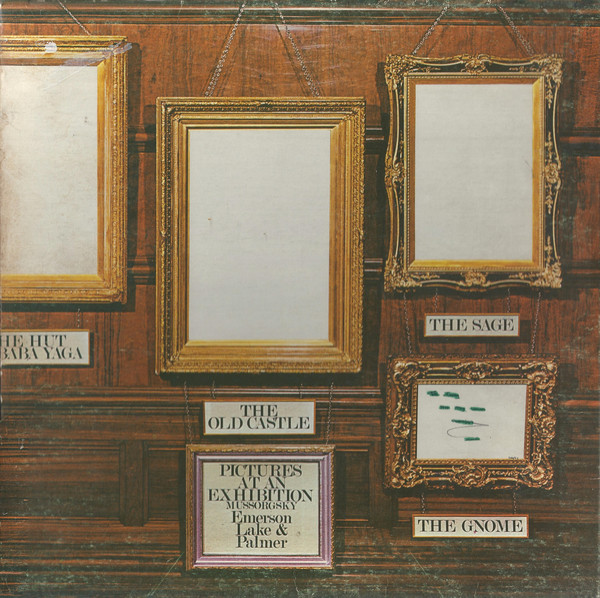
Tarkus was released in June 1971. That wasn’t originally the plan. Instead, Pictures At An Exhibition was meant to be Emerson, Lake and Palmer’s sophomore album. This was a live album which was recorded in March 1971. It saw Emerson, Lake and Palmer interpret Modest Mussorgsky’s opus Pictures At An Exhibition. it was a groundbreaking album. There was a problem though. Emerson, Lake and Palmer’s management didn’t agree. They weren’t sure that what essentially a interpretation of a classical suite was the direction Emerson, Lake and Palmer should be heading. So, Tarkus became the followup to Emerson, Lake and Palmer.
On its release in June 1971, critics realised that Tarkus marked a much more united Emerson, Lake and Palmer. They were well on the way to finding their trademark sound. Gone were ballads and jazz-tinged tracks. Instead, it was prog rock all the way. Record buyers loved Tarkus. It reached number one in the UK. Over the Atlantic, Tarkus reached number nine in the US Billboard 200 and was certified gold. Emerson, Lake and Palmer had released the best, and most successful album of their career. That was why, following the commercial success of Tarkus, Emerson, Lake and Palmer’s were keen to release Pictures At An Exhibition later in 1971.

Pictures At An Exhibition.
Three months before the release of Tarkus, Emerson, Lake and Palmer arrived at Newcastle City Hall, in Newcastle, England on the 26th March 1971. They were about to record their first live album, Pictures At An Exhibition. This was no ordinary live album.
Instead, Emerson, Lake and Palmer had decided to adapt Russian classical composer Modest Mussorgsky’s Pictures At An Exhibition. This was one of the first times classical music had been adapted by a rock band. That night in Newcastle, just four of the original ten pieces in Mussorgsky’s suite, along with the linking Promenade were recorded, They were performed live as one continuous piece, with new parts written by Emerson, Lake and Palmer. These new parts linked Mussorgsky’s original themes, which Emerson, Lake and Palmer’s played with enthusiasm and energy. Despite this, Pictures At An Exhibition was nearly never released.
It seemed that Pictures At An Exhibition was fated. Problems with their management meant that Pictures At An Exhibition’s release was delayed. It wouldn’t be until November 1971 the album was released. However, at one point it looked as if Pictures At An Exhibition wouldn’t be released. Atlantic Records were reluctant to release what was essentially a classical suite as an album. This they feared, wouldn’t sell well. So the project was put on the back burner, Suddenly, it looked unlikely that Pictures At An Exhibition would be released. That was until Tarkus was certified gold in America. All of a sudden, Atlantic had a change of heart,
Rather than release Pictures At An Exhibition on the main Atlantic label, a decision was made to release the album as a budget priced album. Atlantic Records it seemed were hedging their bets. That seemed a wise move when the reviews were mixed. Rolling Stone magazine was far from impressed with Pictures At An Exhibition. Neither was the self styled Dean of American Rock Critics, Robert Christgau, Despite this, Pictures At An Exhibition sold well.
When Pictures At An Exhibition was released in November 1971, it reached number three in the UK. In America, Pictures At An Exhibition reached number ten in the US Billboard 200. This resulted in Emerson, Lake and Palmer’s third consecutive gold album. Emerson, Lake and Palme were also one of the biggest selling progressive rock bands, and were about to enjoy release another successful album, Trilogy.
Trilogy.
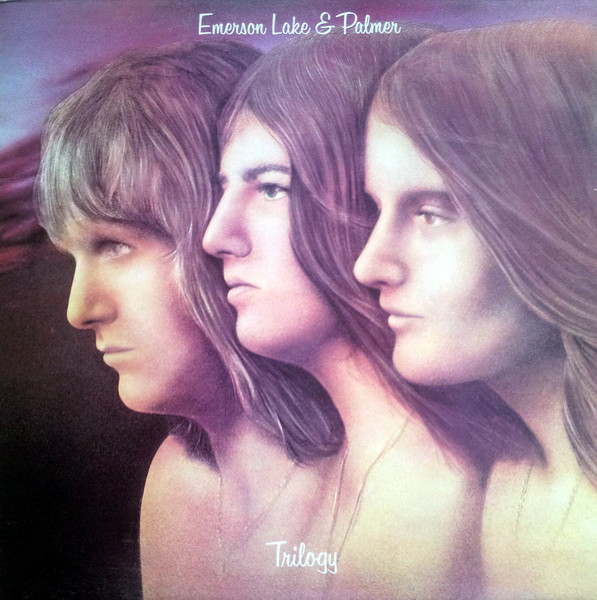
Just like previous albums, Emerson, Lake and Palmer were determined to push musical boundaries on Trilogy, their third studio album. Just like their two previous albums, Trilogy was recorded at Advision Studios, London. Emerson, Lake and Palmer were at their innovative best, recording progressive rock, but with a twist.
An example of this was the inclusion of Abaddon’s Bolero on Trilogy. Rather than the usual 3/4 rhythm a Bolero would have, it was turned into a march by using a 4/4 rhythm. Emerson, Lake and Palmer also pioneered the beating heart sound on Trilogy. Pink Floyd would use it to such good effect on Dark Side Of The Moon. So would Jethro Tull on A Passion Play and Queen on Queen II. This sound was first heard on Endless Enigma Part One. It came courtesy of Carl Palmer’s Ludwig Speed King bass drum pedal. Once again, Emerson, Lake and Palmer were demonstrating that they were one of the most innovative progressive rock bands. Their efforts were rewarded.
On its release in July 1972, Trilogy reached number two in the US. As usual, Emerson, Lake and Palmer enjoyed more success in the US. Trilogy reached number five in the US Billboard 200. This resulted in another gold disc for Emerson, Lake and Palmer. In the space of just two years Emerson, Lake and Palmer were one of the most successful progressive rock bands, and were had released what was their most ambitious album, Trilogy. They were in the middle of the hottest streak of their careers. Incredibly, though things were about to get better for Emerson, Lake and Palmer though.
Of the three previous studio albums Emerson, Lake and Palmer had recorded, they complex, innovative, genre-melting affairs. Emerson, Lake and Palmer embraced the latest technology in what seemed like their quest for musical perfection. They also made use of overdubbing. This made their music difficult to replicate live. The band always felt they came up short live. So Emerson, Lake and Palmer set about recording an album they could replicate accurately live. This was Brain Surgery Salad.
Brian Surgery Salad.
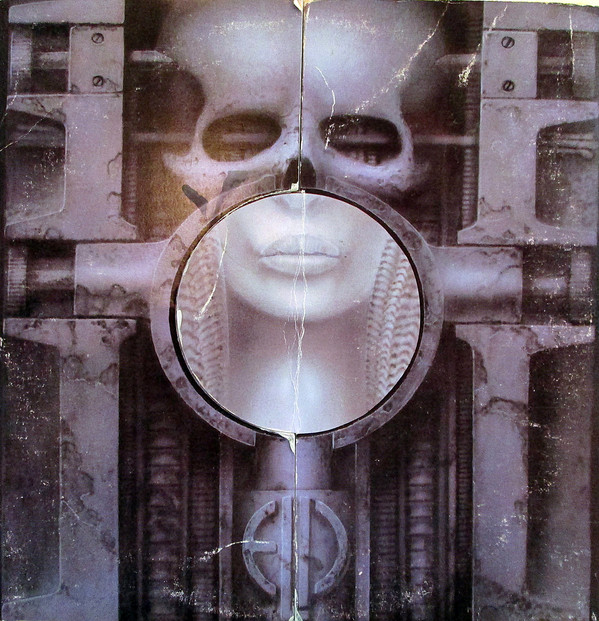
Recording of Brian Surgery Salad took place between June and September 1973. Brain Salad Surgery was a fusion of prog rock and classical music. This is obvious straight away.
Emerson, Lake and Palmer adapted William Blake and Hubert Parry’s hymn Jerusalem and then Alberto Ginastera’s Toccata. Greg Lake wrote Still…You Turn Me On and then cowrote Benny The Bouncer and Karn Evil 9: 3rd Impression with Keith Emerson and Peter Sinfield, one of the founding members of King Crimson. Keith Emerson penned Karn Evil 9: 2nd Impression and cowrote Karn Evil 9: 1st Impression, Part 1 with Greg Lake also penned Karn Evil 9: 1st Impression, Part 1. These tracks were brought to life by Emerson, Lake and Palmer at their inventive best.
On Brain Salad Surgery, Keith Emerson played Hammond organ, piano, accordion and a myriad of synths. Greg Lake took charge of vocals, acoustic, electric, and twelve-string guitars. He also played bass guitar. Carl Palmer played drums, percussion, percussion synthesizers, gongs and timpani. Greg Lake produced Brian Surgery Salad, which was released in November 1973. Before that, critics had their say on Brian Surgery Salad,
Mostly, the reviews of Brain Salad Surgery were positive. However, the usual contrarian critics were’t as impressed. They seemed unwilling to recognise that Brain Salad Surgery was the finest hour of Emerson, Lake and Palmer’s four album career. Brian Surgery Salad featured Emerson, Lake and Palmer at their tightest and loudest. Here was a tight, visionary band fusing prog rock, jazz and classical music. It was an ambitious, powerhouse of an album. Emerson, Lake and Palmer were at the peak of their creative powers, and record buyers on both sides of the Atlantic realised this.
When Brain Salad Surgery, was released in November 1973, it became Emerson, Lake and Palmer most successful album. It reached number two in the UK and number eleven in the US Billboard 200. This resulted in two more gold discs to add to Emerson, Lake and Palmer’s collection. They were well deserved though.
Welcome Back My Friends To The Show That Never Ends-Ladies and Gentlemen.
After the release of Brain Salad Surgery, Emerson, Lake and Palmer embarked upon a lengthy and gruelling world tour. It began in November 1973, continued into the first half of September 1974. Night after night, Emerson, Lake and Palmer took to the stage and played a selection of songs from their first four studio albums. Some nights, the tapes were running and the concert was recorded. Emerson, Lake and Palmer were considering releasing another live album. It would be very different from Pictures At An Exhibition, which featured a selection of Modest Mussorgsky’s classic pieces.
This time around, Emerson, Lake and Palmer would get the opportunity to showcase their talents as songwriters. That hadn’t been the case on Pictures At An Exhibition. It would also allow record buyers to hear that live, Emerson, Lake and Palmer were versatile and accomplished musicians. They were equally comfortable playing live, and capable of replicating what was complex music live. That music Emerson, Lake and Palmer had recorded between 1970 and 1973. Some of this music would find its way onto Welcome Back My Friends To The Show That Never Ends-Ladies and Gentlemen.
Each night of what seemed to be the tour that never seemed to end, Emerson, Lake and Palmer were improving as musicians. Review after review remarked upon this. Welcome Back My Friends To The Show That Never Ends-Ladies and Gentlemen would document this.
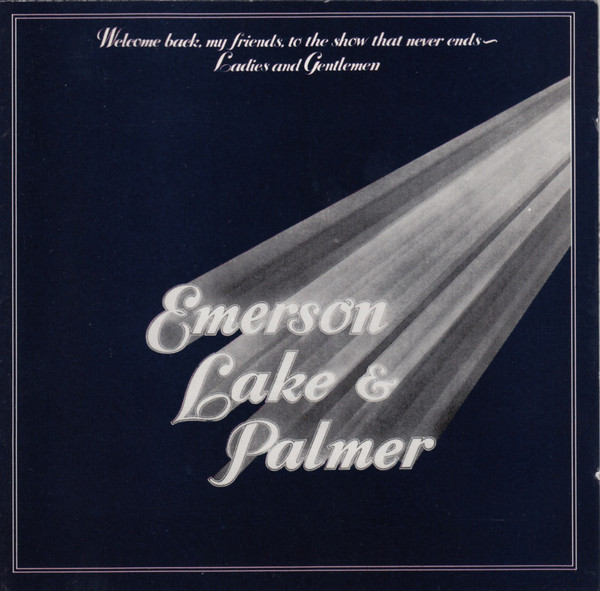
Rather than record one or two shows, Emerson, Lake and Palmer ensured that tapes were running on a number of nights. This allowed them to cherry pick nine tracks, which included four suites. This included Tarkus, Take A Pebble. Piano Improvisations and Karn Evil. There was also the medley of Jeremy Bender and The Sheriff. Along with Hoedown, Jerusalem, Toccata and Take A Pebble (Conclusion), Welcome Back My Friends to the Show That Never Ends-Ladies and Gentlemen was representative of the first three years of Emerson, Lake and Palmer’s career. However, having chosen such lengthy tracks, Welcome Back My Friends To The Show That Never Ends-Ladies and Gentlemen was going to be unlike most live albums.
Instead, Welcome Back My Friends To The Show That Never Ends-Ladies and Gentlemen was a triple album. The nine tracks were spread across three LPs, and in the 2016 Remaster across two CDs. Welcome Back My Friends To The Show That Never Ends-Ladies and Gentlemen which had been produced by Greg Lake, and scheduled for release in August 1974.
Before that, critics had their say on Welcome Back My Friends To The Show That Never Ends-Ladies and Gentlemen. Critics were won over by Welcome Back My Friends to the Show That Never Ends-Ladies and Gentlemen. Many critics expressed surprise that Emerson, Lake and Palmer were so accomplished live. So much so, that there was Emerson, Lake and Palmer eschewed overdubbing on Welcome Back My Friends To The Show That Never Ends-Ladies and Gentlemen. It was live and uncut, and a true musical document of Emerson, Lake and Palmer live.
When Welcome Back My Friends To The Show That Never Ends-Ladies and Gentlemen was released on 19th of August 1974, it reached number nineteen in Britain, and ten in the US Billboard 200. This resulted in Emerson, Lake and Palmer’s sixth consecutive gold disc in America. Elsewhere, Welcome Back My Friends To The Show That Never Ends-Ladies and Gentlemen reached the top ten in the Canadian, German, Finnish and Dutch album charts. The Emerson, Lake and Palmer success story continued. Or so it seemed.
Following the release of Welcome Back My Friends To The Show That Never Ends-Ladies and Gentlemen, Emerson, Lake and Palmer decided to take a break to work on side projects and solo albums. Nothing was heard of Emerson, Lake and Palmer until 1976.
That’s when they reunited in Mountain Studios, Montreux, Switzerland to record Works Volume 1, which was released on the 17th of March 1977. It was certified gold in America, Canada and Britain. The followup Works Volume 2, was released on 1st November 1977. Although it was certified gold in America, Emerson, Lake and Palmer’s were no longer as popular. Sadly, that was the case with many progressive rock bands.
That had been the case since the birth of punk. The punks saw progressive rock as musical dinosaurs. They were the antithesis of everything that punk stood for. As punk and then post punk’s popularity grew, progressive rock’s popularity declined.
On 18th November 1978, Emerson, Lake and Palmer released Love Beach. This allowed Emerson, Lake and Palmer to discharge their contractual obligations to Atlantic Records. Although it wasn’t well received by critics, it was still certified silver in Britain and gold in America. However, Love Beach failed to reach the upper reaches of the charts. Love Beach proved to be Emerson, Lake and Palmer’s swan-song, and the band split-up shortly thereafter.
Nearly fourteen years later Emerson, Lake and Palmer returned on 27th June 1992 with Black Moon. Sadly, the album failed to reach the heights of their previous albums. It was a similar case with In The Hot Seat, which was released on 27th September 1994. In The Hot Seat failed to make an impression on the charts, and it was a disappointing way to end Emerson, Lake and Palmer’s recording career. It had spanned nine studio albums which were released between 1970 and 1994.
For many people, Emerson, Lake and Palmer released some of their finest music during the early years of their career. This includes their first four studio albums, 1970s Emerson, Lake and Palmer, 1971s Tarkus, 1972s Trilogy and 1973s Brain Salad Surgery. That’s not forgetting Emerson, Lake and Palmer’s first two live albums, 1971s Pictures At An Exhibition and 1974s Welcome Back My Friends to the Show That Never Ends… Ladies and Gentlemen. Each of the six albums feature Emerson, Lake and Palmer at their innovative and groundbreaking best.
That wasn’t surprising, given Emerson, Lake and Palmer were three of the most gifted and visionally musicians of their generation. They were able to seamlessly combine musical genres, and had been since their eponymous debut album.
On their first four studio albums, Emerson, Lake and Palmer flitted between prog rock, jazz and classical music, creating genre-melting music. This music was ambitious, complex and innovative. That was no surprise. Emerson, Lake and Palmer had always embraced the latest technology in what seemed like their quest for musical perfection.
To achieve musical perfection, Emerson, Lake and Palmer made use of overdubbing extensively. They added layer upon layer of instruments. The result were complex, multilayered, orchestral arrangements. The only problem was replicating the songs live.
This Emerson, Lake and Palmer soon realised was impossible. After several attempts to play these songs live, Emerson, Lake and Palmer realised there was no way they could play these songs live. Eventually, they gave up, and cut these songs from their set, as they embarked on extensive tours.
This included their eleven month 1973-1974 tour, which is documented on Welcome Back My Friends To The Show That Never Ends-Ladies and Gentlemen. It found Emerson, Lake and Palmer at their most accomplished, as they toured North America and Europe. Several of these shows were recorded, and parts of these concerts found their way onto Welcome Back My Friends To The Show That Never Ends-Ladies and Gentlemen. It’s a reminder of just how good a live band Emerson, Lake and Palme were.
After the release of Welcome Back My Friends To The Show That Never Ends-Ladies and Gentlemen, Emerson, Lake and Palmer took a prolonged break. Sadly, Emerson, Lake and Palmer never reached the same heights.
By 1974, Emerson, Lake and Palmer had released the best music of their career. This included four cohesive studio albums and two live albums. Each of these albums were certified gold in America. However, it wasn’t just in America where Emerson, Lake and Palmer enjoyed commercial success and critical acclaim.
Between 1970 and 1974, Emerson, Lake and Palmer were one of the most successful bands on both sides of the Atlantic. They also were popular in Canada, Europe and Australia. Emerson, Lake and Palmer were titans of progressive rock, who were already festival favourites and stadium fillers. Emerson, Lake and Palmer were well on their way to becoming one of the most successful progressive rock bands.
From 1970s Emerson, Lake and Palmer, 1971 Tarkus and Pictures At An Exhibition, 1972s Trilogy and 1973s Brain Salad, Surgery and 1974s Welcome Back My Friends To The Show That Never Ends-Ladies and Gentlemen it seemed that Emerson, Lake and Palmer could do no wrong. They were one of the most successful bands of the progressive rock era. Their music was innovative, inventive and influential.
Even today, Emerson, Lake and Palmer’s music continues to influence a new generation of musicians. Especially, the music Emerson, Lake and Palmer released between 1970 and 1974. During that period, Emerson, Lake and Palmer were a visionary band, who created what was without doubt, the best music of their career. The albums Emerson, Lake and Palmer recorded during that four year period, aren’t inventive, innovative and influential, but timeless, epic and ambitious that feature a group at the peak of their creative powers during their glory years.
Emerson, Lake and Palmer-1971-1974: The Glory Years.
JON SAVAGE’S 1967-THE YEAR THAT POP DIVIDED.
Jon Savage’s 1967 -The Year Pop Divided.
Nowadays, 1967 is regarded by critics and cultural commentators as one of the most important years in musical history. It’s remembered for its Summer Of Love in San Francisco, and the birth of Flower Power. 1967 is also a remembered as the year that pop divided.
A signal of what was about to unfold was the Human Be-In in San Francisco, Polo Fields on January the ’14th’ 1967. Young Americans flocked what was advertised as “A Gathering of the Tribes for a Human Be-In”. The “tribes” were invited by LSD guru Dr. Timothy Leary to: “turn on, tune in, drop out.” Most of the audience dropped acid which was freely available and watched as poets like Allen Ginsberg and local bands like the Grateful Dead and Jefferson Airplane. The bands showcase the new psychedelic West Coast sound that would provide the soundtrack to much of 1967.
Meanwhile, record buyers on both sides of the Atlantic watched the events of January the ’14th’ 1967 with interest. They realised that music was about to change. What nobody could foresee was how much music would change during 1967.
Especially in Britain, where the birth of progressive pop in 1966, proved to be a game-changer. At the forefront of this change were The Beatles, who released Revolver during 1966. This showcased a much more sophisticated and progressive sound. It was very different from the MOR and bland pop that filled the UK charts. Alas, that was still the case as 1967 dawned.
Things though, were about to change in 1967, when psychedelic rock transformed the musical landscape. Psychedelia played an important part in the eclectic soundtrack to Britain’s Summer Of Love. So to some extent, did folk rock, pop, ska and the soul music being produced by Stax and Motown. Little did record buyers realise in January 1967 musical history would be made throughout 1967.
Hardly a week went by in 1967 without a significant musical event happening. This ranged from bands new being formed and old band breaking up. Meanwhile, top bands embarked on major concert tours and festivals like the Monterey Pop Festival grew in popularity. However, 1967 was also a year when numerous classic singles and landmark albums were released.
This included the release of The Doors eponymous debut album in January 1967. Jefferson Airplane’s Surrealistic Pillow and The Byrds’ Younger Than Yesterday followed in February. In March, The Grateful Dead released their debut album Grateful Dead and two classic albums were released, Aretha Franklin’s I Never Loved a Man the Way I Love You and The Velvet Underground and Nico’s eponymous debut album. Already, 1967 was shaping up to be an important year in musical history.
April 1967 saw the release of The Electric Prunes’ eponymous debut album, which featured I Had Too Much to Dream (Last Night). May saw Country Joe and The Fish release Electric Music for the Mind and Body, while a week later, The Jimi Hendrix’s Are You Experienced? June marked the release The Beatles’ Sgt. Pepper’s Lonely Hearts Club Band, and week later Moby Grape. During the first six months of 1967, the music being released was truly eclectic.
In Britain, popular music had become even more divided than before. Popular music had always become divided into “tribes,” from the days of mods and rockers. This continued to be the case as sixties progressed. 1967 was no different. There were still many who preferred the bland pop and MOR. They had rejected out of hand progressive pop and had eschewed psychedelia. Others embraced psychedelia and were drawn to this new and innovative genre. Others rejected pop and rock out of hand, preferring ska and the soul that was being produced by Stax and Motown. Some record buyers had eclectic taste in music and were enjoying the eclectic music that was being released during 1967, which was the first year that albums outsold singles. No wonder, given the music that had been released, and was about to be released.
Just like first half of 1967, the second half of 1967, countless classic albums were released. This included psychedelic folk rockers the Incredible String Band’s landmark album The 5000 Spirits Or The Layers Of The Onion. It was just the latest career defining album to be released during 1967.
August 1967, saw several debut albums being released. This included Pink Floyd’s Piper At The Gates Of Dawn, Frank Zappa’s Lumpy Gravy,Big Brother and the Holding Company and Vanilla Fudge. Tim Buckley’s also released his sophomore album Hello and Goodbye. Little did anyone realise when each of these albums hit the shelves for the first time, that fifty years later they would be regarded as classics. 1967 was shaping up to be one of the most important years in the history of music.
Still though, artists and bands continued to release groundbreaking and influential albums. September saw the release of two more debut albums, when Captain Beefheart’s Safe As Milk and Scott Walker’s Scott. The Doors returned with their much-anticipated sophomore album Strange Day. 1967 was the year that kept on giving.
In October, Buffalo Springfield returned with Buffalo Springfield Again and Judy Collins released Wildflowers. Two important debut albums were Ten Years After and Sly and The Family Stone’s A Whole New Thing. However, one of the most important musical months of 1967 was November.
Over the course of thirty days, Cream released Disraeli Gears, The Beatles’ Magical Mystery Tour and Love’s released their career defining third album Forever Changes. Making a welcome return were Jefferson Airplane with After Bathing At Baxter’s and Country Joe and the Fish with I-Feel-Like-I’m-Fixin’-To-Die. It wasn’t going to be easy to surpass the music released during November 1967.
Some of music’s big hitters returned with new albums during December 1967. They all had the ucrative Christmas market in mind. In the UK, The Jimi Hendrix Experience released Axis: Bold As Love. A week later, the Rolling Stones released Their Satanic Majesties Request. This was just the tip of the musical iceberg. The Who released The Who Sell Out and Leonard Cohen debuted with Songs Of Leonard Cohen. Another group making their debut were Traffic, who released Mr. Fantasy. One of the last albums to be released during 1967, was Miles Davis’ Sorcerer. It was just the latest landmark album that was released during 1967, which was the year of Flower Power, the Summer of Love and the Monterey Pop Festival. It was, without doubt, one of the most important years in musical history, and is documented and celebrated on Jon Savage’s 1967 -The Year Pop Divided, which was recently released by Ace Records.
Disc One.
Opening Jon Savage’s 1967 -The Year Pop Divided is The Byrds released their anthemic single So You Want To Be A Rock N’ Roll Star. It was released on Columbia on ‘9th’ January and reached number twenty-nine on the US Billboard 100. So You Want To Be A Rock N’ Roll Star was taken ’from The Byrds’ fourth album Younger Than Yesterday, which was released in February 1967. It found The Byrds building on their previous album Third Dimension, as they continue to incorporate psychedelic rock into their music.
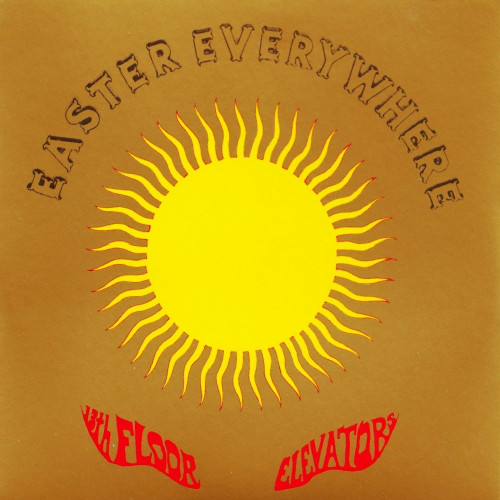
February 1967 saw psychedelic pioneers the 13th Floor Elevators release as a Levitation as single. This fusion of proto-punk and psychedelia failed to find an audience. Later in 1967, Roky Erickson and Co. returned with their sophomore album Easter Easter. This was the followup to their groundbreaking debut album The Psychedelic Sounds Of The 13th Floor Elevators. One of the highlights of Easter Easter is Levitation, which features the 13th Floor Elevators at the peak of their powers.
Many people won’t have heard of the Chicago based rock band, The Shadows Of The Night. By the time they released their sophomore album Back Door Men in February 1967, The Shadows Of The Night were pioneering the raga-rock sound. One of their finest moments of this oft-overlooked album is Behemoth, which is a welcome addition to the compilation.
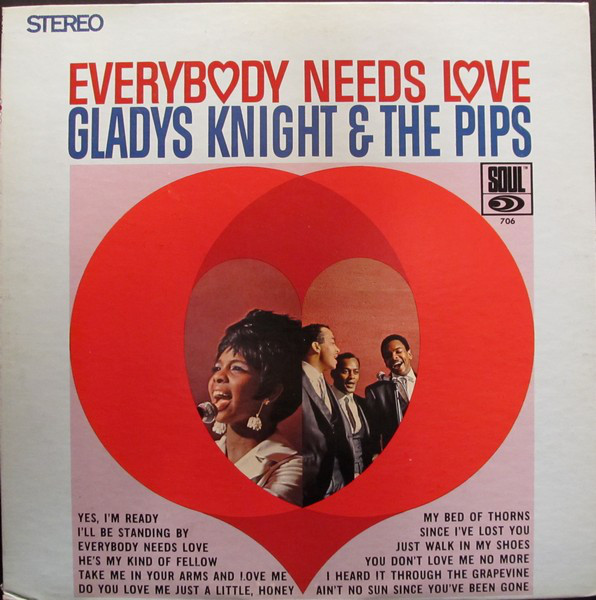
Gladys Knight And The Pips released Take Me In Your Arms And Love Me as a single in March 1967. It was taken from her third album Everybody Needs Love, which was released on the Soul label. Take Me In Your Arms And Love Me features Gladys Knight at her soulful best as she delivers a sensual vocal. This resulted a breakthrough hit for Gladys Knight And The Pips, when Take Me In Your Arms And Love Me reached number thirteen in the UK.
In March 1967, Soft Machine released their debut single Love Makes Sweet Music on Polydor. Tucked away on the B-Side was Feelin’ Reelin’ Squeelin’, a groundbreaking slice of lysergic music from musical pioneers Soft Machine, who would go on to enjoy a long and illustrious career.
When The Move released I Can Hear The Grass Grow on Deram in late March 1967, Roy Wood and Jeff Lynne’s love of The Beatles shawn through. The Fab Four have obviously inspired this melodic psychedelic single, that would give The Move a top five single.
Since the release of their debut single in 1965, The Young Rascals had been signed to Atlantic Records. Two years later, and they released Groovin’ in May 1967. This was their answer to The Lovin’ Spoonful’s 1966 single Summer In The City. Groovin’ caught the imagination of record buyers on both sides of the Atlantic, reaching number one on the US Billboard 100 and number eight in UK. Fifty years later, and Groovin’ is a classic single and is still regularly features on radio playlists.
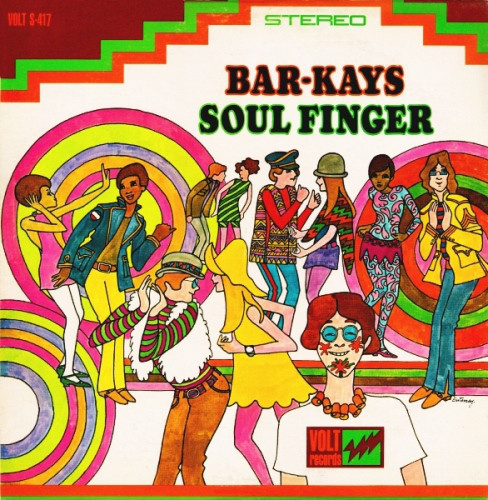
The Bar-Kays were formed in 1966, and a year later in July 1967, released Soul Finger on Stax’s Volt imprint. This instrumental gave The Bar-Kays the biggest single of their career when it reached seventeen in the US R&B charts and thirty-three in the UK. Later in 1967, The Bar-Kays biggest single lent its name to their debut album Soul Finger.
In June 1967, Aretha Franklin released a cover of Otis Redding’s Respect as a single on Atlantic Records. Respect was taken from her album I Never Loved A Man The Way I Love You. One of the highlights of this classic album was Respect, which gave the further Queen of Soul one of the biggest singles of her career. Respect topped the US Billboard and US R&B charts, and in the UK reached number eight. Fifty years later, and Respect is regarded as a soul classic.
One of the hidden gems on disc one is The Hand Don’t Fit The Glove, which comes courtesy of Terry Reid With Peter Jay’s Jaywalkers. It was released on Columbia in April 1967, and showcased the considerable talent of the man who later become known as Super Lungs. Terry Reid was only seventeen when he unleashed a vocal powerhouse on The Hand Don’t Fit The Glove was released. Even then, it was apparent that Terry Reid was destined for greatness.
Dyke and The Blazers were formed in 1965 in Phoenix, Arizona. They’re best known for their 1966 hit single Funky Broadway. However, there’s more to Dyke and The Blazers than one single. In May 1967, they released So Sharp, which reached forty-one in the US R&B charts. So Sharp has an uber funky groove and a wistful, plaintive and powerful vocal. Later in 1967, So Sharp featured on The Funky Broadway, which proved to be Dyke and The Blazers’ only album.
My final chose from disc one of Jon Savage’s 1967 -The Year Pop Divided is Buffalo Springfield’s Mr. Soul, which was the B-Side of their single Bluebird. It was released on Atco in June 1967. Later in 1967, Mr. Soul opened Buffalo Springfield’s sophomore album Buffalo Springfield Again. This hidden gem features a musical masterclass, and is a tantalising reminder of Buffalo Springfield in their prime.
Disc Two.
Sharon Tandy was born and brought up in South Africa, but when she moved to Britain embarked upon a musical career. She’s best known for blue-eyed soul and psychedelia. One of her finest releases was Hold On, which was released on Atlantic Records in July 1967. Sadly, this psych soul single failed to find the audience it deserved. Recently, there’s been a resurgence of interest in Sharon Tandy’s music, and this underrated singer’s music is belatedly reaching a wider audience.
Birmingham based The Fortunes were founded in 1963 and in 1965, enjoyed a hit on both sides of the Atlantic with You’ve Got Your Troubles. Two years later, in 1967, The Fortunes signed to United Artists and released The Idol in August. It was produced by Mel Shalmy, who previously had produced The Kinks. He plays his part in this melodic slice of power pop.
Eleven years after making their recording debut, The Four Tops released You Keep Running Away as a single in October 1967. It was penned and produced by Holland-Dozier-Holland, who would become one of Motown’s most successful songwriting and production partnerships. You Keep Running Away is a carefully crafted song, that featured soul-baring vocal. Given the quality of the single, it’s no surprise that You Keep Running Away reached twenty-six in the UK and nineteen in the US Billboard 100.
September 1967 saw Captain Beefheart and His Magic Band released their debut album Safe As Milk Captain Beefheart and His Magic Band. Four month later, in January 1968 Yellow Brick Road was released as a single. However, if failed to make any impression on the charts. The majority of the record buying public neither understood nor appreciated what was a groundbreaking single from a classic album. Sadly, fifty years later and that’s still the case.
Although Booker T and MGs were Stax Records’ house band, they also enjoyed a successful recording career. Their recording career began in 1962, and five years later Booker T and MGs were Stax Records released Groovin’ as a single stateside. It reached number twenty-one in the US Billboard 100. Tucked away on the B-Side was Slim Jenkins Place a simple, funky and effective instrumental that showcases the talents of Booker T and MGs.
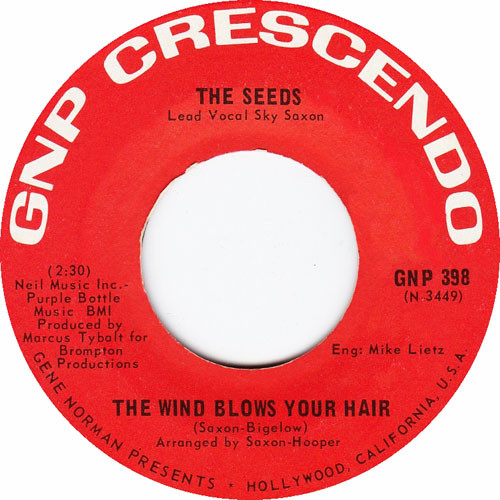
One of most underrated bands of the psychedelic era were The Seeds. They were formed in Los Angeles and were fronted by he inimitable Sky Saxon. One of The Seeds’ finest singles was The Wind Blows Your Hair, which was released on GNP Crescendo in October of 1967. Despite the undoubted quality of The Wind Blows Your Hair, which is dark, eerie, otherworldly and lysergic, it passed record buyers by. For The Seeds it was a case of what might have been. Sadly, that was the case with their career. However, recently, there’s been a resurgence on interest in their music, and somewhat belatedly The Seeds music is finding a wider audience.
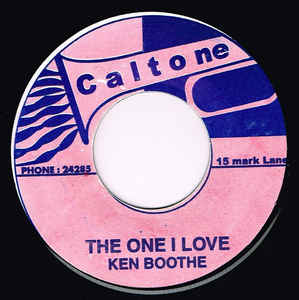
Ken Booth was only nineteen in when he recorded The One I Love with Tommy McCook and The Supersonics. Despite his youth, his vocal heartfelt bristles with emotion. By the time The One I Love was released on Jamaican Caltone label in November 1967, Ken Boothe’s star was in the ascendancy. He had enjoyed a successful UK tour and was being tipped as one of the rising stars of Jamaican music. That proved to be the case, with Ken Boothe enjoying a successful career where he crossed-over and was popular among reggae fans and mainstream audiences.
By December 1967, Aretha Franklin’s hot streak continued when she released a cover of Don Covay’s Chain Of Fools on Atlantic Records. It had been recorded at Rick Hall’s Fame Studios, with the legendary rhythm section of drummer Roger Hawkins, bassist David Hood, guitarist Jimmy Johnson and keyboardist Roger Hawkins providing the perfect backdrop for the future Queen of Soul. She reached new heights on Chain Of Fools of soulfulness, on a single that reached number two in the US Billboard 100 and number one on the US R&B charts. However, in the UK Chain Of Fools struggled to thirty-seven in the charts. Still though, it’s one of the finest singles of Aretha Franklin’s career.
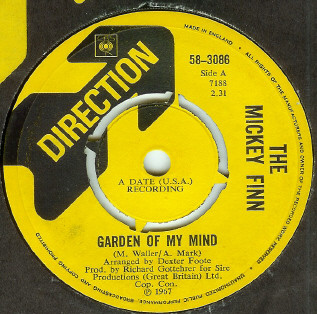
December 1967 saw The Mickey Finn release Garden Of My Mind as a single on the Direction label. It’s a propulsive fusion of pop, psych, rock and soul with glorious Hendrix inspired ascending guitar riffs. There’s an intensity and energy to this long lost hidden gem, which was The Mickey Finn’s sixtes’ swan-song.
The Easybeats were formed in Sydney, Australia towards the end of 1964, and by 1965 the band had signed to Parlophone, After releasing a trio of albums, The Easybeats moved to London, where they recorded their fifth album Vigil. It was released in December 1967 and featured The Music Goes Round My Head. It’s a haunting, lysergic and melodic song that’s the perfect way to closeJon Savage’s 1967 -The Year Pop Divided, which was recently released by Ace Records.
Jon Savage’s 1967 -The Year Pop Divided features forty-eight tracks that are spread across two CDs. They range from hit singles to little-known hidden gems, classic singles, B-Sides and album tracks. This ranges from folk and folk rock to funk, pop, and psychedelia, to R&B, reggae, rock and soul. It’s an eclectic and lovingly compiled collection of songs fourteen year old Jon Savage remembers growing up to.
So do many other people, who embraced Flower Power and the Summer Of Love during 1967. Jon Savage’s 1967 -The Year Pop Divided documents and celebrates what was a landmark year for music. It saw a generation: “turn on, tune in, drop out,” as they experimented with the drug ju jour LSD. For many, it fuelled the psychedelic revolution that unfolded during 1967. It’s now part of musical history.
For many who weren’t around to witness Flower Power and the Summer Of Love then Jon Savage’s 1967 The Year Pop Divided is the perfect introduction to what was a landmark year for music. Hardly a week went by without the release of a groundbreaking or classic album from artists and bands old and new. This included many members of musical royalty, who along with many of the artists on Jon Savage’s 1967 -The Year Pop Divided, played their part in transforming the musical landscape. Never again would music be the same, after 1967, which marked a changing of the guard musically, as music evolved and pop divided during what will always be remembered as a landmark year for music.
Jon Savage’s 1967 -The Year Pop Divided.










STEPHAN MEIDELL-METRICS.
Stephan Meidell-Metrics.
Three years after the release of his critically acclaimed, groundbreaking debut album Cascades, Stephan Meidell is about to return with his much-anticipated sophomore album Metrics, which will be released on Hubro Music on the ‘28th’ April 2017. Metrics marks the return of a true musical pioneer and sonic explorer Stephan Meidell, who takes the listener on a captivating musical journey on Metrics. That’s no surprise, given thirty-four year old Stephan Meidell’s career so far.
His recording career began in 2007, whilst he was still a student at the prestigious Conservatorium van Amsterdam. Stephan Meidell had enrolled at the Conservatorium van Amsterdam in 2004, when he was twenty-one, and would spend the next four years studying jazz. This would stand him in good stead as recording career began.
As 2007 dawned, Stephan Meidell was putting what he had learnt into practise with the pan-European jazz quintet Mr. Eart. They had already written and recorded their debut album, Facts In The Case Of The Mysterious Pop Murders. It was scheduled for release in February 2007. When Facts In The Case Of The Mysterious Pop Murders was released, it was well received by critics. Alas, Mr. Eart’s album proved to be a one-off. However, Stephan Meidell’s recording career was already underway, and he hadn’t even graduated from the Conservatorium van Amsterdam.
A year later, in 2008, Stephan Meidell graduated from the Conservatorium van Amsterdam with his degree in jazz. Now he was ready to embark upon a career in music.
After his graduation, Stephan Meidell didn’t return to Kristiansand, where was born in 1982. Instead, he decided to base himself in Bergen, which had, and still has, a vibrant and thriving music scene. This was the perfect place for Stephan Meidell to found the Playdate concert series in 2009. Since then, the Playdate concert series has continued to focus on and champion improvisational music.
That was no surprise, given Stephan Meidell’s background is in jazz and improvised music. By 2009, he was a member of Vanilla Riot, a groundbreaking jazz trio who took improvised music in a new direction. Vanilla Riot combined drums, clarinet and guitar with two laptops. This was a new and exciting musical development, which made its debut on Vanilla Riot’s debut album Stitch. It was released to critical acclaim in December 2009. Despite the critical acclaim, there was no followup to Stitch.
Two years later in 2011, Stephan Meidell returned with another innovative new band, Velkro. The experimental trio released their debut album The Future Of The Past in 2011. The album received praise and plaudits, and the future looked bright for Vekro.
As 2012 dawned, this was the start of busiest years of Stephan Meidell’s career so far. He returned in January 2012 with a new album from his latest band, The Sweetest Thrill, which featured drummer Øyvind Hegg-Lunde. The pair had also recorded The Sweetest Thrill’s genre-melting album Jewellery. It was fusion of indie rock, Krautrock, noise rock and shoe gaze. Upon Jewellery’s release in January 2012, The Sweetest Thrill’s unique brand of sonic sorcery found favour with critics. Soon, thing were about to get even better for Stephan Meidell.
Four months later, Stephan Meidell’s latest band Cakewalk released their debut album Wired in May 2012. It was a compelling fusion of musical genres and influences. Everything from drone and electronica was combined with improv, Krautrock, noise rock and rock. Wired was one of the best debut albums by a Norwegian band released during 2012. Cakewalk were heralded as one of the rising stars of the Nordic music scene
Later in 2012, Stephan Meidell’s career headed in a different direction, when he became the chairman of Ny Musikk Bergen (New Music Bergen). This was position he held until 2014. Together with his role as curator of the Playdate concert series and as music critic with Bergens Tidende, Stephan Meidell was keeping busy. Still, though, he found time to record and release another album.
This was Krachmacher’s debut album Paratrooper, which was described as an: “avant-kraut, art-rock experiment gone pop.” The Bergen based quartet’s debut album was well received upon its release, and the future looked brought for Krachmacher. However, they’ve never released a followup to Paratrooper. Despite this, Stephan Meidell was kept busy.
He featured on Erlend Apneseth’s debut solo album Blikkspor, which was released in early October 2013. Later that month, Cakewalk would return with their sophomore album Transfixed.
Seventeen months after releasing their debut album Wired, Cakewalk returned with their much-anticipated sophomore album Transfixed. It was released in October 2013, and built on their criticality acclaimed debut album Wired. Avant-garde was combined with jazz and rock on Transfixed which was a musical tapestry of musical genres and influences. Transfixed further reinforced that Cakewalk were about to become one of the leading lights of the Nordic music scene.
The following year, 2014, would be another important year in Stephan Meidell’s musical career. Not only would two bands from his past hit the comeback trail, but Stephan Meidell was about to embark upon a solo career.
Seven years after making his recording debut, Stephan Meidell released his debut solo album Cascades on Hubro Music in February 2014. Cascades was released to critical acclaim, and was hailed as a groundbreaking album from a musical pioneer. The followup to Cascades was eagerly awaited by critics and music fans. Before that, two bands from Stephan Meidell’s past were about to make a welcome comeback.
This included sonic sorcerers The Sweetest Thrill, who returned with their sophomore album Strings and Timpani later in 2014. Strings and Timpani was the much-anticipated followup to Jewellery, which had been released in 2012. Just like Jewellery, Strings and Timpani’s genre-melting sound well received by critics, who welcomed the Norwegian duo’s return. It was a similar case with another band from Stephan Meidell’s past, Velkro.
Three years after releasing their debut album, the multinational trio Velkro returned with Don’t Wait For The Revolution in November 2014. The album had been recorded in Lisbon, in June 2012, but had lain unreleased for over two years. Despite that, the music on Don’t Wait For The Revolution still sounded ahead of the musical curve. It was another album of inventive and innovative music from Velkro, who reached new heights as they switched between and combined alt-rock, electronica, improv and noise rock on Don’t Wait For The Revolution. Just like The Sweetest Thrill’s sophomore album Strings and Timpani, Velkro’s Don’t Wait For The Revolution was an ambitious album that marked a return to form from both bands.
In 2016, Stephan Meidell was busy working on a variety of different projects. He was a member of the Erlend Apneseth Trio who released their critically acclaimed debut album Det Andre Rommet in February 2016. Five months later, Stephan Meidell returned with a new project Strings and Timpani.
The lineup of Strings and Timpani was the same as The Sweetest Thrill, with Stephan Meidell joined by drummer Øyvind Hegg-Lunde. However, as Strings and Timpani the pair use improvisation to create catchy and rhythmic music by fusing elements of world music, jazz and lo-fi pop. To do this, they incorporate prepared sounds as part of their extensive musical arsenal. This was something that Stephan Meidell had been doing successfully for several years, and would continue to do so.
These prepared sounds played a part in the sound and success of Strings and Timpani’s debut album Hyphen when it was released in July 2016. Buoyed by the success of Hyphen, Stephan Meidell turned his attention to several other projects that would be released during 2017.
This included Vellkro’s third album Too Lazy To Panic, which was the followup to 2014s Don’t Wait For The Revolution. It was released in January 2017 and is another ambitious, inventive and intense album. Seamlessly, Velkro switch between and fuse disparate musical genres, including mprov, experimental electronic music and psychedelic rock. The result is a music that’s variously harsh, dreamy and melodic and is without doubt, Velkro’s finest album.
One of the other albums that Stephan Meidell had been working on during 2016, was Cakewalk’s long-awaited third album Ishihara, which will shortly be released in the rest of Europe on Hubro Music. So too will Stephan Meidell’s long-awaited sophomore solo album Metrics.
Metrics.
Nearly three years after the release of Cascades, Stephan Meidell returns with his carefully crafted sophomore album Metrics. He’s accompanied by some of Norway’s talented musicians on what’s a very different to Cascades. Each of the musicians in the multitalented ensemble, that feature on Metrics have been hand picked especially for the parts that they play on the album.
Great care had also gone into choosing the array of instruments that would be used on Metrics. They various musical registers of each instrument had to compliment each other. This is something that Stephan Meidell has taken great care with throughout his career. Essentially, each musician is one piece of a musical jigsaw, and if Stephan Meidell had chosen the right personnel, all the pieces will fit together perfectly.
This includes Erlend Apneseth who plays Hardanger Fiddle. He’s joined by clarinetist Morten Barrikmo; harpist Hans Knut Sveen and Stefan Lindvall who plays baroque violin parts. Magda Mayas was drafted in to play the piano parts. However, rather than use the piano parts in their entirety, they were later edited and manipulated by Stephan Meidell and become some of the prepared sounds he deploys on Metrics.
Meanwhile, Stephan Meidell plays guitar, synths and adds drum machines, electronics and tapes. Stephan Meidell and his ensemble improvise on the seven pieces that would later became Metrics. However, the album wasn’t completed yet.
Still, Stephan Meidell had to edit the seven pieces. This was something that Holger Czukay pioneered in the late-sixtes and early seventies. Forty years later, and Stephan Meidell was using editing effectively, and had been for the best part of ten years. Stephan Meidell also had at his disposal samplers, tape machines and drum machines. These became part of his palette of sound, as he deployed a myriad of prepared sounds and programmed electronic drums beats. Suddenly, Stephan Meidell was more like a sculptor, as he gradually shaped the seven soundscapes. This required processing and effects. Gradually, though Metrics began to take shape.
Once the recording and editing of Metrics was complete, the album was mixed at Kakofon Studio. All that remained was for the album to be mastered in Berlin at Dubplates and Mastering. Now Metrics was ready for release, and will be released by Hubro Music on the ‘28th’ April 2017.
Metrics finds Stephan Meidell heading in a new direction, and one where disparate musical genres and influences seamlessly melt into one. This ranges from baroque to electronica and techno right through to musique concrete and progressive rock. They’re part of sonic sorcerer Stephan Meidell’s genre-melting, cinematic musical journey on Metric.
Opening Metrics is Baroque I, where crackling sounds give way what sounds like the sound of a train as this new musical journey begins. Suddenly, the understated soundscape becomes dramatic and atmospheric. It’s also cinematic, as it takes on an Eastern sound. Meanwhile, pulsating beats provide a dramatic backdrop, but don’t overpower the rest of this meandering filmic arrangement. However, they add a degree of drama and tension, whilst constantly conjuring up pictures of somewhere distant, Eastern and exotic. Maybe it’s a market or souq? Stephan Meidell certainly continues to deploys a myriad of sounds that add to, and compliment the Eastern influence. Later, the music becomes ruminative, inviting contemplation and reflection. Always though, it’s atmospheric, dramatic, moody and cinematic, as Stephan Meidell paints pictures with music.
Baroque II picks up where Baroque I left off. Mesmeric, jangling sounds signal the start of the day in some faraway Eastern city. Soon, a powerful, dramatic drone sounds and reverberates and the city is awake. Meanwhile, a harp, that adds a contrast, while screeching, searing sounds replicate the bray and cry of animals. By then, there’s an urgency as if the citizens of a sprawling city start to go about their daily business. As they do, the drama builds and grows. So does the sense of urgency as seamlessly Stephan Meidell conjures up a sprawling metropolis awakening.
Contrasts abound as State I begins to unfold. What sounds like the sound of a door being locked is accompanied by thunderous techno drums. Still, the door squeaks and scrapes as it’s unlocked and then locked. Meanwhile, a carefully crafted and catchy dance track is unfolding. Filters have been used on the beats, while washes of synths and then sirens interject. They pay homage to Acid House, as the arrangement continues to build. However, in the background, scraping, screeching sounds can be heard. So can dark, dramatic drones and the dark sound of a piano. Is something sinister going on, and are the thunderous beats that power this dance-floor friendly track along merely a ruse to disguise the actions of State I?
Otherworldly, dark and futuristic describes the introduction State II. Especially when growling, gnarling and drones escape from soundscape. Industrial sounds join futuristic, otherworldly and eerie sounds. Together, they create a dark, dramatic, moody and pulsating backdrop. Sometimes, the music is elegiac, melancholy and melodic as tension and drama pervades this filmic soundscape before it reaches a crescendo. This leaves only one question left unanswered what is State II, and what is its purpose? Has it some sort of Orwellian purpose in a futuristic nation?
Straight away, there’s a dreamy, ethereal and exotic sound as State III unfolds. The arrangement floats dreamily, with Stephan Meidell leaving space in this lysergic soundscape. Instruments and sounds flit in and out, but each one has a purpose. It’s one part in the musical jigsaw that gradually takes shape. Meanwhile, a less is more approach has been taken, allowing the music to evolve. Later it becomes thoughtful, moody, dramatic and pensive. Always, the music is cinematic. However, it’s up to the listener to provide the script as latterly, the music veers between pensive and mournful.
Biotop is twelve minute epic, which allows Stephan Meidell the opportunity to experiment. This he does, as a myriad of prepared and found sounds join with beats and recreate a machine-like backdrop. It’s as if Kraftwerk’s Man Machine has awakened and walked onto the set of a Wim Wenders movie, where Ry Cooder’s shimmering guitar is setting the scene. Soon, the music is atmospheric and moody, as pulsating beats propel the arrangement along. Meanwhile, Biotop limbers along, emitting squeaks, creaks and beeps. Sometimes, it scrapes and jars, as the music becomes moody, eerie, dramatic and otherworldly. Still, the music is melodic and captivates as it takes on a futuristic sound as the beats gallop along, providing the pulsating heartbeat. Later, there’s a jarring, squeaking sound as the haunting soundscape glides along, as if Biotop is en route some distant galaxy.
On Tauchgang which closes Metrics, it sounds as if Stephan Meidell is taking the listener on another journey. Gradually the tension and drama builds, before speaks and creaks are emitted from the soundscape. They join a myriad of otherworldly sounds as a stab of piano adds to the drama that continues to build. By then, it’s as if Stephan Meidell is providing the soundtrack to a sci-fi film. To do this, he puts to good use his sonic palette to successfully create a dramatic backdrop. This sets the listener’s imagination racing, as they imagine alternative scenes and scenarios. Especially with two minutes left as a degree of urgency is added, and the tension rises as the drama continues to build. By then, the music is dark, moody and mesmeric as it reaches a crescendo. Tauchgang is an example of cinematic music at its best from a musical master craftsman.
Stephan Meidell has spent the last ten years forging a career in music. This he’s done with various bands, and now as a solo artist on his much-anticipated sophomore album Metrics, which will be released by Hubro Music on 8th’ April 2017. Metrics marks the return of a true musical pioneer and sonic sorcerer Stephan Meidell, who takes the listener on a captivating musical journey on Metrics.
With the help of handpicked and multitalented band, Stephan Meidell carefully crafts the seven soundscapes on Metrics. They’re variously atmospheric, dramatic, moody, mournful, and pensive. Other times, they’re futuristic and otherworldly. Sometimes, the music is catchy, elegiac, ethereal and melodic. Always the soundscape on Metrics are captivating and cinematic. All the listener is left to do is add a script the seven groundbreaking and genre-melting soundscapes on Metrics.
To create the soundscapes on Metrics, Stephan Meidell has combined a myriad of musical genres. This ranges from avant-garde, baroque, electronica and experimental, to improv and industrial, Nordic Wave. Add to that, elements of Berlin School, post jazz, post rock and progressive rock. Elements of each of these musical genres were carefully sculpted by Stephan Meidell to create the seven soundscapes on Metrics. It marks the welcome return of Stephan Meidell after three years.
Stephan Meidell’s much-anticipated sophomore album Metrics is no ordinarily album. Instead, Metrics is a career defining solo album from Stephan Meidell. So much so, that Metrics marks the coming of age of sonic sorcerer and musical pioneer Stephan Meidell on his ambitious and groundbreaking album, Metrics.
Stephan Meidell-Metrics.

BACK ON THE STREET AGAIN (AUSTRALIAN FUNK, SOUL AND PSYCH (MOSTLY) FROM THE FESTIVAL VAULTS.
Back On The Street Again (Australian Funk, Soul And Psych (Mostly) From The Festival Vaults).
All too often, many record buyers forget that there’s more to music than the classic rock that was produced on both sides of the Atlantic during the late-sixties and seventies. While this was a hugely important and influential period musically, and was when some of best, and most important albums in the history of music were released, there’s a whole world of music awaiting discovery.
Sadly, many music lovers know what they like, and like what know. They’re resistant to new types of music, and have a very narrow musical taste. If it’s not The Beatles, Rolling Stones or The Beach Boys, they don’t want to know. That is a great shame, given how much music from the four corners of the world has been reissued over the past three decades.
All this music has been embraced by a new generation of music fans. They want to discover the delights of Afrobeat, Anatolian, Asian, Cuban, Eastern European, Haitian, Iranian, Latin and South American music. This new generation of record buyers have also embraced the Berlin School of electronic music, industrial and Krautrock, and helped fuel the resurgence of interest in both genres. It’s a similar case with the Nordic music scene which is thriving, and has been embraced by a new generation of music lovers. They have a truly eclectic taste in music.
This has been helped no end, by the internet. Now it’s possible to discover music from all over the world at the click of a button. If they like what they hear, they can buy an album or compilation from the comfort of their sofa. Never has buying music been easier. A new compilation that will be of interest to not just those with an eclectic taste in music, but anyone who loves good music, is Back On The Street Again (Australian Funk, Soul And Psych (Mostly) From The Festival Vaults), which was recently released by Festival on CD and as a double LP.
Back On The Street Again (Australian Funk, Soul And Psych (Mostly) From The Festival Vaults) was compiled by DJ Kinetic, who has dug deep to discover the twenty tracks that feature on the compilation. They’re not by the biggest names in Australian music. Instead, they’re by artists who were popular locally, but never found the commercial success their music deserved nationally. This includes Billy Thorpe and The Aztecs, Johnny Rocco Band, Renée Geyer, John Sangster, Ray White Revival, McPhee, Kahvas Jute, Al Styne and Hot Source. Many of these artists and bands released just the one groundbreaking album, before disappearing into obscurity. Nowadays, these albums are highly collectable and prized possessions among record collectors. DJ Kinetic’s decision to compile a compilation of these tracks was a masterstroke, as Back On The Street Again (Australian Funk, Soul And Psych (Mostly) From The Festival Vaults) is chock full of hidden gems.
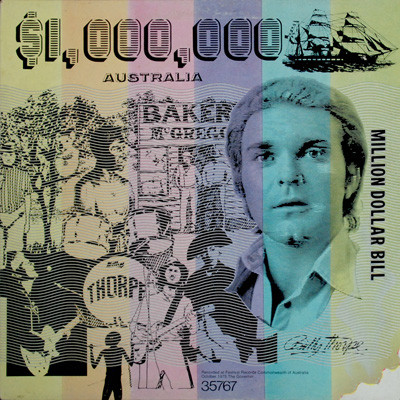
It’s Billy Thorpe and The Aztecs cover of Etta James’ Back On The Street Again that opens Back On The Street Again (Australian Funk, Soul And Psych (Mostly) From The Festival Vaults). It’s taken from Billy Thorpe and The Aztecs’ 1975 sophomore album Million Dollar Bill, which was released on the Infinity label, which was an imprint of Festival Records. The highlight of Million Dollar Bill was the moody, atmospheric cover of Back On The Street Again which is funky and soulful. It deserved to fare much better than thirty-seven in the Australian charts.
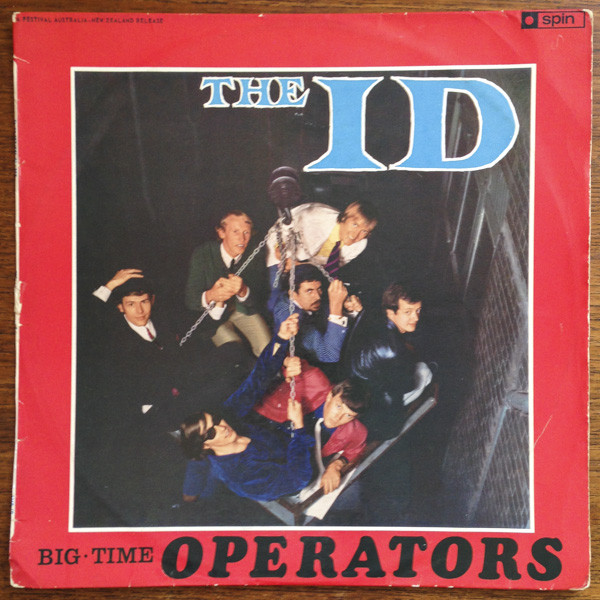
Fifty years ago, in 1967, The ID released what was their one and only album Big-Time Operators on the Spin label. The ID were lead by Jeff St. John, whose regarded as possessing one of the most soulful voices in Australia. He puts it to good use on this storming, hook-laden, mod-soul cover of Feel Awight. It would go down well on the UK’s Northern Soul scene.
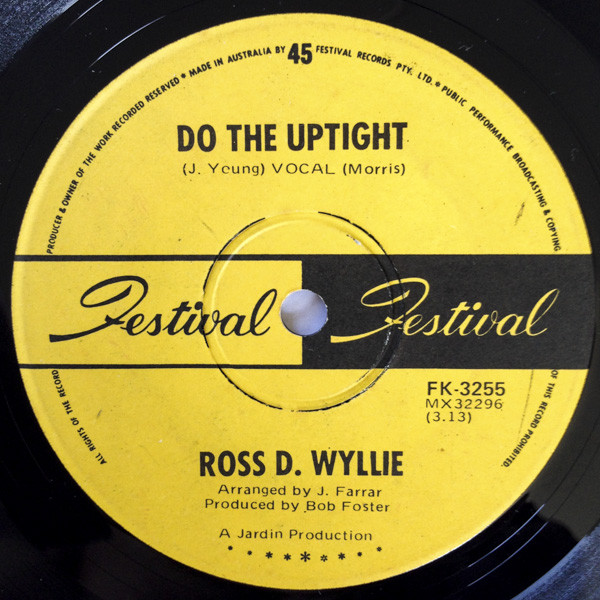
Ross D. Wyllie was born in Brisbane, Queensland in 1948 and released a handful of singles between 1967 and 1972. This included Do The Uptight on Festival Records in 1967. It was penned by Johnny Young of Young’s Talent Time, and is another song that was a favourite of Australian mods.
One of the pioneers of Australian funk was the Johnny Rocco Band. Their career began in the early seventies, and by 1975 they released their one and only album Rocco on The Ritz Gramophone Company. A year later, Rocco was released in North America by 20th Century Records. One of the funkiest tracks on Rocco was Funky Max, which has a harder, funky sound that heads in the direction of P-Funk. Funky Max has a truly timeless funky sound that’s testament tp bandleader Russell Dunlop, who sadly, passed away in 2009.
In 1972, the Daly-Wilson Big Band Featuring Kerrie Biddell released their debut album The Exciting Daly-Wilson Big Band on Festival Records. It’s a captivating fusion of influences, with big band music combining with jazz and funk to create a heady musical brew. Especially on City Sounds, which features a vocal powerhouse from Australian jazz singer Kerrie Biddell. She’s the Daly-Wilson Big Band’s secret weapon, on this dance-floor filler.
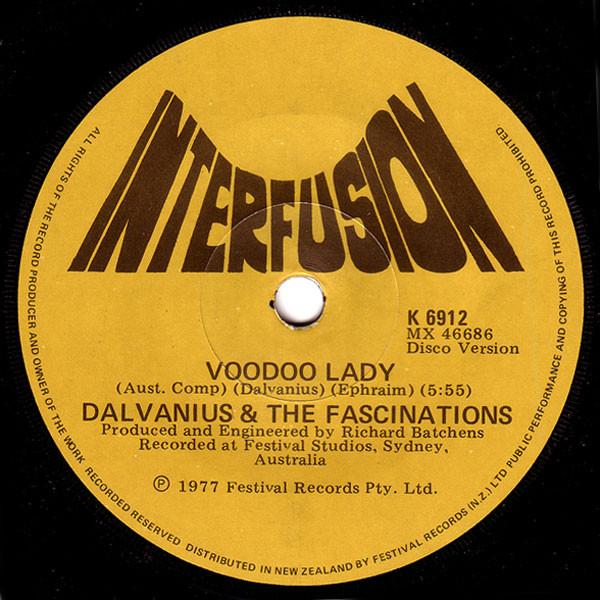
Another dance-floor filler is Voodoo Funk, which was on the B-Side of a promo released by Dalvanius and The Fascinations on Infinity in 1977. Checkmate On Love had been chosen as the single. Not for the first time, the better song was relegated to the B-Side. Later in 1977, Checkmate On Love was released as a single, with Voodoo Lady still tucked away on the flip-side. Any DJ who flipped over to Voodoo Funk would’ve discovered a glorious slice of disco funk that’s just as good as anything that was being released in Britain, Europe and America. Sadly, Voodoo Funk was the one that got away for Dalvanius and The Fascinations. Nowadays, it’s a much prized asset of clued up
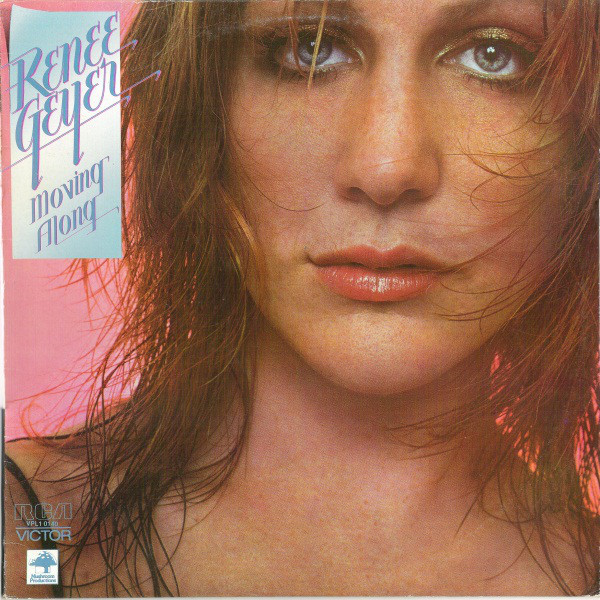
Renée Geyer was only twenty-four when she released her third album Moving Along on RCA Victor in 1976. It reached number eleven in Australia, and was Renée Geyer’s first album to be released by RCA Victor in America. That was no surprise, as the Melbourne born singer had established a reputation as having one of the finest voices in Australian music. Proof of that is Be There In The Morning where Renée Geyer delivers one of her most soulful vocals on Moving Along.
John Sangster solo career began in 1967, when the composer, drummer, cornettist and vibraphonist released his debut album The Trip. Two years later, and John Sangster released his third album Ahead Of Hair on Festival Records. It was another ambitious album from the man that’s nowadays remembered as one of Australia’s finest jazz drummers. He puts his many talents to good on Hair, playing vibes and drums on this groundbreaking jazzy track.
Very little is known about the Ray White Revival who covered Stevie Wonder’s Superstition in 1976. However, it’s an uber funky and soulful track from the long forgotten and truly talented Ray White Revival.
Just like many record companies in the seventies, Festival Records had their own studio band. This was the Festival Studio 24 Orchestra, who released two albums between 1974 and 1976. Their sophomore album was Heading In The Right Direction, which featured Africa (L’Ete Indien). It was released as a single in 1976, and smooth slice of soul funk from the the Festival Studio 24 Orchestra.
Brute Force And His Drum only released the one single on the Copperfield label. This was Weird and Wonderful in 1974, which begins with a soliloquy that says: “hey drum, let’s play something weird and really wonderful.” It certainly does. Weird And Wonderful was left-field percussive funk track that’s one of the rarest tracks on Back On The Street Again (Australian Funk, Soul And Psych (Mostly) From The Festival Vaults). Copies are almost impossible to find, and when they come up for sale, change hands for large sums of money. However, DJ Kinetic makes it possible to hear Weird and Wonderful without taking out a second mortgage.
Two tracks from McPhee’s 1972 eponymous debut album are included on Back On The Street Again (Australian Funk, Soul And Psych (Mostly). It’s thought that Moto was self-released, and only 500 copies being pressed. Anyone who has a copy, doesn’t seem willing to part with highly prized heavy psych album. It sometimes heads in the direction pop. proto-prog and soul, while referencing Black Sabbath and Jefferson Airplane vocalist vocalist Grace Slick. Twp of the highlights of this oft-overlooked album are The Wrong Time and ndian Rope Man.
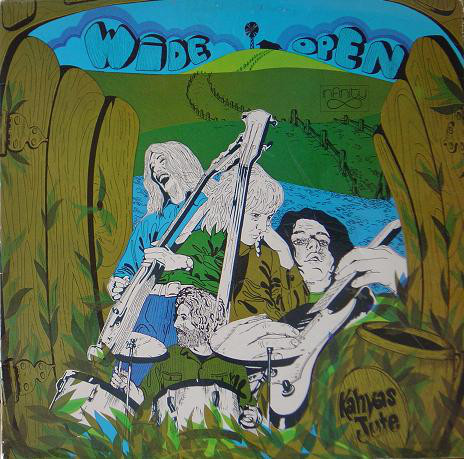
Back in 1971, Kahvas Jute released their debut album Wide Open on the Infinity label. It was a groundbreaking album and found Kahvas Jute pioneering progressive rock. Since then, Wide Open has become another highly collectable, hidden gem that today, changes hands for over £1,200. One reason why, is Odyssey which is one of the highlights of Wide Open.
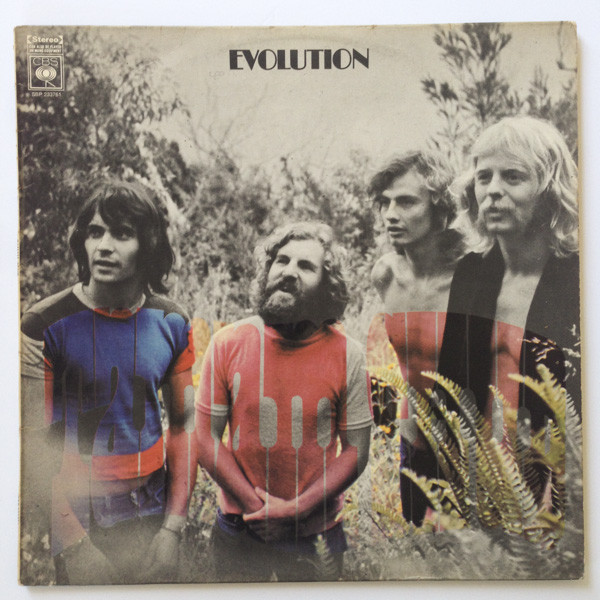
In 1969,Tamam Shud released their debut album Evolution on CBS. Great things were expected from Tamam Shud. However, a year after the release of Goolutionites And The Real People in 1971, Tamam Shud split-up in 1972. Forty-five years later, and Tamam Shud are regarded as one of the greatest Australian psychedelic and progressive rock bands. A reminder why is the lysergic, progressive delights of Sea That Swells (From Morning Of The Earth).
Blackfeather were without doubt, one of the most popular and successful groups of the early seventies. They were formed in 1970, and a year later, released At The Mountains Of Madness on Infinity in 1971. Originally, Blackfeather started life as a progressive rock band. The progressive sound can be heard throughout At The Mountains Of Madness, and on The Rat Suite “Main Title” which features some blistering, blazing guitar riffs. Later, though, Blackfeather their sound, moving towards a much populist rocky sound which found favour with the wider record buying public. However, The Rat Suite “Main Title” is a reminder of Blackfeather’s progressive rock era.
During the seventies, Al Styne was an actor and singer who popular in the club circuit. In 1977, Al Styne got the opportunity to record an album for Festival Records. He was joined by The ABC Showband on his 1977 album Yesterday When The World Was Warm. It featured Vehicle, which features a funky and jazz-tinged arrangement as Al Styne’s vocal unleashes a powerful, soulful vocal.
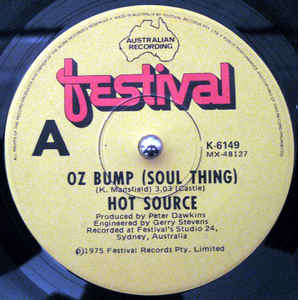
British composer Keith Mansfield penned Oz Bump (Soul Thing) for Hot Source in 1975. It was released on Festival Records and was funky and dance-floor friendly. Hot Source it seemed were looking to jump on the disco bandwagon. However, when the single failed to make any impression on the charts, Hot Source didn’t release a followup. Since then, it’s become a much prized single, that regularly changes hands for in excess of £100.
Count Copernicus and The Cosmic Fire released Painted Ego as a single on Festival Records in 1974. It featured an impressive array of talent. They put that to good use on a funky, soulful, rocky and lysergic sounding song. It’s another hidden gem that’s a welcome addition to the compilation.
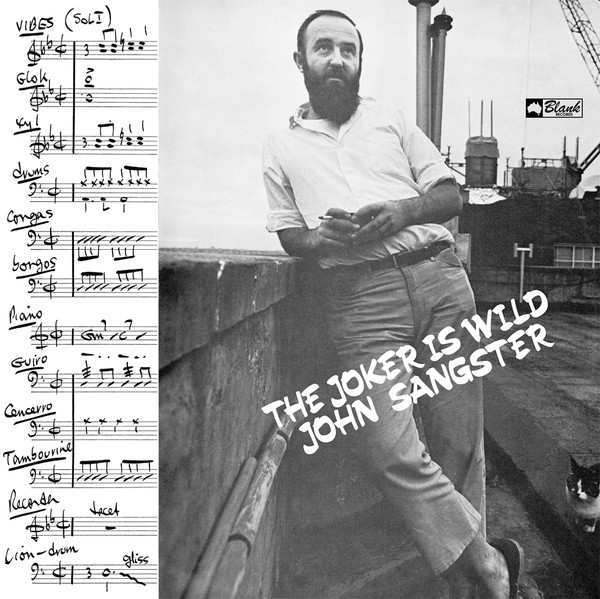
Closing Back On The Street Again (Australian Funk, Soul And Psych (Mostly) From The Festival Vaults) is a cover of The Beatles’ A Day In The Life from John Sangster’s sophomore album The Joker Is Wild. It was released on Festival Records in 1968, and is best described as acidic easy listening. In doing so, John Sangster stays true to psychedelic sound of the original.
Back On The Street Again (Australian Funk, Soul And Psych (Mostly) From The Festival Vaults) which was recently released by Festival, is without doubt, one of the best compilations of 2017 so far. It’s quality all the way, as DJ Kinetic introduces the listener to twenty tracks from the sixties and seventies. This ranges from avant-garde, disco, easy listening, funk, jazz, progressive rock, psychedelia, rock and soul on this truly eclectic and captivating compilation.
There’s contributions from familiar faces, new names and a few old friends. Most of these tracks are hidden gems, including several from artists who only released the one single. Others got as far as releasing an album, while some released two or more albums. Sometimes, the artists and bands who released just one or two albums, left behind innovative and groundbreaking albums. Many of these albums are now collector’s items, that change hands for large sums of money.
Indeed, to buy copies of each of the singles or albums that the tracks from Back On The Street Again (Australian Funk, Soul And Psych (Mostly) From The Festival Vaults) were taken from, would cost upwards of £4,000. That’s if copies of the singles or albums could be found. Many are almost impossible to find, it’s highly unlikely that those who own them would be willing to sell. However, Back On The Street Again (Australian Funk, Soul And Psych (Mostly) From The Festival Vaults) gives everyone the opportunity to discover the delights of some of the hidden gems that are tucked away in the Festival Records’ vaults.
Back On The Street Again (Australian Funk, Soul And Psych (Mostly) From The Festival Vaults).






BIRTH OF SOUL: SPECIAL DETROIT EDITION 1961-64.
Birth Of Soul: Special Detroit Edition 1961-64.
Twenty-one years have passed since the very first instalment in the Birth Of Soul compilation series was released by Kent Soul in May 1996. Birth Of Soul featured an impressive all-star lineup, that included many of the giants of soul. Bobby Bland rubbed shoulders with Otis Redding, Jerry Butler, Etta James, Sam Cooke, William Bell and The Impressions. With a track listing that featured a who’s who of soul, it was no surprise that Birth Of Soul was released to critical acclaim and was one of Kent Soul’s most successful compilations. Despite that, nobody thought that Birth Of Soul was the start of a compilation series that would still be going strong three decades later.
Especially when nearly two years passed before the release of Birth Of Soul-Volume Two in 1998. By then, it looked as if Birth Of Soul was a one-off compilation. Then came the release of Birth Of Soul-Volume Two in February 1998. It featured a mixture of old friends, familiar faces and new names. However, just like Birth Of Soul the emphasis was on quality, on a compilation that featured old favourites and hidden gems. Birth Of Soul-Volume Two proved popular not just amongst the soul community, but with music fans dipping their toe into soul music. The Birth Of Soul was a perfect place to start and became an important part in many a newcomer to soul’s musical education. They awaited the next instalment in the series.
Over three-and-a-half years later, Birth Of Soul-Volume Three was released by Kent Soul in October 2001. Just like the previous volume in the series, Birth Of Soul-Volume Three featured contributions from familiar faces and new names. Old favourites joined hidden gems, while dancers and ballads rubbed shoulders. For veterans and newcomers to soul compilations, Birth Of Soul-Volume Three proved popular. The next instalment in the series was eagerly awaited
2,059 days later, and Birth Of Soul-Volume Four was released in May 2007. Ady Croasdell had dug deep for the twenty-four tracks on Birth Of Soul-Volume Four. There were rarities, hidden gems and the usual smattering of familiar faces and old friends. Birth Of Soul-Volume Four was a welcome addition to the Birth Of Soul family.
So was Birth Of Soul: Special Chicago Edition, which was released in 2009. This was a celebration of the Windy City’s soulful past. After all, Chicago had been home Veejay, Kent, Okeh, ABC-Paramount, One-derful, Brunswick, Curtom, Chess and Cadet. Compiler Tony Rounce had plenty of music to choose from for this celebration of Chicago’s illustrious musical past. Eventually, he settled on an all-star lineup that included Jerry Butler, Major Lance, Etta James, Barbara Lewis, The Bells, Sugar Pie DeSanto and Gene Chandler. This fifth instalment in the Birth Of Soul series proved a popular addition to Kent Soul’s long-running and successful series.
Sadly, since the release of Birth Of Soul: Special Chicago Edition, there’s been no further instalments in the Birth Of Soul series. That was until recently, when Birth Of Soul: Special Detroit Edition 1961-64 was released by Kent Soul, which is an imprint of Ace Records. Just like Birth Of Soul: Special Chicago Edition, Birth Of Soul: Special Detroit Edition 1961-64 is a celebration of another of America’s soul capitals.
During the period that Birth Of Soul: Special Detroit Edition 1961-64 covers, the Detroit music scene was thriving. Especially on West Grand Boulevard, where the Motown soul factory continued to churn out its sanitised version of soul. This was proving popular on both sides of the Atlantic. Elsewhere in Motor City, many other smaller independent labels were blossoming.
These labels were recording everything from blues and gospel to R&B and rock ’n’ roll. Other labels followed in the footsteps of Motown, and specialised in soul. This includes the labels that feature on Birth Of Soul: Special Detroit Edition 1961-64, which is the sixth instalment in the Birth Of Soul series.
Birth Of Soul: Special Detroit Edition 1961-64 is a twenty-four track compilation that features Barbara Lewis, J. J. Barnes, Bettye LaVette, The Falcons, Priscilla Page, Laura Johnson, James Lately, The Pyramids, Tony Clarke, Geraldine Hunt and The Del-Phis. They’re just a few of the artists that feature on Birth Of Soul: Special Detroit Edition 1961-64.
The Sonnettes open Birth Of Soul: Special Detroit Edition 1961-64 with I Cried For My Last Time. This is an unreleased track that was recorded on Armen Boladian’s short-lived K.O. Records, which only ever released two singles, both by The Sonnettes. They released their debut single I’ve Gotten Over You in August 1962, but it failed commercially. When The Sonnettes entered the studio to record their sophomore single, they decided to record a song that Thelma Gordy cowrote, I Cried For The Last Time. Sadly, the song was never released as a single, and has lain in the K.O. Records’ vaults since then. That is a great shame. It features a vocal that’s an outpouring of emotion and the sweetest harmonies. They’re a potent combination, which could’ve transformed the fortunes of The Sonnettes, who released just one further single Hit And Run Lover.
By 1963, Barbara Lewis was an aspiring singer-songwriter who had signed to Atlantic Records a year earlier. She was back in Detroit to record her next single with the man that discovered her, Ollie McLaughlin. Barbara Lewis had penned Hello Stranger and Think A Little Sugar, When Hello Stranger was released in March 1963, it gave Barbara Lewis her breakthrough single which reached number three on the US Billboard 100 and topped the US R&B charts. Tucked away on the B-Side was Think A Little Sugar, an uptempo, organ driven which showcases Barbara Lewis’ skills as a singer and songwriter.
Four years after embarking upon a solo career, J. J. Barnes signed to Scepter Records and was about to release Just One More Time as a single in January 1964. This was a song that J. J. Barnes cowrote, arranged and produced the single with former postman turned music magnet Fred Brown. It was originally released on Detroit based label Mickays, in September 1963 and was picked up by local DJ Frantic Ernie Durham. Soon, the song was the toast ofWJLB. Not long after this, Just One More Time was picked up by Scepter Records and should’ve been a game-changer. Alas, the single failed to find an audience, apart from in Ontario, Canada where it charted for a week on CKLW’s local charts. For J. J. Barnes, Just One More Time was the one that got away, and meant he never ever escaped the drudgery of the 9-5 in the Chrysler plant.
Sixteen year old Bettye LaVette made a breakthrough with in September 1962 with her debut single My Man-He’s A Lovin’ Man. Just under a year later, she returned with You’ll Never Change. Hidden away of the B-Side was the Jack Thomas and John Thornton composition Here I Am. It features a soulful powerhouse from the youthful Bettye LaVette, who would go on to enjoy a lengthy career.
Laura Johnson was a talented and versatile singer, who was capable of seamlessly switching between musical genres. Her career began in the late-fifties, and she sung at some of Detroit’s top clubs. In 1959, Laura Johnson opened for James Brown at Harlem Apollo. It looked like she was going up in the musical world. By 1962, she was no nearer to securing a recording contract. However, when she got at a job as a secretary at one Detroit’s nascent labels, it looked like Laura Johnson’s luck was changing. It wasn’t. She was so keen to record some songs, that she ended up funding the session. Backed by some of Motor City’s top musicians, Laura Johnson recorded I Know How It Feels, which was released in September 1962 on Brent. Although it featured a soul-baring vocal, commercial success eluded the single. Sadly, Laura Johnson’s recording career was over before it had even began, as she never recorded another single. I Know How It Feels is a reminder of a truly talented singer, Laura Johnson.
The Falcons recording career began in 1956, when they released : Baby That’s It on Mercury. Six years later and eight labels later, The Falcons signed to Atlantic Records. They released Fine, Fine Girl in October 1963, which featured Oh Baby on the B-Side. This was the stronger of the two sides. When Fine, Fine Girl was released, the single sunk without trace. How different things might have been if the Oh Baby had been released as a single? Maybe this heart-wrenching ballad would’ve brought success The Falcons’ way?
Melvin Davis was born in Georgia, but moved to Detroit when he was three. His career began in 1962, when he was twenty. This was the start of a long career for the singer, songwriter, drummer, horn player and producer. However, in 1963, Melvin Davis released Wedding Bells a song he wrote with Dave Hamilton on the Temple label. Commercial success eluded this single, which is one of several hidden gems on Birth Of Soul: Special Detroit Edition 1961-64.
Tony Clarke was born in New York, but grew up in Detroit. That was where his musical career began in 1962, when he released Cry on Armen Beladian’s Fascination label. Another song Tony Clarke recorded for Fascination was one of his compositions It’s Easy. It was never released, and makes a welcome debut on Birth Of Soul: Special Detroit Edition 1961-64. It’s Easy builds on the rock ’n’ roll sound of Cry. This is very different from the music that Tony Clarke would go on to records for Chess Records, after leaving Fascination.
Many of the record companies that sprung up across Detroit, were happy to record singles then sell them to a bigger label. This was what Wilburt Golder, the owner of the Correc-Tone label was doing in 1962. He took The Donays into his studio to record a cover of Richard Drapkin’s Devil In His Heart. Not long after the sessions, Wilburt Golder cut a deal with the Brent label. They released Devil In His Heart in August 1962, while Oriole released the single in Britain. While Devil In His Heart proved popular in Detroit, it also caught the attention of The Beatles. They recorded Devil In Her Heart, which featured on With The Beatles in November 1963. Sadly, by then The Donays had split-up. Their one and only single was their soulful take on Devil In His Heart
The Volumes were discovered by Detroit based musical impresario Willie ‘Tony’ Ewing, who signed them to his Chex label. It released their debut single I Love You in February 1962, which gave the band a nationwide hit. Come Back Into My Heart was released as the followup in July 1962, but failed to replicate the success of I Love You. While this was a disappointment for The Volumes, they felt they weren’t receiving enough money from I Love You. This resulted in group parting company with Chex. After releasing two singles on Jubilee, The Volumes released Why on the Old Town label in January 1964. Although Why was stylistically similar to I Love You, it failed to replicate its success. Why was the one the got away for The Volumes, and is another welcome addition to Birth Of Soul: Special Detroit Edition 1961-64.
Although Chicago born Geraldine Hunt’s recording career began in the late-fifties, she didn’t embark upon a solo career until 1962 when she was seventeen. A year later, Geraldine Hunt released It Never Happened Before on the USA label in 1963. Despite being accompanied by an all-star band, It Never Happened Before failed to find an audience and is nowadays is a real rarity.
Closing Birth Of Soul: Special Detroit Edition 1961-64, is Nosey Folks, which was recorded by The Del-Phis before they signed to Motown. Nosey Folks was penned by Joseph Hunter with Martha Reeves. Once The Del-Phis signed to Motown, the group changed their name to Martha and The Vandellas. Nosey Folk has never been released before, and is essentially Martha and The Vandellas. before they found fame at the Motown soul factory.
Seven years after the last instalment in the Birth Of Soul series, Kent Soul, an imprint of Ace Records released Birth Of Soul: Special Detroit Edition 1961-64. It’s the second special edition, that’s been released. Last time, it featured the music of the Windy City. This time, Kent Soul turn their attention to Detroit, and show that Motor City had much more to offer than Motown.
Many small labels had sprung up across the city, and Birth Of Soul: Special Detroit Edition 1961-64 features releases from these labels. While some of these artists went on to bigger and better things, others enjoyed never quite reached the heights their talent deserved. Sadly, some disappeared after releasing just one or two singles. They’ve all played a part of Detroit’s musical history and make a welcome comeback on Birth Of Soul: Special Detroit Edition 1961-64.
This is the sixth instalment in Kent Soul’s occasional series, Birth Of Soul. The Birth Of Soul series began in 1996, and twenty-one years later is still going strong. Recentlym Birth Of Soul: Special Detroit Edition 1961-64 was released, and features songs from old friends, familiar faces and new names. They contribute unreleased songs, B-Sides and a myriad of über soulful singes to Birth Of Soul: Special Detroit Edition 1961-64, which marks the welcome return of the Birth Of Soul series.
Birth Of Soul: Special Detroit Edition 1961-64.

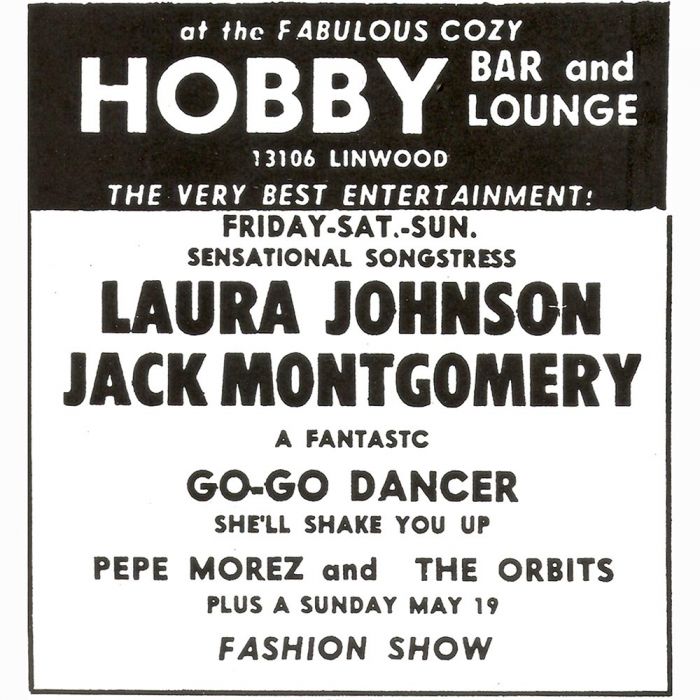

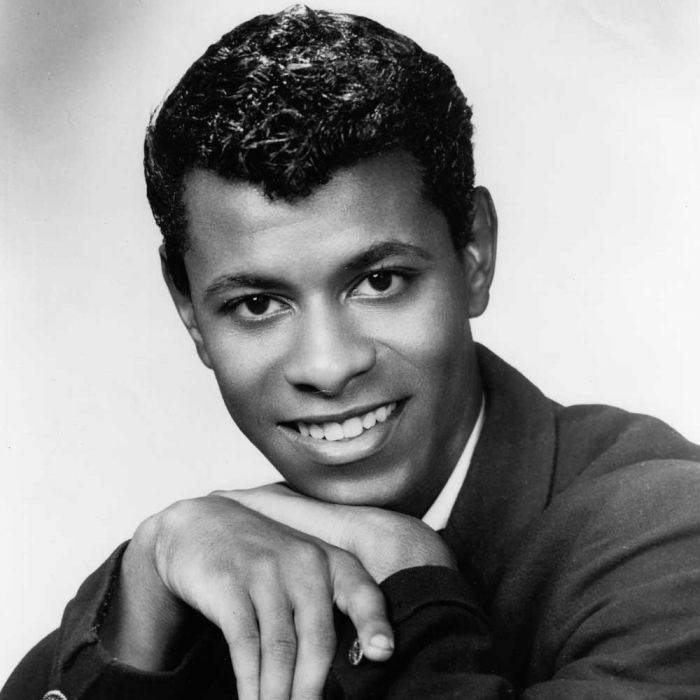

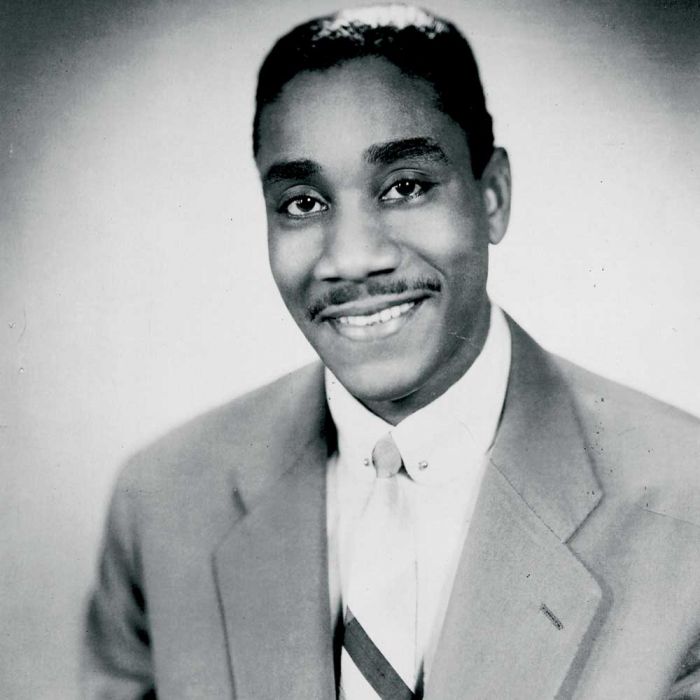
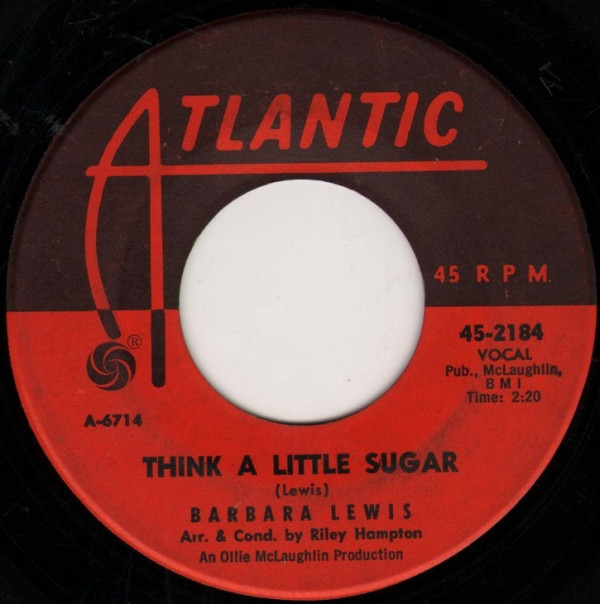


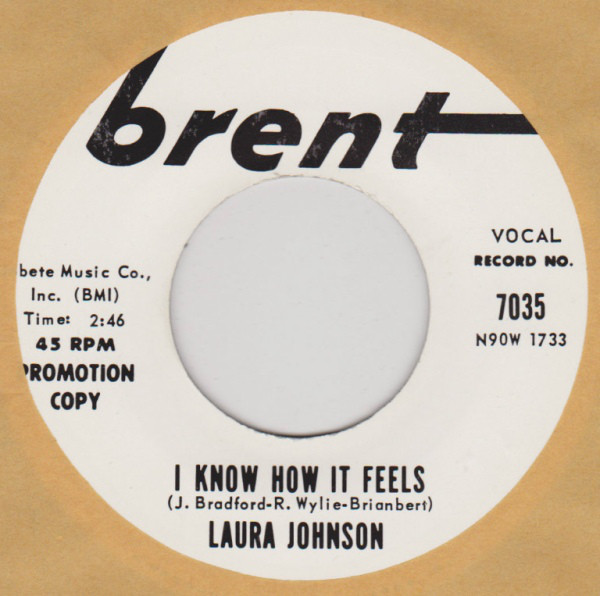

DUENDE LIBRE-DUENDE LIBRE.
Duende Libre-Duende Libre.
Having graduated from the University of Michigan with a degree in Jazz Studies in 2003, keyboardist Alex Chadsey, like many new graduates, found himself wondering what the future held for him? He was a talented and versatile musician who was fluent in jazz and classical music, and was one of the beneficiaries and success stories of the conservatory-style music education. This would stand him in good stead as he embarked upon his music career. That was the theory. The only problem was Alex Chadsey was still undecided about his future. Eventually, he decided to head to Seattle, home of the Seahawks and Storm, and the birthplace of Jimi Hendrix, Ray Charles and grunge.
After arriving in The Emerald City, Alex Chadsey’s career took an expected twist. He turned his back on jazz and classical music, and joined a salsa band. Soon, he was a familiar face within Seattle’s salsa scene, playing in various bands. It was through playing in the salsa bands that Alex saw firsthand how music creates a sense of community. Soon, Alex was accepted into Seattle’s vibrant Latin music community, and his love of Latin music blossomed.
Salsa was merely a starting point for Alex, ands soon, he was digging deeper and deeper into the various sub-genres of Latin music. Alex remembers: “that started me on a steady diet of Latin music. I got to know and play with Joe Santiago, who’d worked with artists like Eddie Palmieri, Tito Puente, and Celia Cruz…That’s when it grabbed me. That’s almost all I played for several years. I really fell in love with it.” This was a turning point for Alex who now had a sense of purpose musically.
He had arrived in his Seattle looking for musical direction, and found it within the Latin music community. That was also where he met two likeminded musicians, Farko Dosumov and Jeff Busch, who both shared Alex’s love of Afro-Caribbean music. This was the start of a friendship and musical partnership.
Over the next few years, the three friends would often play and collaborate together.This included on Alex’s latest musical project Duende Libre, who will self-release their eponymous debut album on the ‘5th’ of May 2017 via the band’s website. Duende Libre is the first album from the multitalented triumvirate of Alex Chadsey, Farko Dosumov and Jeff Busch. Having met his future band mates, Alex’s career took an unexpected twist.
Not long after meeting Farko Dosumov and Jeff Busch, Alex got involved with the Seattle Fandango Project, which was originally founded by members of the Chicano rock band Quetzal. They’re one of the most innovative bands of all the Chicano bands. Through his work with the Seattle Fandango Project, Alex got to know the members of Quetzal, who invited him to share a stage with them. This lead to Alex contributing to Quetzal’s 2012 album Imaginaries. It was nominated for, and won the Grammy Award for the Best Latin Rock, Urban or Alternative Album in 2013. For Alex, the opportunity to work with Quetzal was in important part in his musical development.
“They opened my mind to the possibility that there’s so much more beyond the music itself. What a musician can do and say and the role they play. Reclaiming some of the power that the professionalisation and commodification of music has taken away.” With this in mind, Alex took a different approach after this.
Up until he played with Quetzal, Alex had relied upon his formal musical education. Soon, this began to change and his approach to music making moved away from his formal musical training, towards tradition, community and collective expression. This was partly the influence of his musical mentors from Mexico, Cuba, and Los Angeles” who “had a big impact on my music.” Through working and talking to them, Alex realised that they hadn’t benefited from the education he had.
“These mentors often had no formal training. That was not an impediment. They could express themselves in interesting and creative ways. There was a process of me, humbling myself to try to get past some of my training. I put myself in a position of learning from these folks, these keepers of strong and rich musical traditions.” This would influence Alex’s musical future and especially, his latest project Duende Libre.
Alex decided to found Duende Libre when he decided that he wanted to play more of his own compositions. Some of these compositions had been inspired and influenced by the Afro-Cuban and Latin music that Alex had studied and had grown to love over the last few years. All these traditional types of music would play their part in the musical tapestry that he would weave with Duende Libre over the next few weeks and months.
Joining Alex, who would play piano and keyboards in Duende Libre, were two of two of his closest friends from the Seattle music scene, bassist and vocalist Farko Dosumov and drummer and percussionist Jeff Busch. They had been invited to join the band, and were excited by Alex’s latest musical venture.
The three members of Duende Libre spent the next few months working on ideas for new songs. To do this, they used a digital audio workstation and loops. This allowed the three musicians to create the framework for songs that they were composing. Gradually, these songs started to take shape and Duende Libre began to demo them. Eventually, they became full-fledged songs, that would feature on Duende Libre. However, Alex’s approach to composition and arranging was quite different to what he had learnt at the University of Michigan.
He recounts: “I knew I didn’t want to come in with an 8-page score. In fact, I didn’t want the guys to have to read anything if possible. I wanted them to approach the music more intuitively.” This was no surprise, given his experience working with different bands and musicians.
This included the time Alex had spent working with Grammy Award winning band Quetzal. He had also worked extensively with legendary songwriter and reggae roots artist Clinton Fearon. Alex explains: “they don’t rely on notation. I eliminated the barrier. Reading music changes the way you play.” With that in mind, the three members of Duende Libre began preparing to record their debut album.
Eventually, Duende Libre were ready to record what would become their eponymous debut album. They booked two days at Studio Litho, and on the ‘5th’ of May 2016, Duende Libre arrived at the studio. Duende Libre planned to record eleven tracks that Alex had written over the course of the next two days. Joining them, was engineer Floyd Reitsma who would later mix the album. Before that, Alex also took charge of the production of Duende Libre’s eponymous genre-melting debut album. It was completed on schedule on the ‘6th’ of May 2016.
Another year will have passed before Duende Libre is eventually released. Just like many bands, Duende Libre decided to self-release their eponymous debut album through their own website on ‘7th’ of May 2017. It showcases Duende Libre’s unique brand of genre-melting music.
Alex was inspired to write Rio Pescadores which opens Duende Libre, after a trip to Veracruz, in Mexico. Straight away, Alex’s fingers fly across the piano, before the rhythm section provide the backdrop for the piano as it takes centre-stage. It’s joined by percussion and a bubbling bass as briefly, jazz gives way to Afro-Cuban music. Soon, it’s all change and the arrangement flows along as Duende Libre paint pictures with their music. Later, the tempo drops and the arrangement is almost stripped bare, as the music becomes ruminative. Gradually, it rebuilds, and soon, Duende Libre are in full flight, showcasing their considerable skills. They feed off each other and play with freedom on this uplifting track that’s a reminder of the musical relationship between Veracruz and Cuba.
Joining Duende Libre on Forgotten Well, is singer, songwriter and musician Chava Mirel. As she harmonises, the arrangement has a mesmeric sound. This changes when the piano enters and is played with confidence. Still, Chava adds harmonies, until the tempo drops and the piano takes centre-stage, adding a quite beautiful, wistful backdrop. Meanwhile, the arrangement is understated. That changes midway through the track, when the bass and percussion play a more prominent role. By then, Alex adds flamboyant flourishes of piano as the rhythm section accompany him. He passes the baton, and the rest of Duende Libre enjoy their chance to shine, before the track reaches a wistful crescendo.
The introduction to Michel was inspired by a rhythm Duende Libre heard on a mid 20th-century Cuban record by blind pianist Frank Emilio Flynn. Soon, it’s all change as the rhythm section propel the arrangement along and jazz gives way to jazz funk and later, fusion. Meanwhile, Alex adds twinkling keyboards which adds a mid-seventies sound, as the arrangement breezes along. Later, the arrangement becomes understated, before Farko adds a fleet fingered bass solo. Then the arrangement rebuilds and Duende Libre are in full flight. Alex’s piano takes centre-stage, and is augmented by the rhythm section. Jeff
concentrates on the cymbals and percussion, and later enjoy his moment in the spotlight when the band improvise. He pounds his drums before twinkling keyboards disappear into the distance on this genre-melting epic.
Funkination pays homage to the eighties, when 808s keyboard-driven riffs were the order of the day. Shimmering keyboards reverberate, providing a spacey backdrop before the rhythm section, complete with bubbling bass, lock into a groove. Alex’s glistening keyboards join the rhythm section and percussion, before the keyboards takes on an eighties sound. It’s the musical equivalent of time-travel, as the arrangement flows along to the beat of the drum. After a brief pause, shimmering seventies keyboards join with the rest of Duende Libre. They flit between jazz funk an fusion, before a harder funky sound emerges. This comes courtesy of the unmistakable sound of an 808. Proving a contrast, are synth strings, which are another reminder of the eighties, as Duende Libre’ revisit the past on this captivating musical adventure.
Razzle Dazzle is a much more experimental sounding track Alex eplains: “I was trying to see if I could write something in an odd meter that still grooves hard, that didn’t feel mathematical.” That isn’t the case, the tempo drops and glistening keyboards join the pedestrian rhythm section. Although they play slowly, there’s still a fluidity and freedom in their playing. When the time signature changes, there’s still a fluidity as the arrangement swings. Meanwhile, Alex unleashes a solo on his keyboards and is joined by the rhythm section. Soon, they drop the tempo, before the keyboards then bass enjoy their moment in the sun and showcase their skill and versatility. Later, a four second pause allows Duende Libre to regroup, before they reach a crescendo on what’s without doubt one of the most innovative and experimental tracks on the album, and one that grooves hard.
There’s an element of drama as Sevilla unfolds, with Alex’s piano joining the rhythm section and percussion. Soon, jazz and Afro-Cuban combine to create expressive, emotive and dramatic music as the arrangement ebbs and flows. For the first three minutes, the piano takes centre-stage, before the baton passes bassist Farko Dosumov. He scats above his tight, propulsive bass line while percussion and piano accompany him. After this, the band reunite and Afro-Cuban rhythms give way to jazz as the music becomes dreamy and flows along. That’s until the next irresistible excursion into Afro-Cuban music where Duende Libre again, showcase their talent and versatility.
From the opening bars of Moon Waltz, it’s apparent that a beautiful track is about to unfold. The piano leads the way, while the rhythm section provide an understated accompaniment. That is all that’s required, even when Alex plays the tempo rises and Alex adds flamboyant flourishes of piano. Still, the rhythm section take care not to overpower the piano. Later it leaves space for Farko to scat, before he adds one of his bubbling bass solos. Meanwhile, Jeff flits between percussion and drums, before the piano returns and takes centre-stage. Its played with confidence, before joining with the rhythm section to produce a ruminative backdrop to this beautiful track.
Chava Mirel returns on the joyous sounding For The Rekkerd. It bursts into life, with the rhythm section and keyboards powering the arrangement along. Meanwhile, Chava adds an ethereal and soulful scat, while Alex’s keyboards provide the perfect accompaniment. When the vocal drops out, the arrangement heads in the direction of jazz funk and even fusion. Soon, though, bassist Farko is adding one of his finest solos. When the baton passes to Alex, he’s inspired and plays with speed and accuracy as percussion accompanies him. Later, Chava returns and with Duende Libre powering the arrangement along, delivers her most soulful scat.
The influence of a track by Salif Keita provided the initial inspiration for Salif. It’s a wistful, ruminative track which features a lone piano. Then midway through the track, the piano gives way to shakers and bass. When the piano returns, it plays a supporting role, before taking centre-stage playing in this beautiful, mediative, melancholy and cinematic track.
Still shows yet another side to musical chameleons Duende Libre. The introduction gives no hint of what’s about to unfold. A scrabbled bass teases the listener as the arrangement meanders along. Then at 1.22 Duende Libre kick loose. The rhythm section provide the backdrop for the glistening keyboards, before the Hammond organ takes charge and powers the genre-melting arrangement. It already features elements of jazz, jazz funk, funk and soul jazz. Sometimes, flamboyant flourishes of Hammond organ are added, as genres melt into one. Later, though, the arrangement takes on a much more understated sound as Farko’s bass and scat take centre-stage. Gradually, the irresistible arrangement rebuilds, as Afro-Cuban rhythms are added. They’re the final piece of the musical jigsaw, which is akin to a call to dance.
Sinister Minister which closes Duende Libre, sees the tempo drop. Jangling, angular percussion joins the rhythm section glistening keyboards. Duende Libre play with a freedom and fluidity, as the mid-tempo arrangement ebbs and flows. It veers between jazz to jazz funk and fusion. By then, the keyboards lock into a groove with the bass and create an edgy backdrop for Farko’s distant scat. Soon, galloping percussion appears, disappears and reappears as the rhythm section join with the keyboards. Later, though, it’s all change as the piano makes a welcome appearance, and is played confidently, as it dominates the arrangement. The rhythm section lift their game, and join with the piano in powering the arrangement along. Then with thirty-seconds remaining, the arrangements dissipates, leaving just a memory of what’s one of the highlights of Duende Libre.
After eleven genre-melting tracks lasting nearly sixty-eight minutes, Duende Libre’s eponymous is over. It showcases the considerable talent and versatility of three experienced musicians. They seamlessly flit between musical genres, and play with freedom and fluidity throughout Duende Libre. There’s also an intuitiveness to Duende Libre’s playing.
That is a result of Alex’s determination to eliminate barriers, which would allow the members of Duende Libre to express themselves. To do this, Alex didn’t want the other members of Duende Libre reading music, which could stifle their performance. Instead, he encouraged his bandmates to rely on their intuition and play with an inventiveness, freedom and fluidity. This succeed in doing throughout Duende Libre, which is a truly eclectic and groundbreaking album.
Duende Libre features a myriad of disparate genres, which can be heard throughout the album. This ranges from Afro-Cuban and experimental to funk, fusion and jazz. There’s also elements jazz funk, Latin, soul and soul jazz on Duende Libre. Sometimes, several genres melt into one in the one track. However, this all makes perfect musical sense, and is all part of Duende Libre’s captivating musical journey.
Sometimes, this musical journey becomes a magical mystery tour, as Duende Libre throw curveballs and spring surprises. It’s a case of expect the unexpected, as Duende Libre keep the listener on their toes. Other times, the music is variously beautiful, cinematic, melodic, ruminative and wistful. Sometimes, though, the music is inspirational, irresistible and joyous on an album where no two tracks are same.
What all the tracks on Duende Libre have in common, is that Alex Chadsey, Farko Dosumov and Jeff Busch have pushed musical boundaries to their limits in the pursuit of an album of groundbreaking and genre-melting music. This they succeed in doing on Duende Libre, which is a heady and irresistible musical brew.
Duende Libre-Duende Libre.

TO LOVE SOMEBODY:THE SONGS OF THE BEE GEES 1965-1970.
To Love Somebody: The Songs Of The Bee Gees 1966-1970.
During a career that spanned the best part of fifty years, the Bee Gees released twenty-two albums and sold 220 million records worldwide. Despite that, Barry, Robin and Maurice Gibb considered themselves first and foremost as songwriters. That was certainly the case between 1967 and 1970, when the great and good of music covered songs written by the Bee Gees. This includes the twenty-four artists that feature on To Love Somebody: The Songs Of The Bee Gees 1966-1970, which was recently released by Ace Records.
To Love Somebody: The Songs Of The Bee Gees 1966-1970 is the latest instalment in Ace Records’ long running Songwriter Series. It pays homage to some of greatest songwriting partnerships in the history of popular music. This time, the spotlight is shawn on the Gibb brothers during what was one of the most creative period of their long and illustrious careers. That was why some of the biggest names in music covered songs penned by Barry, Robin and Maurice Gibb.
This included Al Green, James Carr, Percy Sledge, Nina Simone, Bettye Swann, Sidewalk Society, Sandie Shaw, Status Quo, David Garrick, John Holt and Jose Feliciano. The Bee Gees’ songs were being covered by all types of artists, ranging from jazz, pop and psychedelia, to reggae, rock and soul. Especially soul singers; with many members of soul royalty dipping into the Gibb brothers’ songbook in search of a hit single. That was no surprise, given the
quality of songs the Gibbs were writing. They penned several classic songs during this period, and they feature on To Love Somebody: The Songs Of The Bee Gees 1966-1970. It features a myriad of musical delights.
Opening To Love Somebody: The Songs Of The Bee Gees 1966-1970 is World, which in 1968 was covered by one of music’s rising stars Sharon Tandy. She had moved from South Africa to Britain in 1964, and within a year, had released her debut single in 1965. By 1966, Sharon Tandy was recording for Stax Records, and in 1967, signed to Atlantic Records. In January 1967, Sharon Tandy released Fool On The Hill. On the B-Side of the American version, which was released on Atco, was a cover of World which was produced by Richard Hill. His impressive and carefully crafted arrangement is the perfect accompaniment to Sharon Tandy’s emotive, soulful vocal. Nine months later, Sharon Tandy returned with her freakbeat classic Hold On in October 1968. It shows a very different side her soulful take on the Gibb brothers’ World.
When Al Green released his fourth album Let’s Stay Together in 1972, it proved to be his breakthrough album. It reached number eight in the US Billboard 200, number one in the US R&B charts and was certified gold. One of the highlights of Let’s Stay Together was How Can You Mend A Broken Heart, which is six minutes of heartbreak, hurt and regret.
James Carr never enjoyed the commercial success his considerable talents deserved, despite being one of the greatest Southern Soul singers. Sadly, James Carr was a trouble soul and suffered from mental health problems throughout his career. At what proved to be his final Goldwax session, James Carr wasn’t in the best of health. He was suffering baldy from depression, and cut a lonely figure as he sat in studio surrounded by some of Memphis’ top session players. Despite his failing health, James Carr managed to record one song, his soul-baring cover of To Love Somebody. When it was released as a single in 1969, it reached number forty-four in the US R&B charts. Forty-eight years later, and Jams Carr’s cover of To Love Somebody is without doubt, the definitive version of the song. Nothing Else comes close.
Bettye Swann’s career began in 1963 when she signed to Money Records. Four years later, in April 1967, Bettye released Make Me Yours as a single. When it reached number one on the US R&B charts and number twenty-one on the US Billboard 100, it gave Bettye her third and biggest hit single. A year later, and Bettye left Money Records and signed to Capitol Records, where she released two albums during 1969. This included The Soul View Now! which features Bettye’s heartfelt rendition of Words. It veers between hopeful to rueful, as Bettye breathes emotion and meaning into the lyrics. It’s one of the The Soul View Now!’s finest moments. Sadly, seven years later, in 1976, Bettye turned her back on music after the death of her husband.
In 1970, The Staple Singers headed to Muscle Shoals to record a new album with Al Bell. This would mark the debut of Yvonne Staples, who had replaced her brother Pervis in the family group. The new lineup of The Staple Singers recorded twelve songs that became The Staple Singers. It was released in 1971 and reached
117 in the US Billboard and nine in the US R&B charts. One of the highlights of the album was Give A Hand-Take A Hand which features The Staple Singers at their soulful best. Especially Mavis Stapes, who delivers a vocal masterclass.
Marbles hailed from Skegness, in Lincolnshire and featured future Rainbow frontman Graham Bonnet. However, when Robert Stigwood first encountered the group, they were called Bonar Law. He suggested they change their name to Marbles, when he became their manager. Soon, Robert Stigwood sent the newly named Marbles into the studio to record a string-drenched version of the power ballad Only One Woman. When Marbles signed to Polydor, Only One Woman became their debut single. It reached number five in the UK charts in late 1968, and was perfect showcase for Graham Bonnet’s powerhouse of a vocal.
Although Sandie Shaw had been a fixture in the British charts since 1965, her big break came when the won the Eurovision Song Contest in 1967 with Puppet On String. Two years later, Sandie Shaw returned with her seventh album for Pye Records Reviewing The Situation. It featured a beautiful, wistful and emotive cover of With The Sun In My Eyes.
Having left Manfred Mann in 1966, Paul Jones embarked upon a solo career. Two years later, he released the Peter Asher produced And The Sun Will Shine on Columbia. It was recorded at Abbey Road, with a supergroup accompanying Paul Jones. Jeff Beck, Nicky Hopkins, Paul Samwell-Smith and Paul McCartney all featured on And The Sun Will Shine. Despite his illustrious backing back, And The Sun Will Shine was the one that got away for Paul Jones. It’s a hidden gem, that makes a welcome appearance on To Love Somebody: The Songs Of The Bee Gees 1966-1970.
After several names changes, Status Quo was born in 1967. They released their debut single Pictures Of Matchstick Men later that year. A year later, Status Quo released their debut album Picturesque Matchstickable Messages From The Status Quo, on Pye Records in 1968. It showcased one of the rising stars of British psychedelia. Especially the lysergic and cinematic sounding Spicks And Specks, which is a reminder of Status Quo at the beginning of a long and successful career.
After two years as the lead singer of The Techniques, Pat Kelly embarked upon a solo career. By 1978, he had signed to the Third World label, and was about to release his fifth album Give Love A Try. It featured I Started A Joke which Pat Kelly gives a lover’s rock makeover.
When John Holt was recording his 1973 landmark album 1000 Volts Of Holt for Trojan Records, one of the songs he covered was Morning Of My Life. It’s also given a lovers rock makeover, and shows a different side to this familiar song.
Puerto Rican guitarist, singer and composer José Feliciano, closes To Love Somebody: The Songs Of The Bee Gees 1966-1970 with First Of May. It featured on José Feliciano’s album of cover versions 10 To 23, which was released by RCA Victor in 1969. First Of May was one of the highlights of the album and featured an impassioned vocal from José Feliciano. It’s a beautiful way to close the compilation that pays homage to the Gibb brothers songwriting skills.
While Barry, Robin and Maurice Gibb considered themselves first and foremost as songwriters, most people regarded them as recording artists. That was no surprise, given the Bee Gees had been together nearly fifty years and released twenty-albums. These albums sold by the million. By the time, the Bee Gees’ career was over, they had sold 220 million records worldwide and enjoyed three number one singles in Britain and nine in America. Elsewhere, the Bee Gees were a hit making machine. It’s almost understandable that the Gibb brothers are perceived primarily as recording artists. However, that may change having heard To Love Somebody: The Songs Of The Bee Gees 1966-1970 with First Of May.
The twenty-four songs on To Love Somebody: The Songs Of The Bee Gees 1966-1970 are just a small selection of the Gibb brother’s compositions covered during this period. Many other artists dipped into the Gibb brothers’ songbook, in search of a hit single. So much so, that Ace Records could potentially release a followup to To Love Somebody: The Songs Of The Bee Gees 1966-1970.
This period covers just a small period of the Gibb brothers’ career. They continued to write songs together throughout their long and illustrious career. However, one of the most productive periods of the Gibb brothers’ career was between 1967 and 1970. It’s documented on To Love Somebody: The Songs Of The Bee Gees 1966-1970, when the Gibb brothers were enjoying a rich vein of form creatively.
To Love Somebody: The Songs Of The Bee Gees 1966-1970.
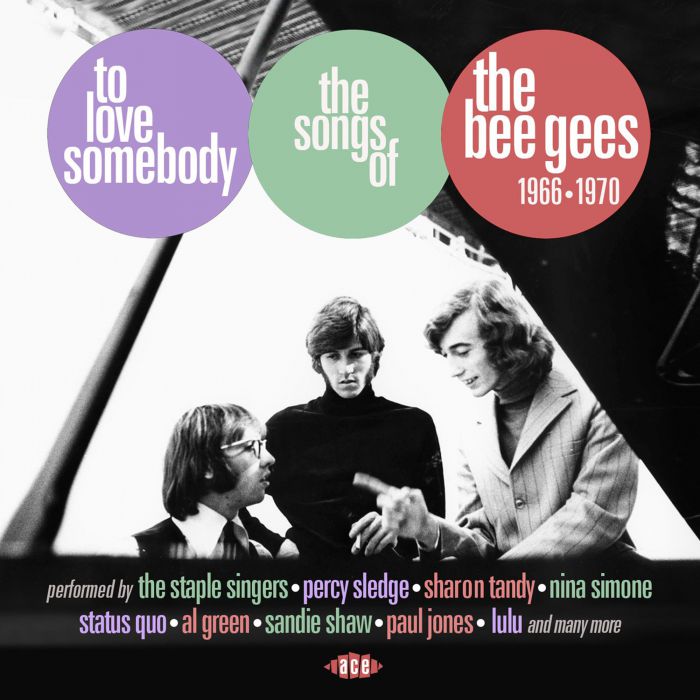





THE ANIMALS’ SIXTIES’ HEYDAY.
The Animals’ Sixties’ Heyday.
A lot can happen to a band in just five years. The Animals were proof of this. They released their eponymous debut album in September 1964, and over the next few years, became one of the biggest British Invasion bands. However, by 1969, The Animals’ story was over. By then, the seven separate lineups of The Animals had released ten albums since the group had had been formed in 1962.
That was when The Animals were formed in Newcastle, England. However, The Animals roots can be traced to a band that that had been formed four years earlier, in 1958, The Alan Price Rhythm and Blues Combo.
They were popular within the Newcastle area, in the late-fifties and early sixties. However, by 1962, music was changing, and changing fast. The Beatles had burst onto the scene, and this was a game-changer. So in 1963, The Alan Price Rhythm and Blues Combo decided to add a vocalist to their lineup.
The man they chose was Eric Burdon. He joined a rhythm section of drummer John Steel, bassist Bryan “Chas” Chandler and guitarist Hilton Valentine. Completing the lineup, was organist and the man who lent his name to the Combo, Alan Price. However, not for long.
Not long after Eric Burdon joined the band, The Alan Price Rhythm and Blues Combo decided to change their name to something more rock ’n’ roll, The Animals. They set about making their presence felt in the Newcastle music scene.
Soon, The Animals were one of the most popular local bands. Their fiery sets of saw The Animals fusing electric blues and rock. This proved popular, and won over audiences night after night. Each night, The Animals’ sets were combination ran through covers of songs recorded by blues greats like Muddy Waters, Howlin’ Wolf, John Lee Hooker and Jimmy Reed. This struck a nerve with audiences in their home city. However, The Animals had set their sights higher than being a big fish in a small pond.
In 1964, The Animals made the decision to move to London. By then, The Animals had struck up a relationship with music impresario Giorgio Gomelsky. He owned the Crawdaddy Club, and for a time managed the Rolling Stones, who were the club’s house band. However, by 1964, the Rolling Stones had gone on to bigger things. Soon, so would The Animals.
Not long after The Animals moved to London, they were signed by Columbia Records. Quickly, The Animals repaid Columbia Records’ faith in them. Their debut single Baby Let Me Take You Home was produced by producer and pop impresario Mickie Most. When the single was released in March 1964, it reached twenty-one on the UK singles charts. Success had come quickly for The Animals in Britain. America was a different proposition though.
Five months later, and Baby Let Me Take You Home was released in America, but stalled at 102 in the US Billboard 100. Soon, though, The Animals would be one of the biggest British Invasion bands.
Three months later, in June 1964, The Animals released The House Of The Rising Sun as a single. This traditional song transformed The Animals’ career it when it reached number one in Britain, America, Canada, Australia and Sweden. Elsewhere, including Germany and Holland, The House Of The Rising Sun gave The Animals a top ten single. They were well on their way to becoming one of the biggest bands on both sides of the Atlantic.
The Animals.
Given the success of The House Of The Rising Sun, The Animals were sent into the studio to record an album with producer Mickie Most. Columbia wanted an album quickly, to build on the success of The House Of The Rising Sun.
Twelve songs were chosen and would become The Animals. The songs included old blues and R&B numbers, and was a reminder of The Animals’ musical roots. Among the songs that were chosen were Ray Charles’ Talkin’ About You Baby, John Lee Hooker’s Mad Again, Fats Domino’s I’ve Been Around. It was joined I’m in Love Again which Fats Domino wrote with Dave Bartholomew. Two Chuck Berry’ songs were chosen, Around and Around and Memphis, Tennessee. They joined The Animals first two singles Baby Let Me Take You Home and The House Of The Rising Sun. These songs became The Animals eponymous debut album. It was released later in 1964.
Before that, critics reviewed The Animals debut album. It was mostly well received, and showcased what The Animals as a band were about. The Animals was then released in Britain and America in September 1964.
On both sides of the Atlantic, The Animals built on the success of The House Of The Rising Sun. The Animals reached number six in the UK and seven in the US Billboard 200. This was the start of rise and rise of The Animals to become one of the most successful British Invasion groups.
Animal Tracks.
Just eight months later, The Animals released their sophomore album Animal Tracks. It had been recorded during 1964 and 1965, and mostly, followed in the footsteps of The Animals’ eponymous debut album.
Mainly, Animal Tracks was another album of covers of R&B and blues. This included Chuck Berry’s How You’ve Changed, Ray Charles’ Hallelujah I Love Her So, Big Maceo Merriweather’s Worried Life Blues, Clarence Carter’s I Ain’t Got You, Jimmy Reed’s Bright Lights, Big City and Bo Diddley’s Roadrunner. There was also a cover of Shirley Goodman and Leonard Lee’s Let The Good Times Roll, which Ray Charles made famous. However, tucked away on side two of Animal Tracks, was the first song penned by a member of The Animals.
It was Eric Burdon who was the first member of The Animals to write a song for an Animals’ album. His contribution was For Miss Caulker. This was just the start of Eric Burdon’s songwriting career, which blossomed over the new few years. Before that, Animal Tracks was recorded with producer Mickie Most. Once the album was complete, it was released in Britain in May 1965.
Unlike the reviews of their eponymous debut album, Animal Tracks wasn’t as well received by critics. Some of the songs were as strong as those on The Animals. They lacked the quality and energy. However, this didn’t bother record buyers.
When Animal Tracks was released in May 1965, it reached number six in the UK. However, Animal Tracks wasn’t released in America until September 1965, but reached just fifty-seven in the US Billboard 200. Before Animal Tracks was released in America, The Animals released their American sophomore album The Animals On Tour.
The Animals On Tour.
After the released of their eponymous debut on both sides of the Atlantic, The Animals ‘ popularity soared stateside. They quickly became one of the most popular and successful British Invasion groups. So a decision was made to record an album that would only be released in America, The Animals On Tour.
This was the start of confusing time for fans of The Animals. Albums were released in Britain and America at different times. Some albums, including The Animals On Tour weren’t officially released in Britain. The first album that wasn’t officially released in Britain, was The Animals On Tour.
Given the title, many record buyers thought The Animals On Tour was a live album. It wasn’t. Instead, it was another album of cover versions. Some of the tracks had featured on Animal Tracks, including Chuck Berry’s How You’ve Changed, Ray Charles’ Hallelujah I Love Her So, Big Maceo Merriweather’s Worried Life Blues, Calvin Carter’s I Ain’t Got You, Jimmy Reed’s Bright Lights, Big City and Bo Diddley’s Roadrunner. There was also a cover of Shirley Goodman and Leonard Lee’s Let The Good Times Roll. They rubbed shoulders with John Lee Hooker’s Boom Boom and Dimples, which he wrote with James Bracken. The only new track on The Animals On Tour was an Eric Burdon and Alan Price composition I’m Crying. These twelve tracks were recorded in 1964 and produced by Mickie Most.
The Animals On Tour was released in March 1964, the same times as Animal Tracks was released in Britain. Doubtless copies of Animal Tracks made their way across the Atlantic, where fans of The Animals were in for a surprise. Both albums featured a number of similar tracks. So it was no surprise that The Animals On Tour stalled at a lowly ninety-nine in the US Billboard 200. This was a disappointing outcome for The Animals.
What was a bigger disappointment was when of organist Alan Price quit The Animals in May 1965. Tension had been building within the band for some time. They had also been touring almost non stop. The constant touring made things worse, as Alan Price had a a fear of flying. So when he left The Animals, reasons cited were personal and musical differences, plus Alan Price’s fear of flying. This was a huge blow for The Animals.
Mick Gallagher stepped into the fray, and replaced Alan Price on a temporary. This was only until Dave Rowberry joined The Animals and became their keyboardist. This was the start of a new era for The Animals.
Things improved for The Animals when Animal Tracks was released in America in September 1965. It reached fifty-seven in the US Billboard 200. That was despite many of the tracks on Animal Tracks having already featured on The Animals On Tour. It seemed that The Animals were still one of the most popular and prolific British Invasion bands.
The Animals had released three albums in America in the space of a year. Each album had sold well, and by late 1965, The Animals were one of the most popular British Invasion bands. They were rubbing shoulders withThe Kinks and The Who, and had set their sights on The Beatles and Rolling Stones. If all went well, The Animals could be one of the biggest British bands of the sixties. However, the pressure continued to build as The Animals began to work on their new American album, Animalization.
Animalization.
When work began on Animalization, the lineup of The Animals featured a rhythm section of drummer John Steel, bassist Bryan “Chas” Chandler and guitarist Hilton Valentine. Completing the lineup, were vocalist Eric Burdon and keyboardist Dave Rowberry. They chosen twelve songs that became Animalization.
Just like previous albums, the majority of Animalisms featured cover versions. This included covers of soul, blues and R&B songs. Among them, were Joe Tex’s One Monkey Don’t Stop No Show, John Lee Hooker’s Maudie, Chuck Berry’s Sweet Little Sixteen, Screamin’ Jay Hawkins’ I Put a Spell on You and Alonzo Tucker and Jackie Wilson’s Squeeze Her, Tease Her. Joining the nine cover versions were a trio songs penned by members of The Animals.
Eric Burdon and new keyboardist Dave Rowberry formed a new songwriting partnership, penning You’re On My Mind and She’ll Return It. Dave Rowberry also wrote Clappin’. The Animals’ newest member was making his presence felt. Soon, though Dave Rowberry was no longer the new member of The Animals.
When recording of Animalization began, work began on laying down twelve tracks with producer Mickie Most. Dave Rowberry made his Animals’ debut, adding keyboards. However, with eight tracks recorded, drummer John Steel quit. He was replaced by Barry Jenkins, who featured on Don’t Bring Me Down, Cheating, See See Rider and She’ll Return It. Once the album was complete, Animalization was released in June 1966.
Prior to the release of Animalization, reviews of the album were published. They were mostly positive, with some of the reviews calling Animalisms one of The Animals’ best albums. Elements of blues, rock, R&B and soul were combined by The Animals. The only problem was, The Animals were still too reliant on cover versions. Maybe the Eric Burdon and Dave Rowberry songwriting partnership would flourish? That was in the future.
When Animalization was released in America, the album reached number twenty in the US Billboard 200, and became The Animals’ second biggest selling American album. Now they had to build on the success of Animalization.

Animalisms (US Version).
Just four months later, The Animals released an American version of Animalisms. It featured an alternative track listing, which featured twelve cover versions. They were an eclectic selection of songs.
Frank Zappa’s All Night Long sat side by side with Sam Cooke’s Shake, Fred Neil’s The Other Side of This Life, Howlin’ Wolf’s Smokestack Lightnin’, Percy Mayfield’s Hit The Road Jack, Muddy Water’s Louisiana Blues and Donovan’s Hey Gyp. These songs were recorded during July 1966.
The recording session took place at Lansdowne Recording Studio, in London, England and T.T.G, Hollywood, in California. Tom Wilson took charge of production. He gave The Animals more freedom to express themselves artistically. They embraced this opportunity on what was the last session that featured drummer Barry Jenkins. He played on ten tracks, with John Steel playing on Outcast and That’s All I Am to You. When the sessions were complete, Animalisms was released on 21st November 1966.
When critics heard Animalisms they were impressed with the album, which found The Animals relishing their new found artistic freedom. They flit seamlessly between musical genres on Animalisms. Sadly, when Animalisms was release, it failed to chart. This was a huge disappointment. However, the times they were a changing for The Animals.

When a cover of the blues classic See See Rider was released, the group were now billed as Eric Burdon and The Animals. This lineup was short-lived and split-up in September 1966. The Animals’ career was over after just two years.
Eric Burdon and The Animals.
A new chapter in The Animals’ story began shortly thereafter. Eric Burdon began putting together a new band. Drummer Barry Jenkins was the first person recruited by Eric Burdon for his new band.
This new band became Eric Burdon and The Animals, who musically had undergone a Damascene conversion musically. Previously, Eric Burdon had a been a disciple of hard driving blues. Not any longer. He decided to incorporate his take on psychedelic rock into Eric Burdon and The Animals’ music. This began on their debut album Eric Is Here.
While Eric Burdon and The Animals was a new band, not all members of the band featured on the band’s debut album Eric Is Here. It comprised entirely of twelve cover versions. This time around, Eric Burdon was relying on many Brill Building songwriters. This included Goffin and King’s On this Side of Goodbye, Barry Mann, Cynthia Weil’s It’s Not Easy and Tommy Boyce and Bobby Hart’s In The Night. Three Randy Newman songs were also chosen, including Mama Told Me Not To Come, I Think It’s Going To Rain Today and Wait Till Next Year. These songs were quite unlike what The Animals had previously covered. However, this was a new beginning for Eric Burdon and The Animals.
What didn’t change was that Tom Johnson produced Eric Is Here. He brought onboard an orchestra, who accompanied Eric Burdon and The Animals. They combined blues rock, R&B psychedelic rock and rock on Eric Is Here. Alas, it was neither a potent nor heady brew.
When Eric Is Here was released, only Eric Band and Barry Jenkins were credited as having played on the album. It proved to be an inauspicious start to Eric Burdon and The Animals’ career. Neither critics nor record buyers were won over by Eric Is Here. The reviews of Eric Is Here included some of the worst that any Animals album had received. Things got were when Eric Is Here was released in March 1967. The album stalled at a lowly 121 in the US Billboard 200. Across the Atlantic, Eric Is Here failed to chart in Britain. All that Eric Burdon could hope, that things would improve when Eric Burdon and The Animals released their sophomore album, Winds Of Change.

Winds Of Change.
Following the disappointment of Eric Is Here, Eric Burdon began putting together Eric Burdon and The Animals. Joining drummer Barry Jenkins in the rhythm section was bassist Danny McCulloch and guitarist Vic Briggs. The final piece of the jigsaw was John Weider, who played electric violin. Now Eric Burdon and The Animals could begin to move towards psychedelic rock on their sophomore album Winds Of Change.
On their previous album Eric Is Here, Eric Burdon and The Animals had just toyed with psychedelic rock. Not this time. psychedelic rock. Eric Burdon and The Animals wrote ten new tracks, and covered Mick Jagger and Keith Richards’ Paint It Black. Producing Winds Of Change was Tom Johnson.
Recording of Winds Of Change took place over a two week period in March 1967, at TTG Studios in Los Angeles. That was where Eric Burdon and The Animals recorded their hard rocking cover of Paint It Black. The rest of Winds Of Change was the most psychedelic album Eric Burdon and The Animals recorded and released.
Winds Of Change was released in September 1967, but before that, critics lavished the album with critical acclaim. It was Eric Burdon and The Animals at their most psychedelic, on what was one of their best albums. Among the highlights were Winds Of Change and Yes I Am Experienced which was Eric Burdon and The Animals’ answer to the Jimi Hendrix Experience. The quality continued on San Franciscan Nights, Good Times and the album closer, It’s All Meat. It found Eric Burdon and The Animals at their most psychedelic. After a false start, Eric Burdon and The Animals had returned with a career defining album.
When Winds Of Change was released in September 1967, it reached forty-two in the US Billboard 200, but failed to chart in Britain. Despite that, it looked as if Eric Burdon and The Animals might go on to reach the heights that The Animals reached between 1964 and 1966. The new group certainly had the talent, and had something that The Animals lacked. Eric Burdon and The Animals featured five talented songwriters. They would put their songwriting skills to good use on The Twain Shall Meet.

The Twain Shall Meet.
For the very first time in the history of The Animals and Eric Burdon and The Animals, an entire album was written by members of the band. This was a first. No longer were Eric Burdon and The Animals reliant on old blues or R&B songs. Gone also, were the days when Eric Burdon and The Animals relied upon songs by Brill Building songwriters. The Twain Shall Meet was written by the five members of Eric Burdon and The Animals.
Among the songs they wrote for The Twain Shall Meet was Monterey, a celebration of 1967 Monterey Pop Festival. Sky Pilot Parts 1 & 2) was an anti Vietnam War song, which would give Eric Burdon and The Animals a number fourteen hit single in the US Billboard 200. It tapped into the mood of the American nation. These songs were recorded in December 1967.
When the recording began, Tom Wilson returned to produce The Twain Shall Meet. This time though, two vocalist were used on The Twain Shall Meet. Eric Burdon took charge of the vocals on five songs, while bassist Danny McCulloch added the vocals on Just the Thought and Orange and Red Beam. These seven songs were completed later in December 1967, and released in April 1968.
Unlike Winds Of Change which was released to critical acclaim, The Twain Shall Meet received mixed reviews. One of the fiercest critics of The Twain Shall Meet was Rolling Stone magazine. This was disappointing for Eric Burdon and The Animals.
So was the performance of The Twain Shall Meet. It was only released. When it was released in March 1967, Eric Burdon and The Animals’ third album stalled at just seventy-nine in the US Billboard 200, but failed to chart in Britain. The only small crumb of comfort was the performance of the singles.
Monterey was the lead single, and fifteen in the US Billboard 100. The followup Anything, reached just a lowly eighty in the US Billboard 100. However, Sky Pilot then reached number fifteen in the US Billboard 100 and forty in the Britain. Two top twenty singles almost made-up for The Twain Shall Meet stalling a seventy-nine in the US Billboard 200. Maybe Eric Burdon and The Animals’ next album, Every One of Us, would be bigger success?
Every One of Us.
1968 was without doubt, the busiest year of Eric Burdon and The Animals’ career. They released a trio of albums. The second album in the trio was Every One of Us, which was recently reissued by BGO Records. It’s a welcome reissue, because when Eric Burdon and The Animals released Every One of Us, it was never released in Britain.
Eric Burdon and The Animals were never as popular as The Animals in Britain. None of their albums had charted in Britain. It was very different to when The Animals enjoyed three top ten albums. That was the past, and the past was another country for Eric Burdon and The Animals.
When work began on Every One of Us, Eric Burdon and The Animals were now a sextet. Zoot Money, a British vocalist and keyboardist had joined the band. The addition of a new band member was risky. There was always the potential that it would upset the equilibrium of the band. Especially since the band had been working well together, and had written two albums. This changed on Every One of Us.
For Every One of Us, which featured seven tracks, Eric Burdon wrote much of the album He penned White Houses, Uppers and Downers, The Immigrant Lad, The Year Of The Guru and cowrote New York 1963-America 1968 with Zoot Money. Eric Burdon also arranged the traditional song St. James Infirmary Blues. The only song that Eric Burdon didn’t play a part in was Serenade To A Sweet Lady. It was written by John Weider. These seven songs would become Every One of Us.
When recording of Every One of Us began, there was no sign of producer Tom Wilson. Instead, Eric Burdon and The Animals produced For Every One of Us. By then, the rhythm section consisted of drummer Barry Jenkins, bassist and 12-string guitarist Danny McCulloch and guitarist and bassist Vic Briggs. John Weider switched between guitar and celeste and Zoots Money played Hammond organ and piano. This time round, Eric Burdon took charge of all the vocals. Once Every One of Us was complete, it was scheduled for release later in 1968.
When Every One of Us was released in August 1968, this accomplished album of psychedelic blues stalled at just 152 in the US Billboard 200. This was a huge disappointment, considering the quality of the music and musicianship. The critics had thought that Every One of Us would fare much better. Things didn’t improve when White House was released as a single. It reached just sixty-seven in the US Billboard 100. For Eric Burdon and The Animals this just rubbed salt into their wounds.
Especially since Eric Burdon and The Animals had released what was without doubt, one of their finest albums since the release of Eric Is Here in March 1967. The only album that surpasses Every One of Us, is Winds Of Change which was released in September 1967. Given the quality of music on Every One of Us, it was a frustrating time for Eric Burdon and The Animals. However, soon, they began work on their third album of 1968. Love Is.
Love Is.
For Love Is, the lineup of Eric Burdon and The Animals and changed yet again. Vic Briggs and Danny McCulloch had left the band, and former Police guitarist joined Eric Burdon and The Animals. They were no longer a sextet to a quintet, as work began on their tenth album, which would be Eric Burdon and The Animals’ first double album.
Unlike recent albums, Love Is featured mostly cover versions. This included Phil Spector, Jeff Barry and Ellie Greenwich’s River Deep-Mountain High; Sly Stone’s I’m an Animal; June Carter and Merle Kilgore’s Ring Of Fire and Steve Winwood, Jim Capaldi and Chris Wood’s Colored Rain. They were joined by Barry and Robin Gibb’s To Love Somebody plus Don Deadric Robey’s As the Years Go Passing By. Eric Burdon contributed just the one song, I’m Dying (Or Am I?). Completing Love Is was an eighteen minute epic where Steve Hammond’s Gemini gave way Zoot Money and Andy Summers’ Madman Running Through the Fields. These eight tracks would become Love Is.
Recording of Love Is took place at TTG and Sunset Sound Studios, in Hollywood, California during October 1968, with The Animals producing Love Is. It featured the recording debut of the new lineup. Its rhythm section featured drummer Barry Jenkins; bassist pianist and organist Zoot Money o plus guitarist and violinist John Weider. This time around, the vocals were shared, with Zoot Money featuring on I’m Dying (Or Am I?) and on Gemini, while Eric Burdon took charge of the rest of the vocals. Once recording of Love Is was completed in October 1968, the album was released in December 1968.
Before that, critics had their say on Love Is, which was a very different album from recent albums. Love Is featured mainly cover versions. These cover versions were totally transformed by Eric Burdon and The Animals. The songs featured extended arrangements, and sometimes, new lyrics and sections. Among the highlights were Ring Of Fire and Traffic’s Coloured Rain, which featured a guitar masterclass from Andy Summers. His guitar solo lasts an incredible four minutes and fifteen singles. Eric Burdon and The Animals bowed in style with Gemini and Madman Running Through The Fields, an eighteen minute epic that took up the final side of Love Is. Whole most of the reviews proved positive, there were a few dissenting voice among the critics.
Despite that, Love Is recached 123 in the US Billboard 200, which surpassed the commercial success of Every One Of Us. An edited version of Ring Of Fire was then released as a single. It reached thirty-five in the UK and entered the top forty in Australia, Germany and Holland. Things it seemed, were looking up for Eric Burdon and The Animals.

Sadly, that wasn’t the case. Love Is proved to be Eric Burdon and The Animals’ swan-song. In 1969, Eric Burdon and The Animals disbanded for the second time. This time, it looked as if it was the end of the road for one of the most successful of the British Invasion groups. They had enjoyed four successful years together.
Between them, The Animals and then Eric Burdon and The Animals released nine studio albums and one live album between 1964 and 1968. These albums proved more successful in America than they were in Britain. The Animals and then Eric Burdon and The Animals enjoyed ten top twenty singles in the UK and America. Their most successful single was The House Of The Rising Sun in 1964, which reached number one on both sides of the Atlantic and sold five million copies worldwide. Nowadays, The House Of The Rising Sun is synonymous with The Animals and Eric Burdon and The Animals.
That’s somewhat ironic, as there’s much more to their career than just one song. Proof of that is the ten albums that The Animals and later, Eric Burdon and The Animals released during their four year recording career. These albums are a reminder of a truly talented band, that constantly reinvented their music to ensure their music music remained relevant. That was the case right up to Eric Burdon and The Animals released heir swan-song Love So in December 1968. Not long after the release of Love So, Eric Burdon and The Animals disbanded in 1969. That was the end of the road for Eric Burdon and The Animals.
Sadly, there was no pot of gold waiting for Eric Burdon and The Animals. Just like many bands, they had been mismanaged over the years. So it was no surprise that eight years later, the original lineup of The Animals announced they were about to reunite.
The Animals released their first reunion album, Before We Were So Rudely Interrupted was released to critical acclaim in August 1977. It reached number seventy in the US Billboard 200, and was the most successful album since the release of Winds Of Change in September, 1967. Despite the success of Before We Were So Rudely Interrupted, The Animals comeback was brief and consisted of just the one album.
Another six years passed The Animals made their second comeback, when they released Ark in August 1983. Although the album was well received, there were a few dissenting voices. Despite that, Ark reached sixty-six in the US Billboard 200. Ark proved to be last album the reunited line-up of The Animals released. This time there would be no more comebacks.
Never again, would The Animals reunite. This time, it really was the end of the road for one of the most successful and influential of the British Invasion bands. While their two comeback albums were a reminder of what The Animals were capable of, The Animals released the finest music of their career during their sixties heyday.
The Animals’ Sixties’ Heyday.

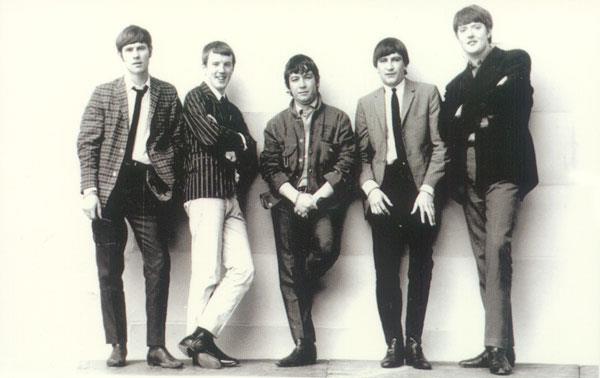
MORE FROM THE OTHER SIDE OF THE TRAX: VOLT 45 RPM RARITIES 1960-1964.
More From The Other Side Of The Trax: Volt 45rpm Rarities 1960-1968.
Nowadays, Pablo Picasso is regarded as one of the most important and influential artists in the history of art. Not only was he a painter, playwright, poet and printmaker, but a sculptor and ceramicist. Pablo Picasso also cofounded the Cubist movement, co-invented collage and invented constructed sculpture during his long and illustrious career. He was, without doubt, a revolutionary artist who was one of the most important figures in twentieth Century art. One of the most important periods of Pablo Picasso’s career was his Blue Period. However, it wasn’t just Pablo Picasso who enjoyed a Blue Period. So did Memphis-based Stax Records.
While Pablo Picasso’s Blue Period began in 1901 and lasted until 1904, Stax Records’ Blue Period lasted considerably longer. It began in June 1961, and lasted until March 1968. During that period, the famous blue label adorned a total of 225 singles that were released by Stax and Volt. These singles feature some of the best music Stax Records released between 1961 and its bankruptcy in 1975.
Sixteen years later, the 225 singles released by Stax and Volt during their Blue Period were released in 1991 as part of The Complete Stax/Volt Singles nine CD box set. This Magnus Opus also featured a selection of B-Sides from the Blue Period. Sadly, since then, the remainder of the Blue Period B-Sides have lain unreleased. That was until January 2016.
That was when Kent Soul, an imprint of Ace Records released The Other Side Of The Trax: Stax-Volt 45rpm Rarities 1964-1968, which featured twenty-four B-Sides from the Blue Period. Just over a year later, and Kent Soul return with the much-anticipated followup, More From The Other Side Of The Trax: Volt 45rpm Rarities 1960-1968. It features old friends, familiar faces and some new names.
Another twenty-four tracks feature on More From The Other Side Of The Trax: Volt 45rpm Rarities 1960-1968. This includes contributions from Stax royalty, including William Bell, Carla Thomas, Rufus Thomas, Eddie Floyd and The Mar-Keys. There’s also songs from Barbara andThe Browns, The Premiers, Barbara Stephens, The Four Shells and Sir Mack Rice. Some of the artists feature on more than one occasion, with William Bell, Carla Thomas and Rufus Thomas all featuring four times.
Opening More From The Other Side Of The Trax: Volt 45rpm Rarities 1960-1968 is Barbara and The Browns’ I Don’t Want Trouble. It was the B-Side of their third and final Stax single My Lover, which was released in April 1965. I Don’t Want Trouble was penned by Barbara Brown, and is a dynamic and irresistible dance track.
Three of William Bell’s four contributions were penned with Steve Cropper. They forged a successful songwriting partnership. An examples of this is What’cha Gonna Do, a defiant ballad that featured on the B-Side of Told You So in January 1963. Three months later, William Bell released Just As I Thought in April 1963 as a single. Tucked away on the B-Side was I’m Waiting On You where horns accompany his needy, hopeful vocal. In February 1964, William Bell released Who Will It Be Tomorrow as a single. On the B-Side was the heartfelt ballad Don’t Make Something Out Of Nothing. The final song from William Bell is One Plus One, which was written by Isaac Hayes and David Porter. It’s was the flip-side to Eloise (Hang On In There), when it was released in July 1967. One Plus One was tailor made for William Bell, who came into his own on this soul-baring ballad.
The Mar-Keys were formed in Memphis, in 1958, and became Stax’s house band in the label’s early years. Still, though, The Mar-Keys found time to enjoy successful recording career. In January 1963, The Mar-Keys released their eighth instrumental single Bo-Time, which featured The Dribble on the B-Side. Horns and a Hammond organ play leading roles in the sound and success of The Dribble, which showcases the considerable talents of The Mar-Keys. So does The Shovel, which was the B-side of Banana Juice when it was released in March 1965. Eight months later, in November 1965, The Mar-Keys released Grab This Thing Pt. 1 as a single. On the B-Side was Grab This Thing Pt. 2, where Steve Cropper’s searing guitar takes centre-stage on what was one The Mar-Kays’ finest singles.
The Premiers only ever released one single on Stax, Make It Me. Sadly, it failed to make any impression on the charts, and The Premiers left Stax. However, Make It Me was one of the first songs penned by Isaac Hayes and David Porter songwriting team. They also wrote the B-Side You Make A Strong Girl Weak. It’s an engaging, memorable and soulful reminder of another musical age, from The Premiers.
Having just signed to Stax, Eddie Floyd released Things Get Better (When I’m With You) in March 1966. It was a taste of what was to come from Eddie Floyd. So was Good Love, Bad Love which Eddie Floyd wrote with Al Bell. It’s a beautiful ballad that showcases a talented and versatile singer-songwriter, who would bring success Stax’s way.
Before Stax, there was Satellite, which Jim Steward and Estelle Axton founded in 1959. A year later, Carla and Rufus released Cause I Love You as a single. Atlantic Records on hearing the single, picked it up and released it on their Atco imprint. While Cause I Love You wasn’t the success Atlantic Records had hoped, it lead to them offering Stax a seven year distribution deal. This proved to be a game-changer for the nascent label. All this was possible because of Cause I Love You, which features a hidden gem of a ballad on the B-Side, Down Deep Inside.
Barbara Stephens released a trio of singles for Stax between October 1961 and March 1962. The second single was The Life I Live, which gave Barbara Stephens a hit locally. This resulted in Atlantic Records releasing The Life I Live nationally. Alas, the single failed to trouble the charts. Hidden away on the B-Side, was a Barbara Stephens composition I Don’t Worry. It’s a mid tempo slice of R&B which showcases a defiant, powerhouse of a vocal.
Carla Thomas never turned her back on Stax, despite receiving many offers from other labels. By the time she released Something Good (Is Going To Happen To You) in December 1966, she was an established artist. On the B-Side was the confessional ballad It’s Starting To Grow. It shows how Carla Thomas was maturing as a vocalist. In March 1968, Carla Thomas released confessional A Dime A Dozen. Hidden away on the B-Side was I Want You Back, a catchy and memorable mid-tempo track.
The Four Shells released their one and only single Hot Dog (My Baby’s Comin’ Home) on Volt in May 1966. On the B-Side was delicious dance track Reputation. Fifty-one years later, and it’ll still fill dance-floors on the Northern Soul scene.
Closing More From The Other Side Of The Trax: Volt 45rpm Rarities 1960-1968 is Carla Thomas’ Don’t Let The Love Light Leave. It’s the B-Side of A Woman’s Love, which was released in October 1964, and reached number thirty-nine on the US Billboard 100. Elements of R&B and gospel feature on Don’t Let The Love Light Leave while the future Queen of Stax delivers a hopeful, soulful vocal. One of Carla Thomas’ best songs it seems has been kept until last.
Following up the critically acclaimed compilation The Other Side Of The Trax: Stax-Volt 45rpm Rarities 1964-1968 was never going to be easy. Not only has compiler Tony Rounce has managed to so, but surpassed the quality of the first instalment in this series. That comes as no surprise, as Tony Rounce has compiled countless compilations. He also had a plentiful supply of Stax Records’ B-Sides that have never made it onto CD to choose from.
Twenty-four of them featured on More From The Other Side Of The Trax: Volt 45rpm Rarities 1960-1968. It features familiar faces, new names and plenty old friends. Some of these artists, including William Bell, Carla Thomas, Rufus Thomas, Eddie Floyd and The Mar-Keys enjoyed long and successful careers at Stax Records. Other artists enjoyed just a short stay at Stax Records. That proved to be the case for Barbara and The Browns, The Premiers, Barbara Stephens and The Four Shells. Despite playing only a walk-on part in the Stax Records story, they contributed towards the label’s legacy.
It was previously documented on a trio of box sets. The Complete Stax-Volt Singles 1959-1968 was released in 1991, with The Complete Stax/Volt Soul Singles, Volume 2: 1968-1971 following in 1993. Completing this overview of Stax Records’ musical legacy was The Complete Stax /Volt Soul Singles, Volume 3: 1972-1975 in 1994. These three box sets were the most comprehensive overview of the music released by the Stax Records’ family. Despite filling twenty-seven CDs, there wasn’t enough space for some B-Sides on these three lovingly compiled box sets.
While The Complete Stax-Volt Singles 1959-1968 covered every single released Stax Records’ Blue Period, only a selection of selection of B-Sides featured in the box set. Kent Soul, an imprint of Ace Record decided to rectify this with the release of The Other Side Of The Trax: Stax-Volt 45rpm Rarities 1964-1968 in January 2016. This was followed recently by More From The Other Side Of The Trax: Volt 45rpm Rarities 1960-1968. Both compilations are a reminder, if any was needed, of Stax Records’ Blue Period.
While Pablo Picasso’s Blue Period was a landmark period in his career, so was Stax Records Blue Period. It was when Stax and Volt released some of its best and most successful music. The famous blue label that adorned adorns the 225 singles that were released by Stax and Volt between June 1961 and March 1968 signifies quality soul music. This includes the twenty-four B-Sides on More From The Other Side Of The Trax: Volt 45rpm Rarities 1960-1968. They’re a reminder of what was a golden period for Stax Records, which nowadays, is regarded as one of soul music’s greatest labels.
More From The Other Side Of The Trax: Volt 45rpm Rarities 1960-1968.
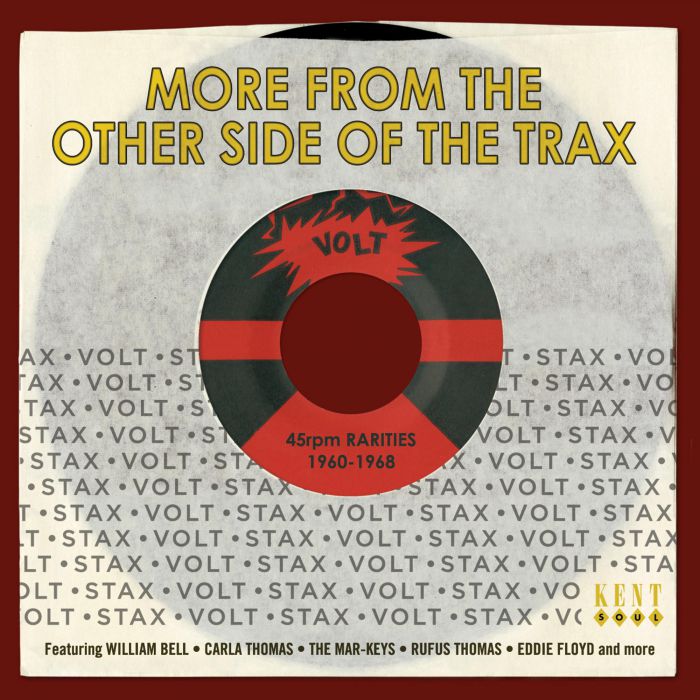




UZELLI PSYCHEDELIC ANADOLU.
Uzelli Psychedelic Anadolu.
By the early seventies, many Turkish people had moved to other parts of Europe in search of a better life. Some headed to Britain and France, settling in large cities like London and Paris. Others headed to Germany, and in particular Frankfurt. Soon, Frankfurt, like many other European cities, had a burgeoning Turkish community. While they found the better life that they were looking for, many of the Turkish community missed things that reminded them of home. That was until two brothers decided to open a shop in the early seventies.
This was the Uzelli brothers, who decided to open a shop that would sell reminders of home to the Turkish community. At first, they sold carpets, tea glasses and works of art that would proudly adorn the walls of the exiled Turks’ homes. This all proved popular within the Turkish community. So did the music that the Uzelli brothers sold from their shop.
When the Uzelli brothers first started selling music in their shop, it proved hugely popular. Soon, members of the Turkish community were regularly making their way to the Uzelli brothers shop, seeking the music that reminded them of home. This proved to be one of their most popular products. So much so, that the Uzelli brothers decided to dip their toes into the Turkish music industry.
Rather than just selling LPs and cassettes, the Uzelli brothers decided to found their own label in 1975. That was when Uzelli label was born. Little did the Uzelli brothers know that their nascent label would eventually become an international company.
Eventually, the Uzelli label would release 1,300 albums. At first, Uzelli’s albums were released on vinyl. This was the case until the late-nineties. However, by the mid-eighties, vinyl was no longer as popular so Uzelli started to also release albums on cassette. This changed in the late-eighties, when here was a decline in popularity of cassettes. While this affected many Turkish record companies, Uzelli had realised that CDs were the future, and opened a chain of record shops in Turkey. They were the latest addition to the Uzelli musical empire.
After a period of expansion, Uzelli owned warehouses and manufacturing plants in Turkey. The company had come a long way from the small shop in Frankfurt. What helped was that Uzelli weren’t resistant to change. That was the case when the digital revolution arrived. They were early adopters and nowadays, much of Uzelli’s back-catalogue is available digitally. Eventually, all of its Uzelli’s 1,300 album back-catalogue will be available digitally. Despite that, Uzellia also continue to release albums and compilations on CD.
The latest Uzelli CD release is Uzelli Psychedelic Anadolu, which features ten tracks released between 1975 and 1984. This period encompasses the heyday of vinyl and the beginning of cassette culture. Uzelli Psychedelic Anadolu also documents a period when Turkish music was changing, in more ways than one.
The story began in Turkey in the late sixties, when musicians started to combine traditional folk music with rock music. This became known as Anatolian rock. One of its founding fathers was Barış Manço who helped popularise this hybrid of Turkish folk and rock. Soon, other artists were following in the footsteps of Barış Manço, and Anatolian rock’s popularity was growing.
Gradually, the music began to evolve and head in different directions, including in the direction of psychedelia. However, Turkish psychedelia was very different from its American and British counterparts. Especially with the inclusion of electrified version of traditional Turkish instruments were introduced. This included the electrified bağlama, which became a favourite of many Turkish musicians during the psychedelic era. So would synths, including the Moog, which can be heard in many Anatolian psychedelic tracks, including some on Uzelli Psychedelic Anadolu.
The period that Uzelli Psychedelic Anadolu covers, proved a turbulent one of Turkey. During much of the seventies, there was conflict between right-wing and left-wing factions. Sometimes, this lead to violence, bloodshed and sadly, death. A total of 500,000 were arrested between the 1971 Coup by Memorandum and the coup d’état in 1980. It was lead by the Chief of the Turkish General Staff General Kenan Evren, and for the next three years, the Turkish Army ruled the country via the National Security Council. After that three year period, democracy was restored.
It was a traumatic time for the Turkish people. However, the political problems in Turkey provided inspiration for many Turkish musicians. This includes some of the ten tracks that feature on Uzelli Psychedelic Anadolu.
The ten tracks on Uzelli Psychedelic Anadolu feature songs from familiar faces and new names. They rub shoulders on Uzelli Psychedelic Anadolu. There’s contributions from Zor Beyler, Erkin Koray, Kerem Güney, Aşık Emrah and Elvan Sevil. That is not forgetting Akbaba İkilisi, Ünol Büyükgönenç, Neşe Alkan and Ali Ayhan. These artists play their part in a compilation that’s a perfect introduction to Turkish psychedelia… Uzelli Psychedelic Anadolu.
Opening Uzelli Psychedelic Anadolu is Intro the first of two tracks from Zor Beyler. They’re regarded as something of a mystery band. However, they released at least one album, Gozumdeki Yaslar in 1985. It doesn’t feature, the funky, driving, psych of Intro. Although less than two minutes long, this is something of a hidden gem that’s a reminder of Turkish music in the mid-eighties.
Zor Beyler’s second contribtion is Gözündeki Yaslarina, a track their 1985 album Gozumdeki Yaslar. Nowadays, it’s a real rarity, with copies changing hands for upwards of £100. Given the quality of Gözündeki Yaslarina, that comes as no surprise. It’s a genre-melting track where a myriad of musical influences and instruments are combined by Zor Beyler. This includes Anatolian folk, Arabian music, pop and psych. To this, they add futuristic, sci-fi synths, a myriad of subtle percussion and an electric bağlama. The result is a lysergic sounding, genre-melting song that’s a tantalising taste of Zor Beyler’s one and only album Gozumdeki Yaslar.
Erkin Koray is without doubt, one of the greatest Turkish guitarists. His career began in 1973, when he released his eponymous debut album. By the time of the 1980 coup, Erkin Koray was regarded as Turkey’s finest progressive rock guitarists. After the coup, Erkin Koray lived in exile in Germany, where he recorded his 1981 album Silinmeyen Hatıralar. It was one of Erkin Koray’s most psychedelic albums, and featured Öksürük (Cough). It’s a powerful poem full of social comment and funky guitar licks that is punctuated by coughs as Erkin Koray complains and protests about the recent events in Turkey.
In 1979, Kerem Güney was one of the leading lights of the Turkis music scene. He was a songwriter, arranger and owned his own record company. However, in 1970, Kerem Güney and Günesin Sofrasi decided to release an album together, Yetmez Mi Gönül. It’s an extremely rare album, with copies changing hands for in excess of £130. The songs on Yetmez Mi Gönül were based on the poems of revolutionary poet Sabahattin Ali. This included Sicak Bir Sevda (Isn’t Enough Heart), a powerful and lysergic fusion of psychedelic rock and progressive folk.
Very little is known about Aşık Emrah who contributes Bu Ellerden Göçüp to Uzeli Psychedelic Anadolu. That is a great shame, considering the quality of the song. Similarly, nothing is know about the musicians that accompanied Aşık Emrah on Bu Ellerden Göçüp. They’re certainly talented, and help Aşık Emrah seamlessly combine disparate musical genres and instruments. The result is a mesmeric and haunting backdrop for Aşık Emrah’s impassioned vocal on this hidden gem.
Elvan Sevil is best known as a film star in Turkey, but occasionally found time to dabble in music. Given her busy career, she released just two singles and a cassette album. Another song Elvan Sevil recorded was Yar Senin Için, which featured on the Uzelli compilation Pop Folk which was released in 1975. It’s the perfect showcase for the crystalline vocal of Elvan Sevil.
Brothers Müslüm and Hamza Akbaba were born in Turkey, but were living in Frankfurt when they formed Akbaba İkilisi. Initially, they played at weddings, christenings and bar mitzvahs. This was akin to a musical apprenticeship, and allowed them to hone their music. By the time their recording career began, their music was a fusion of Arabian music, funk and folk. That is the case on Seker Oglan, a track from their 1983 album Darıldım Darıldım, which is a tradition folk song given a psychedelic twist by kbaba İkilisi.
When Uzelli were compiling their Pop Folk compilation in 1975, one of the tracks the chose was Kaçma Güzel, which was the B-Side to Neşe Alkan’s single Dilo Dilo Yaylalar. Both songs were arranged and orchestrated by Zafer Dilek. Why Kaçma Güzel was consigned to the B-Side seems strange, given the quality of this beautiful song for a truly talented vocalist.
Closing Uzeli Psychedelic Anadolu is Bana Göre Kizlar Çok which Ali Ayhan recorded for his 1984 album Leylo. This was one of trio of albums Ali Ayhan recorded during the time he spent at Uzelli. Two of these albums were successful, which was a good strike rate for the one time Uzelli backing vocalist. However, he was always destined for greater things. Proof of that is Bana Göre Kizlar Wok. Ali Ayhan deliver a vocal masterclass while swathes of dancing strings, a wah-wah guitar and a Hendrix-esque bağlama solo accompany him. It seems that one of the finest moments on Uzeli Psychedelic Anadolu has been kept until last.
Having said that, the quality of music on Uzeli Psychedelic Anadolu is of the highest standard. It’s a case of all killer, no filler. This makes Uzeli Psychedelic Anadolu the perfect introduction not just to the Uzelli back-catalogue, but to Anatolian psychedelia.
Just like other genres of Turkish music, Anatolian psychedelia has been growing in popularity over the last few years. This is all part of the recent resurgence in interest in Turkish music. Still though, the majority of record and CD buyers are still unaware of Anatolian psychedelia, which sadly, is still one of music’s best kept secrets. Not any more, though.
Uzelli’s recent release of Uzeli Psychedelic Anadolu is the perfect introduction to Anatolian psychedelia. It’s an oft-overlooked genre, which has a myriad of musical delights awaiting discovery. The music on Uzeli Psychedelic Anadolu is just a tantalising taste of delights awaiting the newcomer to Anatolian psychedelia. A musical feast awaits them, and Uzeli Psychedelic Anadolu is the perfect amuse-bouche.
Uzelli Psychedelic Anadolu.


SIMRIT-SONGS OF RESILIENCE.
Simrit-Songs Of Resilience.
Ethereal, haunting, mesmeric and spiritual describes the beautiful, poignant and meditative music that features on Simrit’s album Songs Of Resilience. It was released on Simrit Kaur Music and went on to top the World Music Charts. This came as no surprise, as Simrit’s songs speaks to all of humanity, who can relate to the powerful music on Songs Of Resilience. It’s the latest album from the latest in a long line of talented Greek female vocalists…Simrit.
Her story began in Athens, Greece, where Simrit was was born into one of the city’s most important musical families. Sadly, circumstances dictated that her parents had to give up their newborn daughter for adoption, and Simrit was adopted by an American-Greek couple, who lived in South Carolina. That was when Simrit grew up and first discovered her love of music.
It has played an important part in Simrit’s life since childhood. Even before she went to pre-school, Simrit’s parents remember their daughter humming along to her own little tunes. It seems that even at such an early age Simrit was musically inclined.
This continued to be the case as Simrit grew-up. As she learnt traditional Greek dances, she can remember music playing in the background. Simrit can also remember learning the Greek language, and then singing in the Greek Orthodox Church choir. Even now, she can remember being fascinated and mesmerised by the chants and hymns that were part of the service.
Simrit recounts: “There was a specific system used to teach us the melodies and it made them very interesting to learn. Many are in these haunting minor keys, with this deep, mystical sound. I was steeped in that from the time I was really young. It’s still some of my favourite music and has had a huge impact on my work.” So would some of the other music that Simrit was listening to.
By then, Simirt was an aspiring musician, whose parents proved supportive. They paid for piano, drum and singing lessons. Meanwhile, Simrit had an eclectic taste in music, and was listening to everything from the dreamy rock of Mazzy Star, to singer-songwriters like Jeff Buckley, folk singer Loreena McKennitt, roots reggae and world music from the Mediterranean to the Subcontinent. This provided the backdrop for Simrit’s life as she finished high school.
Now college beckoned for Simrit. It was around this time that Simrit became interested in African drumming. This came after she heard the Ghanaian Odunde Ensemble at the Spoleto Festival. Simrit was captivated by the Ensemble. So much so, that: “I wanted so much to be a part of this. I approached the drum master from Ghana, though there weren’t a lot of European-heritage folks or women in the group. I said I’d never played this way, but I knew something about rhythm. They invited me to come to practice the next week, and they gave me a djembe and some rhythms. I was hooked.” For Simrit this was a turning point.
Since then, Simrit has incorporated her passion for West African drumming into her own music. She has been inspired by several drum masters, including American kora player Salif Bamakora, who was originally born Gordon Hellegers. He later studied in Mali with drum masters Toumani and Madou Sidiki Diabate, Karamo Susso and Yacouba Sissok. They influenced Salif Bamakora who in turn, has been a big influenced on Simrit. Salif Bamakora’s influence can be heard on Nana, which is a reworking of an old Manding song Salif was taught as a student. This has been dedicated to Salif’s grandmother, and is a truly poignant song and features one of the things that has influenced Simrit.
Apart from West African drumming, Simrit has been inspired and influenced by the songs, tales, mantras and excerpts from devotional literature that have been gathered by religious leaders over hundreds and thousands of years. These texts are usually recited or sung as part of the worship process and are used for guidance. They’re also used widely by yoga practitioners. That was where Simrit first encountered the poems and mantras.
The first time that Simrit encountered the poems and mantras was during a Kundalini yoga class. The songs which have been based on the Gurmukhi-language works play a role in the practice of Kundalini yoga. These songs affect both the singer and listener physically. They change the way they think feel and think. “Simrit explains that: “This music changes consciousness, and that is where we can start. For the world to shift into a potentially peaceful place, we must start with ourselves first.” Before long, the mantras and yoga began to play a bigger part in Simrit’s life.
At first, yoga played a much more important part in Simrit’s daily life. Gradually though, Simrit began to spend more time listening to the mantras, and they began to influence her daily life. She remembers: “I started to listen to some mantras at the time. I really loved the repetitive nature. It reminded me of Byzantine music. A light came on. I realised I could contribute my talents. I could bring something really powerful to this.”
It was then that Simrit had an epiphany. If she were to incorporate the mantras into her own music, it had the potential to subtly transform the music that she was making. This lead to Simrit writing her own songs. Soon, she decided to perform both her new and the traditional songs at various workshops and gatherings that brought the yoga community together. Not long after this, Simrit began hearing and working on new arrangements for her music. By then, yoga and mantras were part of everyday life for Simrit.
Over the next few years, Simrit dedicated herself to music. Still though, yoga and the mantras were part of her daily routine as Simrit’s recording career began.
Simrit released her debut album The Sweetest Nectar to critical acclaim in June 2010. Just over three years later, Simrit returned with much-anticipated The Oracle Sessions. This beautiful, powerful album received praise and plaudits upon its release. So did Simrit, when it was released in July 2014. It was an enchanting album that featured the voice of an angel. A year later, came From the Ancient Storm which was released in July 2015 and hailed as a career defining album. By then, Simrit was topping the World Music charts. Now she had to do all over again on Songs Of Resilience.
For Songs Of Resilience, Simrit wrote five new songs and cowrote the three others that would feature on the album. She wrote Clandestine with Salif Bama Kora and Kenny Childers. Nana was adapted from the traditional Manding Song, and was written by Samrit, Salif Bama Kora and Rowen White, while Still I Cry was penned by Samrit and Kenny Childers. These eight songs would eventually become Songs Of Resilience.
Recording of Songs Of Resilience took place at Primary Sound Studios, in Bloomington, Indiana. Veteran rock and Americana producer Paul Mahern was drafted in to record the album, while Mahan Kalpa Singh took charge of production. Joining Simrit was a versatile and talented band.
This included a rhythm section of drummer and percussionist Devon Ashley who also played conga and pueblo log drum; bassist, pianist and slide guitarist Heidi Gluck and Kenny Childers who switched between electric and acoustic guitars. They were joined by Jason Wilber who also played acoustic guitar. Meanwhile, cellist Shannon Hayden took charge of electronics, while Mahan Kalpa Singh added treatments and played the pueblo log drum. Salif Bama Kora who had been such a big influence on Simrit, played kora, pueblo log drum and conga. Simrit added vocals and played harmonium and mellotron. Gradually, Songs Of Resilience took shape and was ready for release in America in September 2016.
On its release, Songs Of Resilience topped the World Music Charts. It even reached number three in the prestigious US Billboard World Music charts and reached number one in iTunes World Music charts. For Simrit, Songs Of Resilience was the most successful album of her five album career. That was no surprise given the quality of music on Songs Of Resilience.
Prithvi Hai opens Songs Of Resilience is a driving folk rock track. It’s also a song that Simrit says can bring: “deep peace, balances left and right hemispheres of the brain, and re-aligns the mind.” Chiming, chirping guitars combine with the rhythm section and create the perfect backdrop for the ethereal beauty of Simrit’s vocal. It captivates, as it soars high above the arrangement. Then when it drops out, a wistful cello adds a contrast. Soon, though Simrit’s tender, heartfelt vocal returns, and is accompanied by weeping and strummed guitars. They add an atmospheric accompaniment. Especially when joined by the cello and later pueblo log drums. Together, they create a beautiful, mesmeric and dreamy backdrop for Simrit on this elegiac and ruminative song,
An acoustic guitar is panned left, while electronics are panned right on Clandestine. Before long, the kora is added and the arrangement meanders along. Soon, the rhythm section usher in Simrit’s wistful and emotive vocal, and she delivers the cinematic lyrics. Meanwhile, hypnotic drums never miss a beat and combine with guitars, a pueblo log drum and kora. Sadness fills Simrit’s voice as she sings: “I look and can’t be seen, I listen and can’t be heard, I reach and can’t be grasp.” Later, comes the realisation that: “we return to nothing.” It’s a poignant truism, that’s framed by melancholy strings and flourishes of kora. There’s even a roar, that soars above the captivating arrangement. Then Simrit repeats the thoughtful refrain “we return to nothing” on this melodic, memorable and cerebral song.
Slowly the atmospheric arrangement to Pavan Guru meanders and sways along. A less is more approach is taken to the arrangement, allowing Simrit’sl elegiac vocal to take centre-stage. That’s where it belongs. Meanwhile, a drum provides the heartbeat, while percussion, shimmering, chirping and weeping guitars accompany Simrit. Later, the cello adds a rueful contrast. Mostly, though, there’s an air of positivity as the arrangement sweeps along, accompanying a beautiful, ethereal vocal during this uplifting song that Simrit believes: “increases the life force energy in a person.”
The focus of the mantra Ad Such Simrit says: “is to help remove blocks when you get stuck and help get you moving.” As the arrangement unfolds, it’s understated. Gradually, though, it builds as a rumbling bass joining the kora, guitar and harmonium. They accompany Simrit’s tender, heartfelt vocal. Later, a cello plays adding a melancholy sound, before the vocal drops out. This allows Simrit’s band to showcase their considerable skills. Then when her vocal returnsm its full of emotion, as it soars elegiacally above the arrangement. It features a captivating combination of disparate instruments that combine create a heart-wrenching and beautiful accompaniment to Simrit on this inspirational and meditative mantra.
Nana is a poignant song that was dedicated to Salif Bama Kora’s grandmother. It features one of Simrit’s finest vocals. Before that, acoustic guitars and the kora combine with clip clop percussion as the arrangement flows alongs. Soon, a ruminative cello interjects and is joined by a bass before Simrit delivers a powerful, impassioned vocal. As it soars above the arrangement it briefly quivers, before becoming clear and crystalline. Then when it drops out, the band fill the void, as drums pound and join a kora, cello and percussion. Soon, Simrit returns, and delivers a vocal masterclass, as she reaches new heights on this heartfelt homage to Nana.
The origins for Song Of Bliss can be found in a sixteenth century Gurmukhi hymns. It’s totally transformed, but retains its spiritual sound. Thunderous drums provide the backdrop for Simrit as she delivers her mantra. Soon, instruments are being added to the arrangement as it builds. This includes a guitar, percussion, kora and cello. Taking centre-stage is Simrit’s vocal, which veers between heartfelt and tender to impassioned and spiritual. Behind her cymbals crash and rinse, while drums play and the mournful lament of the cello plays. It’s joined by flourishes of kora as the arrangement builds, and reveals its secrets and subtleties and heads towards its crescendo. In doing so, they add to what is without doubt a spiritual sounding Song Of Bliss from the truly talented Simrit.
At just under three minutes, Still I Cry is the shortest song on the album. It’s also one of the most beautiful. As a piano plays, Simrit delivers a soul-baring vocal on this song about love lost. Meanwhile, the rhythm section play slowly and a cello sweeps, adding to the sense of sadness as the arrangements waltzes along. All the time, Simrit lays bare her hurt and heartache for all to hear on what’s without doubt, one of the highlights of Songs Of Resilience. It features the sound of a heartbroken angel.
Sat Narayan closes Songs Of Resilience and is a mantra that’s: “chanted to create inner peace.” A strummed guitar accompanies Simrit’s ethereal vocal as she delivers her mantra. Soon, washes of sound quiver and shiver, but they’re sculpted so that they become part of the arrangement. By the time they drops out, the rhythm section have joined and play slowly and deliberately. Later, Simrit adds elegiac harmonies before continuing to deliver a tender, heartfelt and elegiac vocal. By then, Simrit and her band have combined to create a dreamy, ruminative backdrop as she delivers her mantra and message of positivity. It’s a beautiful and uplifting way to close this captivating album.
Songs Of Resilience is, without doubt, the finest album of Simrit’s five album career. She’s well on her way to becoming one of the biggest names in world music, after Songs Of Resilience topped the charts. That comes as no surprise, given the quality of music on this carefully crafted album.
That is the perfect way to describe Songs Of Resilience. It features music that veers between dreamy, elegiac and ethereal to haunting, mesmeric, meditative and spiritual. Sometimes, the mantras on Songs Of Resilience veer between inspiring and uplifting, to melancholy, poignant and wistful. Other times, the songs are ruminative and invite reflection. Often, they’re cerebral and thought provoking. Always though, the music on Songs Of Resilience are memorable, melodic and proves to be captivating, compelling and beautiful. That’s why Songs Of Resilience is a powerful, career-defining album from Simrit, whose a truly talented singer, songwriter and musician who is destined for greatness.
Simrit-Songs Of Resilience.




KREIDLER-EUROPEAN SONG.
Kreidler-European Song.
Ever since the late sixties, Düsseldorf has had a thriving, vibrant and eclectic music scene. In the early days, the heart of the Düsseldorf music scene was in the Old Town. This was a bohemian area, full of students and people who were interested in art, literature and music. Many young musicians gravitated towards the Old Town, looking for likeminded people. Soon, they were forming bands together, and began to write a new chapter in German music.
Especially between 1969 and 1986, when Düsseldorf became synonymous with electronic music. This was a golden age for electronic music. Some of the best, and most innovative electronic music that was released during this period, came out of Dusseldorf. This music went on to influence several generations of bands. The same can be said of many other bands whose roots can be traced to Düsseldorf.
This includes Kraftwerk, Kluster, Cluster, Neu!, La Düsseldorf, DAF, Der Plan and Die Krupps. Their roots can be traced to Düsseldorf. So can Kreidler’s who were formed in Düsseldorf in 1994, by Thomas Klein, Andreas Reihse, Detlef Weinrich, and Stefan Schneide. This was the start of a three decade musical adventure for Kreidler.
Twenty-three years later, and Kreidler are still together. The only change in the lineup came in 1998, when Stefan Schneider left to form To Rococo Rot. The bassist was replaced by Alexander Paulick of Coloma and Narrow Bridges. That has been the lineup of Kreidler ever since.
Nineteen years later, and Kreidler continue to combine electronic and analog instruments to create their own unique, genre-melting sound. It’s featured on twelve studio albums so far. Soon, twelve will become thirteen when Kreidler release their new album European Song on the Bureau B label on the 7th of April 2017. European Song is very different album than Kreidler had originally envisaged.
The story began in early 2016, when Kreidler decided to begin work on the followup to ABC, which was released in 2014. To record the album, Kreidler flew to Mexico City. That was where the band began recording an album that had a much lighter, more minimalist and playful sound than their recent albums. It looked like Kreidler were going to showcase a very different side to their music. However, this changed after the events of November ‘8th’ 2016.
The four members of Kreidler had followed the US Presidential election closely. When Donald Trump triumphed over Hilary Clinton, this came as a shock to the members of Kreidler. They weren’t convinced by his “man of the people” approach to politics. Instead, Kreidler saw this as yet another example of what was wrong with the world. This would add to the uncertainty, violence and xenophobia that was spreading across parts of Europe.
This had already happened in Britain, after the country voted to leave the EU. Meanwhile, other parts of Europe lurched to the right. Right wing extremists were making their presence felt in Turkey, Russia and Hungary. It was a similar case in Germany, Holland and France. Kreidler were horrified as they watched these events unfold. They still hadn’t finished their new album, so decided to write new tracks that had been inspired by the events in America and Europe.
Having written these new tracks, Kreidler entered the studio in late 2016. They had just returned from a short tour, and were playing better than ever. It was perfect timing for Kreidler as they returned to the studio.
Drummer Thomas Klein was joined by bassist and guitarist Alexander Paulick. Detlef Weinrich was responsible for electronic sequences and Andreas Reihse for synthetic soundscapes.As recording began, Kreidler’s playing was tight as they improvised on the five tracks that became European Song. Once they were completed, neither overdubbing nor post-production was required. All that was needed was some editing to tighten the mixes and remove some of the rough edges. Now European Song was ready for release on ‘7th’ April 2017, by the Hamburg based Bureau B label.
As Boots opens European Song there’s a sense of drama and urgency. Metallic sounds reverberate, while a growling, mesmeric bass synth joins jangling ethnic percussion. This is ironic, as
Kreidler is about to replicate sonically the rise of the far right across Europe. Soon, sci-fi synths briefly interject, They drop out, but soon return. Still, the slow, mesmeric soundscape continues to build. So does the drama, urgency and tension. Later, futuristic, shimmering sounds warns of danger ahead. The danger is the far right, as its tentacles spreads further across Europe. By then, the tension, drama and darkness has grown. It continues to build, just like the far right, marches along relentlessly across Europe. Boots is a ruminative reminder of the changing political climate, and its potential ramifications.
Urgent stabs of dark synths join crisp drums on Kannibal, and create a hypnotic backdrop. Soon, the drums gallop and the tempo rises. Washes of eerie synths join the galloping drums and later, sinister chants are added. Although there’s a darkness to the music, it’s melodic. Later, snarling, growling sounds can be heard, as Kreidler replicate Europe eating itself on a this captivating soundscape full of social comment.
The arrangement to Coulées scurries along, with a myriad of percussion and synths replicating the sounds of machines. Soon, it sounds as if Kreidler have brought Kraftwerk’s Man Machine to life. It becomes part of an alternative electronic symphony. Bells ring while buzzes, beeps, squeaks, industrial sounds join with a plucked bass and pounding drums. By then, the Man Machine is dancing. What to though? Surely not to the tune of politicians who have transformed Europe political landscape? Meanwhile, drums crack, seesaw strings are scrubbed, a bass is pounded and industrial sound punctuate the soundscape. All the time, sounds flit in and out, playing their part in an electronic symphony that’s melodic and cinematic.
Drums pound, percussion jangles and joins jarring sounds on Radio Island. Soon, they’re joined the crackling sound of radio that’s not been tuned properly. They’re part of galloping, genre-melting soundscape. Always there’s an urgency and intensity to this pulsating, bristling soundscape. It’s as if it could explode at any minute. Meanwhile, sounds continually flit in and out. This includes a whining, whistling sounds and the hopeful beep of a synth. At the heart of the arrangement are drums, percussion and synths. They drone, beep, squeak, whine and crackle as the drums power the soundscape relentlessly along. All the time, sonic adventurers Kreidler sculpt this myriad of disparate sounds and instruments to create an urgent, bristling and dramatic thirteen minute epic soundscape.
No God closes European Song. Swells of shrill synths shriek, but soon, are replaced by thunderous drums, edgy harmonies and a crackling. Midway through the soundscape the shrill synths return, and are joined by eighties synths. They provide a contrast to the drama created by the thunderous drums. Still, crackling sound, punchy harmonies and stabs of synths are and sci-fi sounds added. Later, ethereal sounds rain down and are joined by the harmonies. Soon, they’re replaced by pounding drums, sci-fi sounds and punchy, edgy harmonies as the drama builds and defiantly, Kreidler proclaim there’s No God.
After five carefully sculpted soundscapes lasting thirty-six minutes, Kreidler’s captivating new album European Song is over. Kredler it seems have concentrated on quality rather than quantity. This has worked well for Kreidler as there isn’t a weak soundscape on European Song. It’s one of the best album Kreidler have released in recent years.
On European Song, Kreidler combined elements of avant-garde, Berlin School, DarkPop, electronica, experimental, industrial and Krautrock. It’s a potent musical mixture, and one that Kreidler have spent the last twenty-three years honing. However, on European Song they reach new heights on what’s one of the most important albums of recent years.
European Song was inspired by the changing political climate in Europe and America, at the end of 2016. This resulted in a very different album to the one Kreidler began to record in Mexico City. It was replaced by European Song, which featured what’s described as five “apocalyptic soundscapes.” They’re thought provoking and full of social comment. The music on European Song also ruminative and invites reflection at the change in the political landscape. That is just part of the story of European Song.
The five genre-melting soundscapes on European Song are variously dark, dramatic, futuristic, hypnotic and mesmeric. Other times, there’s an immediacy and an urgency to the music on European Song. Always though, the music is captivating, cinematic and melodic. European Song is also a thought-provoking album full of social comment, where Kreidler create compelling cinematic soundscapes and in the process, reach new musical heights.
Kreidler-European Song.
JUNIOR PARKER-LIKE IT IS AND HONEY-DRIPPIN’ BLUES.
Junior Parker-Like It Is and Honey-Drippin’ Blues.
After spending twelve productive and successful years at Duke Records, thirty-four year old Memphis bluesman Junior Parker parted company with the label in 1966. By then, Junior Parker had released thirty-five singles and one album for Duke Records. While ten of these singles went on to become hits, it was Driving Wheel in 1961 that gave Junior Parker the biggest hit single of his career. Five years later, in 1966, and Junior Parker was looking for a new record label.
Before long, several labels were keen to sign Junior Parker. That was no surprise as Junior Parker was one of the most successful bluesmen of the sixties. He had carved his own niche in an ever changing musical landscape. Junior Parker wasn’t a blues belter, who hollered, shouted and screamed. Instead, Junior Parker’s honey toned vocals were much more soulful, and an attractive proposition for record companies at a time when blues music was no longer as popular as it had once been.
Many blues musicians were struggling to make a living by 1966, and were finding it tough to adapt to the changes in musical tastes. Rock was now the most popular musical genre. Many venues that blues musicians played at, now hosted rock groups. Meanwhile, blues players were relegated to playing smaller, run-down clubs. Despite that, many blues musicians stubbornly refused to adapt their music. That accusation couldn’t be levelled at Junior Parker, and his soulful take on the blues.
Given how popular it was, several record companies were fighting for Junior Parker’s signature. One of the labels was Mercury Records, who were expanding their R&B roster. They had already had signed Jerry Butler and Dee Dee Warwick. If they could sign Junior Parker this would the icing on the cake. Eventually, Mercury Records won the race for Junior Parker’s signature, and he signed a two album deal. Soon, Junior Parker began work on his sophomore album Like It Is, which was recently reissued by alongside Honey-Drippin Blues by BGO Records. This two album set documents a new chapter in Junior Parker’s career, which began with Like It Is.
Like It Is.
With the ink dry on his Mercury Records’ contract, Junior Parker began work on what would become his sophomore album Like It Is. He was assigned Bobby Robinson to produce what would the long-awaited followup to Junior Parker’s 1962 debut album Driving Wheel.
For Like It Is, Junior Parker penned Sometimes I Wonder, and covered the traditional song Country Girl. The rest of the album consisted of cover versions. This included Ted Jarrett’s You Can Make It If You Try;Memphis Slim’s You Can Make It If You Try; Cleve Reed’s Hey Lawdy Mama and Bobby Robinson’s (Ooh Wee Baby) That’s The Way You Make Me Feel. They were joined by Ray Charles’ Come Back, Baby, Pearl Wood’s Just Like A Fish; Percy Mayfield’s Baby, Please; Dan Greer’s You Ain’t Got No Heart and Cracked Up Over You, a Don Dryant and Ray Harris composition. These twelve tracks would become Junior Parker’s Mercury Records’ debut Like It Is.
To record Like It Is, Junior Parker returned to Memphis in August 1966. He would spent the next two months recording Like It Is at the famous Royal Studios. Joining Junior Parker were producer Bobby Robinson and some of Memphis’ top session musicians.
This included a rhythm section of drummer Sam Greason, bassist Mike Leech plus guitarists Reggie Young and Tommy Cogbill. They were augmented pianist Joe Hall and organist Bobby Emmons. The horn section featured the legendary producer Willie Mitchell and Gene ‘Bowlegs’ on trumpet; Jimmy Mitchell on baritone saxophone and tenor saxophonist Fred Ford. It was an impressive array of talent that helped Junior Parker move further away from R&B and blues, towards the much more soulful and sophisticated sound that featured on Like It Is. This had a much wider appeal given the decline in popularity of the blues.
Although Like It Is was completed by September 1966, Junior Parker’s sophomore album wasn’t released until 1967. By then, five years had passed since Junior Parker had released his debut album Driving Wheel in 1962. Five years was a long time in music. Junior Parker’s music had changed since then.
Critics welcomed Junior Parker’s move away from R&B and the blues and towards soul on Like It Is. However, Junior Parker doesn’t turn his back on the blues. Like It Is features R&B, blues and soul. It’s a much more cohesive album than his debut album Driving Wheel, and allows to Junior Parker put his honey toned vocal to good use throughout Like It Is. In doing so, he breathes life, meaning and emotion into the lyrics. Meanwhile, his all-star band provide the perfect backdrop for Junior Parker’s vocal. That is the case throughout Like It Is.
It’s the bluesy shuffle of Country Girl that opens Like It Is. Soon, though, Junior Parker is putting his velvety vocal to good use on the soulful ballad You Can Make It If You Try. There’s a similar soulful quality to Junior’s vocal to Wish Me Well, while his all-star band reinvent the song and create an urgent bluesy backdrop. The tempo then rises on Hey Lawdy Mama as Junior Parker delivers a hurt filled, despairing vocal. Then on Sometimes I Wonder, Junior’s vocal becomes rueful and ruminative, before becoming soul-baring on (Ooh Wee Baby) That’s The Way You Make Me Feel and needy on Come Back, Baby. After that, it’s all change.
Just Like A Fish is a much more uptempo track. Stabs of horns and a bluesy guitar accompany Junior Parker on this driving blues. Very different is Baby Please, which features a melancholy, wistful and emotive vocal from Junior. It’s one of his finest vocals on Like It Is. Junior then tells it Like It Is on You Aint Got No Heart, which features an outpouring of frustration during this far from flattering portrayal of the woman he once loved. Closing Like It Is Cracked Up Over You, a catchy and impassioned paean that ends the album on a high.
Given the quality of music on Like It Is, executives at Mercury Records must have thought that they were about to release a successful album in 1967. However, Like It Is to failed to even trouble the charts. It was a disaster for Junior Parker. Executives at Mercury Records were left wondering what had gone wrong?
In July 1967, Mercury Records released the non-album track I Can’t Put My Finger On It as a single. It entered the US R&B charts, but stalled at forty-eight. Three months later, in October 1967, Junior Parker released cover of Percy Mayfield’s What A Fool I Was. However, the single sunk without trace. For Junior Parker this had serious repercussions.
At a meeting in 1968, Junior Parker was told that he was moving from Mercury Records, to the newly rejuvenated Blue Rock imprint. It was founded in the early sixties, and closed its doors in 1966. Two years later, producer and A&R man Jack Daniels was given the job of running the label.
For his Blue Rock debut, Junior Parker worked with legendary Louisiana producer Huey Meaux. He produced the single Your Loves Over Me which was released on Mercury Records, in March 1968. When the single failed commercially, it was another disappointment for Junior Parker.
Seven months later, and Junior Parker returned in October 1968 with Lovin’ Man on Your Hands. Just like Junior Parker’s two previous singles, Lovin’ Man on Your Hands didn’t come close to troubling the charts. For Junior Parker it was yet another disappointment.
As 1969 dawned Junior Parker released Lover To Friend as a single. Despite its quality, the single flopped. Eventually, Junior Parker’s luck changed in May 1969, when he released Ain’t Gon’ Be No Cutting Aloose. It reached forty-eight in the US R&B charts. While this was only a minor hit single, it was enough to convince Blue Rock to release another Junior Parker album, Honey-Drippin’ Blues.
Honey-Drippin’ Blues.
This time, there was no need for a trip to Royal Studios in Memphis. Instead, Blue Rock decided to combine four unreleased songs with the five singles that Junior Parker had released between August 1967 and May 1969. This would become Junior Parker’s third album, Honey-Drippin’ Blues.
The six singles included Percy Mayfield’s What A Fool I Was, which was released in August 1967. It was joined by Your Love’s All Over Me, which was released in March 1968 with It Must Be Love on the B-Side. Seven months later, Lovin’ Man On Your Hands which featured Reconsider Baby on the flip-side was released in October 1968. Then in January 1969, Junior Parker released Lover to Friend with I Got Money on the B-Side. Ain’t Gon’ Be No Cutting Aloose was released in May 1969, with I’m So Satisfied tucked away on the B-Side. These nine tracks were joined by four new songs.
This included Jesse Stone’s Easy Lovin’ and Can’t Keep a Good Woman Down which was penned by Barry Despenza, Carl Wolfolk and Riley Hampton. They were joined by A. Smith’s You’re The One and Doug Sahm’s Your Bag Is Bringing Me Down. Along with the five singles, they became Honey-Drippin’ Blues.
Before the release of Honey-Drippin Blues, Easy Lovin’ was released as a single in August 1969, but failed to chart. This didn’t augur well for the release of Honey-Drippin Blues later in 1969.
When Honey-Drippin Blues was released in late summer of 1969, the album didn’t even come close to troubling the lower reaches of the US R&B charts. For Junior Parker, the failure of Honey-Drippin Blues was a disaster. By October 1969, Junior Parker parted company with Mercury Records. His swan-song was the hidden gem Honey-Drippin Blues.
There’s much to commend Honey-Drippin Blues. Especially the opening track Easy Lovin’ and Im So Satisfied which feature Junior Parker at his most soulful. He then delivers a heartfelt, emotive vocal on the mid-tempo You Cant Keep A Good Woman Down. It features horns and strings that compliment Junior’s melancholy vocal. The tempo drops on the bluesy ballad You’re The One, where Junior delivers a needy, tormented vocal. Lover To Friend showcases the soulful stylings of Junior Parker. Not only does he delivers a vocal that’s filled with frustration and sadness, but plays blues harmonica. Your Bag Is Bringing Me Down which closed the first side of Honey-Drippin Blues finds Junior Parker at bluesy best.
Aint Goin Be No Cutting Aloose was produced by Jack Daniels and is memorable slice of R&B that should’ve given Junior Parker more than a minor hit single. It gives way to Lovin Man On Your Hands, a brassy slice of soul. The soul continues on Your Love’s All Over Me, which was produced by Huey Meaux. There’s a drop in tempo on What A Fool I Was, where Junior delivers a hurt-filled vocal. Very different from what’s gone before is I Got Money, a uptempo soulful song. It Must Be Love closes Honey-Drippin Blues. is another Huey Meaux production. With a Hammond organ and harmonies for company, Junior Parker delivers this heartfelt paean which finds him at his most soulful. Just like so often is the case, the best has been saved until last.
After just three years at Mercury Records, Junior Parker parted company with the label. It was a case of what might have been. Junior Parker was changing direction, and moving away from blues and R&B towards a much more soulful sound. This features throughout Like It Is and Honey-Drippin Blues which were recently reissued by BGO Records. However, Junior Parker wasn’t willing to turn his back on blues and R&B entirely. To some extent, this makes sense as he didn’t want want to alienate his existing fans.
That was all very noble. However, blues music was no longer as popular as it had once been. Maybe to rejuvenate his career and enjoy longevity, Junior Parker needed to change direction musically. If he didn’t, he risked becoming irrelevant musically. That never happened though.
Instead, Junior Parker died whilst undergoing brain surgery on November the ’18th’ 1971. Junior Parker was just thirty-nine. By the time of his death, Junior Parker had enjoyed seventeen hit singles. Sadly, many of them were only minor hits. Junior Parker never reached the heights that his music deserved.
Things might have turned out very differently if Junior Parker had lived longer. Most likely he would’ve completely reinvented his music and gone onto to enjoy a long and successful career. He certainly wouldn’t followed in the footsteps of BB King, and spent a lifetime playing the same songs in the same way. Junior Parker was much better than that. Sadly, Junior Parker never lived long enough to completely reinvent his music.
The reinvention of Junior Parker’s music began in 1967 on Like It Is and continued up until the release of Honey-Drippin Blues in 1969. Both these albums are oft-overlooked hidden gems in Junior Parker’s back-catalogue. Sadly, it’s only relatively recently that Like It Is and Honey-Drippin Blues began to receive the recognition that they so richly deserved.
Junior Parker-Like It Is and Honey-Drippin’ Blues.
JOHN WETTON-A LIFE MAKING MUSIC.
John Wetton-A Life Making Music.
On the ’31st’ of January 2017, John Wetton passed away in Bournemouth, Dorset aged just sixty-seven. Music had lost another of its most talented and successful sons. John Wetton had enjoyed success with seven bands and as a solo artist. His career began with Mogul Thrash, before he joined Family, King Crimson, Uriah Heep and then progressive rock supergroup UK. Next stop for John Wetton, was Wishbone Ash, before he joined another progressive rock supergroup, Asia. Their first two albums sold in excess of nine million copies. By then, John Wetton was one of the most successful musicians of his generation. This success would continued right up until John Wetton’s death, in his adopted home town of Bournemouth.
Despite spending much of his time in Bournemouth, John Wetton was born on the ’12th’ June 1949, in Willington, Derbyshire. However, during John’s childhood, the Wetton family moved to Bournemouth. That was where John discovered music and later, would serve his musical apprenticeship.
It was also in Bournemouth that John Wetton first met Richard Palmer-Jones. They were members of The Corvettes, The Palmer-James Group, Tetrad, and Ginger Man. After that, John Wetton joined Mogul Thrash. That’s where he made his breakthrough.
Mogul Thrash-Mogul Thrash.
Mogul Thrash were a progressive rock band, who had evolved out of Brotherhood. They released their debut single Sleeping in the Kitchen in 1970. Then a year later, Mogul Thrash released their eponymous debut album in 1971. It was produced by Steampacket founder Brian Auger. On its release, Mogul Thrash was well received by critics. The future looked bright for Mogul Thrash. Sadly, that wasn’t the case.
As Mogul Thrash was released, the group were locked in a legal battle with their management. It didn’t end well. Mogul Thrash had no option but to disband. So, 1971s Mogul Thrash proved to be group’s only album. For bassist John Wetton, and the rest of Mogul Thrash, this was a huge disappointment. Mogul Thrash looked like they were going places. Luckily, Family were looking for a bassist.
John Wetton fitted the bill. Not only could he play bass, but he was a guitarist and vocalist. So, the multitalented twenty-two year old joined Family. He played on their next two albums, starting with Fearless
Family-Fearless,
Family’s fifth album, was released on 29th October 1971. This marked John Wetton’s Family debut. He played bass, guitars, and keyboards. Family were almost getting three musicians for the price of one. He would more than play his part in Fearless’ sound and success.
On its release, Fearless was well received by critics. The new lineup of Family seemed to have gelled quickly. Fearless was littered with highlights, including Spanish Tide, Save Some for Thee and Take Your Partners. So, it’s no surprise that Fearless sold well.
After its release, Fearless climbed the British and American charts. Eventually, it reached number fourteen in Britain and number 177 in the US Billboard 200. This was a first for Family. Never before had any of their albums charted in America. John Wetton it seemed, was Family’s good luck charm.
Bandstand.
After the success of Fearless, Family returned to the studio, and recorded Bandstand at Olympic Studios, London. This was where they had recorded Fearless. Just like Fearless, Bandstand was produced by George Chkiantz and Family. However, it marked a change in style for Family.
Bandstand was released in September 1972. It marked a stylistic departure for Family. Their music moved towards the mainstream. Partly, this was because Roger Chapman and Charlie Whitney had accepted the standard method of songwriting. It made life a lot easier. However, this move towards the mainstream risked alienating Family’s fans.
Prior to Bandstand’s release, critics had their say. Critics liked Family’s more mainstream sound. The album was released to near critical acclaim. A few contrarian critics disagreed. However, the people that mattered were the record buying public.
As Bandstand hit the shops, the members of Family wondered how their new sound we he received? When the dust settled, Bandstand had reached number fifteen in Britain and number 183 in the US Billboard 200. This was almost the same as Fearless. It seemed their new sound had neither lost, nor gained, Family any new fans. However, before long, Family had lost their bassist.
By 1972, John Wetton had attracted the attention of King Crimson. They were prog rock royalty, and one of the biggest and most innovative bands of the prog rock era. So, when John was asked to join King Crimson, he couldn’t say no. He made his debut on Larks’ Tongues In Aspic.
King Crimson-Larks’ Tongues In Aspic.
Larks’ Tongues In Aspic was King Crimson’s fifth album. The album marked an almost new lineup of King Crimson. This was the third lineup in the group’s history. Joining Robert Fripp were bassist John Wetton, ex-Yes drummer Bill Bruford, percussionist Jamie Muir and David Cross, who played violin, viola, Mellotron, electric piano and flute. This new lineup saw the band head in a new direction.
King Crimson incorporated different instruments, including percussion and African mbira. They moved away from their jazz sound, to a fusion of progressive rock and experimental music on what became Larks’ Tongues In Aspic.
It was released in March 1973, to critical acclaim, reaching number twenty in the UK and number sixty-one in the US Billboard 200. With a new lineup and having released their strongest album in recent years, King Crimson looked as if they were about to become one of the biggest bands of the early seventies.
Starless and Bible Black.
Just about every prog rock band released a concept album. Starless and Bible Black, which is a quotation from the first two lines of Dylan Thomas’ Under Milk Wood, was King Crimson’s concept album. The album is a commentary on the sleaziness and materialism that was blighting society. Richard Palmer-James, a former member of Supertramp, cowrote four of the songs on Starless and Bible, which saw King Crimson take a different approach to recording.
Unlike previous albums, there’s no drums on Starless and Bible. Despite the lack of drums, drummer Bill Bruford played percussion and cowrote three tracks. While he played on Starless and Bible, Jamie Muir didn’t. He’d left the band. Another change was that only the first two tracks on Starless and Bible, The Great Deceiver and Lament recorded in the studio. The rest of the tracks were recorded live, with the applause edited out. This was a very different approach from previous King Crimson albums.
Despite this, Starless and Bible Black was well received. Some critics hailed Starless and Bible Black as King Crimson’s best album since their debut. With its fusion of prog rock and experimental music, it was an ambitious and groundbreaking album. On its release in March 1974, it reached number twenty-eight in the UK and number sixty-six in the US Billboard 200. With King Crimson having released two consecutive critically acclaimed albums, it looked as if they were about to join the royalty that included Pink Floyd and Led Zeppelin. However, that wasn’t to be.
Red.
Having just released to consecutive critically acclaimed albums, Larks’ Tongues In Aspic and then Starless and Bible Black, critics and fans wondered what direction King Crimson seventh album Red would take? Being King Crimson, fans and critics had learnt to expect the unexpected. The first change was in the lineup. After their 1974 summer tour, David Cross left King Crimson. This meant the band was now a trio consisting of Robert Fripp, bassist John Wetton and drummer Bill Bruford. They cowrote much of Red.
Red featured just five tracks. Recording of Red began on 30th June 1974 at Olympic Studios, London and finished in August 1974. Four of the songs on Red were recorded live. The exception was One More Red Nightmare, which was recorded live. In the studio, Robert Fripp played guitar and mellotron. He was joined by bassist John Wetton and drummer Bill Bruford. They were augmented by a variety of musicians who often, played on just one track. These musicians played their part in not only what’s a landmark album, but an album that marked the end of an era.
On its release in October 1974, Red reached just number forty-five in the UK and number sixty-six in the US Billboard 200. Critics hailed Red as an innovative album. There are obvious similarities with Larks’ Tongues In Aspic and Starless and Bible Black in sound and quality. One change was the lack of the acoustic guitars that featured on previous albums. With its fusion of progressive rock and classic music, Red proved to be a hugely influential and innovative album. Sadly, it was the last King Crimson studio album to feature John Wetton.
Uriah Heep-Return To Fantasy.
Having left King Crimson, John joined Uriah Heep. They had already realised seven albums since their 1970 debut …Very ‘Eavy …Very ‘Umble. John was brought in to replace Gary Thain. He joined just in time to play on their eighth album Return To Fantasy. John it seemed had the Midas touch.
Return To Fantasy was recorded at Lansdowne Studios and Morgan Studios, London. Just like previous albums, Gerry Bron took charge of production. Initially, Mick Box thought found that the chemistry he had with Gary Thain was missing. However, soon, John was making his presence felt, playing bass, mellotron and adding backing vocals. He played an important part in Return To Fantasy’s success.
When critics heard Return To Fantasy, they hailed it a vast improvement on 1974s Wonderworld. Return To Fantasy was the album critics knew Uriah Heep were capable of recording. Critical acclaim accompanied Return To Fantasy’s release.
It wasn’t just critics who loved Return To Fantasy. So did the recording buying public. On its release on 30th June 1975, Return To Fantasy reached number seven in Britain and was certified silver. Return To Fantasy reached number thirty-eight in the US Billboard 200 charts, selling 450,000 copies. The new lineup of Uriah Heep had just released their biggest selling album, Return To Fantasy. The problem was following it up.
High and Mighty.
Nearly a year later, Uriah Heep released High and Mighty on 8th June 1976. It was the last Uriah Heep album to feature vocalist David Byron. He had been battling with alcohol. Sadly, his drinking was beginning to affect the band. So, he was sacked after the release of High and Mighty.
What didn’t help, was that High and Mighty wasn’t well received by critics. Some critics slated the album. They weren’t impressed by the move towards the mainstream. Nor did the lack of lengthy tracks please critics. The longest song on High and Mighty was just under six minutes. This was quite unlike Uriah Heep. So was the chart placing.
High and Mighty stalled at number fifty-five in Britain. This was their lowest chart placing since their sophomore album, Salisbury. Across the Atlantic, American record buyers turned their back on Uriah Heep, with High and Mighty reaching number 161 in the US Billboard 200. For Uriah Heep, something had to give.
David Byron was sacked by Uriah Heep. John Wetton decided that this also was the time to part company with Uriah Heep. He had plenty of session work and collaboration to keep him busy.
For the next couple of years, John was kept busy. John played on Roxy Music’s 1976 album Viva! He also accompanied Bryan Ferry on 1976s Let’s Stick Together, 1977s In Your Mind and 1978s The Bride Stripped Bare. This wasn’t John’s only collaboration with members of Roxy Music.
Previously, John had played on Andy McKay’s 1977 album, Score. Then in 1978, Phil Manzanera asked John to play on his 1978 album K-Scope. The pair had worked together on Phil’s 1975 debut Diamond Head. So, this was no surprise. Neither was John joining a new band UK.
UK-UK.
UK were another prog rock supergroup. Their lineup included John, Yes drummer Bill Bruford, keyboardist Eddie Jobson and guitarist Allan Holdsworth. This was the lineup that recorded two critically acclaimed albums. The first was UK.
Recording of UK took place between December 1977 and January 1978. It was released in March 1978. Although critics gave UK glowing reviews, referring to the music as innovative and progressive, UK passed record buyers by. The four members of UK were going to give up.
Danger Money.
Nearly a year to the day, UK returned with their sophomore album, Danger Money. It featured a new lineup of UK. Bill Bruford and Allan Holdsworth had left the group. Replacing them was Terry Bozzio. So, with UK reduced to a trio, they returned to the studio.
The new lineup were set record six songs at Air Studios, London. These songs were penned by John and Eddie. They were recorded between November 1978 and January 1979. Once Danger Money was recorded, it was ready for release in March 1979.
History repeated itself, when Danger Money was well received by critics, but failed to chart. At least Nothing to Lose reached number sixty-seven in the British charts. Despite this modicum of success, it was a frustrating time for groups like UK. They certainly weren’t lacking in talent. Far from it. UK were a hugely talented group. Part of the problem was the changing musical landscape.
The nihilist sound of punk and post punk was polluting the airwaves. Many critics were little more than cheerleaders for the talentless punks. It truly was the great rock ’n’ roll swindle. Its victims were talented prog rock groups who punks referred to as dinosaurs. However, little did they realise that in three years time, John Wetton would have the last laugh. Before that, UK released their swan-song.
Night After Night.
Danger Money was John Wetton’s final studio album with UK. He featured on their live album Night After Night. It was recorded during UK’s tour of Japan, in early June 1979. The album was recorded at Nakano Sun Plaza and Seiken Kan, in Tokyo. It was released in September 1979.
This was perfect timing. UK were about to head out on tour, supporting Jethro Tull on their American tour. So, the release of Night After Night was timed to coincide with the American tour. Sadly, Night After Night wasn’t a commercial success. This resulted in John leaving UK.
John Wetton-The Solo Years
Caught In The Crossfire.
Following his departure from UK, John decided that now was the time to embark upon a solo career. So he began work on what became Caught In The Crossfire.
Given John Wetton is a talented multi-instrumentalist, he was able to record much of Caught In The Crossfire himself. He played bass, guitars, keyboards and added vocals. To play the drum and percussion parts, John drafted in Simon Kirke of Bad Company. Another guest artist, was saxophonist Malcolm Duncan. They played their part on Caught In The Crossfire, John Wetton’s long-awaited debut album.
On its release in 1980, Caught In The Crossfire was well received by critics. Although quite different from his work with Family, King Crimson and Uriah Heep, it showed John’s versatility and ability to create ambitious and innovative music. Although the album sold well, it wasn’t a huge success. Despite that, ecord buyers awaited John’s sophomore album. It would be a long time coming.
There was a reason for this. John was a busy man. He worked with Roger Chapman on their 1980 album Mail Order Magic and 1981s Hyenas Only Laugh for Fun. The former Family frontman had reinvented himself as a solo artist. However, later in 1981 John joined Wishbone Ash, where he replaced Martin Turner.
Wishbone Ash-No Smoke Without Fire.
With Martin Turner leaving Wishbone Ash, the English rock group found themselves with a problem. They had an album to record, but had no bassist. This was where John Wetton came in. He joined in time to record No Smoke Without Fire.
No Smoke Without Fire was a stylistic departure for Wishbone Ash. Previously, their music had taken on an American influence. Some fans didn’t take to this. What they wanted was Wishbone Ash to return to the prog rock of their past. Other fans wanted Wishbone Ash to return to their hard rocking best. With Derek Lawrence returning as producer, for the first time since 1972s Argus, they did both.
When No Smoke Without Fire was released later in 1978, the album has hailed Wishbone Ash’s heaviest album to date. Critics welcomed the inclusion of prog rock epic The Way Of The World. Wishbone Ash many thought were back.
Sadly, The Way Of The World stalled at number forty-three in Britain, and failed to chart in America. For John Wetton and the rest of Wishbone Ash, this was a huge disappointment. Especially considering The Way Of The World was John’s only album with Wishbone Ash. He left the group to join Asia.
Asia-Asia.
Asia were another British prog rock supergroup. Its lineup featured John, guitarist Steve Howe and keyboardist Geoff Downes. They were both members of Yes. The final piece of the jigsaw was Carl Palmer, or E.L.P. With Asia’s lineup complete, they began working on their eponymous debut album.
Recording of Asia took place at the Townhouse Studios, London. For the five months between June and November 1981, the four members of Asia recorded nine tracks. Eventually, the album was finished and ready for release on 18th March 1982.
After their five months of hard work, reviews of Asia were mixed. This some critics felt, didn’t bode well for the release of Asia. They were wrong.
On its release, Asia’s 1982 eponymous debut album sold eight million copies worldwide, and reached number one in the US Billboard 200 charts. This lead to Asia being certified platinum four times over. John Wetton it seemed had the Midas touch.
Alpha.
Following the commercial success of Asia, the four members of the band started work on their sophomore album Alpha. John and Geoff penned nine of the ten tracks. The other track, The Smile Has Left Your Eyes, was a John Wetton composition. These tracks were recorded between February and May 1983.
It was never going to be easy following up Asia. The album had sold eight million copies. Unsurprisingly, Alpha wasn’t as popular. Again, reviews of Alpha were mixed. Critics pointed towards the change in sound. Asia, just like Family had done a decade earlier, had moved towards the mainstream. Part of Asia’s appeal, was their progressive sound. While it was less prominent, Alpha was still a commercial success.
On its release on 26th July 1983, Alpha reached number six in the US Billboard 200 and number five in Britain. This resulted in Alpha selling two million copies worldwide. Alpha was certified platinum in America and gold in Britain. Sadly, after Alpha, Asia never reached the same heights
Astra.
There was a gap of two years between Alpha, and Asia’s third album Astra. It marked the end of an era. Astra was the last album to feature founding member John Wetton. He didn’t return until 2008s Phoenix. No wonder. All wasn’t well within Asia.
Astra had been two years in the making. Recording started in 1983. However, John left in September 1983, and was replaced temporarily by Greg Lake. He featured during some of Asia’s live shows. When John returned, Steve Howe departed. This was blamed on the tension between Steve and John. Replacing Steve, was Mandy Meyer, who brought a harder edge to Asia’s sound.
Asia’s new lineup spent much of 1984 and 1985 recording Astra. The band moved between studios. Eventually, Astra was finished, and ready for release in November 1985.
When critics heard Astra, reviews were mixed. While some critics weren’t impressed, other called Astra a solid album. The jury were well and truly out. As usual, the record buying public had the deciding vote.
On its release, Astra stalled at number sixty-seven in the US Billboard 200 and number sixty-eight in Britain. This was a far cry from Asia and Alpha.
Following Astra, John Wetton left Asia. While they enjoyed a degree of commercial success, Asia never reached the same heights. The lineup of Asia with John, Steve Howe, Geoff Downes and Carl Palmer proved to be the classic lineup of Asia. We wouldn’t see their likes again until 2008s Phoenix. By then, John Wetton was enjoying a successful solo career. Before that, John and members of rock royalty collaborated on an album.
John Wetton and Phil Manzanera decided to collaborate on an album where rock met pop. The resultant album, Wetton Manzanera was released on 1987. It was well received by critics. However, there was still no sign of John releasing his sophomore album. Eventually, it would be released in 1994.
The Solo Years-Part Two.
Battle Lines.
Fourteen years after John Wetton released his debut solo album Caught In The Crossfire, he returned with his sophomore album Battle Lines in 1994. It marked the return of a musical innovator.
Throughout his career, John was also an early adopter of technology. That was the case on Battle Lines. He made good use of the new technology that had become available. Keyboard parts were programmed and samples were used to create orchestral arrangements. With its mixture of technology and traditional instruments, Battle Lines was a captivating album.
Critics agreed. Battle Lines veered between beautiful and elegiac, to dramatic and innovative. Genres melted into one, as with elements of folk, folk rock, progressive rock and rock shine through. John and his small, talented band made a welcome return on Battle Lines.
Battle Lines, John Wetton’s long awaited sophomore album found him evolving musically and as a musician. This ensured his music continued to stay relevant in an ever-changing musical landscape. John’s fans welcomed the release of Battle Lines, but the album failed to find a wider audience. Despite this, John returned with a live album in 1995.
Chasing The Dragon.
This was Chasing The Dragon, Johhn Wetton’s first live album. It was recorded during John’s 1994 Japanese tour. During the tour, John played songs from Caught In The Crossfire and Battle Lines. When the tour arrived in Osaka and Tokyo, John ensured that the tapes were running. These shows were recorded, and later, became Chasing The Dragon.
It features fifteen tracks from the Osaka and Tokyo shows. This included Heat Of The Moment, Caught In The Crossfire, In The Dead Of Night, Only Time Will Tell, Hold Me Now and Battle Lines. John revisited the King Crimson back-catalogue on Starless and Book Of Saturday. This also made Chasing The Dragon an attractive proposition for King Crimson fans upon its release in 1995.
Upon its release, Chasing The Dragon proved popular. Alas, not enough for the album to chart. It was a similar story to John’s previous albums. Despite this, John continued to record and release live albums. This includes Live In Argentina 1996, which would become the first official bootleg that John Wetton released.
Arkangel.
Two years after the release of Chasing The Dragon, John Wetton returned with a new solo album, Arkangel. It featured twelve tracks that had been recorded between 1995 and 1996 in five studios on two continents.
Part of Arkangel was recorded in Can-Am and Convent studios in Los Angeles, while other recording sessions took place at the Xero Studio, and Intimate studios. Some of the Arkangel sessions took place at the Garage Studios, in East Grinstead, Sussex. Gradually, the album started to take shape. That was no surprise, given the personnel that worked on the album. Joining John were Robert Fripp, Steve Hackett, Richard Palmer-James and Billy Liesegang who co-produced some of Arkangel. It was released in 1997,
When Arkangel was released it was well received by critics. They were won over by a carefully crafted album of pop rock and progressive rock that oozed quality. Especially on tracks like the ethereal instrumental The Circle Of St Giles, Last Thing On My Mind, the rocky I Can’t Lie Anymore and the ballad Arkangel. These songs were part of what was, without doubt, one of John’s best solo albums. It set the bar high for future albums.
Sinister.
As the new millennia dawned, John Wetton released his fourth solo album Sinister, in August 2010. Just like Arkangel, Sinister featured an all-star lineup. Robert Fripp, Ian McDonald, John Mitchell and Gary Chandler. They play their part in what many regard as another of John Wetton’s finest solo albums.
The musicians that feature on Sinister are among some of the most talented of their generation. This includes progressive rock royalty. Gone are the samples and synths, as John returns to his rock roots. With its mixture of rock anthems and ballads, there was something for everyone on Sinister, where John Wetton and his all-star band roll back the years.
When Sinister was released, it was to praise and plaudits. Critics hailed the album as one of John Wetton’s finest solo albums. For John this was the perfect way to start begin the fifth decade of his musical career.
Following Sinister, John released two collaborations with Ken Hensley during 2002, More Than Conquerors and One Way Or Another. The next year, John made a welcome return with his next solo album Rock Of Faith.
Rock Of Faith.
Rock Of Faith was released by John Wetton in 2003. It was his first solo album since Sinister in January 200. However, Rock Of Faith was well worth the three year wait.
When critics heard Rock Of Faith, they described the album as a fusion of classic, rock, progressive rock and symphonic rock. For John, it was akin to a return to the seventies. What’s more it was a return to form for John Wetton. Seamlessly, John flits between ballads and rocky tracks on Rock Of Faith. In doing so, he combines musical genres, producing an album that’s beautiful, dramatic, soulful and wistful. John Wetton was maturing like a good wine, and would continue to do so.
After the release of Rock Of Faith, John released the first of two official bootleg albums during 2003. With John Wetton, it was a case of feast or famine
Live In Argentina 1996.
Live In Argentina 1996 was recorded on 19th of October 1996, at Broadway Theatre, Buenos Aries, during John’s South American tour. That night, John Wetton was accompanied by a small band. John plays bass, acoustic guitar and takes charge of lead vocals. He’s joined by drummer Thomas Lang, guitarist Billy Liesegang and keyboardist and vocalist Martin Orford. This small, but tight and talented band, John worked his way through seventeen tracks. They were recorded and eventually, were released as Live In Argentina 1996.
Seven years passed before the release of Live In Argentina. When it was belatedly released in June 2003, Live In Argentina was a welcome reminder of John Wetton and his tight, talented band during their 1996 South American tour. It had been a memorable tour, and Live In Argentina was a reminder of this. However, later in 2003, John Wetton released the second of his official bootleg albums, Live In Osaka 1997.
Live In Osaka 1997.
In 1997, John Wetton embarked upon his latest Japanese tour. He was, by then, a popular artist in Japan, and was a regular visitor to the country. For his 1997 tour, there had been a change to the lineup of John’s band.
Keyboardist and vocalist John Young had replaced Martin Orford. So when the tour began, keyboardist John Young joined drummer Thomas Lang, guitarist Billy Liesegan while John played bass, acoustic guitar and added lead vocals. This was the lineup of John Wetton’s band that arrived in Osaka.
John Wetton had been booked to play at the Club Quattro, in Osaka, on the 2nd of October 1997. That night, the tapes were running as John and his band worked their way through eighteen songs from his back-catalogue. They would eventually become Live In Osaka 1997.
Six years passed before Live In Osaka was released in 2003. Just like Live In Argentina 1996, Live In Osaka 1997 was a popular release among John Wetton’s fans. Soon, copies of the two official bootleg albums sold out and were highly prized among collectors. So would the third official bootleg album that John Wetton released, Live At The Sun Plaza Tokyo 1999.
Live At The Sun Plaza Tokyo 1999.
Two years after his previous tour, John Wetton made a return visit to Japan in the summer of 1999. By then, John’s popularity in Japan continued to grow. For his tour, John brought with him, the latest lineup of his band.
For John Wetton’s 1999 Japanese tour, his band featured a new drummer Steve Christey. He was joined by guitarist Billy Liesegan and keyboardist Martin Orford who had returned to the fold. They accompanied John who took charge of lead vocals and switched between acoustic guitar and bass. This was the lineup that would take to the stage at the Sun Plaza, in Tokyo on 5th August 1999. .
As John Wetton and his band took to the stage, the tapes were running. That night, the stars were aligned as John and his band worked their way nineteen tracks. Their performance was almost flawless as they showcased their talented and versatility. Later, John revealed that it was one of the favourite concerts of his solo career. It was fitting that it would be released as Live At The Sun Plaza Tokyo 1999
Live At The Sun Plaza was released a year later, in 2000. John Wetton’s fans welcomed the release of this latest live album. Before long, it was out of print. It would a similar story when Live In Argentina and Live In Osaka 1997 were released in 2003.
Raised In Captivity.
Eight years after his previous studio album Rock Of Faith, John Wetton, returned 2011 with Raised In Captivity. John Wetton was joined by some of his musical friends. This all-star cast would play their part in what would be John Wetton’s last studio album.
Joining John Wetton at CircaHQ Studios,in Woodland Hills, California in January 2011 was an all-star cast. They had been members of some of the biggest bands in the world. This included former: Genesis guitarist Steve Hackett; Asia keyboardist Geoff Downer; Deep Purple guitarist Steve Morse; Yes keyboardist Tony Kaye; Roxy Music violinist Eddie Jobson. Seamlessly, John Wetton and his and switch between musical genres throughout Raised In Captivity. There’s never a dull momen, as John draws inspiration from his musical past. Elements of progressive rock, classic rock and folk can be heard, as John and his musical friends play their part in a truly captivating album, Raised In Captivity.
When Raised In Captivity was released in 2011, it was well received by critics and hailed as a welcome addition to John Wetton’s discography. Given the quality of music on Raised In Captivity, critics and music fans awaited the released of John Wetton’s next solo album.

Over the next couple of years, John Wetton continued to play live and collaborate with other artists. Despite being a professional musician for the best part of fifty years, John seemed to have an insatiable appetite for music. He made guest appearances on several albums.
This included Ayreon’s The Theory Of Everything and Renaissance’s Grandine il Vento, which were both released during 2013. The same year, John toured with UK and took to the stage with District 97 at Reggie’s Music Joint, Chicago, on 17th October 2013, Both the UK and District 97 shows were recorded and would later, be released as a live album.
Before that, Asia released their fourteenth studio album Gravitas, which was written and produced by John Wetton and Geoff Downes. Gravitas was well received upon its released in March 2014. So was District 97’s album One More Red Night: Live In Chicago, when it was released during October 2014. John who had just turned sixty-five, seemed busier than ever.
As 2015 dawned, John Wetton would soon celebrate fifty years as a professional musician. There was no sign of him slowing down though. He was about to release four albums during the next twelve months. 2015 was going to be one of the busiest of recent years. The year started with the release of John Wetton And The Les Paul Trio’s album New York Minute in early March. Later in March, John released The Studio Recordings Anthology. Three months later, Asia released Axis XXX Live San Francisco in June 2015. John’s final album of 2016 was Live Via Satellite, which was released in October 2015. It had been one of the busiest years of John Wetton’s career.
In January 2016, UK released their live album Curtain Call, which had recorded in 2013. Just a year after the release of Curtain Call, came the news that John Wetton had passed away.
John Wetton had been suffering from colon cancer for some time. Sadly, John Wetton passed away on the ’31st’ of January 2017, in Bournemouth, in Dorset, aged just sixty-seven. Once again, music was in mourning. Music had lost another of its most talented sons. However, John Wetton left behind a rich musical legacy.
This included the music John Wetton recorded with Mogul Thrash, Family, King Crimson, Uriah Heep, UK, Wishbone Ash and Asia. That is only part of the John Wetton story. He also enjoyed a successful solo career and collaborated with some of the biggest names in music. Much of the music that John Wetton created during his fifty-two year career, was ambitious, innovative, progressive and timeless. This includes the classic albums the he recorded with Family, King Crimson, Uriah Heep and Asia. They’re part of the rich musical legacy that John Wetton created, during a life making music.
John Wetton-A Life Making Music.
THE RISE OF JUDY COLLINS 1961-1970.
The Rise Of Judy Collins 1961-1970.
Judy Collins was never meant to become a folk singer. Originally, she had studied classical music and made her public debut when she was just thirteen. That night in Denver, Judy Collins played Mozart’s Concerto For Two Pianos. All Antonia Brico’s tuition and encouragement had been worthwhile. Her pupil she believed, was destined for greatness. There was a problem though.
Lately, Judy Collins had started to show an interest in folk music. This troubled Antonia Brico. She didn’t approve of her pupil’s growing interest in folk music. Antonia Brico didn’t want Judy Collins to stray from her path, which she hoped, could lead her to becoming one of the top classical pianists . After all, she was an outstanding and prodigious pupil. Judy Collins despite her youth and talent, was also determined; determined to pursue her interest in folk music. So she made the toughest decision of her young life, and discontinued her piano lessons with Antonia Brico.
Soon, Judy Collins had switched to guitar and was further embraced folk music. Previously, she had just dipped her toe in water. Now she dived in head-first, and discovered that the water was lovely. Initially, Judy Collins had discovered the music of Woodie Guthrie, Pete Seeger and traditional folk songs . This was just the start of Judy Collins’ love affair with folk music.
At home, music was almost omnipresent. Her father was a singer and disc jockey. He had moved to Denver, Colorado from Seattle, Washington when Judy Collins was ten. She was born on 1st of May 1939, and was the eldest of five children. However, the Collins’ family move to Denver worked in Judy Collins’ favour.
Musicians were always around the Collins’ household. They encouraged Judy Collins’ burgeoning interest in folk music. By the time she graduated high school, Judy was ready to make her debut as a folk singer.
Her debut took place at Michael’s Pub in Boulder, Colorado. Soon, though, Judy Collins was regular on the local folk scene. She played at Exodus folk club Exodus and at the University Of Connecticut. This resulted in Judy playing at campus parties and making appearances on college radio. That was where she met musicians like David Grisman and Tom Azarian. Soon, though, Judy was ready to head make the next step in her, and headed to the capital of American folk music, Greenwich Village.
Now settled in Greenwich Village, Judy Collins began to play in some of the best known folk clubs, including Gerde’s Folk City. Judy’s timing was perfect, the sixties folk boom began.
Suddenly, folk music was de rigueur. Record companies began to sign up some of the leading lights of the Greenwich Village folk scene. This included Judy Collins, who signed to Jac Holzman’s Elektra Records in early 1961.
Little did Judy Collins realise that this was the start of a thirty-five year relationship she would have with Elektra. During that period, Judy released In My Life, Wildflowers and Whales and Nightingales. They’ve recently been remastered and reissued by BGO Records as a two disc set. These three albums were released between 1966 and 1970. By then, Judy was an experienced and successful recording artist. Judy’s recording career began later in 1961, when she released her debut album A Maid Of Constant Sorrow.
A Maid Of Constant Sorrow.
Having signed to Elektra Records in early 1961, Judy Collins’ thoughts turned to her debut album. Elektra Records’ founder Jac Holzman was keen to record his latest signing’s debut album. So Judy began choosing suiting material for her debut album.
Eventually, Judy Collins had settled on twelve songs. Most were traditional songs, including the Scottish anthem Wild Mountain Thyme, the Irish standard The Prickilie Bush and a remake of Man Of Constant Sorrow, which became A Maid Of Constant Sorrow. They were familiar songs on the folk scene, unlike Wars Of Germany, John Riley and Tim Evans. However, Tim Evans was penned by English folk singer and songwriter Ewan McColl. He was a familiar face on the folk scene, and later, would write one of Judy’s biggest hit singles. That was all in the future.
Before that, Judy Collins entered the studio with Jac Holzman who would produce her debut album. Accompanying Judy, was former Weavers’ guitarist Fred Hellerman and Erik Darling on banjo. They provided a sparse and understated accompaniment to Judy’s vocals on the twelve songs, which became A Maid Of Constant Sorrow.
With A Maid Of Constant Sorrow completed, Elektra Records scheduled the release of Judy Collins’ debut album in November 1961. Before that, critics had their say on A Maid Of Constant Sorrow.
For many critics, Judy Collins was a new name. They immediately drew comparisons with Bob Dylan, given that many of the songs on A Maid Of Constant Sorrow were protest songs. Judy became a storyteller as she painted pictures with her voice. However, Judy was also an educator, introducing critics and record buyers to not just familiar songs and others which were much more obscure. Each of the songs showcased a talented vocalist, especially on A Maid Of Constant Sorrow, Wild Mountain Thyme, Know Where I’m Going and The Rising Of The Moon. Critics were won over by Judy Collins’ debut album, and A Maid Of Constant Sorrow was released to mostly positive reviews.
This augured well for the release of A Maid Of Constant Sorrow in November 1961. Despite winning the approval of critics, A Maid Of Constant Sorrow wasn’t a commercial success. The album failed to trouble the US Billboard 200. However, Judy Collins’ debut album found favour within the burgeoning folk community. Given folk music’s popularity was rising, so should Judy’s. It might take a couple of albums though.
Golden Apples Of The Sun.
Despite the disappointing sales of Judy Collins’ debut album, Jac Holzman wasn’t giving up on his latest signing. He was playing the long game, and sent Judy back into the studio to record her sophomore album, Golden Apples Of The Sun.
It followed a similar pattern to A Maid Of Constant Sorrow. Nine of the twelve songs on Golden Apples Of The Sun were traditional songs. This included Bonnie Ship the Diamond, which Judy arranged. The other songs Judy decided to cover were Reverend Gary Davis’ Twelve Gates to the City, Sydney Carter’s Crow On The Cradle and Mike Settle’s Sing Hallelujah. These twelve tracks were recorded with producer Jac Holzman and a small band.
Just like the sessions for A Maid Of Constant Sorrow, the band of bassist Bill Lee and Walter Raim on guitar and banjo. Judy played guitar and piano and while laying down the vocals. Once the twelve songs were recorded, Golden Apples Of The Sun was scheduled for release in July 1962.
Before that, critics received their advance copies of Golden Apples Of The Sun. By then, folk music’s popularity was rising, and critics were paying more attention to the Greenwich Village folk scene. Already Judy Collins was one of the leading lights of the Greenwich Village folk scene. Most of the critics cast an approving eye over Golden Apples Of The Sun, and its mixture of traditional and new songs. They showcased a talented and versatile singer, who had the uncanny ability to bring a song to life. A great future was forecast for Judy Collins.
Alas, lightning struck twice for Judy Collins. When Golden Apples Of The Sun was released in July 1962, the album failed to chart. A small crumb of comfort was that Golden Apples Of The Sun was a popular album within the folk community. However, gradually, Judy was making inroads into the wider record buying public. It would be a case of third time luckily for Judy Collins.
Judy Collins 3.
After two albums which failed to chart, a few changes were made for Judy Collins’ third album. The first change was the type of songs Judy was covering.
She covered two Bob Dylan songs, Farewell and Masters Of War. This was a shrewd move, given the popularity of Bob Dylan. Just like on her debut album, Judy again covered songs by Ewan McColl and Mike Settle. This time round, Judy covered Ewan McColl’s The Dove and Mike Settle’s Settle Down. They joined Pete Seeger’s Turn! Turn! Turn! (To Everything There Is A Season); Jim Friedman and Shel Silverstein’s Hey, Nelly Nelly and Come Away Melinda and covers of two traditional songs, Bullgine Run and Ten O’Clock and All Is Well. These songs would become part of Judy Collins 3, which featured a new face.
When Judy Collins arrived at the studio in March 1963, Mark Abramson had been chosen to produce Judy Collins 3. He would go on to play an important part in the rise and rise of Elektra Records. Another new face was guitarist and banjo player Roger McGuinn. He would go on to enjoy commercial success and critical acclaim with The Byrds. However, in 1963, he was a session player, who joined bassist Bill Takas and Walter Raim. He also played guitar and banjo. Judy laid down guitar parts and played the piano, while adding the vocals on Judy Collins 3. It was completed by April 1963, but wasn’t released until later that year.
By the time that Judy Collins 3 was released later in 1963, Judy Collins’ star was in the ascendancy. She was already regarded as one of the best at interpreting traditional songs. Despite this, Judy had decided to cover many new contemporary songs on Judy Collins 3. She was equally at home covering new and contemporary songs. Critics were won over by Judy Collins 3’s mixture of traditional songs and covers of songs by Bob Dylan, Pete Seeger and Ewan MacColl. Part of the success of Judy Collins 3, was Judy’s decision to stay true to the originals. This pleased critics and record buyers.
When Judy Collins 3 was released, it reached 126 in the US Billboard 200. It was a case of third time lucky for Judy Collins, whose music was belatedly reaching a wider audience. However, it would be another two years before Judy returned with her fourth studio album.
The Judy Collins Concert.
Although Judy Collins didn’t release a studio album during 1964, she released her first live album The Judy Collins Concert. It was recorded on March 21st 1964, at Town Hall in New York City. That night, Judy worked her way through fourteen songs from some of her favourite songwriters.
Judy opened her set with Billy Edd Wheeler’s Winter Sky, and covered several two more of his compositions Red-Winged Blackbird and Coal Tattoo. Tom Paxton’s The Last Thing On My Mind, My Ramblin’ Boy and Bottle Of Wine joined Fred Neil’s Tear Down the Walls, John Phillips’ Me and My Uncle, Bob Dylan’s The Lonesome Death of Hattie Carroll and Ewan McColl’s Cruel Mother. These songs were joined by Jim Friedman and Shel Silverstein’s Hey, Nelly Nelly and covers of traditional songs like Bonnie Boy Is Young and Wild Rippling Water. Accompanying Judy were bassist and cellist Chuck Israel and Steve Mandell on banjo and guitar. Judy switched between piano and guitar as she delivered a captivating set. It was being recorded by Elektra Records, and was produced by Mark Abramson. It became The Judy Collins Concert.
When The Judy Collins Concert was released in July 1964, the reviews of the album were mostly positive. Critics who hadn’t yet heard Judy live, had the opportunity to do so, without even leaving the comfort of their favourite armchair. They praised what was an enchanting set which featured Judy Collins as she breathed life, meaning and emotion into familiar and traditional songs. Surely, The Judy Collins Concert would build on the success of Judy Collins 3?
Sadly, that wasn’t the case. The Judy Collins Concert failed to chart, which was a huge disappointment. After it seemed as if Judy had made a breakthrough with Judy Collins 3. However, it wasn’t just The Judy Collins Concert that didn’t sell well.
For much of the sixties, live albums didn’t sell in vast quantities. That would change in the seventies. By then, music had changed beyond recognition. Even in July 1964, music was changing in America, with the British Invasion bands arriving on American shores. How would Judy Collins react?
Fifth Album.
Judy Collins didn’t return with her Fifth Album until November 1965. The only difference was that the album featured a bigger band, and a much more eclectic selection of instruments. Strings, a dulcimer and harmonica would augment Judy on Fifth Album.
Just like Judy Collins 3, Fifth Album featured mainly cover versions by some of her favourite songwriters. By 1965, Bob Dylan was still one of Judy’s favourite singer-songwriters. So much so, that she covered three of his songs, Mr. Tambourine Man, Tomorrow Is A Long Time and Mama, You Been on My Mind which became Daddy, You Been on My Mind. They were joined by Phil Ochs’ In the Heat of the Summer, Gordon Lightfoot’s Early Morning Rain, Gil Turner’s Carry It On and a live version of Malvina Reynolds’ It Isn’t Nice. Other songs included Billy Edd Wheeler’s The Coming of the Roads and two traditional songs, So Early, Early In The Spring and Lord Gregory. These songs, and the rest of Fifth Album were recorded with producer Mark Abramson.
When recording began, Judy was joined by a bigger band. Strings were added to some of the tracks. A familiar face was bassist Bill Takas, who had played on previous albums. He was joined by two other bassists, Bill Lee and Chuck Israels, who also played cello.
They were joined by Richard Fariña on dulcimer and Lovin Spoonful founder John Sebastian on harmonica. Two guitarists featured on Fifth Album, Danny Kalb and Eric Weissberg who added harmonies. Judy as usual, accompanied herself on piano and guitar. Once her first studio album in two years was complete, Elektra Records announced its release in November 1965.
A lot had happened since Judy Collins had been away. The British Invasion bands dominated the American charts, the psychedelic era had begun. However, resolutely, Judy Collins stuck to her trademark acoustic sound. Fifth Album won the approval of critics, who complemented Judy on her choice of song and delivery. It was hailed as her finest albums. Fifth Album had the potential to be a career defining album.
When Fifth Album was released in November 1965, it climbed the charts all the way to forty-six in the US Billboard 200. This was by far, the most successful album of Judy Collins’ career. That was until her next album.
In My Life.
Buoyed by the commercial success of her Fifth Album, Judy Collins’ thoughts soon turned to the followup. This time though, her sixth album, In My Life. It marked a turning point in Judy Collins’ career, in more way than one.
The first was that In My Life was Judy Collins’ first album not to feature any traditional songs. Instead, she covered songs by some of the biggest names in music. This included Lennon and McCartney’s In My Life, Bob Dylan’s Just Like Tom Thumb’s Blues, Randy Newman’s I Think It’s Going To Rain Today, Donavon’s Sunny Goodge Street and Richard Fariña’s Hard Lovin’ Loser. Two Leonard Cohen songs featured on In My Life, Suzanne and Dress Rehearsal Rag. Another first, was the inclusion of a song penned by Jacques Brel. He was another of Judy’s favourite songwriters, and his composition with Alasdair Clayre La Colombe was included. These songs, and the rest of In My Life were recorded in London.
Sound Techniques studio was chosen to record In My Life. Judy Collins’ usual producer Mark Abramson was present, and directing operations. Joshua Rifkin arranged and conducted the orchestra. This was a first, Judy being accompanied by an orchestra who produced dramatic, widescreen backdrops for her vocals. They became In My Life, which was released in November 1967.
By the time that In My Life was released, Suzanne had already been released as a single. It was released in 1966, but failed to chart. Hard Lovin’ Loser didn’t do much better, when it crept into the US Billboard 100 at number ninety-seven. However, by then, the reviews of In My Life had been published.
In My Life received the best reviews of any album Judy Collins had released. Critics were won over by the change in style, and big, dramatic, orchestral arrangements. They framed Judy’s vocal, as she interpreted the twelve songs, and in many cases, brought something new to the songs. This just added to Judy’s reputation as one of the best interpretative singers of her generation. Songs came to life, and took on new meaning. Especially Suzanne, I Think It’s Going To Rain Today, Dress Rehearsal Rag, Sunny Goodge Street and even In My Life. However, throughout In My Life, Judy delivered a series of spellbinding and masterful performances. With critical acclaim accompanying the release of In My Life, this augured well for Judy Collins’ new album.
And so it proved to be. When In My Life was released in November 1966, the album reached forty-six in the US Billboard 200. In My Life surpassed the success of Fifth Album. Less than four years later, and In My Life was certified gold in 1970 after selling over 500,000 copies. However, after basking in the success of In My Life, Judy Collins began work on the followup, Wildflowers.
Wildflowers.
Following the commercial success and critical acclaim of In My Life, Judy Collins began work on a new album, Wildflowers. She was determined to build on the success of In My Life. However, Wildflowers was unlike any of Judy’s previous albums.
Wildflowers was a turning point in Judy Collins’ career. It was the first album to feature songs penned by Judy. She wrote three of the ten songs on Wildflowers, including Since You Asked, Sky Fell and Albatross. These three songs were augmented by two covers of Joni Mitchell’s Michael from Mountain and Both Sides Now. Judy also covered a trio of Leonard Cohen songs, Sisters Of Mercy, Priests and Hey, That’s No Way To Say Goodbye. Again, Judy covered a Jaques Brel song, La Chanson Des Vieux Amants (The Song of Old Lovers). The other song on Wildflowers was a cover of the fourteenth century composition, A Ballata Of Francesco Landini. These songs were recorded in New York with producer Mark Abramson.
Just like In My Life, Joshua Rifkin was drafted in, and arranged nine the ten songs. The exception was Priests, which arranged by Robert Silvester and Robert Dennis. However, when it came to conducting Wildflowers, Joshua Rifkin took charge, hoping for a repeat of the commercial success and critical acclaim of In My Life.
Before Wildflowers was released in October 1967, critics had their say on Judy Collins’ new album. Wildflowers featured Judy’s songwriting debut on Since You Asked, Sky Fell and Albatross. She proved to be a talented songwriter and storyteller. Judy brought these songs to life with the aid of Joshua Rifkin’s widescreen arrangements. That was the case as Judy covered songs penned by Leonard Cohen and Joni Mitchell. They were tailor-made for Judy’s interpretative vocal style. Her delivery was heartfelt, impassioned and emotive. Similarly, whether it was drama, hope, heartache or happiness that was required, Judy Collins was capable of providing it on Wildflowers. Critics hailed Wildflowers a fitting followup to In My Life.
They weren’t wrong. When Wildflowers was released in October 1967, it reached number five in the US Billboard 200. This was the highest chart placing of any Judy Collins. What had helped sales of Wildflowers was the success of the single Both Sides Now. It was released in early 1968, and reached number eight in the US Billboard 100, number six in Canada and thirty-seven in the Australian charts. The followup Since You Asked, failed to repeat the success of Both Sides Now when it failed to chart. However, this wasn’t the end of the Wildflowers’ success.
When the Grammy Awards’ nominations were announced in 1969, Both Sides Now was nominated for the Best Folk Performance Or Best Folk Recording. This was a first for Judy Collins, and showed how far she had come in the last two years. Things got even better for Judy Collins, when Both Sides Now won Judy Collins her first Grammy Award. Then in 1969, Wildflowers was certified gold, and became Judy’s second album to sell over 500,000 copies. Life was good for Judy Collins, who was one of the biggest names in folk music. By then, Judy had released a new album, Who Knows Where the Time Goes.
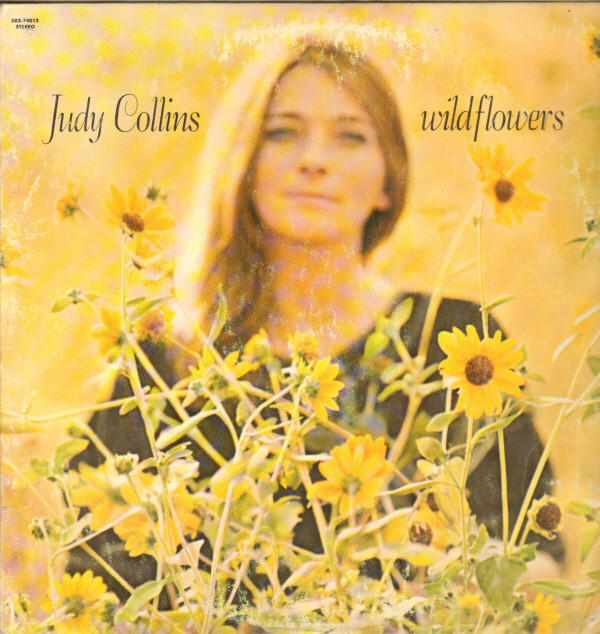
Who Knows Where the Time Goes?
Despite the success of Wildflowers, Judy Collins decided to change direction on Who Knows Where the Time Goes? It featured elements of country rock and folk rock.Who Knows Where the Time Goes? was a much more eclectic album than previous Judy Collins’ albums, and featured covers of songs by some of the great and good of music.
This included Bob Dylan’s I Pity the Poor Immigrant, Leonard Cohen’s Story Of Isaac and Bird On The Wire, Robin Williamson’s First Boy I Loved and Sandy Denny’s Who Knows Where the Time Goes? They joined Ian Tyson’s Someday Soon, Rolf Kempf’s Hello Hooray and the traditional murder ballad, Pretty Ballad. The only Judy Collins’ composition was My Father. These nine songs were recorded with a new band and new producer.
Recording began at Elektra Sound Recorders, Los Angeles, in 1968. This was a first for Judy Collins. She had never recorded an album in L.A. Nor had she worked with David Anderle replaced Judy Collins’ longterm producer Mark Abramson on Who Knows Where the Time Goes? Joining the new producer was a new band. It included a rhythm section of drummer and percussionist Jim Gordon, bassist Chris Ethridge and James Burton on electric guitar and dobro. Augmenting the rhythm section were Buddy Emmons on pedal steel guitar, pianist Mike Melvoin and Van Dyke Parks on piano and electric piano. Michael Sahl switched between organ, piano and harpsichord, keyboard, while Stephen Stills played bass and guitar. This new band plugged in, and took Judy’s music in a totally new direction. For a singer who had just enjoyed the biggest album of her career, this was a huge risk.
Judy Collins needn’t have worried. When critics heard Who Knows Where the Time Goes? they were immediately won over. Critics hailed the album a mini masterpiece. They welcomed an album that showcased a much more eclectic selection of songs. Hello Hooray was headed in the direction of rock, while Poor Immigrant was a move towards country rock. My Father was a masterful example of balladry, something Judy had excelled at throughout her career. However, among the album’s highlights were the Story Of Isaac, which was cinematic and full of imagery. Along with a peerless cover Leonard Cohen’s Bird On A Wire and the wistful, ethereal beauty of the title-track, these three tracks were among the highlights of Who Knows Where the Time Goes? It was described as one of the finest albums of Judy’s career, and was an album that introduced her music to a much wider audience.
The answer to that was yes and no. When Who Knows Where the Time Goes? was released in November 1968, and reached twenty-six in the US Billboard 200. However, by 1969, Who Knows Where the Time Goes? had been certified gold. This gave Judy Collins’ the third gold disc of her career. Her last album of the sixties had been a success. The only disappointment was the performance of the singles.
My Father was released as the lead single in 1968, but failed to chart. Someday Soon fared better, reaching fifty-five in the US Billboard 100 in 1969. This time, around there had been no top ten singles, but still Judy Collins was one of the most successful folk singers of her generation.
Recollections.
The only album that Judy Collins released during 1969, was the first compilation of her career, Recollections. It featured a selection of songs from Judy’s career so far. This included Tomorrow Is A Long Time, Early Morning Rain, Turn! Turn! Turn! (To Everything There Is A Season), Listen Now! Daddy You’ve Been On My Mind, Mr. Tambourine Man, The Last Thing On My Mind and Farewell. One of these songs was released as a single, and gave Judy a hit single.
Judy Collins’ cover Turn! Turn! Turn! (To Everything There Is A Season) was released as a single in 1969, and reached sixty-nine in the US Billboard 100. Although it wasn’t the biggest hit of Judy’s career, it kept her in the public eye, while she pondered her next move. She wouldn’t release a new album until 1970.
Whales and Nightingales.
Essentially, the sixties ended for Judy Collins in October 1968, when she released Who Knows Where the Time Goes? Since then, she hadn’t released a studio album. It wasn’t until August 1970 when Judy returned with Whales and Nightingales, album that owed more to Wildflowers than Who Knows Where the Time Goes?
Whales and Nightingales saw a return to shorter songs, and Judy’s tradition folk sound. She had written Nightingale and cowrote Nightingale II with Joshua Rifkin. The rest of Whales and Nightingales comprised cover versions.
Among the cover versions, were songs by some of Judy Collins’ favourite singers and songwriters. This included Bob Dylan’s Time Passes Slowly, Joan Baez’s A Song For David and Pete Seeger’s Oh, Had I A Golden Thread. Other songs included a cover of Dominic Behan’s The Patriot Game, John Newton’s Christian hymn Amazing Grace and Prothalamium which Michael Sahl and Aaron Krame wrote. Judy chose two Jaques Brel compositions, including Marieke which he penned with Gerard Jouannest. The two men also wrote Son Of with Eric Blau and Mort Shuman. Augmenting these covers were a trio of traditional songs, Gene’s Song, Farewell to Tarwathie and Simple Gifts. These thirteen songs were recorded during 1970 with a familiar face.
Given Judy Collins was returning to her familiar folk sound, it made sense to reunite with her former producer, Mark Abramson. He had produced most Judy’s commercially successful and critically acclaimed albums. The exception was Who Knows Where the Time Goes? That was the past. Whales and Nightingales was the future.
Another familiar face was Joshua Rifkin, who arranged and conducted Sons Of, Prothalamium and Marieke. Judy also arranged a trio of tracks, Farewell To Tarwathie, Simple Gifts and Amazing Grace. One of these songs would become one of Judy Collins’ best known songs.
Once Whales and Nightingales was complete, Elektra Records scheduled the release for August 1970. The song that was chosen as the lead single, was a surprising one, Judy Collins’ cover of the Christian hymn Amazing Grace. When it was released in 1970, it reached number fifteen in the US Billboard 100 and number ten in the Australian singles’ charts. This augured well for the release of Whales and Nightingales.
Especially when Whales and Nightingales was well received by critics. Again they complemented Judy Collins on her judicious choice of songs, which she interpreted in her own unique way. This included Bob Dylan’s Time Passes Slowly, Joan Baez’s A Song For David and Pete Seeger’s Oh, Had I A Golden Thread. They were perfect for Judy, and brought out the best in her.
So did Farewell To Tarwathie, which featured one of the most imaginative arrangements on Whales and Nightingales. Judy was accompanied by a chorus of humpback whales, who provided a sparse, but almost haunting arrangement. These understated arrangements had always provided the perfect backdrop for Judy Collins’ vocals.
Whales and Nightingales featured two songs Judy Collins had written. The first was Nightingales, a beautiful song,which delivered against sparse, understated arrangements. So was and Nightingales II, which featured a lush, string-drenched, widescreen arrangement. However, one of the most powerful songs was Judy’s cover of Amazing Grace. It was akin to a soul-baring confessional. Critics agreed that Amazing Grace was one of the finest moments on Whales and Nightingales, which was a return to form from Judy,
When Whales and Nightingales was released in July 1970, the album reached number seventeen in the US Billboard 100. By 1971, the album had sold over 500,000 copies and had been certified gold. Judy Collins’ first album of the seventies, saw her pickup where she left off in 1968.
After eight studio albums and one live album, Judy Collins was one of the most successful folk singers of her generations. Judy Blue Eyes’ last four album had been certified gold. This remarkable run began with 1966s In My Life, and included 1967s Wildflowers, 1968s Who Knows Where the Time Goes? and ended with 1970s Whales and Nightingales. During this period, it seemed Judy Collins could do wrong. She enjoyed several hit singles, including her cover of Joni Mitchell’s Both Sides Now. It won Judy her first Grammy Award in 1969. Judy Collins had come a long way since her debut album A Maid of Constant Sorrow in 1961.
While A Maid Of Constant Sorrow and its followup Golden Apples Of The Sun failed commercially, Jac Holzman and Elektra Records stuck with Judy Collins. They knew it would take two or three albums before Judy made a breakthrough. Their faith in Judy was richly rewarded, and by 1970, she was one of the most successful female singers of her generation.
Judy Collins was also a pioneer of folk music. She had been around from the earliest days of the folk boom, and rode this musical elevator through the sixties. Throughout the decade, Judy flew the flag for folk music. That was despite the onslaught of pop, rock and psychedelia. Still, Judy stood firm. The only time she wavered, was in 1968s when she released Who Knows Where the Time Goes? It saw Judy enjoy a dalliance with country rock and folk rock. However, folk music was her true love, and she returned to the fold for Whales and Nightingales in 1970. Judy’s first album of the seventies was a triumphant returned, for the First Lady of Folk.
She had released some of the best music of her career between 1966 and 1970. This includes three of Judy Collins’ most successful albums were In My Life, Wildflowers and Whales and Nightingales. These three albums were released between 1966 and 1970 and feature Judy Collins’ trademark folk sound. By then, Judy was one of the best interpretative singers of her generation. Seamlessly she brought songs to life, and they took on new meaning. That’s the case on In My Life, Wildflowers and Whales and Nightingales, which are the perfect introduction to Judy Collins, who is, without doubt, one of the greatest singer-songwriters of her generation.
The Rise Of Judy Collins 1961-1970.

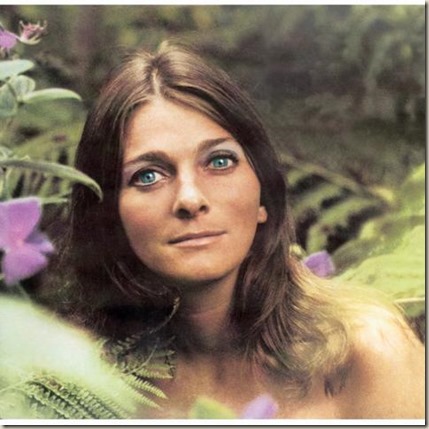
DIETER MOEBIUS-MUSIK FOR METROPOLIS.
Dieter Moebius-Musik für Metropolis.
By 2012, Dieter Moebius was regarded as one of the most important, innovative and influential musicians in the history of modern German music. His career began in the late sixties, and had spanned six decades. During that that time, Dieter Moebius had been a member of three groundbreaking groups Kluster, Cluster and Harmonia. He had also collaborated with many artists and enjoyed a successful solo career. However, Dieter Moebius’ solo career had to fit round his many other musical commitments. As a result, solo albums were sporadic. In total, Dieter Moebius had released just five solo albums, including Ding which was released a year earlier, in 2011. Soon, though, Dieter Moebius was about to start work on a new and exciting project.
Dieter Moebius had been invited to perform music to accompany a screening of Fritz Lang’s legendary silent film Metropolis. For the screening, Dieter Moebius began work on producing new tracks and samples. These would played on the night and treated with a myriad of effects during Dieter Moebius’ improvised performance. His performance was planned so that it would provide the soundtrack to what was happening on the sliver screen. The Metropolis project took a lot of planning, but it was well worthwhile.
When the day of the screening of Metropolis arrived, Dieter Moebius made his way to the venue. With him, he took his array of equipment which he planned to put to good use that night. That was the case. It was a masterful and triumphant performance from Dieter Moebius, as he provided the perfect soundtrack for Metropolis. It had highlighted the drama and tension of Fritz Lang’s classic film. Buoyed by the success of his performance, Dieter Moebius began contemplating the next part in the Metropolis project.
All along, Dieter Moebius planned to record a full-length album featuring the music from the Metropolis project. When the new album was completed, it would become Dieter Moebius’ sixth solo album Musik für Metropolis, which was recently released by Bureau B. Recording of the album began later in 2012.
Dieter Moebius headed into his studio to begin work on Musik für Metropolis. The basis for the album would the music he had prepared for the Metropolis project. This would be a building block for Musik für Metropolis, which would feature four lengthy tracks lasting roughly ten minutes each. It was an ambitious project, given Dieter Moebius had to create cinematic music that portrayed the drama of Metropolis’ narrative. However, Dieter Moebius had a lifetime of musical experience to draw upon.
This proved invaluable as sixty-eight year old Dieter Moebius began writing and recording the music that would later feature on Musik für Metropolis. Dieter Moebius still had an insatiable appetite for music, and continued to work on other projects. That had been the case throughout his long career He had always juggled several projects successfully, and it had never once affected the quality of music. Gradually, the music for Musik für Metropolis started to take shape. Then tragedy stuck, when Dieter Moebius was diagnosed with cancer.
Suddenly, music didn’t matter any more. Dieter Moebius was fighting for his life. He battled bravely against cancer, fighting for his future and very life. Sadly, Dieter Moebius died on ‘20th July 2015’ after what had been a brave and lengthy battle against cancer. He left behind a richest musical legacy.
This included the albums he released with Kluster, Cluster and Harmonia, plus his many collaborations and five solo albums. Sadly, one album remained unfinished, Musik für Metropolis. It was the album that Dieter Moebius had been working when he was diagnosed with cancer. Maybe not for much longer though?
Two of Dieter Moebius’ friends and longtime musical partners had been discussing trying to complete Musik für Metropolis. To do this, Tim Story and Jon Leidecker would require the permission of Dieter Moebius’ widow, Irene. She granted her permission, and was fully supportive of the project.
Over the next few months, Tim Story, Jon Leidecker and Berlin based musician Jonas Förster worked on the Musik für Metropolis’ project. Eventually, it was completed and was released by Hamburg based record label Bureau B. Musik für Metropolis was a homage to the memory of Dieter Moebius.
As Schicht opens Musik für Metropolis, an industrial sound unfolds. It finds replicates the sound of the underground machines that powered the city of Metropolis in Fritz Lang’s film. Although it was released in 1927, the futuristic city was set in 20006. Soon, a bristling sound replicates electricity, while beeps and squeaks add a futuristic sound. Later, a crackling sound is added as the sound of thunderous machines adds to the drama and tension that builds. Sometimes, otherworldly sounds emerge from the cinematic soundscape. When beeps and squeaks are added, it’s as if they’re tapping out some secret message. Meanwhile, crackling, growling, whining, burring sounds add to the drama before the soundscape is transformed. After the darkness, comes light as the music becomes melancholy,melodic and thoughtful, allowing the listener to reflect on this filmic eleven minute epic.
Otherworldly and unsettling describe the introduction to Moloch. A droning sound soars above the soundscape, while chattering industrial sound combine with a myriad of metallic, futuristic and otherworldly sounds. They flit in and out, adding to the drama. Meanwhile, sounds buzz, beep, scratch, screech and reverberate. Later, shrill, eerie and metallic sounds emerge from the soundscape. Constantly, the tension builds and there’s a sense of unease. That is the case as metallic, grinding, beeping and futuristic sounds emerge from the soundscape. So does a roaring sound. By then, it’s as if Rotwang’s robot has come to life, but is malfunctioning and is out of control. Searing, bellowing, otherworldly and industrial sounds give way to futuristic and sci-fi sounds, on this captivating soundscape.
Tiefenbahnen has a futuristic, edgy and otherworldly sound as the soundscape unfolds in waves. A drone is joined by washes of shimmering synths before bells jangle. Soon, a bristling, eerie sounds are joined by urgent squawking sound. Is this a warning, or the signal for the workers to rise up and destroy the machines? Still the soundscape bristles, quivers and pulsates before the bells ring out again. This is a signal for the drama to build. Thunderous drums reverberate, replicating the sound of machinery while bells ring. They unite and become one until the drums disappear. All that remains are waves of bristling, crackling, eerie and futuristic sounds unfold as this cinematic soundscape prowls along menacingly. It’s without doubt, the highlight of Musik für Metropolis.
Metallic, growling, bubbling and bristling sound combine on Mittler to create a mesmeric backdrop. Soon, otherworldly, futuristic sounds chatter as a bell rings and the soundscape bristles and bubbles. They’re joined by jarring, metallic, otherworldly and industrial sounds emerge, as the soundscape flows along. Then the sound of a machinery is replicated before buzzing, drilling, jarring, grating, metallic and bubbling sounds all add to the drama. Eventually, the sound of the machinery imploding can heard, after the workers rise up and destroy the machines. Having destroyed the Heart Machine, the city floods. This sound is replicated and proves a poignant ending to this soundscape which closes Musik für Metropolis.
Just under two years after the death of Dieter Moebius, Musik für Metropolis was released. It was completed by Tim Story, Jon Leidecker and Jonas Förster. This was their way of paying homage to a true giant of modern German music, Dieter Moebius. He spent six decades creating groundbreaking music. That was the case from his earliest days Kluster right through to Musik für Metropolis.
It’s another ambitious and genre-melting album, where Dieter Moebius, fused disparate musical genres. Elements of ambient, avant-garde and the Berlin School rub shudders with drone, electronica and experimental music. That is not forgetting industrial, Krautrock and musique concrète. They all become part of a musical tapestry, that is Musik für Metropolis. It was woven by the late, great Dieter Moebius.
He created four soundscapes that are variously atmospheric, dramatic, futuristic, melodic, menacing, mesmeric, poignant and full of tension. Always the filmic music on Musik für Metropolis captivates and compels as Dieter Moebius paints pictures with music. This he does throughout Musik für Metropolis, which is a cinematic epic from one of the most important, innovative and influential musicians in the history of modern German music, Dieter Moebius.
Dieter Moebius-Musik für Metropolis.
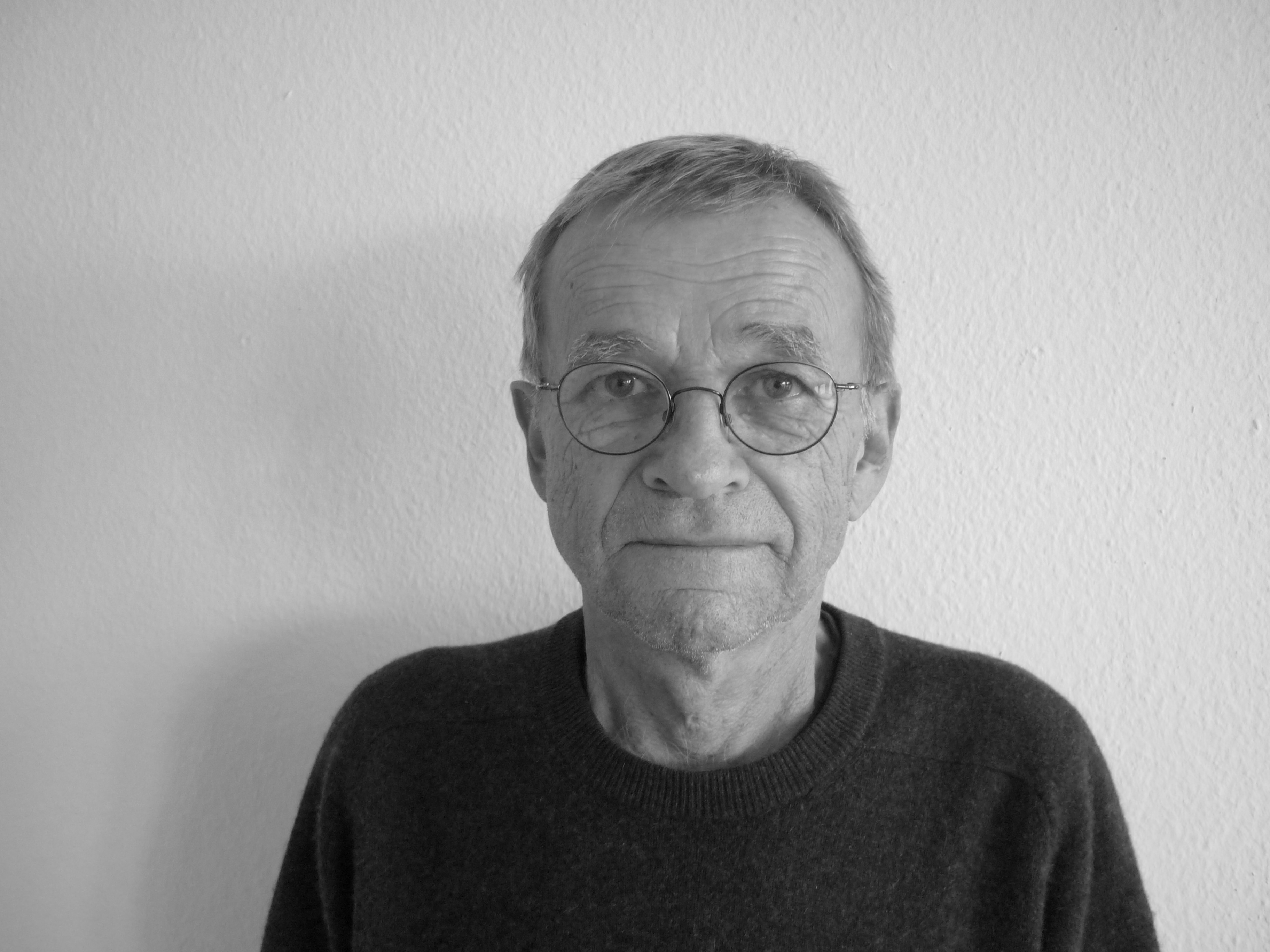
OREGON-OUT OF THE WOODS AND ROOTS IN THE SKY.
Oregon-Out Of The Woods and Roots In The Sky.
After releasing seven albums for Vanguard between 1972 and 1978, Oregon had signed to Elektra. The four members of Oregon knew that this was the opportunity of a lifetime. Elektra were one of the biggest record labels in the world, and had the marketing expertise and financial muscle to promote and distribute Oregon’s music worldwide. This was where Vanguard had struggled.
During the Vanguard years, Oregon had recorded ambitious and critically acclaimed albums. That had been the case since Oregon released their debut album Music of Another Present Era 1972. The only problem was that Vanguard seemed to struggle with distribution. Thinking that was a one-off, Oregon released their sophomore album Distant Hills in 1973. Again, there were problems with distributing the album. It was a similar case when Winter Light was released in 1974 and In Concert in 1975. The problems with distribution meant that Oregon’s albums weren’t selling well. As time passed, Oregon became frustrated with how they were treated at Vanguard.
Another thing that frustrated Oregon, was that when they were recording an album, they had to record at night, or when nobody else were using the studios. It wasn’t as if Oregon were an unknown band. They collaborated with drummer Elvin Jones on the album Together, which was released in 1976. Just like Oregon’s solo albums, there were problems with distributing the album. History repeated itself in 1977, when Oregon released their fifth solo album Friends. By then, the four members of Oregon were thinking about the future.
Given the problems with distribution and having to record at night, Oregon were thinking about changing label. Ideally, they wanted to sign to a major label when their contract with Vanguard expired. Before that, Oregon recorded two further albums.
This included Violin, a collaboration with Polish violinist Zbigniew Seifert, which was released in 1978. Oregon also recorded their sixth solo album for Elektra Moon and Mind. However, by the time it was released in 1979, Oregon had signed to Elektra.
The deal with Elektra came about purely by chance. One day, Oregon’s accountant happened to be sitting next to an executive from Elektra, so gave one of the band’s albums. This was enough to set the ball rolling. When executives at Elektra heard the Oregon album, they liked what they heard and wanted to sign the band.For the four members of Oregon signing to Elektra was a game-changer.
Elektra was a major label, since its merger with Asylum. Not only Elektra had financial muscle and marketing expertise to introduce Oregon’s music to a much wider audience, but an enviable distribution network. This would get Oregon’s albums into shops not just across America, but much further afield. That sounded good to the members of Oregon, who certainly hadn’t gotten rich at Vanguard. The Elektra years were a new start for Oregon, who were keen to begin work on their ninth album, Out In The Woods, which was recently reissued with Roots In The Sky as a two CD set by BGO Records.
Out Of The Woods.
With the ink dry on the their contract with Elektra, the four members of Oregon, Ralph Towner, Paul McCandless, Glen Moore and Collin Walcott began work on what would eventually become Out In The Woods.
For Out In The Woods, the members of Oregon began writing and choosing the material for their Elektra debut. Each member of Oregon played their part in writing Out In The Woods. They wrote eight out of the nine tracks. Ralph Towner wrote Yellow Bell, Reprise, Vision Of A Dancer and Waterwheel; Collin Walcott wrote Dance To The Morning Star and Story Telling; Paul McCandless contributed Cane Field and Glen Moore wrote Fall. The other track that would feature on Out In The Woods was a cover of Jim Pepper’s Witchi-Tai-To. These nine tracks were recorded in Massachusetts with a familiar face.
Over the last few years, Oregon had produced their own albums. They had worked with engineer David Greene several times. So when it came to recording Out In The Woods during April 1978, David Greene joined Oregon at Long View Farms, North Brookfield, Massachusetts. He helped Oregon prepare to record their major label debut.
The four members of Oregon used an array of traditional Western and Eastern instruments to record Out Of The Woods. Ralph Towner played classical guitar, twelve-string guitar, percussion, flugelhorn and piano. Paul McCandless switched between bass clarinet, bass clarinet and oboe. Collin Walcott played guitar, percussion, sitar and tabla. Glen Moore the fourth member of Oregon played bass during a recording session that lasted much of April 1978. Once Out Of The Woods was completed, it was mastered by Bob Ludwig, one of the top mastering engineers. Elektra were determined that Oregon’s Elektra debut would be a success.
Soon, Elektra’s PR machine got to work, promoting their latest signing’s new album. Out Of The Woods was scheduled for release later in 1978, so this left plenty of time to promote the album properly. Copies were sent out to critics on both sides of the Atlantic. They got the opportunity to hear what was a new chapter in the Oregon story, Out Of The Woods.
It was another genre-melting album of understated acoustic music from Oregon. They play with care and precision fusing elements of jazz with folk melodies what was then referred to as ‘New Age’ and ‘World Music.’ The latter was all-embracing term for everything from African, Asian, Eastern and Latin music. Each member of Oregon were interested in and had been influenced and inspired by ‘World Music.’ That was apparent throughout Out Of The Wood. Especially the rhythmic nature of some tracks and the percussion that was deployed. Examples include Fall 77, Story Telling and Witchi-Tai-To, which are among the album’s highlights. So too are Yellow Ball and Vision Of A Dancer. Both showcase the considerable skills of Oregon, on an album where the music is beautiful, dreamy, ruminative and offers the opportunity for contemplation and refection. Always though, the music captivates and is timeless. Critics in 1978 agreed.
When the reviews of Out Of The Woods were published in 1978, there were no dissenting voices. Instead, critical acclaim accompanied the release of Out Of The Woods. Elektra’s PR machine’s efforts were rewarded when Out Of The Woods entered the US Billboard Jazz charts. This was a first for Oregon. Eventually, Out Of The Woods reached number seventeen. This was a first for Oregon, whose fortunes had been transformed after signing to Elektra. Oregon hoped that this was the first of many successful albums.
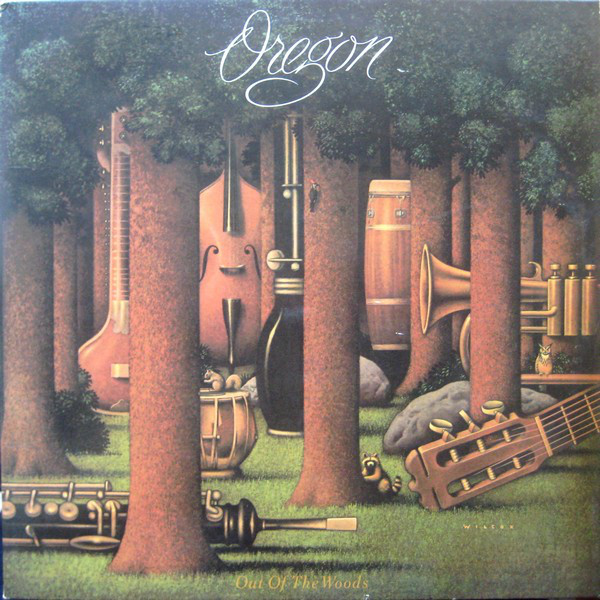
Roots In The Sky.
Buoyed by the success of Out Of The Woods, Oregon began work on what would be the tenth album of their career. Oregon had been a prolific band since they signed to Vanguard in 1972. It was only at Elektra that they were beginning to enjoy the fruits of their labour. Emboldened by the tantalising taste of commercial success they began writing Roots In The Sky.
Eventually the four members of Oregon had written nine tracks. Ralph Towner wrote June Bug, Vessel, Ogden Road and Orrington’s Escape. Collin Walcott contributed Sierra Leone, House Of Wax and Longing, So Long; Paul McCandless penned Hungry Heart while Glen Moore wrote Roots In The Sky. These tracks became Roots In The Sky, which was again, recorded in Massachusetts.
Just like their previous albums Out In The Woods, Oregon had decided to produce Roots In The Sky. Again, Oregon brought engineer David Greene engineer onboard. He joined Oregon in the familiar surroundings of Long View Farms, North Brookfield, Massachusetts. He would help Oregon record the followup to what had been the most successful album of their career.
For the Roots In The Sky sessions, much of the instrumentation was used by Oregon. Bassist Glen Moore was joined by Ralph Towner, who played classical guitar, twelve-string guitar, flugelhorn percussion and piano. Paul McCandless played bass clarinet, English horn and oboe, while Collin Walcott played guitar, percussion, sitar and tabla. The recording began in December 1978 and lasted until April 1979. Once the album was completed, it was mastered by Bob Ludwig. Now Roots In The Sky was ready for release.
Before that, the Elektra PR machine got to work promoting Roots In The Sky. It would be Oregon’s second album of 1979. Vanguard had released Moon and Mind, which became the ninth album Oregon had released for their former label. When critics received Roots In The Sky, it became Oregon’s eleventh album overall.
Roots In The Sky found Oregon combining their love of ‘World Music’ with elements of classical music and their first love, jazz. Sometimes, elements of free jazz and avant-garde can be heard. ‘World Music’ influences twas represented by African and Asian music. Both can be heard throughout Roots In The Sky. The African influence can be heard on Sierra Leone, while the listener is transported to India on House Of Wax. Then on Hungry Heart, Indian percussion combines with jazz to create a melancholy and ruminative backdrop. Orrington’s Escape is another mesmeric and captivating combination of Eastern influences and jazz. One of the most ambitious and rewarding tracks is Roots In The Sky. It’s a mesmeric, genre-melting track that heads in the direction of avant-garde and free jazz. Longing, So Long which closes Roots In The Sky is another thoughtful and atmospheric journey East. One of the best has been saved until last.
Not only Oregon had picked up where they left off on Out Of The Woods, on Roots In The Sky, but they moved forward musically. Different genres were incorporated into Roots In The Sky which became part of carefully woven musical tapestry. Roots In The Sky was another ambitious, innovative and compelling genre-melting album. The music was atmospheric, cerebral, cinematic, enchanting, meditative, ruminative and just like Out Of The Woods is guaranteed to result in contemplation and reflection. This should’ve built on the success of Out Of The Woods.
Especially considering the critically acclaimed reviews that Roots In The Sky received. However, when Roots In The Sky was released in October 1979, it failed to match the commercial success of Out Of The Woods. This was a huge disappointment for Oregon.
After Roots In The Sky, Oregon only released one further album for Elektra, In Performance in 1980. This live album marked the end of another era for Oregon.
The group was placed on hold for a couple of years, allowing the members of Oregon to work on other projects. During this period, Collin Walcott also became a father. By 1983, Oregon were ready to record again, and signed to ECM.
Later in 1983, Oregon released their debut for ECM, Oregon. Not long after its release, Oregon released Crossing which was released in 1985. By then, tragedy had struck for Oregon.
Collin Walcott was killed in a car accident on November ‘8th’ 1984, whilst Oregon were touring East Germany, The three remaining members of Oregon were badly affected by Collin Walcott’s death, as they had been friends for over twenty years. A memorial concert was held in May 1985, and after that, Oregon split-up. It looked Crossing would be Oregon’s swan-song.
In 1986, Oregon decided to reunite. Trilok Gurtu was invited to join Oregon, and they recorded and released their Ecotopia on ECM in 1987. It was Oregon’s swan-song for ECM.
Oregon signed to Portrait, an imprint of CBS and released 45th Parallel in 1987. Two years later, and Oregon signed to Intuition and released Always, Never and Forever in 1991. It proved to be Trilok Gurtu’s swan-song with Oregon. The band continued with and not long after this new percussionist Marc Walker.
Still, many people still remember the original lineup of Oregon, which featured four friends Ralph Towner, Paul McCandless, Glen Moore and Collin Walcott. This lineup recorded fourteen albums between 1972 and 1984. These albums were released on Vanguard, Elektra and ECM. However, the most successful of these albums was 1978s Out Of The Woods which was recently reissued with 1979s Roots In The Sky, by BGO Records as a two CD set. They’re the perfect introduction to Oregon, a truly talented group who never enjoyed the commercial success that their music deserved. That is a great shame.
Oregon were pioneers, who fused disparate musical genres and instruments to create ambitious, innovative and genre-melting music. A reminder of that is Out Of The Woods, which when it was released, was Oregon’s most successful album, and nowadays, is regarded as a jazz classic. Then when Oregon came to record Roots In The Sky, they used Out Of The Wood as a building block headed in new and different directions.
Just like on Out Of The Woods, Oregon fused African, Asian, and Indian music with classical and jazz. This is combined with elements of ambient, avant-garde and free jazz, especially on Roots In The Sky. The result was music that’s atmospheric, meditative, melodic, mesmeric, ruminative and spiritual. Both Out Of The Woods and Roots In The Sky invite contemplation and reflection and are rewarding and timeless albums that are a reminder of the original lineup of Oregon at their creative zenith.
Oregon-Out Of The Woods and Roots In The Sky.
ZEPHYR-BACK TO COLORADO AND SUNSET RIDE.
Zephyr-Back To Colorado and Sunset Ride.
Like many bands who don’t reach the heights that their music deserves, the story of Zephyr is one of what might have been. They released a trio of albums between 1969 and 1972, which nowadays, have a cult following. This includes Zephyr’s sophomore album Back To Colorado and their third album Sunset Ride. These two albums were recently reissued by BGO Records, and are an opportunity to discovered one of the best bands you’ve never heard. Their story began in 1969.
That was when Zephyr formed in Boulder, Colorado by eighteen year old guitarist Tommy Bolin, keyboardist John Faris, drummer Robbie Chamberlin, bassist David Givens and his wife Candy Givens, who became the lead vocalist and harmonica player. They were all talented musicians who shared a love of music. Their talent and love of music shawn through as they began to play live.
By then, the nascent band, had been named Zephyr, purely because the it “sounded ethereal.” Soon, the newly named Zephyr were honing their sound on the Boulder music scene. It was a mixture of blues, jazz and rock. This proved popular, and soon, Zephyr were playing all around Colorado. They had quickly built up loyal following and were already working on their eponymous debut album.
Zephyr.
Zephyr began work on their debut album not long after the band were formed. It was as if the five members of Zephyr were making up for lost time. They were determined that Zephyr should fulfil its potential.
Each member of the band was a talented musician. Although each member of the band came from different musical backgrounds, they had played blues and rock ’n’ roll. That was the commonality that they shared. Some of the members of Zephyr were also budding songwriters.
Especially Tommy Bolin, David Givens and his wife Candy Givens, who wrote six of the nine tracks on Zephyr. Tommy Bolin and Candy Givens wrote Sail On and Huna Buna. David Givens penned Boom-Ba-Boom and wrote Cross The River with his wife Candy Givens. They wrote Somebody Listen with John Faris while Hard Chargin’ Woman was credited the five members of Zephyr. The other two tracks on Zephyr were cover versions. This included Dee Clark’s Raindrops and Joe Primrose a.k.a. Irving Mills’ St. James Infirmary Blues. To record their eponymous debut album, Zephyr headed to Los Angeles.
Their destination Wally Helder Studios, which was one of L.A.’s top recording studios. It was a far cry from the basement of Cindy Givens’ parent’s house, where some of the songs had been arranged. Zephyr were going up in the world. Especially since Bill Halverson was about to produce Zephyr.
This was a big deal for the Zephyr who were still a relatively new band. They had come a long way in a short space of time. However, they were already a tight band. The rhythm section featured drummer Robbie Chamberlin, bassist David Givens and guitarist Tommy Bolin. John Faris switched between organ, piano and flute, while lead vocalist Candy Givens also played harmonica. Producer Bill Halverson was tasked with capturing the energy of Zephyr who were a charismatic and versatile band. It wasn’t going to be easy, but Bill Halverson succeeded in doing so.
Later in 1969, Zephyr was released on the Probe label, which was an imprint of ABC Records. The album received plaudits and praise upon its release. Praise was heaped on lead vocalist Candy Givens and virtuosos guitarist Tommy Bolin. They were regarded as key to the sound and success of Zephyr as they switched between musical genres.
Almost seamlessly, Zephyr switched from blues to rock ’n’ roll and sometimes, became a jam band. Regardless of which style Zephyr played, their energy, enthusiasm and charisma shawn through. It seemed that Zephyr had been influenced by MC5, Ram Jam, Iron Butterly and even Cream, Led Zeppelin, Janis Joplin and John Mayall and The Blues Breakers. All these influences shown through on Zephyr, which should’ve found a much wider audience.
Upon its release later in 1969, Zephyr wasn’t a hugely successful album. It sold reasonably well in Boulder and across Colorado. However, it failed to find an audience further afield. Considering Zephyr had only been together less than a year, and it was only their debut album, they were well ahead of the musical curve.
Back To Colorado.
It wasn’t until late 1970 that Zephyr began work on their sophomore album Back To Colorado. By then, Zephyr had moved from Probe to Warner Bros. Zephyr it seemed, were going up in the world. However, this wasn’t the only thing that had changed.
Zephyr’s lineup had changed. Robbie Chamberlin, Zephyr’s original drummer had left and been replaced by Bobby Berge. This was the first of several changes in Zephyr’s lineup. What hadn’t changed, was that most of the songs on Back To Colorado had been written by members of Zephyr.
This included David and Candy Givens. They wrote Miss Libertine; while David Givens penned Night Fades Softly and The Radio Song and Candy Givens contributed At This Very Moment. She also wrote Going Back To Colorado with John Tesar and Tommy Bolin. The John Tesar and Tommy Bolin songwriting partnership wrote Keep Me and I’ll Be Right There. Tommy Bolin who seemed to be blossoming as a songwriter, also penned and Showbizzy. These ten tracks would become Back To Colorado, which was recorded in late 1970.
For the recording of Zephyr’s Warner Bros debut, Electric Ladyland Studios, in New York was booked. It was one of the Big Apple’s top studios, and where many classic albums had been recorded. Producing Zephyr’s sophomore album Back To Colorado was Edward H. Kramer, who took a hands on approach to recording an album.
When recording of Back To Colorado began, the rhythm section now featured new drummer Bobby Berge, bassist David Givens and Tommy Bolin who played all the guitar parts and vibraphone. Zephyr’s multi-instrumentalist John Faris, played organ, piano, flute, soprano saxophone and sung the lead vocal on Take Me Love. Candy Givens took charge of eight of the nine remaining lead vocals and played harmonica. Augmenting Zephyr were backing vocalists; Buzzy Linhart who added the lead vocal on The Radio Song and Paul Conley who played a Moog synth. Producer Edward H. Kramer played piano, clarinet and percussion on Back To Colorado, where he helped Zephyr reinvent themselves musically. Eventually, Back To Colorado was completed, and was released in in 1971.
Before the release of Back To Colorado, critics received a copy of the album. They discovered a quite different album from Zephyr. Back To Colorado had a much more experimental sound, and found Zephyr move away from the blues rock and jams that peppered their eponymous debut album. The only time the blues rock sound featured, was on the title-track and Showbizzy. For the rest of Back To Colorado, Zephyr move towards a Southern Californian sound.
Most of music has a much more mellow and laid back folk-rock sound. Occasionally jazz and psychedelia can be heard Back To Colorado. Mostly, though, there’s a late-sixties influence throughout Back To Colorado. This harks back to the hippy era, when peace, love, understanding and revolution were the order of the day. That is still the case on Back To Colorado, as Zephyr rekindle the spirit of the sixties. Especially on Miss Libertine and See My People Come Together where Tommy Bolin unleashes one of his finest solos. Despite his guitar not featuring as prominently on Back To Colorado, he still plays a starring role throughout Back To Colorado.
So does vocalist Candy Givens, despite some of her vocals attracting criticism back in 1971. Forty-six years later, and some of the criticism seems somewhat unjust. On Back To Colorado, Candy Givens showcases her talent and versatility. Sometimes, she draws inspiration from, and seems determined to channel the spirit of Janis Joplin. Other times, she eschews power and different side of Candy Givens can be heard. Proof of that is Candy’s vocals on Keep Me, I’ll Be Right Here and At This Very Moment. They range from tender, sultry, powerful, soulful, impassioned and earnest. Cindy Givens had the ability to breath left, meaning and emotion into lyrics. This she did a number of times on Back To Colorado, which was released later in 1971.
When Back To Colorado was released in 1971, the reviews were mixed. There was no consensus amongst critics. Some liked Zephyr’s new sound, while others preferred the their eponymous debut album. It was a similar case with record buyers, with some embracing their new sound and others preferring their debut album. As a result, Back To Colorado failed to chart, which was a huge disappointment for Zephyr.
One member of Zephyr decided to call time on his career with Zephyr. Twenty year old Tommy Bolin left Zephyr, leaving the band without a guitarist. David Givens found his replacement in Jock Bartley, who was a member The Children, who often supported Zephyr. He would make his debut Sunset Rise.

Sunset Ride.
When work began on Zephyr’s third album, Sunset Ride, there had further changes to the band’s lineup. Drummer Bobby Berge left after just one album, and was replaced by P.M. Wooten. John Alfonse was brought onboard to play congas. However, the biggest loss was multi-instrumentalist John Faris. He played keyboards, flute and saxophone and had played a part in the songwriting process. Replacing John Faris, was Dan Smyth who played organ and piano. It was a very different lineup of Zephyr that began work on Sunset Ride.
Only Candy and David Givens remained from the original five members of Zephyr. The changes in the lineup left a void when it came to writing Sunset Ride. Especially the departure of Tommy Bolin, who was one of Zephyr’s principal songwriters. For Sunset Ride, Candy and David Givens wrote the most of the album. They wrote I’m Not SurpRided and Someone To Chew Together. David Givens penned No Time Lonesome, Moving Too Fast and wrote Sold My Heart with Jock Bartley. Cindy Givens contributed Sierra Cowgirl and Sunset Ride and joined with A. Armstrong and Jock Bartley to write Winter Always Finds Me. New recruit Dan Smyth made his songwriting debut when he wrote Chasing Clouds. The other track on Sunset Ride was a cover of Billy Edd Wheeler’s High Flying Bird. These ten tracks would become Sunset Ride.
When Zephyr began recording Sunset Ride, there was no sign of Edward H. Kramer. Instead, David Givens and Zephyr produced Sunset Ride. It marked the debut on the third lineup of Zephyr. The rhythm section was changed beyond recognition, with drummer P.M. Wooten joined bassist David Givens who played acoustic guitar on Someone To Chew and sung on No Time Lonesome. The third member of the rhythm section was guitarist Jock Bartley, whose vocals feature on Sold My Heart and Winter Always Finds Me. The other two newcomers were organist and pianist Dan Smyth and conga player John Alfonse congas. Candy Givens took charge of the lead vocals, played harmonica and piano on I’m Not SurpRided, Sierra Cowgirl and Sunset Ride. Augmenting Zephyr was violinist Bobby Notkoff, who featured on No Time Lonesome. This new lineup of Zephyr decided to combined the old and new on Sunset Ride.
Once Sunset Ride was completed, Warner Bros. sent copies of Zephyr’s third album to music critics. They discovered a very different album Back To Colorado. Zephyr returned to the sound of their eponymous debut album. There were two difference though. The first was that Tommy Bolin’s flashy guitar licks were missing. As a result, Candy Givens wasn’t tempted to compete with them. She reigned in the power and delivers much more restrained vocals than featured on Zephyr. Candy also seems to relish the opportunity to showcase her versatility which began to blossom on Back To Colorado. Sunset Ride was a new start for Zephyr.
They begin with blues rock of I Am Not Surprised where Candy delivers a much more restrained, but just as effective vocal. That is the case on Someone To Chew and High Flying Bird. Boulder born guitarist Jock Bartley eschews the flashy solos of Tommy Bolin, and in doing so, leaves more room for Candy’s vocal. No longer is she competing with the guitar. Soon though, it’s all change.
Time Lonesome showcases a much more mellow, but wistful sound. Moving Too Fast has a rockier sound, while Candy delivers a sultry vocal and plays blues harmonica. Sold My Heart is an understated, acoustic song which shows a totally different side to Zephyr. On Sierra Cowgirl, Candy’s filmic lyrics conjure up pictures of the Wild West. Chasing Clouds is a slow, thoughtful song that feature a tender vocal from Candy. Sunset Ride flows melodically and ethereally along as Candy scats above the cascading arrangement. Winter Always Finds Me which closes Sunset Ride is something of a slow burner. Its experimental, genre-melting sound gradually reveals its secrets, and when it does, it’s well worth the wait. Zephyr were back, with what was a return to form.
So good was Sunset Ride, that some critics felt it rivalled Zephyr’s eponymous debut album. It was also a more eclectic, but cohesive album. Whether it was blues rock, country, folk rock, pop or rock there was something for most tastes. Alas, when Sunset Ride was released in 1972, the album failed to trouble the charts. History had repeated itself for Zephyr. It was the last straw.
Not long after the release of Sunset Ride, Zephyr split-up. They had been together just three years, been through there different lineups and released three albums. This includes Zephyr’s sophomore album Back To Colorado and their third album Sunset Ride which were recently reissued by BGO Records. These two albums document how Zephyr’s music changed from the blues rock of their eponymous debut album.
Back To Colorado was a much more experimental album, that had been influenced by South Californian music and the hippy ideals of the late sixties. It’s an underrated album that marked the swan-song of guitar virtuoso Tommy Bolin. He and lead vocalist Candy Givens were key to the sound and success of Zephyr. The only problem was Tommy Bolin’s guitar sometimes dominated the arrangements, forcing Candy Givens to complete with the guitars. That wasn’t the case on Back To Colorado, where Tommy Bolin’s guitar was reigned in. After Back To Colorado, he left Zephyr and formed the jazz-rock group Energy. Ironically, Candy Givens continued to blossom.
Although many critics remember Candy Givens as someone who unleashed a series of vocal powerhouses, that wasn’t always the case. She was a talented and versatile vocalist, who was capable of switching between different musical genres. She proved this to some extent on Back To Colorado, and blossomed on Sunset Ride. It was the album that could’ve and should’ve transformed the career of Zephyr. Sadly, it wasn’t to be and they spilt-up not long after the release of Sunset Ride. That looked like the end of the road for Zephyr.
Ten years later, and Zephyr hit the comeback trail, and released their fourth album Heartbeat in 1982. Sadly, by then one of the founding members of Zephyr had been dead for nearly six years. Virtuoso guitarist Tommy Bolin has died of a drugs on ‘4th’ December 1976, aged just twenty-five. He had played an important part in the Zephyr story. So had Candy Givens, who passed away in 1984. After the death of Candy Givens, Zephyr called it a day for good.
Zephyr’s legacy was the four albums they released between 1969 and 1982. This includes Back To Colorado and Sunset Ride, which feature one of the best bands you’ve never heard, Zephyr.
Zephyr-Back To Colorado and Sunset Ride.
EROL BÜYÜRBURÇ-HOP DEDIK.
Erol Büyükburç-Hop Dedik.
By October 1976, Erol Büyükburç was one of the biggest names in Turkish music. He was a flamboyant showman, who looked like, dressed like and conducted himself like a star. Erol Büyükburç wore lame suits and was greeted by a legion of loyal fans every time he took the stage. These fans had followed Erol Büyükburç’s career since he made a breakthrough with his first hit single Little Lucy in 1961.
It was the first of fifty-eight singles and two albums that Erol Büyükburç released between 1961 and October 1976. In, October 1976, there was another addition to Erol Büyükburç’s burgeoning discography, when he released his third album Hop Dedik, which was recently reissued by Pharaway Sounds. Unlike his two previous albums, Hop Dedik wasn’t an album of singles. Instead, Hop Dedik featured new material which showed a new side to Erol Büyükburç’s music. This was a new start for forty year old Erol Büyükburç.
He was born on ‘22nd’ March 1936 in Adana, on the southern coast of Turkey. Growing up, music played an important part in family life. Erol Büyükburç’s mother played the violin, and his parents had an eclectic selection of 78s. This ranged from folk to pop and classical music. The young Erol Büyükburç was allowed, and encouraged, to listen to his parent’s collection to folk, pop and classical music. Soon, though, Erol Büyükburç wanted to learn to play a musical instrument.
By then, Erol Büyükburç was attending a French language primary school. Most children at the school wanting to learn to play a musical instrument would’ve been sent to music lessons. Not Erol Büyükburç though; he sat and played along, copying his parent’s 78s. It seemed that he had a natural musician. Soon, though, disaster struck for Erol Büyükburç, when he had a brush with death.
This happened when Erol Büyükburç and a sibling were playing in the family home. What happened next is lost in the mists of time. All that’s known is that Erol Büyükburç’s sibling pushed him out of a window. The fall nearly killed Erol Büyükburç, and he required twenty-two stitches. To recover from the accident, Erol Büyükburç was advised to rest at home. Erol Büyükburç used the time wisely, listening to music, which was fast becoming his favourite pastime.
By 1951, Erol Büyükburç Büyükburç was about to start high school in Istanbul, where the family had moved a few years previously. The school specialised in economics and Erol Büyükburç’s father was keen that his son would become a businessman. That was the plan.
It didn’t quite work out that way. At high school, Erol Büyükburç joined his first band and became the lead singer. This gave him first tantalising taste of what life in a band was like.
In 1954, eighteen year Erol Büyükburç took to the stage with Ismet Sirel’s Orchestra for the first time. Already, Erol Büyükburç had a powerful, emotive voice. This he put to good use over the next few years.
Despite his interest in music, Erol Büyükburç enrolled at Istanbul University to study economics. He had struck a deal with his mother that he could practise his singing in the basement until his father returned home. When he returned home, Erol Büyükburç had stop his practise and concentrate on his studies. Eventually, it became apparent that Erol Büyükburç wasn’t going to complete his degree. So he left University and began his military service.
This was compulsory for all young Turkish men. Erol Büyükburç was sent to Urfa, which was around three hours east of Adana. However, much of Erol Büyükburç’s two years military service was spent singing in the officer’s club. That was where Erol Büyükburç first met movie star Leyla Sevar.
After their initial meeting at the officer’s club, the pair soon became friends. Leyla Sevar realised that Erol Büyükburç had potential as a singer. She was willing to used her many contacts within the Turkish music industry to help him secure a recording contract. Soon, Leyla Sevar had secured Erol Büyükburç a recording contract. The next weekend he headed home to Istanbul, he recorded Little Darling and One Way Ticket at the city’s Odeon Studio. This was the first of many singles Erol Büyükburç would record during his long and successful career.
Success didn’t arrive overnight for Erol Büyükburç. Instead, he had to wait several years before enjoying a hit single. This allowed him to hone his skills as a singer and songwriter. By 1961, Erol Büyükburç was writing his own songs, which he sung in English. One of Erol Büyükburç’s compositions was Little Lucy, which he released as a single in 1961. It gave Erol Büyükburç his breakthrough single, and transformed his fortunes in the process.
Over the next four years, Erol Büyükburç star was regarded as one of the rising stars of Turkish music. This changed in 1965, when he entered the prestigious Altin Mikrofon competition.
Entrants were encouraged to combine Turkish lyrics with Western instrumentation. That year, the competition was fierce, with Silüetler one of the favourites for the first prize. However, it was Erol Büyükburç that won the Altin Mikrofon competition. This was a game-changer for him.
Just like all artists who won the Altin Mikrofon competition, Erol Büyükburç was awarded a recording contract and embarked upon extensive tours.
Soon, Erol Büyükburç embarked upon one of the most productive periods of his career. He released single after single, as 45s and 78s. This included singles like Kiss Me, Lovers Wish and Memories. Other singles included covers of songs made famous by Elvis Presley and The Kingston Trio. After 1965, most of the singles Erol Büyükburç released from 1965 onwards were sung in Turkish, as Anatolian pop and rock was booming. The only single he released with English lyrics was in 1969. By then, Erol Büyükburç had diversified.
The first Turkish national orchestra was founded in 1964, and a competition called the Balkan Music Festival was held to choose the lead singer. Several singers had enjoyed their time as lead singer of the Turkish national orchestra. However, when Erol Büyükburç entered he won the competition three years in a row. Soon, he had settled into his new role and enjoyed fronting the Turkish national orchestra.
Having won the Altin Mikrofon competition and having fronted the Turkish national orchestra for three years, Erol Büyükburç’s had never been higher. He was one of the biggest names in Turkish music. It was no surprise that film directors wanted Erol Büyükburç to star in their movies. Erol Büyükburç agreed and eventually, would feature in thirty-three films during his career.
Despite his nascent acting career, music was still Erol Büyükburç’s priority. It had been his career for over a decade. That would still be the case as he signed to the French label Pathé in the late sixties.
That was no surprise to anyone familiar with Turkish music. Erol Büyükburç was still a hugely popular artist in Turkey. He was colourful, flamboyant and a showman. Sometimes when Erol Büyükburç took to the stage, he sported the latest fashions. Other times, his stage costumes were outlandish, and very different to what most musicians were wearing in the late sixties. It was no surprise that Pathé decided to sign Erol Büyükbur.
He released two albums for Pathé during 1968. The first album Erol Büyükbur released was Kırık Kalp, which featured singles Erol Büyükburç had released over the last few years. So did Yasemin, which was released later in 1968. However, both albums sold well and the Erol Büyükburç success story continued.
Towards the end of the sixtes, Erol Büyükburç switched labels again. This time, he signed to Saner Plaklari and released much more experimental, harder sounding music. Given how different the music was to his previous singles, Erol Büyükburç risked alienating his existing fans. Still, these singles gave Erol Büyükburç several minor hit singles. Alas, they didn’t enjoy the same success as other Anatolian rockers liken Barış Manço and Cem Karaca. Their music was regarded as much more political, and dealt with social issues that affected the people of Turkey. This was very different to the singles Erol Büyükburç had released. However, in 1972, his career headed in a very different direction.
For the majority of his career, Erol Büyükburç had been accompanied by an orchestra on his singles. This sound had fallen out of favour as Anatolian rock grew in popularity. So in 1972, Erol Büyükburç’ joined forces with the rock band Elçiler.
Over the next few years, Erol Büyükburç and Elçiler released a series of singles and EP’s. This included some of the tough, hard rocking music as Erol Büyükburç sought to reinvent himself and his music. The sound had the potential to introduce Erol Büyükburç to a much wider audience.
Anatolian rock was hugely popular by 1972. During the years Erol Büyükburç and Elçiler worked together, Anatolian rock grew in popularity. However, the partnership between Erol Büyükburç and Elçiler never quite reached the heights it should’ve. What didn’t help was the constant changes in Elçiler’s lineup. When Erol Büyükburç switched labels, and moved from Saner Plaklari to Diskotür this spelt the end of the partnership.
The move to Diskotür coincided with Erol Büyükburç returning to much softer arrangements. Not long after this, Erol Büyükburç collaborated briefly with Turkish lyricist Çiğdem Talu. Erol Büyükburç even recorded some children’s songs and at one point, recorded some heavier sounding songs. Then in 1976, Erol Büyükburç began work on his third album Hop Dedik.
Hop Dedik.
Although Hop Dedik would be Erol Büyükburç’s third album, his two previous albums featured singles that he had released. Never before had recorded an album from scratch. This was a new experience for him.
For Hop Dedik Erol Büyükburç put his songwriting skills to good use. He cowrote nine of the twelve tracks, including Oldu Olacak, Dandini, Bile Bile Lades, Sen Mi O Mu, Öyle Mi Böyle Mi, Şaka Maka Derken, Hop Dedik, Civciv Çıkacak Kuş Çıkacak and Sevgiye Tutsak. The other three songs, Güz Şarkısı, Hep Sen Varsın and Dedim Dedi were cover versions. These songs were recorded with Erol Büyükburç’s backing band Efsaneler.
They had been formed in 1973, but Efsaneler’s lineup changed several times over the next three years. It wasn’t until December 1975 that Erol Büyükburç and Efsaneler released their debut single Allah’im Beni De Gor. Tucked away on the B-Side was Civciv Çıkacak Kuş Çıkacak. It would feature on Hop Dedik.
The rest of Hop Dedik was recorded in early 1976 by Erol Büyükburç and Efsaneler. They recorded music that had a much more contemporary sound. It had been influenced by everything from disco, funk, rock and soul. Still, there was an Anatolian influence throughout Hop Dedik, which was released in late 1976.
When Hop Dedik was released Erol Büyükburç it was to critical acclaim. Erol Büyükburç had reinvented himself and music on his third album Hop Dedik. It was well worth the eight year wait.
Oldu Olacak (Will Be) opens Hop Dedik, and straight away there’s traditional sound, as a mandolin joins with the rhythm section. Only the rhythm section remain when Erol’s heartfelt vocal enters and he delivers the lyrics to this rueful ballad. Meanwhile, the rhythm section lock into a tight groove. Sometimes, the bass is almost funky as the arrangement becomes jaunty. Later Efsaneler contribute harmonies and the mandolin returns. They accompany Erol as seamlessly they combine traditional Turkish and Western music on this beautiful, ballad.
A chirping guitar is panned left and almost dances across the arrangement to Dandini. It features drums, percussion and a second guitar. They accompany Erol as he delivers a powerful, emotive vocal. When it drops out, a funky guitar takes centre-stage. Soon, the vocal returns and grows in power. Still the guitars and percussion play an important part as the song reaches a melodic and memorable crescendo.
As Bile Bile Lades unfolds traditional Turkish and Western music melt into one. The arrangement is choppy, as a bağlama join with the rhythm section. They usher in Erol’s vocal, which quickly grows in power. Soon, the tempo increases slightly and the arrangement flows. Meanwhile, urgent soulful harmonies accompany Erol’s impassioned vocal while the rhythm section provide the heartbeat. All too soon, this quite beautiful, melodic song is over, leaving just the memory of what’s gone before.
There’s a tougher, almost psychedelic sound to Sen mi O mu. A searing guitar cuts through the arrangement, that comes courtesy of the rhythm section and guitar. Soon, Erol’s vocal enters, and he delivers the lyrics quickly. Meanwhile, an effects laden guitar responds to his call, while drums rumble. Later, a blistering guitar cuts through the arrangement as Erol and Efsaneler combine psychedelia, Anatolian rock and pop to create a truly irresistible song.
A bubbling bass, percussion, chirping guitar combine on Öyle mi Böyle (Is It So?. They’re joined by urgent harmonies as the arrangement heads in the direction of funk. When Erol’s vocal enters it’s soulful and stylistically is reminiscent of legendary Brazilian singer Tim Maia. Meanwhile, the tempo is slow, and the music funky. Hooks haven’t been spared on this slow, soulful and funky track that features Erol Büyükburç at his best.
There’s a much more understated and wistful sound to Güz Şarkısı (Autumn Song) as an acoustic guitar and percussion combine. Soon, the rhythm section join but take care not to overpower Erol’s soul-baring vocal. It grows in power and at one point, there’s an almost psychedelic sound. This comes as a myriad of percussion joins the acoustic guitar and rhythm section. Later harmonies provide the perfect accompaniment to Erol on as he lays bare his soul on this wistful ballad.
Straight away, a funky guitar takes centre-stage as fingers fly up and down the freeboard, as it’s joined by the rhythm section and percussion on Şaka Maka Derken. Soon, soulful harmonies accompany Erol, and respond to his call. Behind him, the rhythm section and guitars have locked into a funky groove. Meanwhile, the harmonies have a gospel sound, and sometimes, are reminiscent of Brothers and Sisters. There’s even a nod to Sly and The Family Stone, on this soulful, funky opus as Erol continues to reinvent his music.
A guitar rings out on Hop Dedik before wah-wahing. It’s joined by the rhythm section who power the arrangement along. By then, it sounds as if British groups from the late-sixties have influenced Efsaneler. They enjoy the opportunity to showcase their considerable skills. This continues when Erol’s choppy, vampish vocal enters. Meanwhile, a strummed acoustic guitar, bubbling bass and funky guitar accompany Erol. When his vocal drops out, Efsaneler take centre-stage, combining elements of rock, funk and psychedelia. When Erol’s vocal returns, it’s soulful, emotive and vampish as he breathes life into the lyrics on this genre-melting track.
There’s an urgency to Hep Sen Varsın as the rhythm combine rock and funky. Guitars wah-wah as Erol unleashes a vocal powerhouse and is accompanied by punchy harmonies. When the vocal drops out, handclaps accompany the rhythm section as they drive the arrangement along and guitars ring out. Later, when the vocal returns, it’s soulful and swings before becoming urgent. So too does the arrangement, while the guitars add to the funk factor before this irresistible song reaches a crescendo.
The rhythm section lock into a groove with a wah-wah guitar on Civciv Çıkacak Kuş Çıkacak. They power the arrangement along, before an accordion and percussion join. Soon though, the accordion drops out, and Erol’s delivering a breathy vampish vocal. As it soon grows in power, Erol scats emotively. Meanwhile, percussion, wah-wah guitar and accordion combine to create a backdrop for Erol Later, when the accordion drops out, the wah-wah guitar accompany Erol whose vocal veers between breathy and tender to powerful and impassioned. It’s one of his finest vocals on Hop Dedik.
There’s a heavy, lysergic sound to Dedim Dedi (I Said I Said) as guitars wah-wah, cymbals rinse and the bass adds an element of darkness. Soon, percussion accompanies Erol, whose vocal is rueful and full of sadness. Slowly and deliberately he delivers the lyrics while the bass bubbles, the guitars shimmers and later, harmonies accompany him. They seem to sympathise with him, before his vocal becomes a rueful soliloquy on this poignant song.
Closing Hop Dedik is Sevgiye Tutsak which has a cinematic sound. That’s no surprise, as three songs on the album, Oldu Olacak, Sen mi O mu, Şaka Maka Derken featured on films that Erol starred in. Despite its cinematic sound, Sevgiye Tutsak never made it onto the silver screen. That is a great shame, as it’s one of the highlights of the album. It features a heartfelt vocal from Erol, while an organ, guitar and the rhythm section accompany him. They take care not to overpower his emotive, impassioned vocal on this beautiful cinematic ballad.
Eight years after Erol Büyükbur released his sophomore album, he returned with Hop Dedik in October 1976. It was very different from the two previous album Erol Büyükbur had released. They were essentially greatest hits albums. By 1976, record buyers wanted something more.
What they wanted was an album of new material from Erol Büyükbur. So he went away and cowrote six new songs. The other three, that he cowrote, had already featured on films that Erol Büyükbur had starred in. These new songs and three cover versions were recorded with his talented backing band Efsaneler. The result was Hop Dedik, which was released in October 1976.
When Hop Dedik was released, it was to critical acclaim. Sadly, the album didn’t sell in vast quantities. Since then, Hop Dedik has become a cult album and has grown in popularity. However, the few original copies Hop Dedik that come up for sale change hands for over £300. That is beyond most record buyers. Fortunately, Pharaway Sounds, an imprint of Guerssen Records has recently released Erol Büyükbur’s third album Hop Dedik. It found Erol Büyükbur reinventing his music.
The result is Hop Dedik, a truly enclitic album, where Erol Büyükbur combines elements of several disparate genres. This includes traditional Turkish music, disco, funk, pop, psychedelia, rock and soul. There’s also Anatolian pop and rock influences throughout Hop Dedik where the music of two continents melt into one.
Hop Dedik was without doubt, the best album of Erol Büyükbur’s career. He reinvented himself and his music on Hop Dedik, which was a genre-melting album. No two tracks are the same as Erol Büyükbur switches seamlessly between heart-wrenching ballads, funk, rock, soul and psychedelia. This showed that Erol Büyükbur was a truly and talented and versatile singer. Proof, if any is needed, is Hop Dedik, a career-defining album that features flamboyant showman Erol Büyükbur at the peak of his powers.
Erol Büyükburç-Hop Dedik.

DANS LES ARBRES-PHOSPHORESENCE.
Dans Les Arbres-Phosphorescence.
For many years, musicians, critics and academics have debated at what point does sound become music, and music become sound? This has become something of a moot point, which even the finest musical minds have failed to come up with an answer. Despite that, most people will be able to name several everyday sounds that they believe has a musical quality. This ranges from birdsong, the mesmeric sound of train and waves gently breaking on a deserted beach. Everyone has their own particular favourite. So it seems do Ivar Grydeland and Ingar Zach, who cofounded Dans Les Arbres.
When Dans Les Arbres is translated from French to English, it means “in the trees.” Straight away, this conjures up a myriad of potential musical sounds. This ranges from birdsong to wind blowing, swirling and whistling through the trees. As the seasons change, so does the music that this member of nature’s orchestra plays. What has also changed over the last two decades, is Dans Les Arbres’ music.
On the ‘7th’ April 2017, Hubro Music will release Dans Les Arbres’ much anticipated third album Phosphorescence. It finds Dans Les Anbres reinventing their music, and moving away from the contemporary improvised acoustic chamber music of their first two albums. This featured on their 2008 debut album Dans Les Arbres, and then on their 2012 sophomore Canopee. Both albums were released to critical acclaim and were commercially successful. Since then, the four members of Dans Les Arbres have been busy on other projects. However, on the ‘30th’ and ‘31st’ August 2015, Dans Les Arbres found time to record what became their third album Phosphorescence. It’s marks a new chapter in the Phosphorescence story.
The origins of Dans Les Arbres can be traced to latter part of the twentieth Century. That was when Ivar Grydeland and Ingar Zach began collaborating on a new project, which eventually, would become Dans Les Arbres.
As the new millennia dawned, Ivar Grydeland and Ingar Zach decided to found a new record label in Oslo. Given the city had a thriving and vibrant music scene, Oslo was the perfect place to base the new Sofa label. Its raison d’être was to release albums improvised music. That is still the case today, after seventeen years and over sixty albums. Since then, Sofa Music has grown with Oslo’s music scene.
Playing an important part in Oslo’s music scene were Ivar Grydeland and Ingar Zach. In the early days of Dans Les Arbres, they were a duo. The pair released Visiting Ants on Sofa Music in September 2000. This was the start of their recording career together.
Ivar Grydeland and Ingar Zach didn’t always work together. Sometimes, they joined forces with other musicians they had met on the European improvised music scene. Mostly, these ensembles were short-lived affairs. All the time though, the pair were improving as musicians.
A turning point came when Ivar Grydeland and Ingar Zach enrolled at the Norwegian Academy of Music between 2001.
They spent the next two years studying towards their Master’s degree in Chamber Music. The course focused entirely on their own compositions and improvisations. It was no surprise that the two friends improved as composers and musicians by the time they graduated.
With their graduation concerts fast approaching, Christian Wallumrød released Sofienberg Variations on ECM. The music struck a nerve with Ivar Grydeland and Ingar Zach. Musically, they were able to relate to the music. They also felt the music was related to their own. So much so, that Ivar Grydeland and Ingar Zach decided to approach Christian Wallumrød to see if he would be interesting in collaborating with them?
The answer was yes. Newly graduated,Ivar Grydeland and Ingar Zach were already recording with Christian Wallumrød. This was a huge honour. Not only was Christian Wallumrød someone who had influenced Ivar Grydeland and Ingar Zach, but one of the leading lights of the Norwegian music scene. Little did the three men realise that they would reunite in 2004.
By 2004, both Ivar Grydeland and Ingar Zach were already experienced musicians. Over the last four years, they had worked together on a variety of projects, and had collaborated with other musicians.
The pair were members of No Spaghetti Edition, who were one of Sofa Music’s earliest signings. No Spaghetti Edition released their debut Listen… And Tell Me What It Was in July 2001. Just over a year later, and No Spaghetti Edition released their sophomore album Pasta Variations in November 2002. The same month, Sofa Music released another album that featured Ivar Grydeland and Ingar Zach.
This was Wazahugy, which was a collaboration between Ivar Grydeland, Ingar Zach, Philipp Wachsmann and Charlotte Hug. It was released on Sofa during November 2002. Less than a year later, and Ivar Grydeland and Ingar Zach returned with another album for Sofa Music.
This was No Spaghetti Edition’s third album Real Time Satellite Data. It was released in October 2003, and featured a guest appearance from French clarinettist Xavier Charles. When No Spaghetti Edition headed out on tour to support Real Time Satellite, so did Xavier Charles. Little did he know that his was the start of a musical relationship that’s lasted two decades.
Three months after the release of Real Time Satellite Data, Ivar Grydeland and Ingar Zach returned with their sophomore album You Should Have Seen Me Before We First Met. It was released to critical acclaim in January 2004.
Not long after this, Ivar Grydeland and Ingar Zach decided to return to the music they had recorded with Christian Wallumrød. The music was still unfinished, and the pair were determined to complete the project. To help complete the project, they invited Xavier Charles.
Ivar Grydeland and Ingar Zach were sure that Xavier Charles could enhance the unfished project. Having let him hear the recordings, they worked on the project. This was akin to a very informal audition. The meeting went well, and a few months later, the four members of Dans Les Arbres met for the first time.
The meeting took place in early July 2004, and allowed the four musicians to get to know each other. Although the first meeting as a quartet, was a success, sixteen months passed before they were reunited.
The next time the four members of Dans Les Arbres met, was during the recording of No Spaghetti Edition’s fourth album Sketches of A Fusion. Three musicians were brought onboard to play on the album: double bassist Tonny Kluften, Canadian improviser Martin Tétreault and pianist Christian Wallumrød. Once Sketches of A Fusion was completed, it was released later on Sofa later in 2006. However, when No Spaghetti Edition headed out on tour, it was as a quartet.
Joining Ivar Grydeland and Ingar Zach were Xavier Charles and Christian Wallumrød. As the tour progressed, the four musicians realised who well they worked together. It was a meeting of musical minds. So much so, that they decided to continue working together.
Dans Les Arbres.
The next time Ivar Grydeland, Ingar Zach, Xavier Charles and Christian Wallumrød met was at Festiviteten, Eidsvoll, in July 2006. They began to hone the nascent band’s sound. Then they started to write and record what would later become Dans Les Arbres eponymous debut alum. However, it would be twenty-one months before Dans Les Arbres was released.
When Dans Les Arbres was released by ECM in April 2008, it was to critical acclaim. Critics were won over by Dans Les Arbres’ contemporary improvised chamber music, which was played entirely on acoustic instruments. Dans Les Arbres sold well, and soon, the pan-European supergroup, embarked upon the first of several tour.

Over the new few years, Dans Les Arbres toured Europe, North America and Japan. Soon, interest in Dans Les Arbres’ was growing. Night after night, they played sold out shows. Audiences watched as the multitalented supergroup pushed musical boundaries to their limits. Soon, Dans Les Arbres were performing with Yumiko Tanaka, Otomo Yoshihide, Jim O´Rourke and the young Norwegian duo Vilde and Inga. However, two years after the release of Dans Les Arbres, the band began work on their sophomore album Canopée.
Canopée
Recording of Canopée began in June 2010 at Biermannsgården. Ten months later and Canopée was completed at Cafeteatret, Oslo during April 2011. However, more than a year passed before Canopée was released.
Eventually, Canopée was released by ECM in June 2012. Just like Dans Les Arbres, critical acclaim accompanied the release of Canopée. It saw Dans Les Arbres return to the contemporary improvised chamber music that featured on their eponymous debut album. Again, Dans Les Arbres used just acoustic instruments throughout Canopée. This proved popular among record buyers and was nominated for the annual music prize awarded by the Nordic Council. Dans Les Arbres’ star was in the ascendancy.
Phosphorescence.
Despite enjoying two critically acclaimed and commercially successful albums, by the time Dans Les Arbres began to think about their third album they were considering changing direction musically. This was no surprise. Many successful musicians are wary about to releasing several albums of similar material. Especially groups that feature musicians that release ambitious and innovative music.
For Phosphorescence, the four members of Dans Les Arbres wrote four new soundscapes. To record Phosphorescence, Dans Les Arbres headed to Isitart, “the studio in a forest” just south of Oslo on ‘30th’ August 2015. Tehy planned to record their third album over the next two days.
As Dans Les Arbres arrived at the studio, they began preparing for the session to begin. Ingar Zach would add percussion and bass drum; Ivar Grydeland played electric guitar and took charge of real time sampling. Meanwhile, Xavier Charles played clarinet and Christian Wallumrød switched between piano and synths. The four members of Dans Les Arbres would produce Phosphorescence.
In the studio, Dans Les Arbres would take a different approach to recording Phosphorescence. They used a degree of electronic processing and amplified the prepared piano and guitar recordings. Real-time sampling was also used. This includes some of the sounds that featured on Dans Les Arbres and Canopée. While much of this was new to Dans Les Arbres, they still managed to complete Phosphorescence within two days. The sessions ended as planed, on ‘31st’ August 2015.
With Phosphorescence album recorded, it was mixed on ’14th’ January 2016 in Ampertone by Christian Wallumrød, Ivar Grydeland and Johnny Skalleberg. Seven months later, and Phosphorescence was mastered by Helge Sten during August 2016 at Audio Virus Lab. Now Phosphorescence was ready to release.
Nine months later, and Dans Les Arbres are preparing to release their third album Phosphorescence. This is the start of a new chapter for Dans Les Arbres, as they move away from the contemporary improvised, acoustic chamber music of their first two albums. It’s an exciting time for Dans Les Arbres as they released their first album in five years, Phosphorescence.
Phosphorescence opens with Sciure, and straight away, there’s a sense of unease, before this cinematic soundscape builds. It becomes eerie and otherworldly, as droning, braying sounds emerge from the soundscape. Suddenly, it’s as if Dans Les Arbres have been asked to provide the soundtrack to a modern horror film. All of a sudden, the soundscape becomes shrill, before drums crack and add a degree of drama. This builds, as the drums reverberate, adding to the uneasy sound. Still, the otherworldly soundscape hisses, drones and brays before dissipating. All that’s left are four cinematic minutes where Dans Les Arbres reinvent themselves and showcase their new sound.
As Fluorescent unfolds, a bell chimes, and a thunderous pulsating sound dominates the soundscape. Soon, bells chime, while a myriad of found sounds are added. They jangle, clink, clank and thud. Then a piano briefly plays while a drone gives way to machinery. Meanwhile, scraping, screeching, jarring sounds join bubbling electronic sounds. At one point, piano strings are plucked as the pulsating sound returns. When a bell rings, it’s like being onboard a ship as it leaves the port. Dans Les Arbres are left to provide the onboard entertainment. By now, the pulsating sound replicates sonar equipment. Suddenly,
a bell rings urgently as bubbling, squeaking and puffing sounds can be heard. Then at 4.43 an alarm sounds. It drops out, and returns, before what sounds lie air escapes from balloons can be heard. Meanwhile, the piano jangles, as drones and a myriad of sounds emerge from soundscape. Plink plonk strings joins jarring, squeaking sound and drones as Dans Les Arbres improvise. They unleash bangs, crashes, metallic, chirping, chiming and ringing sounds as the pulsating sound creates as uneasy backdrop to this captivating soundscape. It’s guaranteed to set the listener’s mind racing.
Closing Phosphorescence is the title-track. An urgent burst of sound escapes from the soundscape. After it dissipates, there’s silence. This lasts nearly twenty-seconds. Dans Les Arbres repeat the process all over again. In doing so, they heighten the expectation and drama. After this happens for a third time, the soundscape meanders along as Dans Les Arbres improvise. Soon, percussive sound join squealing, squeaking and drones. Drums thunder as the soundscape becomes dark, edgy and otherworldly. Meanwhile, a myriad of disparate sounds assail the listener. Many of them have been treated by an array effects. At one point, a detuned string instrument is joined by a wash of wailing feedback as briefly,drums skips across the soundscape. Sometimes, though, less is more. Other times, the drama increases as sounds are layered and combined. Percussion joins plink plonk strings, stabs of piano and gushing, whining, buzzing jarring, wailing, scrabbling and eerie sounds. Feedback is used effectively, as it wails and screams. It’s joined by buzzing, crackling, droning, crashing sounds. They’re all part of Dans Les Arbres’ musical arsenal during this captivating fifteen minute epic journey into the unknown.
Phosphorescence is a very different album to Dans Les Arbres’ first two albums. Gone is the contemporary improvised chamber music that was played entirely on acoustic instruments. Replacing it, is a much more experimental sound. It finds Dans Les Arbres used effects, amplification and real-time sampling for the first time as they improvise In doing so, this opened up a whole new world for Dans Les Arbres. This they embraced and welcomed with open arms.
The result is Phosphorescence, which is without doubt, the most ambitious, inventive and innovative album of Dans Les Arbres’ career. Phosphorescence is also the best album of Dans Les Arbres’ three album career. They reach the heights on their long-awaited and much-anticpated third album Phosphorescence, which will be released by Hubro Music on ‘7th’ April 2017 after a five year wait.
Phosphorescence finds Dans Les Arbres’ combining elements of avant-garde, experimental, improv and industrial music. It features four soundscapes, which are variously cerebral, cinematic, dramatic, edgy and otherworldly. Other times, the music on Phosphorescence veers between hopeful and melodic to eerie and unsettling. Sometimes, it’s akin to a journey into the unknown, that’s full of twists and turns and subtleties and surprises. Always though, the music on Phosphorescence is captivating, compelling and though-provoking, as Dans Les Arbres reinvent themselves musically, and paint pictures on their career-defining third album Phosphorescence.
Dans Les Arbres-Phosphorescence.

 dereksmusicblog
 dereksmusicblog