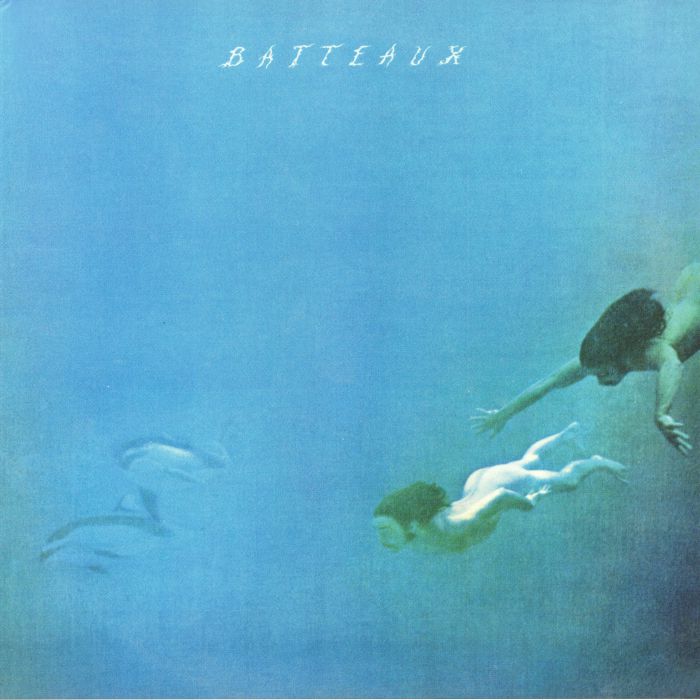
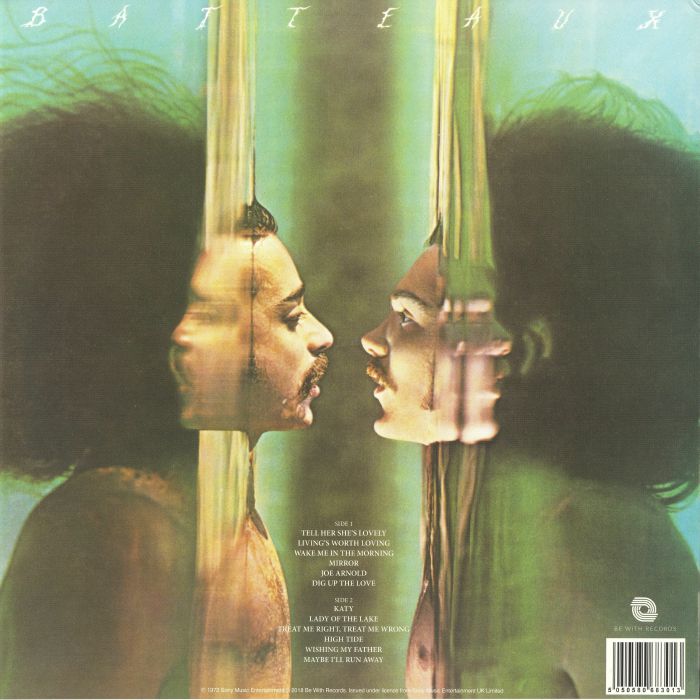
BATTEAUX – BATTEAUX.
Batteaux – Batteaux.
Label: Be With Records.
Format: Vinyl.
Released in 1973 on Columbia Records, ‘Batteaux’ — the self-titled debut and sole album by brothers David and Robin Batteau—is a lost gem of early 1970s soft rock, folk-pop, and blue-eyed soul.
The album was co-produced by Stuart Love and Henry Lewy who is best know for his iconic engineering work with Joni Mitchell. ‘Batteaux’ captures a uniquely California sound: lush orchestral arrangements, crisp acoustic guitar picking, immaculate brotherly vocal harmonies, and sophisticated jazz-adjacent chord structures.
Though it flew largely under the commercial radar upon release, ‘Batteaux’ has earned a dedicated cult following among vinyl collectors and soft-rock aficionados. ‘Batteaux’ was recently reissued by Be With Records. It is a welcome reissue of a lost classic.
Side A.
‘Batteaux’ opens with its signature track Tell Her She’s Lovely. It is an irresistible slice of sun-drenched, blue-eyed soul. Driven by a buoyant bass-line, rhythmic acoustic strumming, and a syncopated vocal hook, it immediately showcases the duo’s knack for radio-ready pop songwriting. David Batteau’s lead vocal carries an effortless warmth, while the brass and string accents elevate the track into an uplifting, breezy anthem. It remains a masterclass in early-seventies West Coast pop production.
Slowing the tempo down slightly, ‘Living’s Worth Loving’ pivots toward pastoral folk-rock. Built on fingerpicked acoustic guitars and pristine vocal harmonies, the song exudes a gentle, optimistic philosophy. The track builds gradually, introducing subtle woodwind flourishes and lush string arrangements that wrap around the brothers’ intertwining voices without ever overpowering the delicate main melody.
‘Wake Me In The Morning’ tilts closer to pastoral singer-songwriter folk. Built around intricate acoustic fingerpicking, the song highlights Robin Batteau’s delicate songwriting style and features his distinctive violin work, providing a softer counterpoint to the preceding groove-heavy tracks.
Serving as a reflective centrepiece for Side A, ‘Mirror’ is an introspective ballad that delves into themes of identity and self-examination. The arrangement is stripped back and fragile, relying primarily on acoustic guitar, subtle keyboard pads, and intimate, close-miked vocals. It highlights the duo’s poetic songwriting credentials and provides a moment of serene stillness.
Characterised by a tighter rhythm section and a character-driven lyrical narrative, ‘Joe Arnold’ brings an earthy, narrative folk-rock flair to the record. The bass-line grounds the track, allowing the brothers’ dual lead vocals and acoustic strums to drive the story forward with momentum.
‘Lady Of The Lake’ introduces a darker, more cinematic mood to the record’s first half. Rooted in traditional folk storytelling, the song features haunting chord voicings and evocative lyrics. Robin Batteau’s violin work shines here, adding classical elegance and melodic counterpoints that heighten the song’s mythical, melancholy atmosphere.
Embracing a subtle country-rock aesthetic, ‘High Lonesome’ captures the bittersweet ache of romantic distance. The instrumentation features warm electric piano chords, steady mid-tempo drumming, and subtle pedal steel textures. The song’s soaring chorus highlights the brothers’ impeccable vocal range and innate harmonic blend, proving their versatility across sub-genres.
Closing Side A, ‘Dig Up The Love’ returns to an upbeat, soul-tinged pop arrangement. Driven by active percussion and brief woodwind touches from Tom Scott, the track leaves the listener on an uplifting note, rounding out a exceptionally balanced first half.
Side B.
Opening the second side, “Katy” is a succinct, sweet acoustic portrait. At just two minutes, it relies heavily on Robin Batteau’s classical and folk violin influences, blending romantic lyricism with a chamber-folk arrangement.
Co-written by David Batteau, Henry Lewy, and Stuart Love, ‘Lady Of The Lake’ carries a shimmering, aquatic production style. Flute accents and subtle reverb create an immersive soundscape that leans into the psychedelic-folk tendencies of the early seventies.
‘Treat Me Right, Treat Me Wrong’ pairs upbeat folk-rock with a slightly bluesy chord progression. The vocal interplay between the brothers is particularly sharp here, backed by a driving snare beat and warm acoustic guitar rhythm.
Widely regarded as the masterpiece of the album, ‘High Tide’ is a masterpiece of folk-funk and soft-soul fusion. Floating on a soft-focused rhythm, shimmering acoustic chords, and ambient production touches, the song captures an evocative, oceanic atmosphere. It remains a prized track among modern crate-diggers and rare-groove collectors.
‘Wishing My Father’ is a brief, tender interlude that functions as an emotional coda following ‘High Tide.’ Sparse and poignant, it features delicate acoustic accompaniment and quiet, reflective vocal phrasing.
Batteaux’ closes with a buoyant, forward-looking pop-rock track. Balancing a sense of wanderlust in its lyrics with a bright, melodic hook, ‘Maybe I’ll Run Away’ brings the record to a satisfying, cohesive finish.
Batteaux remains a quintessential hidden classic of the seventies singer-songwriter boom. Rather than locking themselves into a single sub-genre, David and Robin Batteau created a fluid listen that effortlessly touches upon folk, pop, soft soul, and West Coast groove. Henry Lewy’s pristine engineering ensures that every acoustic pluck, violin swell, and vocal nuance retains warmth and clarity. Though overlooked upon its initial 1973 release, the album’s rediscovery by modern collectors highlights its timeless craftsmanship, melodic richness, and understated elegance.
Batteaux – Batteaux.
- Posted in: AOR ♦ Blue-eyed Soul ♦ Folk ♦ Folk Rock ♦ Jazz ♦ Pop ♦ Rock ♦ Soft Rock ♦ Soul
- Tagged: Batteaux, Be With Records, Columbia Records, David Batteau, Henry Lewy, Robin Batteau, Stuart Love
 dereksmusicblog

