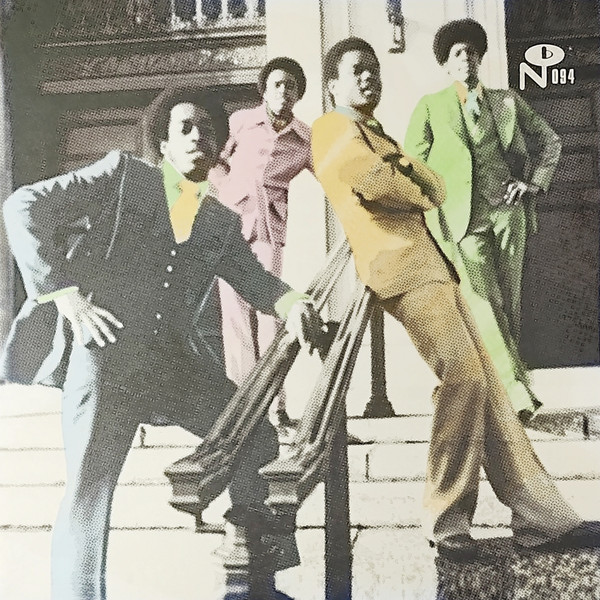
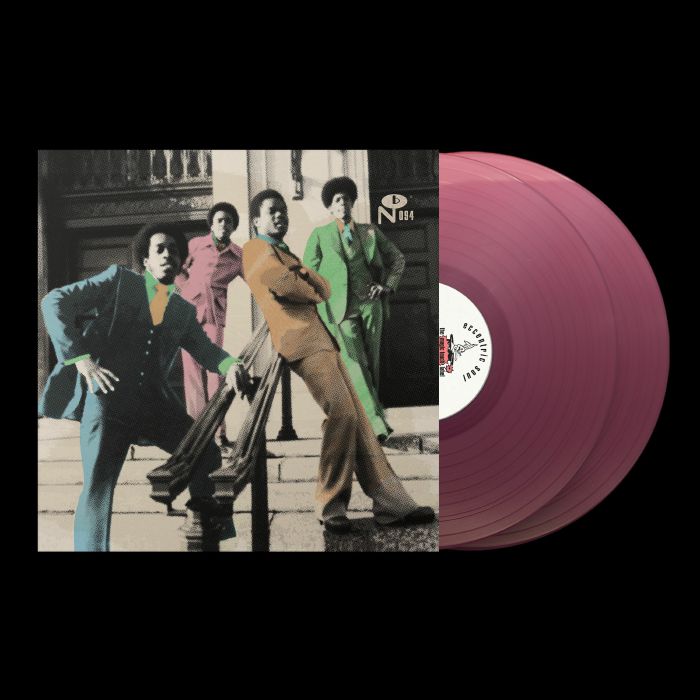
ECCENTRIC SOUL: THE MAGIC TOUCH LABEL VOL. 1.
Eccentric Soul: The Magic Touch Label Vol 1.
Label: Numero Group.
Format: 2 x Vinyl .
Within the historiography of independent American R&B, the Midwest occupies a vital yet frequently overlooked corridor between the industrial powerhouses of Detroit and the blues-drenched studios of Chicago. Situated along the western shore of Lake Michigan, Milwaukee emerged during the sixties as a fertile, self-contained ecosystem of neighboUrhood taverns, teen clubs, and regional record hops.
It was within this dynamic regional marketplace that Cajun-born entrepreneur, songwriter, and producer Lenny “King Creole” LaCour established a sprawling, fiercely independent recording enterprise.
Numero Group’s archival excavation, ‘Eccentric Soul: The Magic Touch Label Vol. 1′, compiles twenty-seven master recordings cut between 1964 and 1980, offering a comprehensive historical document of LaCour’s nomadic production methodology and the vibrant local talent he captured on magnetic tape.
Born in Louisiana before migrating north, Lenny LaCour operated less like a traditional studio executive and more like a musical prospector. Dividing his time and resources between his home base in Chicago and the burgeoning R&B circuit of Milwaukee, LaCour built a decentralised network of labels – anchored by his flagship Magic Touch imprint and supported by satellite ventures such as Dynamic Sound, Six-Twenty, and LaCour.
Unlike the vertically integrated assembly lines of Detroit’s Motown or the tight-knit, house-band synergy of Memphis’s Stax, LaCour’s enterprise eschewed a singular, recognisable “house sound.” Lacking a permanent brick-and-mortar studio of his own, he utilised a rotating roster of regional tracking rooms – including Milwaukee’s Dave Kennedy Studios and Chicago’s Universal and Ter-Mar facilities – while pairing local vocalists with pick-up bands, high school prodigies, and seasoned session players. This fluid operational model allowed LaCour to remain agile in a volatile regional market, pressing small-batch 45s designed for immediate local radio play, jukebox placement, and direct-from-the-trunk distribution.
Because LaCour functioned as an opportunistic chronicler of changing dancefloor trends rather than a dogmatic stylist, the 27 tracks assembled on ‘Eccentric Soul: The Magic Touch Label Vol 1’ serve as a chronological barometer of Black American popular music across nearly two decades. The compilation’s sonic trajectory can be traced across three distinct eras:
Teen pop, girl groups, and uptempo soul reflect the exuberant crossover aspirations of the mid-sixties. Tracks featuring vocal outfits such as The Majestics, The Eptones, and The Chell-Mars pair adolescent vulnerability with driving backbeats and punchy horn arrangements. These recordings – many of which later found a fervent second life among British Northern Soul collectors – capture the raw urgency of young performers bridging the gap between doo wop’s vocal precision and the kinetic stomp of early soul.
As the decade progressed and the cultural landscape shifted, LaCour’s productions grew heavier, grittier, and more rhythmically syncopated. Moving away from pop-oriented melodies, artists like Harvey Scales and The Seven Sounds- arguably Magic Touch’s most commercially successful act – and The Esquires pushed bass-lines and polyrhythmic drum breaks to the forefront. During this period, LaCour’s willingness to embrace rough-edged, unpolished takes yielded deeply percussive funk cuts that prioritised groove over studio gloss.
Throughout the seventies, as regional soul scenes adapted to the rise of discotheques and sophisticated studio orchestration, LaCour pivoted once again. The later selections on ‘Eccentric Soul: The Magic Touch Label Vol 1’ showcase sleeker production values, electric pianos, and four-on-the-floor rhythms. Cuts by acts such as Toby King and Gloria and The T-Airas illustrate how independent Midwest producers absorbed the glossy sensibilities of Philadelphia soul and early disco while retaining the grassroots grit of their local club circuits.
Numero Group’s curation of ‘The Magic Touch Label Vol. 1’ accomplishes more than merely rescuing obscure 45-rpm singles from collector-market hyperinflation; it reconstructs the socio-musical geography of a neglected region. By sequencing well-known regional hits alongside previously unissued acetates and alternate takes, the anthology reveals the trial-and-error reality of independent record making. Sonic imperfections – slightly rushing tempos, blown-out vocal microphones, and idiosyncratic arrangements – are preserved intact, underscoring the immediacy and entrepreneurial hustle that defined LaCour’s catalog.
Ultimately, ‘Eccentric Soul: The Magic Touch Label Vol. 1’ stands as an indispensable corrective to top-down histories of American soul music. Through meticulous audio restoration and exhaustive biographical research, the collection illuminates how local visionaries like Lenny LaCour sustained thriving musical communities far outside the industry’s coastal capitals. In documenting the evolution of Magic Touch and its sister imprints, Numero Group ensures that the artists of Milwaukee and Chicago’s independent underground are recognised not as footnotes to the era’s major labels, but as vital architects of soul and funk’s enduring legacy.
Side A.
Opening the anthology with maximum kinetic force, is The Mar-J’s’ 1967 single ‘Got To Find A Way Out,’ which was released on Magic Touch, and is a prized rarity among Northern Soul collectors. Reriven by a relentless four-on-the-floor snare crack, urgent brass stabs, and fluttering guitar lines, the vocal delivery balances desperate romantic entrapment with euphoric rhythmic release immediately establishing the label’s raw, unvarnished midwestern punch.
Originally tucked onto the flip side of their 1967 single on Magic Touch, Marvelle and The Blue Mats’ ‘A Whole Lotta Lovin’’ showcases producer Lenny LaCour’s knack for capturing youthful exuberance in a single take. Built on a bouncy, Motown-adjacent bassline and crisp tambourine, Marvelle’s spirited lead trades call-and-response hooks with tight backing harmonies, radiating unpretentious neighbourhood dancehall energy.
One of the earliest sides in the Magic Touch canon, The Swinging Hearts’ ‘I’ve Got It’ – originally cut around 1964 for the Six-Twenty imprint before landing on Magic Touch – channels the gospel-inflected shout-soul of the early Isley Brothers. Propulsive handclaps, a gritty organ bed, and raspy, full-throated vocals transform a straightforward romantic boast into an infectious R&B stomper.
Released in 1966 on Magic Touch, Junior and The Classics’ ‘Wise Up’ leans into a taut, mid-tempo groove accented by sharp, staccato horn arrangements and bluesy guitar licks. Junior’s pleading, slightly weathered vocal sits right on top of the rhythm section, delivering a cautionary tale with street-level authority rather than studio polish.
Issued on Magic Touch in 1967 under producer Jerry Lorens, Gary Brown’s ‘Would You Laugh At Me’ shifts the mood toward vulnerable heartbreak soul. Over a swaying, horn-cushioned arrangement, Brown delivers a tender, self-doubting vocal performance that highlights the emotional fragility lurking beneath the bravado of sixties R&B.
Arranged by Albert Vance for a 1967 release on Magic Touch, Evelyn Smith’s ‘Don’t (Make Me No Promises)’ is a heavyweight deep soul ballad and a true vocal tour de force. Smith sings with uncompromising grit and church-bred power, building tension over brooding brass and rolling piano triplets before erupting into a dramatic, cathartic climax in the final minute.
Closing Side A via LaCour’s Dynamic Sound subsidiary in 1967, The Comic Books’ ‘The First Time In My Life’ illustrates the cross-pollination between midwestern garage rock and blue-eyed soul. Chiming guitars, a driving teen-beat rhythm, and earnest vocal harmonies give the track a bittersweet, end-of-the-night dance feel.
Side B.
Not to be confused with the Detroit instrumental outfit, Milwaukee vocal group The Tornadoes delivered one of Magic Touch’s rarest 1972 singles with ‘Won’t You Forgive.’ It was released on Magic Touch, and written and arranged by Clarence Seymour. Lush, sweeping group harmonies float over a crisp, modernising early-seventies rhythm section, blending classic sweet-soul yearning with upbeat danceability.
Dating back to 1966, Marvelle and The Blue Mats jump headfirst into the mid-sixties dance-craze sweepstakes with ‘The Dance Called The Motion.’ Driven by an insistent baritone saxophone riff and a snapping backbeat, the track functions as both an instructional party starter and a masterclass in tight, economical ensemble playing.
The uptempo flip side to Evelyn Smith’s 1967 ballad, ‘You Don’t Mean A Thing To Me’ pivots her emotional posture from wounded vulnerability to defiant dismissal. Propulsive horns and a brisk, Northern-friendly tempo propel her commanding vocal, proving she could dominate a crowded dancefloor just as effortlessly as a torch song.
The A-side partner to ‘I’ve Got It,’ The Swinging Hearts’ ‘You Speak Of Love’ slows the tempo to a simmering, doo-wop-indebted R&B sway. Warm vocal blends wrap around a walking bass-line and sparse guitar chords, capturing the transitional moment when early-sixties vocal-group traditions evolved into mature soul on Magic Touch.
The 1967 B-side to ‘Got To Find A Way Out’, The Mar-J’s’ ‘Forever (There’ll Be A Summer Night)’ which was released on Magic Touch, trades kinetic urgency for hazy, nocturnal romance. Gentle vocal harmonies and a languid, swaying arrangement evoke humid midwestern summer evenings, showcasing the group’s dynamic range.
Cut for Magic Touch in the late sixties, Sean Taylor’s ‘Put Me Down Easy’ is anchored by a crisp, mid-tempo pocket and sharp horn punctuation. His nuanced, conversational phrasing lends genuine pathos to a classic theme of impending heartbreak.
The B-side of Gary Brown’s 1967 outing, ‘Oh My Love’ leans further into classic pop-soul territory. A buoyant rhythm track and bright brass accents lift his earnest tenor, creating an optimistic counterpoint to the insecurity of ‘Would You Laugh At Me.’
Rounding out Side B, The Swinging Hearts offer another dose of heartfelt, mid-sixties vocal-group soul on ‘Say It Isn’t So.’ Built on aching falsetto accents and a steady, unhurried backbeat, the recording underscores the tight vocal discipline that made the group a cornerstone of LaCour’s early roster.
Side C.
Opening the Side C with heavy, brooding intensity, Junior and The Classics’ late-sixties outing ‘Kill The Pain’ finds the group digging into darker, blues-drenched territory. A thick, insistent bass groove and searing vocal delivery turn the track into a raw, late-night confession.
Stepping firmly into the turn-of-the-decade funk era, Filet Of Soul’s ‘Do Your Own Thing’ is a lean, syncopated workout built on interlocking guitar scratches, punchy horn blasts, and a message of countercultural self-determination. The pocket is deep, dry, and relentlessly physical.
The B-side to The Tornadoes’ 1972 single ‘Won’t You Forgive’ ‘Feel Like A Fool’ slows the pace for a masterclass in early-seventies sweet-soul melancholy. Clarence Seymour’s arrangement wraps plaintive lead vocals in rich, aching harmonies and delicate guitar fills that linger long after the fade-out.
Released on Magic Touch the 1967 single from Marvelle and The Blue Mats’ ‘Soul Fever’ captures the group at their most infectious. A chugging, horn-driven groove sets the stage for playful, high-energy vocal interplay that bridges girl-group charm with raw R&B muscle.
Originally paired with ‘Wise Up’ on Magic Touch in 1966, Junior & The Classics’ ‘Mix Up (A Go Go)’ is an instrumental-leaning go-go workout of pure, unfiltered party fuel. Swirling organ riffs, driving percussion, and excited vocal interjections recreate the sweat-soaked atmosphere of a packed mid-sixties club.
Flipping the hard-edged funk of ‘Do Your Own Thing,’ Filet Of Soul smooths out the edges on their 1970 companion cut ‘Sweet Lovin.” Warm electric piano chords and a relaxed, rolling bassline support an affectionate, laid-back vocal performance.
Closing Side C with fierce conviction, Shirley Drumgole’s early-seventies single ‘I’ll Never Give You Up’ is a powerhouse soul performance. Backed by driving drums and emphatic brass, her resolute vocal turns romantic devotion into an unshakeable declaration of strength.
Side D.
Kicking off the final side, Chicago vocal trio The C.O.D.’s – famous for their 1965 hit ‘Michael’ – bring seasoned harmonic precision to LaCour’s late-sixties orbit on ‘Gimme Your Love.’ Crisp rhythm guitar, bright horns, and effortless vocal interplay give the track undeniable crossover appeal.
No survey of Magic Touch is complete without its crown-jewel act, Harvey Scales and The Seven Sounds – the Milwaukee powerhouse who put LaCour on the map with ‘Get Down’ and ‘Love-Itis’ before Scales cowrote Johnnie Taylor’s smash ‘Disco Lady.’ Cut around the turn of the seventies, ‘Trying To Survive’ channels gritty, socially conscious funk-soul, pairing Scales’s gravelly, charismatic lead with razor-sharp horn charts and a locked-in rhythm section.
Propulsive and forward-looking, The Deltas’ early-seventies cut ‘Gonna Move On’ rides a brisk, tambourine-laced beat that marries sixties soul urgency with modern rhythmic drive. Tight vocal harmonies and punchy brass accents keep the momentum surging from start to finish.
As the compilation moves deeper into the seventies, Krystal’s ‘False Alarm’ introduces sleeker production values, shimmering hi-hats, and a buoyant, proto-disco pulse. The vocal is poised and modern, illustrating how LaCour adapted his sonic palette to match shifting club aesthetics.
Closing the anthology in 1978, Chicago’s Brighter Side of Darkness – best known for their million-selling 1972 ballad ‘Love Jones – reunite with LaCour on ‘He Made You Mine’ during his late-seventies return to the Windy City. Released on Magic Touch and co-written by LaCour and Darryl Lamont, the track rides a lush, four-on-the-floor disco-soul groove complete with sweeping strings, syncopated bass, and soaring vocal harmonies, bringing the label’s sixteen-year journey to a triumphant close.
Taken as a whole, ‘Eccentric Soul: The Magic Touch Label Vol. 1’ functions as far more than a crate-digger’s curiosity or a regional footnote; it is an essential corrective to the coastal and Motor City monopolies that too often dominate the historiography of American soul. Across its four sides, the anthology maps the artistic and commercial evolution of producer Lenny LaCour, charting how a shrewd independent operator operating out of Milwaukee and Chicago transformed modest studio resources into a remarkably cohesive sonic identity. Rather than presenting a static snapshot of a single era, the collection traces a sixteen-year continuum—from the raw, gospel-stoked vocal-group urgency of the mid-sixties to the sleek, string-drenched disco-soul sophistication of the late seventies – without ever losing the unvarnished, working class grit that defines the Midwestern soul aesthetic.
What emerges most vividly from this comprehensive survey is the creative tension between local authenticity and mainstream crossover ambition. On one hand, tracks like The Mar-J’s’ frantic ‘Got To Find A Way Out,’ Junior and The Classics’ street-level ‘Wise Up,’ and Evelyn Smith’s towering deep-soul ballad ‘Don’t (Make Me No Promises)’ capture the unfiltered immediacy of neighbourhood clubs and basement sessions – performances driven by emotional necessity rather than major label polish. On the other, LaCour’s willingness to adapt to shifting rhythmic landscapes is evident in the lean, countercultural funk of Filet Of Soul, the socially conscious groove of flagship act Harvey Scales and The Seven Sounds, and the proto-disco sheen of Krystal and Brighter Side of Darkness.
In refusing to separate the label’s celebrated Northern Soul floor-fillers from its tender sweet-soul B-sides and experimental dance workouts, the sequencing reveals a holistic portrait of an imprint constantly in motion.
Ultimately, Numero Group’s archival curation elevates ‘The Magic Touch Label Vol. 1’ into a vital cultural document. By pairing meticulous discographical rigor with remastered audio that preserves the punch, warmth, and room tone of the original 45s, the release honours both the marquee names who broke onto the national charts and the unsung local vocalists whose legacies previously survived only on scarce vinyl pressings. For historians of American rhythm and blues, devoted vinyl collectors, and casual listeners alike, this anthology stands as a definitive testament to the enduring power of independent regional soul – proving that some of the genre’s most vital, urgent, and transcendent moments were forged far from the traditional industry capitals.
Eccentric Soul: The Magic Touch Label Vol 1.
- Posted in: Deep House ♦ Disco ♦ Doo Wop ♦ Funk ♦ Modern Soul ♦ Soul
- Tagged: Dynamic Sound, Eccentric Soul: The Magic Touch Label Vol 1, Gloria and The T-Airas, Harvey Scales and The Seven Sounds, LaCour, Lenny "King Creole" LaCour, Lenny LaCour, Magic Touch, Numero Group, Six-Twenty, The Chell-Mars, The Eptones, The Esquires, The Majestics, Toby King
 dereksmusicblog

